
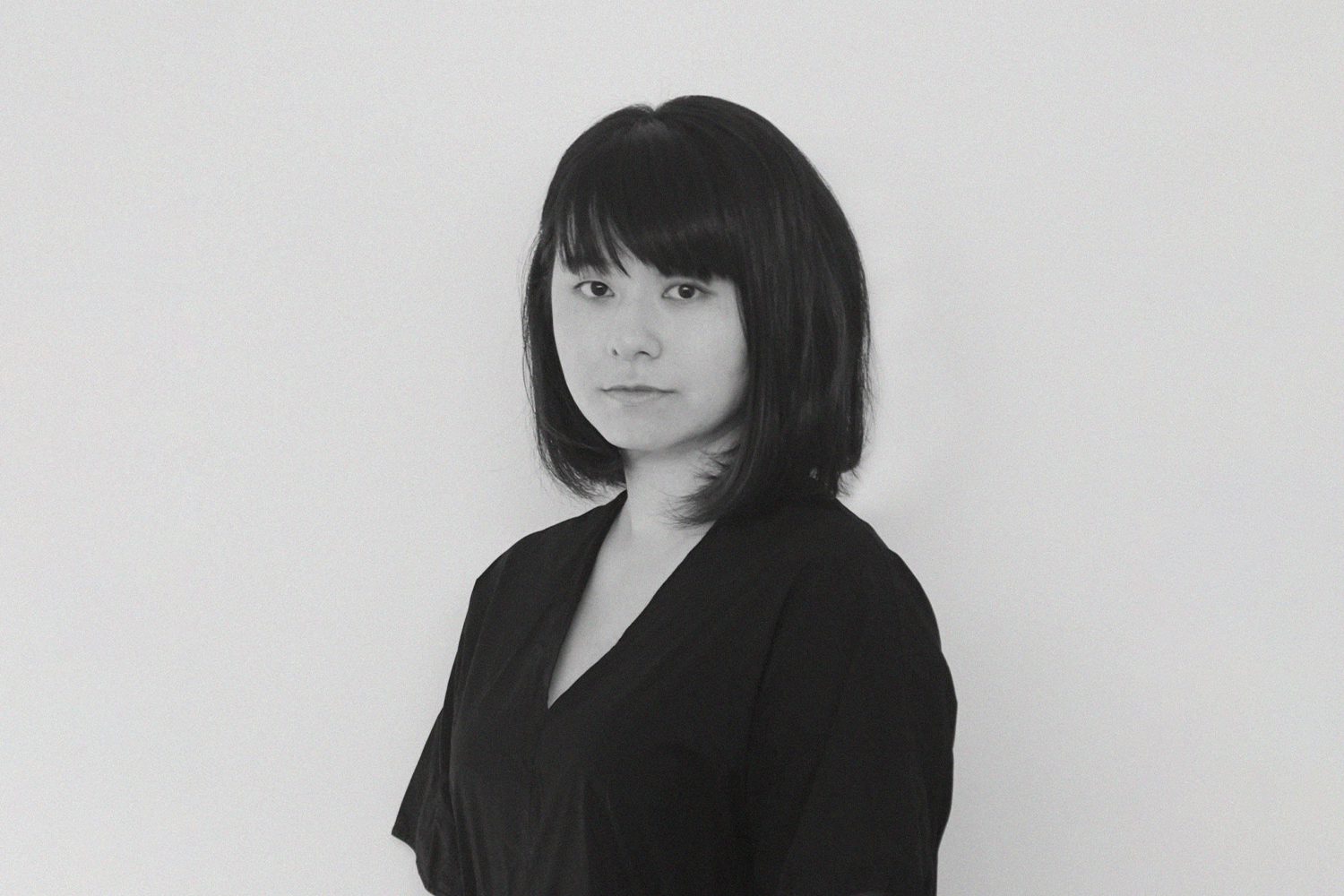
 Yashin Tzeng
 THIS ARTICLE FEATURES A CONVERSATION WITH YASHIN TZENG, A TAIWANESE DESIGNER AND CO-FOUNDER OF HIDDEN-DOMAIN STUDIO, ABOUT THE STUDIO’S APPROACH TO DESIGN, FROM INTERPRETING SPATIAL CONTEXTS AND STUDYING THE LIFE CYCLE OF MATERIALS TO THE ROLE OF DESIGNERS IN TODAY’S WORLD
TEXT: NATHATAI TANGCHADAKORN
PHOTO COURTESY OF HIDDEN-DOMAIN STUDIO EXCEPT AS NOTED
(For Thai, press here)
art4d invites everyone to get to know Yashin Tzeng, a Taiwanese designer and adjunct professor at National Cheng Kung University (NCKU), and hidden-domain studio, which she co-founded with Chung-Yi Lin, on the occasion of the ‘Design Perspectives x Golden Pin Salon Bangkok 2026’ visiting The Standard, Bangkok Mahanakhon and inviting her as one of the key speakers this May.
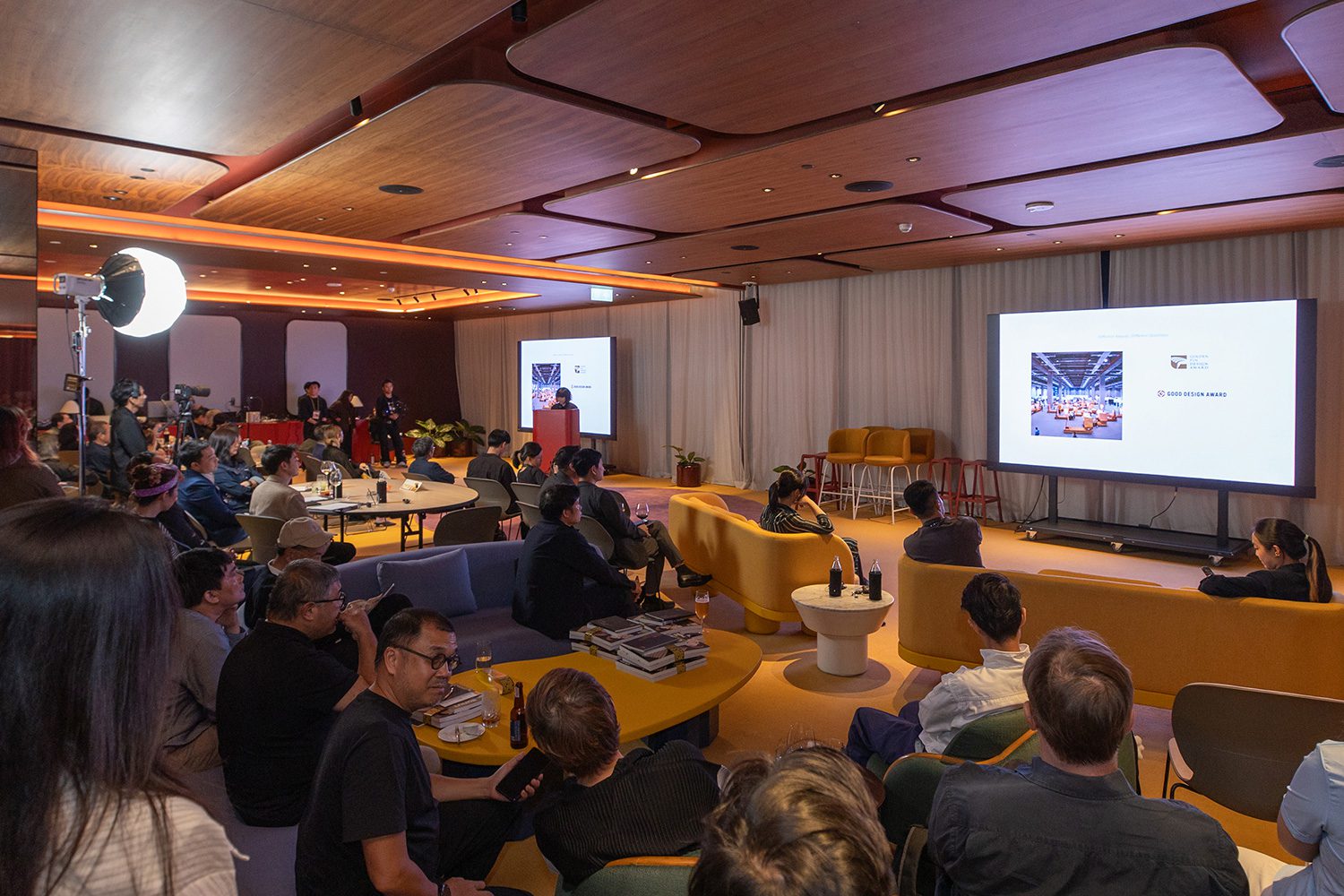
Design Perspectives x Golden Pin Salon Bangkok 2026 | Photo courtesy of art4d
Hidden-domain studio is a relatively new face in the design world, having only been around for about three years. However, prior to its founding in 2023, Yashin and Chung-Yi already had considerable design experience. Since hidden-domain studio was founded, their projects have steadily won numerous awards, leading to an invitation to this year’s salon, themed ‘Designing for Recognition: Whose Standards Matter?’, with curiosity about the young studio’s perspective on design competitions and their approach to integrating their experience to create unique works.
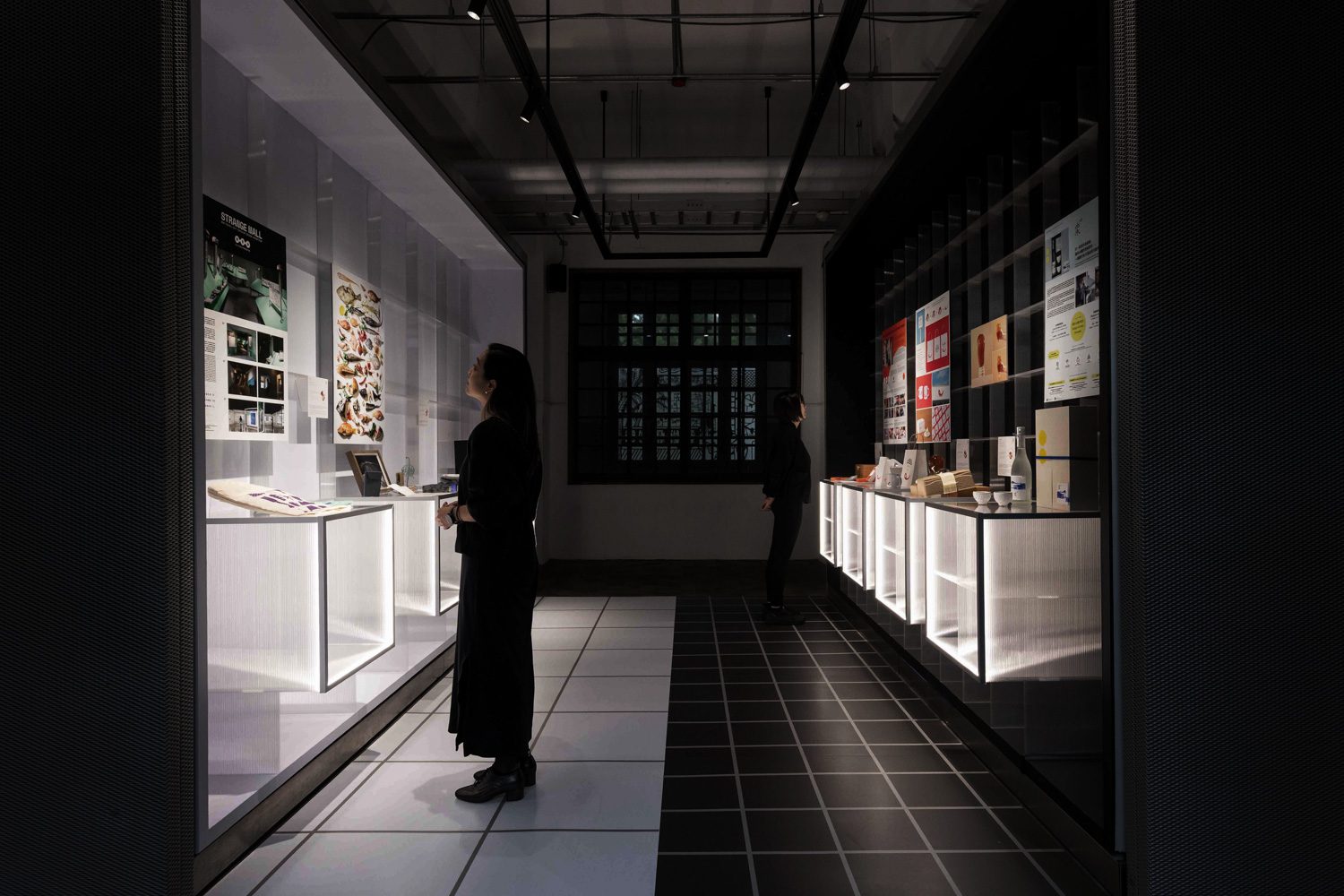
Golden Pin Design Award 2025 Exhibition
art4d: Could you tell us why it has to be hidden-domain studio?
Yashin Tzeng: In a formal version I would say, when we design space, we are trying to pull out something that was hidden, something already existing on-site. My partner also agreed with that.
But the real reason is when I was working in Japan from 2018 to 2022. I worked in Japan in the design firm ‘nendo’ and created an Instagram account for posting my illustration works. They’re like something crazy, very dull, and those light drawings are kind of my outlet, because as a designer, you should not have so many irrational thoughts. (laugh) I called it ‘hidden domain.’
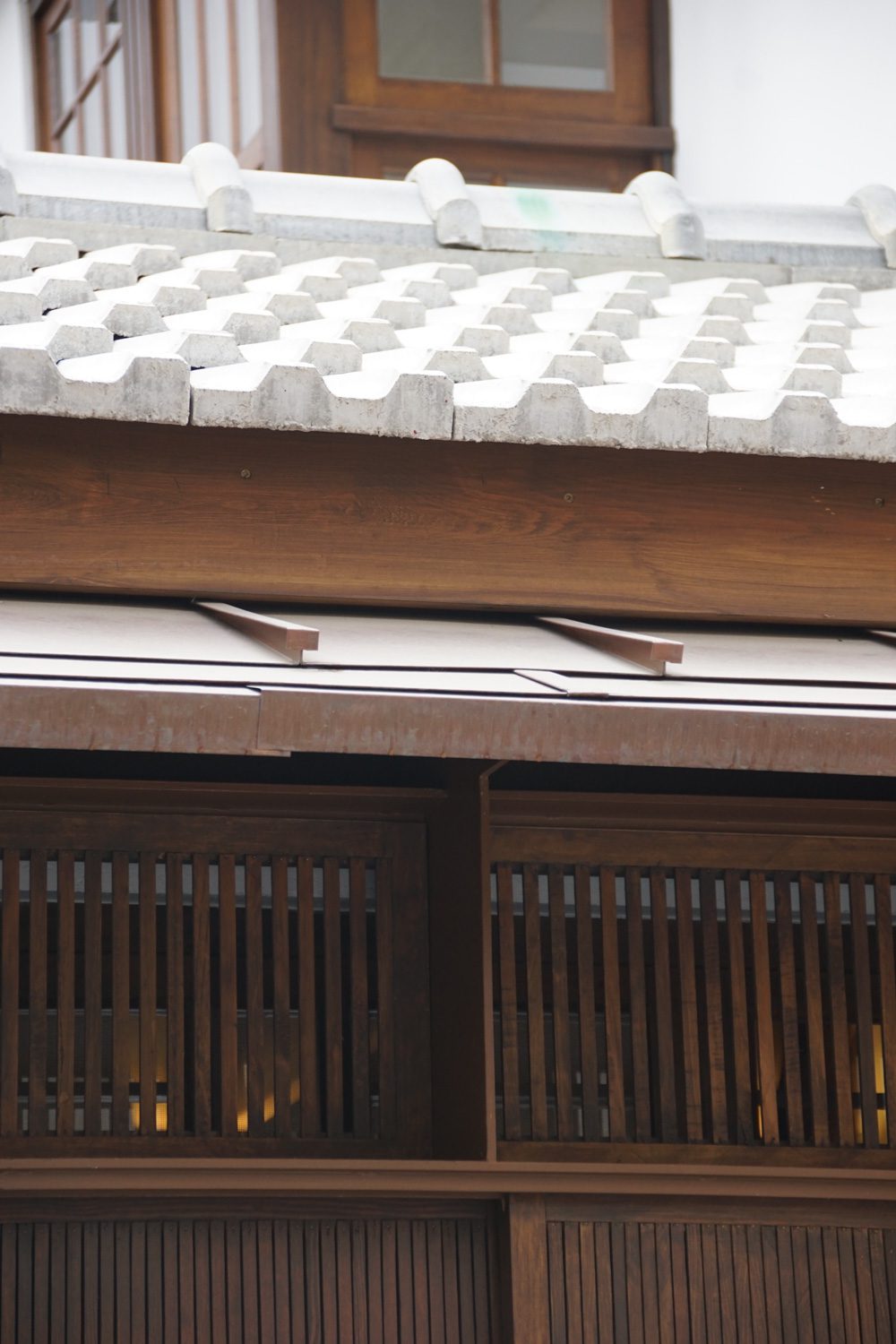
Tainan’s hidden Layers
art4d: What is your design philosophy? Has establishing a studio in Tainan influenced your design process?
YT: Because we are trying to find hidden and unexpected things that exist in the place and Tainan is actually the oldest city in Taiwan. There are so many layers and textures. You don’t need to look for them, they catch your eyes by themselves. My partner and I actually grew up in another city but we feel like Tainan is inspiring so we moved and stayed there.
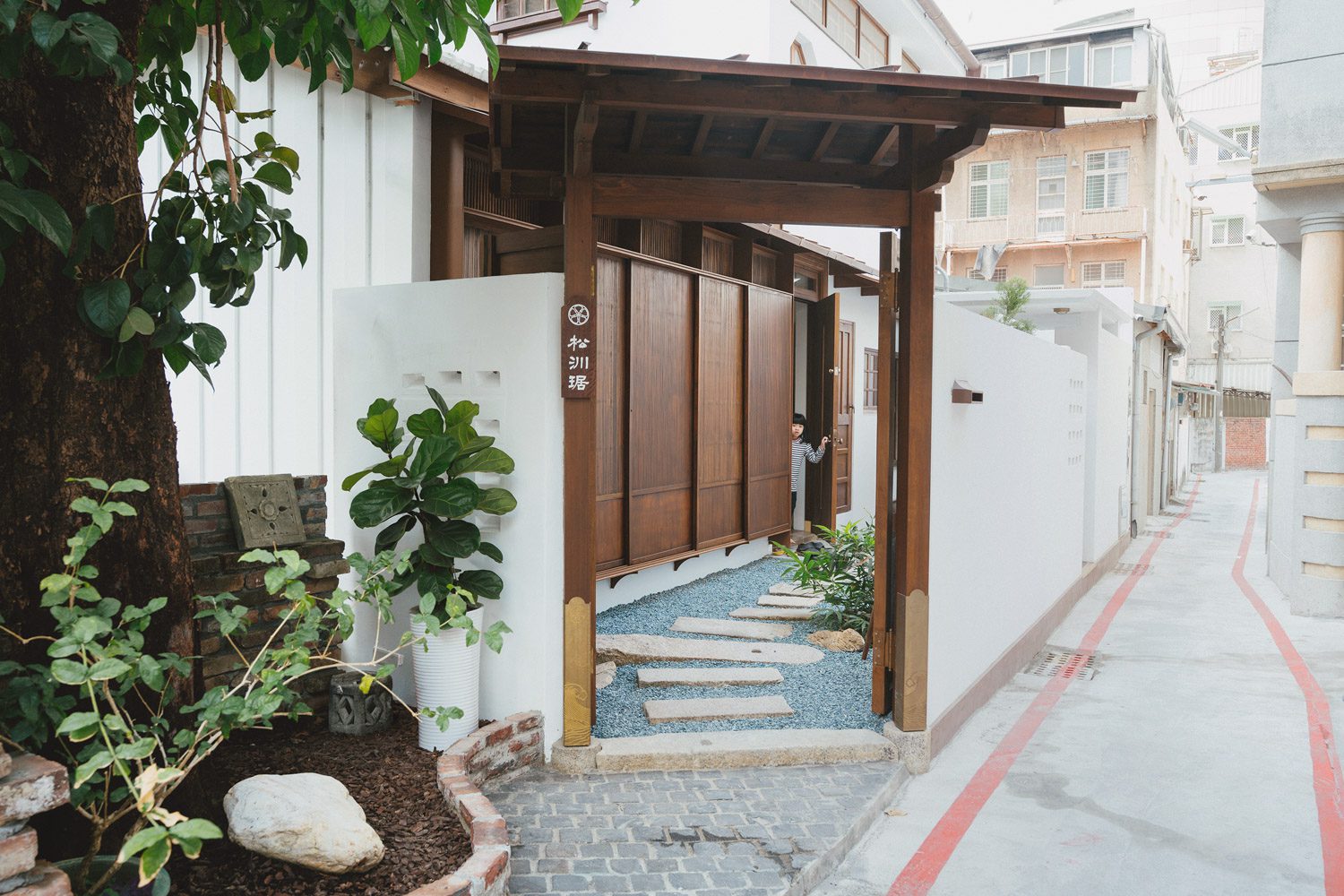
Tainan old town alleyway
art4d: Both Forest Taiwan and The Borrowing Project are notable for their use of raw materials. Aside from searching the hidden things in design, do you have a special interest in this topic?
YT: I wouldn’t say that we start these projects with the material. But my partner worked in Kengo Kuma and Associates in Japan before, so he has this kind of strong interest and knowledge about construction logic. The project starts from when we try to figure out what’s behind the material’s life, how it was shipped from one place to another place. We find a point to break it and create something new in that way, so we don’t need to waste things.
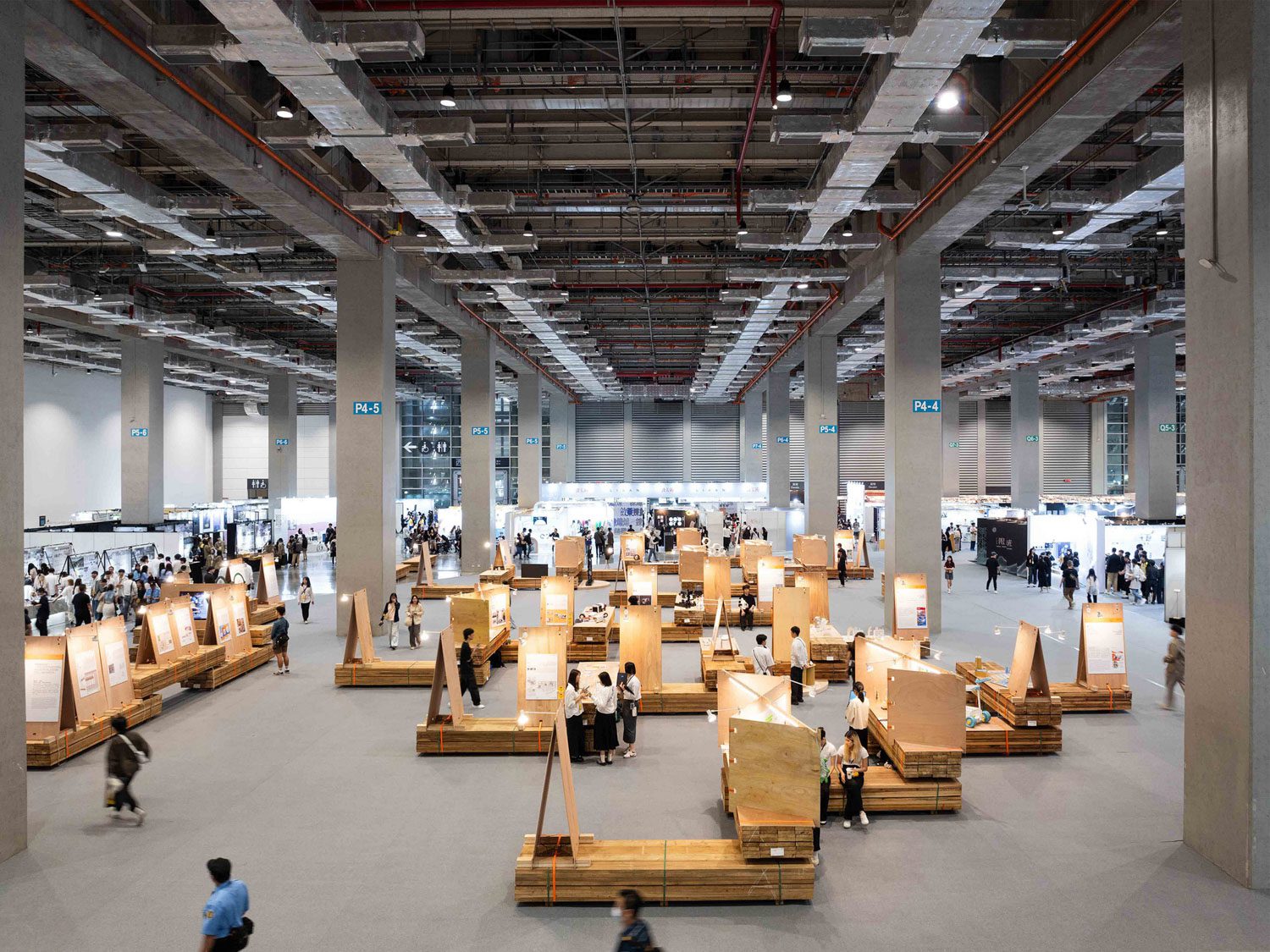
The Borrowing Project
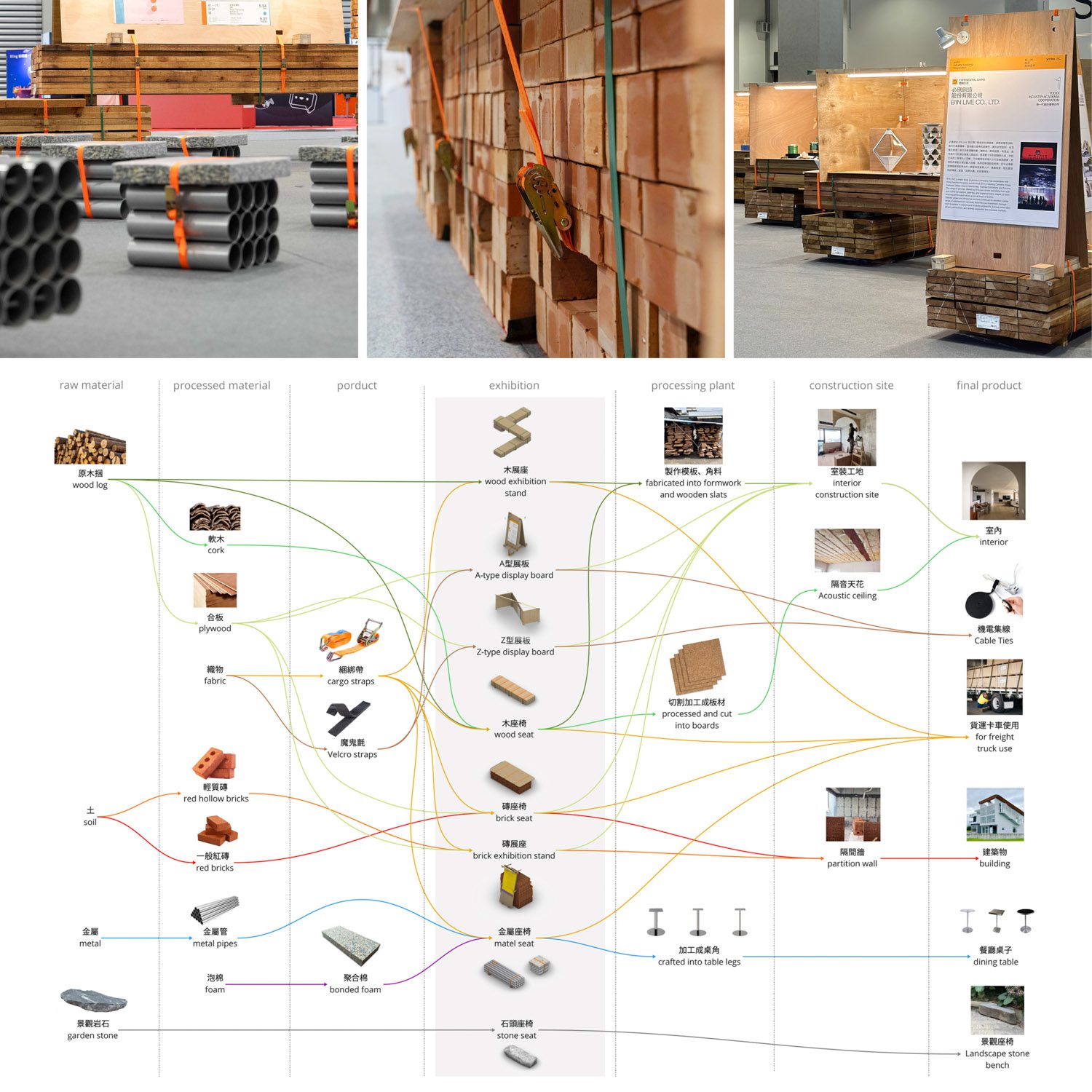
construction logic & material life
art4d: Does spatial design in each cultural context feel different? Always finding the topics behind the place make them look similar?
YT: It’s more similar than different. You want to know why things happen, why people think differently, and what’s the beauty in their eyes. Sometimes it’s not even cross culture, just a story in a different generation. With this curiosity, we can work with different types of projects. I think different cultures and design fields have a shared design language. We can communicate, but we need to translate it first and I’m kind of really interested in that translation process.
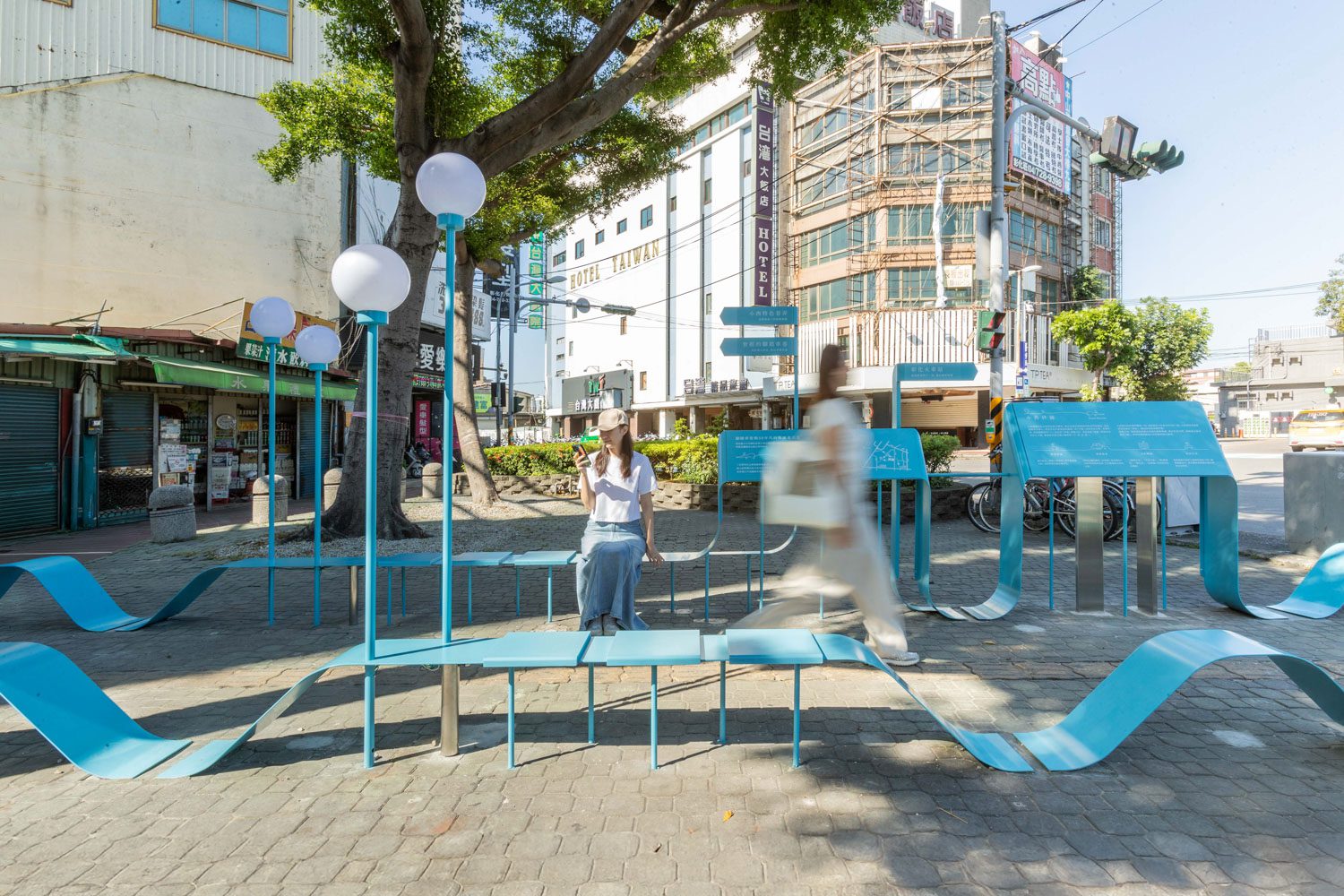
小西伴線: The StoryLine of Changhua City
art4d: Please tell us about your experience with NCKU (National Cheng Kung University). What are its core ideas or main approaches?
YT: I think the architecture program here has a strong connection with the city of Tainan, so students are not only asked to produce drawings and massing studies, like the things we usually do in architecture school, but are also asked to do city research. We try to set the site in Tainan city when we give them the design project, so they can go there, visit, and investigate by themselves directly., I would try to encourage them to work from really detailed things to urban-scale strategy. I think the school is really open-minded. Everyone can develop their own trajectory.
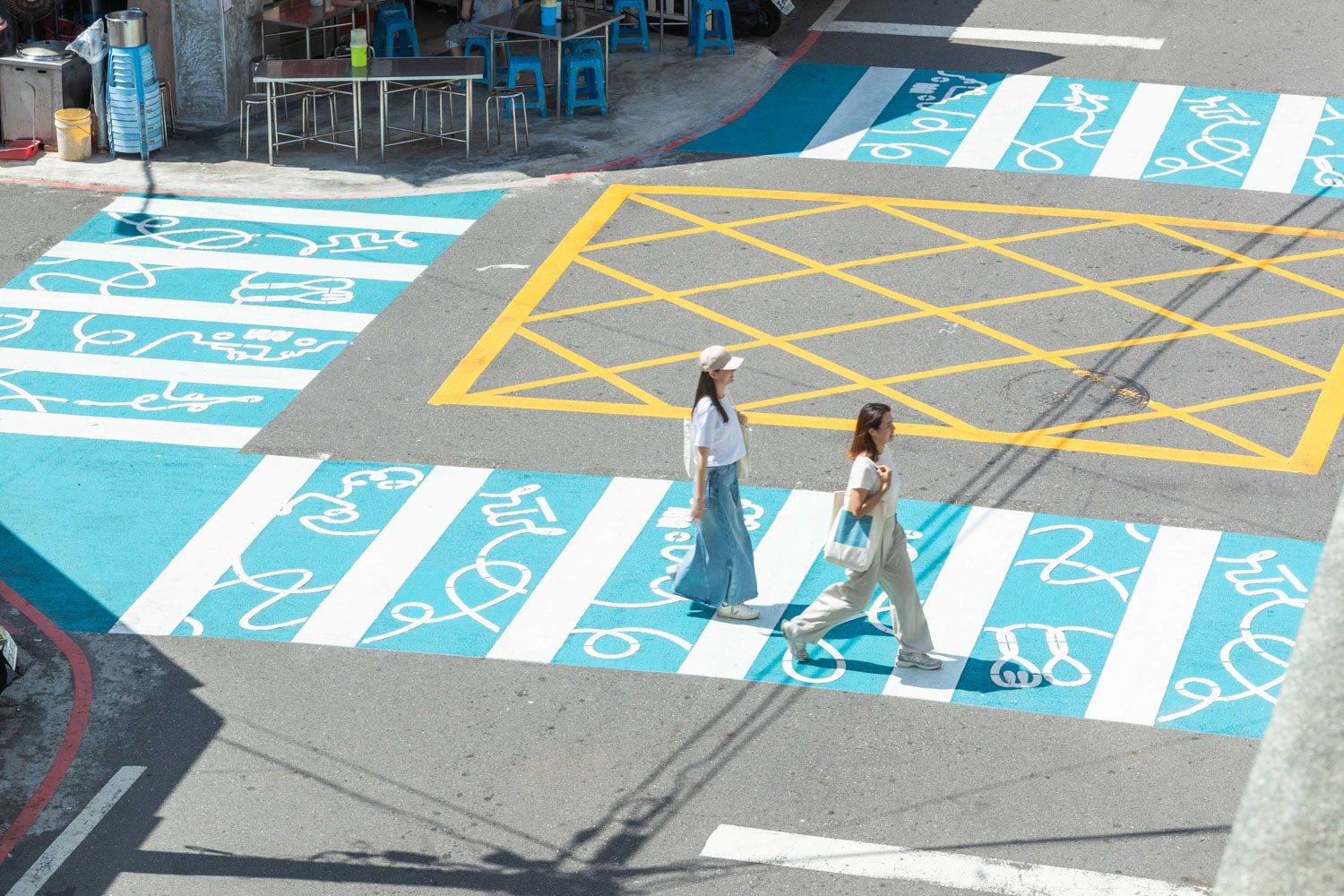
Urban Strategy – small intervention
For those interested in design talks of this caliber, the full session is available to watch on the Golden Pin Design Award YouTube channel: https://www.youtube.com/watch?v=v01klKdTFpQ&t=4474s