
‘WEEVIL IN RICE,’ AN EXHIBITION BY KANOKWAN SUTTHANG, TAKES US BACK TO THE PROCESS OF REMOVING UNWANTED IMPURITIES FROM RICE, FROM THE HOUSEHOLD LEVEL TO THE INDUSTRIAL LEVEL, INVITING QUESTIONS ABOUT THE VALUE OF WHITENESS AND PURITY
TEXT: SARUNKORN ARTHAN
PHOTO COURTESY OF WARINLAB CONTEMPORARY
(For Thai, press here)
Although Weevils in Rice left the rooms of Warin Lab Contemporary back in April, the questions it lodged in the mind have not been as quick to disappear. Through the story of polished rice and tiny insects, the exhibition draws us deep into the roots of an immaculate philosophy of ‘whiteness,’ a question that deserves to be unearthed, unsettled, and examined once more.
Rice, of course, is the primary source of energy for Thai people and communities across Southeast Asia. It is eaten with side dishes that vary from region to region and according to different methods of preparation, from salads, soups, and stir-fries to curries and fried dishes. Yet before rice reaches the mouth, one ritual remains widely shared: it is rinsed in water, or sao khao. This act does more than remove dust, grit, or visible impurities before the grains are cooked. It also responds to a deeper concept, even a philosophy, of cleanliness itself. Rice is expected to be white and pure, each grain intact, free of dust, weevils, and other insects. Anything displeasing, visually unclean, or difficult to stomach is filtered out. Once cooked, the rice should rise beautifully in the pot, soft and separate rather than clumping together like sticky rice, befitting the term khao suai, or ‘steamed rice.’ Linguistically, the phrase is thought to derive from khao sui, meaning loose or separated rice, rather than from suai, ‘beautiful,’ in the contemporary sense of something visually appealing or appetizing.
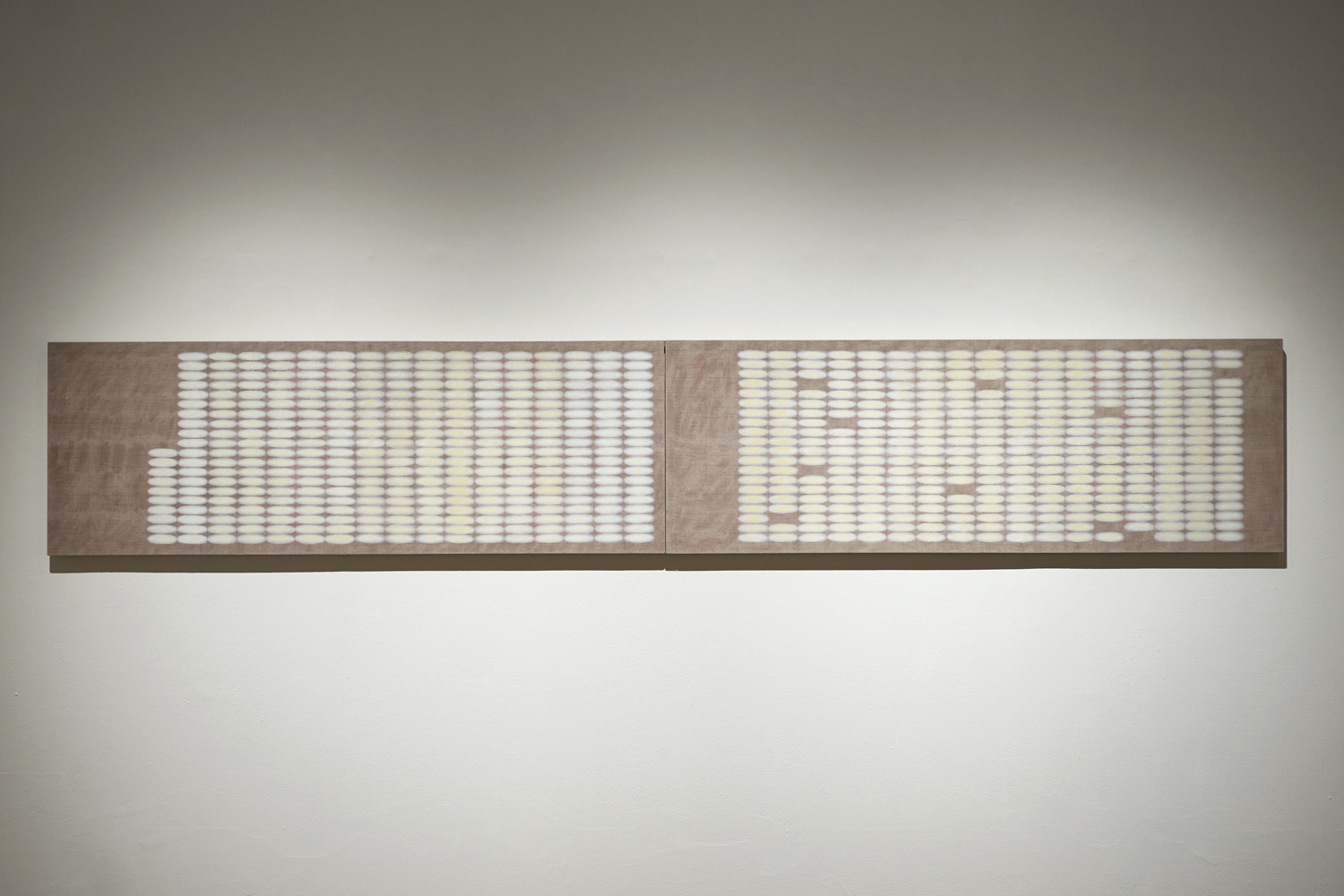
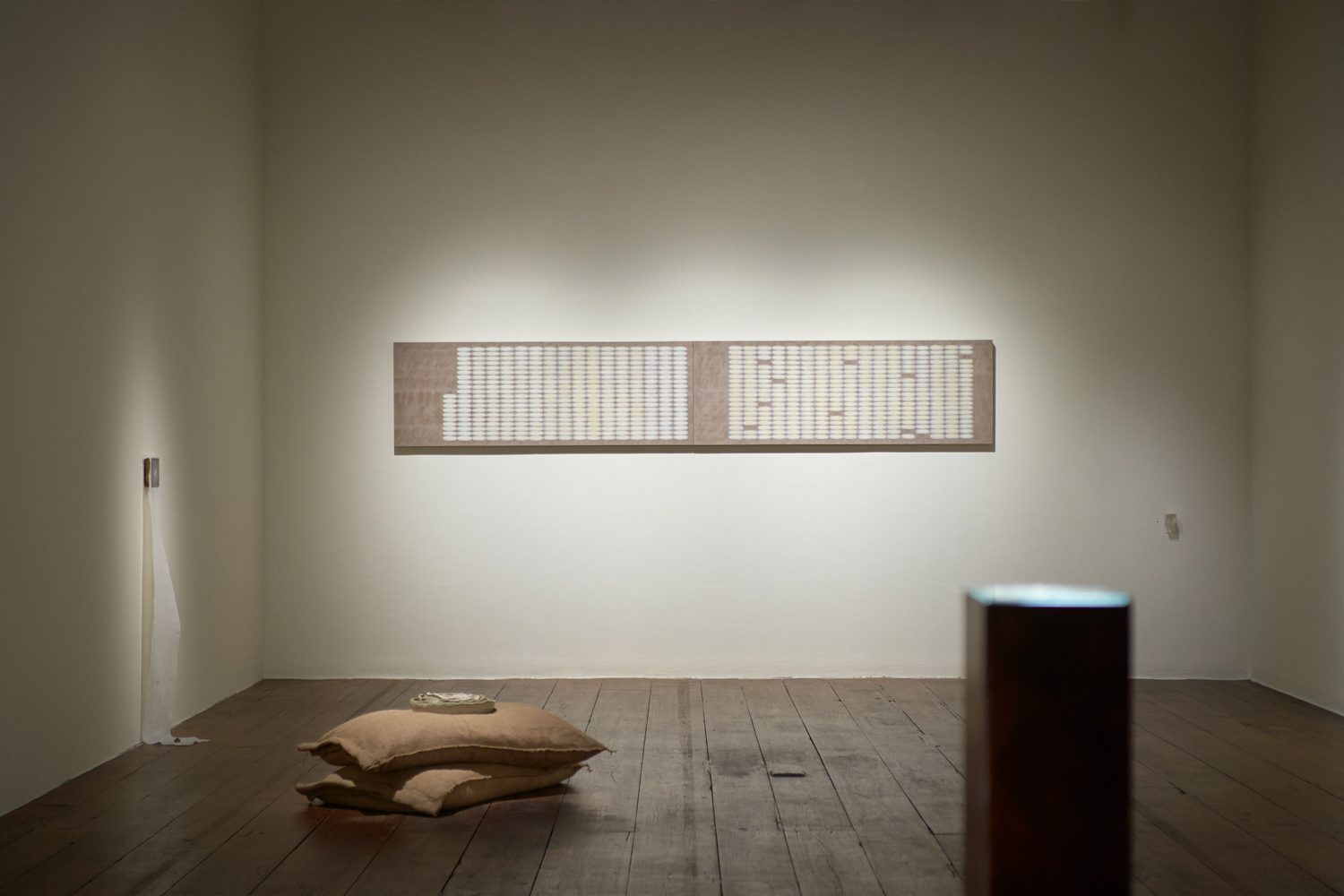
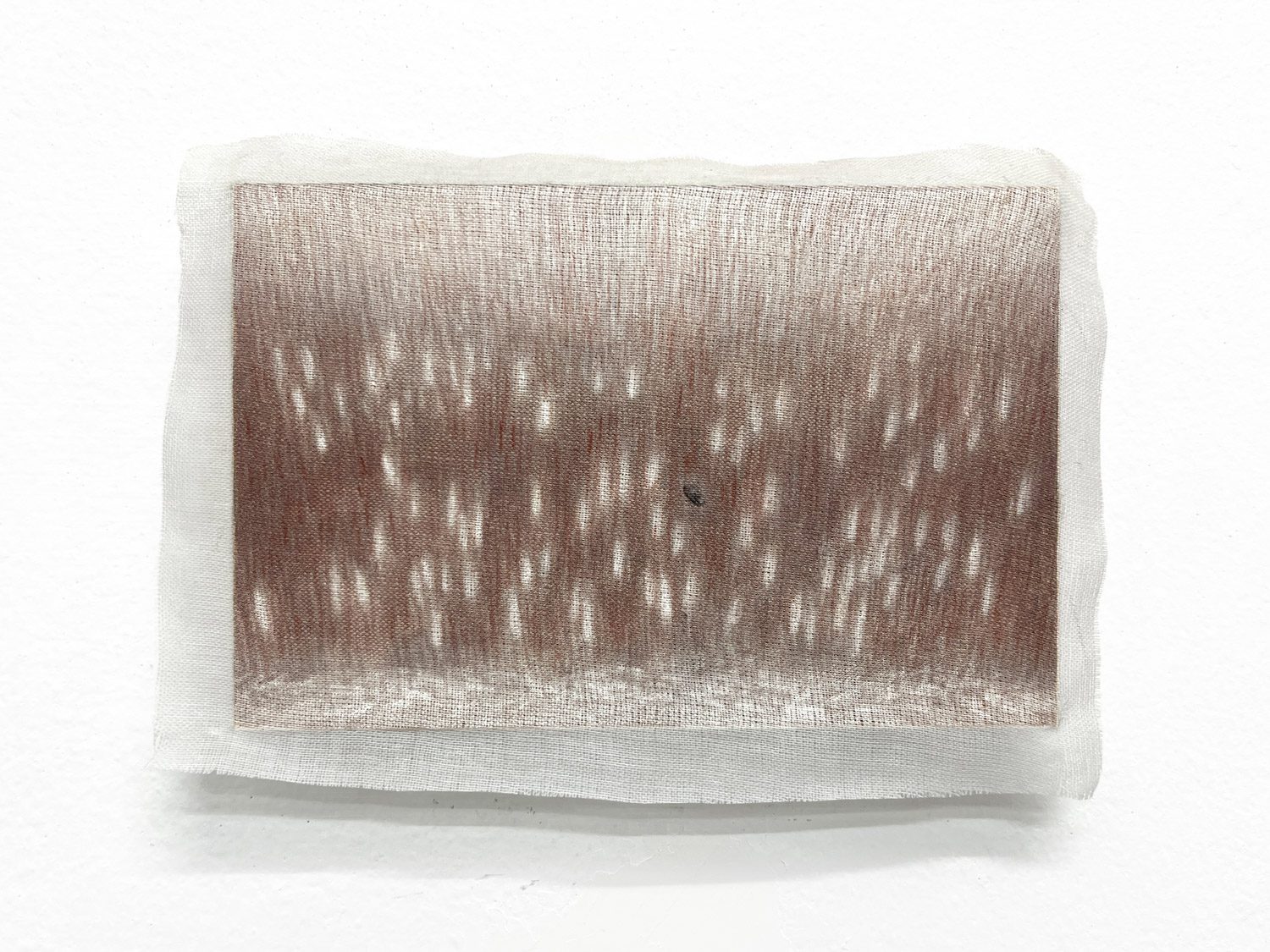
330 Eggs and 10 Pellets, 2025
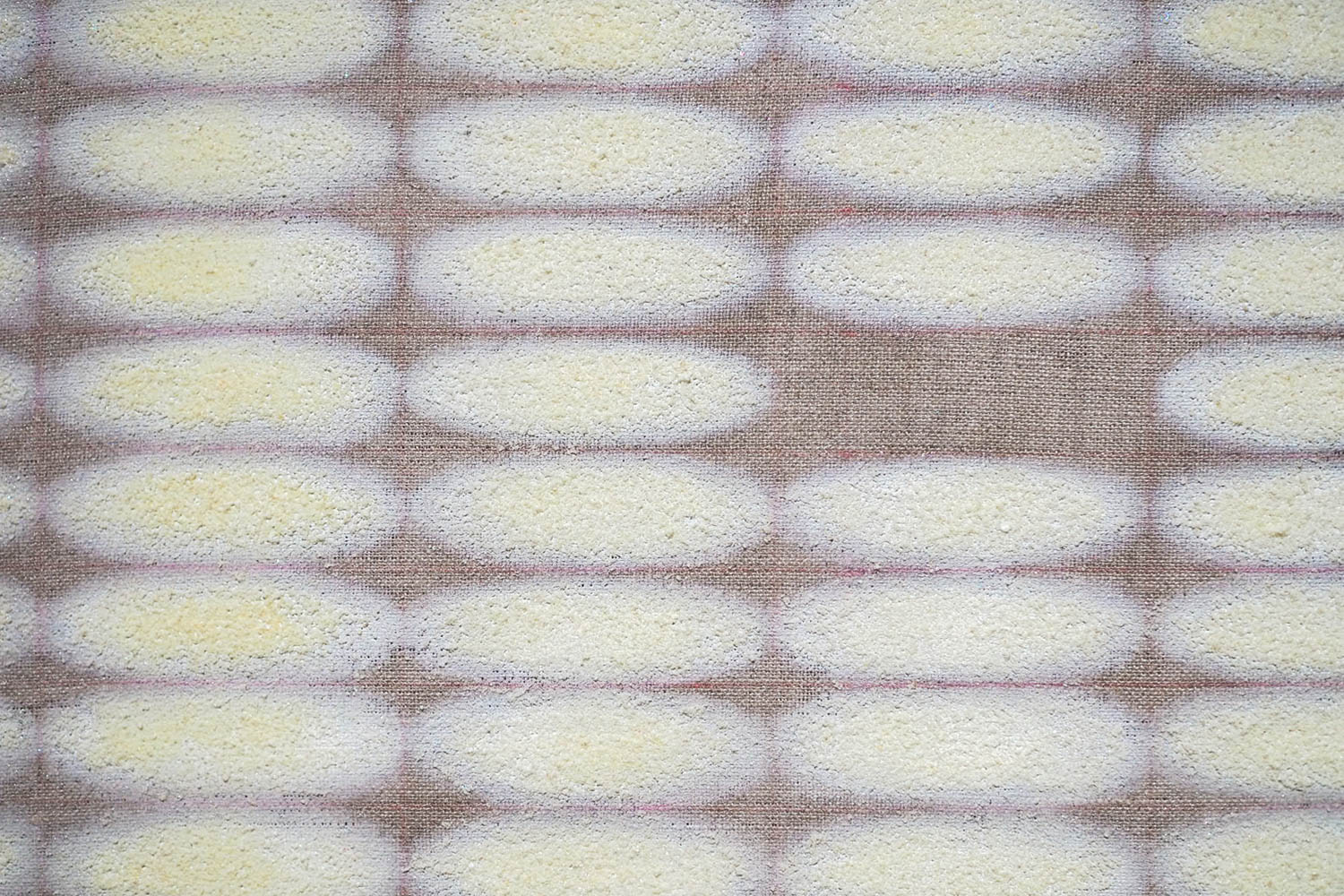
330 Eggs and 10 Pellets, 2025
Kanokwan Sutthang is an emerging artist whose interest extends beyond rice itself to the impurities found within it, and to the wider ecology that surrounds it. Following her debut work, Stones in Rice, presented as part of Early Years Project #7, Kanokwan has now drawn her inquiry deeper into the small insect familiar to almost every household: the rice weevil. This line of investigation has led to her first solo exhibition, Weevils in Rice, which was on view at Warin Lab Contemporary in Charoen Krung, where we had the opportunity to meet the artist and hear her reflect on the ideas behind the show.
“In this exhibition, I try to present the ways humans construct certain systems of order around rice. This includes the desire to clean rice until it is as pure as possible, as well as the removal of weevils, from the most intimate domestic act of rinsing rice to the use of aluminum phosphide (AlP) and machinery in Thailand’s rice industry. Pojai Akratanakul, the exhibition’s curator, offered a particularly interesting term: ‘the politics of filtration.’ In that sense, Weevils in Rice is not only about weevils. It is also about the human concept of cleanliness, and our obsession with the whiteness of rice.”
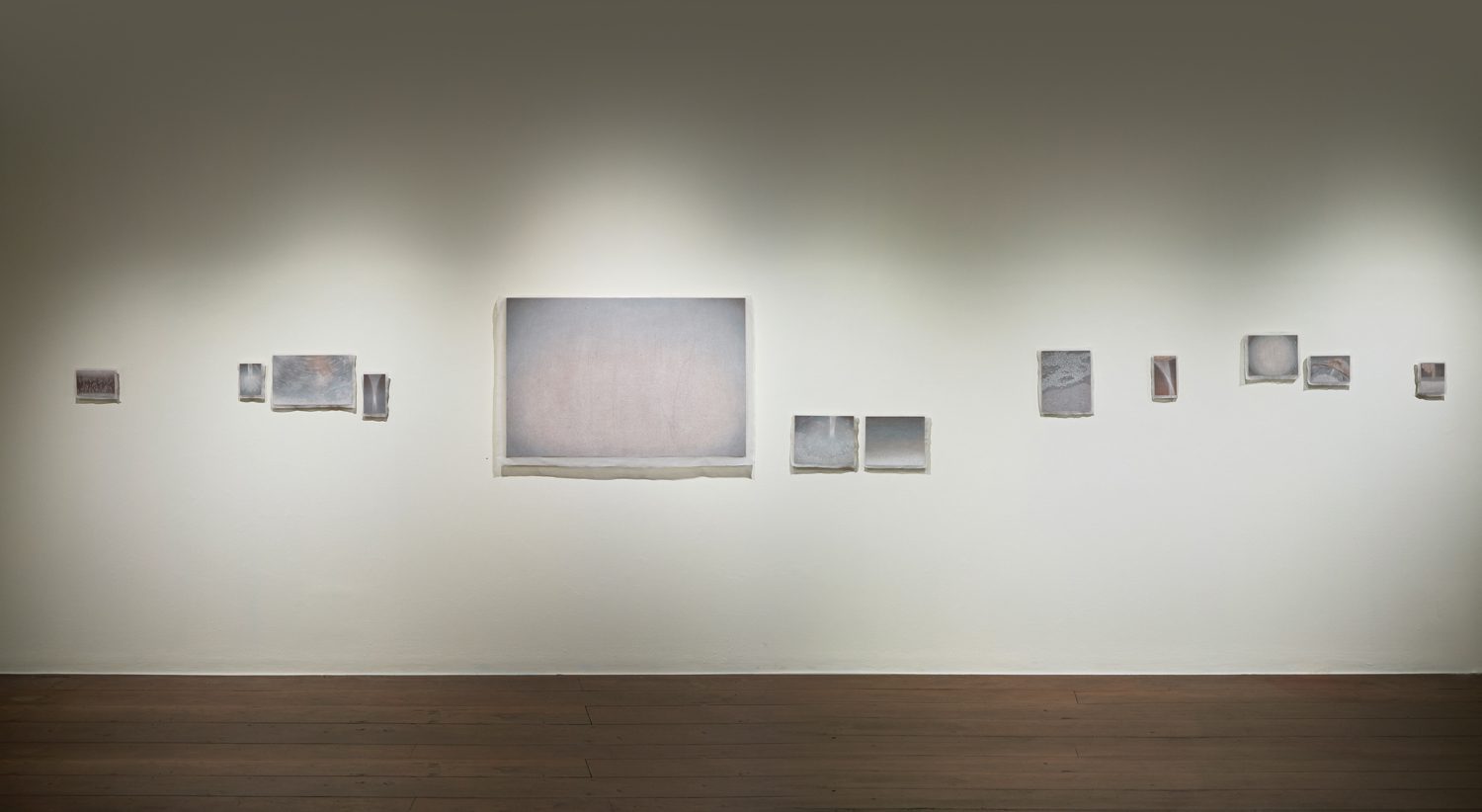
Rising Rice Series, 2026
 Fall, 2026
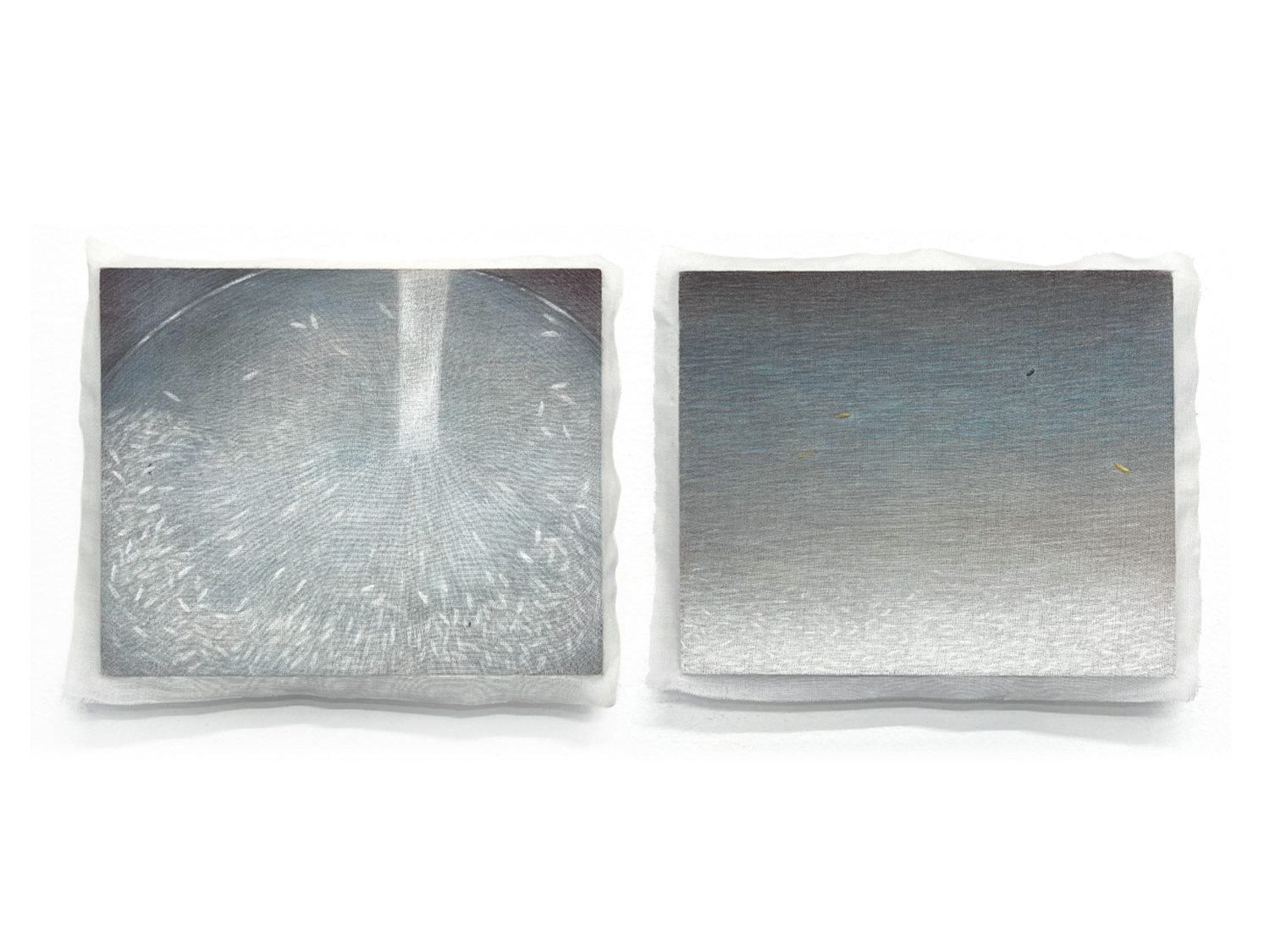
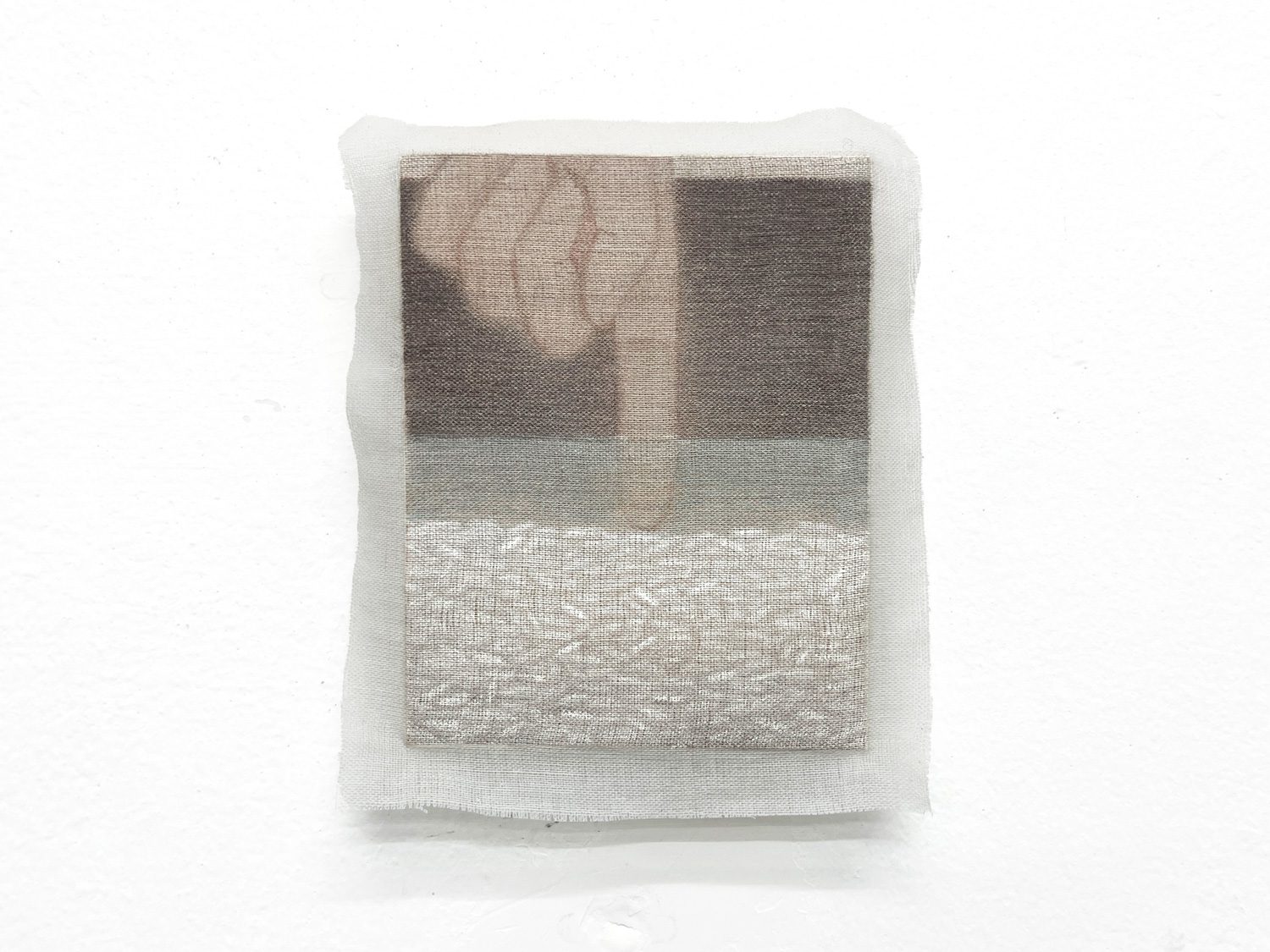
Through Kanokwan’s works at Warin Lab Contemporary, we encounter not only the life cycle of the weevil unfolding within the grain, as seen in Weevil in Rice (2025), but also the recurring procedures by which rice itself is sorted, sifted, and purified. These range from the use of aluminum phosphide to eliminate weevils, and other methods such as mechanical sieving in the industrial processing of rice, and even the domestic act of rinsing, which Kanokwan expands into the eleven-part Rinsing Rice Series (2026). Across Weevils in Rice, each work reveals a different mode of expelling insects through disgust, a revulsion toward what is deemed ‘unclean,’ in response to a human idea of purity, one that is bound up with the impulse to order nature and preserve beauty on the plate.
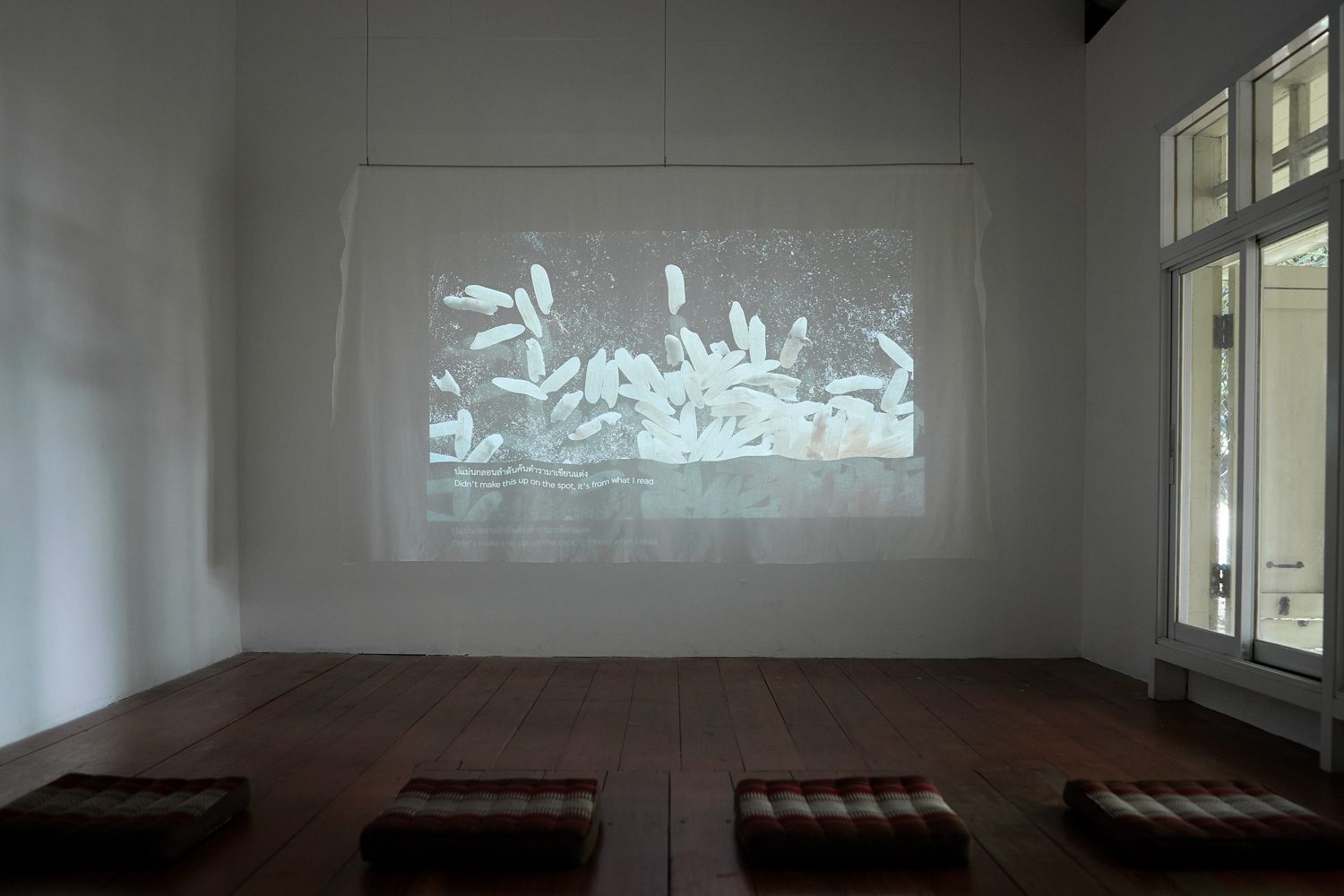
A Ballad of Rice Weevil, 2026
At the same time, viewed against a longer historical context, the peoples of Southeast Asia have long developed ways to manage, contain, and drive away the enemies of rice through spiritual and ritual practices. These include the su khwan khao, or rice-calling ceremony, performed when the rice is ‘pregnant,’ the delicate stage during which the grain is forming and requires careful tending, as well as rites performed to chase away rats and birds. These practices combine pleading with expulsion in an effort to keep animals and insects from damaging the farmer’s crops. Kanokwan encountered the latter rituals in the Northeast, her ancestral homeland, and developed them into a mor lam performance, a Lao-Isan form of sung storytelling. The work moves from the legend of Khun Borom, a Tai-Lao origin myth about ancestry, migration, and the ordering of early society, to an incantation against weevils in A Ballad of Rice Weevil (2026).
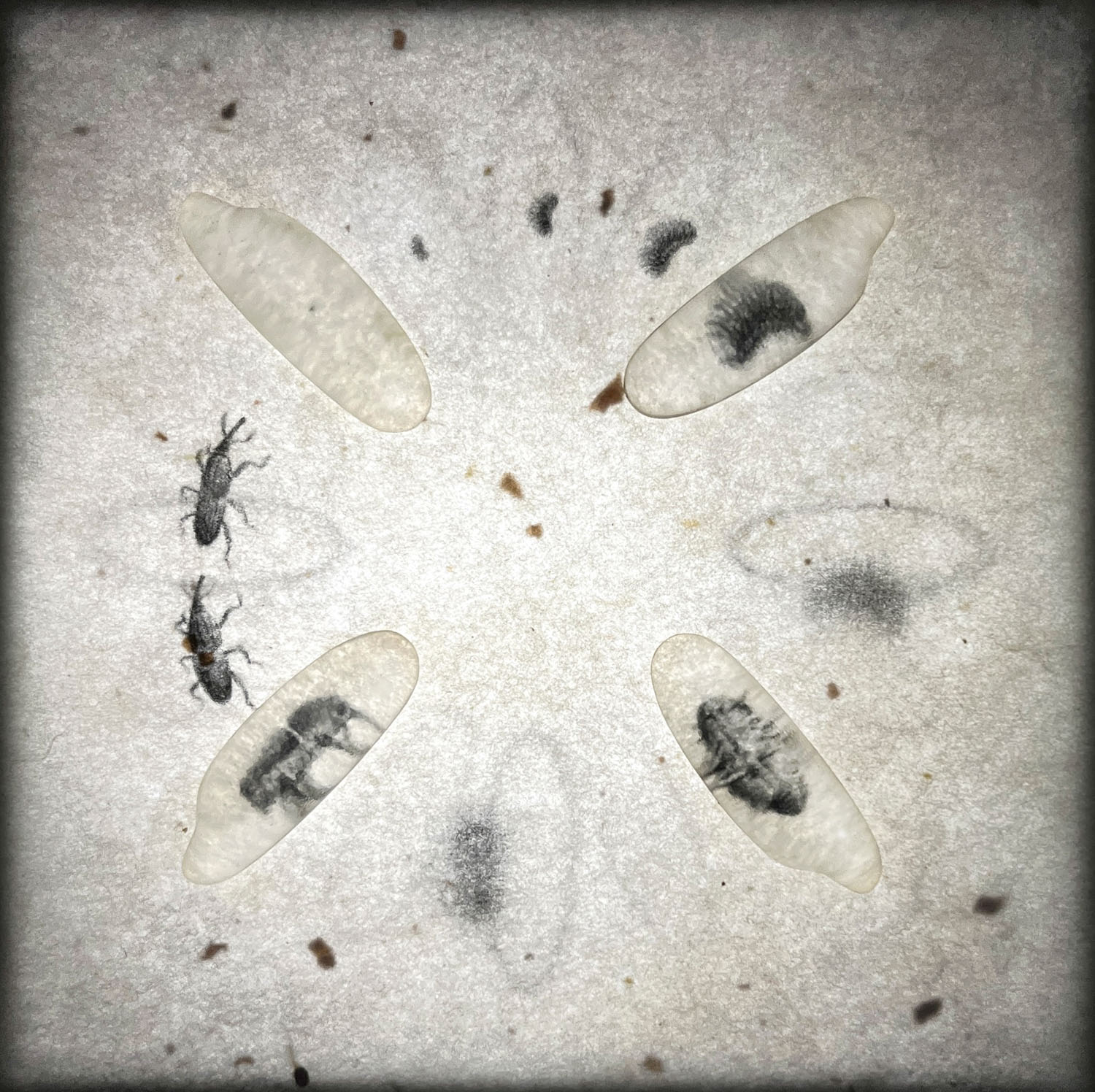 มอดในข้าว, 2025
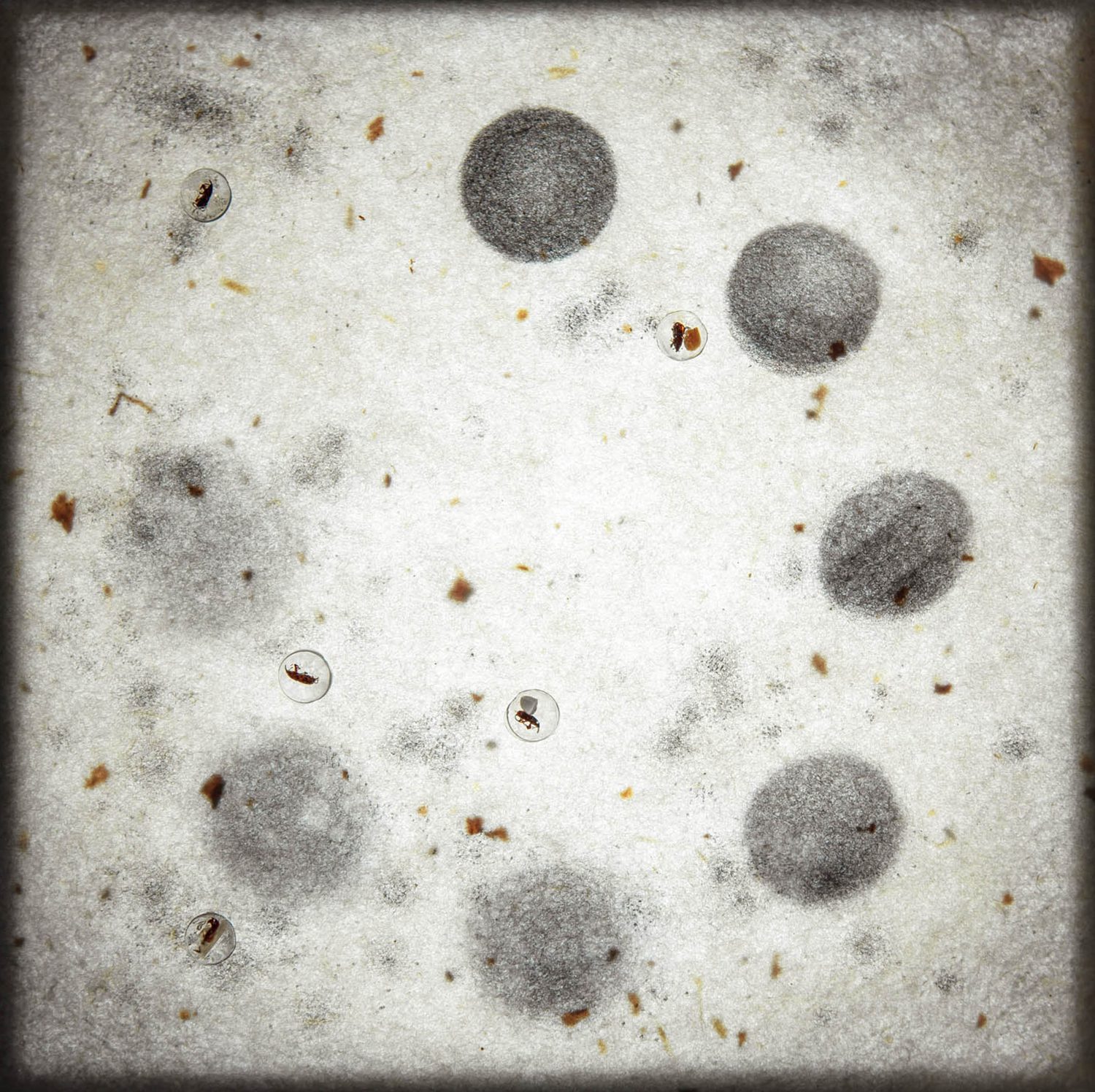
This brings us back to the question of when, and how, this philosophy of cleanliness, and the aesthetic philosophy of whiteness embodied in the grain of rice, first came into being. It is this very logic that has led Thailand’s rice industry to eliminate a natural ‘enemy’ such as the weevil with chemicals capable of killing humans more readily than insects. After all, if one were to find a weevil in a mound of immaculately white rice on the plate, it could simply be picked out and discarded. Or perhaps the weevil may yet become Thailand’s superfood of the future. The questions Kanokwan leaves us with, through the cadences of mor lam and milky-white still images, are therefore not only about food safety. They may also amount to an inquiry into the ‘fractures’ in the relationship between humans and the things we consume.
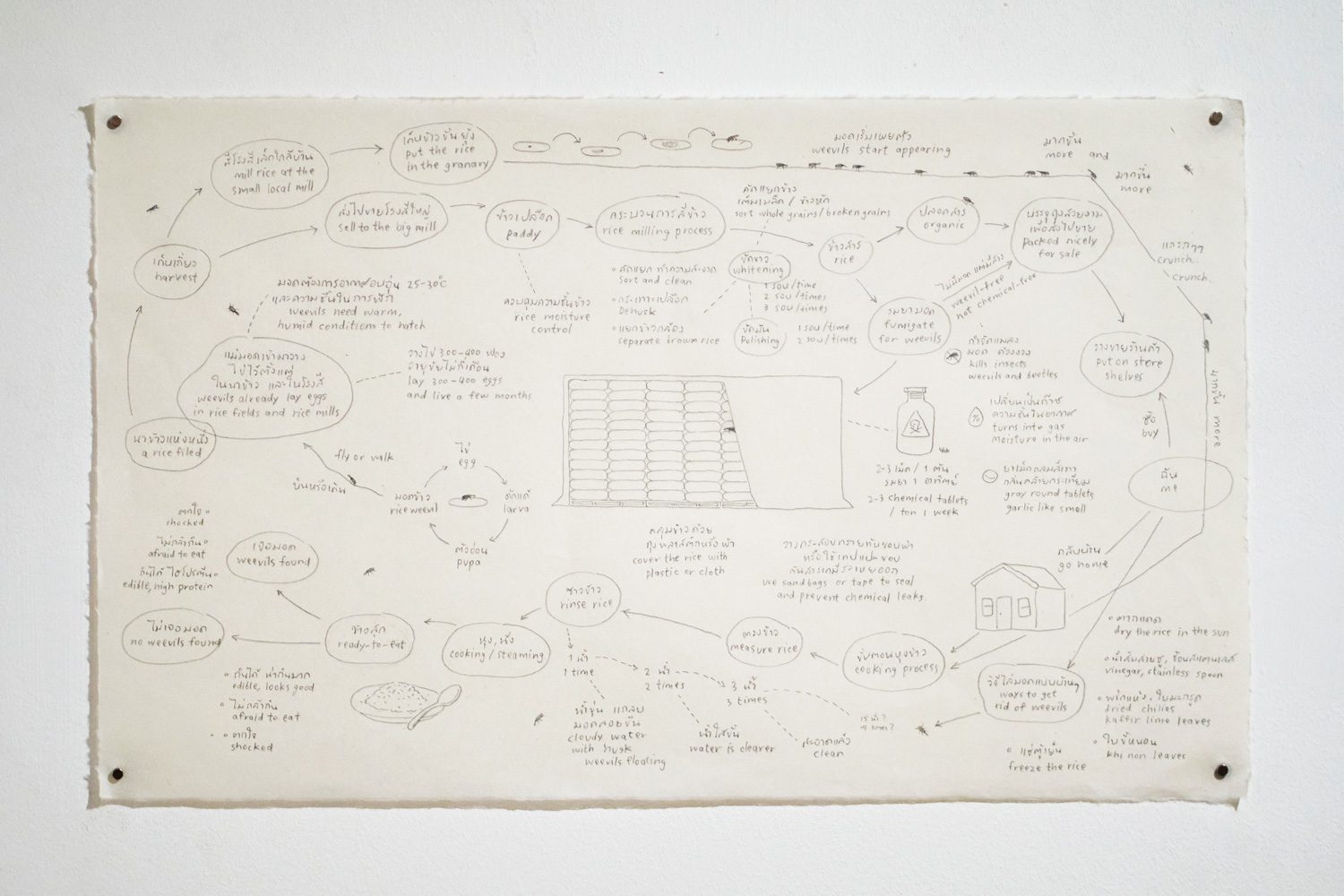
Mind Map Mod, 2025
When pure whiteness becomes a new ‘ethic’ at the dining table, we come to accept the sacrifice of entire ecosystems, and perhaps even our own health, simply to preserve the image of rice untouched by any other living thing. Kanokwan’s work in Weevils in Rice tears away the mask of that immaculate cleanliness, revealing the dirt concealed within the systems of control and management. This does not exactly absolve the weevil. Rather, it draws us further into questioning the steamed rice on the plate, in the mouth, in the stomach, and in the bloodstream. Is the body digesting it only for nourishment, or is it also absorbing another philosophy, another potentially toxic idea of purity, along the way?
Weevils in Rice was on view at Warin Lab Contemporary from February 14 to April 11, 2026.