
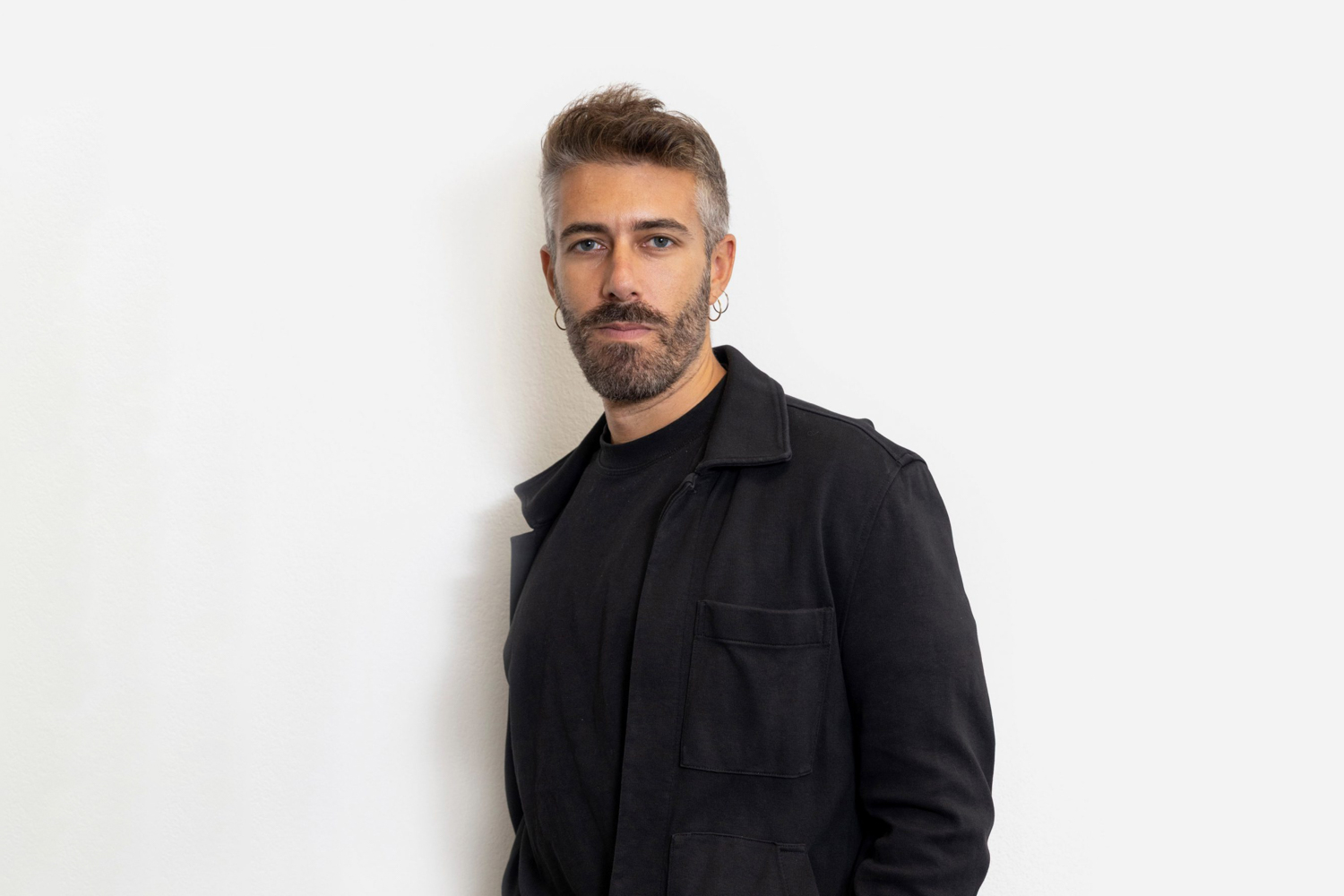
 Alessandro Squatrito
 DOMUS ACADEMY’S NEW PROGRAMS BET THAT THE FUTURE OF DESIGN WON’T BE DECIDED BY WHO USES AI BEST, BUT BY WHO STILL HAS SOMETHING AUTHENTIC TO SAY WITH IT. A CONVERSATION WITH ALESSANDRO SQUATRITO FROM DOMUS ACADEMY
TEXT: NATHATAI TANGCHADAKORN
PHOTO & IMAGE COURTESY OF DOMUS ACADEMY
(For Thai, press here)
Beyond mastering data analysis, design, and software, design students must now learn to manage a more advanced asset: artificial intelligence. Yet, teaching oneself AI is restricted by resource availability and the unpredictability of the technology. Ultimately, understanding the subject remains crucial; one cannot depict a horse accurately without prior knowledge, regardless of whether a pencil or AI is being used.
Recently, Domus Academy (Milan) launching two new master’s degree programs for the 2026–2027 academic year; Design x AI and Design Futures. In this occation, art4d invited Professor Alessandro Squatrito, Head of the Department, to discuss the origins of both programs, the shifting role of AI, the learning process through real-world challenges alongside world-class industry partners, and his perspective on the future direction of the design profession, which continues to place importance on the concept of ‘authenticity’ in each designer’s individual voice.
art4d: Could you provide an overview of the idea behind the two latest course offerings?
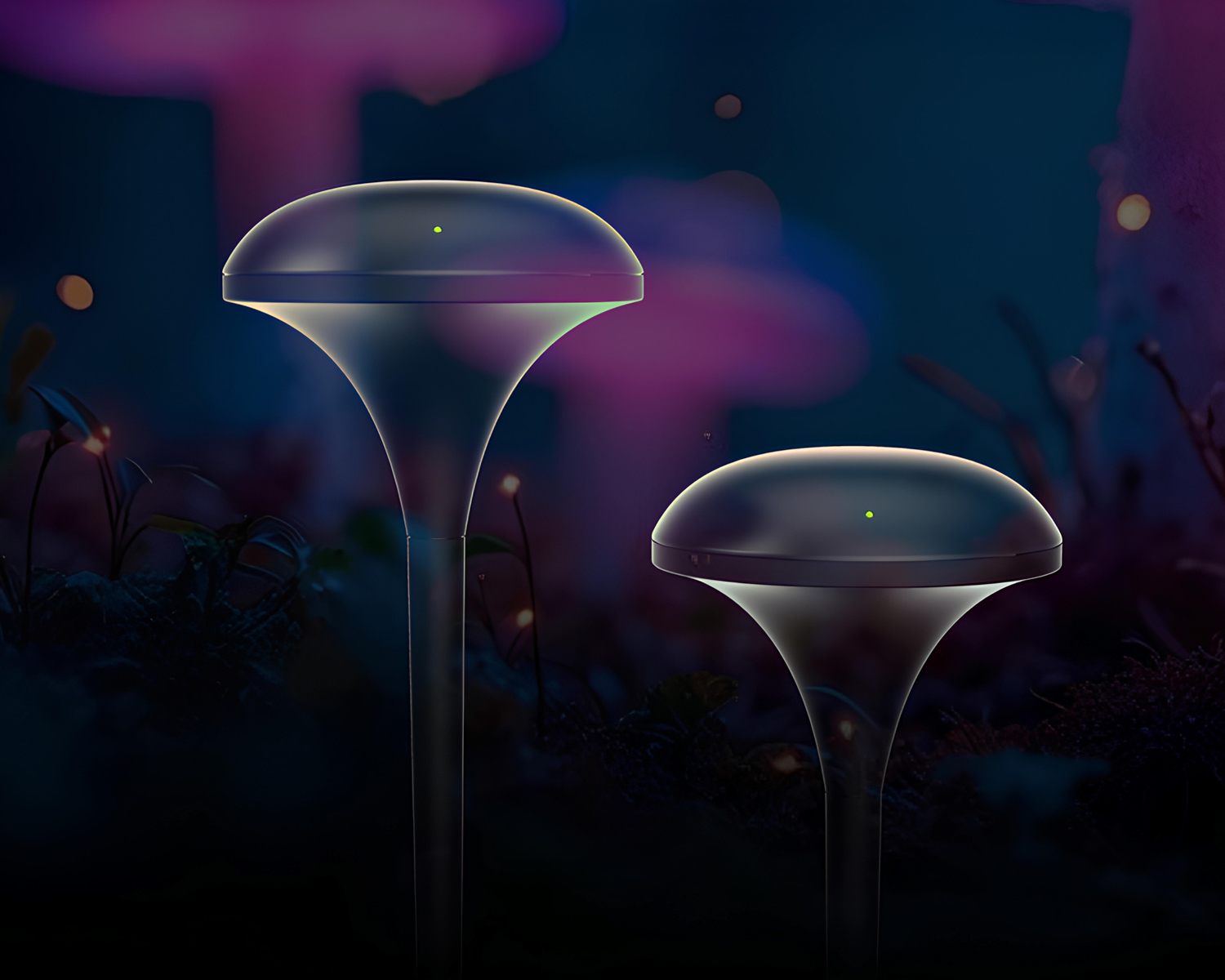
Alessandro Squatrito: The starting point is asking what specific contribution design can make to this revolution, rather than passively undergoing it or simply ‘applying’ AI.
With the Master in Design x AI, the goal is to understand how the sensibility, critical method, and shaping ability typical of design can steer the development of AI toward products, services, and experiences that are more meaningful, ethical, and human centered.
It isn’t AI that drives the project: it’s design that positions itself as a critical and proactive lens on how AI should be designed, integrated, and experienced in everyday life. The Master in Design Futures complements this reflection with a longer term view, exploring how the discipline itself might evolve in the face of this transformation.
art4d: At present, some designers view AI strictly as a tool. How will the training to promote AI to a co-creator status develop and characterize its role? Are we attempting to better comprehend the boundaries between humans and AI?
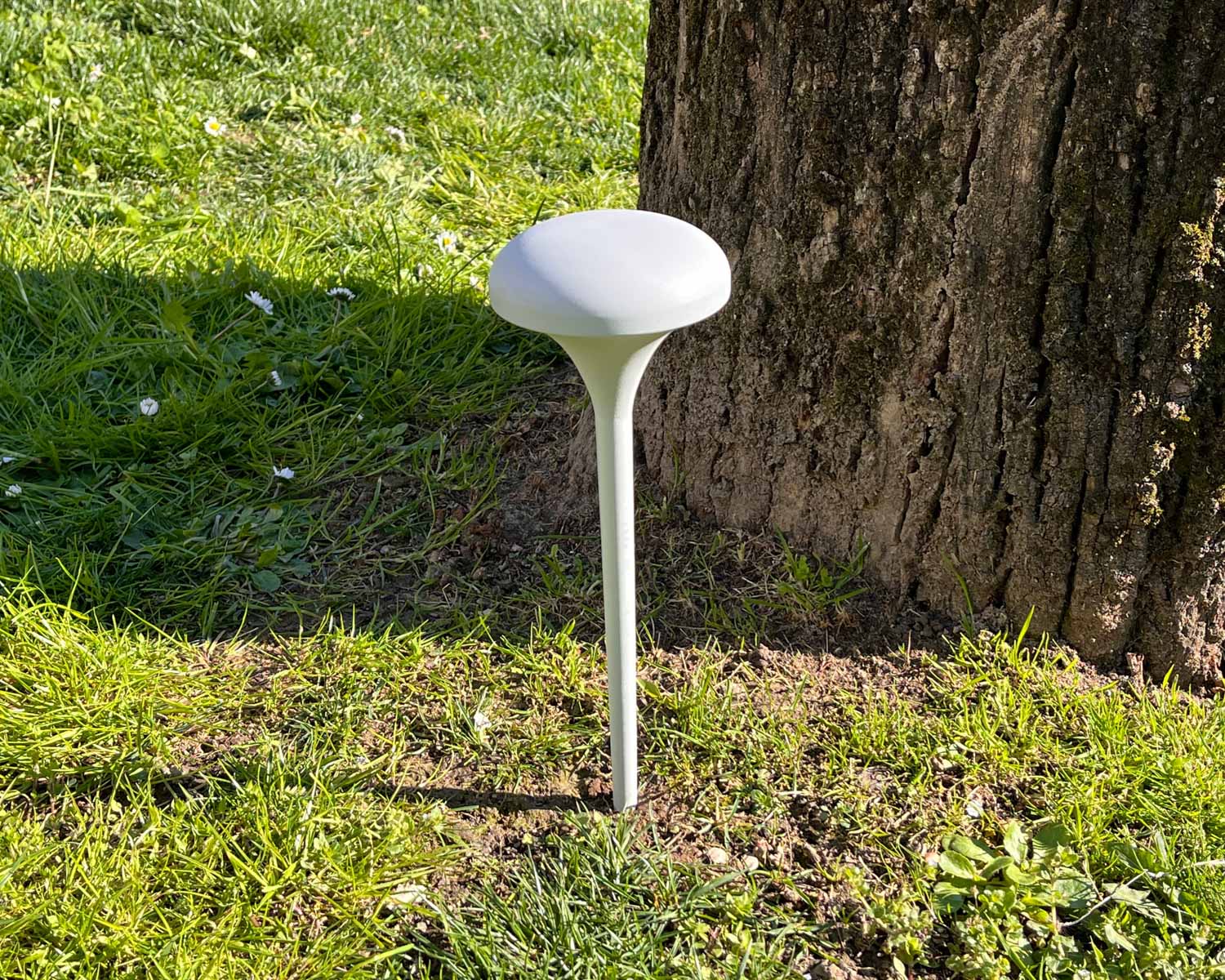
AS: The program doesn’t treat AI as a tool to learn how to use, but as a partner with which to build a genuine, reciprocal apprenticeship, an exchange of skills rather than a one way instruction. This means working explicitly on the boundaries: where human sensitivity, critical judgment, and intentionality remain irreplaceable, and where AI can instead introduce logics, speed, or perspectives that a designer wouldn’t reach alone.
This isn’t a theoretical exercise: students experience it through projects where they must define, case by case, the level of intervention and the nature of the collaboration. Understanding the boundary is part of the project, not a premise.
art4d: The collaboration with a world-class organization during the workshop is a very intriguing element. How does this process work, and what crucial experiences should learners acquire from the experience?
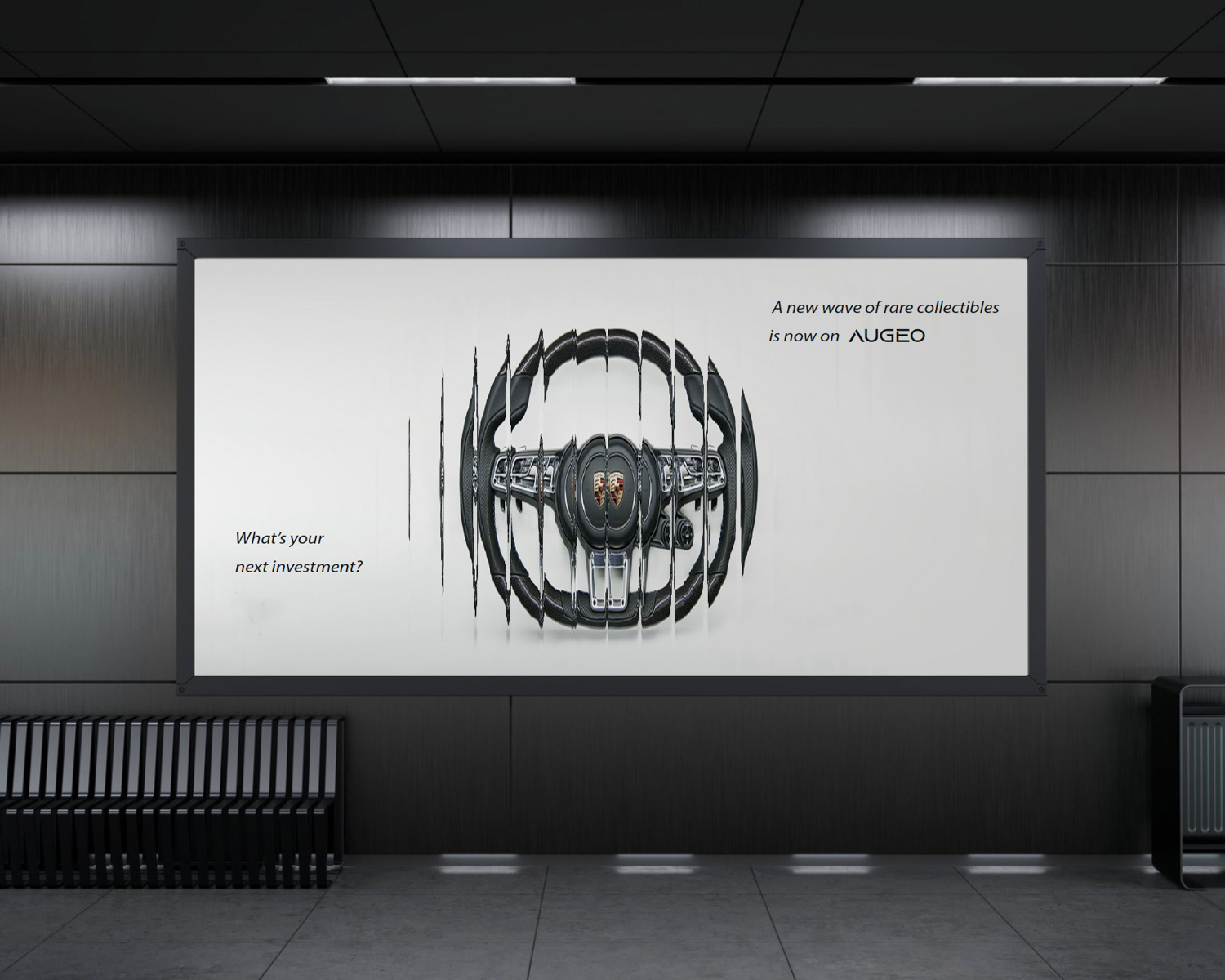
AS: The workshop with an industry partner works like a genuine contemporary bottega: the company brings a real challenge tied to its own professional context, and students tackle it with design and AI tools under the guidance of faculty and industry experts.
The key experience students need to take away isn’t just the final solution, but the process itself: working with real constraints, engaging with a partner that has concrete expectations, and learning to translate the ambiguity of a business challenge into precise design questions.

art4d: Given the focus on ‘Worldbuilding’ and ‘Strategic Foresight,’ does the Design Futures curriculum employ data-driven extrapolation to forecast the evolution of the design discipline? Do you think this will lead to centralized conclusions or a wider range of perspectives?
AS: The Design Futures curriculum doesn’t aim for a single ‘correct’ prediction of where the discipline is headed. Methodologies like worldbuilding and strategic foresight are used precisely to resist the pull toward a centralized conclusion: the goal is to build multiple plausible scenarios, often in tension with one another, training students to think speculatively rather than predictively. The value lies in the plurality of perspectives explored, not in convergence toward a single answer. It’s an open, exploratory approach, closer to a research question than a blueprint.
art4d: Do you think ‘authenticity’ will still be important in the future design landscape?
AS: Yes, and it will likely become even more central. As generation and production tools become democratized, what distinguishes a project is no longer technical skill alone, but the point of view, intention, and coherence with which it’s expressed. Authenticity becomes the criterion that separates work with a recognizable voice from work that is simply well executed.
art4d: Could you give a recommendation to someone who might be interested in applying?
AS: Come with curiosity rather than certainty. These programs reward those willing to question their own way of designing, to work in interdisciplinary teams, and to engage with the real challenge of a partner company. You don’t need to already be an AI expert: what matters is the willingness to experiment, fail, and recalibrate. That’s exactly the spirit of apprenticeship the program itself proposes.
_
For the September and November 2026 intakes, applicants can manifest their potential through a curated Portfolio for a chance to receive scholarships valued up to €9,000. To refine your trajectory toward the global design arena, contact P’Peep, Education Consultant at DP Education, at 088-895-4445 or LINE: @dpeducation. Secure a robust foundation for a design career defined by international excellence.
facebook.com/DomusAcademyOfficial
instagram.com/domusacademy
domusacademy.com