
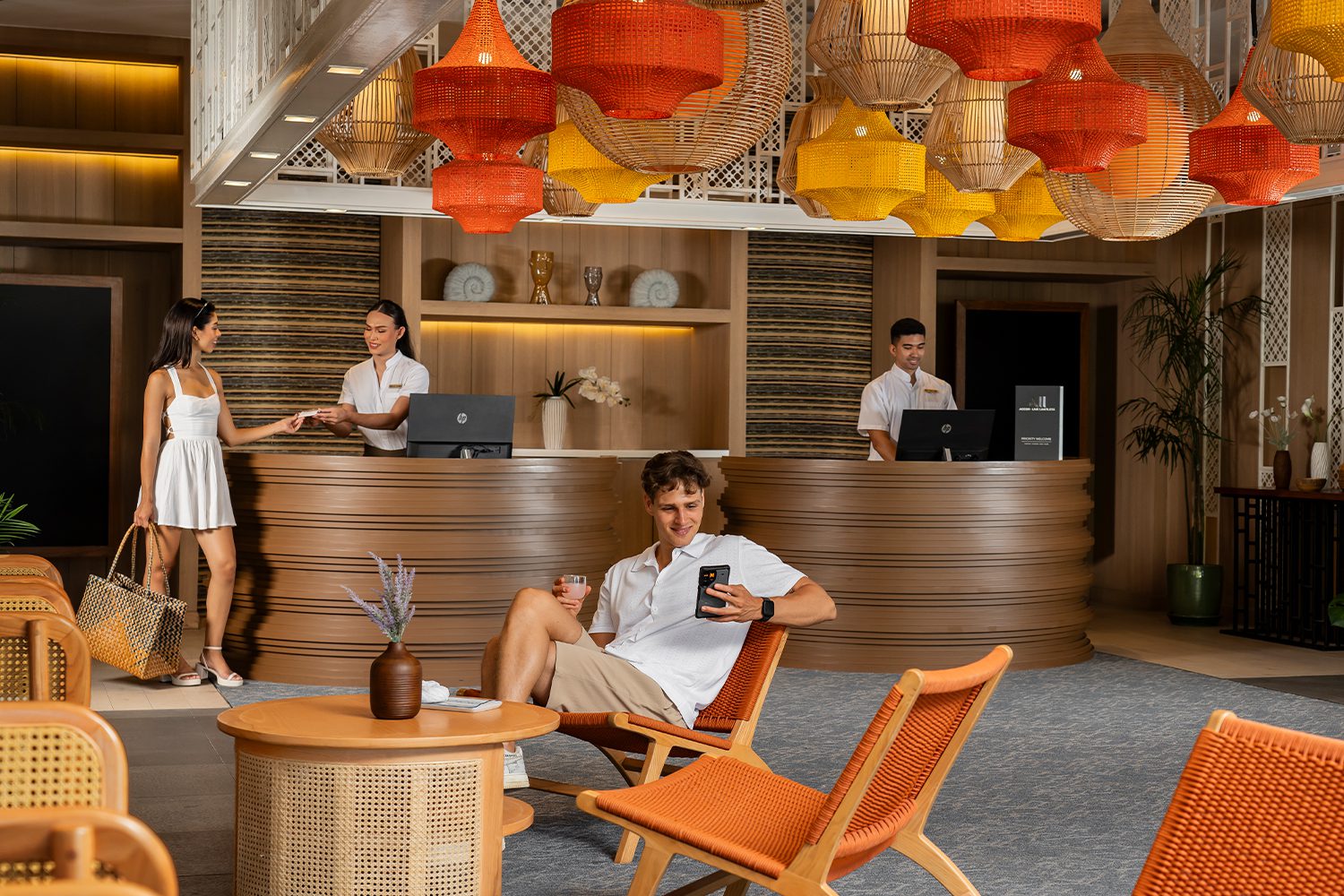
PM:AG DESIGN AND CONSTRUCTION CREATES A RELAXING EXPERIENCE IN A NATURAL SETTING AT ANDAMAN BEACH HOTEL WITH A DESIGN THAT EMPHASIZES SUSTAINABILITY AND LOCAL WISDOM
TEXT: CHIWIN LAOKETKIT
PHOTO COURTESY OF PM:AG DESIGN AND CONSTRUCTION
(For Thai, press here)
In today’s architectural landscape, sustainable materials are no longer a niche concern; for they have become integral to contemporary design practice. This shift is exemplified in the recent transformation of Andaman Beach Hotel in Phuket, part of Accor’s Handwritten Collection. Led by the Bangkok-based studio PM:AG Design and Construction, the renovation draws from the ethos of environmental sustainability and vernacular craft, breathing new life into the hotel’s architecture while inviting guests into a tranquil space, subtly animated by the rhythms of the nearby coastline.
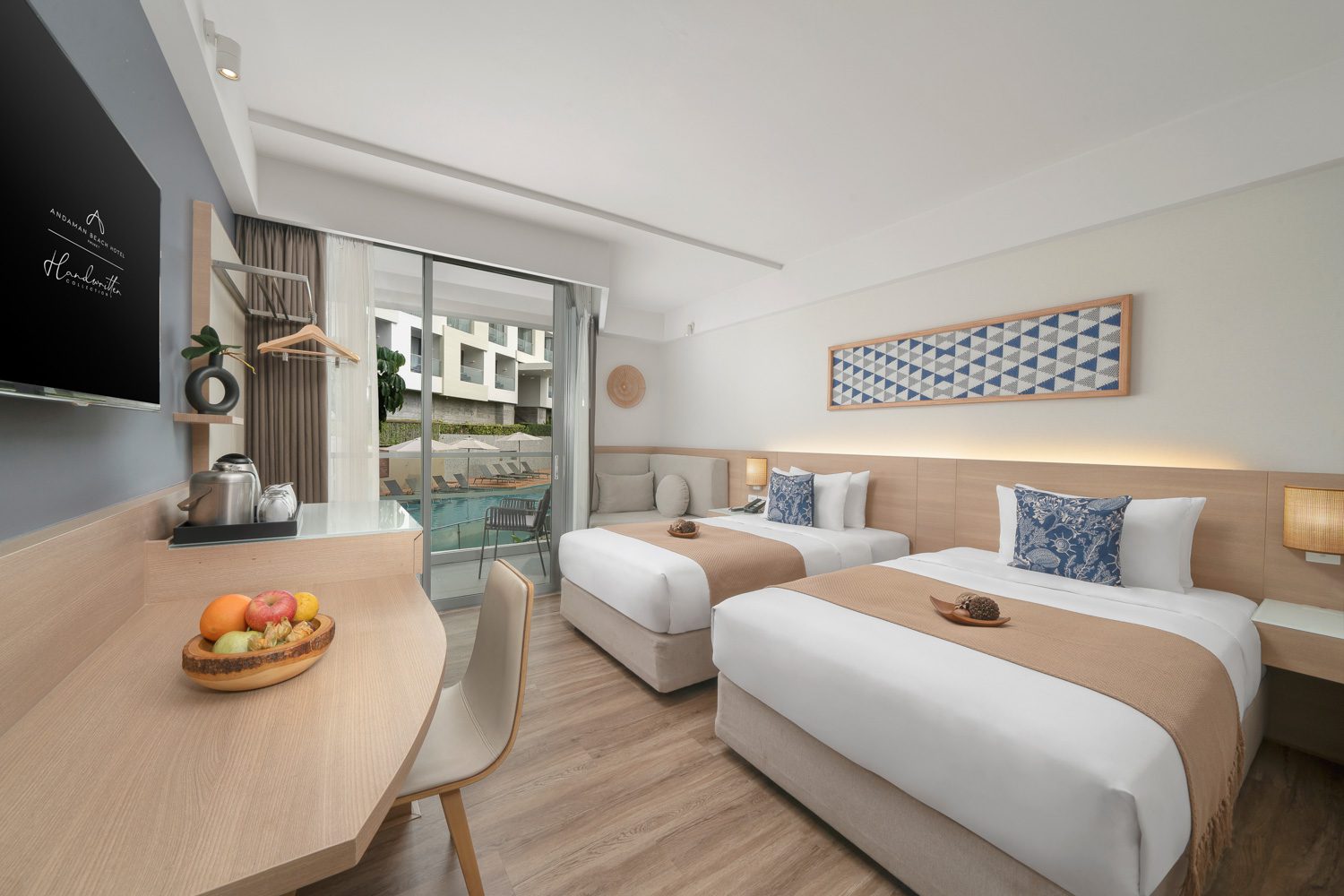
The 3,130-square-metre property has been comprehensively reconfigured to offer a diversity of spatial experiences. At its core are 161 guest rooms, designed to provide privacy, serenity, and a heightened sense of safety. Complementing these is a newly introduced 389-square-metre lounge and outdoor area. Given the hotel’s location on a steep hillside, the original structure included several undercroft zones, which had previously been neglected and left unused. PM:AG transformed these latent spaces into a dynamic landscape intervention, expanding the site’s green footprint and opening new visual corridors, while encouraging a more intimate engagement between guests and the surrounding terrain.
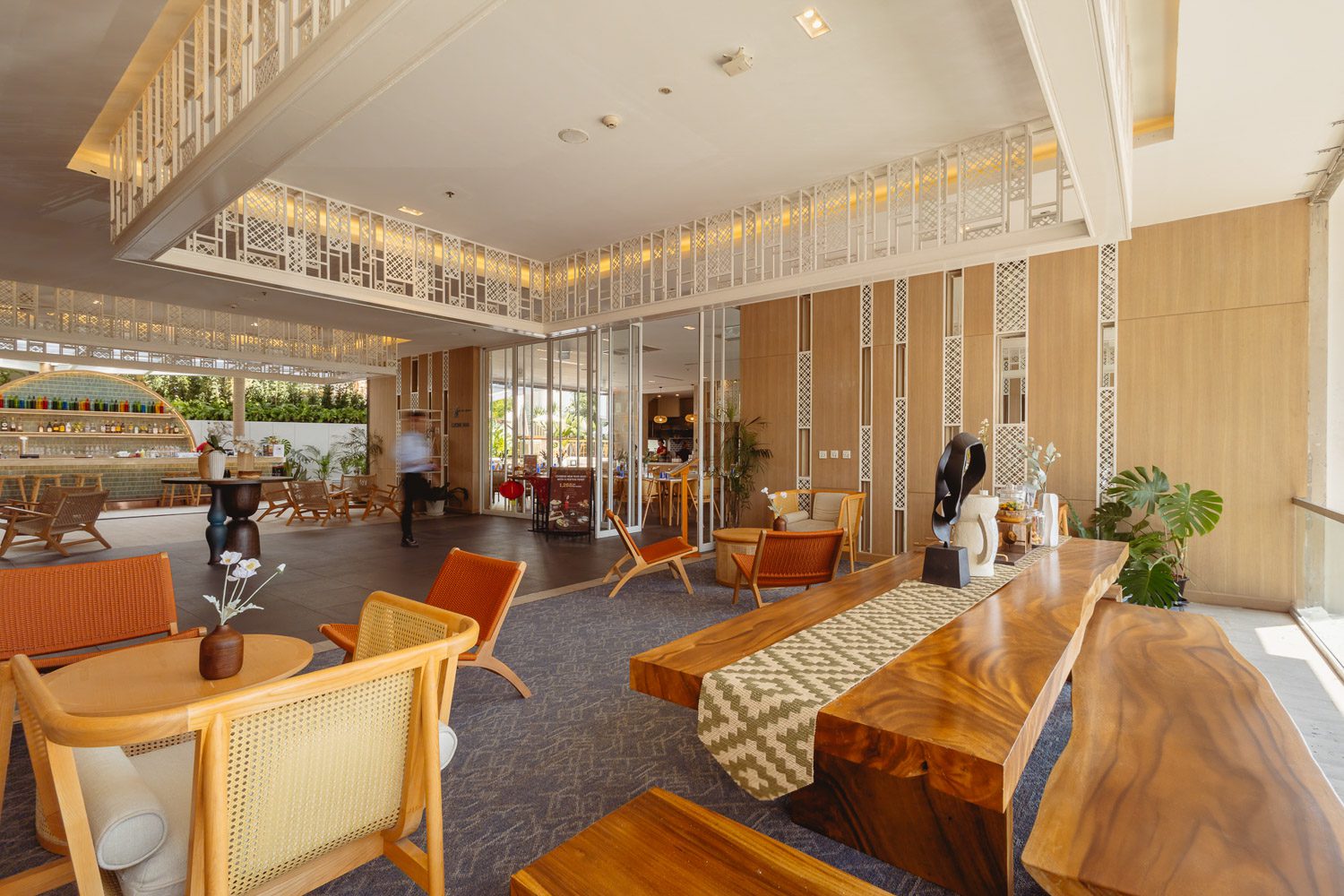
Material strategy plays a pivotal role in articulating the project’s values. Central to this is the use of Mat-Er, a 100% recycled plastic matting product that introduces a vibrant, contemporary language through its rich colours and patterns. As a dust-free and mold-resistant alternative to traditional carpeting, Mat-Er is crafted with child- and pet-safe pigments and is easy to clean, making it especially well suited to Phuket’s humid, rain-prone tropical climate. PM:AG deploys Mat-Er across a variety of touchpoints throughout the hotel: as bespoke tabletop coverings in the lobby, framed wall features behind the reception counter, and as headboard panels in the guest rooms.
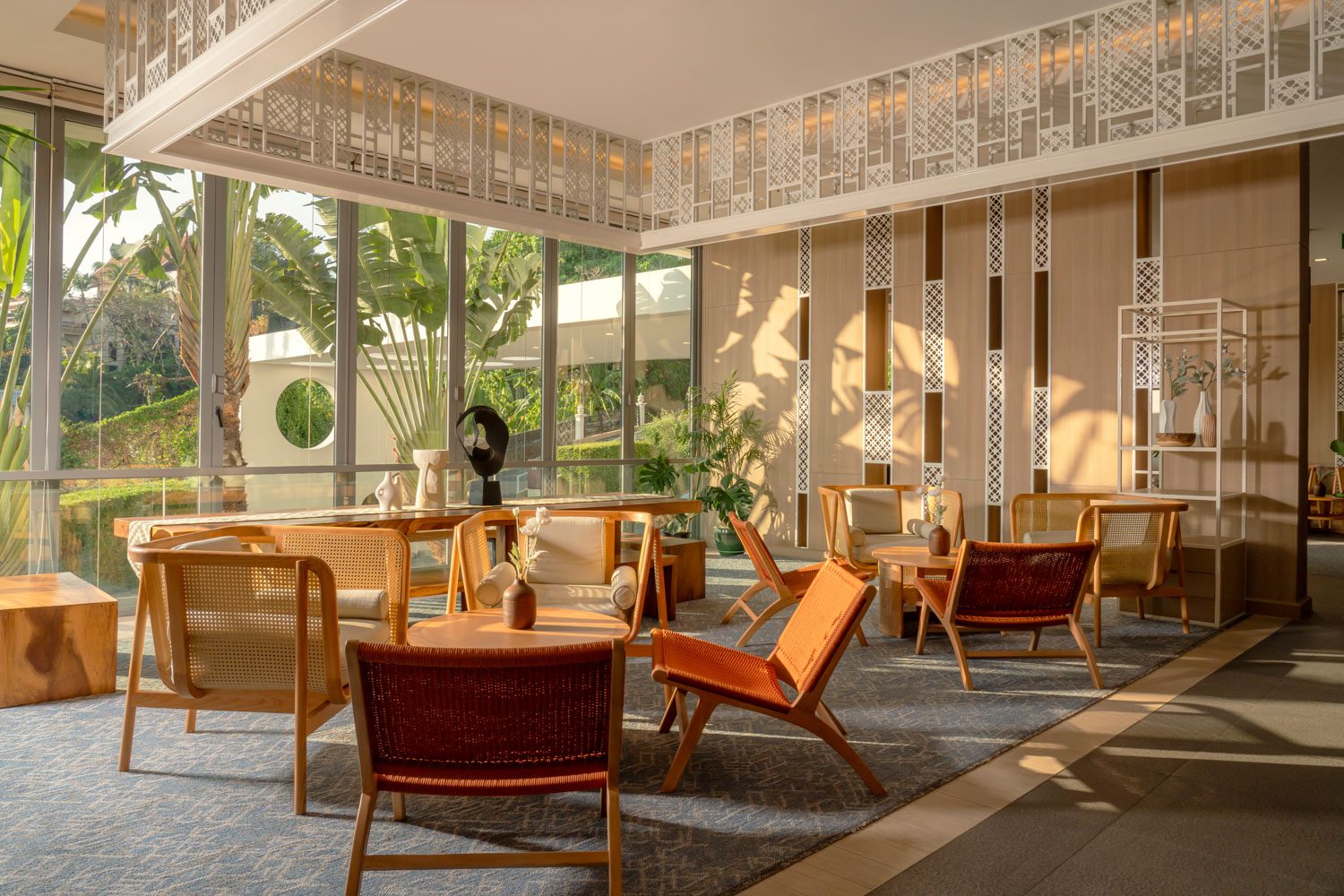
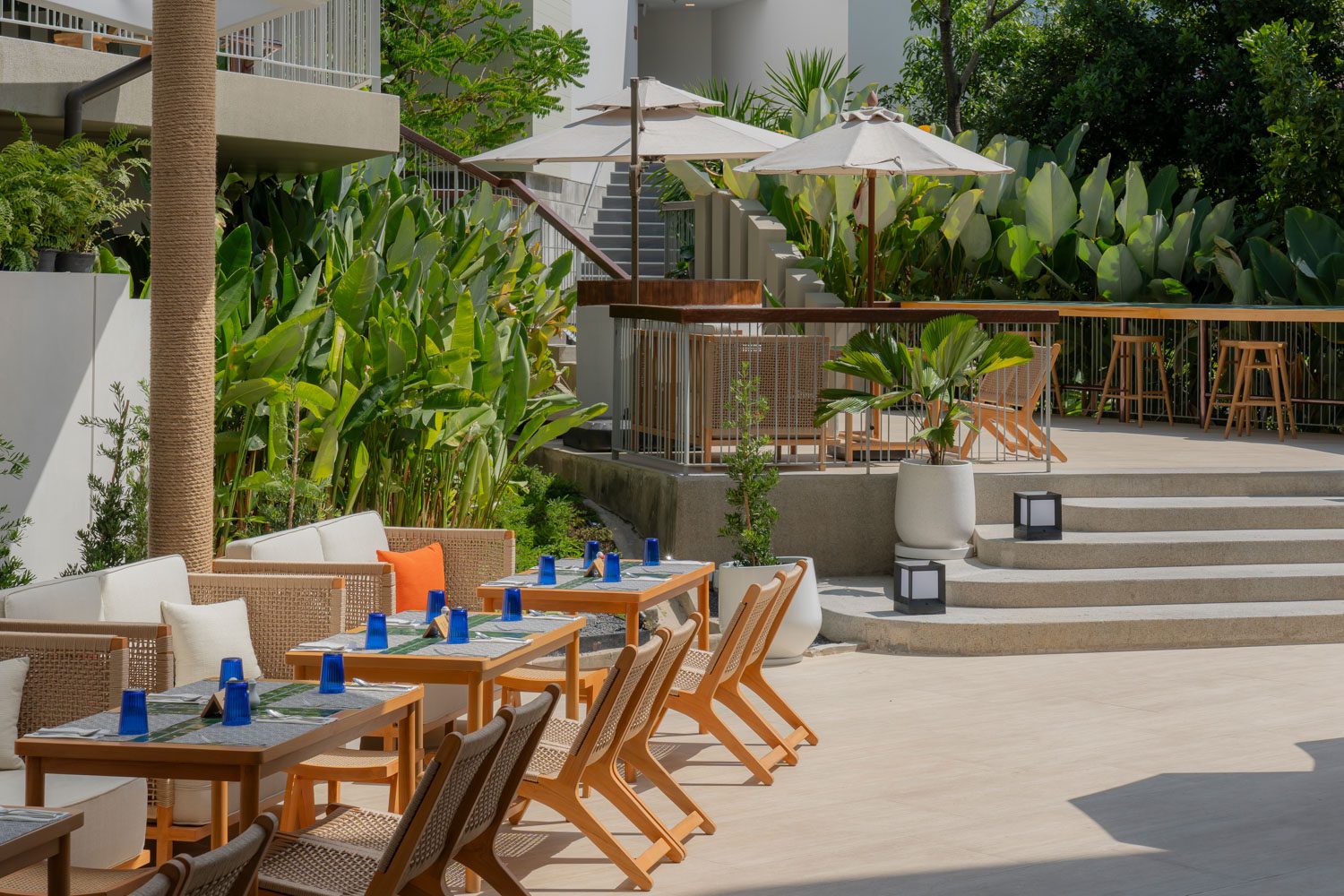
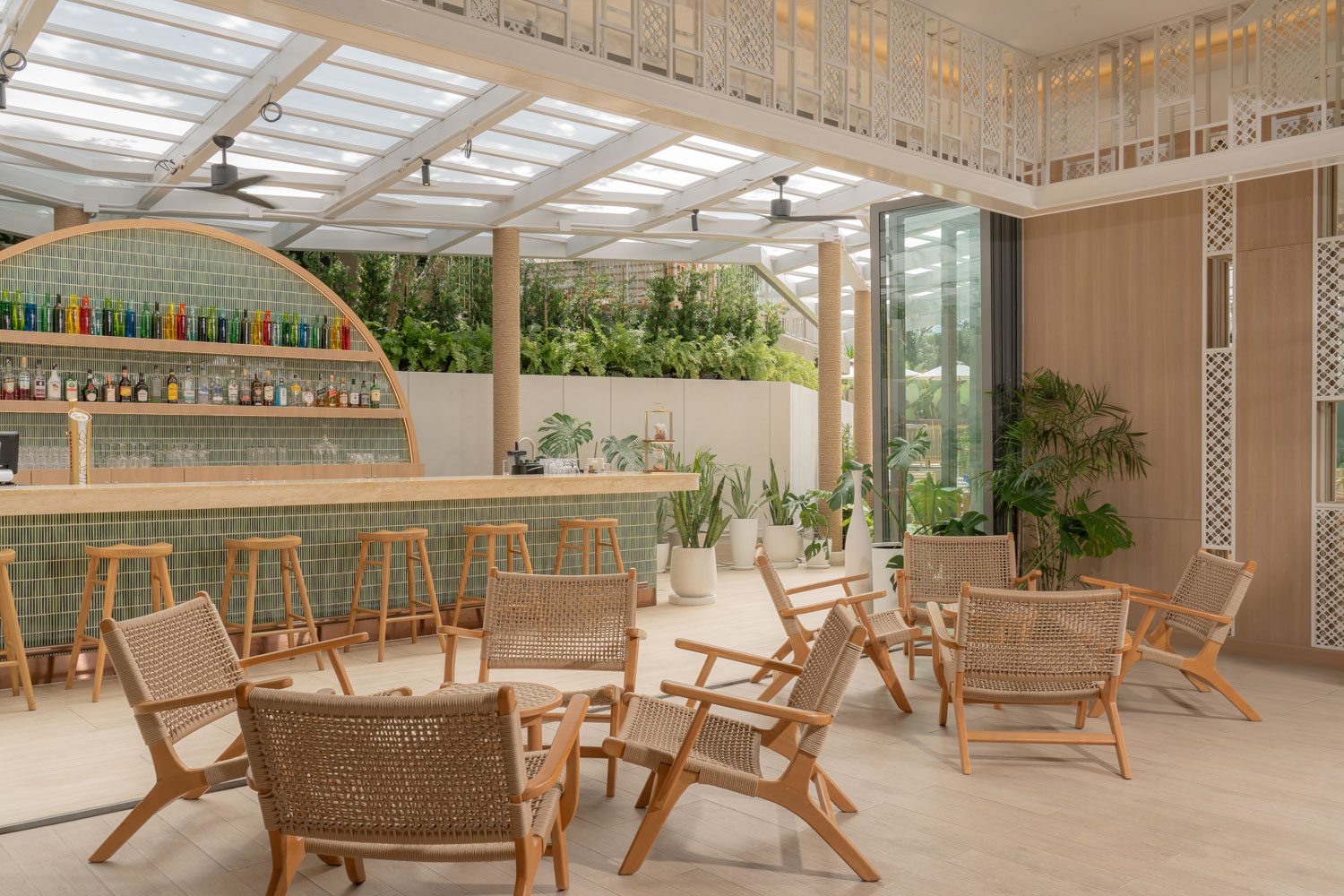
In addition to Mat-Er matting, the architects also introduced flexible bamboo as a key material throughout the project, particularly in freestanding furniture such as dining chairs and armchairs. The use of bamboo creates a tactile connection to nature and reflects the humid climate and vernacular design traditions of Southeast Asia. Its integration adds a fresh visual layer to the hotel’s leisure spaces, allowing guests to relax in an environment inspired by tropical rainforests in both the indoor and outdoor spaces. The design team collaborated with local experts in Phuket to curate native plant species appropriate for the region’s tropical conditions. Natural light filters into the interiors through carefully positioned openings, while artificial lighting is thoughtfully arranged to complement the landscape and create an inviting atmosphere when the night sets in.
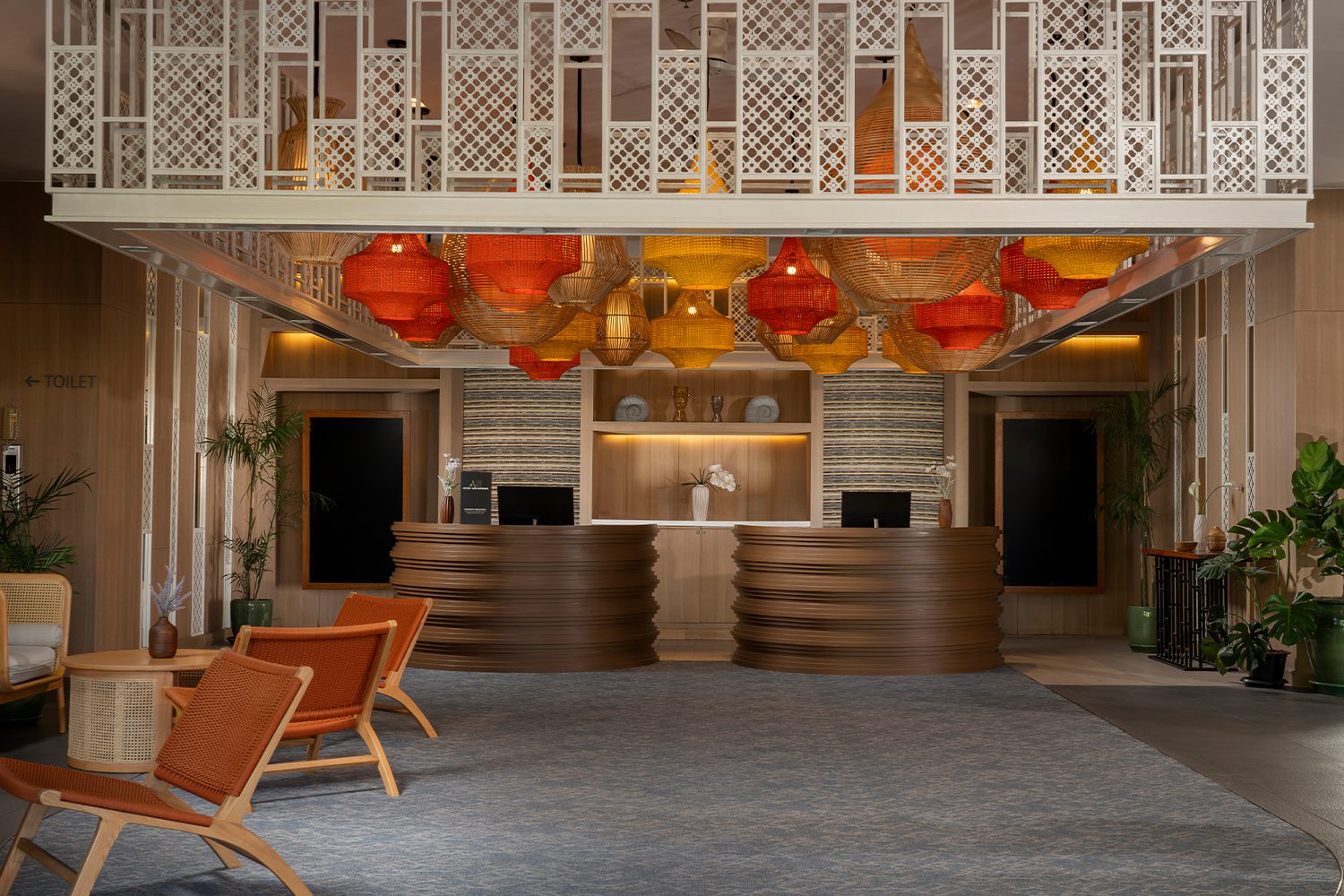
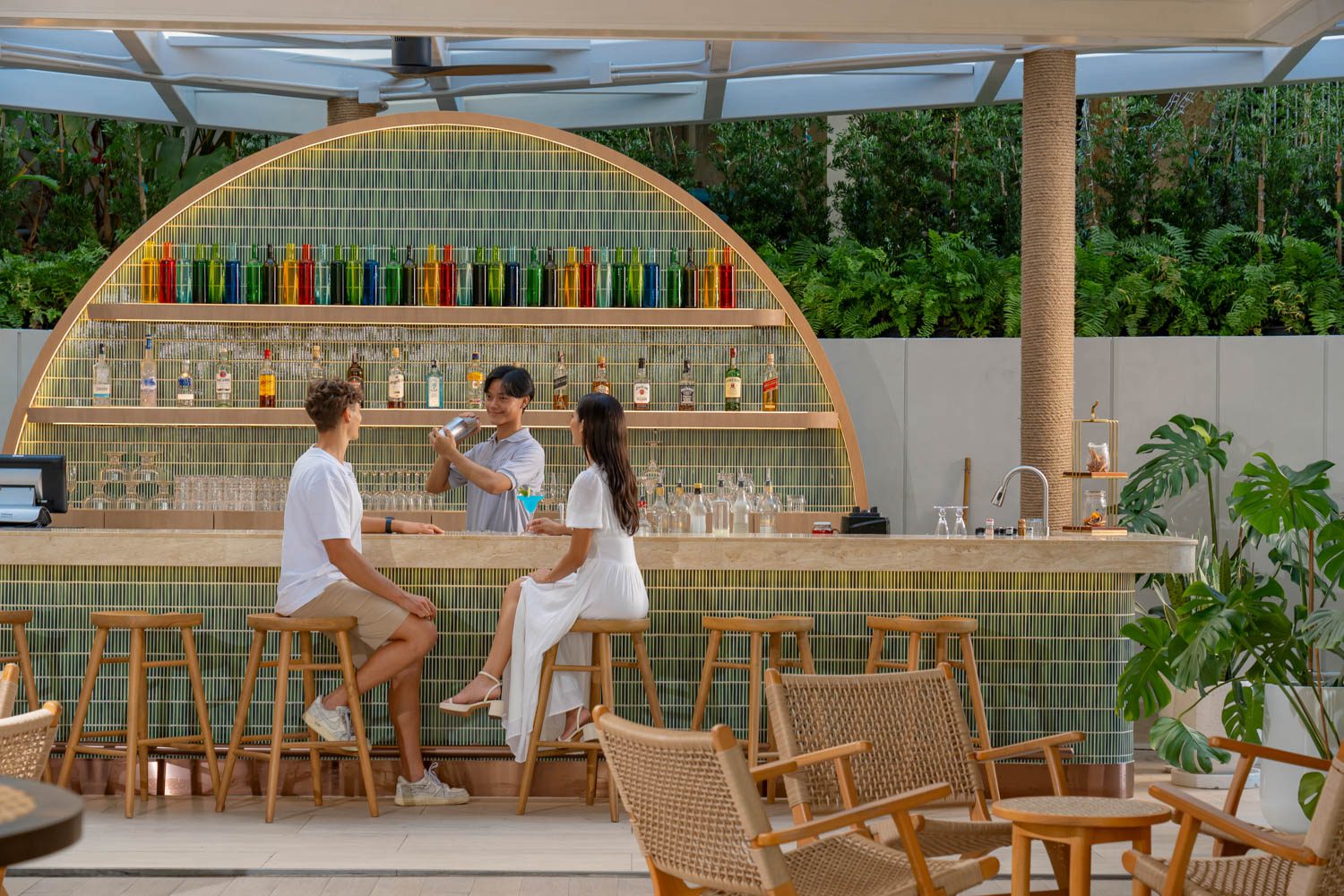
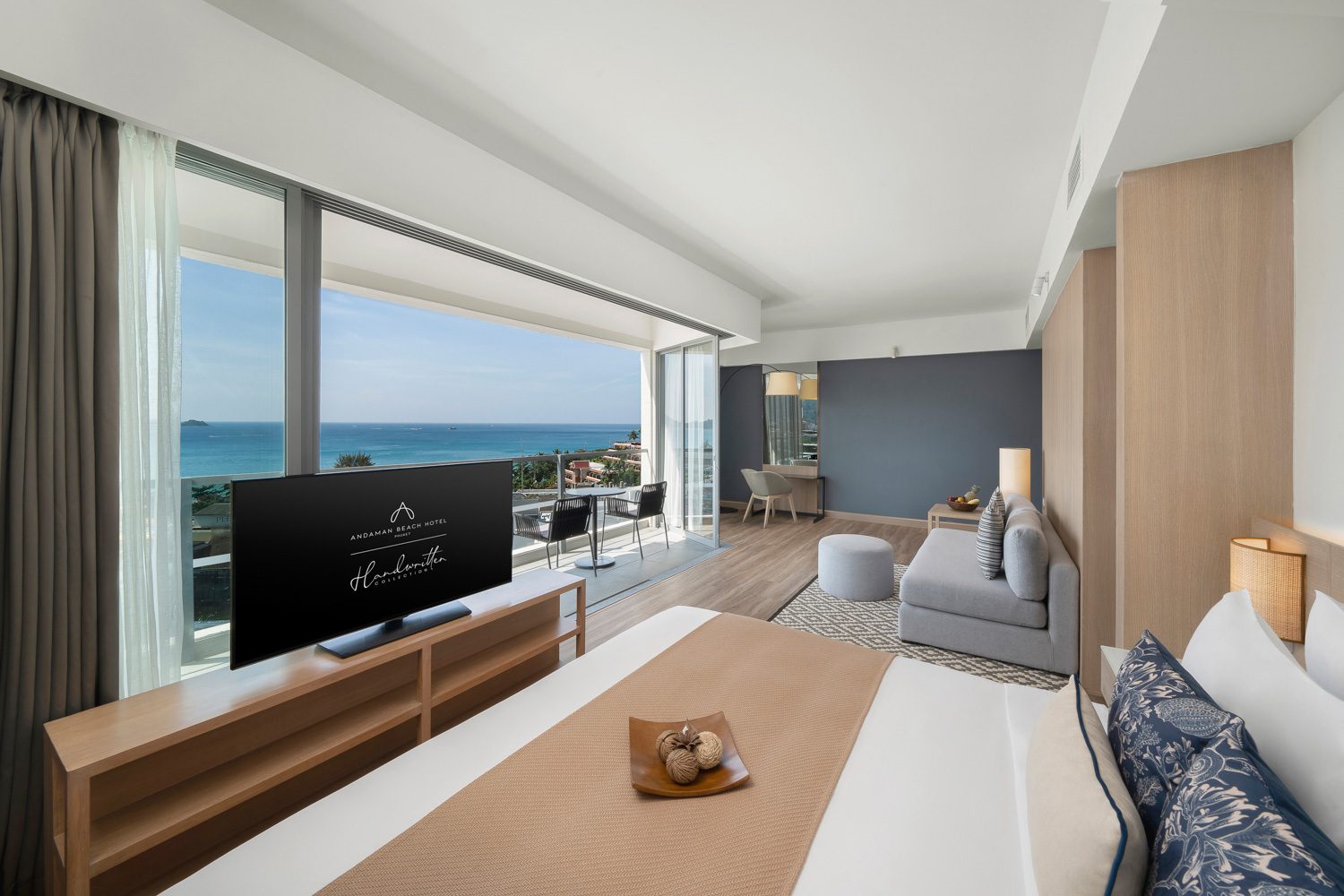
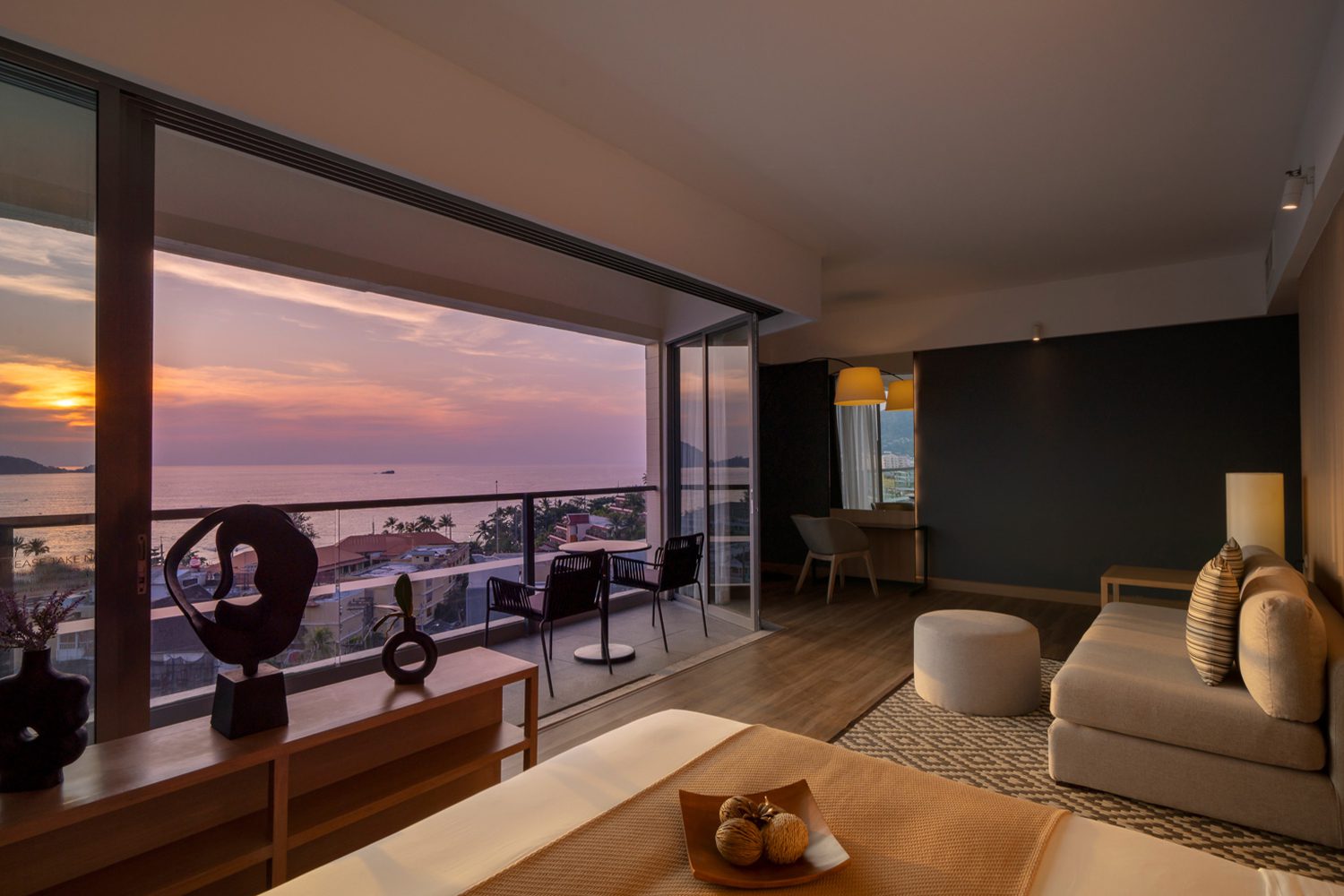
The architects also established a seamless architectural connection between the bar, swimming pool, and restaurant through an open-plan design that unifies these spaces with the hotel’s landscaped interior. This spatial fluidity encourages ease of movement and accessibility, allowing guests to navigate the property comfortably and intuitively. At the same time, the experience is enriched by a food and beverage program that draws directly from Phuket’s local community. The result is a hospitality environment where guests can relax, savor the atmosphere, and carry with them a lasting impression of local warmth – an emerging model for sustainable hotel design that places the guest experience at its core.