
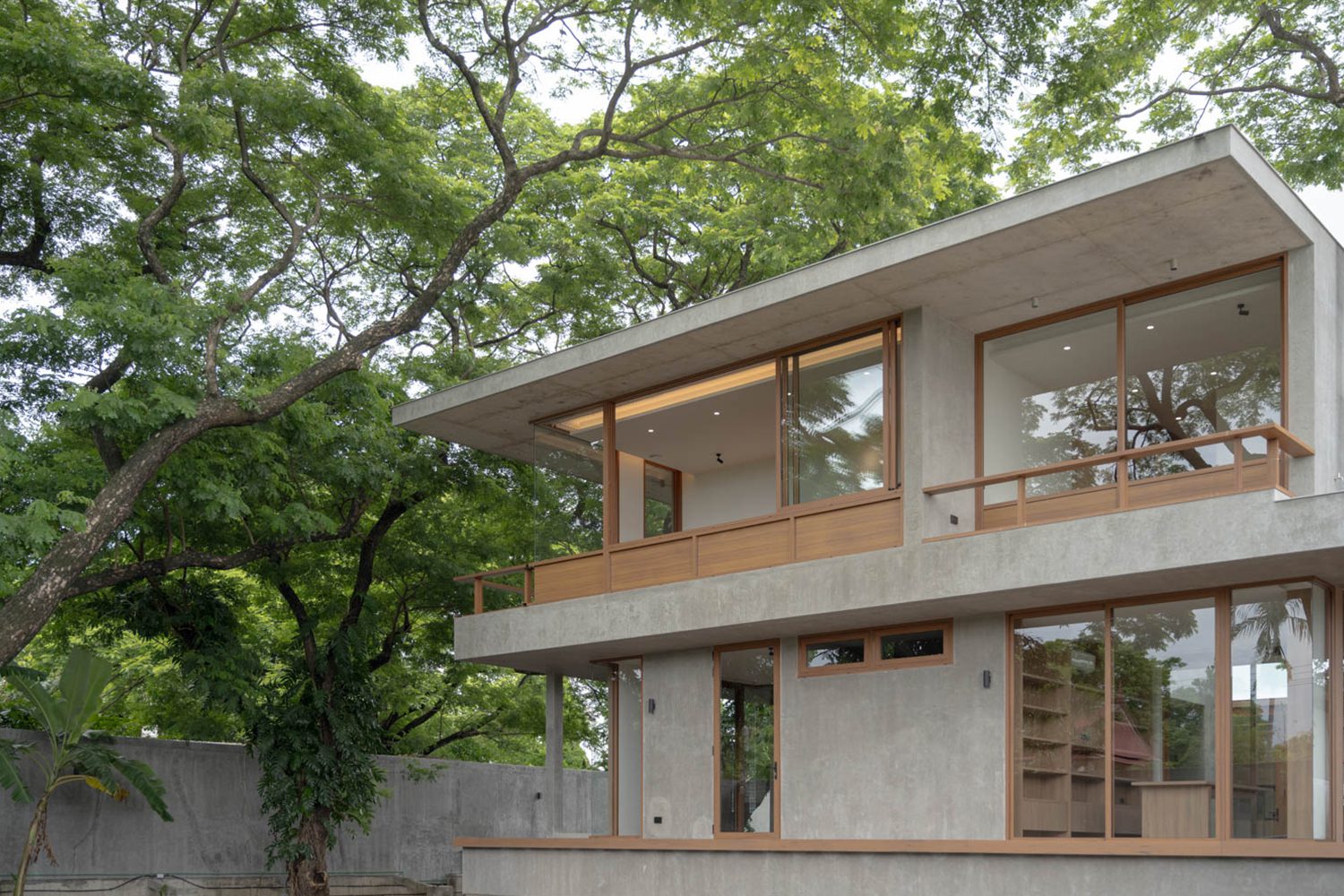
BAAN CHAMCHURI WITH A TROPICAL HOME DESIGN CONCEPT THAT BLENDS IN WITH NATURE BY ANONYM STUDIO
TEXT: XAROJ PHRAWONG
PHOTO: DOF SKY|GROUND
(For Thai, press here)
Featured Product
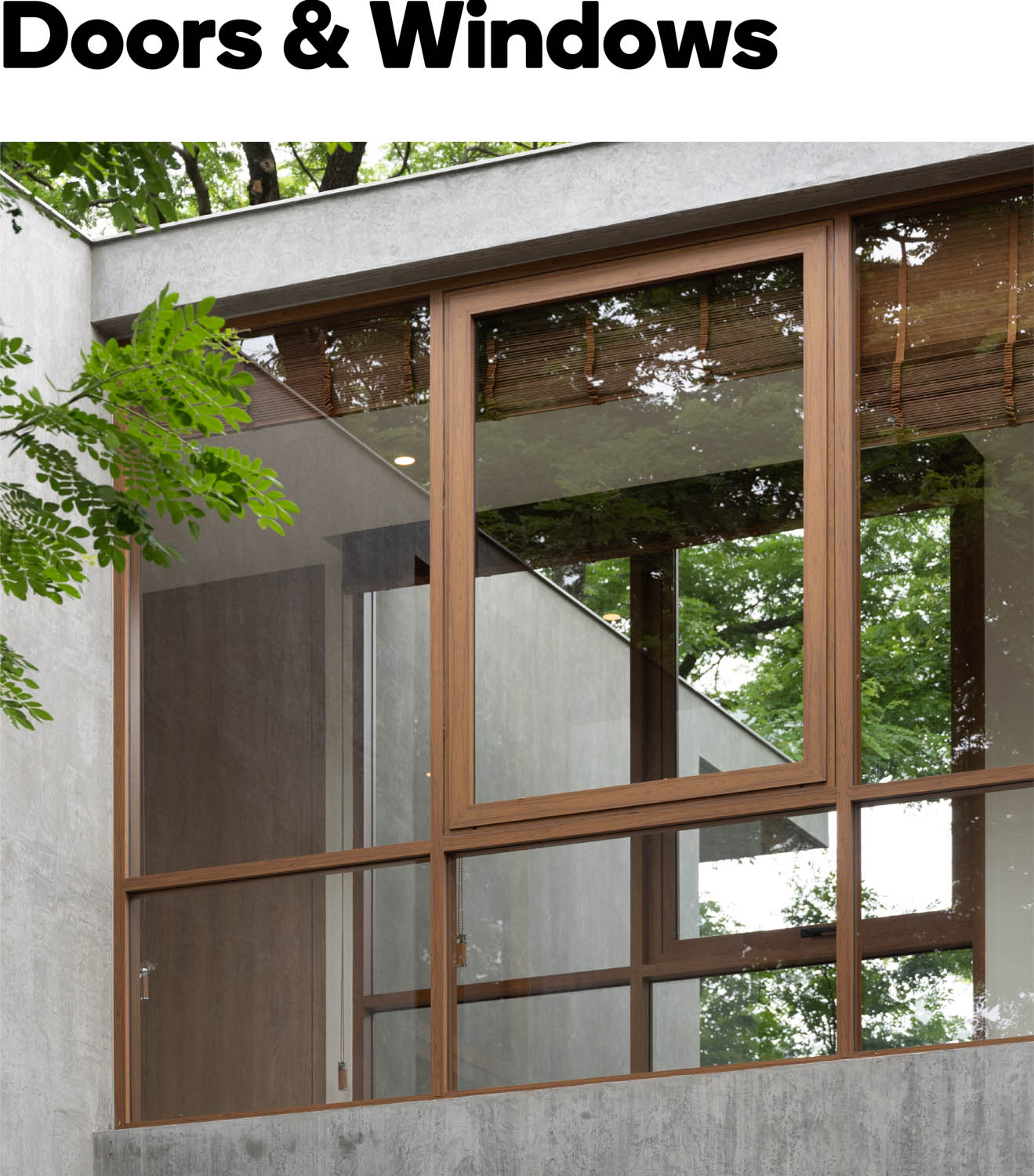
ALUZAT
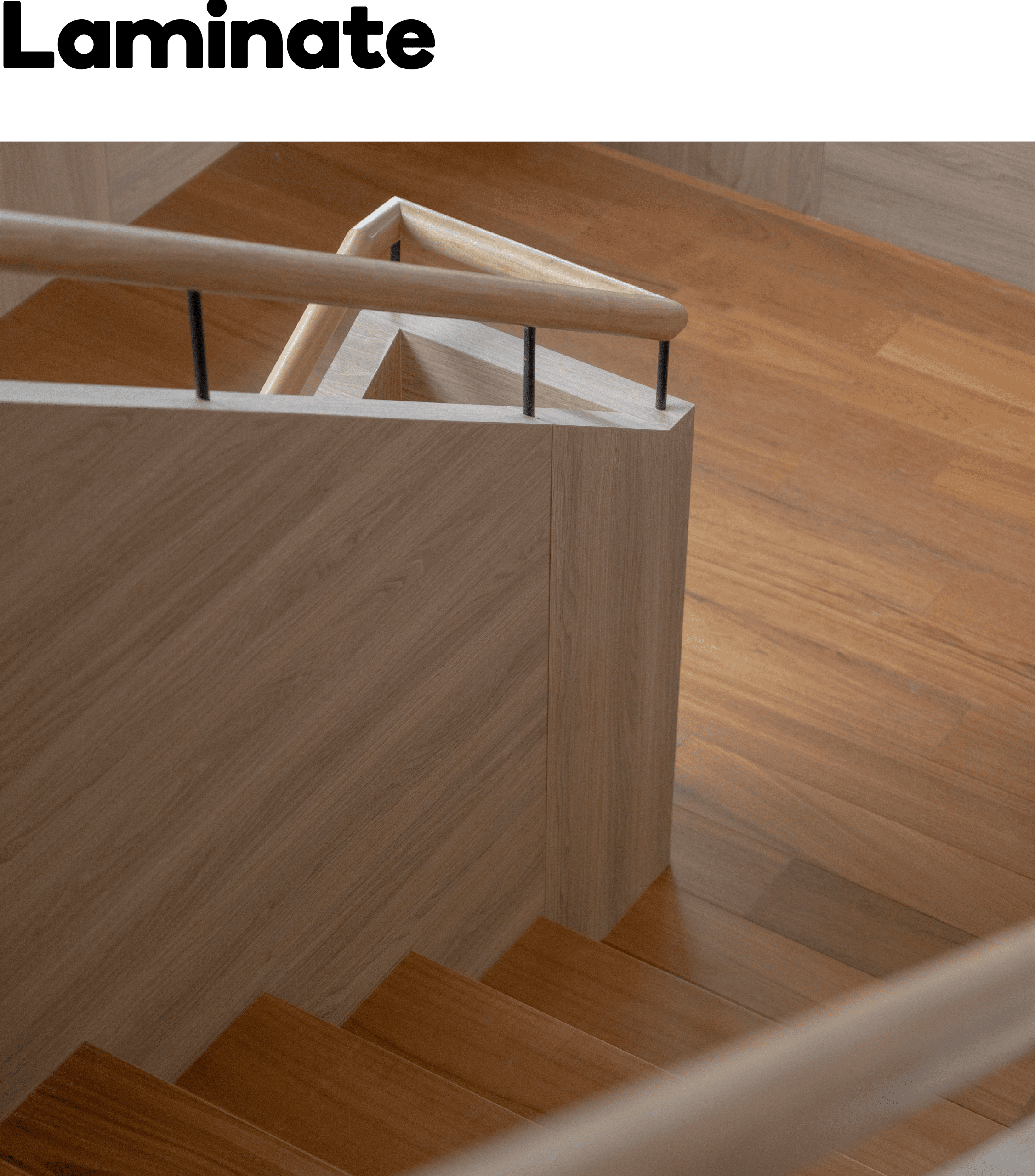
LAMITAK
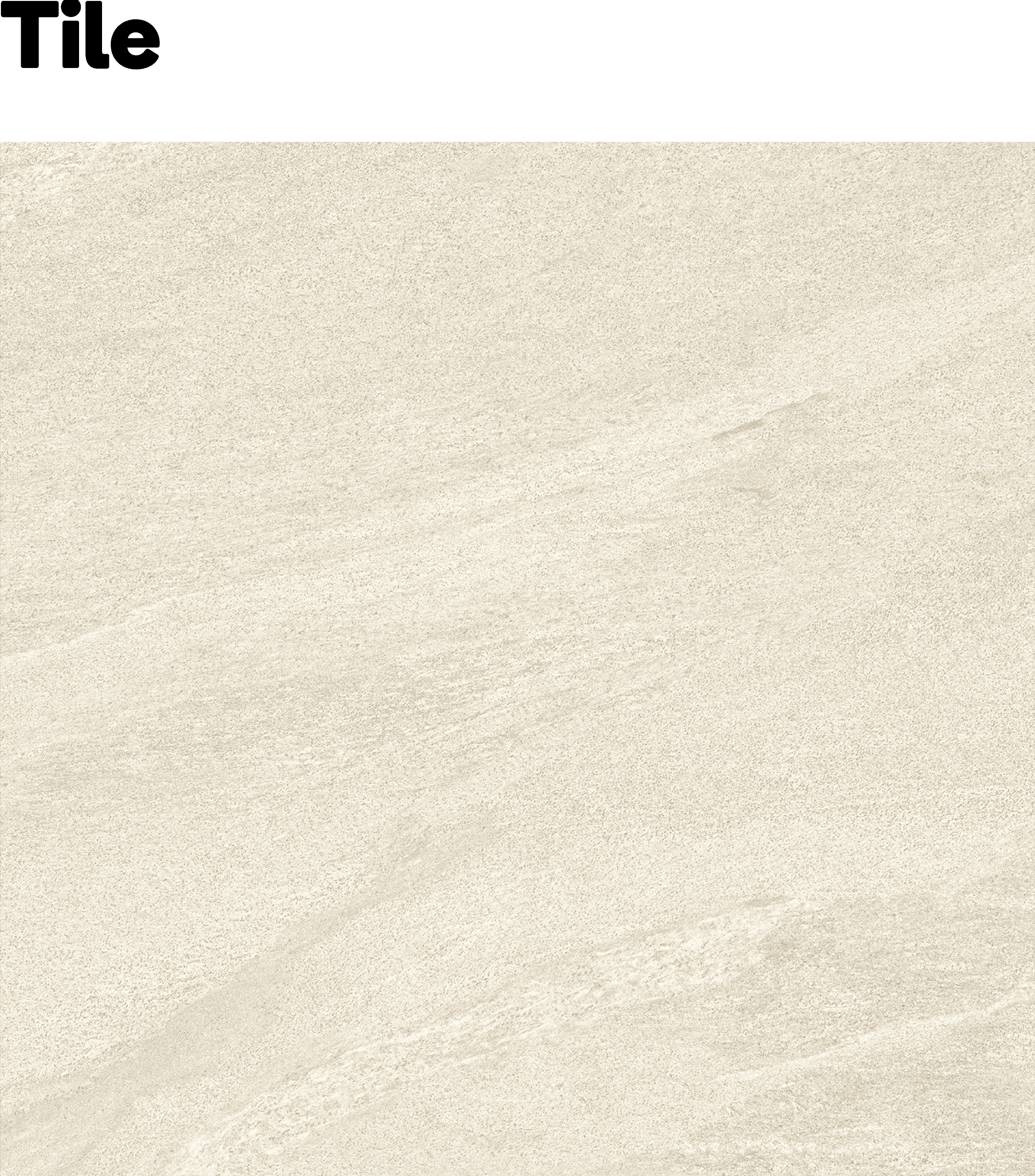
WDC
In a city defined by speed and noise, stillness can be its own form of beauty.
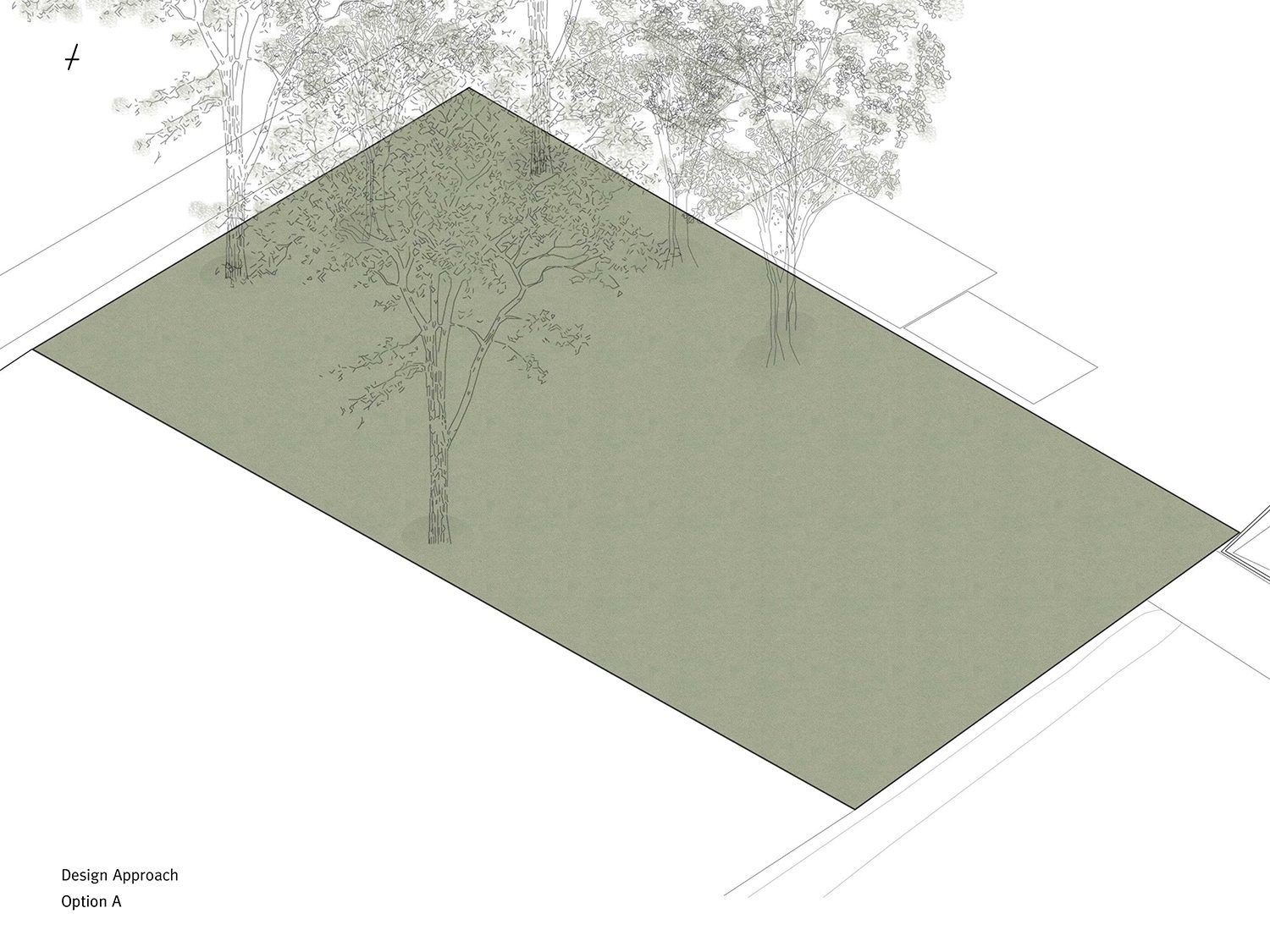
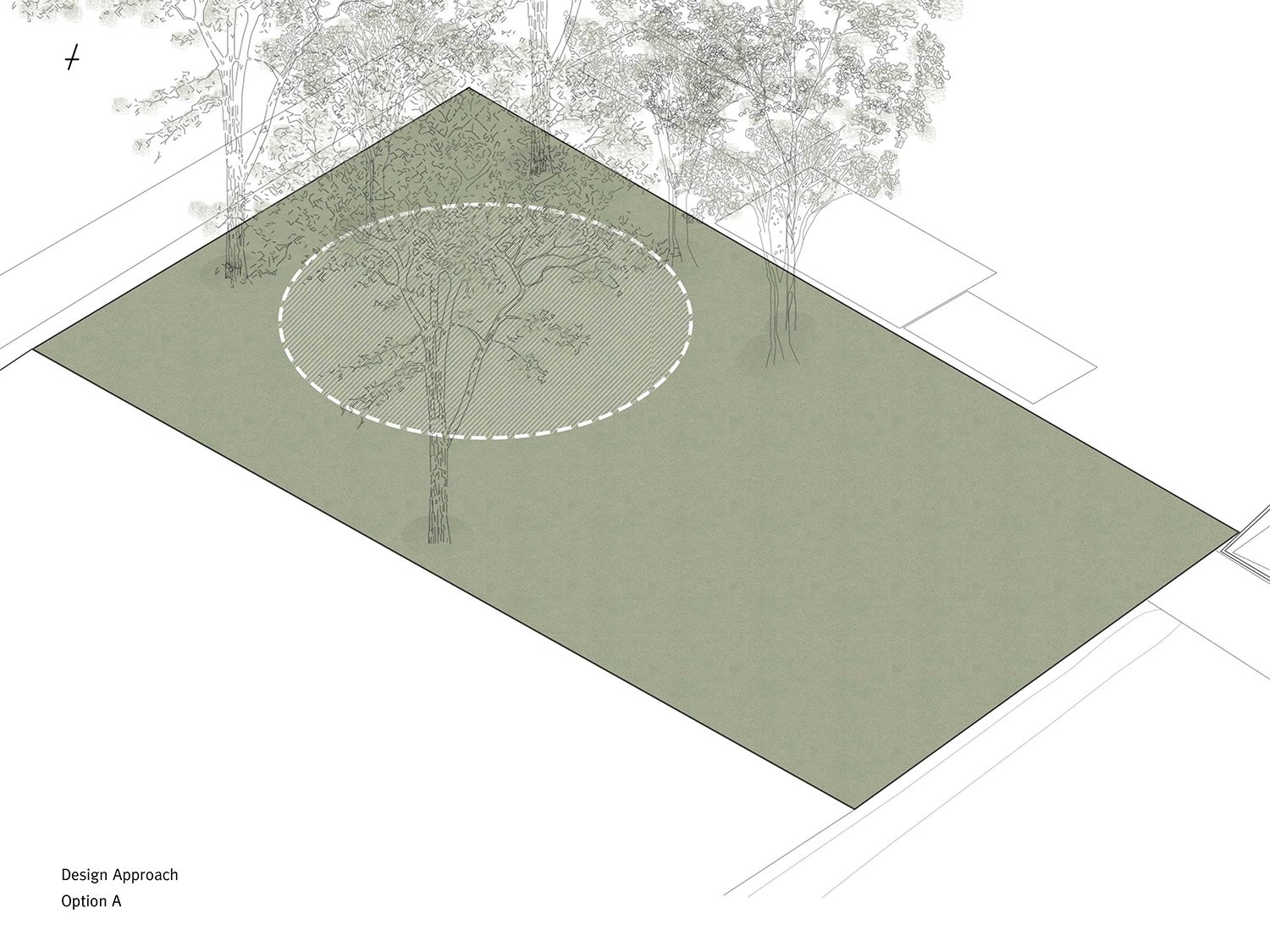
Amid the restless flow of Bangkok’s main thoroughfares, there lies a quiet lane in the Nawamin district where, in 2021, an architect began work on a private house set on a one-rai plot. The land was already inhabited by six rain trees (Chamchuri) and a single monkeypod tree (Hukkrakong), their canopies scattered across the site. Rather than clearing the ground, these trees became the first and most defining condition of the design—a challenge to make architecture coexist with nature, not erase it.
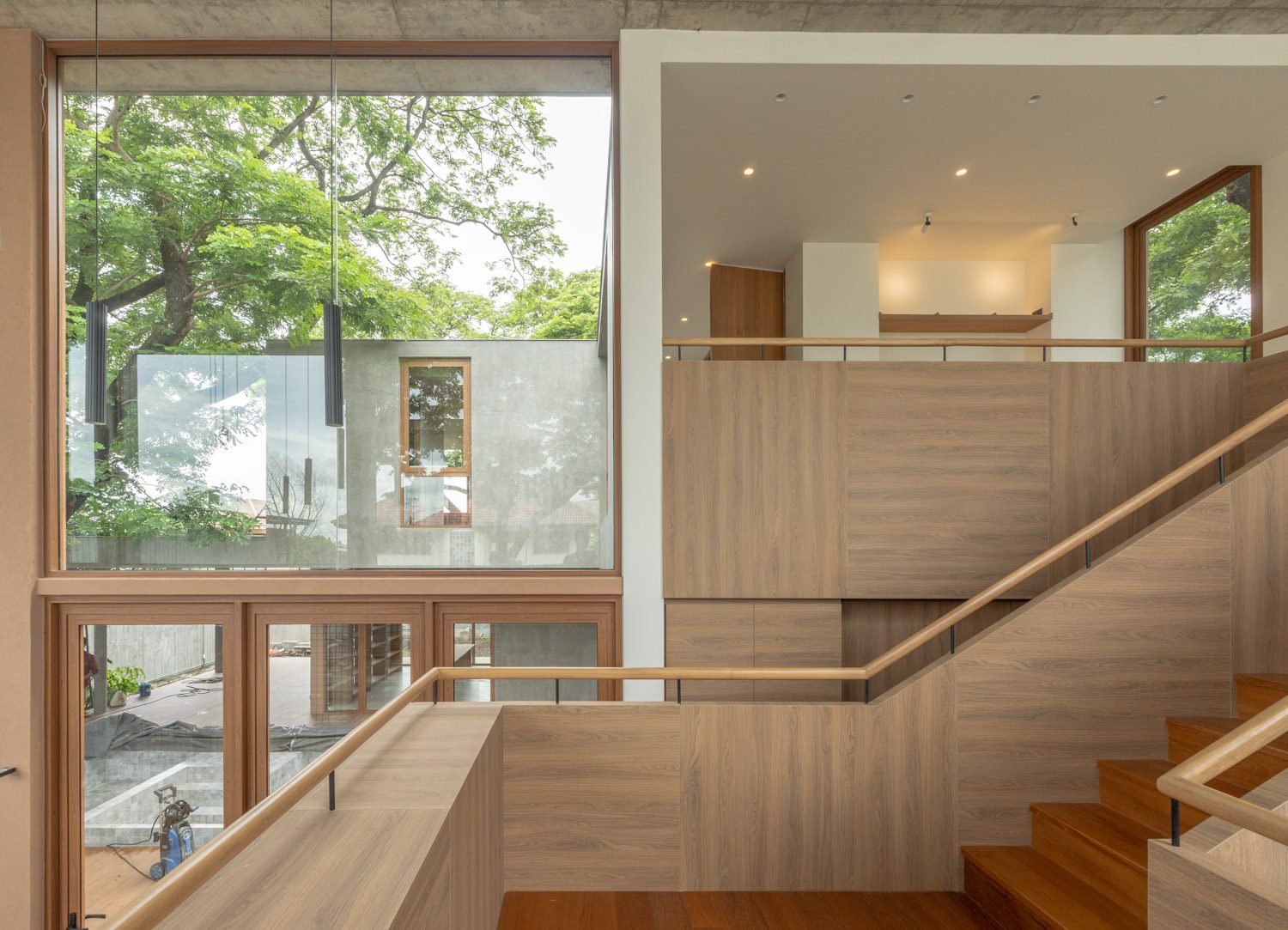
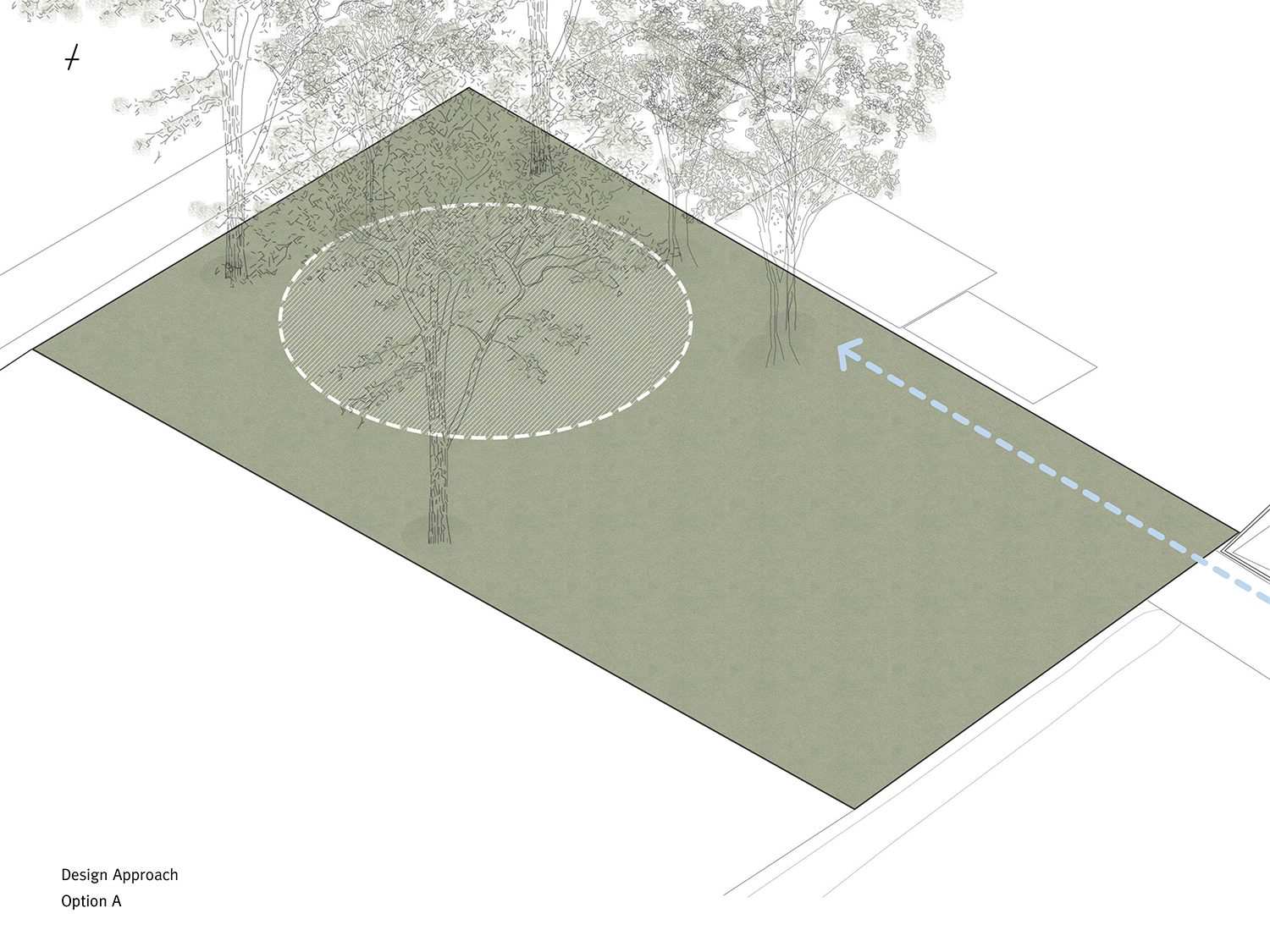
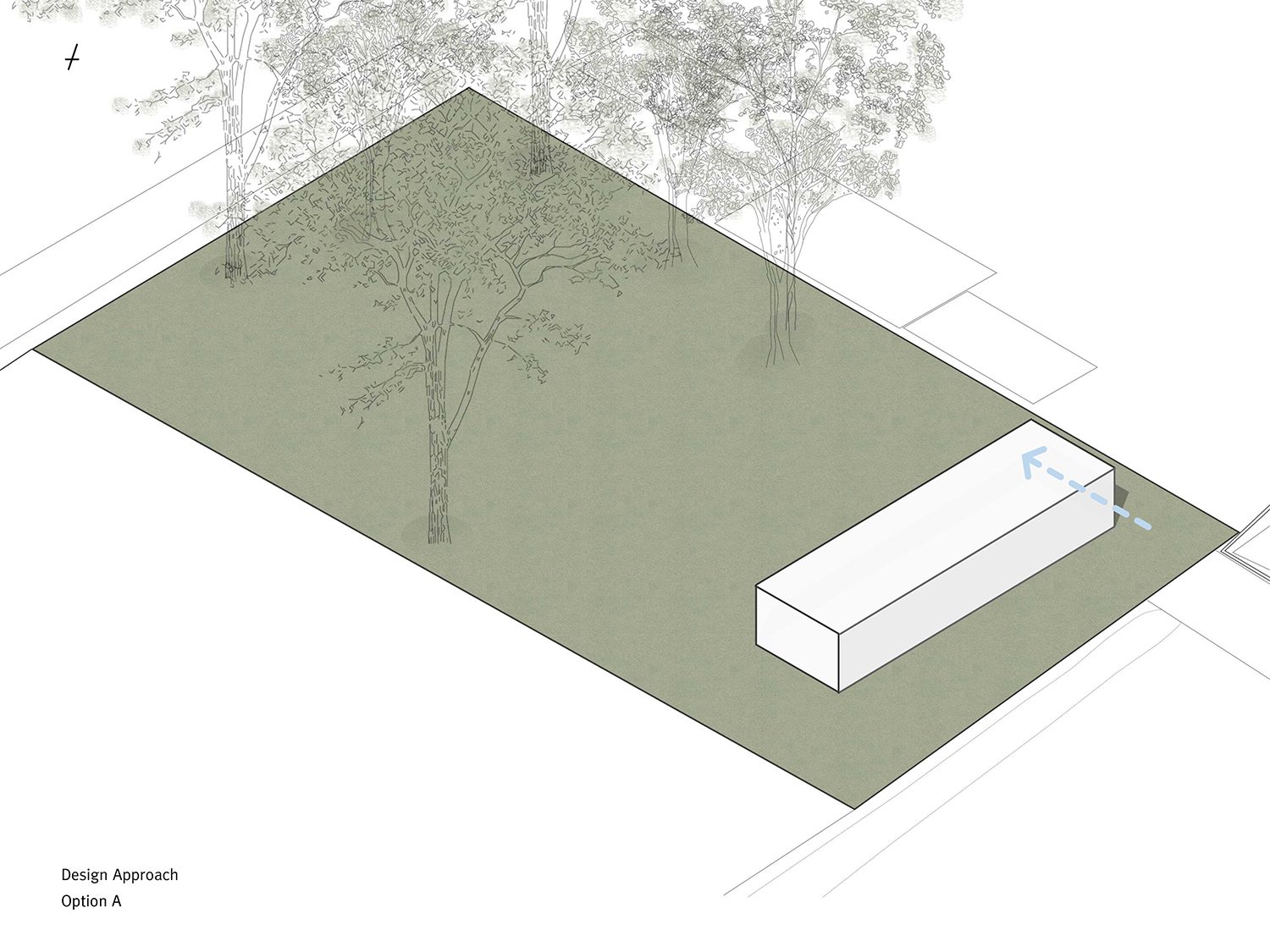
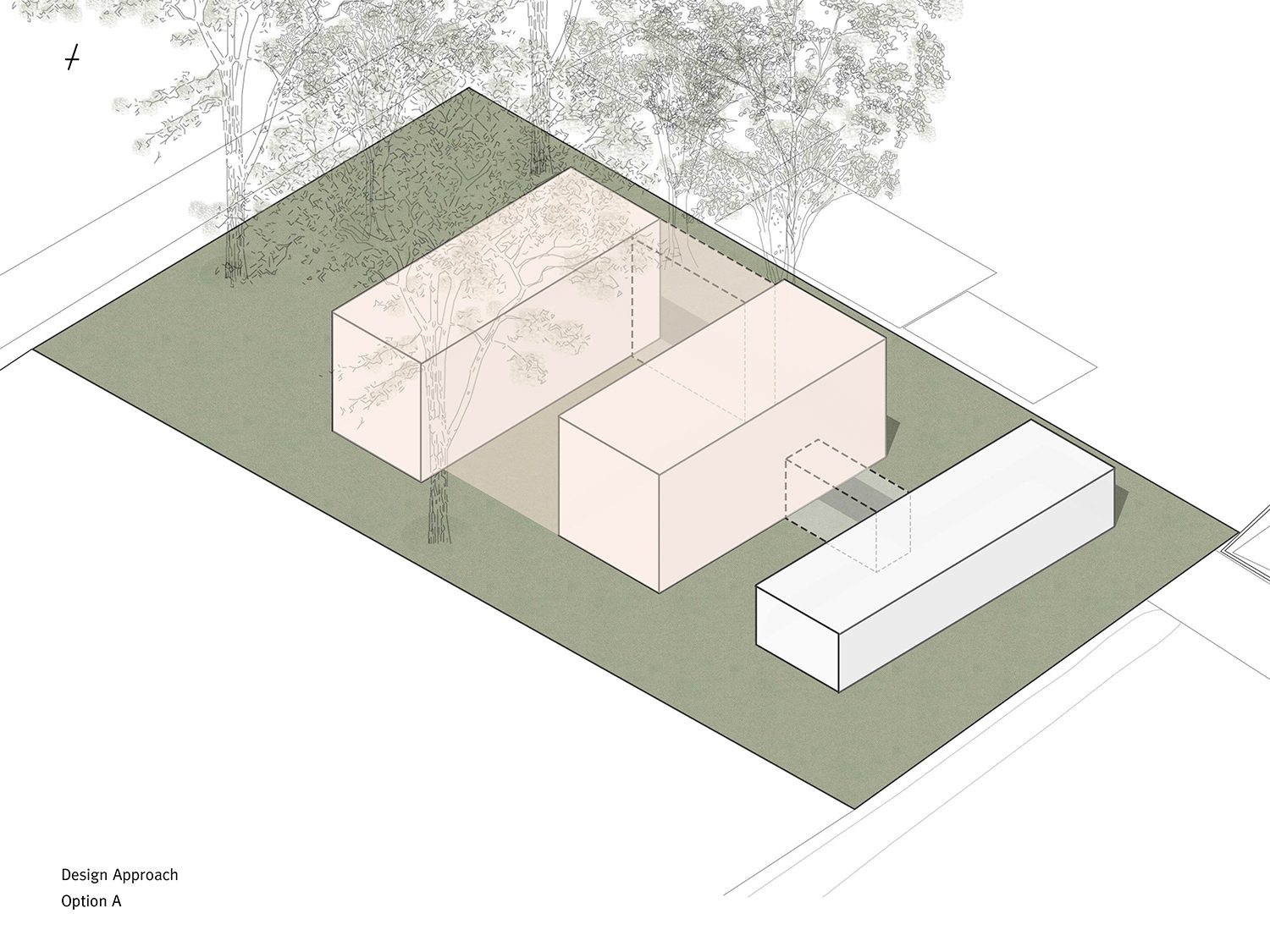
Anonym Studio was entrusted with this task. Responding to the realities of a tropical climate, the studio broke the program into three distinct volumes. By multiplying the buildings’ perimeters, they encouraged cross-ventilation while also separating the functions of daily life. The first volume, placed on the eastern edge near the main entrance, serves as the carport. A preserved monkeypod tree stands between this and the second volume, its presence shaping the flow of space. The second building, conceived as the secondary house, accommodates the living and dining areas. At its heart is a soaring double-height hall. In homes with a two-story hall, staircases are often pushed against a wall to clearly emphasize the spacious grandeur of the interior. Here, however, the stair is treated as a sculptural centerpiece, with a compact food-prep area tucked beneath it. To soften its structural weight, the staircase is clad in wood veneer arranged in an alternating pattern, its shifting geometry adding a subtle sense of movement.
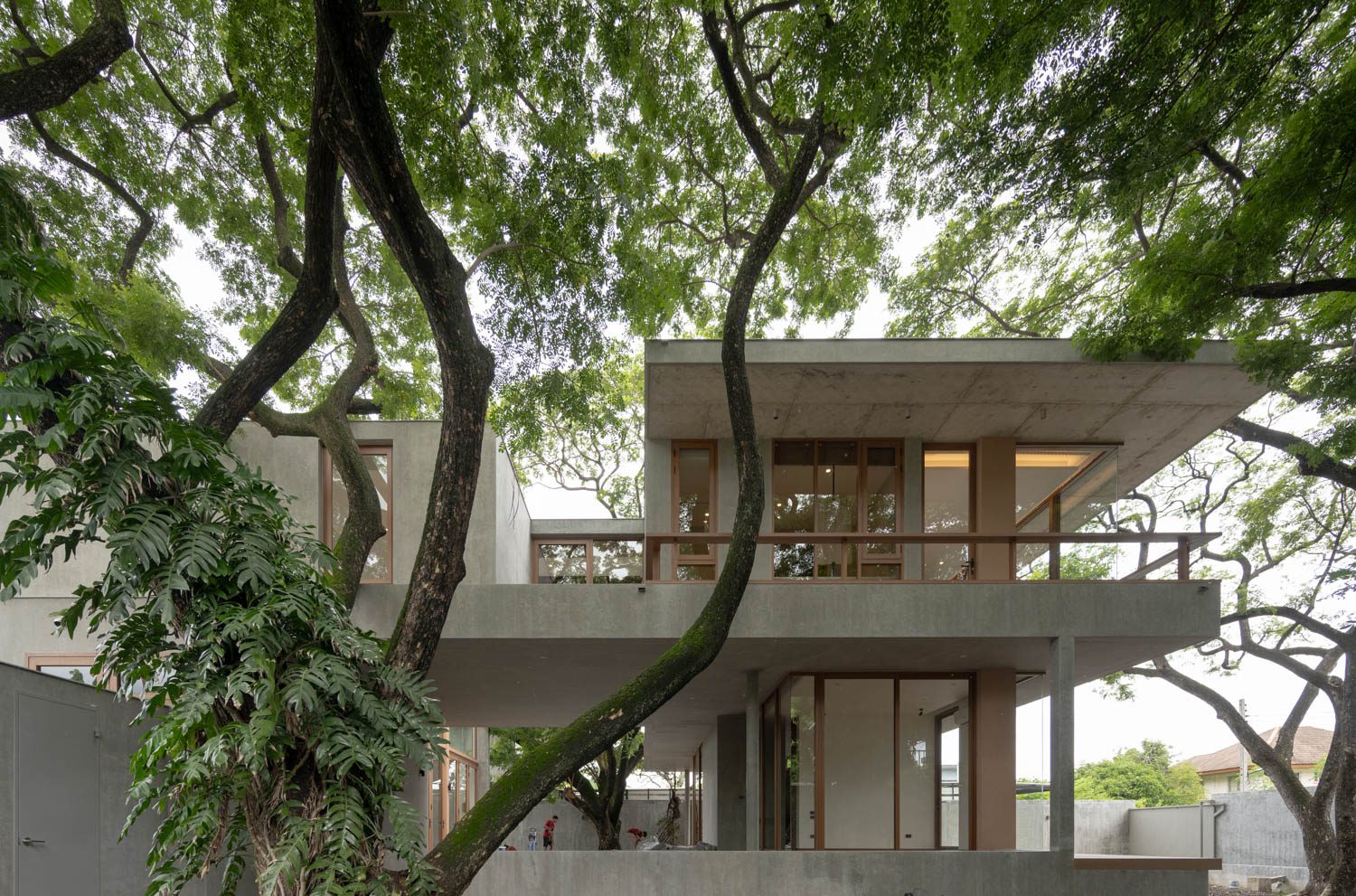
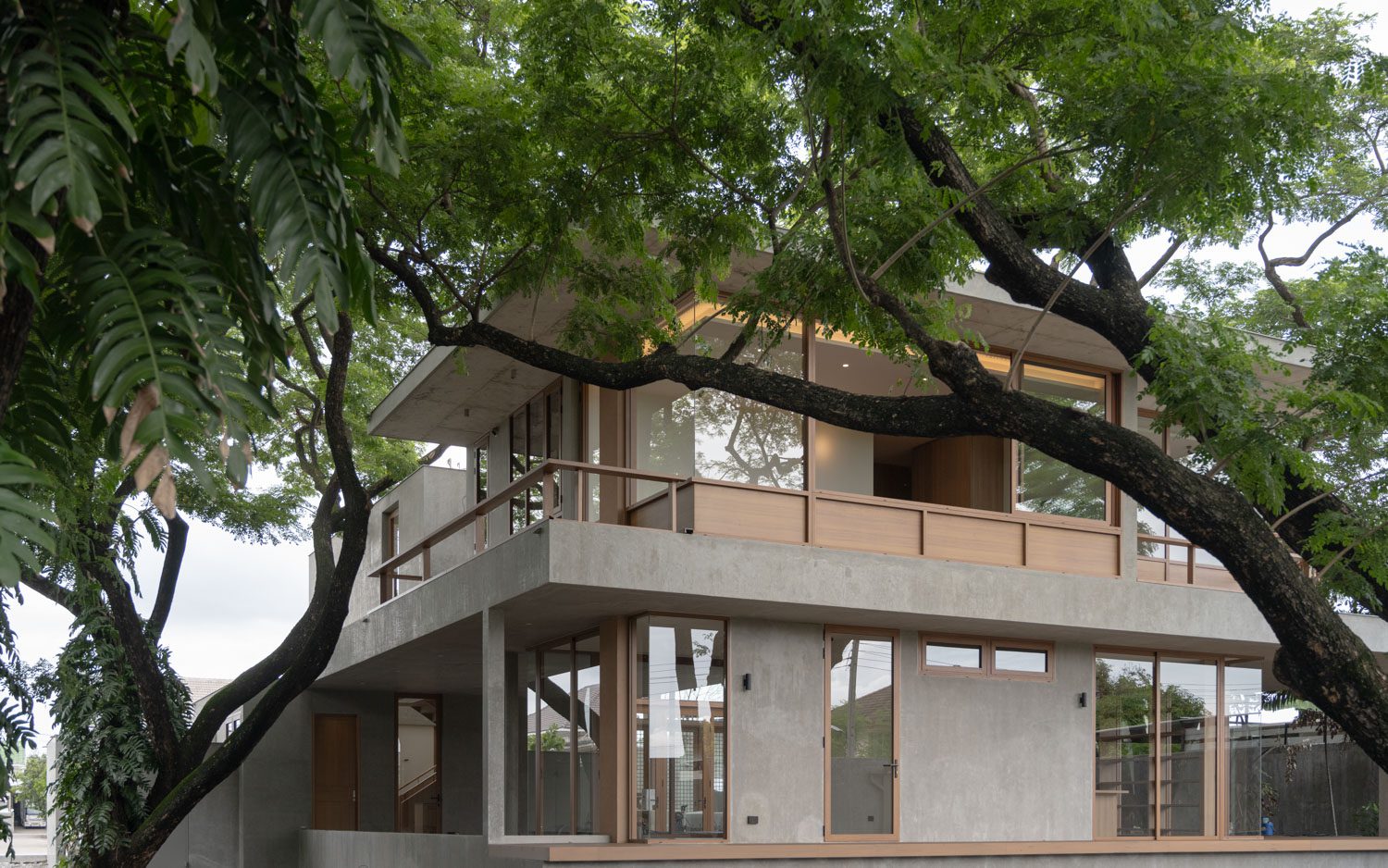
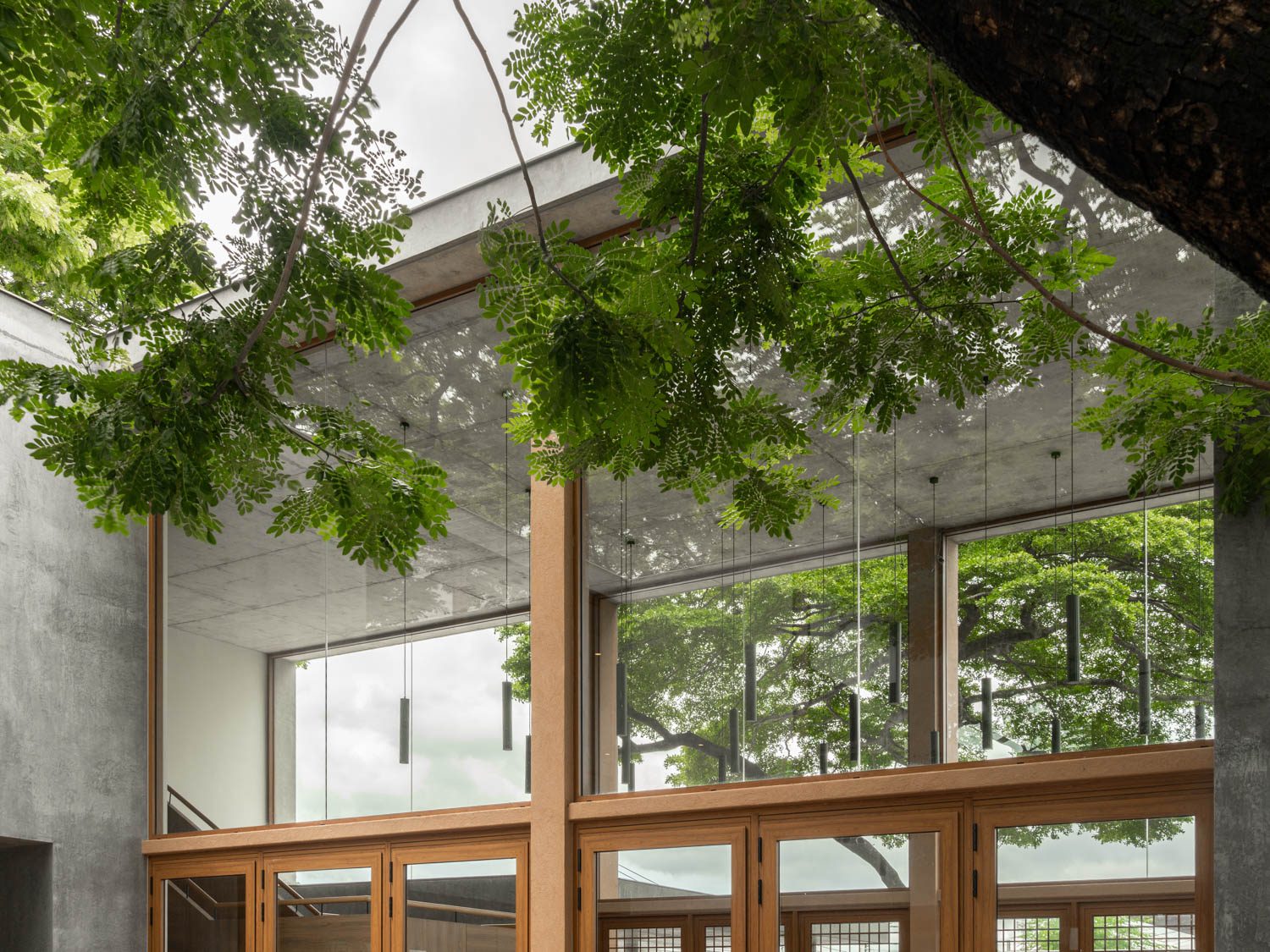
The third volume, the main house, contains the owner’s bedroom on the upper floor and the mother’s bedroom on the ground floor. To frame generous sightlines between the buildings, the architect inserted a swimming pool as a visual and spatial buffer, while also opening west-facing apertures toward the grove of rain trees. Although the bedrooms face the harsh afternoon sun, its intensity is softened by the rain trees whose crowns rise above the roofline, filtering the light into a gentle glow. The shifting rays draw a touch of nature indoors, animating the interior with a quiet play of light and shadow. In this way, the main house enjoys the most privileged views, drawing greenery, openness, and calm into its spaces through the careful orchestration of architectural elements.
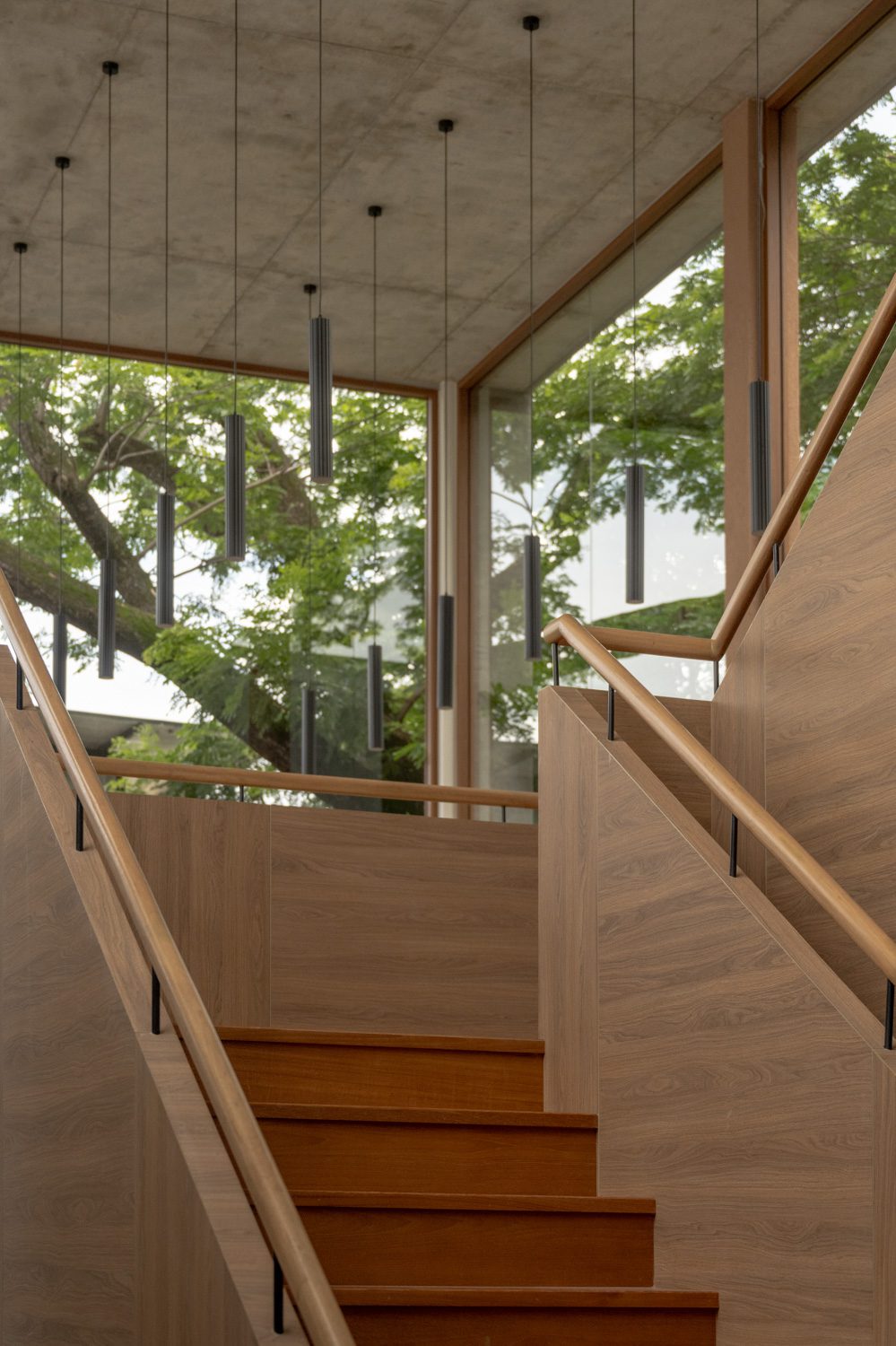
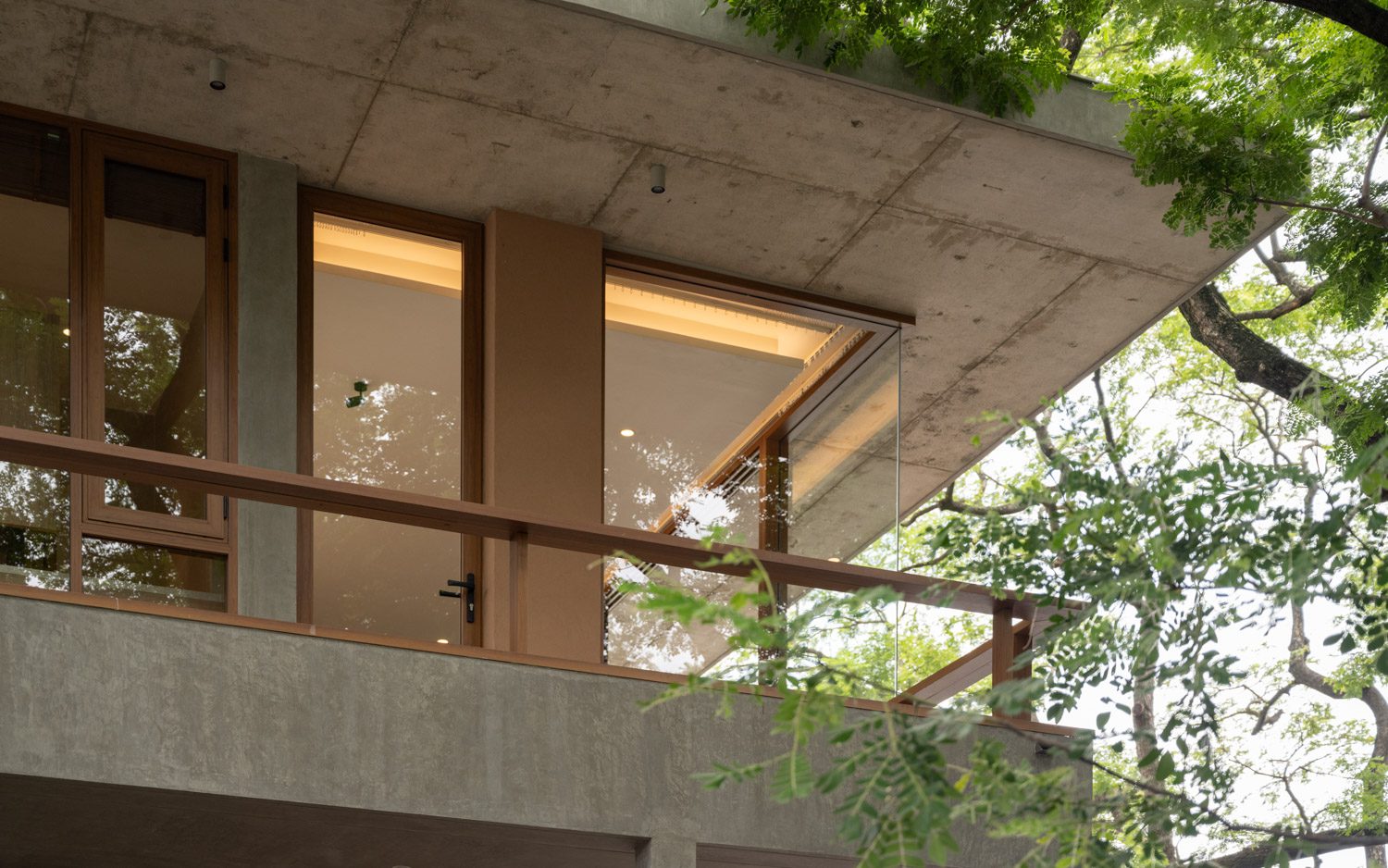
The materials chosen by the architect are exposed concrete for the structural elements and the roof, with the undersides of the slabs left as bare concrete ceilings. The placement of the formwork boards was carefully designed, their rhythmic pattern laid with precision so that, once stripped away, the imprint formed a ceiling of understated elegance achieved through meticulous detailing. Where walls are not exposed concrete, they are finished with a thin plaster surface to create a seamless, unified appearance. Seen from the outside, the three volumes present a consistent grey tone defined by the primary material. The starkness of the exposed concrete is softened by secondary elements of door and window frames finished in warm wood grain, which lend a gentle touch. This interplay creates a sense of balance, a quiet harmony born of the deliberate tension between robust and refined materials.
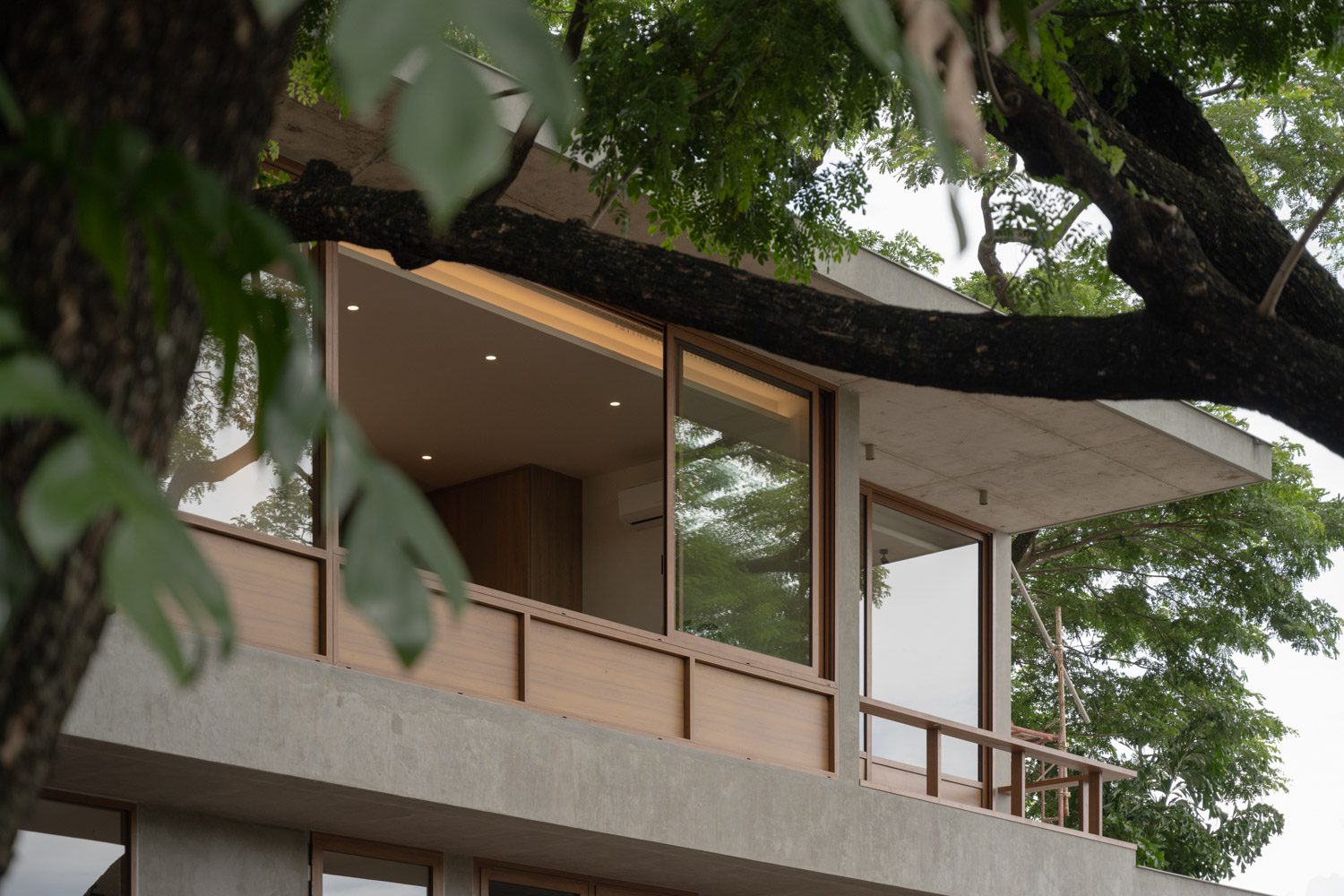
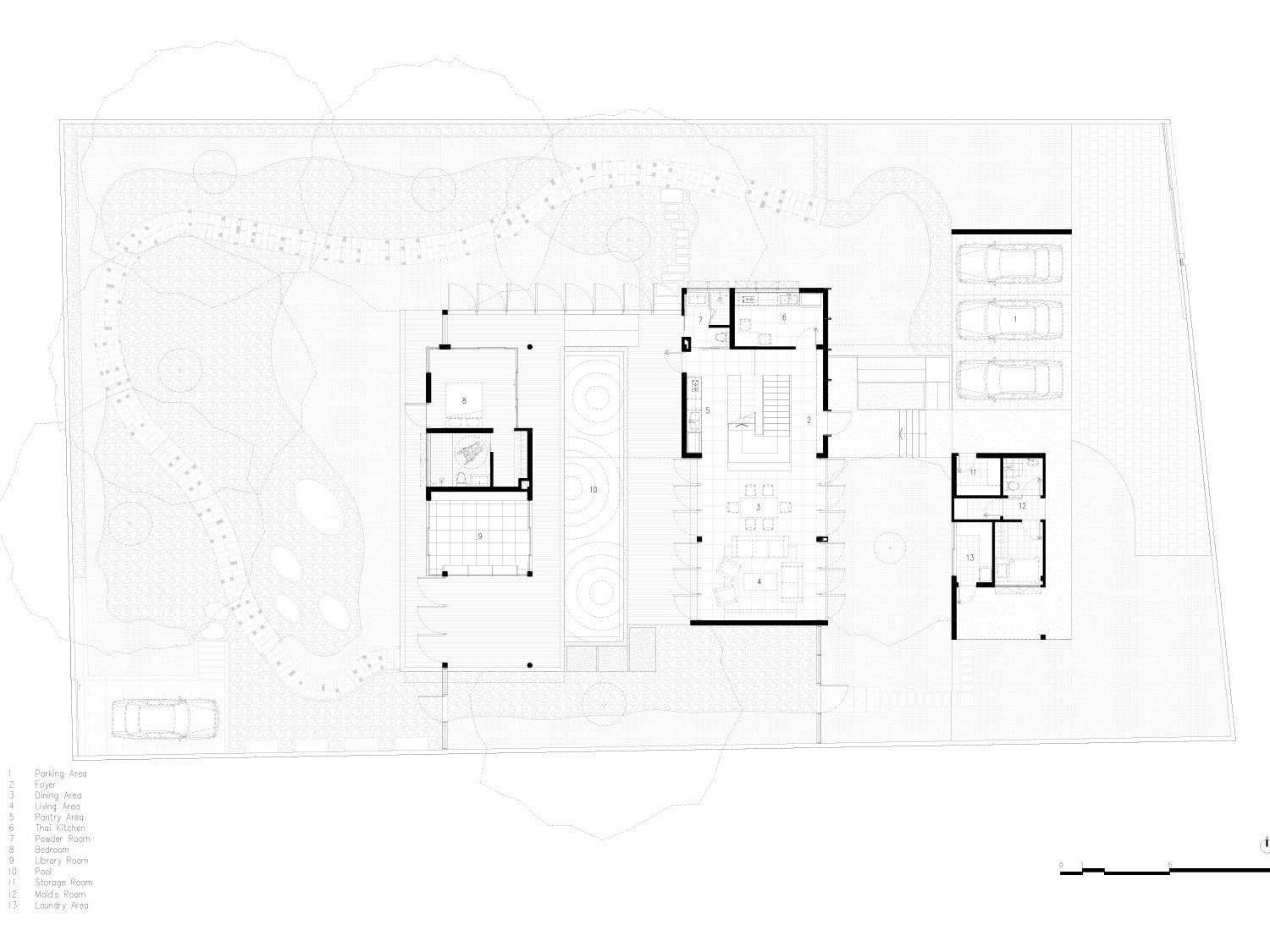
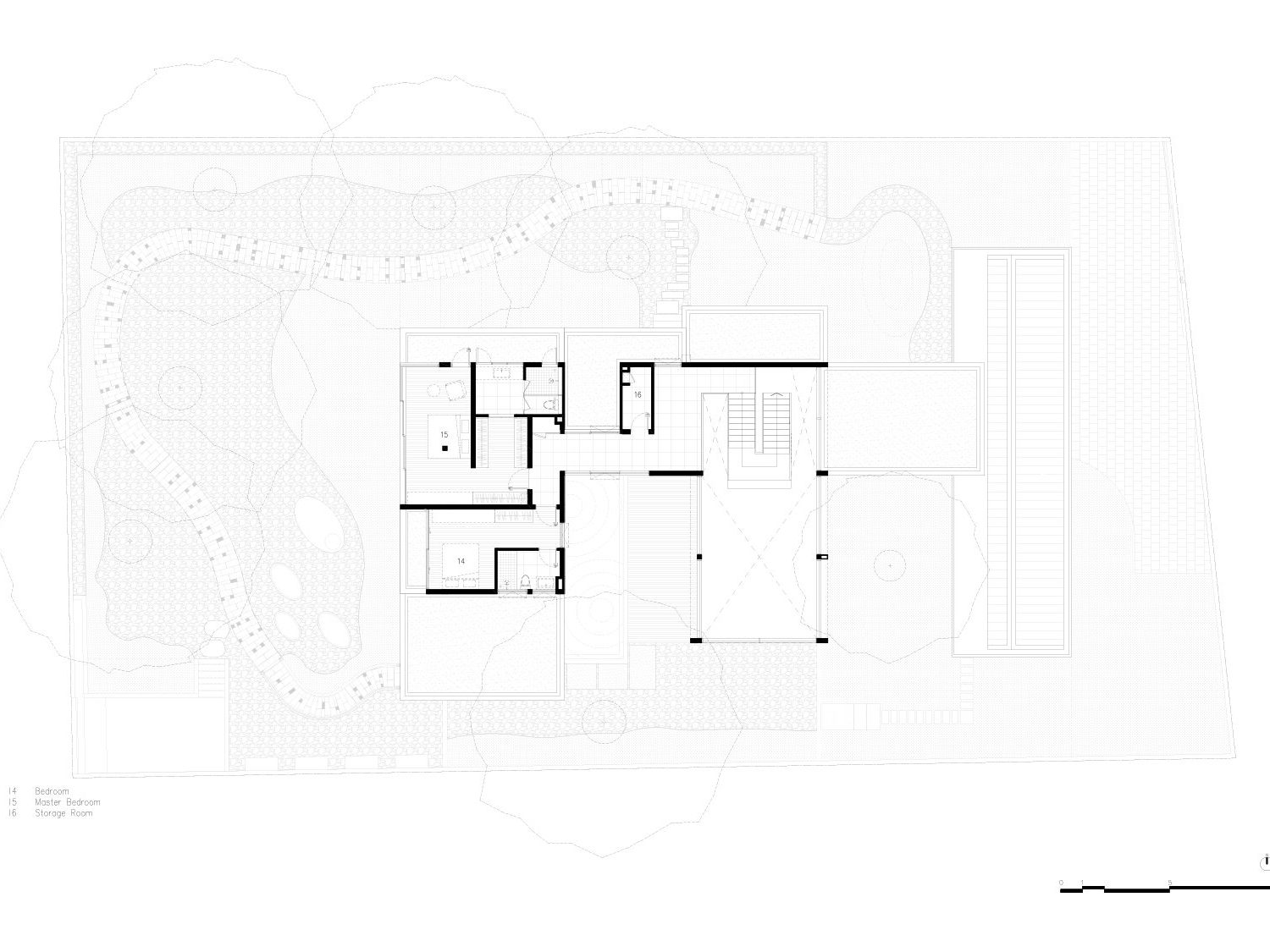
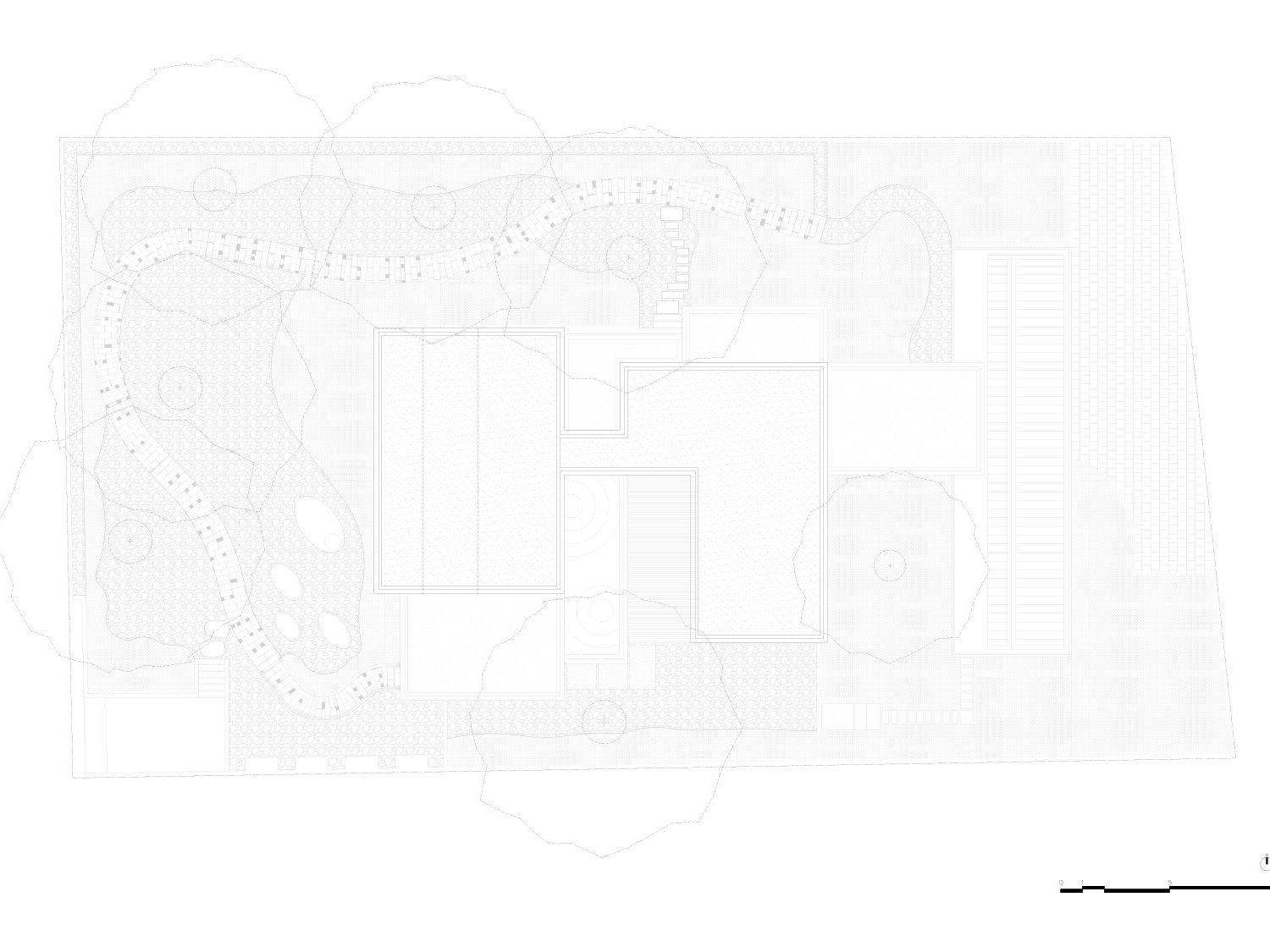
Viewed as a whole, this project diverges from Anonym Studio’s earlier works, which often experimented with familiar materials to create new visual memories. Here, the design returns to fundamentals. It is a house that allows emptiness to become a precious element and finds beauty through rhythm. Certain parts are purposefully closed off, such as the solid south-facing wall that shields the home from surrounding noise, yet this very wall enhances the interior outlook within the site itself.
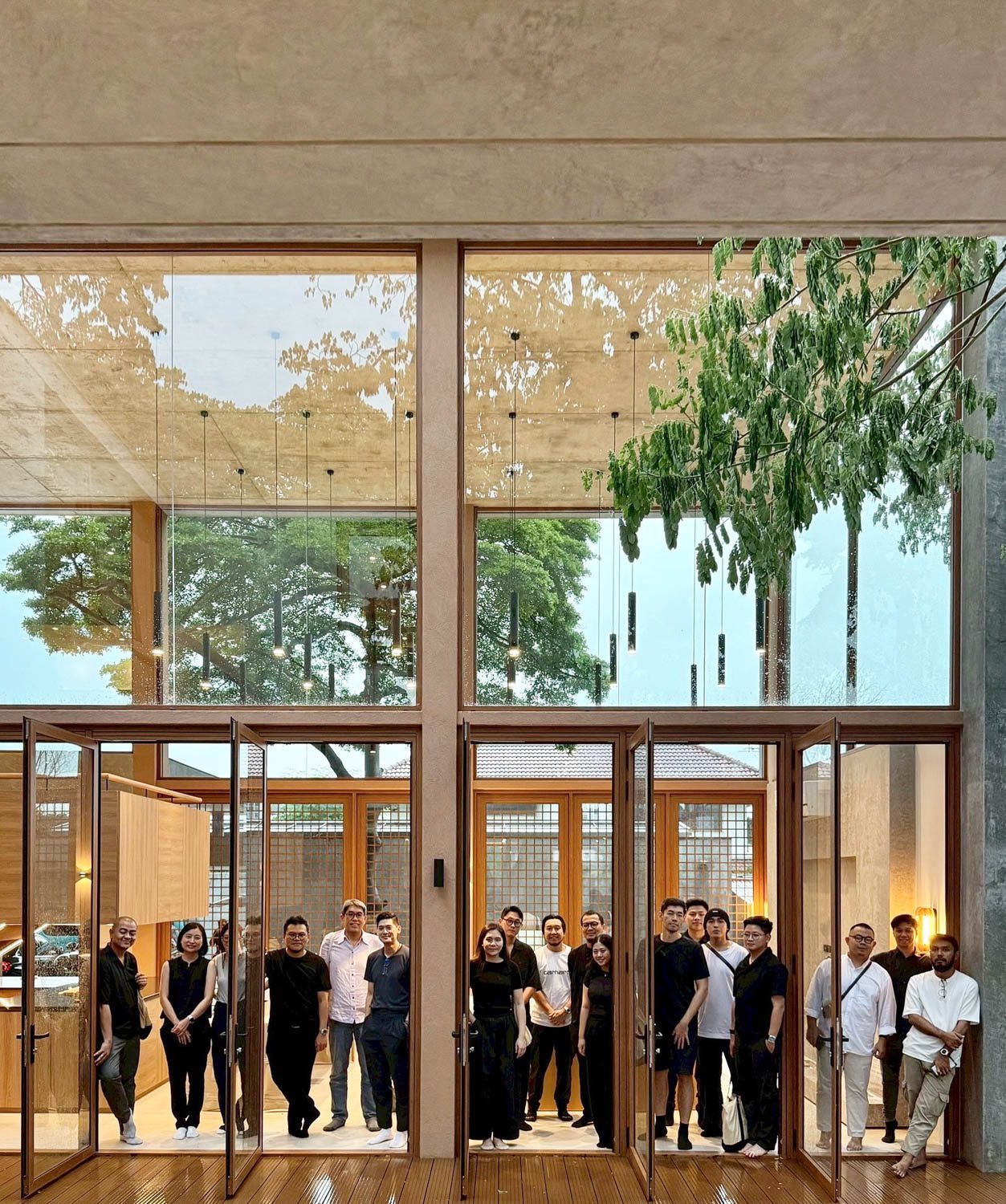
Phongphat Ueasangkhomset, Director of Anonym Studio, reflects on what beauty means:
“Perhaps it is the balance of proportions quietly coming together so that, in the end, you simply look and understand it is beautiful, like glimpsing a landscape whose beauty needs no elaborate explanation.”