
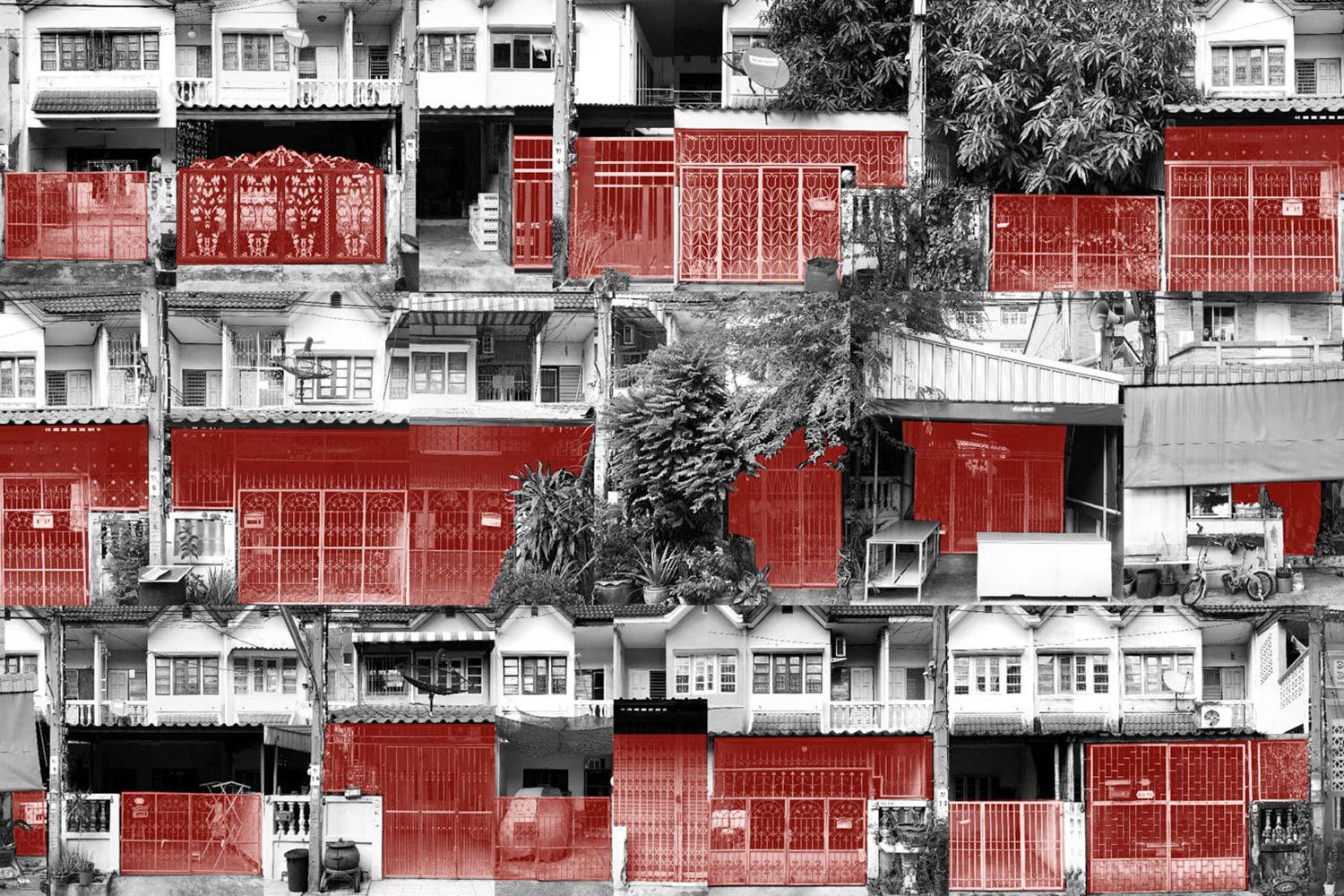
PHETKASEM VILLAGE, A RESEARCH OF TRANSFORMING AND EVOLVING INTO A PERSONALIZED COMMUNITY HAVEN, DOCUMENTED BY ARCHITECTS JENCHIEH HUNG AND KULTHIDA SONGKITTIPAKDEE OF HAS DESIGN AND RESEARCH
TEXT: JENCHIEH HUNG & KULTHIDA SONGKITTIPAKDEE
PHOTO: HAS DESIGN AND RESEARCH
(For Thai, press here)
This research illustrates how Bangkok’s typical shophouse architecture evolves through residents’ creativity, as presented in their latest book, Chameleon Architecture: Shifting / Adapting / Evolving.
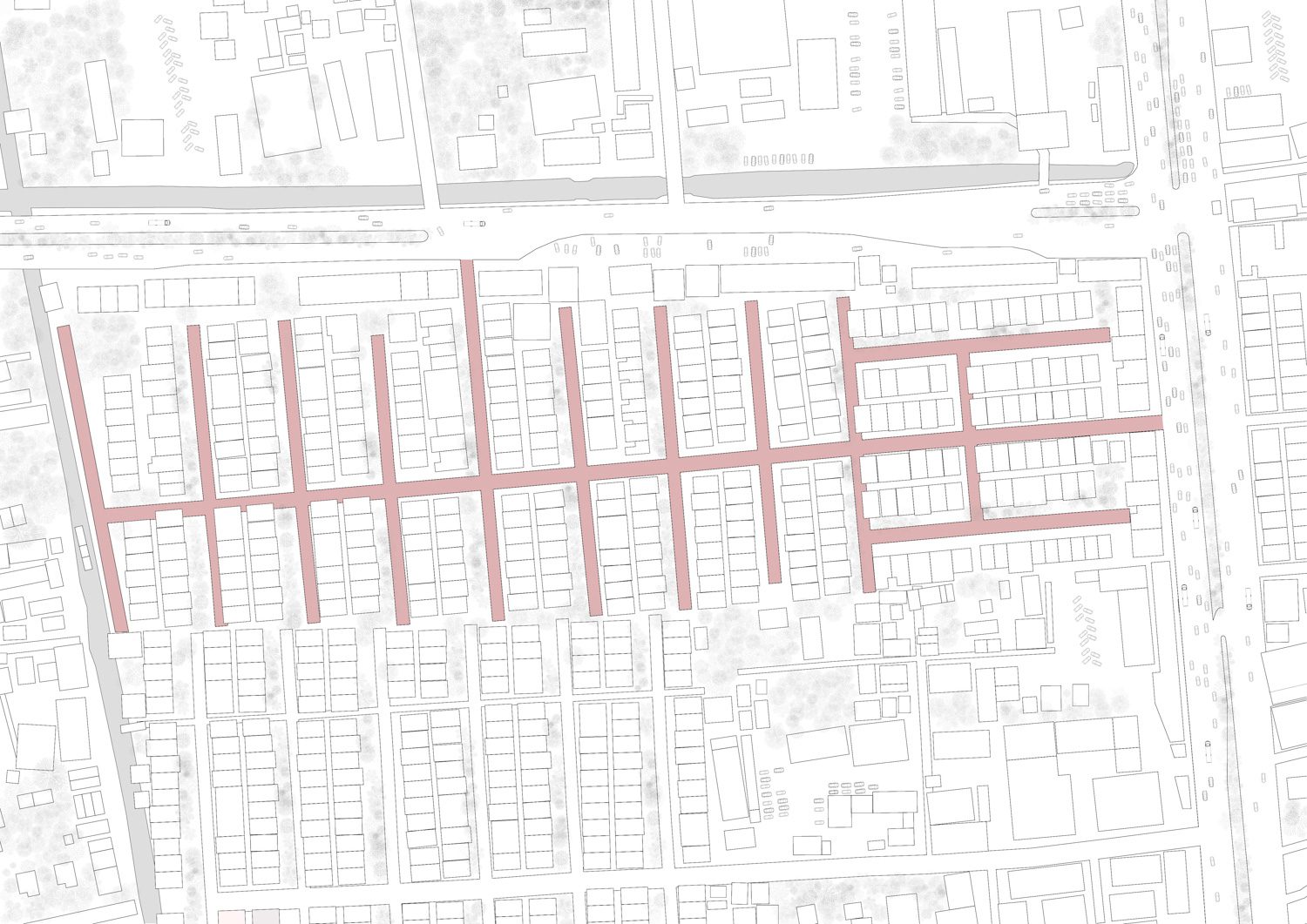
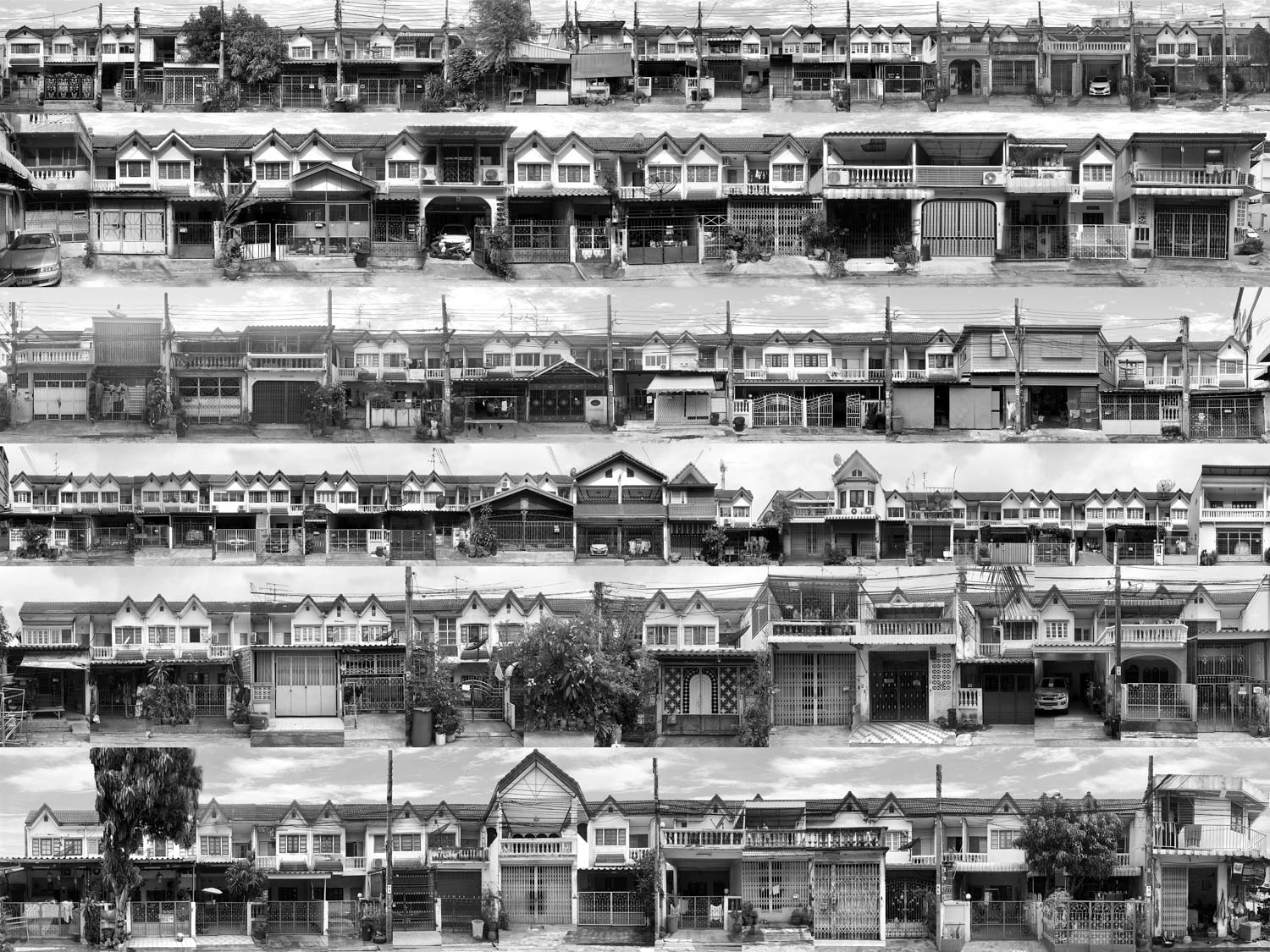
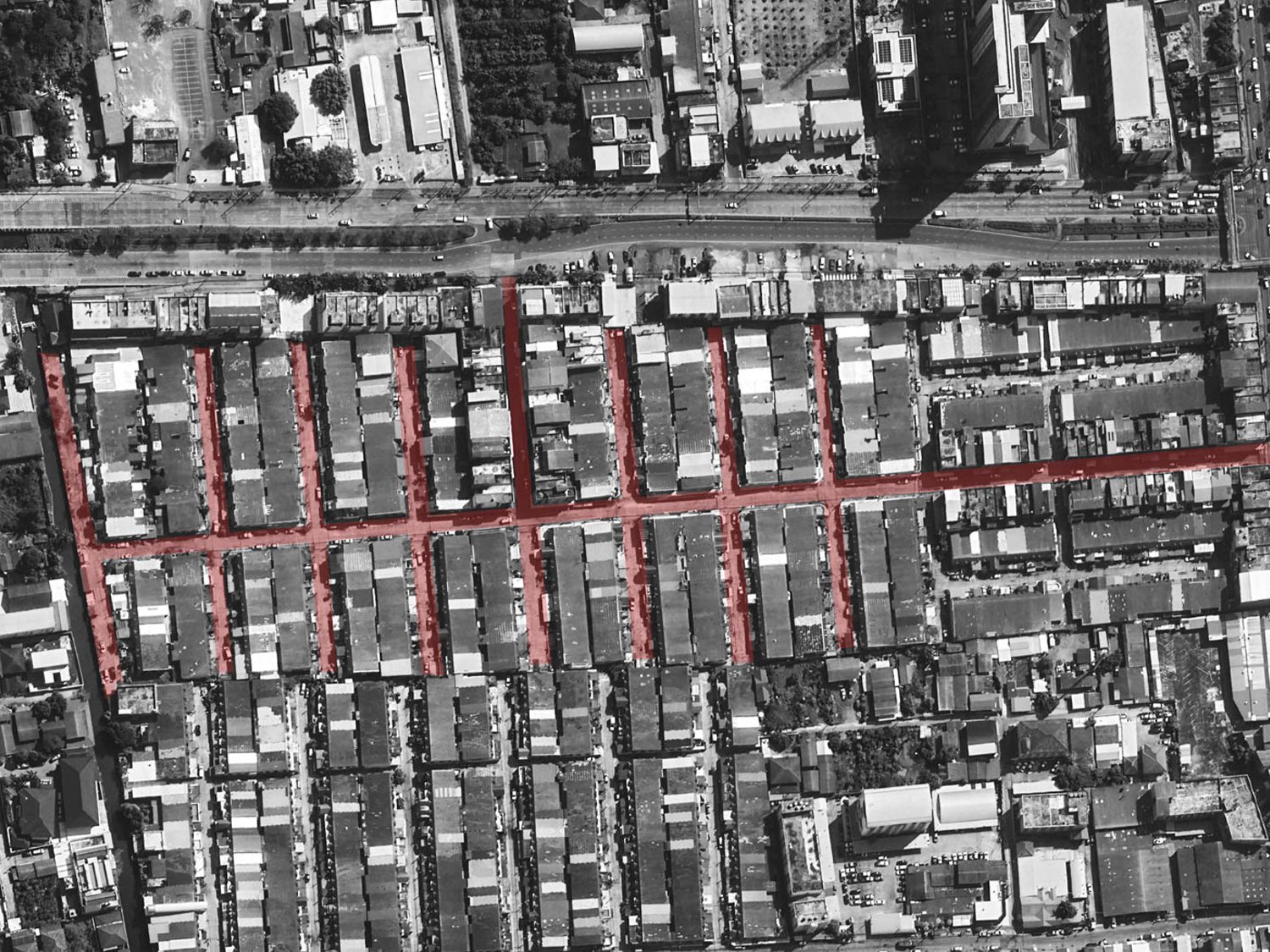
Phetkasem Village, located on the western edge of Bangkok near Nakhon Pathom, showcases a compelling example of how typical shophouse/rowhouse architecture evolves in response to contemporary urban needs. This suburban commercial row house development, a typical housing typology mass-produced 30 years ago, became an iconic feature of the city’s landscape. Originally built to be affordable, these structures contributed to the uniformity seen in the urban fabrics of Bangkok, Thailand, and other Southeast Asian cities. However, Phetkasem Village tells a different story—one where residents have creatively transformed these commercial row houses into dynamic, personalized living spaces.
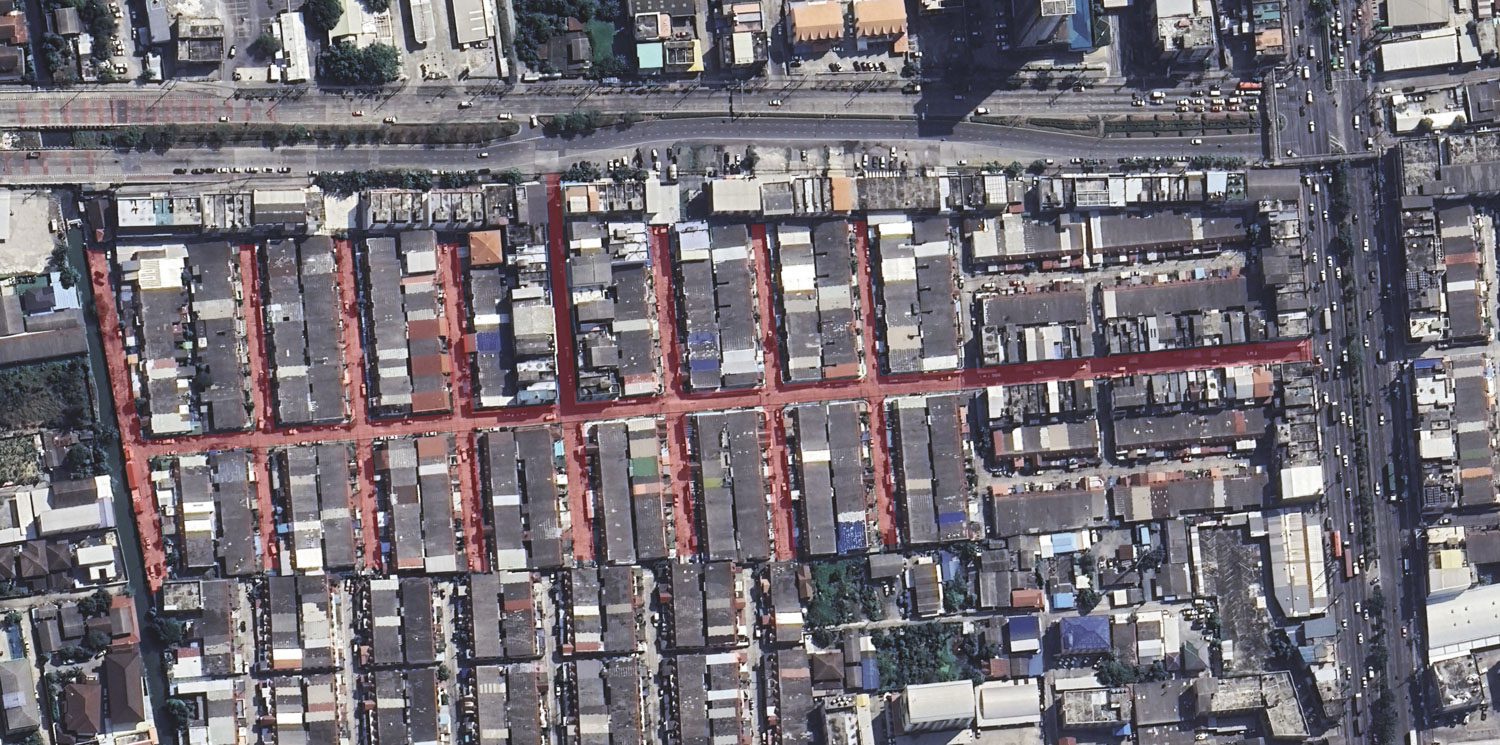
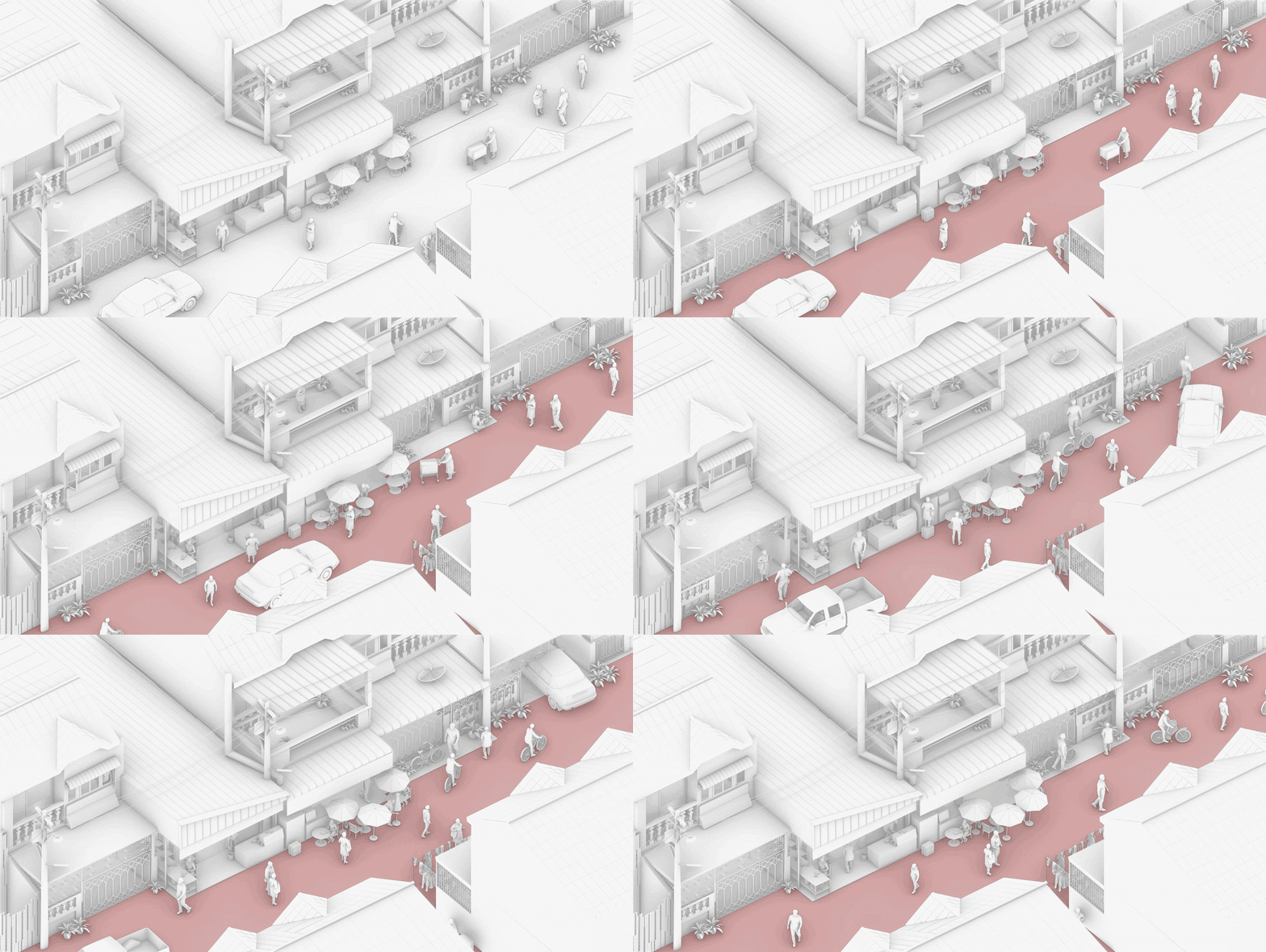
The ‘evolving’ approach to architecture in Phetkasem Village is evident in the residents’ adaptations to their homes. Unlike the uniform high-rise condominiums common in modern cities, these row houses—only four meters wide at the front—reflect an inventive and resourceful approach to urban living. Fences have been extended to enlarge garage areas, roofs added for additional storage, and rain shelters extended to accommodate ground-level commercial use.Even the roadways, once barren, have been transformed into private gardens with potted plants, adding individuality to the space. This informal, ‘evolving’ approach to architecture goes beyond mere physical modifications—it signals a shift in cultural perception.

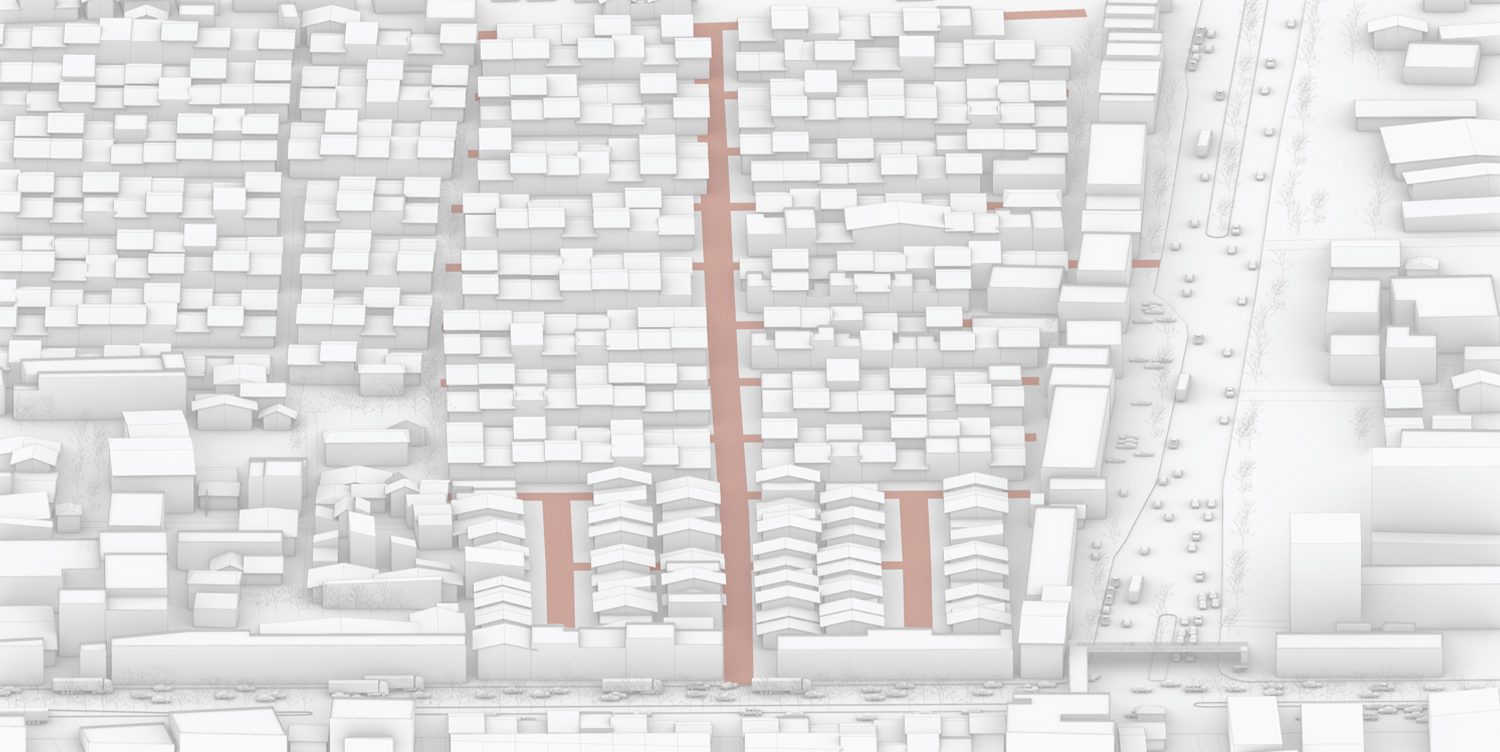
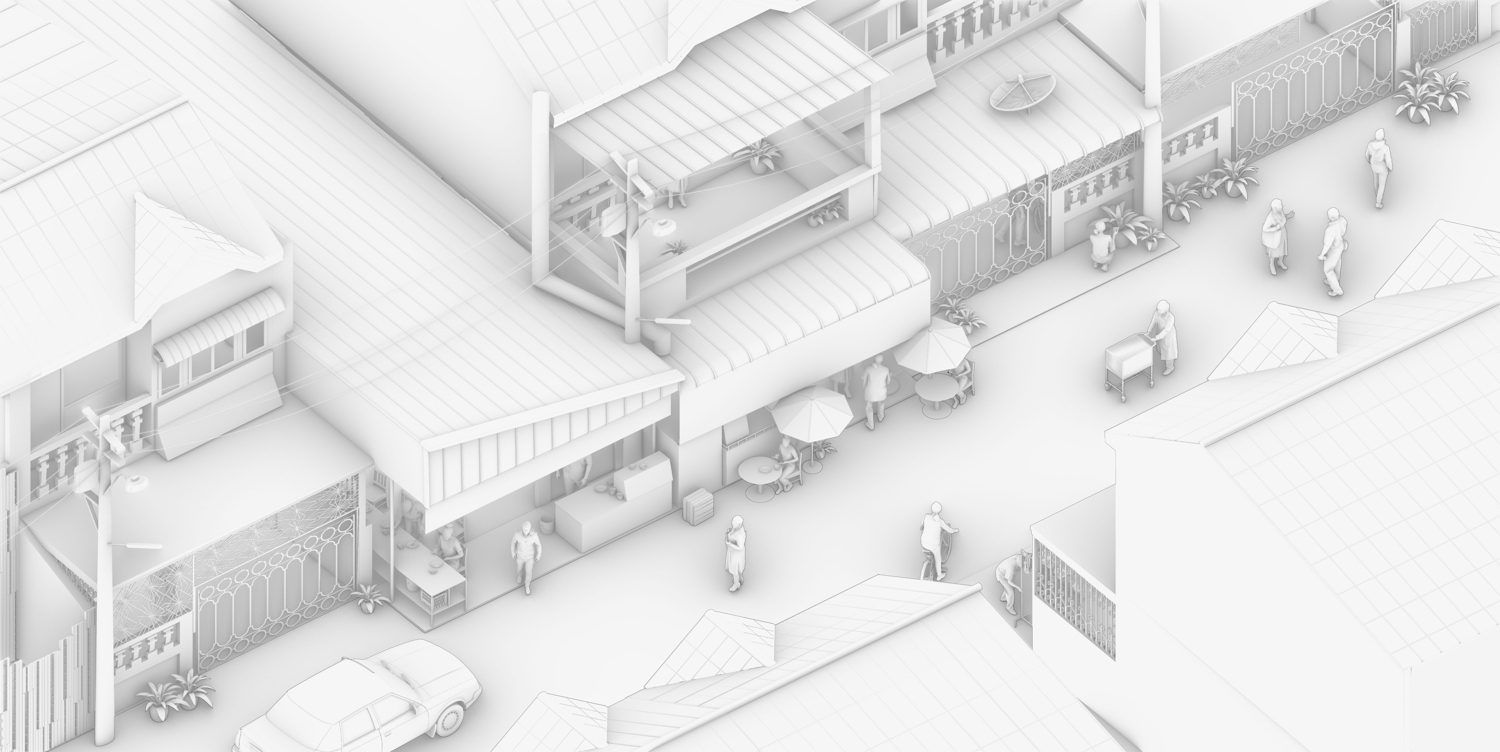
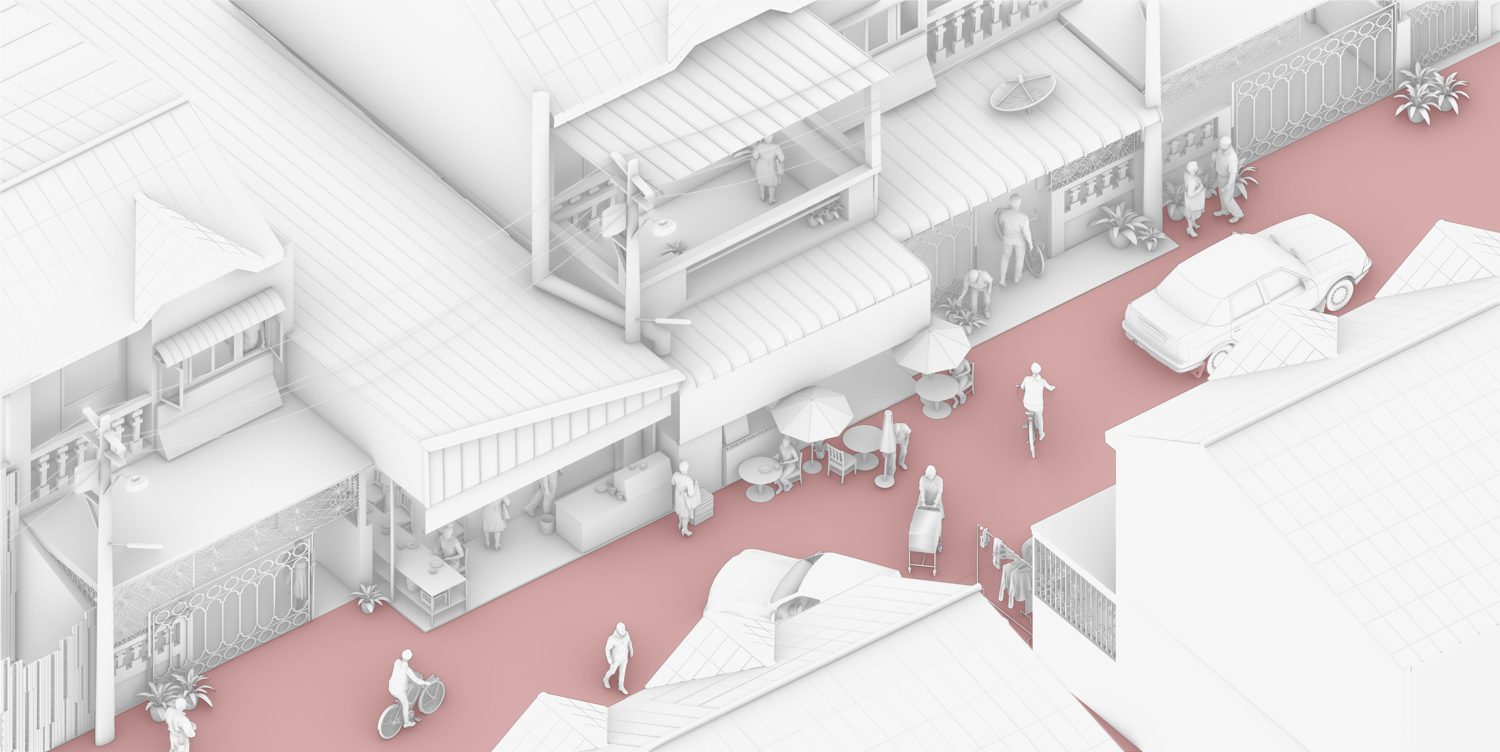
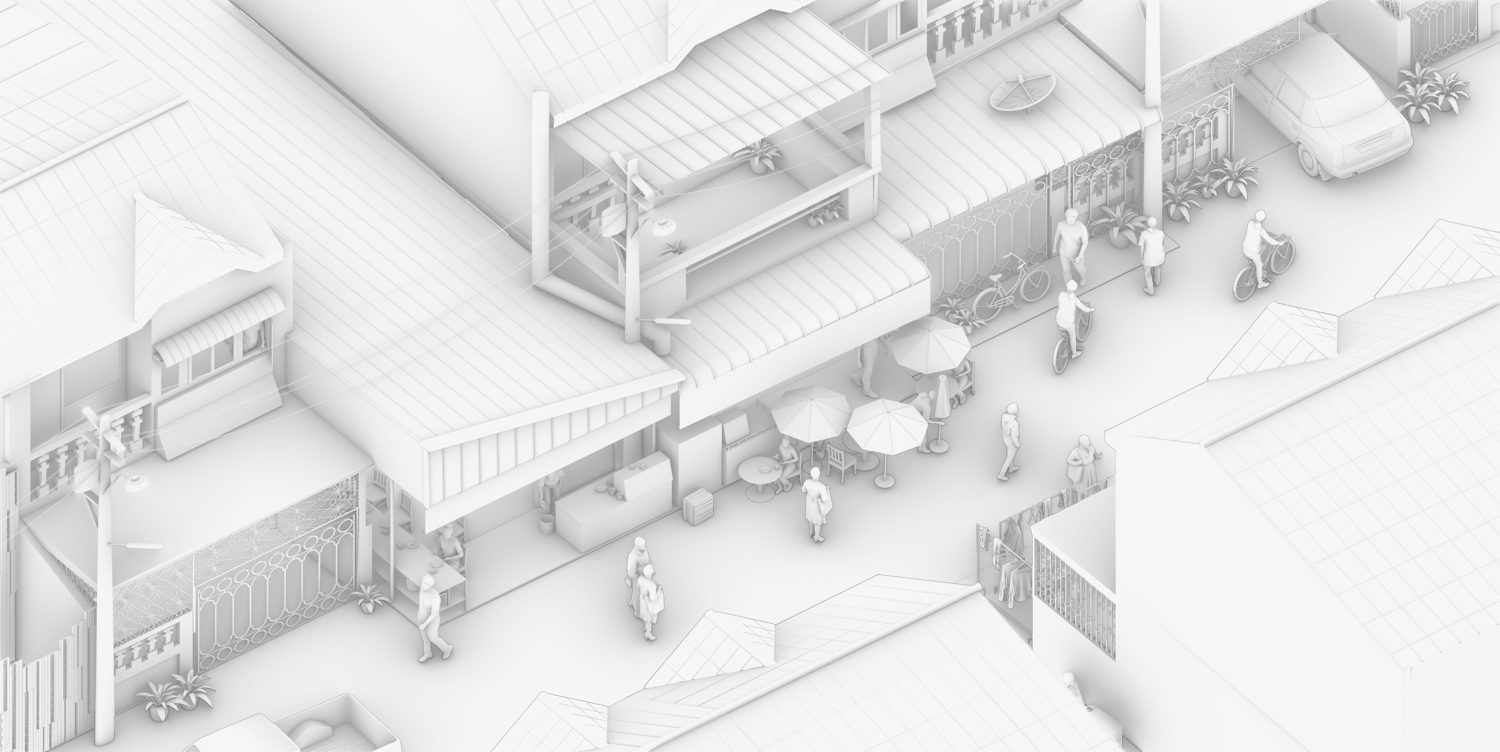
Materials like steel pipes and iron rods, once seen as industrial and mundane, are now being repurposed as functional and decorative elements. These materials, often easily accessible for construction, have gained new meaning and value. For architects Jenchieh Hung and Kulthida Songkittipakdee of HAS design and research, this phenomenon serves as an important reflection of the adaptive nature of architecture and its deep connection with the inhabitants’ imagination and needs. The transformation of Phetkasem Village demonstrates how architecture can evolve within a community. The steel pipes and iron rods used by residents are no longer just building materials; they have become symbols of resilience, creativity, and urban craftsmanship woven into everyday life.
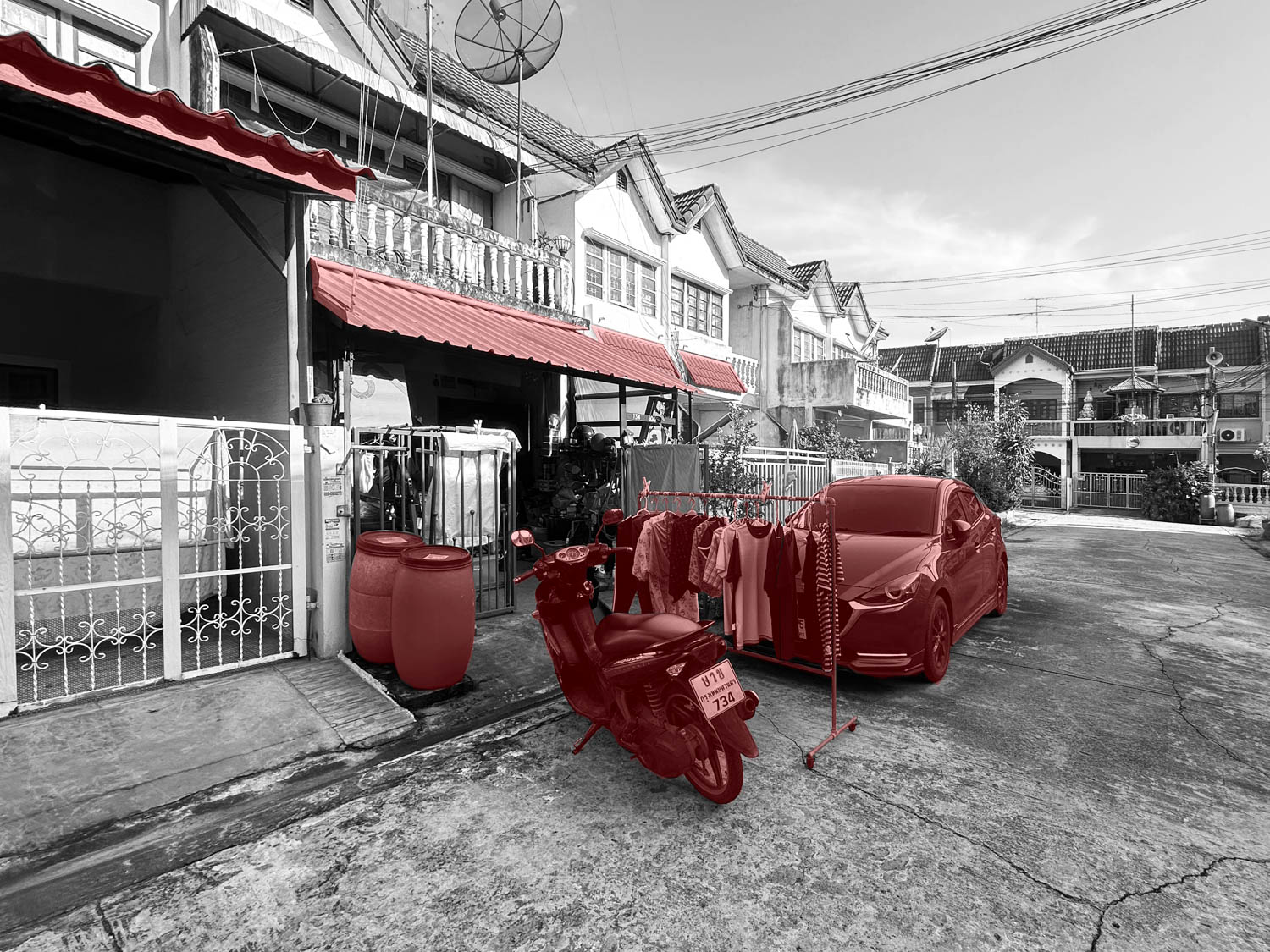

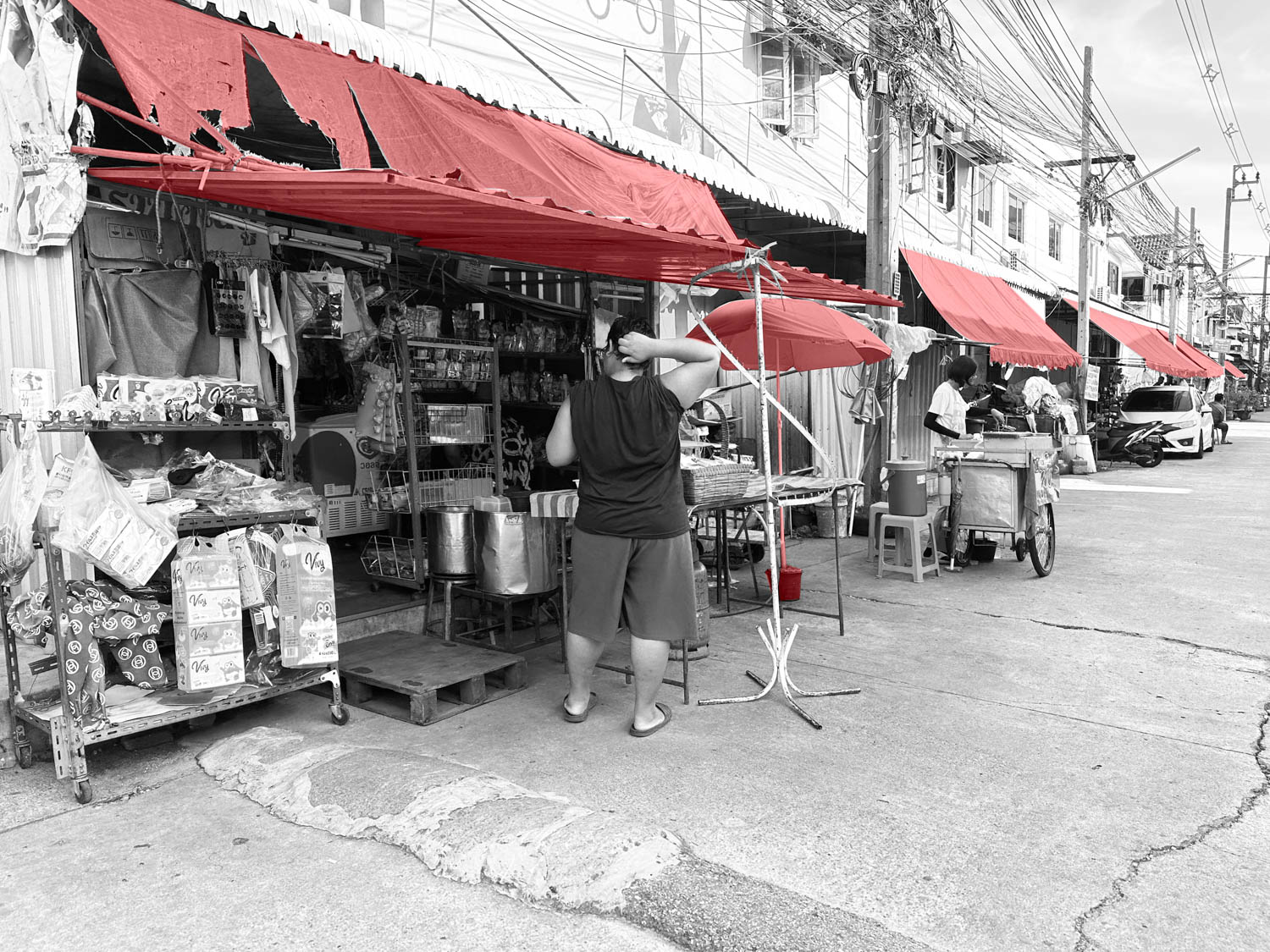
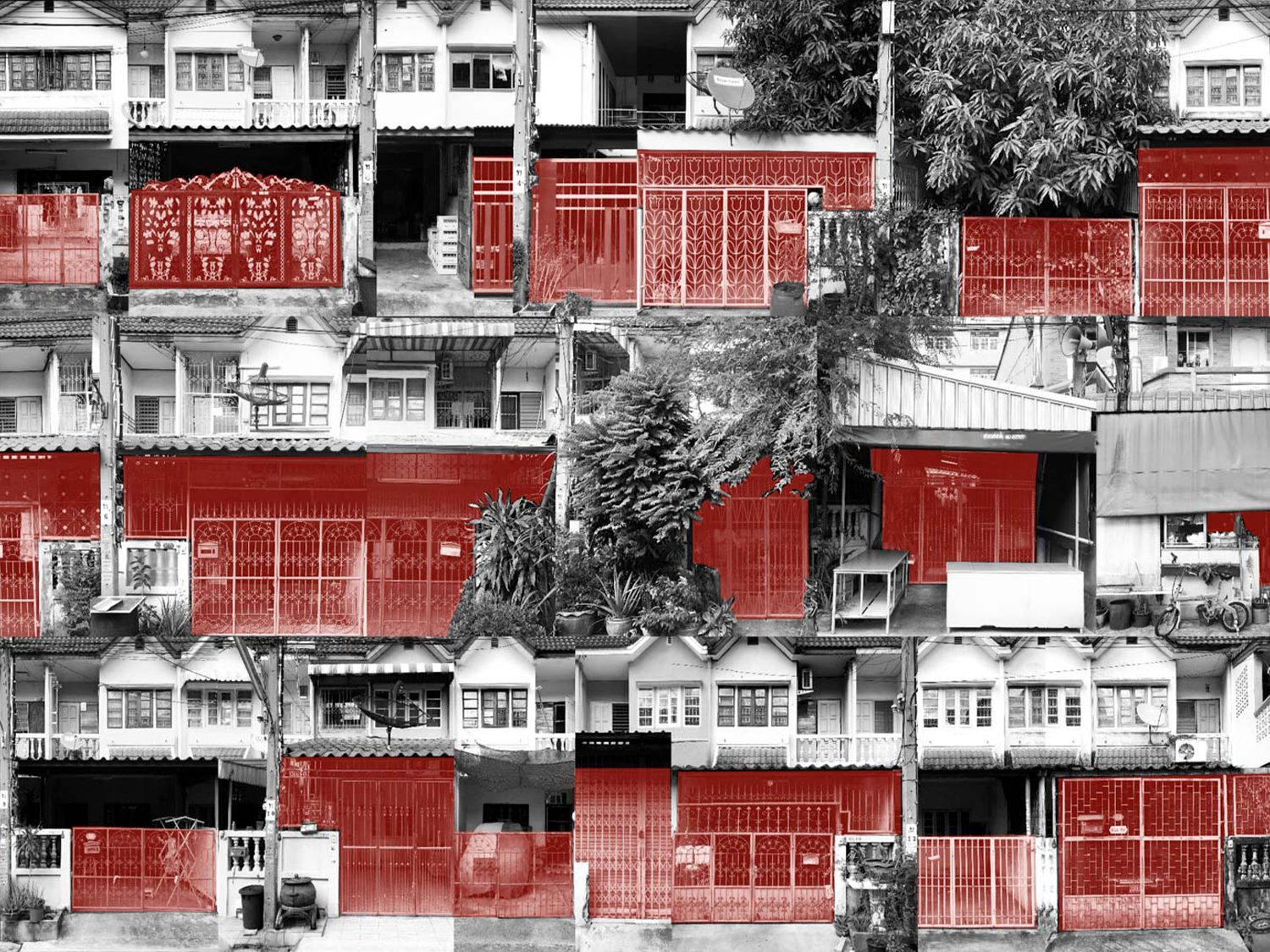
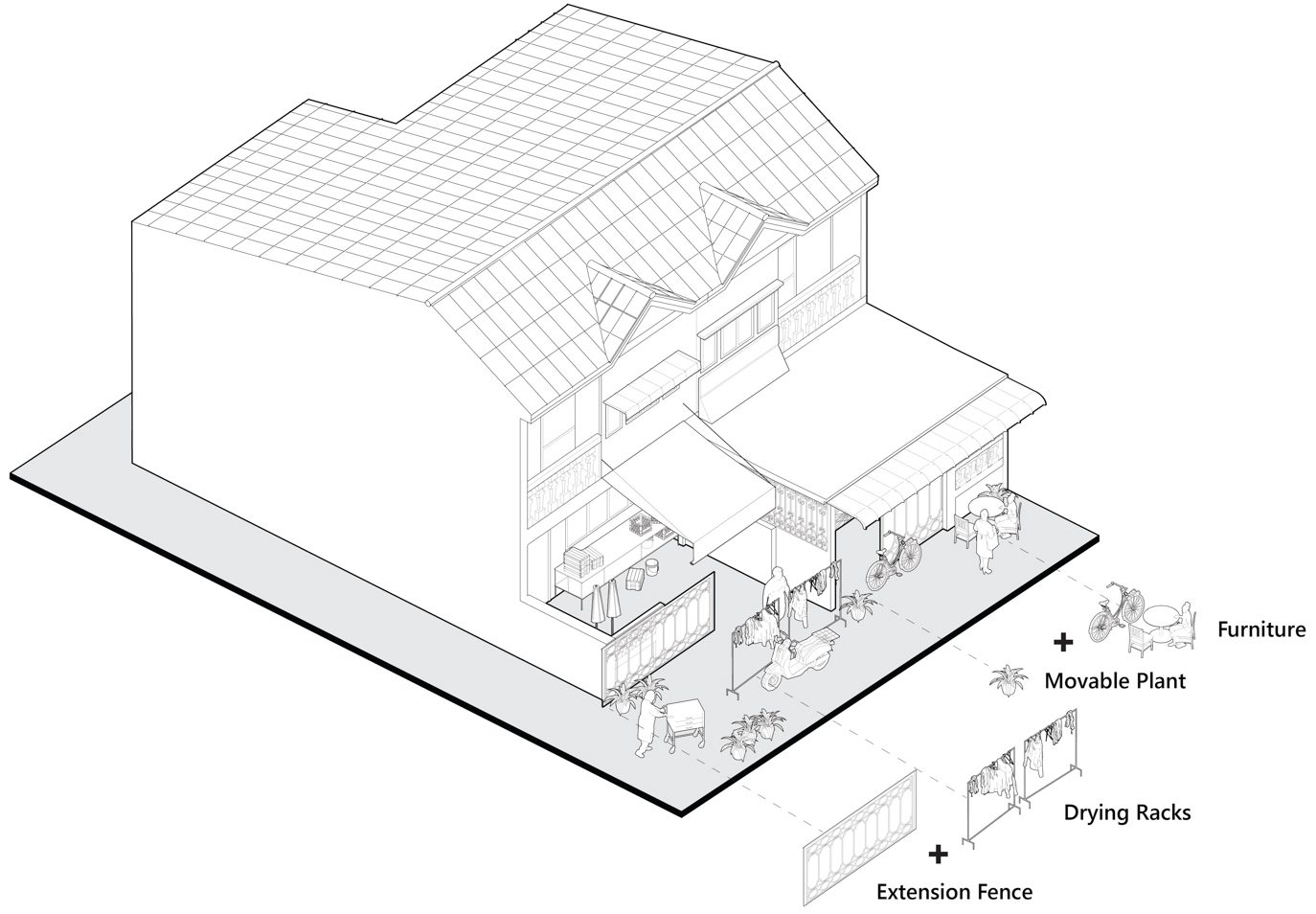
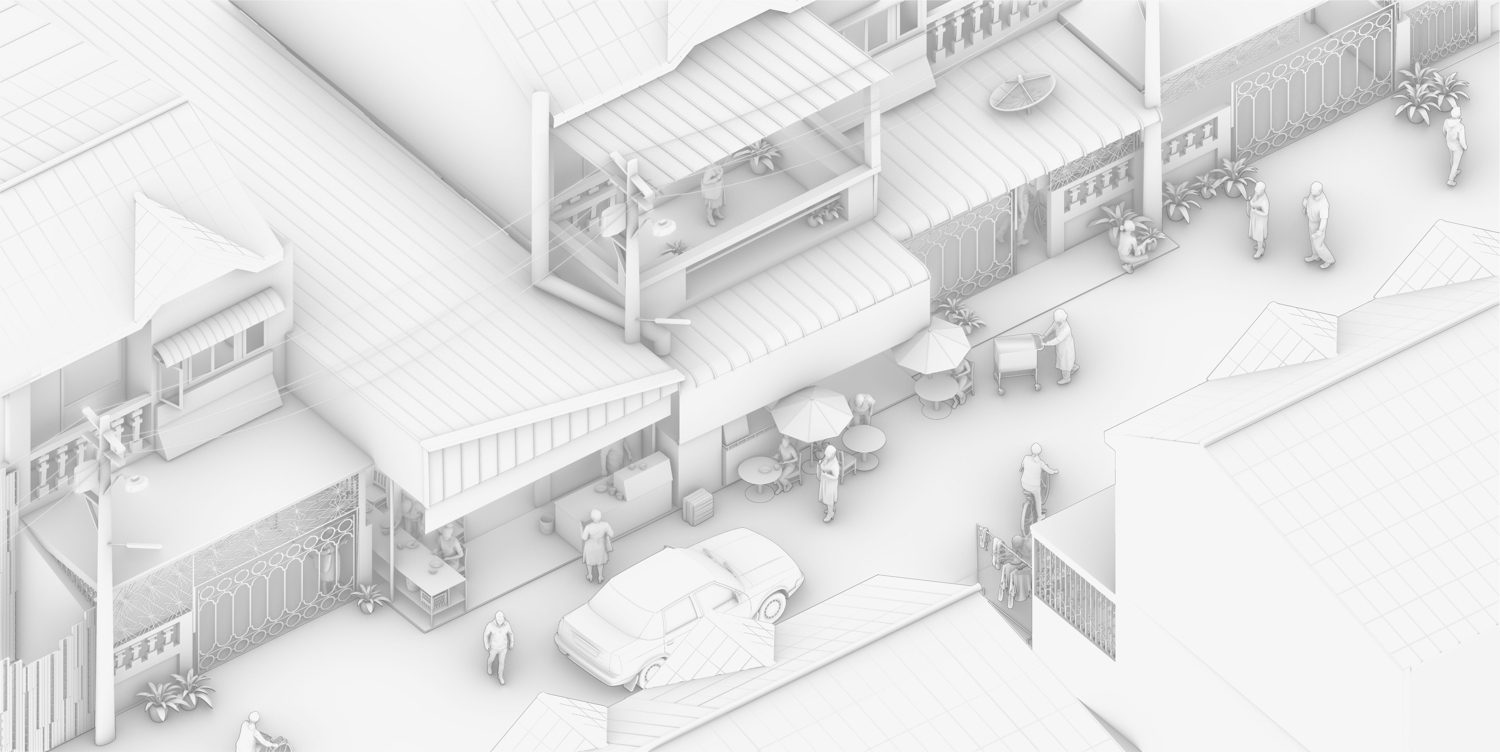
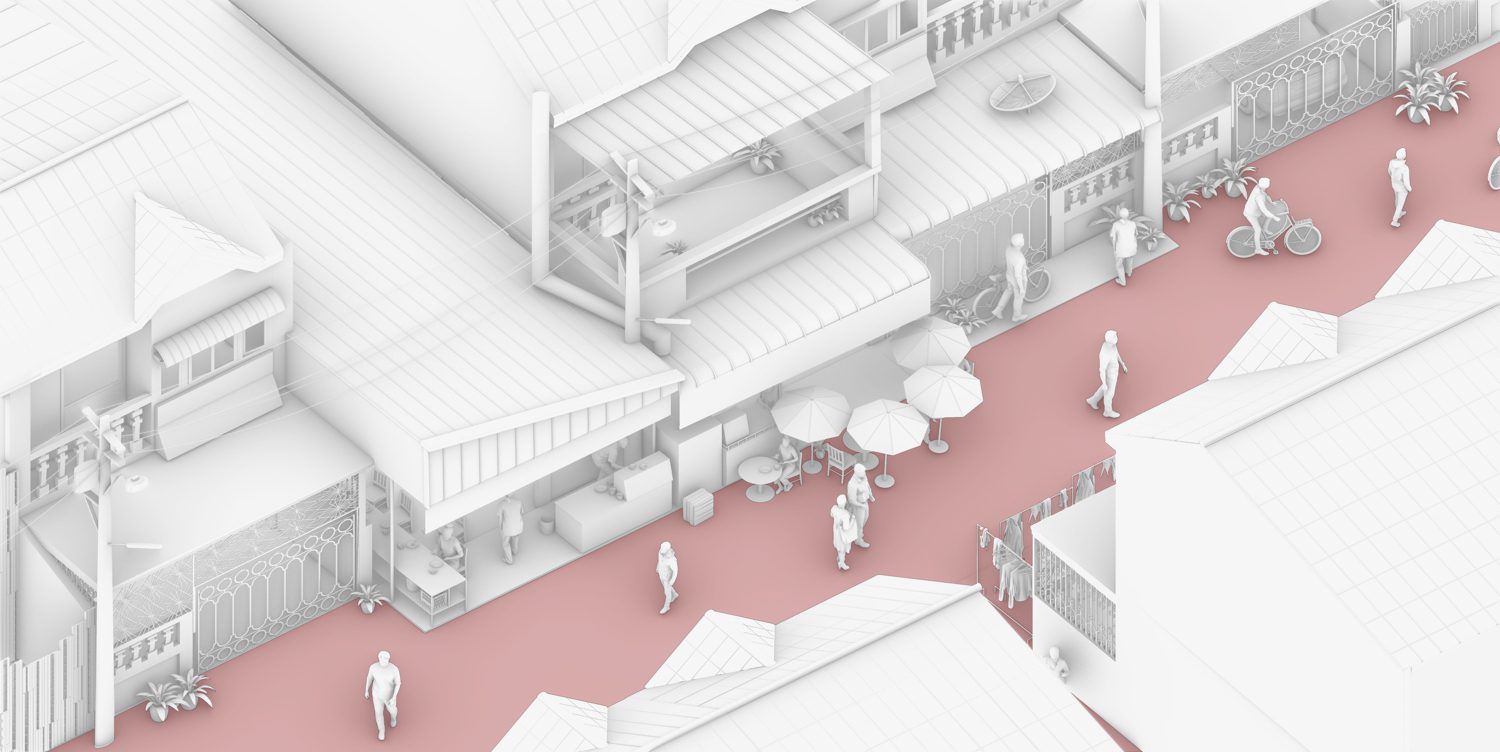
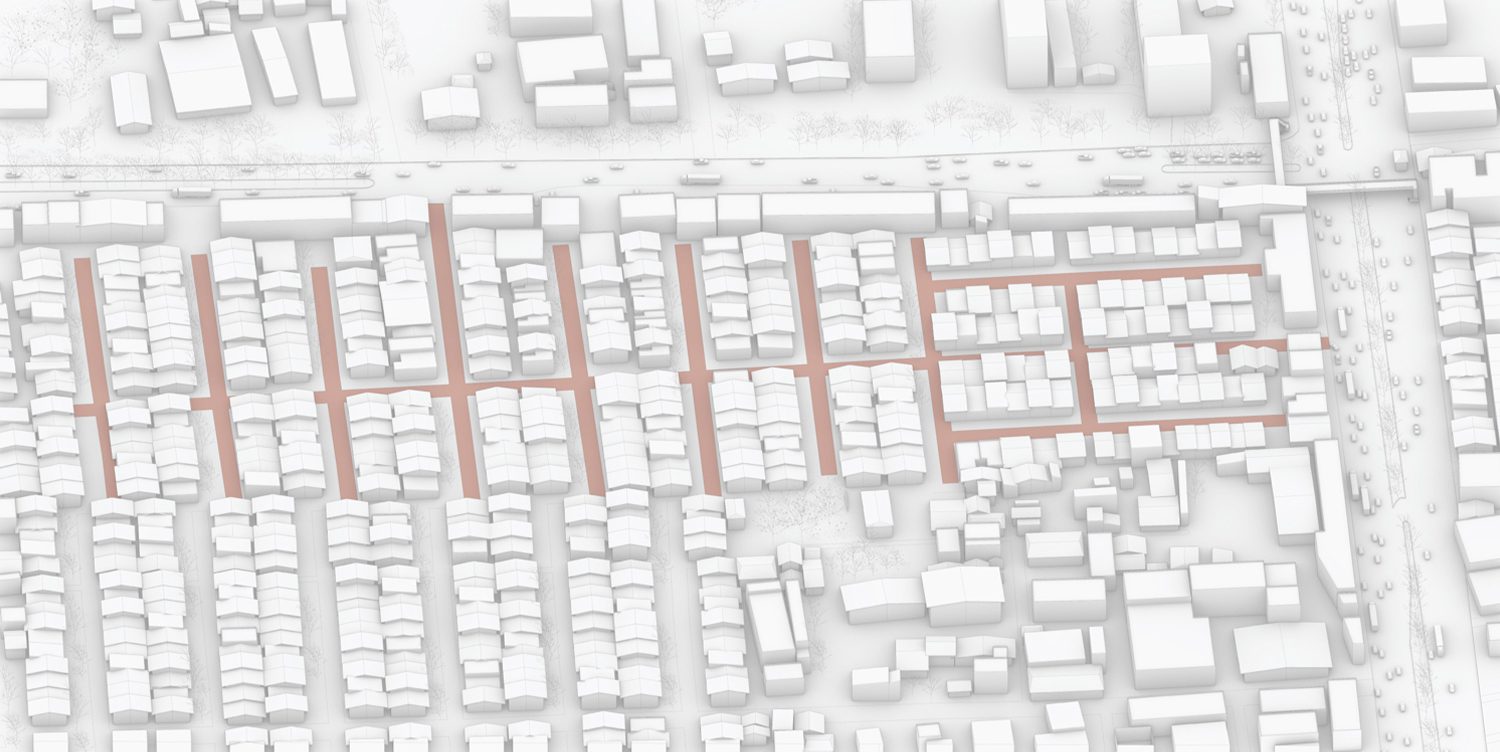
The evolution of Phetkasem Village also reflects a broader shift in architectural thinking across Southeast Asia. Over time, the process of adaptation has blurred the lines between a standardized, mass-produced housing unit and a unique, personalized home. The ingenuity of the residents has infused once-monotonous structures with character and individuality, turning them into homes that respond to both environmental and personal needs. Hung and Songkittipakdee (HAS) believe that the concept of ‘evolving’ continues to inform their philosophy and design practice. They emphasize that architecture is not a static discipline but one in constant dialogue with its users. In Phetkasem Village, residents’ creative use of space and materials reflects a broader cultural shift in architecture across Southeast Asia, where the idea of evolving serves as a powerful tool for understanding how architecture can bridge the gap between tradition and modernity in unique and unexpected ways amid the city’s ongoing growth.
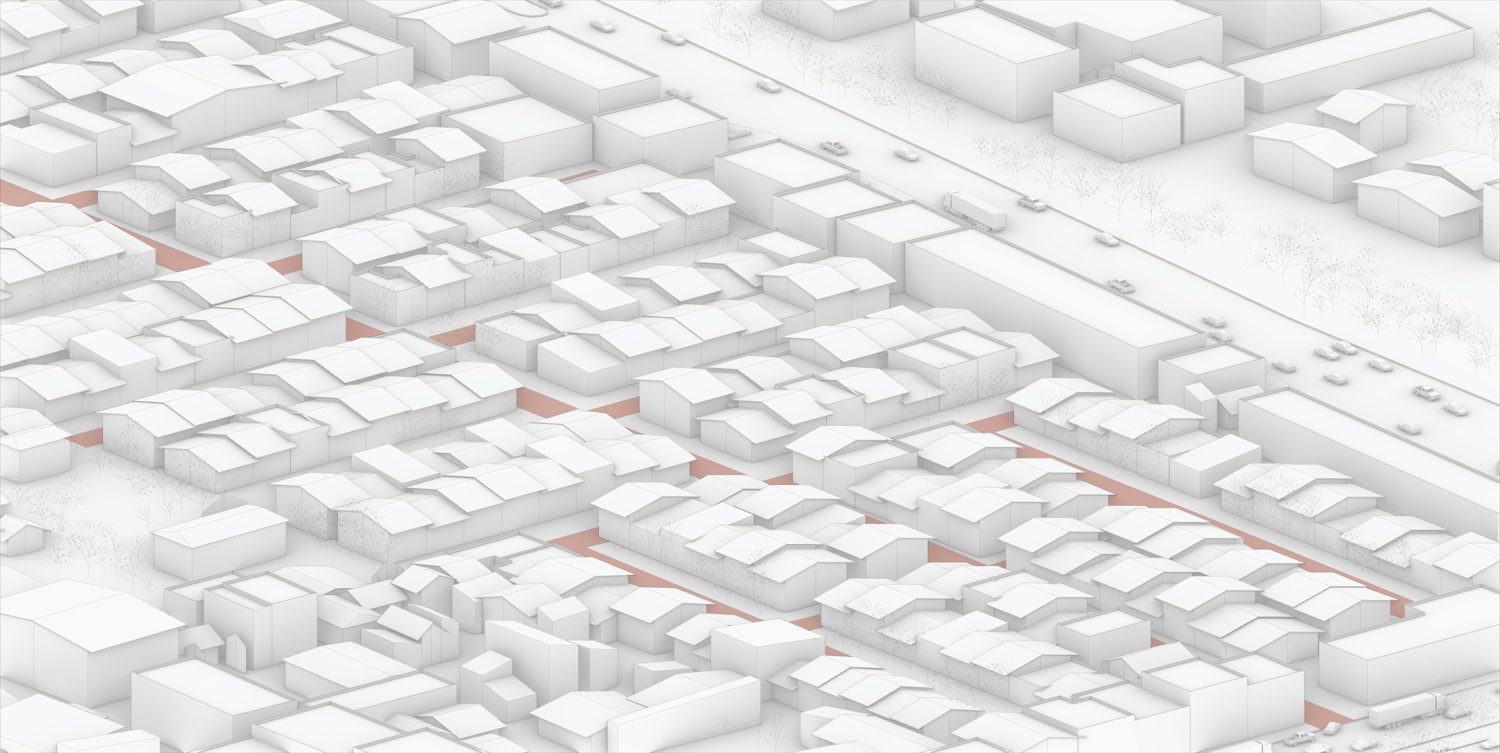
This article content is an excerpt from the book ‘Chameleon Architecture: Shifting / Adapting / Evolving,’ authored by Jenchieh Hung & Kulthida Songkittipakdee / HAS design and research, available for purchase at: https://art4d.com/product/chameleon-architecture
facebook.com/hasdesignandresearch
instagram.com/has.design.and.research