
 Photo: Liu Guowei
 MVRDV HAS TRANSFORMED A FORMER CEMENT FACTORY IN SHANGHAI INTO A CONTEMPORARY ARCHITECTURE, THE GATE M WEST BUND DREAM CENTER, PRESERVING THE ORIGINAL STRUCTURE AND ENHANCING ITS FUNCTION TO CONNECT THE CITY, PEOPLE, AND ENVIRONMENT
TEXT: BHUMIBHAT PROMBOOT
PHOTO CREDIT AS NOTED
(For Thai, press here)
The creation of new architecture as a means to advance cities and improve quality of life is a concept that has resonated strongly in certain eras and contexts. It reflects the belief that building anew brings progress and prosperity to urban life. Yet, in some cases, such as the GATE M Dream Center, the vision goes beyond viewing the city and society merely as entities moving forward. It seeks to carry life and sustainability forward in tandem.
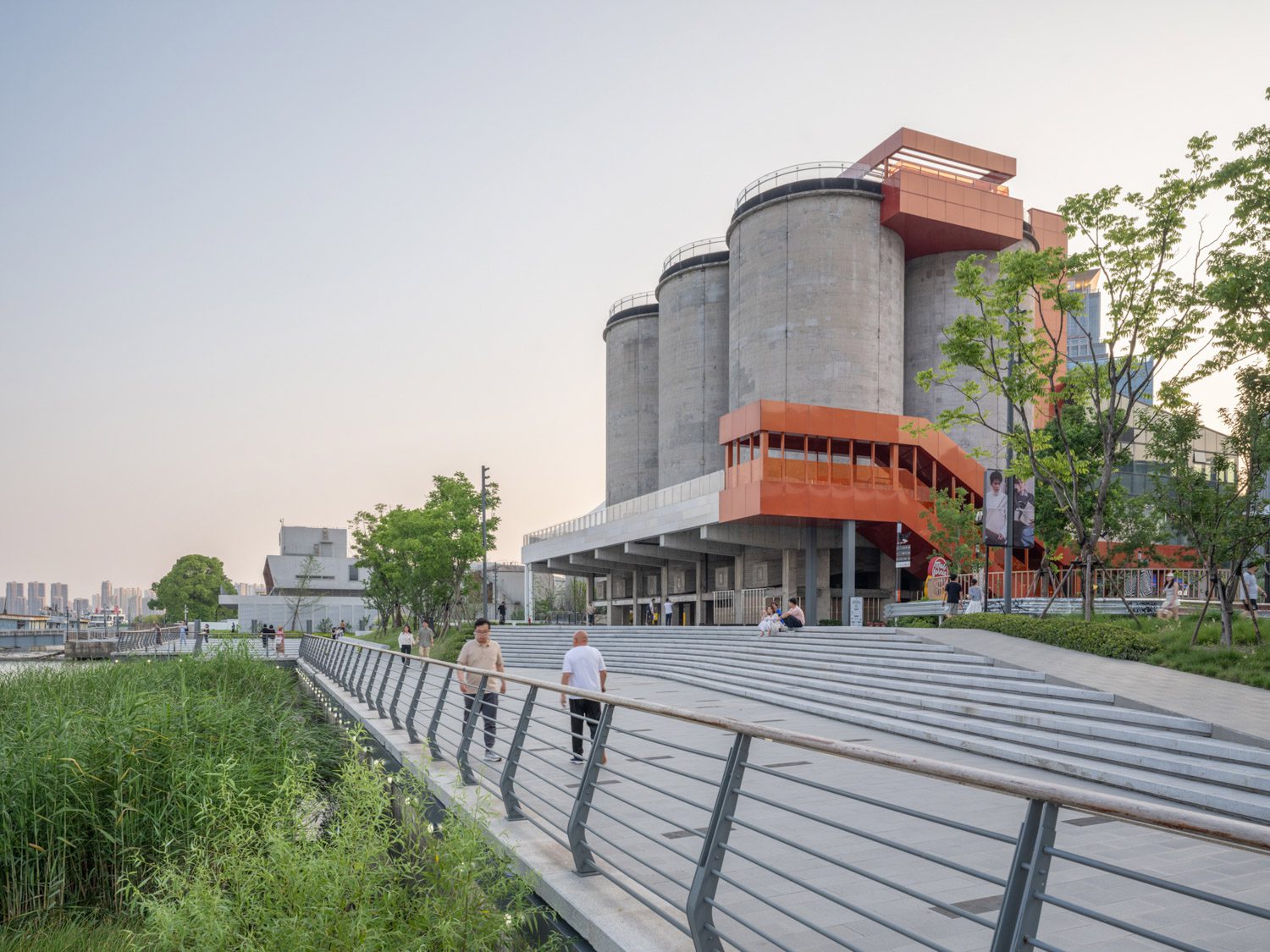
Photo: Tian Fangfang
From past to present, Shanghai has grown as a metropolis driven primarily by an economy rooted in international trade. This foundation has shaped its urban development, from master planning and public transportation systems to infrastructure reforms and architectural forms, all of which have been heavily influenced by foreign presence. Among these, European influences have been particularly prominent, brought by waves of traders and settlers who came in pursuit of opportunity.
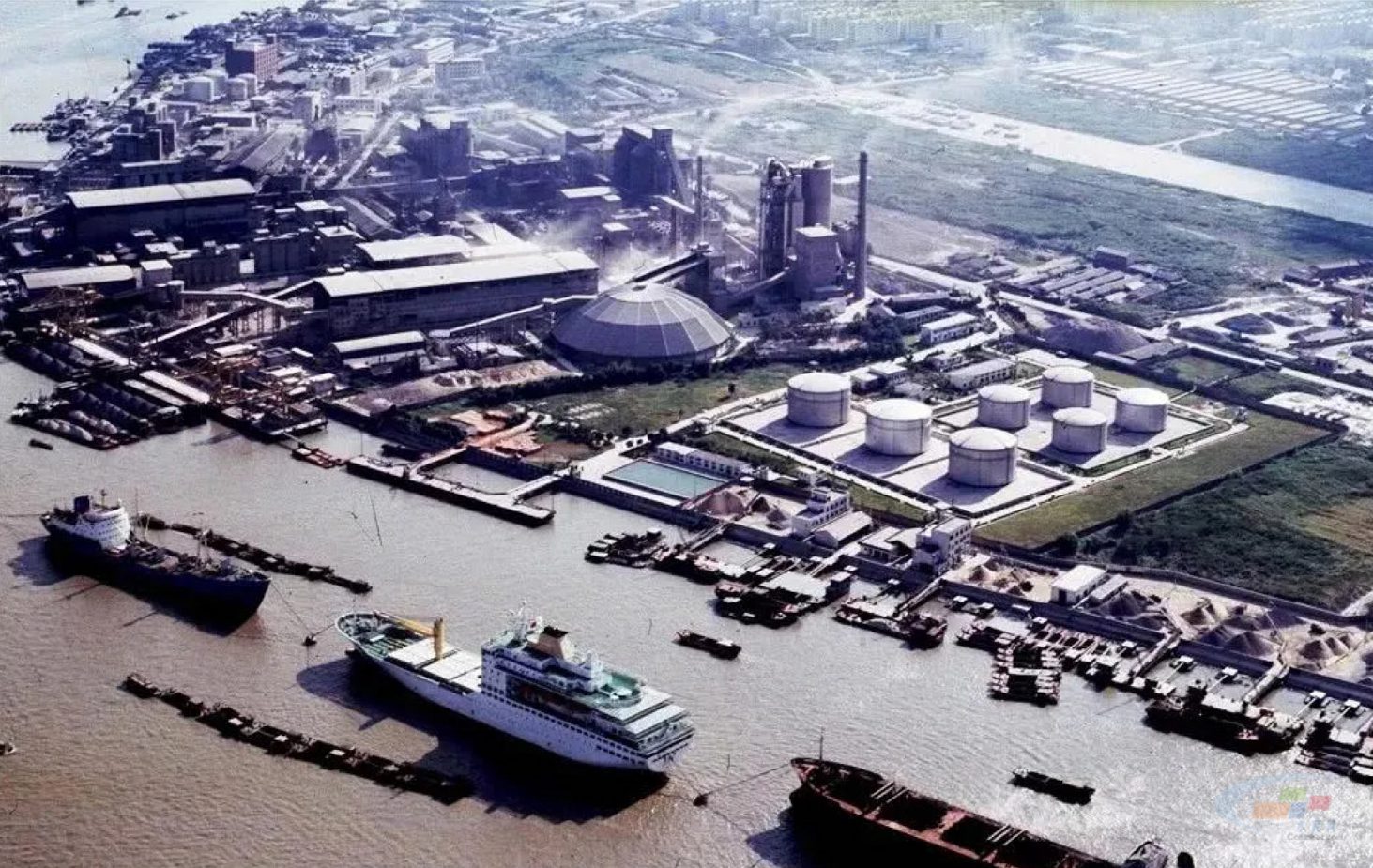
Photo courtesy of MVRDV
Shanghai has undergone multiple transformations throughout its history. During the era of Deng Xiaoping, the city evolved from a bustling port and industrial hub into China’s leading center of finance and commerce. Another defining moment came when Shanghai hosted Expo 2010 under the theme ‘Better City, Better Life,’ which emphasized improving the quality of urban living. The event prompted the relocation of numerous buildings and factories along the Huangpu River, the main event site, to make way for new public spaces designed to enhance urban well-being. This shift laid the foundation for the West Bund Cultural Projects, a large-scale initiative that redefined the use of Shanghai’s riverfront landscape.
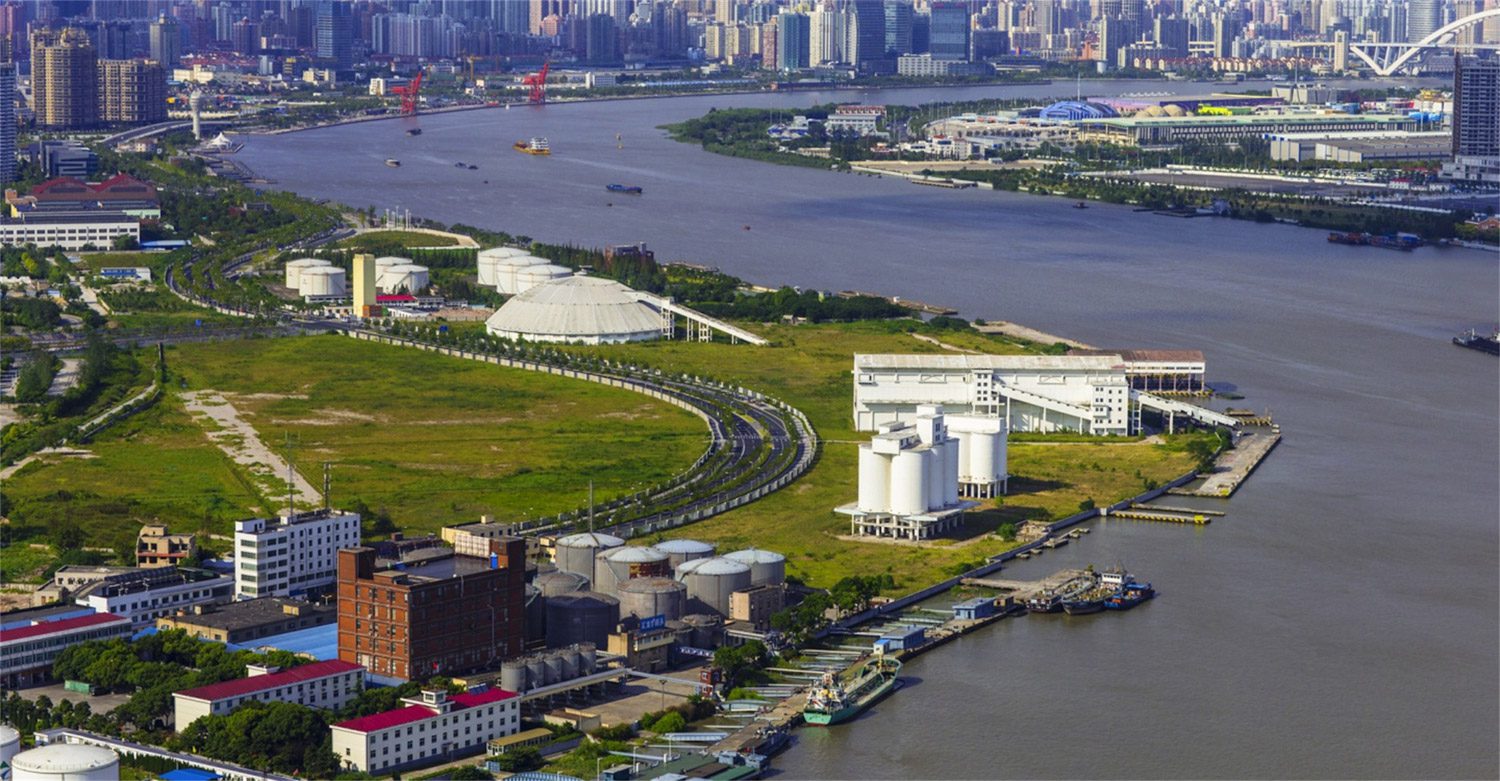
Photo courtesy of MVRDV
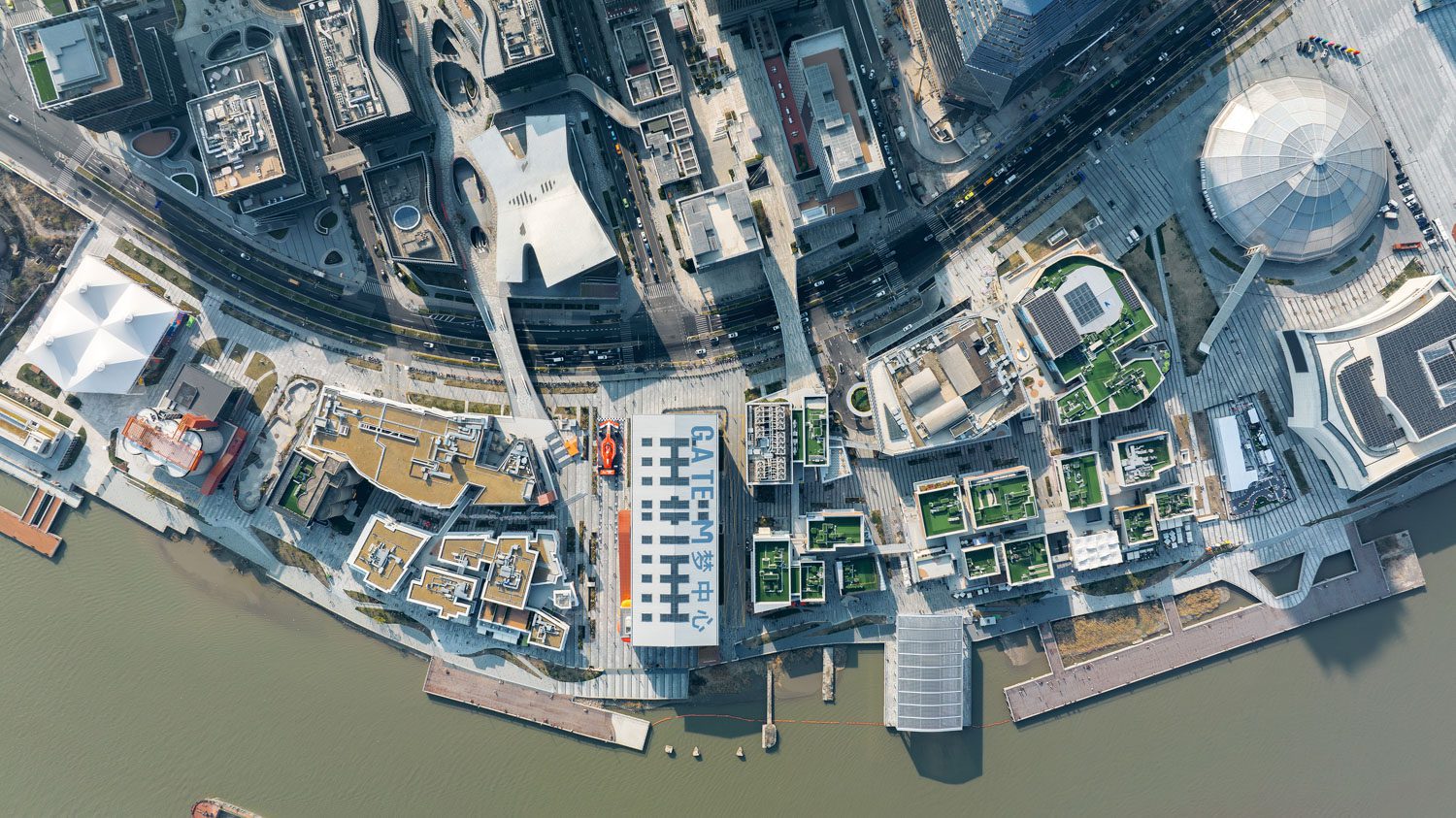
Photo: Xia Zhi
With the goal of reducing carbon emissions and minimizing the use of new construction materials through adaptive reuse and careful restoration, the Dutch urban design and architecture firm MVRDV worked on the commissioned project to create the master plan and architectural design for the GATE M Dream Center, a key component of the West Bund Cultural Projects. The development transforms a former industrial zone into a vibrant recreational and cultural district, envisioned as a new urban hub along the western bank of the Huangpu River. Within this area stands the former Shanghai Cement Factory, once the largest cement plant in Asia and a defining feature of the site’s industrial heritage.
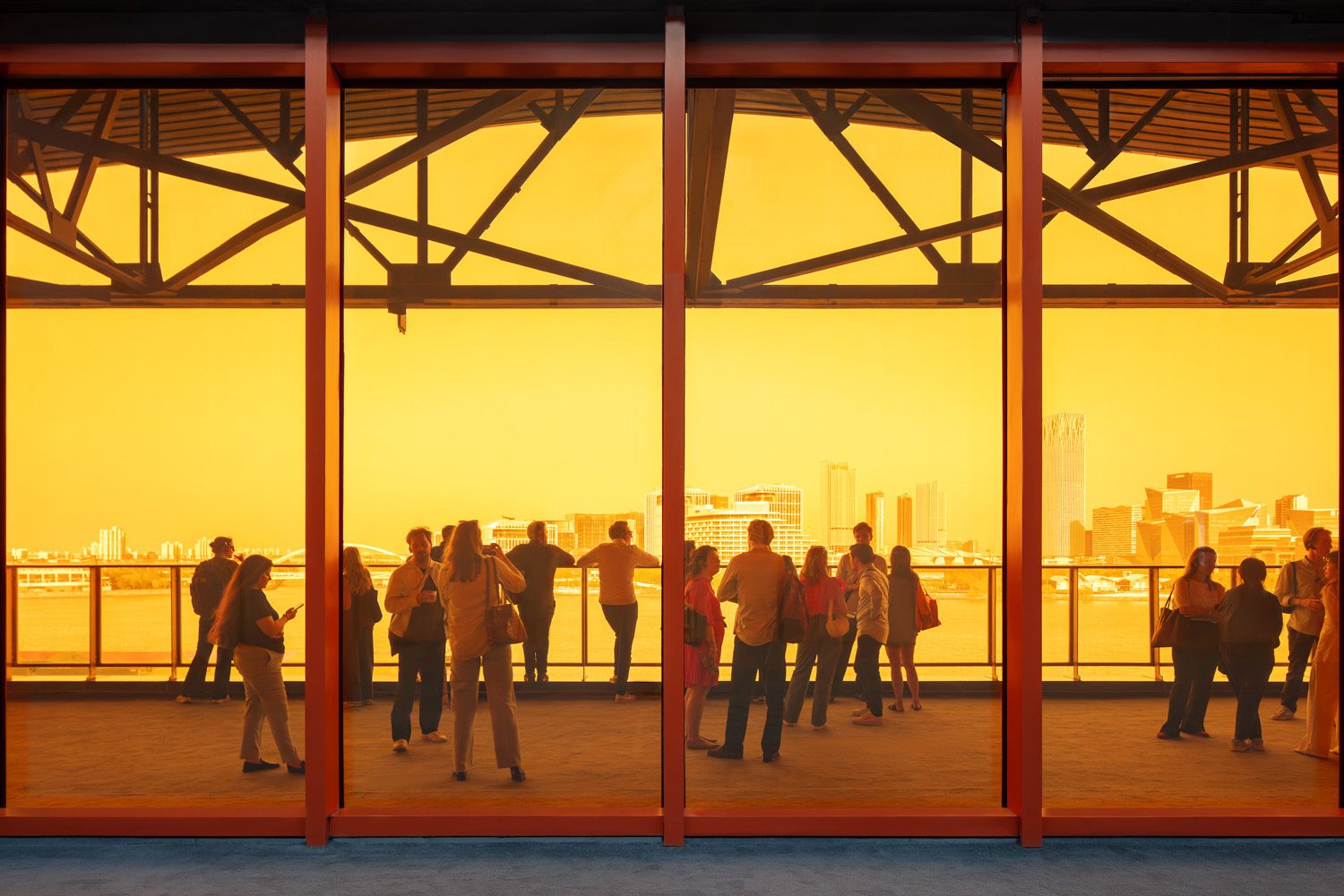
Photo: Xia Zhi
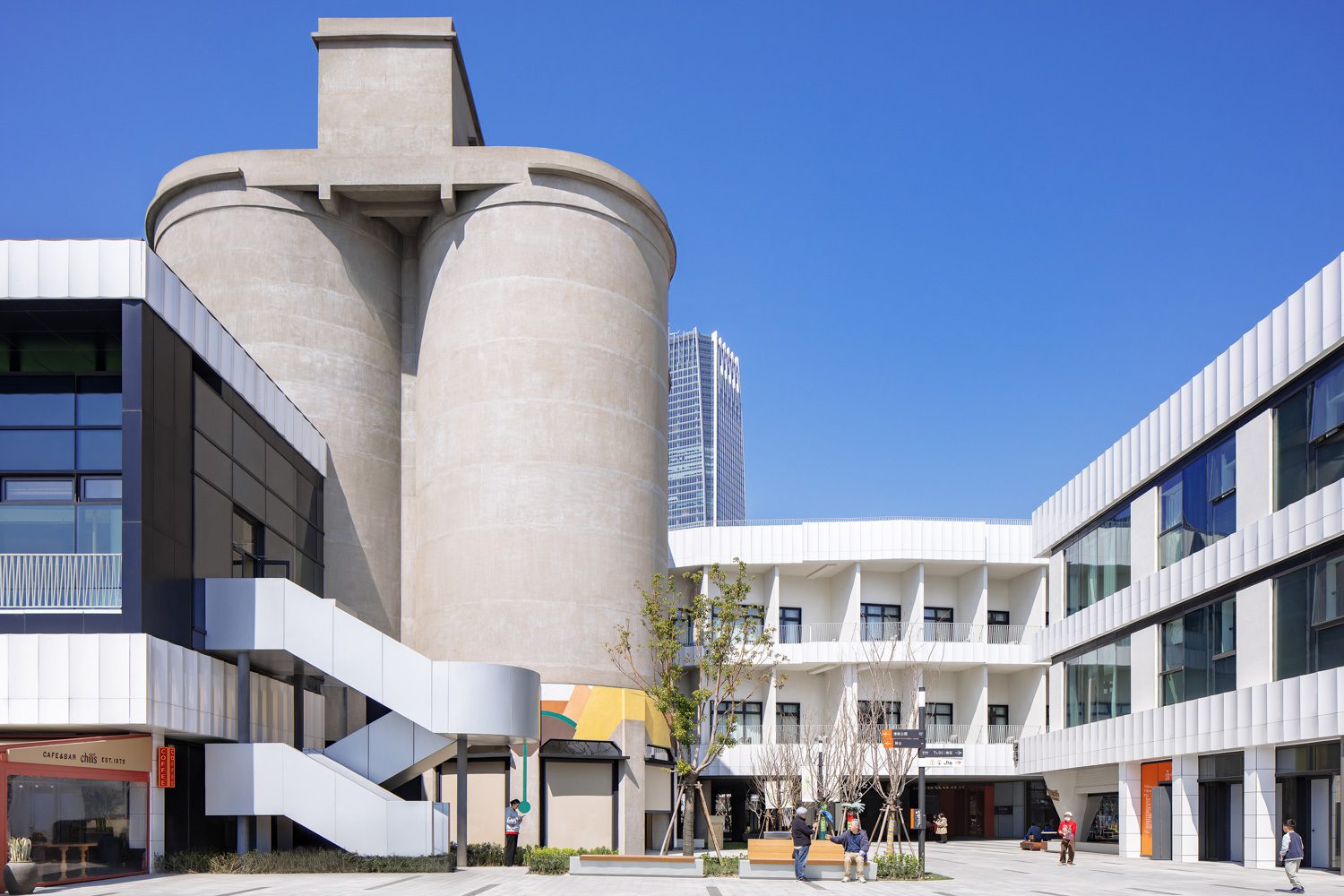
Photo: Xia Zhi
“It was clear from the start that there was a lot of value left in the buildings that were already there – we didn’t want to demolish things just because it might be simpler, because that means more carbon, more waste”
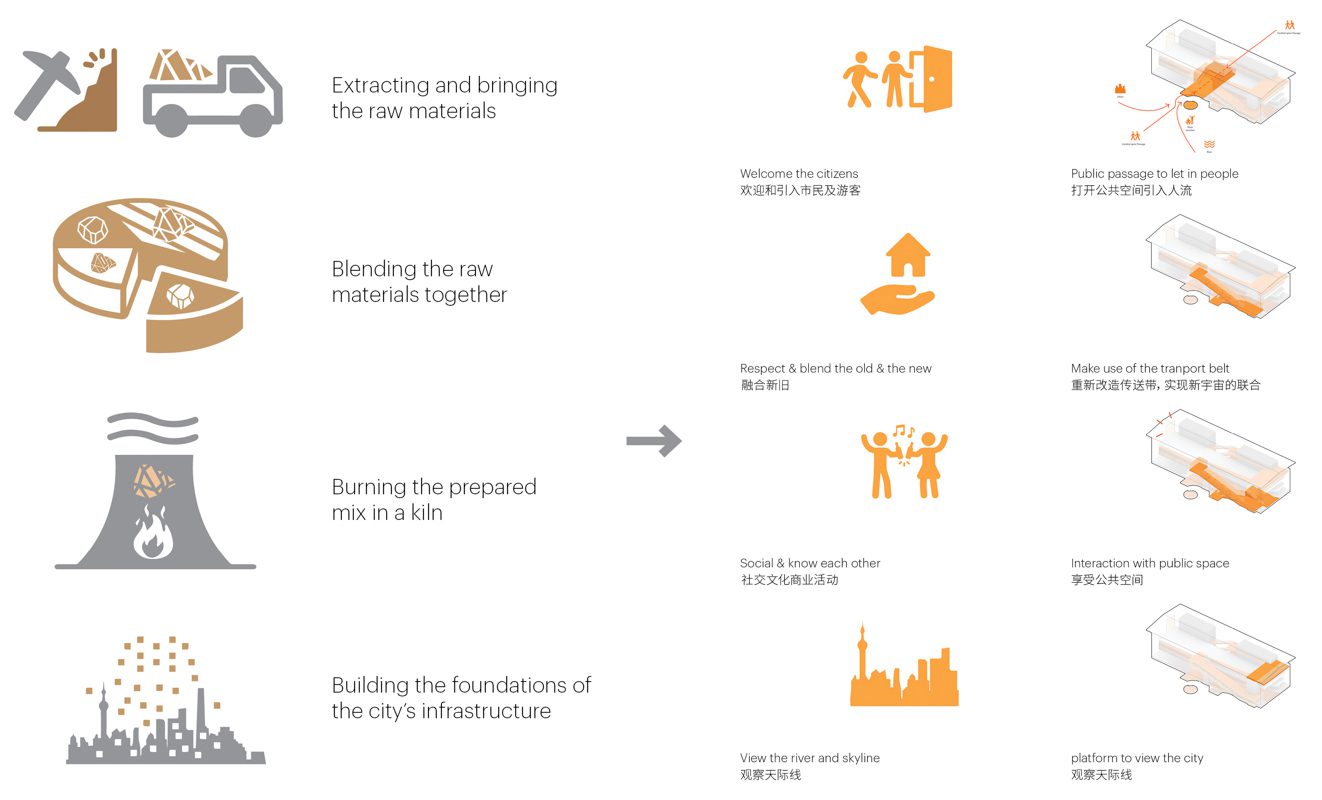
Image: MVRDV
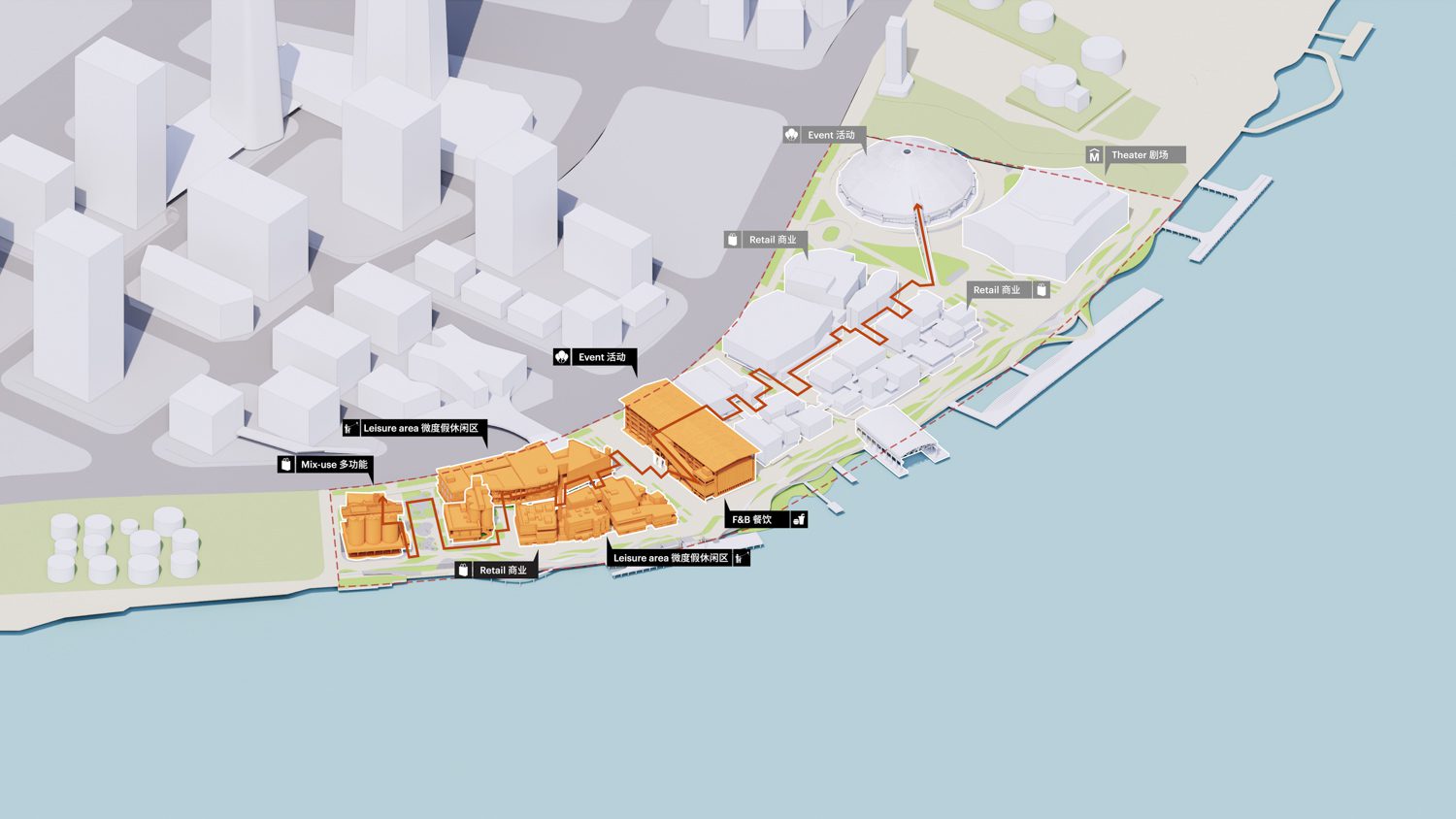
Image: MVRDV
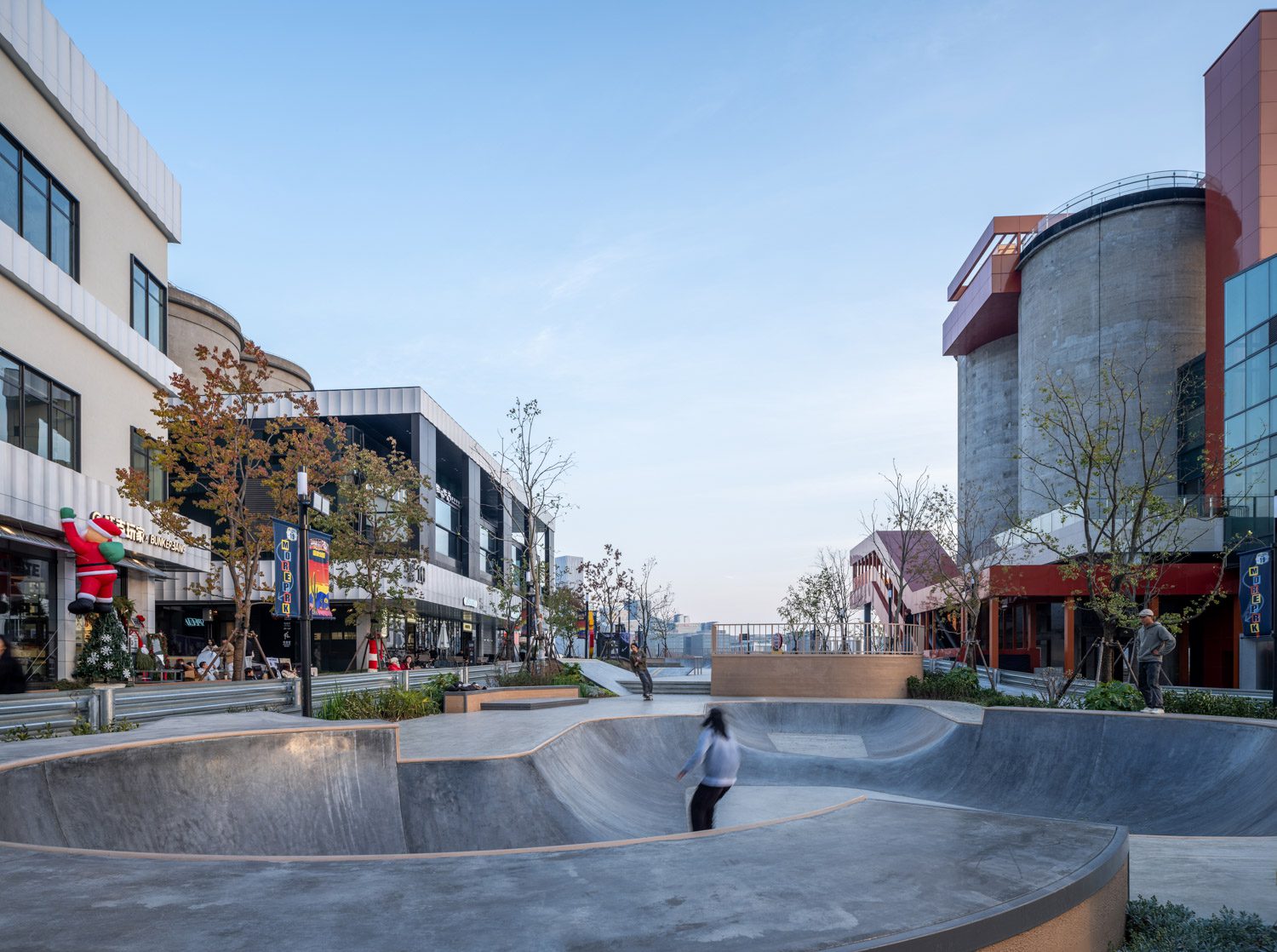
Photo: Sanqian Visual Image Art
This statement by Jacob van Rijs, co-founder of MVRDV, succinctly captures the essence of the GATE M Dream Center project. The design seeks to merge the past, present, and future of the site, with the newly added elements serving primarily to revive and reanimate the existing structures. Rather than replacing what once stood, the intervention enhances the buildings through new functions and activities, ranging from shops, cafés, and restaurants to exhibition and event spaces, a skate plaza, a climbing wall, and various recreational areas that extend throughout the site and along the riverfront. MVRDV was responsible for the master plan and overall site design, positioning these new programs as the project’s central framework of activity. Within the broader development, Atelier Deshaus designed the commercial buildings, while Schmidt Hammer Lassen oversaw the design of the dome and cinema complex located in the northern part of the site.
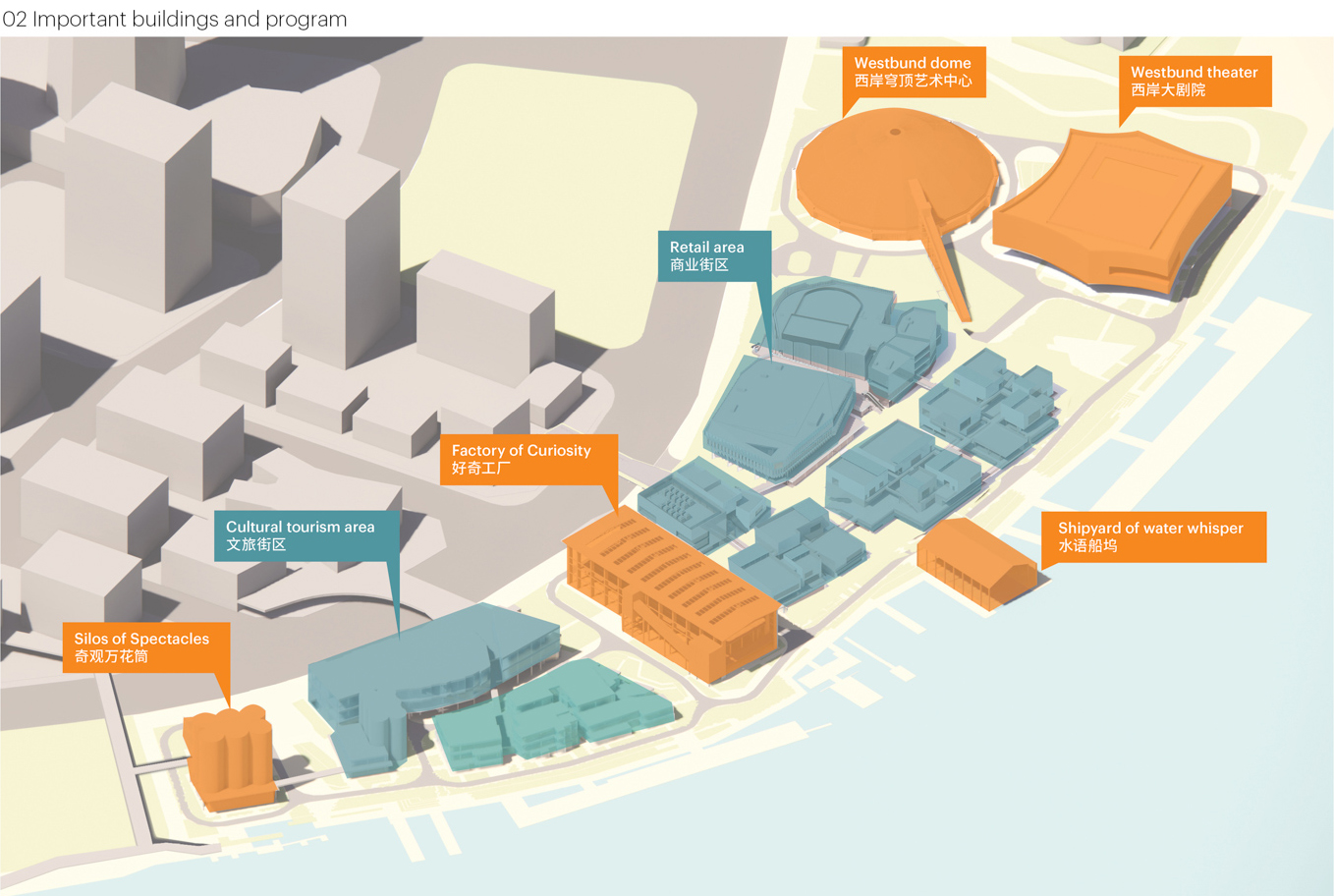
Image: MVRDV
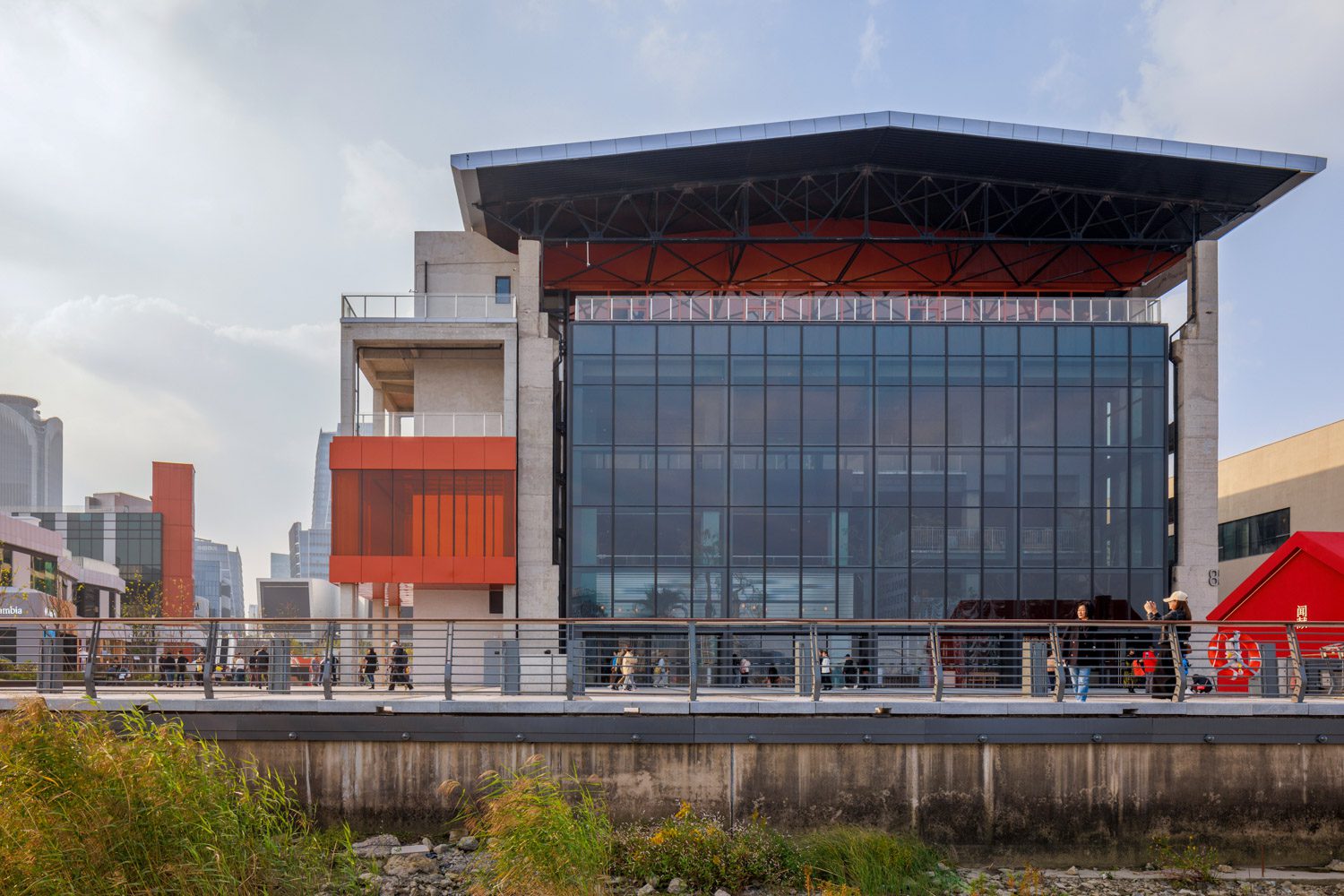
Photo: Liu Guowei
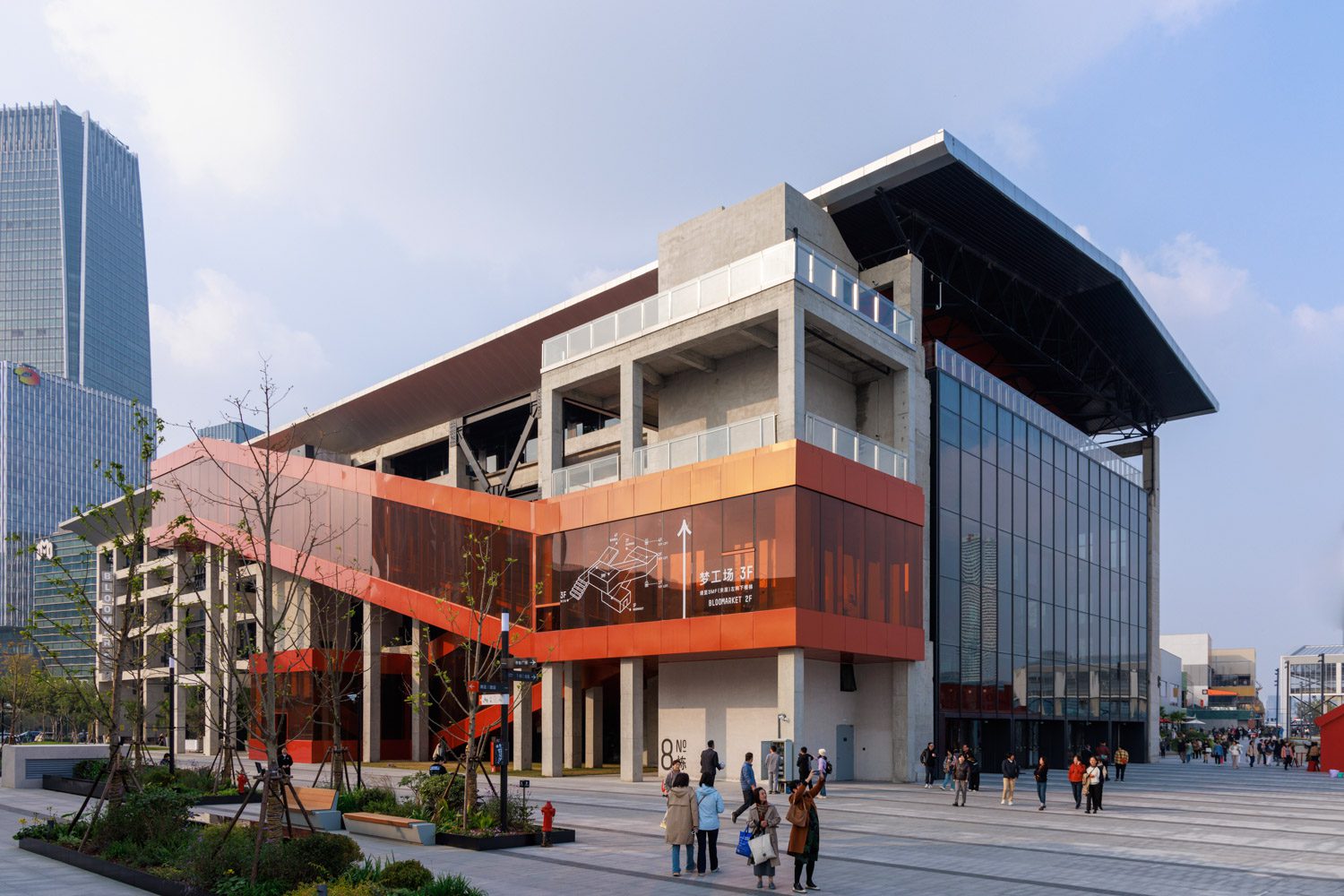
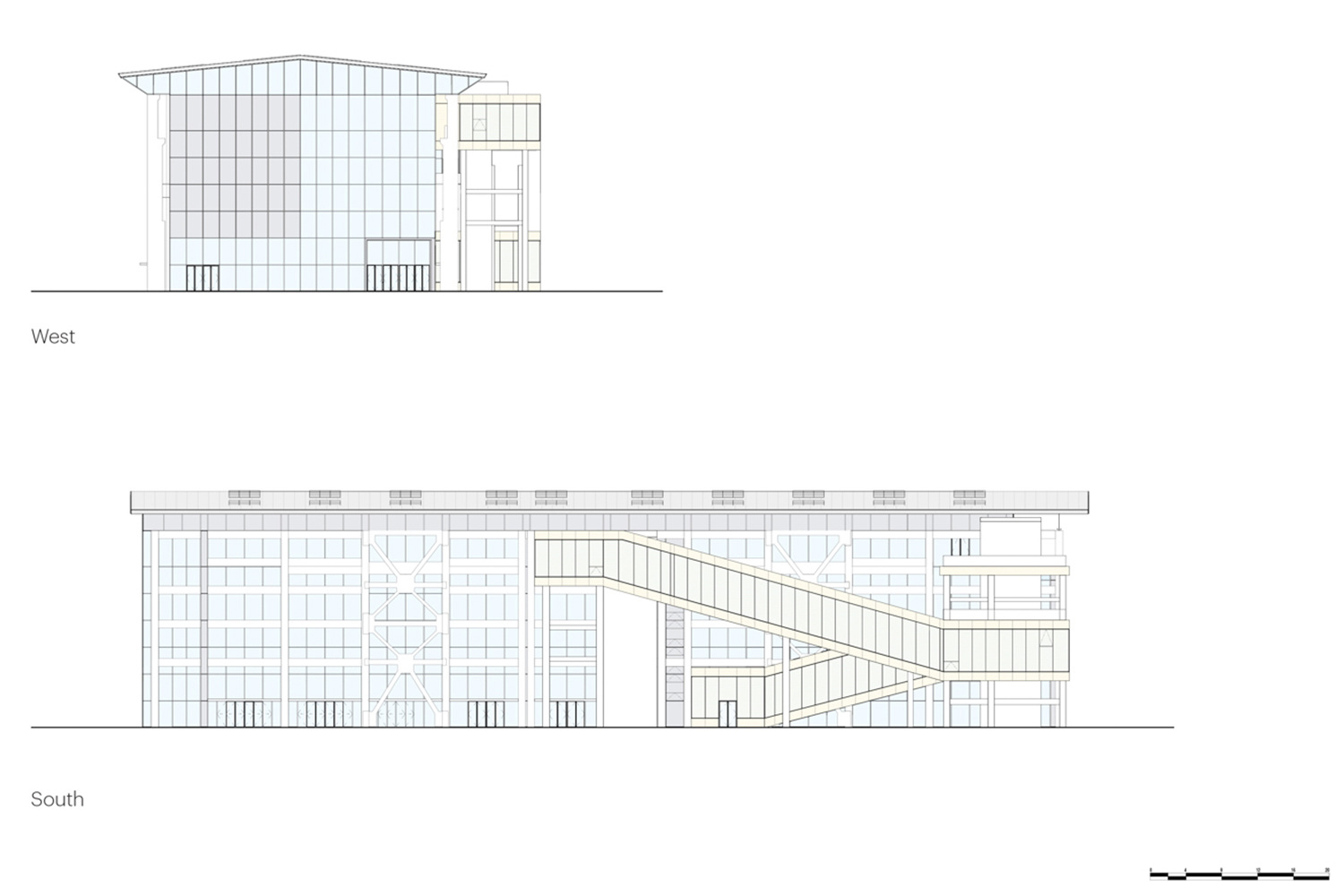
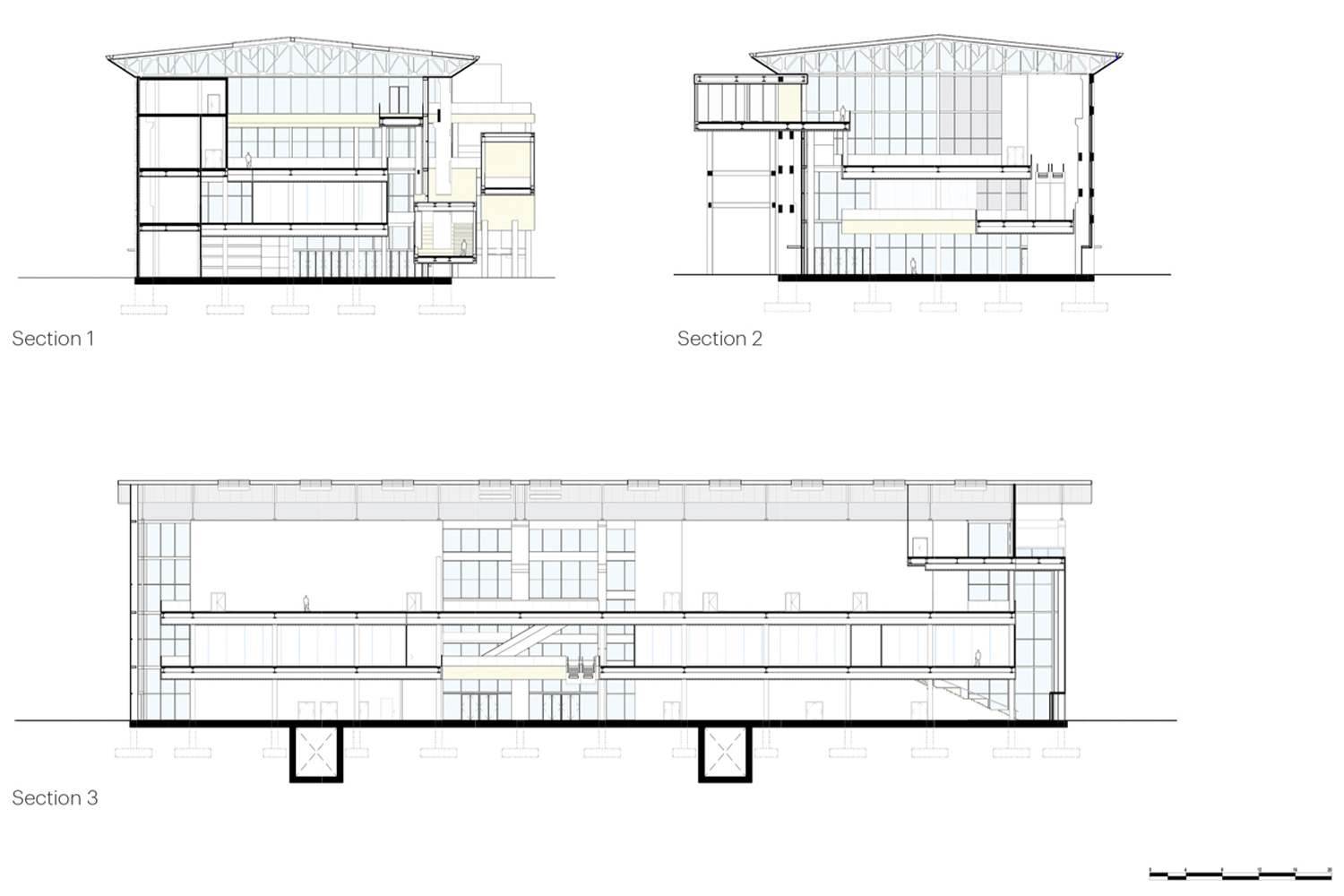
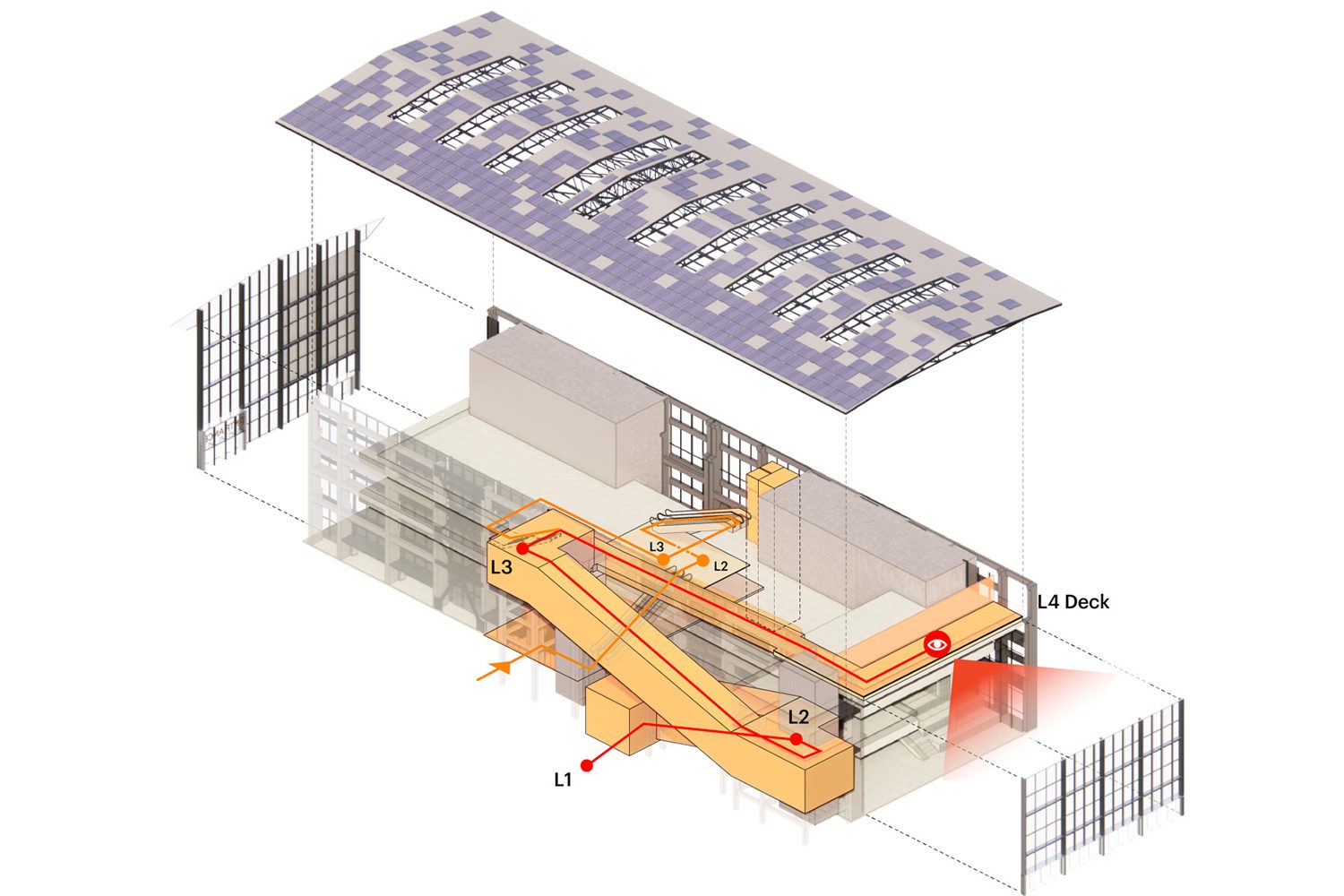
One of the two main structures under MVRDV’s architectural scope is the M FACTORY. Originally an industrial facility with wide-span structural bays typical of its time, M FACTORY has been reimagined to accommodate a new sequence of interconnected activities. A striking orange staircase, conceived as a conveyor belt for people, links the different levels and enlivens the building’s circulation. The program has been reorganized to align with contemporary urban lifestyles, with the ground floor housing Bloomarket, a hybrid marketplace that blends casual dining with fine dining experiences. The upper floor, meanwhile, offers a large column-free open hall suitable for a wide range of events, including concerts, fashion shows, exhibitions, and conferences.
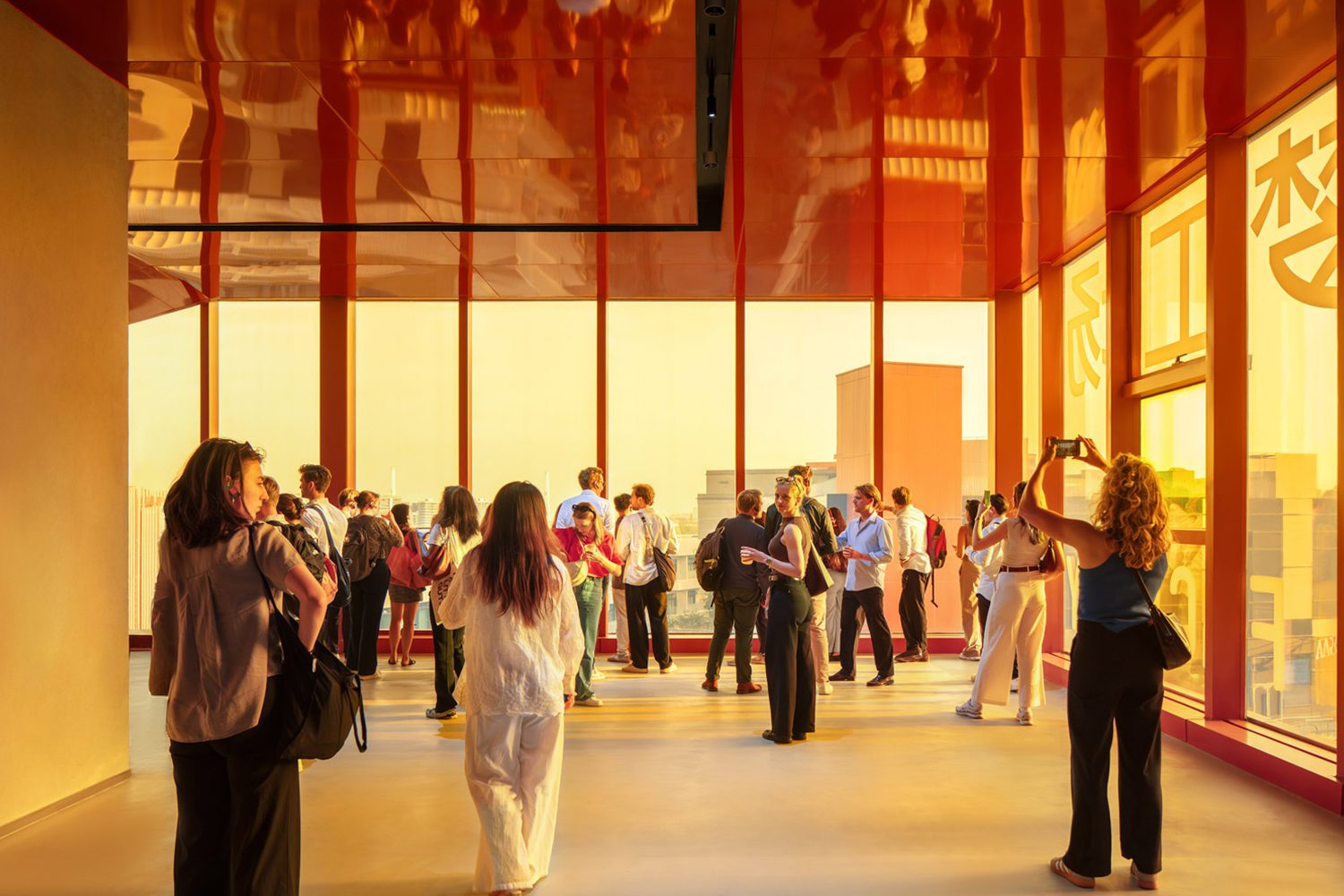 Photo: Xia Zhi
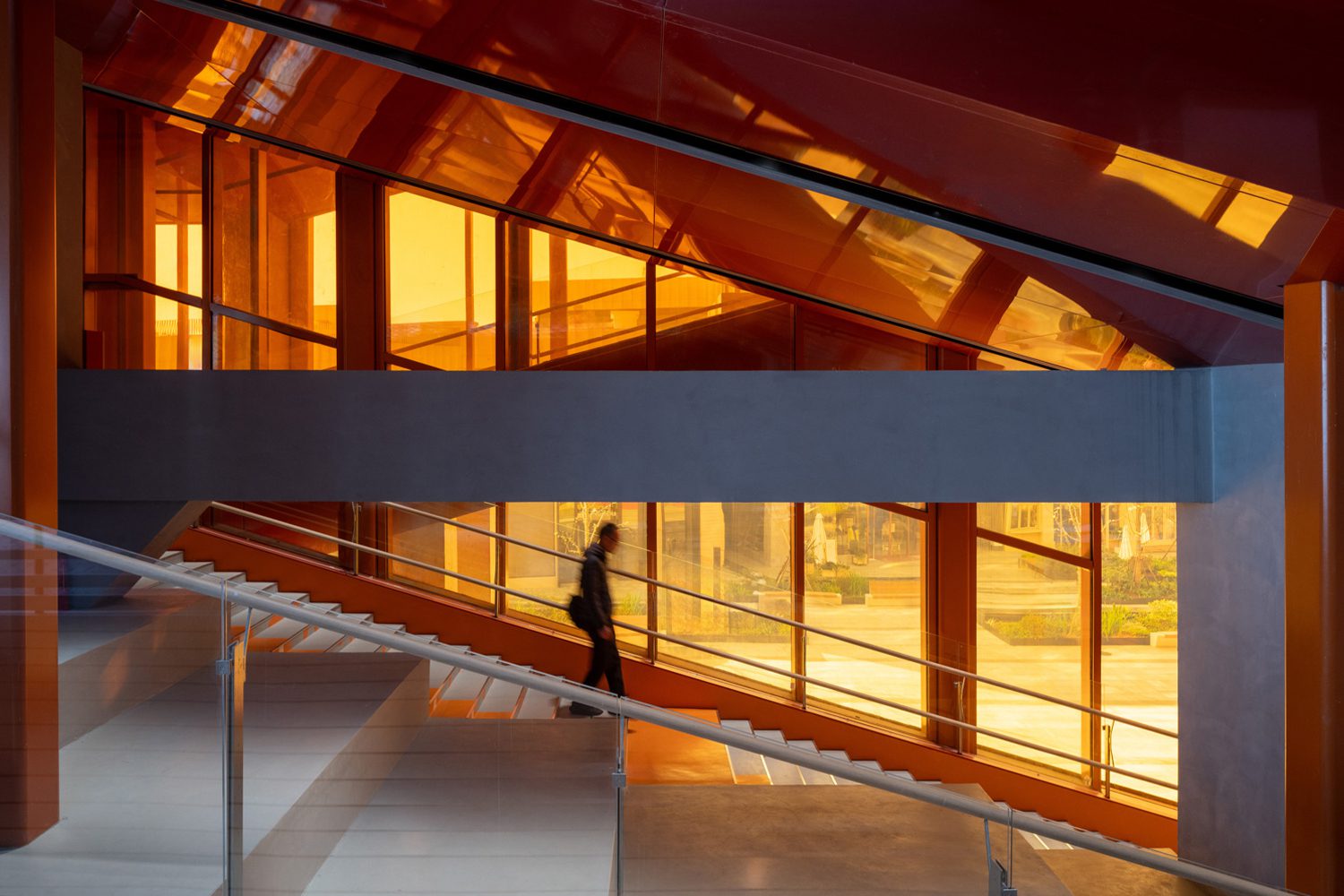
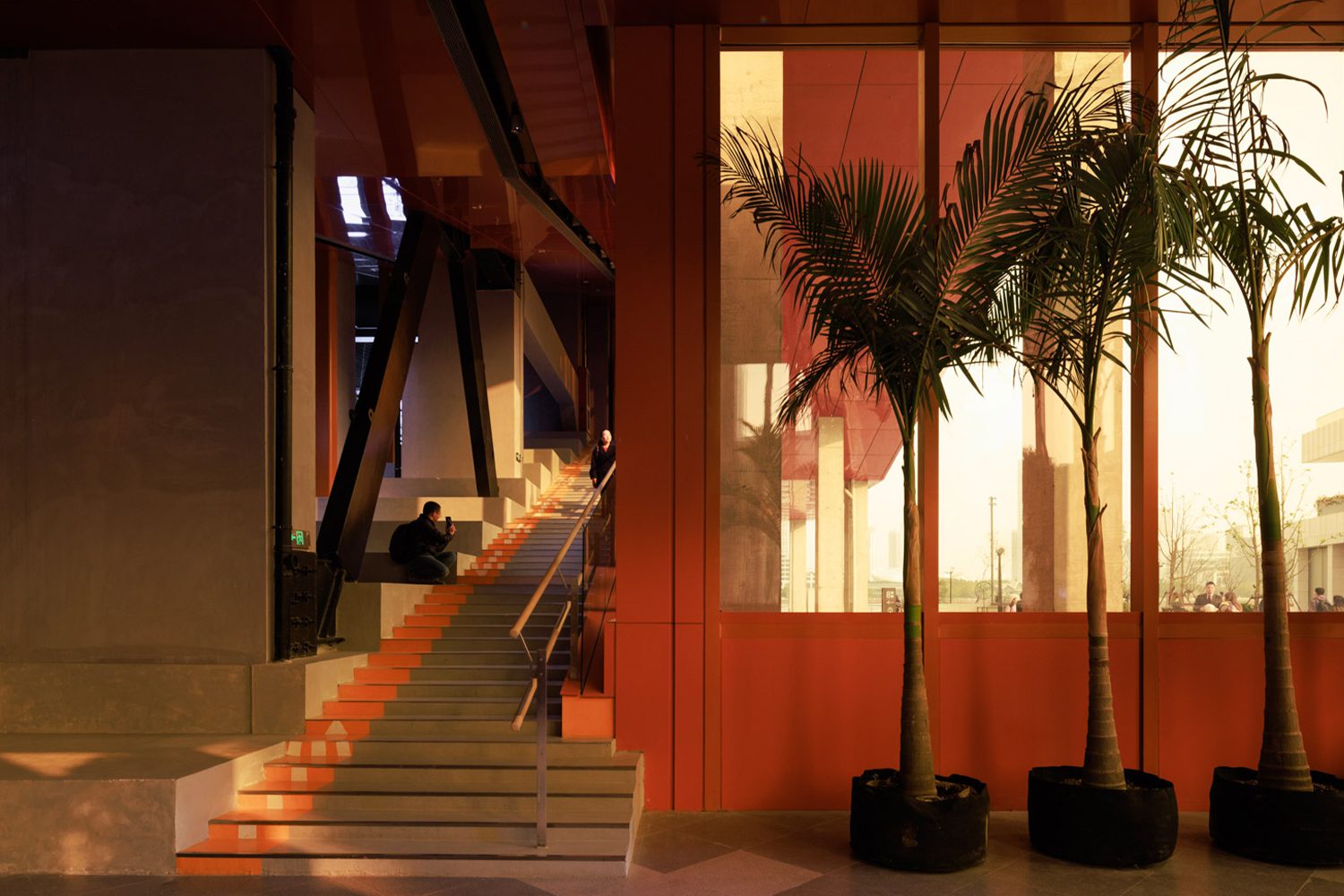
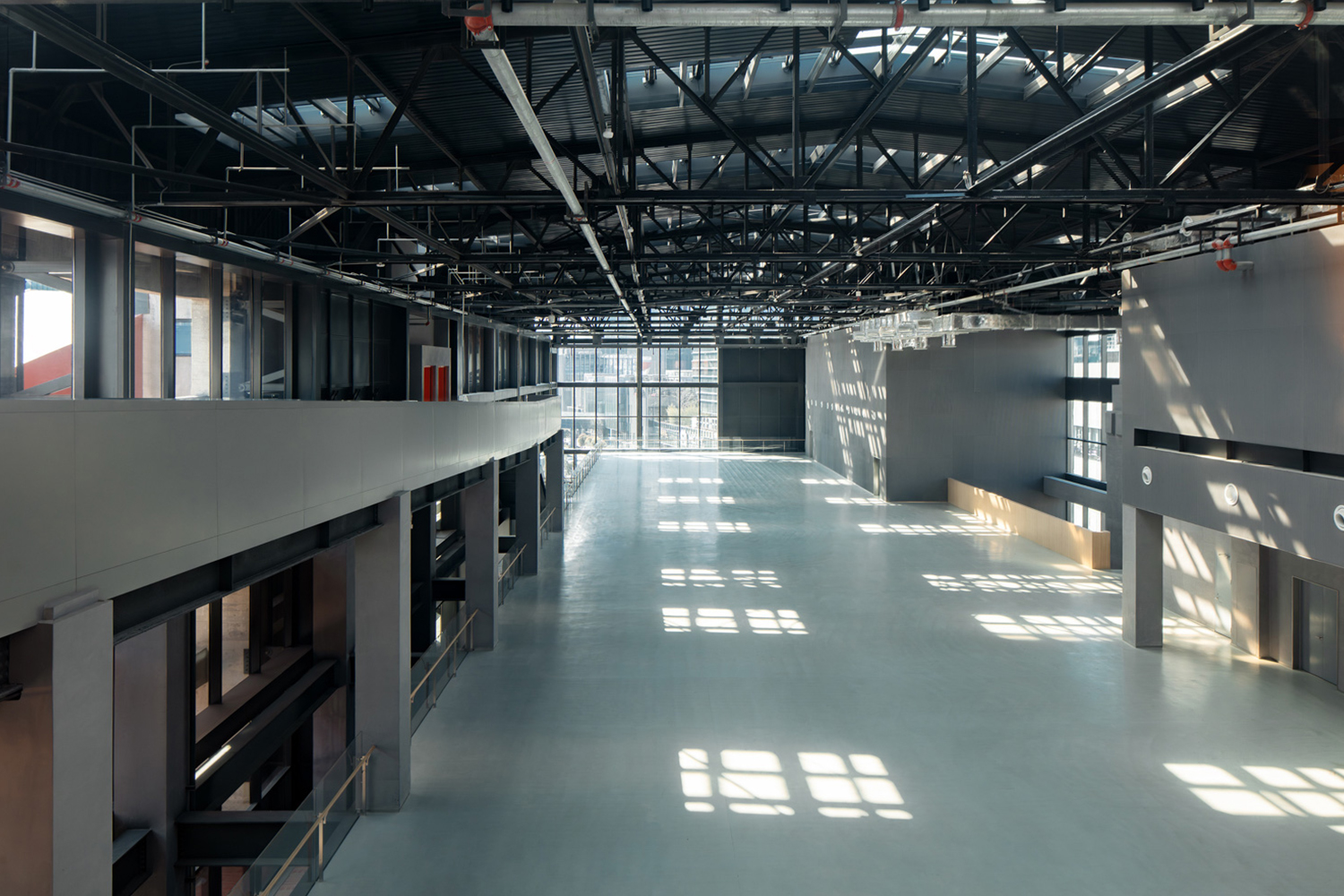
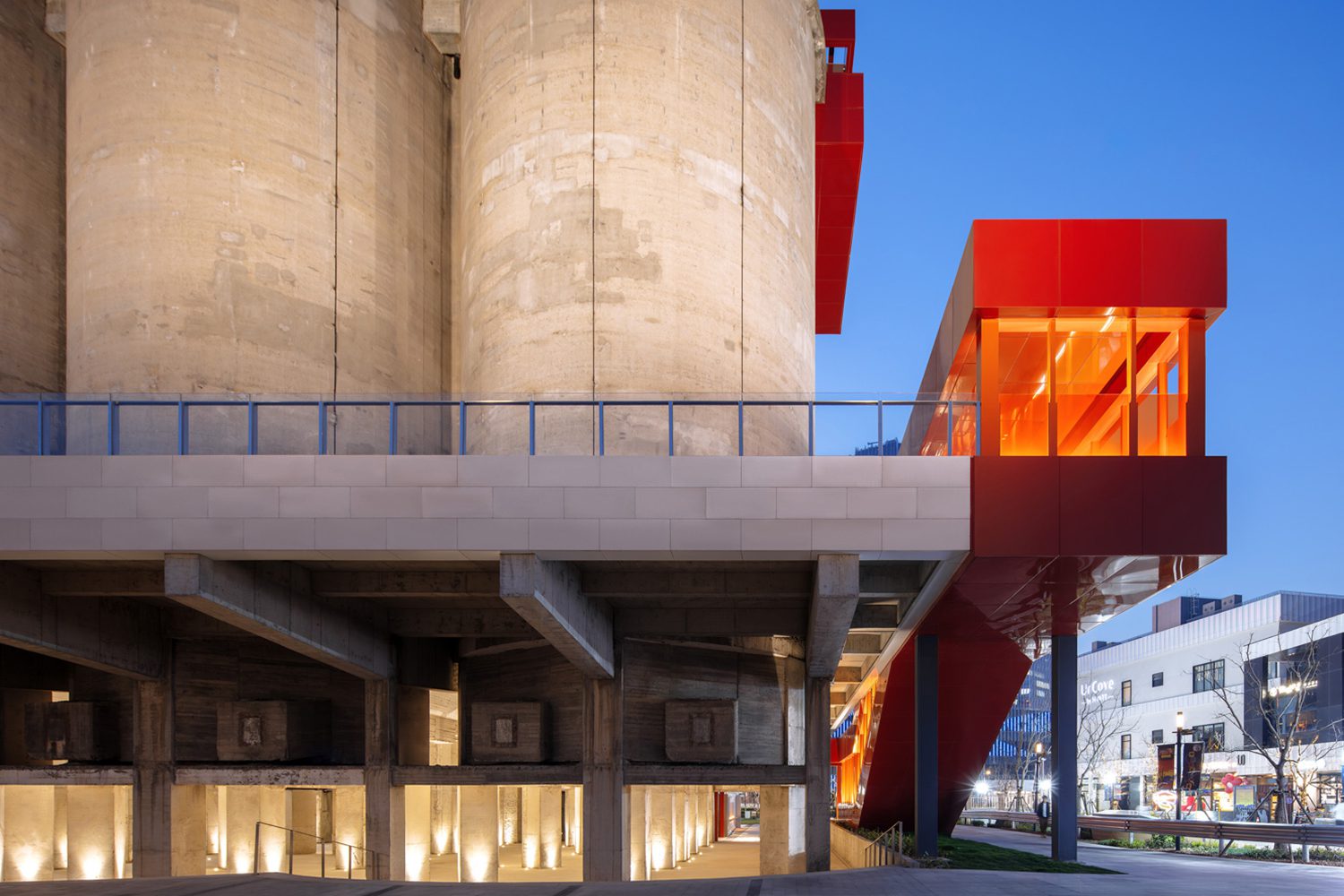
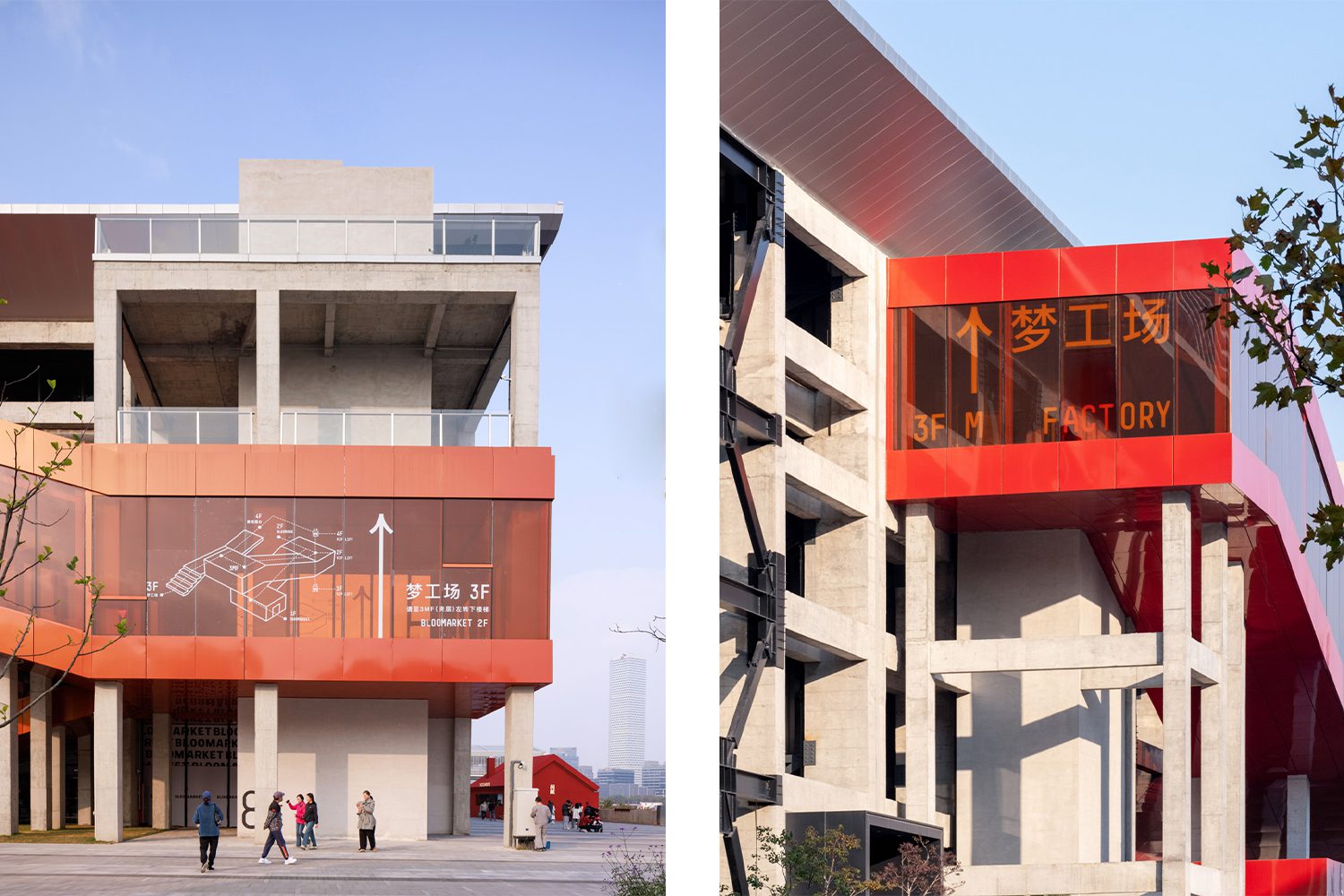
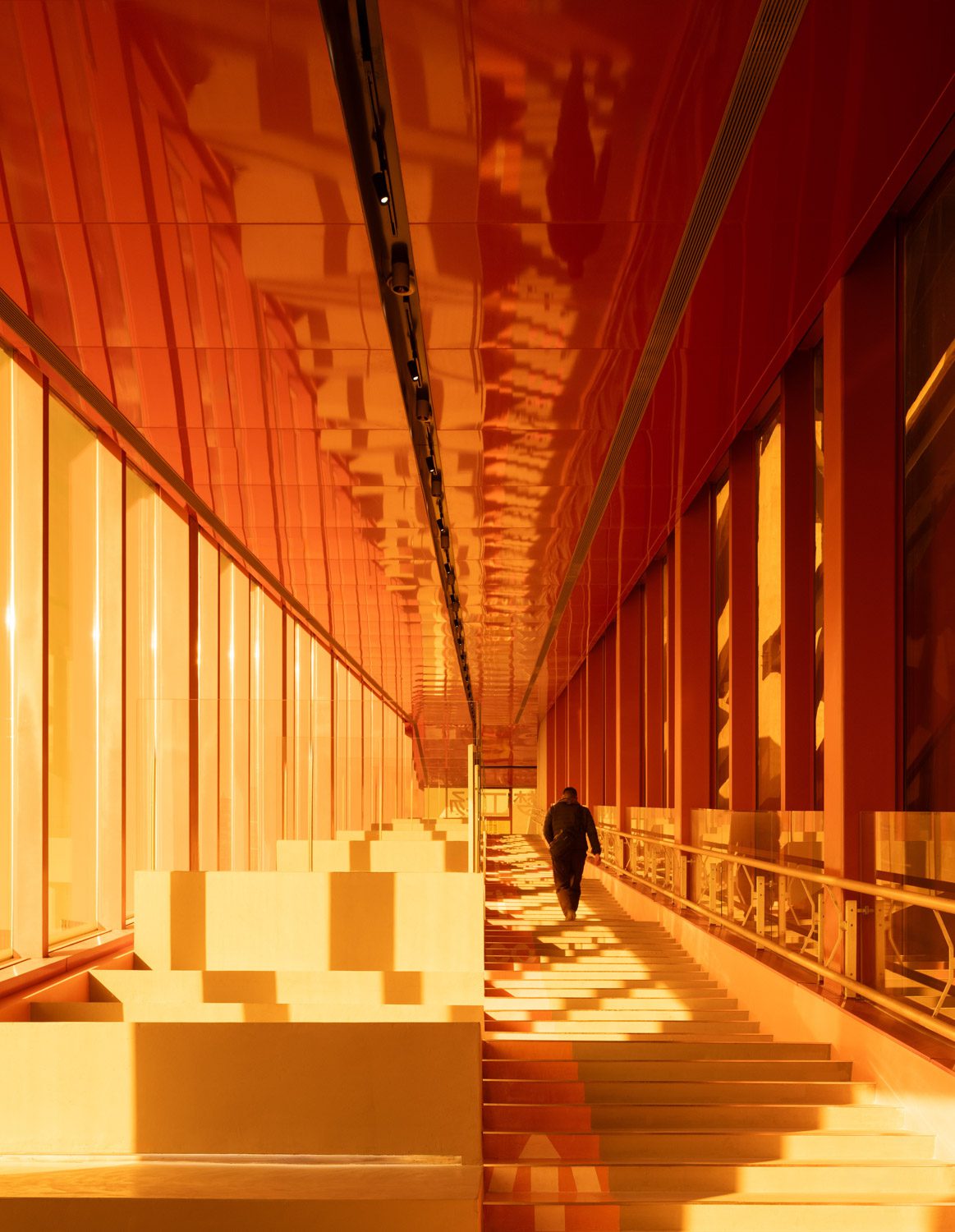
Photo: Sanqian Visual Image Art
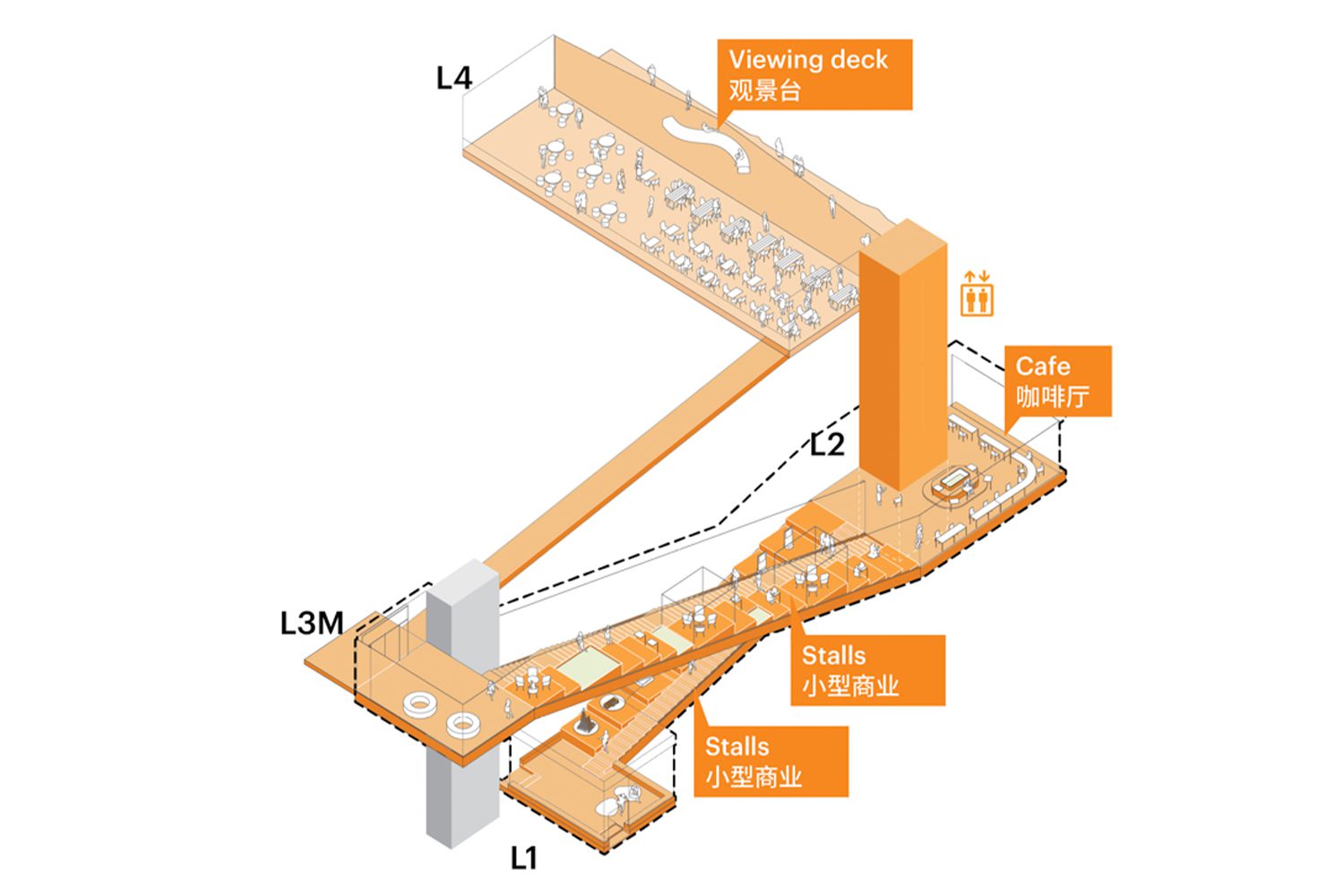
The second major cluster within the GATE M Dream Center is the former silo building, which has been transformed into an indoor climbing facility. MVRDV retained the use of the vivid orange walkway, similar to that of the M FACTORY, wrapping it around the building to invite visitors to explore the silo’s exterior. On the first floor, a large terrace provides a flexible space for multipurpose activities and also houses the elevator core, which connects to the rooftop observation deck. This upper level offers panoramic views of the Huangpu River and can be used for various events and gatherings.
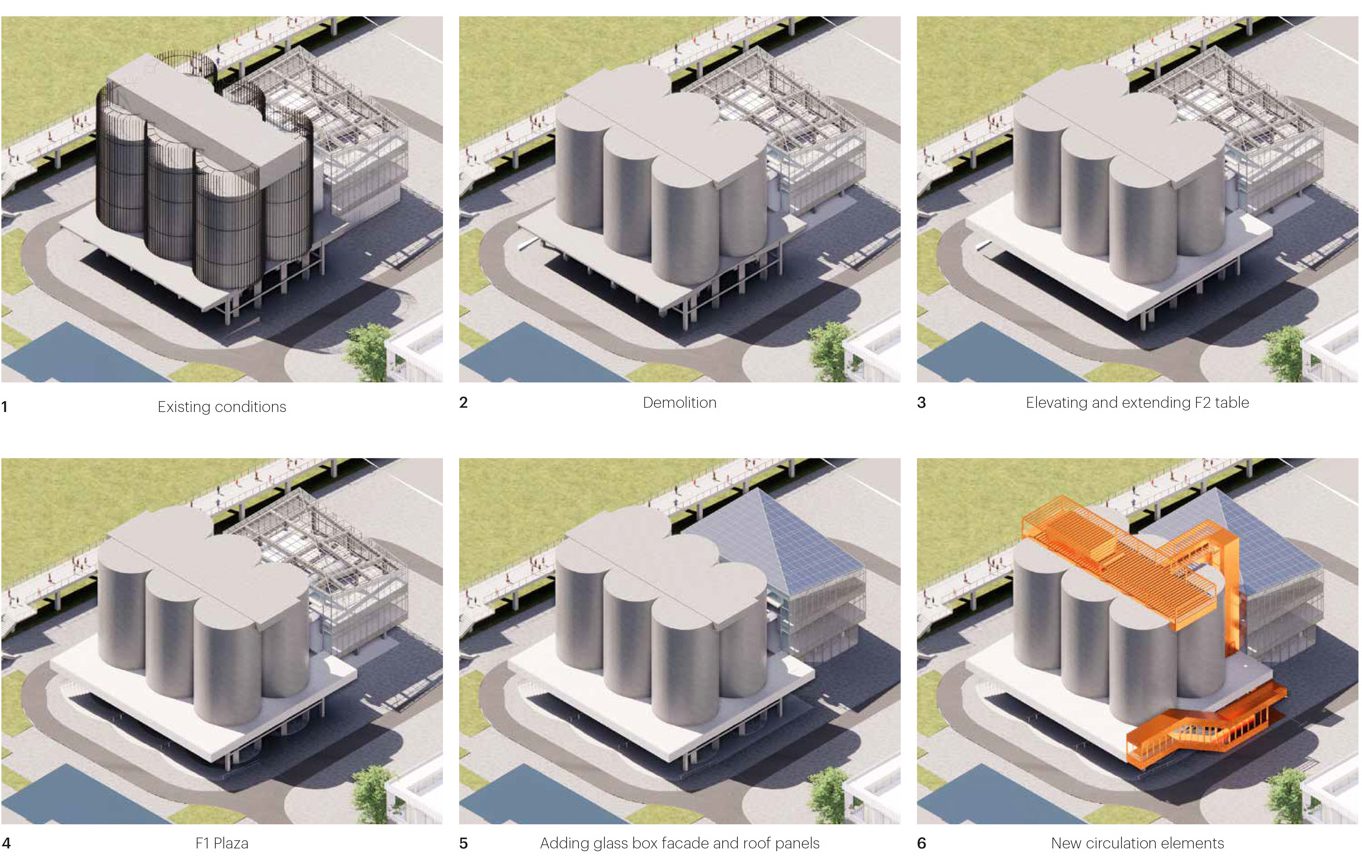
Image: MVRDV
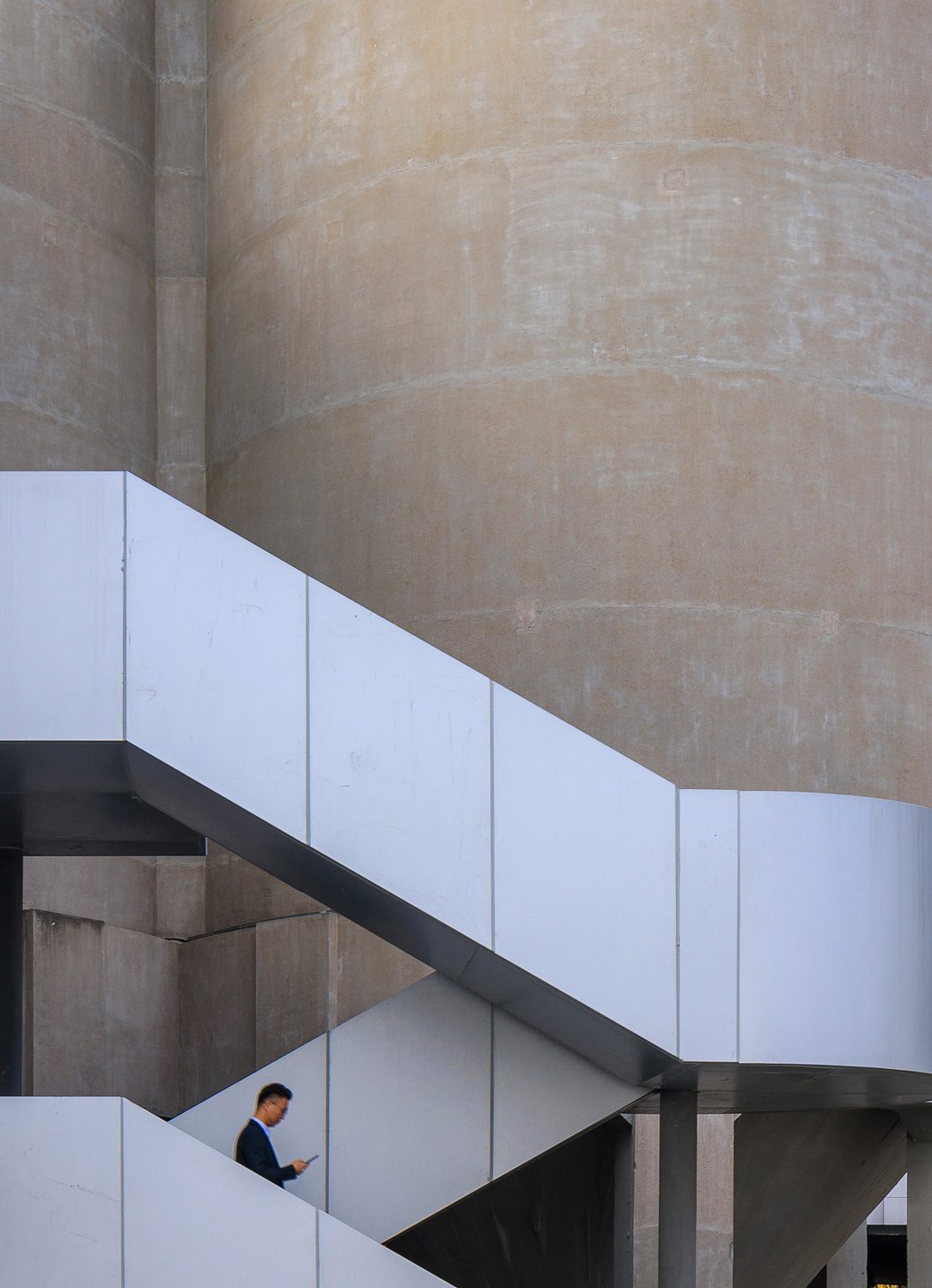
Photo: Liu Guowei
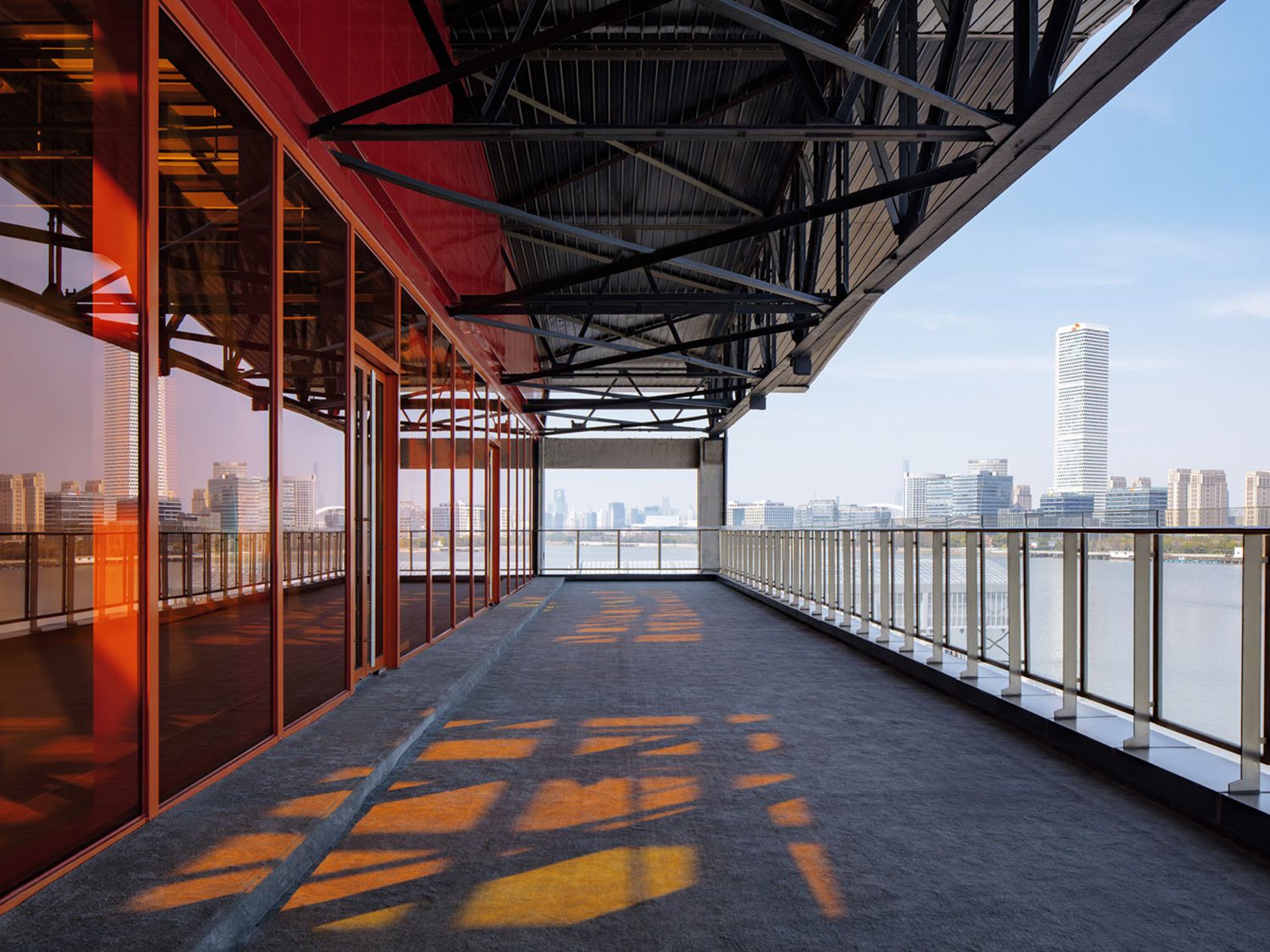 Photo: Xia Zhi
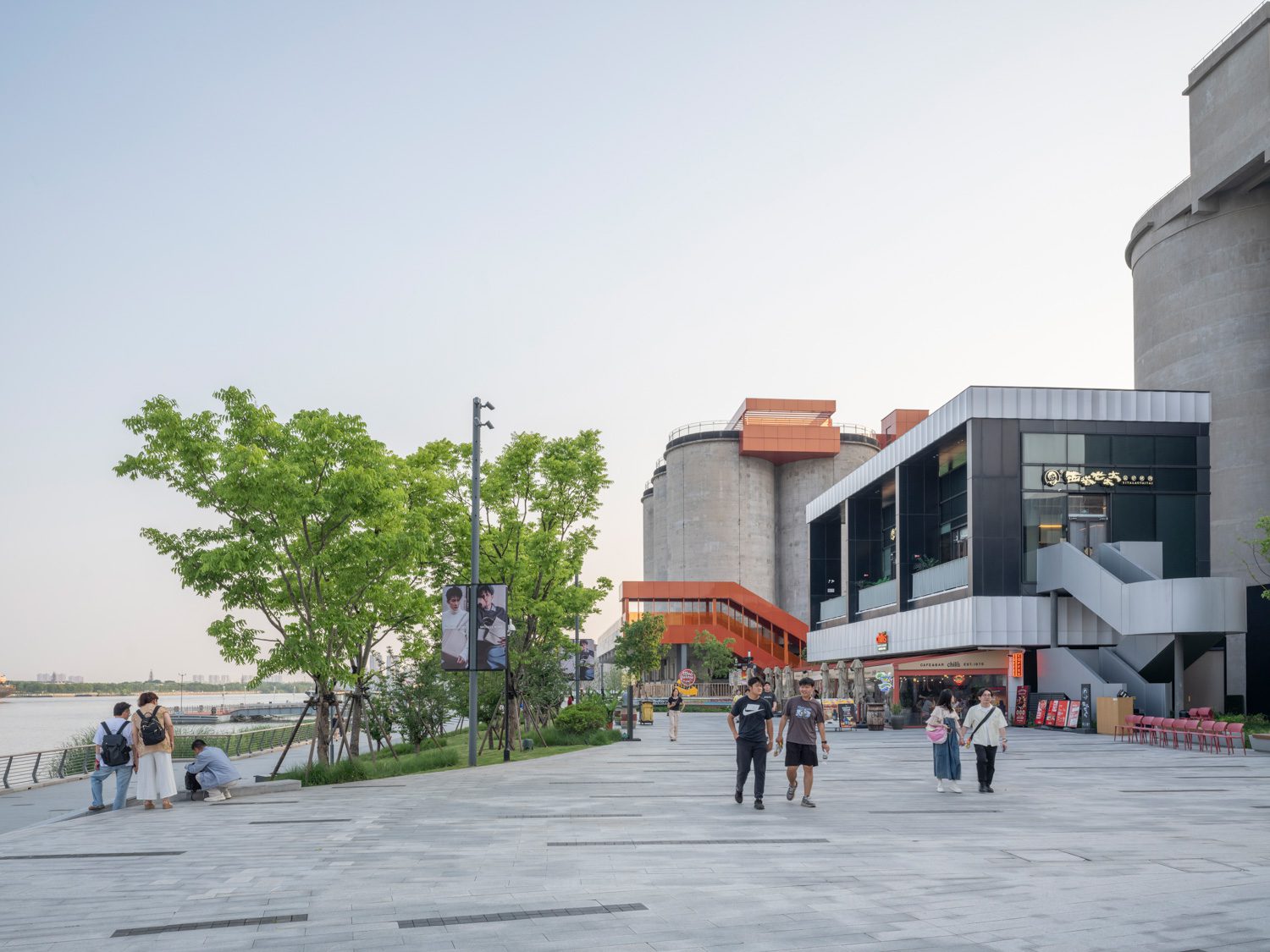
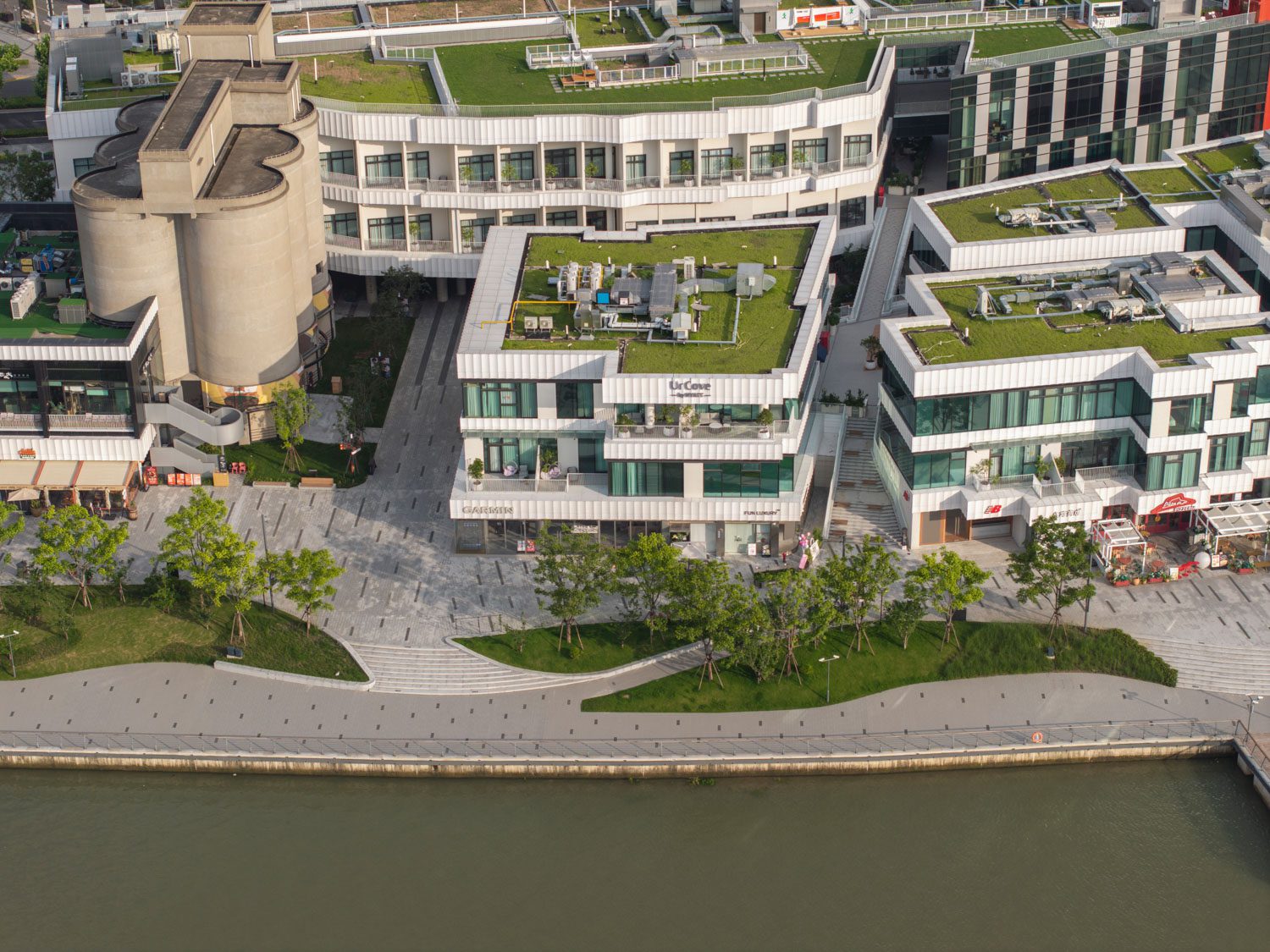
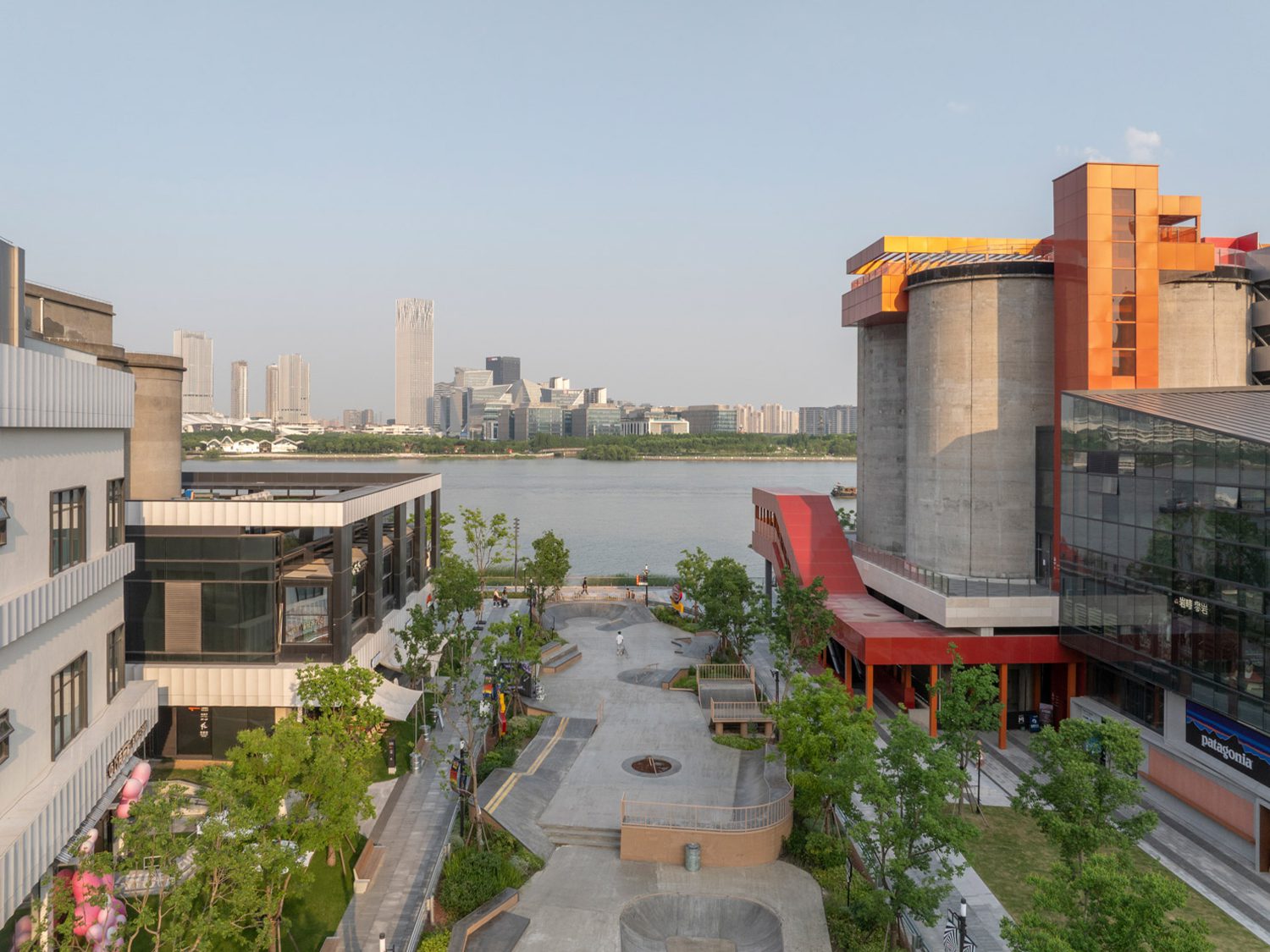
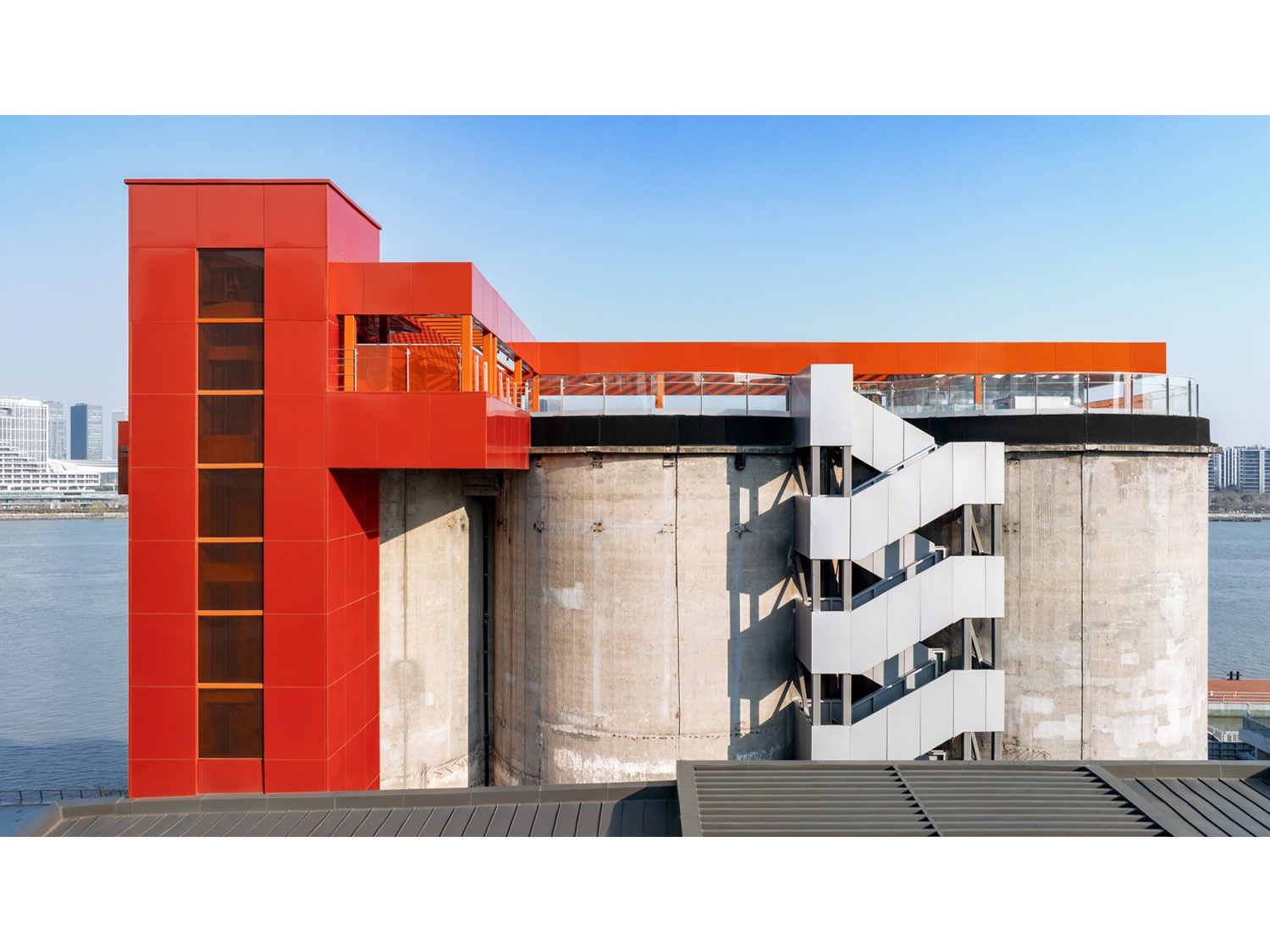
Across the site, both the completed and previously unfinished portions of the former Shanghai Cement Factory have been adapted into a mix of hotels, retail spaces, and restaurants. Each building complements the others through its programmatic role. For instance, the M FACTORY acts as a giant billboard, drawing attention and foot traffic into the complex, while the remaining structures and the adjacent riverfront public spaces support a wide range of activities that cater to the diverse needs of visitors.
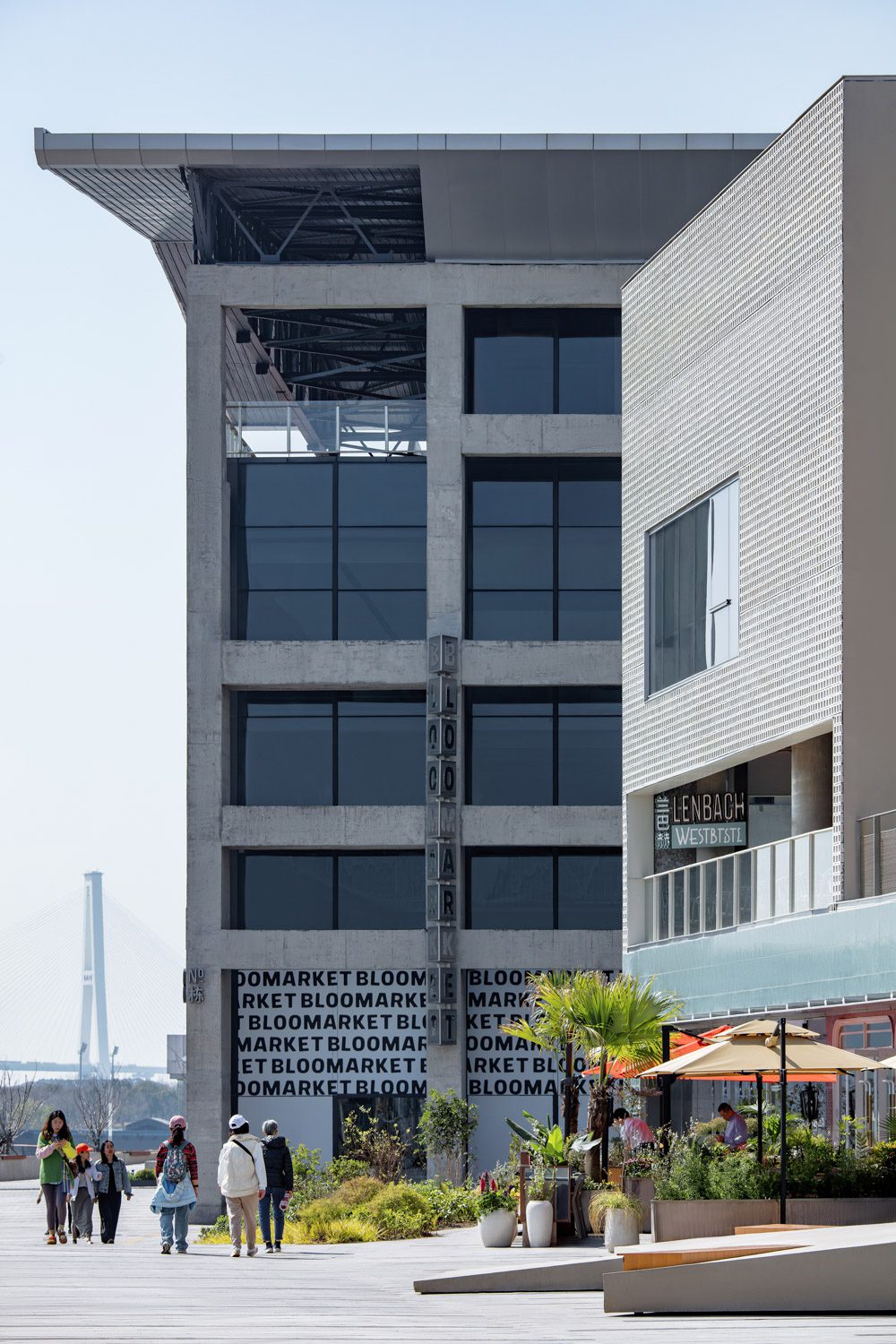
Photo: Xia Zhi
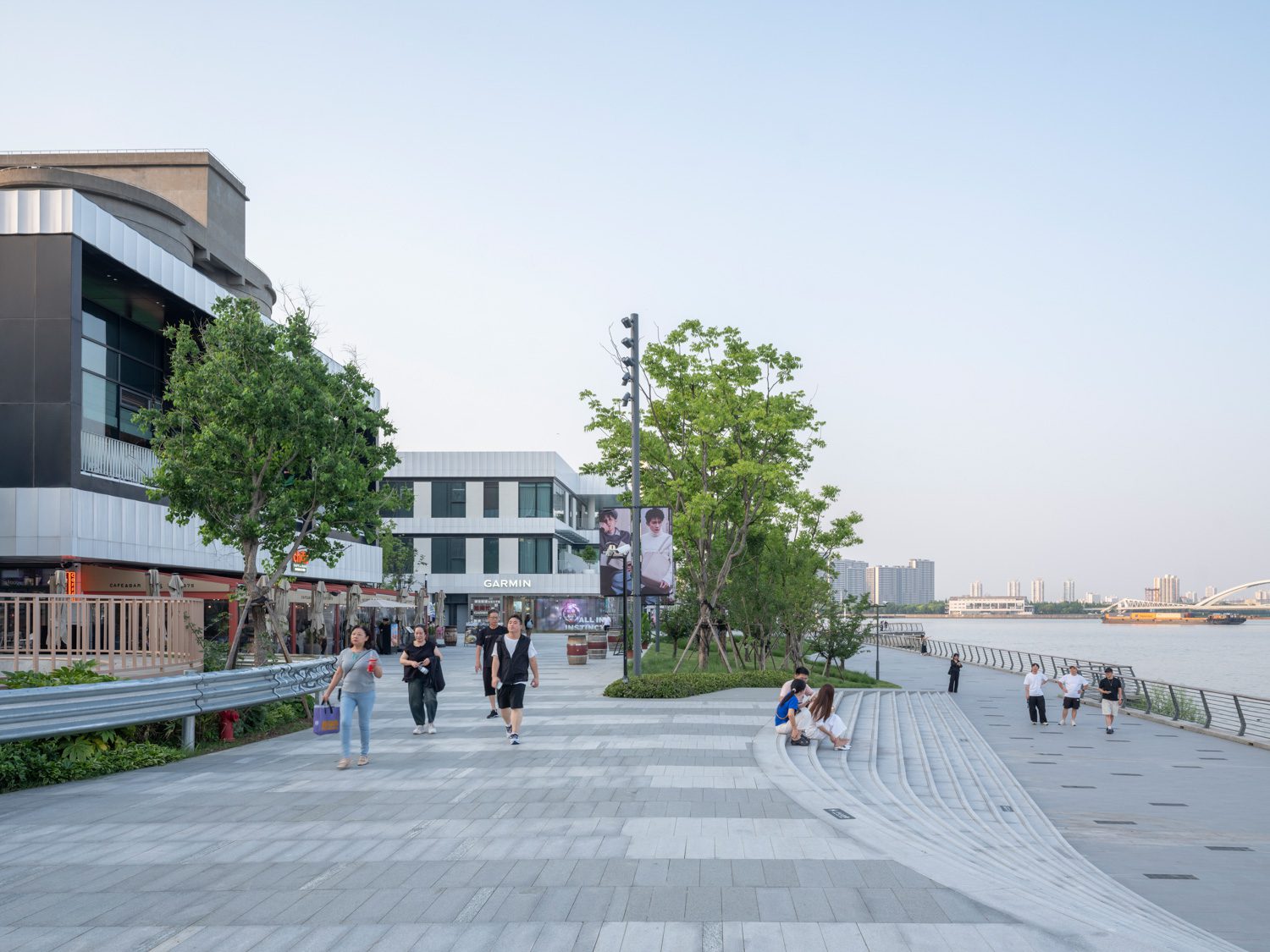 Photo: Tian Fangfang
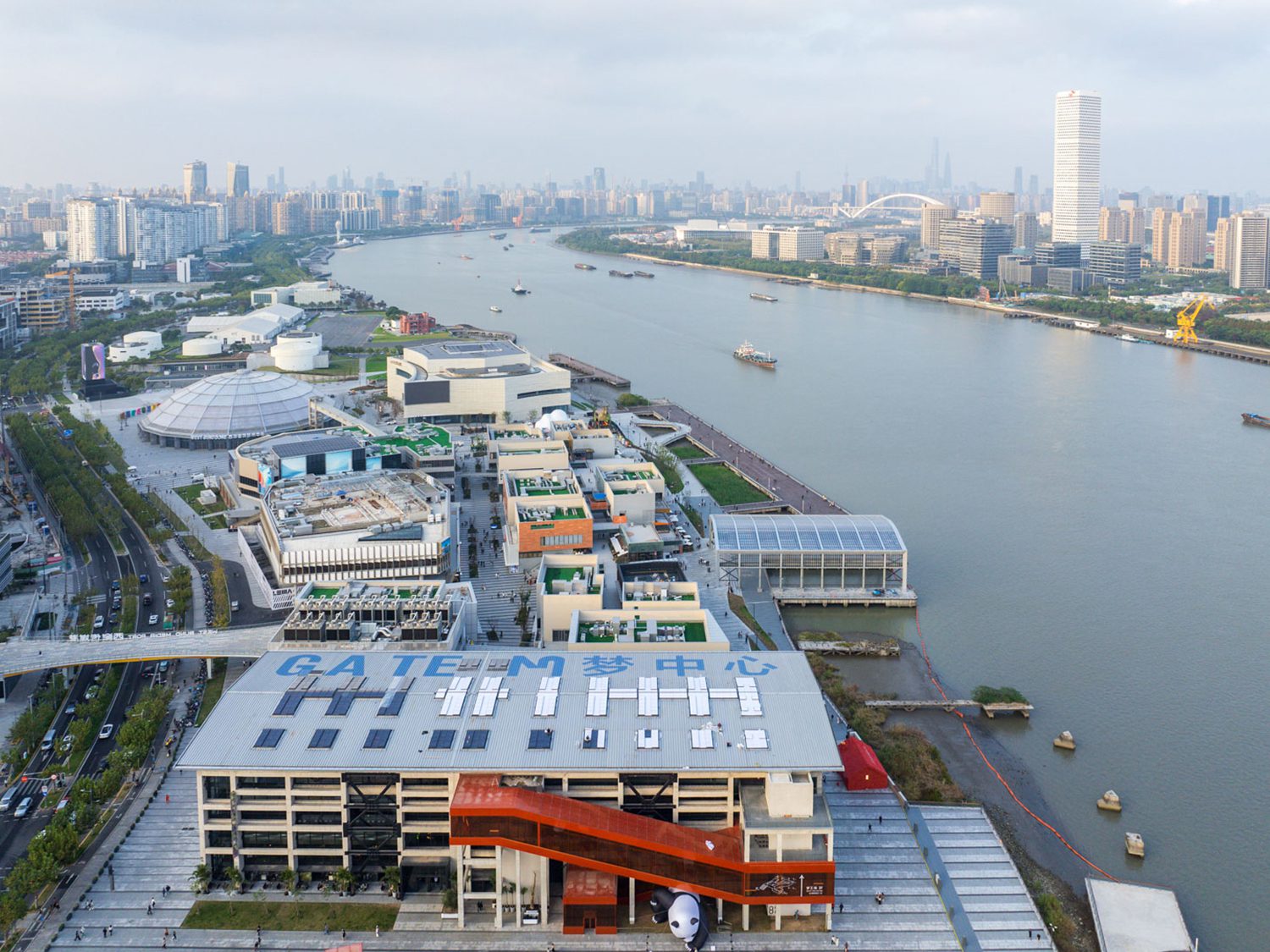
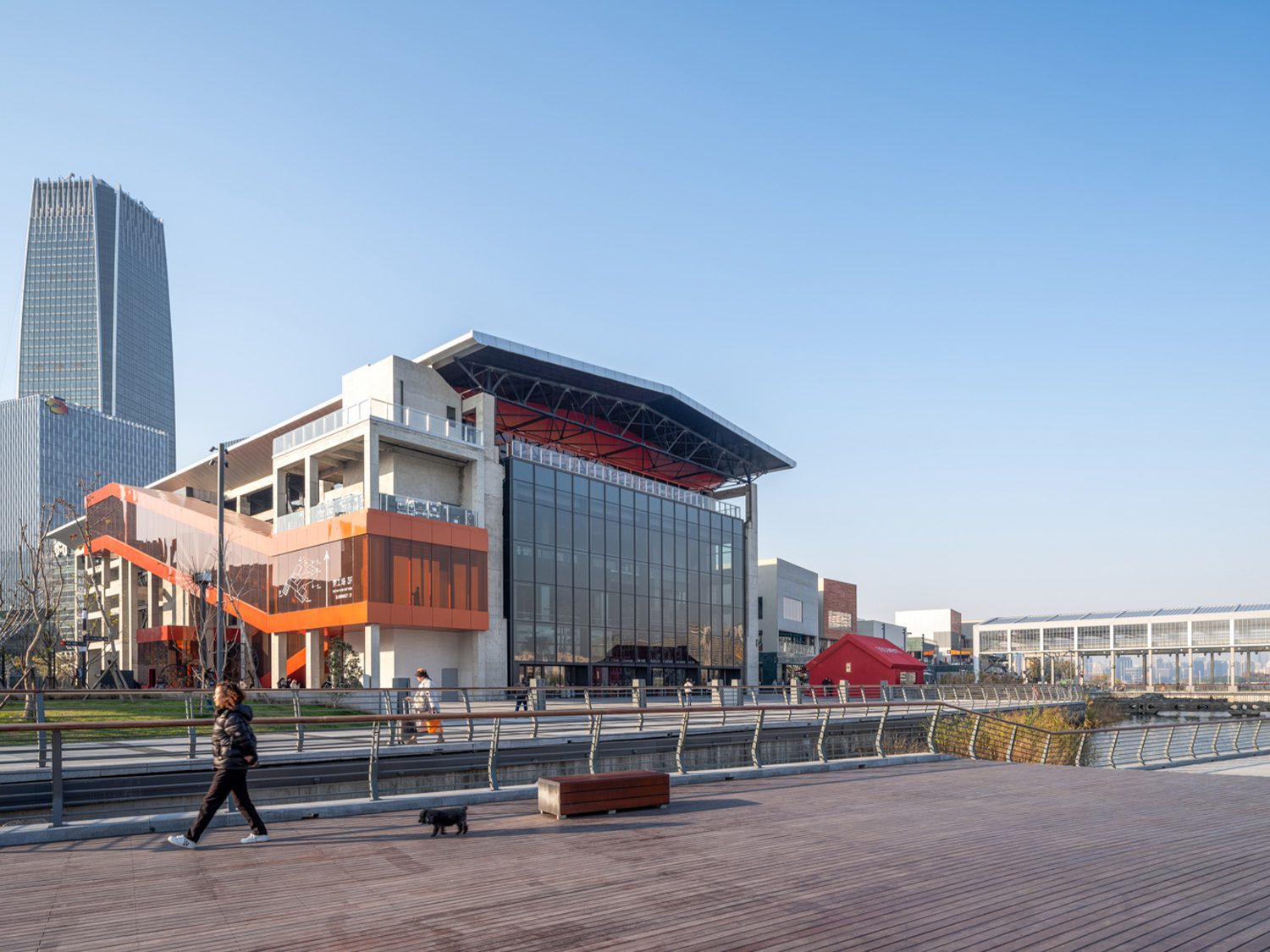
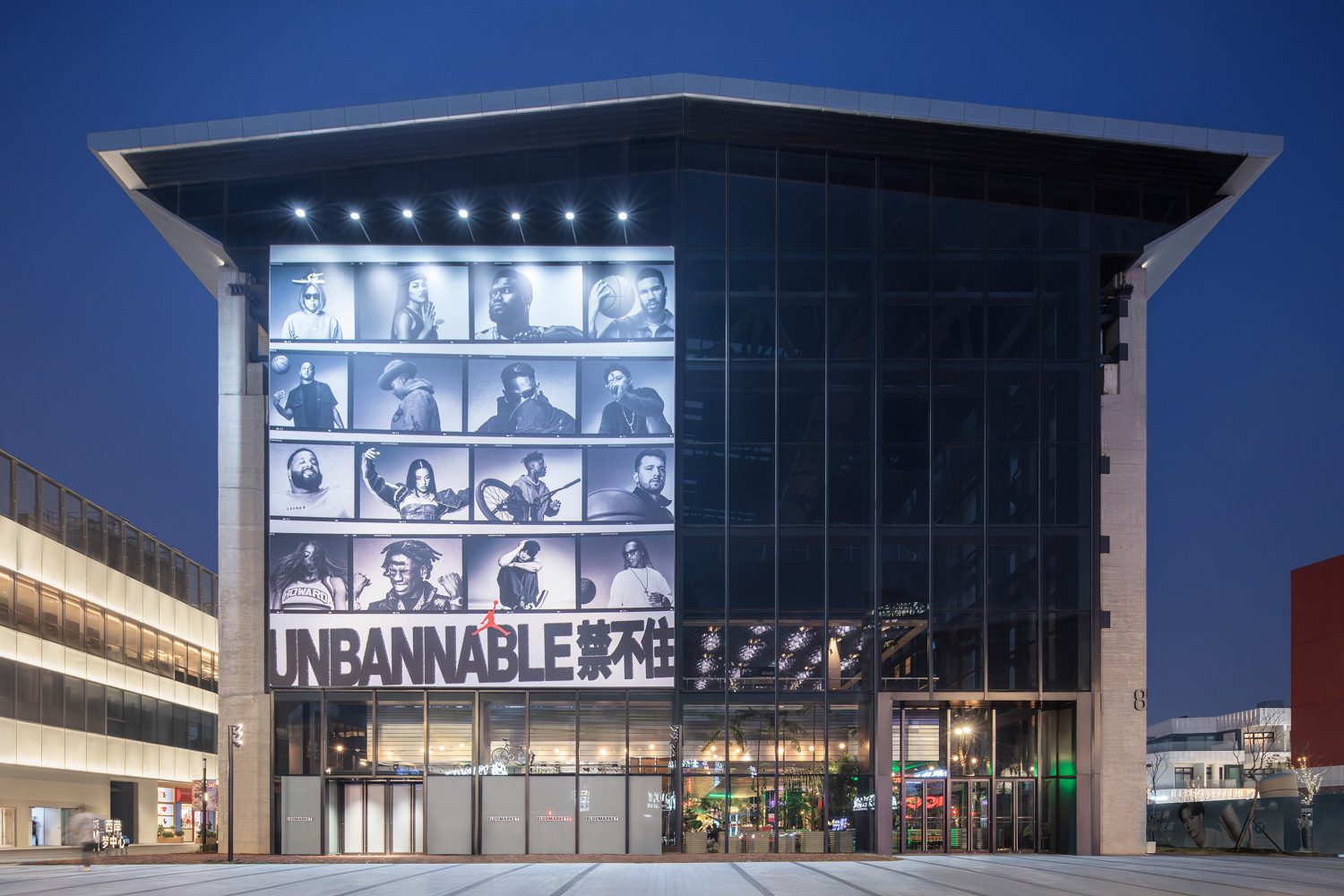
Photo: Xia Zhi
An approach to design that acknowledges the diversity of urban ecosystems can be seen as a worthwhile long-term investment, one that is capable of generating lasting value for both the city and its inhabitants. A better city, architecture that evolves beyond its original form, and an improved quality of life all rest on the belief that change must be shaped by the prevailing ethos of each era. Through this continual adaptation, new possibilities emerge, fostering a balance of responsibility between people and the city, life and society, architecture and the environment, and ultimately contributing to the collective well-being of all.
Photo: Xia Zhi