A BULL-SHAPED TABLE, A TIMBER MONOLITH LAMP, AND A PETITE SLIDING SIDE TABLE. SIX AUSTRALIAN ARCHITECTS REINTERPRET WOODEN FURNITURE WITH STRIKING, SINGULAR RESULTS
TEXT: PHARIN OPASSEREPADUNG
PHOTO COURTESY OF THE AMERICAN HARDWOOD EXPORT COUNCIL (AHEC)
(For Thai, press here)
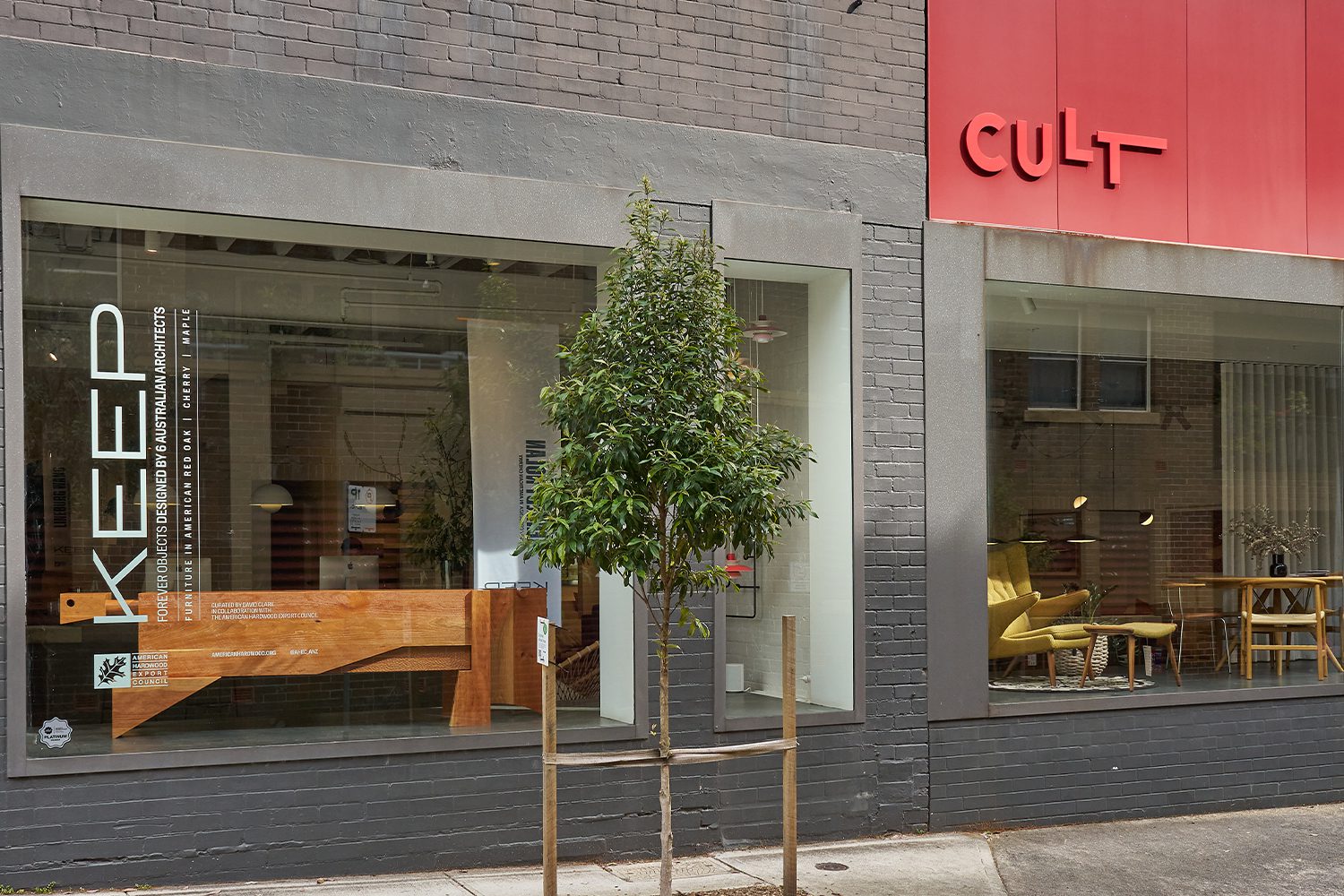
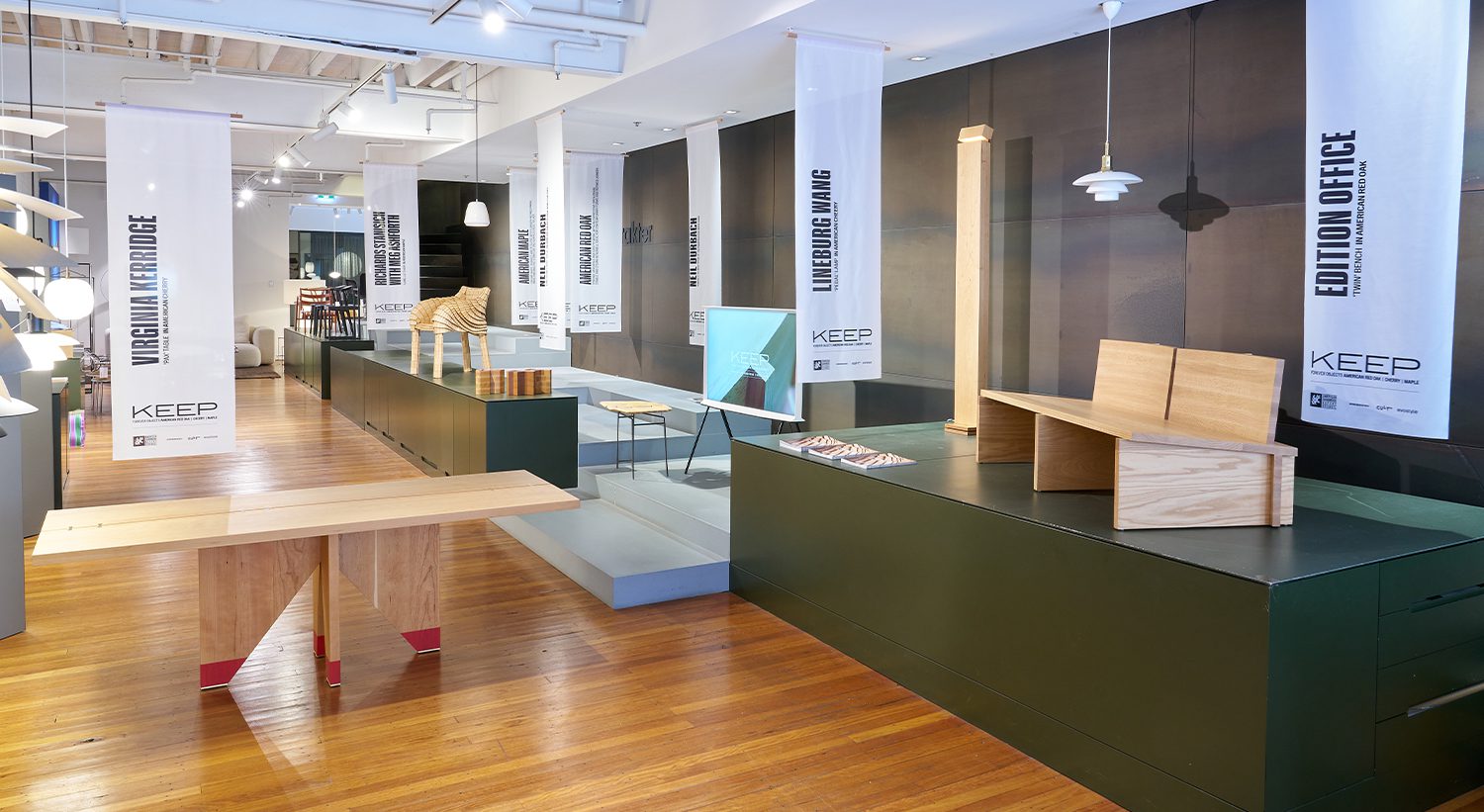
For KEEP, a project presented in collaboration with the American Hardwood Export Council (AHEC), six acclaimed Australian architects were invited to create new furniture using three species of American hardwoods: American red oak, cherry, and maple, timbers recognised for their beauty, resilience, and environmental integrity. The works were recently exhibited at the Cult Sydney Showroom from 18 September to 4 October 2025, under the curation of David Clark.
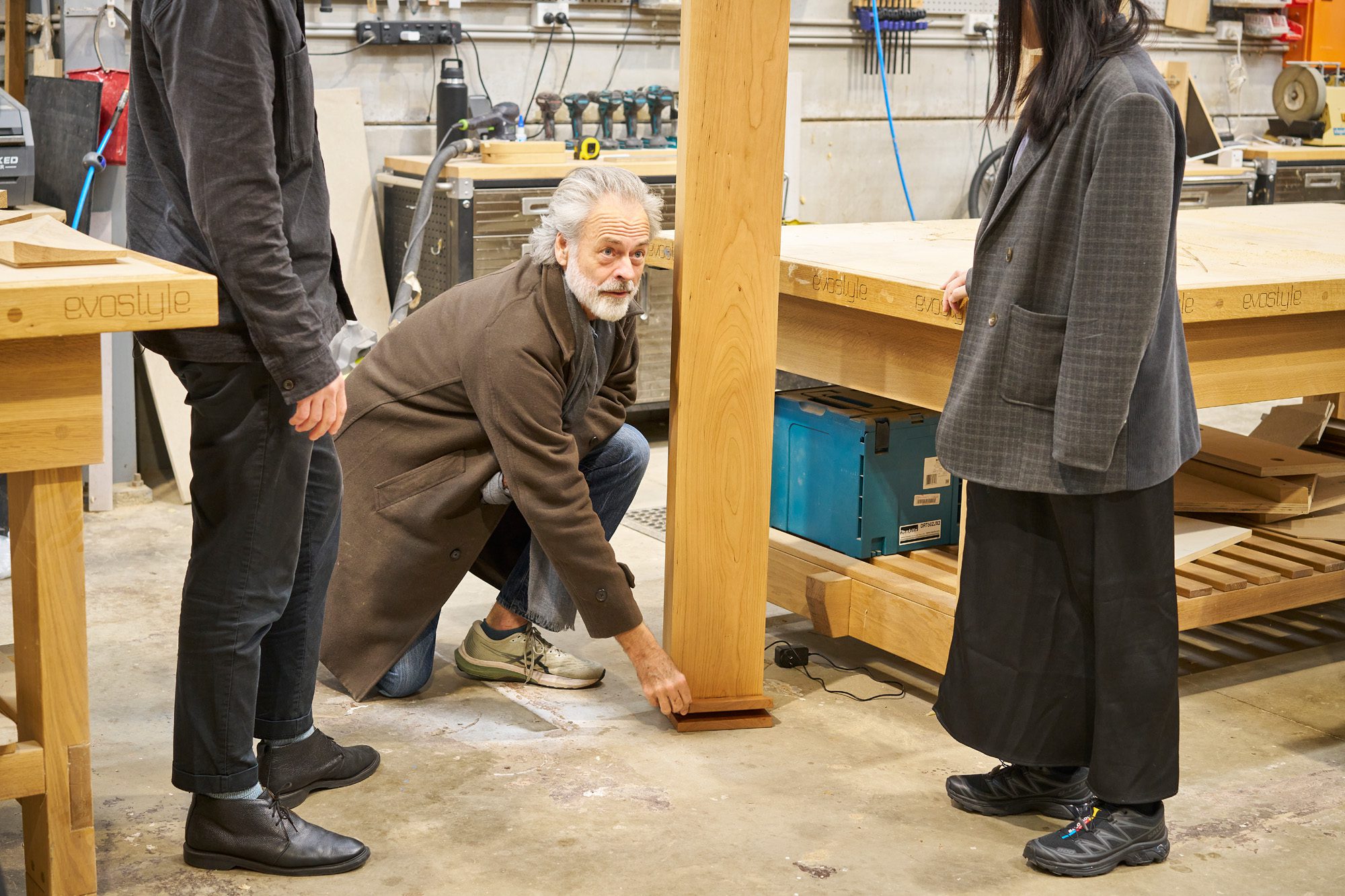
David Clark, the curator of KEEP’s exhibition
At the heart of the exhibition lies a provocation against contemporary habits of ‘careless consumption,’ from single-use materials and unnecessarily complex supply chains to the waste generated in each production cycle. Clark notes that throughout design history, architects have often designed furniture, and this observation forms the premise of KEEP. What might happen if prominent architects, each with their own perspective, were encouraged to work with American hardwoods to create new furniture typologies? The project suggests a potential beginning for a new chapter in modern Australian furniture design.
The seven furniture pieces by six Australian designers each carry their own story, origins, and sparks of inspiration. Though varied in form and approach, they are united by a shared theme: sustainability, craftsmanship, and an honest expression of the natural beauty of the material.
‘David’ Console – American cherry
Kennedy Nolan Studio
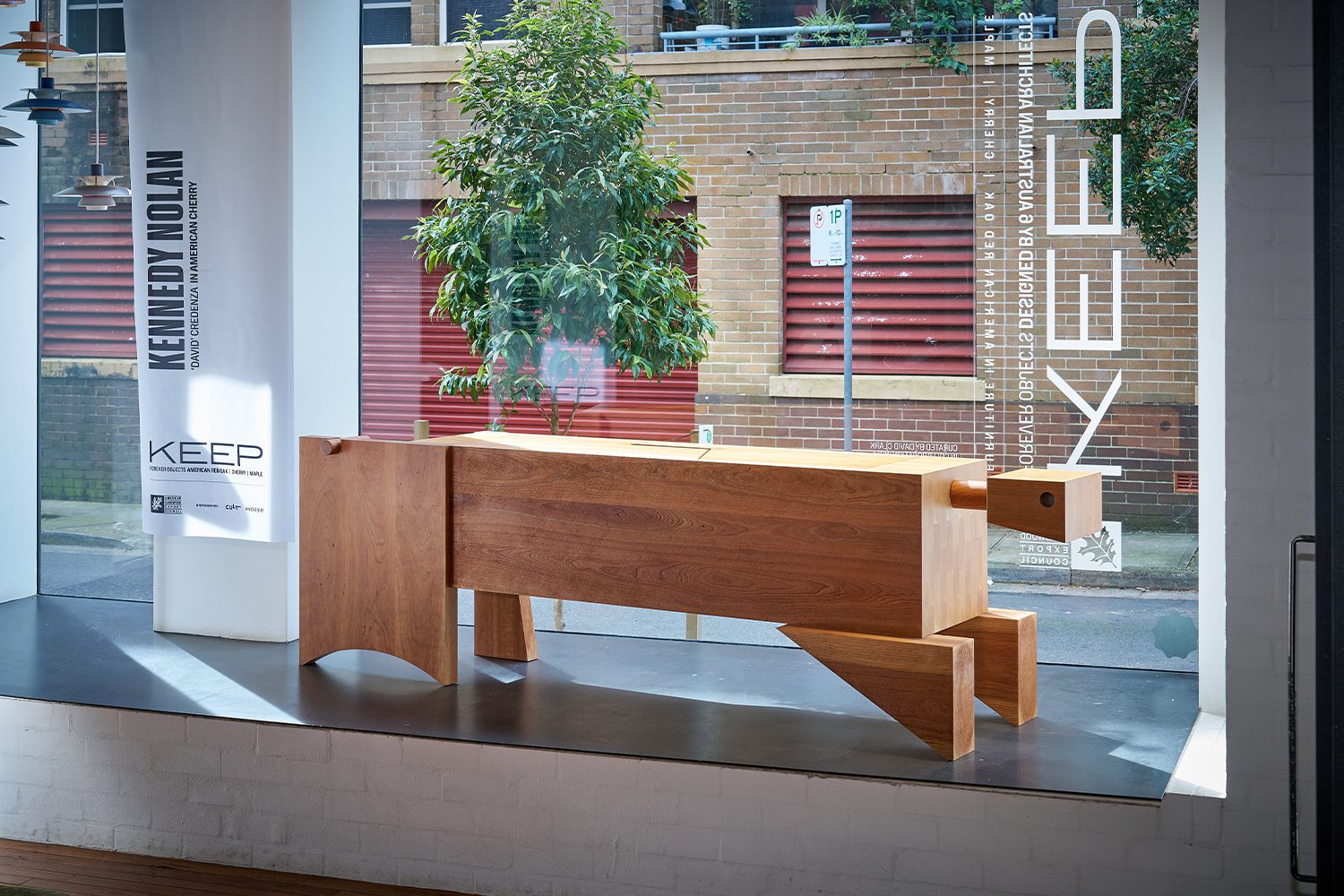
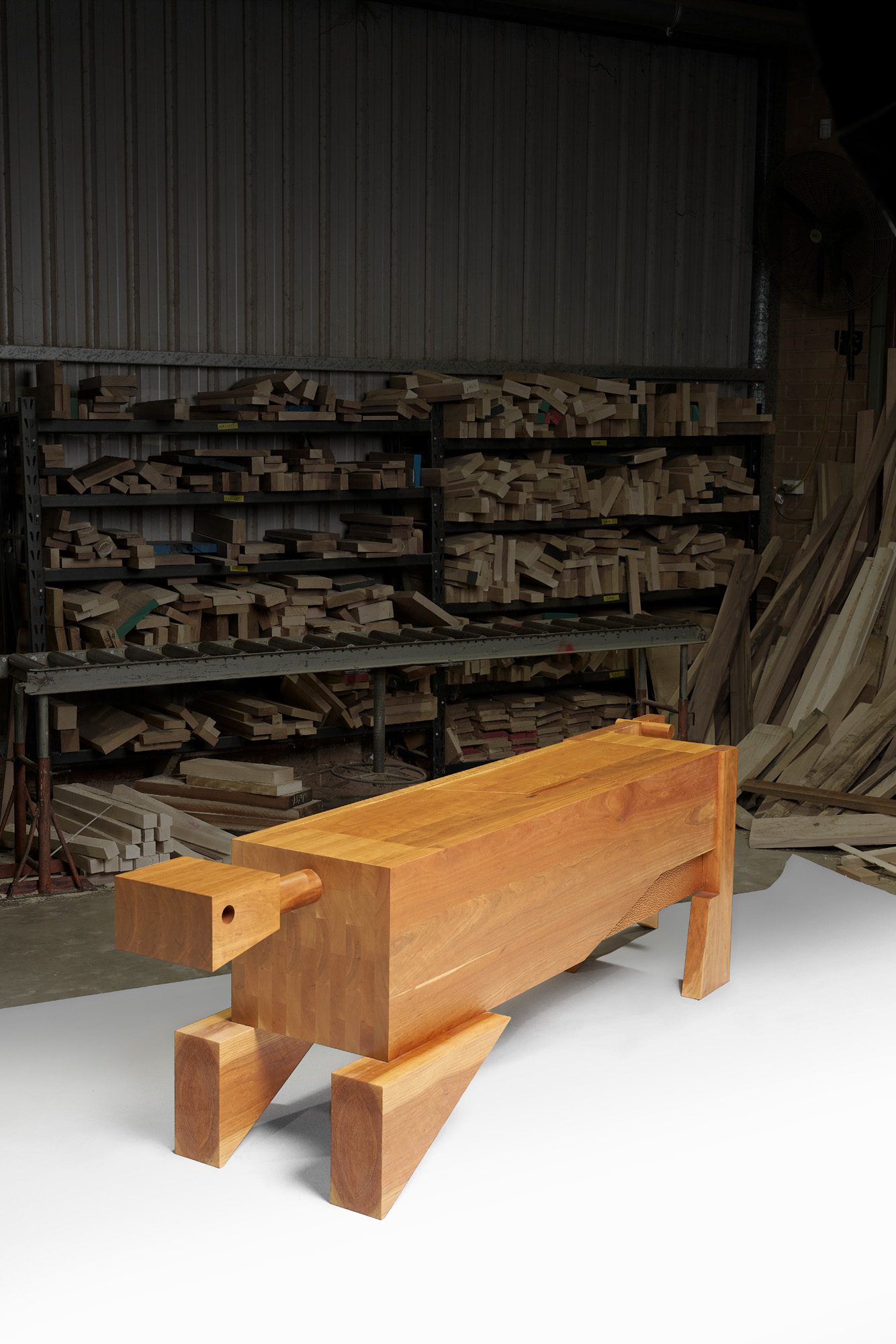
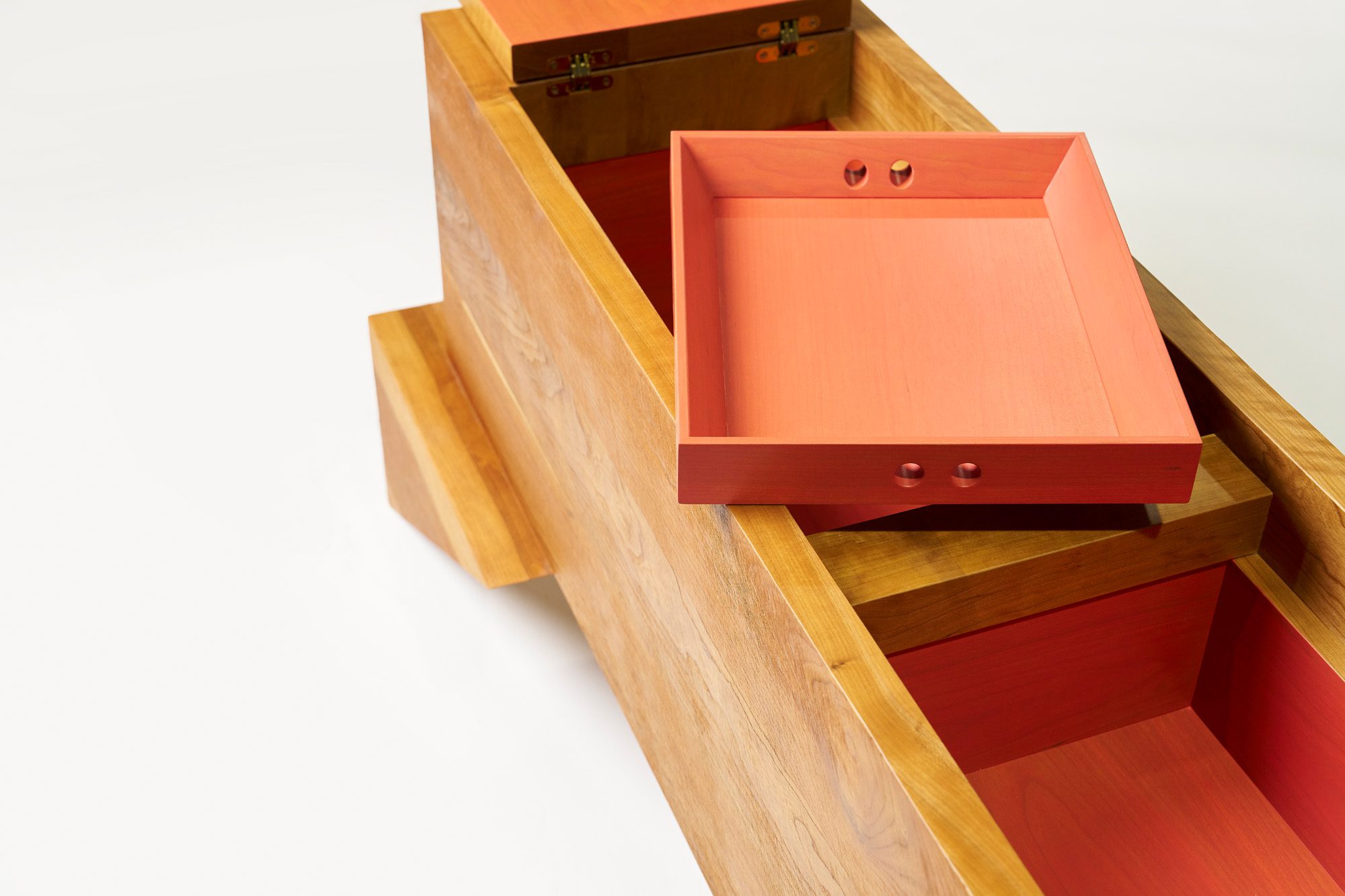
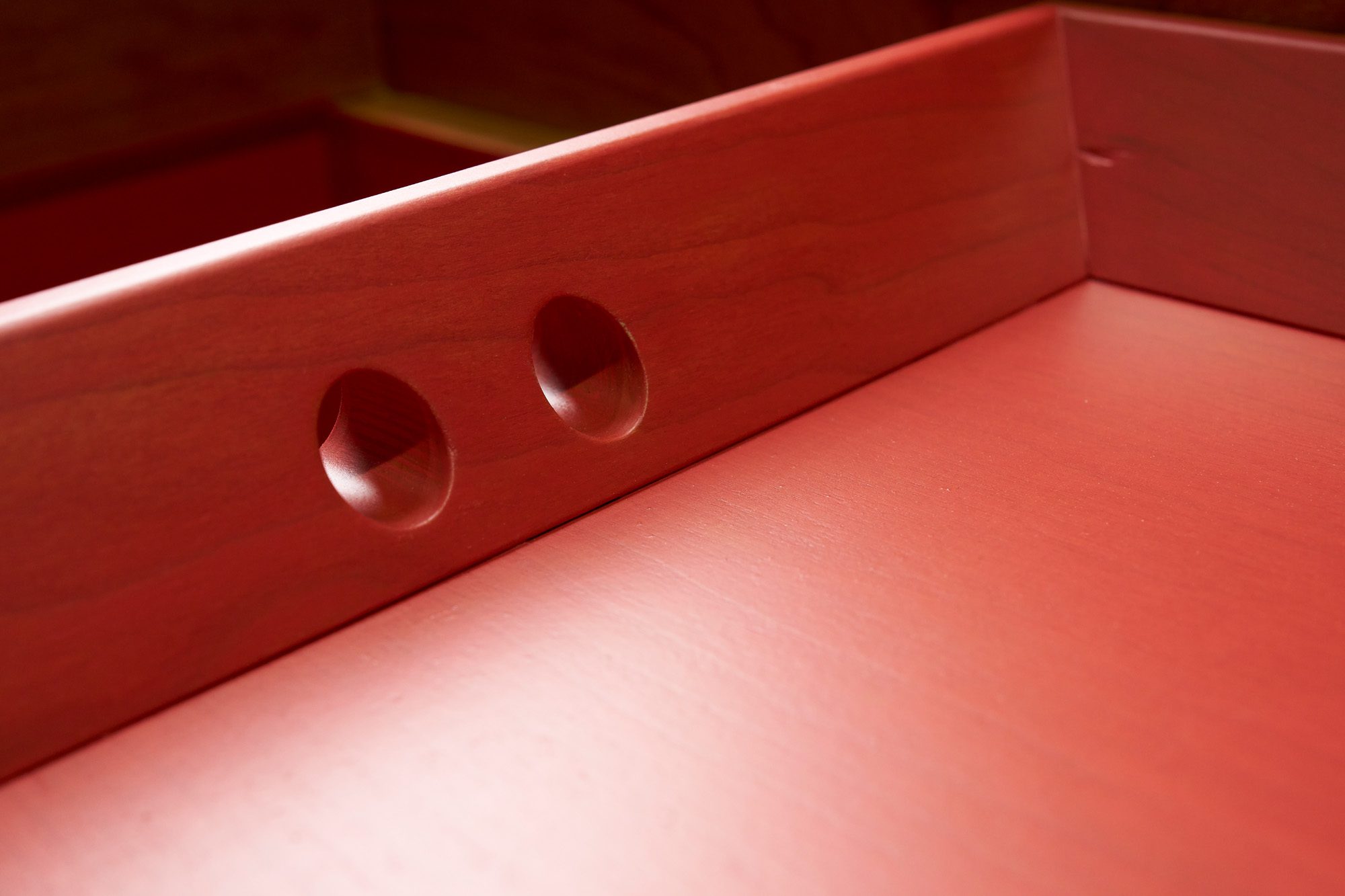
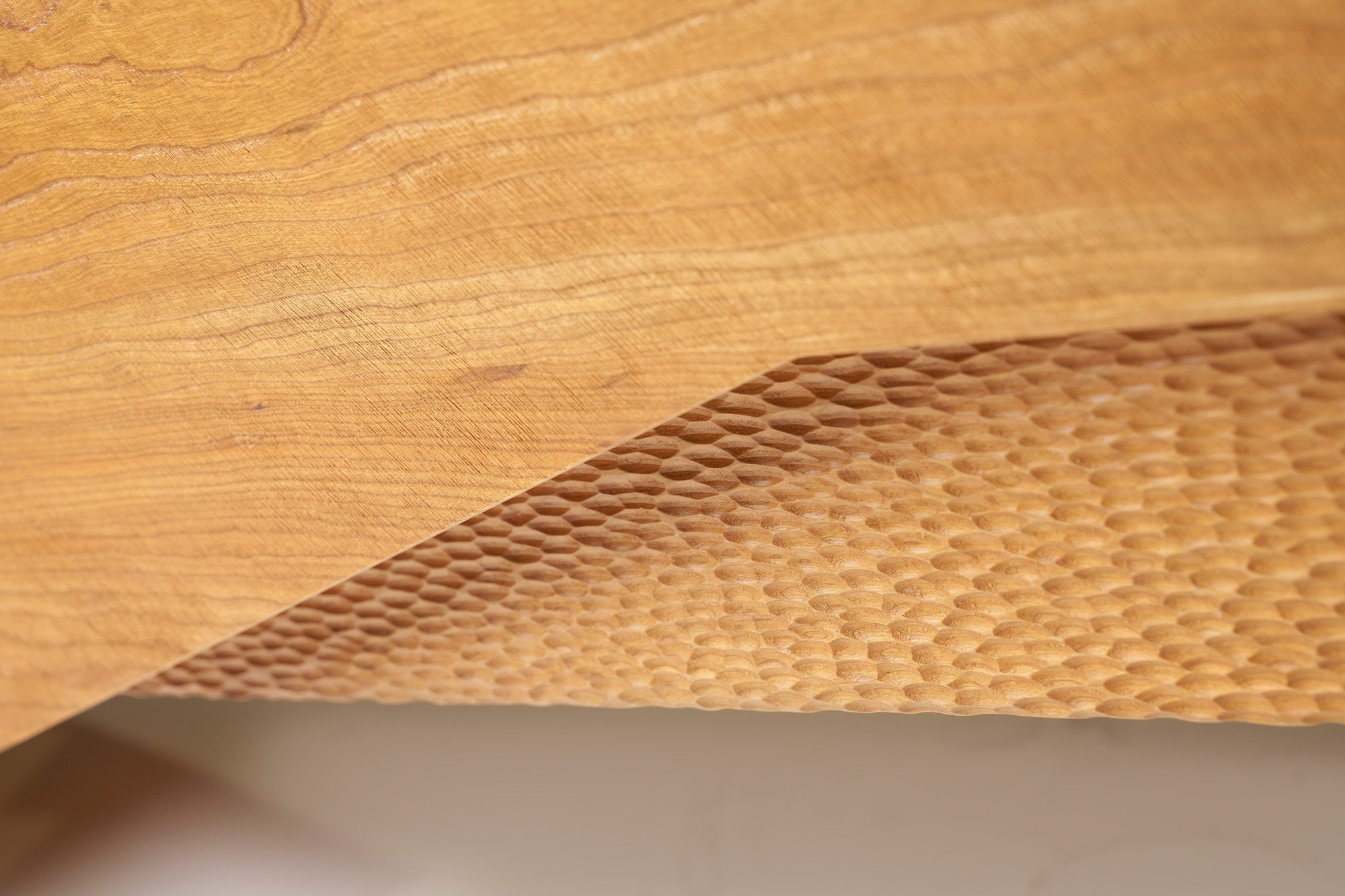
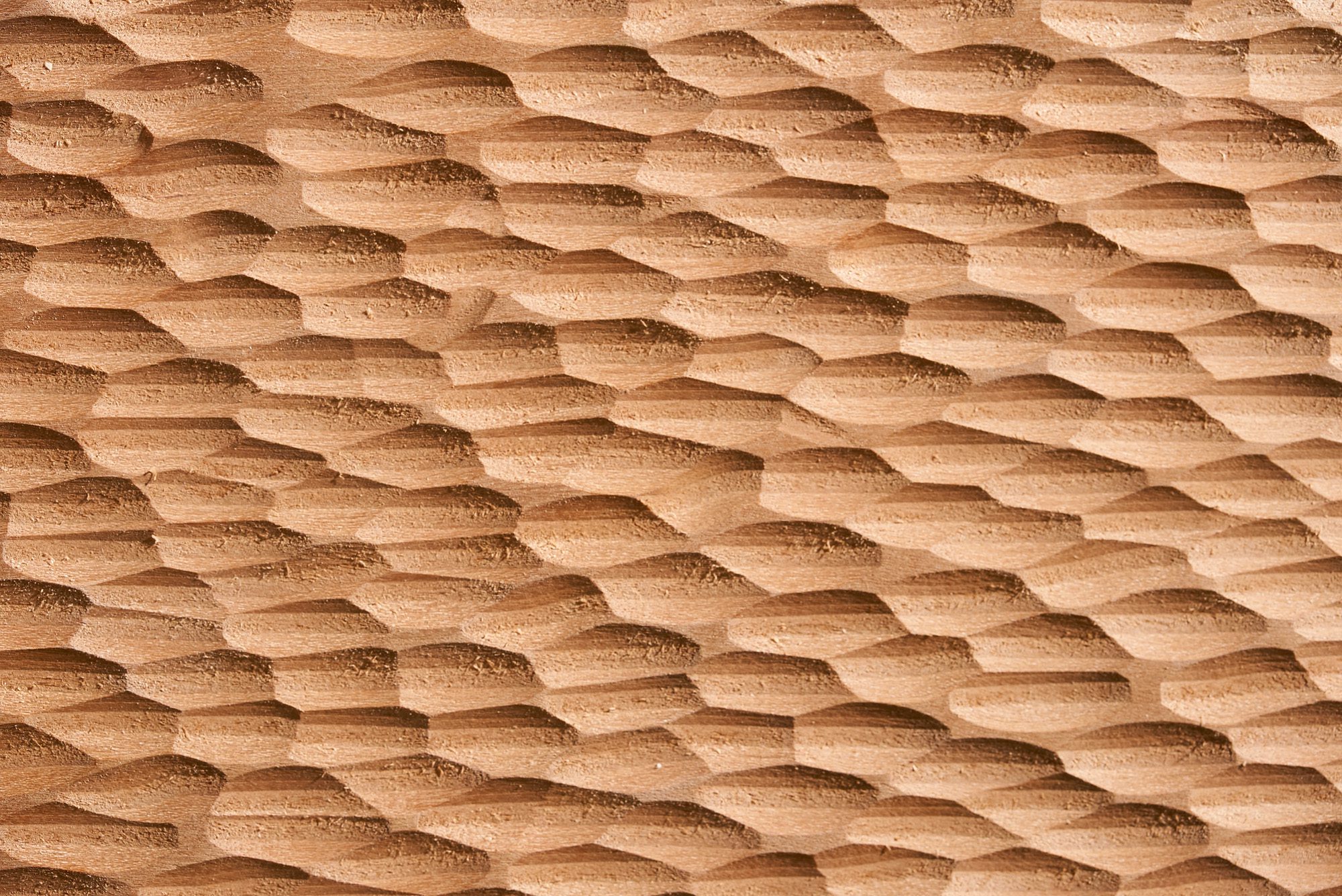
The first piece is the ‘David’ Console, crafted in American cherry and designed by Patrick Kennedy and Rachel Nolan, founders of Kennedy Nolan. Resembling a small bull or horse, the console is intended for the studio’s conference room, where it will hold glassware and ceramics. The design stems from the studio’s interest in zoomorphising objects, bringing the form or memory of a creature into their work to create a sense of connection between people and place. This approach takes shape here through a creature-like form composed of a head, tail, and flank, each finished with a different treatment to the timber, including scraping, gouging, laminating, and coating. The interior is stained in shades of red and pink, echoing the colours of an animal’s insides and adding an unexpected emotional depth to the piece.
‘Pax’ Table – American cherry
Virginia Kerridge
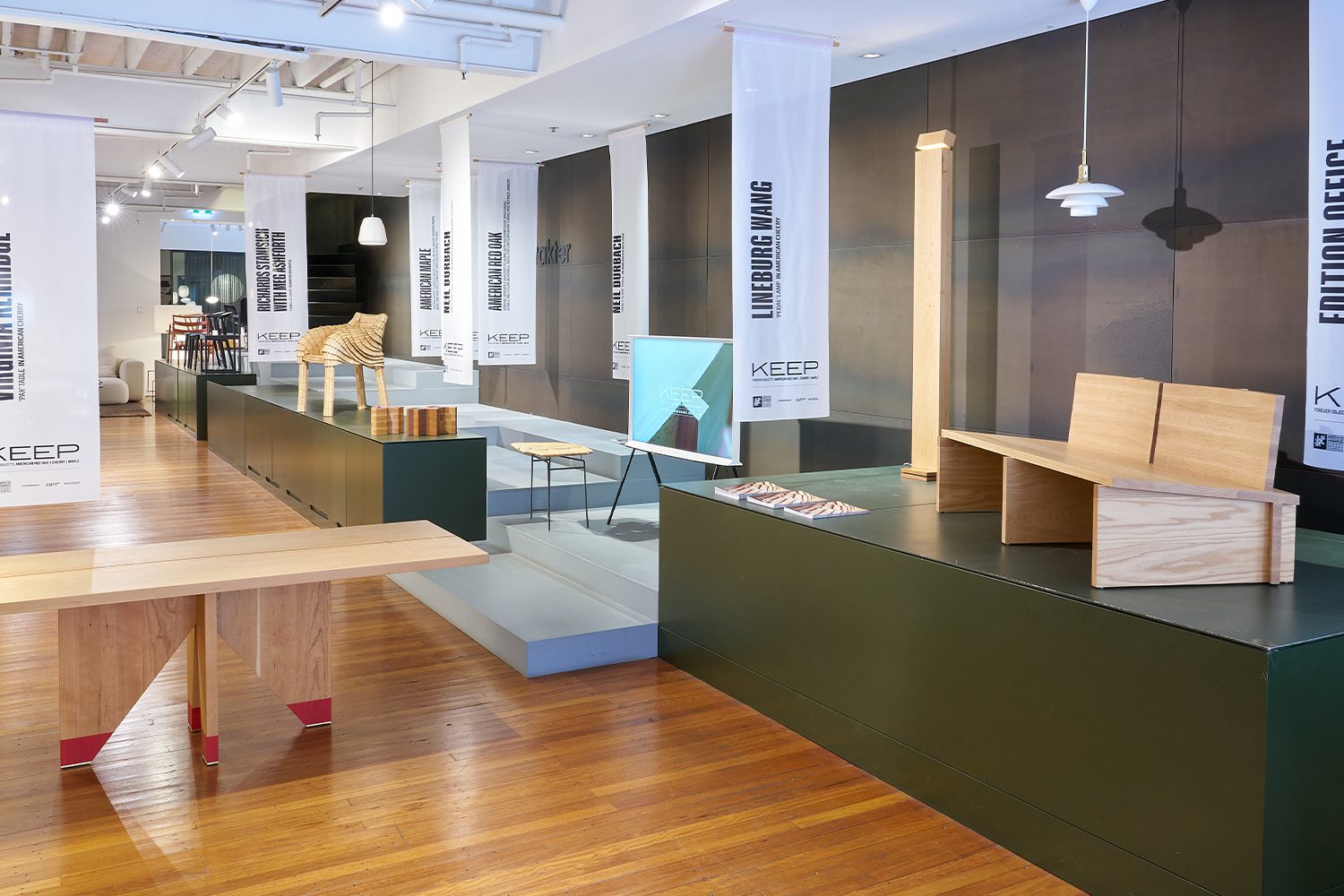
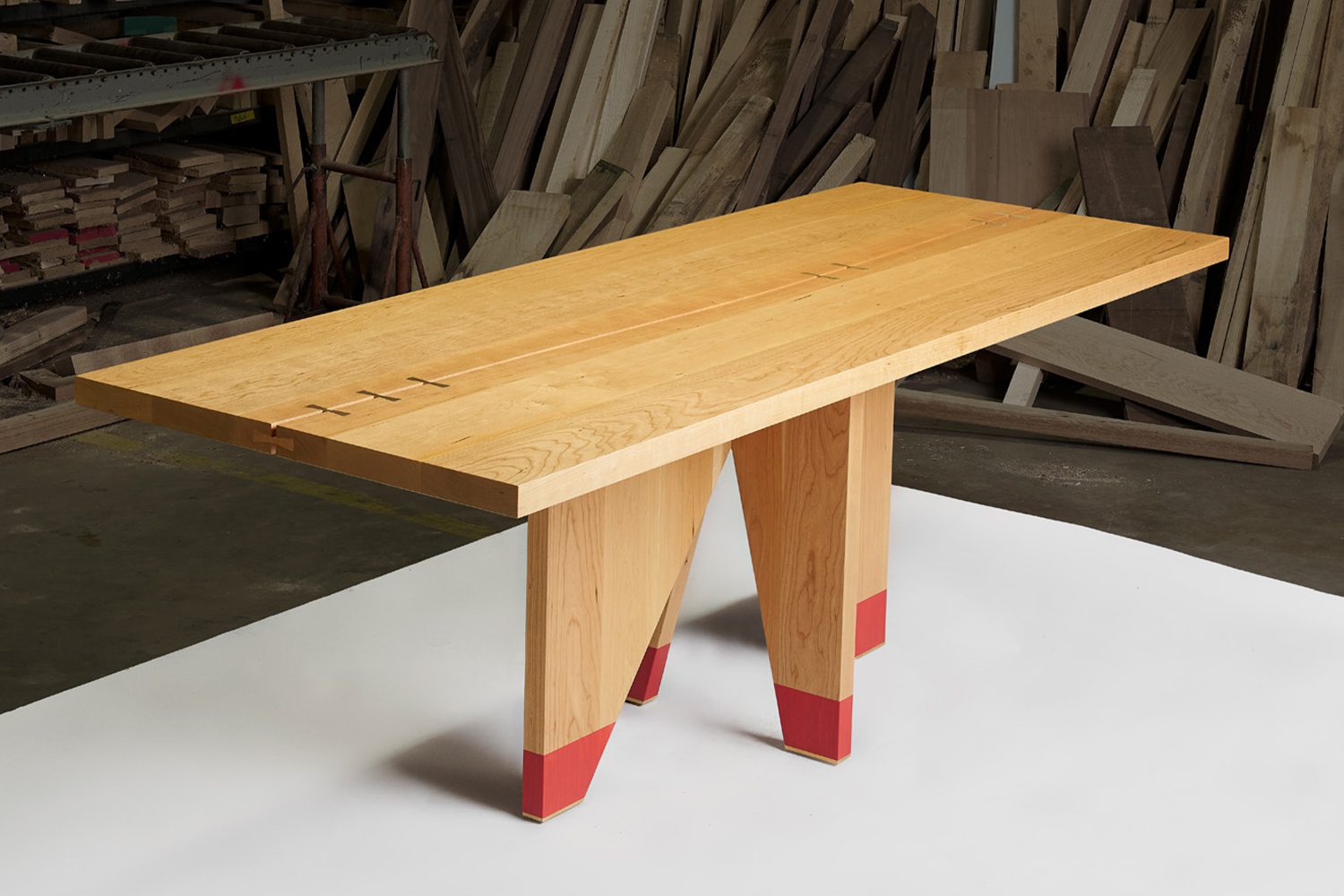
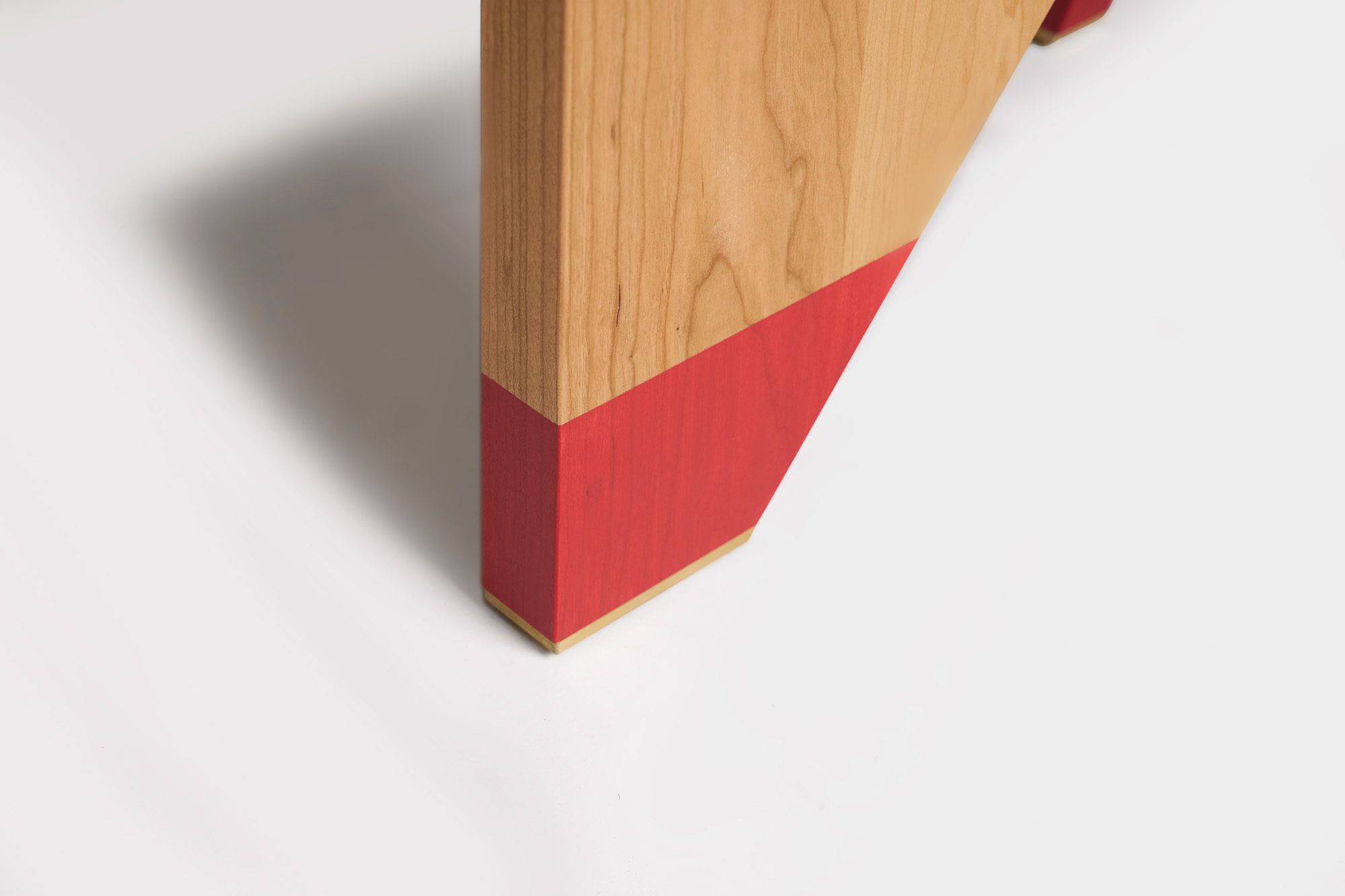
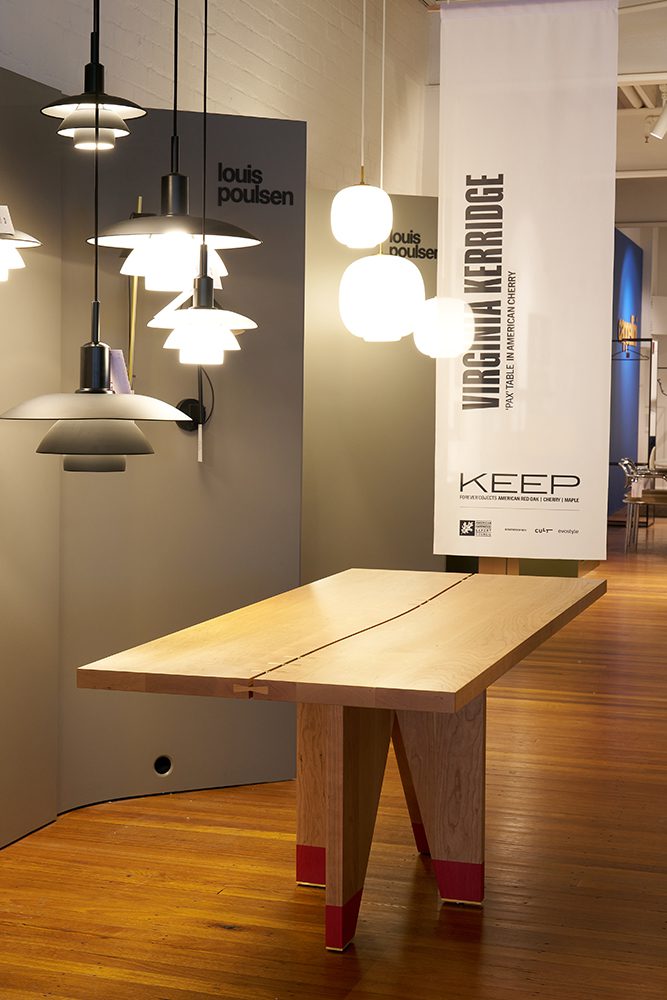
The second piece is ‘Pax,’ a rectangular American cherry table designed by Virginia Kerridge. Its most striking feature is the central cluster of legs, each finished with a vivid red stain at the feet that catches the eye.
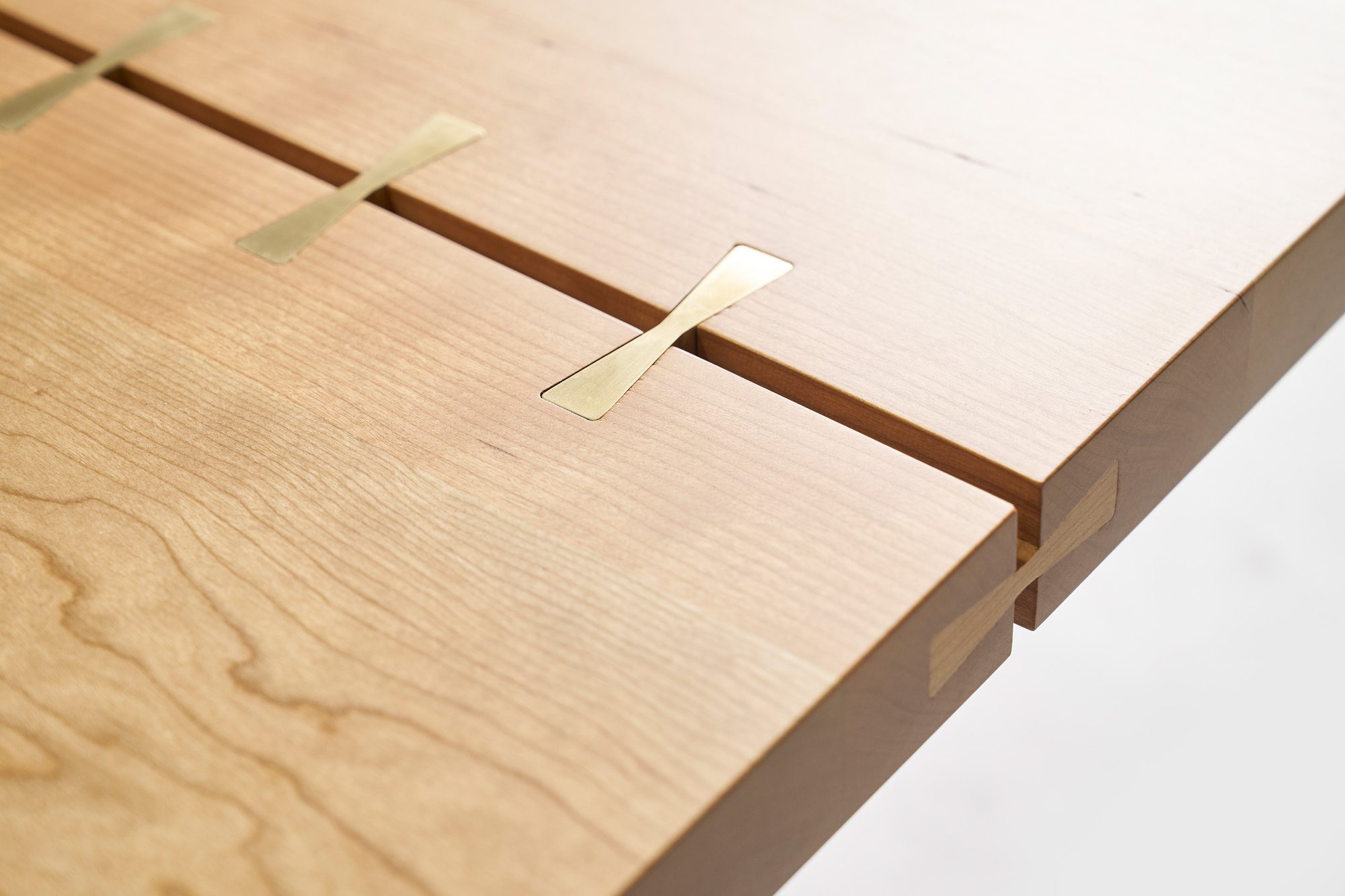
Kerridge draws on a traditional woodworking technique known as the ‘butterfly joint,’ in which a butterfly–shaped insert locks two adjoining pieces of timber together. Here, brass joints run across a recessed groove that follows the natural grain line, while the cuts at either end are held in place by timber butterflies on the vertical edge. Butterfly, or bow tie joints, date back to ancient times and were later revived in contemporary furniture-making through the work of Japanese American master George Nakashima, whose influence resonates in Kerridge’s approach. The table has also been designed for ease of transport. Its top can be removed from the slotted base, which itself can be taken apart and flat-packed. Its name, ‘Pax,’ comes from Kerridge’s own dog, while also echoing the X-shaped base and the idea of peace, suggesting a place where people gather and spend time together.
‘Pedal’ Lamp – American cherry
Lineburg Wang
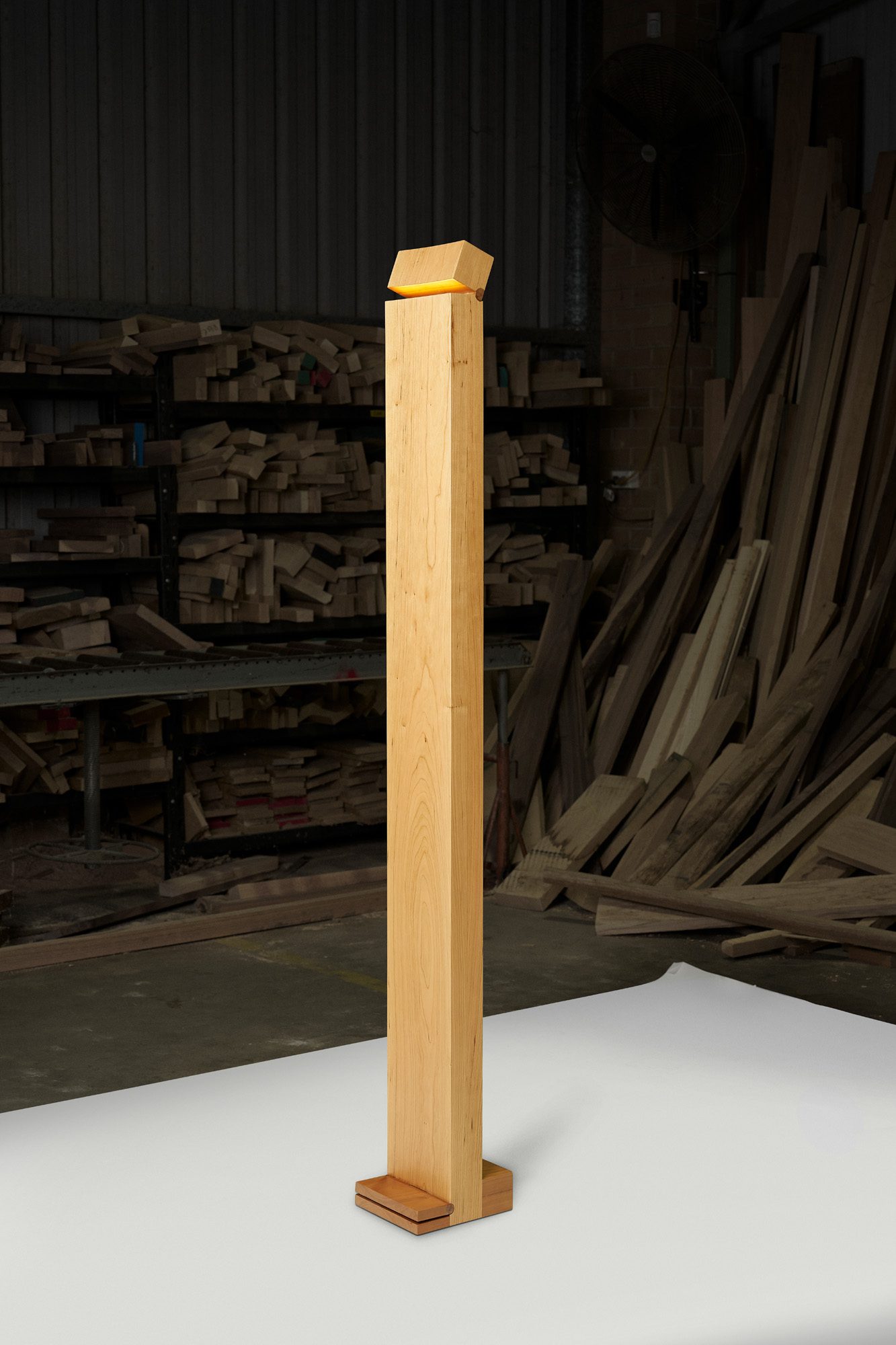
Next is the ‘Pedal’ Lamp, crafted from American cherry by Michael Lineburg and Lynn Wang, founders of the Brisbane-based studio Lineburg Wang. At first glance, the piece appears as a simple, upright timber monolith, its subtly flared top allowing a gentle glow to escape. Yet a closer inspection reveals a series of thoughtful details that reflect the designers’ fascination with movement, balance, and the operability of a moveable object. The pair set out to create a lamp that resembled a solid block of timber, but one that would reveal its complexity through interaction. Their inspiration came from an everyday object: the foot pedal of a roadside bin. In this lamp, that familiar opening mechanism is reinterpreted at the top of the timber form. When the lid is lifted, a hidden light source gradually reveals itself from within. To intensify the glow, the designers applied a high-gloss finish to the interior surface, ensuring that the upper section of the lamp becomes as luminous as possible.
‘Lamella’ Chair – American maple
Richards Stanisich with Meg Ashforth
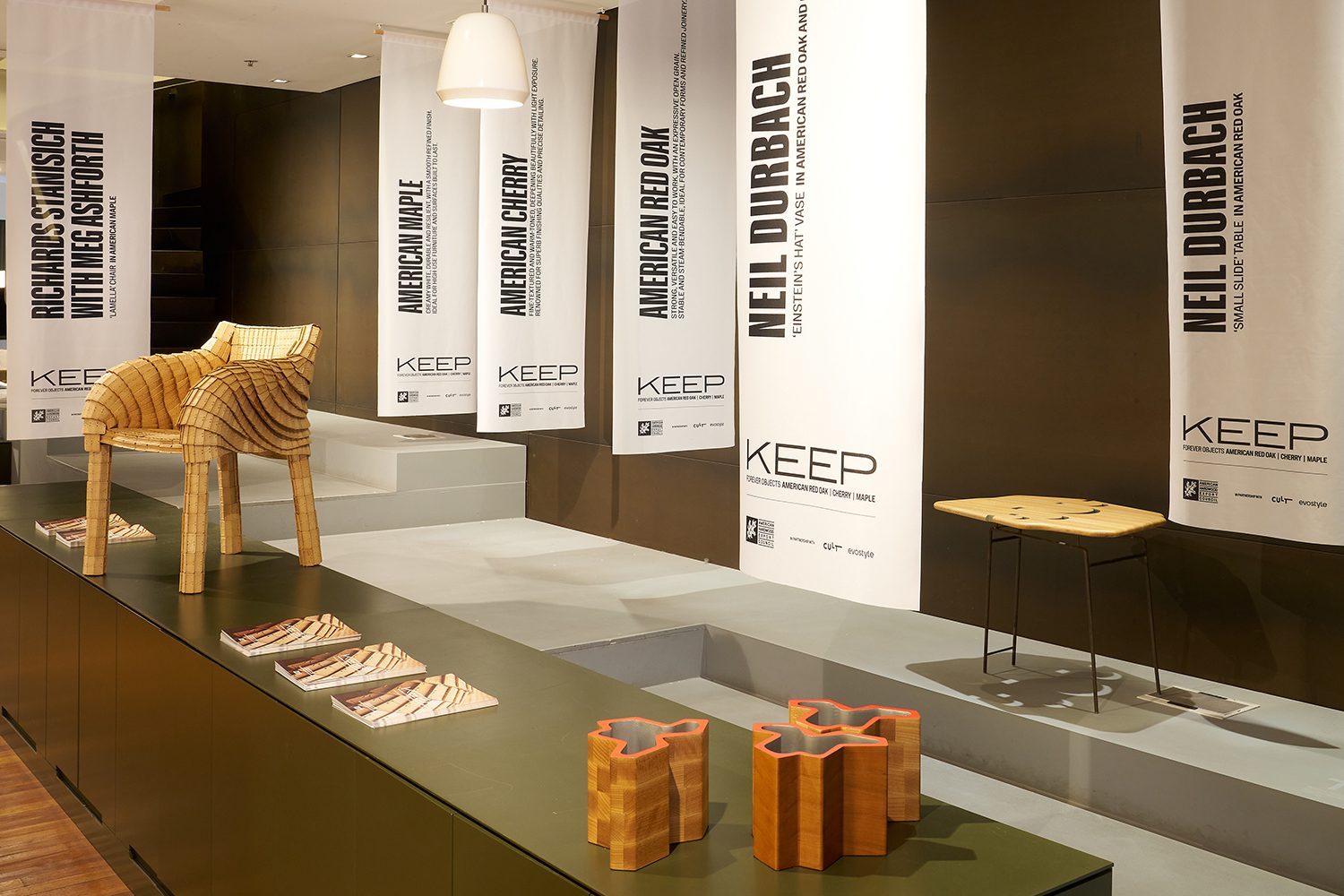
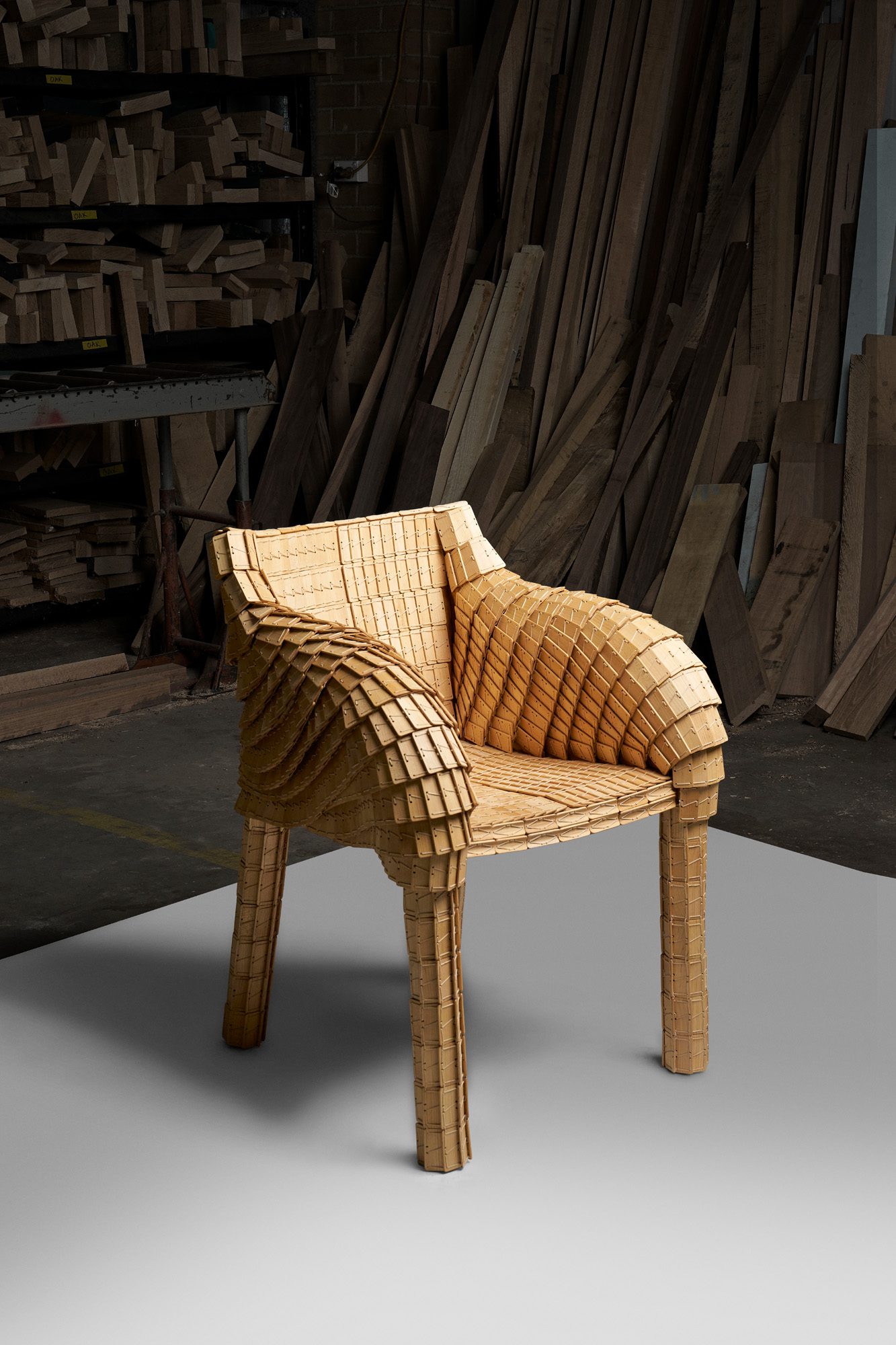
Continuing with American maple is the ‘Lamella’ Chair by Richards Stanisich in collaboration with Meg Ashforth. The design draws inspiration from the lamella, a thin, layered structure commonly referenced in biology, as well as from the tiered construction of Japanese medieval armour.
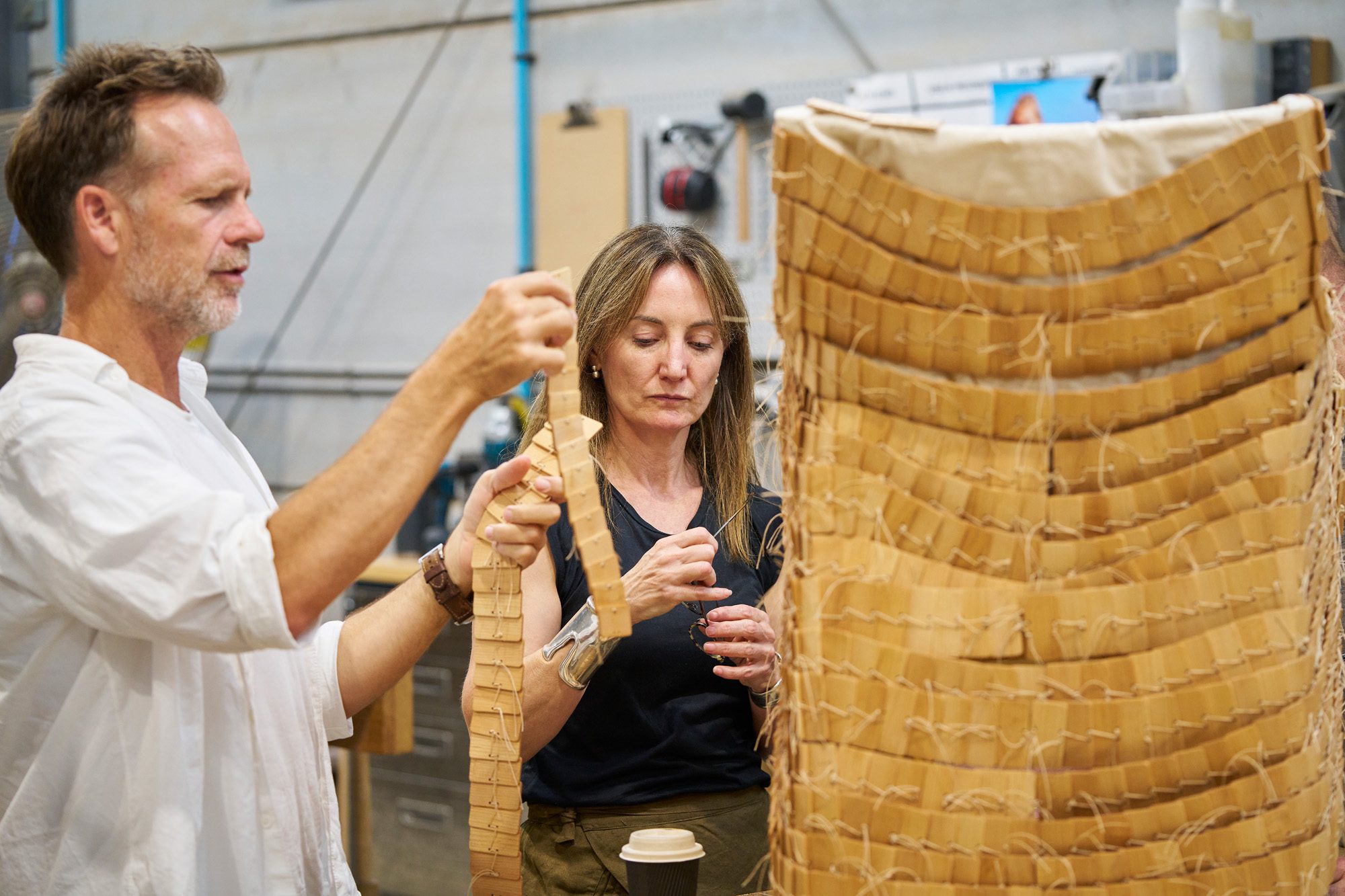
The chair is composed of hundreds of small timber tiles, each meticulously hand-stitched, then removed and reapplied through multiple rounds of assembly to determine the most effective way to drape and connect them across the form. The project also benefited from the collaboration of Meg Ashforth, a prominent costume designer known for her work on films such as Mad Max: Fury Road, who shares a deep fascination with Japanese armour. Her involvement led to six full weeks of additional hand sewing and making, resulting in a piece that seamlessly merges design, craftsmanship, and art into a single expressive object.
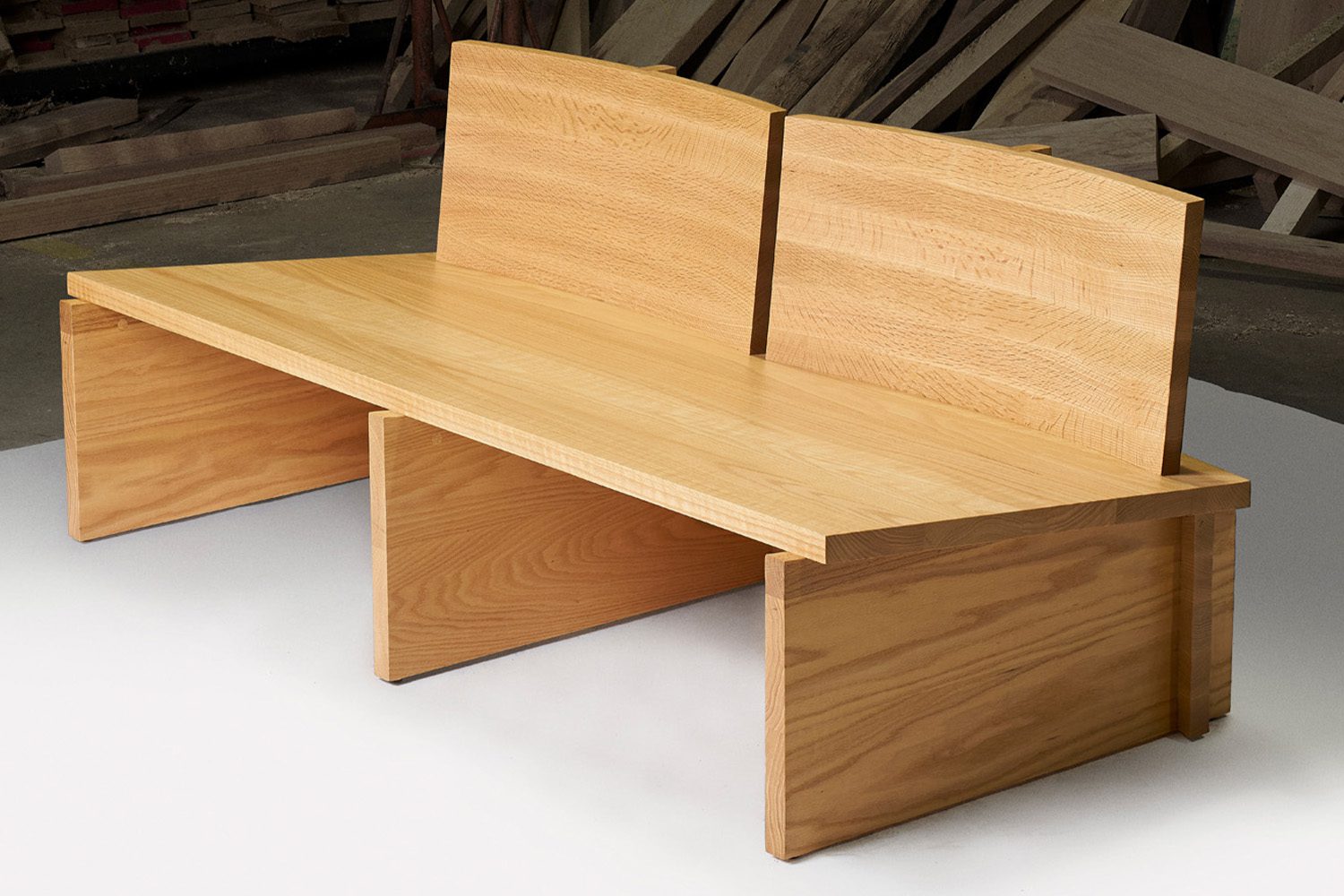
‘Twin’ Bench – American red oak
Edition Office
The ‘Twin’ Bench, crafted from American red oak, is designed by Kim Bridgland and Aaron Roberts, founders of the Melbourne-based studio Edition Office. The piece builds on the studio’s earlier furniture designed for a renovation project to a rural Victorian house by Melbourne modernist architect Paul Couch. The house was arranged around four timber water tanks, and these cylindrical structures became a central source of inspiration for the new series.
As a continuation of that earlier work, the ‘Twin’ Bench is conceived as a generous two-seater that offers extra width and comfort. The designers also drew inspiration from the late-20th-century industrial architecture photographs of German duo Bernd and Hilla Becher, whose precise documentation of utilitarian structures sharpened their focus on the construction logic of timber water tanks. This led the pair to move away from plastic-based forms and instead study how timber is assembled, particularly the visual and structural relationship between curved and straight components. They explored ways in which joints could slide past one another, resulting in a backrest that reveals these joinery in clear, beautiful detail.
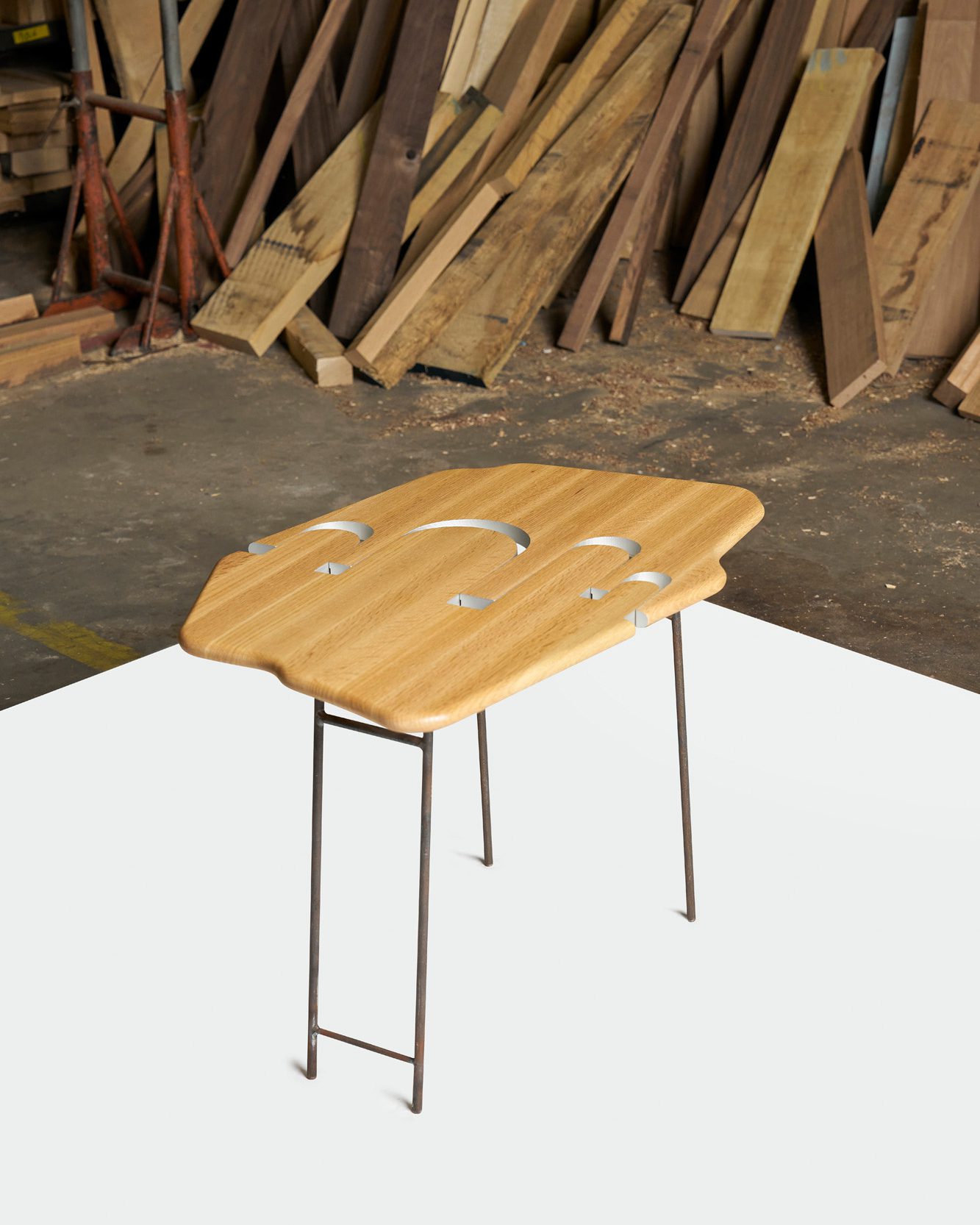
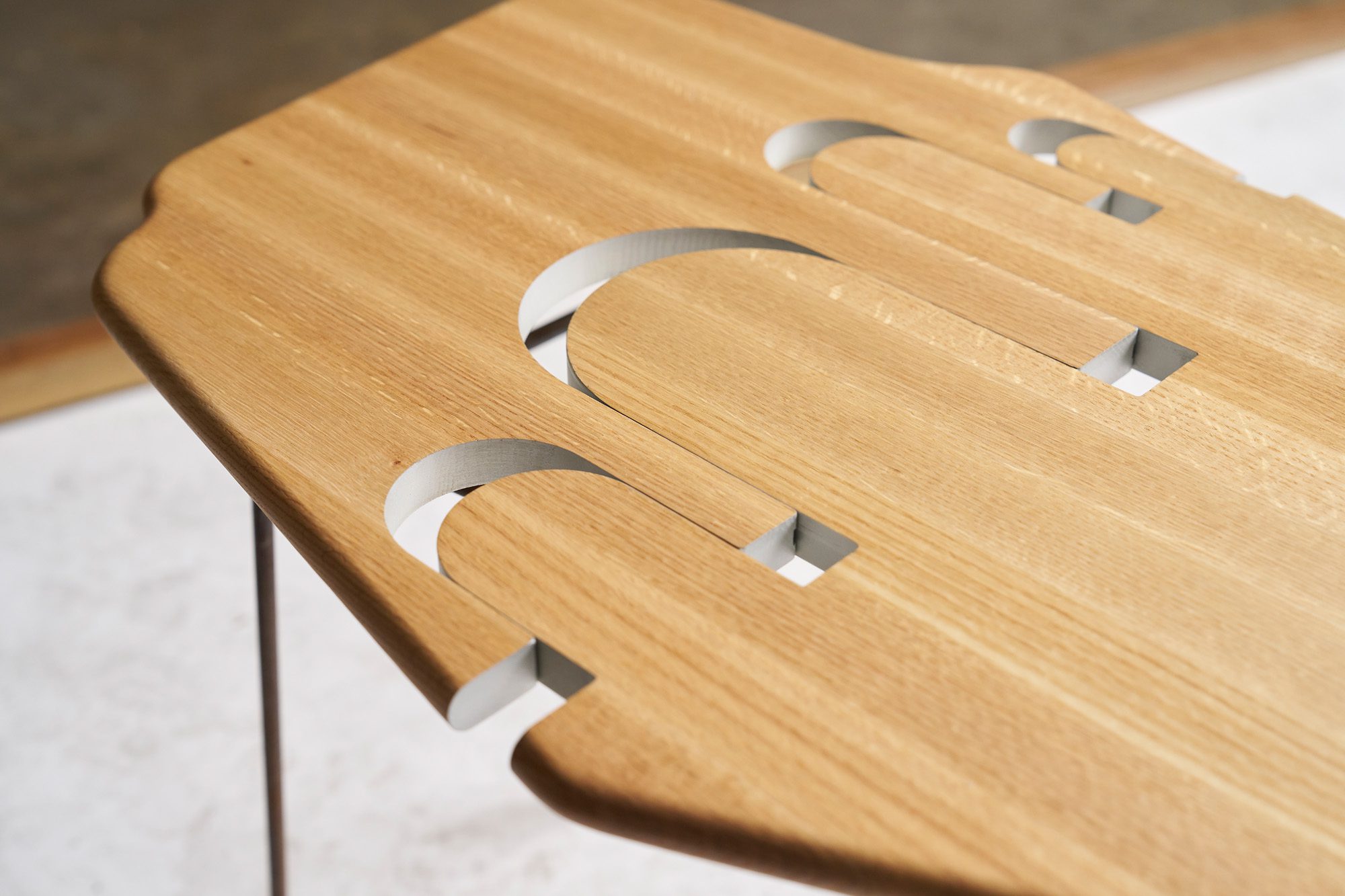
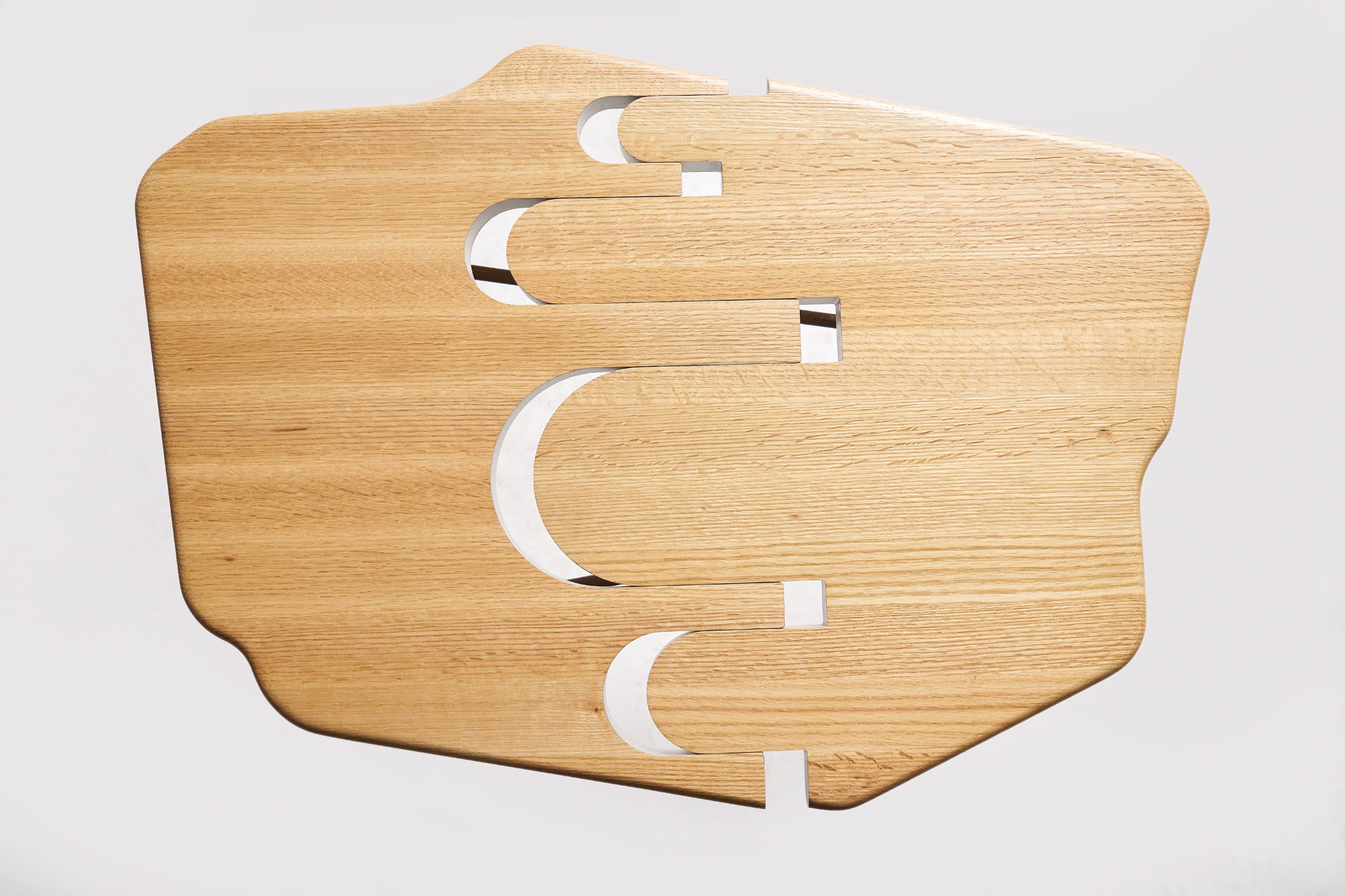
‘Small Slide’ Table – American red oak and ‘Einstein’s Hat’ Vase – American red oak and cherry
Neil Durbach
The ‘Small Slide’ Table, made from American red oak, and the ‘Einstein’s Hat’ Vase, crafted from American red oak and cherry, are both designed by Neil Durbach.
The ‘Small Slide’ Table is a development of an earlier prototype, reinterpreting a traditional sliding table in a smaller, more compact form while retaining its distinctive charm. At the centre, the tabletop can slide apart by only a few centimetres, just enough to reveal a metallic surface within. This narrow gap catches light and casts what Durbach describes as ‘shadows that seem to be like smiles.’ Viewed from above, the table’s outline takes on the appearance of a geometric cross-section of a tree.
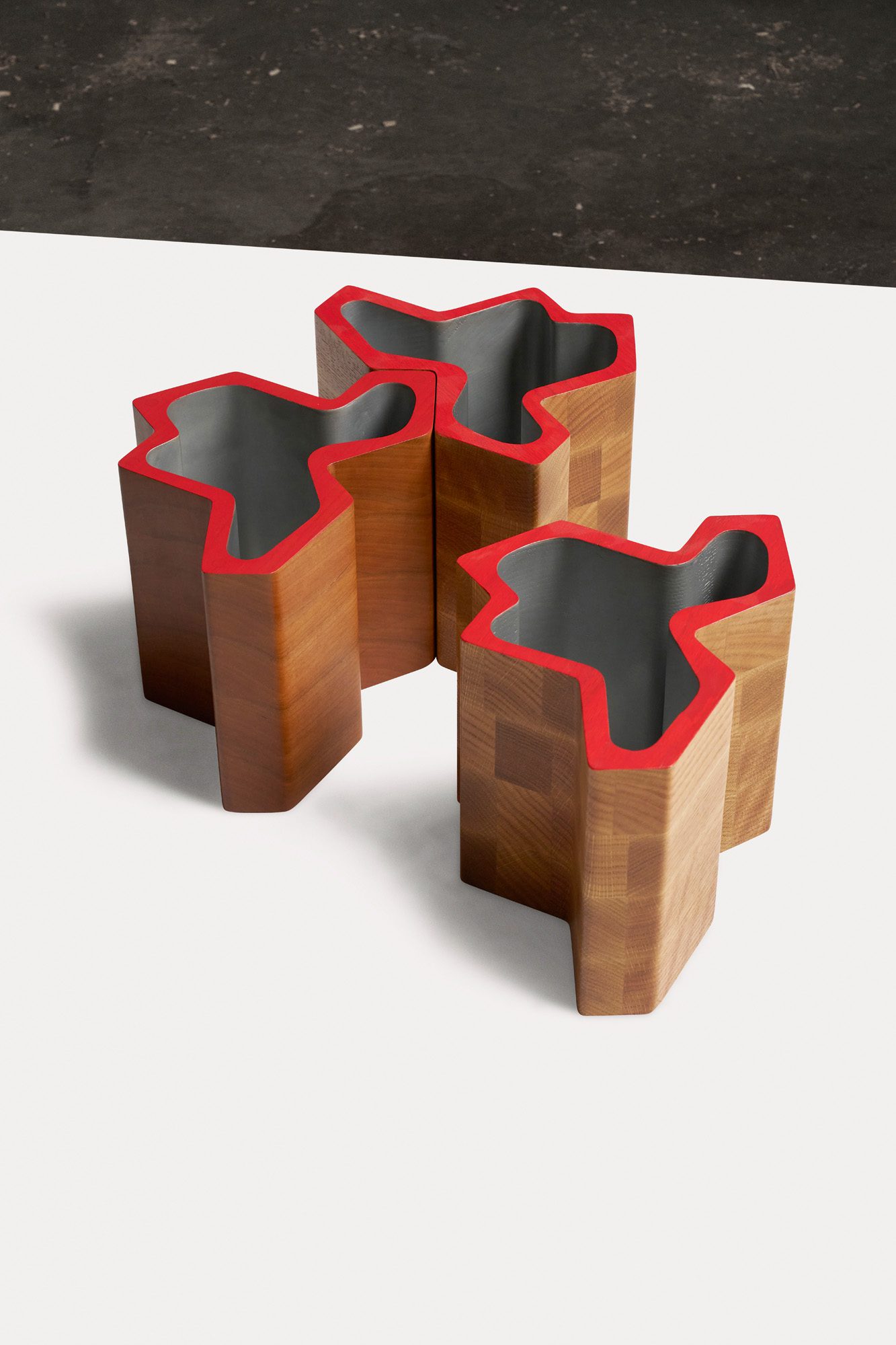
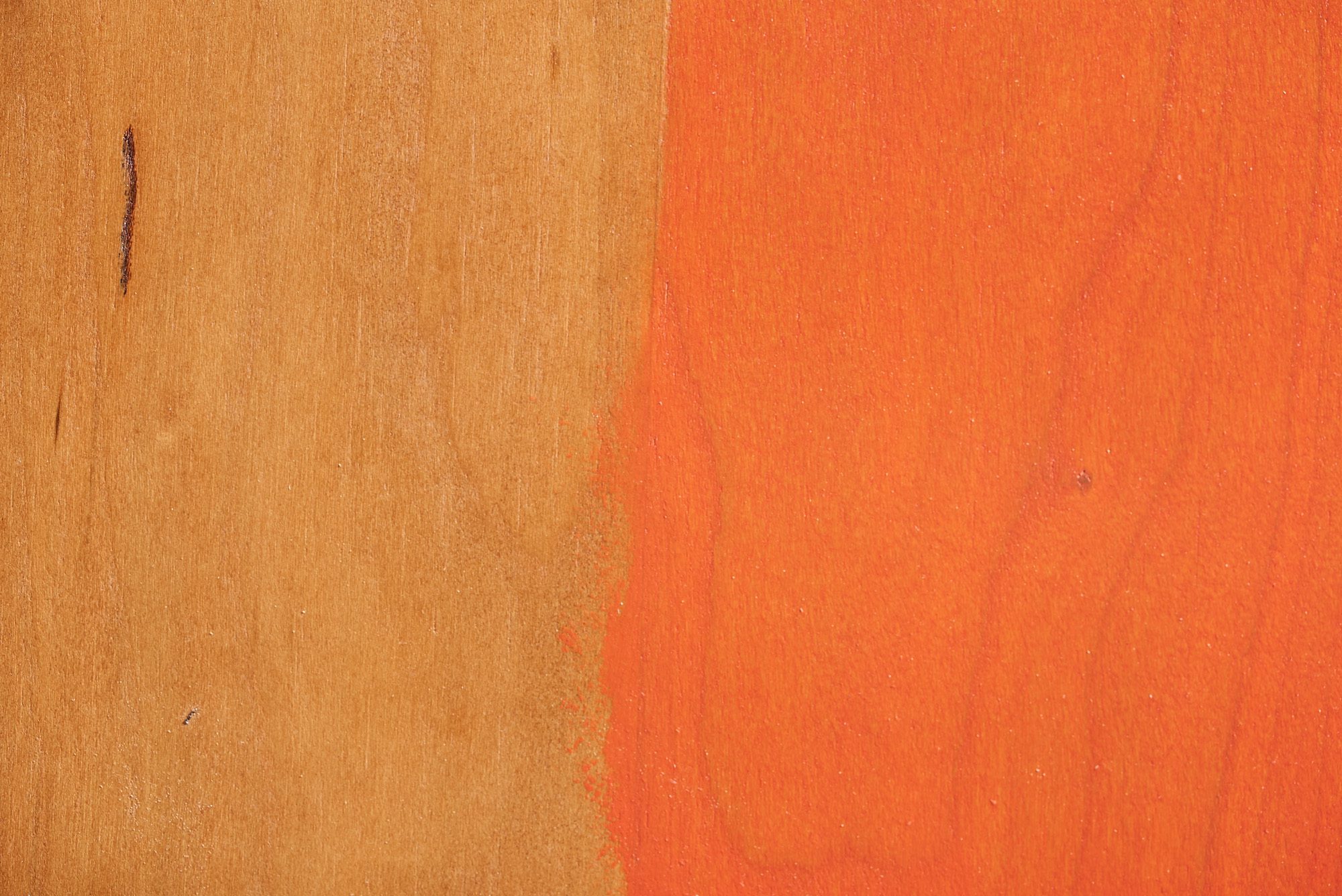
The vivid red ‘Einstein’s Hat’ Vase draws inspiration from the iconic Aalto Vase. Its form is constructed from thirteen individual timber segments, connected using the mathematical principle of aperiodic tiling, in which shapes can be arranged together without ever repeating the overall pattern. As a result, no two pieces of timber in the vase are identical. The work also posed a technical challenge in bending wood and designing a vessel intended to hold water. To address this, the interior is coated with a high-gloss finish that protects against moisture while creating a reflective surface that enhances light inside the vase.
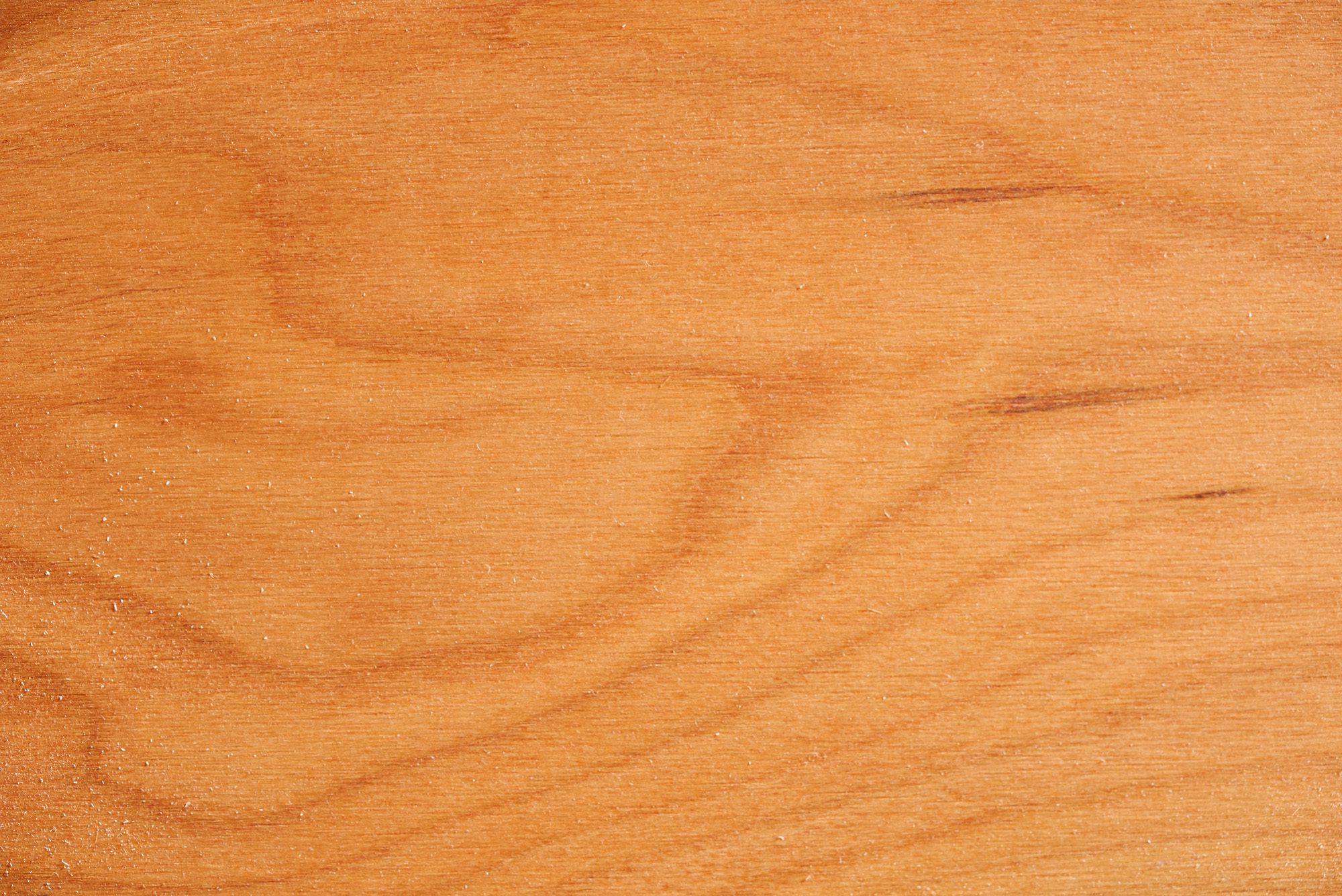
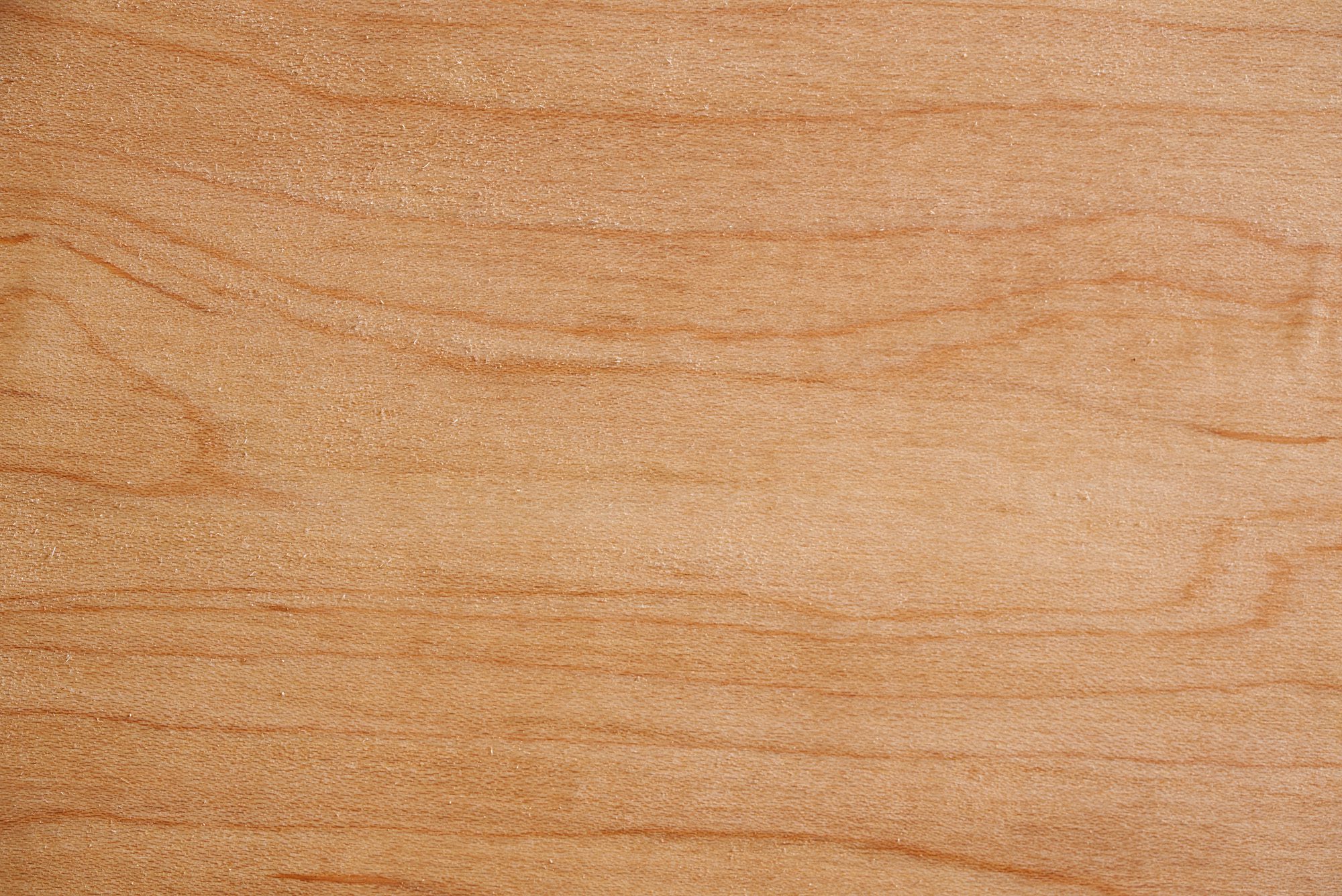
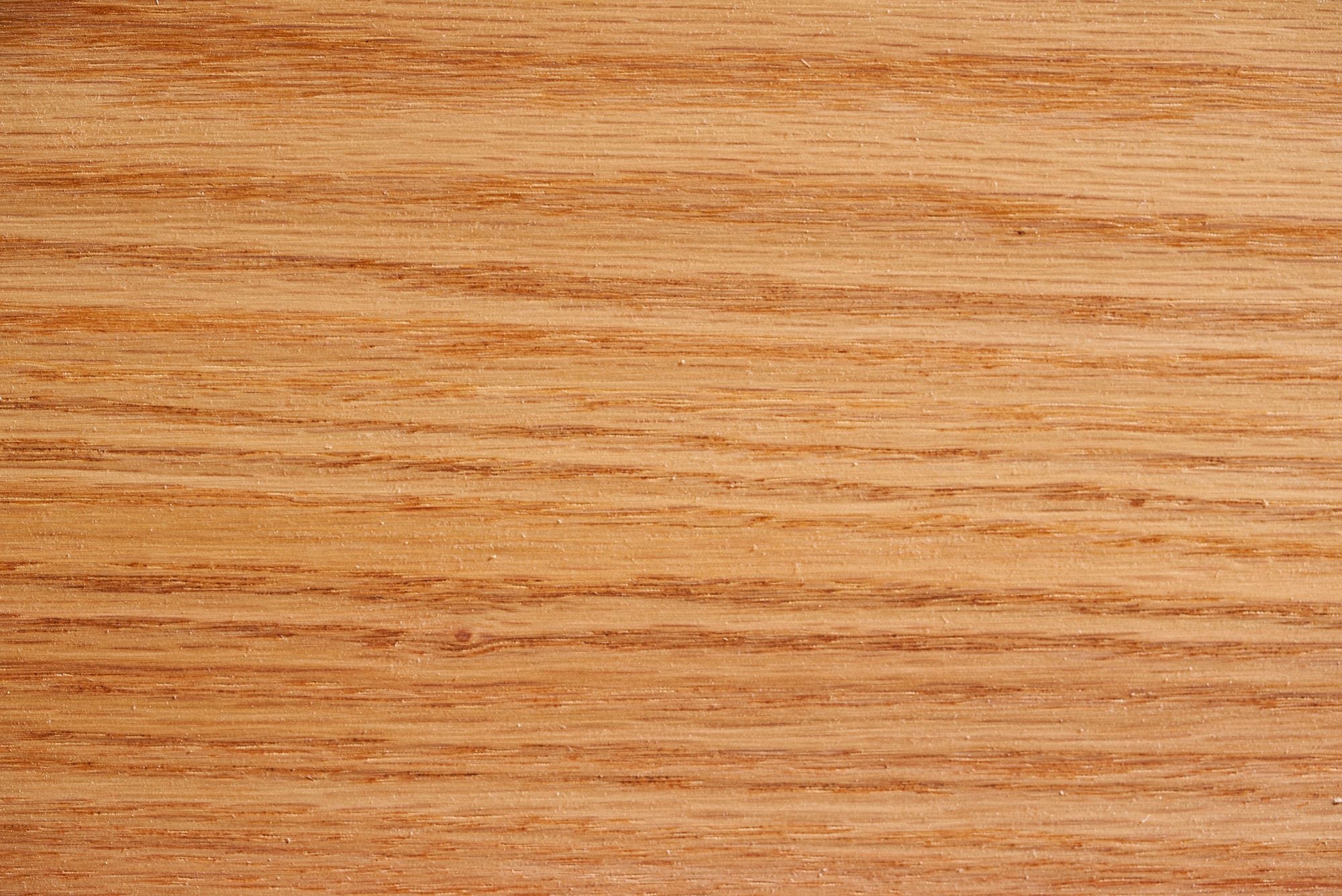
All seven furniture pieces in the exhibition – from lamps to chairs and benches – were crafted from just three species of American hardwood:
• American red oak (Quercus rubra) A highly abundant and versatile hardwood, valued for its strength and distinctive grain.
• American hard maple (Acer saccharum) Creamy white in colour, exceptionally durable, with a naturally smooth, refined finish.
• American cherry (Prunus serotina) Warm-toned, highly workable, and known for deepening in colour as the timber ages.
These three hardwood species are sustainably grown in the vast hardwood forests of the United States through a carefully managed and well-established forestry system. Growth in these forests outpaces harvest, and independent life-cycle assessments confirm that American hardwoods store more carbon than they release throughout harvesting, processing, and transportation from the U.S. to Australia.
In closing, Rod Wiles, Regional Director of the American Hardwood Export Council, adds: “KEEP is a reminder that the things we choose to live with can carry meaning and memory. These works are made to endure, not just in use, but in the stories they can hold. We are thrilled to have been able to introduce the architects to 3 of the most beautiful species of American hardwood to realise their designs. These three species represent a significant percentage of the available hardwood growing stock, and it is important that the Australian design community is able to learn about them and experiment with their potential.”