
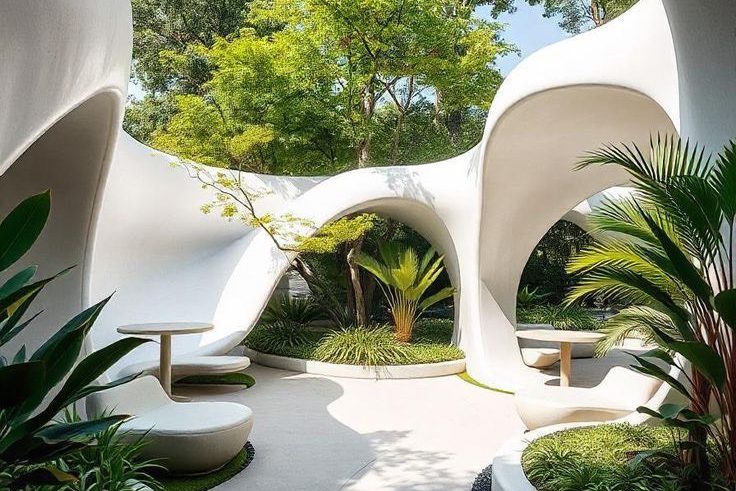
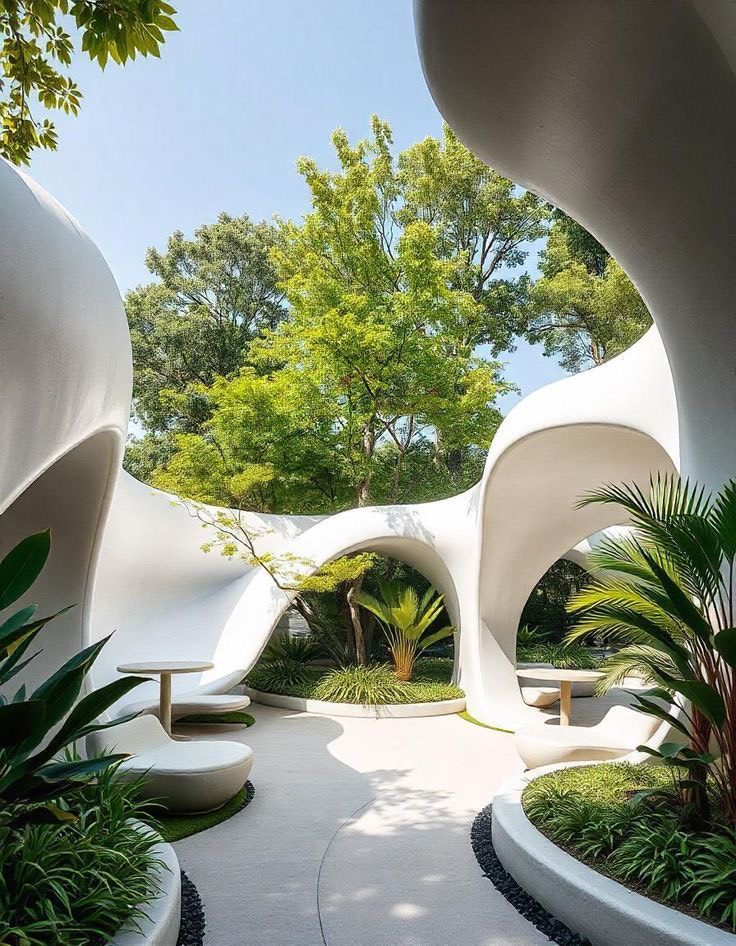
LAVAMIC-THE MATERIAL THAT BRIDGES CREATIVITY TO THE CONSTRUCTION BY ‘FREEFORM’ INNOVATION, WHERE AESTHETICS MEETS POSSIBILITY
TEXT: PRAT TINRAT
PHOTO COURTESY OF LAVAMIC
(For Thai, press here)
In architecture, ‘materials are never merely technical selections; they are part of a design intelligence that determines the limits and possibilities of imagination and form.’ Their role extends from the earliest conceptual stages to the built realities that eventually take shape in space.
This article explores Lavamic, a material developed to bridge creative ambition with the practical realities of construction within the context of contemporary architecture. When form, concept, and material are developed in parallel, design is no longer bound by technical constraints alone.
Introduction to Lavamic: Understanding Freeform Material Through the Lens of Design
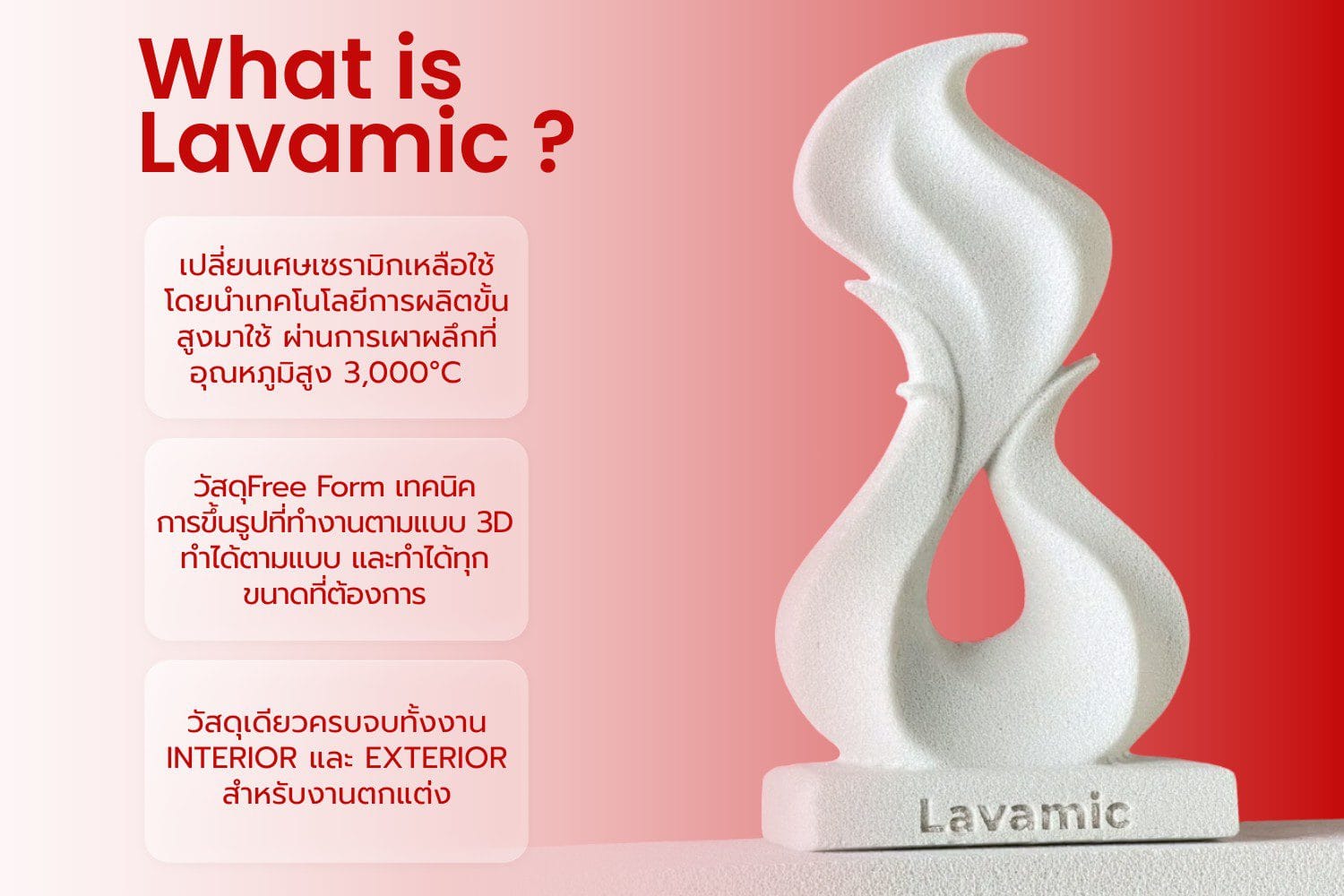
Architectural design often begins with an understanding of a material’s potential and limitations, unfolding alongside the development of form and concept. Lavamic is an innovative freeform material for design and architecture, developed to engage with the designer’s process from the very beginning. It allows for greater freedom of form, enables precise geometric control through digital design processes, and can be applied in both interior settings and exterior façades.
Key Features of Lavamic
- Supports freeform and double-curved design with a high degree of flexibility
- Lightweight yet durable, helping to reduce structural load
- Produced through a digital fabrication process, enabling precise formal control from the design stage onward
- Suitable for both interior and exterior applications within a single material system
Interior Space: When Curved Forms Escape the Limits of the Job Site
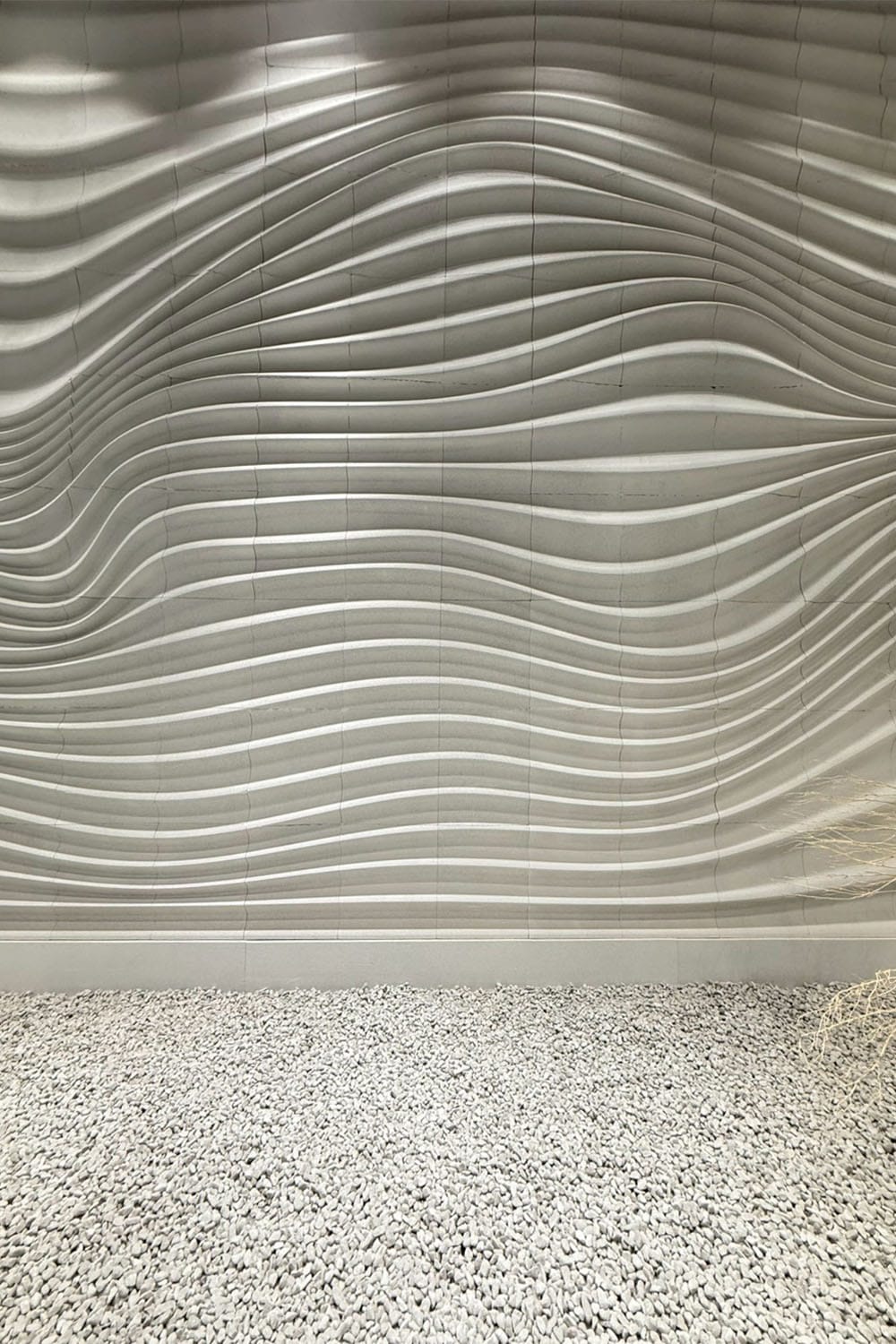
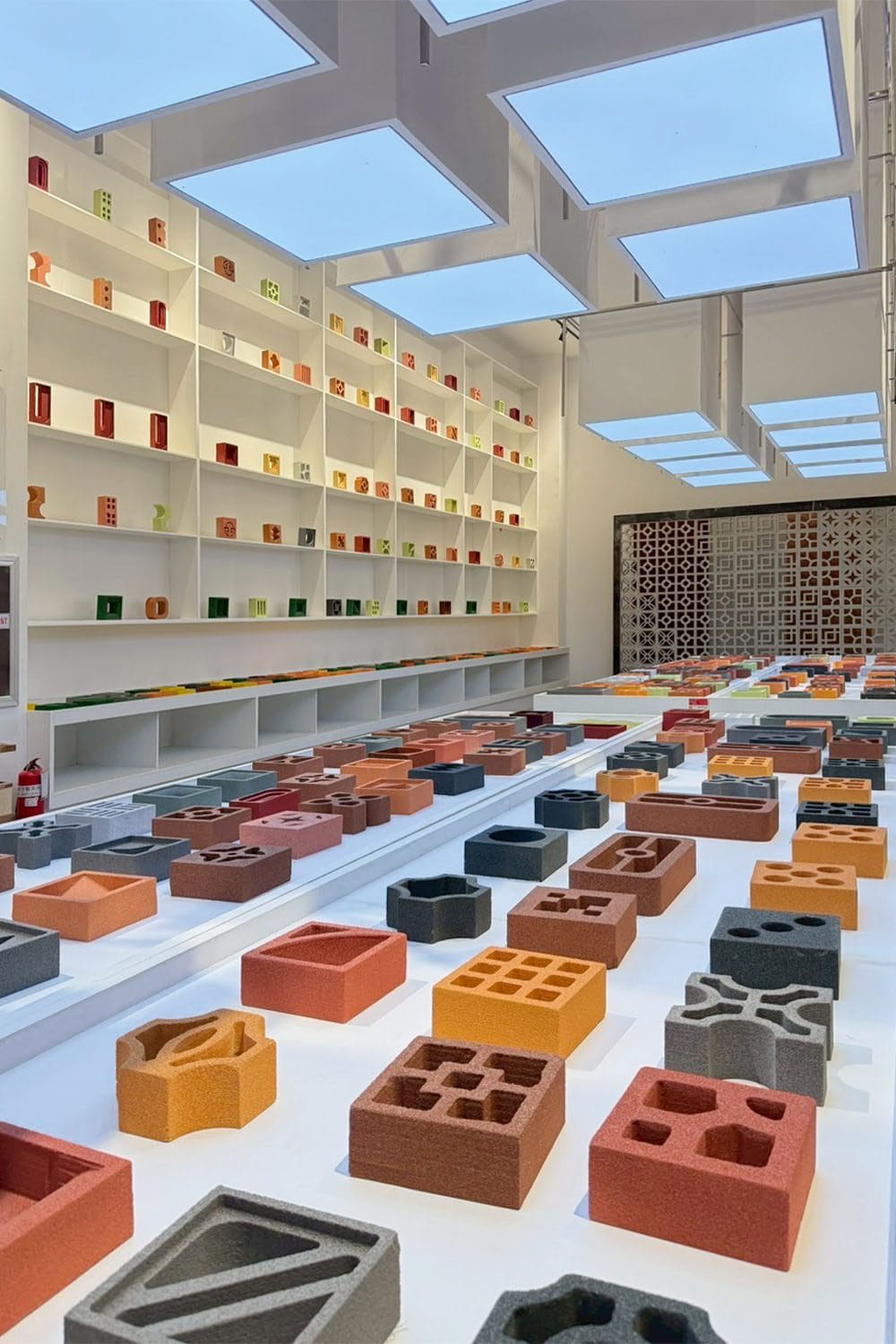
In interior design, giving walls dimension through conventional materials often relies heavily on on-site workmanship, with precision and timelines subject to the realities of construction. Lavamic proposes a different approach. Through a highly accurate digital design and fabrication process, complex curves and fluid lines can be translated from concept to finished surface with far greater fidelity to the original design intent. The material supports a wide range of applications, from 3D wall art blocks to mouldings and trim details. Its lightweight yet durable composition also helps reduce structural load, allowing architects to shape walls and interior elements with greater depth, character, and a stronger sense of identity. Beyond its formal possibilities, Lavamic also contributes to spatial comfort through its inherent thermal insulation and sound-absorbing properties.
When curved forms can be precisely controlled from design development through fabrication, interior spaces no longer need to negotiate between visual ambition and construction feasibility. Lavamic allows complex interior design to be realized with confidence, bringing a higher degree of control, precision, and reliability to the on-site process.
Exterior Skin: Freeform Façades Without Structural Excess
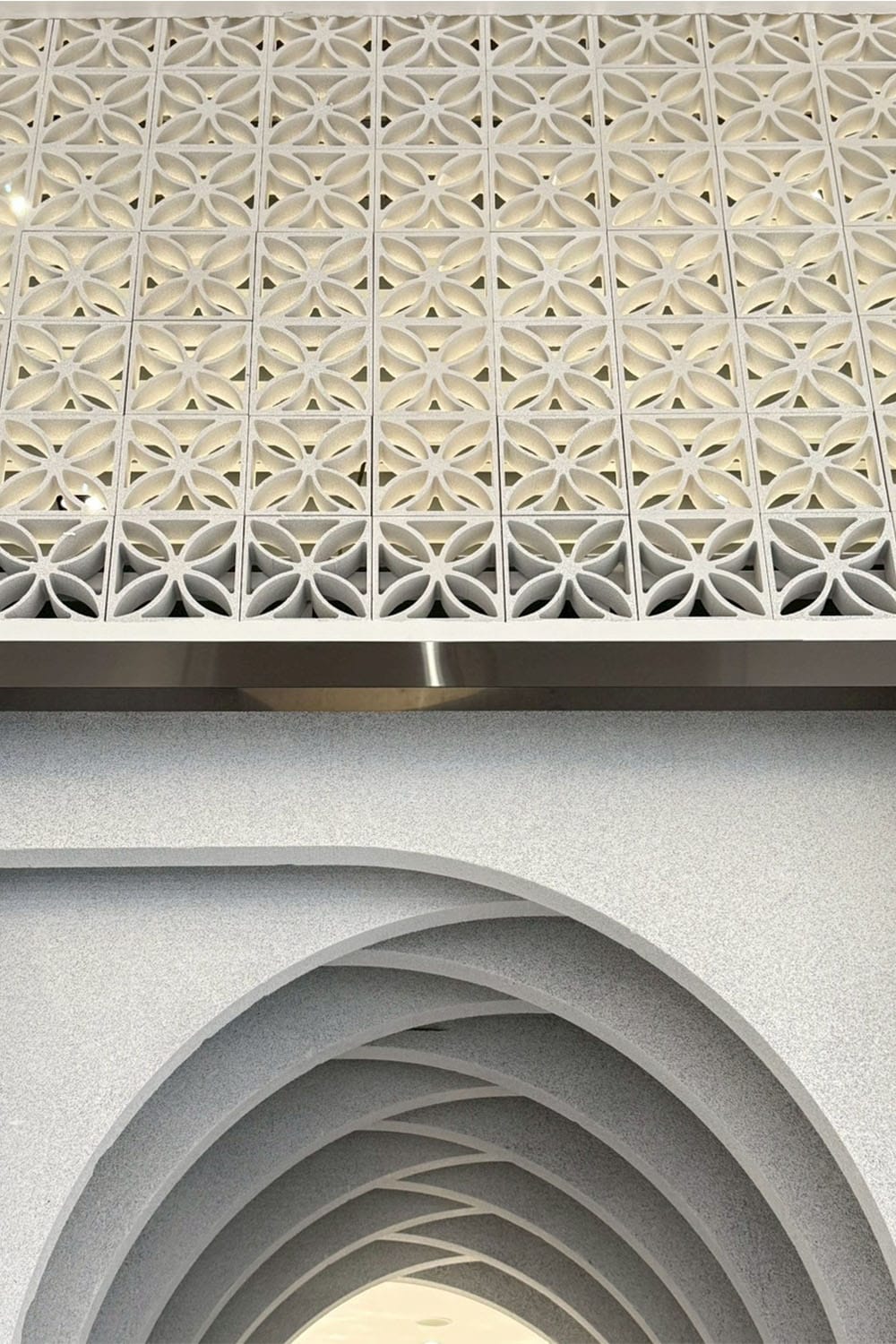
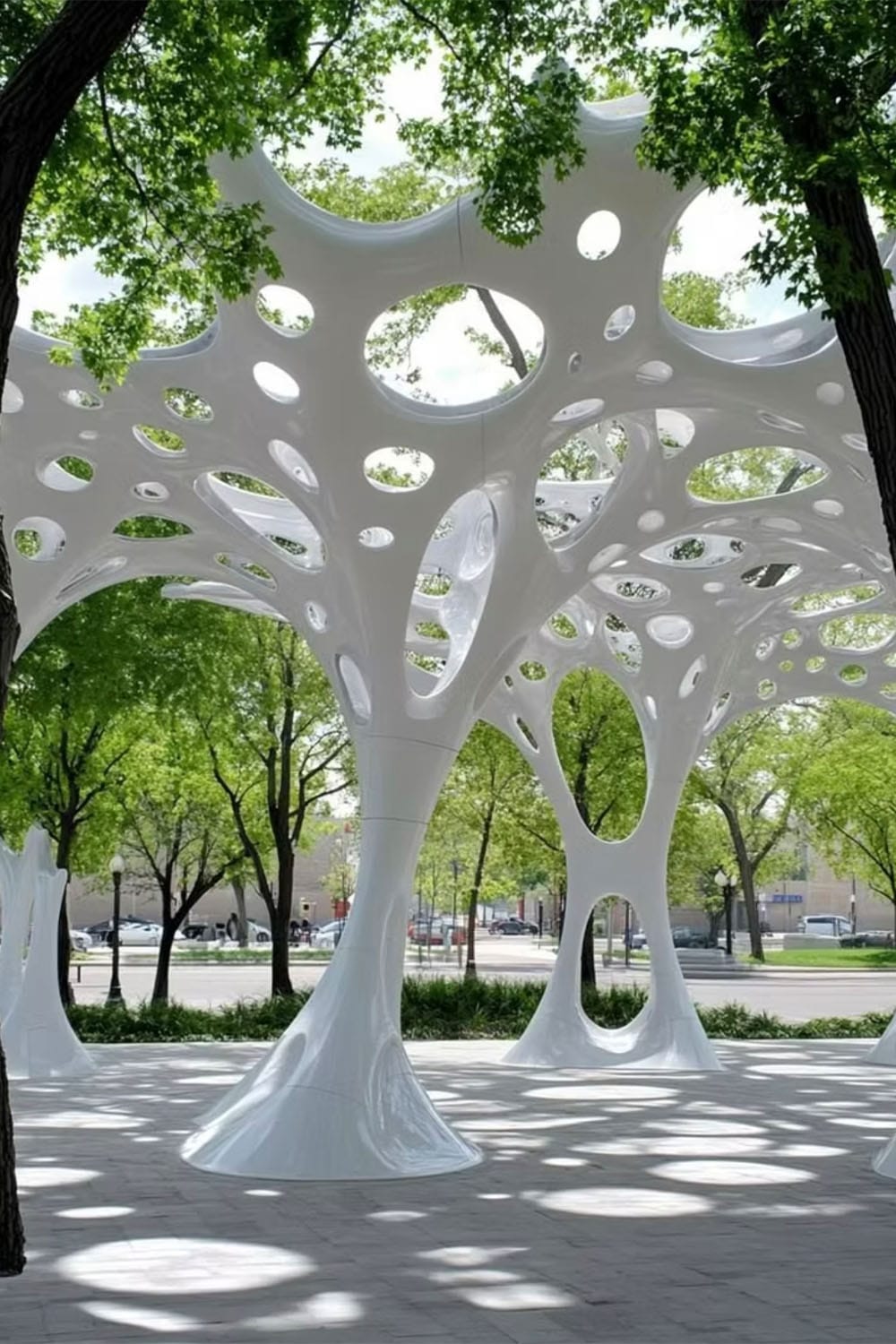
A building envelope is the first element through which architecture communicates its ideas, articulated through rhythm, curvature, and surface. Yet conventional materials such as aluminum cladding or GRC often come with limitations of form or weight, requiring substantial supporting structures to realize more complex geometries. Lavamic offers a new alternative, giving architects greater freedom to design freeform façades without relying on overly complicated structural systems. This makes it possible to manage budgets more effectively from the design stage onward, while also delivering the durability required for exterior conditions. The material is equally suited to both new construction and renovation projects, particularly those seeking to transform a building’s presence through sharper, more dynamic lines.
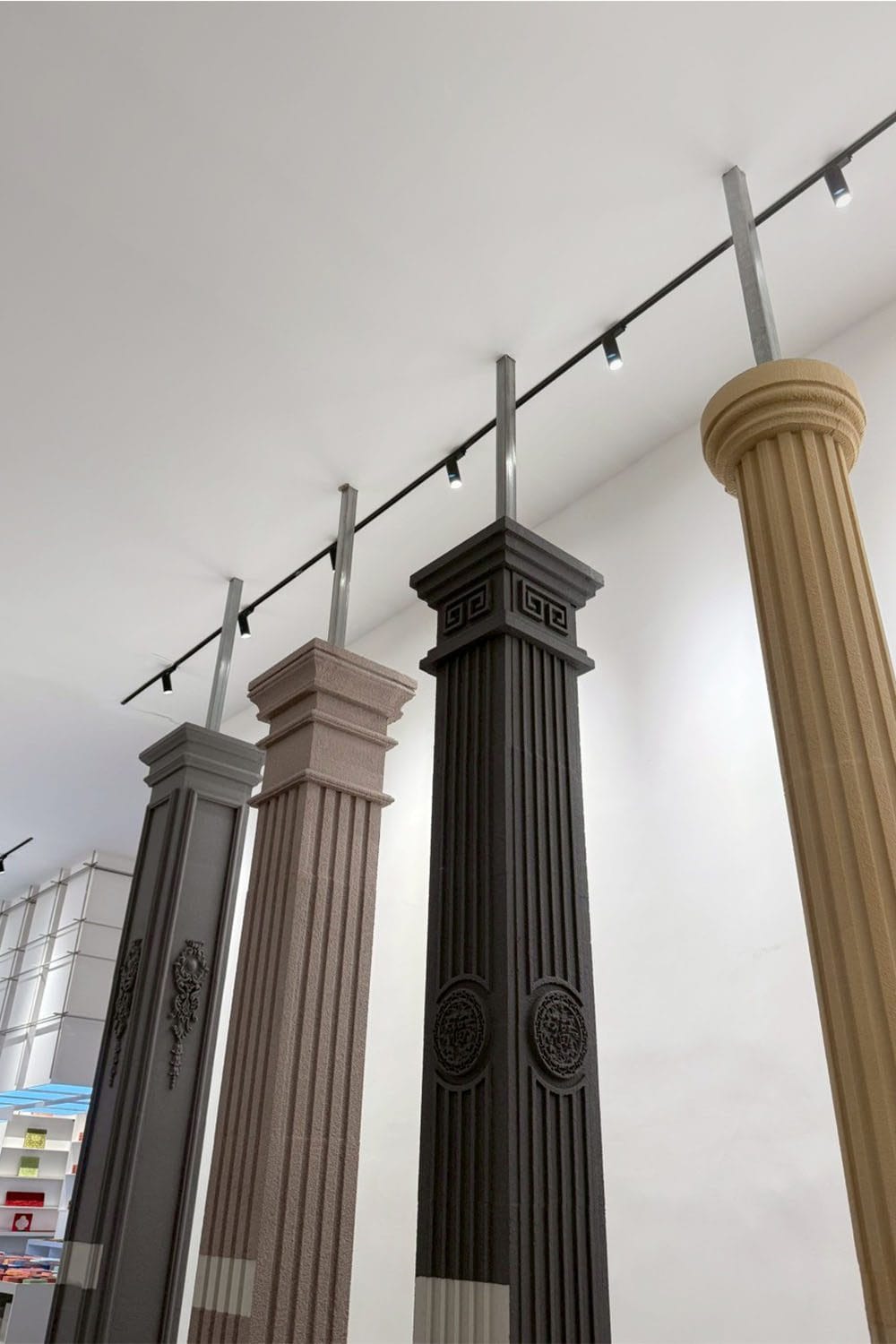
Beyond the façade itself, Lavamic can also be applied to a wide range of exterior architectural elements, including entrance portals, framing elements, columns, cornices, and landscape features, all of which demand both geometric precision and long-term environmental resilience. When the façade can function simultaneously as building envelope and as a site of formal expression, the choice of material is no longer simply a matter of appearance. It becomes a strategic design decision, one that shapes not only visual identity but also structural logic and long-term performance.
Green Innovation: Sustainability as Material Intelligence
Beyond its formal freedom, Lavamic has also been developed as an innovative material shaped by a commitment to sustainability throughout the production process. Advanced technologies are employed to optimize resource efficiency, reduce waste generated during fabrication, and account for environmental impact across the material’s lifecycle. Importantly, Lavamic has also received environmental certifications such as the Carbon Footprint of Product (CFP) and aligns with the principles of the circular economy, reflecting a production approach grounded in carbon reduction and more responsible resource use.
Sustainability, then, is not presented merely as an image or added value. It is embedded in the design and manufacturing process from the outset. Choosing Lavamic therefore becomes a decision that considers not only the value of design and long-term performance, but also cost efficiency in use and environmental impact over time.
Viewed through its role in curved and freeform applications across both interior and exterior architecture, Lavamic reveals itself as more than a material for realizing form. It is part of the thinking from the very beginning, informing the journey from concept and design development to realization. When freedom of form can move in step with material performance, specifying Lavamic becomes a strategic act, enabling architectural ideas to move seamlessly from context to contemporary construction.
For more information, please contact via
Tel: 02-0964492
or Line Official: @Chang.c