

EXPERIENCE ARCHIDEX 2025 WITH AN OVERVIEW OF ARCHITECTURE THAT OPENS NEW PERSPECTIVES ON MATERIALS, TECHNOLOGY AND REGIONAL COOPERATION
TEXT: NATHATAI TANGCHADAKORN
PHOTO: NATHATAI TANGCHADAKORN EXCEPT AS NOTED
(For Thai, press here)
ARCHIDEX has steadily grown into Malaysia’s premier architecture trade fair and conference, expanding in both scale and influence each year. For its 2025 edition, the event expanded its footprint by adding a second venue. What was once solely hosted at the Kuala Lumpur Convention Centre (KLCC) has now extended to the Malaysia International Trade and Exhibition Centre (MITEC), covering a combined area of over 34,000 square meters. The fair unfolded across two locations: MITEC from July 21 to 24, followed by KLCC from July 23 to 26, 2025.
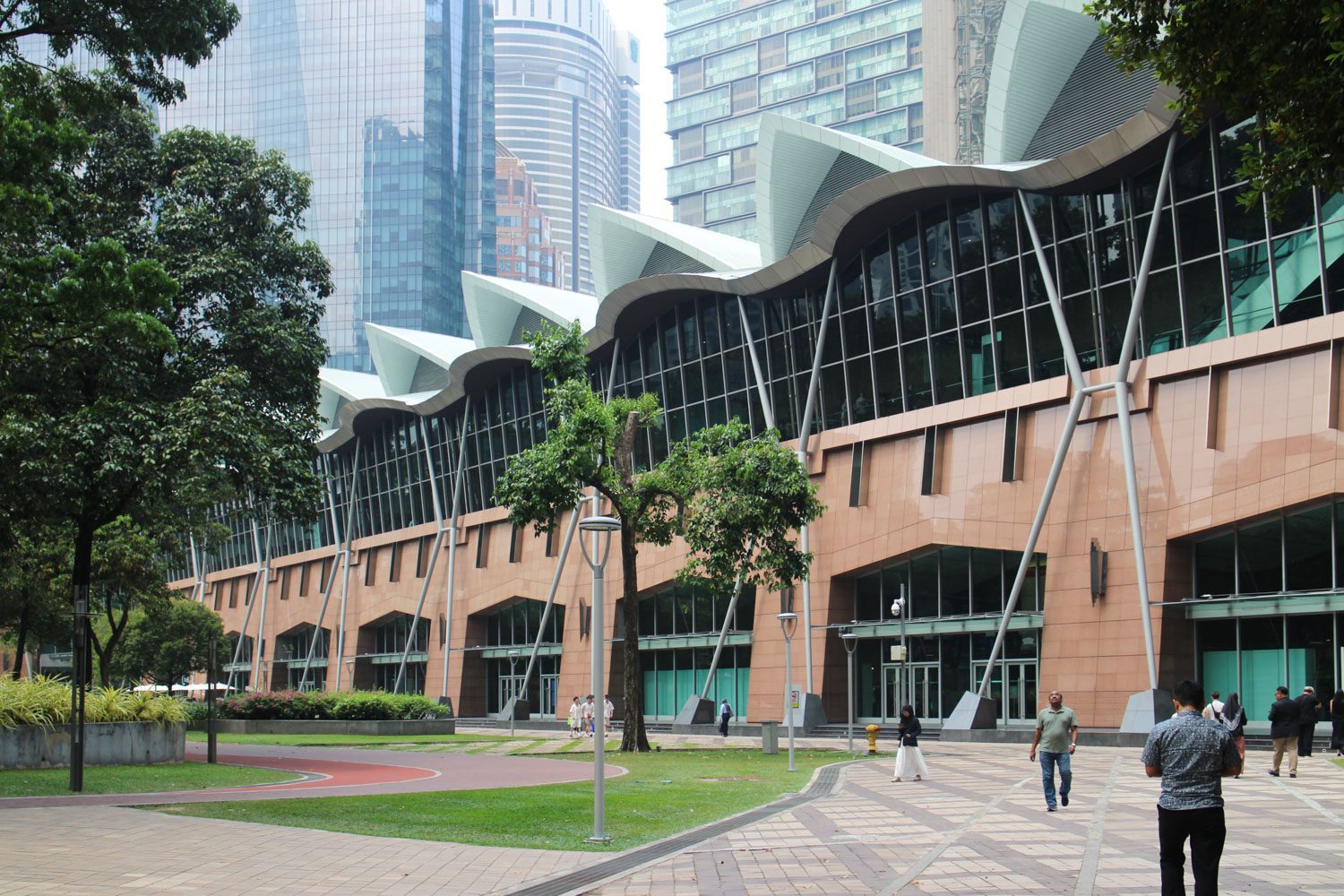
Kuala Lumpur Convention Centre (KLCC)
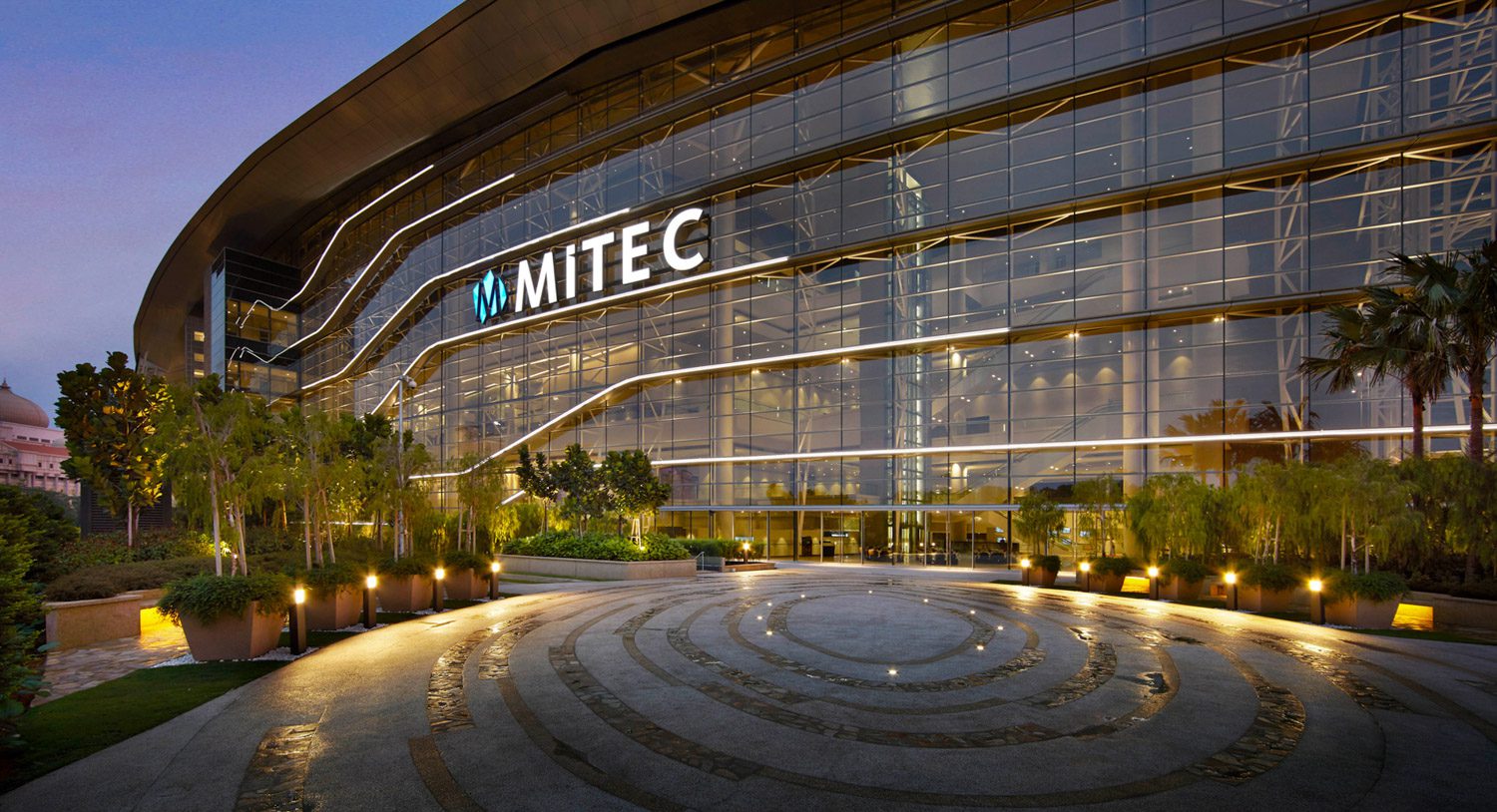
Malaysia International Trade and Exhibition Centre (MITEC) | Photo courtesy of MITEC
Due to time constraints, we regrettably missed the MITEC portion of the event, despite the complimentary shuttle service connecting the two venues. This meant forgoing one of the major highlights, FENESTEX, which shared the exhibition floor with ARCHIDEX 2025 at MITEC, as well as the PAM Pavilion located there. Still, the energy and sheer density of attendees at KLCC alone spoke volumes. It was a clear testament to how both PAM (Pertubuhan Akitek Malaysia: the Malaysian Institute of Architects) and C.I.S, its co-organizer, remain determined and committed to elevating architecture and design into the public consciousness on a national scale.
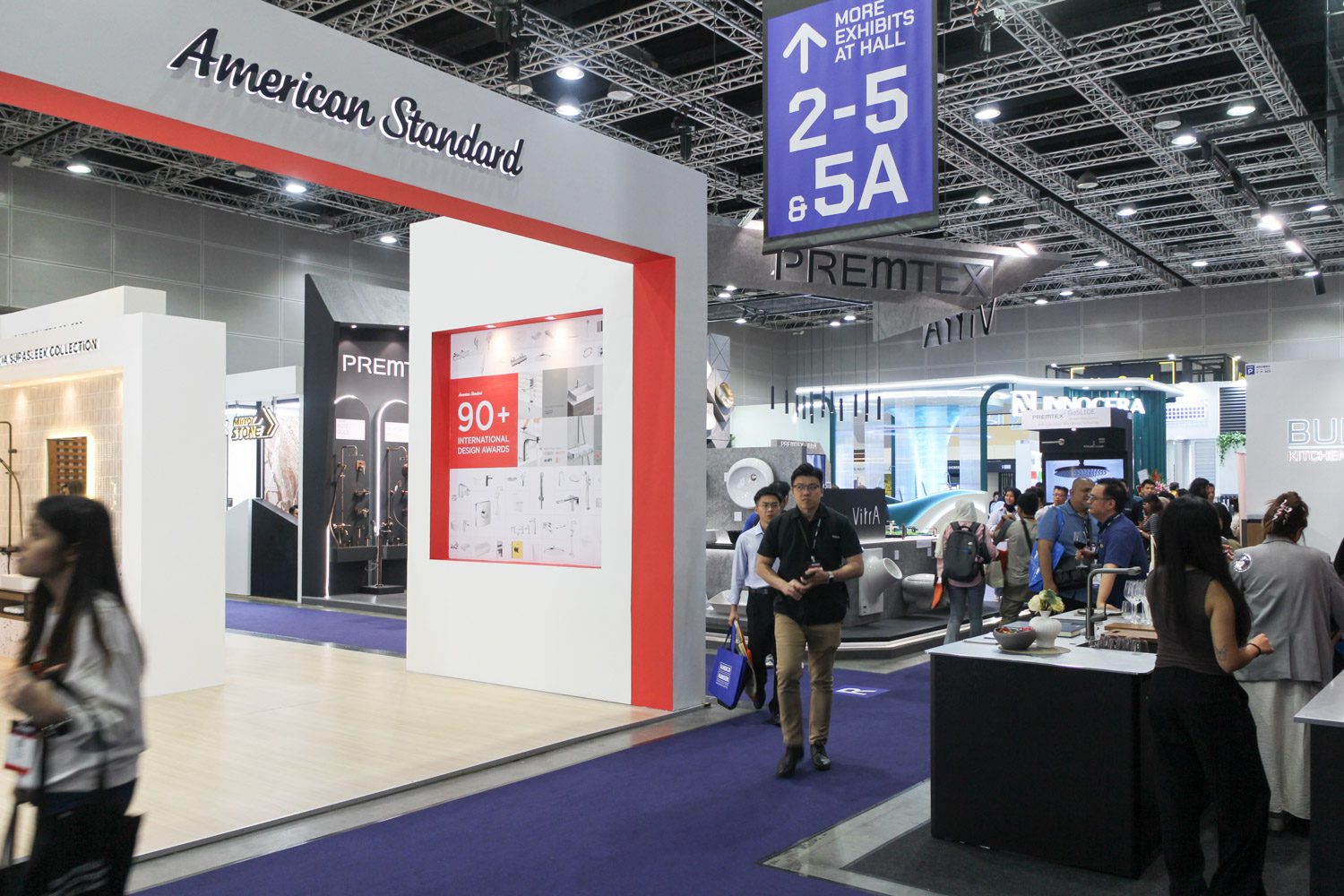 Hall 1-2
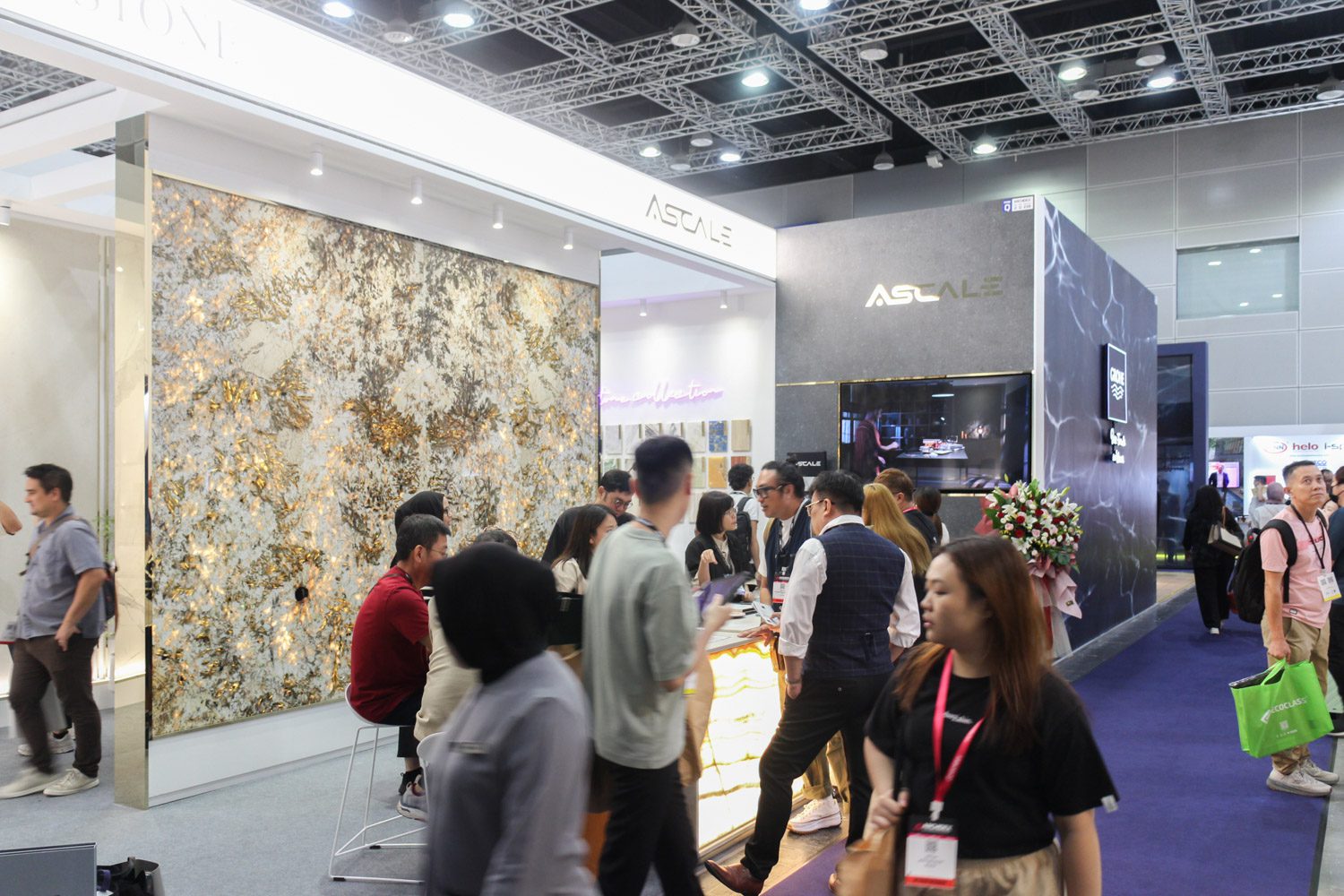
Hall 1-2
 Hall 3-5
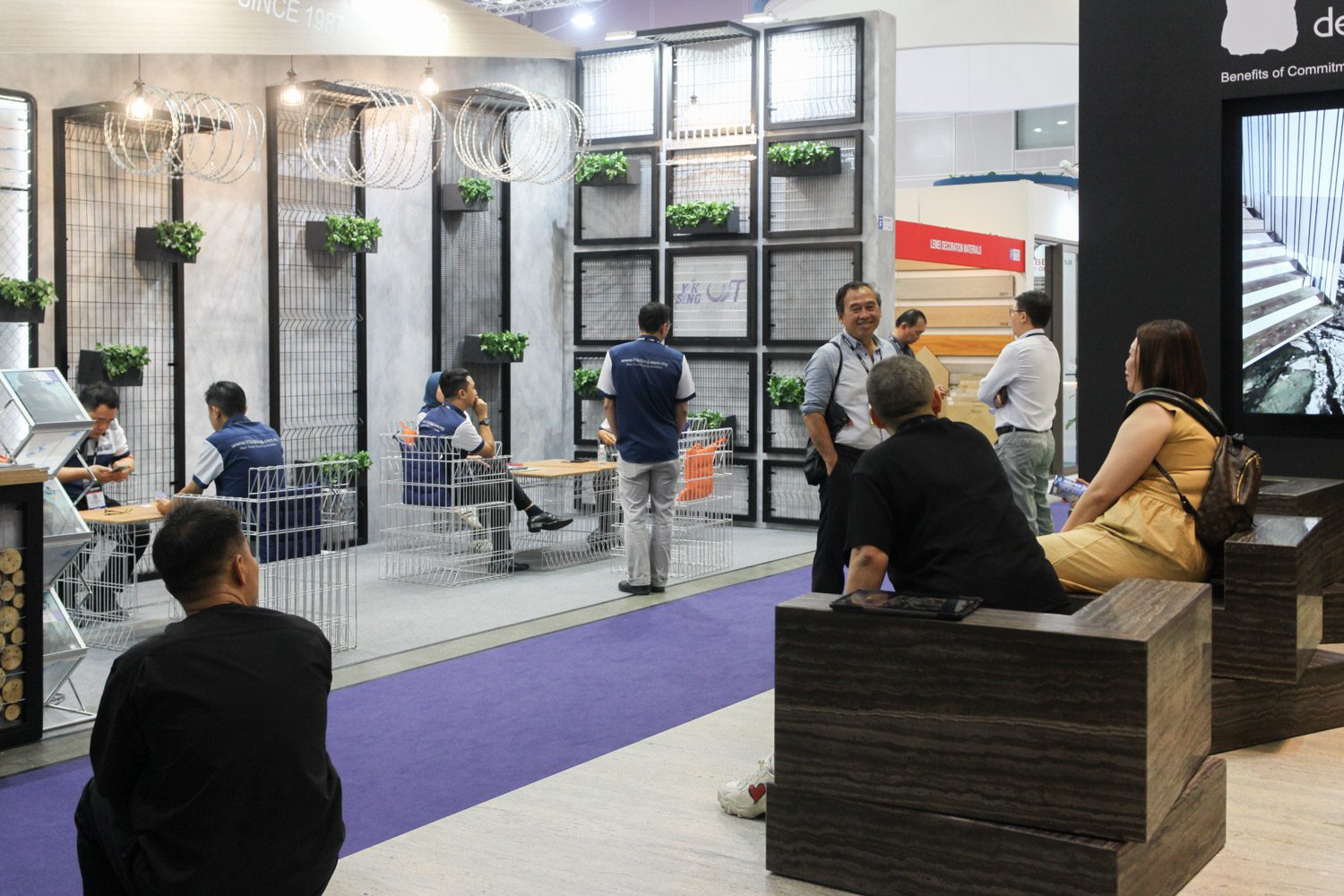
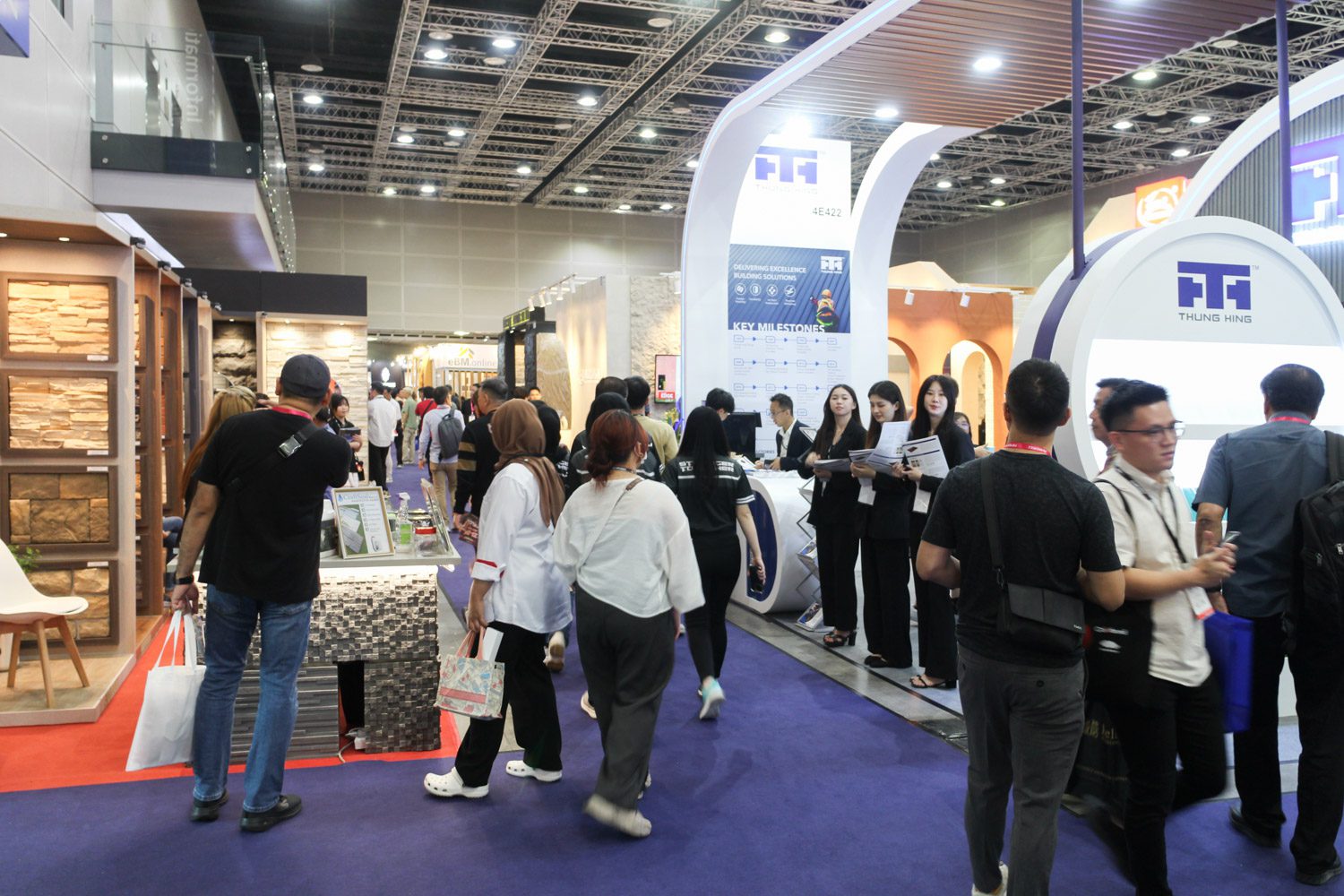
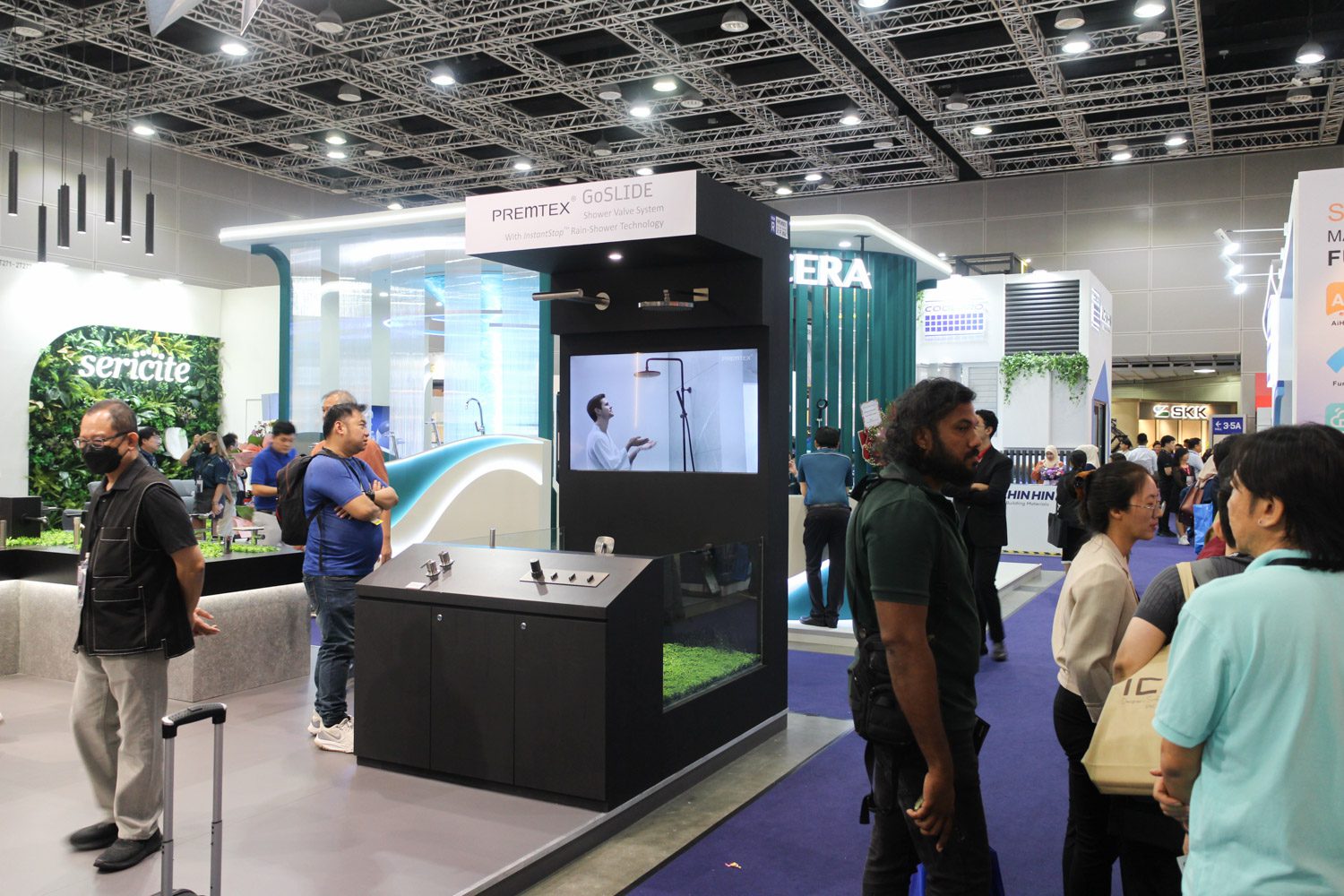
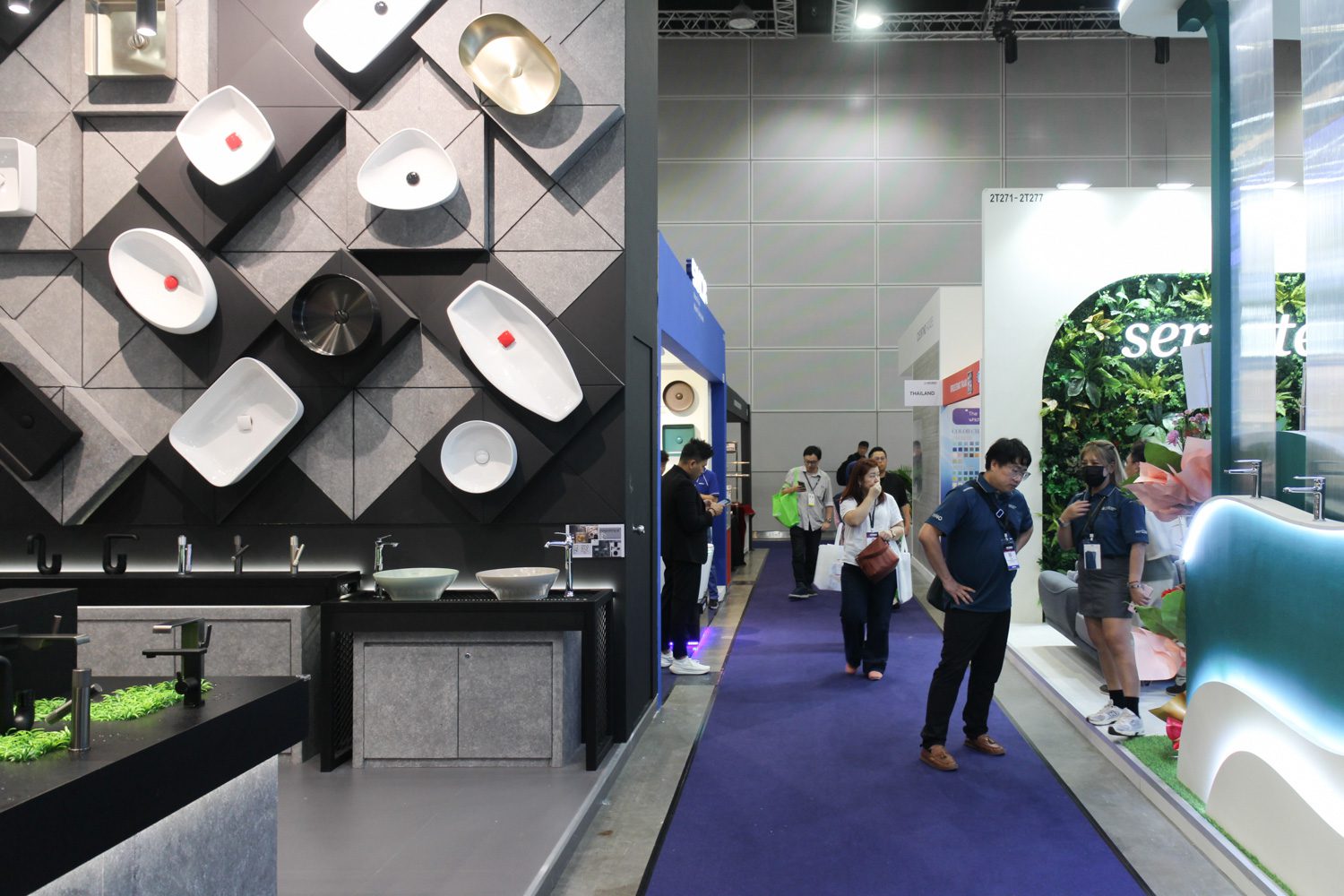
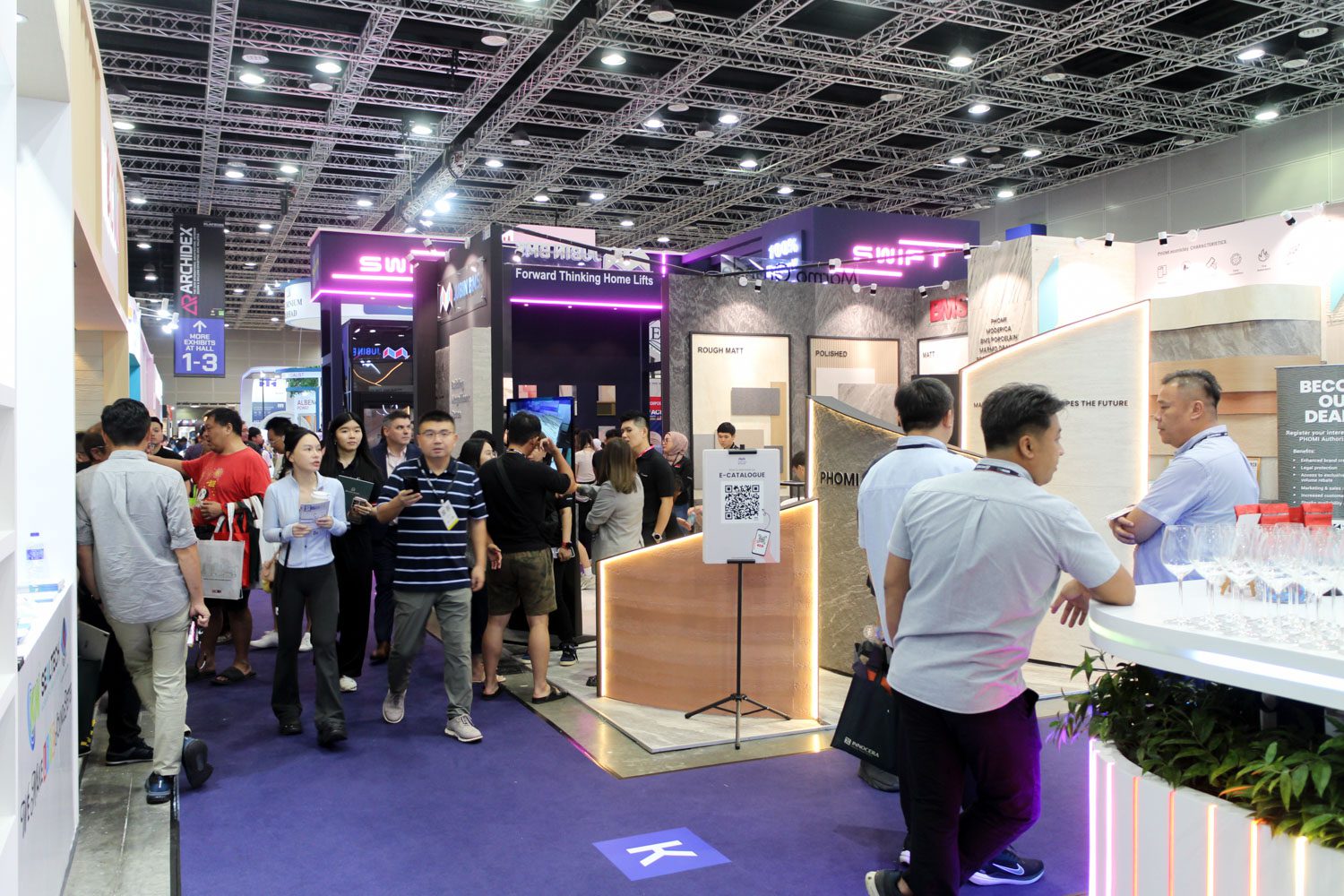
At KLCC, ARCHIDEX returned this year with its familiar layout of ten halls, albeit with a reconfigured sequence and some revised allocations. Halls 1 and 2 were dedicated to kitchen and bathroom products and solutions, while Halls 3, 4, and 5 showcased an array of building materials ranging from marble and surface-coating chemicals to structural systems. These halls form the core route for most visitors, offering accessible topics tied directly to the home, with a seamless flow that allow attendees to walk continuously from Hall 1 through Hall 5.
Hall 6
 MTC at Hall 6
Hall 6
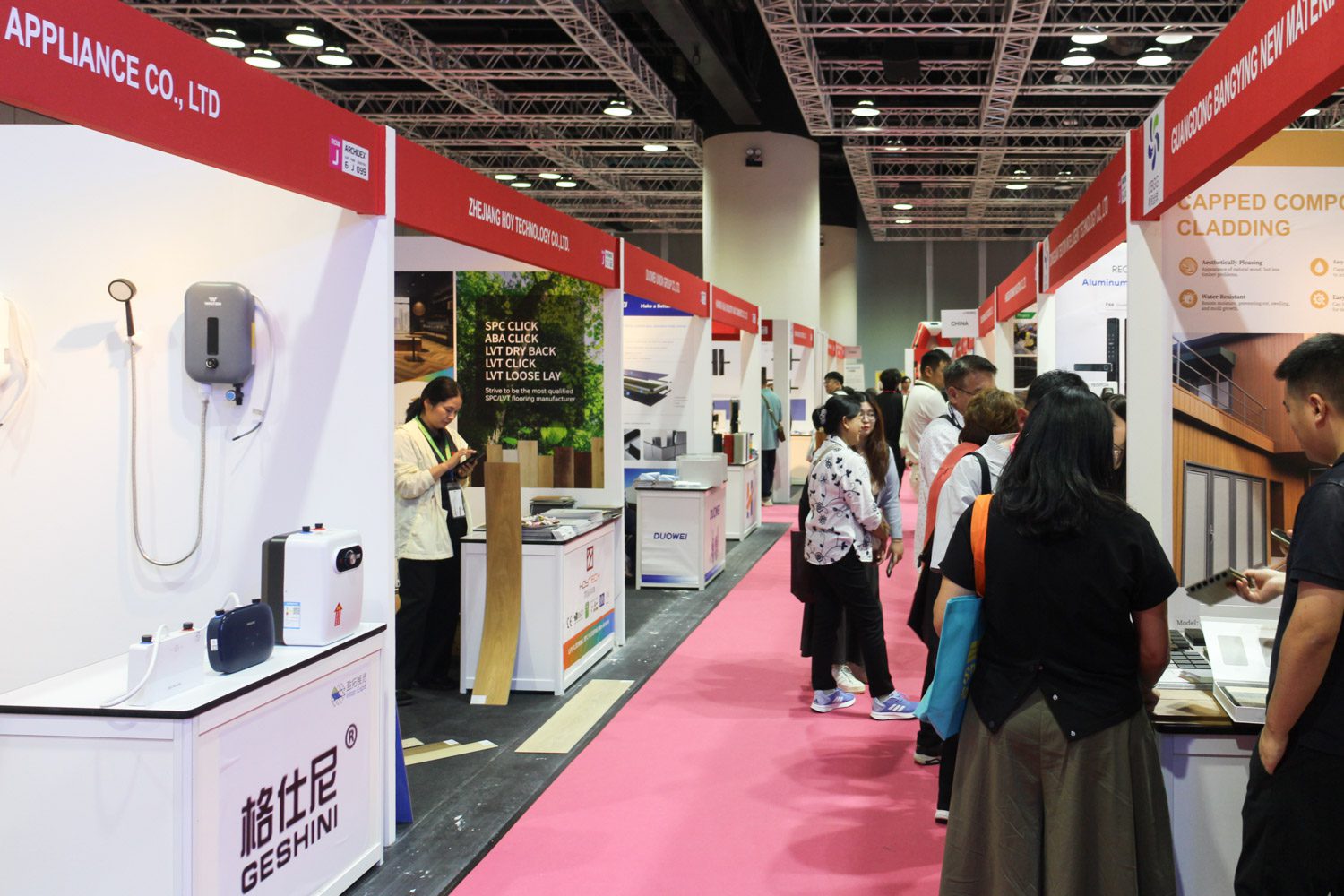
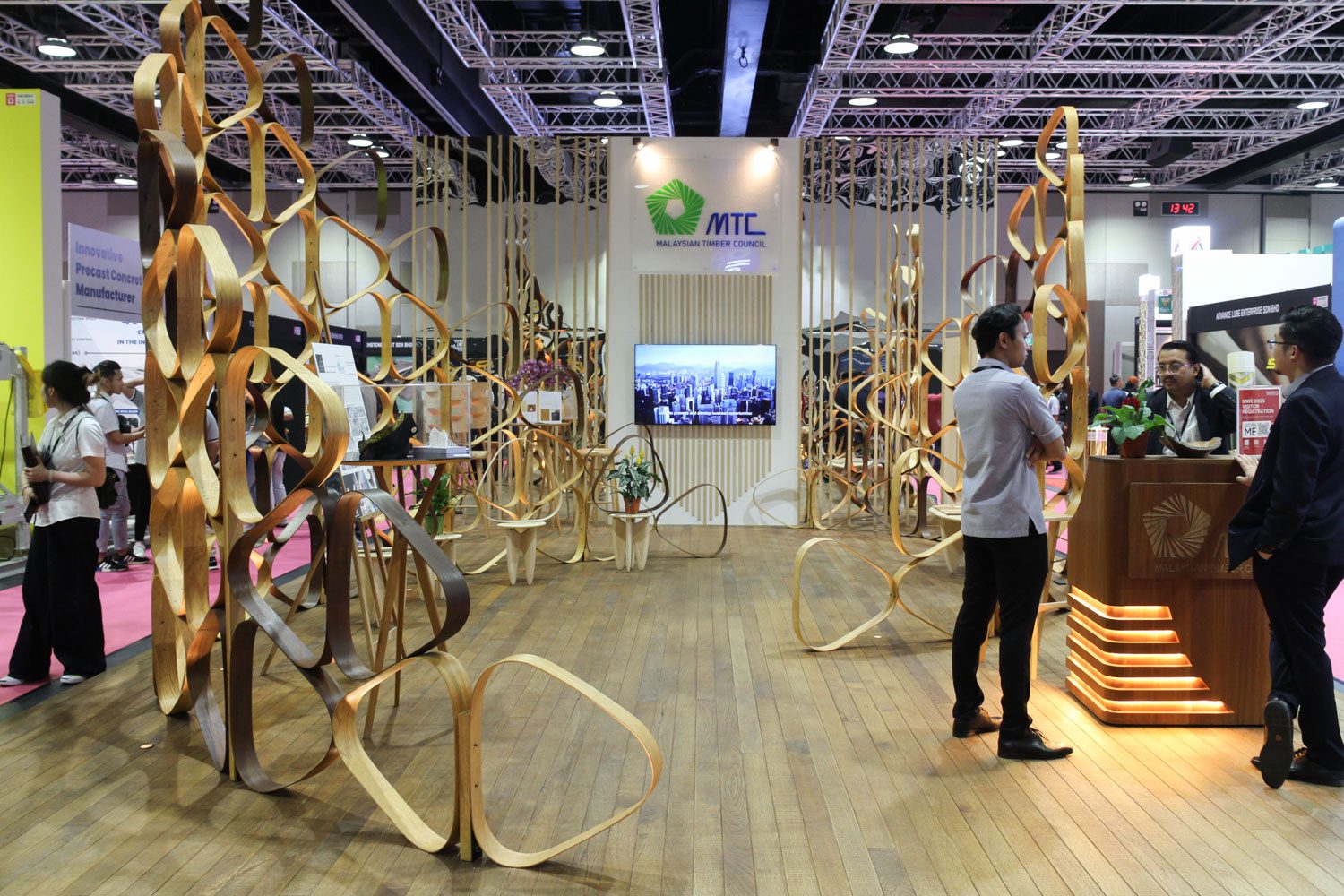
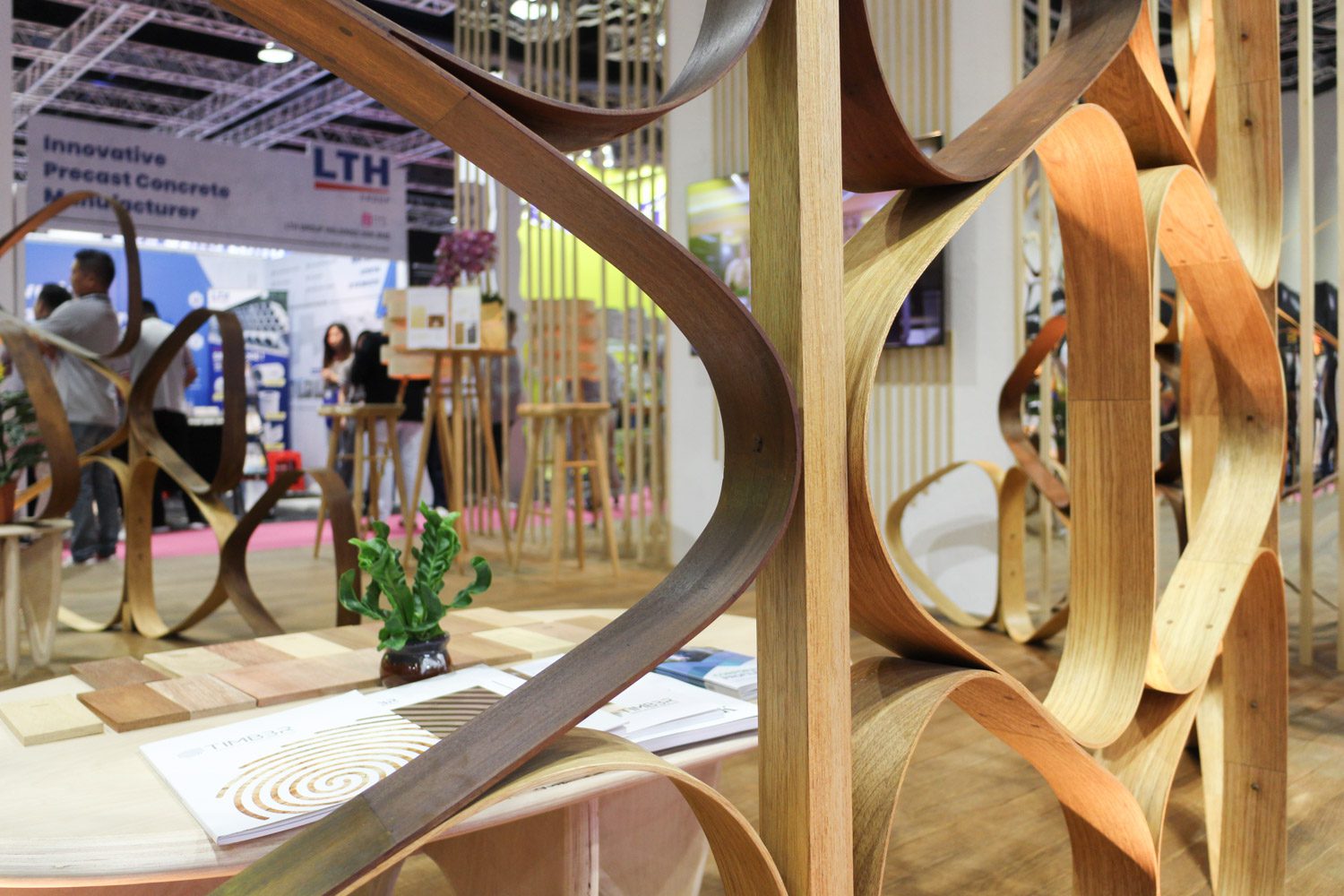
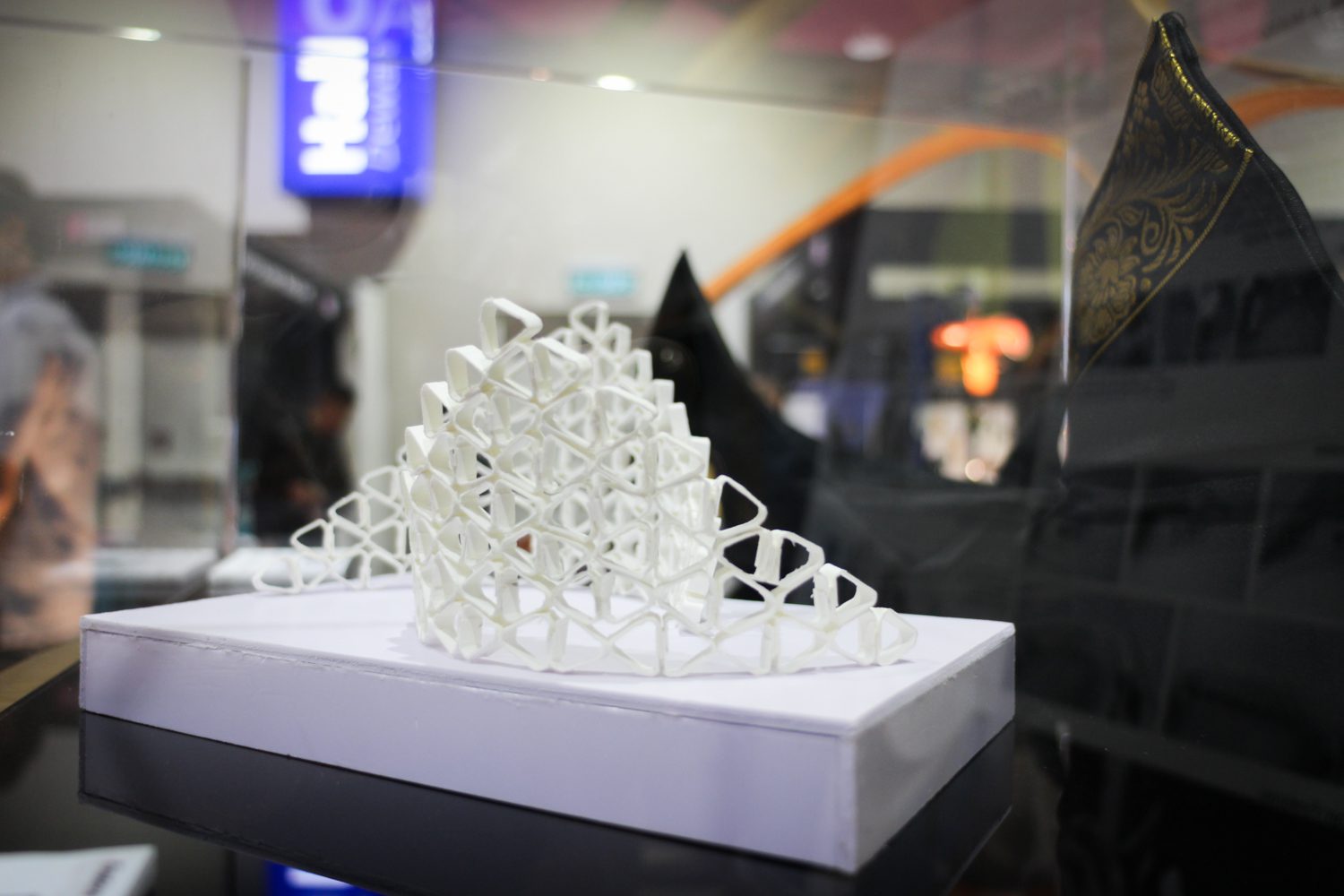
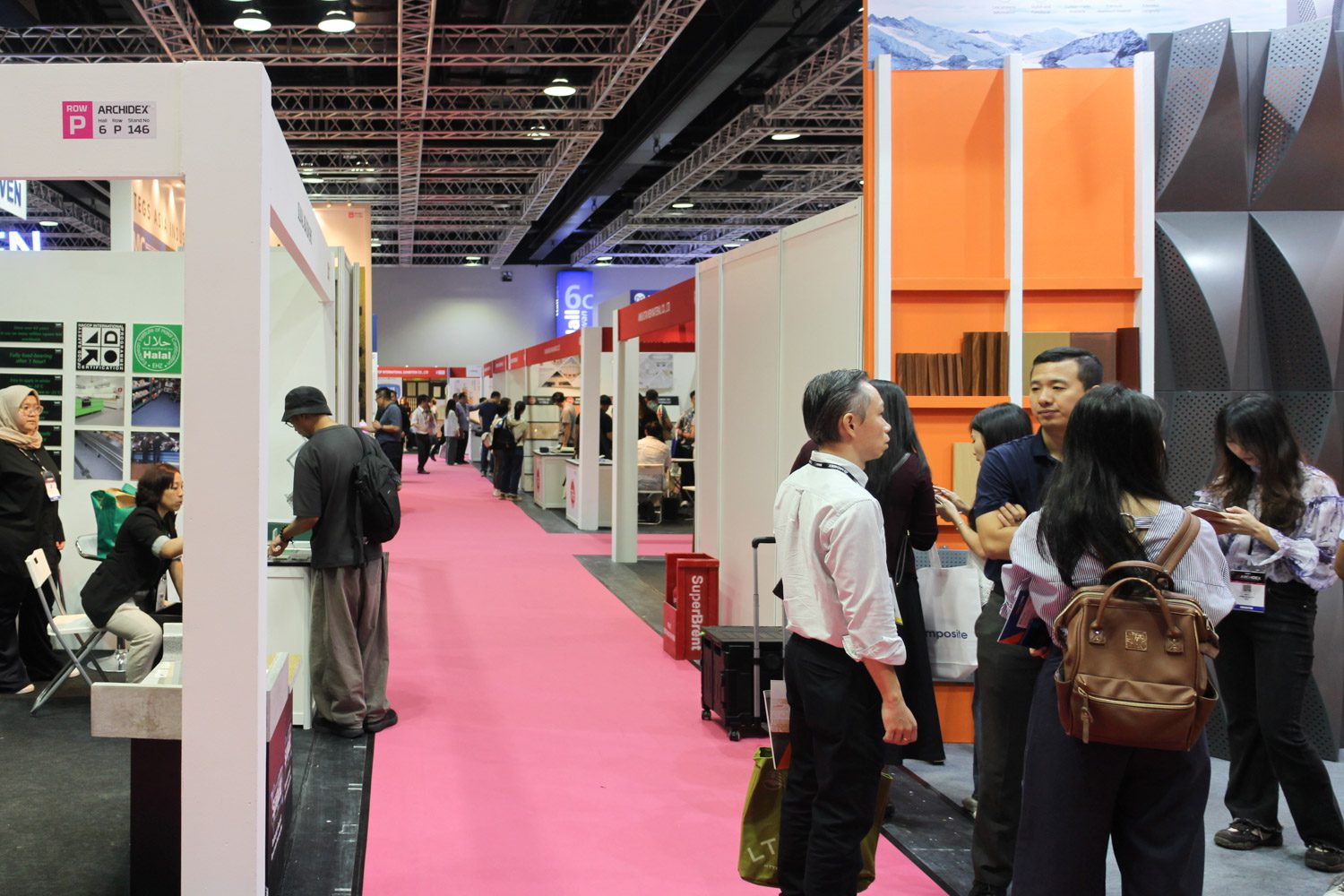
Ascending to the next level led to Hall 6, which also focused on materials but featured a key highlight: the Malaysian Timber Council (MTC) booth, presented in partnership with the PAM Pavilion. Here, MTC constructed a striking pavilion composed of locally sourced timber bent into rounded triangular modules, assembled without nails, and inspired by the silhouette of the Malay tanjak, a traditional Malay headpiece. It was a vivid reminder that timber remains an enduring material in architecture. Yet, how it will continue to evolve, and through what processes or reinterpretations, remains a question for the future.
 Hall 7
WoW at Hall 7 | Image courtesy of World of Works
 WoW at Hall 7
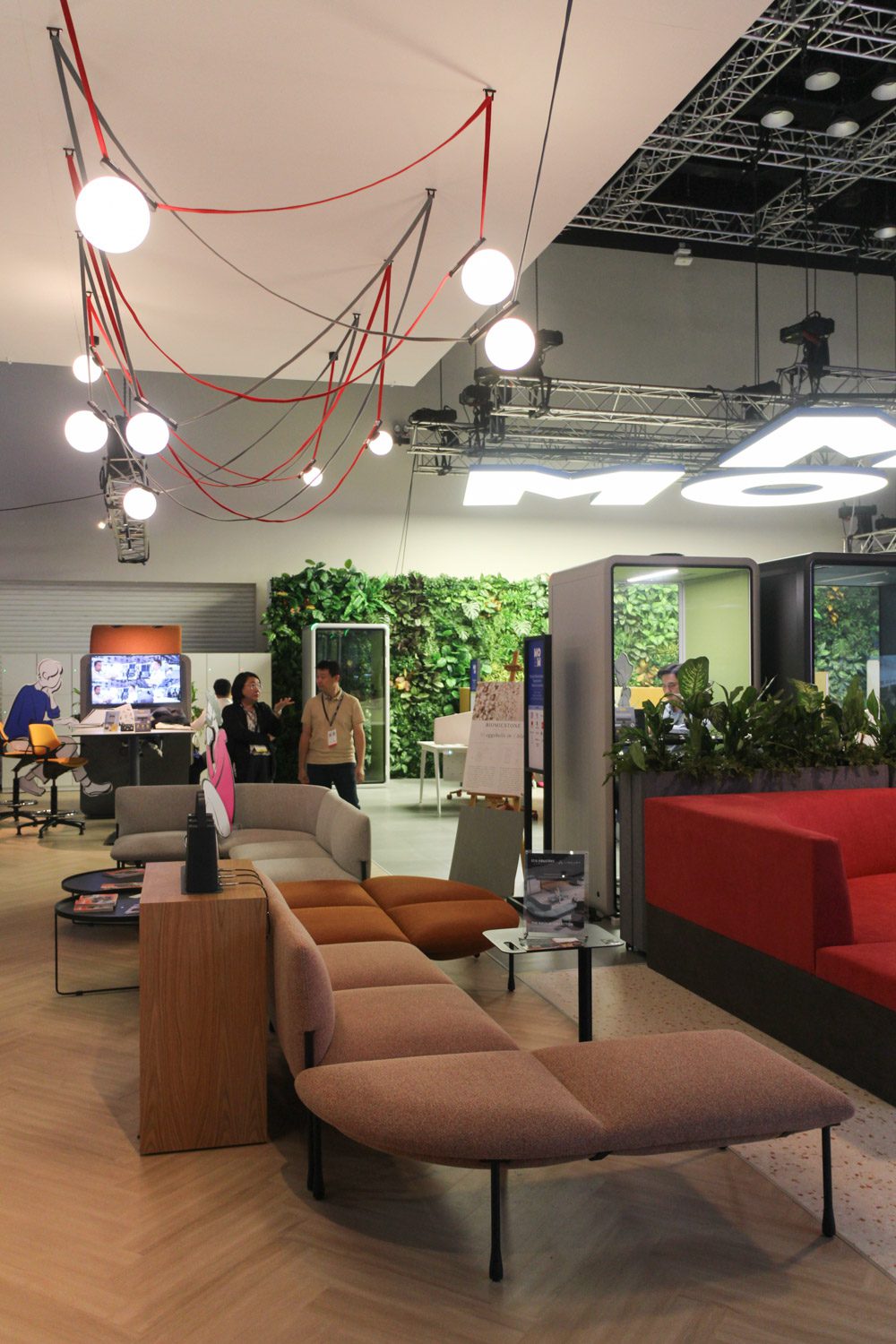
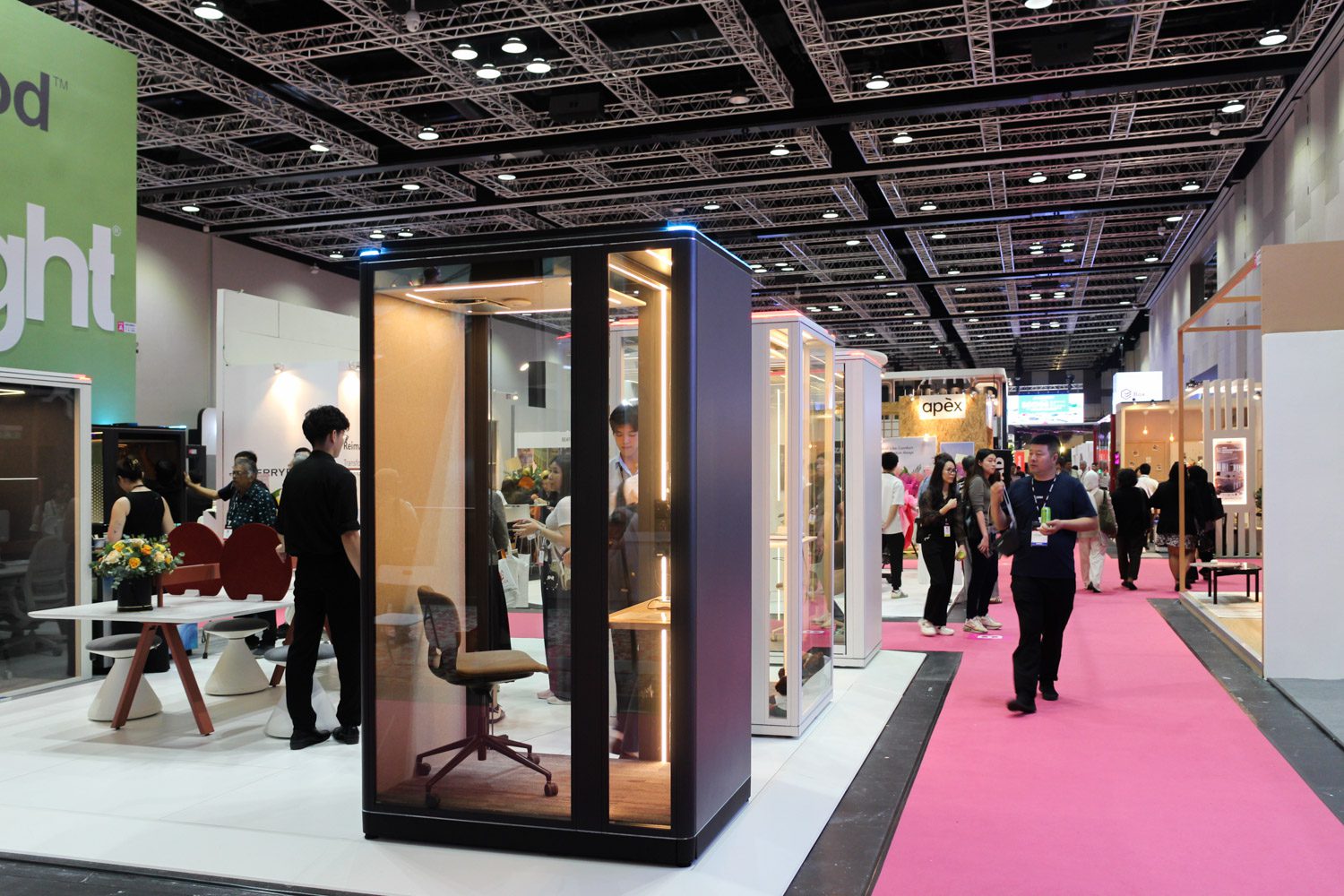
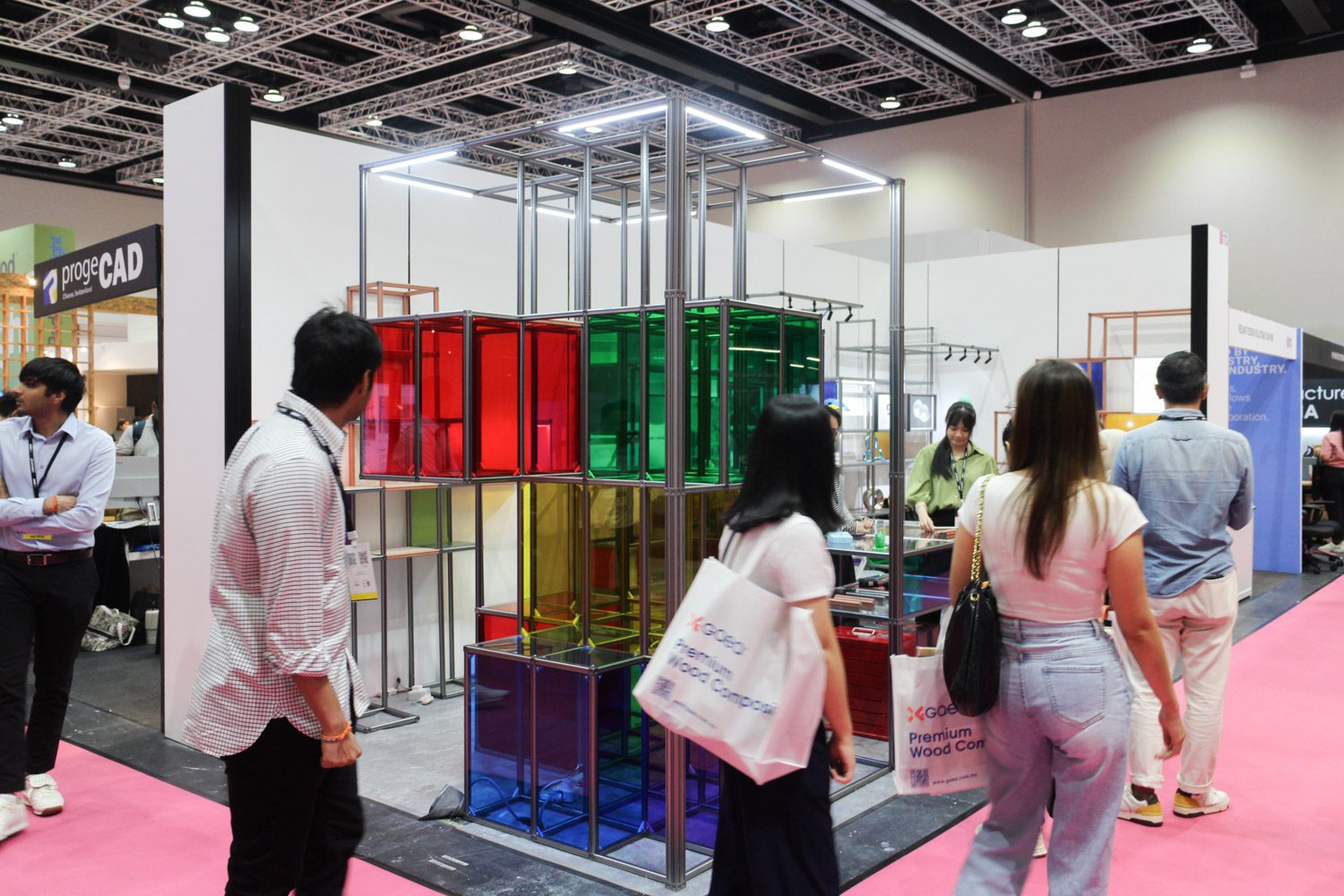
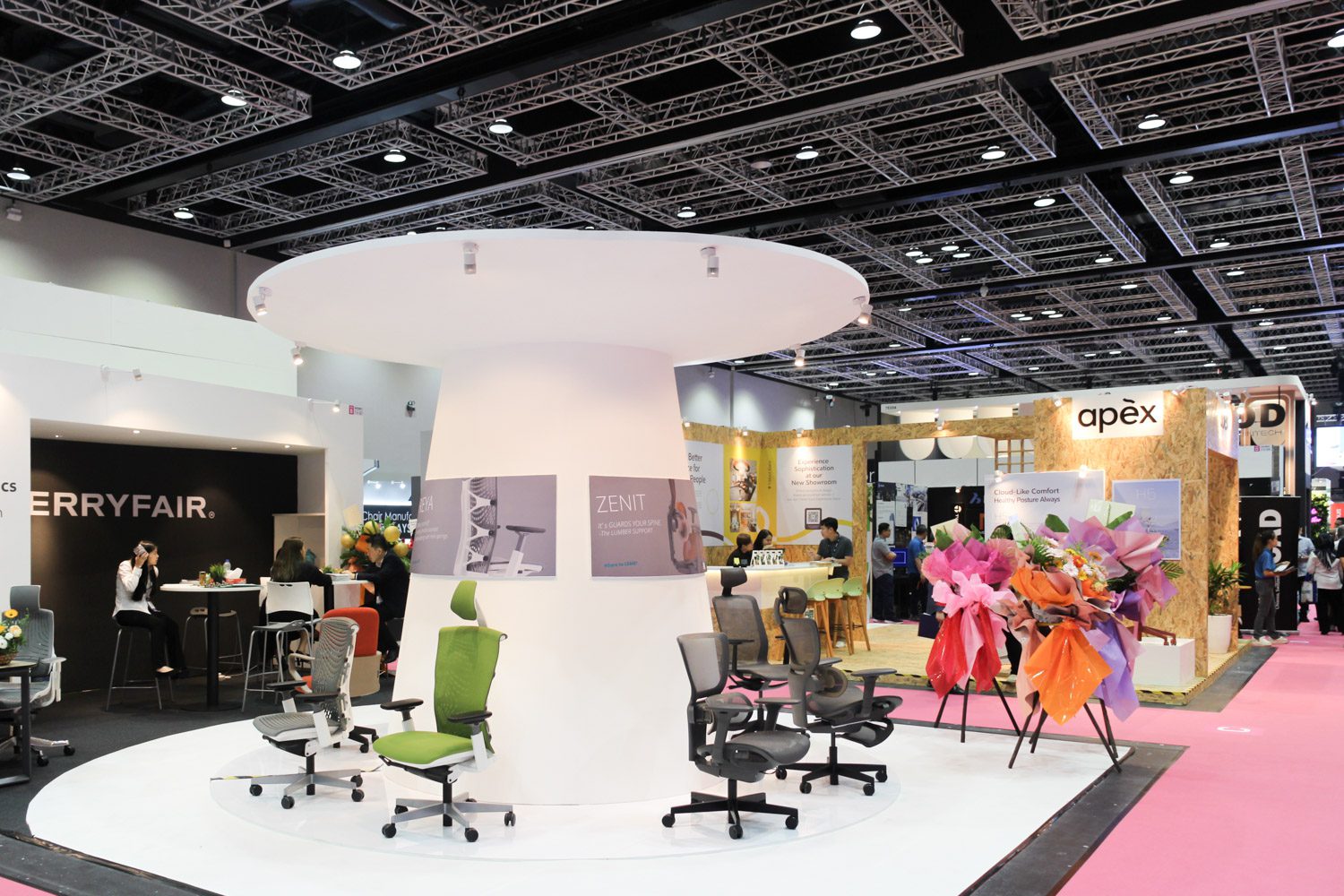
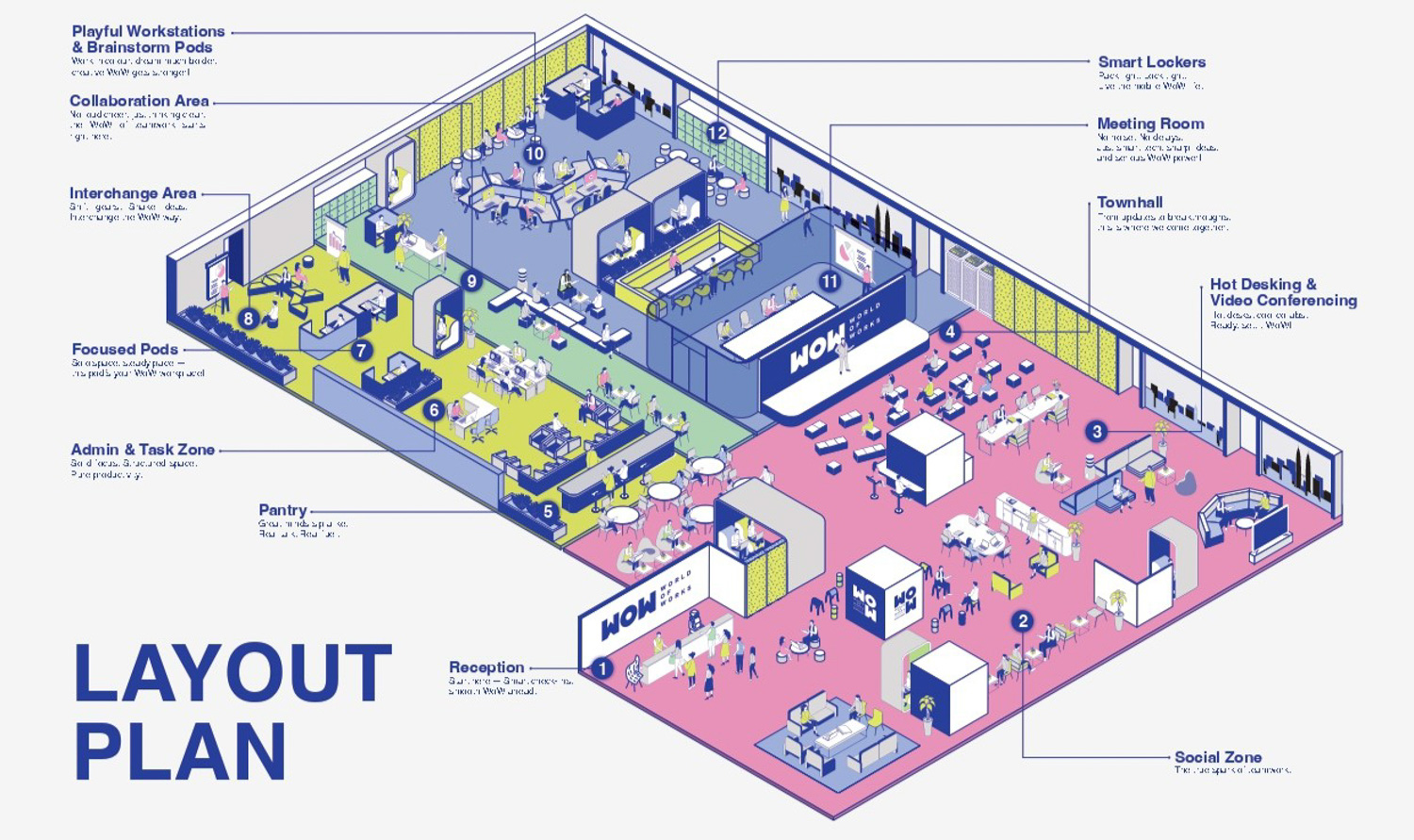
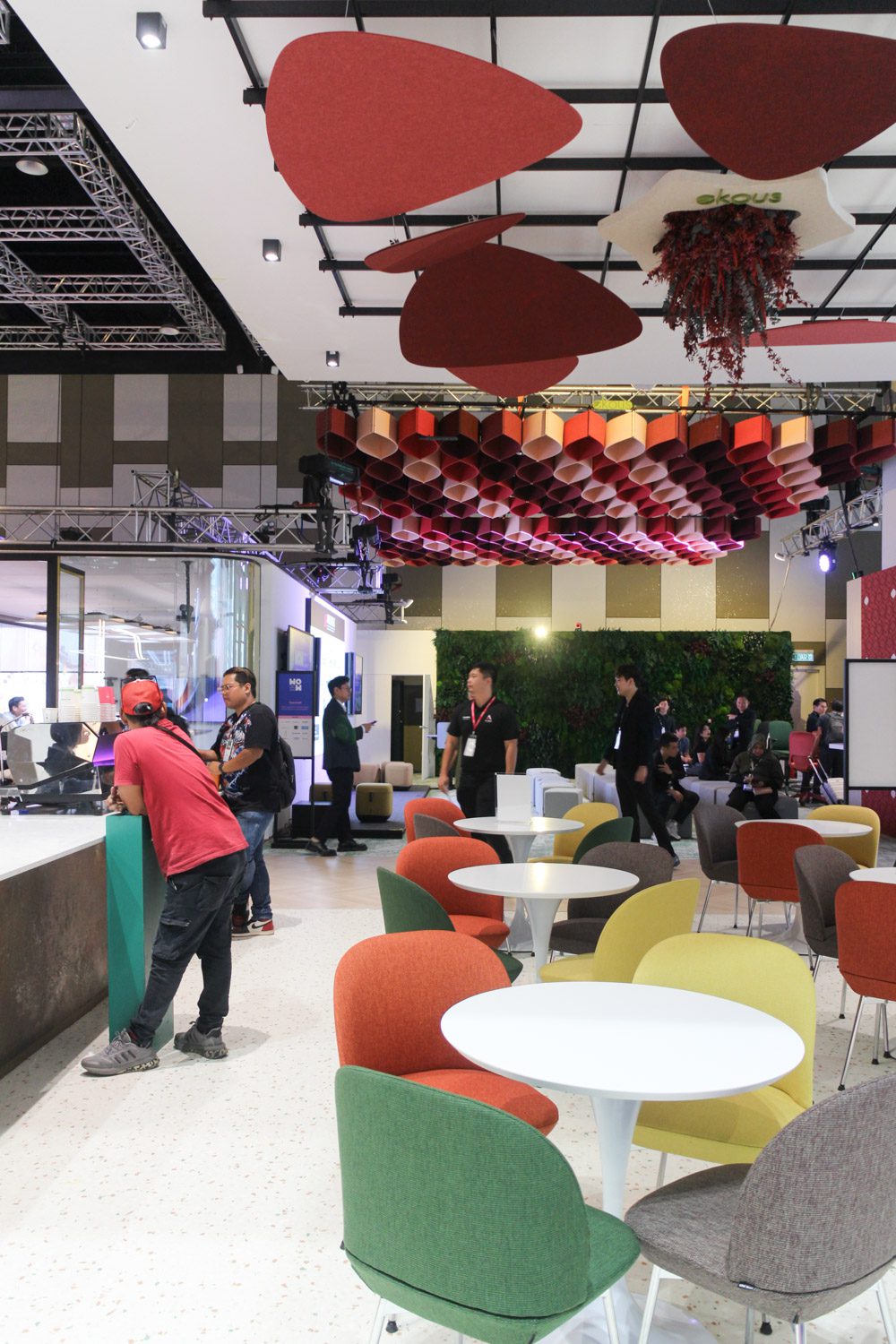
Halls 7 and 8 shifted toward more specialized themes. Hall 7 focused on office furniture and introduced a new feature this year: the WoW (World of Works) zone, which added a fresh perspective to workplace design. Central to this zone was the WoW Townhall, where nine speakers from six countries engaged in discussions on topics such as branding, collaborative workspaces, and corporate hybrid models. Surrounding the talk area were four mock office settings: Energy Hub, Work Neighbourhood 1, Community Area, and Work Neighbourhood 2, each staged with arrangements ranging from standard workstations and hot desks to pods, cubicles, and meeting rooms. Together, they offered tangible ideas and inspiration for reimagining everyday office environments.
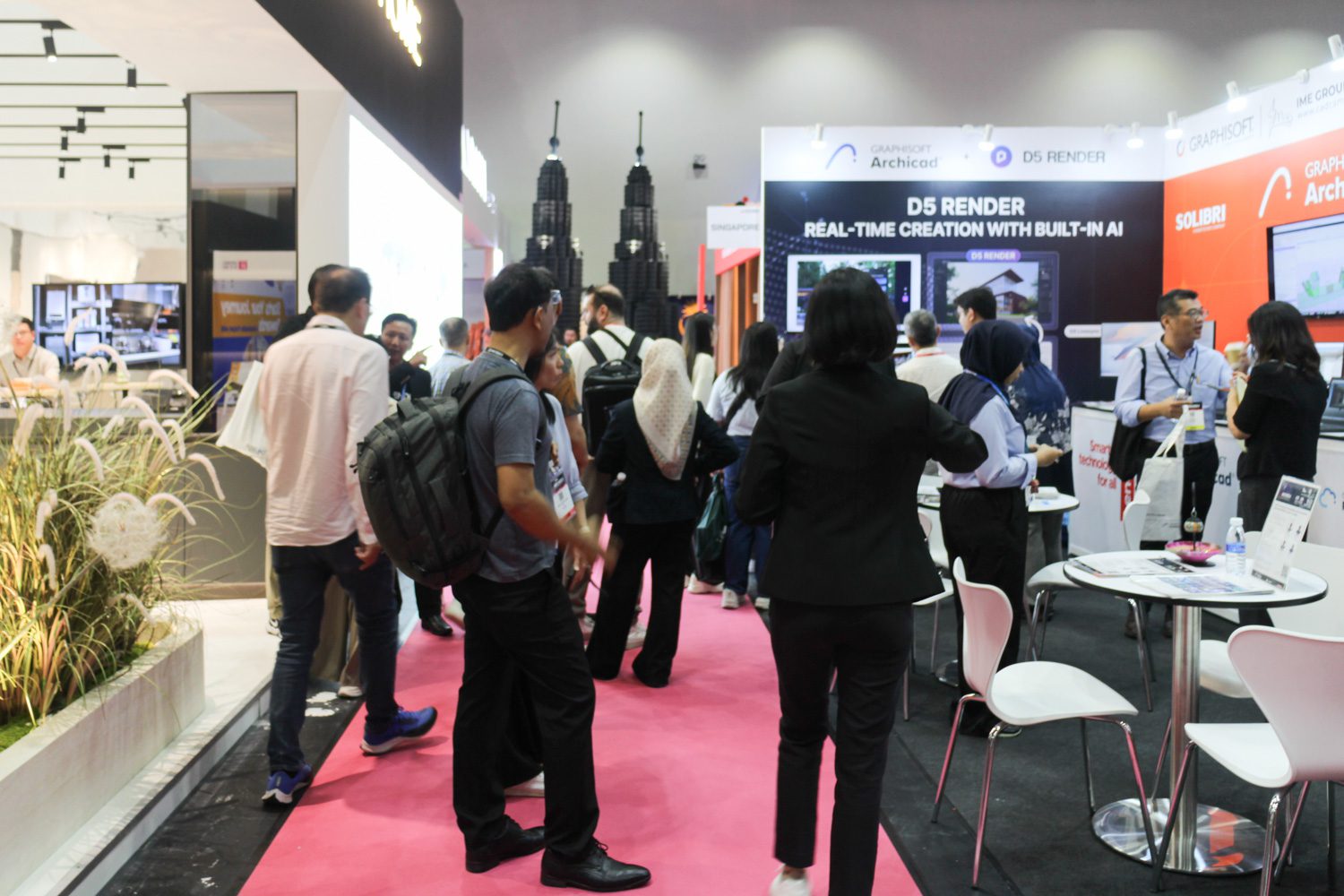
Hall 8
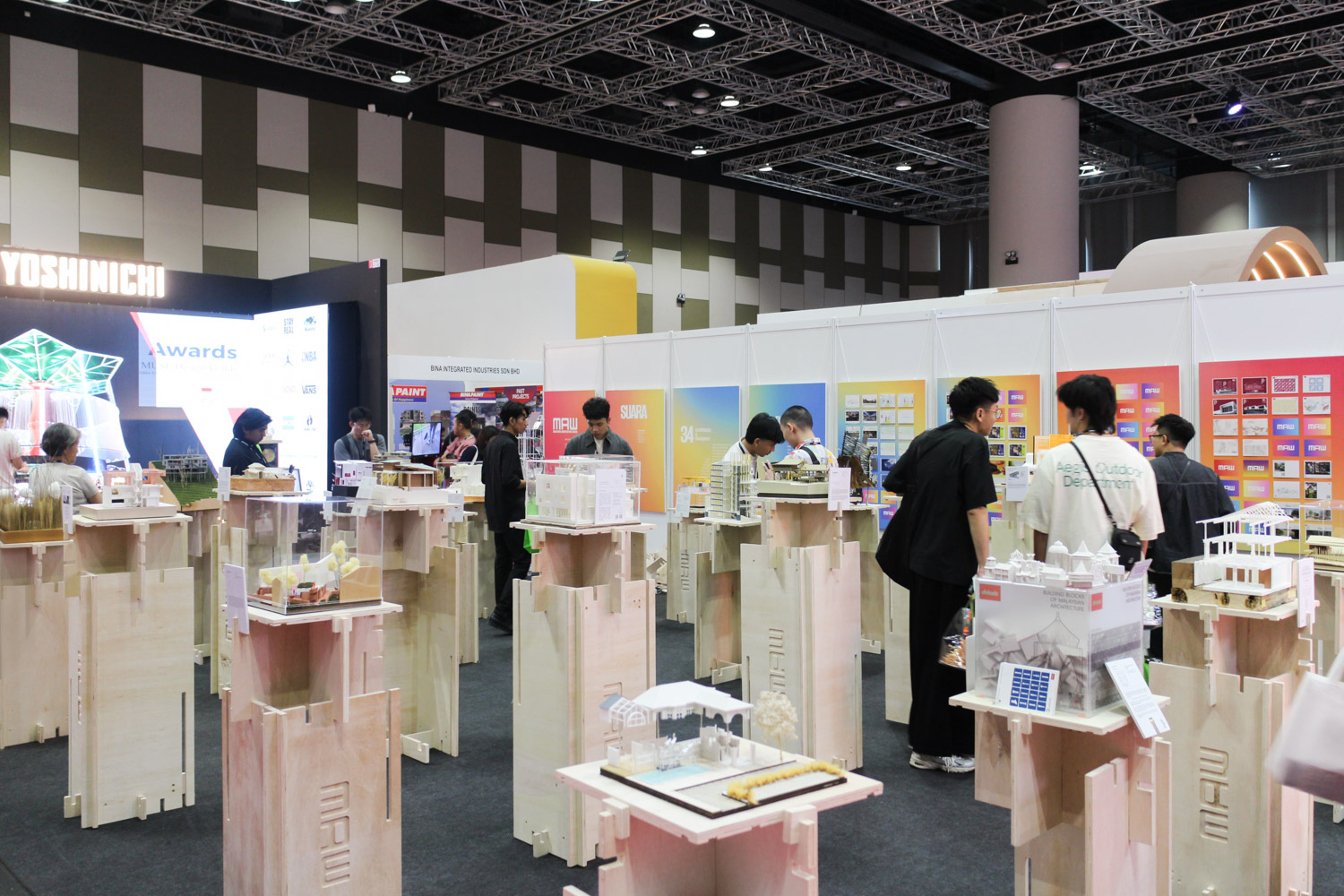
Hall 8
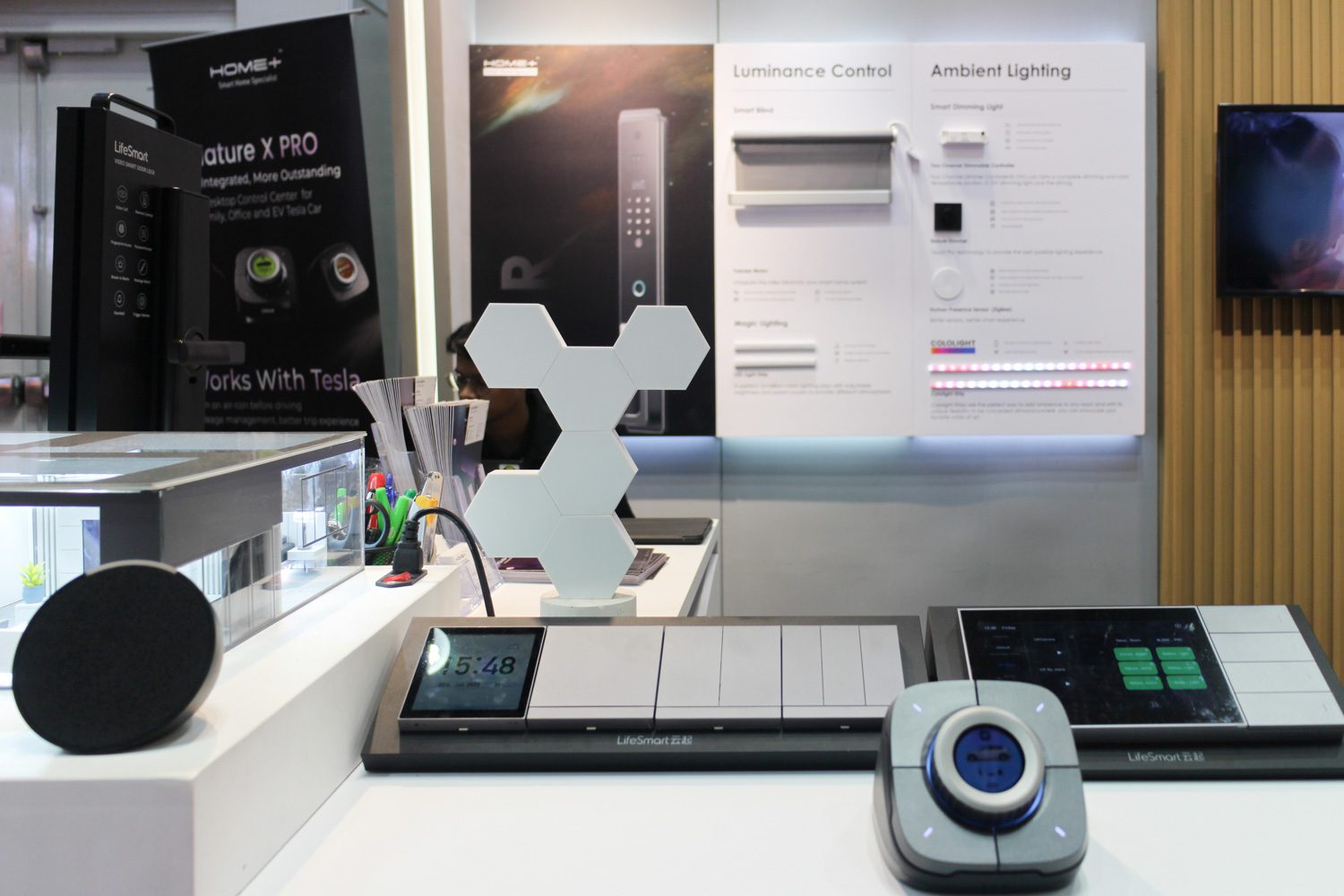
Hall 8
Hall 8, meanwhile, served as home to the PAM Pavilion alongside a showcase of innovations and technologies. This floor attracted a high level of interest, not only for the PAM Pavilion’s curated programming but also for its wide-ranging tech focus. Smart home systems featuring advanced control panels stood alongside exhibits demonstrating how technology can streamline processes traditionally tied to craft-based practices. For architects and designers, booths dedicated to everyday software tools like D5 Render and Autodesk naturally held strong appeal, while the diversity of interests across the hall fostered an equally lively and engaging atmosphere.
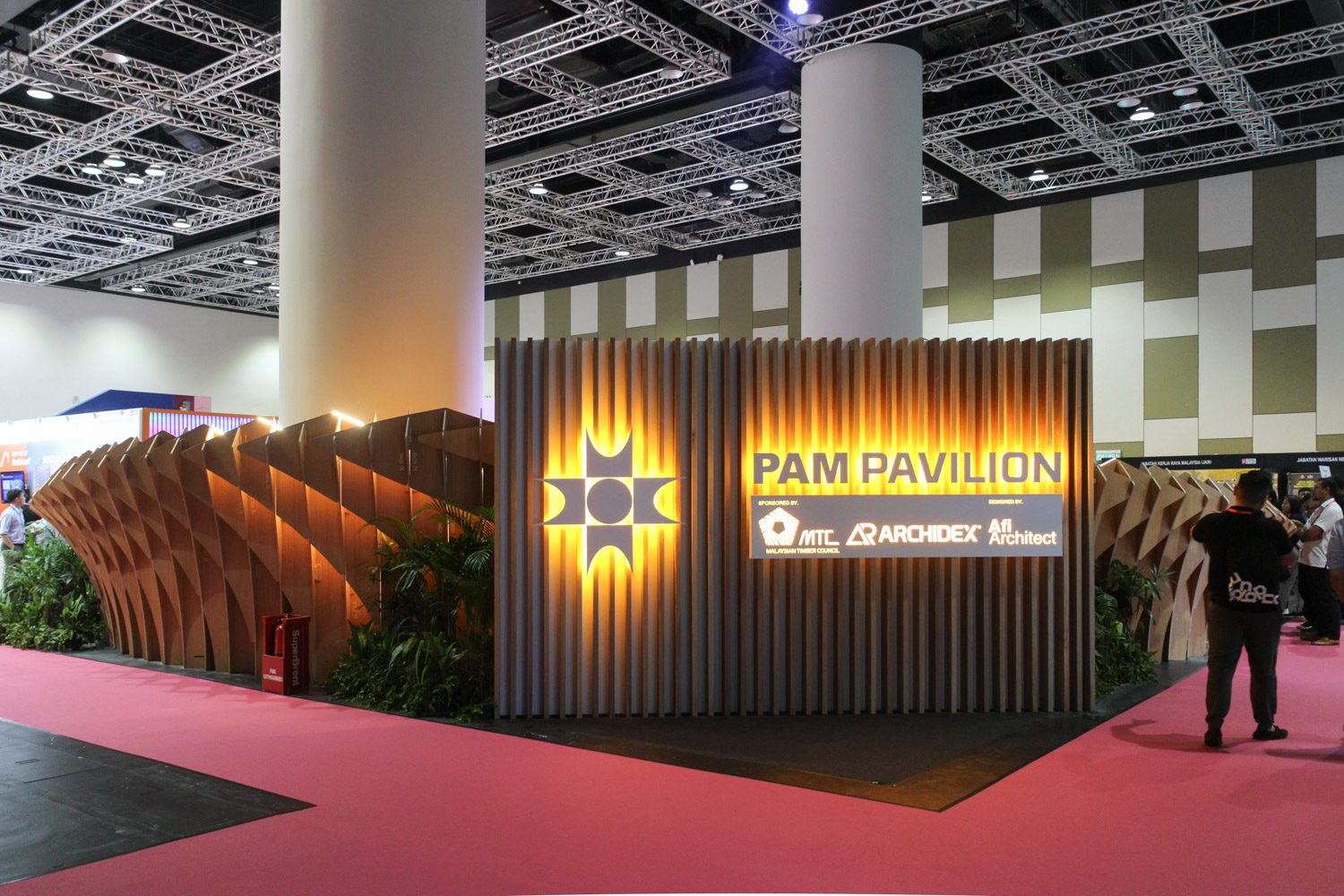 PAM Pavilion at Hall 8
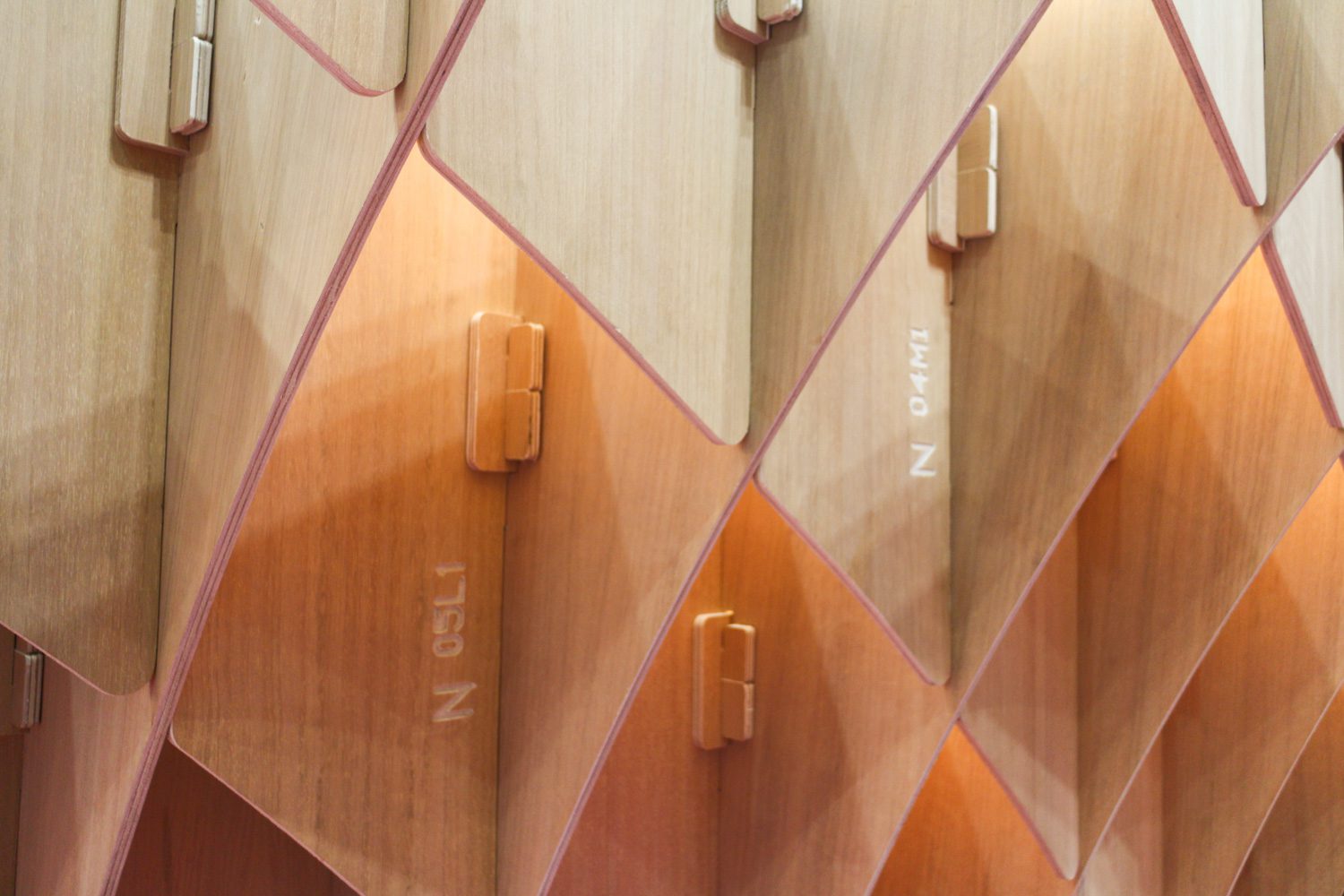
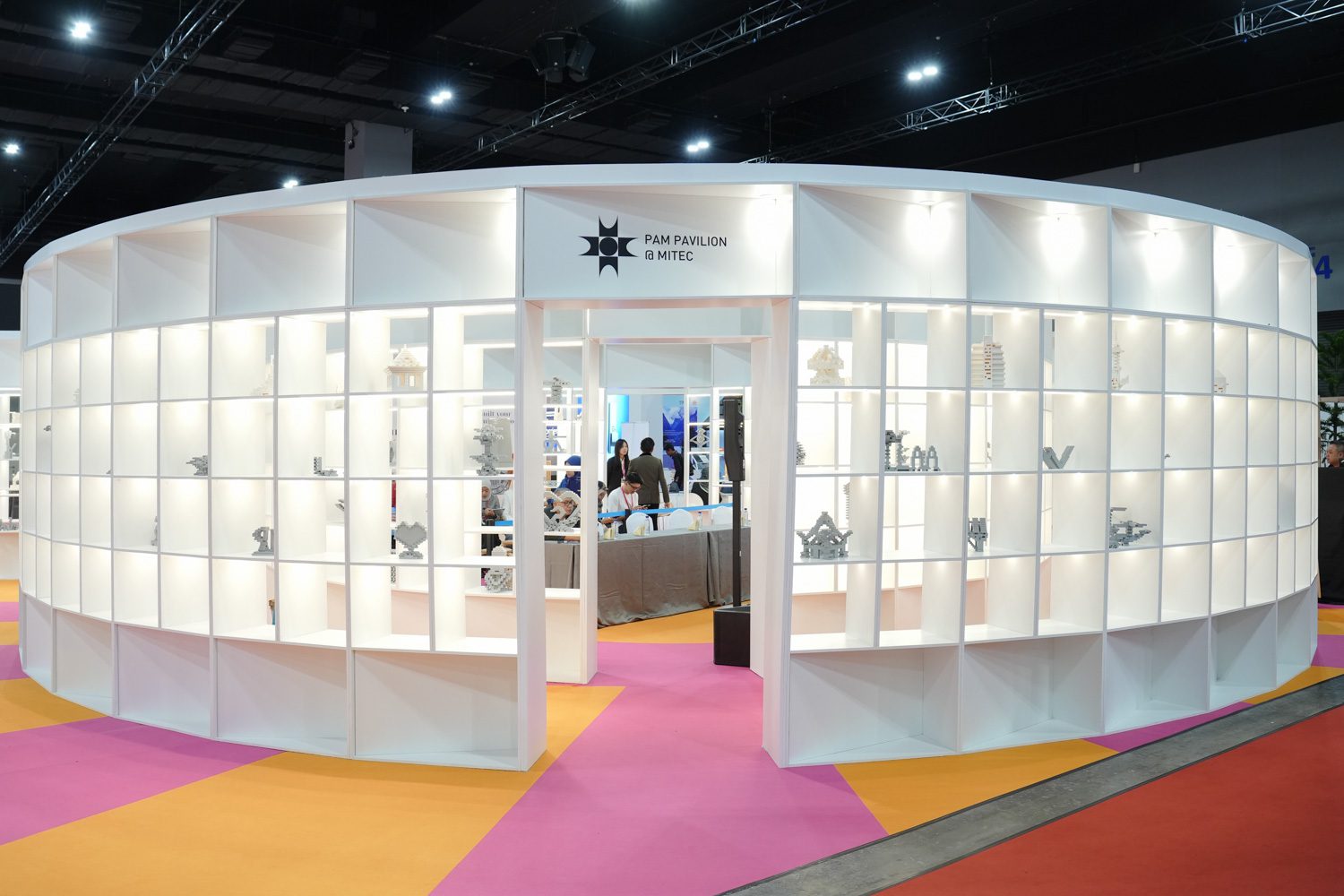
PAM Pavilion at MITEC | Photo courtesy of ARCHIDEX 2025
At KLCC, this year’s PAM Pavilion was designed under the theme ‘The Nest,’ constructed from locally sourced Nyatoh timber, precisely cut using CNC machinery and interlocked into place through a waffle structure. Curated by Afi Muhaimin Jamalludin of studioKAIZEN and fabricated by Firadaus Khazis of Firadaus Khazis Architect, it embodied a seamless dialogue between digital fabrication and traditional materiality. Once again, it was regrettable not to have visited the ‘Colosseum of Ideas’ at MITEC; otherwise, there would be far more to share than photographs alone.
 Hall 9
Hall 10
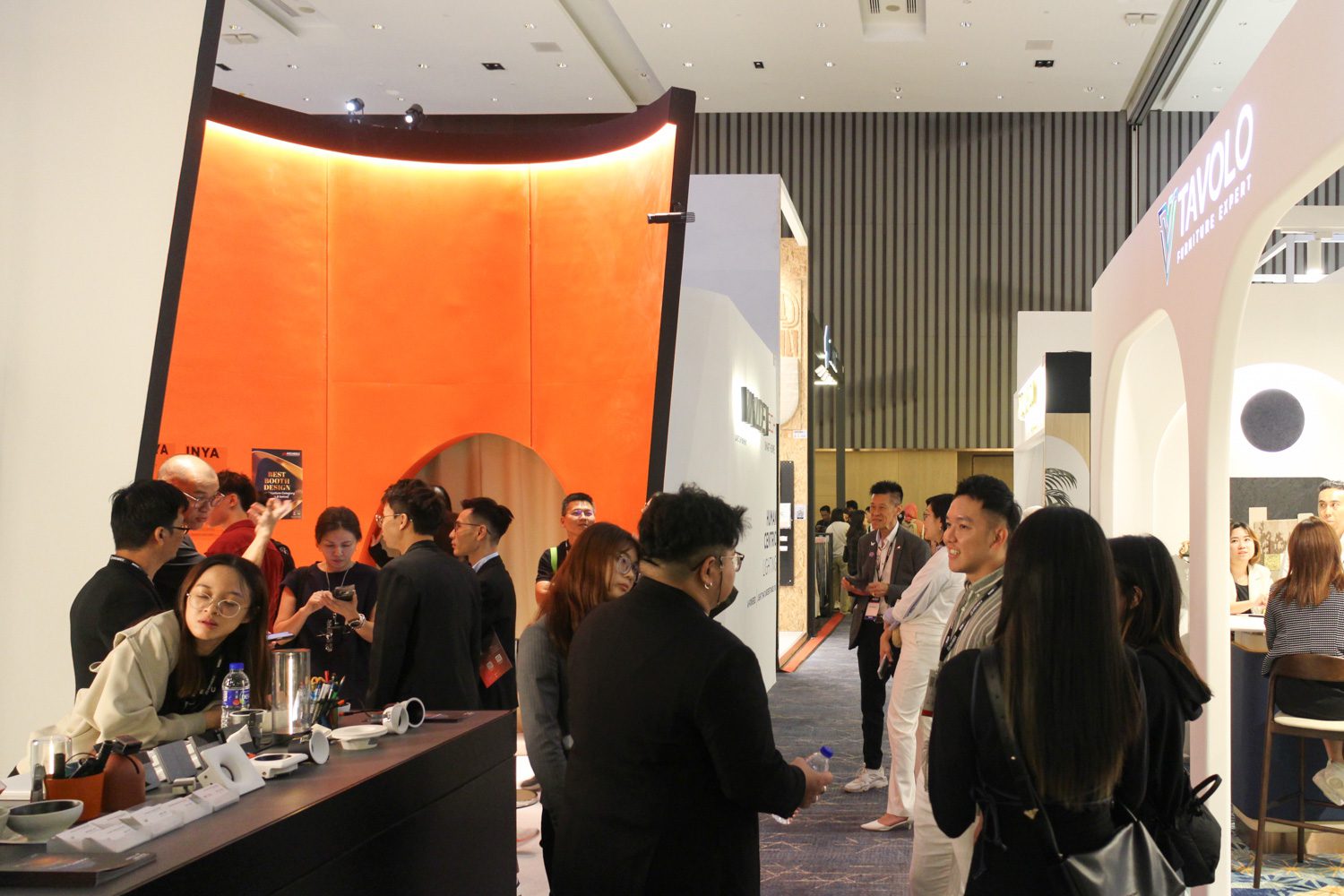
Hall 10
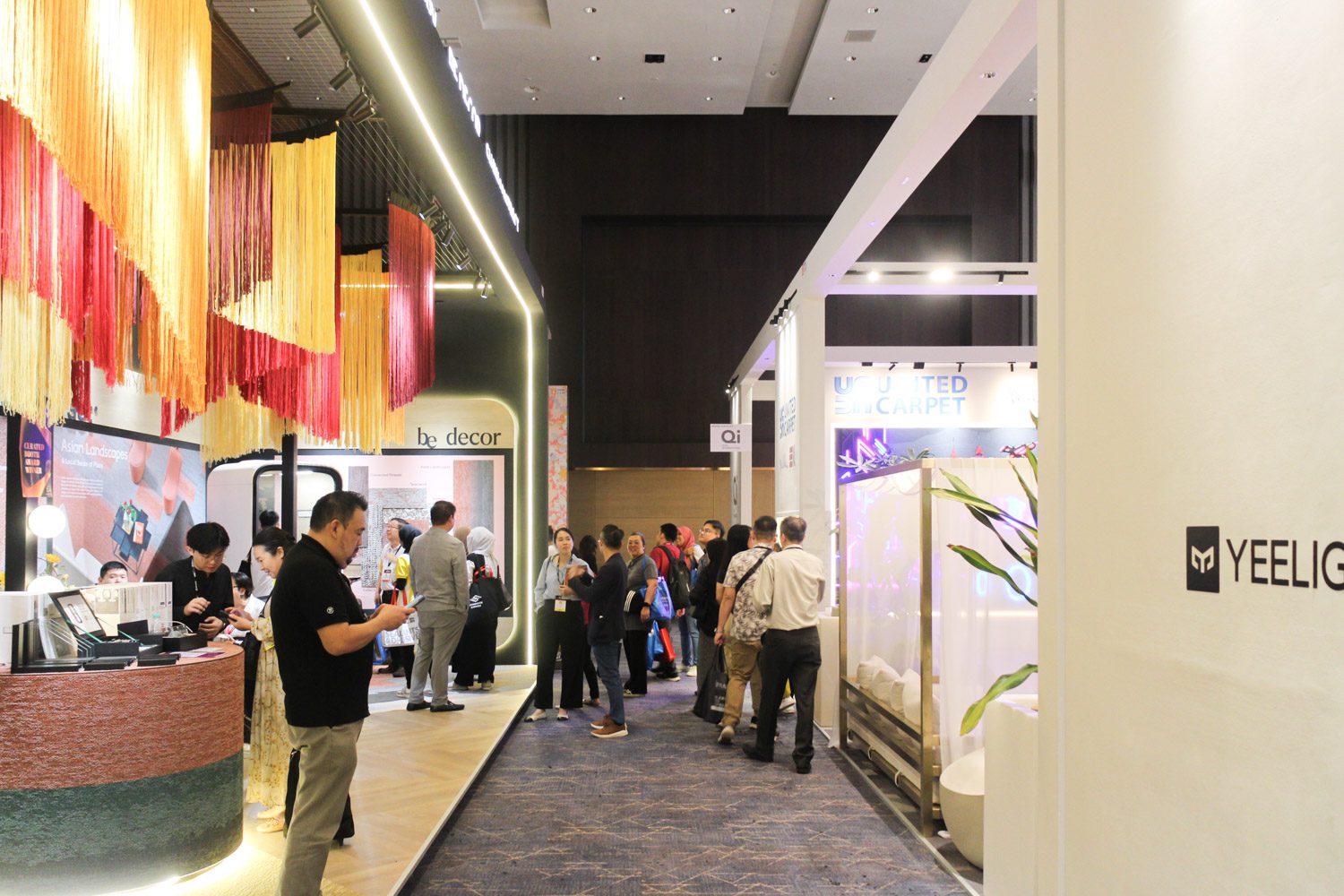
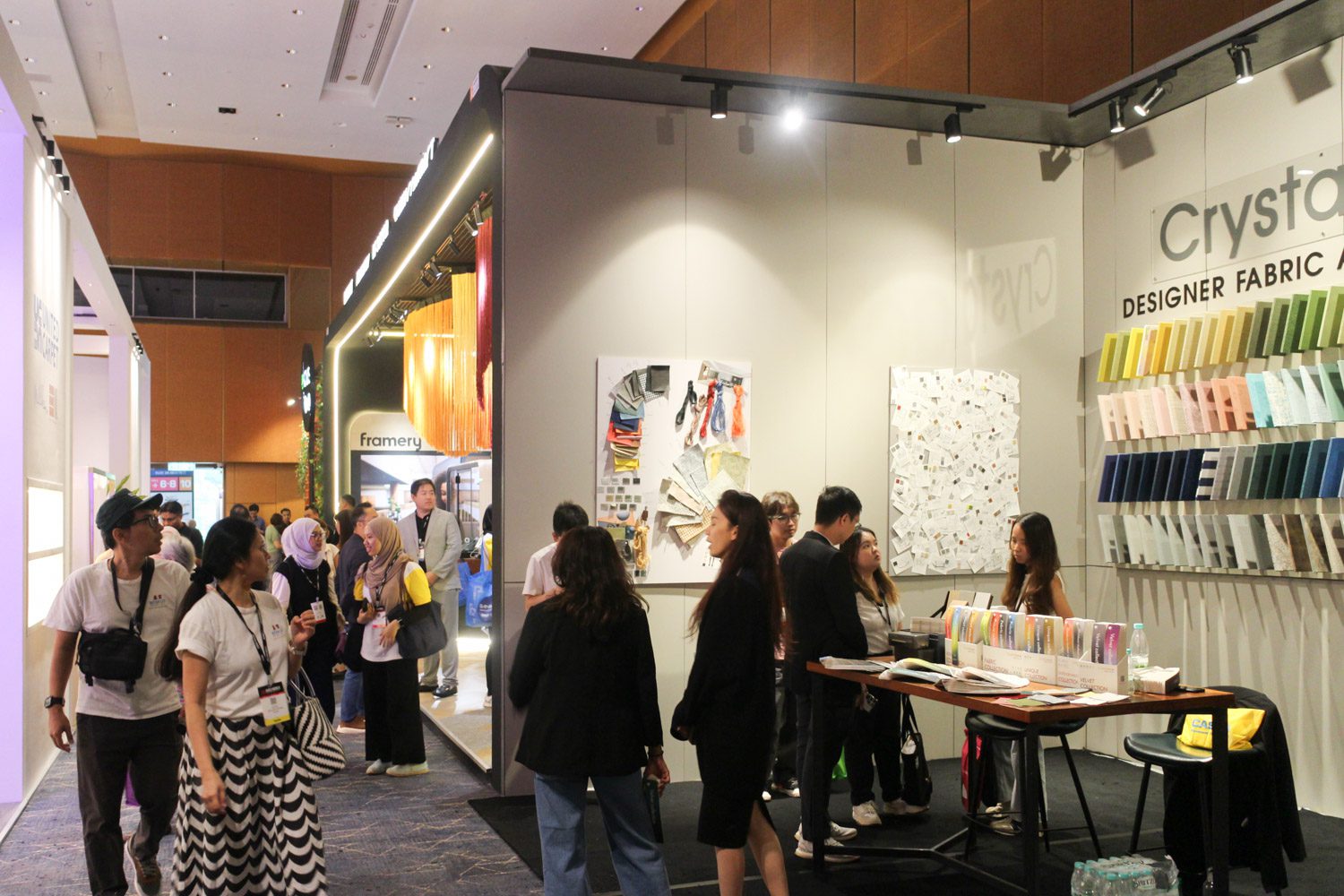
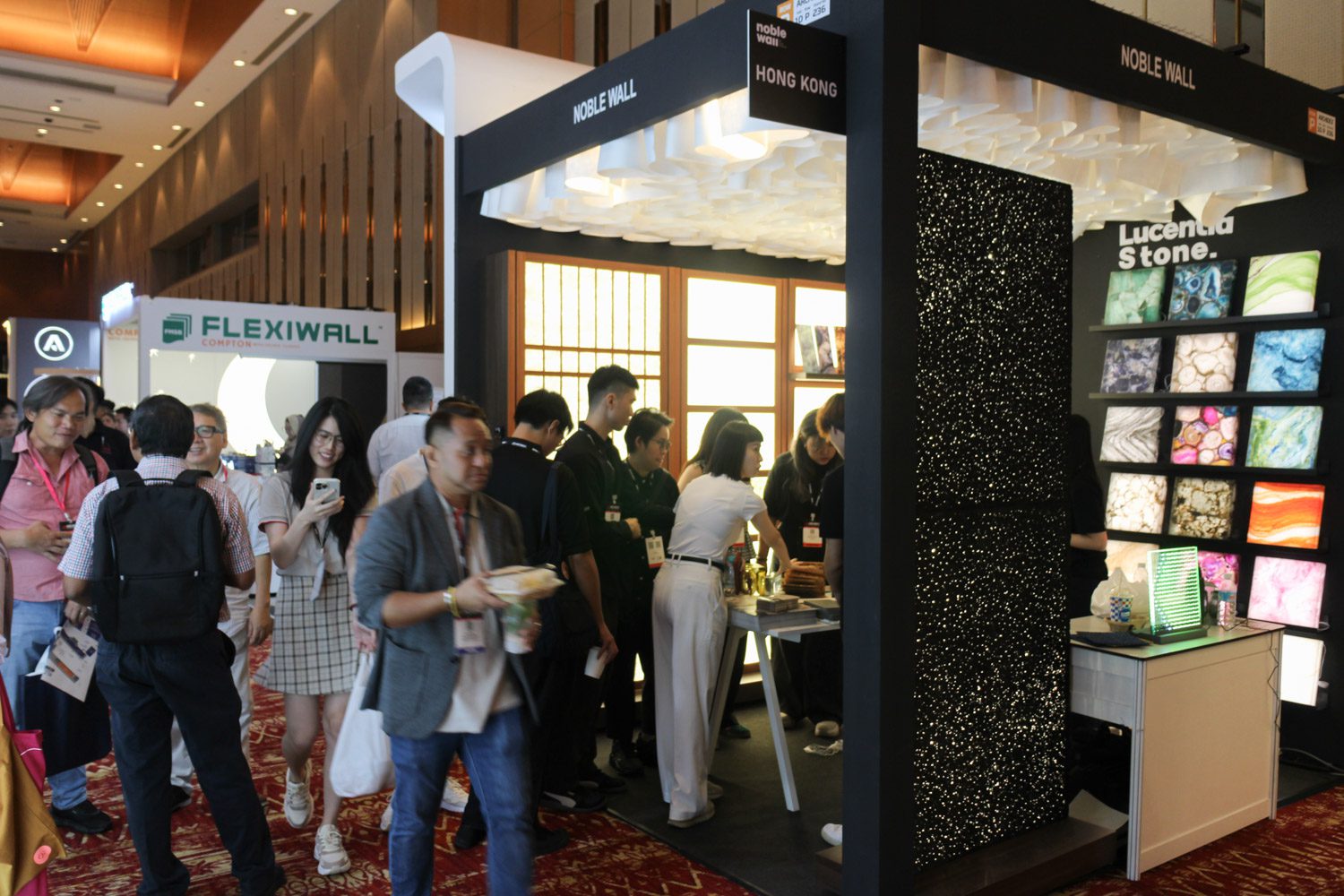
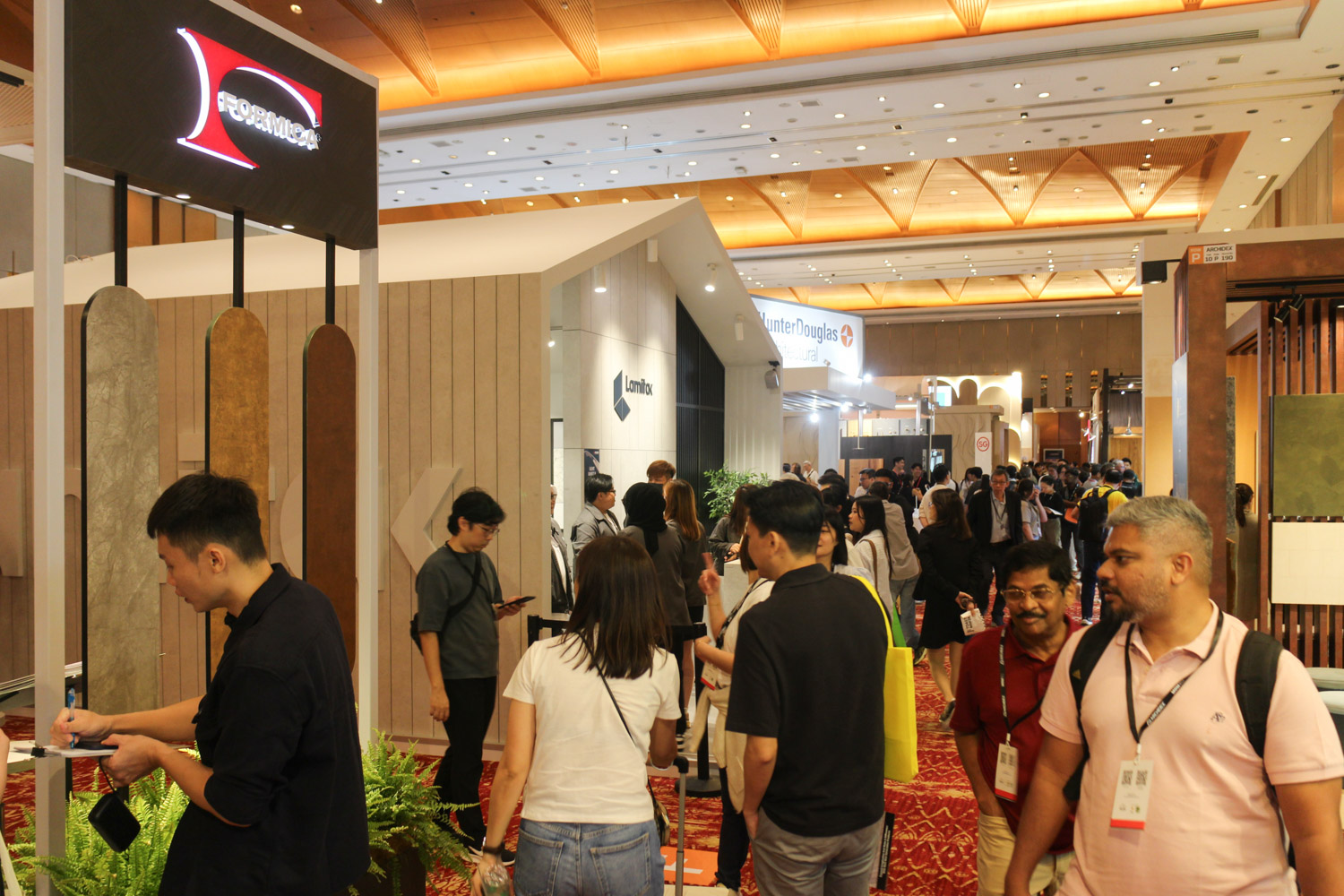
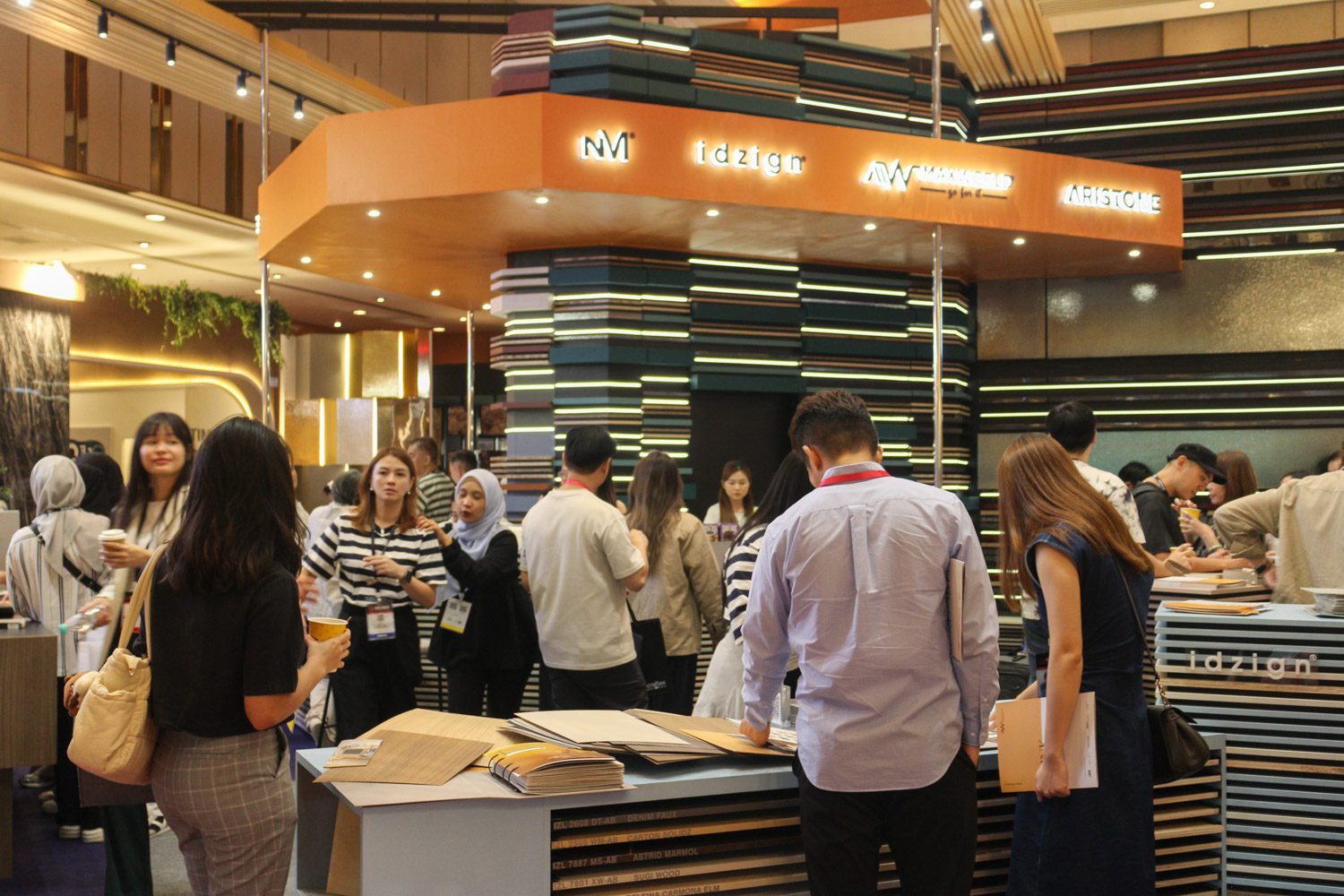
The final two halls were devoted entirely to interior-related materials, filled with suppliers and brands showcasing surface finishes and textiles through strikingly diverse presentations. Given ARCHIDEX 2025’s expanded scale, some might assume that increasing floor area without adding new content would risk monotony. In practice, however, the exhibitors more than compensated for this through bold, hands-on demonstrations of material capabilities. If a material could bend, it was bent to its limits. If it needed to be seen in full sheets, it was displayed in its entirety. Some brands, boasting vast libraries of surface options, even opted to present only the edge profiles, creating a display that felt uncannily reminiscent of browsing an art supply and stationery store, where pulling out drawer after drawer to see samples is part of the delight.
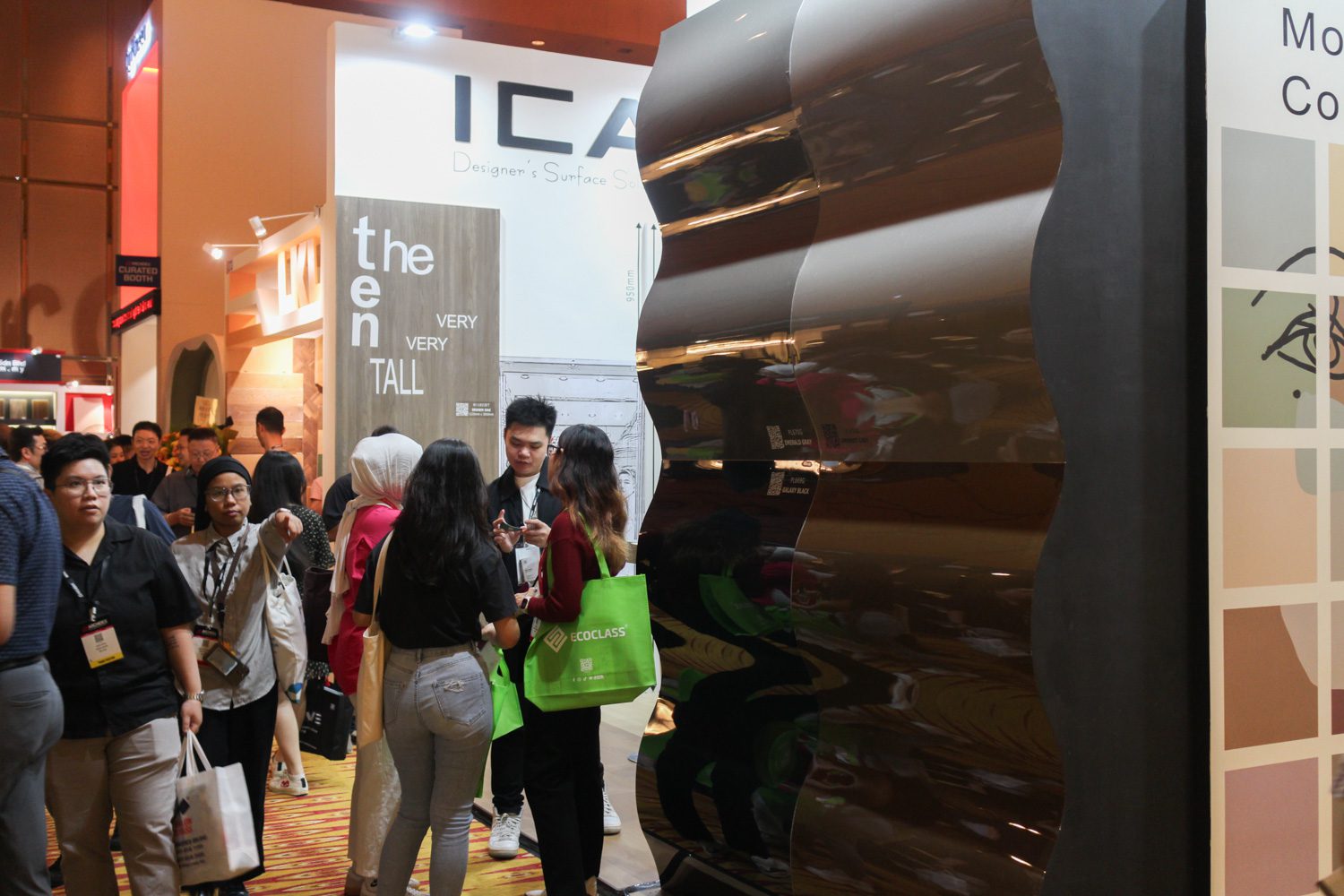
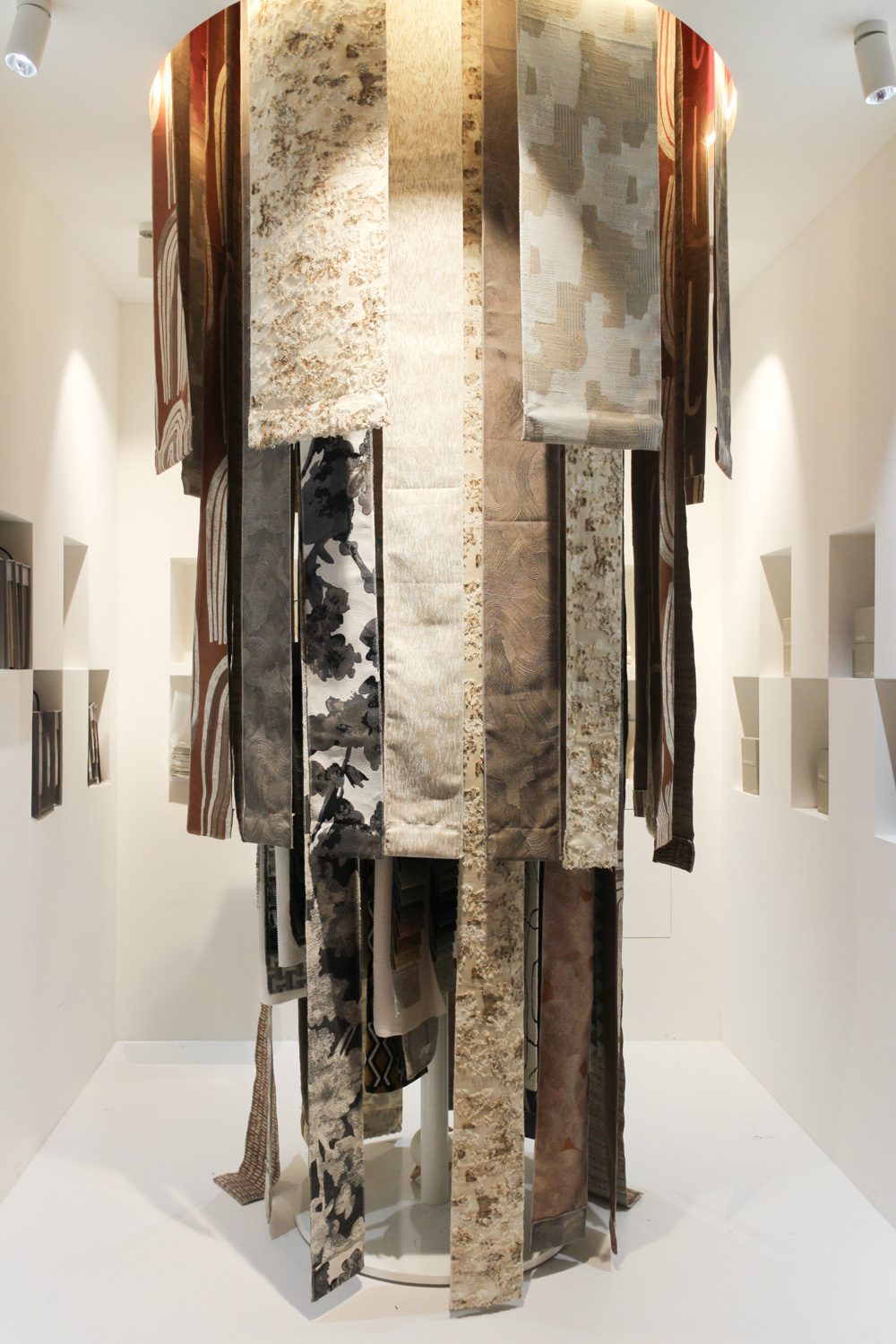
It is clear that in 2025, ARCHIDEX not only expanded in scale but also broadened its thematic scope. Alongside its cornerstone design-focused talks such as the DATUM series, ARCHIDEX Biz Talk, ARCHIDEX Focus Forum, and The Forum, this year’s edition extended into real estate and introduced more specialized design disciplines within the fair itself. This expansion was evident in the ASEAN Real Estate Conference (AREC), held in Hall 5A, which combined an exhibition, a series of talks, and business matching sessions. Other notable additions included the WoW zone in Hall 7 and FENESTEX at MITEC.
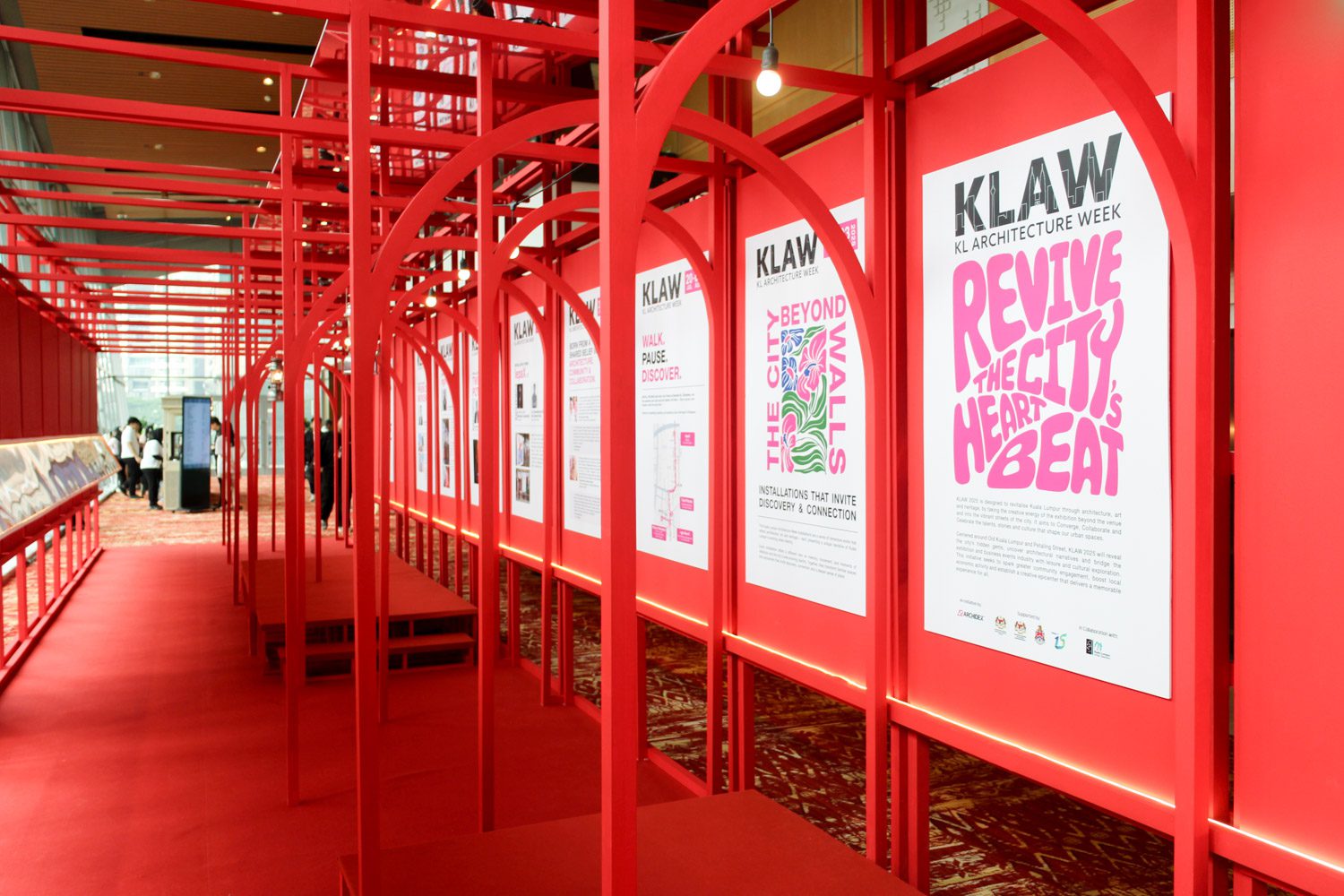
KLAW Pavilion
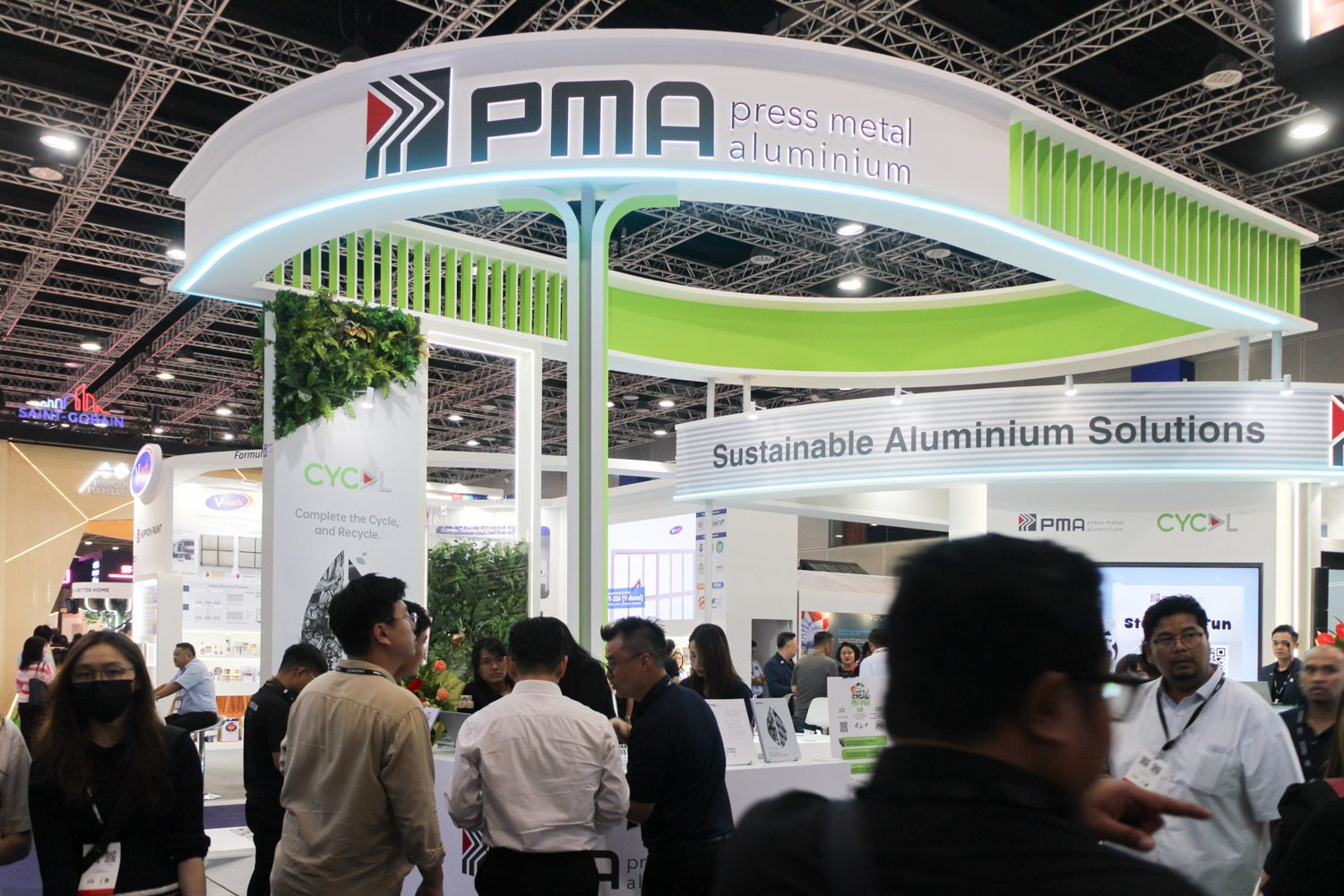 Strategic Partners’ booth
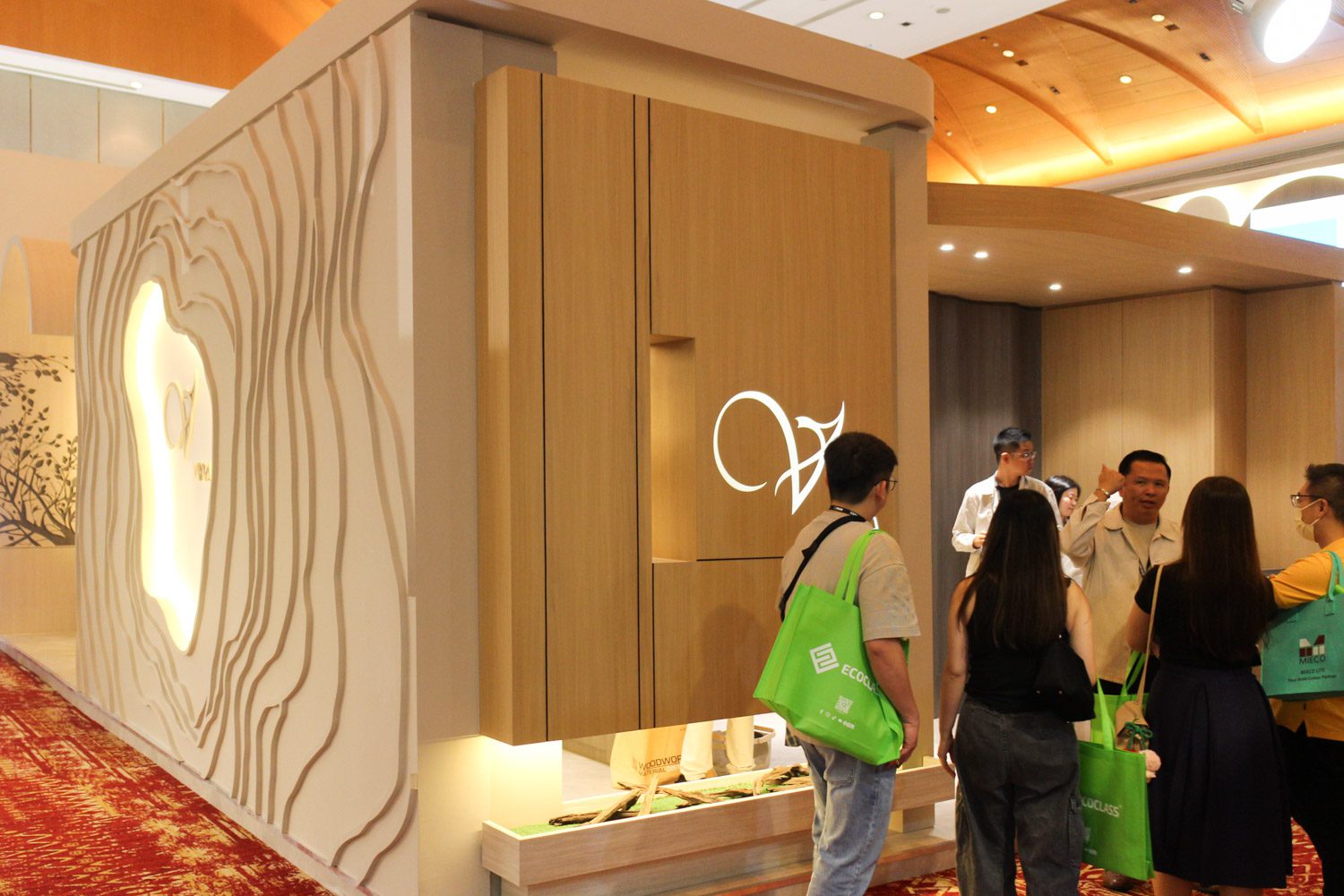
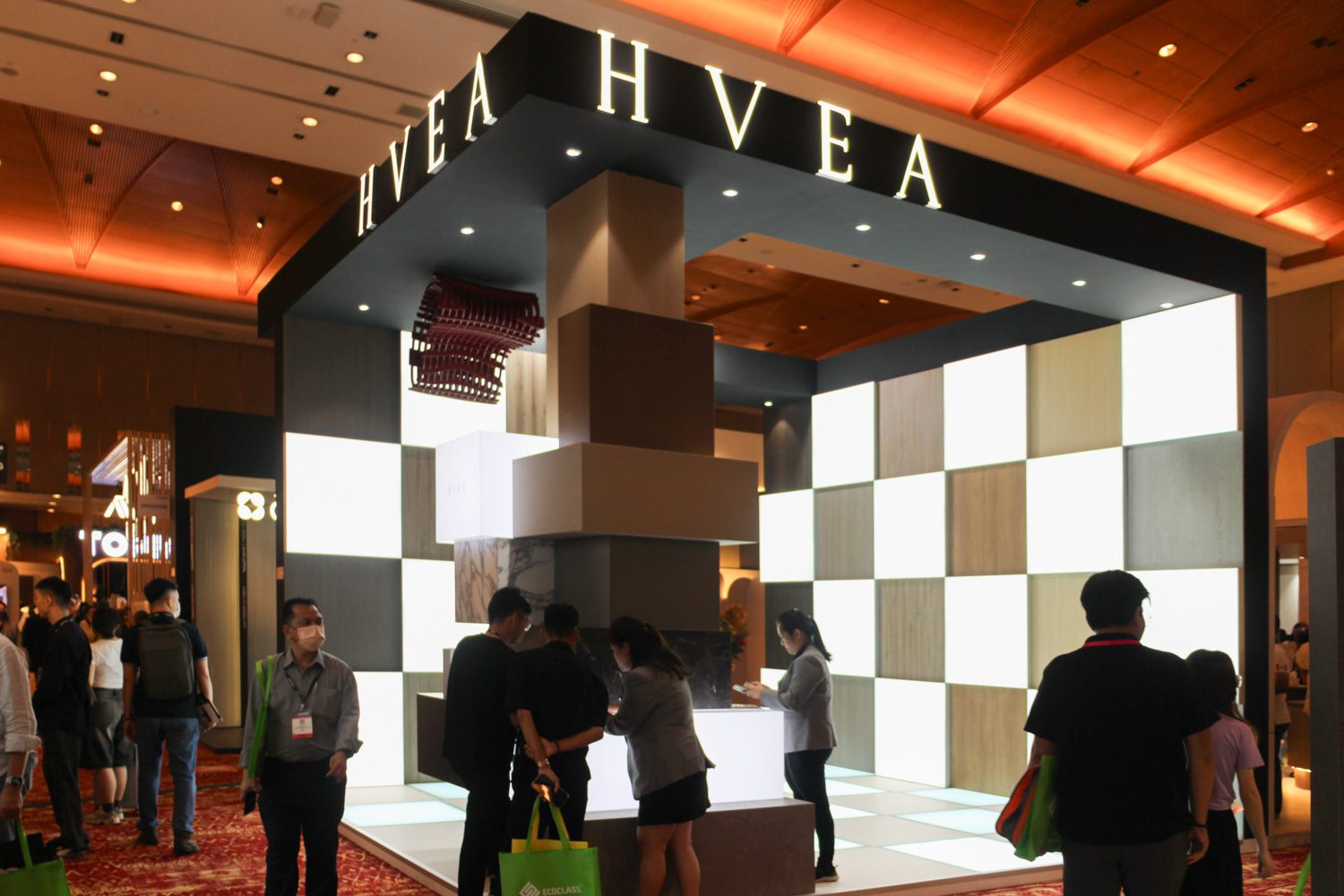
From the writer’s perspective, while the booth designs may not have been as visually striking as in 2024, there was still no shortage of vibrancy, thanks in part to the presence of Strategic Partners such as PMA, Vera, and HVEA. Not only that, ARCHIDEX’s integration into KL Architecture Week (KLAW) enriched the surrounding urban atmosphere, making the areas around the fair more walkable and lively. Collectively, these efforts attracted around 56,000 visitors from more than 110 countries, a testament to the event’s remarkable impact and growing international reach.
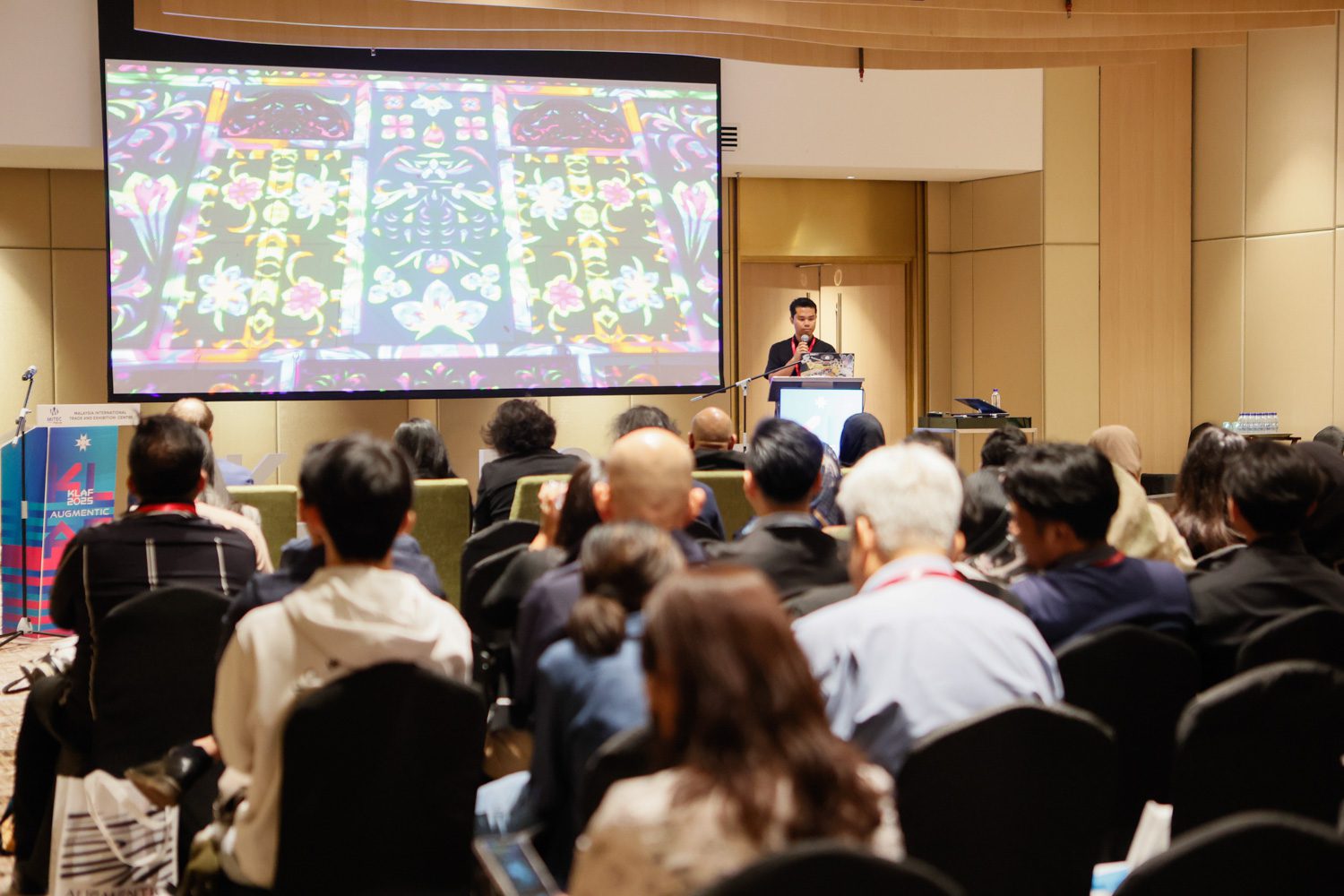
DATUM | Photo courtesy of ARCHIDEX 2025