
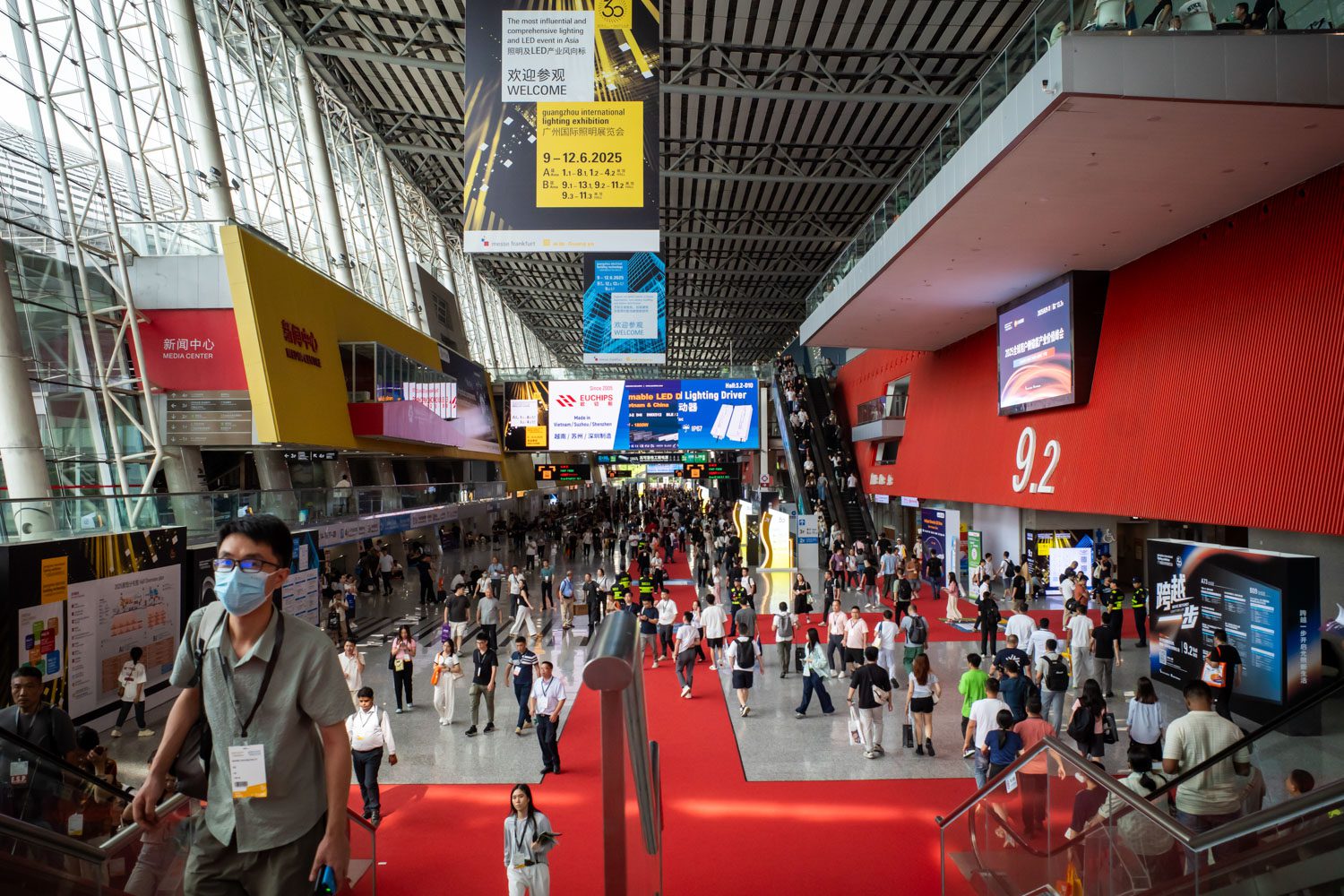
EXPLORE THE WORLD OF LIGHT INNOVATION AT GILE 2025, WHICH COMBINES TECHNOLOGY AND SPACE DESIGN FOR A BETTER QUALITY OF LIFE ACROSS 250,000 SQUARE METERS
TEXT: KITA THAPANAPHANNITIKUL
PHOTO: KITA THAPANAPHANNITIKUL EXCEPT AS NOTED
(For Thai, press here)
We all recognize the pivotal role light plays in design. Today, the search for openings that invite natural light into a space has become almost instinctive, a common pursuit in contemporary practice. Where daylight falls short, artificial illumination steps in to propel architecture beyond the boundaries of human imagination. It shapes not only experience and atmosphere but also ensures that a building’s vitality endures long after the sun has dipped below the horizon.
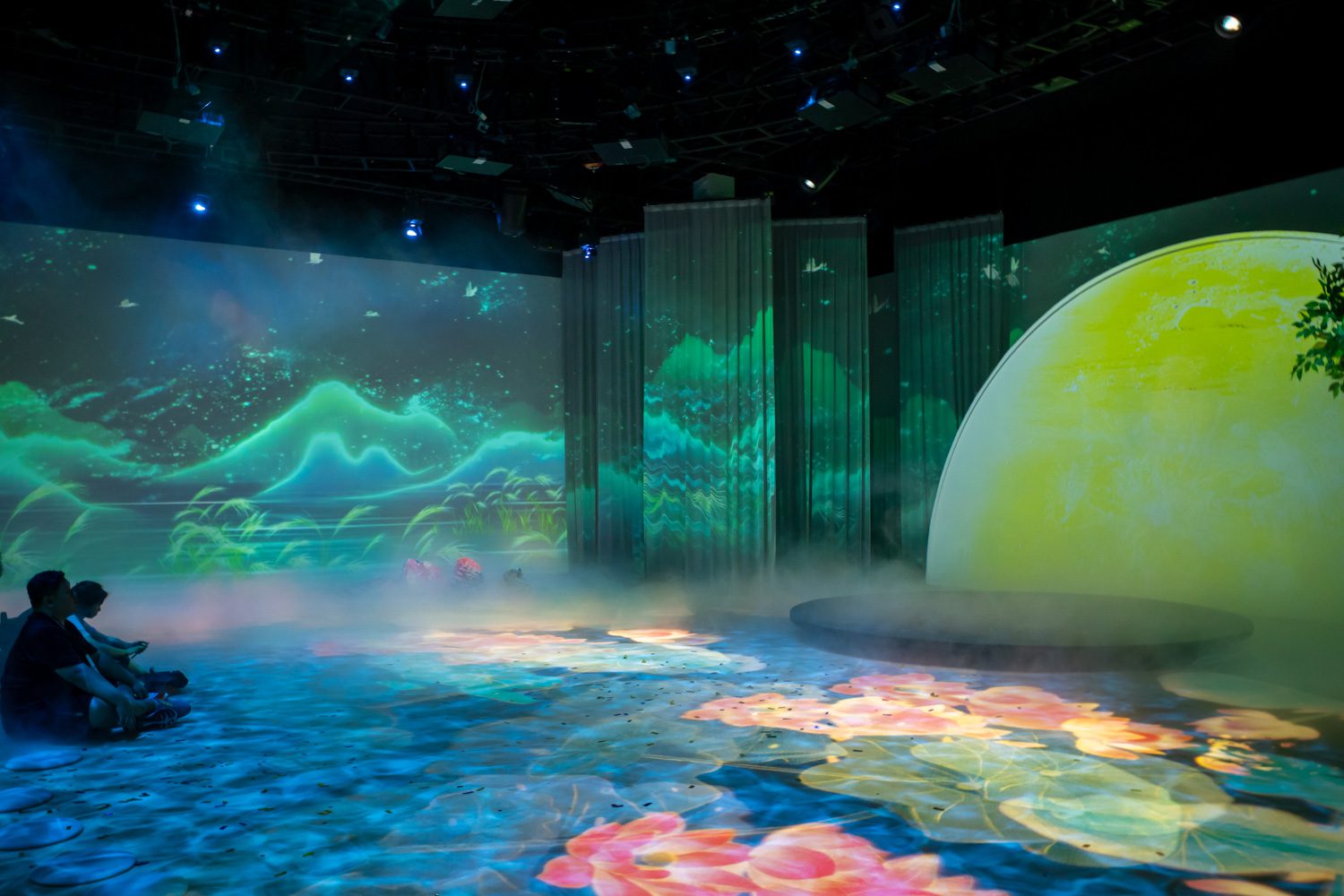
Among designers, lighting design itself remains a specialized discipline with relatively few true experts in the field. This scarcity raises an essential question: for those of us eager to explore this crucial aspect of design, where can we begin to build a meaningful understanding—whether that involves product-oriented decisions, such as selecting the right fixtures, crafting an experiential narrative through the use of light in varied environments, or diving into more technical considerations like choosing light controllers or adopting emerging innovations?
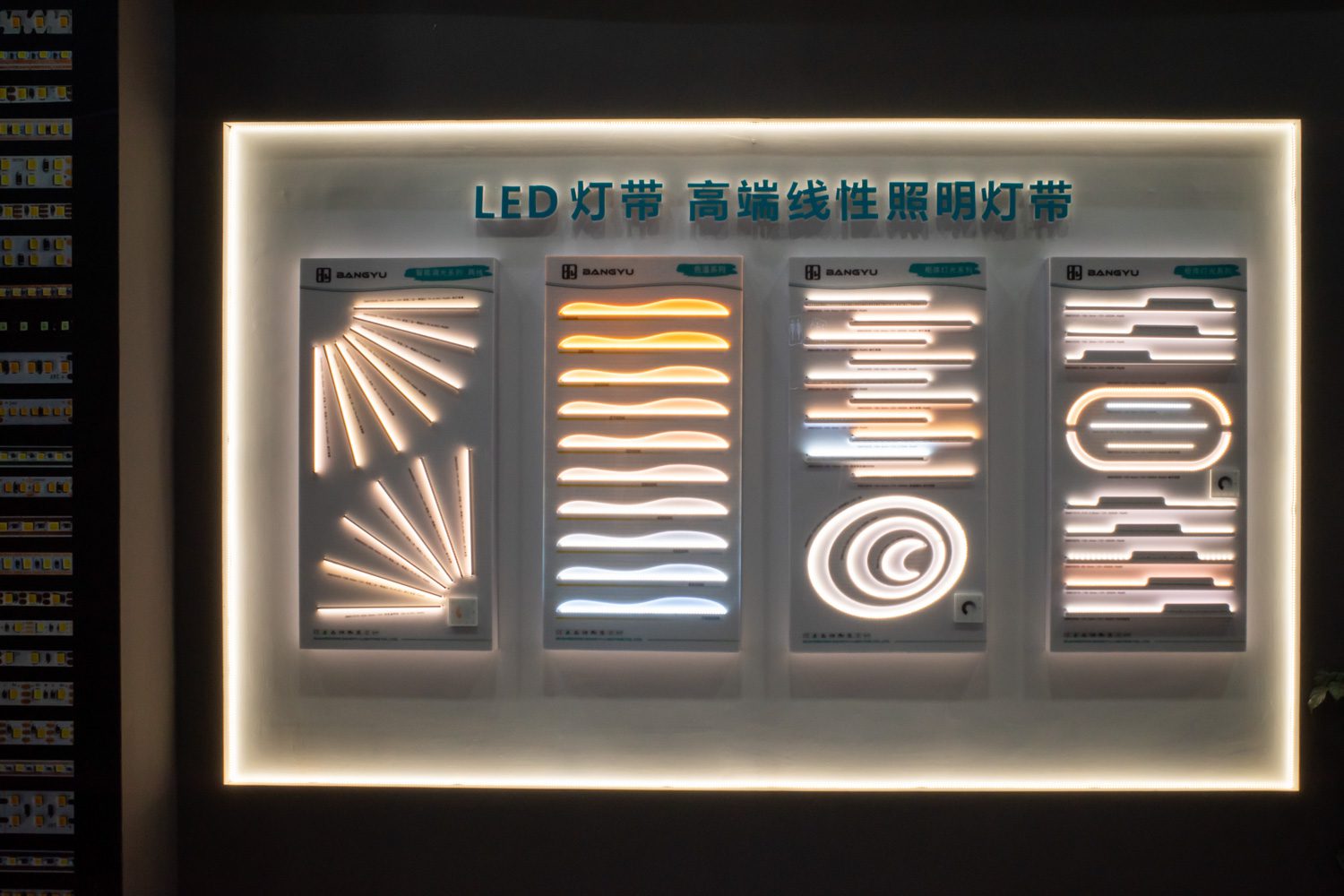
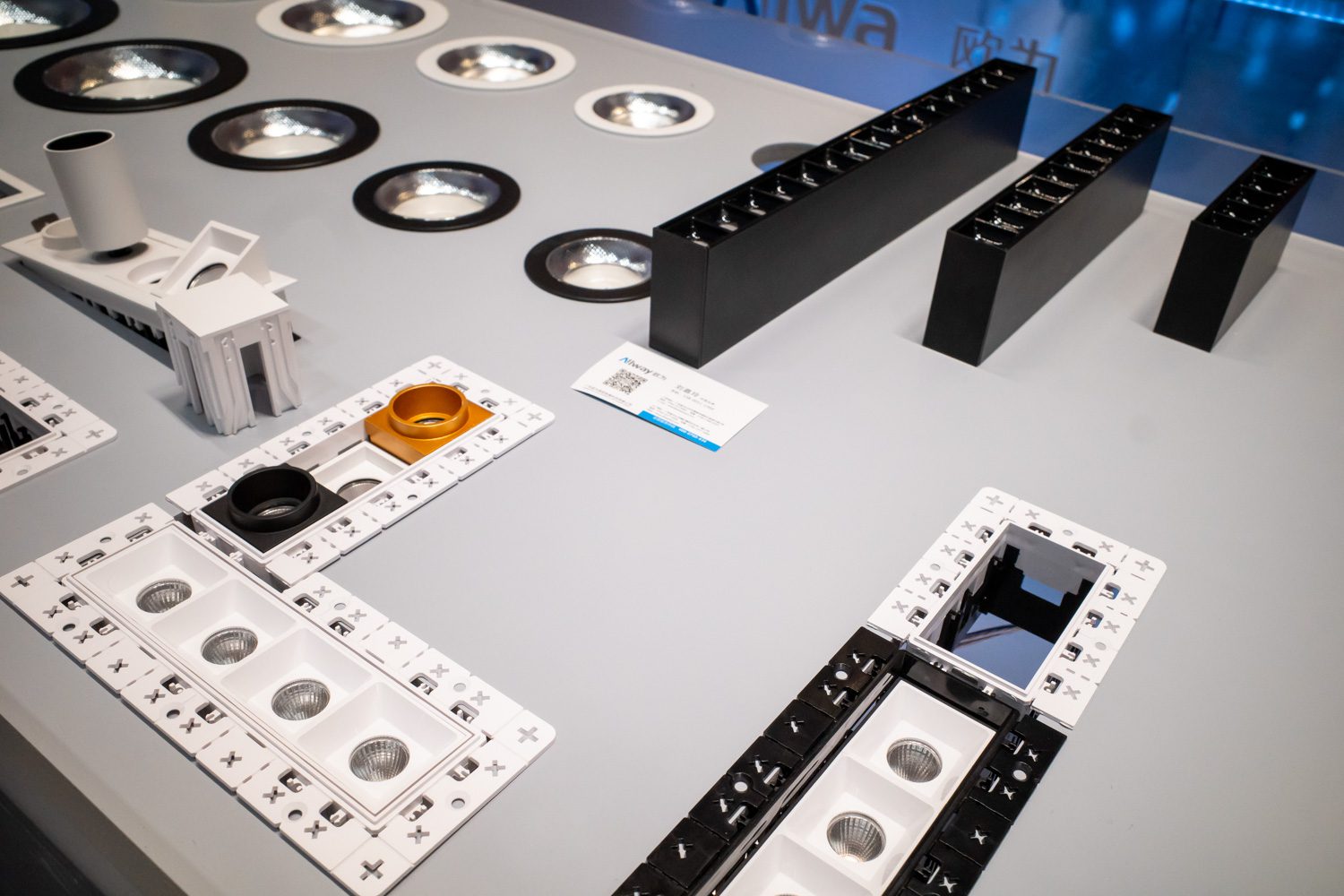
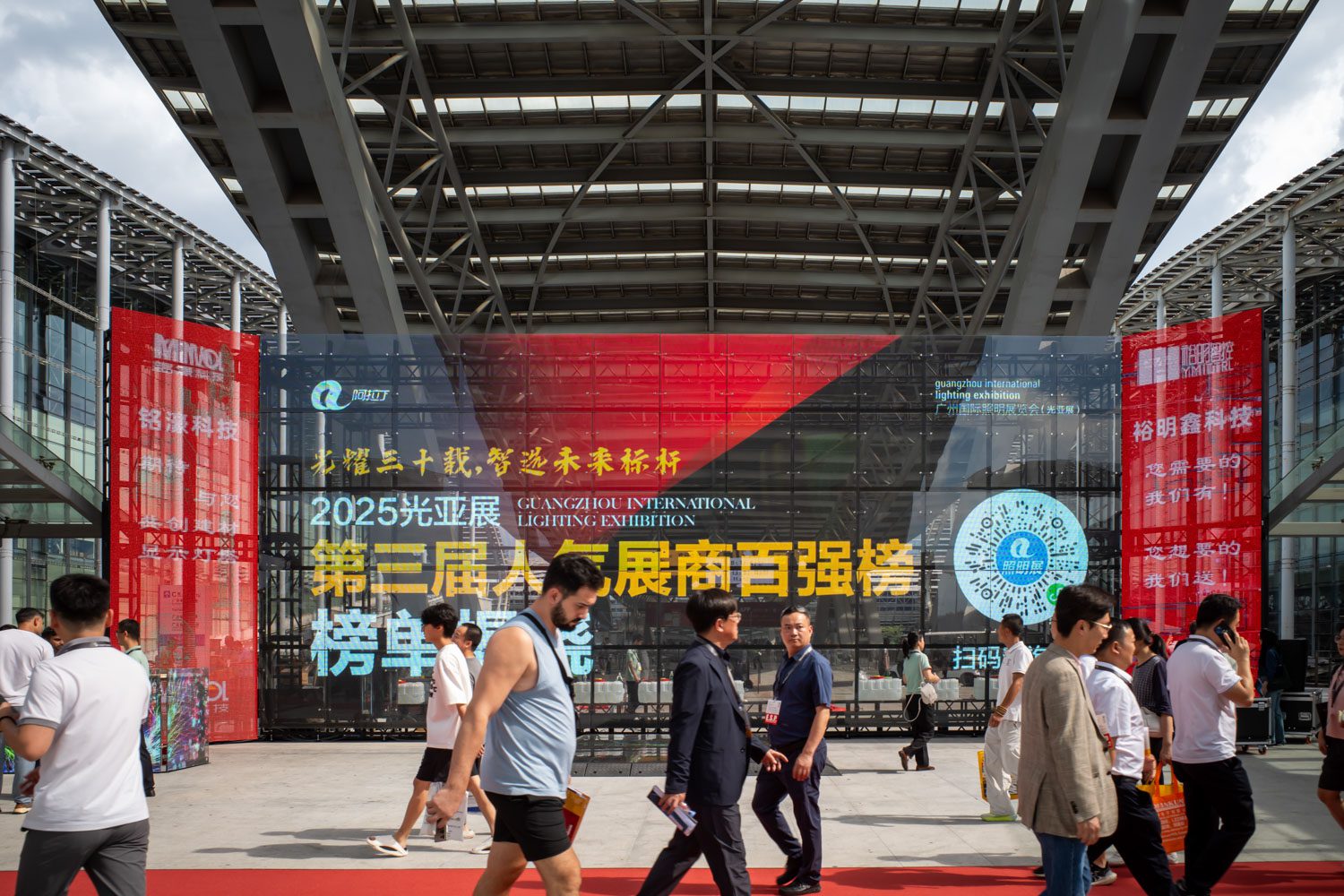
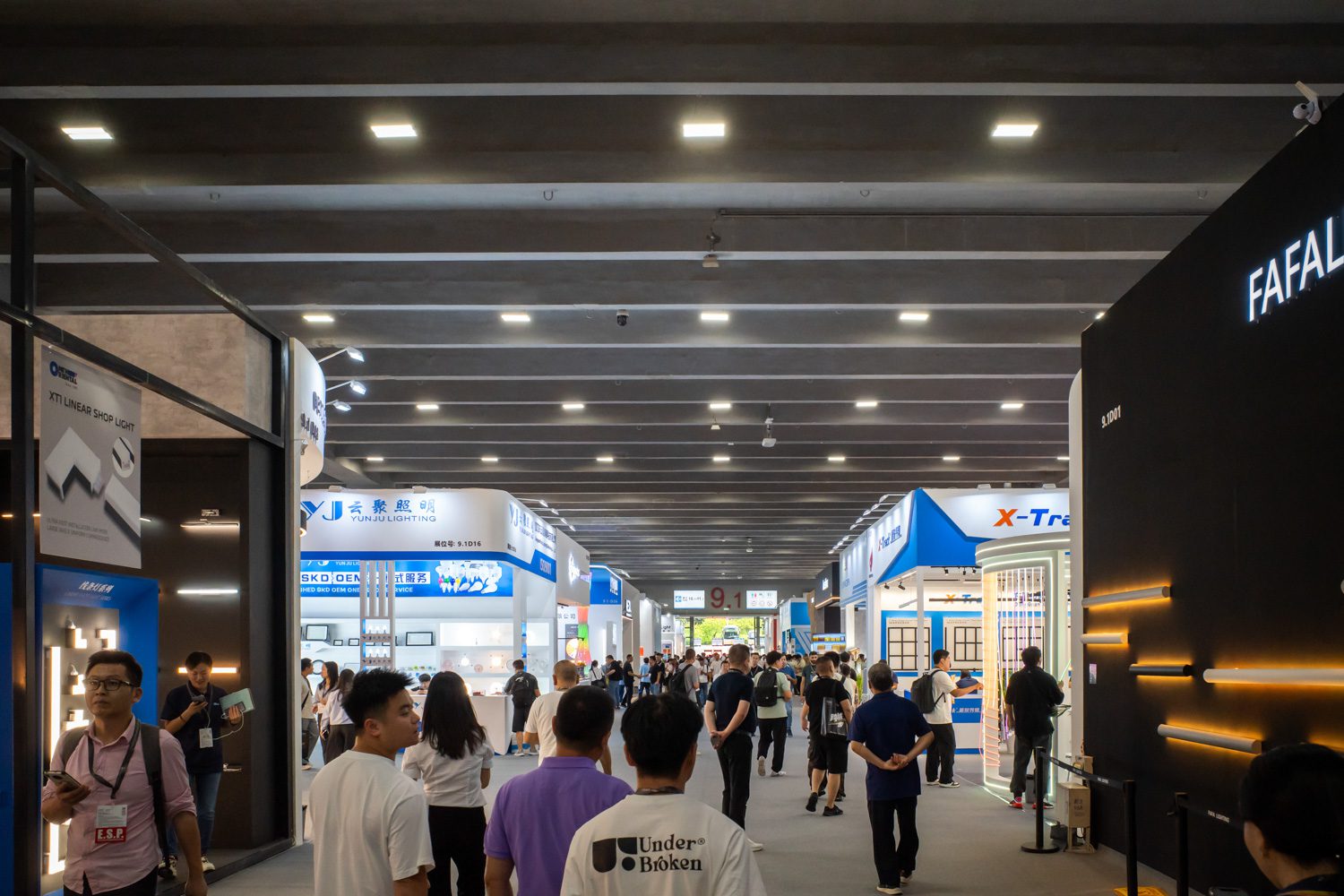
Recently in China, the country’s largest annual trade fair for the electrical and lighting industries, Guangzhou International Lighting Exhibition (GILE) 2025, was held at the vast China Import and Export Complex. The exhibition spanned an impressive 250,000 square meters (to put that in perspective, Thailand’s IMPACT Exhibition Center has a total area of about 140,000 square meters) and featured more than 3,200 exhibitors. This year’s edition was particularly momentous, marking GILE’s 30th anniversary and running concurrently with Guangzhou Electrical Building Technology (GEBT).
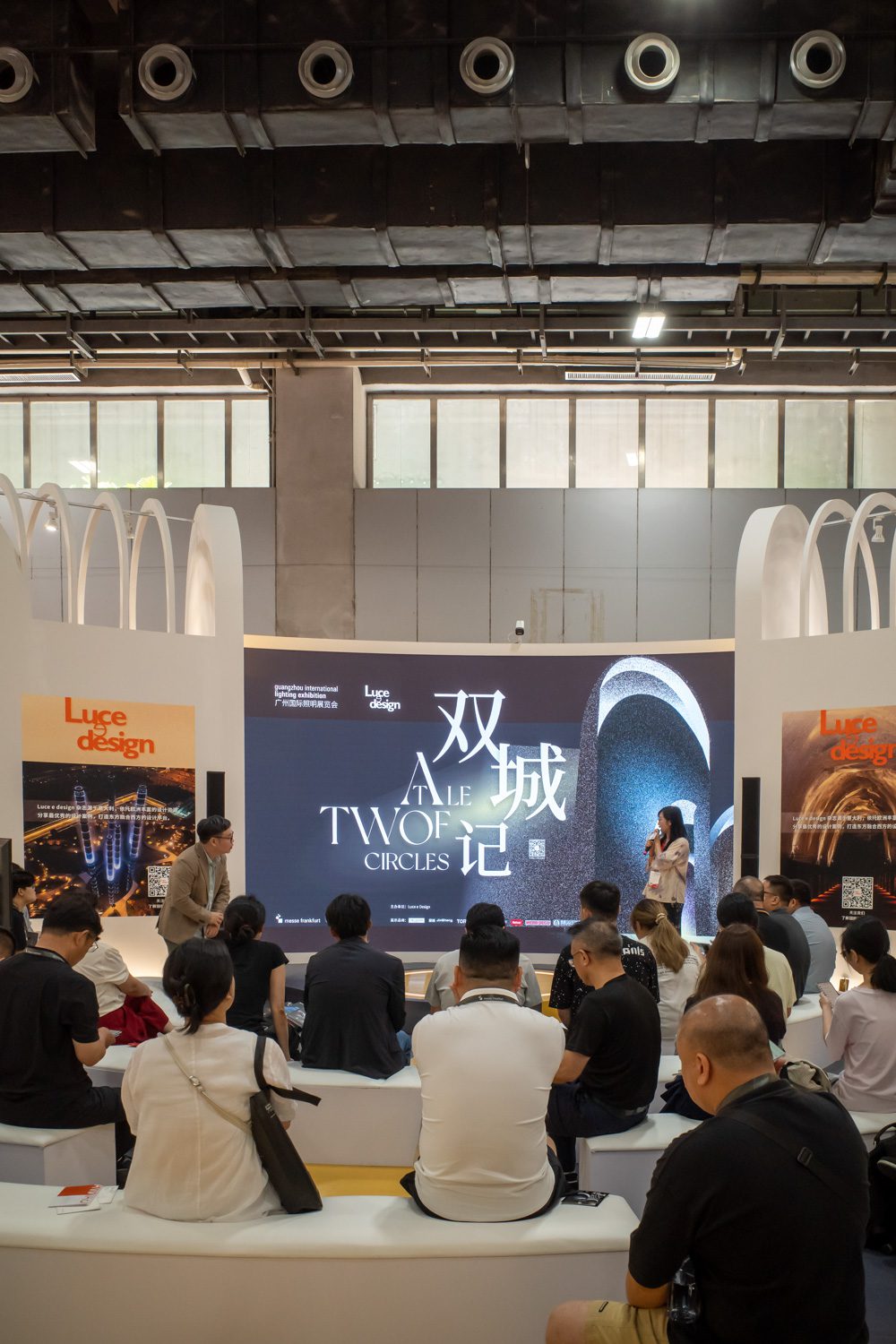
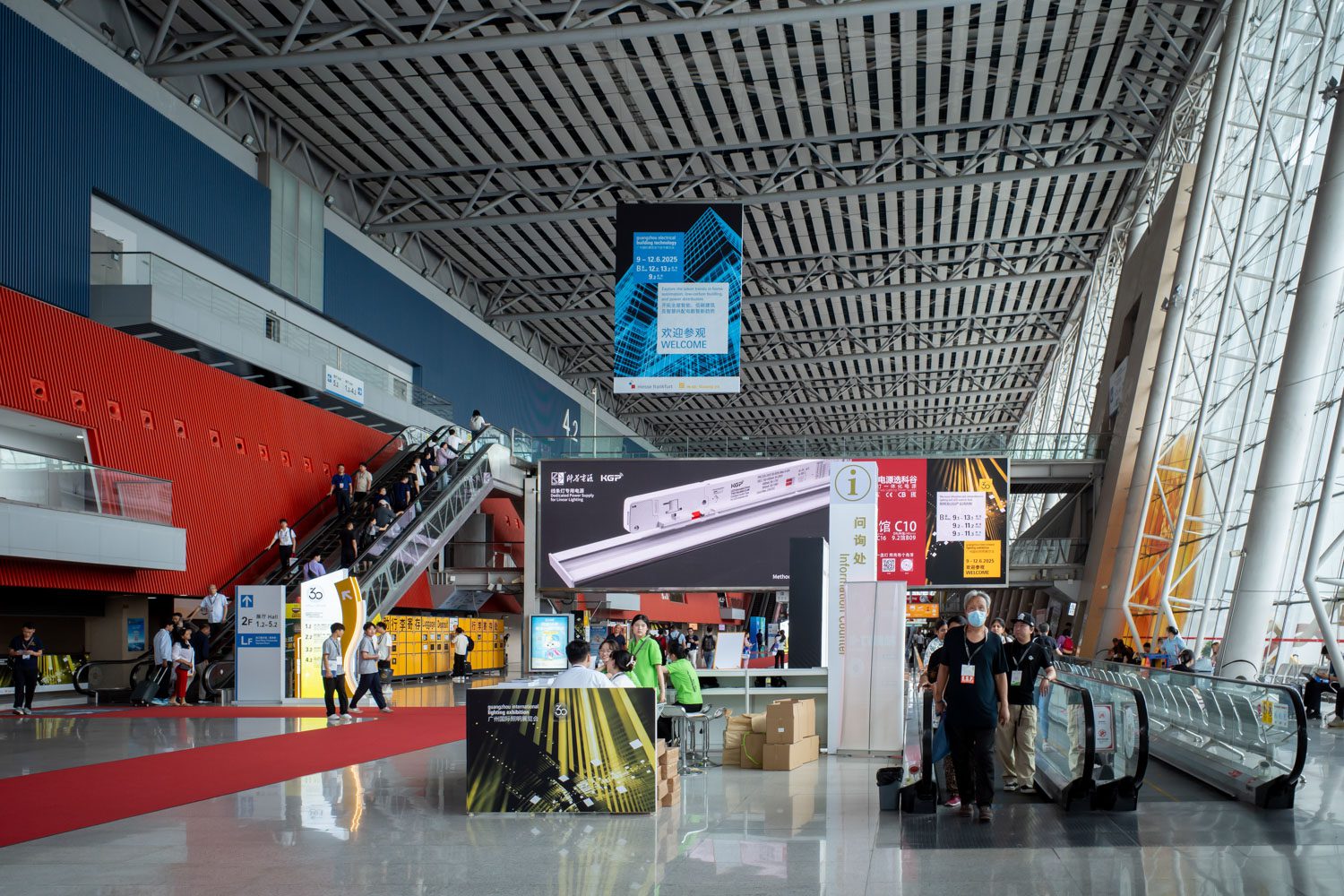
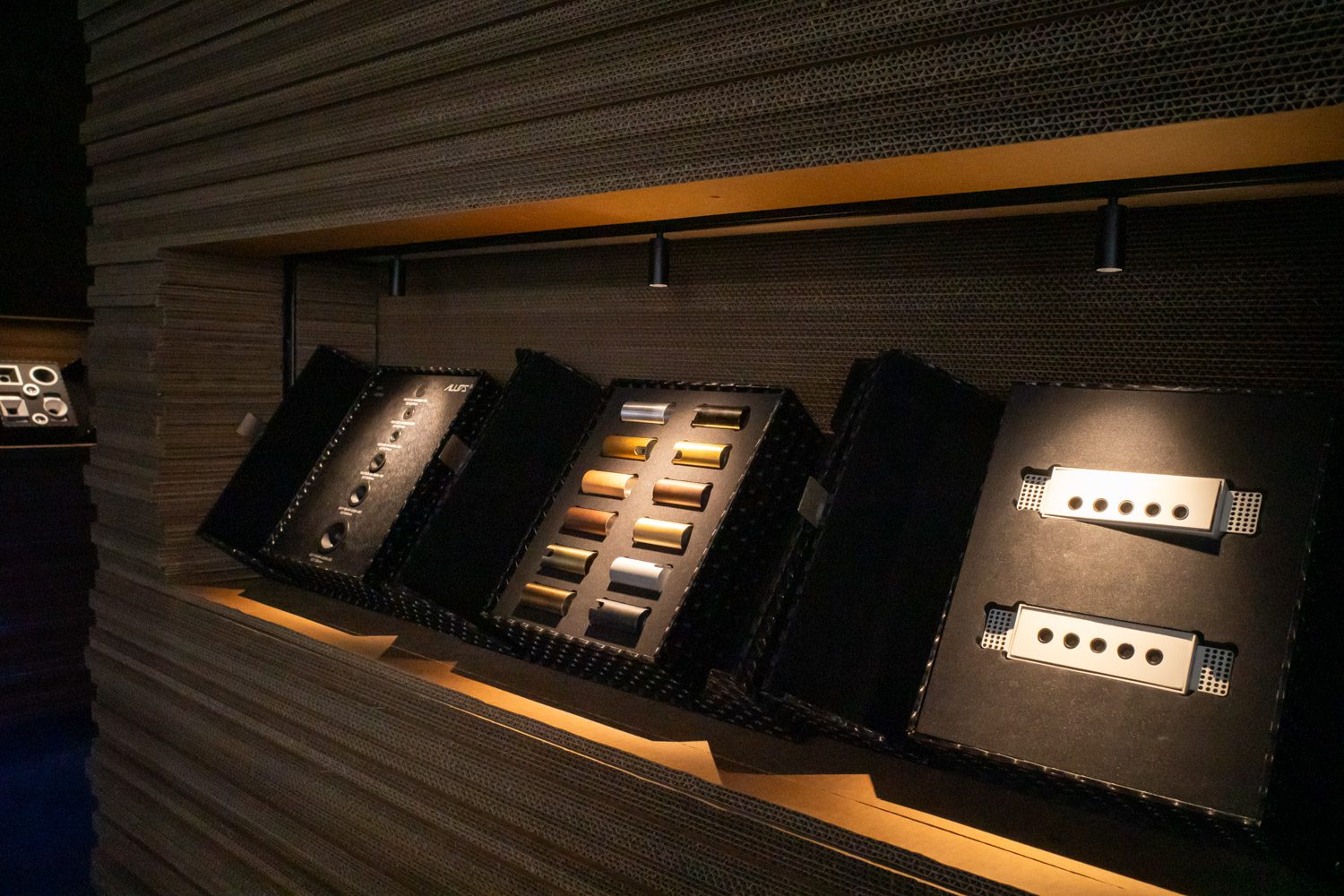
The 2025 GILE returned under the overarching theme ‘Light for Life,’ which focused on two key ideas: ‘New-quality lighting’ and ‘Light-enhanced living.’ Both concepts point toward a single priority: improving quality of life through the technologies that underpin lighting design. The exhibition was organized into two main sections to reflect these focal points.
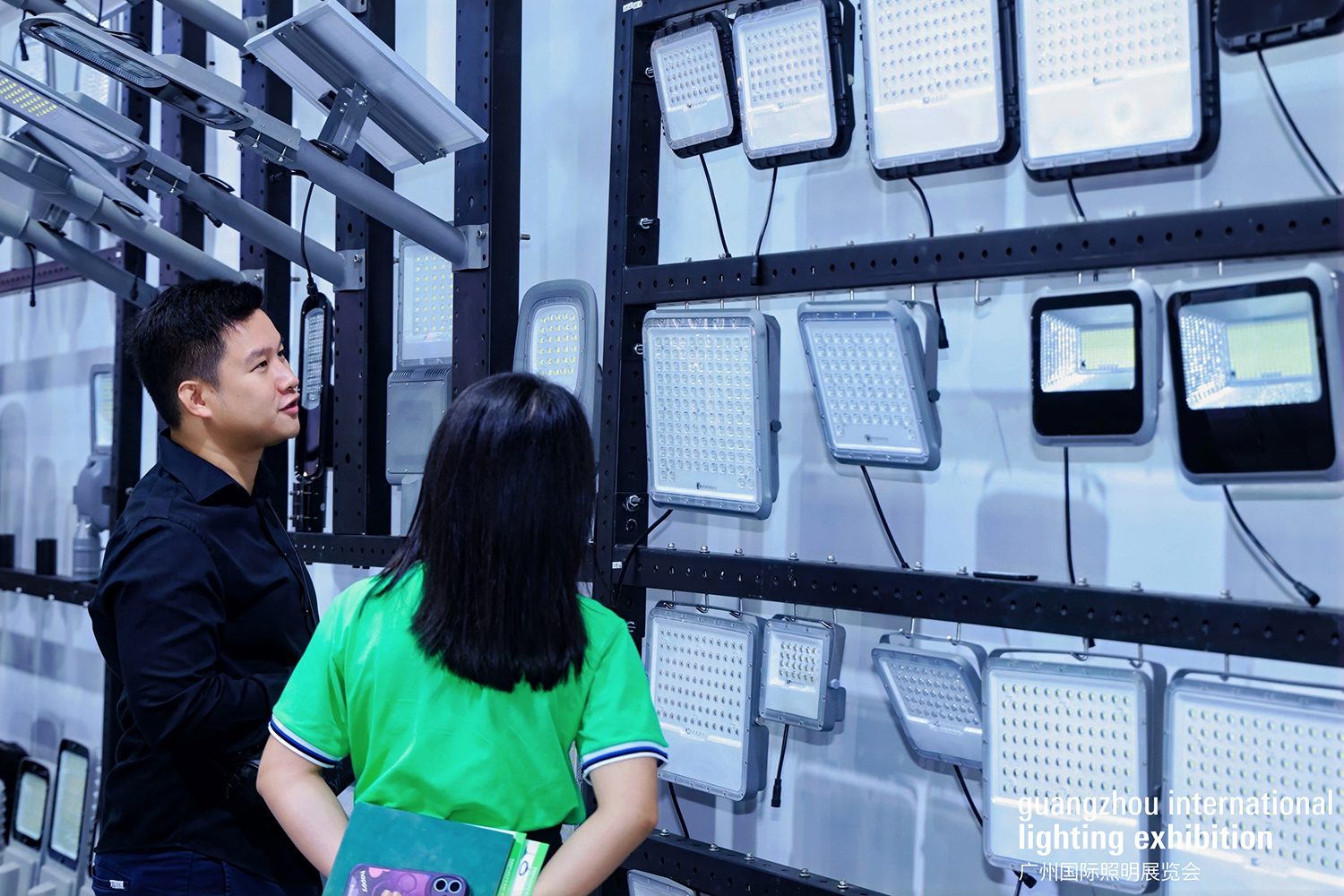
Photo courtesy of Guangzhou Guangya Messe Frankfurt Co Ltd.
The first section, Area A, showcased products under two sub-themes: Light + Quality of Life – ‘Low Carbon Living’ and Light + Agriculture – ‘Green Living.’
- Light + Quality of Life – ‘Low Carbon Living.’ This segment highlighted lighting solutions for public spaces—parks, tourist attractions, and cultural sites. The emphasis was on how lighting intersects with urban well-being on a macro level, addressing the health of cities while engaging directly with critical issues such as energy efficiency.
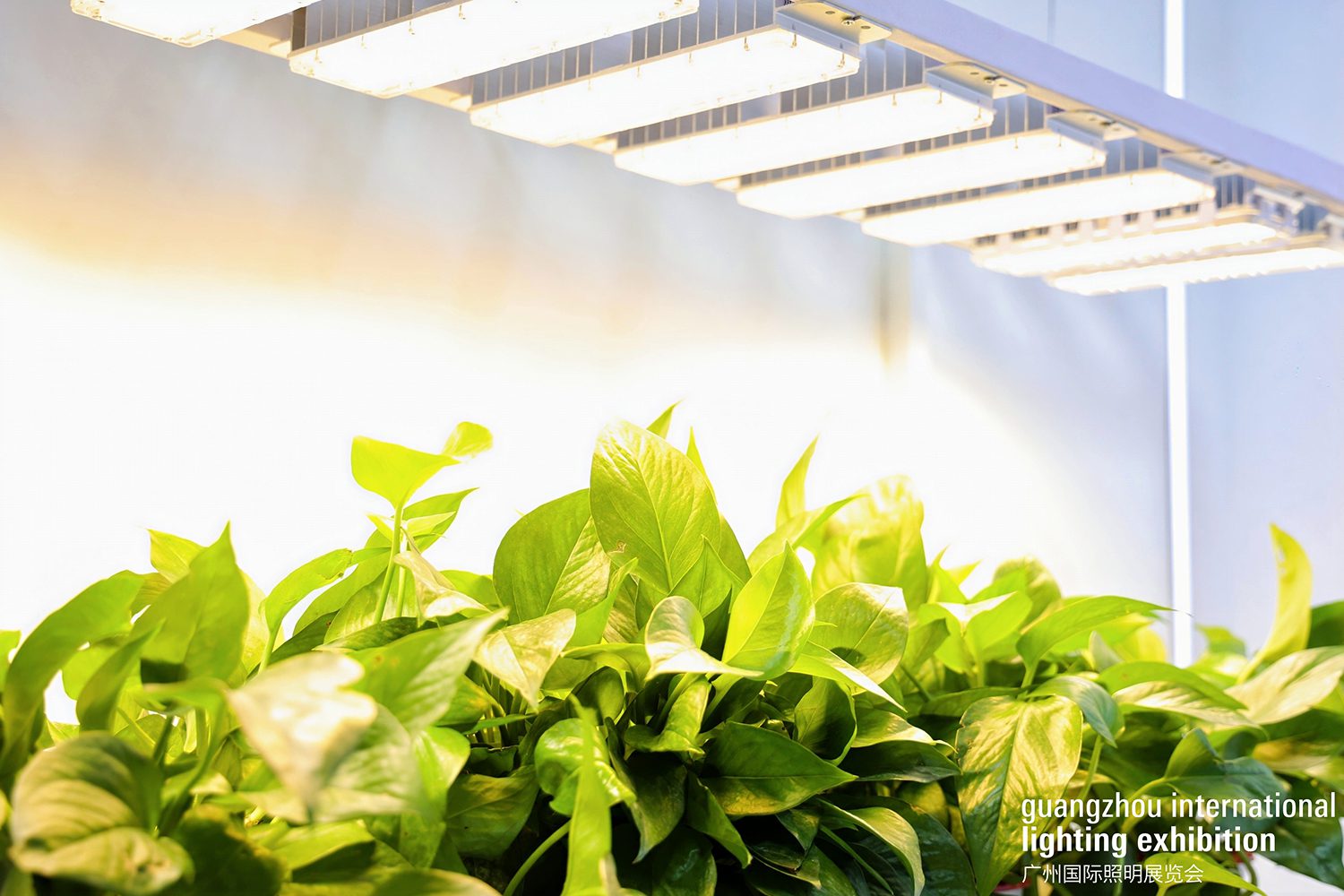
Photo courtesy of Guangzhou Guangya Messe Frankfurt Co Ltd.
- Light + Agriculture – ‘Green Living.’ Light touches every dimension of human life, even the sphere of commodities. This area focused on lighting applications in agriculture: from artificial light systems that support cultivation, to technologies designed to reduce energy consumption, and even the integration of big data and AI to optimize agricultural processes.
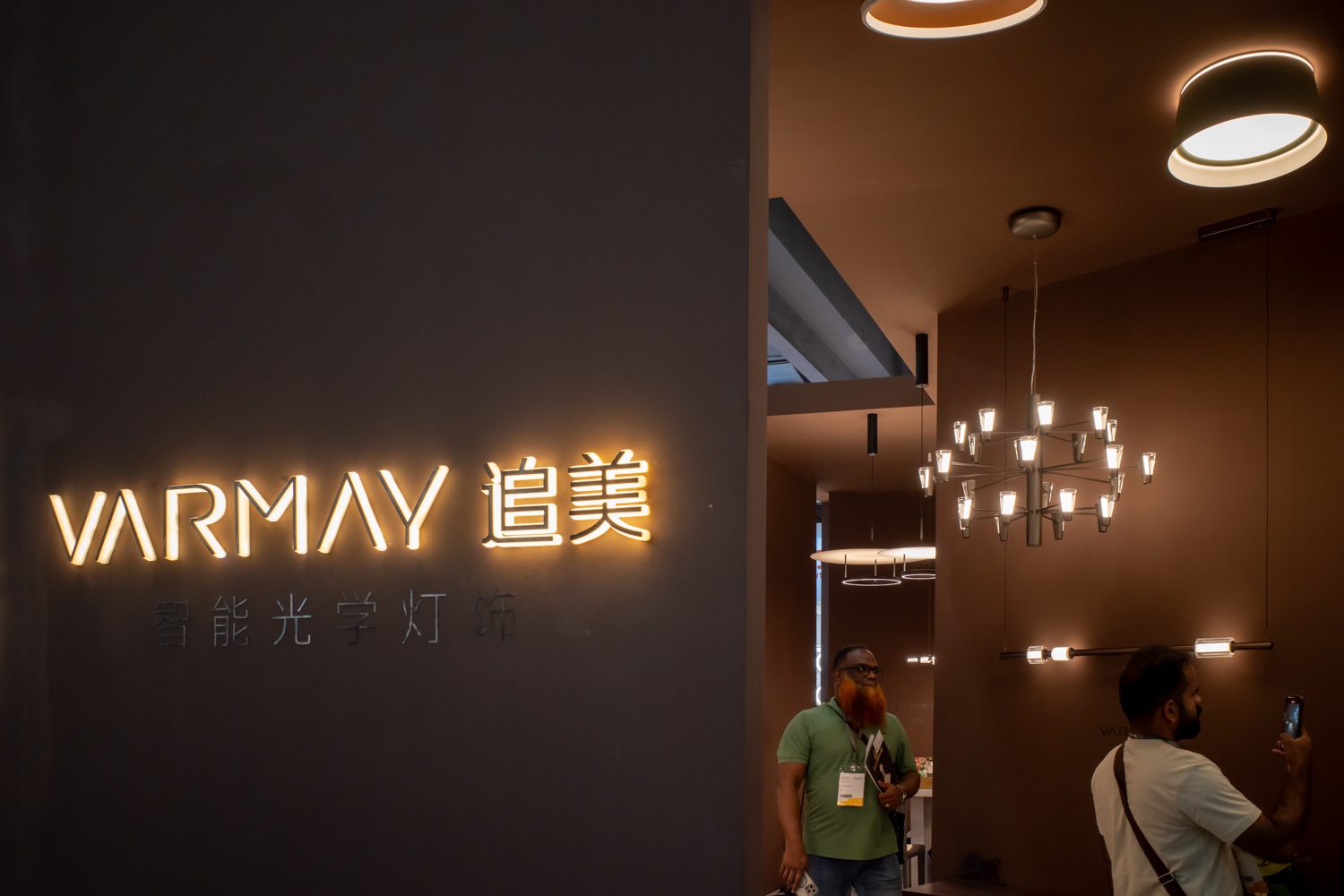
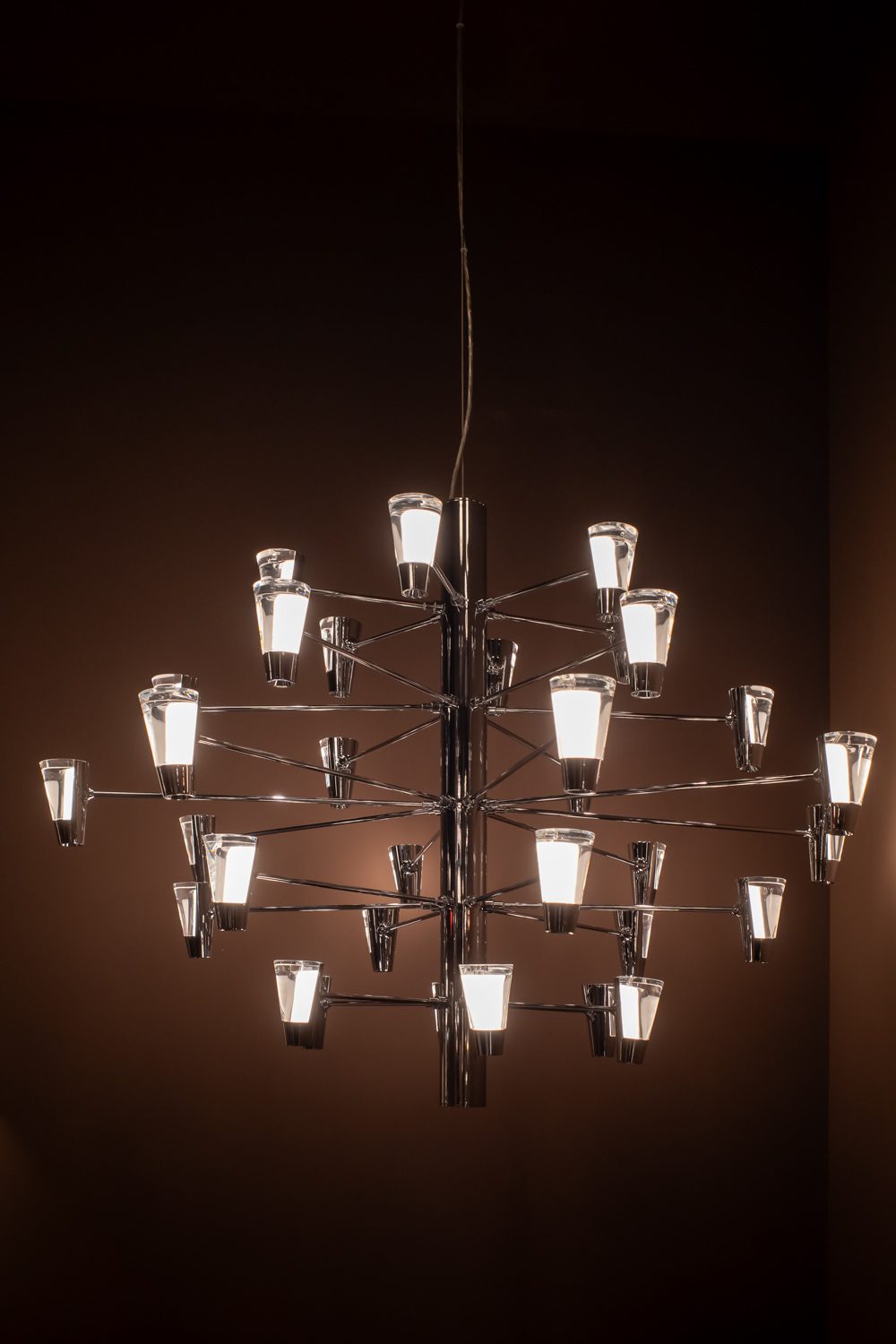
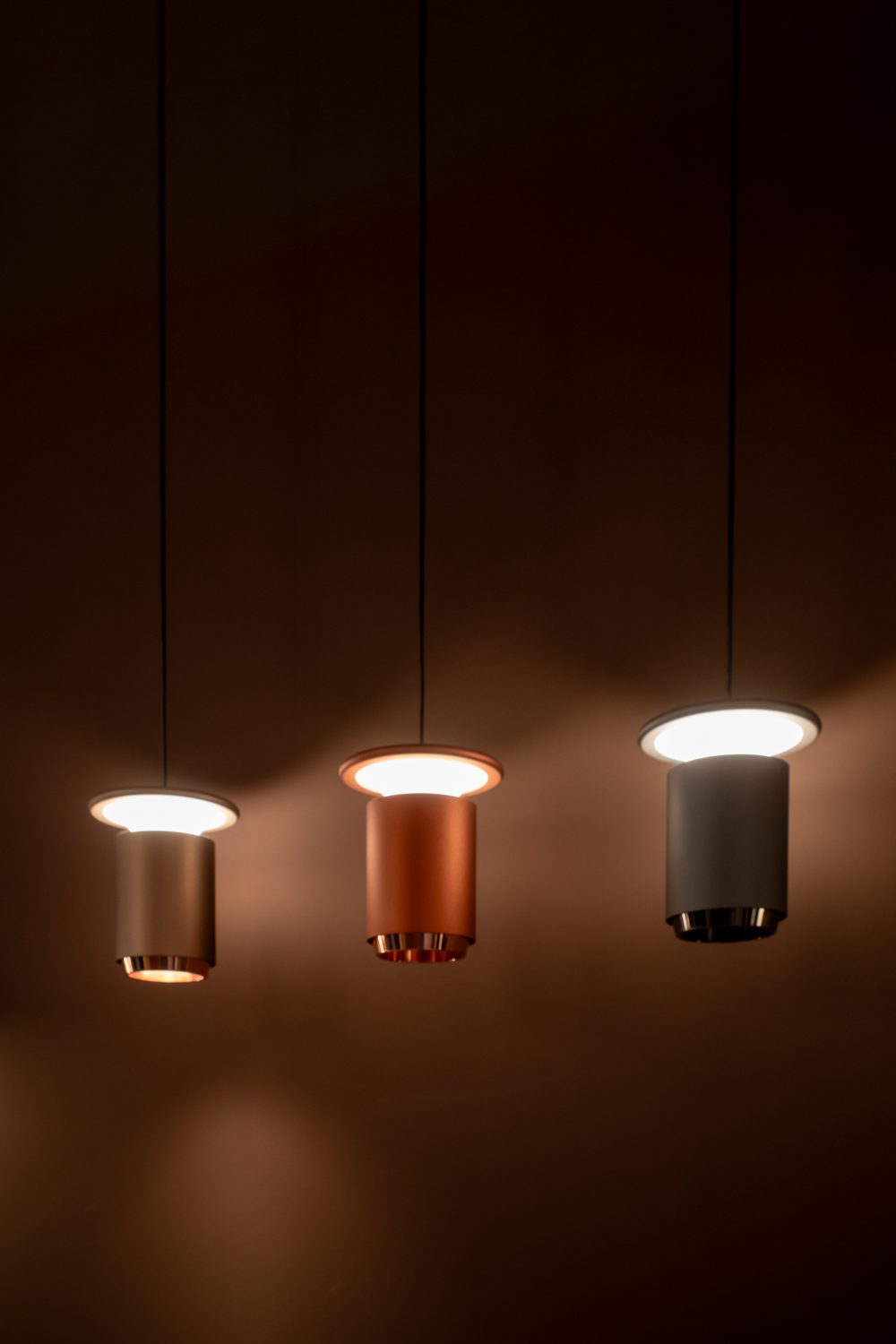
The second section, Area B, featured products under two sub-themes: Light + Aesthetics: ‘Inspired Living’ and Light + Smart Technology: ‘Connected Living.’
- Light + Aesthetics: ‘Inspired Living.’ This area centered on beauty and emotion, showcasing everything from the sculptural design of luminaires to lighting solutions that respond to mood and atmosphere, capable of transforming spatial ambiance automatically.
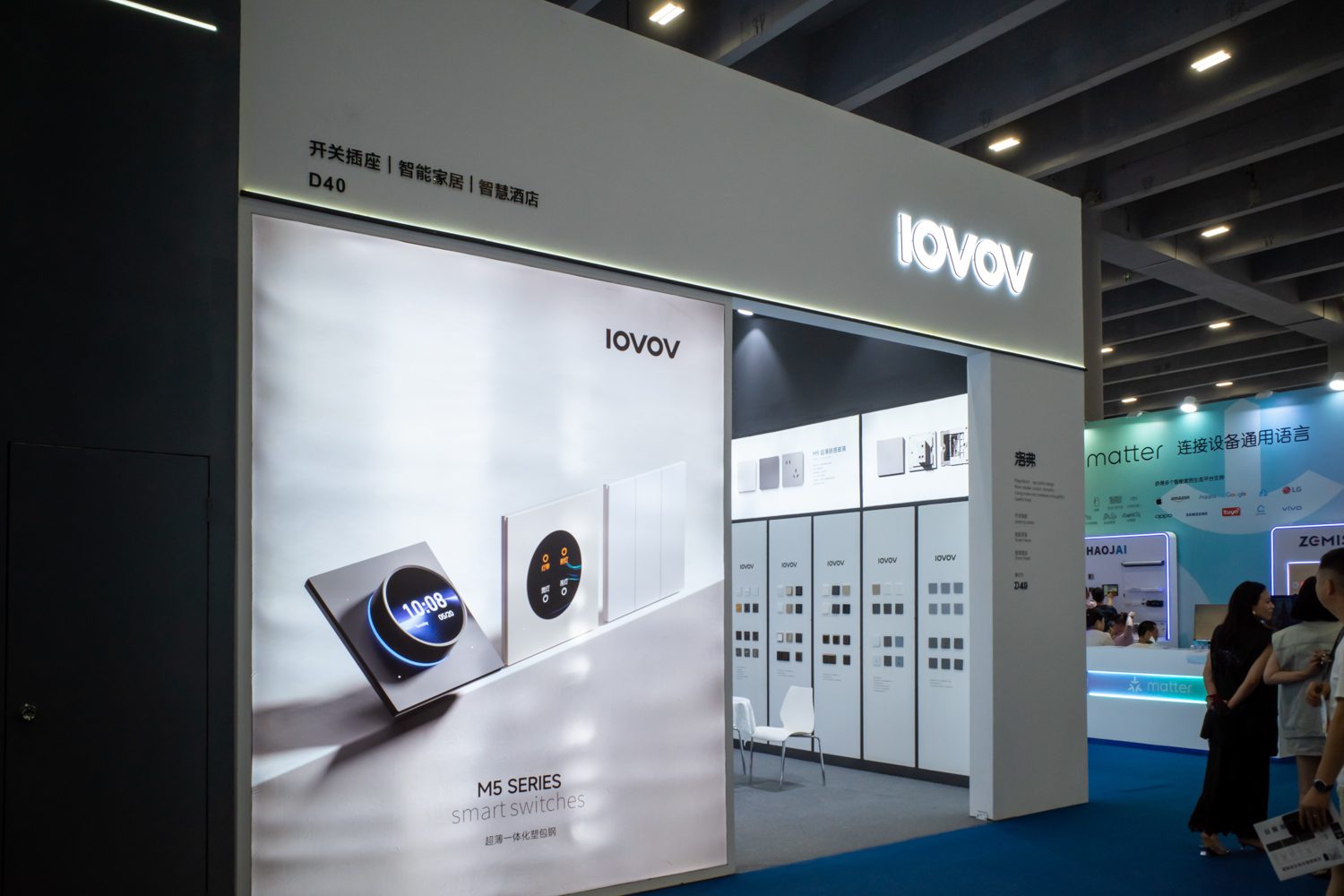
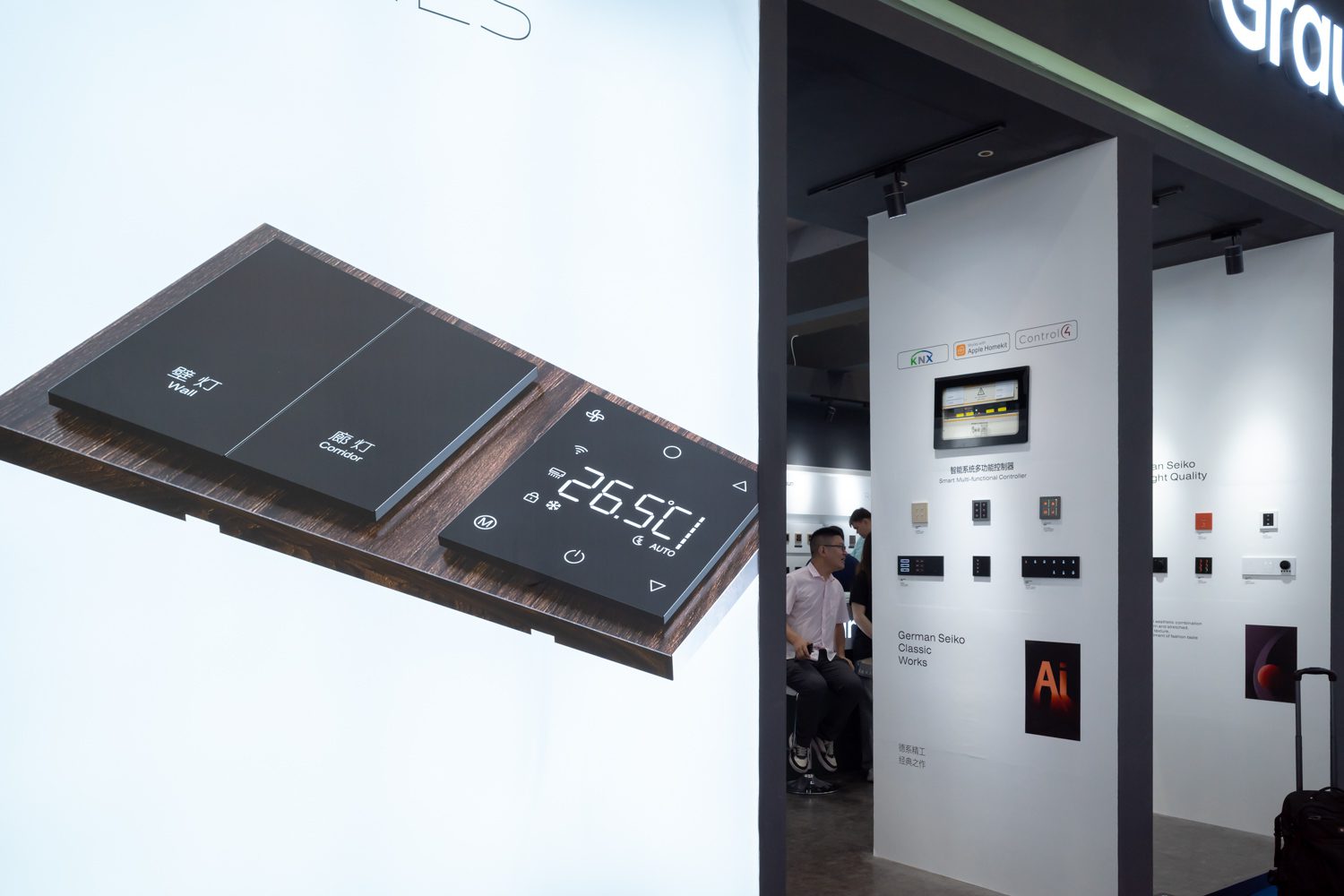
- Light + Smart Technology: ‘Connected Living.’ In a world where technology evolves at an ever-accelerating pace, the lighting industry is evolving in tandem. This segment highlighted products and solutions that integrate advanced technologies, including IoT, intelligent chips, cloud systems, sensors, and communication protocols.
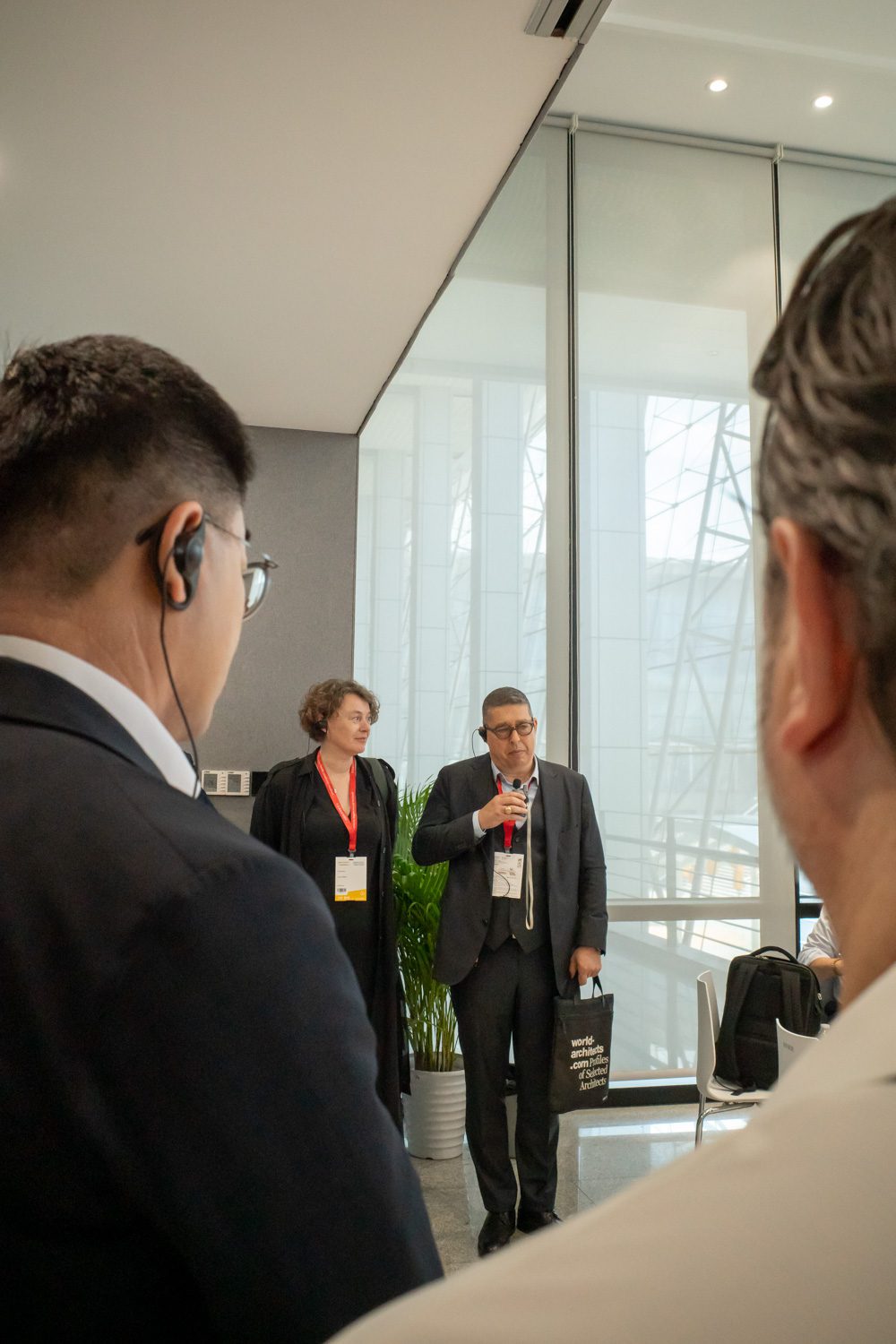
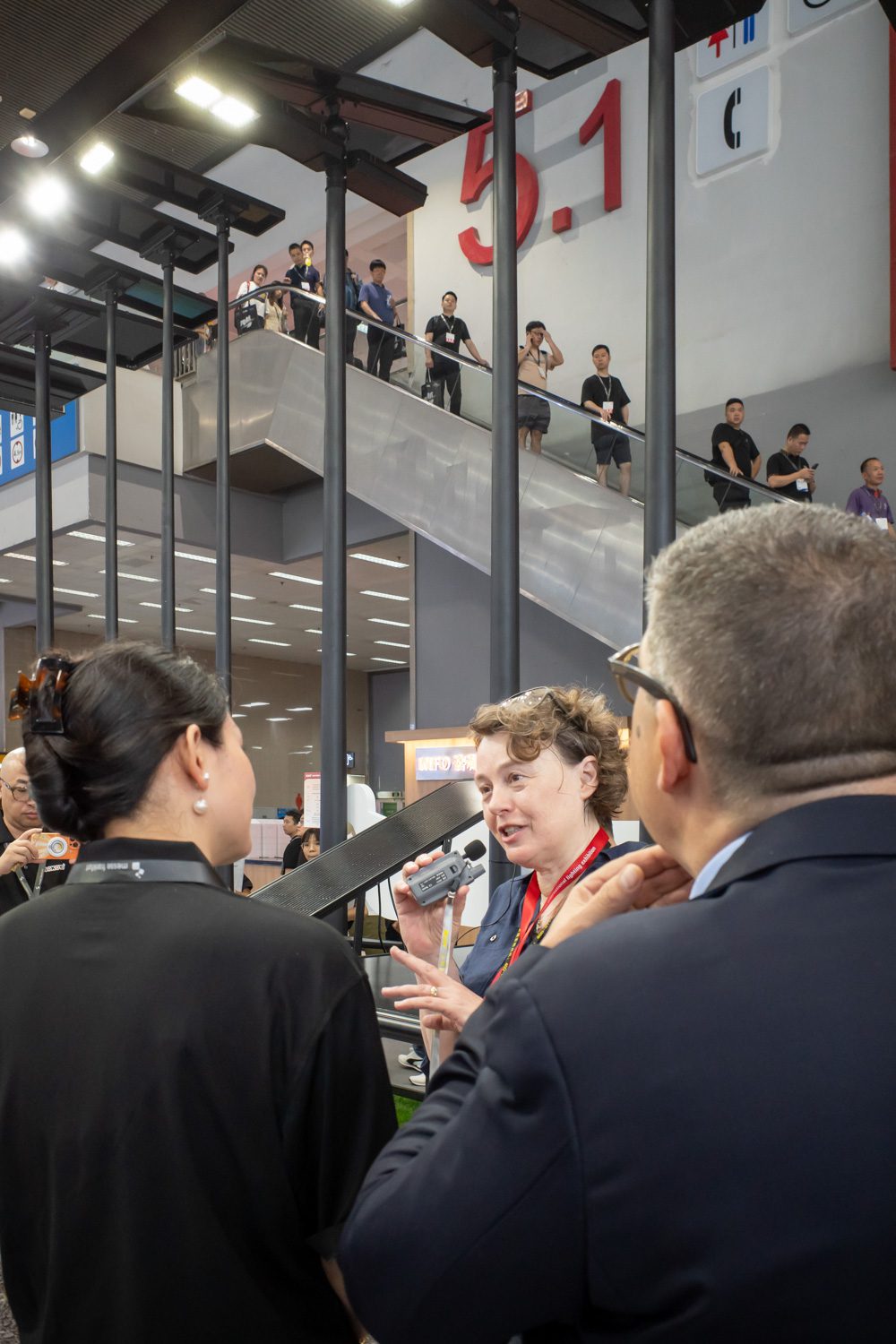
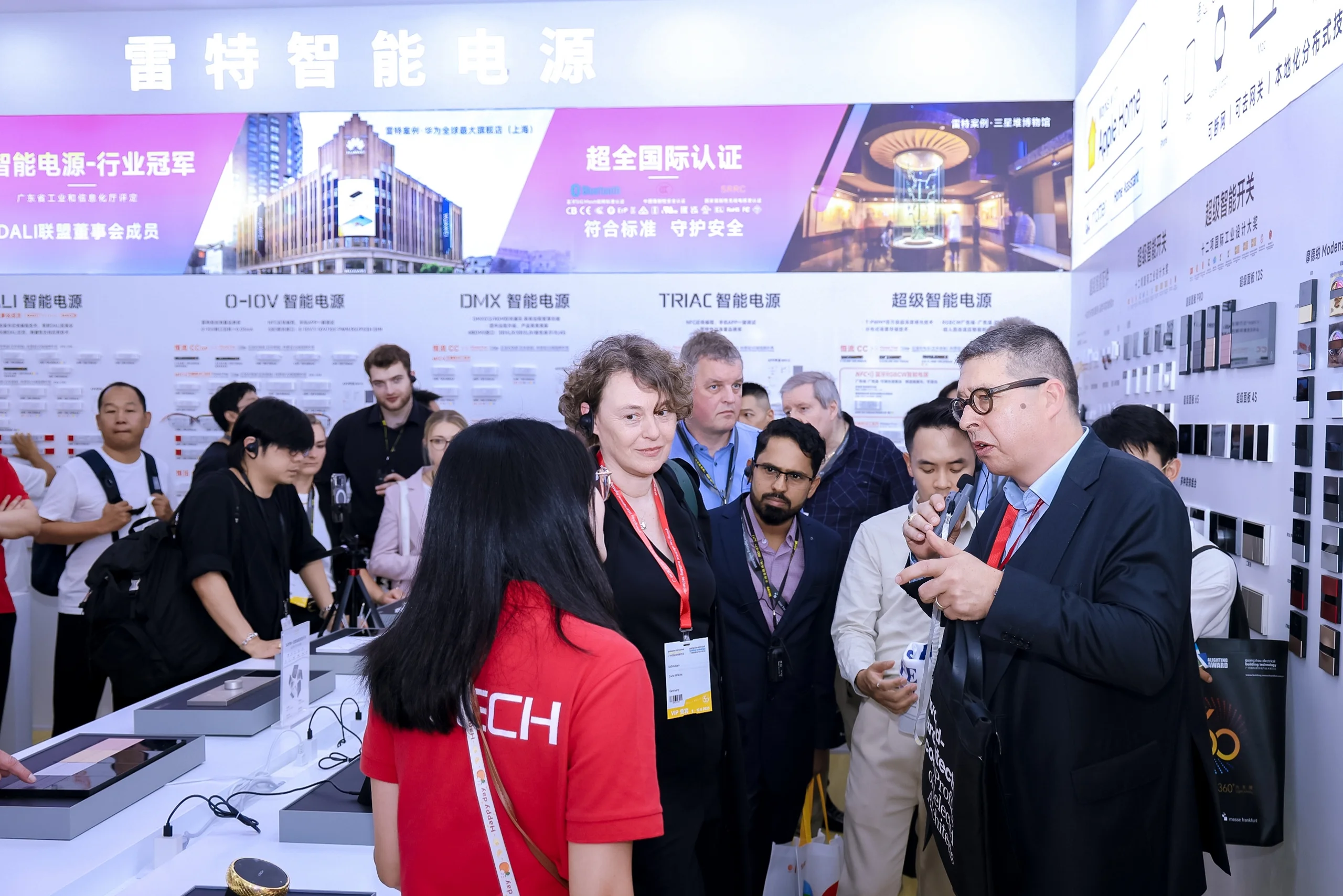
Photo courtesy of world-architects.com & Mr Lu Qiu Xuan
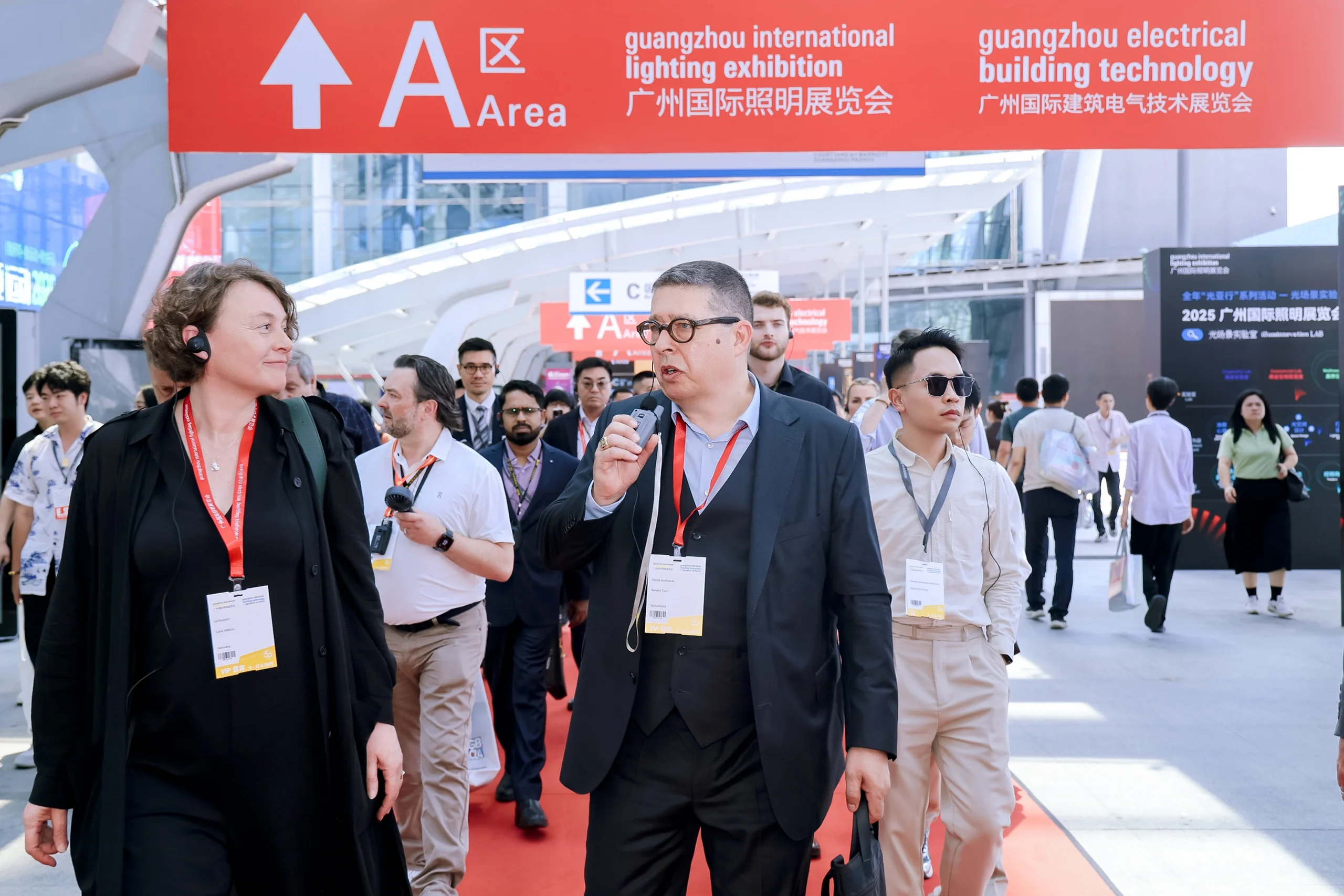
Photo courtesy of world-architects.com & Mr Lu Qiu Xuan
Another highlight of this year’s GILE was a guided booth tour seen through the eyes of designers. The event featured two distinguished guests: Carla Wilkins, co-founder of Lichtvision, president of the International Association of Lighting Designers (IALD), and a Certified Lighting Designer (CLD); and Renato Turri, CEO of the architectural media platform World-Architects. Together, they led visitors through various brand showcases, engaging in candid discussions and pointed questions that helped designers gain a deeper understanding of the technical aspects of lighting design.
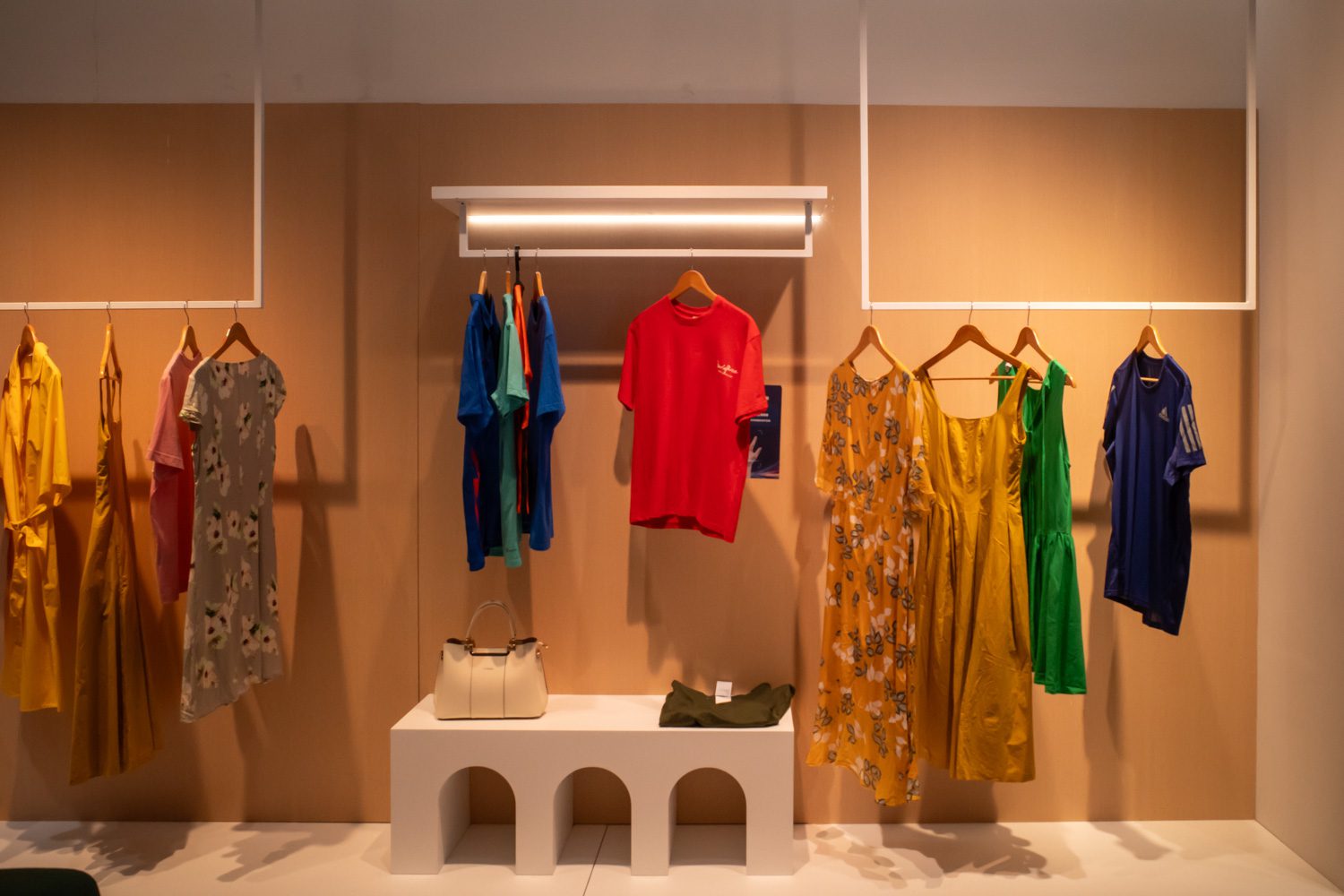
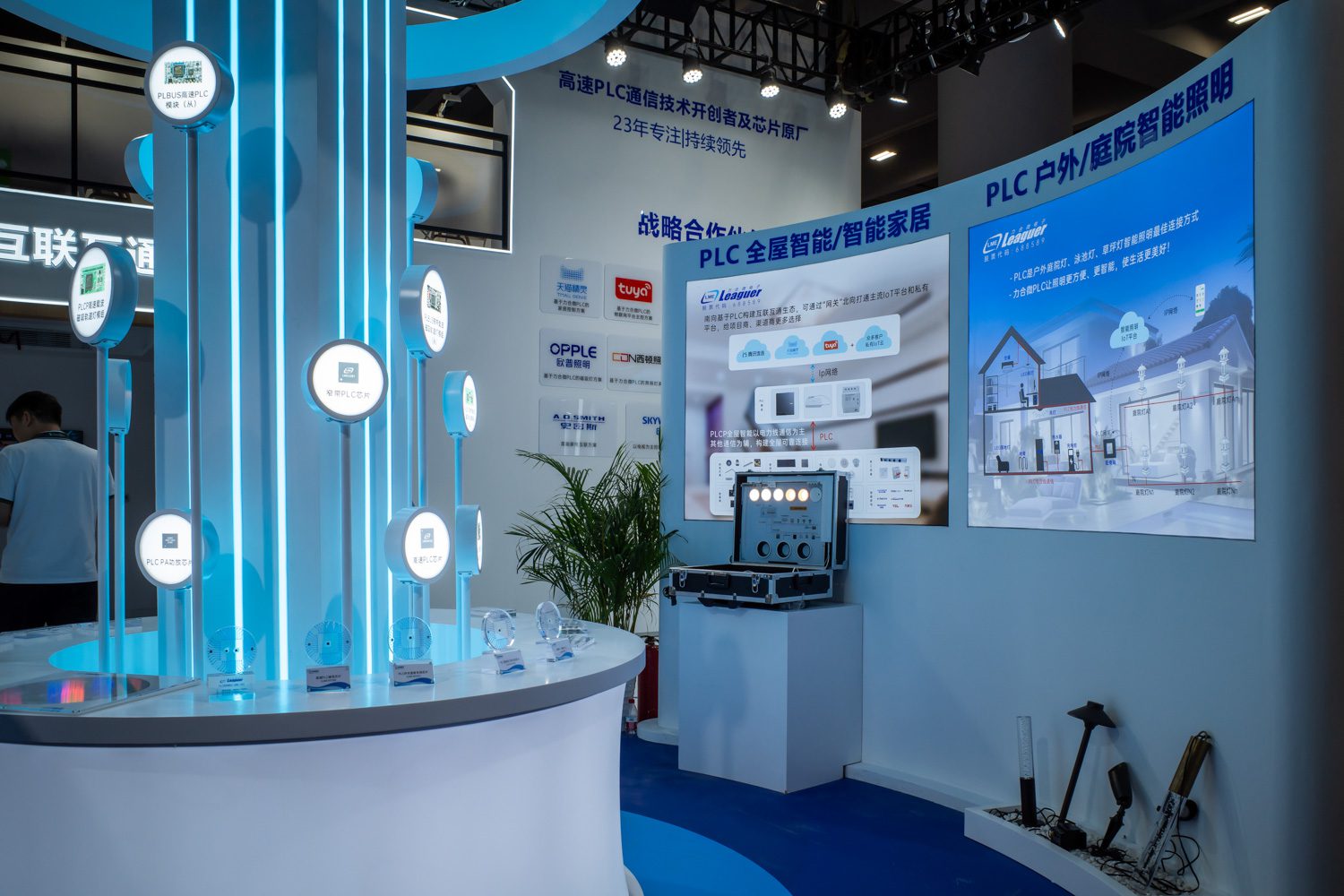
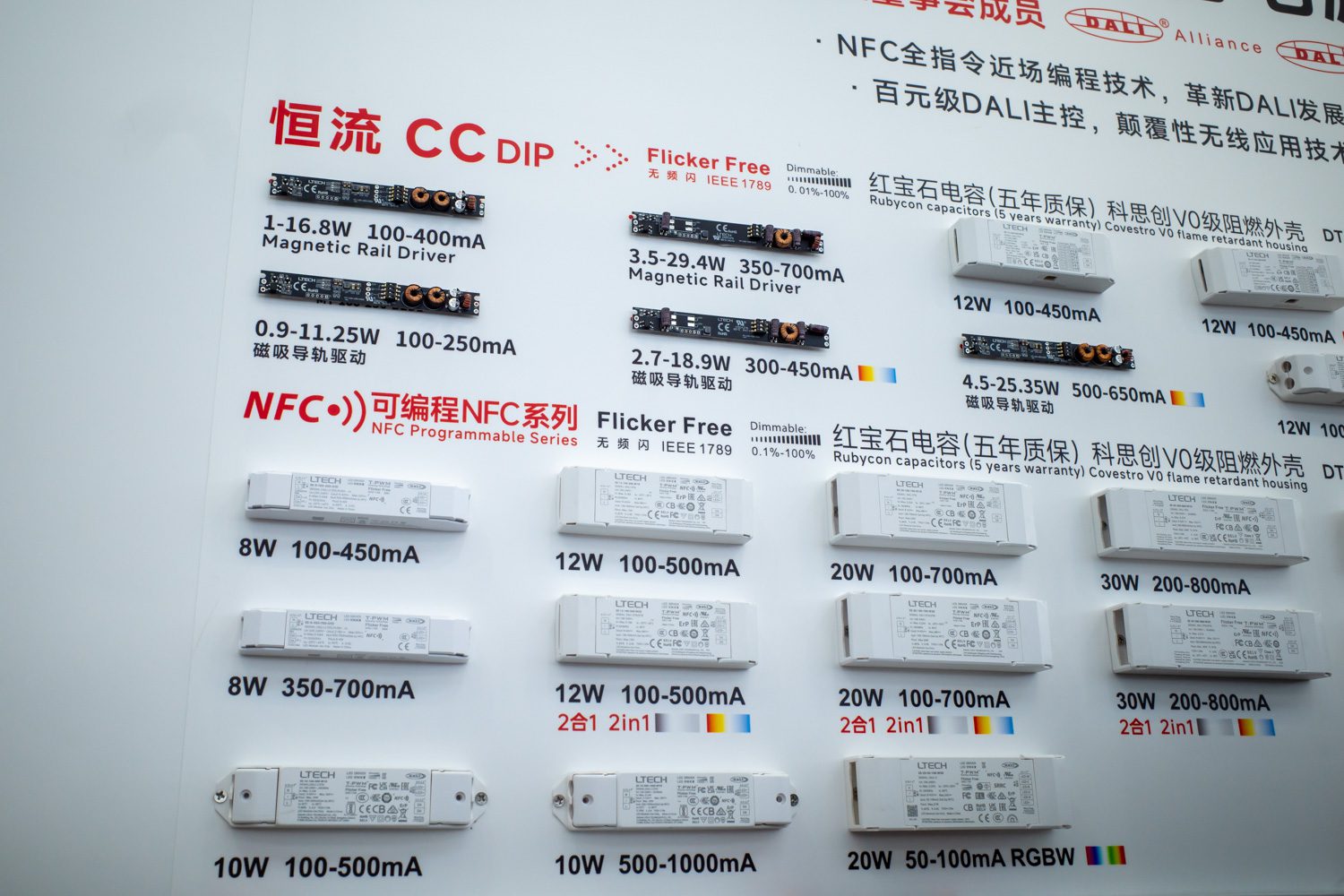
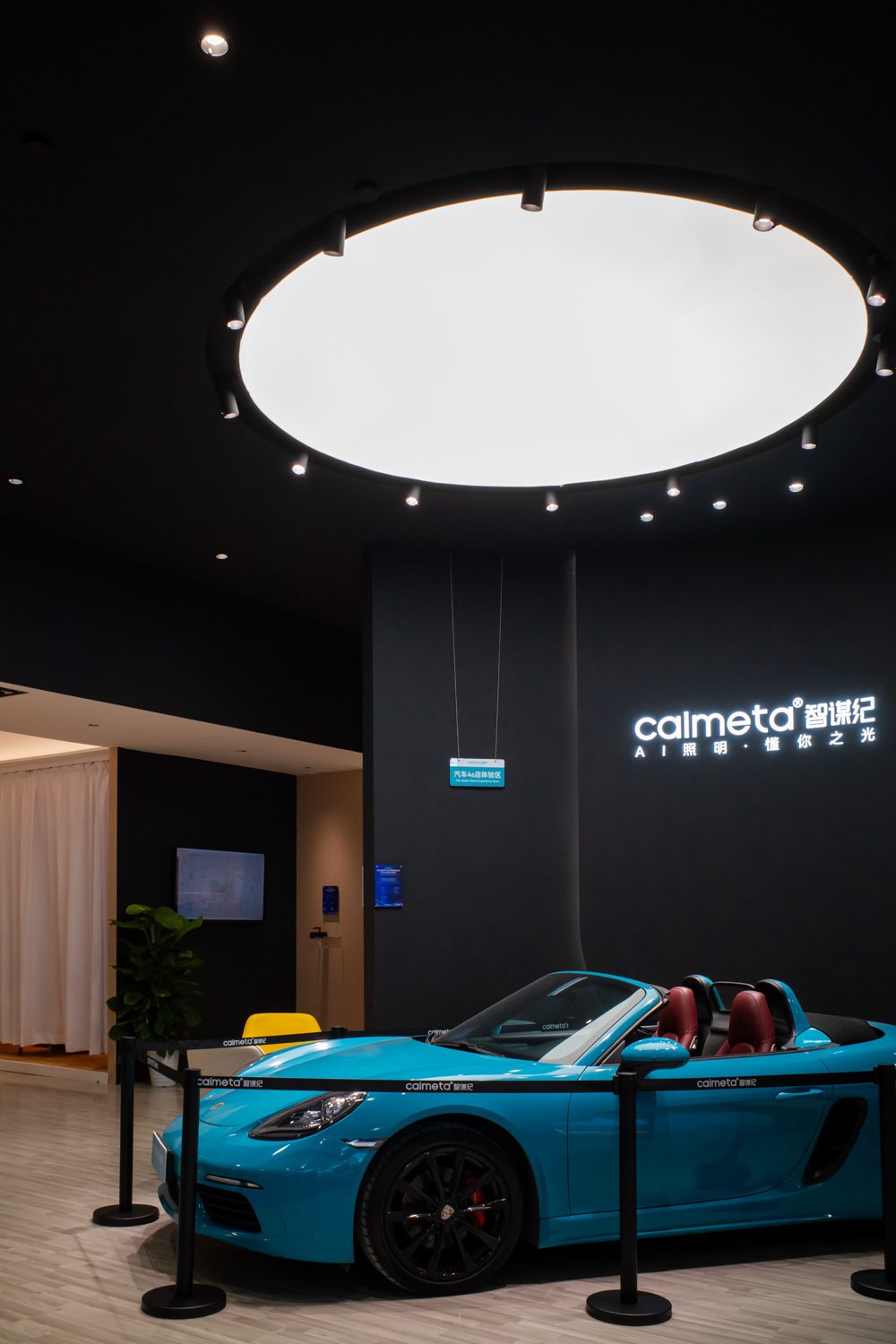
Carla, an accomplished lighting designer in her own right, also shared in-depth insights from her hands-on experience with various types of equipment. The products she and Renato selected for the tour spanned the full spectrum of lighting design tools—from LTECH, which develops LED lighting controls integrating AI and IoT into innovative AIoT automatic controllers, to CAIMETA, which presented an intelligent track lighting solution equipped with sensors that adjust color temperature to suit specific products.
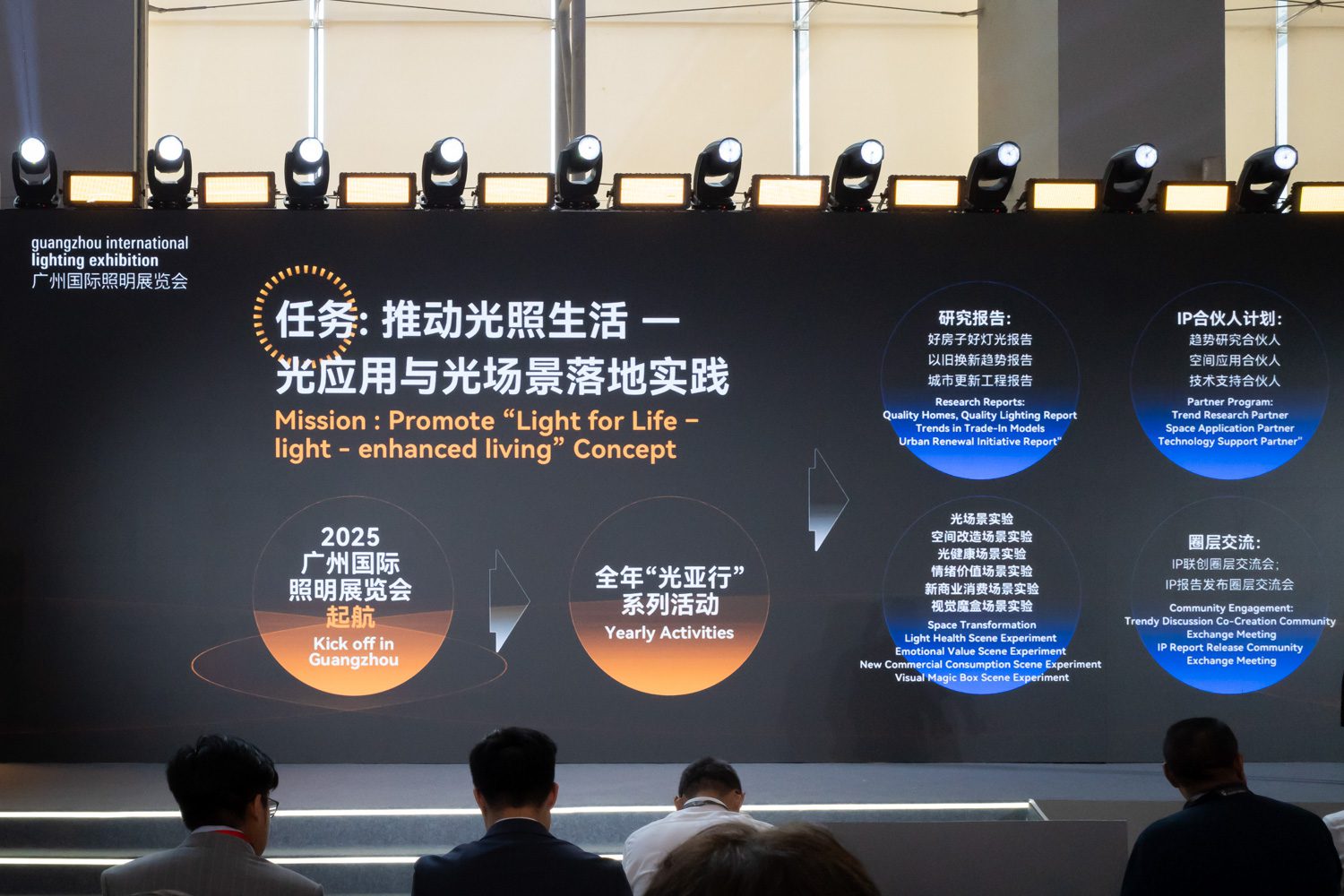
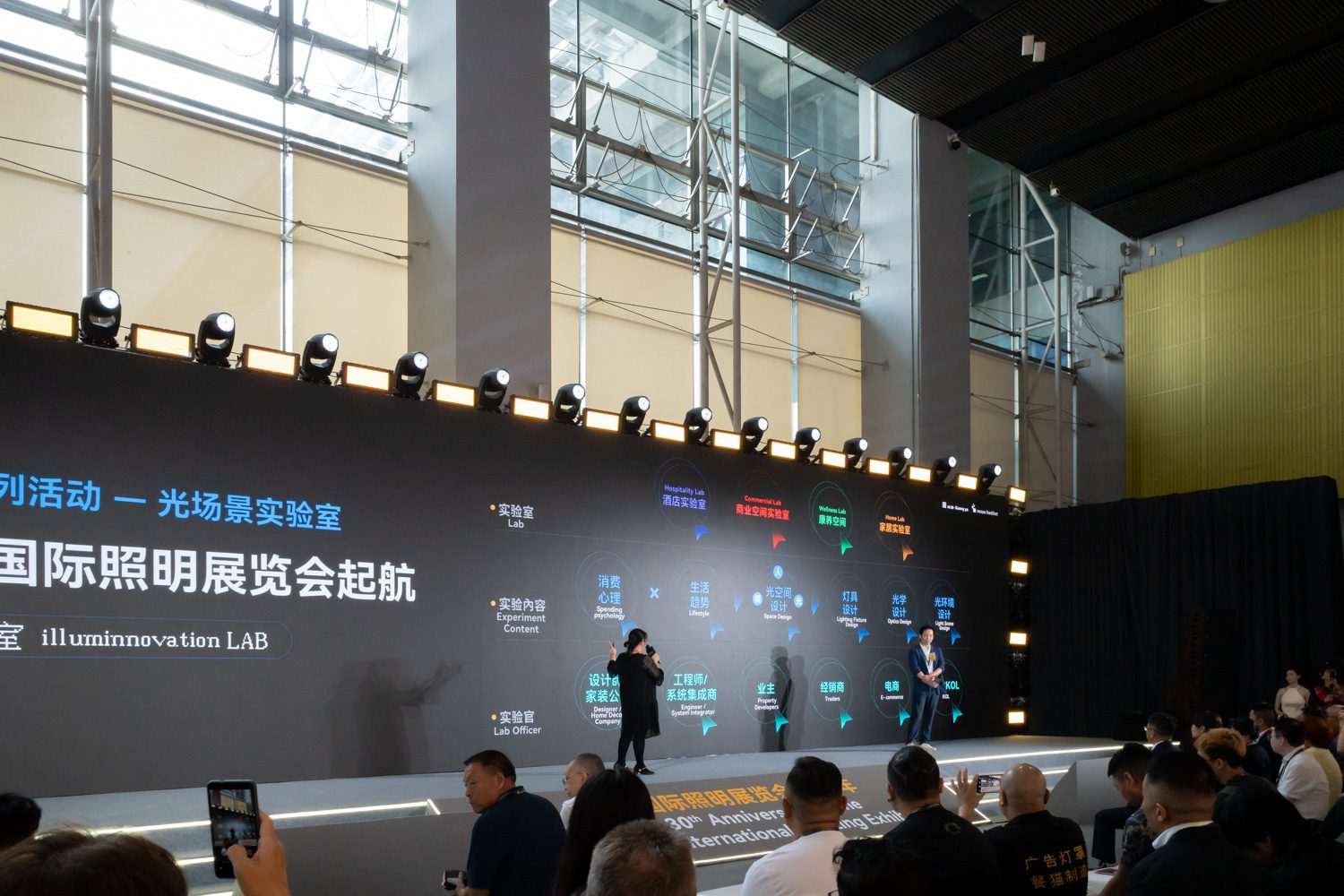
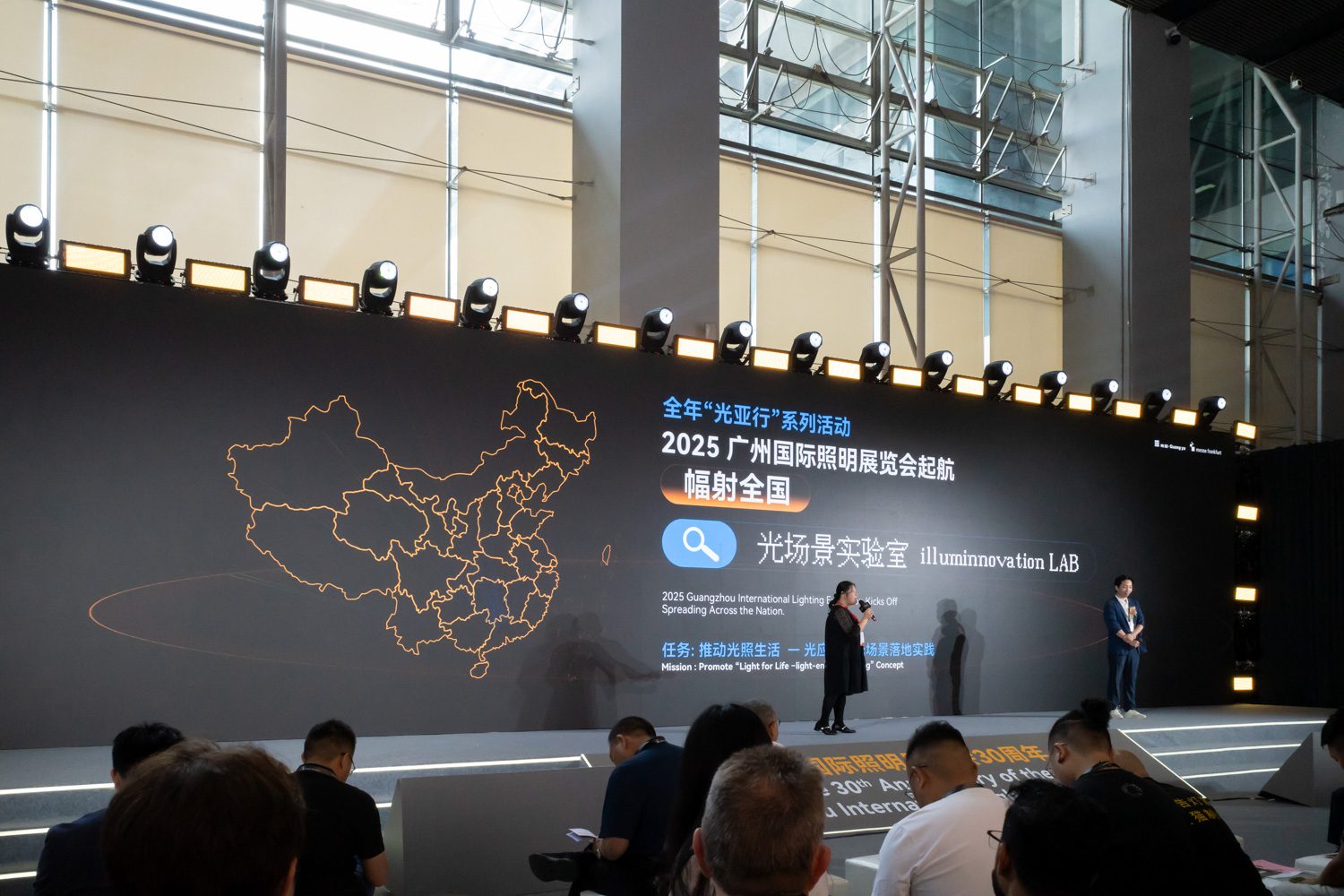
GILE 2025 also unveiled ‘illuminnovation lab,’ a pilot program designed to merge multiple disciplines and explore new possibilities for lighting innovation and related fields. The initiative features a series of citywide events across major Chinese cities, investigating the relationship between light, space, and people. Topics range from commercial applications to agriculture, and the program comprises six dedicated labs: City Lab, Tourism Lab, Hotel Lab, Health Lab, Home Lab, and Retail Lab.
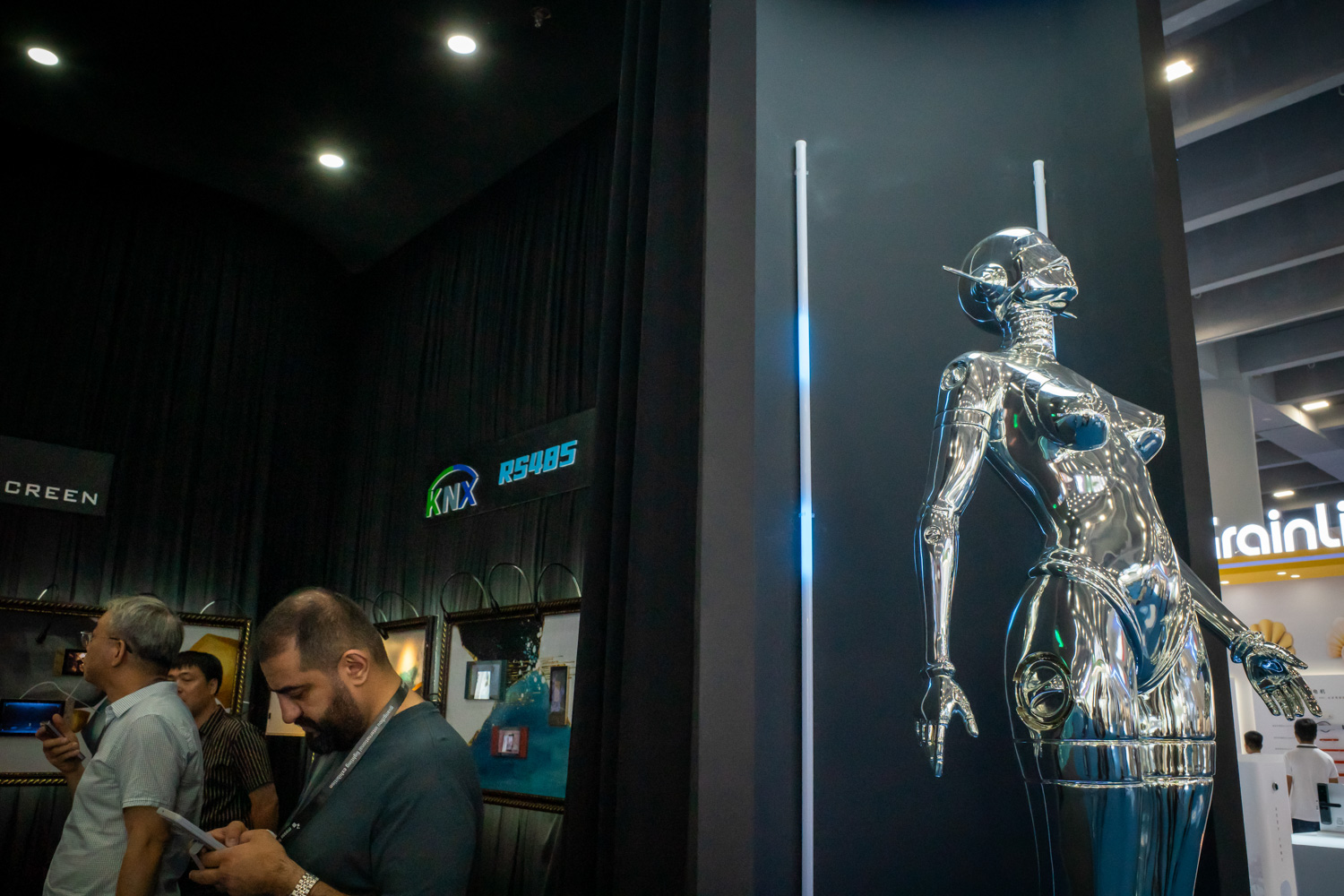
The GILE and GEBT fairs held in China this past June were only a part of Light + Building, organized by Messe Frankfurt. For those interested, the main event will take place next year in Frankfurt, Germany, from 8–13 March 2026.
guangzhou-international-lighting-exhibition.hk.messefrankfurt.com
light-building.messefrankfurt.com