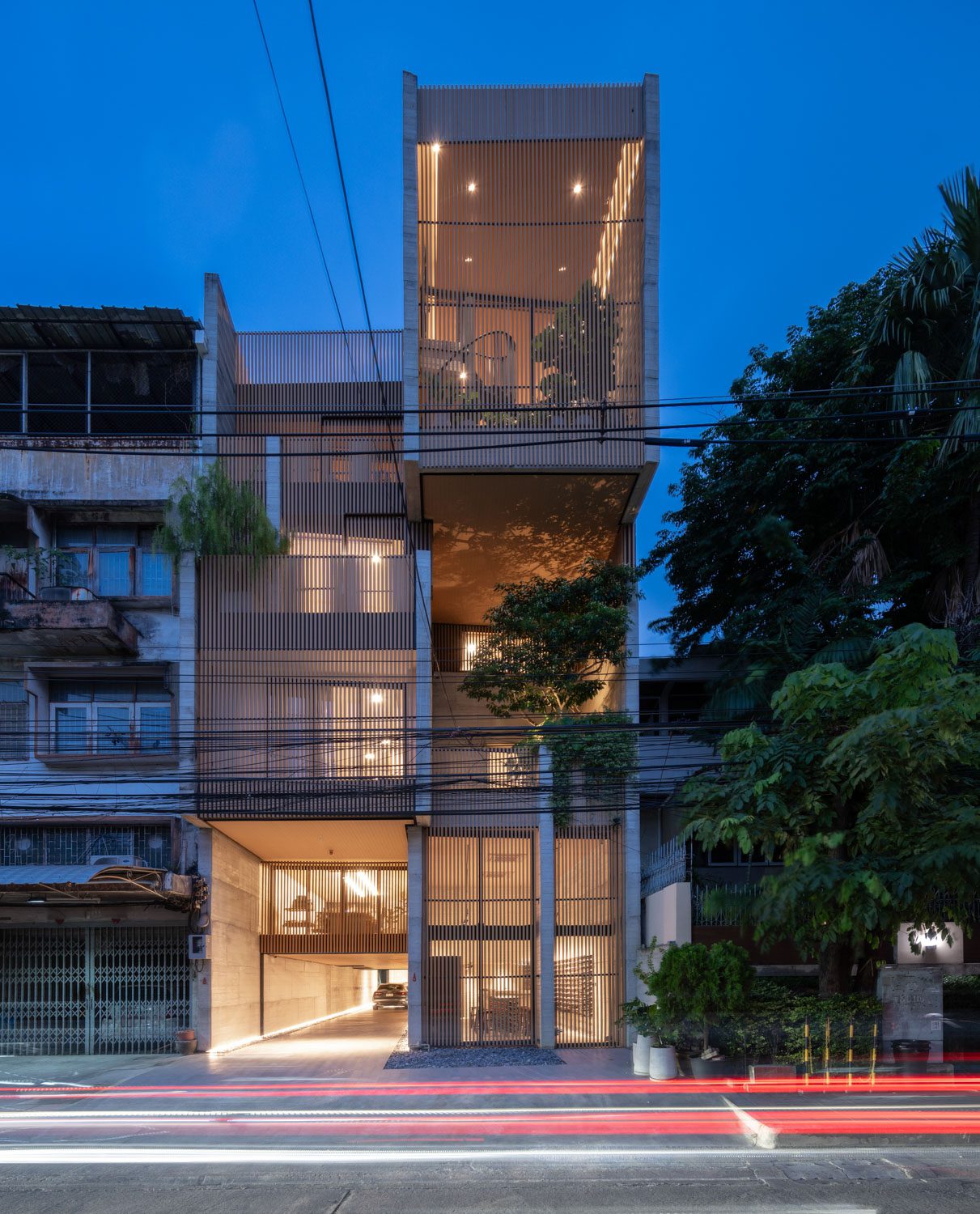
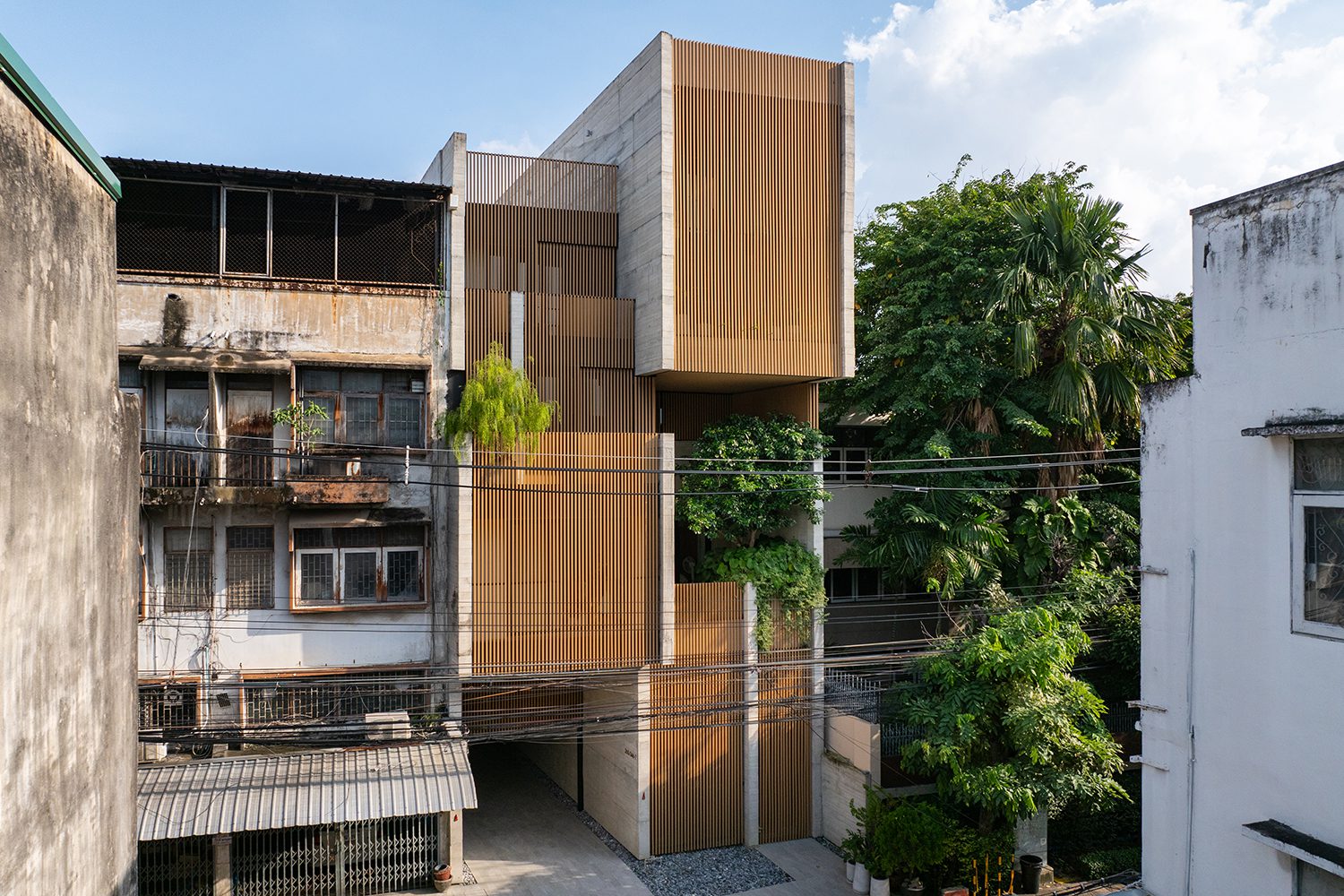
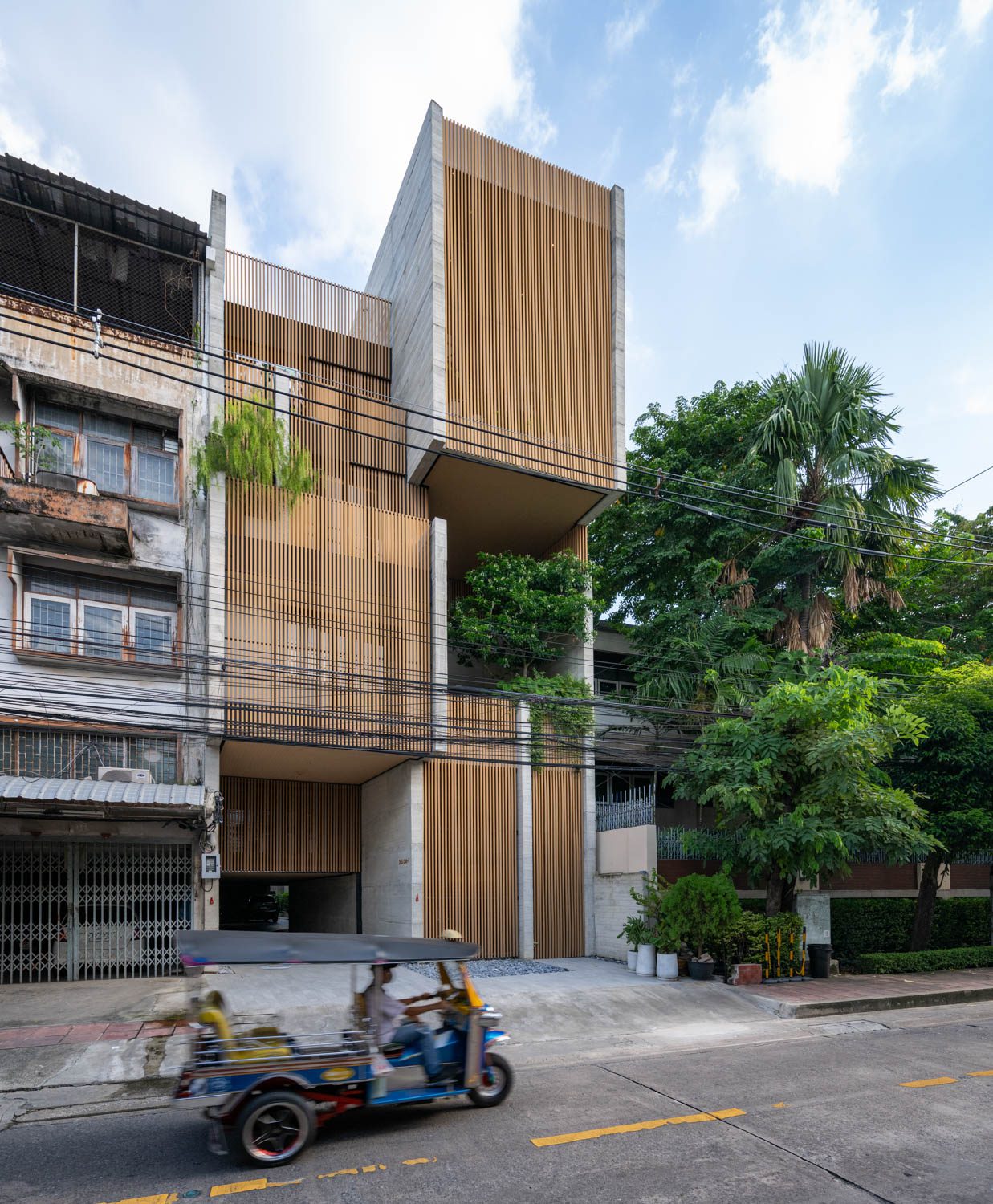
THIS 50-YEAR-OLD SHOPHOUSE NOW FUNCTIONS AS A CONTEMPORARY HOME FOR A LARGE FAMILY, TRANSFORMING ITS SPACE OF MEMORIES
TEXT: BHUMIBHAT PROMBOOT
PHOTO: RUNGKIT CHAROENWAT
(For Thai, press here)
The new family residence has been conceived as a place of gathering; a setting for conversations and shared meals on weekends. The building was once a modest 50-year-old shophouse and the the childhood home of Kittichon Phukiatkong, both architect and owner. He chose to transform it in order to accommodate a growing family now dispersed, with parents and siblings living apart in different places. In reimagining the house, his aim was for the new form and spatial program to serve as a vessel of memory. One that allows each family member to recall the spaces of the past, even as they are now replaced or overlaid with new rooms, materials, and even new faces within the family.
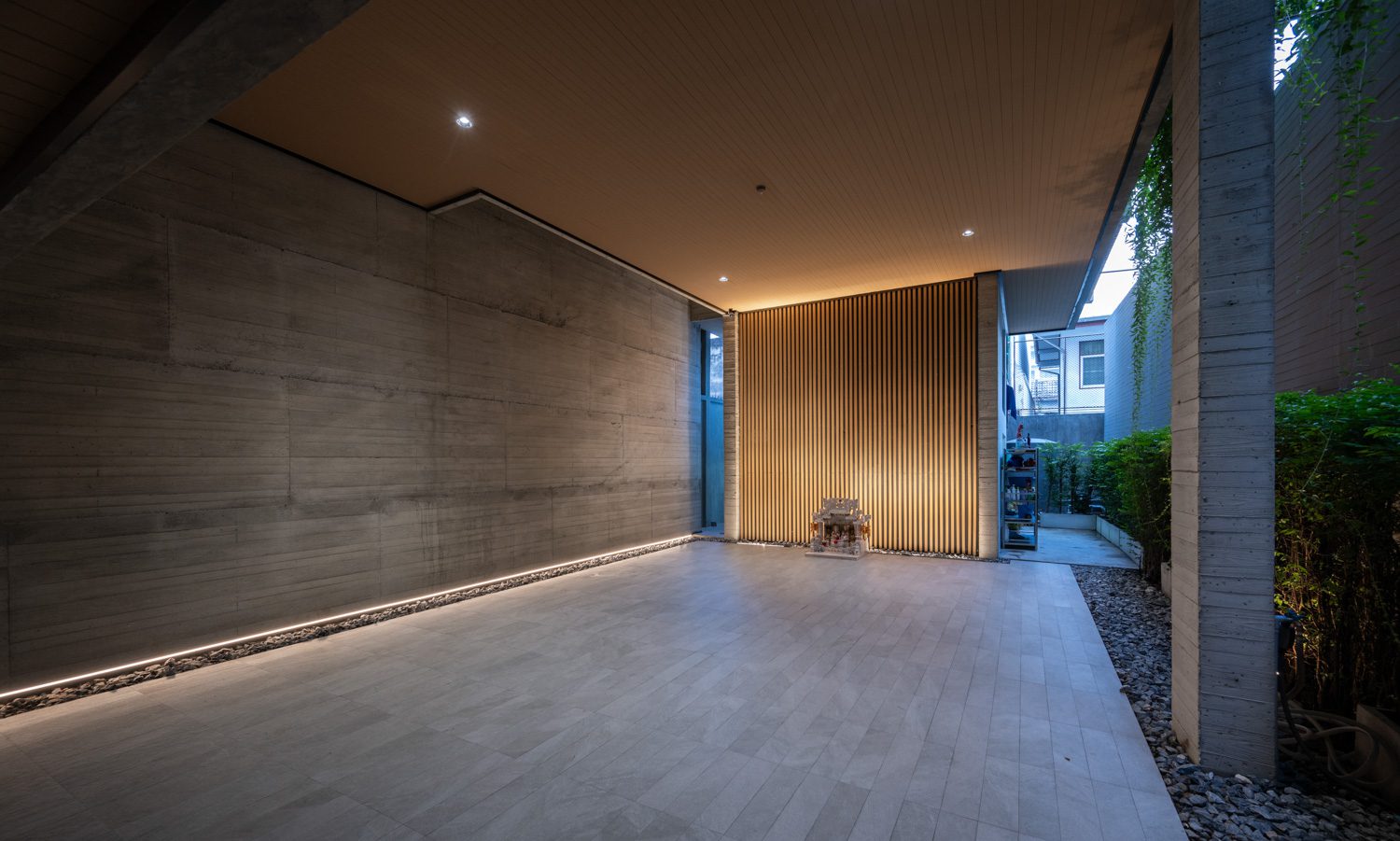
“This used to be my bedroom. Over there was the window ledge where I would sit and look out over the stair landing; that corner was once a leather bag workshop; and the back of the house was where I played football with the workers when I was a child.” This is how Kittichon Phukiatkong begins recounting the story of the home where he grew up, before it was transformed and renovated into SATHU HOUSE—a residential building comprising nine bedrooms, a shared living and dining room, fourteen bathrooms, three maid’s quarters, an office, and a wine cellar on the ground floor at the front of the house. The residence also accommodates parking for up to eight cars.
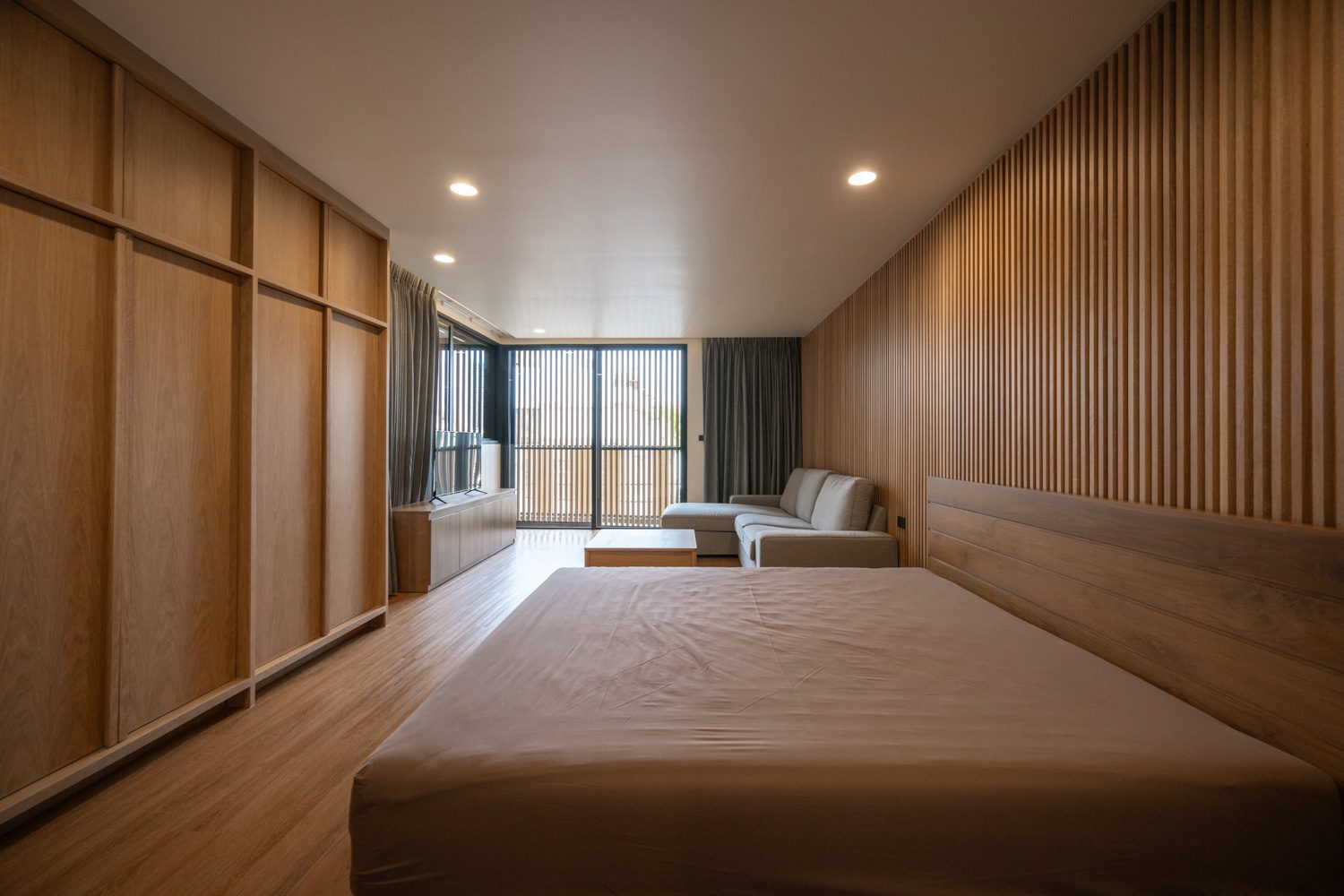
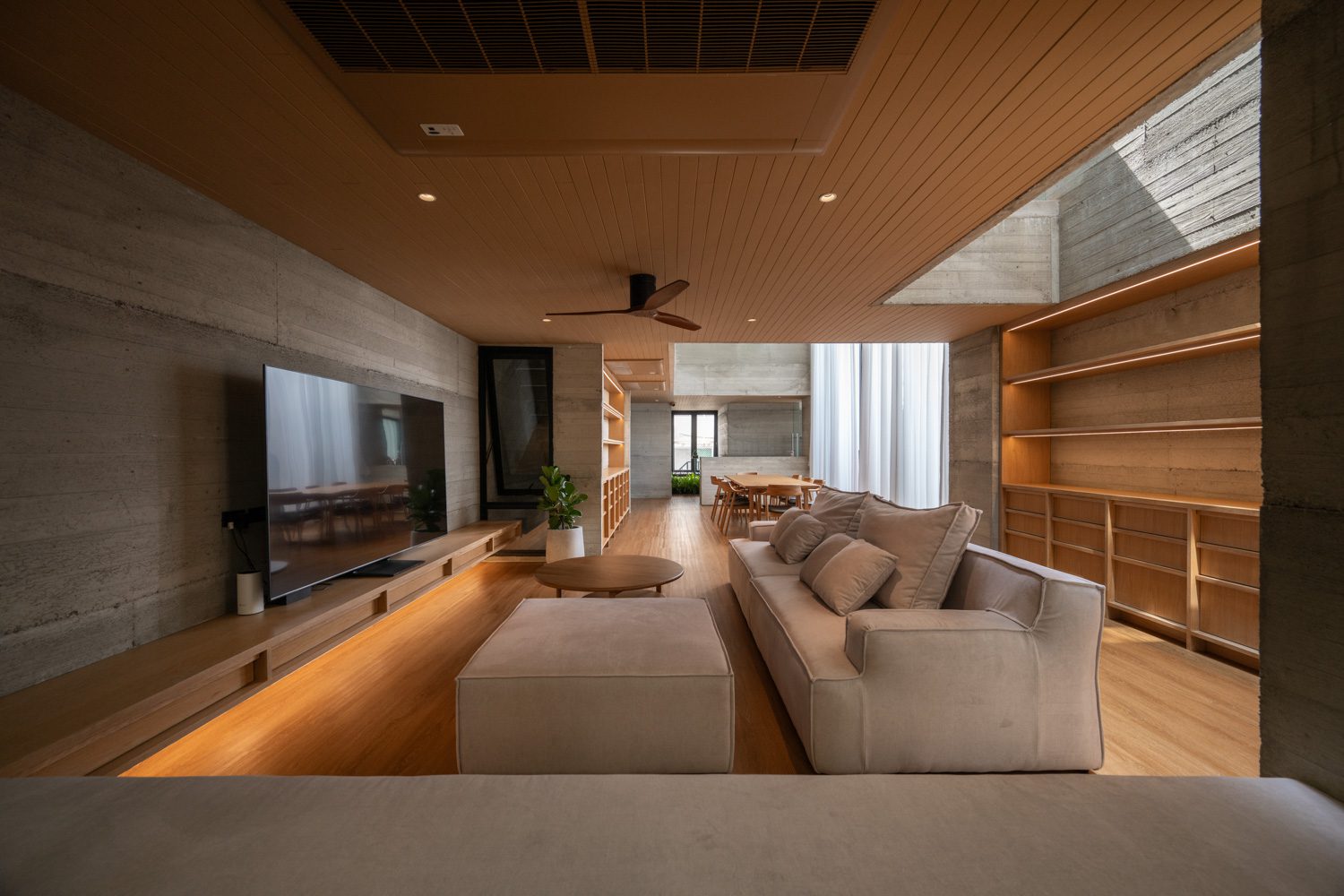
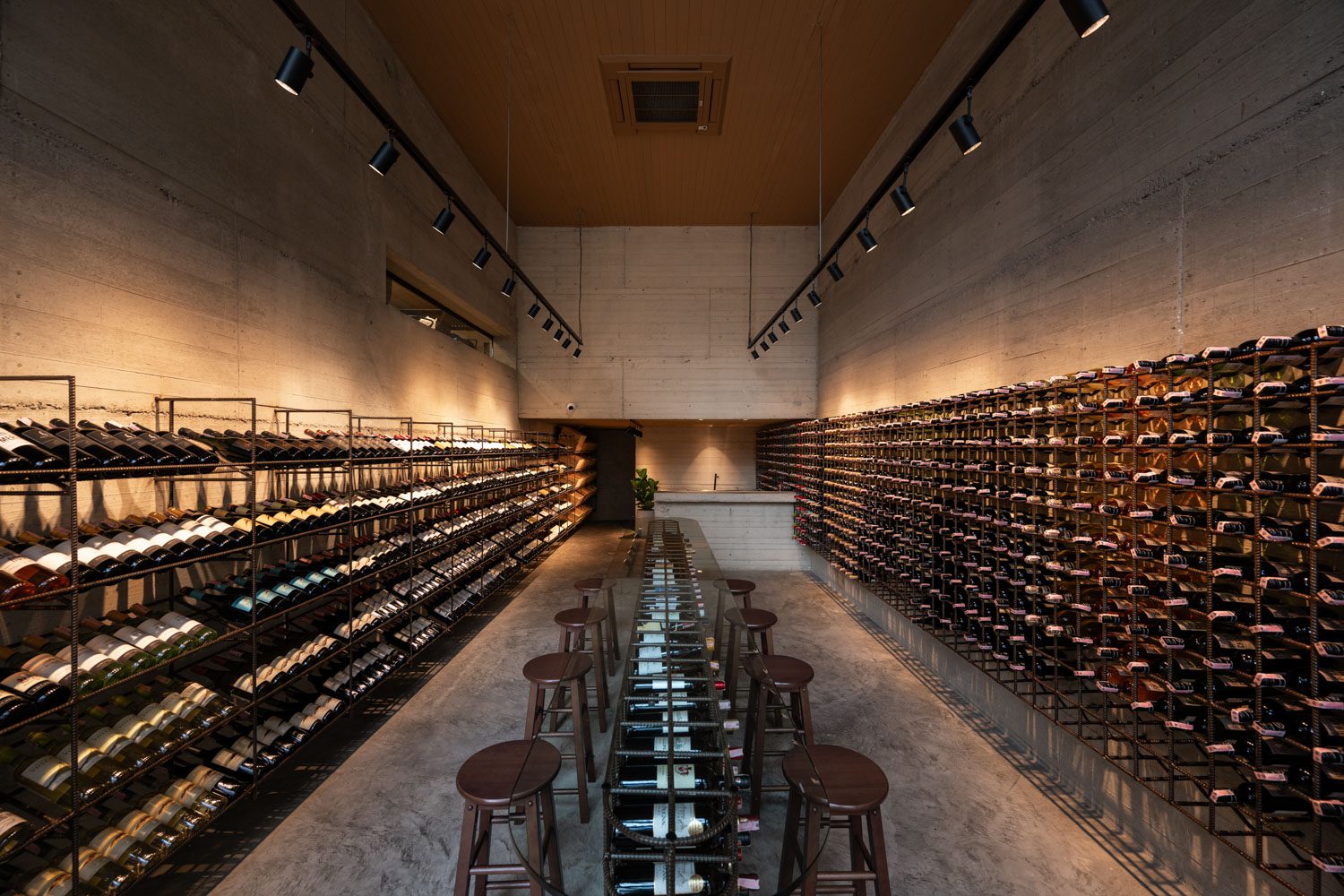
The renovated building now spans five floors. While it retains its original structural framework, it has undergone a complete redesign. New functions, structural elements, and materials were introduced to meet the increased spatial demands of a family that has grown over time. The design concept of SATHU HOUSE centers on creating distinct zones: one for the family, one for guests, and another for the household staff. These zones are carefully separated to ensure privacy and ease of management, with dedicated entrances and exits for each. At the heart of the plan, an open courtyard acts as a buffer between the family and guest areas.
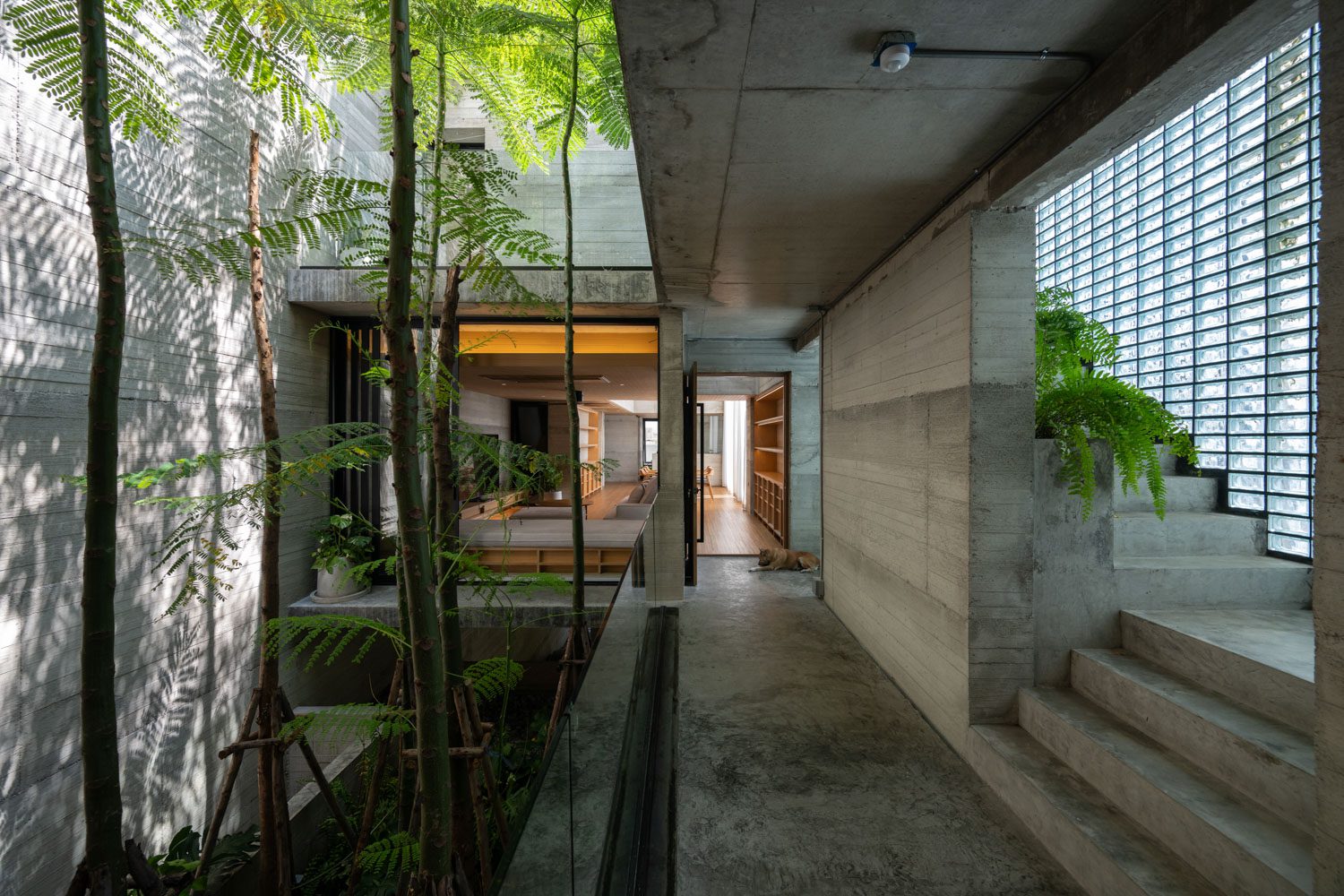
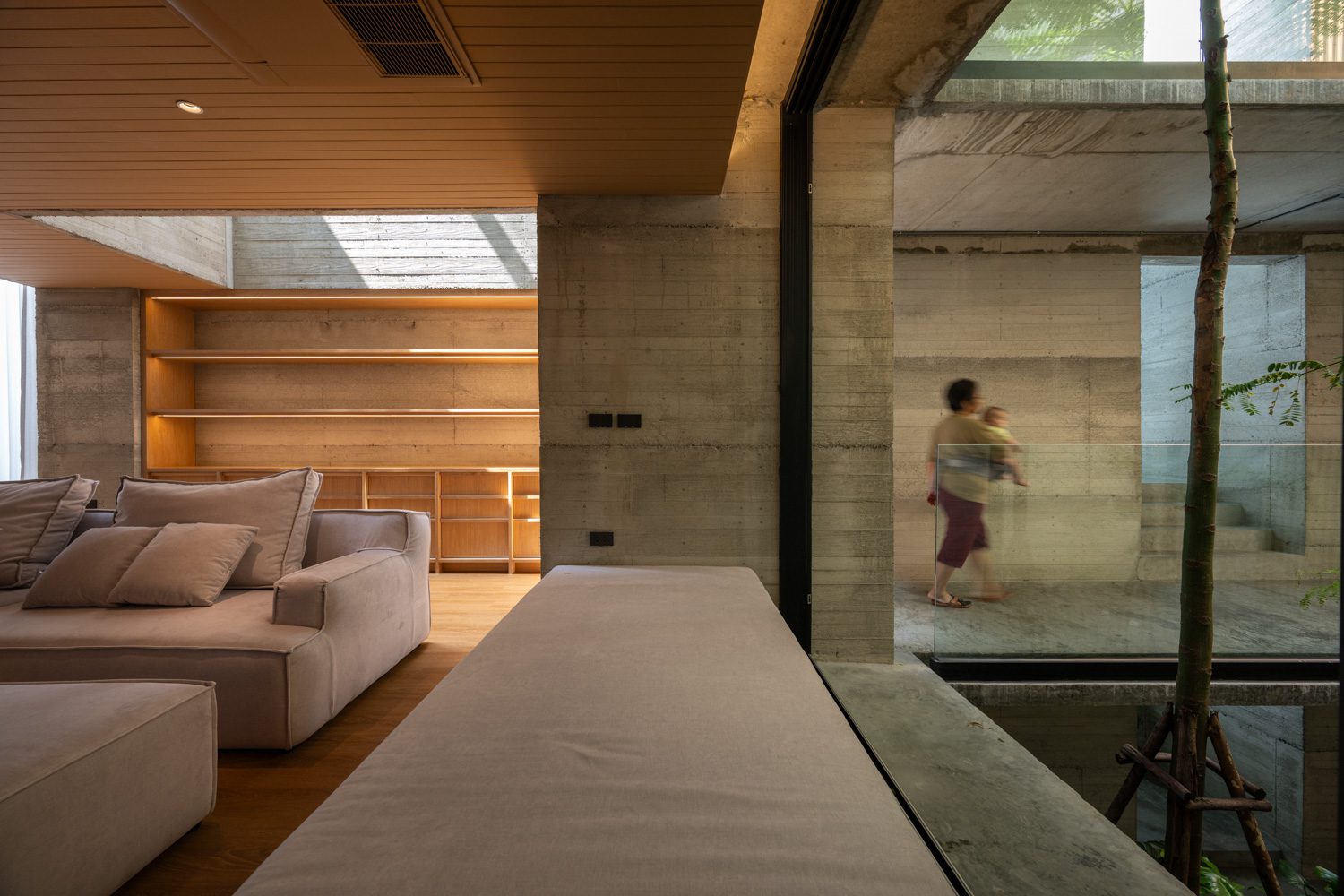
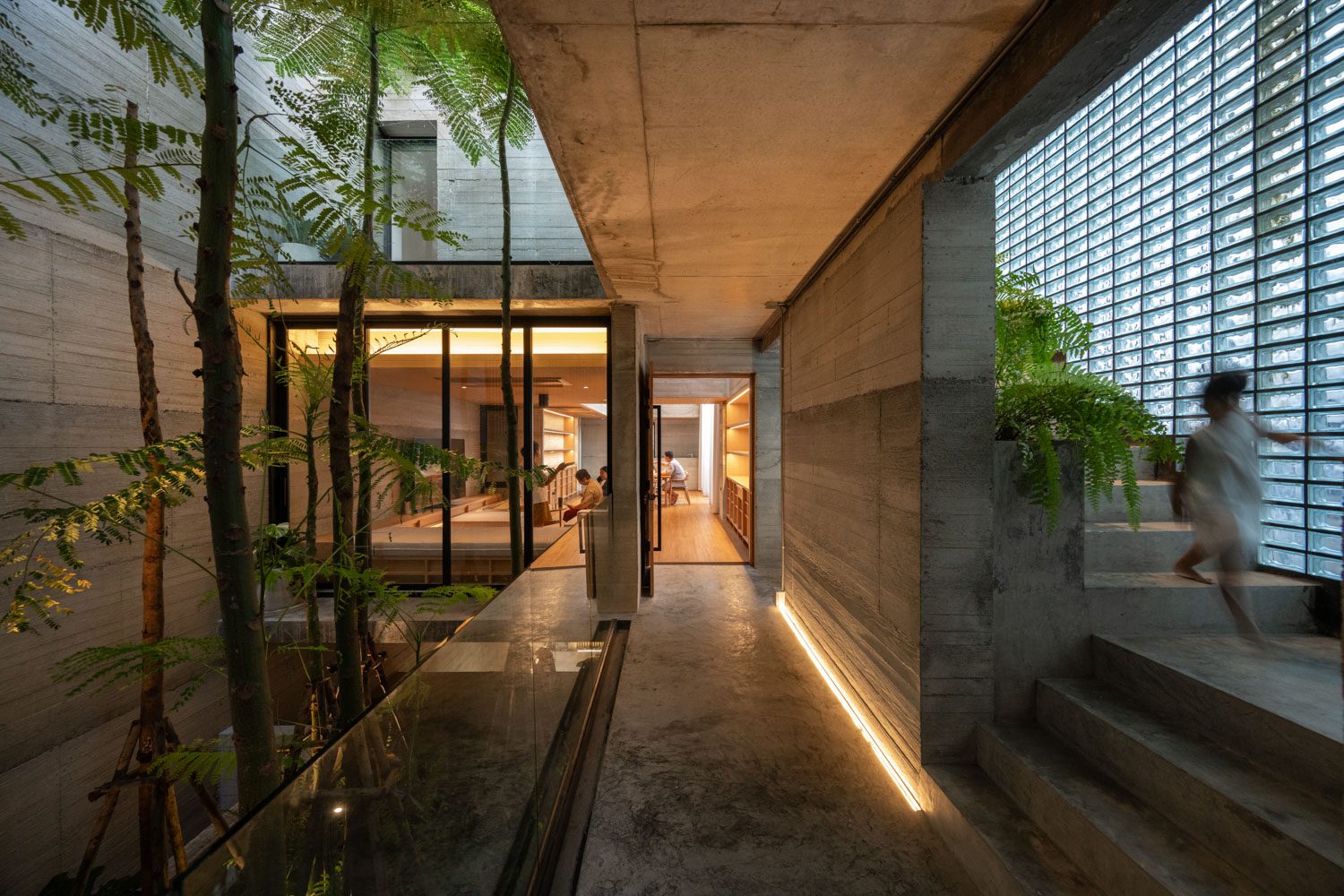
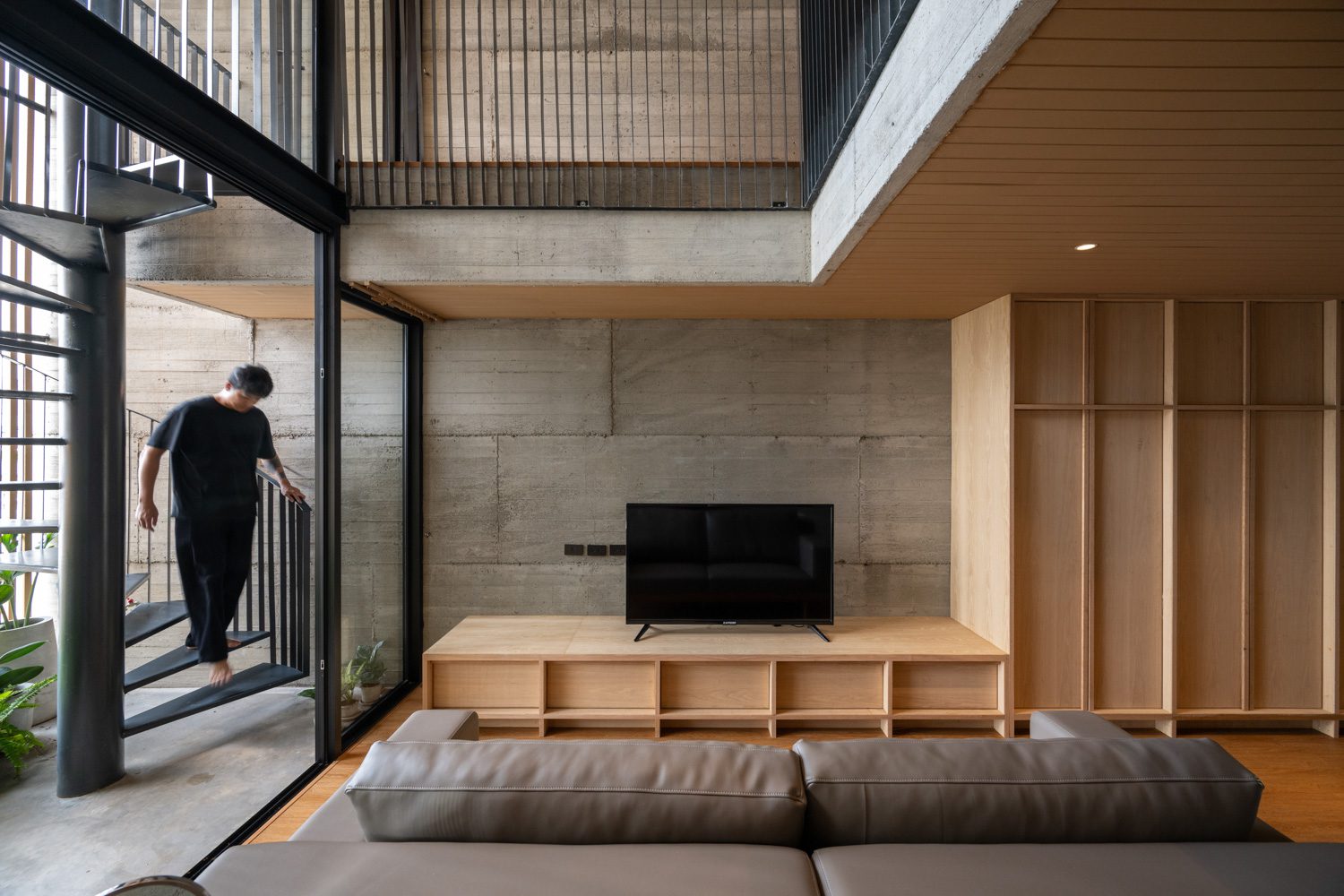
The first impression one has of SATHU HOUSE after its renovation is the striking sense of openness. Though once a traditional shophouse, the building now feels light-filled and expansive, with every room, from bedrooms to living spaces, and even some of the bathrooms now designed to take in generous natural light. In certain areas, such as select bathrooms, the roof itself has been opened to allow daylight to pour in. To achieve this, the architect employed a diverse range of apertures: skylights, side openings, and even floor openings that channel sunlight all the way from the roof down to the garage at ground level. Along the stairwell, which borders the neighboring property, glass blocks were introduced, serving as translucent light channels that maintain privacy while softening the interior with diffuse illumination.
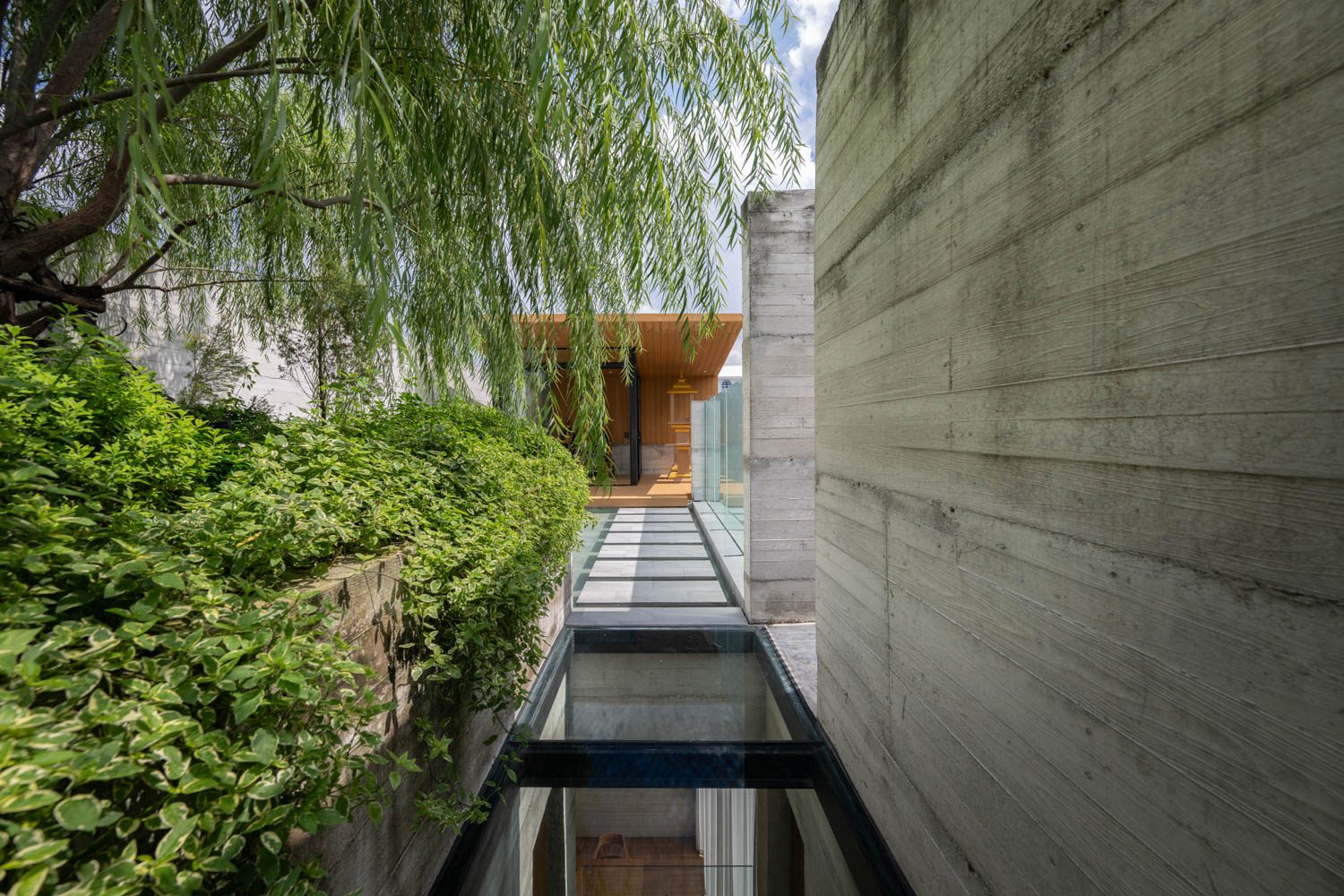
Natural light also defines the transitional spaces. Corridors linking the various zones are punctuated by openings from above, including a skylight crafted from extra-thick tempered glass. Designed not only as a source of illumination but also as a load-bearing surface, it allows the rooftop to be safely accessed and walked upon.
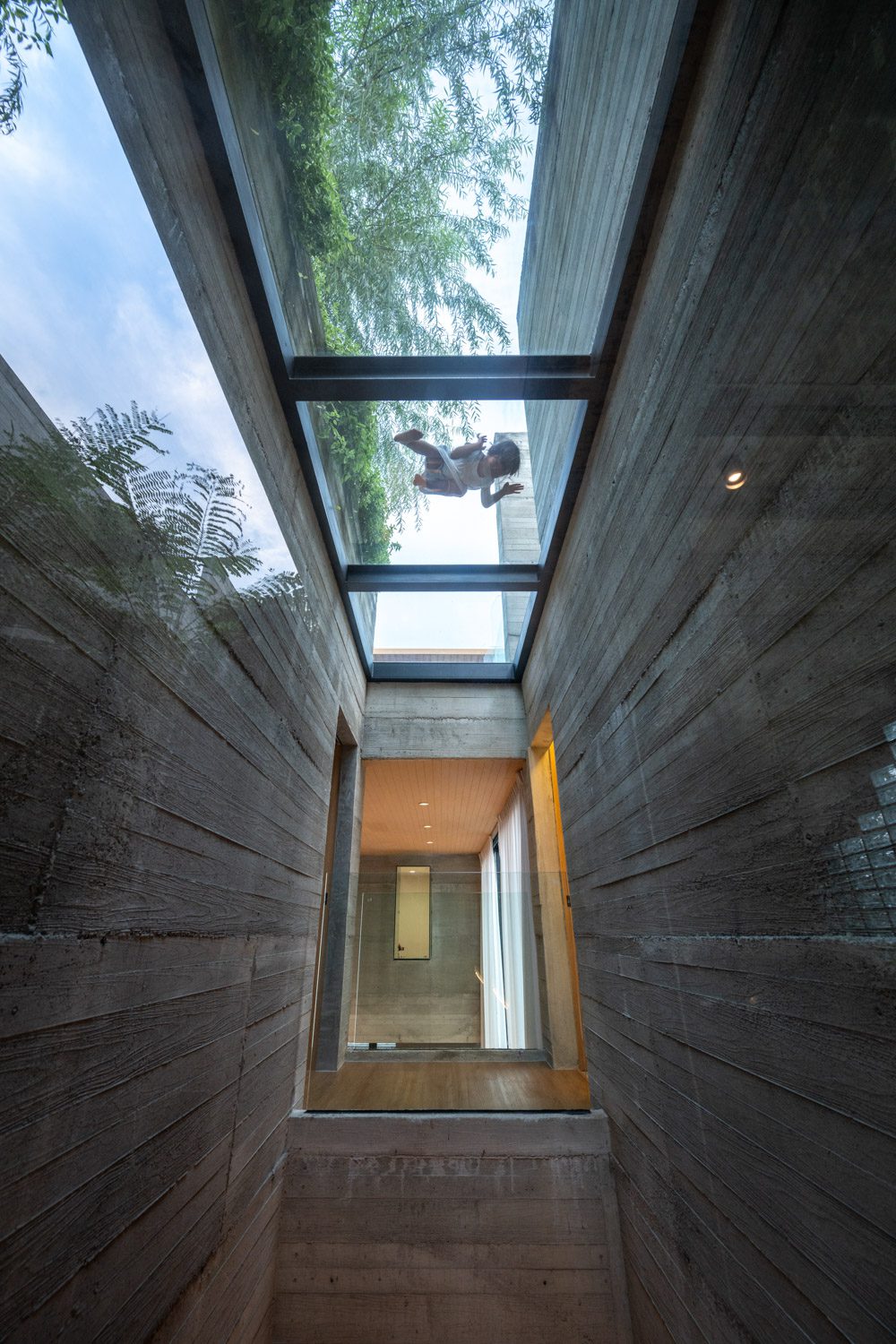
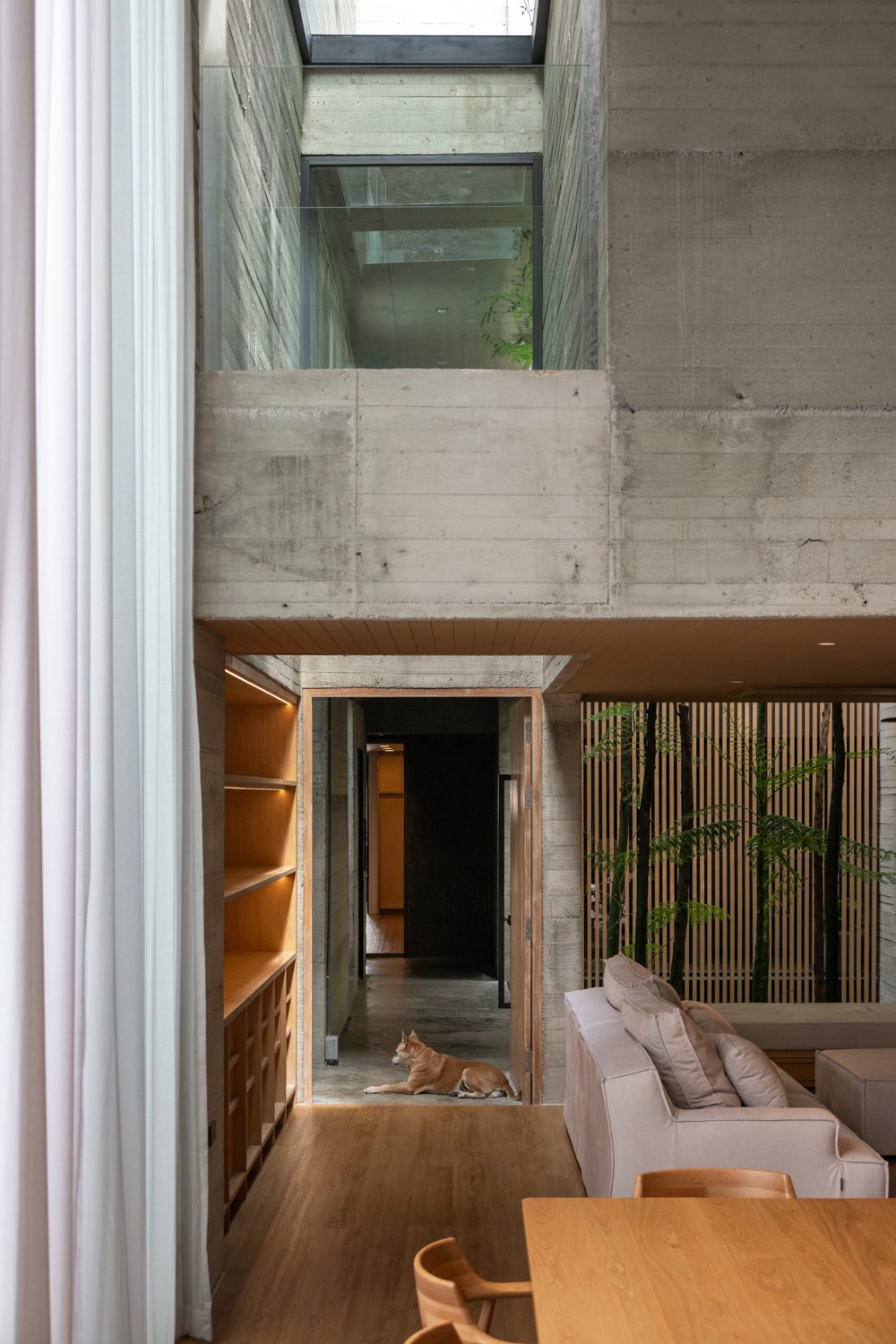
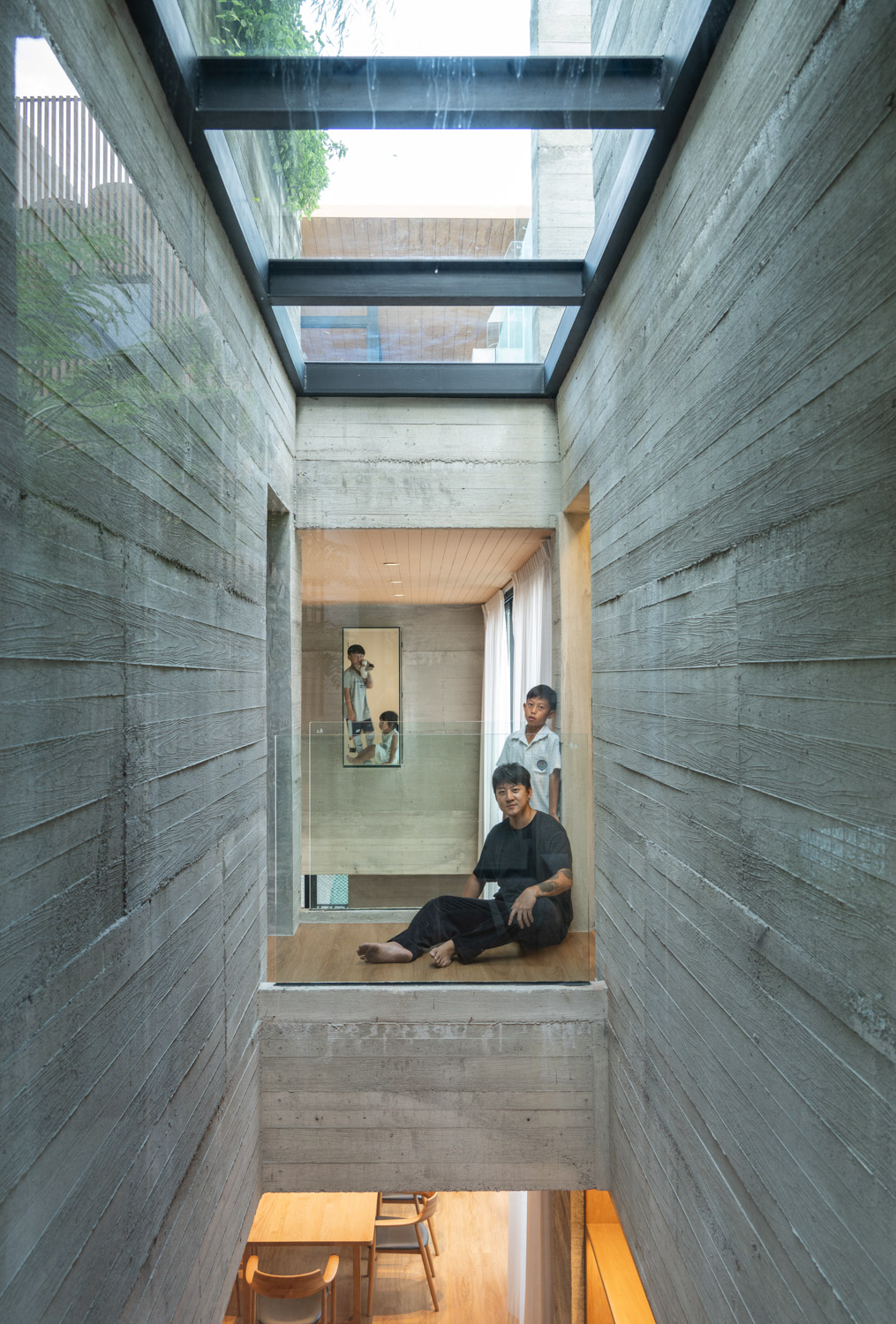
At the heart of SATHU HOUSE, the most significant gesture in welcoming natural light is the central courtyard, carved out from the second floor upward and opening directly to the sky. This vertical void not only divides but also connects the two residential zones, allowing daylight to flood evenly across both sides of the house. The courtyard transforms the once-enclosed interiors into spaces that feel permeable and alive, while also facilitating cross-ventilation and dissipating heat, ensuring the home remains cool and breathable throughout.
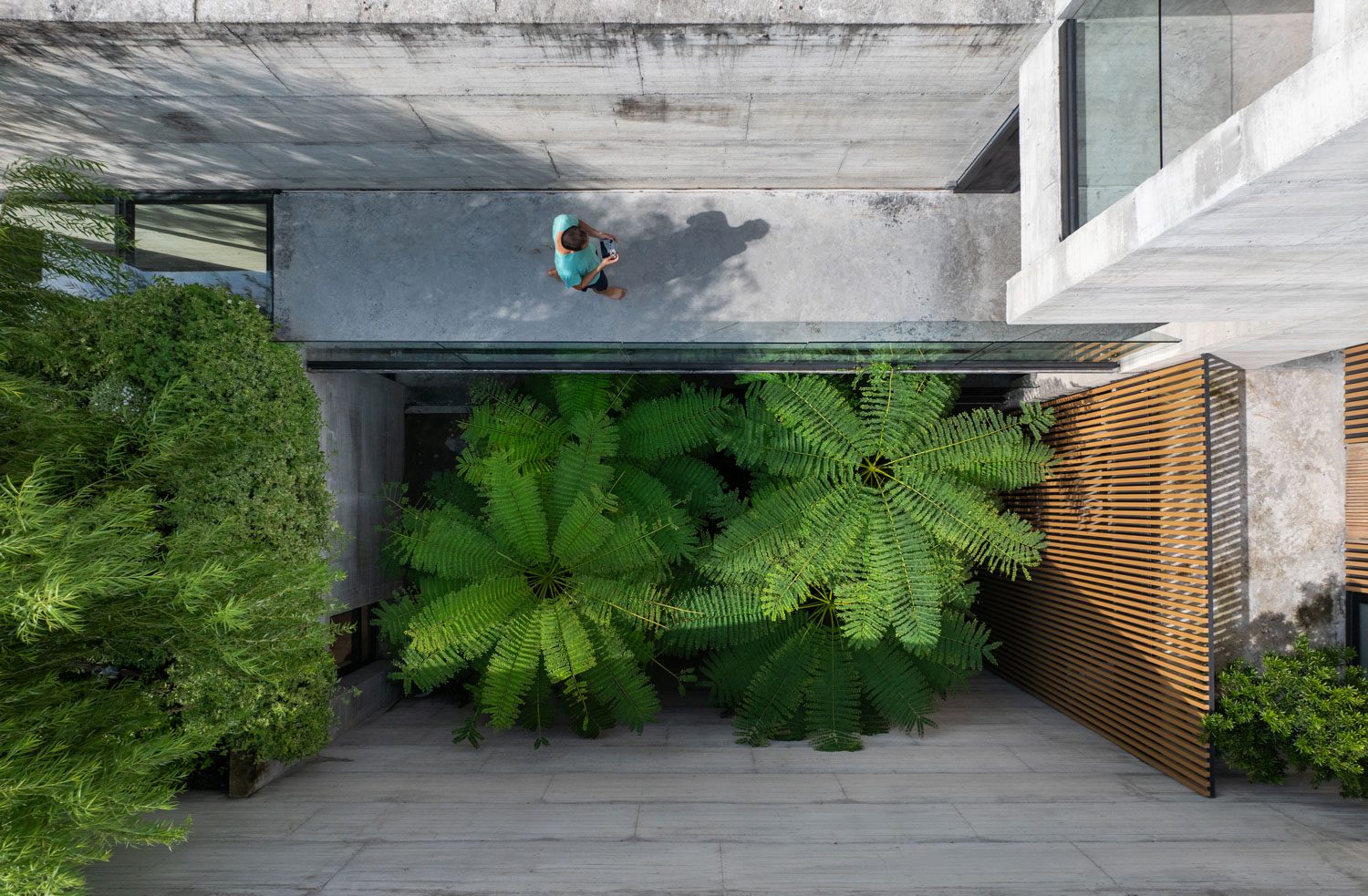
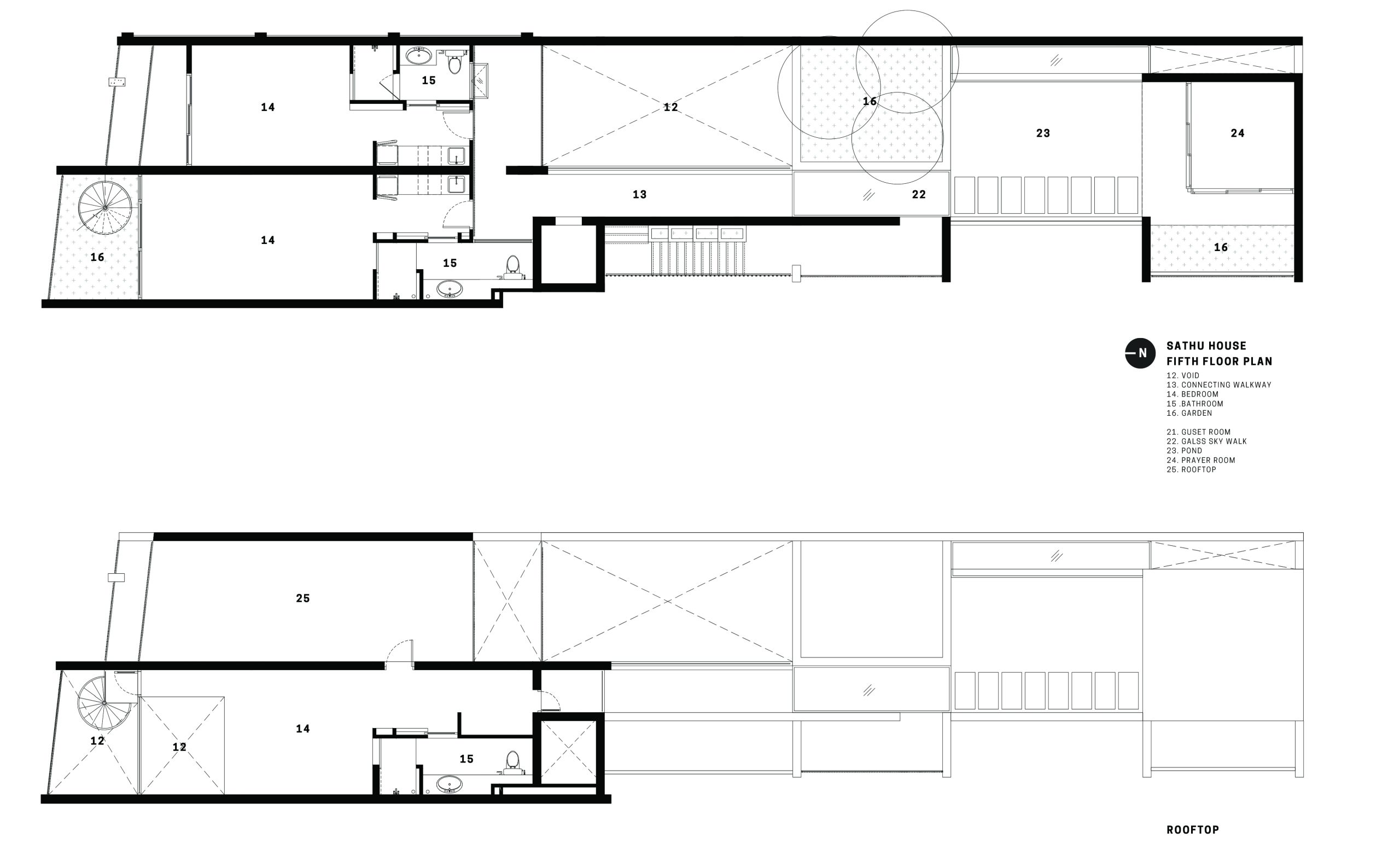
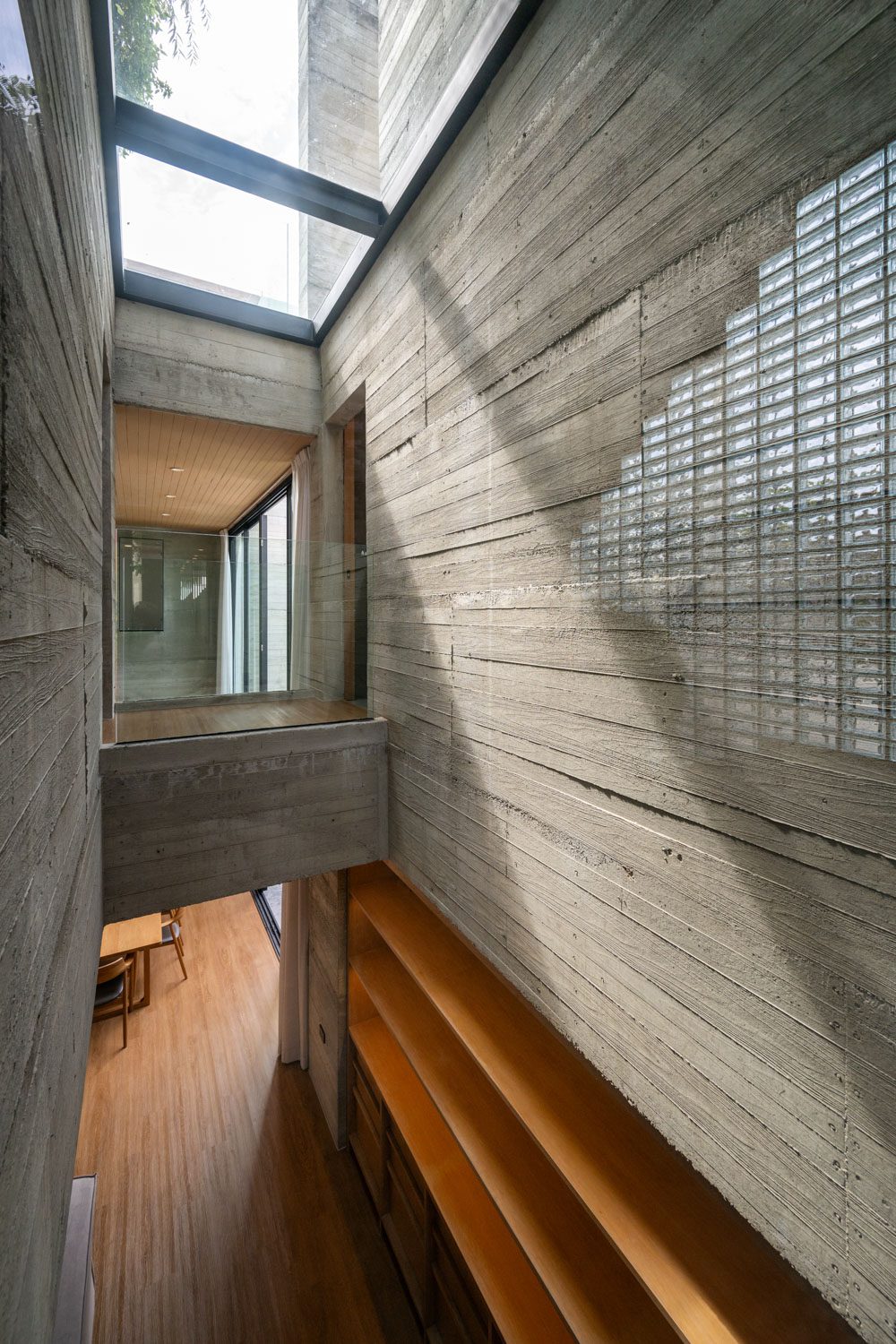
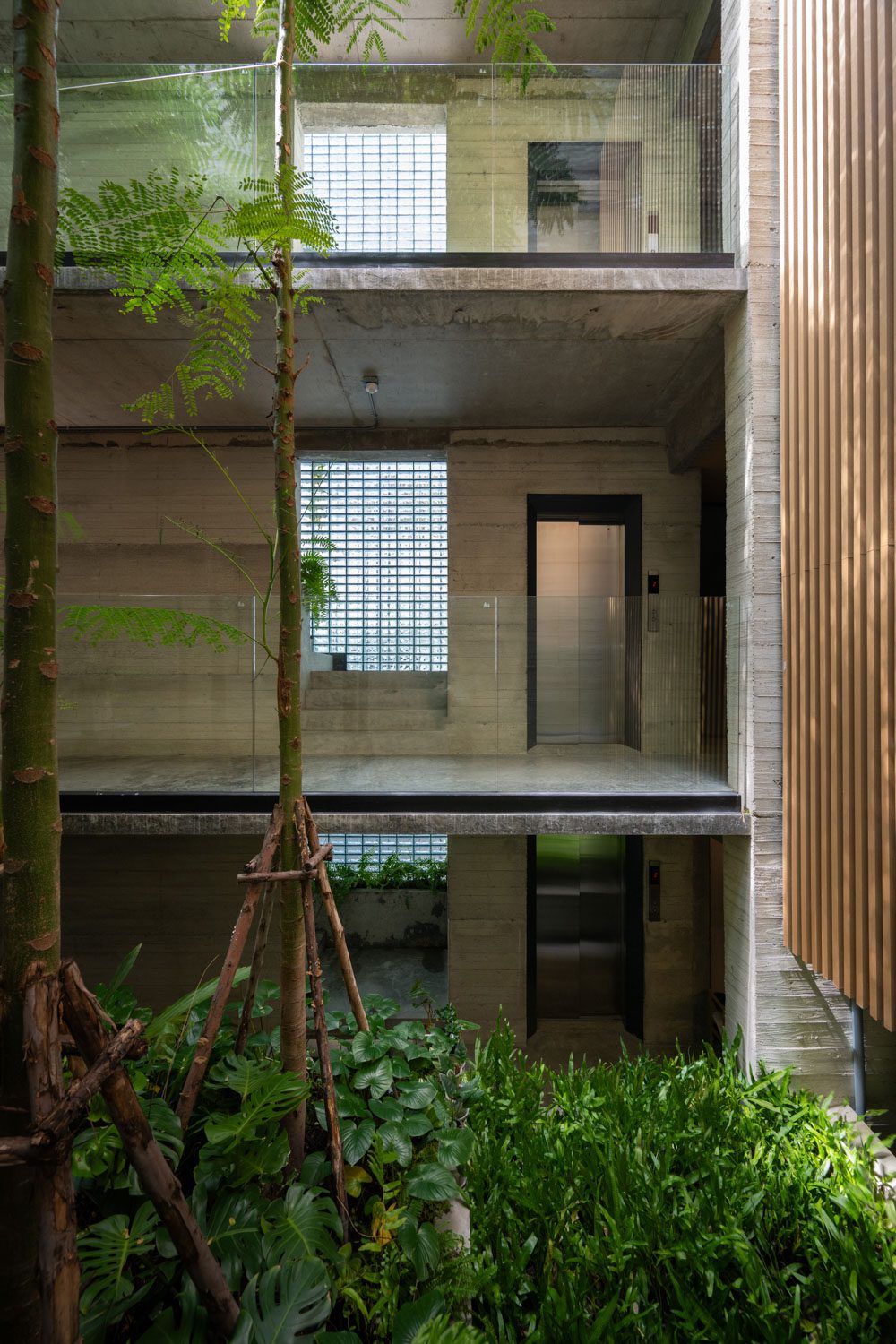
Whereas the typical image of a shophouse evokes dim, narrow interiors with limited daylight, the renovation of SATHU HOUSE actively subverts those associations. The project confronted the constraints of the traditional structure head-on by removing elements, piercing new openings, breaking through walls, and modifying load-bearing components of the original framework. These interventions posed bold structural challenges, bringing new systems into the old shell. The outcome is a spatial framework re-engineered to respond to contemporary functional demands, maximizing both usability and comfort.
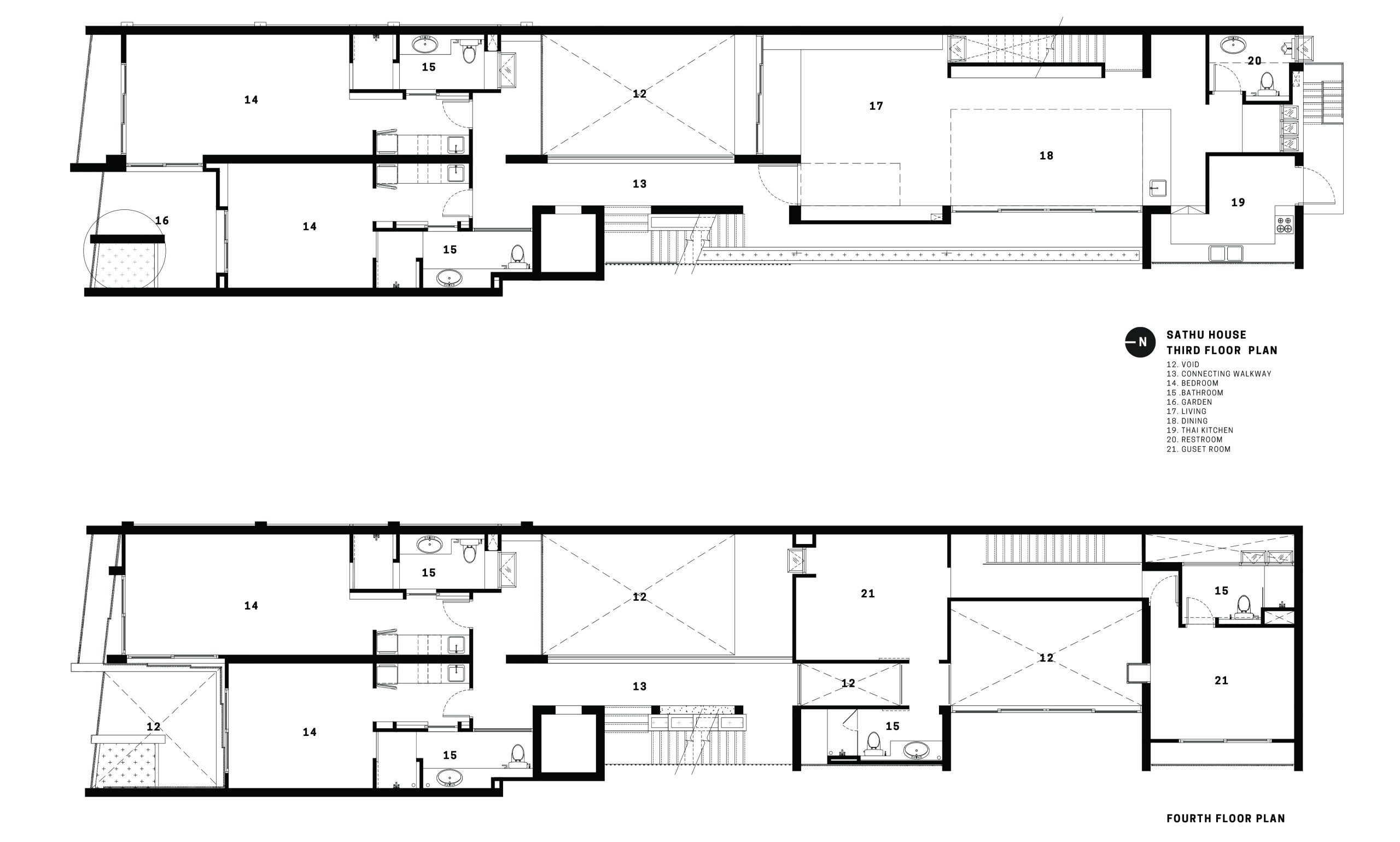
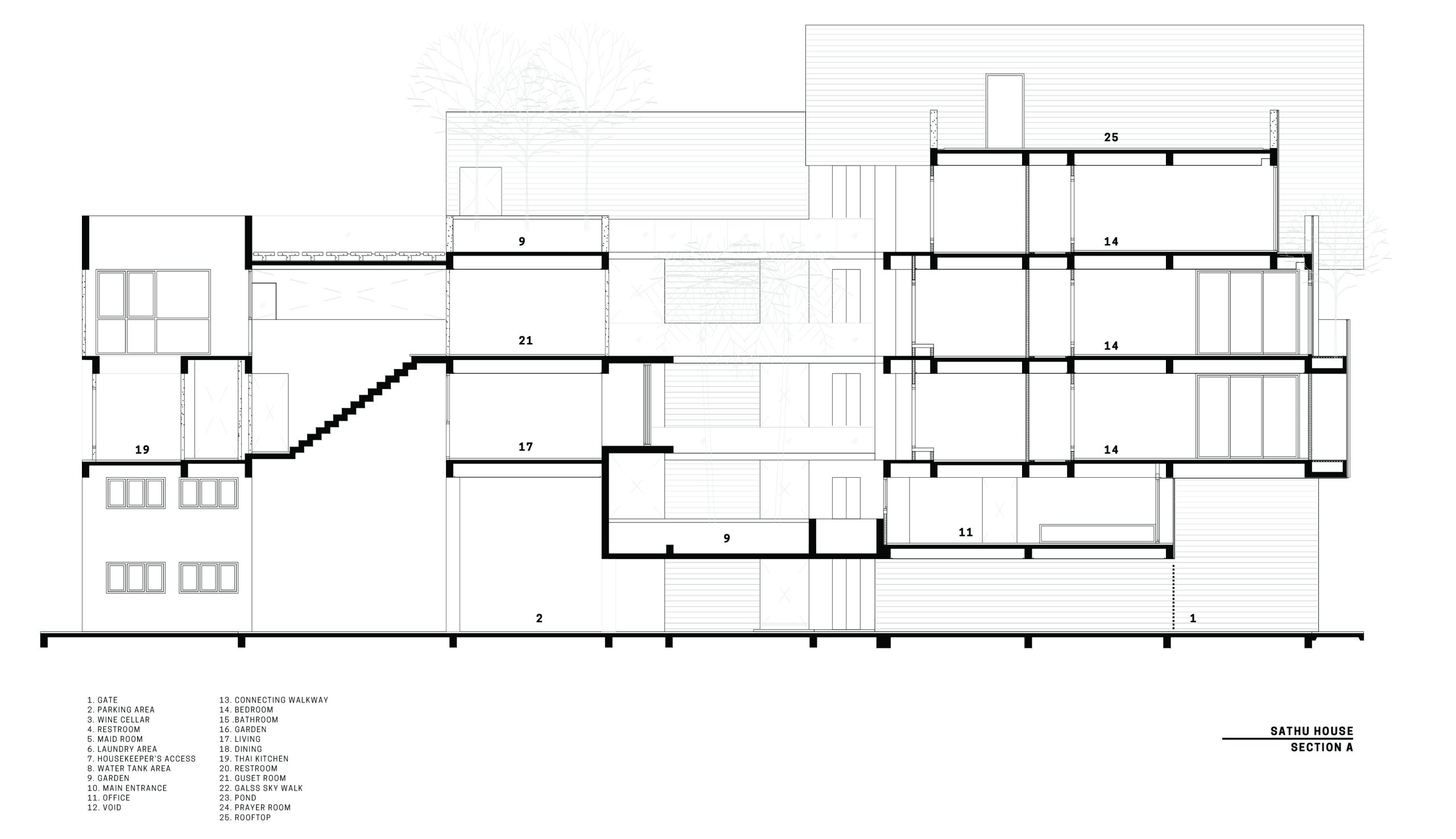
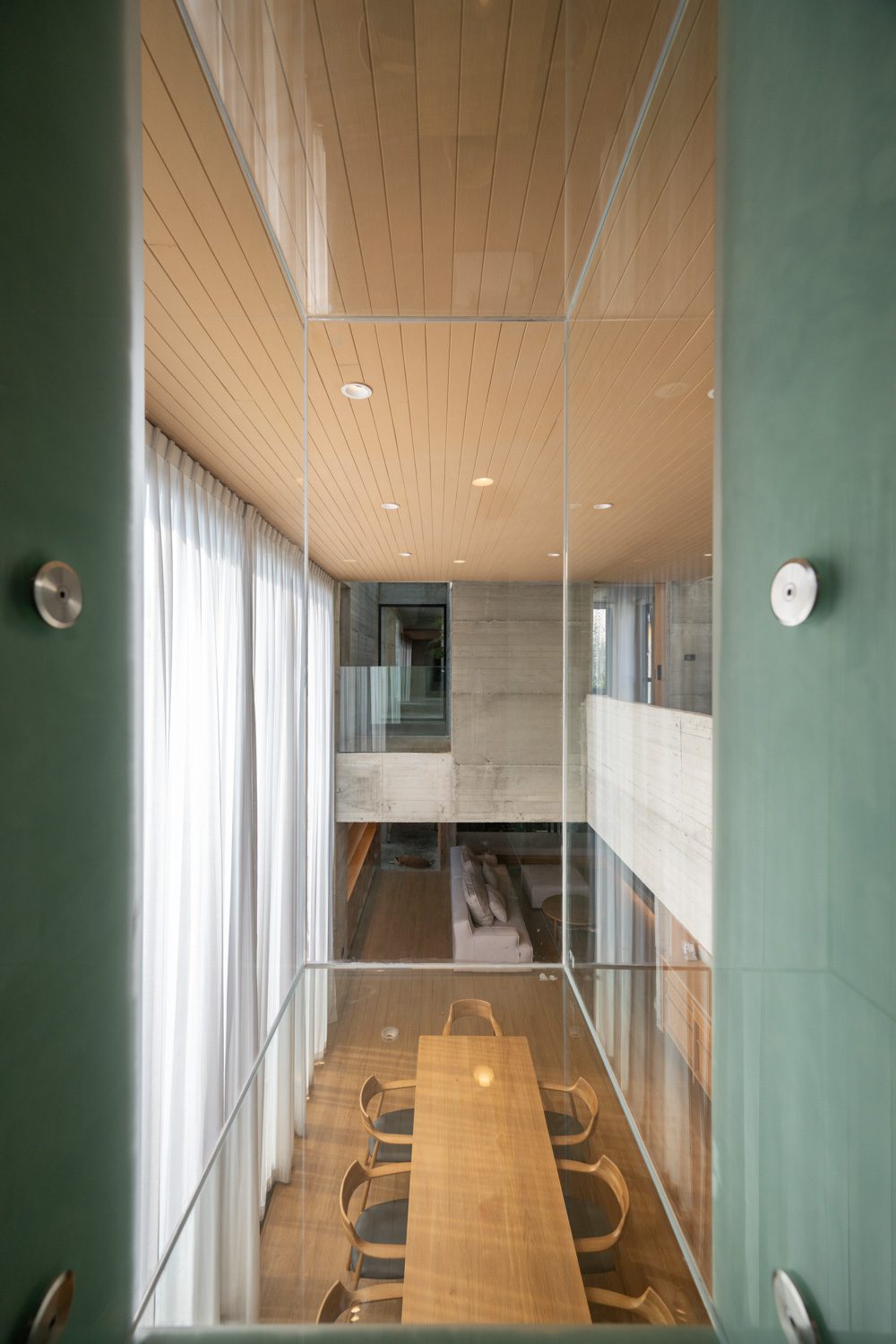
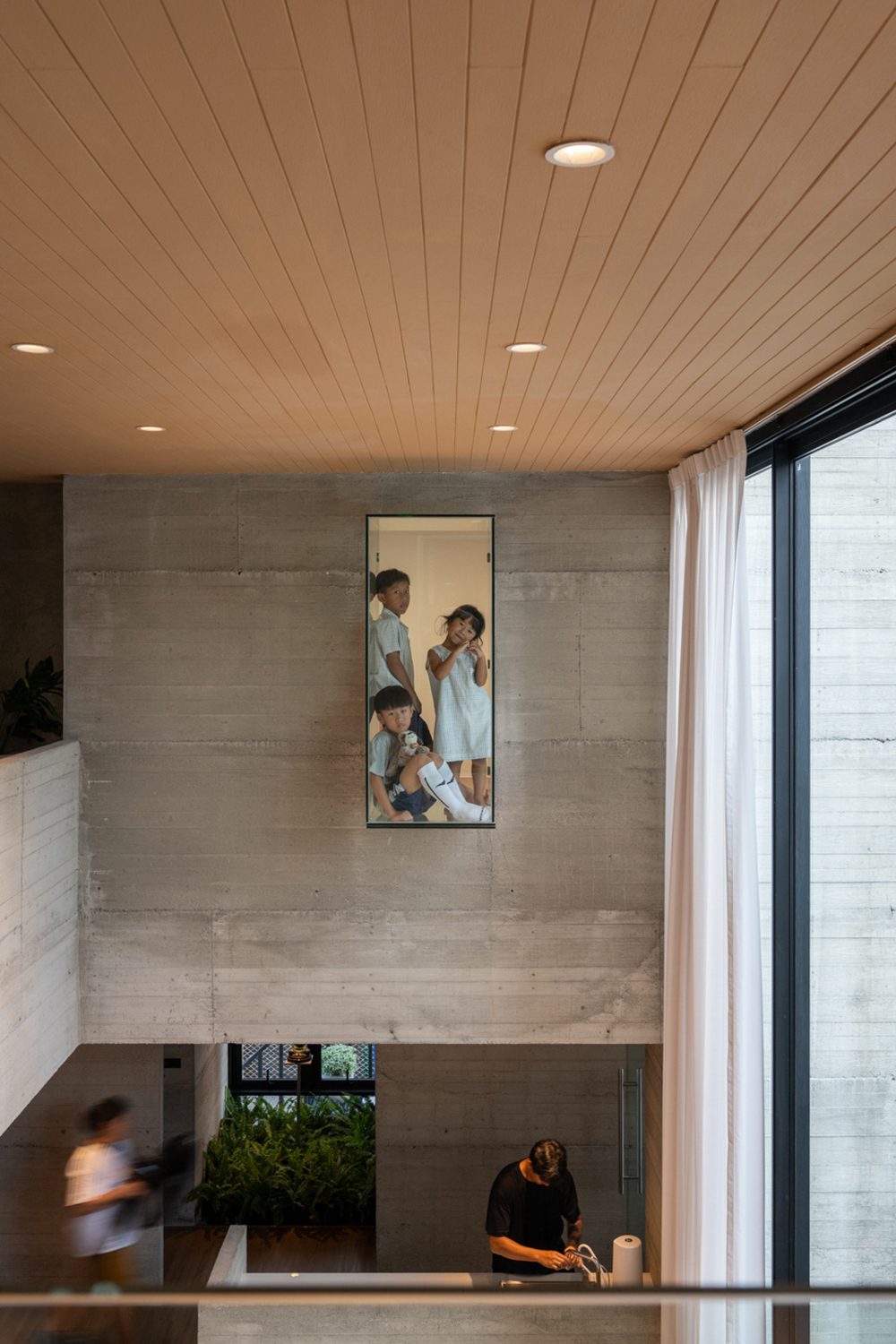
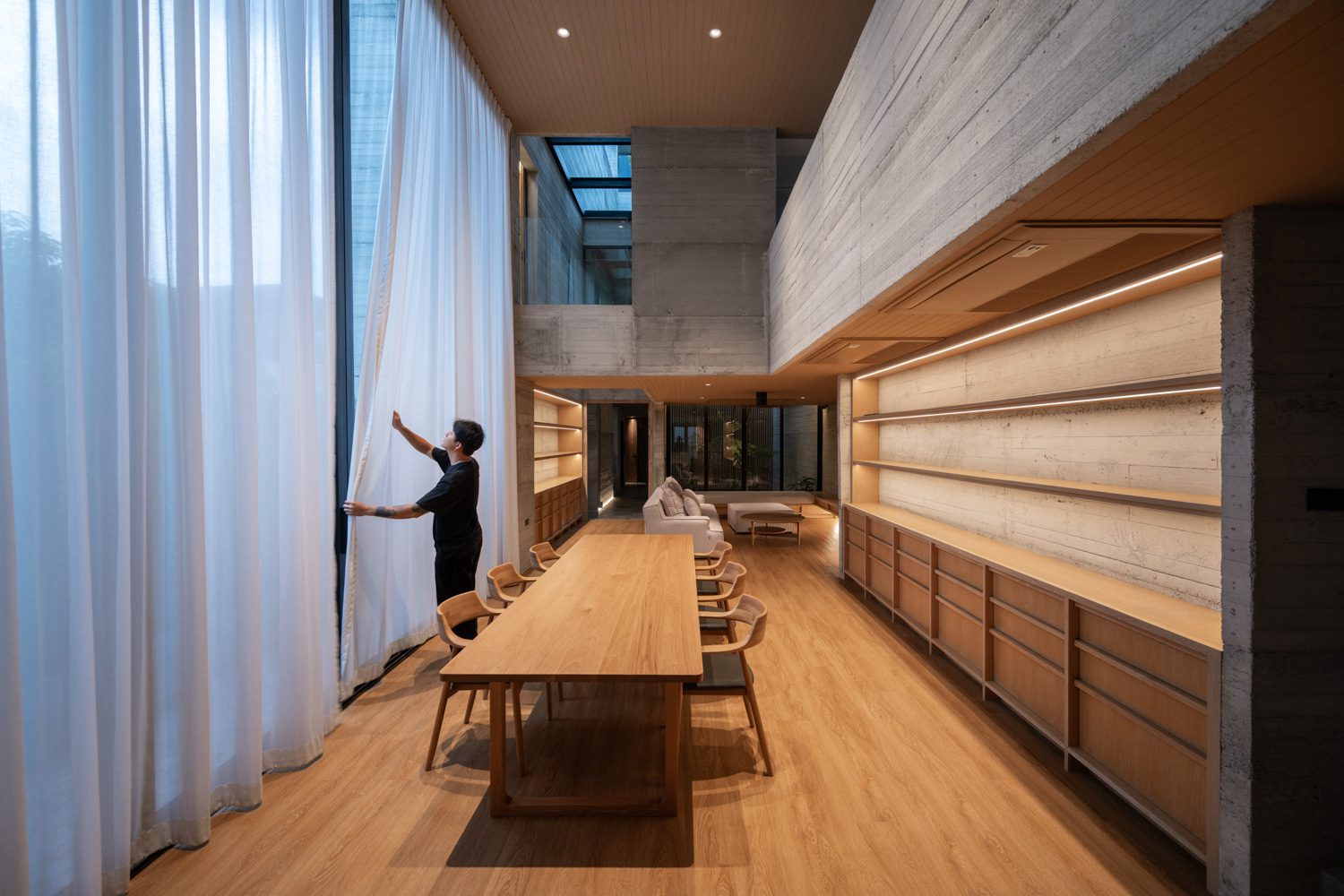
Another key design challenge was the question of visibility between rooms. The architect envisioned both vertical and horizontal lines of sight that allow spaces to open onto one another, creating subtle connections across floors and zones. This permeability fosters interaction among family members as they go about different activities at different times, reinforcing a sense of shared presence while still accommodating varied lifestyles and needs. Given budget constraints, the material palette for SATHU HOUSE was deliberately pared down to a few essential and affordable choices such as cast-in-place concrete, fiber-cement ceiling panels, and polished concrete flooring. Cast-in-place concrete, with its raw, uneven texture, conveys a sense of material honesty while offering ease of maintenance.
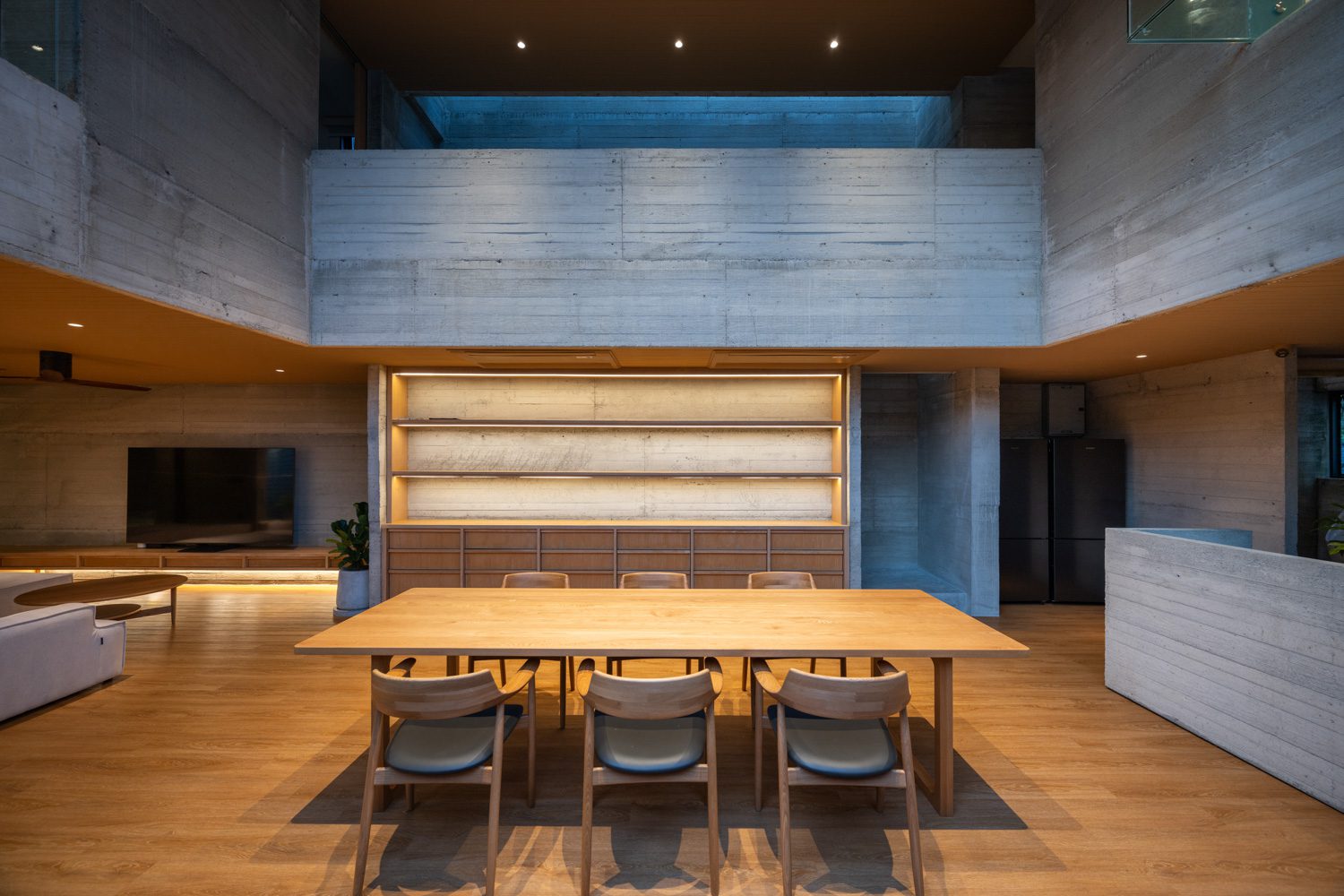
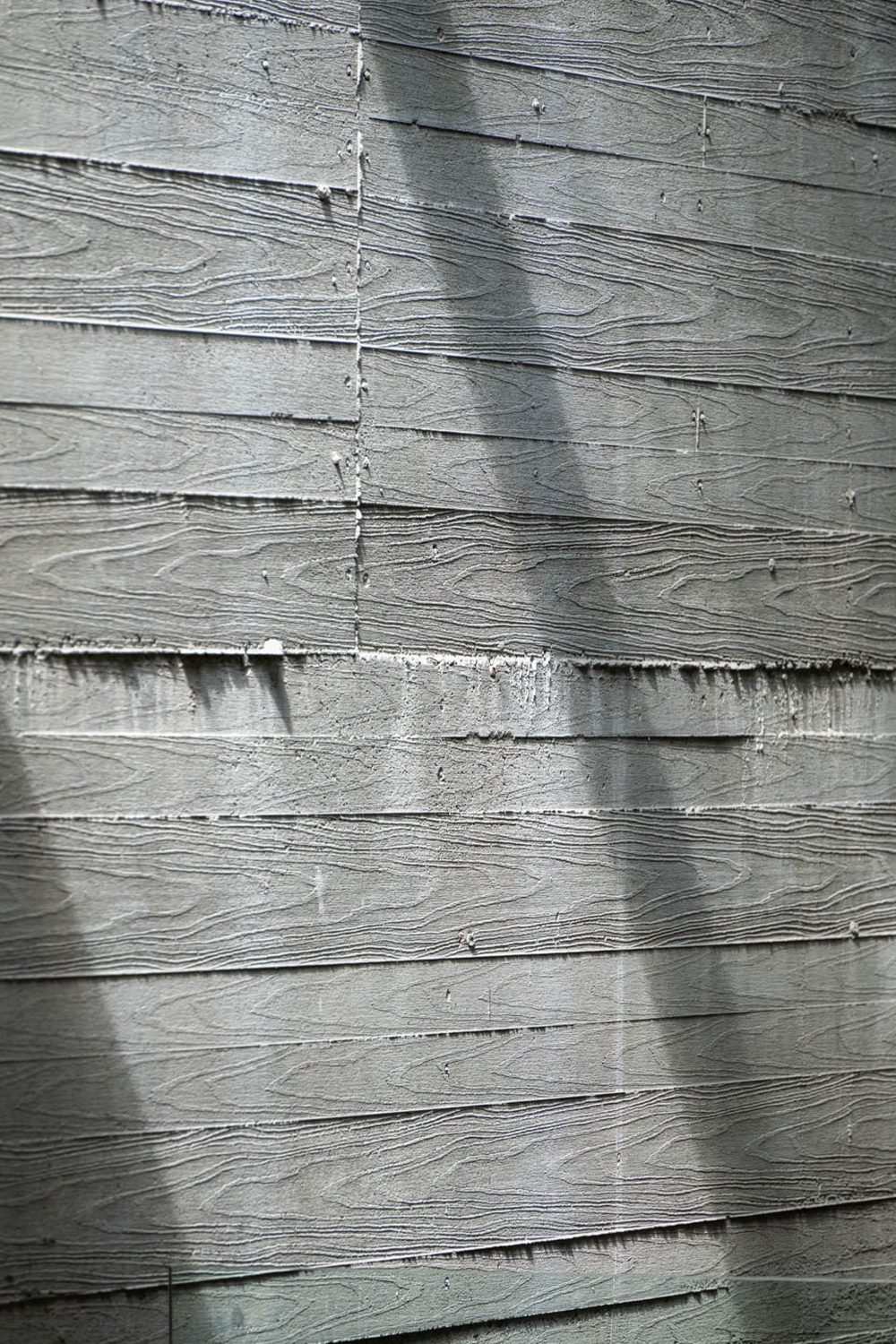
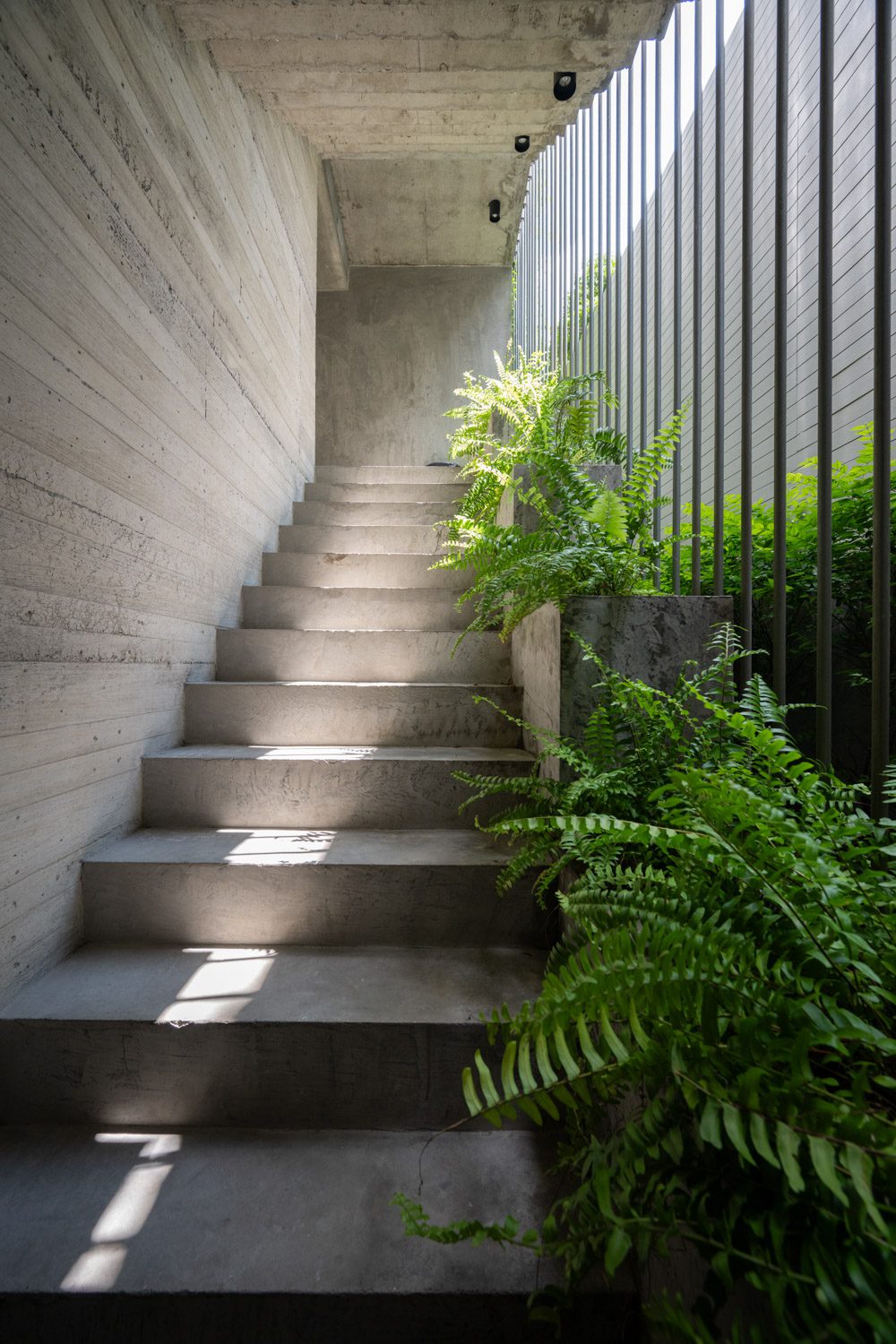
Yet here, the material also takes on a symbolic meaning: the concrete was cast using wood-plastic composite (WPC) boards as formwork, imprinting its surface with a wood grain texture. This detail evokes the family’s former home, which functioned as both residence and leather workshop, a place marked by the rawness of small machinery, tools, and materials scattered across the domestic space. In this way, the WPC gestures back to that dual identity, while also reappearing as a recurring element throughout the project, employed not only as concrete formwork, but also as façade louvers on the front elevation and as ceiling cladding within. Beyond its durability and ease of maintenance, the use of wood-plastic composite also softens the atmosphere of SATHU HOUSE, lending the interiors a sense of warmth and visual comfort while tempering the rawness of the exposed concrete walls.
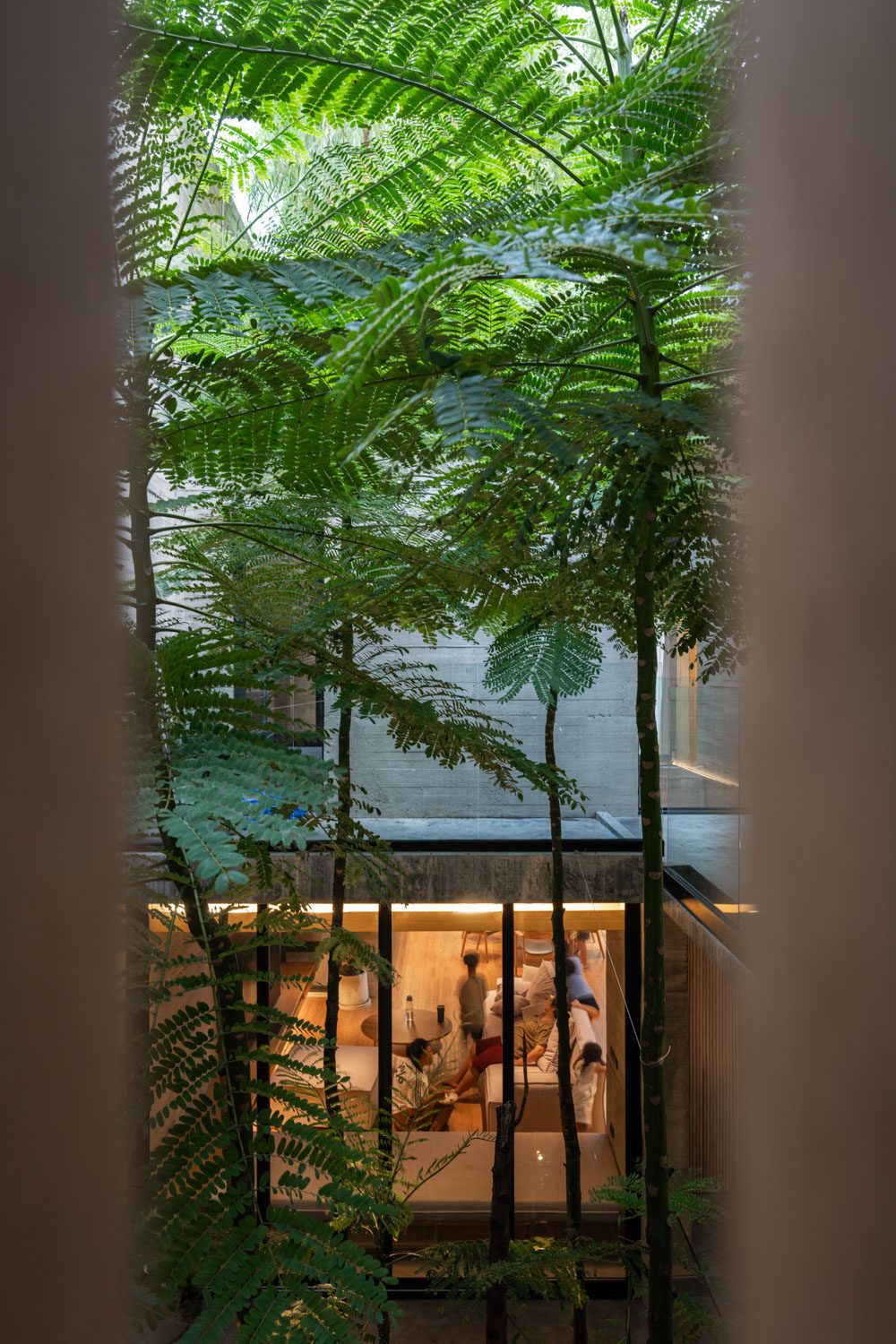
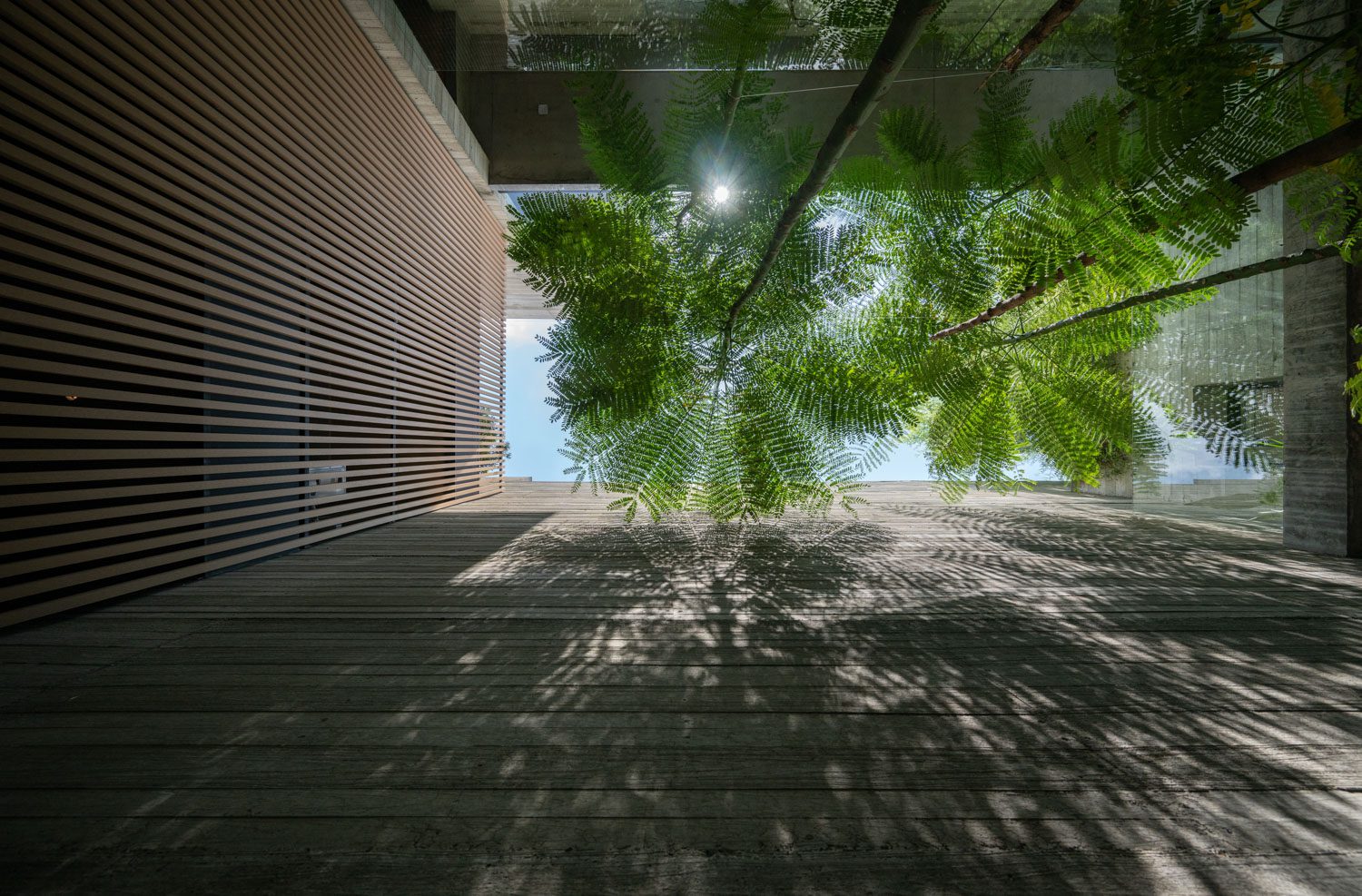
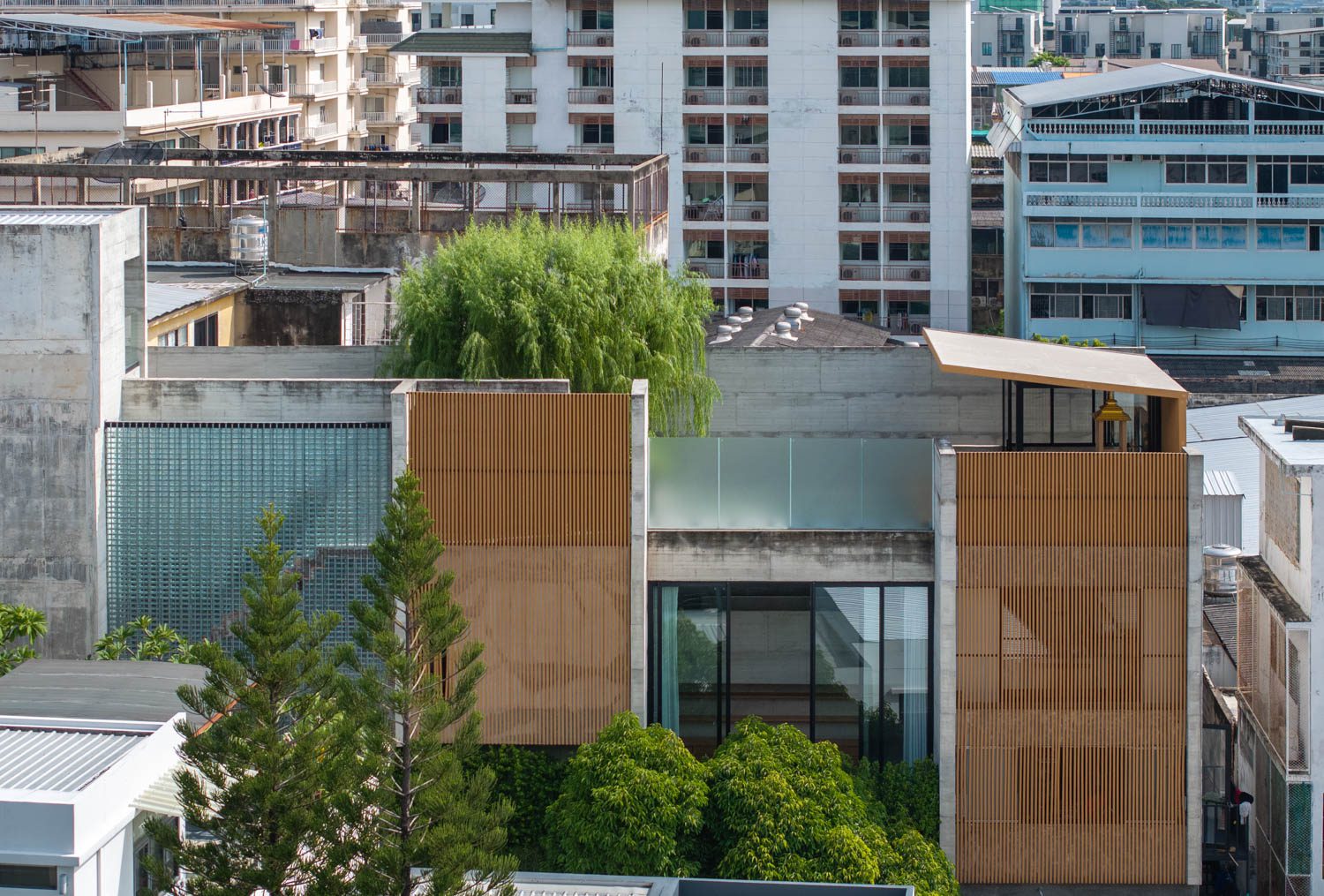
Natural light striking the concrete walls of SATHU HOUSE creates ever-changing compositions, like shifting paintings drawn between nature and architecture. These fleeting images become the backdrop for new memories, formed through the use of space, through the activities and interactions of family and friends.
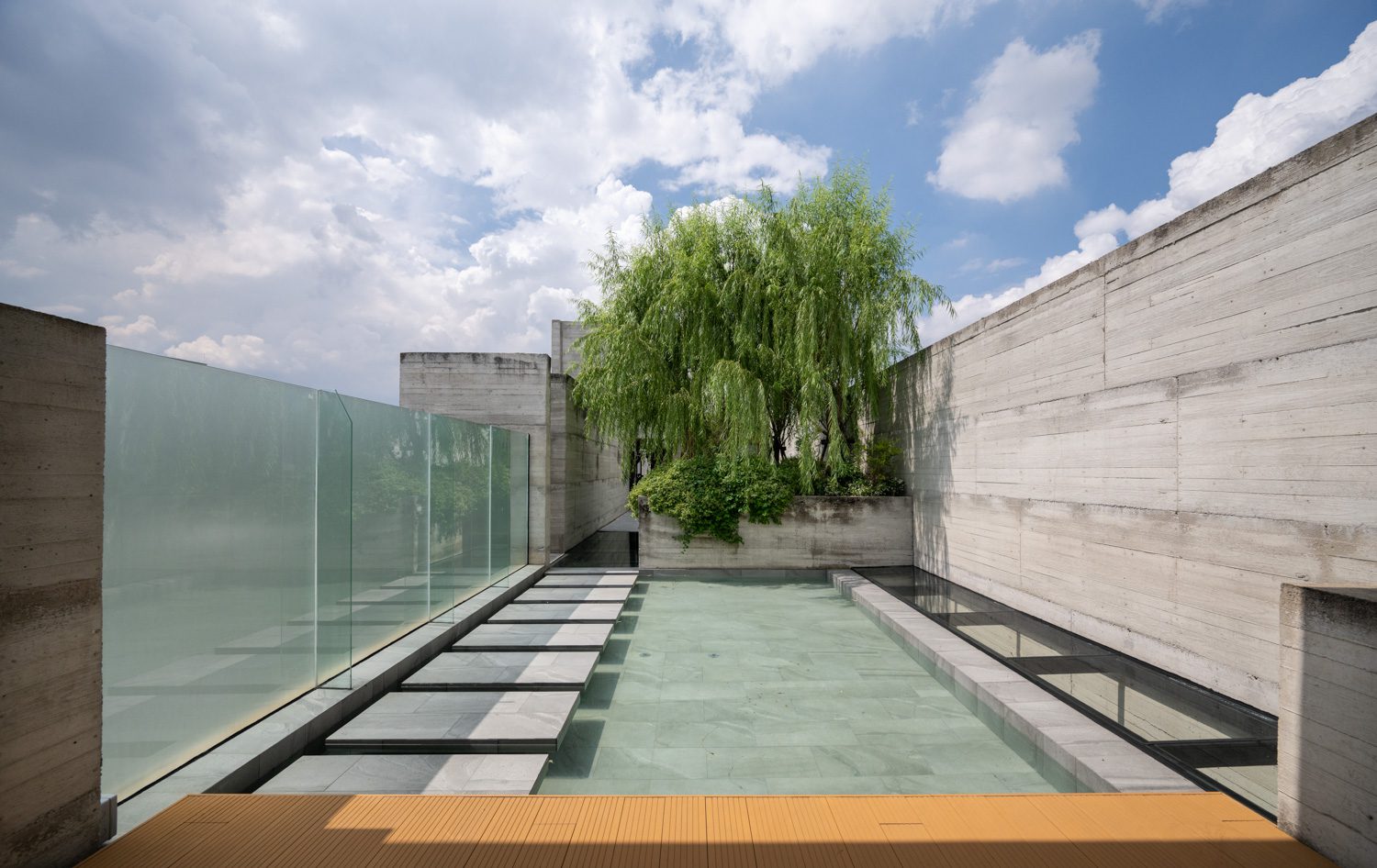
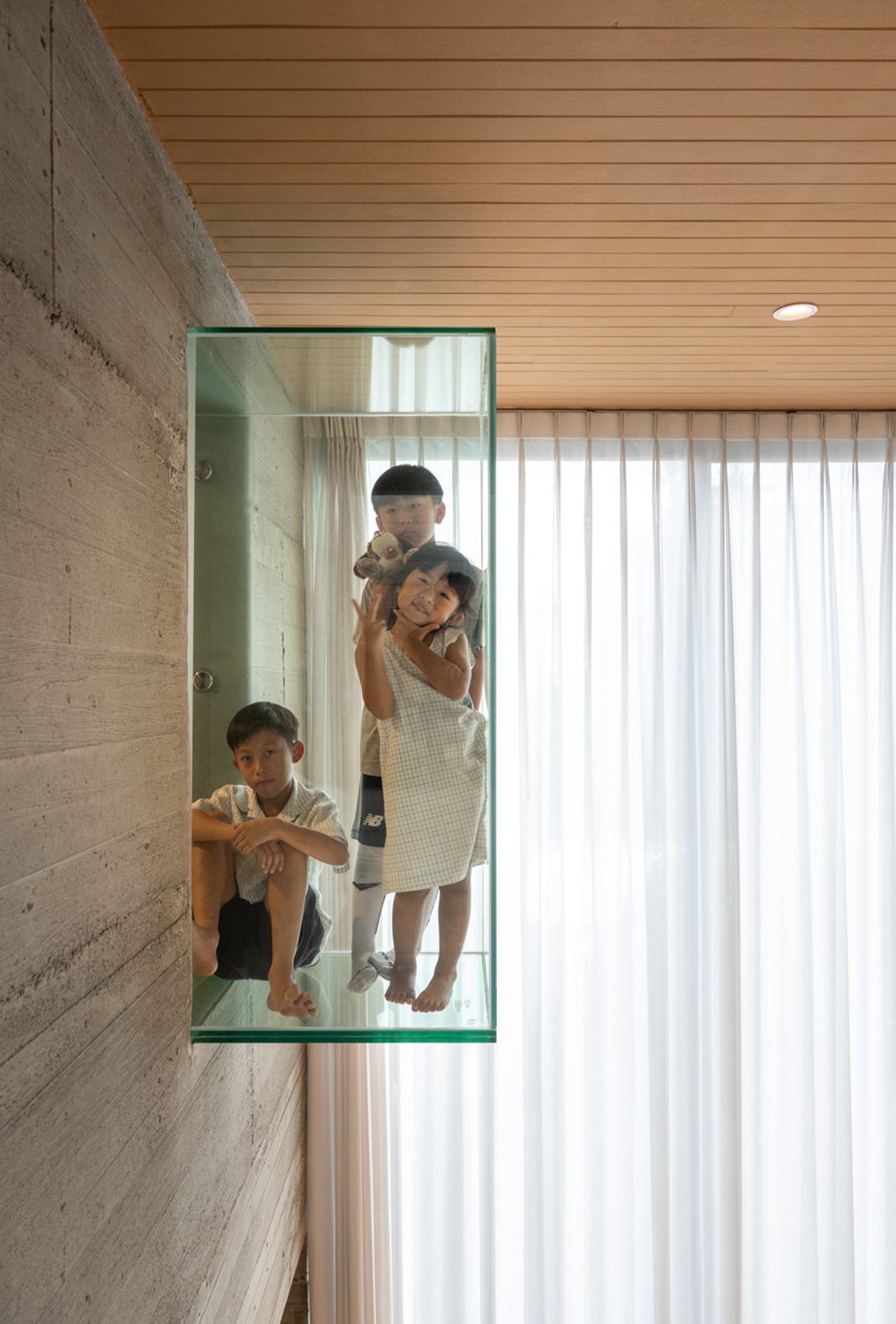
In this sense, SATHU HOUSE stands as a symbol of beginnings and of growth across generations. Children run and play; friends and siblings gather to talk, share meals, and drink wine. Life unfolds in new scenes that envelop the echoes of the past, once belonging to their parents’ generation. The backyard football field has been transformed into a living area for dining and entertaining, while the rooftop, once the place where the children went up to fly kites, has become a roof garden and prayer room. Such transformations embody the family’s continuity, carrying forward from grandparents to parents and onward to grandchildren. The architecture itself becomes both vessel and medium, preserving roots and relationships while also serving as a point of reunion. In this way, SATHU HOUSE bridges age to age, generation to generation, ensuring that old memories are not only held but enriched by the creation of new ones.