
HOW CURVED WALLS SHIELD THE CITY’S CHAOS AND WEAVE CALM WITH ECHOES AT SIMPLE DESIGN ARCHIVE BY HAS DESIGN AND RESEARCH
TEXT: PHARIN OPASSEREPADUNG
PHOTO: W WORKSPACE EXCEPT AS NOTED
VIDEO EDITOR: W WORKSPACE
(For Thai, press here)
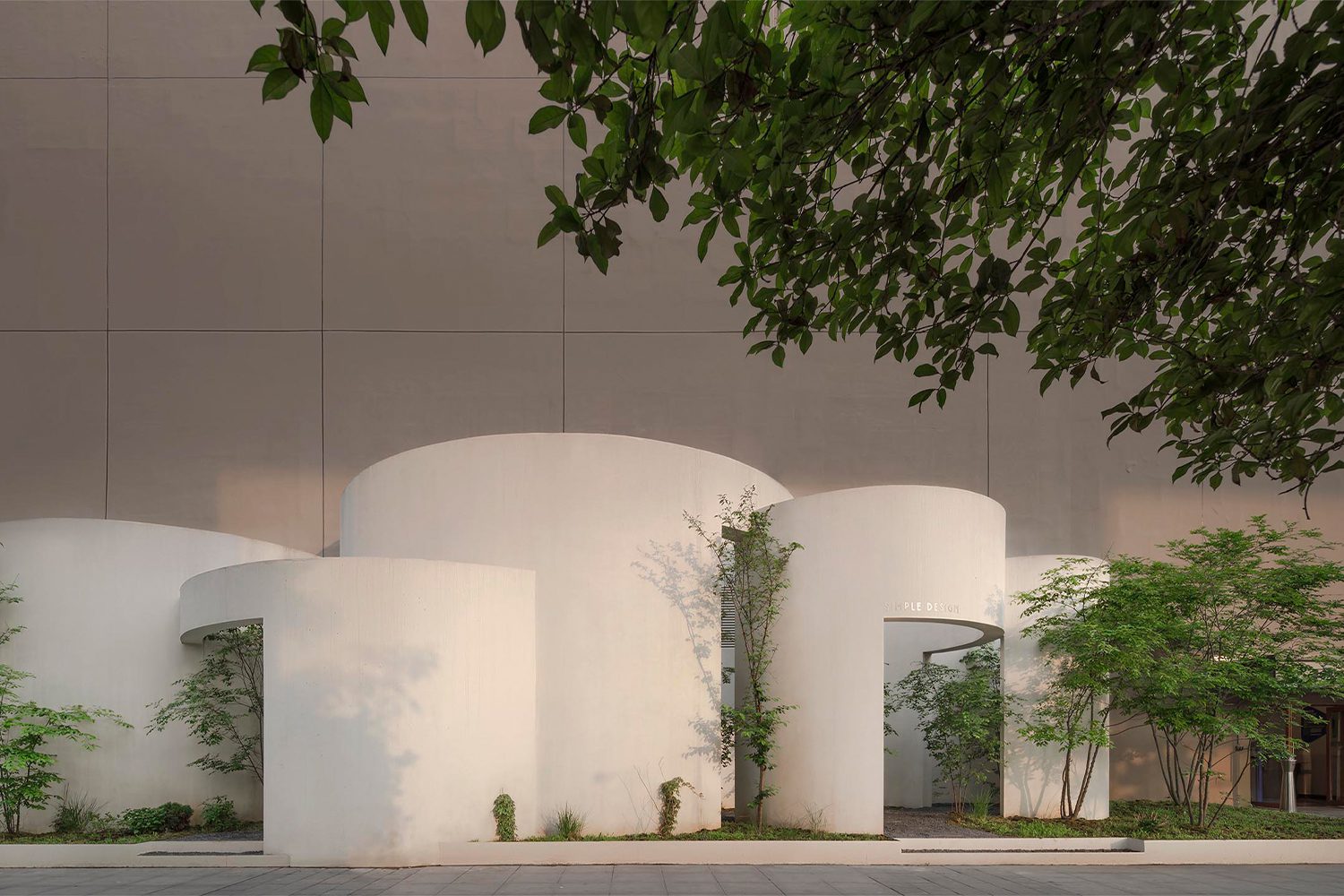
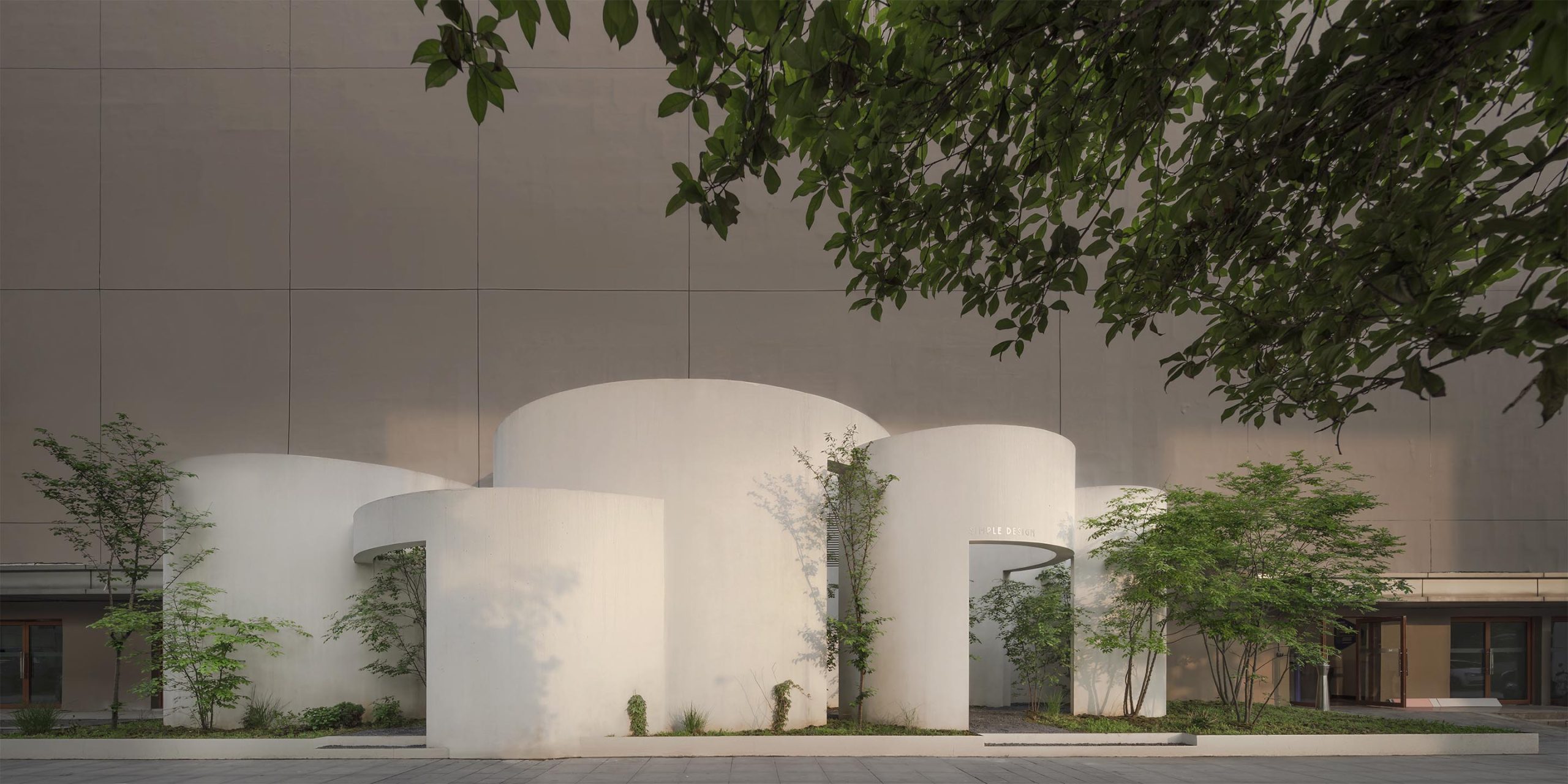
The Simple Design Archive is a modestly scaled museum in China that hides grandeur within its simplicity. It houses both contemporary art from Asia and modern European-style furniture. Yet, what makes it truly distinctive goes beyond the art and furniture themselves: its remarkable entrance. Visitors pass through a striking series of curved walls, layered and intertwined like a white labyrinth. This passageway creates a buffer from the hurried pace of the outside world, offering a slower transition that allows one to linger amid the beauty of nature and art.
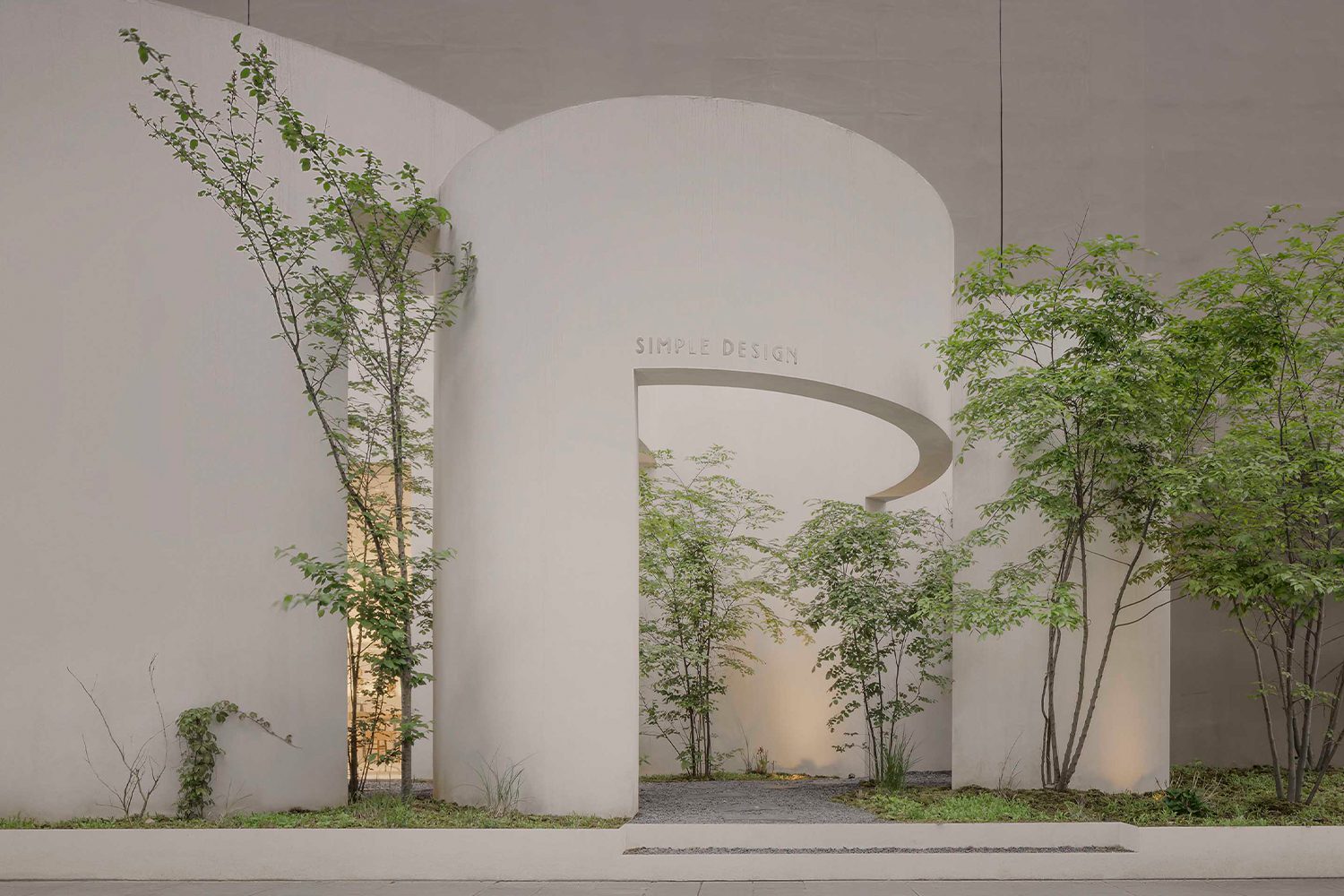
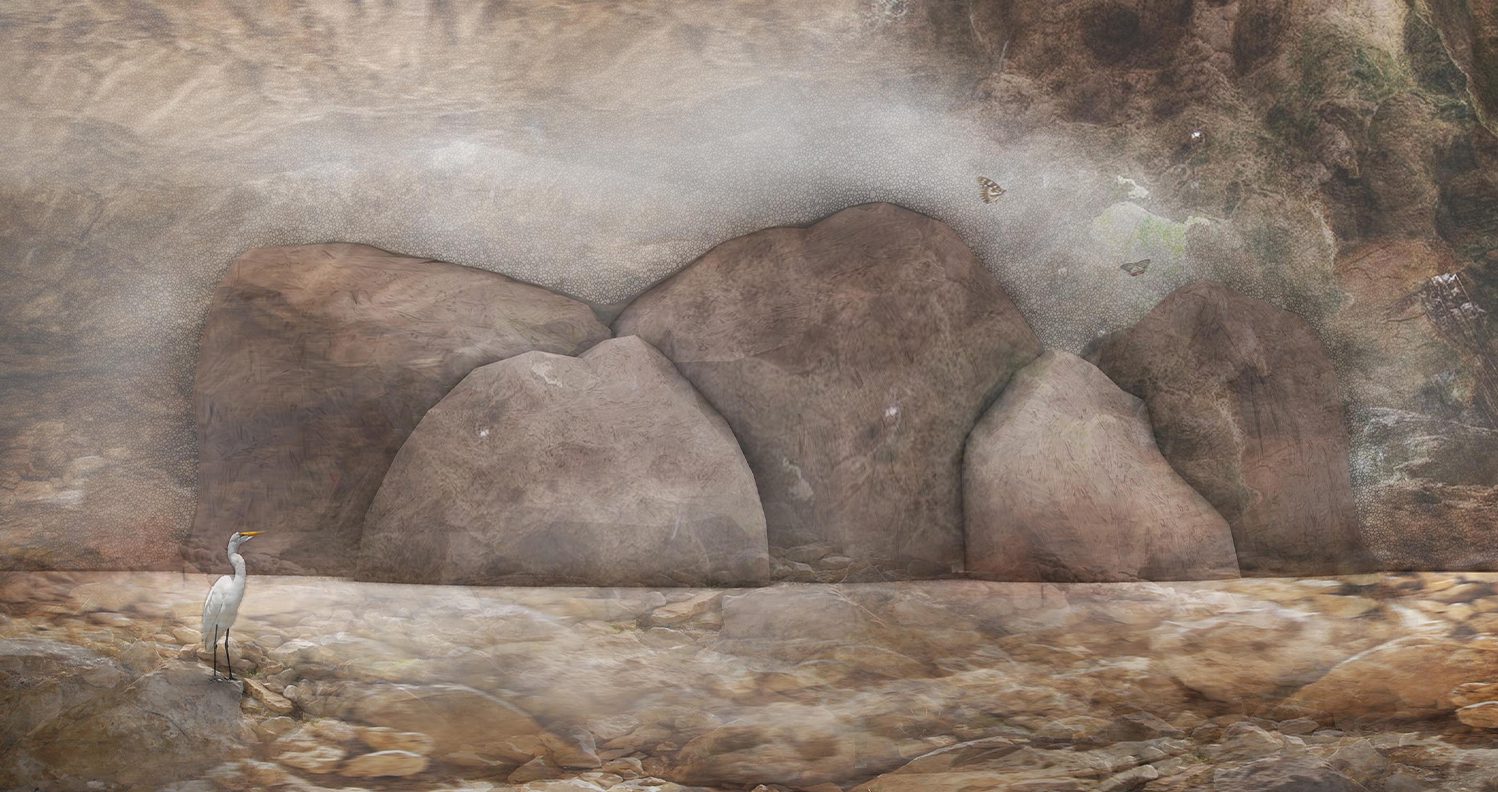
Image courtesy of HAS design and research
Designed by HAS design and research, the museum is located in Anhui Province, China, set against the dramatic backdrop of Huangshan, one of the country’s most sacred and renowned mountains. From this natural beauty emerges a sense of timelessness and spirituality, which became the inspiration for HAS founders Jenchieh Hung and Kulthida Songkittipakdee. Their vision was to create a museum that not only connects people with art but also fosters new experiences, drawing visitors closer to nature in ways they might not have encountered before.
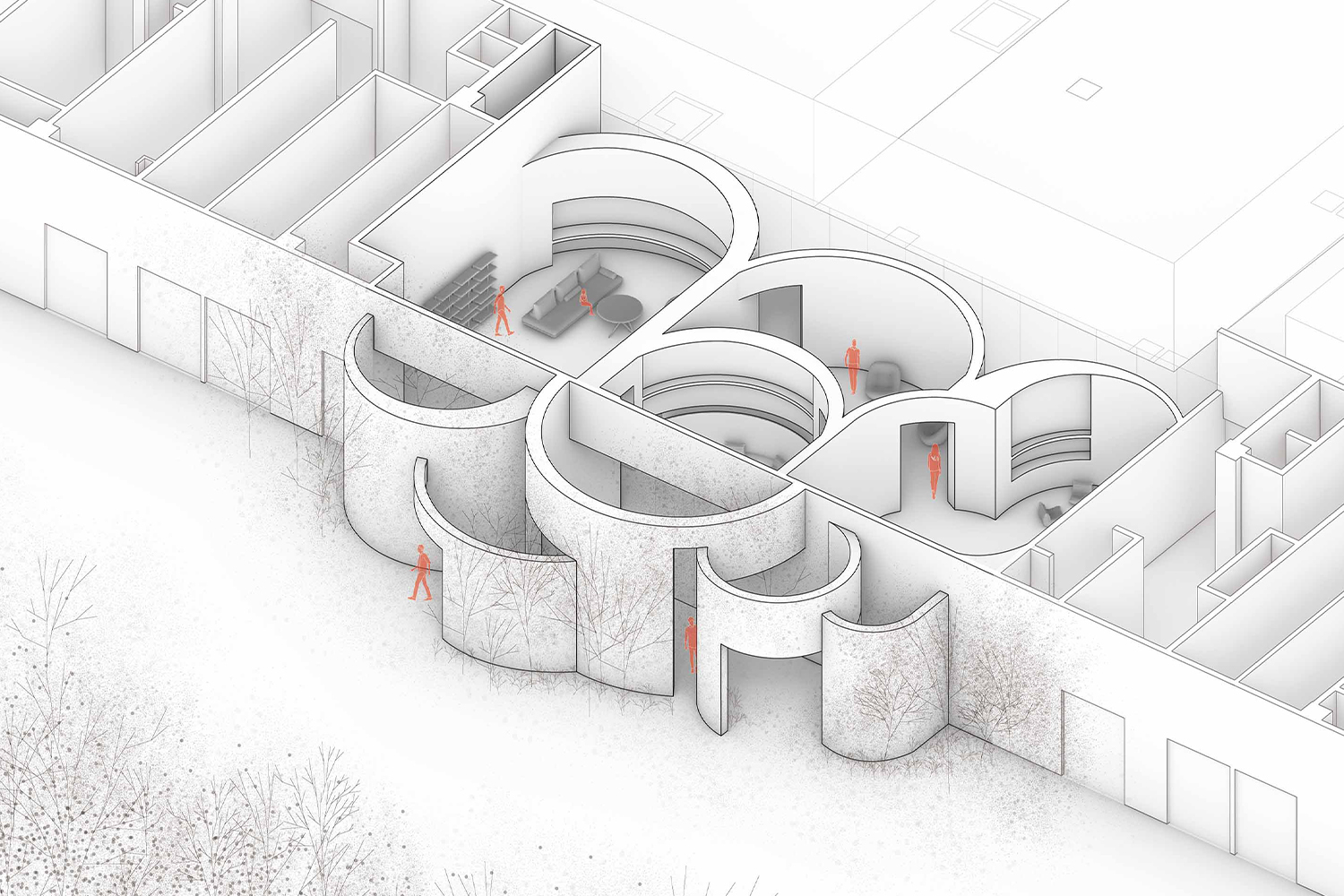 Image courtesy of HAS design and research
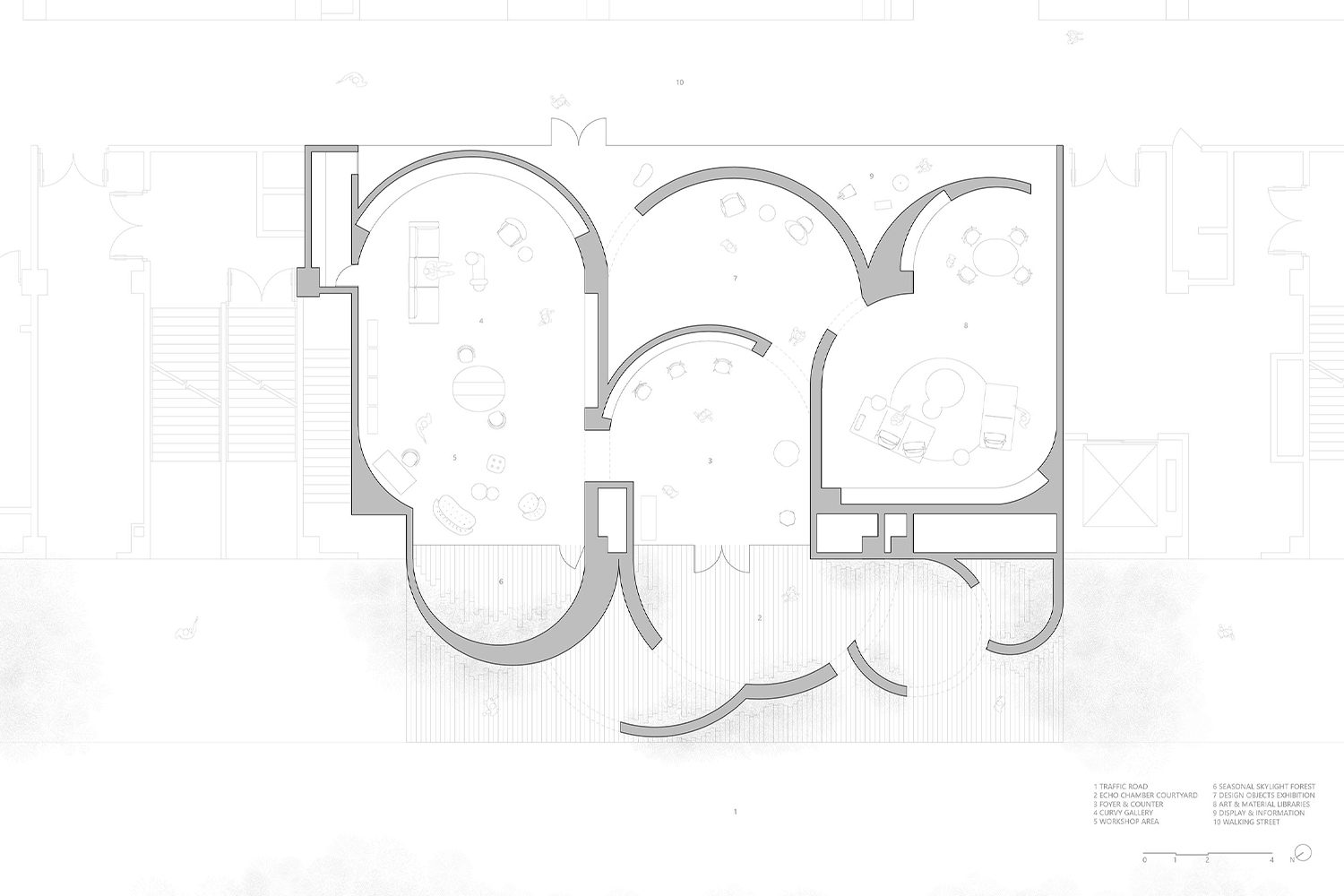
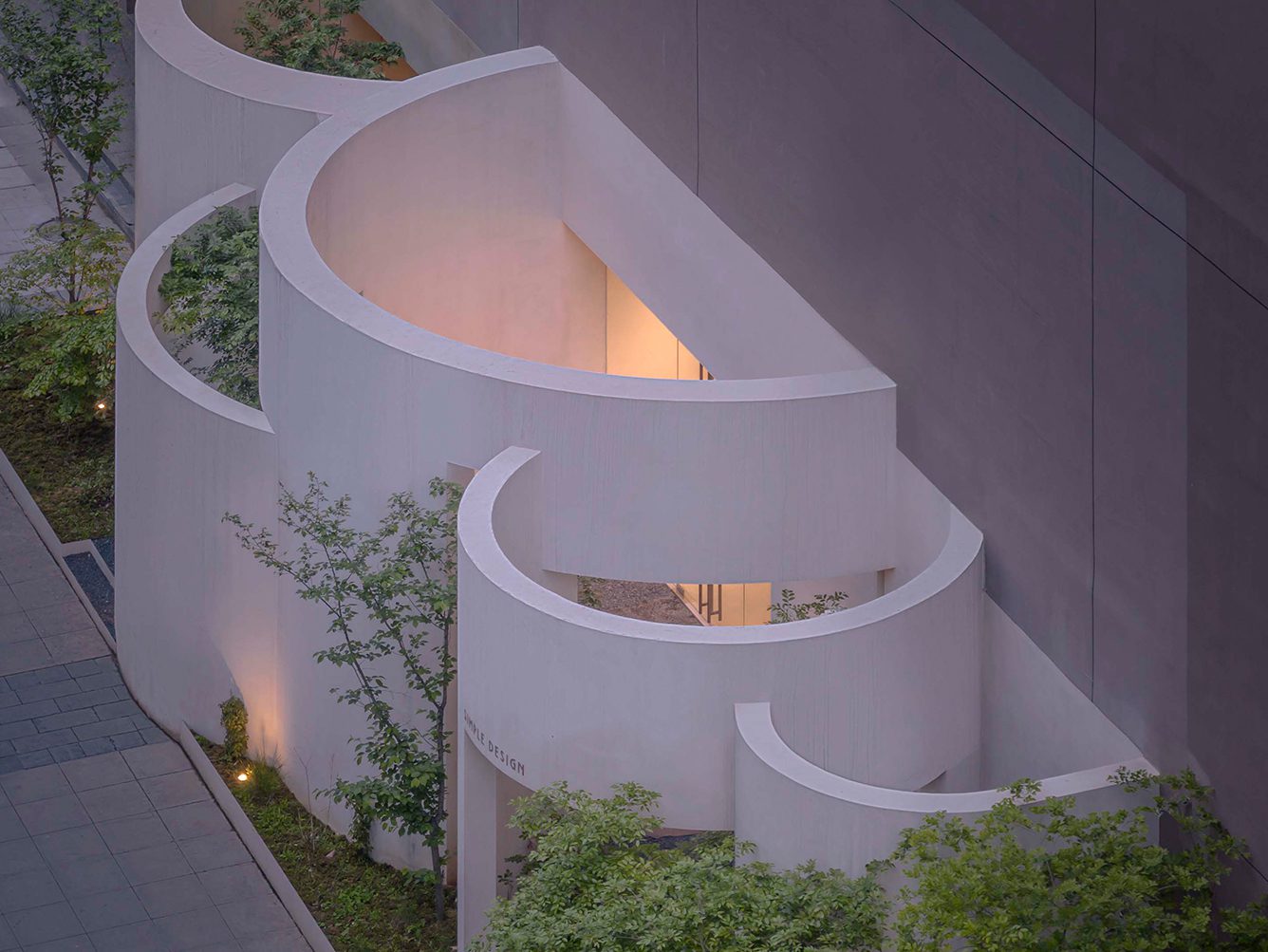
Surrounded by the noise and turbulence of the city, HAS design and research set out to create a space that would act as a filter, separating visitors from the chaos outside and preparing them for a more contemplative experience. This intention is realized in a series of white curving walls at the entrance, overlapping in varying heights and depths. Lush greenery is interwoven between the walls, offering a vivid counterpoint to the stark white surfaces. Far more than an aesthetic gesture, the walls serve to buffer the sounds of the city while also functioning as a kind of natural echo chamber. Within the courtyard, the voices and footsteps that resonate between the curves take on a poetic quality, subtly enveloping visitors without their conscious awareness.
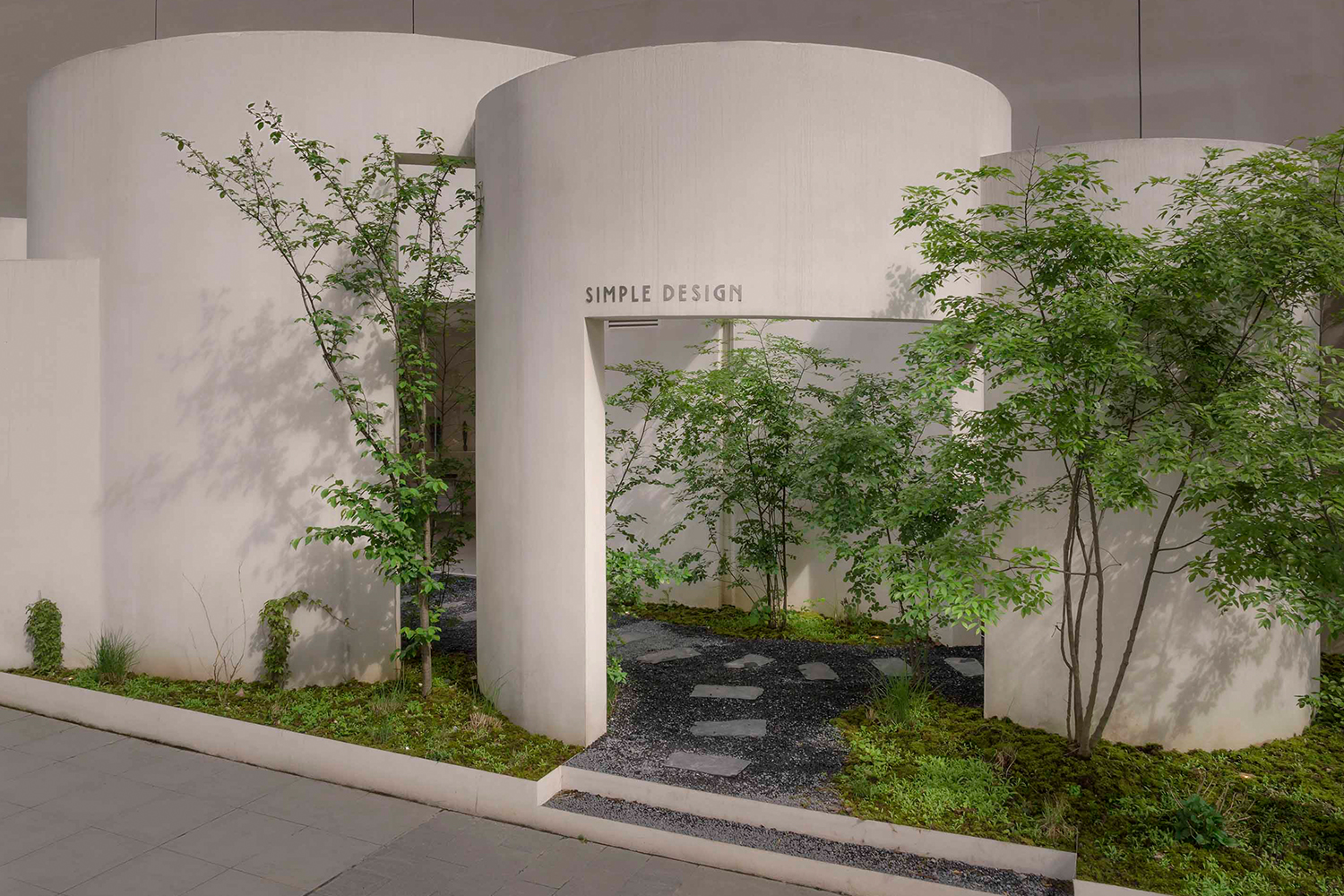
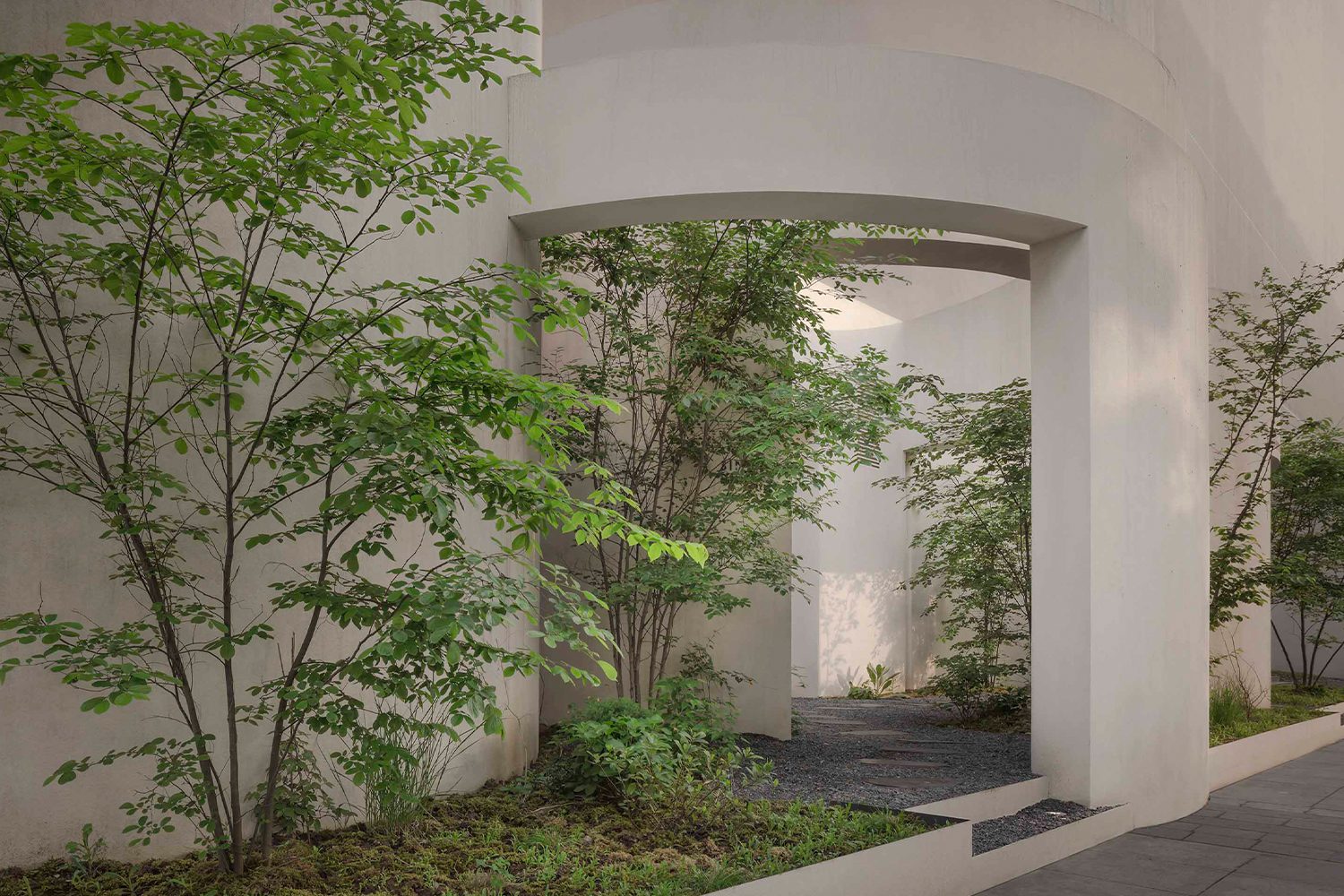
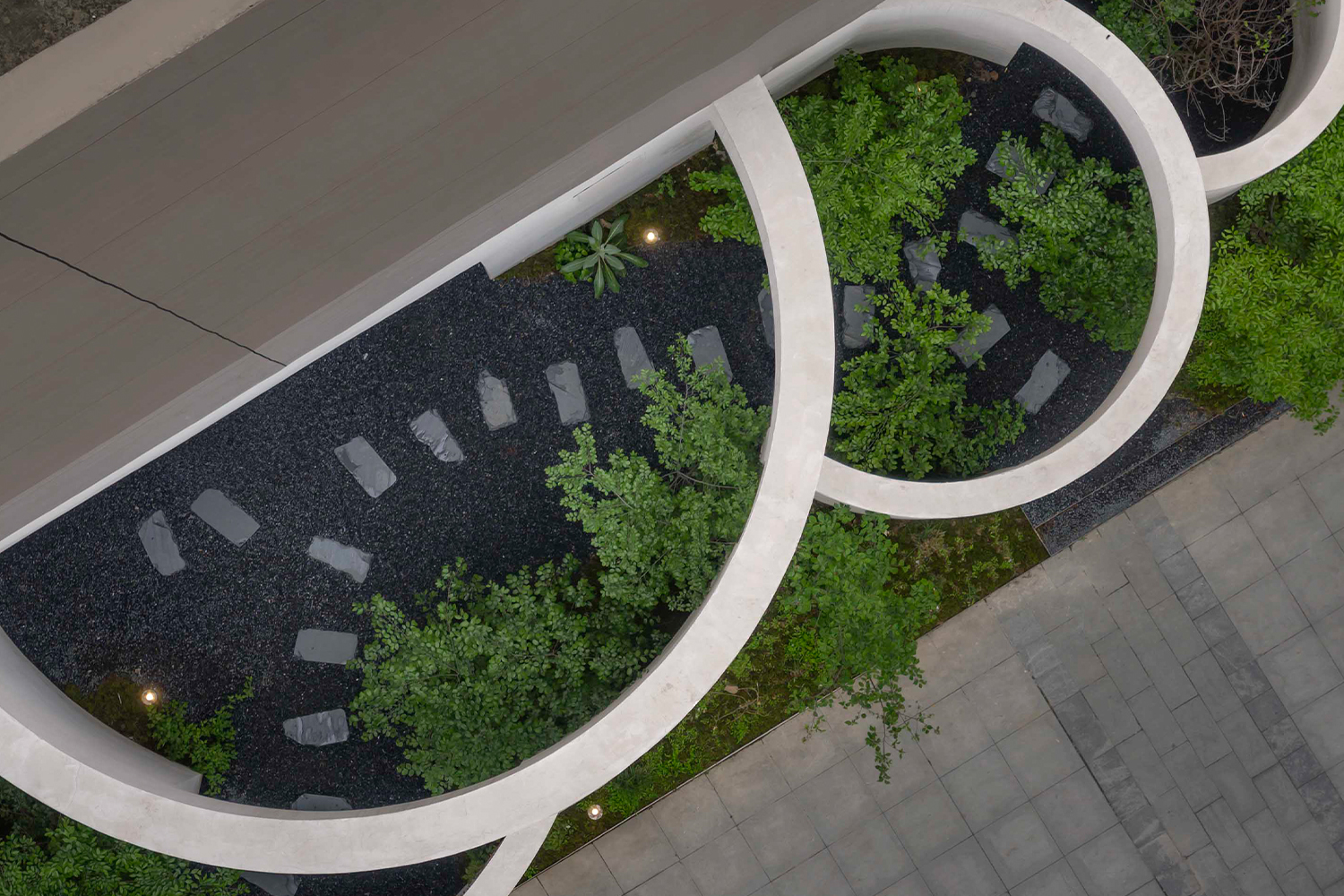
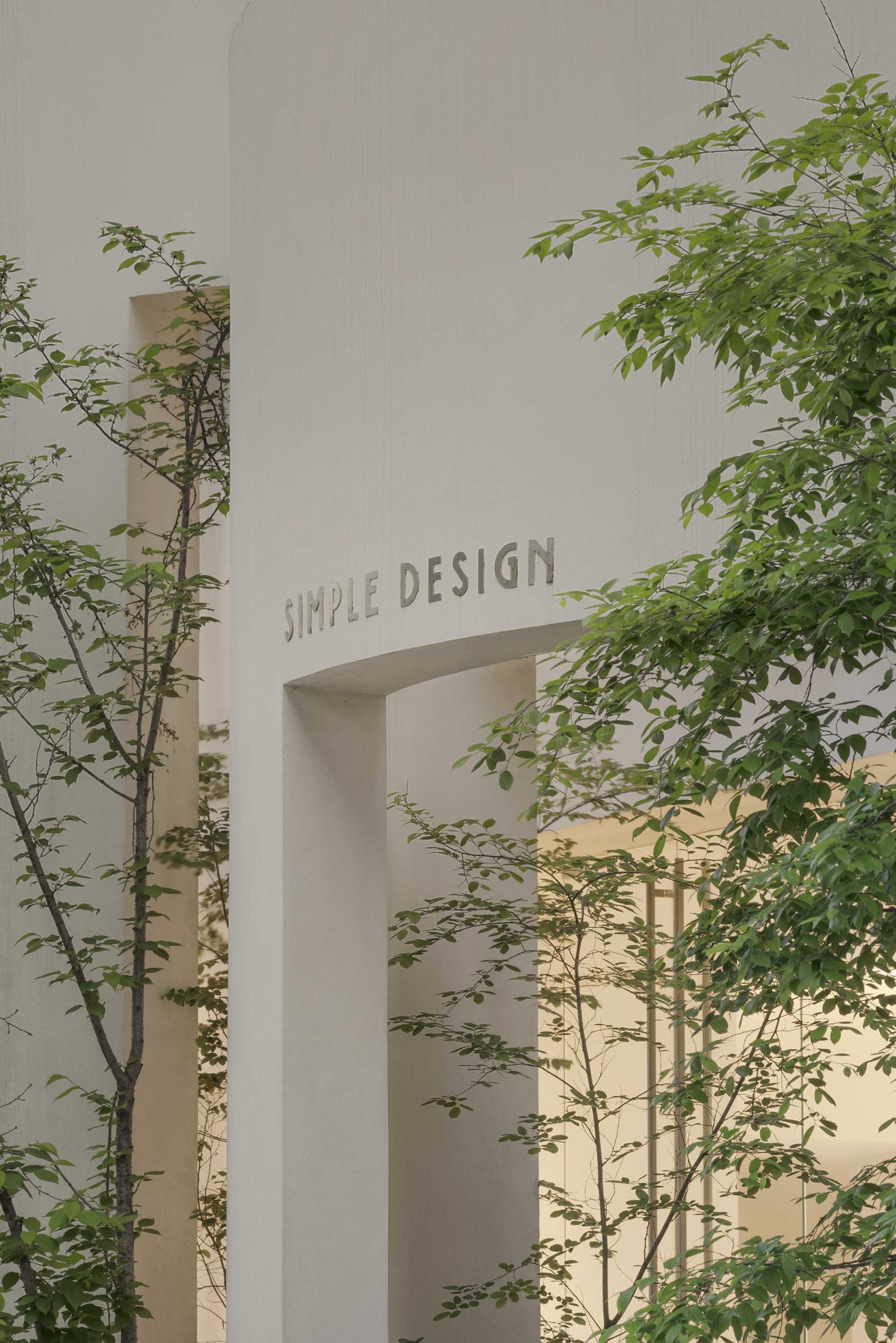
Between the walls, dense planting draws in birds and insects such as cicadas during the day, filling the space with a living green atmosphere animated by the sounds of nature. This interplay of foliage and sound not only refreshes visitors but also transforms the courtyard into a miniature urban ecosystem. The curved walls further shield the space from the harsh western sun in the late afternoon, tempering both light and heat. In this way, the design recalls the sensibility of church architecture, imbuing an ordinary urban setting with a heightened sense of serenity and reverence.
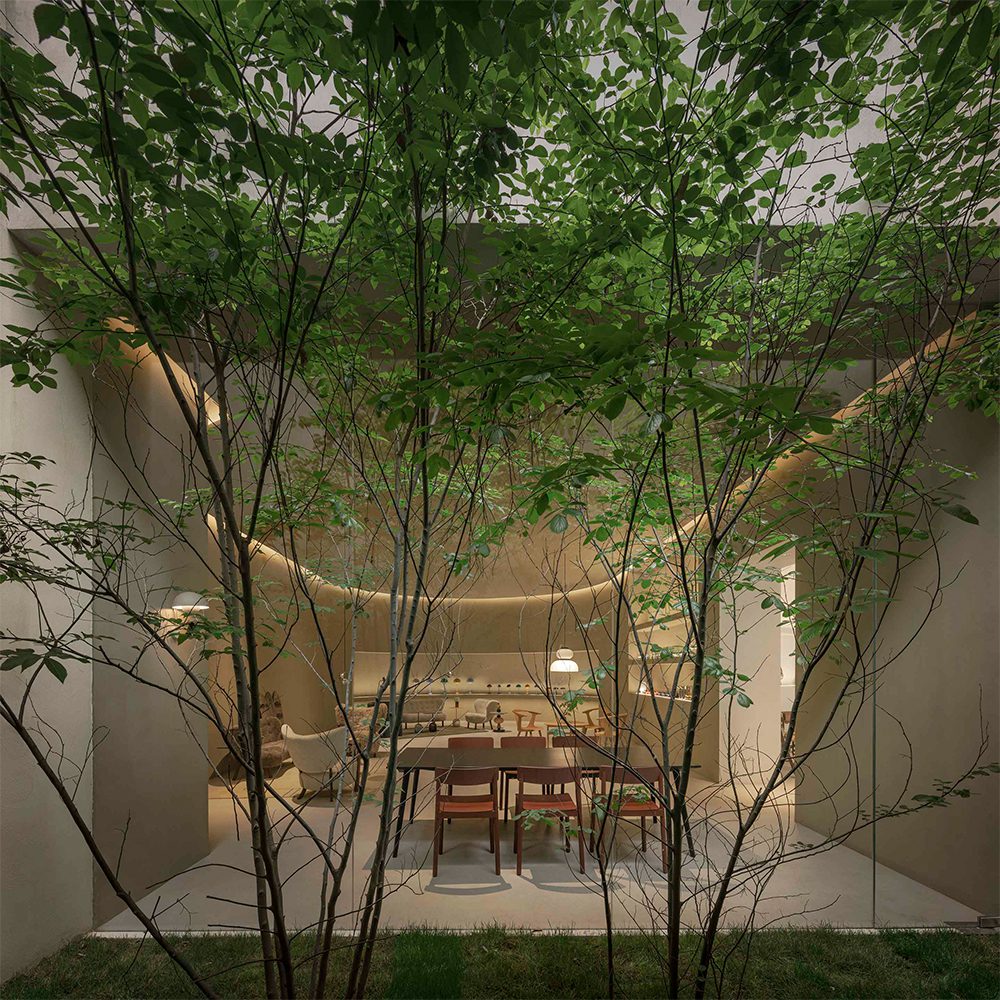
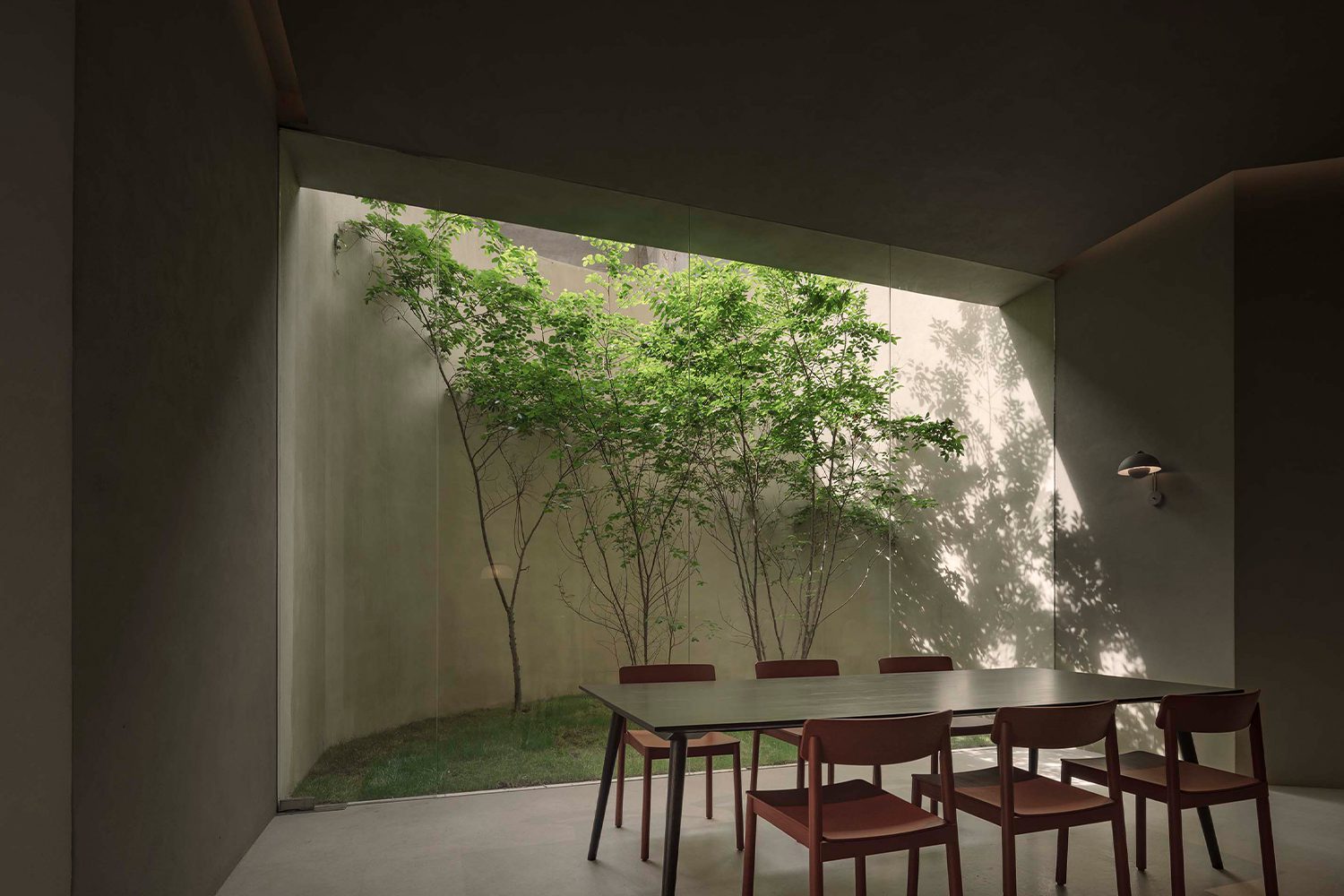
The sweeping white walls also serve as a seamless spatial link between exterior and interior. Passing through the entrance, visitors arrive at the main gallery, where the architecture continues in curving forms and soaring walls. The space is animated by skylights set into the five-meter-high ceiling, allowing sunlight to filter through in shifting patterns that change with the movement of the sun. The gallery opens onto a woodland-like landscape filled with seasonal trees, where the interplay of light and shadow across both architecture and nature evokes a sense of timelessness and eternity.
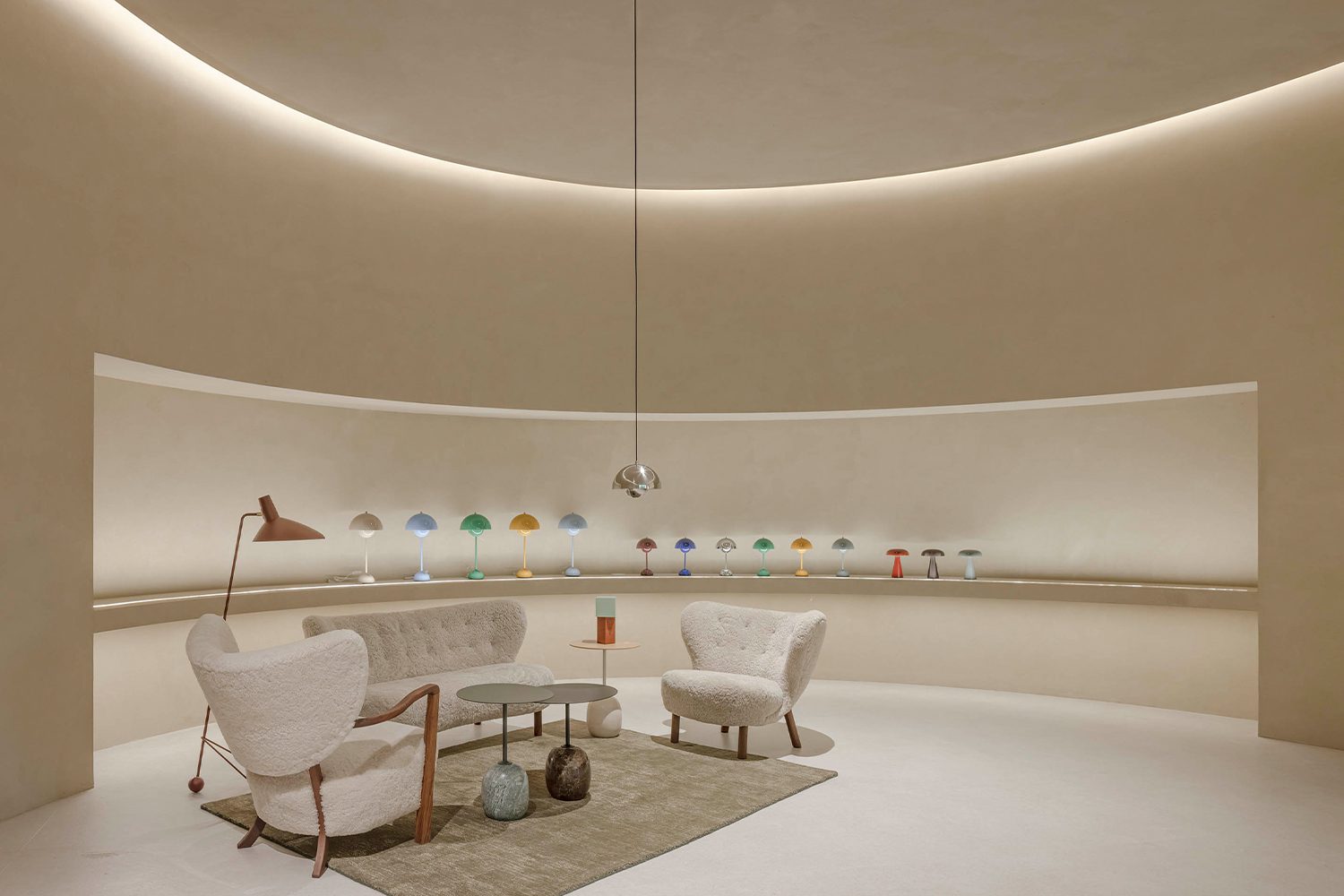
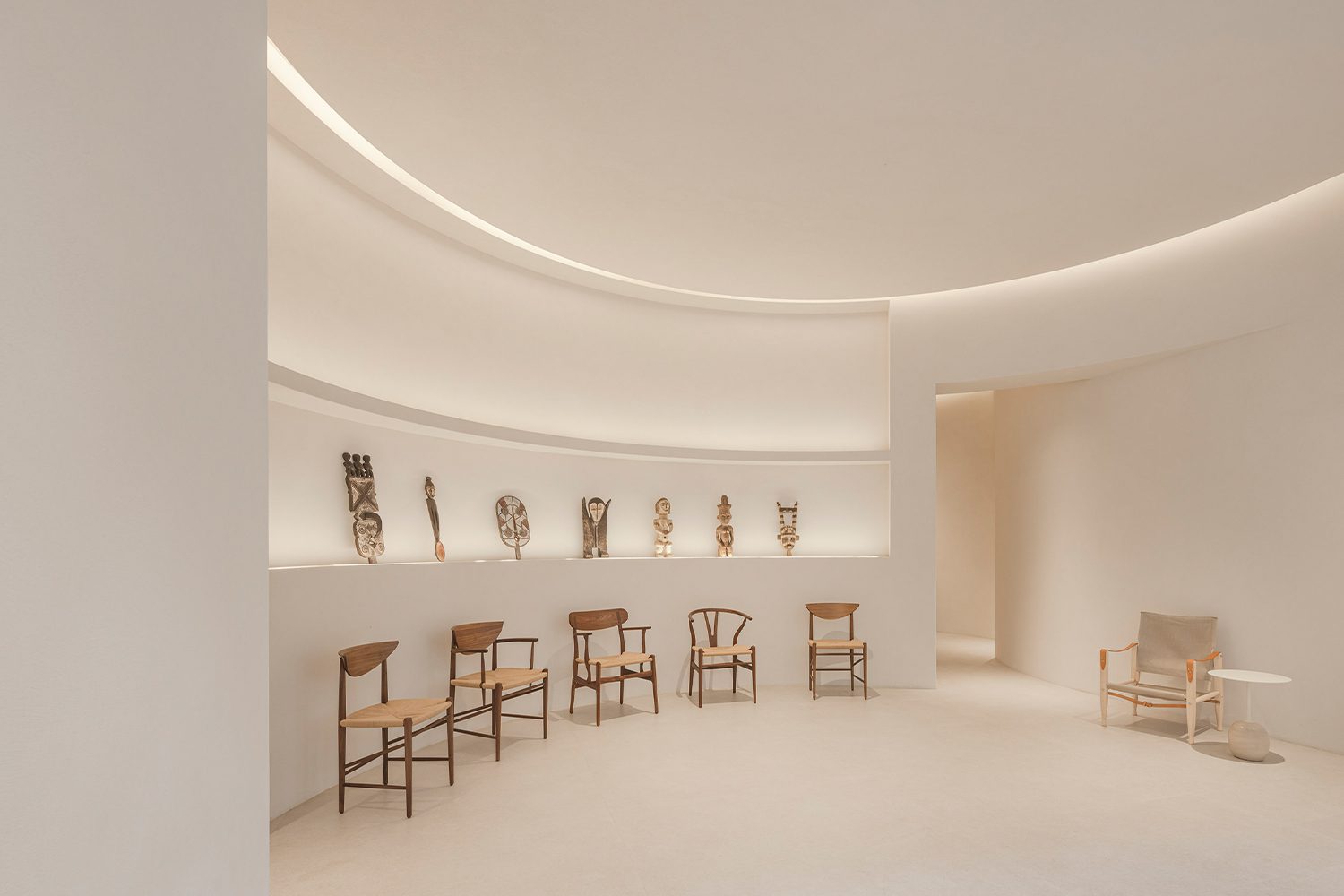
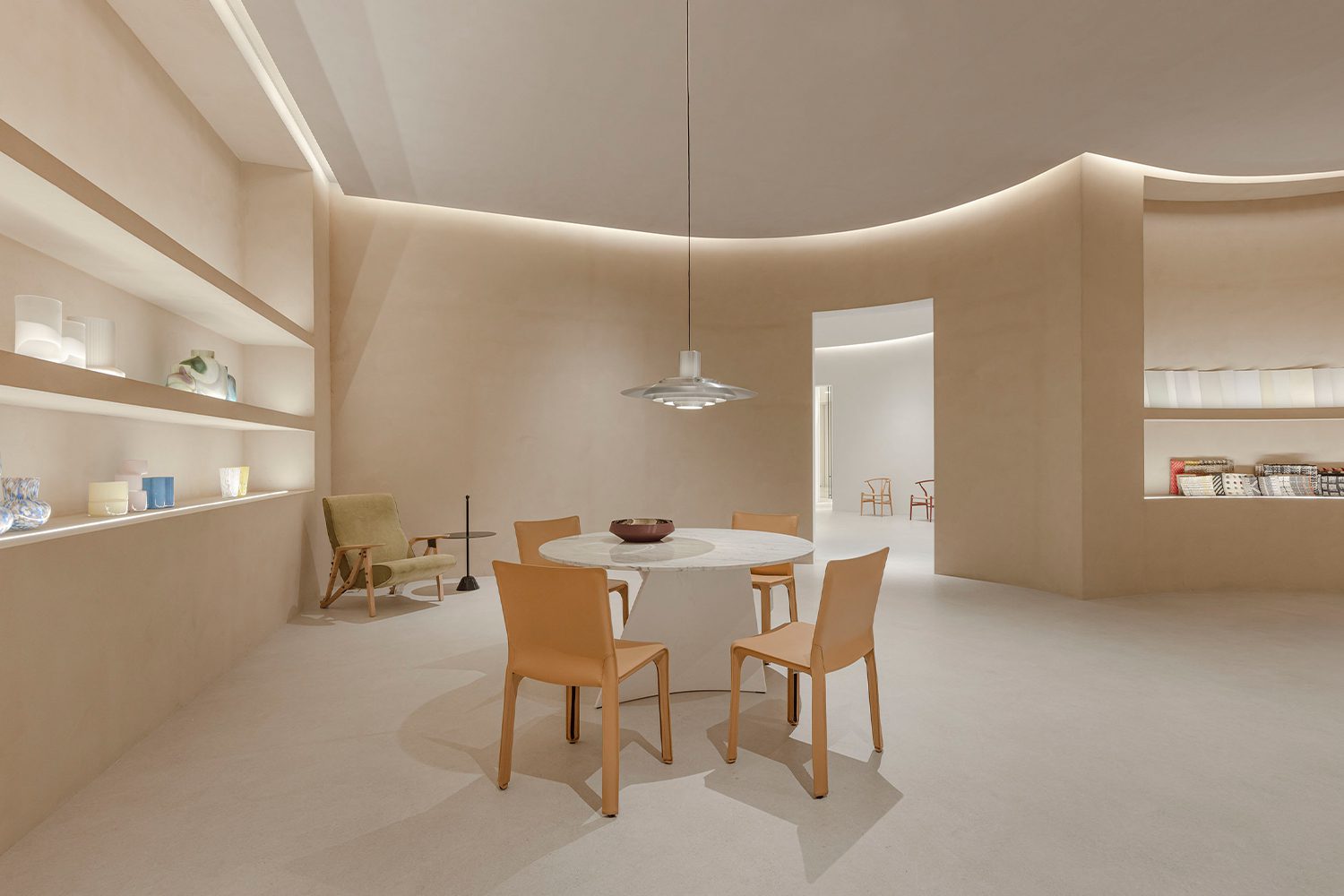
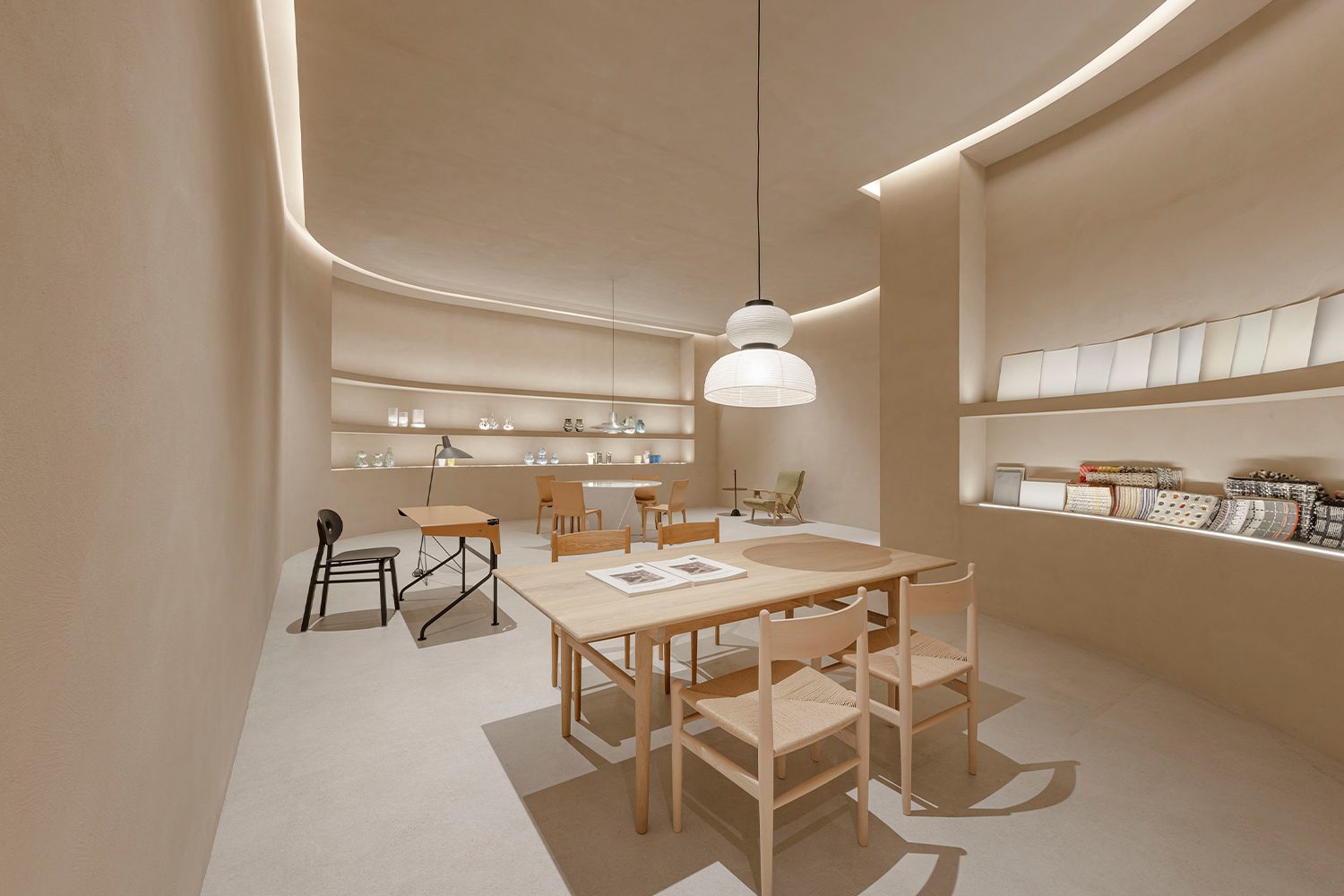
On the other side of the museum lies the Art and Material Library, designed with walls that seem to flow endlessly without interruption. Here, contemporary Asian artworks are presented alongside finely crafted handmade wooden furniture, creating an atmosphere of calm and ease. The intention is to offer visitors an unhurried encounter with beauty—an experience without constraint, effortless, natural, and quietly immersive.
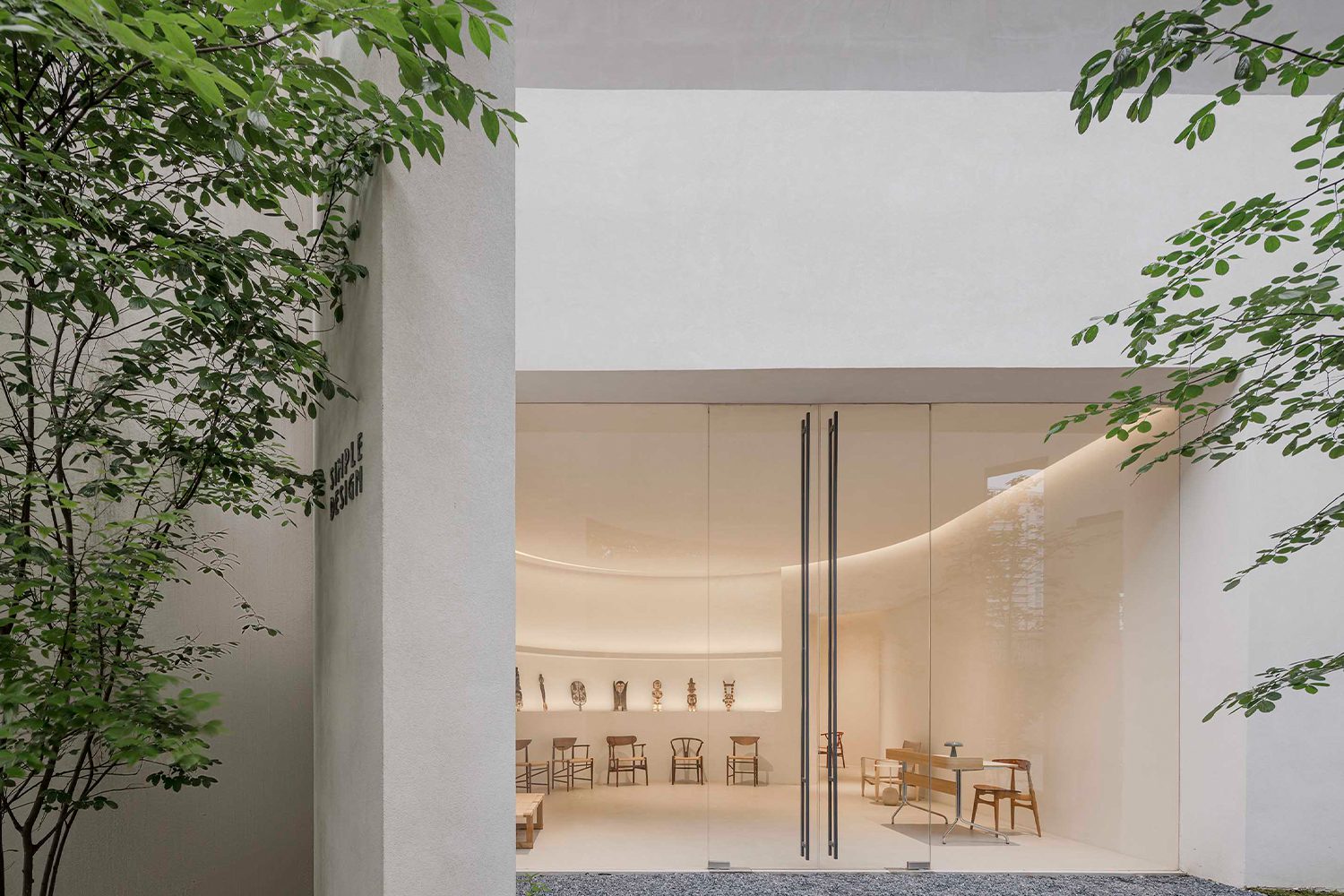
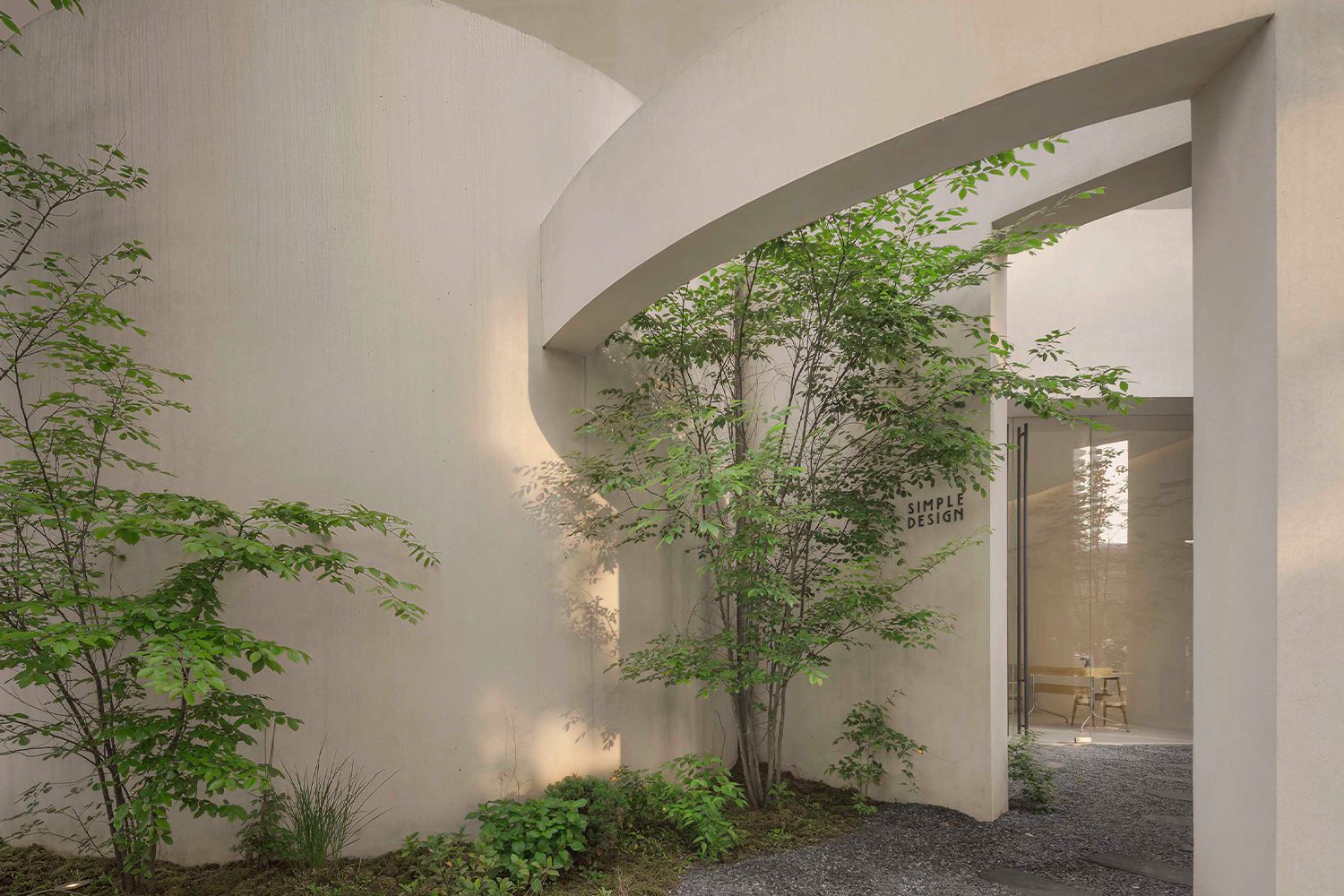
At the Simple Design Archive, the use of continuous walls goes beyond merely separating inside from outside. These walls become architectural elements in their own right, defining direction, shaping the layout of exhibitions, and even storing materials. Guided by the project’s concept, the design team sought to create a spiritual retreat, a place with the presence of the sacred, where interior and exterior could merge seamlessly into one harmonious whole.
Ultimately, the Simple Design Archive embodies an architectural intent that operates simultaneously as a museum and as a space of connection with nature. Through the simple device of the curving wall, the design generates zones of sound absorption and reflection, areas of rest and retreat, and an atmosphere of quiet spiritual restoration. It offers city dwellers a setting to ease their anxieties and step back from the relentless pace of daily life.