
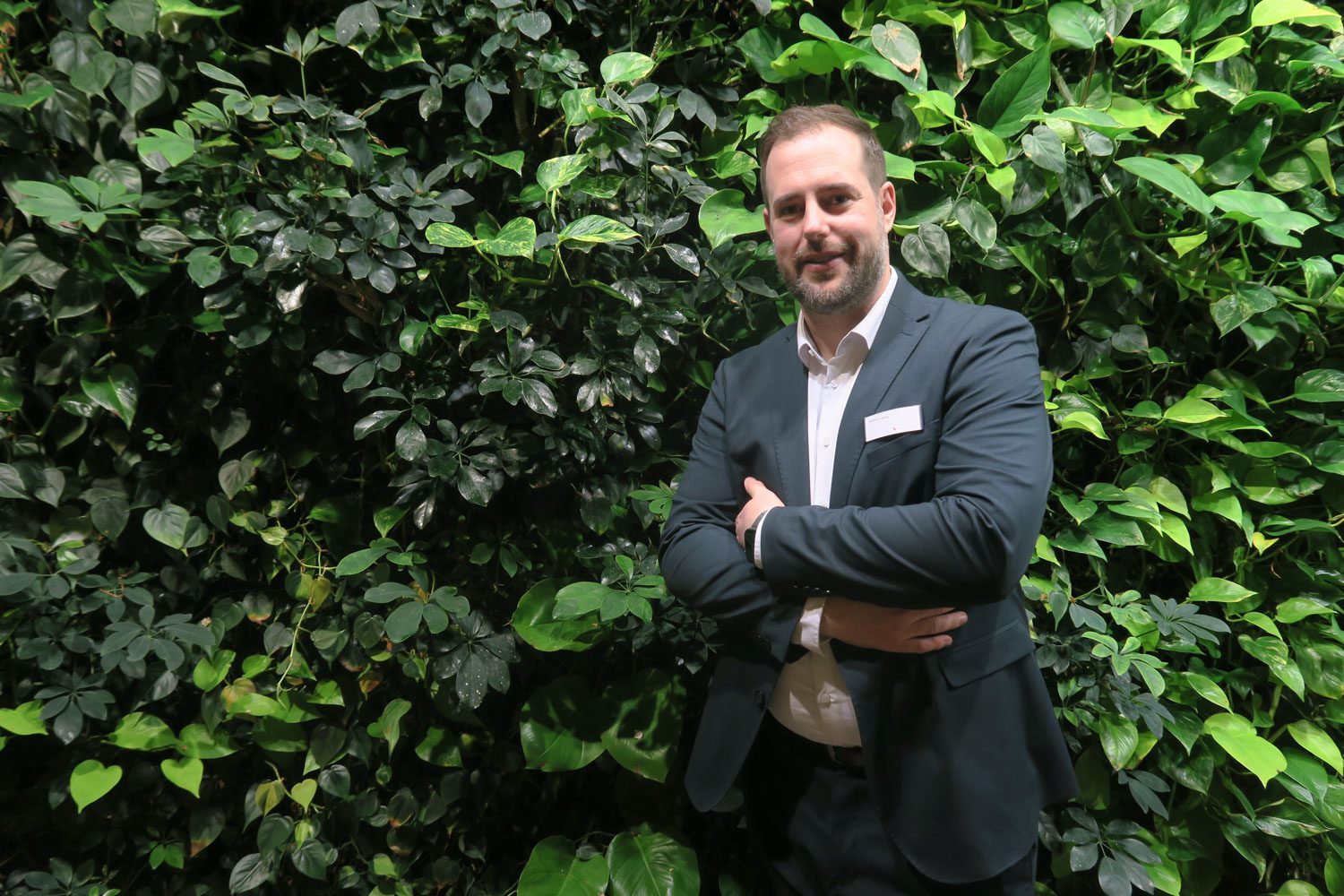
 Wolfgang Marzin
 SUBHEADEXPLORE THE ROLE OF LIGHT + BUILDING IN A WORLD WHERE SUSTAINABILITY, ELECTRIFICATION AND INTELLIGENT INFRASTRUCTURE ARE KEY DRIVERS OF THE GLOBAL BUILDING AND LIGHTING INDUSTRY, THROUGH AN INTERVIEW WITH WOLFGANG MARZIN
TEXT: NATHANICH CHAIDEE
PHOTO: RUNGLADDA CHAKPUTRA
(For Thai, press here)
For more than two decades, Light + Building 2026, the world’s largest trade fair for lighting and building services technology held at Messe Frankfurt, has stood as a key platform reflecting the transformations and trajectories of the lighting industry as it has evolved over time—from the LED revolution to the emergence of intelligent buildings and infrastructure shaped by a global commitment to sustainability.
art4d spoke with Wolfgang Marzin, President and CEO of Messe Frankfurt, to discuss about the role of Light + Building as a world-leading fair navigating new challenges of sustainability and connectivity, while fostering dialogue among people and industries from diverse regions across the globe.
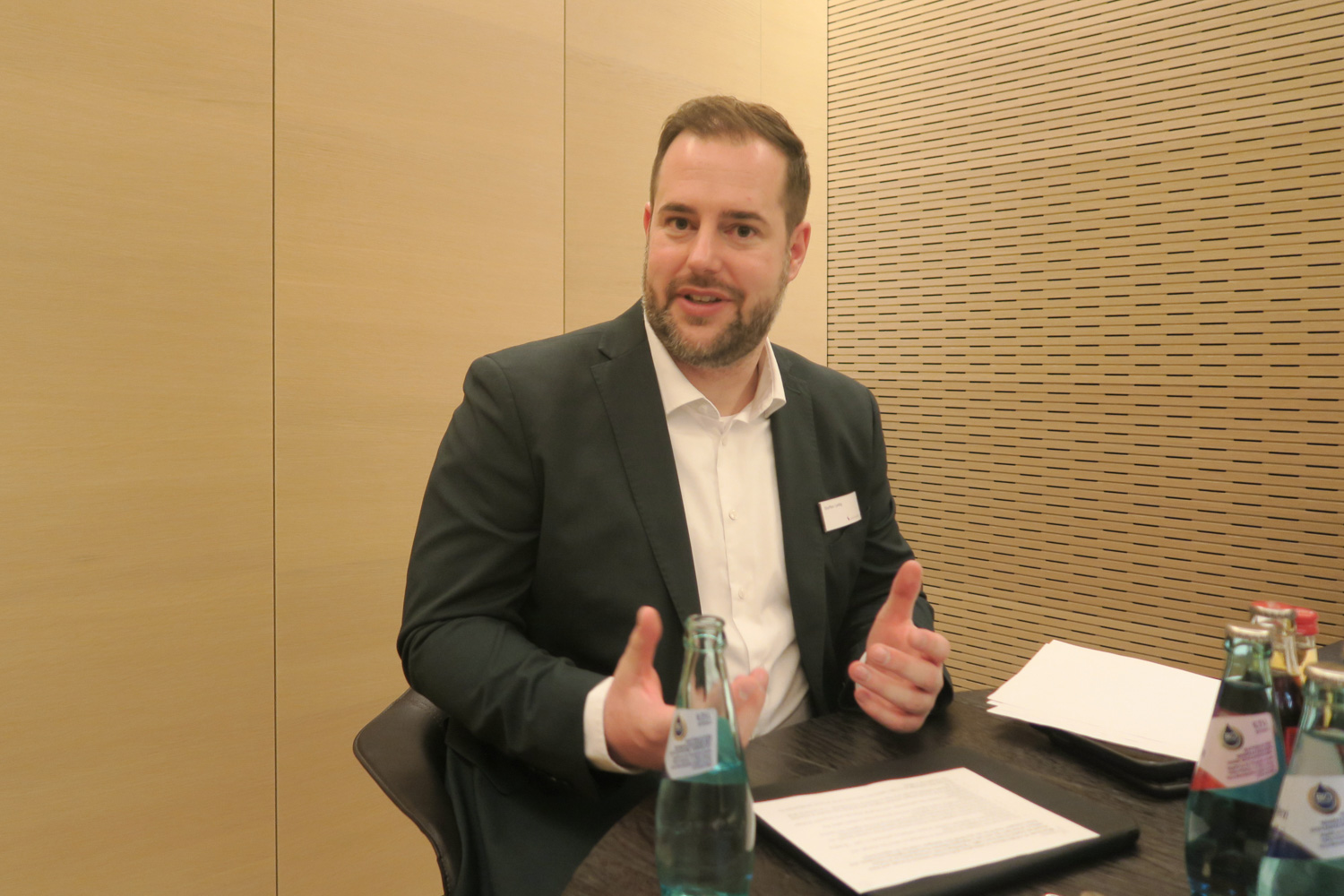
Wolfgang Marzin
art4d: Light + Building has grown into one of the world’s most influential fairs for lighting and building technologies. From your perspective, what original mission did the Light + Building intend to address when it was first established—and was it different from other fairs? And does that mission still hold today?
WM: Light + Building was founded in 1999 with a clear ambition: to create an international platform for the lighting and building technology industry. From the very beginning, our goal was to bring together the wide range of professions and disciplines connected to buildings and lighting, from electrical engineering to technical building services.
From the beginning, we envisioned the fair as something that would go beyond the traditional trade-show format. Rather than focusing on individual products in isolation, we sought to create a platform where technologies and solutions could be understood as interconnected systems within the broader context of building technology.
Energy efficiency in buildings is one example. It was one of our guiding principles from the earliest days and has since become a central theme of the fair over the years. The same can be said for major shifts within the industry, from the rise of LED technology and building automation to the increasing digital integration of infrastructure. These developments reflect not only the rapid growth of the market, but also the continuous evolution of the industry itself. In this sense, the fair has always acted as a mirror of that transformation.
Today, we can clearly see how issues such as sustainability, electrification and intelligent infrastructure have become key priorities for the industry, the topics that were once considered niche concerns. At the same time, Light + Building continues to see itself as a leading global trade fair that brings innovation together, helps define strategic direction and supports long-term development. Because real change must happen not only at the level of technology, but also in the way industries and people think. And as we all know today, electrification is becoming one of our future technology.
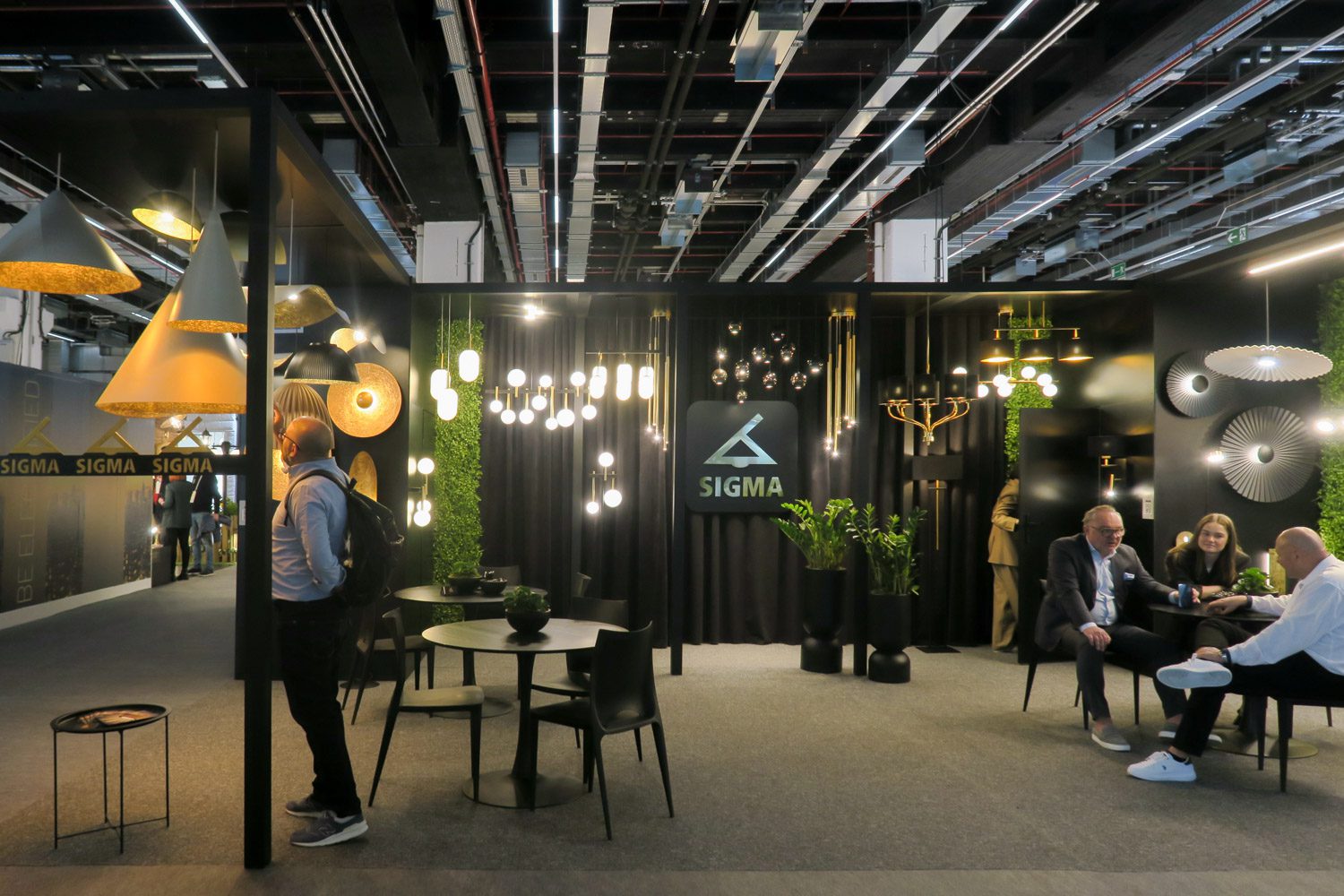
art4d: Trade fairs are often seen as commercial events. In your view, what broader role should an event like Light + Building play for architects, designers, and the design industry beyond serving as a product exhibition and marketplace?
WM: Of course, a trade fair is a commercial marketplace. But its true strength lies in direct personal exchange, and that is incredibly important—especially in an industry undergoing rapid technological transformation. There must be spaces where emerging trends can be interpreted and where future developments can be discussed openly and honestly.
Conversations within this kind of network and meeting point are never just about presenting one’s own ideas. They are about exchanging knowledge and perspectives with people from different cultures, with professional peers, and often with entirely new contacts. This is why Light + Building positions itself as a platform for knowledge transfer and inspiration—a place to discover new ideas, gain fresh perspectives and learn from what is presented throughout the fair. This extends beyond the exhibition halls themselves. Conferences, forums and carefully curated content are just as essential, creating added value through meaningful discussion and insight. These programmes provide visitors with ideas and perspectives they can take back into their own businesses, creative practices and professional work.
Equally important is the way the fair connects people from across the industry—architects, planners, manufacturers, retailers and trade professionals—bringing them into a shared dialogue. It allows each group to better understand the needs and expectations of the others. And perhaps most importantly, meeting partners and collaborators face to face remains the best possible foundation for working together. Personal encounters build trust in a way that no digital interaction can fully replicate, and that trust is what forms the basis of long-term partnerships.
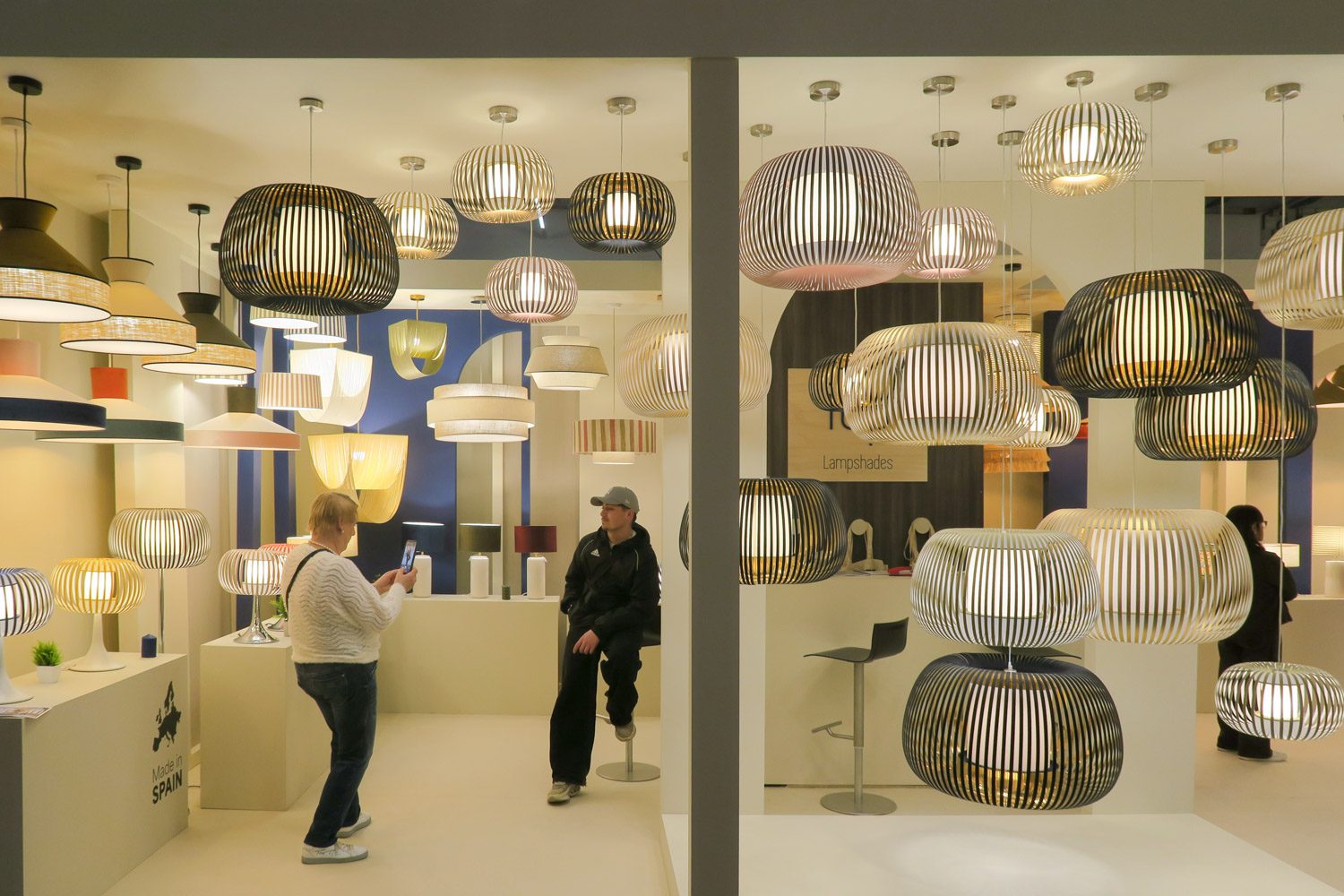
art4d: We understand that Light + Building is expanding its presence in Asia. In your view, what makes Asia the next strategic frontier for the fair today?
WM: Asia represents one of the key future markets, driven by its rapid pace of innovation and continuous urbanisation. Across the region, we are seeing strong momentum in the development of smart cities, digitally connected infrastructure, investment in electrification and advanced sustainable technologies. This is precisely why Asia is such a strategically important region for us.
Our regional headquarters in Hong Kong allows us to stay closely connected to these markets. We have also been organising a leading lighting exhibition in Guangzhou for over 20 years. Combined with strong partnerships and long-term commitment, this deep understanding of the market enables us to identify and respond to emerging developments at an early stage. And of course, being an early mover is always better than being a follower.Strategically, our aim is to empower our global network and create meaningful synergies between markets.
Ideally, we aim to establish a consistent standard of quality across the entire Light + Building brand. This creates new opportunities for exhibitors by giving them access to the internationally recognised quality and credibility associated with Messe Frankfurt, and that’s a perfect win-win situation for everyone. At its core, our business model is built on bringing together leading players from around the world while developing formats that respond to the specific needs of each region. At the same time, we actively encourage exchange in both directions, from Europe to Asia and from Asia to Europe.
To this day, Light + Building has many success stories of exhibitors who began in more introductory spaces, such as Hall 10, and later progressed into the international halls. This happens because we learn together: how to present, how to position within the market and how to connect with international audiences. Ultimately, our goal is to connect those who share the ambition to move the industry forward on a global scale by creating a platform where meaningful interaction can happen.
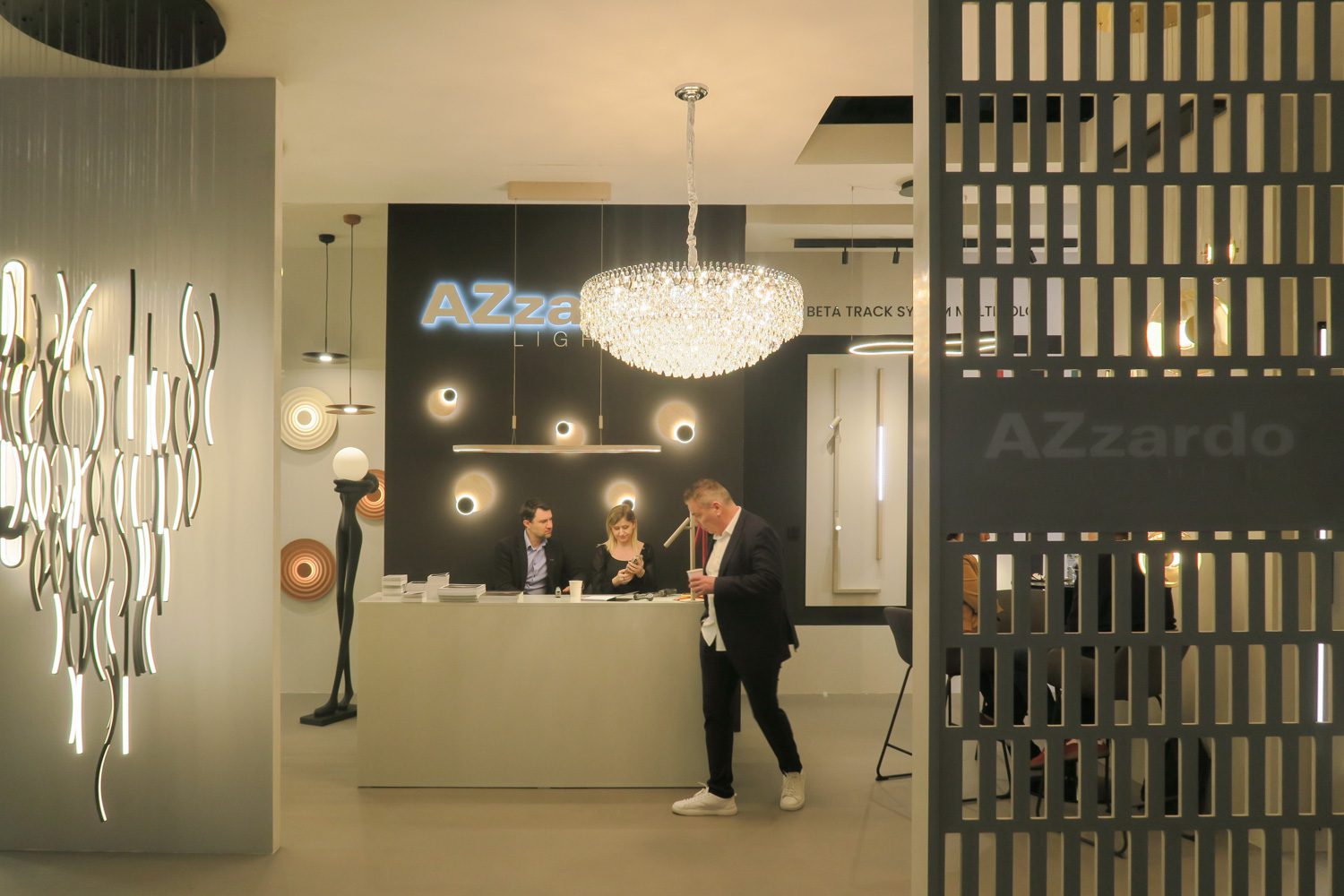
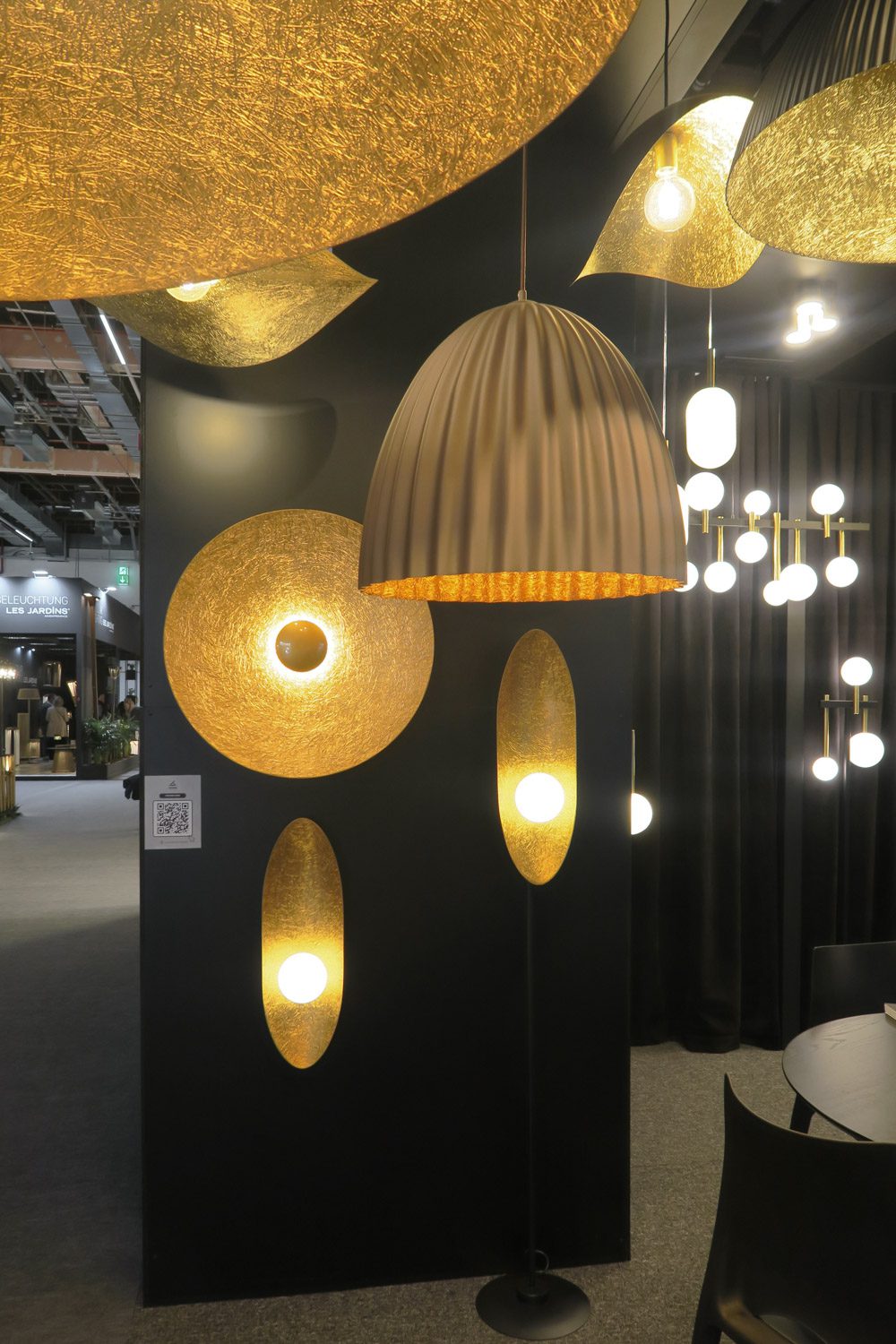
art4d: What kinds of collaborations or emerging relationships between Europe and Asia should we expect to see from Light + Building in the coming years or at future editions of the fair? Do you see a dialogue between European lighting innovation and Asian markets? And if so, do you think this dialogue could be an opportunity?
WM: Our more than two decades of engagement in Guangzhou reflect the continuity and strength of our relationship with Asia. At the same time, a significant number of Asian exhibitors consistently participate in Light + Building in Frankfurt, demonstrating the close interconnection that already exists within this international network of collaboration and partnership.
I truly believe that the interaction between European innovation and Asia’s dynamic, fast-growing markets will continue to create new forms of collaboration—from technological alliances to long-term strategic partnerships. Trade fairs exist to build bridges between regions and between all those involved. In this sense, the dialogue between Europe and Asia lies at the very heart of what we do. We see this exchange as mutually beneficial: it strengthens markets, empowers industries and, above all, brings people together. And this brings us back to what we discussed from the very beginning—crossing borders to create meaningful connections between people. That is the real benefit of trade fairs, and we are proud to have Light + Building as a strong platform behind it.
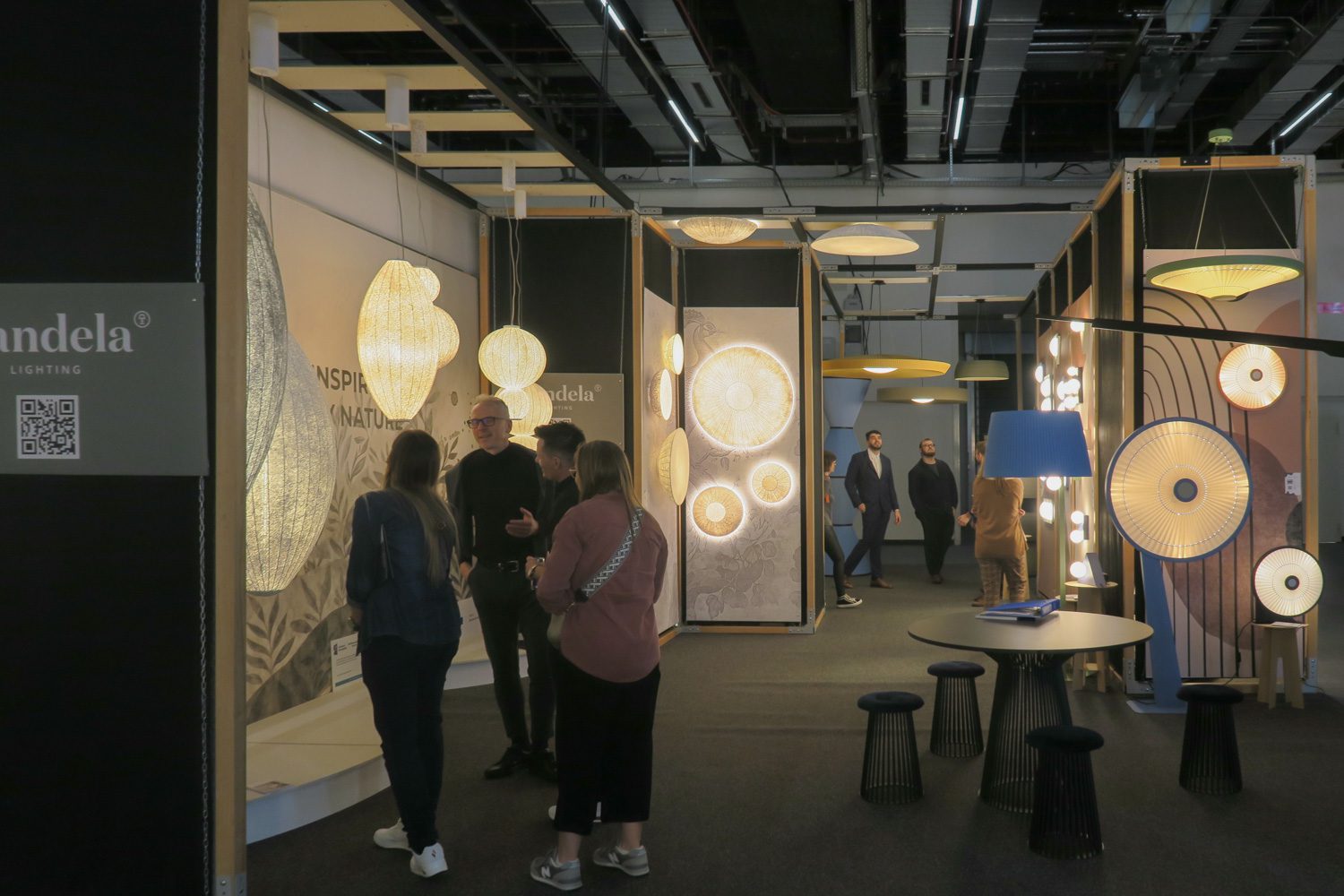
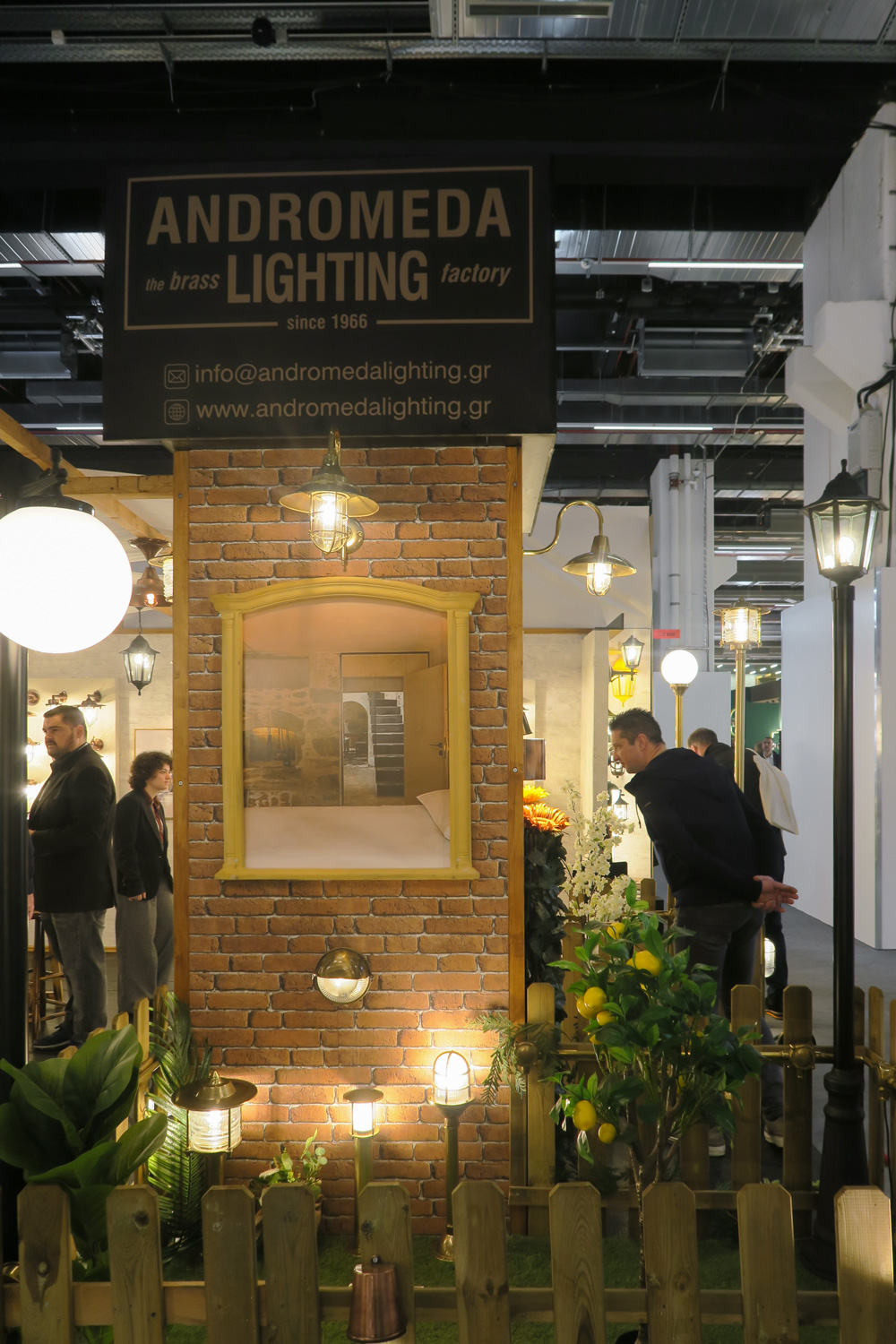
All of this was clearly reflected in Light + Building, which has just concluded, reaffirming its role as a platform for shaping and interpreting the future direction of the lighting and building industries. Through dialogue between stakeholders across regions—particularly between Asia and Europe—it creates a borderless space for the exchange of knowledge, standards and new ideas. Ultimately, what continues to make Light + Building such an influential force within the industry is its role as a bridge connecting markets, ideas and people. In a world where technology evolves at extraordinary speed, the future of the industry still begins with face-to-face encounters, meaningful conversations and shared learning, opening the way to new possibilities together.