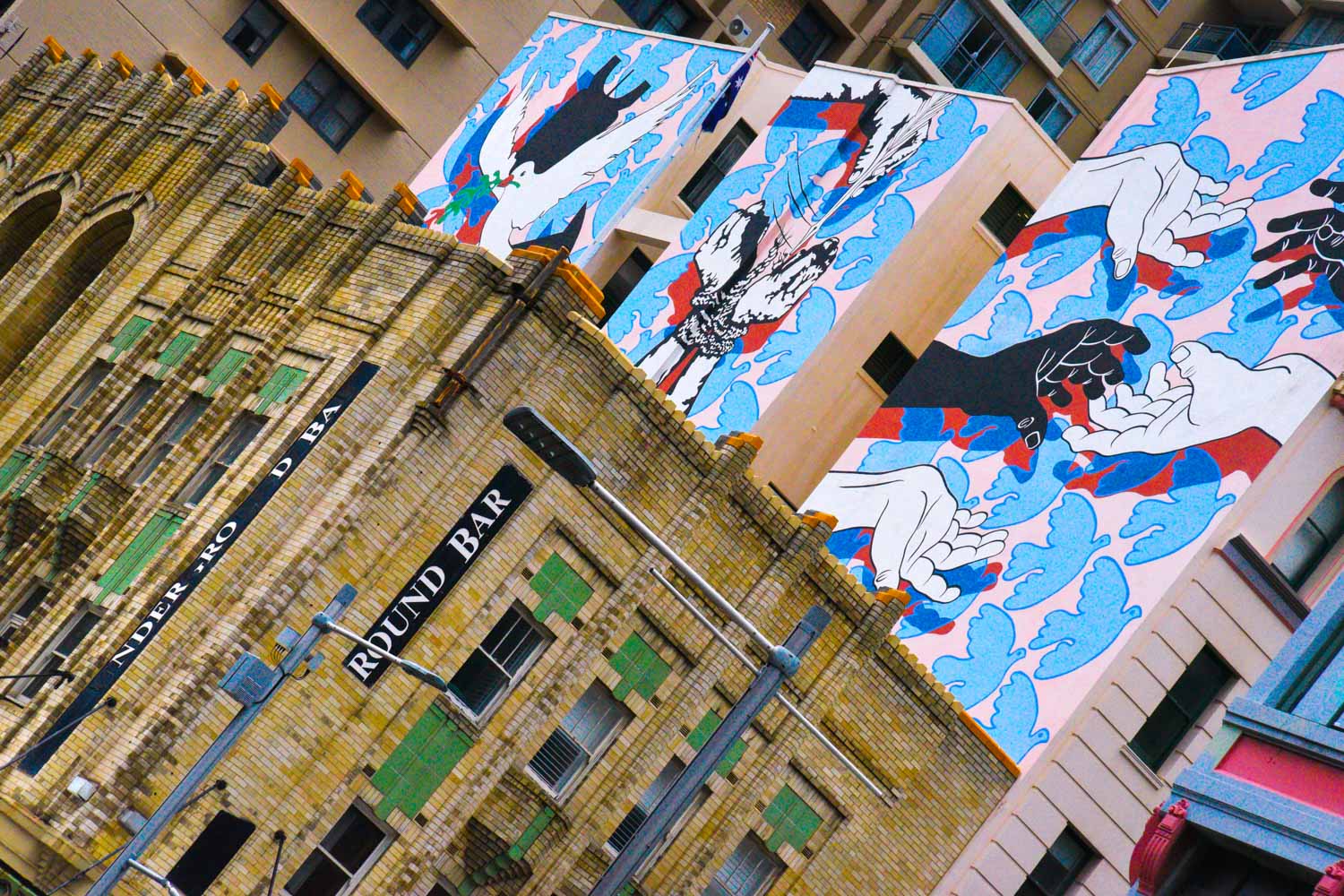
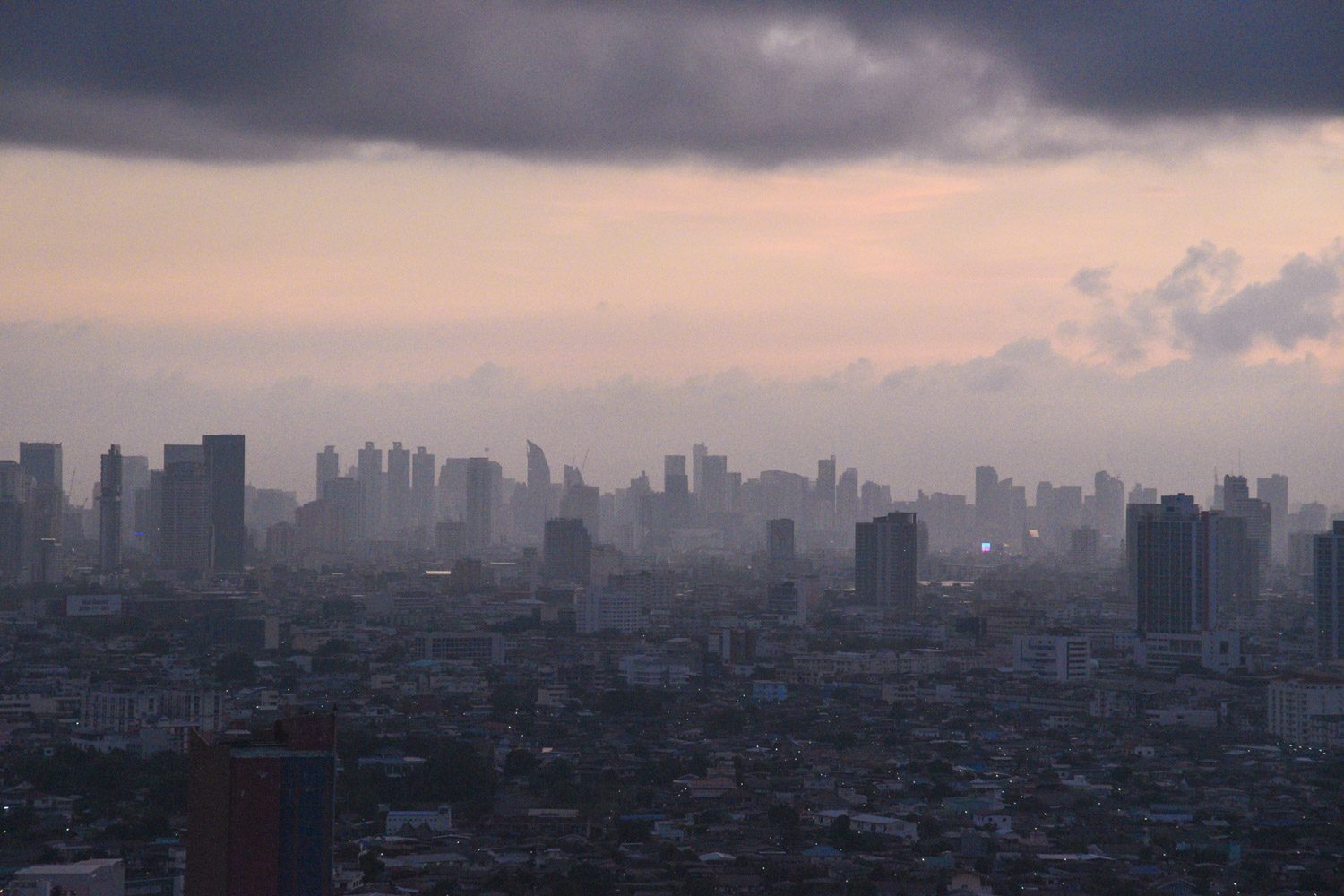
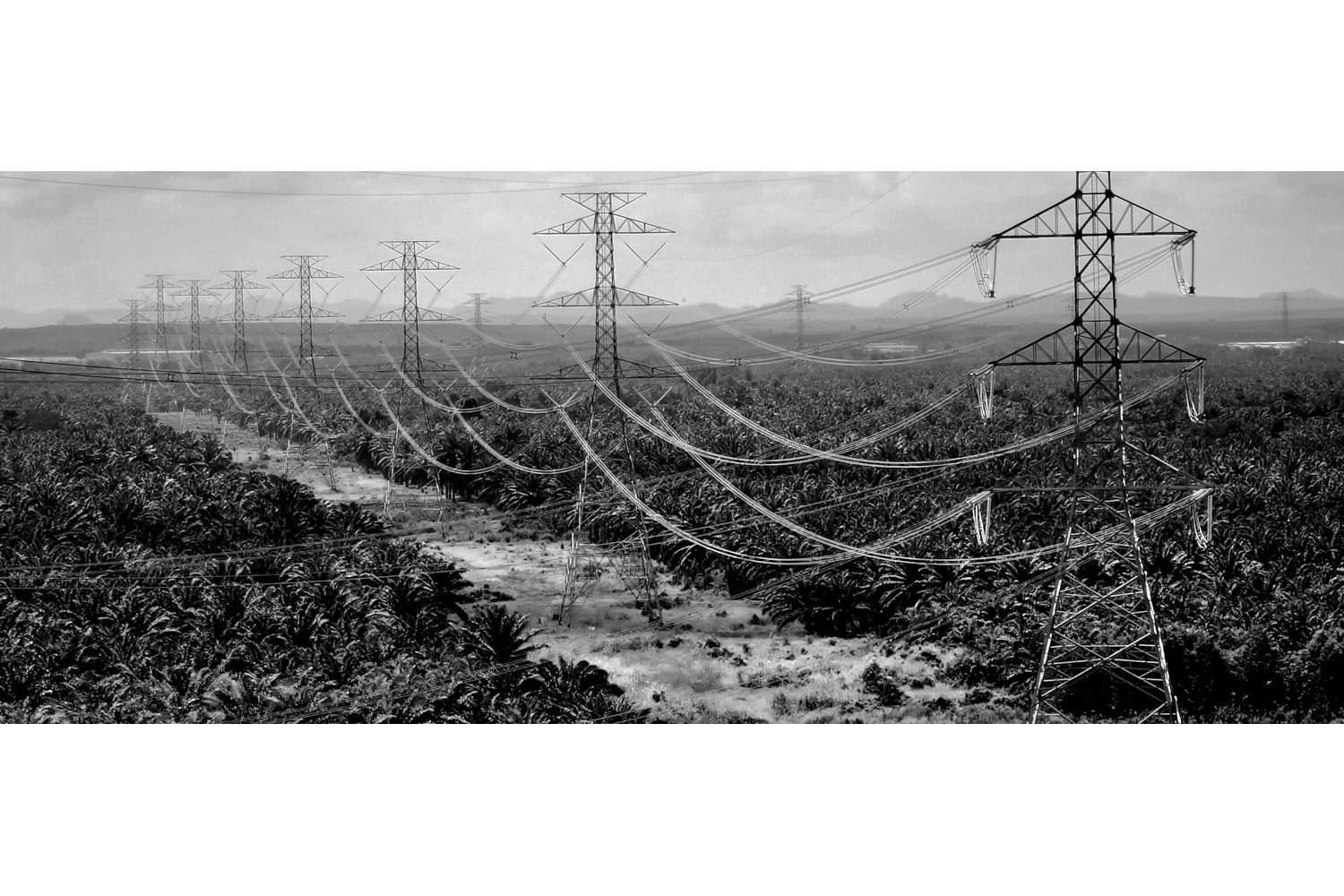
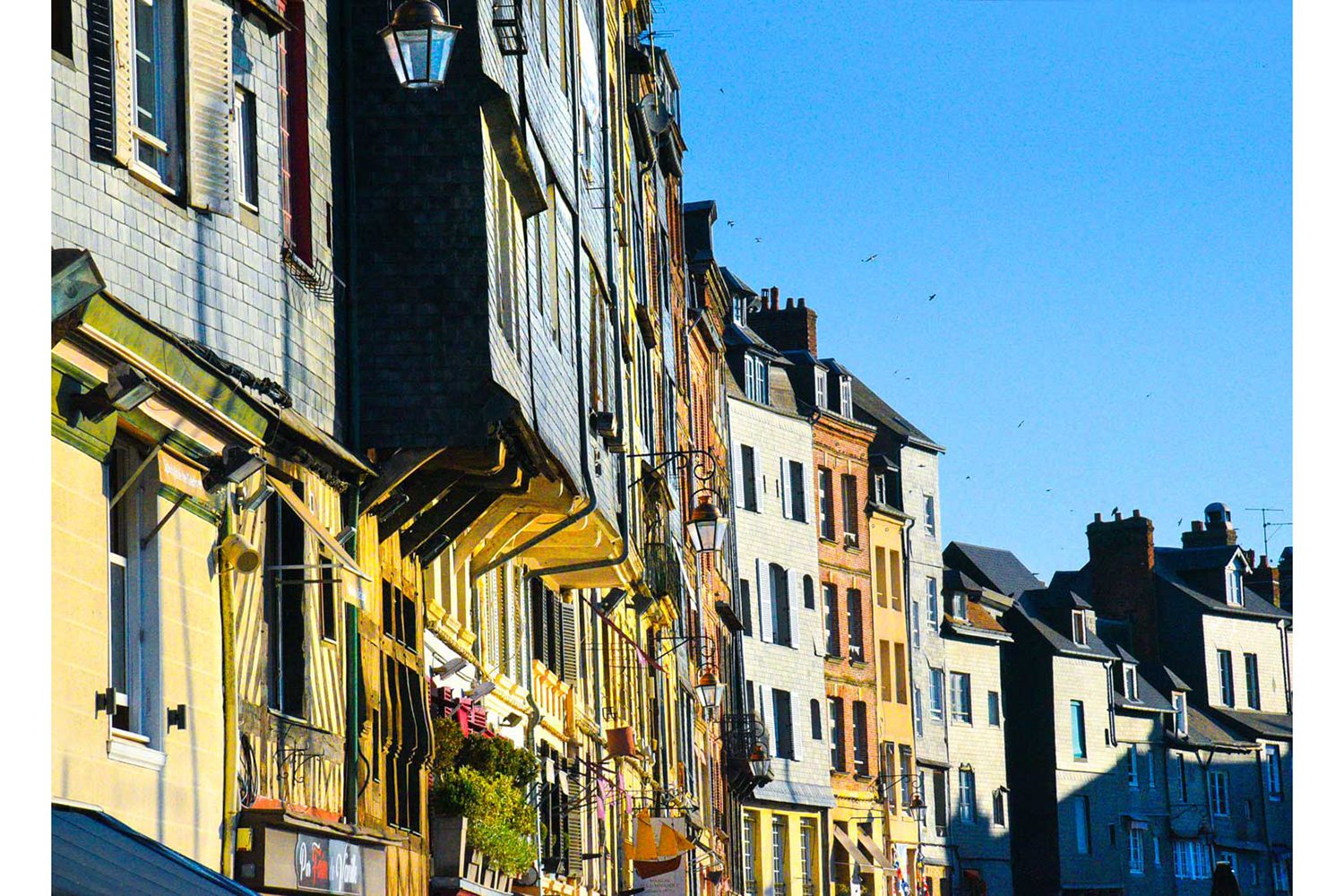
Category: PHOTO ESSAY

PHOTO ESSAY : PRATEEP’S VISION V

TEXT: PRATCHAYAPOL LERTWICHA
PHOTO: PRATEEP TANGMATITHAM

(For Thai, press here) 

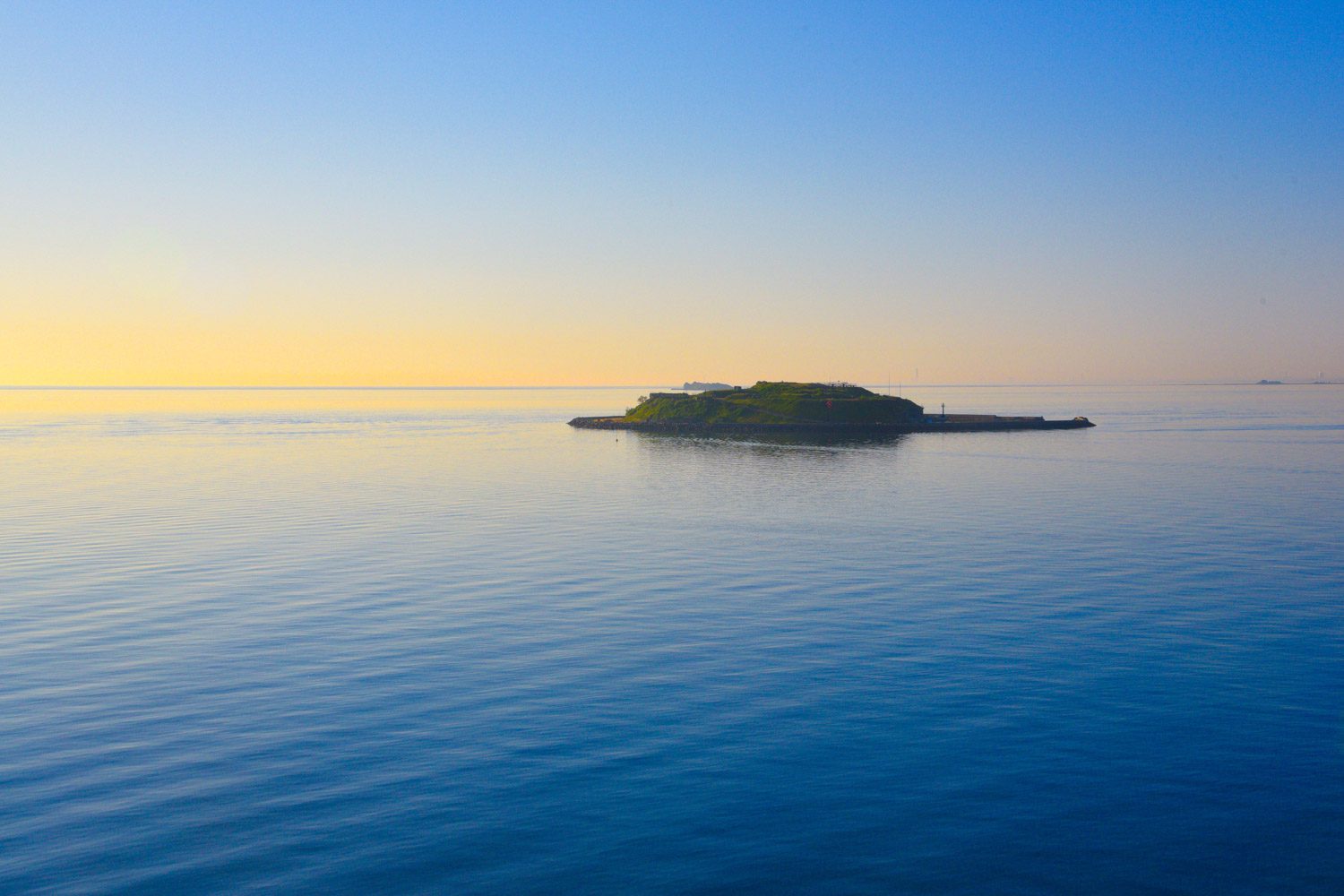
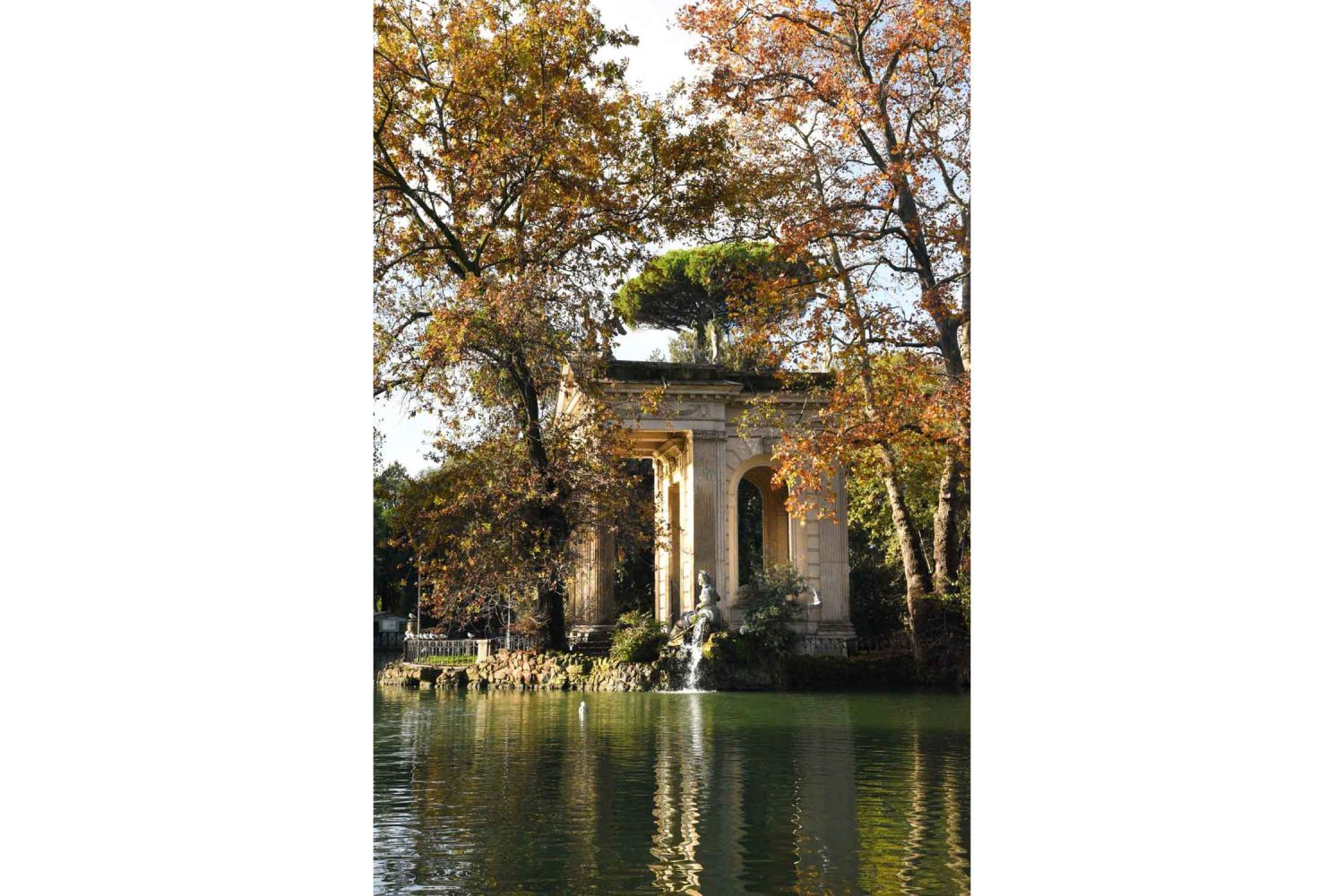
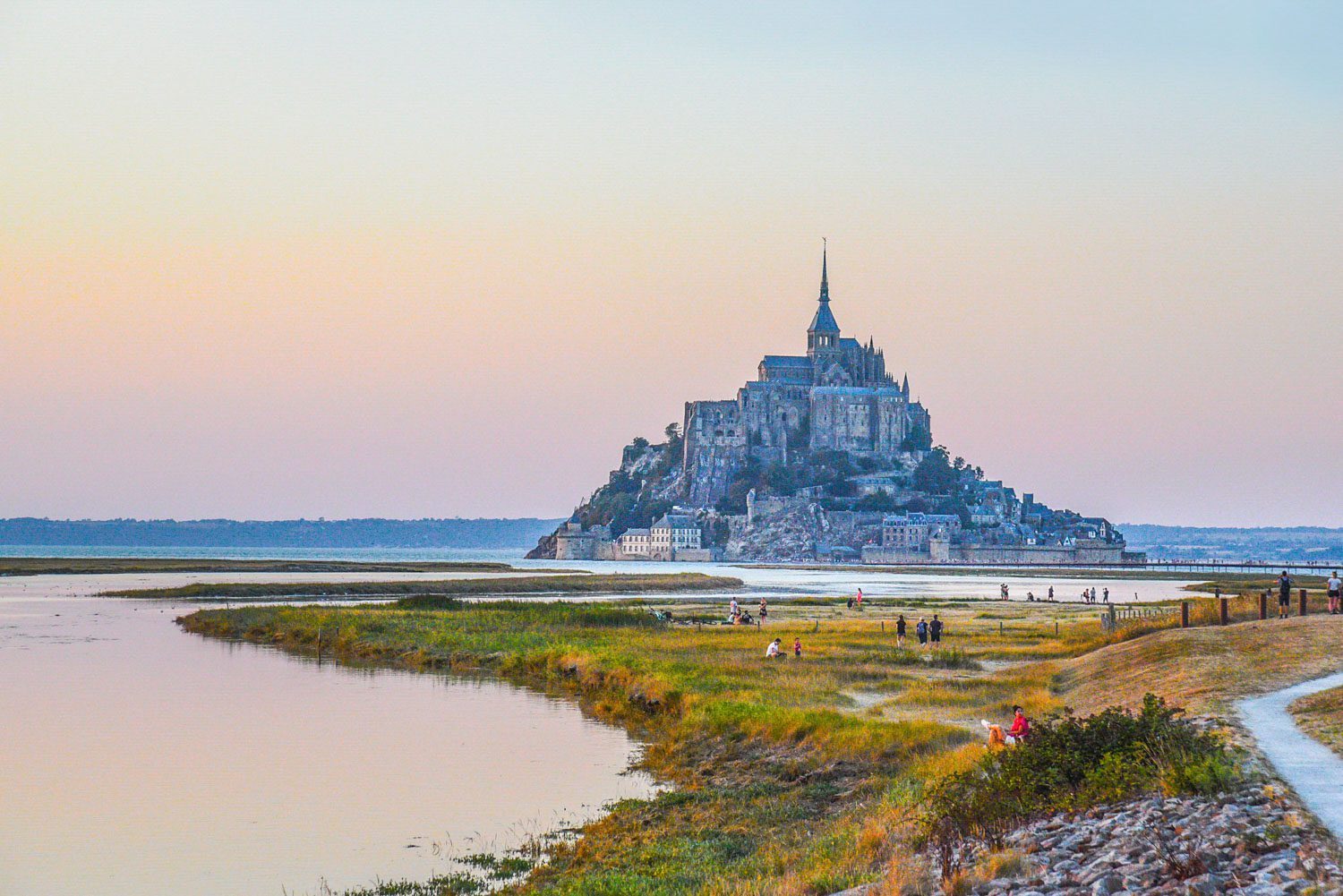
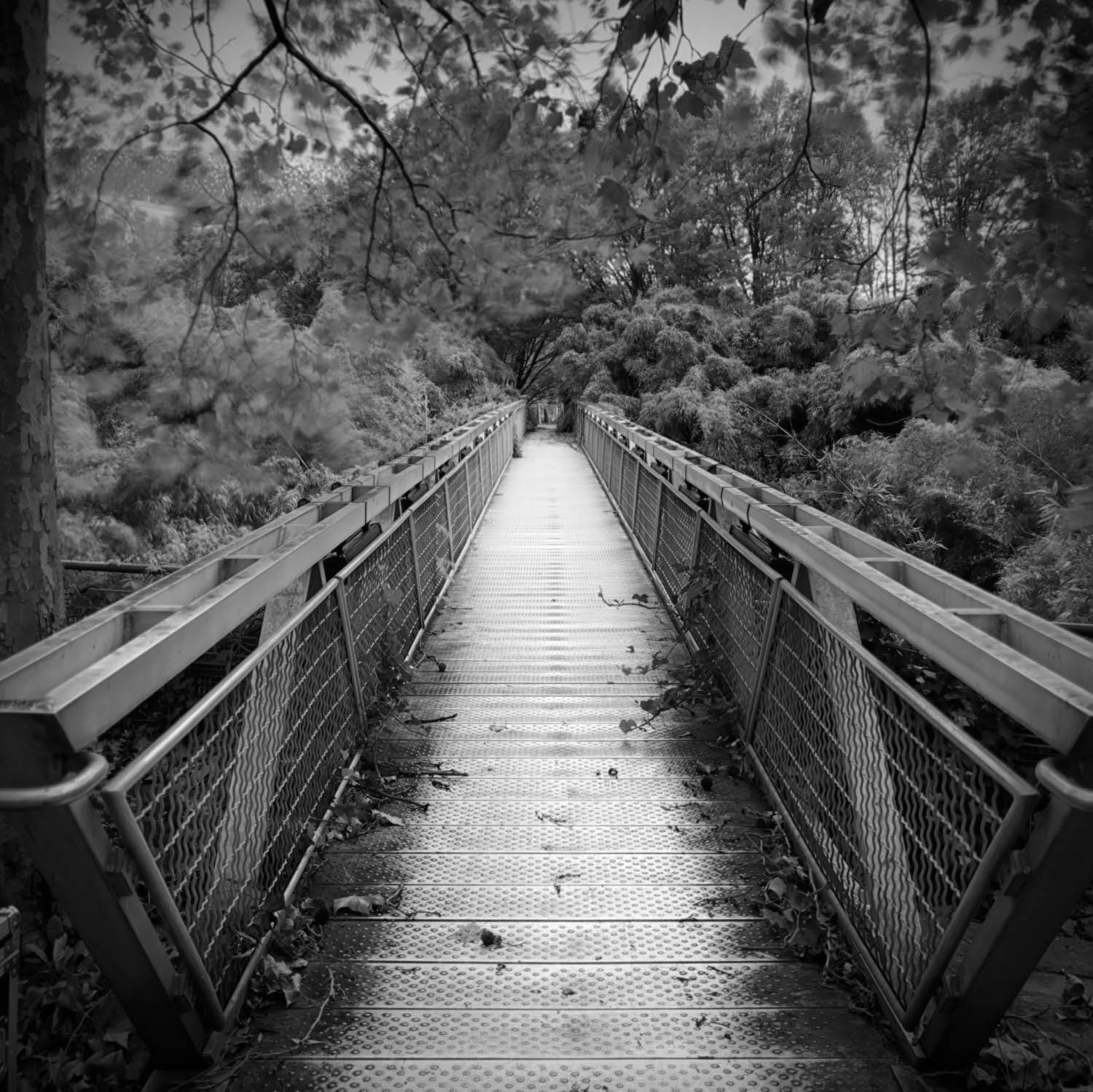
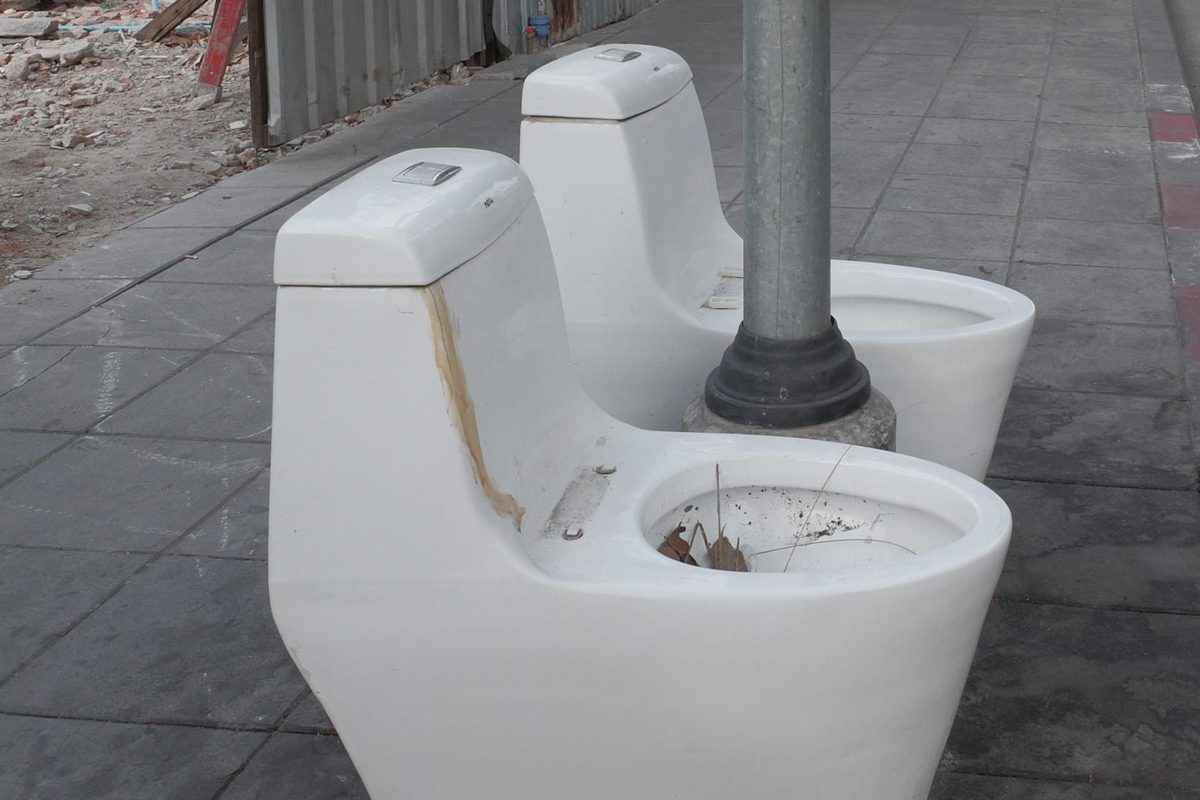
When the pandemic struck, the ability to roam freely vanished. Everything seemed to come to a standstill. The whole world was a halt in motion. However, normalcy sets in after the worst-case scenario passes, and people renew their journey plans. But this time, the scenes felt brand new and different; thus, the trip wasn’t the same.

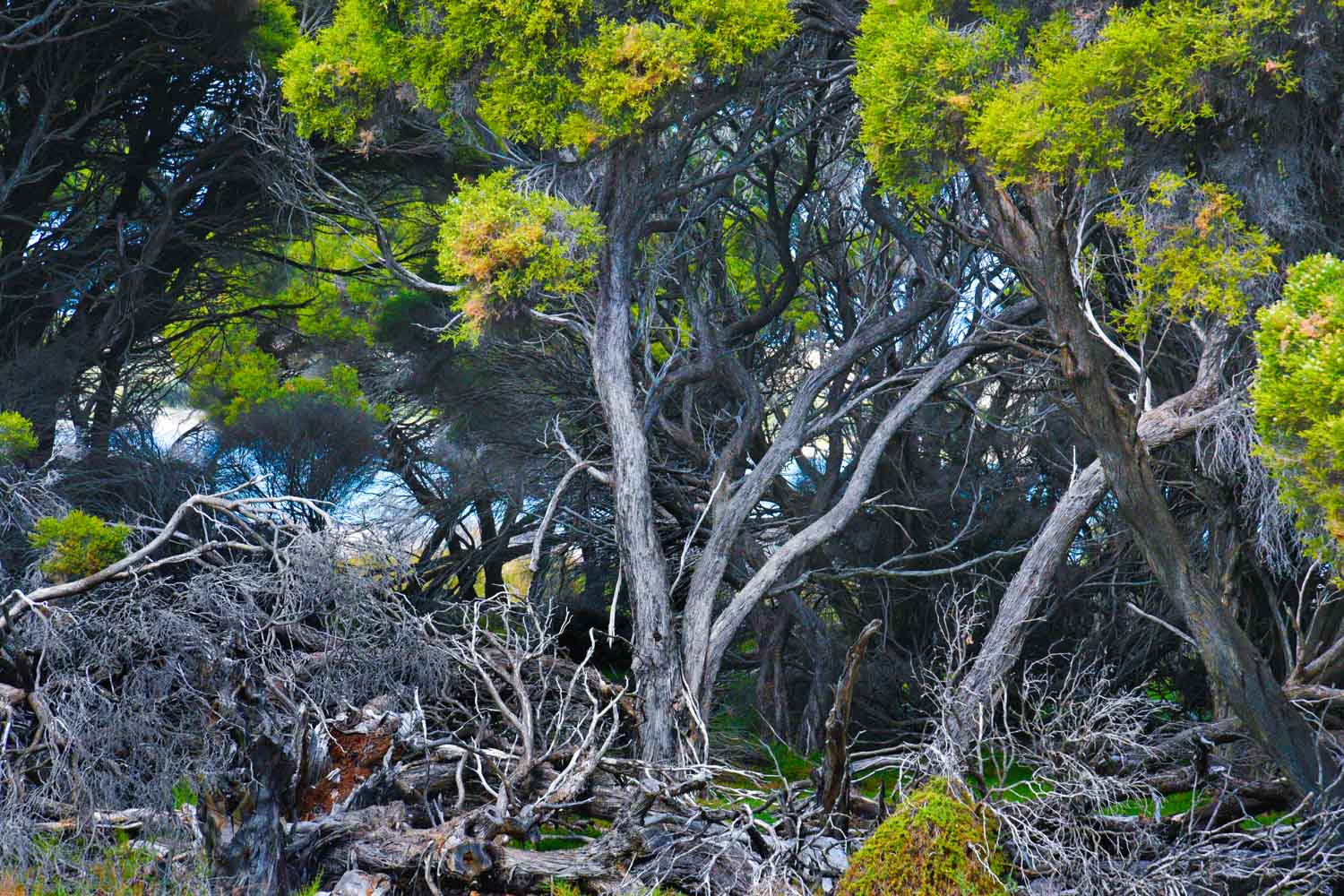
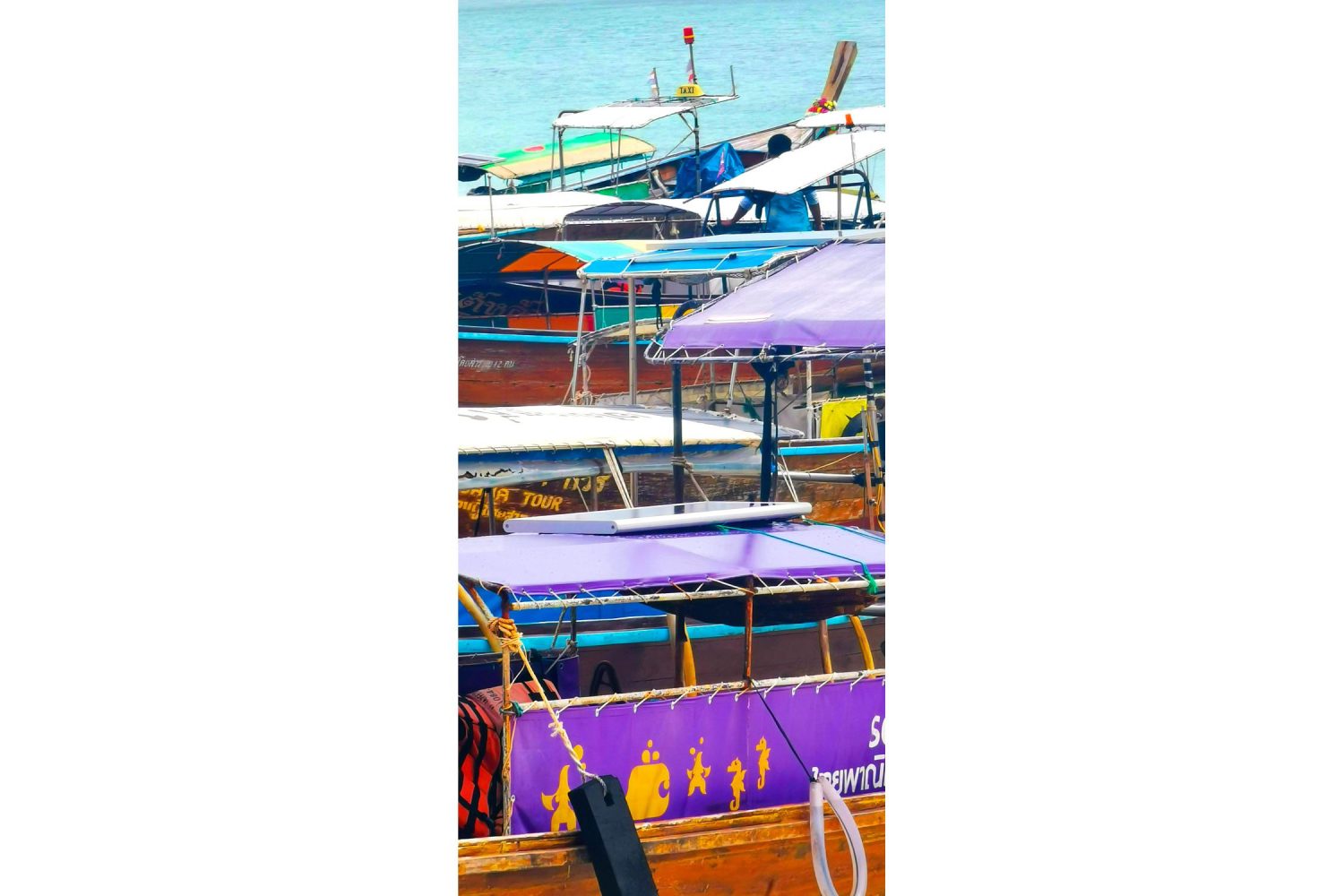
After the crisis had passed, Supalai PCL’s CEO, Dr. Prateep Tangmatitham, embarked on a journey to see the world with fresh eyes. Prepared to document their thoughts in a book and an exhibition of photographs, Prateep’s Vision V highlights the long-time accumulation of Dr. Prateep’s views on life through the beauty of trees, mountains, sea, architecture, and people.

_____________

Dr. Prateep Tangmatitham is the Chairman of the Board and Chief Executive Officer of Supalai Public Company Limited.

PHOTO ESSAY : WHEN YOU CAN LIVE FOREVER, WHAT DO YOU LIVE FOR?

TEXT & PHOTO: SUBPAWICH KUNJAK

(For Thai, press here) 

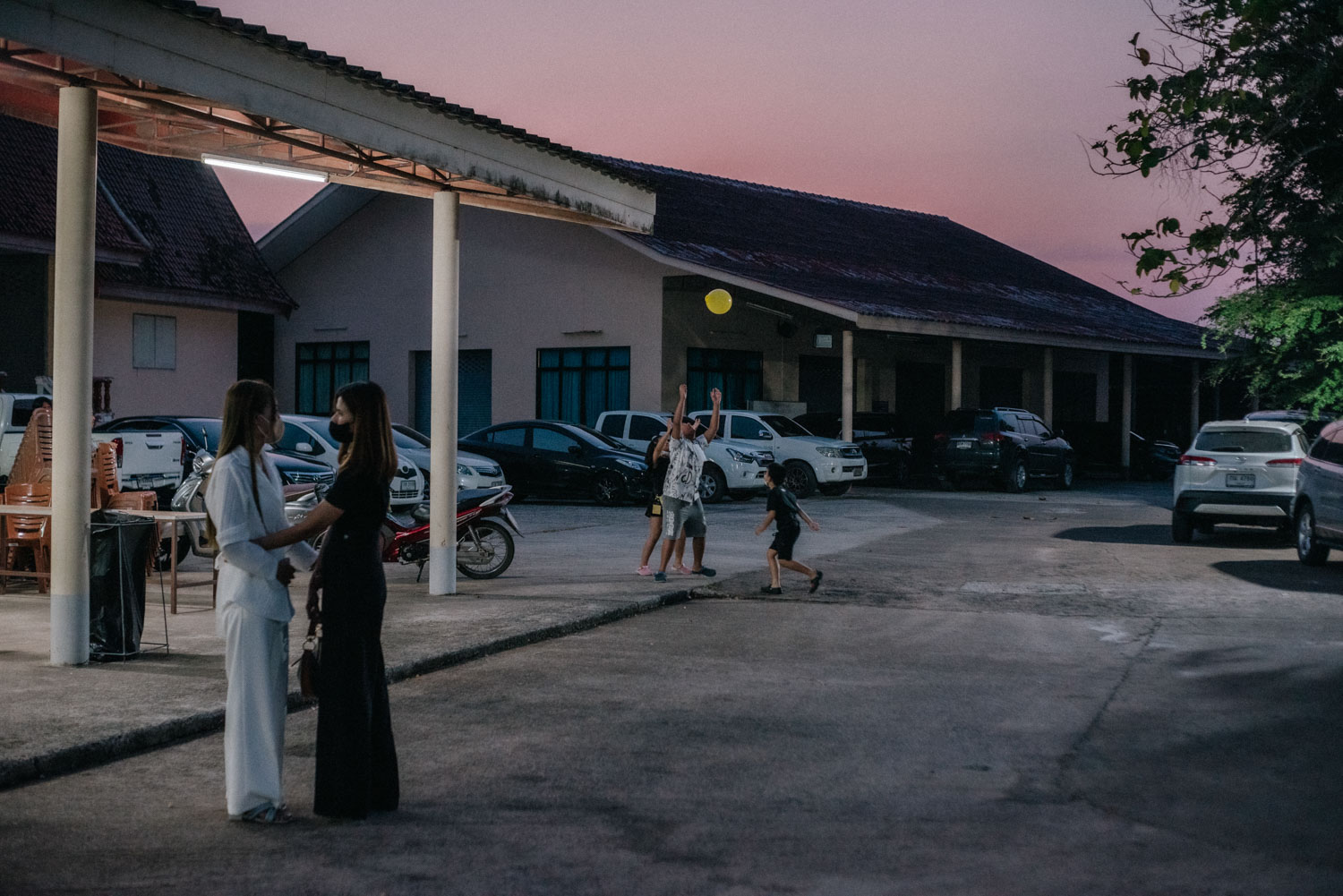
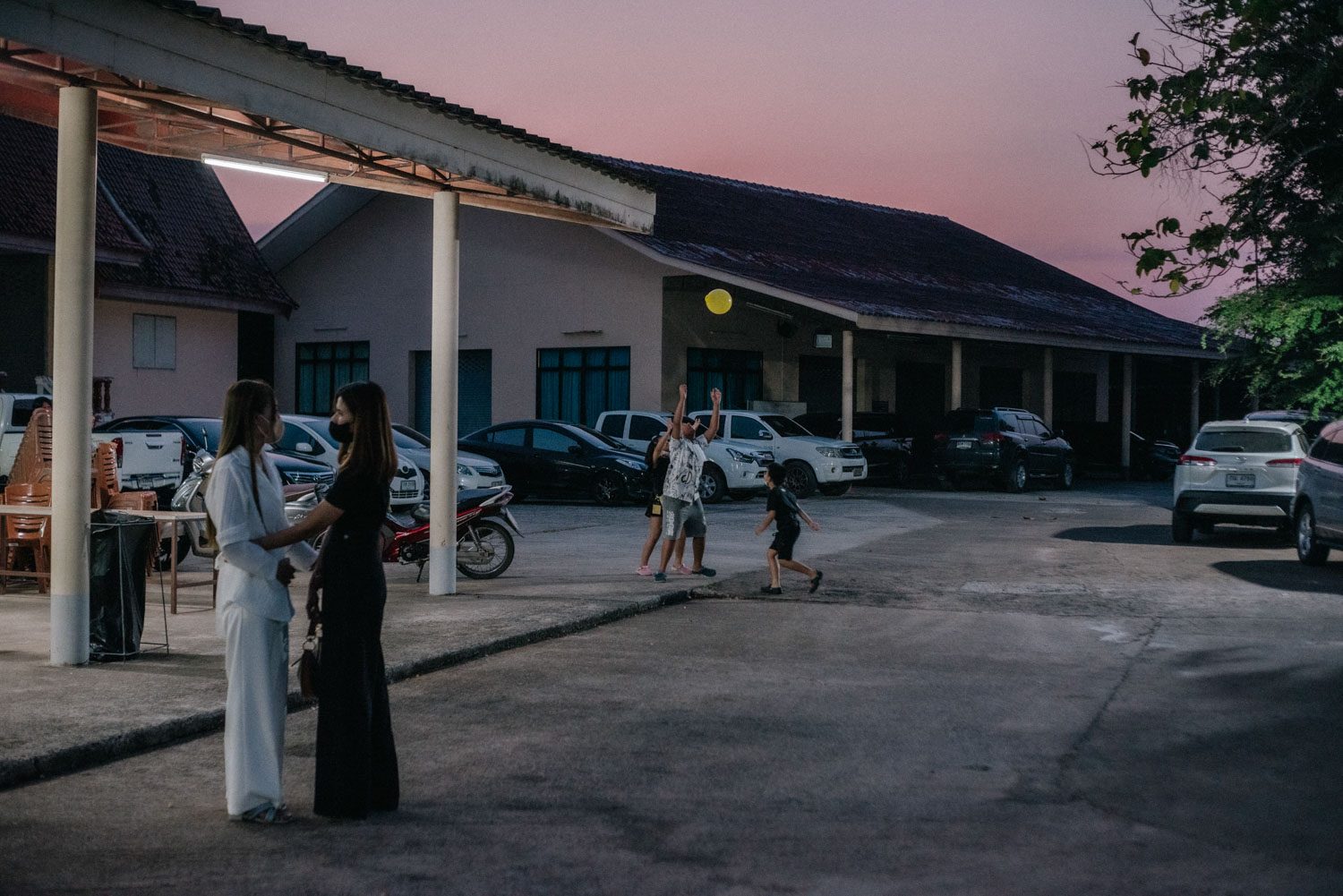
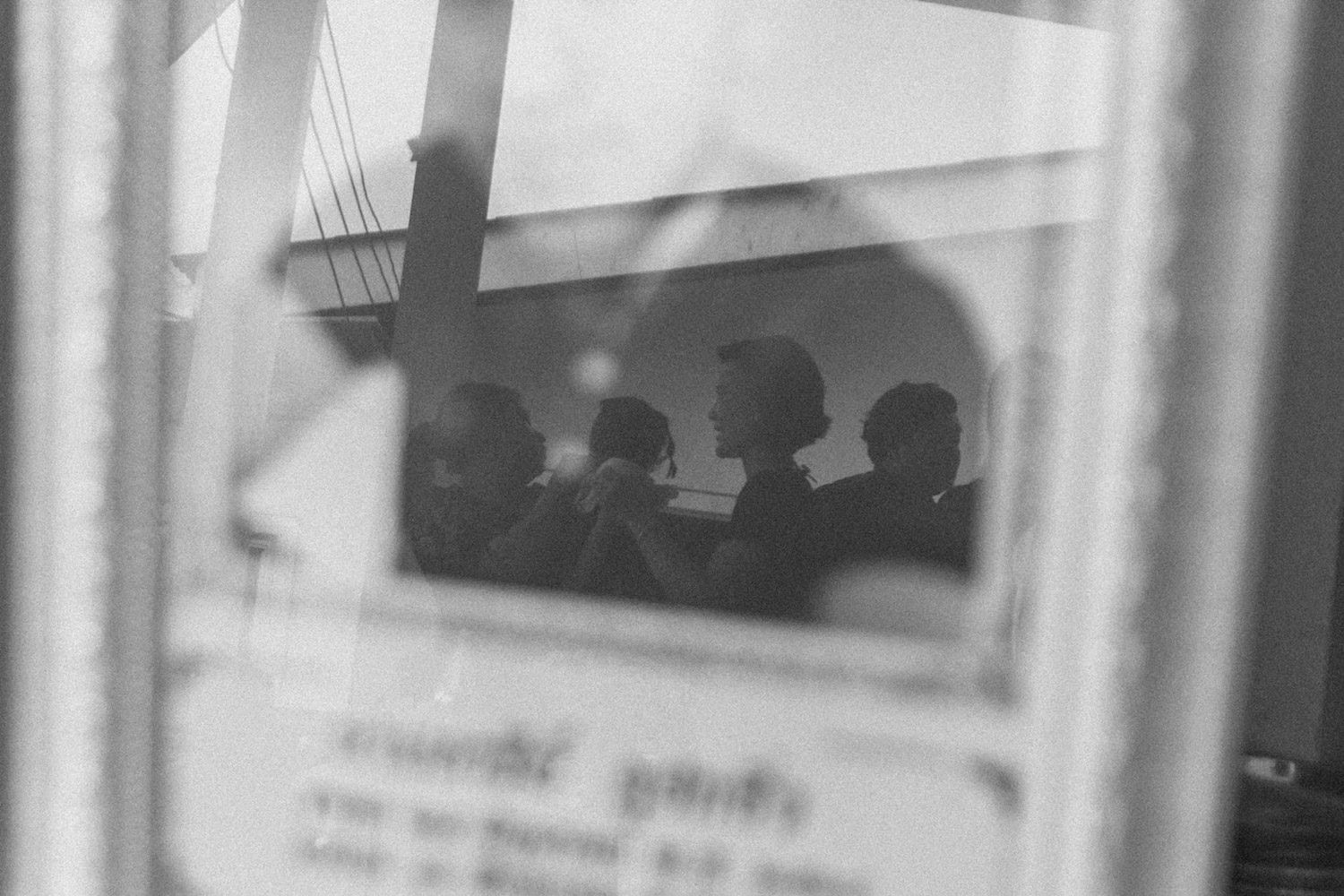
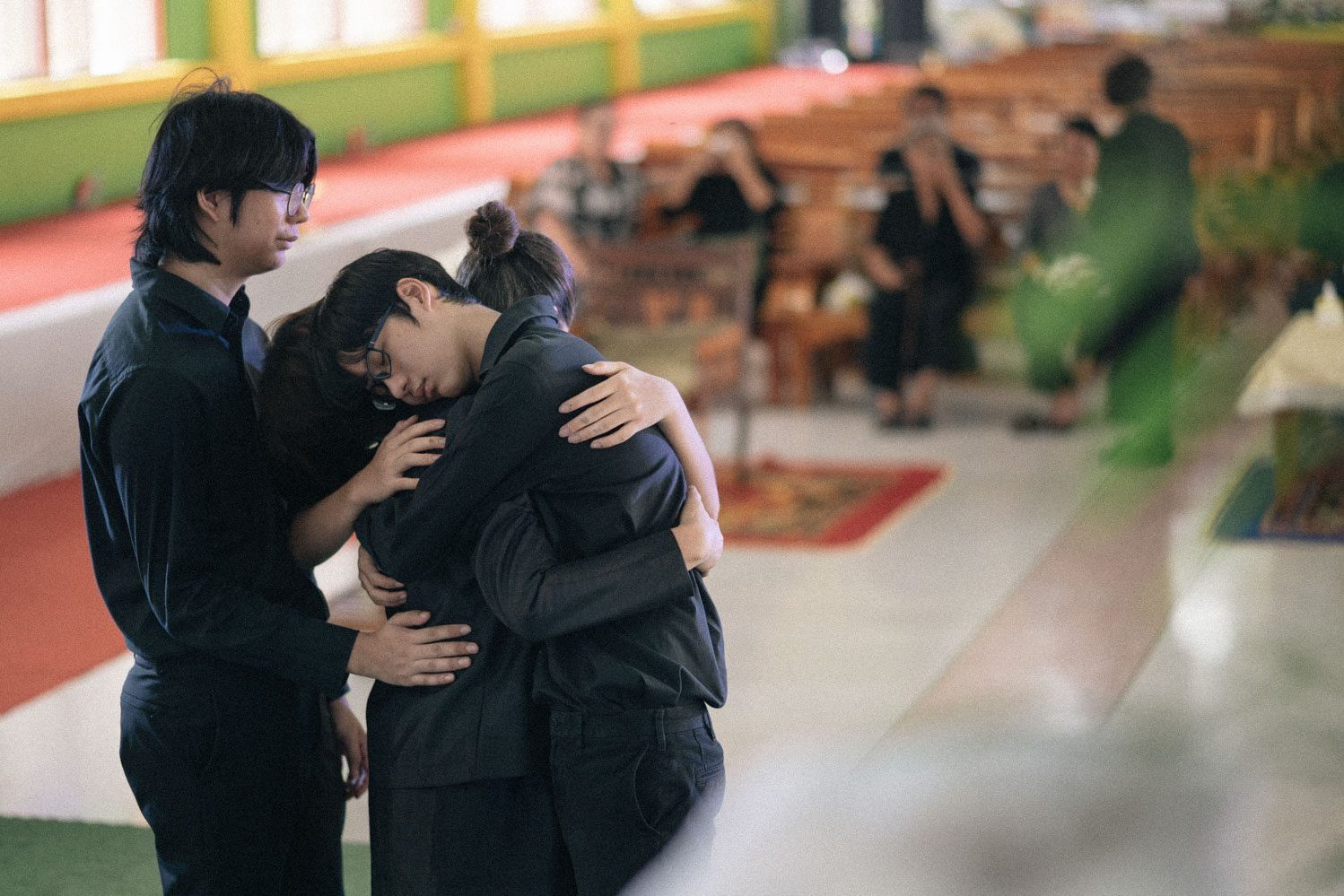
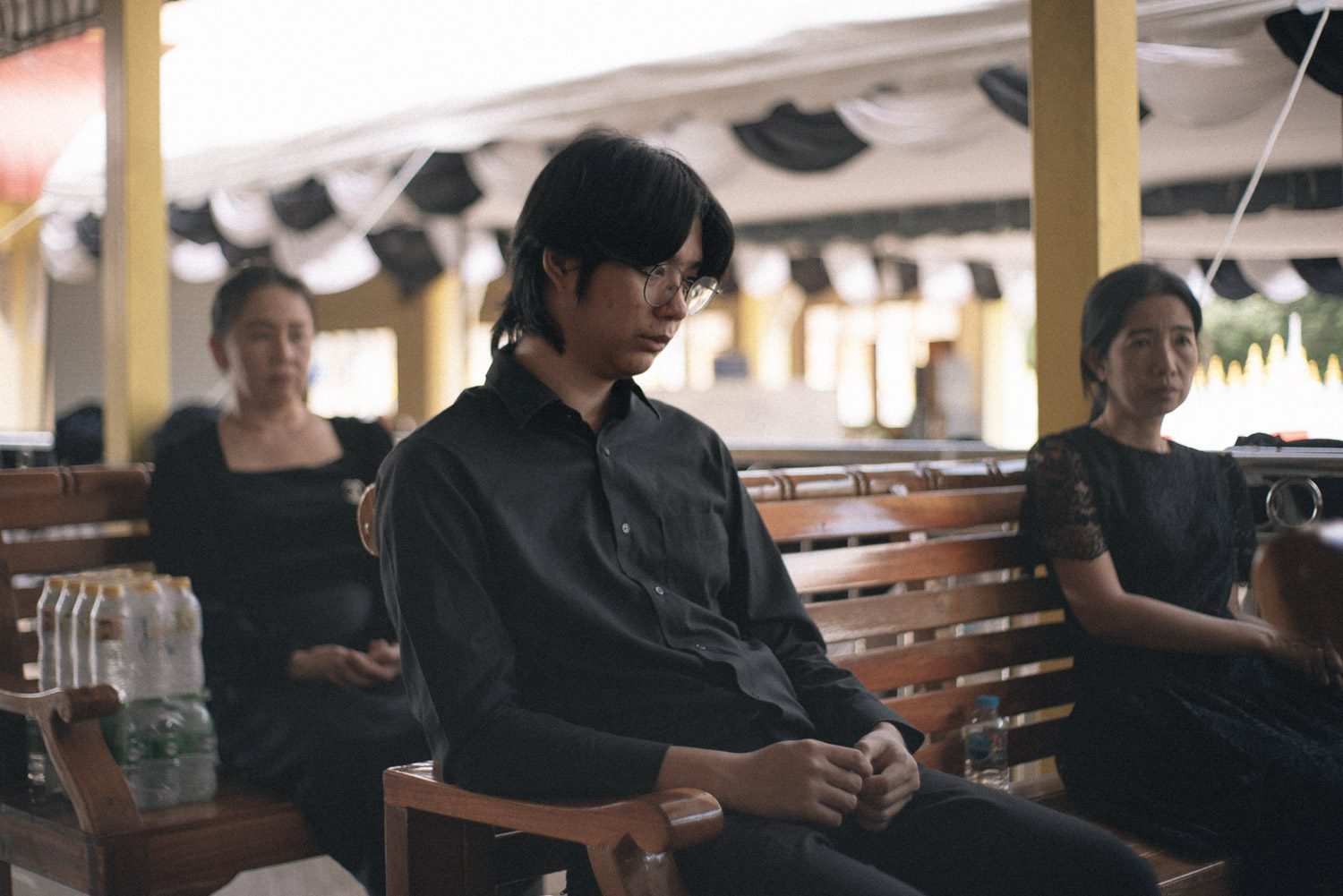
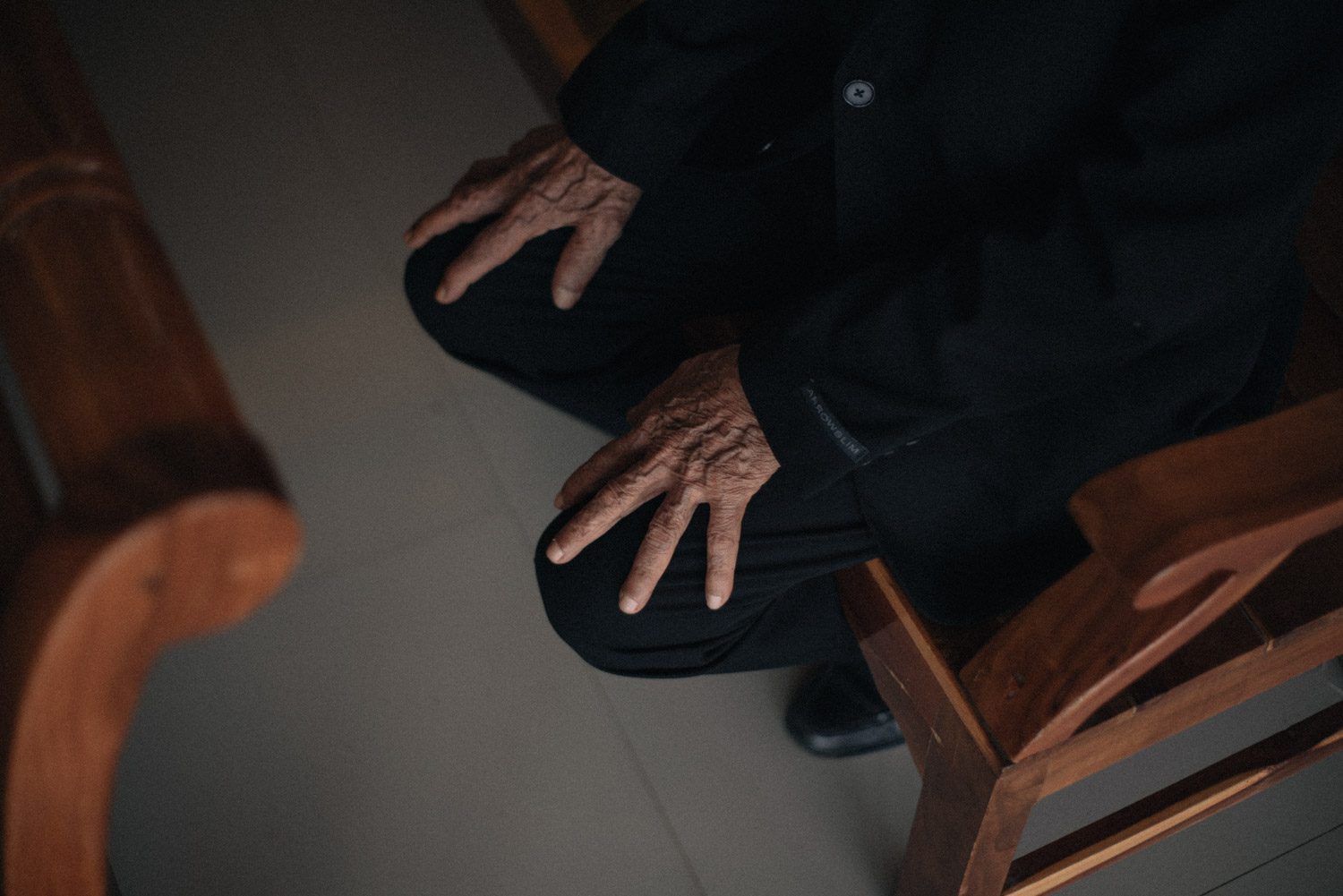
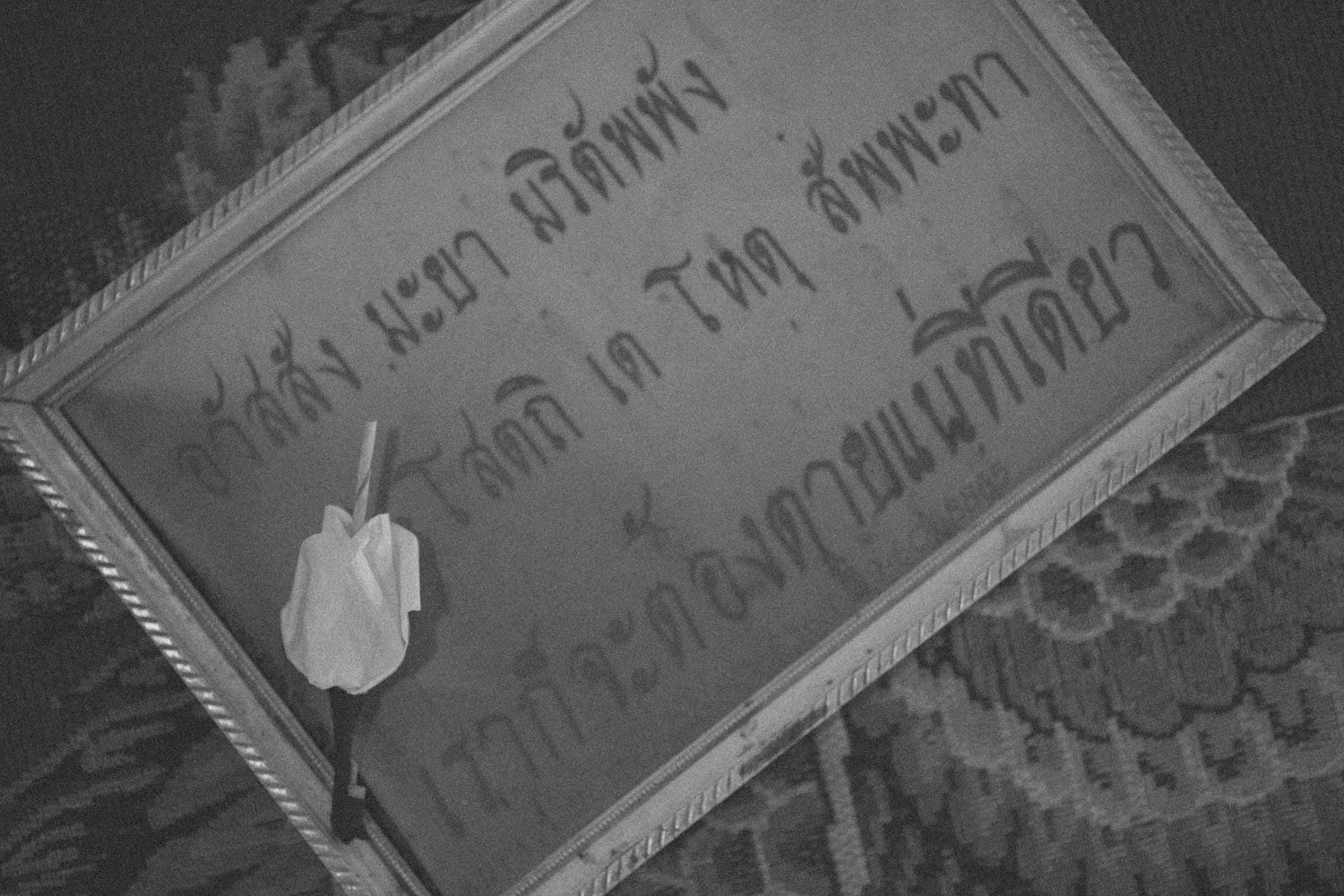
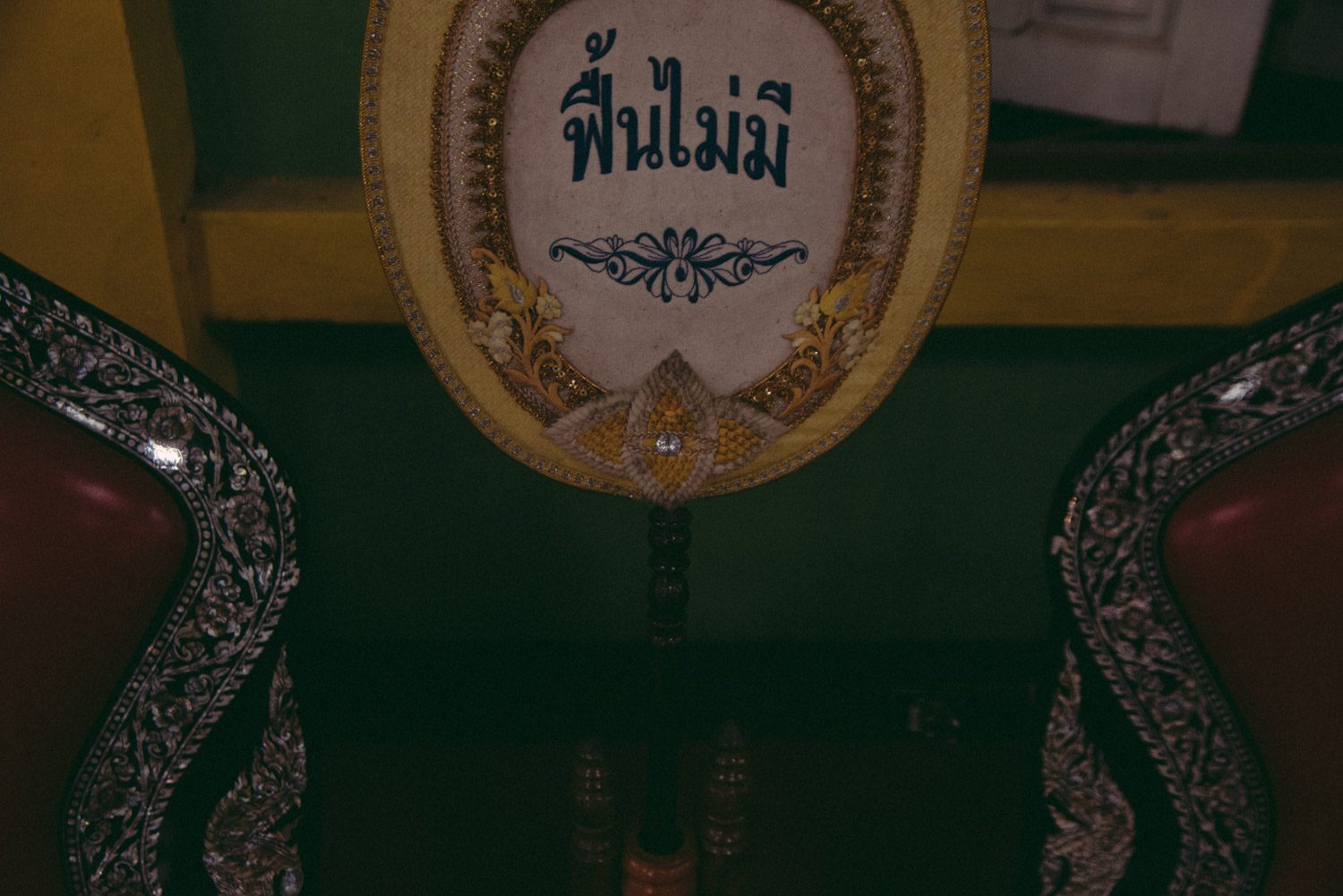
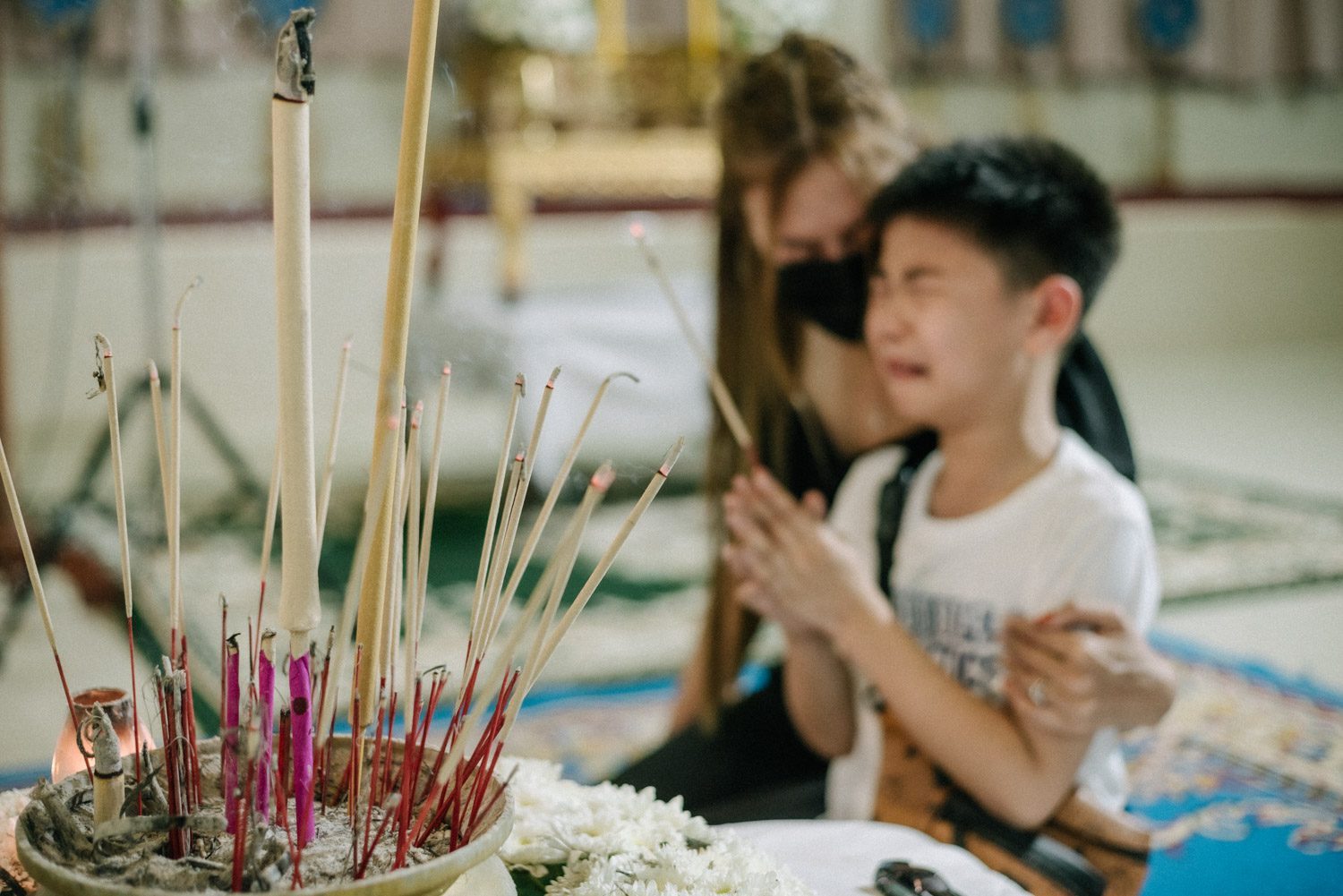
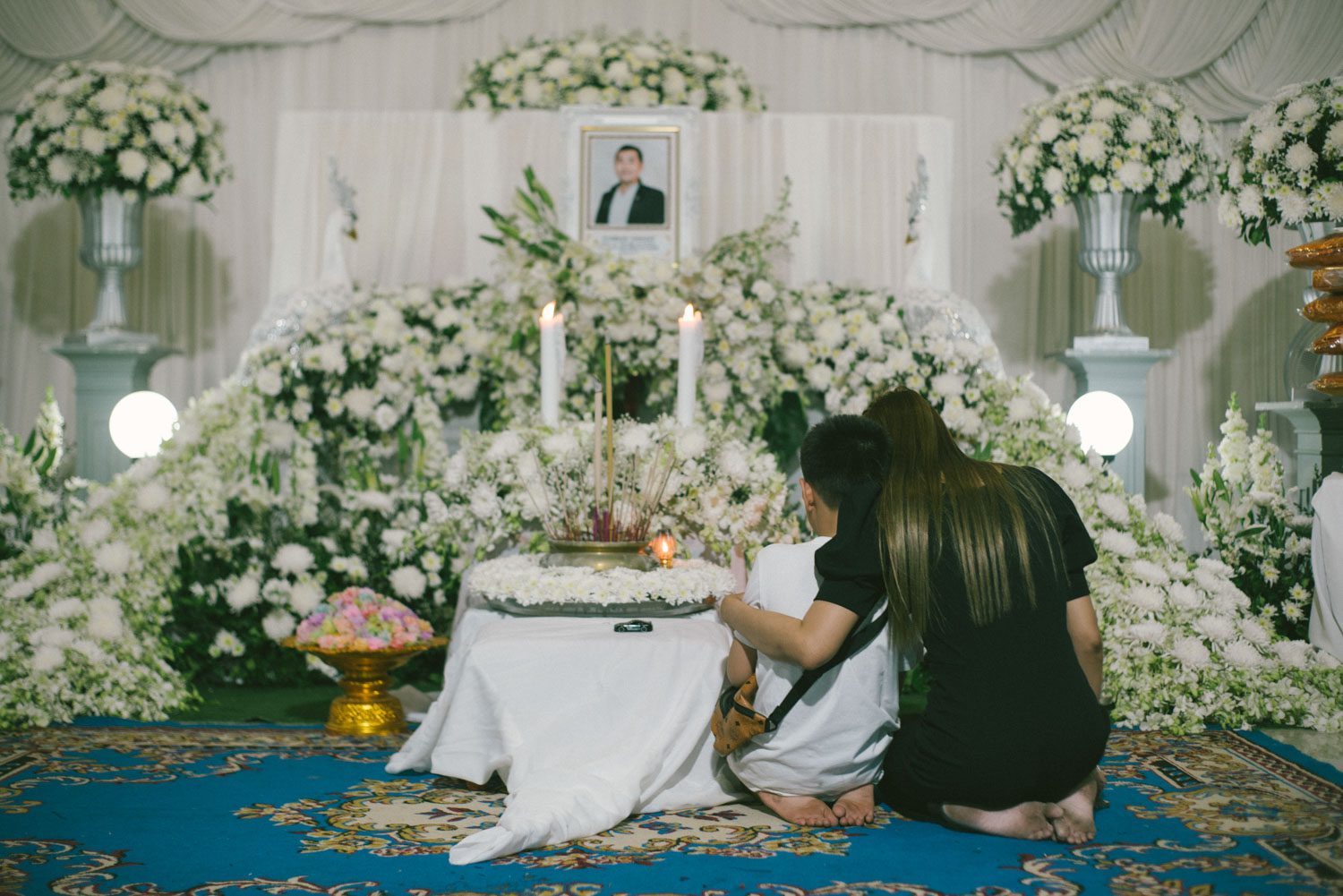
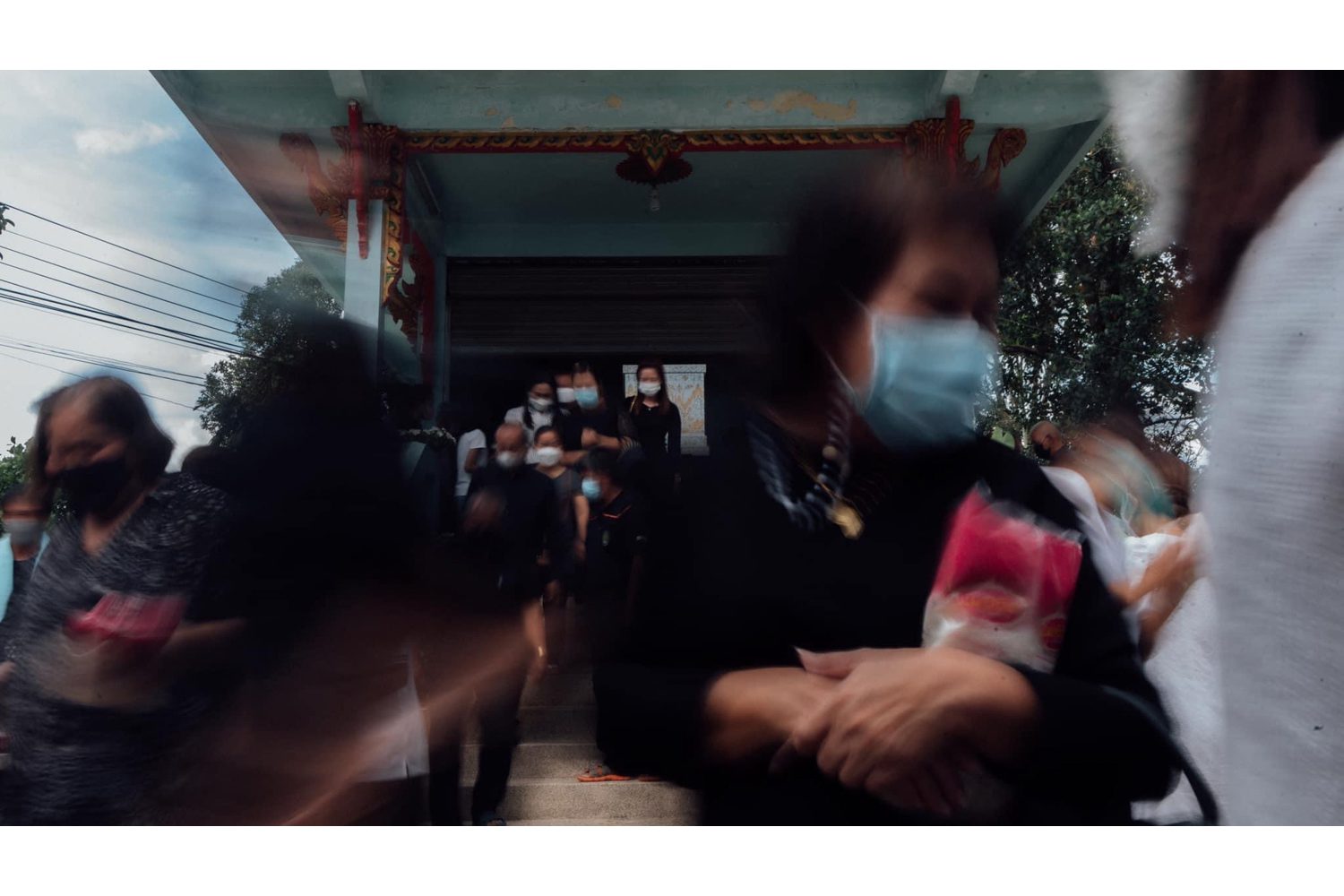
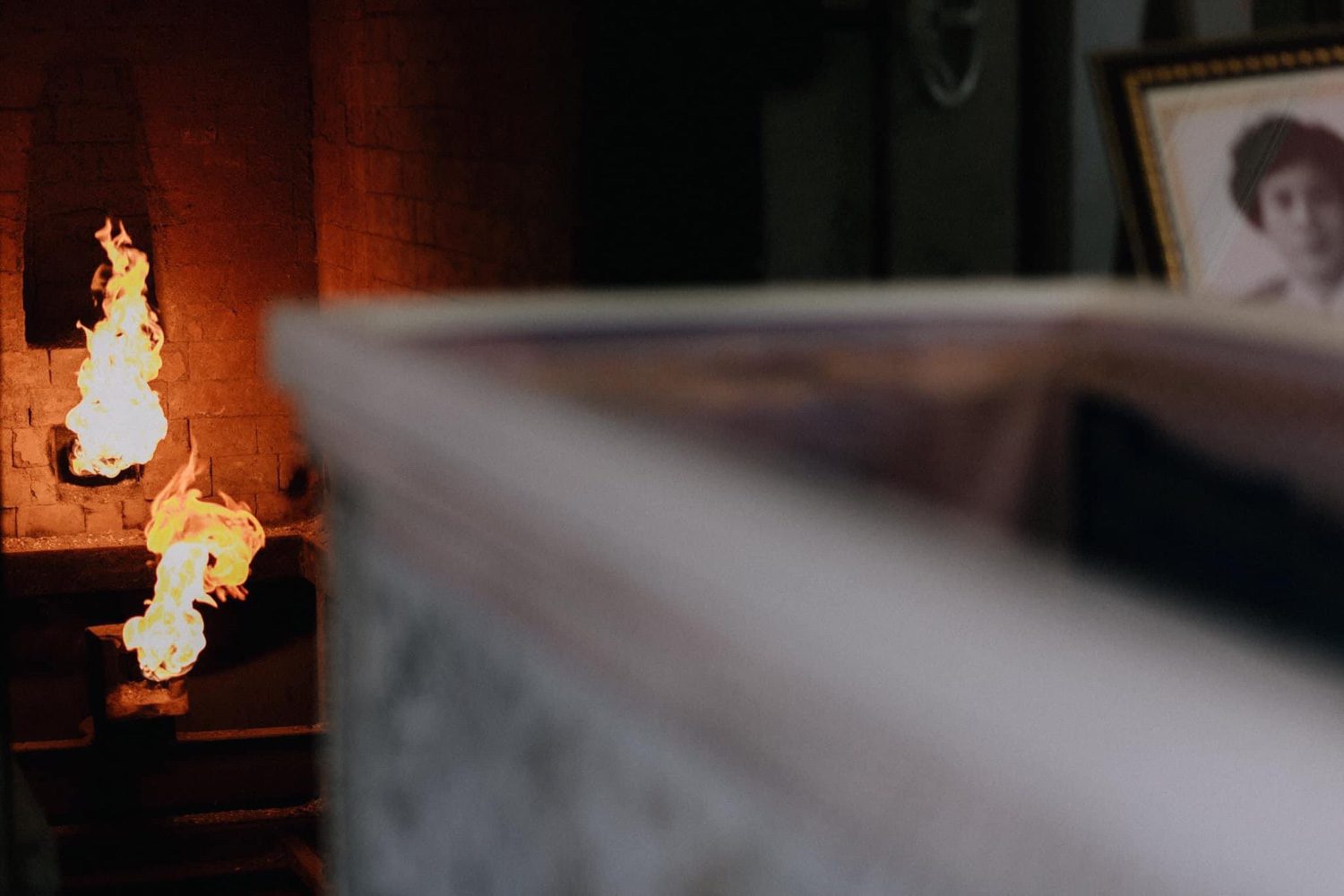
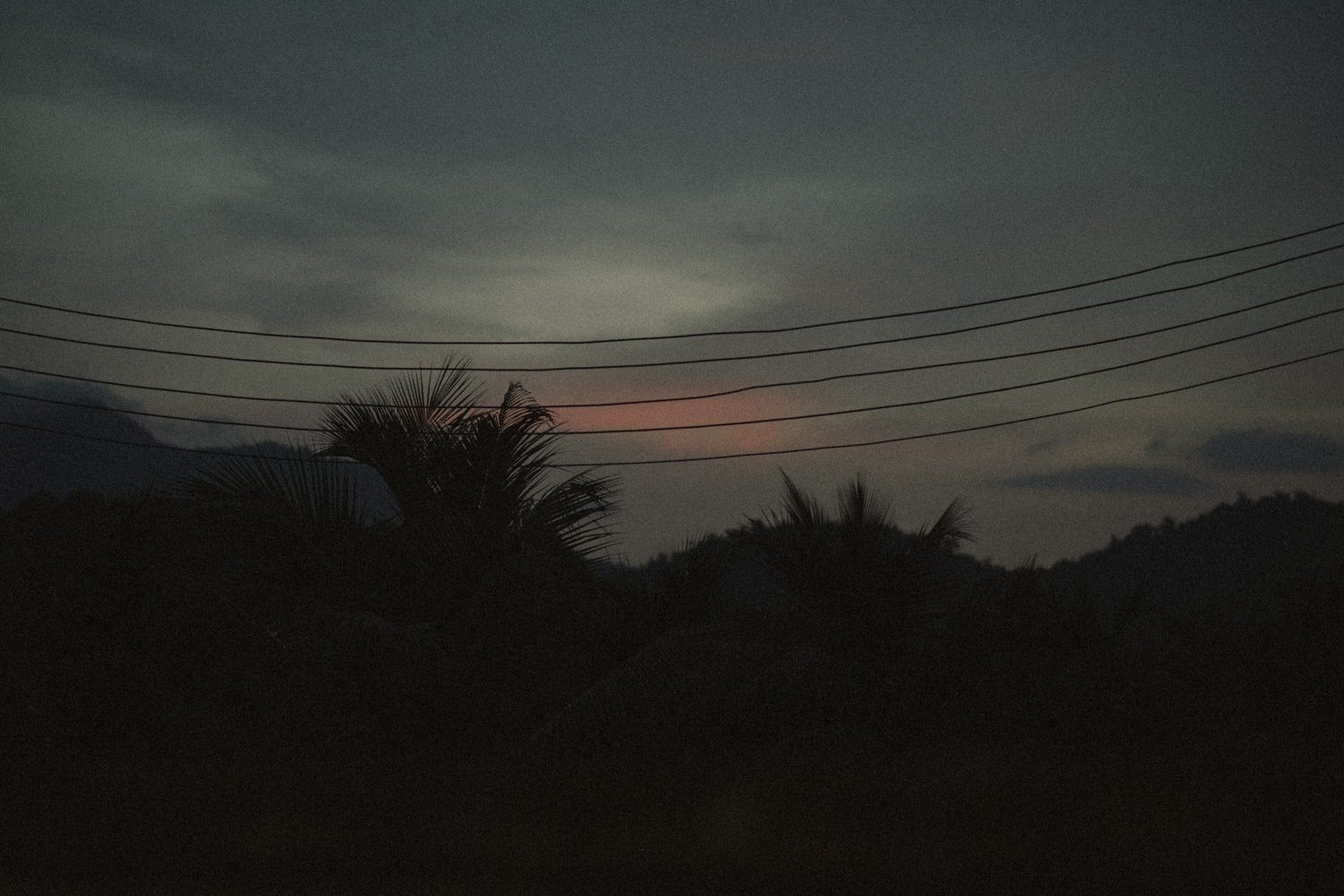
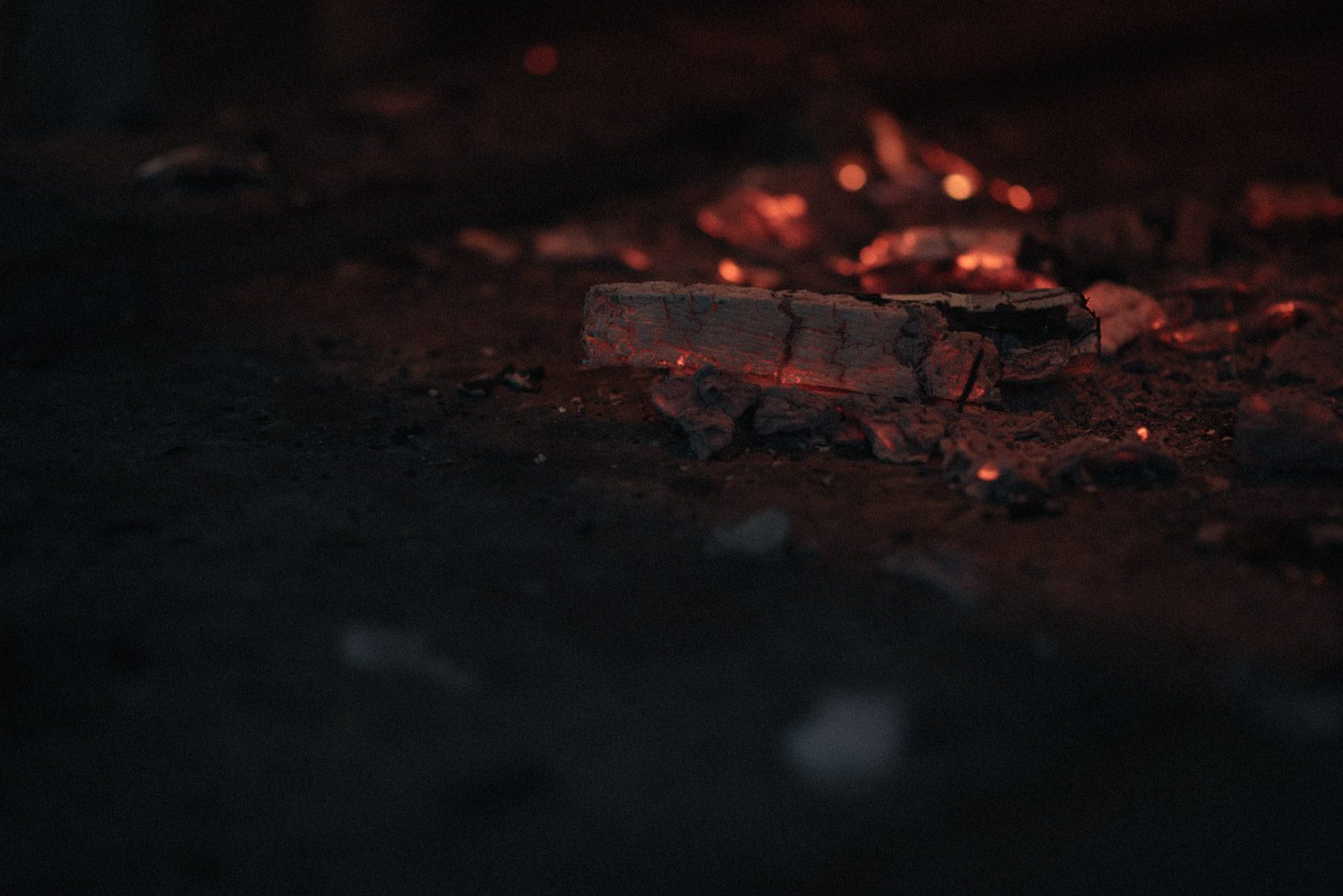
In the midst of sorrow’s all-consuming embrace, all that stays are the eyes, the visage, the emotions of the living.  

In that very moment, captured are moments whose significance transcends mere traditions and ceremonies, for they encapsulate the profound story of the connections between the departed and those who stay, making the final memory as memorable as possible.

_____________

Subpawich Kunjak, a freelance photographer who views  funeral photography as a  documentation of feelings and emotions.

facebook.com/omo.kunjak

PHOTO ESSAY : TIME STANDS STILL

TEXT & PHOTO: PRADITCHYA SINGHARAJ

(For Thai, press here) 

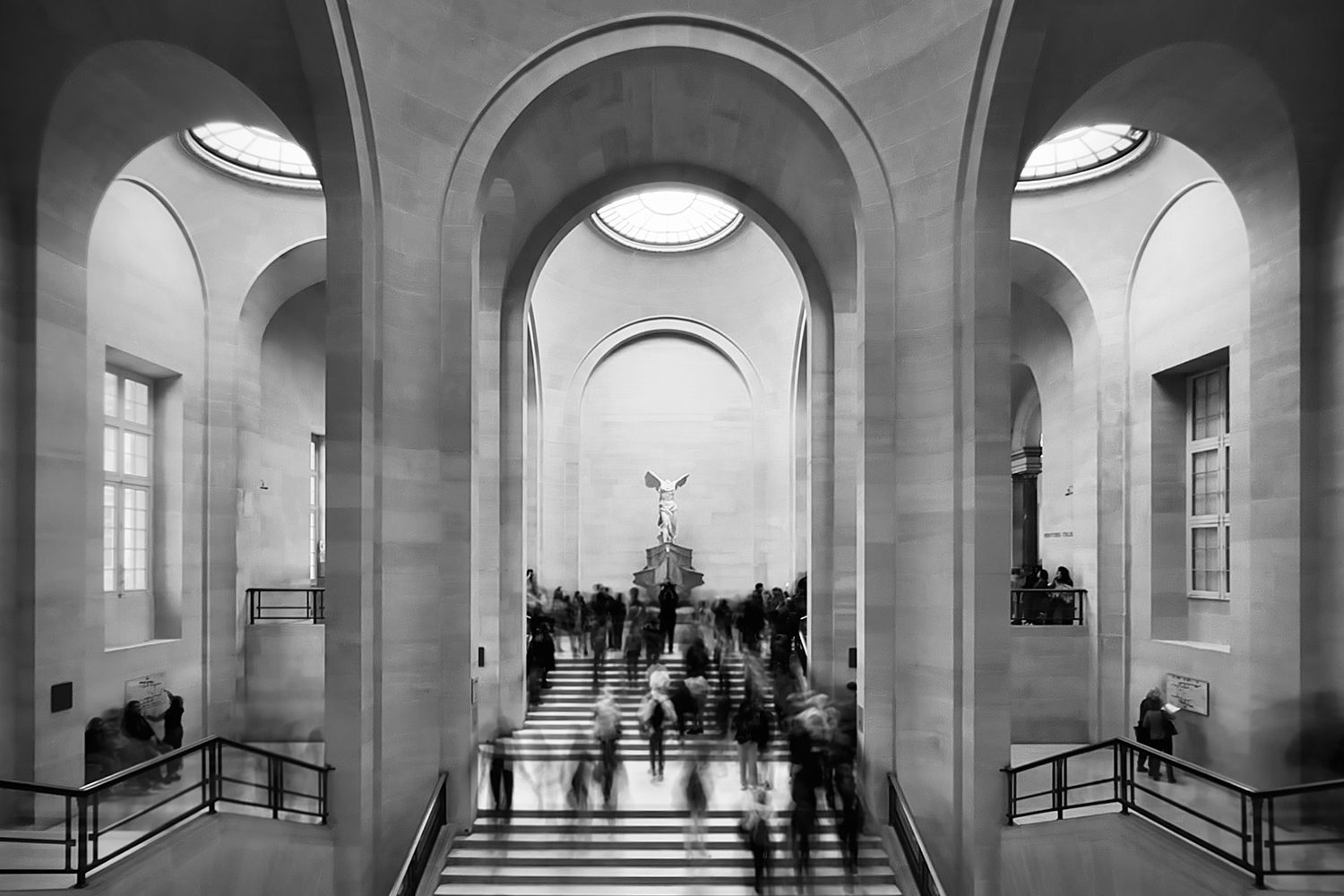
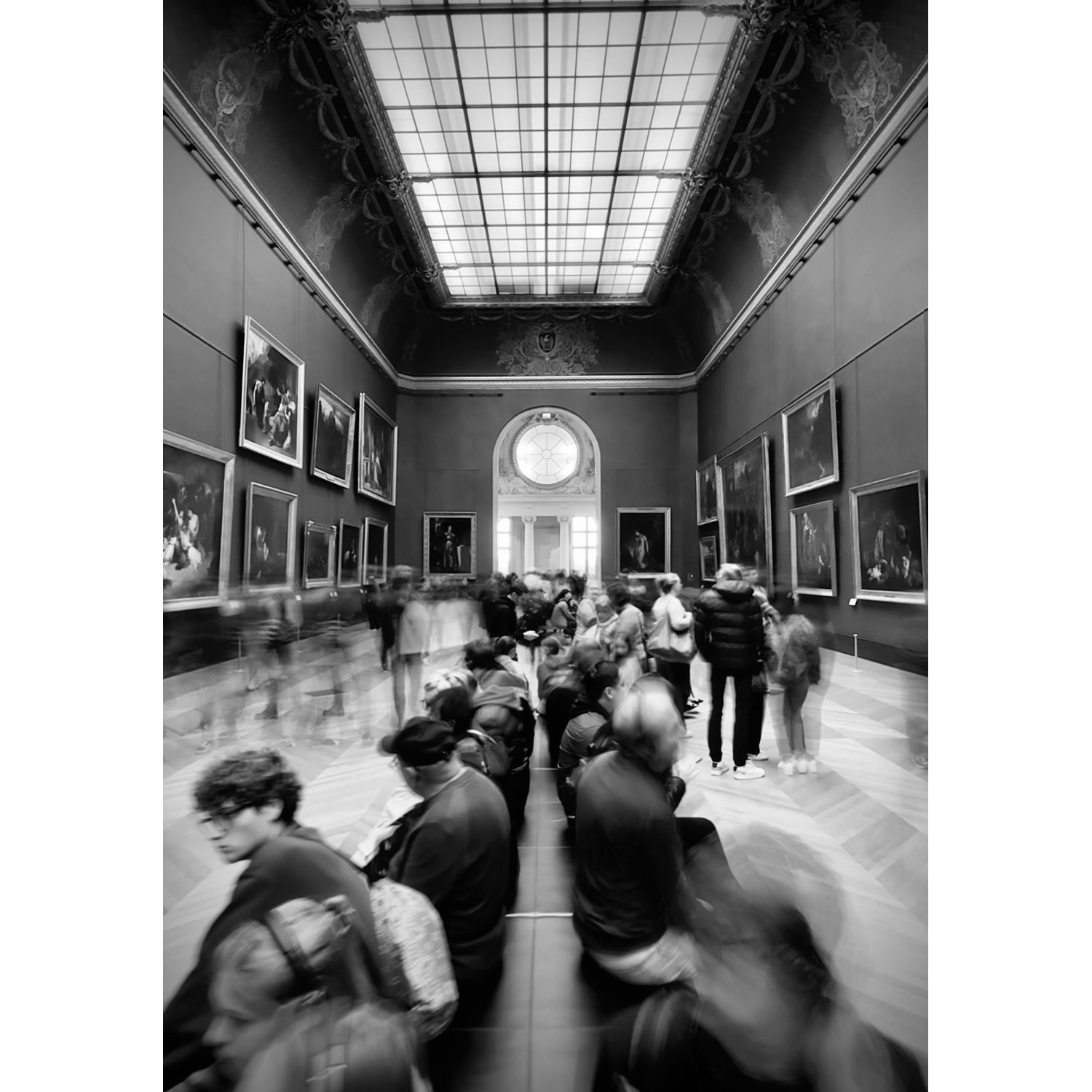
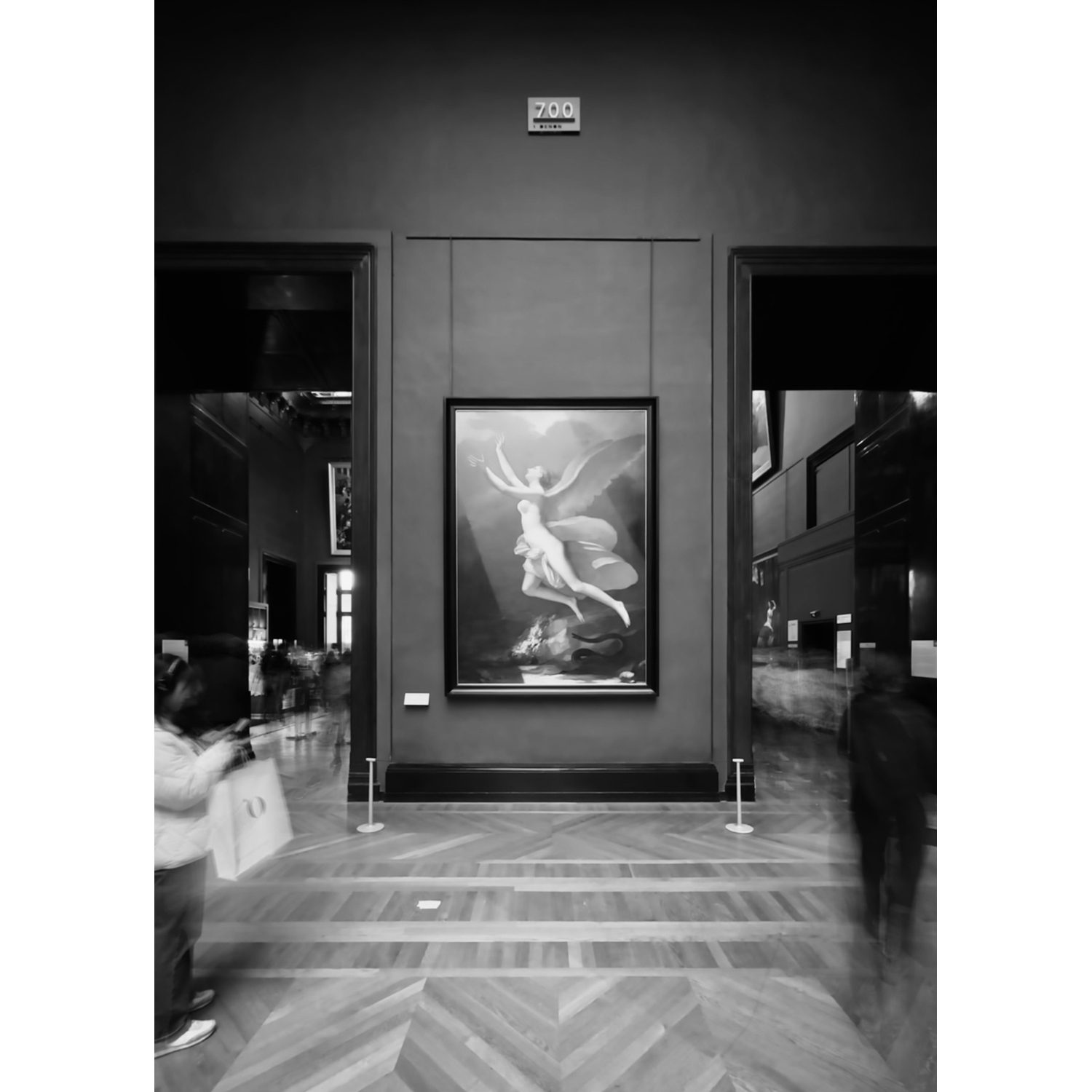
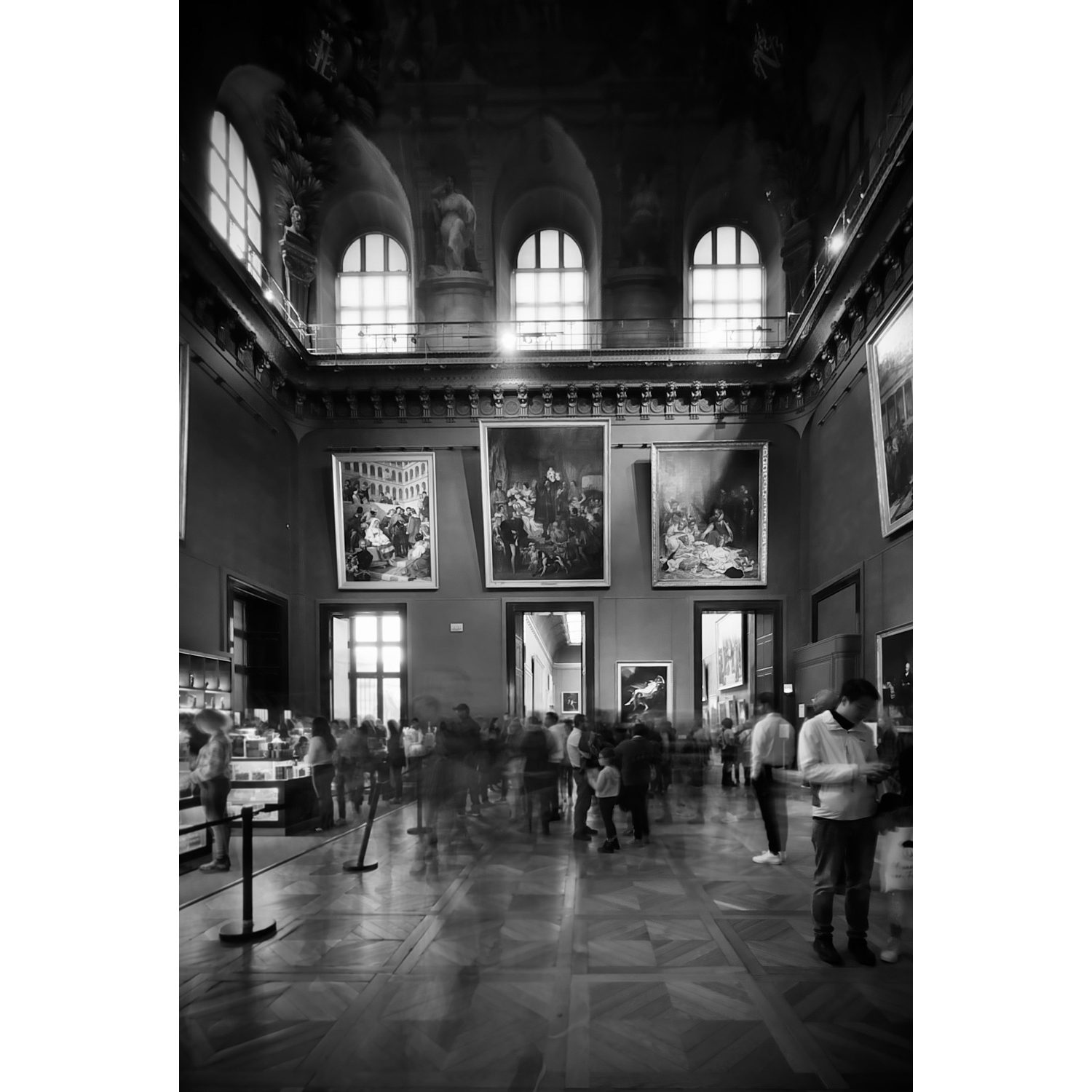
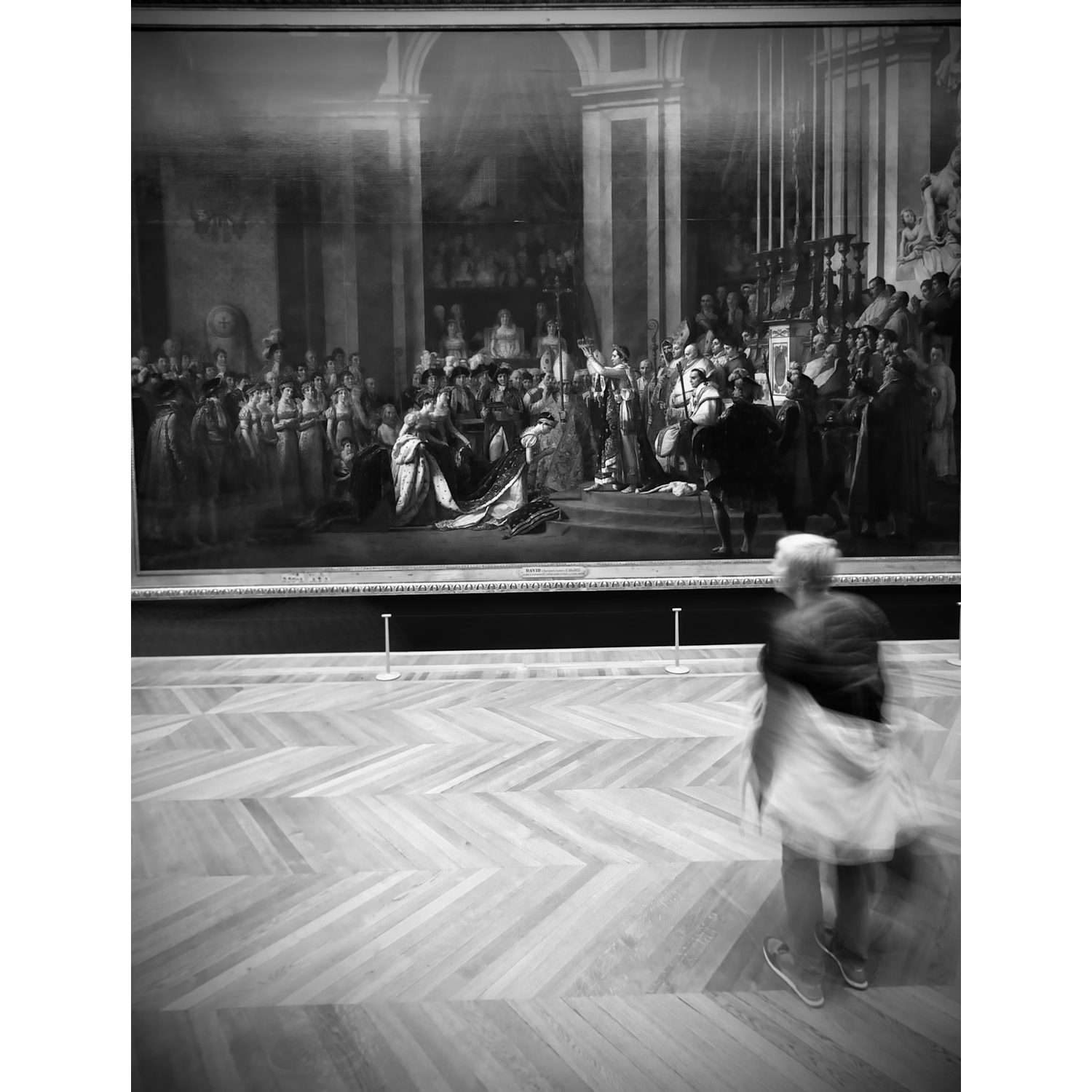
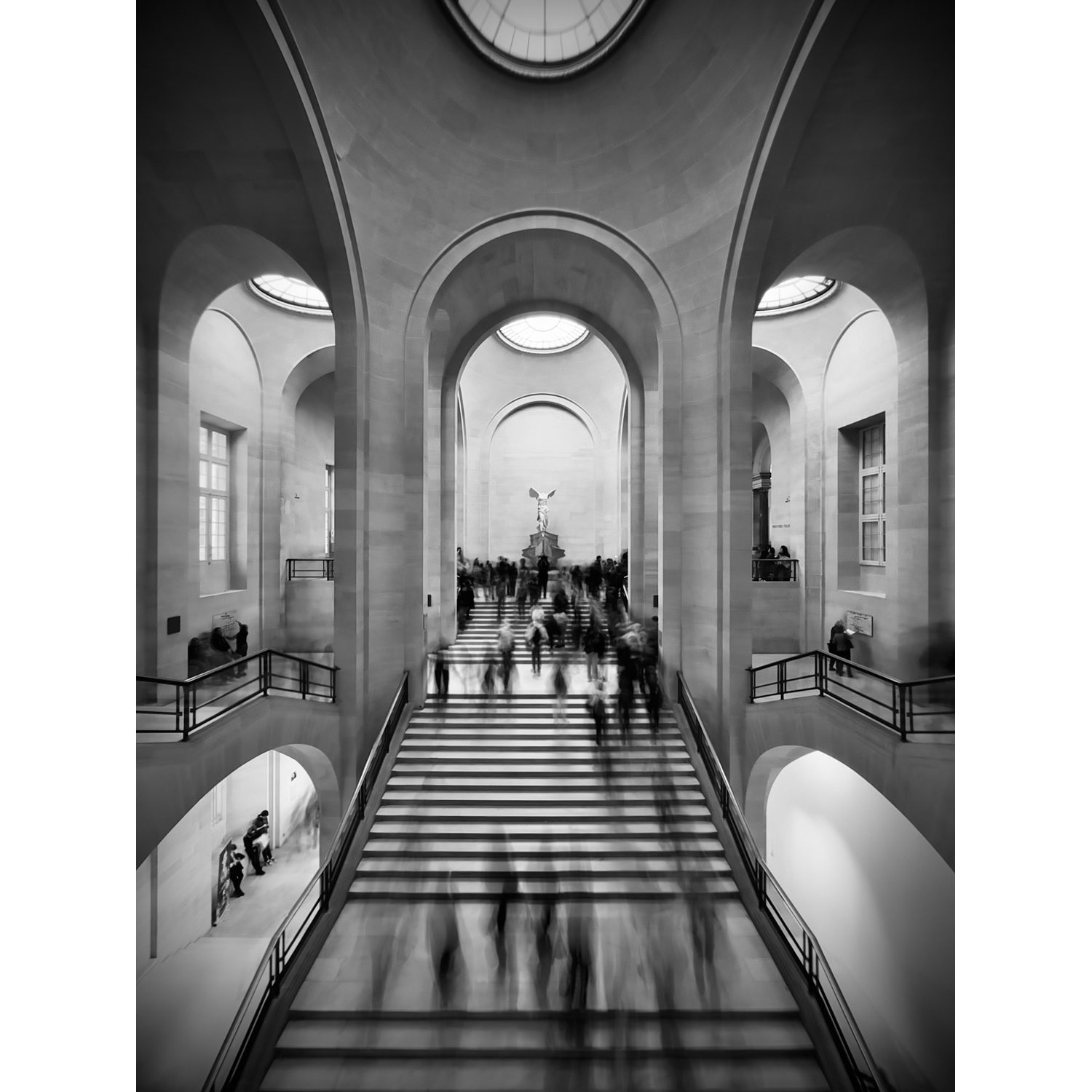
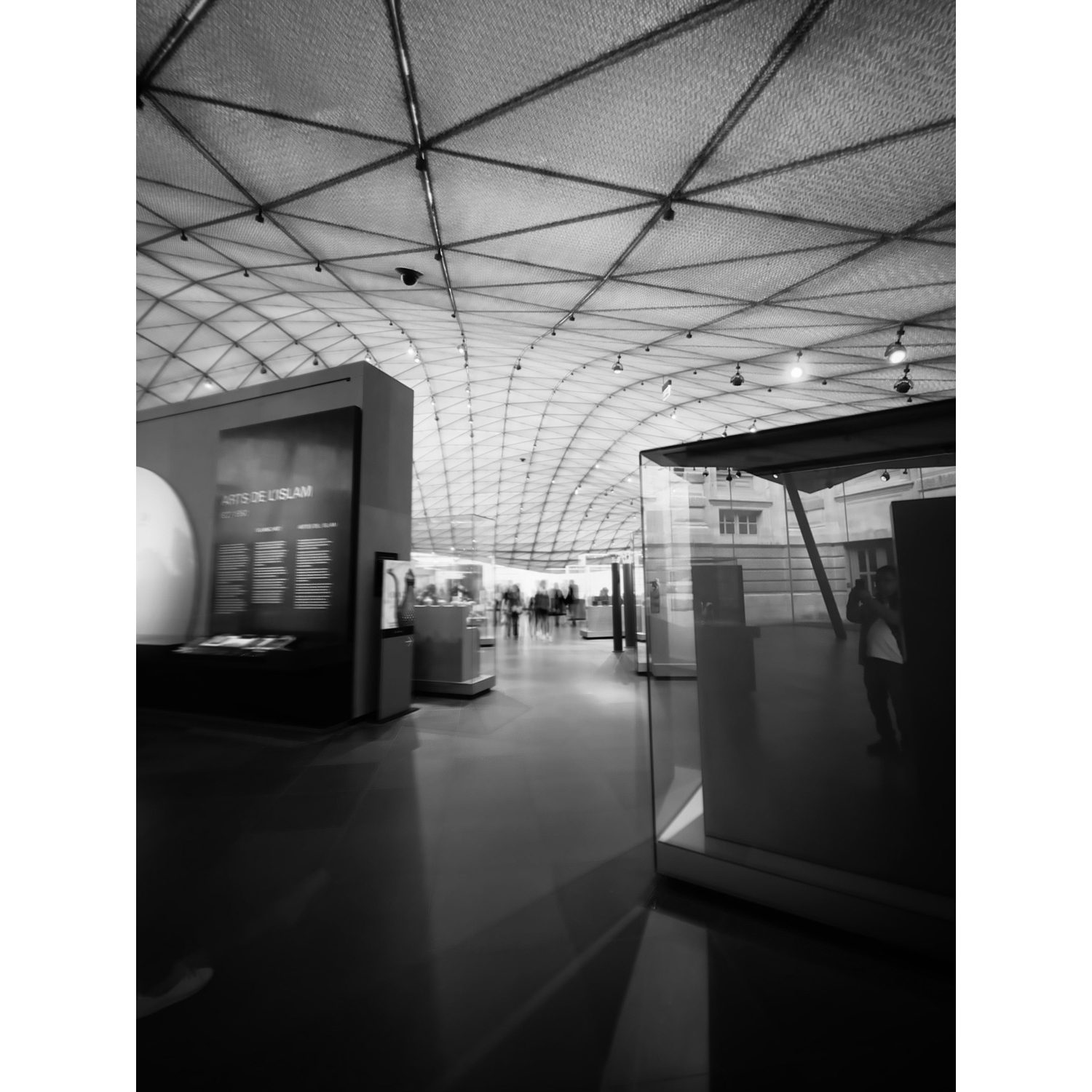
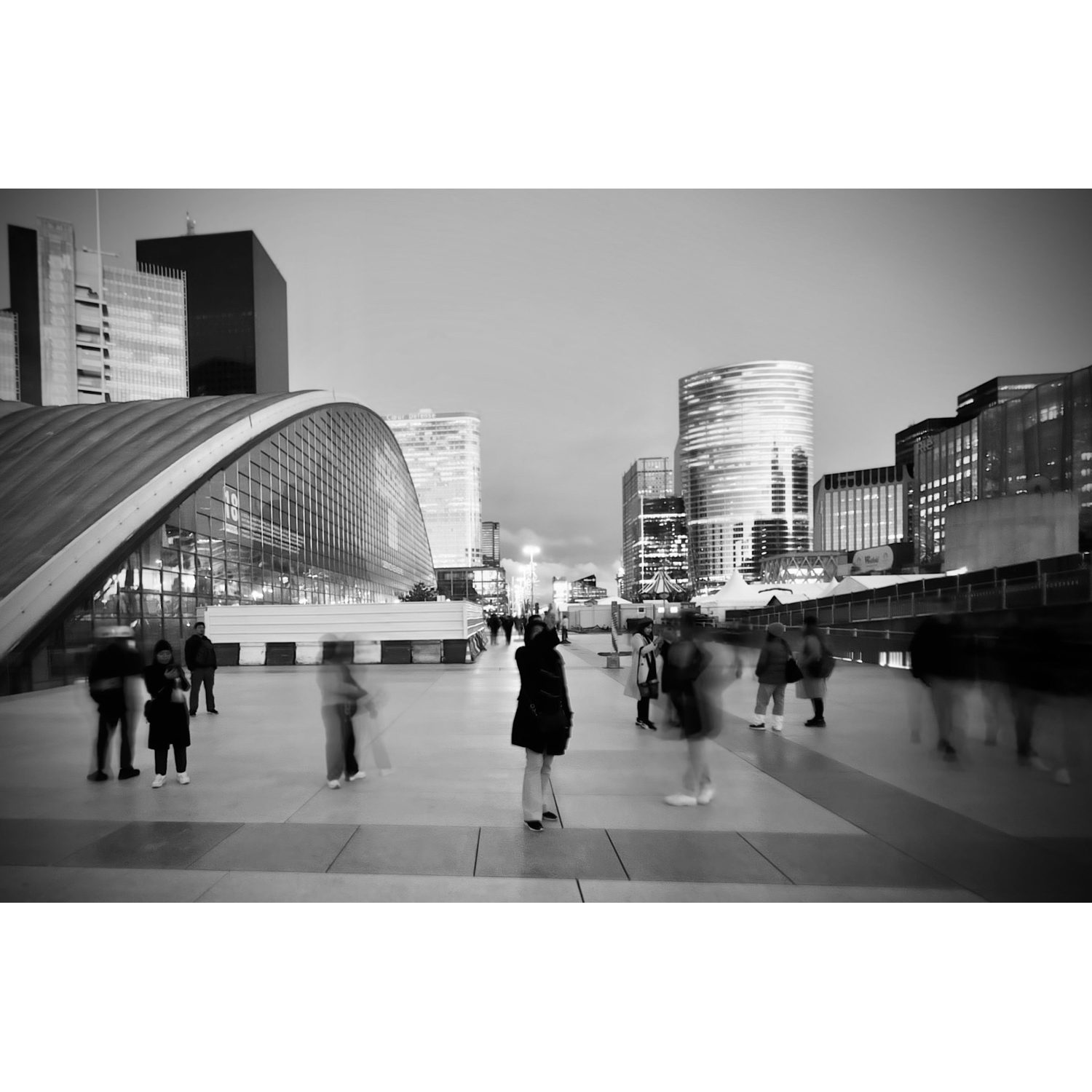
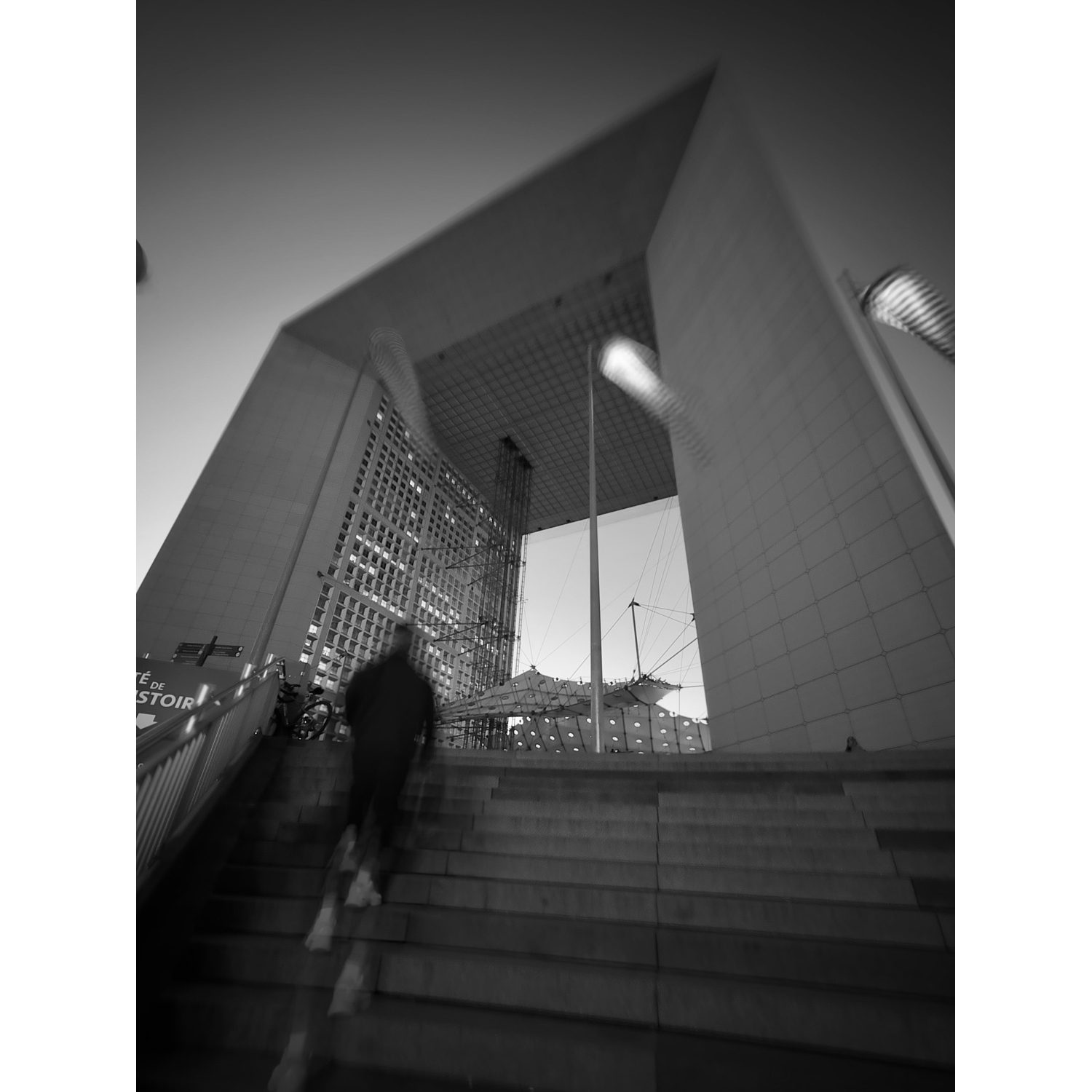
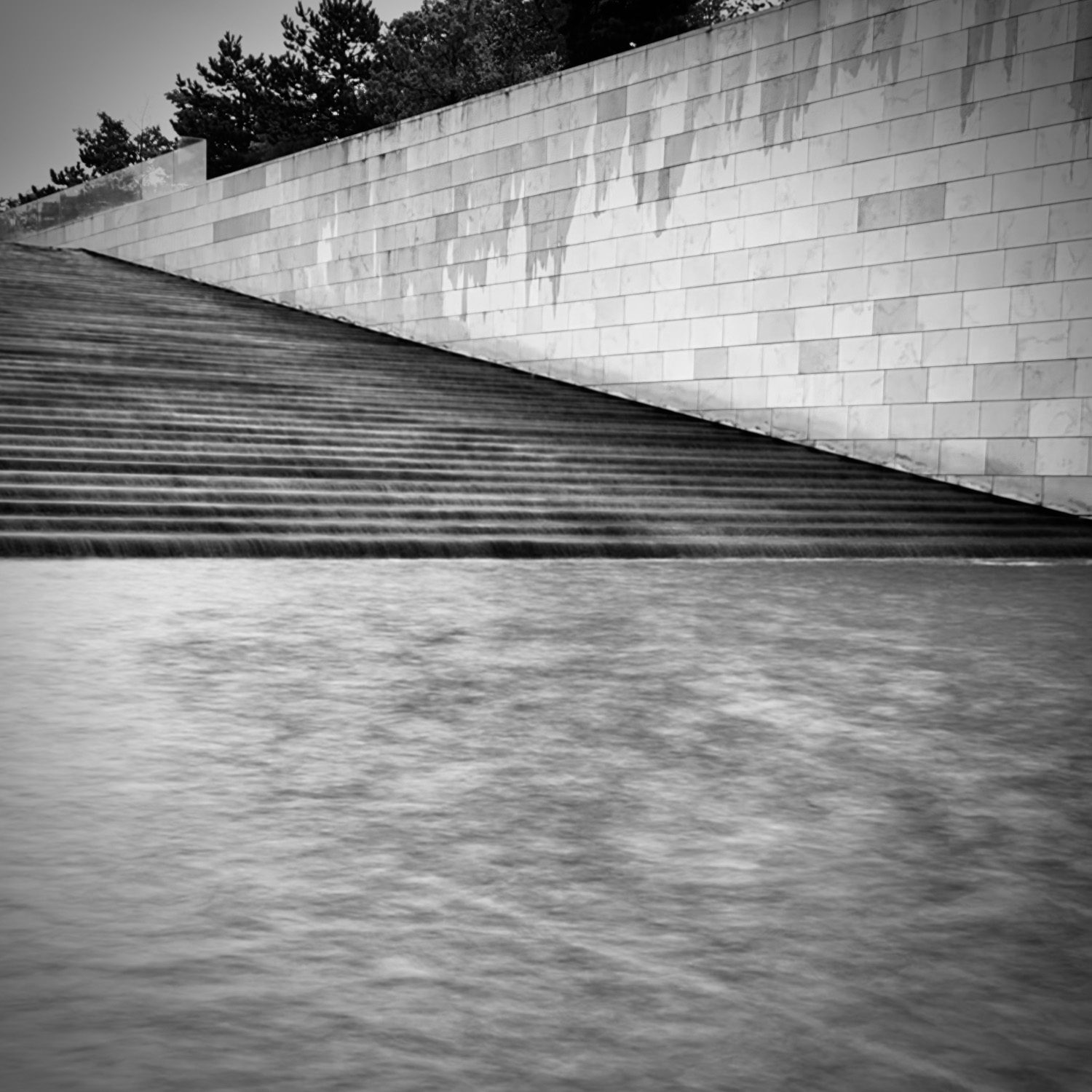
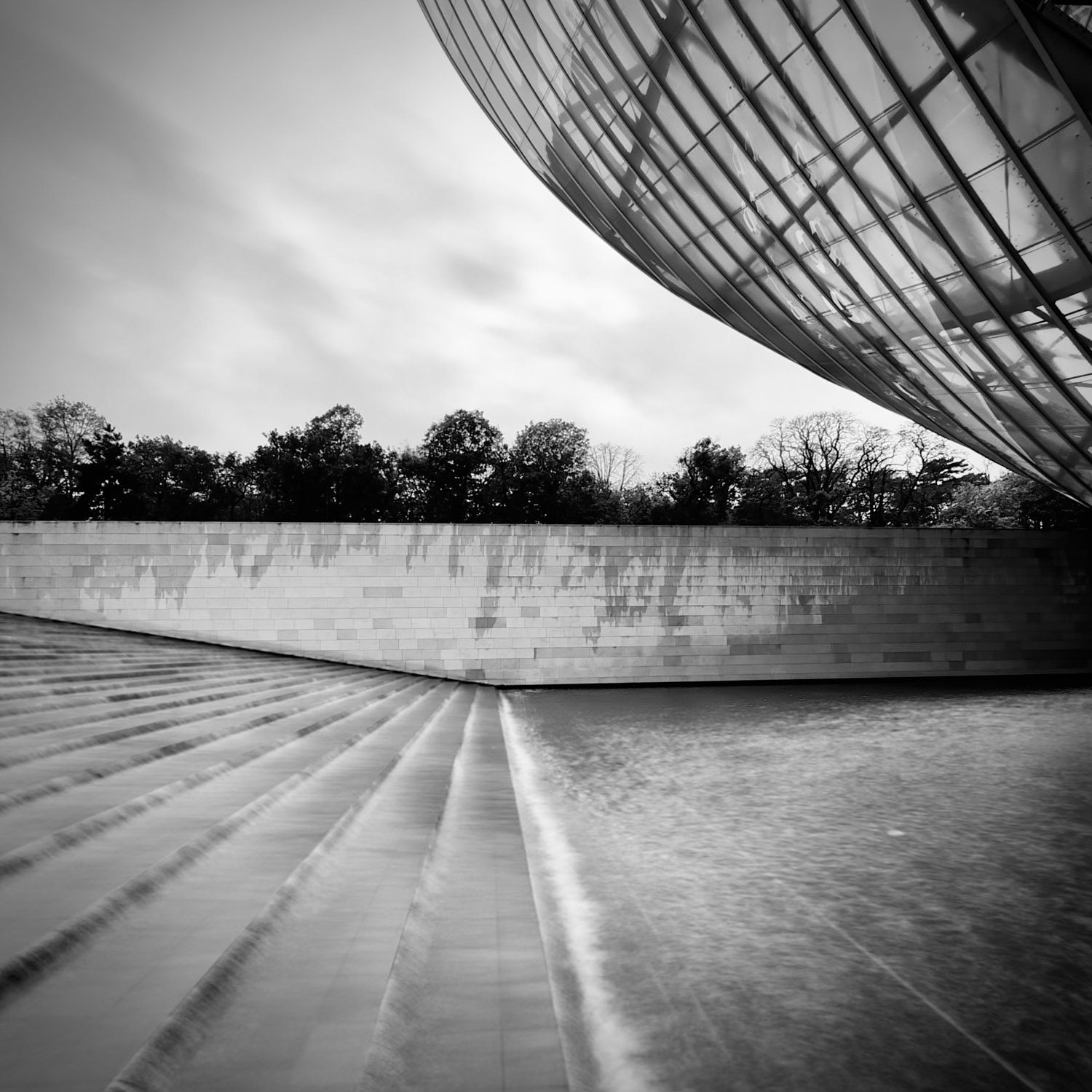
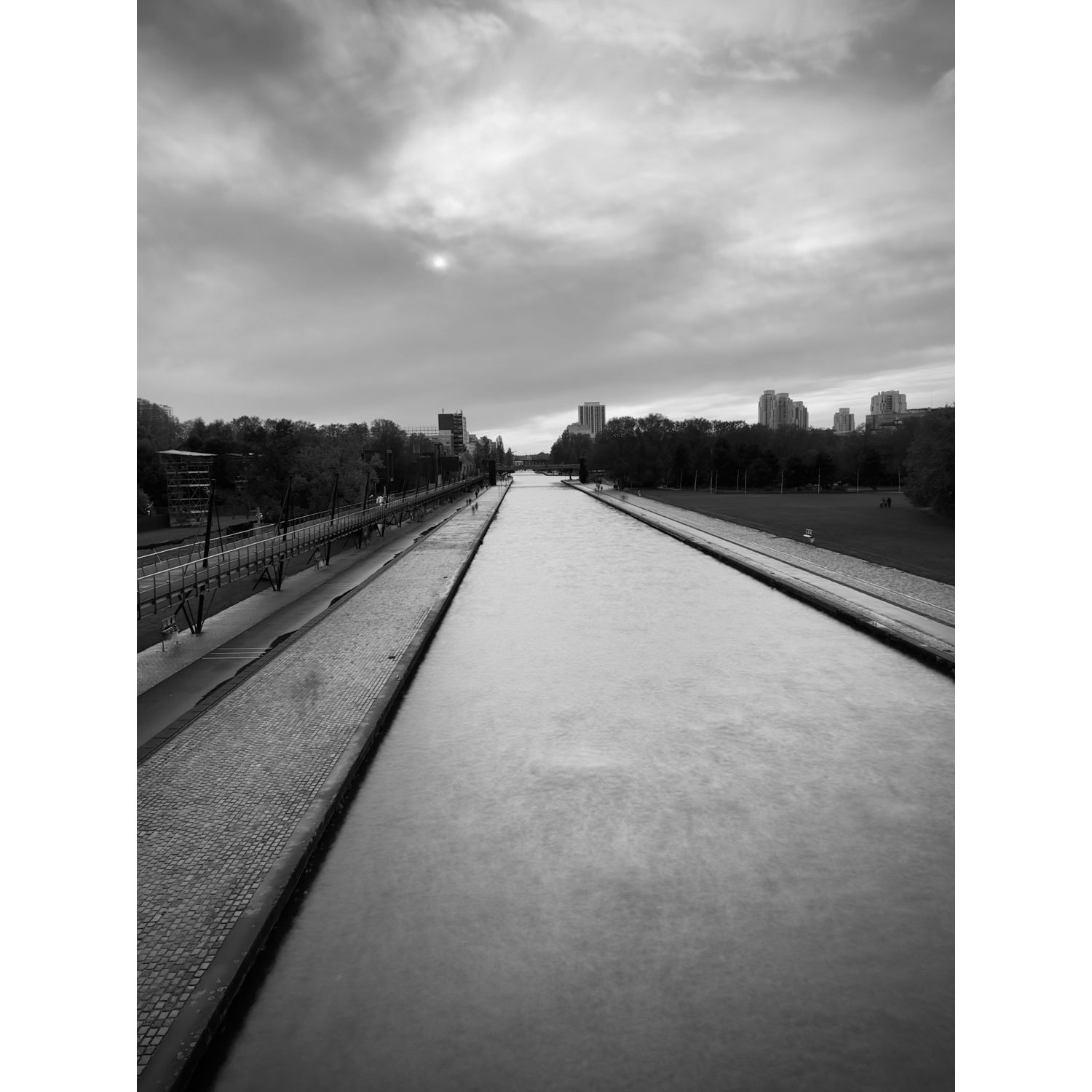
I’ve always been interested in how moments and things around us can be captured. Rather than capturing fleeting instances that occur in just 1/100 or 1/1000 seconds, my photographs depict moments that unfold over the course of one second. As a human’s perception moves forward, a nanosecond of time cannot be put on hold, for time and things keep progressing. 

The series of photographs were taken using my own mobile phone, and the results exceeded my expectations. It can easily take a long exposure shot almost anywhere and at any time. Long-exposure photographs used to be nearly impossible to shoot at times when there was too much light or in situations where a tripod would be too impractical. 

The photographs you take reflect who you are. I’ve always thought that lenses and cameras are merely tools and that the genuine beauty of photography rests in its ability to encapsulate the world around us, capturing the very core of humans’ views and feelings. 

_____________

Praditchya Singharaj, Managing Director of Innovative Design & Architecture Co., Ltd., who likes to take photos, listen to music, and is obsessed with building amplifiers.

facebook.com/praditchya.singharaj

PHOTO ESSAY : HUMAN TRACE

TEXT & PHOTO: DITTA SUTHEPPRATANWONG

(For Thai, press here) 

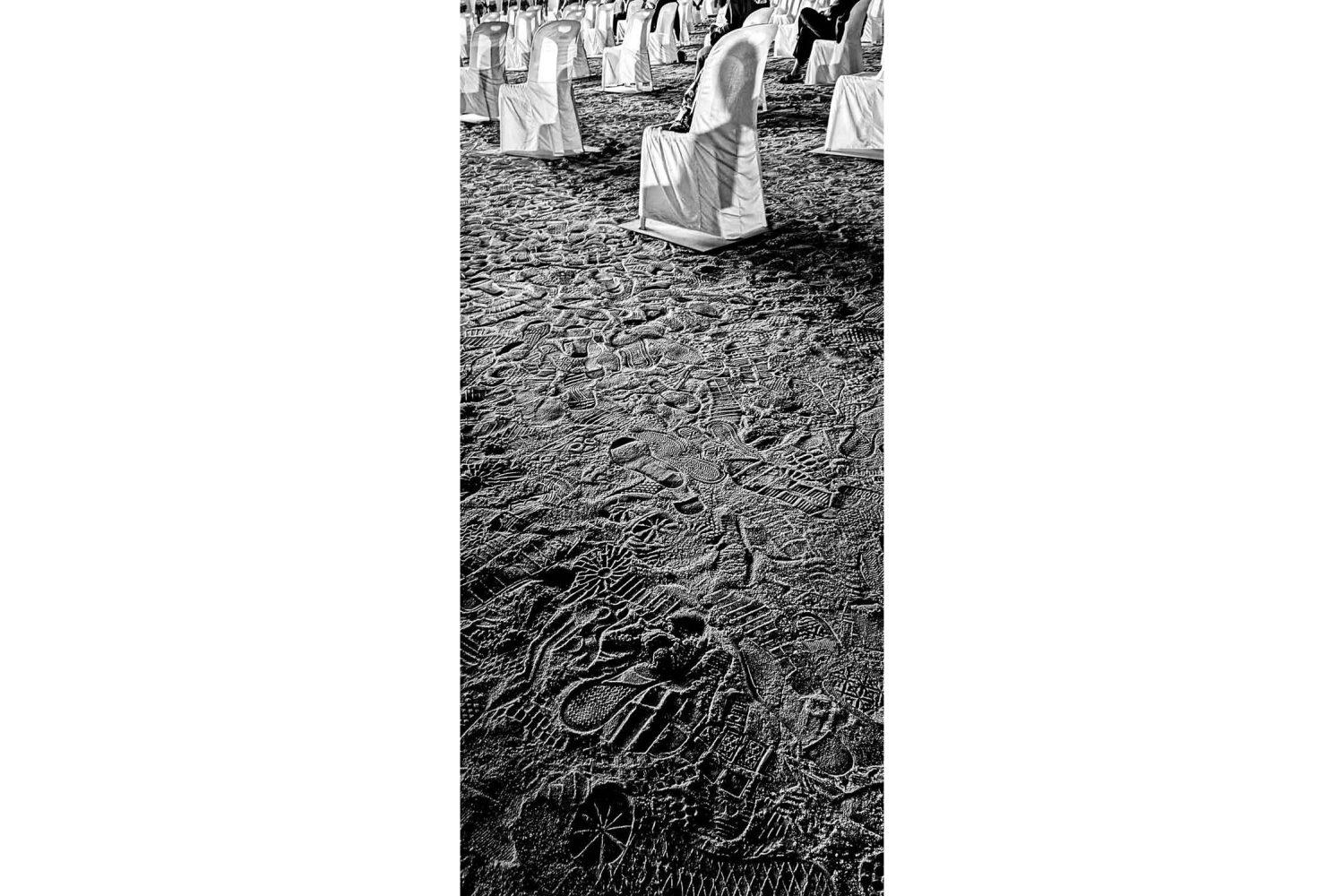
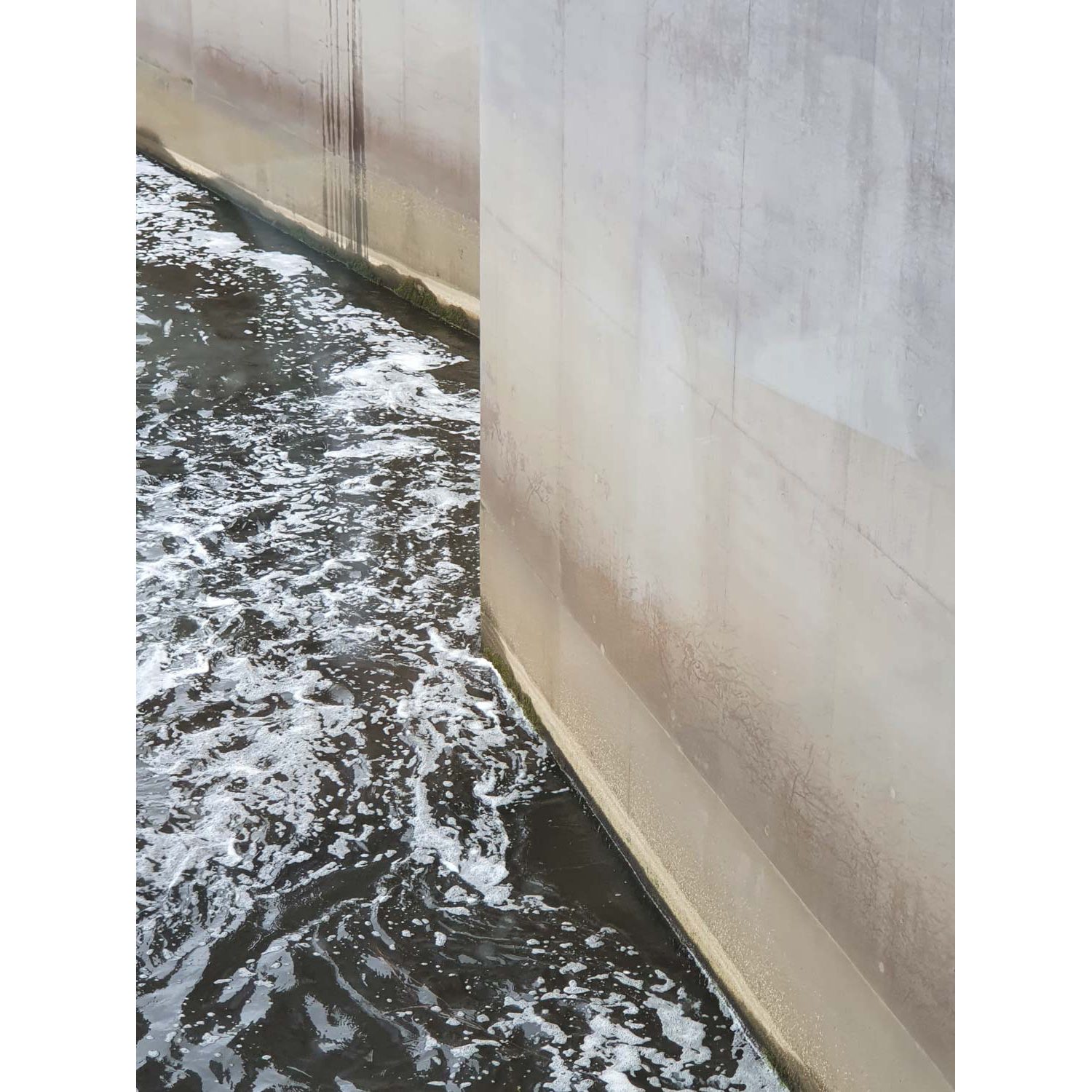
We all walk and build our homes on the ground of this earth. We cultivate the land, search for food, nourish ourselves, and lead our lives. Our existence thrives on this planet’s horizontal plane, bound by gravity’s embrace. This place is filled with human traces, unsurprisingly so. 

In every moment of our lives, journeys embarked, endeavors pursued, we have left traces or fragments of ourselves, both tangible and abstract. 

I got curious. I set out on a journey to explore and unravel the depths of human nature.  I hypothesized that through documenting and linking human traces, the nature of humanity may be reconstructed, like assembling Lego pieces.  We gather fragments left behind by others, weaving them into our own, sharing pieces of ourselves, as others do with us. And there are times when we unknowingly leave parts of ourselves behind, along the way. 

This series of photographs captures human traces that have been left on the earth. Through displacement, those traces are emphasized. These images beckon you to reconsider and redefine humans and humanity, with nothing but your own thoughts and judgments. So, have fun.

_____________

Ditta Sutheppratanwong was a student of structures, now a capturer of architectural beauty, an independent artist, and a photographer for W Workspace.

facebook.com/dittaphoto
instagram.com/ditta25

PHOTO ESSAY : FISH AND CHIPPERFIELD

TEXT & PHOTO: KARJVIT RIRERMVANICH

(For Thai, press here) 

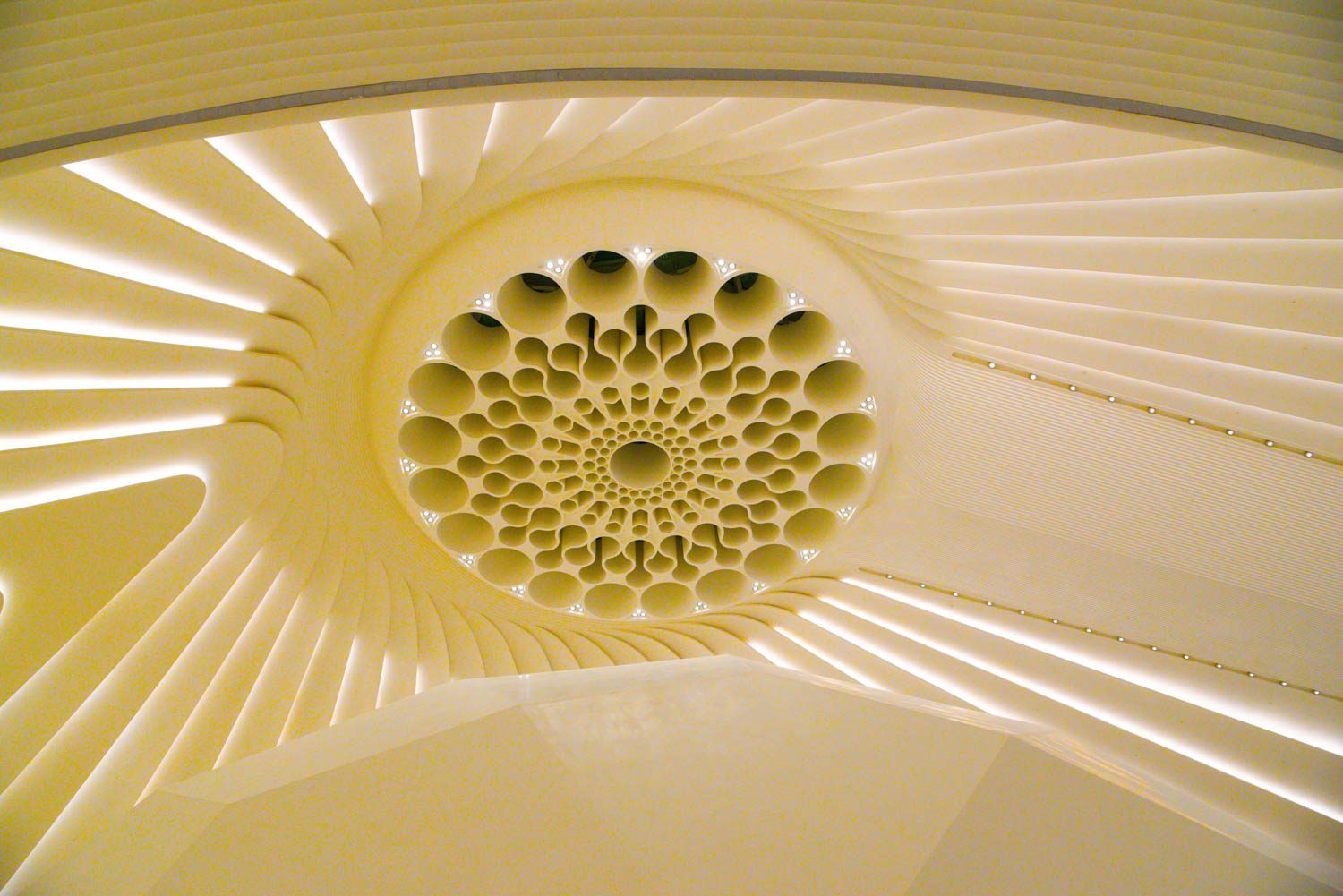
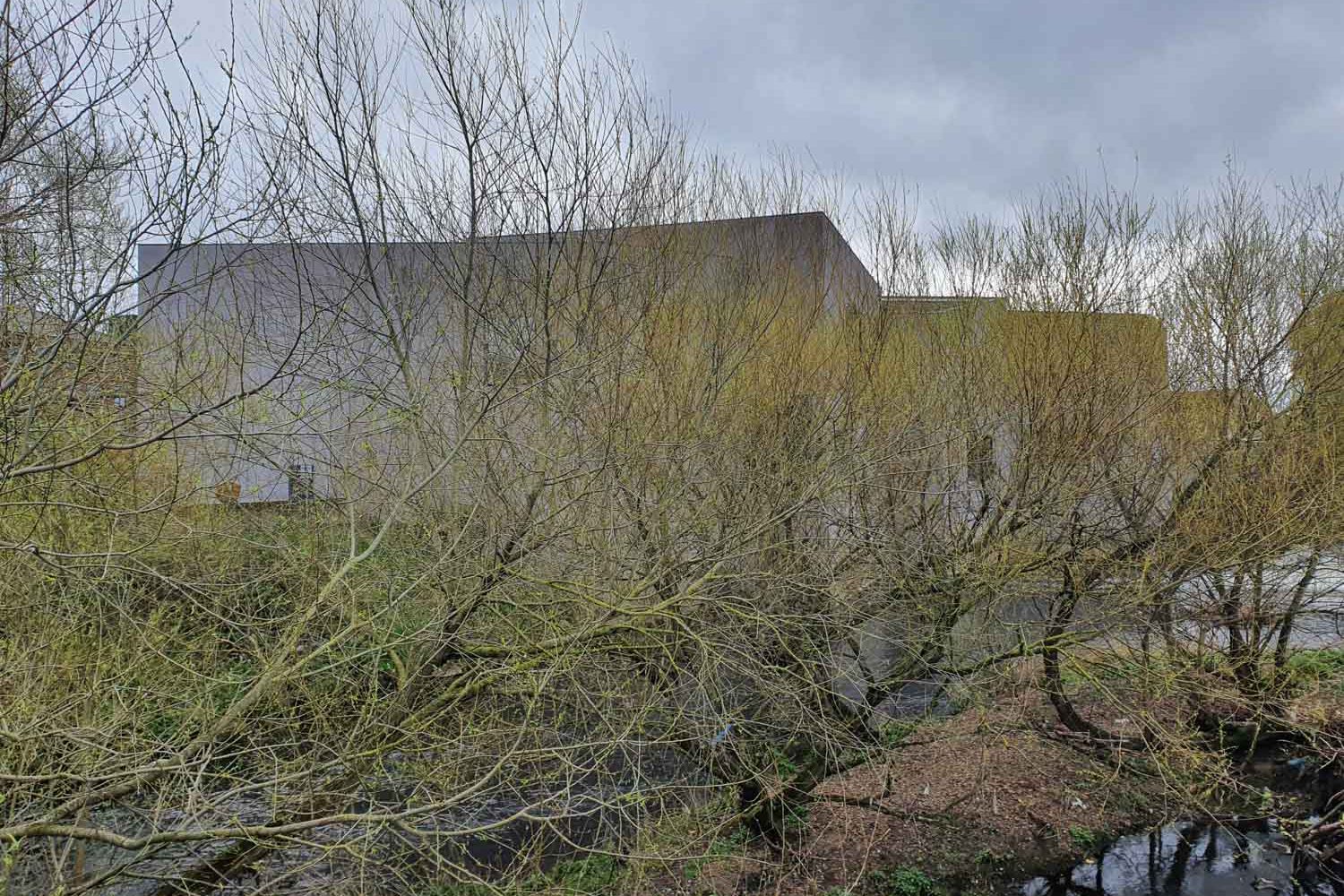
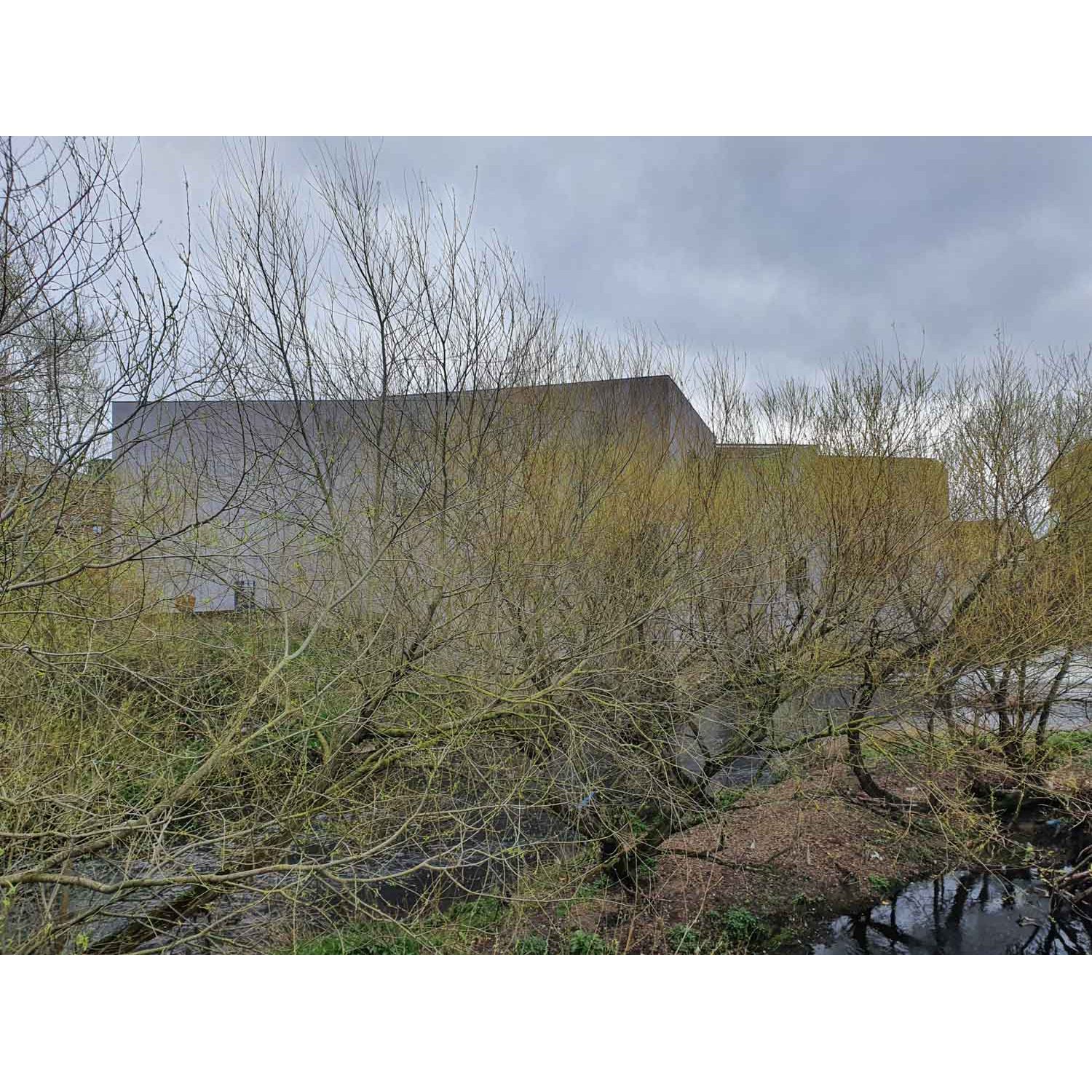
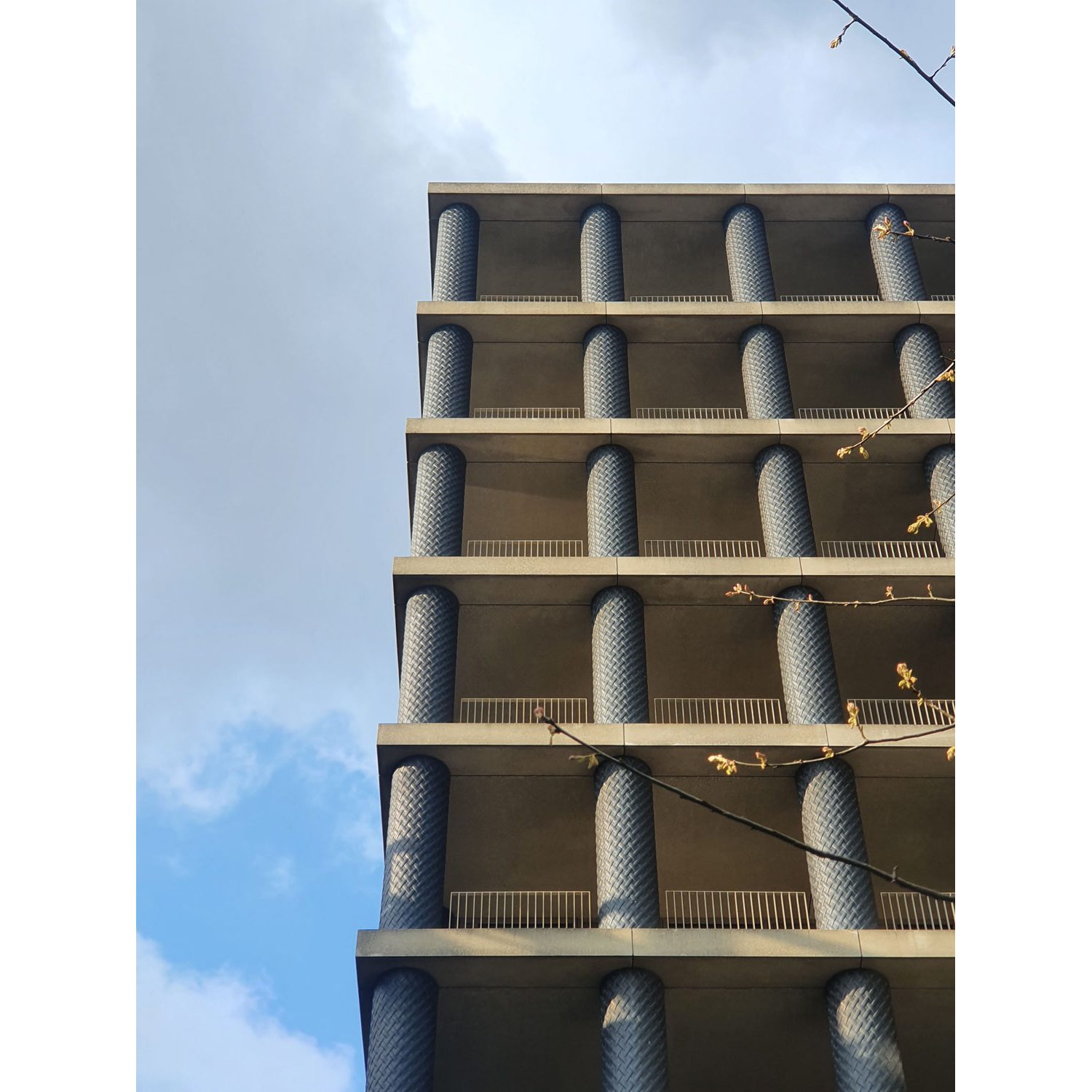
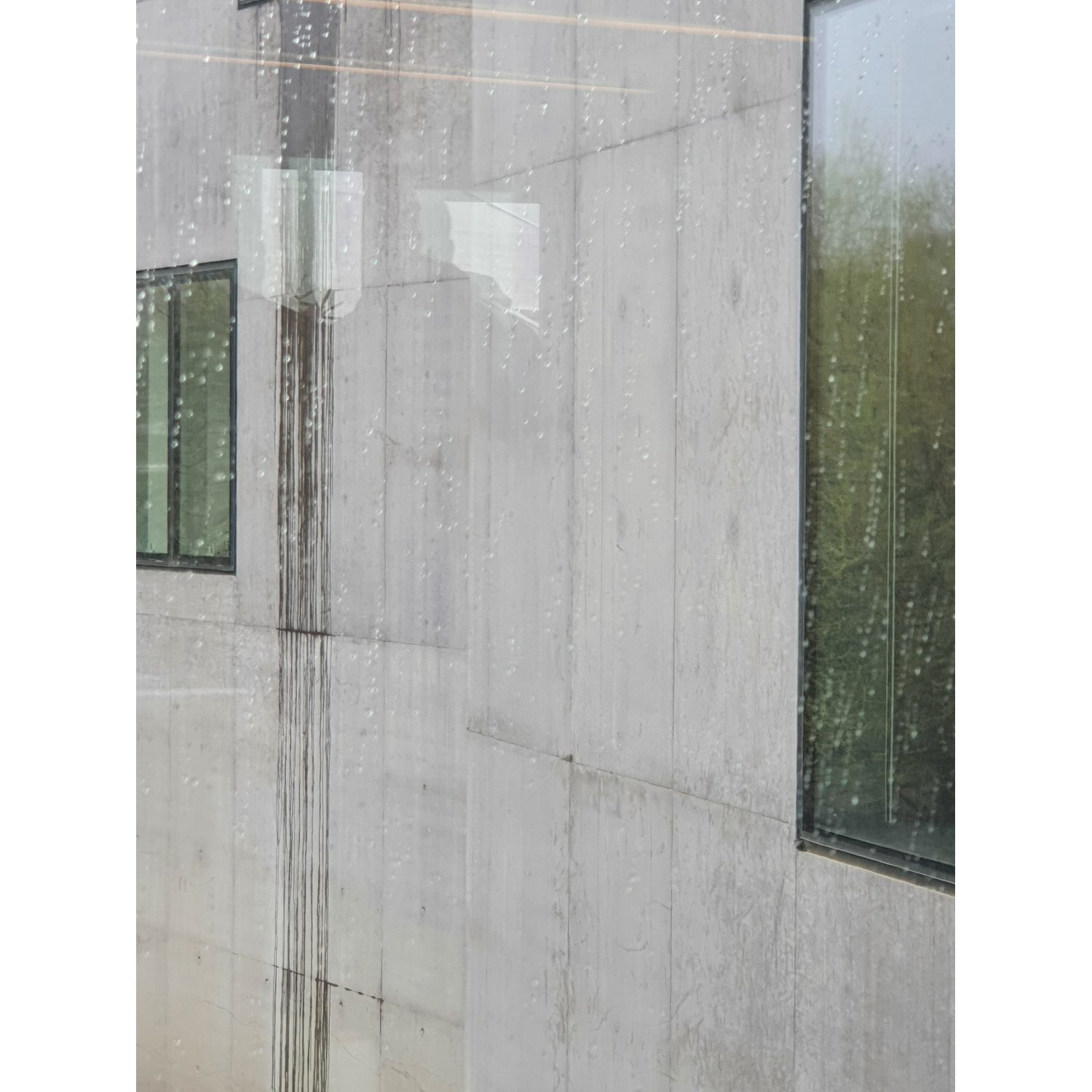
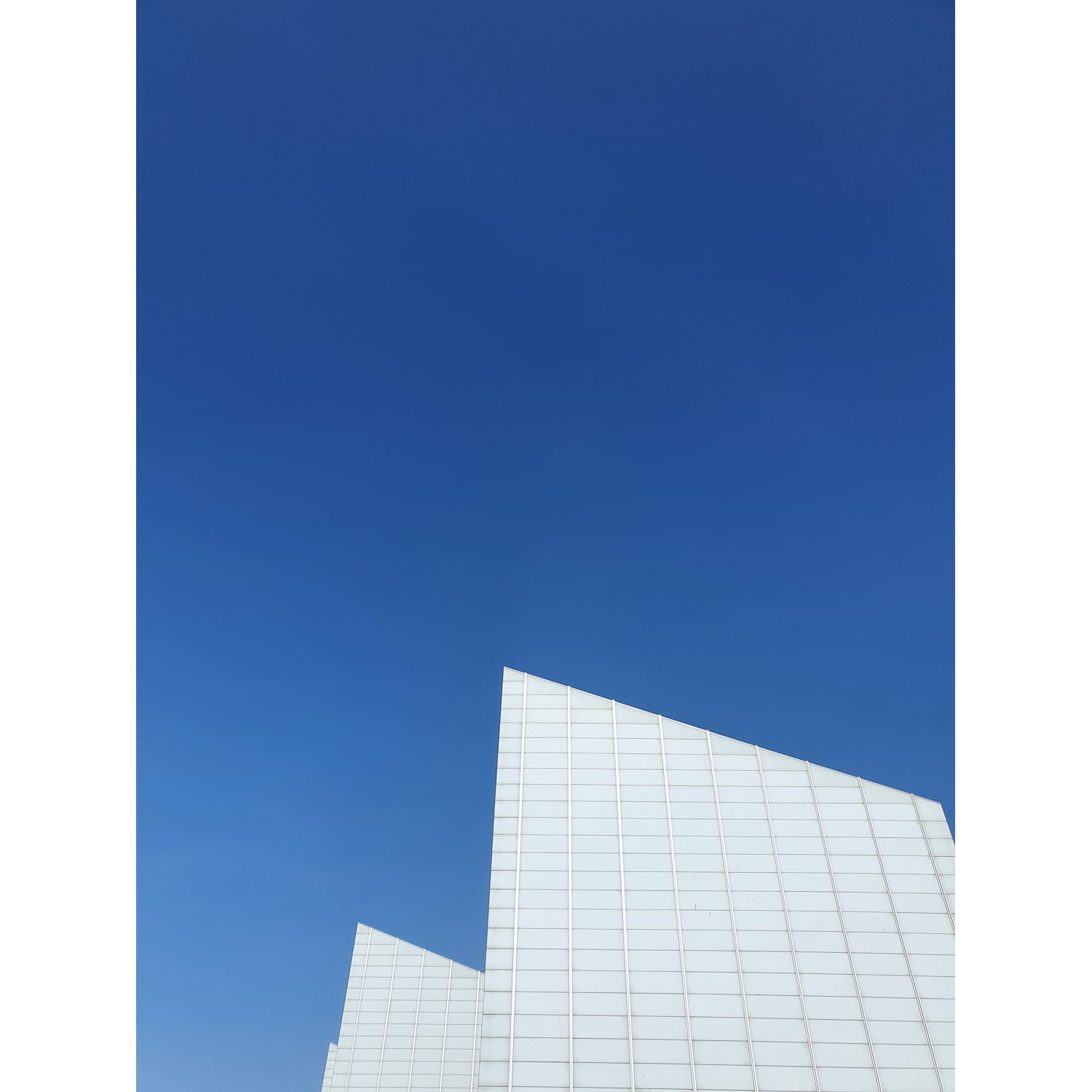
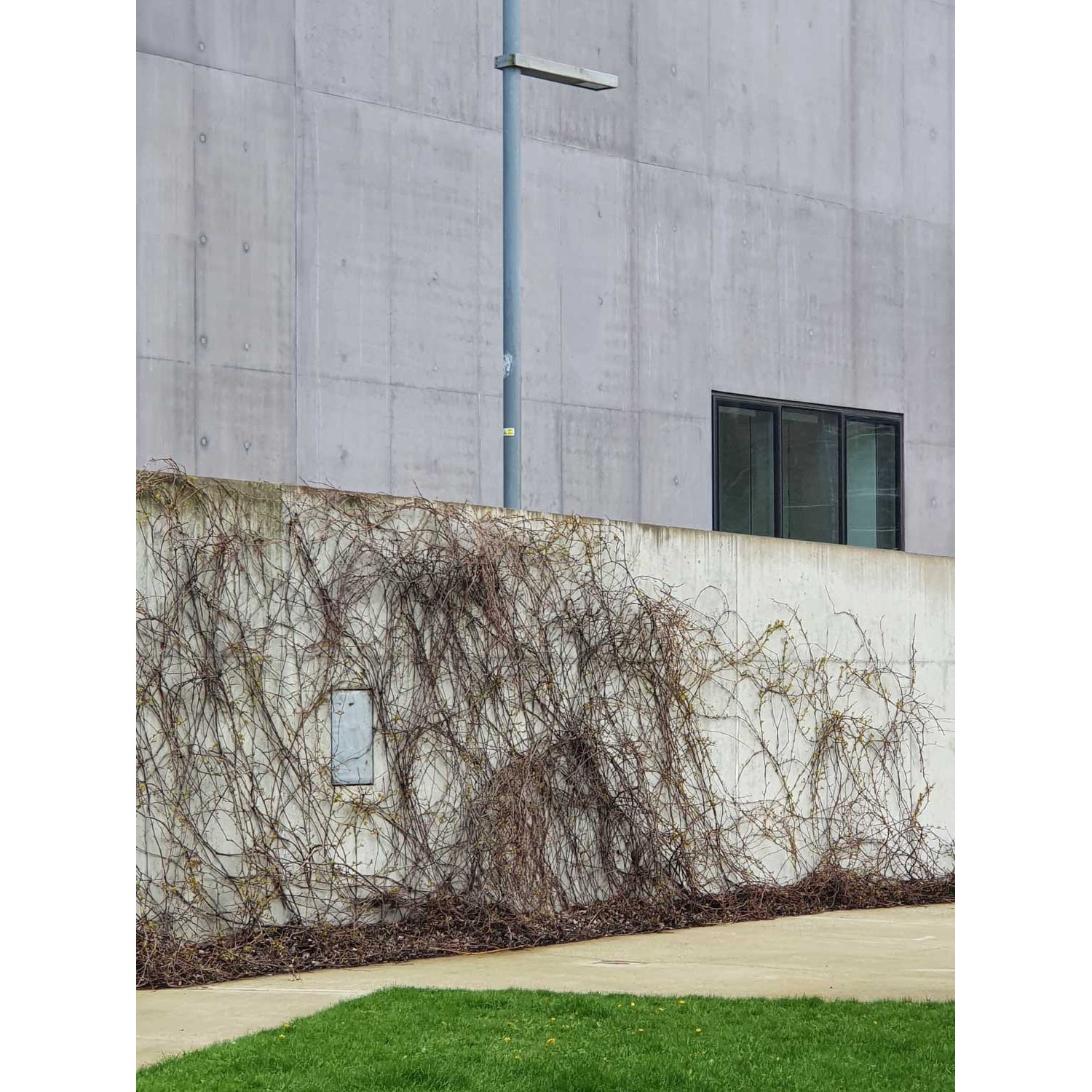
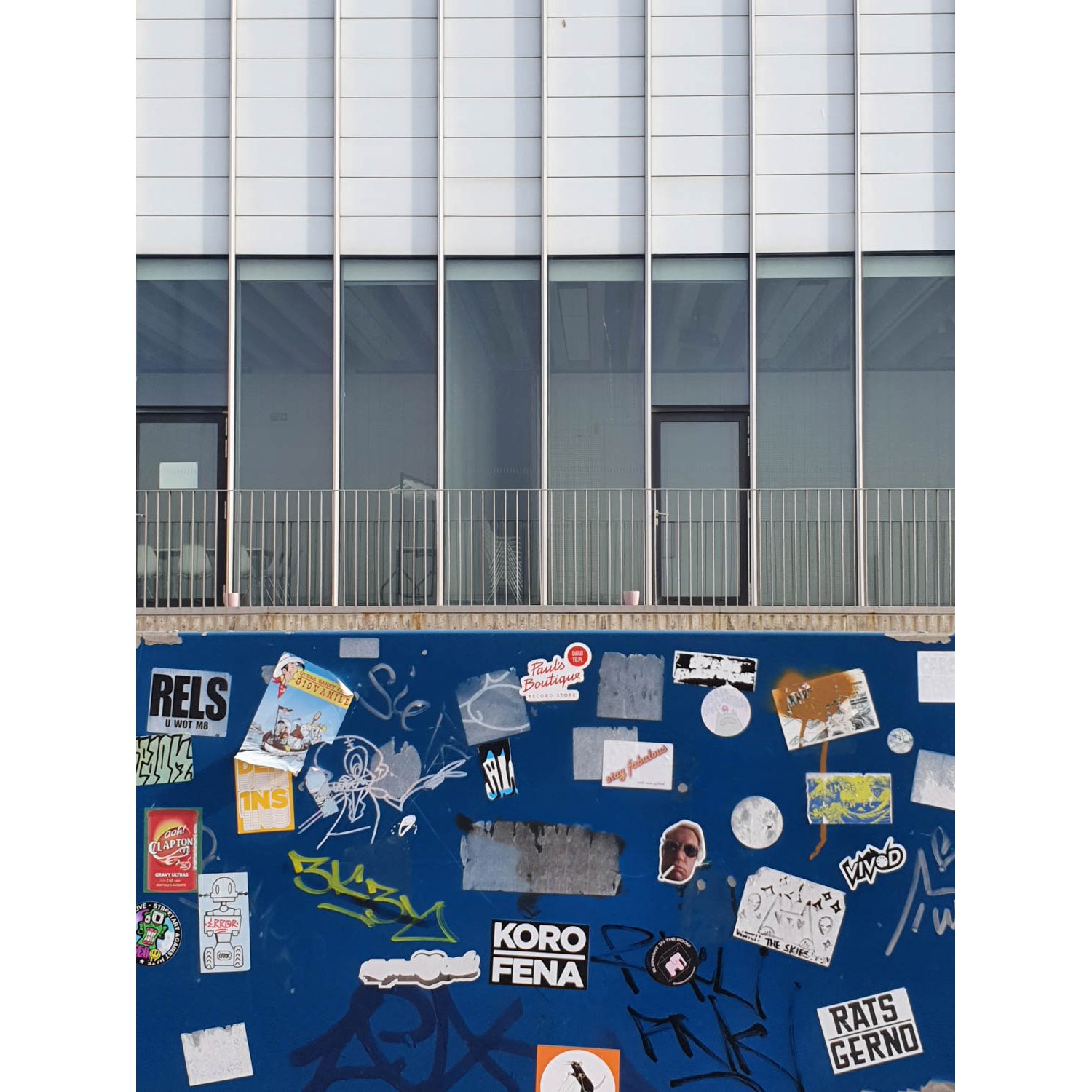
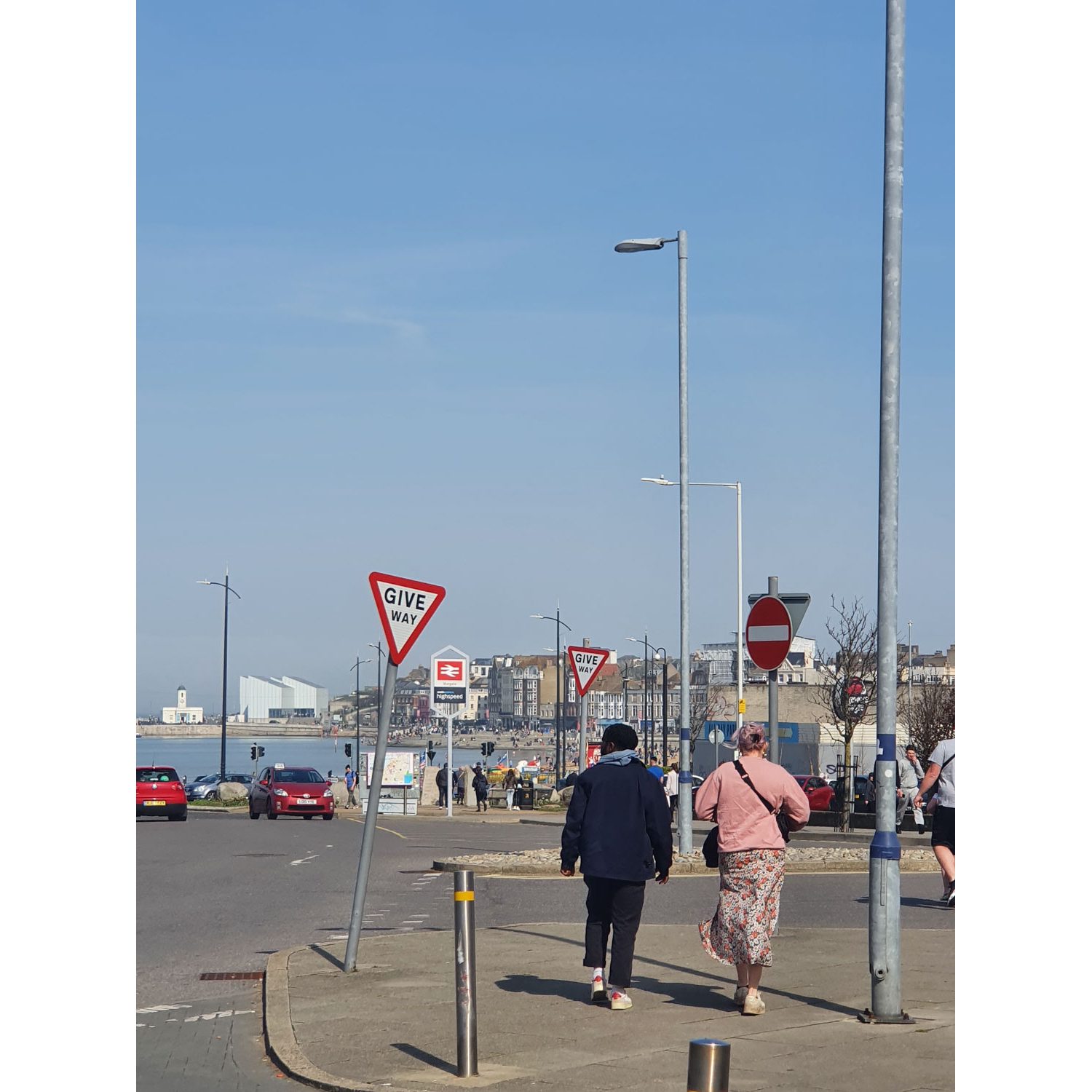
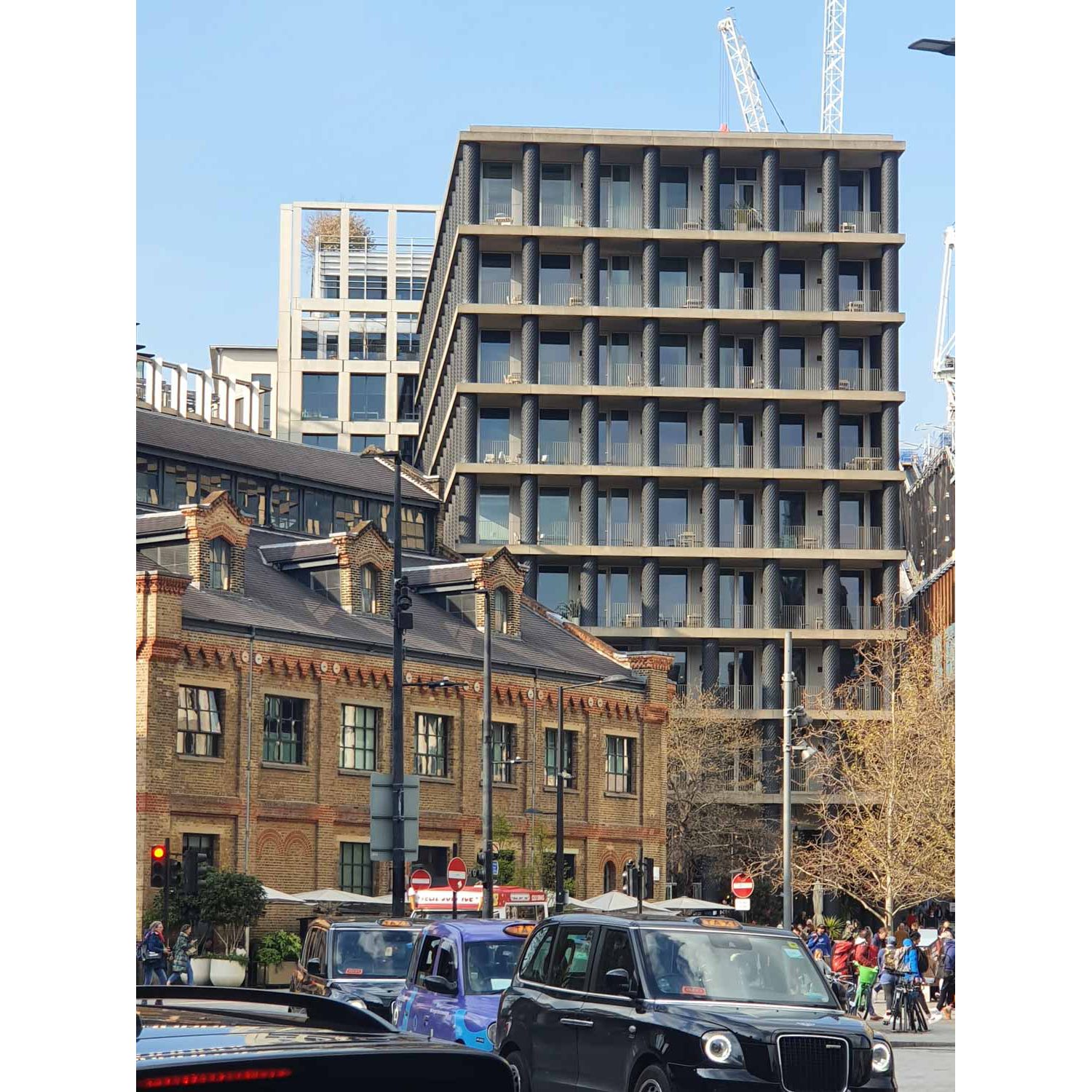
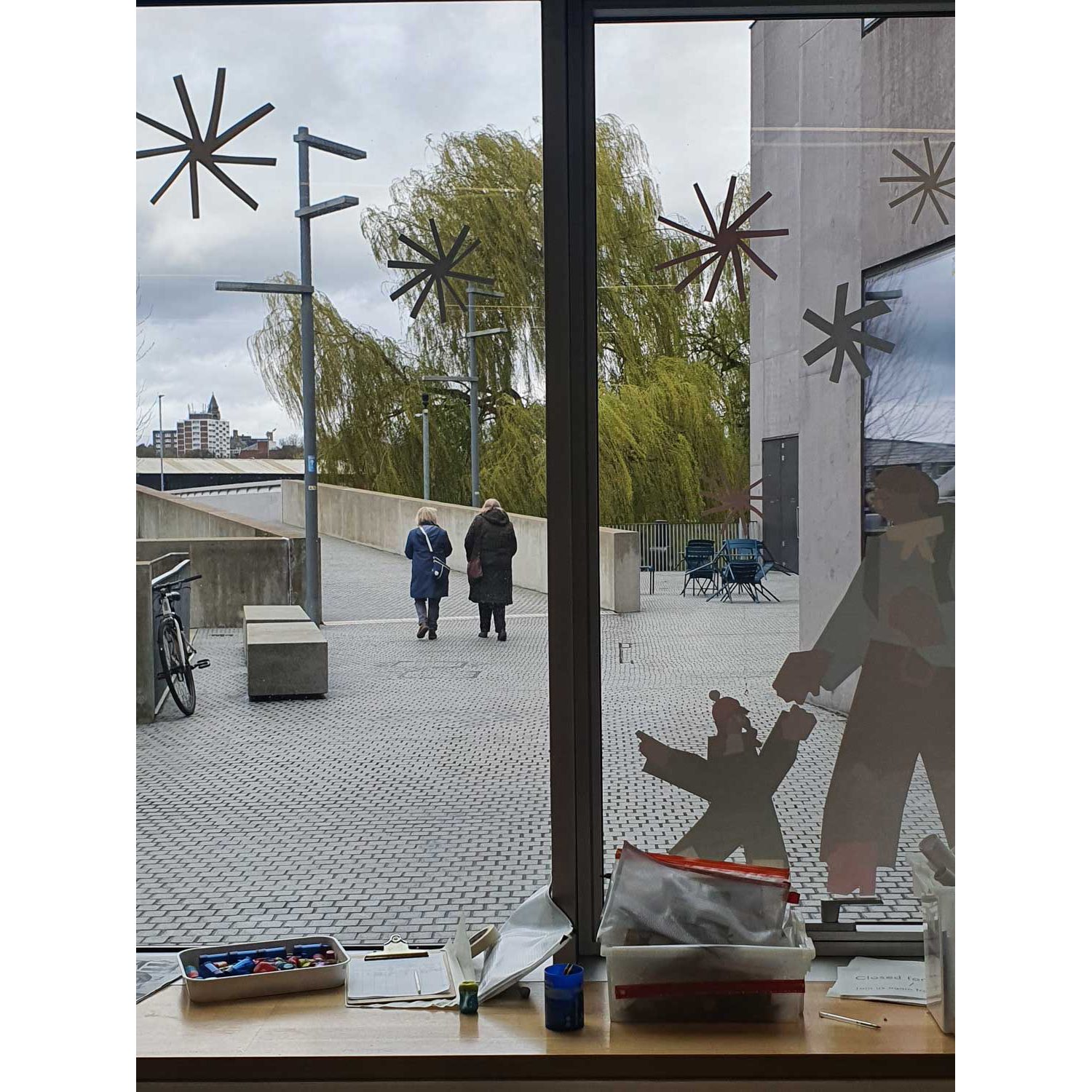
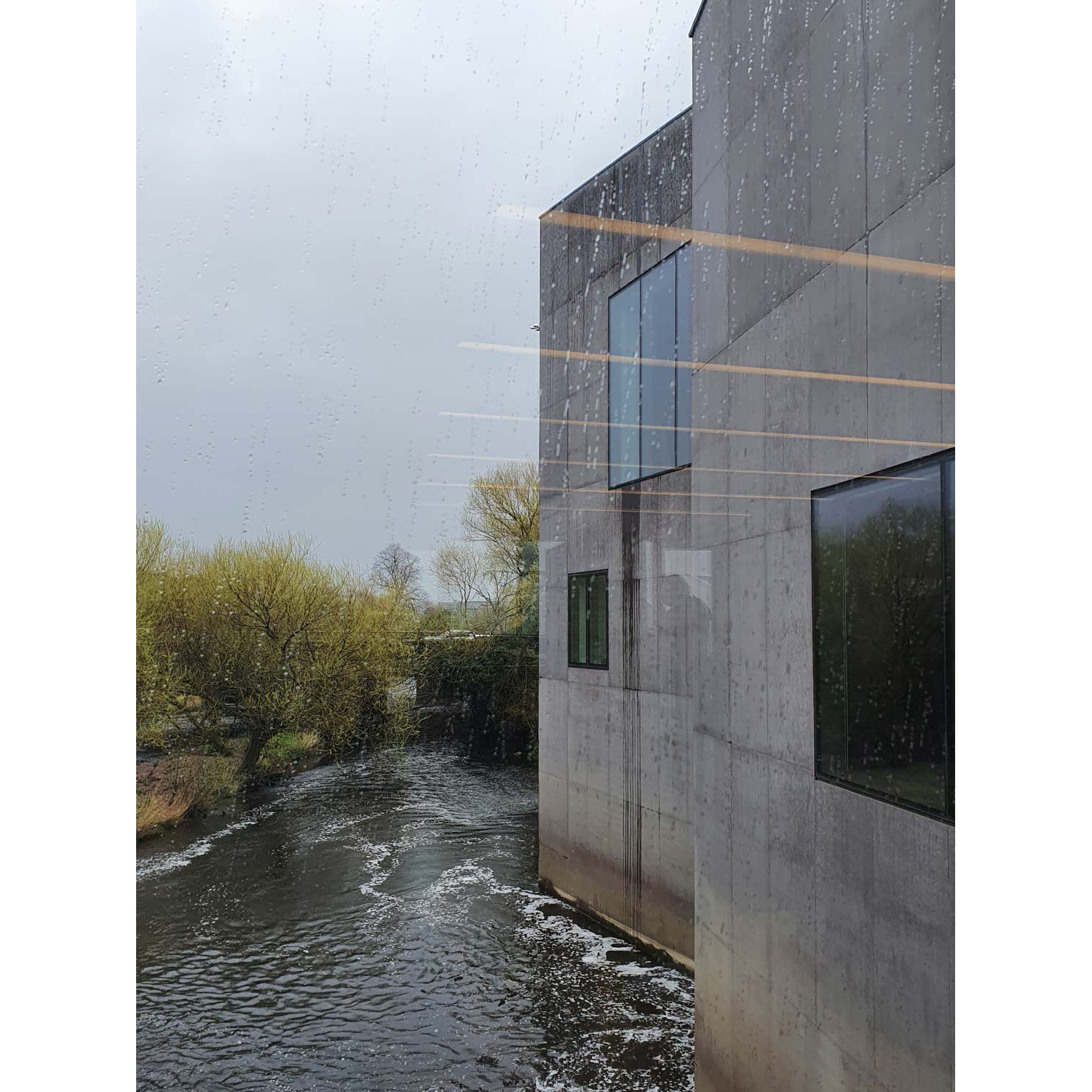
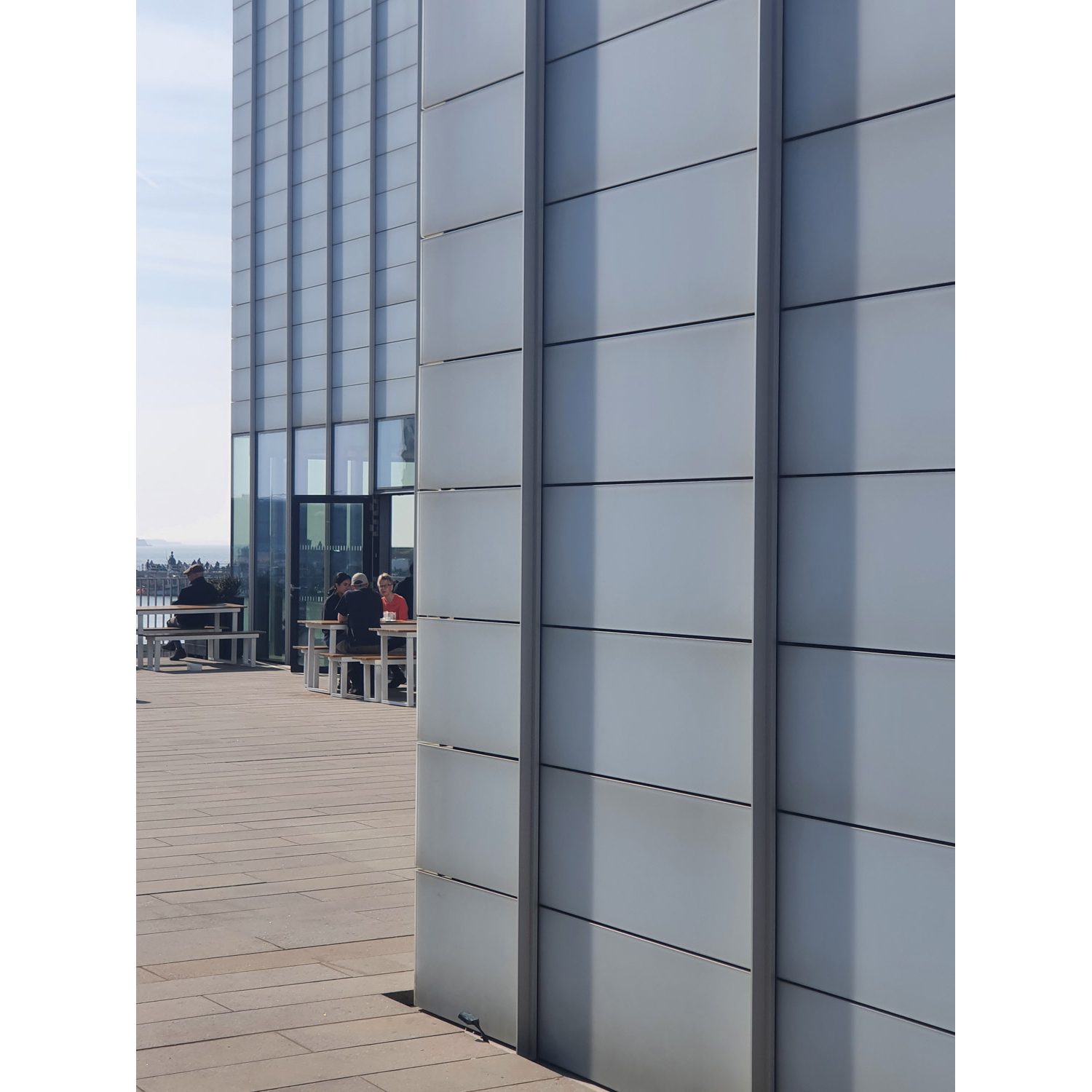
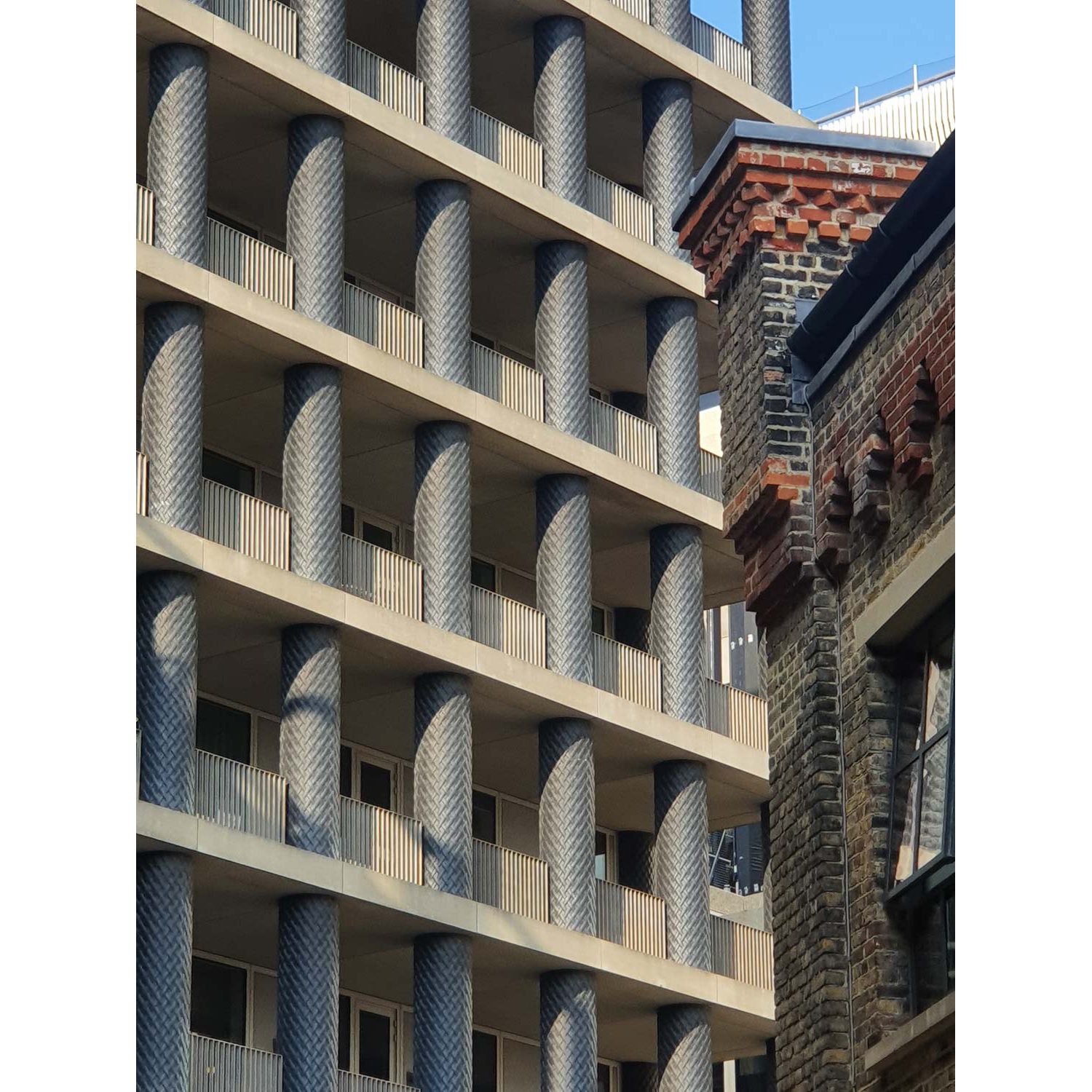
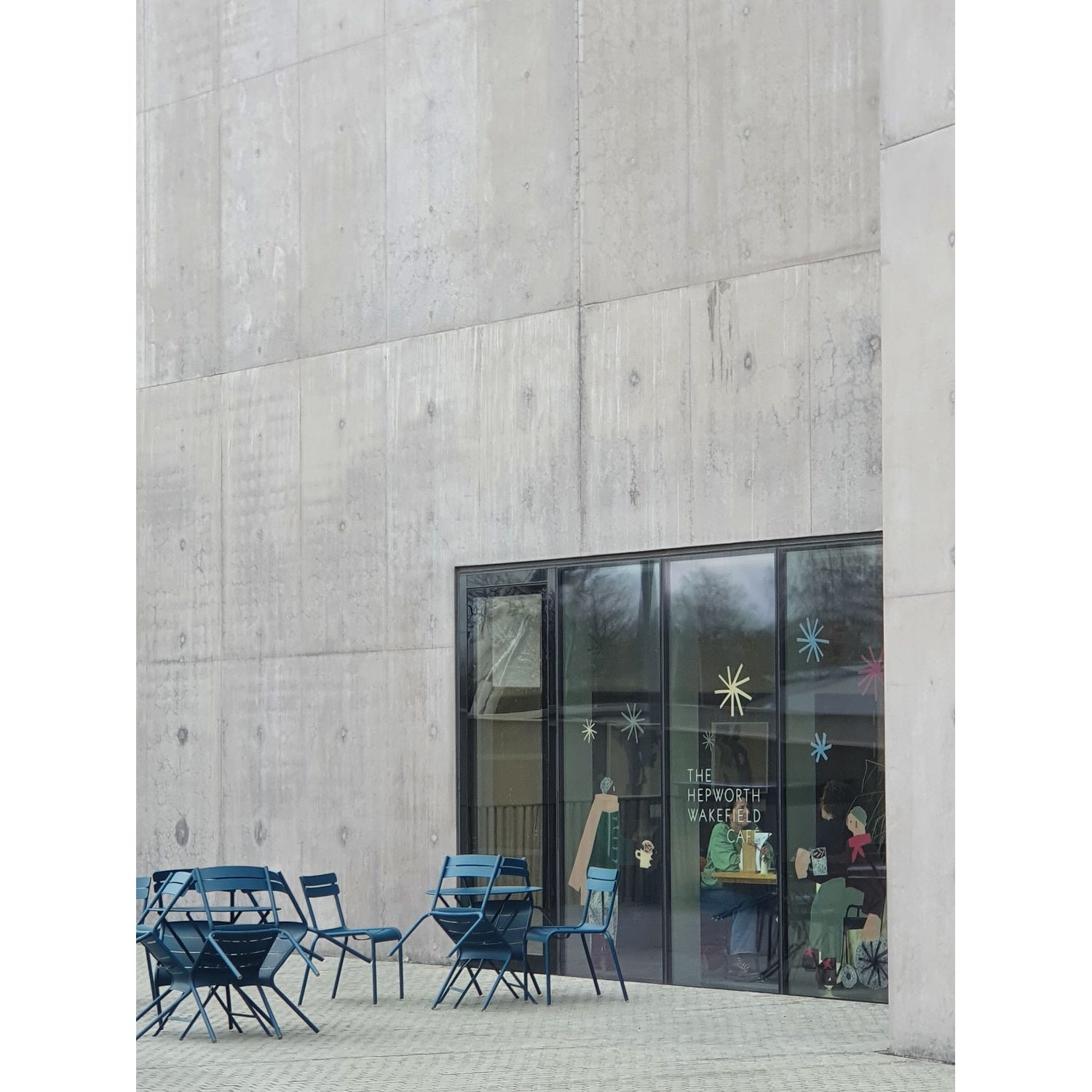
David Chipperfield once said, “Good architecture provides a setting, it’s there and it’s not there.” And his works embody just that. If there is anything recognizable about these buildings, I think it is a very fine line separating brilliance from something absolutely banal.

The Hepworth Wakefield, Wakefield
Turner Contemporary, Margate
One Pancras Square, London

_____________

Karjvit Rirermvanich is an art4d editor, an architect, founder of Physicalist, and an Asian tourist.

instagram.com/karjvit

PHOTO ESSAY : THINGS THAT QUICKEN THE HEART

TEXT & PHOTO: YOSSAWAT SITTIWONG

(For Thai, press here) 

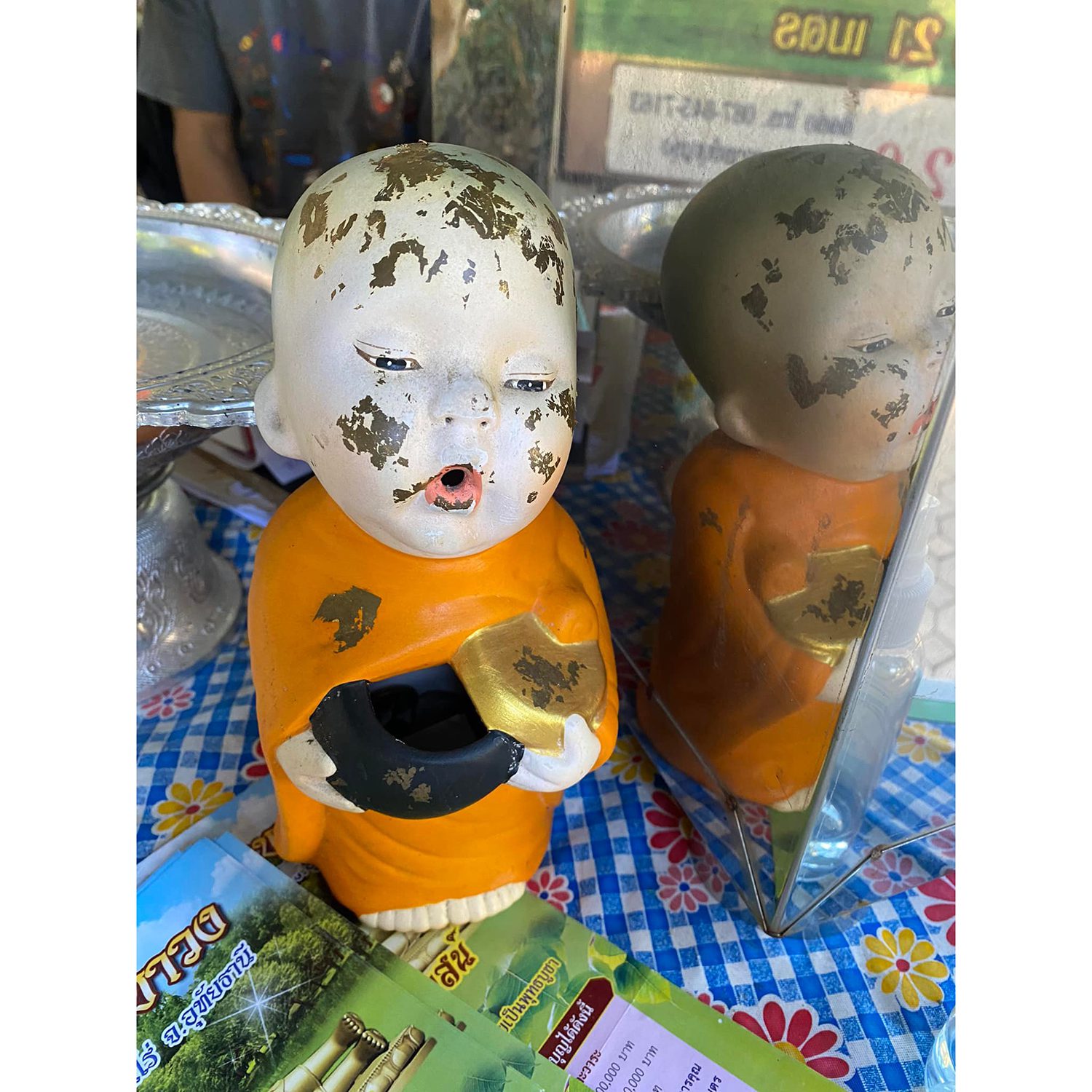
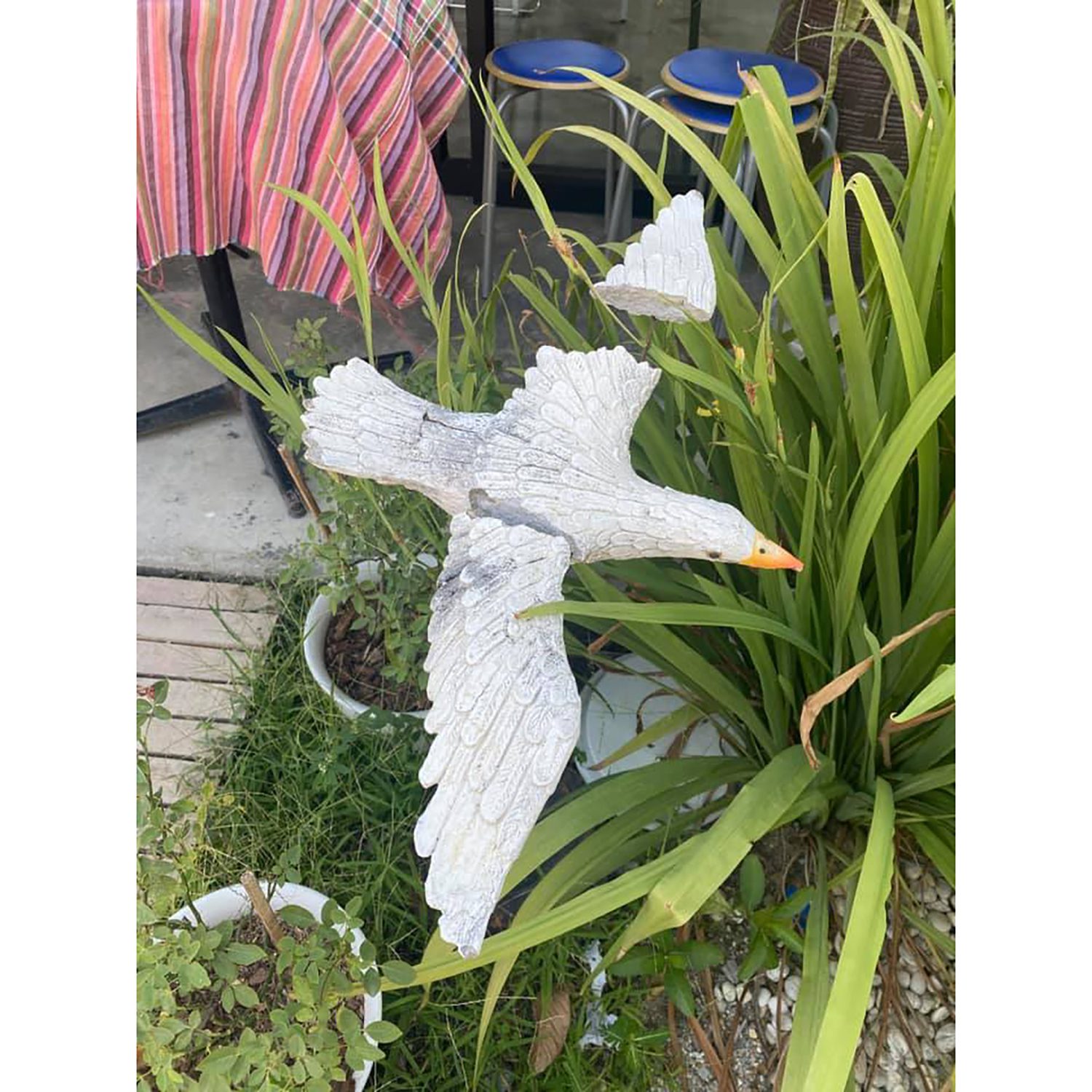
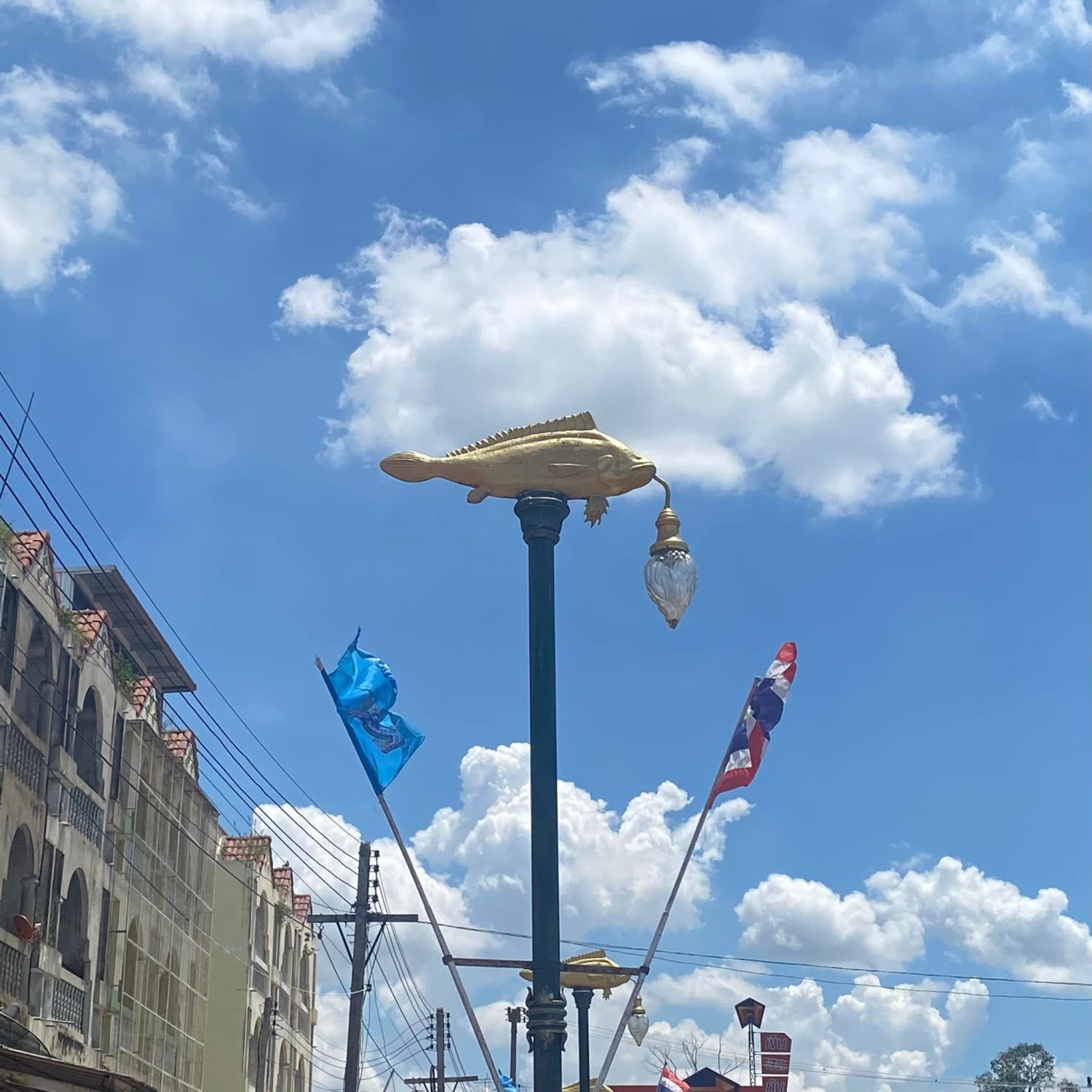
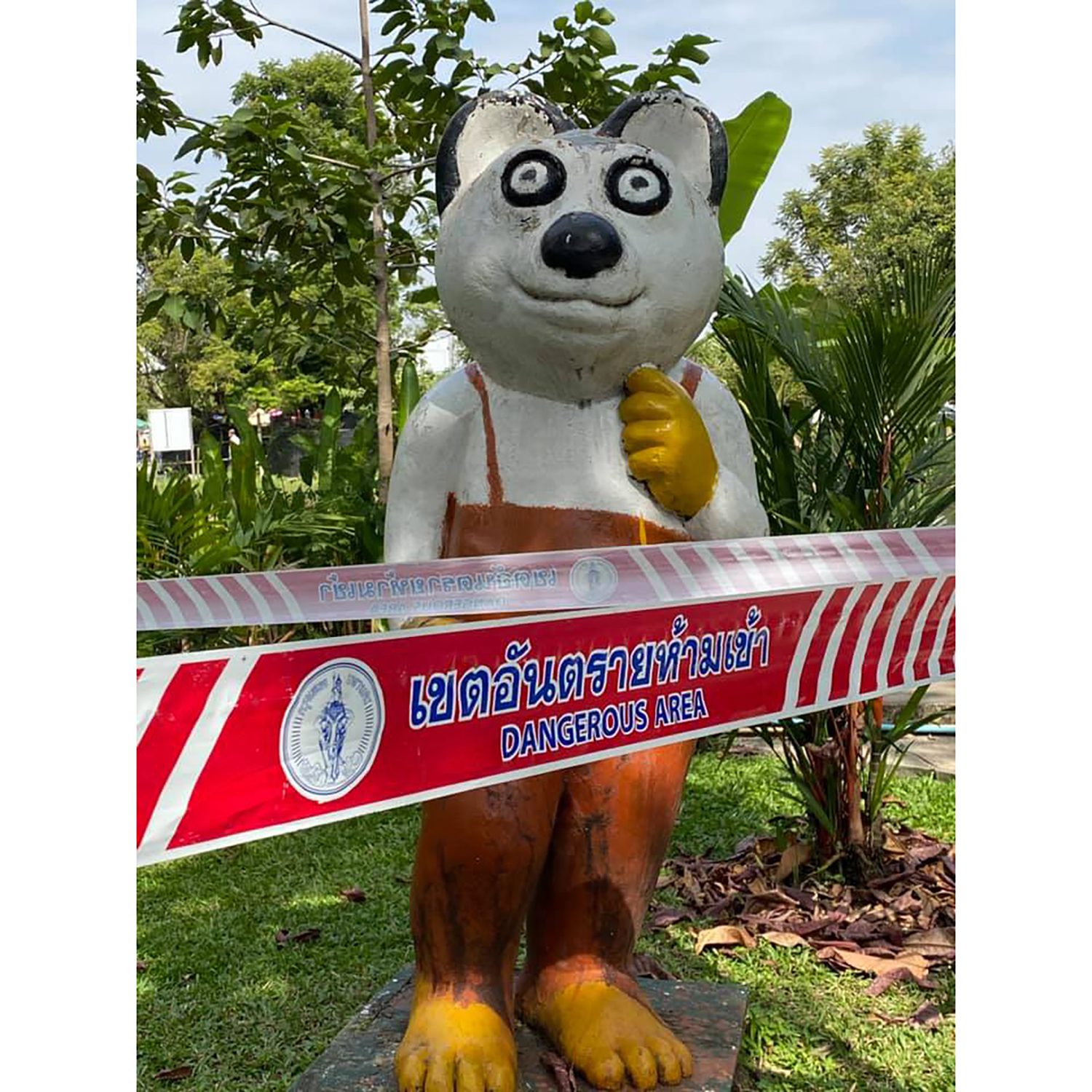
Things that quicken the heart

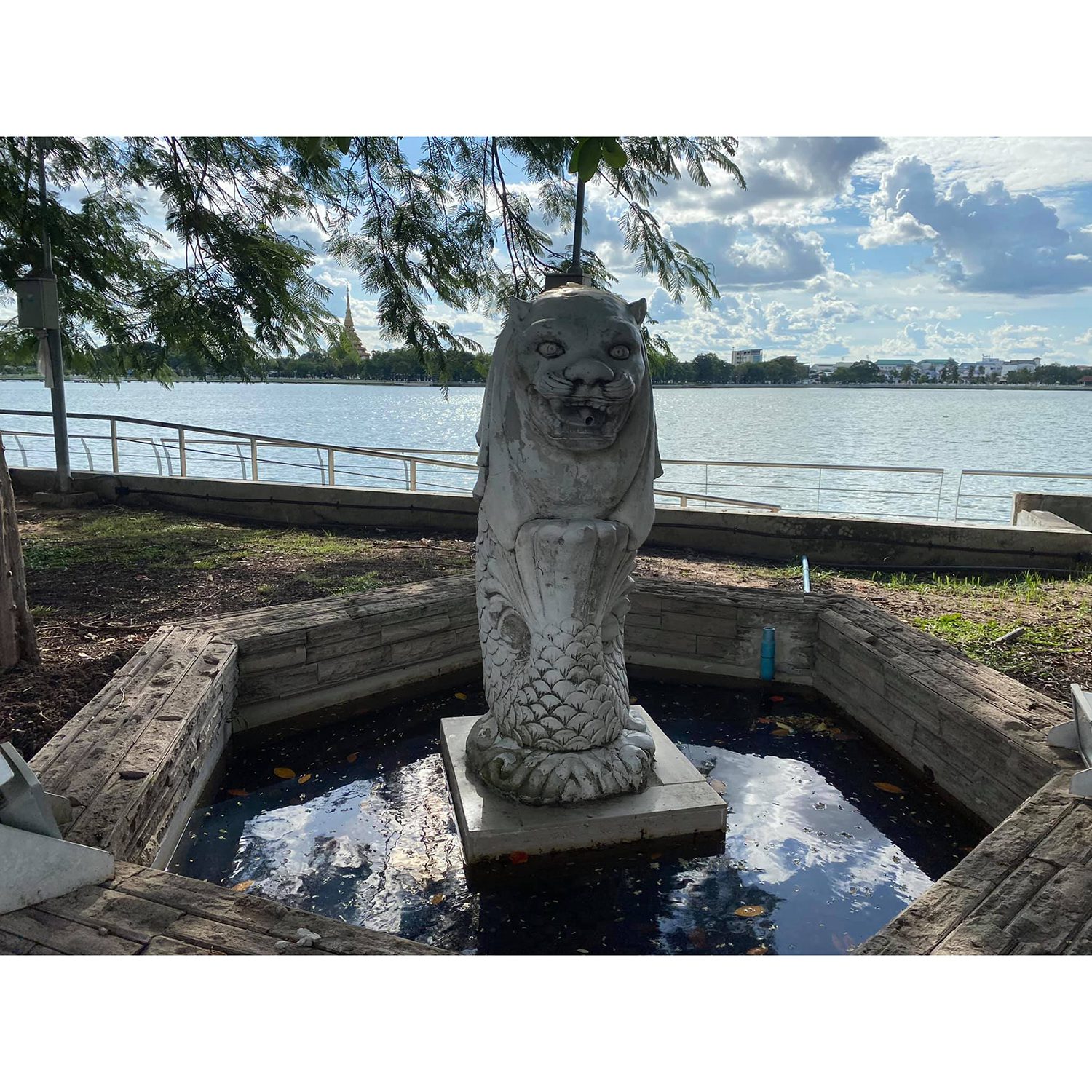
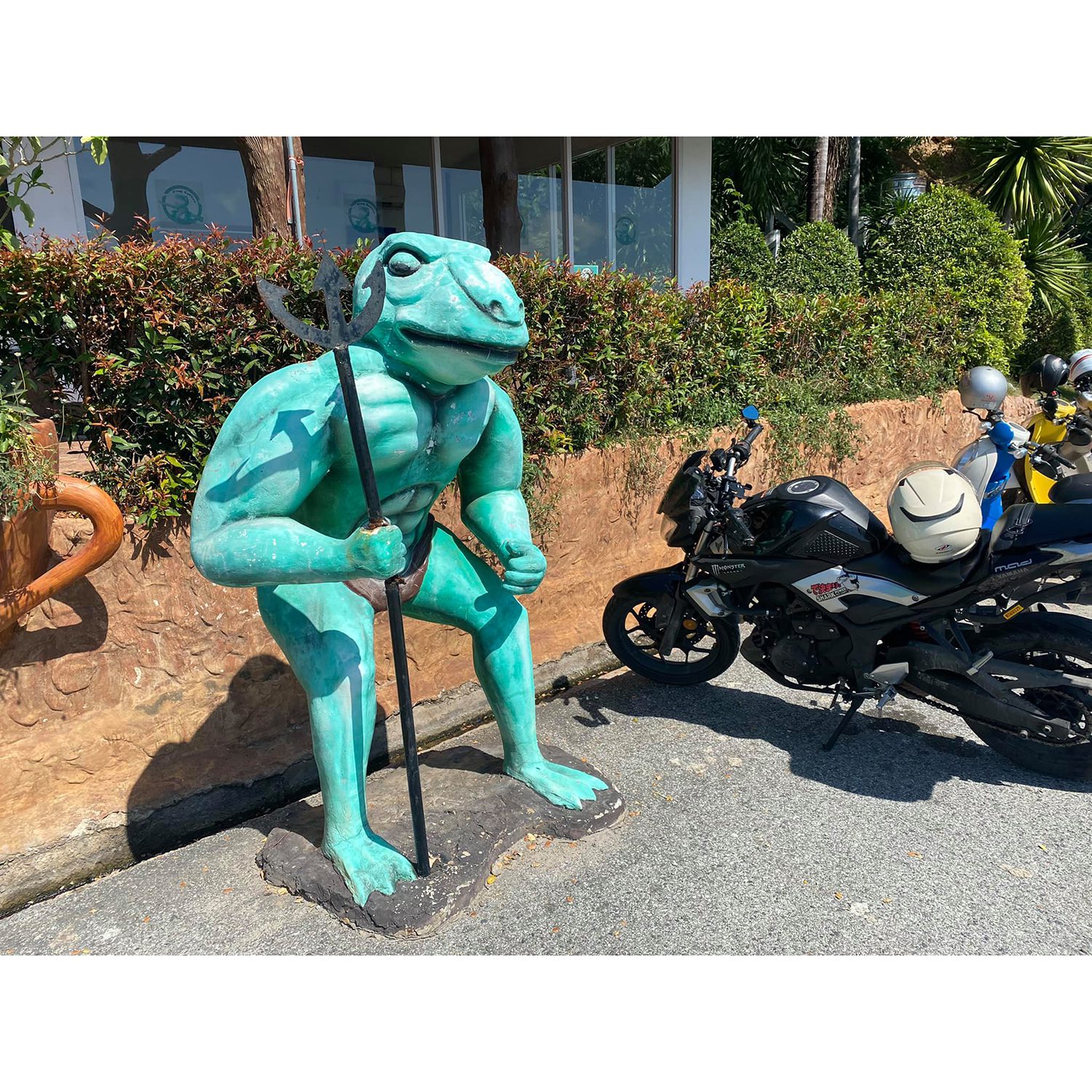
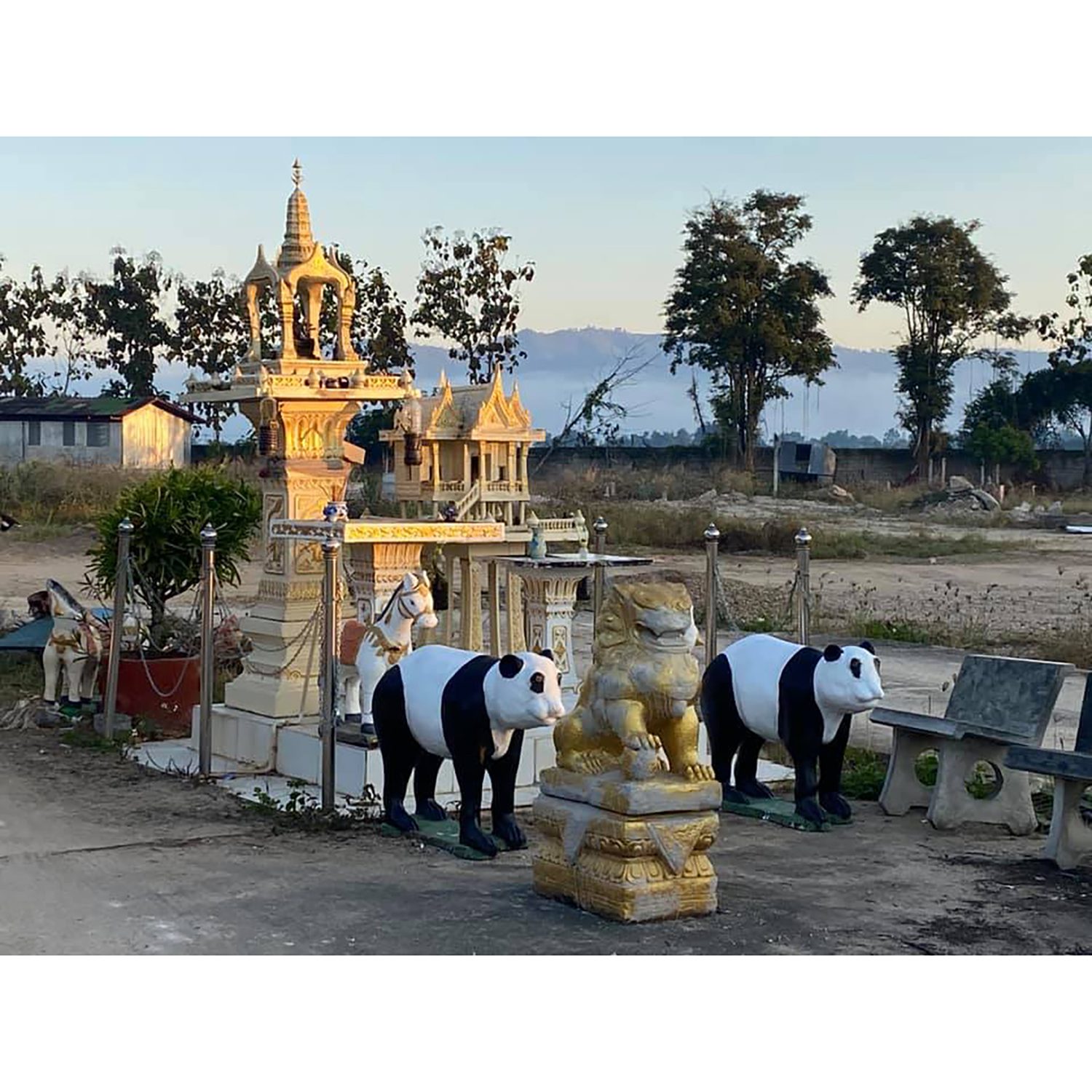
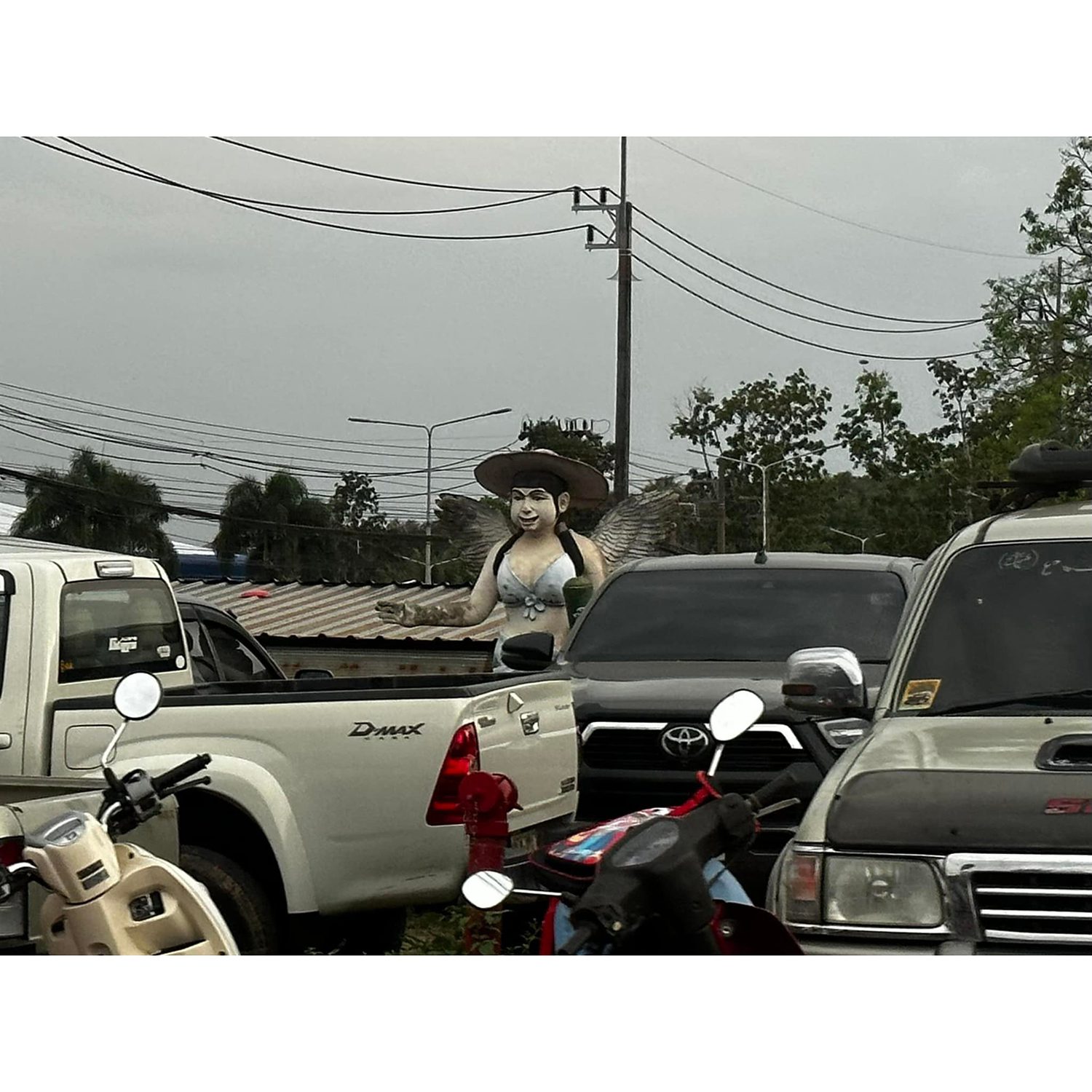
The heart of an average person beats 60–100 times per second. This is considered normal. But, as I traveled from place to place, coming across these creations quickened the beat of my heart.

They drew me in as my curiosity developed. I became interested in and intrigued by all the processes that go into these creations—designing, sculpting, framework building, color selection, and the rationale behind deciding where they would be placed.

I imagined the days when these works had been completed, when they were installed, how the artists felt, and how everything came to be.

Why do they make me feel these strong emotions?
Why was I so passionately drawn to them?
How can they make my heart beat so fast?

_____________

Yossawat Sittiwong
‘underdoc film’ Advertising Director / Photographer / Artist M Yoss

facebook.com/Myossmusic
facebook.com/underdocfilm

PHOTO ESSAY : JAPAN WAY

TEXT & PHOTO: THANACHAI TANKVARALUK

(For Thai, press here) 

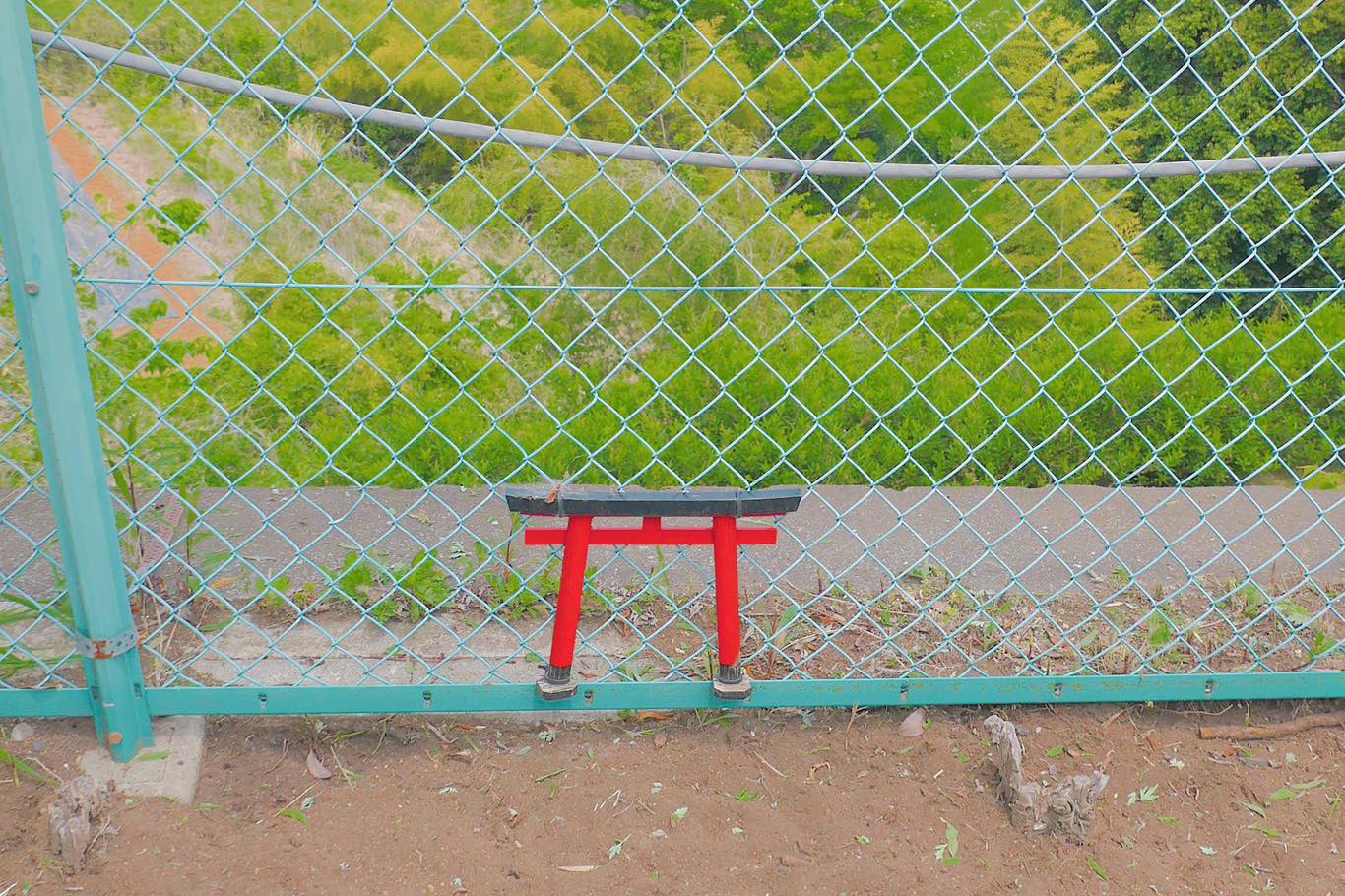
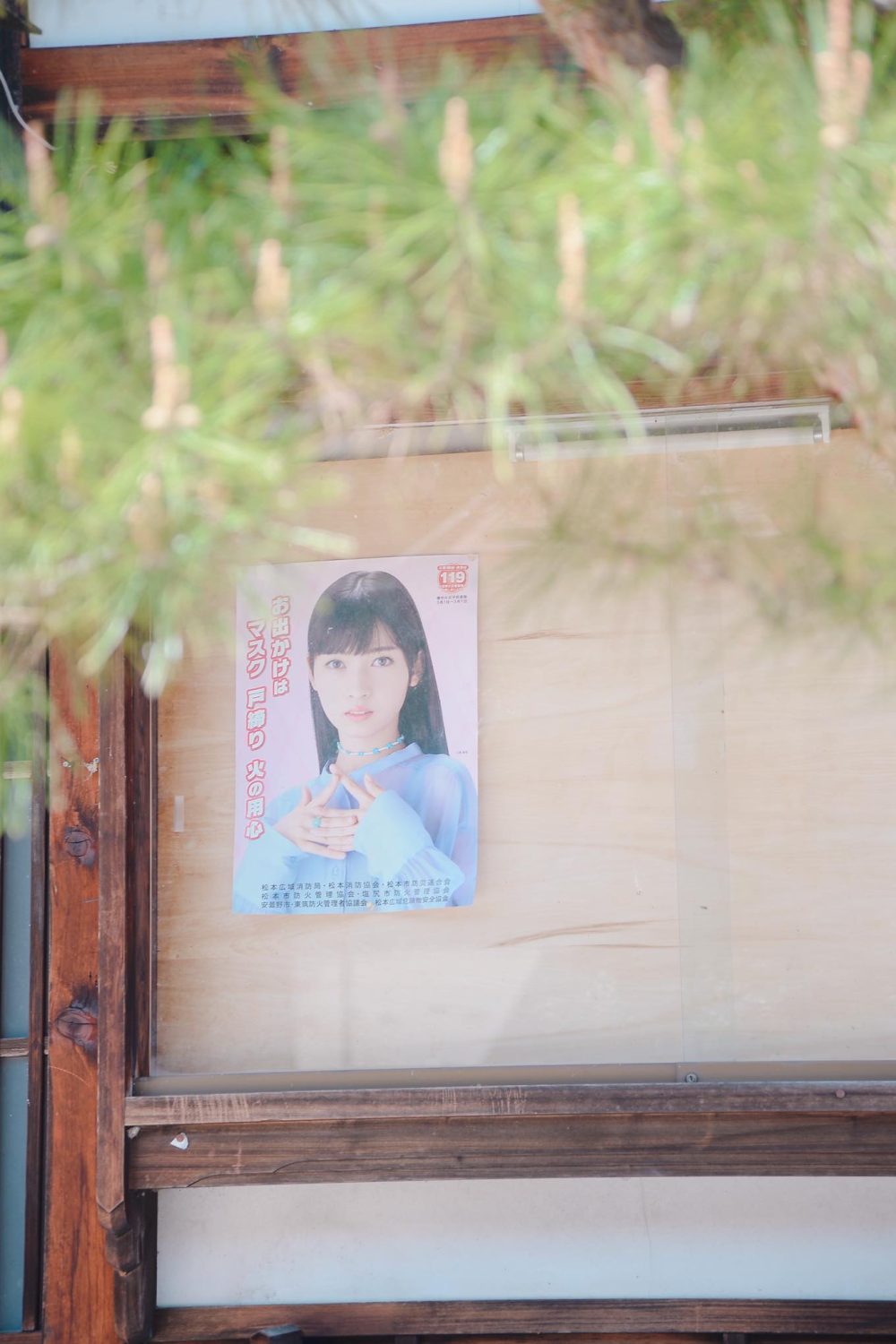
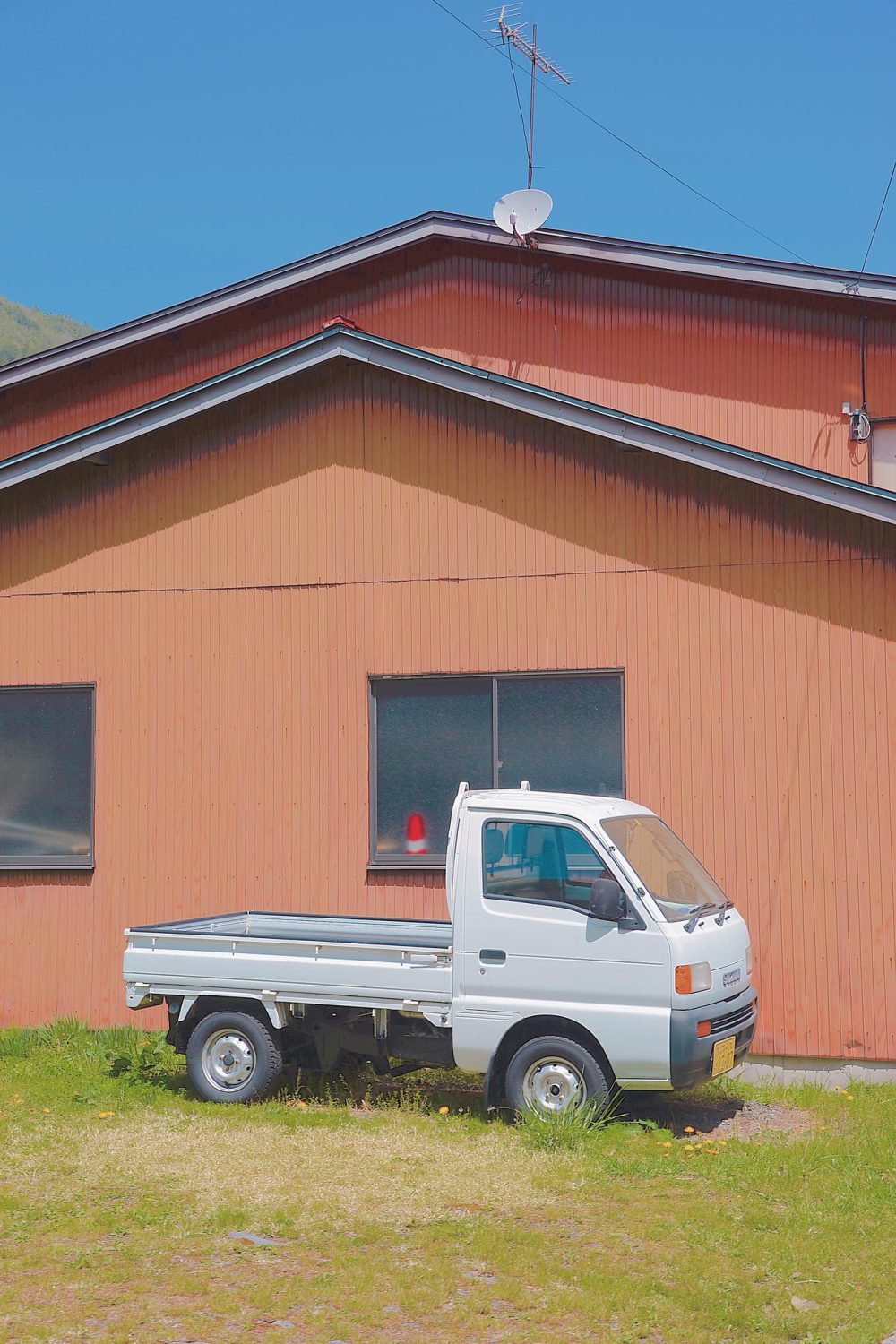
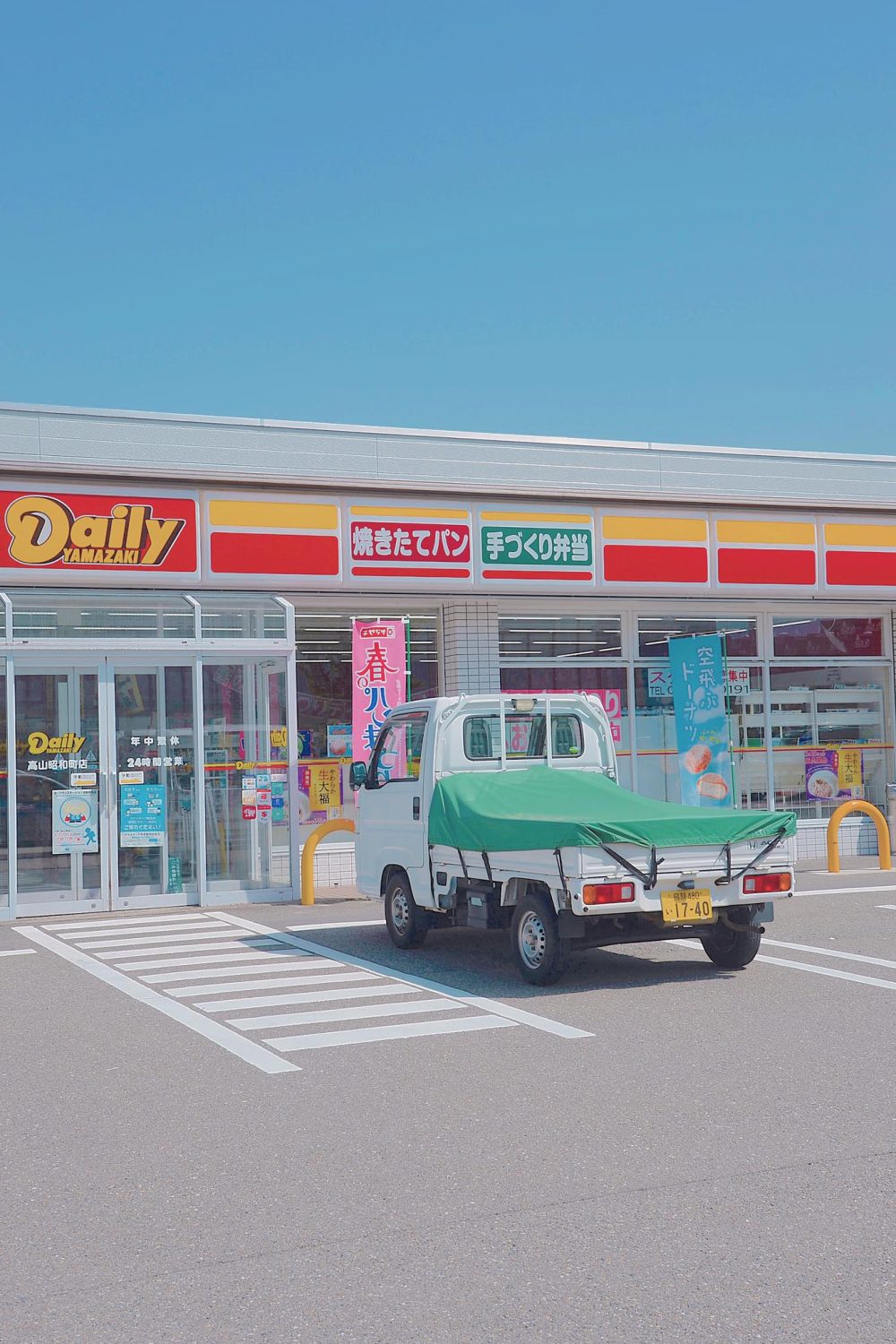
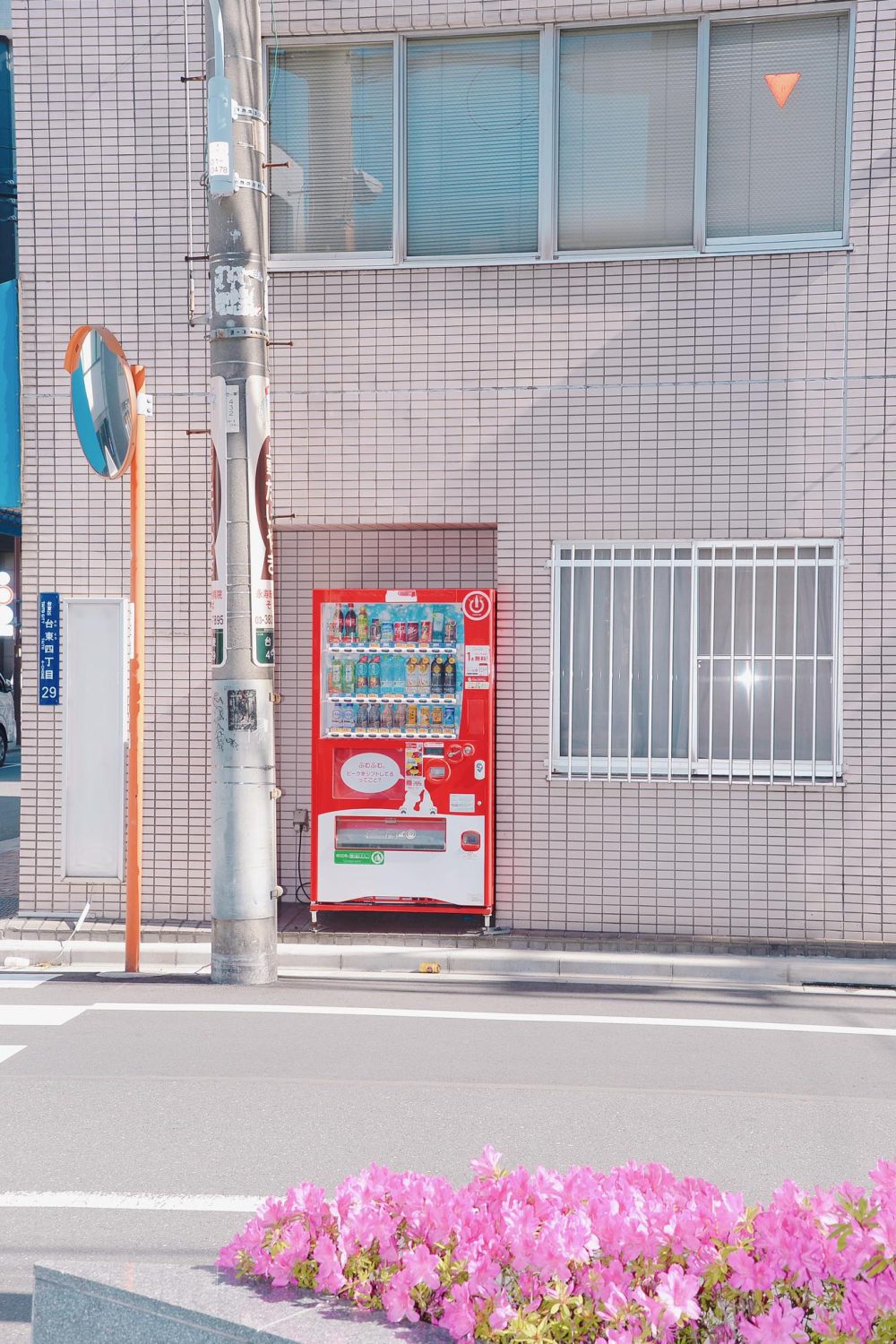
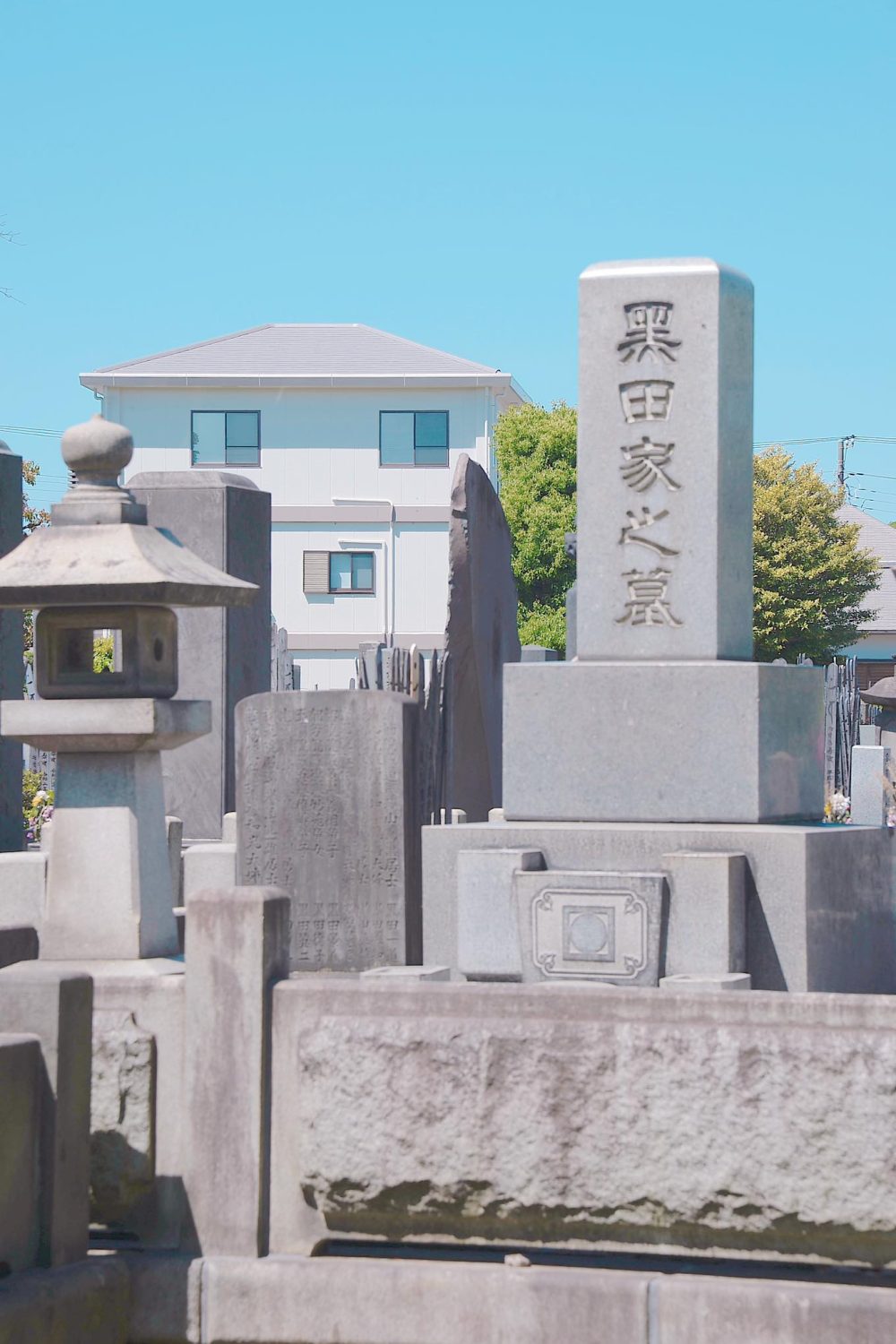
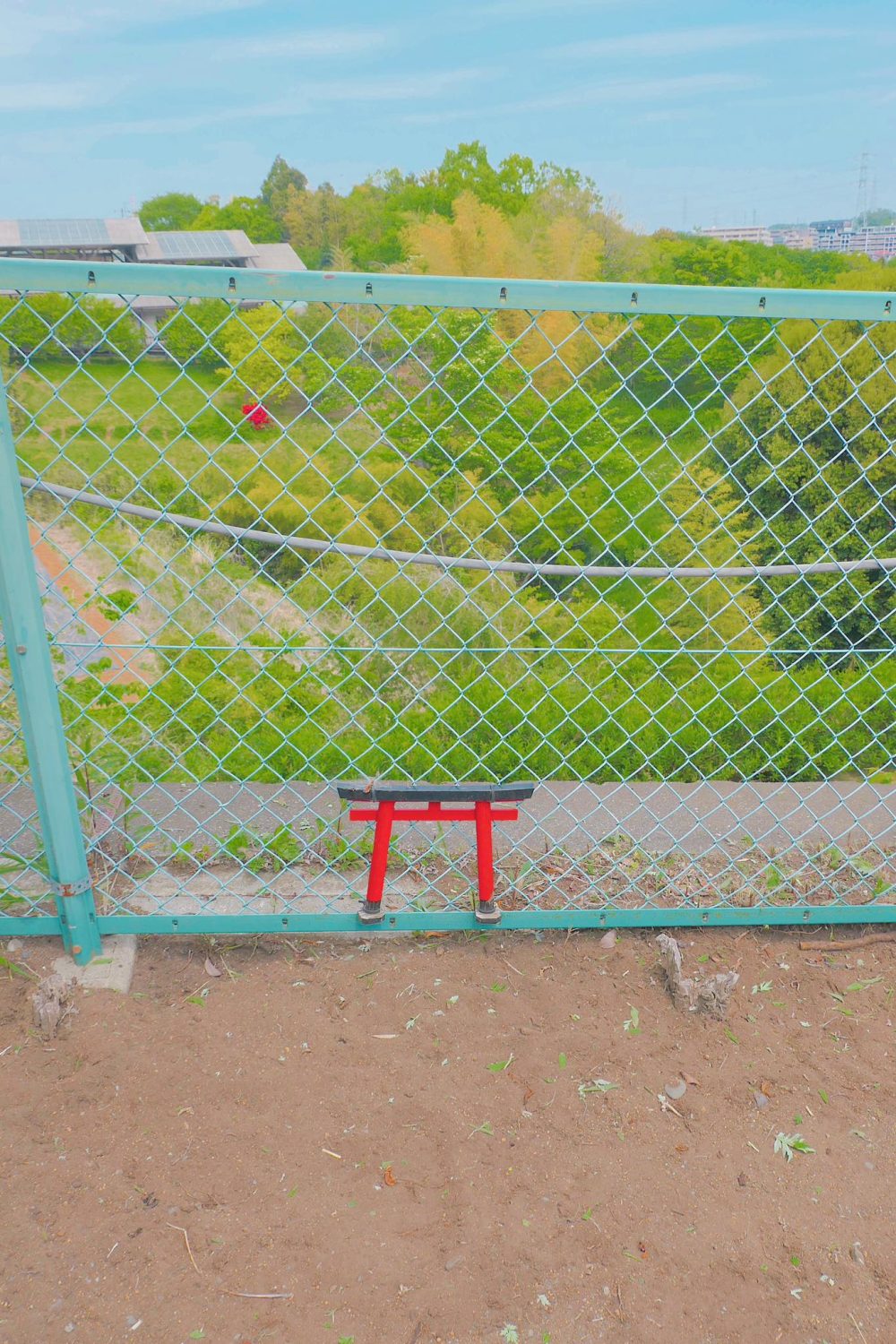
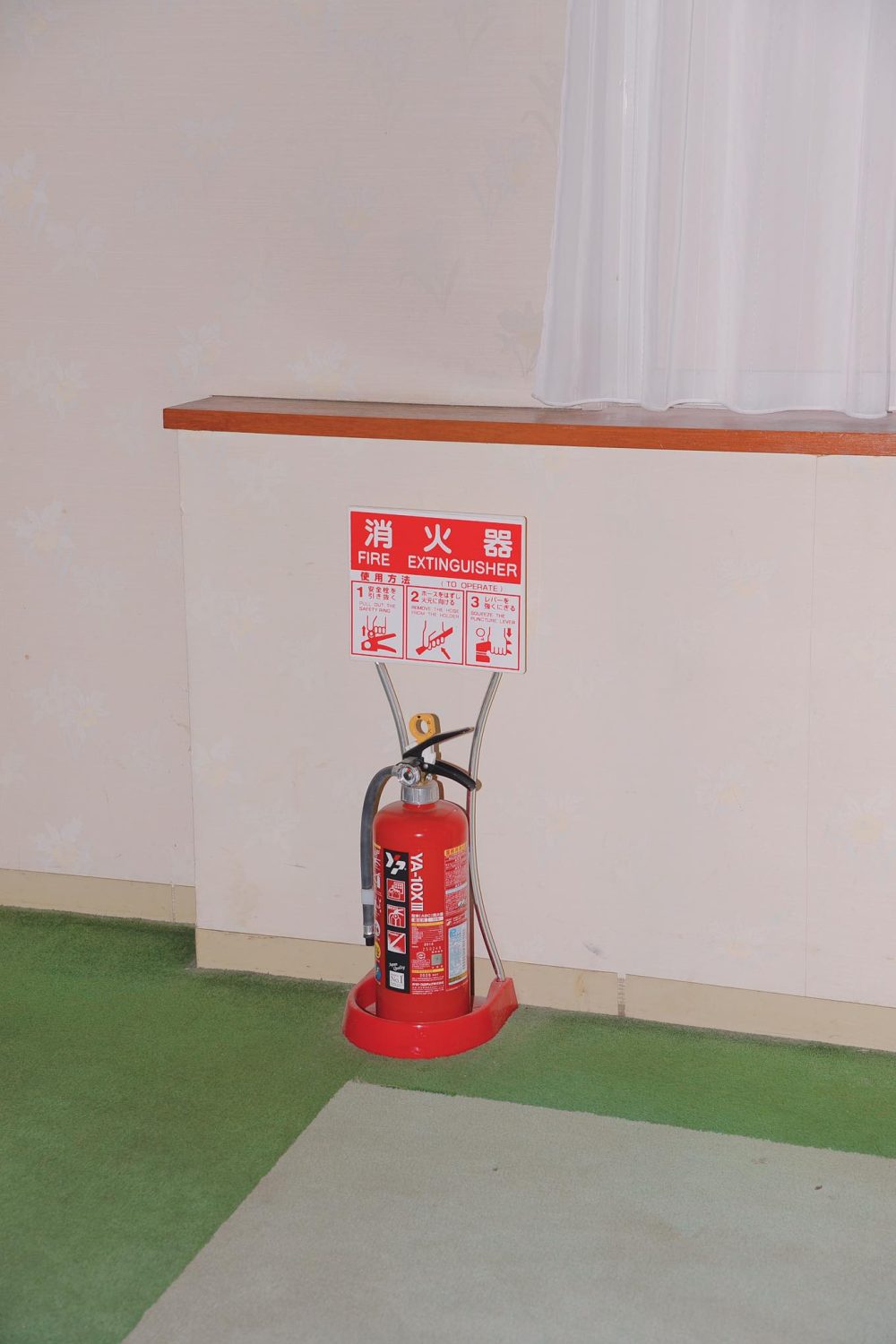
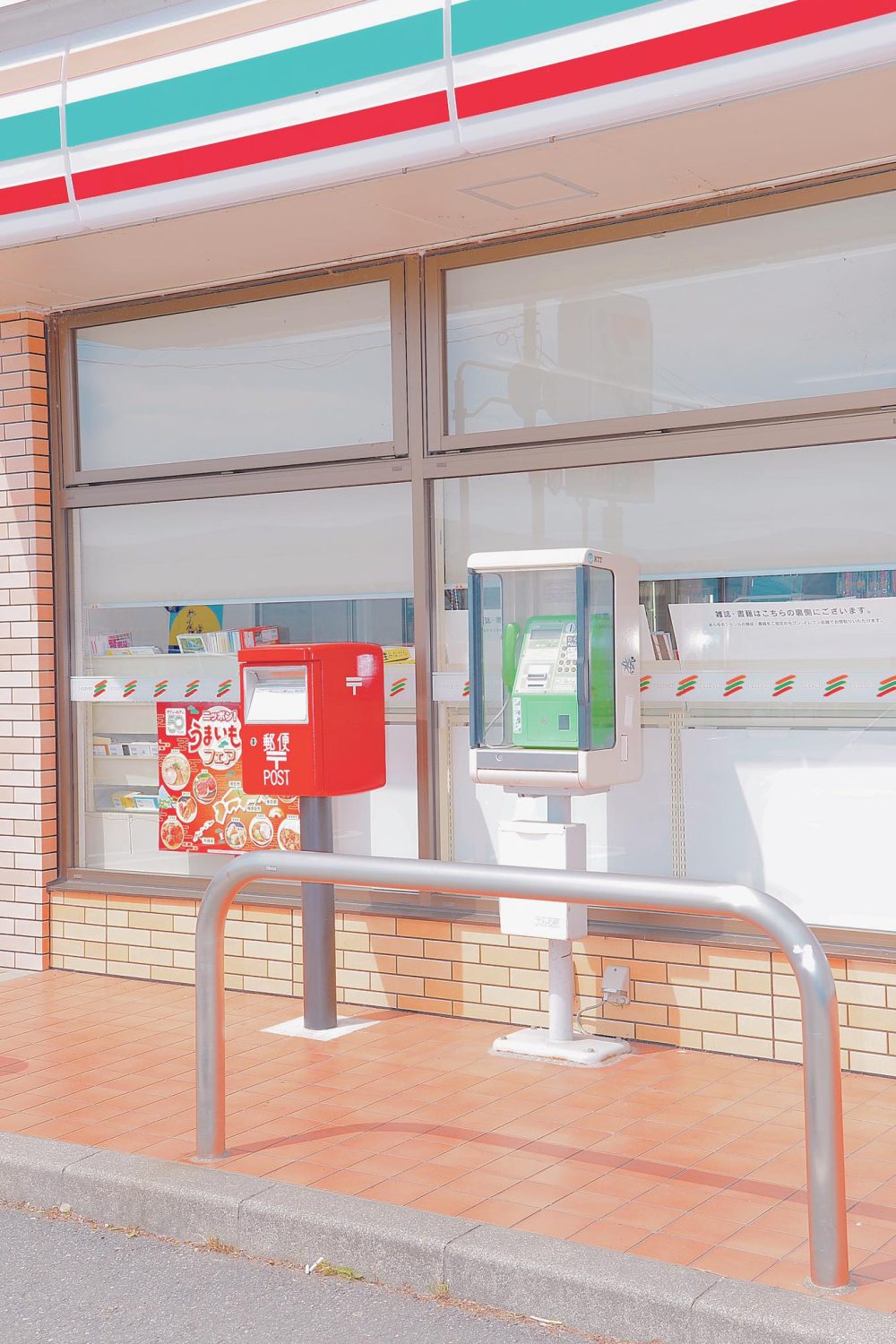
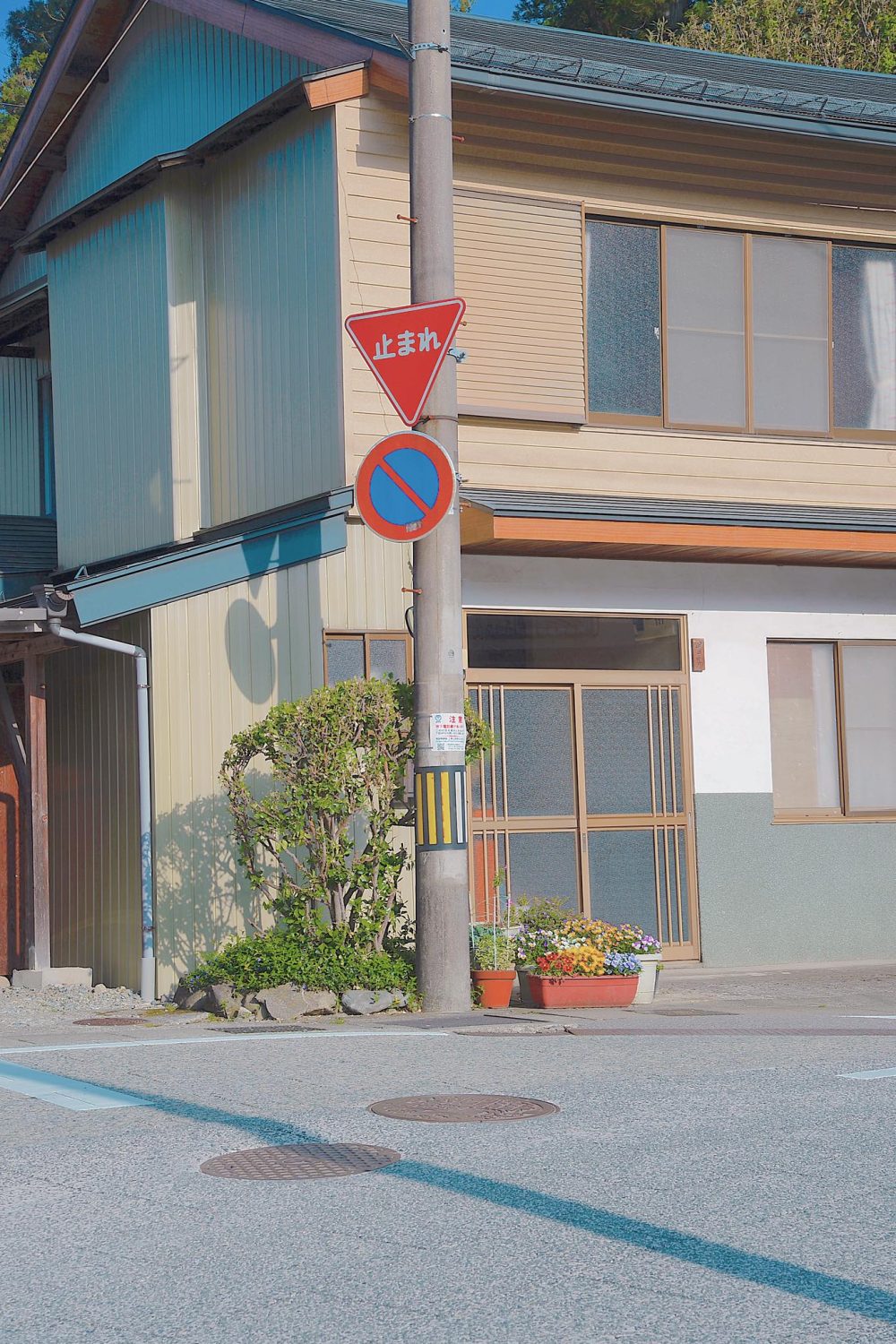
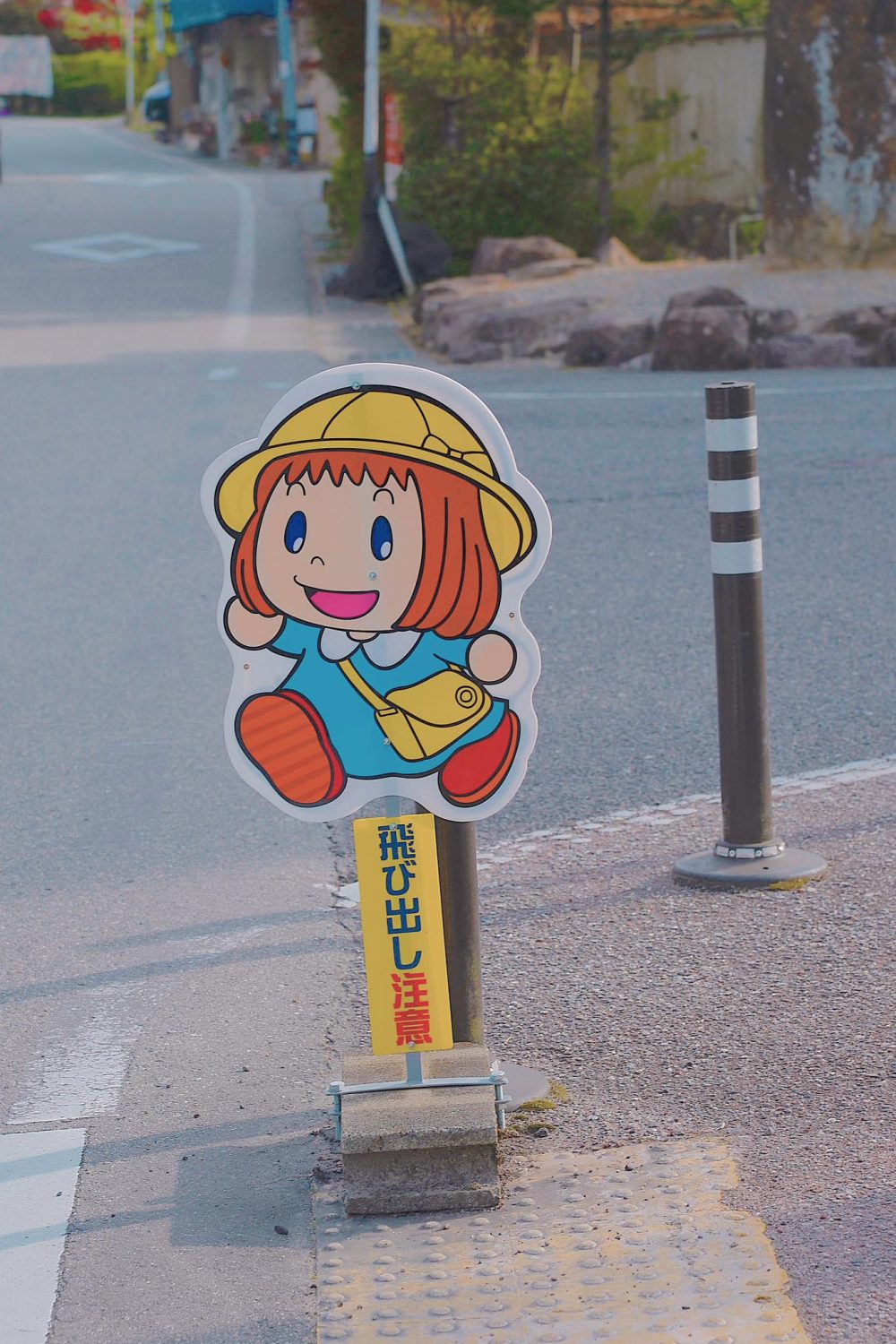
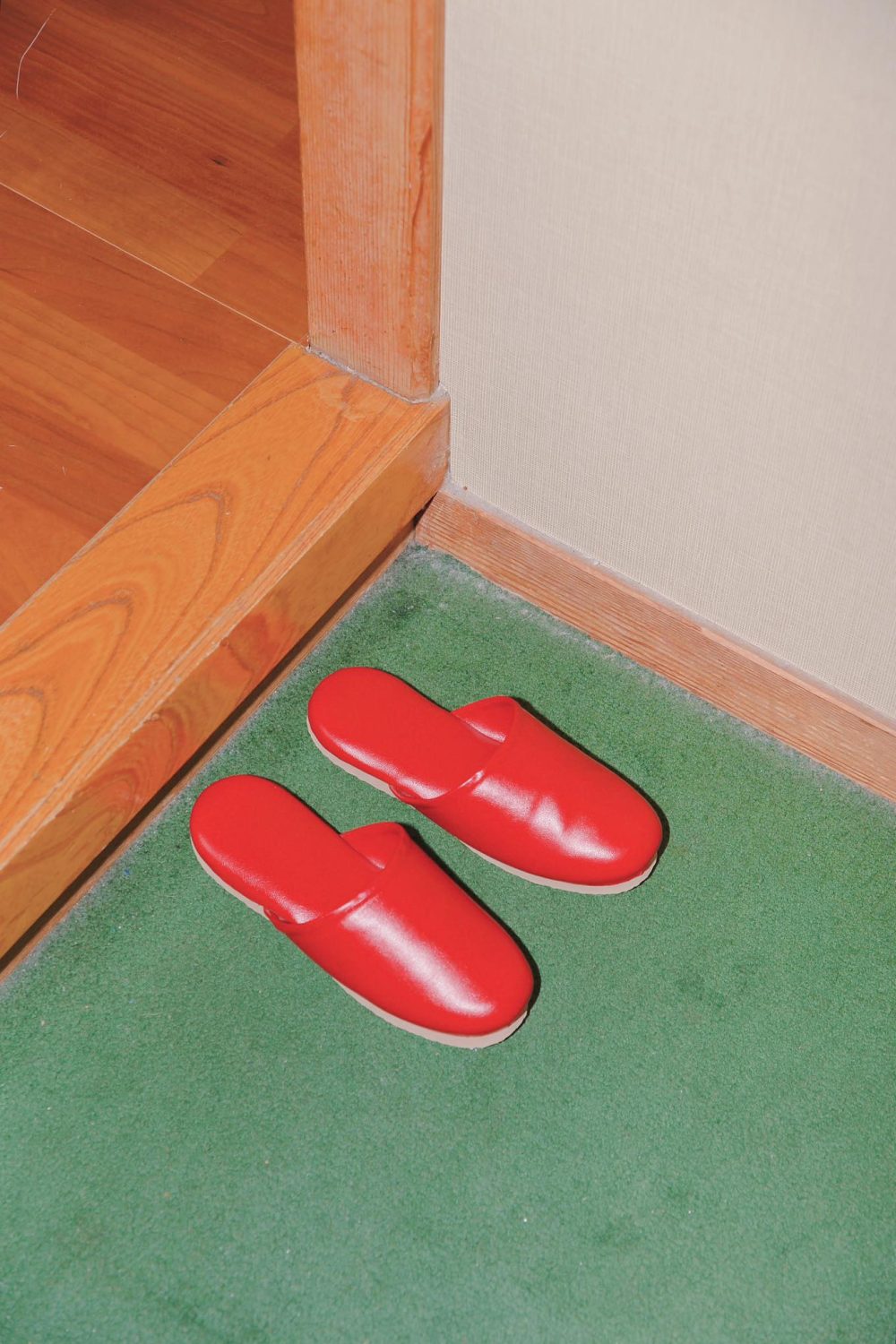
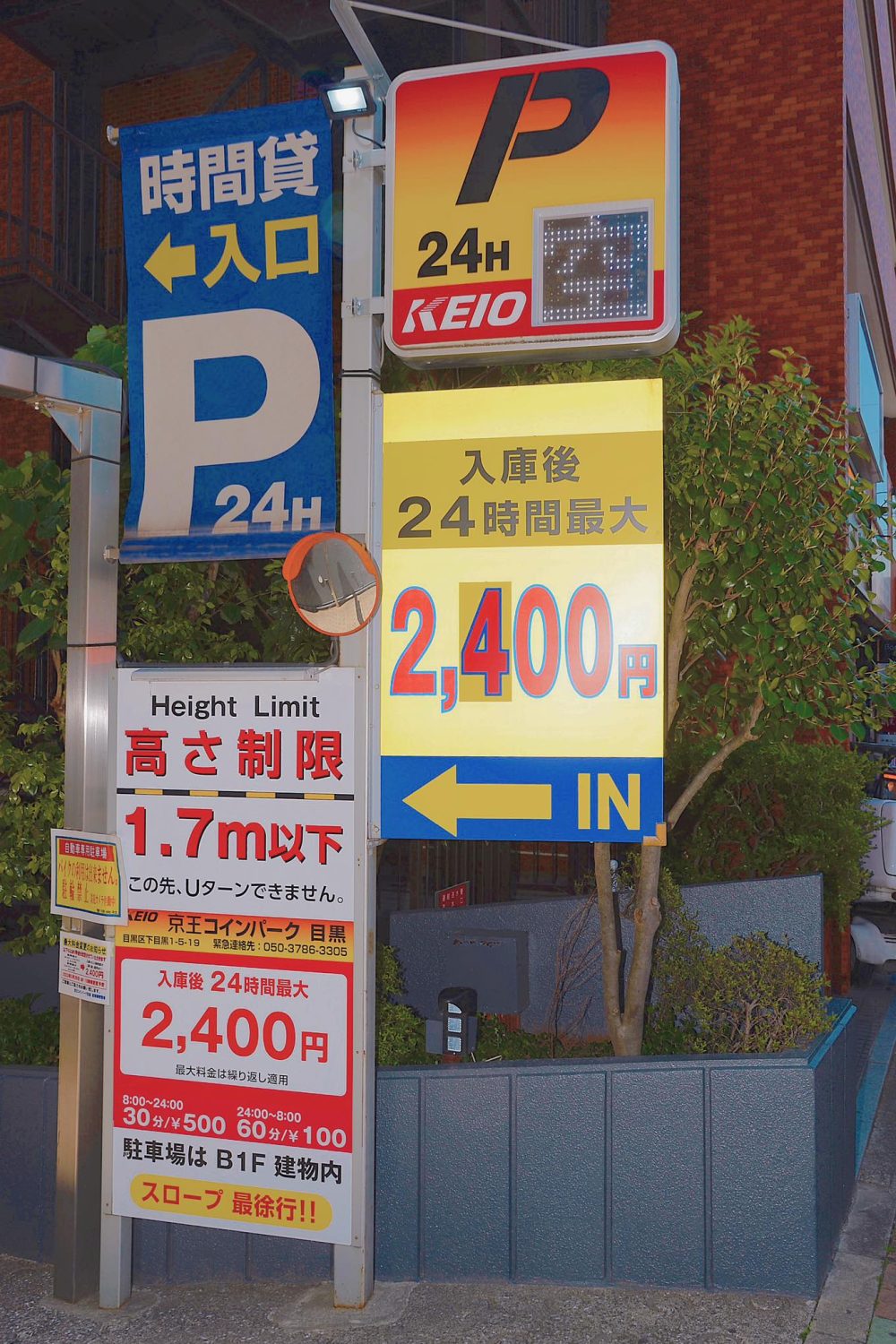
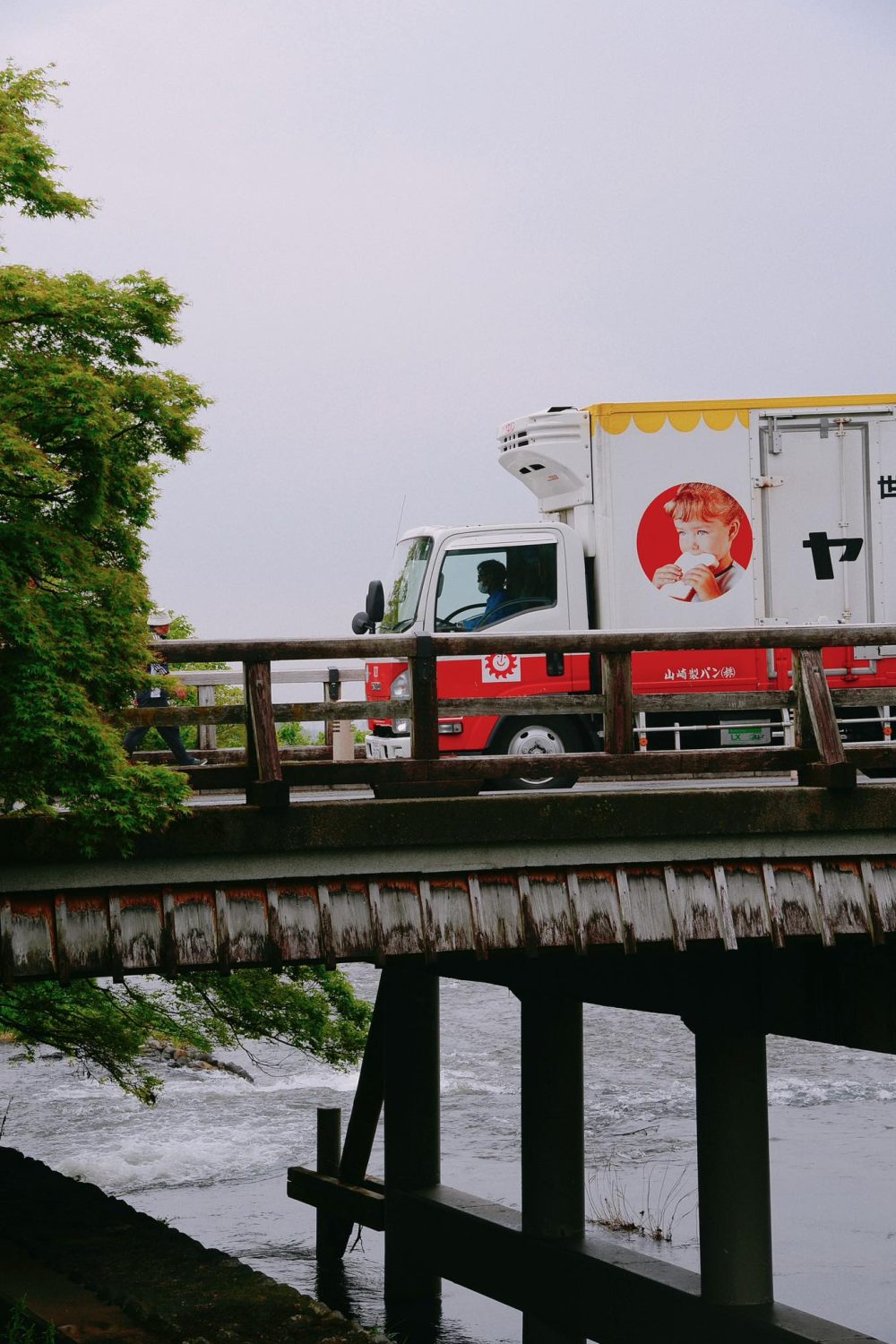
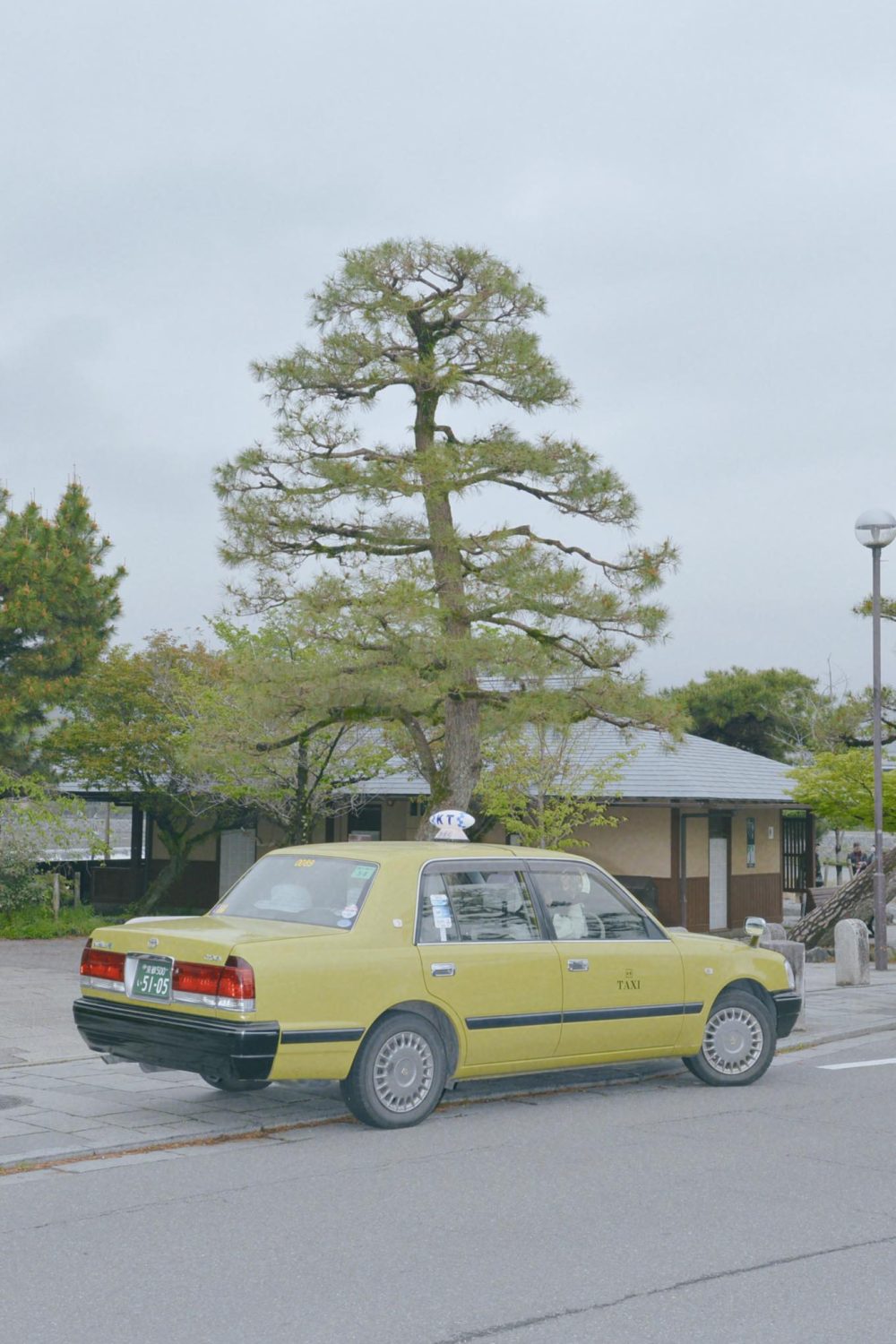
‘Japan Way’ is a captivating journey that delves into the exploration of flaws and imperfections within Japan. The Land of the Rising Sun is currently in full bloom, akin to an intriguing flower that entices outsiders with its enchanting scent and radiant beauty. It offers a unique and extraordinary experience that surpasses one’s imagination. 

Photographs of events that have been extensively documented reflect the diverse moments in history, passed down through generations and influenced by the evolving societal context. These images capture the ongoing changes with past traditions, cultures, and history that have shaped the present and will continue to shape the future, like a distant shadow.

_____________

Thanachai Tankvaraluk, who was born in Udon Thani, Thailand, earned a bachelor’s degree in Communication arts with a Journalism Major from Rangsit University. He is currently a business owner, but has always had a keen interest in everything around him, as well as an unwavering love and passion for travel and photography.

facebook.com/profile.php?id=100031795672130
instagram.com/thanachai_diary

PHOTO ESSAY : THE DISTANT EVERYDAY

TEXT: BANGKOK TOKYO ARCHITECTURE
PHOTO: BANGKOK TOKYO ARCHITECTURE AND PAKKATUS PROMSAKA NA SAKOLNAKORN

(For Thai, press here) 

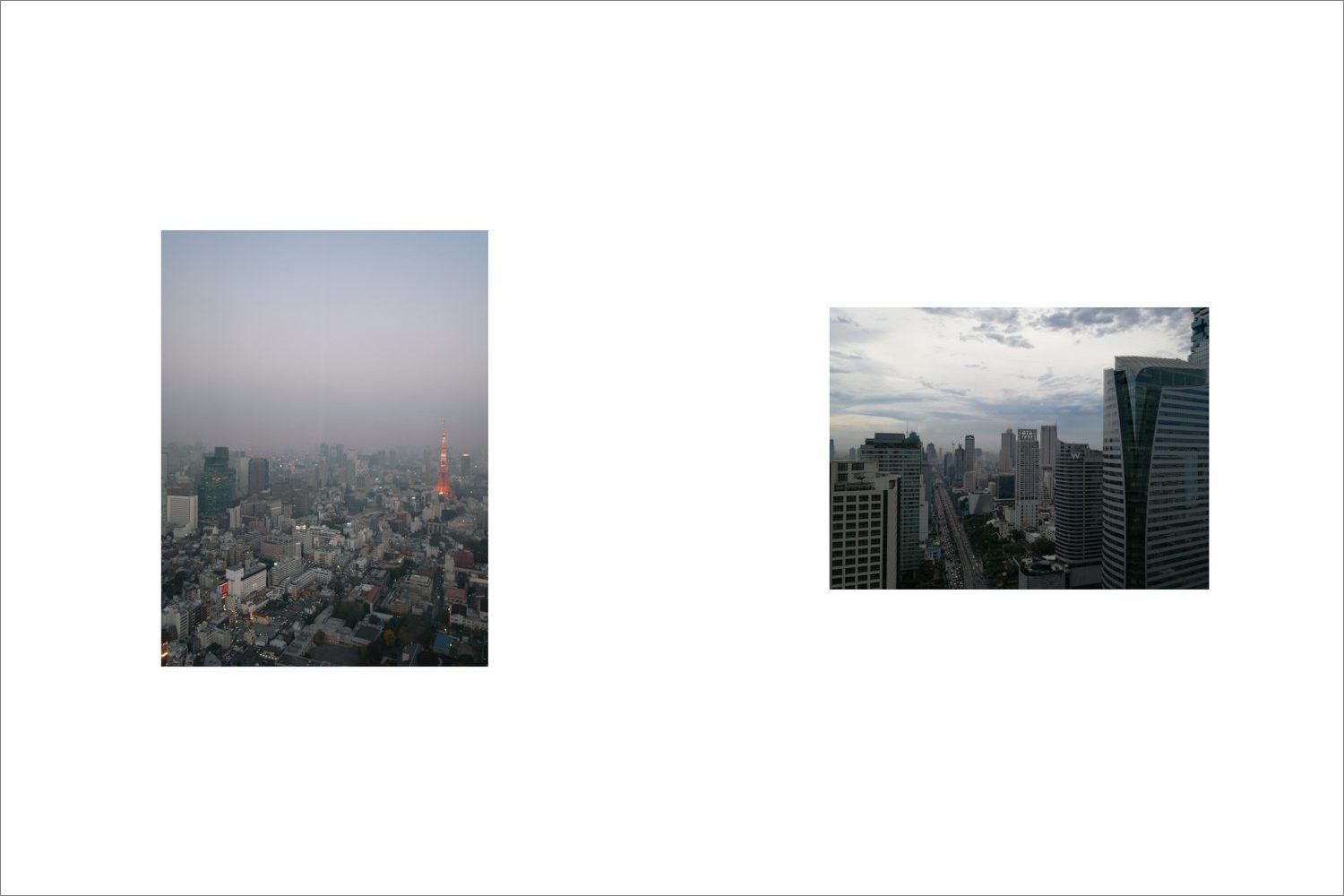
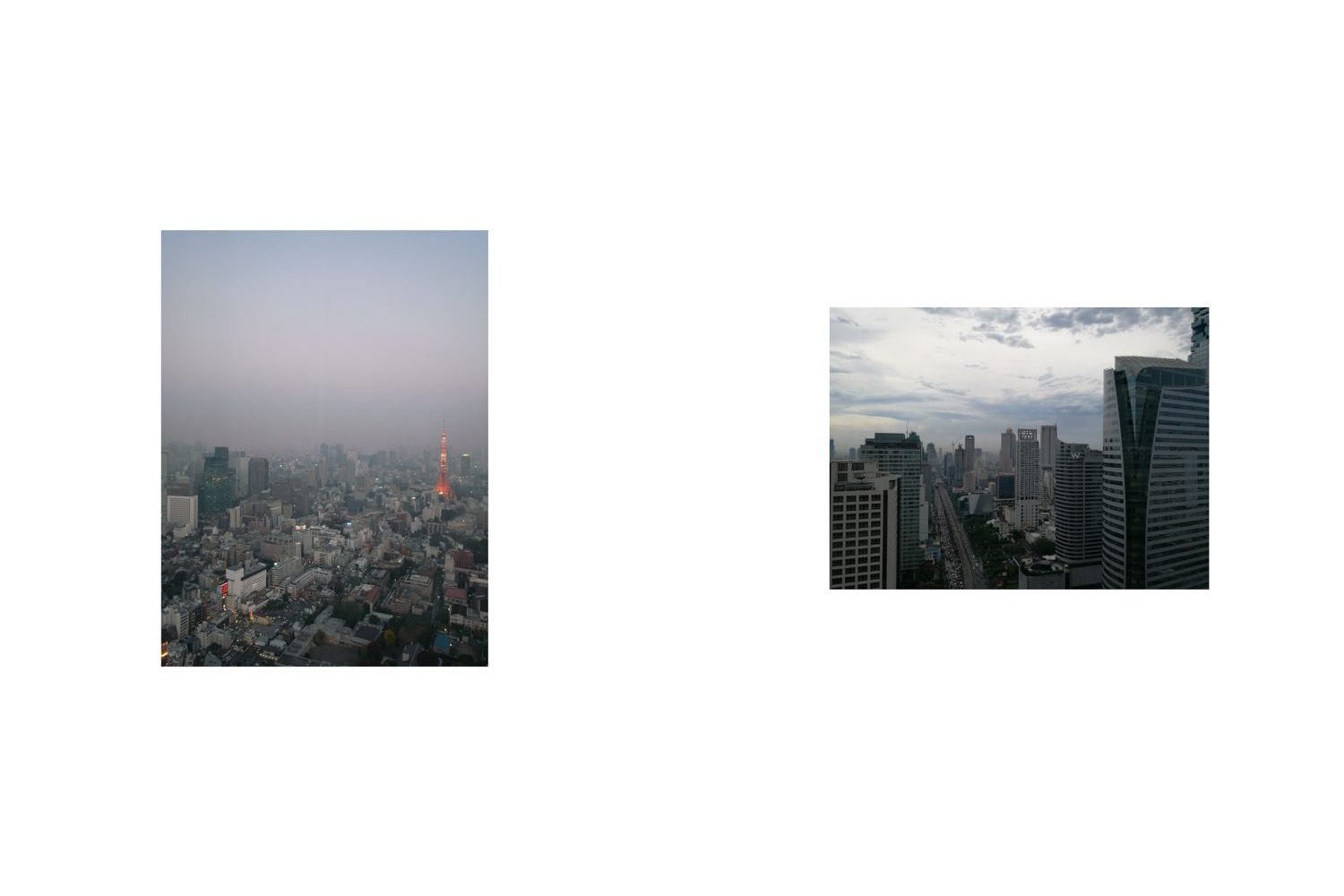
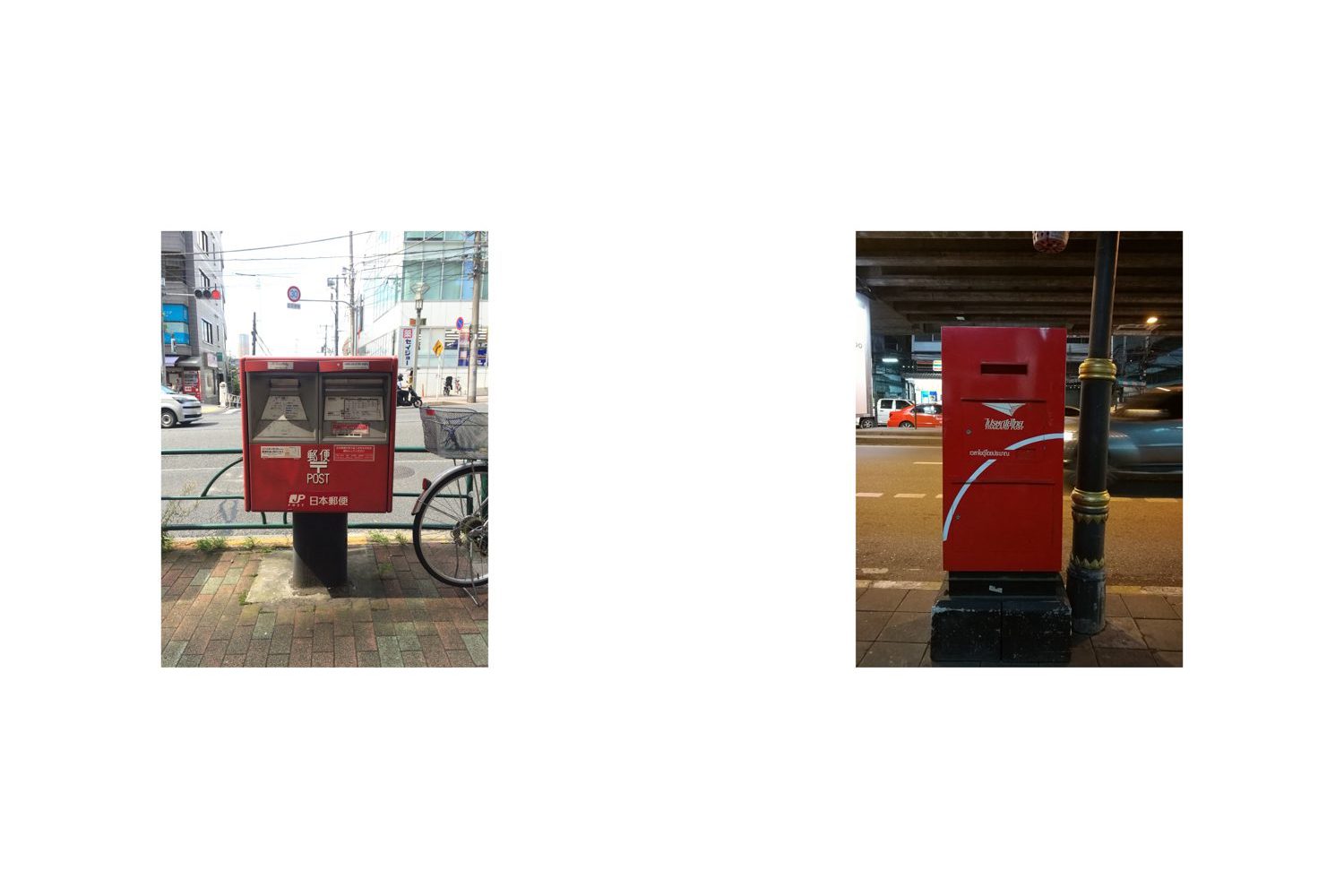
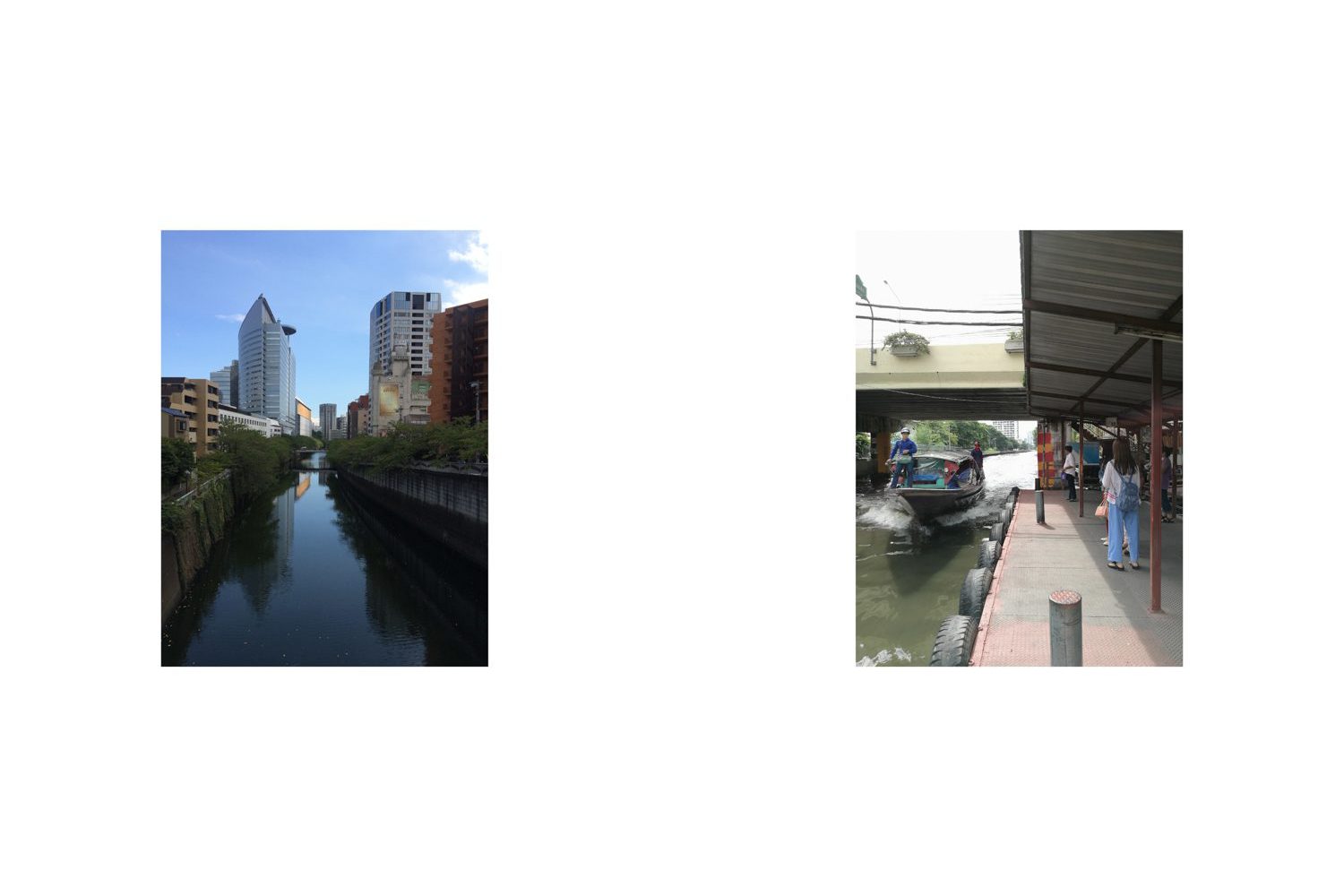
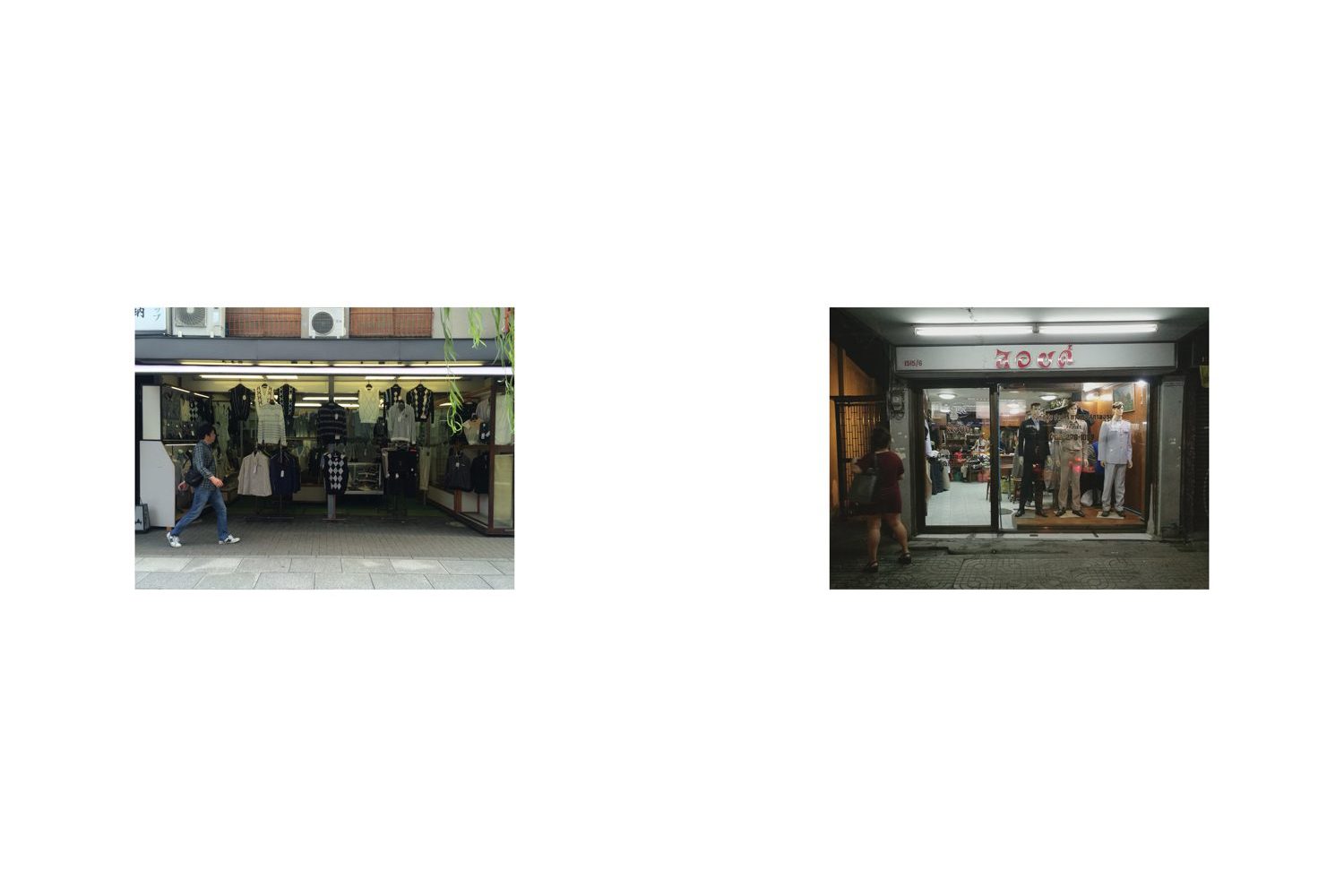
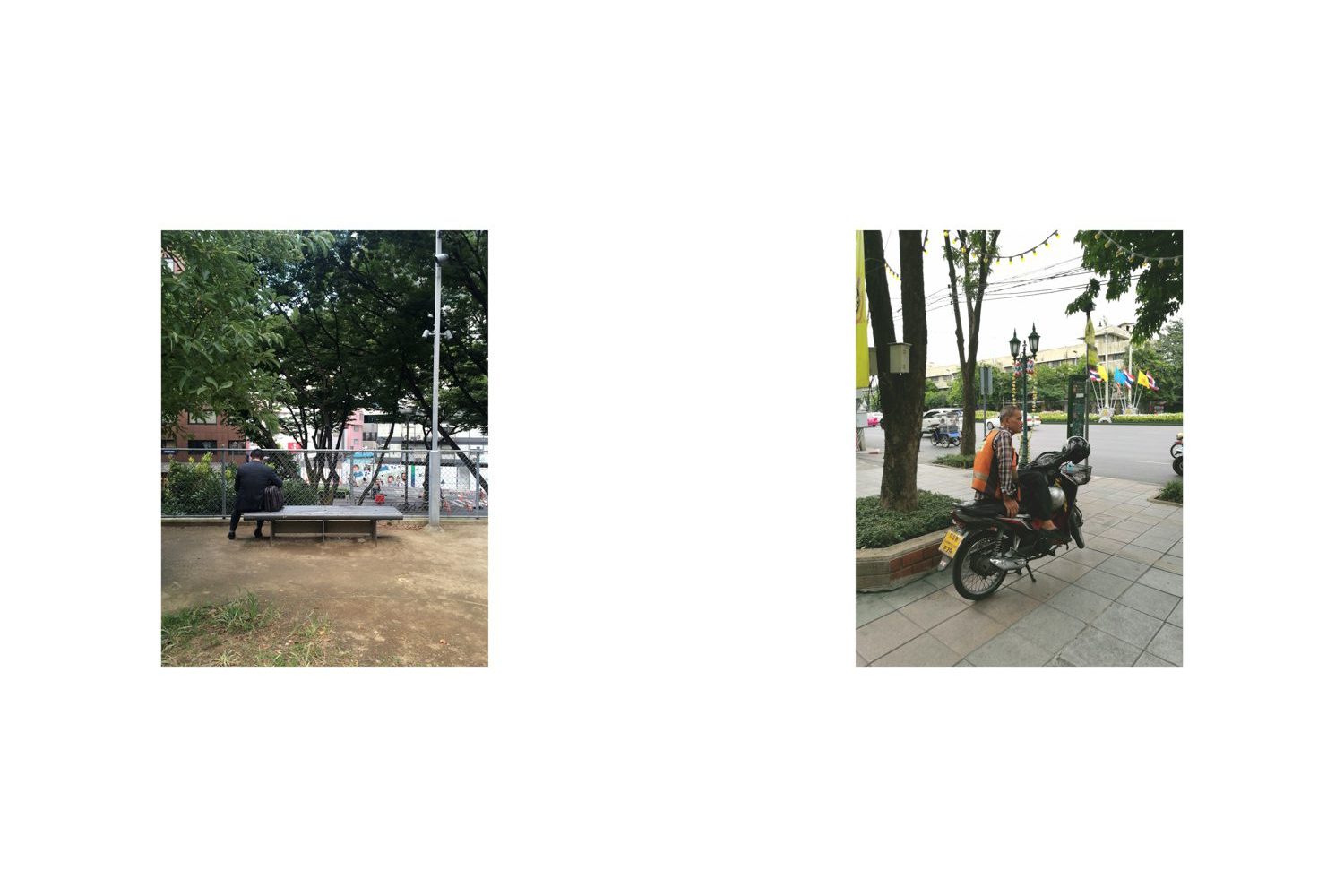
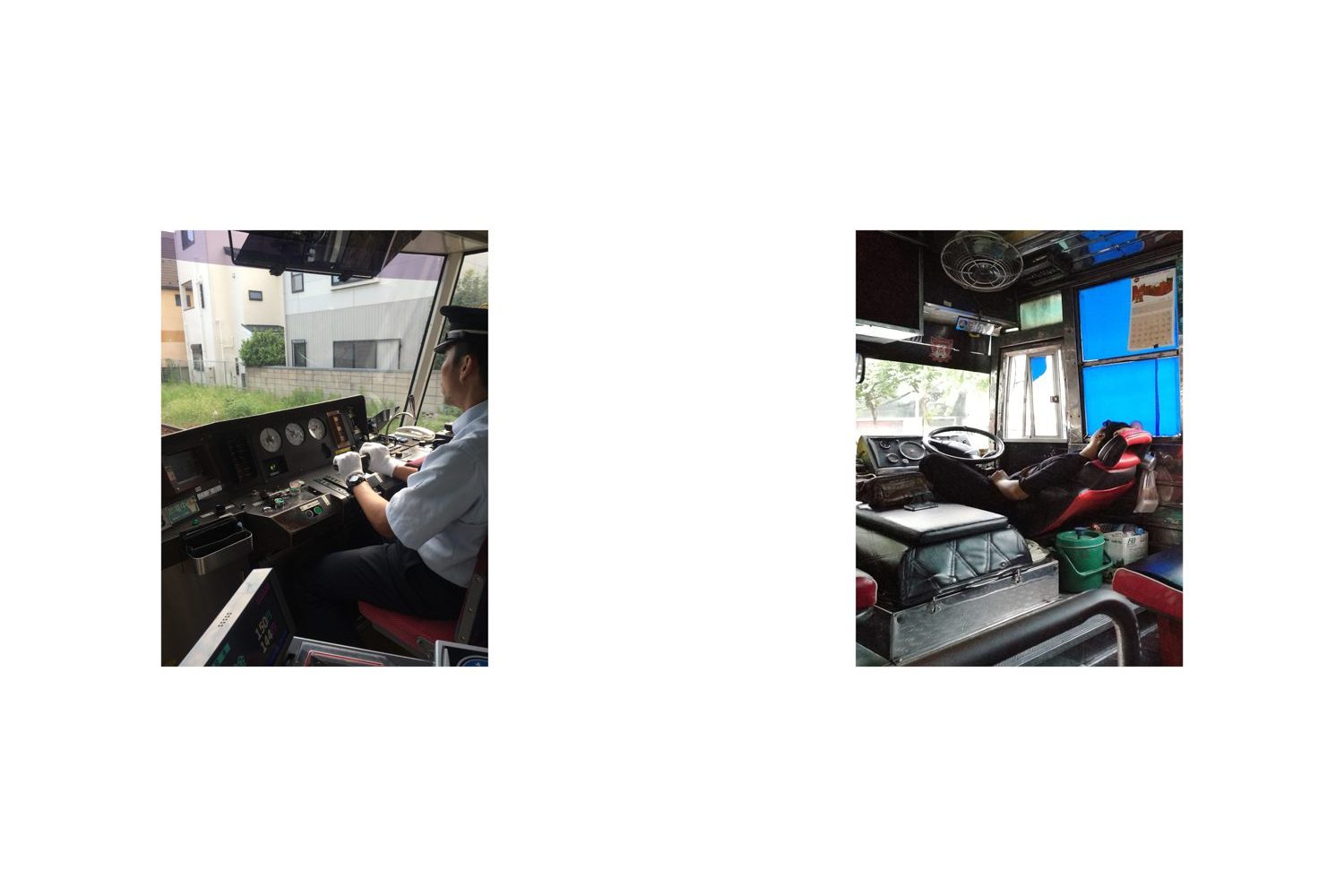
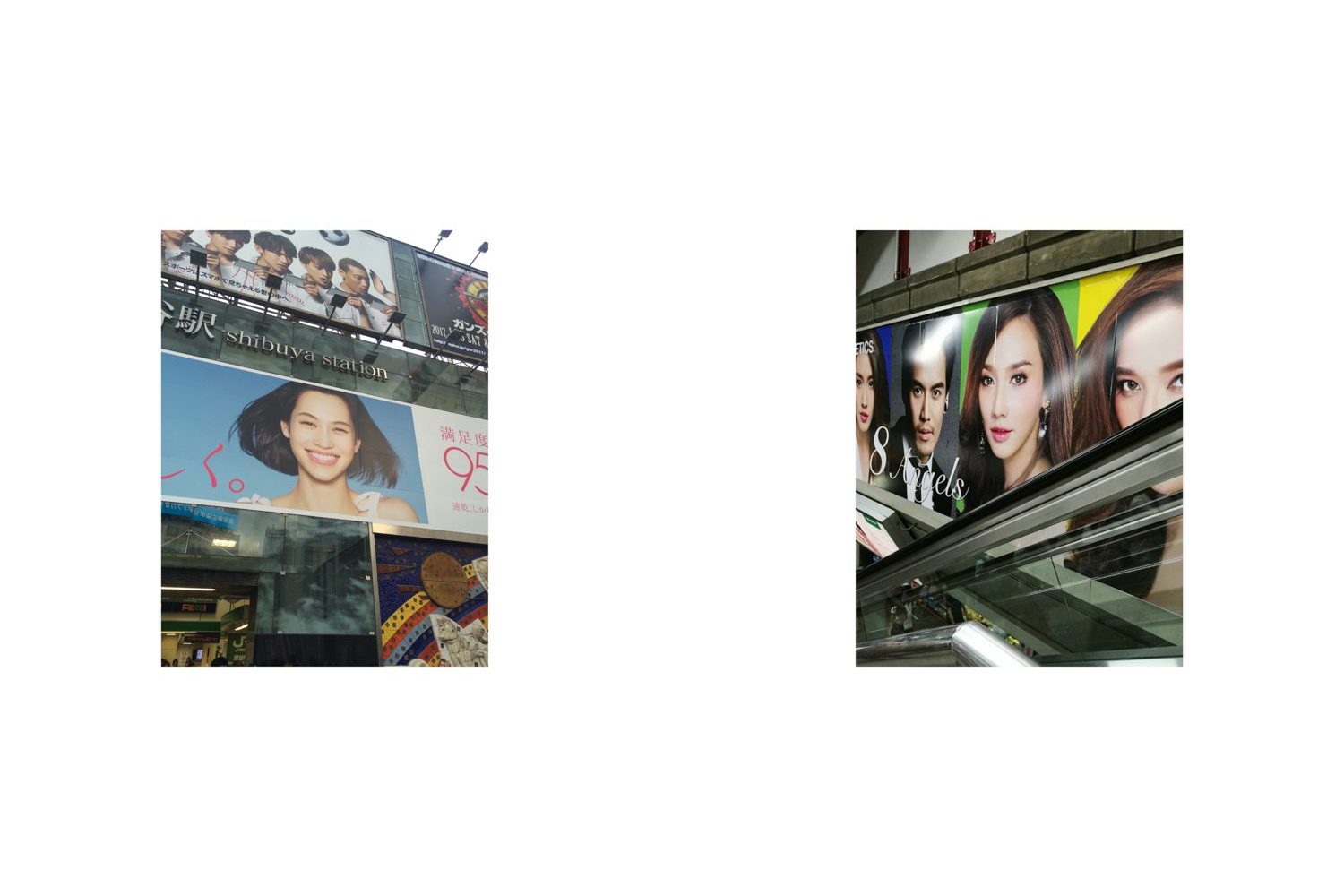
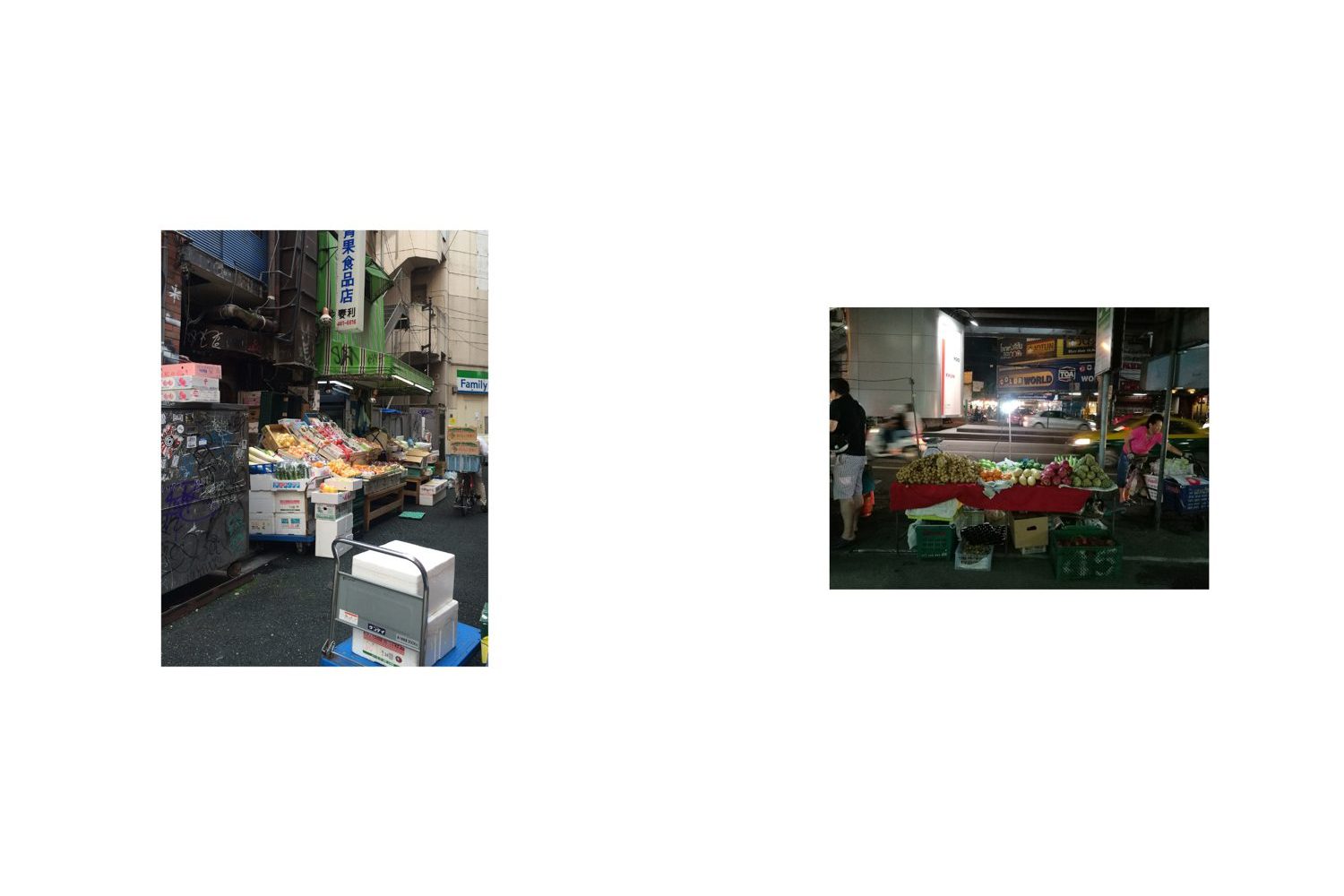
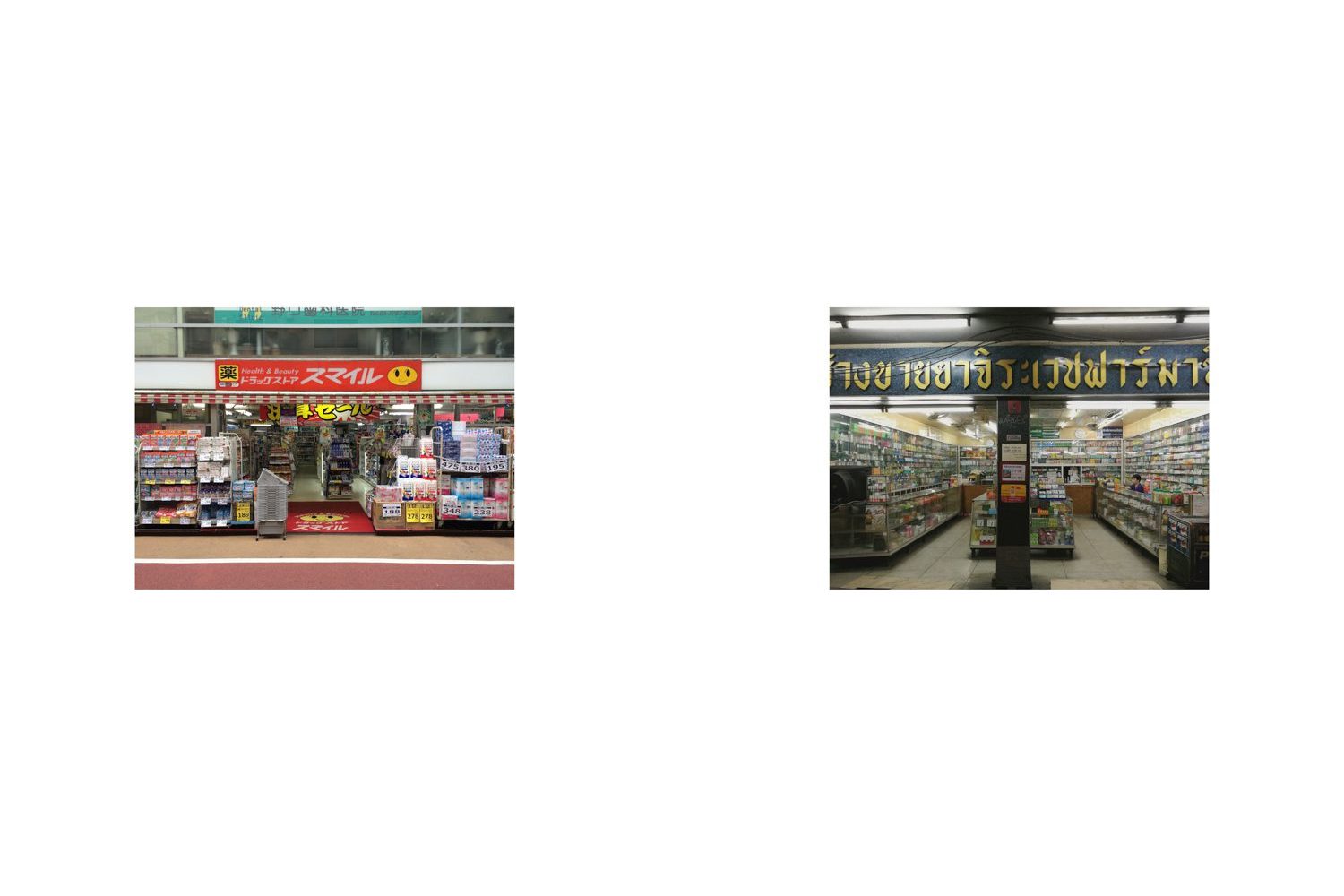
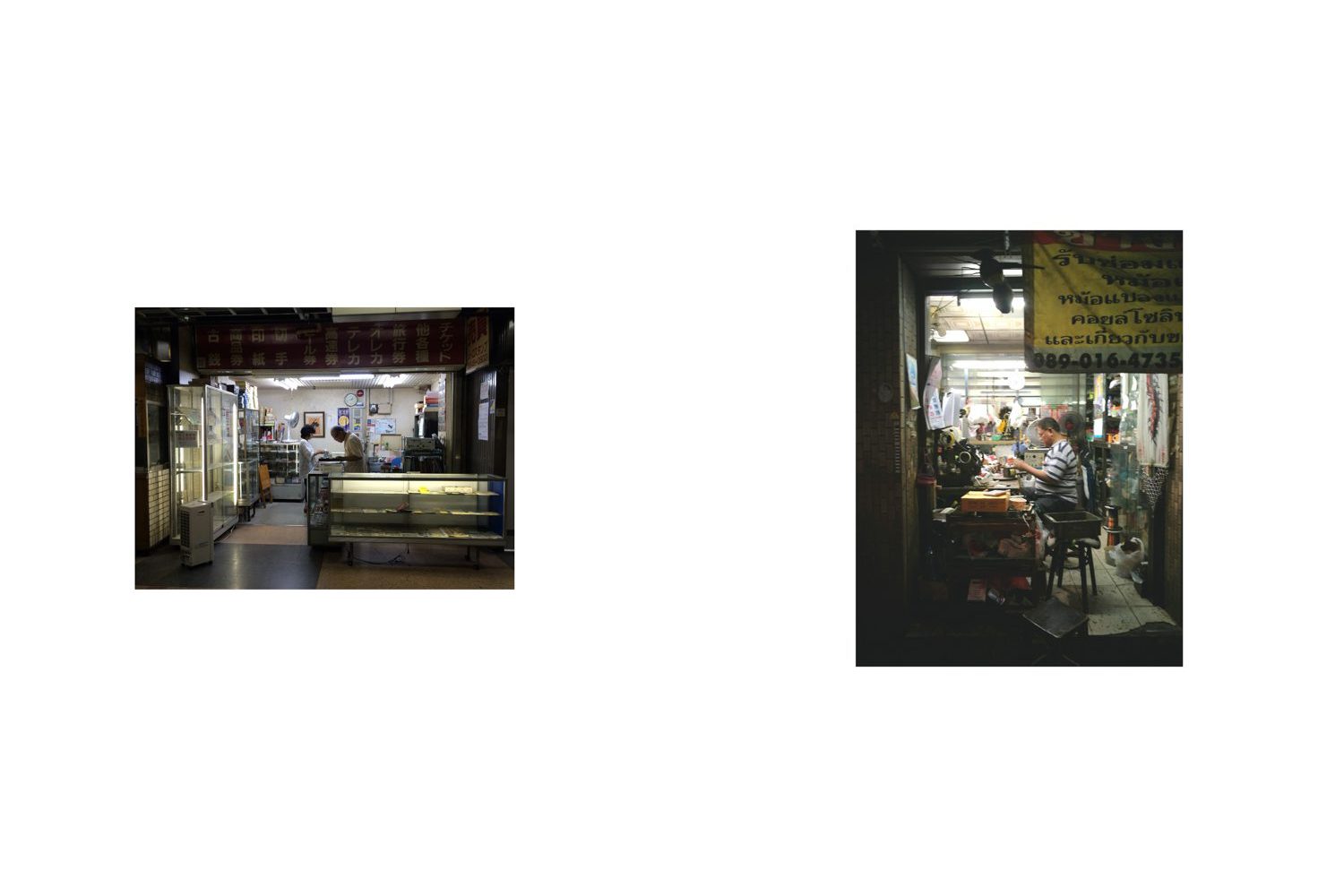
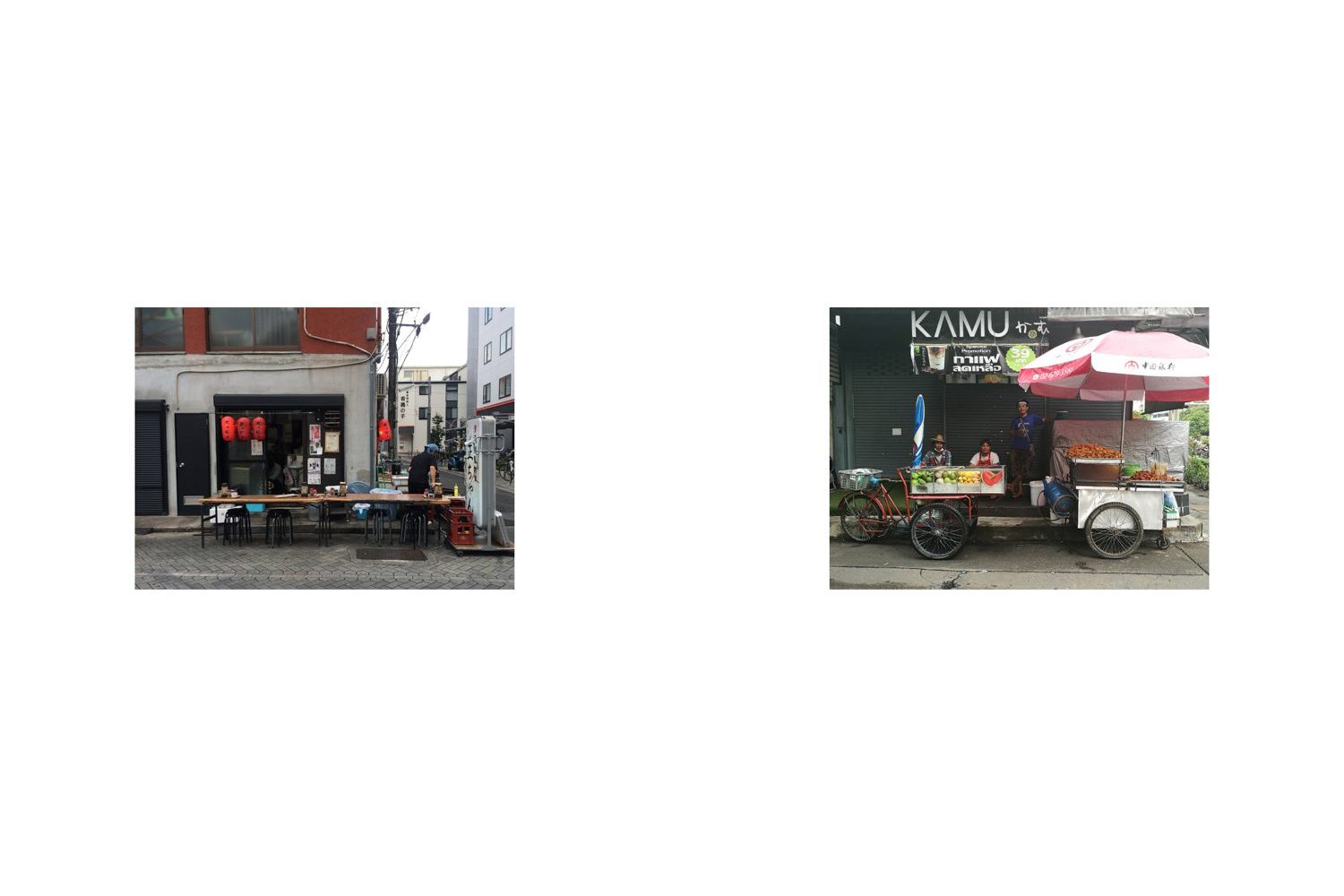
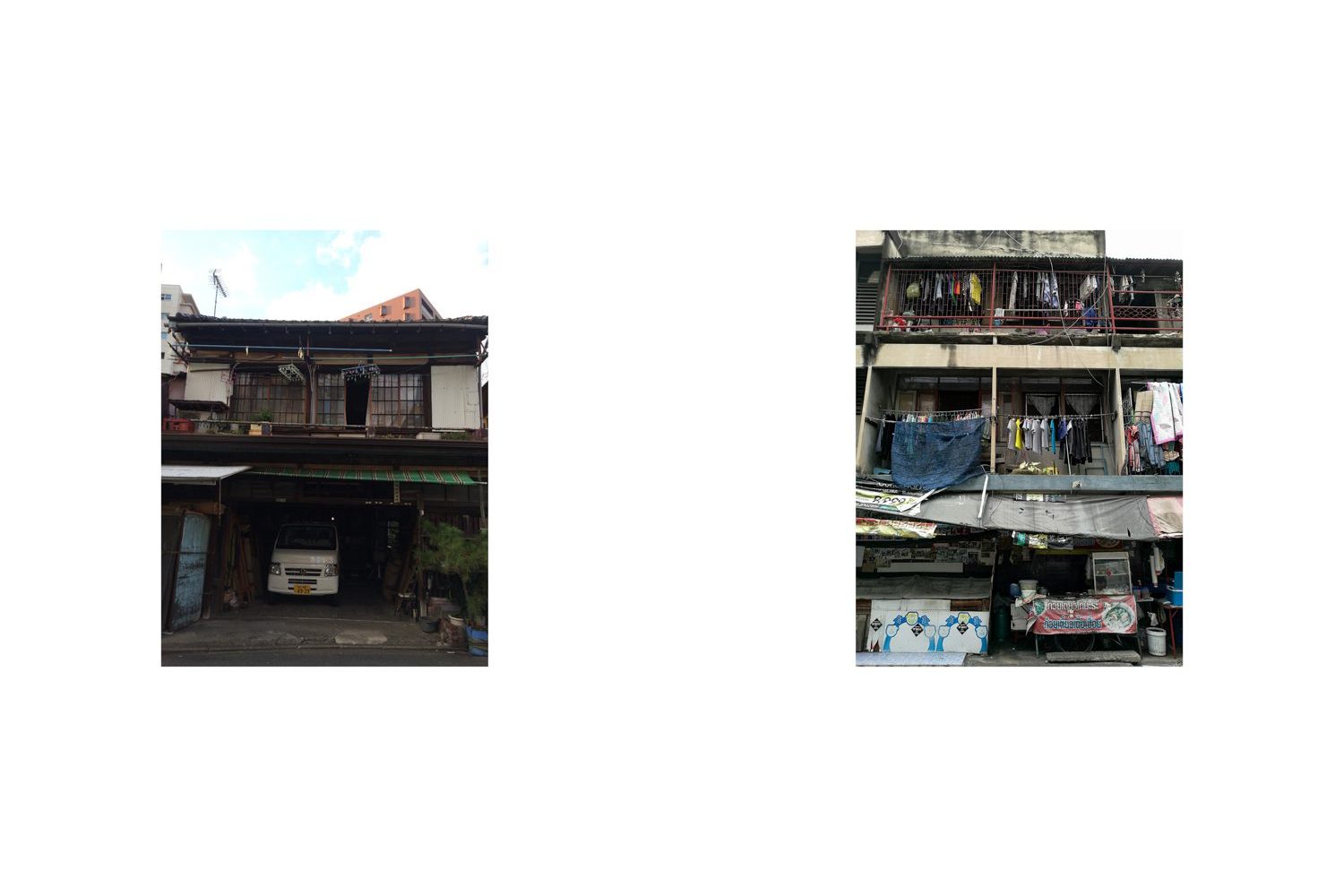
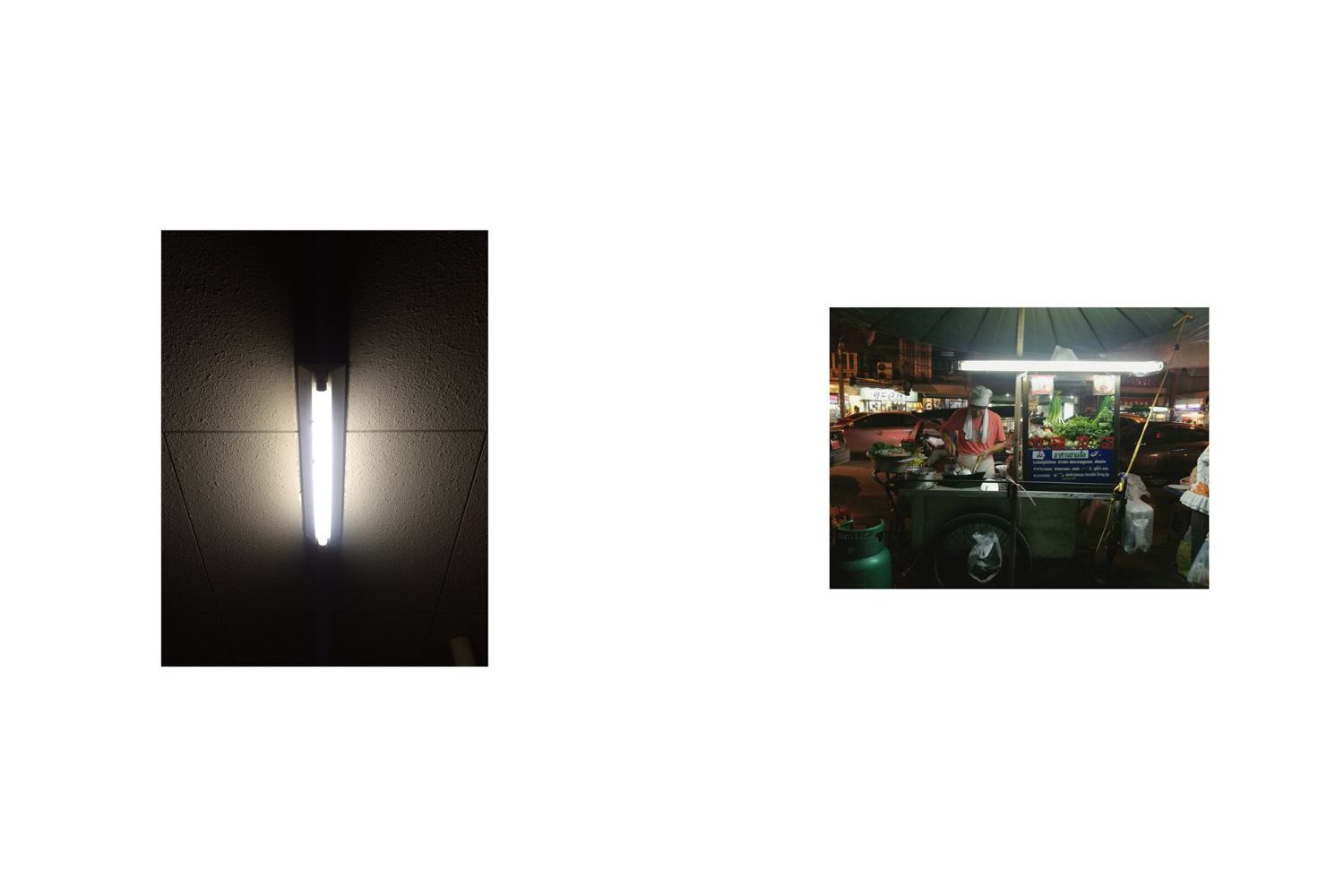
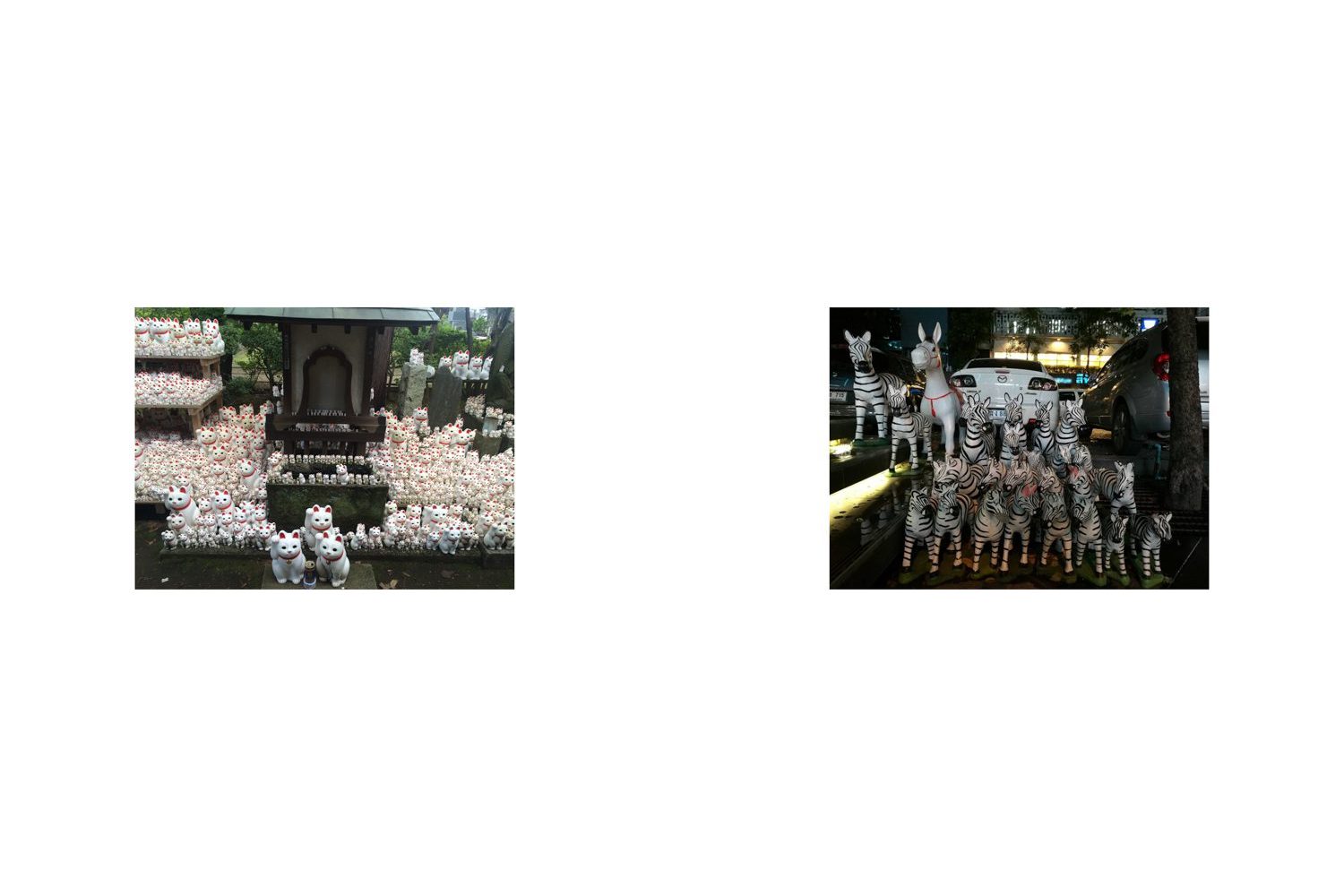
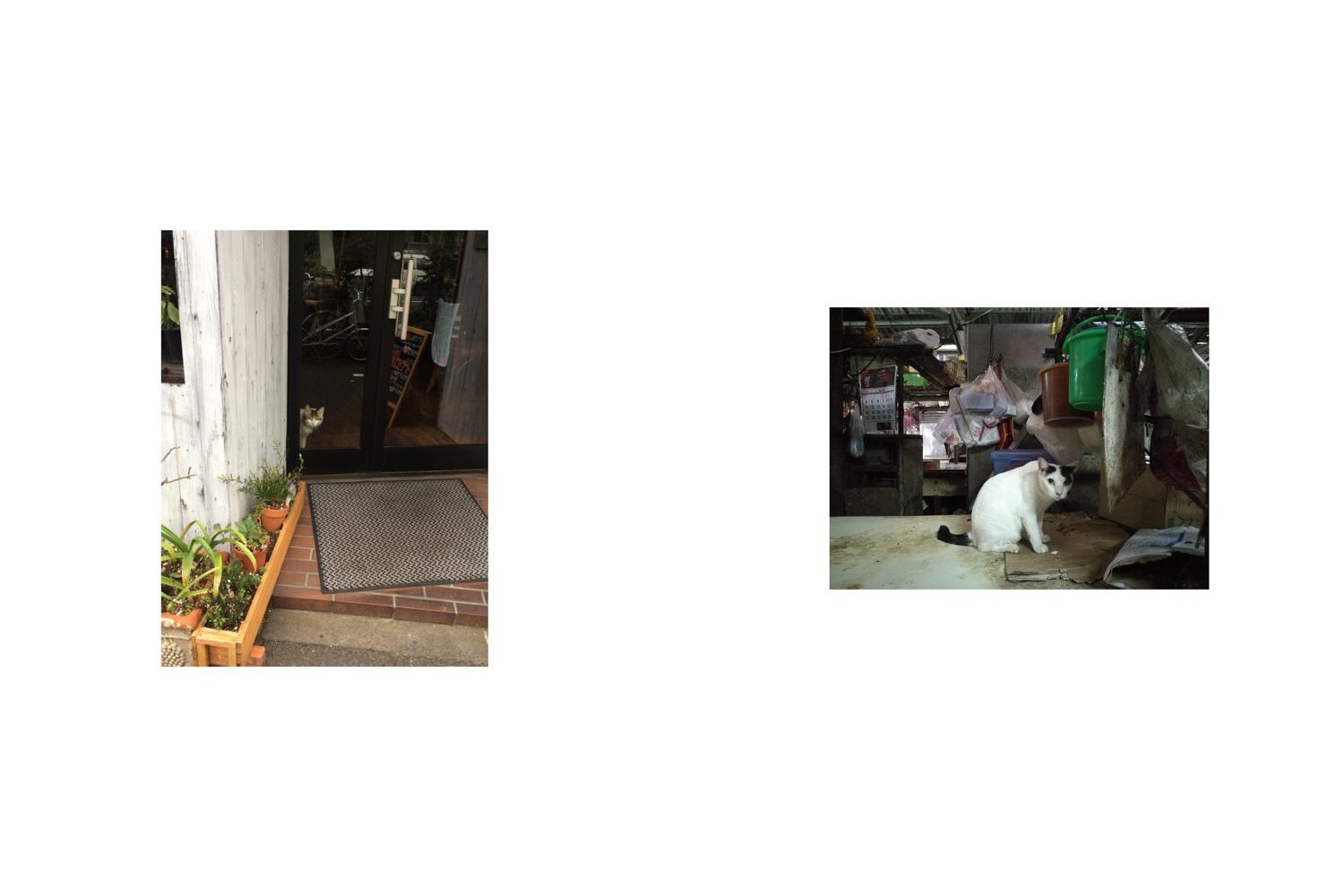
‘The Distant Everyday’ is a visual conversation between architecture, observation, and everyday sceneries. It can be argued that architecture is a product of the convergence of multiple ideas and notions. As keen observers of our surroundings, we constantly seek out the underlying connections that exist across diverse contexts. The collection of photographs presented here is a glimpse into our extensive archives, which have been accumulating since 2016. Unordered and free from any specific arrangement, these images capture random scenes and objects in Bangkok and Tokyo. Individually, they appear unremarkable, but when juxtaposed they transform into a source of inspiration and contemplation. Furthermore, they unveil the inherent ability of architecture to bridge connections between all things.

_____________

Bangkok Tokyo Architecture is an architectural studio founded by Wtanya Chanvitan and Takahiro Kume in 2017. We are fascinated by open-ended structures and the assembly of ordinary elements; blurring the lines between ordinary and exceptional.

btarchitecture.jp
facebook.com/bangkoktokyoarchitecture

PHOTO ESSAY : EXPO DISMANTLING

TEXT & PHOTO: FILIPPO POLI

(For Thai, press here) 

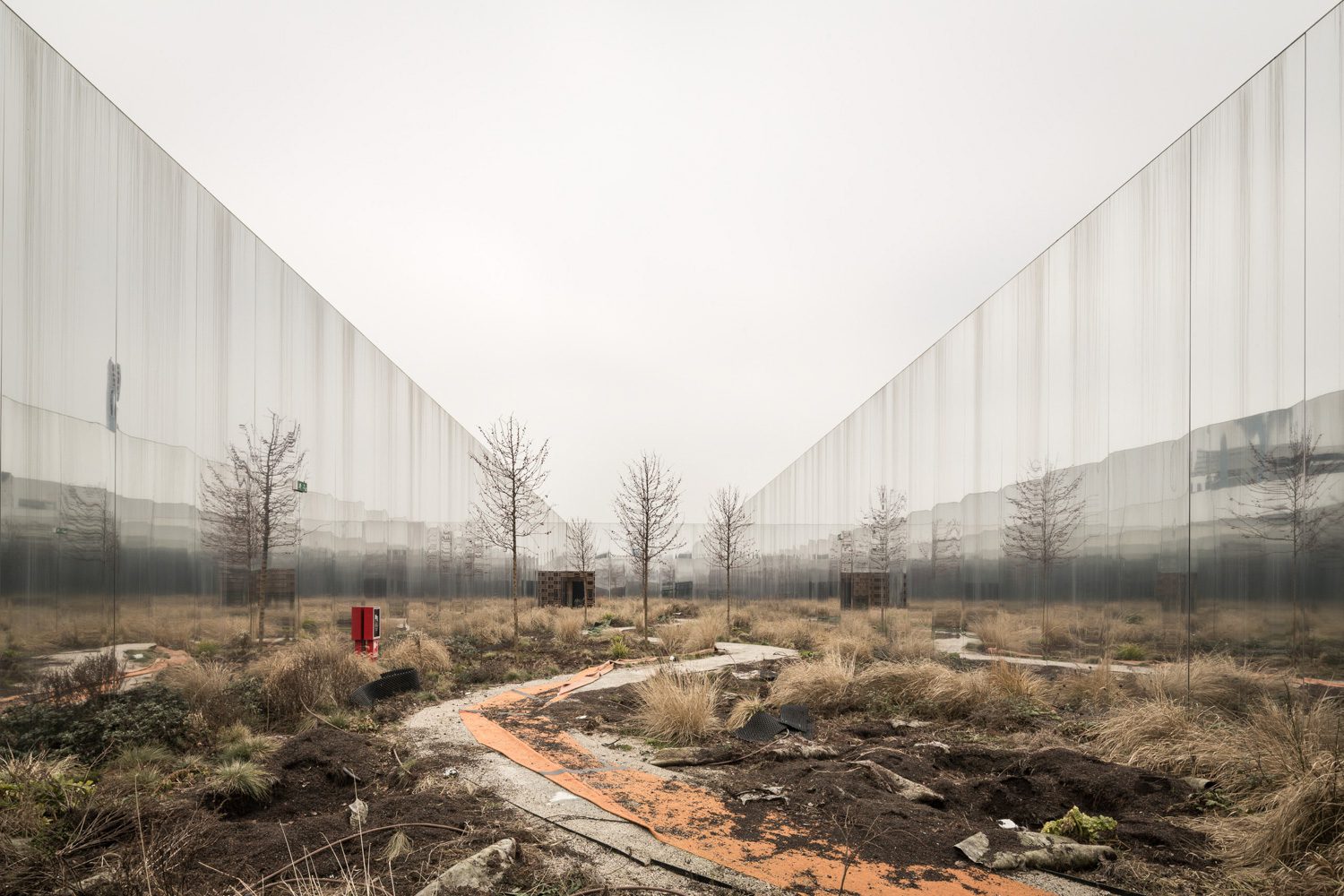
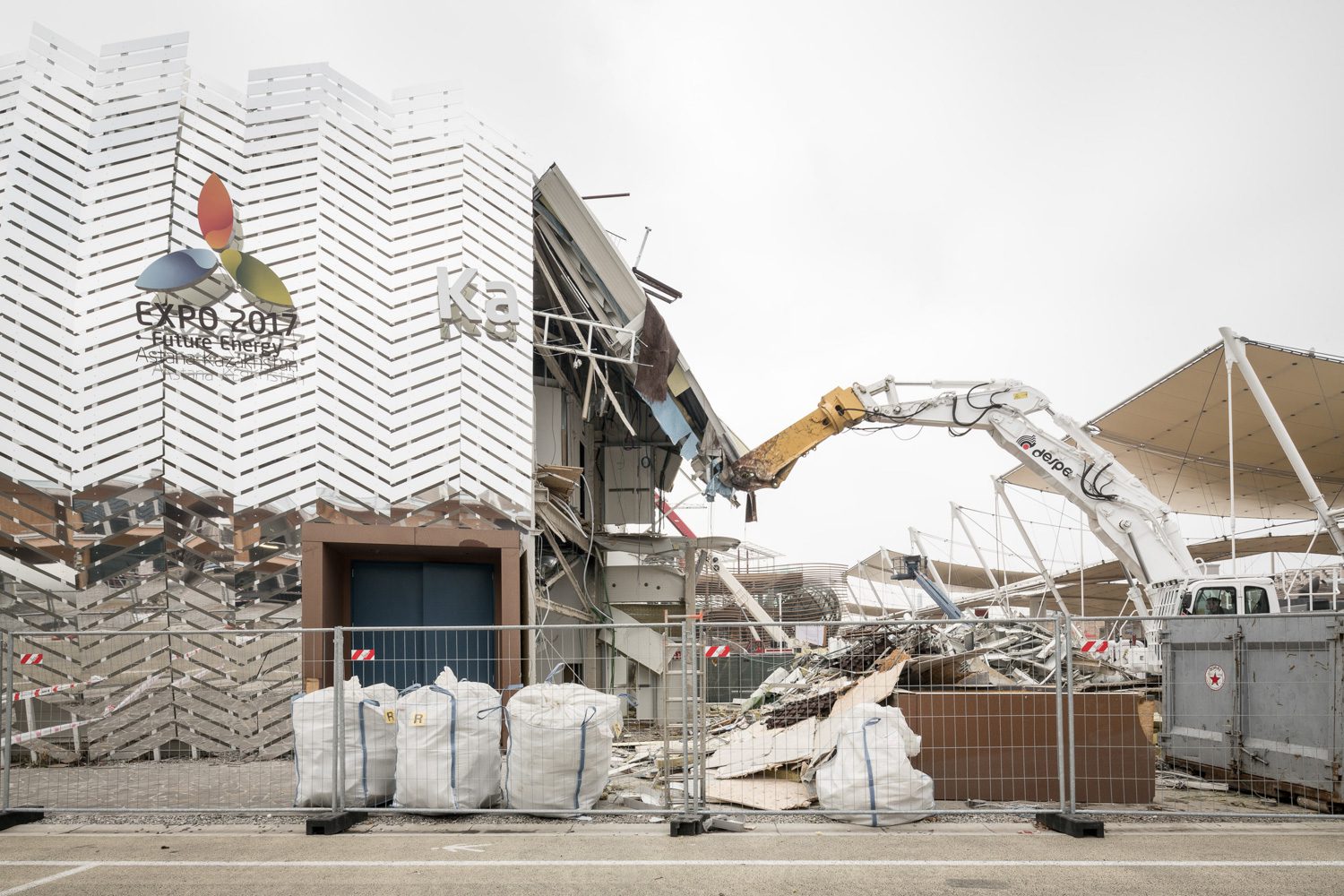
I started attending Expo Milano in February 2015, less than 3 months before the opening date.. The site looked like an anthill amidst traffic jams of trucks and thousands of workers; I had never seen such a large and complex construction site due to the number of projects being carried out simultaneously. 

The big canopies of the Decumano were already there, the pavilions were starting to grow, almost all of them built in dry construction to speed up the assembly process; some countries were erecting their structure very quickly and for others it seemed that only a miracle would help them to finish on time. 

The entire site was under police control because of threats of demonstrations and riots by the notorious black blocs, but walking towards the control turnstiles there were “zones of condescension”: a queue of immigrants who every morning waited outside the fences to be hired by the day. The organisational system had collapsed and the informal economy was the only option for getting the work done. In the last phase before the opening, make-up professionals – trade fair and TV set installation companies – joined the construction companies to disguise what was unfinished and make it ready for the official opening on 1 May 2015. 

Twenty-one million visitors followed, and the press celebrated this success with triumphant articles about the rebirth of Milan and Italy.  

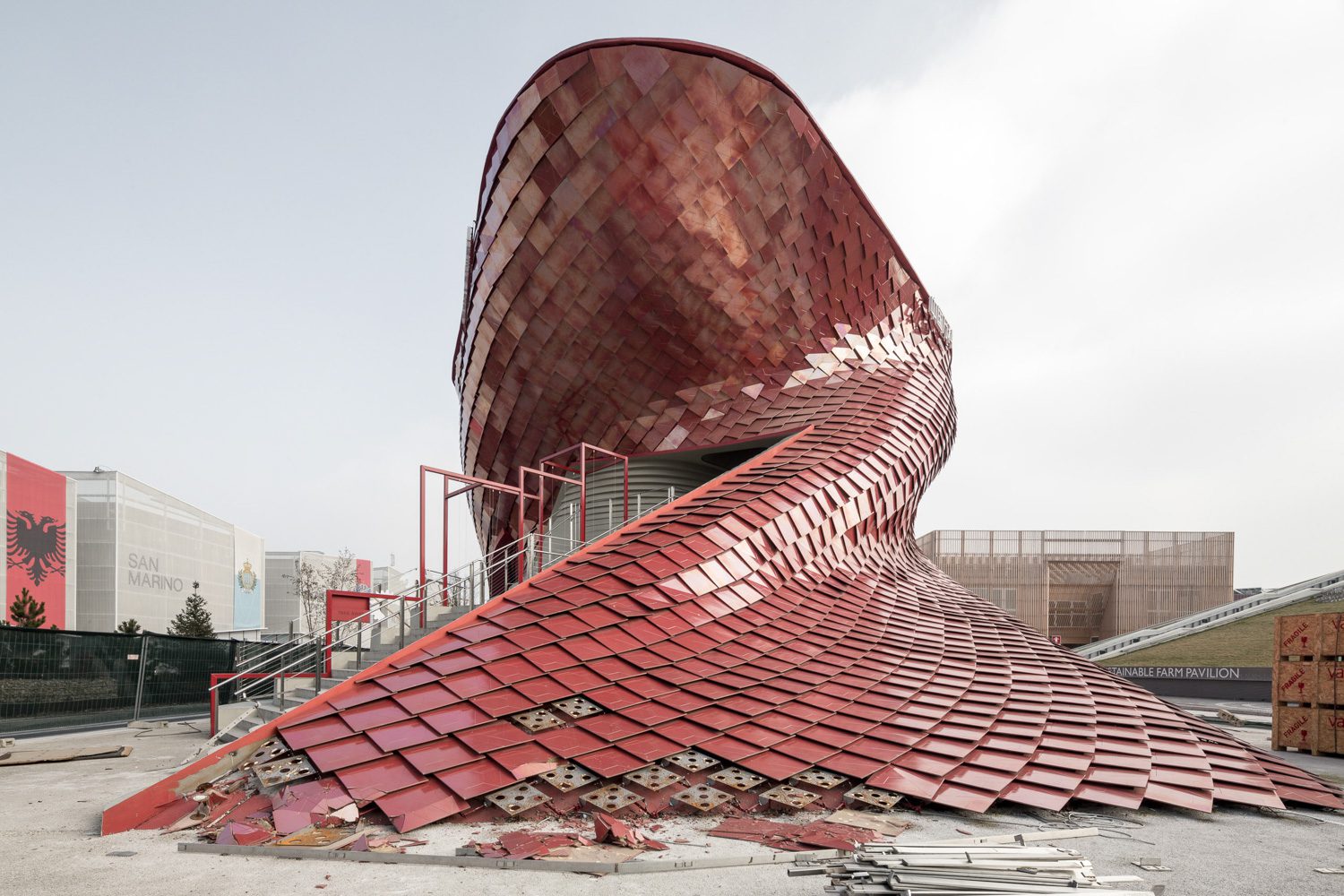
The rules of the BIE stipulated that fourteen months after the end of the exhibition, the participating countries should return the apple as they received it and try to reuse the pavilion elsewhere. Not many virtuous ones managed to find a second location; unfortunately, the list of destructions is longer than the list of those pavilions dismantled and reused. However, Expo is slowly adapting to the times: the waste of an event of this scale is unacceptable and a strategy to avoid it is being considered. 

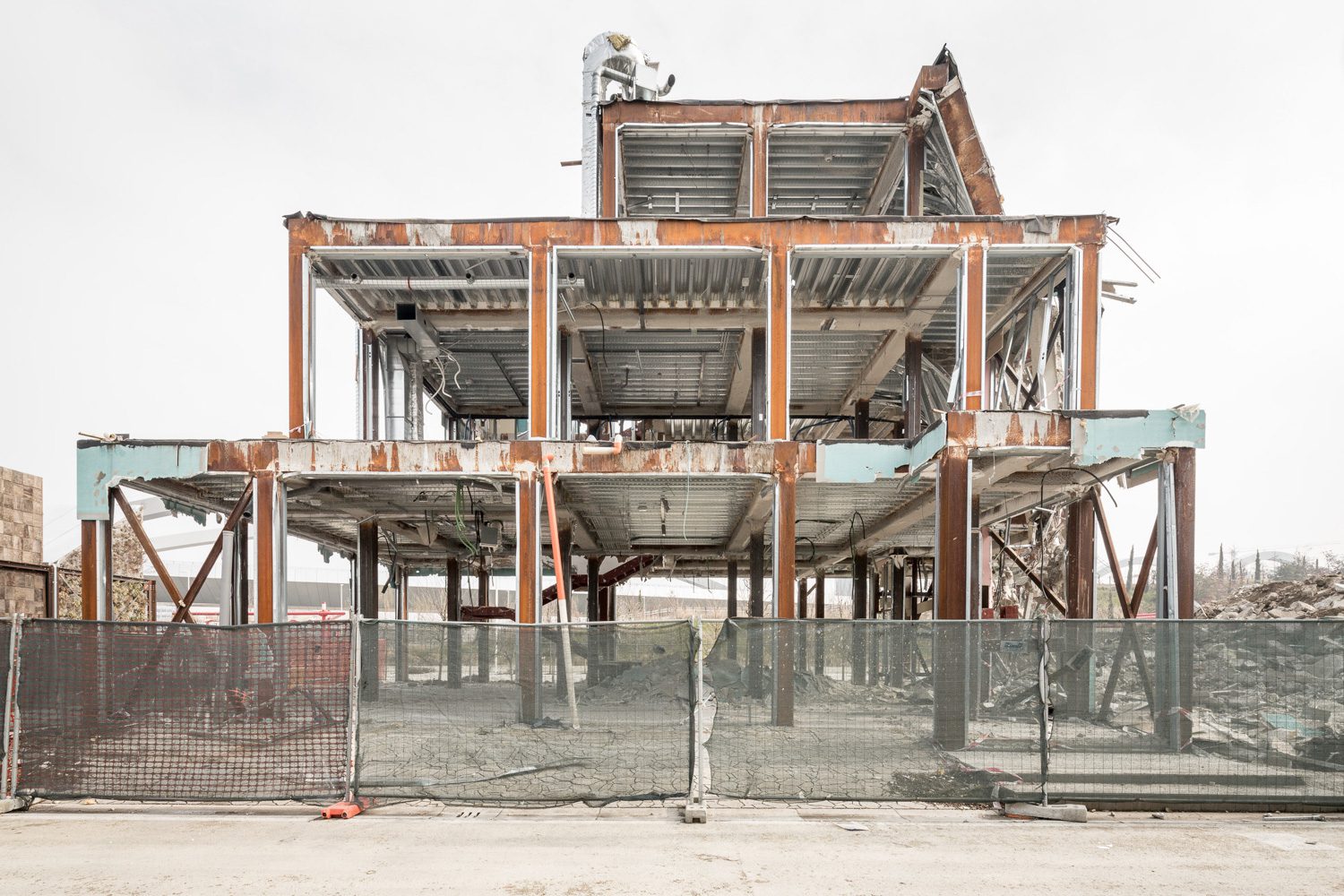
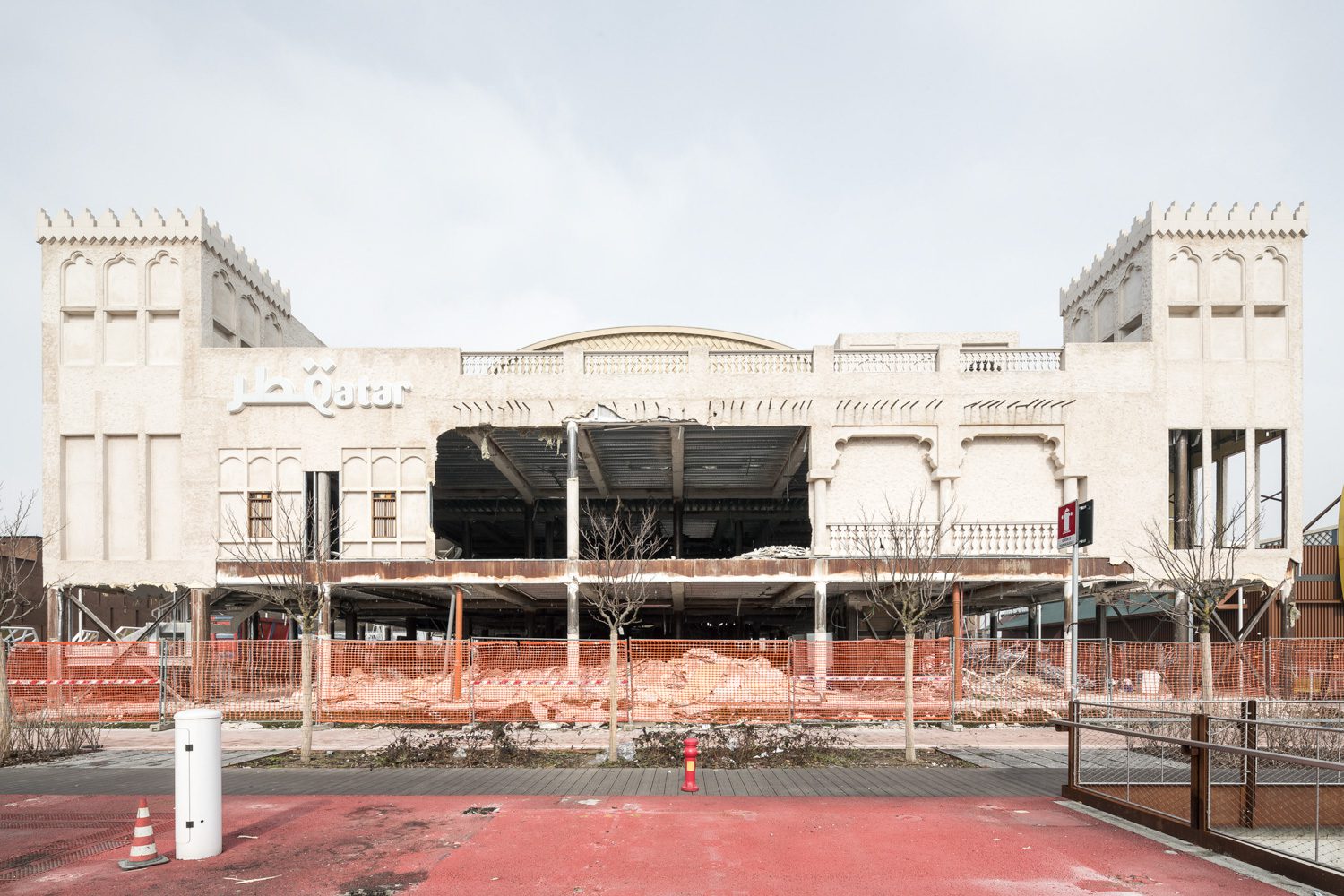
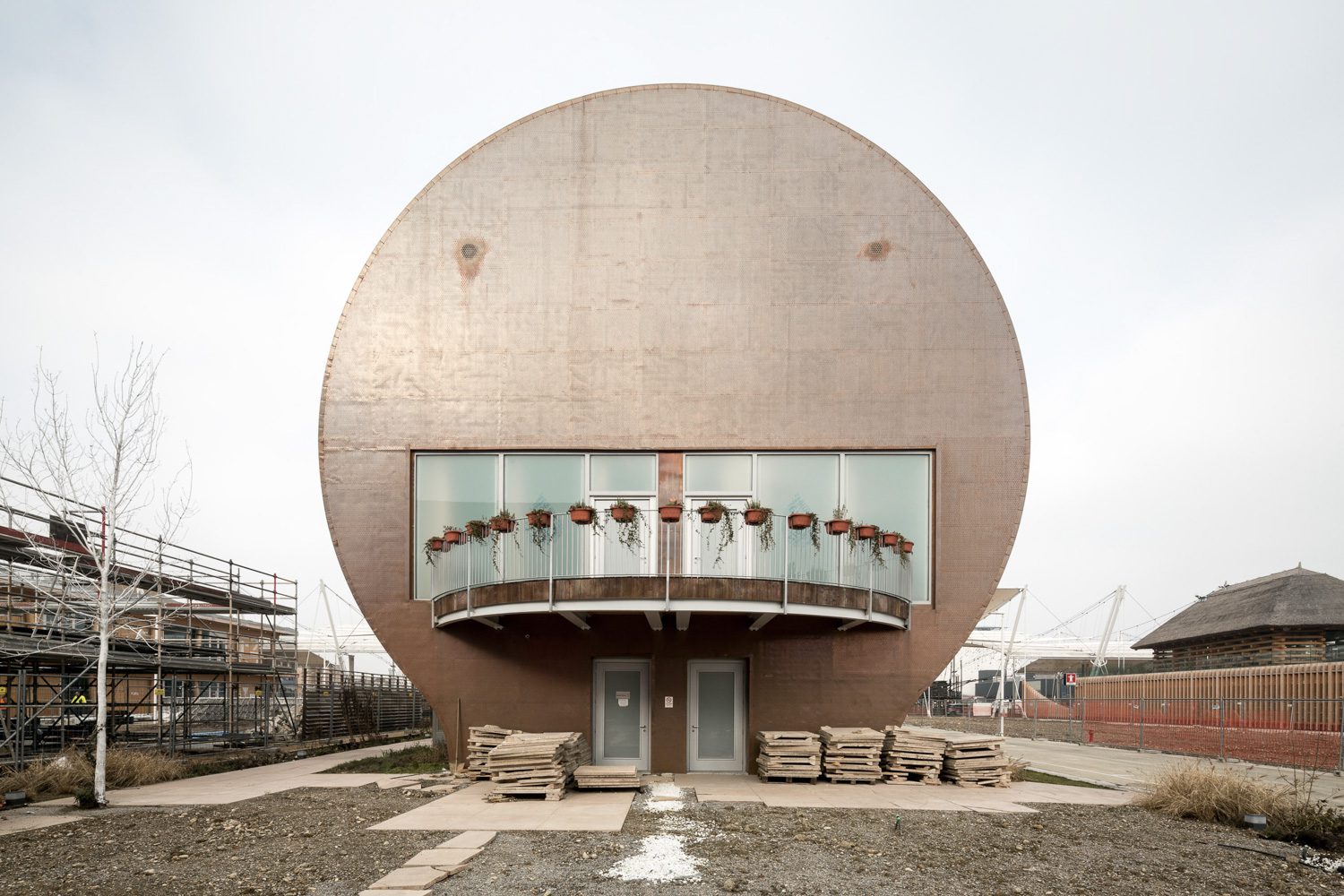
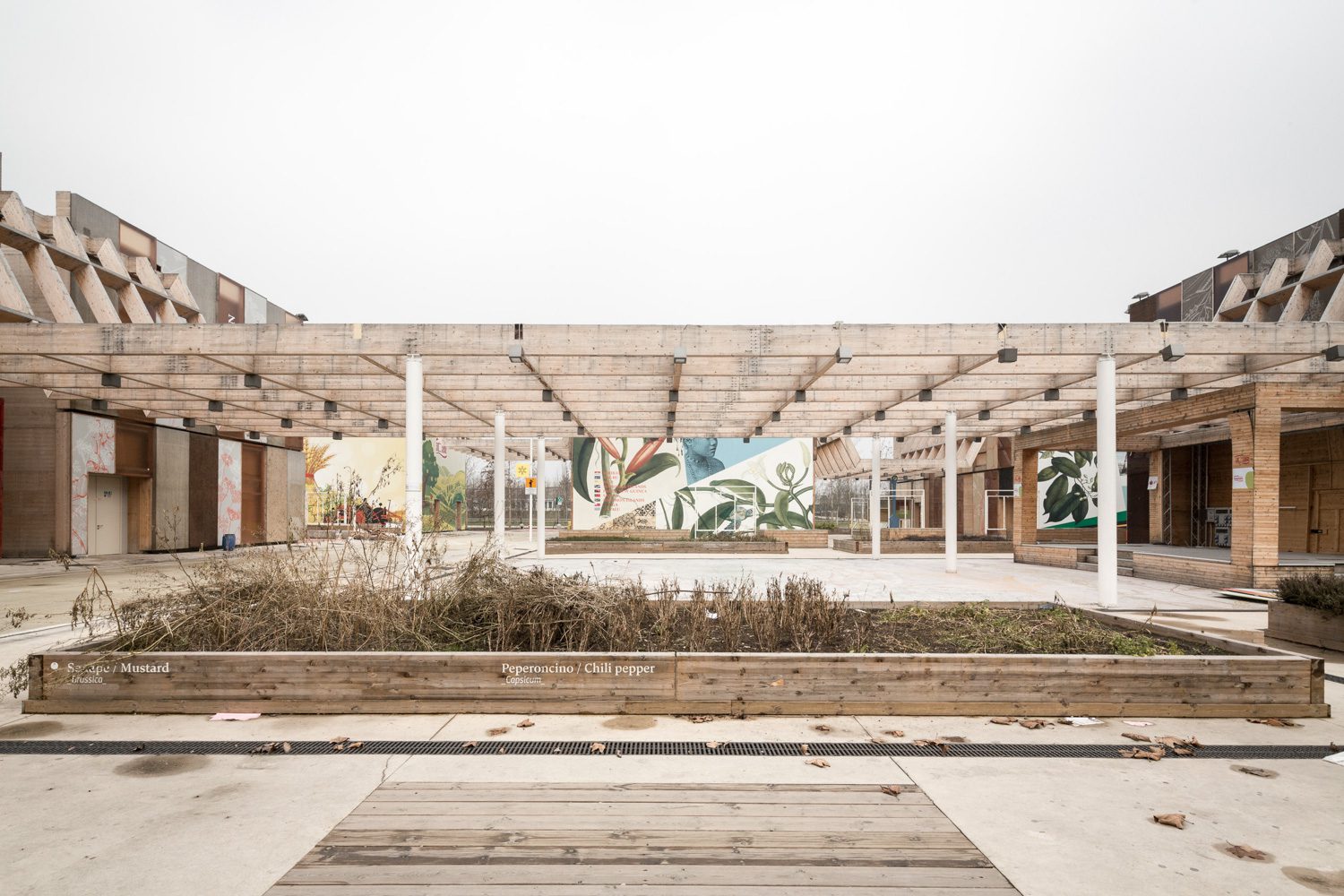
Expo Milano ended in October 2015 and later this year its gates reopened to trucks and workers to dismantle the pavilions like a big jigsaw puzzle. I was able to access the site on two further occasions since it was closed to the public. After having seen the entire construction process and accompanied the months of the event’s development, a cycle closes, documenting the traces of what was there, and with them the metal-devouring machines, the saws and the patient labour of the workers sorting the materials.  

Some pavilions seemed to have evaporated. In the earth were some traces of foundations and mud; others were lacerated, others looked as if they had been bombed but stood stoically. 

Where a few months ago I struggled to find a good shooting point, I now walk alone along the Decumanus, a post-atomic landscape all around me. Volunteers rescued many plants, but the greenery that cannot survive without artificial irrigation was already dead and, in the meantime, the Third Landscape (G. Clement, 2004) has gained some space among the skeletons of structures and abandoned gardens. In this way, too, the Expo has its own charm.

The photographic series presented on these pages wants to raise some questions not only about architecture but also about our society and the meaning of these events.

_____________

Filippo Poli is a photographer specialized in architectural photography; he is based in Europe and collaborates with architecture firms, institutions and publishers.

His personal work is focused on cultural landscape, on the relationship between Man and Nature and its results in the Space. 

His photographs are part of the permanent collection of the new Art Centre of Santander of public Enaire Foundation and his work has been presented in venues in Europe (Climate Summit (COP25) in Madrid, Venice Biennale, Arco Madrid, Photo España, Deutsches Architekturmuseum, …) and USA and are part of private and public collections. 

He regularly publishes in the most important architecture magazines and his work has been awarded by Fundación Enaire, PX3, European Architectural Photography, Architekturbild, IPA, Photography Master Cup, Philadelphia Basho, ArchTriumph among others.

Filippopoli.com
facebook.com/filippopoliphotography
instagram.com/filippo.poli

PHOTO ESSAY : FUTURE BOARD

TEXT & PHOTO: PEERAPAT WIMOLRUNGKARAT

(For Thai, press here) 

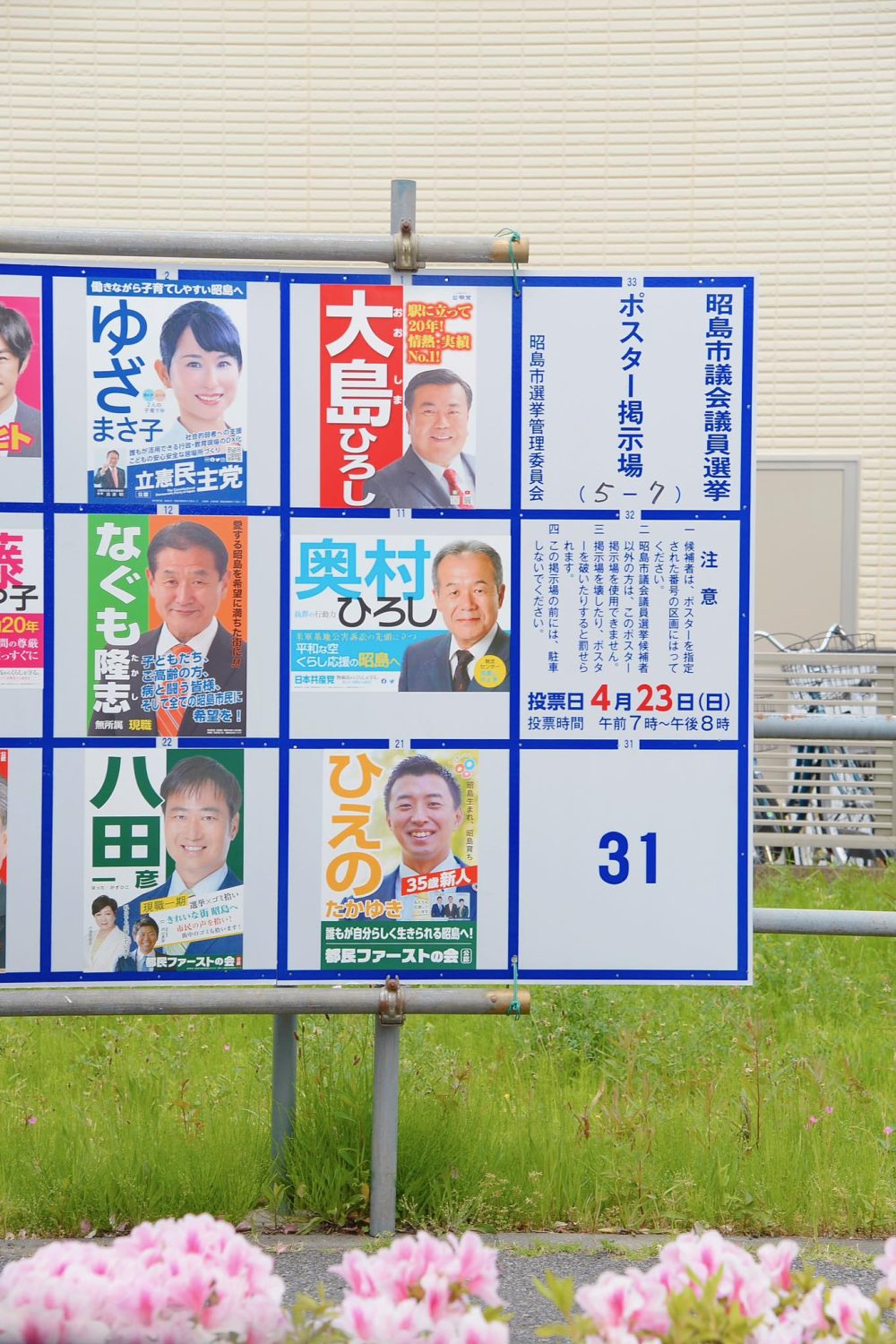
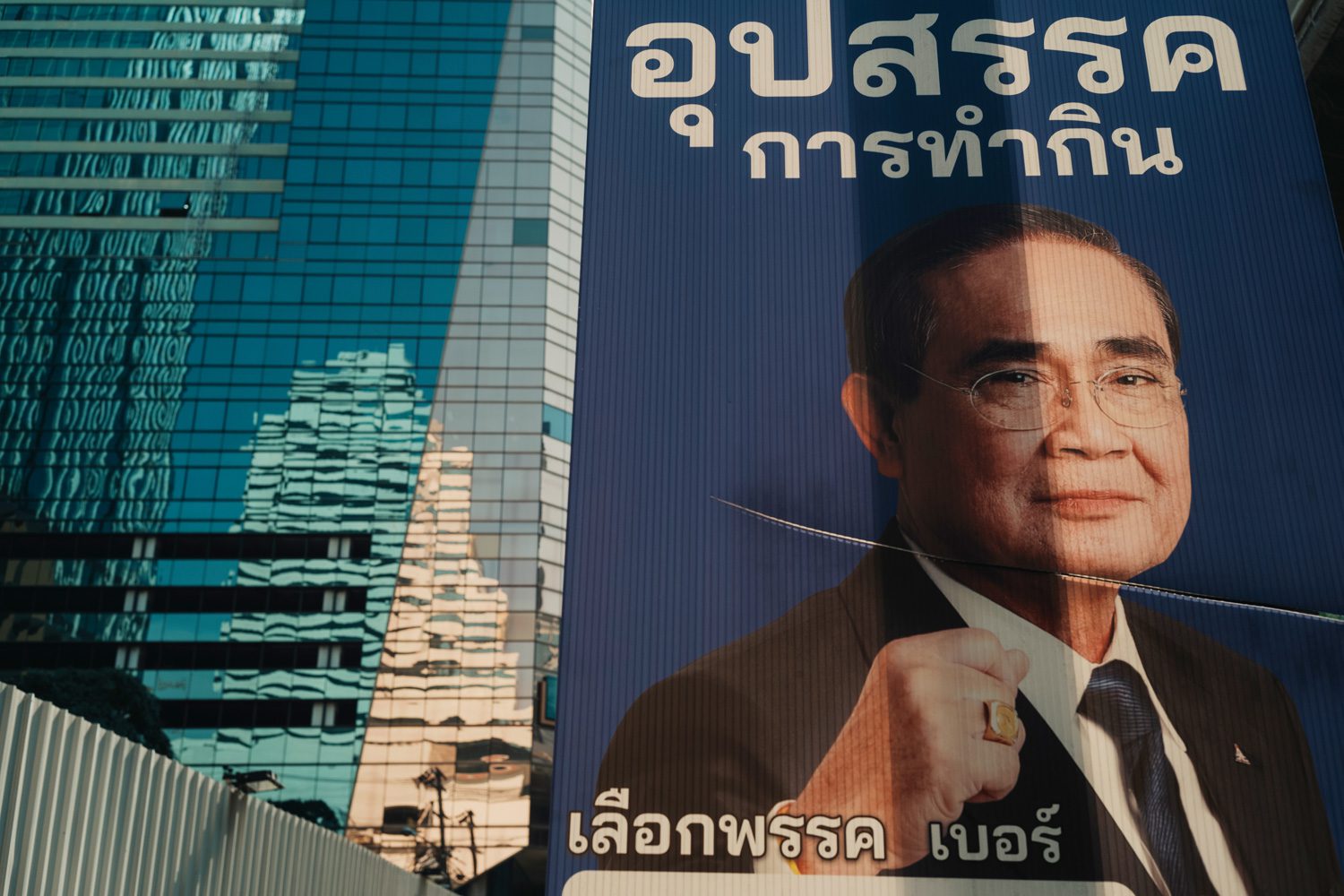
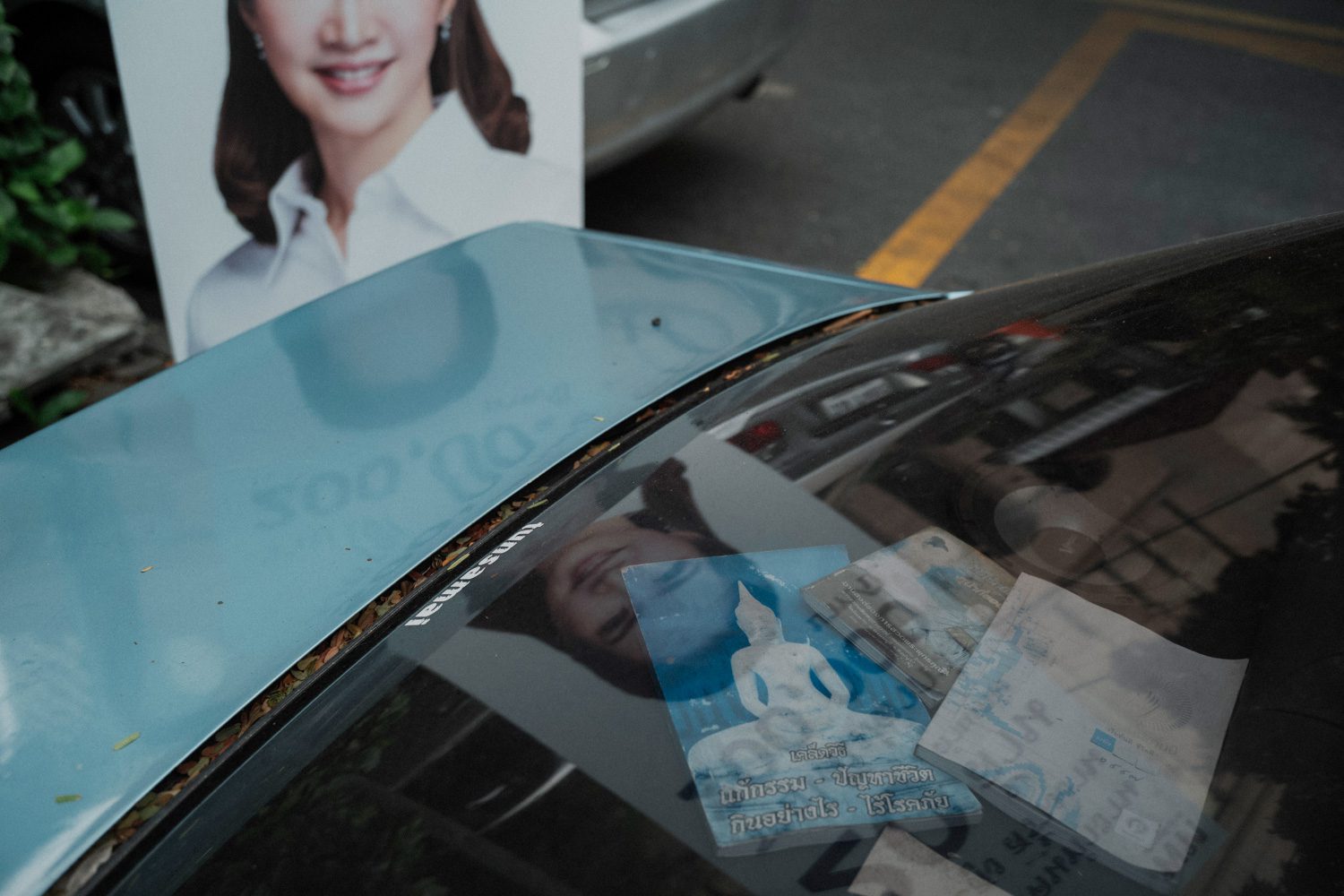
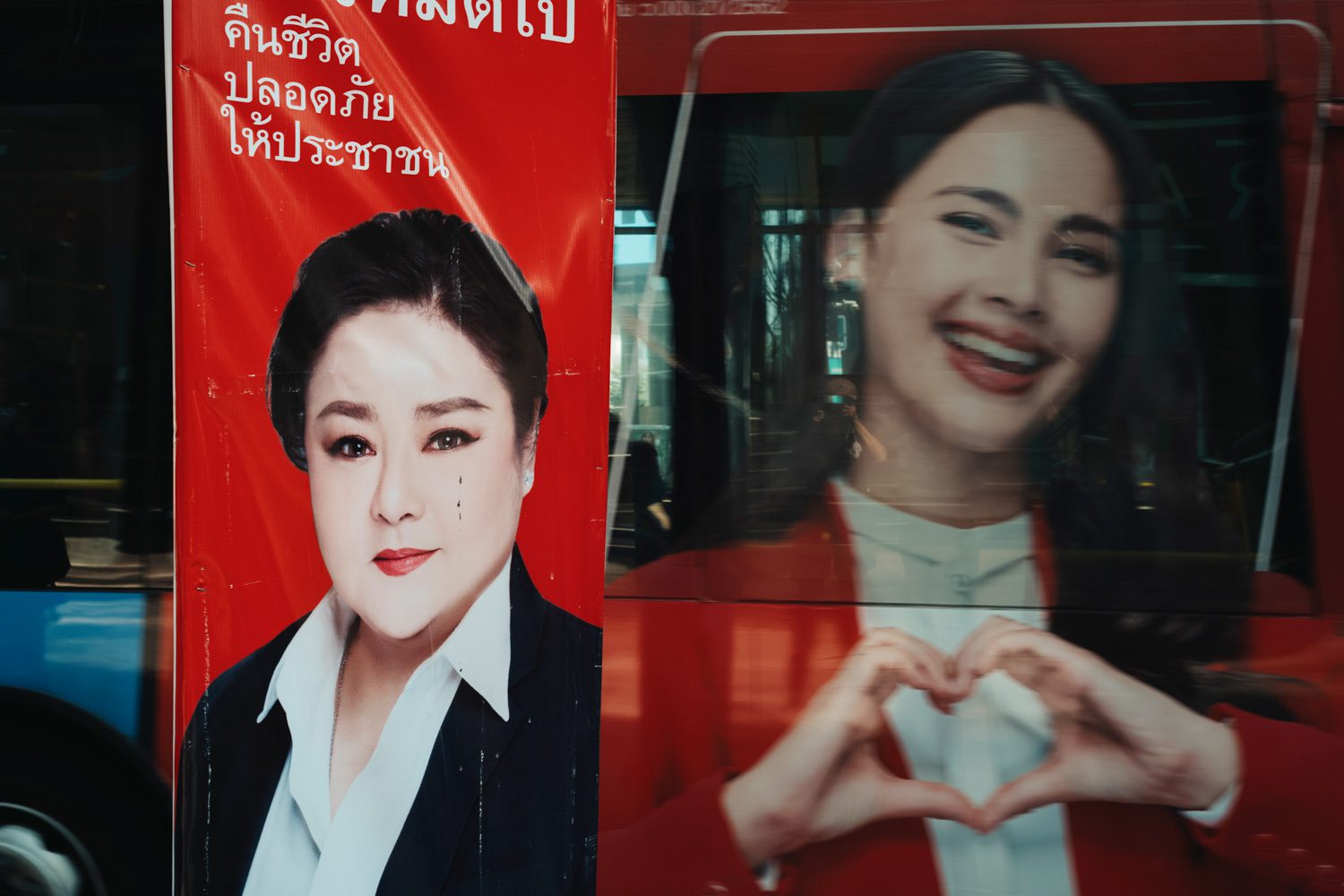
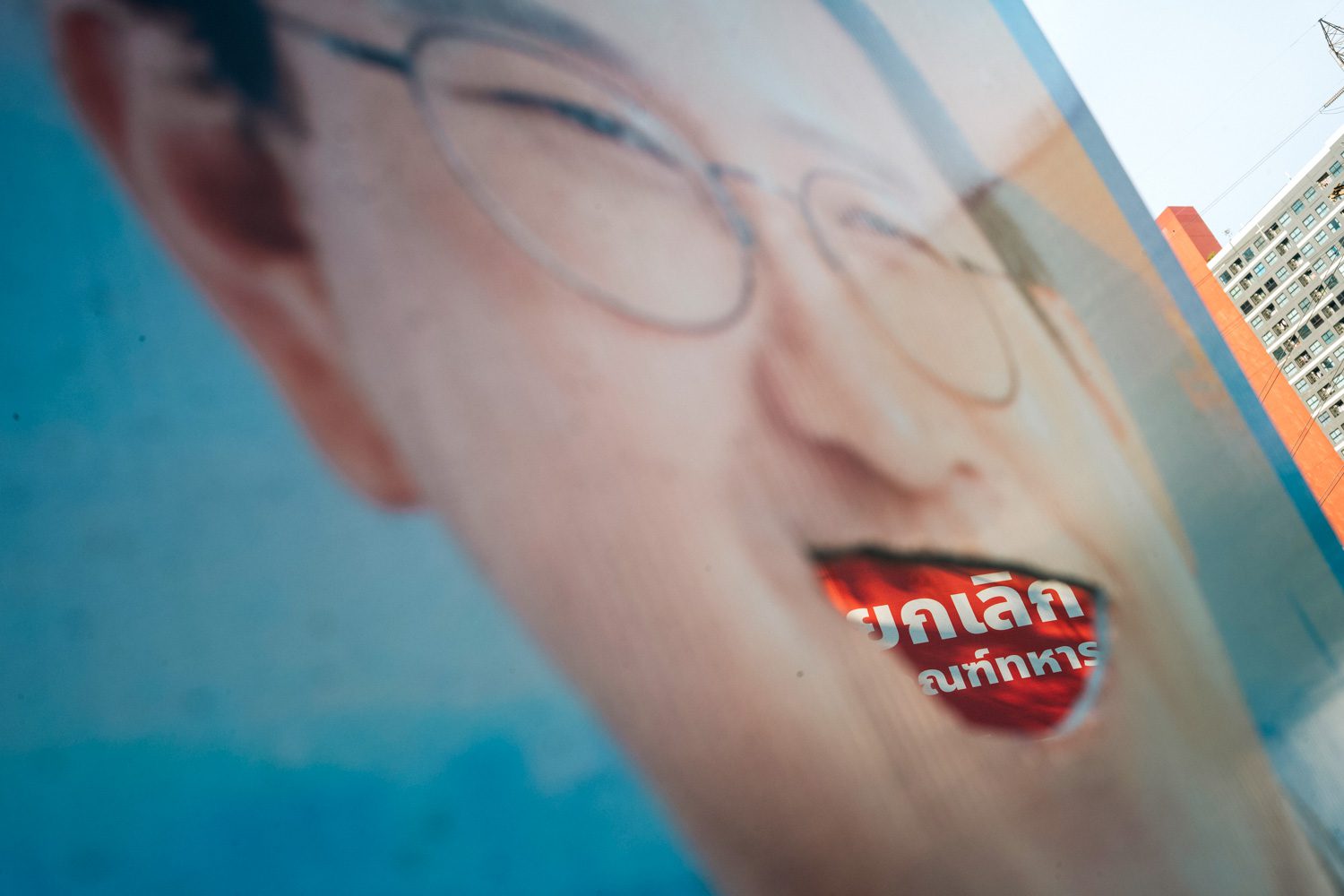
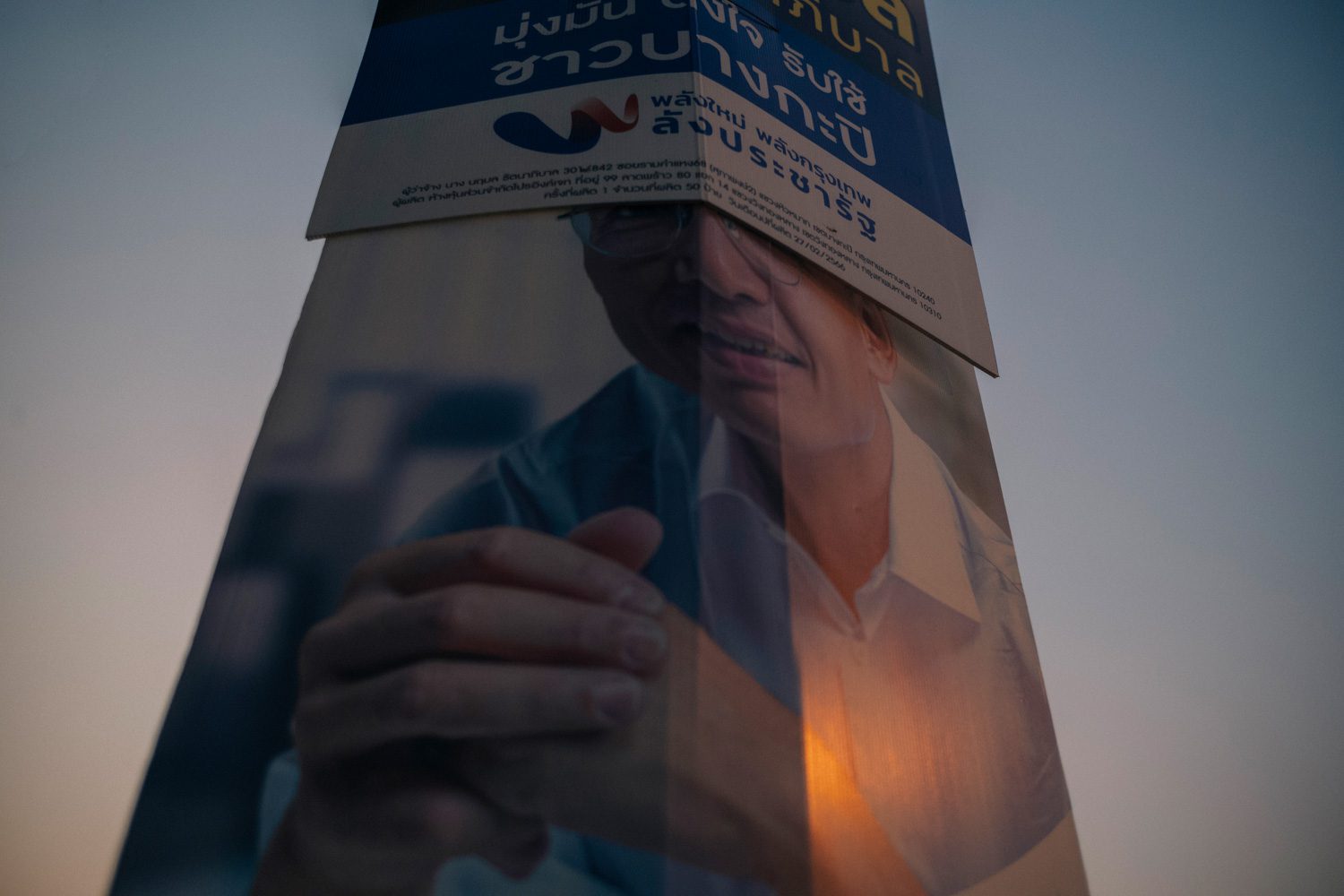
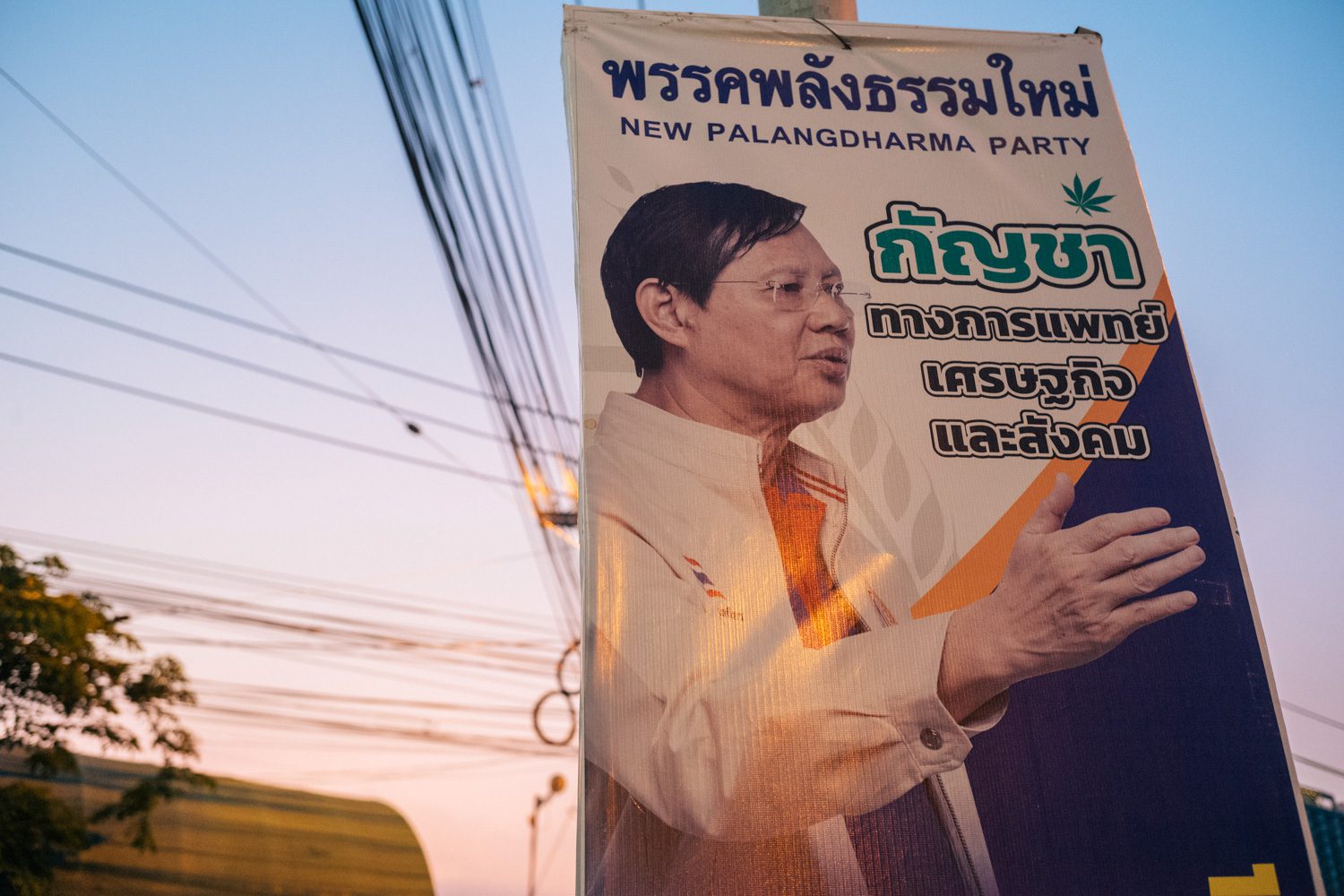
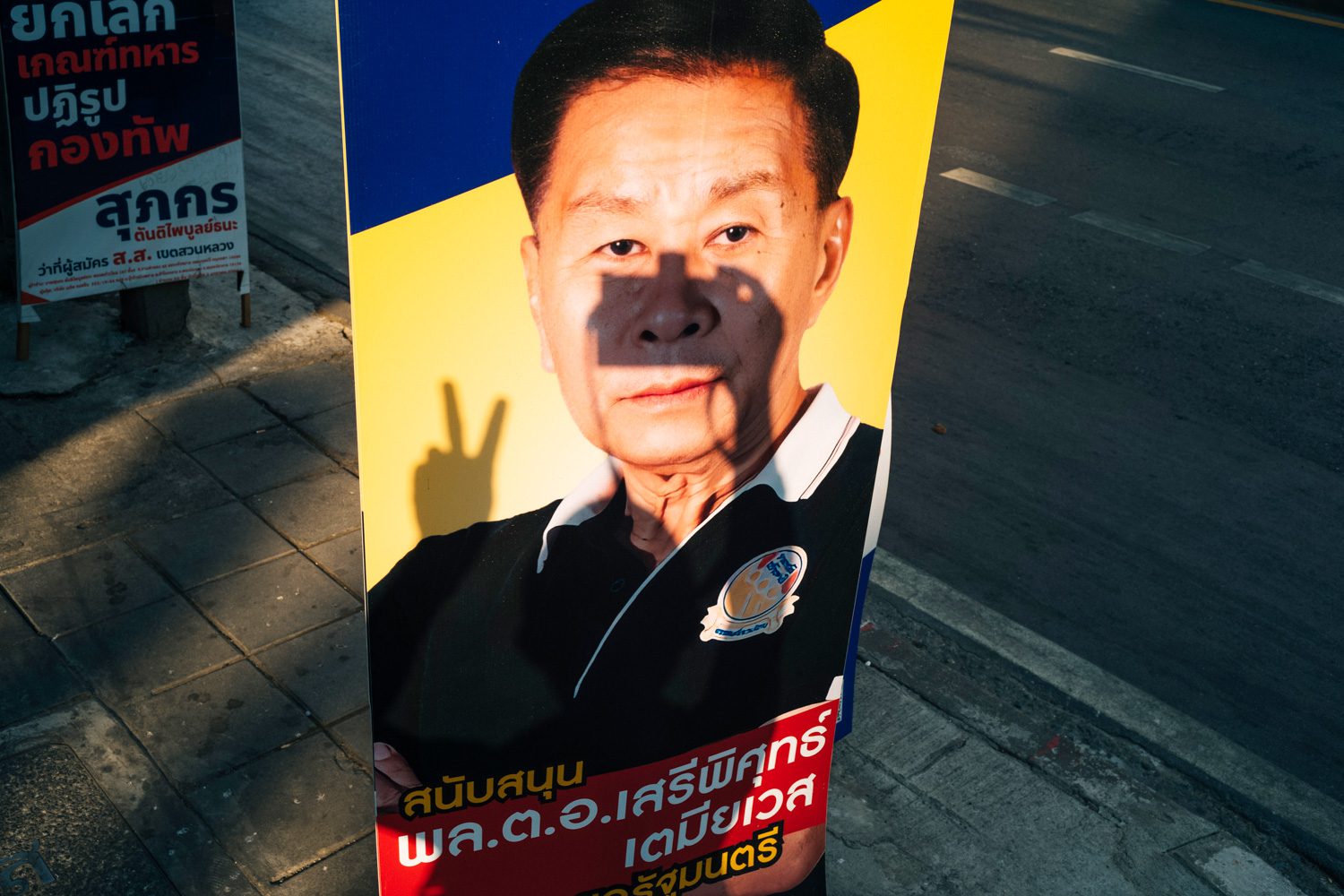
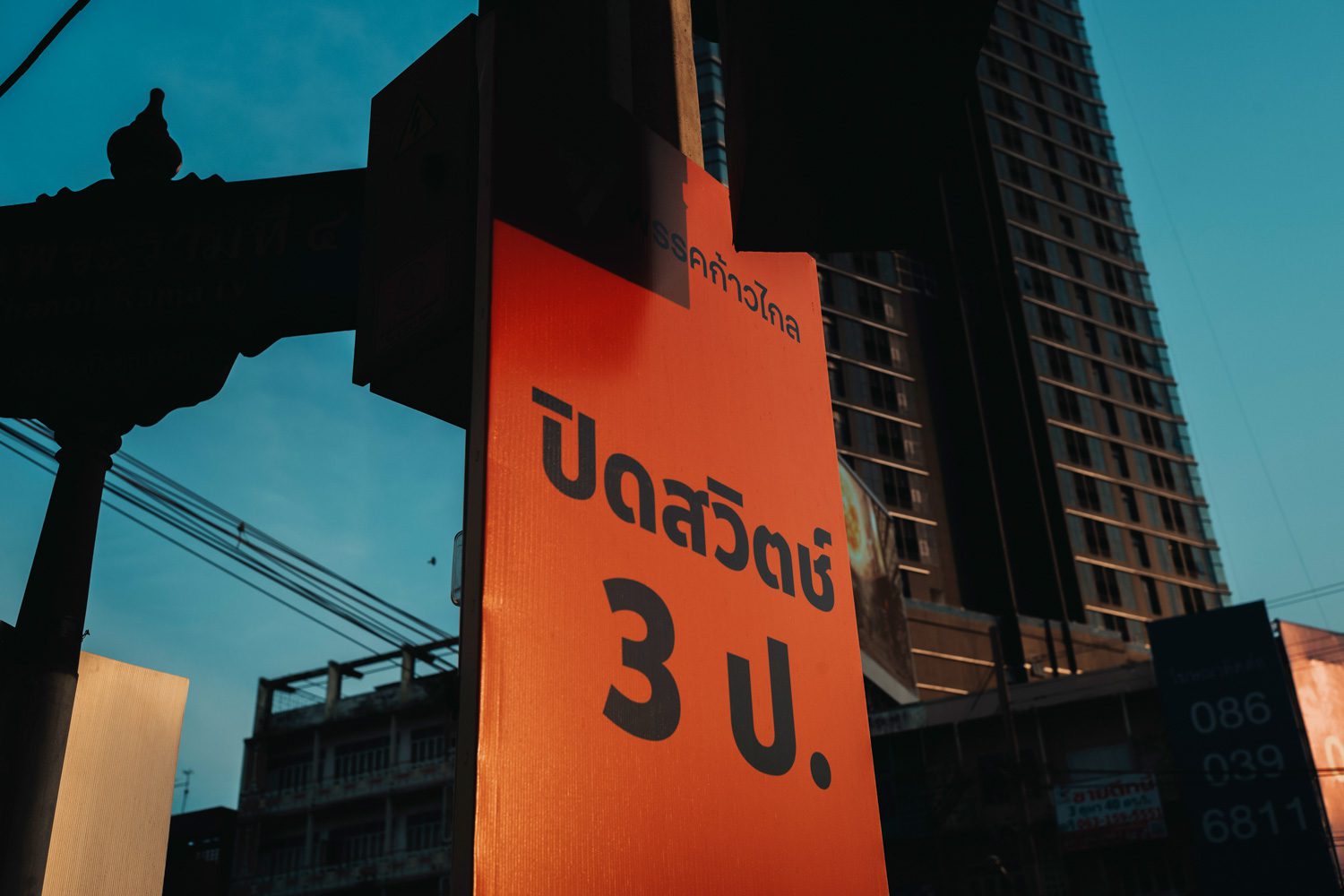
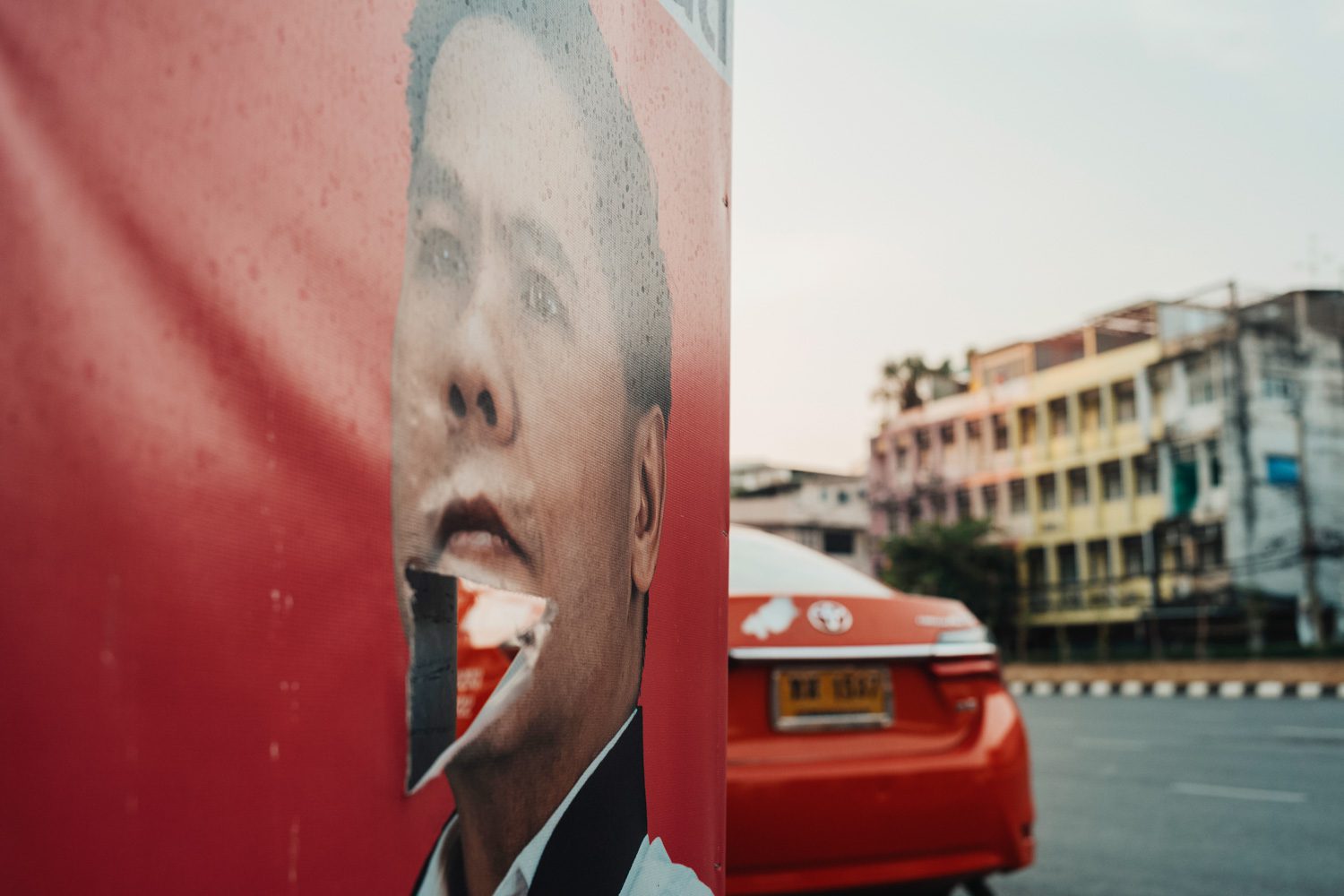
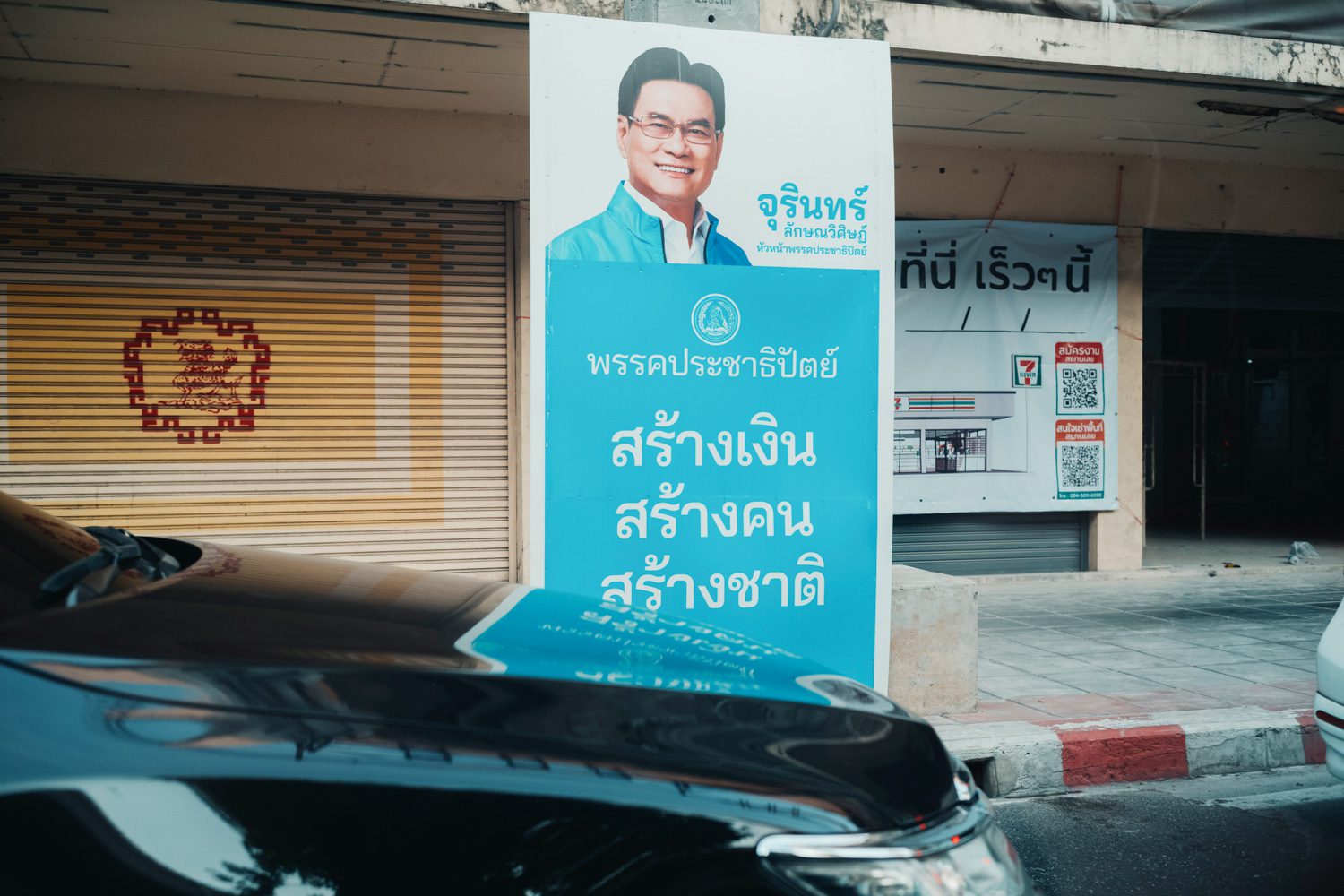
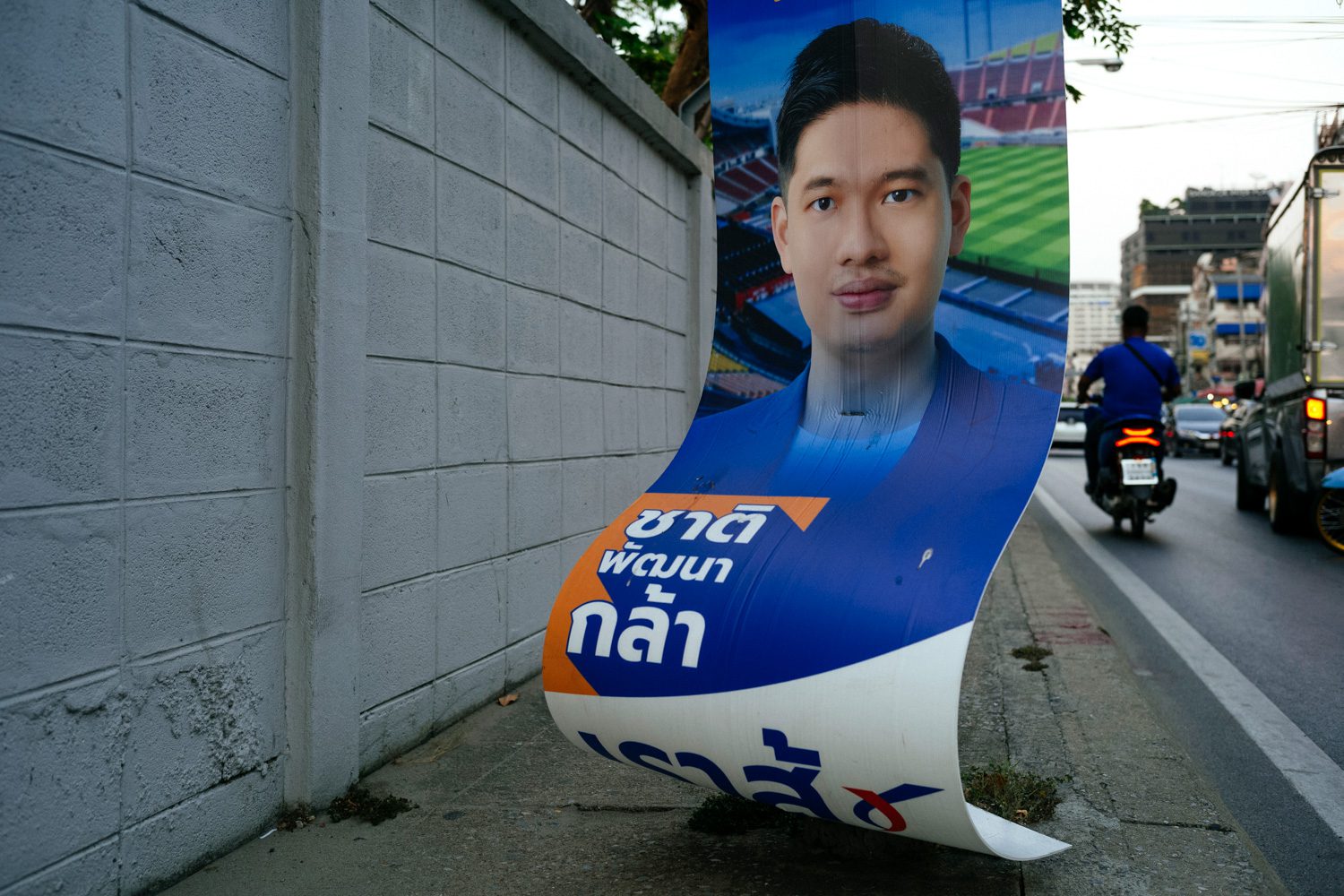
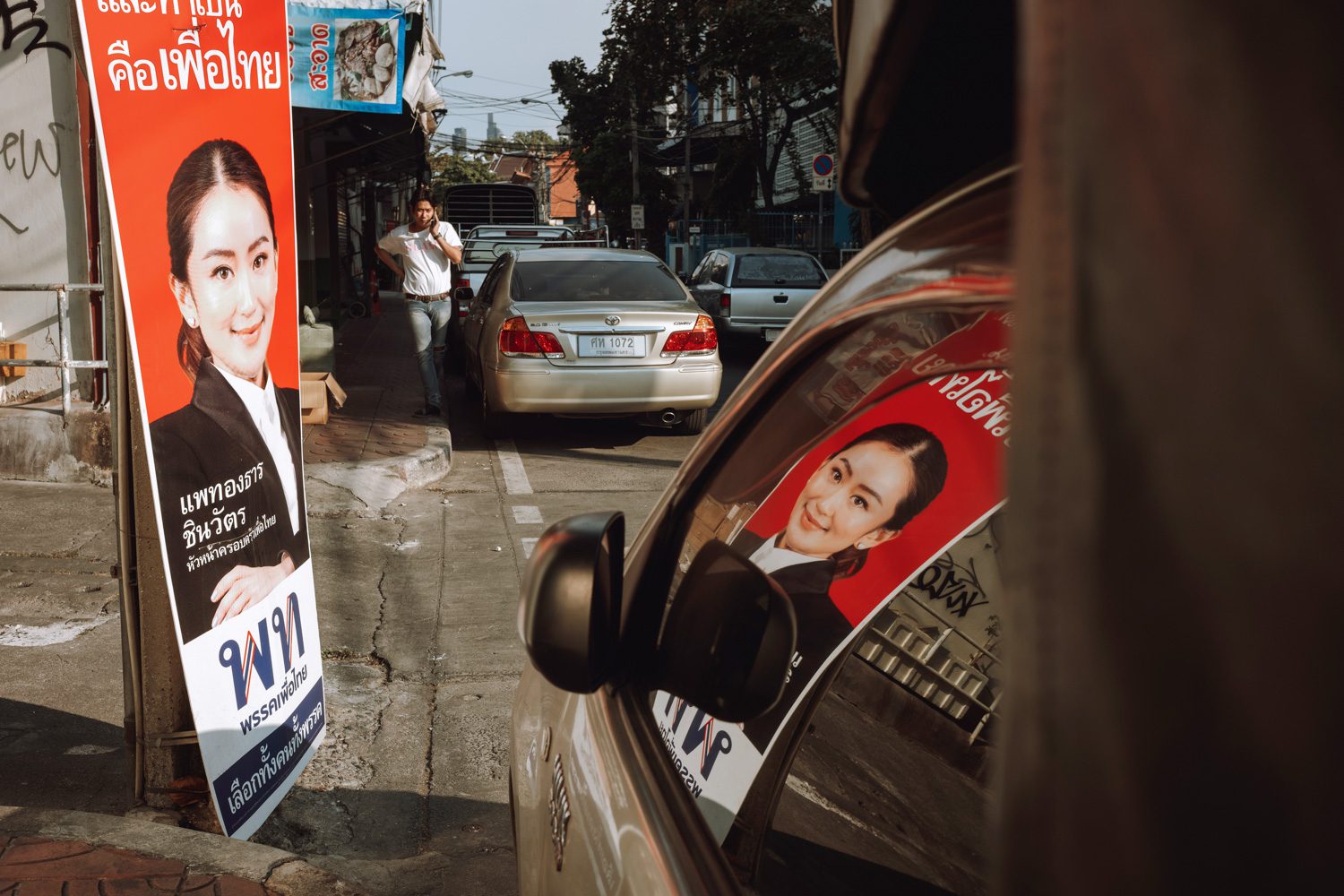
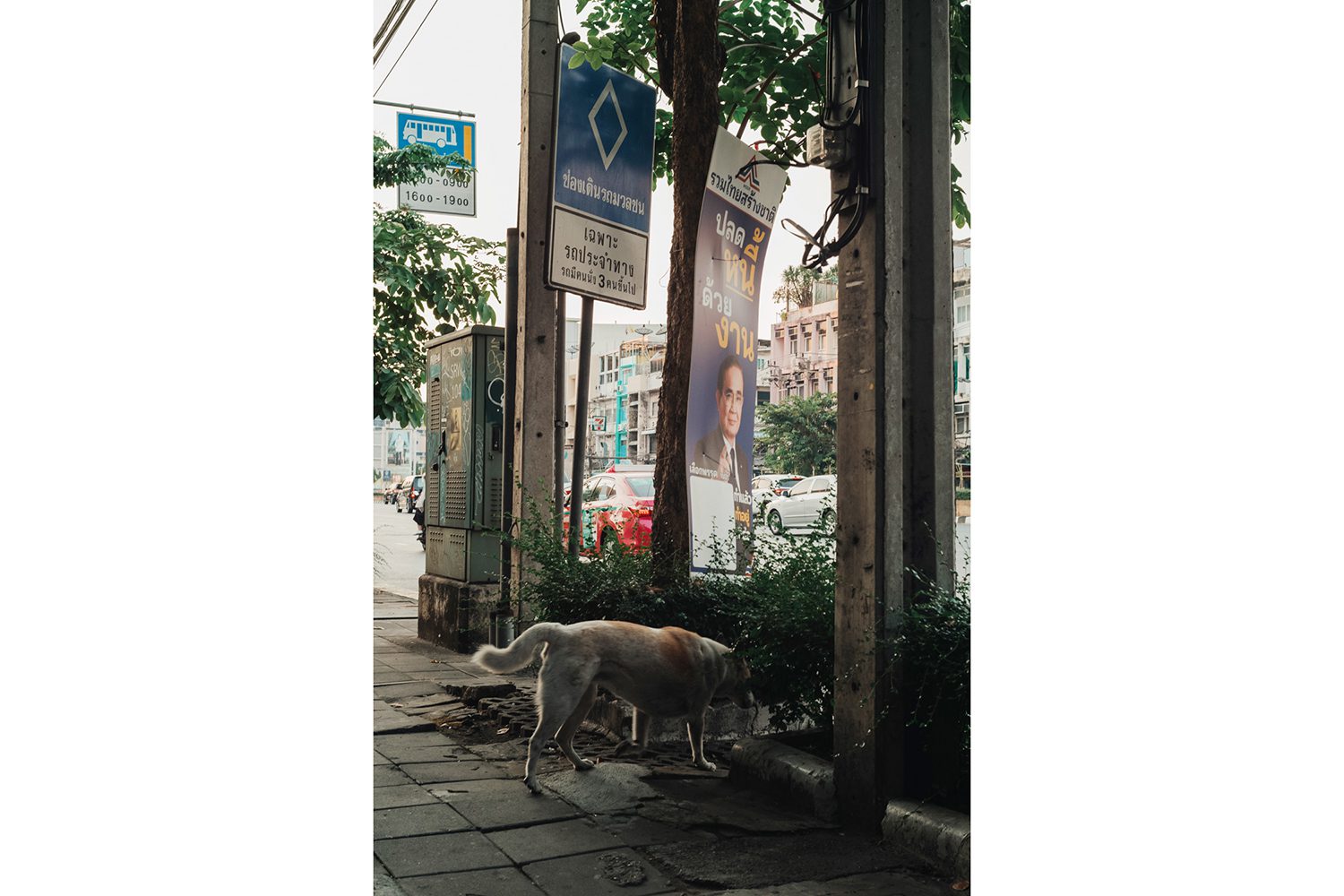
This project is called ‘Future Board’ and it is a photo series of campaign posters from people who are volunteering to run the country in the future.

The initial intention was to go out and take pictures around the neighborhood. While I was riding in a car, I saw campaign posters on both sides of the road that caught my interest to explore different aspects of the campaign posters.

The posters are filled with policies, speeches, letters, and little connotations. Taking pictures is a way to record the promises made by politicians on the posters.

Campaign posters posted everywhere during elections may make the city vibrant, but they can also be visually polluting. Some posters are hastily posted without regard to pedestrians. Taking these pictures of posters raises the question: are campaign posters still effective?

_____________

Peerapat Wimolrungkarat (addcandid) The photographer who loves to capture moments and memories that’s hidden in still images.

Leica Ambassador (Thailand)
Architecture photography @somethingarchitecture

facebook.com/somethingarchitecture
facebook.com/addcandid