Tag: Photographer

PHOTO ESSAY : AT THE HEART OF FAITH


TEXT & PHOTO: SAMATCHA APAISUWAN

(For Thai, press here

At the Heart of Faith: A Portrait of Bangkok’s Indian Community 

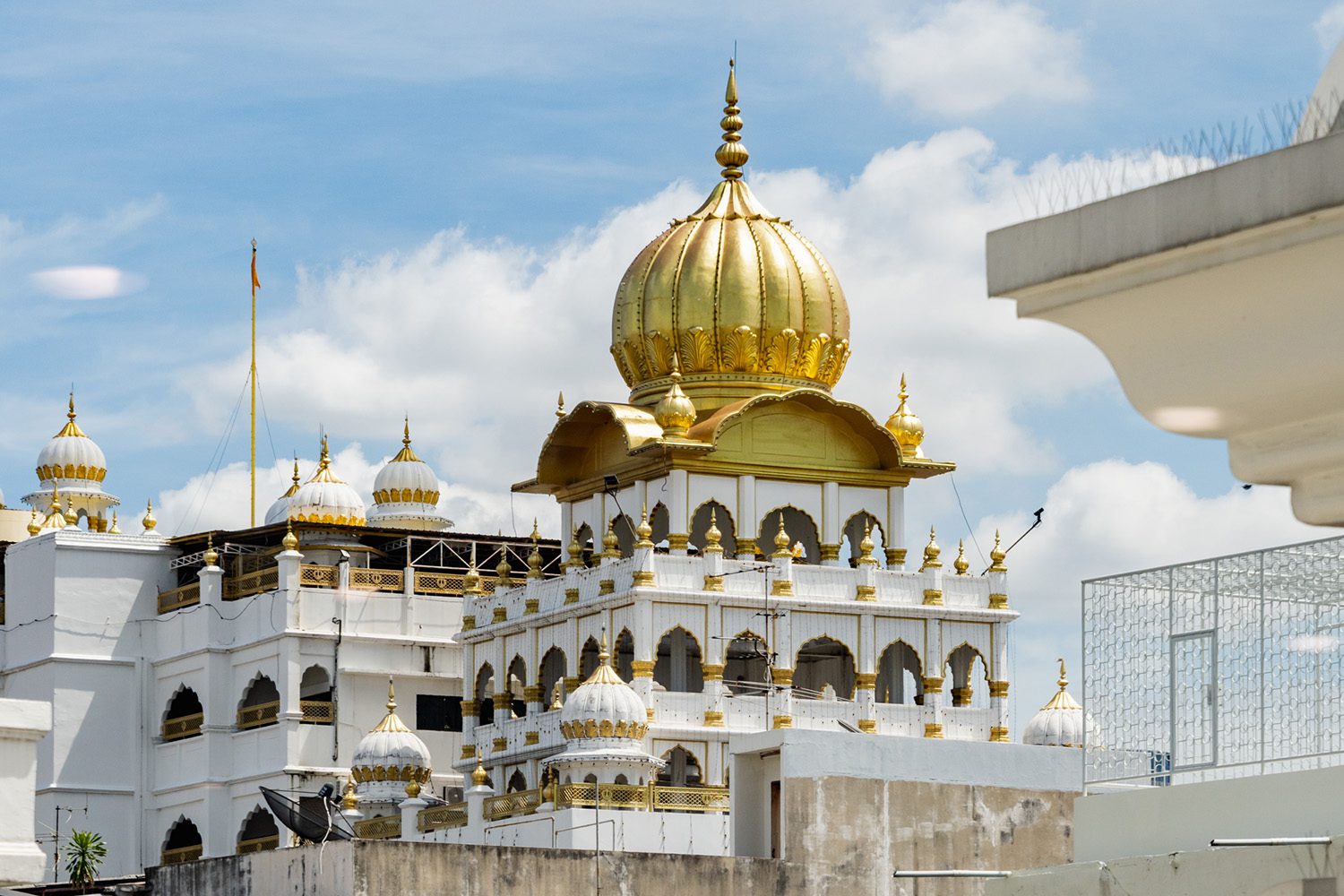
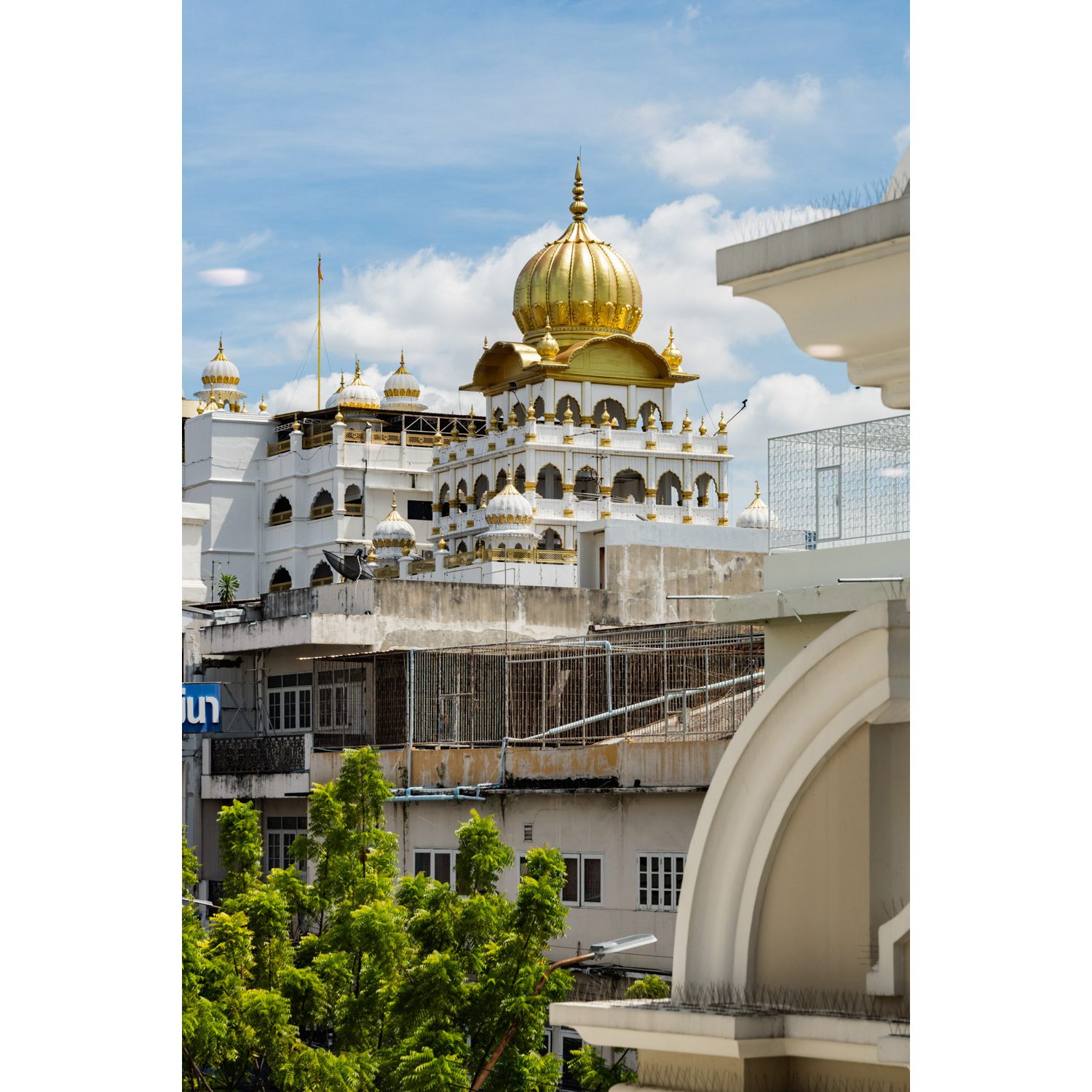
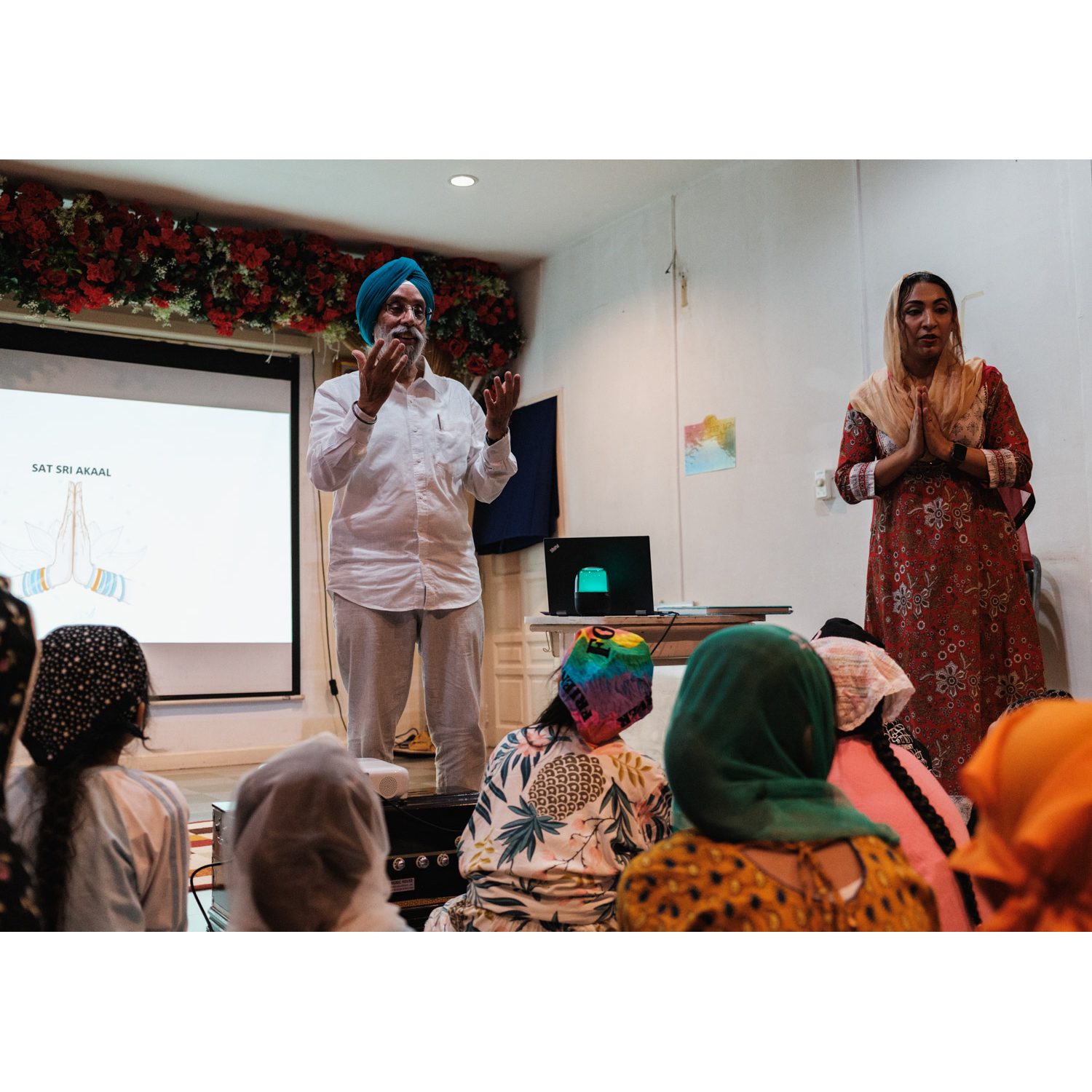
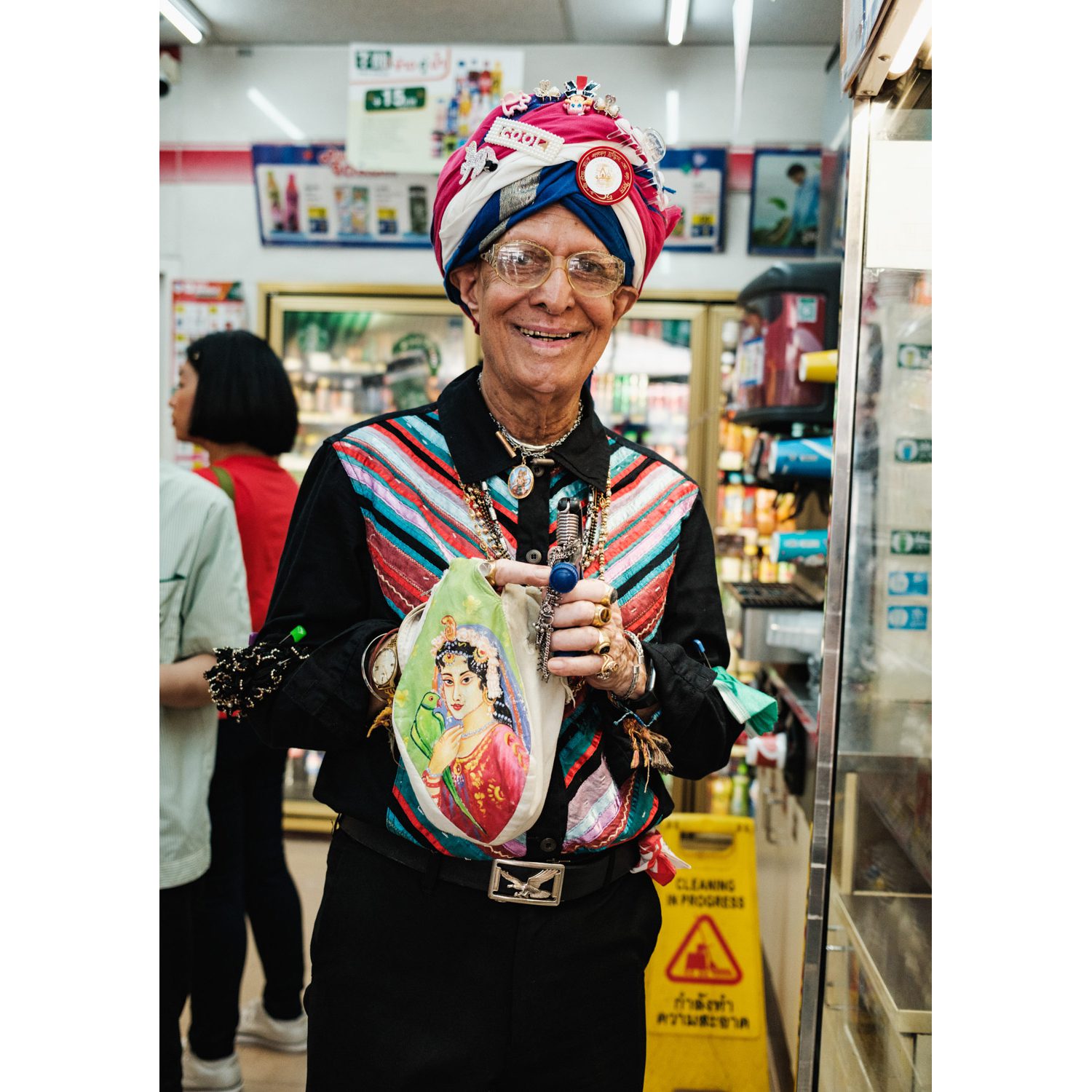
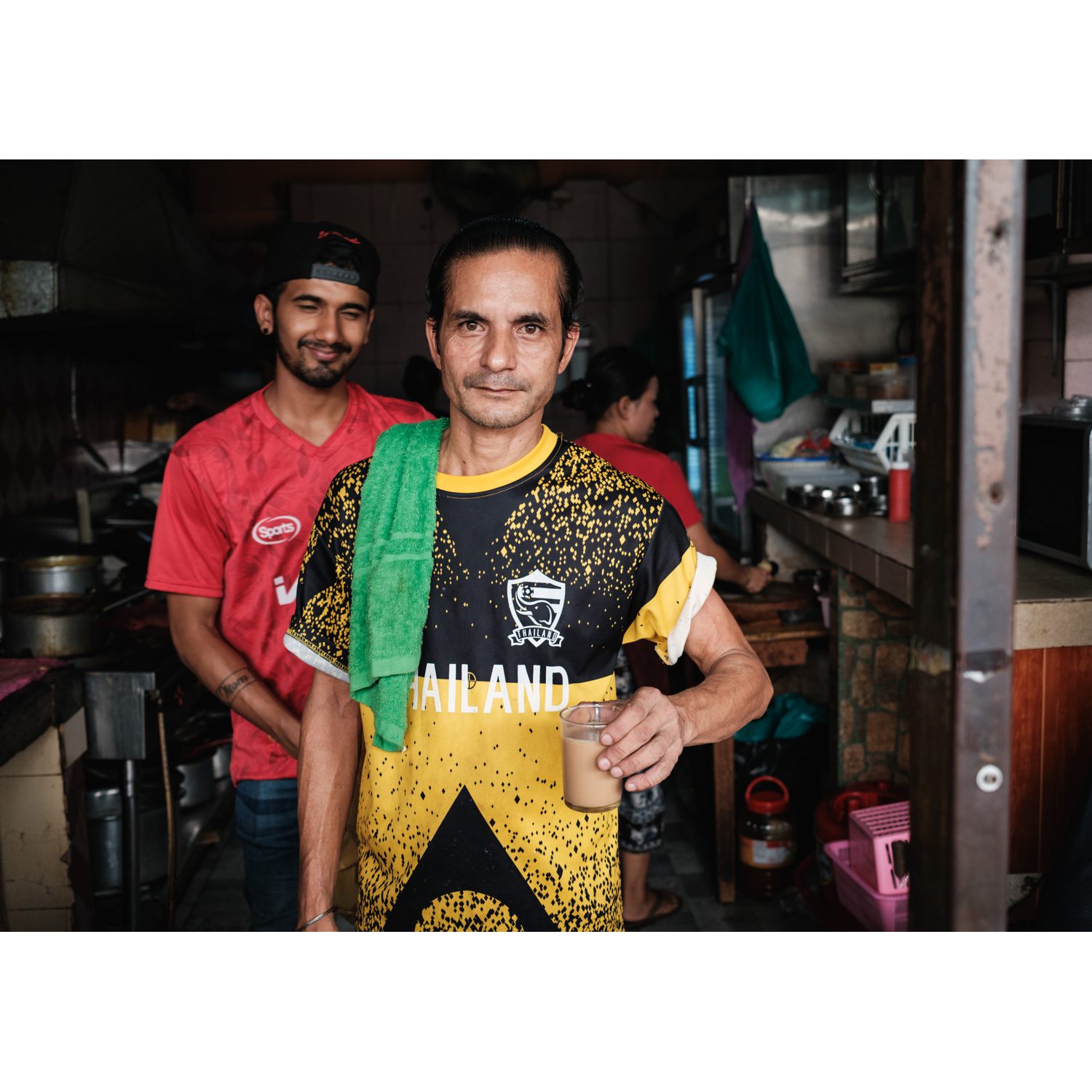
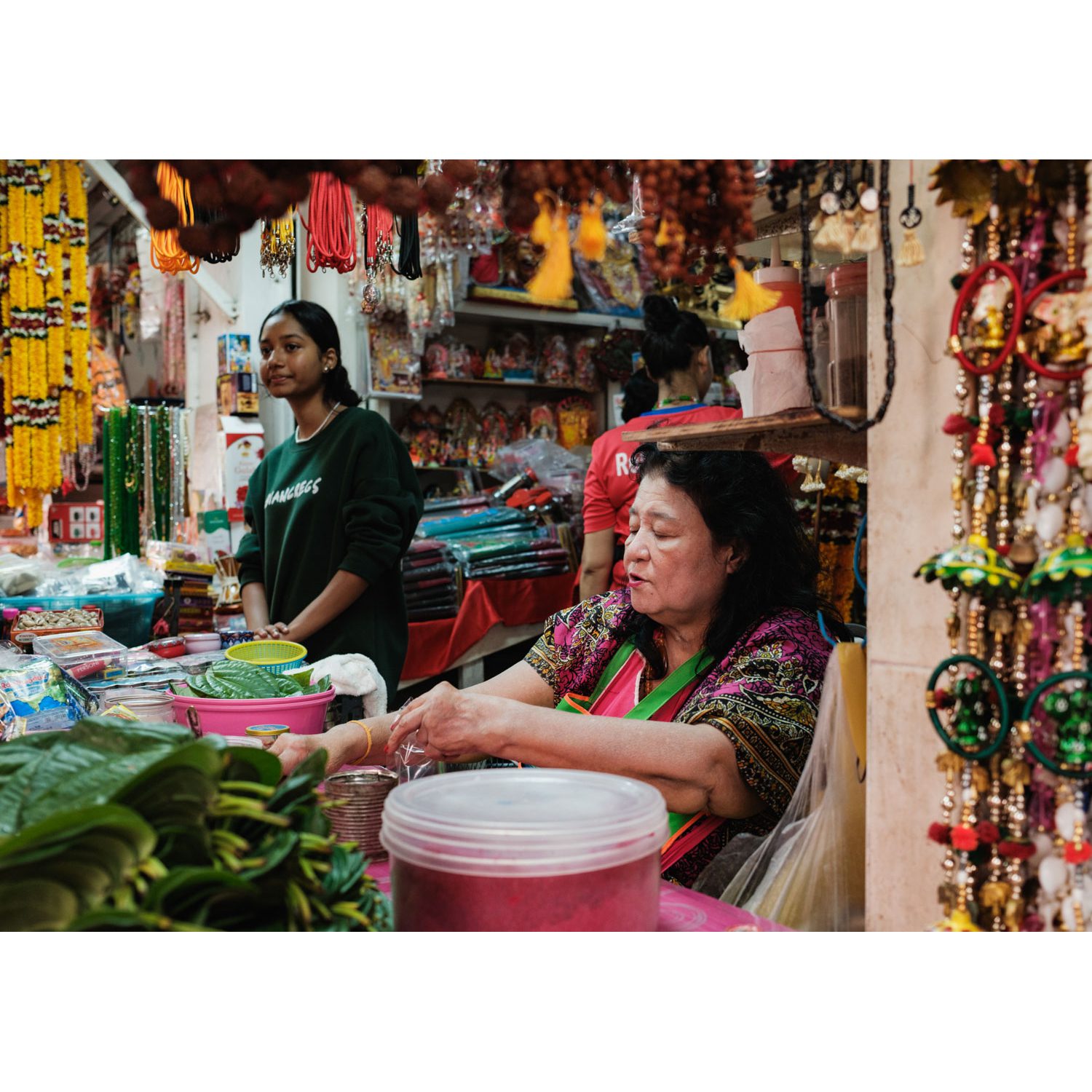
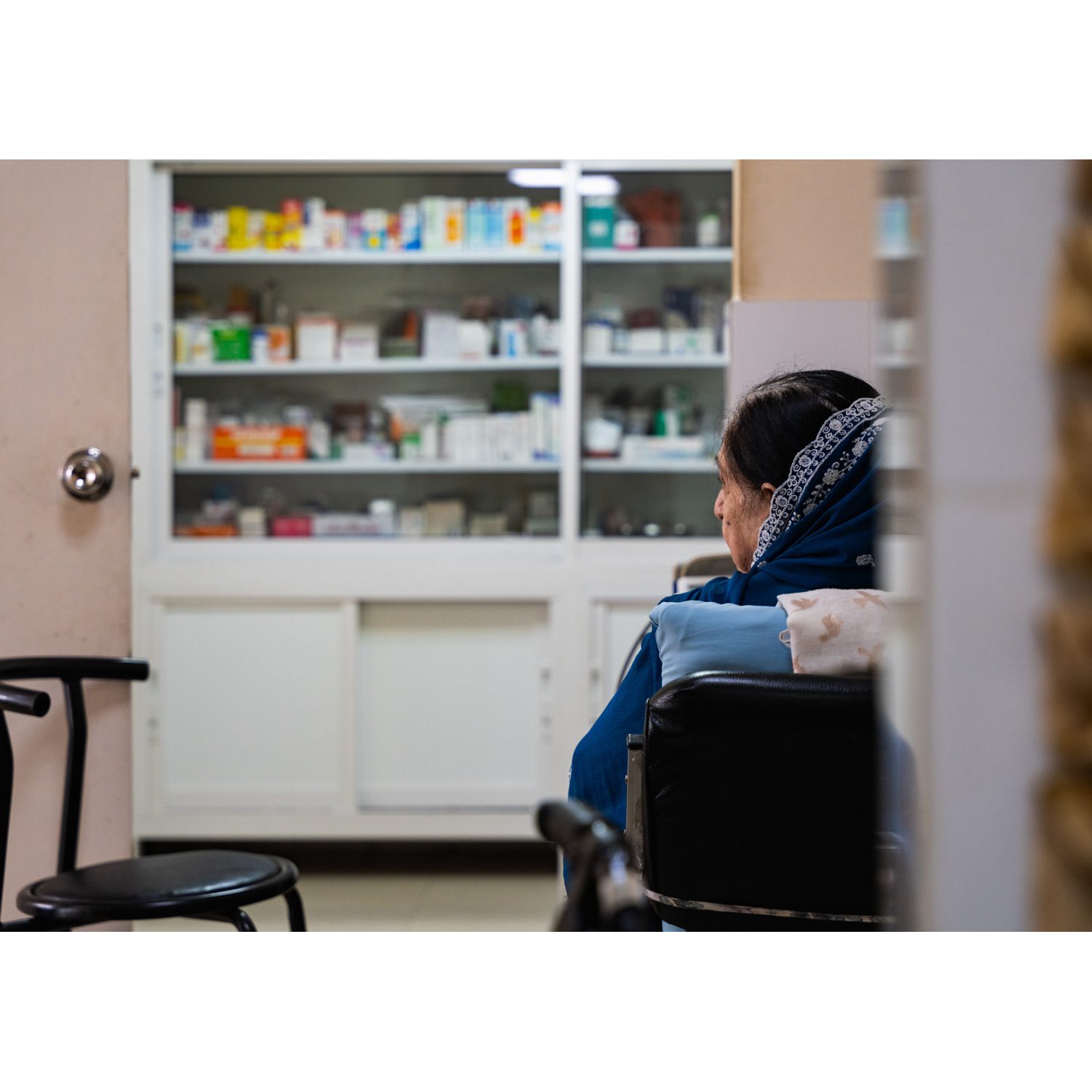
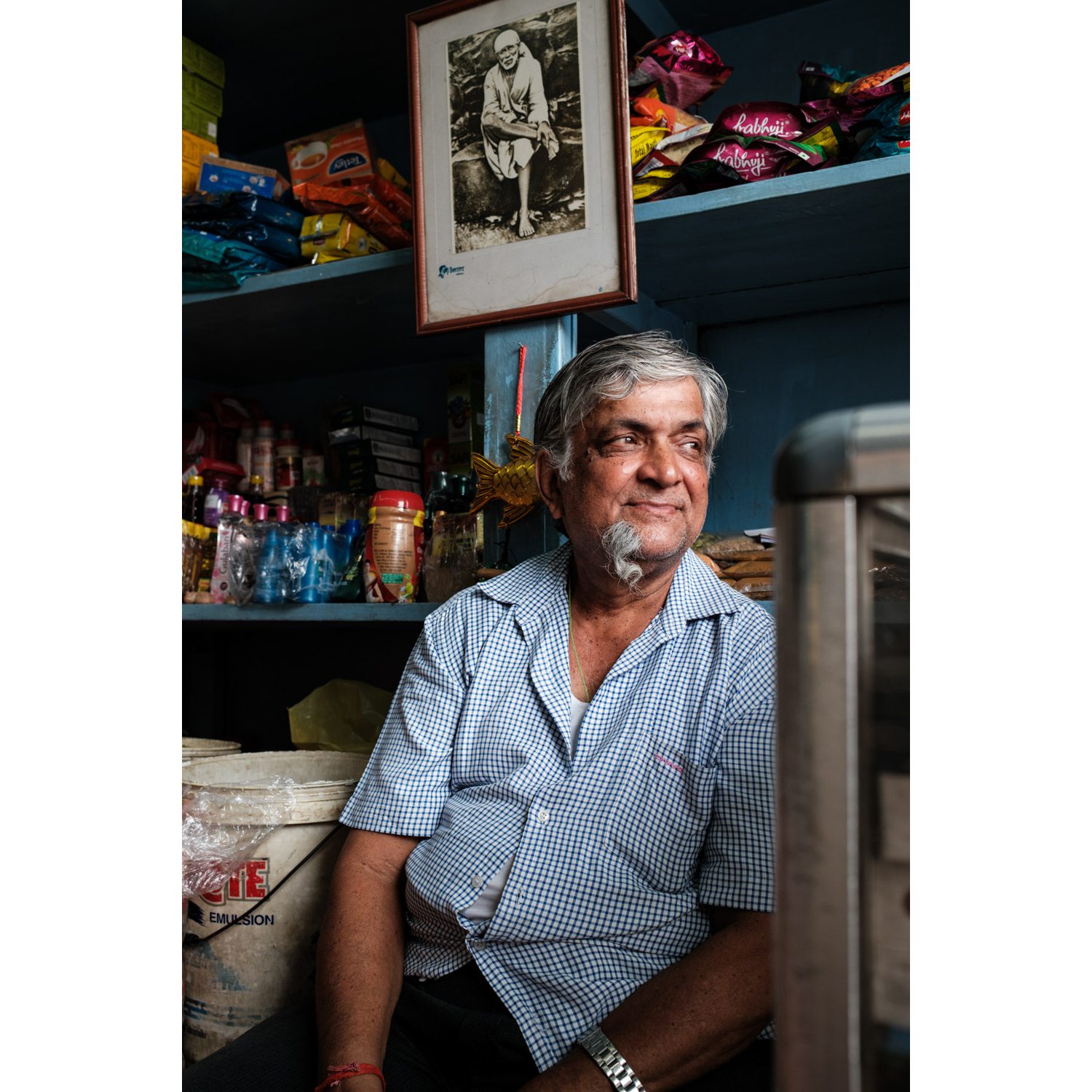
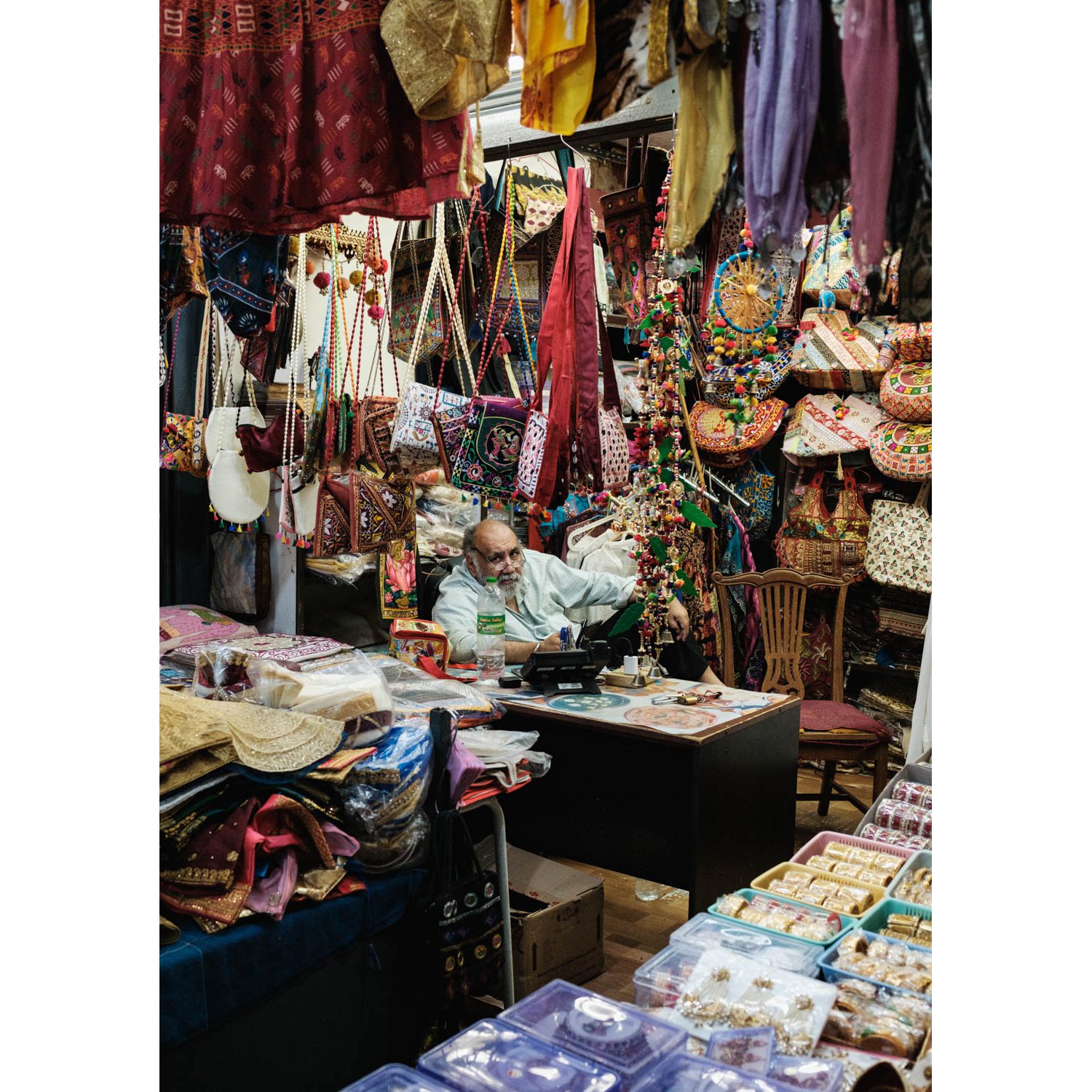
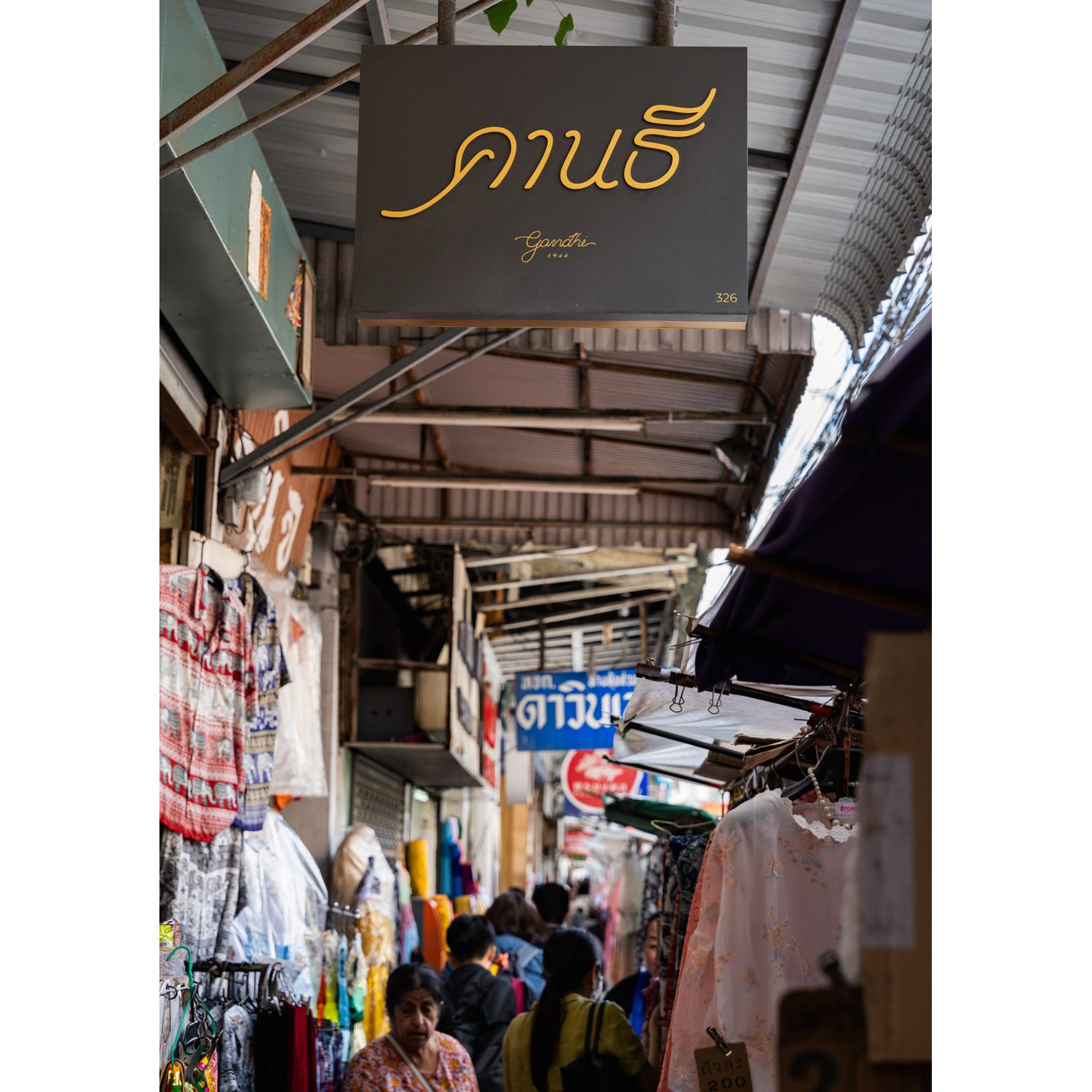
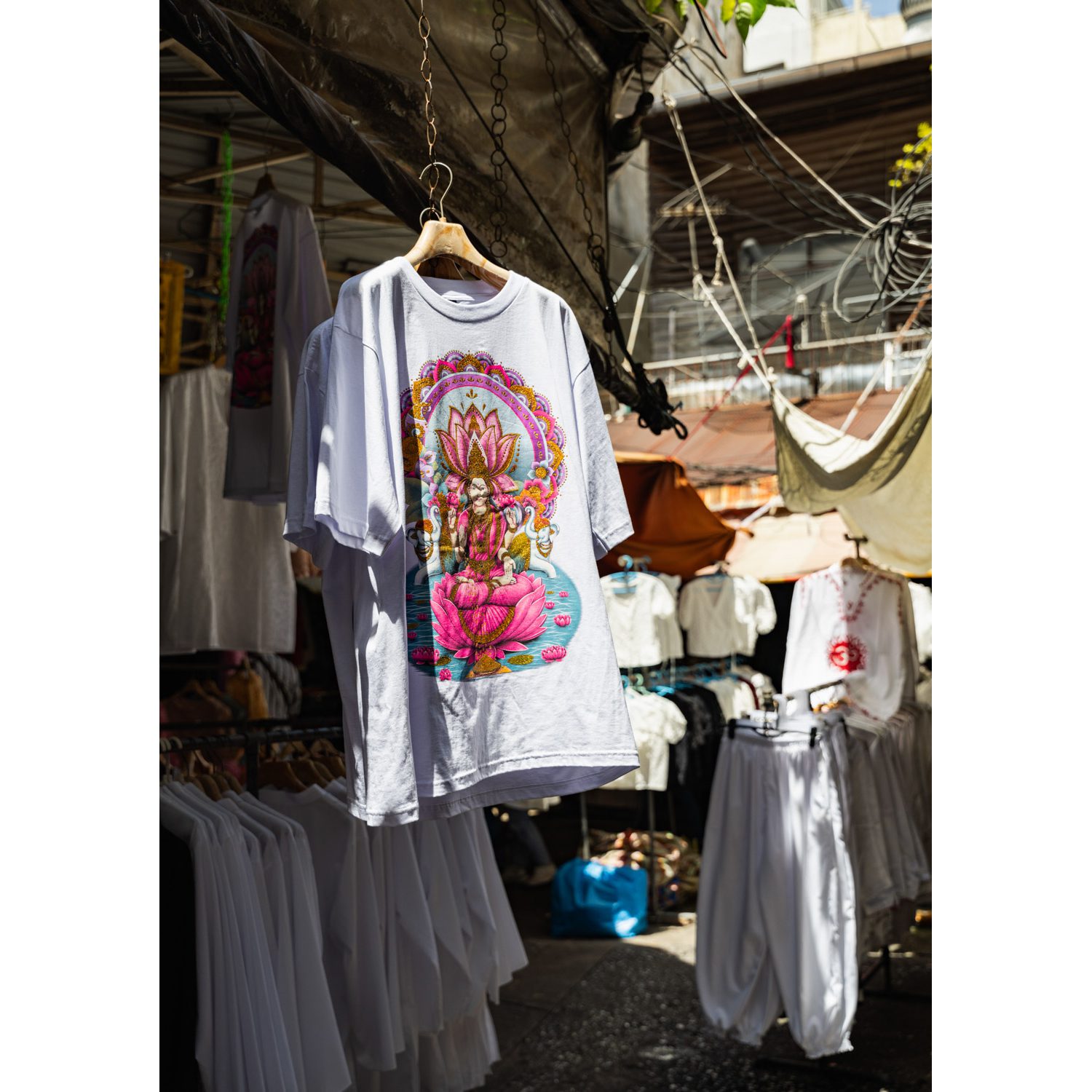
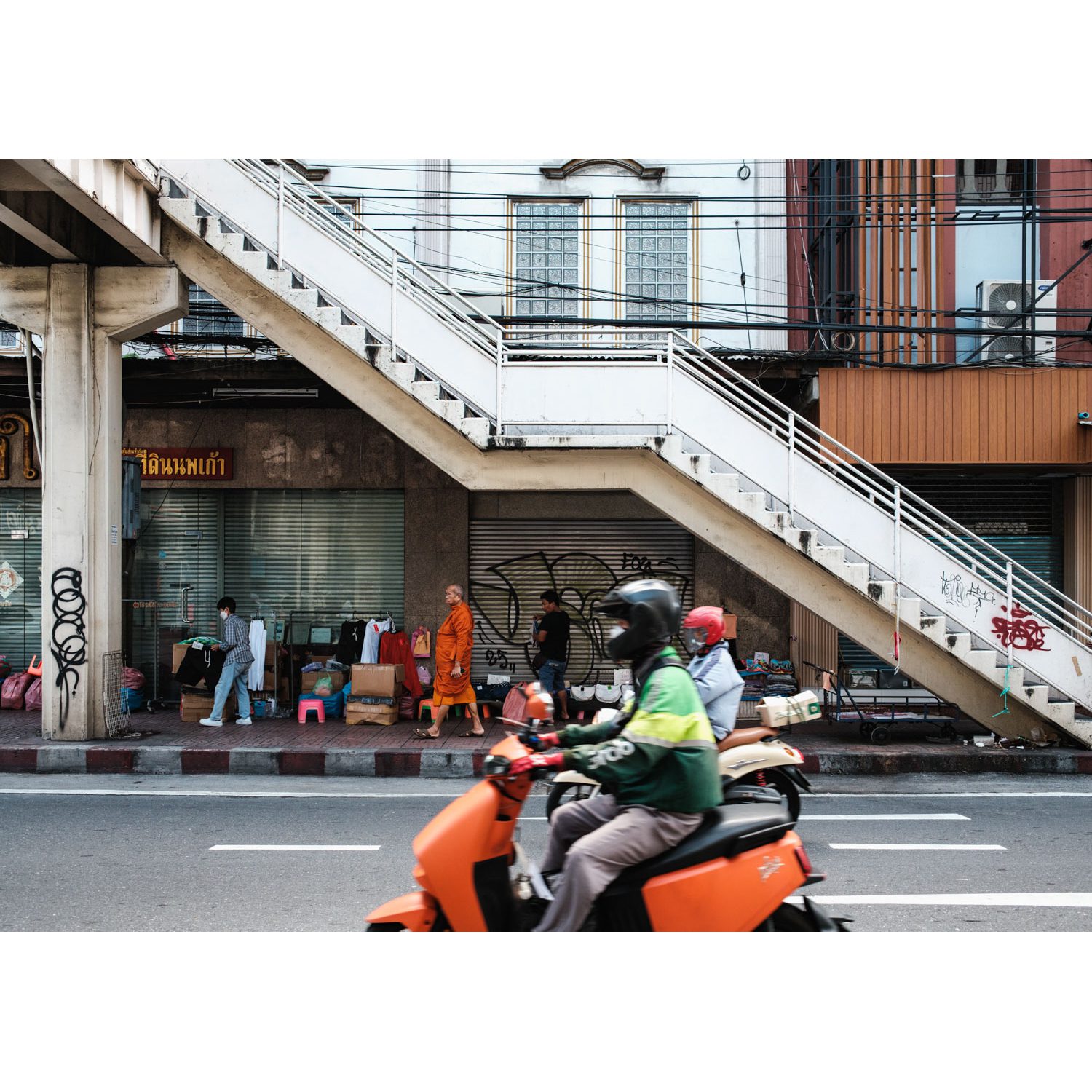
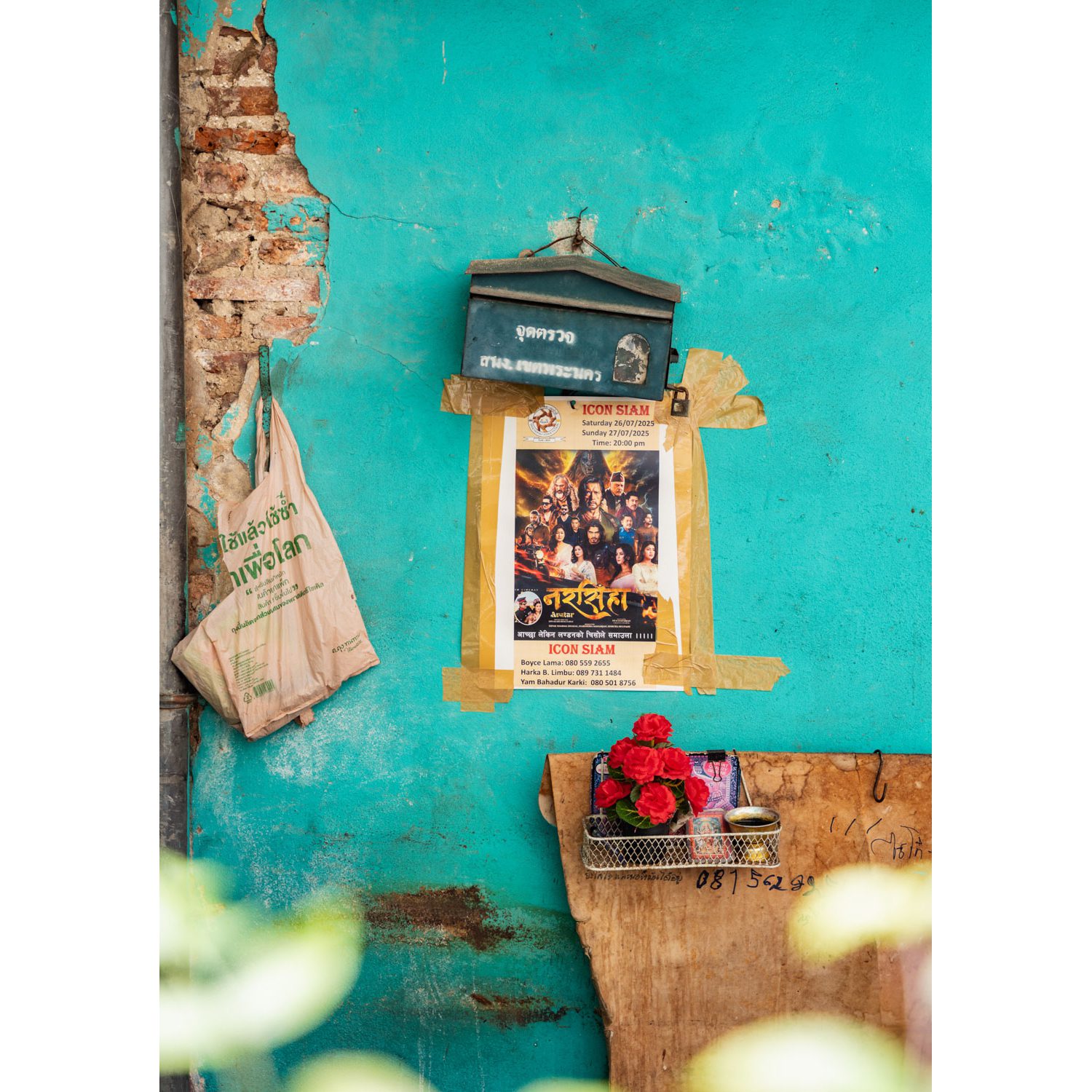
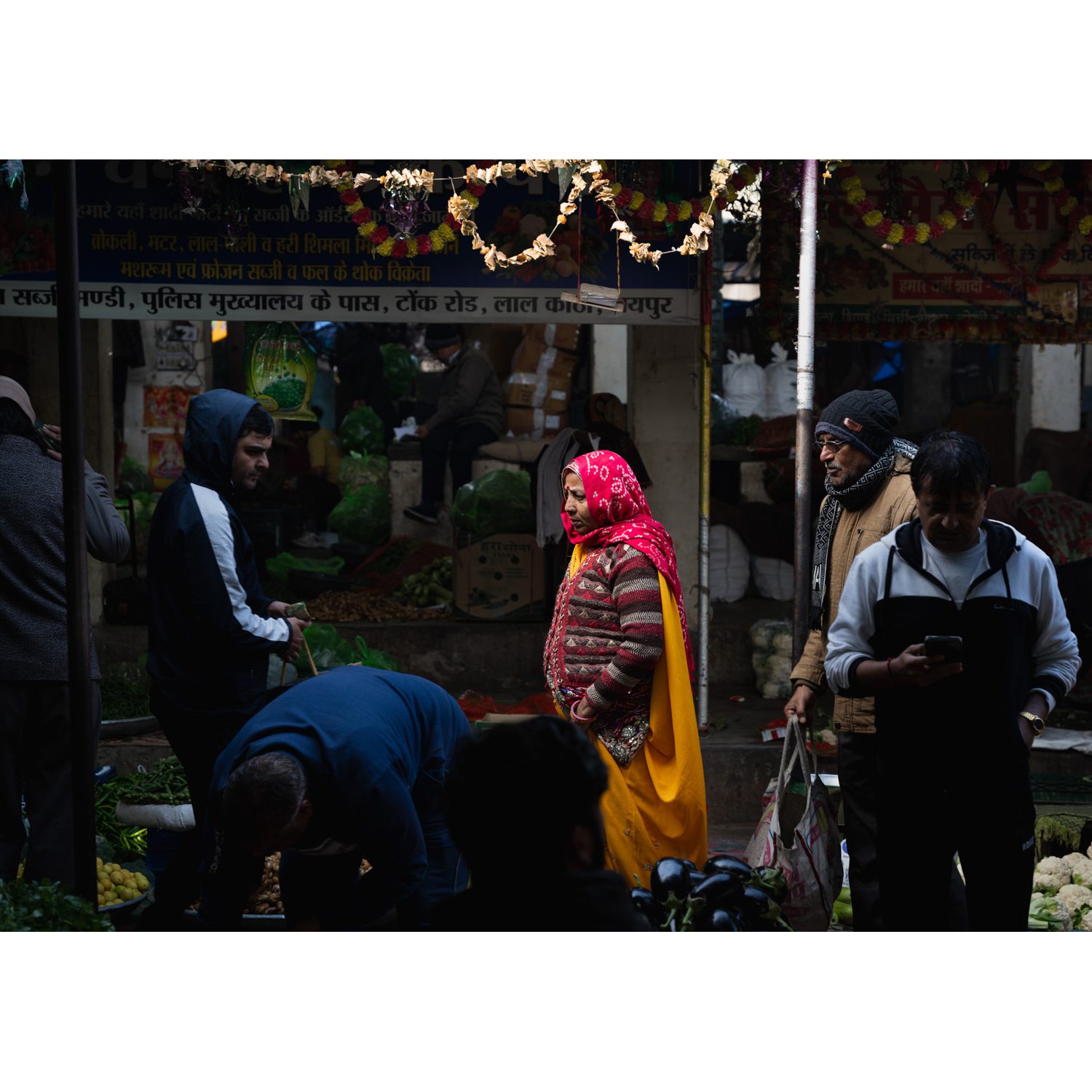
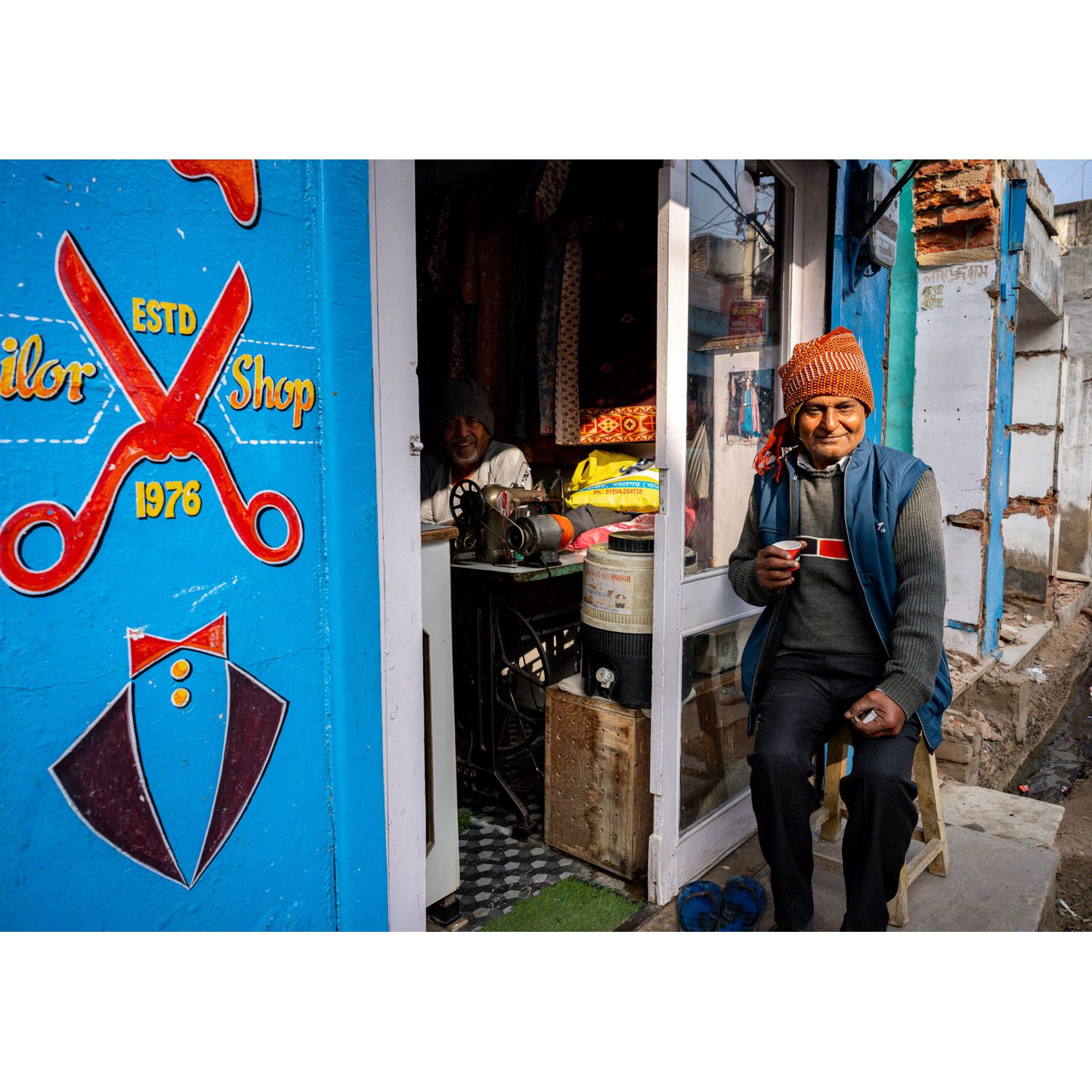
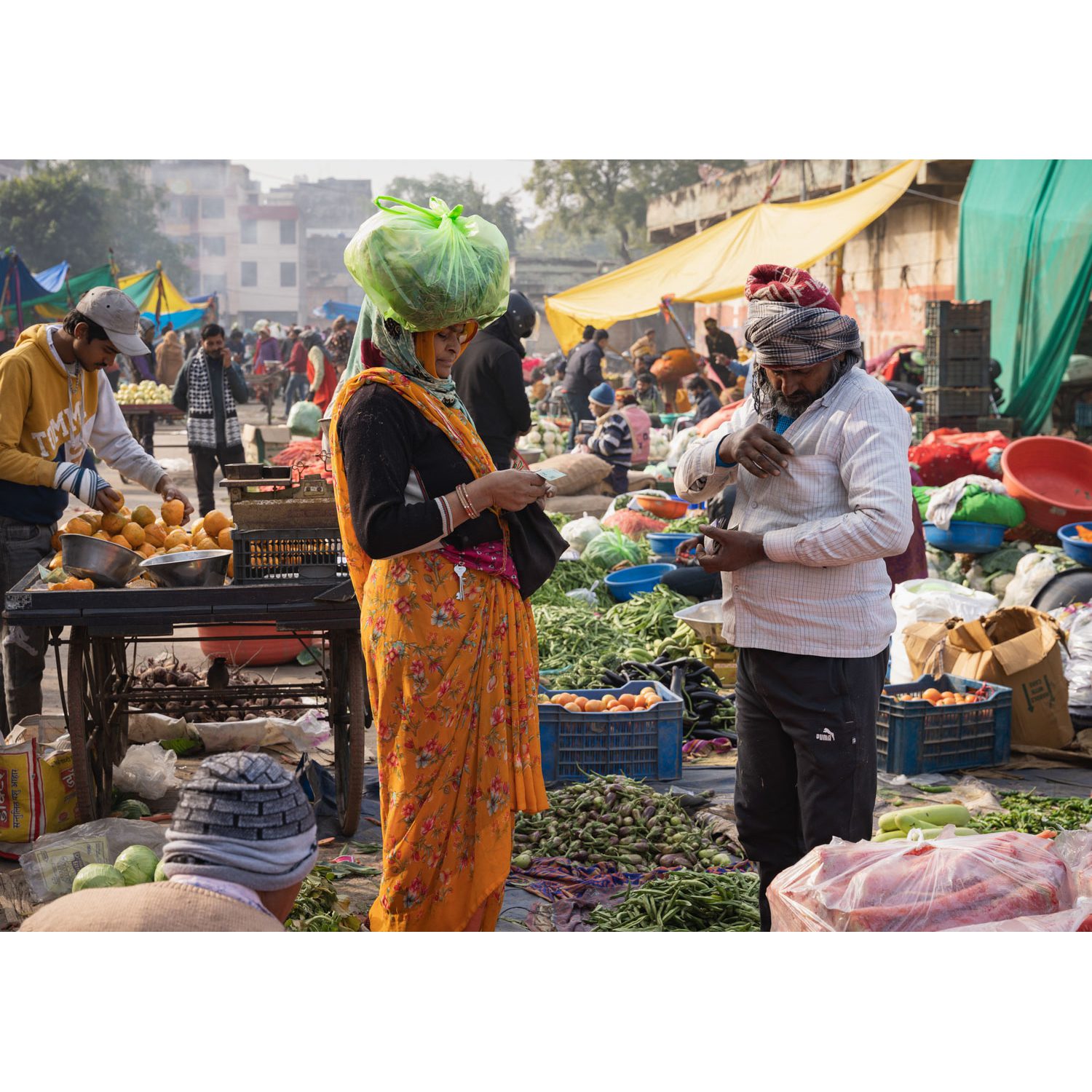
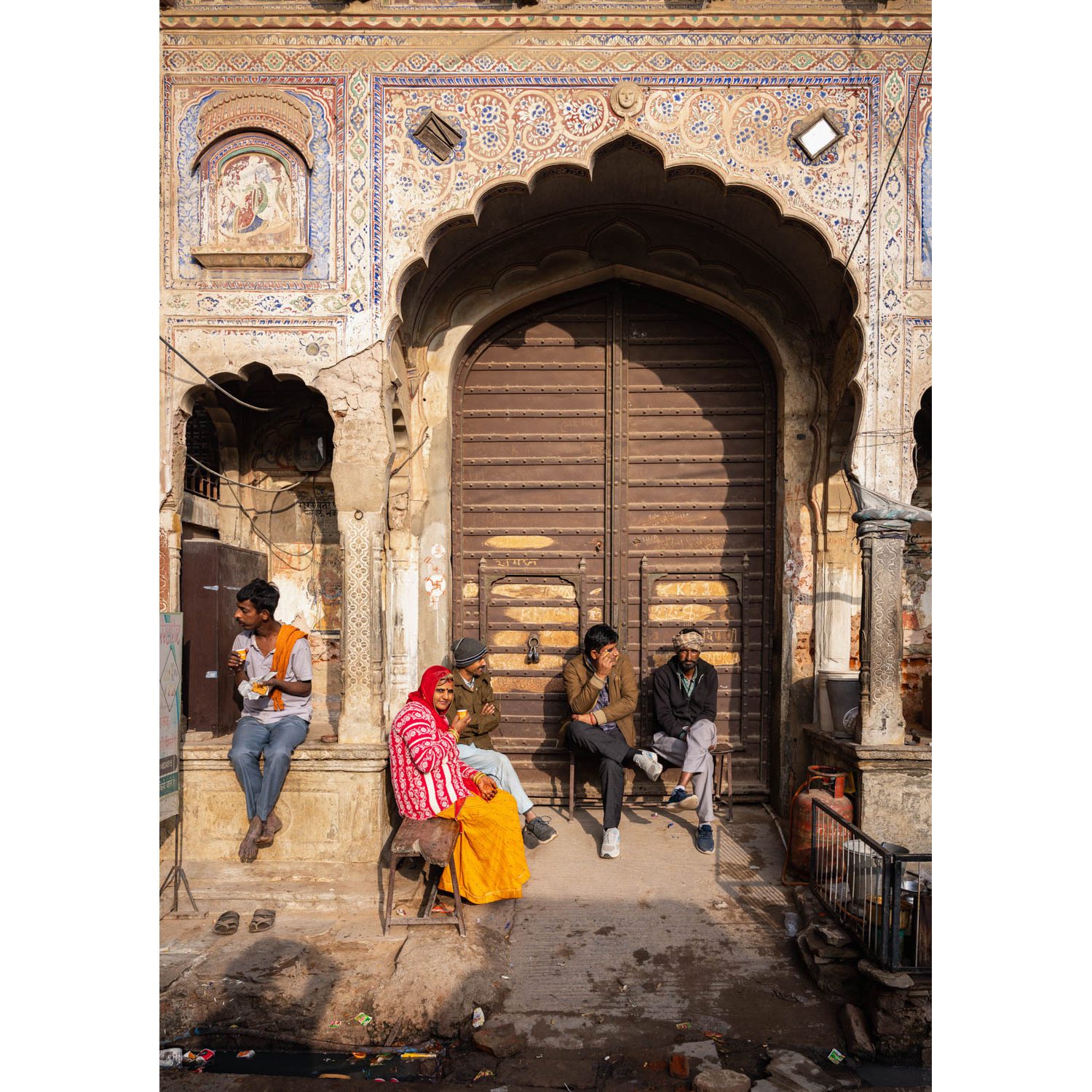
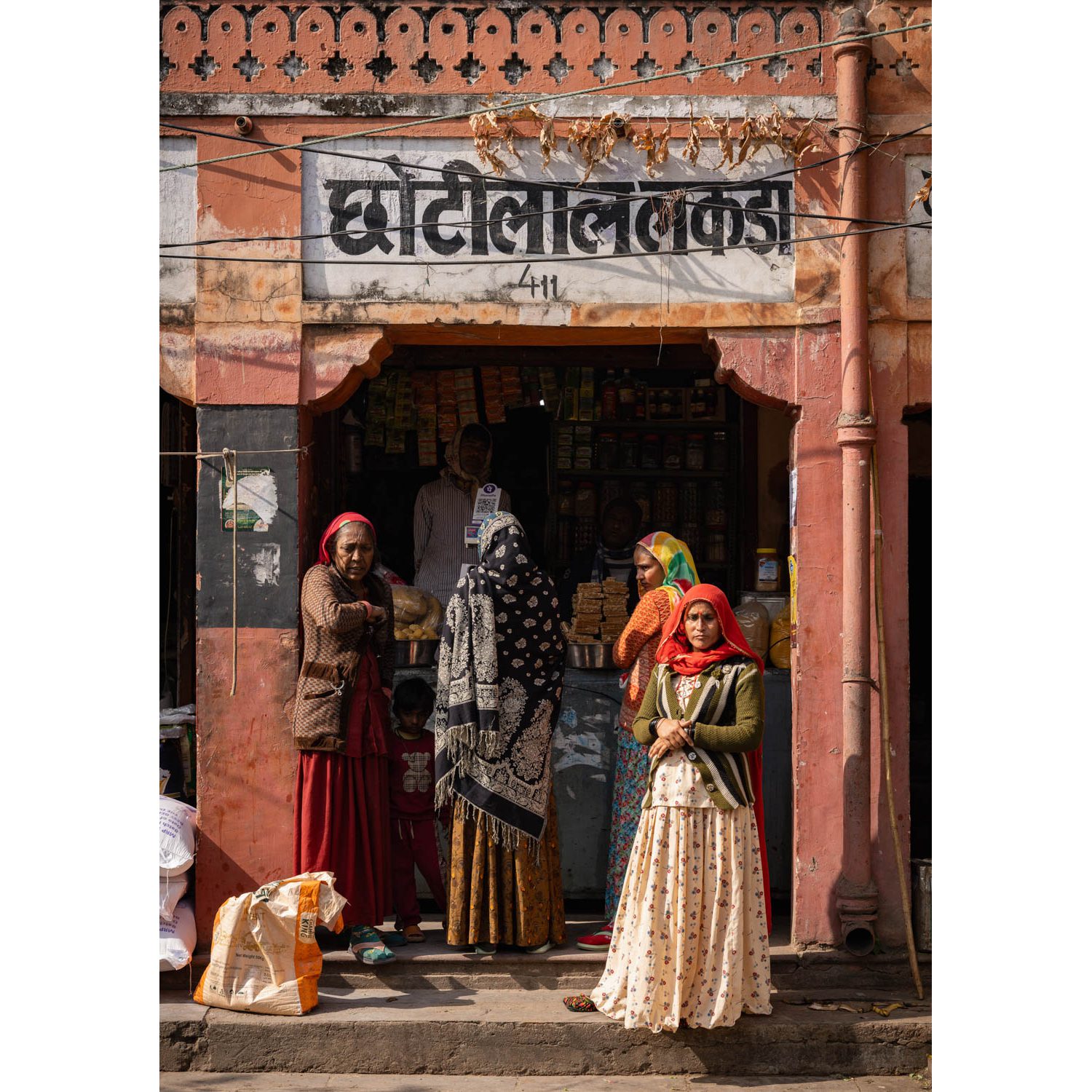
The idea for At the Heart of Faith began shortly after the exhibition Connect at Bangkok Design Week 2025, which explored how art can bridge cultures through shared space and emotion. Following that event, the Bangkok Metropolitan Administration (BMA) invited me to develop a new cultural project, an outdoor photographic exhibition to coincide with the city’s Diwali Festival. The goal was to highlight the long-established Indian community of Phahurat, known as Bangkok’s Little India, and its enduring place within the capital’s diverse urban fabric. 

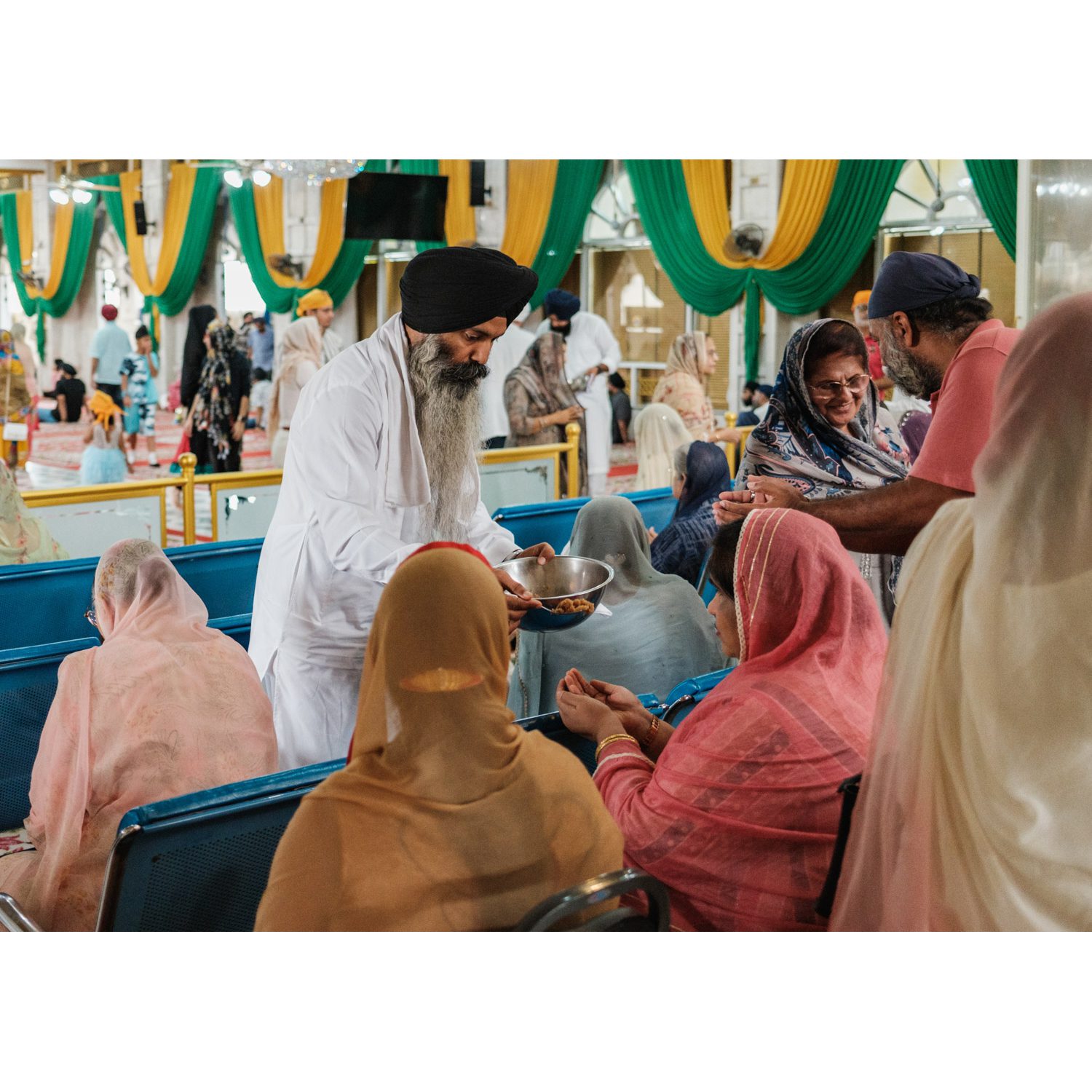
The vision was clear, to portray the vibrant yet often overlooked life of a community where faith, trade, and tradition coexist within a modern metropolis. The BMA sought to celebrate cultural diversity; I sought to explore the human thread that connects Indian communities across borders, from India to Thailand, through the shared language of belief and belonging. 

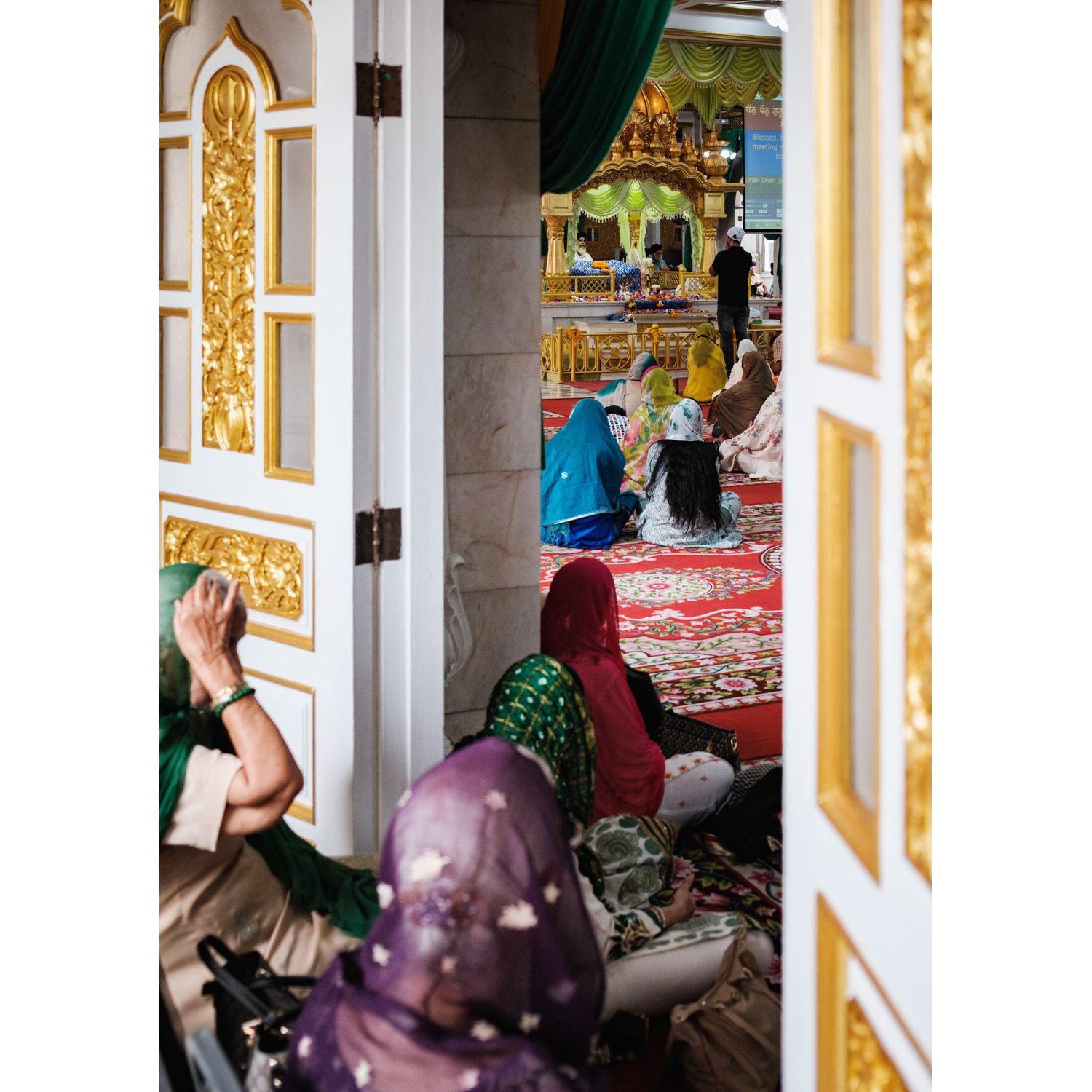
The project combines two visual worlds, photographs made in India and a new body of work created in Phahurat. Together, they form a dialogue between communities that share the same spiritual rhythm. At its center stands the Gurdwara Sri Guru Singh Sabha, Bangkok’s principal Sikh temple, whose golden dome rises above the neighborhood as a symbol of faith and continuity. 

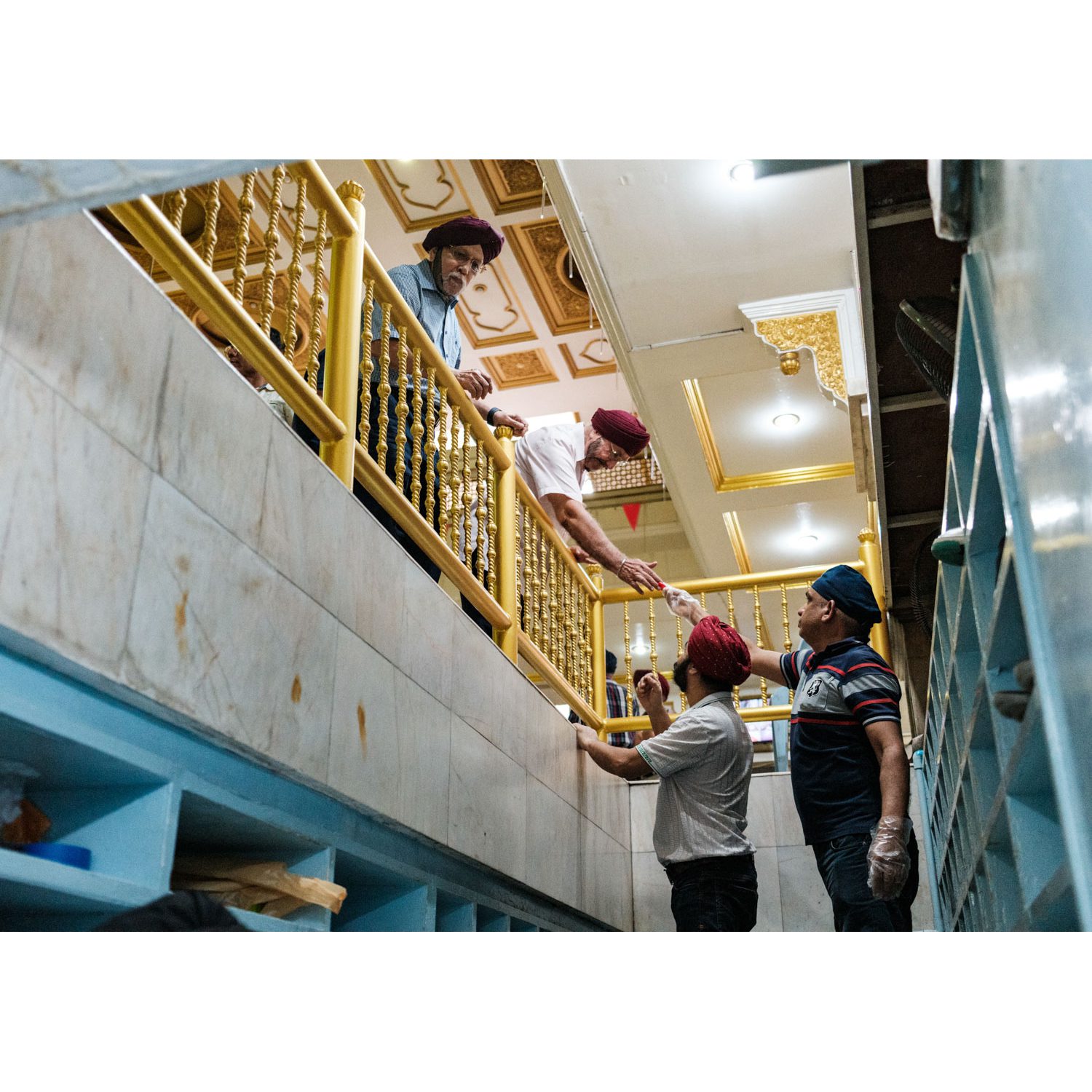
Around the temple, life moves at its own pace, tailors at their sewing machines, vendors selling fabrics and spices, elders gathered in quiet conversation. These are the daily gestures that sustain a community shaped by work, worship, and resilience. 

Here, faith is not only observed in ritual but expressed through everyday acts of care, perseverance, and connection, an enduring testament to the living spirit of Bangkok’s Little India.

___________________

Samatcha Apaisuwan is a Bangkok-based photographer and creative director with over 30 years of experience in visual arts and design. His work explores the connection between culture, faith, and everyday life through a documentary approach. He has collaborated widely across art and cultural institutions as well as leading news and media networks, including the Bangkok Post, Thai PBS World, and the Financial Times.
samatchaapaisuwan.com
facebook.com/samatcha.apaisuwan 

PHOTO ESSAY : A LETTER TO REM AND HENRI


TEXT & PHOTO: BHUMIBHAT PROMBOOT

(For Thai, press here

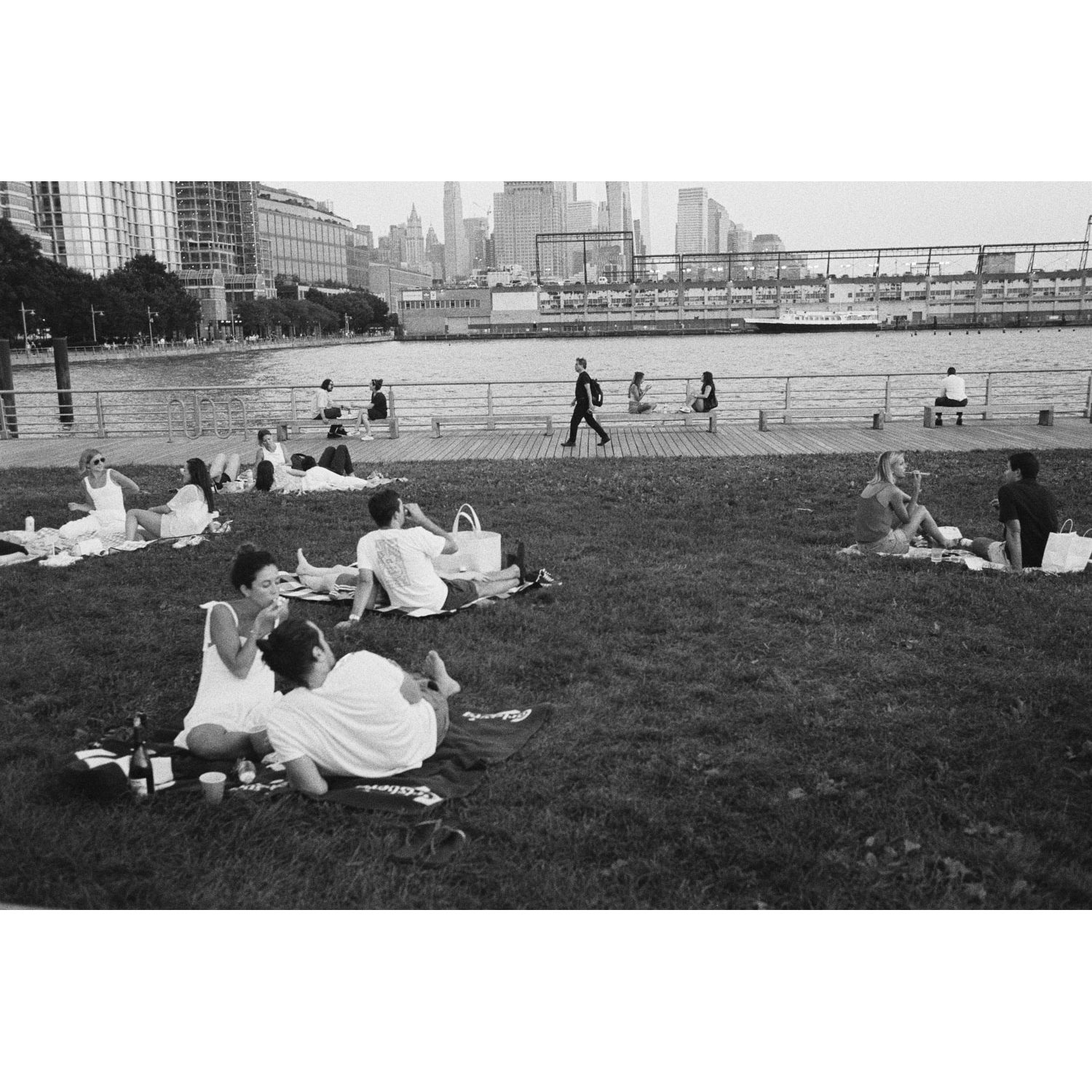
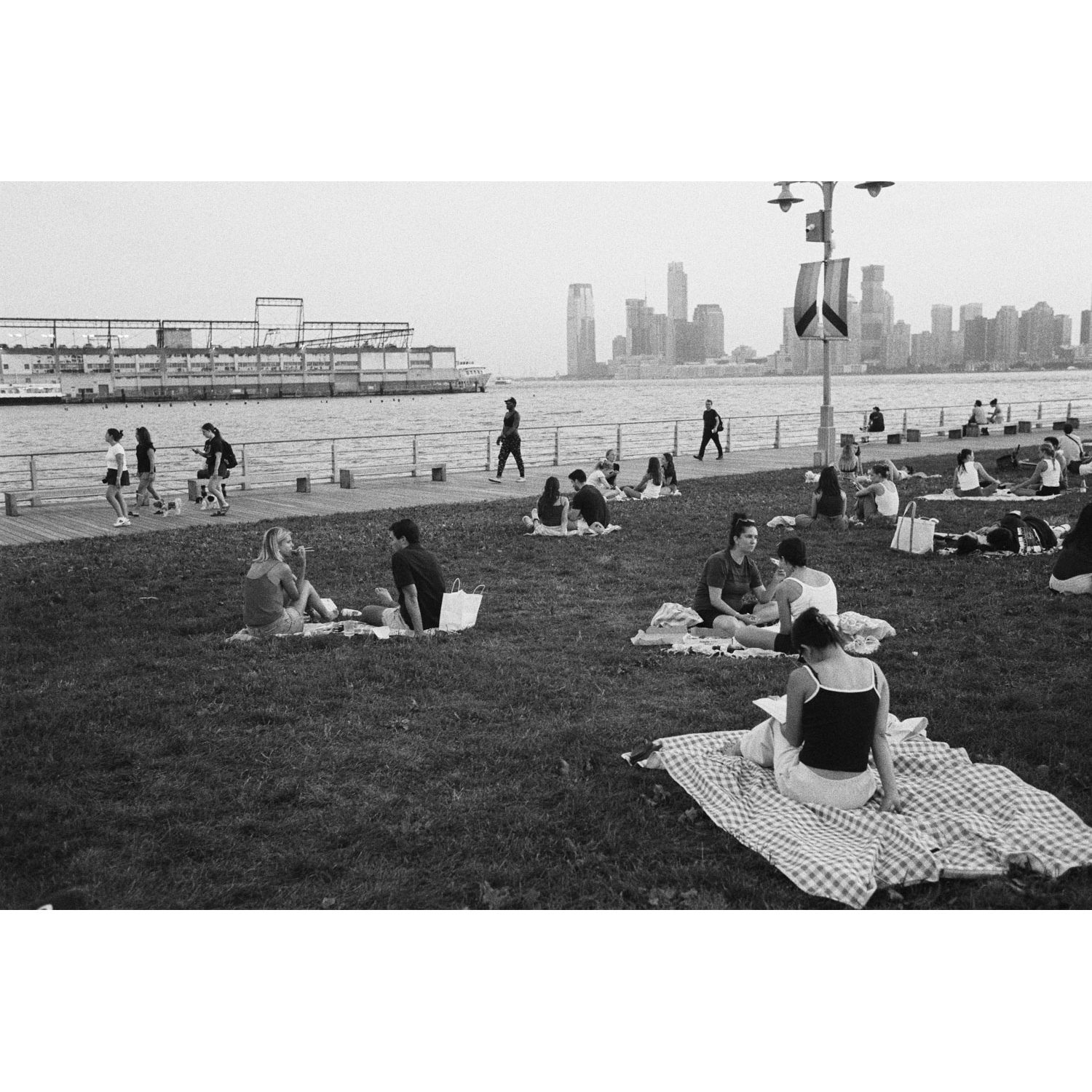
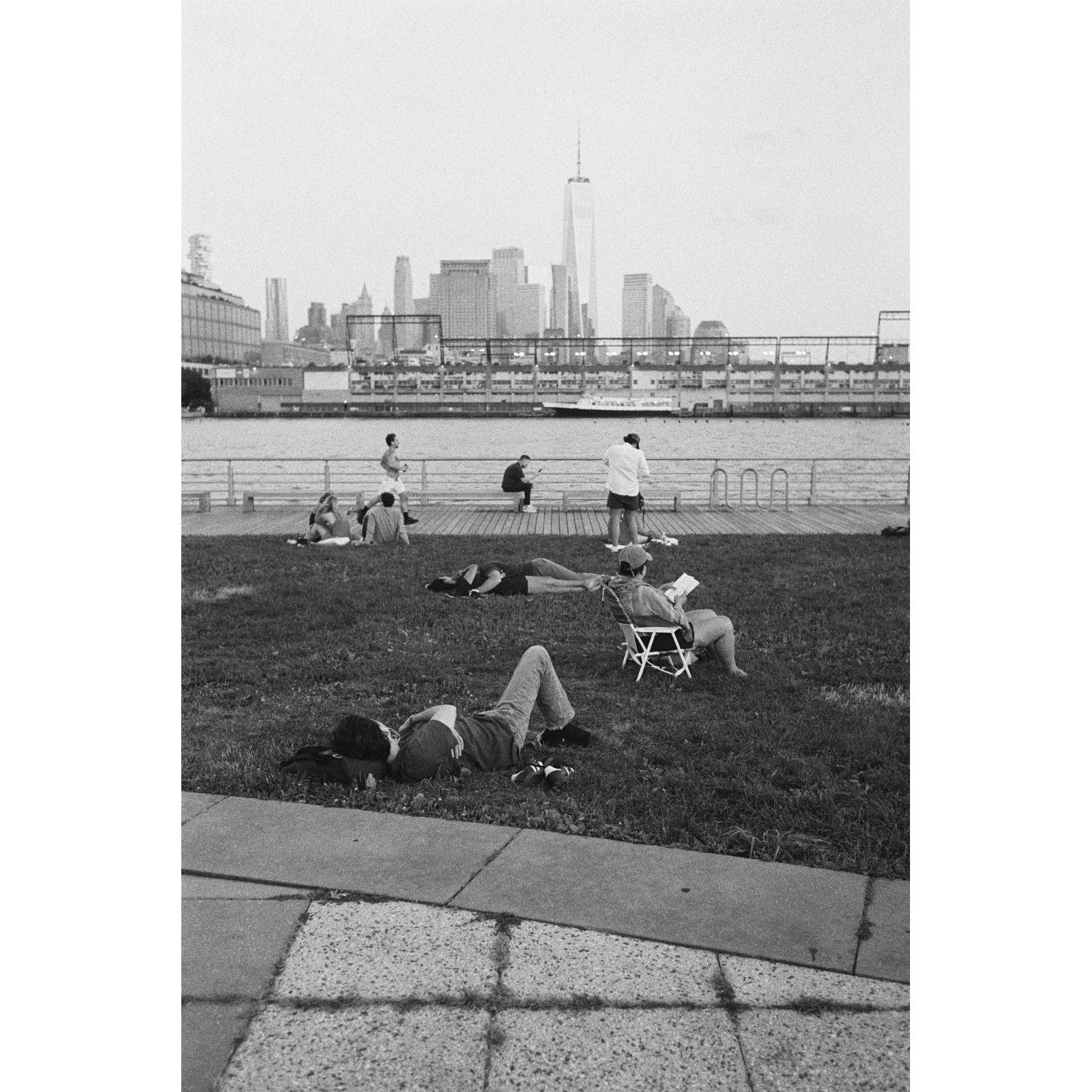
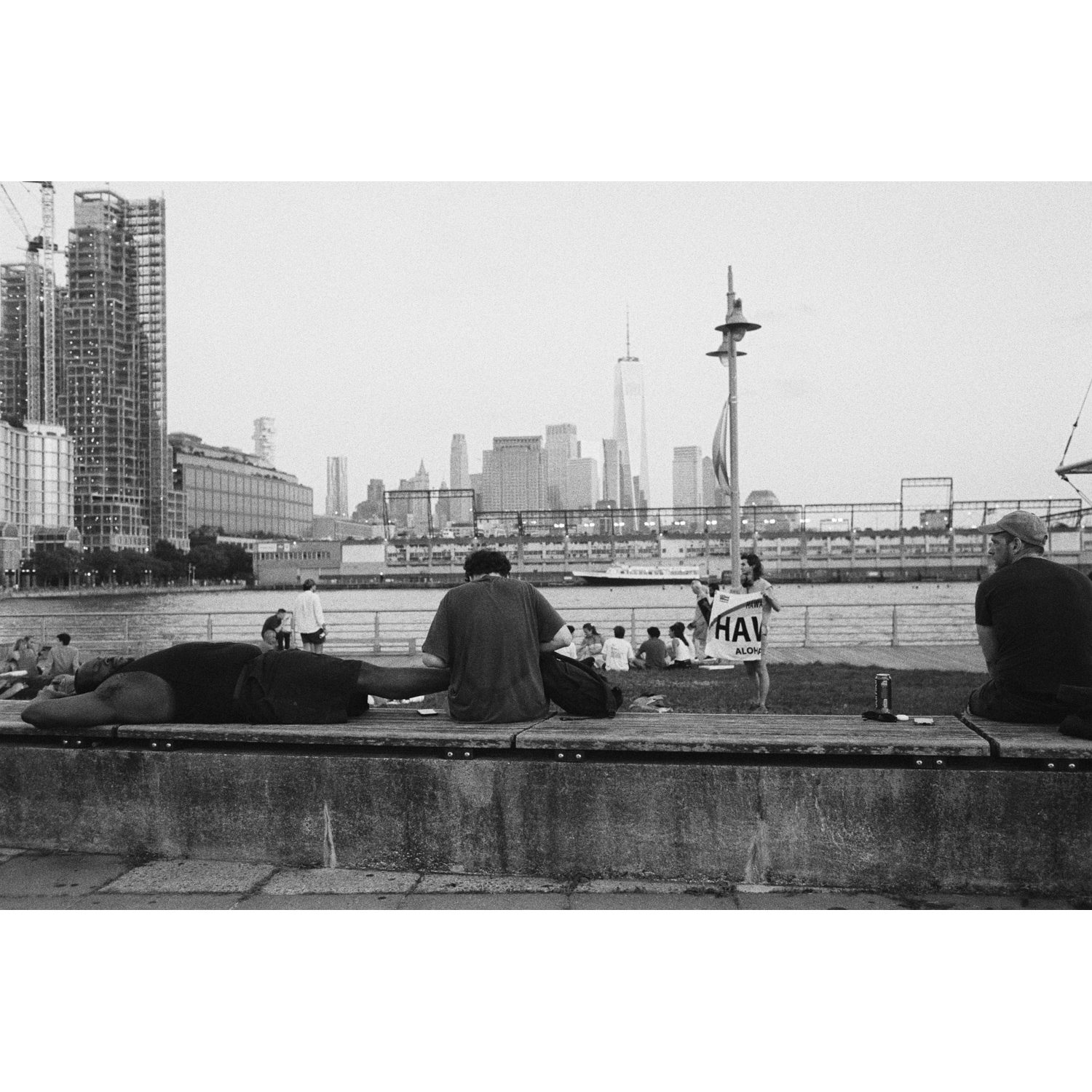
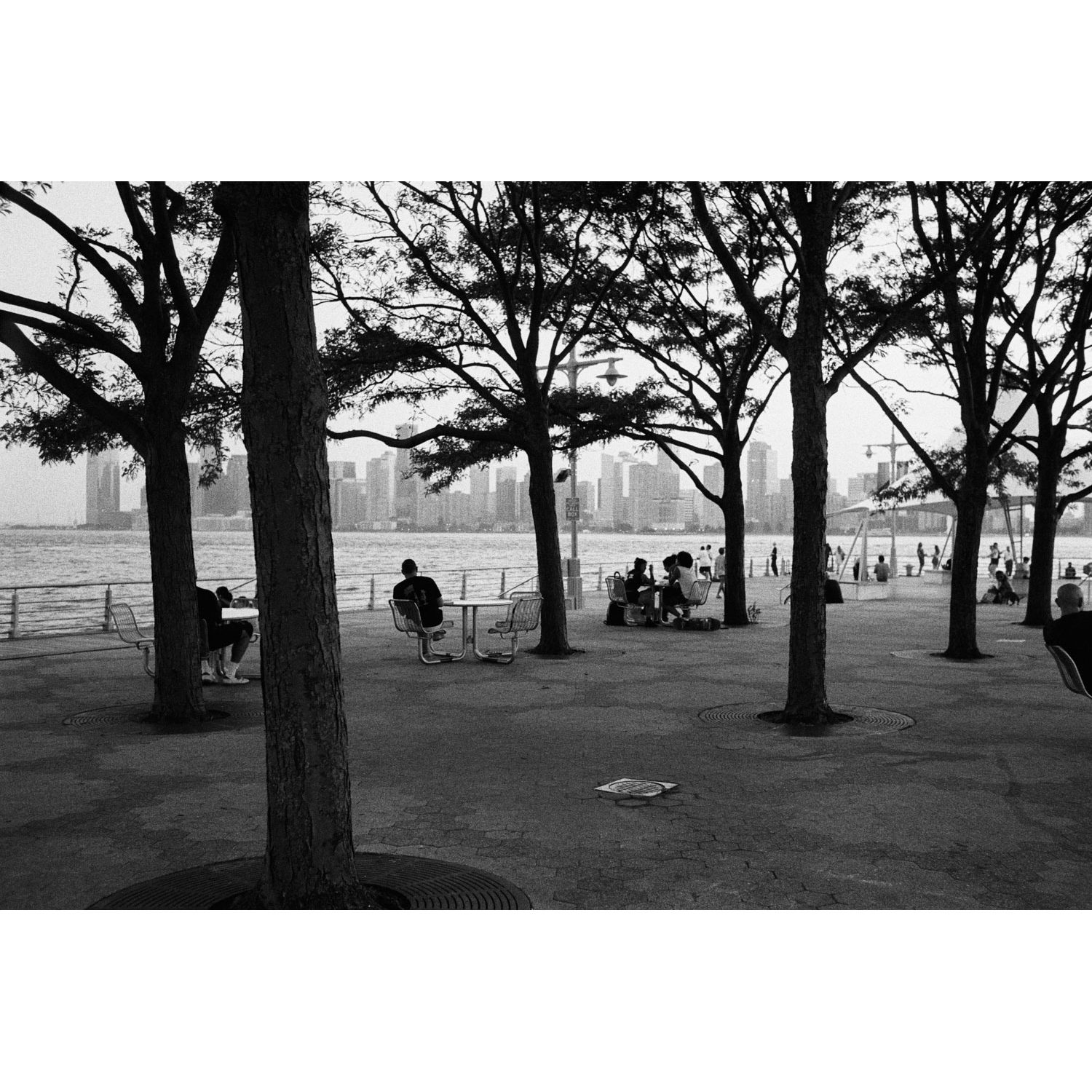
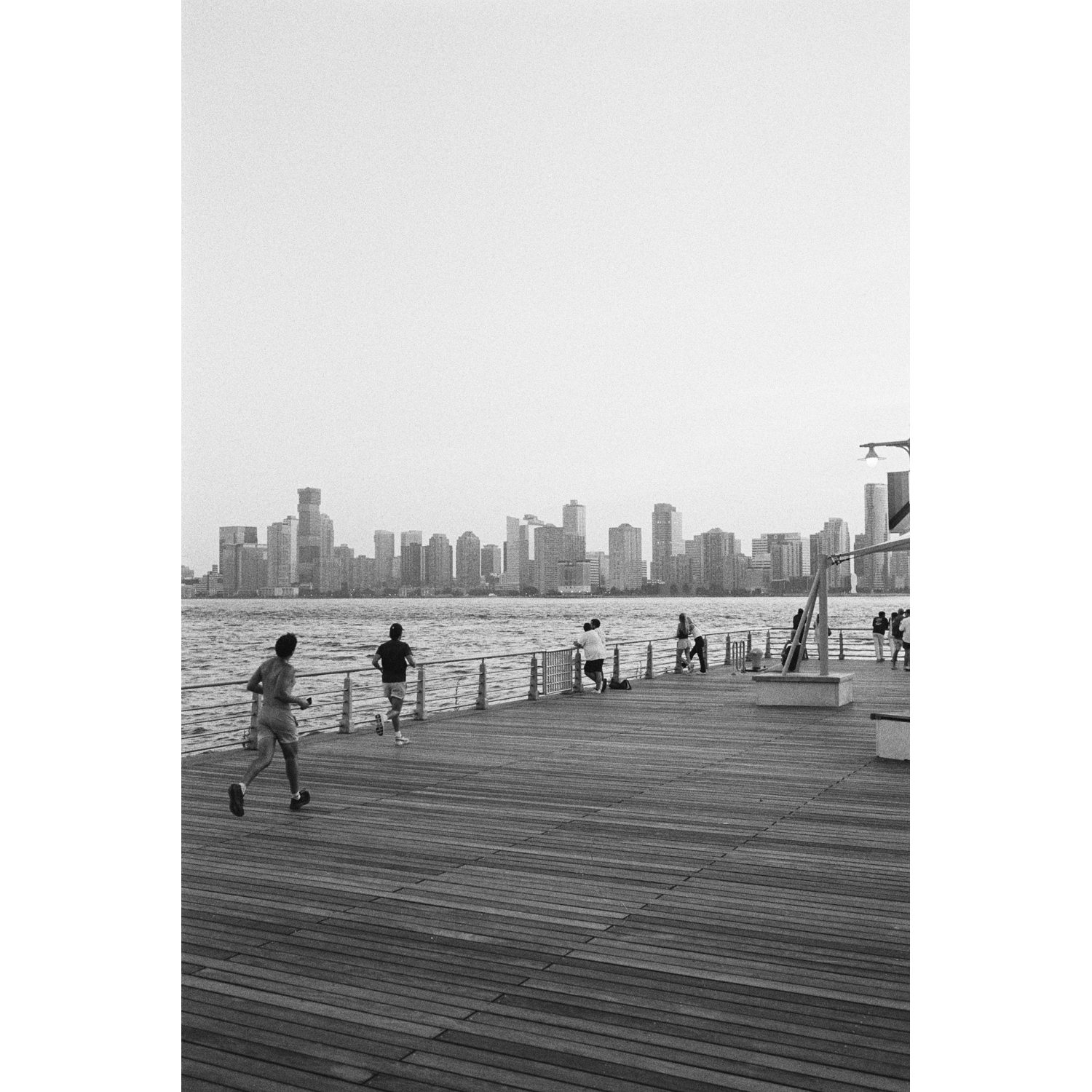
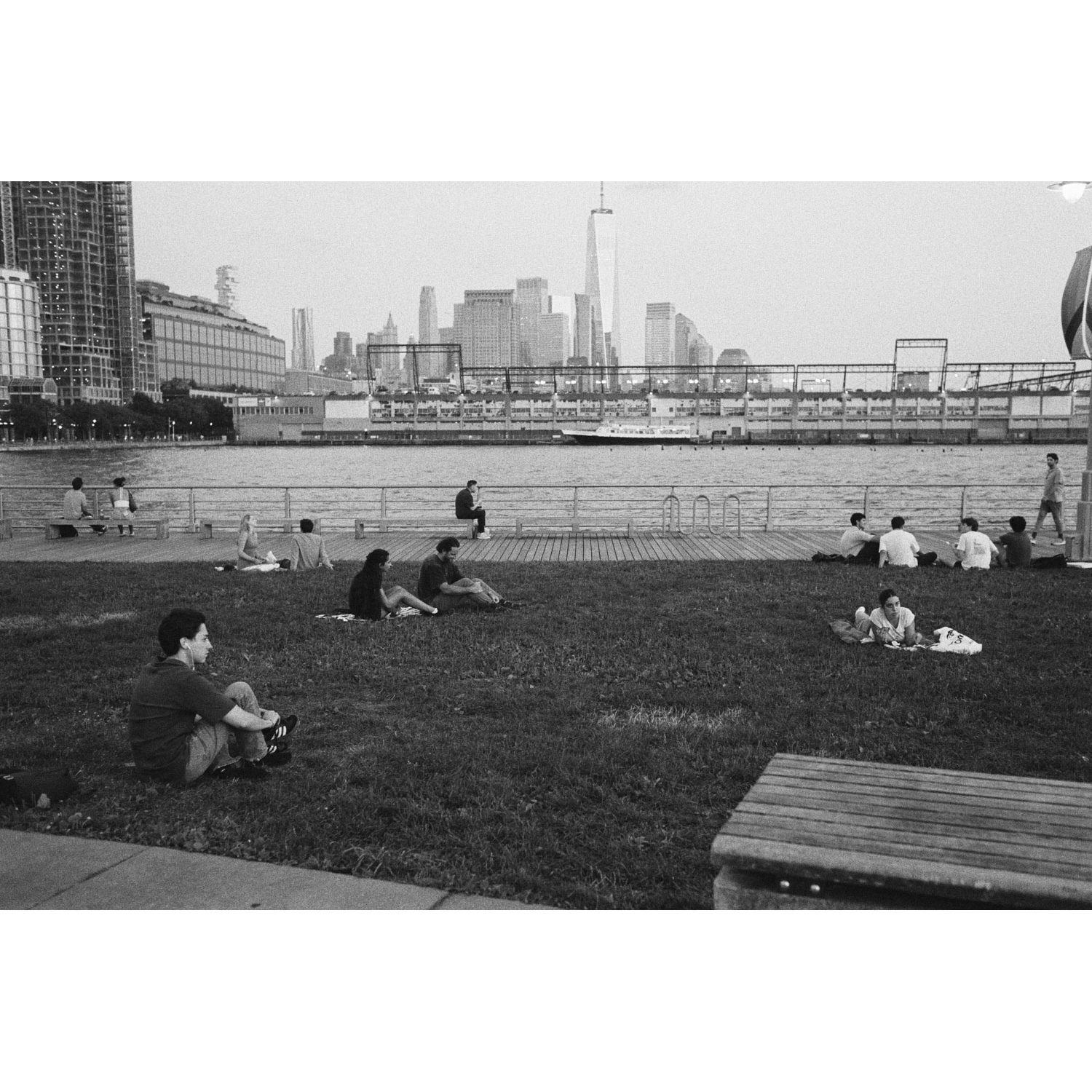
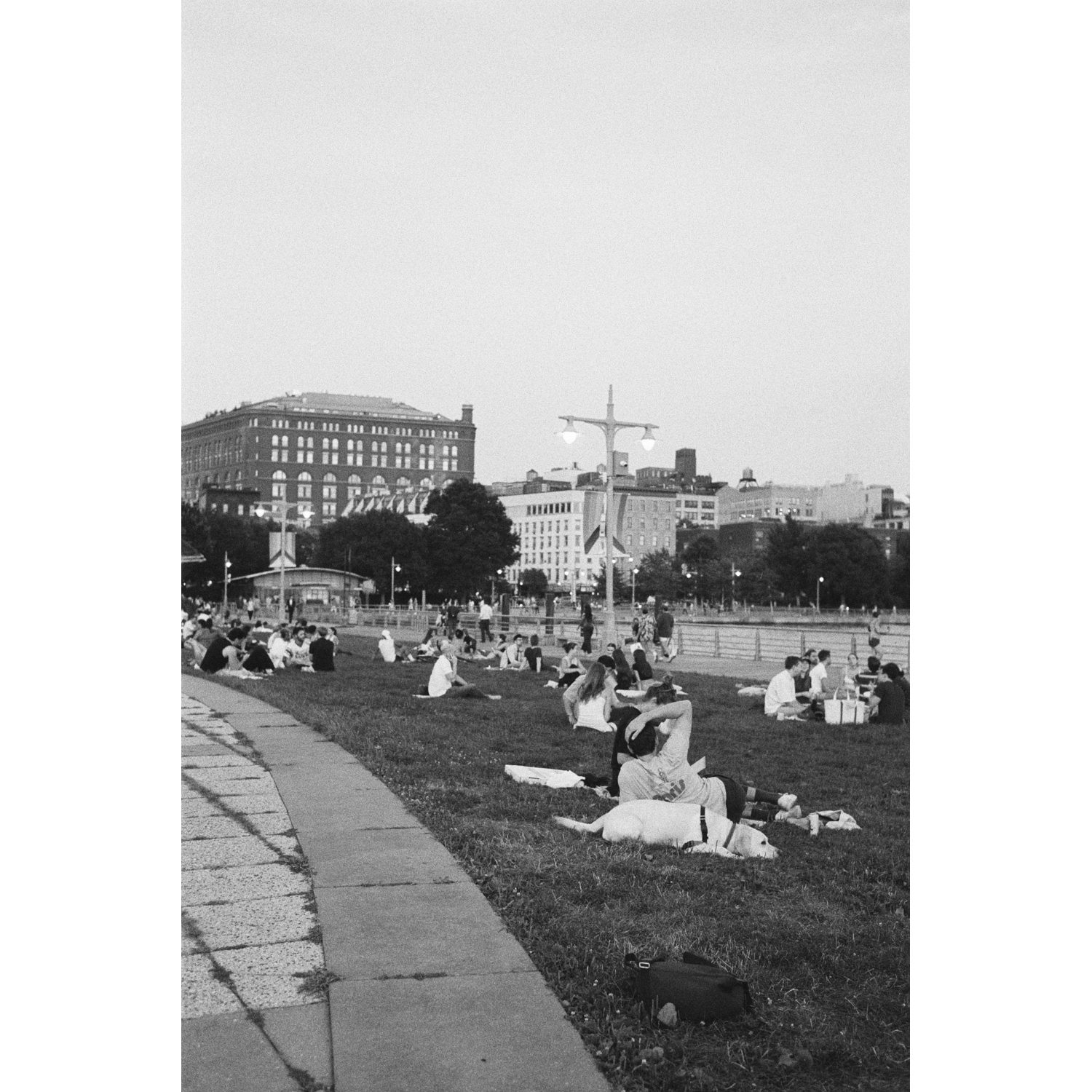
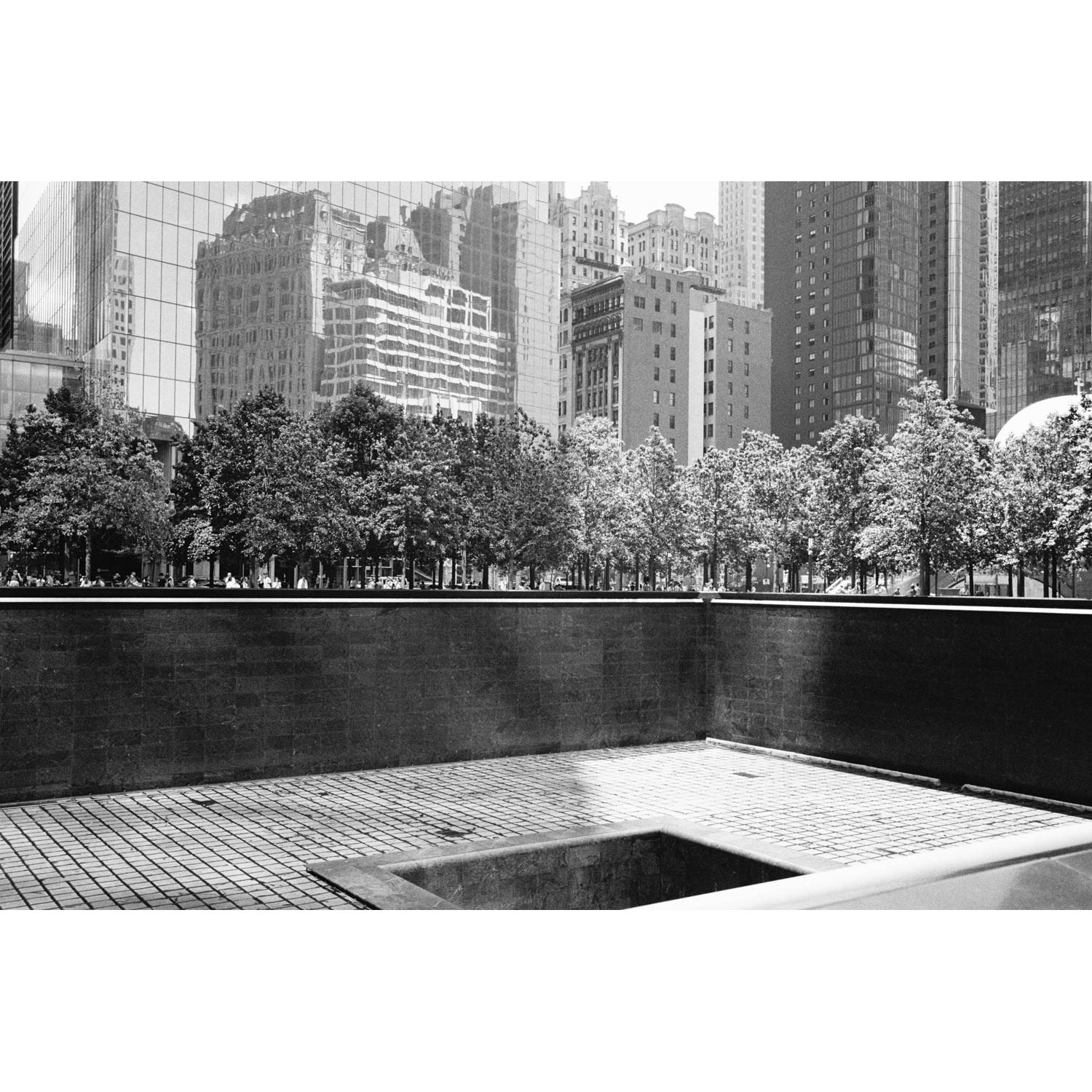
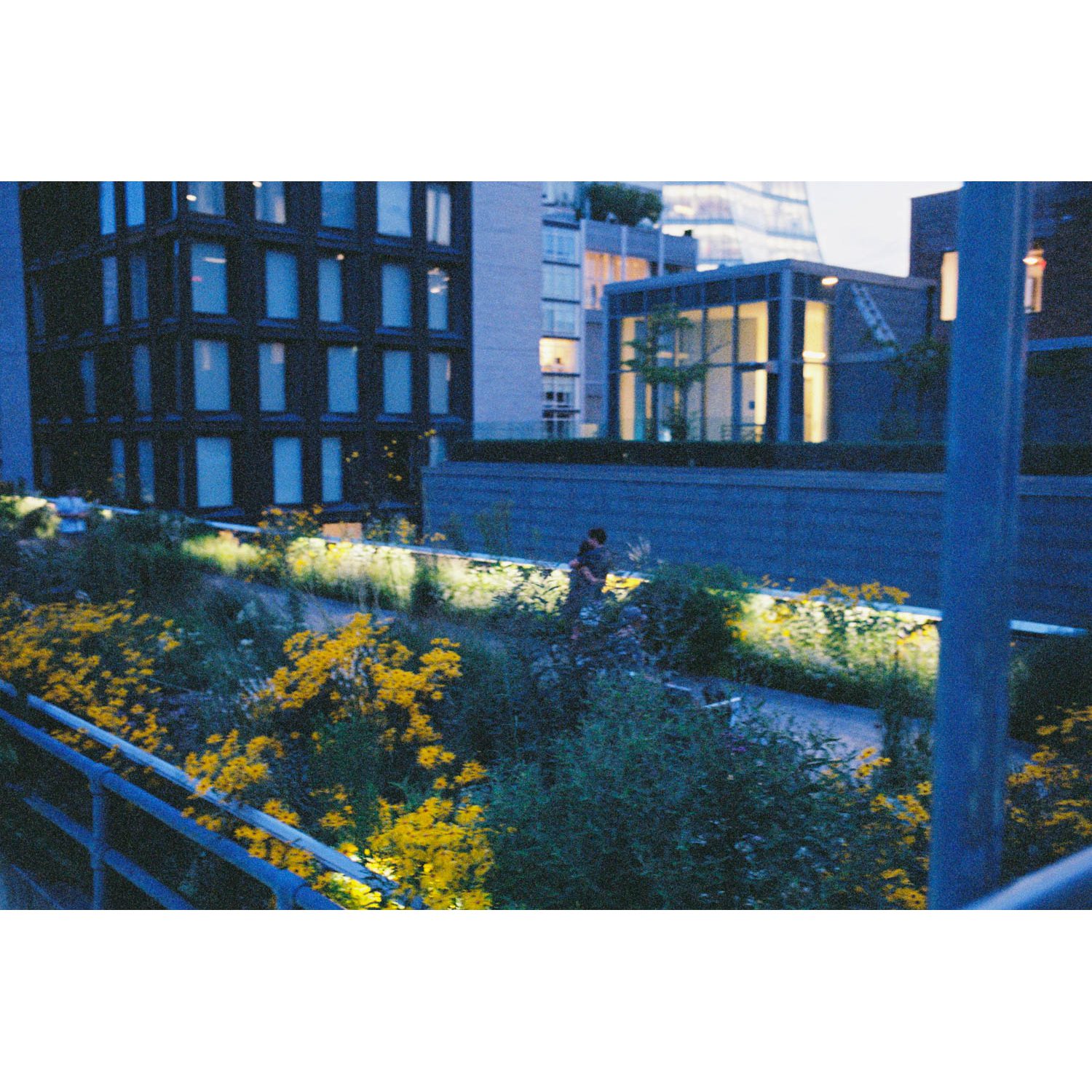
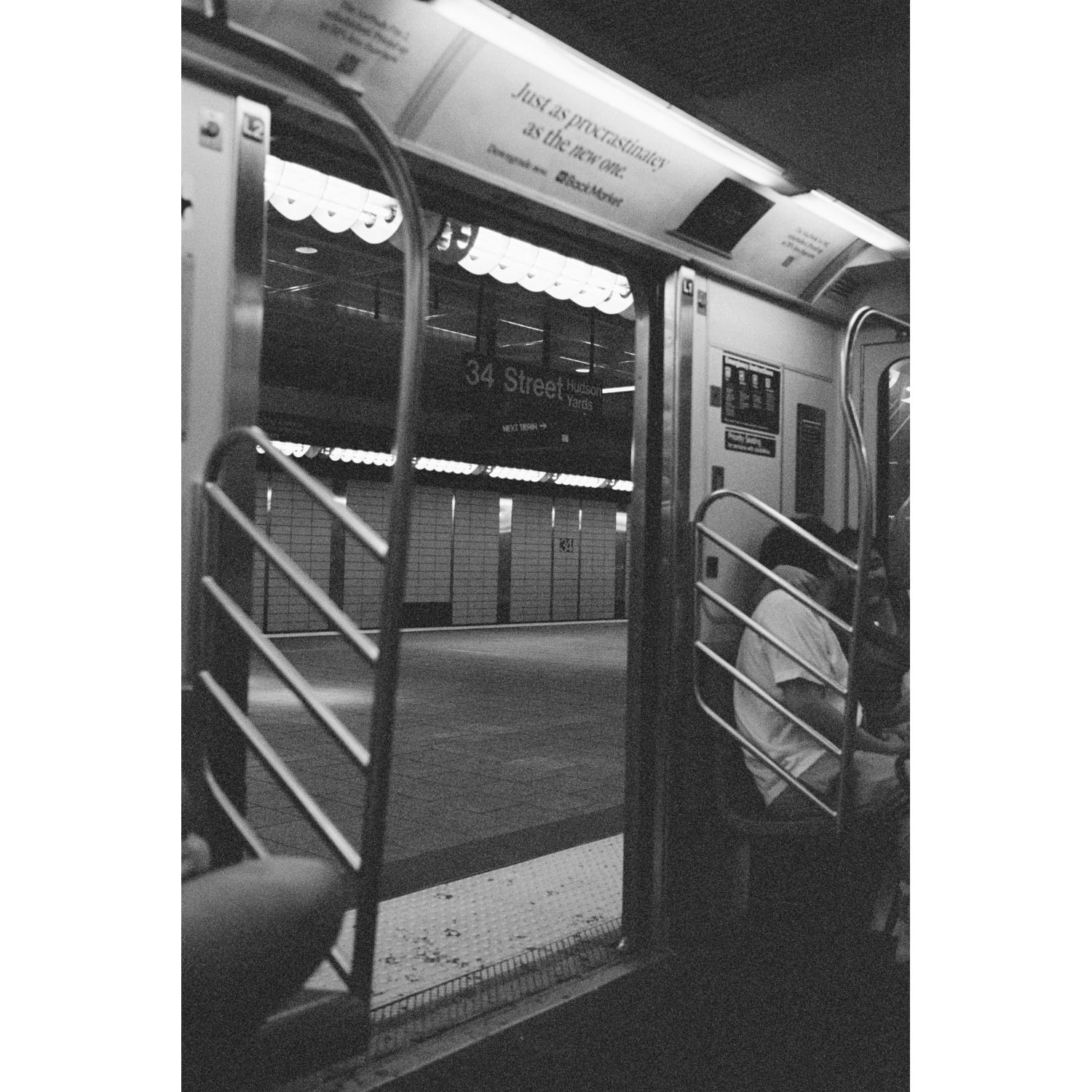
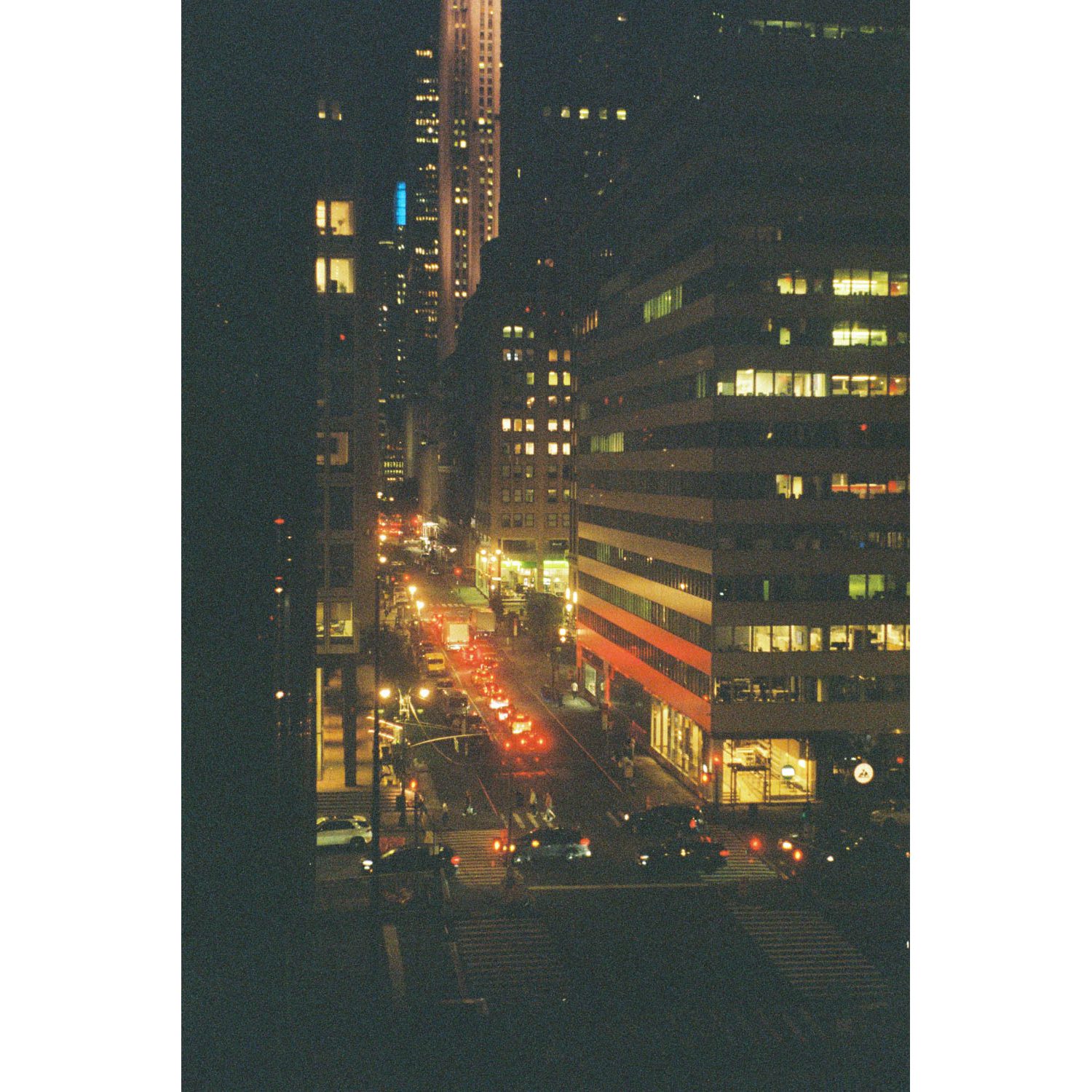
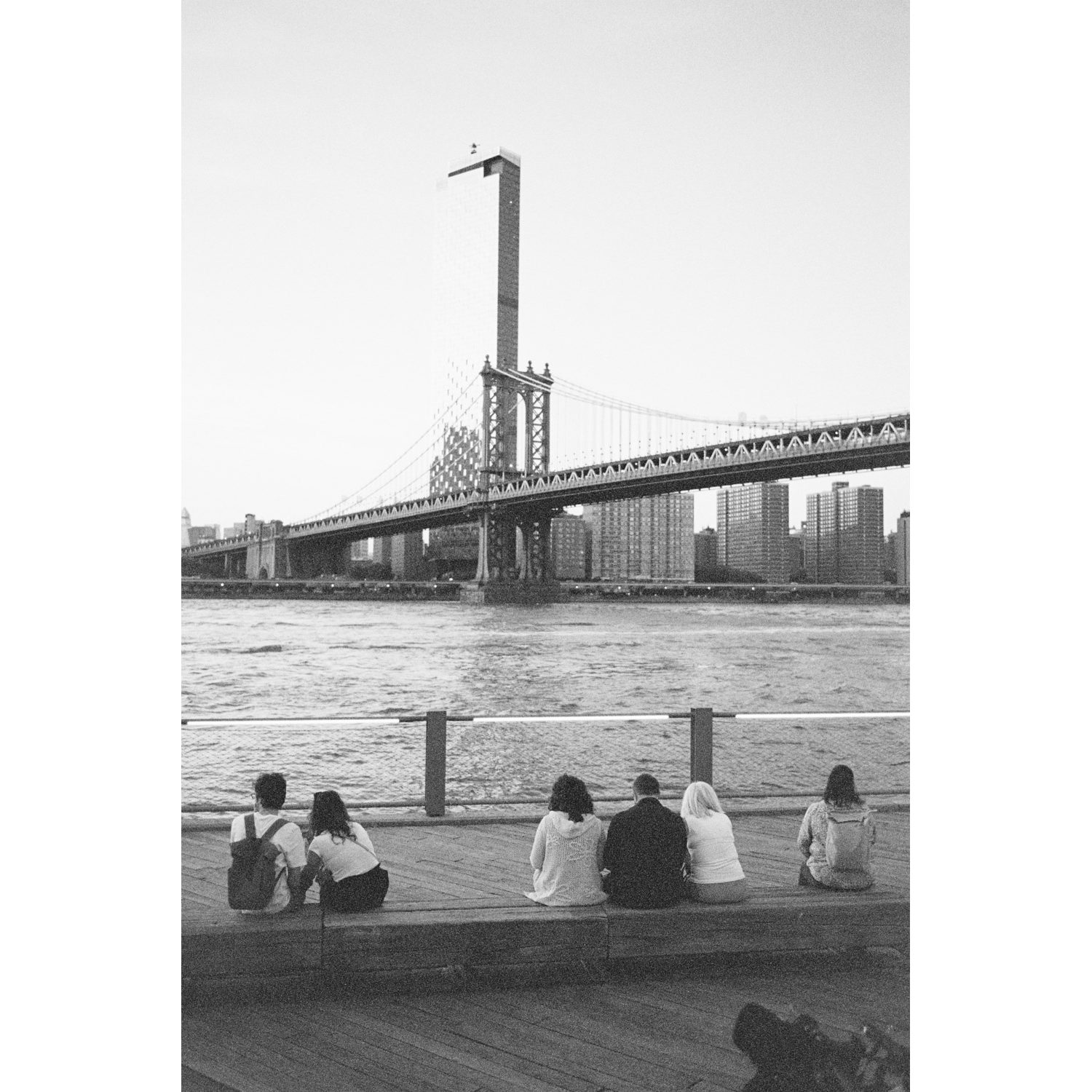
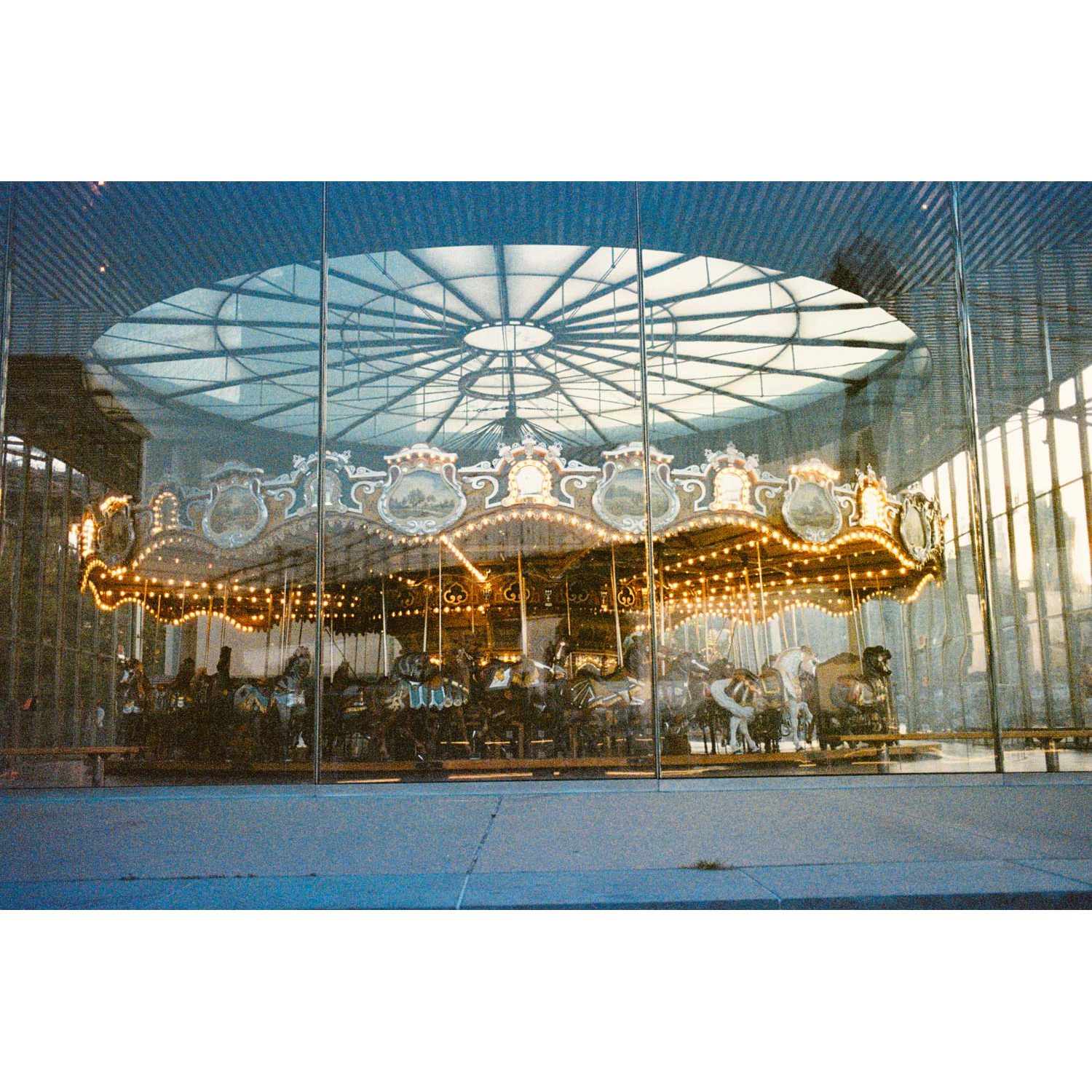
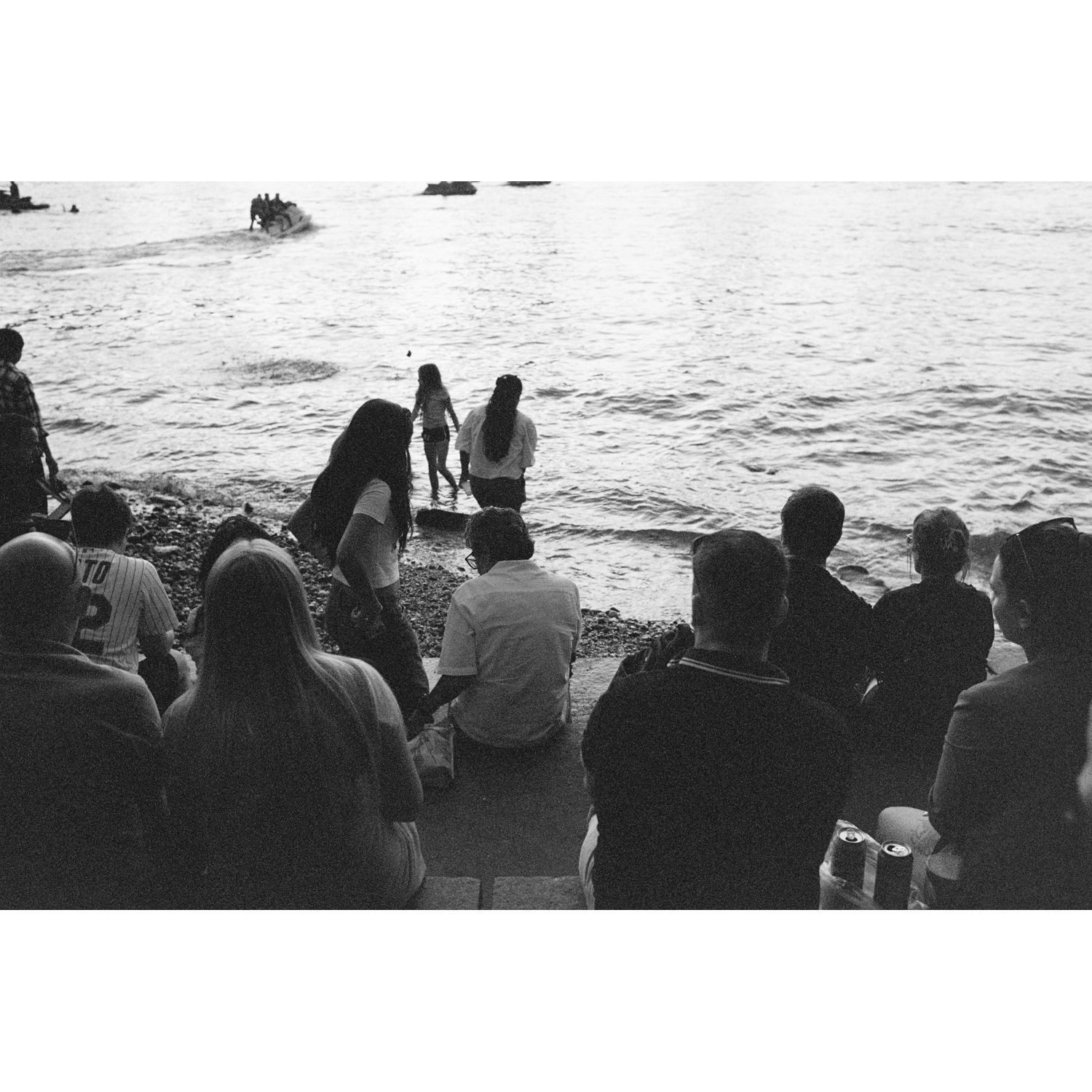
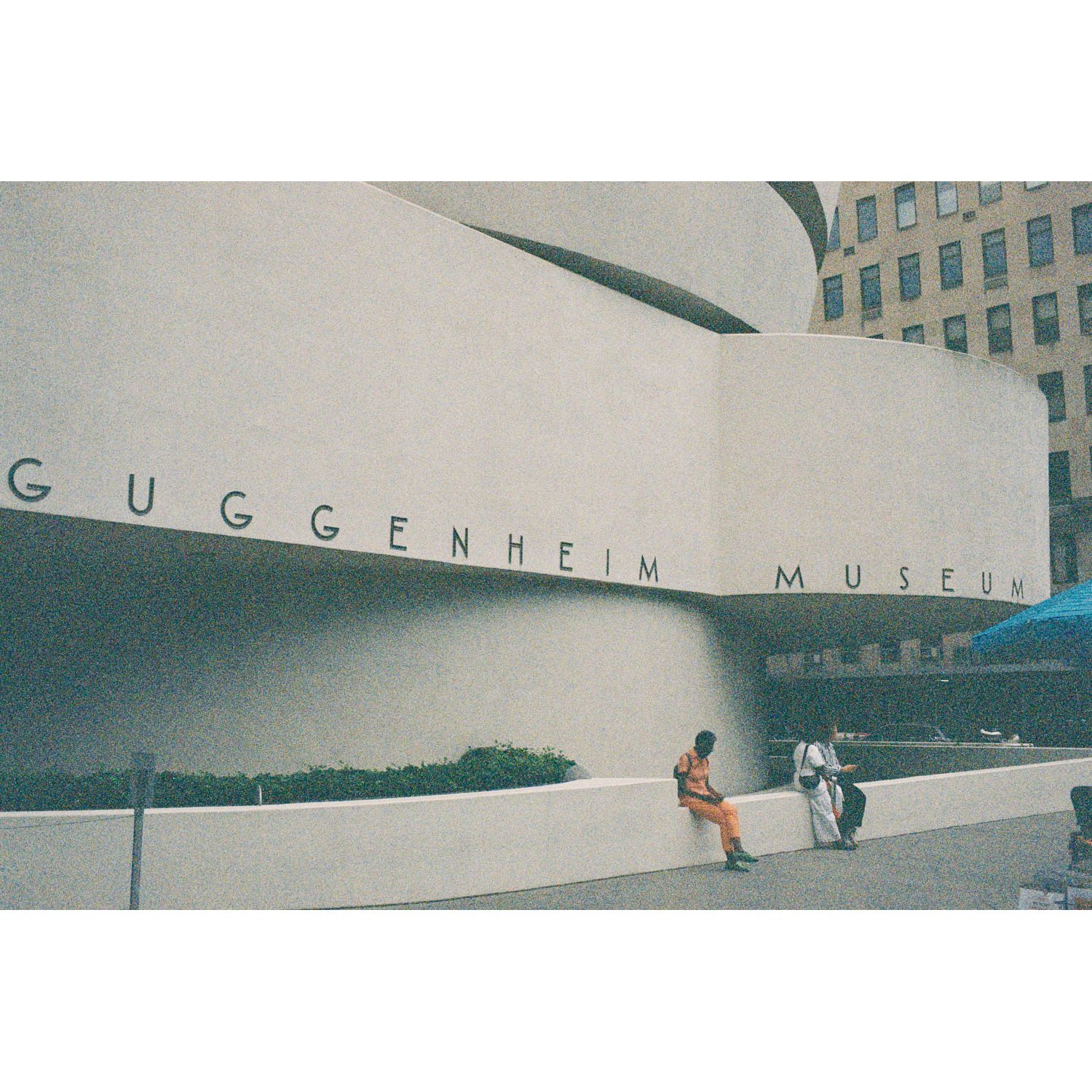
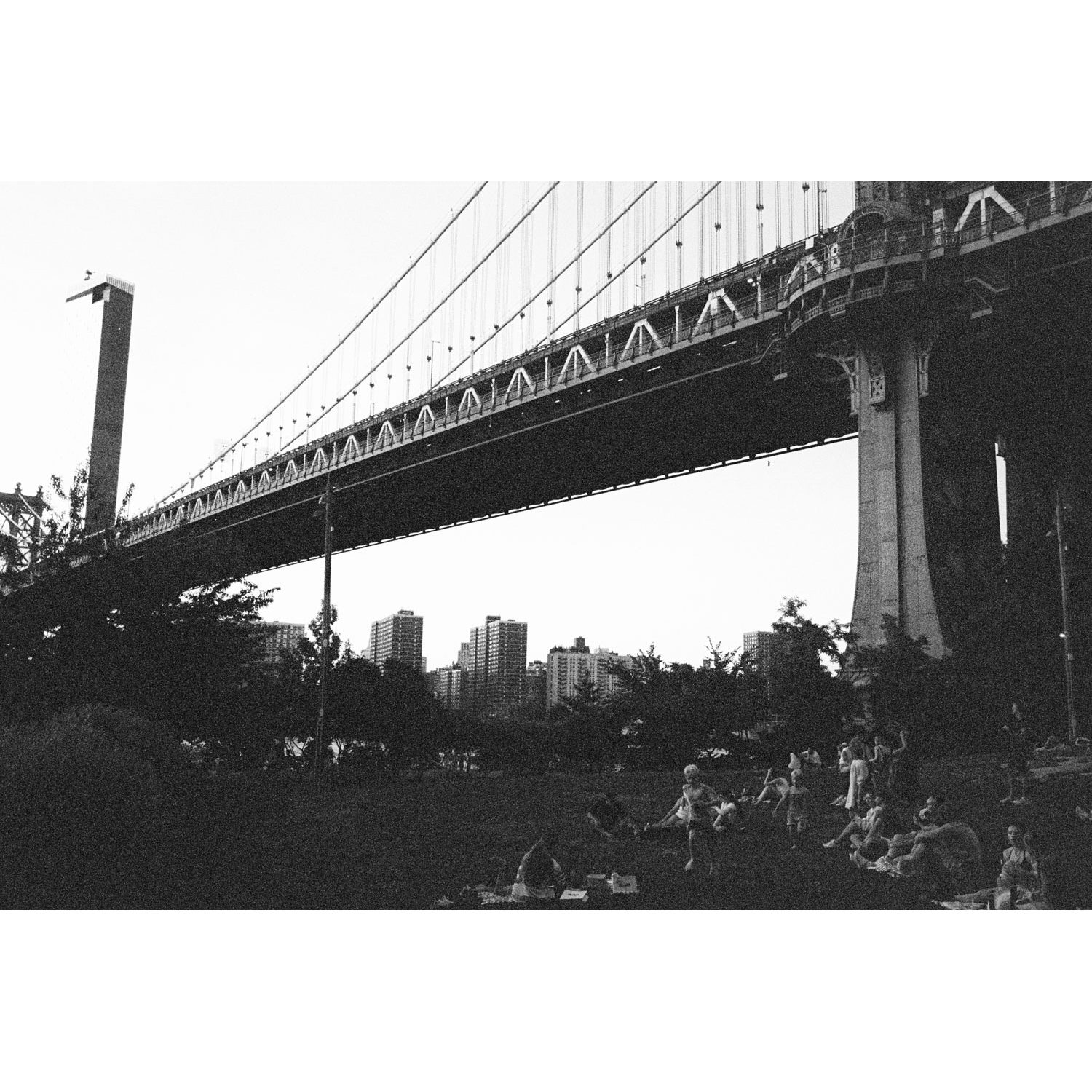
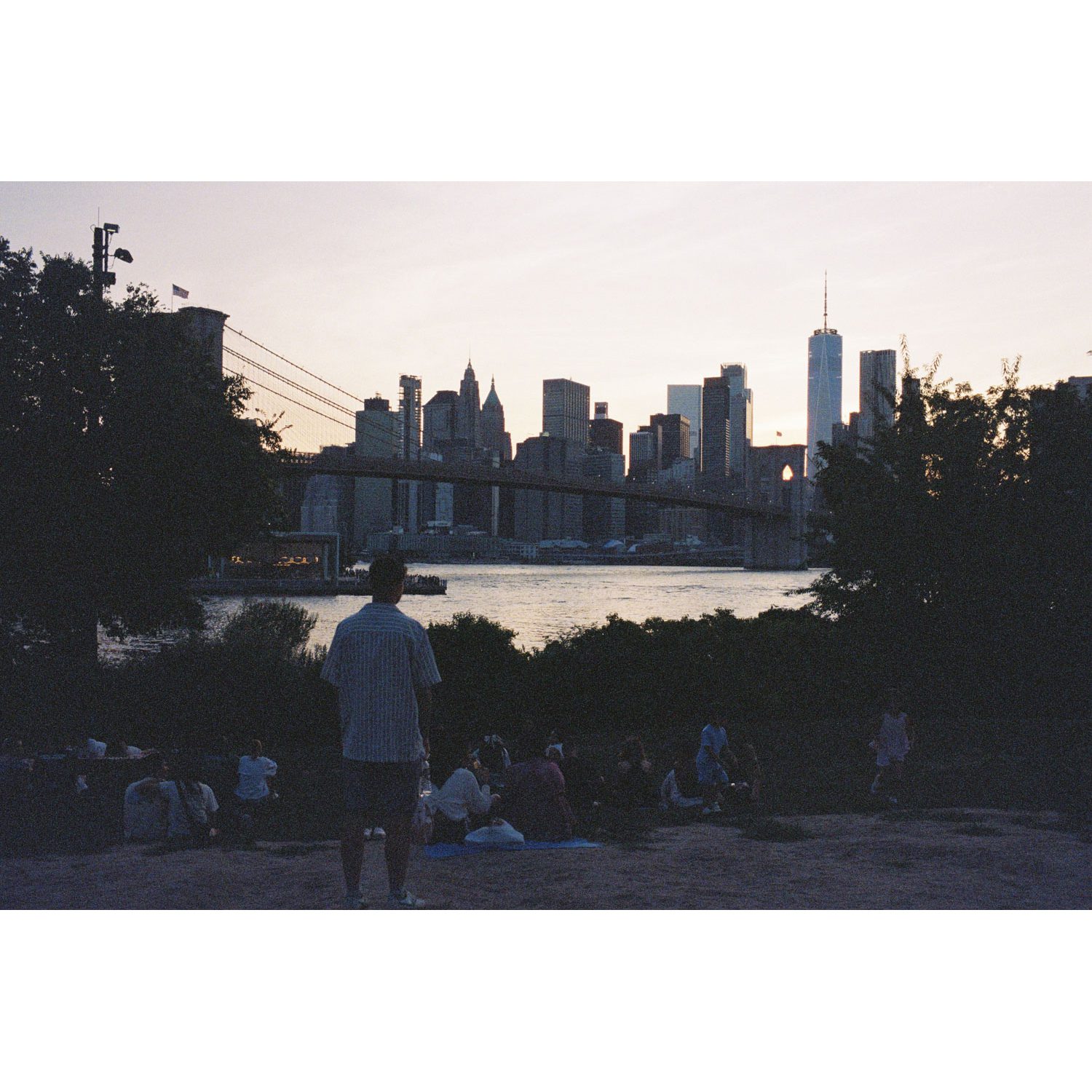
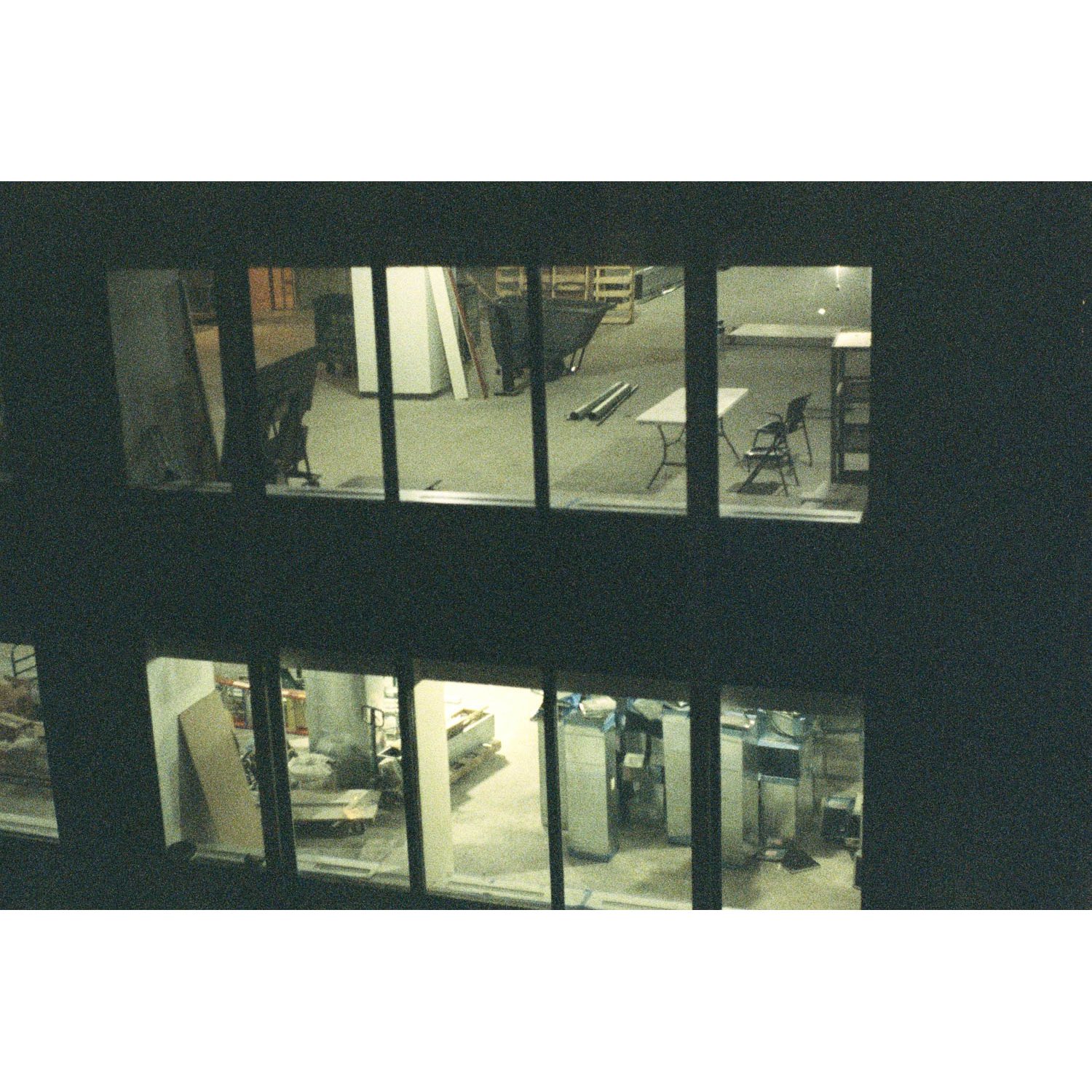
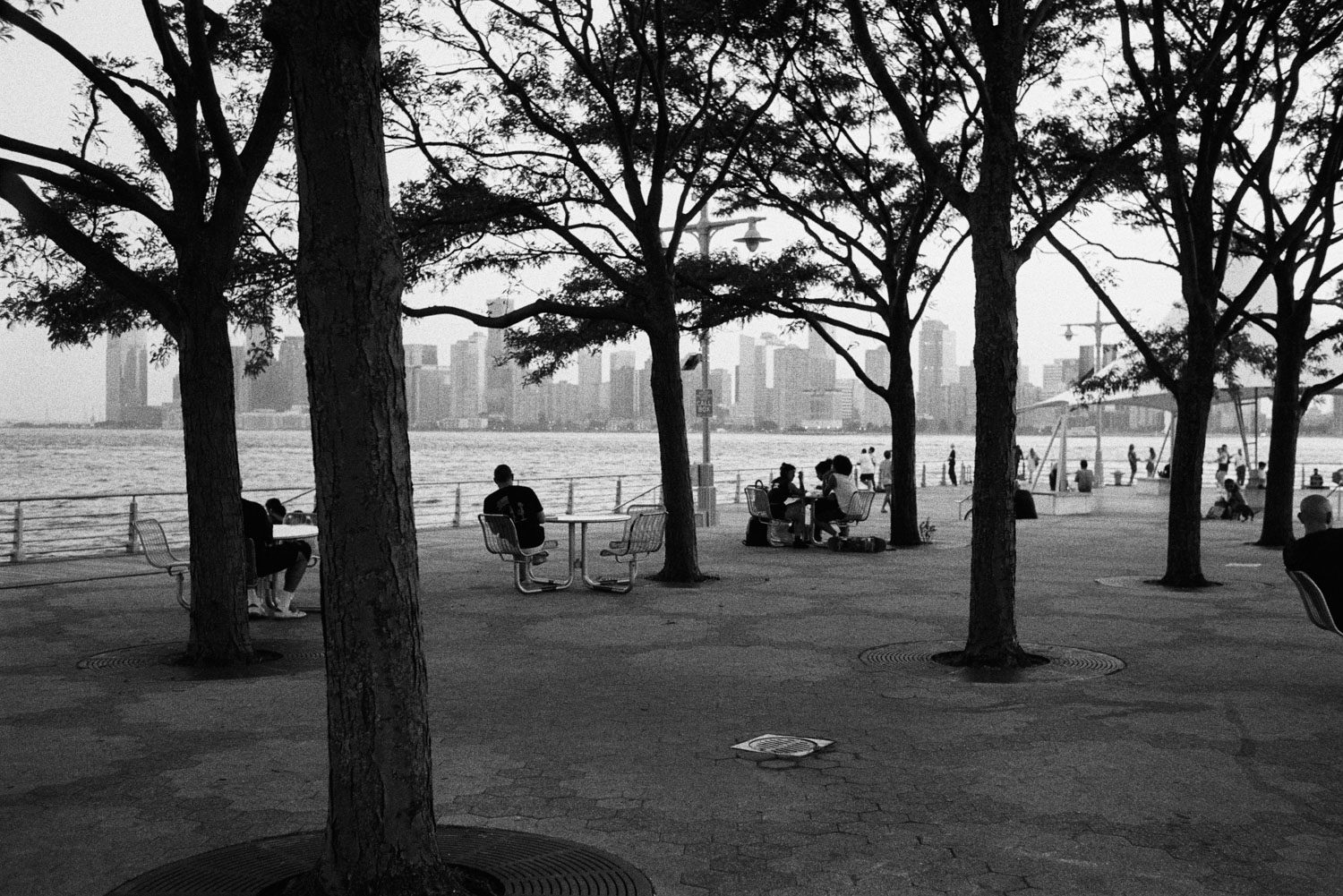
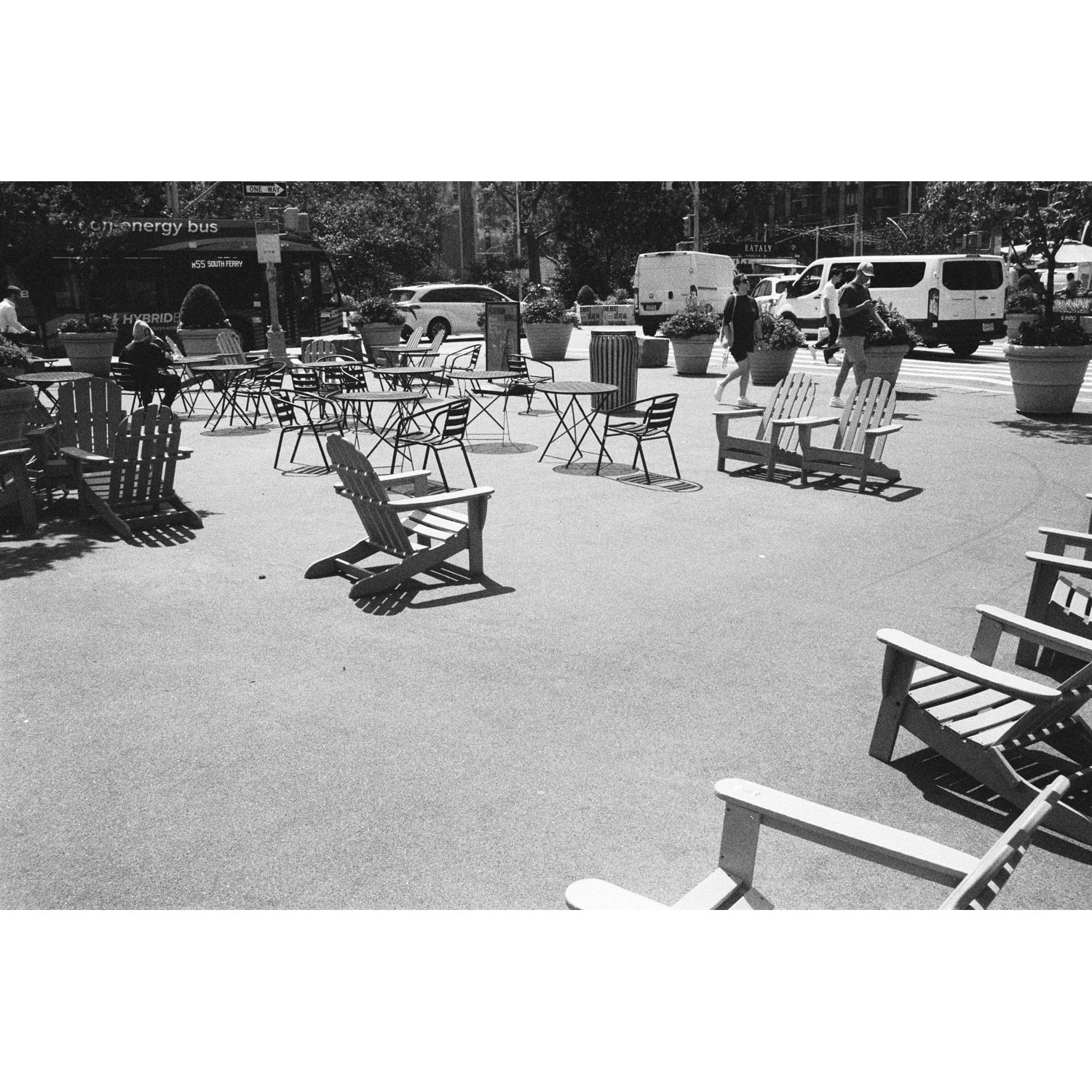
An attempt to piece together fragments of memory through the city’s elements, seen from the perspective of an outsider. A landscape constructed as a stage for leisure, designed to bring joy, provide comfort, and soothe the mind with entertainment for both its residents and visitors. This reflection draws partly on Delirious New York (1978) by Rem Koolhaas, the architect and theorist whose work has profoundly shaped contemporary architecture. In that book, Koolhaas dissected and laid bare the very making of New York City, particularly the island of Manhattan. 

The series of photographs seeks to connect certain truths in Delirious New York with America in Passing (1991), the photobook by Henri Cartier-Bresson, which captured the ordinariness and realities of American life during the 1940s to 1960s. 

American life in 2025, scattered and fragmented, emerges in spaces and objects devoted to leisure throughout Manhattan. Yet together these fragments continue to render the metropolis as a vast screen, a colossal television screen, endlessly projecting images of life, of dreams, and of death. On repeat, without end. 

Dear Rem,
I am very frustrated. 

Dear Henri,
I feel so disconnected.

___________________

Bhumibhat Promboot, architect and lecturer, is drawn to buildings, trees, spirits, and animals.

instagram.com/bhumibhatpromboot  

PHOTO ESSAY : BLOSSOM BURN TO ASH


TEXT & PHOTO: RICHARD SAESONG

(For Thai, press here

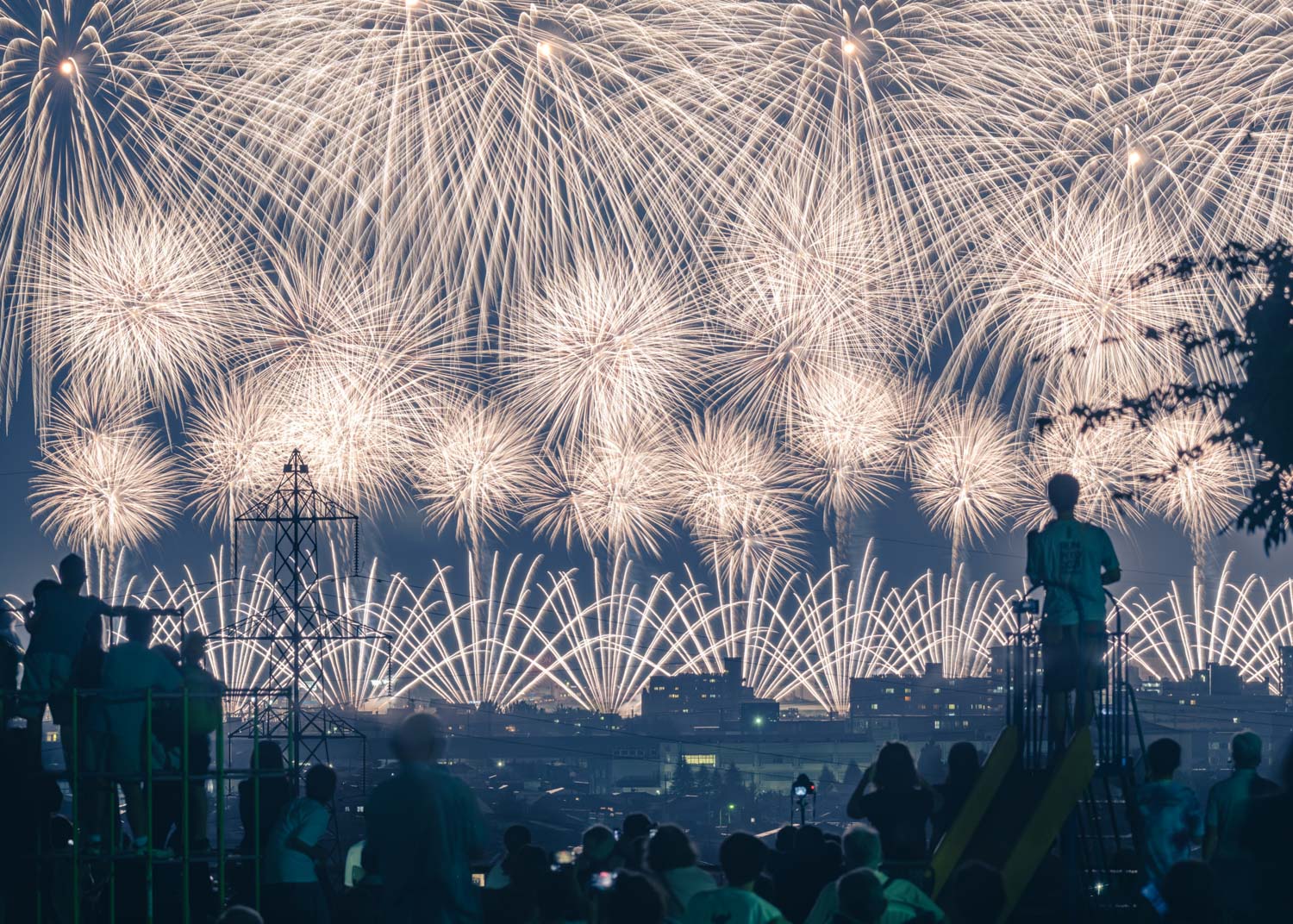
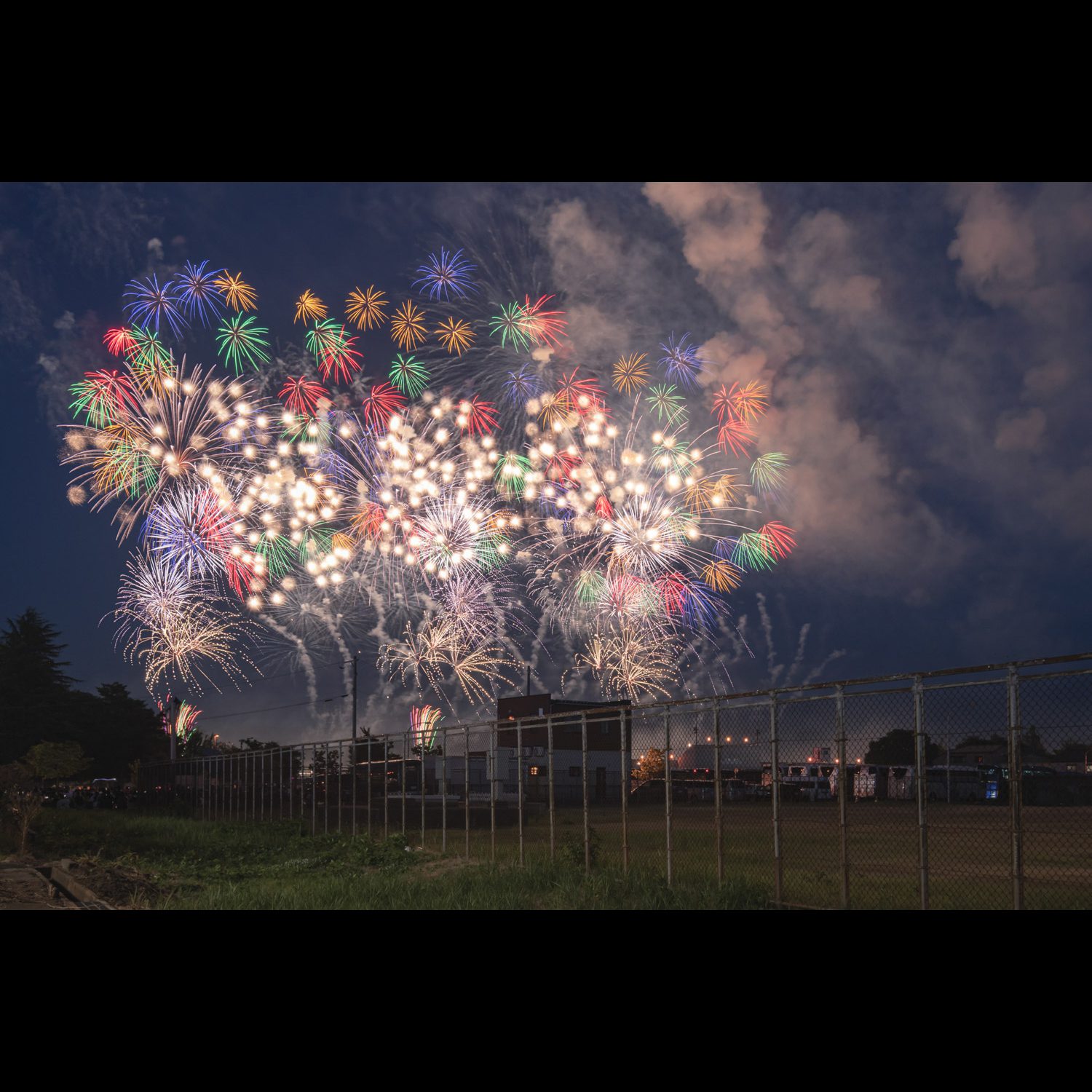
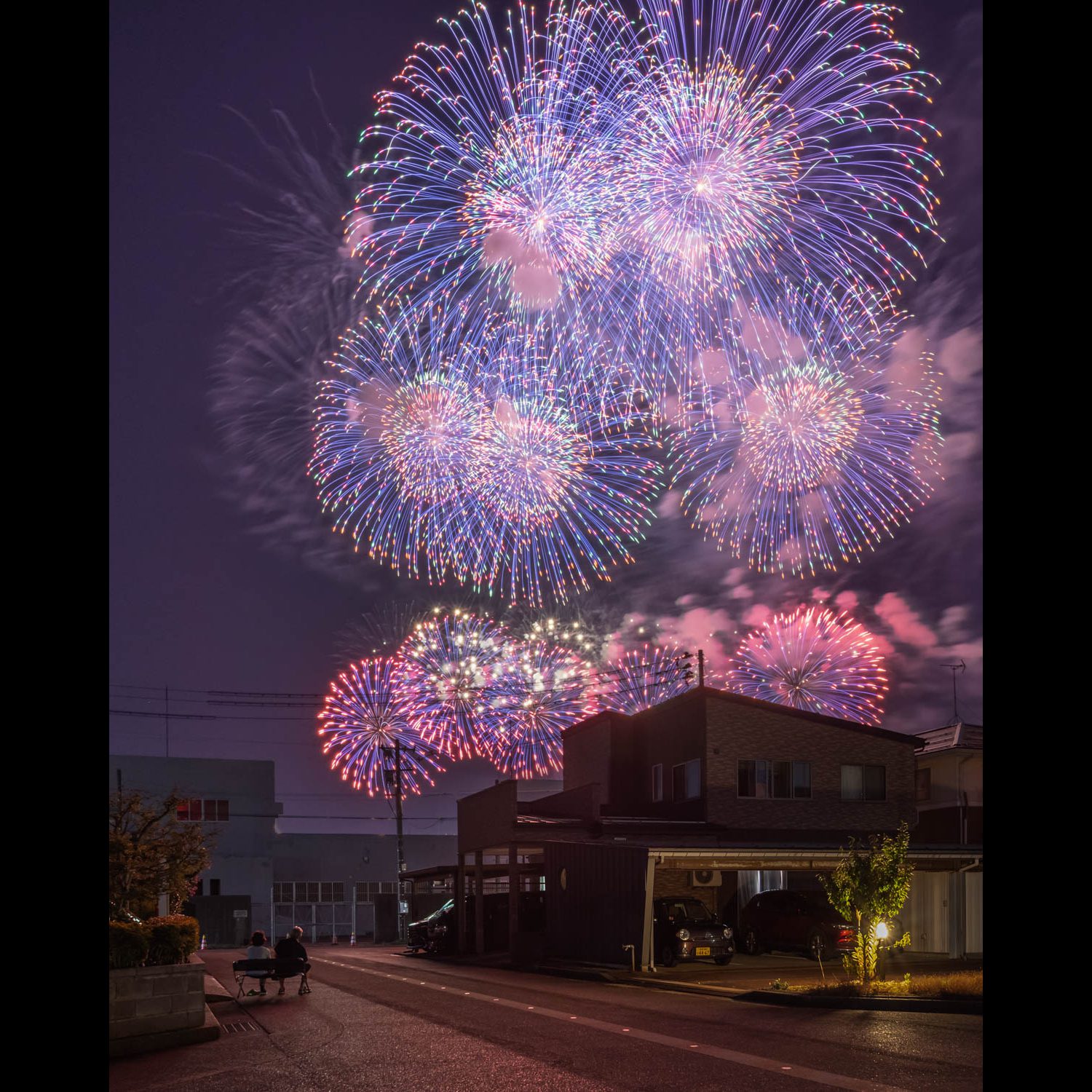
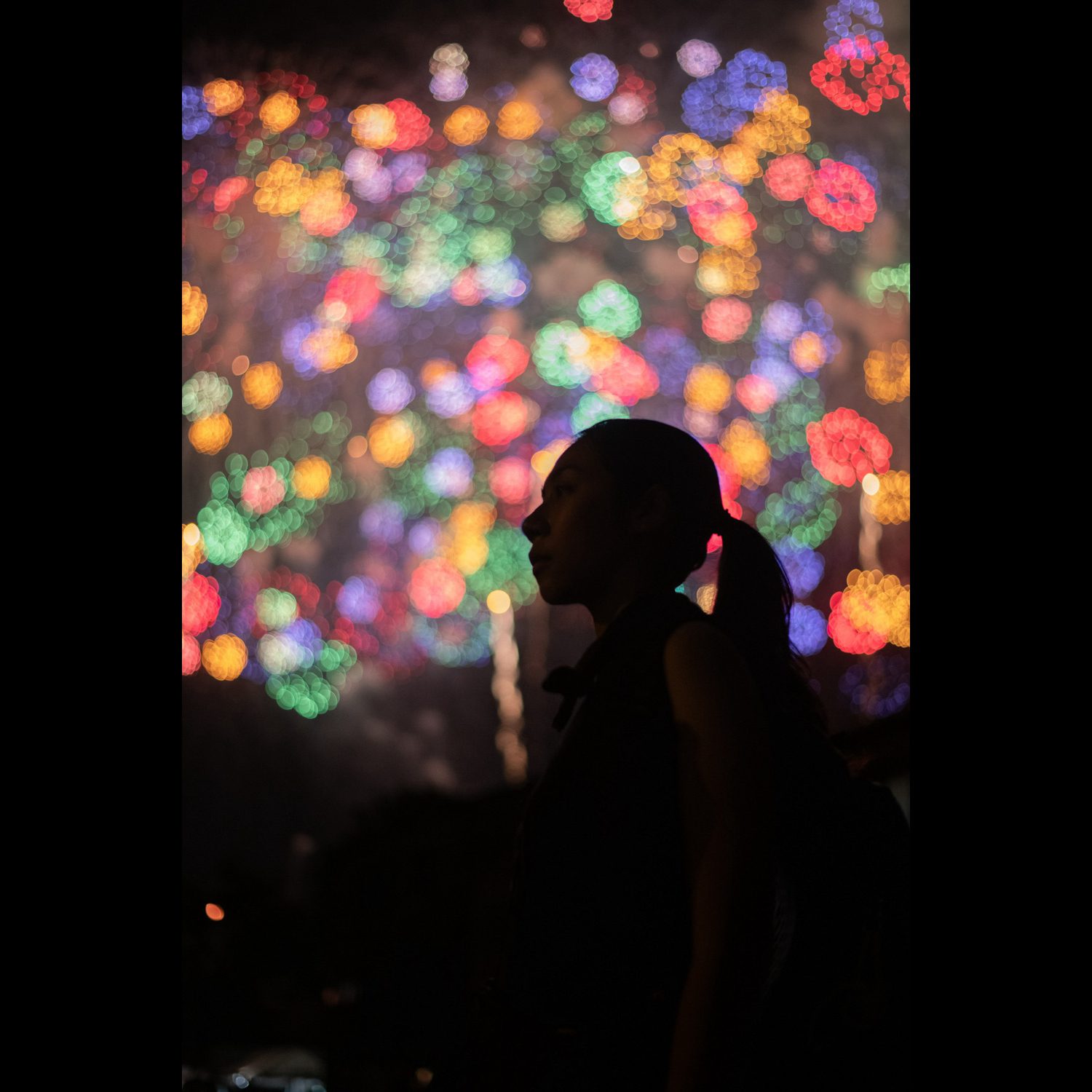
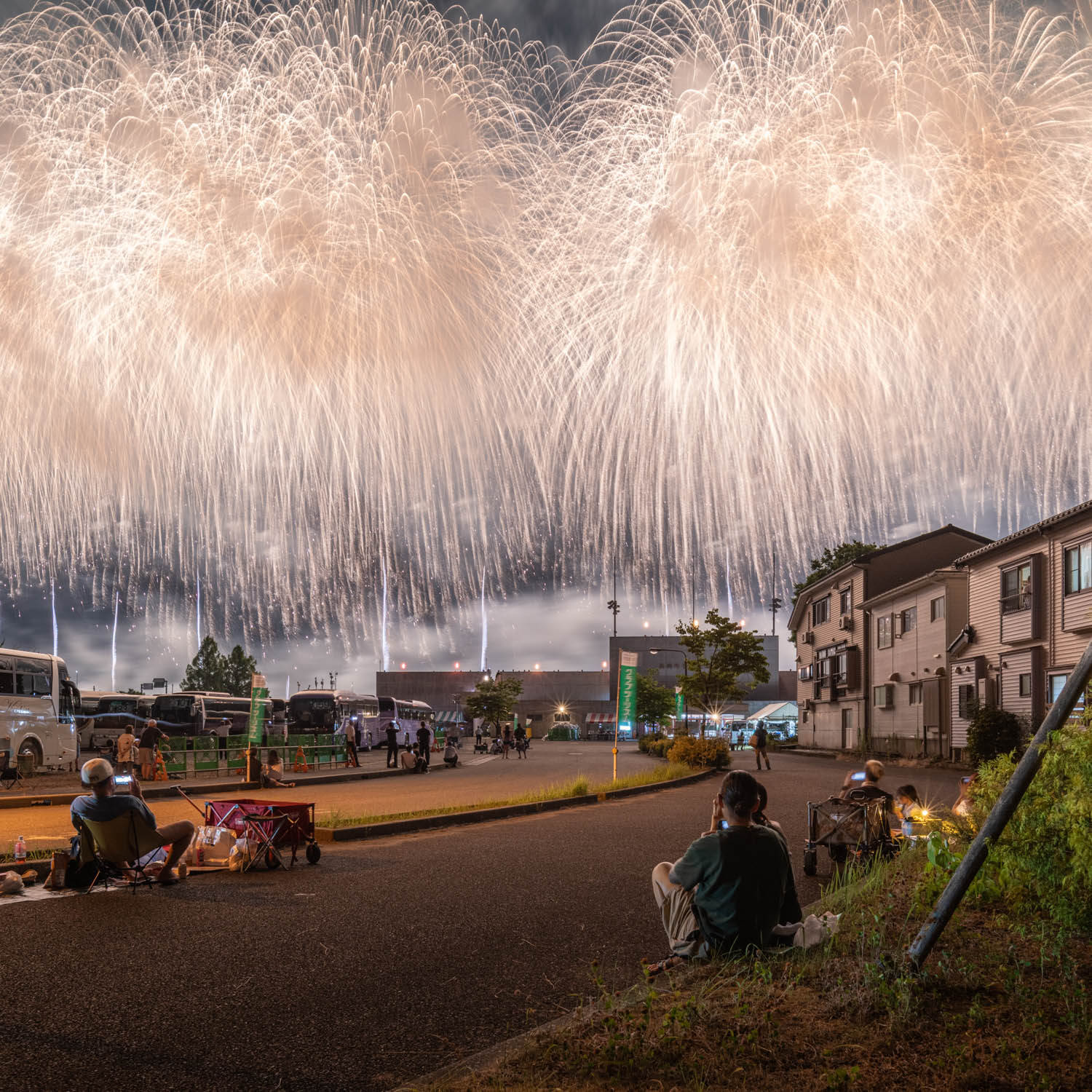
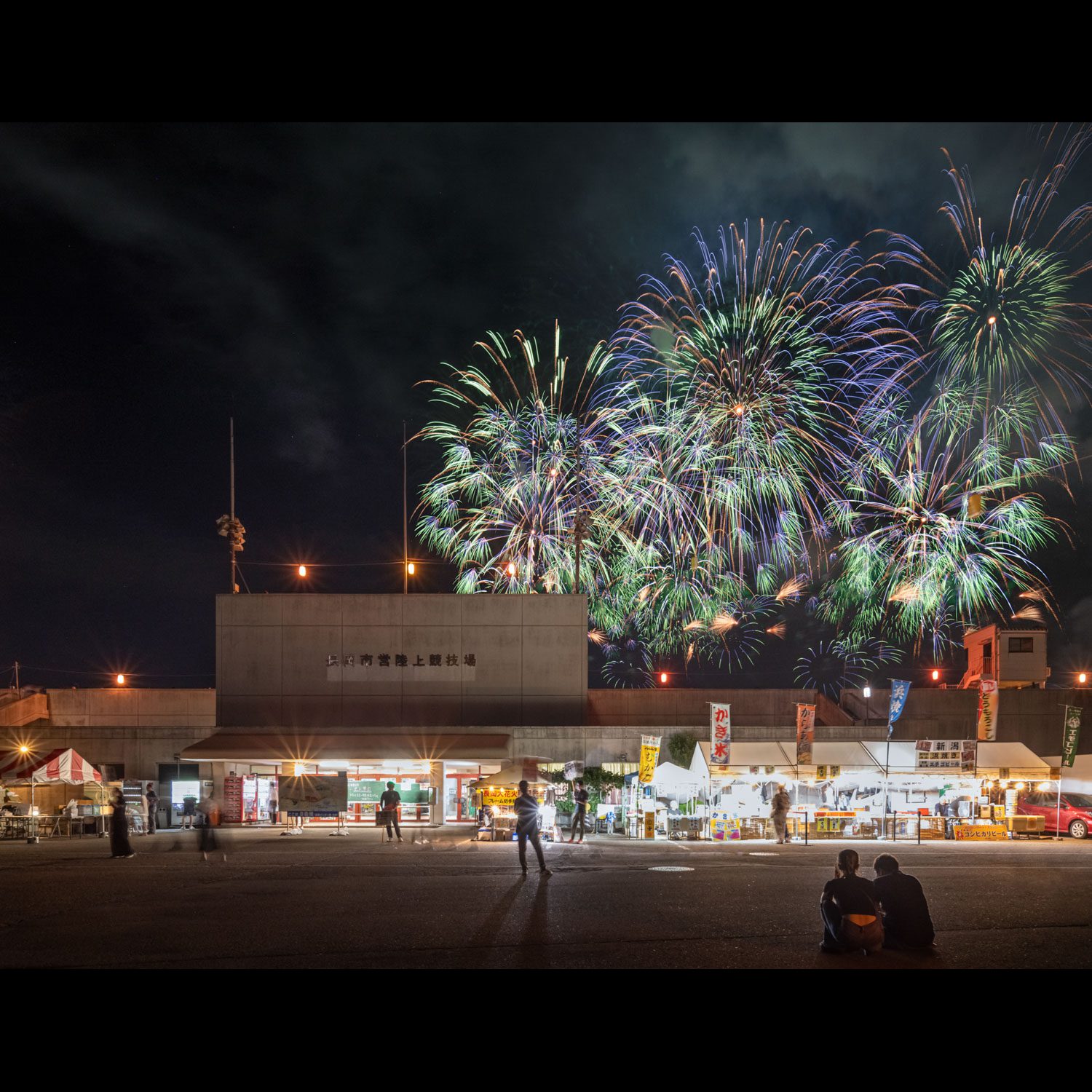
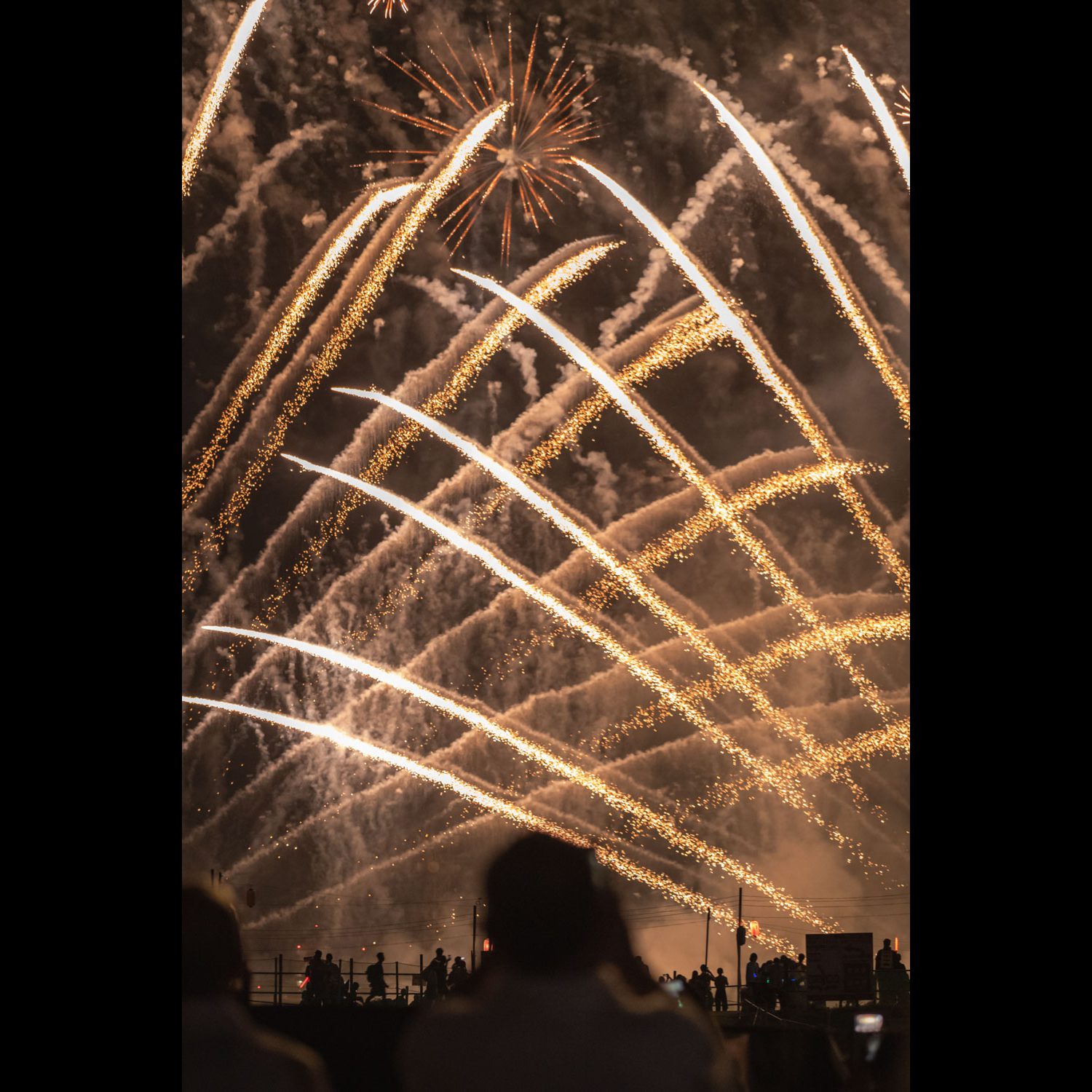
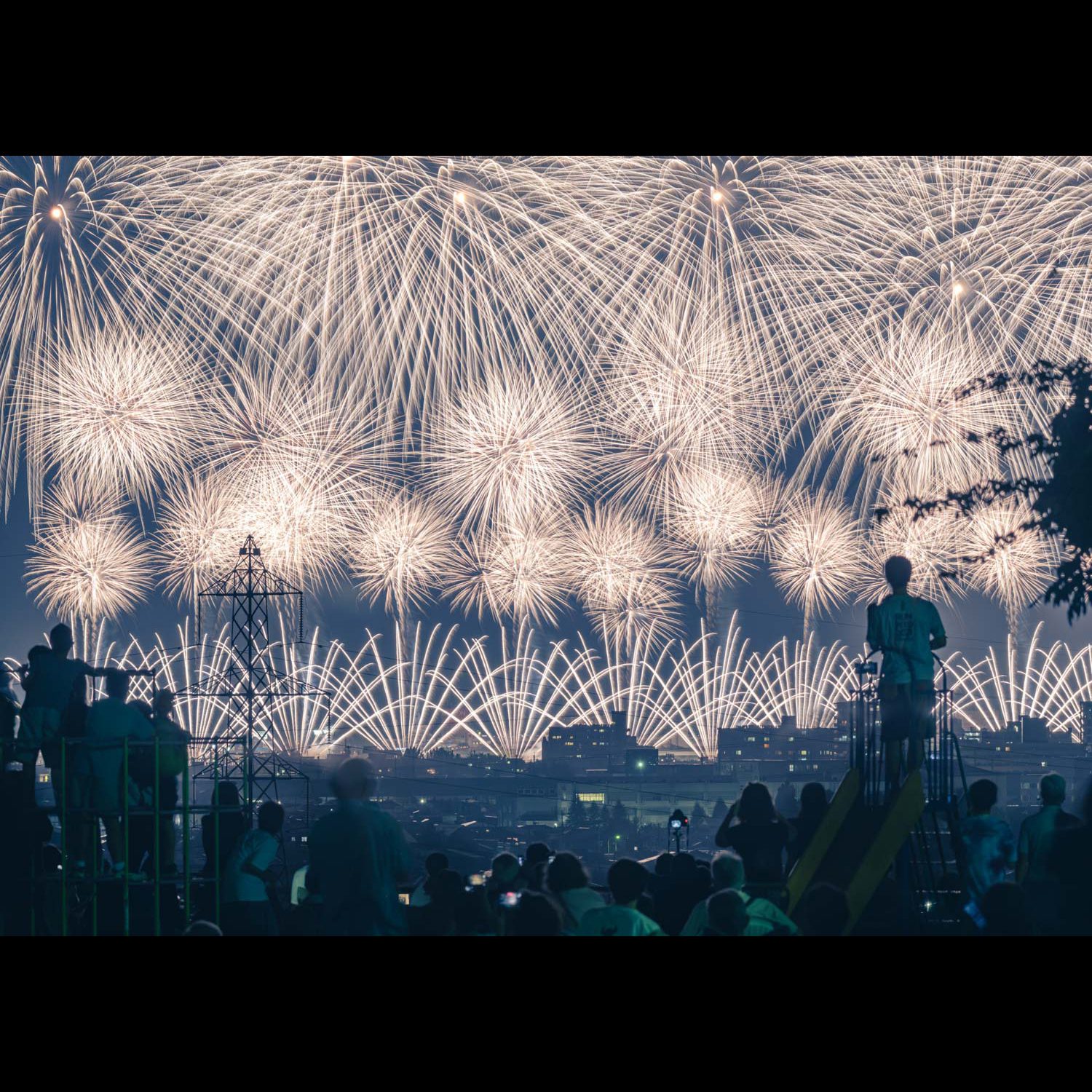
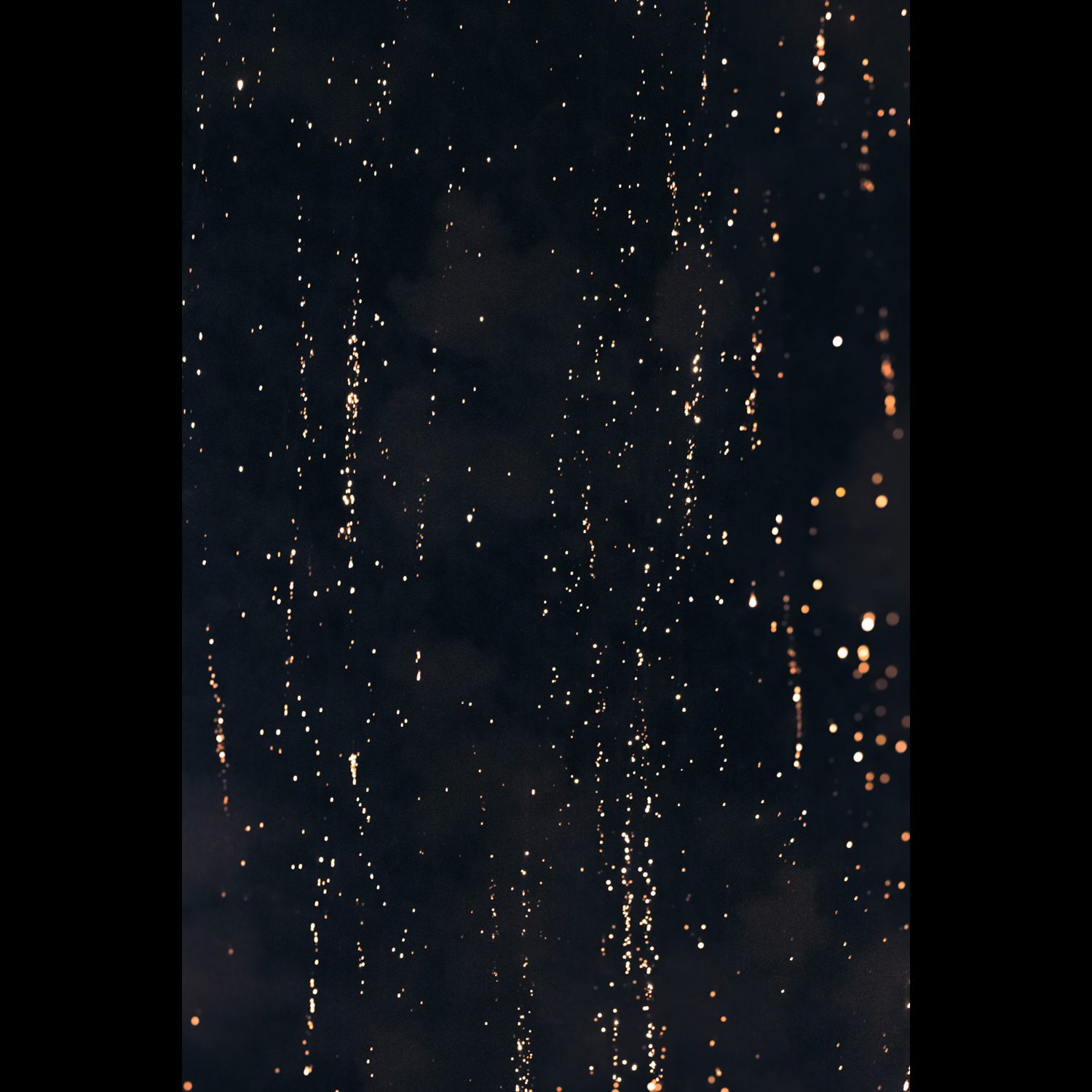
Fireworks festivals in Japan, or Hanabi Taikai, are more than a spectacle of colours across the night sky. They are gatherings where people sit together beneath the stars, waiting for beauty that exists only for a fleeting moment. Each firework blooms like a flower—radiant, resplendent, and vanishing swiftly. It is precisely this transience that leaves its mark upon the heart. 

For me, attending the Nagaoka Fireworks Festival was a dream I had carried since childhood. In Japanese comics, I once saw crowds look up at skies ablaze with sparks, and I longed to witness that vision for myself. When at last I stood among the summer throngs, my camera did not merely capture bursts of light; it preserved the feelings and memories that tied me back to those childhood images—once confined to paper, now alive before my eyes. 

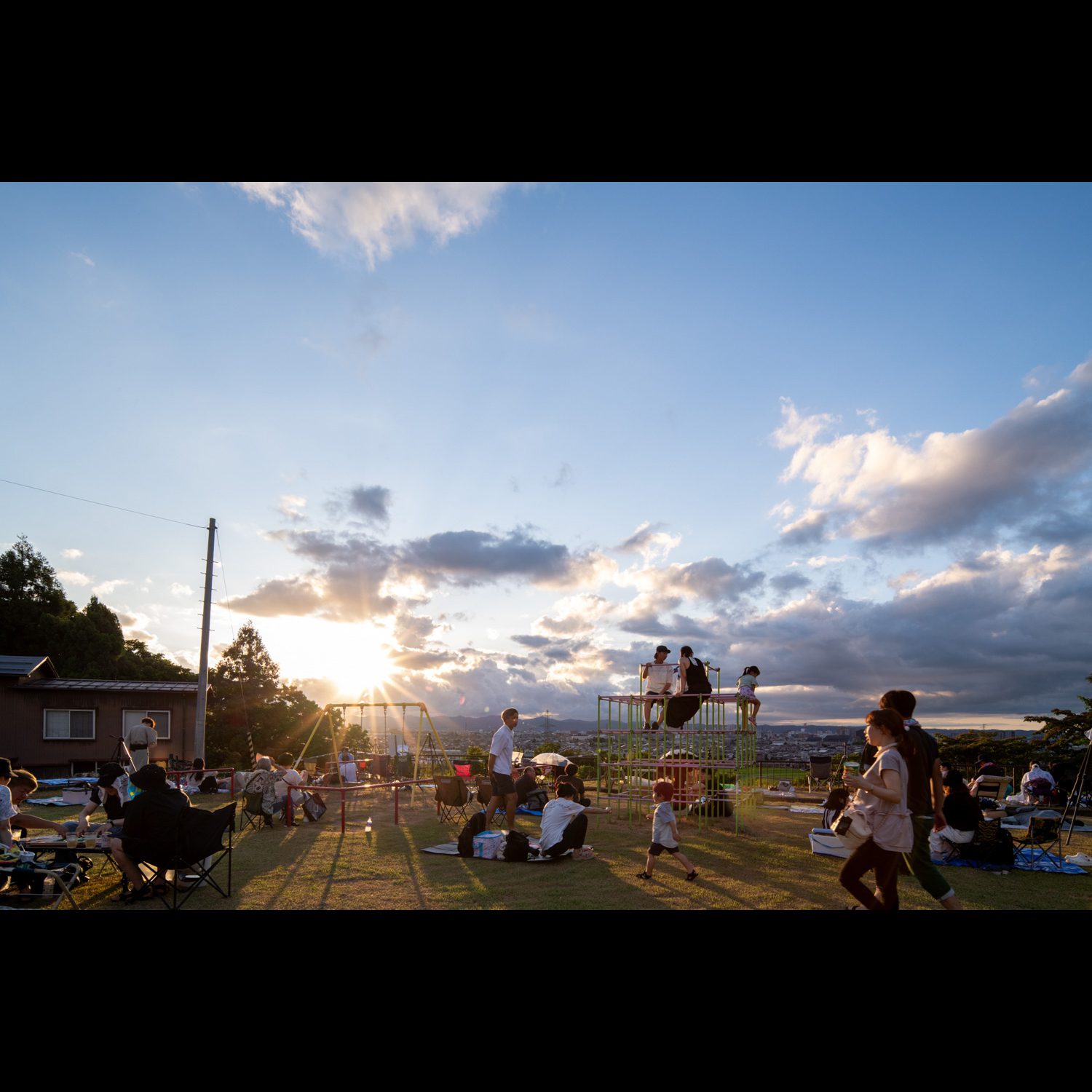
What made that night unforgettable was not only the fireworks but the atmosphere around me. Families spread picnic mats, shared food, and waited together. When the first explosion echoed, the sky bloomed in colour; elders gazed with serene eyes while children’s laughter rang across the park. It was a scene of warmth that bound countless strangers into one. And when the final spark faded, the sky returned to darkness. Yet what vanished above still glowed within: a reminder that beauty is not meant to last forever, but to teach us the value of each fleeting moment shared beneath the same sky.


___________________

Richard Saesong is a 3D Modeling & Visualizer. Speaking may not be his most natural form of expression, so he turns to photography as a language of its own—one that reflects who he is and how he sees the world. Through tones, lines, subtle movements, and quiet atmospheres, his images remain simple and accessible, yet they preserve the depth and nuances of emotion in their entirety.

facebook.com/rcbline
instagram.com/___rc_

PHOTO ESSAY : A MODERN DAY AFFAIR

  • The Beginning: Neither notices the space growing between them.


TEXT & PHOTO: KANTAYA NEW

(For Thai, press here

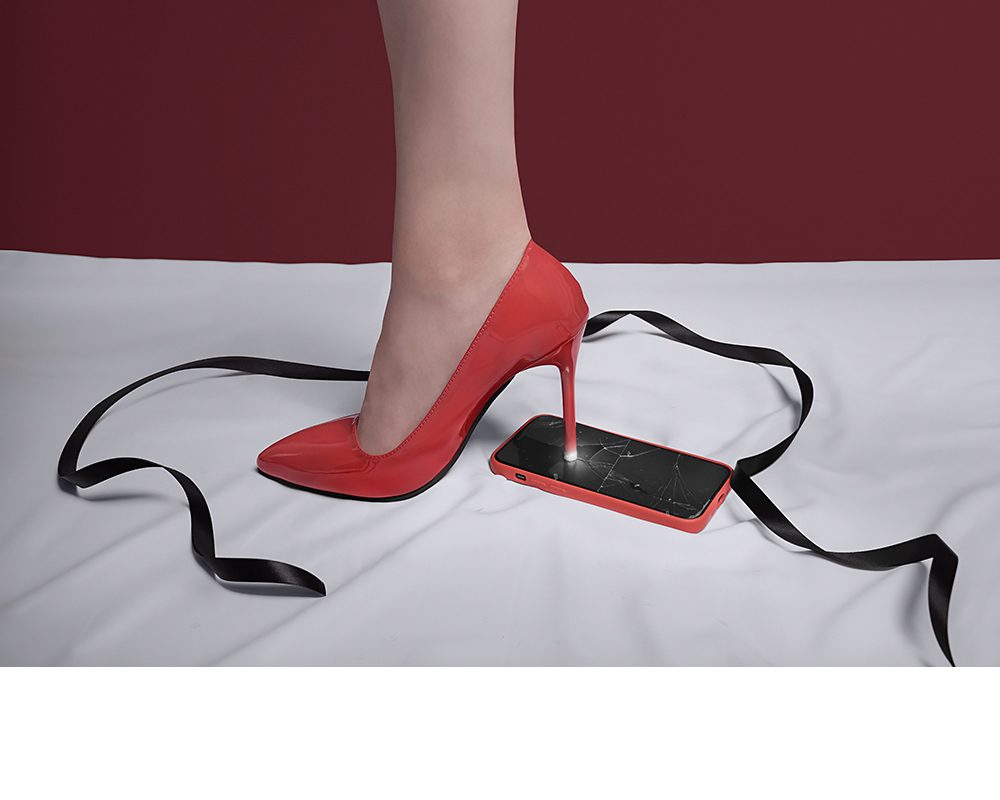
This series began at home: my husband was with me, but always on his phone. I felt the screen had taken my place. That feeling began A Modern Day Affair

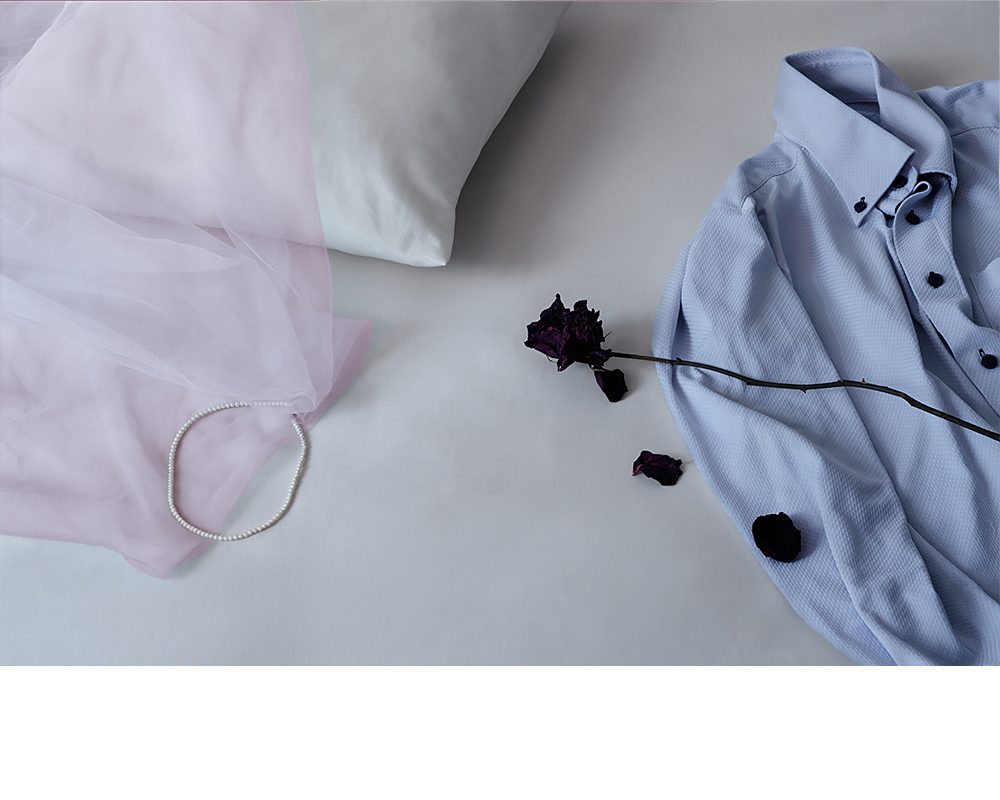
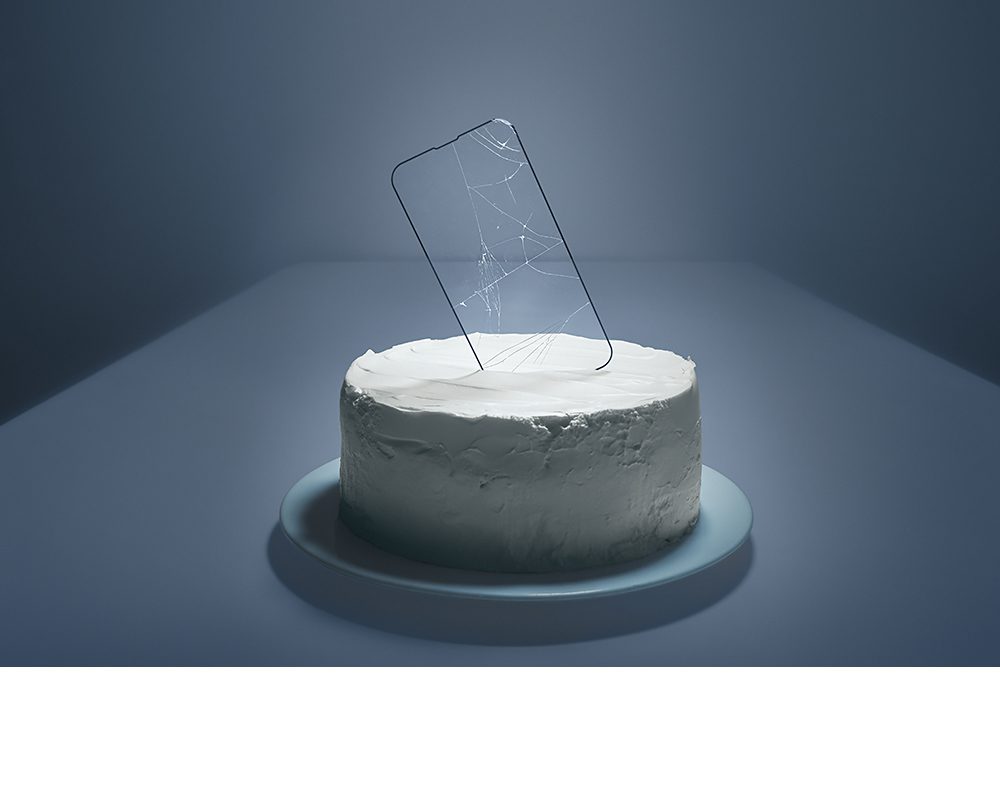
The work looks at how phones reshape relationships. Many images are self-portraits; others focus on small details—a cracked screen protector on a cake or notes on a door. Some moments are real; others are imagined but remain emotionally true. 

In a clean, staged style, the photographs mix humor and sadness to show how people drift apart even when sitting side by side. I am not blaming phones; rather, I am asking how often we choose screens over connection without noticing. 

Lighting, color, and composition add a surreal touch. The series is ongoing. Rooted in personal experience, it remains relatable. It is a reminder to look up and attend to one another.

___________________

Kantaya New is a Thai Singaporean photo artist working across conceptual and street photography. Her street practice finds overlooked, serendipitous moments in daily life, while her conceptual work uses staged scenes and objects to invite reflection—often on how technology shapes relationships. Based in Singapore, she is finalizing A Modern Day Affair and developing new work. 

Her work has been exhibited internationally and has received recognition in several renowned competitions such as LensCulture Critics’ Choice, Fujifilm Moment Street Photo Awards and Sony World Photography Awards.

kantayanew.com
instagram.com/kantaya_new
instagram.com/kantaya_new_art

PHOTO ESSAY : CATS IN THE AIR


TEXT & PHOTO: PUTTIPONG NIPATUTIT

(For Thai, press here

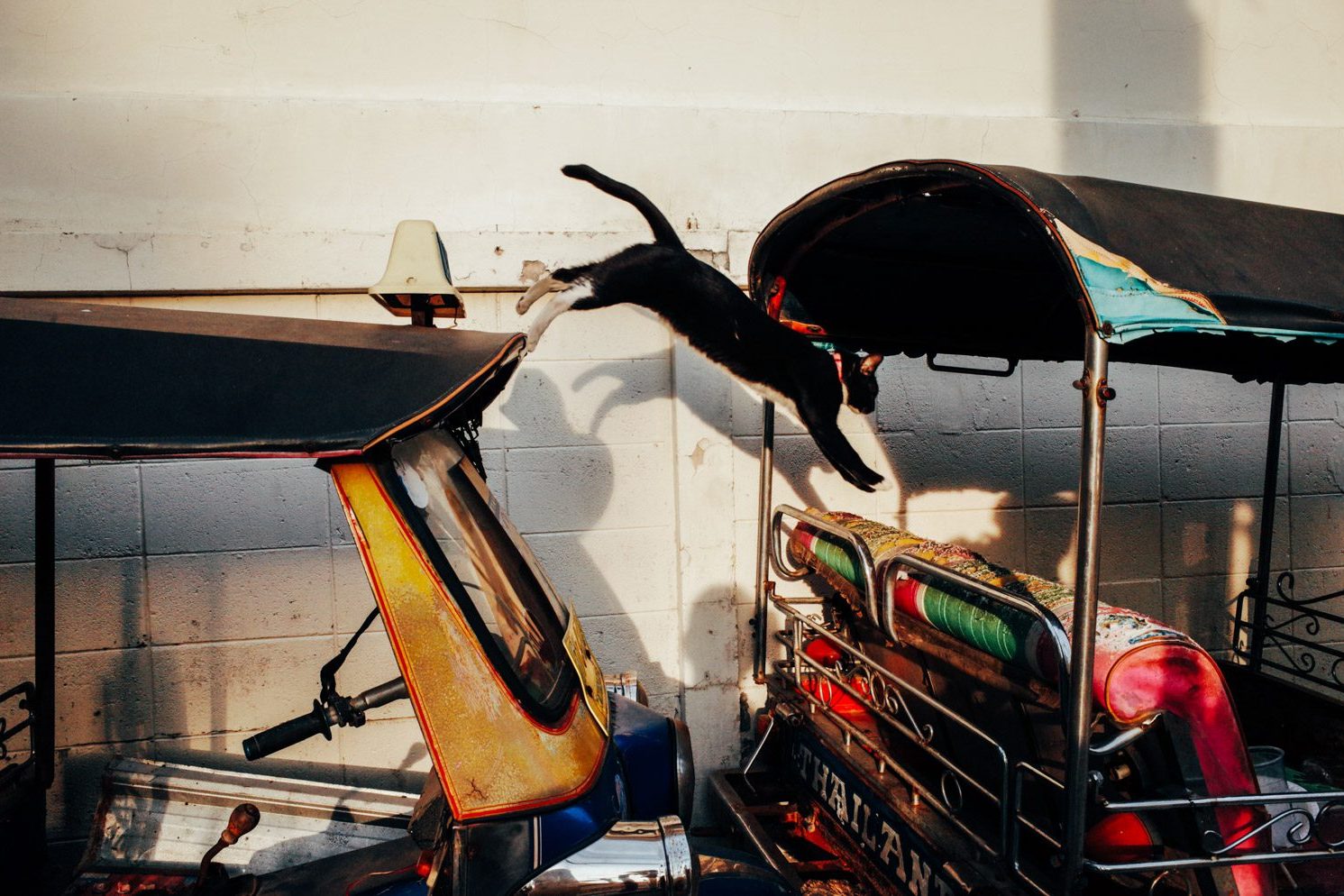
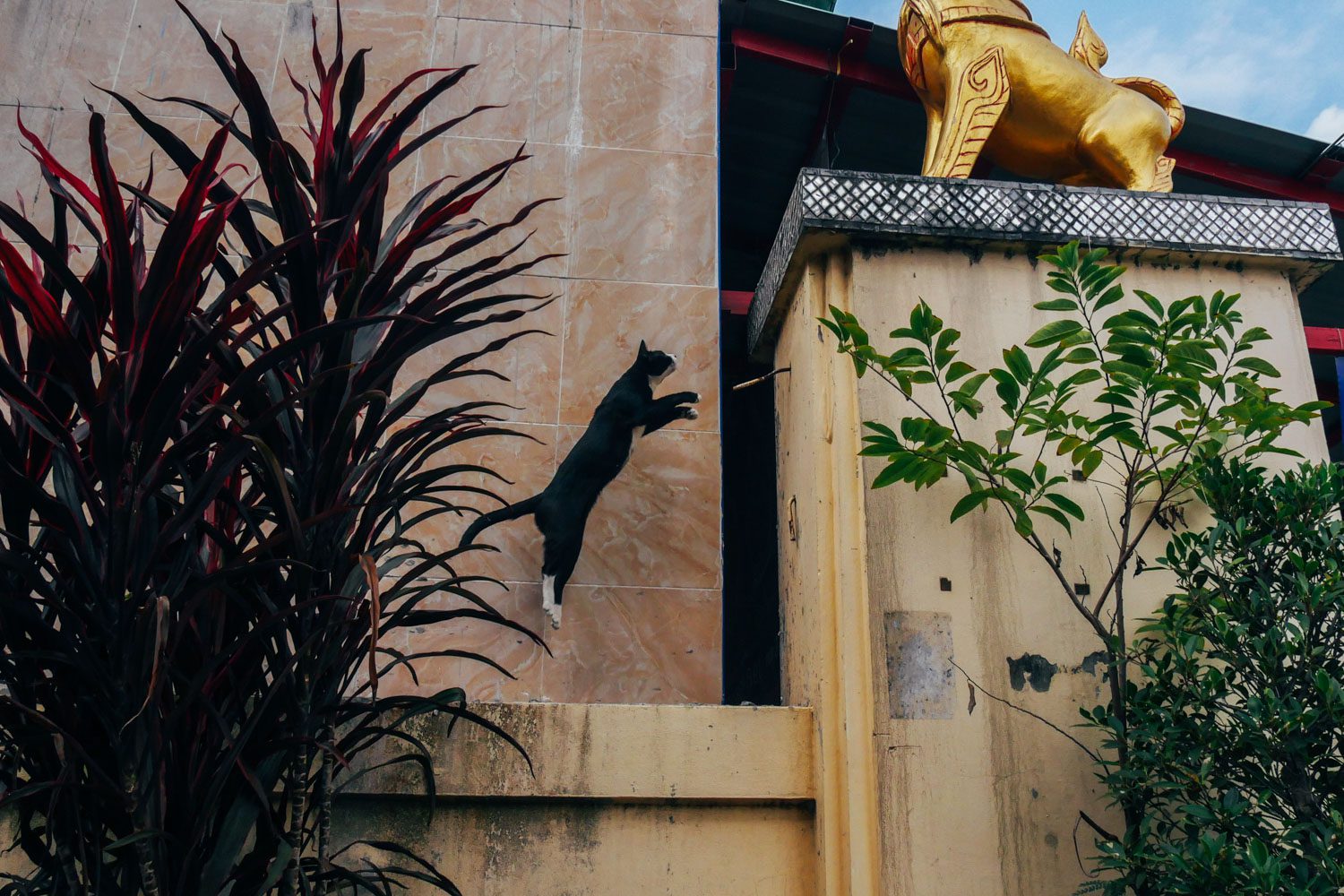
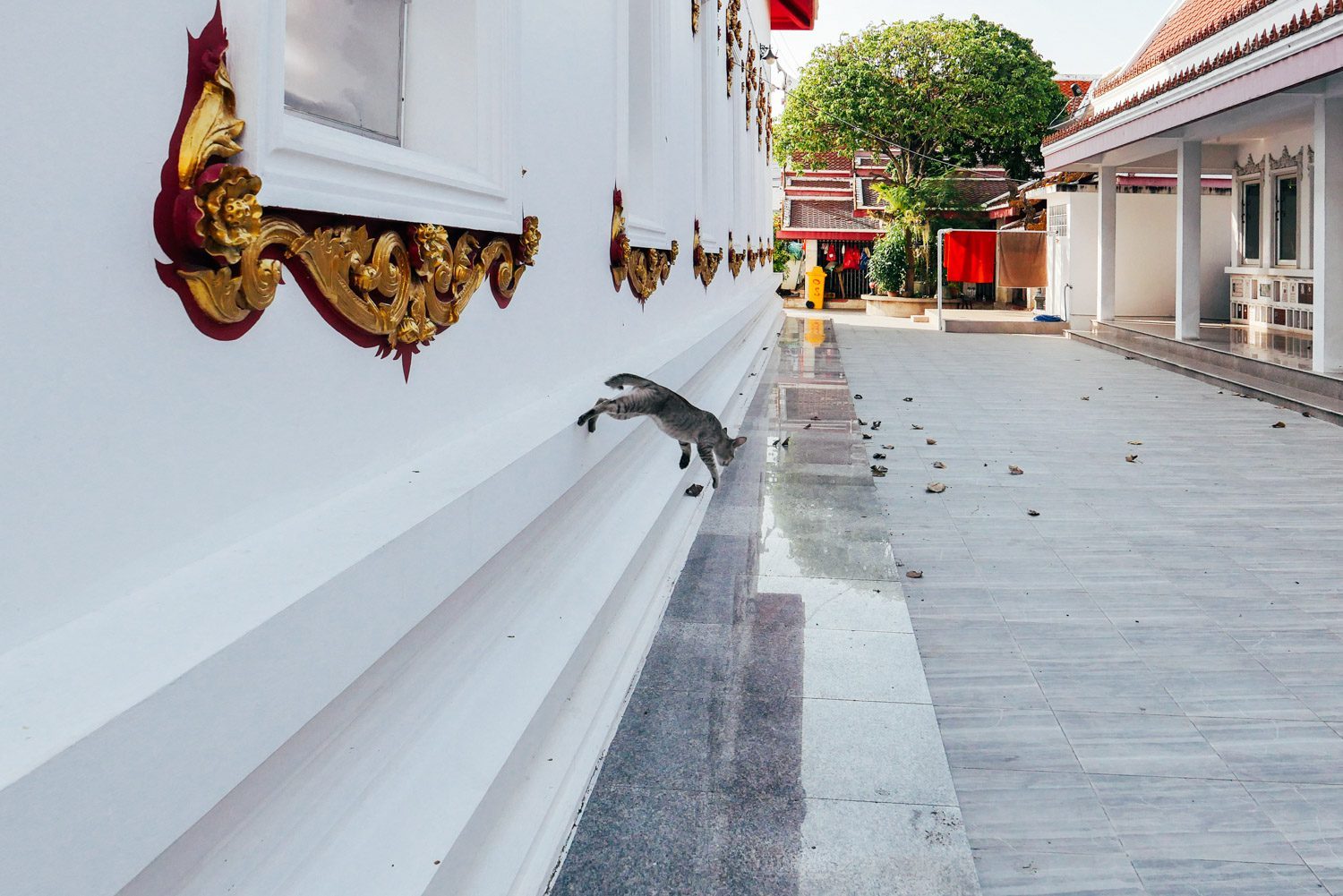
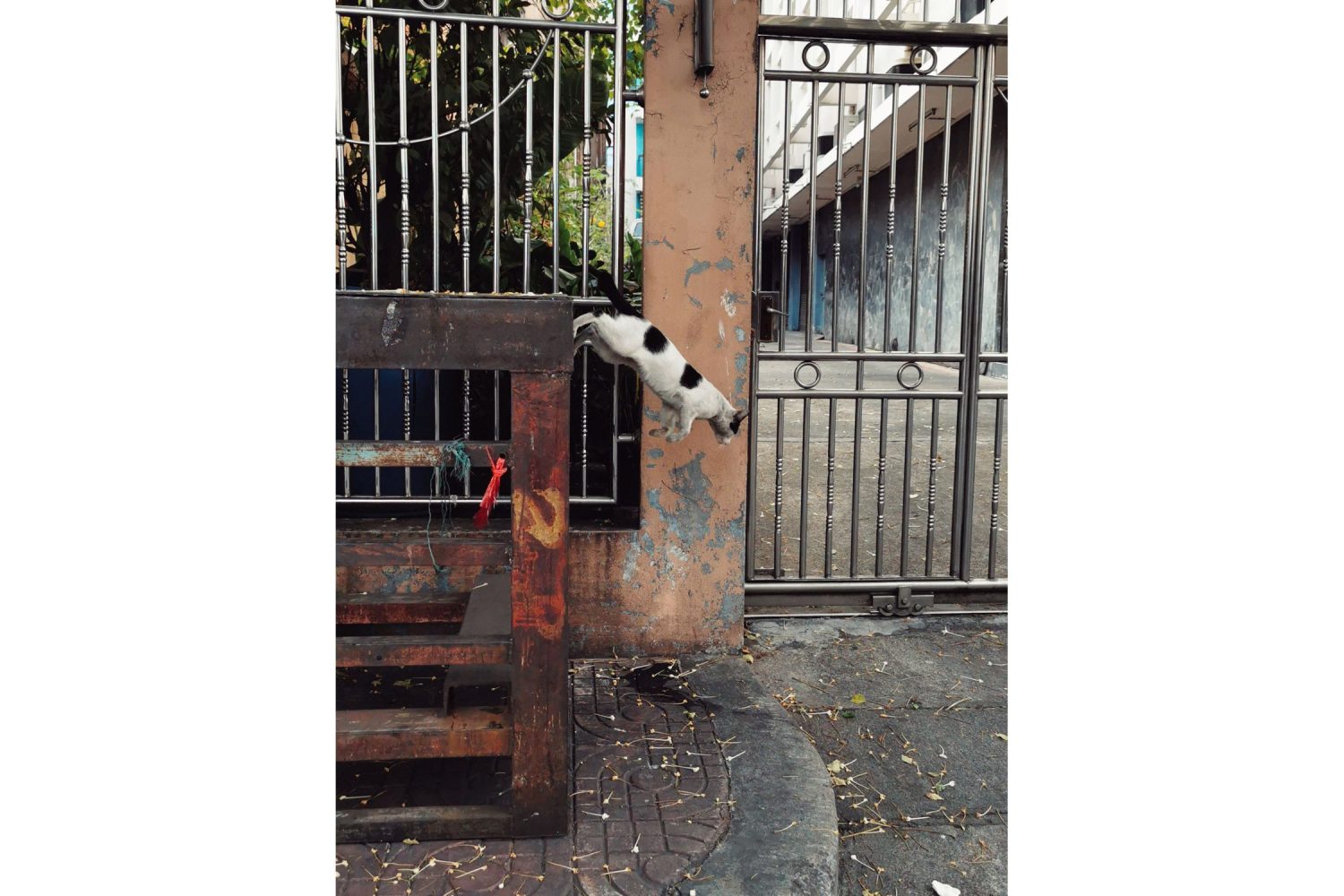
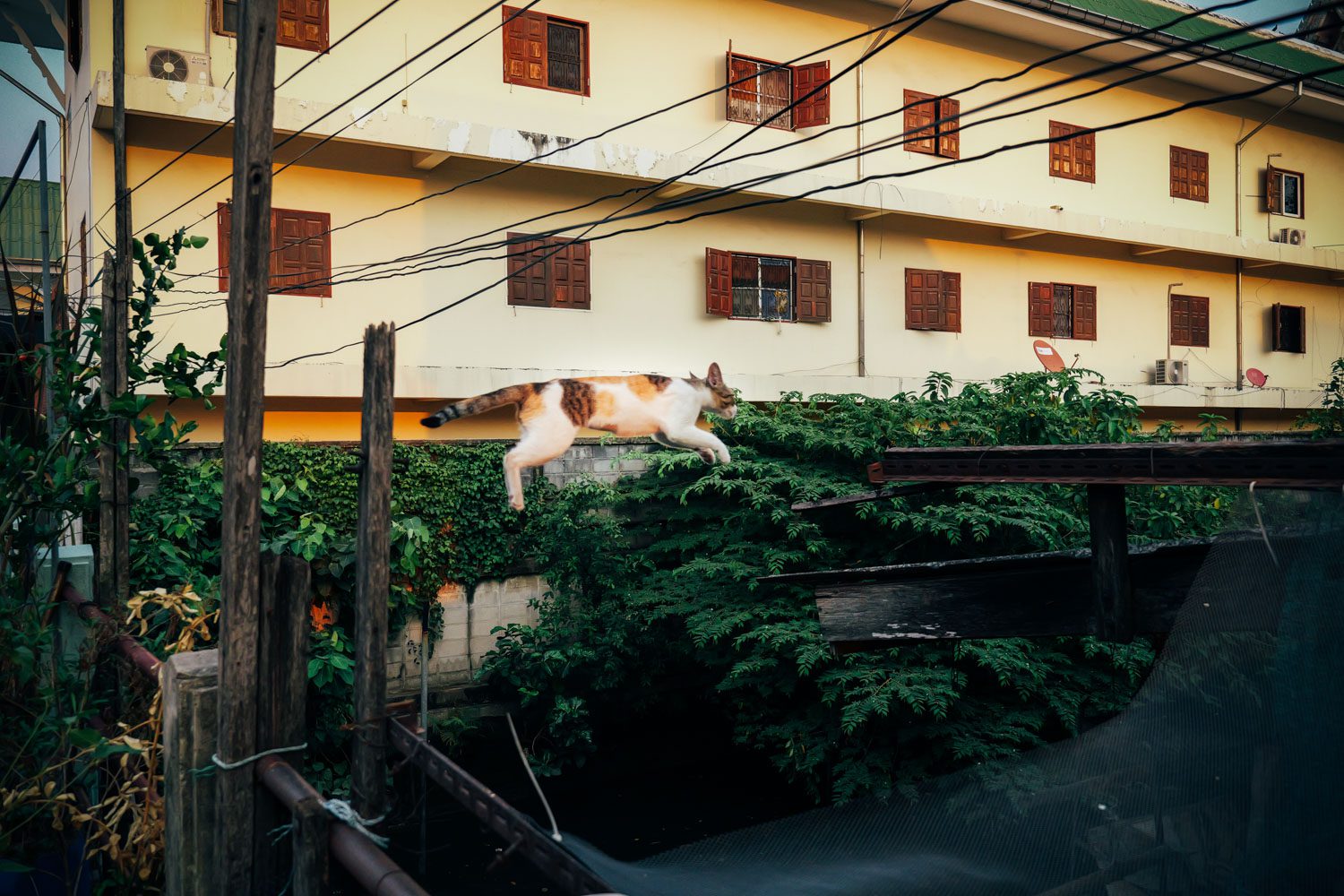
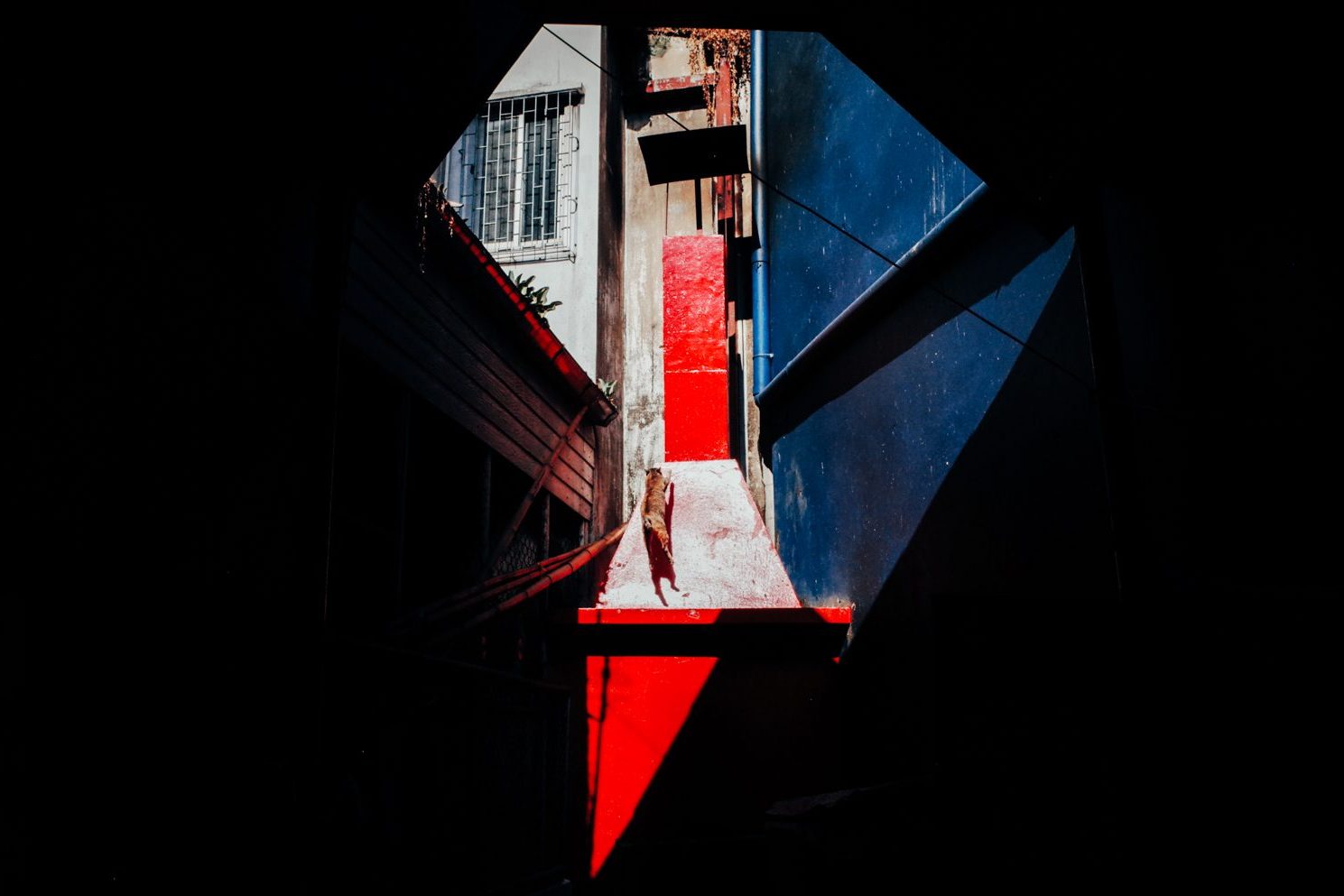
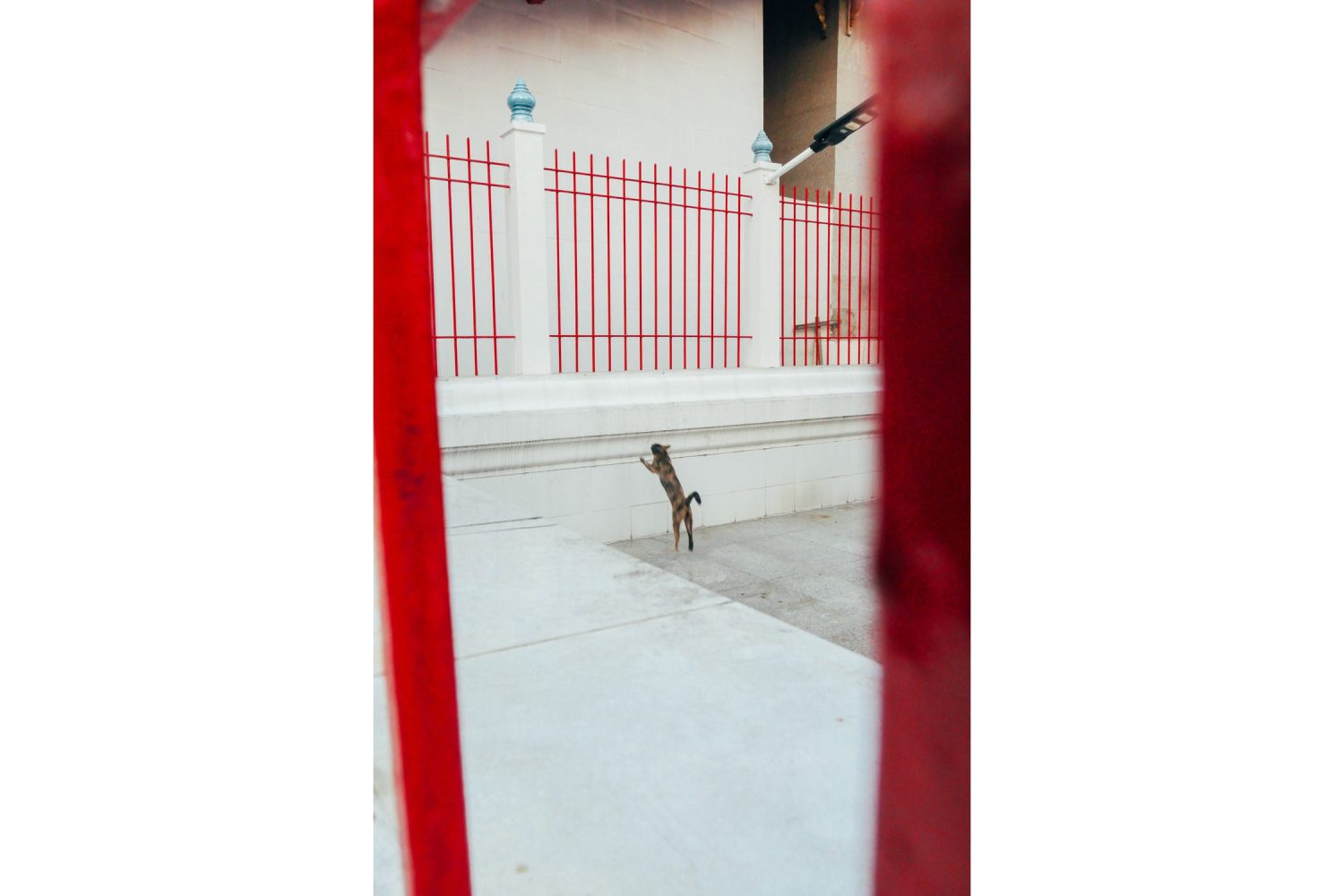
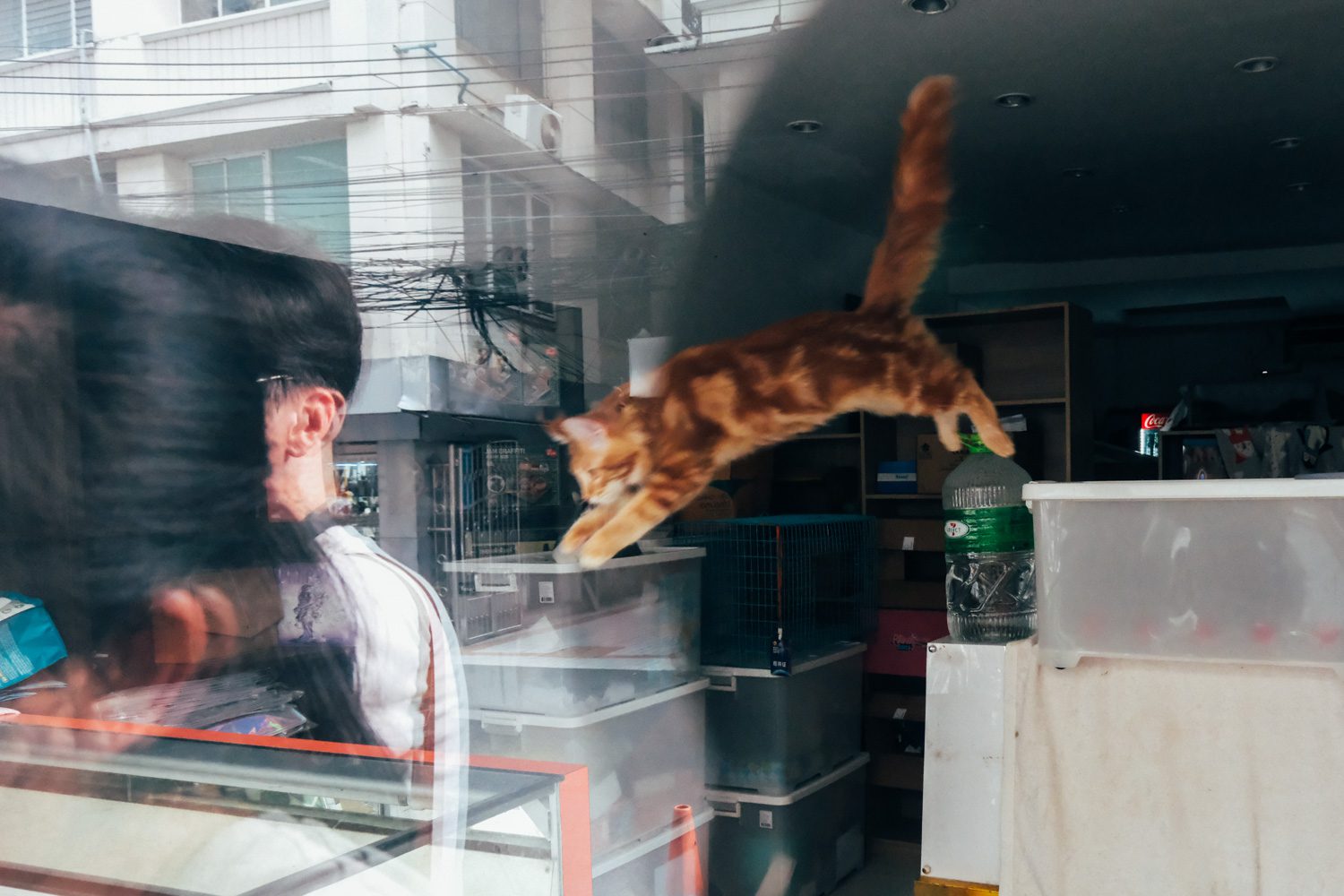
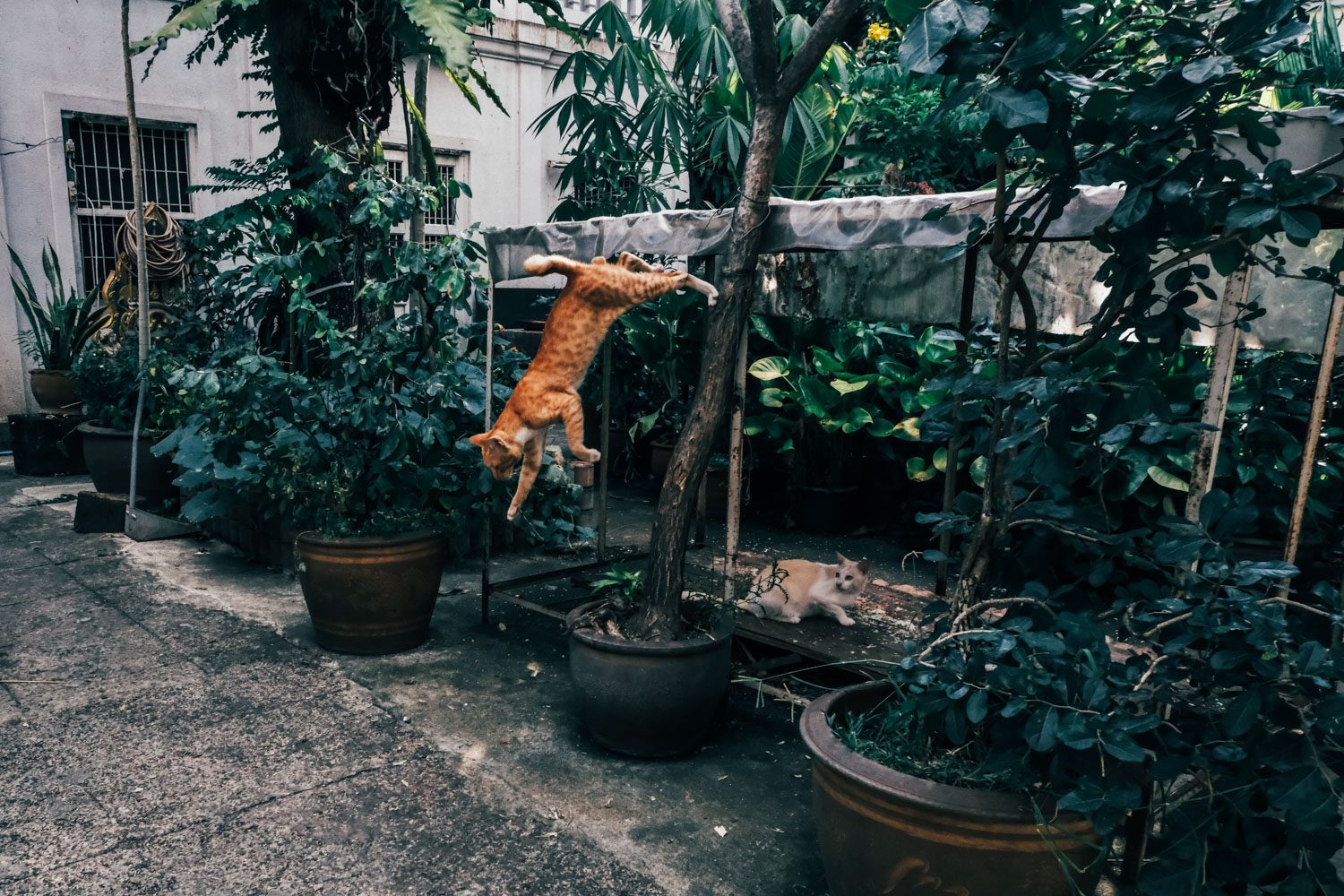
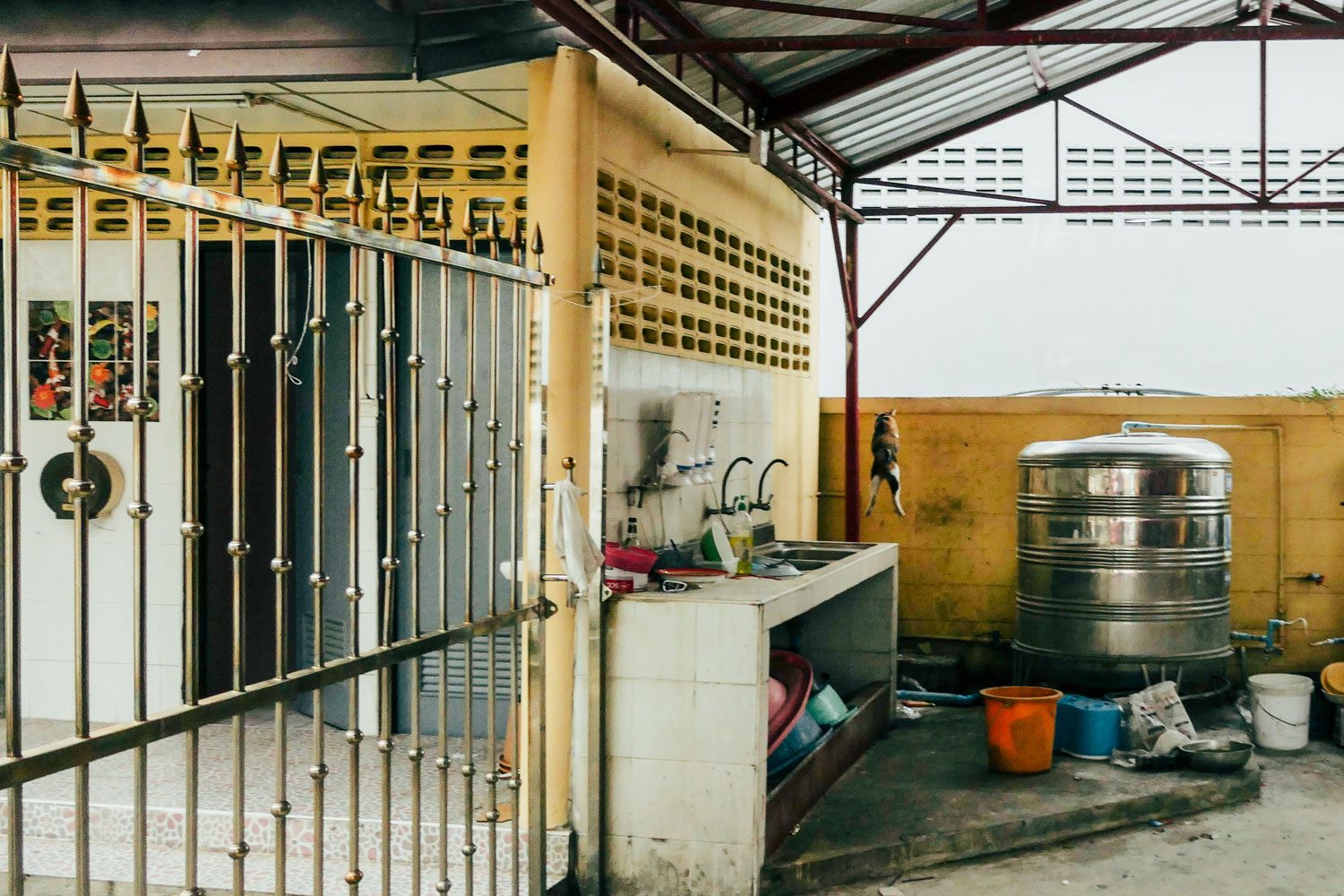
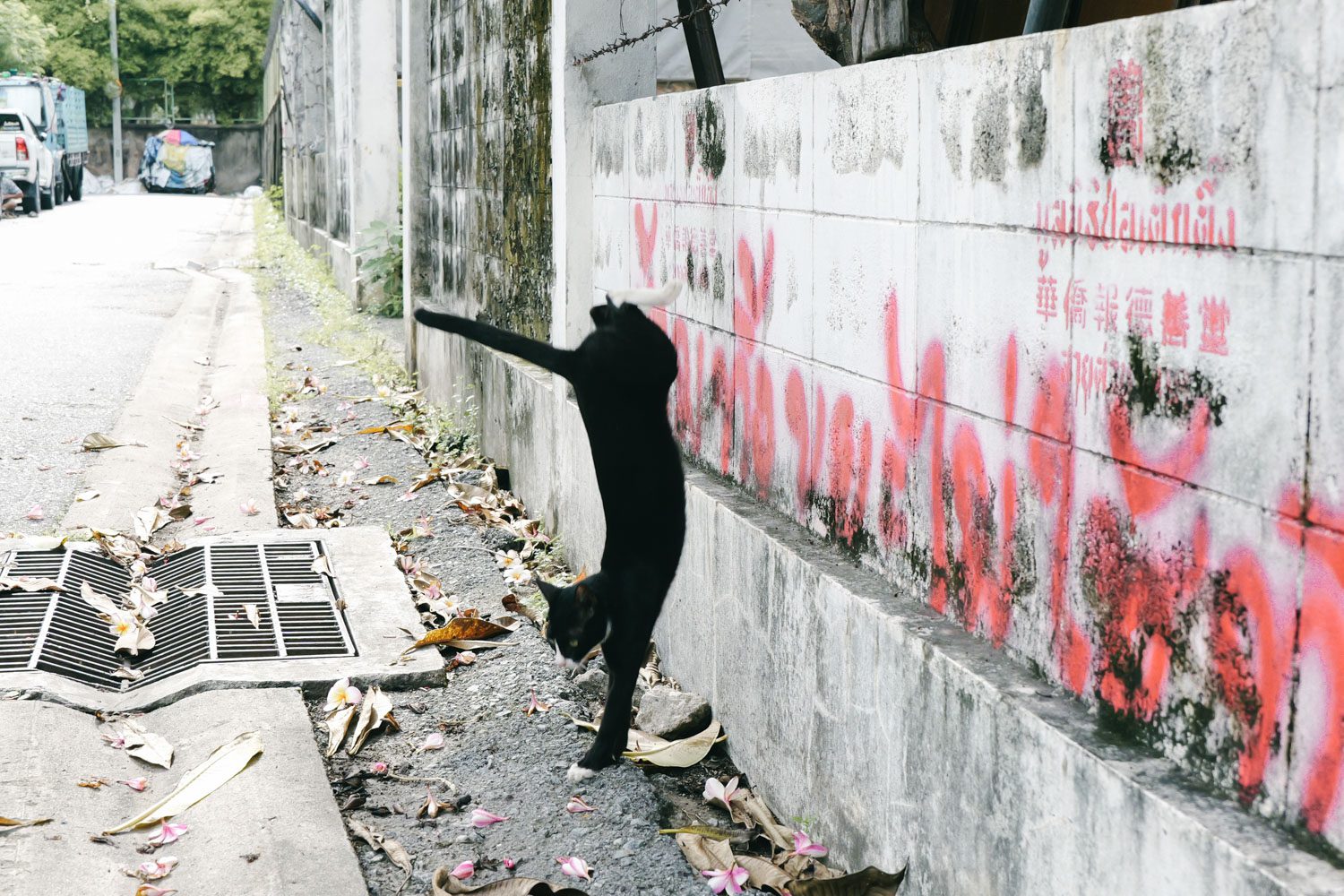
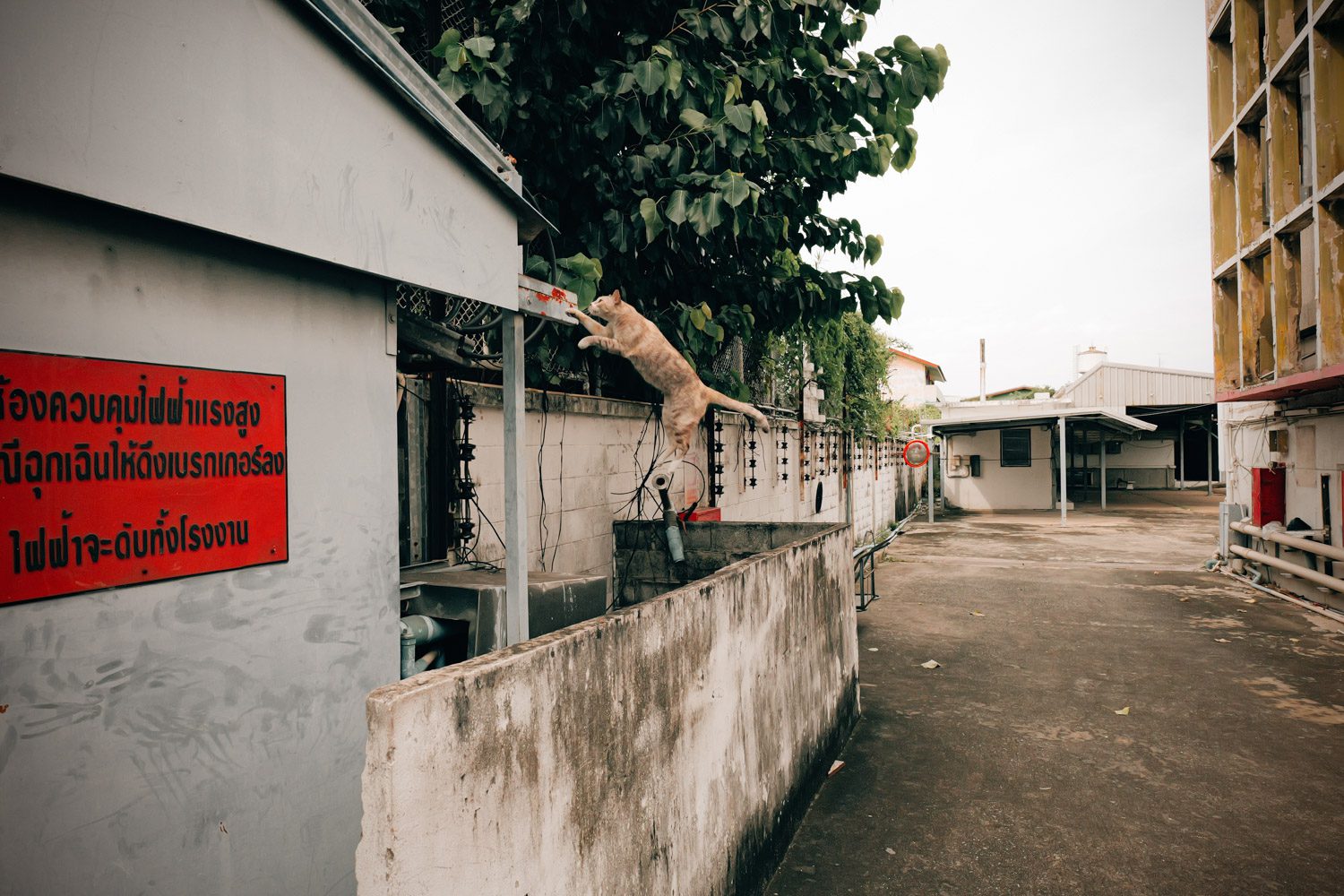
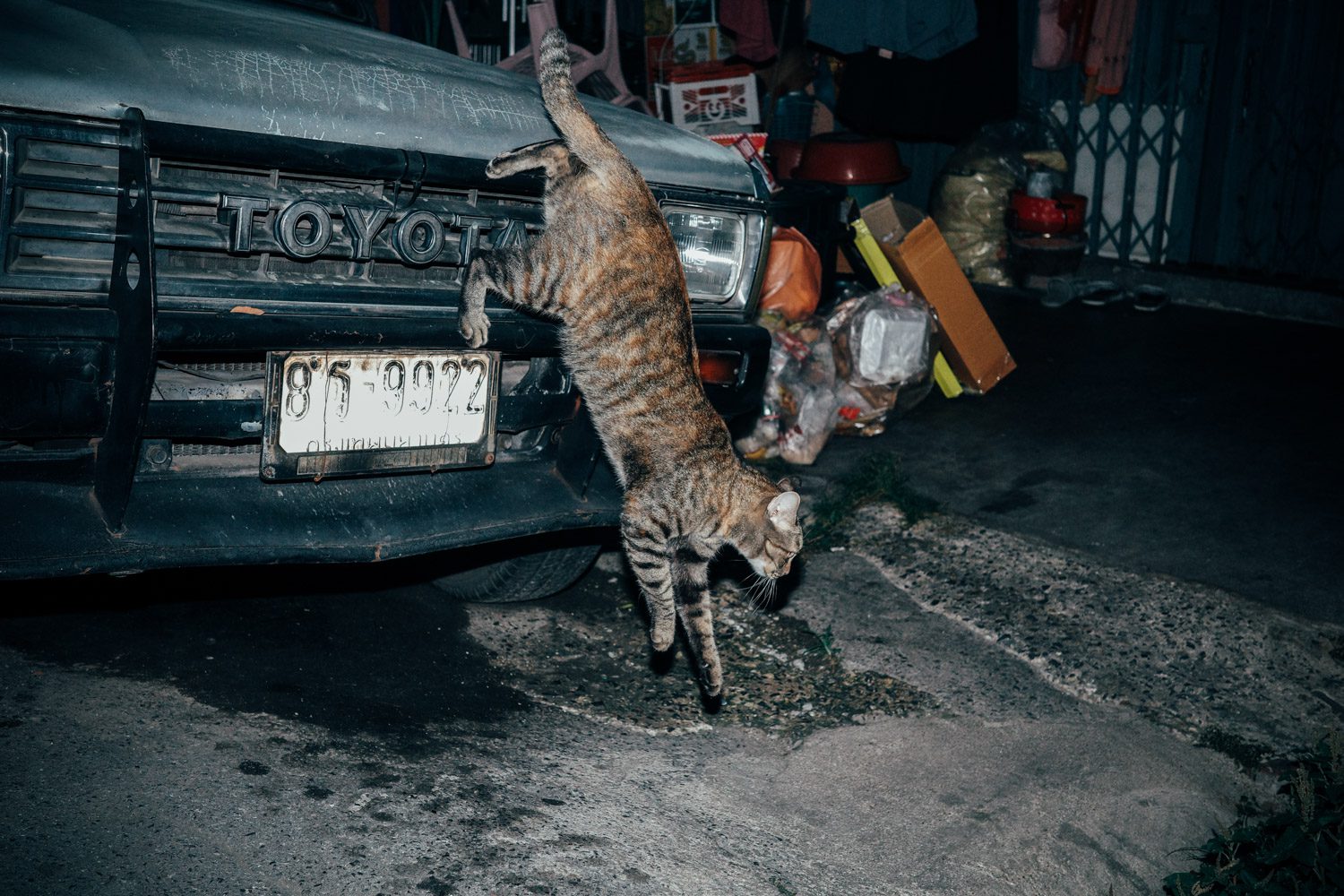
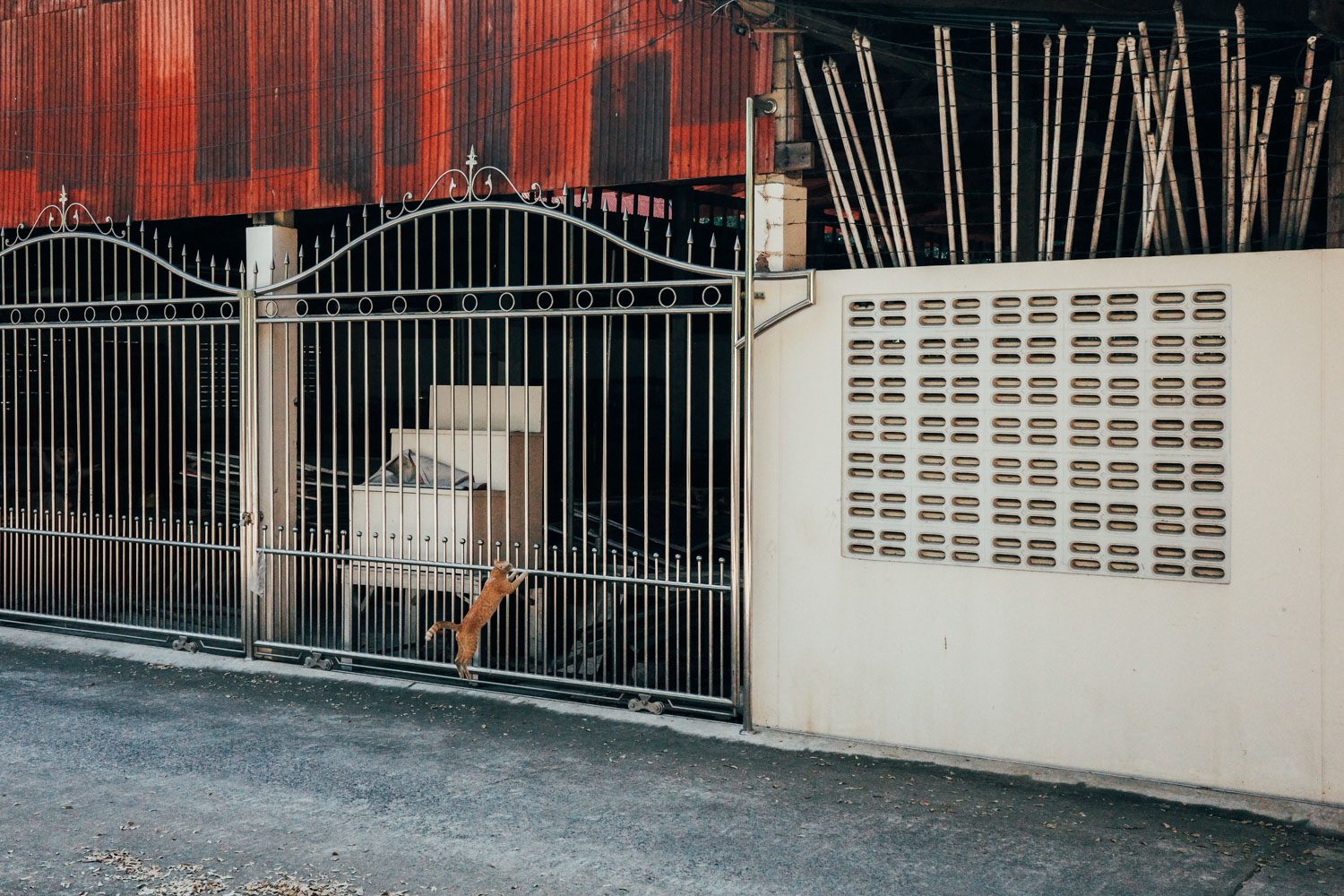
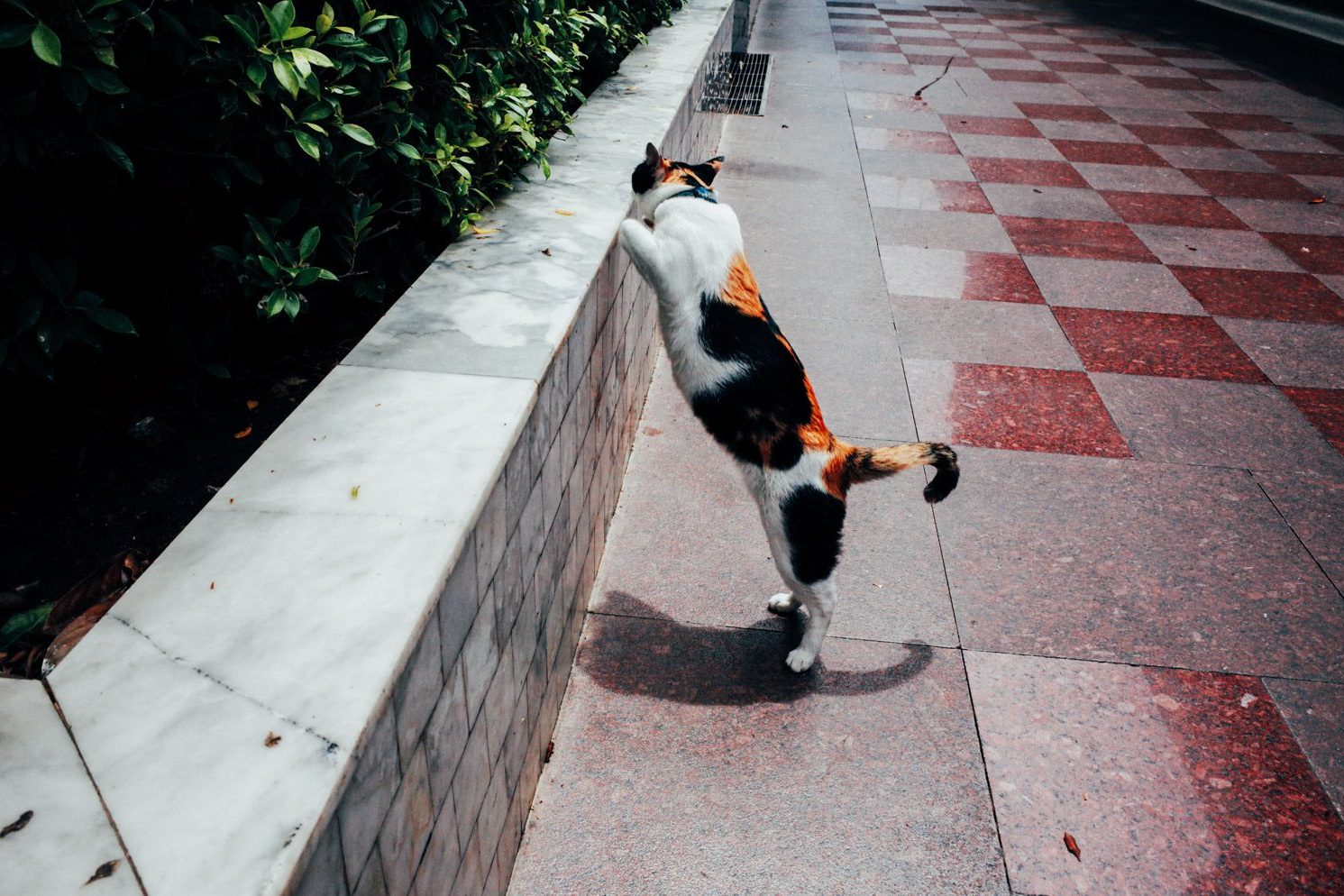
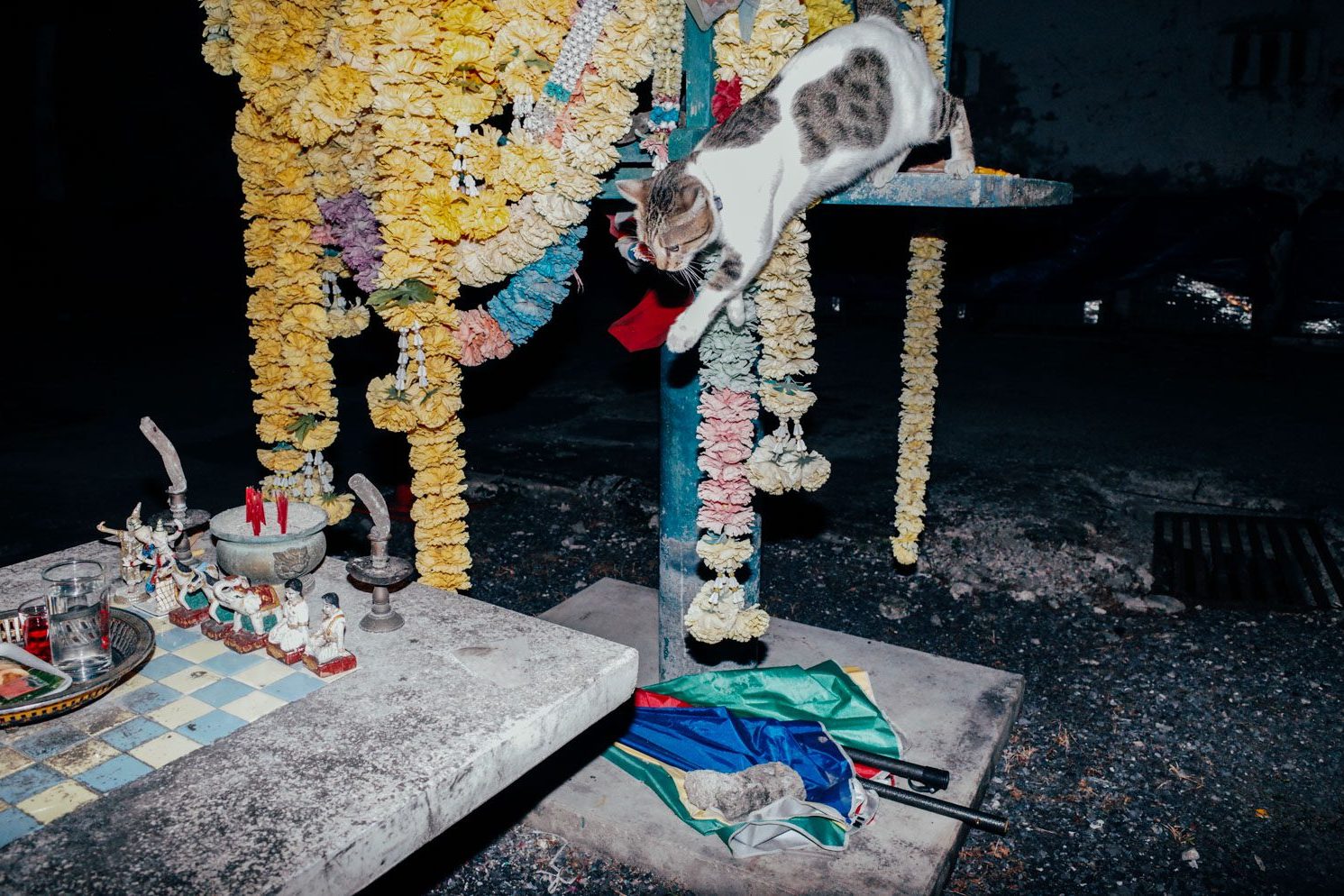
“Whenever I walk past small corners of the city, I often see cats leaping with natural ease. Without preparation, without ritual, these brief moments capture a sense of simple living. Such glimpses become like quiet notes, reminding us that certain beauty is always hidden in the little things around us.”

___________________

Puttipong Nipatutit (Amp) A passionate photographer and owner of a small digital print studio.

facebook.com/amp.puttipong
instagram.com/amp_puttipong

PHOTO ESSAY : TOKYO NUDE


TEXT & PHOTO: RUMI ANDO

(For Thai, press here

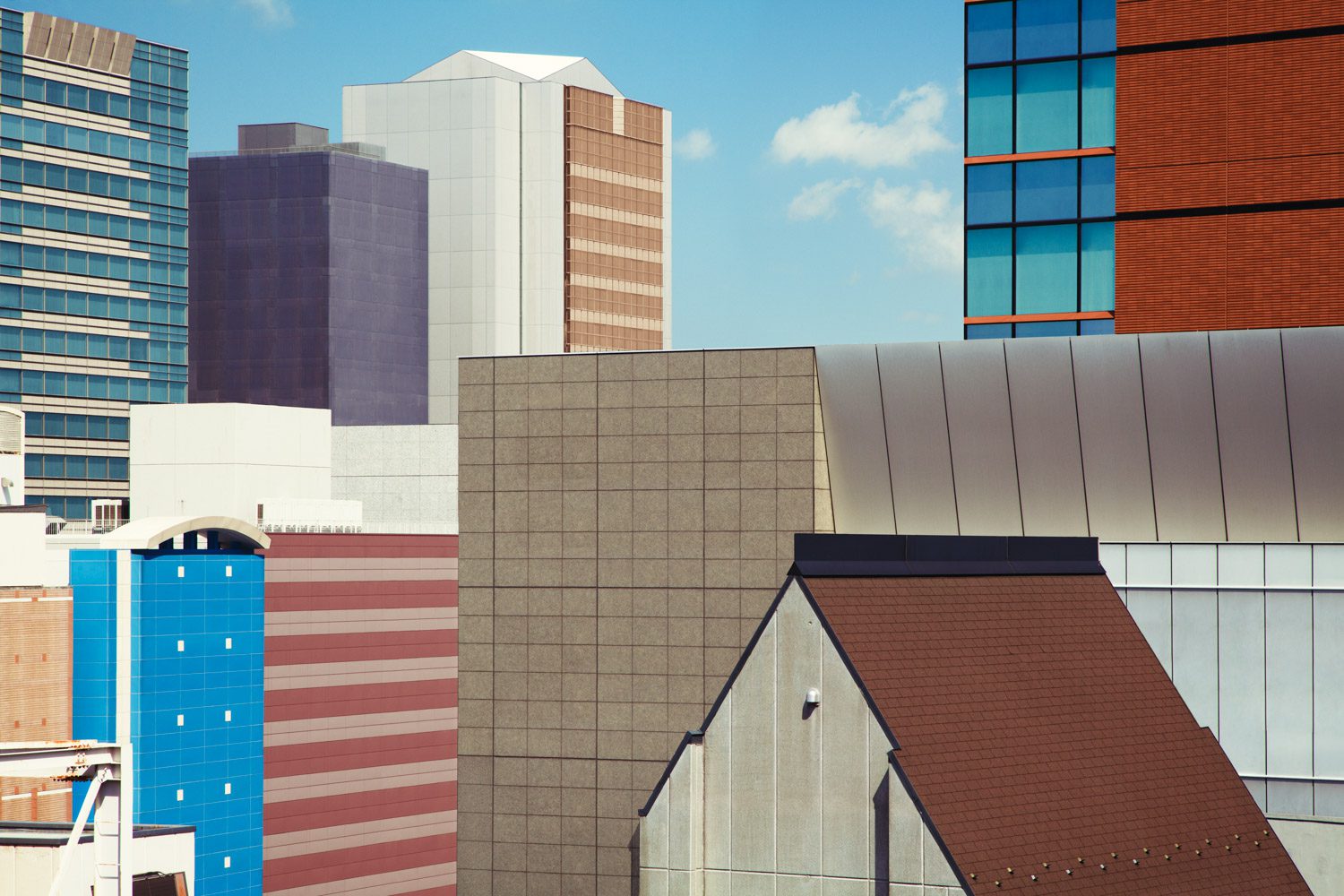
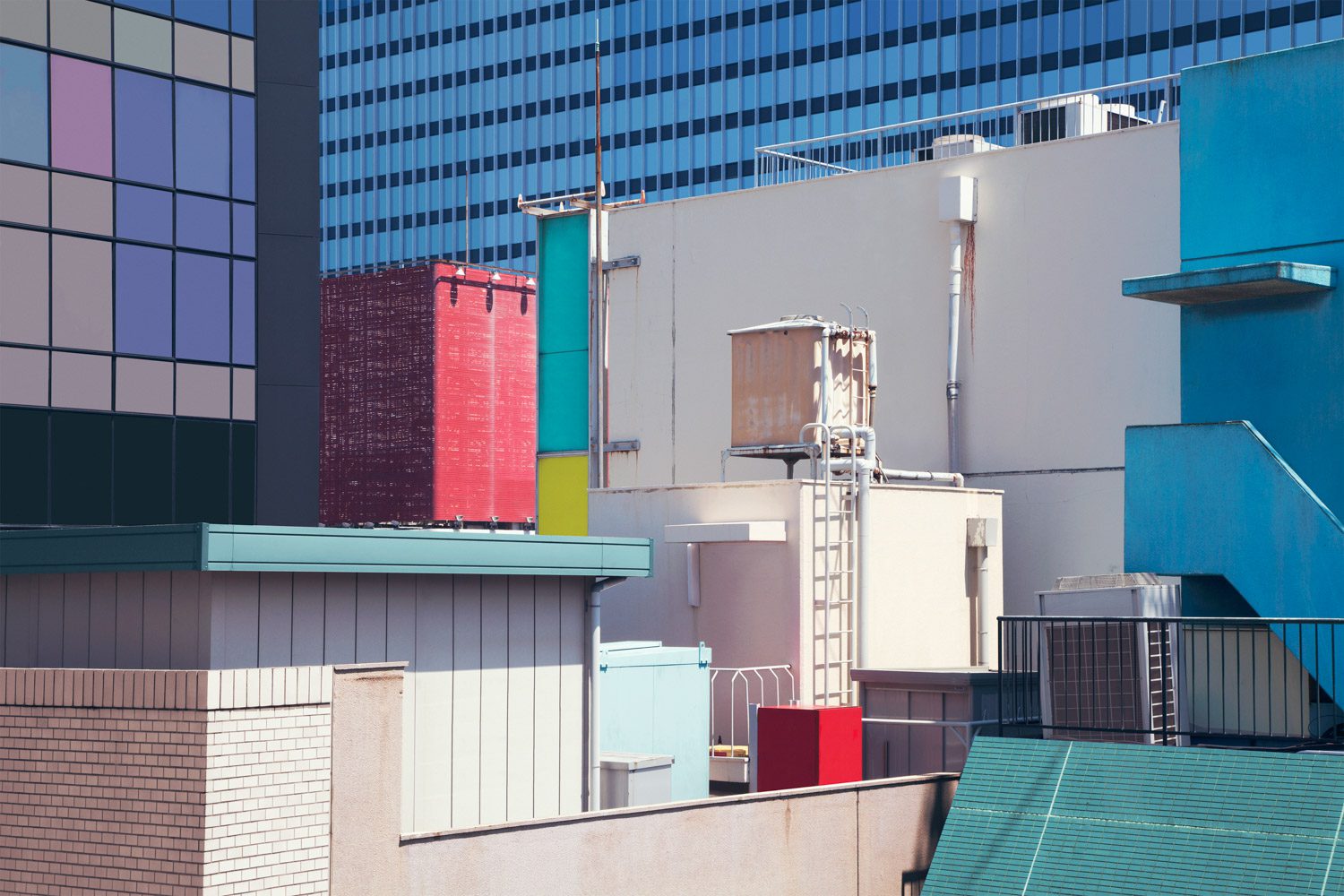
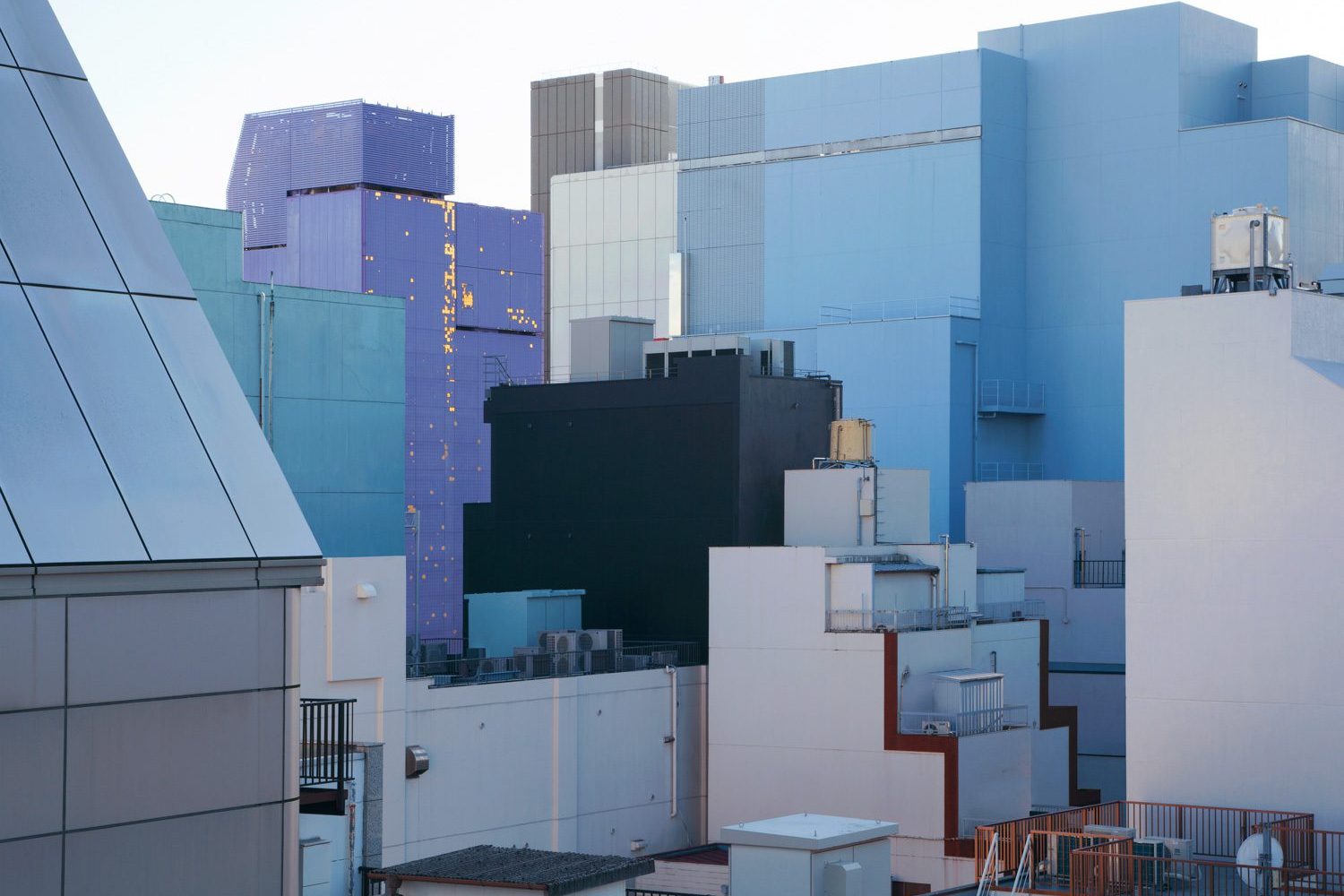
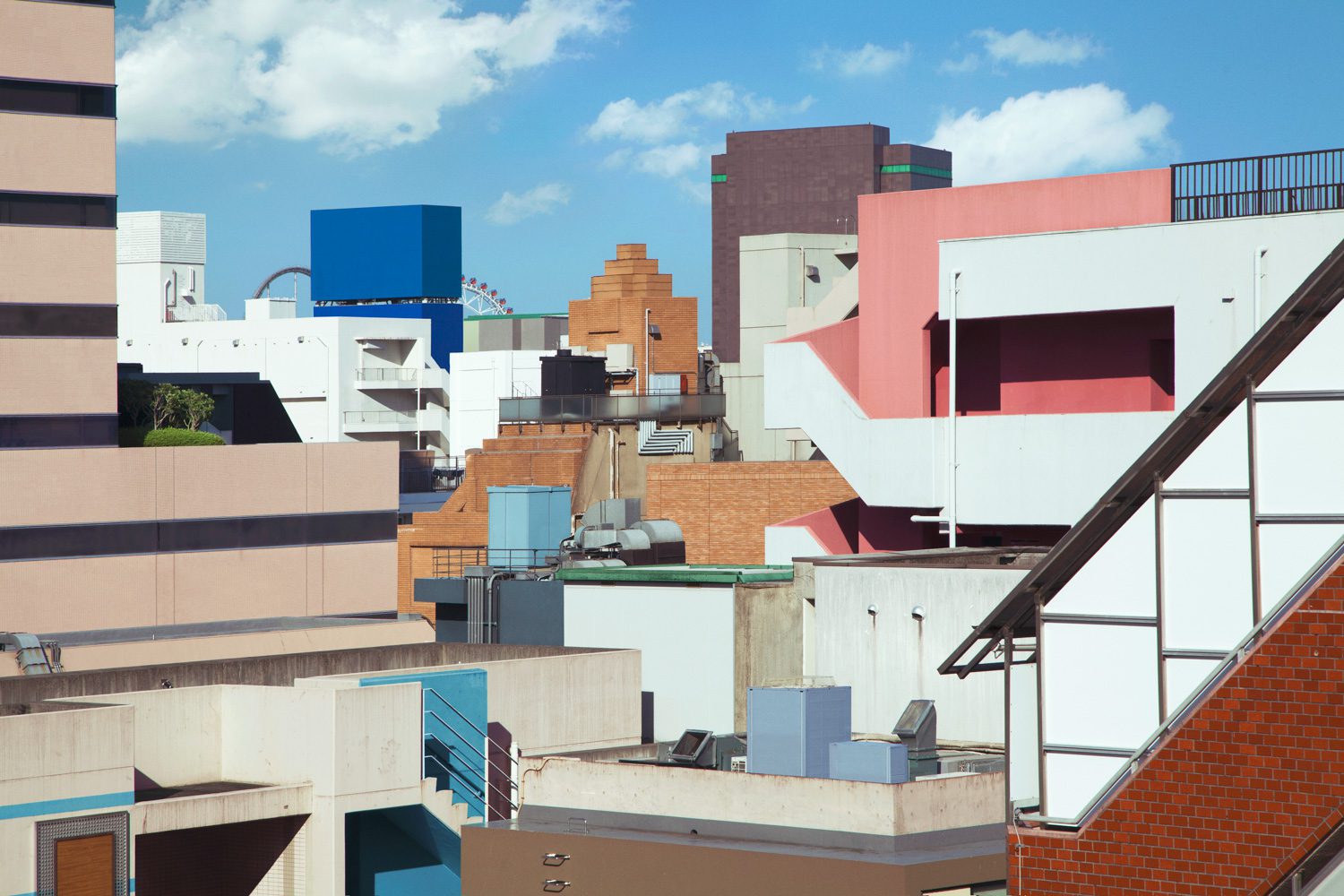
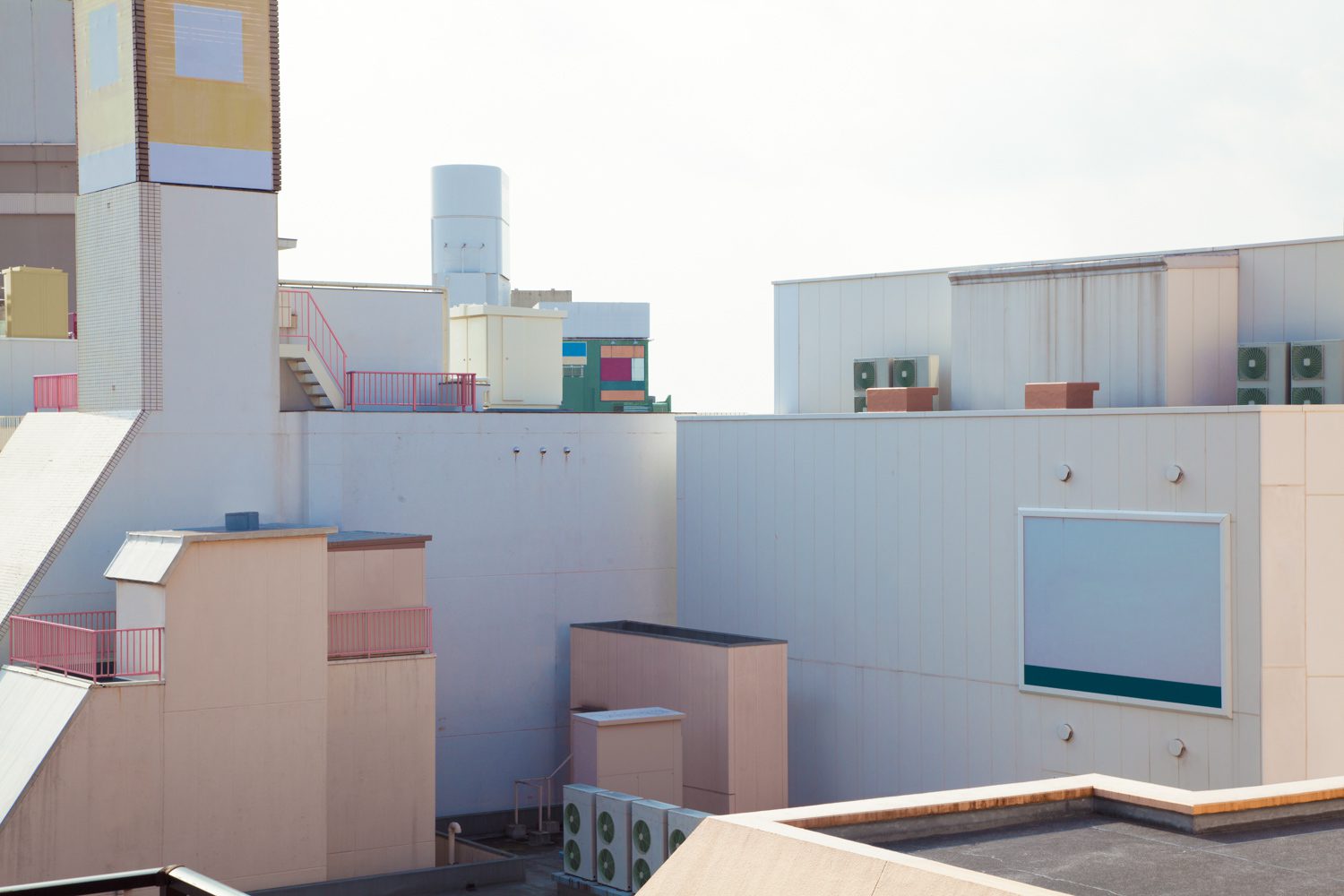
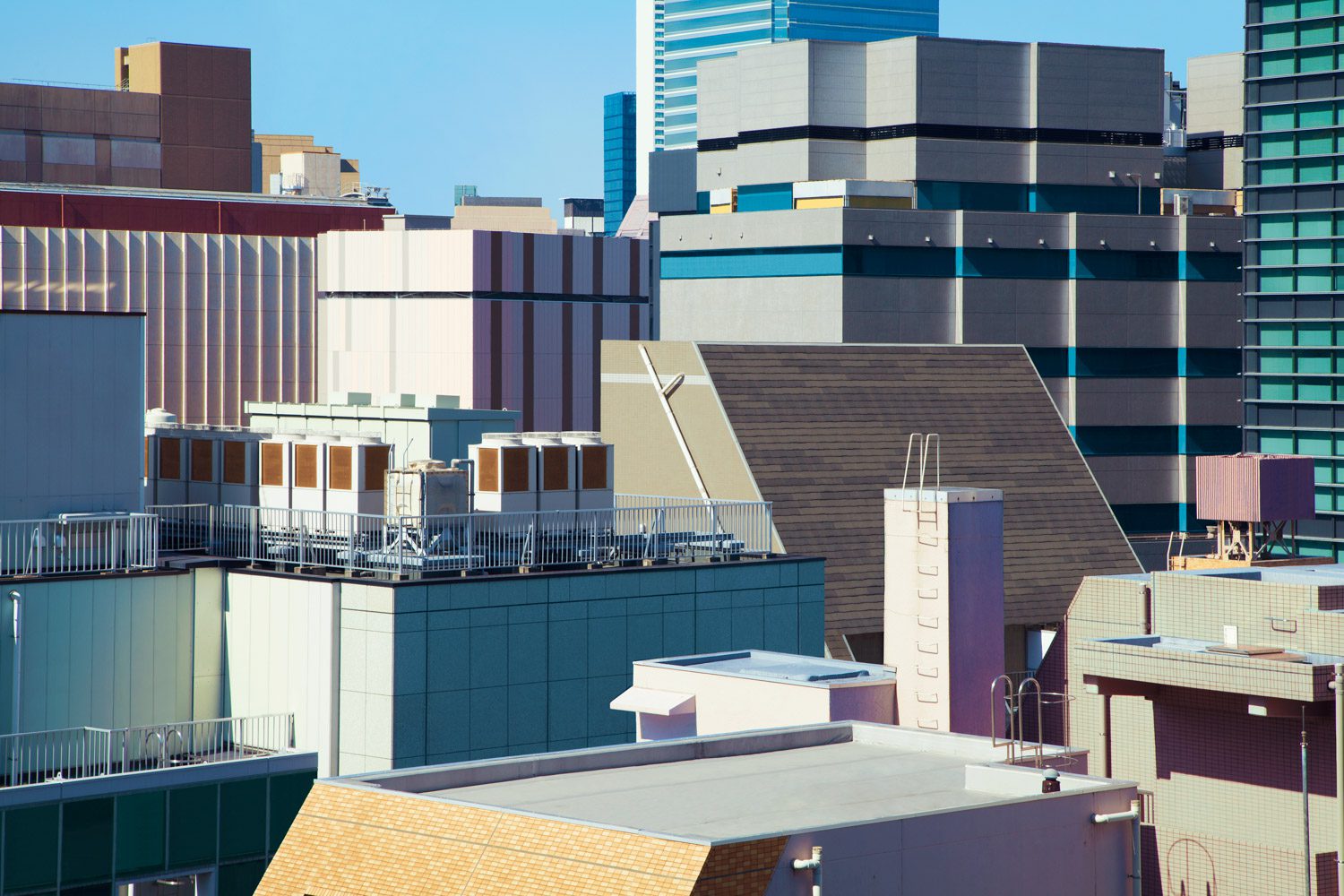
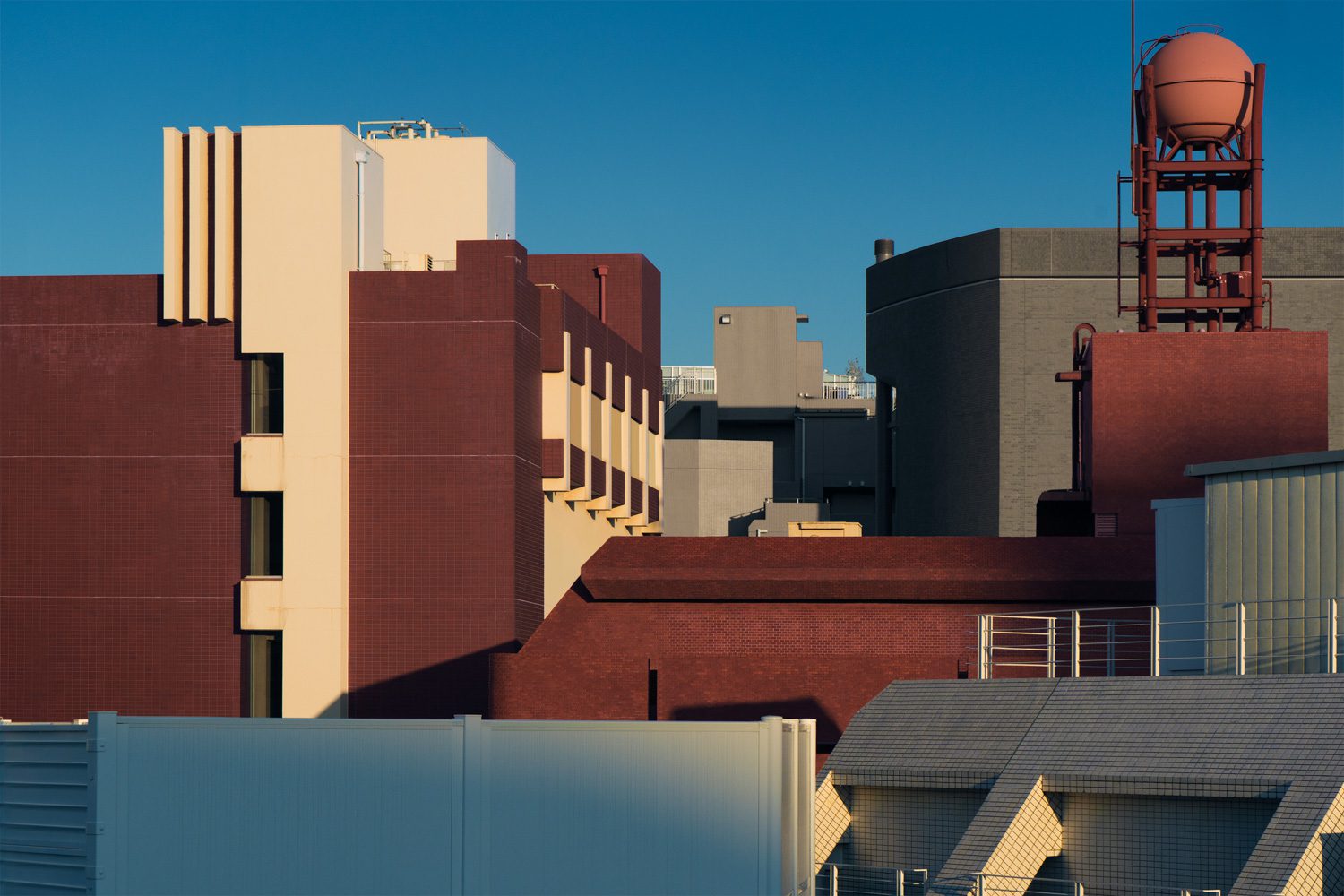
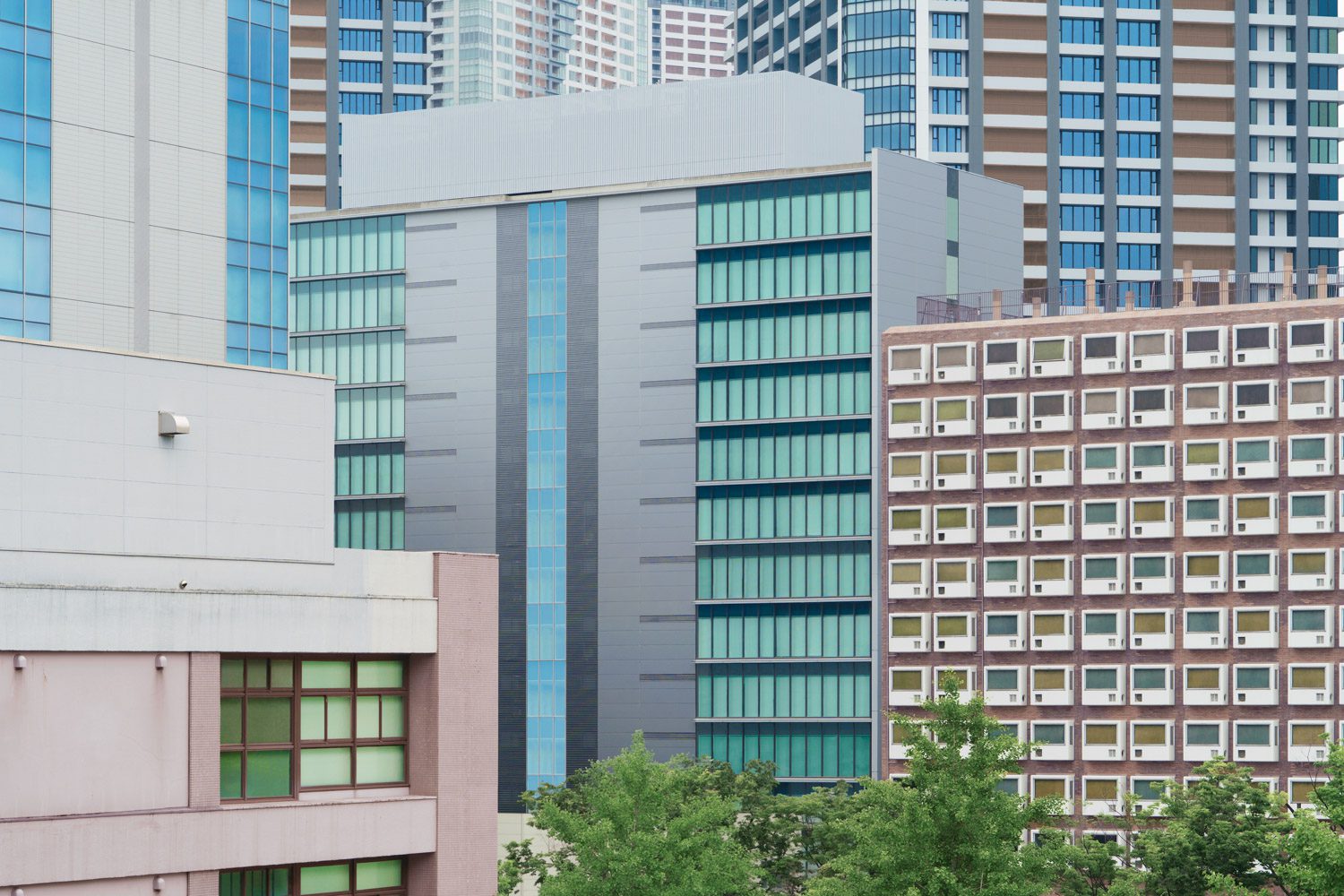
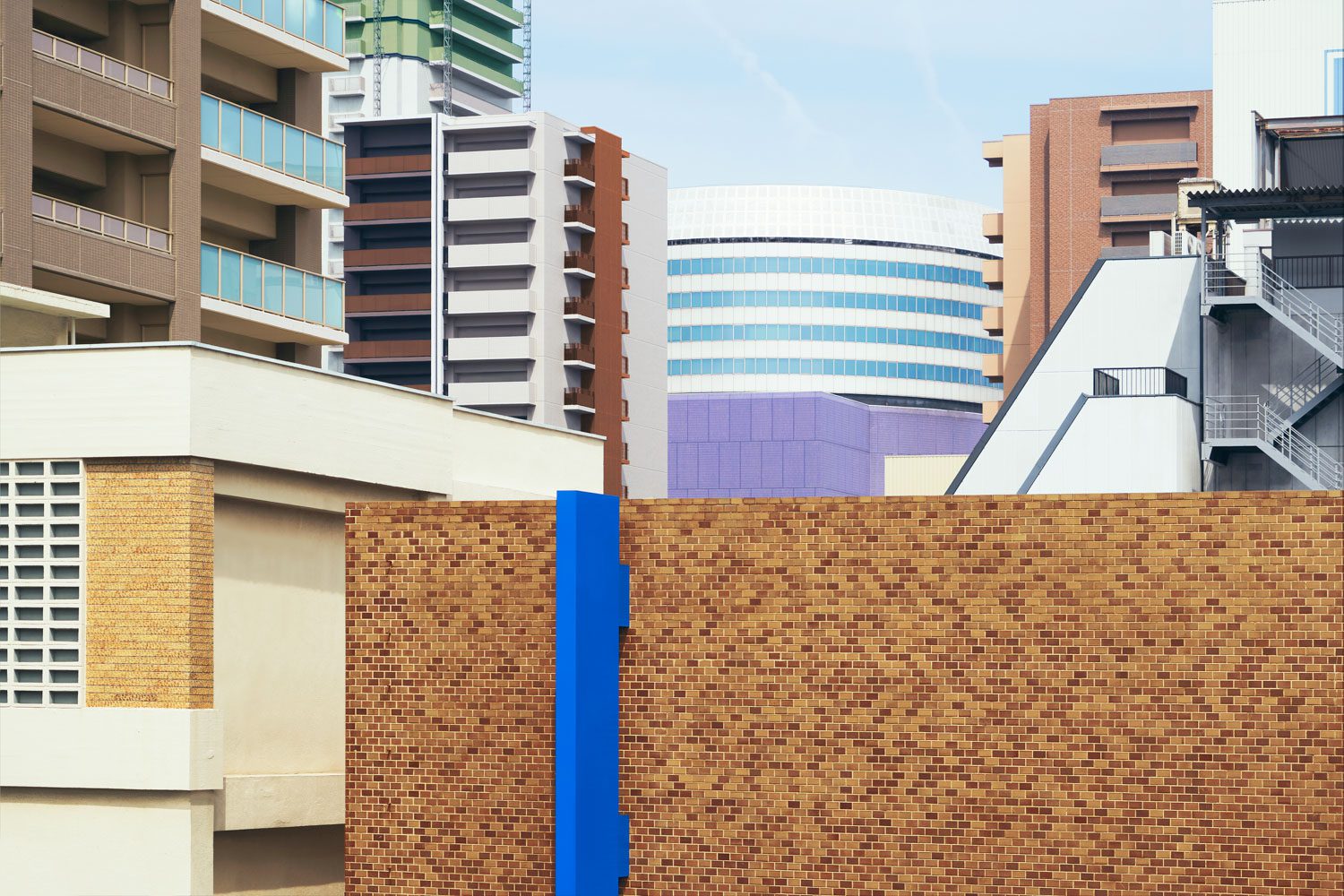
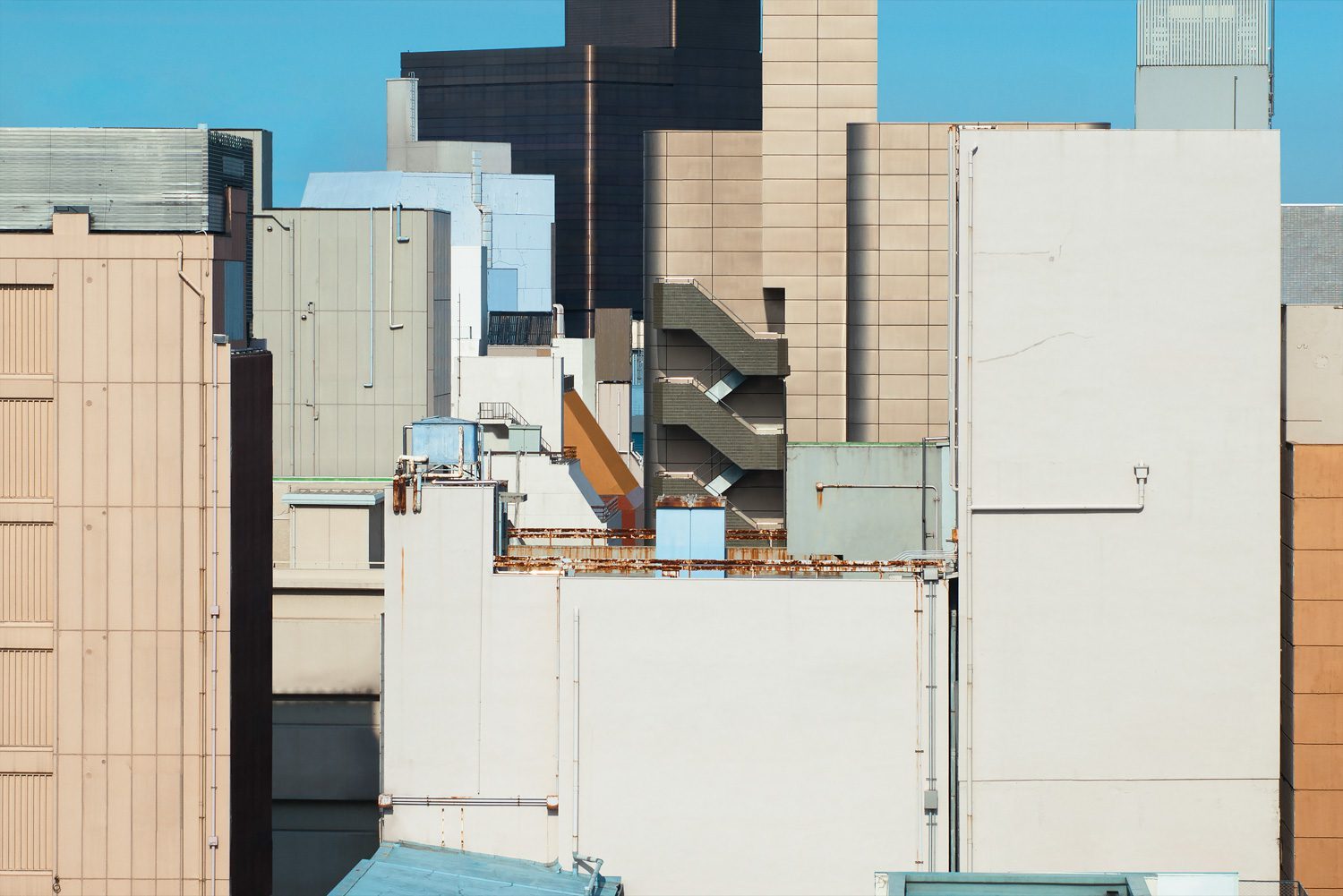
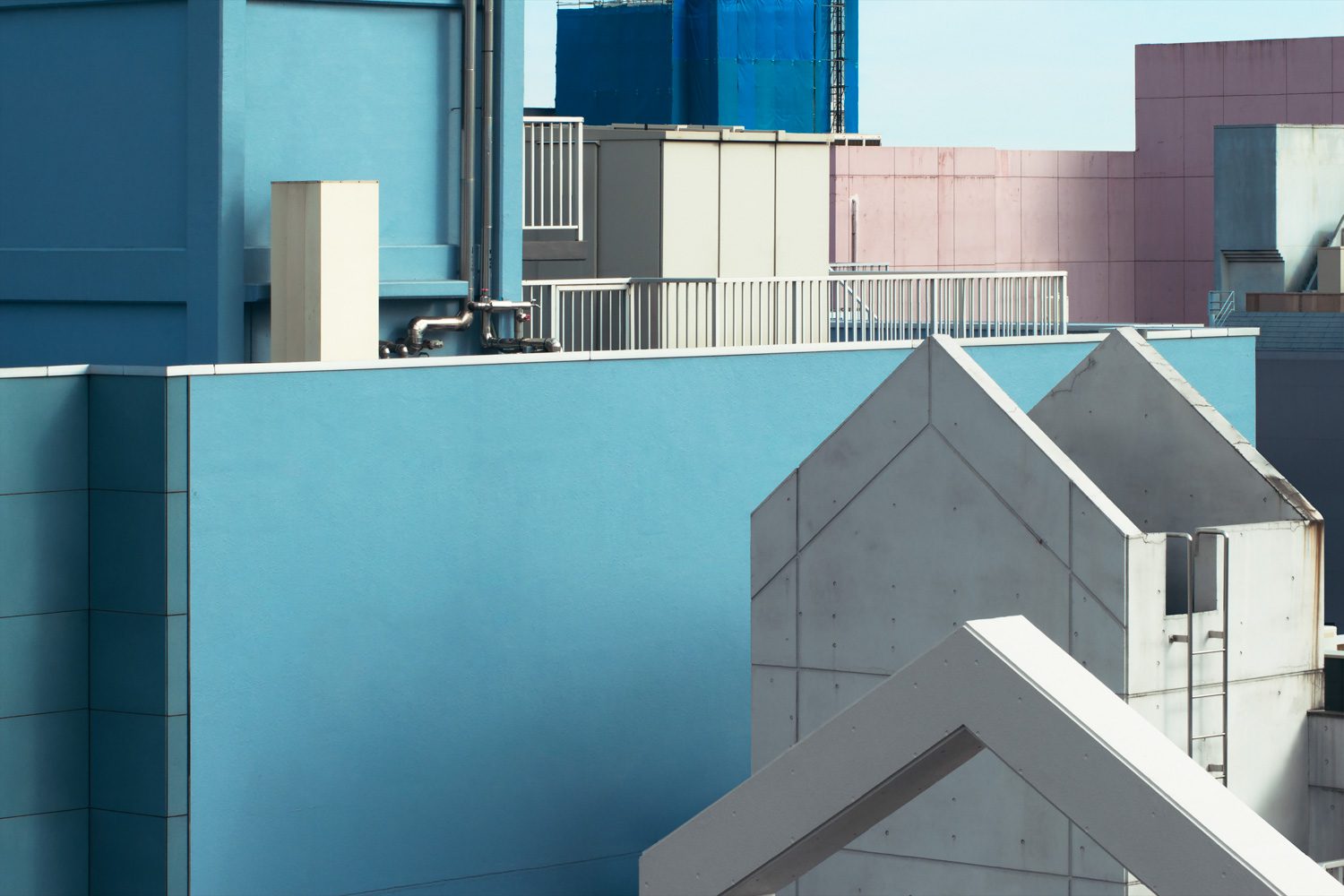
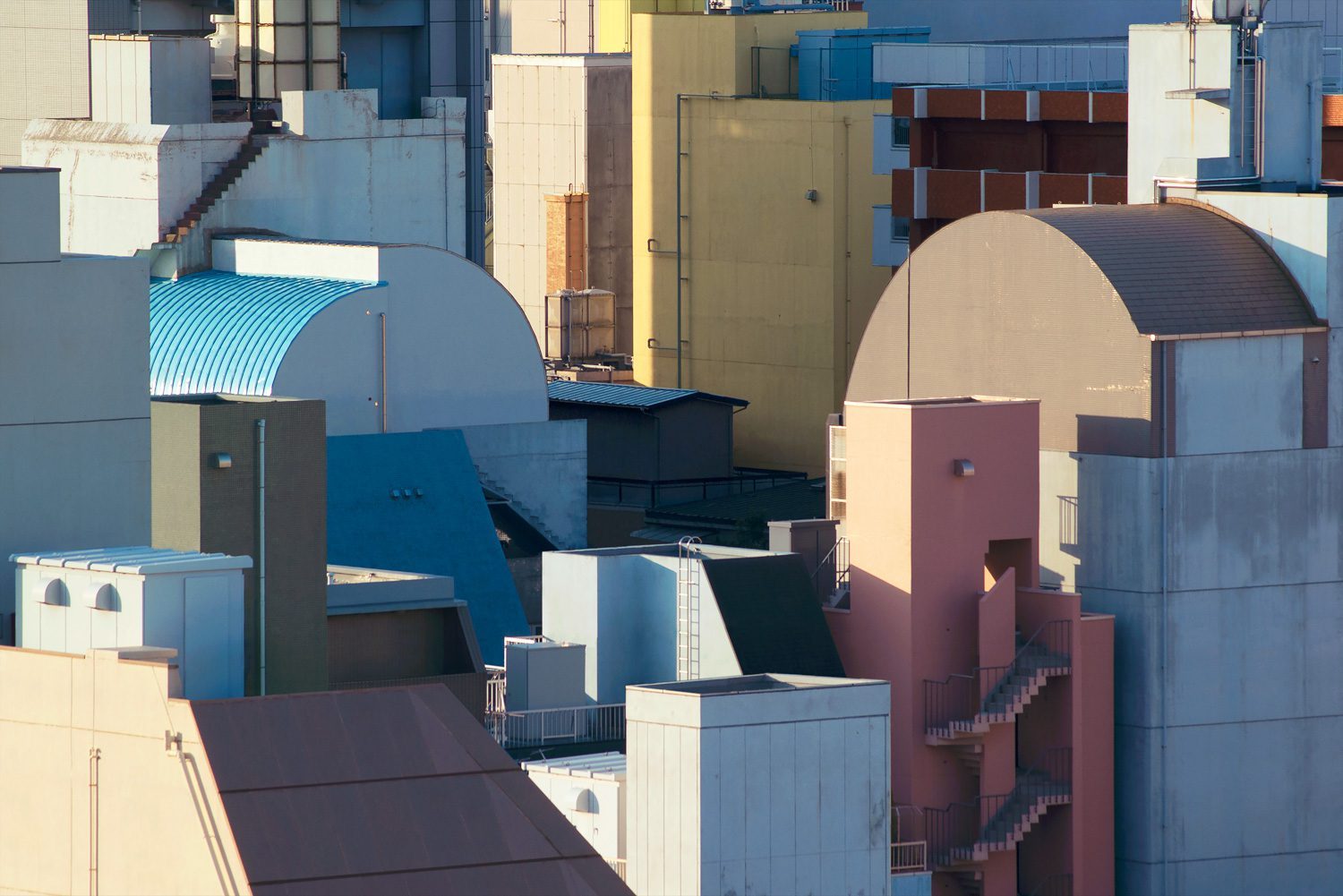
I have fainted one or two times on the street every summer for a while since moving to Tokyo. Whenever I fainted, I couldn’t help but get scared imagining myself drowning in the crowds, the swirl of information, and heat of the city that seemed unable to escape from. At one point, those things inspired me to create the different landscape of Tokyo. 

The work’s theme is to have the ‘fictional Tokyo’ appear in a photograph by digital photo editing. Based on the rules I set for my work, I remove conspicuous visual noise such as windows, electric poles, advertising, people, and trash. The act of removing visual elements that bother as much noise as possible seems to have Tokyo stripped down to its real figure = nude. 

Today, humans’ sense of community has shifted to the online world. Under such circumstances, I felt some sort of nostalgia in the landscape of Tokyo outside the walls. This sense of nostalgia motivates me to make works.

___________________

Rumi Ando is a photographer and retoucher. After graduating from Tokyo University of the Arts with a degree in Advanced Art Expression, she has been creating works mainly using photographic media. Incorporating image processing techniques, she produces photographs of urban landscapes that blend reality and fiction.

instagram.com/andytrowa

PHOTO ESSAY : ILLUSIONS OF THE STREET


TEXT & PHOTO: PHATSAKORN BUNDASAK

(For Thai, press here

“These Surreal Optical Illusions Will Change the Way You See Everyday Life”

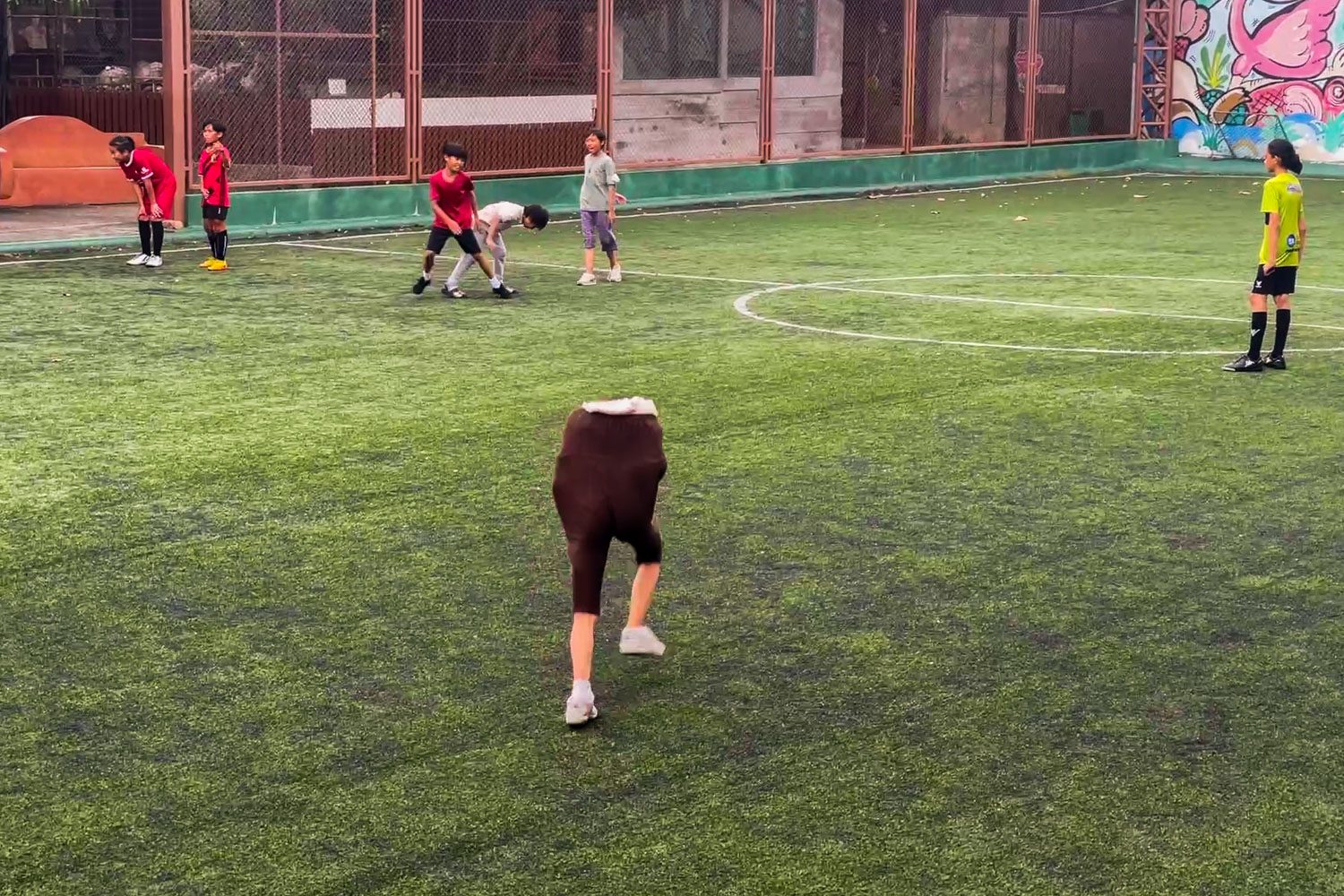
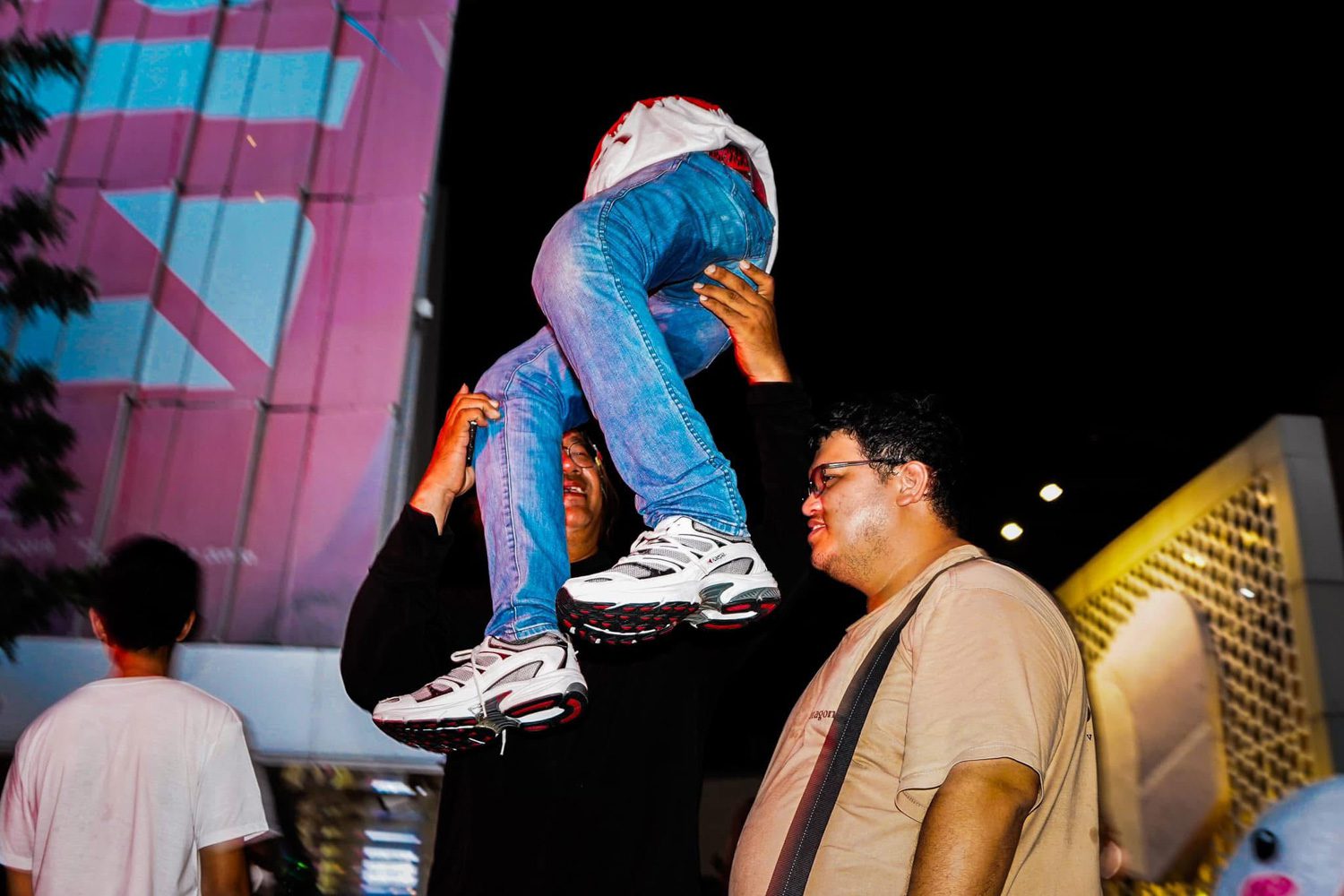
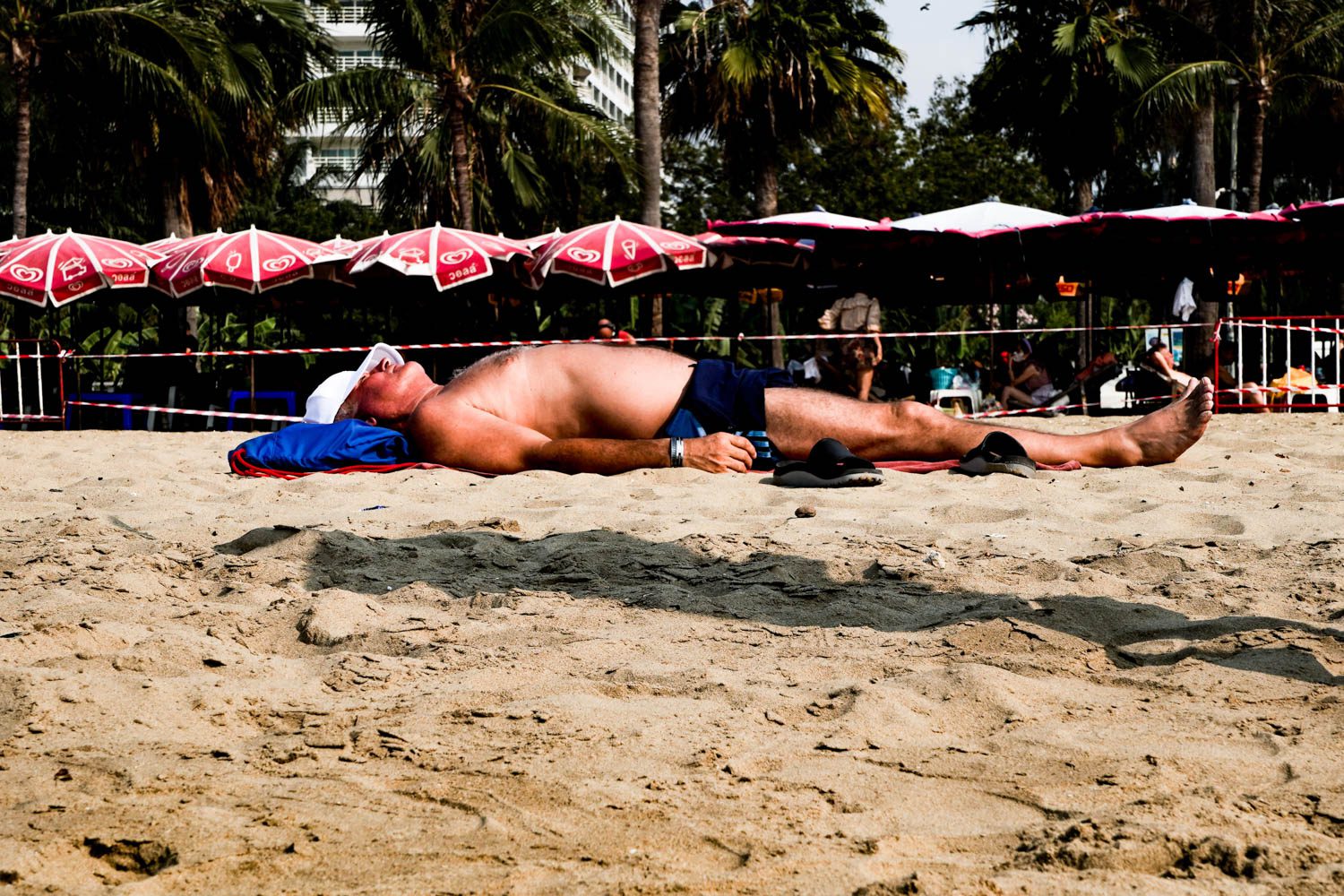
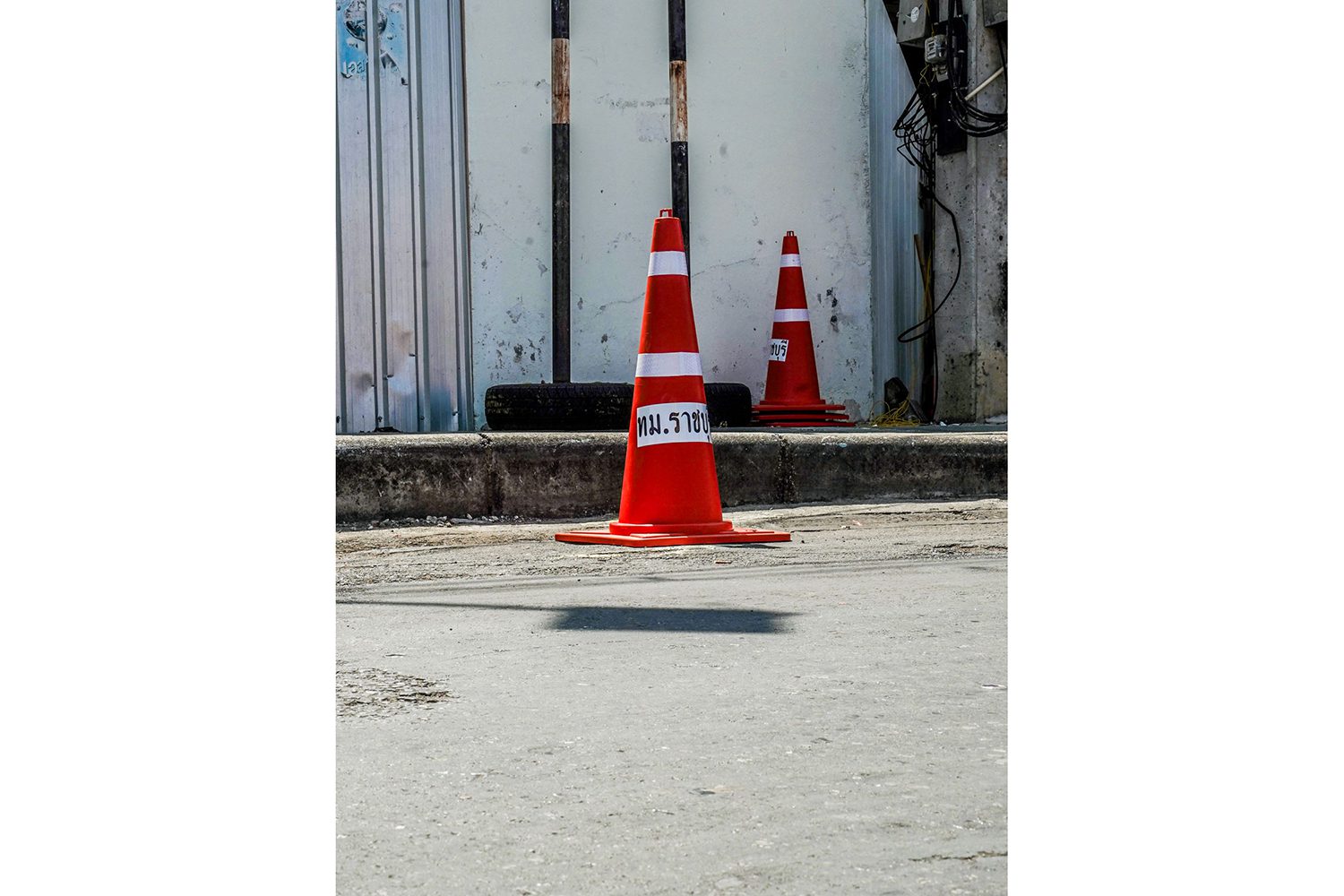
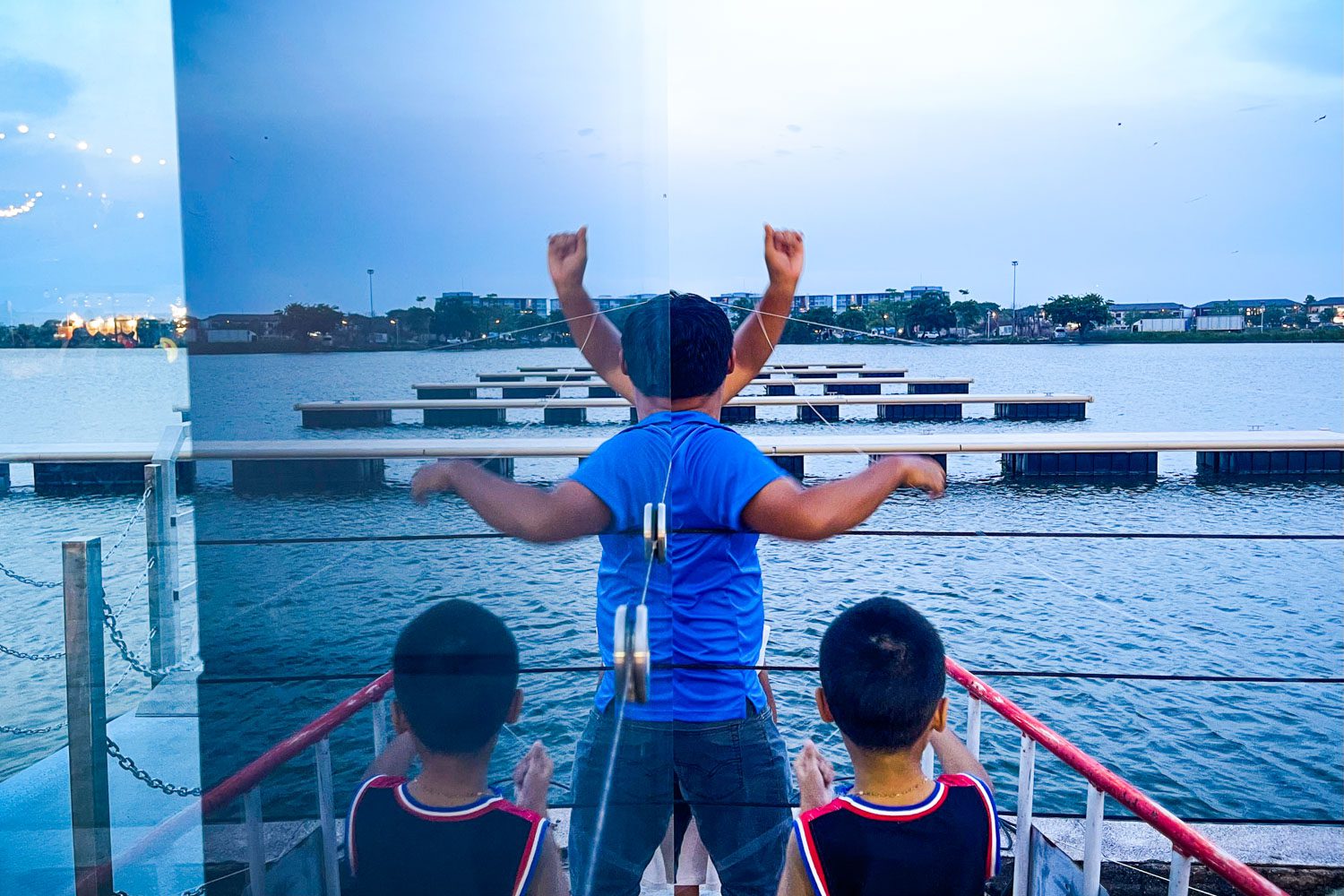
This series of street photographs captures moments of coincidence, unique perspectives, and perfectly timed compositions to create images that feel ‘unreal’ — yet everything was captured exactly as it happened, with no staging or manipulation. Each image invites the viewer to pause, question, and see the ordinary world with new eyes. Whether through overlapping elements, deceptive shadows, or strange alignments, these illusions are not tricks of the camera — they are fragments of reality shaped by the lens of curiosity and intuition. 
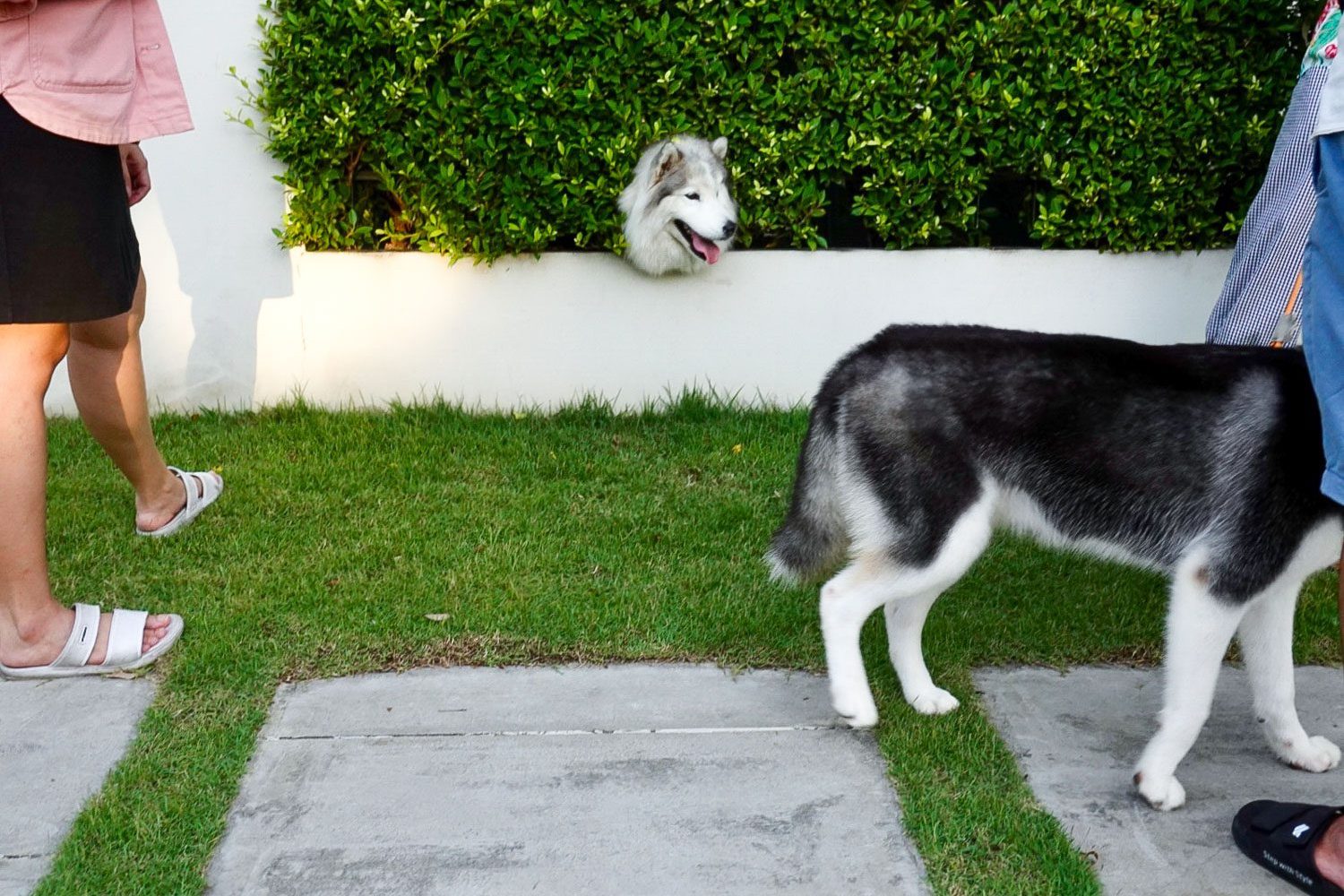
This is the charm of street photography that I love: Not just documenting what is, but revealing what could be seen when we pay attention — the surreal within the everyday. 

___________________

Phatsakorn Bundasak currently working as a graphic designer at an advertising agency. Street photography has been his creative outlet since 2019. During his free time, he walk the city streets searching for those unexpected moments where reality twists — even slightly — into something surreal. He’s particularly drawn to illusions and optical confusion, when everyday scenes accidentally transform into dreamlike visuals through timing, shadow, and perspective. These are fleeting moments — sometimes funny, sometimes strange — but always honest. And they remind me that even the real world can surprise us, if we know how to look.

facebook.com/phatsakorn
instagram.com/dave_street_photo

PHOTO ESSAY : LOOK AROUND YOURSELF


TEXT & PHOTO: SANTAWAT CHIENPRADIT

(For Thai, press here)  

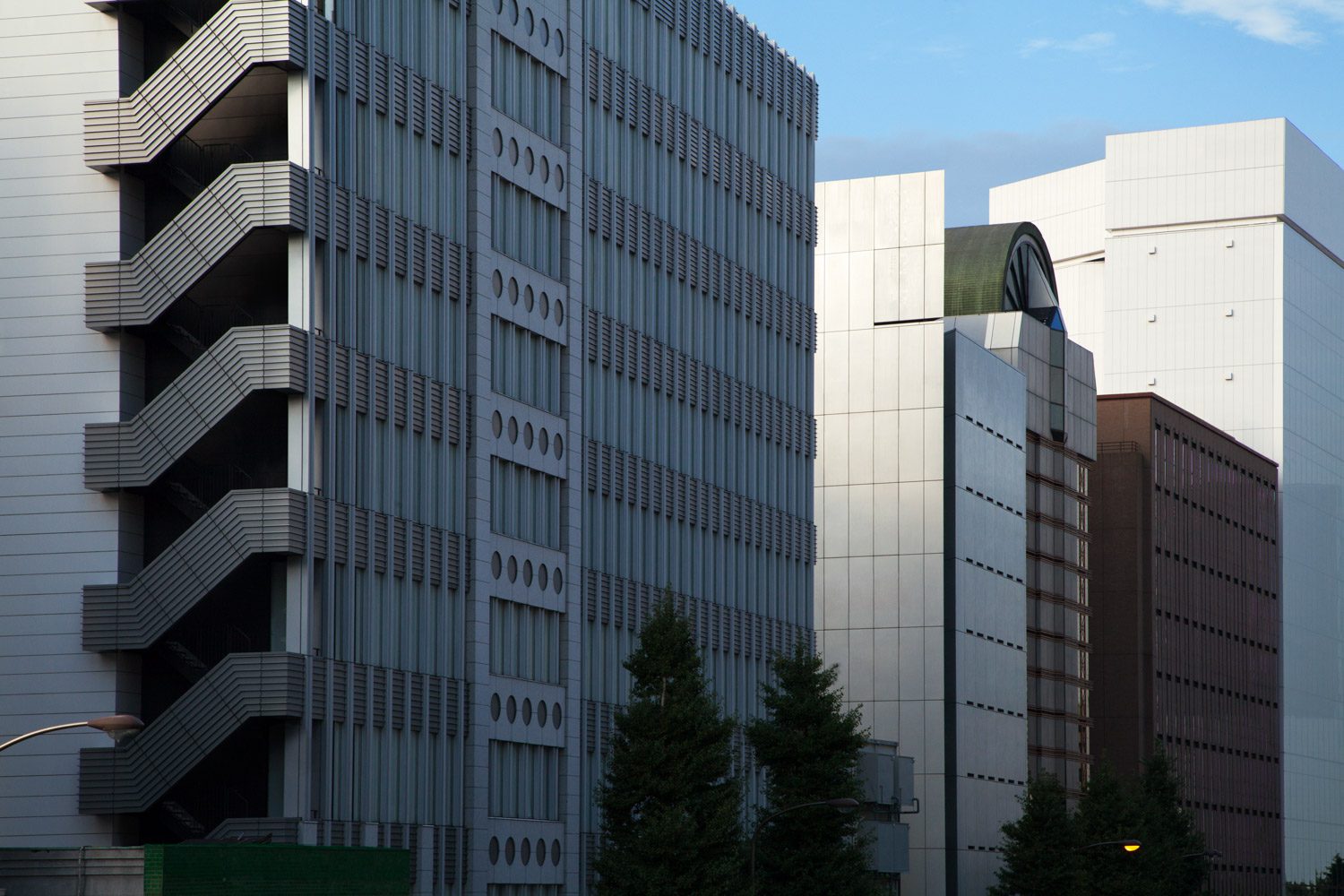
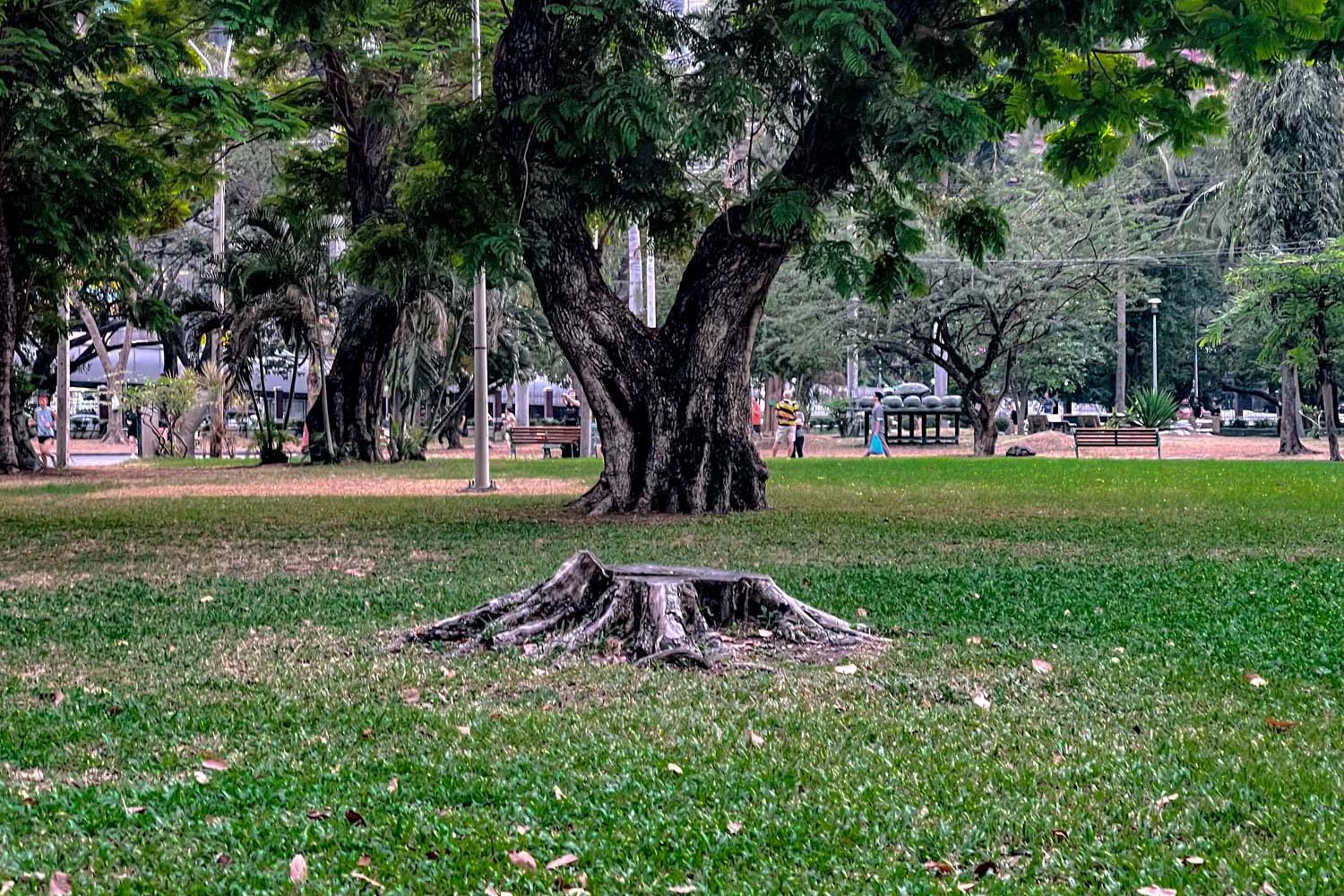
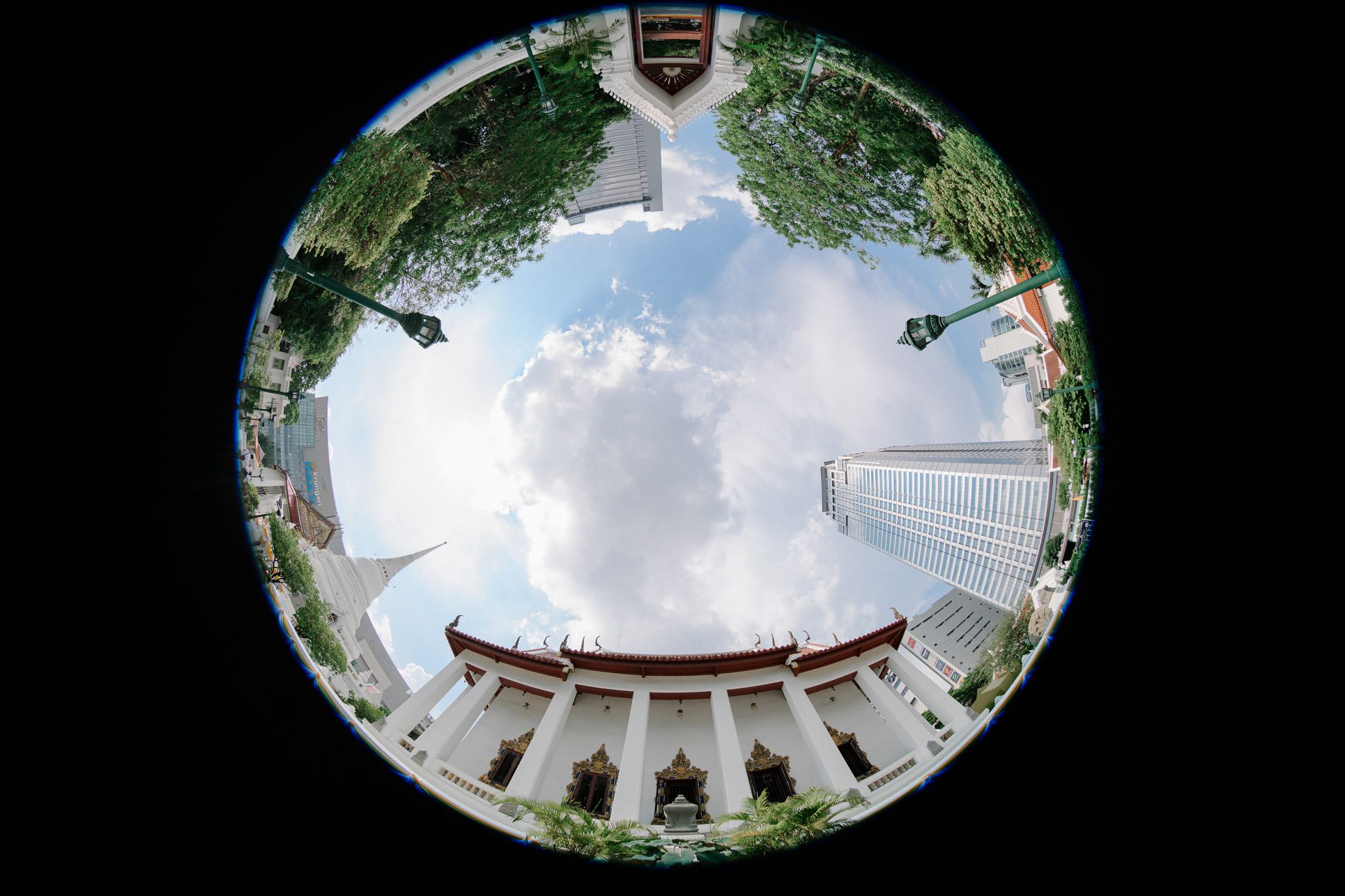
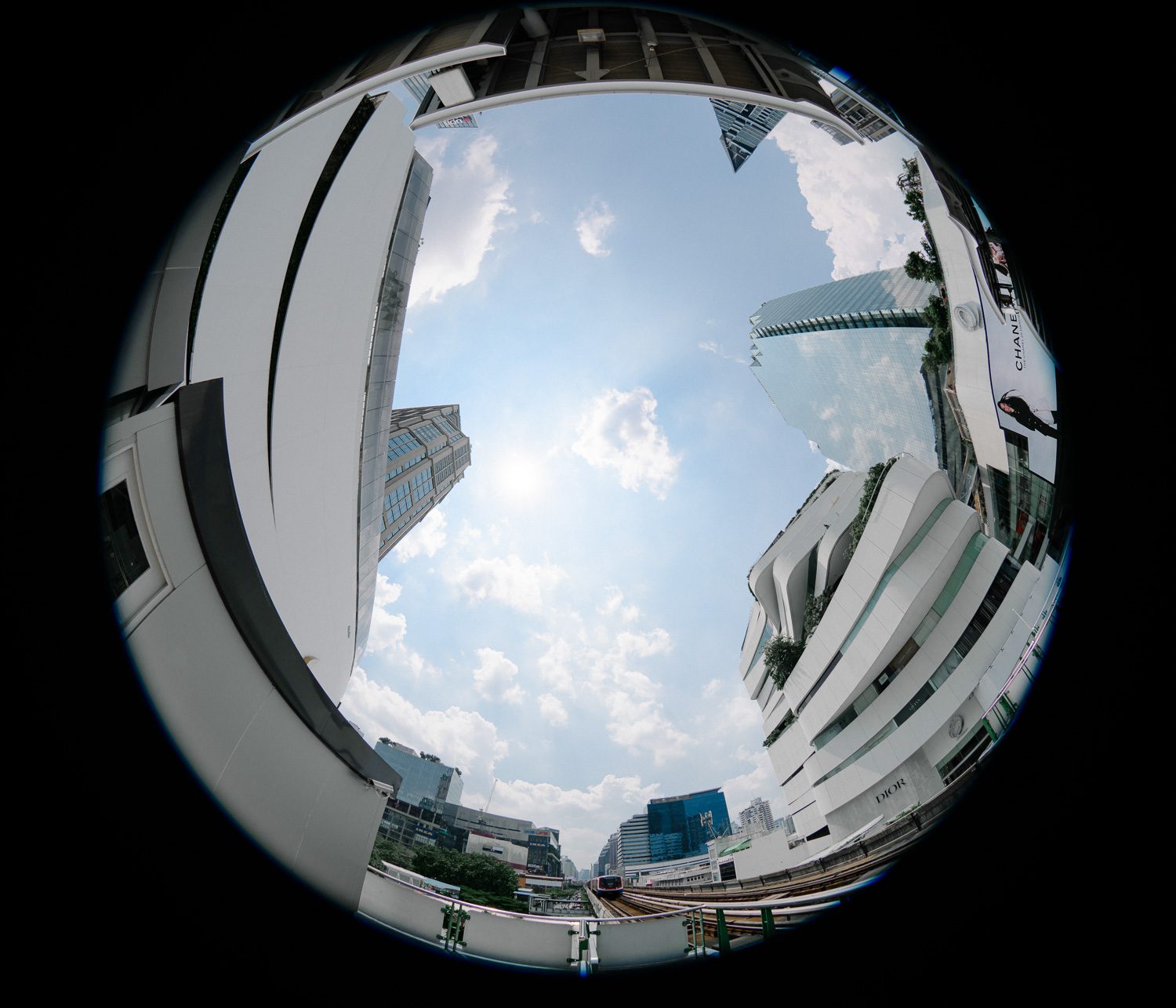
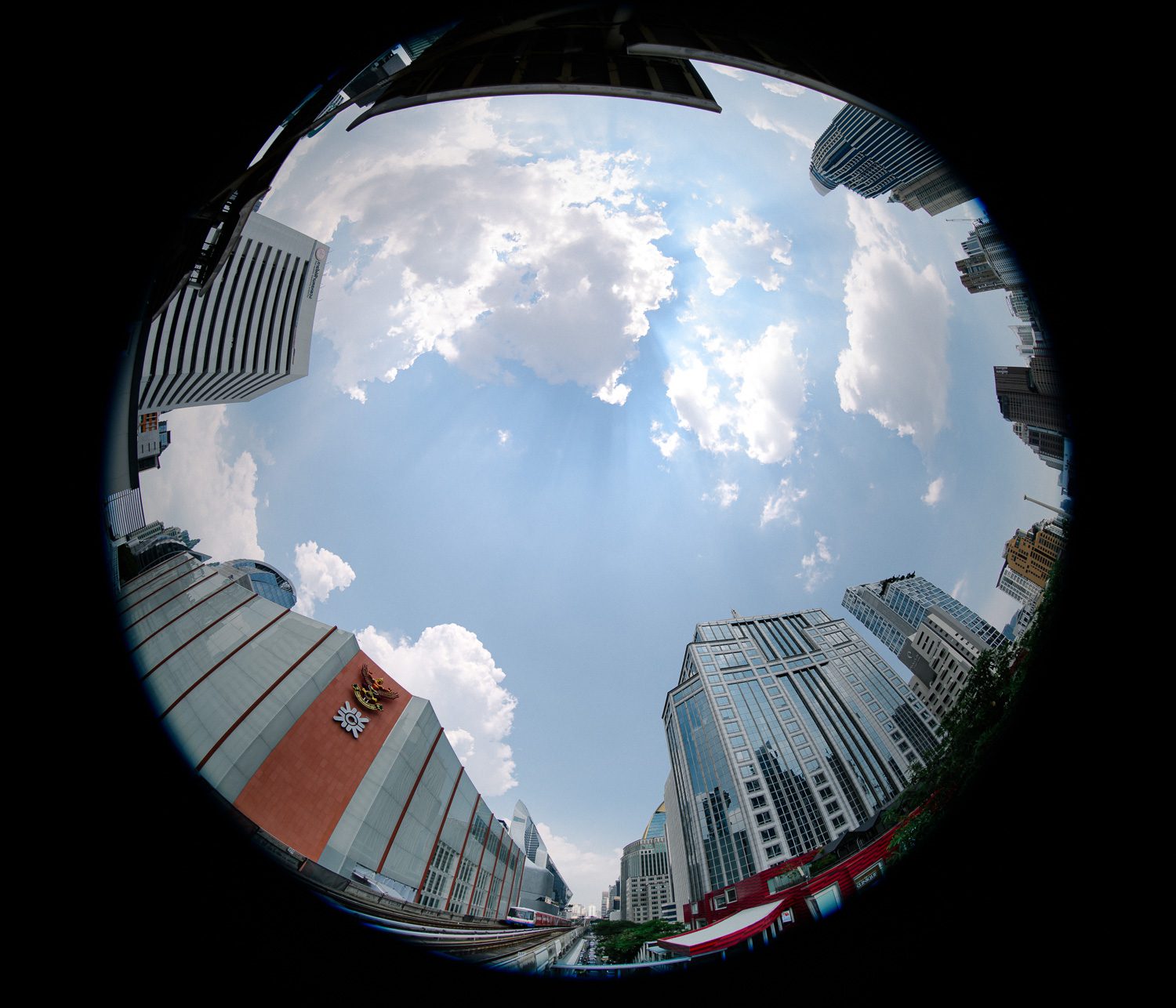
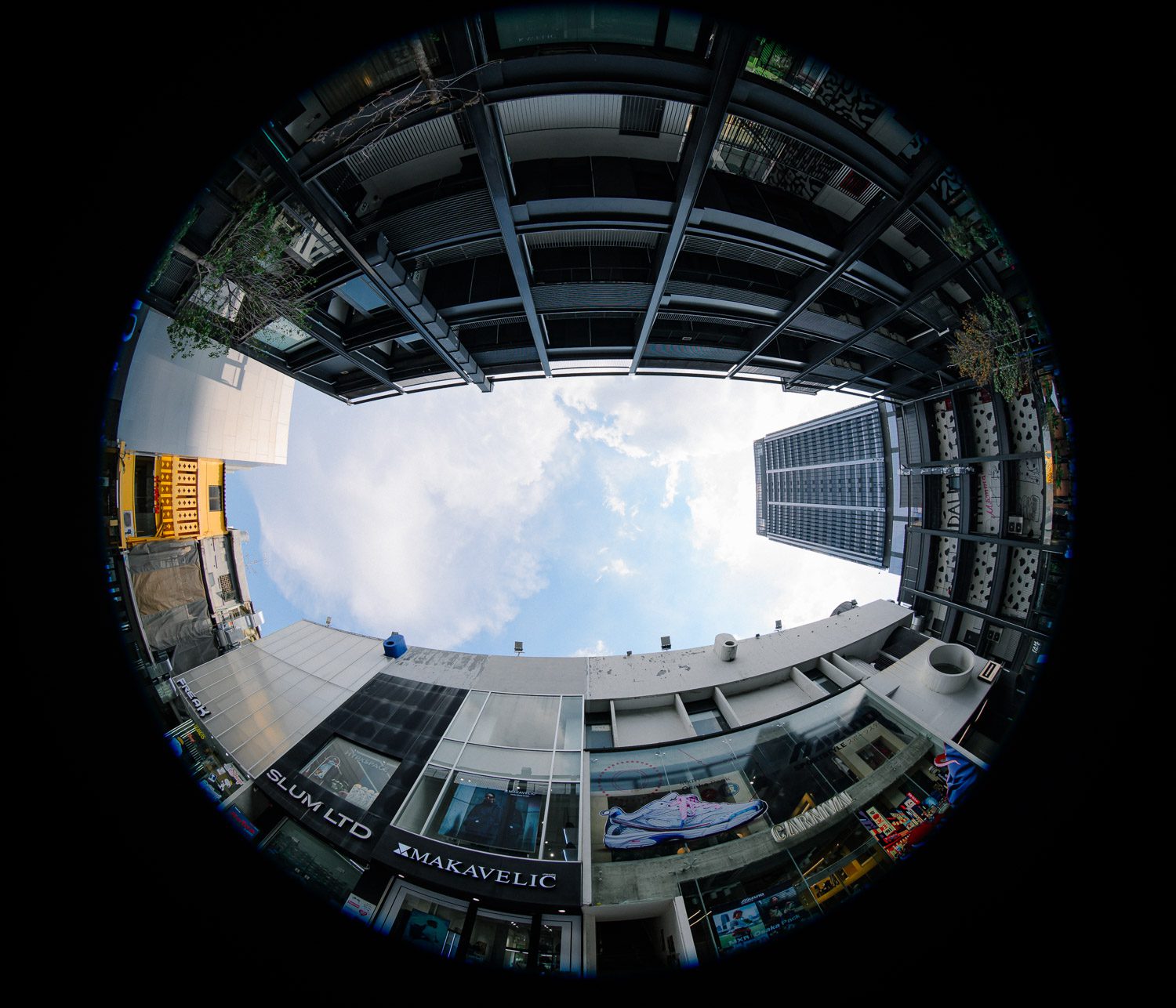
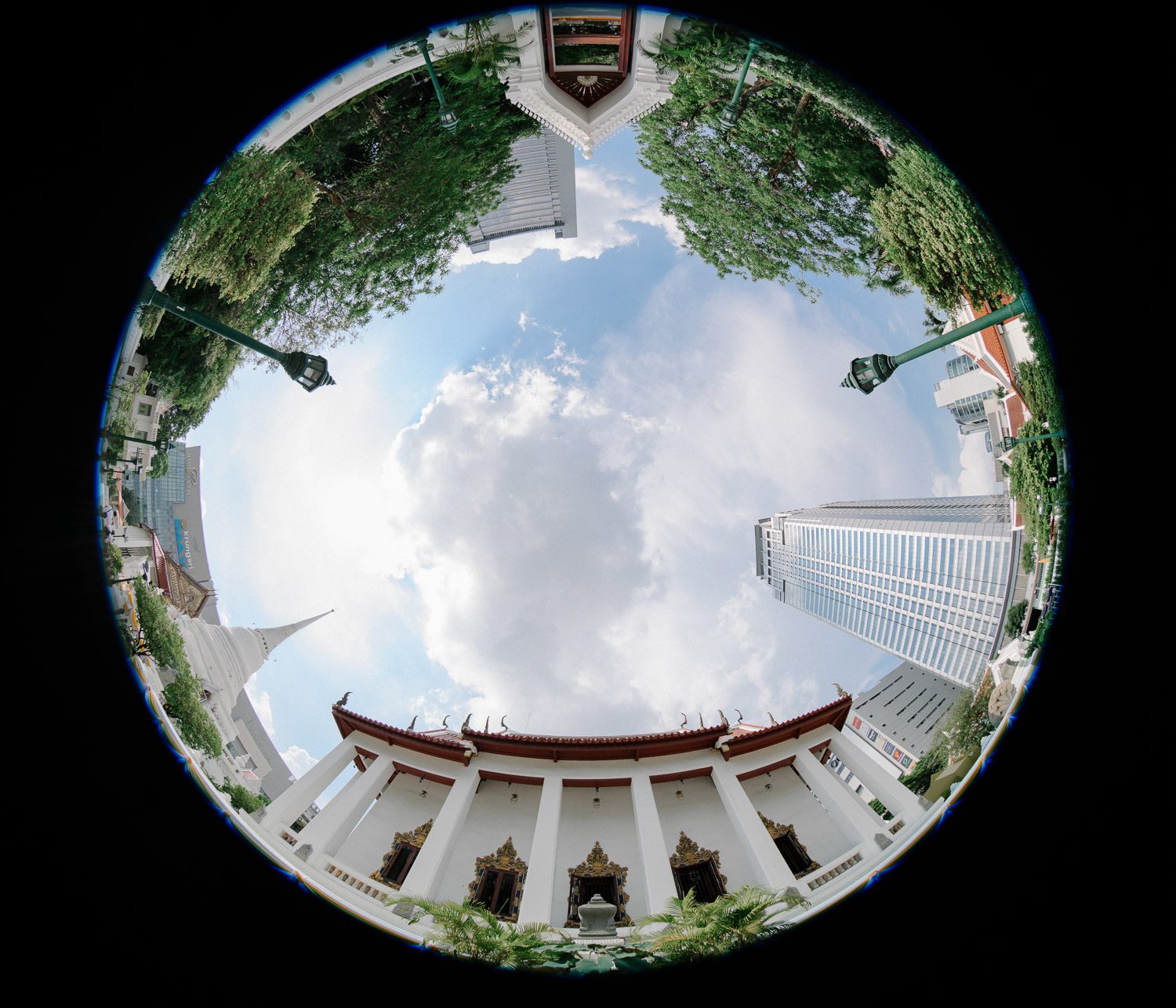
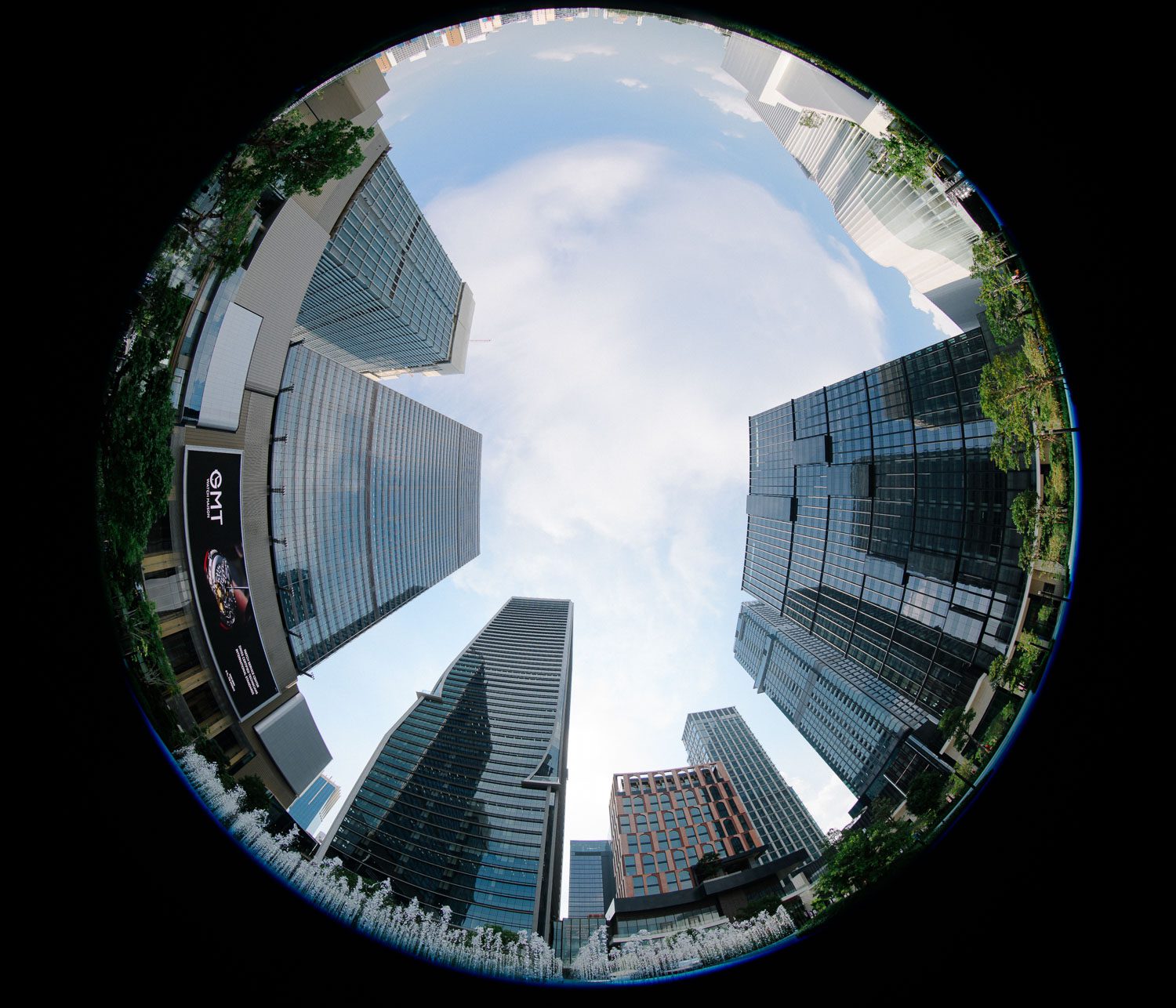
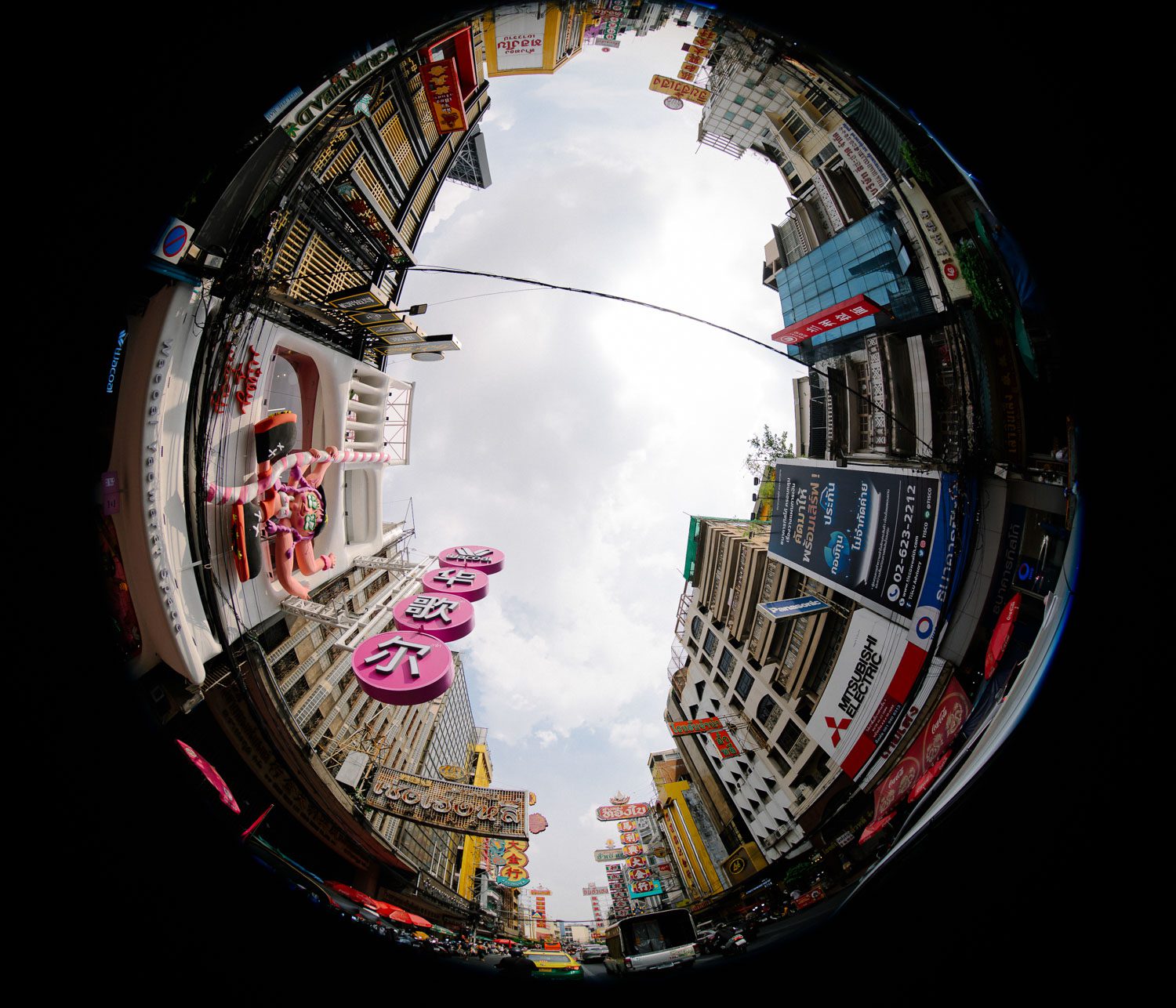
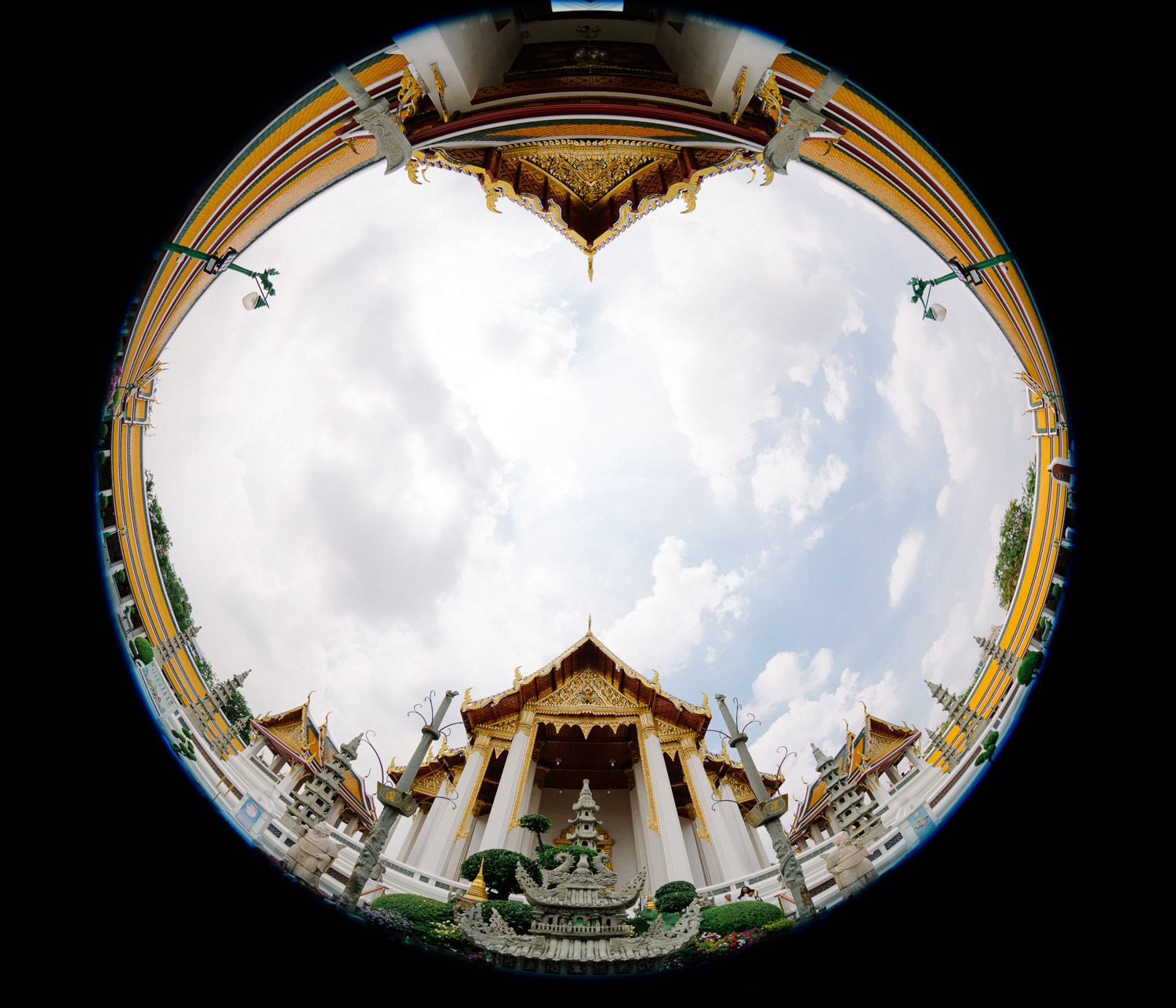
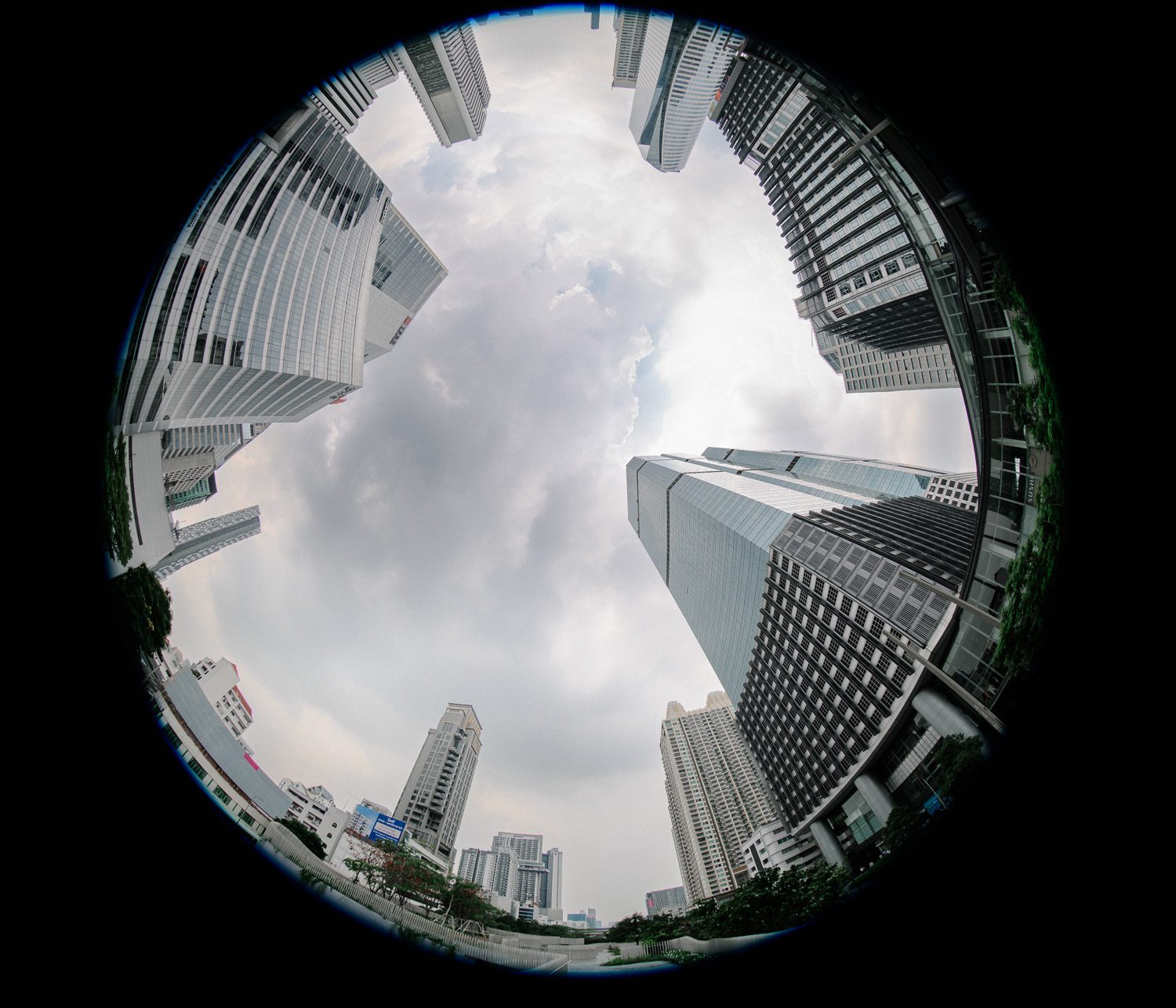
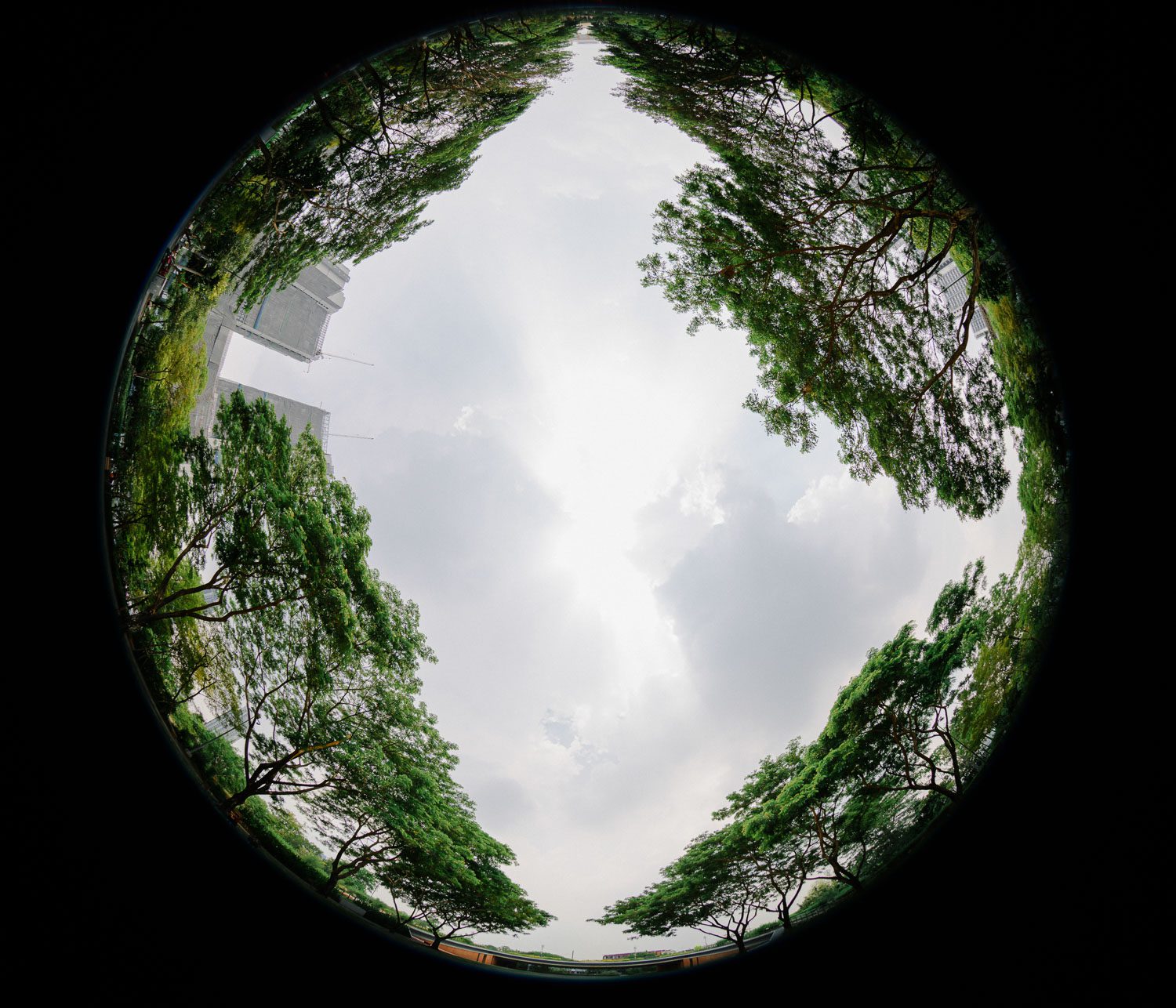
Buildings, temples, parks, and other structures are created by humans for a reason. Temples used to serve as the community center, not only for ceremonies but also to celebrate festivals such as Songkran, auspicious occasions or even New Year’s Day. The temple of each commune took on the role of the key organizer who brought these ceremonies and celebrations to life.

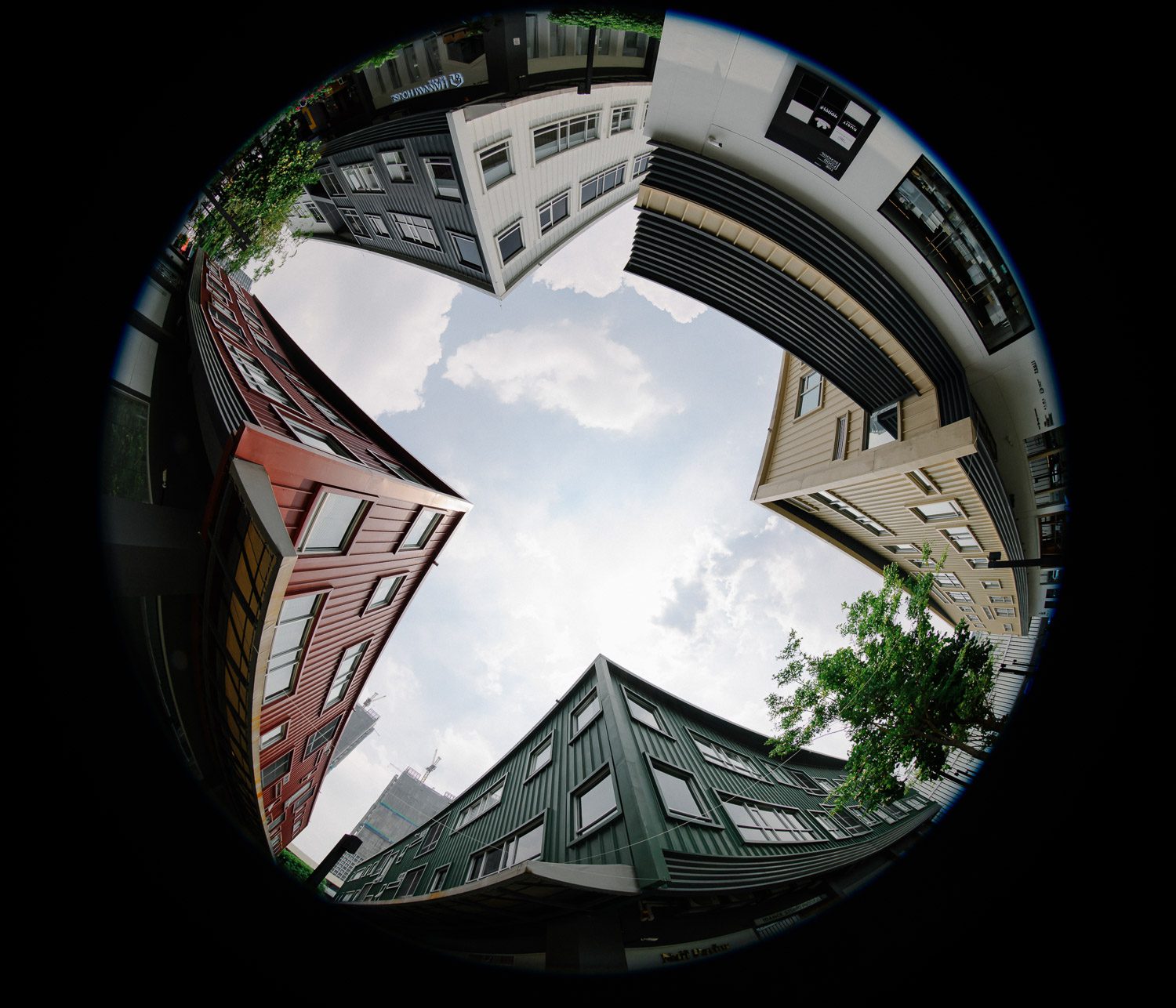
Over time, the number of people in the community has grown. A lot of people move into the city, often in search for good business opportunities . The big, tall buildings started to overshadow the trees on the ground. There will no longer be one business building but there will soon be more neighboring buildings that will have the same function too, along with train stations and shopping malls. Then, all of a sudden you’re surrounded by tall buildings.
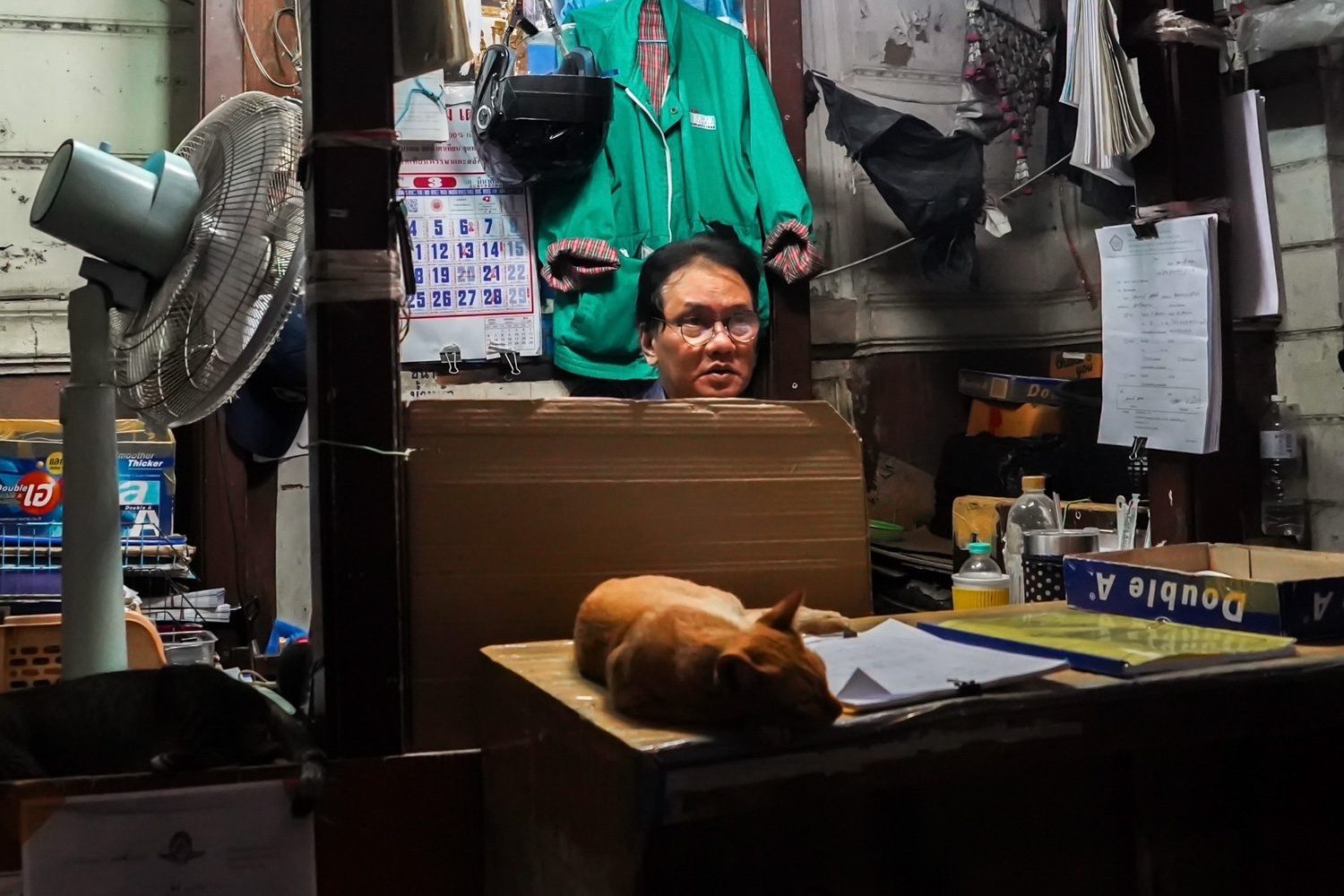
Another change in many buildings nowadays are the design function and the way facilities are used. The buildings need to be designed to stand out or maybe have hybrid functions. While the aged buildings stand still, keeping the neighborhood’s old sense.

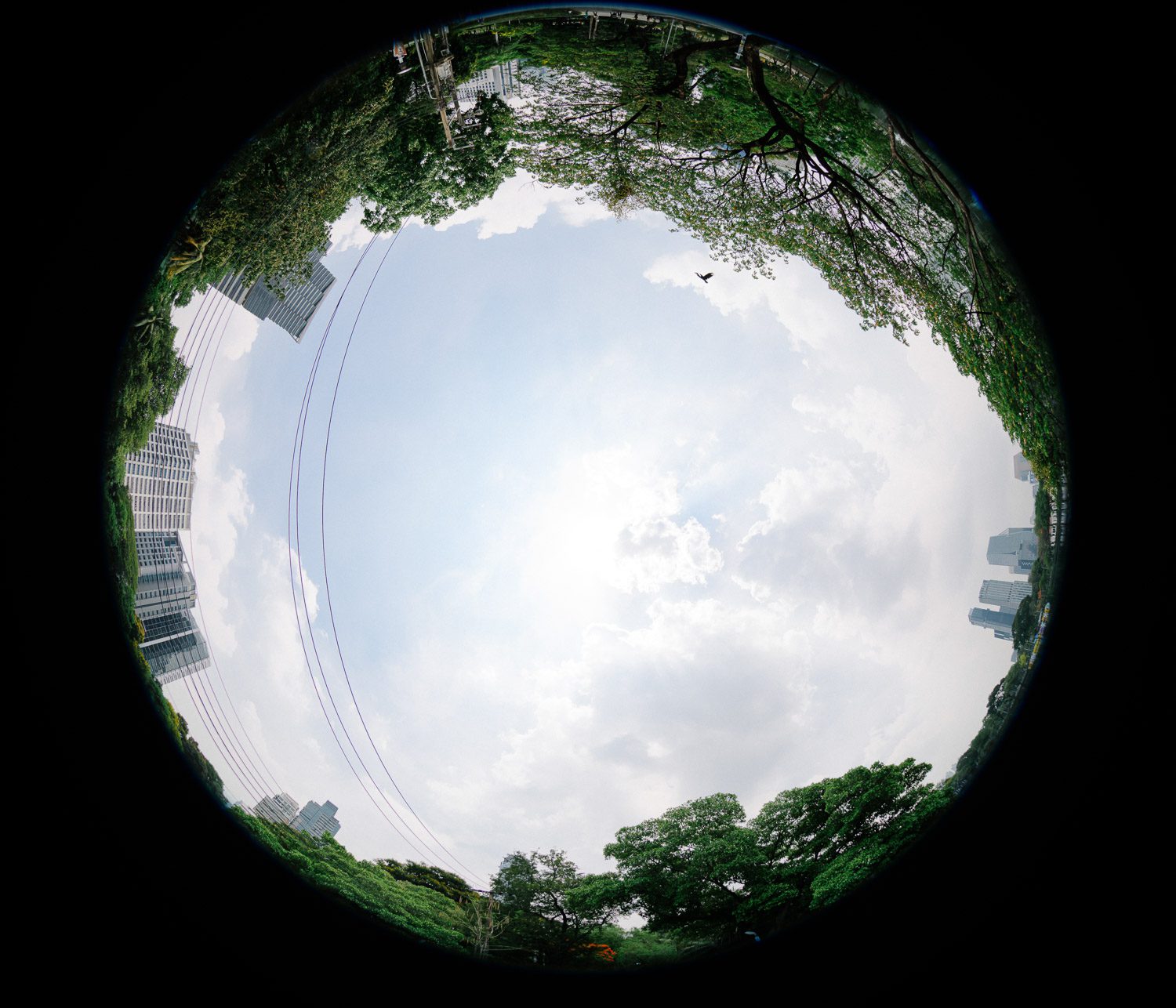
What you will see around you might be a shopping mall building along with a business building with office spaces. The British Council Building (1980) is an example of this – it has been transformed into a fashion warehouse and is now surrounded by new buildings. The Temple is now nestled between a bustling city and the park is also surrounded by high-rise buildings.

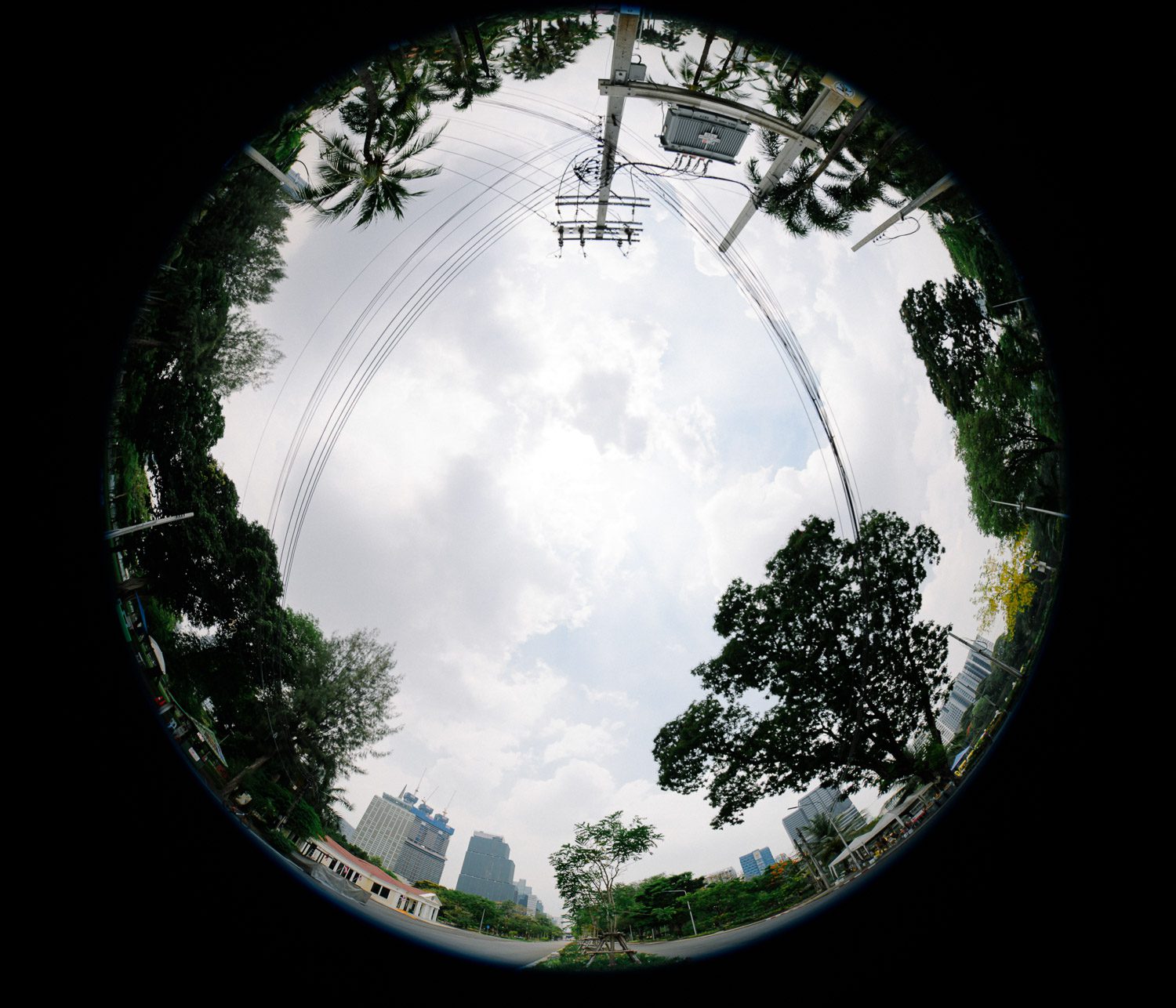
Look around and see for yourself. There are many things that are often unnoticed. Every little detail is next to you, hidden in plain sight.

___________________

Santawat Chienpradit is an emerging photographer with an interest in architectural and still life photography.

facebook.com/Pipeder
facebook.com/PipederAlbum

PHOTO ESSAY : SHOP CATS OF HONG KONG


TEXT & PHOTO: MARCEL HEIJNEN

(For Thai, press here)  

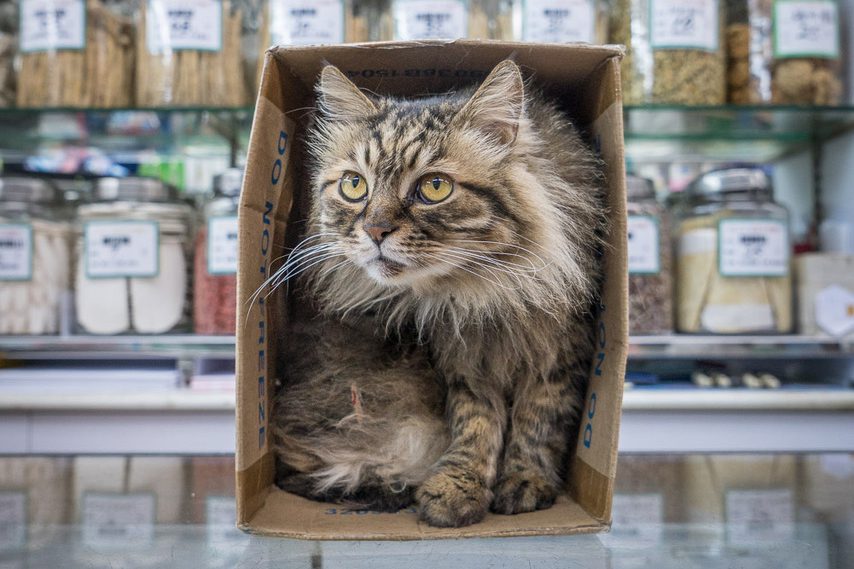
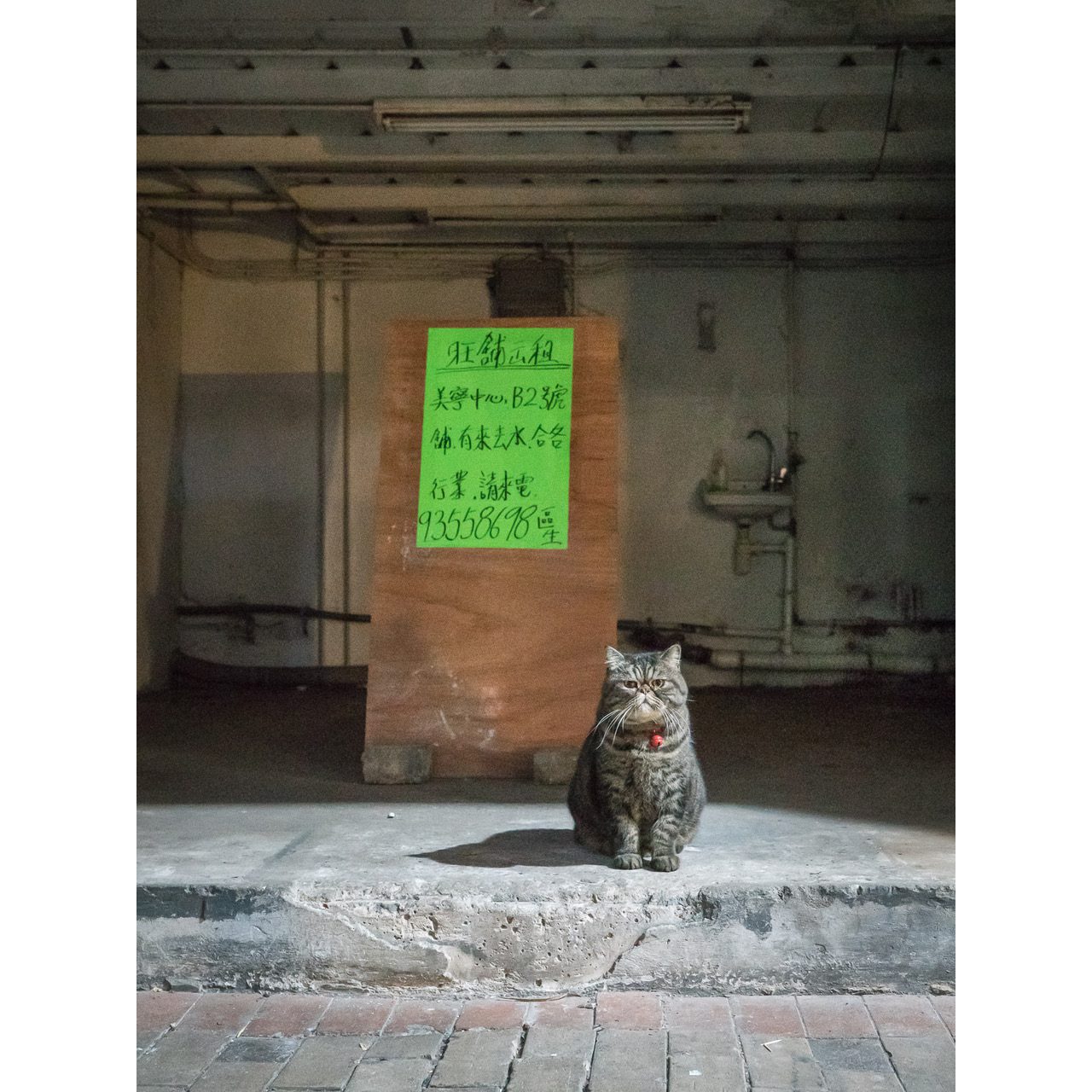
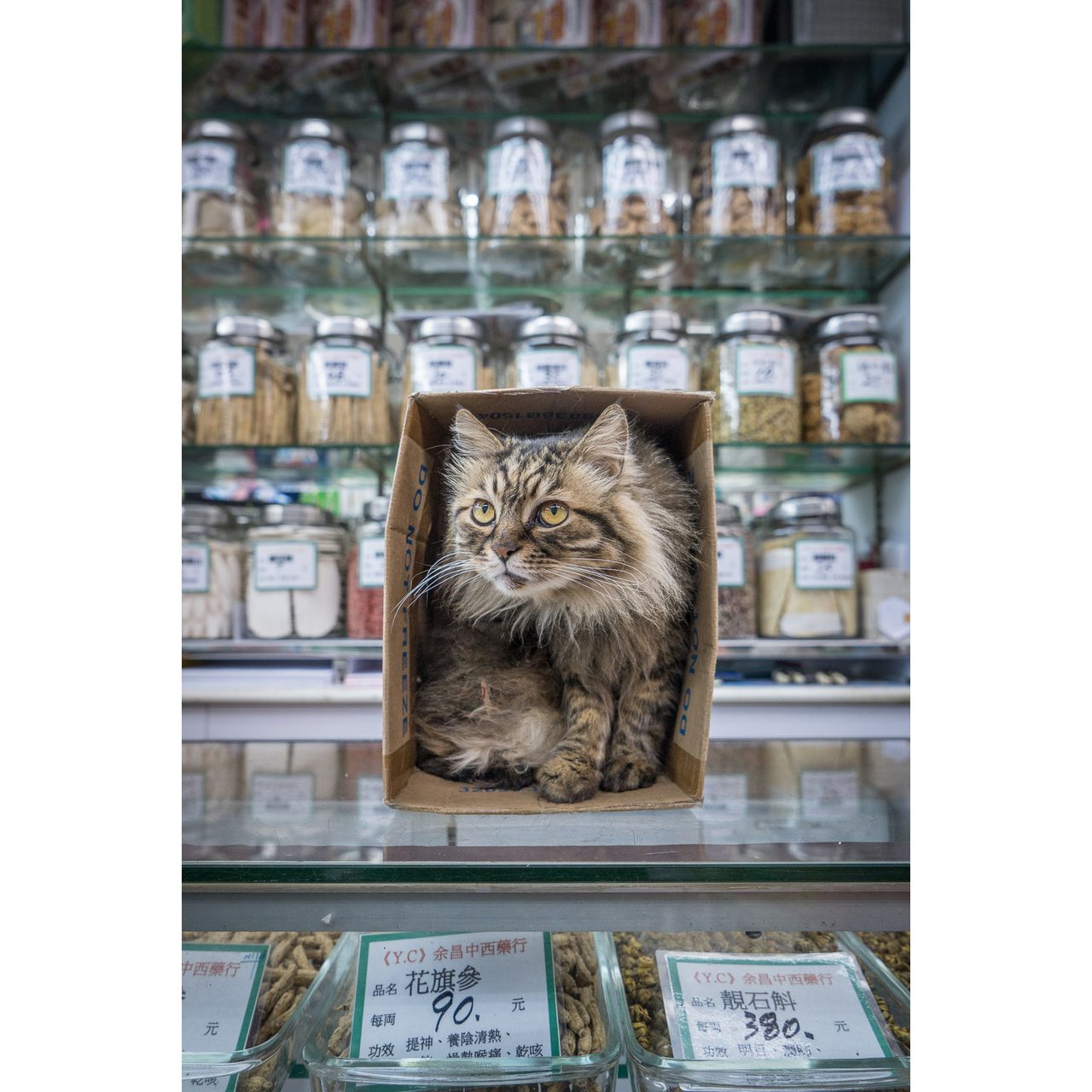
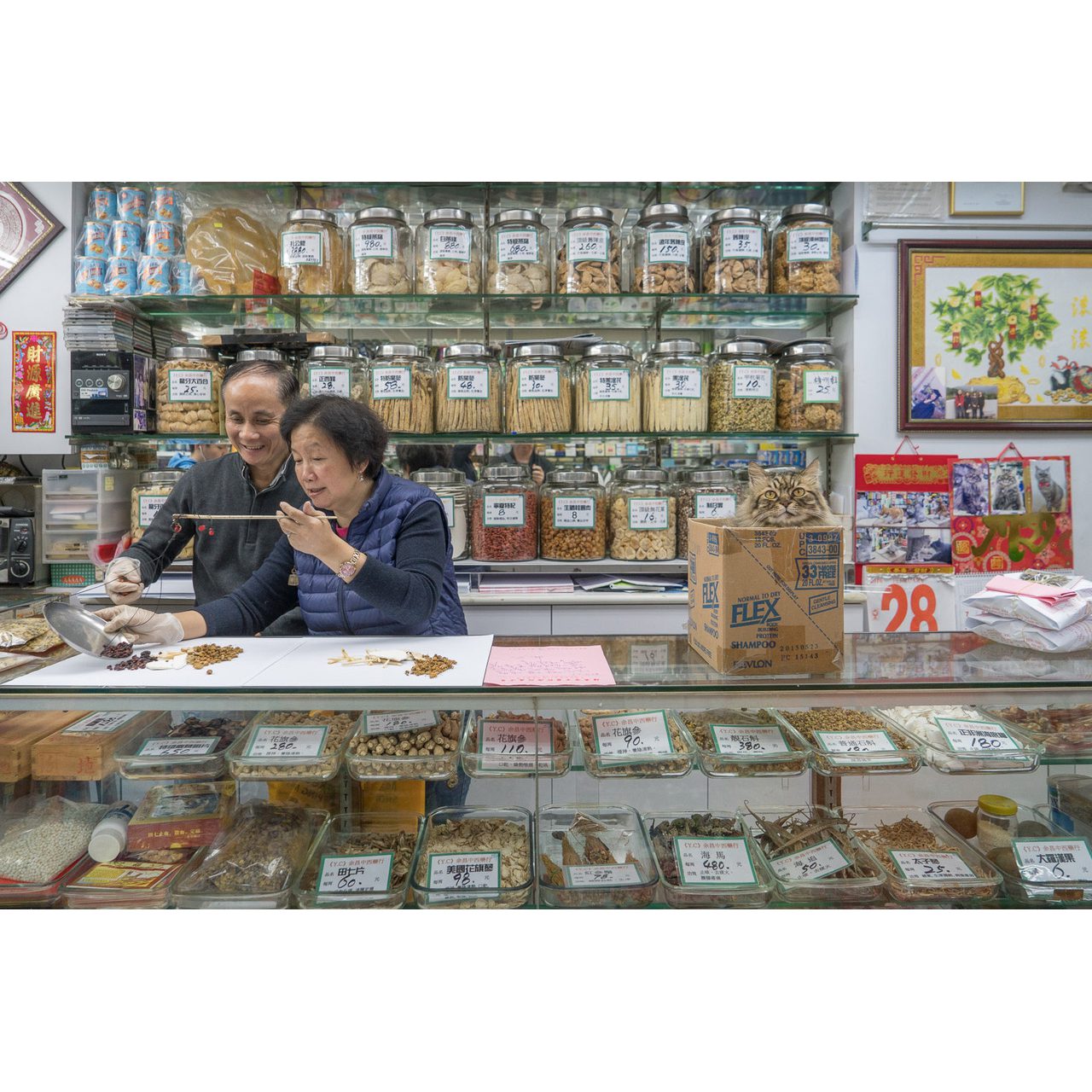
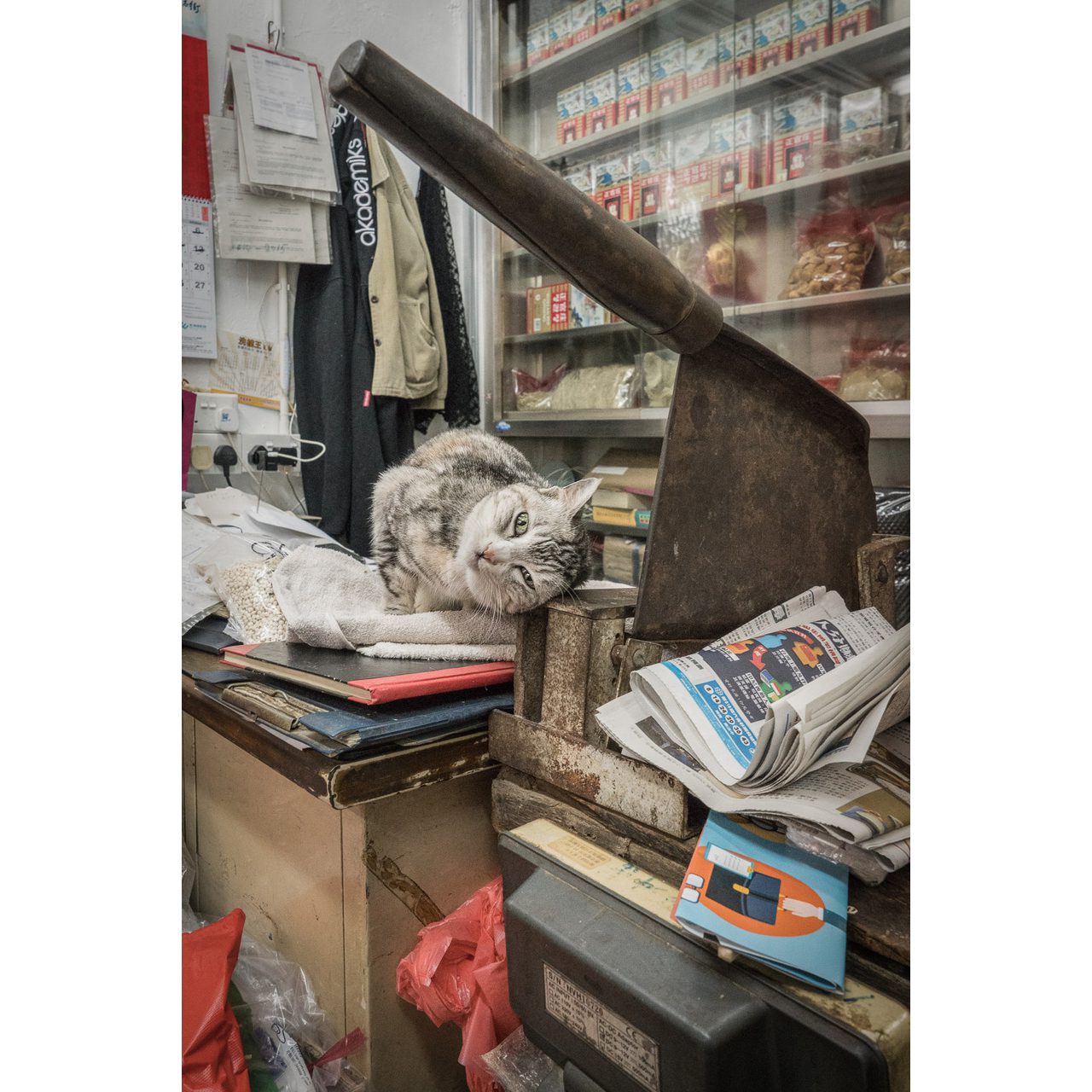
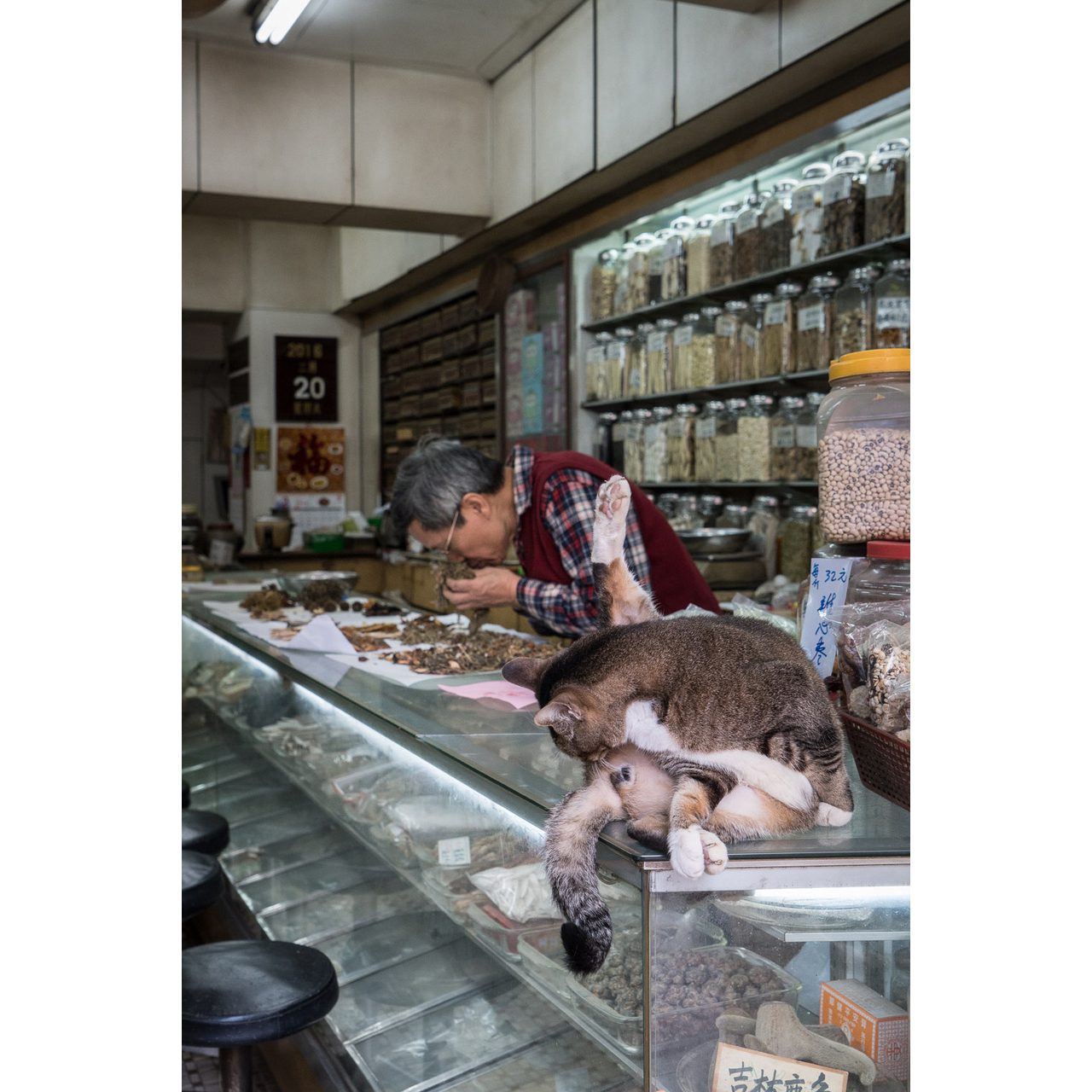
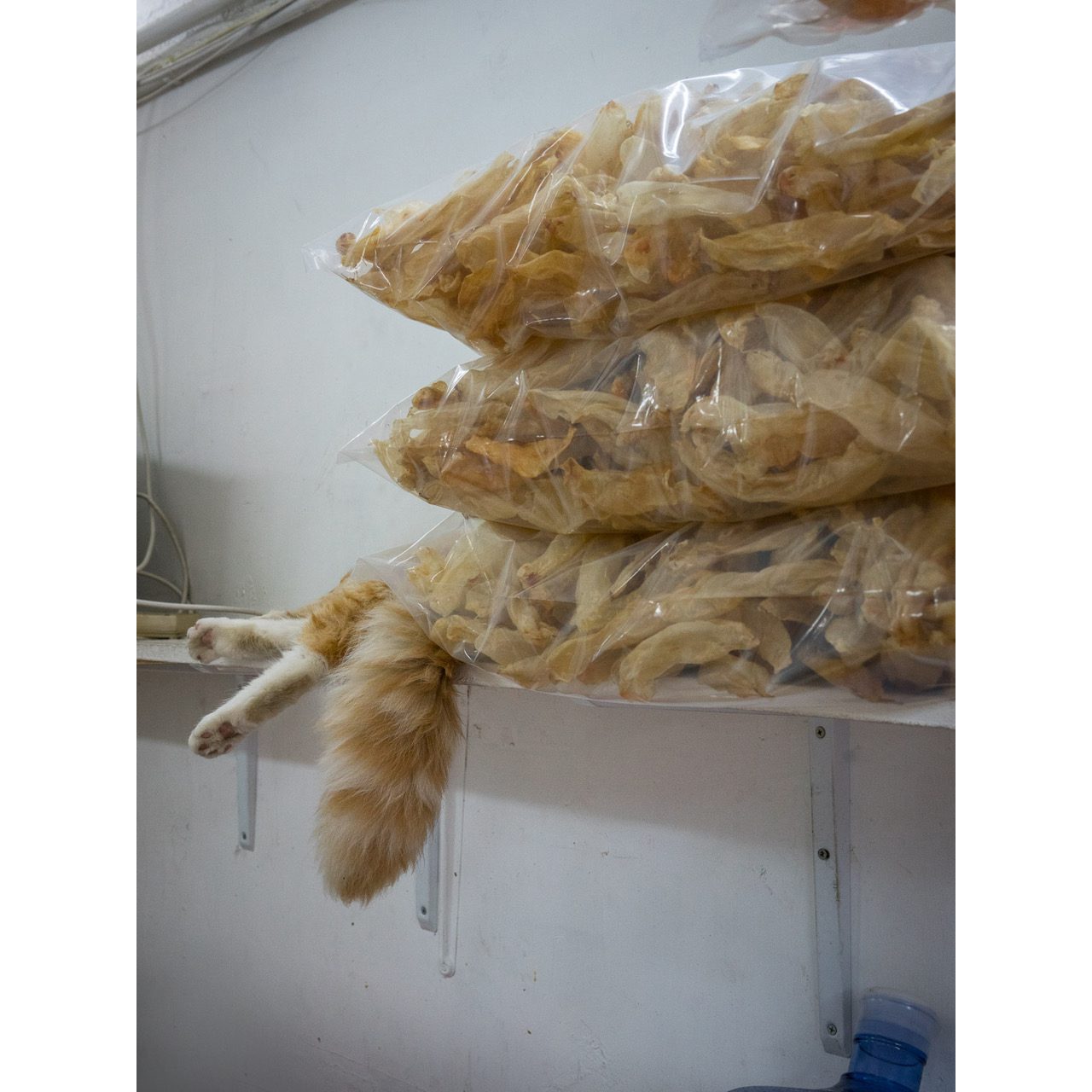
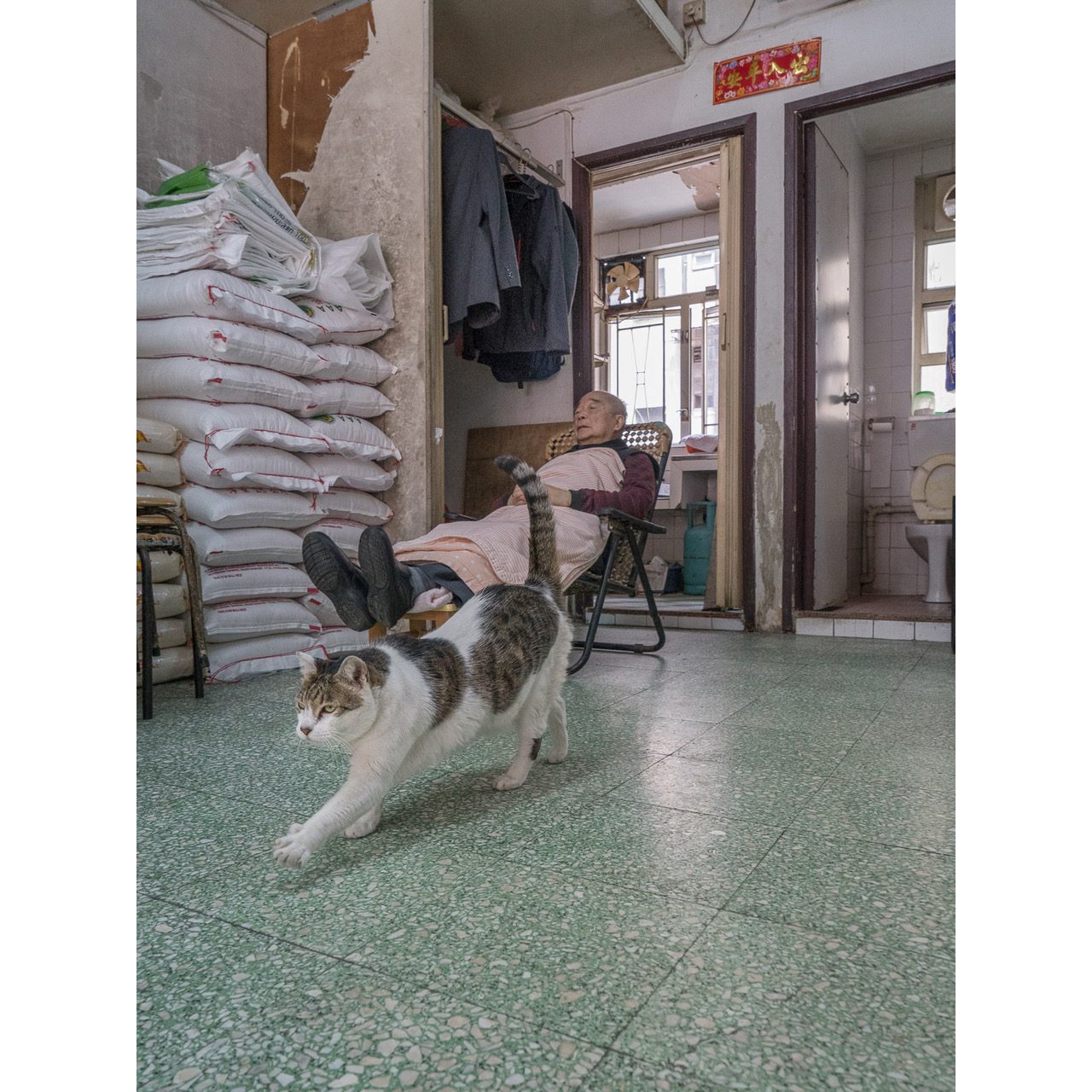
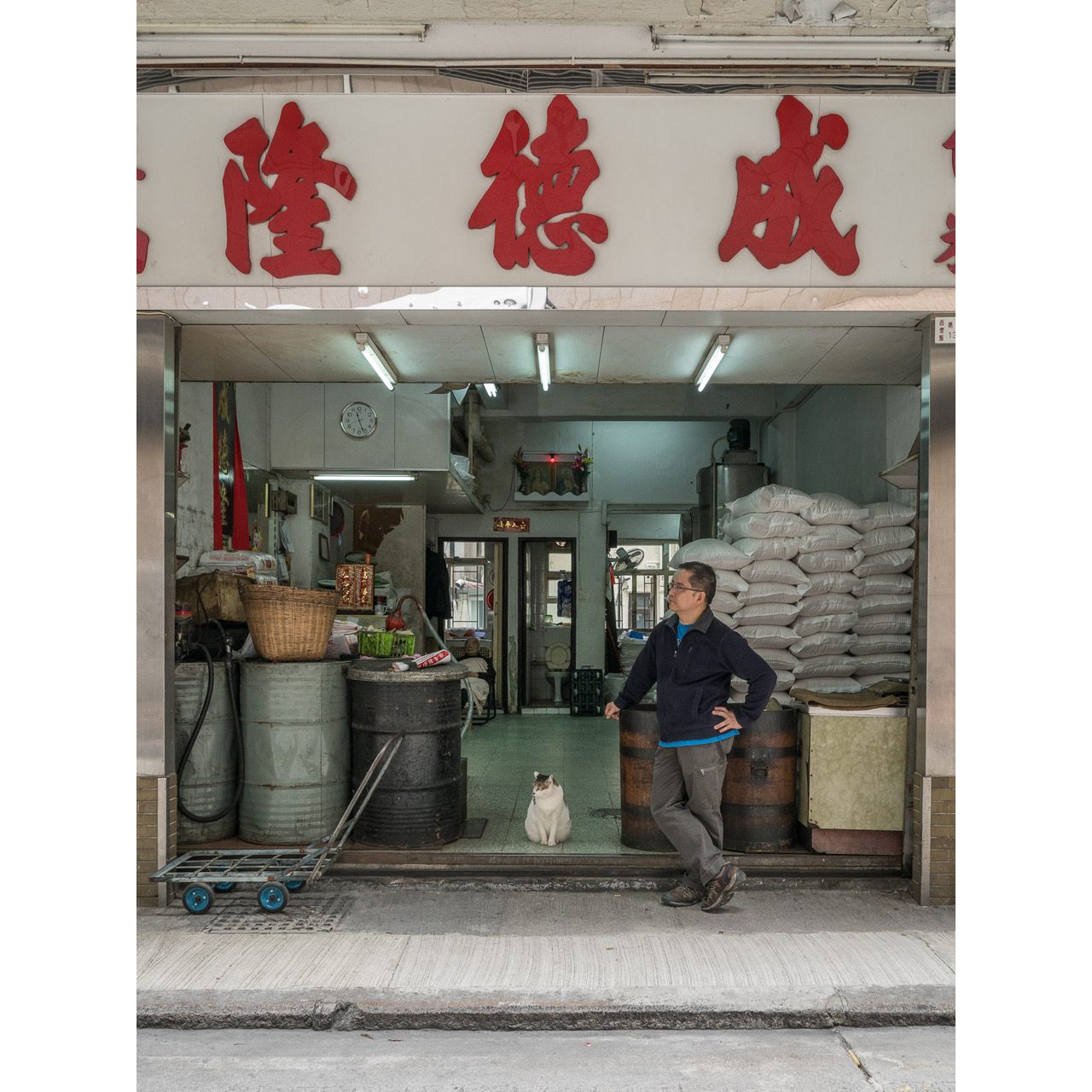
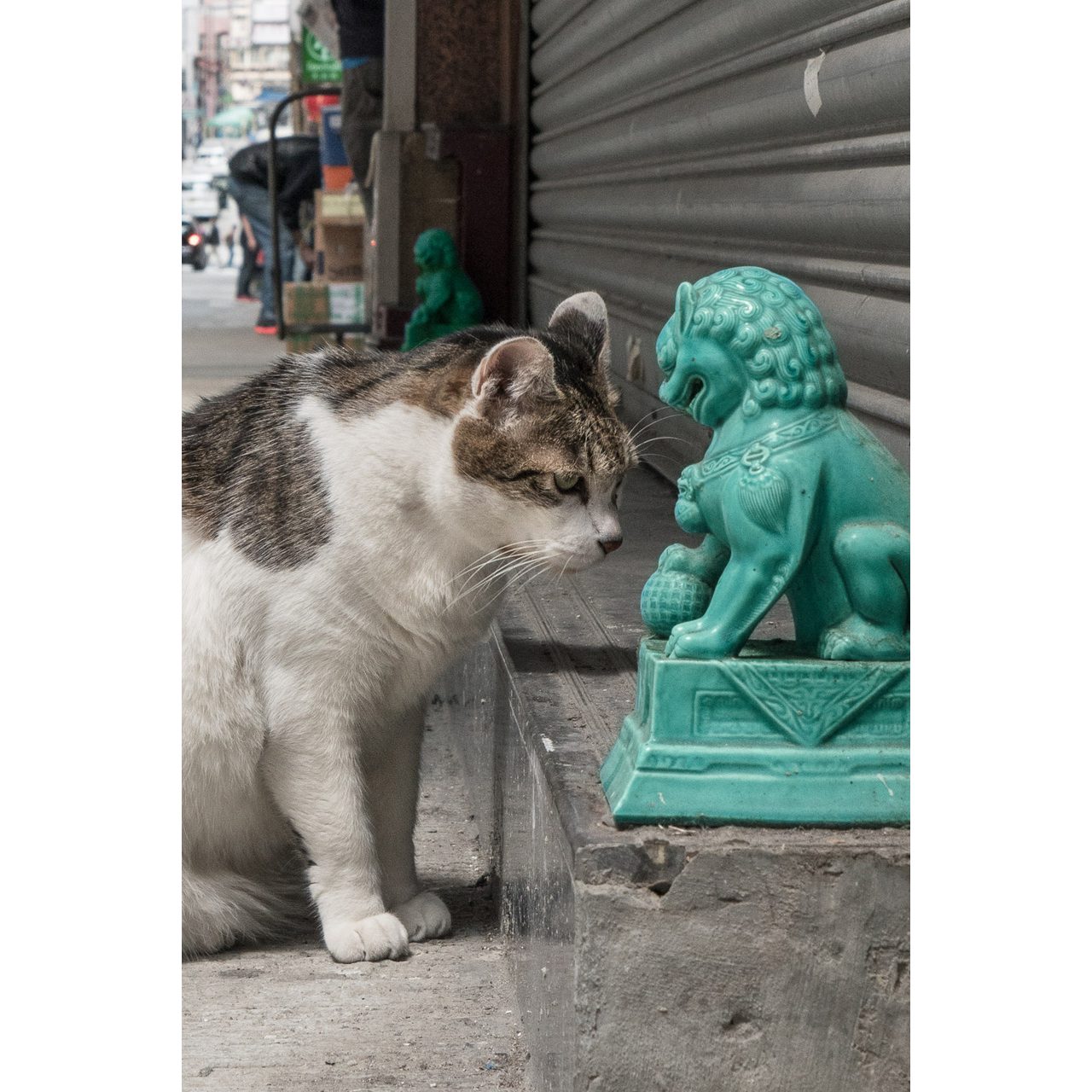
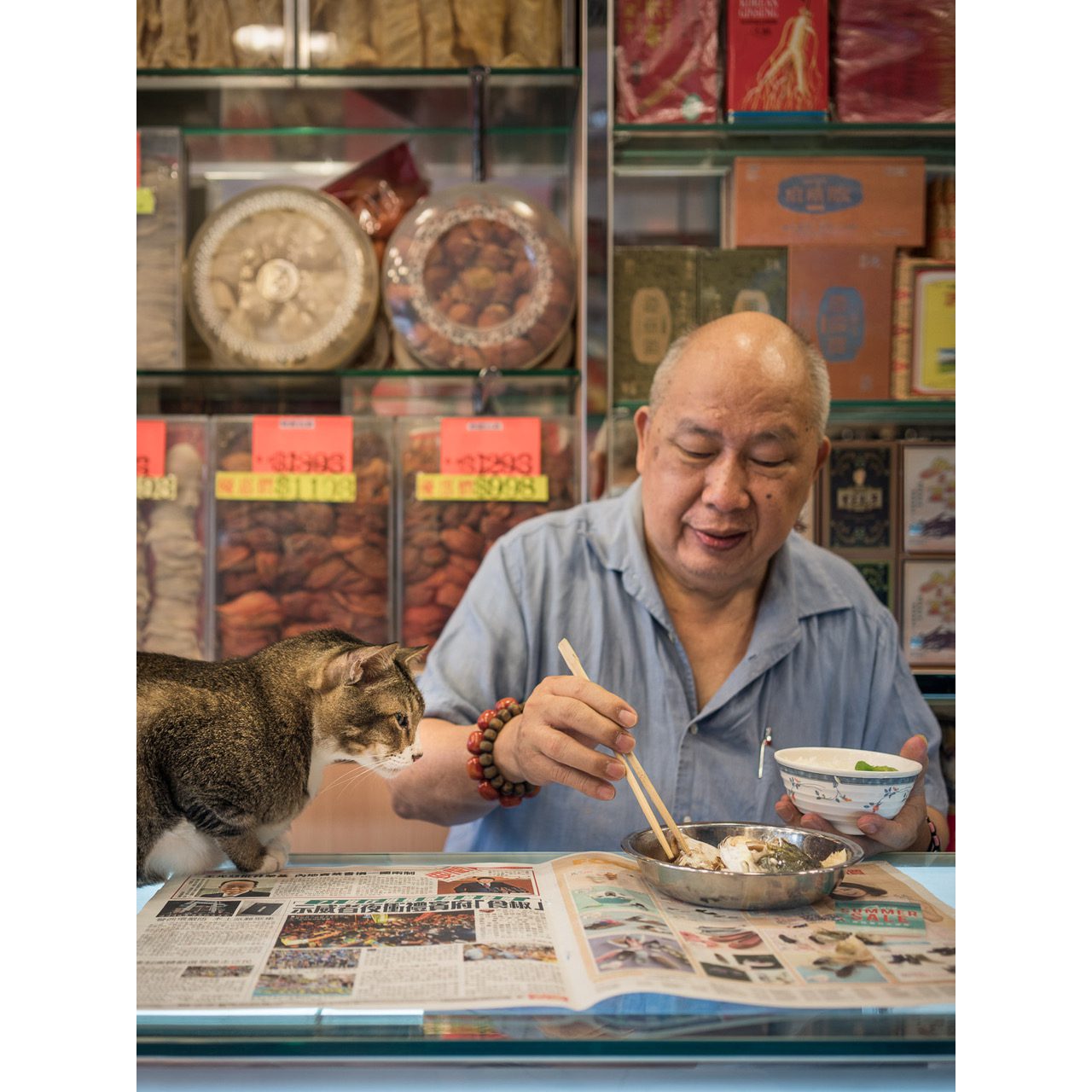
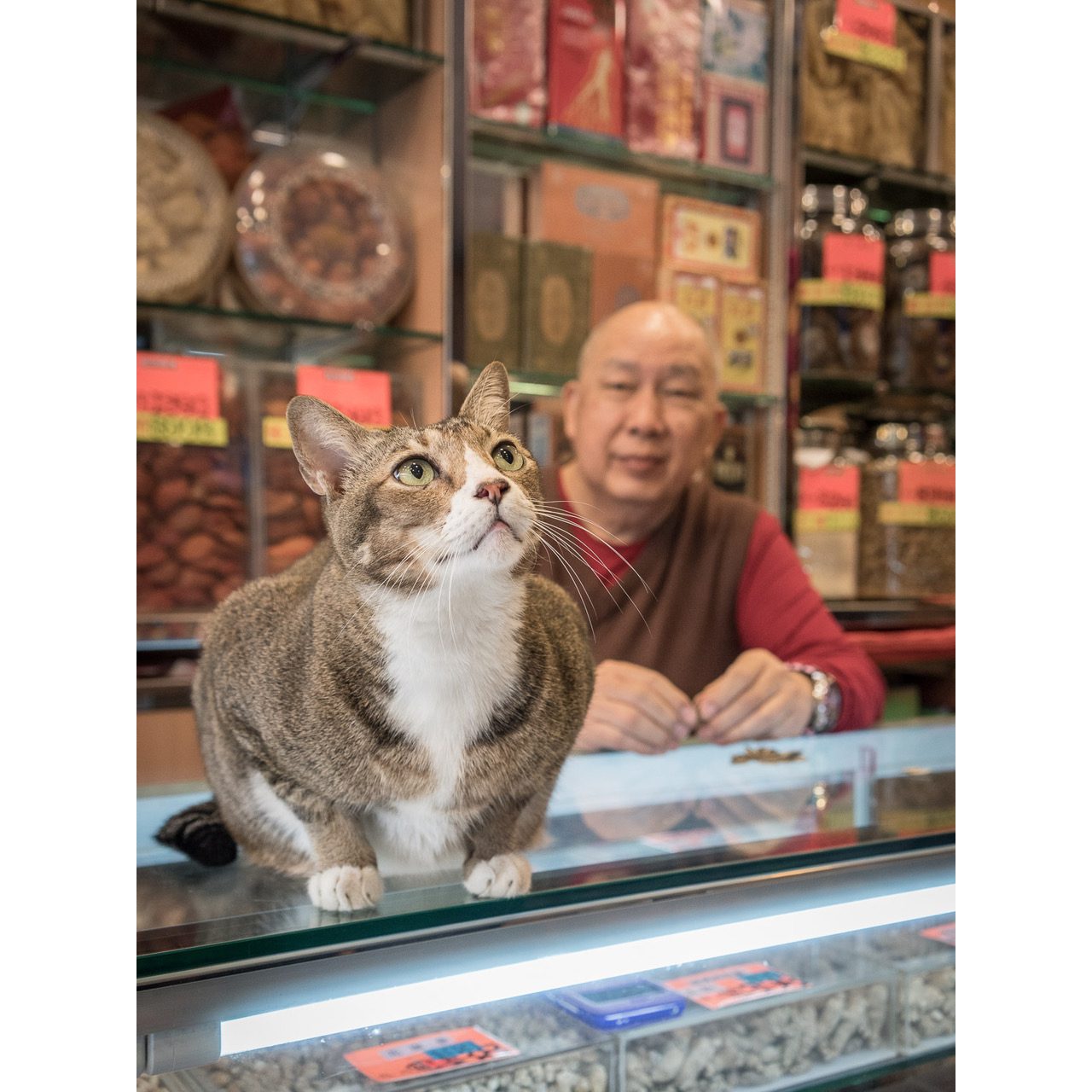
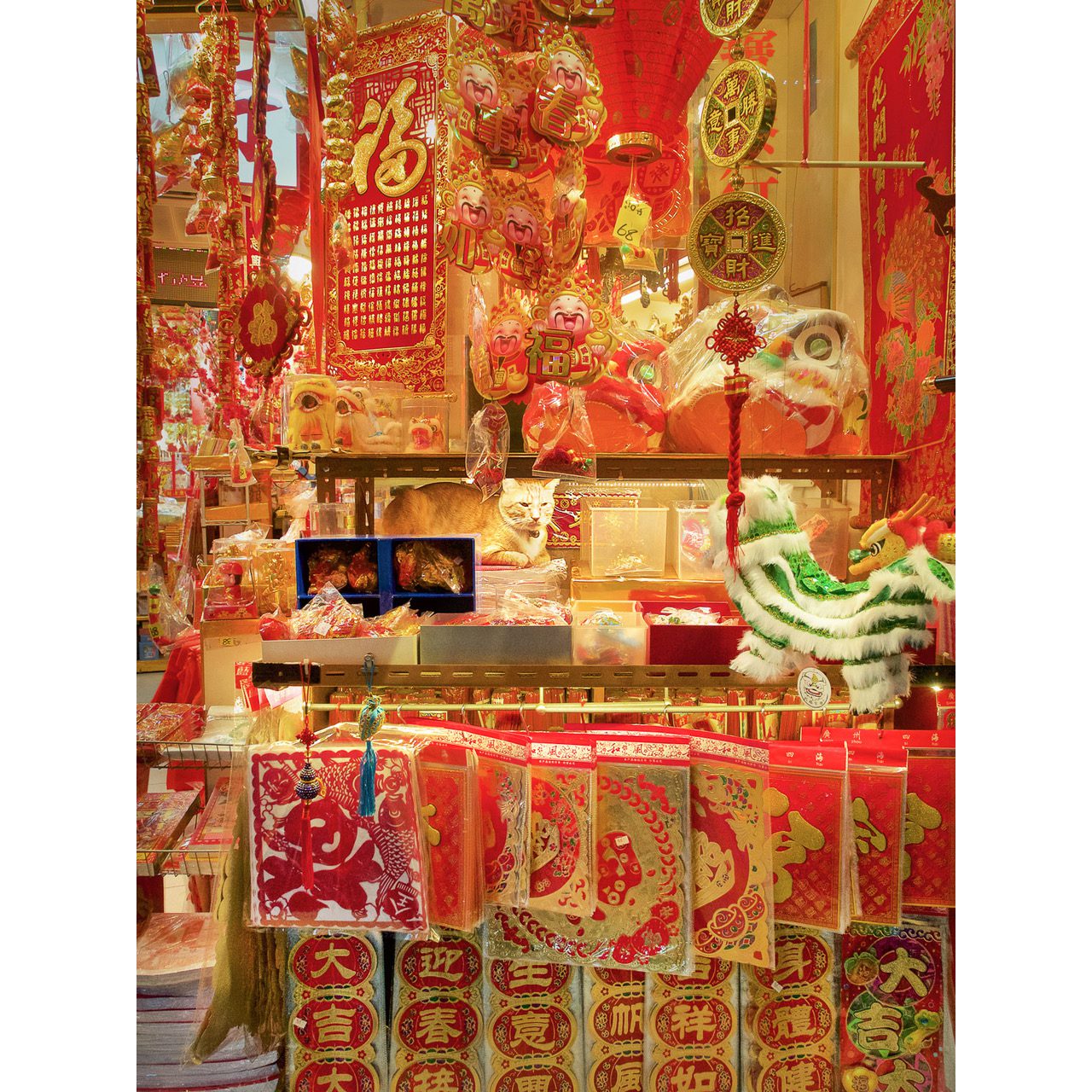
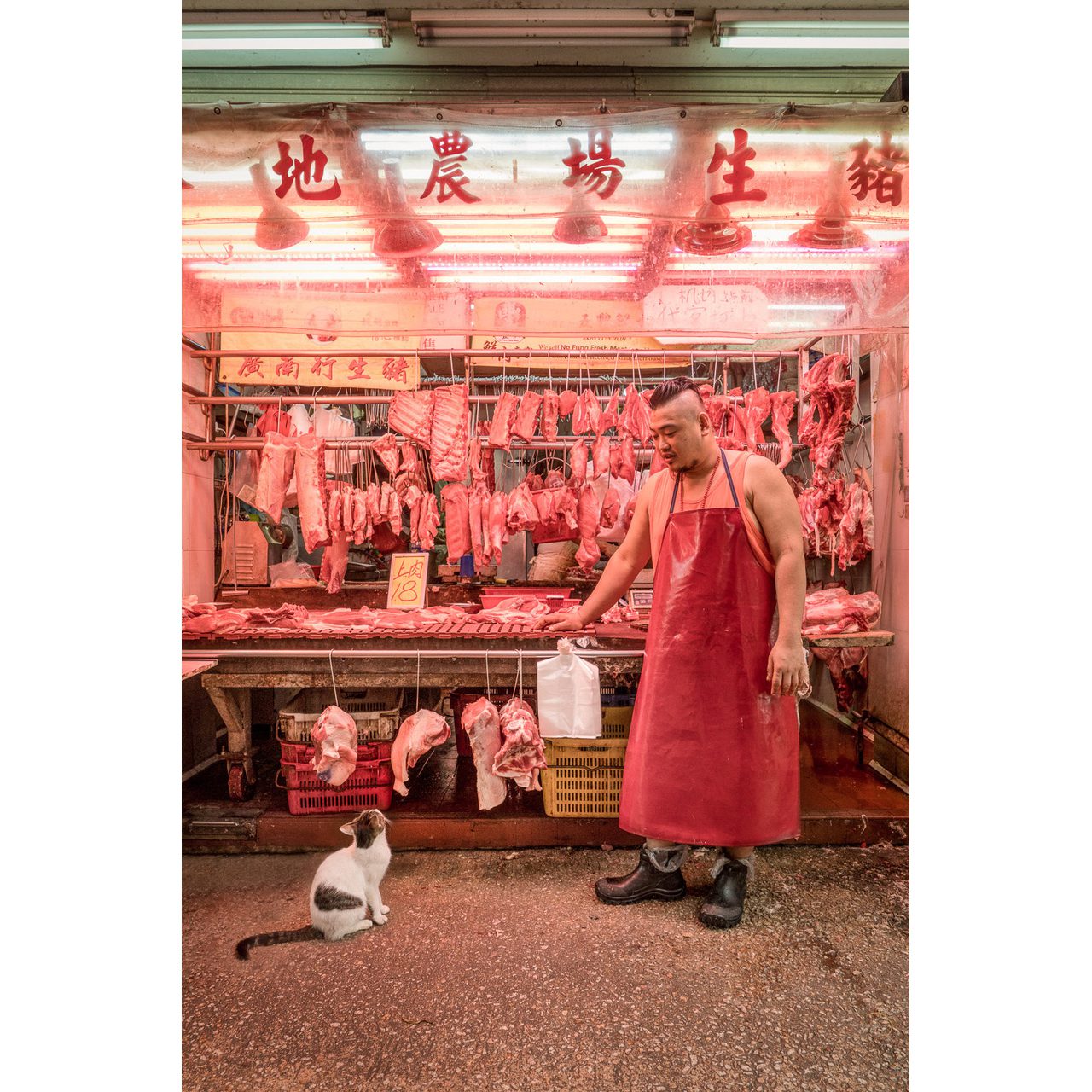
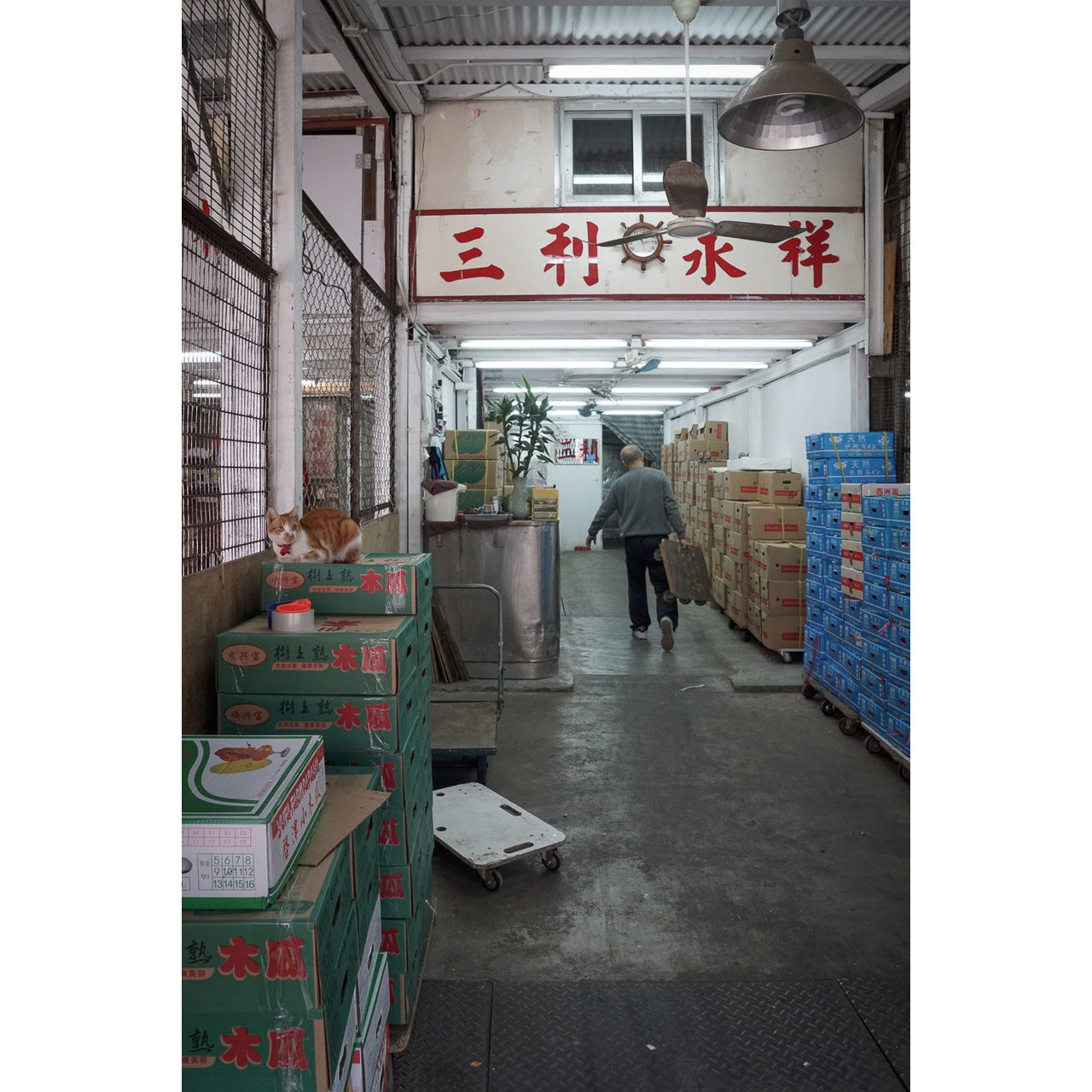
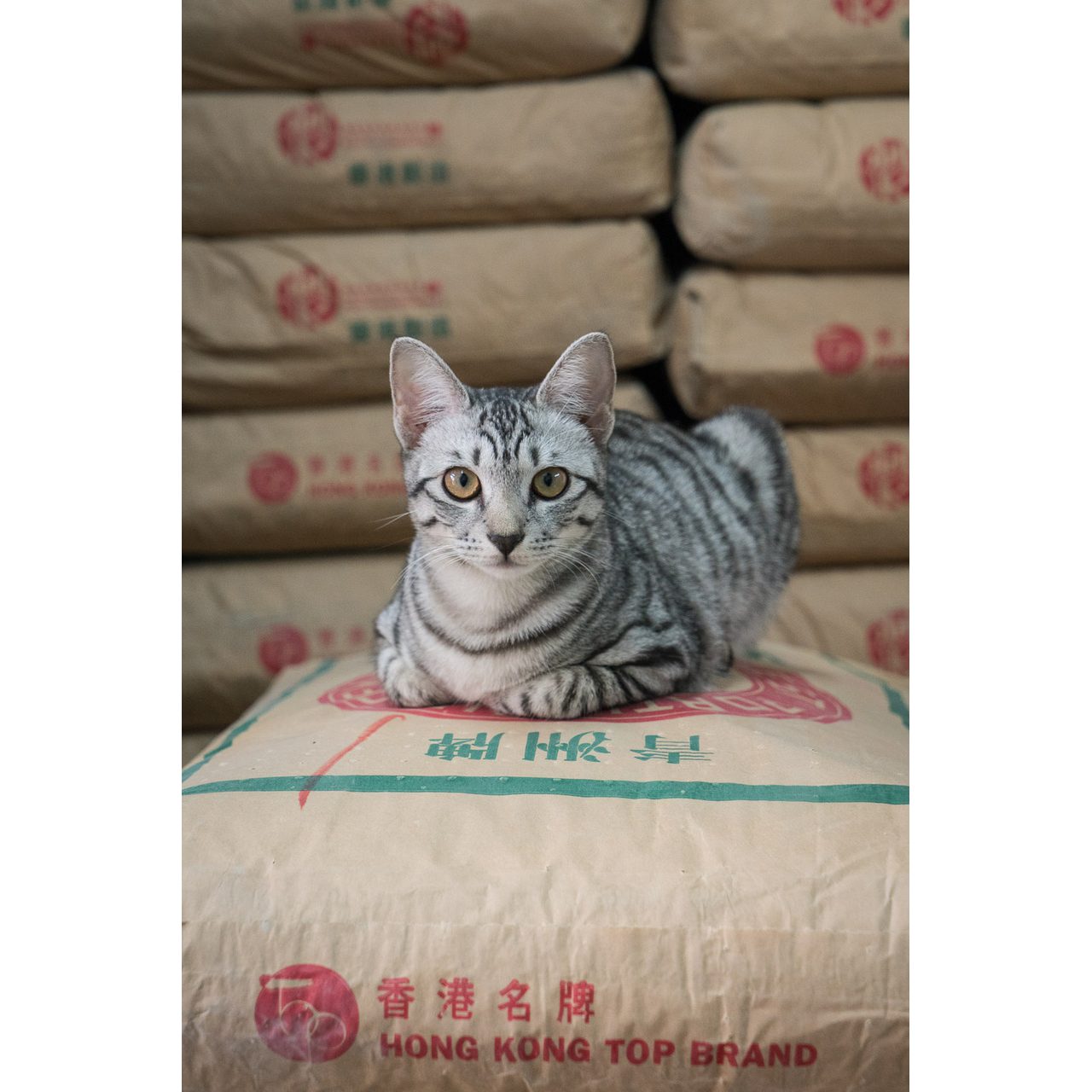
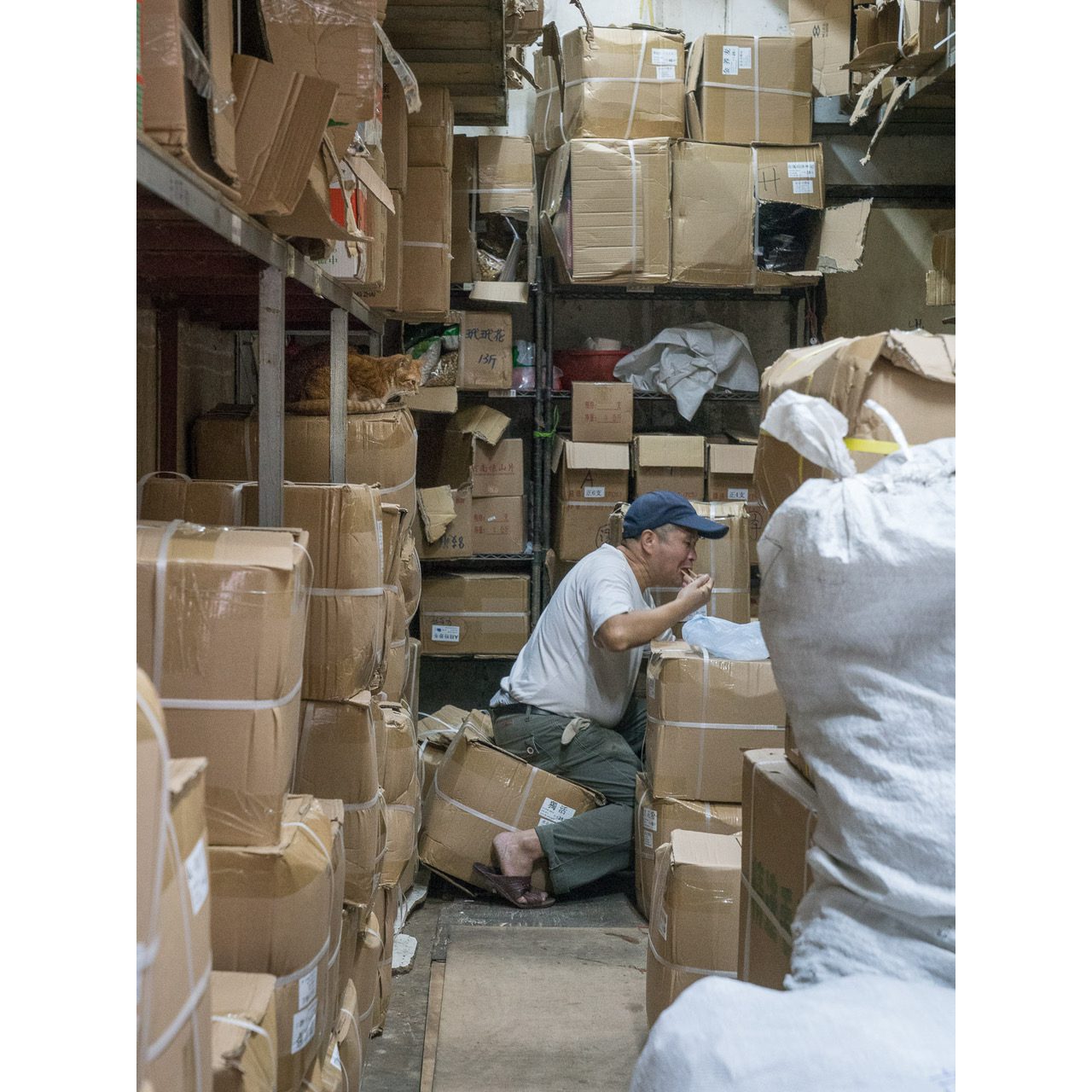
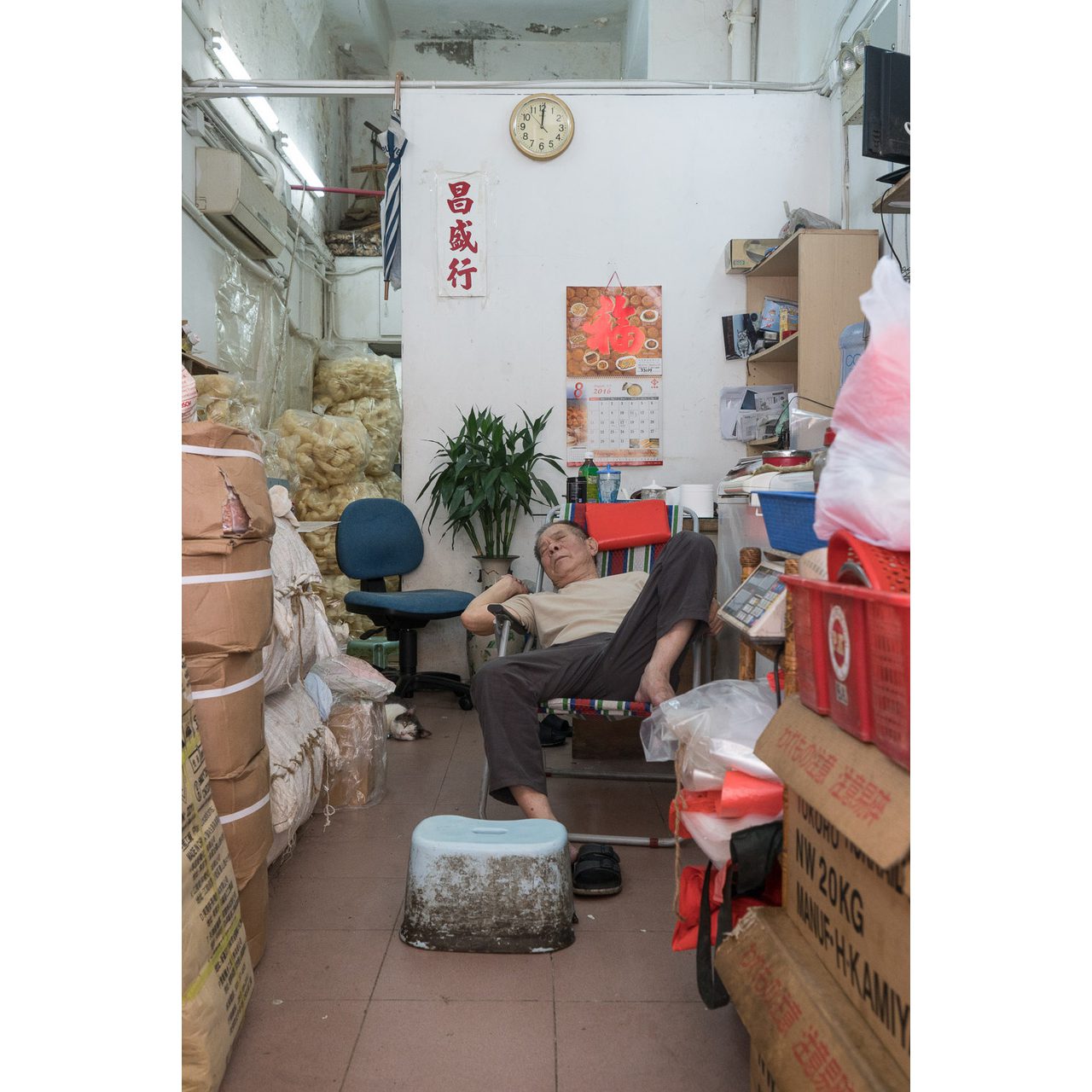
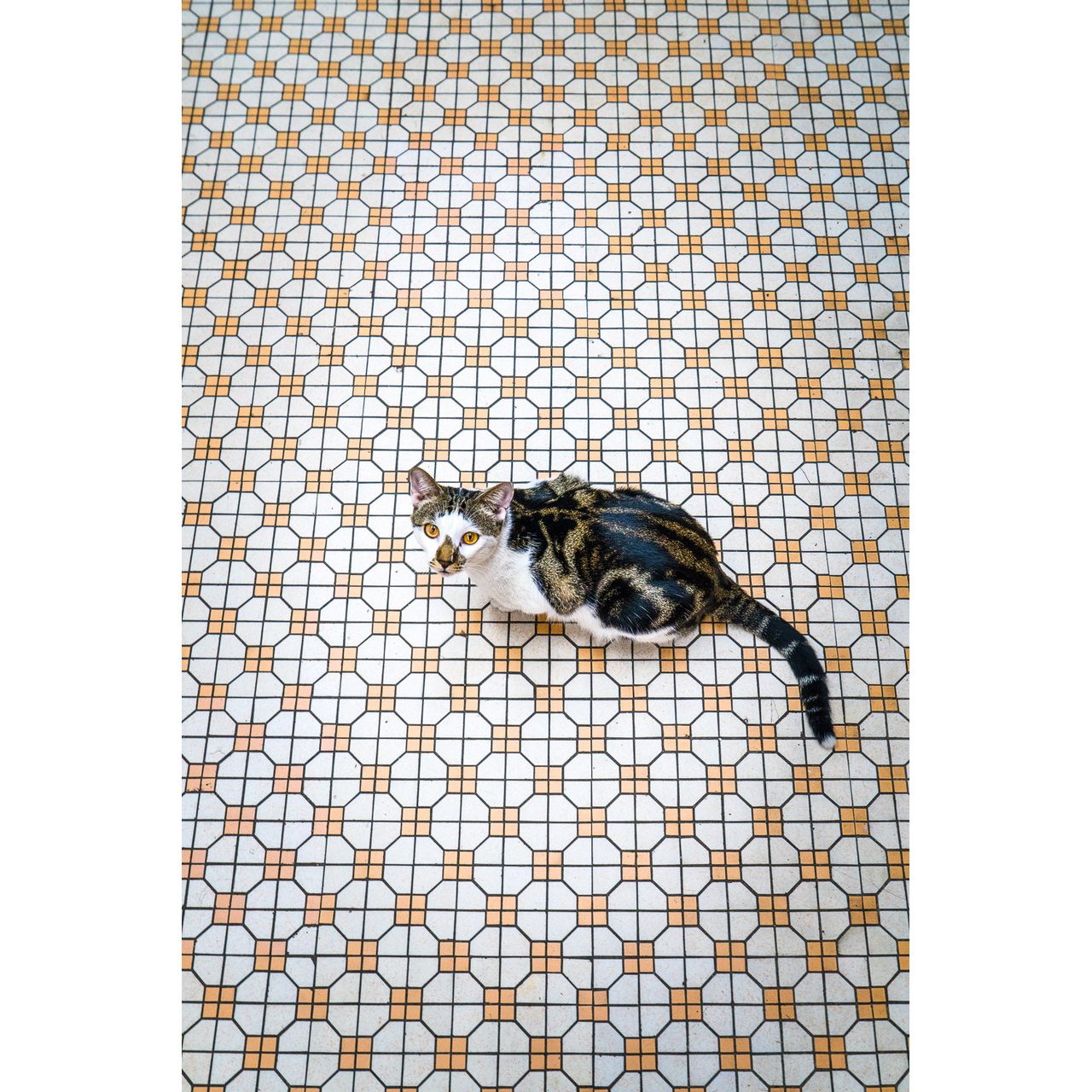
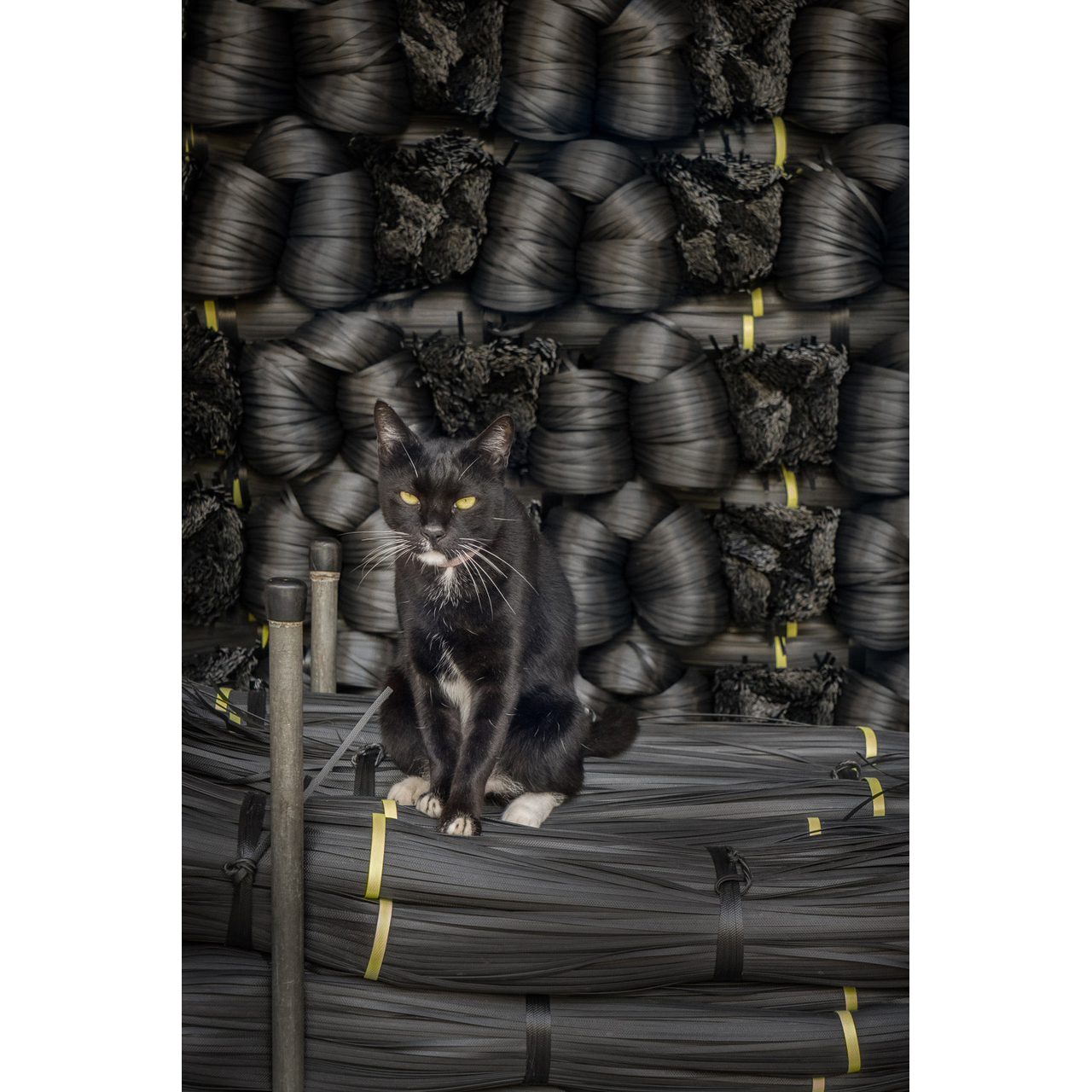
When Dutch photographer Marcel Heijnen moved to Hong Kong in 2015, he was delighted to find that many of his neighbours were of the feline variety. It was only natural for him to make friends with the local shop cats and their owners, taking photos as he went. And this series is the charming result.

Against a background of Hong Kong ’s bustling dried goods trade, dusty shelves groaning with traditional products, the beloved cats either stand out as shop mascots or magically melt away behind boxes and jars. Marcel aims to capture a world in which it seems that time stood still, a reminder of simpler times, ongoing warm stories not far from Hong Kong’s glistening skyline. A place where a true symbiotic relationship between human and animal still thrives. 

___________________

Dutch photographer Marcel Heijnen lived in Asia for 3 decades. He now divides his time between Europe and Asia. At any one time he is working on a number of photo series, from feline to fine art and everything in between, capturing different aspects of street life in Asia against a background of urbanisation and impermanence. When it comes to cats and their many layers of meaning, we suggest you to  see his ‘Chinese Whiskers’ series via Instagram.

instagram.com/chinesewhiskers

PHOTO ESSAY : PATTERN AROUND US


TEXT & PHOTO: WARUNTORN KAEWKEEREE

(For Thai, press here

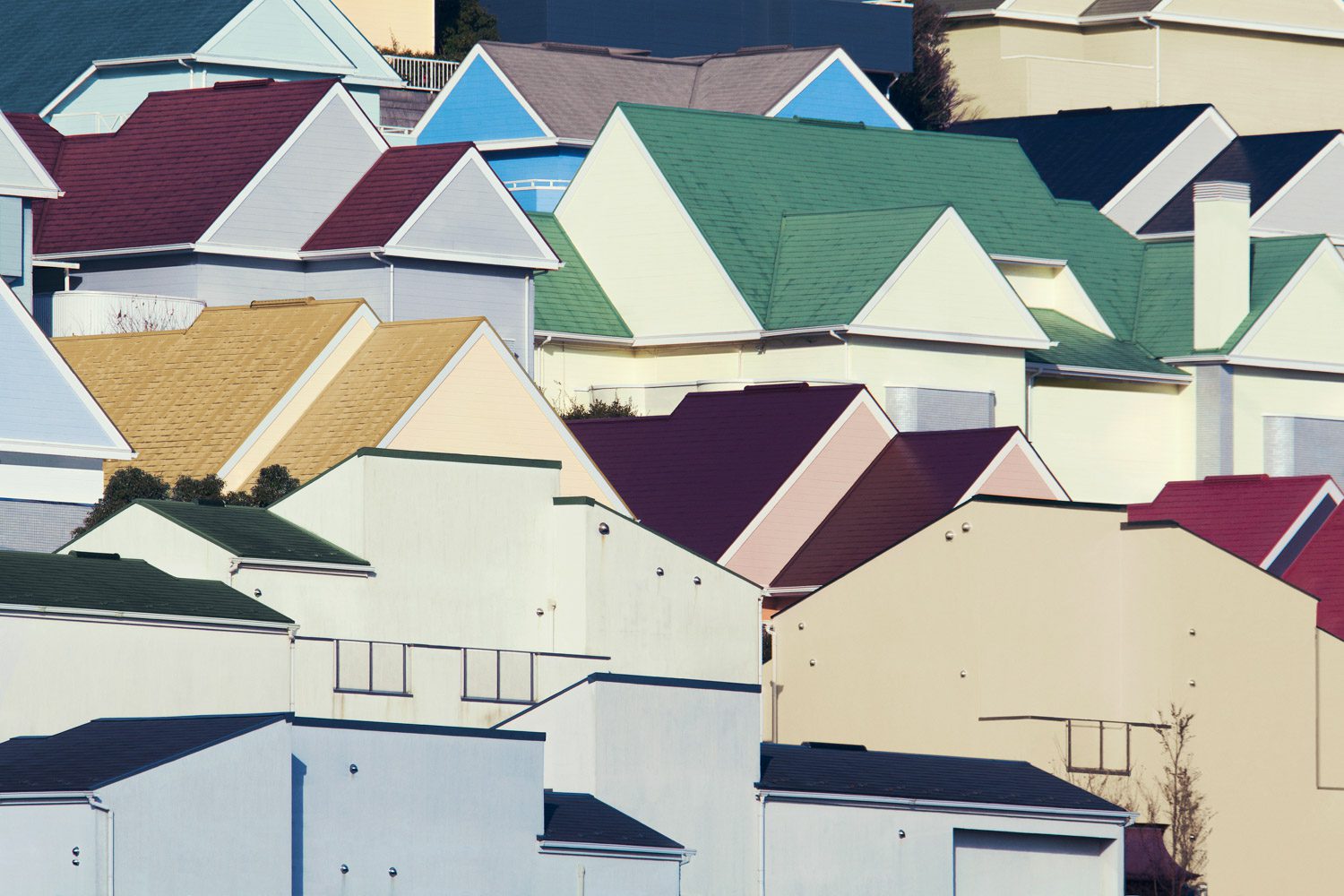
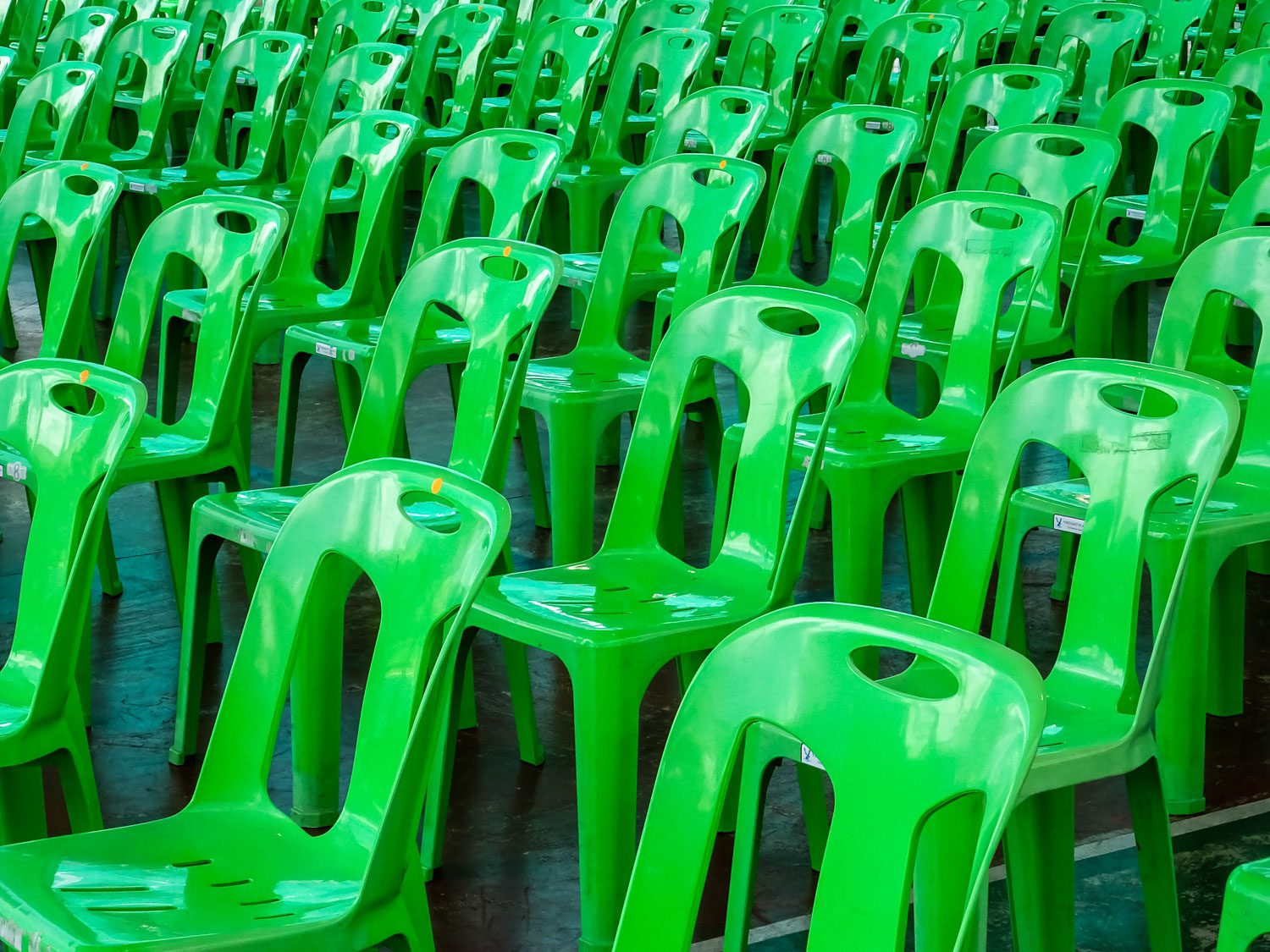
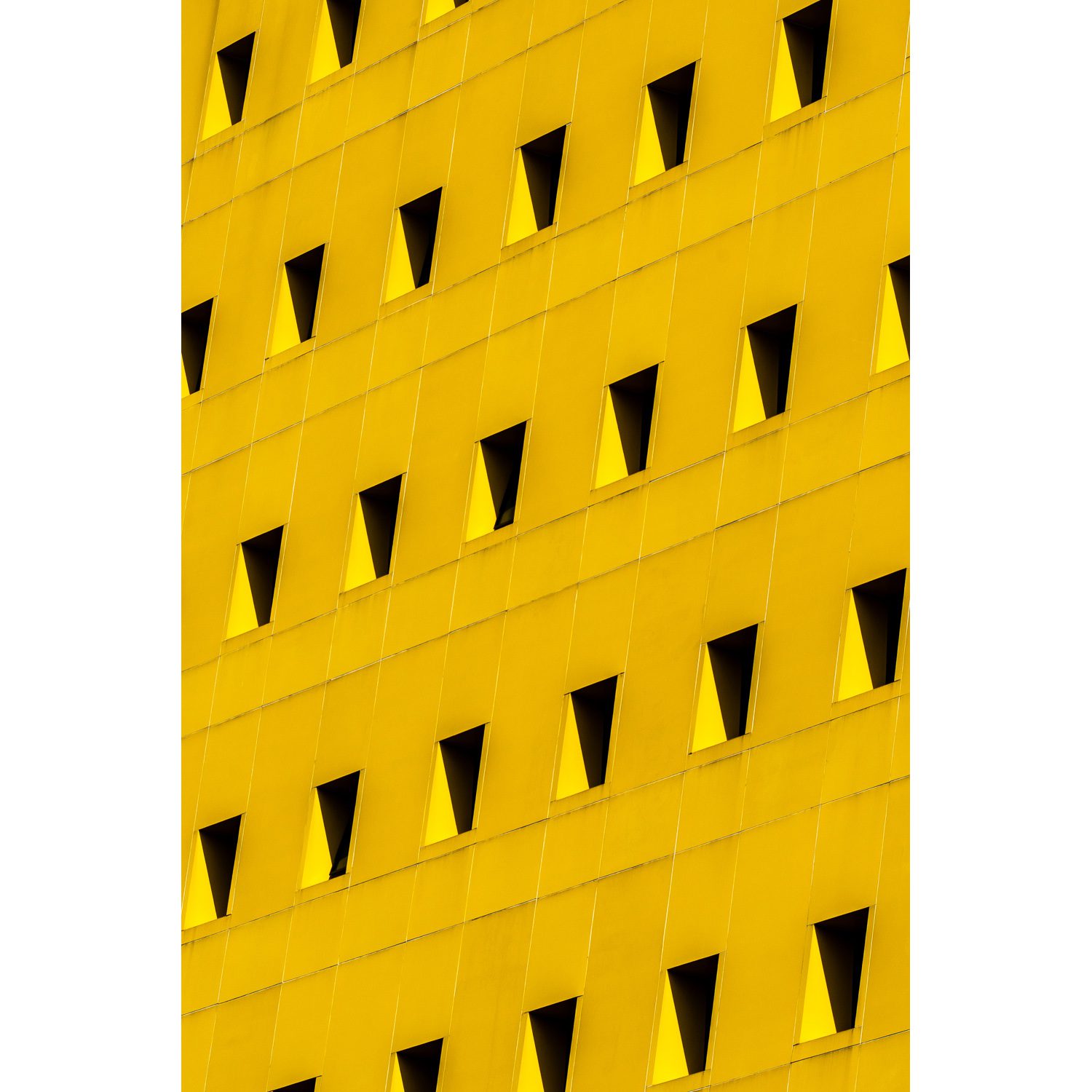
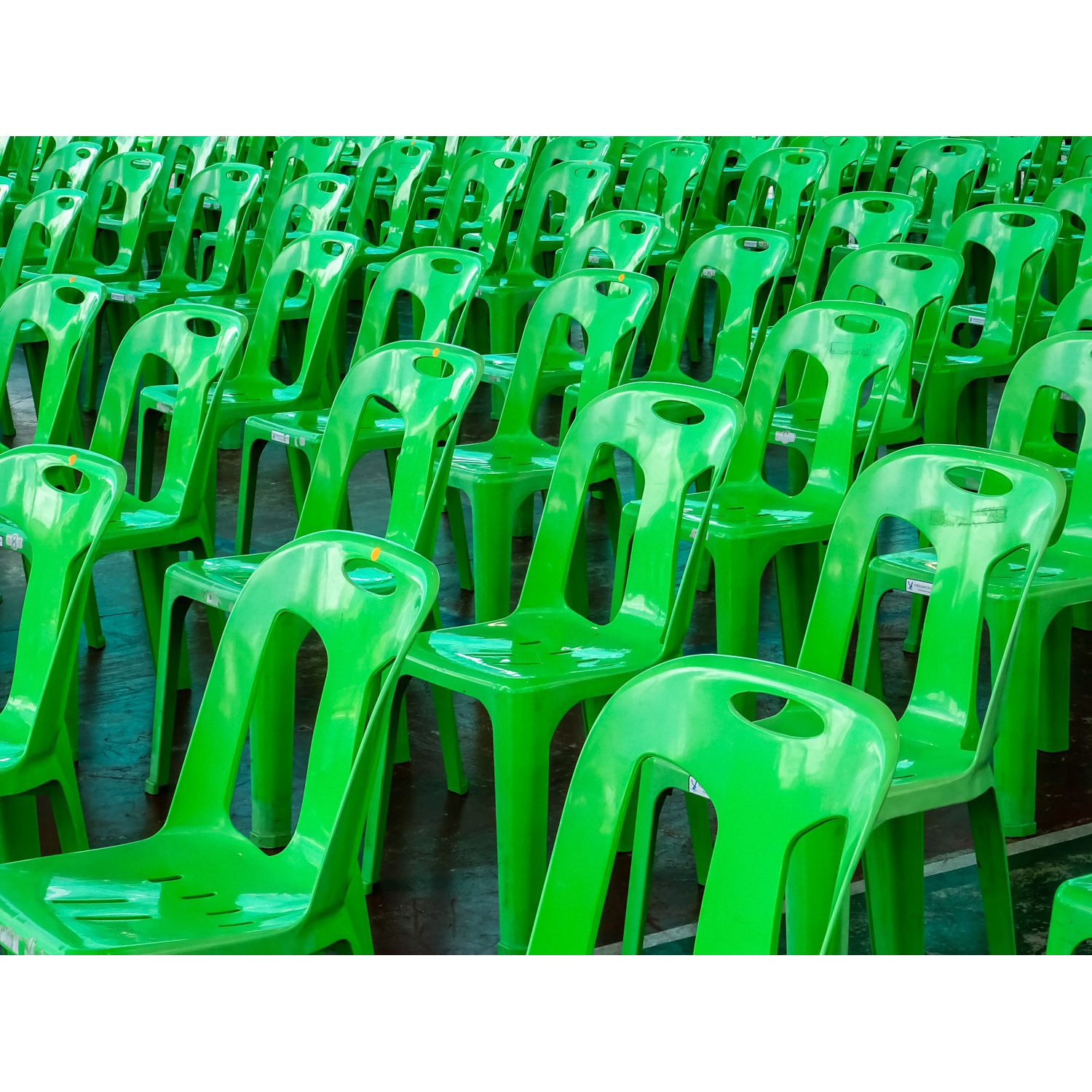
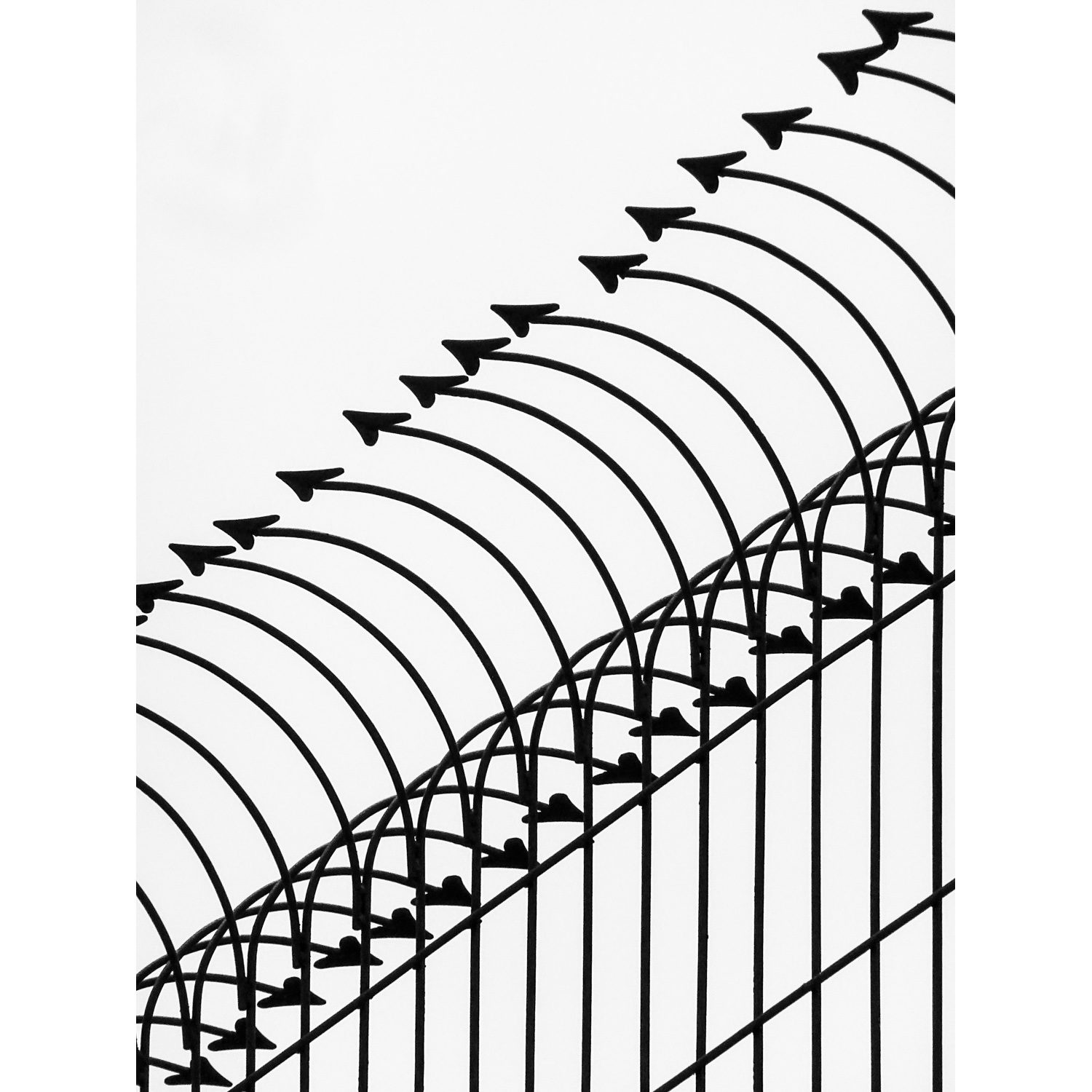
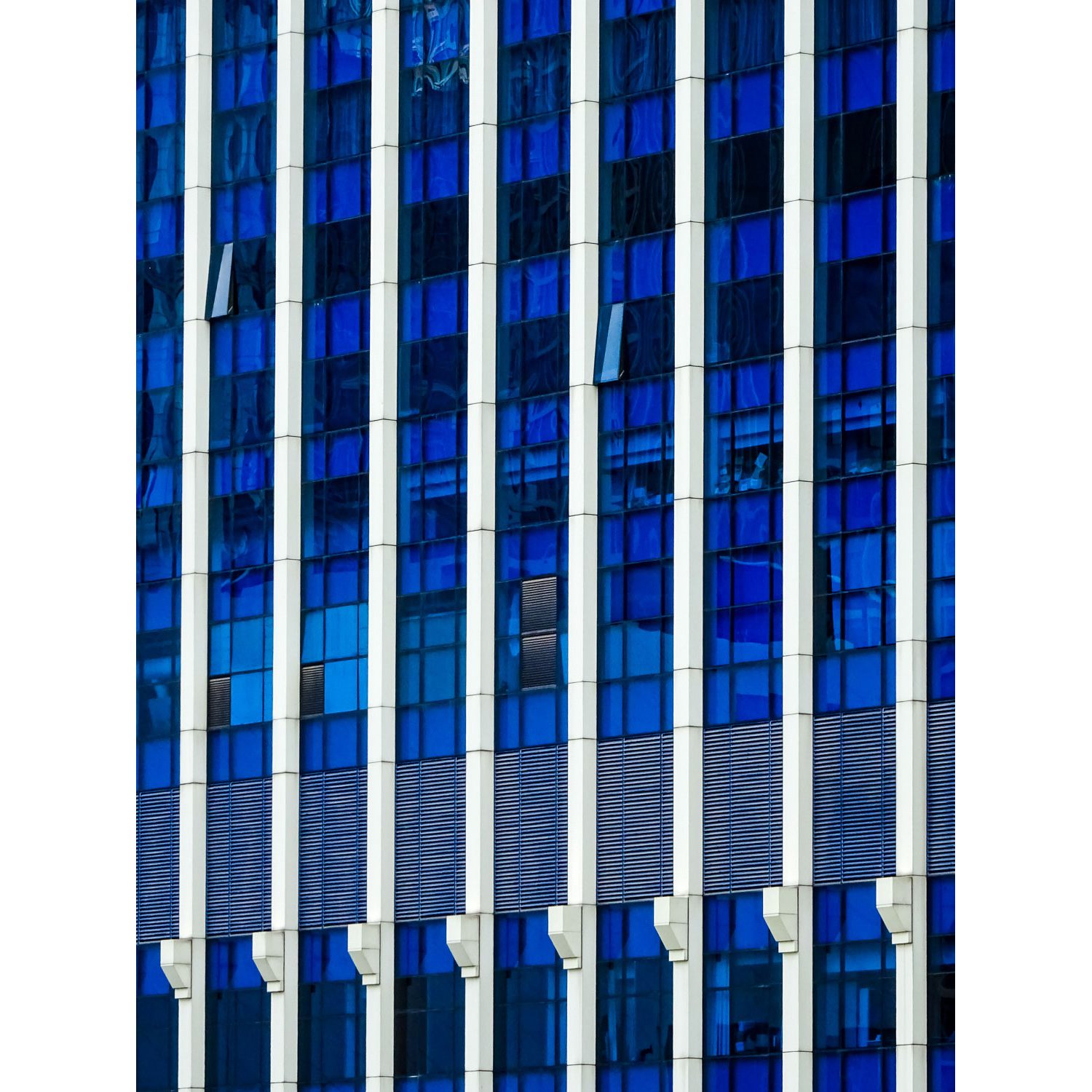
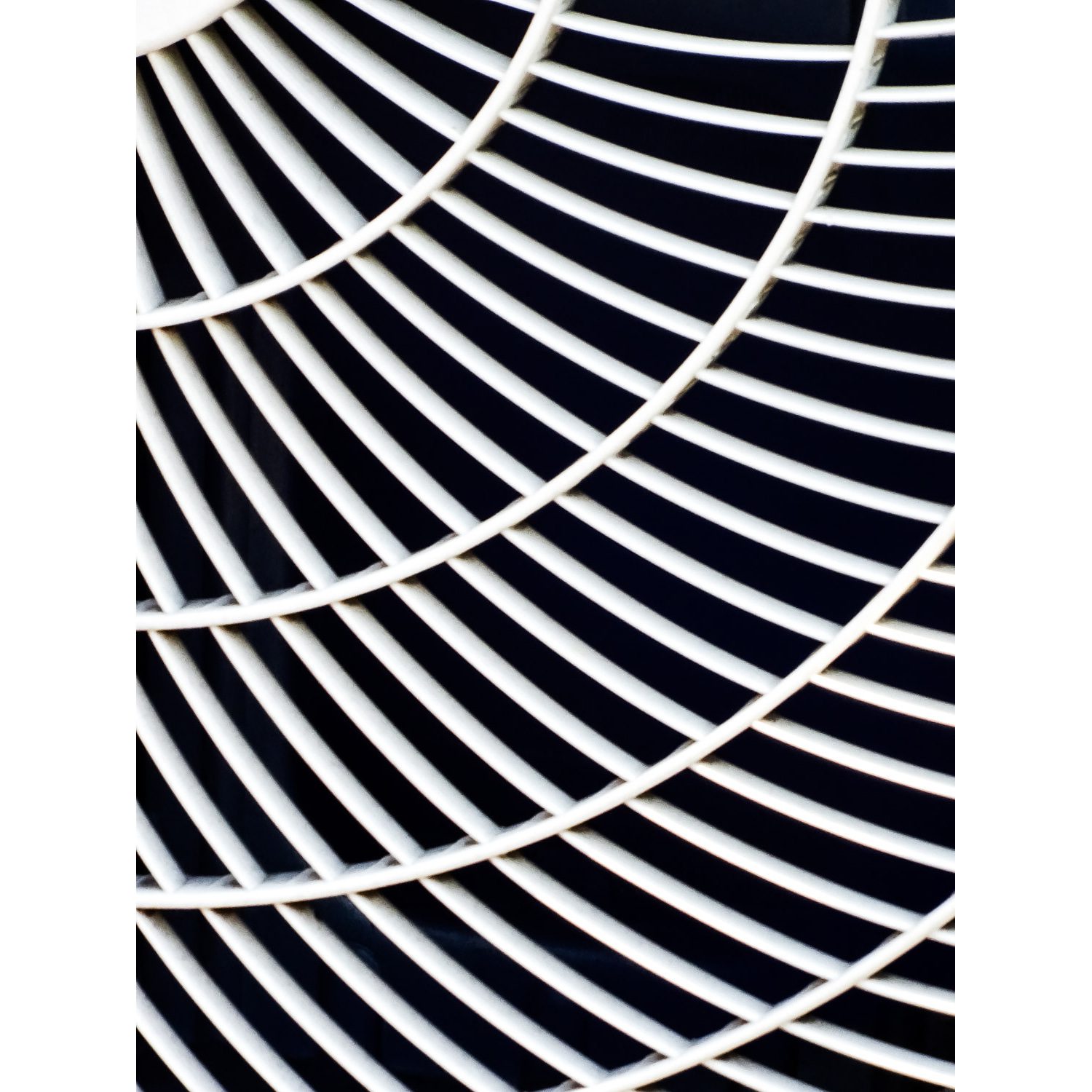
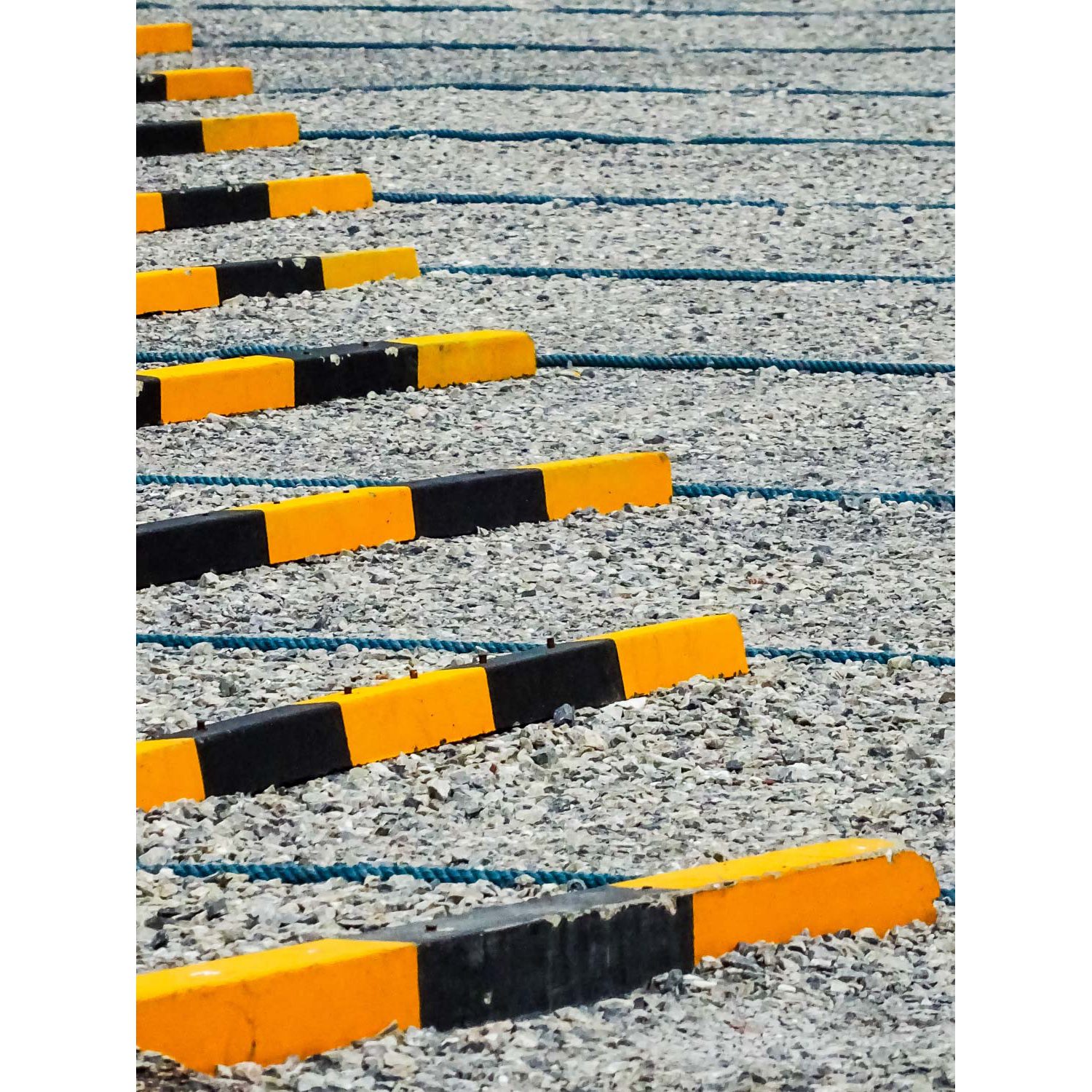
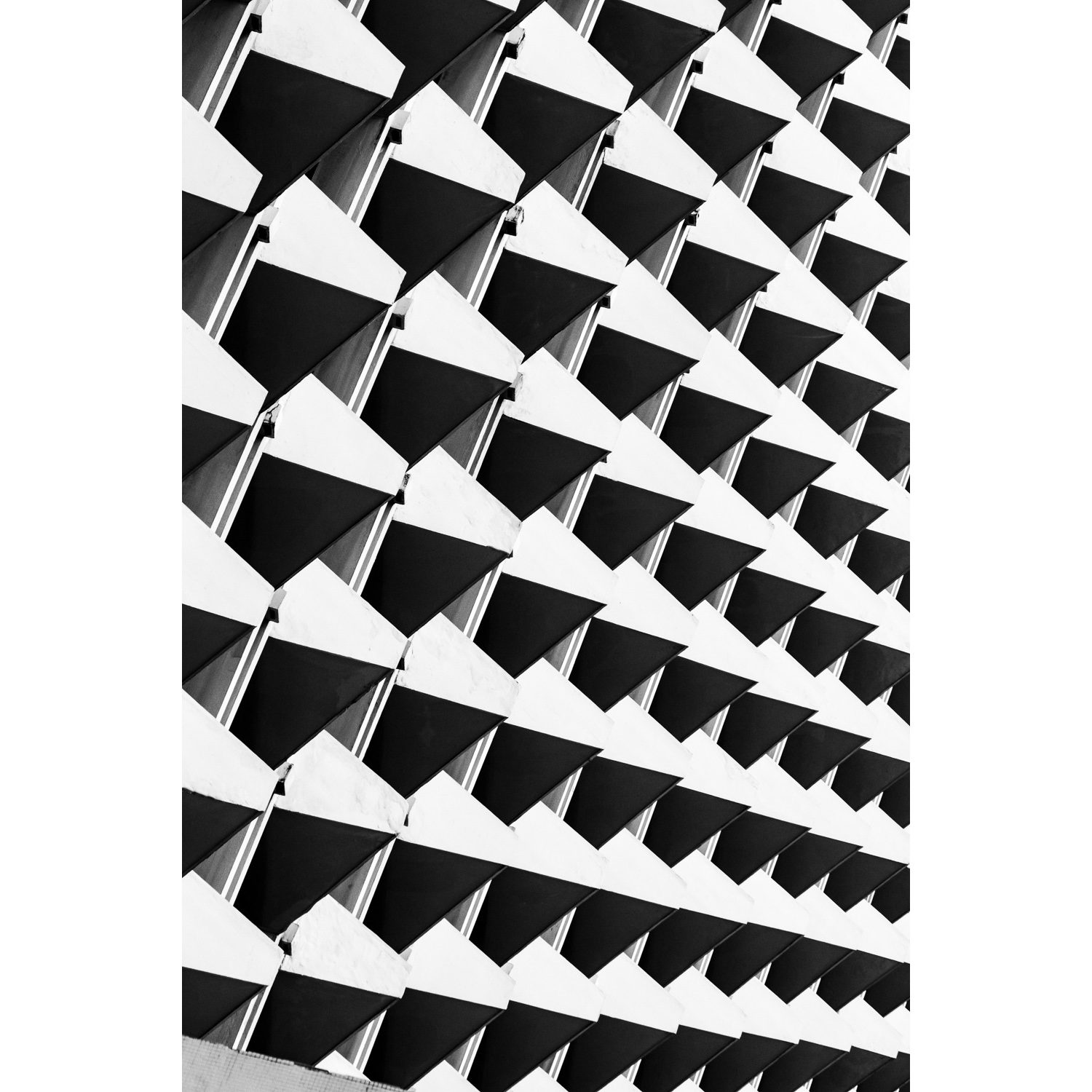
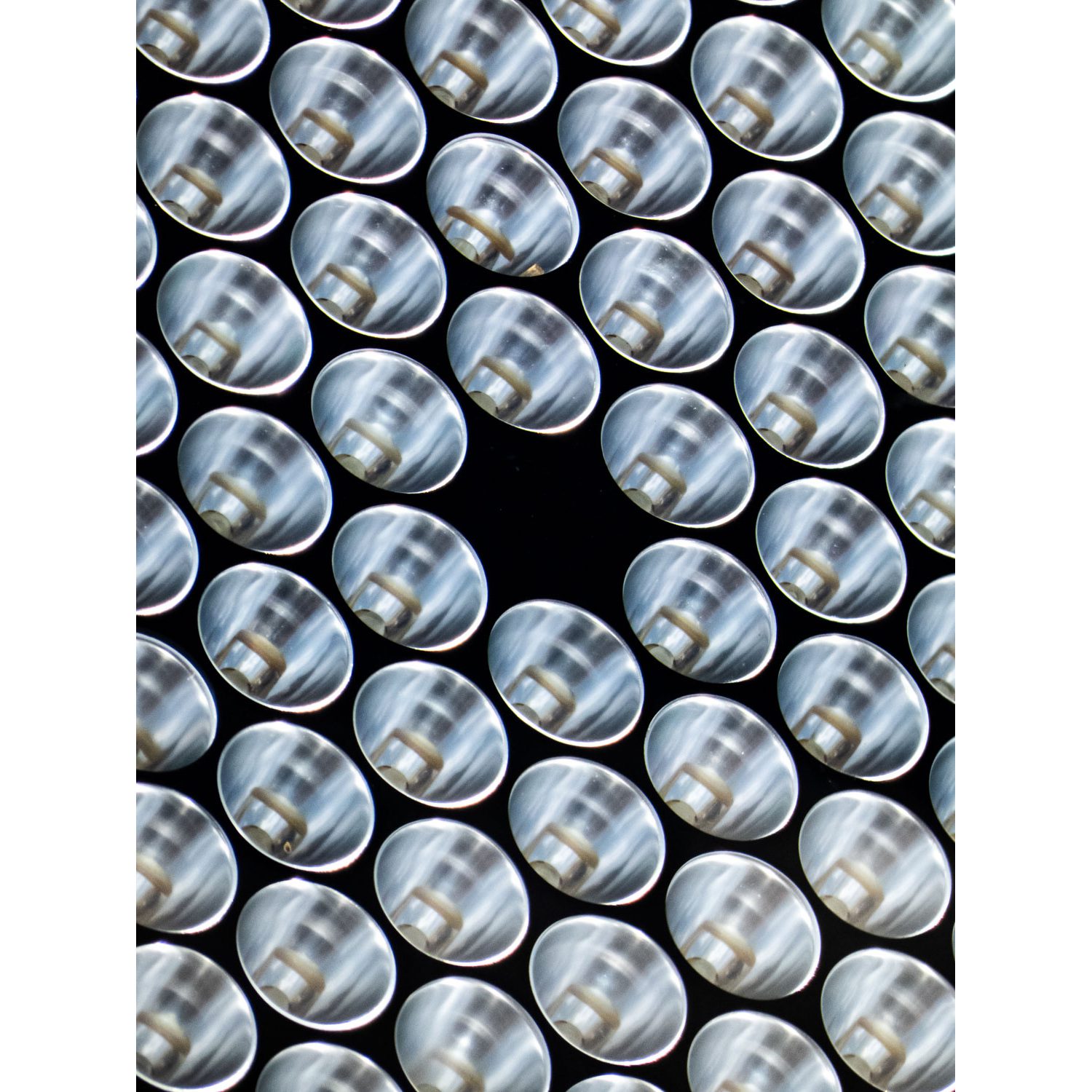
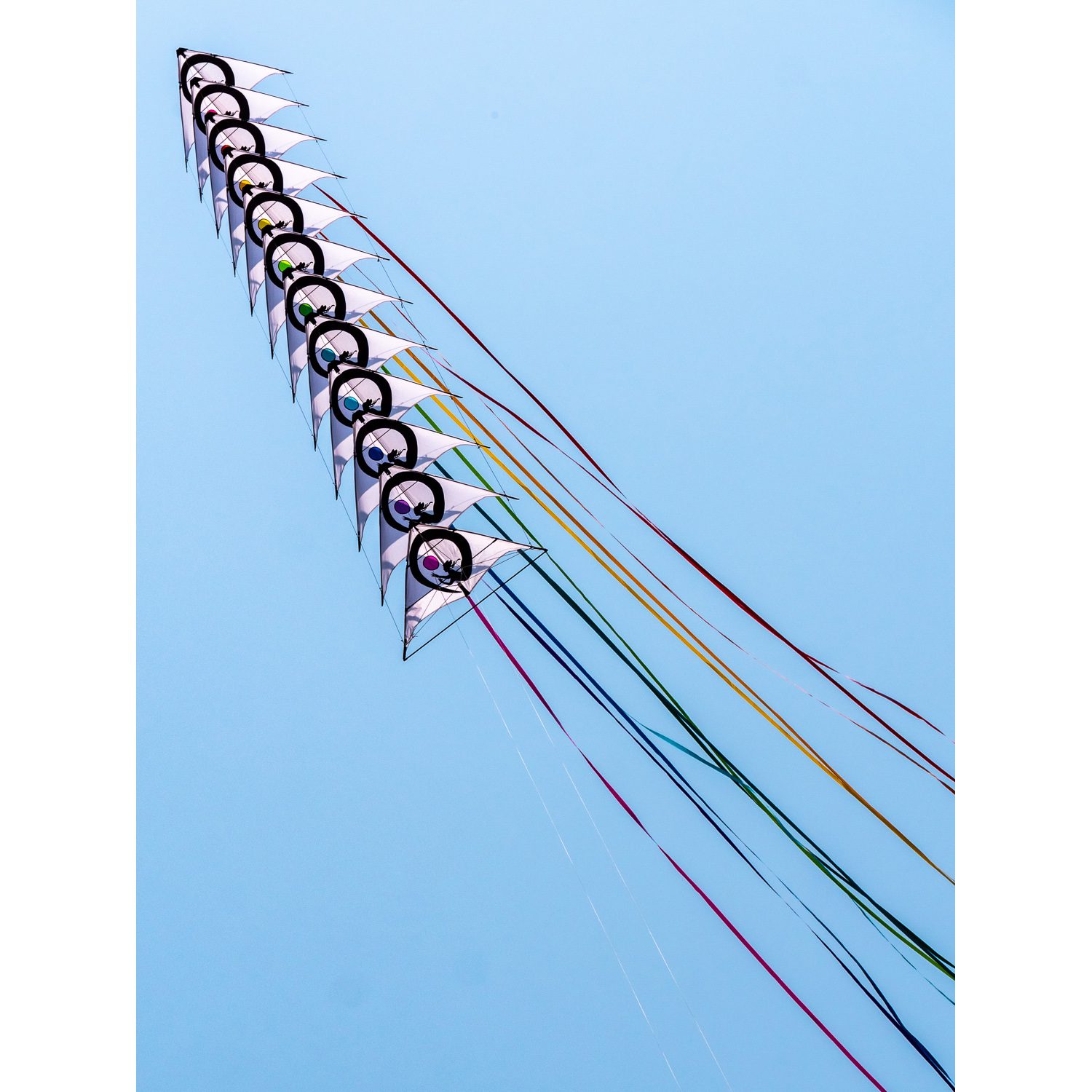
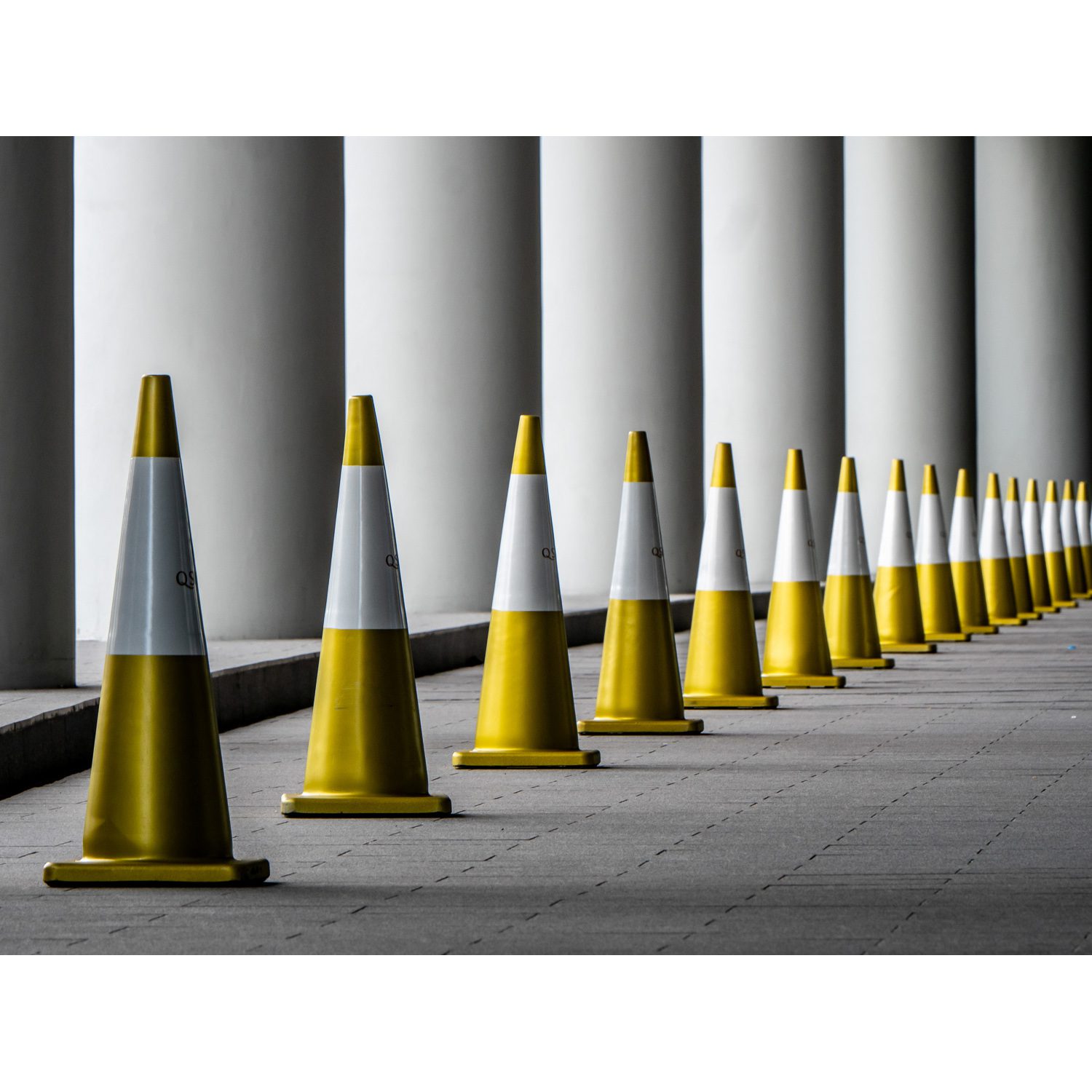
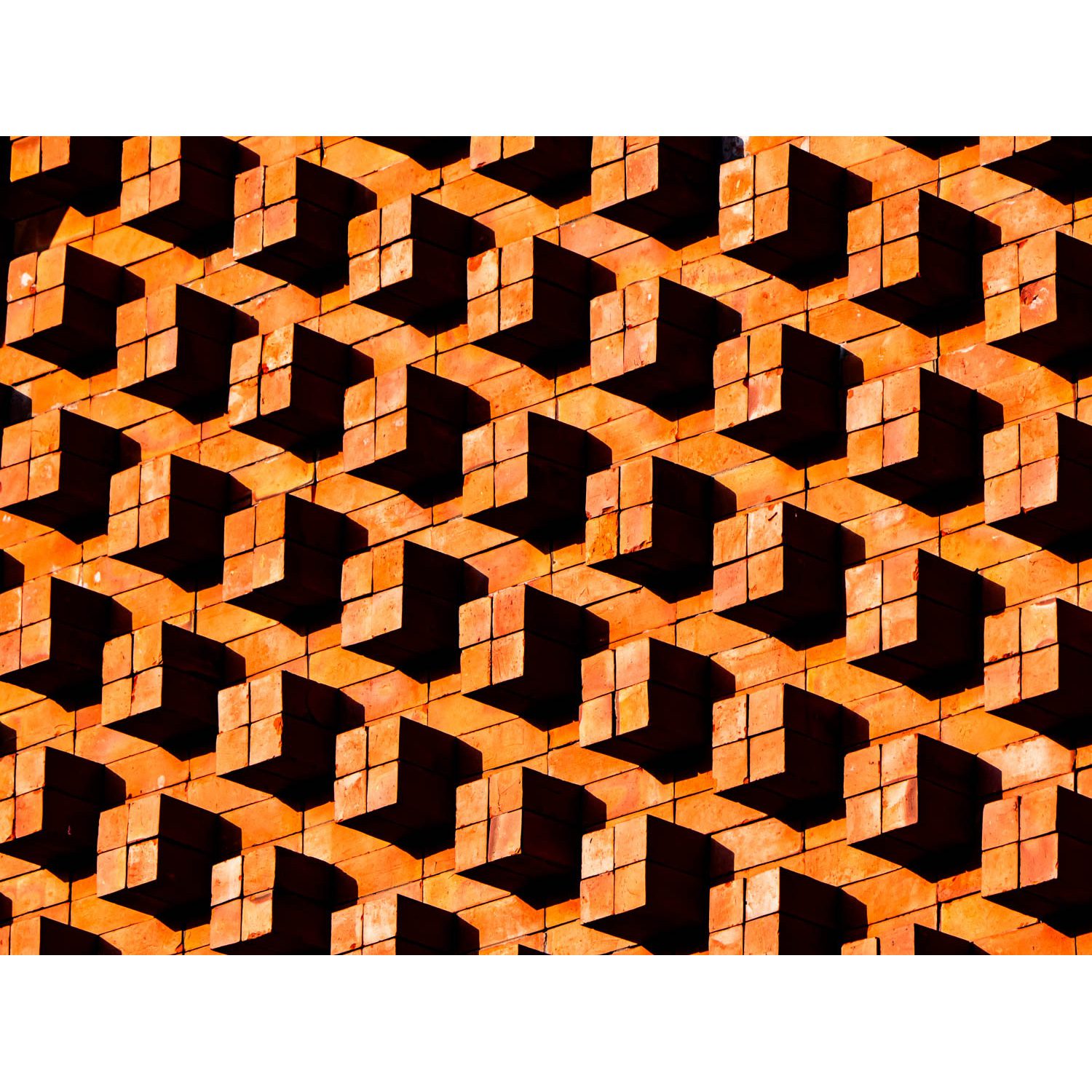
The word ‘pattern’ is one we encounter often—an idea woven in the fabric of daily life, familiar and instinctively understood. At its core, a pattern is an arrangement of elements that share a similar form, whether through geometric repetition or the orderly placement of objects. Even the most mundane compositions, when aligned with intention, can become patterns in their own right.

A closer look at our surroundings reveals that patterns are everywhere—woven into the architecture of buildings, etched into the streets we traverse. Each of these visual configurations possesses its own character, shaped by the designer’s vision and the context of its placement.

Whenever I set out with my camera, I’m drawn to these subtle repetitions—the hidden alignments waiting to be uncovered along the way. For me, photographing patterns is a way of capturing what I call the beauty of simplicity. It’s a practice that brings joy to my photographic journey, deepens my connection with the visual world, and often informs other photographic styles I explore.

___________________

Waruntorn Kaewkeeree is a private-sector professional who carries a camera almost everywhere. He is drawn to minimalist photography, finding inspiration in the quiet order of his surroundings. For him, photography is both a form of rest and a means of emotional restoration.

facebook.com/pokpakphotographer
instagram.com/wk.fotosnapper