TEXT & PHOTO: BARRY MACDONALD
(For Thai, press here)
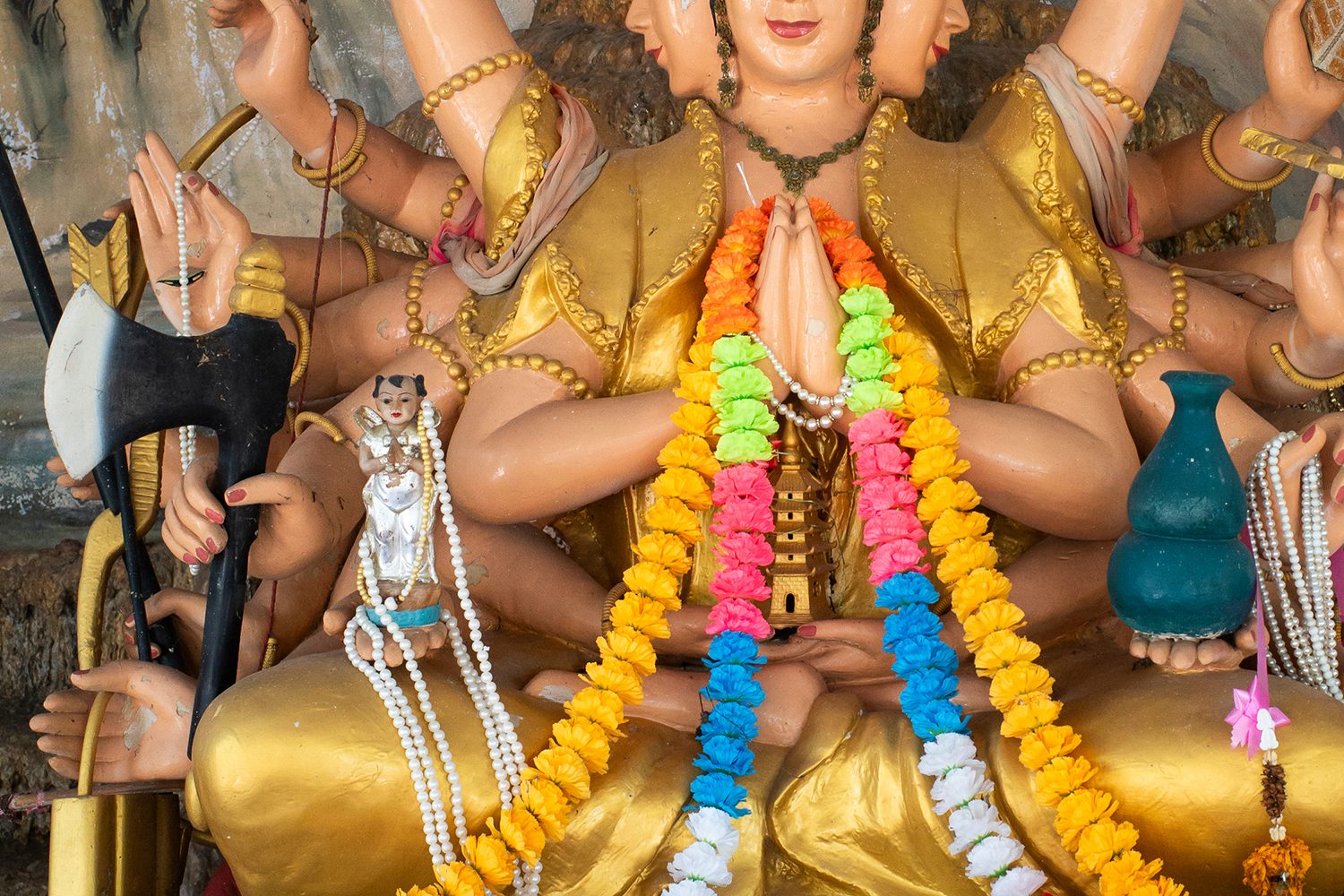
One of the first things a tourist learns in Thailand are the words ‘Sawadee’ combined with the wai gesture. It originated over 2,000 years ago in Hinduism with the Añjali Mudrā gesture, which accompanies ‘namaste’ and was adopted by Buddhism.
It was a yogic posture, the equal meeting of the palms symbolising that the other party is treated as an equal human being. As well as greetings it’s also used for farewells, thanking, apologising, asking for mercy and expressing various forms of politeness and respect.
Thais have strict hierarchies and the wai is central in how this is acted out everyday. Greeting an equal sees your palms meet at your chest, waiing someone older or in a position of authority like your teacher or boss, sees your hands at chin height. Waiing a monk, buddha image or royalty puts your hands at your forehead with a bow of the head. Older people don’t have to return the wai of younger people and customers don’t have to return the wai of shop workers. How someone wais you has huge symbolism to how they see you, and who is in the dominant role in the relationship.
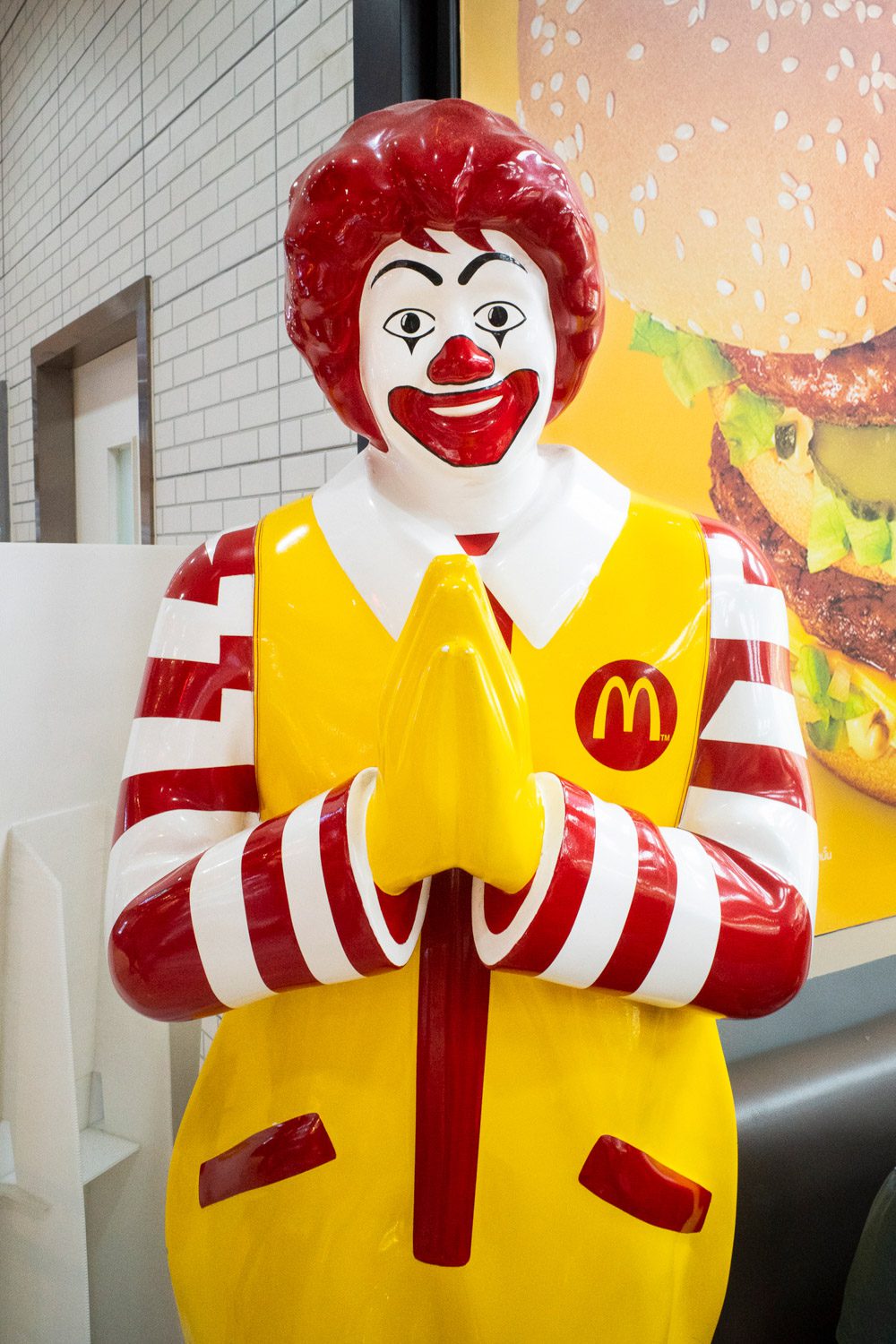
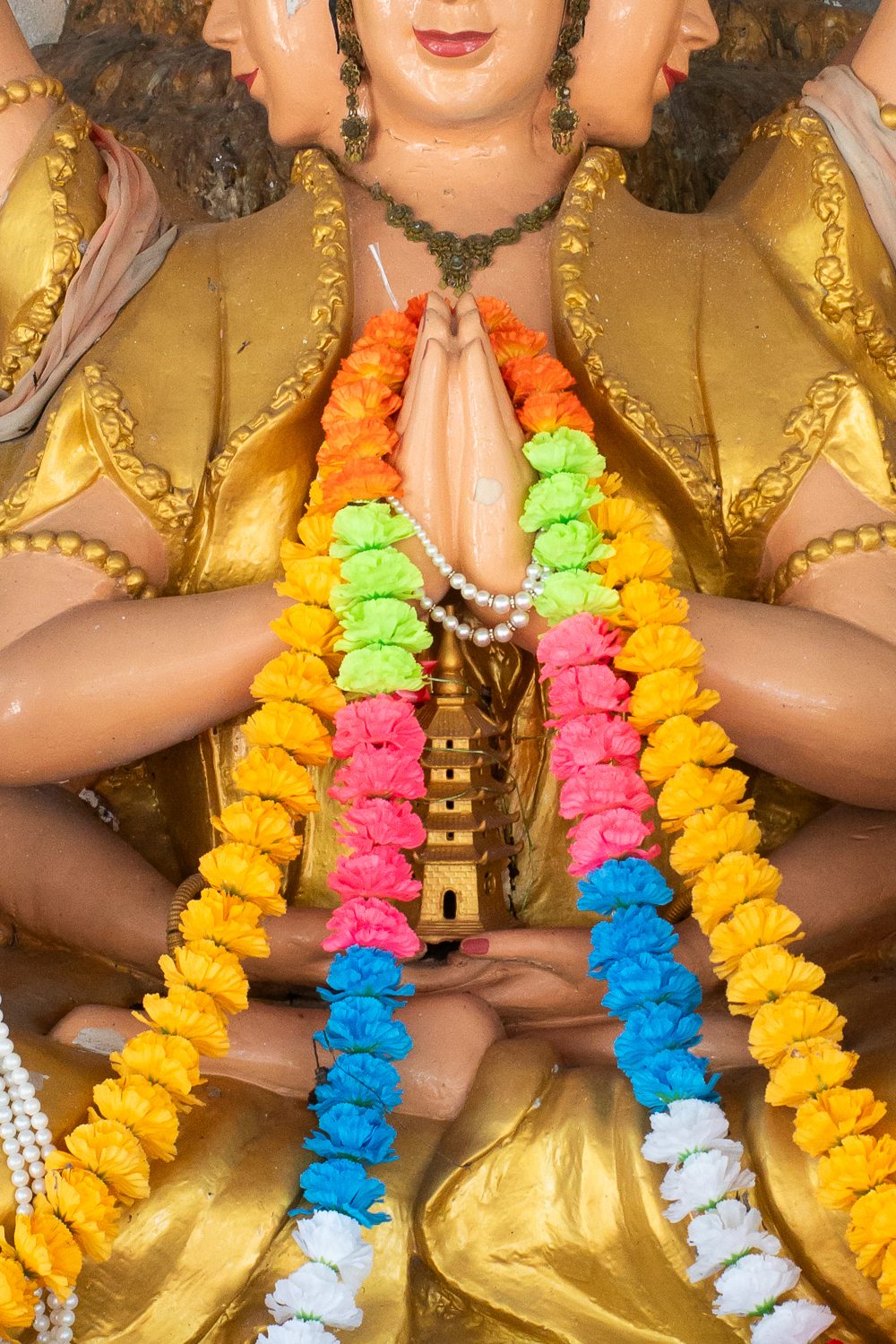
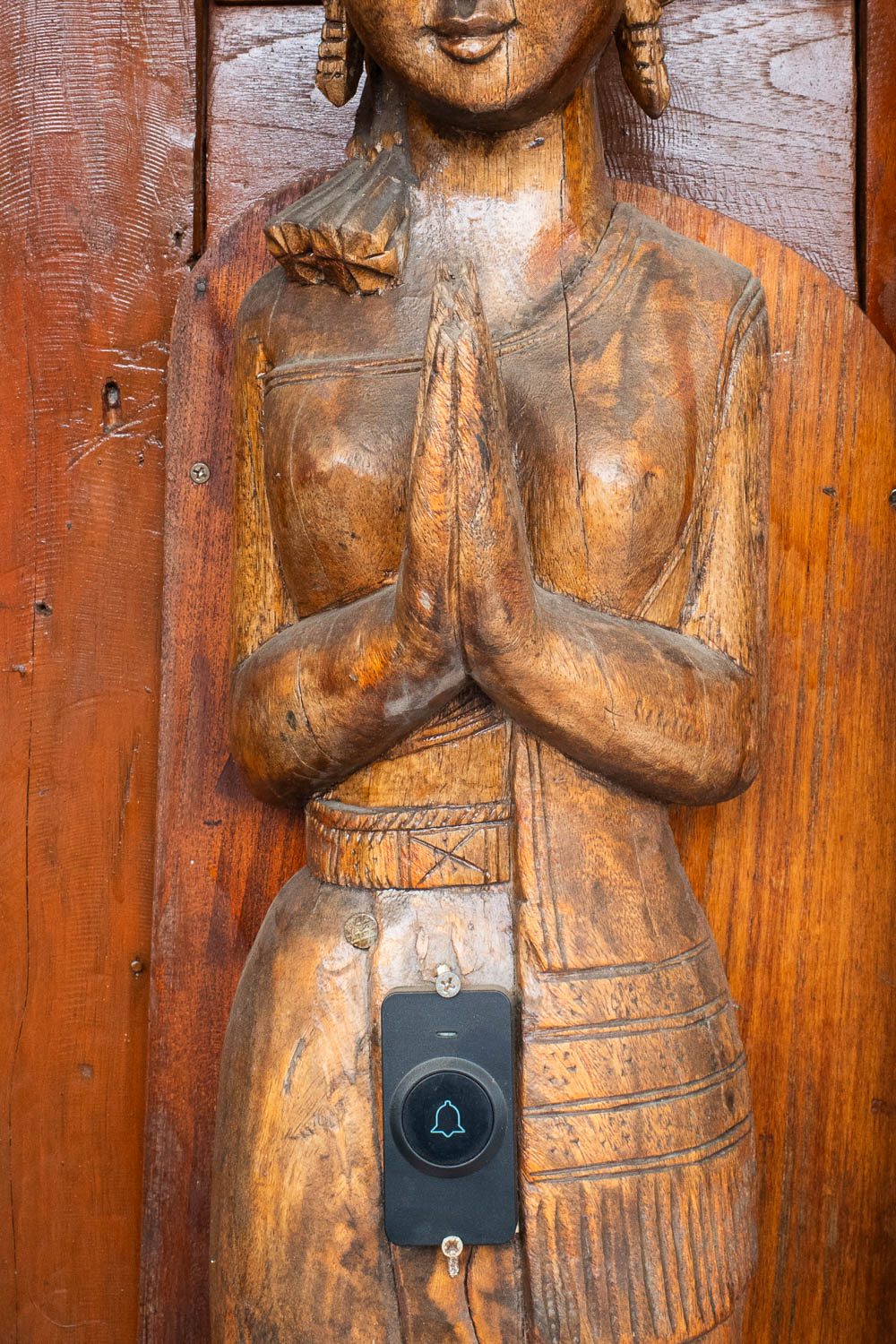
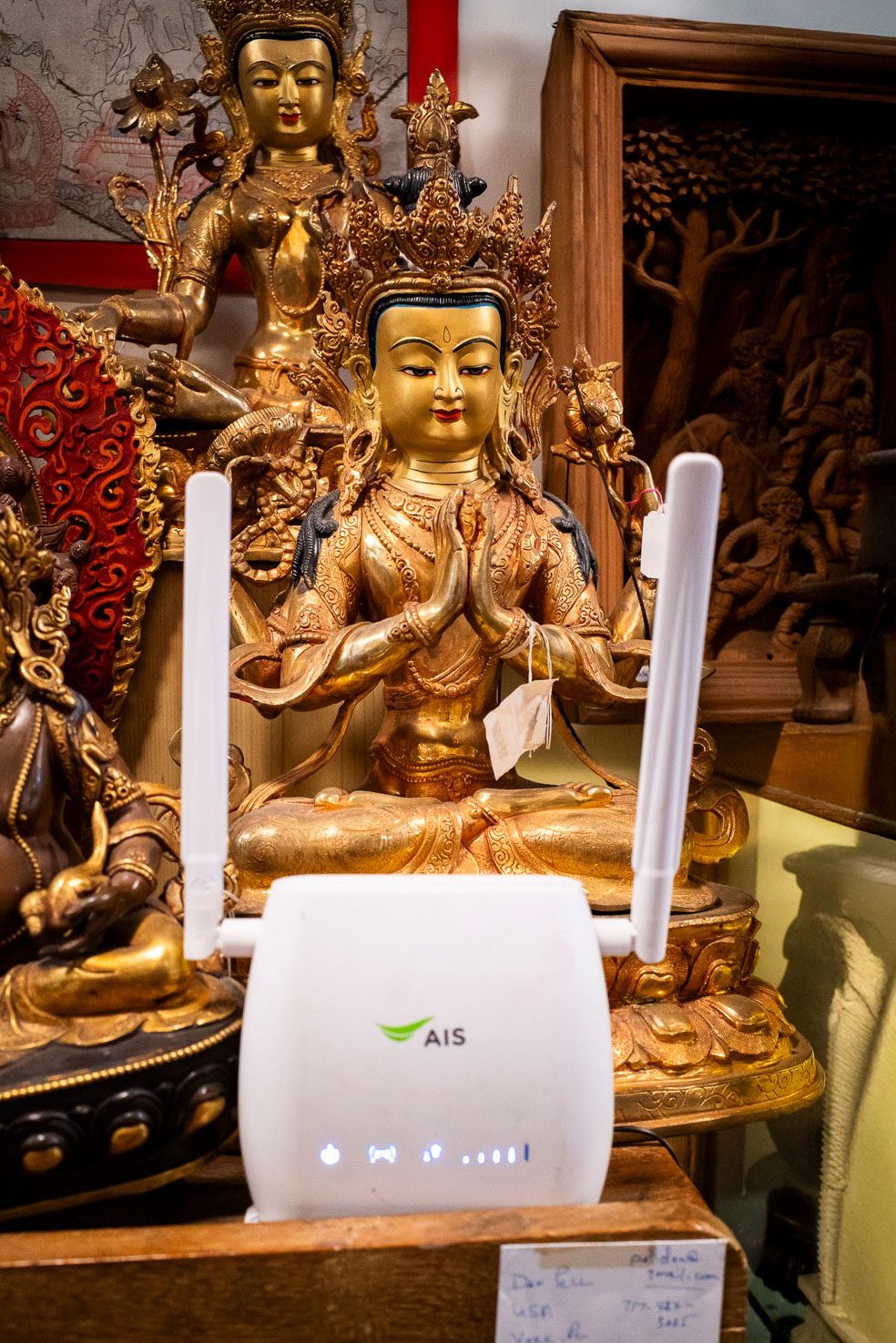
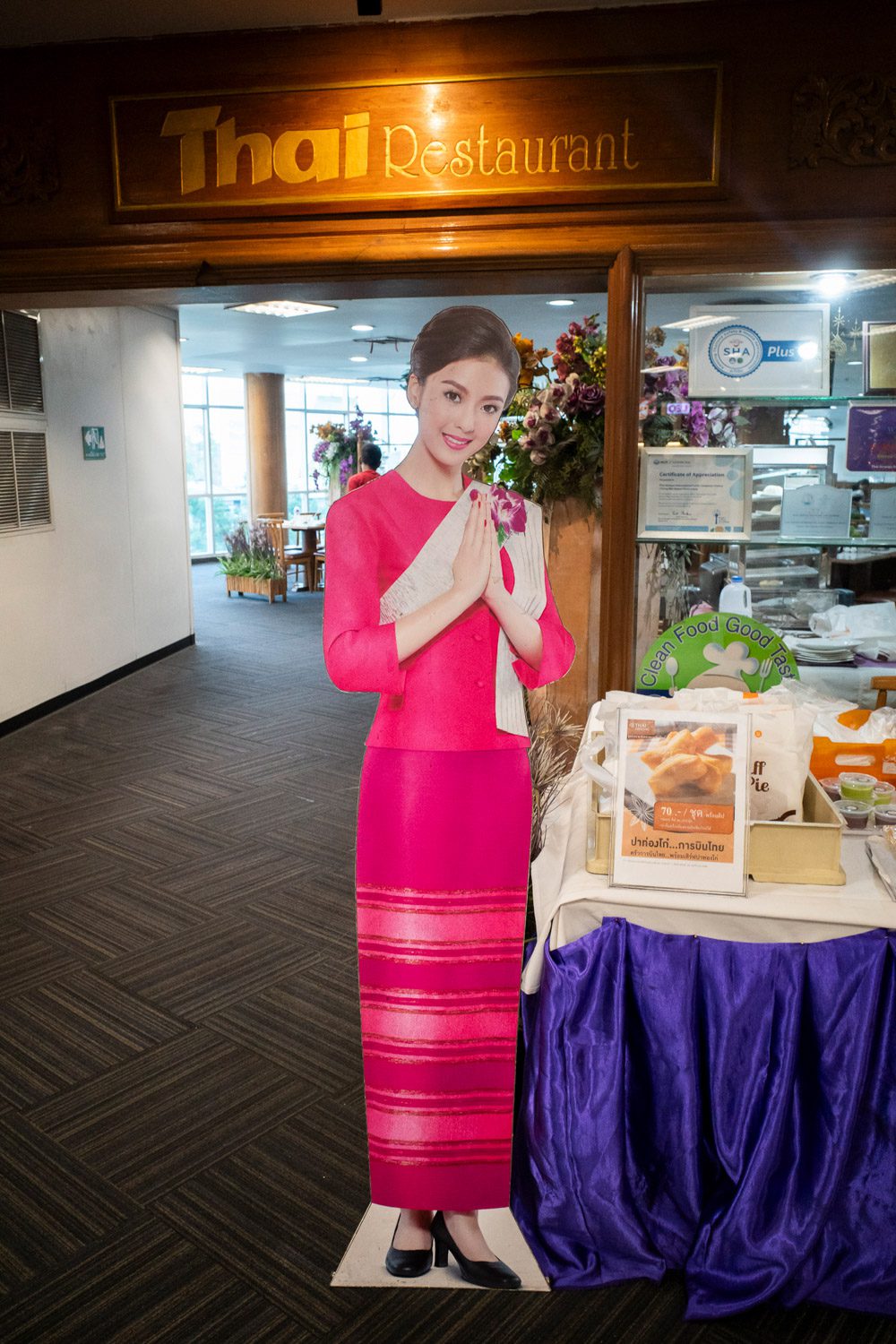
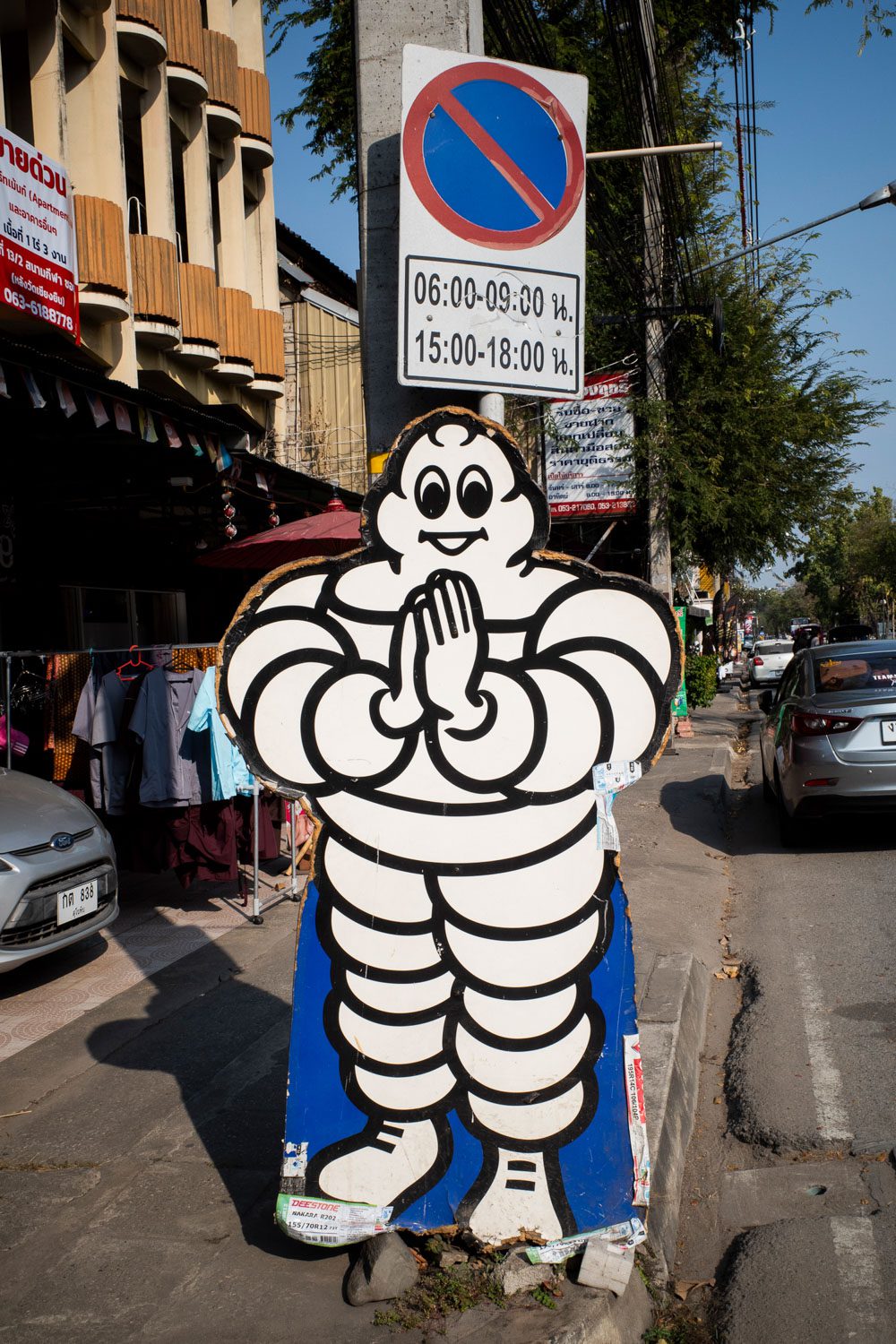
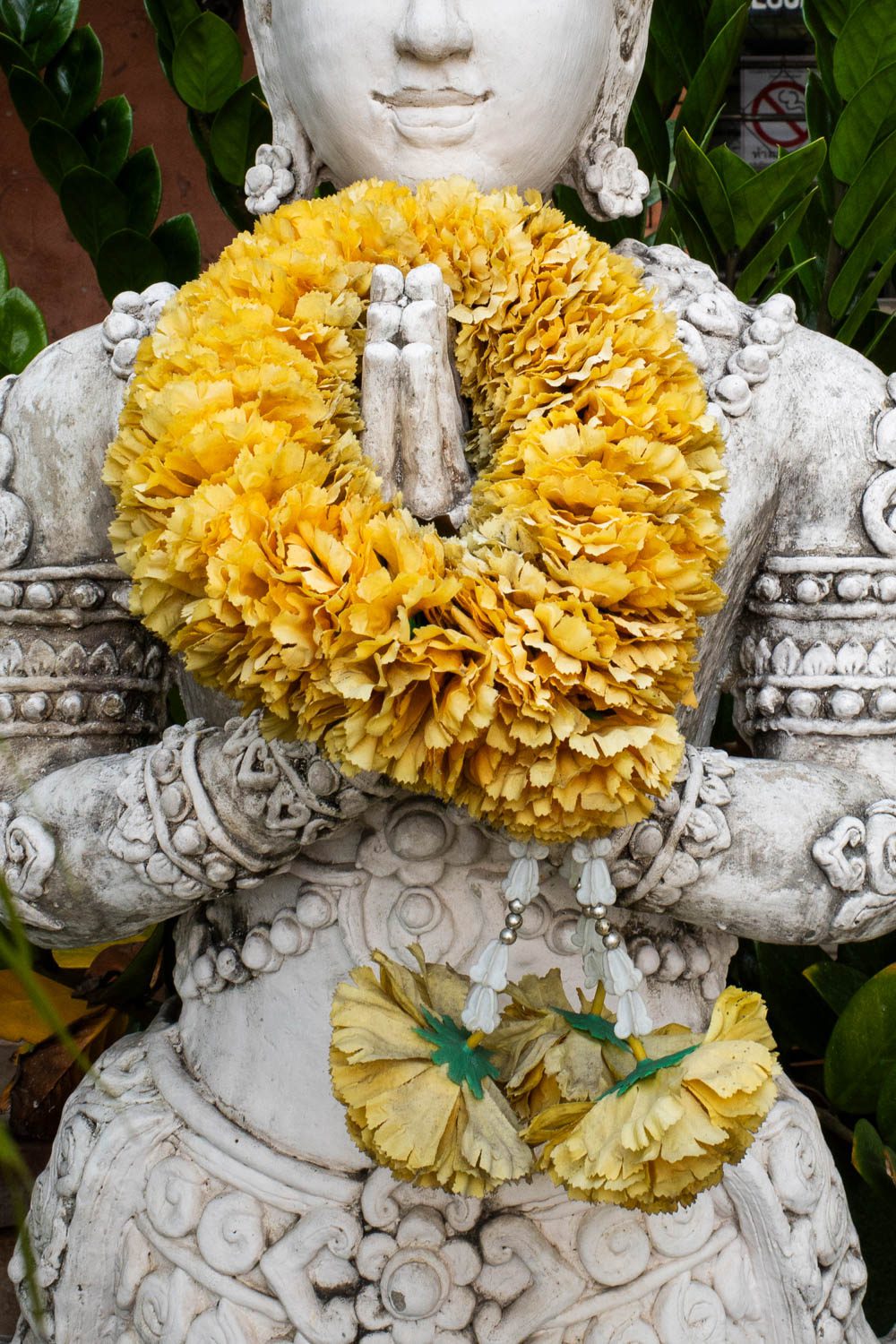
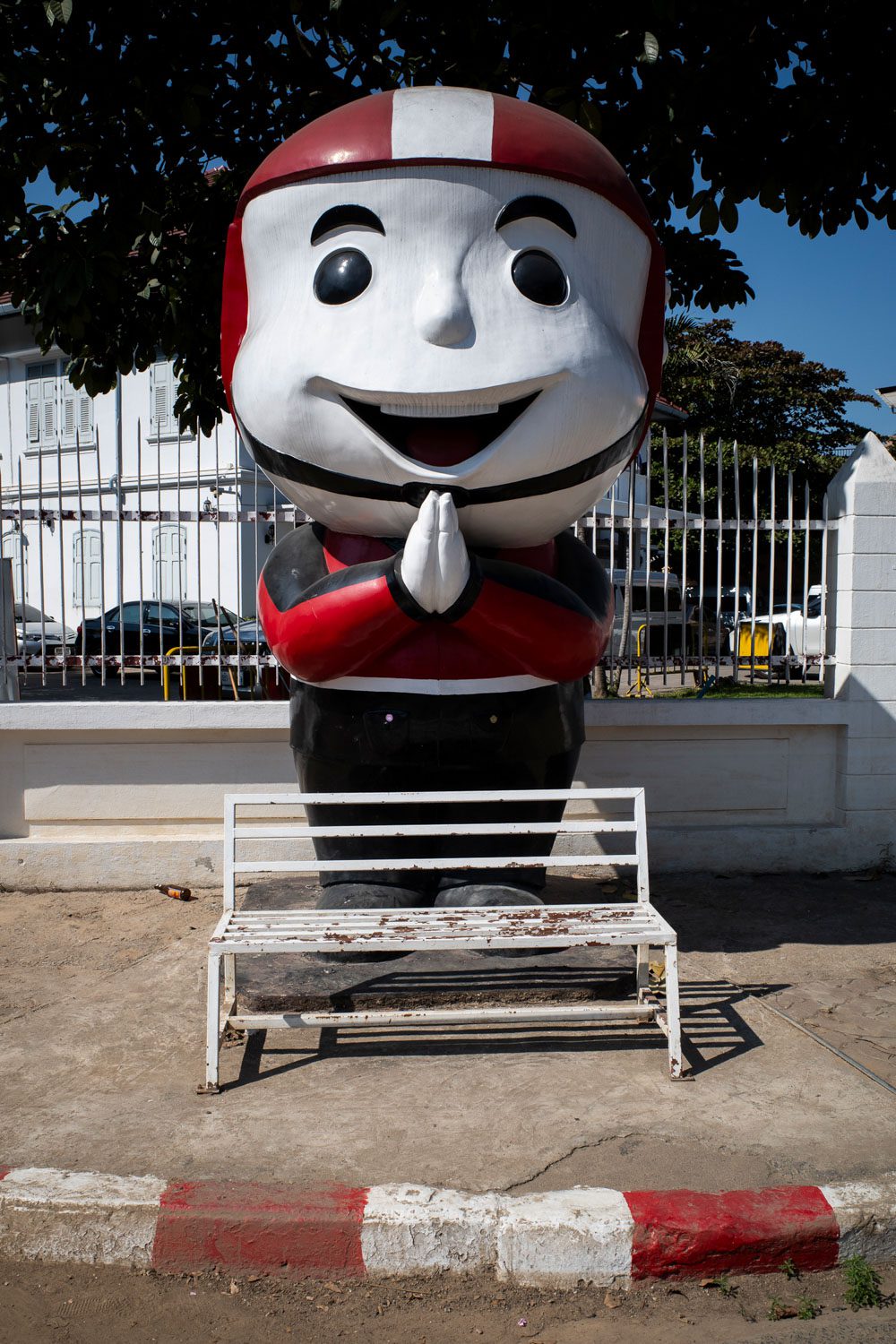
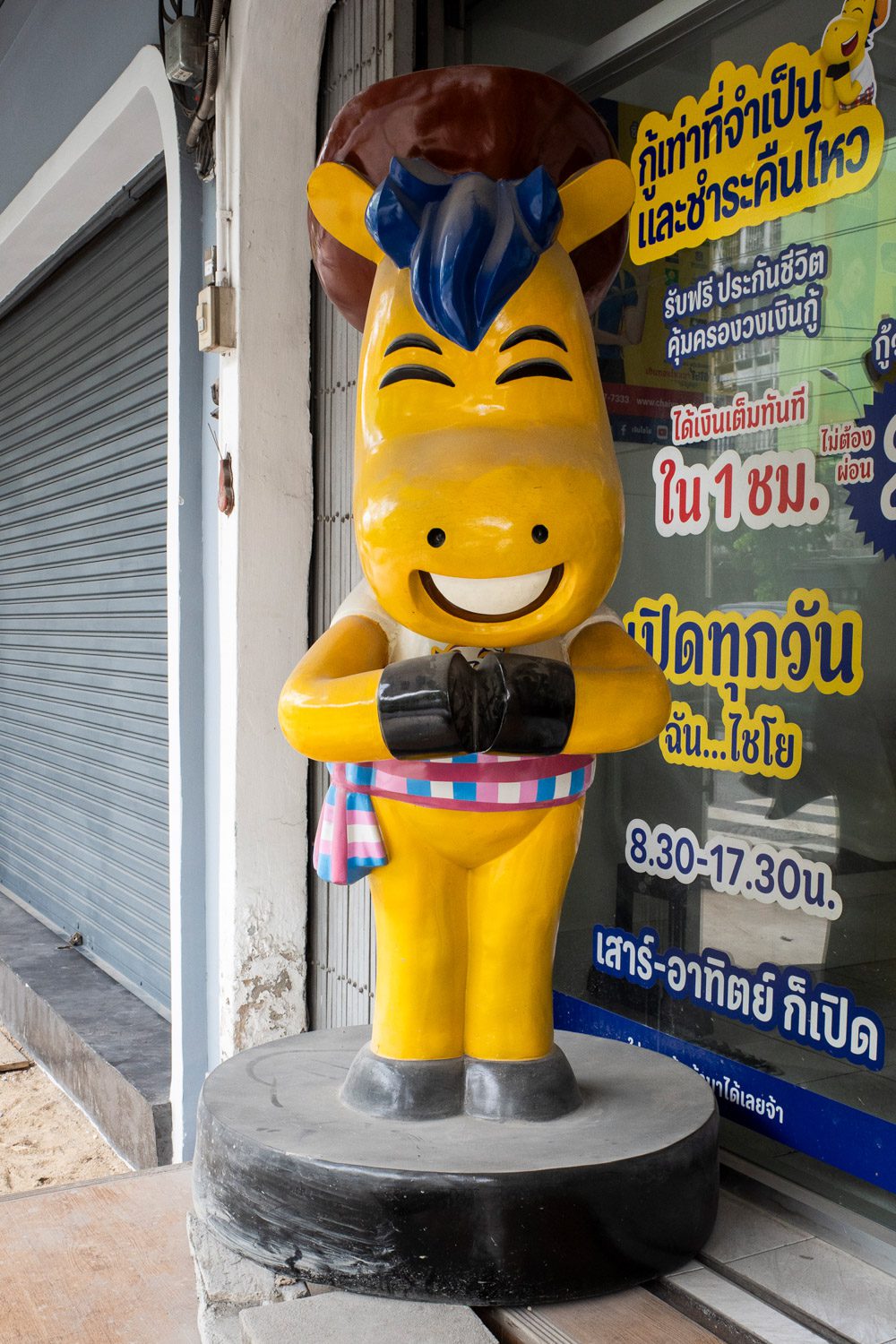
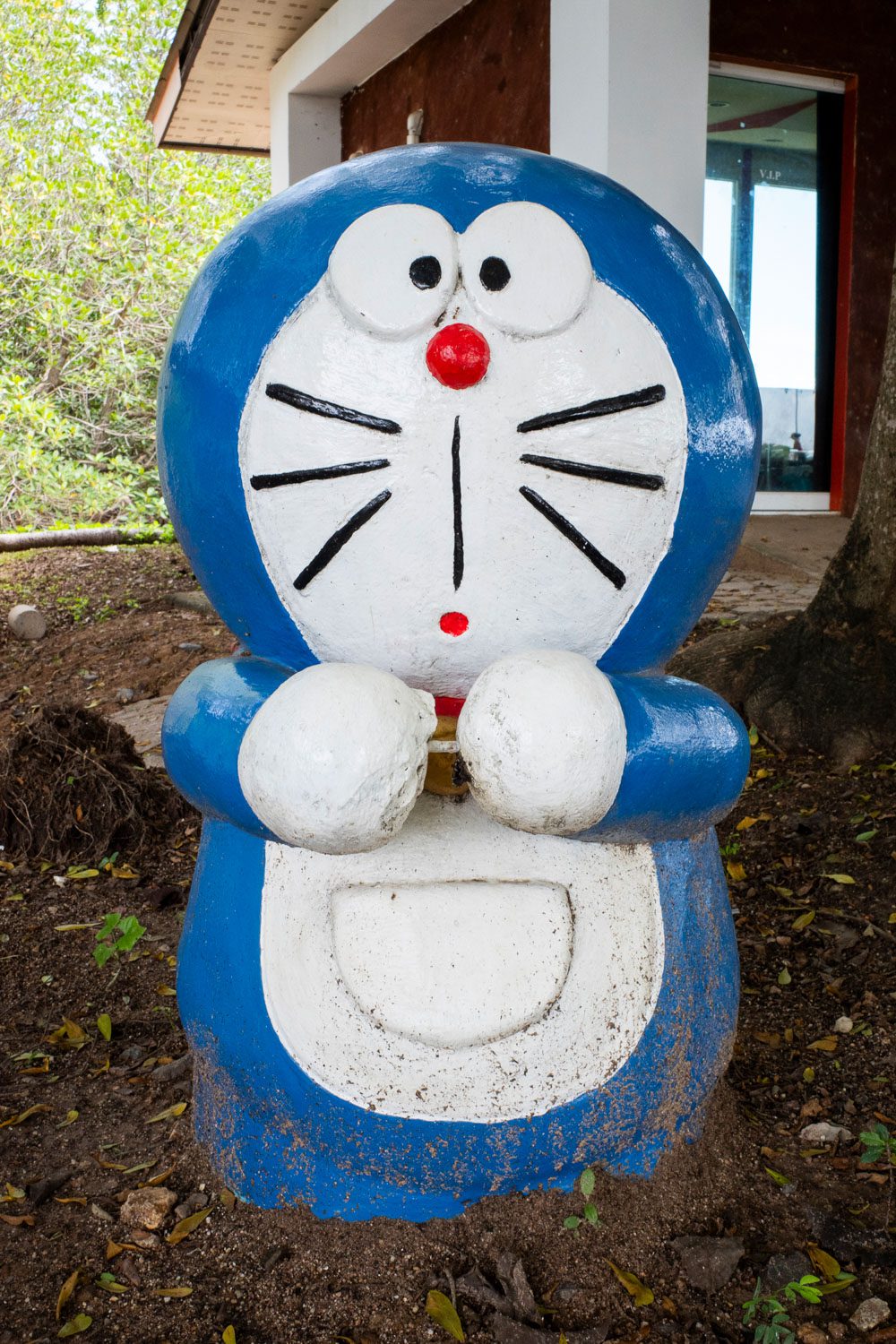
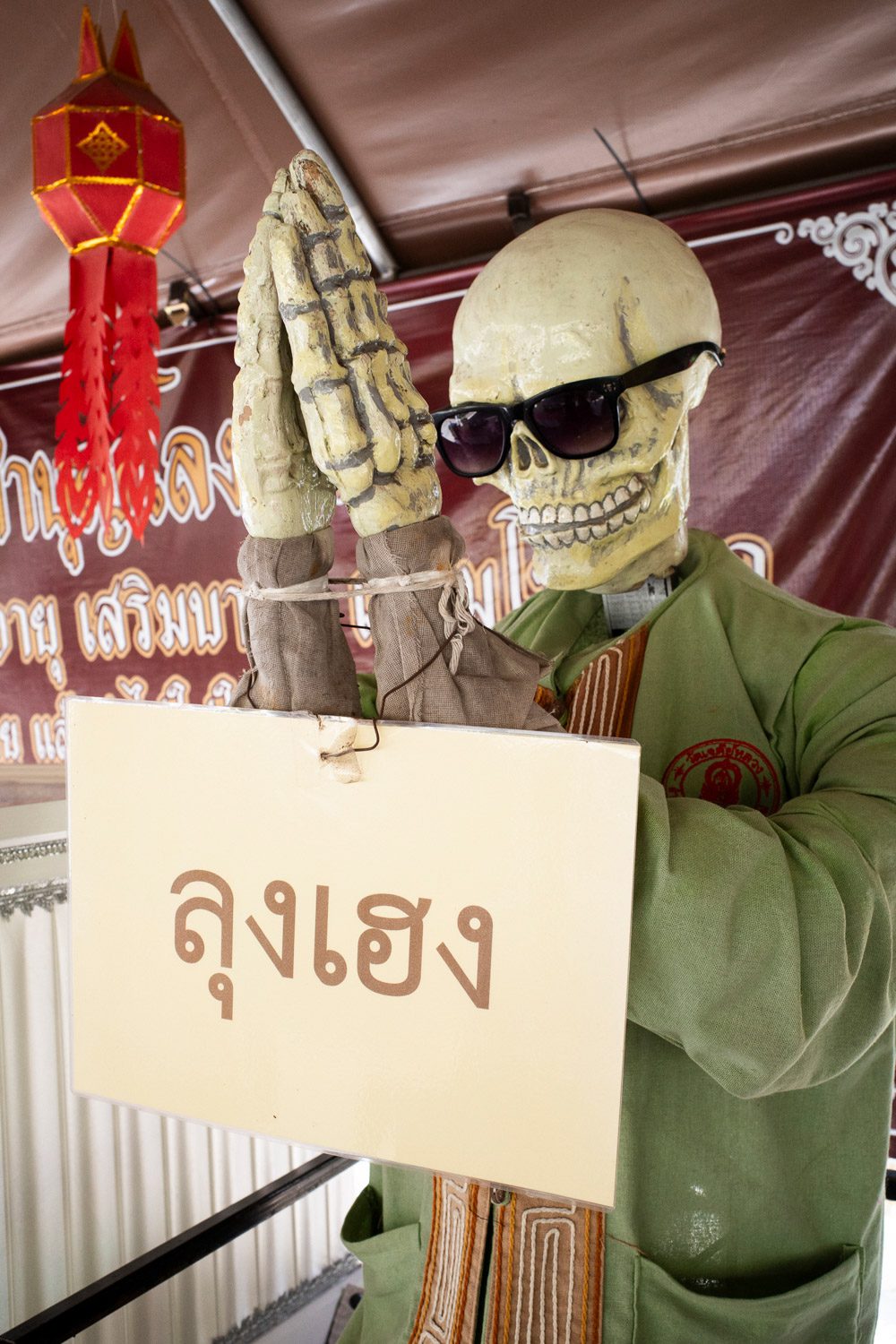
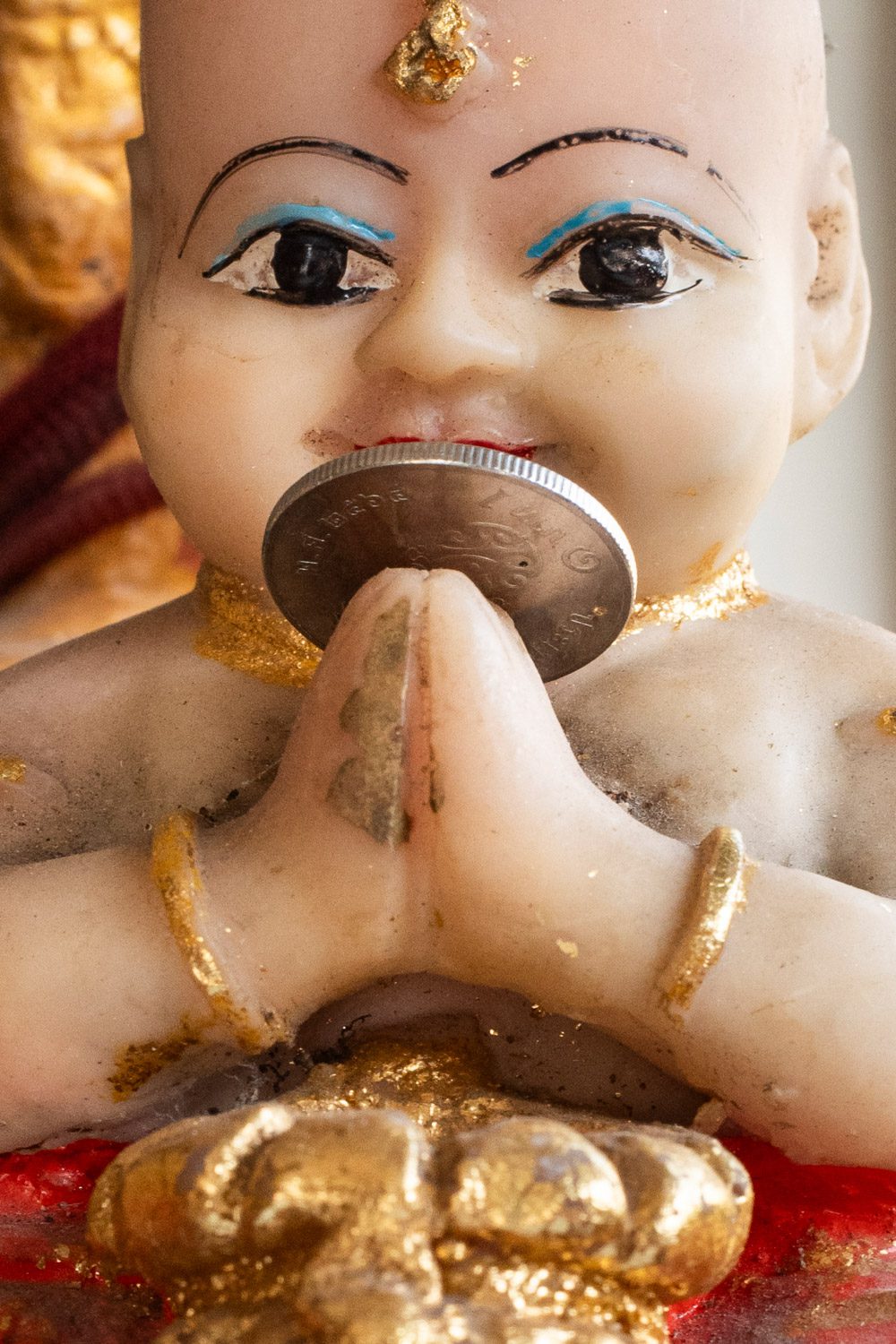
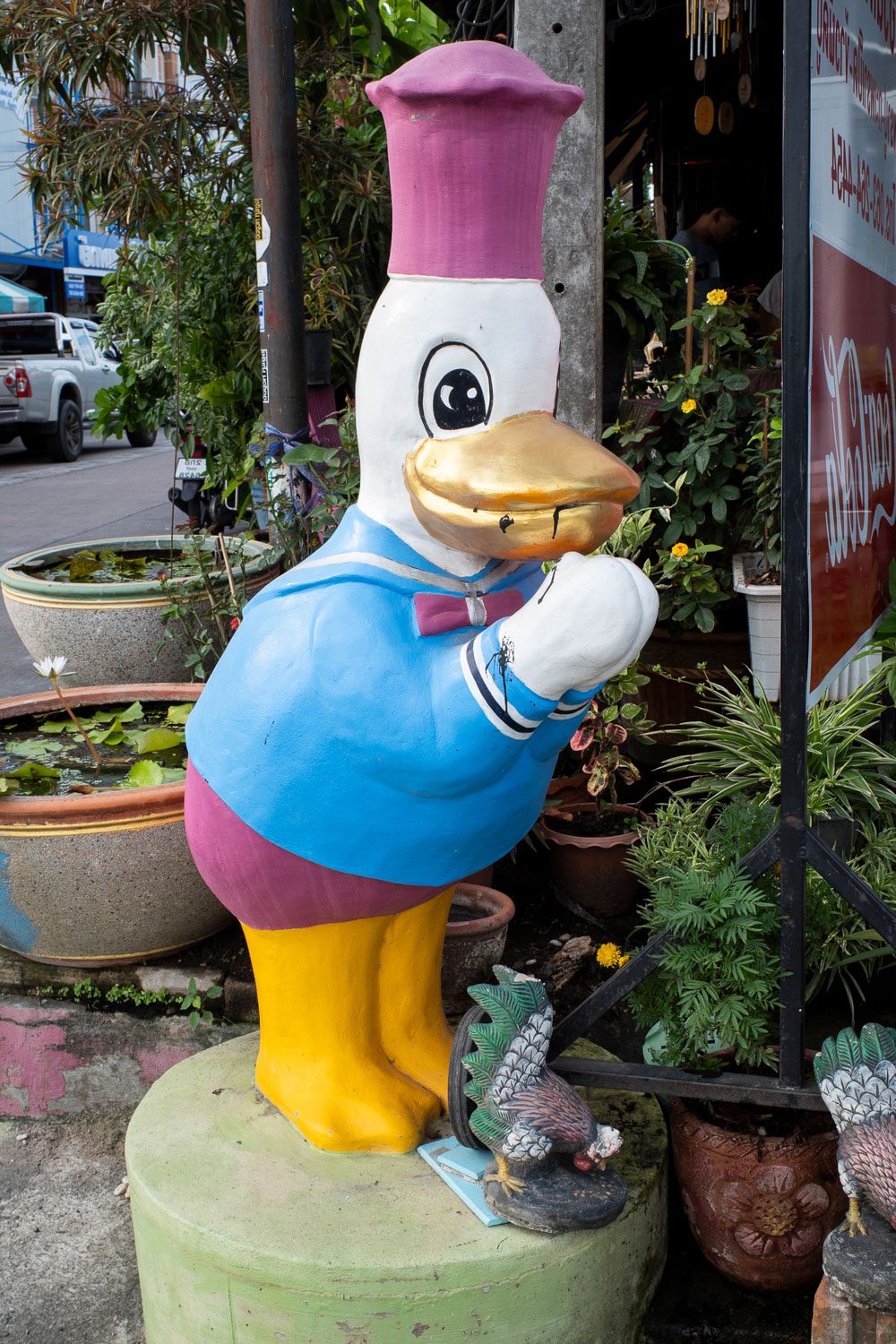
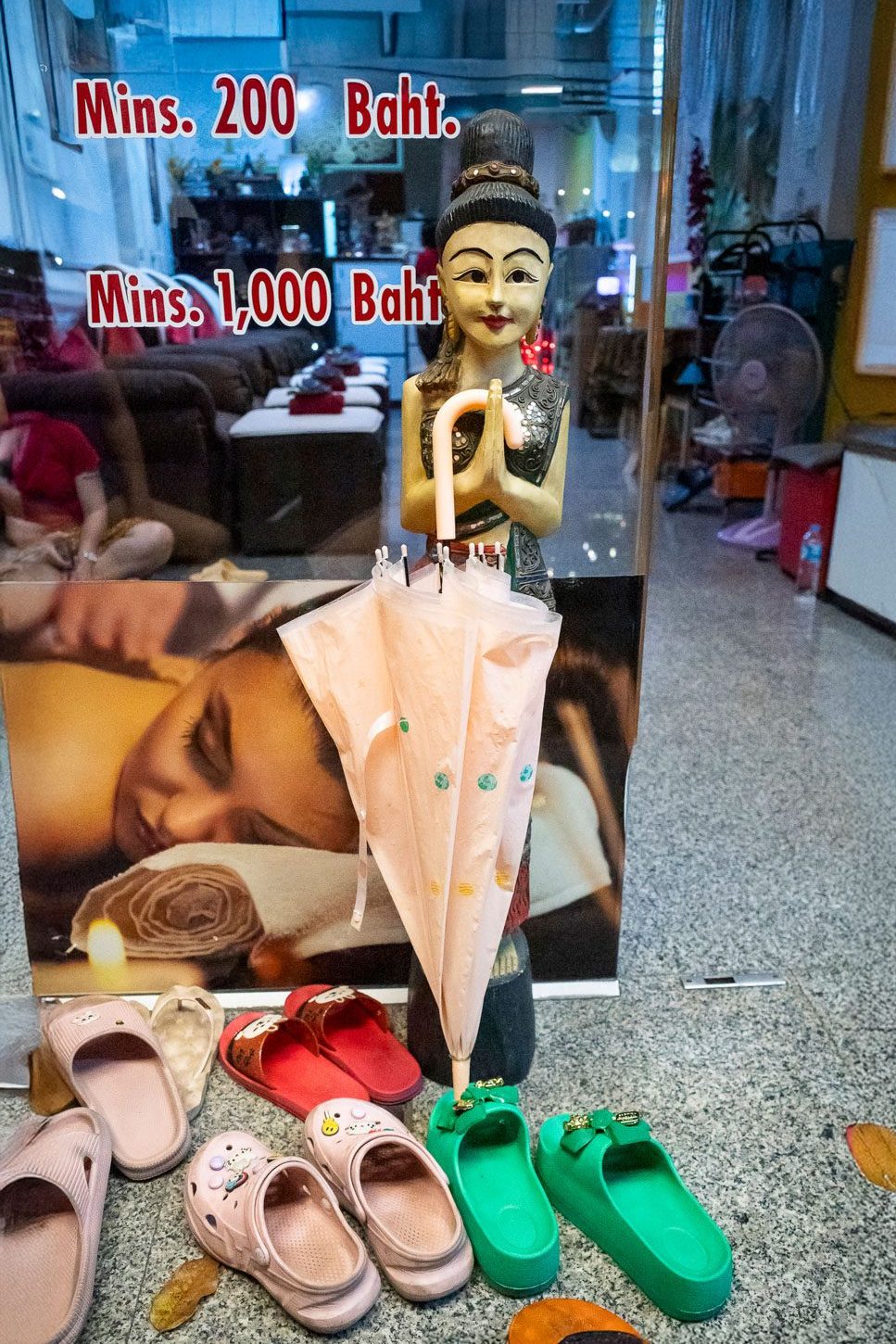
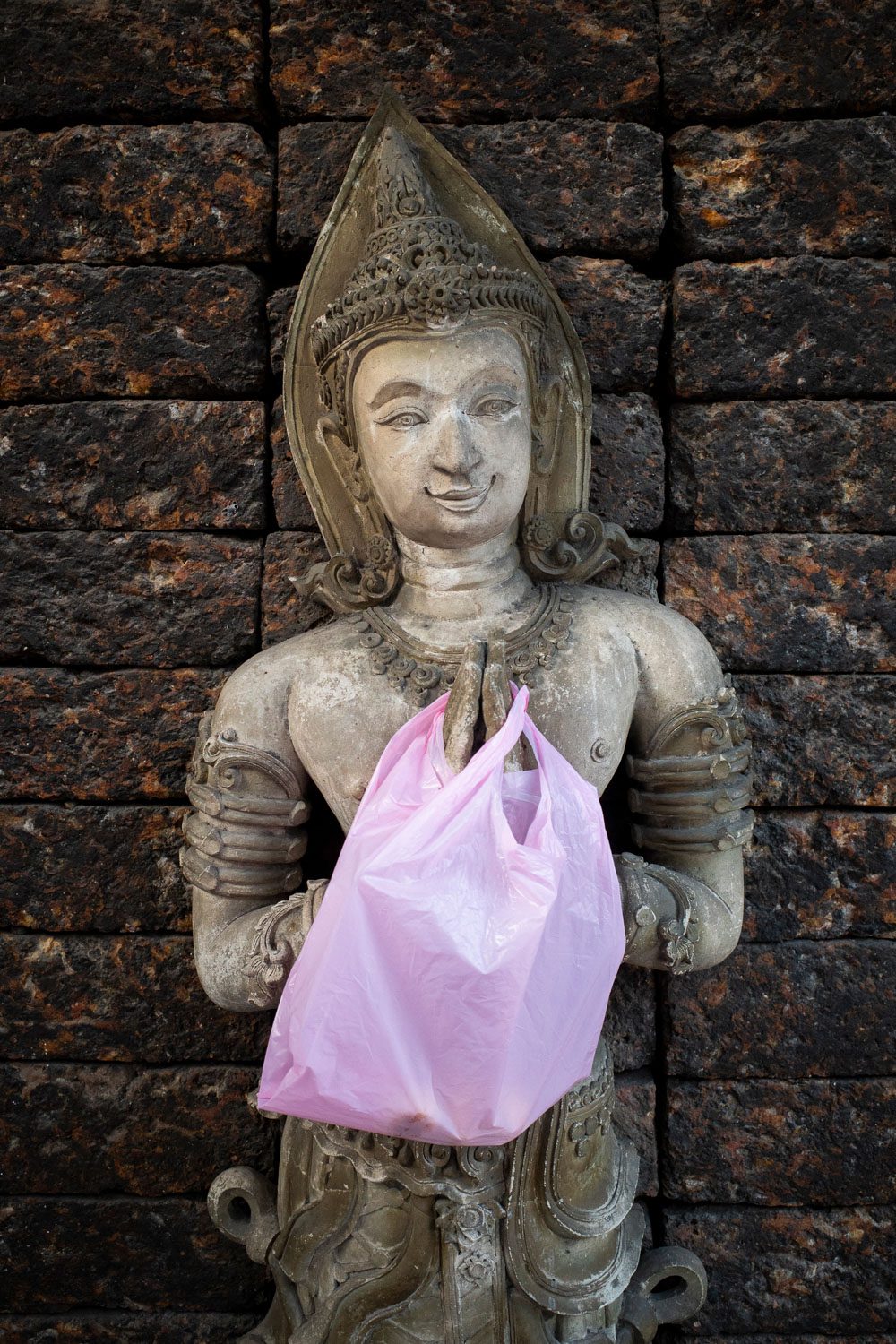
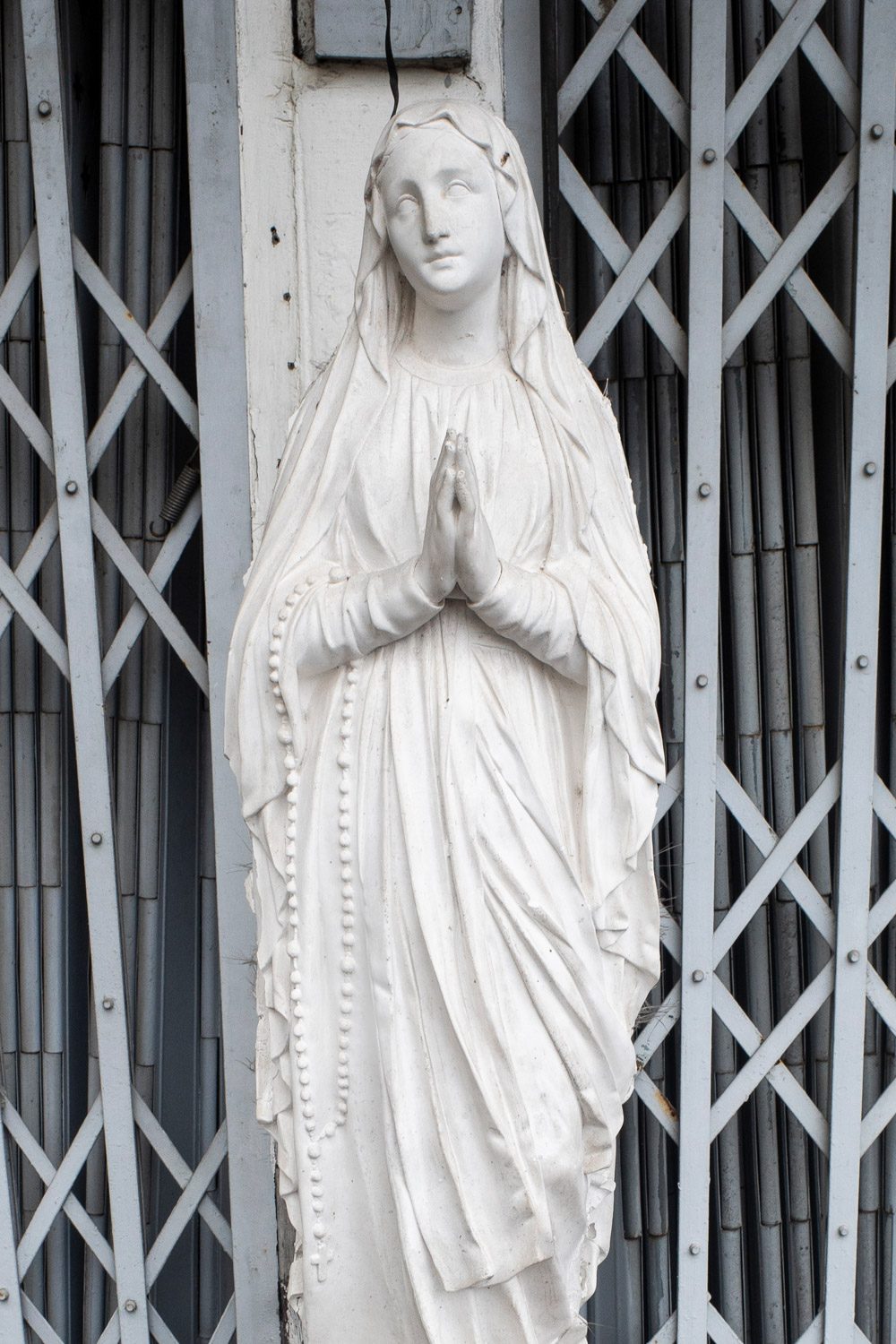
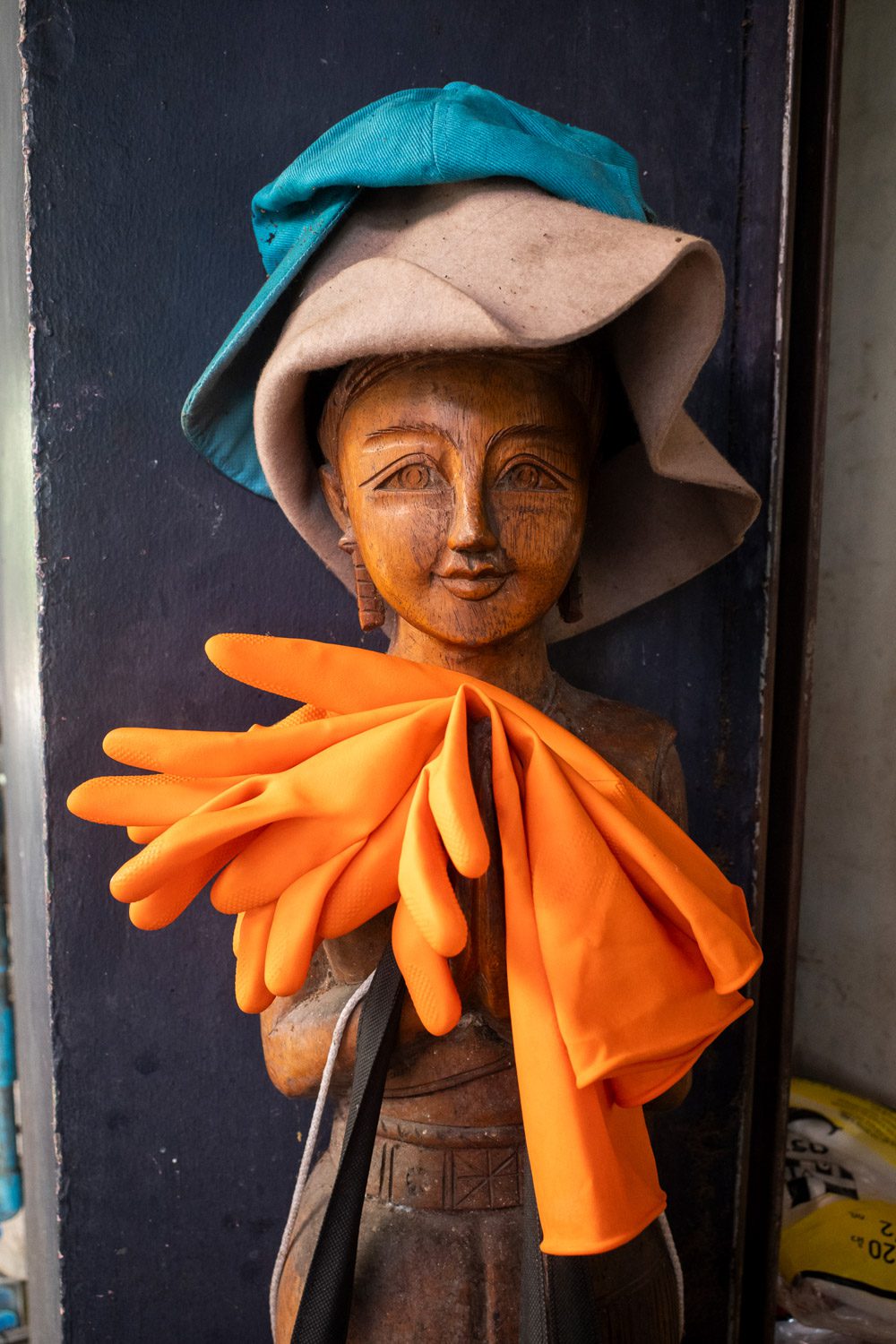
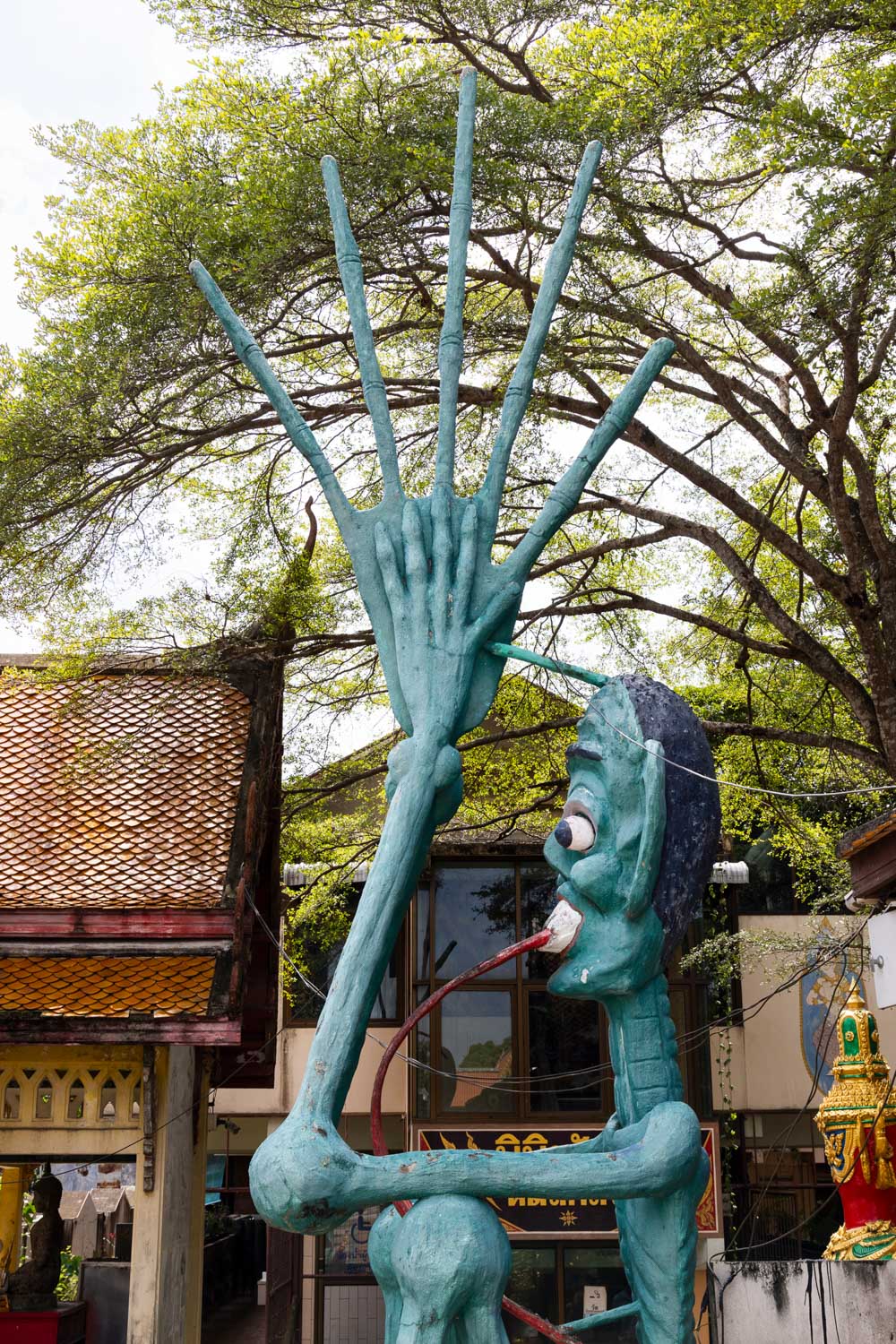
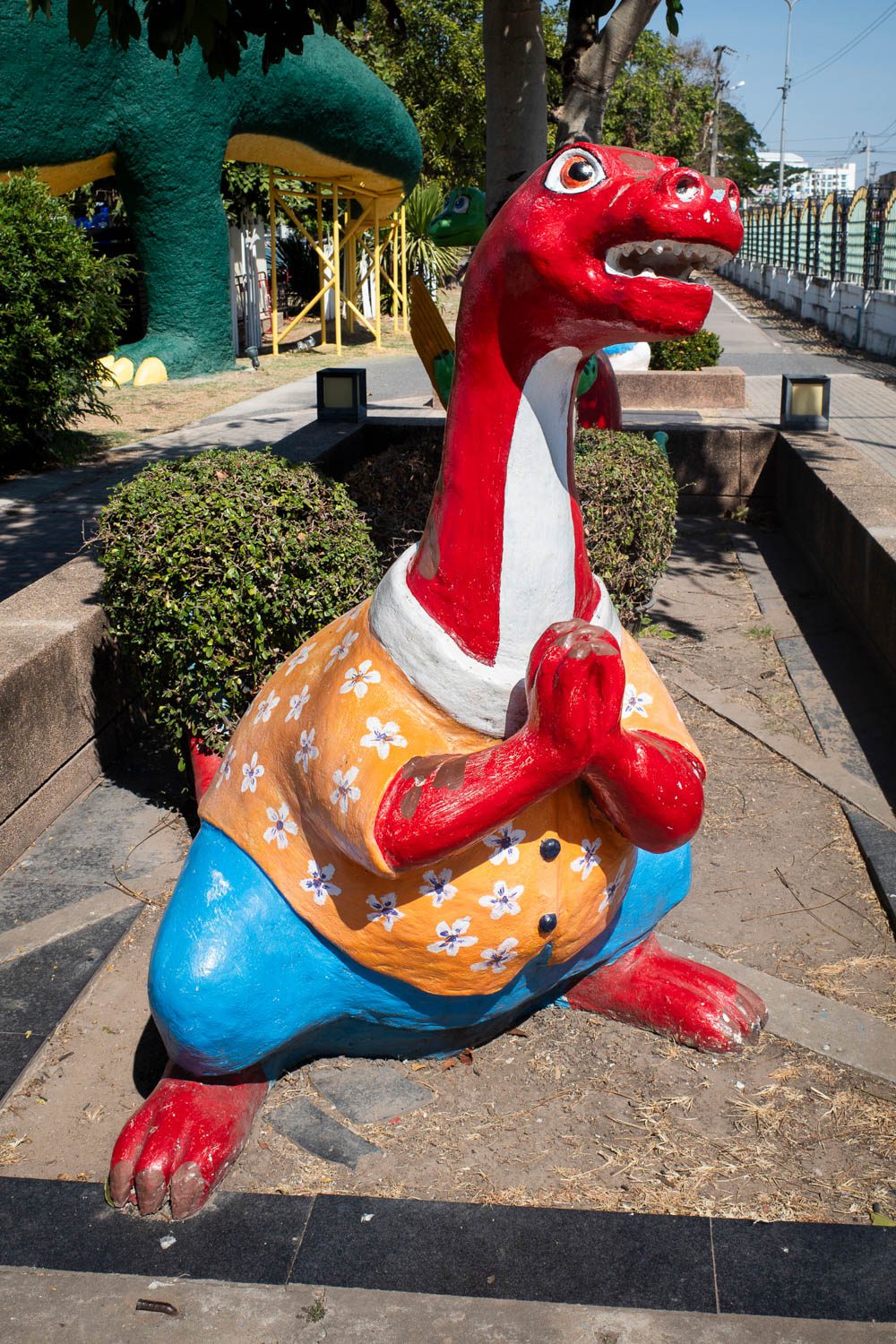
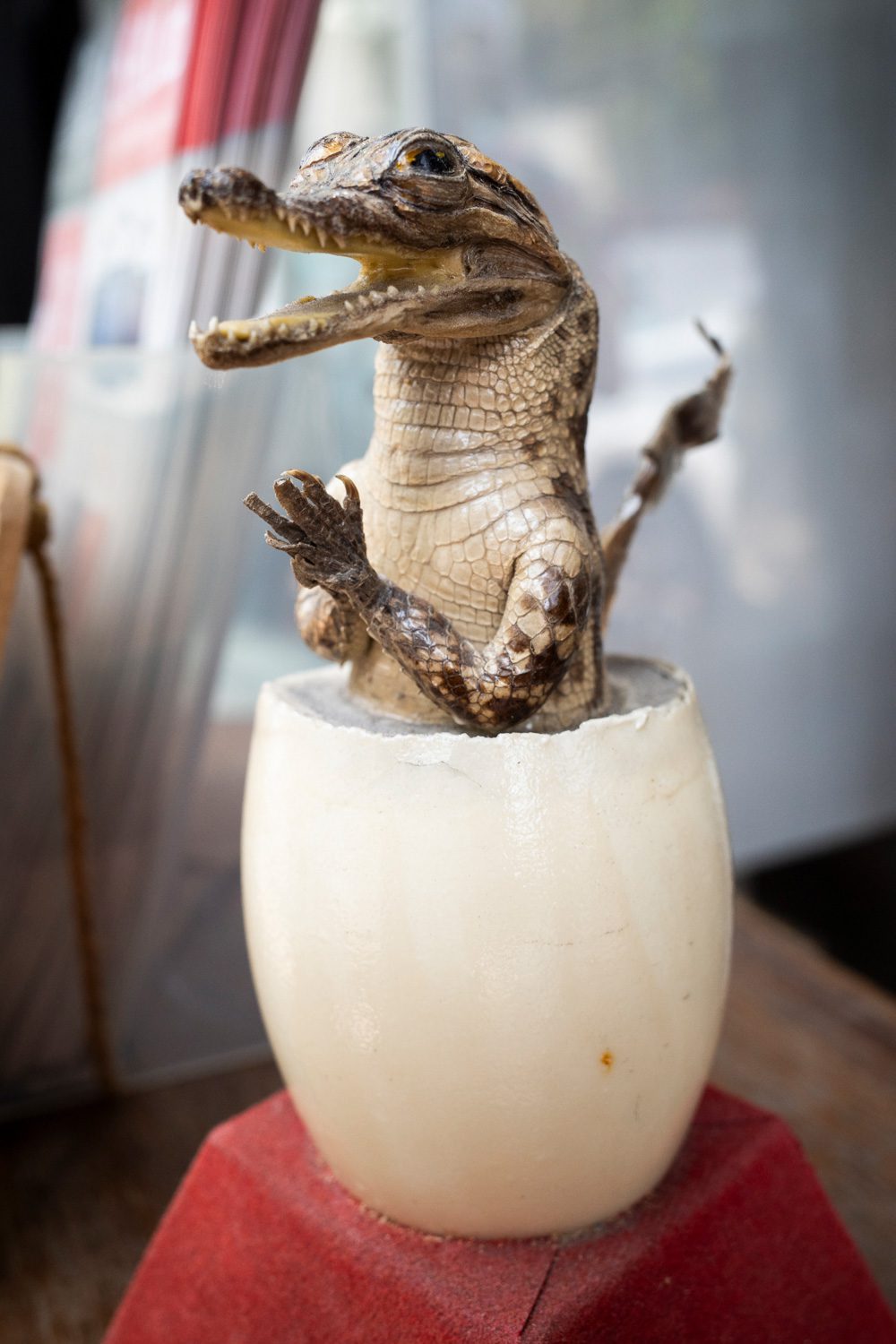
I became interested in how widespread this gesture is depicted, in religious contexts, muay Thai, Khon dance, massage, but also in commercial mascots, public notices, stickers and clip art. Despite its fading popularity with the younger generation, I want to show how this gesture has become a symbol of Thai identity on so many levels.
___________________
Barry Macdonald (b. 1984) is a freelance photographer from London, England. He started off shooting musicians and found out about the enjoyment of travelling from going on tour with bands around Europe and the USA. His work has evolved into a hybrid of street and documentary. He is interested in sociology and tries to look at culture and human nature through his photography. He has lived in Bangkok, Thailand since 2022.