
 Photo: Ketsiree Wongwan
 art4d SPEAKS WITH WALTER ABOUT THE BACKGROUND OF THE BANGKOK MODERN BOOK, HIS VIEW OF MODERN ARCHITECTURE IN ASIA, AND THE FUTURE OF THESE CULTURAL HERITAGES
TEXT: PRATCHAYAPOL LERTWICHA
PHOTO: WALTER KODITEK EXCEPT AS NOTED
(For Thai, press here)
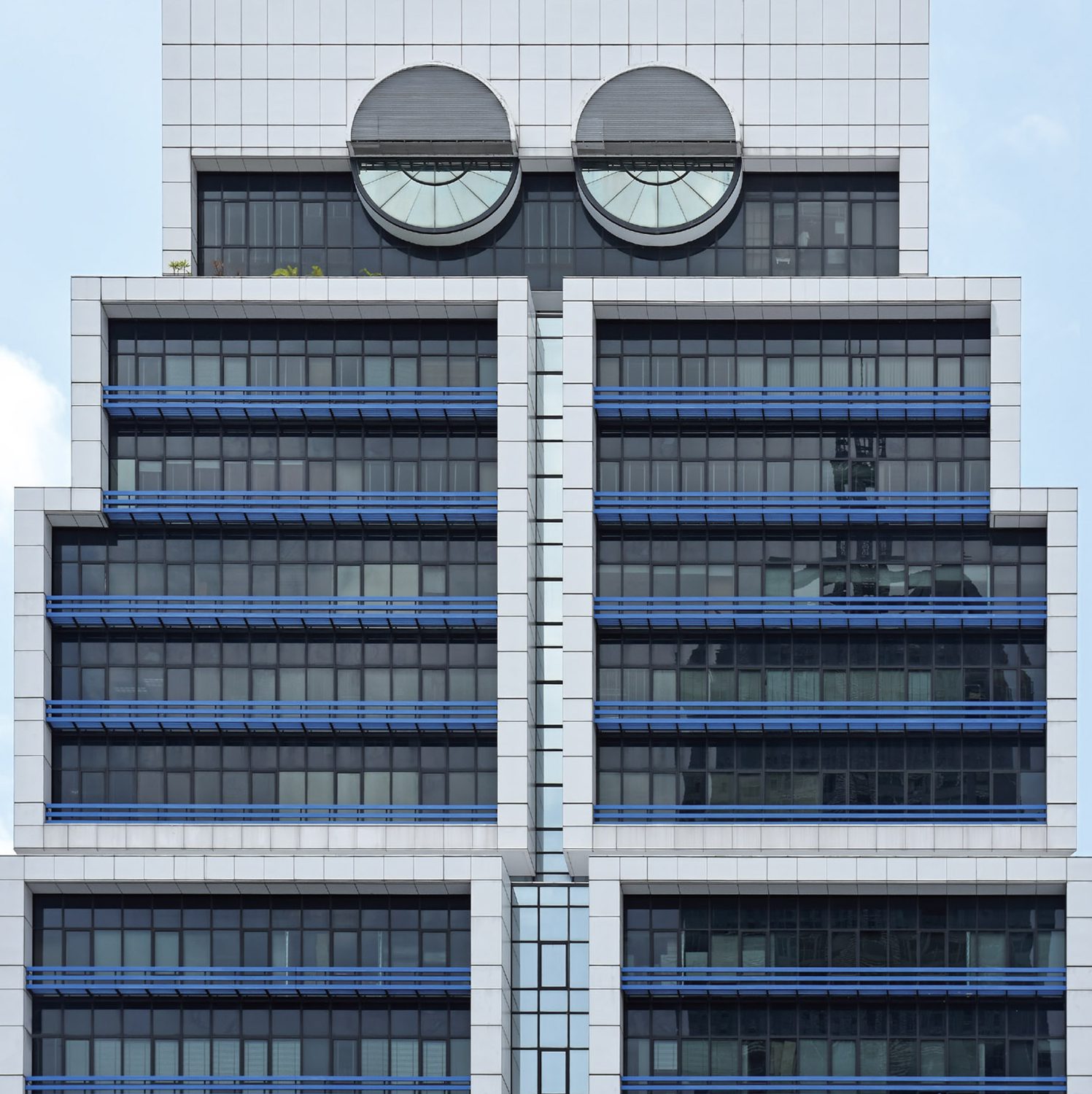
Many of the modernist architecture in Bangkok have disappeared in the last few years. In 2019, Royal Amporn Garden Pavilion designed by Krisda Arunvongse na Ayudhya was demolished. Dusit Thani Hotel designed by Yozo Shibata was torn down. Most recently, the facade of the renowned Robot Building by Sumet Jumsai was refurbished.
‘Bangkok Modern: Architecture of the 1950s – 1970s’, a recently published book by Walter Koditek, surely could not restore these modern buildings from the rubble. But the author hopes that this project, which originated out of fun, will bring modern architecture in Bangkok to the spotlight, highlight its historical significance, and spark discussions on how these treasured assets should be conserved.
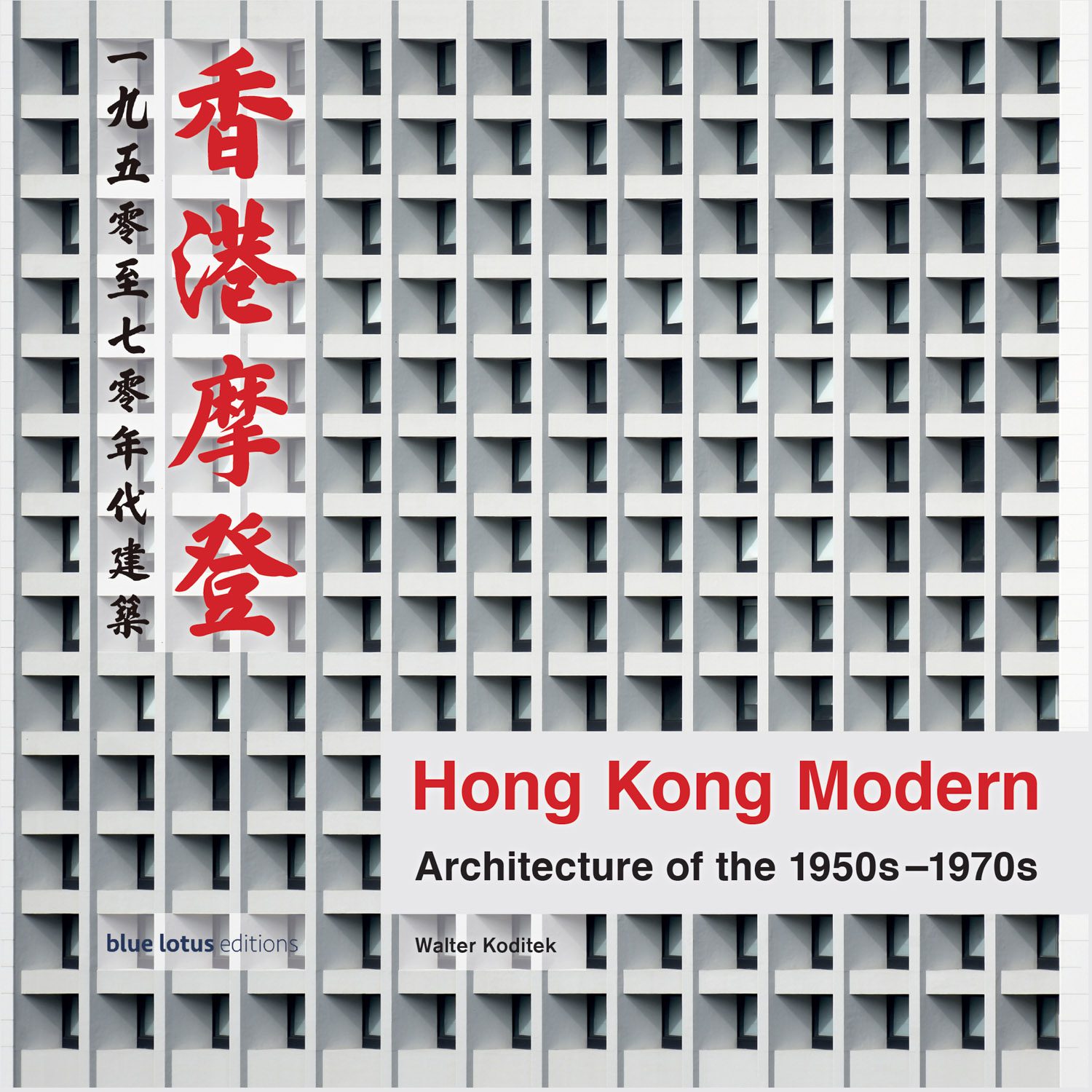
Born and raised in Germany, a place where the modern architecture movement took hold, Walter was drawn by his urban planning career to Asia where he witnessed other forms of modern architecture shaped by different climates, cultures, and socio-economic conditions. Fascinated by what he saw, Walter began documenting these structures and published his personal research in the form of books. The first was ‘Hong Kong Modern: Architecture of the 1950s – 1970s’, followed by his recent project on Bangkok.
art4d speaks with Walter about the background of the Bangkok Modern book, his view of modern architecture in Asia, and the future of these cultural heritages.
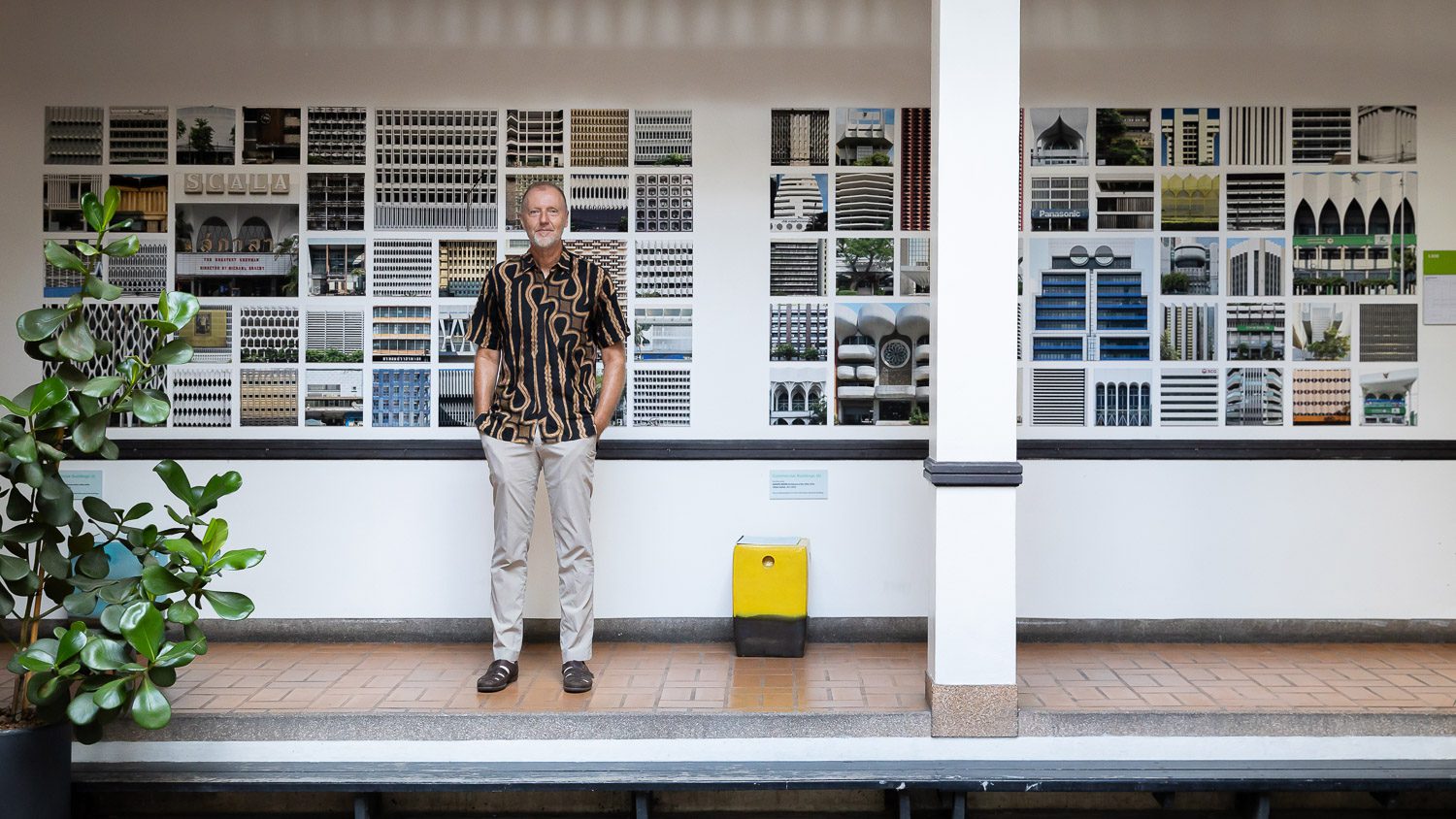
Photo: Ketsiree Wongwan
art4d: Can you tell us about your background and how you came to Asia?
Walter Koditek: I first came to Asia during my first backpacking trip in 1987 when I was studying Urban Planning at Technical University Berlin. After that I worked as an urban planner for 15 years or so in different offices in Berlin and then I spent 6 years teaching at a university near Berlin.
During my time at university, I worked with a lot of design studios and had excursions with other universities in Asia. I also took part in joint studios in Vietnam, Singapore, China, and Hong Kong, so in a way, I always kept in touch with Asia, and Southeast Asia.
After my contract period at a university finished, I got an offer to work in Battambang, Cambodia, and in Hanoi, Vietnam where I discovered plenty of modern architecture in Southeast Asia. Later, I moved again to Hong Kong because my wife received a job offer there.
I stayed in Hong Kong for 10 years. The city is mind-blowing for architects, urban designers and urban planners. It was a completely new experience for me. There is still so much to see and I became more serious about modern architecture. I walked a lot and started taking photos of modern architecture in Hong Kong seriously.
When COVID hit at the end of 2019, I had the idea of compiling a book about all these buildings in Hong Kong which was inspired by the Phnom Penh architectural guidebook published by DOM to which I had contributed. In the Hong Kong book, I combined my research on the background of buildings, architects, why they look like they look, and typologies in Hong Kong, and that was my first major project.
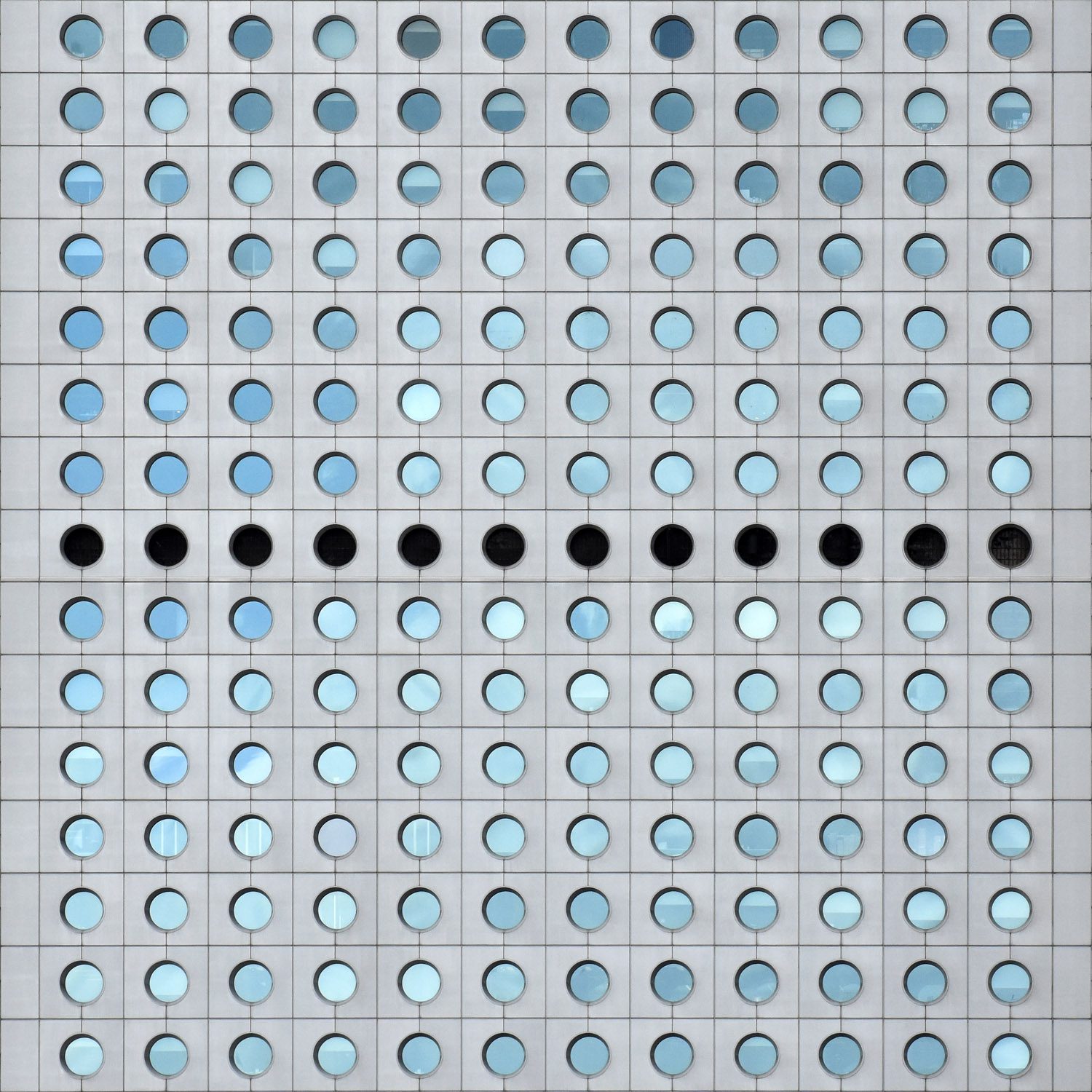
 Choi Hung Estate, Hong Kong
art4d: What draws you to modern architecture?
WK: I first came in touch with modern architecture during my studies in Berlin. I was studying from 1986 to 1992 and during the year 1989, the Berlin Wall came down and I could go to East Berlin for the first time. I had a seminar about modern architecture in Berlin and had a chance to survey the modern public housing settlement from the 1920s and 30s from architects like Martin Wagner, Bruno Taut, and Walter Gropius and I was instantly captivated by them.
When I came to Asia, I found that modern buildings in Southeast Asia or Hong Kong look very different from what I have seen in Berlin. First of all, they are tropical. Most of the buildings from the 50s until the early 80s are adaptive to climate. They have all these different architectural elements and position the layout that allows cross ventilation, shading, etc. And that was one of the reasons that really sparked my interest in modern architecture.
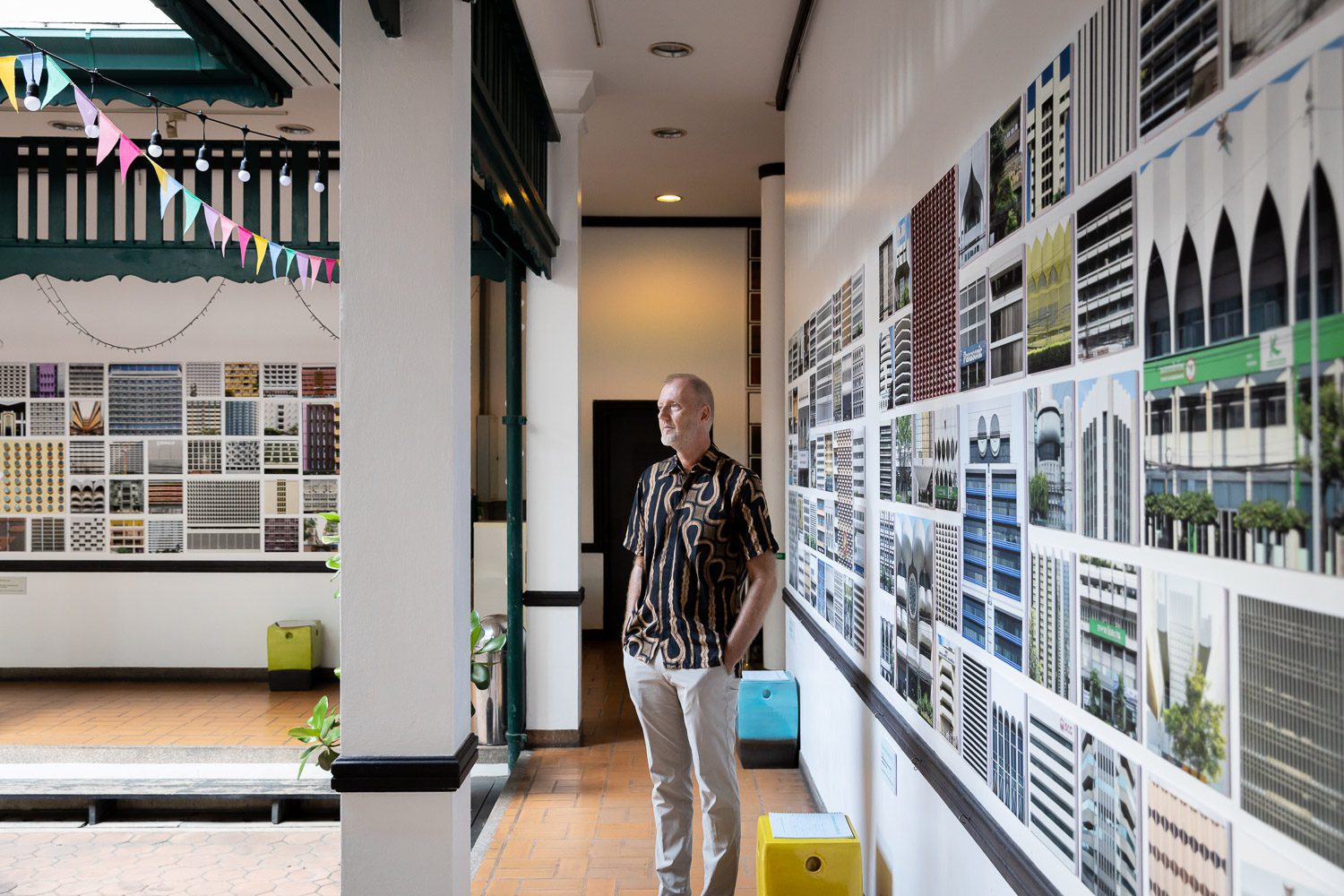
Photo: Ketsiree Wongwan
art4d: How did the book ‘Bangkok Modern: Architecture of the 1950s – 1970s’ come about?
WK: The Bangkok project followed the Hong Kong one. I began exploring Bangkok in 2017 and came back here again over the years. I would walk around the city for 250 kilometers while taking pictures of modern architecture. First, I did not think about a book or anything, I was just collecting and hunting. But when I finished the Hong Kong book and seeing how it quickly sold out, I thought I should do the Bangkok version.
The book is kind of a hybrid. It is a coffee table book with full-page photography and then there is a part containing research about the history, the architect, and the background of the building. The third section is more academic where I invited architectural history professors such as Chomchon Fusinpaiboon, Pirasri Povatong, and Pinai Sirikiatikul to contribute essays and it also includes photo essays by Foto_momo or Weeraphol Singnoi.
I created this book for fun, to be honest, but you see while I was working on this one, many important modern buildings were demolished such as Scala Cinema or Dusit Thani Bangkok, and these modern buildings were not protected in Thailand. So the book can raise awareness that there are valuable architectures from this period in Bangkok and they contribute to history. Of course, you cannot preserve them all, but it highlights the need for a broader discussion about the values of architecture, which buildings need to be preserved, and how to do that. And the more media discussion, and more publication, the better.
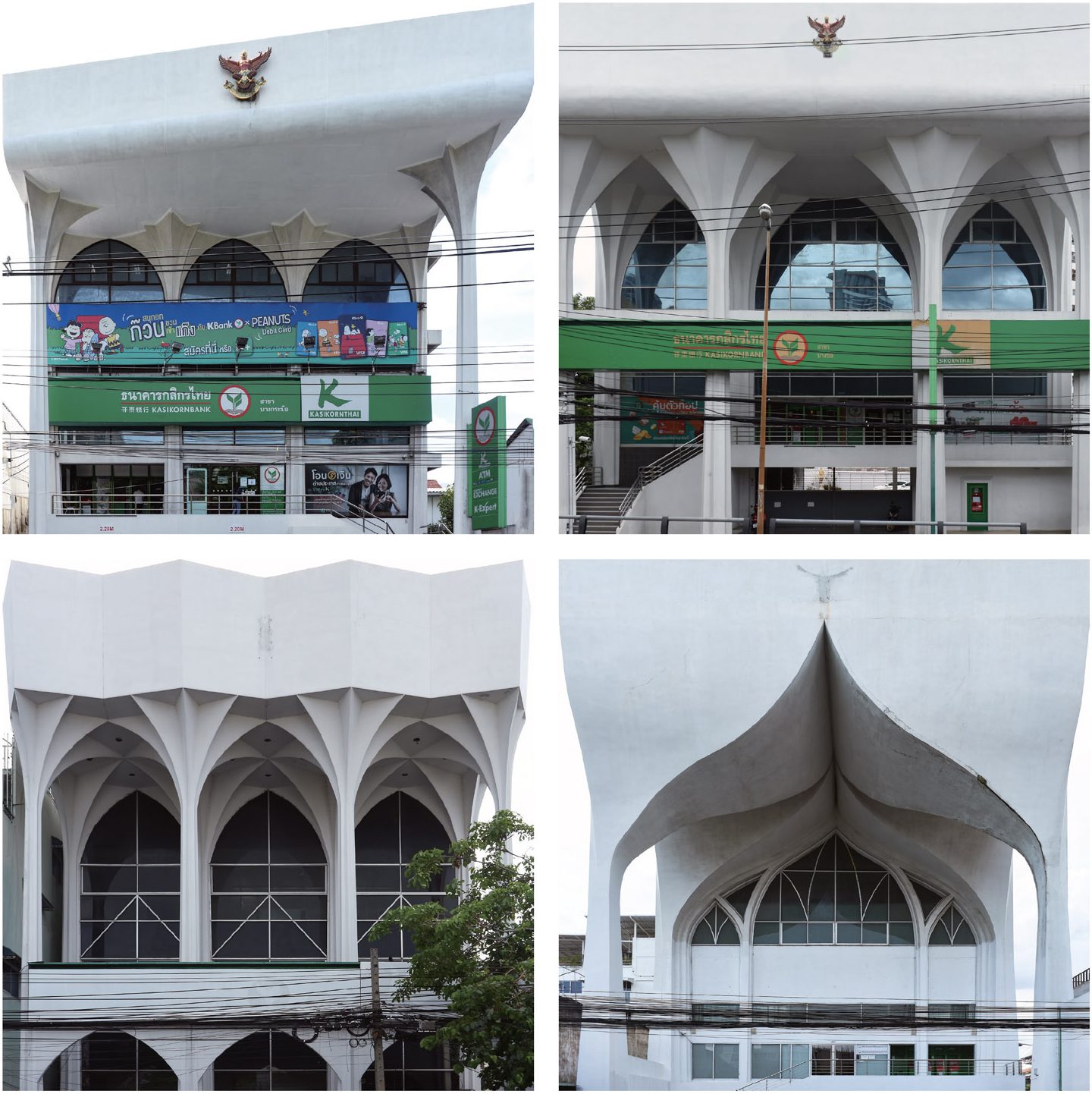
top left – Kasikorn Bank, Bang Krabue Branch | top right – Kasikorn Bank, Bang Lamphu Branch | bottom left – Kasikorn Bank, Maha Chai Road Branch | bottom right – Kasikorn Bank, Phetchaburi Road Branch.
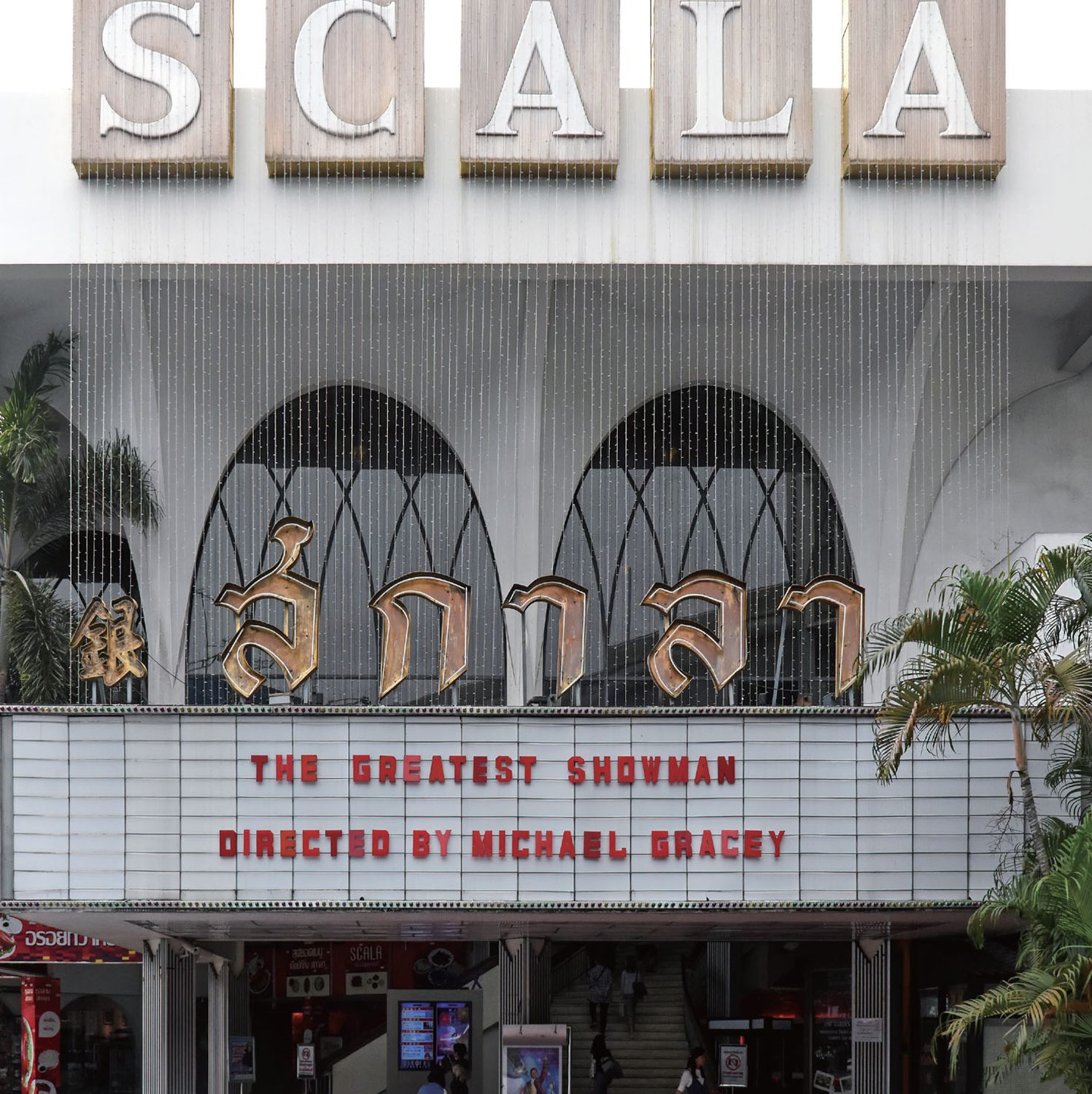 Scala Cinema
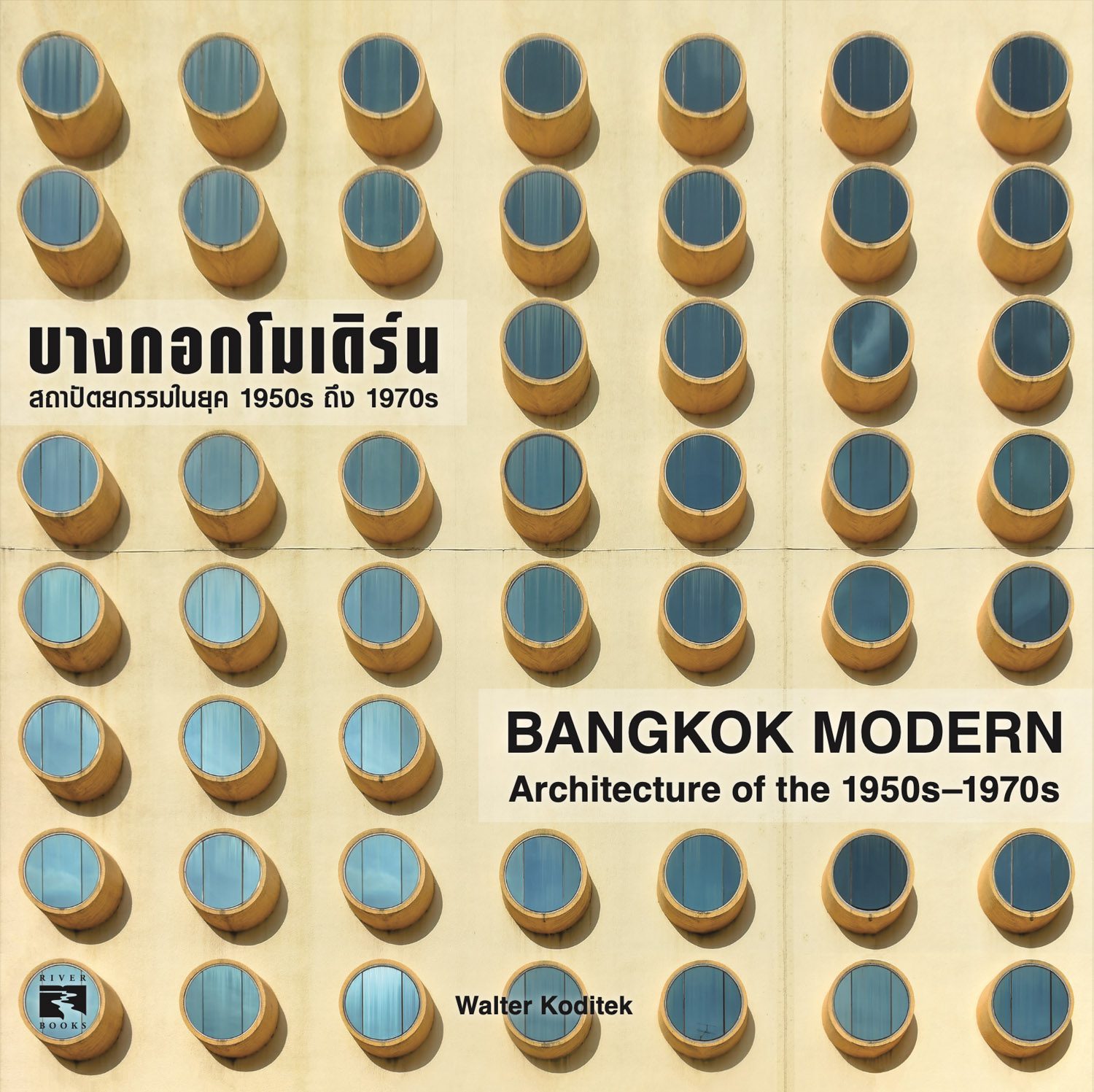
art4d: Why did you put ‘Holiday Inn Silom’ by Dan Wongprasat on the cover?
WK: I like the facade. It is eye catching and quite abstract in a way. It also has this fun element, the bay windows popping out of the facade. The bay is deep enough that you can sit in the window and it is really comfy. It is a really clever design.
art4d: Were there any challenges in making this book?
WK: One is the language. There are very few documents available in English. The other challenge is that Bangkok still has a lot of power cables and I had trouble taking proper photos of the buildings.
art4d: Are there any differences between the Bangkok and Hong Kong projects?
WK: Hong Kong has comprehensive online databases where you can browse through architectural magazines from the 1960s and 70s which were digitized at the University of Hong Kong. Online data banks from the Buildings Department were also available where there are digitized blueprints of buildings built after the Second World War, which is crazy. It was super useful for making the Hong Kong book.
And of course, it was much more difficult for Bangkok because there is no systematic database like that. I had to research academic books such as ones from Chulalongkorn professors from the 1990s and early 2000s, academic essays, or PhD thesis focusing on modernism in Thailand. Some are in English but many are in Thai and I had to use translation tools to understand because I am not proficient enough in the language. I also found old drawings and photos from sources like Rerkdee Potiwanakul, Foto_momo or Weeraphol Singnoi.
Photo: Ketsiree Wongwan
art4d: Aside from adapting to different climates, what other differences do you notice between modern architecture in Asia and in Berlin or the Western world?
WK: In Asia, architecture is able to merge their traditions, their regional style with modern principles, and that is in a way different from what I have seen in Europe and the US like pure international style buildings that could stand anywhere.
What I have seen in Thailand, Cambodia, or also Vietnam is that structures have embraced localized architectural elements, for example, in Thailand, the architects transformed Thai traditional decorations and used them in concrete breeze blocks. It is a modern element but it includes Thai traditional patterns.
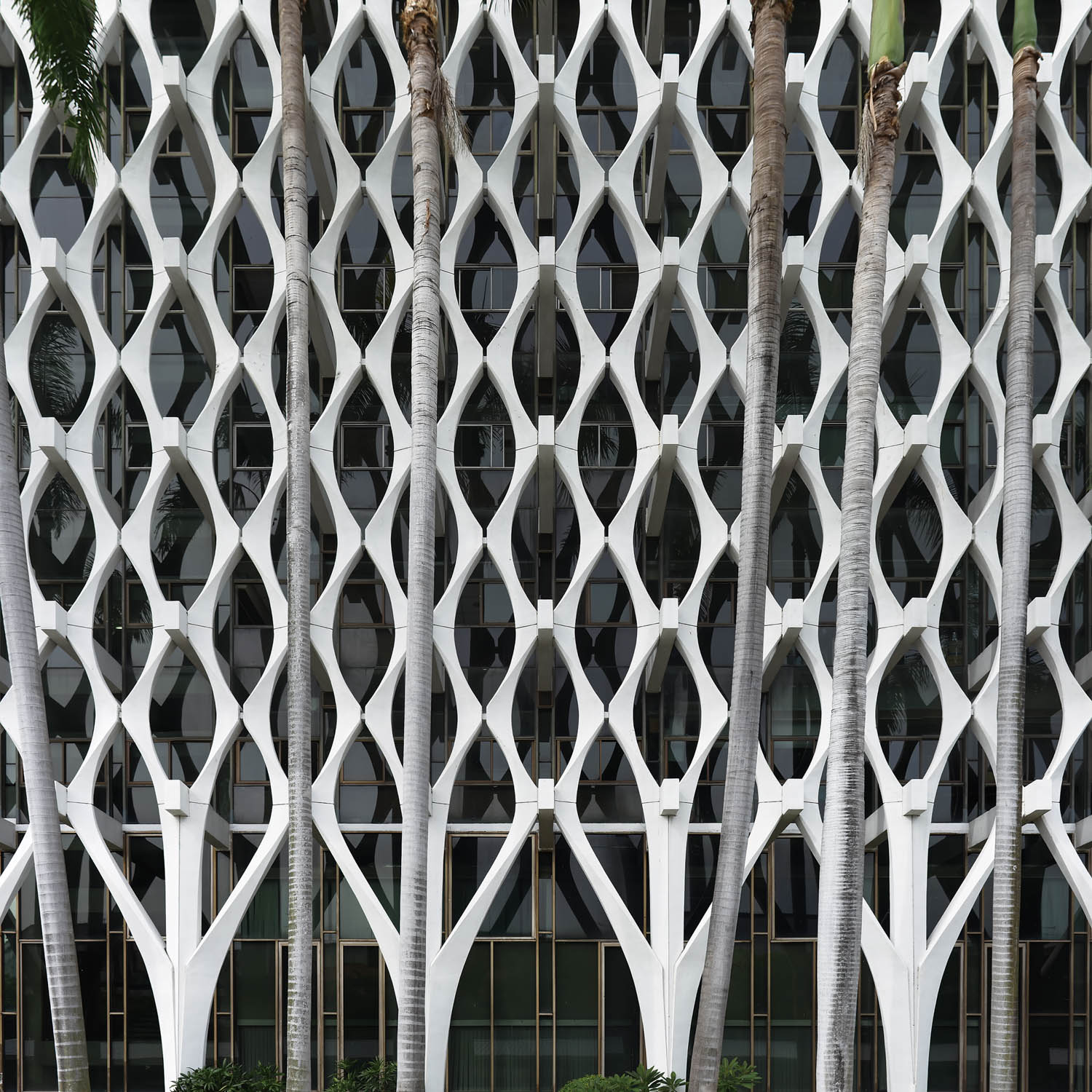
Krung Thai Bank, Suan Mali Branch
art4d: However, architecture within Asia also varies. What factors do you think contribute to these differences?
WK: There are many factors that differentiate modern architecture in these countries. Demands, markets, and building codes in each country shape different kinds of modern architecture. In Hong Kong, space is very limited and building regulations are very strict. Architects have to come up with vertical solutions. So there are churches where they have a communal hall, and church hall and classrooms above, and then some apartments for the staff stacked on top. They are hybrid and vertical buildings.
The political and socio-economic circumstance of each country is one factor. Cambodia gained independence from France in 1953 and then a huge construction program was going on. A lot of Cambodian architects came back after studying in France to build infrastructures, schools, hospitals, and so on. The architecture portrays a proud nation that is independent and developing. Meanwhile, in Thailand, modern architecture was influenced by the US military presence in the Cold War, foreign aid, and the economic boom in the 70s. There was lots of construction going on and there were many new high-rise buildings, bigger buildings, schools, universities, and hotels.
The background and education of the architect is one factor that influences the design. The Cambodian architects were mostly trained in France while a majority of Thai architects were trained in the US and the United Kingdom.
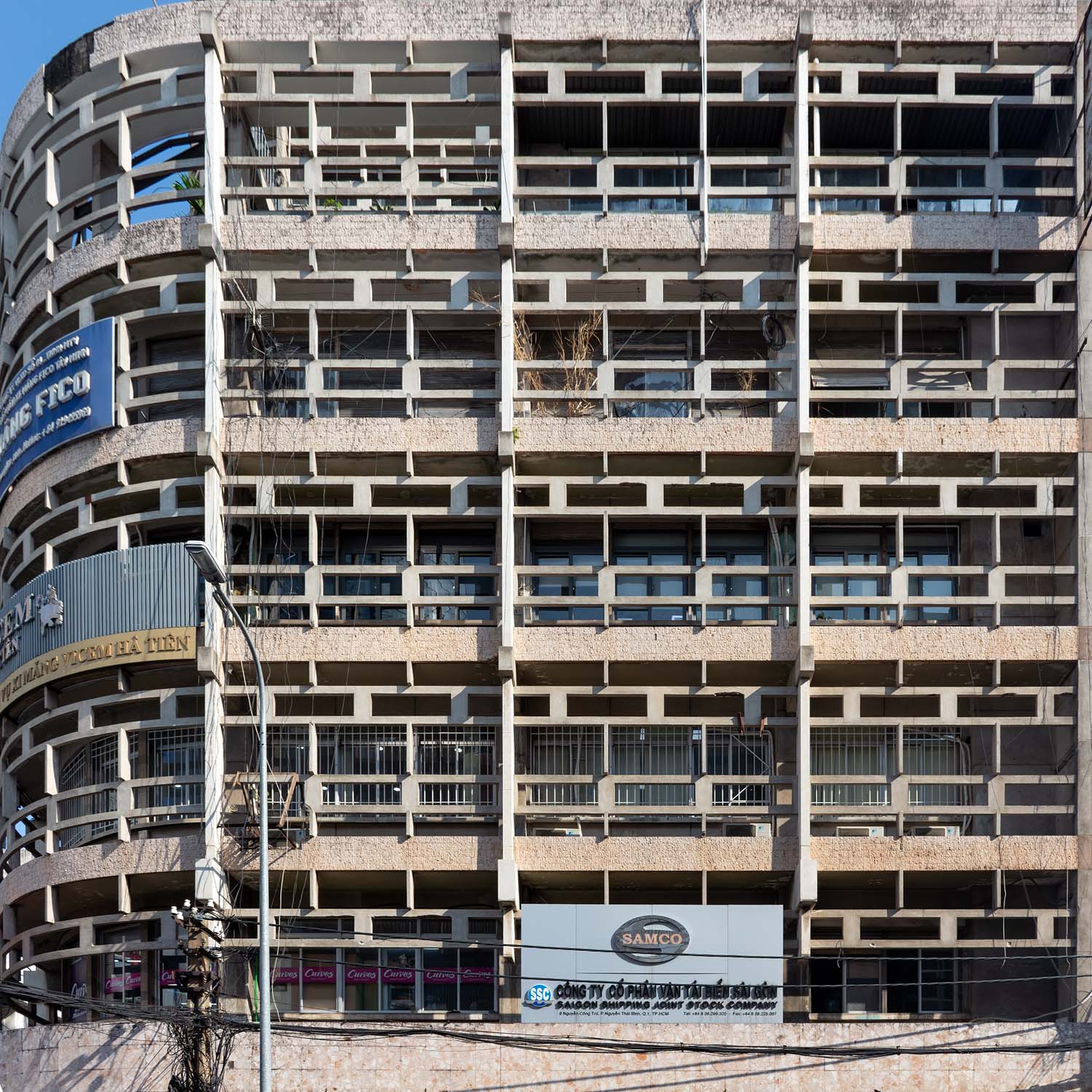 V.A.R Building, Vietnam
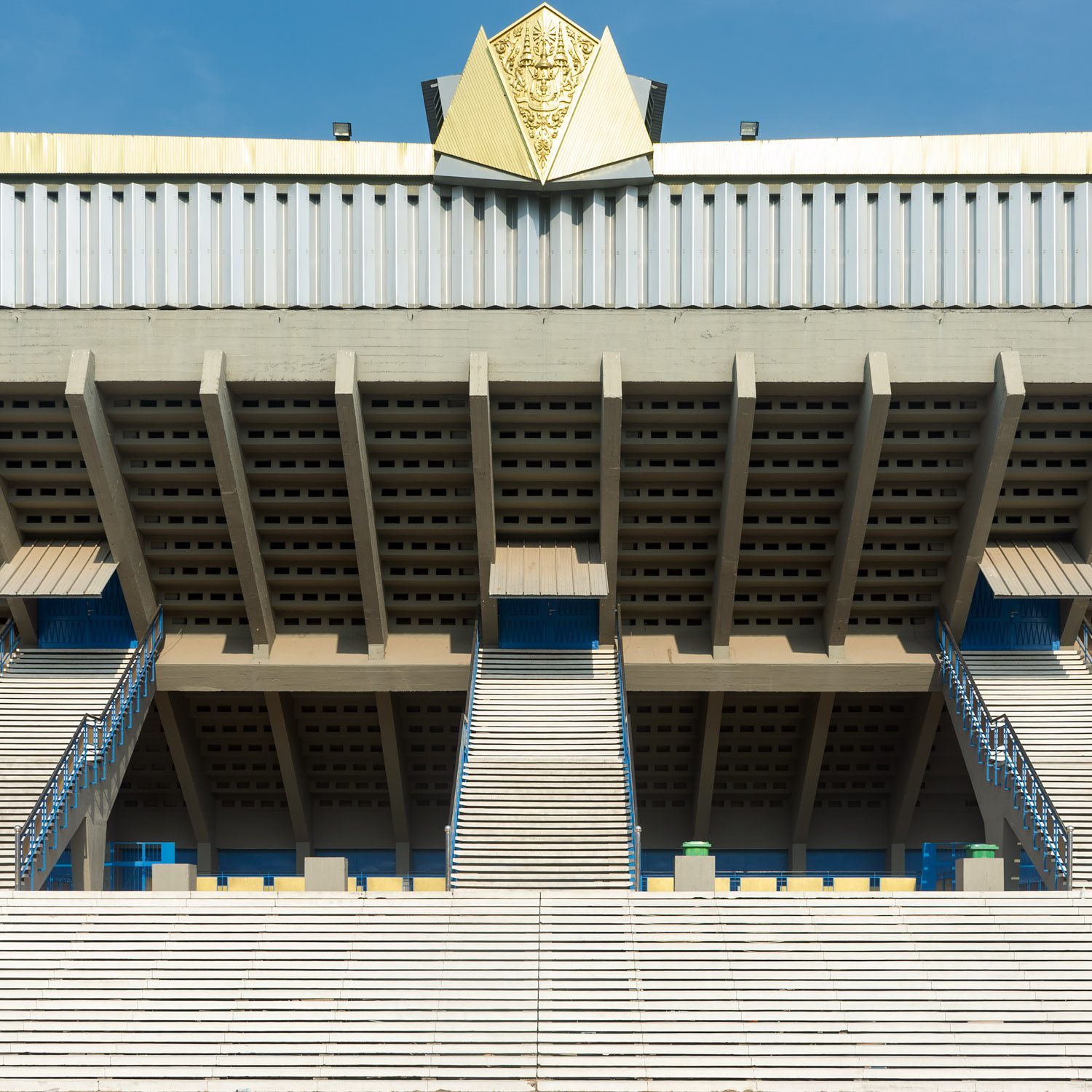
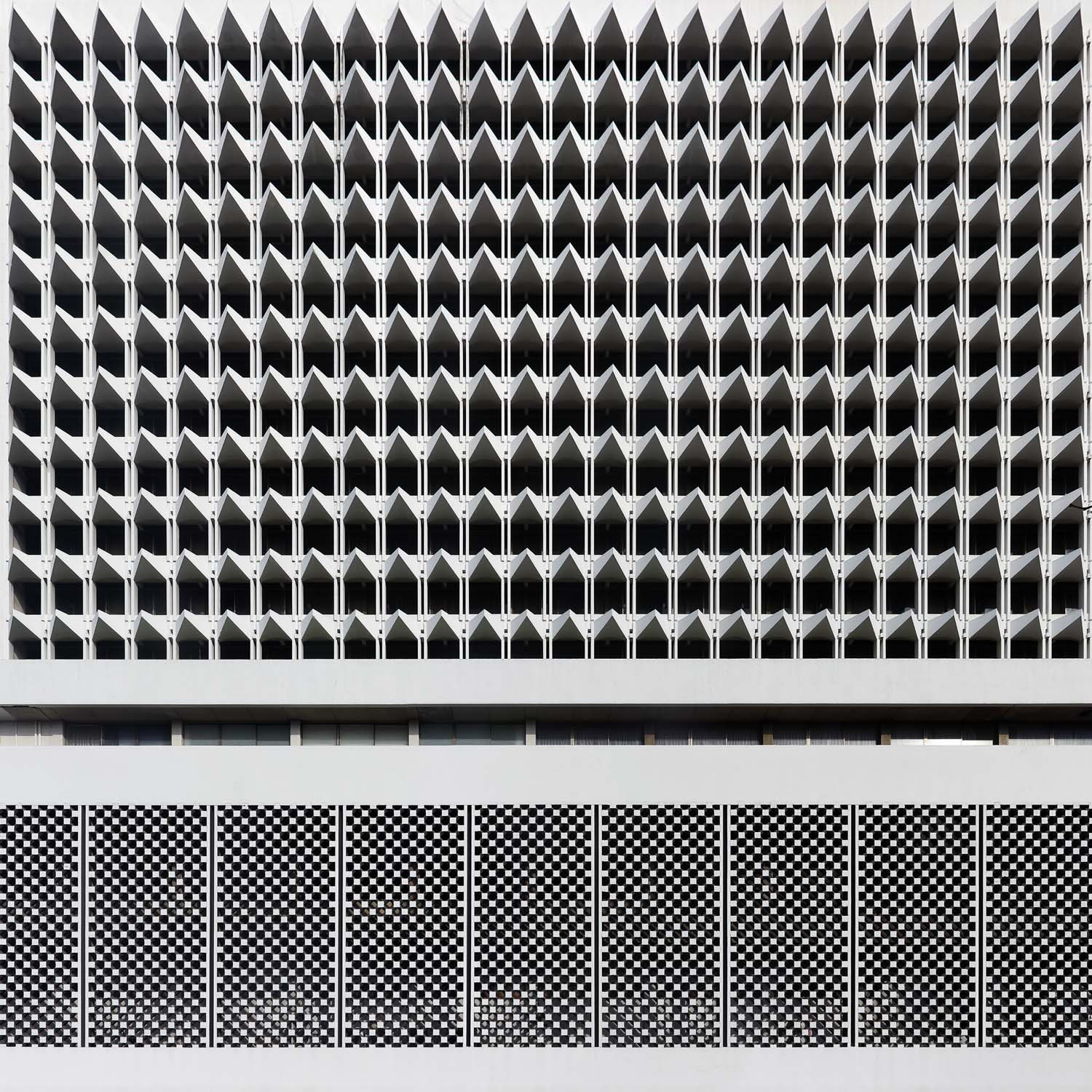
What I found unique in Thailand is there is an element of playfulness in architecture. Sometimes it is a decoration of Thai patterns and details. Sometimes it is an entire concept of buildings, like the Robot Building by Sumet Jumsai.
To quote from Professor Johannes Widodo from the National University of Singapore, he called modernist architecture here ‘modernism with a small M’. It’s not modernism with one big M where it is always Bauhaus and the same international style while in Asia there exist many hybrid modernisms.
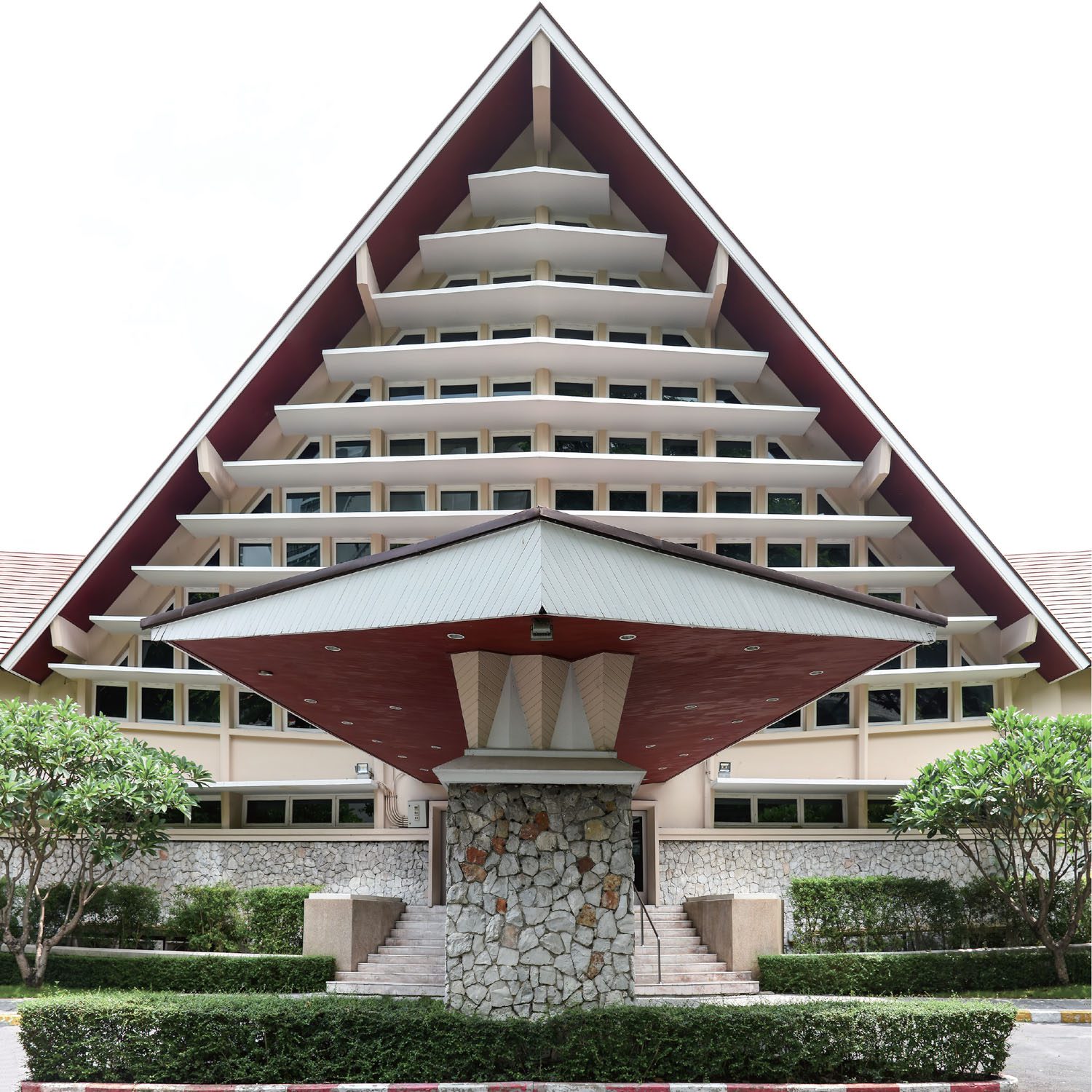
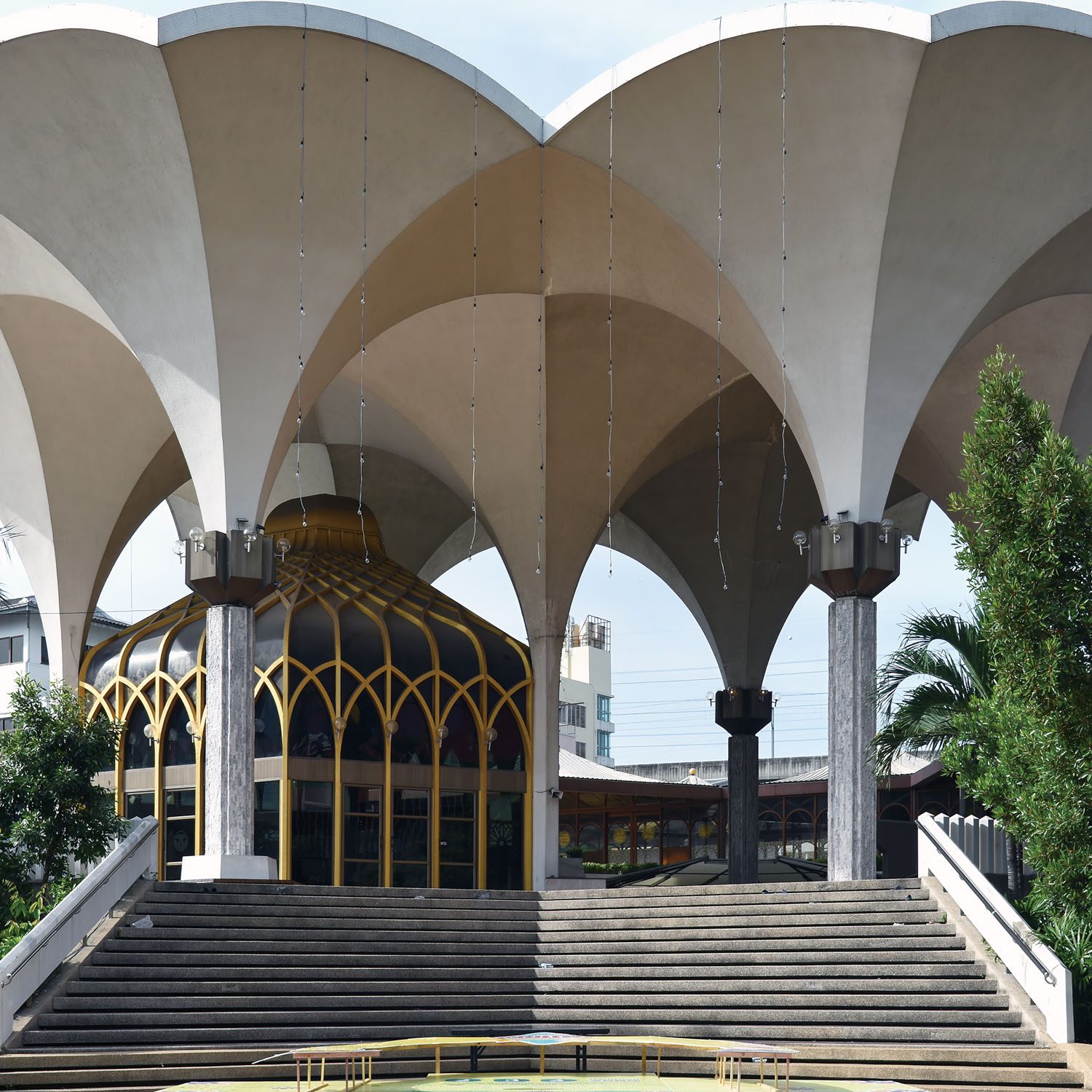
Chulalongkorn University, Sala Phra Kieo
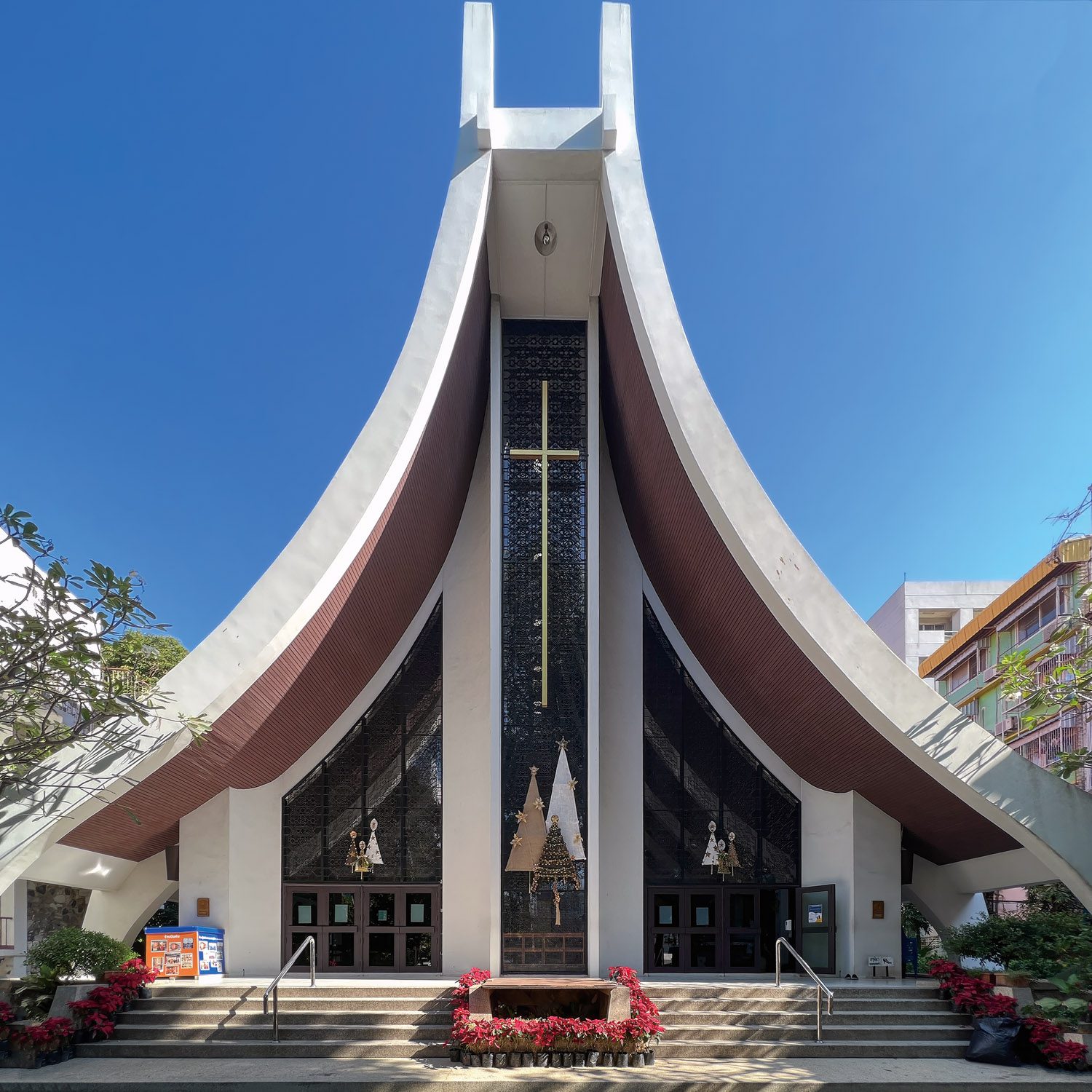 Xavier Hall
art4d: Do you have a favorite modern building in Bangkok?
WK: I cannot pick one. There are so many. But I really love Amon Sriwong and Krisda Arunvongse na Ayudhya. They come up with such experimental, daring, and bold designs. My favorite chapter in the book is the hotel chapter because there are so many cool hotels from the 1960s and 70s in Bangkok.
facebook.com/walter.koditek
instagram.com/wkoditek
instagram.com/bangkokmodernistfacades