
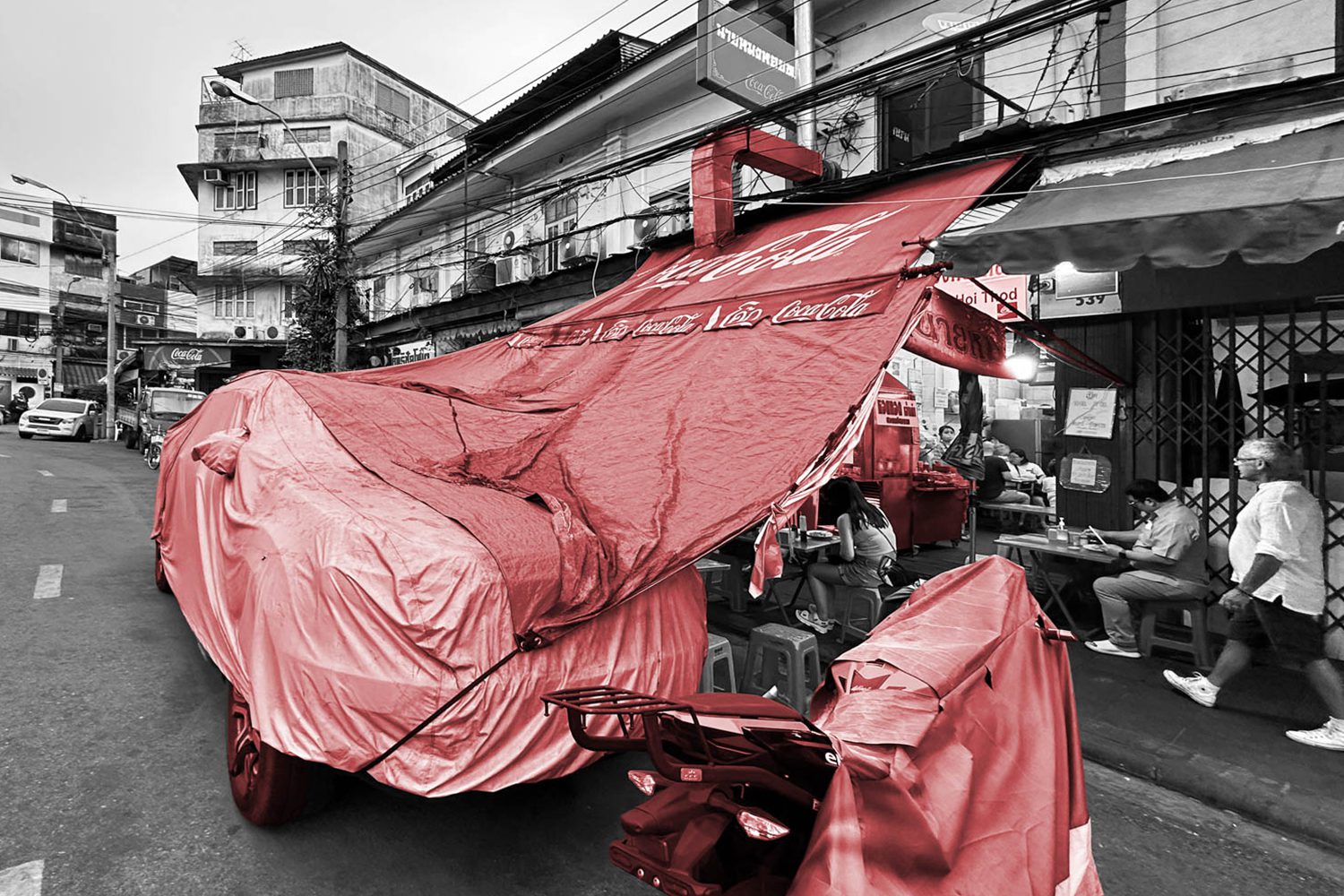
‘MICRO-CLIMATE TUNNEL’ IS A DEFINITION BY ARCHITECTS JENCHIEH HUNG AND KULTHIDA SONGKITTIPAKDEE OF HAS DESIGN AND RESEARCH FOR A MICHELIN-RATED OYSTER OMELETTE STALL ON YAOWARAT ROAD
TEXT: JENCHIEH HUNG & KULTHIDA SONGKITTIPAKDEE
PHOTO: HAS DESIGN AND RESEARCH
(For Thai, press here)
In Thailand, shophouses are a popular building typology for both living and retail. Many shophouse owners widen their frontage by stretching canvas awnings over the sidewalk as temporary roofs. One eatery has taken this strategy to the extreme, annexing the parking bay in front of its shop and sheathing it with PVC tarpaulin, thereby providing shade, ventilation, and a lively semi-outdoor dining area. This adaptation reflects the flexibility and creativity of Thai street-food culture and tropical urbanism.
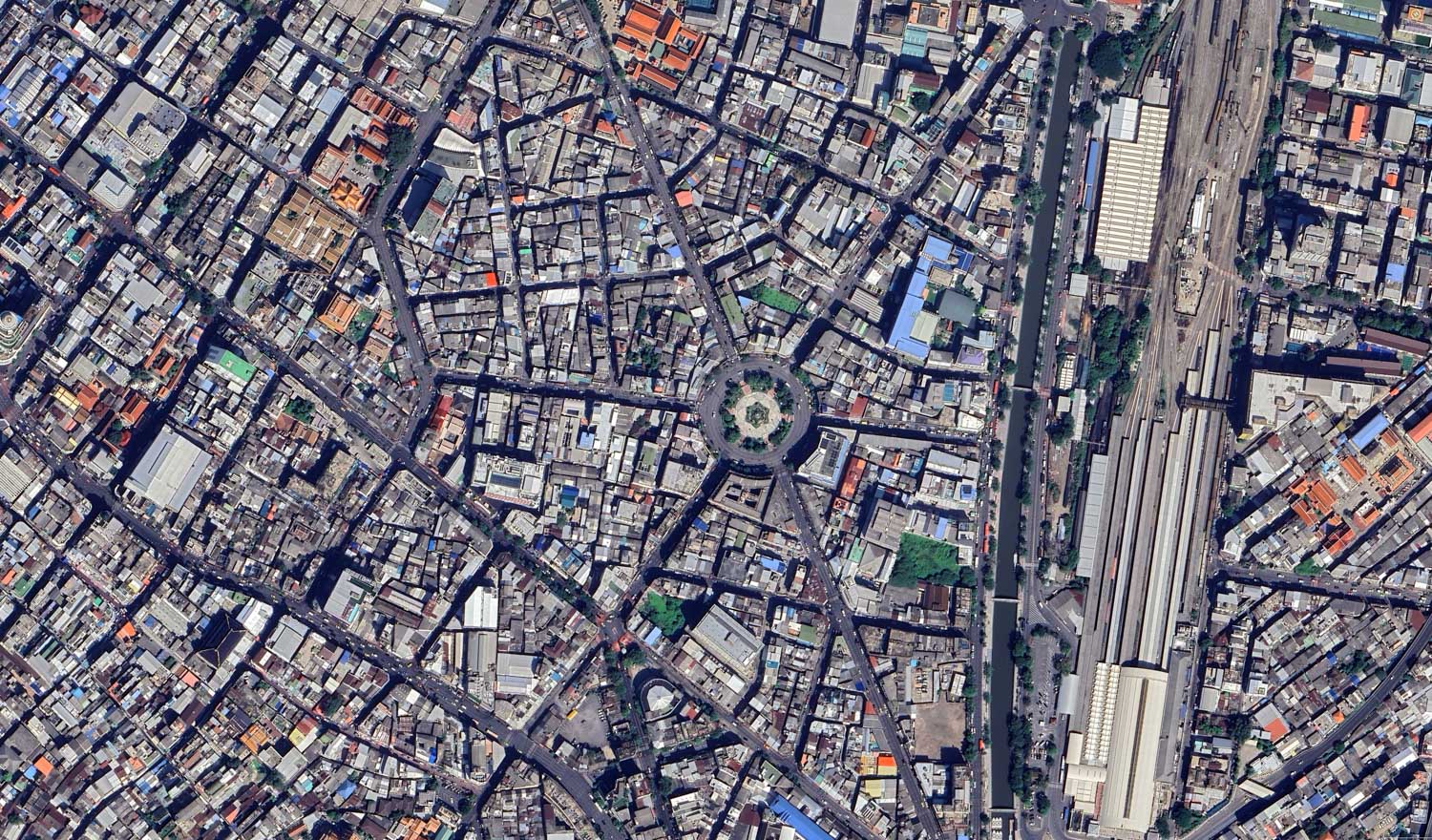
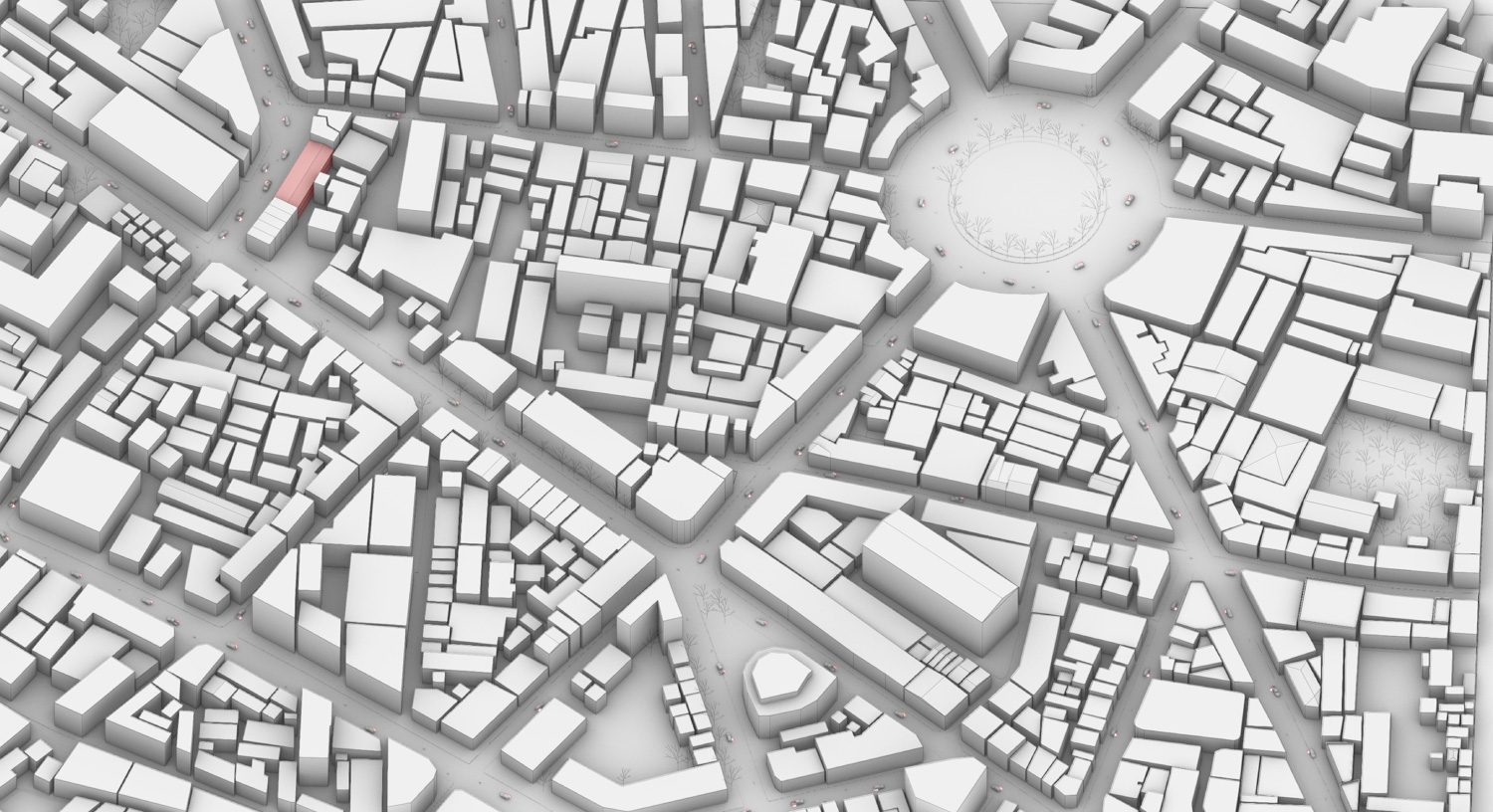
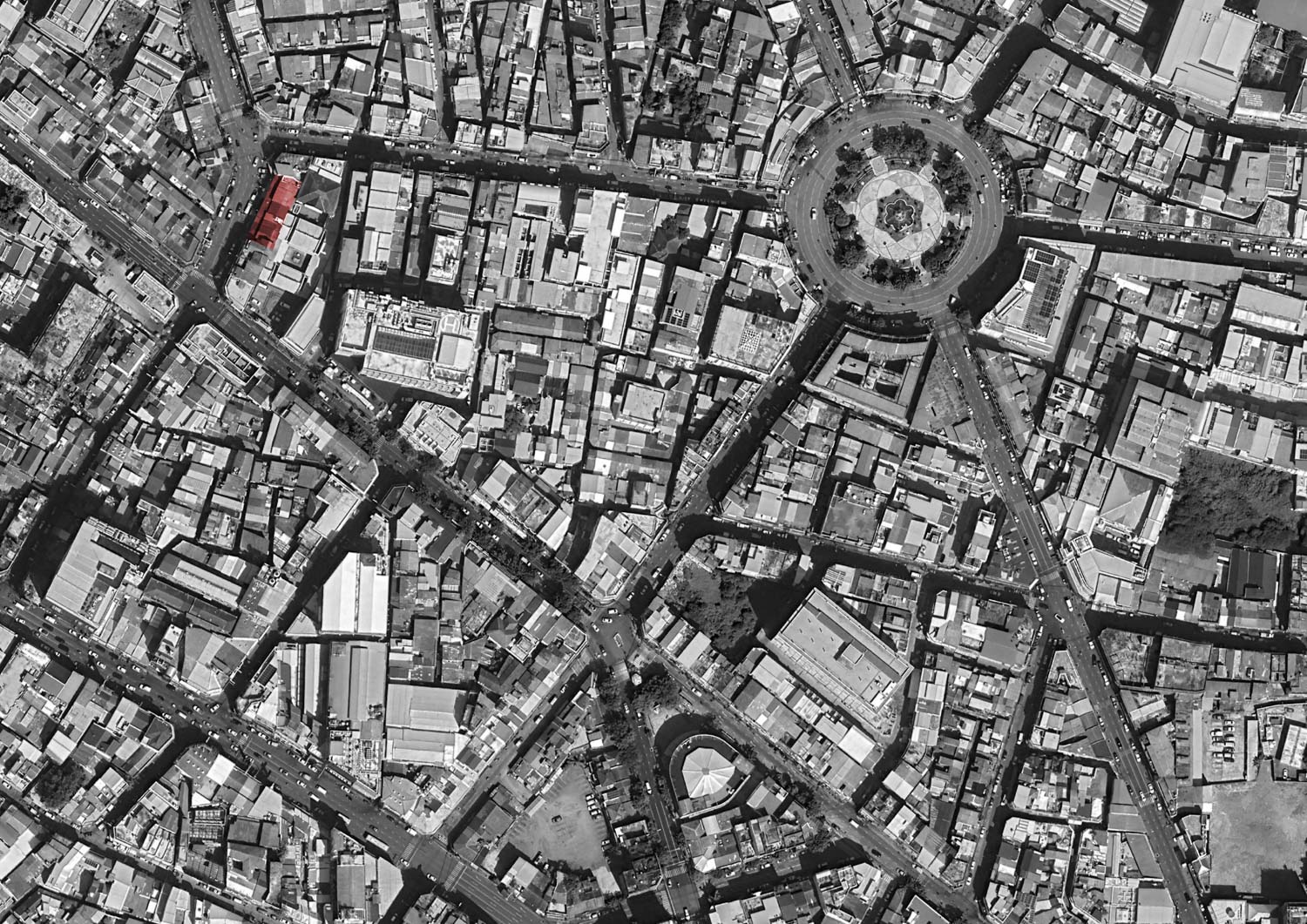
Nai Mong Hoi Thod, a Michelin-rated oyster omelette restaurant located in the heart of Bangkok’s Yaowarat district, also known as Chinatown, offers a fascinating case study in urban space utilization and spontaneous architectural innovation. While the restaurant is renowned for its culinary excellence, its clever extension of the shophouse canopy into the public pedestrian zone, combined with the strategic use of the shop owner’s parked car to occupy adjacent road space and connect both areas, presents a compelling example of informal urban innovation and spatial transformation. This integration of the shophouse canopy with a parked car covered in PVC fabric not only maximizes limited space but also demonstrates how movable, small-scale, improvised structures can support sustainability, create micro-climates of shade and ventilation, and encourage both community interaction and visitor engagement.
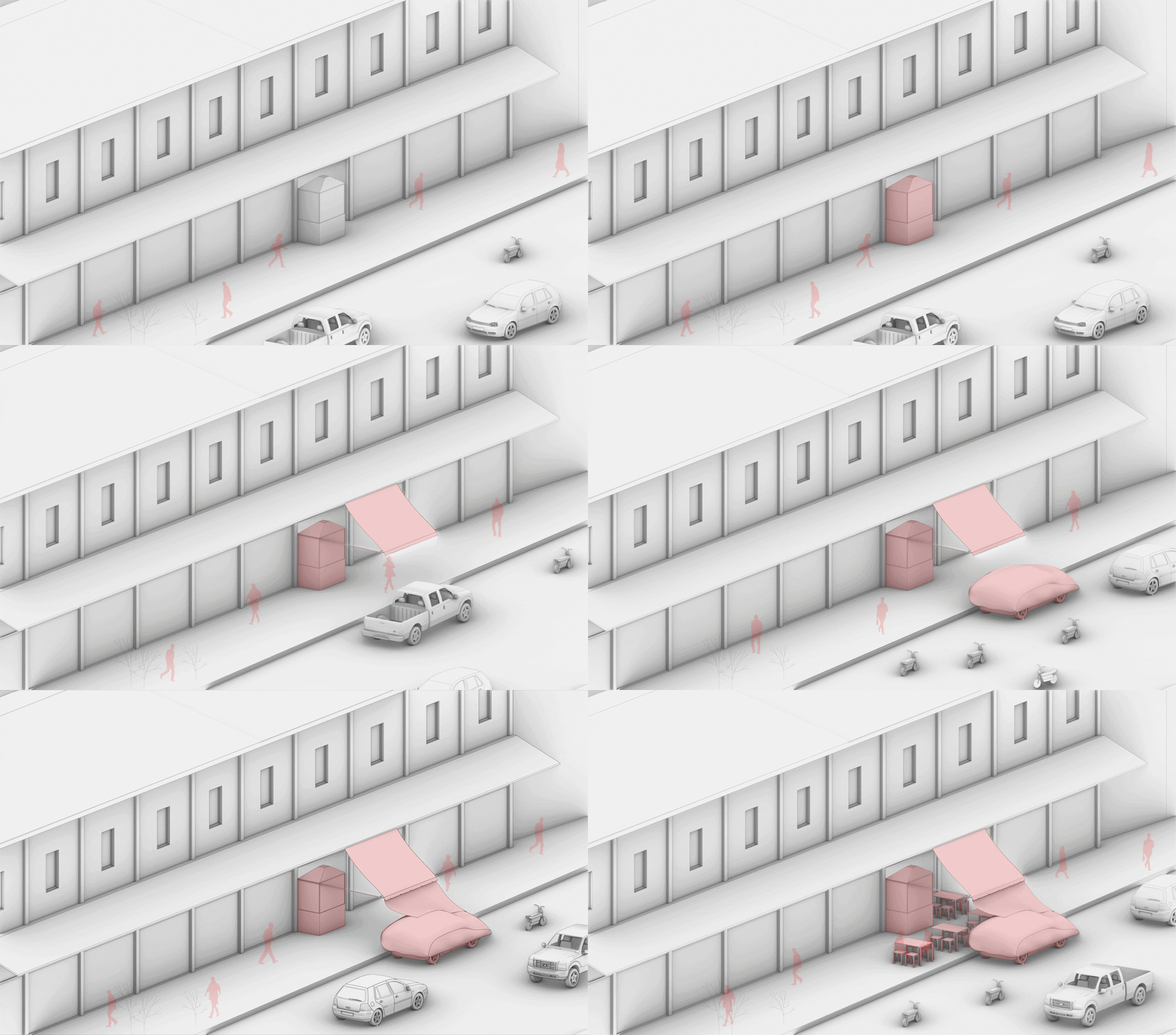
For architects Jenchieh Hung and Kulthida Songkittipakdee, founders of HAS design and research, the restaurant’s approach demonstrates how everyday urban practices can evolve into meaningful spatial interventions. By extending the shopfront canopy into the pedestrian walkway and incorporating part of the street as a temporary dining area, the restaurant reclaims public space in a way that reflects the essence of Thai street food culture. This expansion blurs the boundary between private and public realms, creating a distinctive semi-outdoor dining experience. Visitors can watch dishes being prepared at the street-side kitchen while engaging with the surrounding local life, resulting in a memorable cultural and culinary experience.
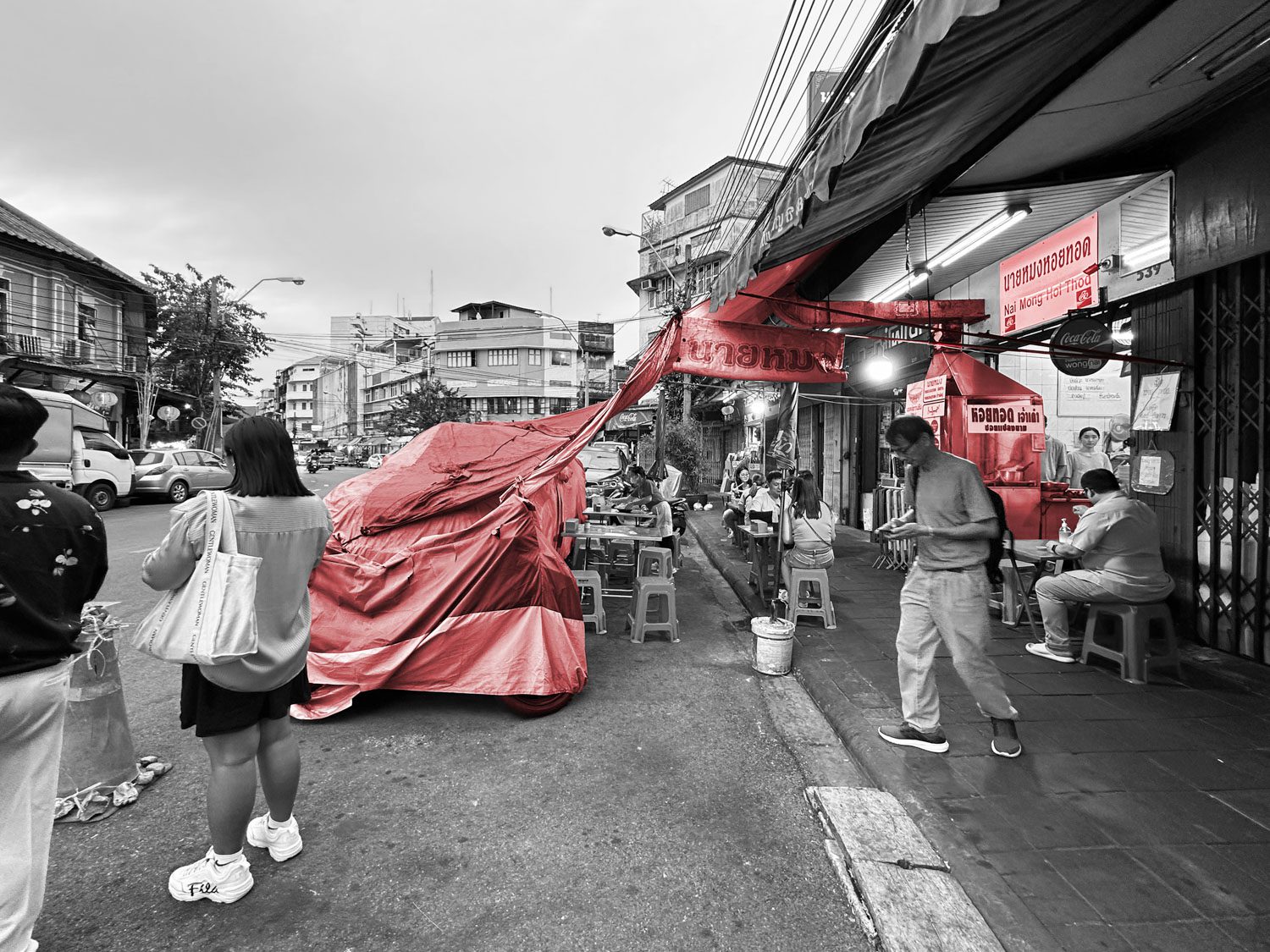
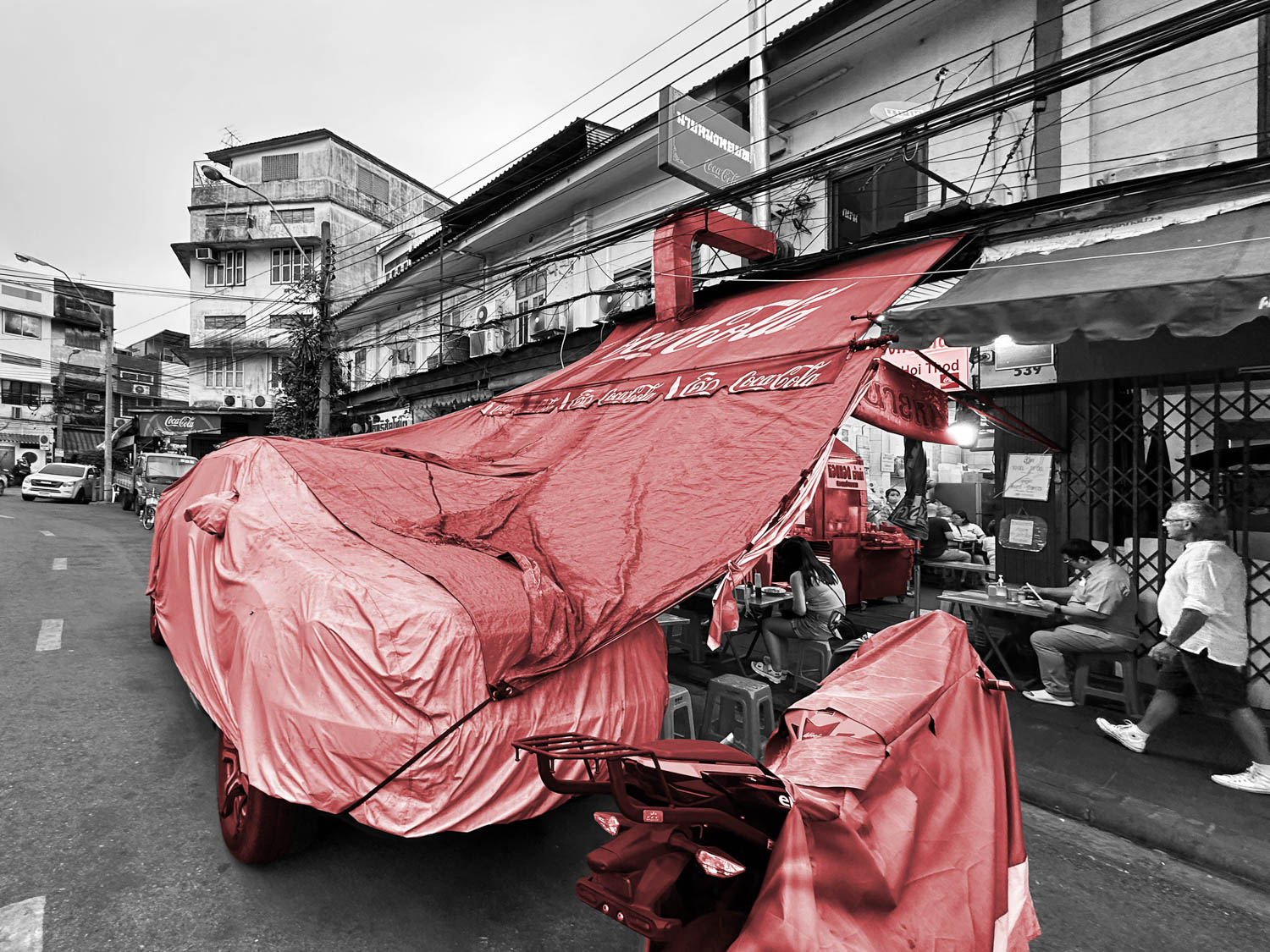
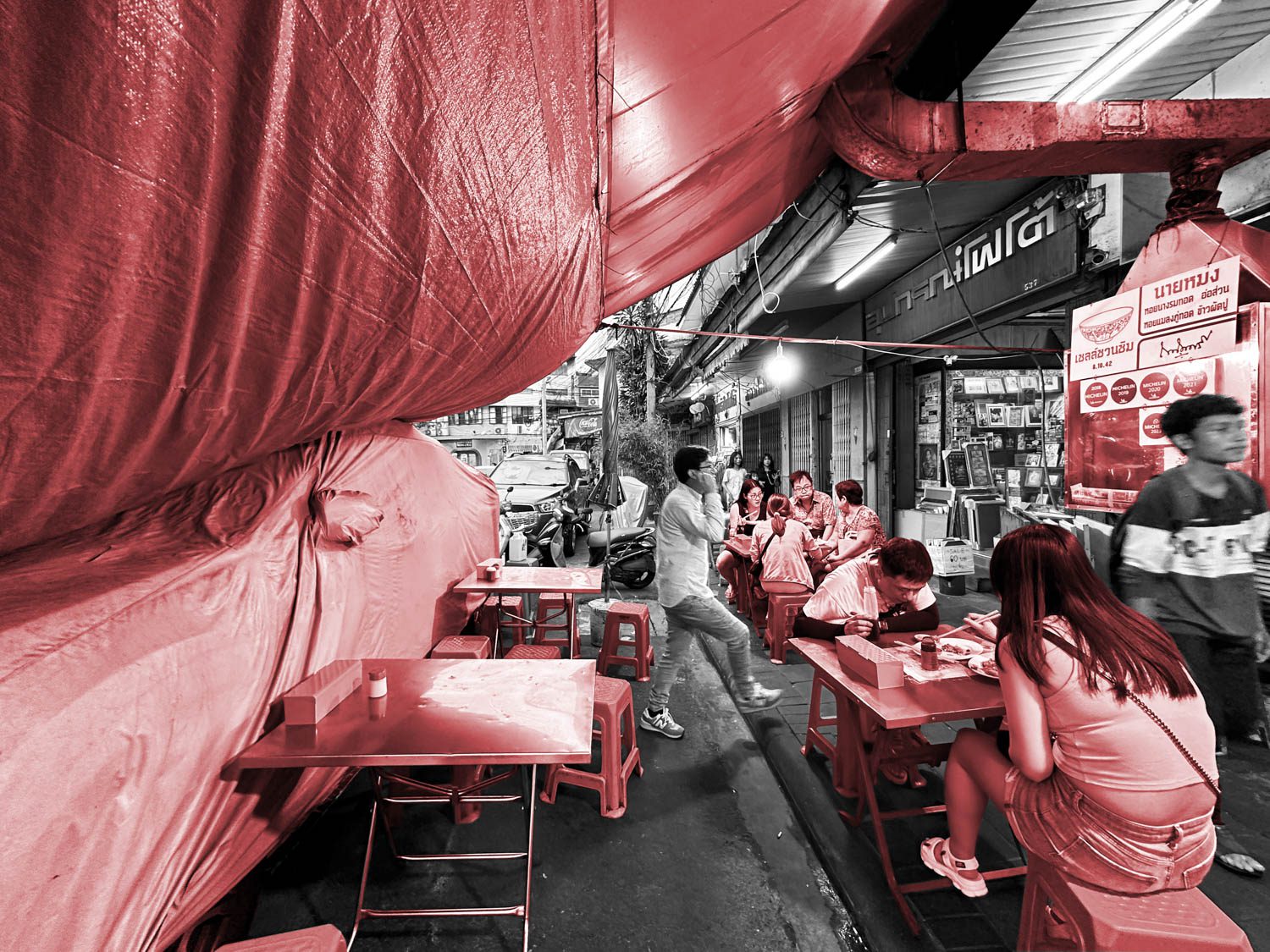
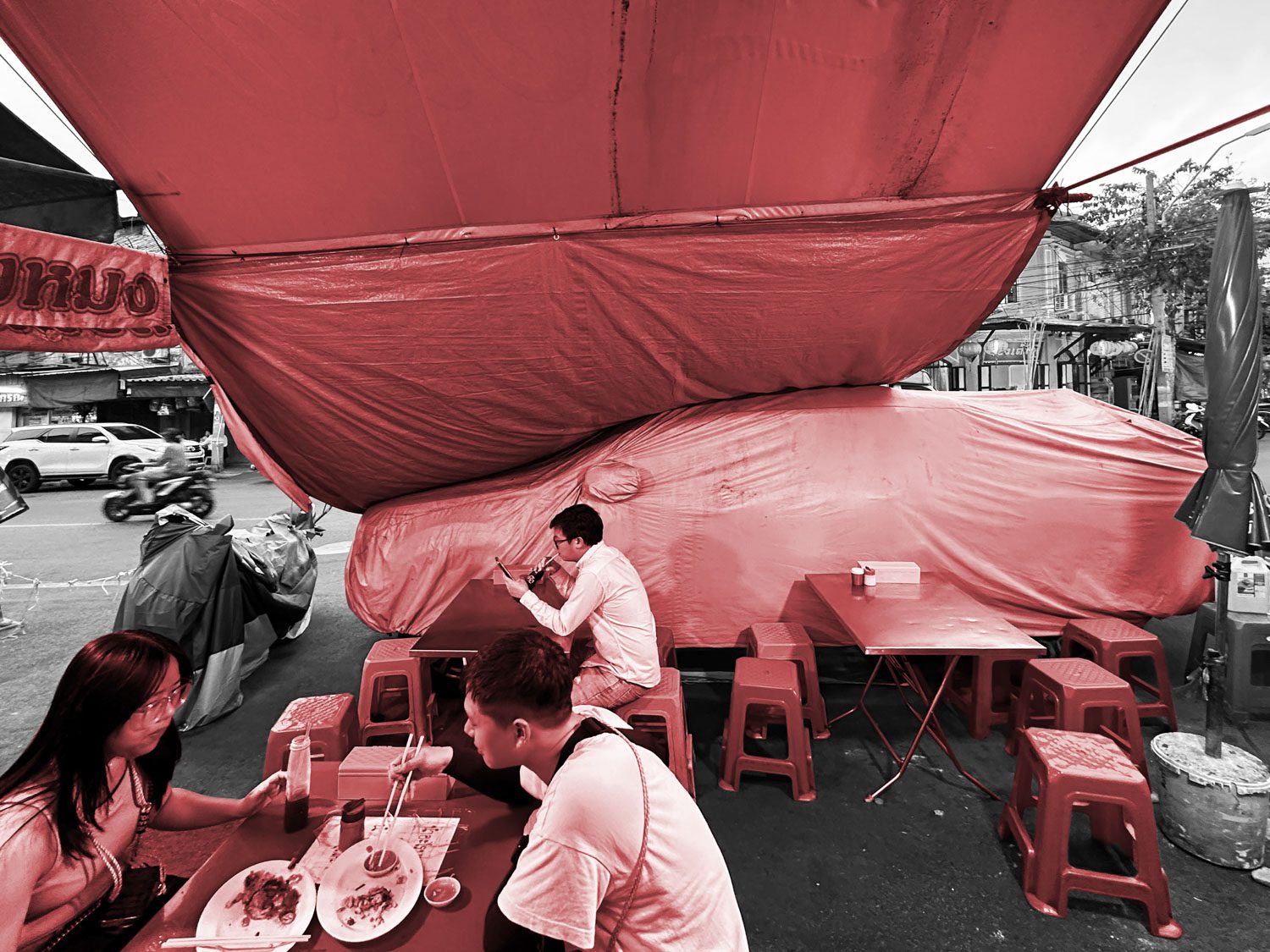
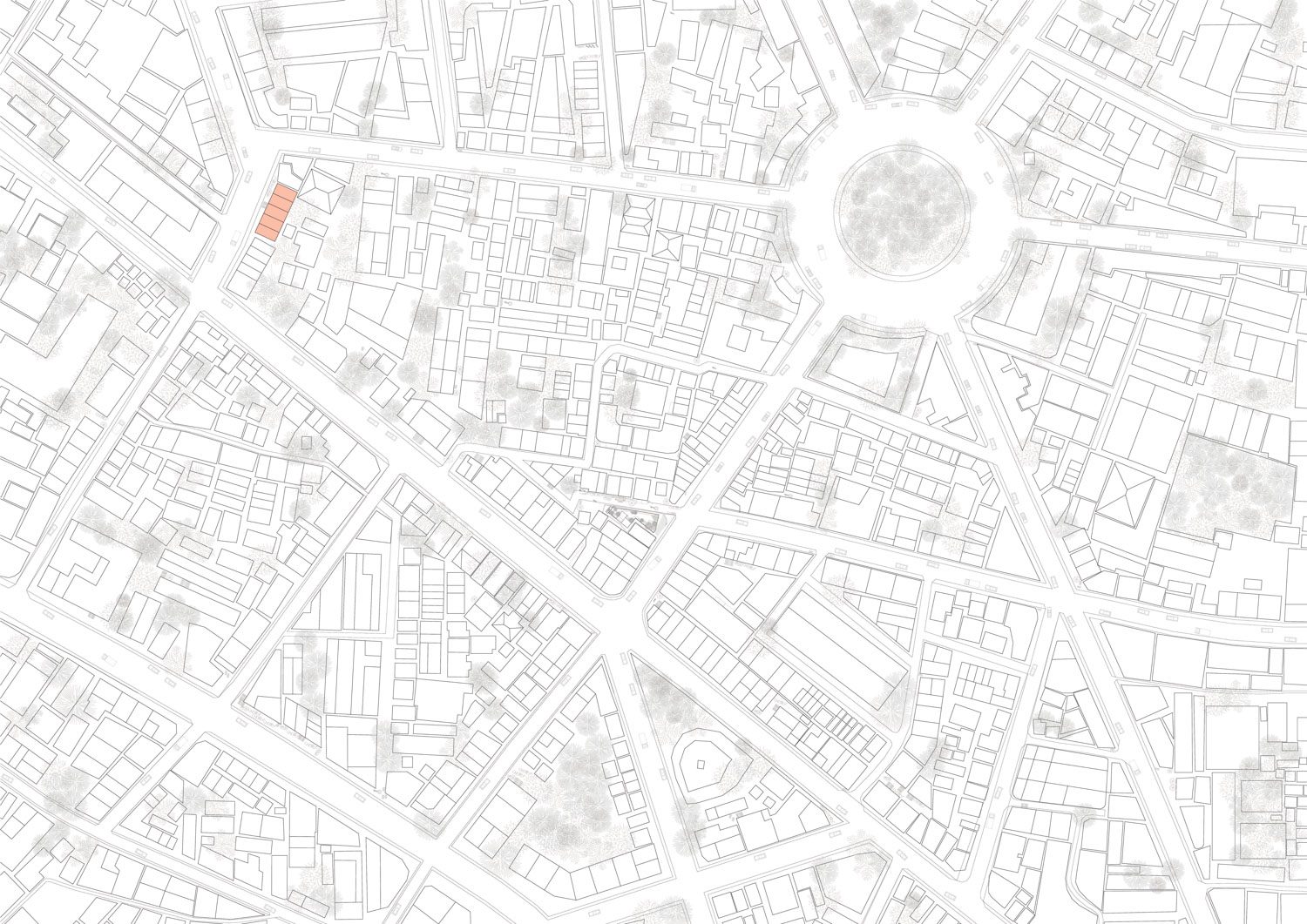
A key outcome of this spatial appropriation is the formation of what architects describe as a ‘micro-climate tunnel.’ The extended canopy provides essential shade from Bangkok’s intense tropical sun, while the open sides allow for cross-ventilation, keeping the dining area cool and comfortable. These non-permanent structures align with the principles of sustainable urban design, offering mobility, flexibility, and adaptability without causing long-term environmental impact when the restaurant closes. They embody the ecological philosophy inherent in Thailand and Southeast Asia’s tropical urbanism, which emphasizes shading, natural airflow, and arcaded spatial strategies.
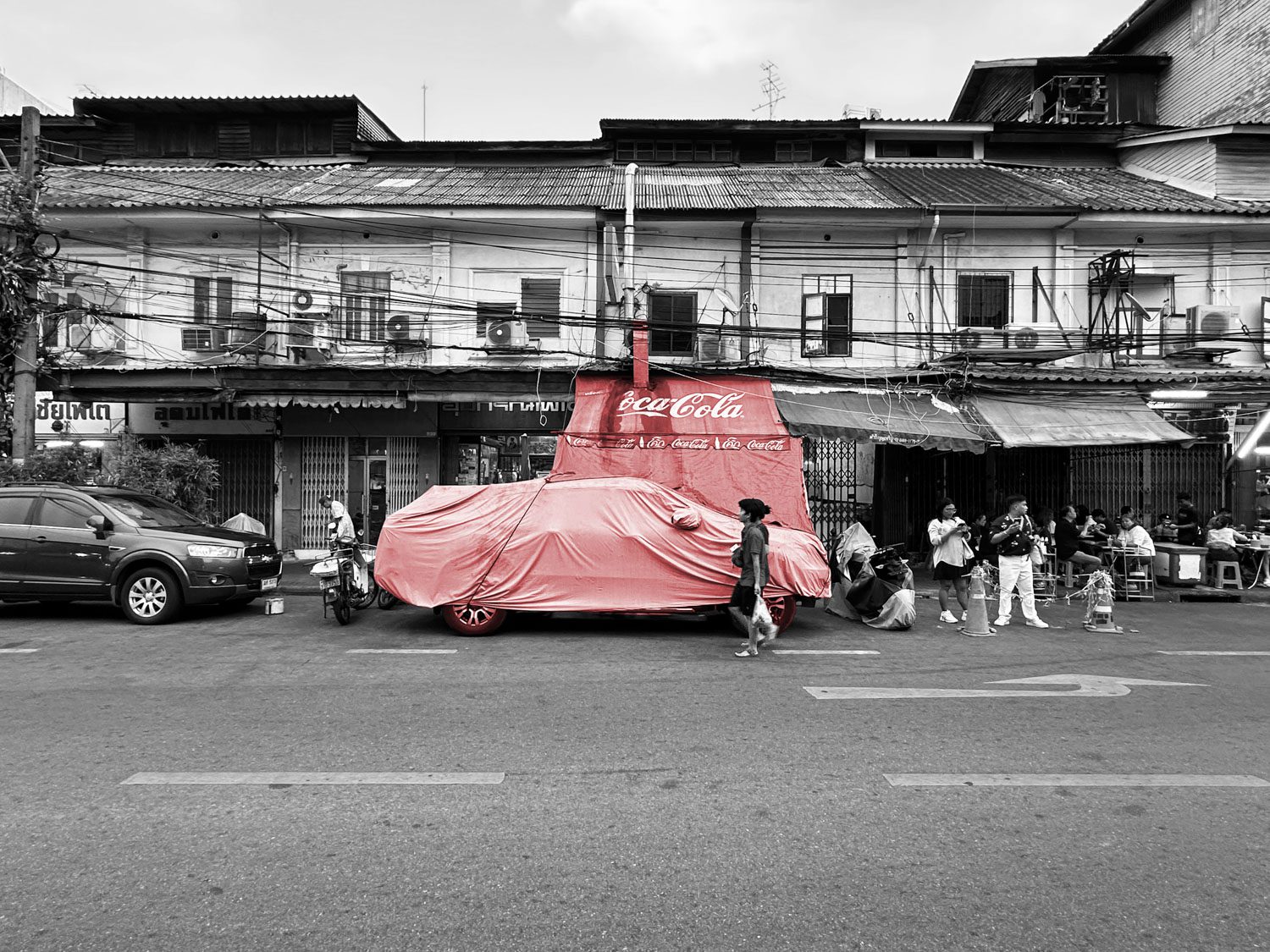
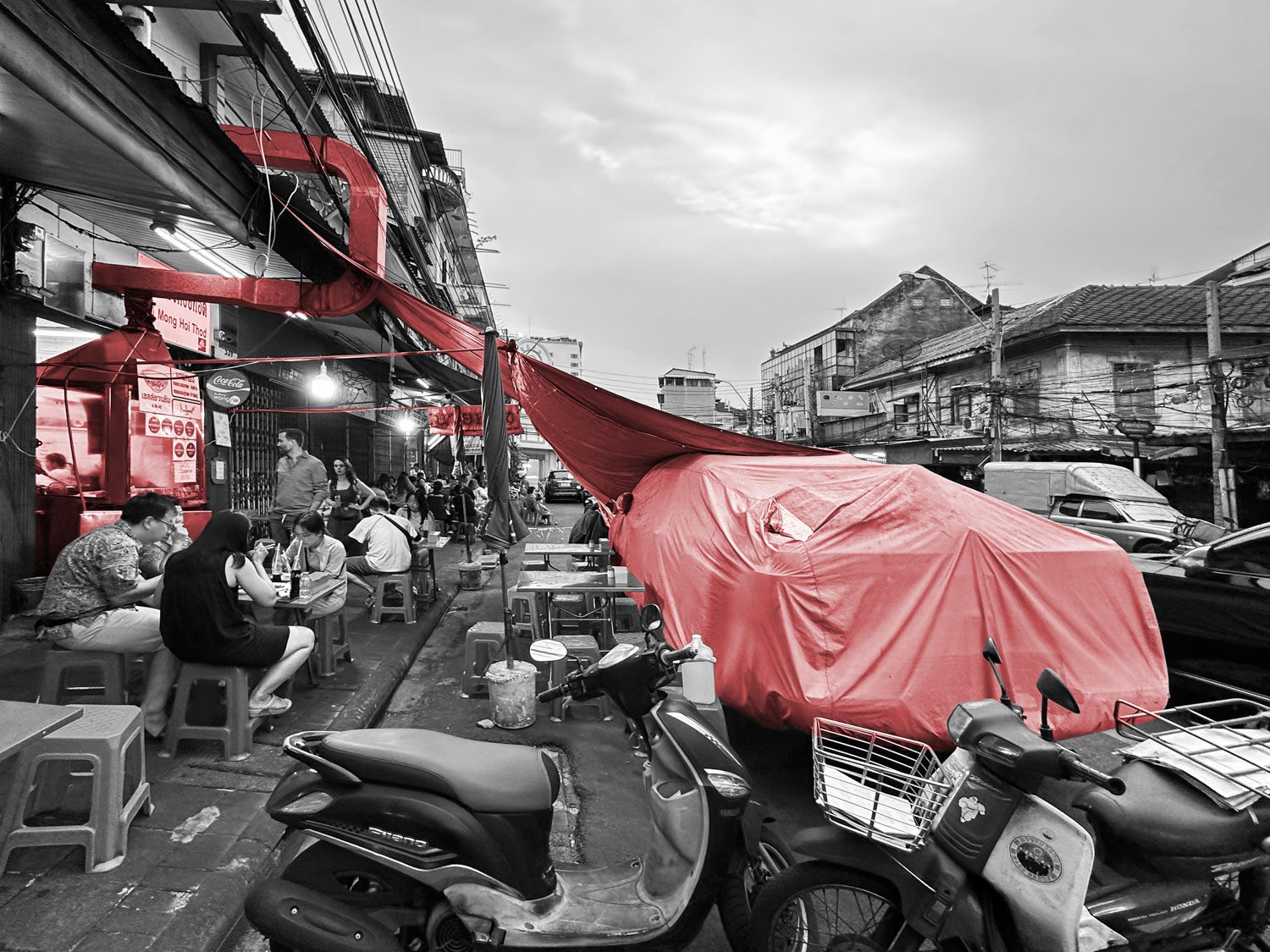
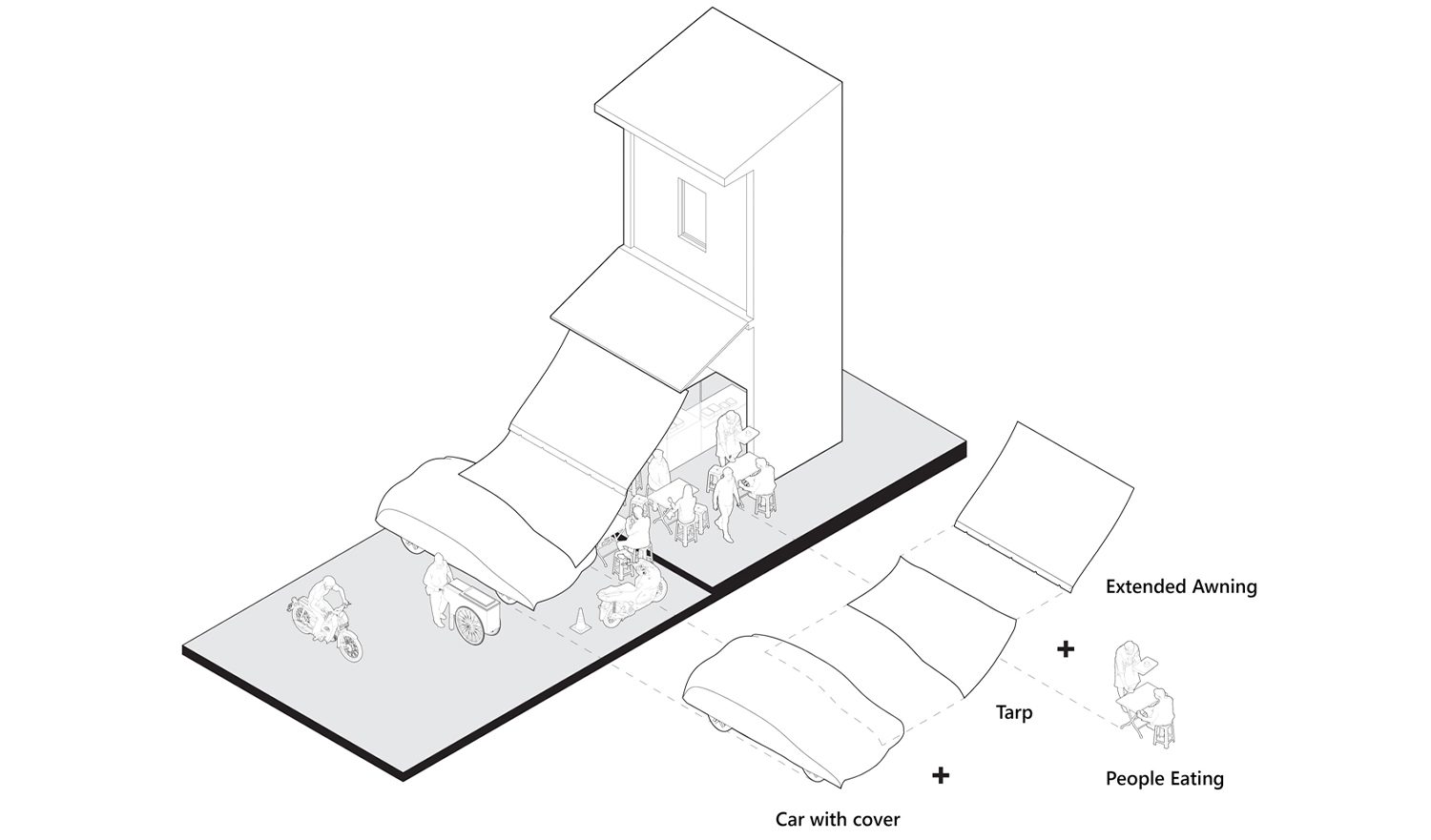
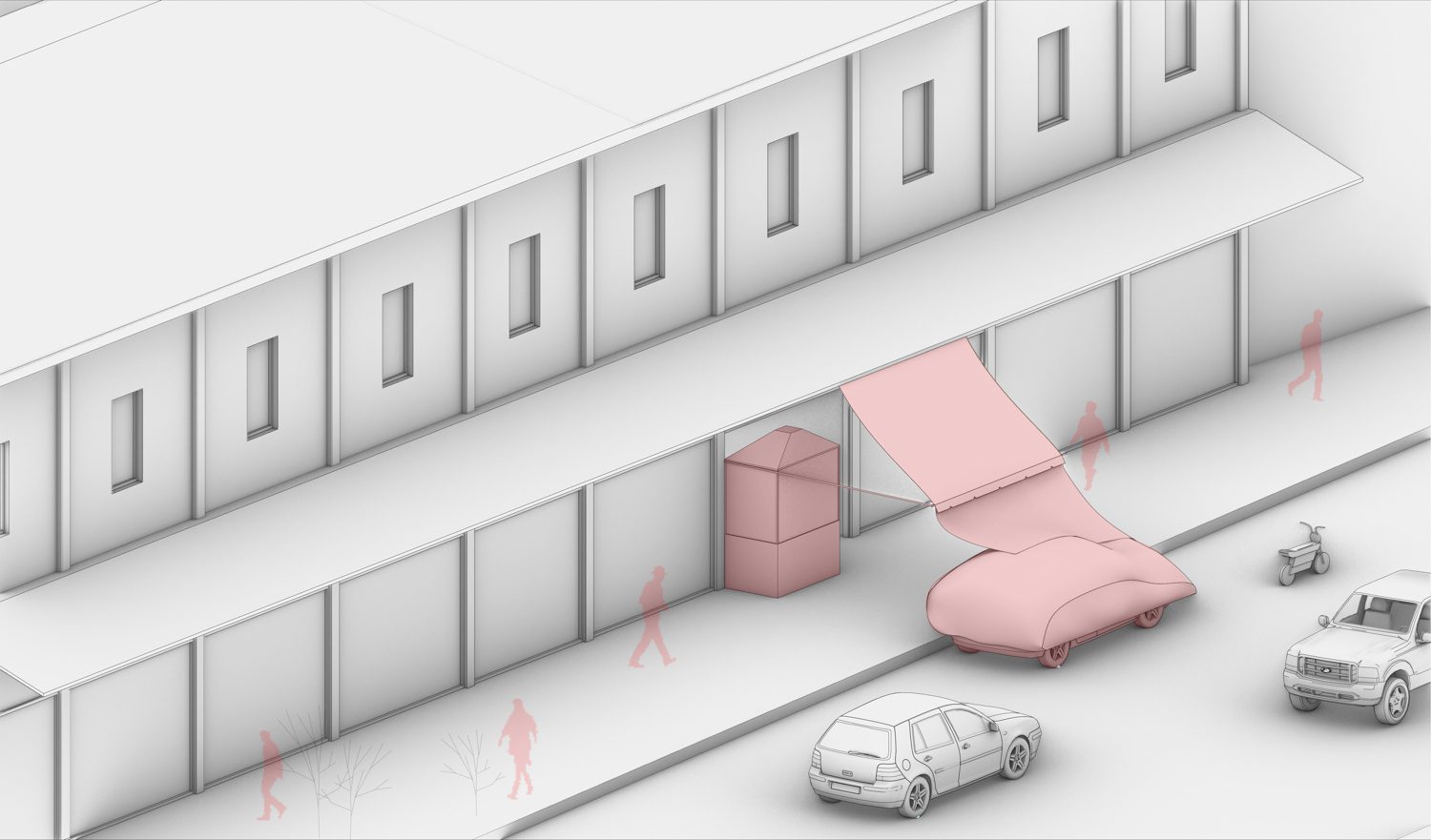
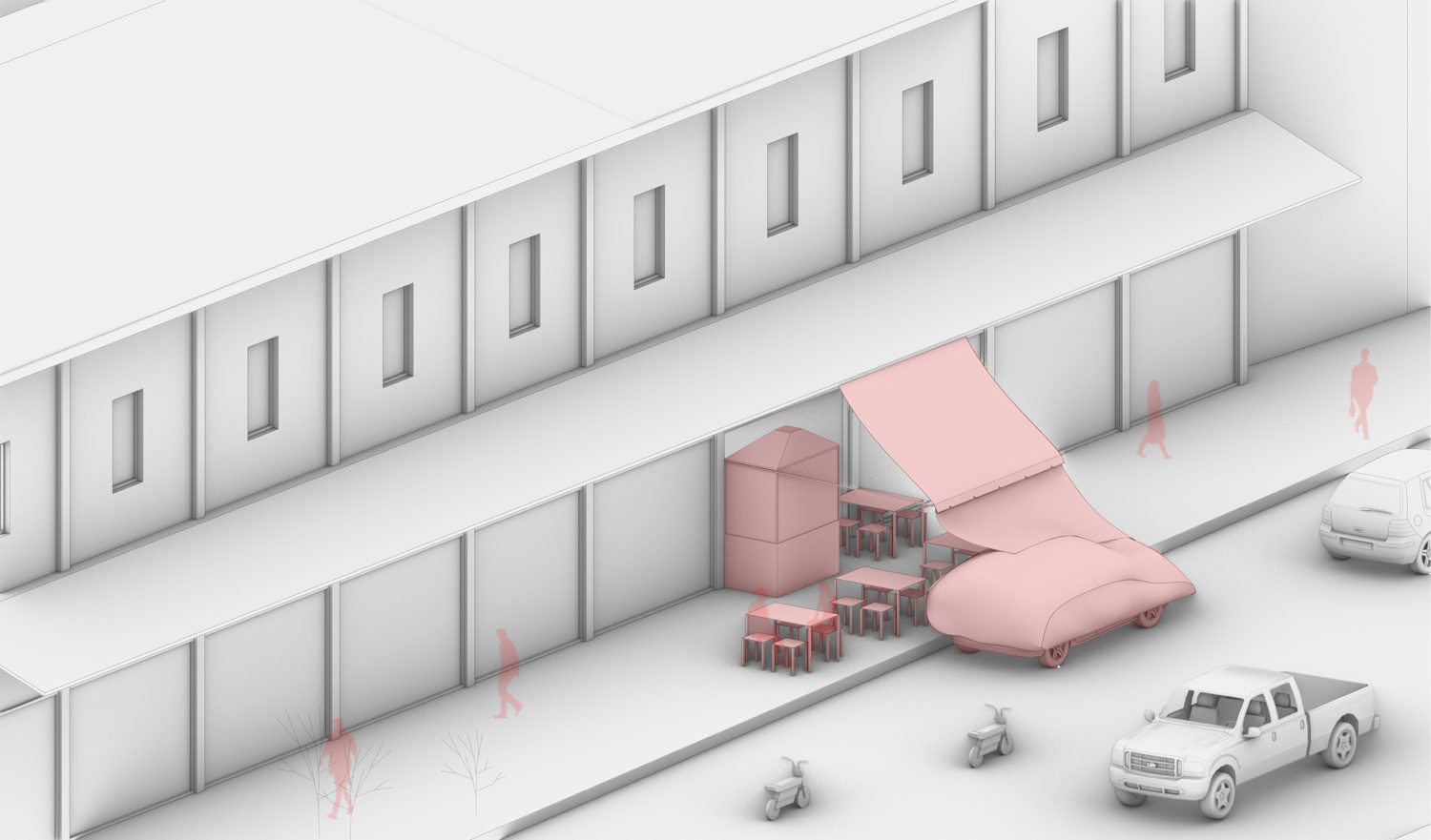

The Nai Mong Hoi Thod extension demonstrates how small localized interventions in a typical Thai shophouse can significantly enhance the urban experience. By informally occupying the road with a parked car covered in PVC fabric and extending into the pedestrian zone with makeshift canopies, dining tables, and red and blue plastic chairs, the restaurant creates a semi-public space that is cost effective, welcoming, and socially vibrant. This on-site research offers an alternative vision of sustainable urban living that prioritizes flexibility, community interaction, and the everyday innovation found in Bangkok’s street food culture.
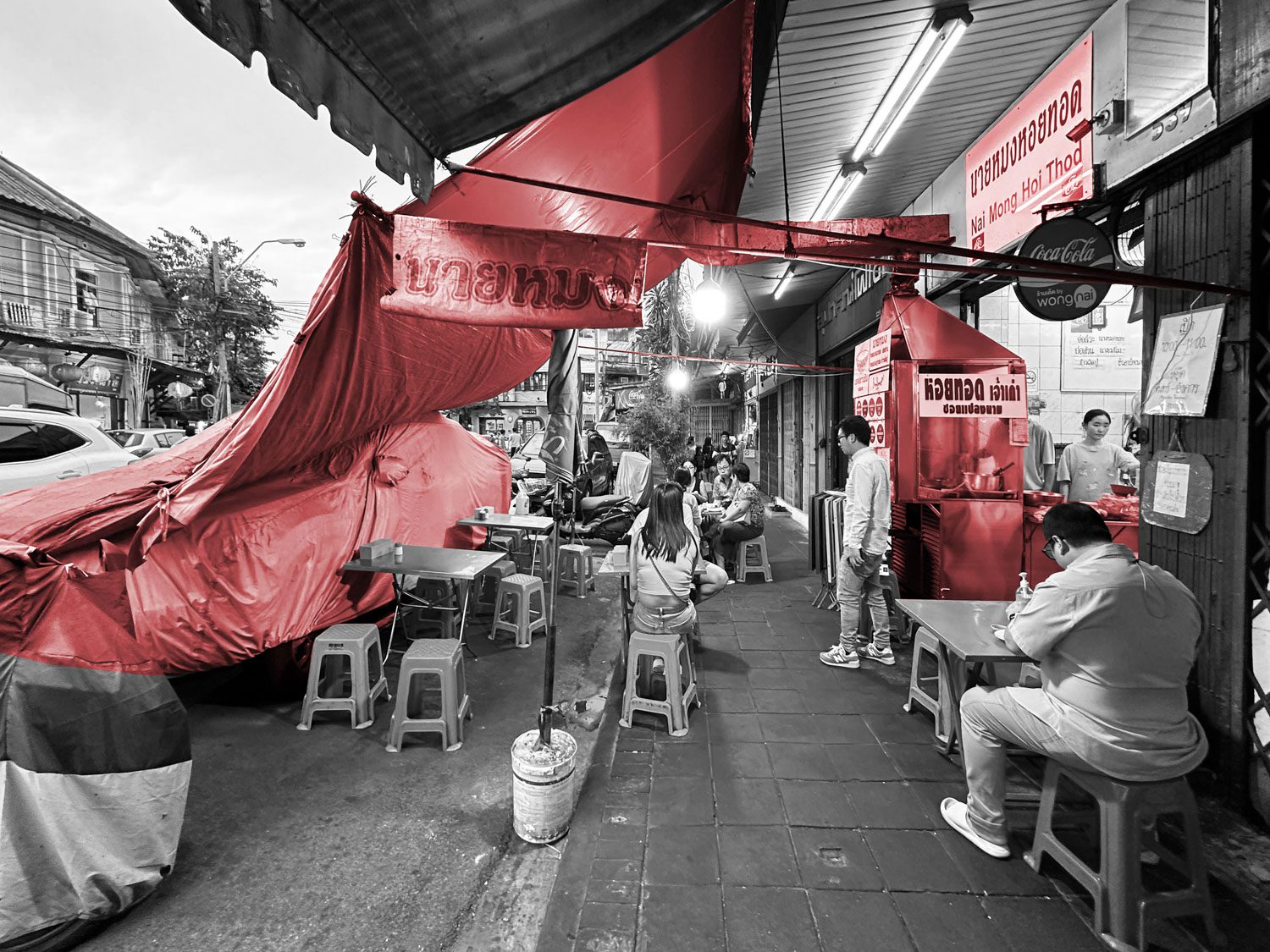
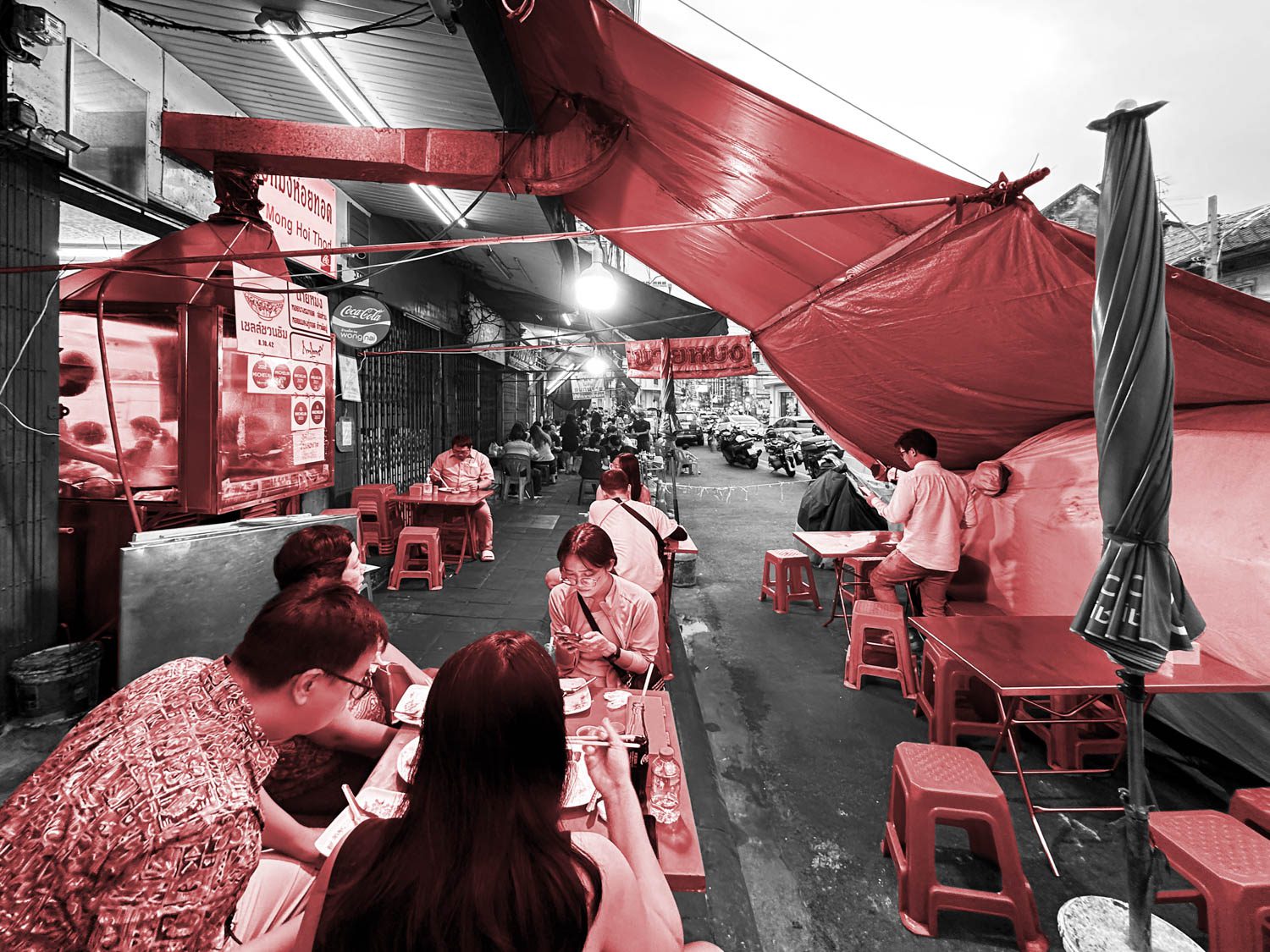

This article content is an excerpt from the book ‘Chameleon Architecture: Shifting / Adapting / Evolving,’ authored by Jenchieh Hung & Kulthida Songkittipakdee / HAS design and research, available for purchase at: https://art4d.com/product/chameleon-architecture
facebook.com/hasdesignandresearch
instagram.com/has.design.and.research