
SUBHEADVENICE ARCHITECTURE BIENNALE 2025 BROUGHT GLOBAL CRISES UNDER CLOSE SCRUTINY. AS ARCHITECTURE IS NOT SOLELY A FORM OR STRUCTURE, BUT A ‘COLLECTIVE INTELLIGENCE’ THAT CAN CRUCIALLY CRITIQUE, HEAL, AND GROW WITH THE WORLD
TEXT & PHOTO: ALEXANDRA POLYAKOVA
(For Thai, press here)
At the 19th International Architecture Exhibition – La Biennale di Venezia, the built environment is no longer merely a container for culture, but an active agent of change, critique, and imagination. Curated under the umbrella theme ‘Intelligens: Natural. Artificial. Collective,’ this year’s Biennale reflects a global urgency to redefine architecture not only through its physical manifestations but through its embedded systems of intelligence—technological, ecological, material, and sociocultural.
The national pavilions collectively form a vivid and multifaceted map of the architectural zeitgeist. Across the Giardini, Arsenale, and various off-site locations, participating countries offer critical positions on resource scarcity, climate breakdown, colonial afterlives, and the ethics of AI. What emerges is not just a snapshot of national identities or aesthetic tendencies, but a shared inquiry into how architecture mediates between memory and future, localism and planetary care.
Intelligence as Critique: Resource, Extraction, and Reclamation
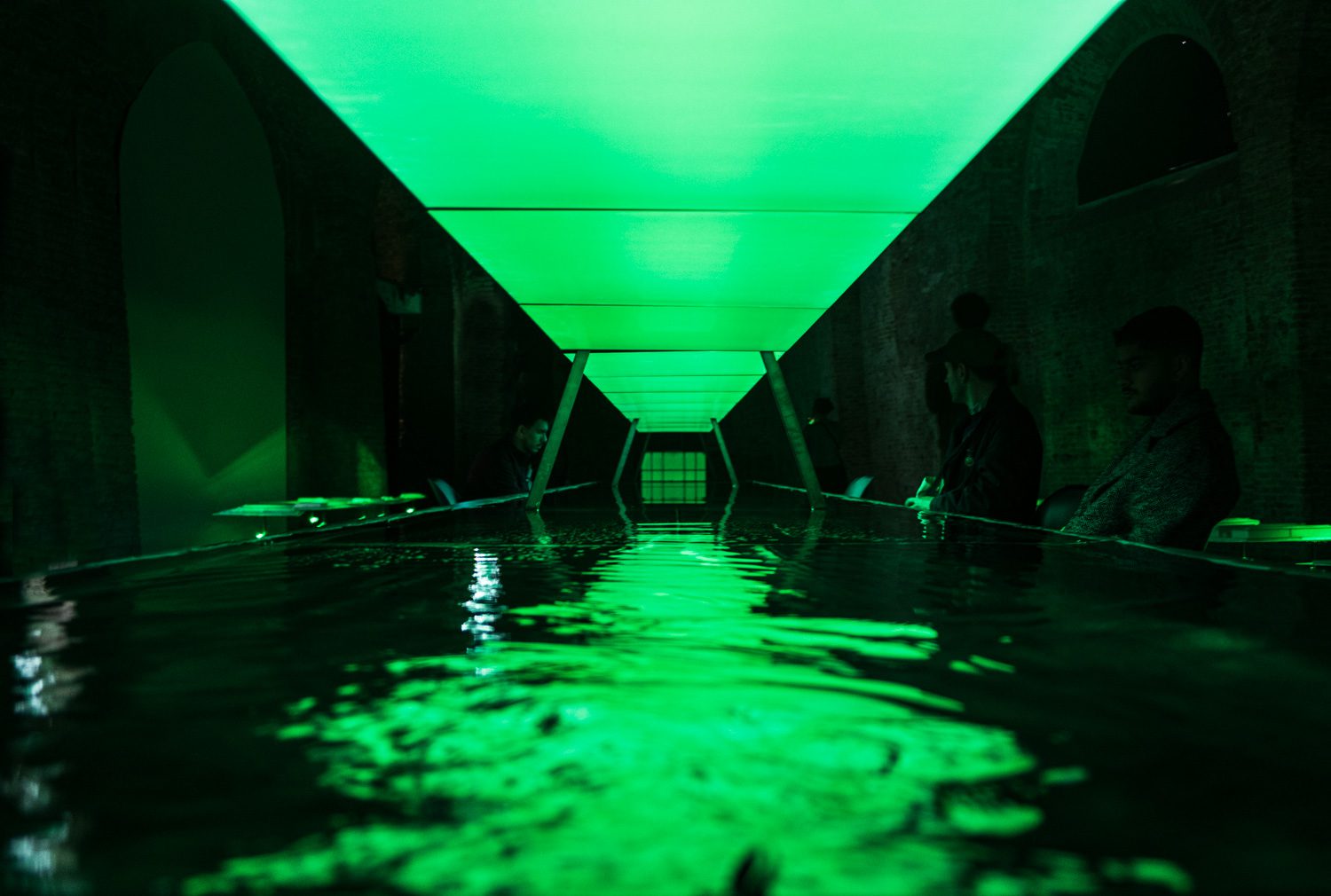
Chile’s Reflexive Intelligences leads with a strong critique from the Global South. Curated by Serena Dambrosio, Nicolás Díaz, and Linda Schilling, the pavilion interrogates the hidden infrastructural costs of AI—from lithium mining to water consumption—posing difficult questions about technological sovereignty. The installation reimagines the ‘worktable’ as a participatory space of deliberation, reframing computation as a territorial and ecological issue rather than a purely digital one. Through this lens, intelligence becomes both contested and situated, shaped by extractive politics and asymmetrical power.
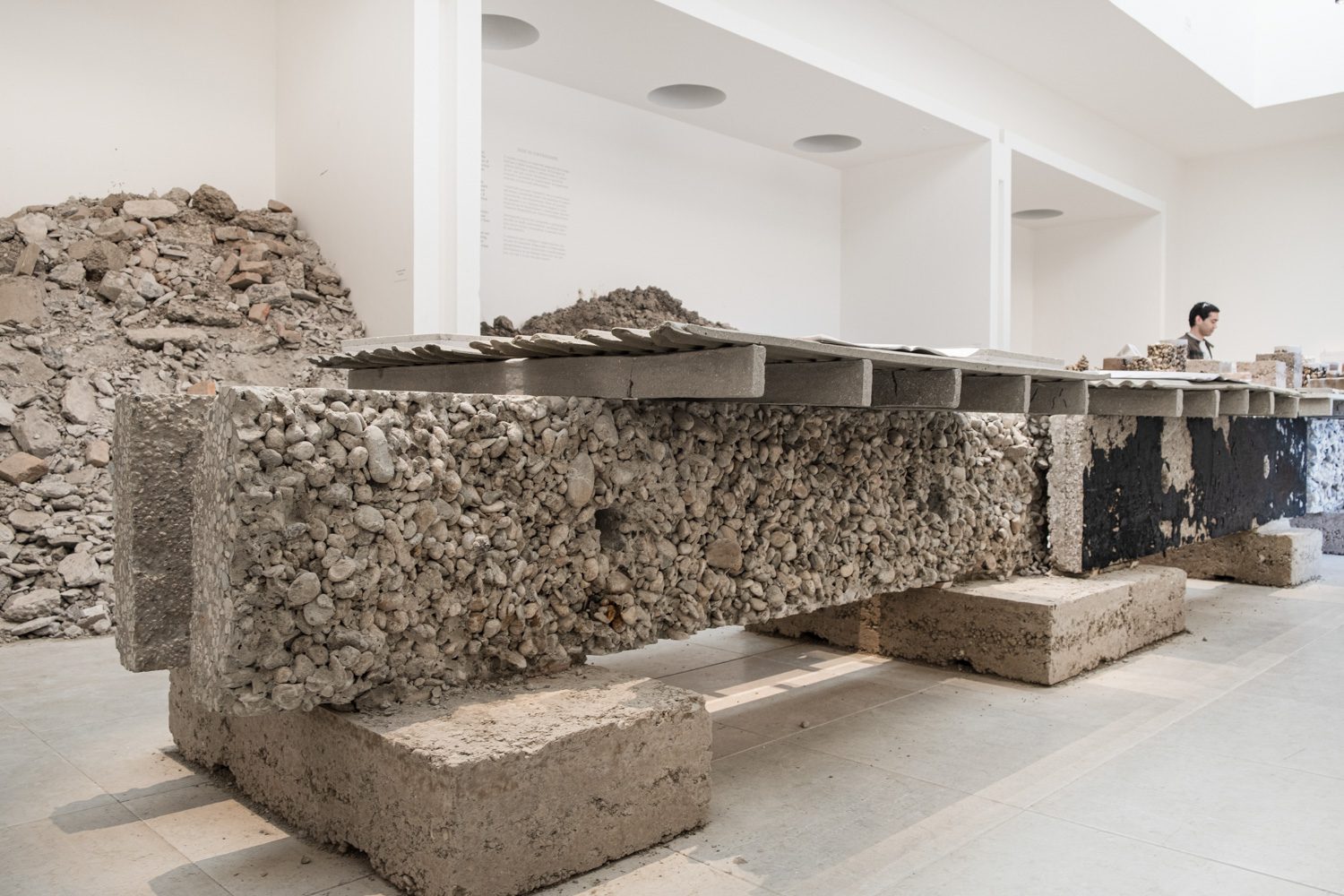
Similarly, Denmark’s Build of Site, curated by Søren Pihlmann, takes a hands-on approach by transforming the pavilion into a live construction site. Using reclaimed materials from the previous biennale and binding them with bio-based components, the exhibition promotes circularity in architectural thinking. Pihlmann’s refrain—’We’ve already created everything we need’—serves as both a provocation and a call for systemic change in how we value and use materials in a world of finite resources.
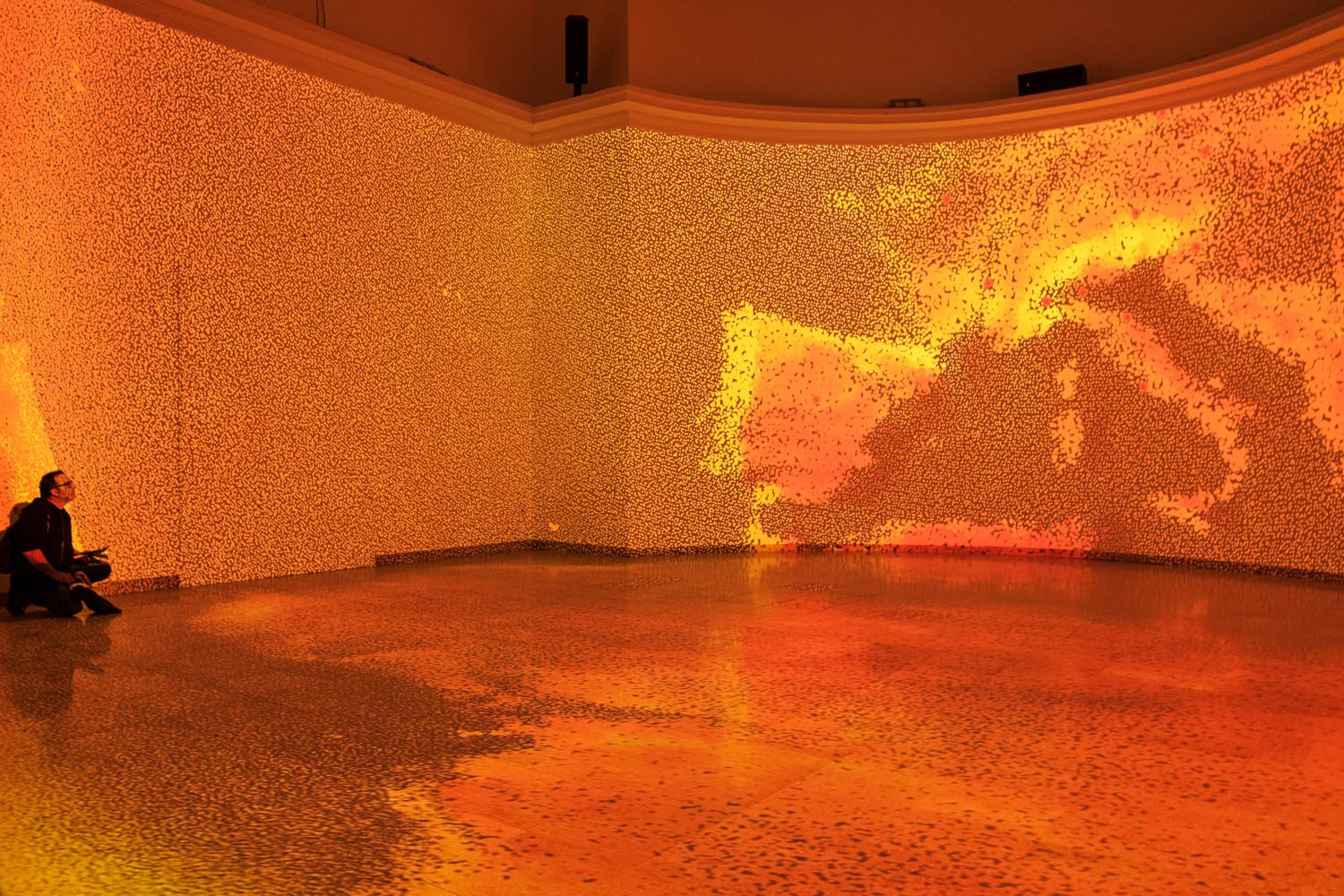
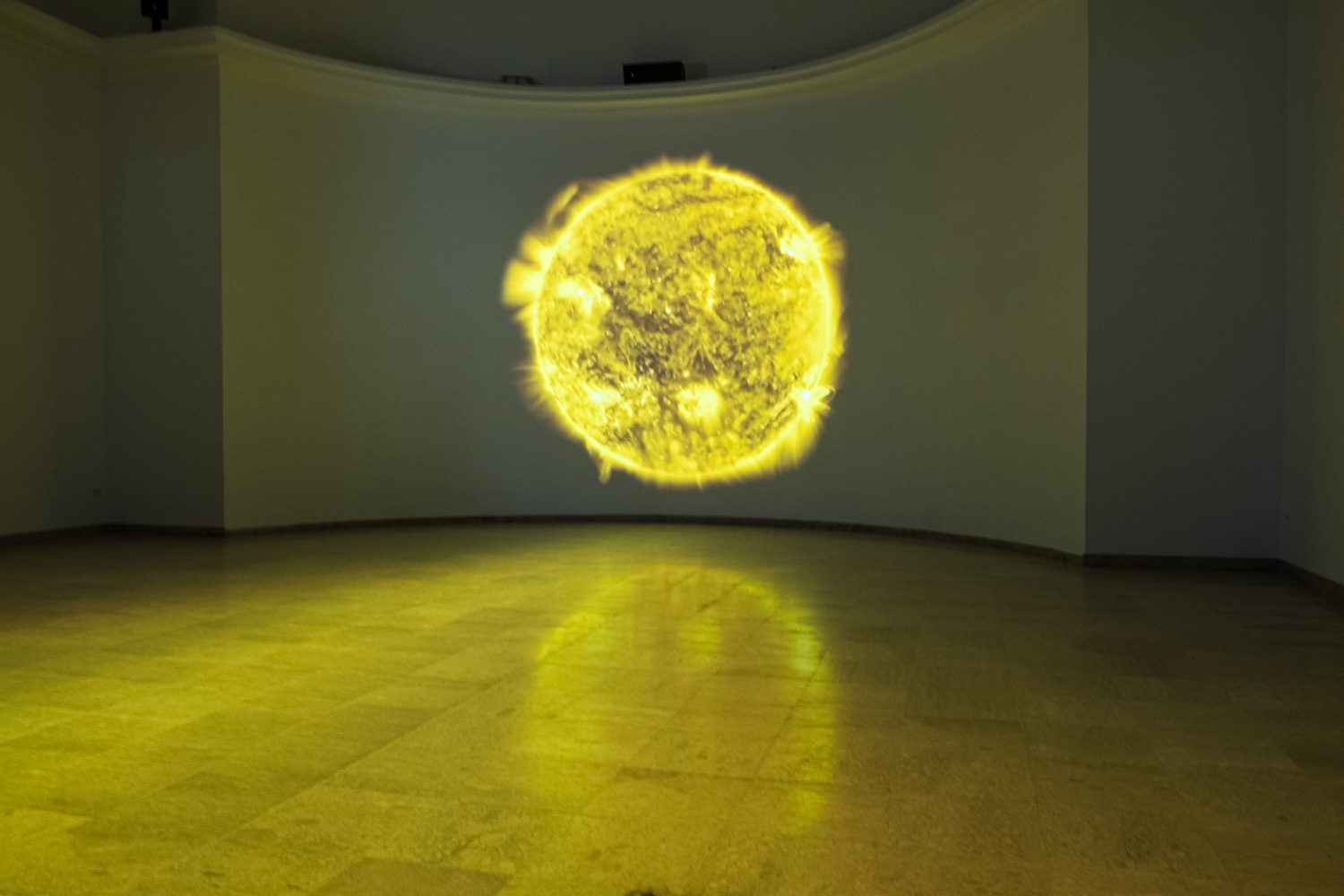
Germany’s STRESSTEST installation, curated by Elisabeth Endres, Gabriele G. Kiefer, Daniele Santucci, and Nicola Borgmann, confronts climate change as both a physical and psychological condition. Inside the pavilion, visitors move between a high-heat ‘stress room’ and a shaded ‘de-stress zone’ planted with hornbeam trees—species selected for their resilience to storms and drought. This spatial contrast forces the body into a state of heightened awareness, transforming architecture into a diagnostic and therapeutic tool.
Plant Consciousness and Acoustic Ecologies
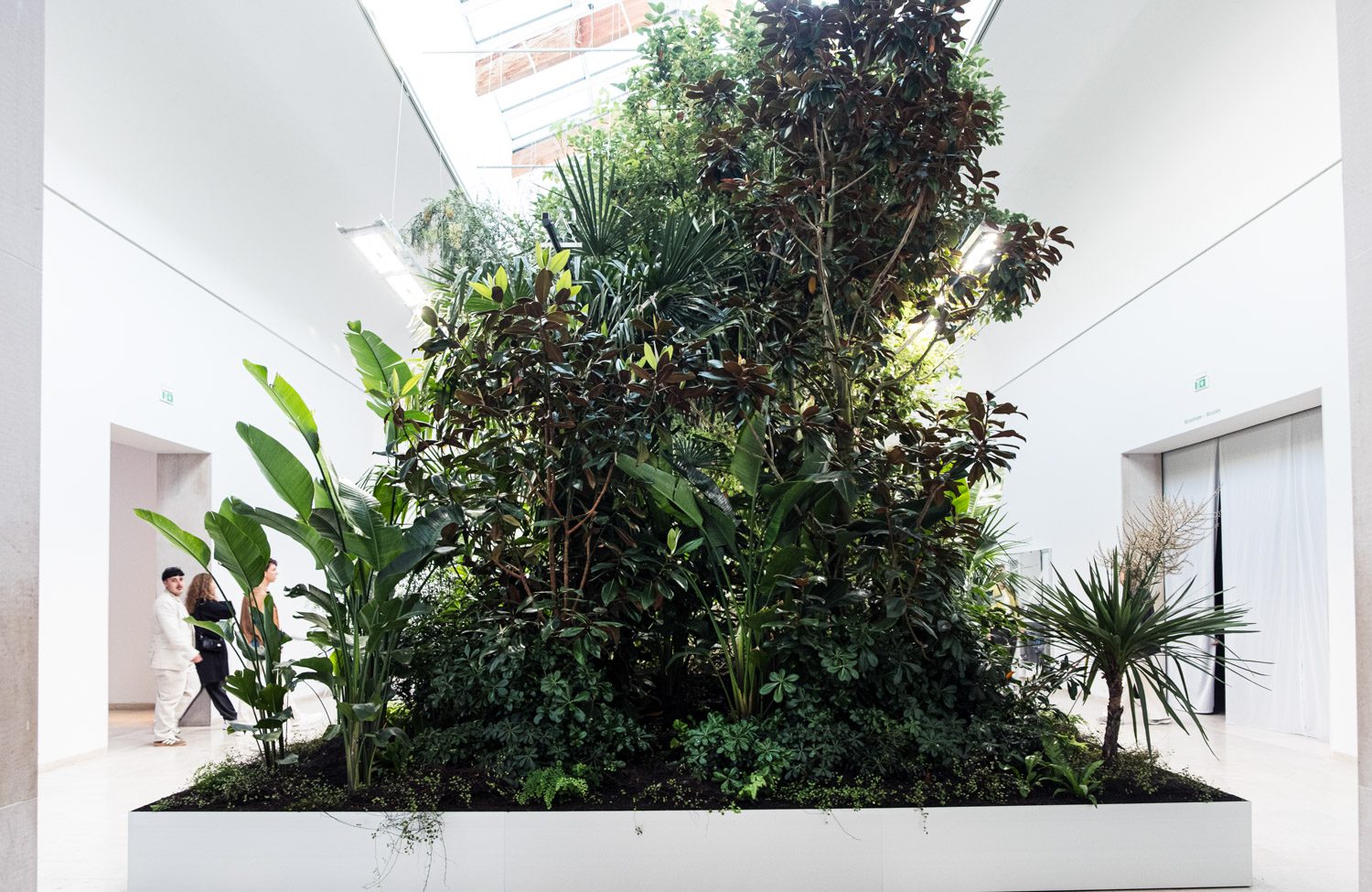
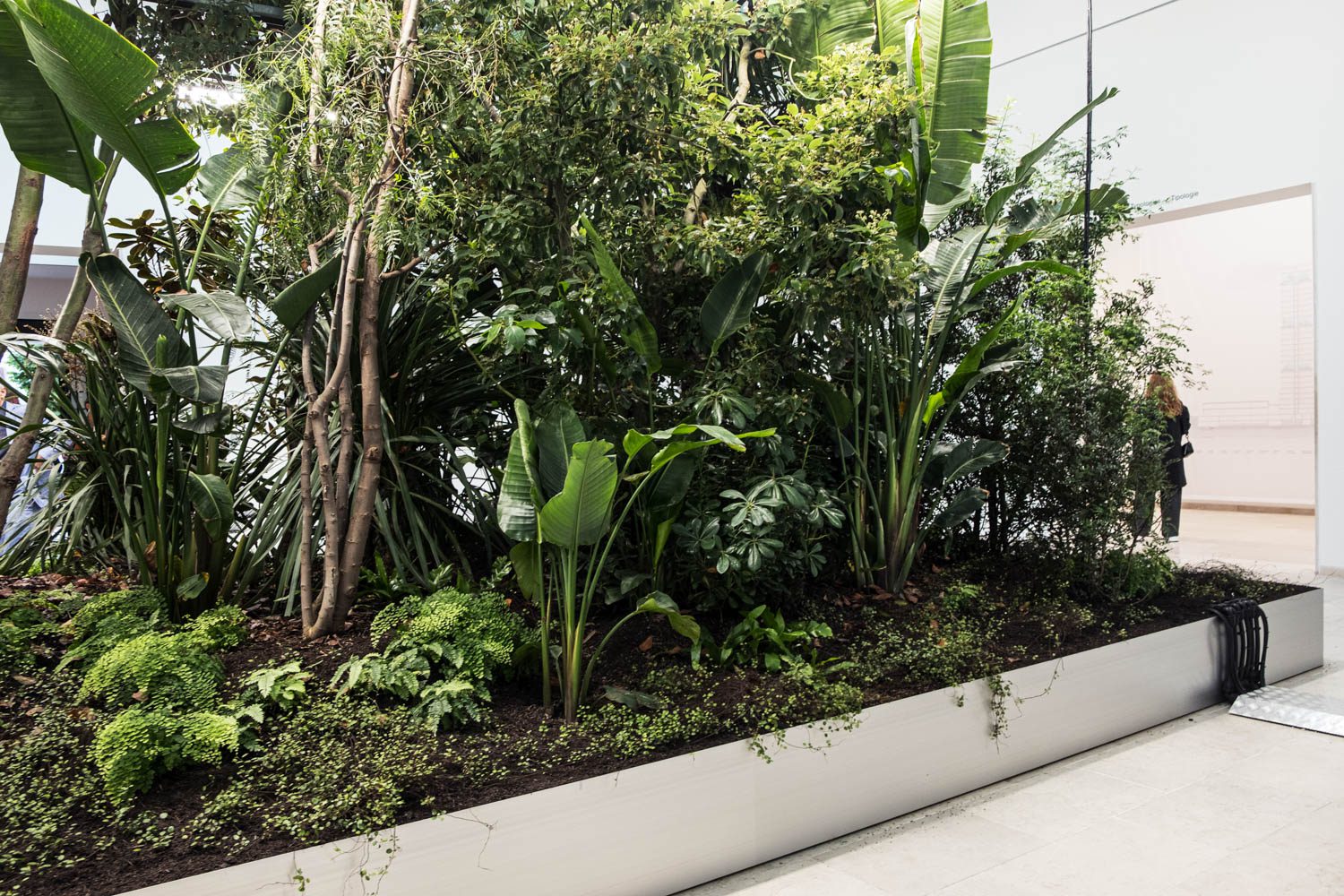
The Belgian Pavilion presents Building Biospheres, curated by landscape architect Bas Smets in collaboration with plant neurobiologist Stefano Mancuso. The project proposes a radical rethinking of architecture through the lens of plant intelligence. A dynamic interplay of live flora and sensor technology creates a responsive, cohabited ecosystem, dissolving boundaries between natural and built environments. Rather than showcasing design objects, the installation embodies a living, breathing form of spatial intelligence—architecture as a biosphere, not a machine.
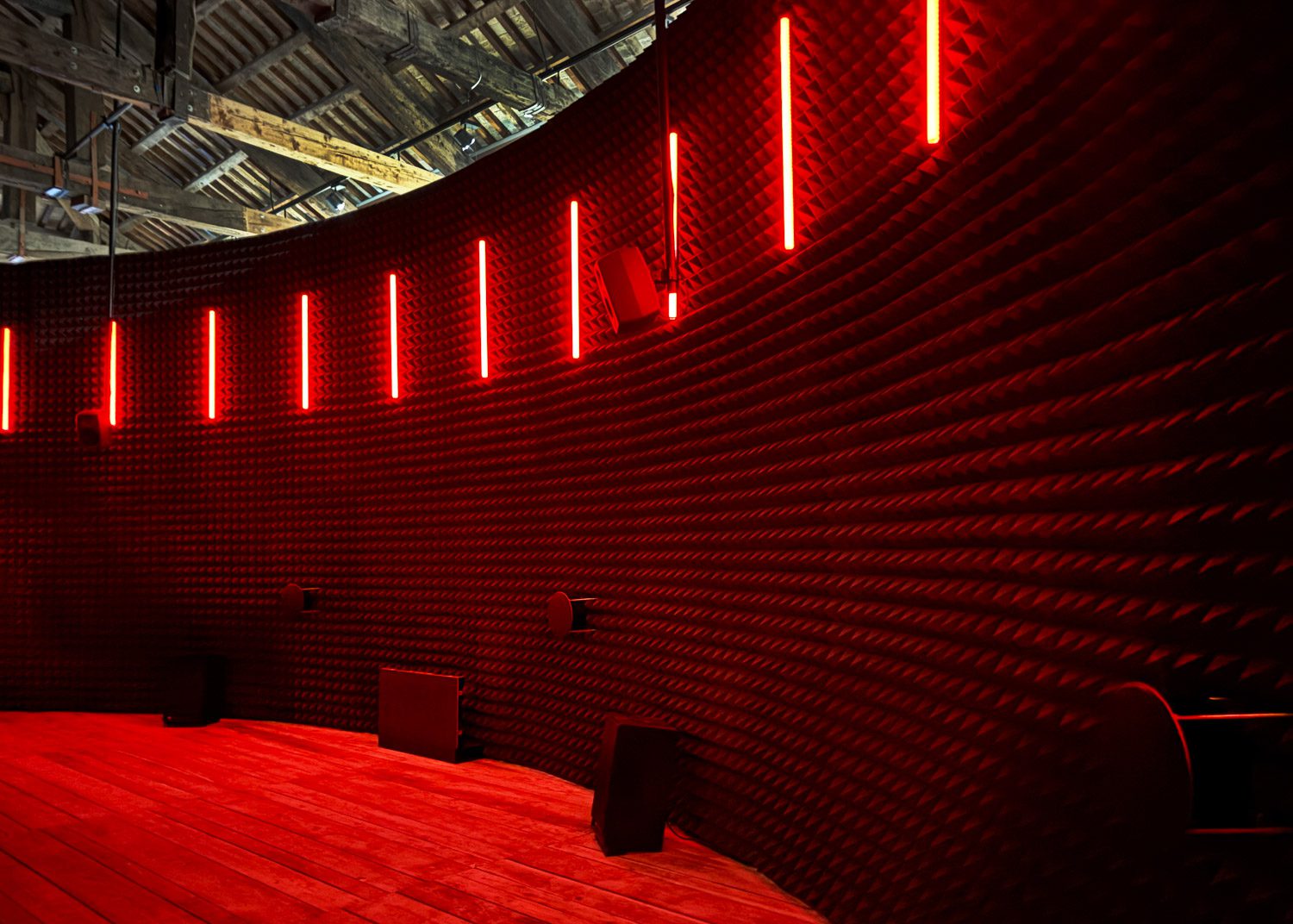
Luxembourg’s Sonic Investigations shifts architectural perception from visuality to sonic immersion. Through acoustic cartographies and ambient field recordings, curators Mike Fritsch, Alice Loumeau, and Valentin Bansac investigate the Anthropocene’s sonic dimensions. Their pavilion offers not only an alternative way of sensing space but also a new ethic of listening—one attentive to environmental rhythms, silences, and disruptions.
Material Memory, Gender, and Scale
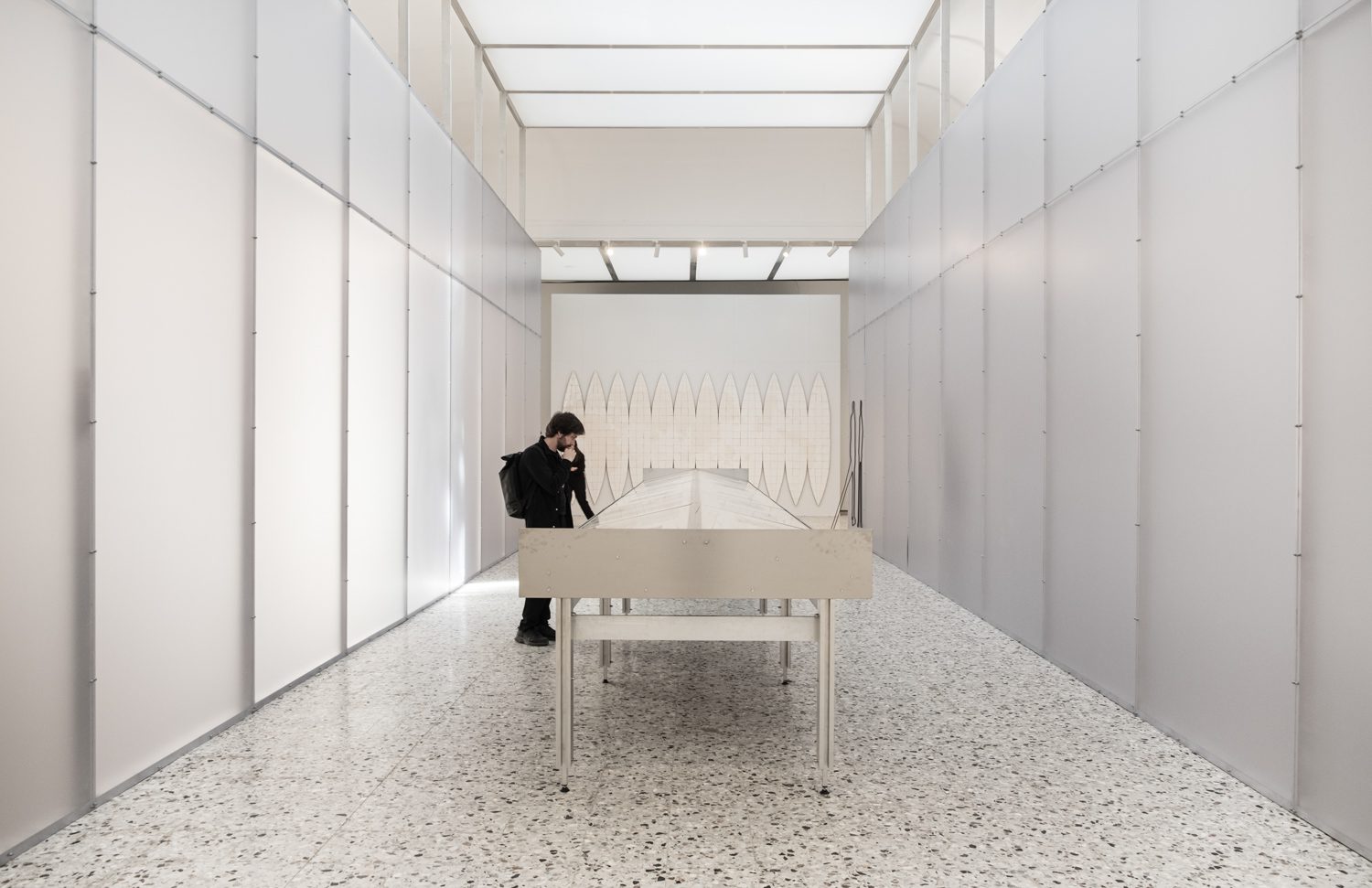
Romania’s Human Scale, curated by Cosmina Goagea with artist Vlad Nancă and Muromuro Studio, explores architectural drawing as both artifact and spatial proposition. The installation features symbolic sketches, archival cartographies, and translucent wall structures that reflect on how scale, memory, and human presence shape our perception of place. It interrogates the political dimensions of architectural representation and challenges the abstraction of the human figure in modernist thought.
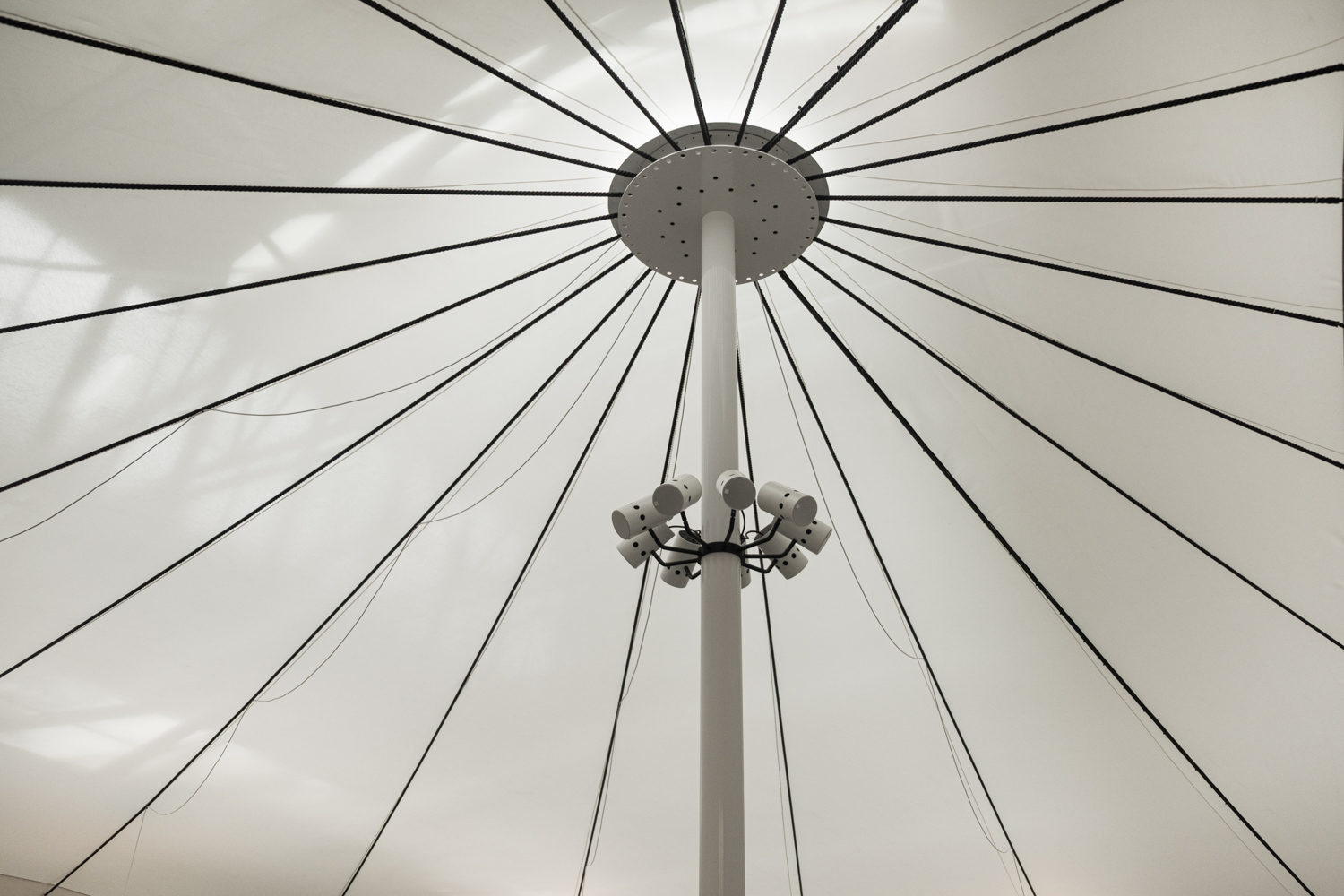
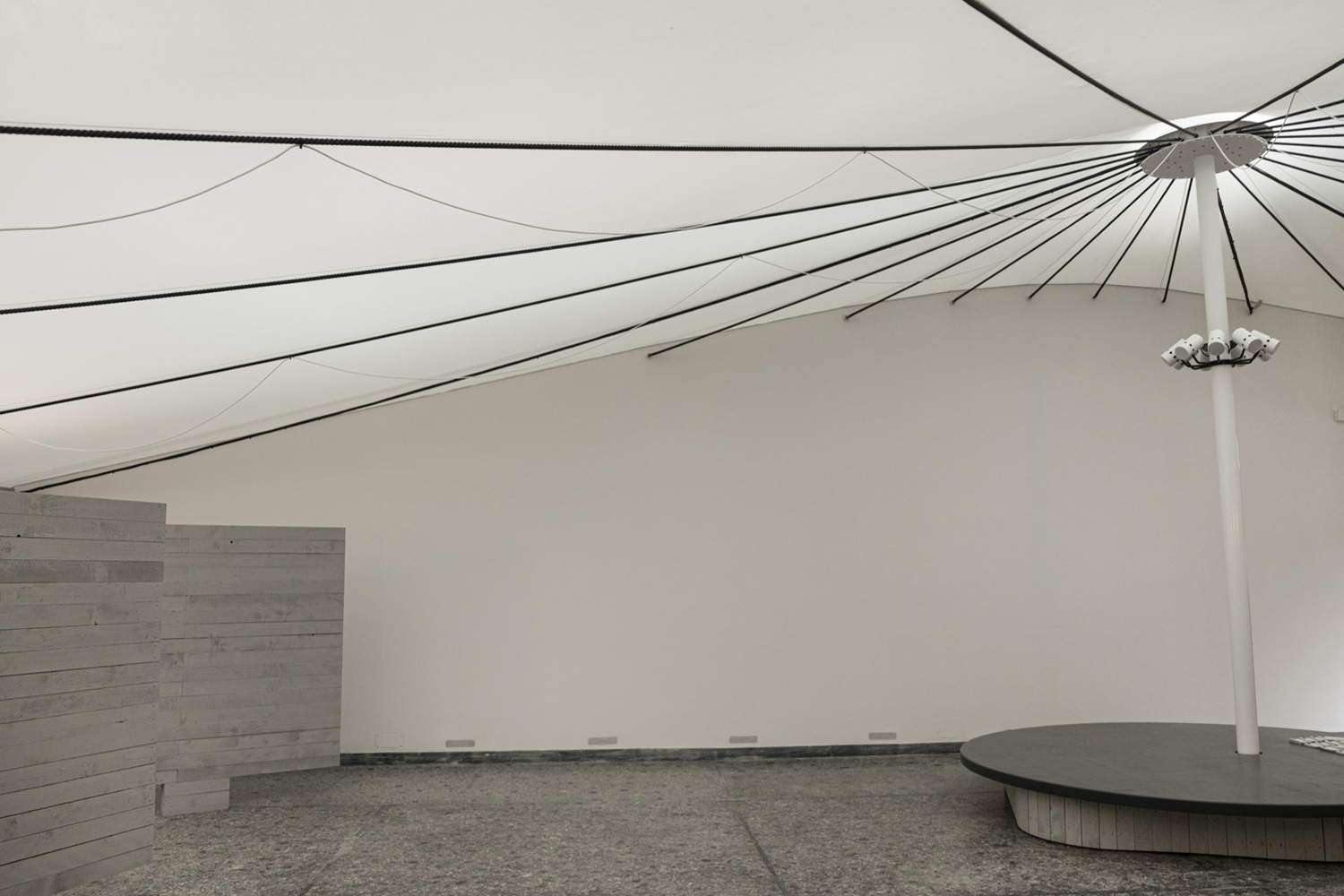
Switzerland’s pavilion, titled The Final Form Is Determined by the Architect on Site, reactivates the legacy of Lisbeth Sachs and her 1958 SAFFA Pavilion. Curated by an all-women team—Elena Chiavi, Kathrin Füglister, Amy Perkins, Axelle Stiefel, and Myriam Uzor—the exhibition uses archival fragments and immersive soundscapes to explore authorship, feminist histories, and the collaborative processes that often remain invisible in architectural practice. Here, the final form is not dictated by blueprints but emerges through embodied decision-making, intuition, and site negotiation.
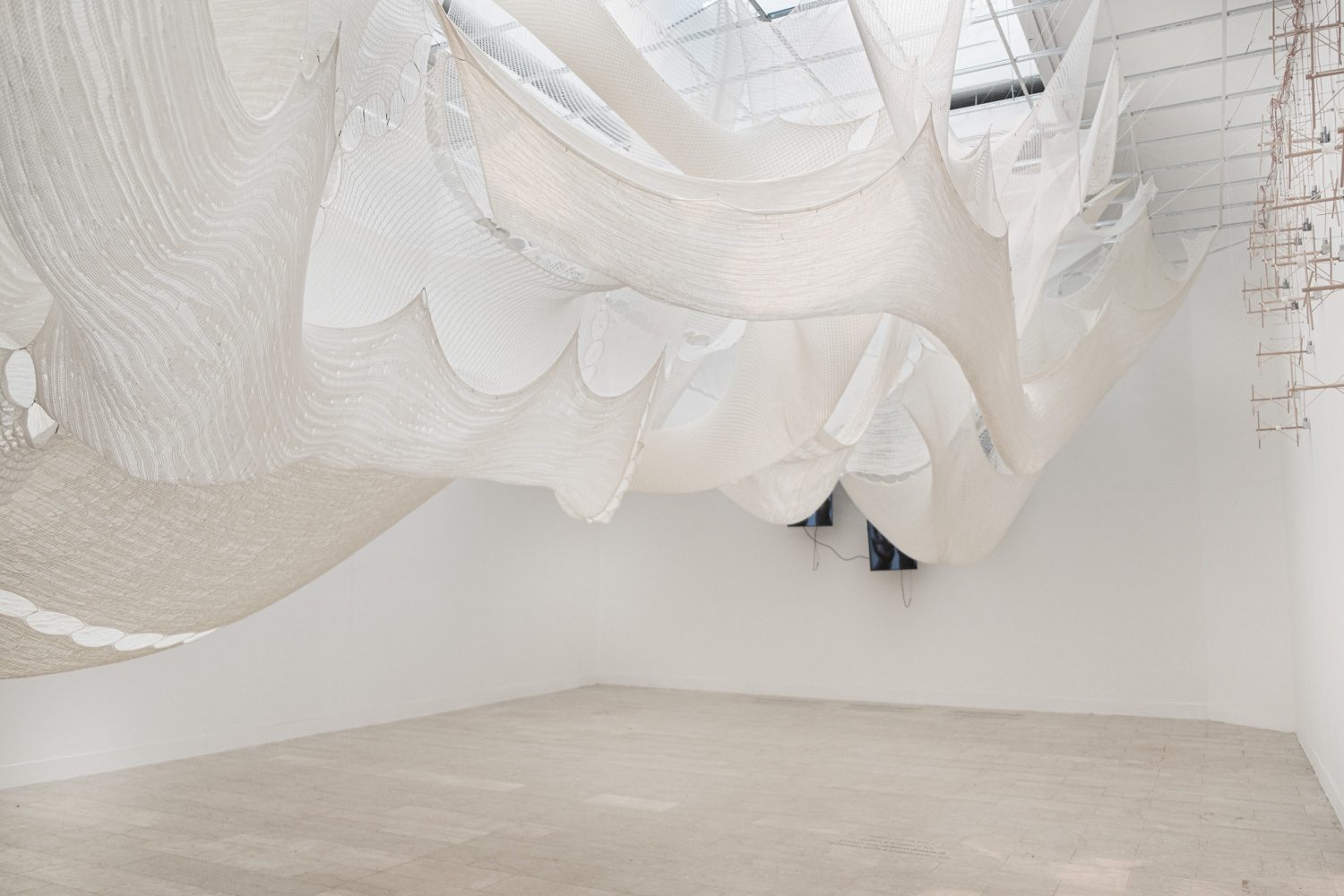
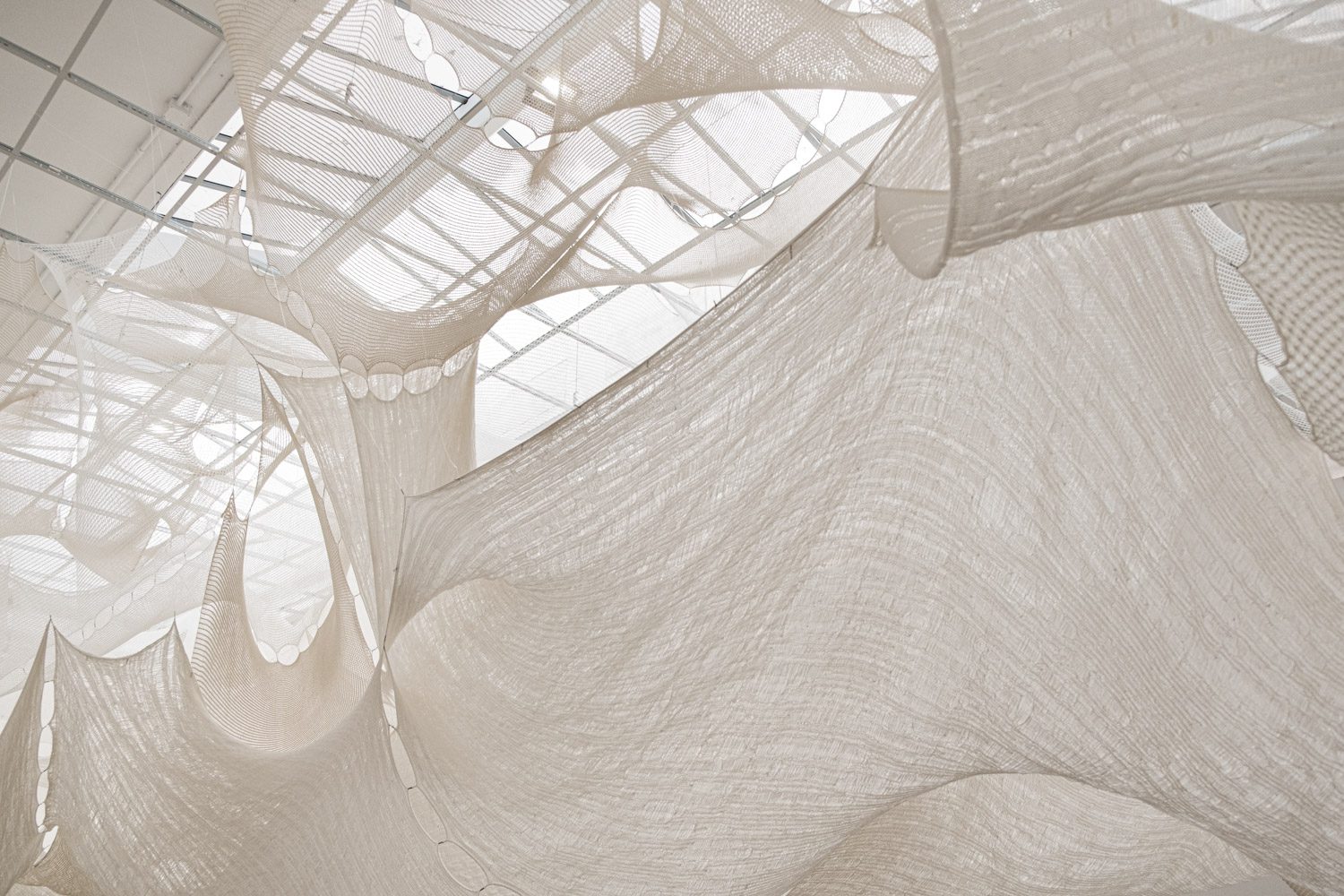
Serbia’s Unraveling: New Spaces, curated by Slobodan Jović and an interdisciplinary team—Davor Ereš, Jelena Mitrović, Igor Pantić, Sonja Krstić, Ivana Najdanović, and Petar Laušević—suspends thick woolen strands in elegant catenary arcs. This tactile, soft architecture challenges conventional notions of structure and permanence, envisioning a future in which building materials are sensory, cyclical, and deeply rooted in craft traditions. Wool becomes not only a material of warmth, but also one of resilience and adaptability.
Geopolitical Urgencies and Vernacular Resistance
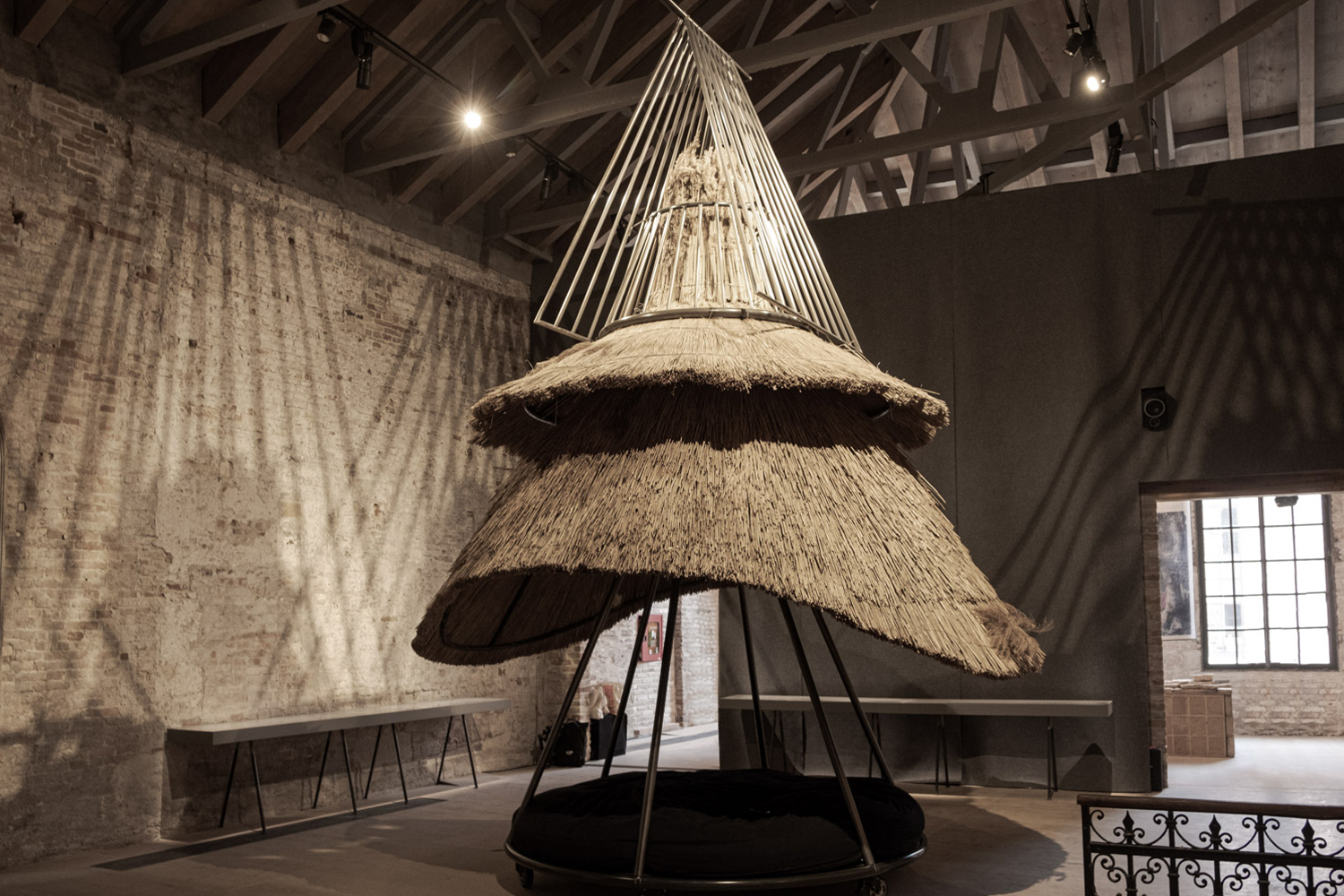
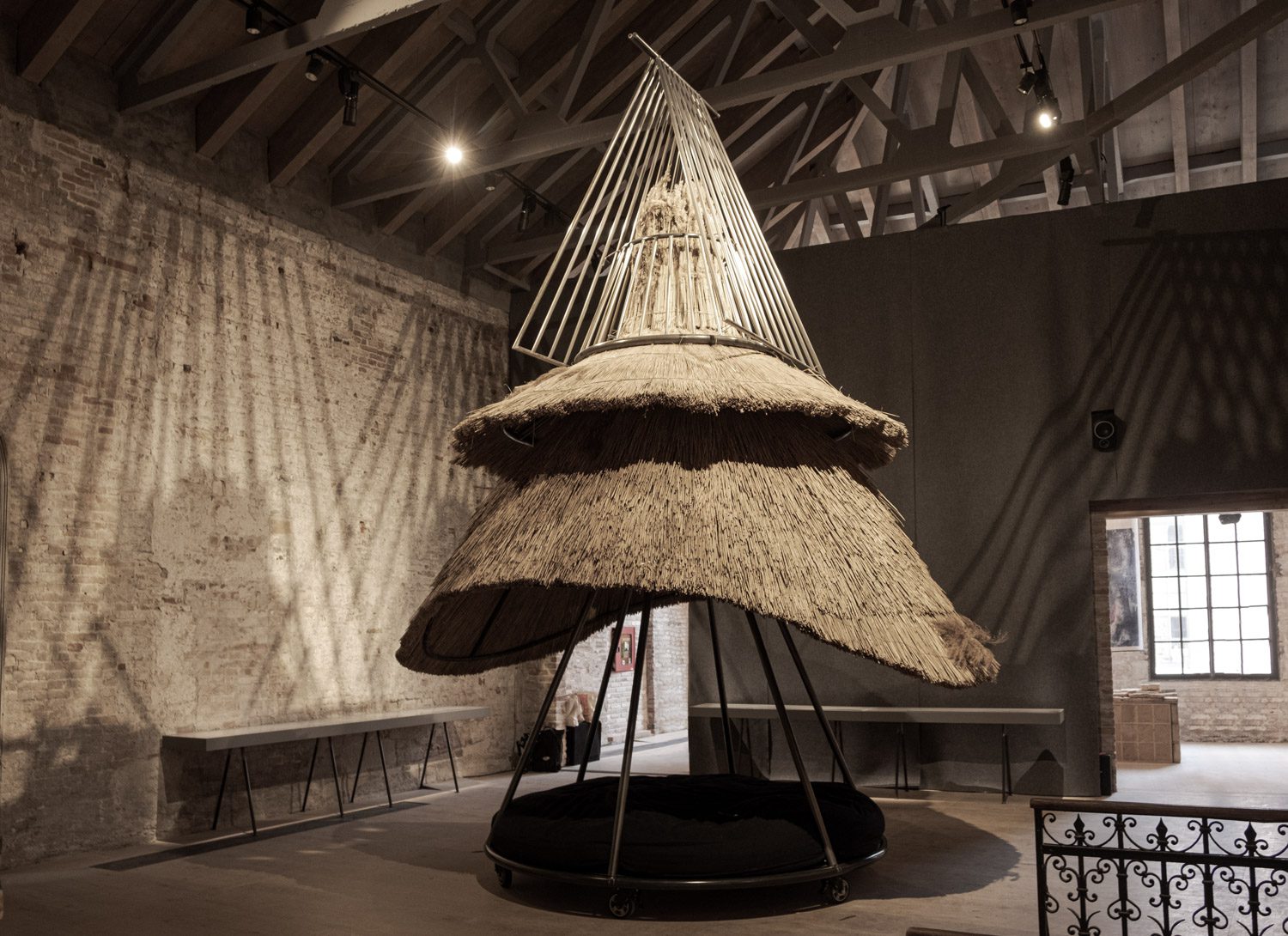
Ukraine’s DAKH: Vernacular Hardcore is perhaps the most politically charged and emotionally potent pavilion. Curated by Bogdana Kosmina, Michał Murawski, and Kateryna Rusetska, it merges traditional village roofs with wartime improvisation. Through AI-generated avatars, drone canopies, and salvaged materials, the installation presents a living archive of a nation in reconstruction. Architecture becomes defiance, survival, and testament—a way of sheltering not only bodies but also memory and cultural continuity in the face of violent erasure.

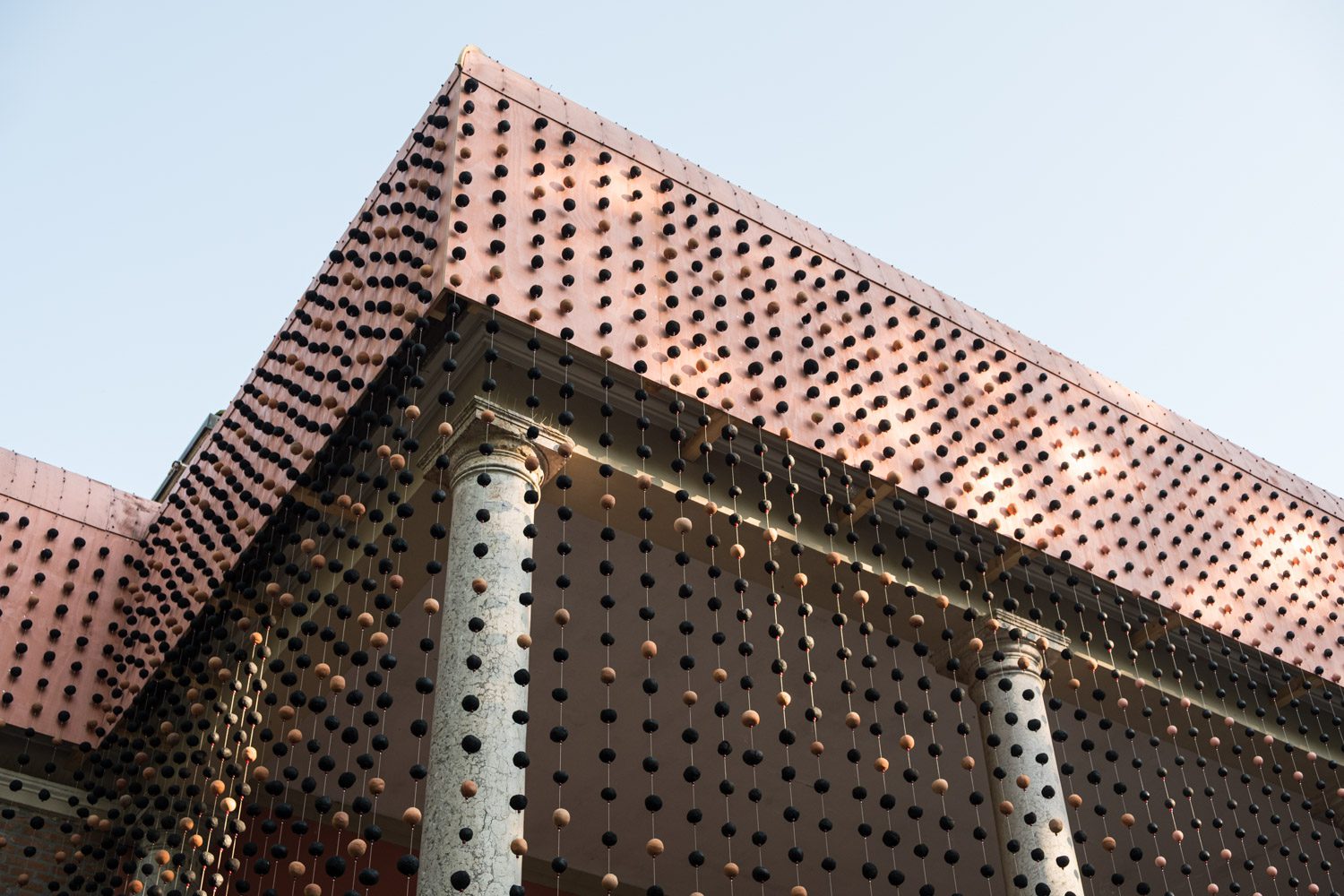
The UK’s GBR – Geology of Britannic Repair, curated by Cave_bureau and Owen Hopkins, responds to colonial legacies by tracing the extractive histories that underpin British architectural modernity. Engaging with vernacular practices and ecological reparations across the Global South, the pavilion calls for a shift from extraction to restoration. It positions architecture as a tool for historical reckoning and planetary healing.
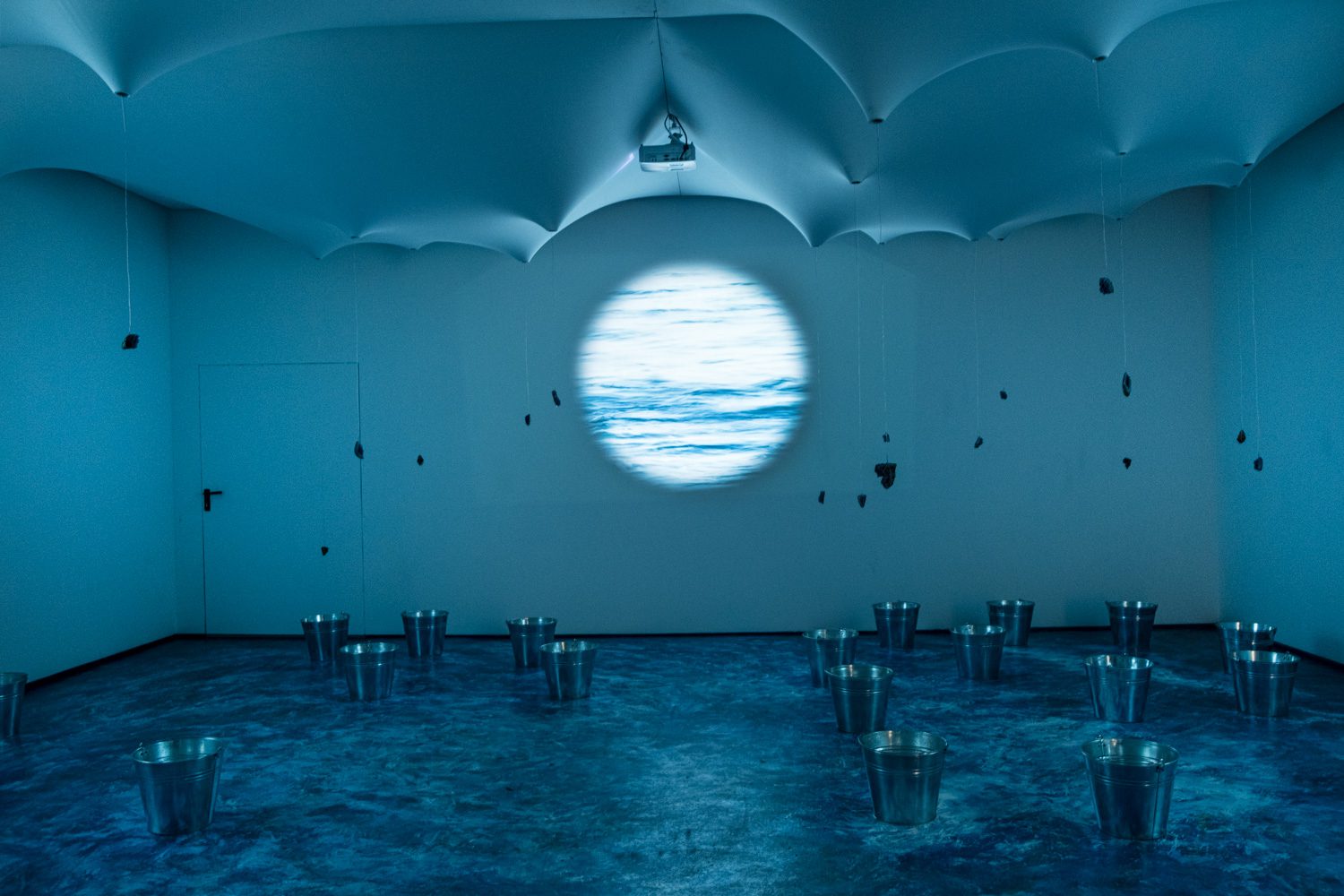
Uruguay’s 53.86%: Land of Water frames the country’s maritime identity through the lens of the ‘Hydrocene’—an era shaped by the politics of water. Curated by Katia, Ken, and Luis Sei Fong, the exhibition uses sound, suspended droplets, and projected narratives to convey water’s metaphoric and infrastructural significance. It compels visitors to consider how water shapes urban imaginaries, national borders, and ecological futures.
Architecture as a Distributed Intelligence
Together, these national pavilions demonstrate that architecture today is not merely concerned with form or function, but with ‘intelligens’ in its broadest sense: as an ability to adapt, to remember, to resist, and to regenerate. From plant sentience to sonic awareness, from gendered memory to vernacular resilience, the Venice Architecture Biennale 2025 reveals a discipline in metamorphosis.
Rather than offering fixed solutions, the exhibitions invite critical questions:
How can buildings think with their environments?
How do we design for precarity, not permanence?
What does it mean for architecture to listen, to grow, to mourn?
In a world facing simultaneous ecological collapse, technological upheaval, and cultural fragmentation, this Biennale positions architecture not as a neutral backdrop—but as a responsive, ethical, and collective intelligence.
The Venice Biennale of Architecture 2025 is held from May 10 to November 23, 2025, in Venice, Italy.