
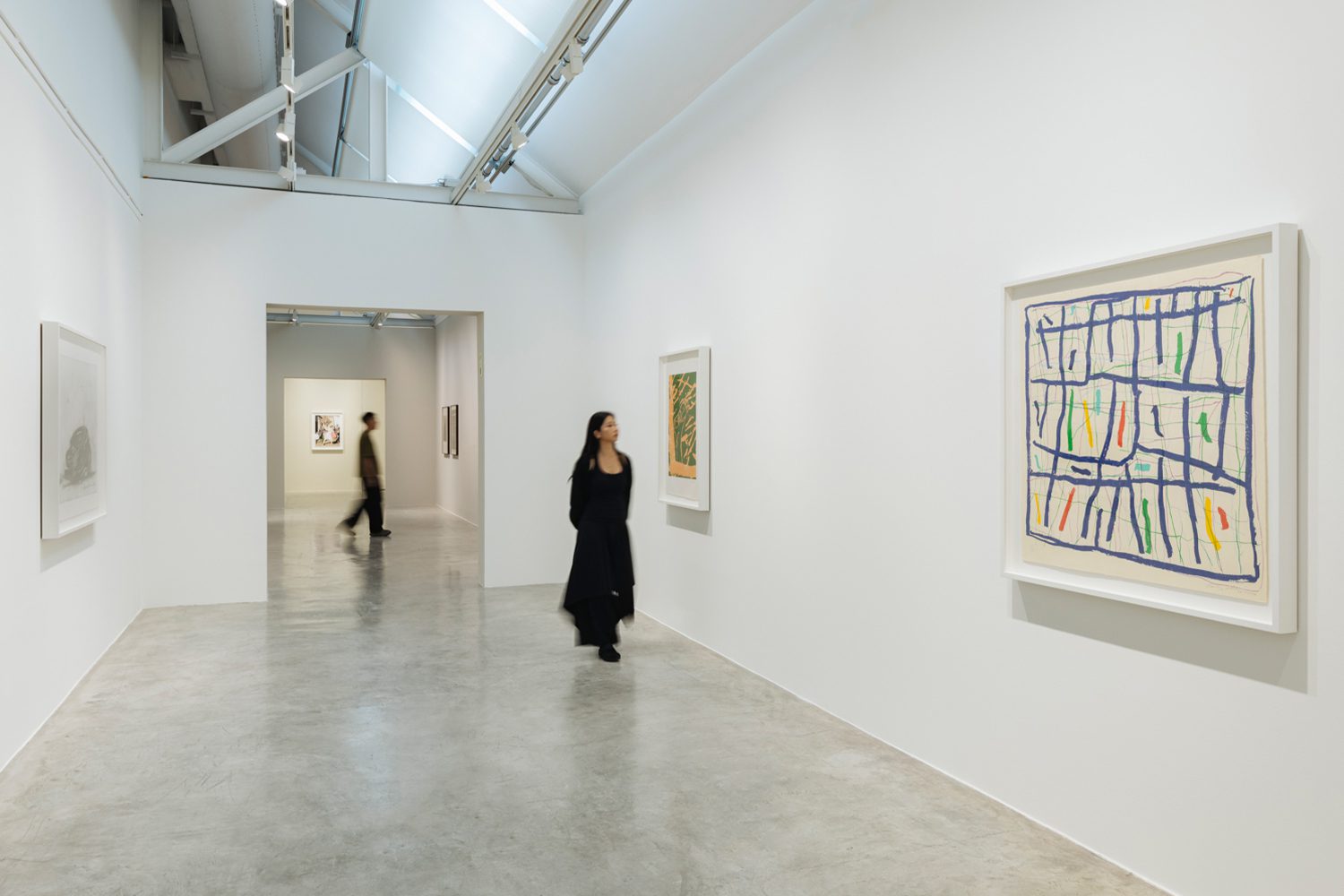
 The Print Show 2026, Installation view
 STPI PRESENTS A PRINTMAKING EXHIBITION SPACE THAT REFLECTS THE POWER OF COLLABORATION AND THE CONNECTION BETWEEN ART, TECHNOLOGY, AND TIME IN THE PRINT SHOW AND SYMPOSIUM SINGAPORE 2026
TEXT: TUNYAPORN HONGTONG
PHOTO COURTESY OF STPI, SINGAPORE EXCEPT AS NOTED
(For Thai, press here)
While the NFTs boom of five or six years ago has rapidly cooled—evolving more into a digital asset than the future of art, as some once predicted—printmaking is experiencing a genuine resurgence. The market is growing steadily, driven in particular by a new generation of collectors who prioritize the process and narrative of a work over traditional concerns around editions and reproducibility.
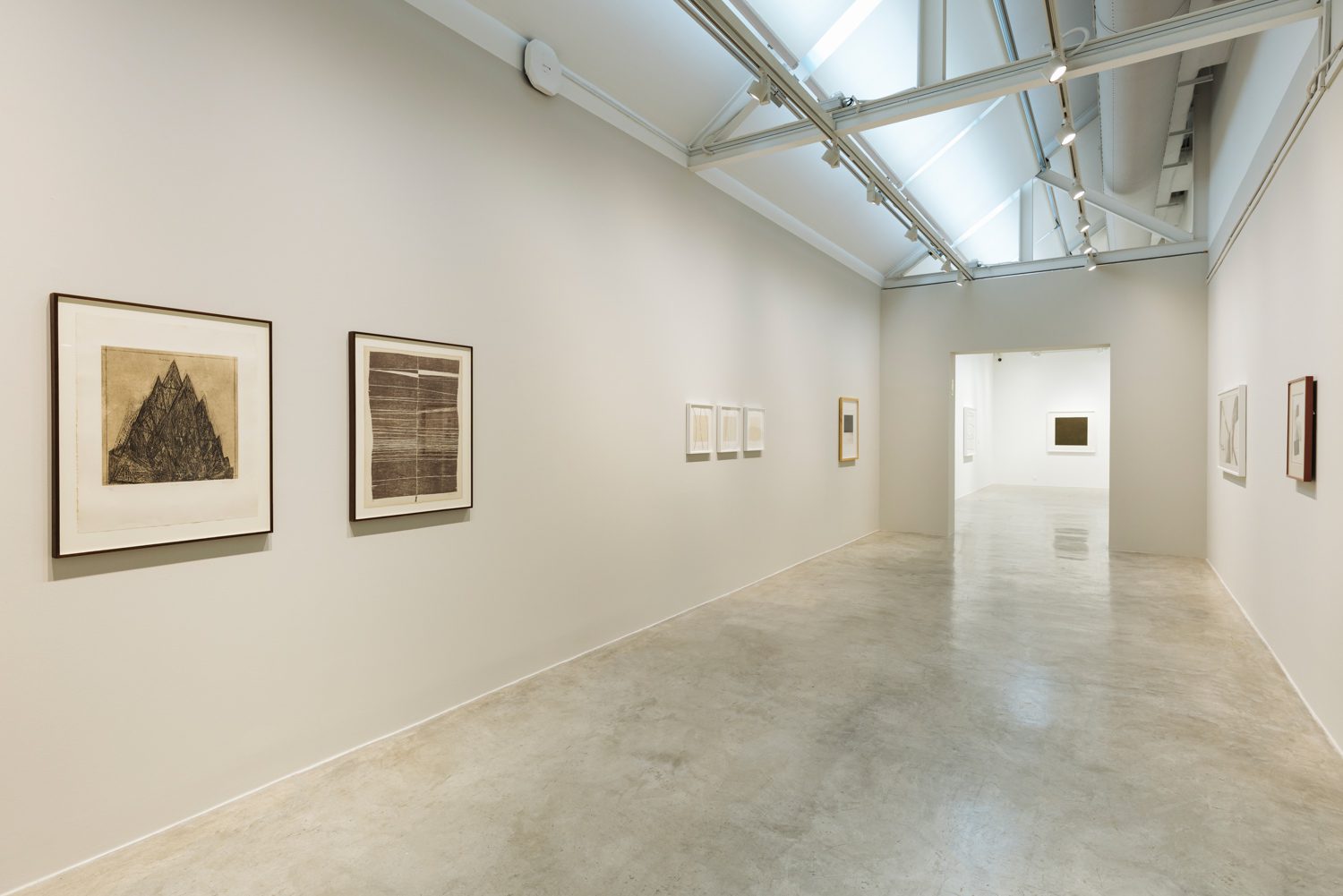
The Print Show 2026, Installation view
Amidst this backdrop, STPI—the Singapore-based institution with a longstanding history of collaborating with internationally renowned artists—has launched its inaugural The Print Show and Symposium Singapore 2026 during Singapore Art Week. The event offers a timely opportunity to revisit this ancient medium and get a closer look at the institution’s role in the global landscape of printmaking.
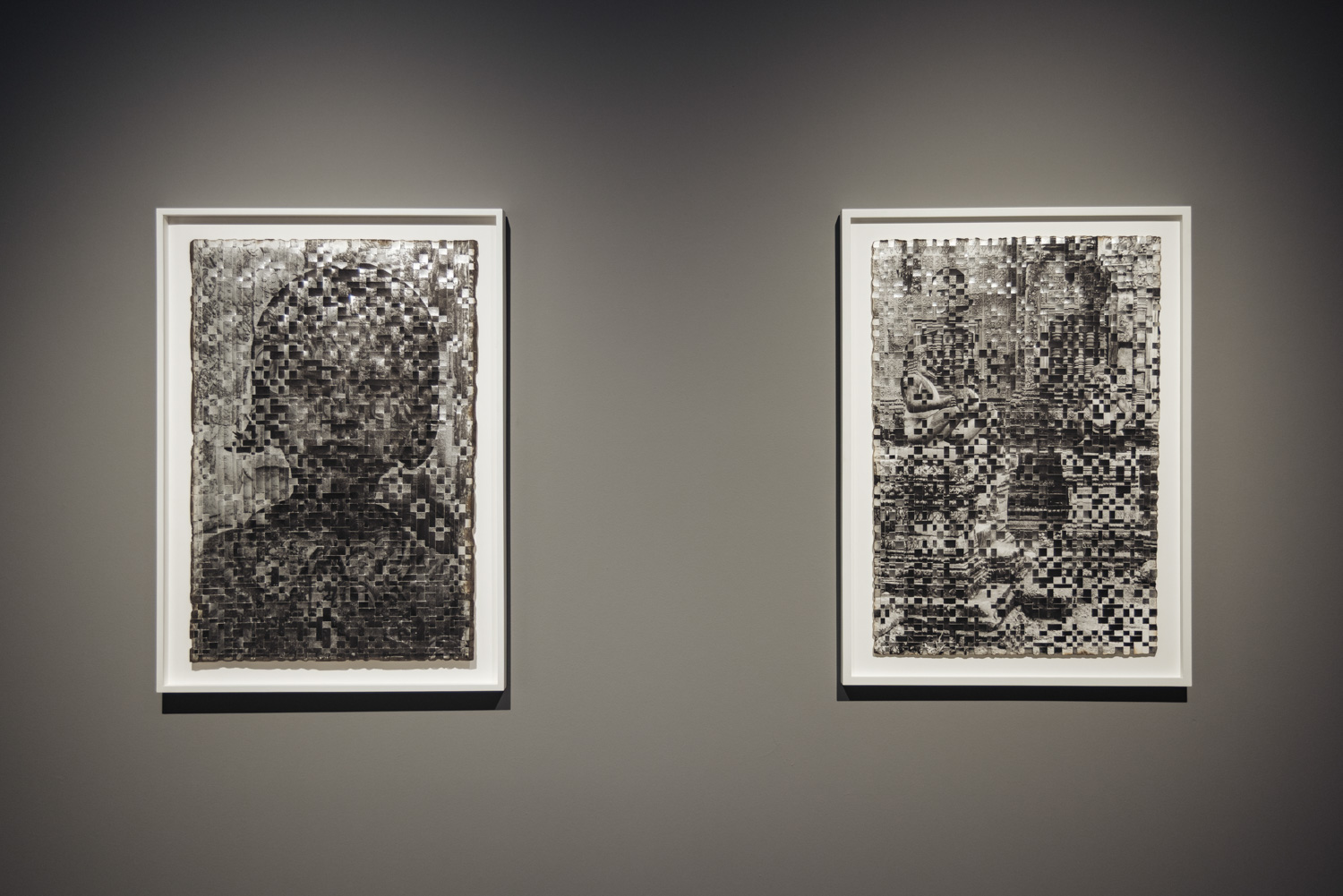
The Print Show 2026, Installation view
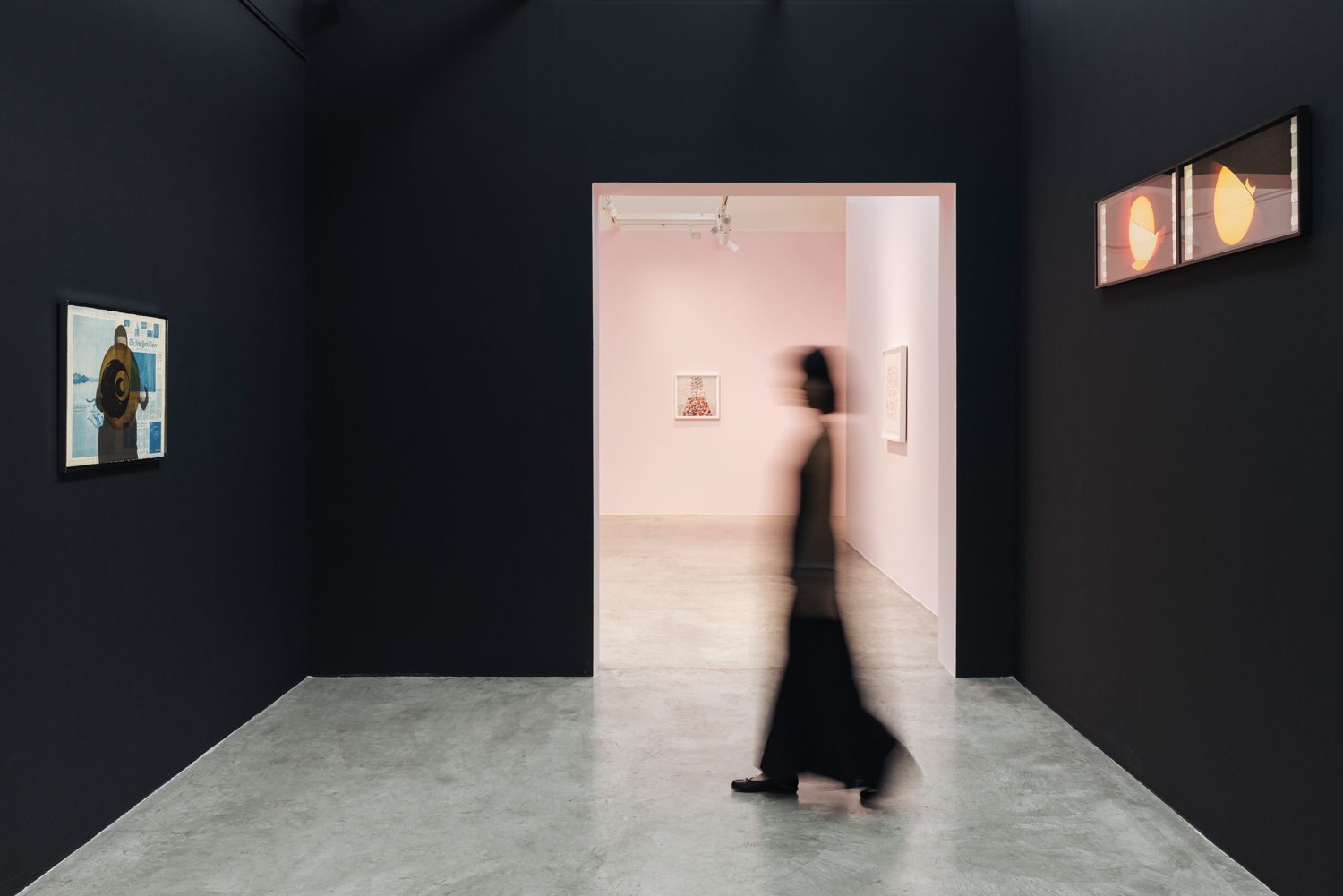
The Print Show 2026, Installation view
Founded in 2002, as the Singapore Tyler Print Institute—named in honour of Kenneth E. Tyler, whose vision was instrumental in its founding— the establishment was later renamed STPI in the 2010s. Since its inception, the institute has operated as a unique gallery-workshop hybrid defined by its collaborative ethos. The core of their practice is an artist residency program, where artists work alongside in-house print and paper specialists, creating new bodies of work that ultimately culminate in an exhibition at the STPI Gallery.
Natee Utarit
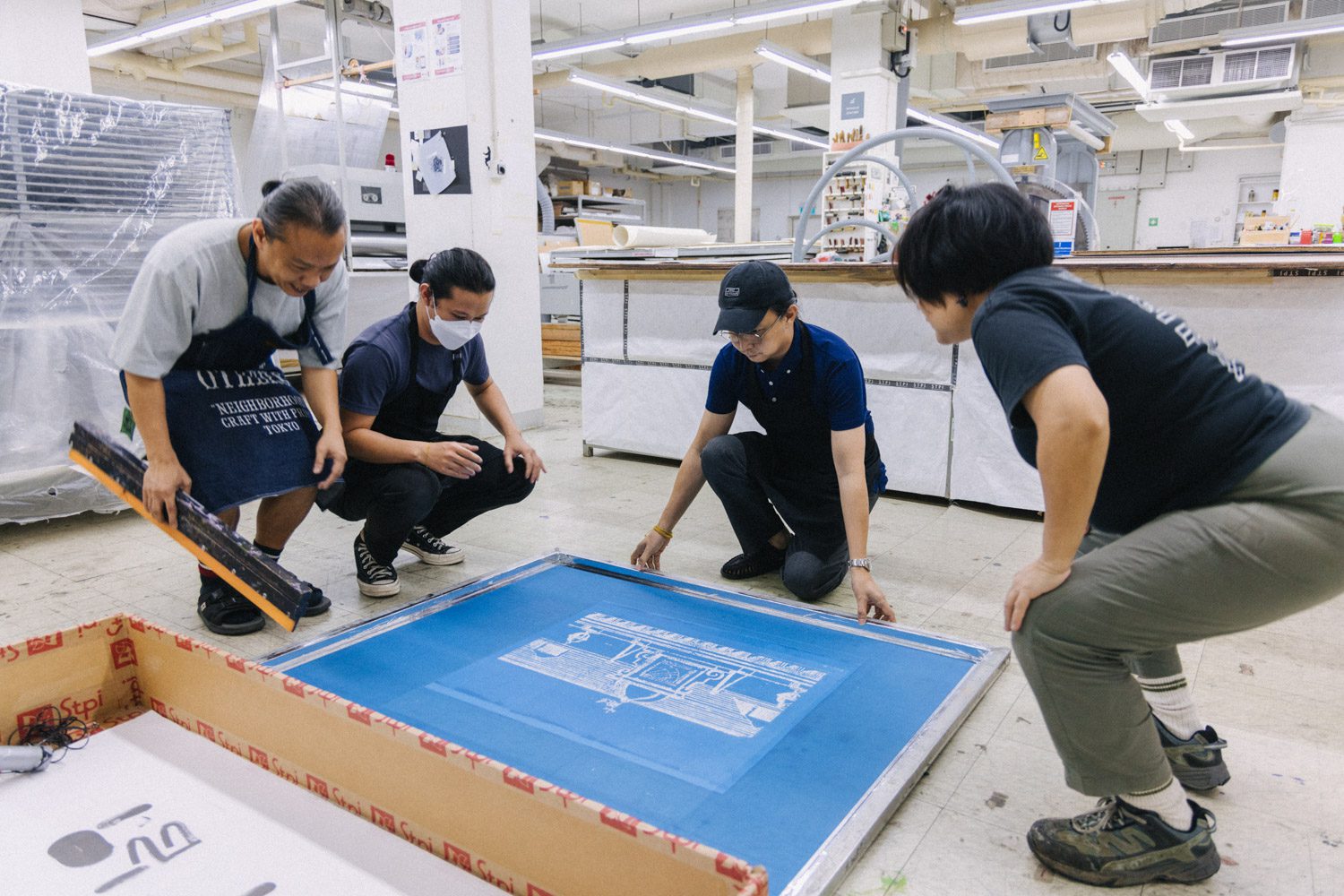
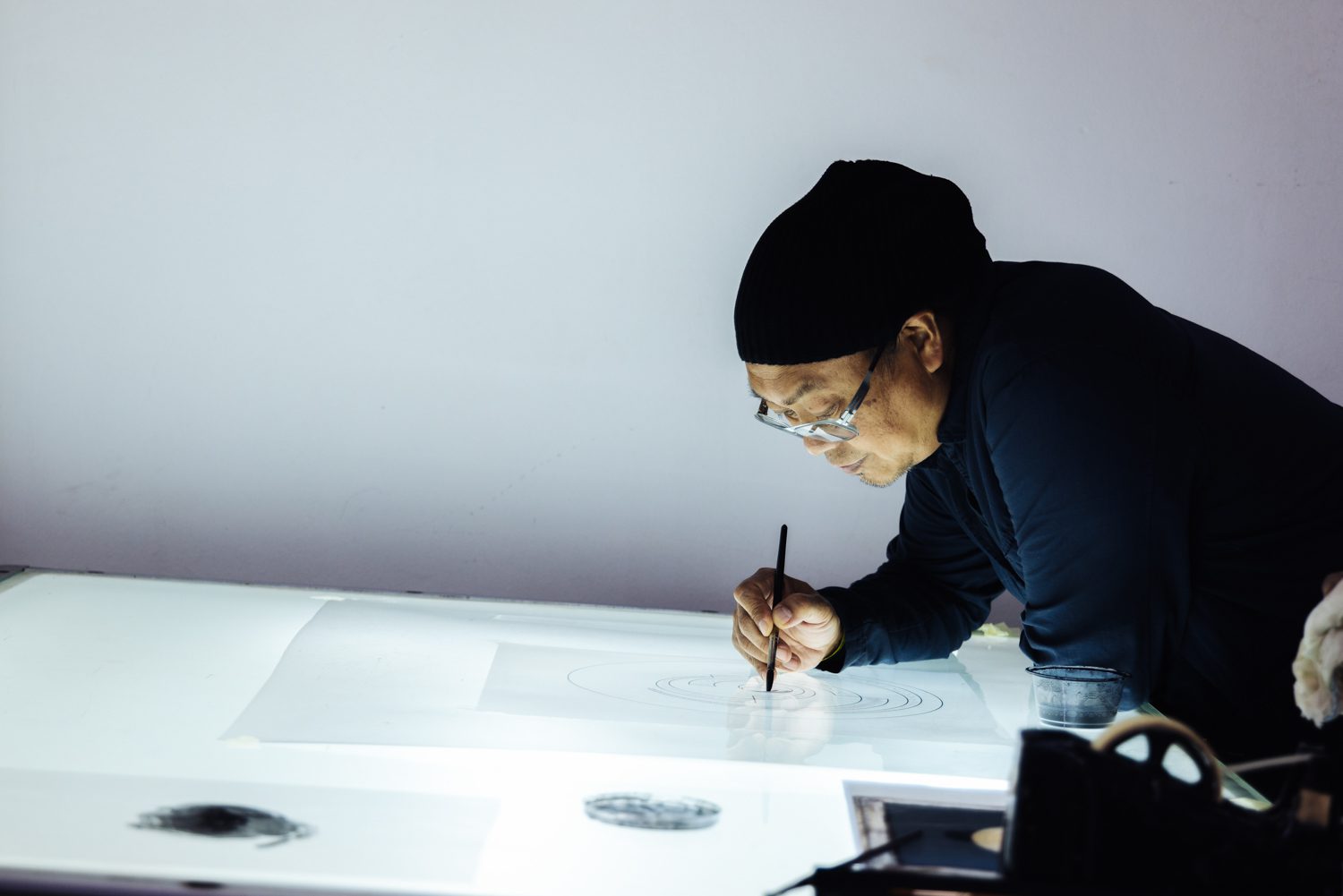
“Our residencies are highly fluid. You can’t have a set curriculum for an artist. It’s a truly organic, creative and innovative process,” said Jaime Tay, Director (Special Project & Artwork Management) at STPI. “Most artists we collaborate with do not typically practice in the medium of print and paper – and that is where the magic happens. They aren’t bound by traditional printmaking principles because they don’t have to be. We have our specialists here to help realize the work, using the presses and machinery in our workshop to bring those visions to life.”
Rirkrit Tiravanija
Inside STPI’s workshop, located in a historic warehouse along the Singapore River at Robertson Quay, traditional presses sit alongside contemporary technologies such as CNC routers. STPI also stands as one of the few institutions worldwide to house both a printmaking facility and a paper mill under one roof. It’s a singular unique ecosystem where the dialogue between the artist’s vision and the technical ingenuity of the printmakers unlocks new possibilities, pushing the medium well beyond its conventional limits.
 Haegue Yang
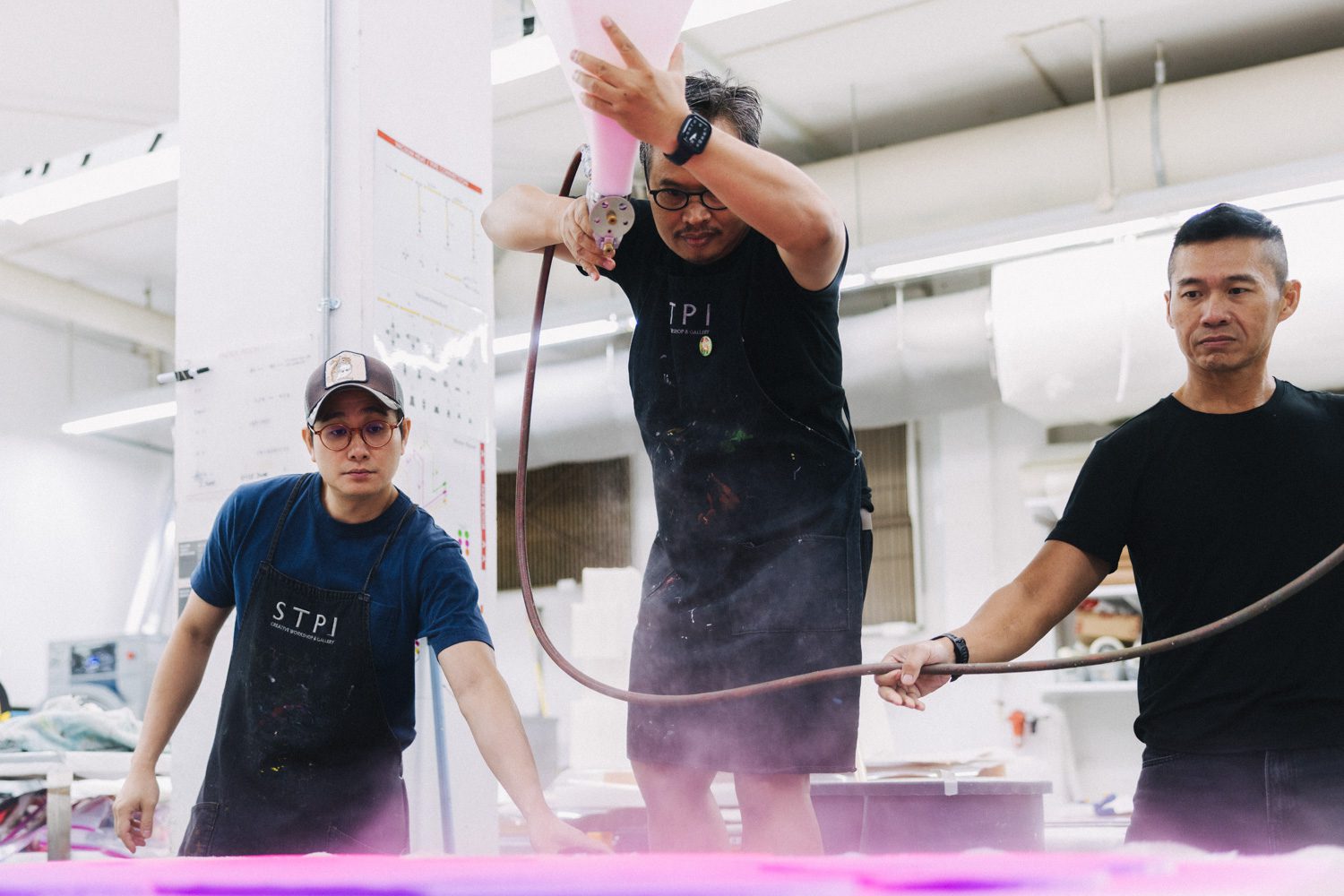
Eko Nugroho
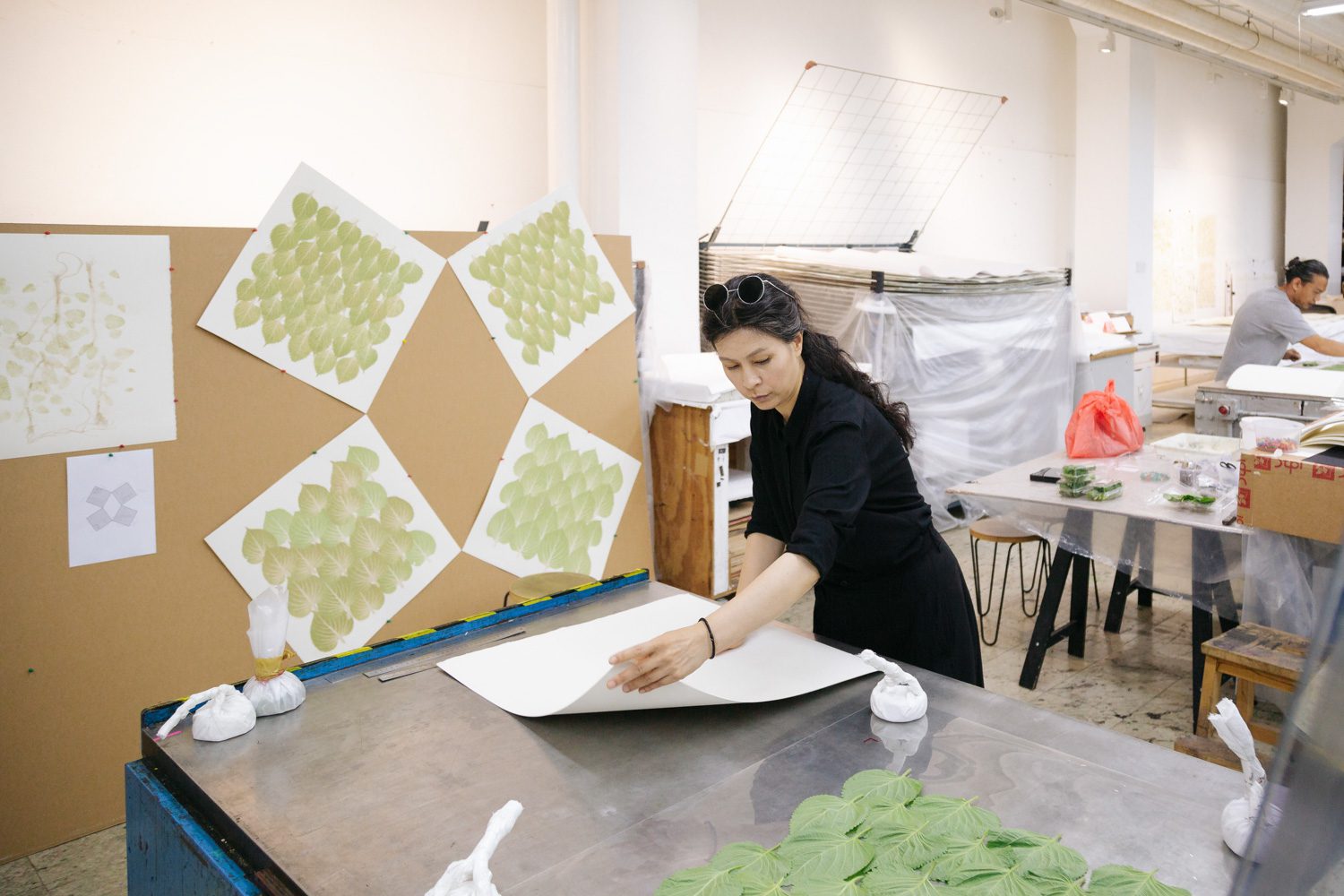
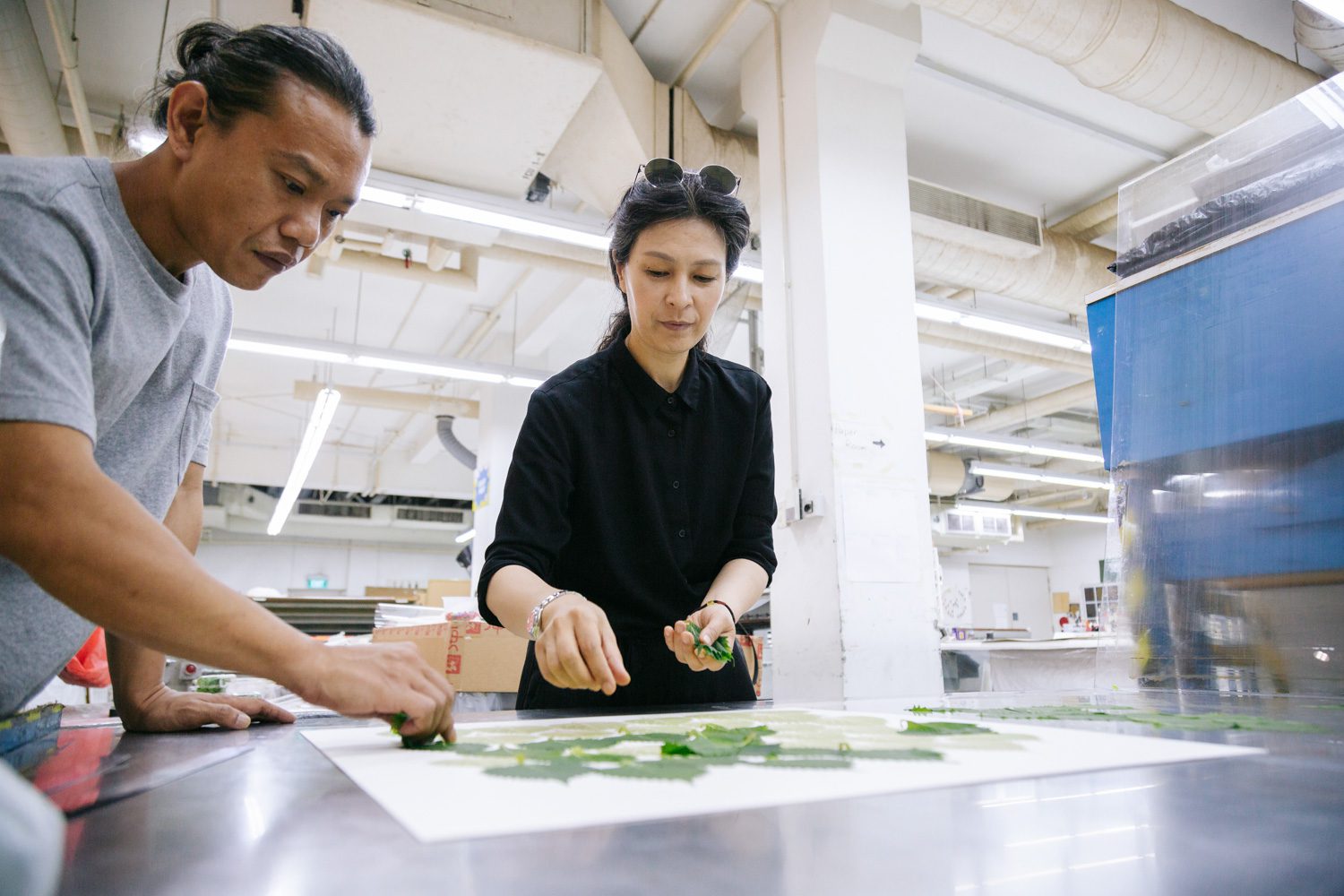
“Take for example, South Korean artist Haegue Yang, inspired by the herbs and spices of Southeast Asia during her residency, innovated with the workshop to create a series of works that embedded and fused these spices into the fibers of the STPI handmade paper.”
“Then there’s Eko Nugroho,” Tay mentioned, referring to the famous Indonesian artist known for his collaboration with Louis Vuitton. “In this first residency, he created a series of wearable full faced masks textured like leather, which were worn by real people and photographed doing everyday mundane activities, creating in addition a set of photographic prints.
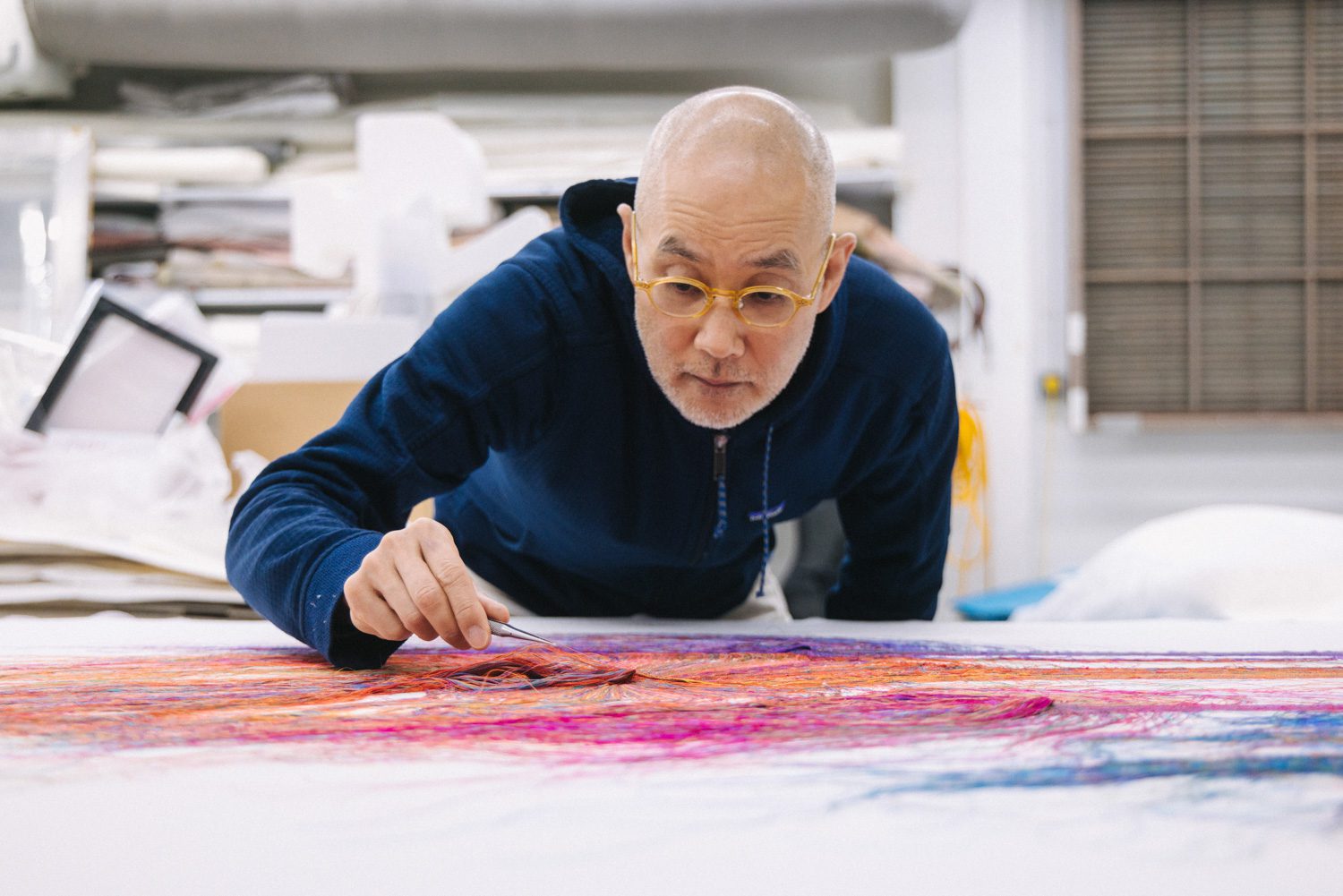
Do Ho Suh
“We also have artists who have been longtime collaborators like Do Ho Suh, whose works are often seen as monumental fabric sculptures, was able to interpret his vision onto paper, creating what we now know as his signature thread drawings through the process of innovation and collaboration with STPI workshop.”
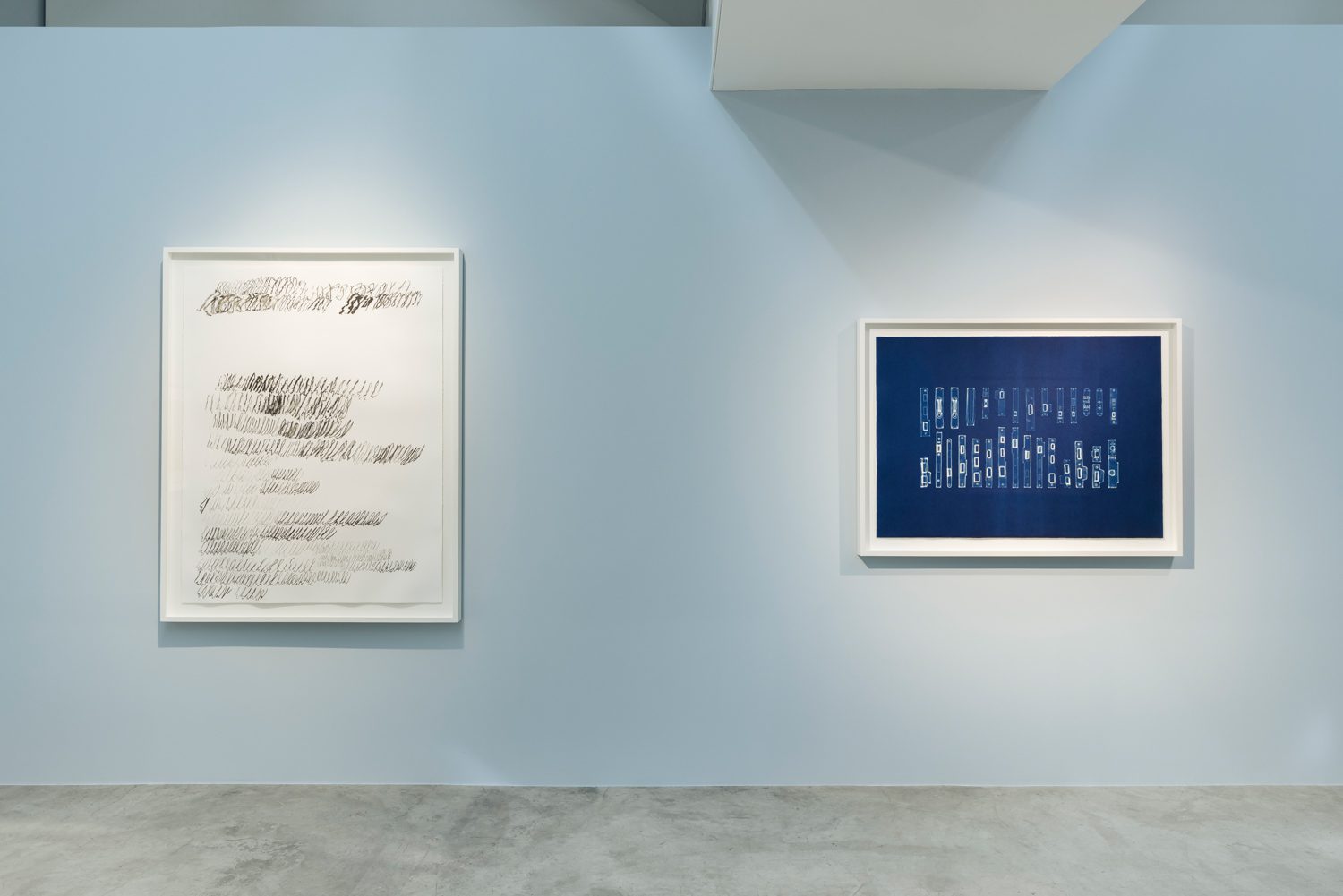
The Print Show 2026, Installation view
Do Ho Suh is one of the artists-in-residence featured in The Print Show, alongside Dinh Q. Lê, Takashi Murakami, Rirkrit Tiravanija, Natee Utarit, and Kim Lim. His work, Door Lock Plates, New York, London, Berlin, Providence and Seoul, Homes and Studios (2018), extends his exploration of home, displacement, and memory into a more intimate scale. Using the cyanotype technique on paper, Suh renders everyday household objects—switches, plugs, and door handles—as translucent outlines set against a vivid blue backdrop.
The showcase, however, extends beyond STPI’s own residency outputs. By partnering with renowned print studios and galleries worldwide, the exhibition brings together a remarkably diverse collection of works—from Louise Bourgeois and Jeff Koons to David Hockney, Sol LeWitt, and Yayoi Kusama. It’s a global gathering that fosters a far more expansive and collaborative dialogue within the international print community.
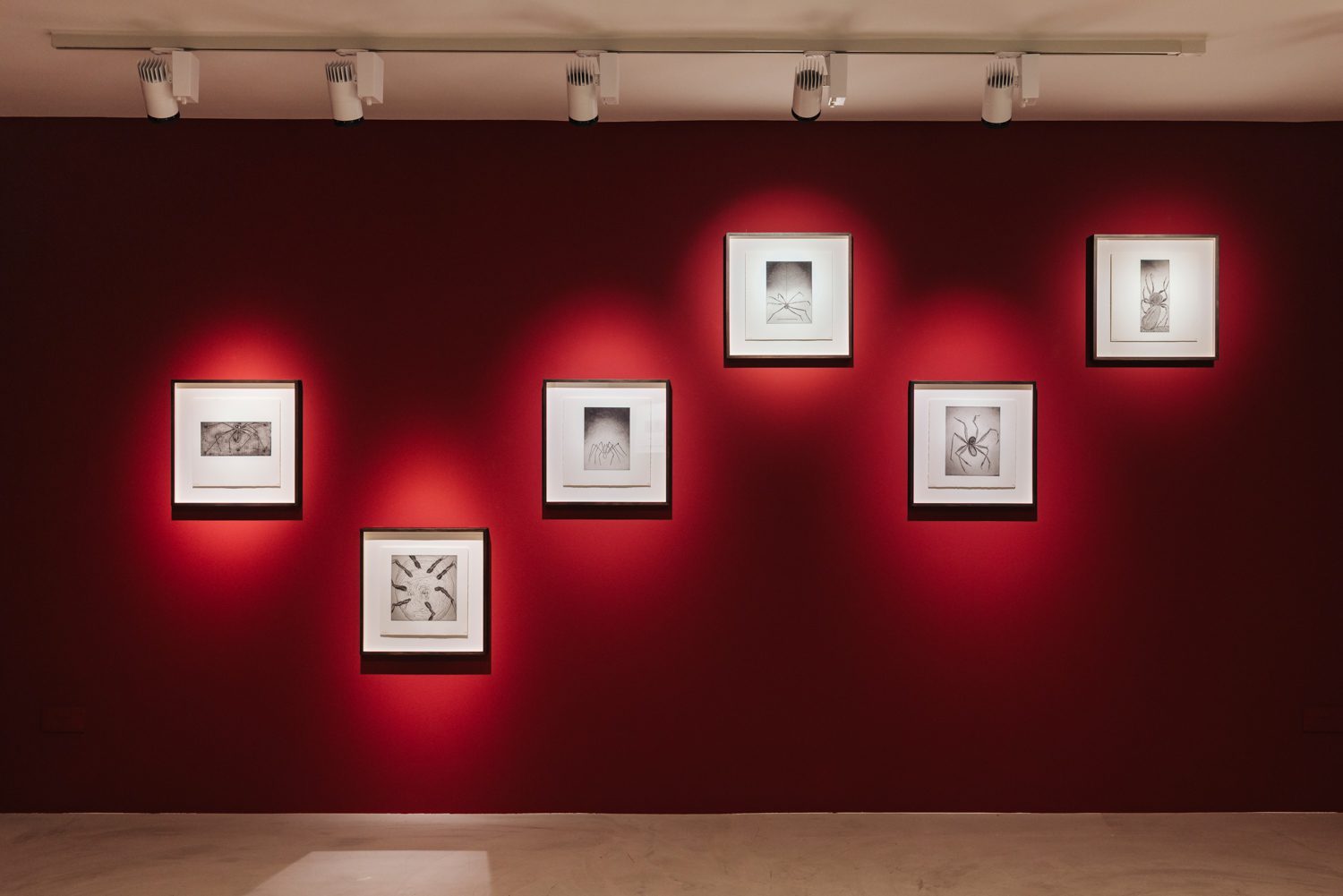
The Print Show 2026, Installation view
For audiences, this is a rare opportunity to encounter printmaking through the lens of world-class artists. A standout highlight is Louise Bourgeois’s spider works–a series of nine prints that revisit her most profound motif. While her spiders are typically known for their monumental scale, encountering them here in a more intimate setting feels remarkably different. The spider, a complex symbol for her mother, captures a relationship woven with both care and fear, and these prints allow us to witness that tension up close.
The Print Show 2026, Installation view
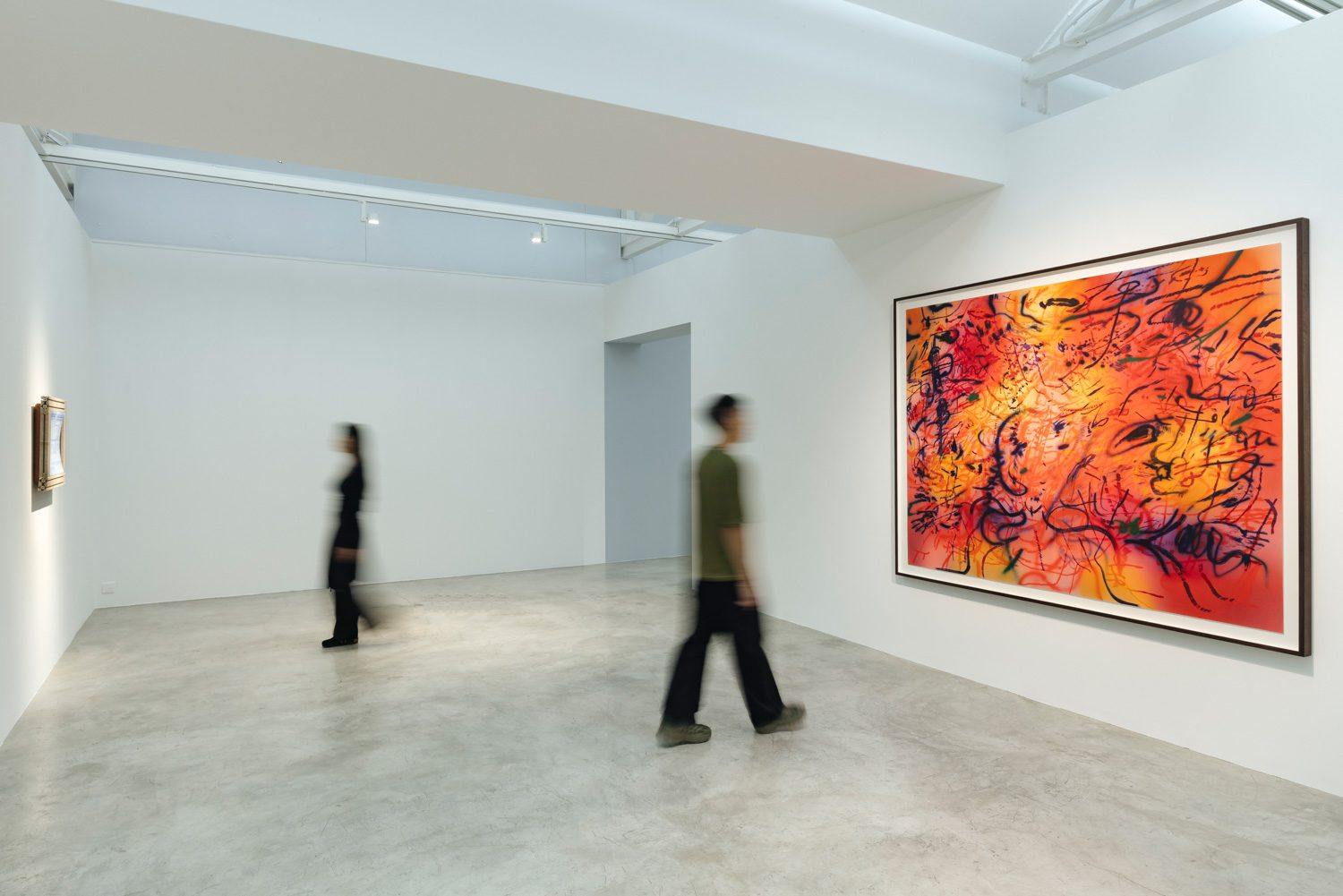
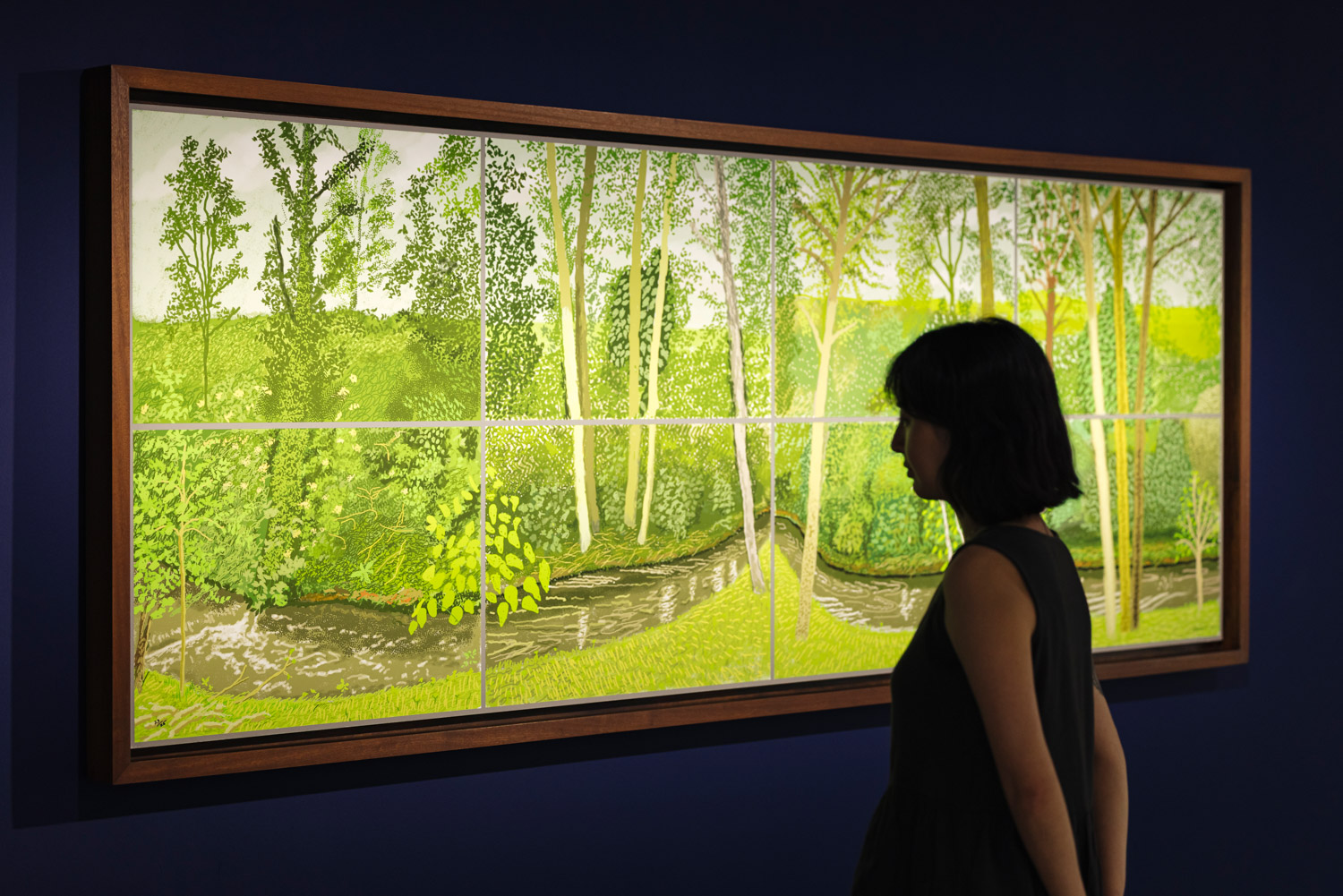
Other highlights in the exhibition include Fourth Seal (R6:7) (2020) by Ethiopian-American artist Julie Mehretu, who takes news images of anti-immigration protests and abstracts them beyond recognition, turning chaotic source material into a charged field of marks. It stands as one of the most politically resonant prints in the show. In contrast, 18th-27th June 2021, La Dorette Winding its Way (2021)—a monumental digital print composed of eight iPad drawings by David Hockney—reflects a different side of STPI’s vision. As a lifelong print enthusiast who has always embraced new technologies, Hockney’s work highlights the institution’s openness to an evolving medium. As Nathaniel Gaskell, Director (Exhibition Programming & Content Development) at STPI, noted: “Of course, this isn’t the typical analog printmaking that we do at STPI, but we find it fascinating to see how artists and printmakers are increasingly keen on exploring new technologies.”
The Print Show 2026, Installation view
The Print Show 2026, Installation view
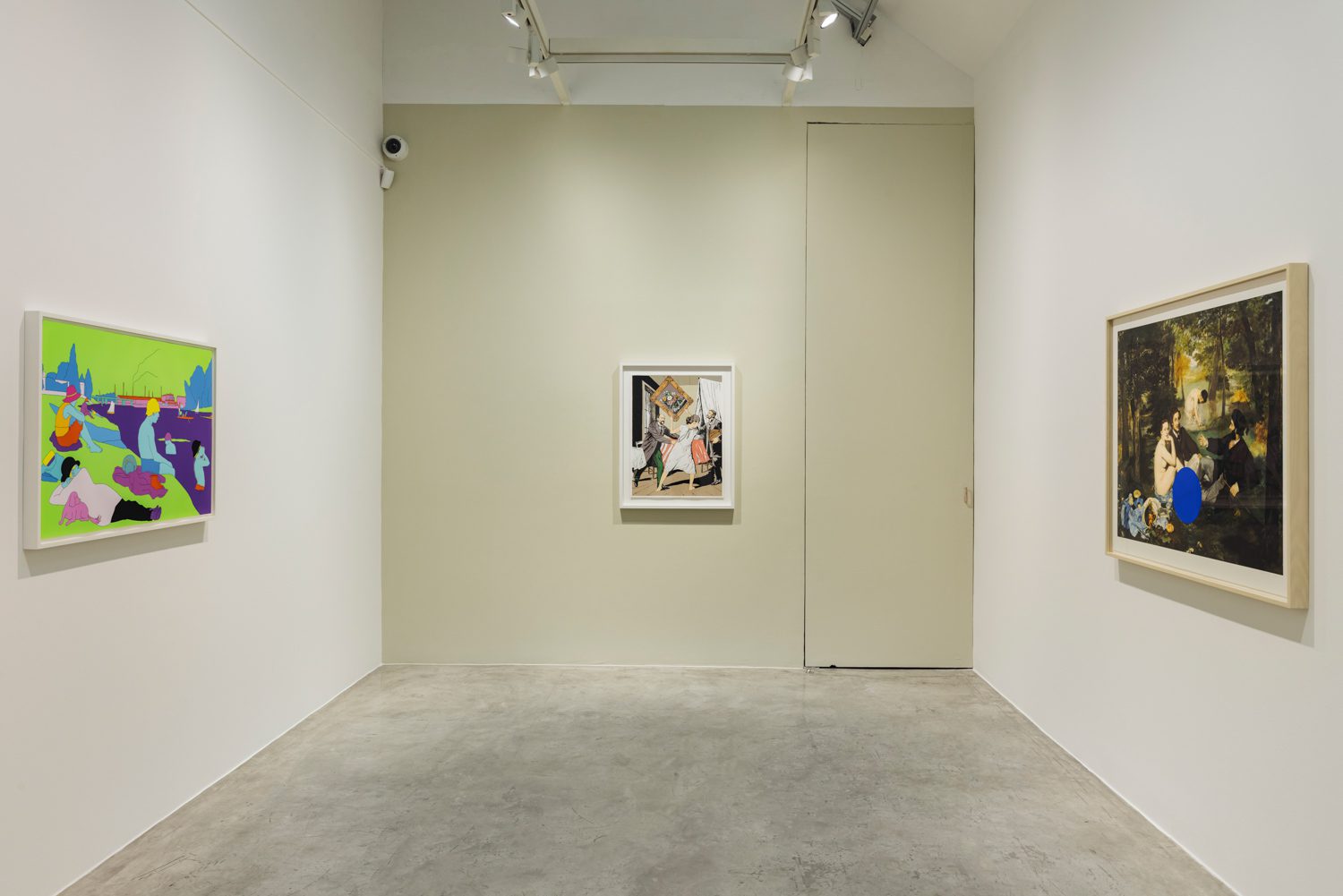
The dialogue within the exhibition eventually shifts toward a playful yet incisive critique look of how printmaking is often undervalued due to its ‘multiplicity.’ The critique is most evident in the works of Jeff Koons, Michael Craig-Martin, and Natee Utarit, three artists who use the medium to challenge long-standing artistic hierarchies.
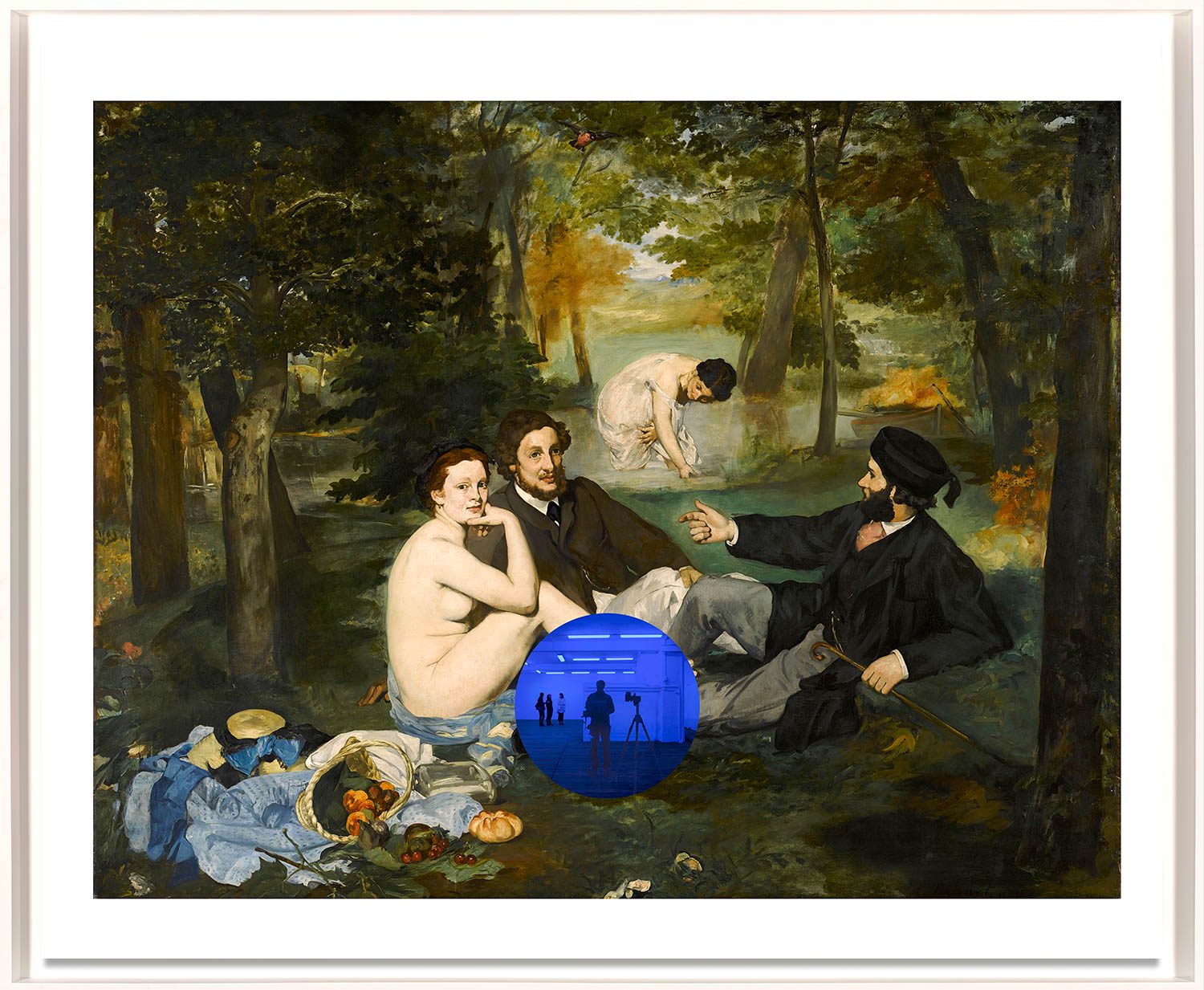
Jeff Koons, Gazing Ball (Manet Luncheon on the Grass), 2019, Archival Pigment Print on Innova rag paper, glass, 96 x 118 cm. | Image courtesy of the artist and Two Palms, NY.
In Gazing Ball (Manet Luncheon on the Grass) (2019), Jeff Koons addresses this by reproducing Édouard Manet’s classic masterpiece and installing a highly reflective cobalt-blue sphere into the image. By doing this, he seems to democratize the high-art icon, bringing it down to a level as accessible as printmaking itself. Moreover, the work invites participation; whoever stands before it becomes an immediate part of the image through their reflection. This adds a powerful layer to the concept of multiplication—because each viewer’s presence is unique, every reproduction within the edition achieves its own singular identity at that exact moment.
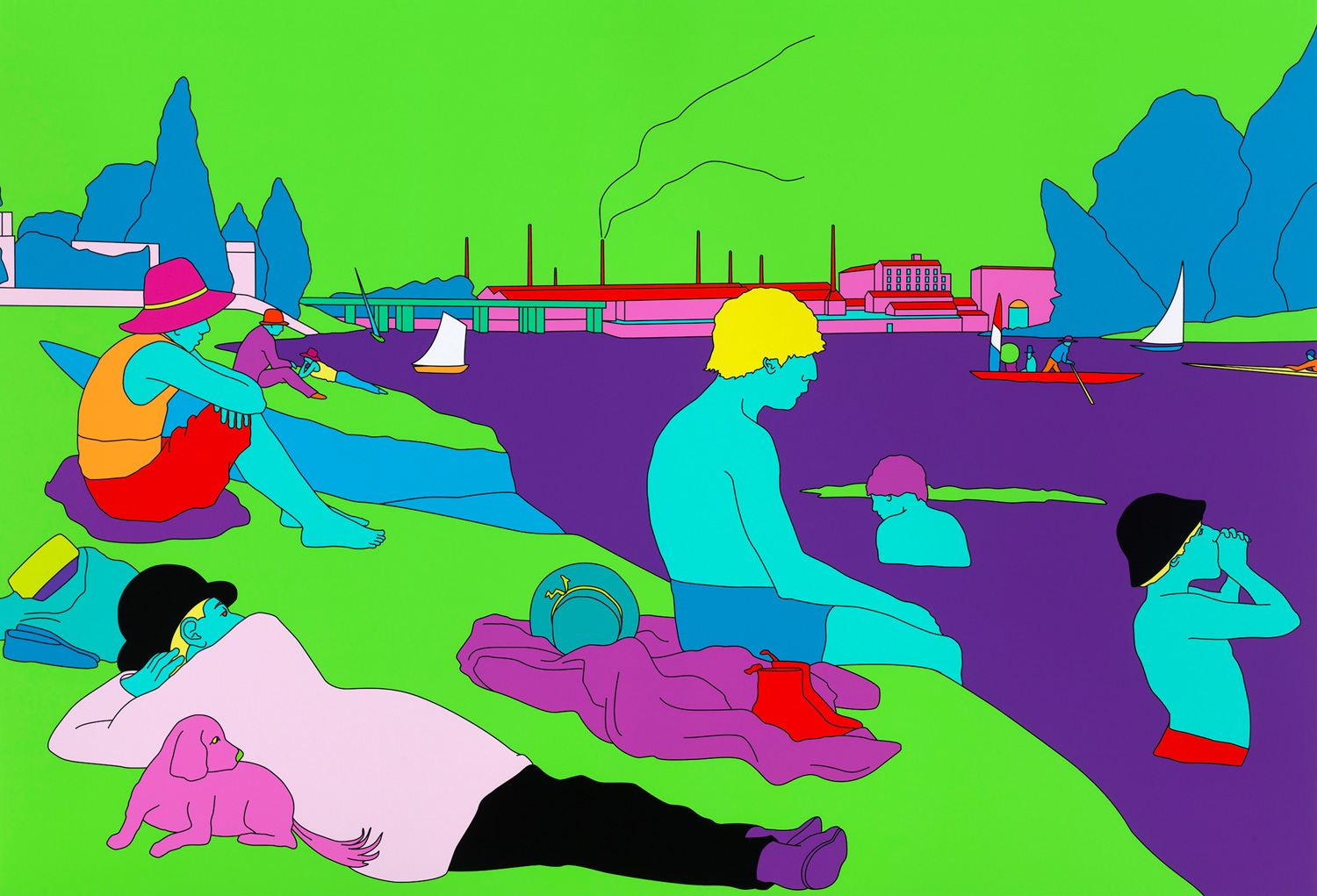
Michael Craig-Martin, Seurat (green), 2022, Pigment print on Somerset Satin Photo Paper, 68 x 100 cm. © Michael Craig-Martin. | Image courtesy of the artist and Cirstea Roberts Gallery, London.
This spirit of transformation is echoed by Michael Craig-Martin in Seurat (Green) (2022). He strips away the soft, pointillist textures of Georges Seurat’s Neo-Impressionist masterpiece, Bathers at Asnières, to reveal a strikingly modern graphic language. Like Koons, he renders the once ‘untouchable’ masterpiece into something accessible and contemporary, reducing the figures to bold outlines and flat, vivid colours.
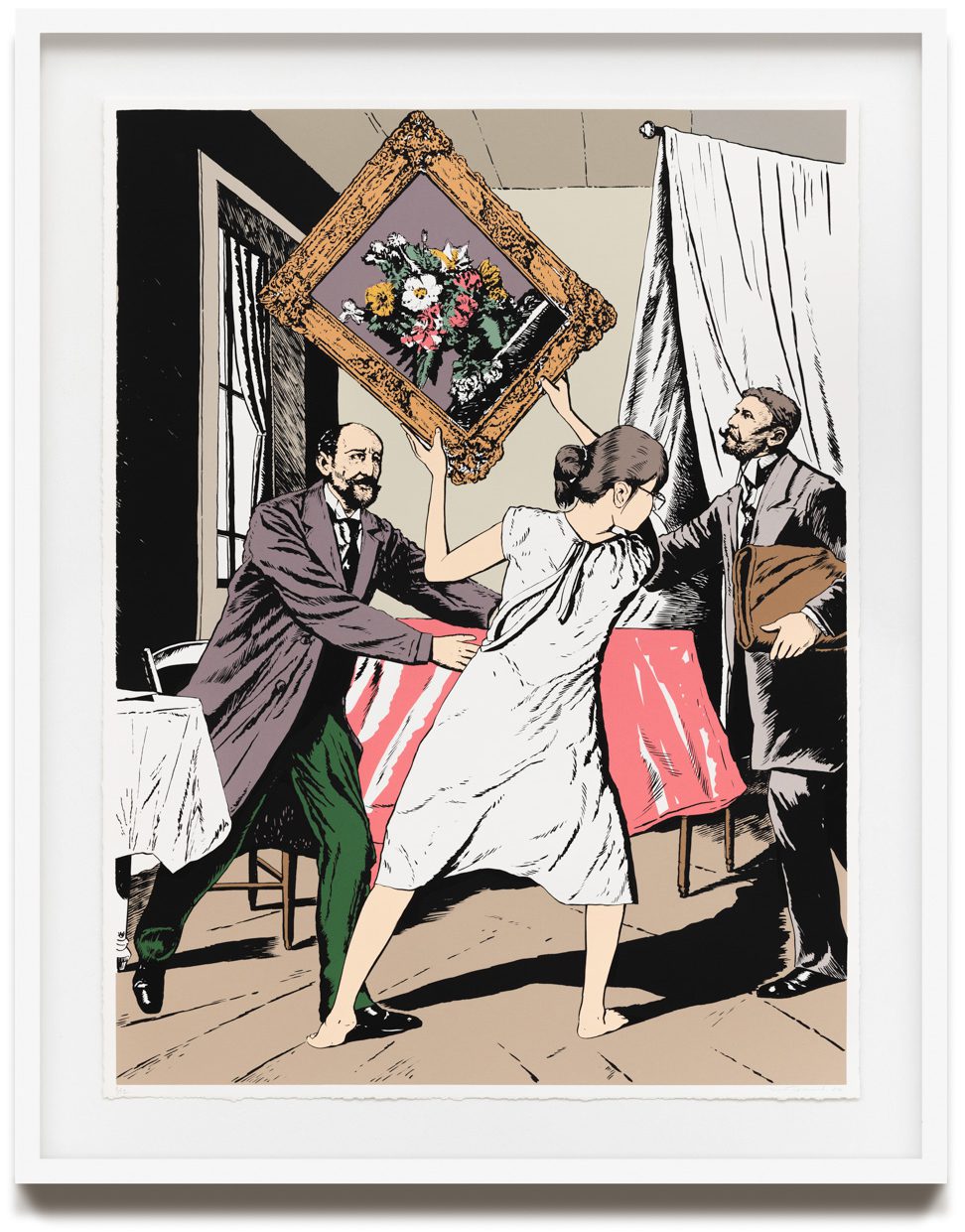
Natee Utarit, IT WOULD BE SILLY TO BE JEALOUS OF A FLOWER, 2025, Serigraph on paper, 80 x 60.5 cm. © Natee Utarit / STPI. | Image courtesy of the artist and STPI, Singapore
This subversion reaches its peak in Natee Utarit’s IT WOULD BE SILLY TO BE JEALOUS OF A FLOWER (2025), a masterful 16-color silkscreen produced in a comic-book aesthetic at the STPI workshop. Beyond its technical brilliance, the work offers a moment of profound wit: a female protagonist caught in the act of smashing a still-life painting right before the eyes of a shocked, old-world male figure. The scene is a poignant metaphor for the print ‘smashing’ the long-standing hierarchy of the canvas, while simultaneously posing a defiant question: does printmaking truly possess the power to shatter these old conventions and claim its own place at the center of the contemporary art world?
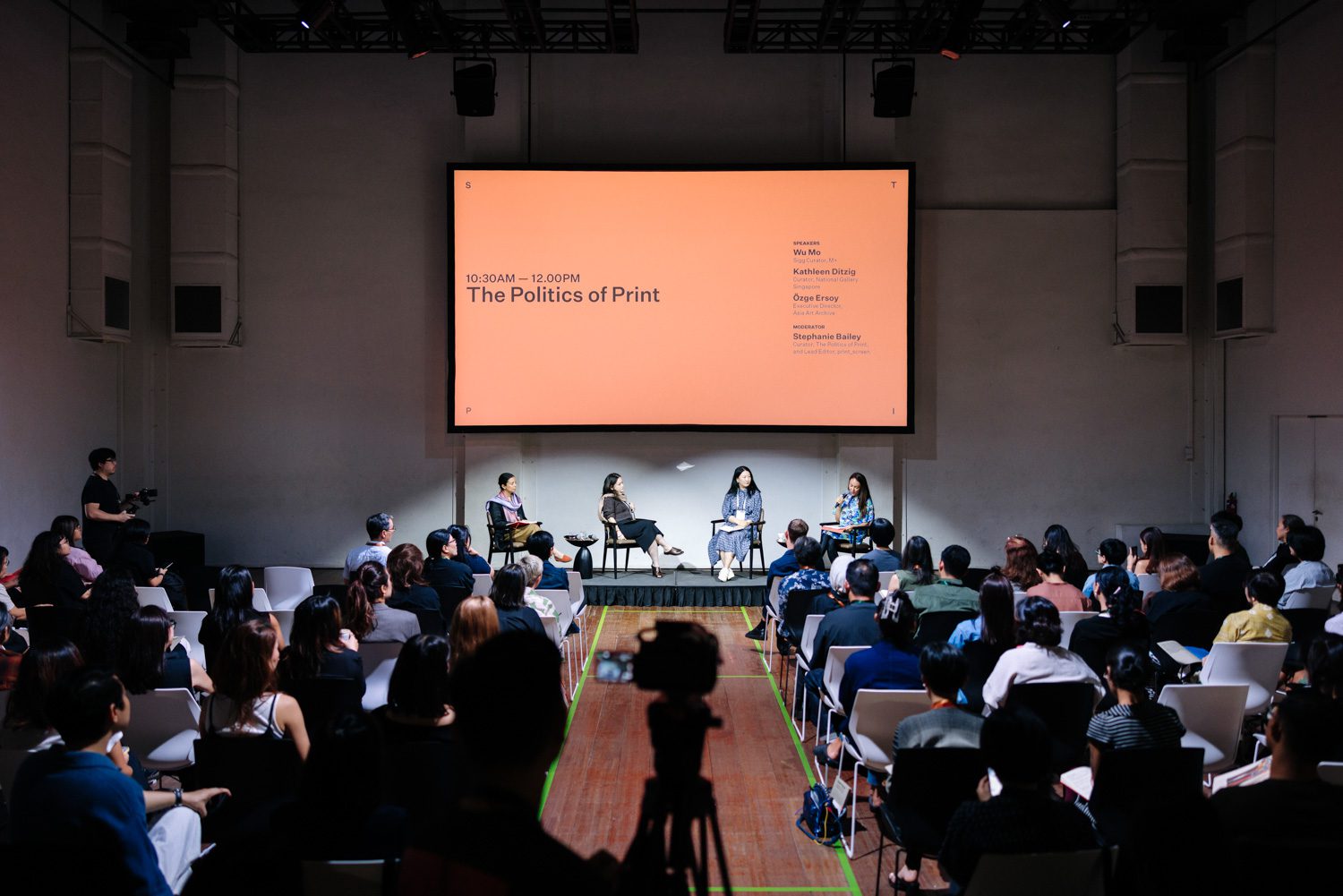 STPI Symposium
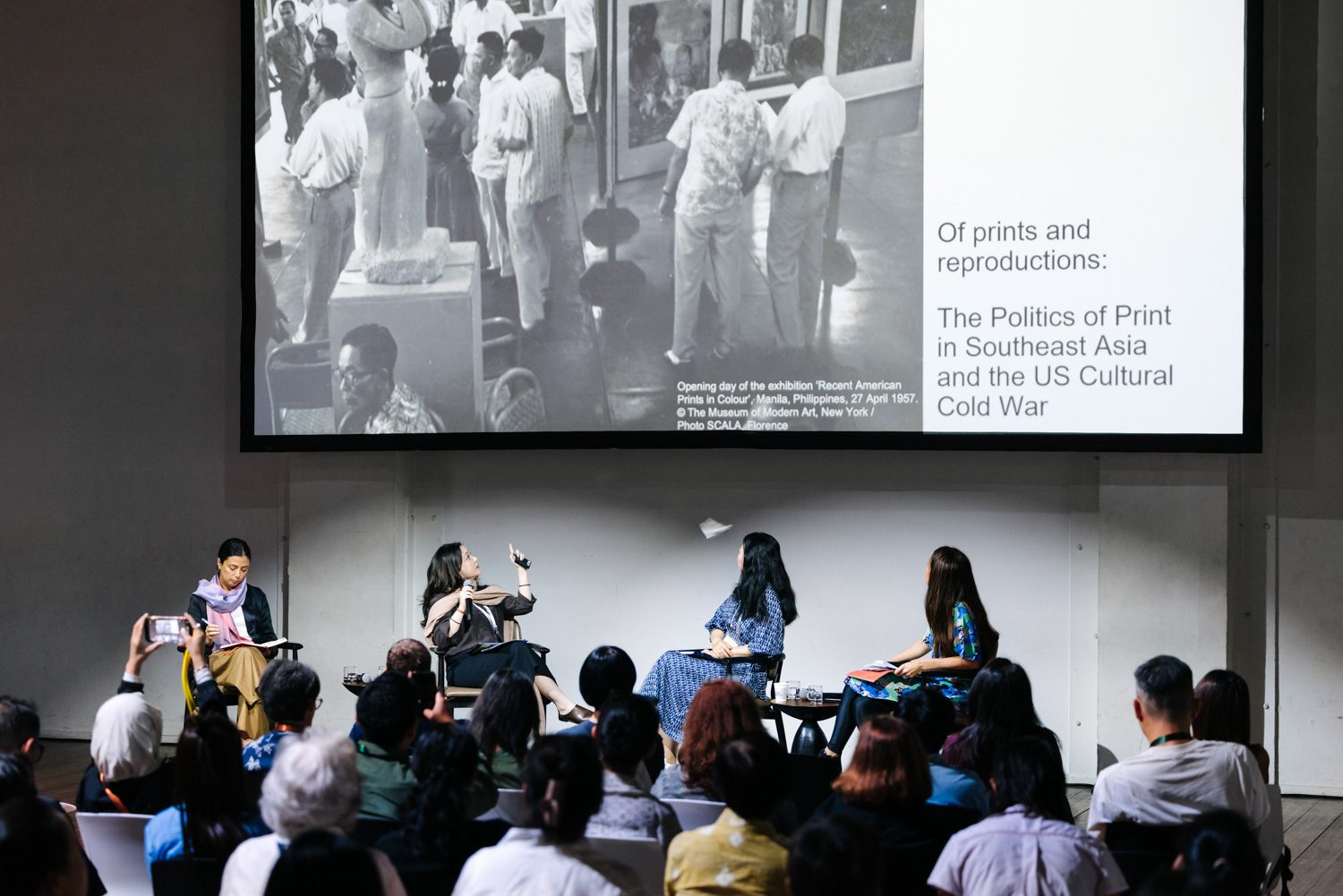
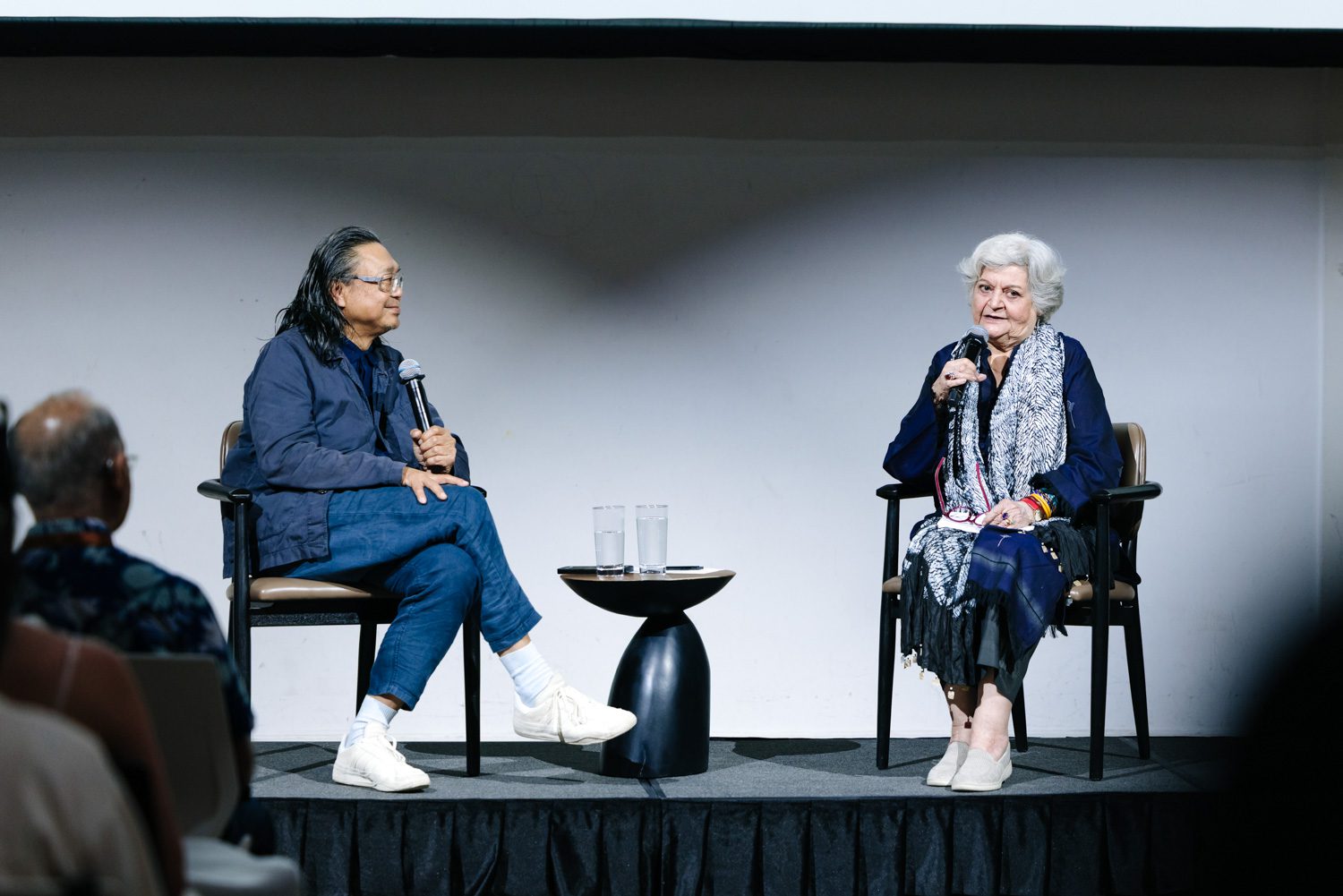
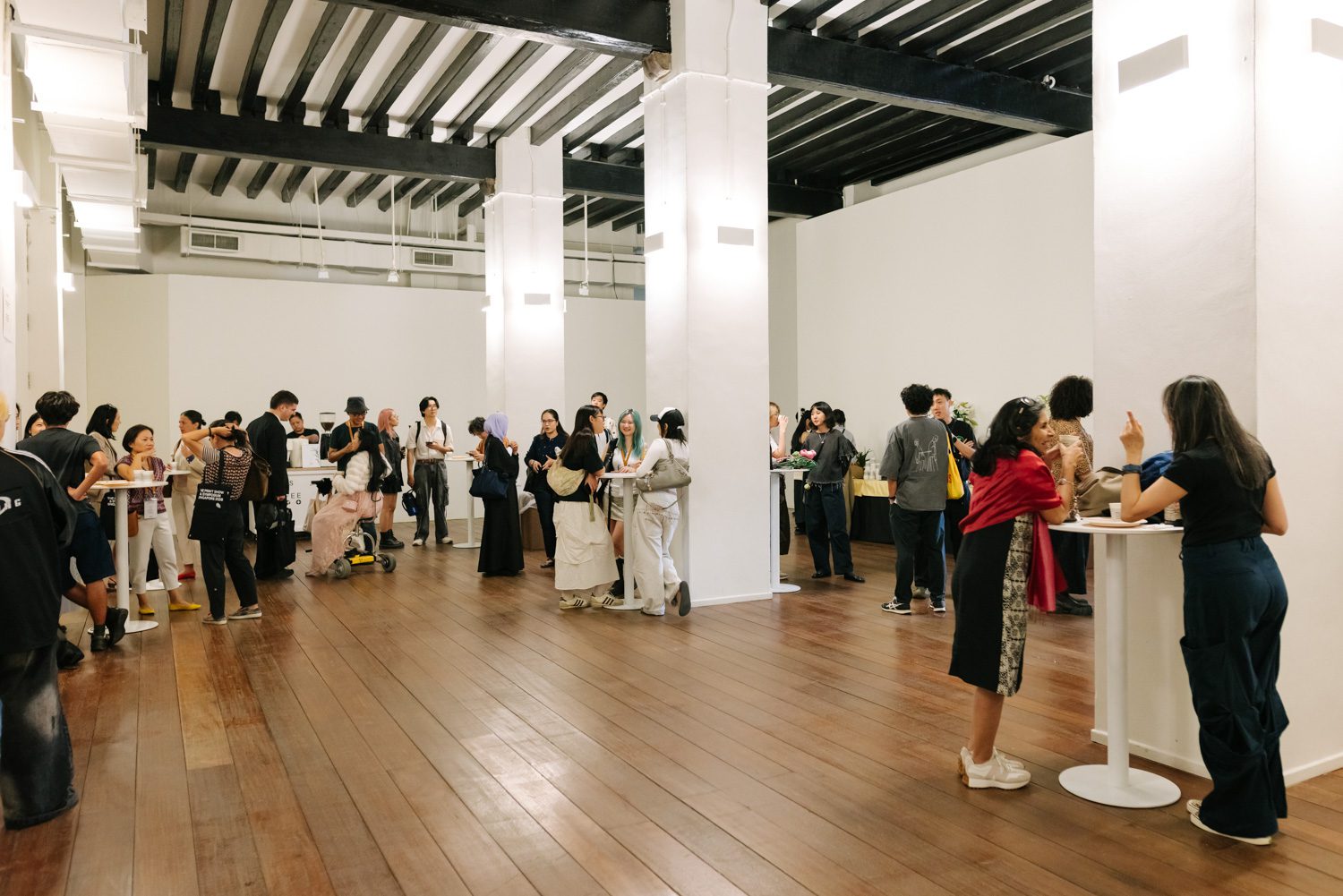
STPI Symposium
The Print Show, open to the public from 22 January to 7 February 2026, alongside the Symposium held on 23-24 January, appears to say yes to this question. Notably, the ‘New (Print) Markets, New (Print) Worlds’ session presented data from IFPDA confirming that the print market’s growth isn’t driven by price alone. Instead, young collectors see printmaking as more deeply connected to our time—fusing technology with the unique collaborative relationship between artist and printmaker.
The Print Show 2026, Installation view
Furthermore, the participation of 27 leading artists—many of whom built their names in other mediums—serves as definitive proof: for these global figures, the medium and technique are never more important than the ideas they carry.