
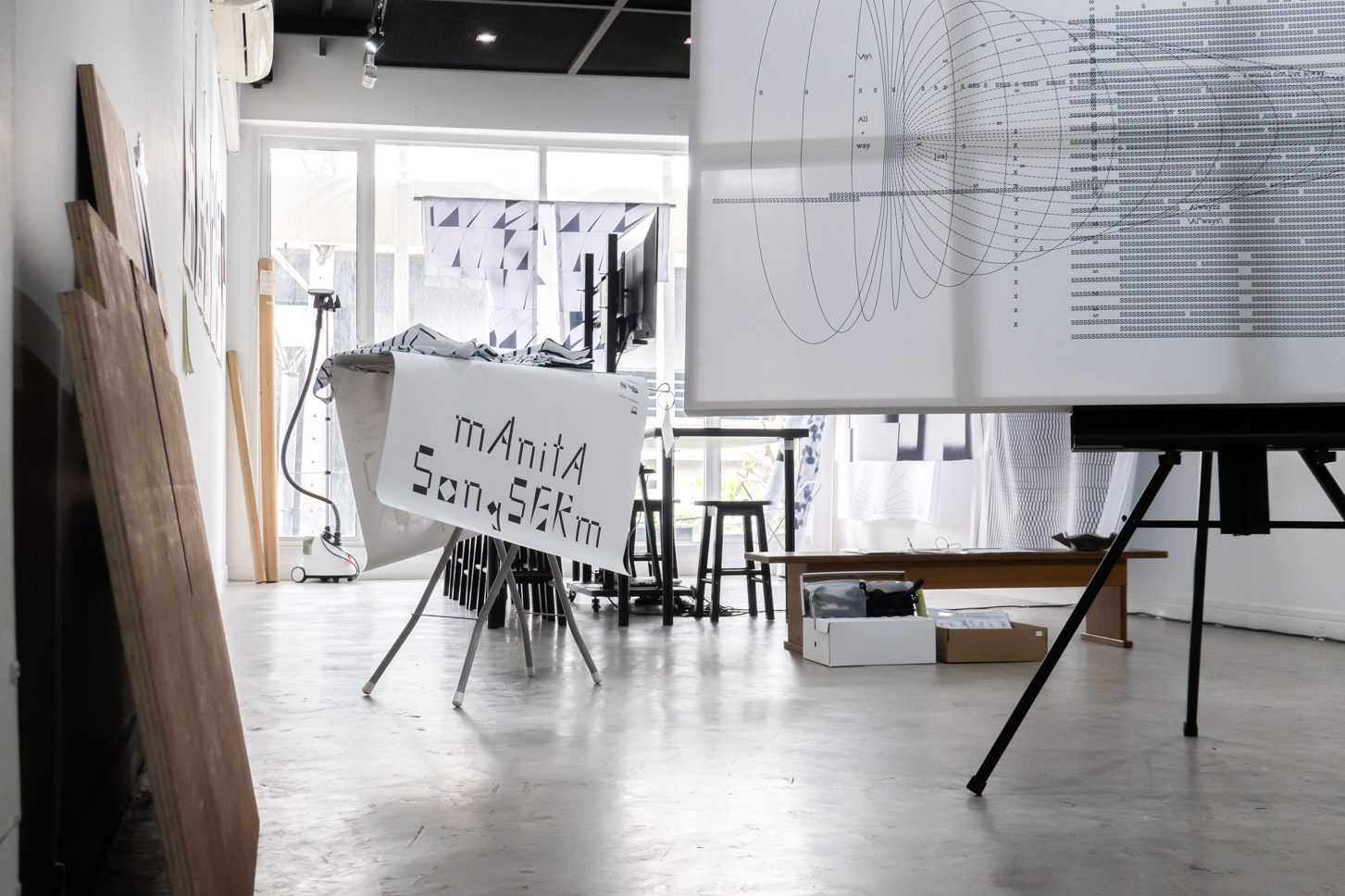
A CASUAL EXPERIMENTAL CLUB ON ‘WORDS, TYPOGRAPHY, AND SPACE’ BY MANITA SONGSERM, CURATED BY BENJARAT AIEMRAT
TEXT: PIYAPONG BHUMICHITRA
PHOTO: KETSIREE WONGWAN
(For Thai, press here)
Manita and Benjarat ‘hacked’ a four-story shophouse next to the Krung Thon Market in Bangkok’s Bang Phlat district for about a month, transforming the former Kinjai Contemporary space into what they call an experimental club named forms of expression.
This experimental club was publicly presented as an art exhibition that uses typographic design as its primary tool for communication between the artist and the curator. It marks the first collaboration of its kind between ‘Mai’ Manita Songserm, a graphic designer known for her distinct typographic approach and one of Thailand’s most singular voices in the field, and ‘Ben’ Benjarat Aiemrat, a graphic designer whose experimental works interweave graphic design, craft, and the shifting phases of her own life. Both designers are known for consistently upholding the integrity and identity of their individual practices. With these two minds working together, it’s no surprise the exhibition has drawn curiosity. Audiences are eager to see just how far their combined vision can take go.
art4d spoke with Manita on the day of the exhibition opening—though calling it the ‘opening day of the club’ might be more fitting.
“To be honest, I didn’t set out to do this at all. Even my previous solo exhibition (Individual Characters at The Jam Factory Gallery in 2019) only happened because I was invited,” Manita said. “Having worked on graphic design for art exhibitions for years, I know how draining the process can be. It takes a lot out of you. And when you’re both the designer and the artist, you’re managing everything yourself. But when Ben asked me, I said yes – partly because I trust her, and partly because I was curious. I thought, if a friend who knows me well curates the show, maybe she’ll notice something I’ve never seen in myself. So, the process ended up being the two of us constantly spoiling each other. She’d suggest something, and I’d say, ‘should we try it this way?’ There were things I’d never dared to attempt until someone said, ‘go for it.’ That’s how this all came together.”
The show originated when Kinjai invited Benjarat to take part, as she already had a connection with the space. Pae, or Sahawat Thepparop, director of Kinjai, had long been intrigued by Manita’s work, particularly her unique visual language and tone. He saw her style as straddling the line between design and art in a way that felt strikingly balanced. Having followed her work since her last exhibition, he wanted to revisit it, this time at Kinjai, with the intention of creating a full graphic design–led exhibition from the start. Benjarat, who has admired and followed Manita’s work for years, then invited her to collaborate.
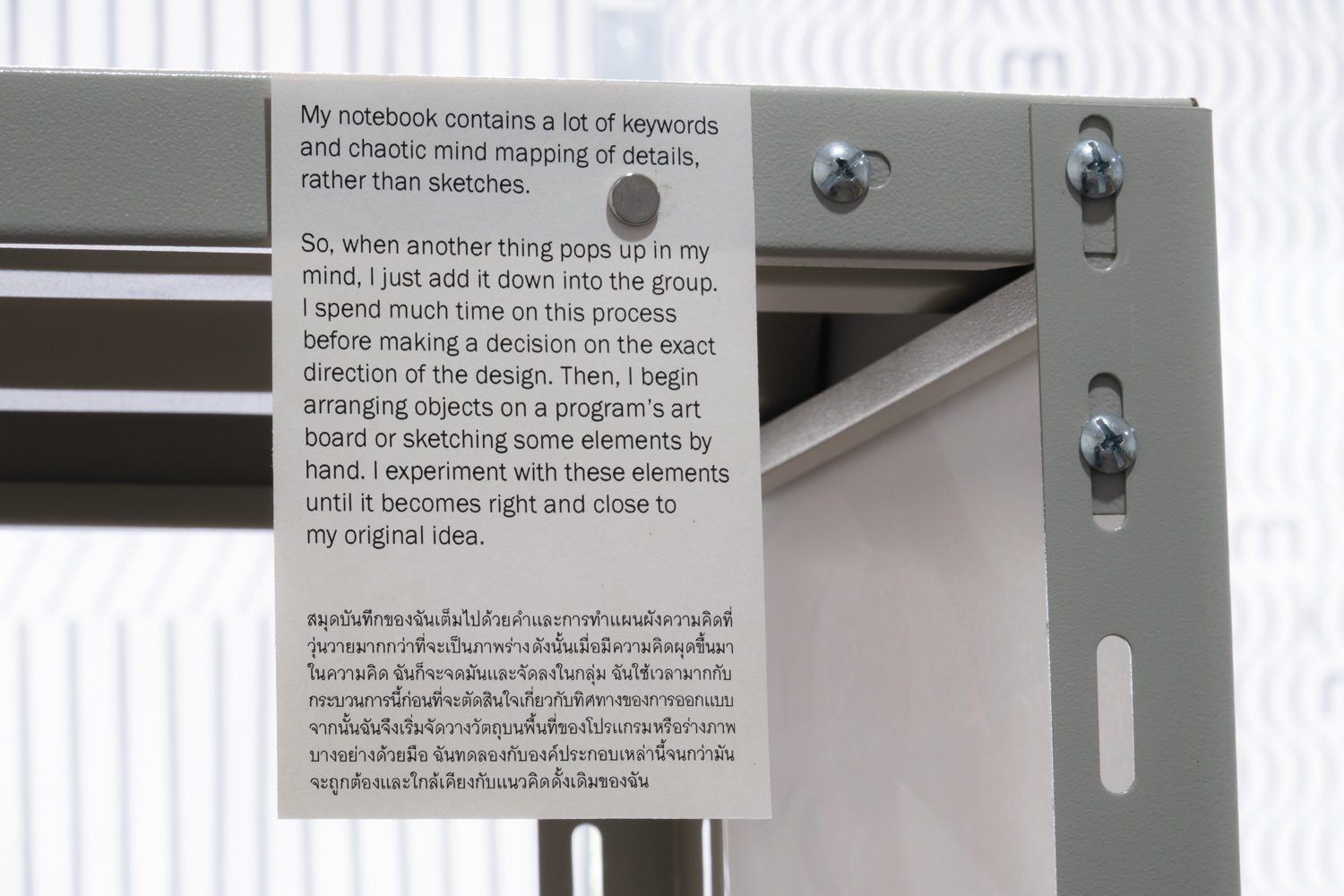
“We started talking about it in earnest around December last year, though Ben had already brought it up midyear,” Manita recalled. “From the beginning of this year, I started compiling all my works and sent them to her to select from, since she’d need to map out the space and how to tell the story. After that, we worked together on the concept, especially thinking about what we wanted to do with the space. Since the venue is set within an actual home, we decided to treat the arrangement of the works like placing everyday objects or decorations in a house.”
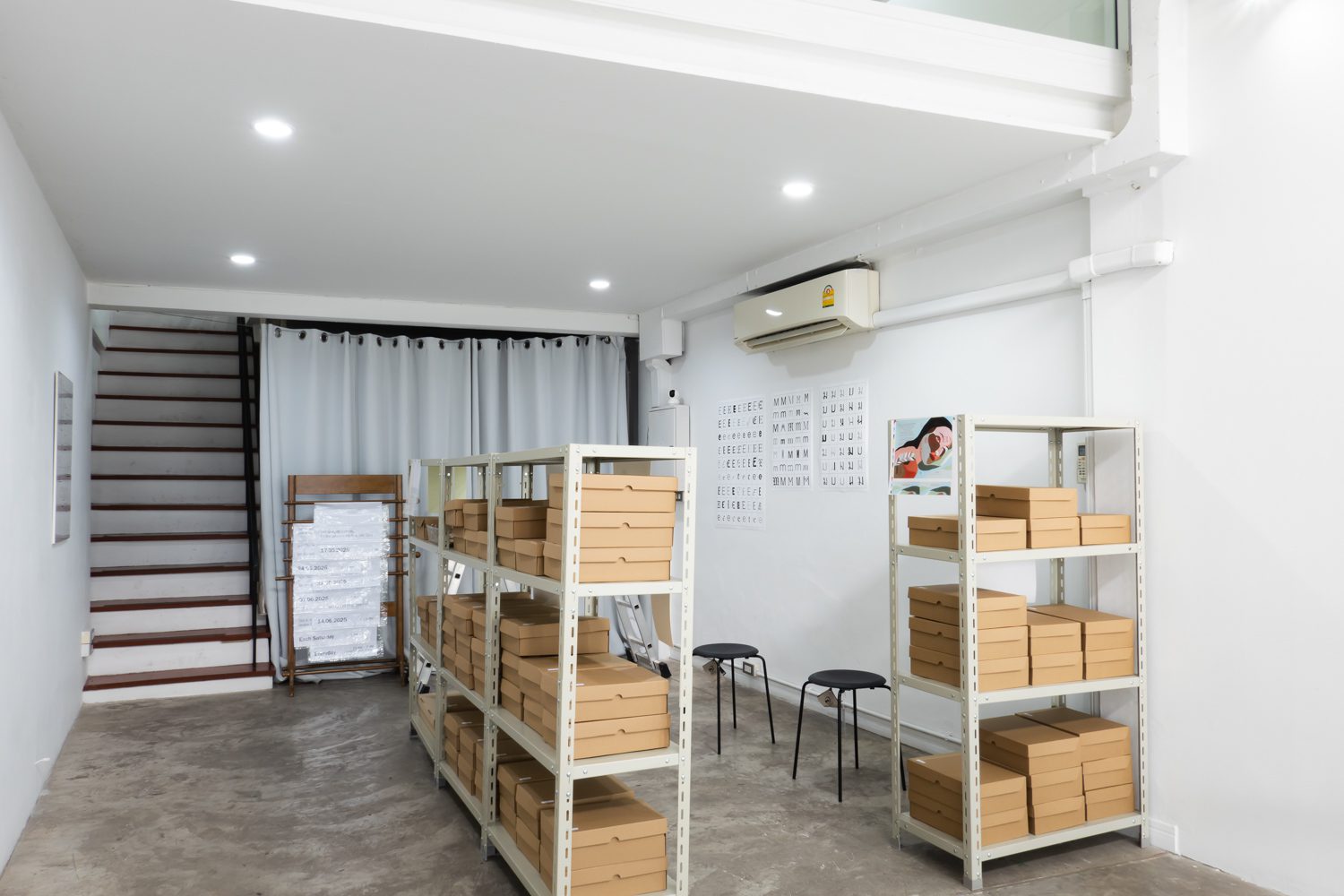
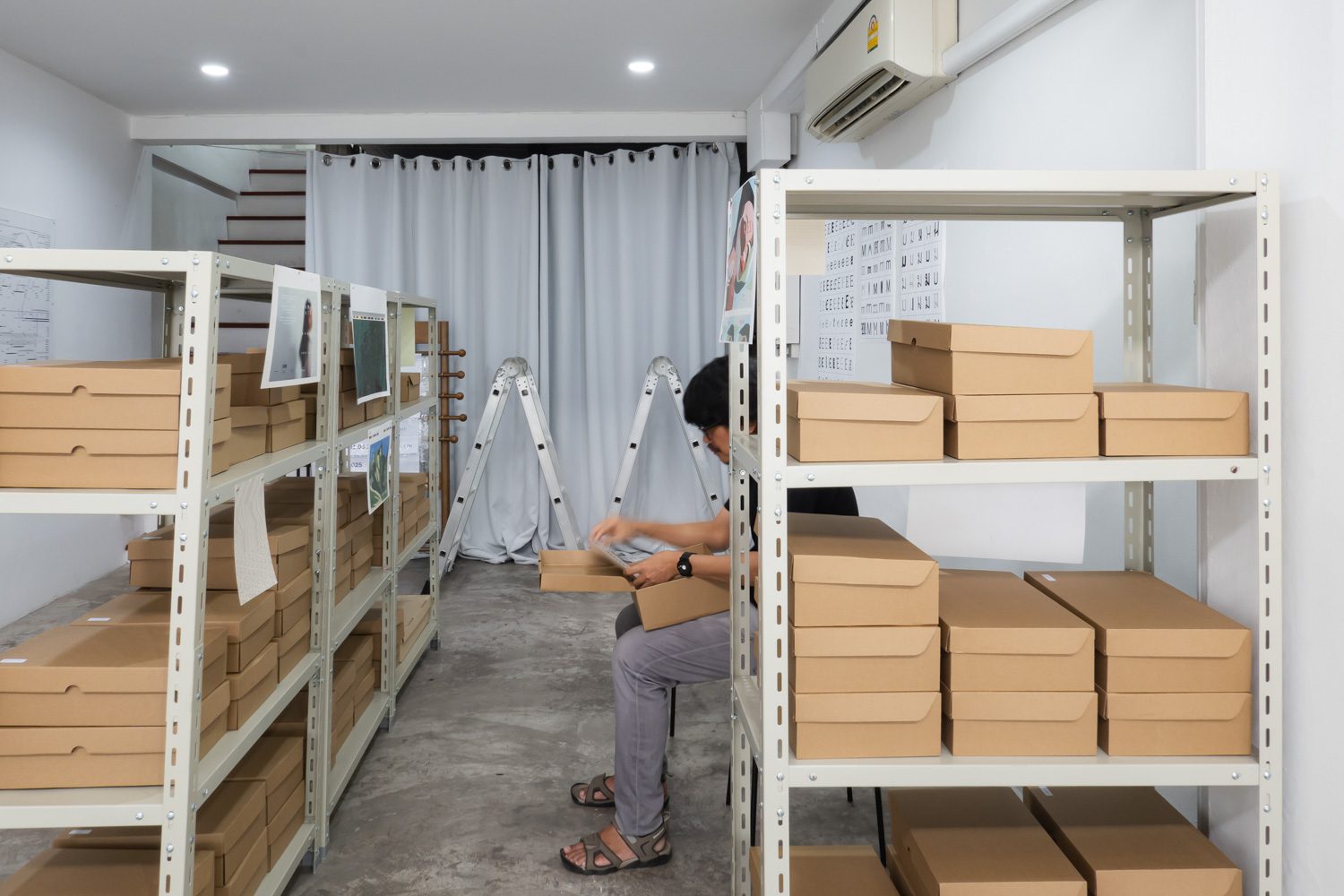
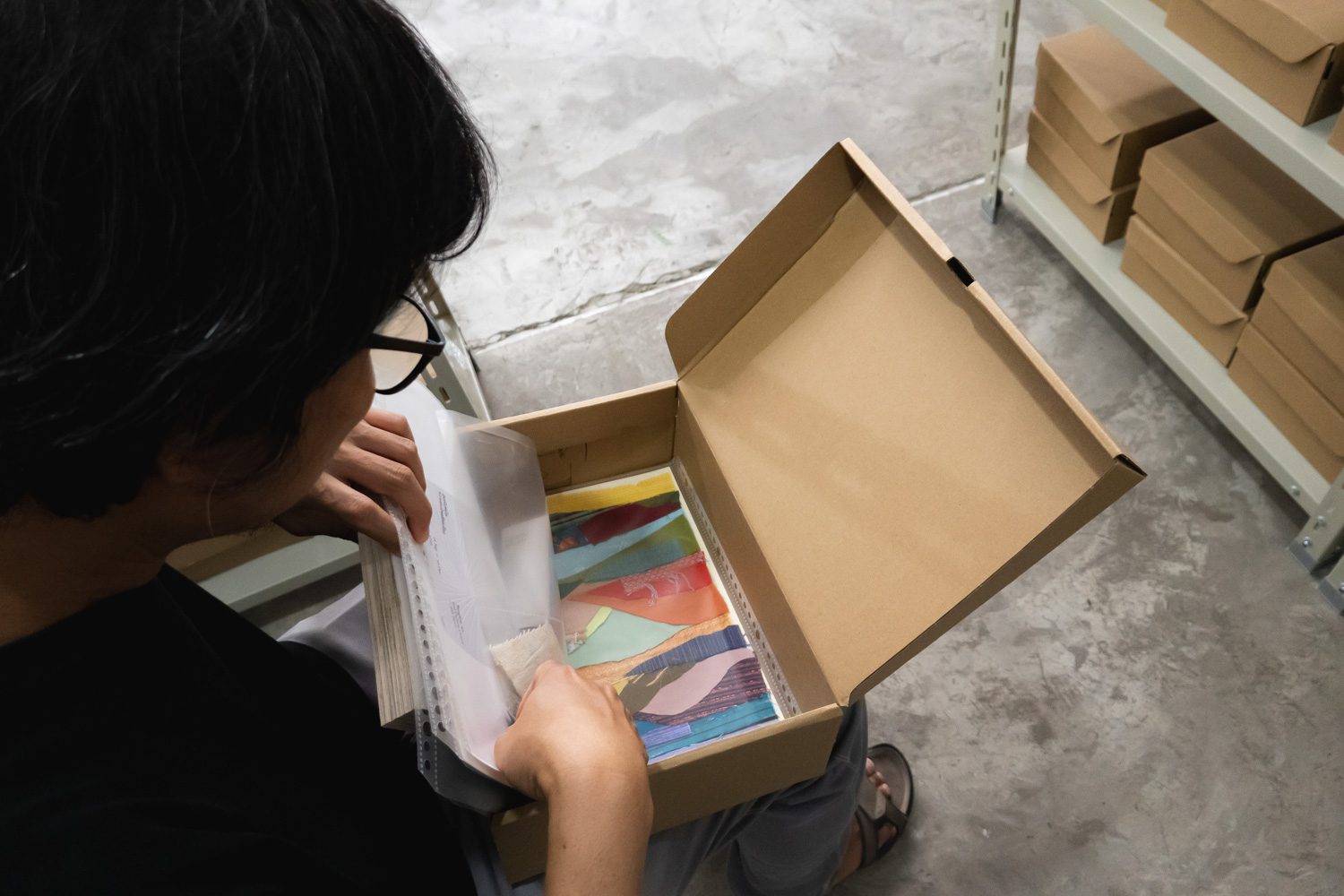
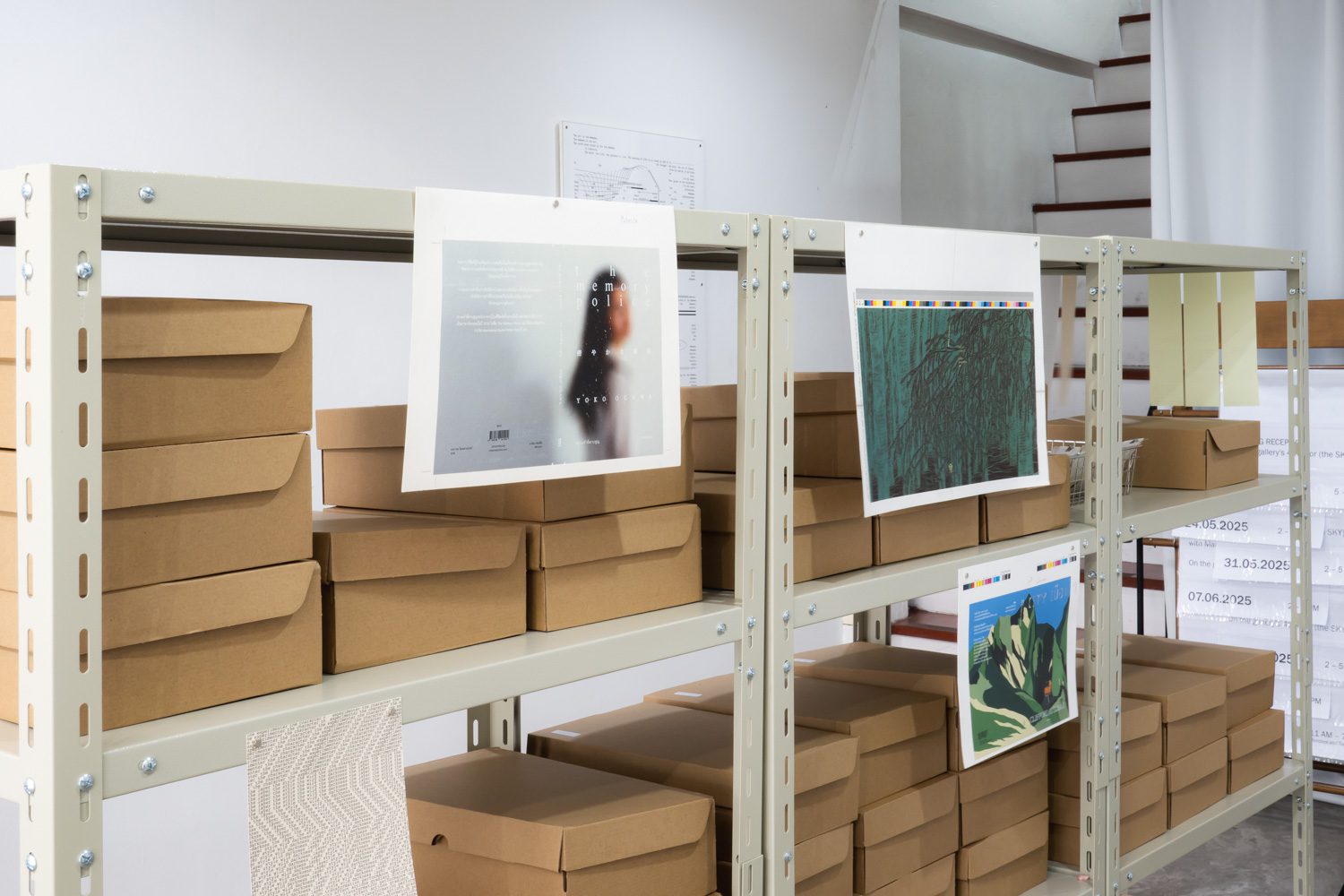
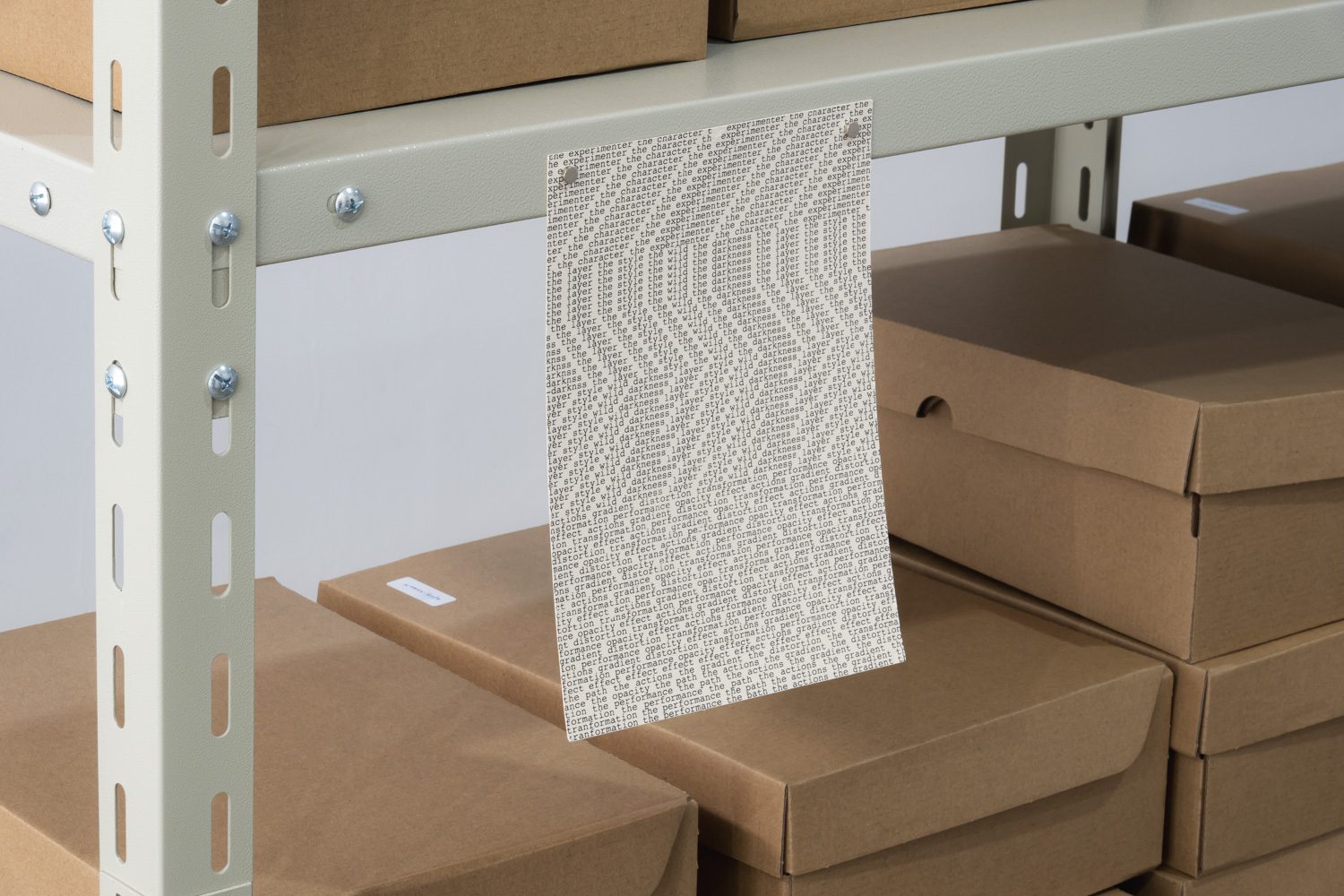
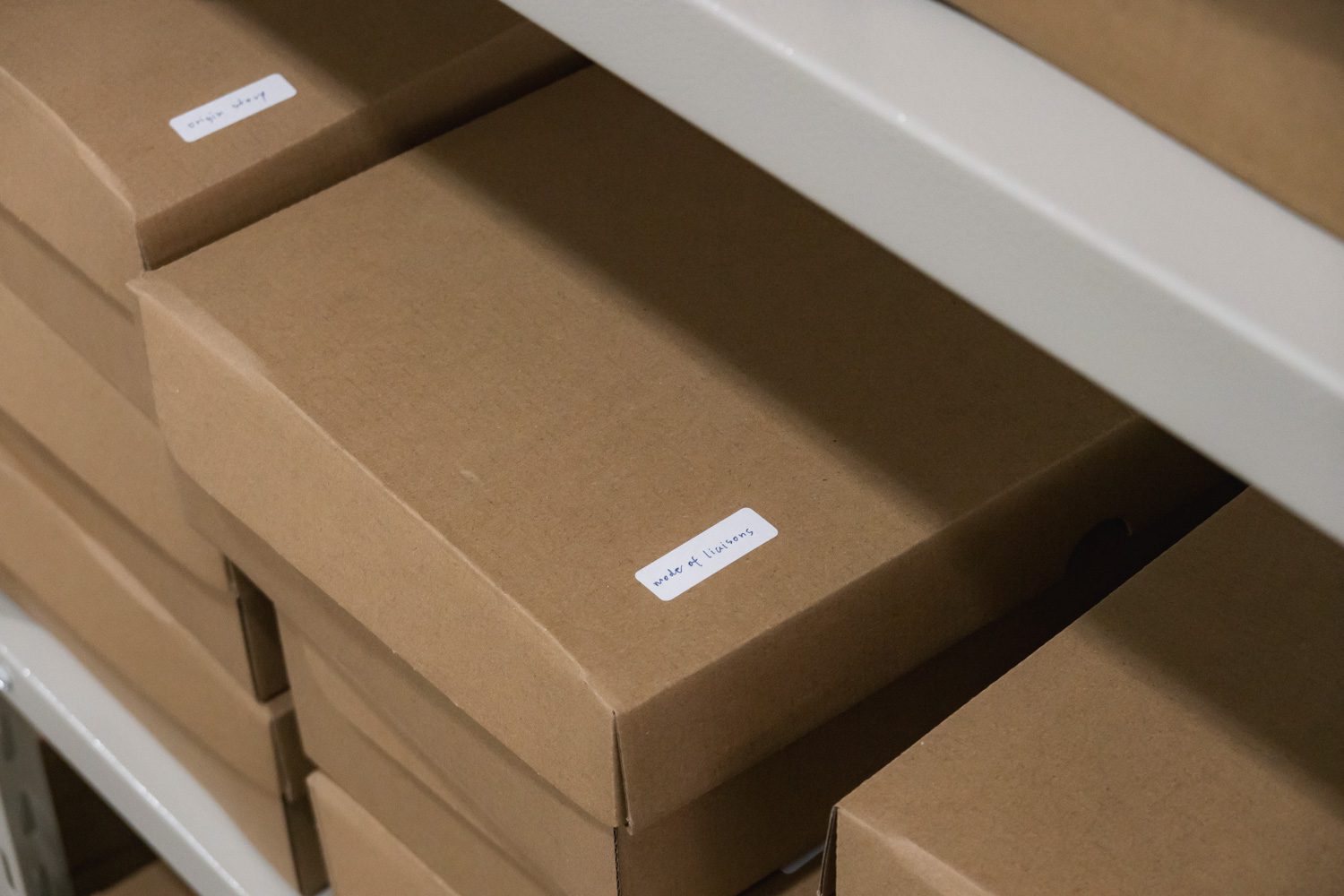
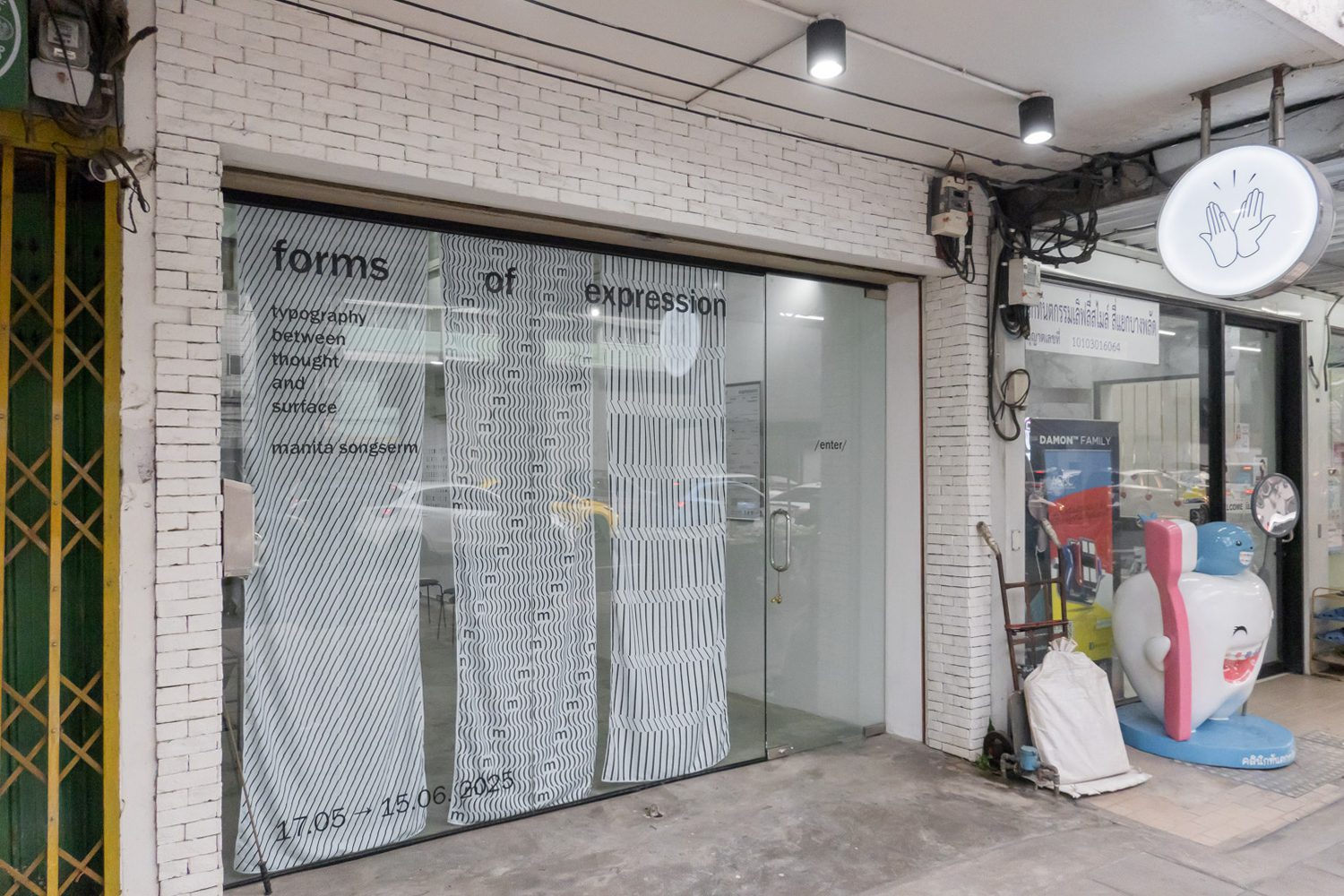
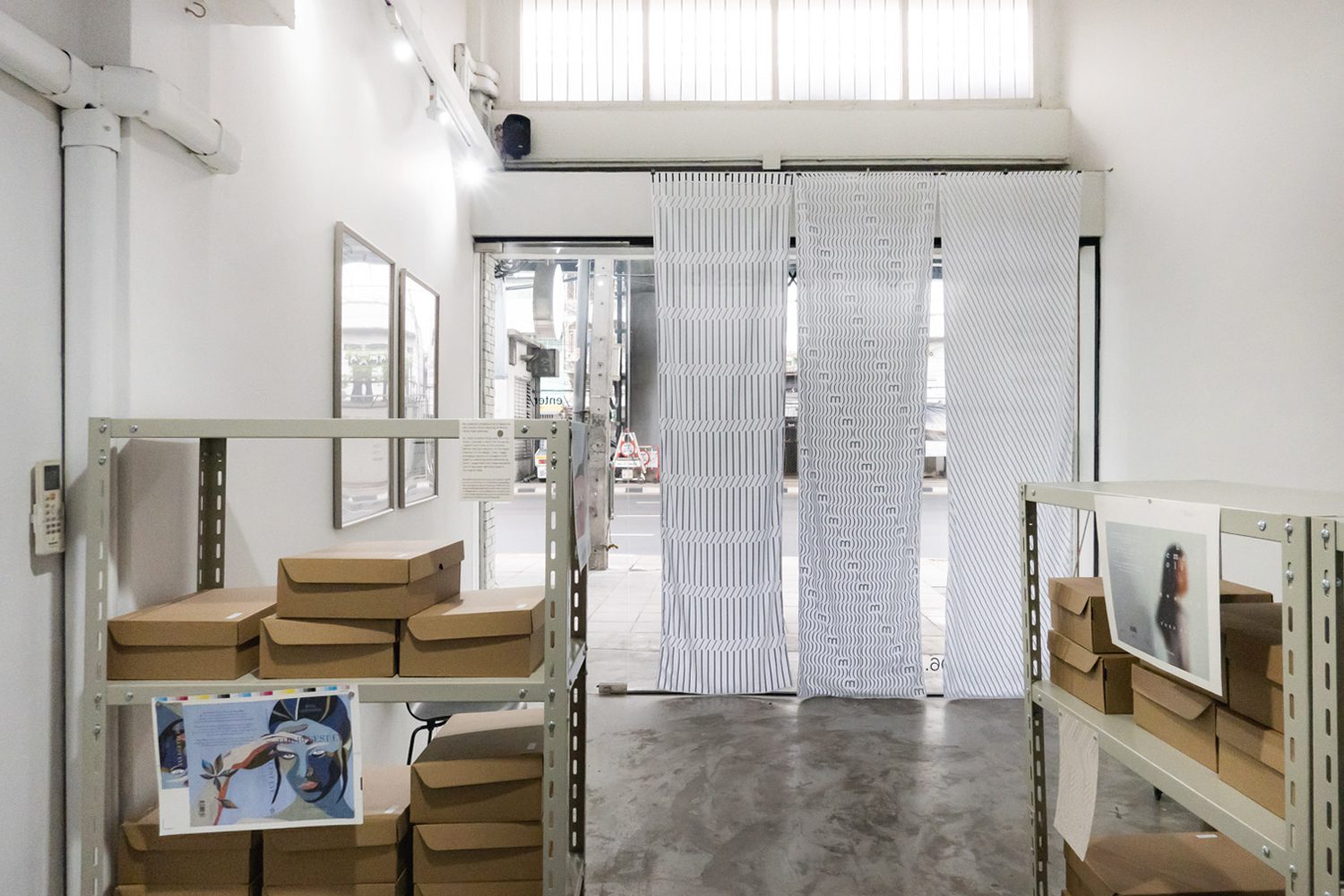
forms of expression takes over the entirety of Kinjai Contemporary’s building, beginning right at the entrance. On the large glass façade at the front of the building, Manita and Benjarat have suspended three oversized printed textiles featuring Manita’s graphic work. The ground floor, referred to as ‘The GROUND’, serves as the starting point of the exhibition. Upon entering, visitors are met with a series of brown kraft paper boxes, reminiscent of product stockrooms in retail shops. Opening them reveals that these boxes function as storage units for Manita’s creative process, like desktop folders containing sketches, ideas, and research materials for various projects. Each box varies in content, and labels on the front identify which project the contents belong to. Scattered across this level are ‘words’ that appear throughout the space. This choice is deliberate. It introduces visitors to a key insight: that many of Manita’s works begin with words—words that form the core of each design brief she receives.
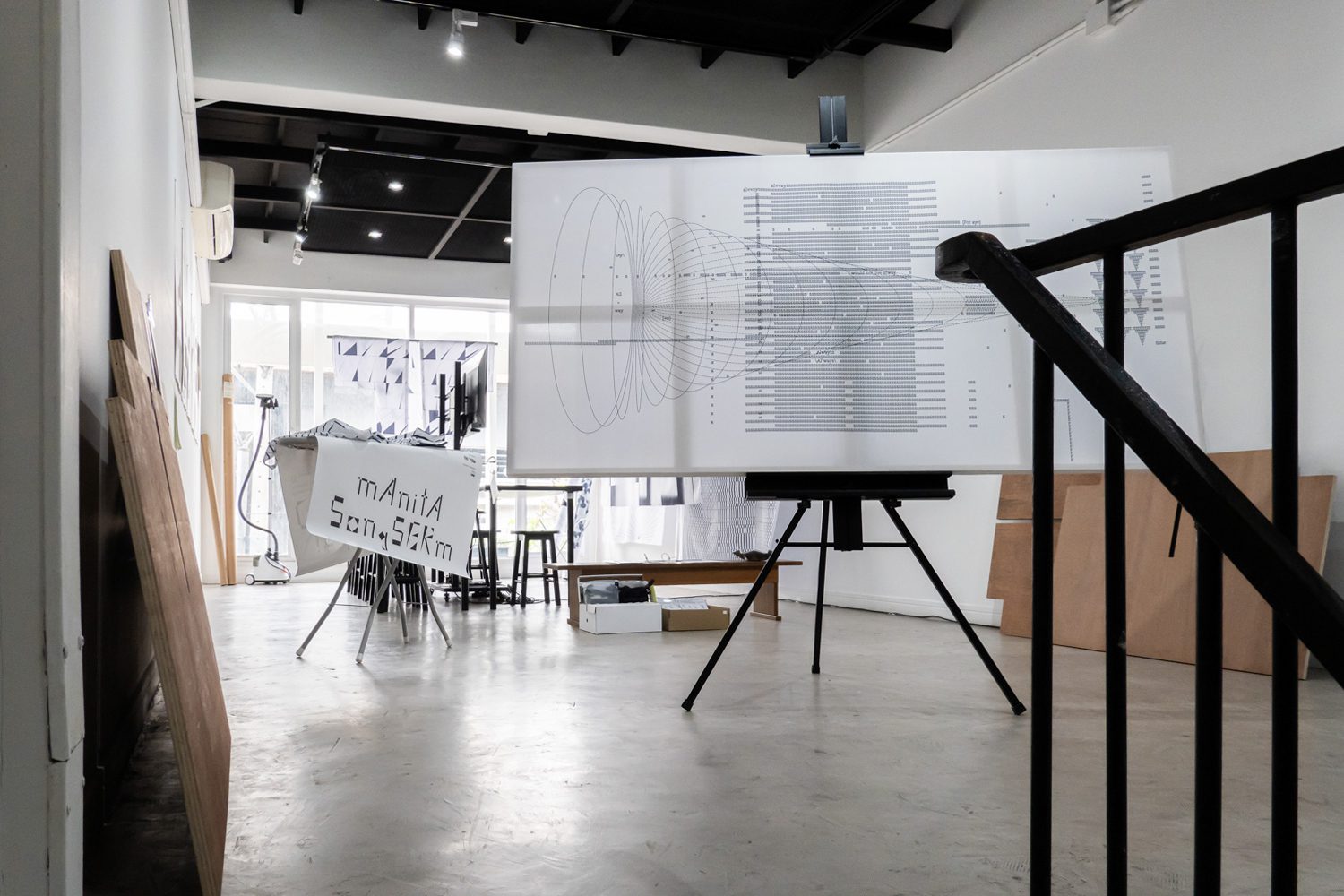
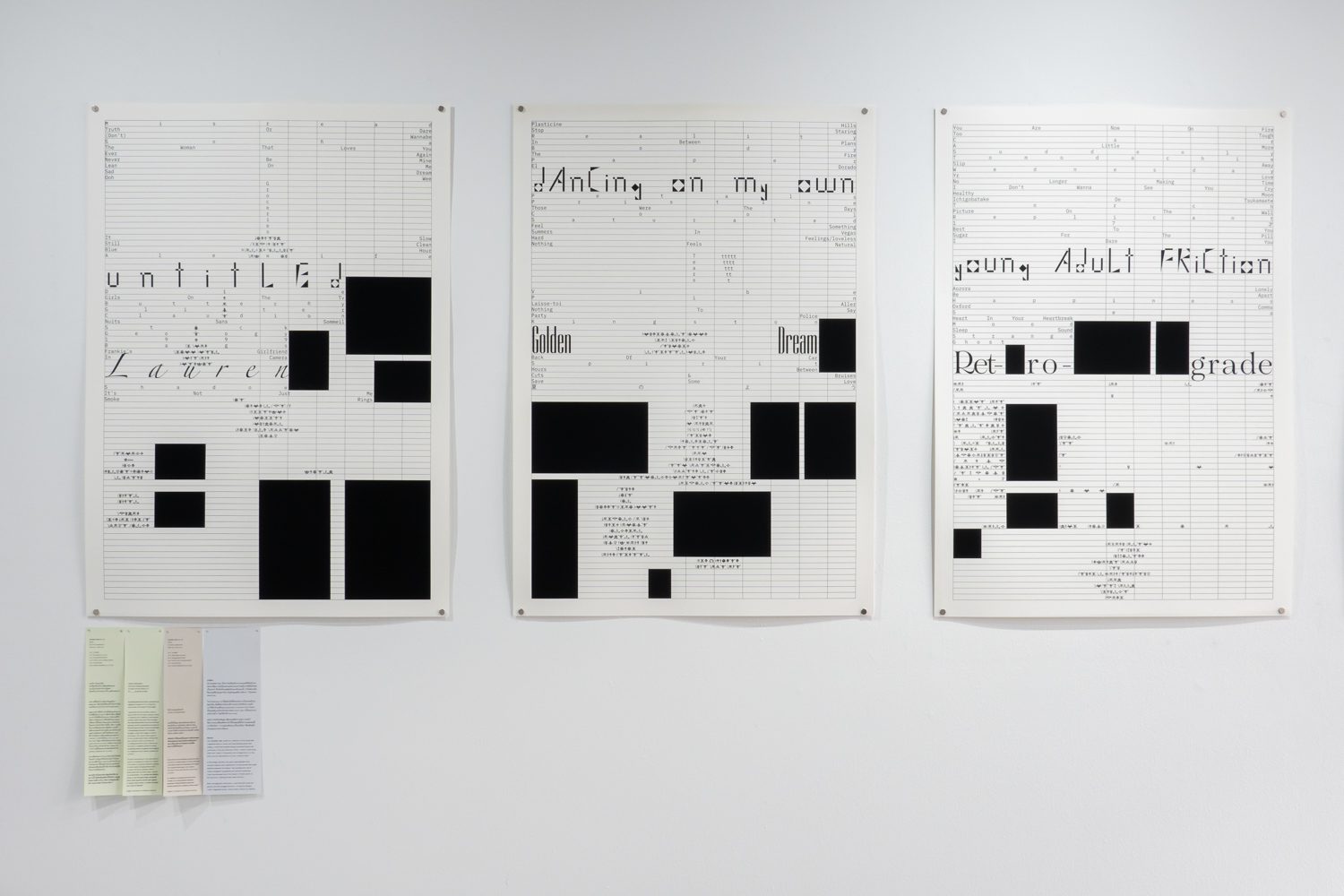
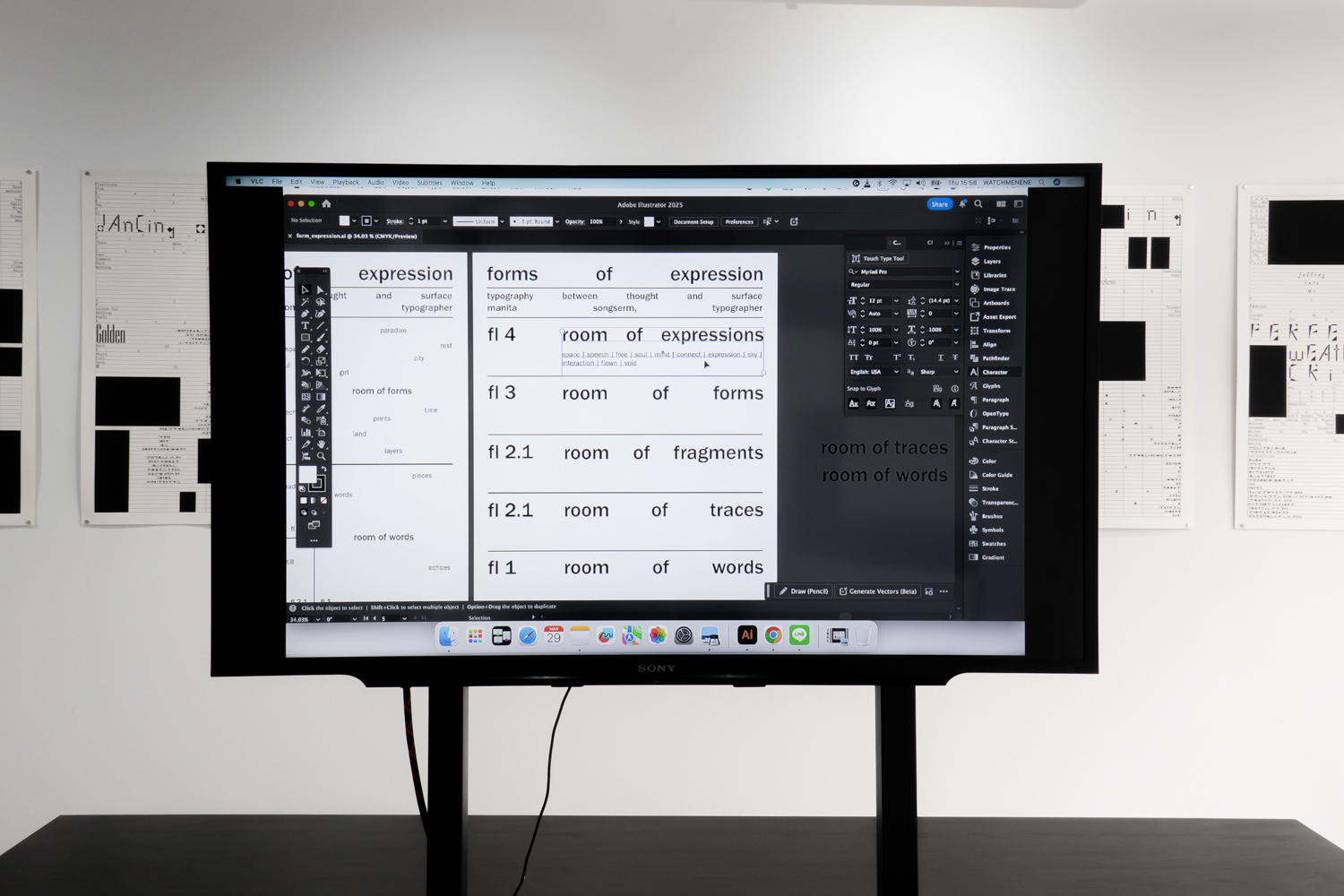
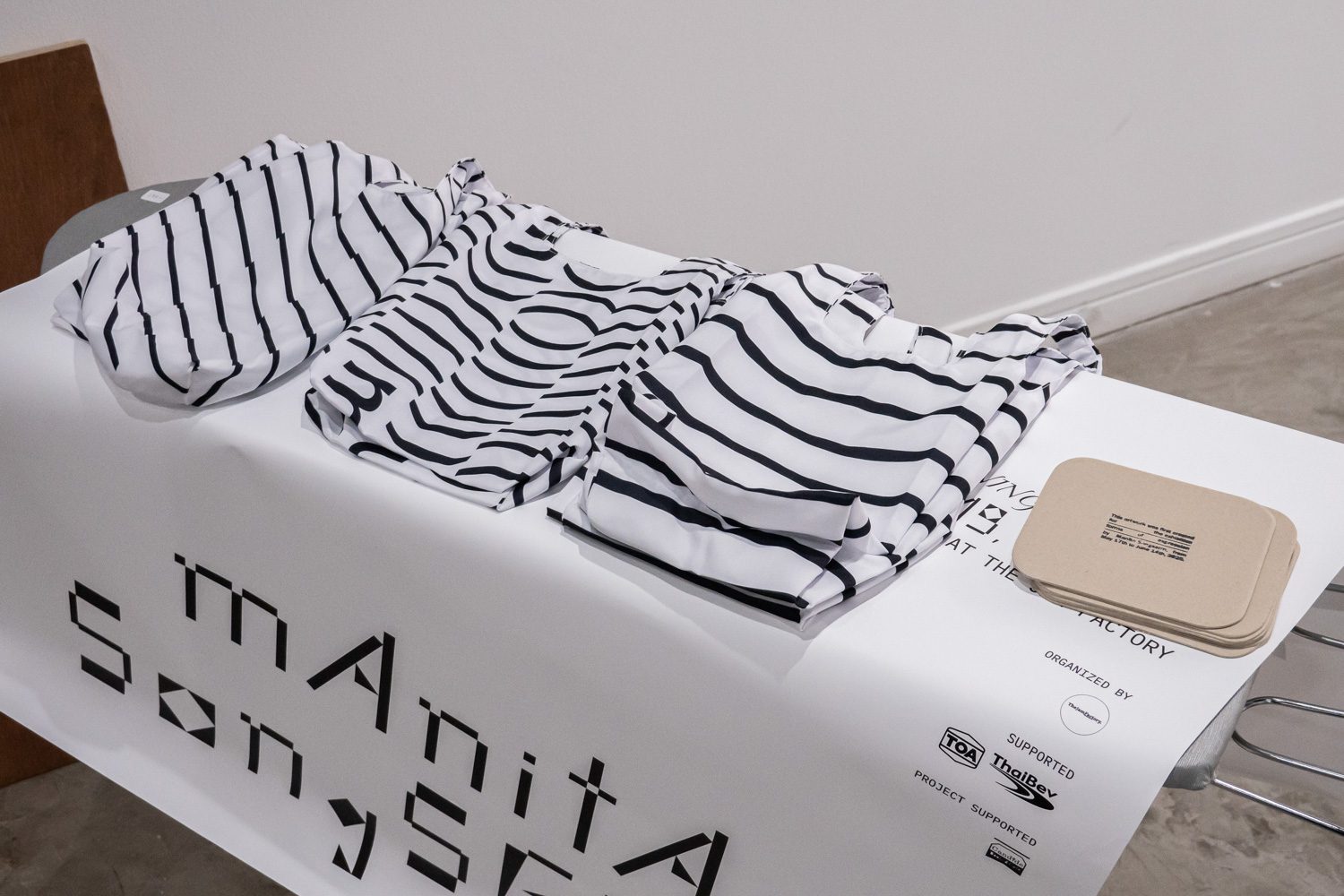
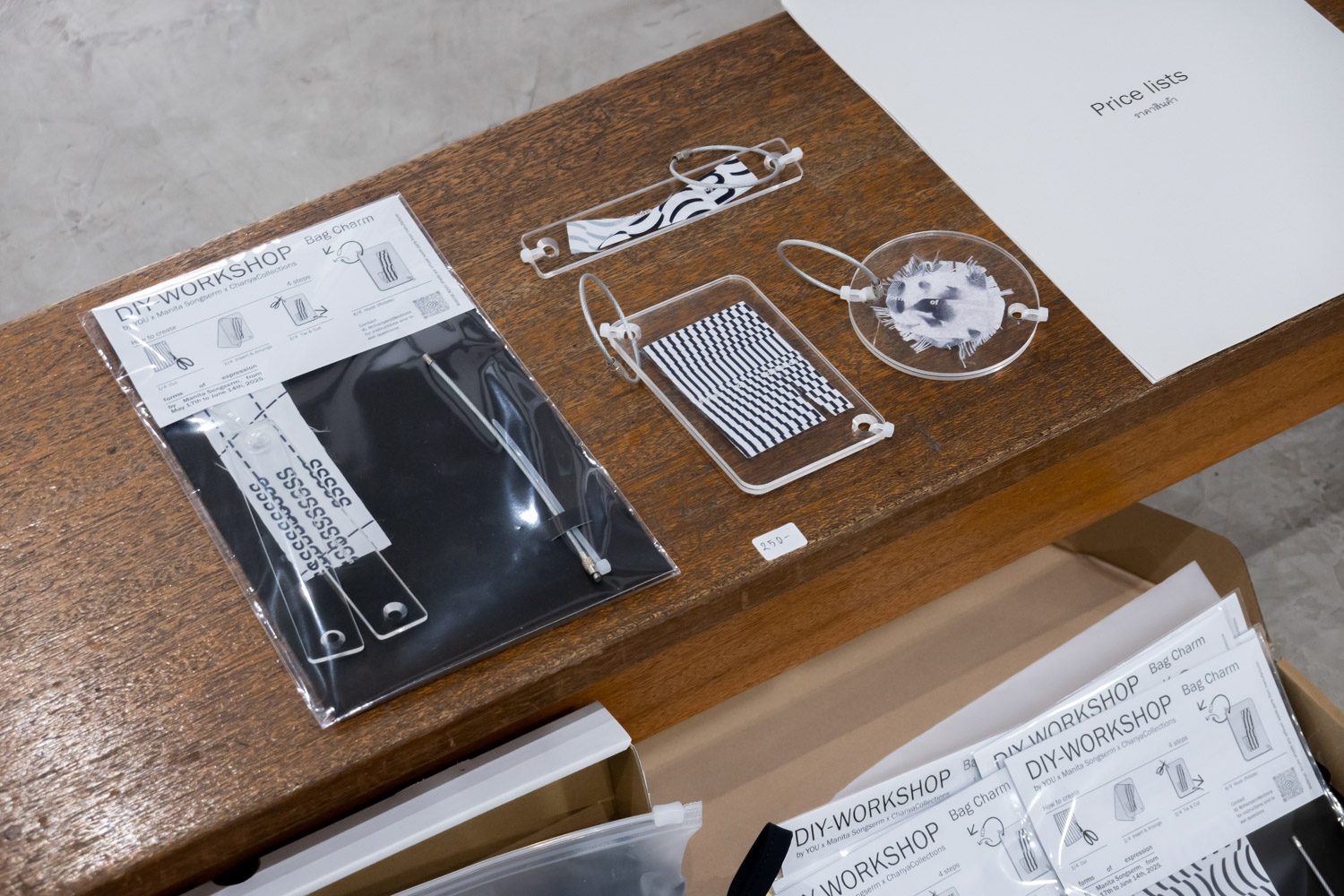
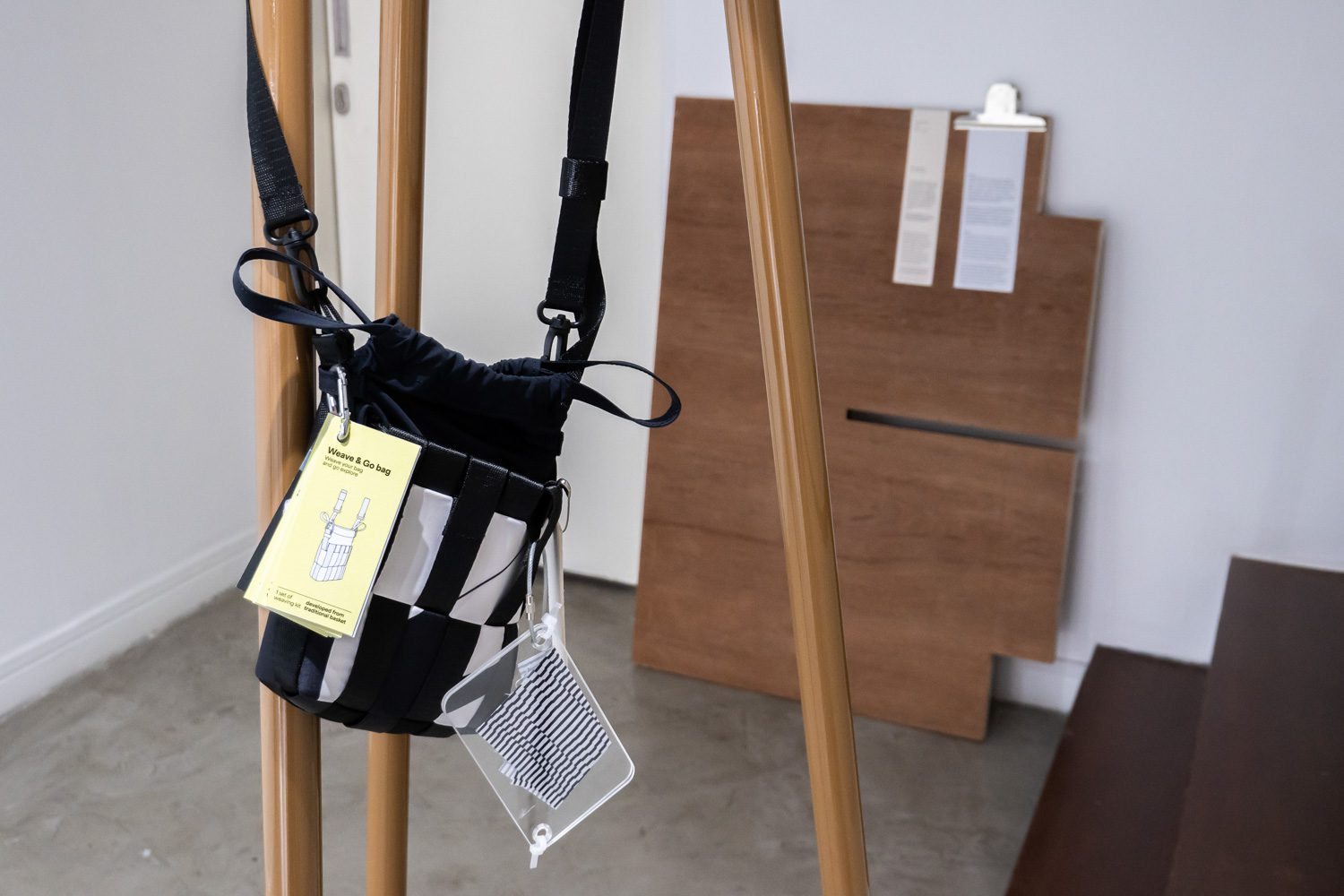
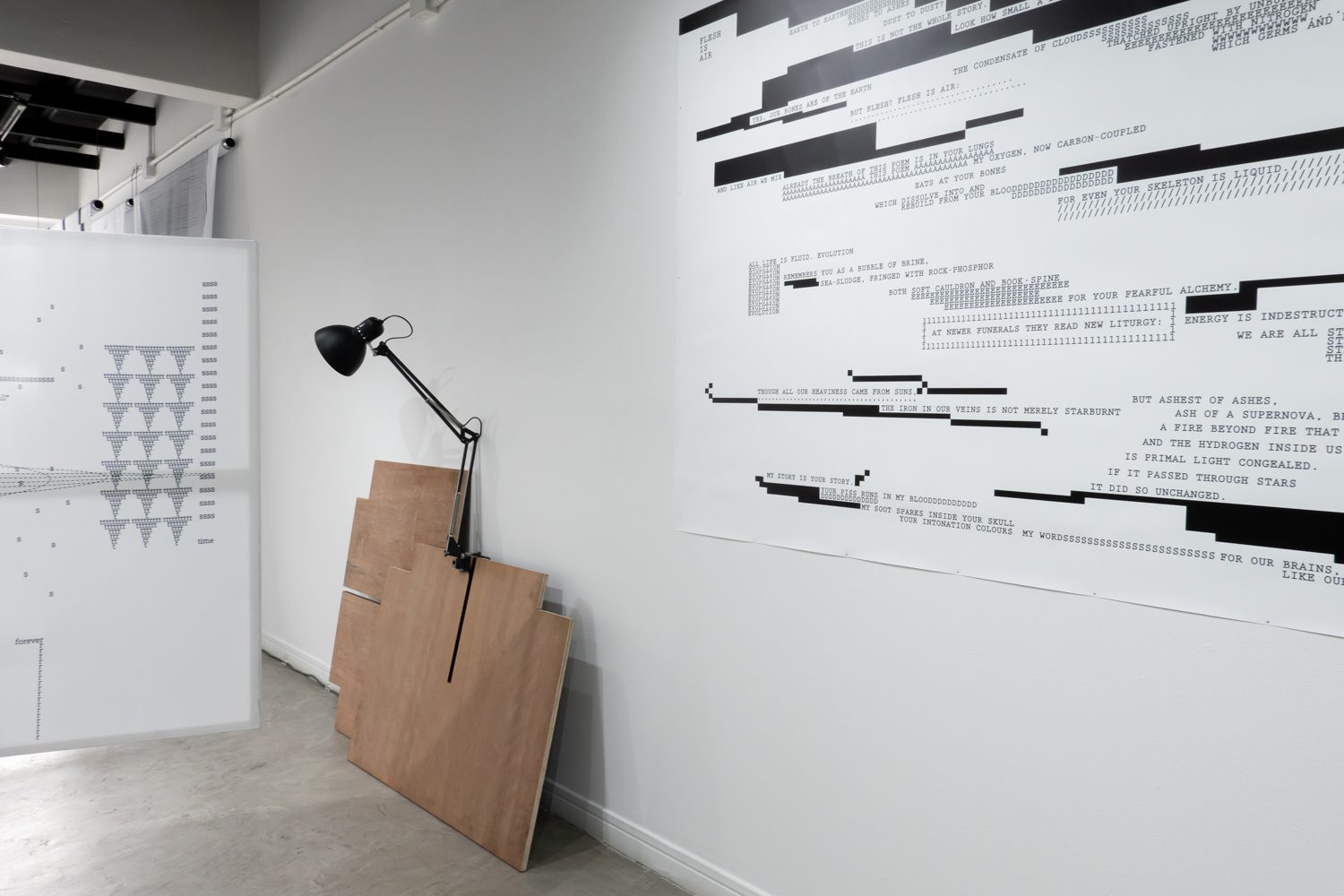
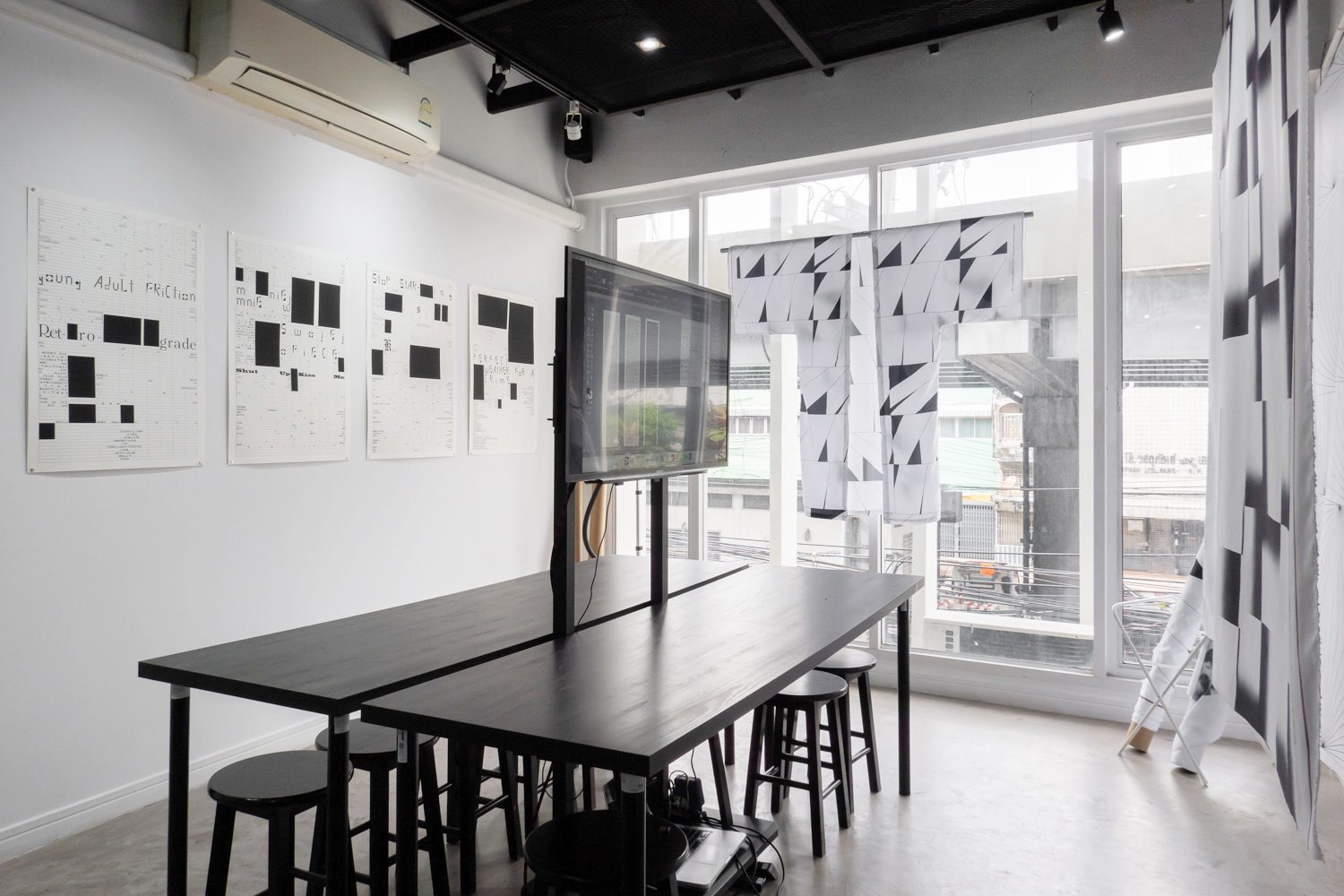
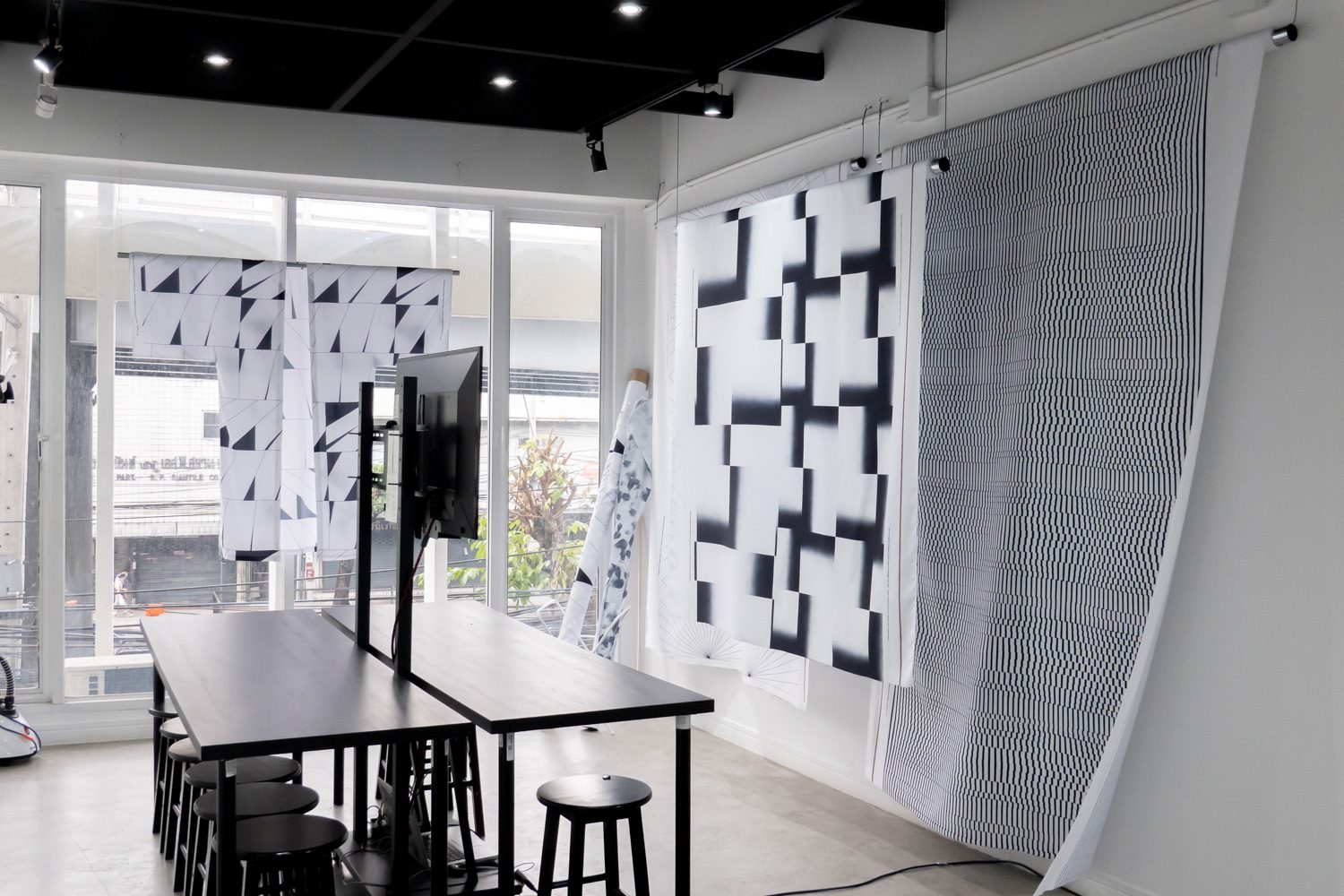
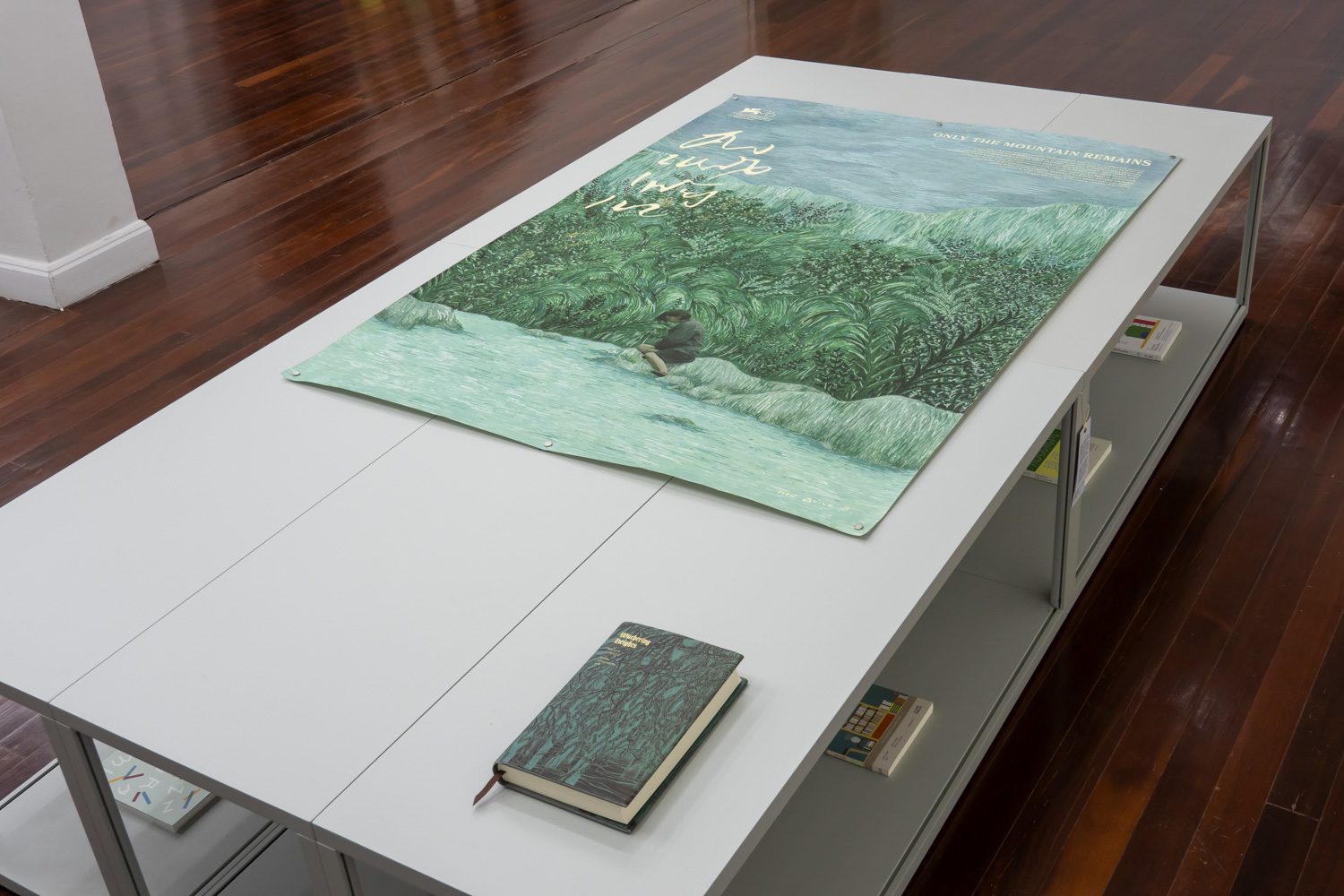
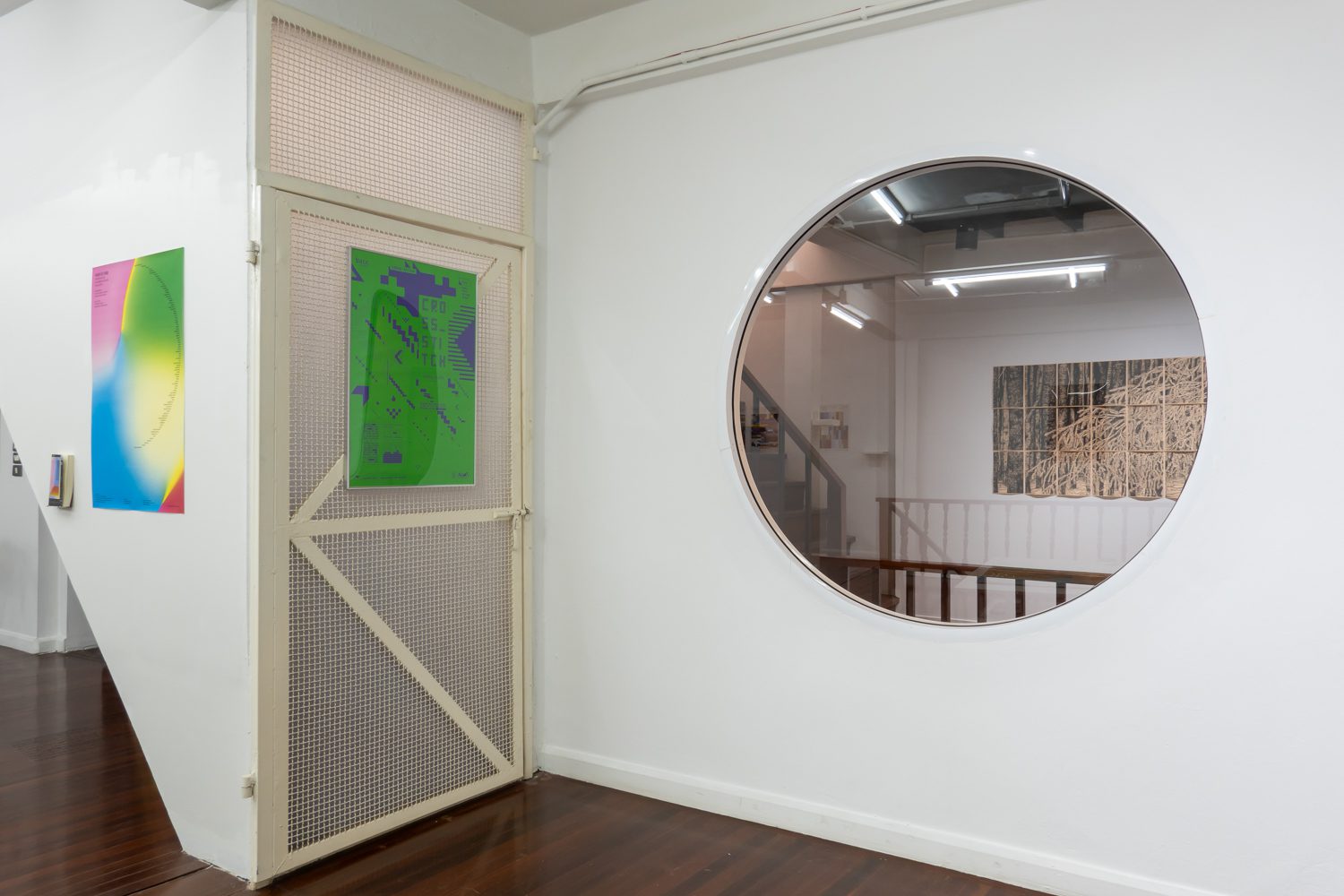
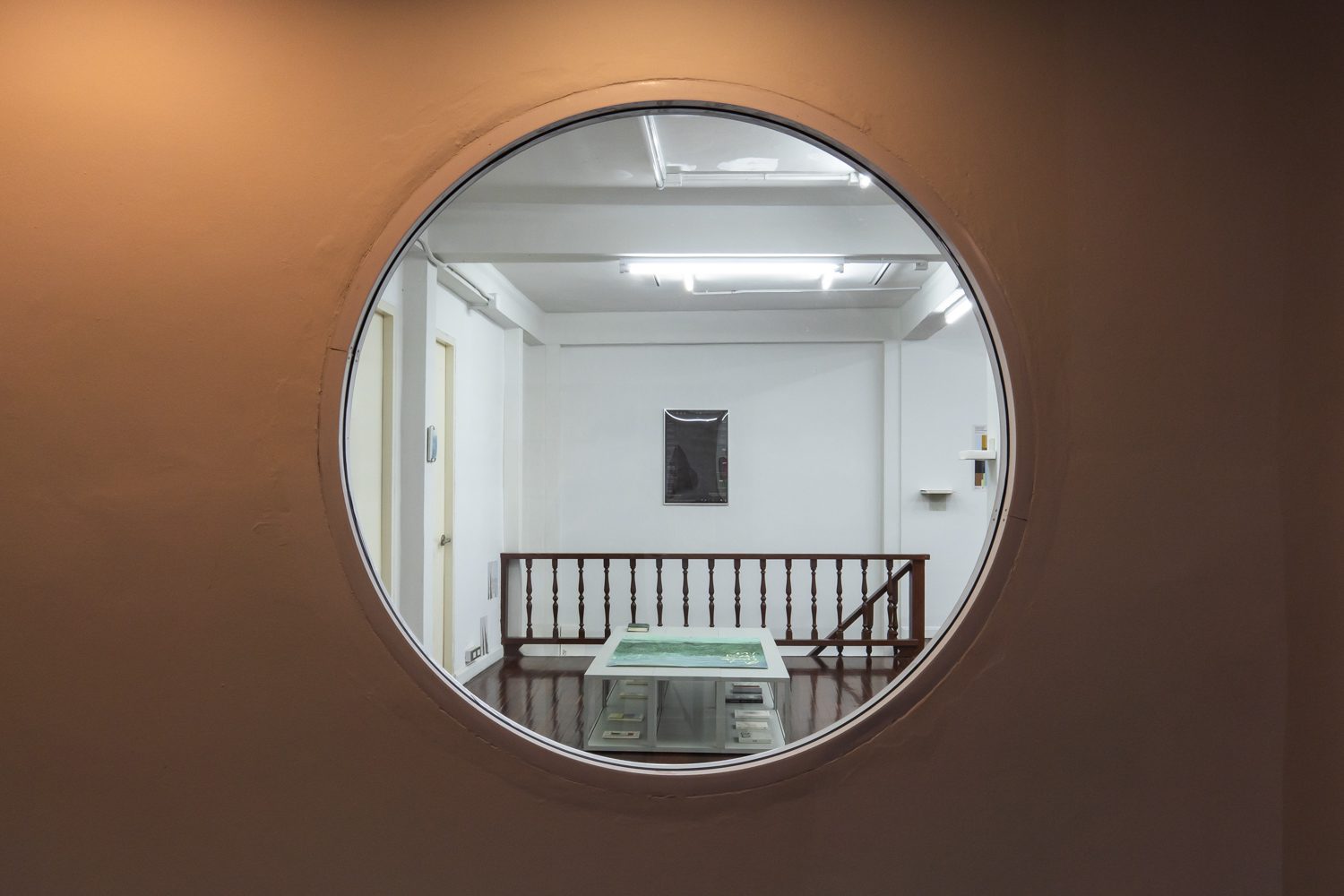
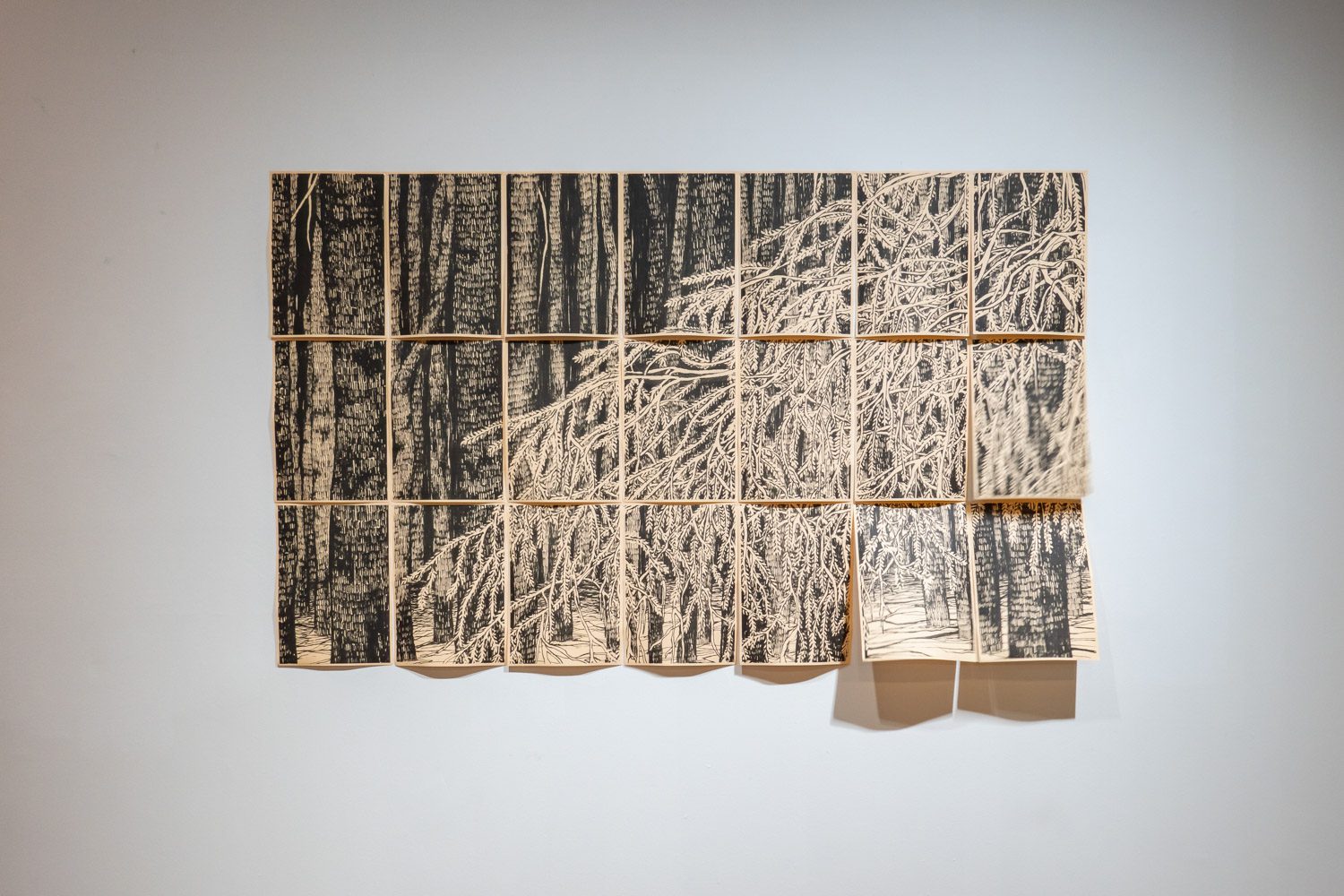
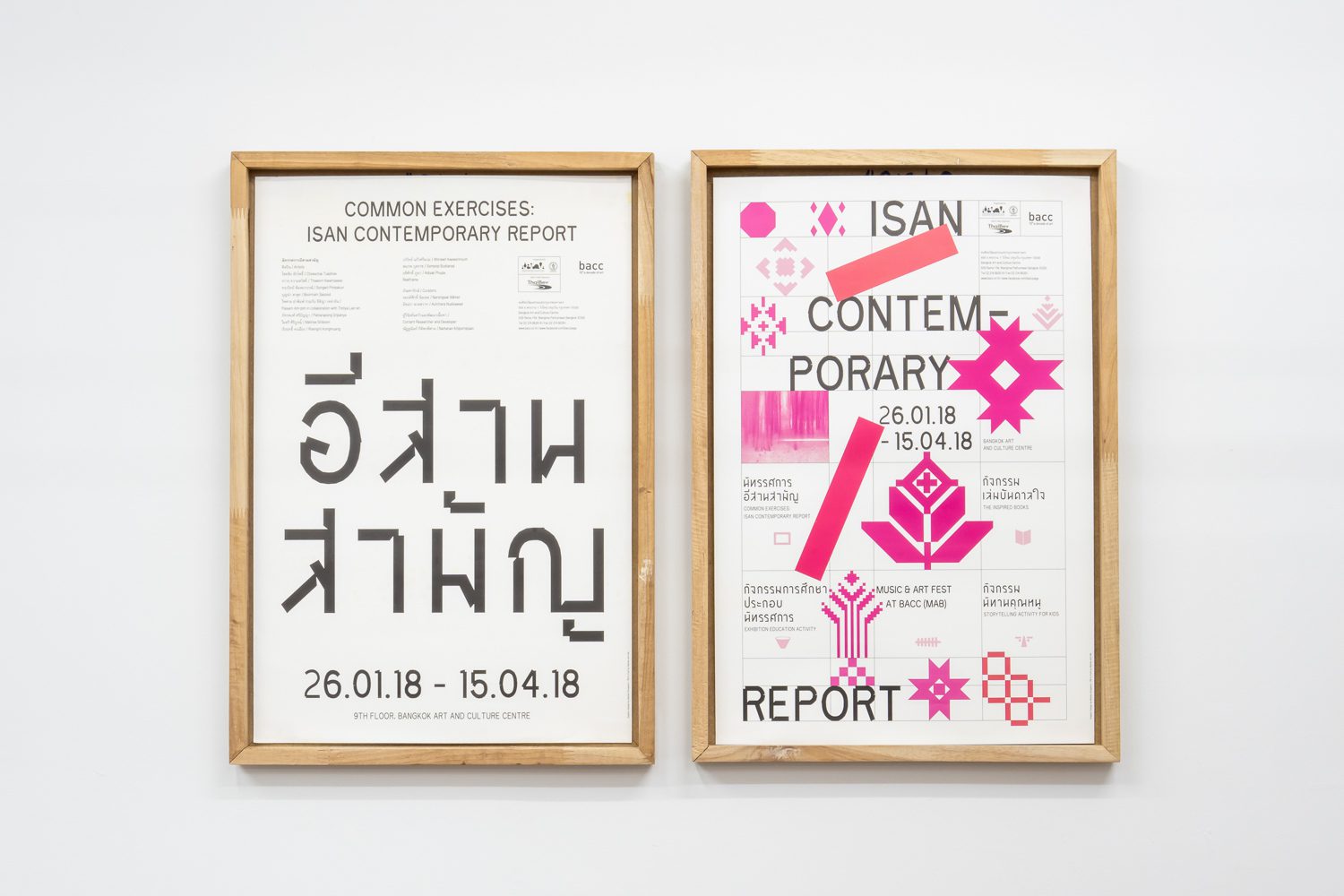
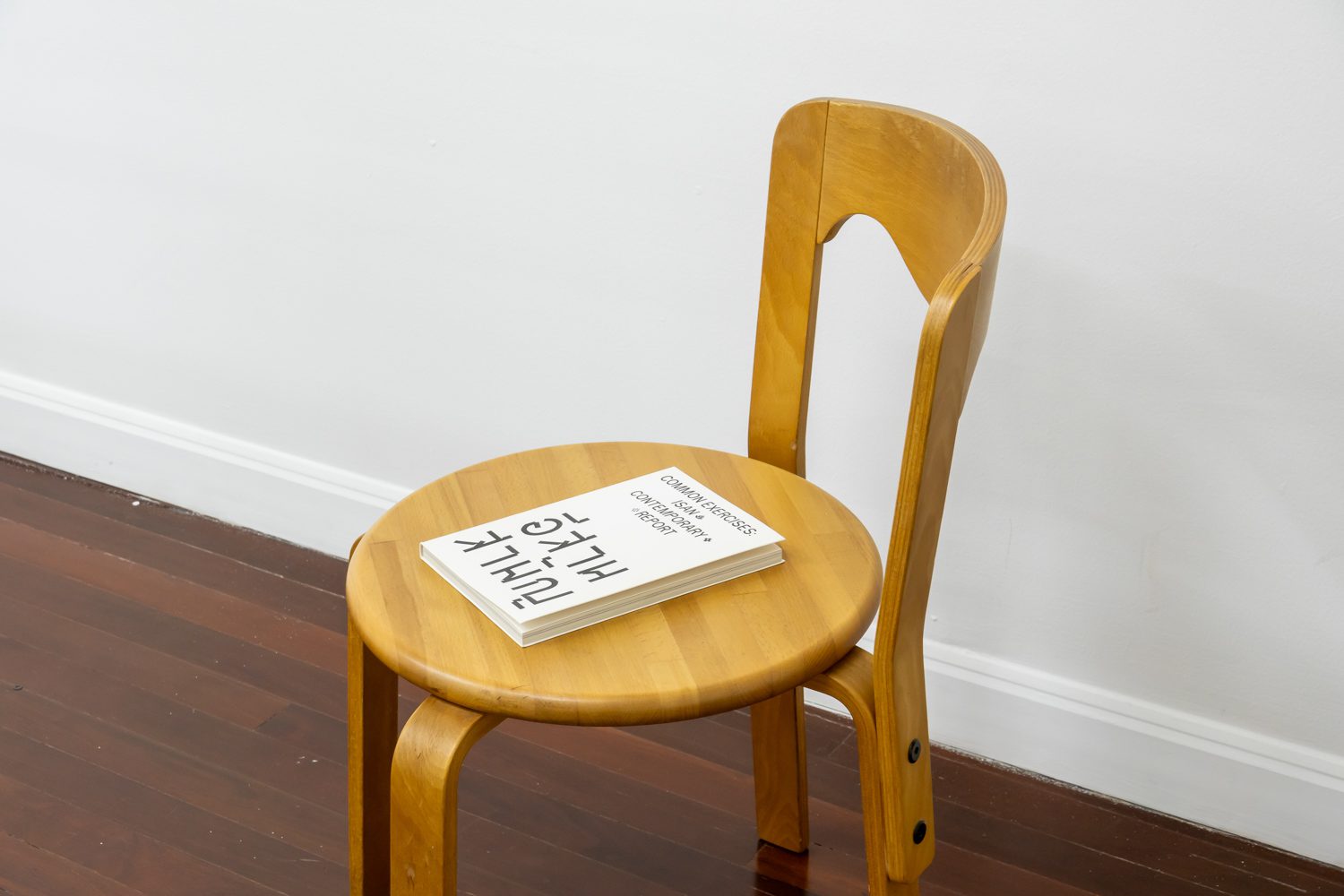
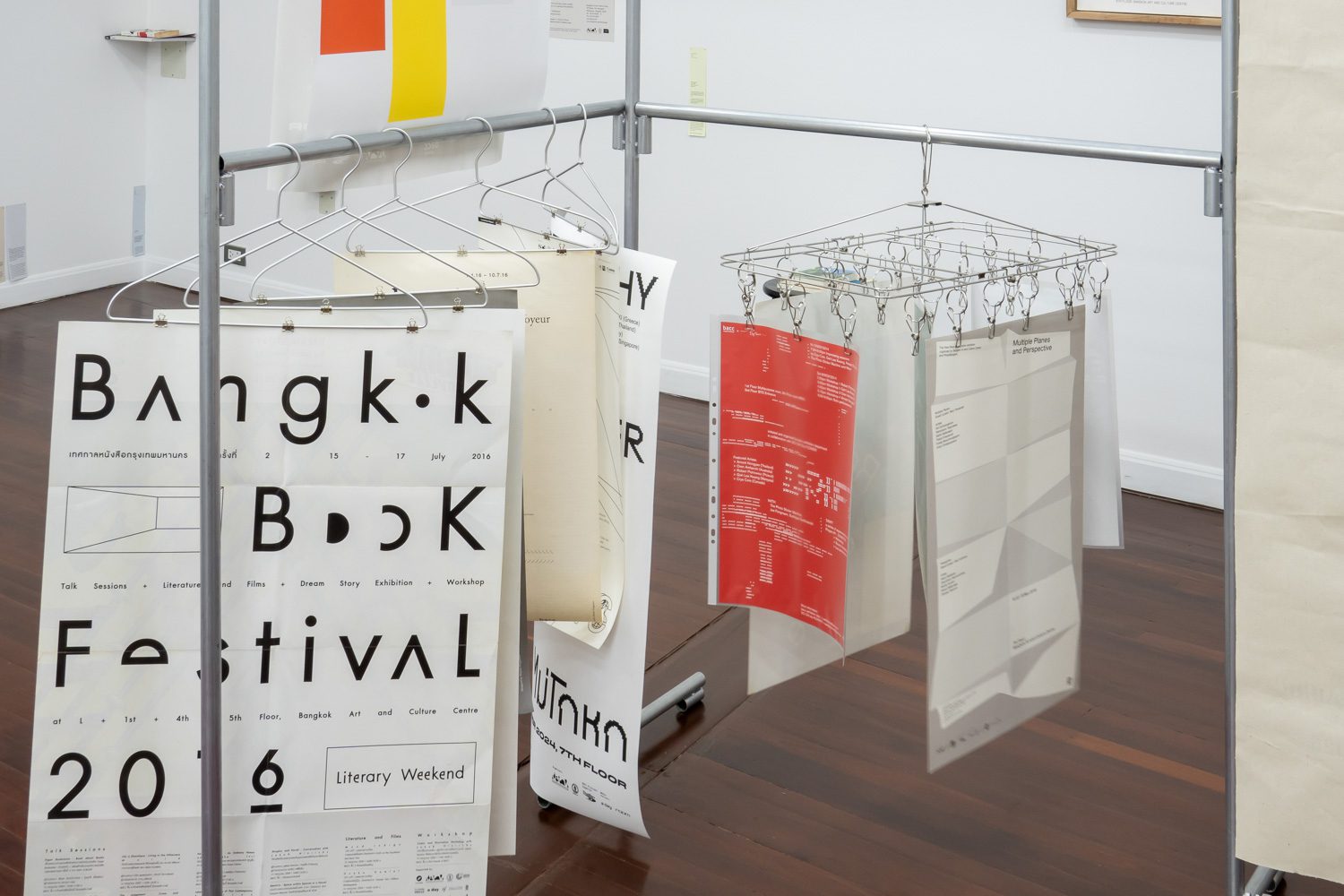
The second and third floors of the building are reimagined as ‘The EDGE’, a space dedicated to a retrospective of Manita’s work from 2013 to 2025. The second floor showcases experimental projects that were created as personal challenges, pushing the boundaries of her own practice. Some pieces were made specifically for this show, while others are part of her personal archive. One particular set of works is captioned by Manita as being the truest reflection of her identity. Across ‘The EDGE’, several pieces feature materials beyond paper, many of which are functional, everyday objects.
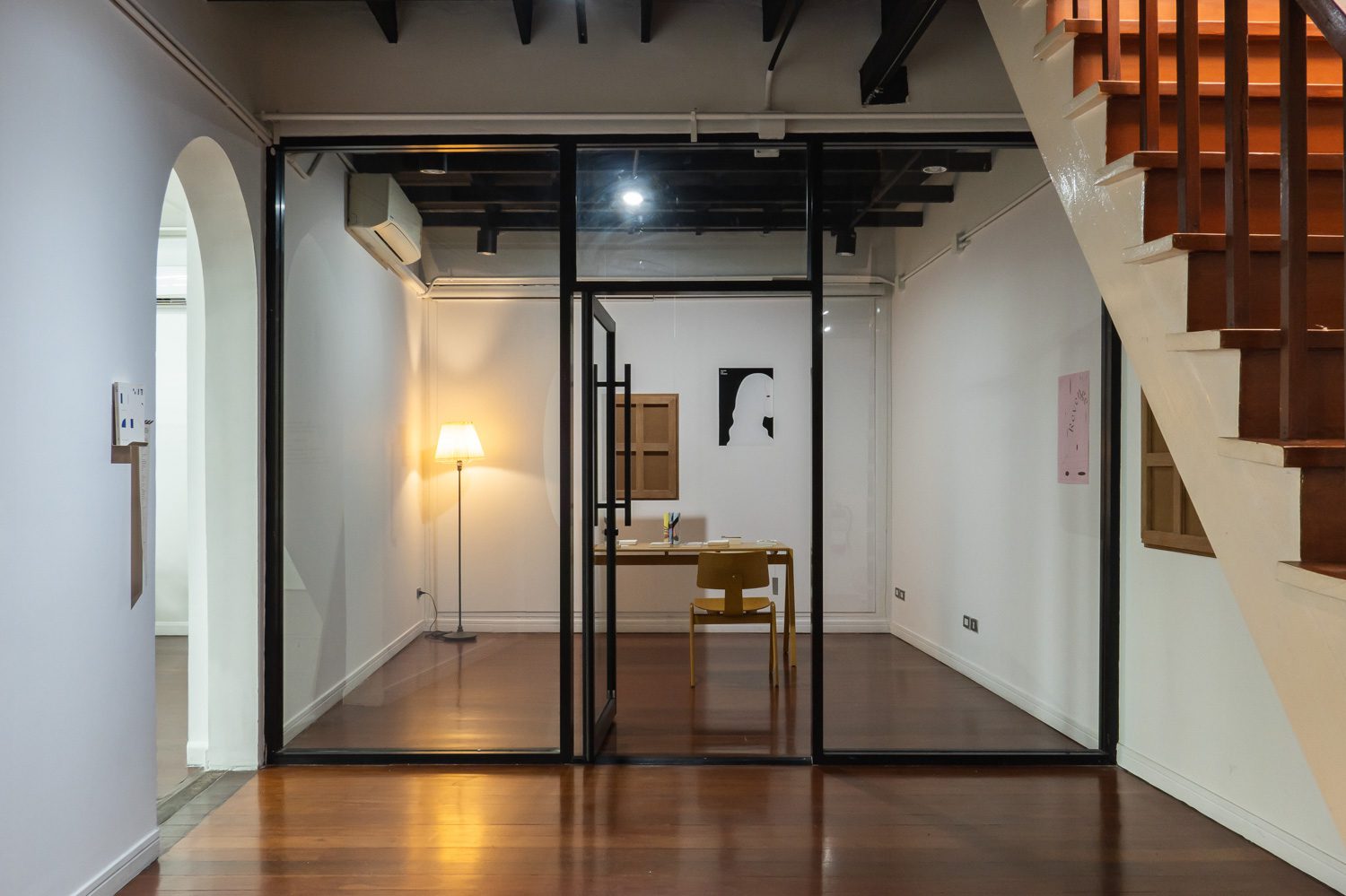
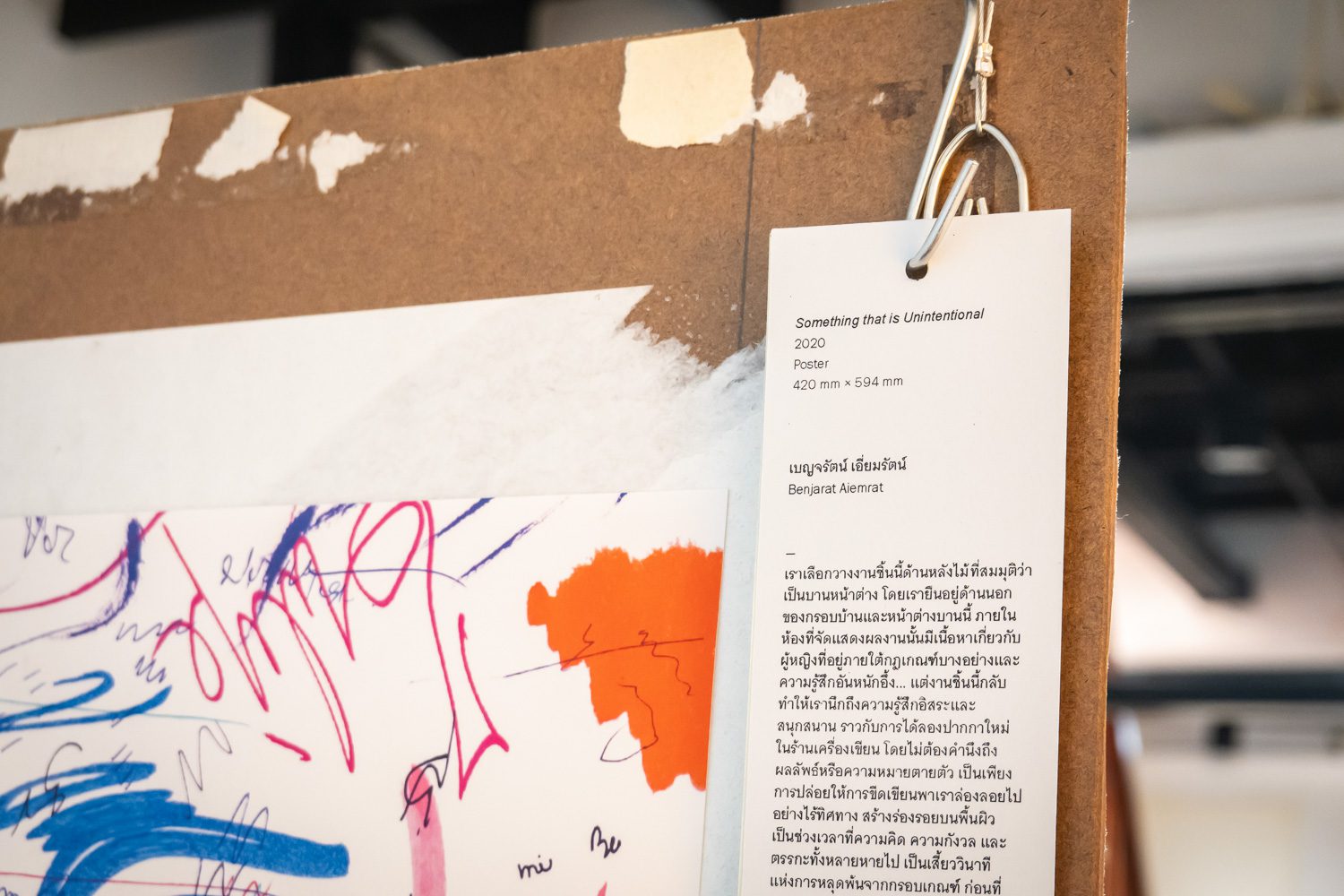
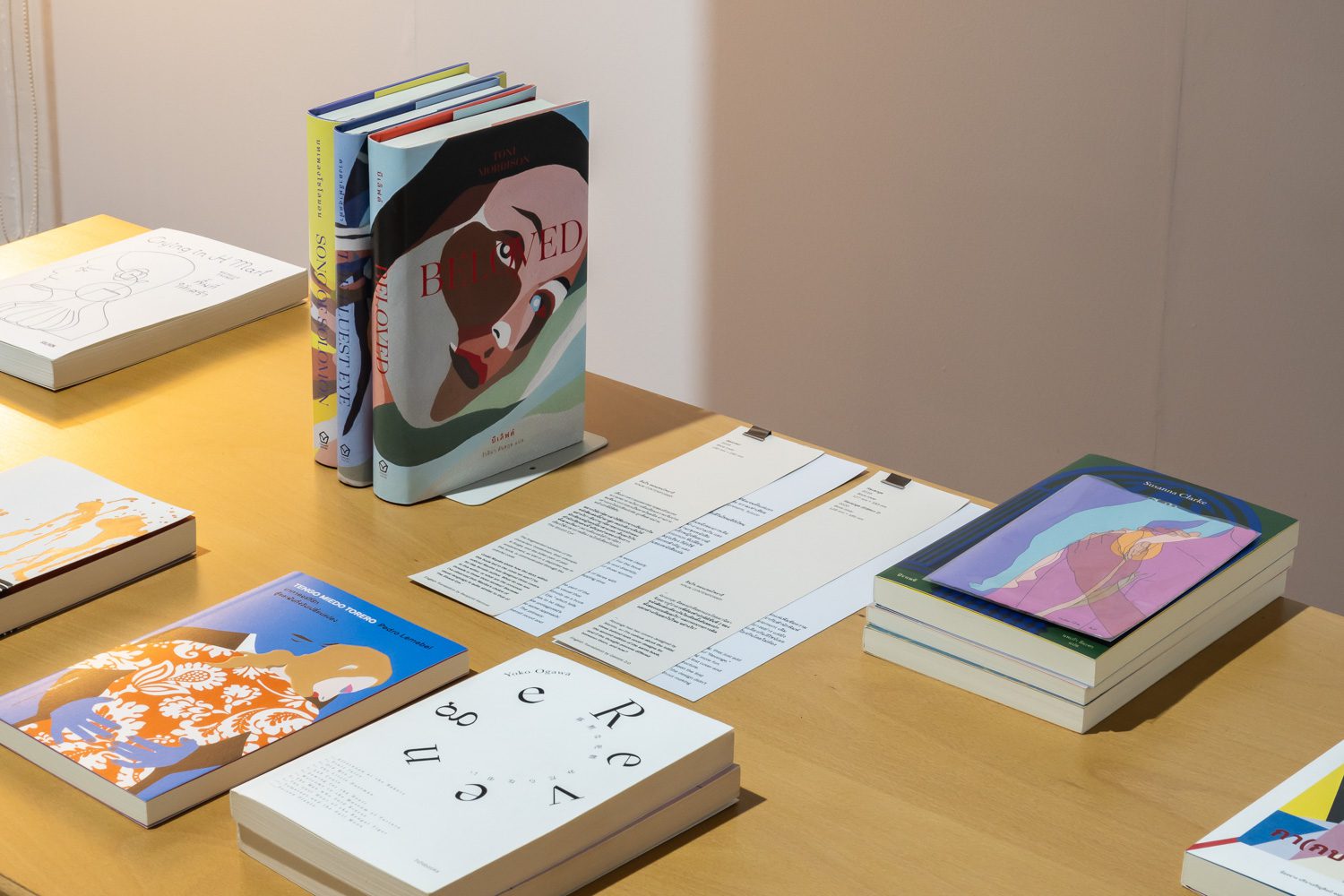
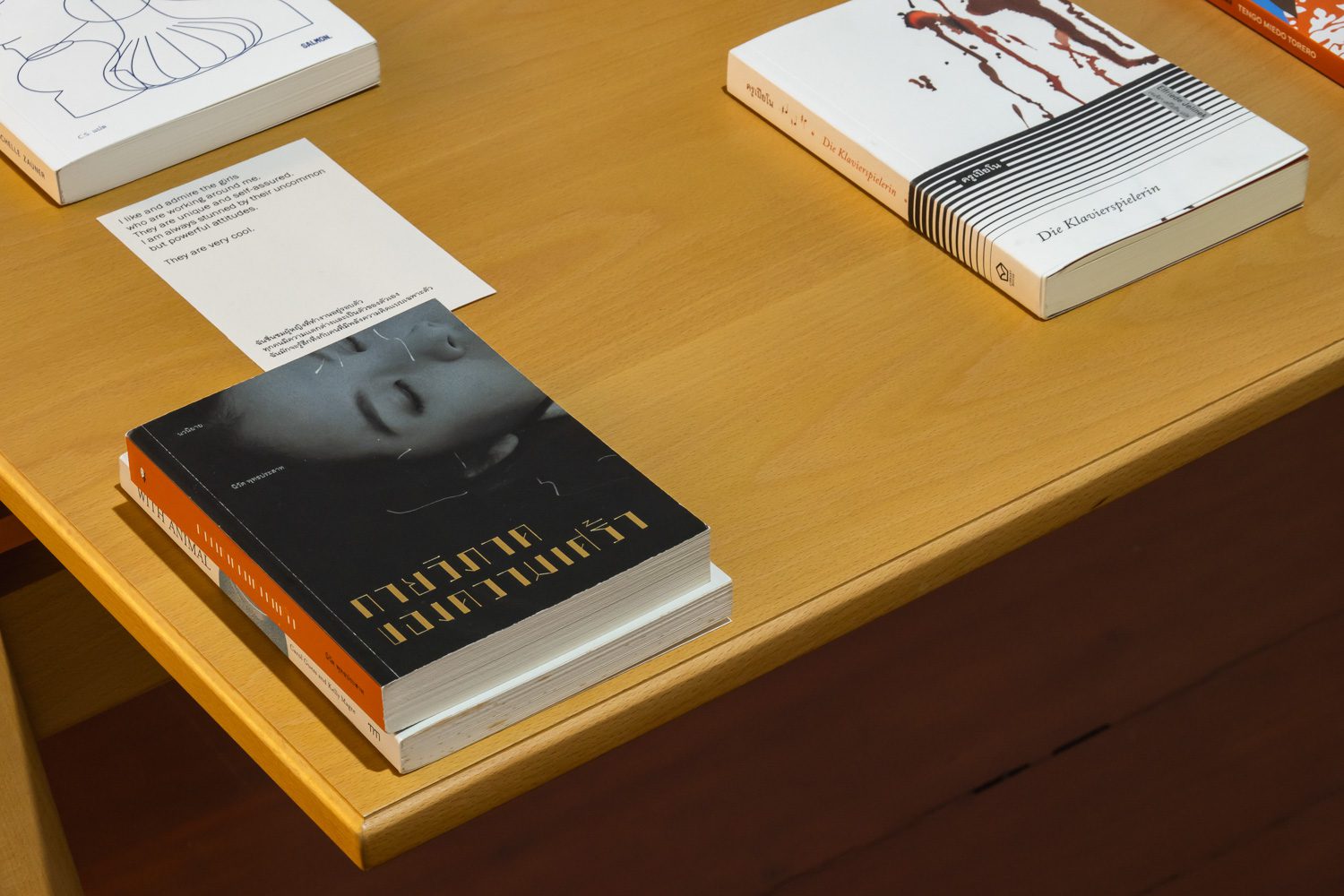
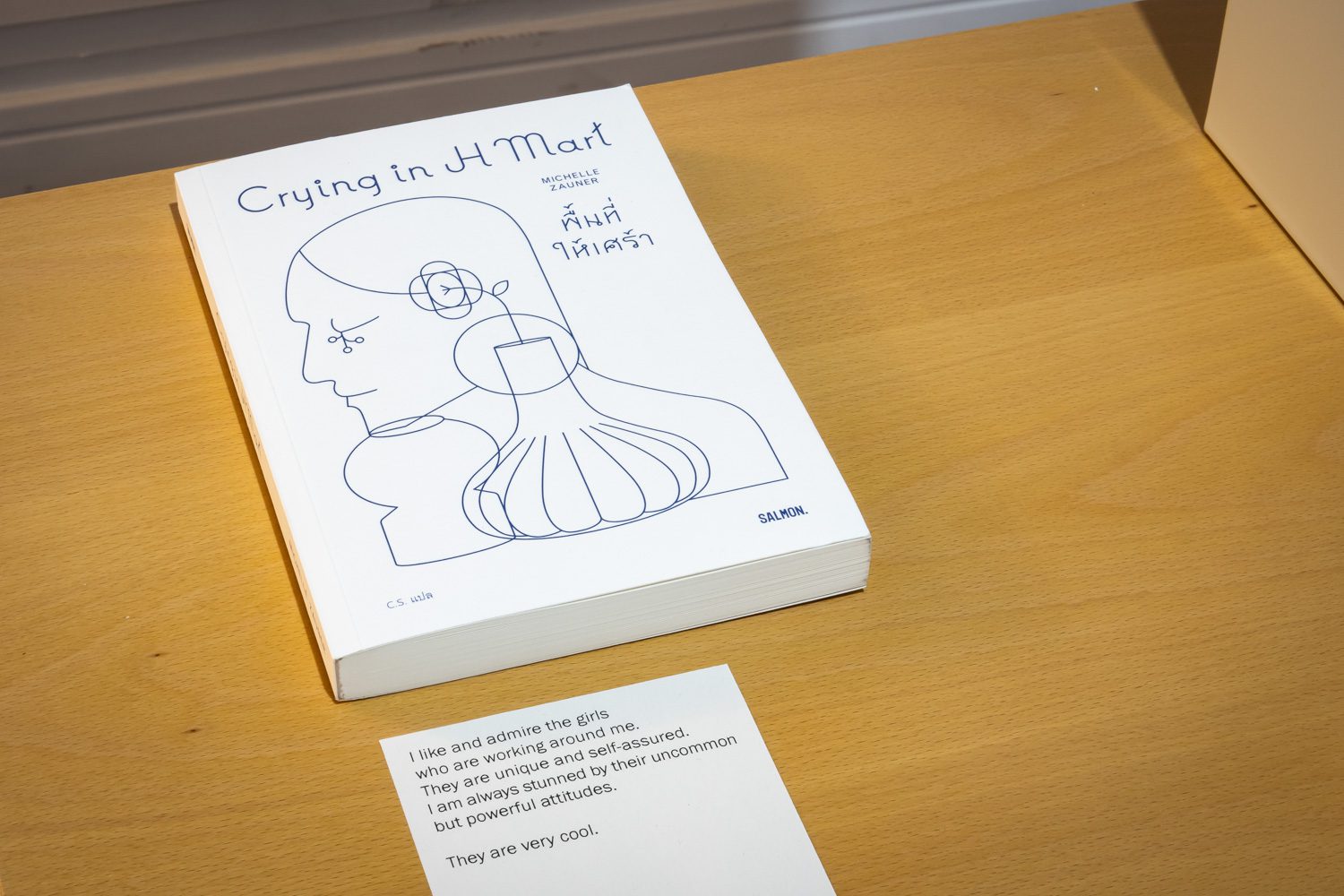
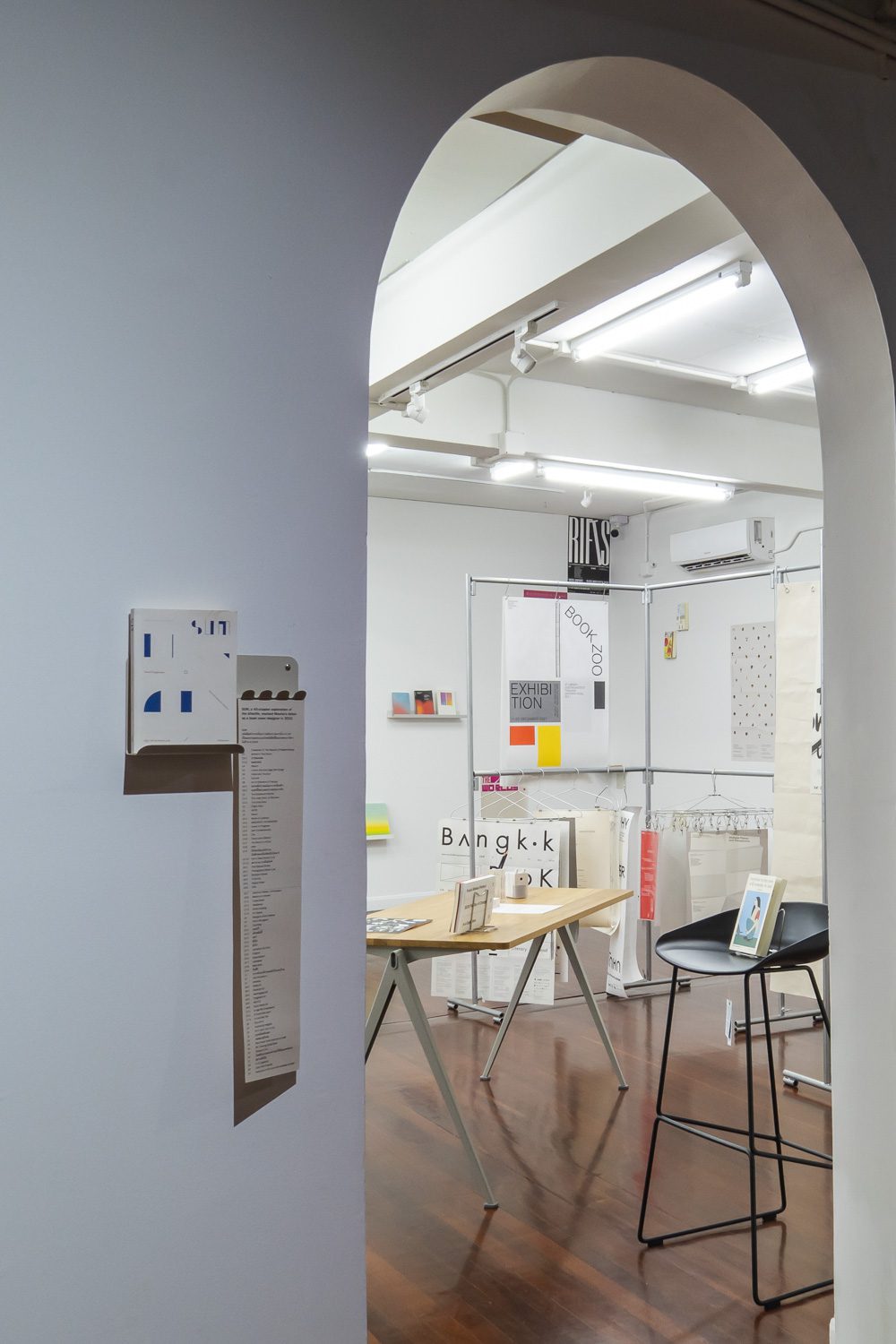
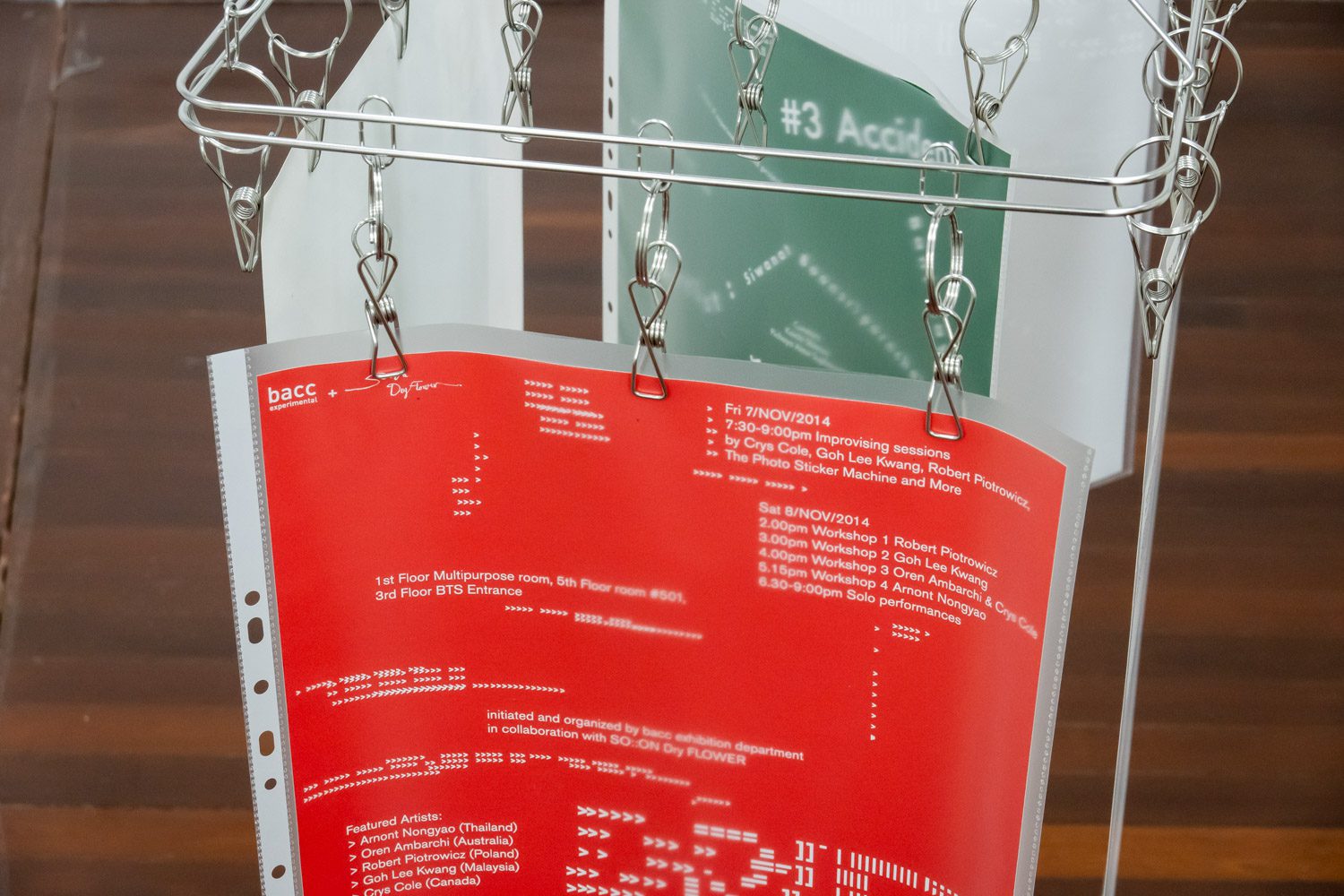
Moving up to the third floor, the focus shifts to commissioned works; real projects developed within the framework of client briefs that form the foundation of Manita’s professional career. Nearly every piece on this floor strikes a balance between creative freedom and constraint, between emotion, abstraction, symbolism, and effective communication. The content here engages with a wide spectrum of subjects: contemporary art and culture, literature, moments of societal transition, urban life, women’s rights, belief systems, and the impact of war. Together, these works speak to Manita’s refusal to remain artistically static. They also reveal something unexpected—she’s a graphic designer with an exceptional gift for drawing.
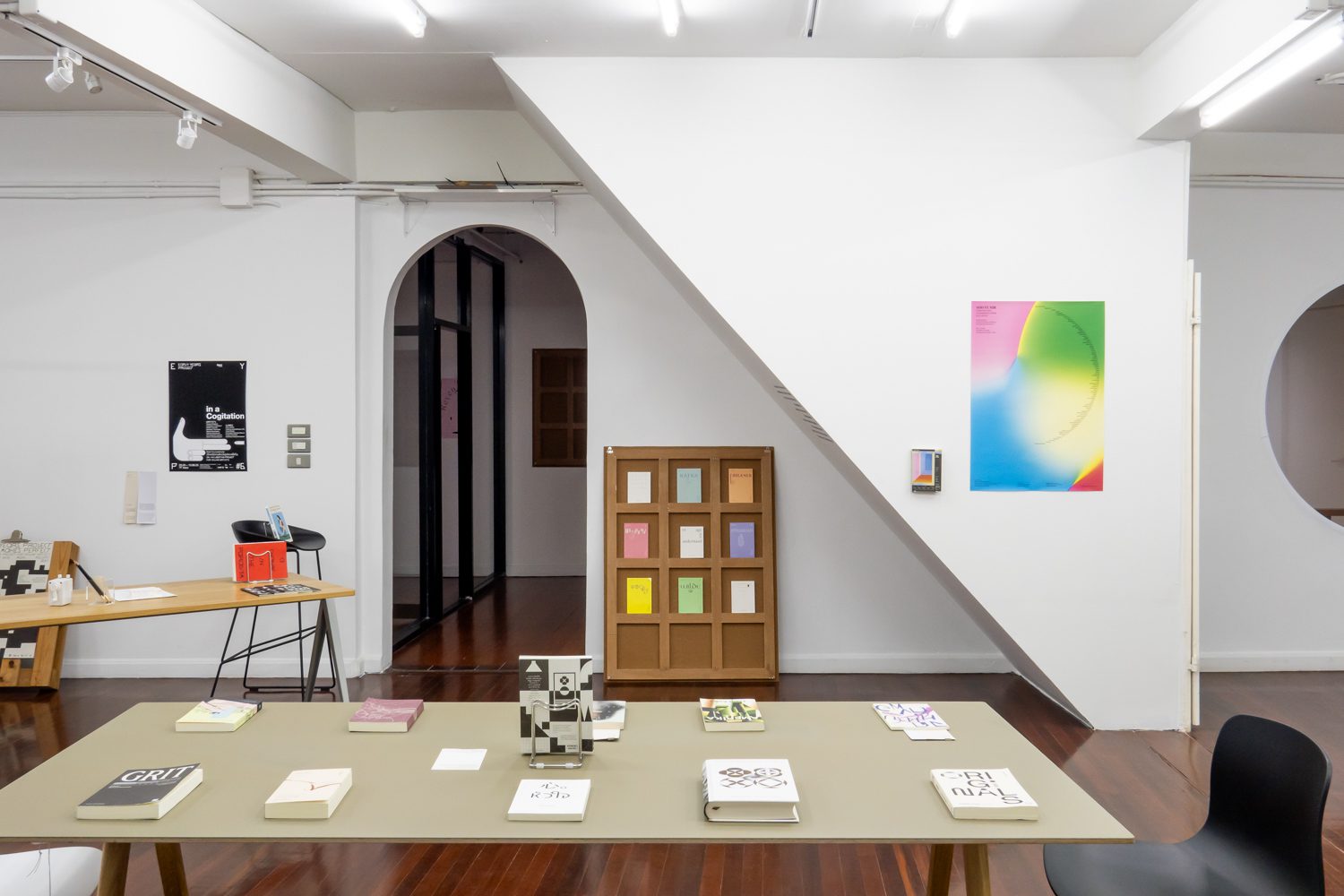
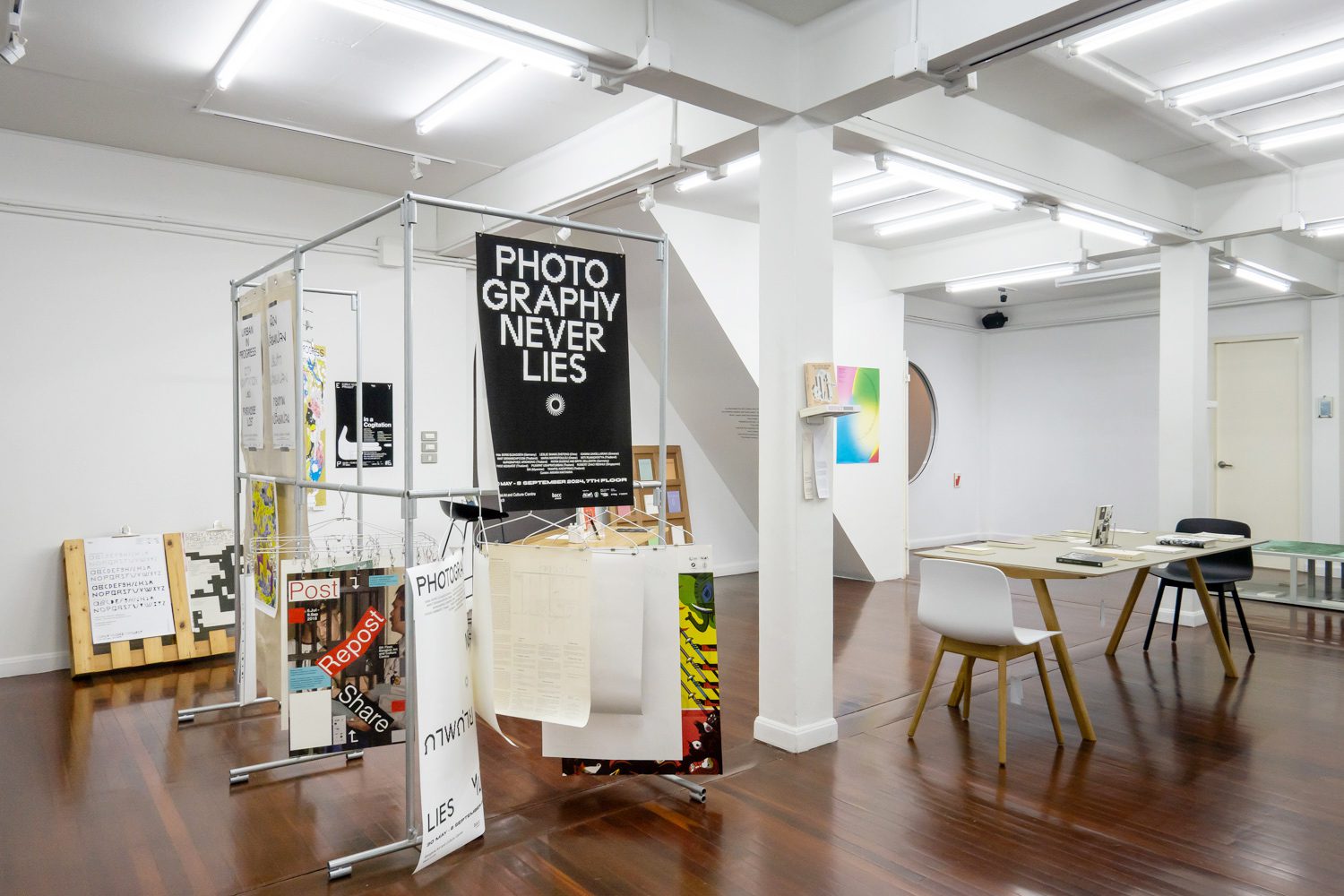
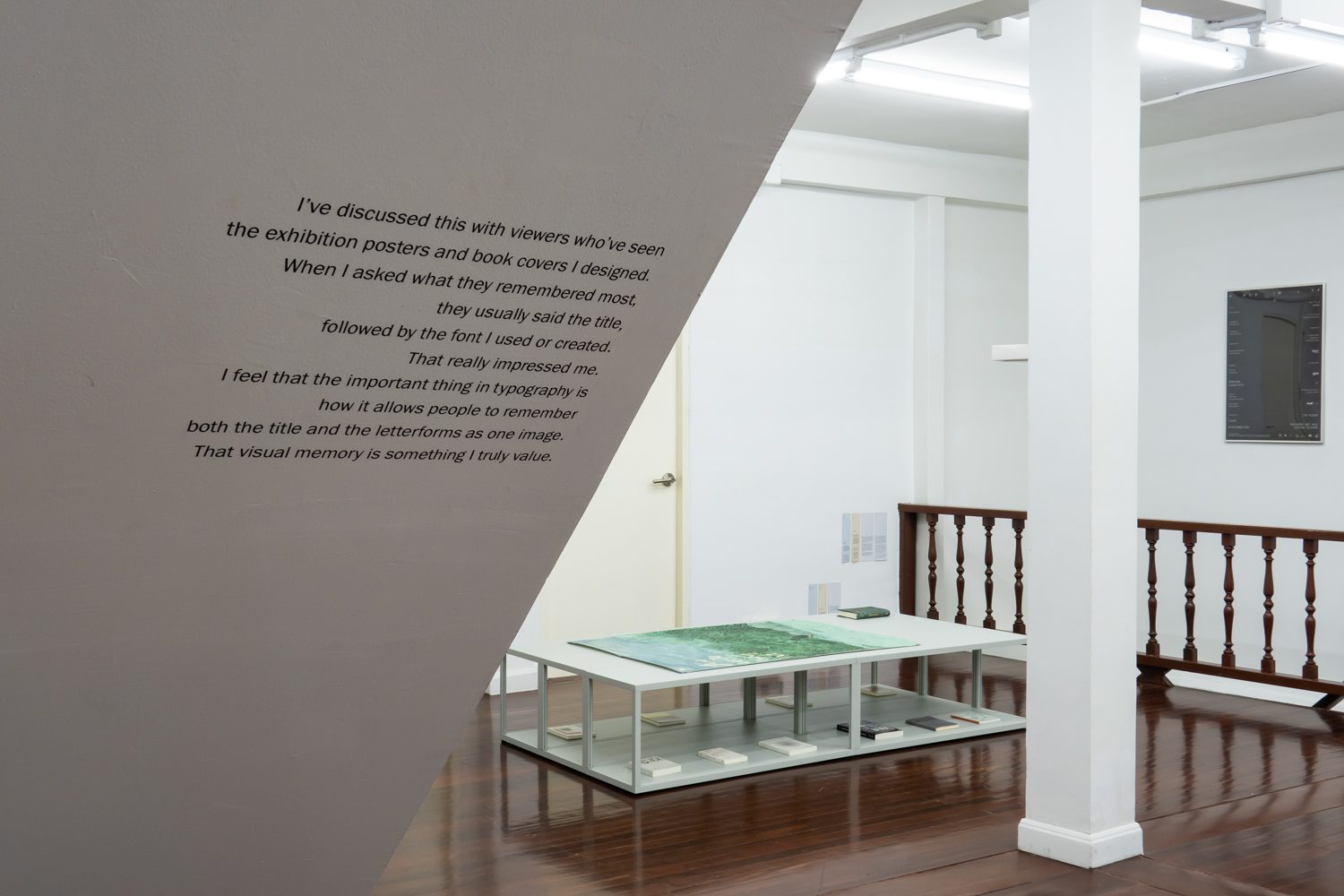
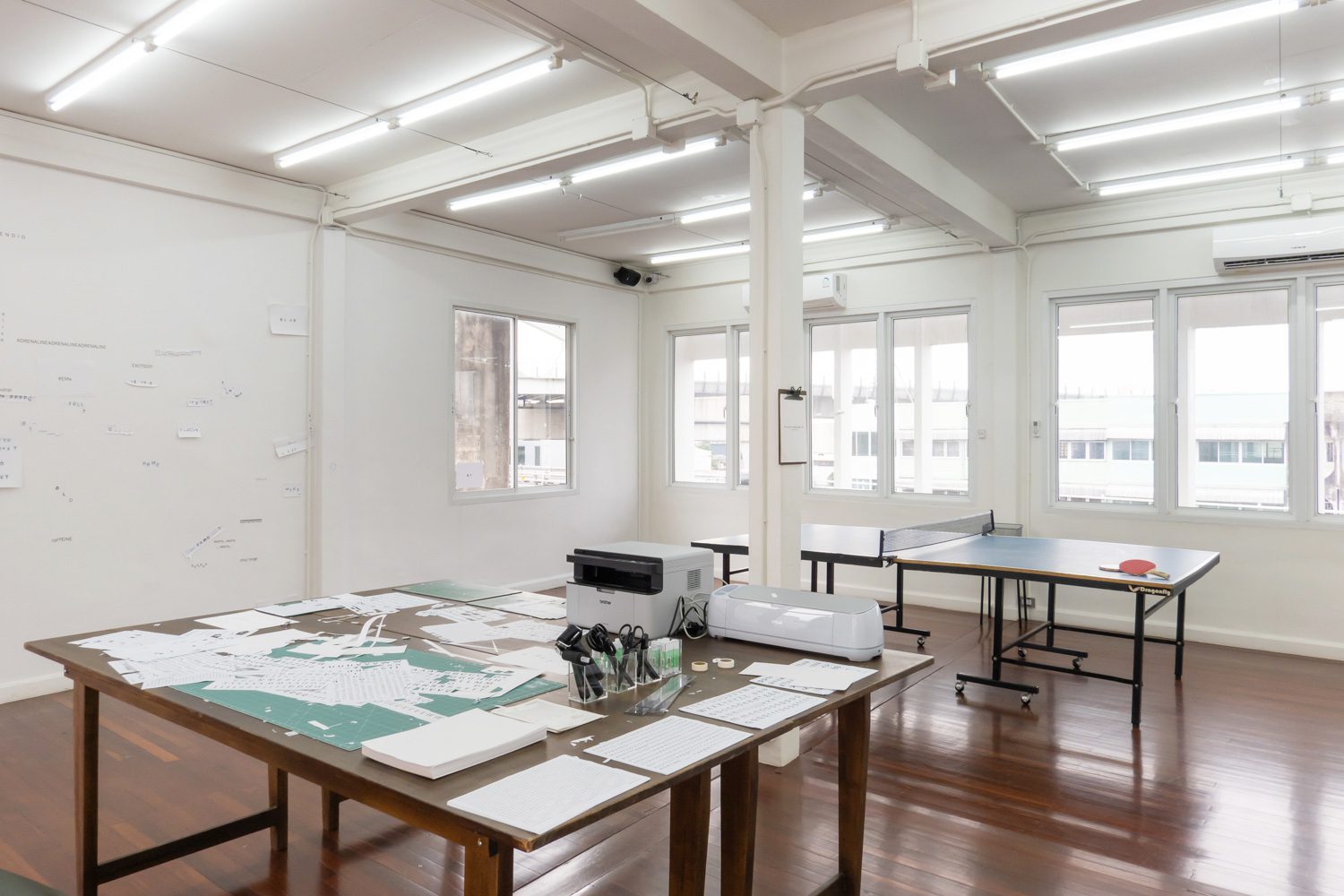
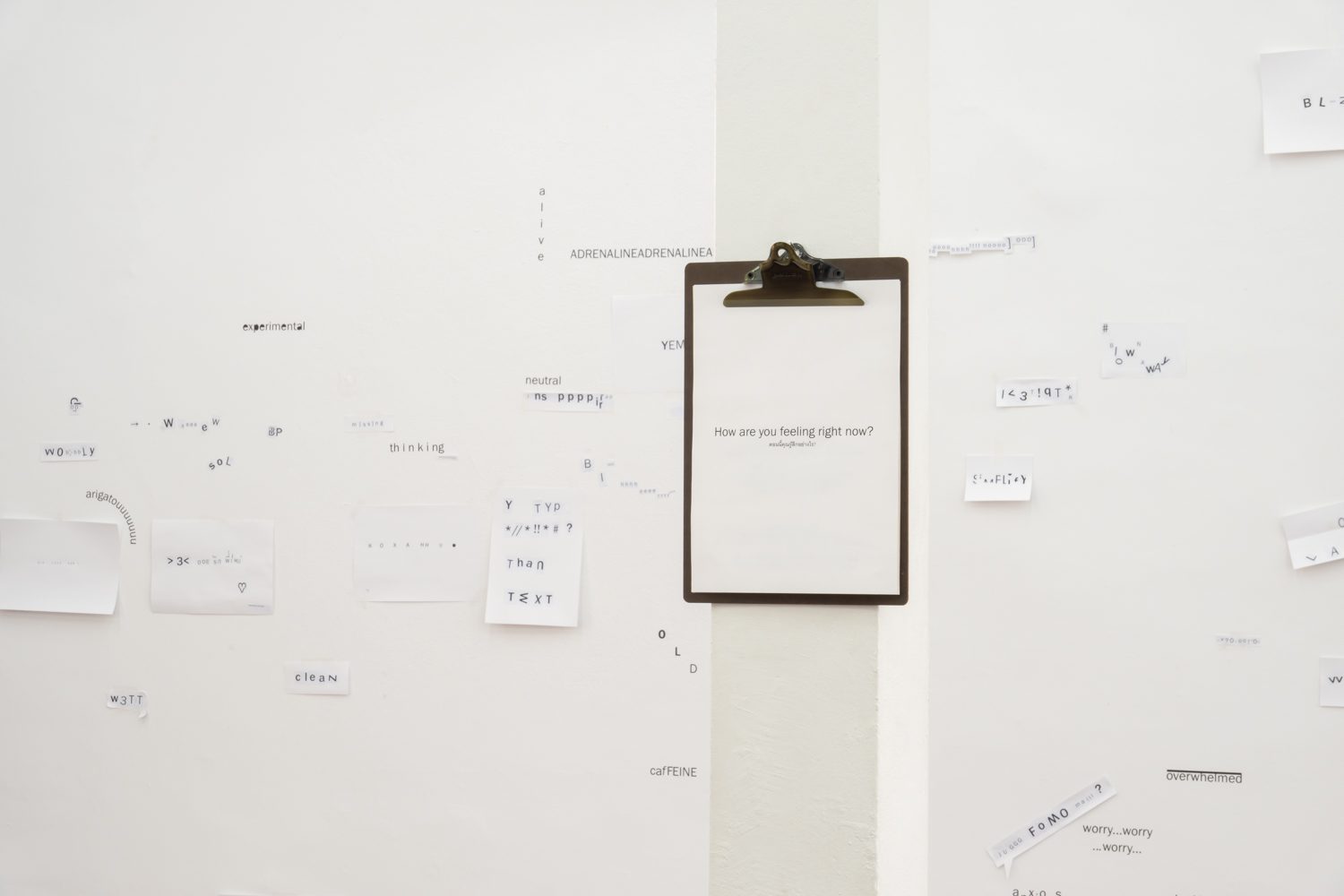
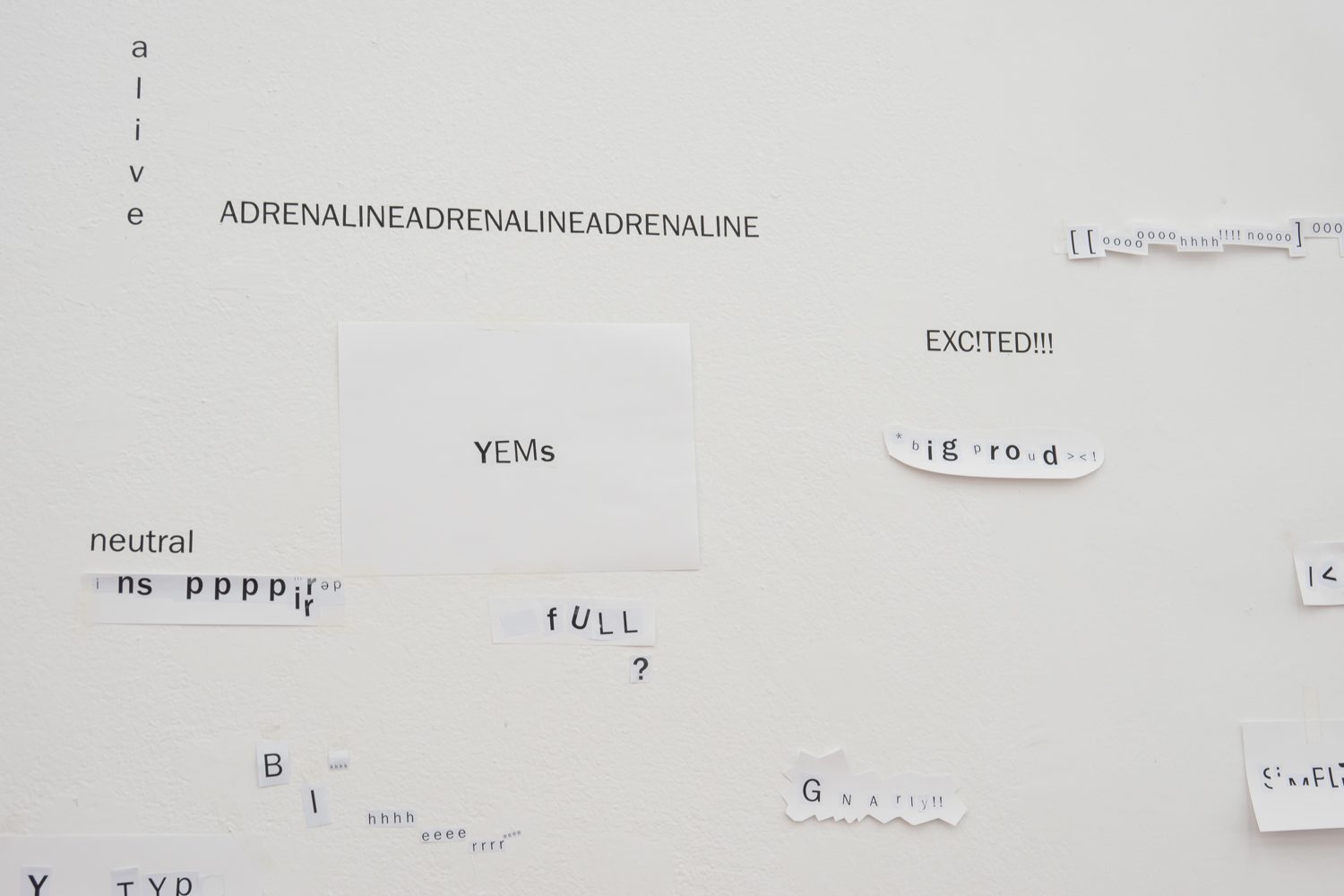
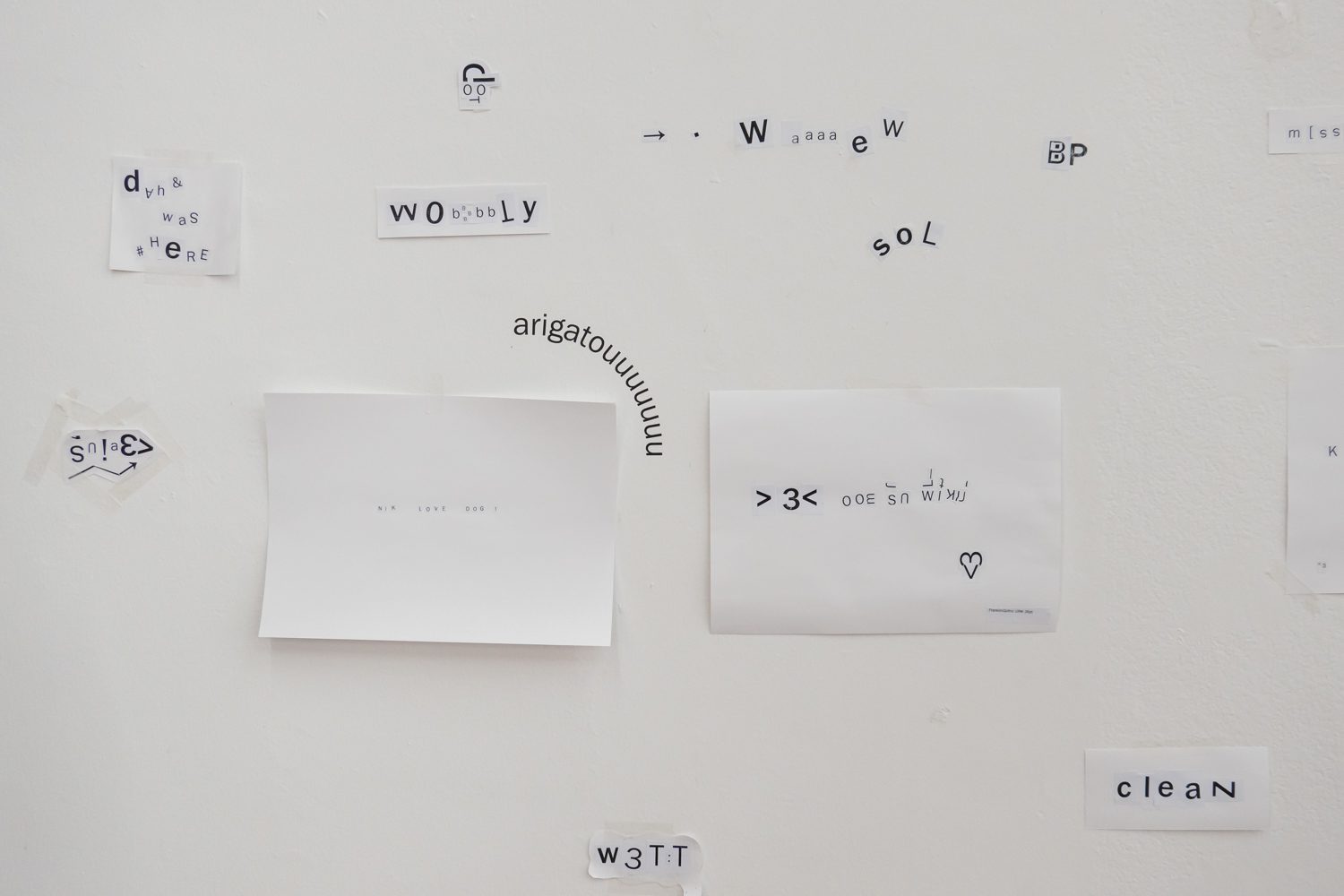
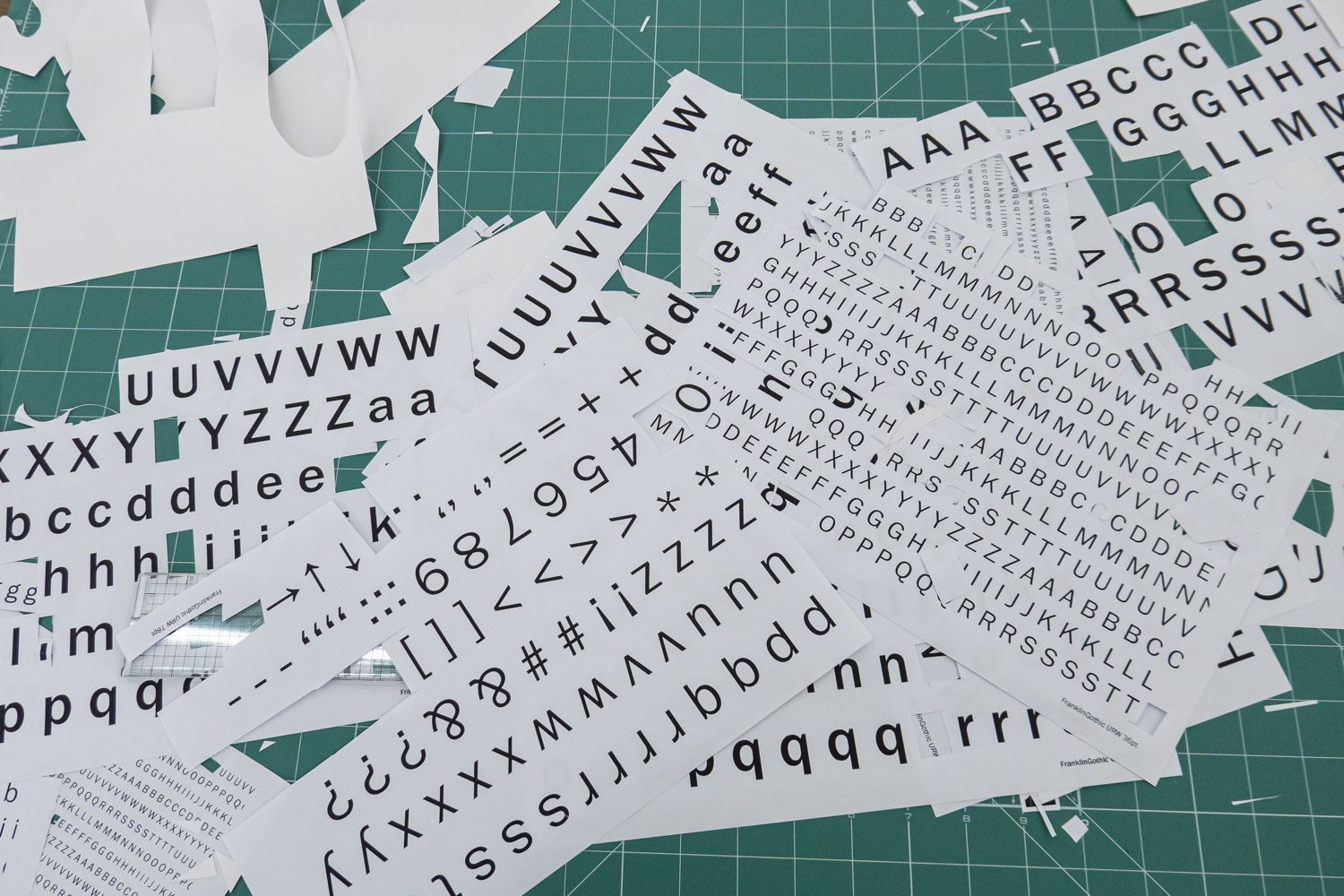
The fourth and top floor of the building is called ‘The SKY’. This space hosts a participatory program titled ‘No. 1: Which Word,’ inviting visitors to express their feelings by creating their own words using materials provided. At the heart of the activity is a simple question posed by the artist: ‘How do you feel right now?’ The area resembles a small studio. On a large communal table lies a stack of printed paper sheets, each bearing black type in various characters, along with cutters and glue. Visitors are invited to assemble their answers using these materials and then paste them onto a large white wall that spans one side of the room. By the final day of the exhibition, this wall will have transformed into a collective typographic installation, filled with the emotional impressions of those who visited over the course of 30 days. There is also another activity in this space, and it’s even more hands-on than the wall of feelings. A regulation-size ping pong table, complete with net, paddles, and balls, is set up for visitors to enjoy. That day, we learned that Manita loves playing ping pong. She told us she wanted people coming to the exhibition to have fun and unwind, especially after moving through several floors filled with striking visuals and artwork.
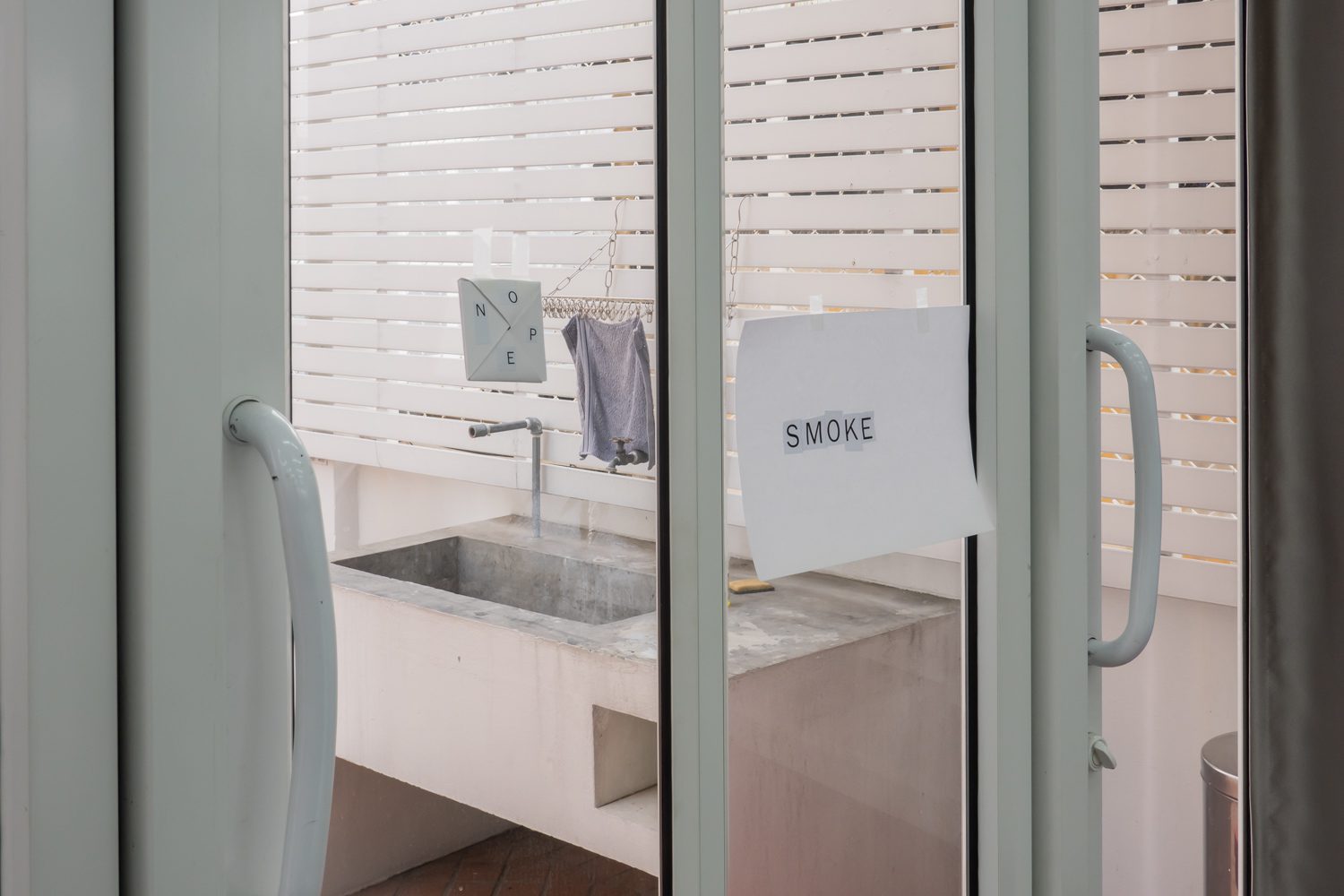
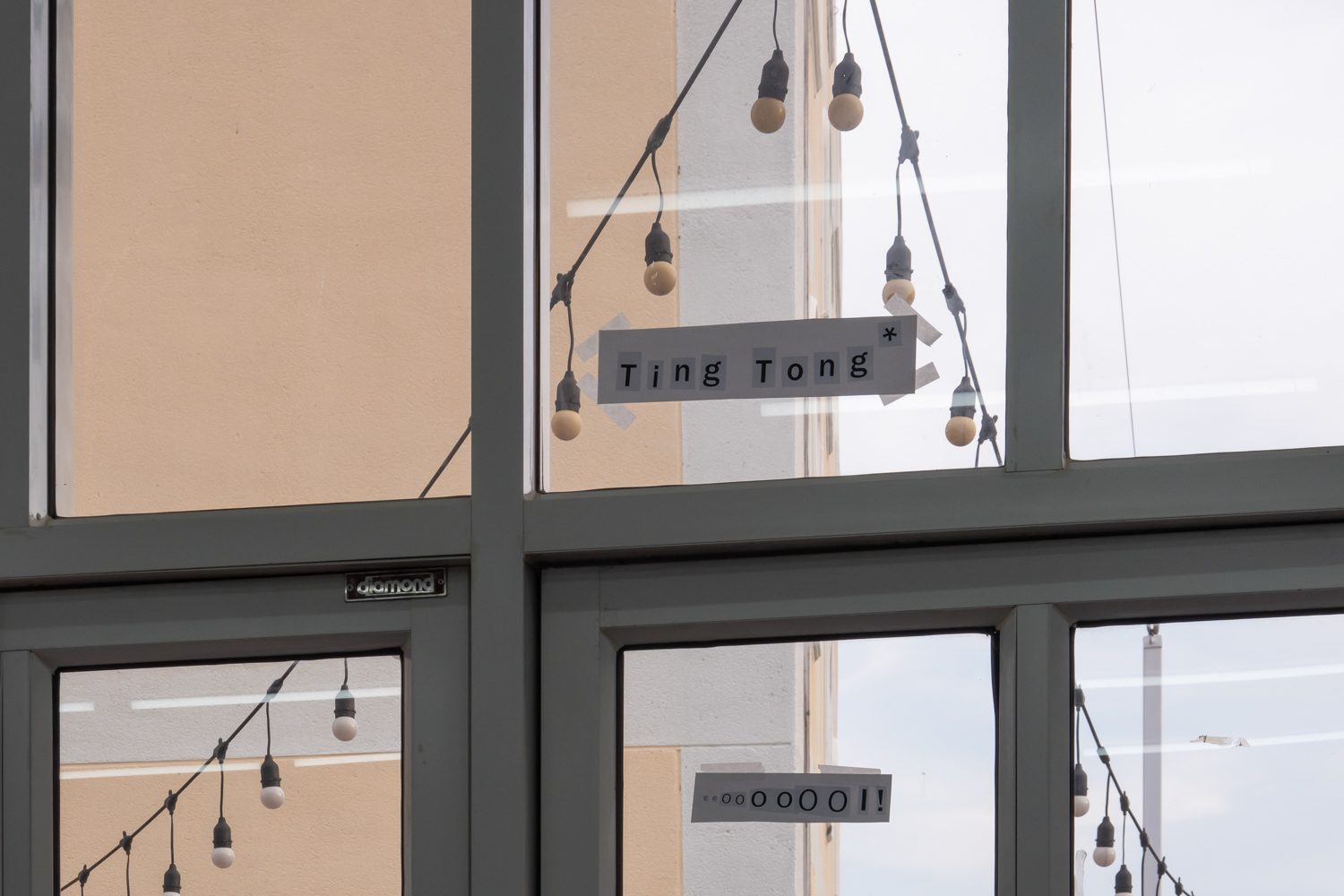
Beyond the carefully curated placement of works throughout the space, with their thoughtful sequencing, rhythm, and clearly intentional narrative structure, forms of expression demonstrates a spatial design sensibility as rigorous as Manita and Benjarat’s approach to working in two dimensions. Every element of the exhibition reflects a considered system of storytelling and spatial flow, echoing their shared fluency in graphic composition. But their vision extends beyond the works on display. The duo also invited a group of friends and collaborators to organize activities at the club, hoping visitors would see how typography can serve as a shared medium for communication across disciplines. The weekend programs are led by guest contributors from various creative fields, each crafting an experience grounded in Manita’s work. The lineup includes artists, data designers, bookbinders, independent booksellers, and even a beverage designer. Highlights include a weaving workshop inspired by Manita’s work, led by Phantipa Thanchookiet of Likaybindery; and a silk screen activity with The Archivist showcasing Manita’s graphics being printed onto materials beyond paper. Every Saturday, those with an interest in drinks can enjoy a specially crafted beverage titled ‘A Mysterious Bridge,’ created by Janjira Chintanalert, founder of Be____ep Books and Bar. The drink is a personal interpretation of Manita’s work and is served in ‘The SKY’ zone. (For the full schedule, activity details, and any associated fees, visit manita.kinjaicontemporary.com.)
art4d shares the same observation as Sahawat: that Manita’s thinking and creative process consistently carry an embedded sense of ‘system’ or ‘program.’ Whether through the structure of her designs, the sequencing, formats, rhythm, or patterns, her work echoes the logic of programming. To that, we might add that she frequently hacks her own systems. In many of the works, she introduces what feel like deliberate bugs—moments of experimentation that blur the line between intention and organic accidents.
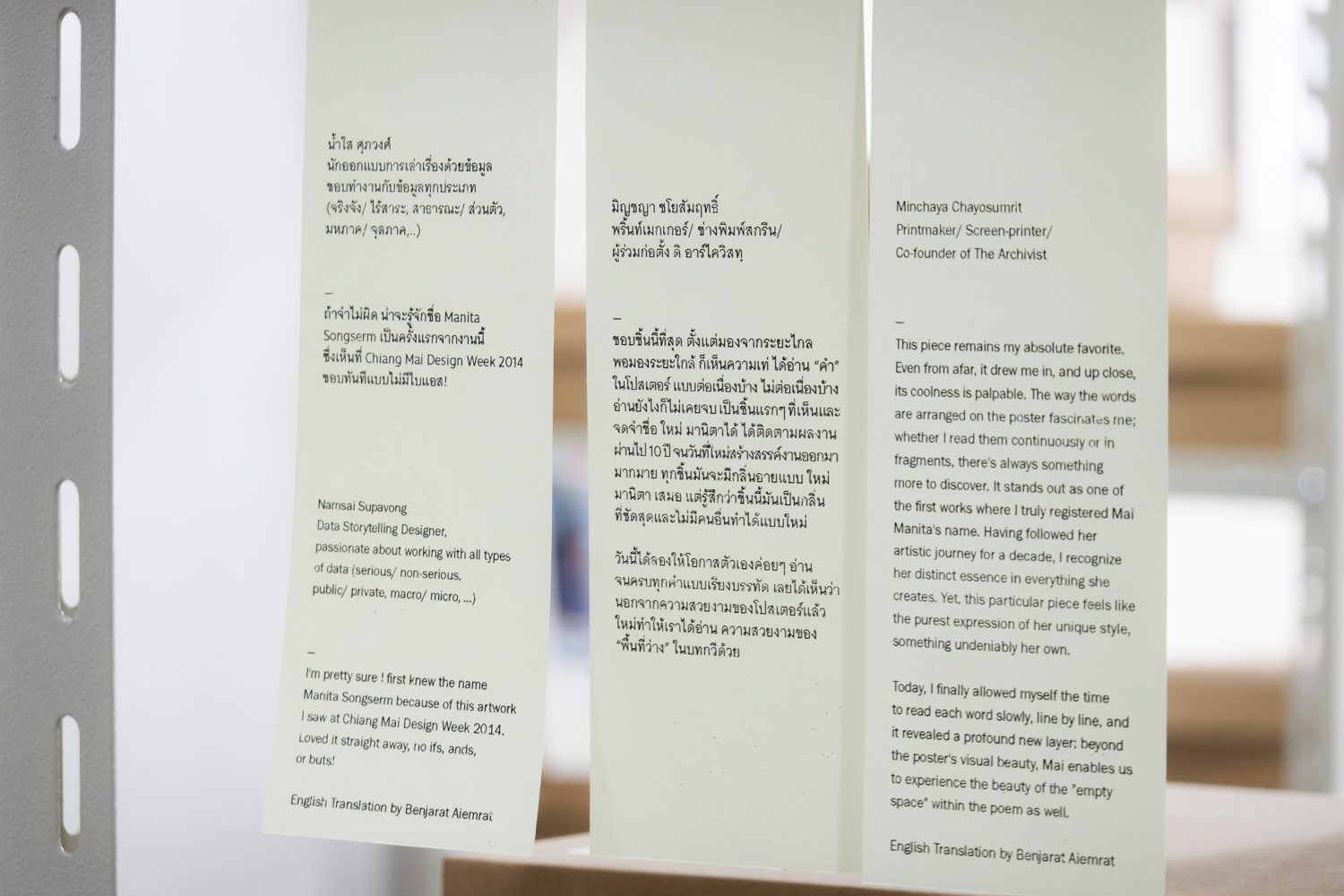
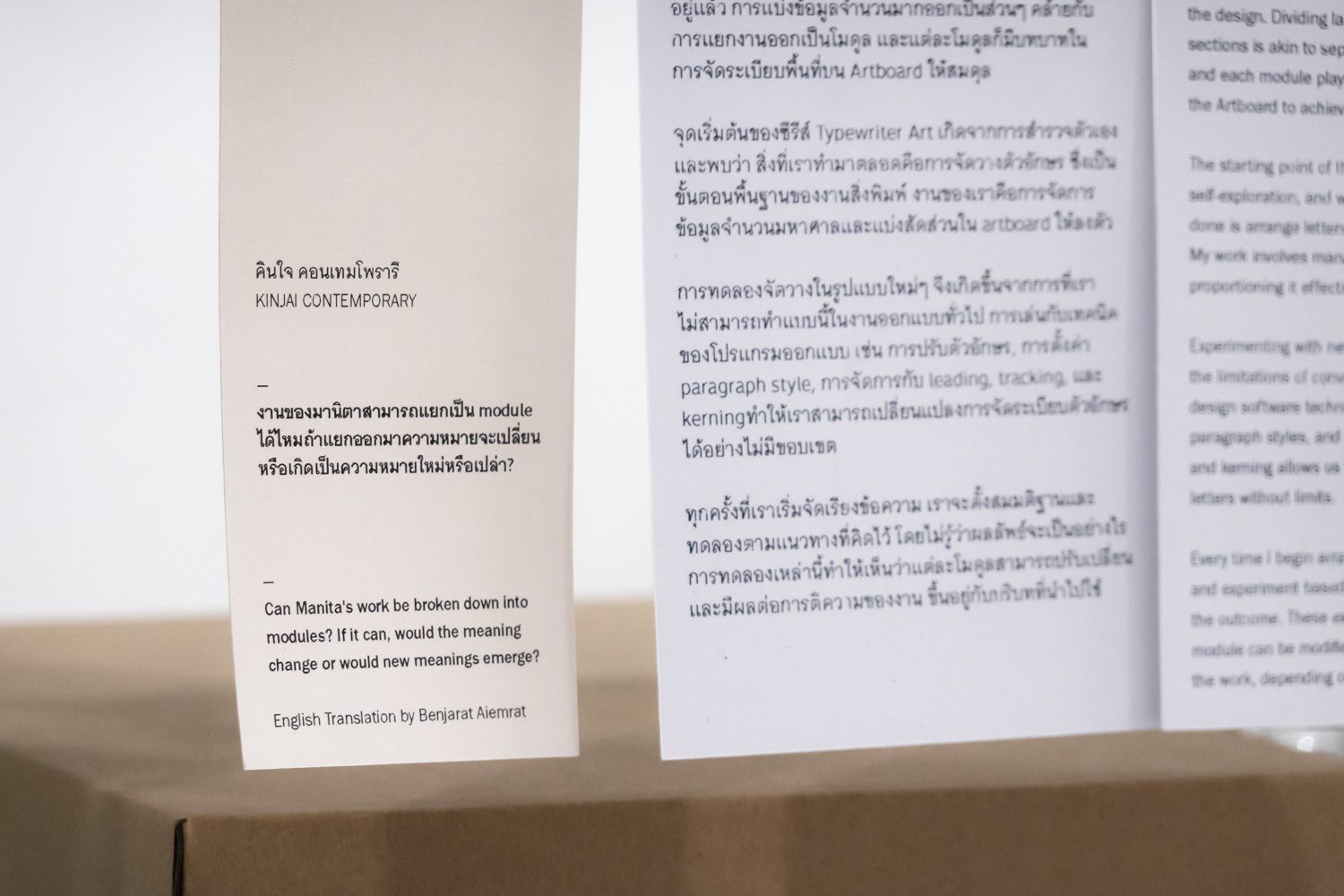
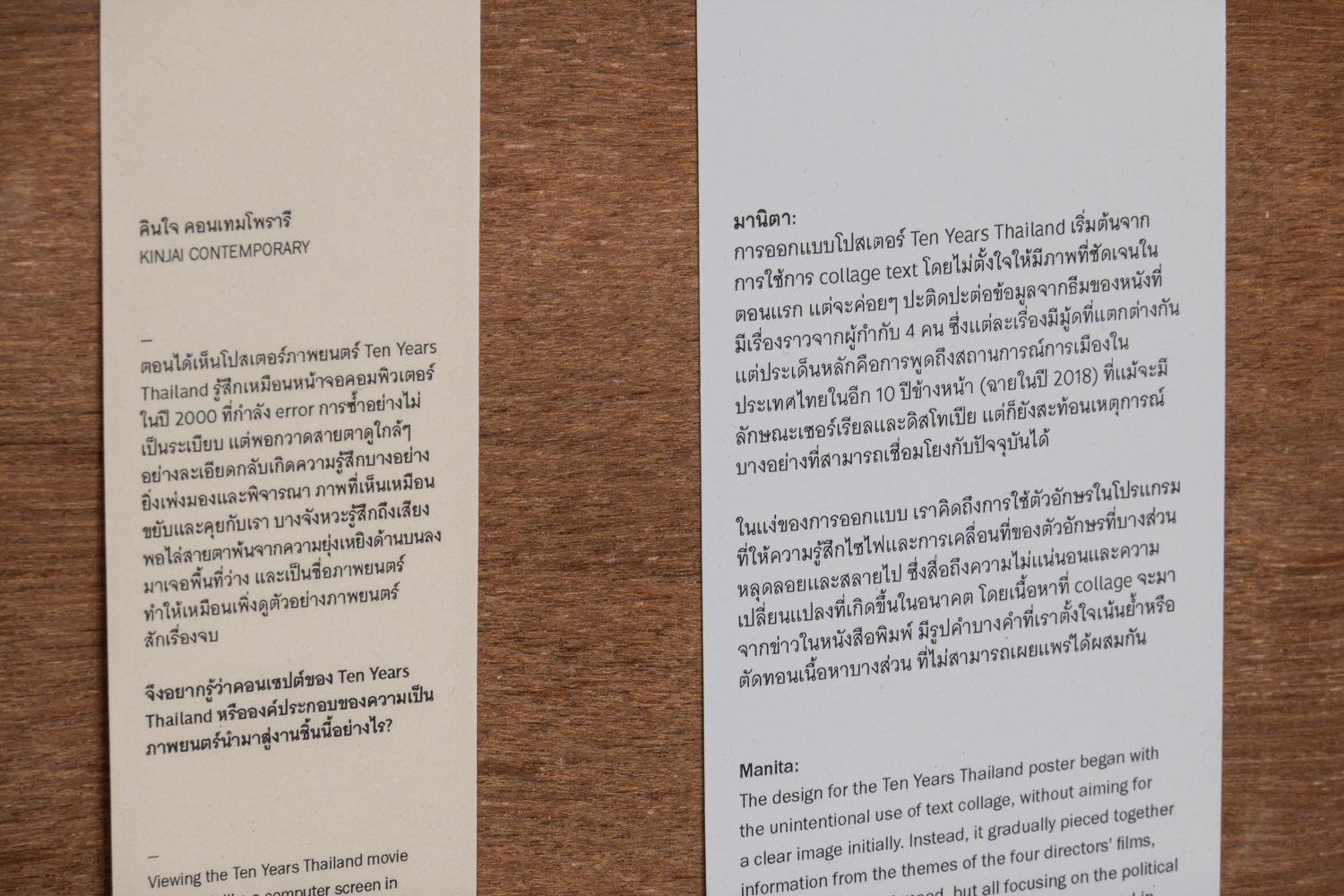
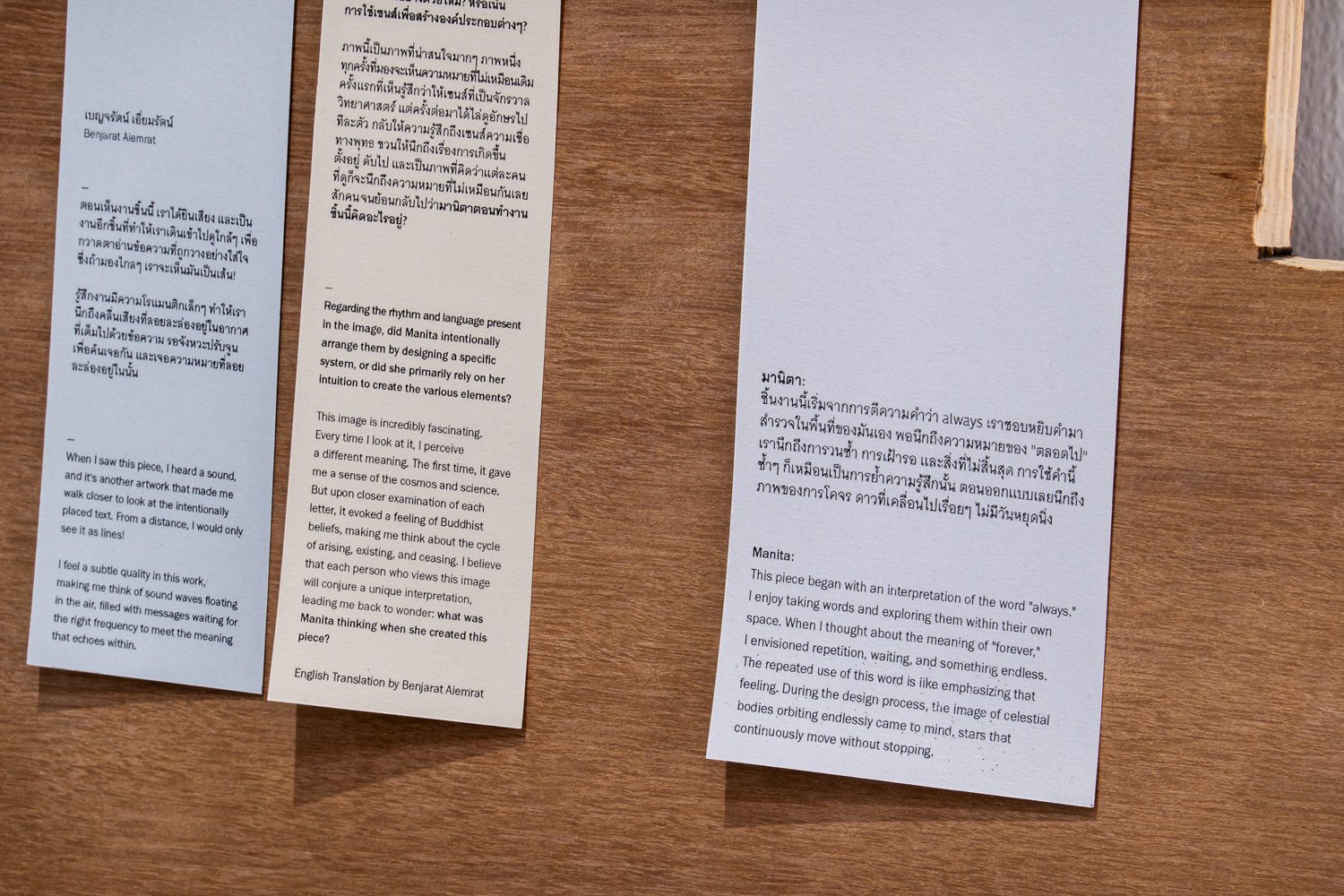
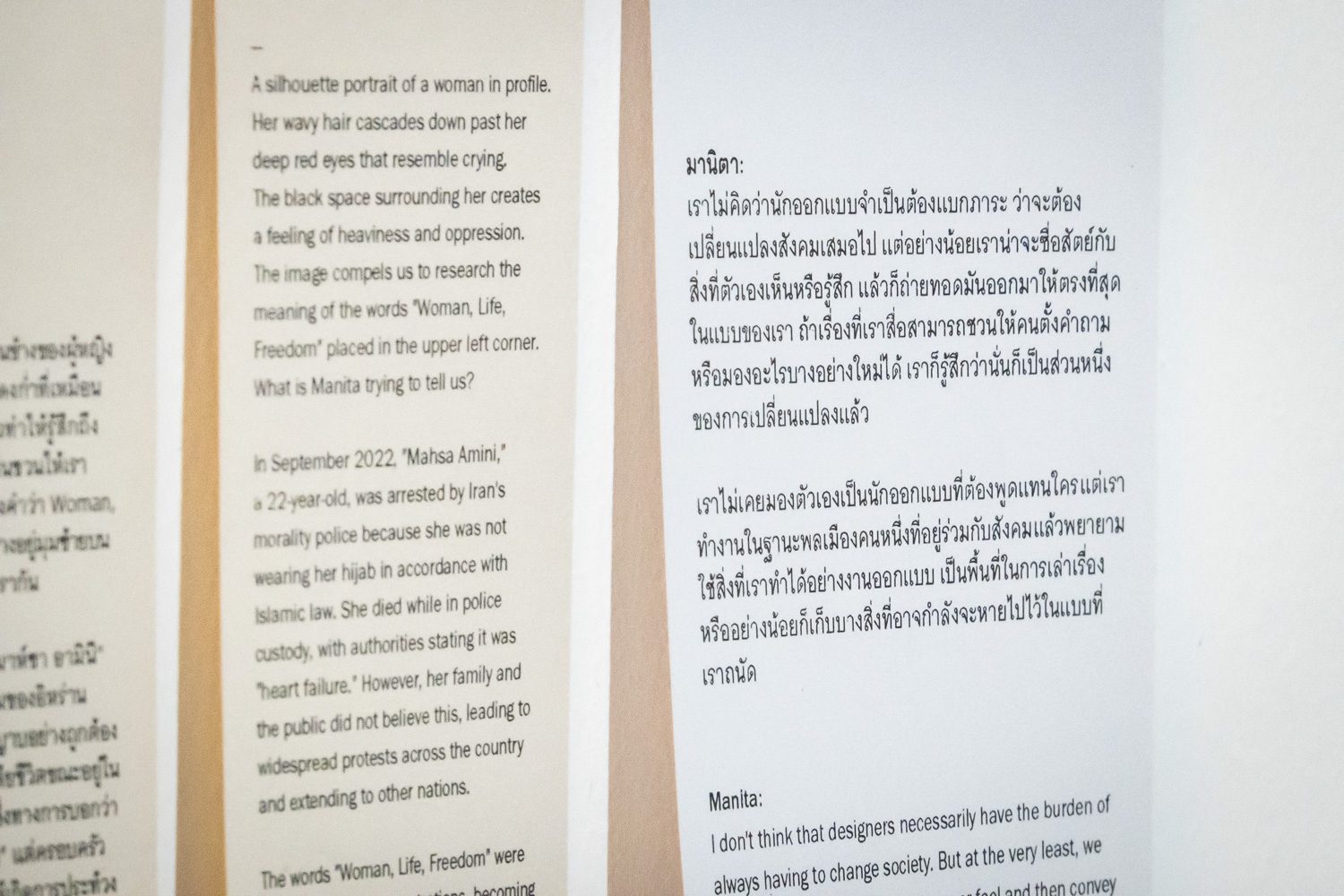
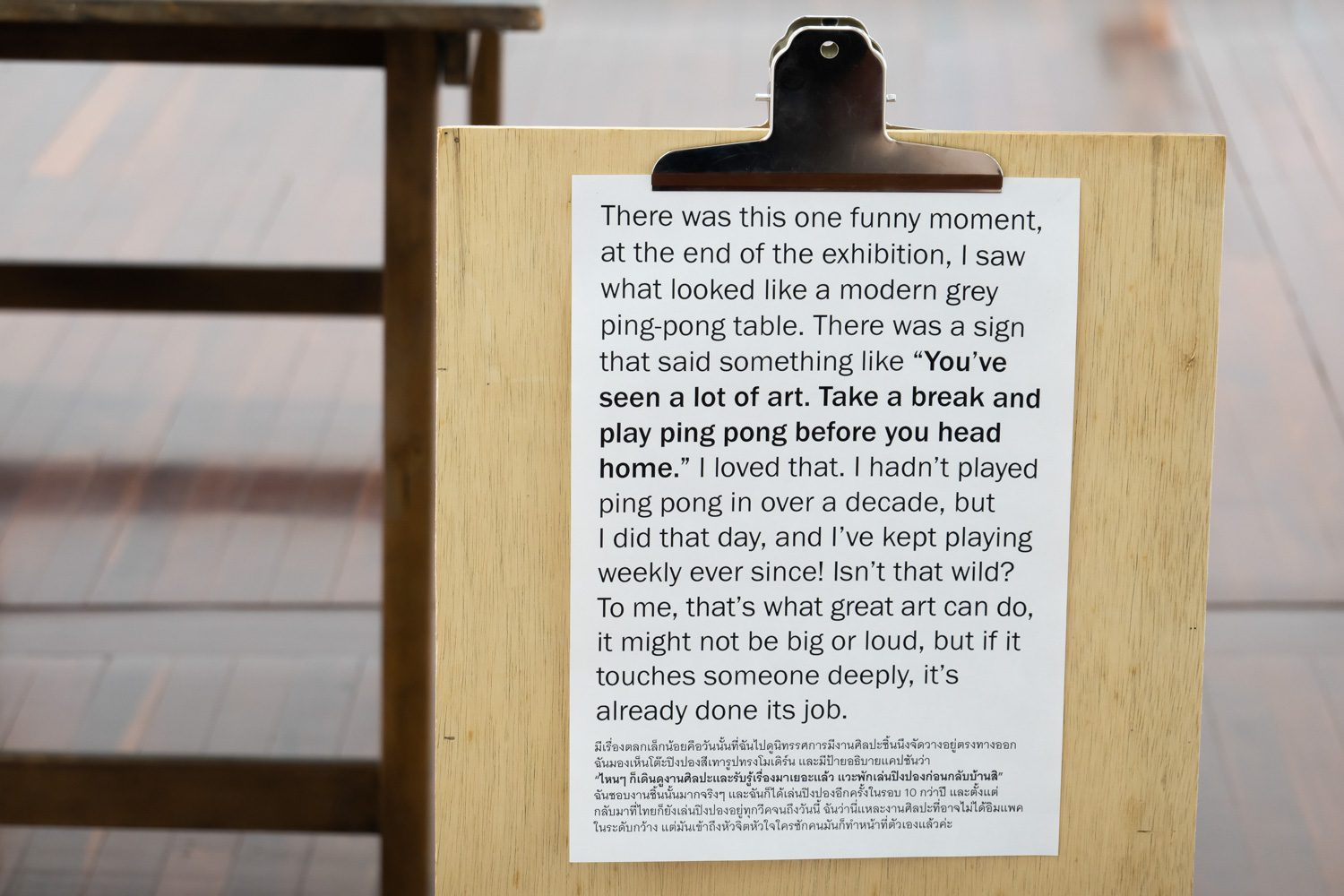
For those of you who are reading this article and planning to see the show in person, we highly recommend reading the wonderfully peculiar captions. They take the form of a lively and vivid Q&A between Manita, Benjarat, and Kinjai Contemporary, with some pieces also featuring commentary by guest collaborators. We found them especially enjoyable, like eavesdropping on a candid conversation between friends. And it’s not just small talk, either. Despite how quiet they may seem in person; it turns out they’re incredibly articulate.
We asked her what she hoped to gain from creating this show, and what she felt she actually got out of it.
“I just wanted everyone to come, join in and enjoy it. This might be the most open-hearted exhibition I’ve ever done. It really pushed me to challenge myself in a lot of ways, especially when it came to working with others. I feel like I’ve stepped out of my comfort zone. It was brave, in a way, wanting to try something beyond what I usually do. For me, I tend to do everything on my own. I don’t usually rely on anyone, I manage everything myself and figure things out solo. But Ben’s way is more about drawing in specialists and inviting them to collaborate. That really opened things up. It made my work more expansive, more outward-looking. I guess I’ve always communicated, but in a quieter, more inward kind of way.”
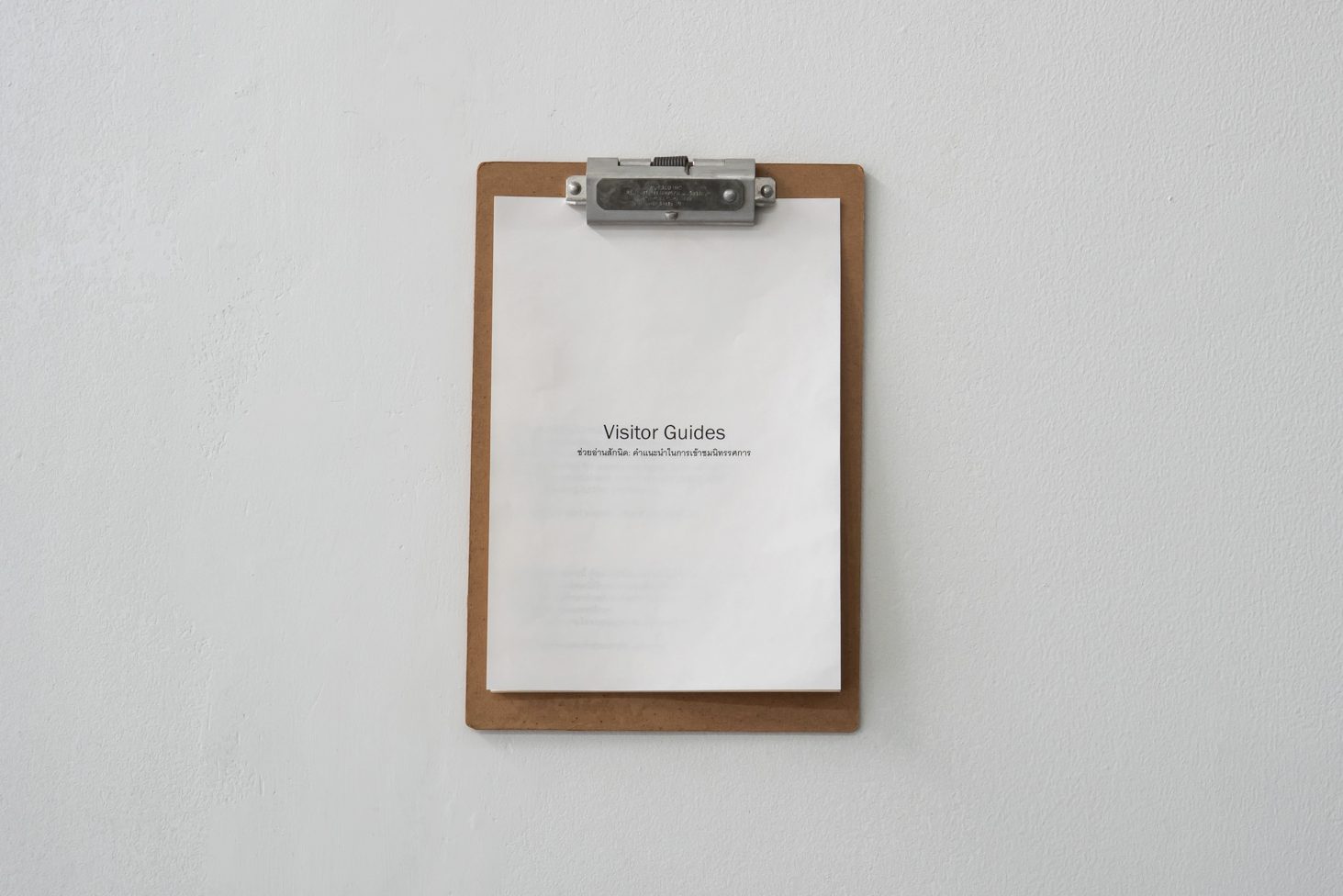
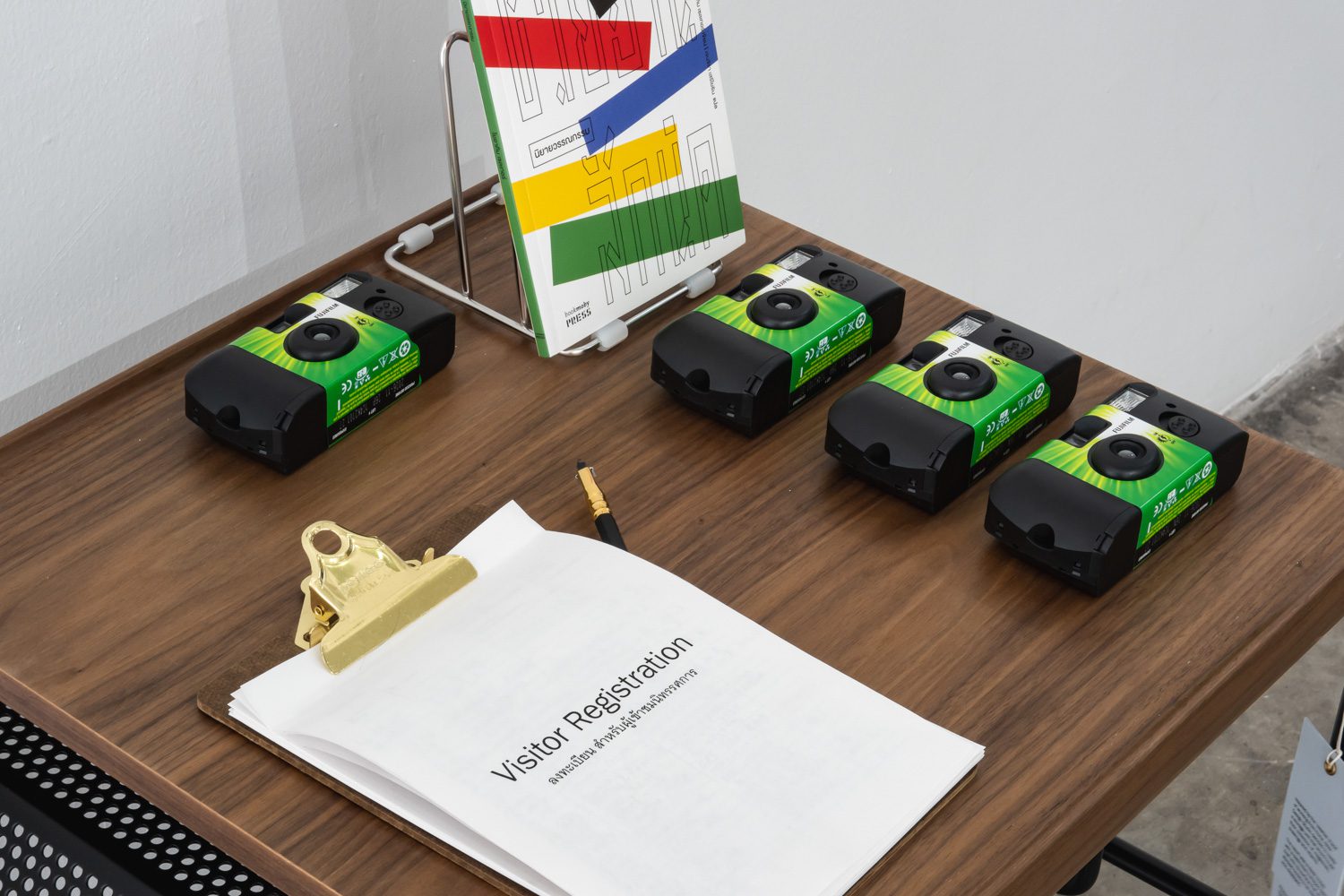
As someone who visited forms of expression, what stood out most was the playful back-and-forth between the audience and the works on display, including the artist’s own messages. The experience becomes even more engaging if you happen to meet the artist or curator in person. And let us be clear: this isn’t a typography showcase or a straightforward retrospective of Manita Songserm’s past works curated by Benjarat Aiemrat. What you’re stepping into is something else entirely; a kind of experimental club the two of them created. What exactly is being experimented with remains unclear, but one thing is certain: they’re genuinely enjoying whatever unfolds when people enter the space. A word of advice for those planning to visit—be sure to read the exhibition guide carefully. And don’t forget to leave your name and contact number at The GROUND if you want to begin to understand what this club is really all about.
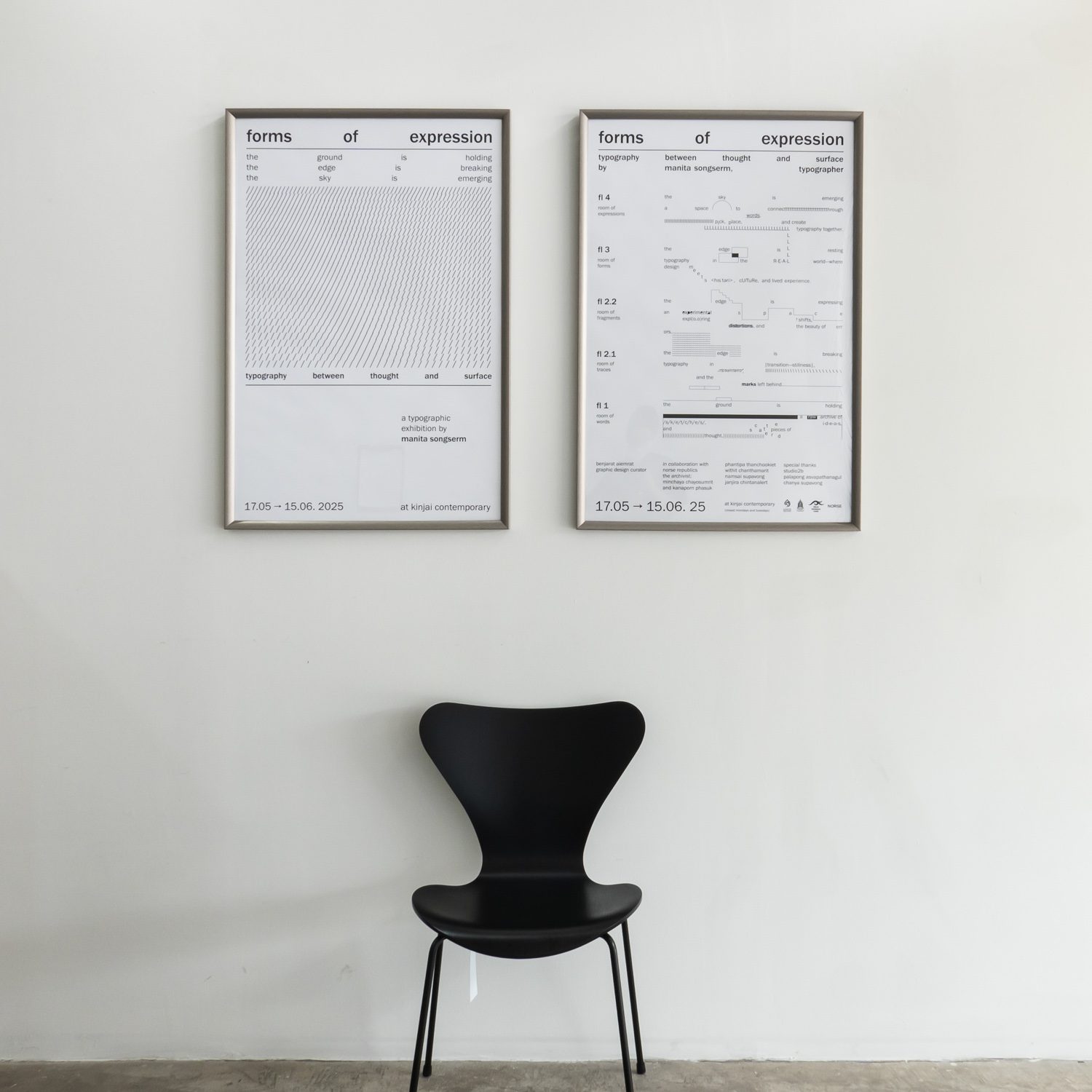
The exhibition forms of expression by Manita Songserm runs from May 17 to June 15, 2025, at Kinjai Contemporary.