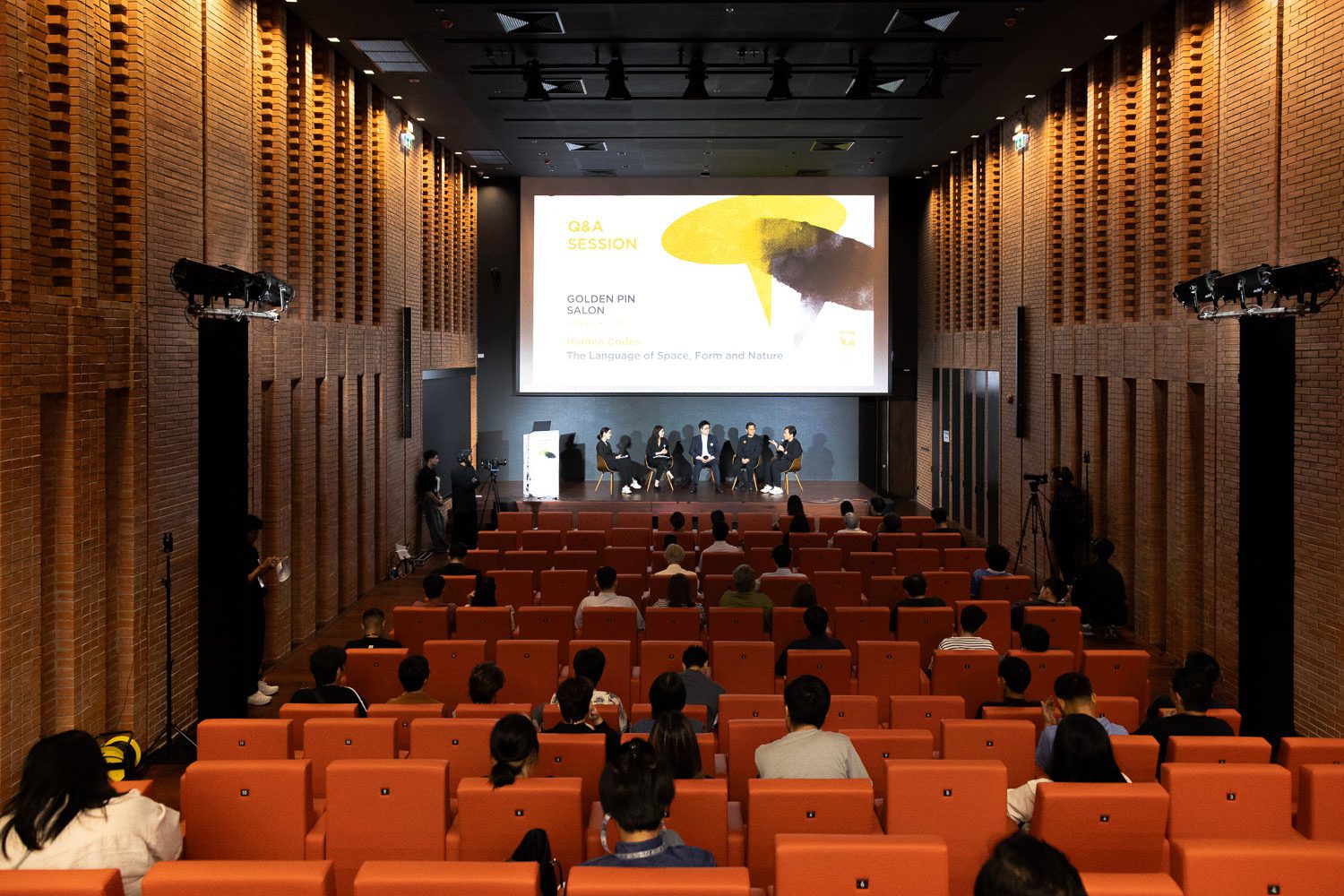

GOLDEN PIN SALON BANGKOK 2025 SHOWCASES FRESH PERSPECTIVES FROM RENOWNED THAI AND TAIWANESE DESIGNERS, PROVIDING REAL DESIGN INSPIRATION
TEXT: PRATCHAYAPOL LERTWICHA
PHOTO COURTESY OF art4d EXCEPT AS NOTED
(For Thai, press here)
Step outside your home and walk along the street. Look around, and you’ll see buildings of all shapes and sizes. Some are modest, others monumental. Some are intricately adorned, while others remain quietly understated. Architecture presents itself in diverse forms, shaped by a web of factors including economic conditions, social contexts, the needs and aspirations of the people who commission it, and most crucially, the vision of the designer. Cross borders and oceans, and this diversity becomes even more pronounced.
Design Perspectives x Golden Pin Salon Bangkok 2025, held on April 27, 2025 and organized by the Golden Pin Design Award, brought together accomplished designers from both Thailand and Taiwan, spanning a range of disciplines, to share their creative approaches. While all participants operate within the shared context of Asia, the conversation illuminated the distinct methods and philosophies that shape each designer’s process.
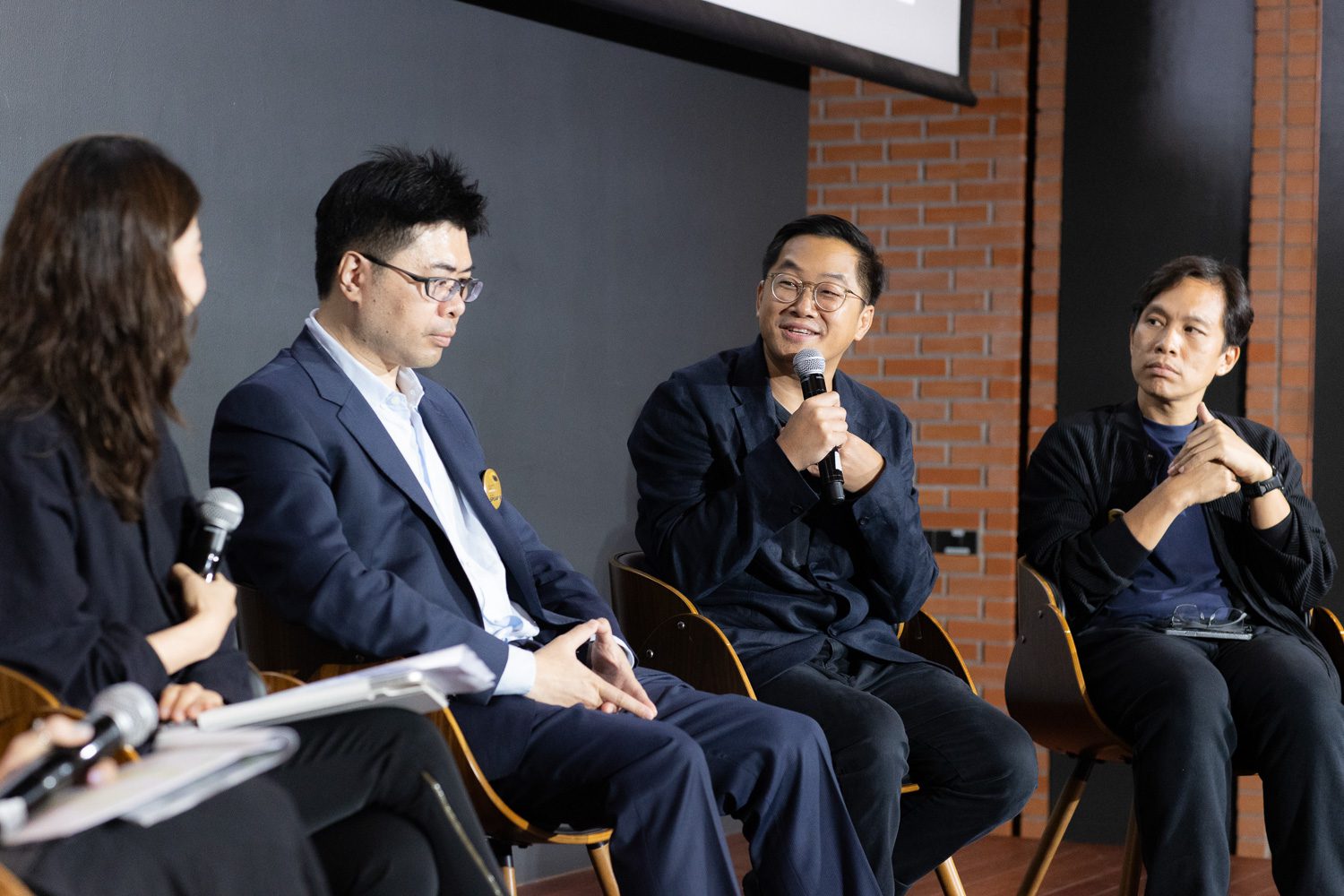
Borden Tseng, Karjvit Rirermvanich and Yossapon Boonsom
The event opened with a talk titled Hidden Codes – The Language of Space, Form and Nature, featuring three leading figures in architecture and landscape architecture. The session began with Borden Tseng, Director of Q-LAB Architects, a Taiwan-based architectural firm with a growing international reputation. Q-LAB’s work has earned numerous prestigious accolades, including the Golden Pin Design Award, Architizer A+ Awards, and recognition from the World Architecture Festival (WAF).
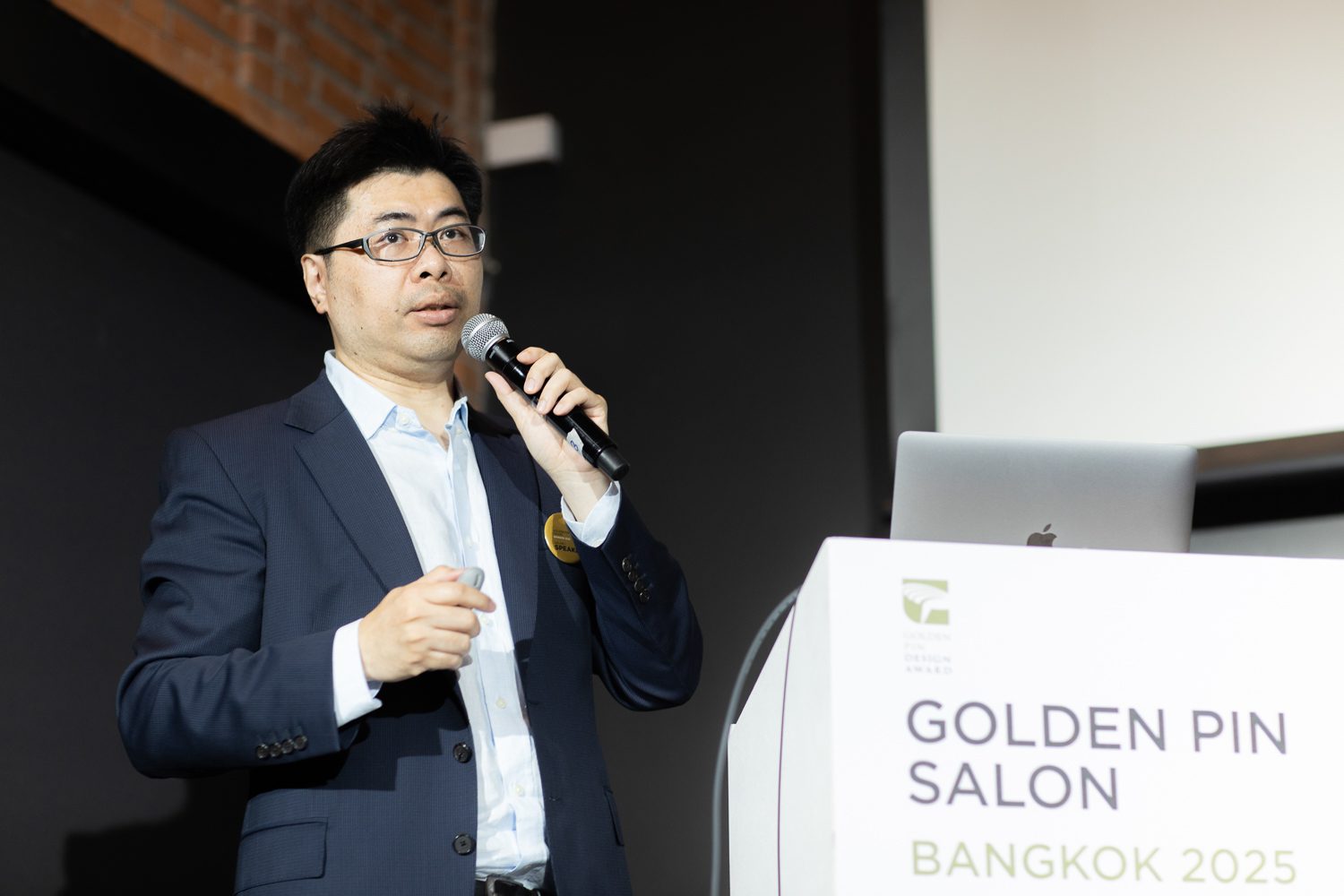
Borden Tseng, Director of Q-LAB Architects
Borden Tseng presented six standout projects, each carefully selected to illustrate the thinking and ingenuity behind their design. Despite their varying appearances and distinct contexts, a common thread runs through them all: a mastery of structural innovation that lends each building its visual identity while responding skillfully to functional constraints. Among the most compelling examples of this principle is the Lian Yun Yue Heng Residence (連雲玥恆集合住宅), a mixed-use development located in the CBD of Taiwan.
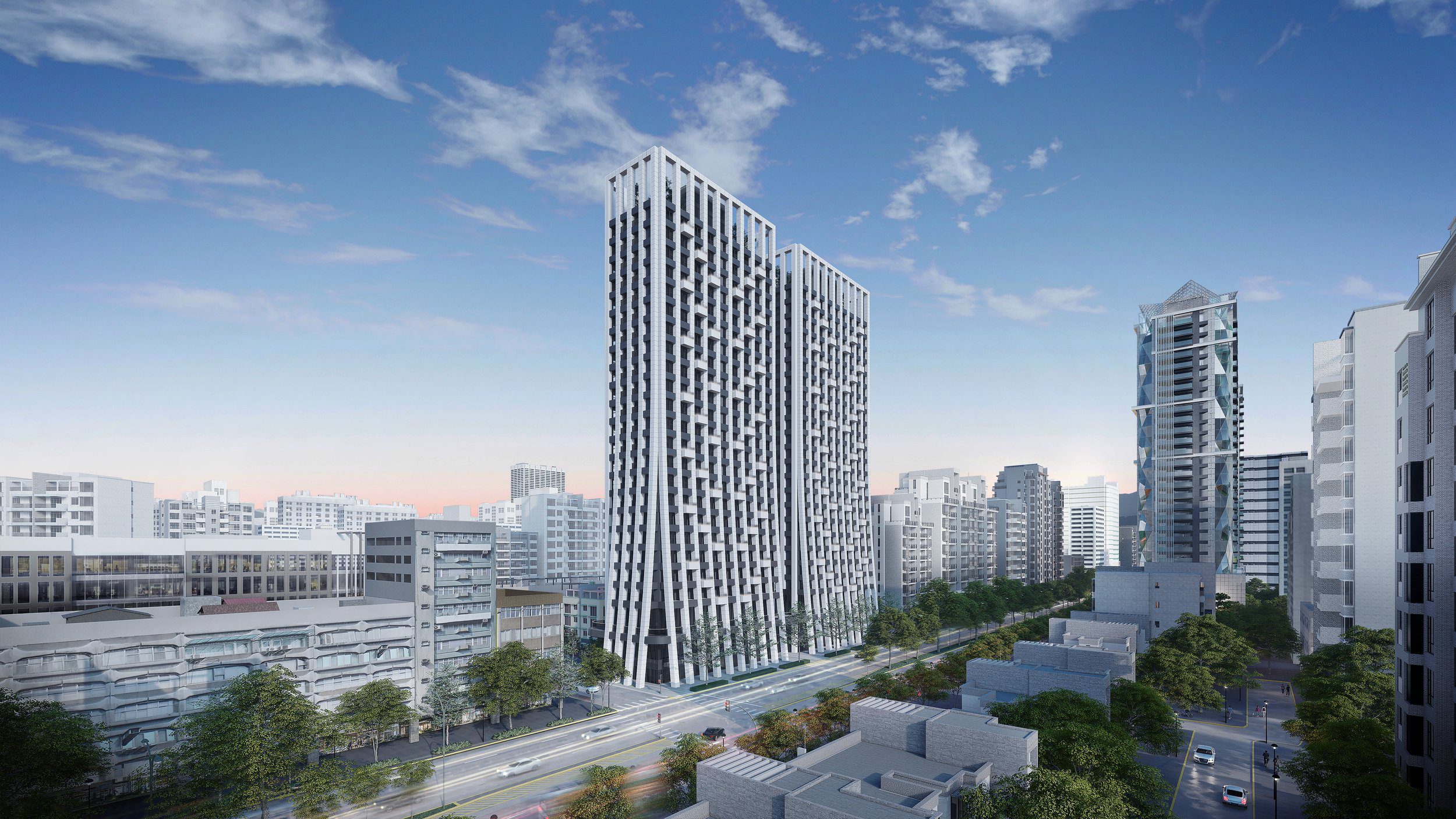
Lian Yun Yue Heng Residence | Image courtesy of Q-LAB Architects
The project combines retail space at street level with residential units above, while the basement is dedicated to parking. What sets the building apart is its unconventional structural solution—its columns are positioned along the outer shell that curve outward at the base. Tseng adopted this approach in response to the site’s narrow frontage. Placing columns directly downward would have interfered with the basement layout and limited parking efficiency. By curving the columns outward at the base, the design frees up usable space below while giving rise to a semi-sheltered walkway beneath the building, offering pedestrians a shaded, rain-protected corridor ideal for walking, exercising, or shopping.
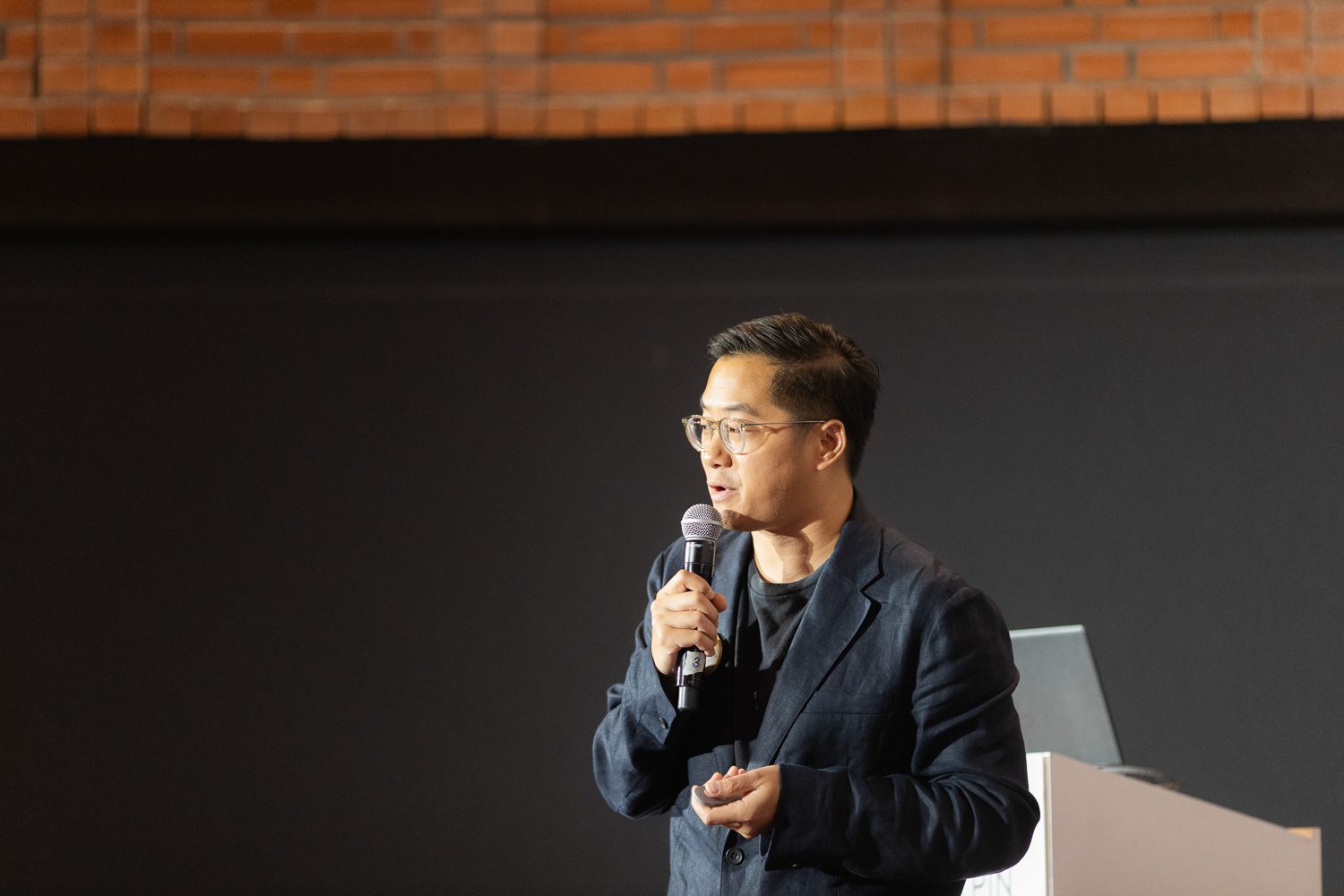
Karjvit Rirermvanich, founder and design director from Physicalist
Following Tseng’s presentation, the spotlight shifted to Thailand, with architect Karjvit Rirermvanich taking the stage. Founder and Design Director of Physicalist, Karjvit is known for his work that balances clarity and inventiveness – architecture that is at once simple and sharp. He opened his talk with a resonant statement: ‘Architecture is a celebration of what lies beyond control.’
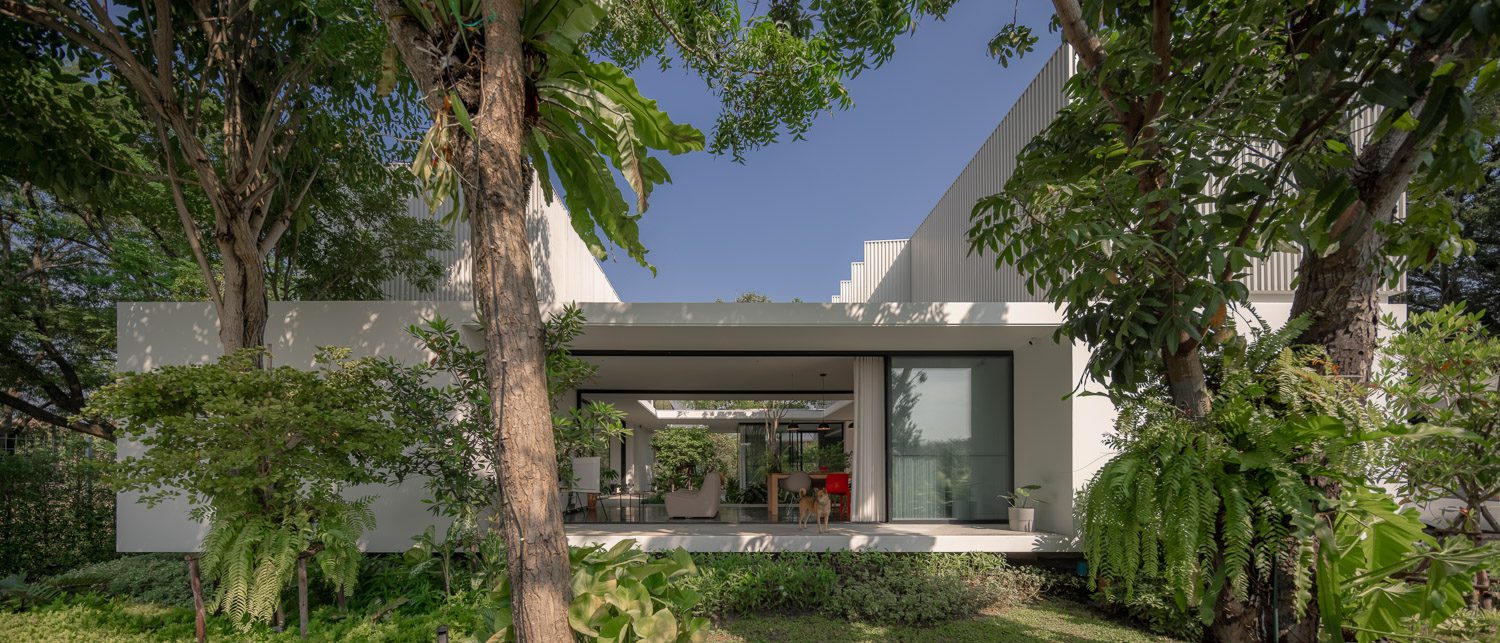
Baan Klai Wat | Photo courtesy of Physicalist
Karjvit selected three projects that each embody a distinct response to the idea of ‘what lies beyond control’ and the ways architecture can become an act of reverence toward it. Baan Klai Wat, or ‘House Near the Temple,’ was conceived as a blank canvas that allows nature to quietly reveal itself in beautiful ways. Though the homeowner only returns on occasion, the house is designed to breathe in their absence. Slim openings between operable window panels allow natural light and air to filter through, keeping the interior dry and well-ventilated.
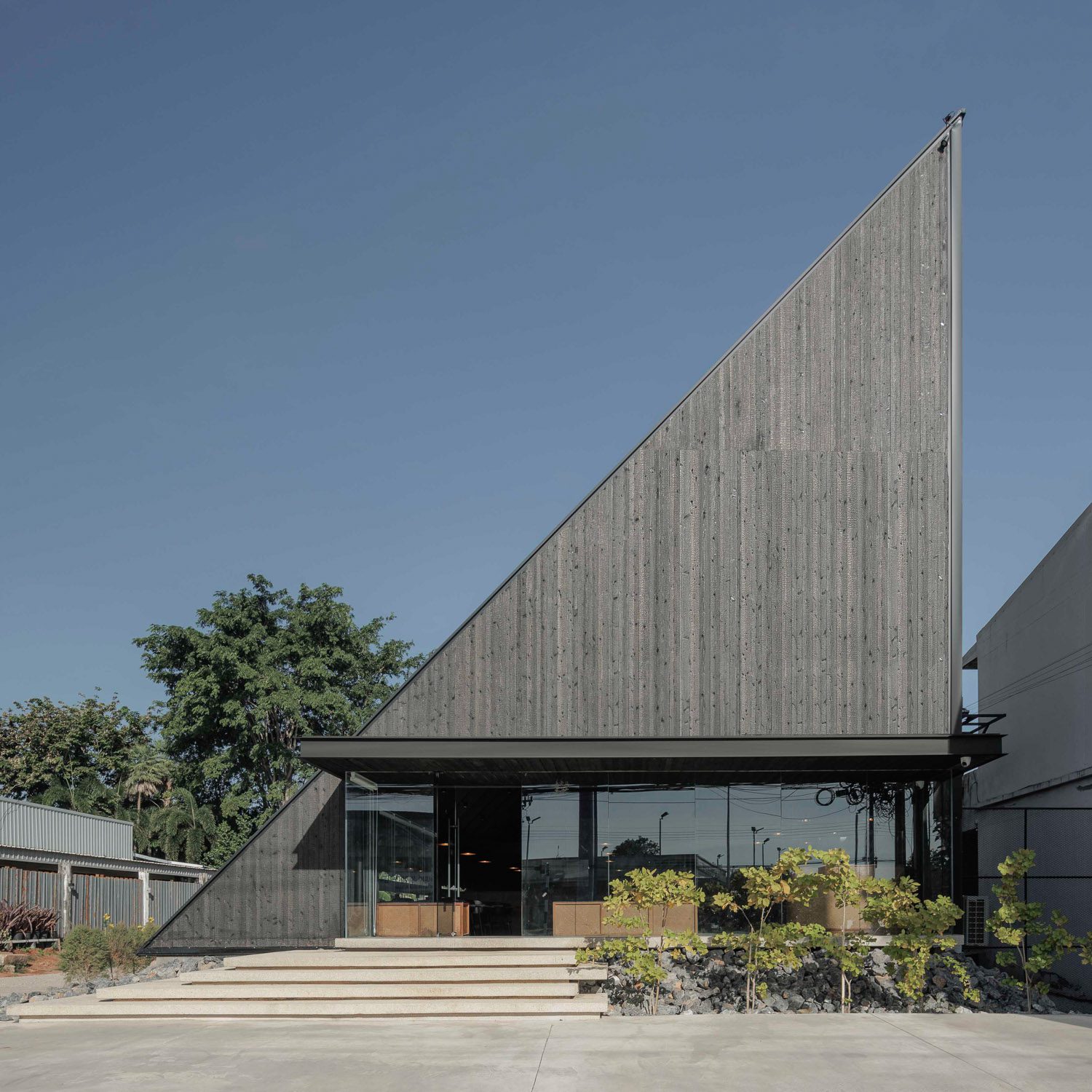 Umi Gyu Yakiniku & Beer | Photo courtesy of Physicalist
The triangular form of Umi Gyu Yakiniku & Beer is more than a striking visual statement. Its distinctive roofline also serves a quiet, functional beauty. During rainfall, the sloped roof channels water into a large gutter system as diners seated inside are treated to the gentle sight of rain cascading just outside, visible through carefully positioned roof openings.
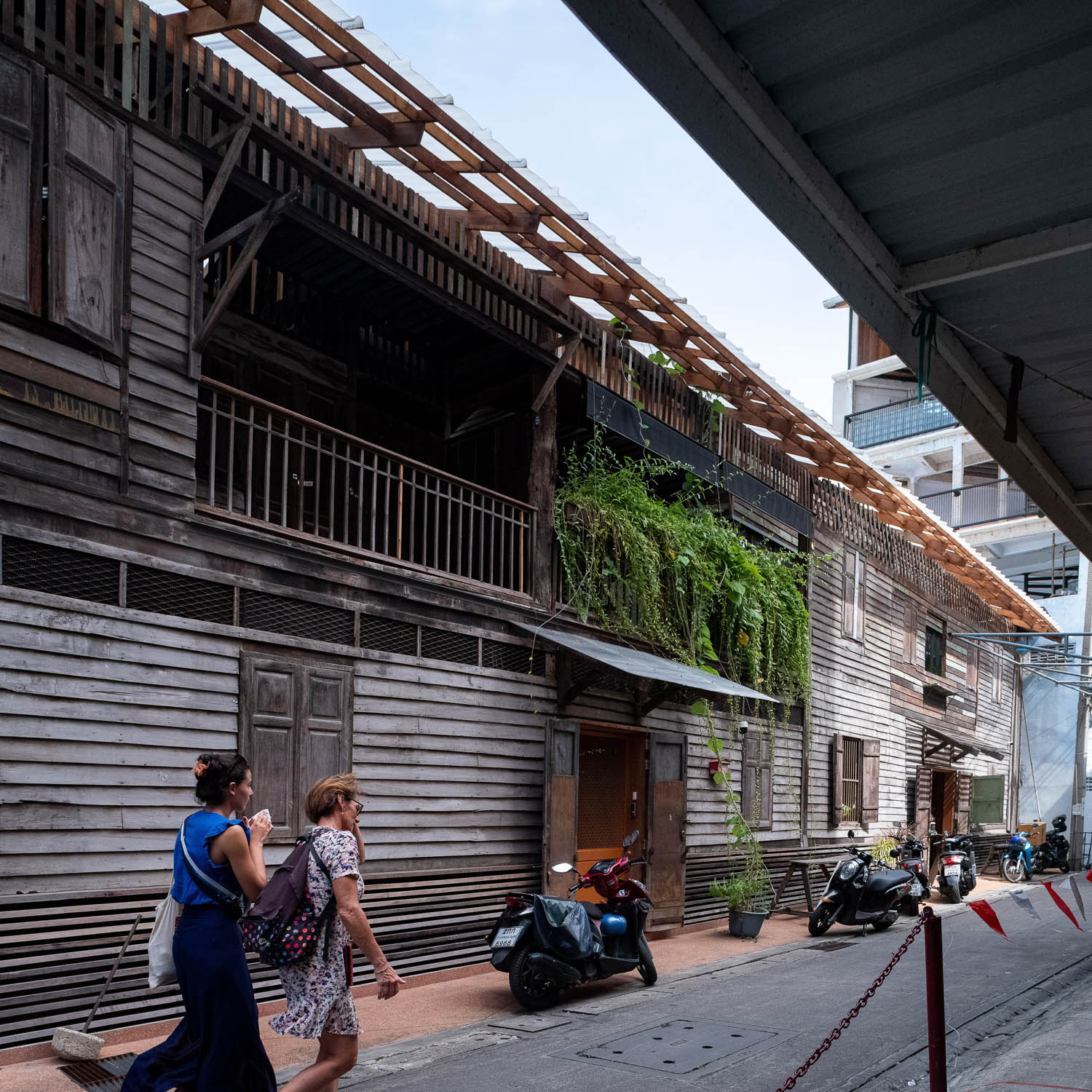
Another project, Vanich House, is a thoughtful renovation of a heritage home that once operated as a machinery workshop. Now repurposed as a design studio and restaurant, the building has been adapted without disrupting its long-established spirit. Karjvit approached the transformation with sensitivity, preserving elements such as original timber columns and integrating new materials that harmonize with the old. In some spaces, the intervention is as minimal as arranging furniture to define zones of use. The result is a quiet negotiation between the past; elusive and uncontrolled, and a present shaped by deliberate design.
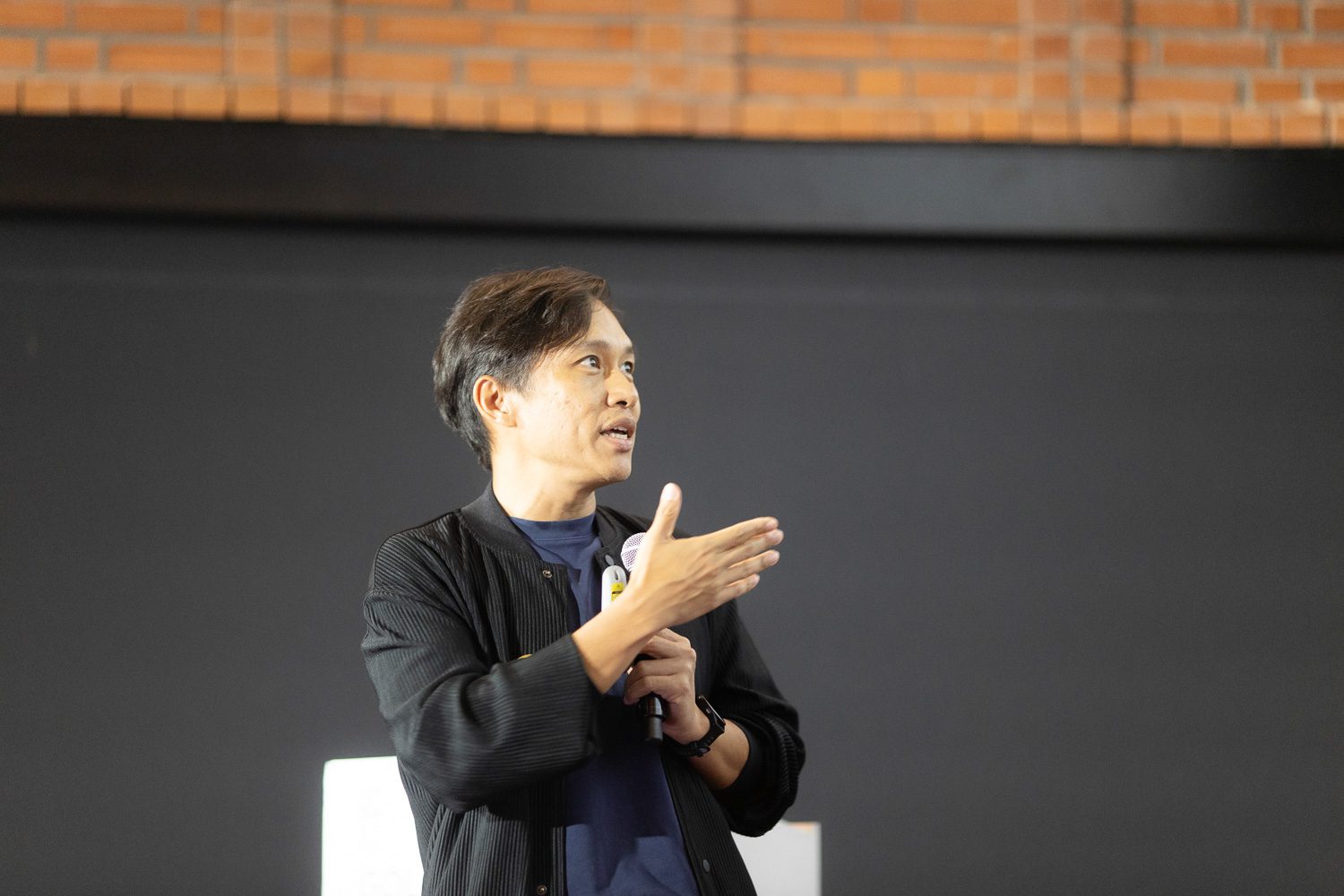
Yossapon Boonsom, Founding Director at Shma Company Limited
The session concluded with Yossapon Boonsom, Founding Director of Shma Company Limited, a firm recognized for its integrative work in landscape architecture and urban design. Yossapon began his talk with a poignant image: a child lying down in the back of a car, surrounded by dozens of others locked in gridlock traffic. The photograph served as a mirror, revealing a stark truth. Our city, he suggested, was never designed with human life in mind.

Terraced garden in front of One City Centre | Photo courtesy of Shma Company Limited
Though cities are rife with challenges, Yossapon emphasized that design can play a powerful role in improving urban life. He cited several projects he has helped shape. Among them is the terraced garden at the front of One City Centre in Ploenchit district of Bangkok where a pocket of green space is carved out amid a dense forest of high-rises, offering urban dwellers a place to reconnect with nature. Another is Lan Kila Pat 2, a project that transformed a lifeless plot beneath Bangkok’s Si Rat Expressway into an active sports plaza—returning life to a city that often prioritizes cars over people. There is also ‘Suan San Pocket Park,’ a once-abandoned lot along the Thonburi side of the Chao Phraya River, now reborn as a public park for all.
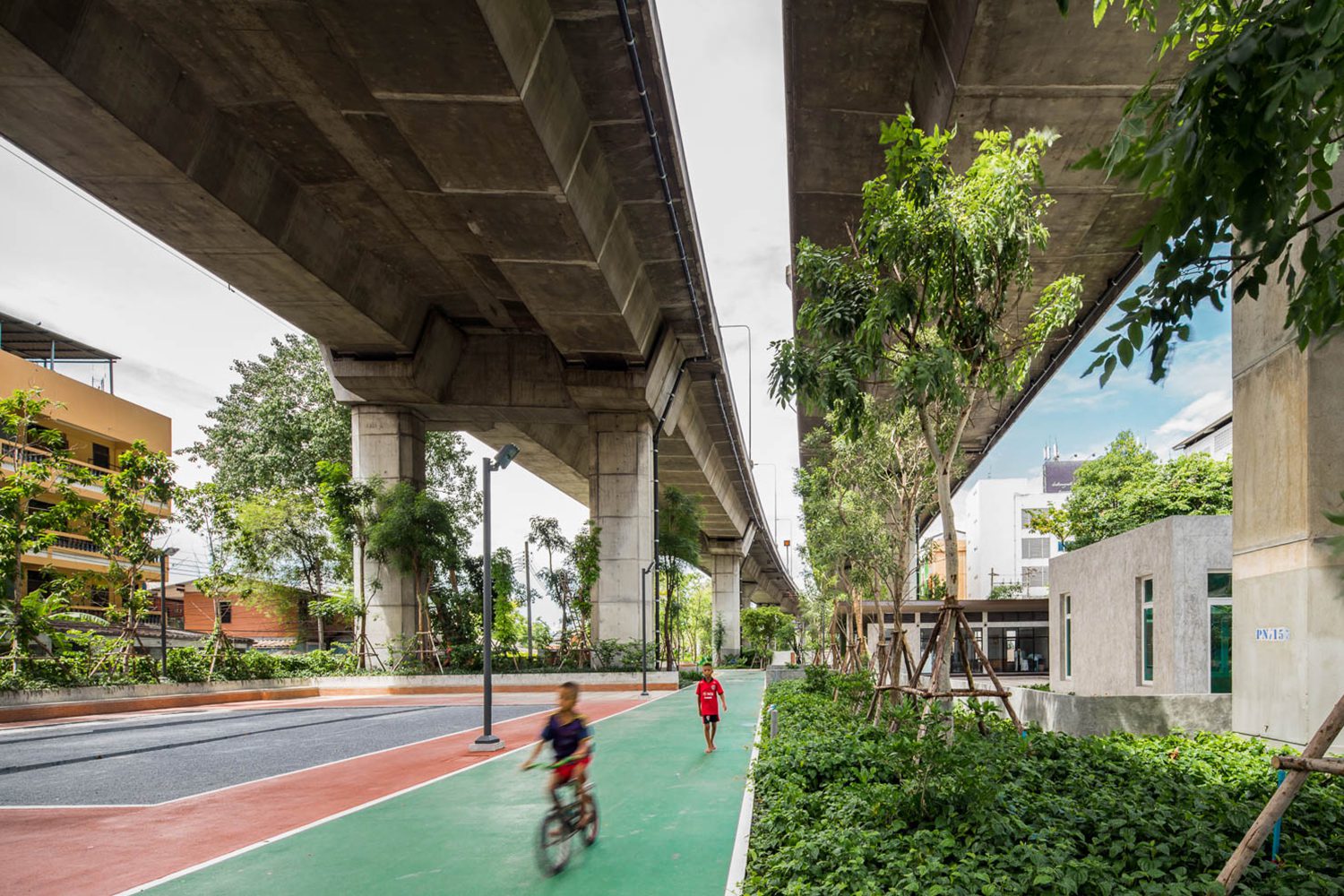 Lankila Pat 2 | Photo courtesy of Shma Company Limited
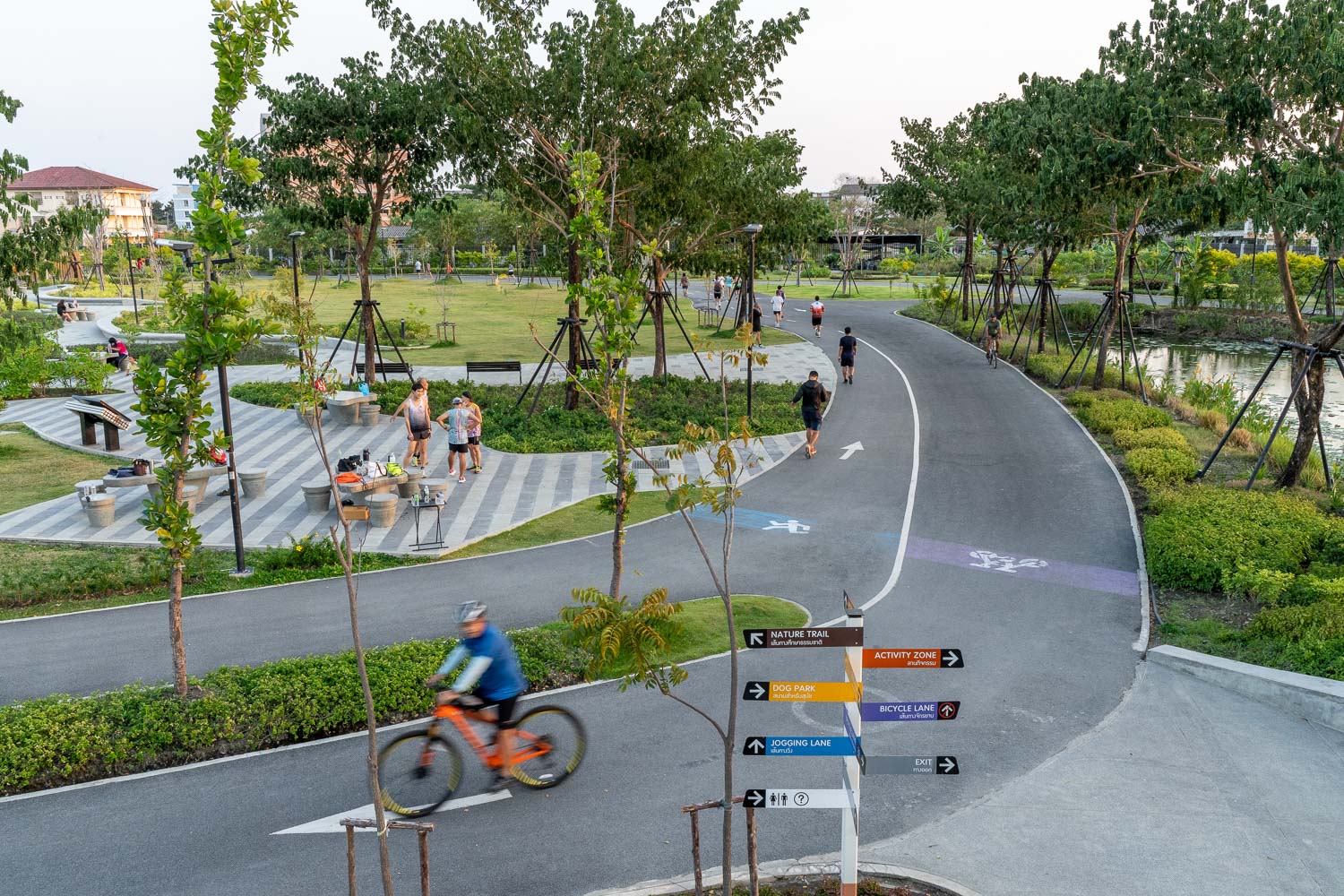
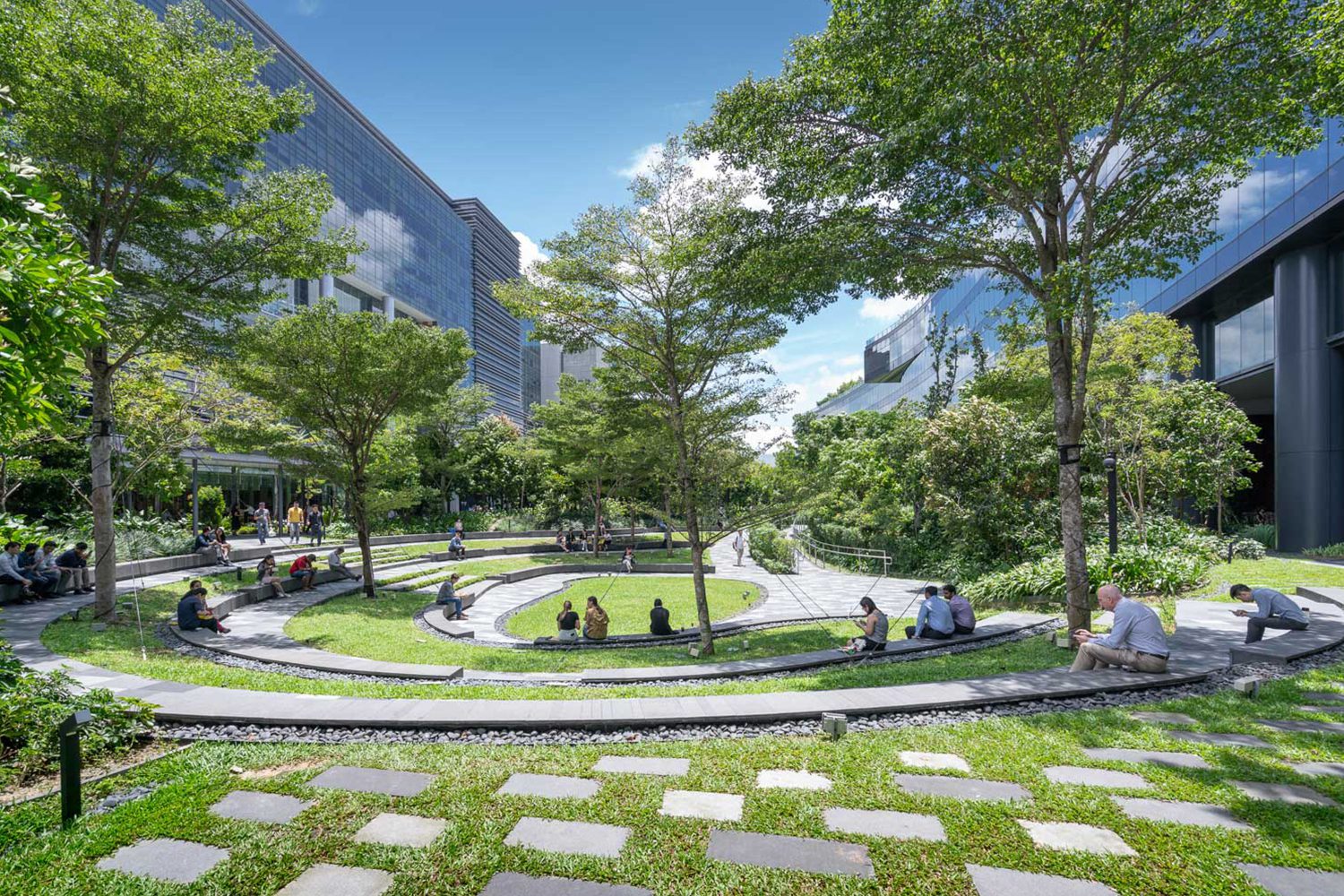
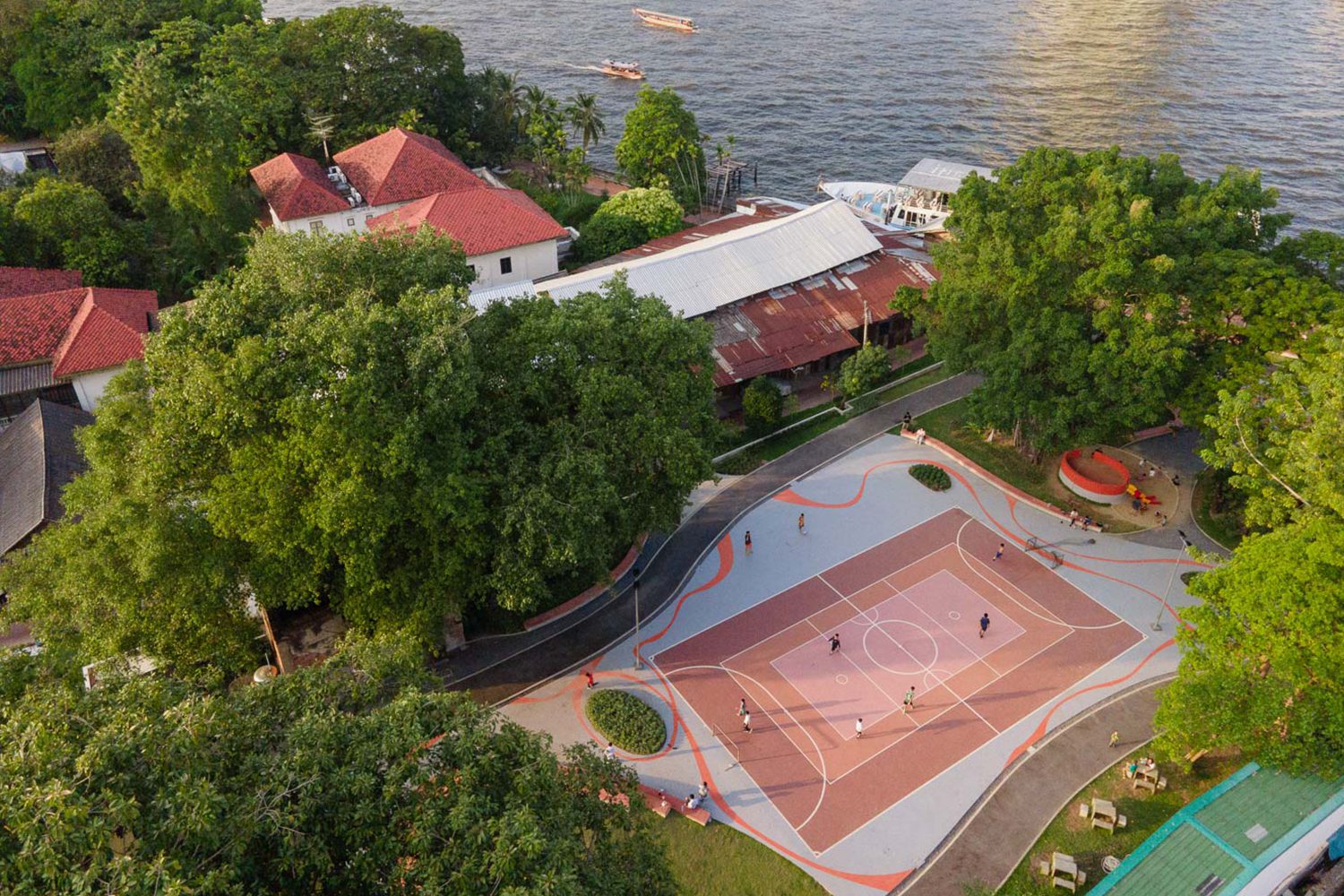
Beyond aesthetics and functionality, Yossapon underscored the importance of participatory design. The open, inclusive process invites users and stakeholders to contribute ideas and opinions through a collaborative approach that fosters a genuine sense of ownership and belonging.
While each of the three speakers offered distinct perspectives, they were united by a shared commitment: to create designs that bring joy and enhance quality of life for those who inhabit them. Together, their ideas offered compelling starting points; an invitation for designers everywhere to reflect on these viewpoints, adapt them in ways that resonate with their own sensibilities, and ultimately craft meaningful work that is uniquely their own.