
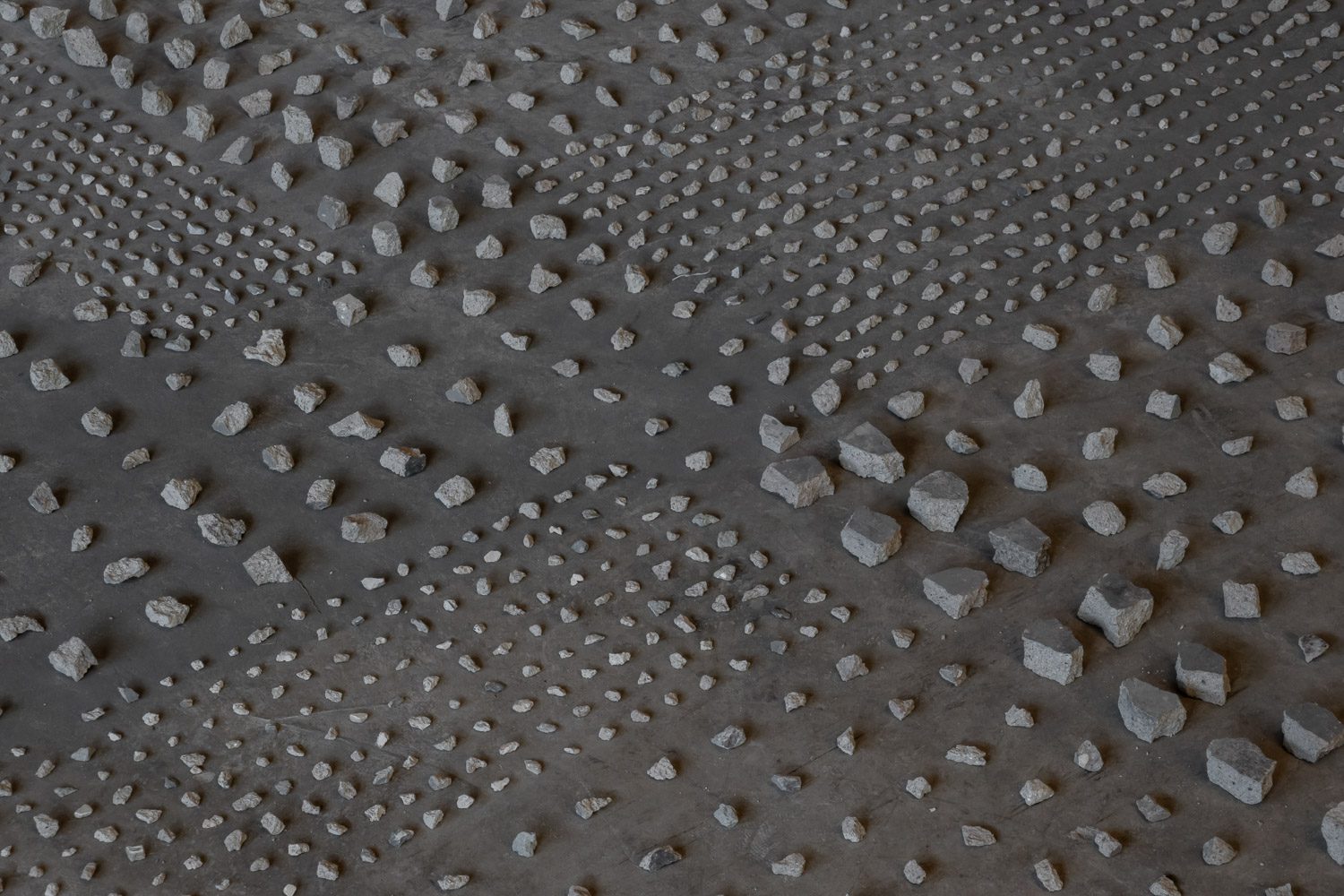
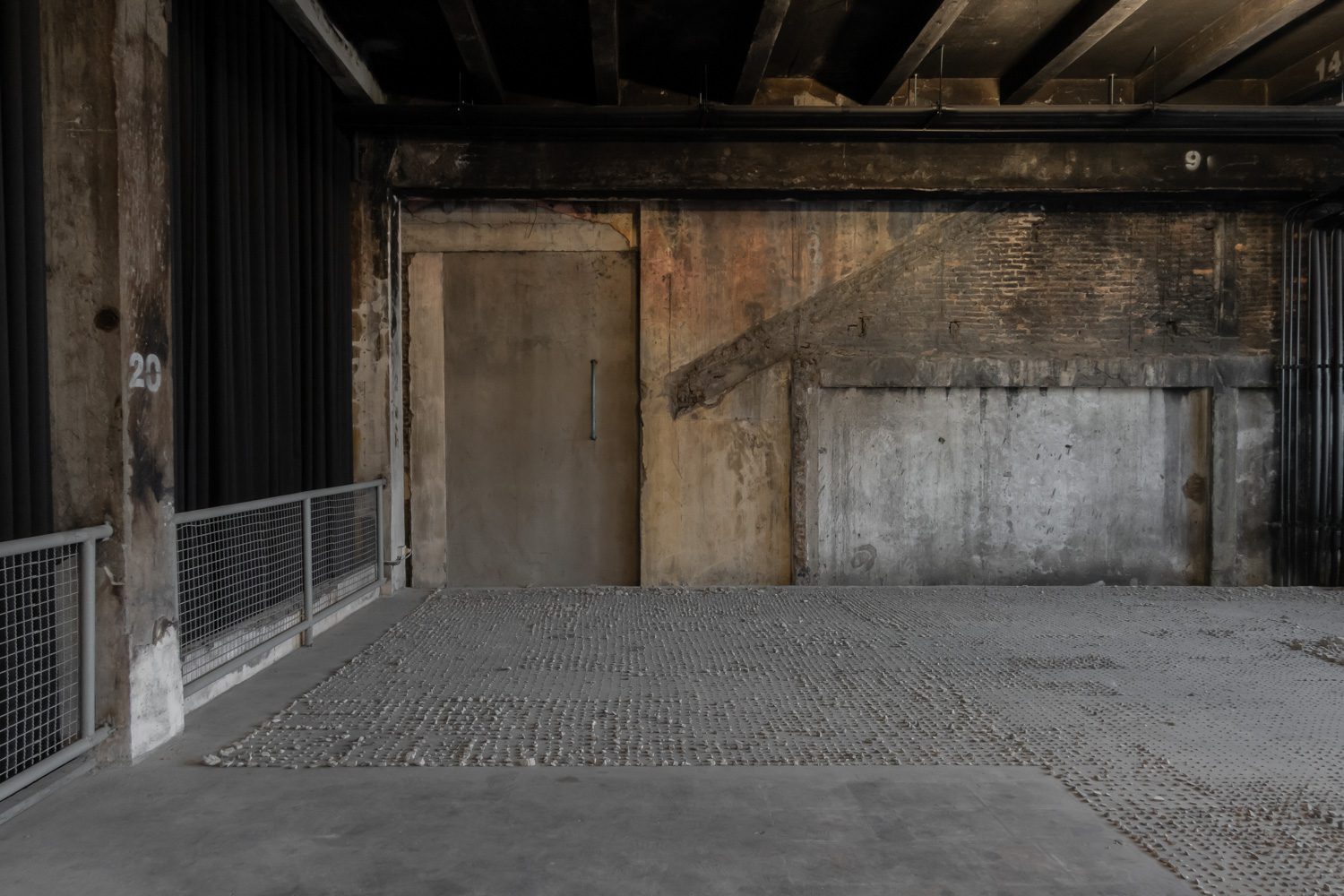
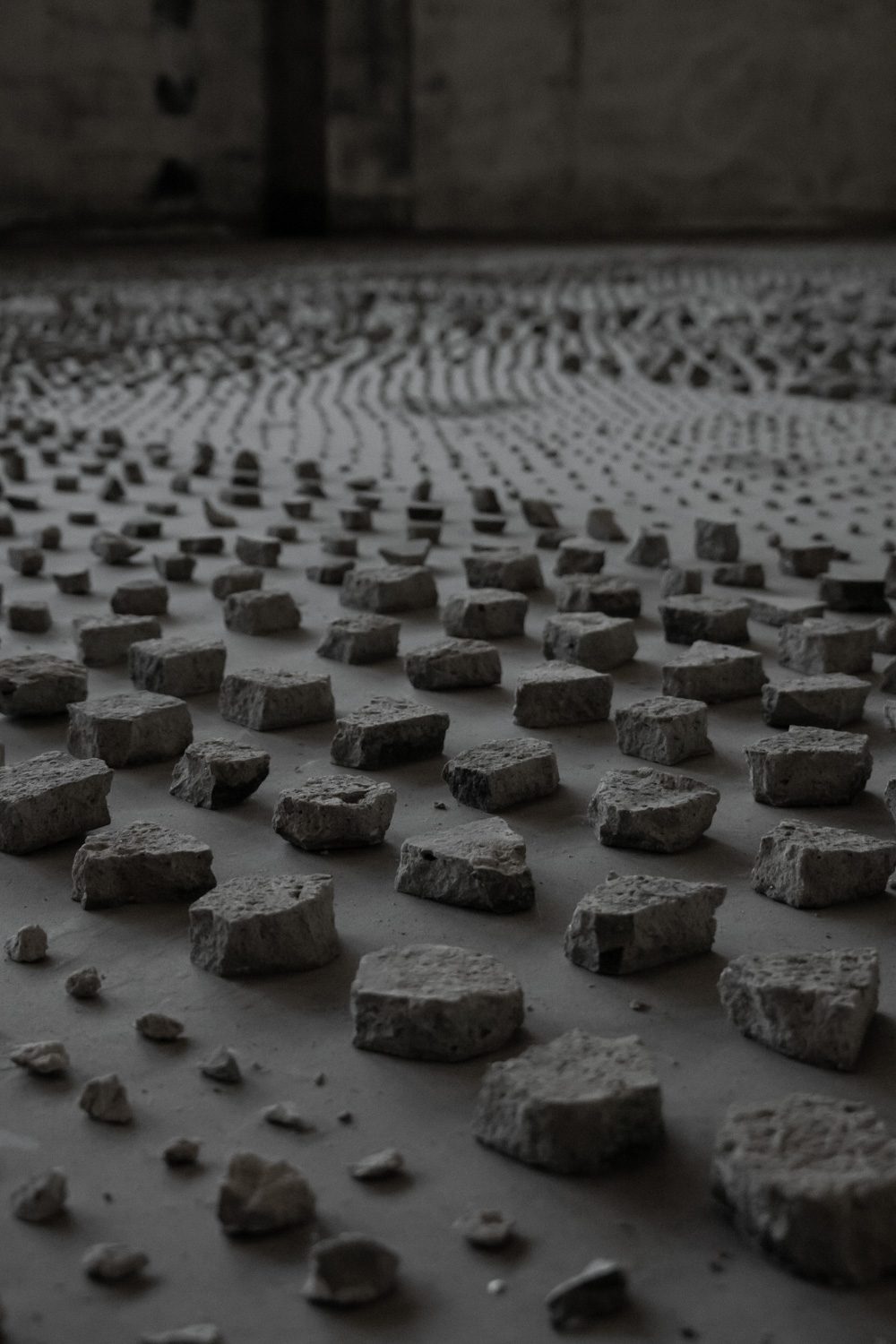
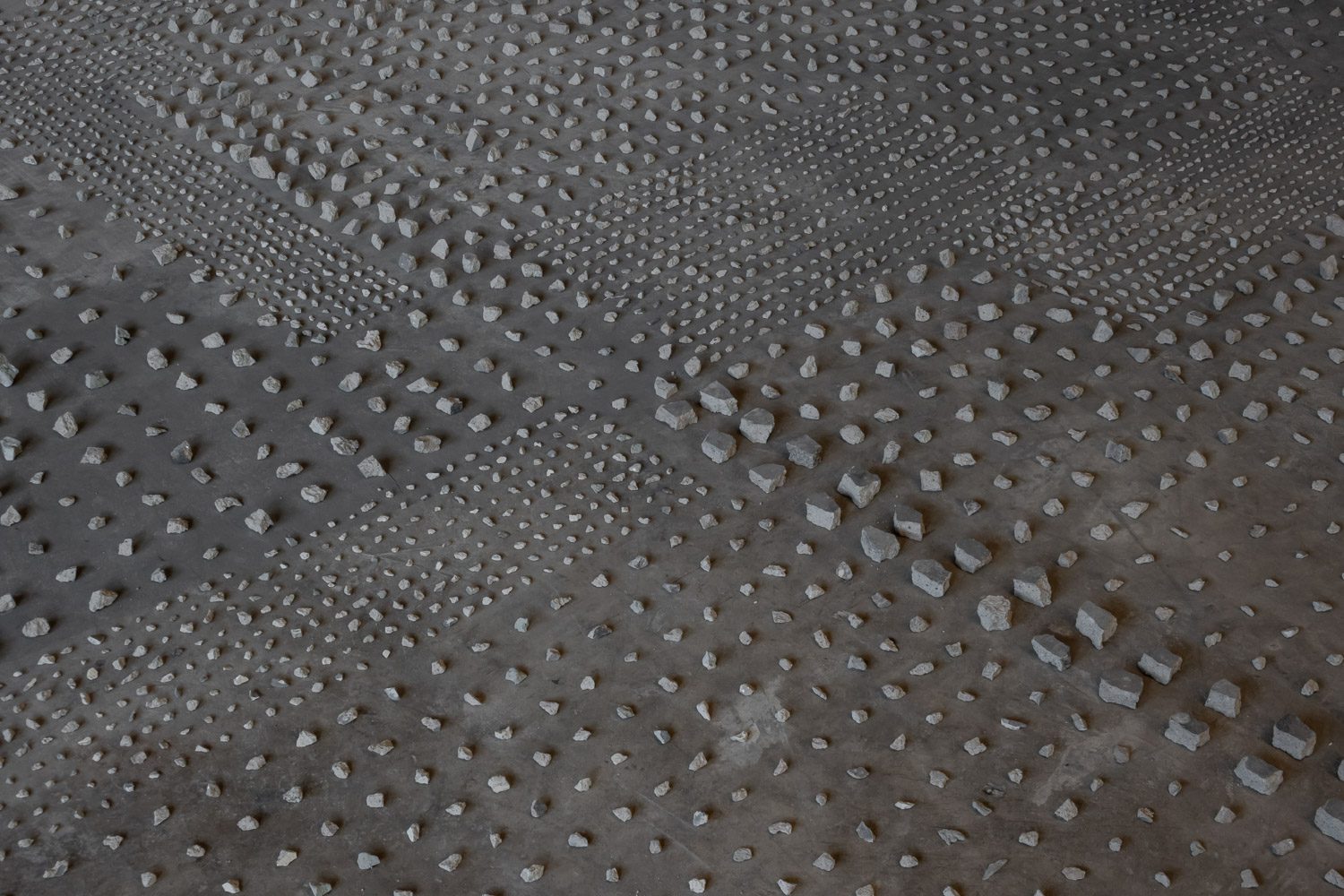
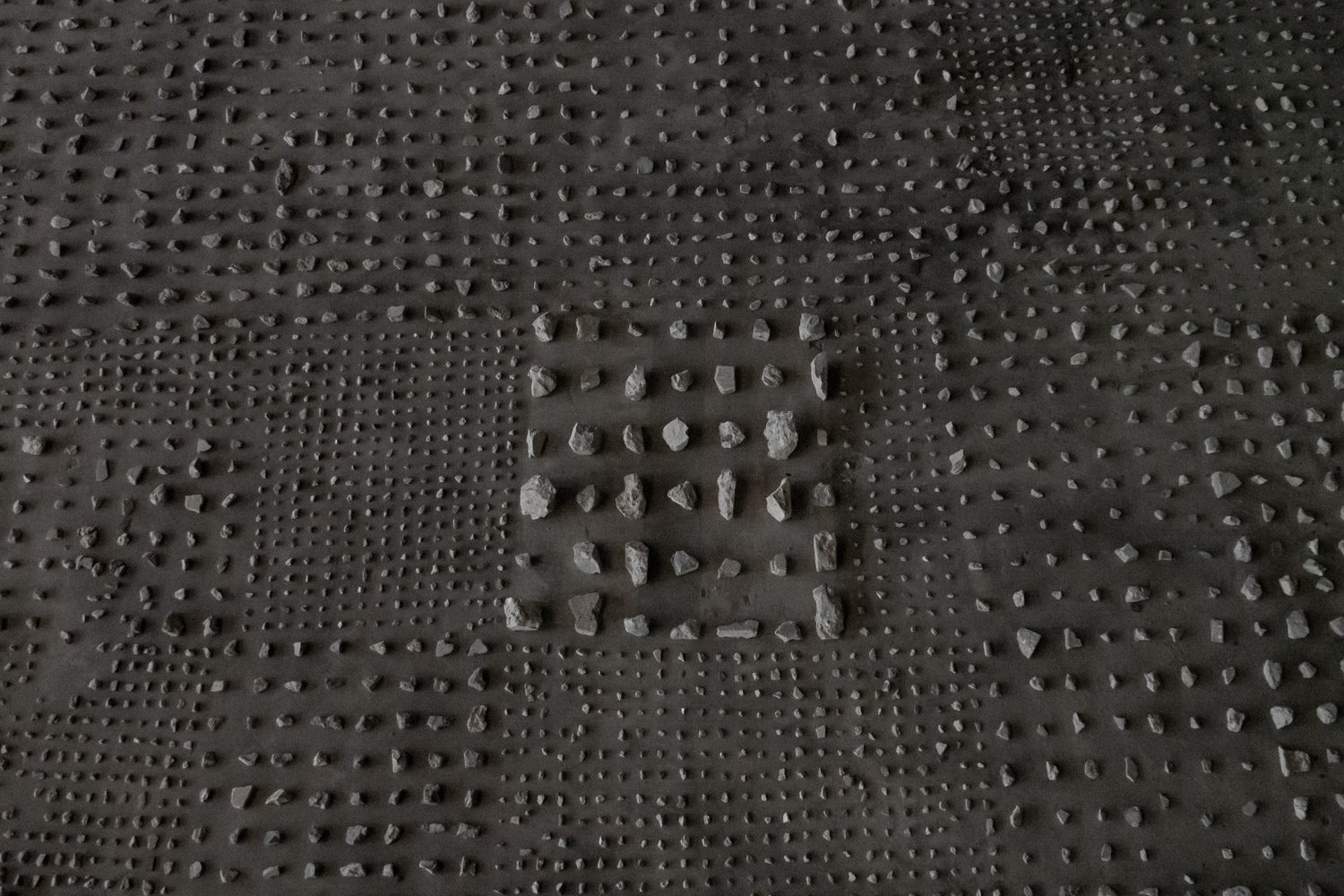
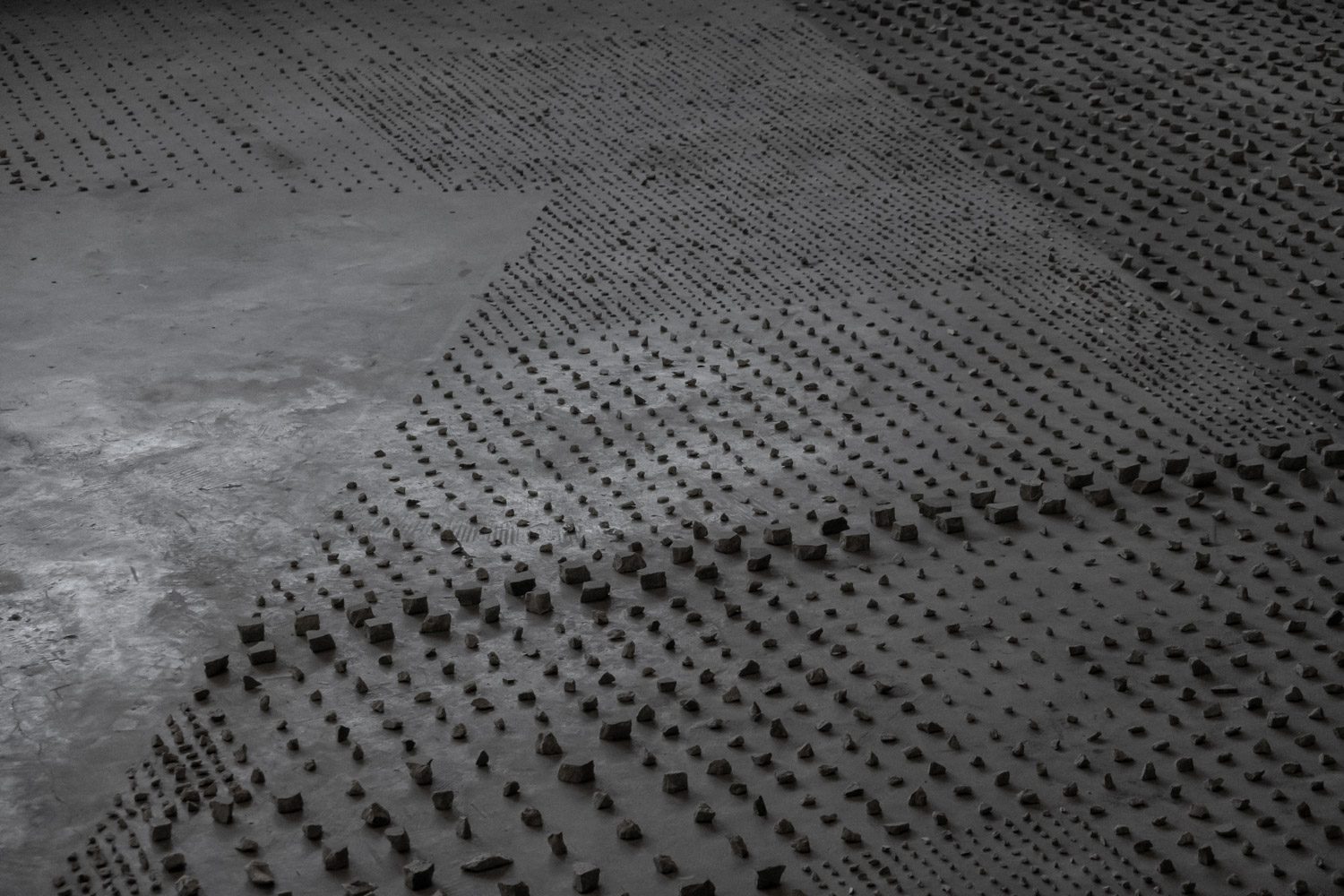
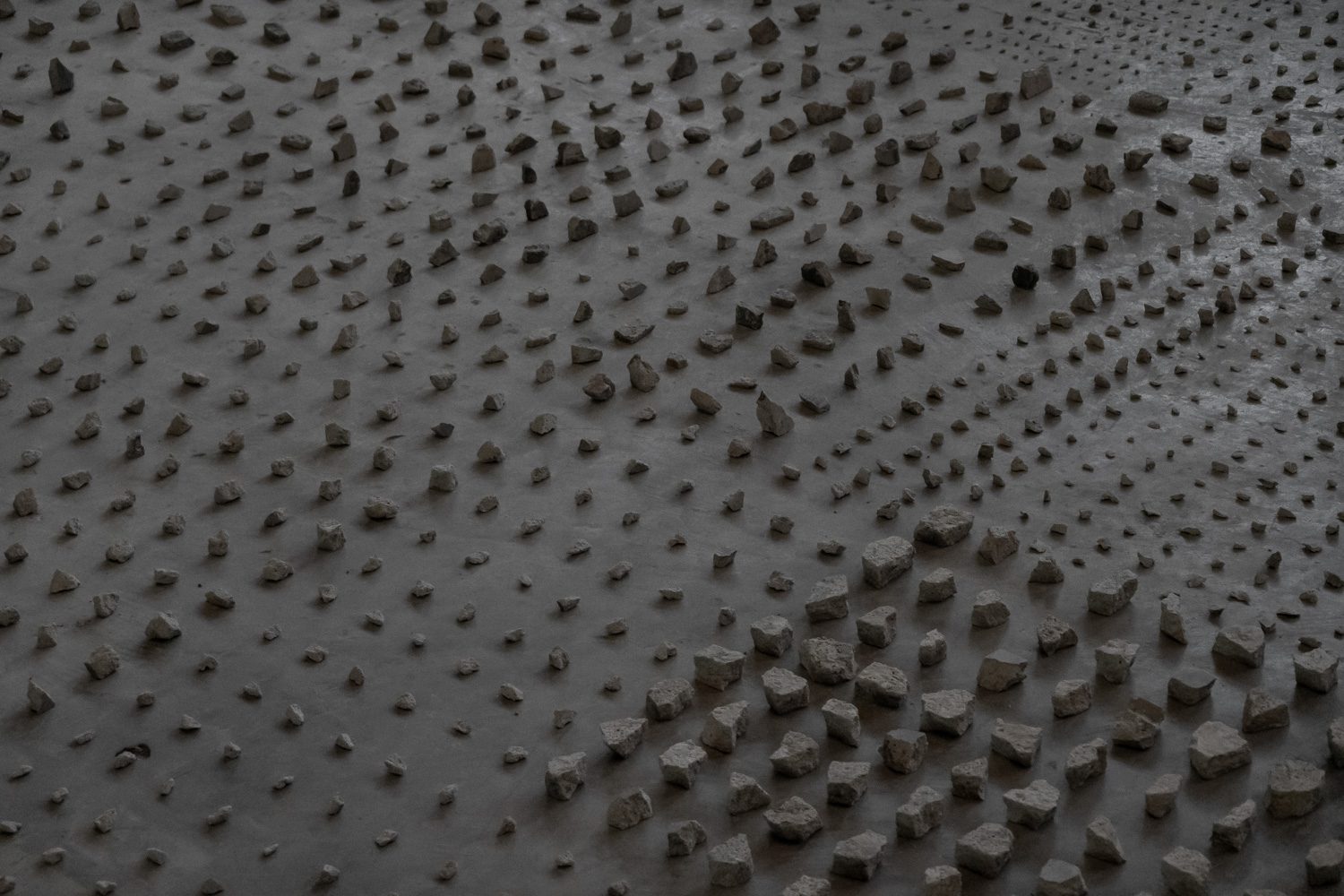
THE POETRY BY SIRIWAN SIMINGAM AND NALATTAPHORN NANTA WAS FORMED WITH THE REMNANTS, CAREFULLY LAID OUT ONCE AGAIN ACROSS THE FLOORS OF BANGKOK KUNSTHALLE BUILDING, WHERE THEY ONCE BELONGED
TEXT: PRAT TINRAT
PHOTO: KETSIREE WONGWAN
(For Thai, press here)
Amid the stillness of an exhibition hall laid bare by traces of history, Bangkok Kunsthalle invites viewers to descend into an extraordinary realm of memory through Poetics of Horizontality, an exhibition by Siriwan Simingam and Nalattaphorn Nanta. Here, one is prompted to ‘read’ the hidden stories inscribed across the horizontal planes of a former printing house, a site once devastated by a great fire. Rather than merely presenting the ‘ruins’ of overlooked building materials, the artists recompose them into a rhythmic arrangement, like a wordless poem rich in meaning; a quiet verse echoing the past and inviting new interpretations within the gallery’s present.
Ruins Reawakened
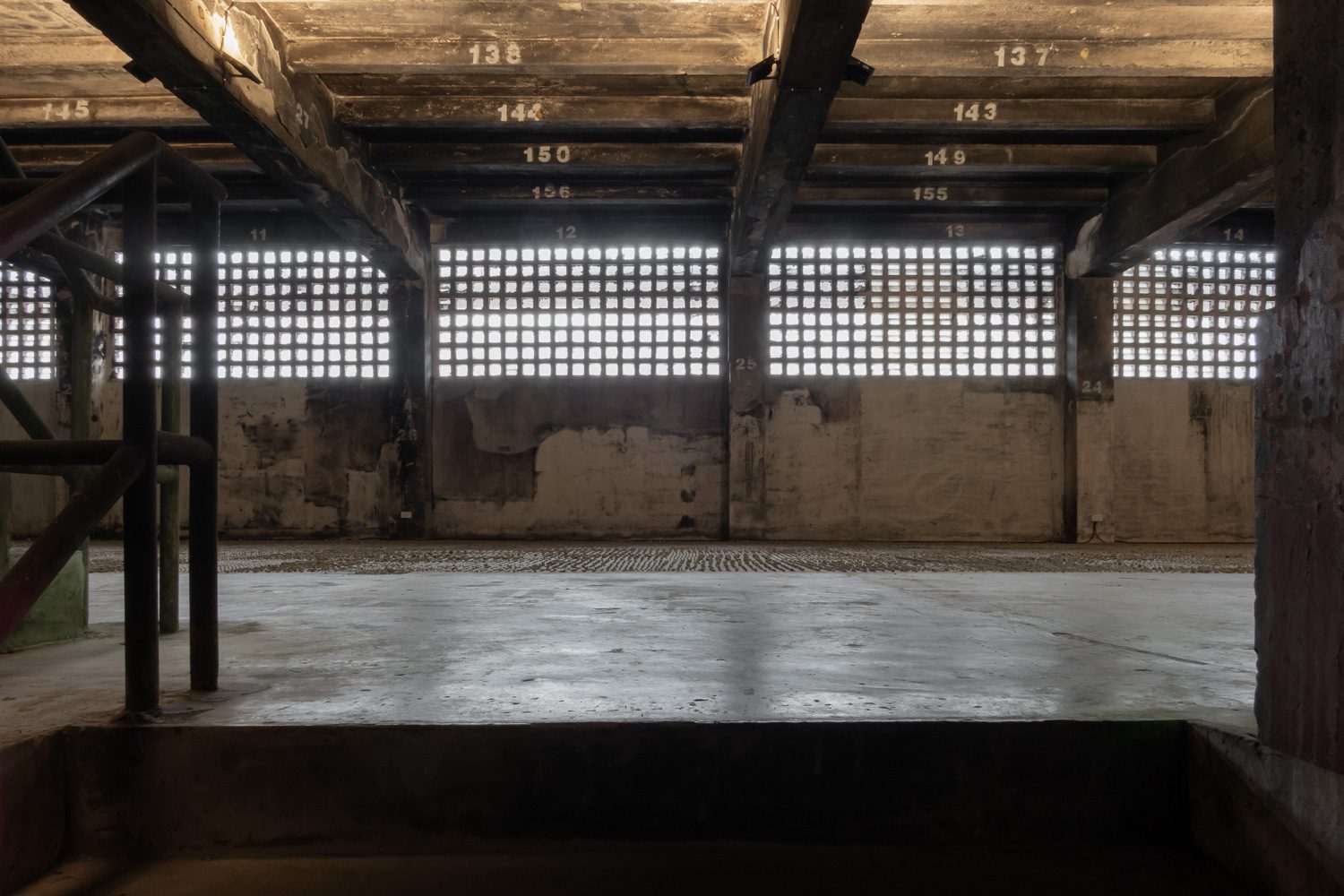
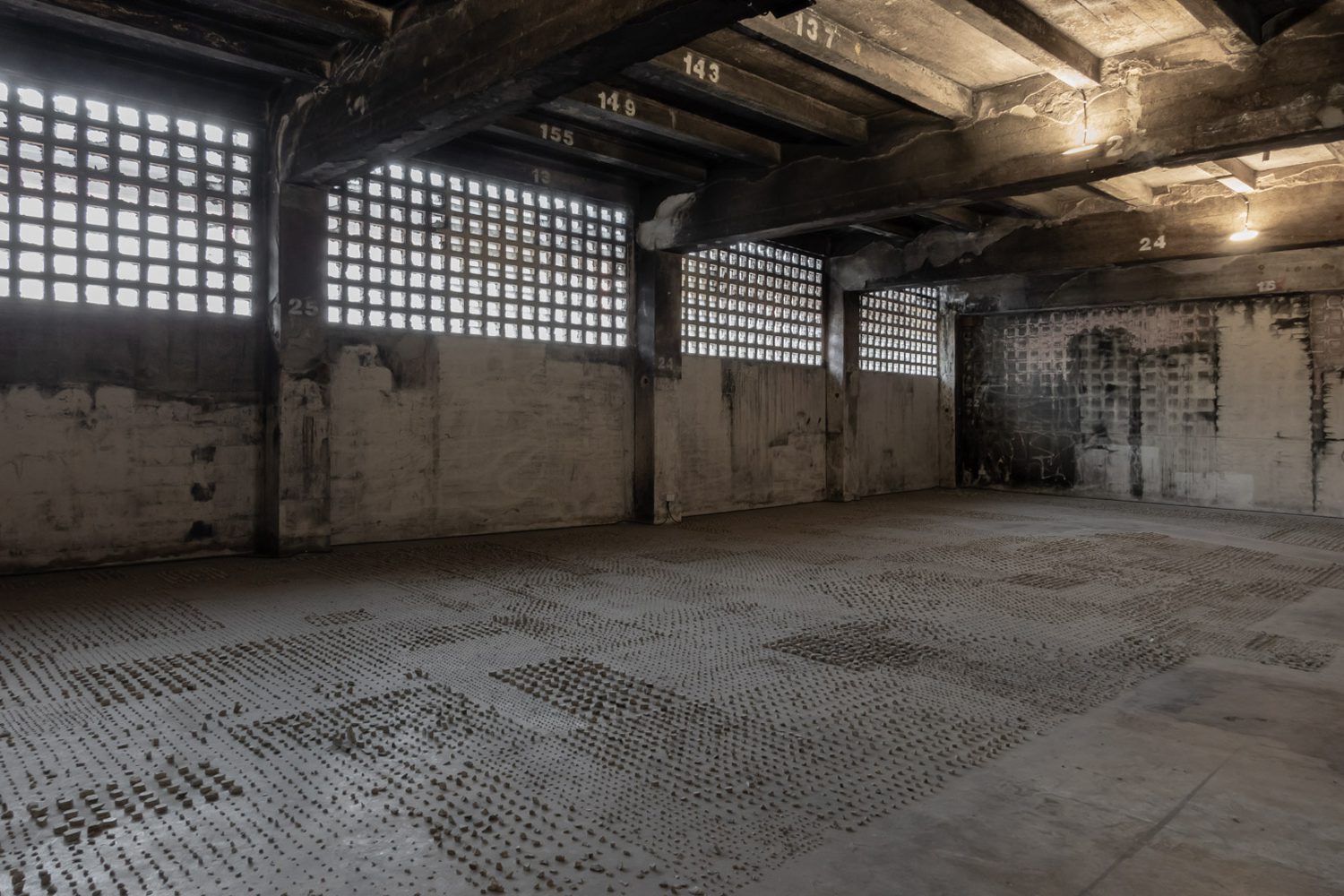
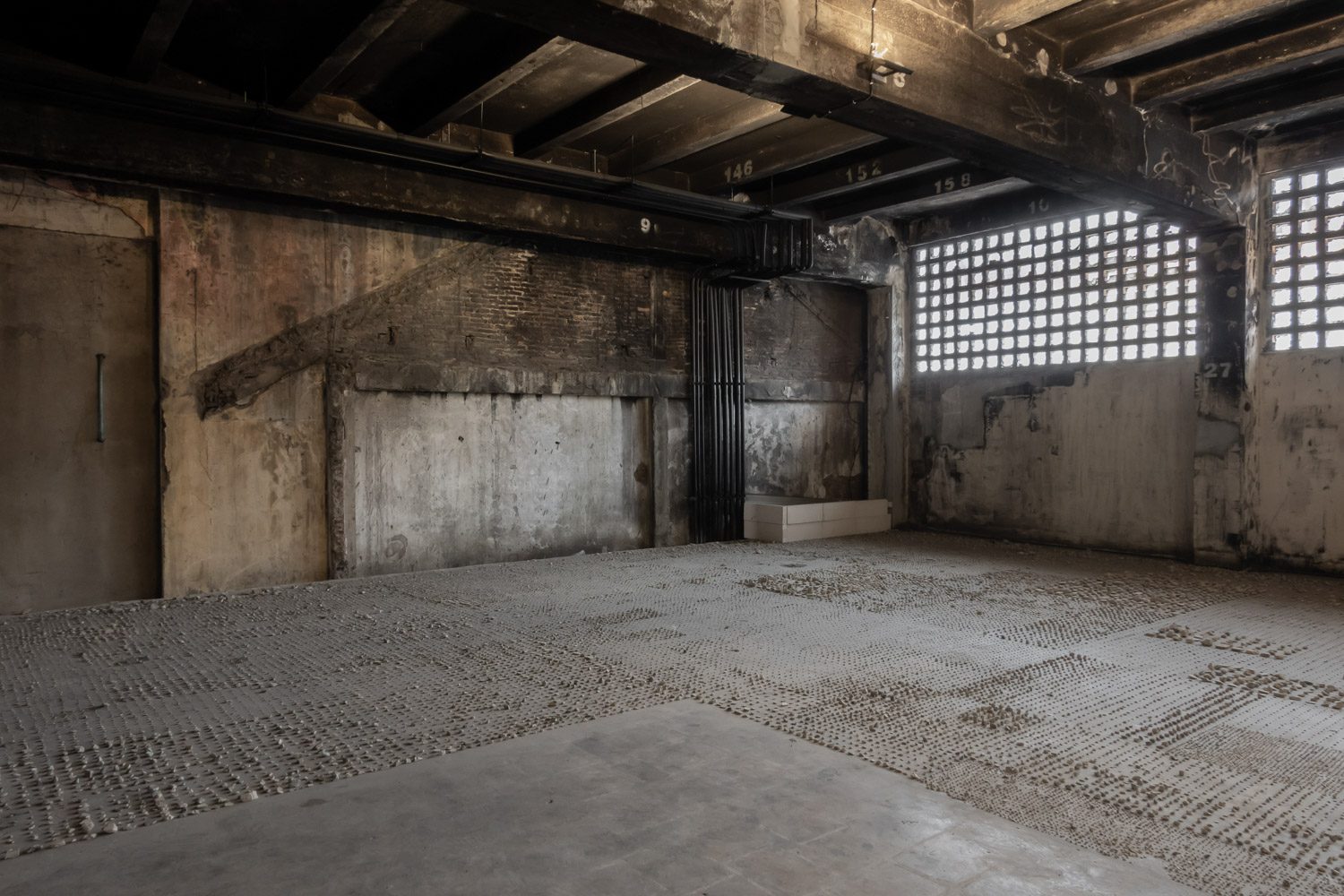
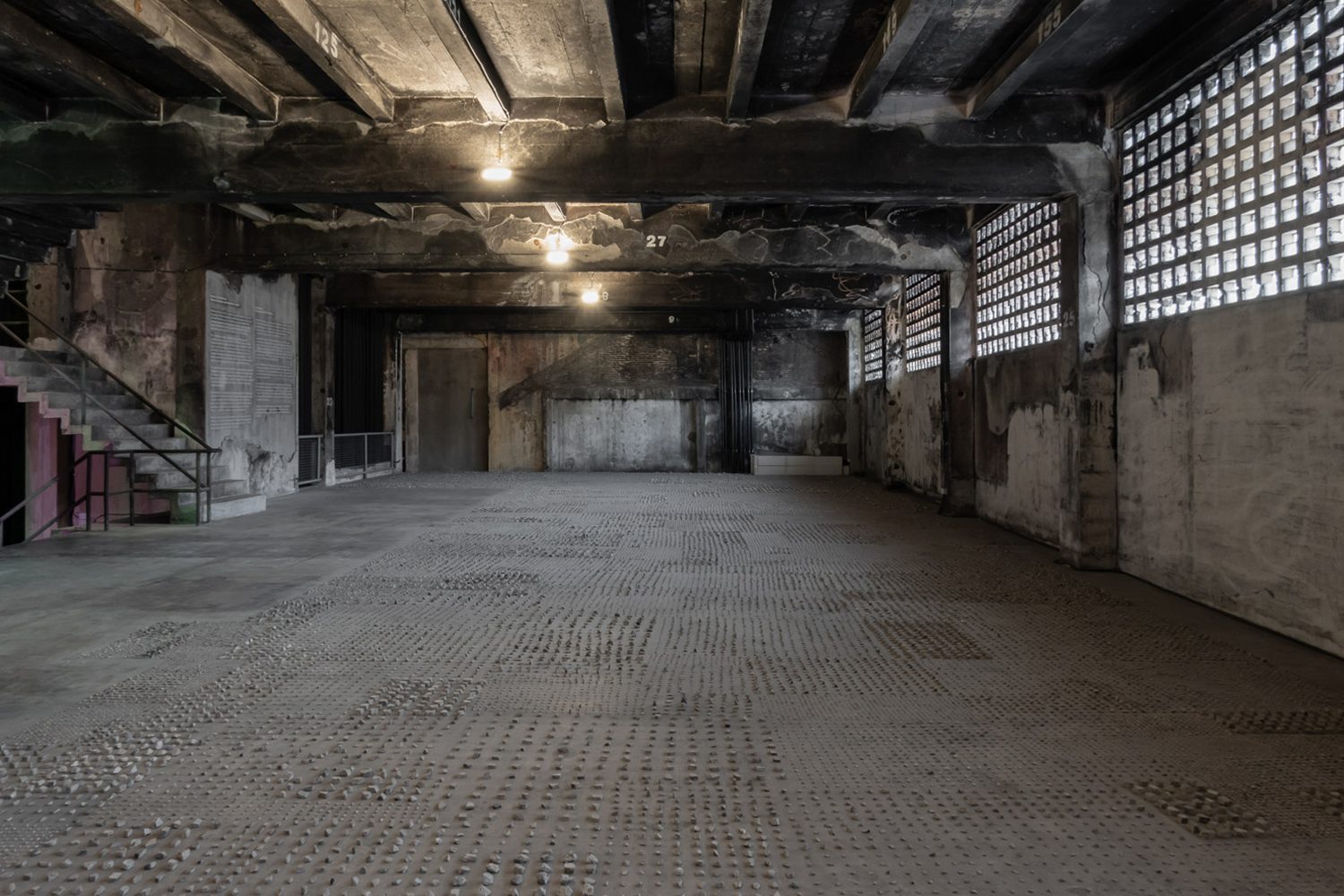
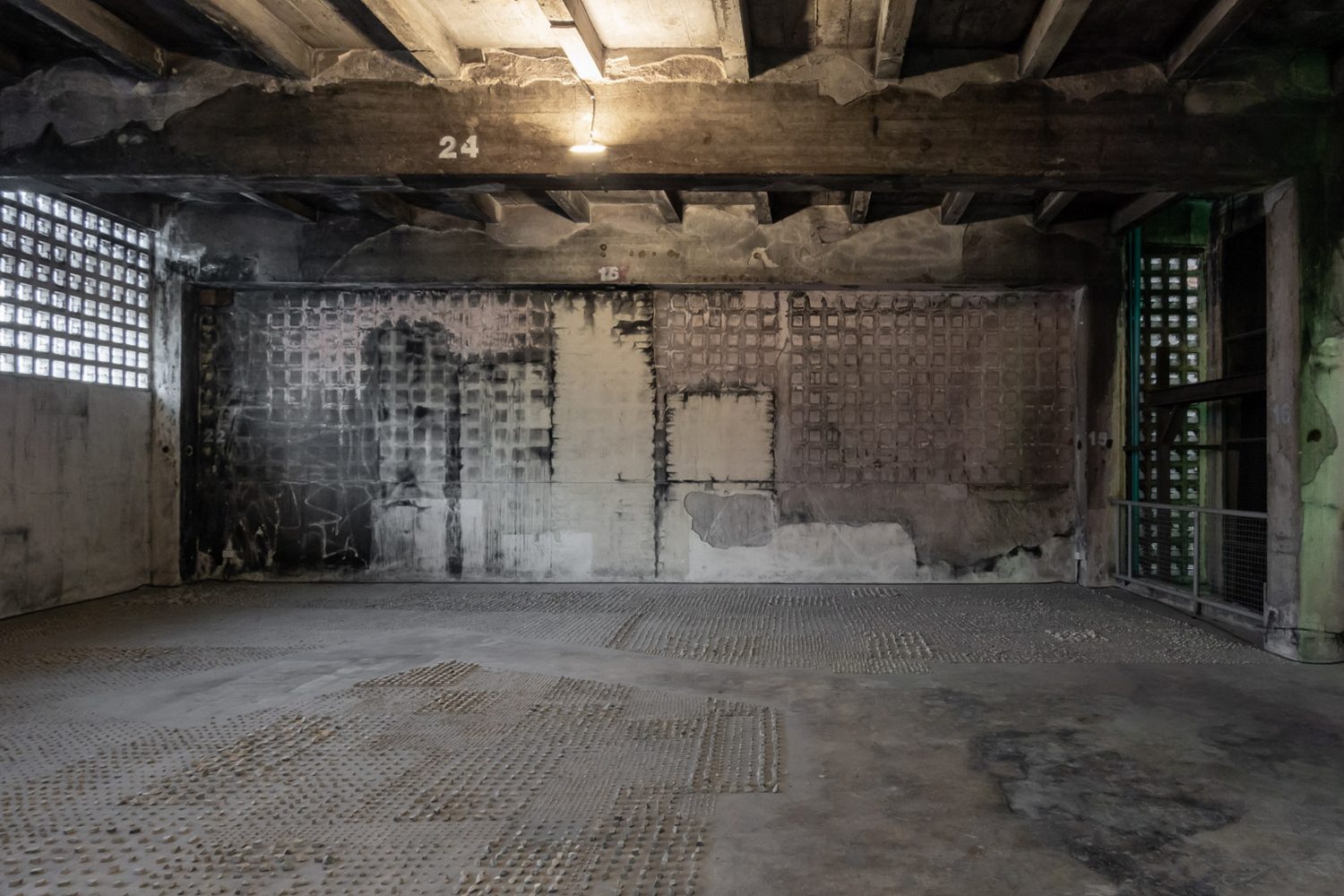
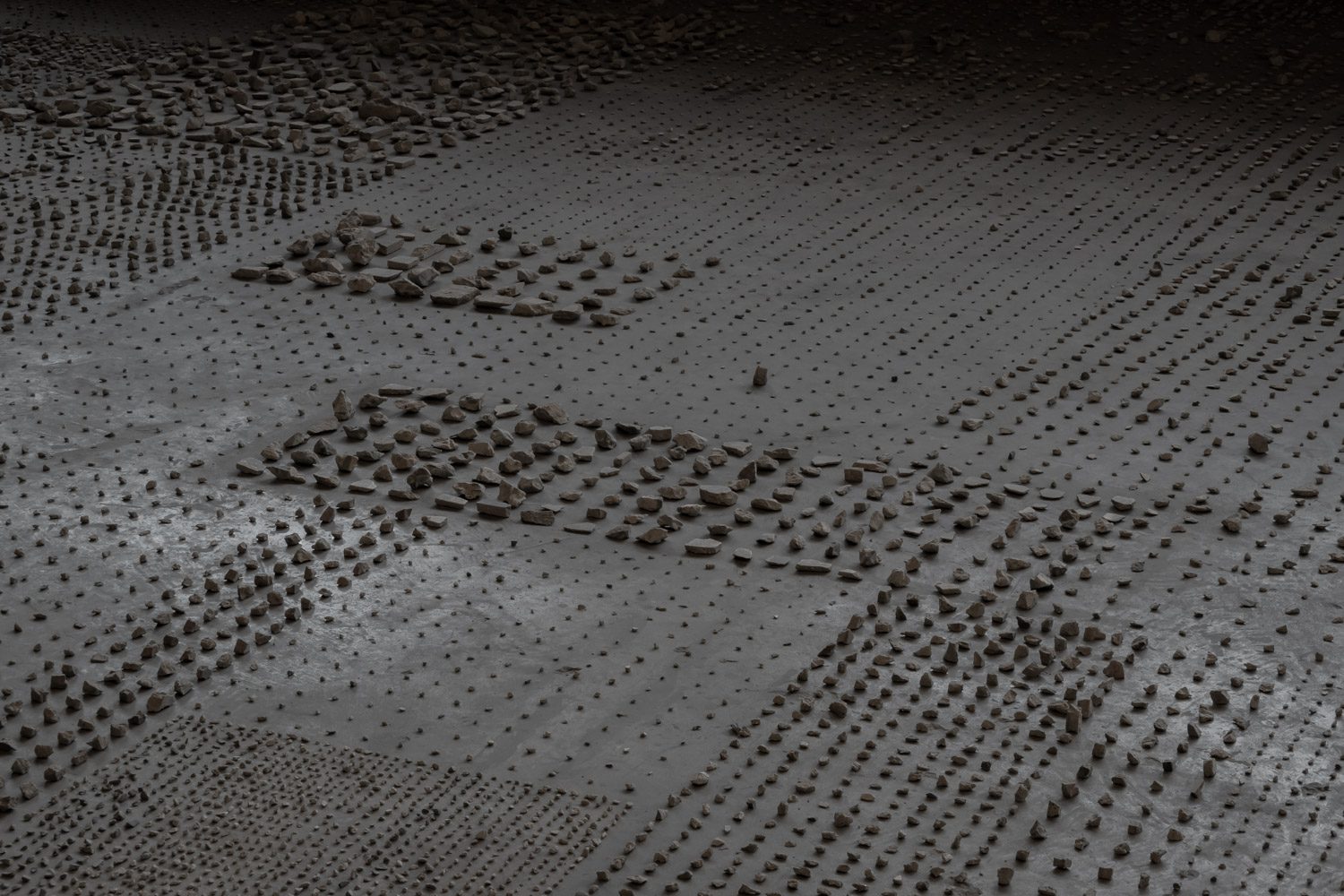
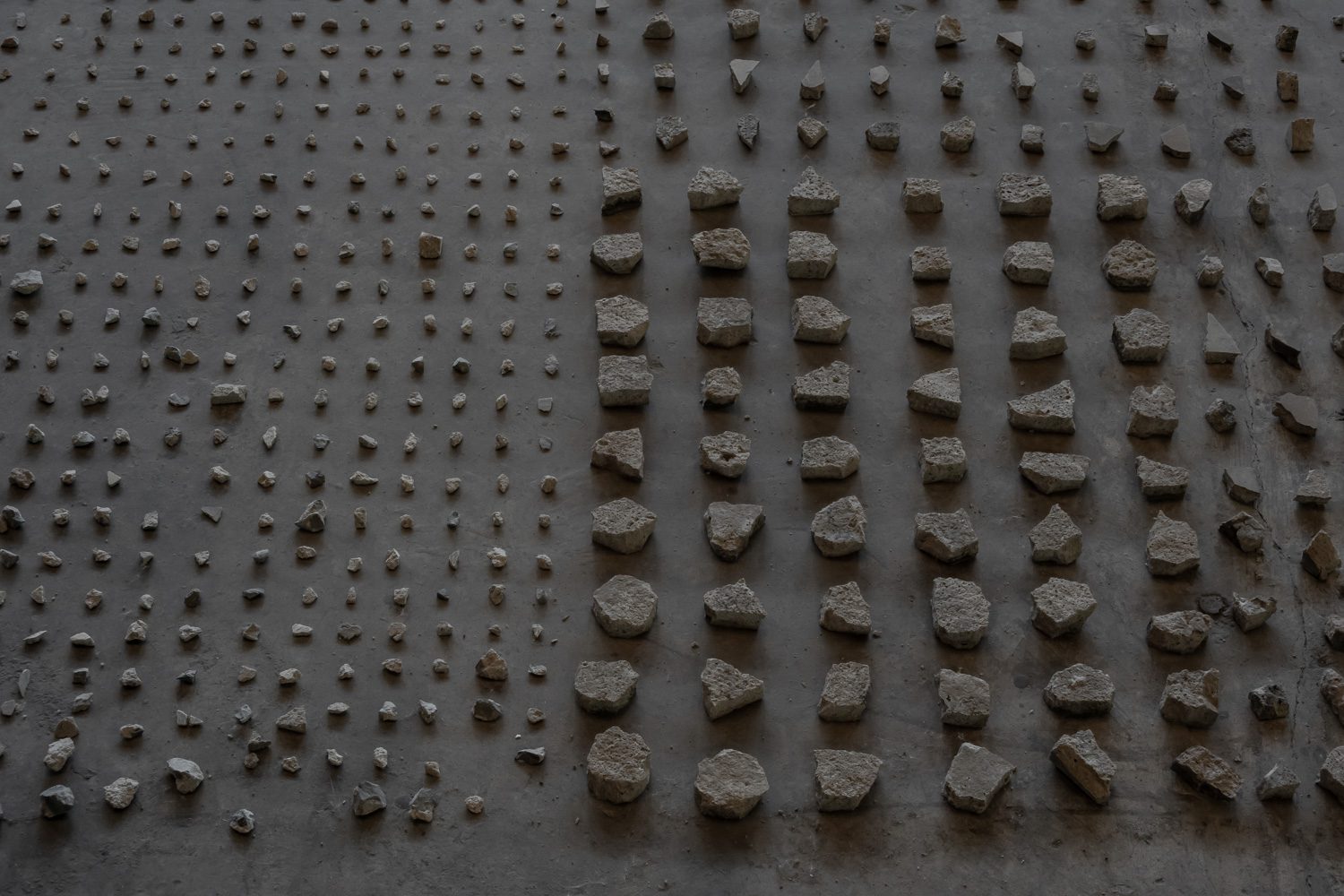
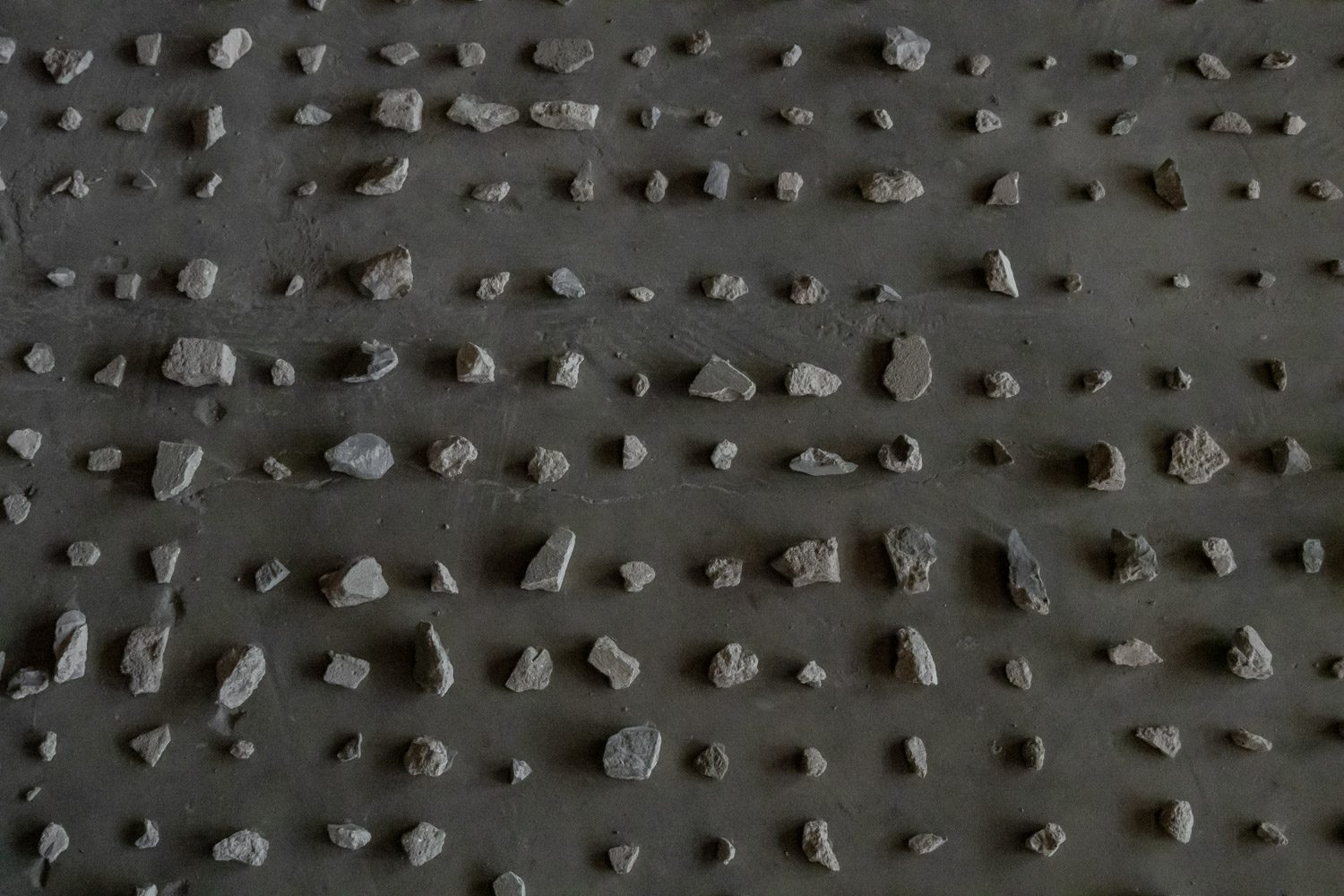
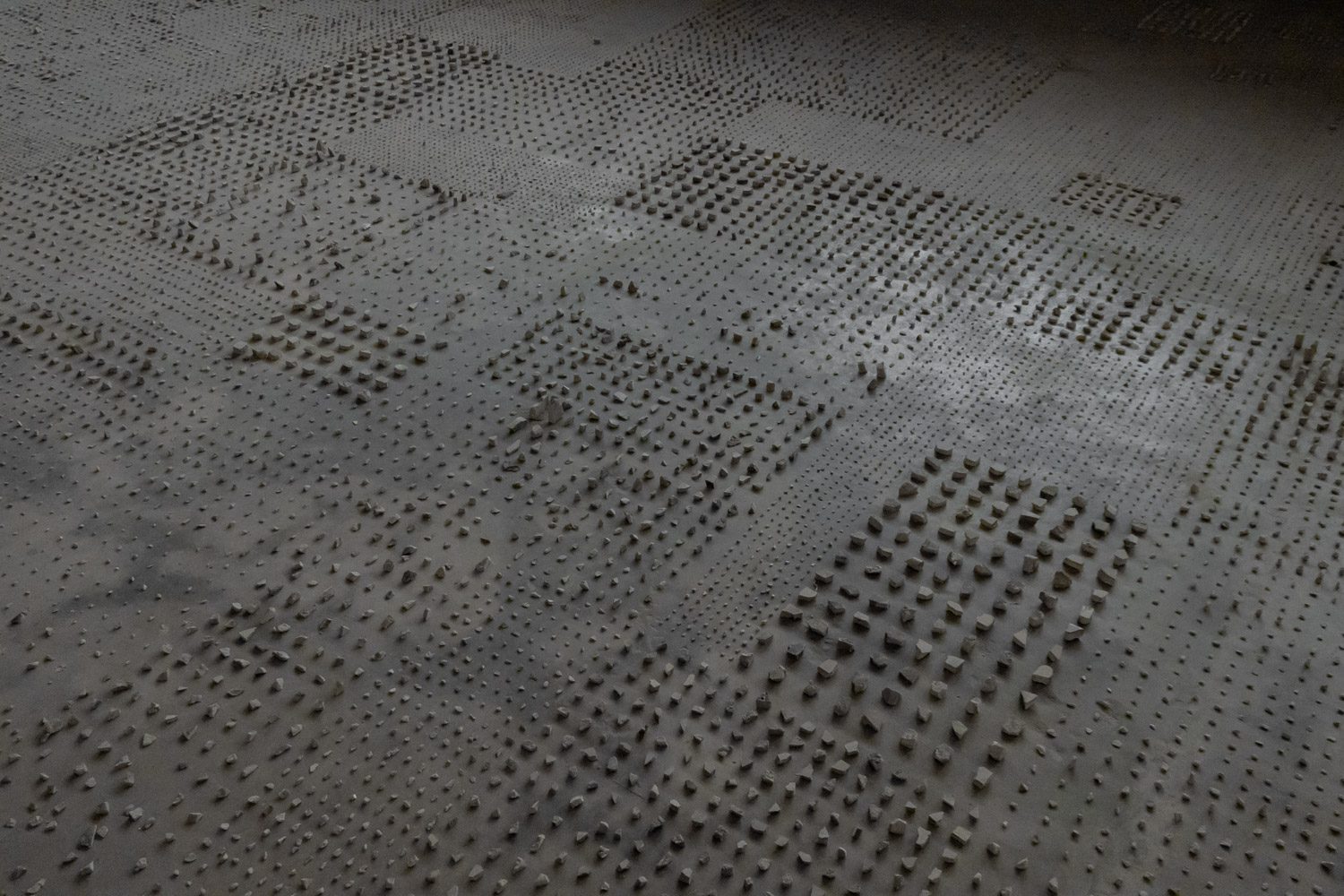
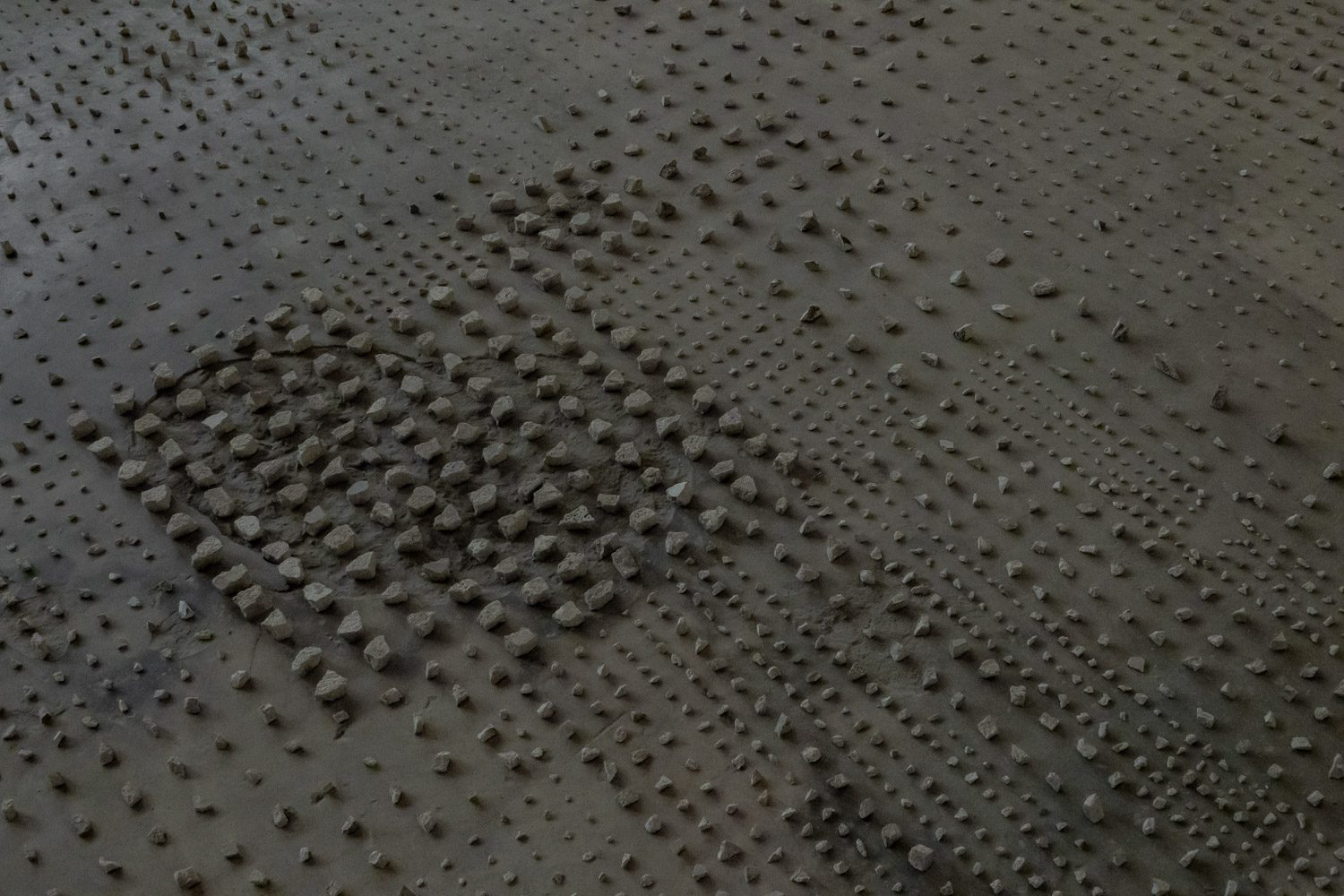
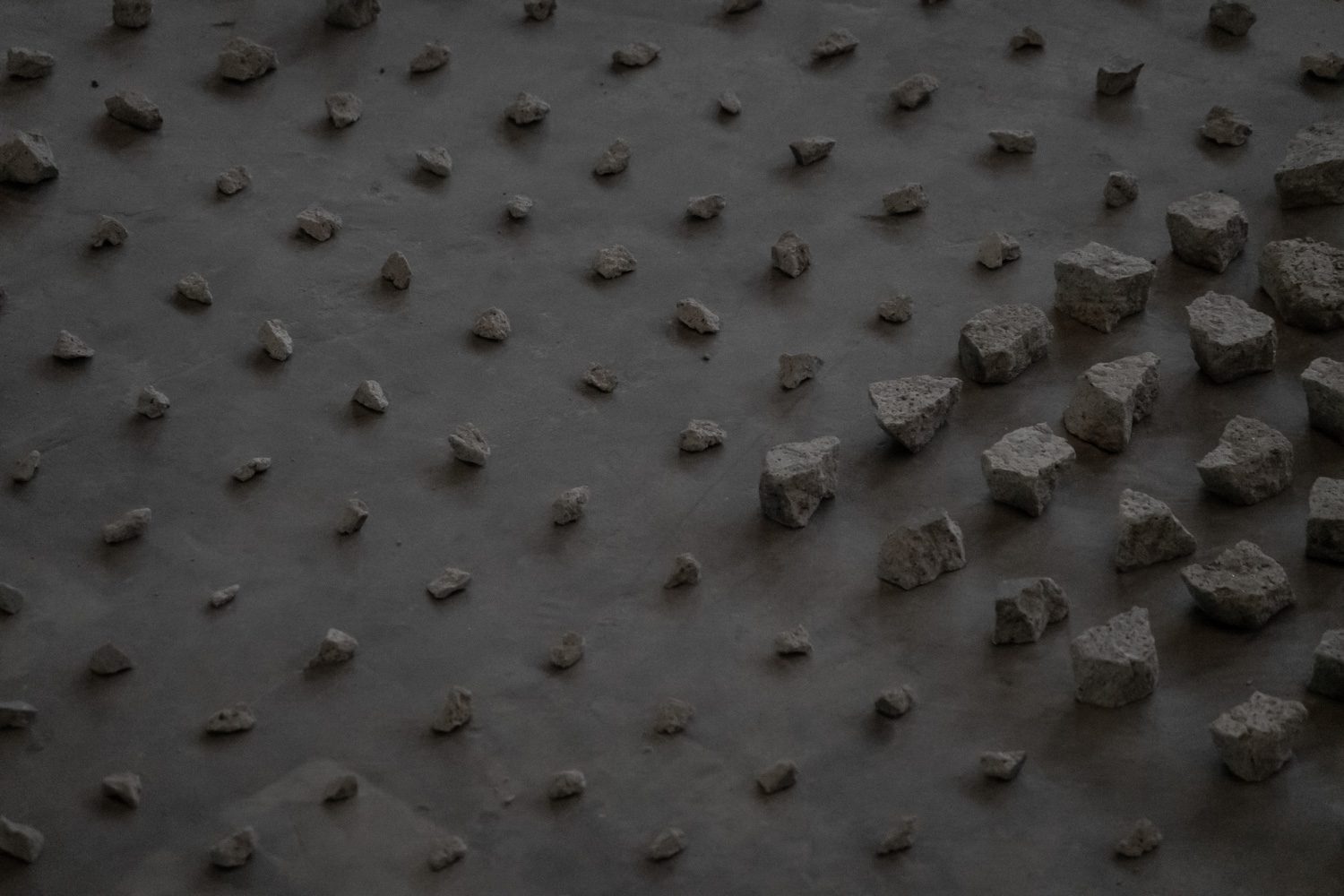
At the heart of the exhibition, the two artists gather fragments of brick, stone, soil, and cement; materials that once formed the very fabric of the building. These remnants are carefully laid out once again across the floors of Bangkok Kunsthalle Building, where they once belonged, intentionally aligned with the building’s original framework. Each piece is placed with sensitivity to the architectural logic: the structural lines of the beams and the upper floor above, the perforated concrete block walls, and the planes of the floors and walls. These architectural cues become new points of reference, guiding the arrangement of broken, decayed, and scattered materials. In doing so, the artists gently remind us that these objects were once an integral part of the very structure that still surrounds them.
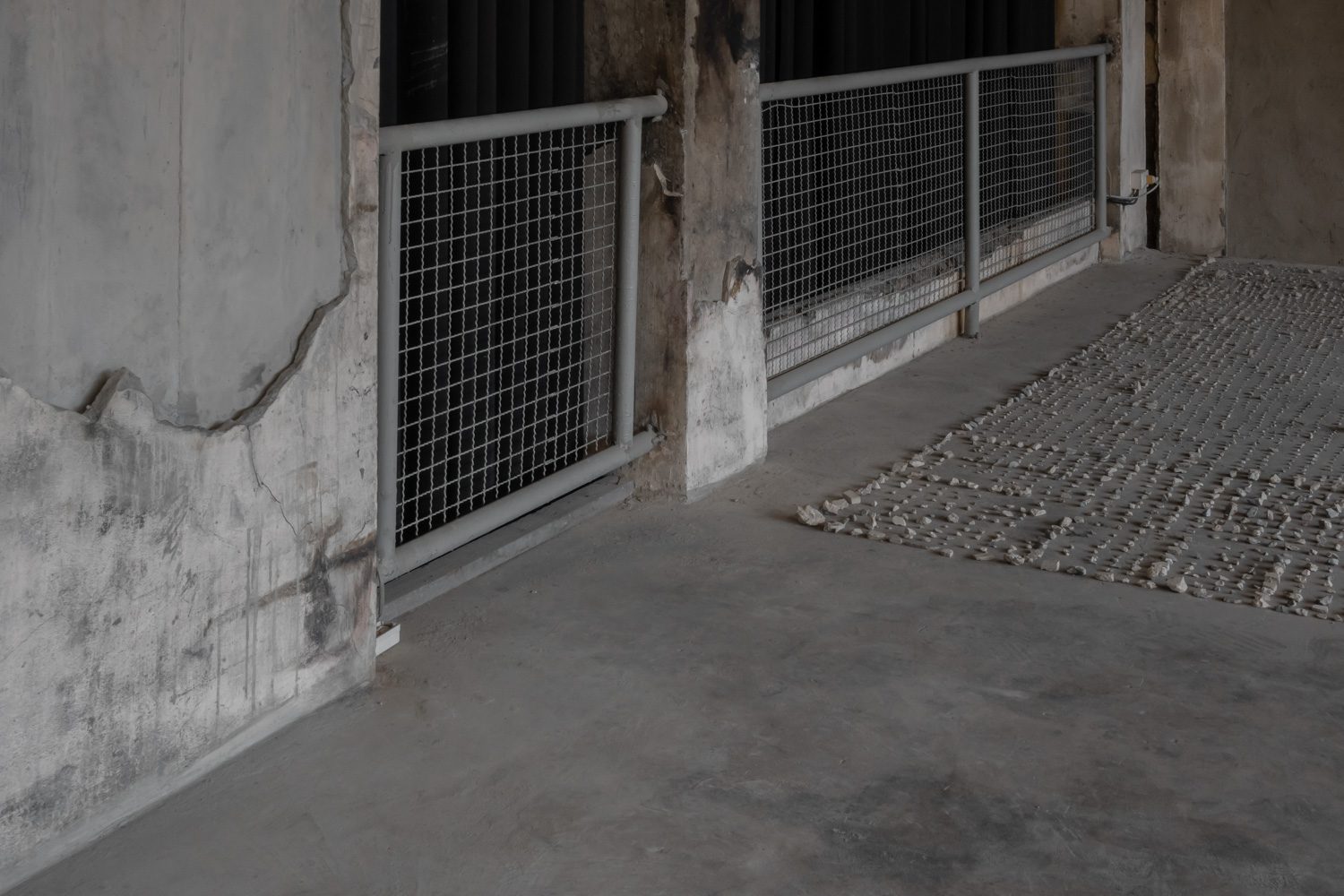
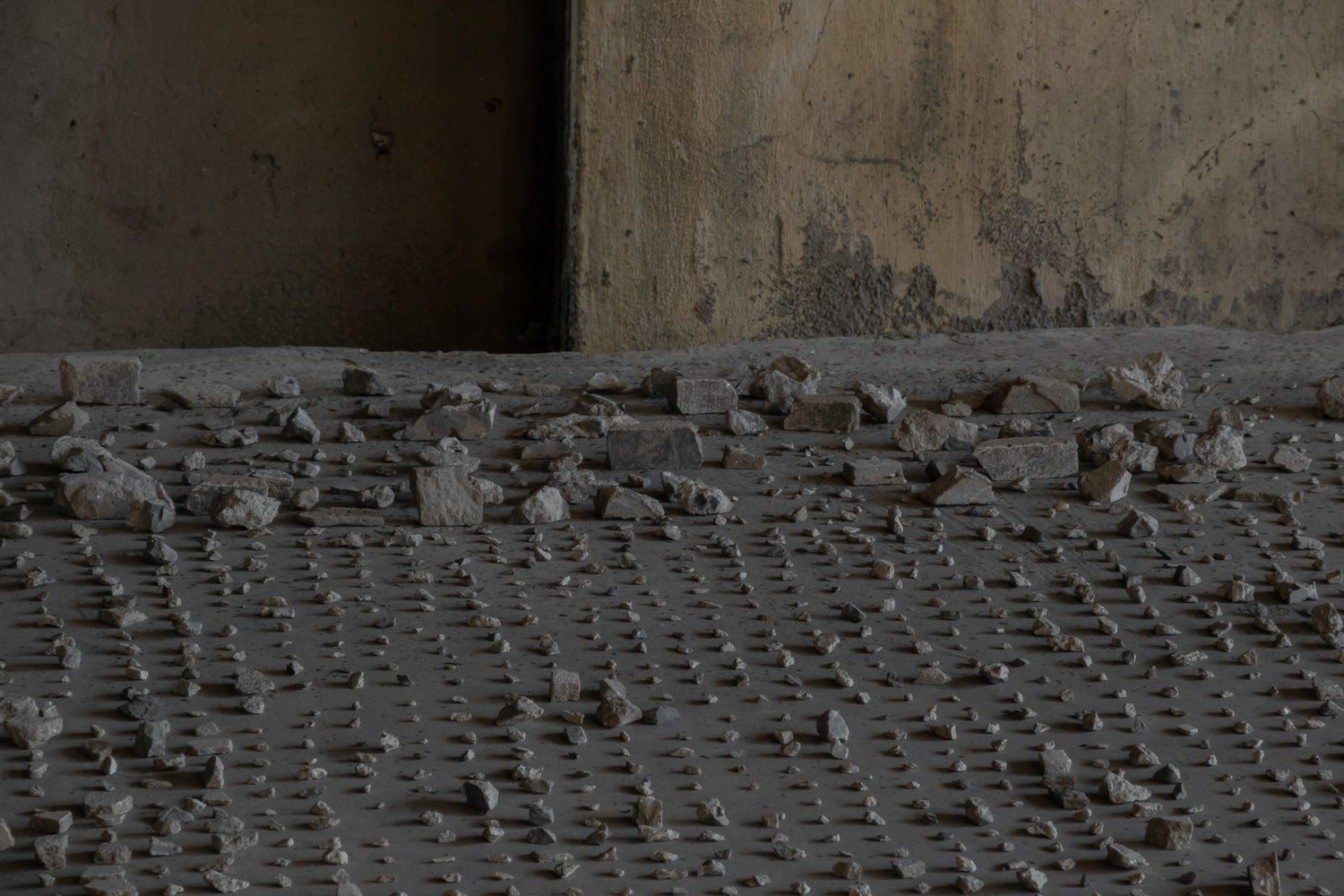
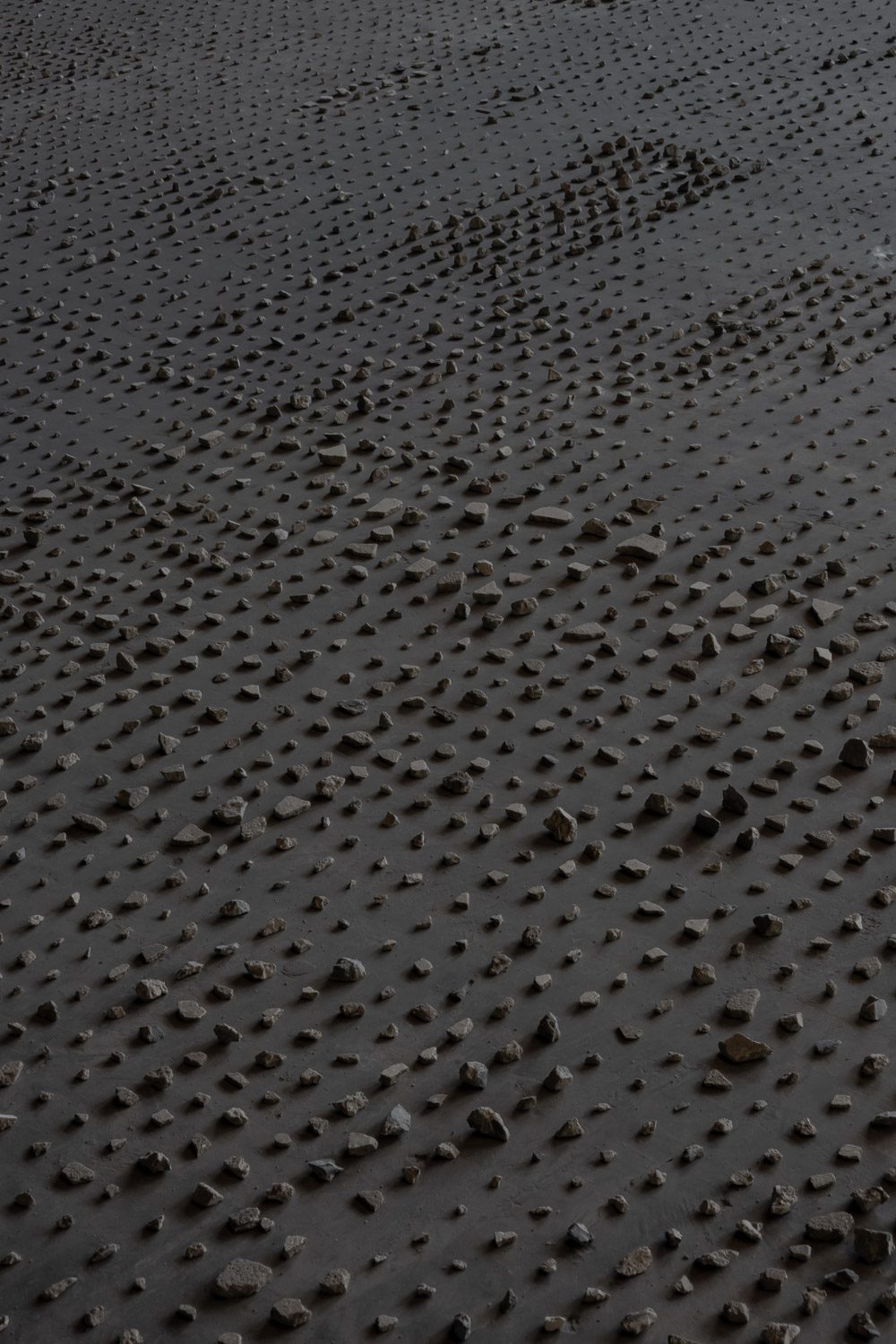
In this process, the artists present a structure akin to poetry, where objects serve as words and the grid system functions as a kind of prosody. Together, they form a new language that communicates directly with viewers without the need for words. The artists’ approach resembles the act of composing lines of verse, allowing the building’s fire-scarred, timeworn history to speak for itself. Reframing the building’s remnants becomes a kind of ritual, imbuing these objects with renewed meaning as viewers are invited to revisit the past. Once purely functional elements of the building’s structure, these materials are now transformed into a poetic language that evokes memory and reflection with quiet reverence.
Beyond questions of language and meaning, the act of assembling these fragments within the exhibition can be seen as a kind of contemporary archaeological practice, in the sense of conserving and reviving objects through the lens of time and history. It underscores the impermanence of things, reminding us that even as physical materials and places decay, they still hold the potential to be reborn and to tell stories anew.
A Wordless Poem: Reading with the Body and the Senses
The exhibition invites viewers to engage in an open-ended process of interpretation, one that unfolds without explanatory texts or guided instruction. Set against the exposed backdrop of the building’s architecture, Poetics of Horizontality cultivates a form of ‘reading’ that requires more than the eyes. It fosters relationships, between art and space, between what remains and what once was, manifested on the silent surface of the architecture itself. This mute interface gives rise to a quiet dialogue, composed through the rhythm of lines, textures, scale, weight, and voids arranged in a meticulous order. It is a dialogue that must be sensed and felt through the body rather than deciphered through language. Viewers are encouraged to define their own relationship with the work. Some may walk around it, some may observe subtle changes in the space, like the formation of puddles after rainfall, or the faint tremors that affect the materials. These materials are not fixed in place with adhesives or anchors, but intentionally left unattached. In this way, the exhibition opens itself up, giving each viewer the space to generate personal meaning and connection through their own embodied experience.
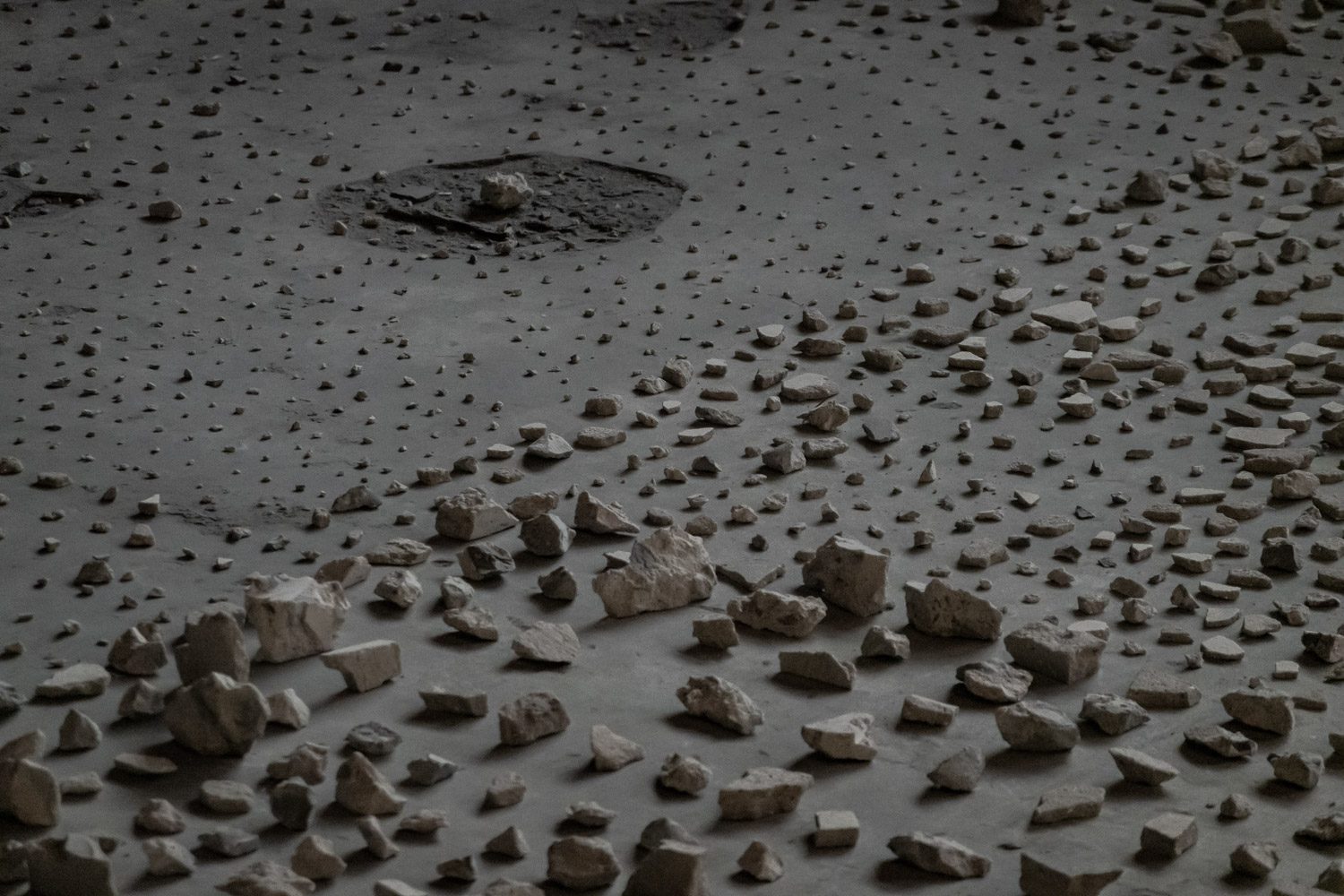
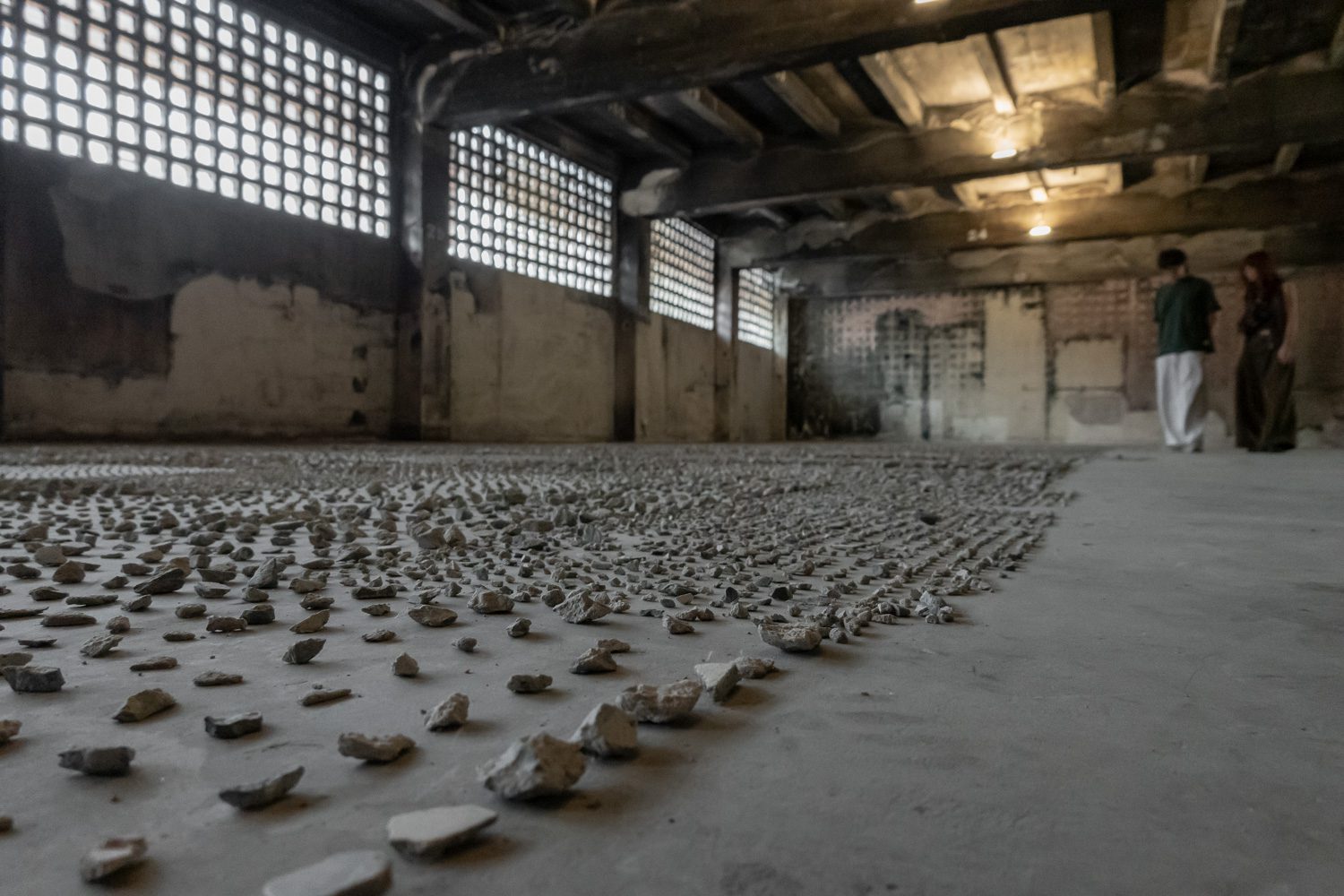
At the same time, the blurred boundary between the ‘exhibition space’ and the ‘viewer’s space’ challenges the boundary of power between being a passive onlooker and an active participant. It raises questions such as: How close should we get? Are we intruding upon something? Some may choose to simply observe from a distance, while others may cautiously skirt the edges, or for a moment, feel the urge to prod, to touch, or even to sweep the stones aside. In this context, the installation is not ‘protected’ by the typical curatorial structures or gallery rituals. Instead, it grants viewers the freedom to respond to the space on their own terms. Here, the meaning of the work does not end with its arrangement. It continues through interpretation, unfolding into an ‘immersive’ experience that engages directly with the viewer’s behavior without the aid of any technology.
Adaptive Reuse: Changing the ‘Language’ of Architecture
As a site-specific exhibition, ‘Poetics of Horizontality’ invites viewers to reflect once more on the history of Bangkok Kunsthalle. Once the site of the Thai Wattana Panich printing house, an industrial facility dedicated to the production of ‘language,’ the space has been transformed into a Kunsthalle, or ‘art hall’, where a new kind of language takes form, shaped by feeling, memory, and reflection. Beyond the objects on display, the exhibition encourages us to consider a deeper transformation—one that is not merely about repurposing function, but about a shift in the ‘very language of architecture’ itself. This transformation is framed within the concept of ‘adaptive reuse,’ reinterpreted here as a form of contemporary dialogue that continues to resonate in the present. In this context, the architecture does not remain a passive backdrop, but emerges as an active participant that has played a central role in past exhibitions such as ‘Nostalgia for Unity’ and ‘Like Nouns Slipping Into Verbs.’
The Silent Voice of an Art Hall, Echoing Toward the Future
In a contemporary art world saturated with technology, sound, color, and spectacle, Poetics of Horizontality offers a quiet retreat; a return to the bareness of space and the rawness of feeling. It is like walking through a poem without words, yet rich with meaning. When the exhibition comes to an end, what lingers may not be the image of the artworks themselves, but a feeling, a set of questions that prompt reflection on the impermanence of the past and the potential for renewal. This is precisely what the exhibition invites us to sense, to inhabit, and to complete.
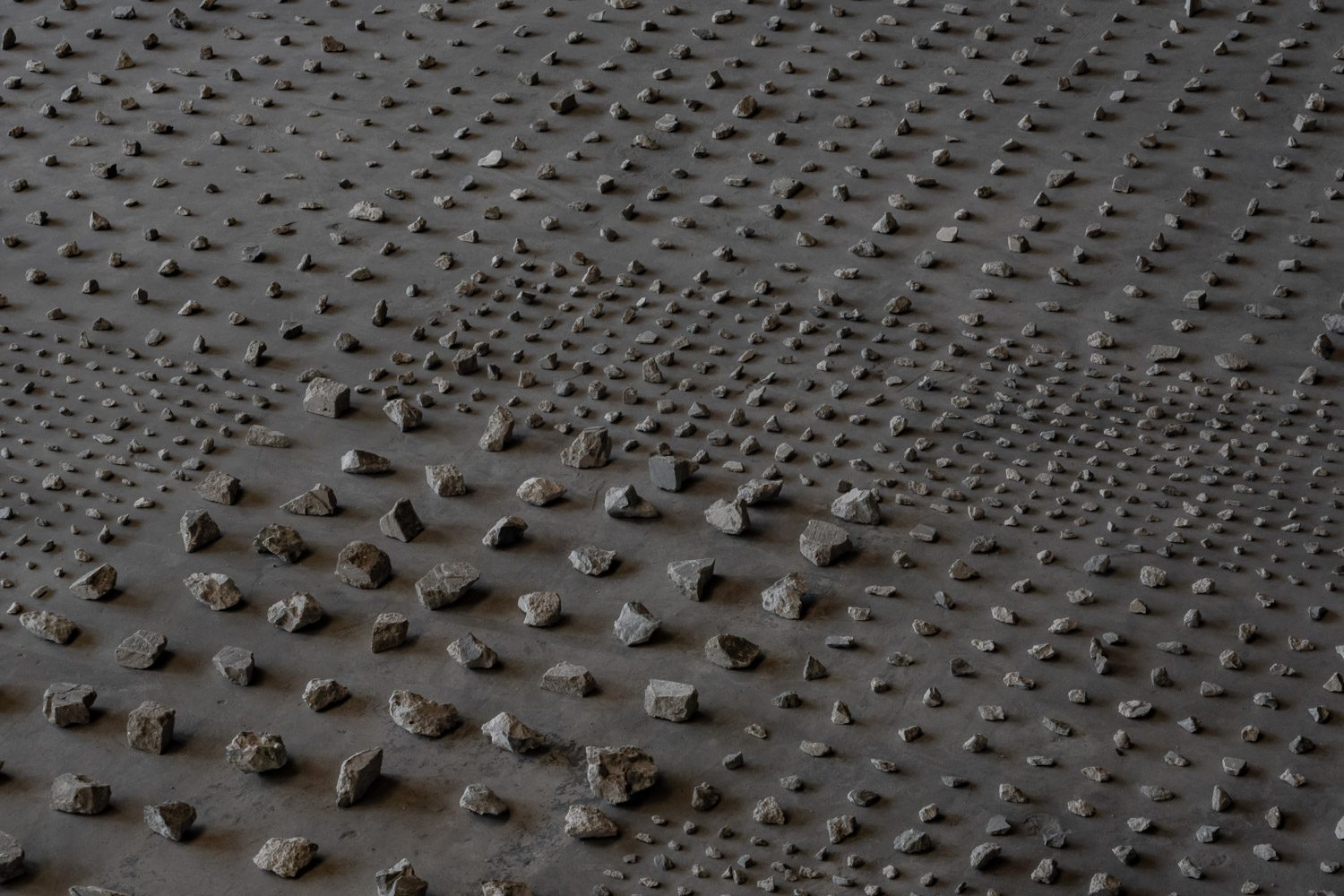
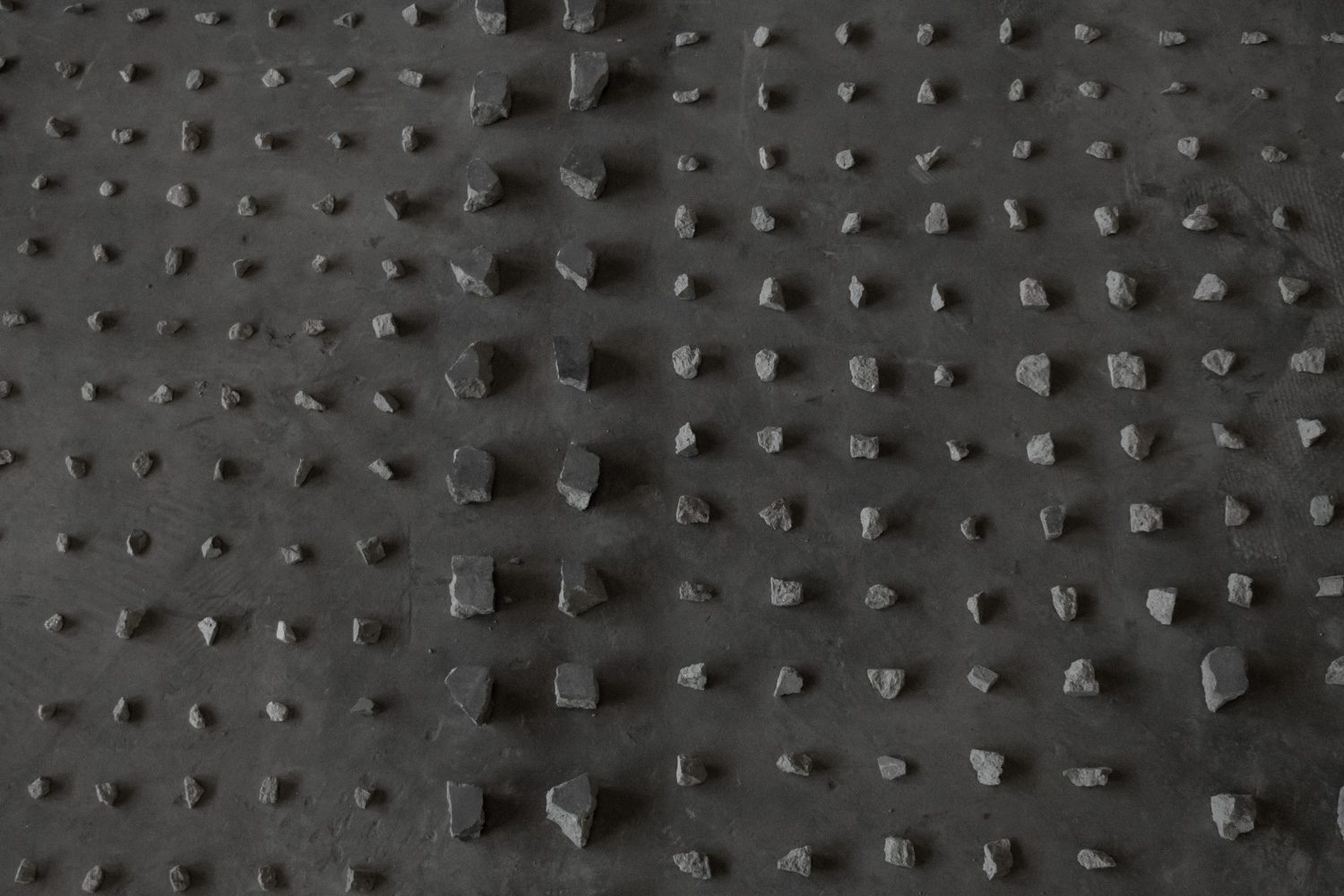
By laying bare the architecture and allowing it to actively participate in the artistic dialogue, ‘Poetics of Horizontality’ becomes a poem composed in silence, authored collectively by architecture and art, by gallery and artist. It opens a space for viewers to join in the making of meaning, pointing toward the evolving future of contemporary art.
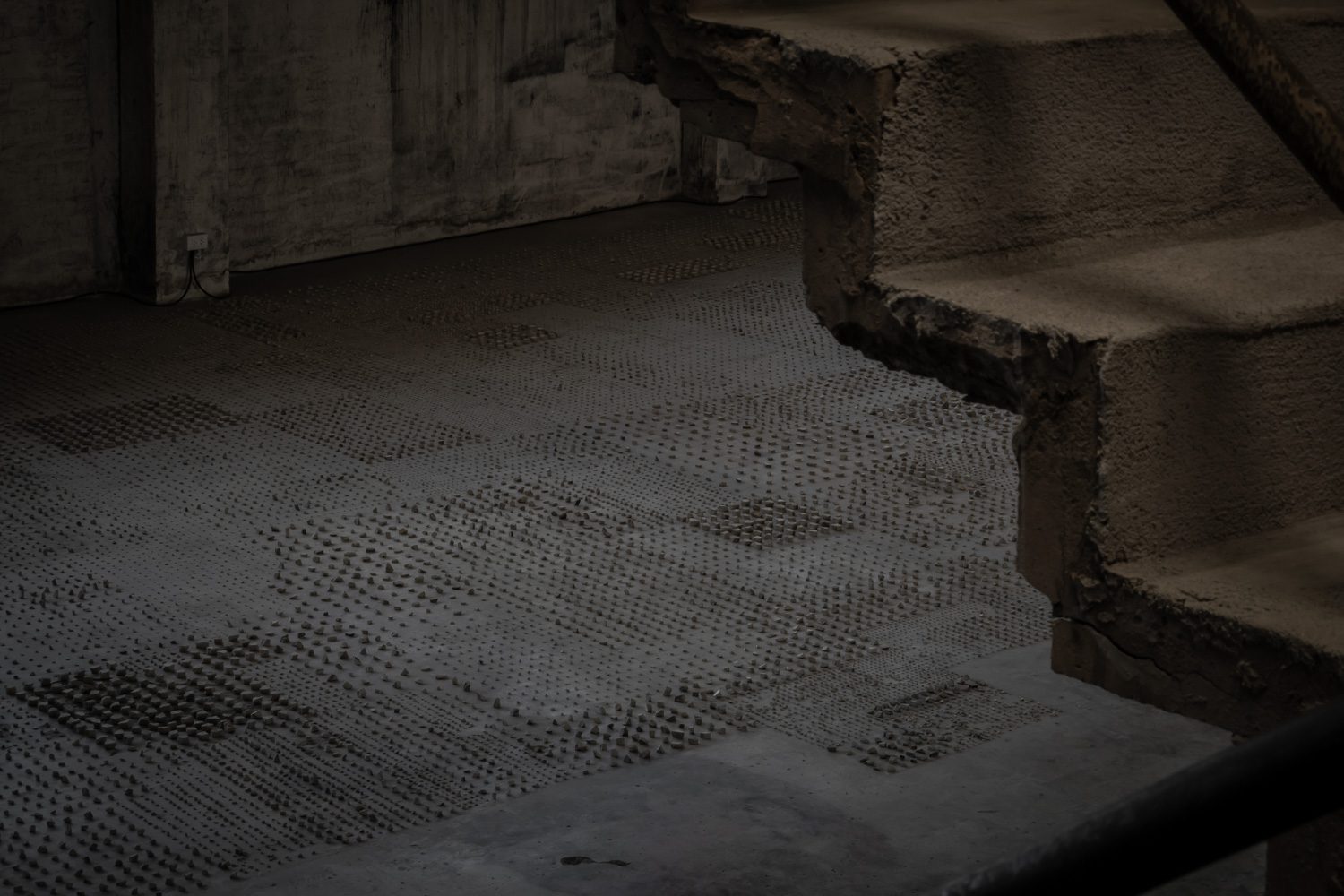
The exhibition ‘Poetics of Horizontality’ by Siriwan Simingam and Nalattaphorn Nanta is on view from 9 May to 6 July 2025 at Bangkok Kunsthalle.