
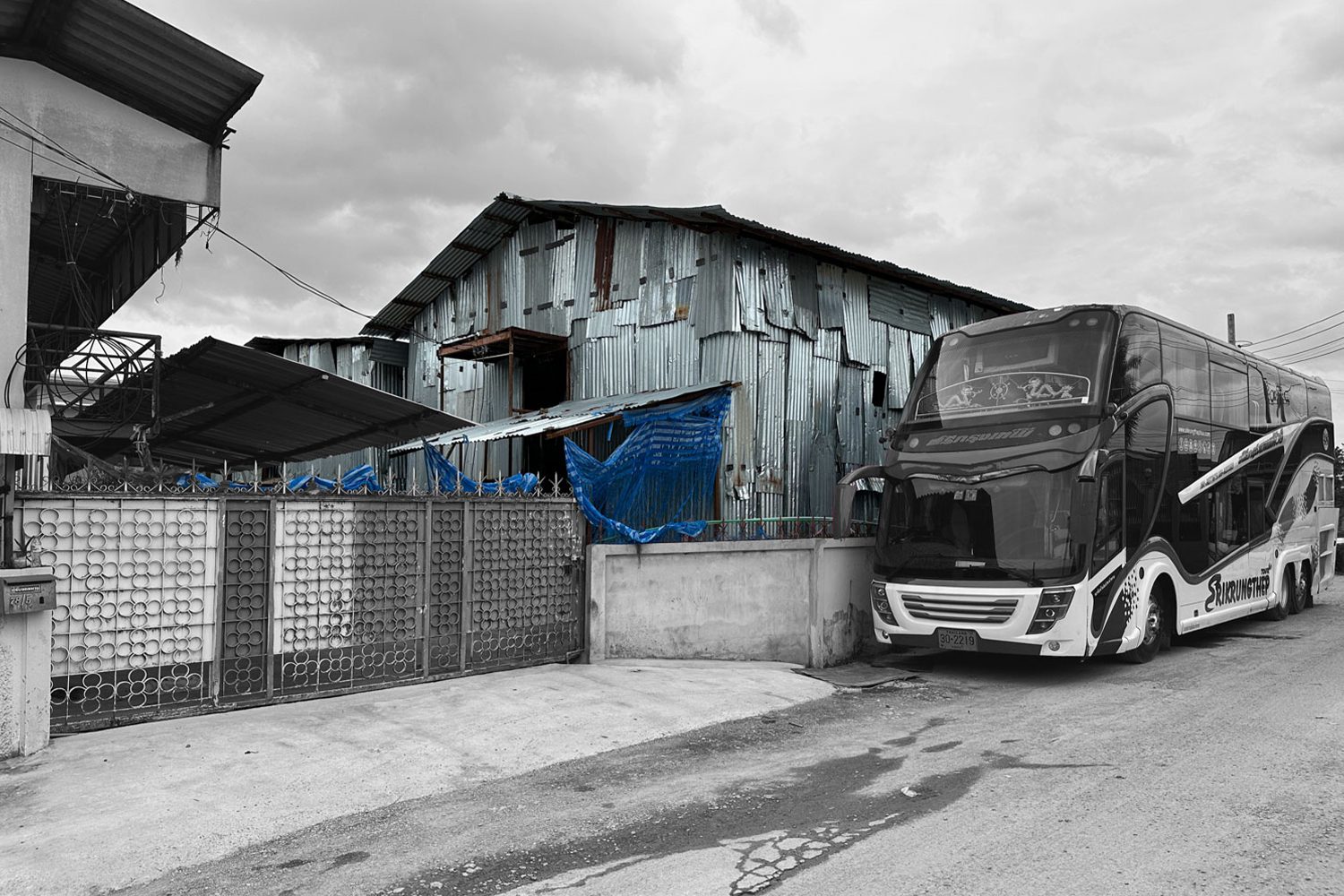
THE CORRUGATED METAL DORMITORY BY BANGKOK’S ELEVATED VIADUCT IS ONE OF THE CASE STUDIES BY ARCHITECTS JENCHIEH HUNG AND KULTHIDA SONGKITTIPAKDEE OF HAS DESIGN AND RESEARCH, REFLECTING BOTH THE BALANCE OF DAILY LIFE AND ADAPTATION TO THE NATURAL CLIMATE
TEXT: JENCHIEH HUNG & KULTHIDA SONGKITTIPAKDEE
PHOTO: HAS DESIGN AND RESEARCH
(For Thai, press here)
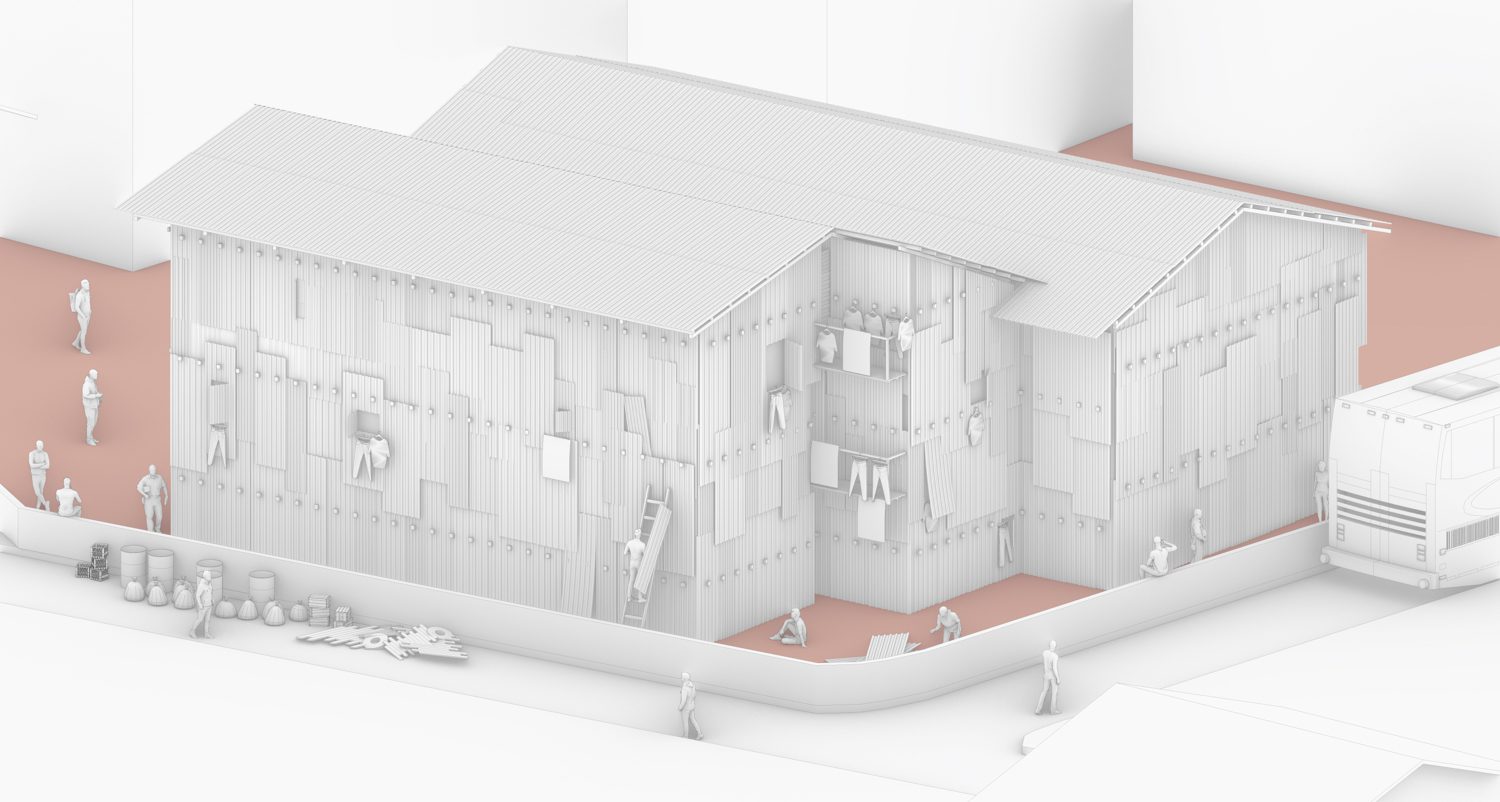
The two-story travel bus driver metal dormitory, unique for its balanced proportions, provides practical accommodation that helps reduce long commutes for bus drivers seeking rest and offers a natural climate fit. It is featured in their latest book, Chameleon Architecture: Shifting / Adapting / Evolving.
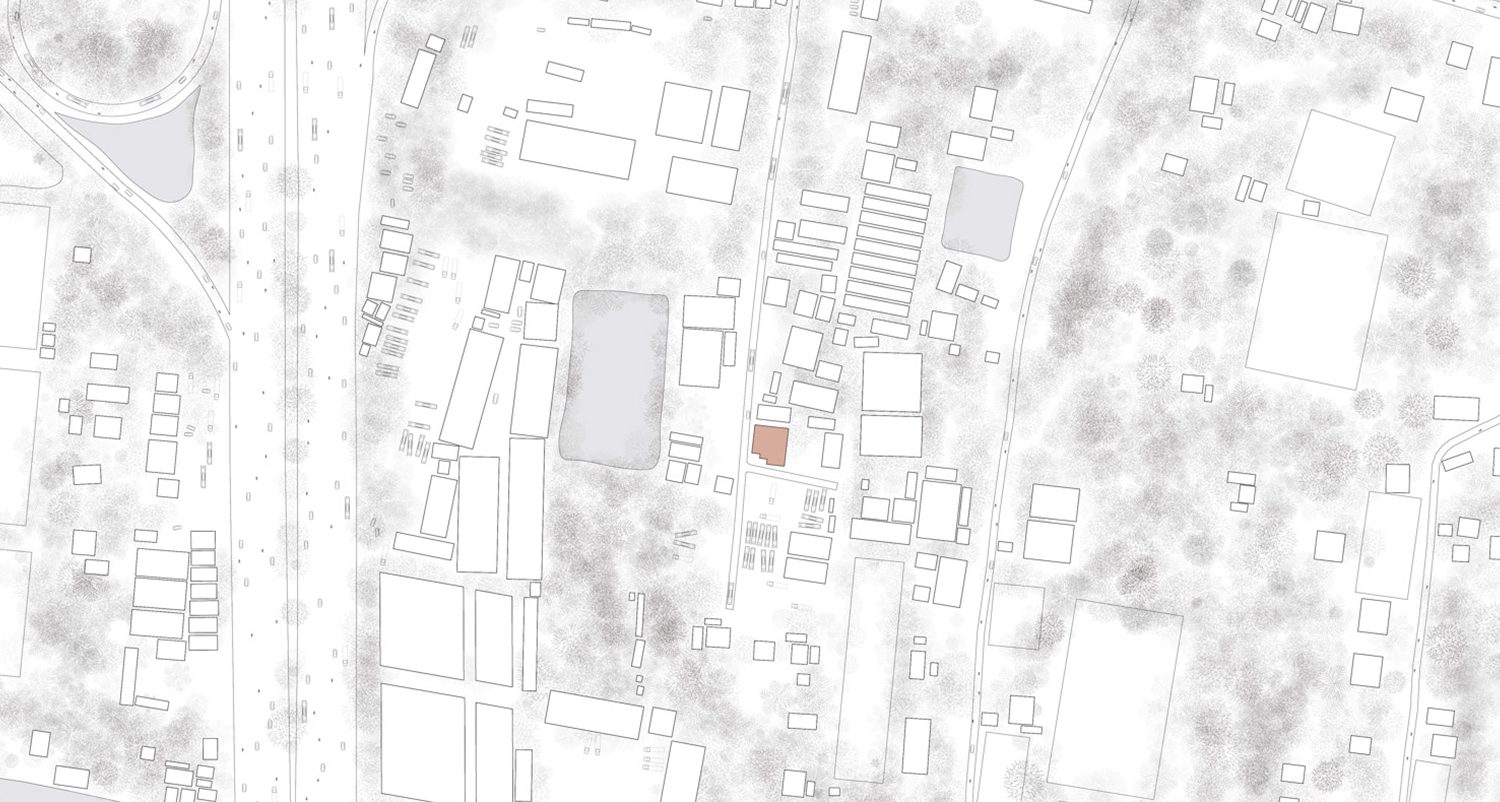
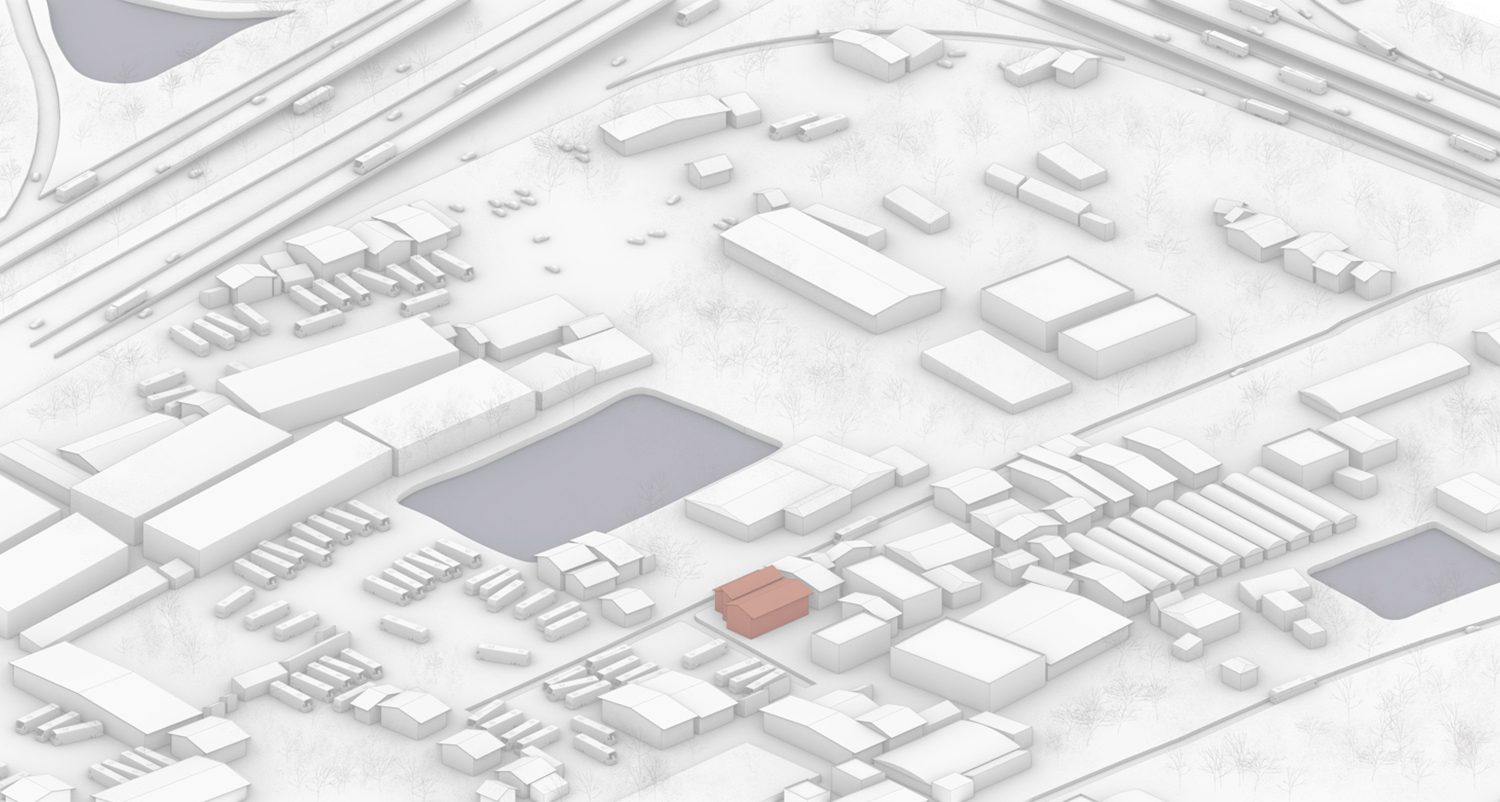
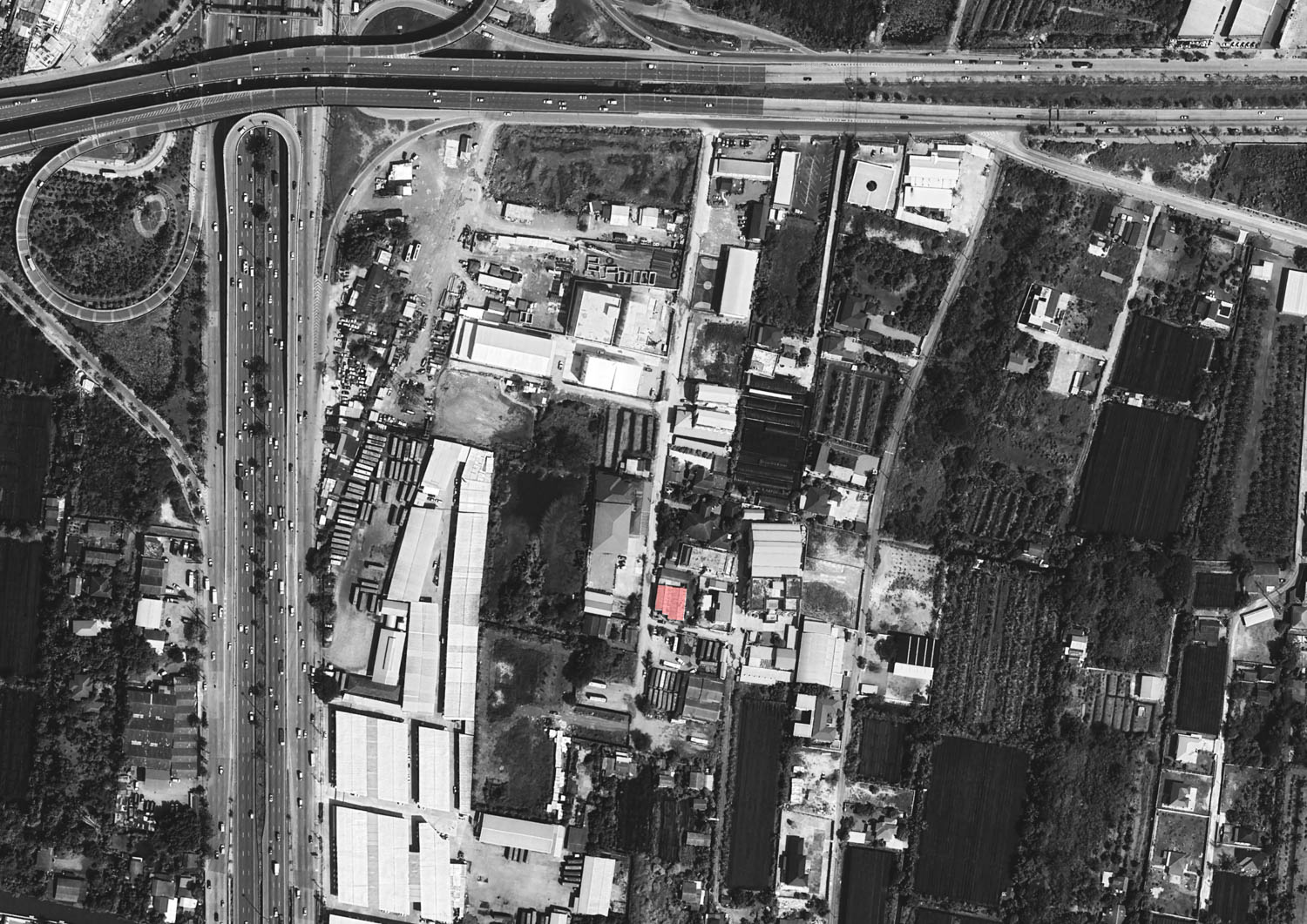
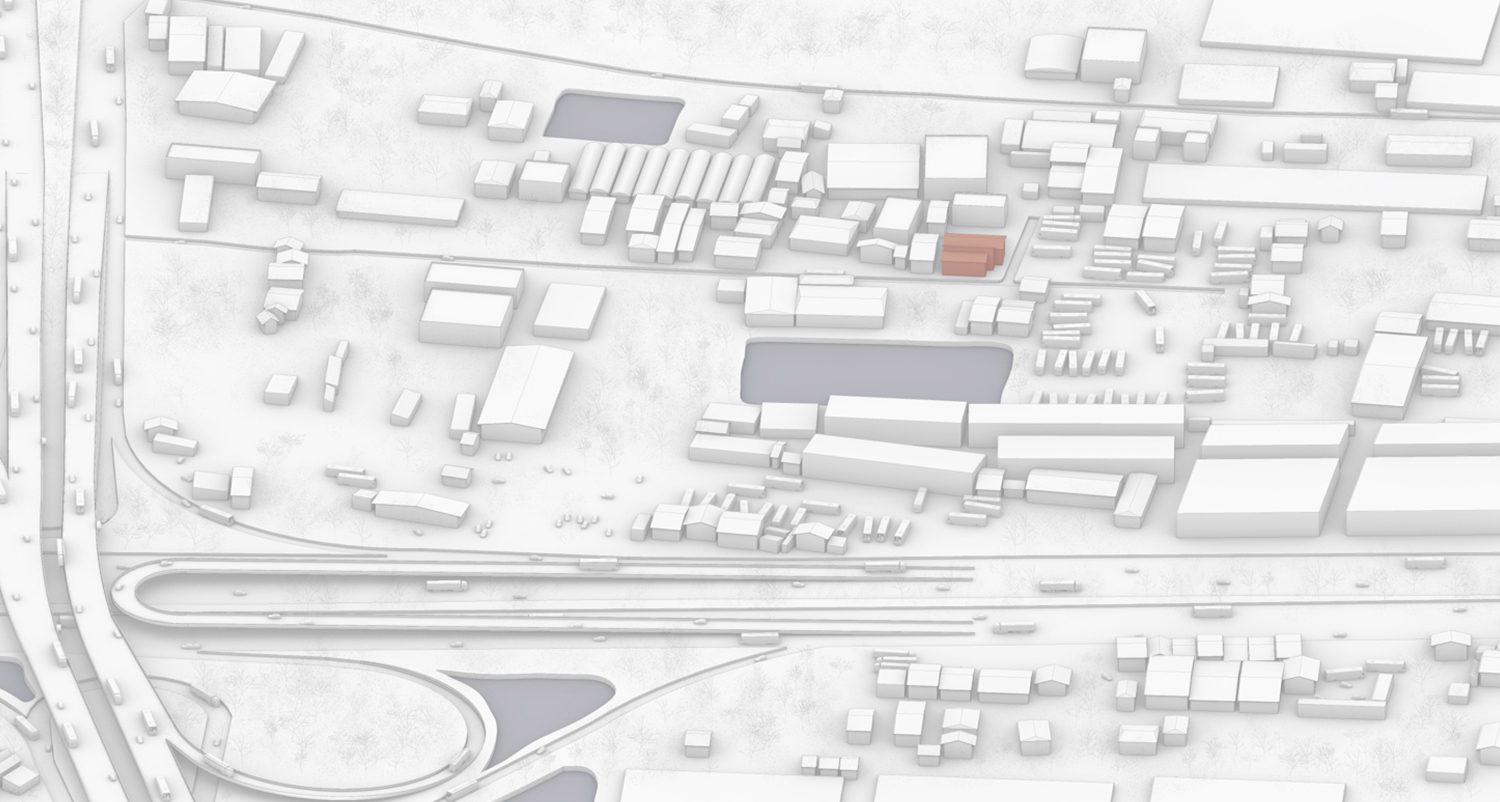
In the sprawling metropolis of Bangkok, numerous viaducts connect peripheral neighborhoods, and the spaces beneath and around these elevated highways often become unexpected sources of inspiration. One such location can be found along a narrow alley beside a viaduct at Phutthamonthon Sai 4. At the end of this alley, a large fleet of colorful tourist buses is parked, showcasing the vibrant character of Thai creativity. Painted in a variety of bright hues, these buses reflect a distinctly Thai aesthetic that stands in bold contrast to the surrounding urban environment.
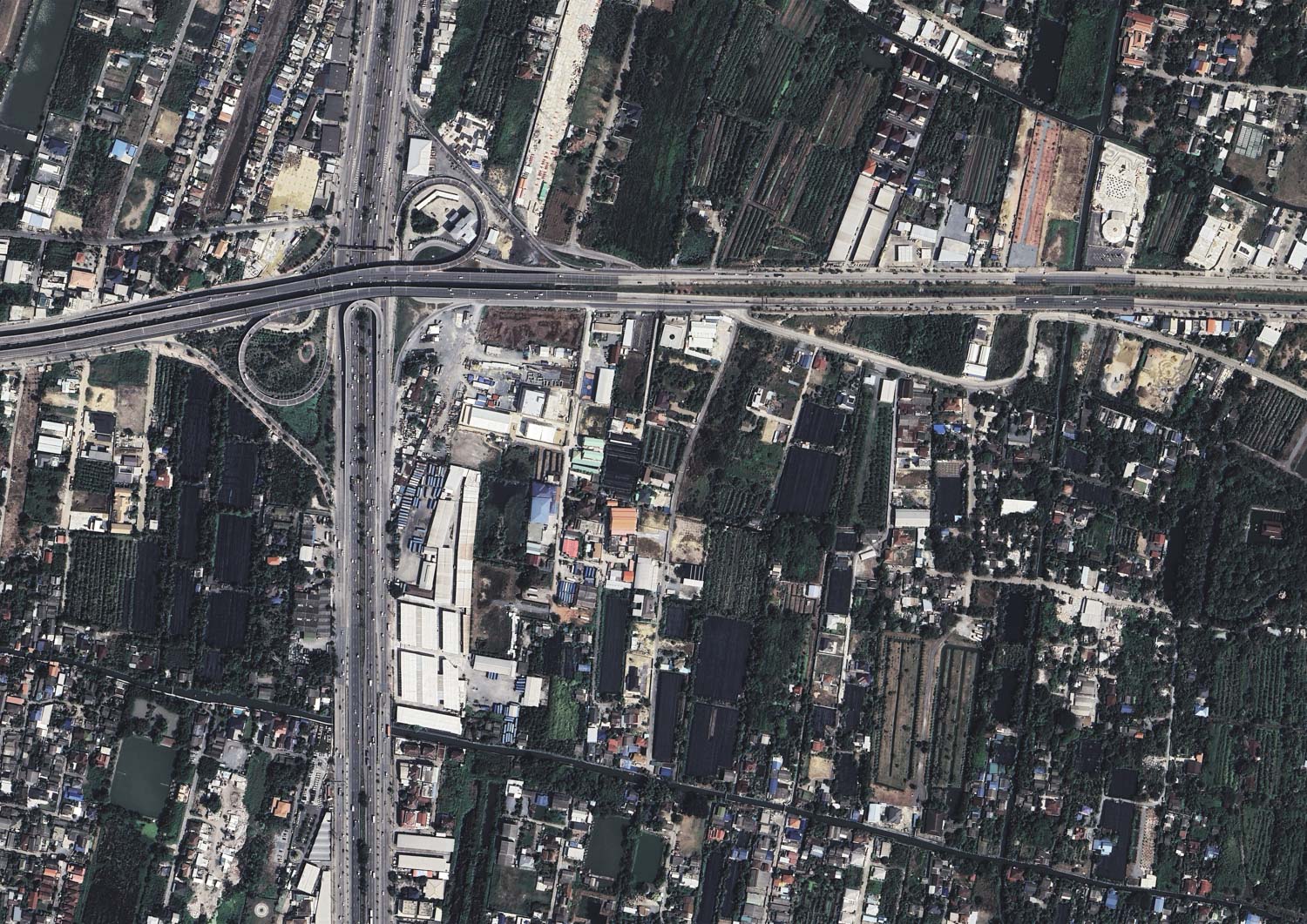
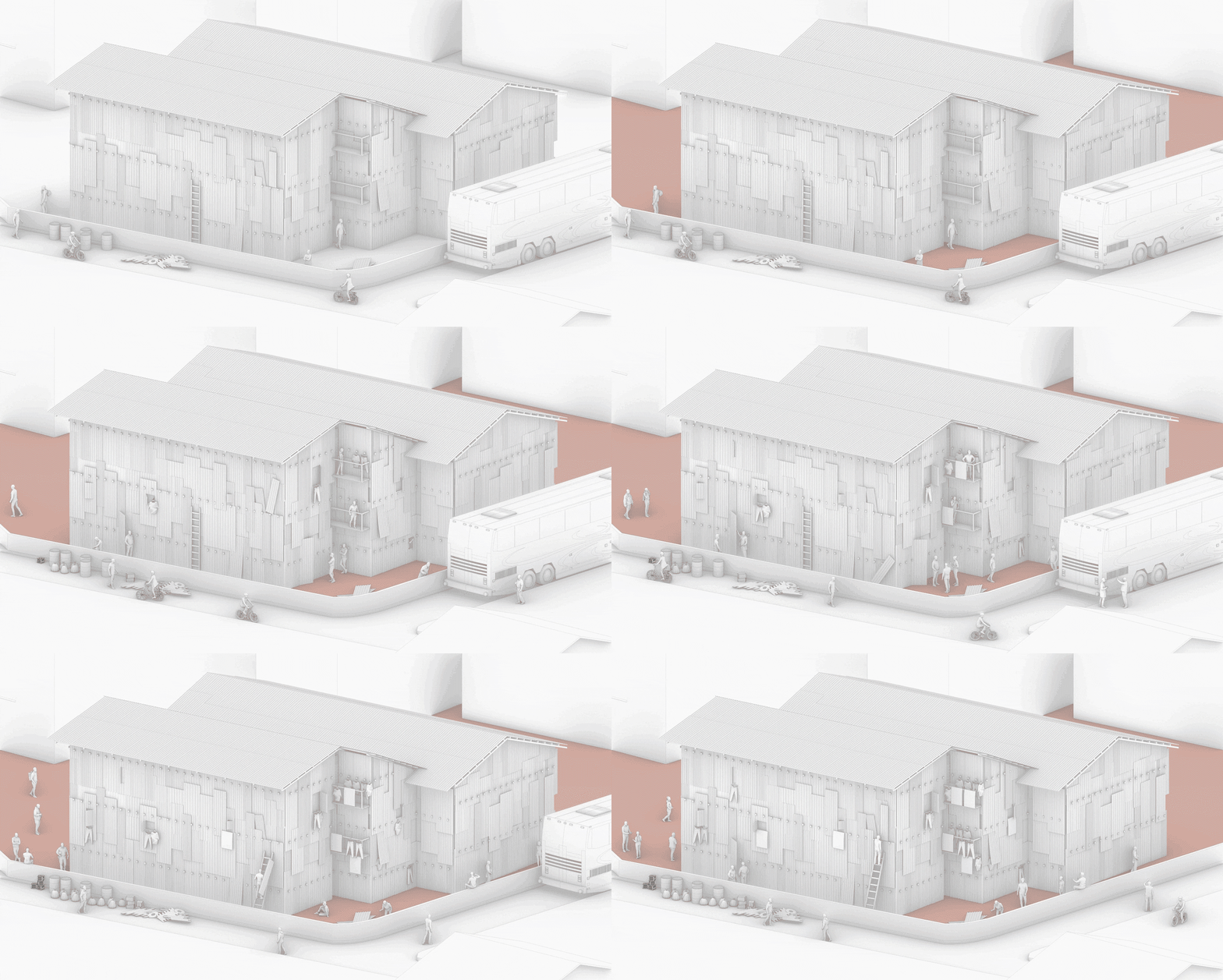
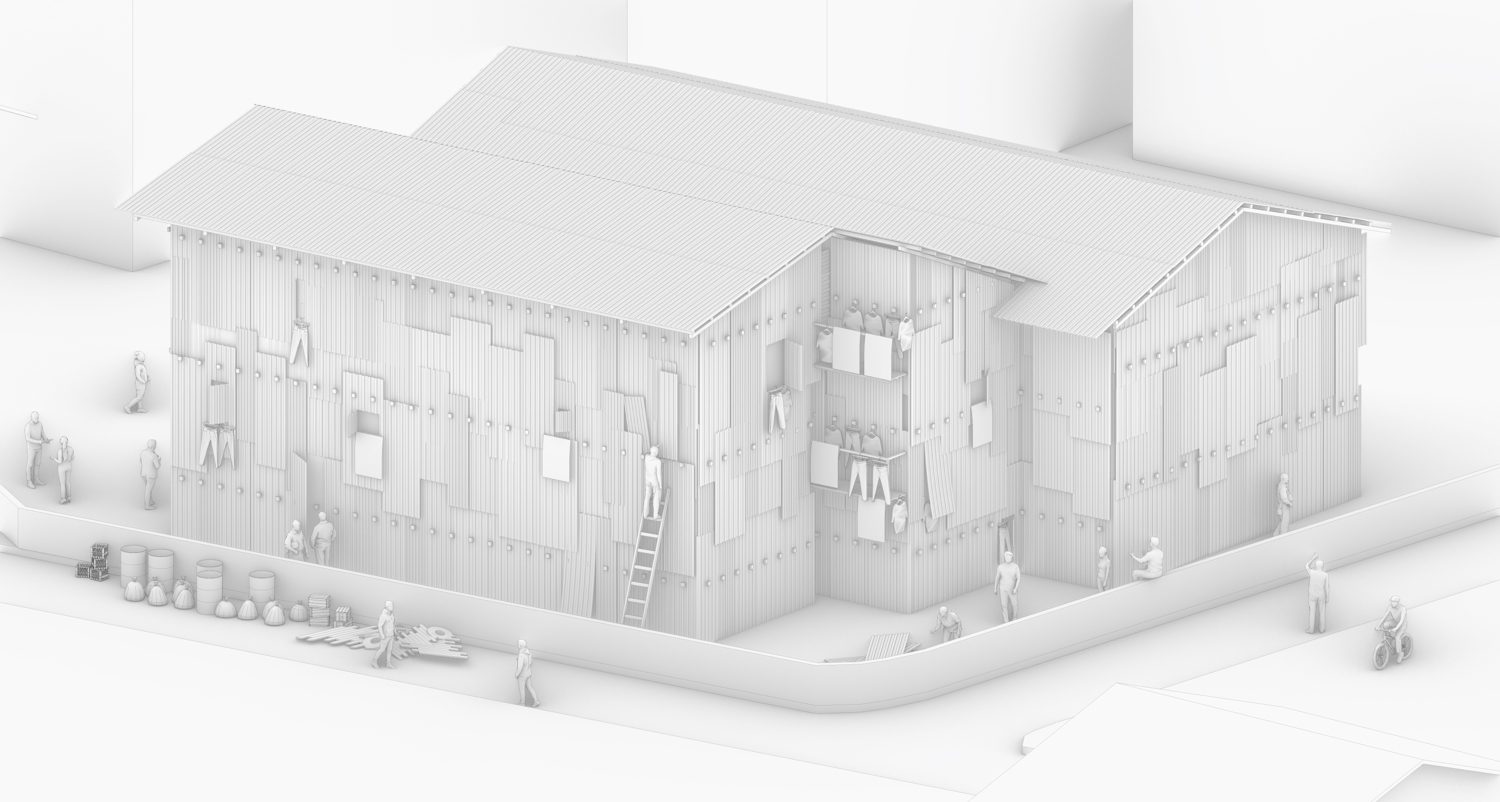
Next to the bus depot stands a two-story building that immediately draws attention with its clean lines, modest structure, and balanced proportions. Its practical dimensions suit the internal functions well and align with the height of the surrounding buildings, making it both visually appealing and contextually appropriate. Surprisingly, this humble yet thoughtful structure serves as accommodation for local travel bus drivers. Although not the result of formal architectural planning, the building was constructed on a modest budget to support short-term stays. It provides a comfortable and functional place for drivers to rest for one to two nights—a practical solution for those who would otherwise face long commutes back home.
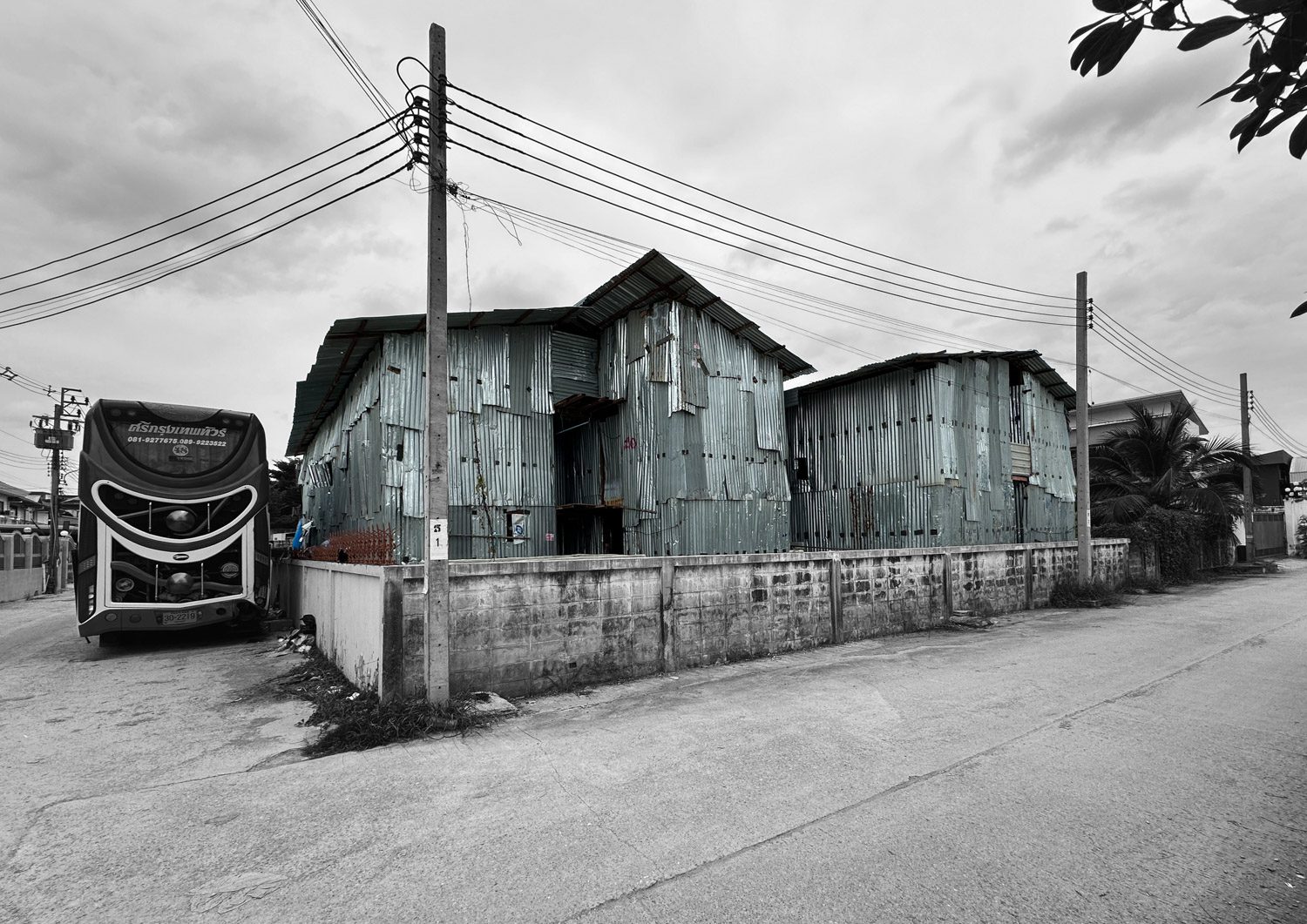
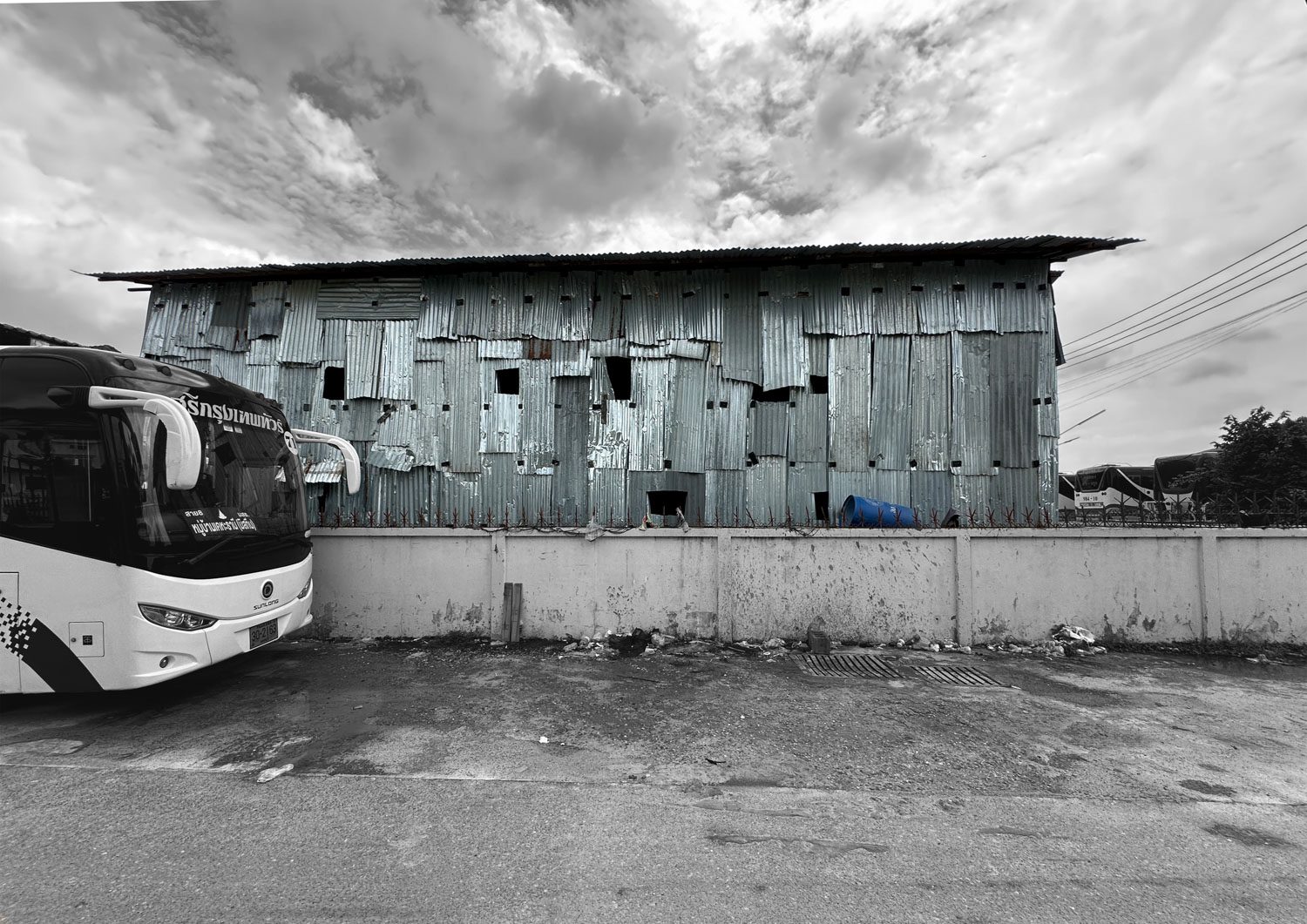
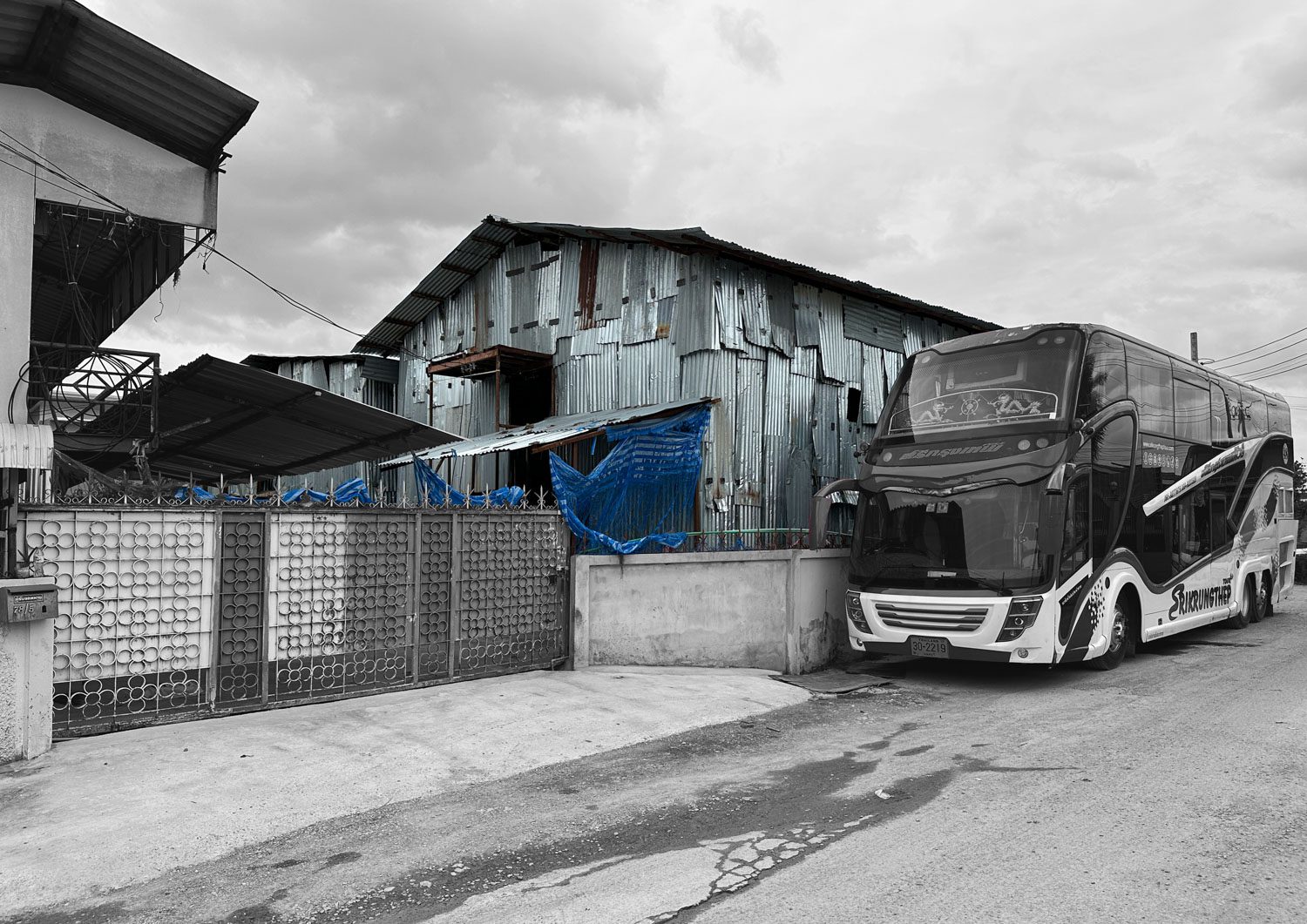
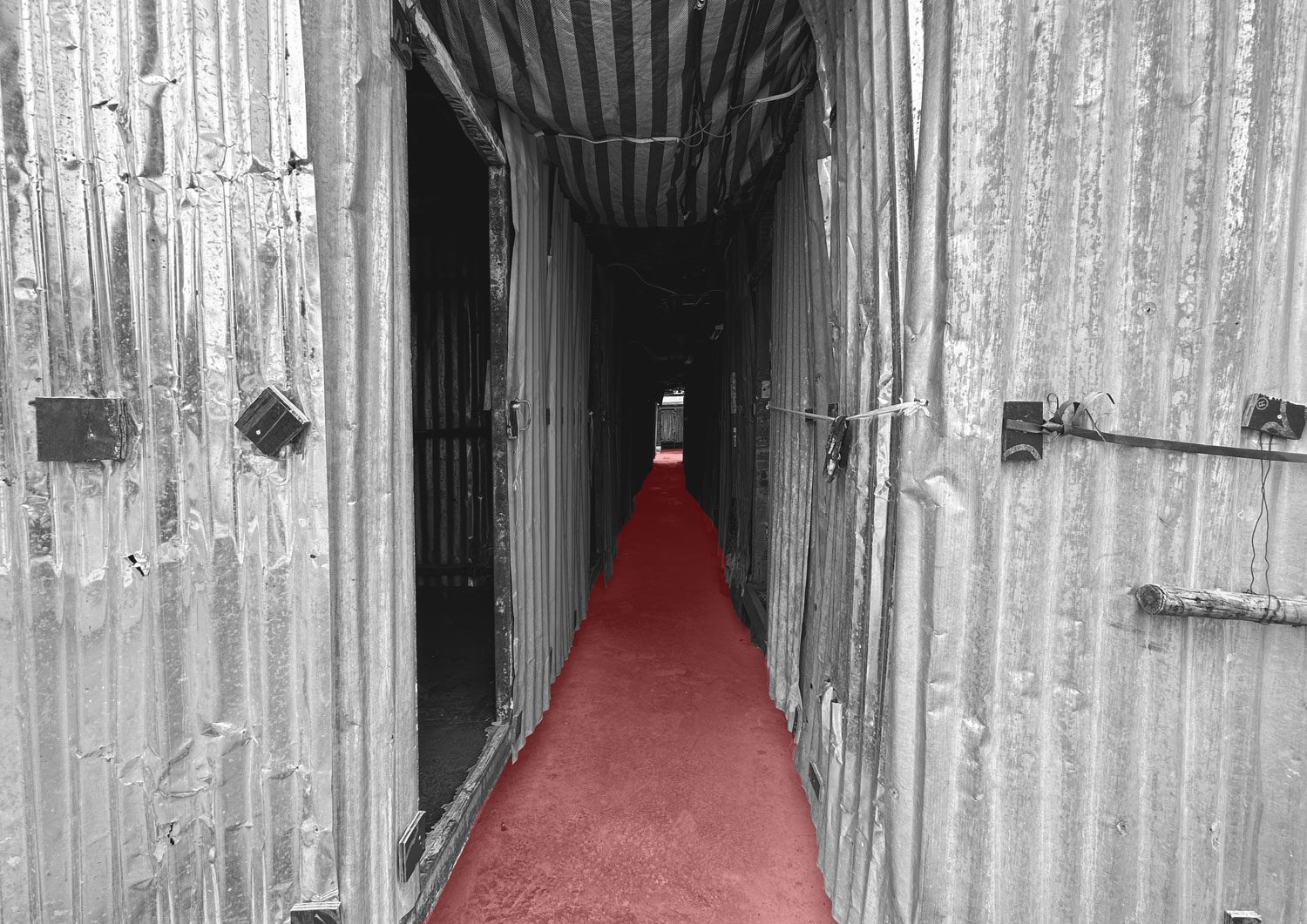
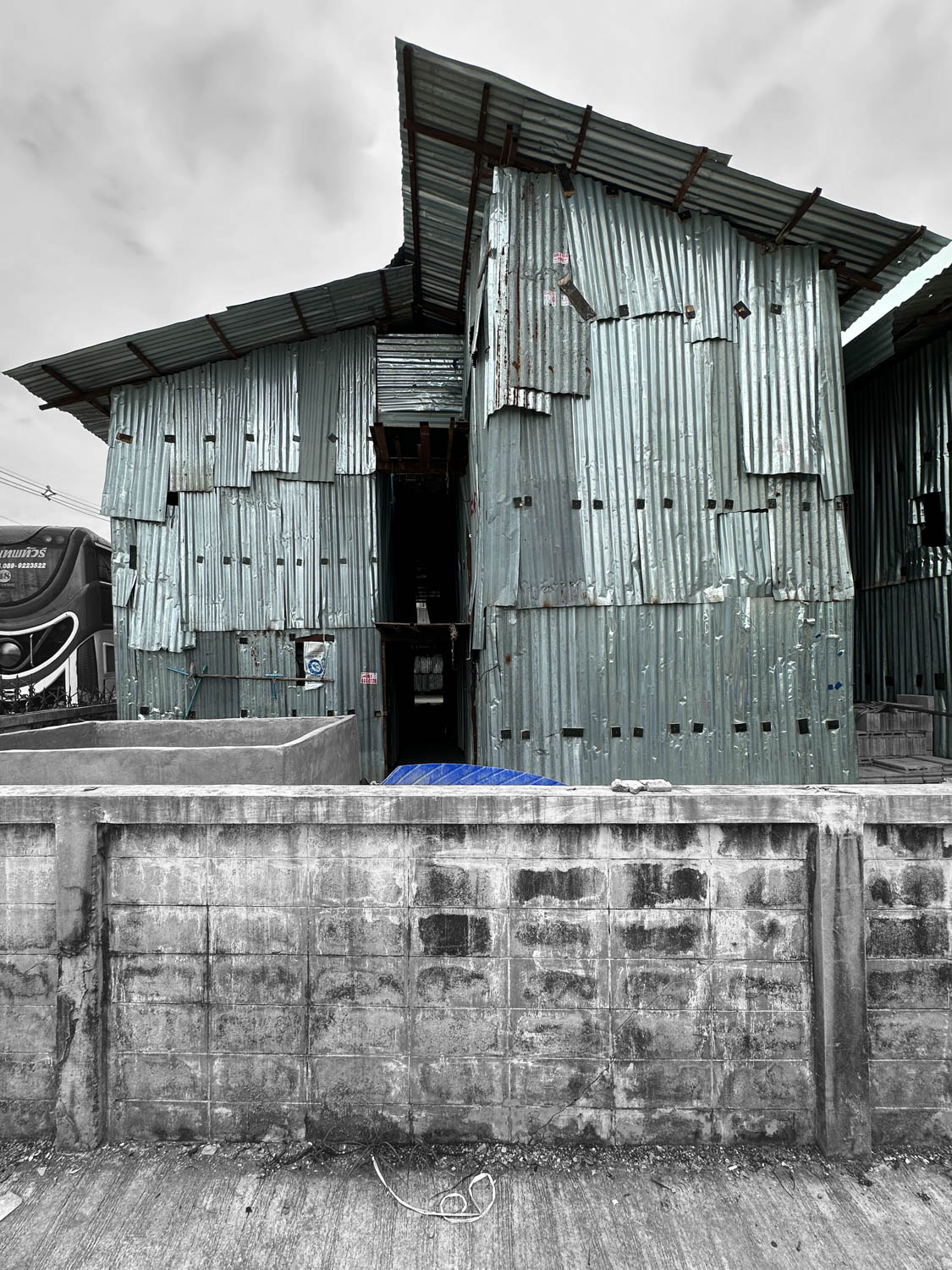

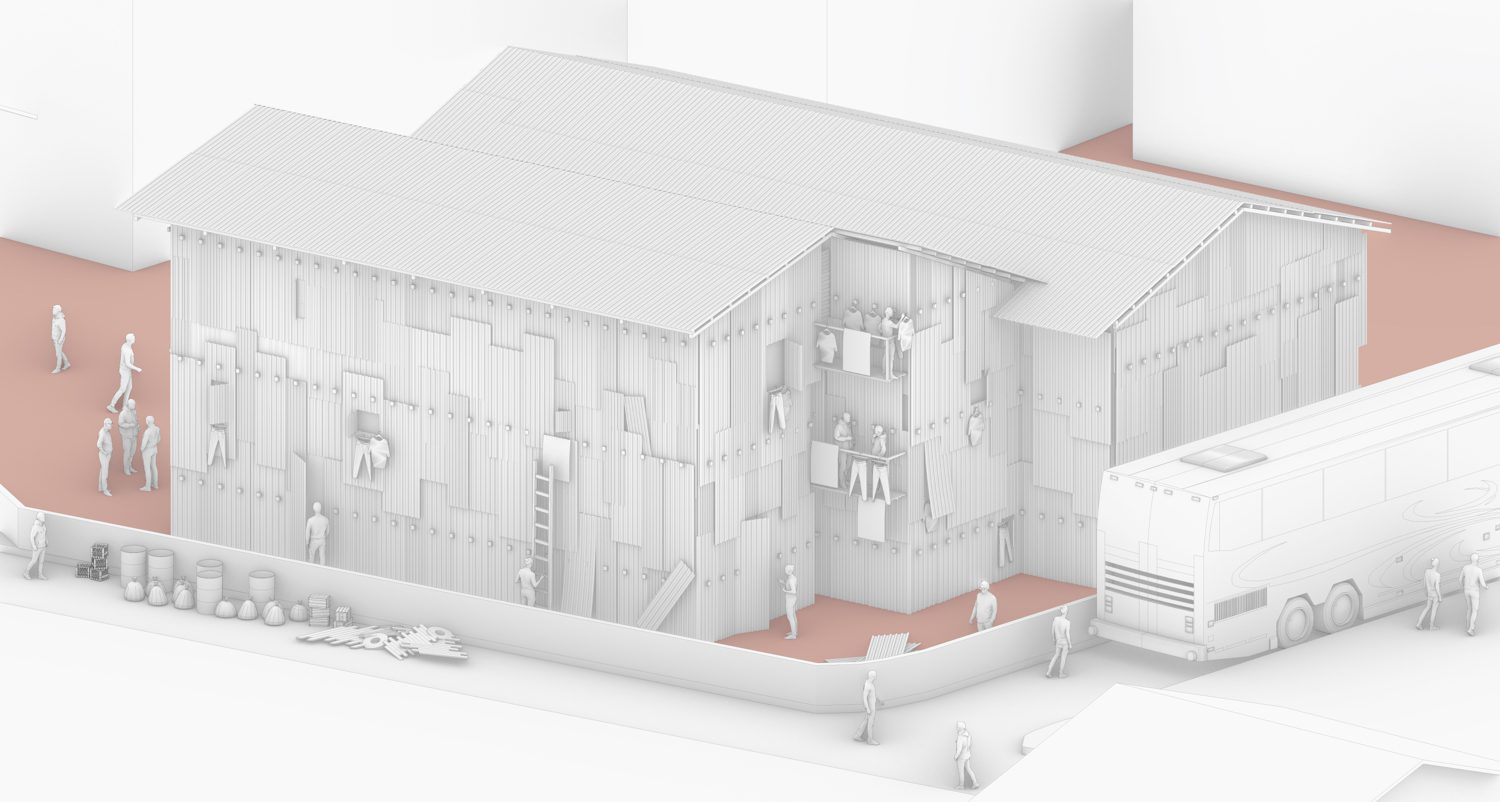
The structure emphasizes affordability, airflow, and natural daylight. Its exterior walls are clad in metal sheets, punctured with randomly placed holes created by the residents themselves. These perforations allow fresh air and sunlight to enter the building easily. The materials are inexpensive and readily available in local markets, making the construction process more accessible while maintaining the quality of short-term living. This simple method reduces the need for electric ventilation and artificial lighting, resulting in an energy-efficient and climate-responsive living space. A central walkway runs through the middle of the building and is supported by scaffolding. This corridor enhances airflow and lighting on both sides, increases the number of rooms, and provides a communal space where residents can gather and connect.
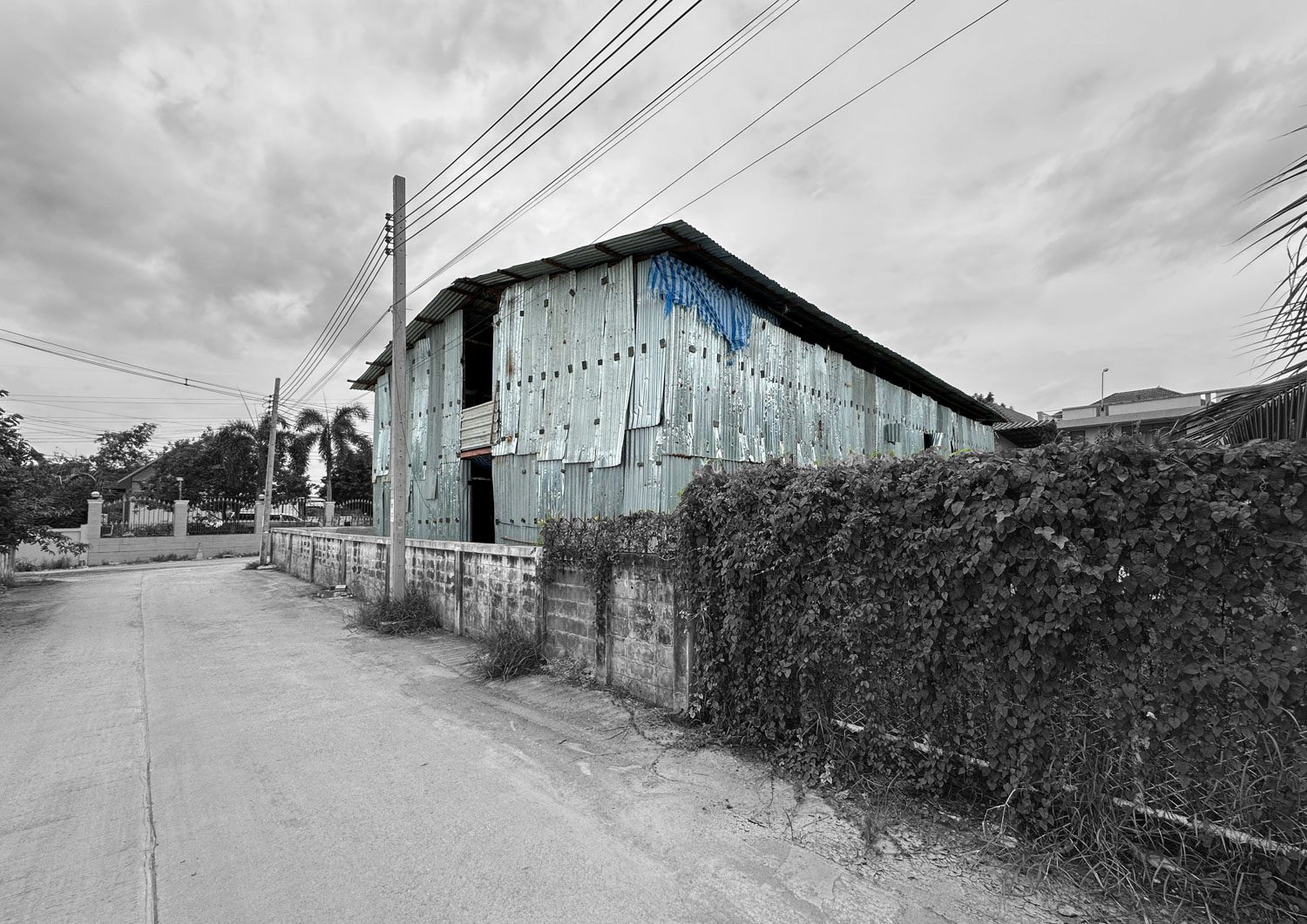
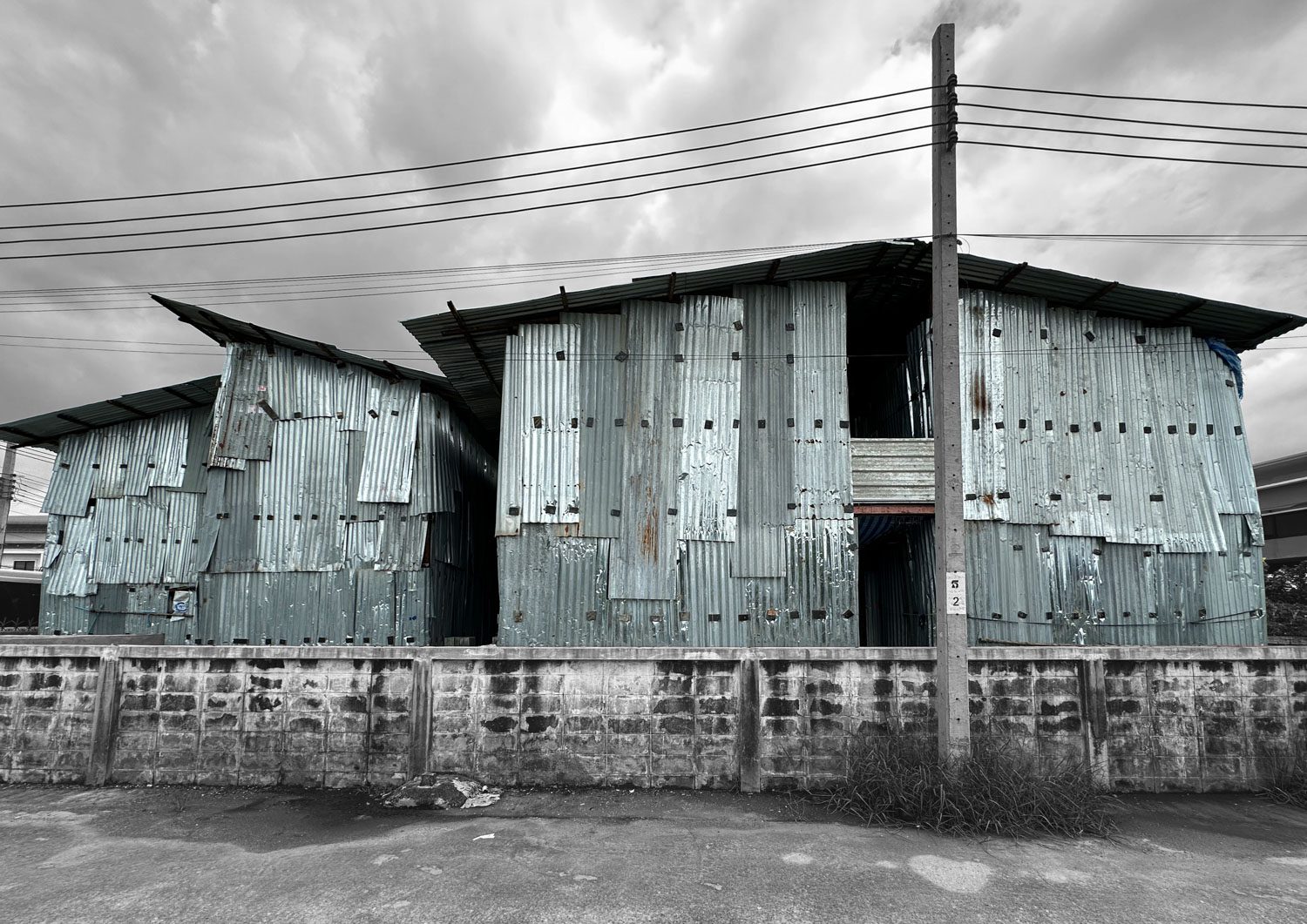
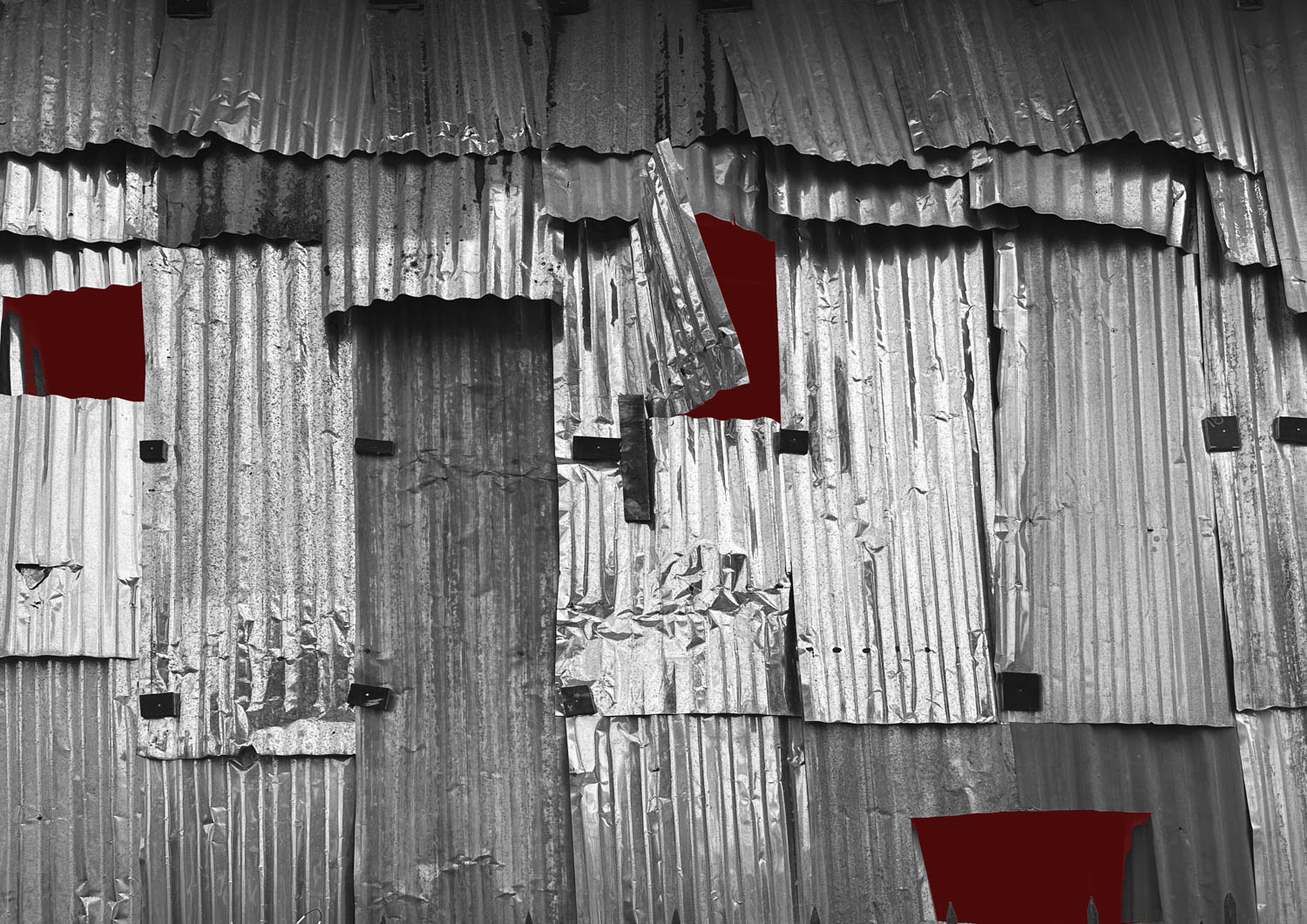
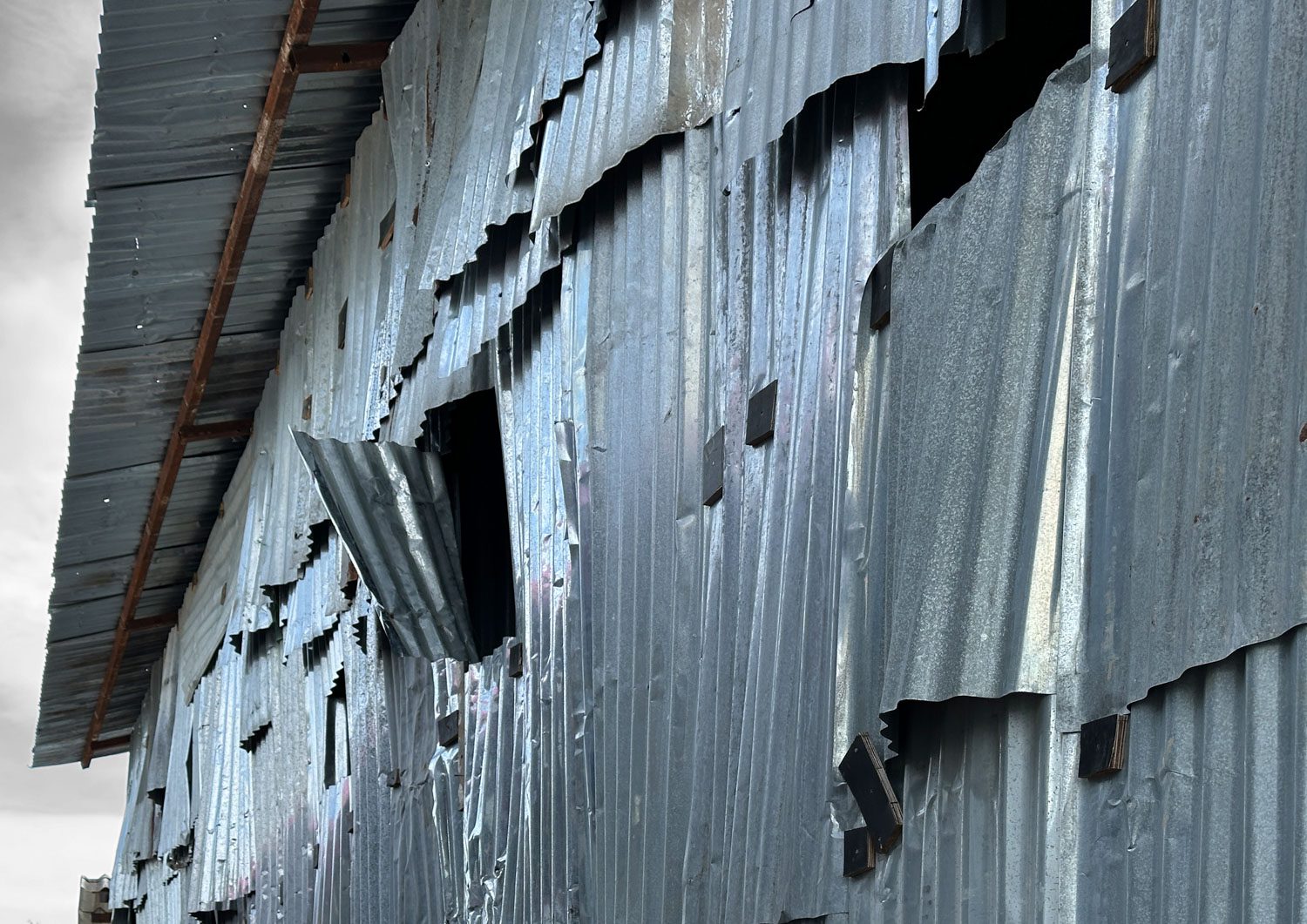
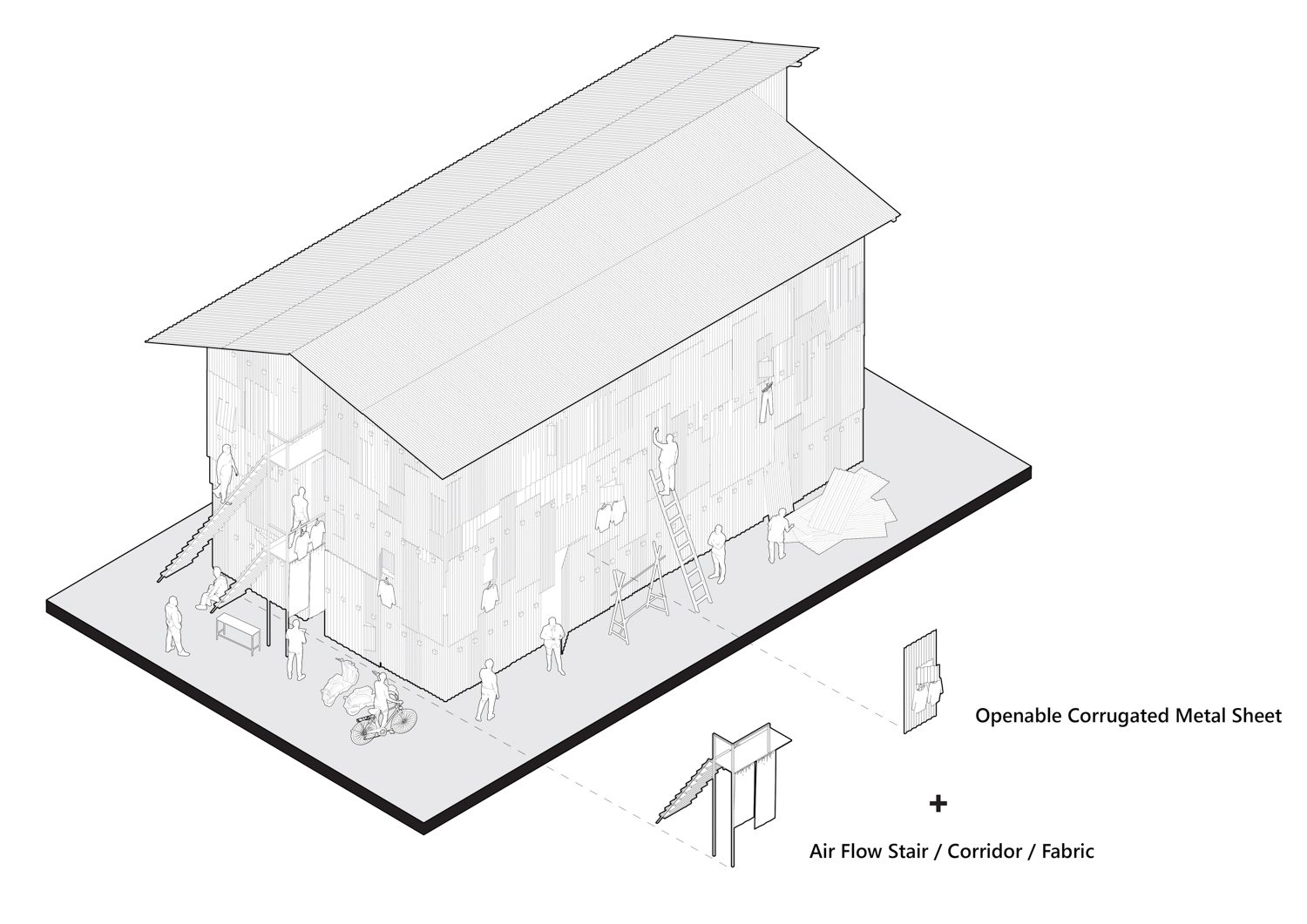
The Travel Bus Driver Metal Dormitory highlights the power of adapting basic materials and local knowledge to meet everyday needs. Created without formal architectural input, it demonstrates how ordinary people can respond creatively to their environment using available resources. By adapting metal sheets into a breathable and welcoming structure, this grassroots dormitory offers a practical and traffic-avoiding alternative for drivers living in the dense urban fabric of Bangkok.
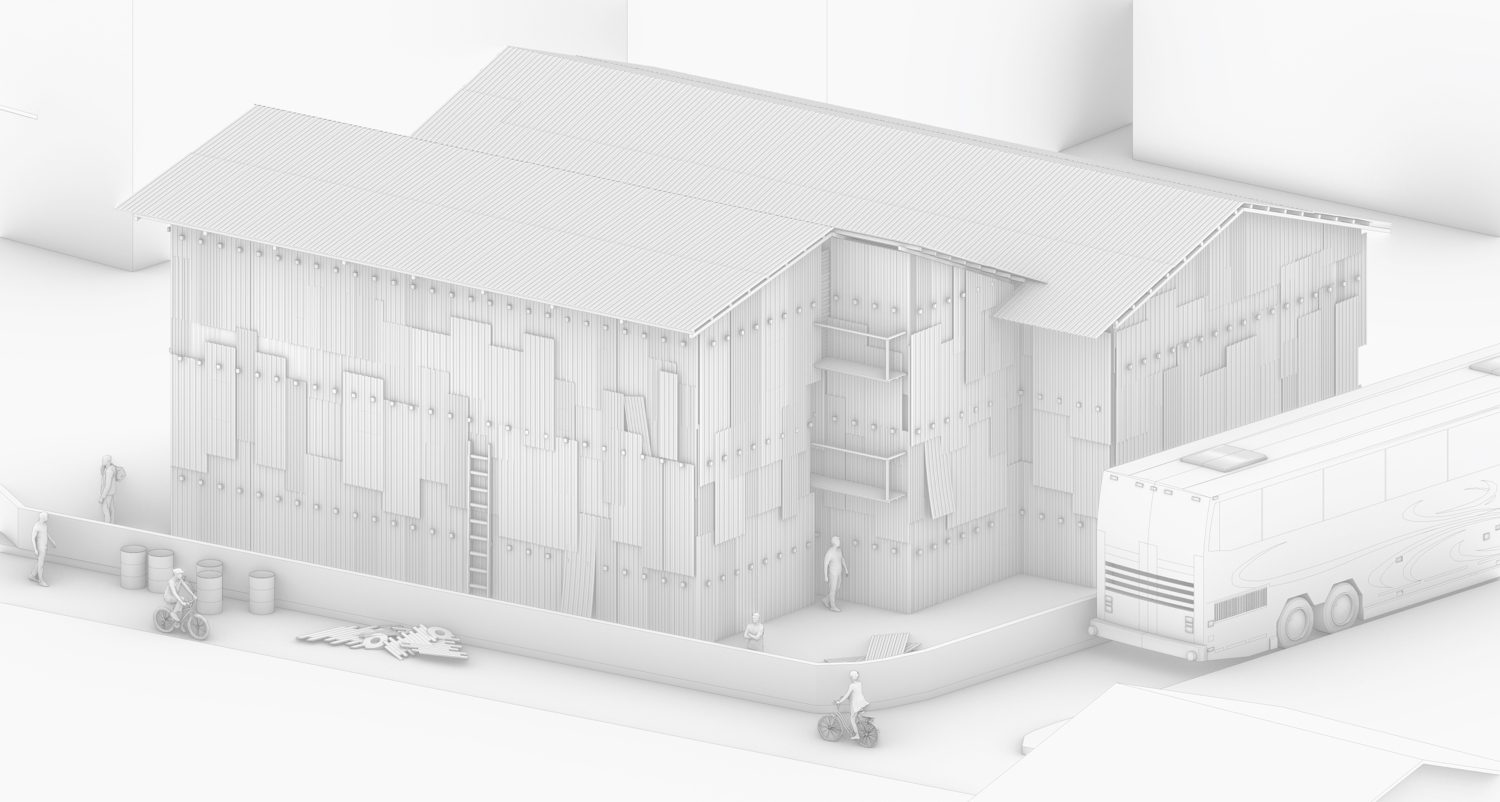
This article content is an excerpt from the book ‘Chameleon Architecture: Shifting / Adapting / Evolving,’ authored by Jenchieh Hung & Kulthida Songkittipakdee / HAS design and research, available for purchase at: https://art4d.com/product/chameleon-architecture
facebook.com/hasdesignandresearch
instagram.com/has.design.and.research