
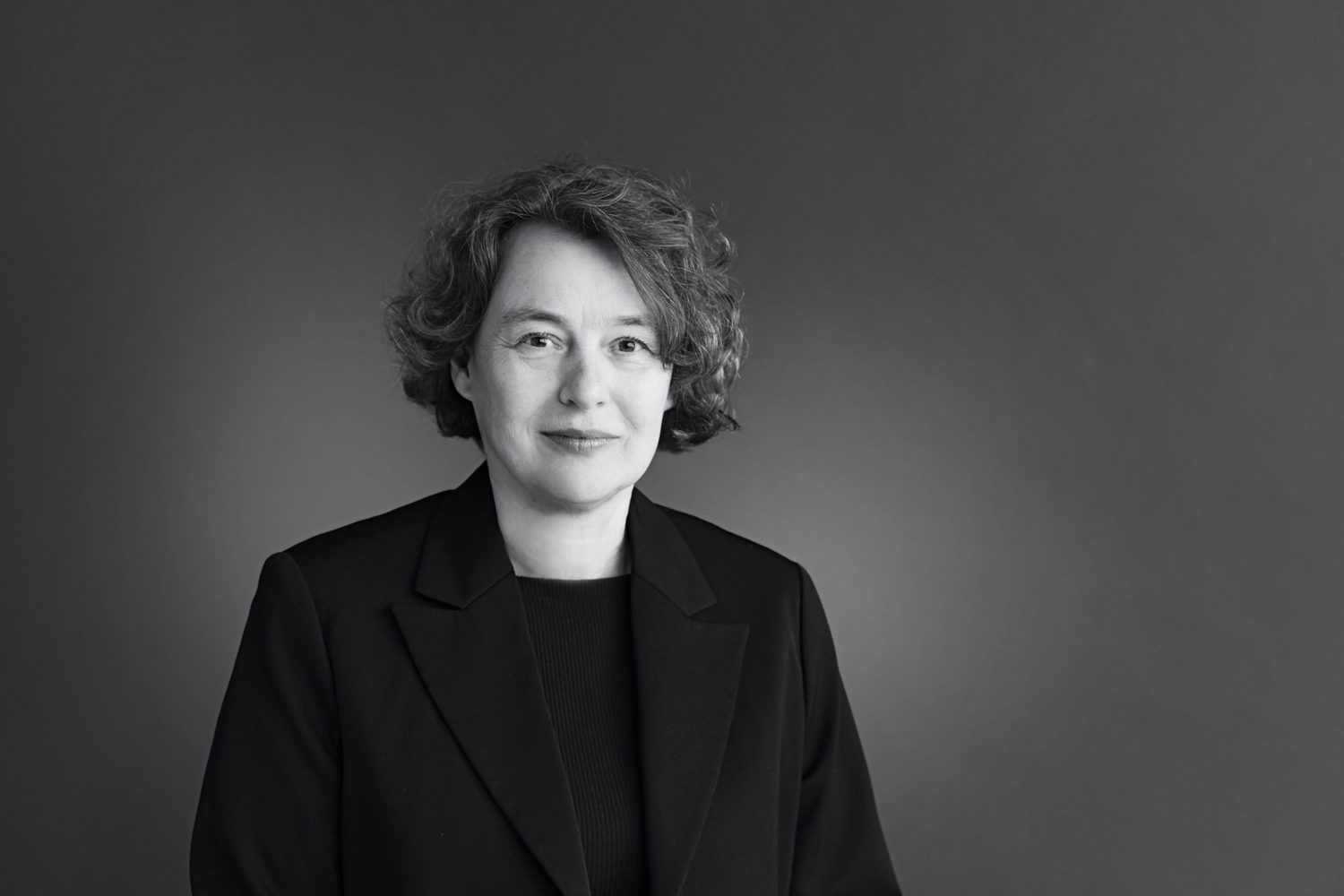
 Carla Wilkins | Photo: Schwarz weiss
 ART4D TALKS WITH CARLA WILKINS ABOUT THE ROLE OF LIGHTING DESIGNERS IN A WORLD DRIVEN BY TECHNOLOGY, SUSTAINABILITY, AND CULTURAL DIVERSITY
TEXT: KITA THAPANAPHANNITIKUL
PHOTO CREDIT AS NOTED
(For Thai, press here)
Nowadays, technology plays a role in almost all design industries, which has made some designers rethink their roles. They question where their capabilities, needs, or attention should be focused. This time, art4d features a conversation with Carla Wilkins, creative director and co-founder of Lichtvision. She is also the President-Elect of the International Association of Lighting Designers (IALD) and a Certified Lighting Designer (CLD). We invite you to read about how she, as a lighting designer, views lighting design in the new era of technology, environmental awareness, and diversity.
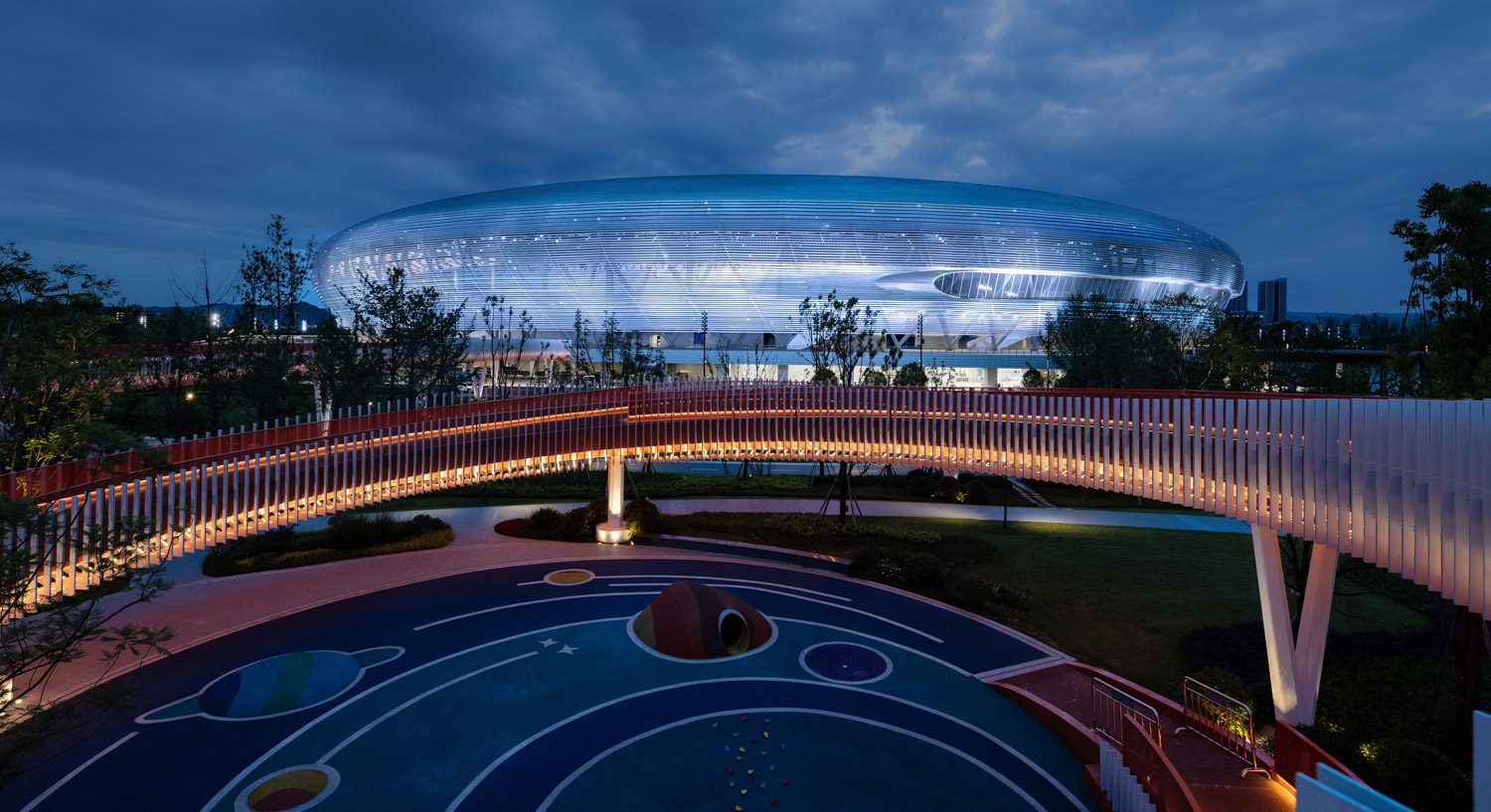
project LVD Dong an Lake Sports Park chengdu | Photo: Yi Tang
art4d: First of all Carla, can you share with us your background and how you became a lighting designer?
Carla Wilkins: Thank you for having me in this interview I’m a trained architect. After my studying in architecture, I did an internship at FISHER MARANTZ STONE (FMS) in New York. I had, I would say, the great opportunity to stay in FMS office as a project assistant. So, working at FMS trained me very well in the language of lighting and also concept, and allowing wild ideas. Then, I moved on to Cologne and worked at Licht Design GmbH. After that, I founded with Andreas Schulz, Licht Kunst Licht. Worked three years with LKL, then moved on.
In 1997, I founded Lichtvision with four partners, which was a spin-off of the university. They had PhDs in artificial lighting, daylighting, lighting control, and had experience with projections and visual media. So, I brought the experience of day to day independent lighting design. It was the merging of technology and design. Our company, Lichtvision, had always two divisions. One group was putting their effort on lighting control, control devices. They are still the experts for DALI (Digital Addressable Lighting Interface) nowadays with Lichtvision Technologies. The other division is focussing on lighting design and visual media.
art4d: When we talk about architecture, mostly we talk about structure and space. Can you elaborate how lighting design can change the perception of visual architecture?
CW: That’s a big question. I think, in terms of lighting design, we all experience it in many different kinds of environments—whether it’s an exterior, a well-designed landscape, or a park. For outdoor spaces, we have the dark sky approach, which means we want to be able to see the sky at night. The interior is really something else. It’s a question of function, as well as hospitality, comfort, narrative of space and well-being, so you have all different components.
For the exterior, facade lighting is really about showing the architecture at its best, providing safety, and also bringing a narrative to the building itself. This requires a good understanding of the client and the architectural needs to express ourselves in the urban space. I think lighting is what really connects everything together. You can bring the narrative from the landscape to the facade and into the interior. It’s like a journey of experience that you are creating, with the right look and feel, and with all the right functions and other design elements in architecture and landscape design.
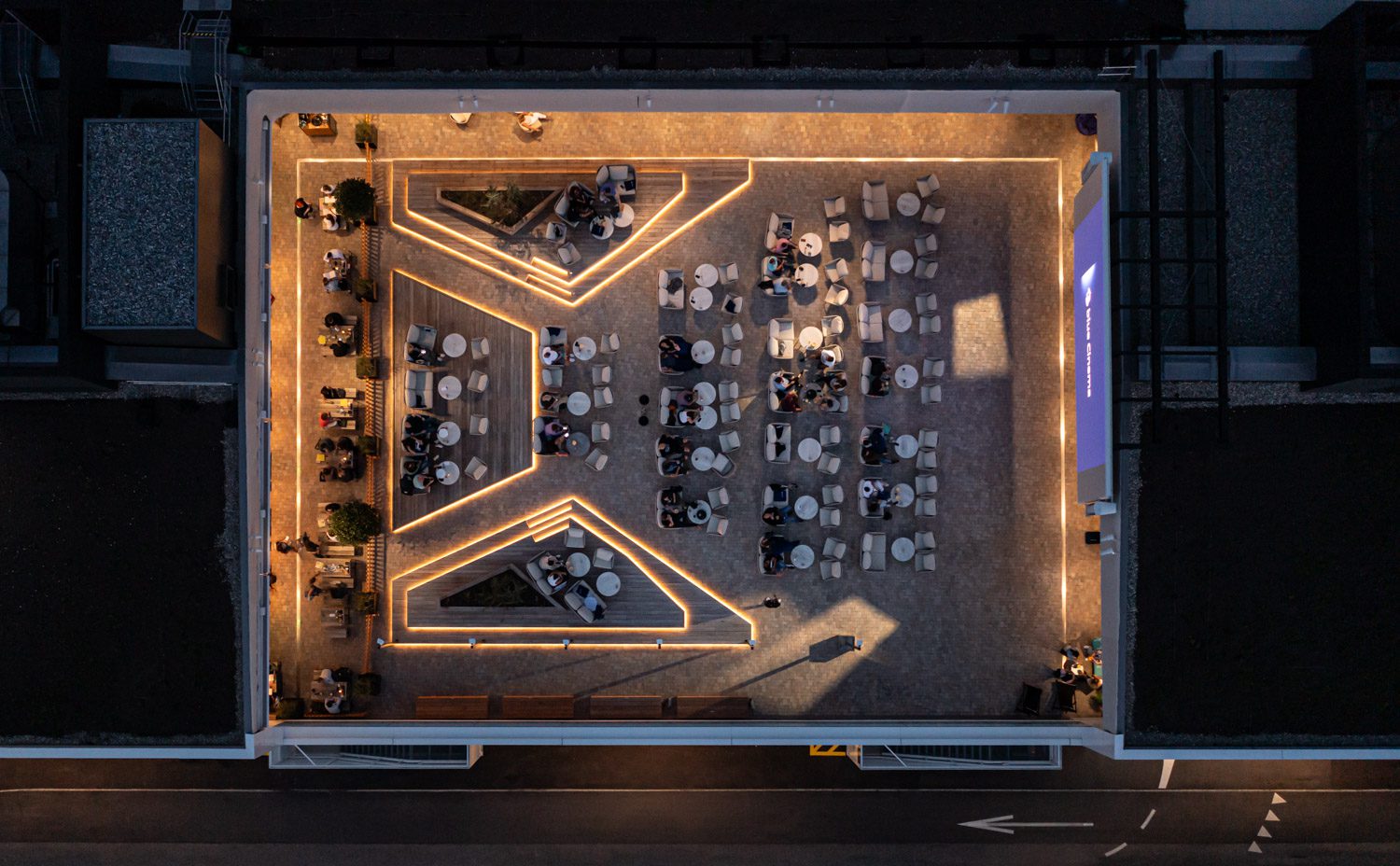 project LVD Blue Cinema Chur | Photo: Ingo Rasp-Dachkino
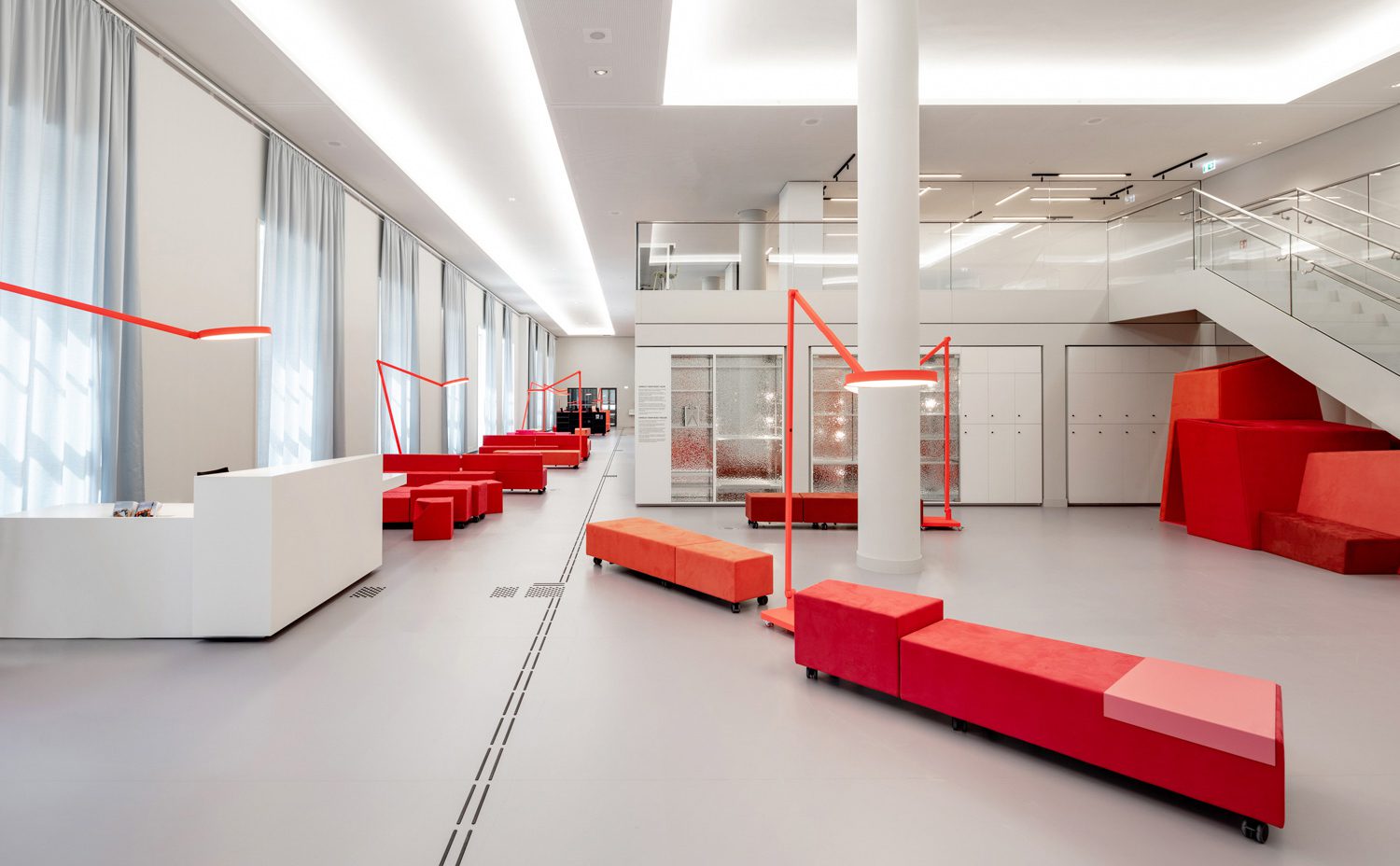
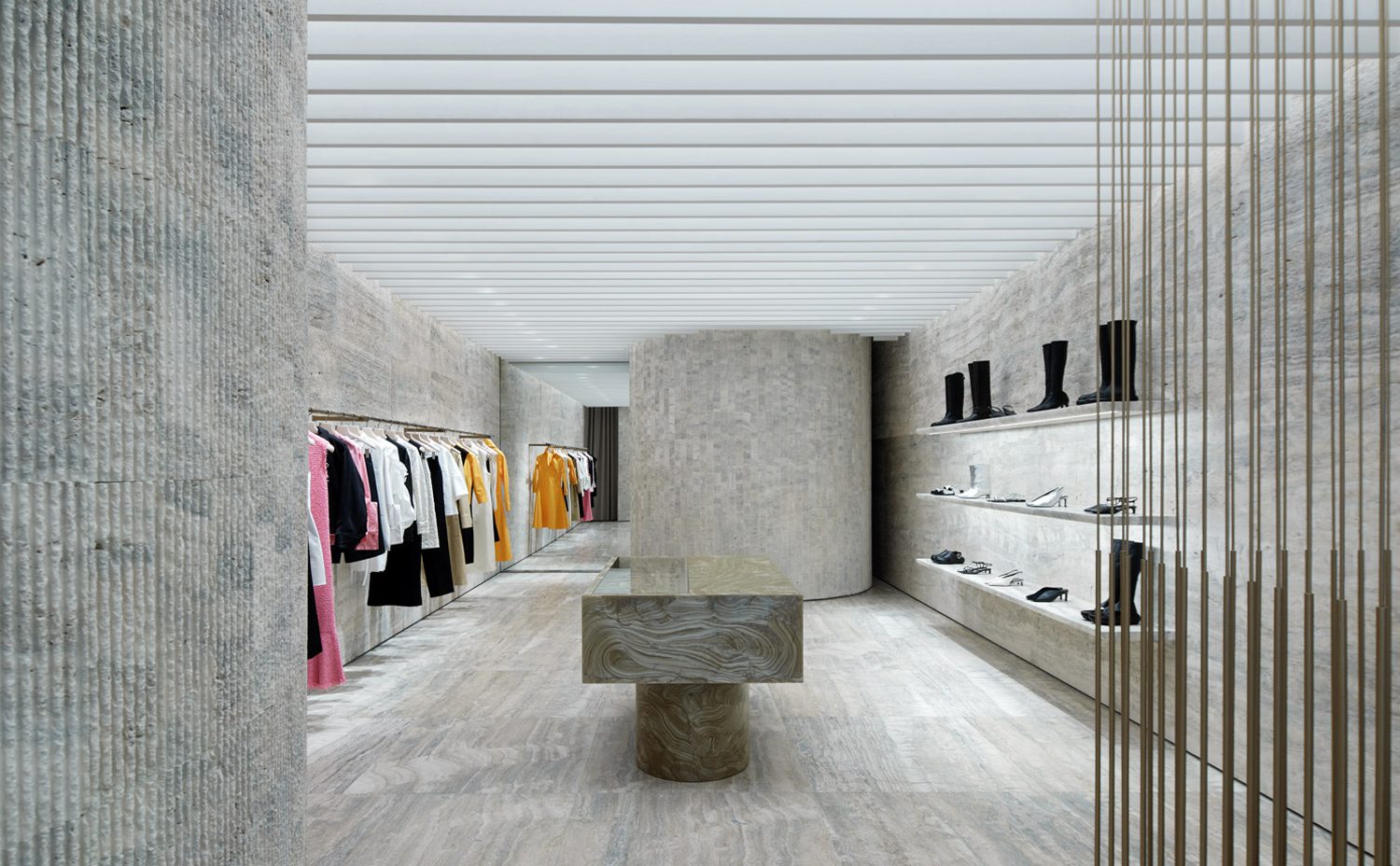
art4d: We all know that lighting design is really about experience and feeling. On the other hand, lighting design is about technical aspects and technology. So it’s like the two parts of lighting design — artistry and inspiration, technical and science. How are you balancing those ideas?
CW: I think, in the beginning, it’s a narrative. It is – you want to tell a story. You want to create an experience. The second part is, you know the technology, or you know which technology you might push to enable the narrative to its best. So, I think it’s needed to have a very good understanding of technology. But if you want to go, like, state of the art, sometimes you have to push the technology, but you always should keep in mind that the overall narrative of each concept should be the baseline, where you add up the technology to bring it to its best.
art4d: Can we say that technology and design are kind of vice versa? — technology pushes design further, and in the meantime, design pushes technology further?
CW: I completely agree. It’s not a one-way road because both sides influence the other one. Design can push technology, but technology enables us to do some ‘wild” or free thinking, even when we are saying sometimes it’s not rocket science. But sometimes you have the feeling, this is expanding the traditional boundaries of lighting design to encompass all manner of visual experience.
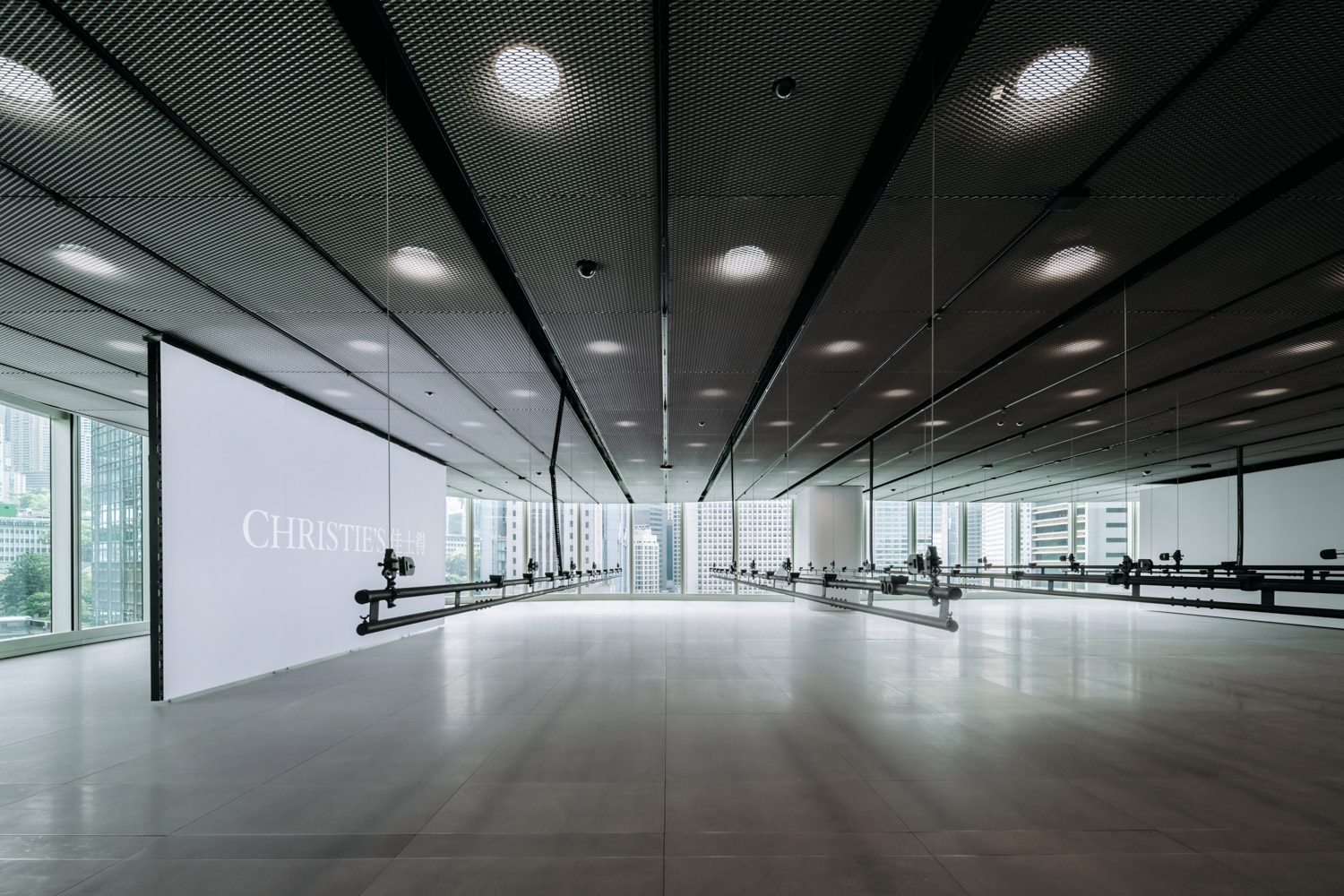
project LVD Christies | Photo: 1km Studio
art4d: How has the advent of technology, like minimization of LED technology, transformed your creative process in the last decade? What limitations or challenges do you still encounter?
CW: Over the course of more than 35 years in the business, I’ve witnessed a great deal of revolution. While light is still light, its size, dimensions, and components have changed. Nowadays, LEDs allow us to do so many things because we have a range of whites and can achieve easily different colors in RGB and white color scale. We can be incredibly minimalistic with all the latest technology.
However, when we’re creating these beautiful sketches, we sometimes forget that behind that minimized LED is a driver, which has to be placed and maintained. You don’t want to have that wonderful tiny hole in the ceiling next to a 60-by-60 box for maintenance. Therefore, there’s a much higher demand on the devices that enable an LED to perform at its best, but the LED has also allowed for designs that are quite different from what we could achieve before.
art4d: Our current situation in the design field, sustainability is one of the most important topics in contemporary design. How does lighting design play an important part in this topic?
CW: We have to be extremely careful about the resources in our global environment. So, this is one main topic that we have to be very careful about—what materials we are using and how they can be reintroduced into the circular economy. We also have to be very careful with our energy resources, specifically, how much energy is used just for lighting. The question is, can we save energy without losing comfort? I believe sustainability is becoming a significant point that has a lot of different aspects, not only technical but also human-centric, like well-being, best performance, and the most respectful performance for our environment.
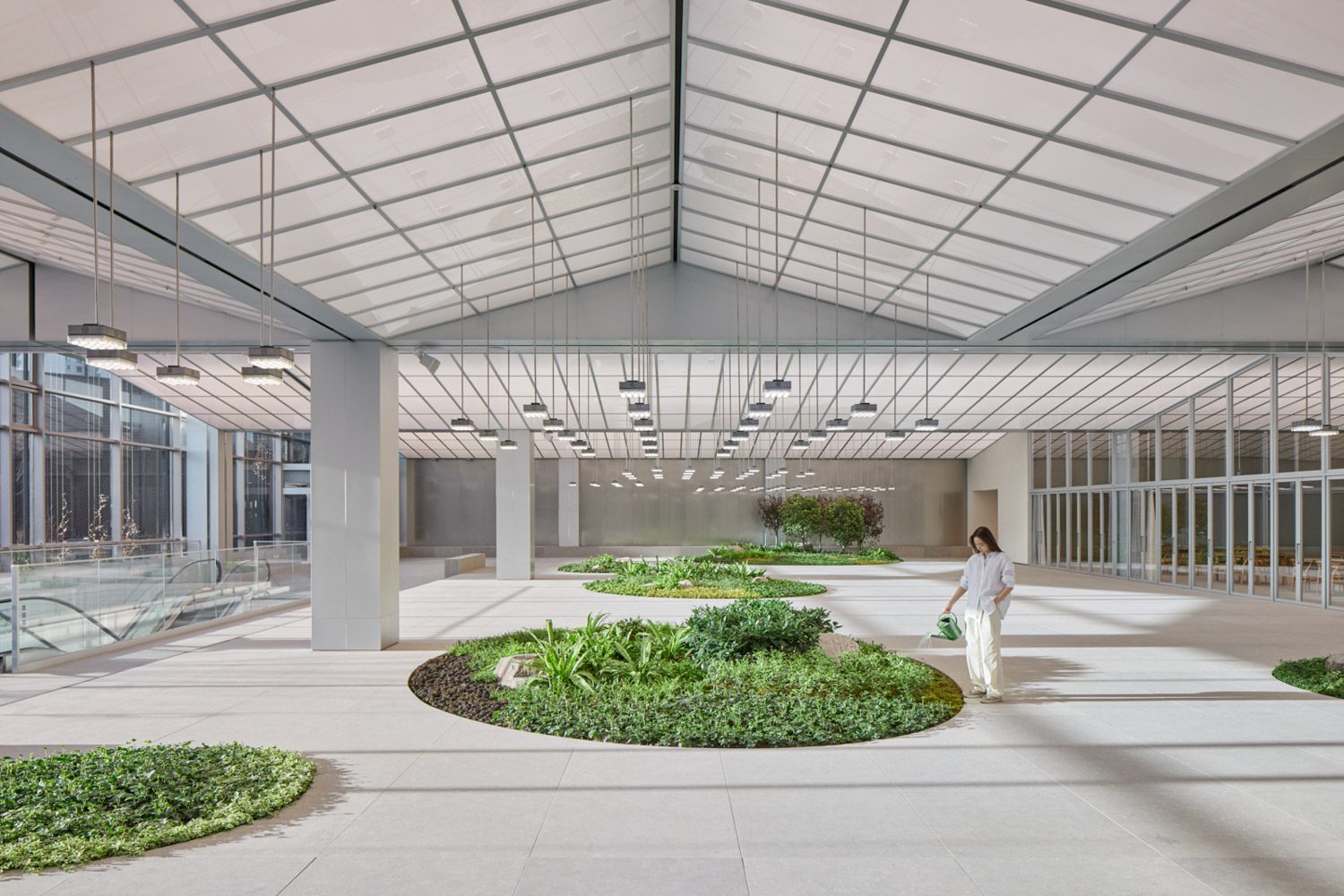
project LVD Hyundai Mokdong Seoul | Photo: CMK mokdong
art4d: From a sustainability perspective, there are two main points: well-being and efficiency. Additionally, there are other forms of sustainability in nature, such as for other species. A dark sky policy is mandatory in some countries. How can the future of lighting design approach this issue?
CW: Sustainability is and was never only about efficiency and materials; it’s also about the aspect of our whole environment. So I think the dark sky approach is very good. We have to look at all the spaces we have in our environment and on Earth, no matter where we are and where we design. I think that is the critical part of the discussion right now. Very often, we are looking at this from a single perspective. We look at a specific species; we look at the fauna; we look at the flora. But at the end of the day, it’s the holistic balanced approach of fauna, flora, and humans. I saw a few guidelines where I had the feeling that humans are stepping back, but I believe we have to consider too that humans have special needs, especially during the nighttime.
So the question is, is it only good for this species, and are we losing the comfort and feeling of safety for humans? It’s not just a thumb rule. It has to be balanced. I think we’ve gained so much knowledge from science and studies about humans, flora and, fauna that we have to bring it all together and balance it in a smart and educated way.
art4d: It’s all about balance.
CW: Yes.
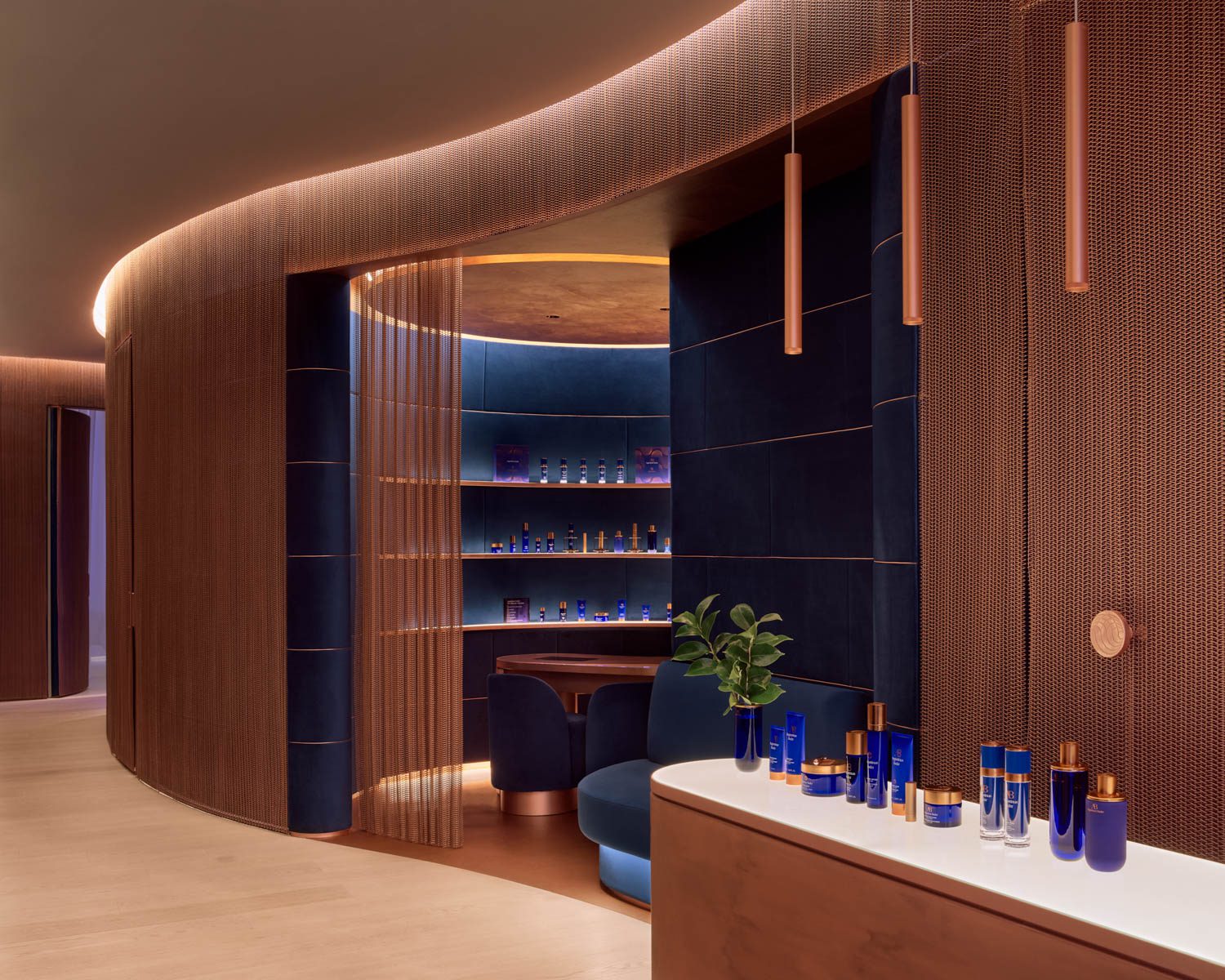
project LVD Augustinus-Bader | Photo: Augustinus Bader
art4d: Now we’re talking about two creatures – we’re talking about humans and we’re talking about other species. Currently we have another species that erupted in this world, called AI. How can AI take part in this industry?
CW: If I had the golden answer to how we should handle AI, I think I should change my business. Everyone is asking this question. I believe we’re in the middle of a learning process. We should keep it as a tool, as a database. It’s extremely important that we train still our critical thinking. There’s a chance that we’ll just take the answers for granted, but I think AI has already changed designers and creators in our environment.
When we evaluate the answers from AI, we keep in mind it’s a tremendous tool that saves us a lot of time. Right now, it seems like some people think you can solve everything with AI. They think, ‘You just do this, and it’s done.’ But no, it’s not done. It’s an option. AI provides options, and we are in the position to judge and say, ‘This is the right track,’ or ‘This needs to be improved.’ I think it’s important that it remains a tool, a great database from which we can all learn. But I think studying is also helpful sometimes, as is looking at things that go beyond the options AI provides me.
AI keeps the door open for the surprising moment. I currently have the impression that AI limits the option of that fresh thought, the ‘wild cards’ that come from truly thinking outside the box, because its database is based on existing information. However, the nature of humans is more about different experiences and synapses. It’s like having an idea where you can link two things together that aren’t logical, but it can create something truly new. So, personally, as a designer, I think those surprising moments—which might not be so serious and are more fun—are what makes the difference. If you start discussing ‘fun’ with AI, it’s also an interesting exercise. I think there should be that lovely, poetic moment, and I don’t see that in AI at the moment.
art4d: It’s like AI can provide us options, but we, as a designer, hold a crucial responsibility to opting for those options.
CW: I think it takes us time to read tons of magazines, tons of books, and to look at references. So you must have a rough idea of your design road — the path you want to go. So you can get inspiration, but you should always be open to having a surprising moment in a way that you bring the connections of two things, which might not be so common to connect to each other.
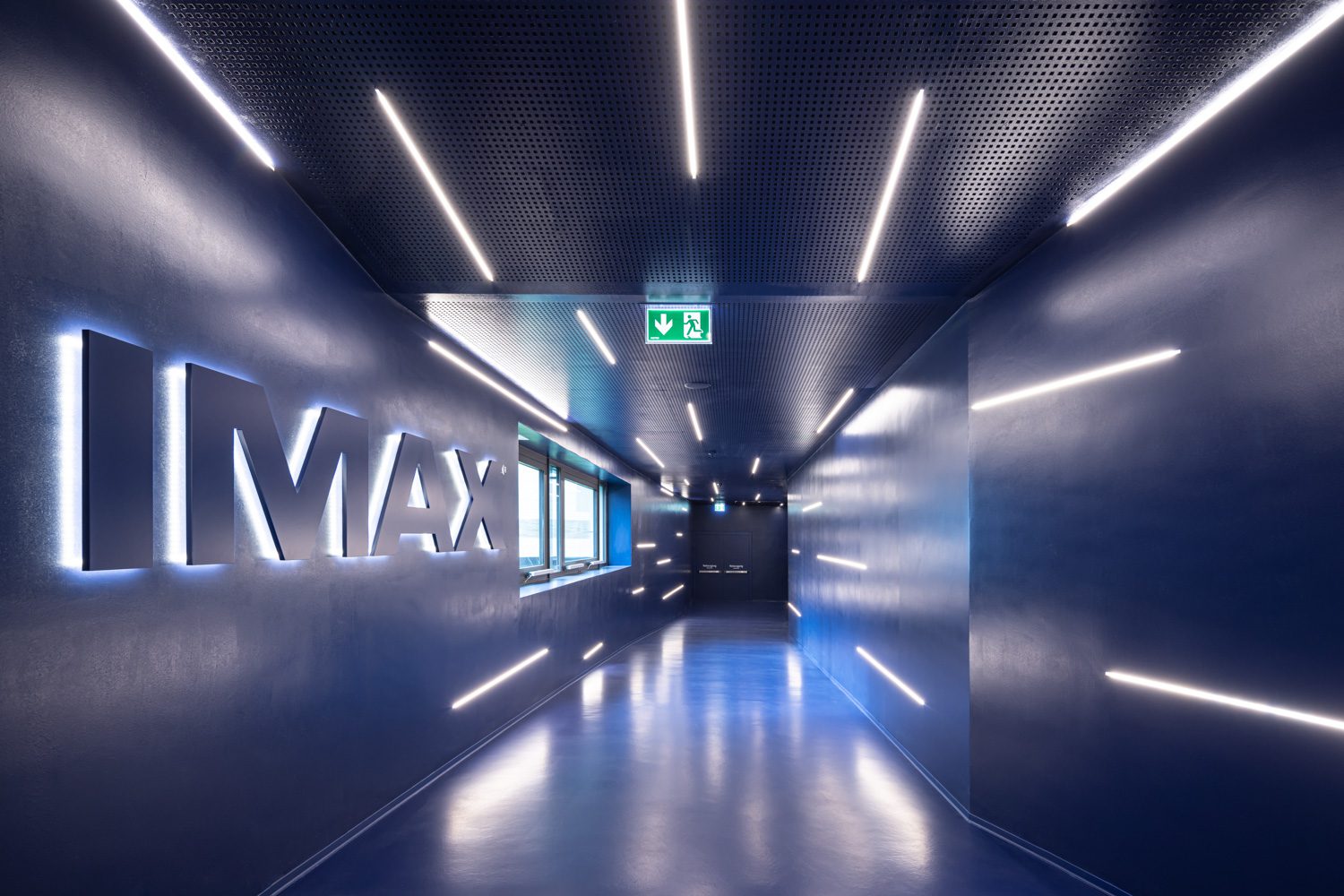
project LVD Blue Cinema Chur | Photo: Ingo Rasp
art4d: As Lichtvision is kind of a global company, can you share with us some of the differences in working as a lighting designer in Europe, in Asia and in the Middle-East?
CW: I think the difference, in the end, is that we do lighting design in different cultural enviroments. In every region, we try to link it to the cultural heritage. I call it cultural intelligence. It has to be connected to the local spirit. On the other hand, your clients are different. They have different attitudes, education, and backgrounds.
For example, Germans are well known for being very straightforward and precise. In other regions, it’s more about an educated decision, where clients want to see and understand options and be very clear in their choices. So, I think if you work internationally, you need to have an understanding of the local culture and how people interact with each other.
You have to respect that, and you shouldn’t underestimate where you’re from. You don’t have to change your personality, but it is important to respect and explore the other cultures and find a way to understand them in a proactive way. From my perspective, working internationally allowed me truly gain a wider view of the world and improved my human skills.
art4d: This is our last question. Do you foresee the future where lighting design moves beyond just visual experience. To immersive experience?
CW: I think the immersive experience is already here. I wouldn’t push it into the future. It’s more a question of whether it’s needed everywhere.
Is there a need to have an immersive experience at your workplace on all levels? I’m not 100% sure about that. It might depend on where you’re working. However, in the public realm, I think it’s good to have those points. If everything were immersive, we might loose the interest- in terms of economies of attentions and hierachie of focal points. I think it should be something you seek out, something you join and experience as a special moment. That is already happening in many designs.
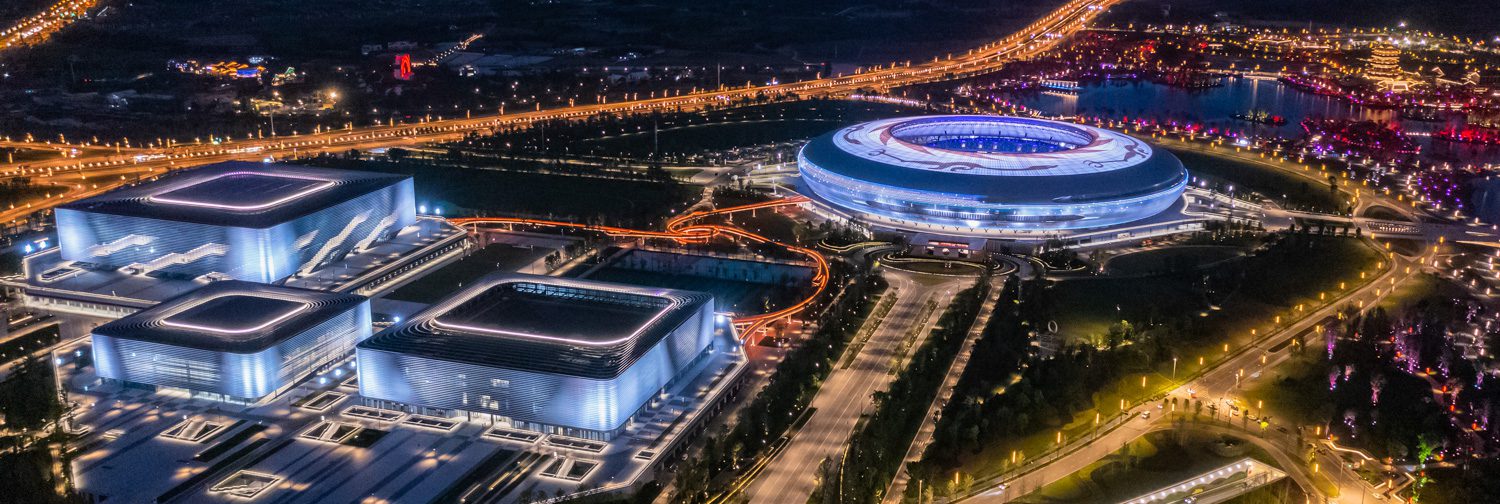
project LVD Dong an Lake Sports Park chengdu | Photo: Yi Tang