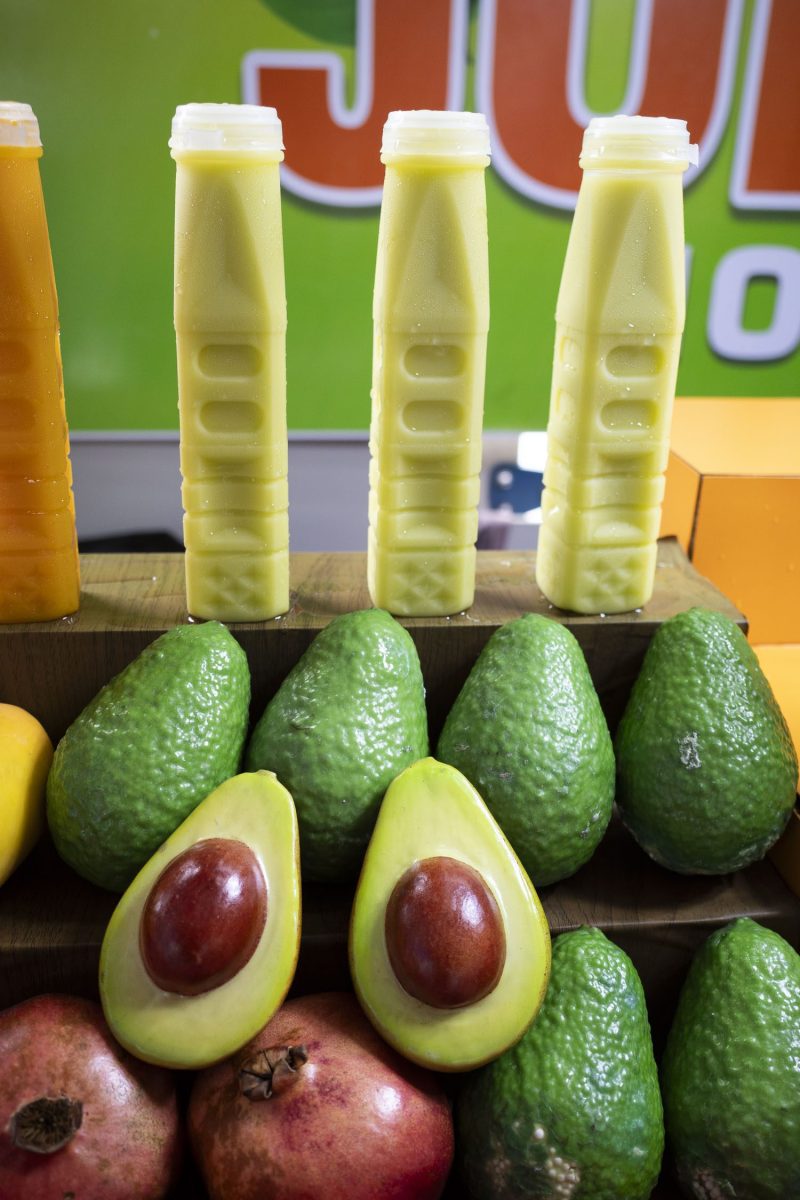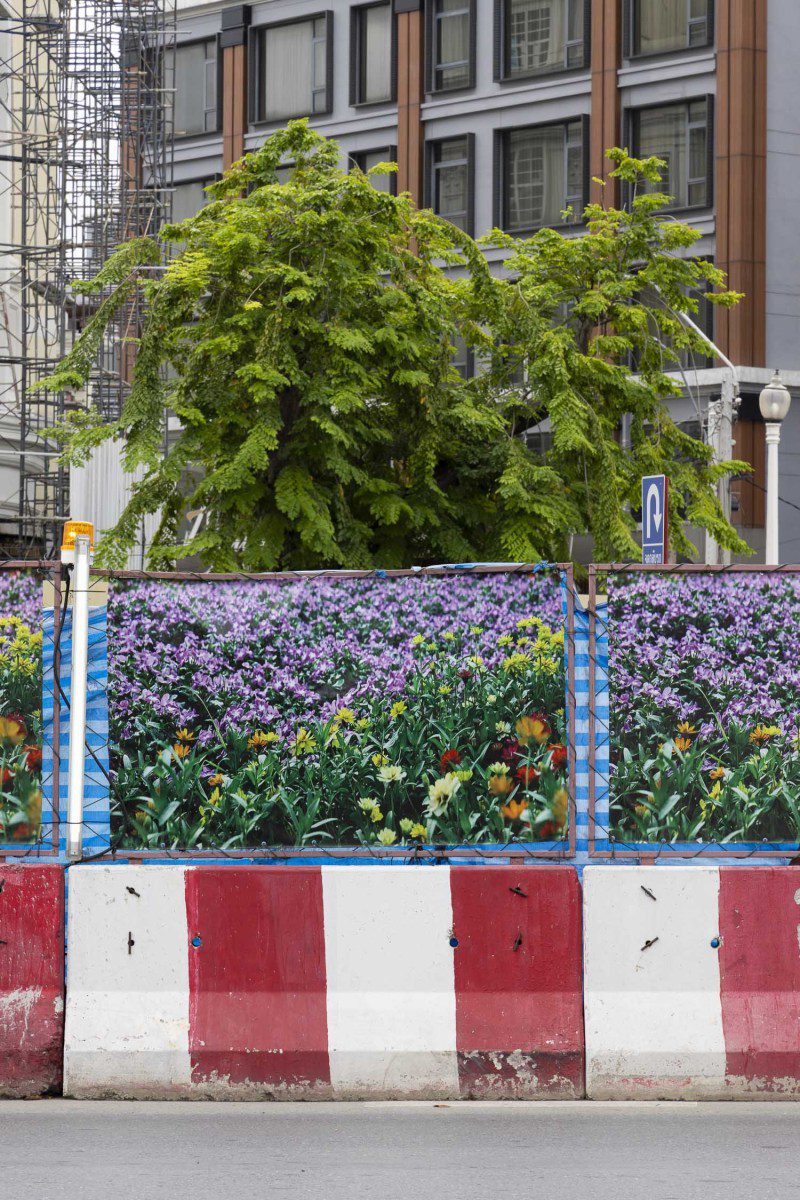

BARRY MACDONALD’S PHOTOGRAPHY DOCUMENTARY UNVEILS A REALM WHERE FLOWERS KNOW NO WILTING AND THE FIREPLACE IS ETERNALLY LIT, STIRRING US TO PONDER THE QUIET ERASURE OF DEATH AND DECAY FROM OUR WORLD
TEXT & PHOTO: BARRY MACDONALD
(For Thai, press here)
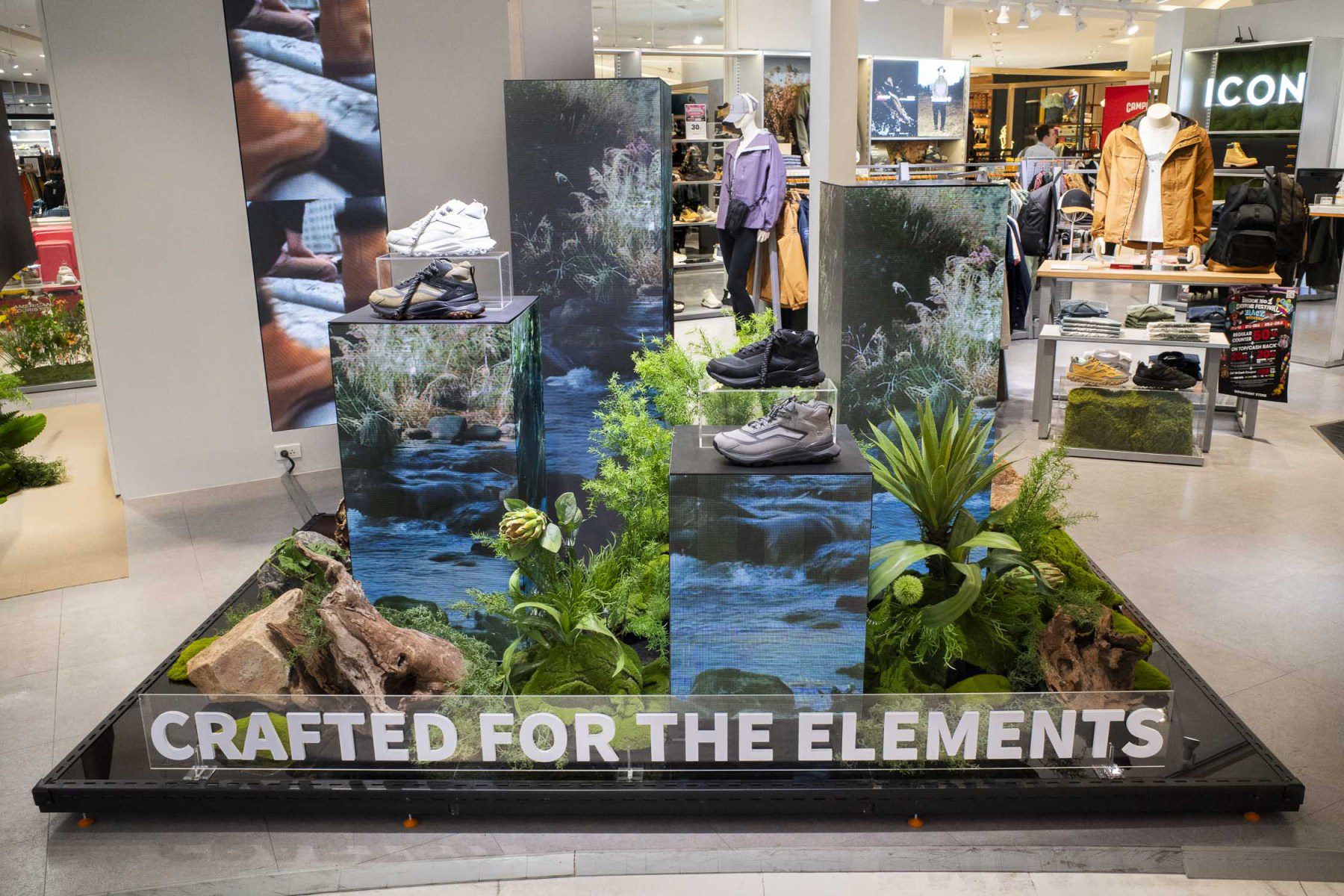
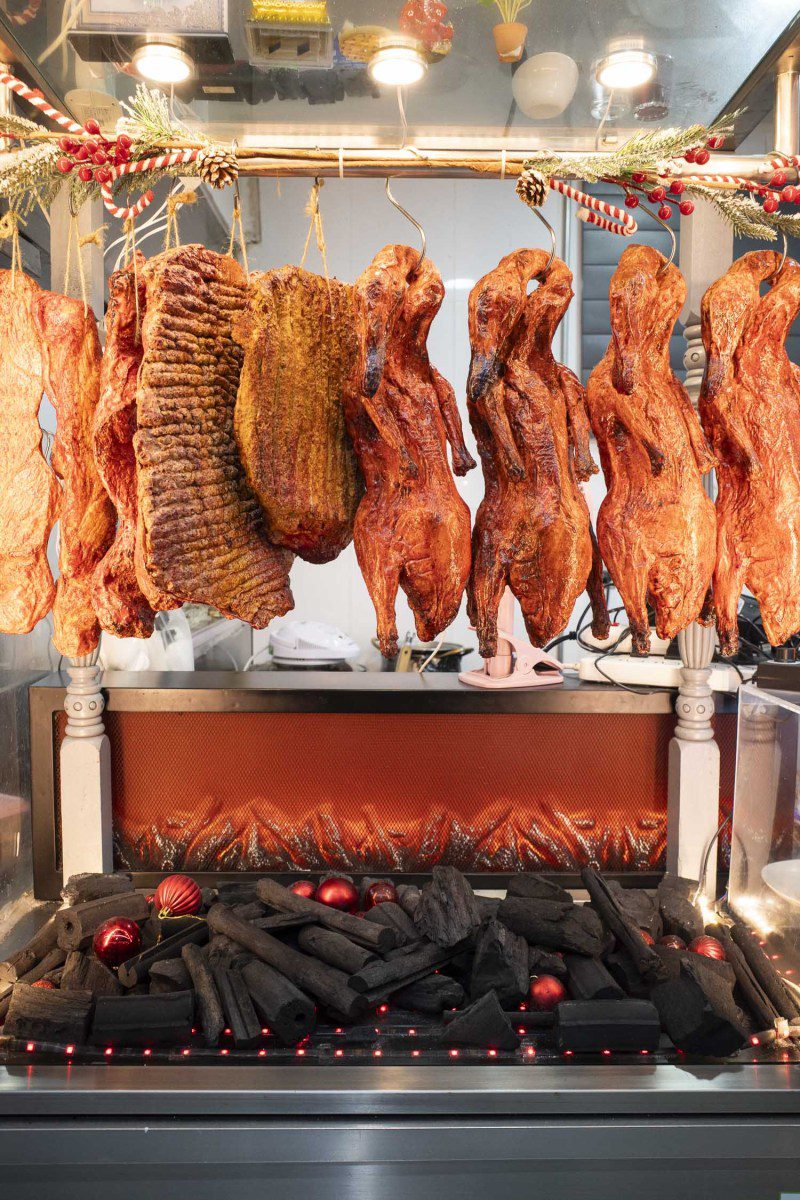
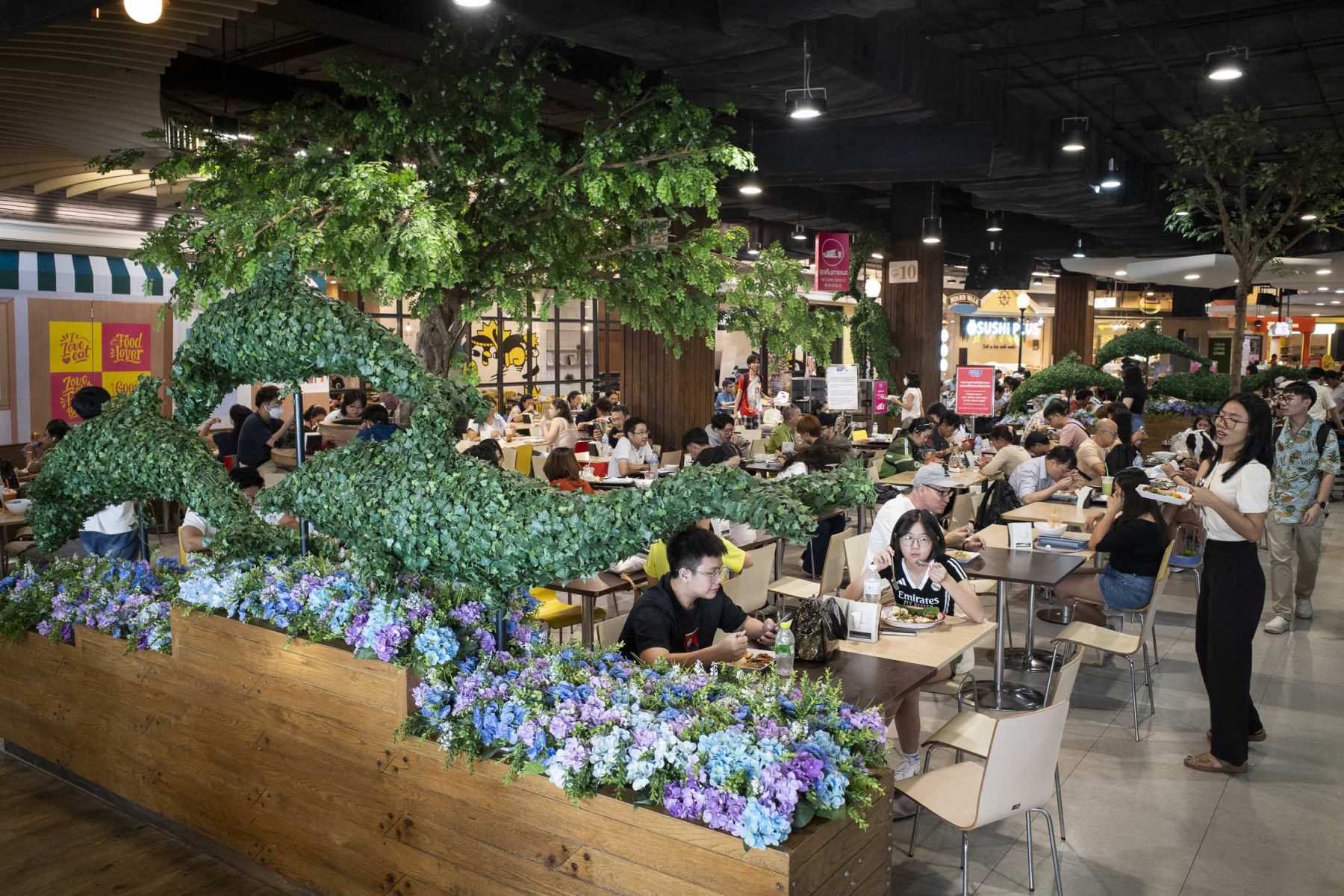
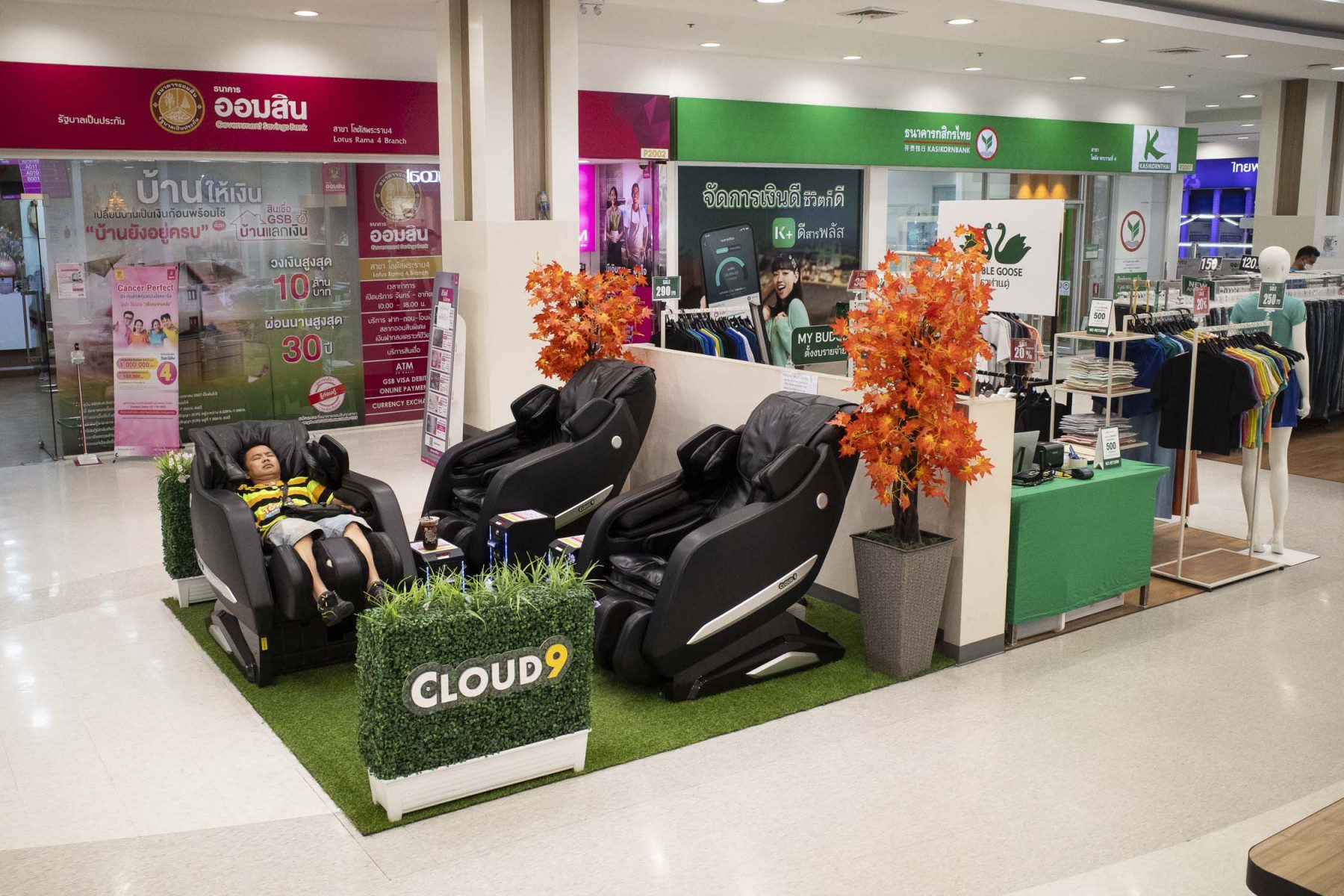
In a Bangkok hotel, I noticed a fireplace made with a TV, as part of their Christmas decorations. It kind of resembled the look and sound, but it lacked the heat, smell, smoke and transformation you would normally experience with a fireplace. I was struck by the irony that fire, which naturally dies so quickly, had been turned into an eternal 30-second digital loop. I photographed it as part of a documentary series I was making about Christmas away from home, but it made me think about other parts of life that were being replaced artificially. Afterwards, I started to notice all the fake flowers, grass and trees etc. surrounding me every day, and a new project was born.
As I started photographing these artificial objects, I thought about how our observance of nature can be one of the strongest lessons of the ephemerality that defines every living thing. The seasons change and we are reminded of the constant march of time. Flowers wilt and show us impermanence, and teach us to appreciate beauty while it lasts. I felt uneasy that the signals nature normally sends us were being hidden underneath this plastic world.
The more photos I took, I saw humans becoming separated from the natural world. The majority of us live in cities, but most people use their holidays to get away to the beach or mountains. Therapists prescribe forest bathing for overworked office staff, understanding that a slow walk in a big place resets your brain back into a natural rhythm. The primal emotions stirred by a sunset or a view from a mountaintop have been put at the centre of advertising trying to tap into our greatest desires. Our love of nature is deeply rooted in our souls, but as society develops rapidly we are becoming more disconnected from it. As we spend less time outdoors and have plastic flowers that don’t wilt or need to be cared for, it is easier to lose sight of the impact our convenient lives are having on the environment.
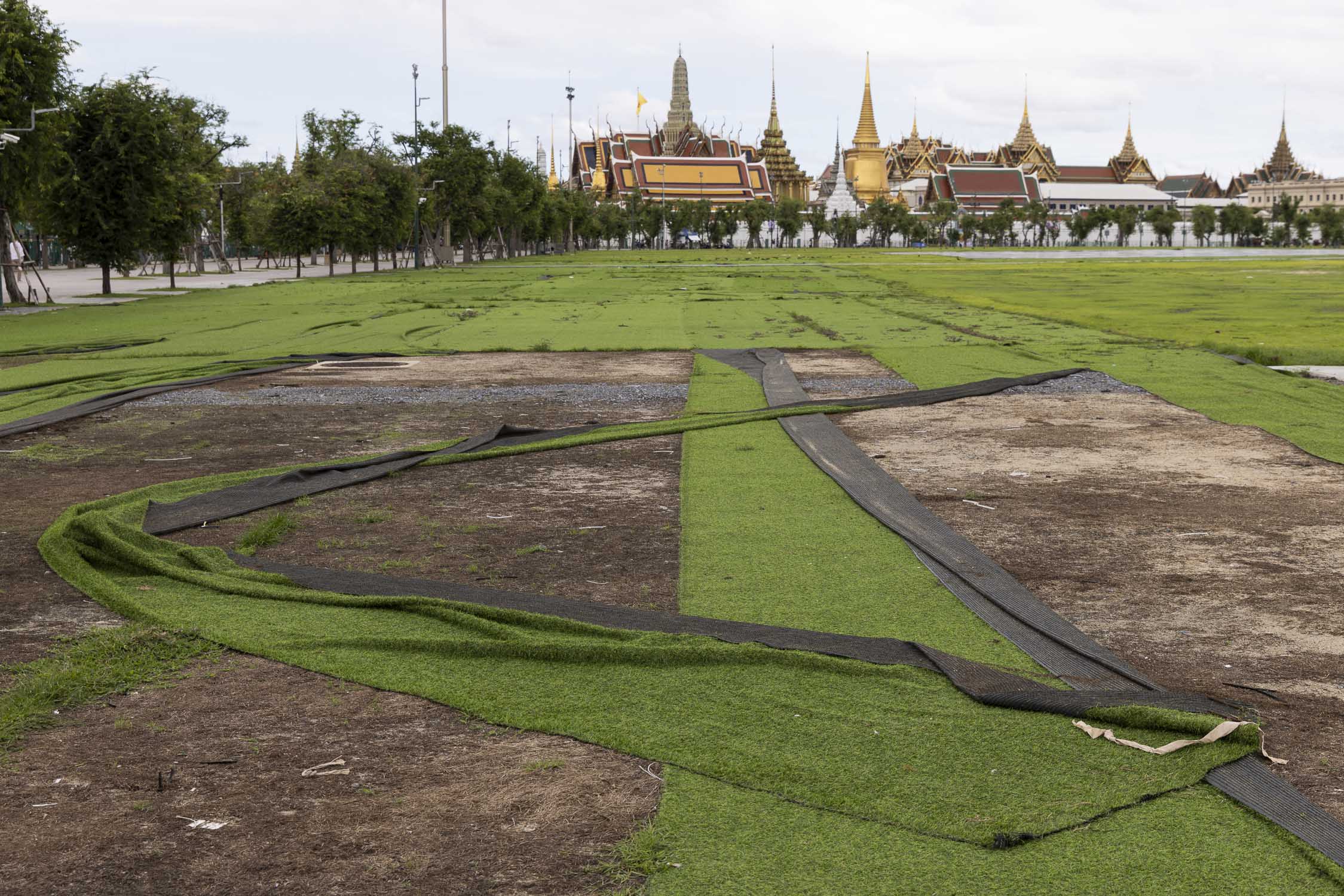
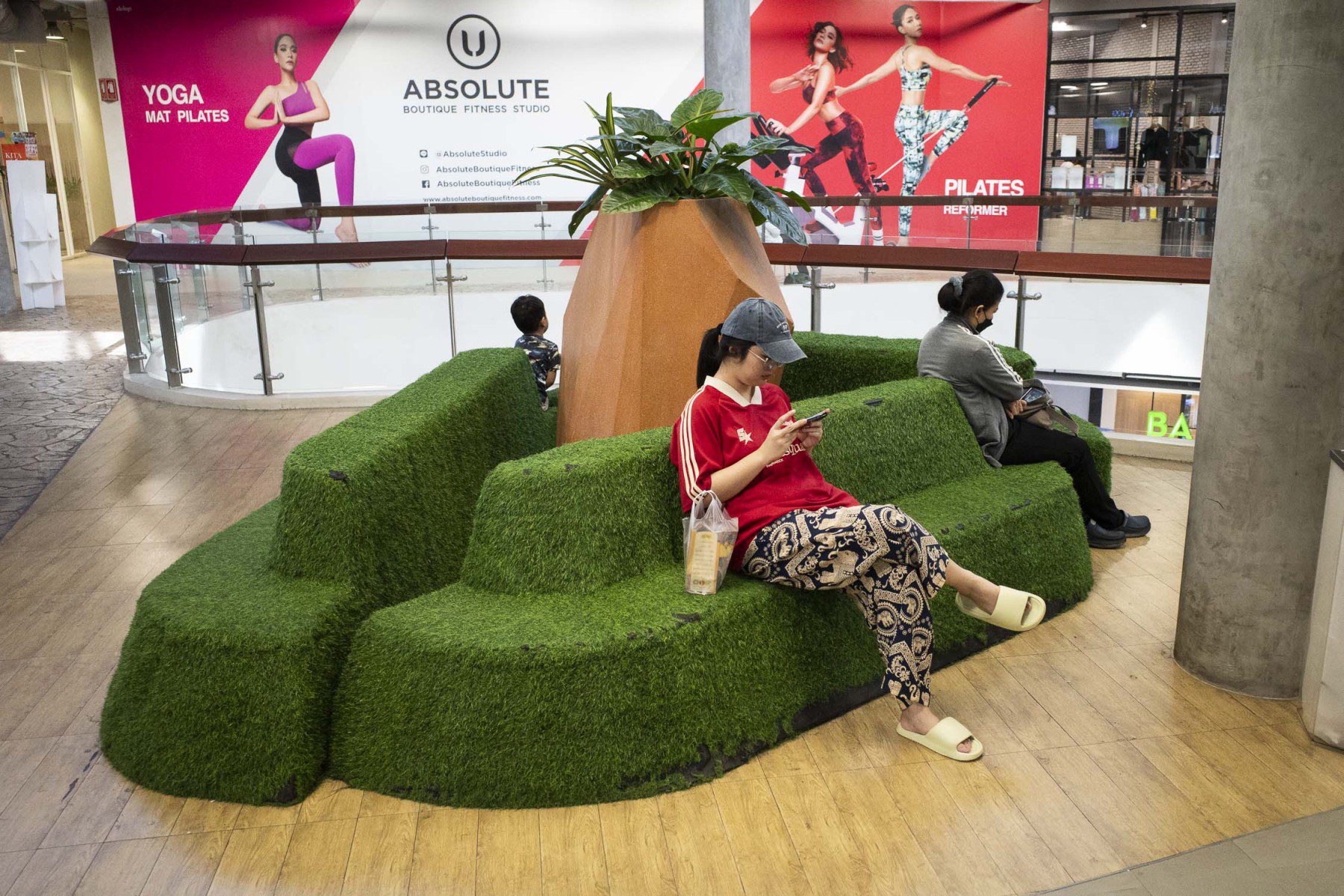
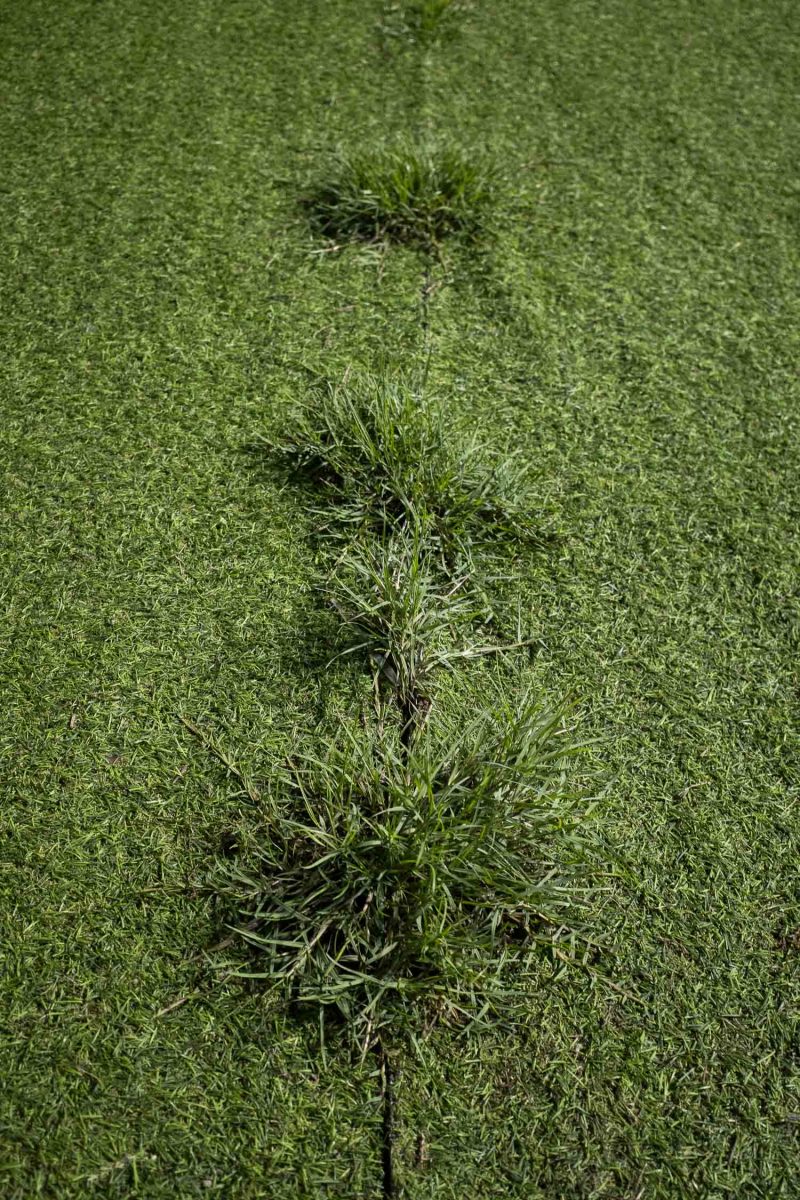
Living in Bangkok, I like to walk in parks for some small doses of nature for my mental and physical wellbeing. In a park next to the Grand Palace, I realised most of the grass is actually a fake plastic carpet. Some parts were flipped over, showing the bare earth hidden underneath. It was absurd how the plastic carpet stopped anything growing, except for a few tufts of real grass that had broken through the gaps. I watched the birds all feed on the small pieces of real grass and ignore all of the artificial areas. It was a quiet demonstration of the ecological diversity and importance of the living grass.
This strange artificial reality made of plastic is actually accelerating the decline of the natural world we cherish so much. We have become so focussed on the visual, and have not noticed all of the other components that are lost and are just as important. Our five senses appreciate the birdsong, blossoms, butterflies, textures and oxygen that all create the holistic benefit. My walk on the plastic carpet did little for my senses and I wondered where the birds would live after all the grass is gone for good.
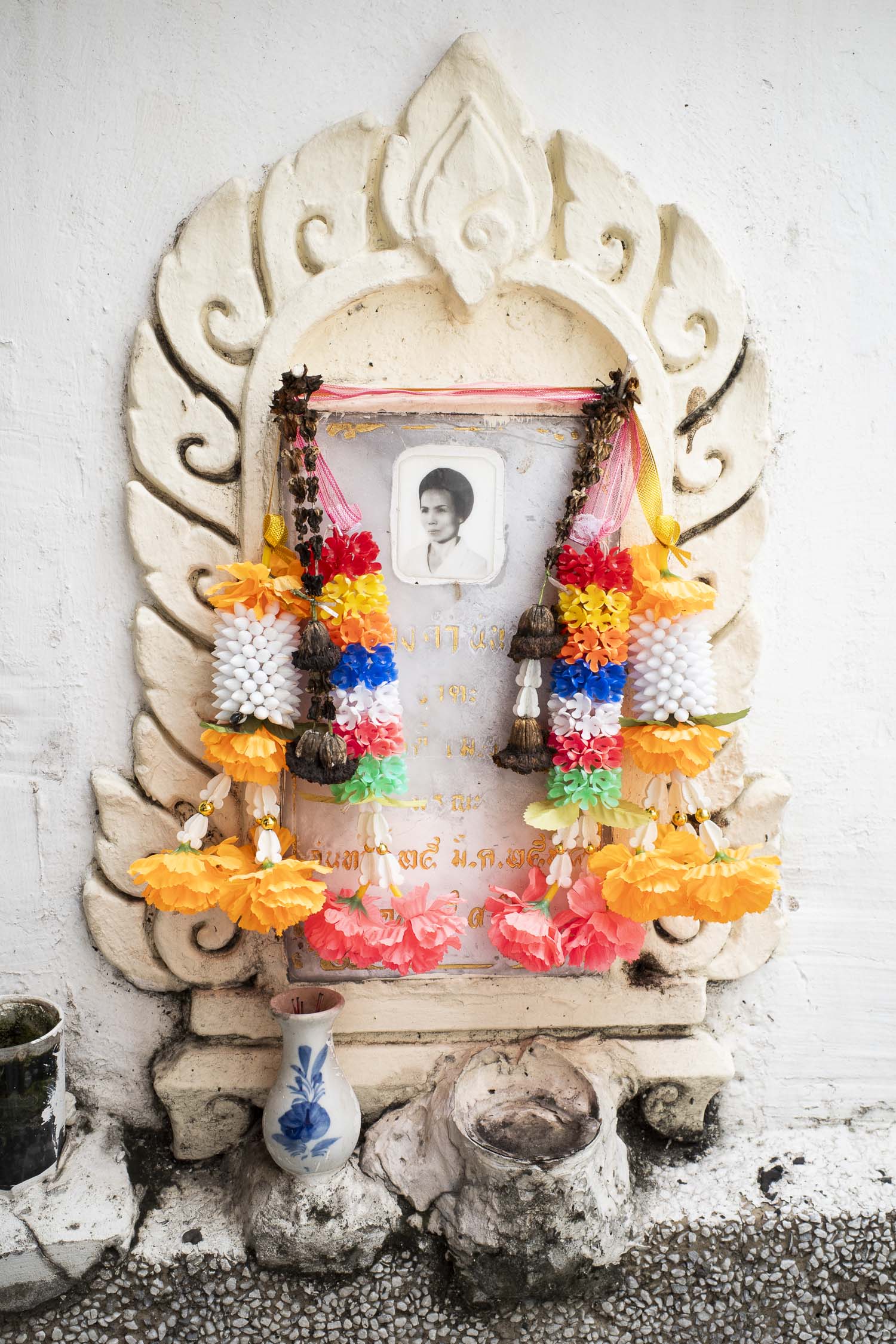
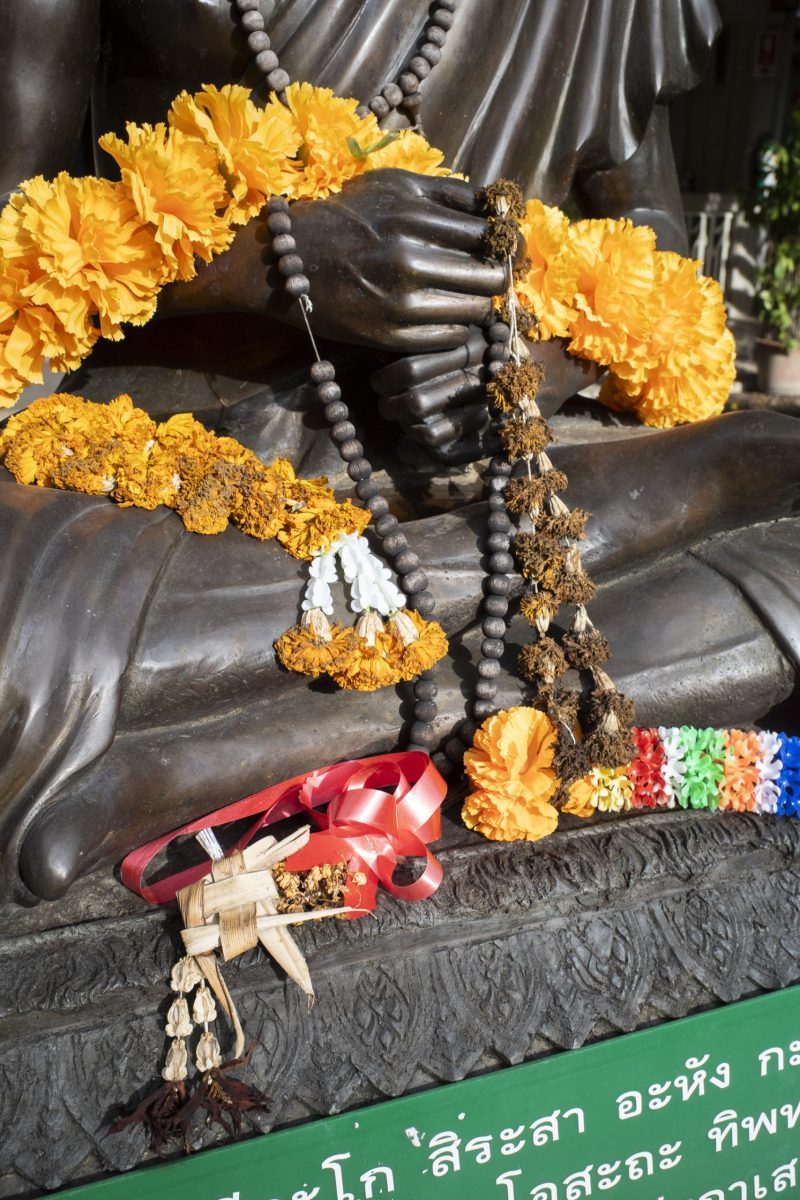
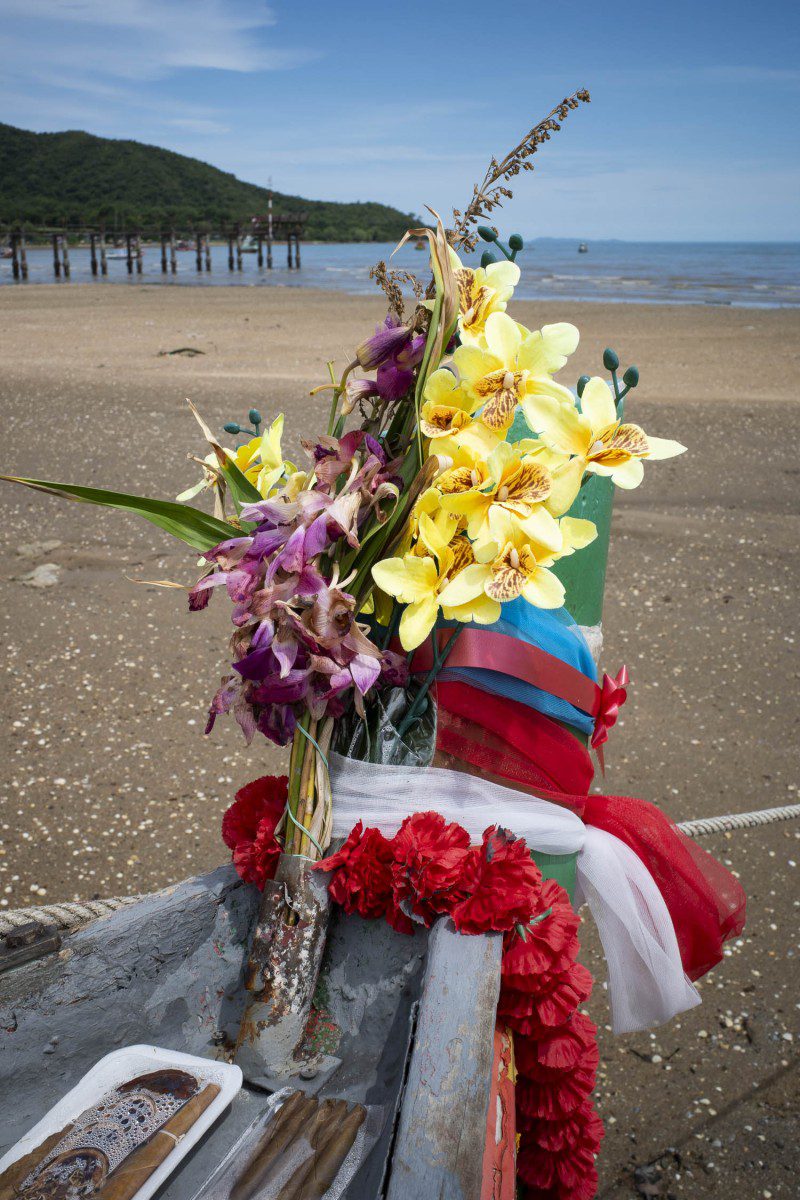
Working on my project made me think a lot about how this absence of visual decay would affect our attitudes towards death. I am always interested in visiting graveyards, because they can tell you so much about the history and culture of the people. You can see different religious practices that help with mourning, grieving and paying tribute. In a crematorium where the urns holding the ashes were stored in niches, people left fresh flowers, incense, food and drink as offerings. This Buddhist tradition believes the spirits of the departed can still partake in these offerings, bridging the gap between the living and the dead.
In the tropical climate they soon wilt, rot and evaporate, so many people had chosen to supplement them with plastic flowers, so the graves are always bright and colourful. Some were mixed with wilting flowers and showed the stark contrast of the reality of nature. I watched as families came to pray and replace the offerings, using this time to connect with deceased loved ones and show they still cared and still remembered. I was curious if putting real flowers on a grave was an important part of the grieving process. The regular visits and the constant reminder that we will suffer the same fate as the flowers one day, and if the seeming permanence of plastic flowers diminishes the meaning of this ritual.
People are now using AI to create moving and talking avatars of deceased relatives using their old photos and videos. They can even be linked to the internet and have conversations about current events. I wonder how this would fit in with various religious beliefs, where the spirit is meant to pass over to the other side or be reincarnated, would this AI version trap your soul in limbo for eternity?
Having too much of a satisfying connection with a dead person could interfere with the grieving process, creating an unhealthy illusion. In my own experiences with death and loss I have found that acceptance is a tough stage to pass and become comfortable with. Moving on with your life after a personal loss can feel impossible at first, but the consequences of not finding closure could leave you with long term psychological problems.
In search of immortality some people are seeking to upload their whole brains onto servers in an attempt to outlive the death of their physical bodies. Cryonics and AI are working to keep our brains saved forever, to be downloaded into cloned or robot bodies or to just exist floating on the internet. By freezing sperm and eggs, it will be possible to have a child 100 years after death and an AI version of ourselves could witness it. Instead of acknowledging death, they aim to transcend it. Will this lead us to mistakenly feel invincible and like we have an unlimited amount of time to enjoy our lives?
Our sense of ephemerality is being elongated and skewed in so many ways! Death and impermanence serve as natural reminders of time’s passage and life’s fragility. The more we surround ourselves with synthetic versions of life, the more we risk losing our connection to what makes us human. Progress has brought convenience, but it has also numbed our senses and distanced us from the cycles that give life meaning. To understand nature is not just to appreciate the universe, it is the key to understanding ourselves.