
WHEN THE PRESIDENT OF THE UNITED STATES USE ARCHITECTURE AS A TOOL TO DEFINE THE IMAGE AND IDEOLOGY OF THE NATION UNDER THE SIGNING OF THE ORDER ‘MAKE FEDERAL ARCHITECTURE BEAUTIFUL AGAIN’
TEXT: PRATCHAYAPOL LERTWICHA
PHOTO CREDIT AS NOTED
(For Thai, press here)
On August 28, U.S. President Donald Trump signed an executive order titled ‘Make Federal Architecture Beautiful Again,’ mandating that new federal buildings, ranging from courthouses and agency headquarters to any federal public building with a construction budget exceeding $50 million, adhere to Classical and Traditional architectural styles. The order frames this directive as a means to ‘honor tradition, foster civic pride, and inspire the citizenry.’
This marks yet another chapter in Trump’s ongoing effort to assert control over the architectural expression of the American state. During his first term in office, he issued a similar decree, ‘Promoting Beautiful Federal Civic Architecture,’ in 2020. That order was quickly rescinded in 2021 under President Joe Biden. Yet Trump remained undeterred. On the campaign trail in 2023, he pledged to ‘get rid of ugly buildings … and return to the magnificent classical style of Western civilization.’
Now, restored to office for a second term, he has moved swiftly to fulfill that promise. What may appear, on the surface, to be a mere directive on architectural aesthetics has sparked unease within the American architectural community. Many fear that imposing a single style could inflict serious repercussions on the design and construction industries, and even ignite deeper anxieties about ‘authoritarianism’ taking root in the United States.
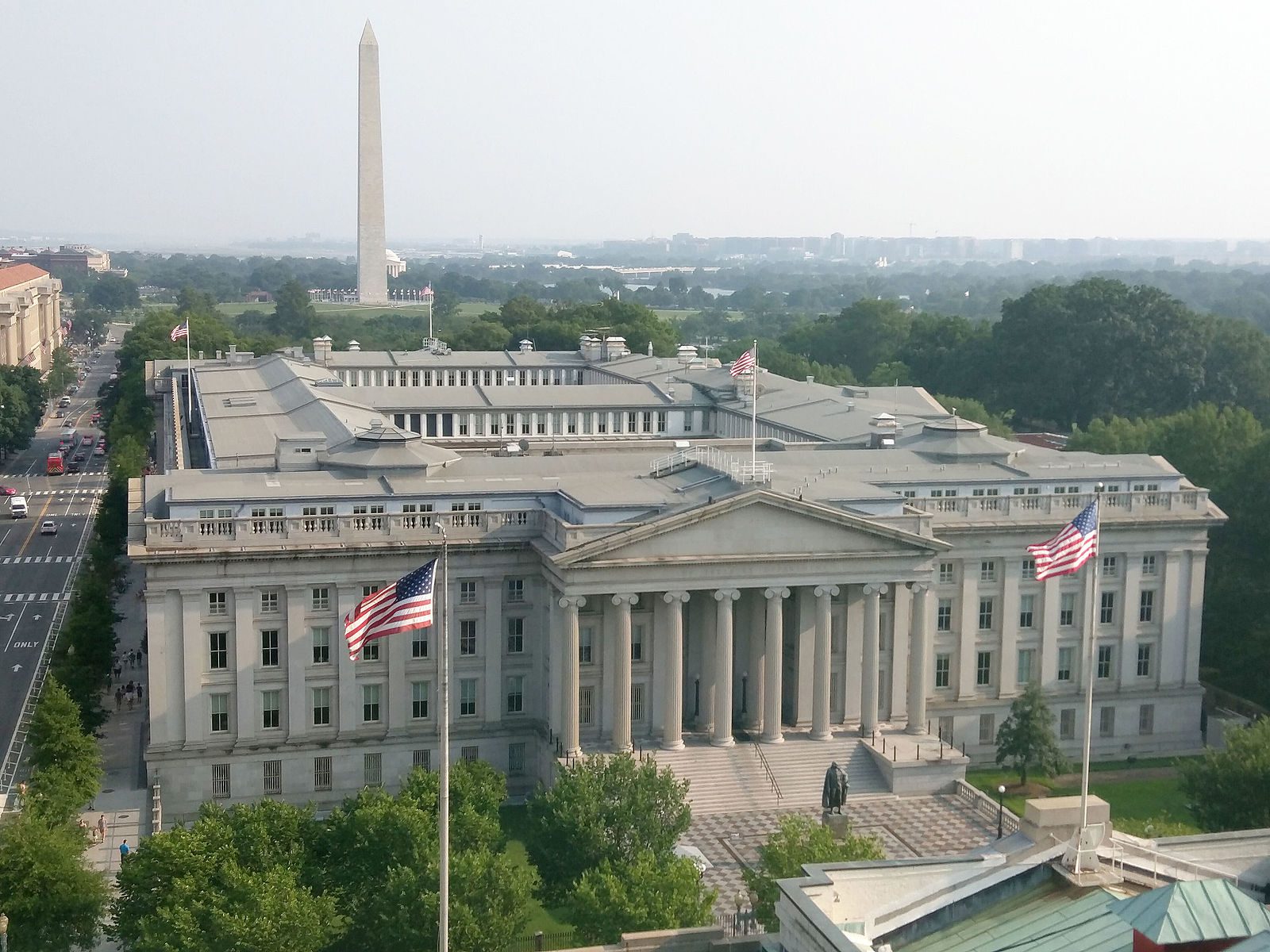
Treasury Building (Washington D.C.) Neoclassical architecture | Photo: commons wikimedia (https://commons.wikimedia.org/wiki/File:Us-treasury-building.jpg)
Consequences of the Signing
The executive order set out explicit directives for the General Services Administration (GSA), the federal agency charged with overseeing government buildings. It specifies that ‘the Administrator shall actively recruit architectural firms and, as applicable, designers with experience in classical and traditional architecture to enter such competition and shall, to the extent practicable, ensure that multiple designs in such styles are advanced to the final evaluation round.’
The order also provides precise definitions of what constitutes Classical and Traditional architecture. Classical is described as encompassing styles derived from the legacy of ancient Greece and Rome, including Neoclassical, Georgian, Federal, Greek Revival, Beaux-Arts, and Art Deco. Traditional refers to humanistic architectural idioms such as Gothic, Romanesque, Second Empire, Pueblo Revival, and Spanish Colonial, as well as regionally specific historical styles found across the United States.
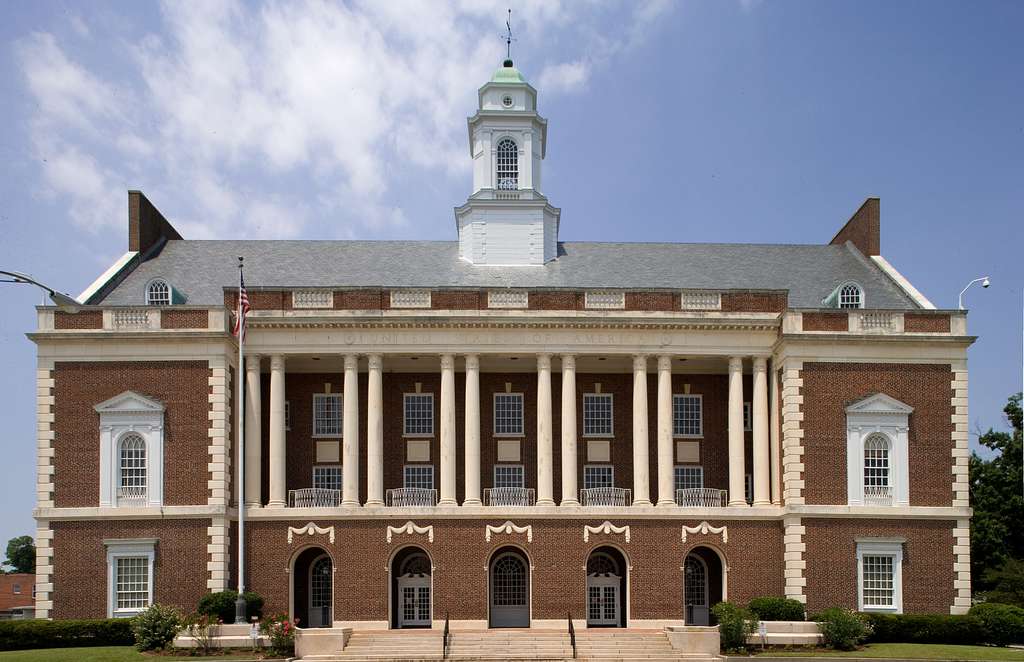
U.S. Post Office and Courthouse, New Bern, NC, Colonial Revival architecture by Robert F. Smallwood | Photo: Carol M. Highsmith (https://picryl.com/media/photographs-of-the-u-s-post-office-and-courthouse-in-new-bern-north-carolina-6)
These architectural styles are elevated as models because they are deemed to ‘reflect the dignity, enterprise, vigor, and stability of the American Government.’ Although the order prioritizes Classical and Traditional design, it does permit alternative styles in certain cases—provided that the GSA first notifies and seeks approval from the President.
The very title of the order, ‘Make Federal Architecture Beautiful Again,’ echoes Trump’s campaign slogan ‘Make America Great Again,’ which rallied support for restoring the nation’s global stature following years of economic strain. In this light, the directive can be seen as yet another instrument through which Trump seeks to revive the national spirit, this time by reshaping the image of federal architecture.
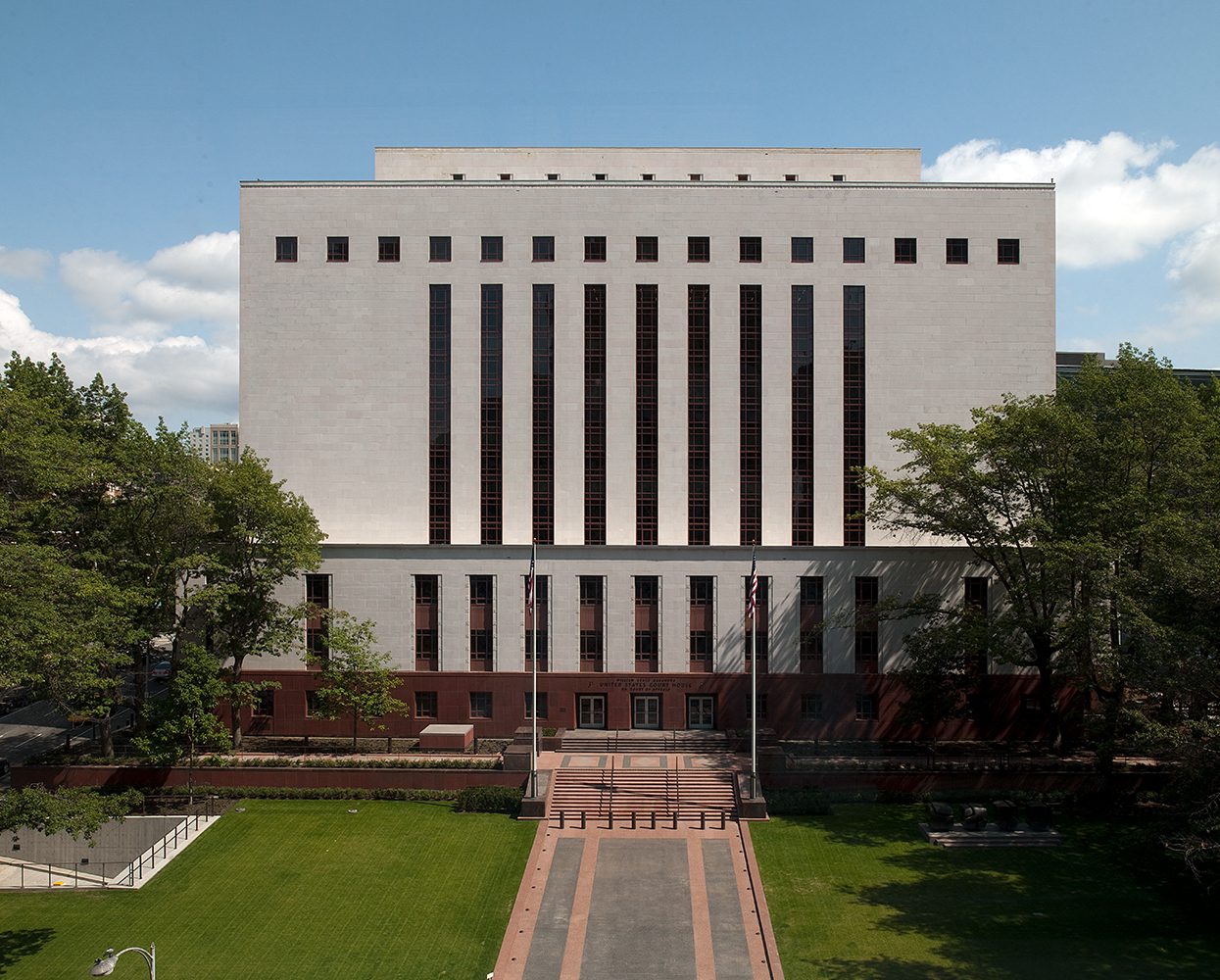
William Kenzo Nakamura United States Courthouse, Art Deco architecture by Gilbert Stanley Underwood | Photo: Carol M. Highsmith (https://commons.wikimedia.org/wiki/File:William_Kenzo_Nakamura_U.S._Courthouse,_Seattle,_Washington_LCCN2010720890.tif)
Classical Architecture = Architecture of the People?
A glance back at the history of federal building design reveals that government architecture in the United States has never been confined to a single style. In the nation’s formative years, from the late eighteenth to the early nineteenth century, Greek and Roman models were adopted as the principal reference.George Washington and Thomas Jefferson, the first and third presidents and both the country’s Founding Fathers, commissioned key government buildings in the Neoclassical style, which are essentially structures characterized by symmetry, monumentality, and decorative elements drawn from ancient temples. The U.S. Capitol and the White House are prime examples, intended to embody the ideals of Greek democracy and the Roman republic as the ideological foundations of the newly established nation.
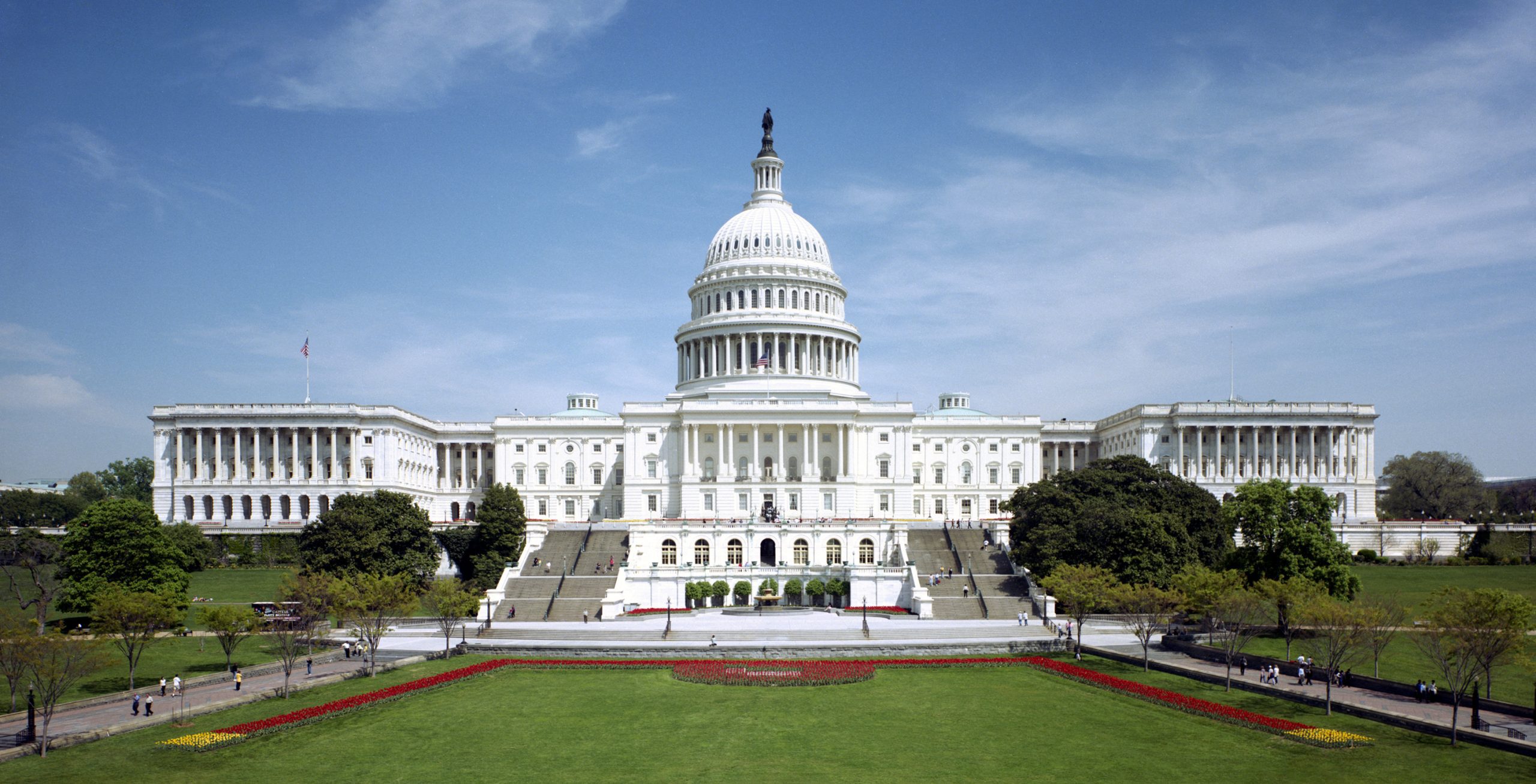
U.S. Capitol Building, Neoclassical architecture | Photo: Architect of the Capitol (https://commons.wikimedia.org/wiki/File:United_States_Capitol_-_west_front_tilt_correct.jpg)
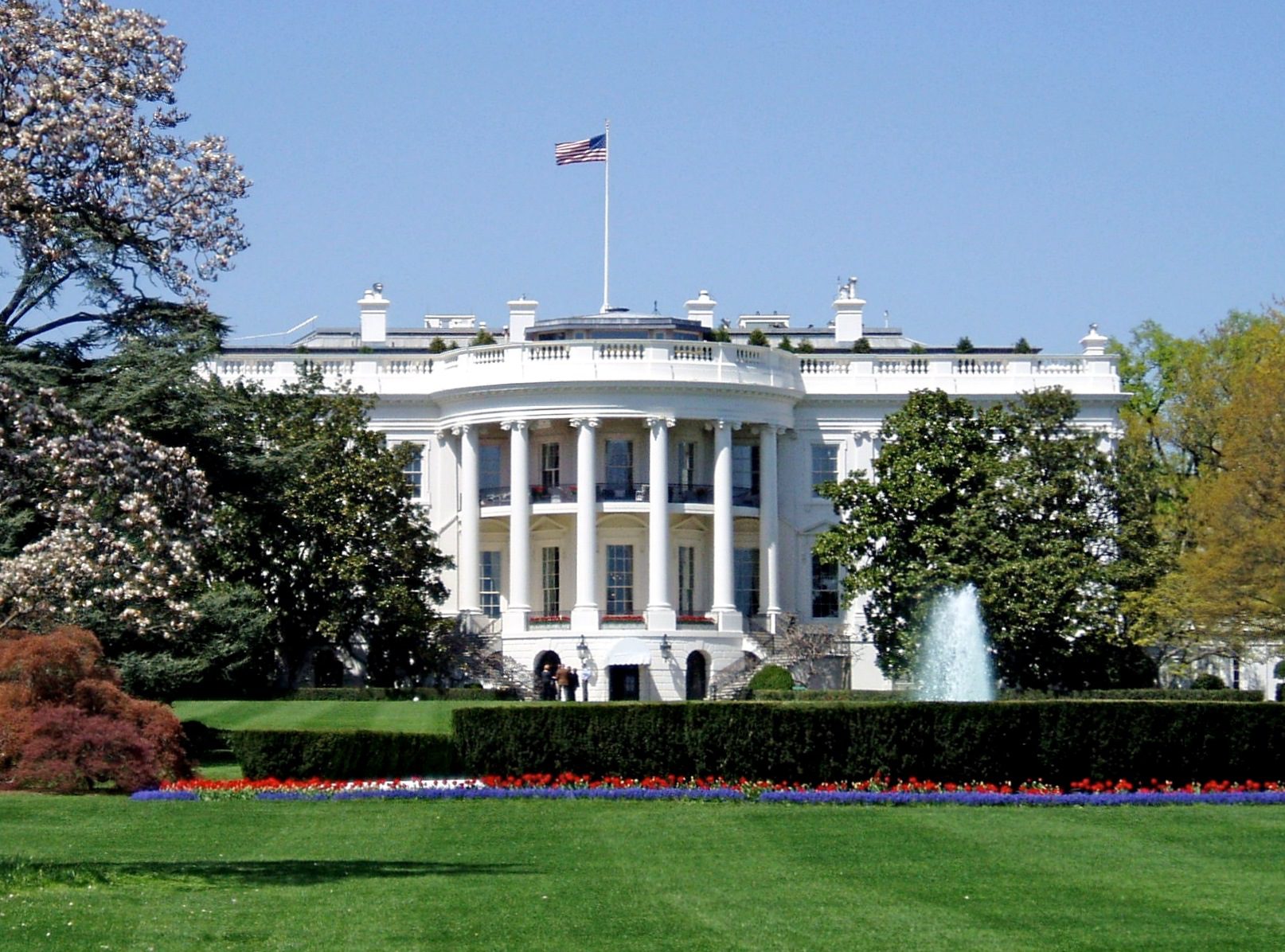
The White House, Neoclassical architecture | Photo: Matt H. Wade (https://commons.wikimedia.org/wiki/File:WhiteHouseSouthFacade.JPG)
In the decades that followed, styles rooted in Greco-Roman civilization, such as Federal, Greek Revival, Gothic Revival, and Beaux-Arts, remained widely adopted. After the Second World War, however, the federal government began to embrace Modernism and Brutalism, architectural languages defined by simplicity of form, celebrated for their functional efficiency and alignment with the engineering and construction technologies of the period. While many of these buildings prioritized utility at the expense of beauty, certain works emerged as landmarks in their own right. Among them were the Robert C.Weaver Federal Building, designed by Marcel Breuer, and the Chicago Federal Center, designed by Mies van der Rohe.
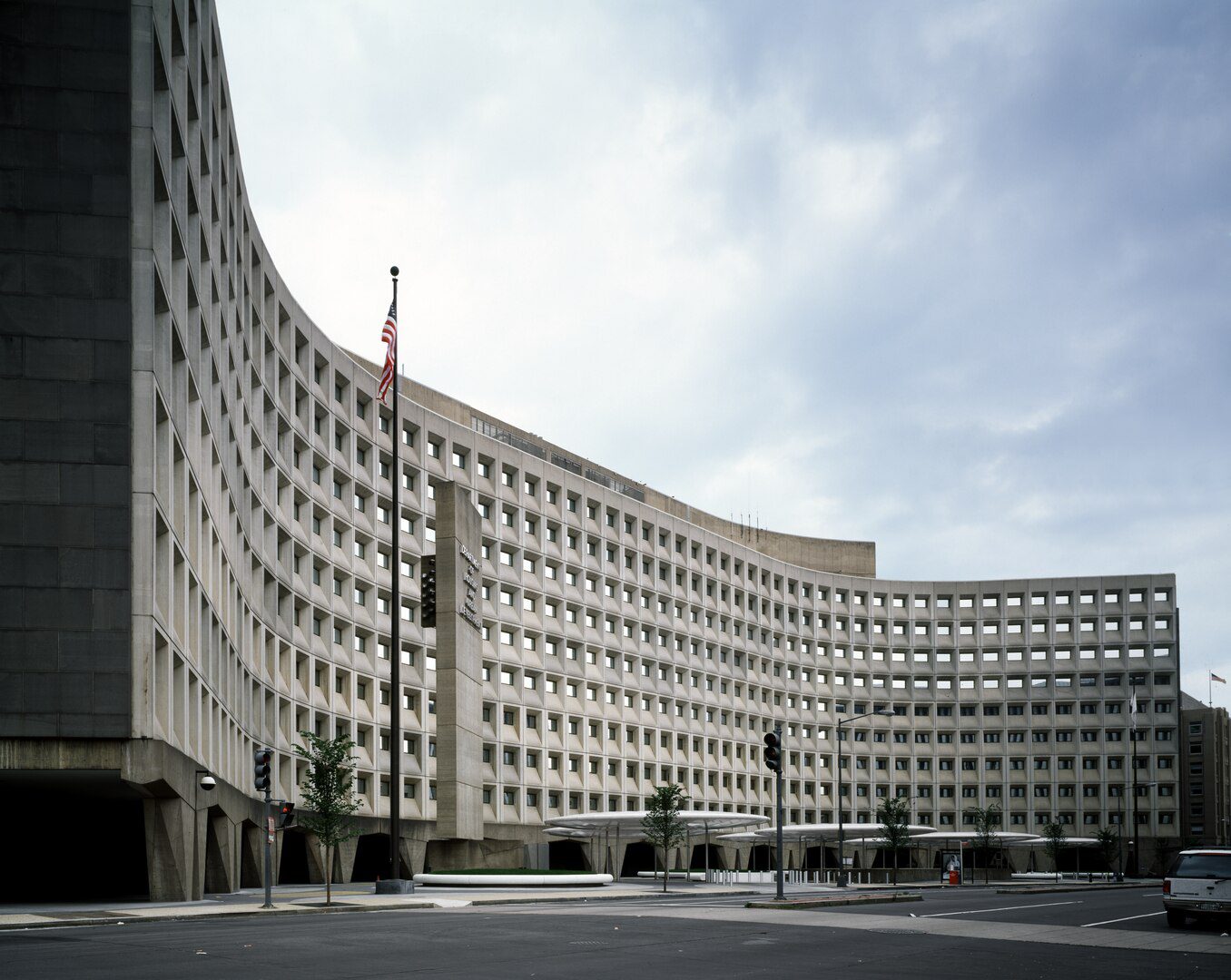
Robert C. Weaver Federal Building by Marcel Breuer | Photo: Carol M. Highsmith (https://en.wikipedia.org/wiki/Robert_C._Weaver_Federal_Building#/media/File:Robert_C._Weaver_Federal_Building,_headquarters_of_ HUD,_the_U.S._Department_of_Housing_ and_Urban_Development,_Washington,_D.C.,_LCCN2011633627.tiff)
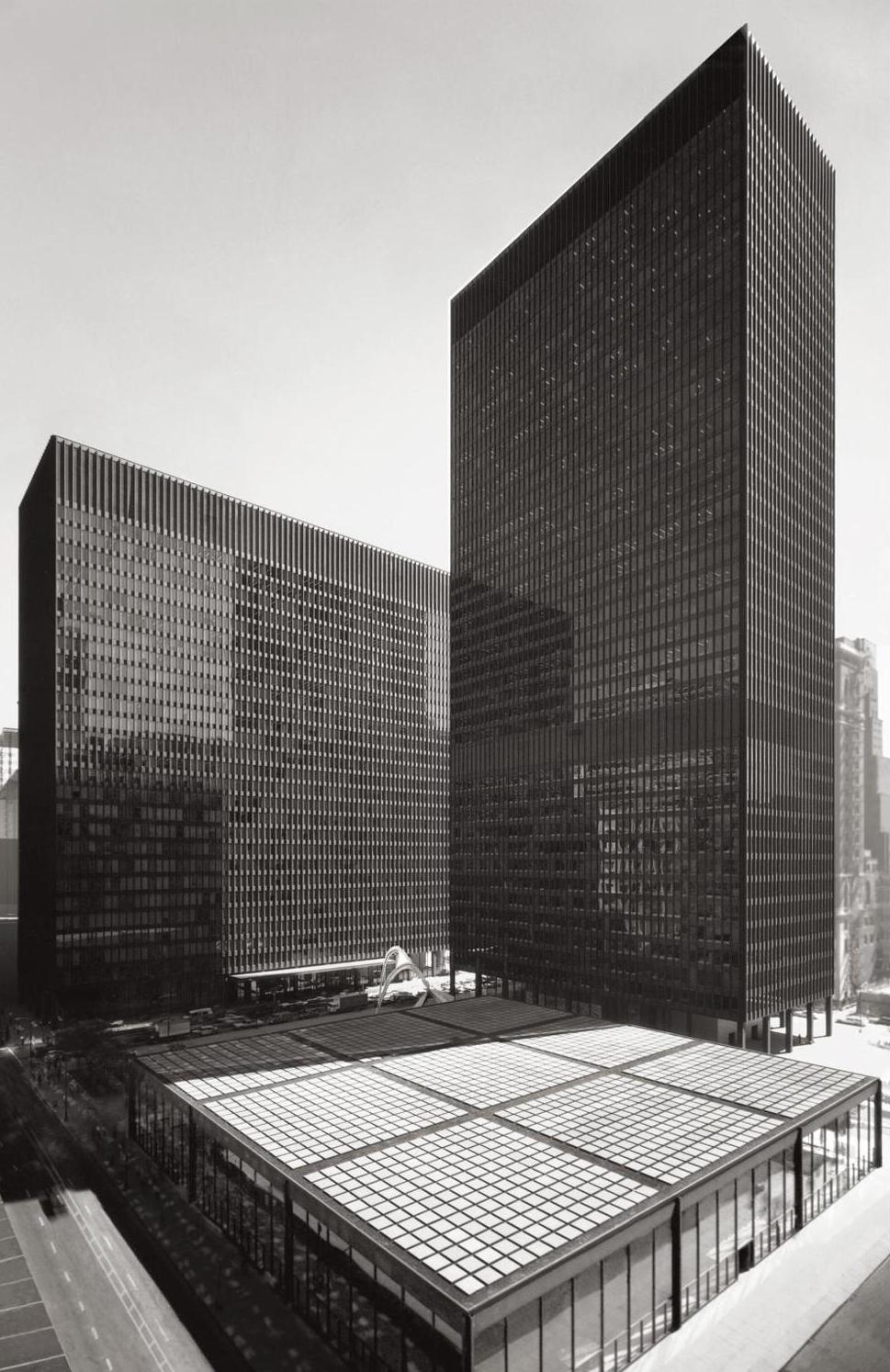
Chicago Federal Center by Mies van der Rohe | Photo: commons wikimedia (https://commons.wikimedia.org/wiki/Category:Federal_Center_(Chicago)#/media/File:Chicago_Federal_Center.jpg/2)
In 1962, during the administration of President John F. Kennedy, the federal government issued the Guiding Principles for Federal Architecture. At its core, the policy emphasized the avoidance of prescribing any ‘official style’ for federal buildings. It also declared that ‘design must flow from the architectural profession to the government, and not vice versa.’ These principles emerged in the context of the Cold War, when the United States sought to project aesthetic plurality as a symbol of liberal democracy, standing in sharp contrast to the rigidly controlled aesthetics of communist regimes that centralized authority.
In 1994, the GSA introduced the Design Excellence Program to encourage the creation of federal buildings distinguished by architectural quality and reflective of the American spirit. By establishing a process to recruit leading architects and engineers for major commissions, the program reinforced a commitment to excellence. Together, these two frameworks have long served as the foundation for the design and construction of federal architecture in the United States.
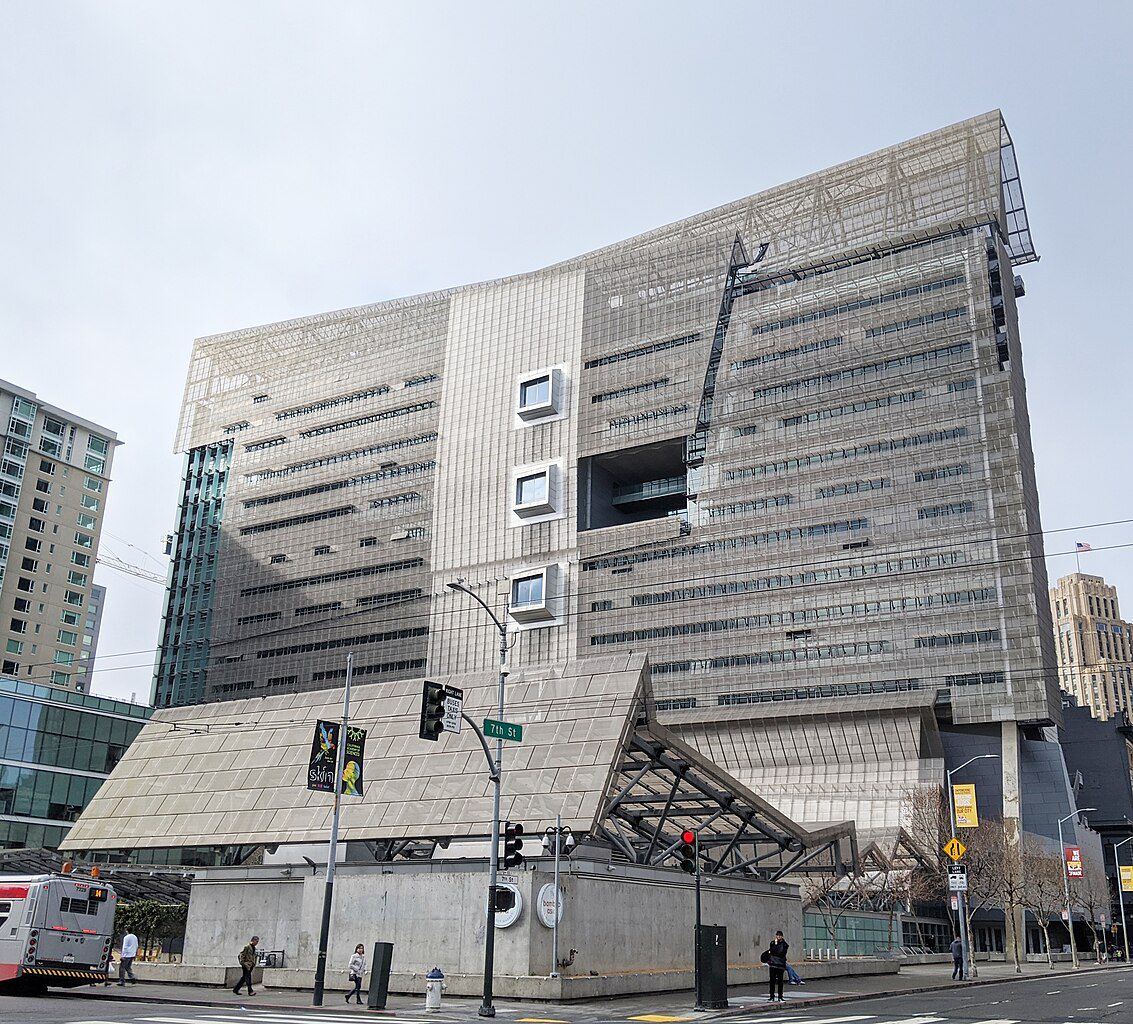
San Francisco Federal Building by Morphosis | Photo: commons wikimedia (https://commons.wikimedia.org/wiki/File:San_Francisco_Federal_Building_%28main_structure,_seen_from_Mission_and_7th,_2020%29.jpg)
Trump’s order, however, directly contradicts these principles. It argues that the Design Excellence Program has produced buildings that appeal primarily to elite architects but are not widely regarded as beautiful by the general public. It further claims that replacing Classical architecture with Modernism and Brutalism has been unsuccessful, since such buildings are those that ‘the public found unappealing.’ In this sense, the order represents a significant departure from the Guiding Principles for Federal Architecture, which successive administrations had long upheld.
Trump’s assertions are not without some statistical basis. In 2020, the National Civic Art Society conducted a survey of 2,000 Americans drawn from diverse ages, genders, races, and socioeconomic backgrounds. The findings showed that 72 percent of respondents favored Traditional styles of federal architecture over Modernist designs.
A return to Classical and Traditional forms under Trump can thus be read as a rejection of what he portrays as the failures of contemporary architecture, works conceived by progressive elites that, in his framing, failed to resonate with the public. At the same time, it represents an embrace of architectural conventions claimed to reflect popular will, which in Trump’s narrative are cast as ‘architecture of the people.’
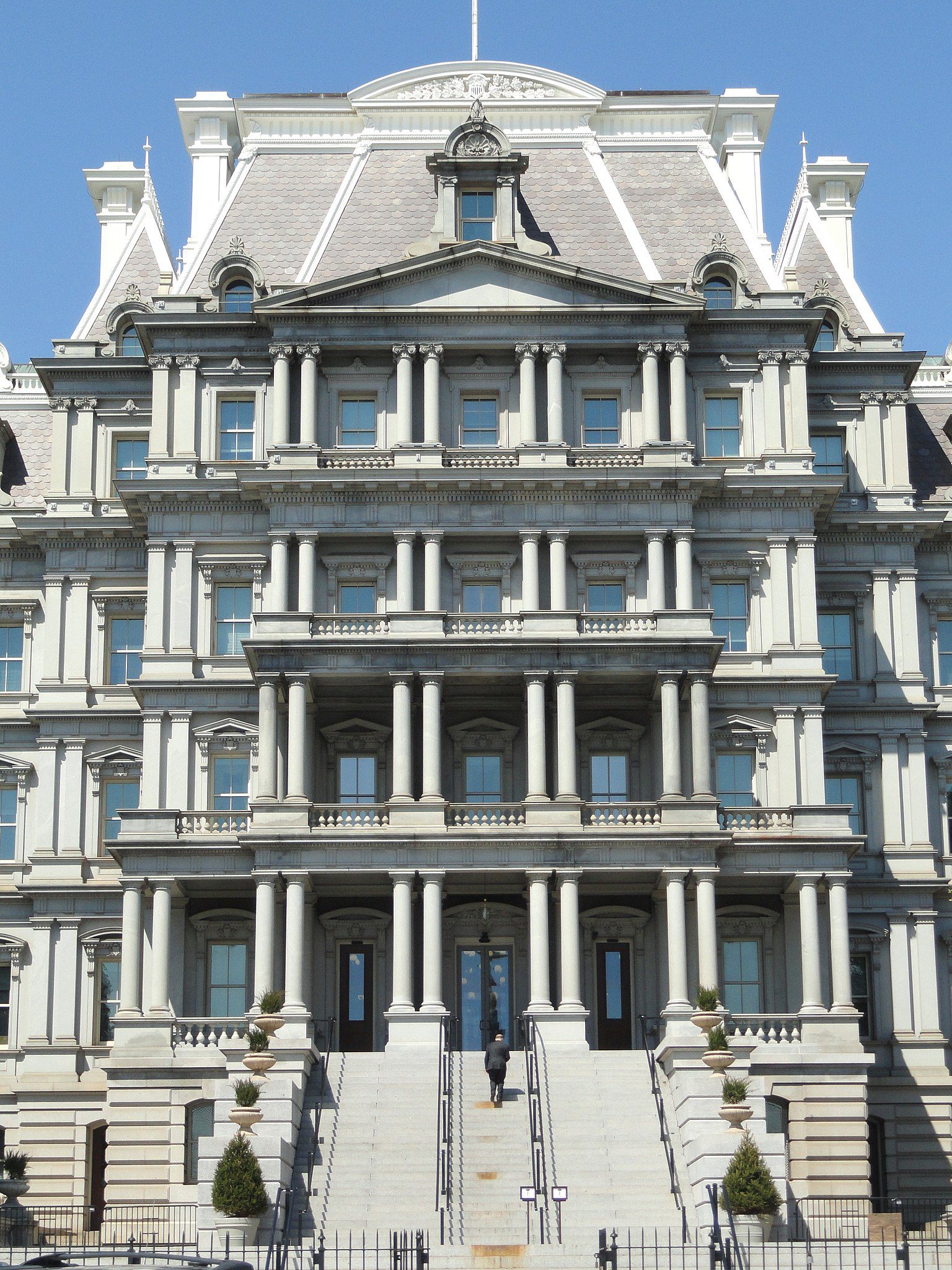
Eisenhower Executive Office Building, Second Empire architecture by Alfred B. Mullett | Photo: commons wikimedia (https://commons.wikimedia.org/wiki/File:Eisenhower_Executive_Office_Building_-_DSC08279.JPG)
For the Benefit of the Public, or for Whom?
Although Classical design may enjoy widespread popular appeal, the American Institute of Architects (AIA), the nation’s professional body, countered the executive order by arguing that the imposition of a single style effectively forecloses design choice. The AIA also emphasized the importance of community engagement, insisting that federal buildings should ultimately respond to the needs and aspirations of the local populations they are meant to serve.
“Restricting federal architecture options to styles from antiquity ignores this natural evolution and limits our freedom to create buildings that truly serve modern communities.”
“Local input must remain central to federal building design decisions allowing communities the freedom to shape structures that will serve them for generations.”
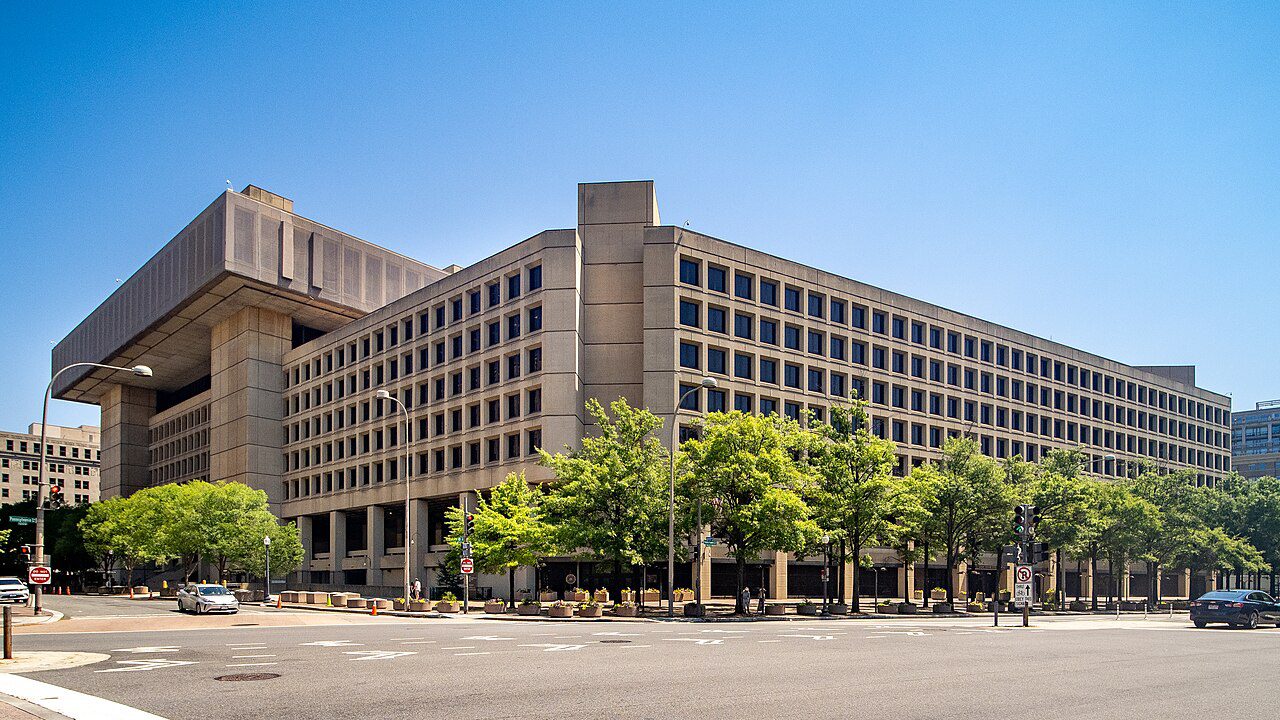
J. Edgar Hoover Building, Brutalist architecture by Carter Manny และ Stanislaw Z. Gladys | Photo: ajay_suresh (https://commons.wikimedia.org/wiki/File:FBI_Headquarters_-_J._Edgar_Hoover_Building_(53840035941).jpg)
The Architecture Lobby, a collective of architectural workers, urged a deeper ideological consideration. They argued that adherence to a single prescribed style is a hallmark of authoritarianism.
“In Europe, well-known totalitarian regimes — Hitler’s Germany and Stalin’s Soviet Union — infamously dictated the use of the classical style. This is not coincidental. The desireto limit architectural style is driven by a fear of the people and populist expression.”
Moreover, The Architecture Lobby interprets Neoclassicism as an aesthetic that upheld whiteness by inscribing a cultural distance from the enslaved African populations in America.
“Many plantation houses that chose the style, justifying it as an emulation of ancient Greek ‘culture’to separate themselves from the Indigenous peoples whose land was stolen and the enslaved African people forced to build and work in them.”
On September 18, Democratic Senators Chris Van Hollen of Maryland and Ben Ray Luján of New Mexico countered with the introduction of the Democracy in Design Act, legislation intended to ensure that federal buildings reflect both the diversity of the nation and the needs of local communities.
Unsurprisingly, the executive order has sent shockwaves through America’s architectural and construction industries. ARCHITECT magazine observed that the new policy could redirect billions of dollars in federal contracts toward firms specializing in Classical and Traditional idioms, while diminishing the role of architects working in contemporary modes. Such a shift, the magazine noted, would alter patterns of employment across the profession and could even shape future decisions about which architectural disciplines students choose to pursue.
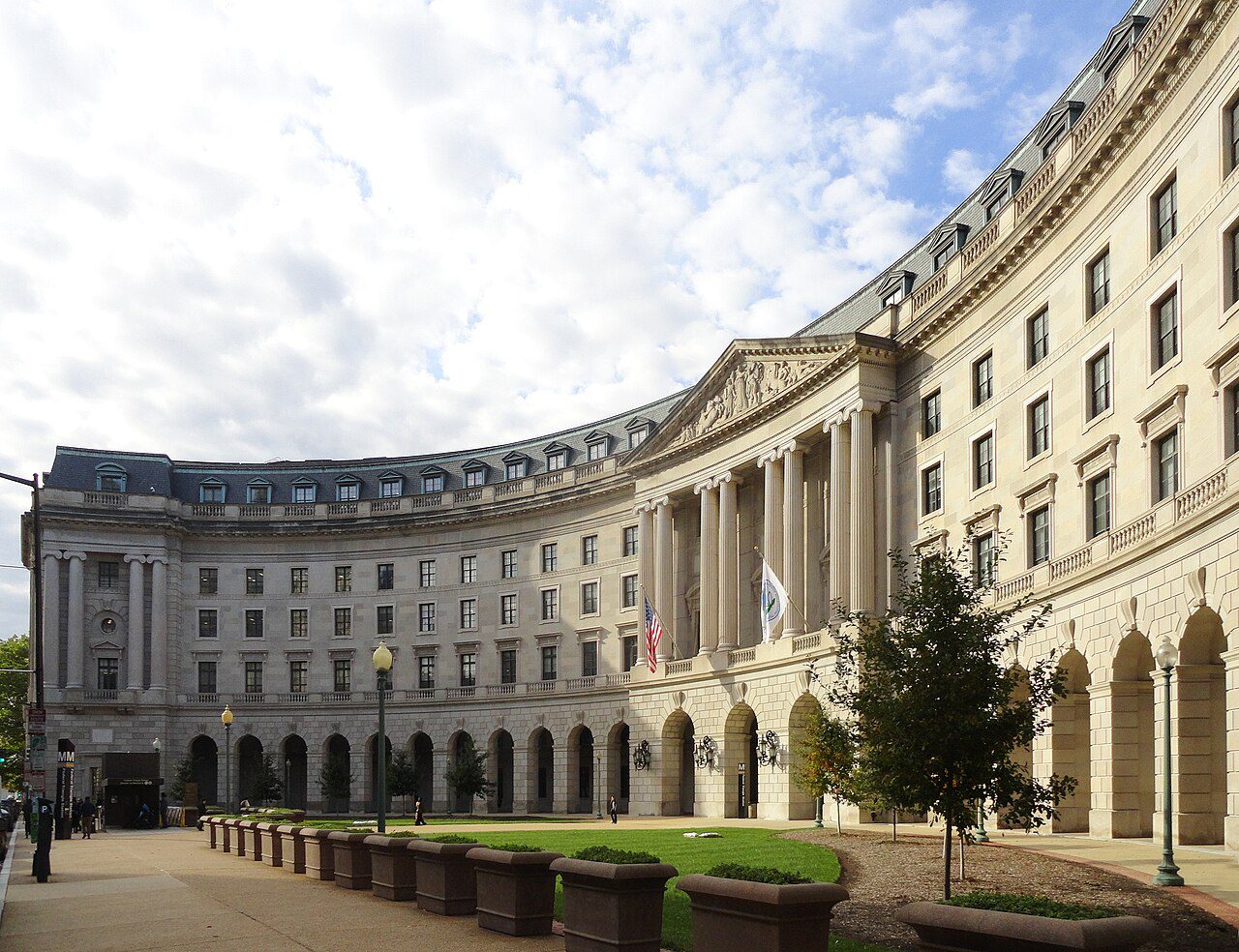
William Jefferson Clinton Federal Building, Neoclassical architecture by William Adams Delano และ Chester Holmes Aldrich | Photo: commons wikimedia (https://commons.wikimedia.org/wiki/File:EPA_HQ_-_WJ_Clinton_Building_-_Main_entrance_-_2018a_(cropped).jpg)
The Voice of the People, or the Voice of Tyranny
Donald Trump has long been scrutinized as a leader steering America toward authoritarianism. He has faced sharp criticism for wielding power beyond its bounds, whether through stringent immigration and refugee policies or by dismissing federal employees in efforts to consolidate control. Within this charged political climate, the executive order ‘Make Federal Architecture Beautiful Again’ has become a focal point of debate. Beyond the surface issue of dictating architectural style lies a deeper question: Does shaping the nation’s architecture to align with popular taste serve to rally civic spirit, or does it signal another step toward authoritarian rule?
In the end, only time will tell.
Reference:
https://www.whitehouse.gov/presidential-actions/2025/08/making-federal-architecture-beautiful-again/
https://www.aoc.gov/explore-capitol-campus/buildings-grounds/neoclassical
https://www.civicart.org/americans-preferred-architecture-for-federal-buildings
https://www.aia.org/about-aia/press/aia-statement-federal-architecture-executive-order