
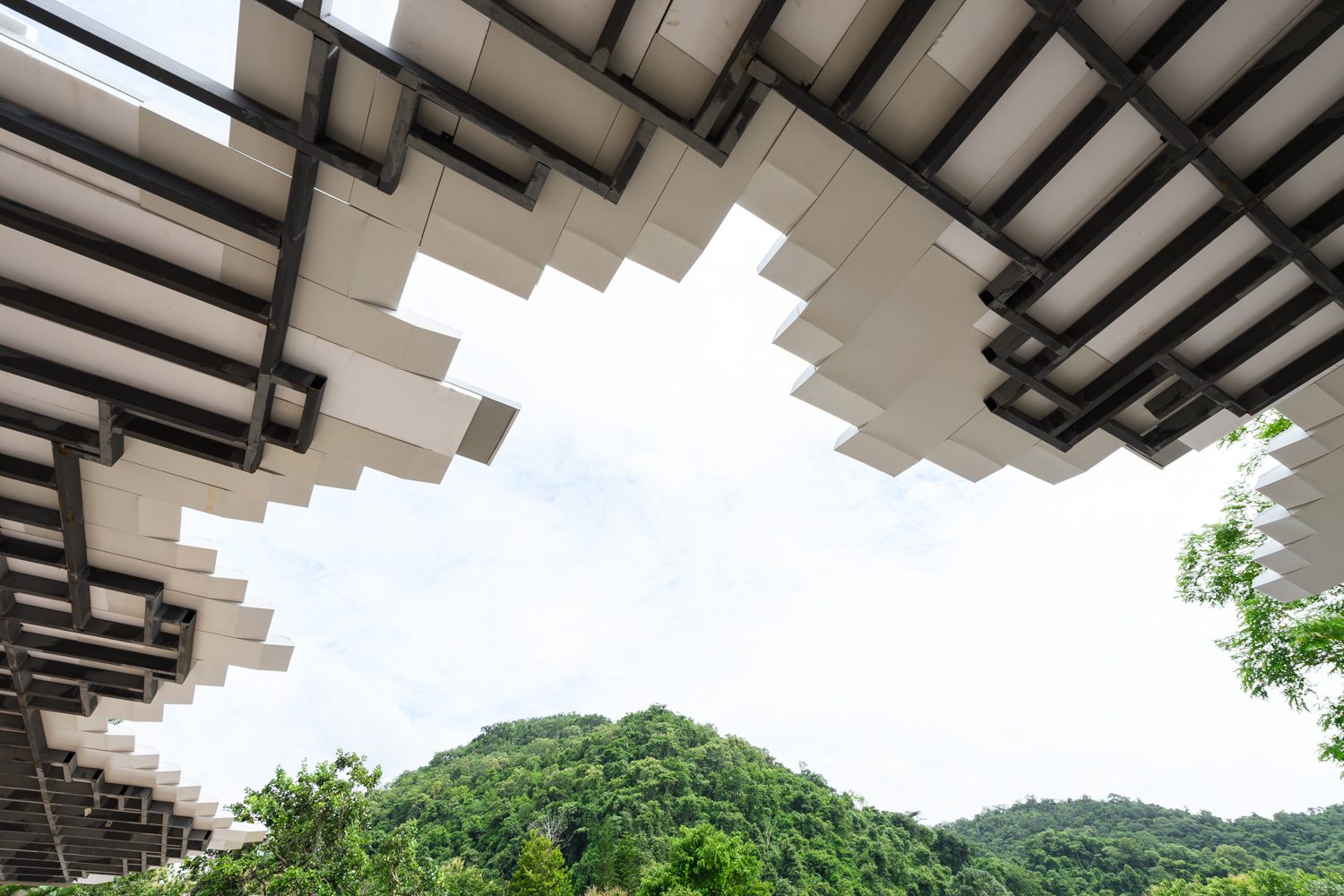
 Photo: Worapas Dusadeewijai
 JENCHIEH HUNG AND KULTHIDA SONGKITTIPAKDEE OF HAS DESIGN AND RESEARCH PUSH COLORBOND® STEEL INTO NEW TERRITORY THROUGH THE KHAOYAI MOUNTAIN GROUNDED VILLA
TEXT: KAWIN RONGKUNPIROM
PHOTO CREDIT AS NOTED
(For Thai, press here)
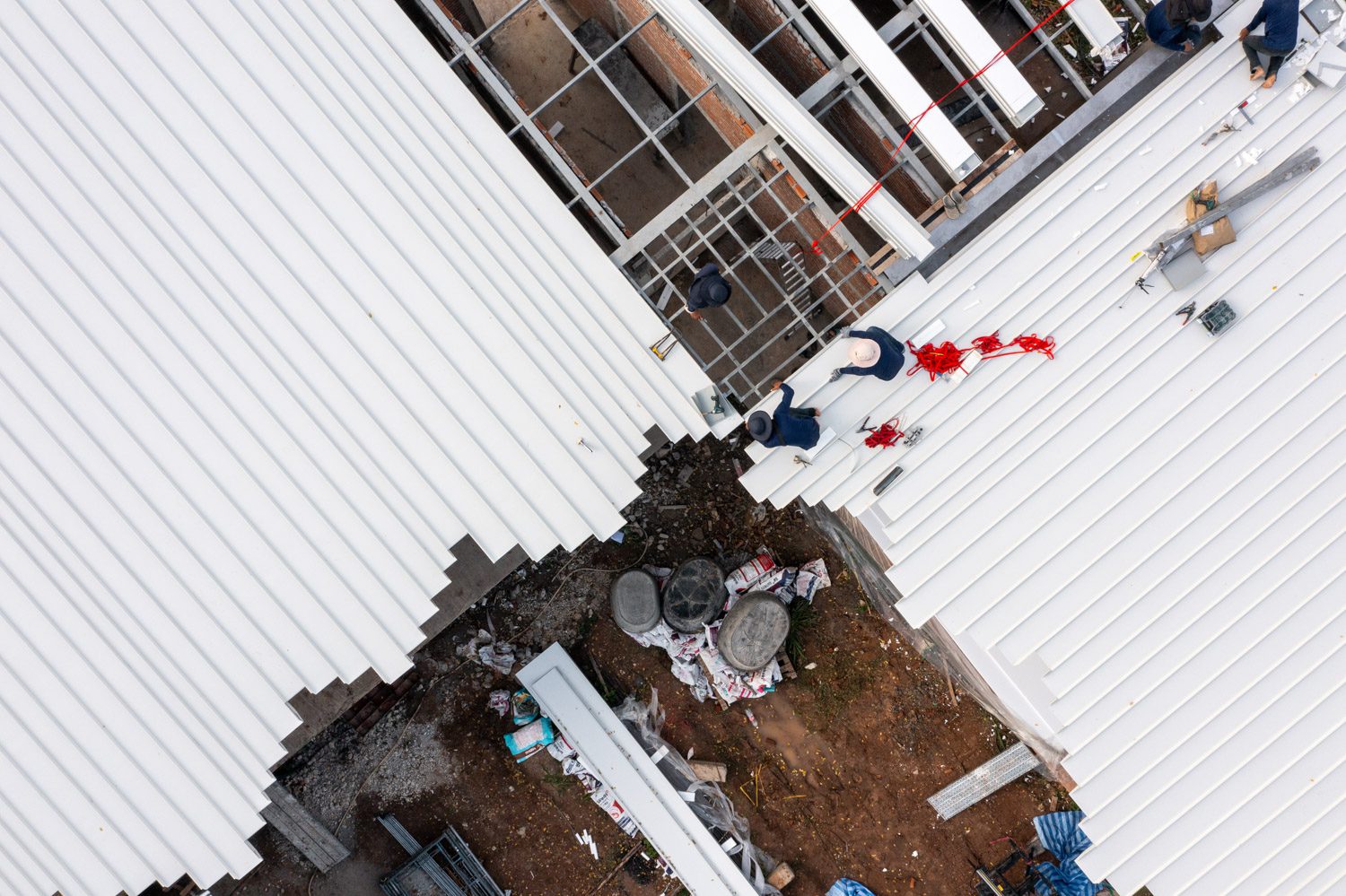
An aerial view of the Khaoyai Mountain Grounded Villa, highlighting metal sheet roofs with varying overhang lengths. | Photo: Ketsiree Wongwan
Metal sheeting was once regarded as a material suited only for factories or utilitarian industrial buildings. Today, however, it has evolved in both role and perception, becoming a versatile material suitable for a wide range of architectural applications, including residential projects. Its functional performance and aesthetic potential have allowed it to move far beyond the realm of simple roofing. Metal sheeting can now be used for wall cladding, façades, sun-shading panels, and even as a medium for exploring form and texture, adding depth and dimension to architectural compositions.
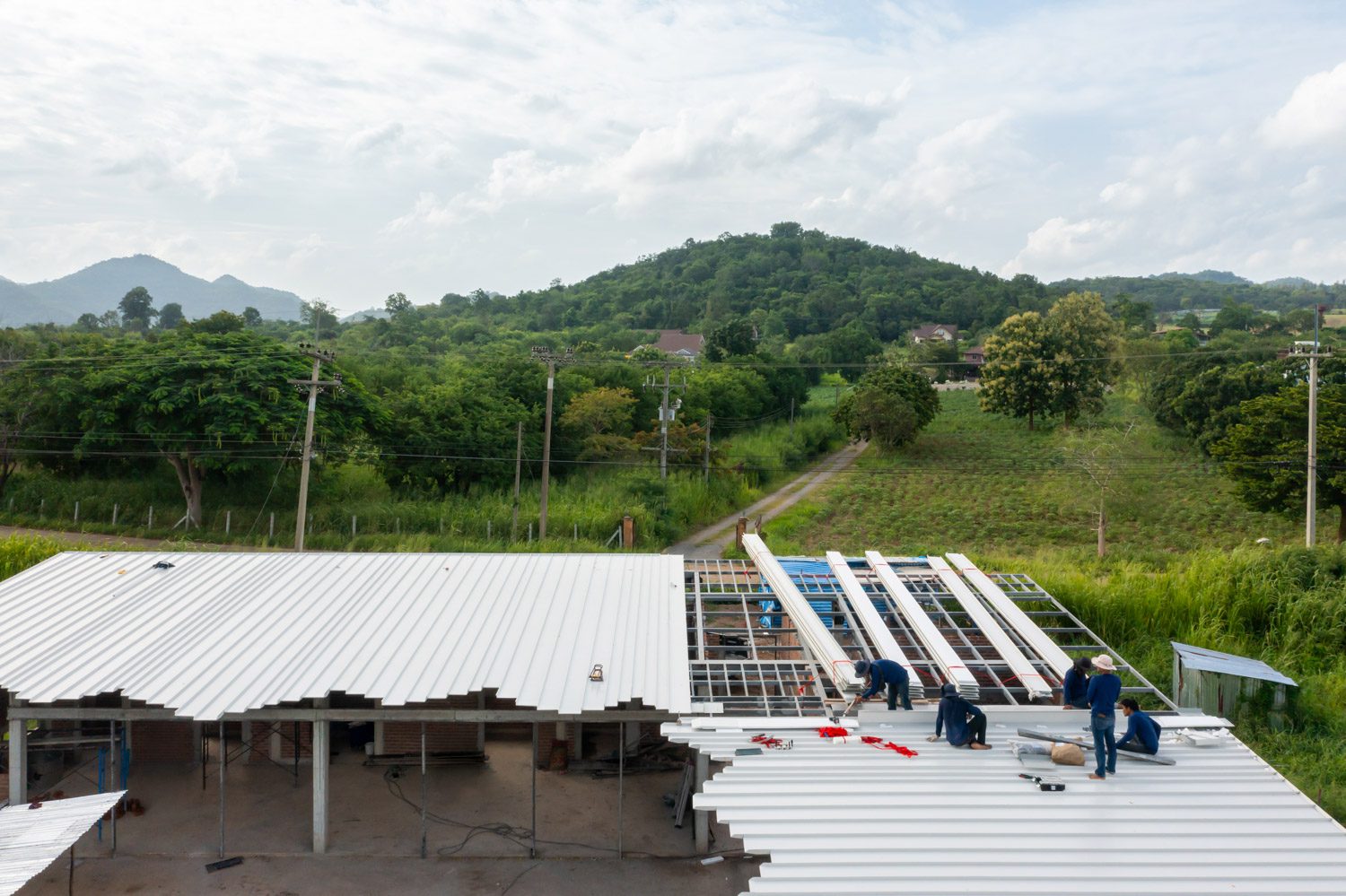 The material’s inherent properties allow the roof installation process to be carried out with ease and efficiency. | Photo: Ketsiree Wongwan
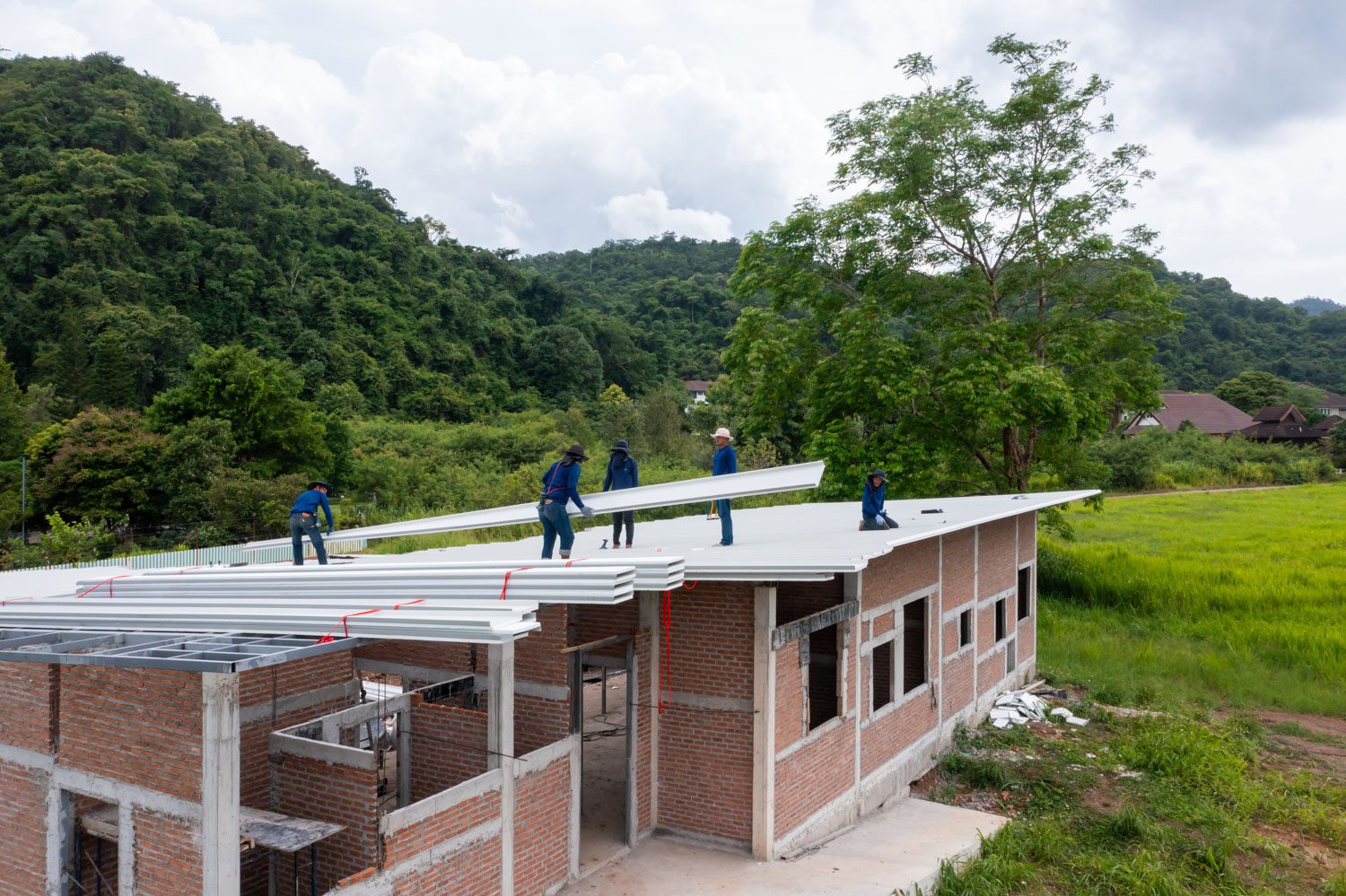
In general, metal sheeting is known for its durability, light weight, and ease of installation, offering designers a broad spectrum of possibilities. However, certain high-quality metal sheets, such as COLORBOND® steel, offer enhanced performance that is particularly well suited to design-driven applications. Whether folded, curved, or pressed into custom profiles, the resulting forms are crisp, stable, and resistant to warping. When designers select the appropriate thickness and durability for each specific profile, the resulting forms are crisp, stable, and able to retain their shape without warping or deformation. In addition, these materials offer a wide range of color tones, surface finishes, and performance qualities that prioritize aesthetic integrity throughout the product’s lifespan. This makes the material particularly conducive to realizing complex geometries defined by the designer. A project that showcases this full potential of metal sheeting with remarkable clarity is the Khaoyai Mountain Grounded Villa.
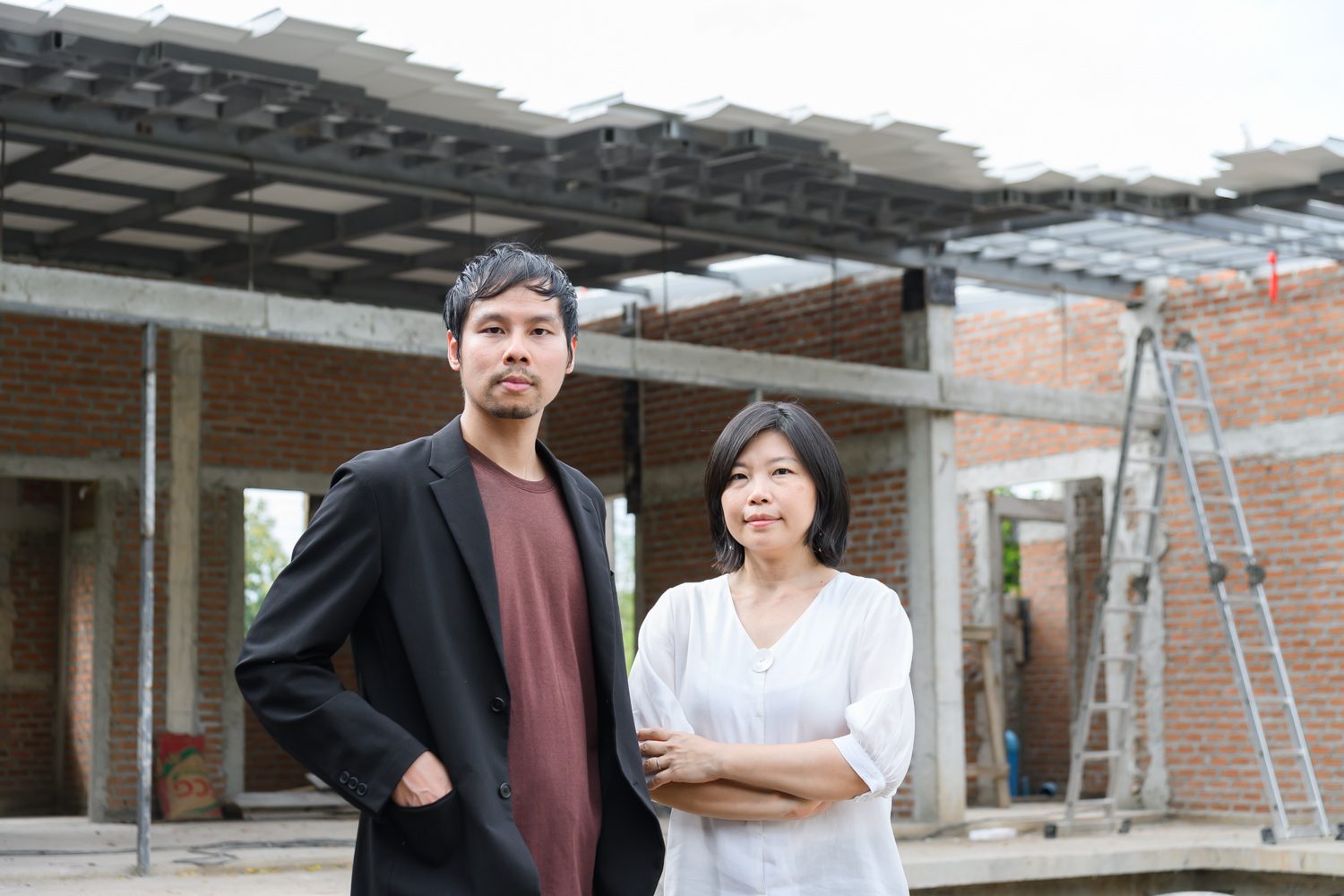
Jenchieh Hung and Kulthida Songkittipakdee, founders of HAS design and research. | Photo: Worapas Dusadeewijai
Jenchieh Hung and Kulthida Songkittipakdee, founders of HAS design and research and the architects behind the project, explain that the site is defined by its dramatic mountain surroundings. Their initial vision was of a house with an extended roofline inspired by the silhouette of the mountains. They intended for the lines to be expressed through the form of the roof itself, using a pixelated approach to play with the shadows cast by the roof onto the ground, while maintaining a sense of lightness, order, and visual clarity.
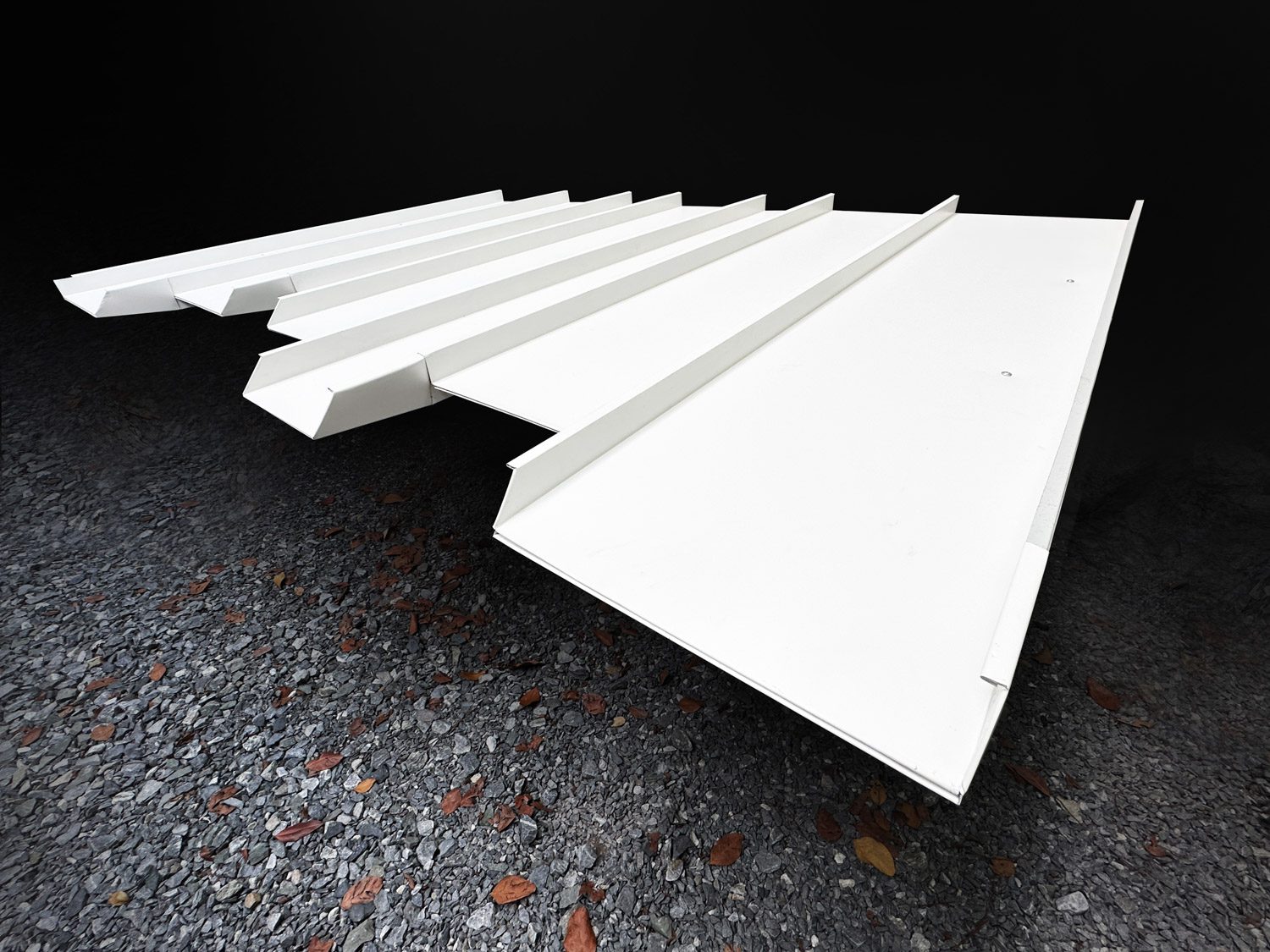 A prototype developed through experimental exploration to identify the most efficient cutting and folding methods. | Photo courtesy of Jenchieh Hung + Kulthida Songkittipakdee / Has design and research
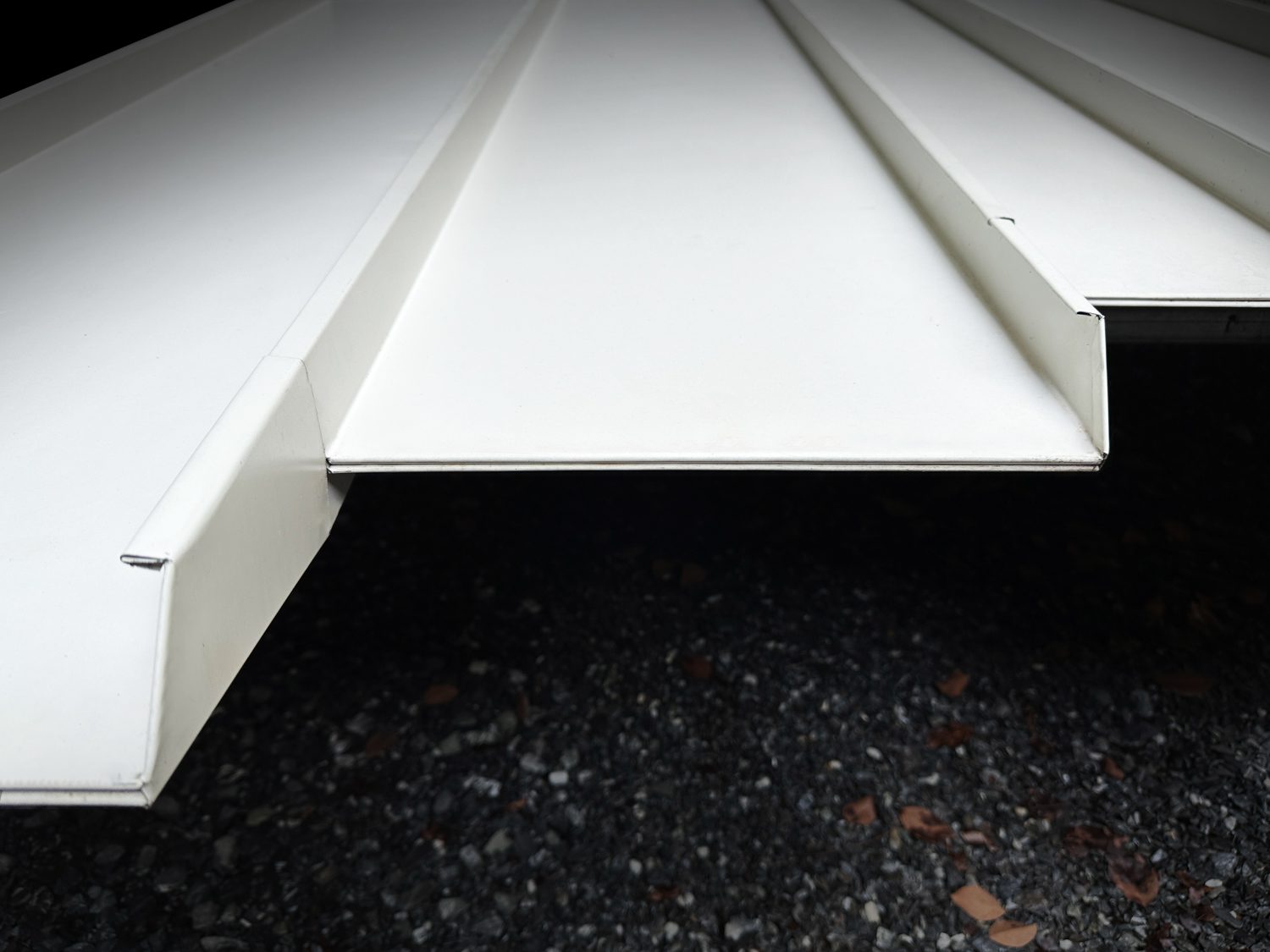
The first material that came to mind was metal sheeting. Having worked with it extensively, the architects were already familiar with its properties and behavior. The challenge, therefore, lay not in the choice of material but in selecting the specific product and profile that could be adapted to achieve the desired effect.
“This project came with budget constraints, yet the roof also needed to serve as the project’s highlight, and it had to perform exactly as our folding tests required. After studying the materials available in the market, we found that only COLORBOND® Steel in BMT 0.53 mm AZ150 G300 could meet the criteria, particularly in terms of the corrugated profile and its ability to fold using the techniques we developed,” Hung and Kulthida explain, describing their decision to use COLORBOND® Steel.
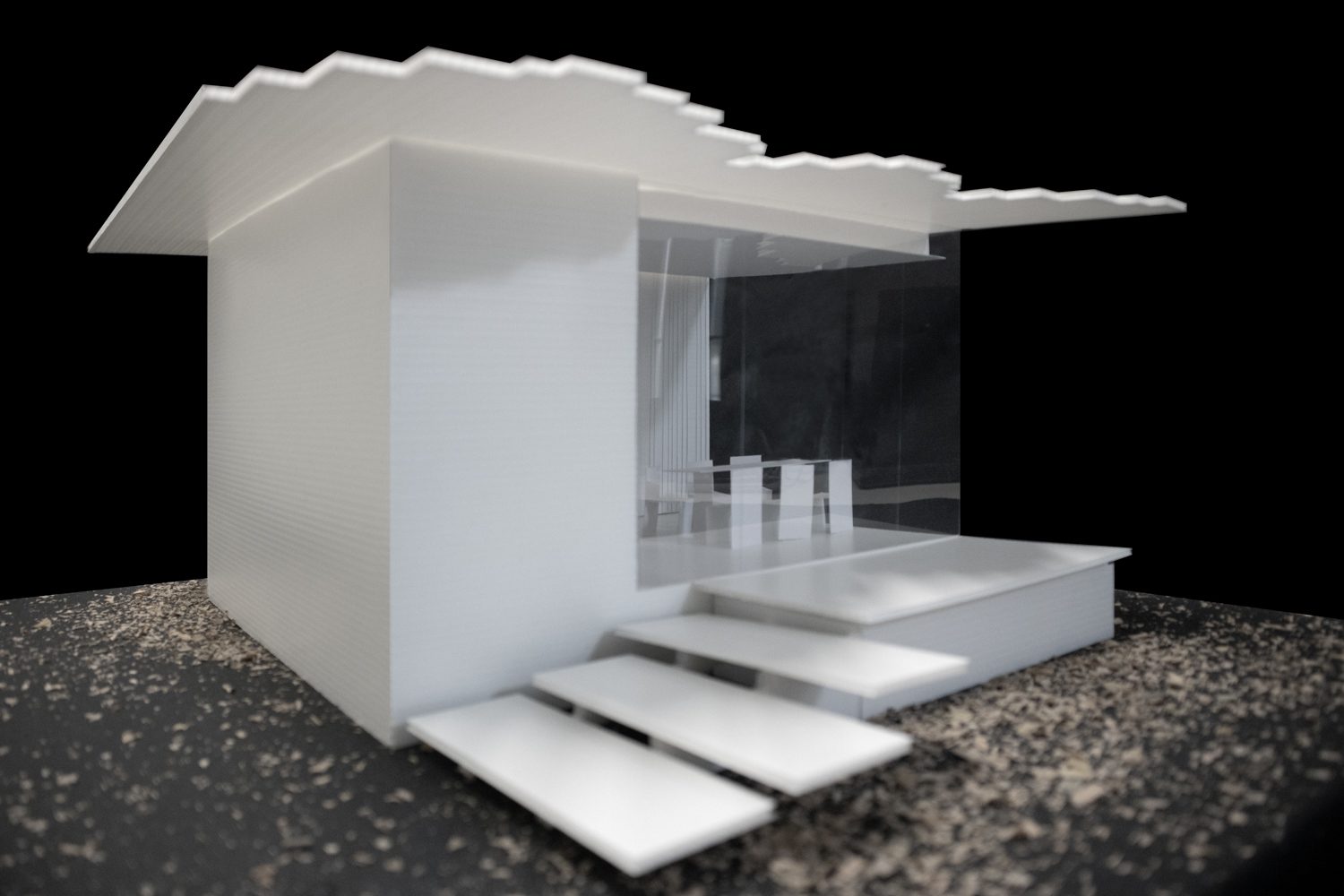
Photo courtesy of Jenchieh Hung + Kulthida Songkittipakdee / Has design and research
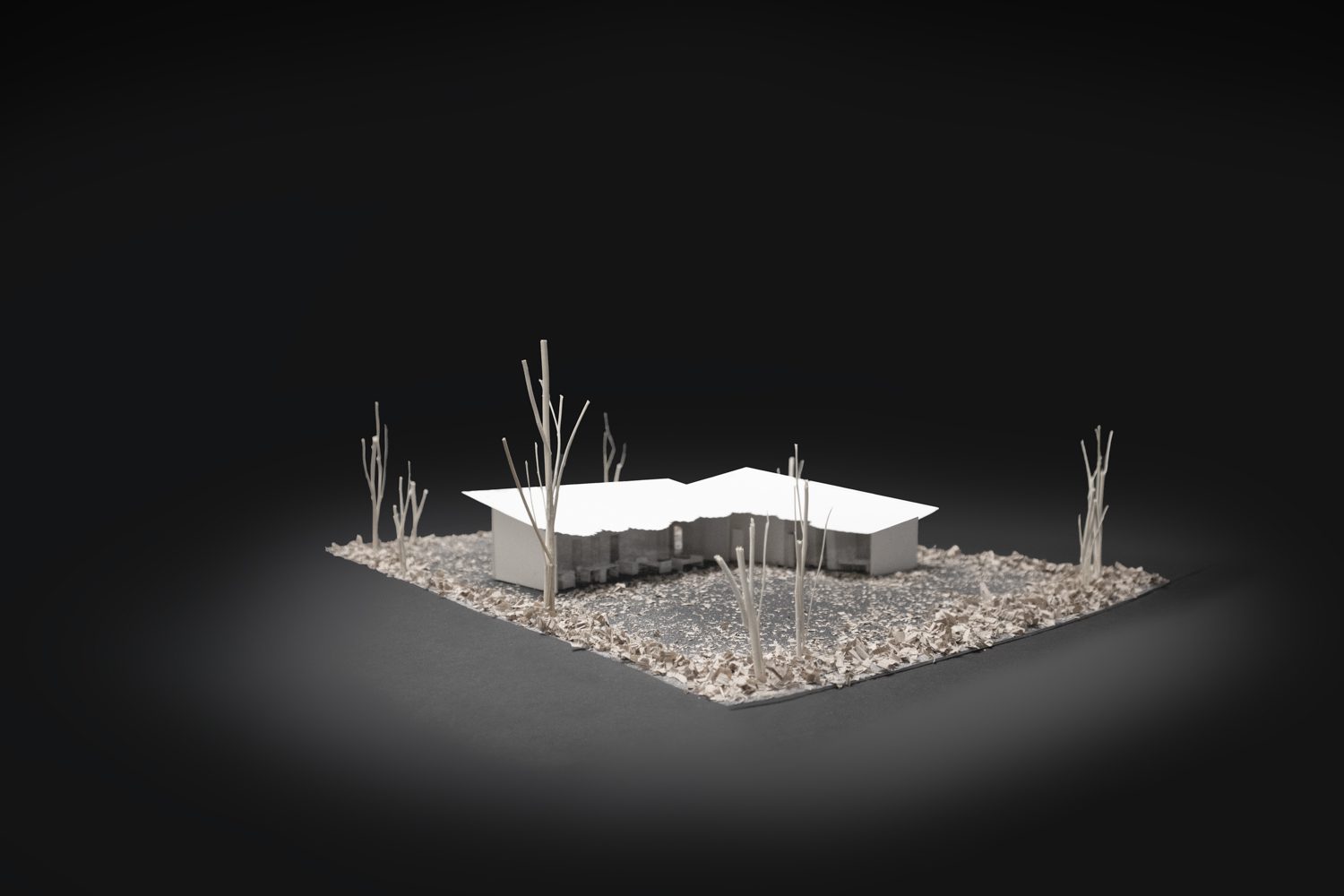 Photo courtesy of Jenchieh Hung + Kulthida Songkittipakdee / Has design and research
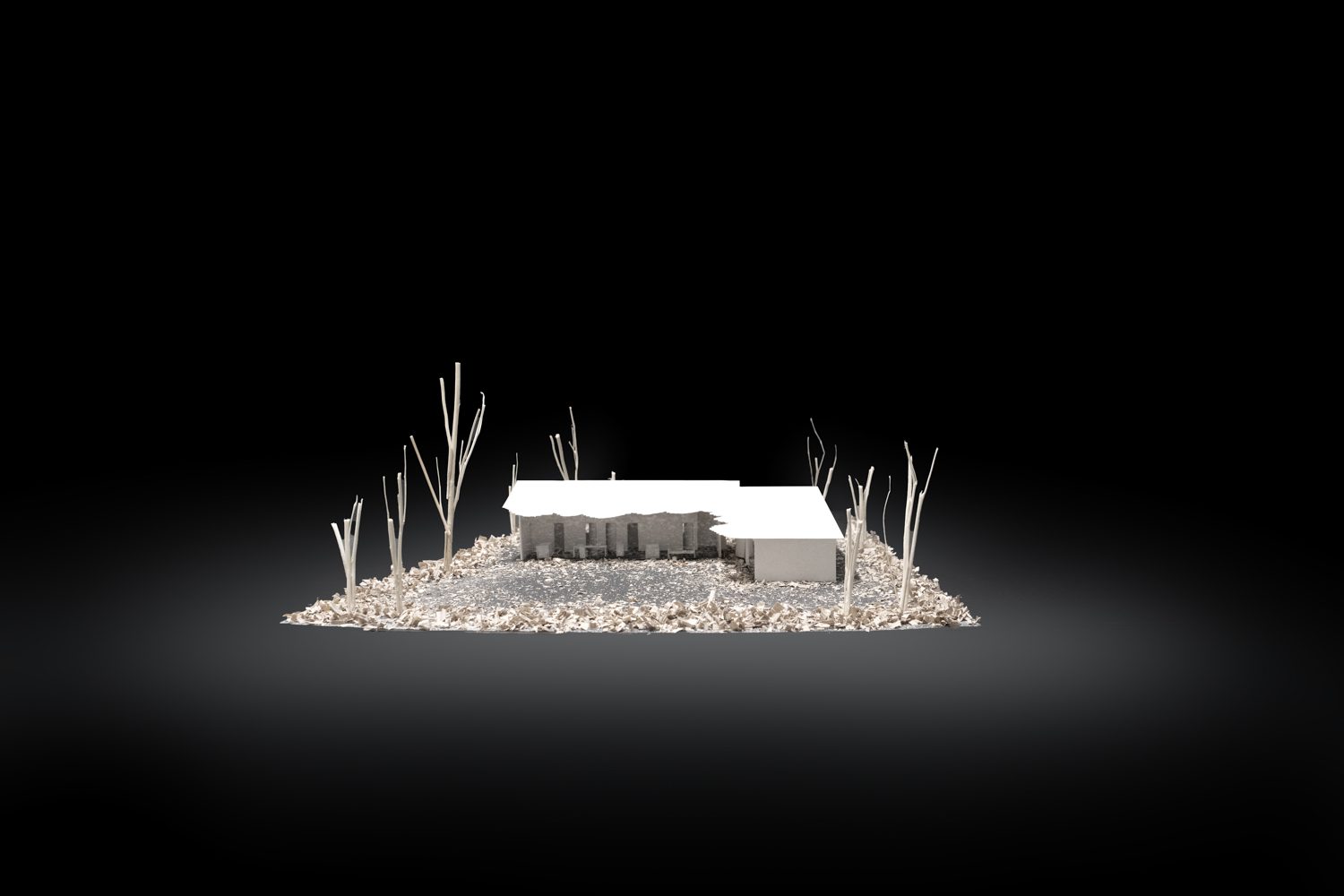
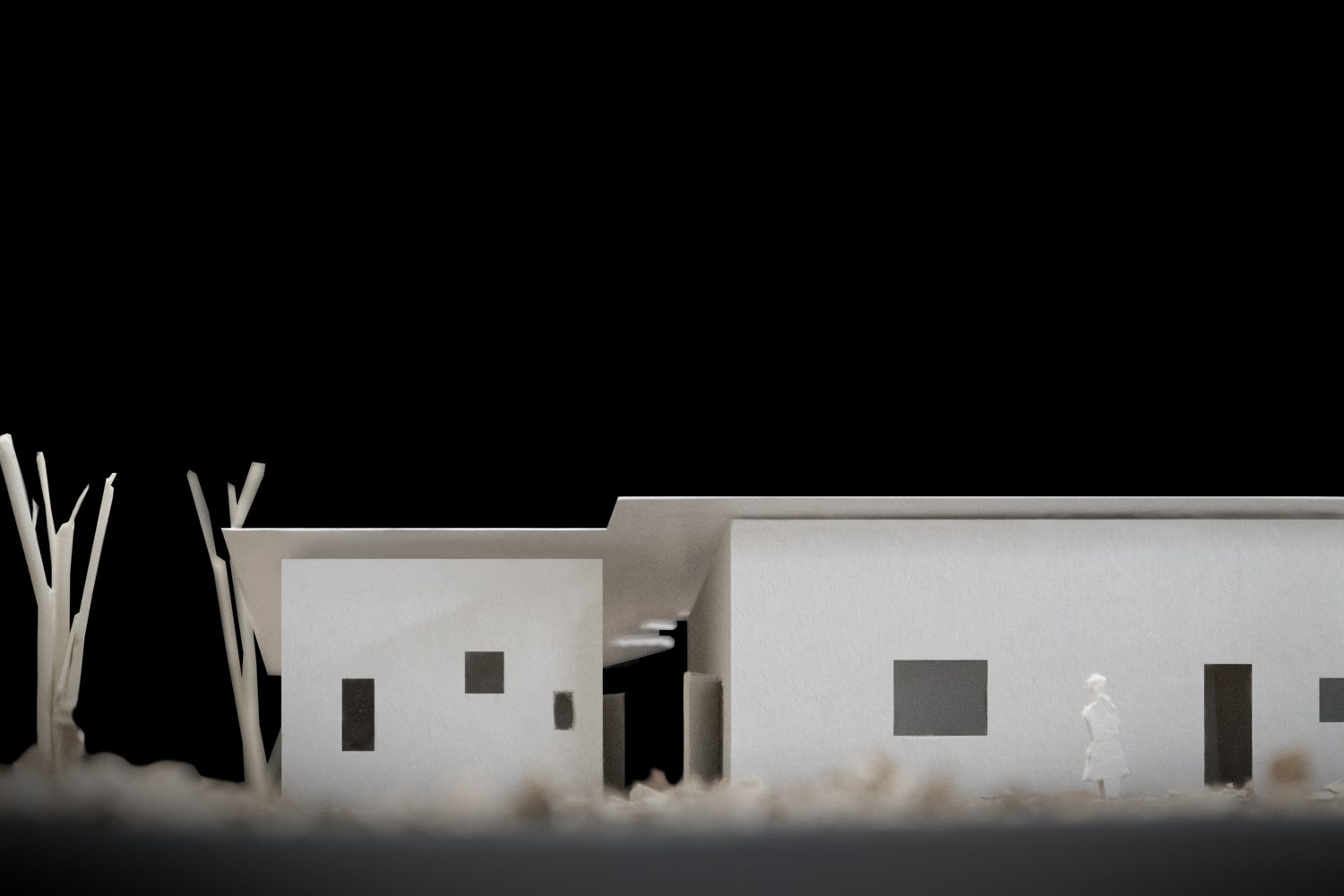
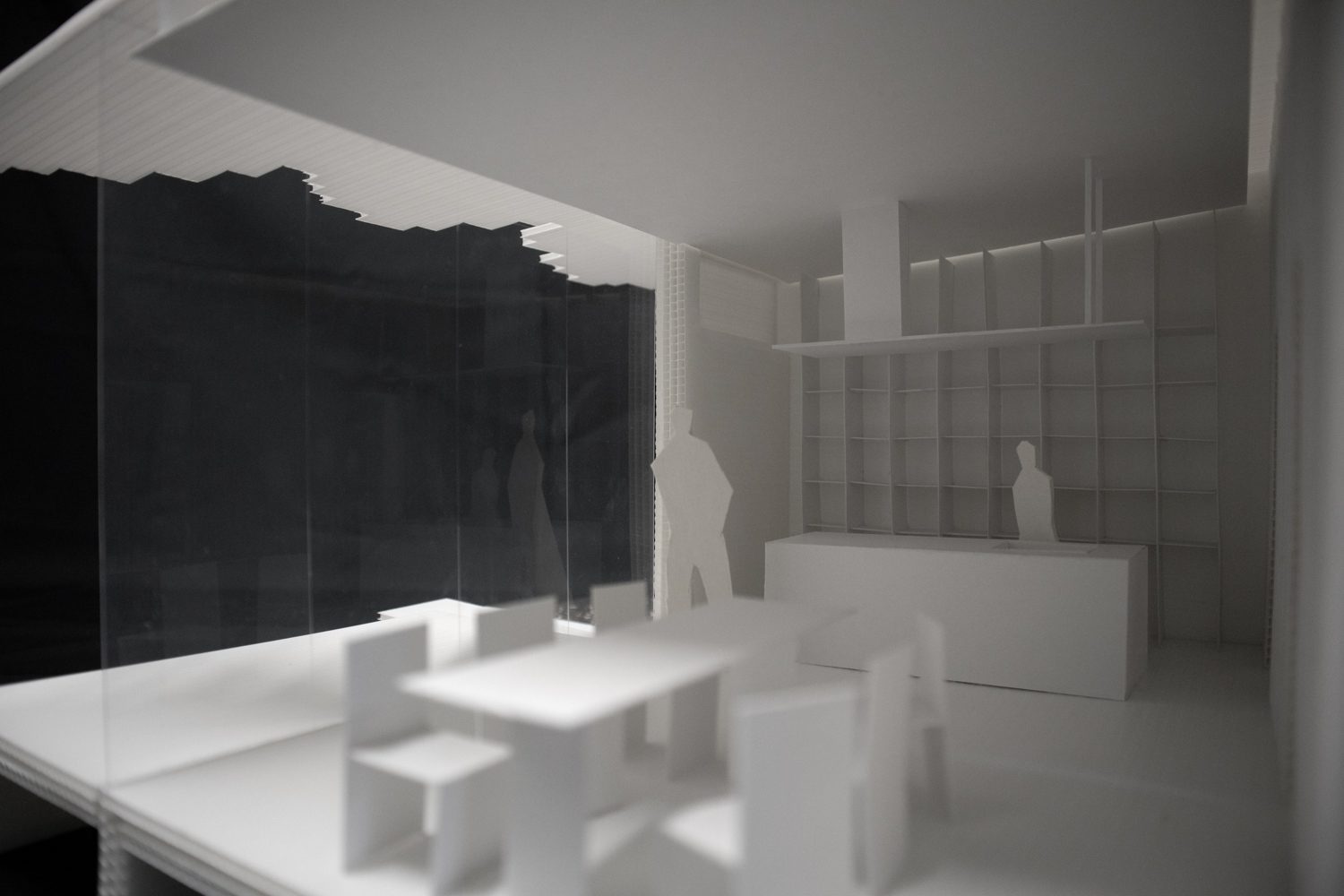
A model that conveys a sense of lightness and permeability, in both the exterior atmosphere and the interior spaces. | Photo courtesy of Jenchieh Hung + Kulthida Songkittipakdee / Has design and research
To achieve the precise visual effect they envisioned, the team needed to experiment directly with the material and devise new techniques. These tests ranged from folding methods and edge detailing to the interlocking of panels, and other roof-related components such as gutters and the roof structure itself. The process began with scale models, followed by trials using real metal sheets and the fabrication of full-size prototypes. This ensured that every detail aligned with the design intent while preventing issues such as water leakage in the completed building.
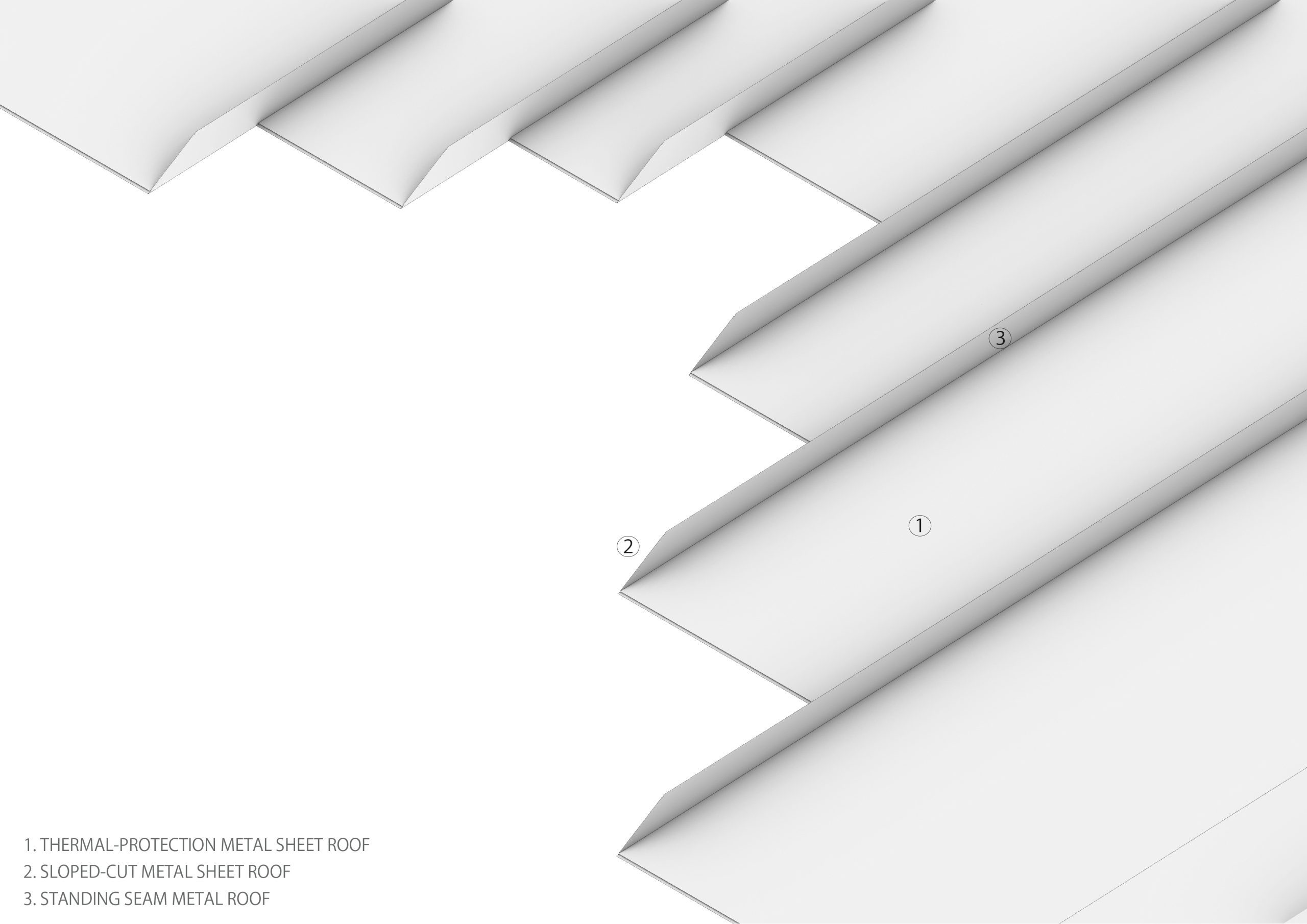
Image courtesy of Jenchieh Hung + Kulthida Songkittipakdee / Has design and research
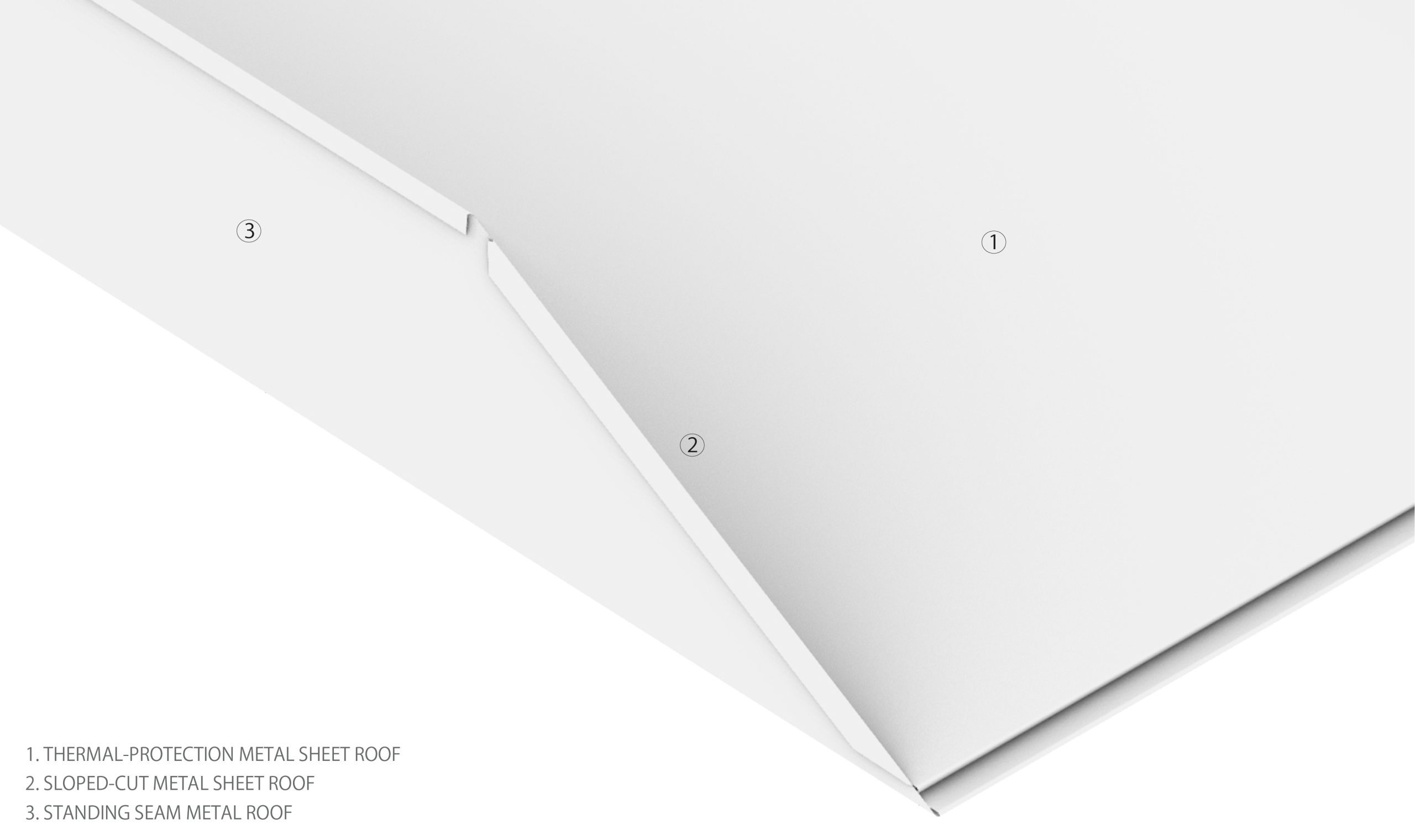
Off White COLORBOND® steel, cut and folded into the ‘า’ form, addressing both aesthetic expression and effective protection against rainwater leakage. | Image courtesy of Jenchieh Hung + Kulthida Songkittipakdee / Has design and research
Working closely with the manufacturer, the designers developed a custom cut-and-fold technique that shaped the metal sheet into a beak-like profile reminiscent of the Thai character ‘า.’ This form improved the material’s strength and overall precision. The roof’s edges were bevelled to enhance its lightness, with a 10 mm set-back calculated for its junction with the ceiling so that the two systems would form a seamless whole. Seen from below, the eye registers only the fluid continuity between them. This folding detail effectively addresses both aesthetic requirements and rainwater leakage prevention.
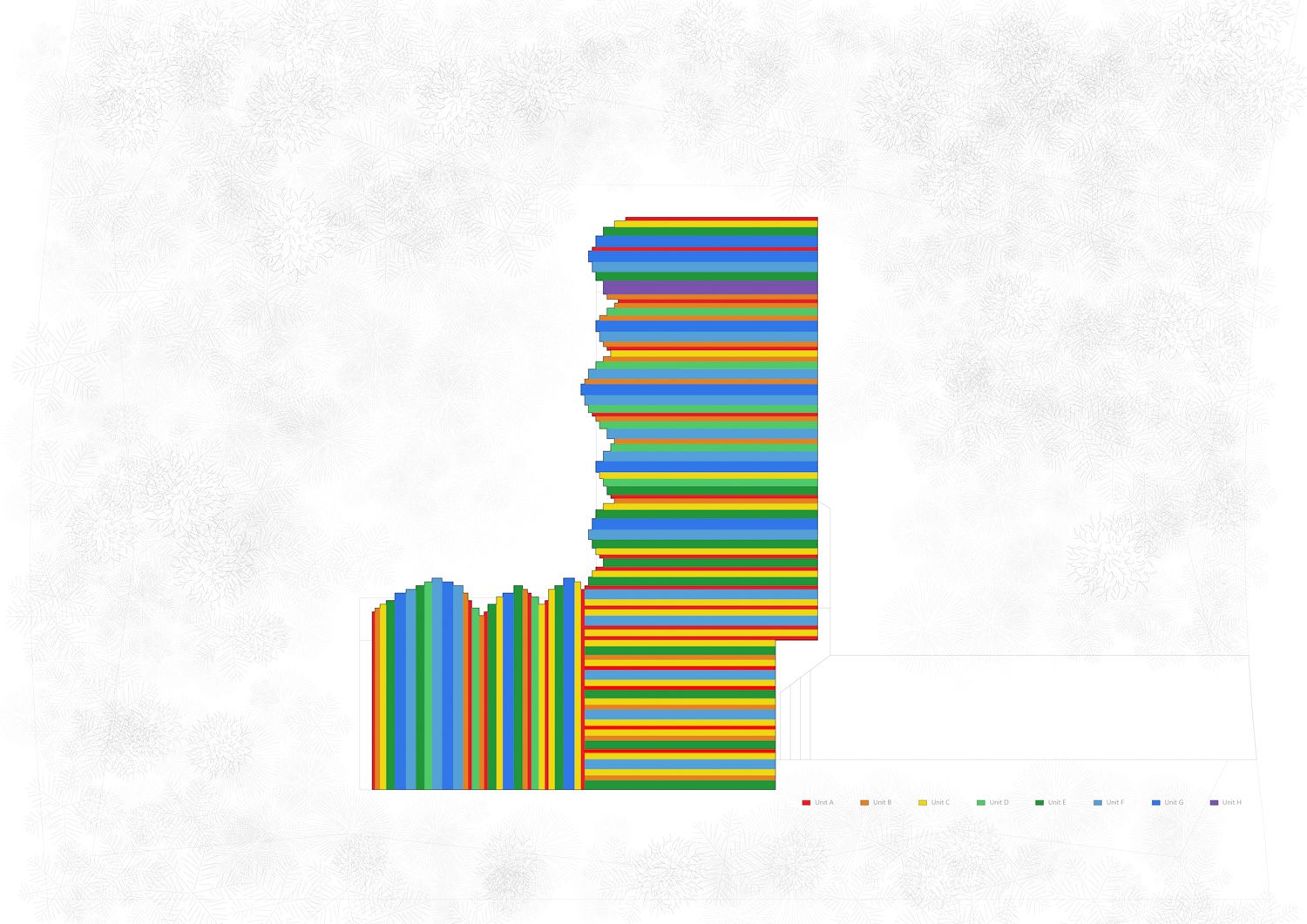
A roof plan illustrating the arrangement of metal sheets in varying widths. | Image courtesy of Jenchieh Hung + Kulthida Songkittipakdee / Has design and research
Another major challenge lay in designing the gutter system, which needed to be installed at the point where the two roof planes meet. This required careful consideration of water flow, as well as the orientation and interlocking direction of each metal sheet panel to prevent seepage along the folded seams. A continuous waterproof membrane was added beneath the gutter as an additional layer of protection. The roof pitch was set at the manufacturer’s recommended 5 degrees, and the drainage performance has been satisfactory, with no issues reported, even during the recent monsoon season.
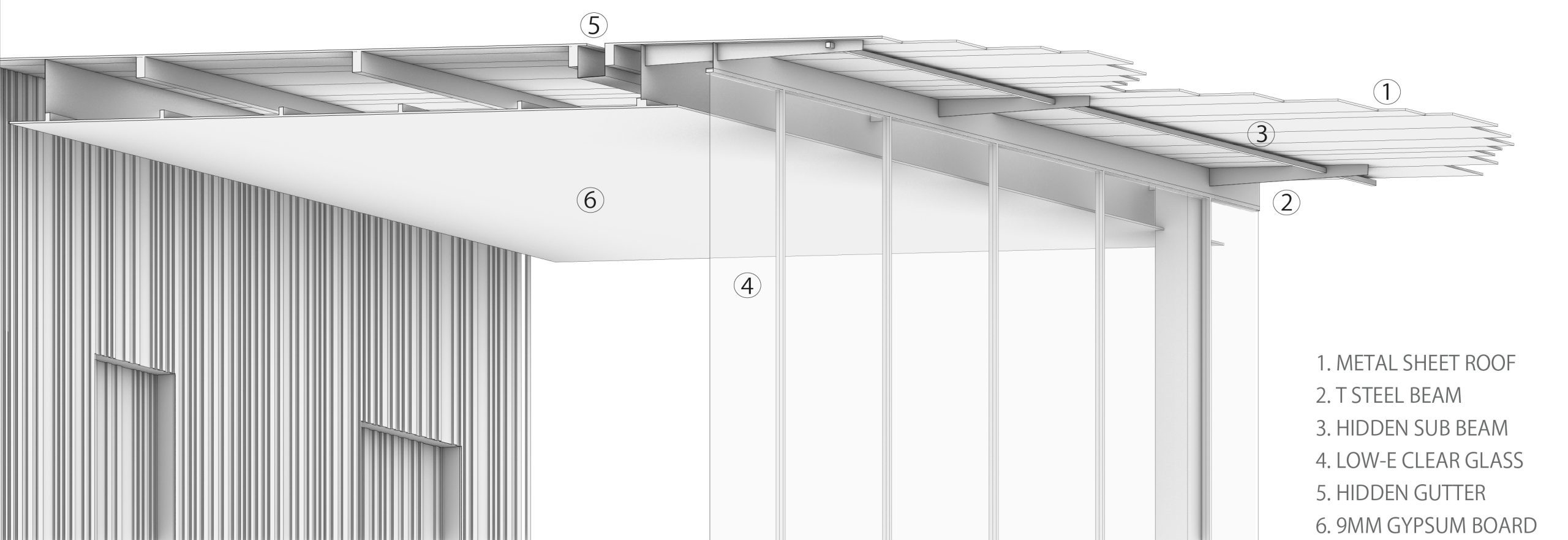
A sectional drawing showing the relationship between the roof structural system and other architectural components. | Image courtesy of Jenchieh Hung + Kulthida Songkittipakdee / Has design and research
For the roof structure, the beams, joists, and purlins were aligned on a single plane, reducing the overall thickness by approximately 10 centimeters compared to a conventional roof assembly. At the extended eaves, EPS foam was added underneath to increase rigidity without requiring additional structure. All of these decisions were made to achieve the desired slender, lightweight profile envisioned from the outset.
The designers chose a white roof for two primary reasons. First, it allows the building to visually blend into its surroundings. Second, it aligns with the interior scheme, which is composed entirely in white. The Off White shade of COLORBOND® Steel further enhances this intent by offering excellent light and heat reflectivity.
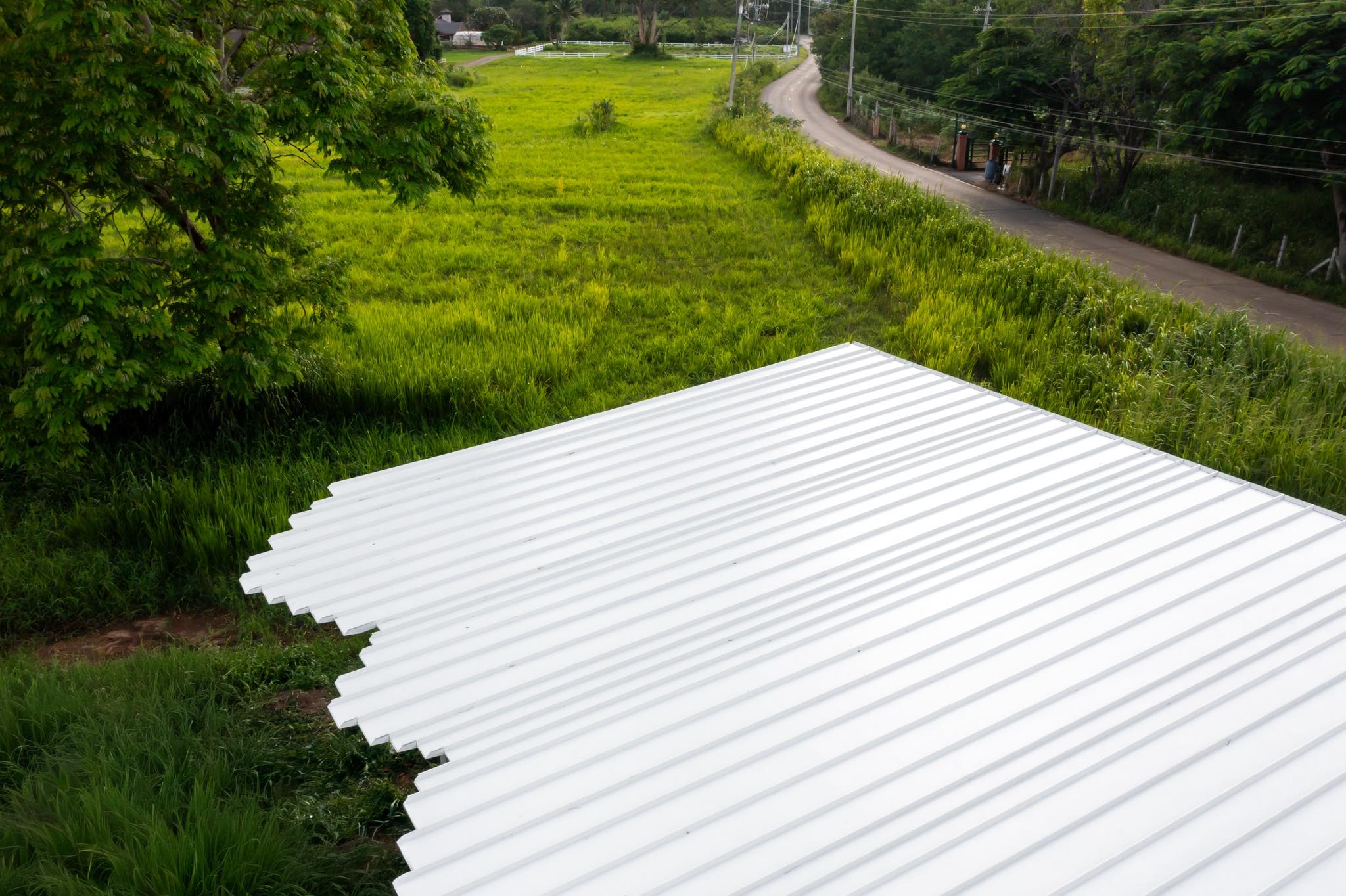
The white roof surface helps reflect light and heat while maintaining cleanliness through Clean Technology. | Photo: Ketsiree Wongwan
COLORBOND® steel is a premium pre-painted metal sheet from BlueScope, manufactured from high-quality steel with an optimal thickness, making it well suited for design work that demands precision and distinctive detailing. It is backed by a warranty of up to 35 years* against corrosion perforation, while its color durability is guaranteed for up to 12 years* against fading. And despite being white, the material resists dirt and dust through Clean Technology that allows rainwater to wash the panels clean, keeping the roof looking as pristine as the day it was installed. In addition, Thermatech® Technology reflects heat away from the building, enhancing thermal performance. These qualities make COLORBOND® a medium through which designers can translate concepts and imagination into built form—supporting architectural expression while enabling projects to move confidently into new dimensions.
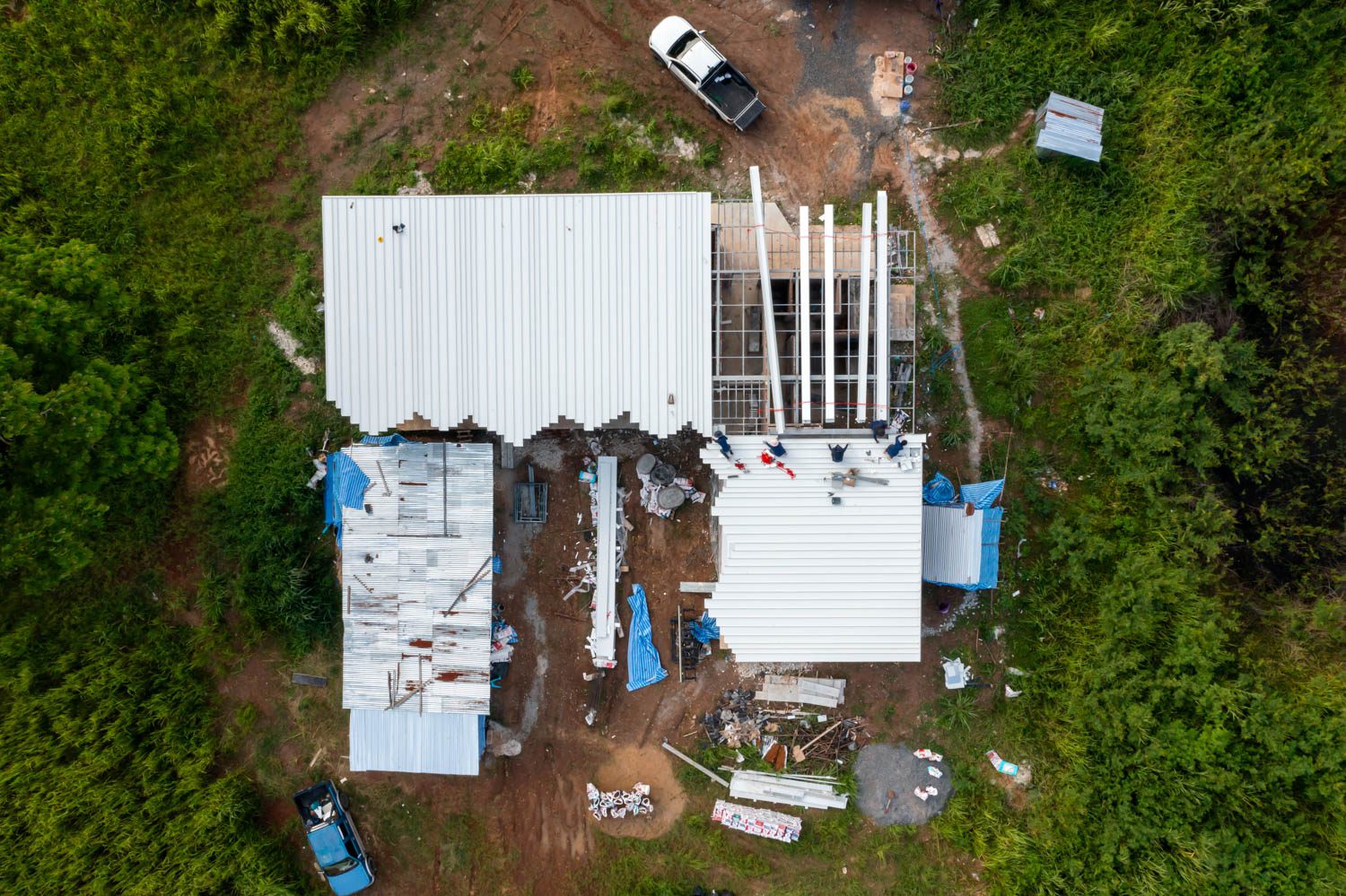
Photo: Ketsiree Wongwan
Stay tuned as art4d prepares to unveil a full feature on the Khaoyai Mountain Grounded Villa, offering a renewed perspective on the house and its considered use of COLORBOND® steel.
nsbluescope.com/th/th/our-brands/colorbond
hasdesignandresearch.com