
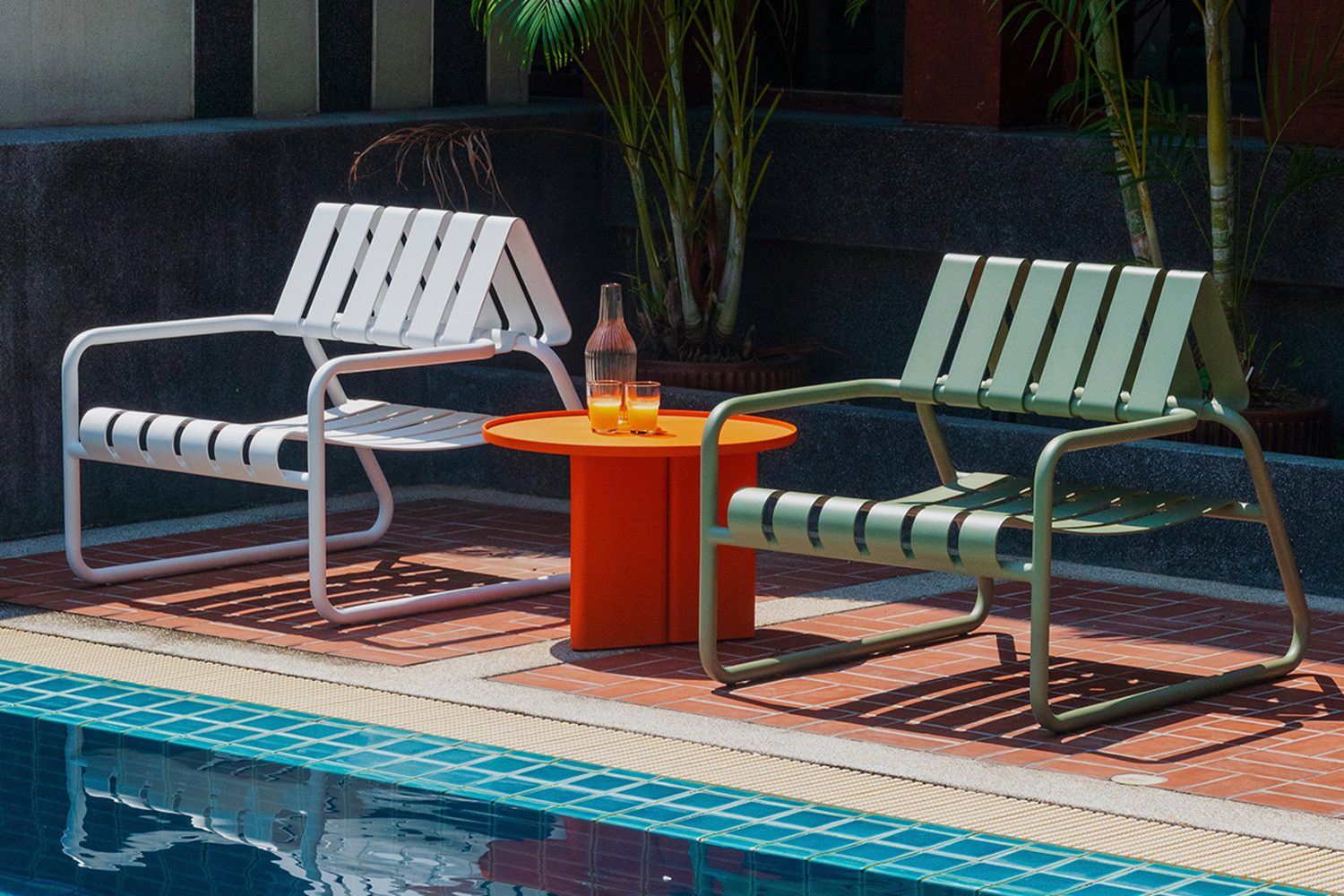
QANARN, A THAI FURNITURE BRAND THAT USES GEOMETRIC SHAPES AS ITS PRIMARY DESIGN LANGUAGE, AIMING TO CONVEY A UNIQUE CONTEMPORARY THAI IDENTITY
TEXT & PHOTO COURTESY OF QANARN
(For Thai, press here)
WHO
I’m one of the cofounders of Qanarn, Traivis Pongburanakit. Qanarn was founded by two partners, myself and my partner, Karn Tepsatid. We both come from interior design backgrounds and share the dream of creating a furniture brand that reflects who we are, our identity and ways of thinking. While our design approaches differ, we have been able to find a shared middle ground: two parallel paths moving forward in the same direction.
WHAT
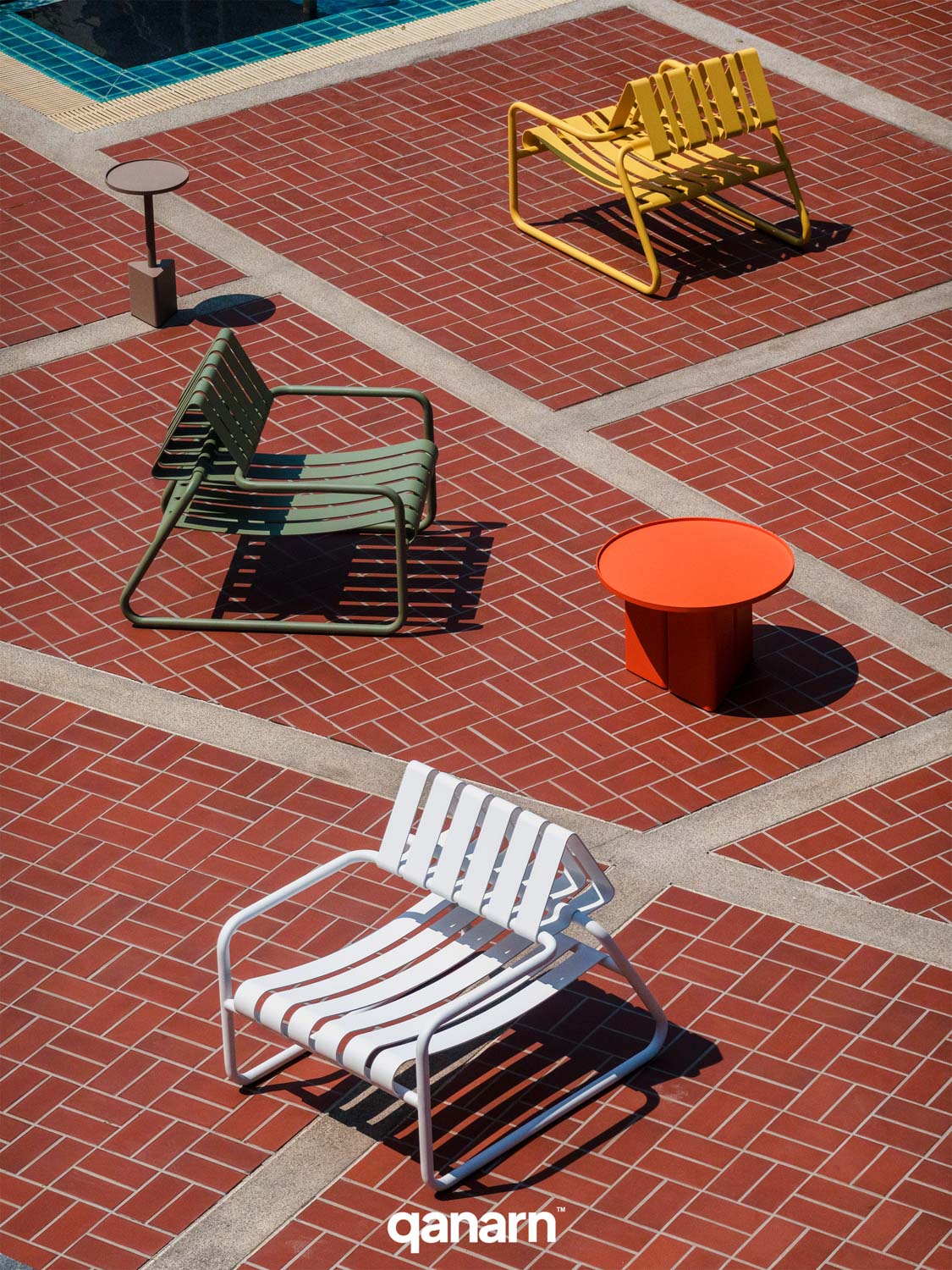
Qanarn is a Thai furniture brand born from our desire to ‘tell Thai stories through geometry.’ We believe Thainess does not have to rely on ornate or complex patterns. It can exist in simple, universal forms that are easily understood across cultures, while still carrying a clear cultural foundation.
WHEN
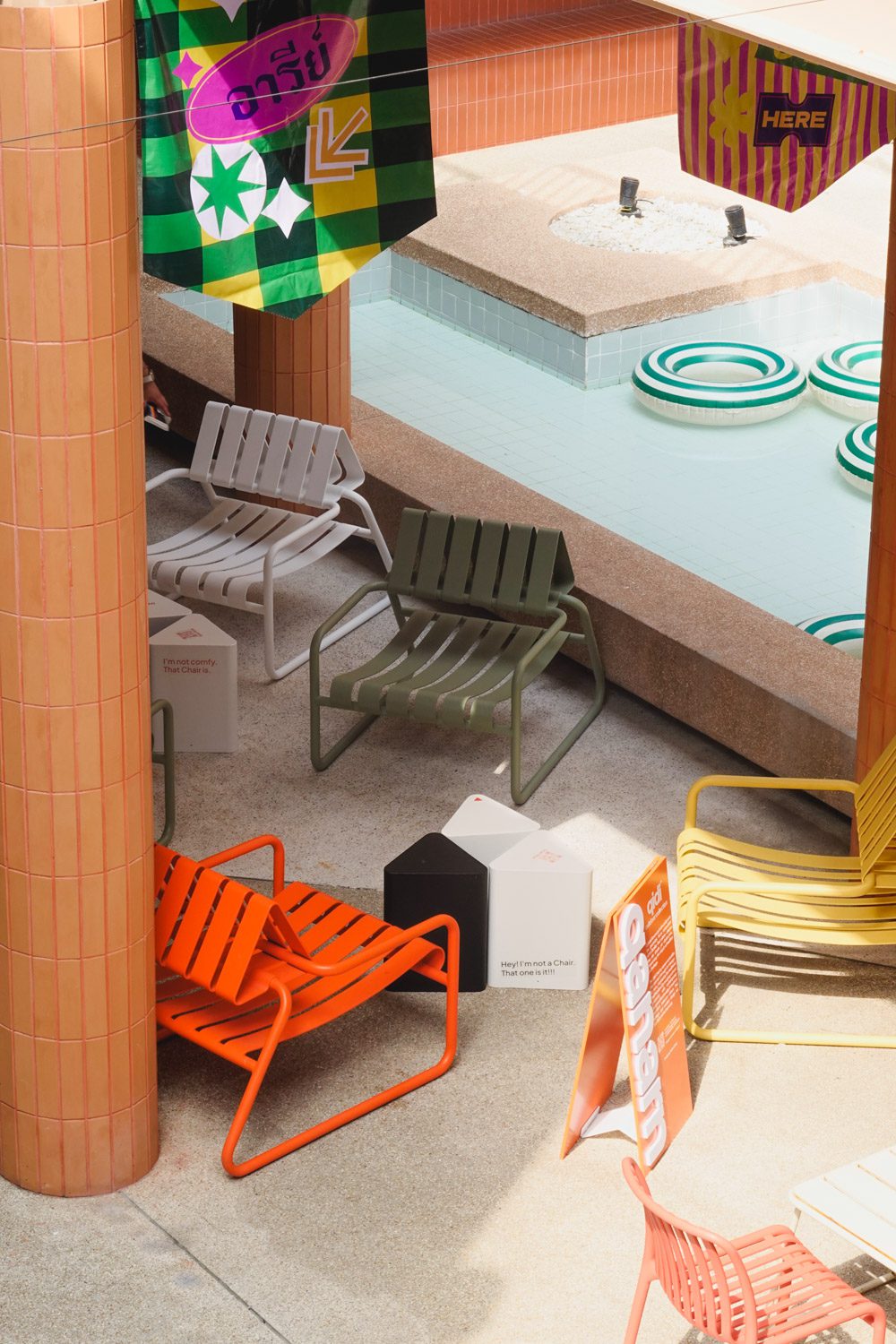
We officially launched the brand in late 2024, debuting our first collection, Qidi. At the time, it felt like taking the first step on a long journey we intend to walk together.
WHERE
We started in Bangkok, particularly in the older neighborhoods we were familiar with. The area, filled with memories and everyday architectural details, shaped our early impressions of Thai architecture and gradually became the foundation of our interest in Thainess.
WHY
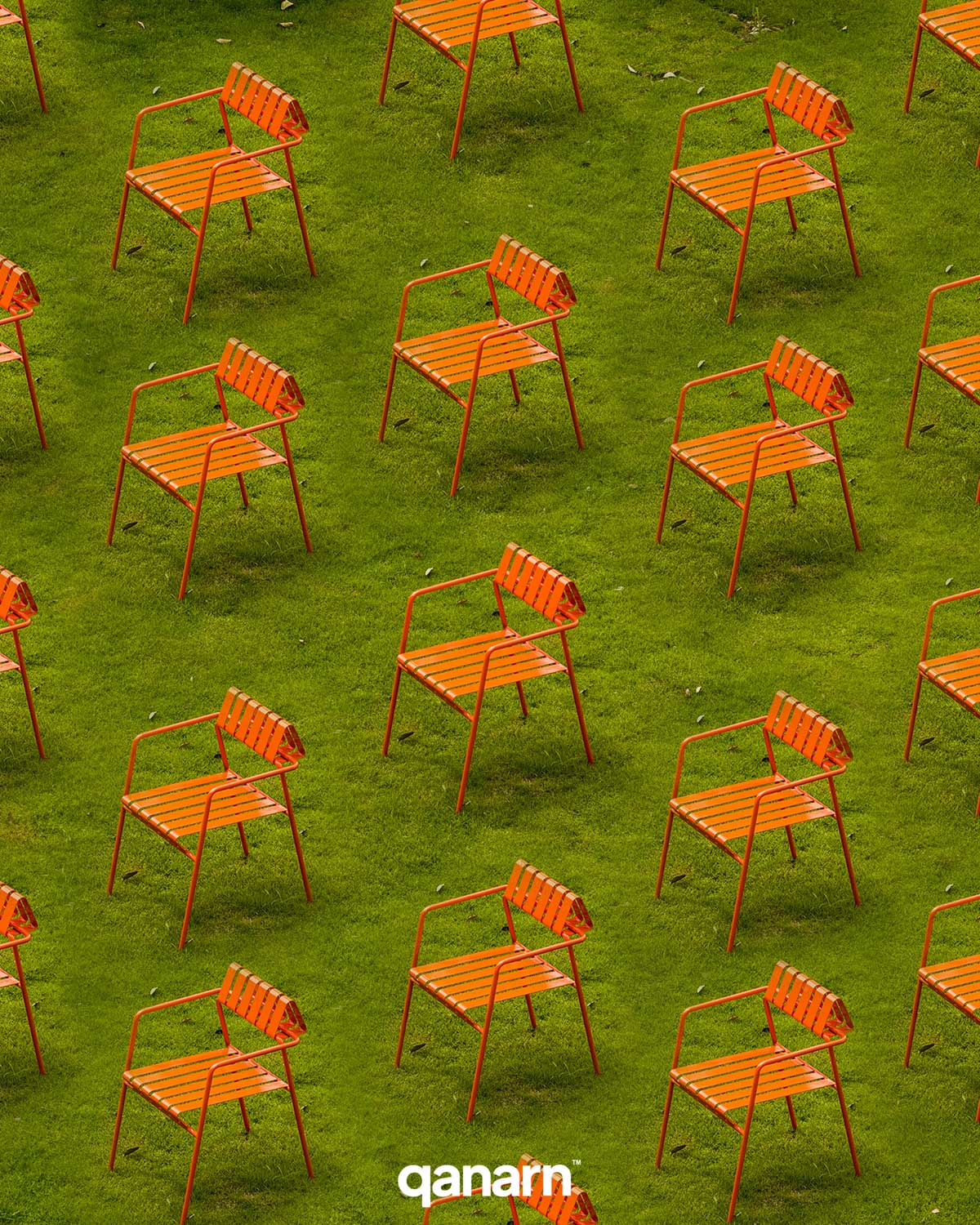
We felt that much of the Thai furniture currently on the market did not reflect the version of Thainess we were interested in. Qanarn was created to reinterpret Thai identity on our own terms. The name Qanarn, meaning ‘parallel,’ reflects our core idea: Thai and modern, restraint and playfulness, two designers with different perspectives moving forward side by side.
How do you define your own style of work?
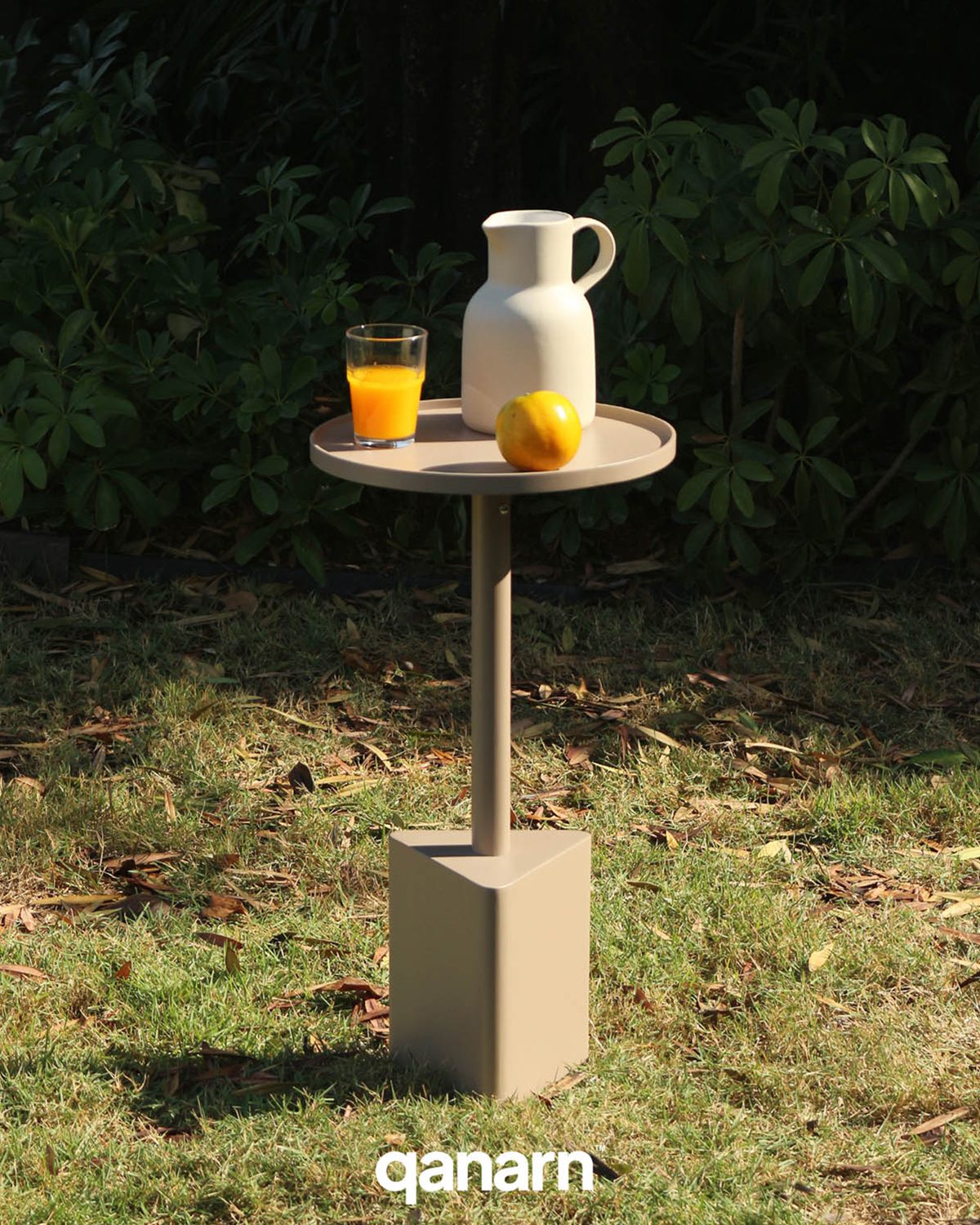
Qanarn = Minimal + Thainess + Playful
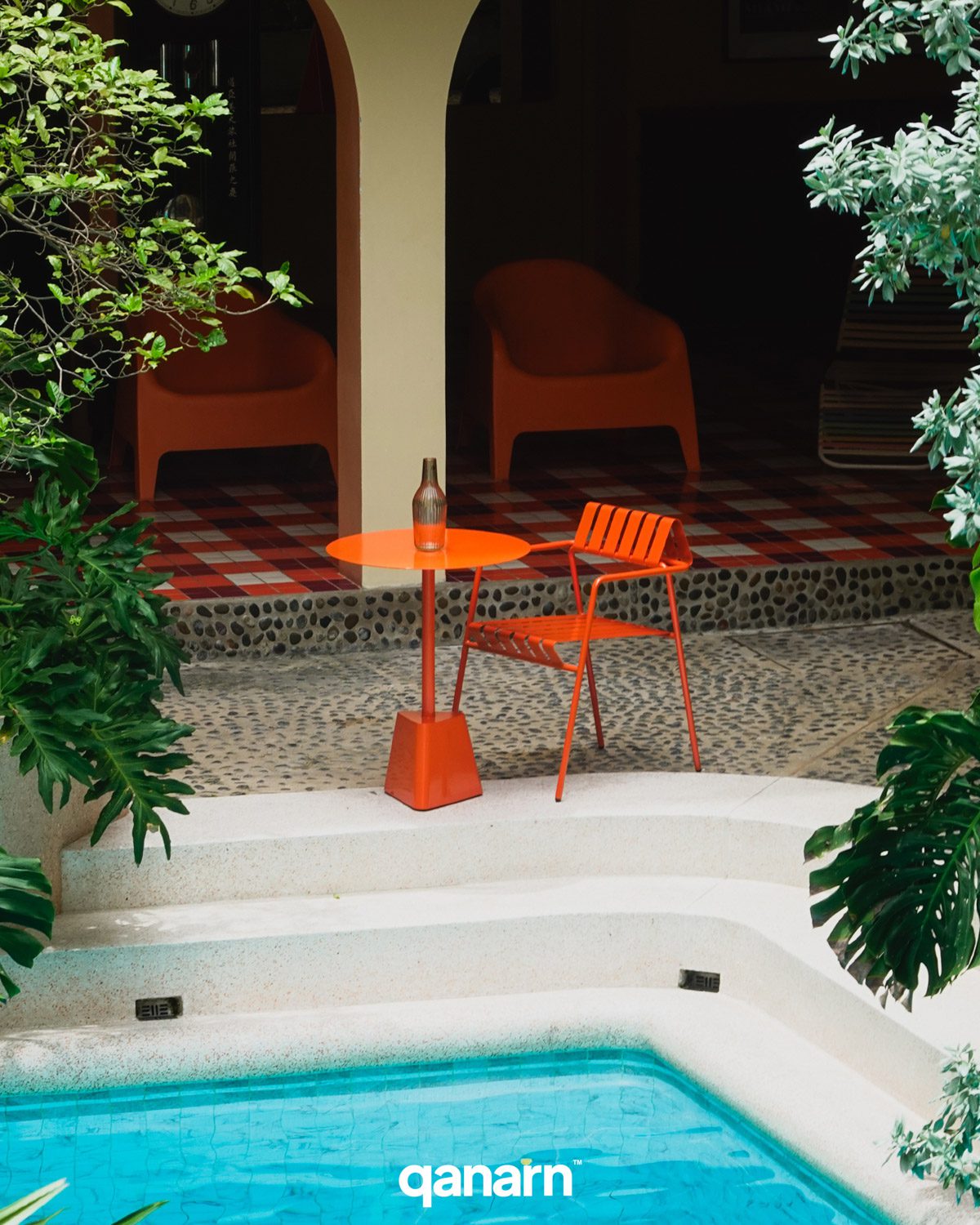
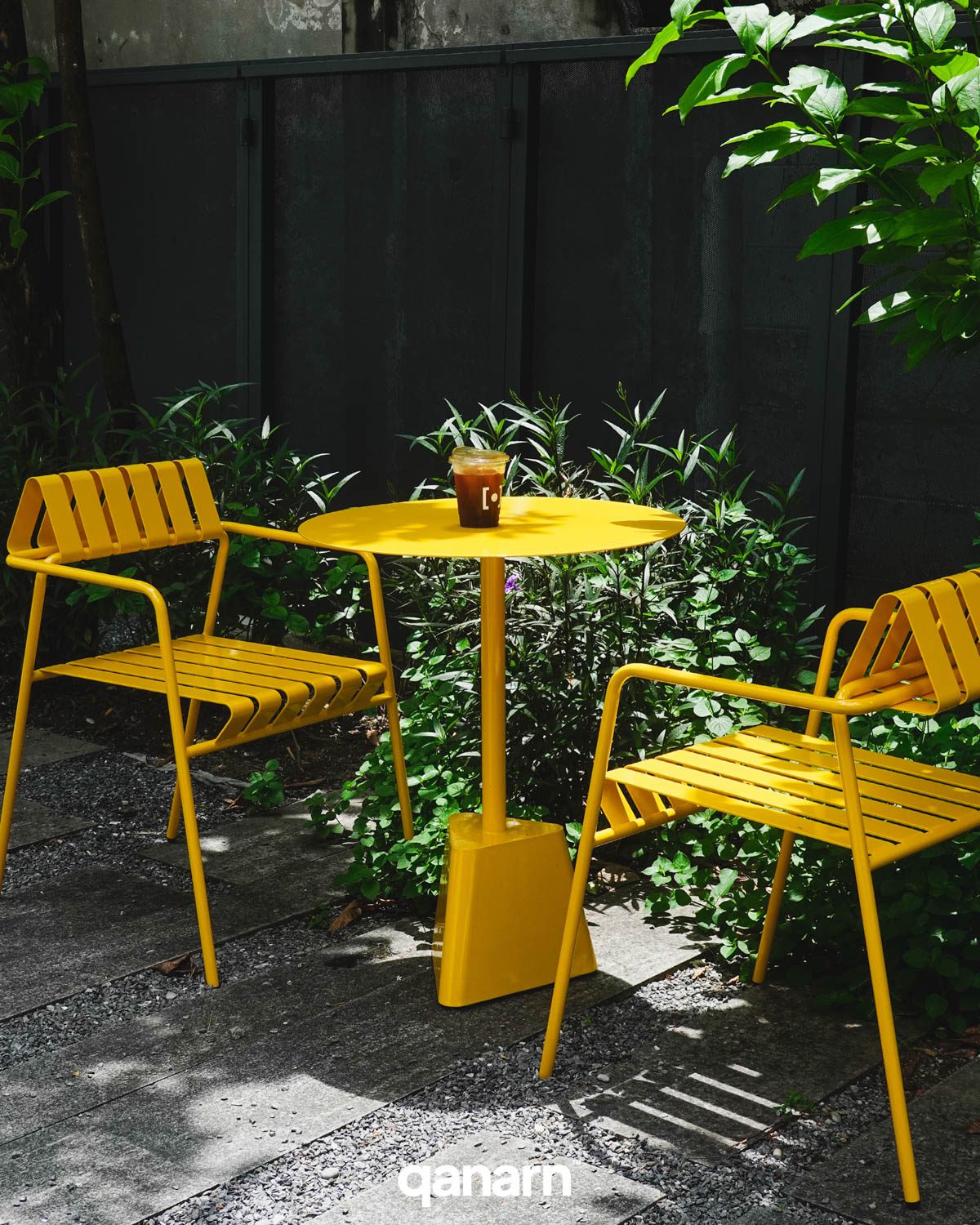
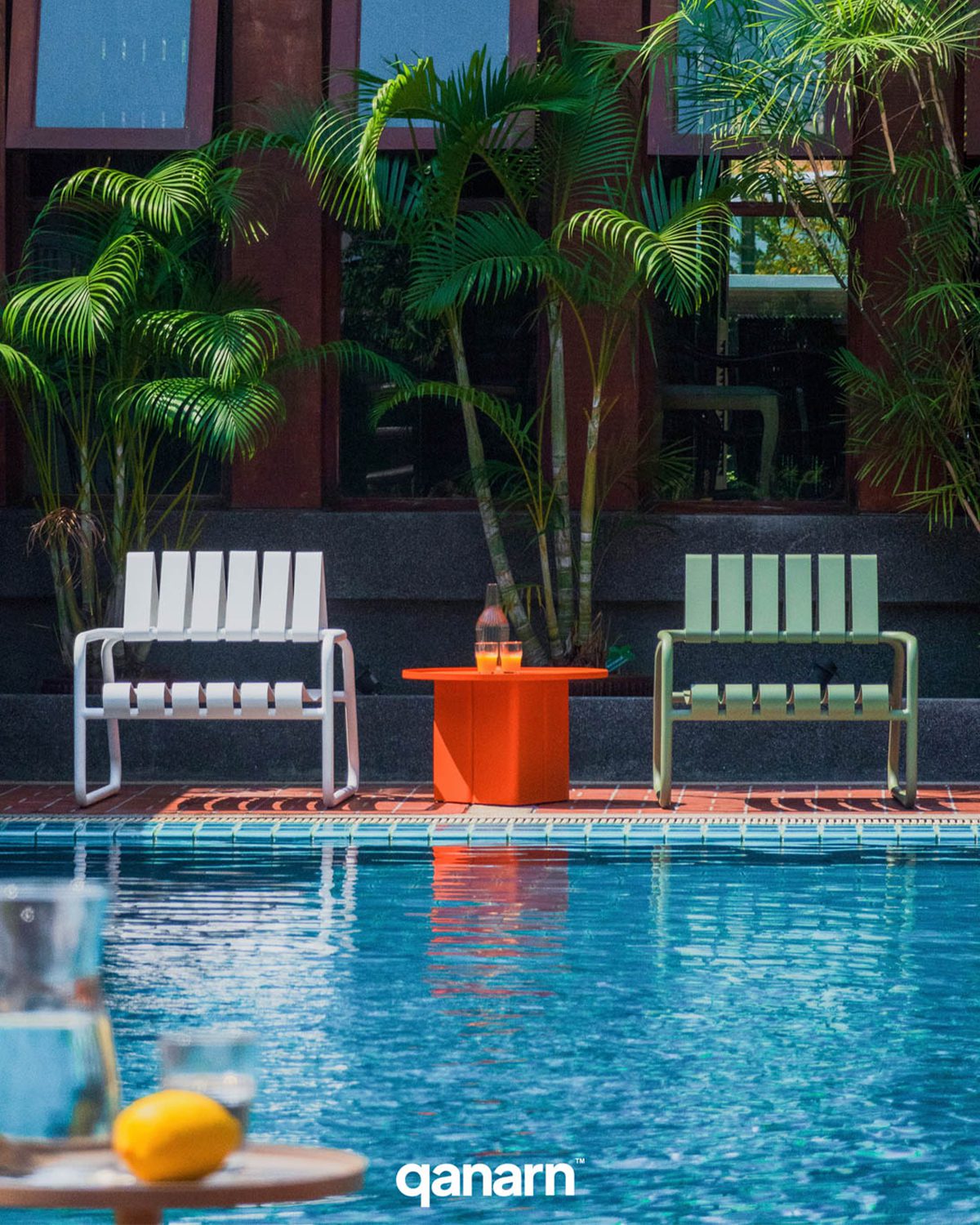
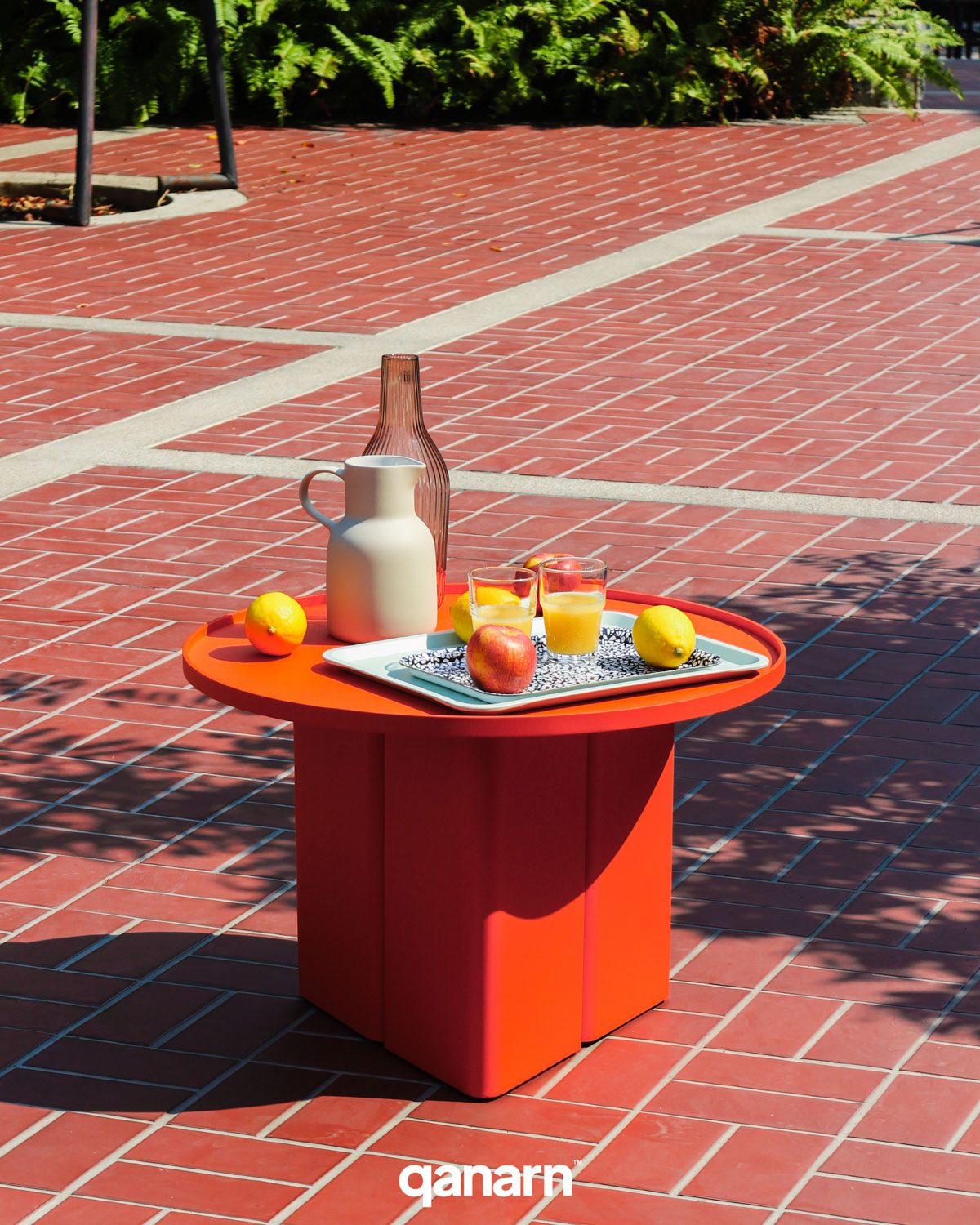
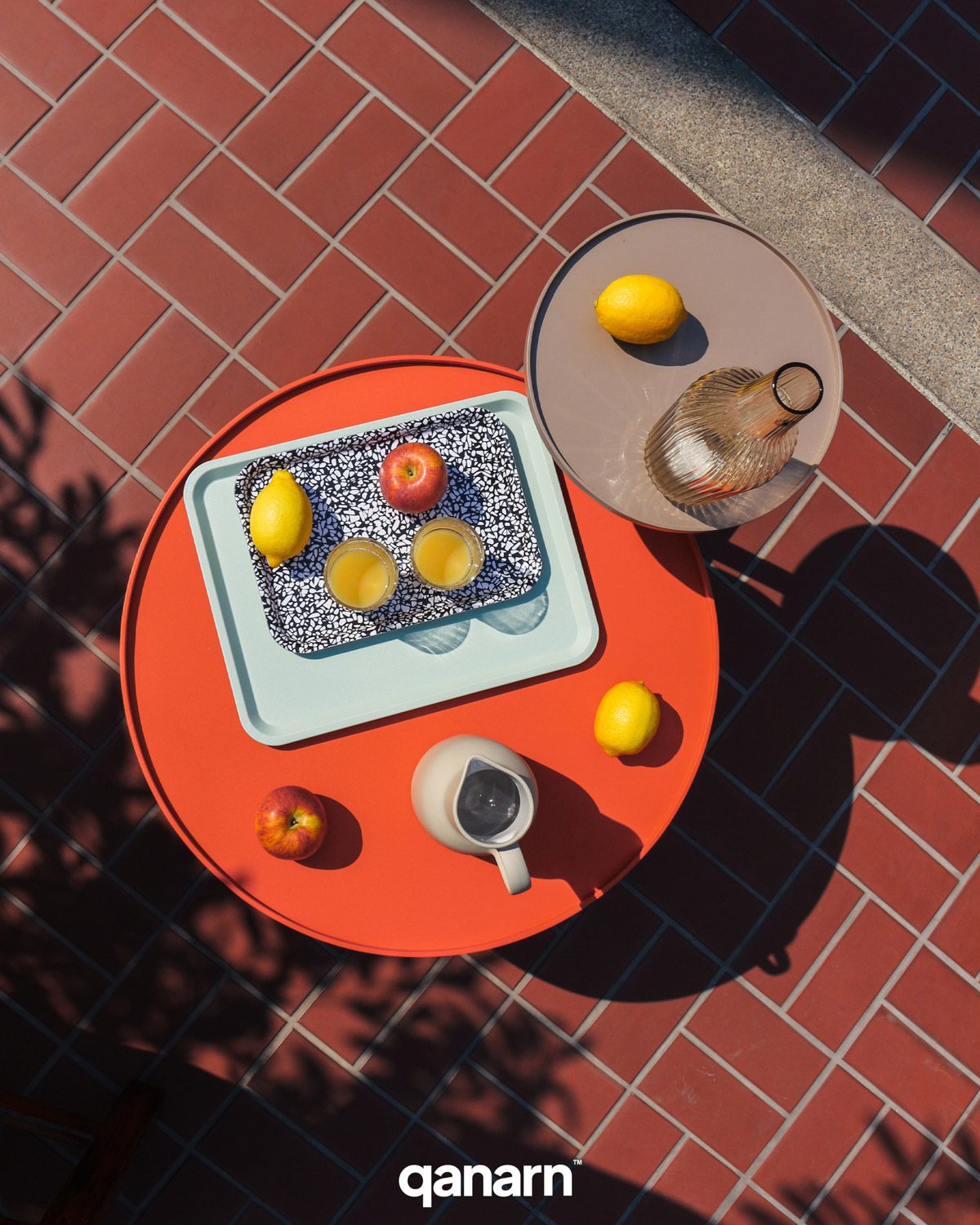
I describe our approach as ’Playful Thai Minimalism,’ articulated through the idea of Cultural Geometry. We use geometric forms as our primary design language. They are simple, yet capable of communicating depth and nuance. Our work tends to have clear forms, a restrained yet playful quality, and a Thai identity that does not need to be stated explicitly.
What inspires you and what principles do you apply to each project?
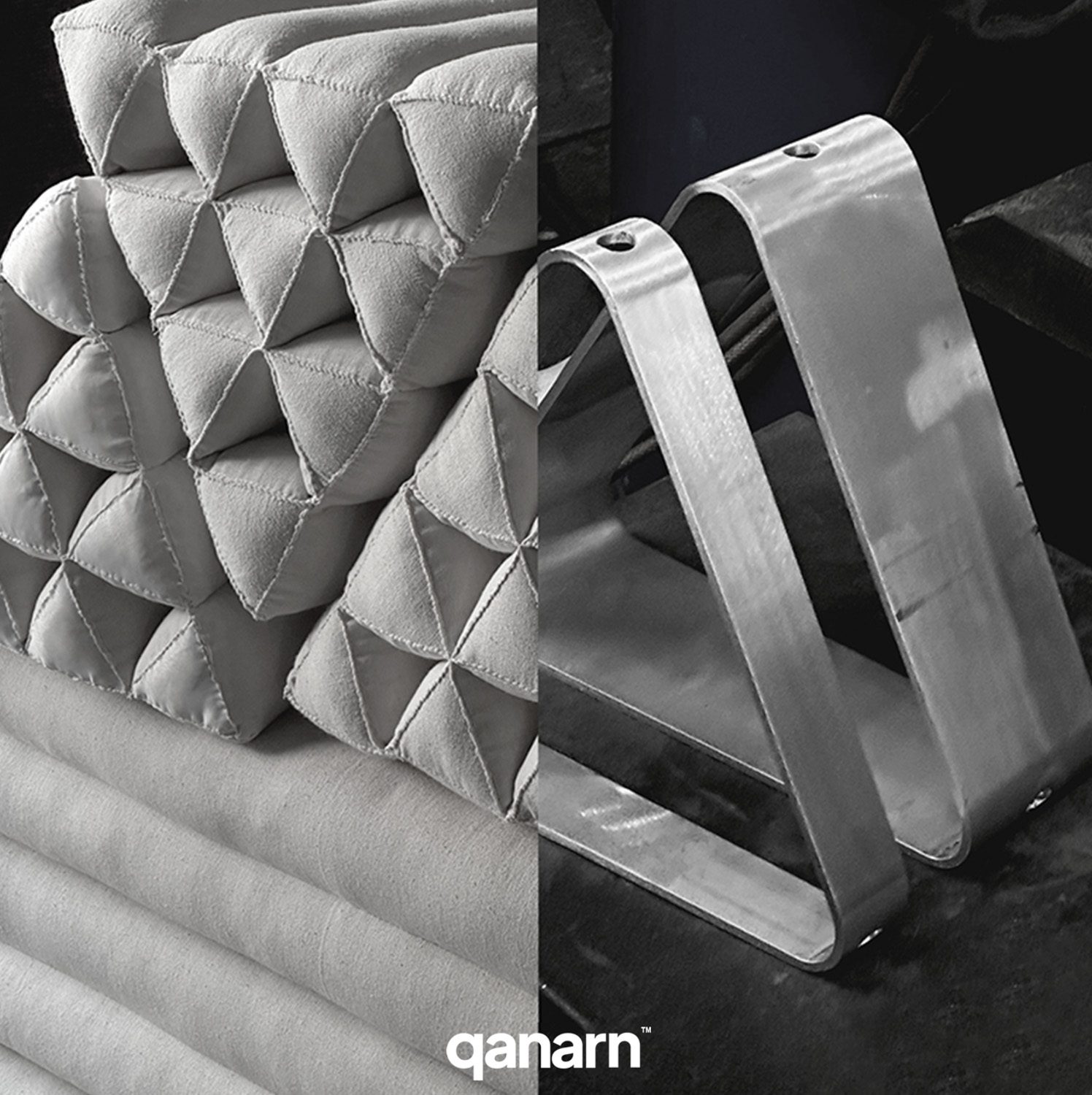
My inspiration often begins with everyday objects that have distinctive forms, such as khit pillows, ventilation blocks, garlands, or traffic cones. These objects already possess an inherent geometric beauty. By shifting perspective, we reinterpret them into contemporary forms that remain functional and adaptable to modern spaces.
Which project are you most proud of and why?
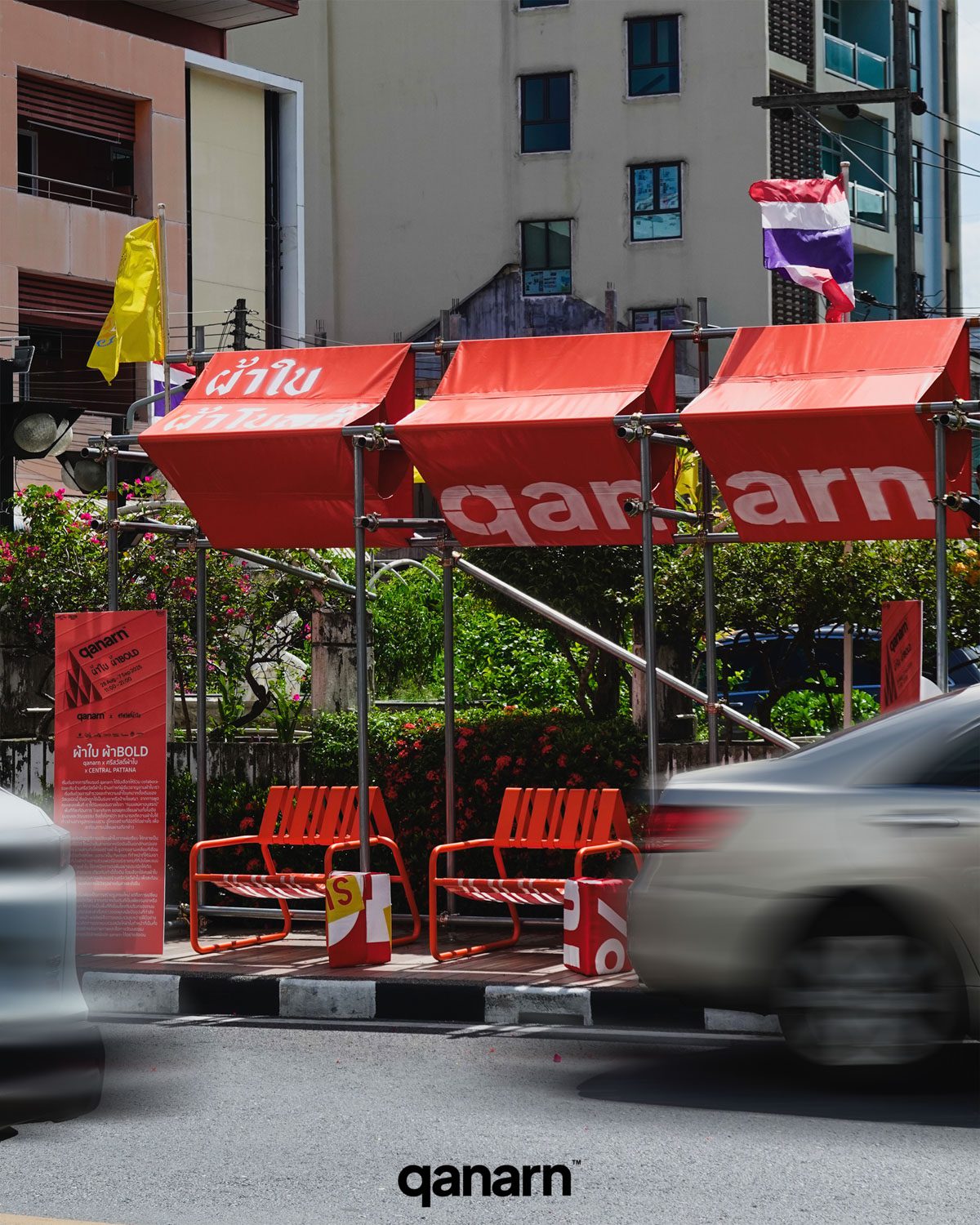
The project I am most proud of is ‘BOLD Pavilion,’ a collaboration between Qanarn, SRISAWAD CANVAS, and Central Pattana. This project reflects Qanarn’s identity in every dimension, from geometric thinking and material experimentation to our commitment to sustainability.
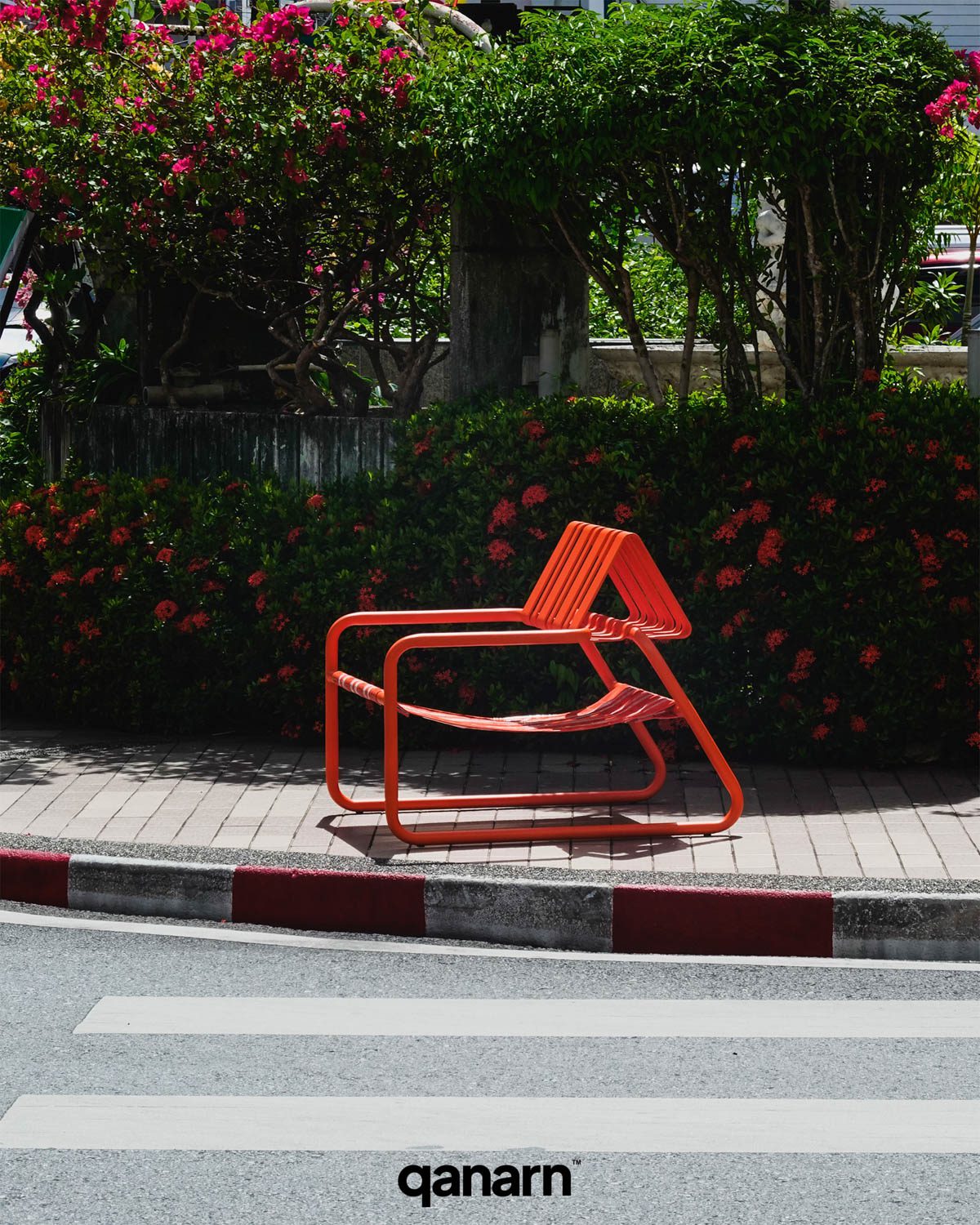
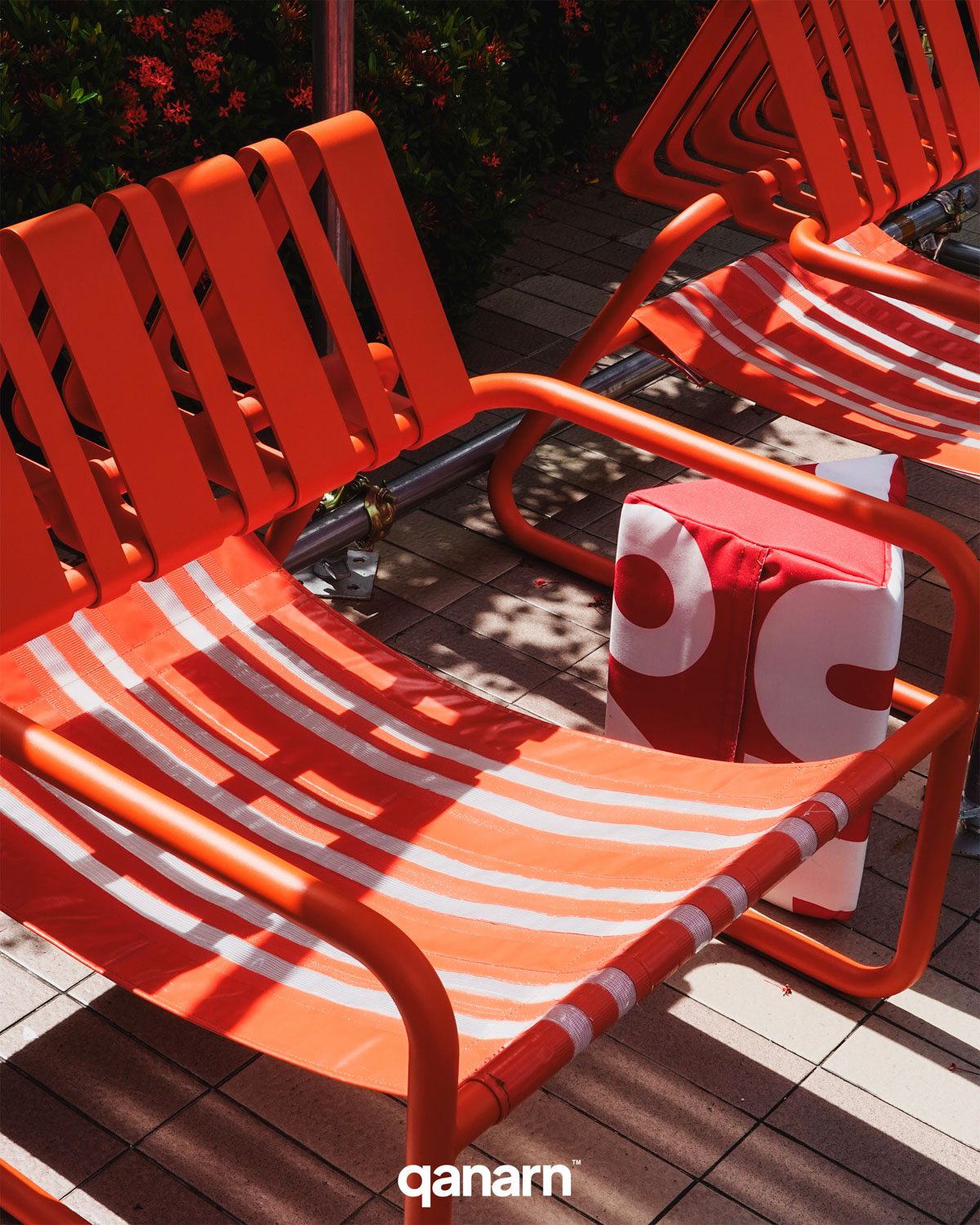
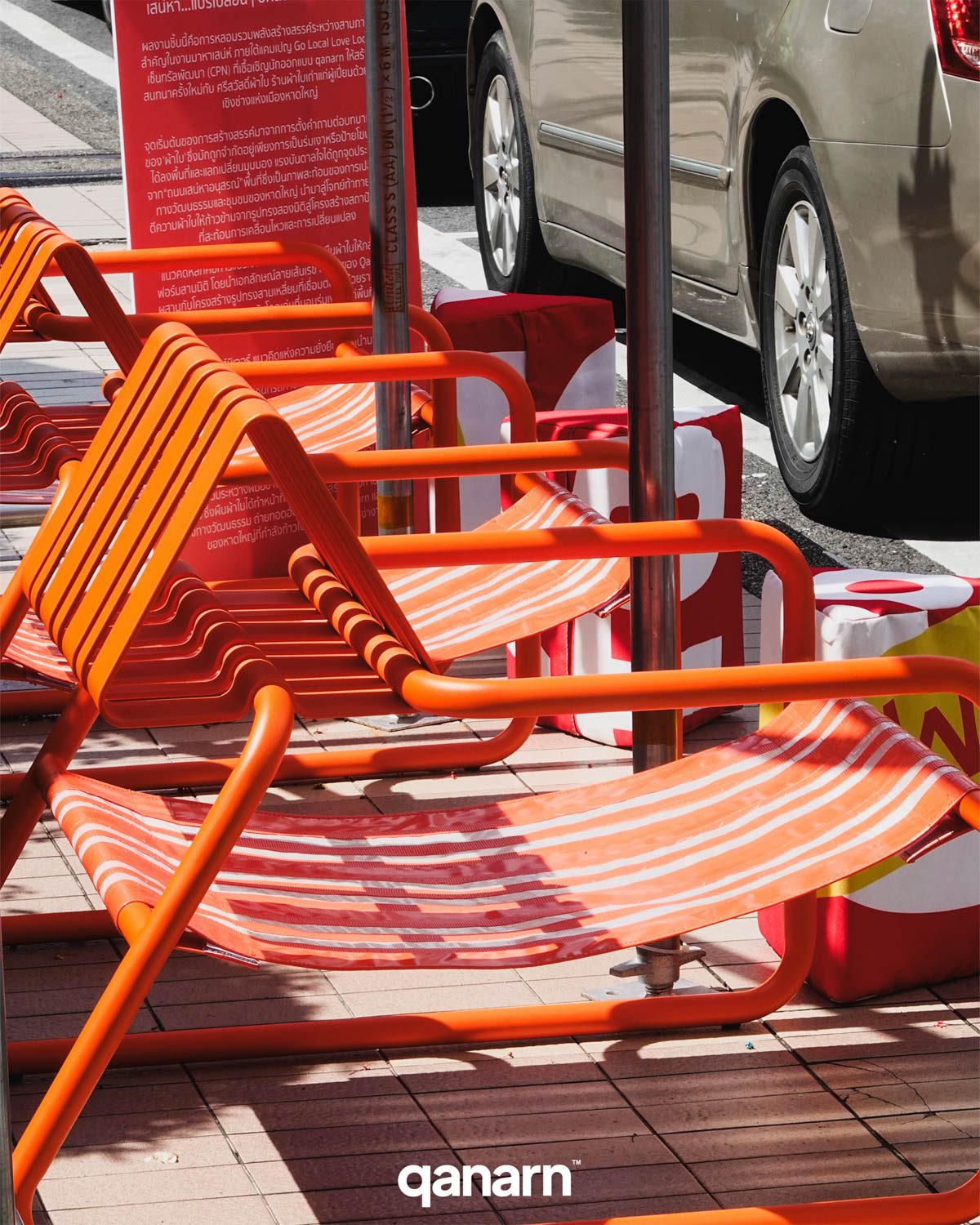
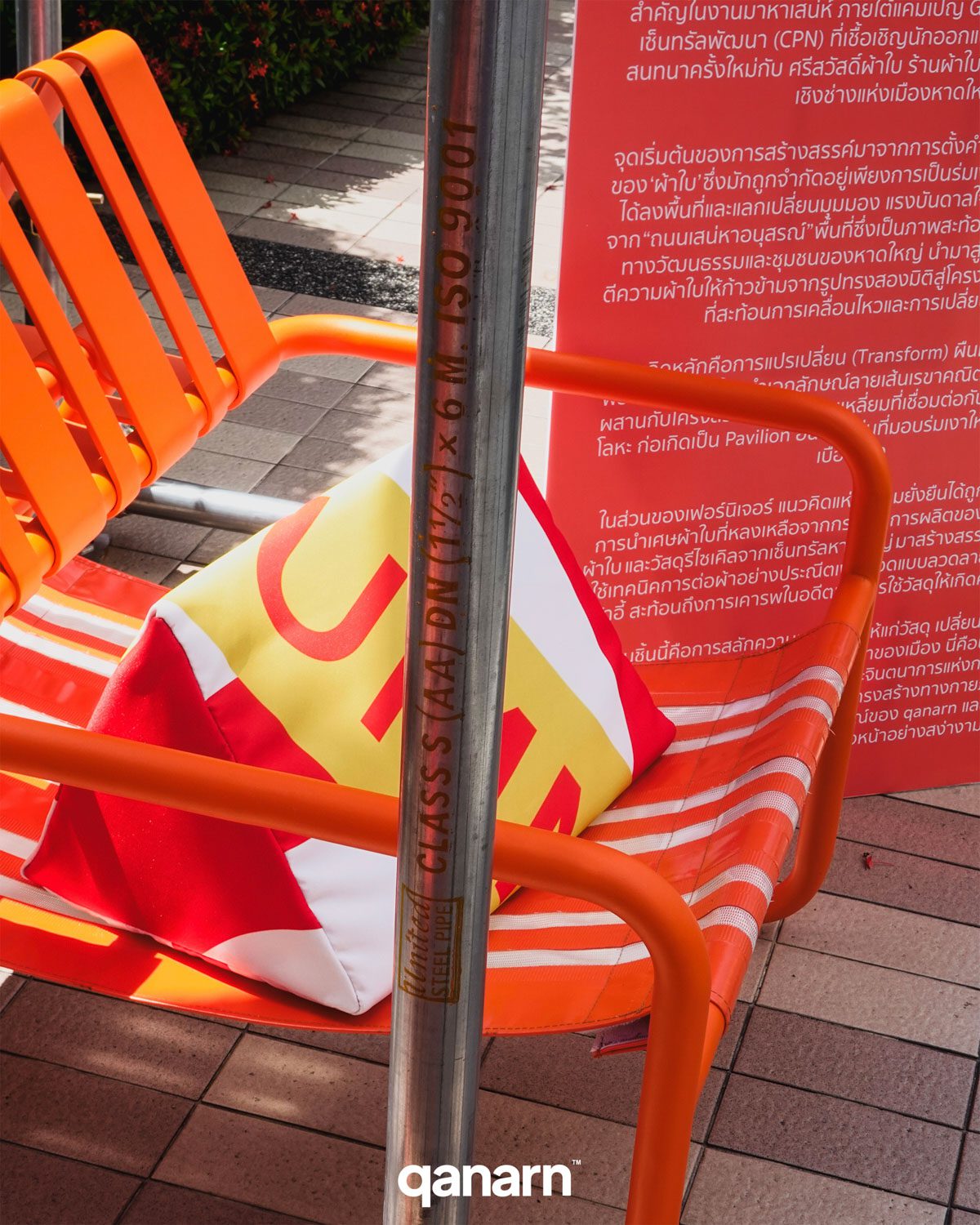
We started with a familiar material, canvas, which is typically flat and used for awnings or signage. We reimagined it as a dimensional structure by applying Qanarn’s signature geometric lines, arranging them into overlapping triangular forms that came together to form a large pavilion. The structure provided shade while creating a space for people to gather and rest beneath it.
For the furniture, we used reclaimed advertising canvas from Central Hatyai, reinforcing our belief in material efficiency and sustainable design, the principles I strive to embed in every project.
Which part of the process do you enjoy the most during work?
I enjoy the early stage the most, the moment when Karn and I begin throwing ideas back and forth. Since we’re quite different, this stage often leads to friction, but when we find common ground, it usually results in something unexpectedly interesting.
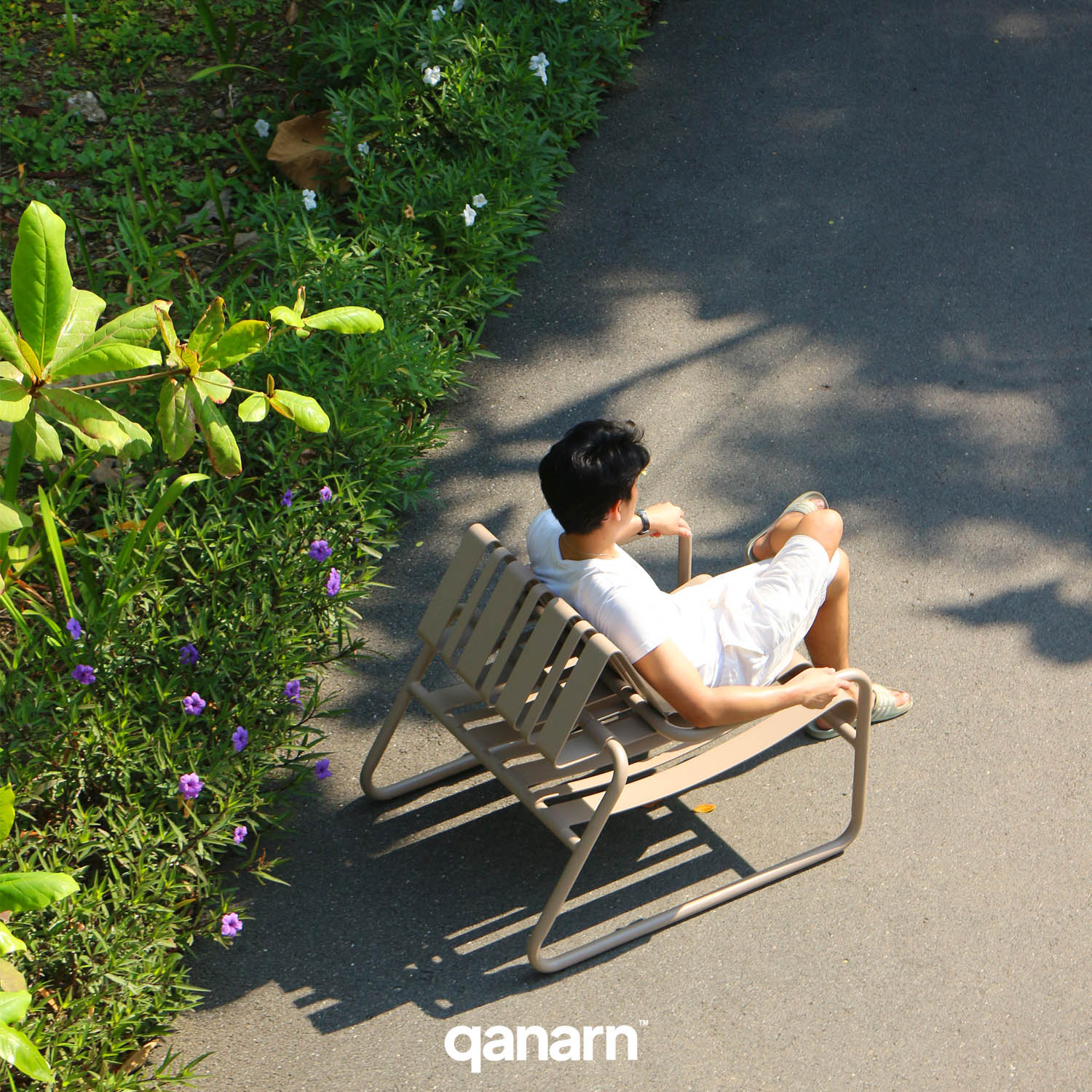
Equally rewarding is seeing our pieces placed in real spaces, being used, touched, sat on, or photographed. That is when furniture truly becomes part of people’s everyday lives.
If you could invite any ‘creative’ for a coffee, who would it be and why?
I would invite Oki Sato, founder of Nendo. I admire Nendo’s philosophy that ‘design should create small moments of happiness in everyday life.’ It’s a simple but deeply profound idea.
I would love to talk with him about emotional simplicity, which closely aligns with what Qanarn is exploring: design that is visually restrained yet rich in feeling, and capable of subtly connecting with its cultural roots.