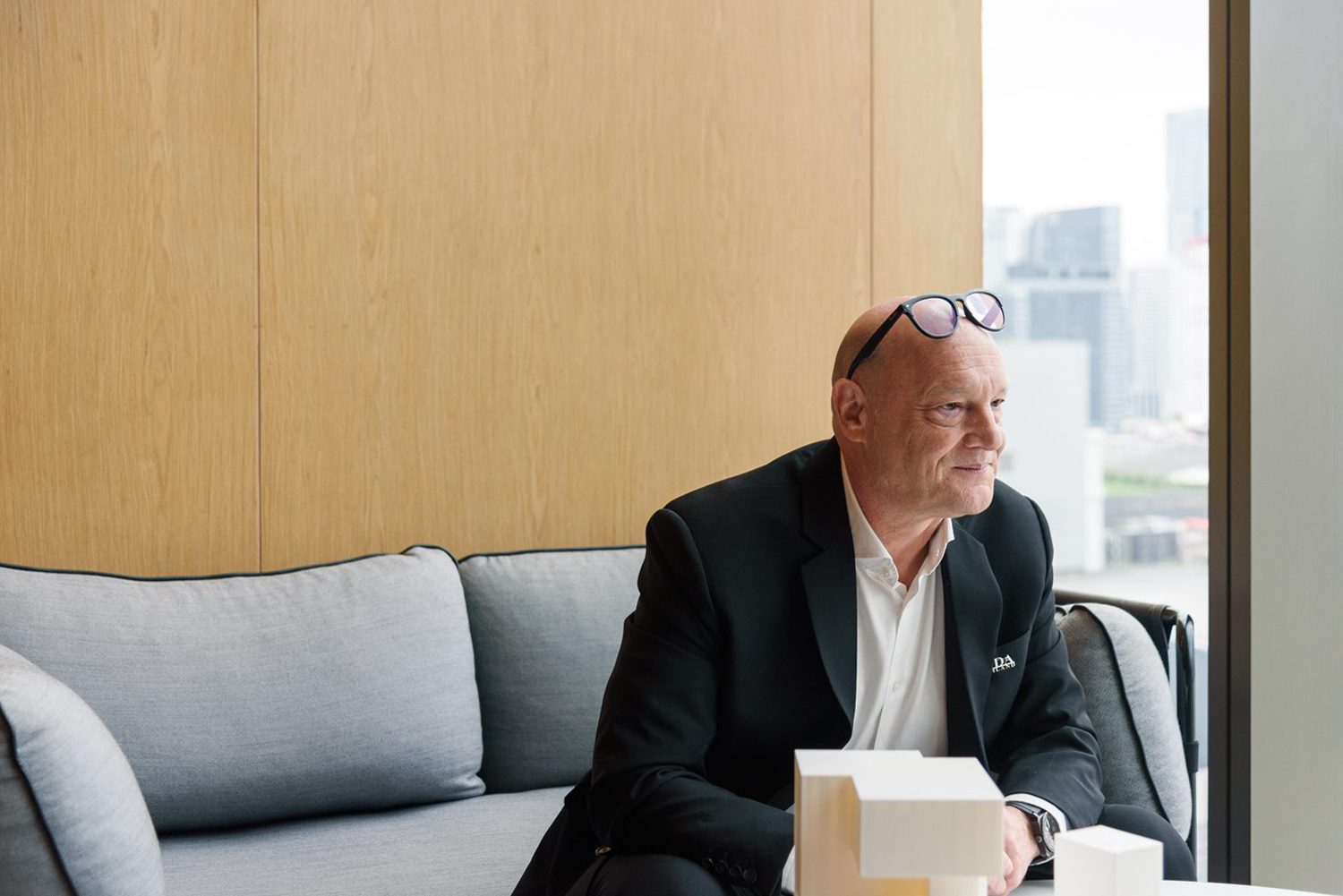
MARKING 20 YEARS OF SODA (THAILAND), ART4D TALKS WITH STEPHEN O’DELL TO UNVEIL THE PHILOSOPHY OF SIMPLICITY BEHIND HIS FORMS AND THE STUDIO’S TRAJECTORY TOWARD THE FUTURE
TEXT: KITA THAPANAPHANNITIKUL
PHOTO: WORAPAS DUSADEEWIJAI
(For Thai, press here)
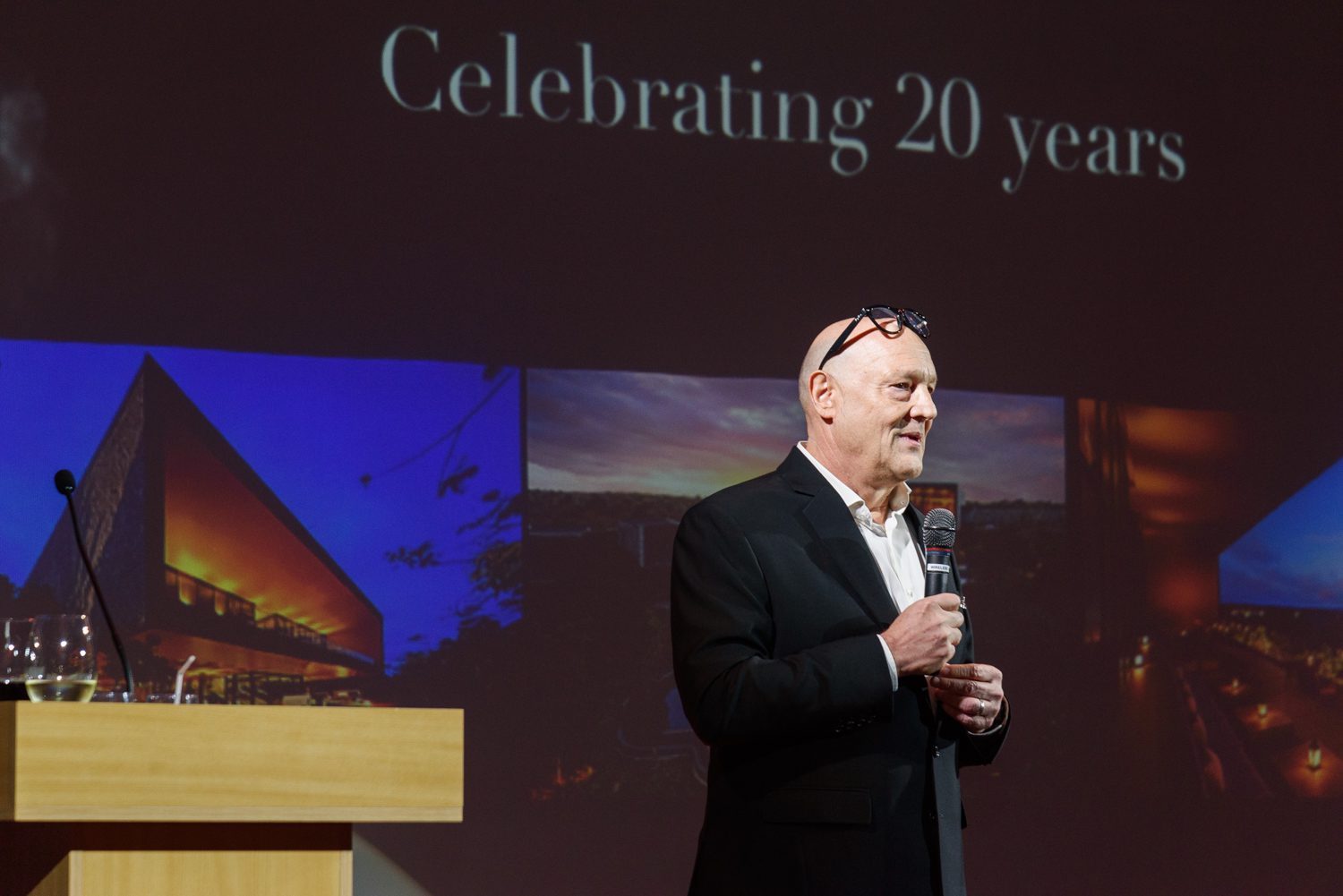
Marking 20 years of SODA (Thailand), art4d talks to Stephen O’Dell, founder and director of SODA (Thailand) about bridging contemporary architecture with the vibrant context of Southeast Asia. With a portfolio spanning high-rises, hotels, and luxury hospitality, O’Dell reflects on his journey from New York to Thailand, shares the insightful story behind the firm’s evolution, and explains why, after two decades, he still believes in making architecture “as simple as possible, but no simpler”.
art4d: Can you tell me about your background, your inspiration to establish SODA, and what your first vision was?
Stephen O’Dell: Originally, I am from Texas; I was educated there. Half my family was from Texas, and the other half from New York, so I ventured off to New York City because I wanted to do architecture, and at that time, all the architecture in Texas was being done by New York architects. I went to New York and did my time there working for several of the internationally well-known architects during that time. But I’ve always had a passion for opening my own office.
At an early age, I began traveling. I learned a lot from books, but I learned much more from traveling and actually seeing architecture—the front, the back, and all sides of it. Mies van der Rohe said, “First you learn to draw, then you learn to build, then you are an architect.” That is pretty much the path I followed. I still enjoy hand drawing; there is something about describing a design by hand. Next is being able to build a project. I like fictional architecture at times, but my grandfather was a contractor, so I like to build. Learning how to build a good quality building was quite important for me.
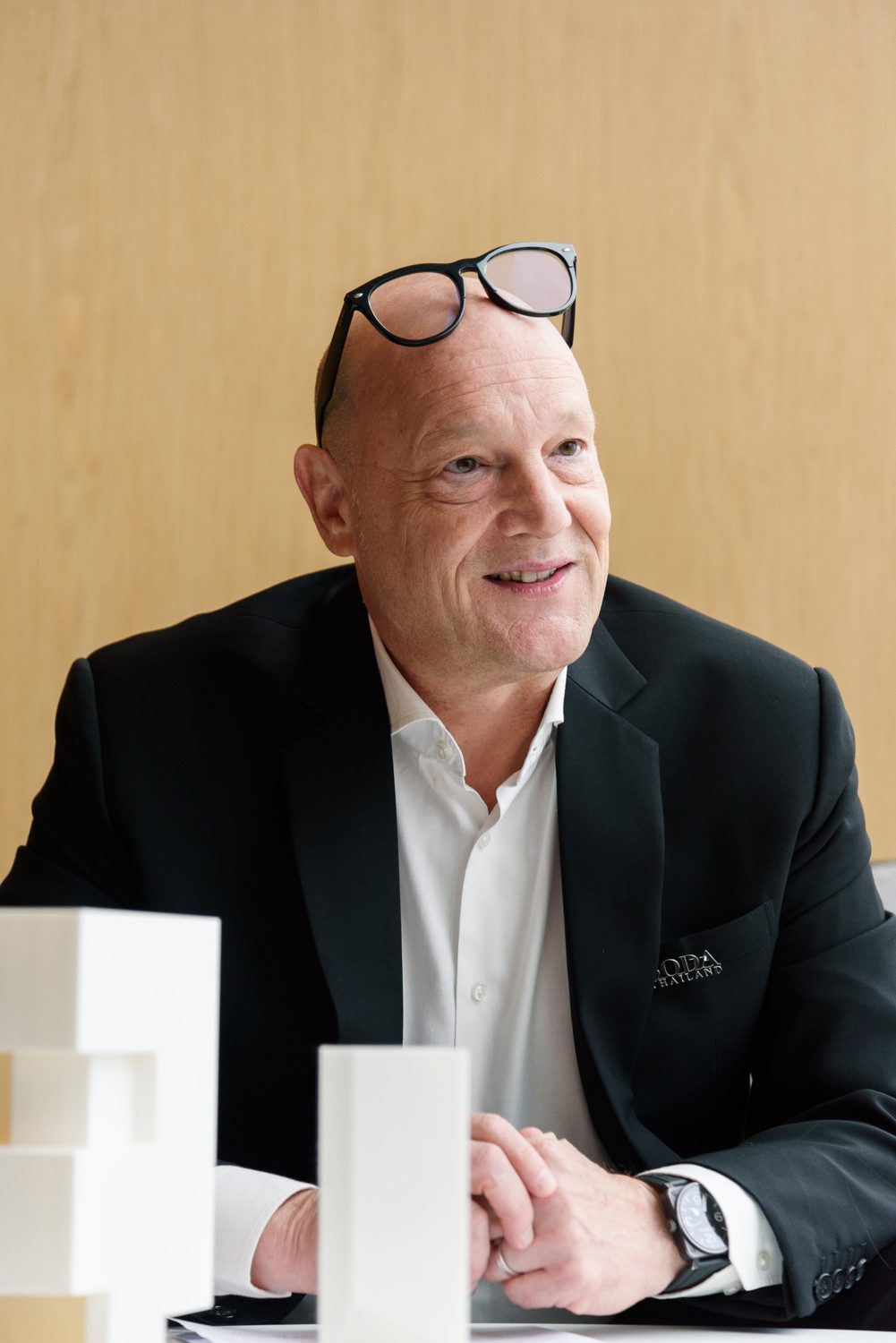
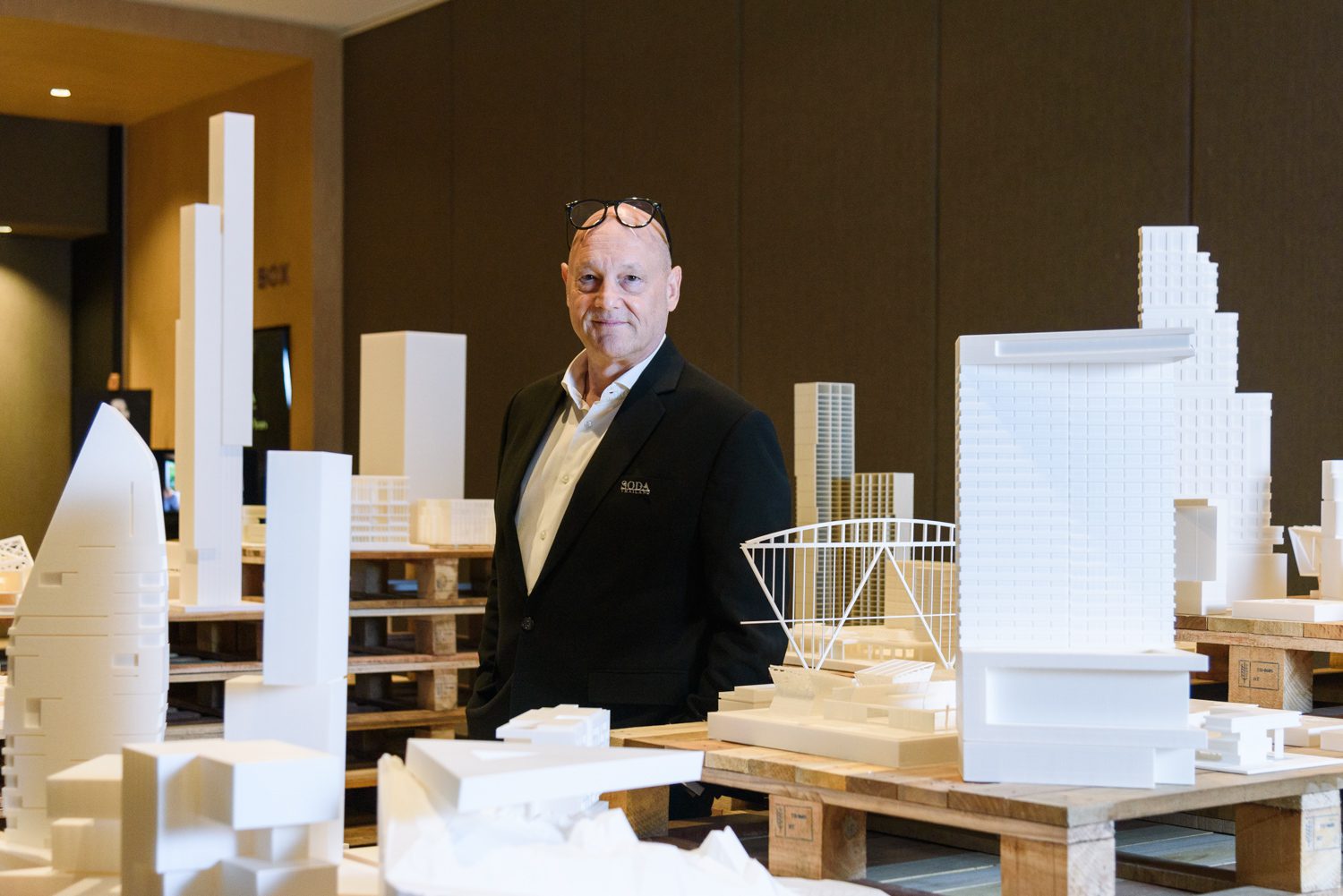
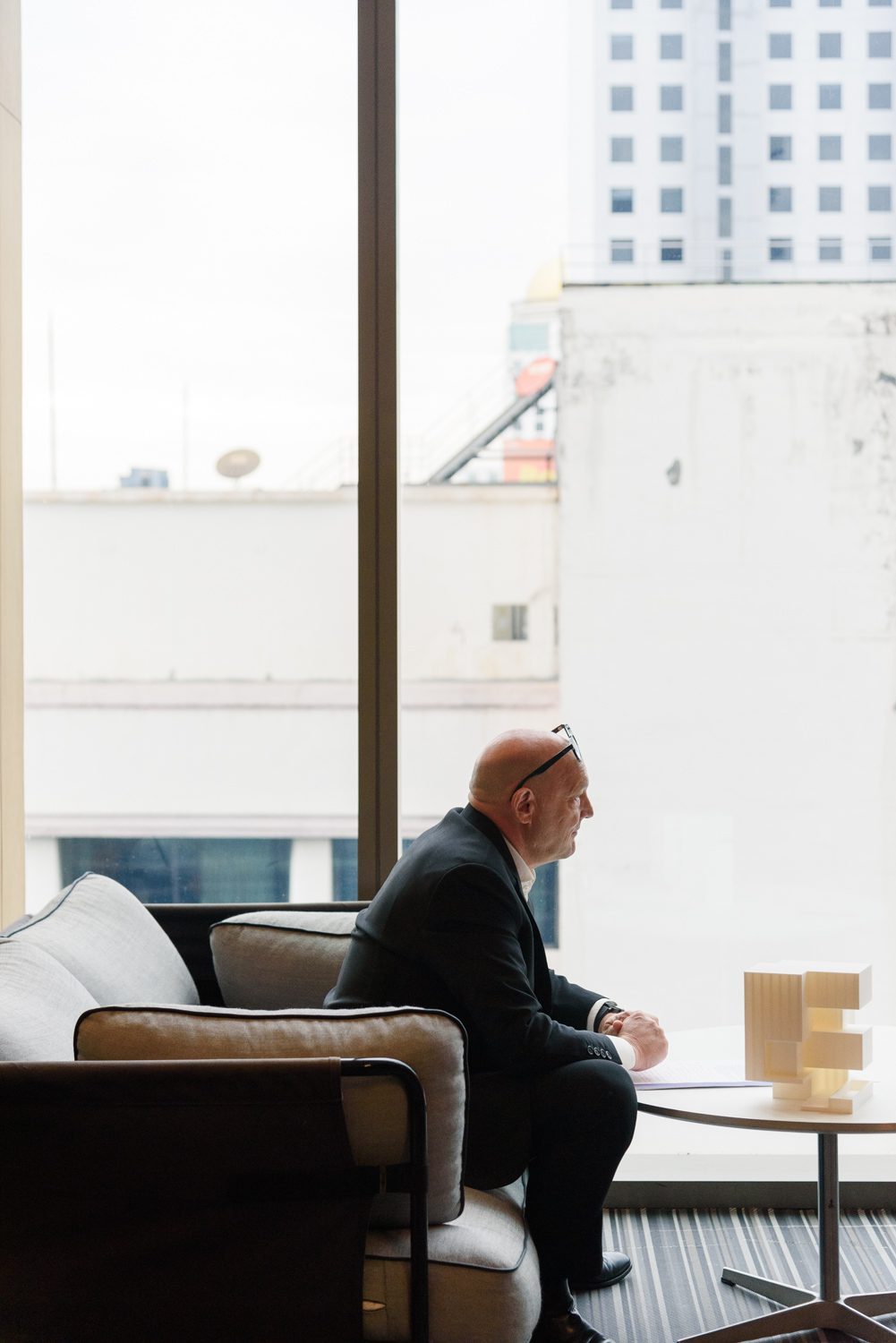
Stephen O’Dell, founder and director of SODA (Thailand)
art4d: Would you say that Mies van der Rohe is the one who inspired you?
SO: I would say everybody was inspired by Mies. I think it was more what he said about how you become an architect. I wouldn’t say our architecture is necessarily Miesian—he was “less is more”—but the very simple terms he used to describe how one becomes a good architect really stuck with me.
art4d: When you arrived in New York, how would you describe the professional atmosphere and the landscape of architectural practice?
SO: It is supercharged. That is where all the best architects in the world are, along with Europe. It was amazing to be surrounded by some of the top architects in the world. Clearly, the education I received there, and the inspiration, was profound.
The time in New York really helped me articulate a concept much stronger. Like Ansel Adams said, “There is nothing worse than a sharp image of a fuzzy concept.” I felt the urge to keep things simple. I felt more comfortable actually exploring forms and articulating a very clear concept that didn’t have to be a thesis—sometimes it’s just a strong, clear, interesting idea. I think that’s what I learned a lot in New York.
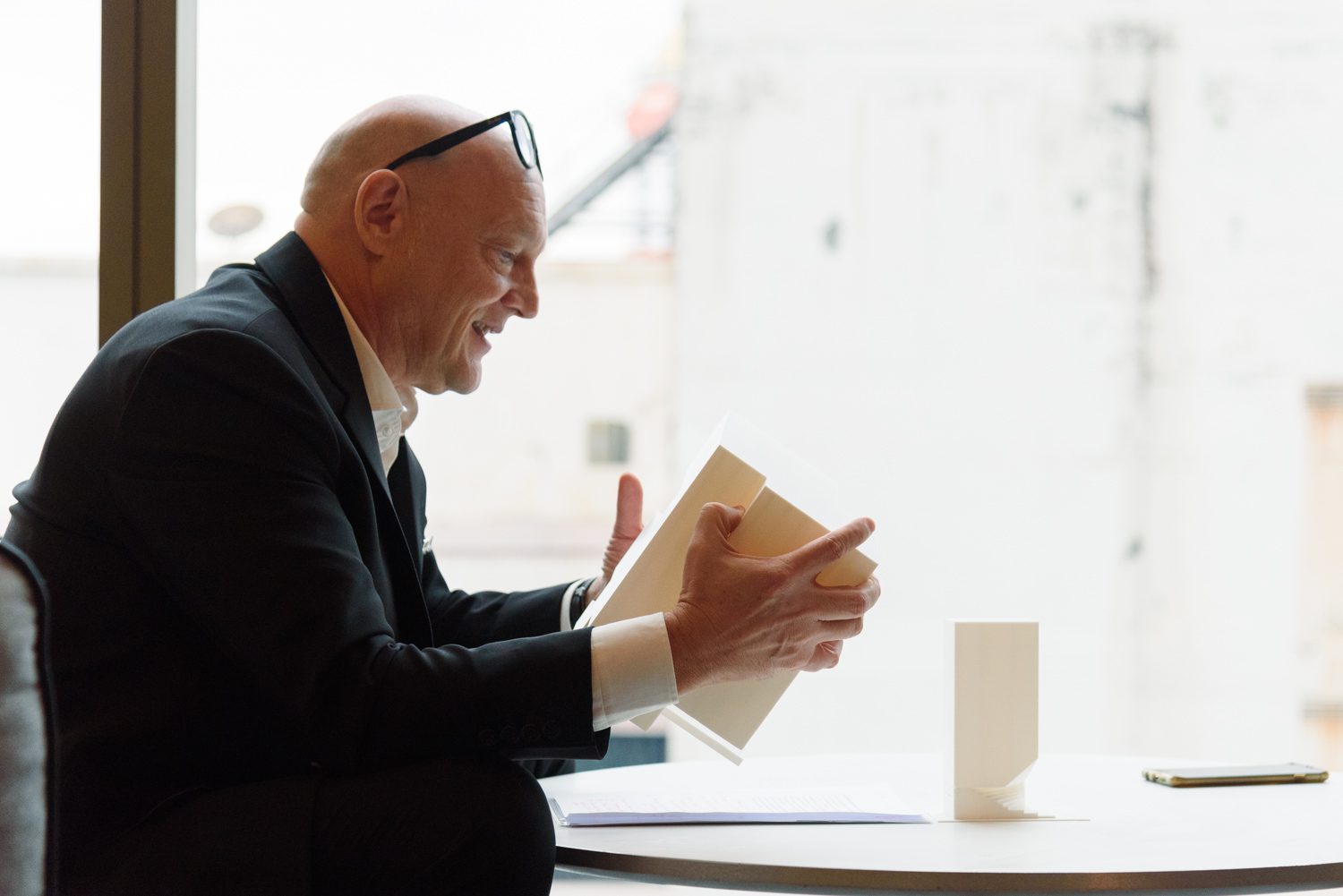
art4d: After your journey in New York, and given your interest in Asia, why Thailand?
SO: It just dawned on me after about six months working here that there was a massive window of opportunity. It was the easiest decision of my life. In New York, you felt the peer pressure. Coming here and being released from that felt like a newfound freedom. There was such energy here twenty years ago—we just went for it. We tried. Not all of them were built, but we always tried. I felt like I had spent twenty years preparing for this time.
art4d: Your firm has established, designed, and built a lot of work. How would you describe your design philosophy in one word or phrase?
SO: I have to borrow from Einstein: “Make things as simple as possible, but no simpler.” I like simplicity. It is a clear articulate concept for me. Also, people think architects make form, and form only. We don’t. The job of an architect is also to make space. So, you have form and formlessness.
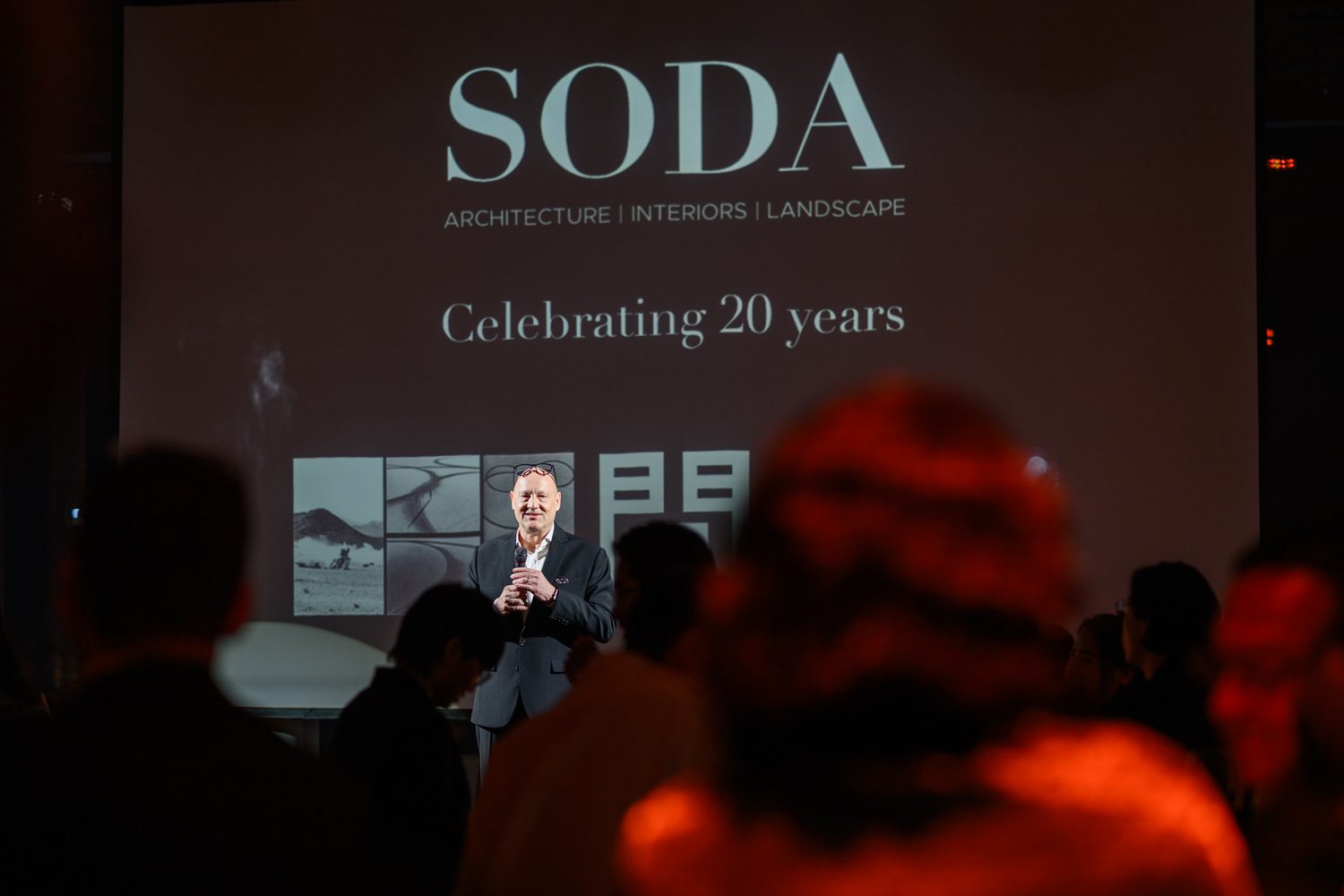
There is a Japanese word called Ma (間)—it is the pause between words, the pause between two notes, the trough in the wave. The empty spaces are equally as important as the built structure. We’ve been able to express and explore that much more on our resort projects and master planning projects. There, you are able to not only create the form of a building, but create all the spaces in between. It is about knowing where there is density and knowing when to open it up.
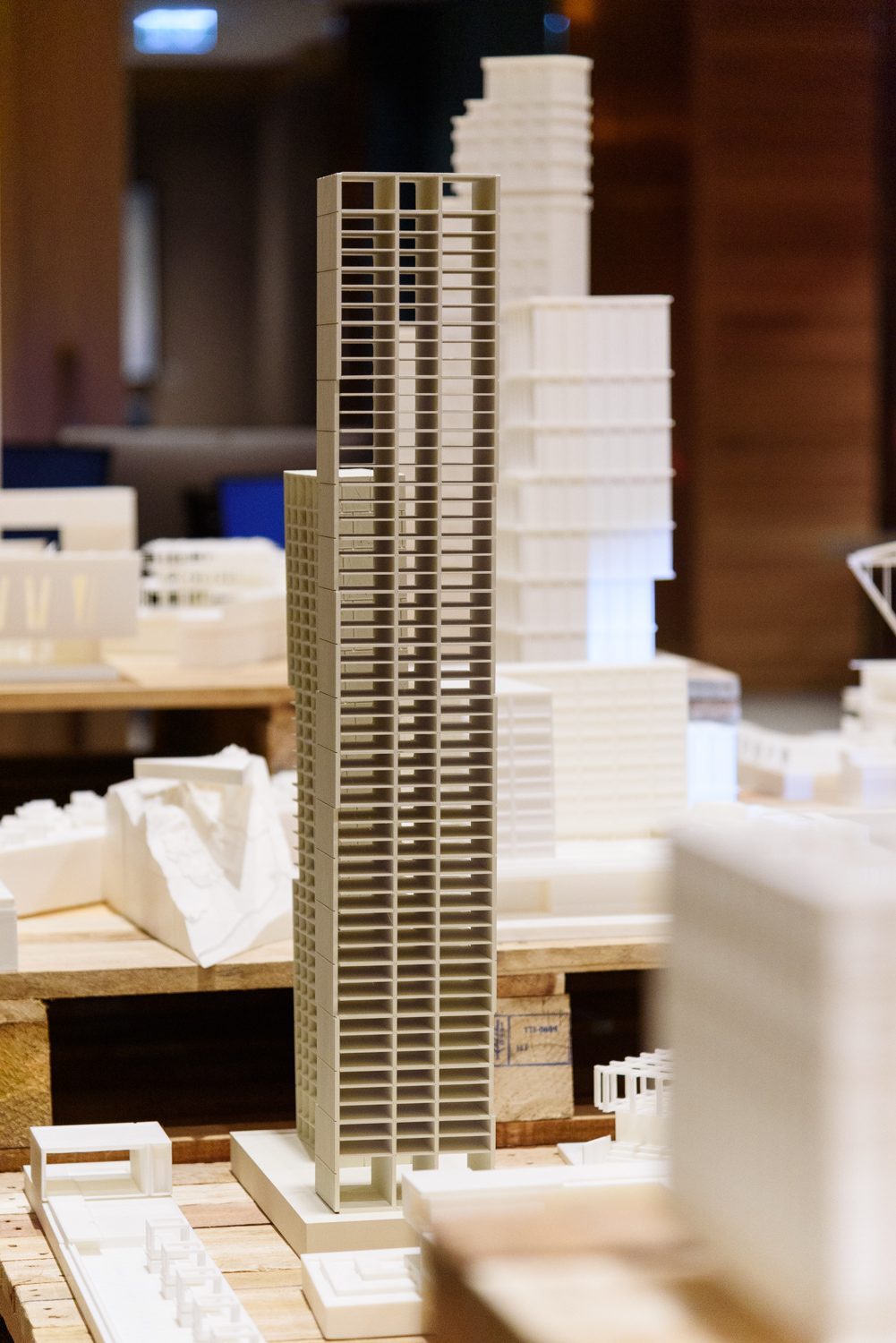
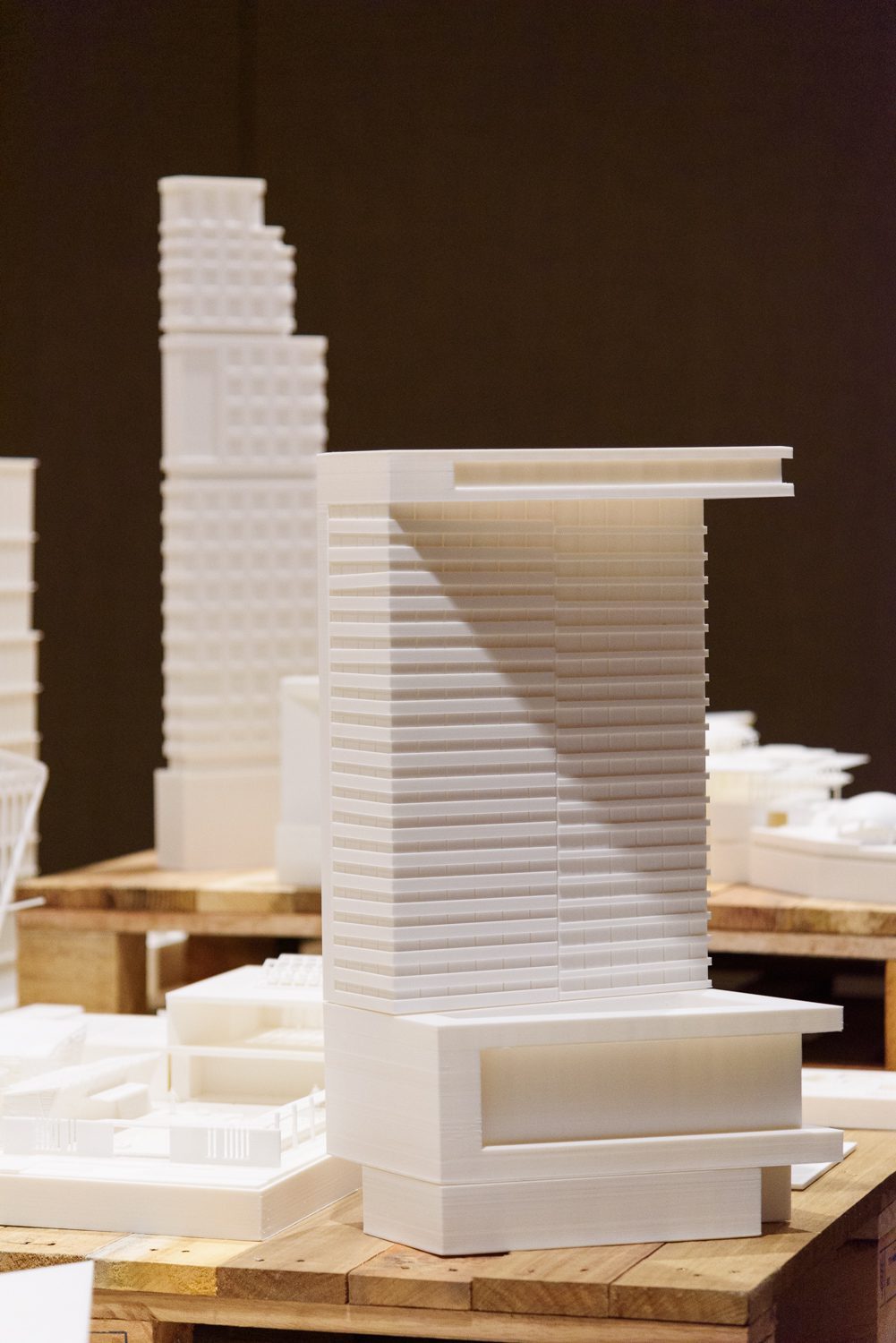
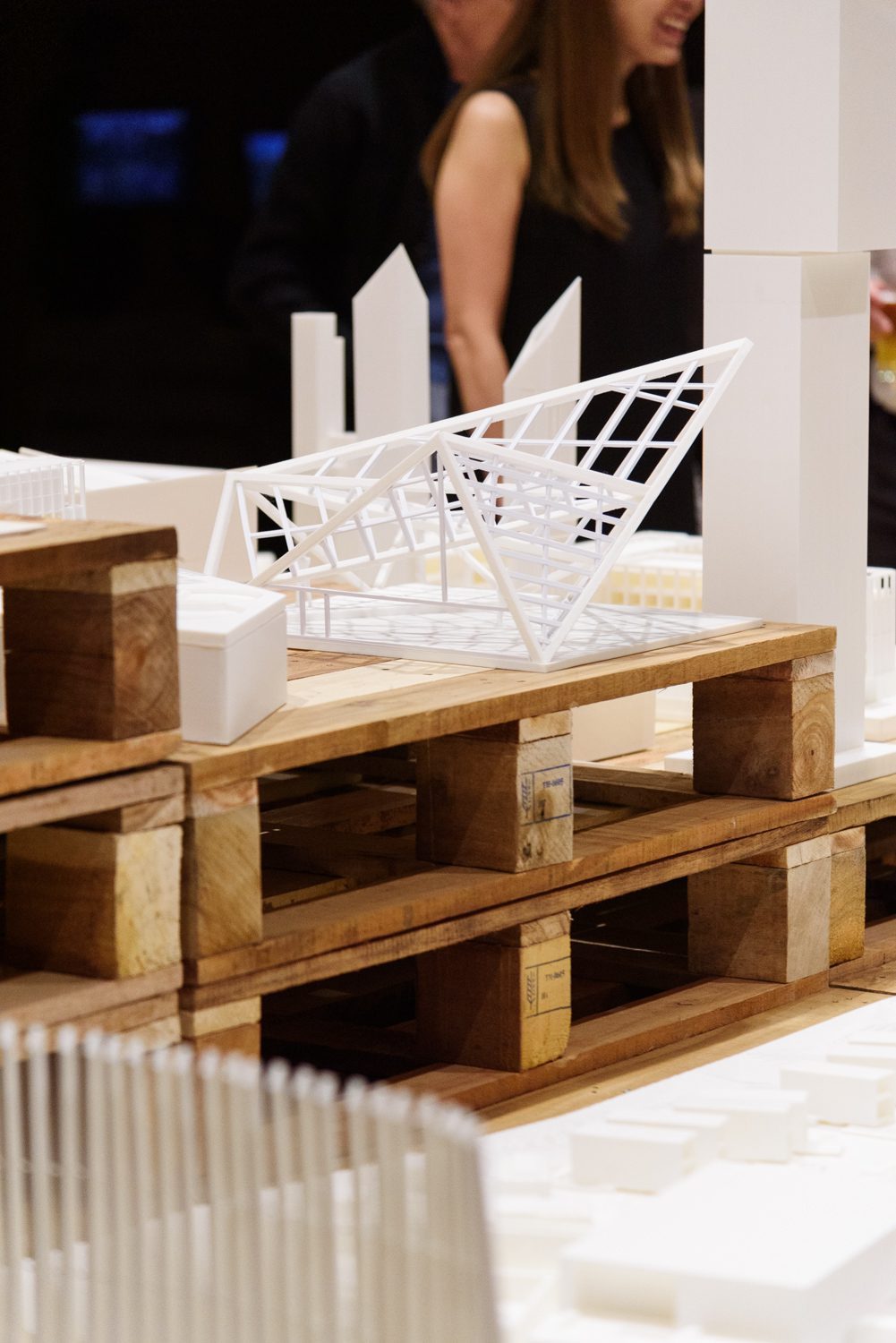
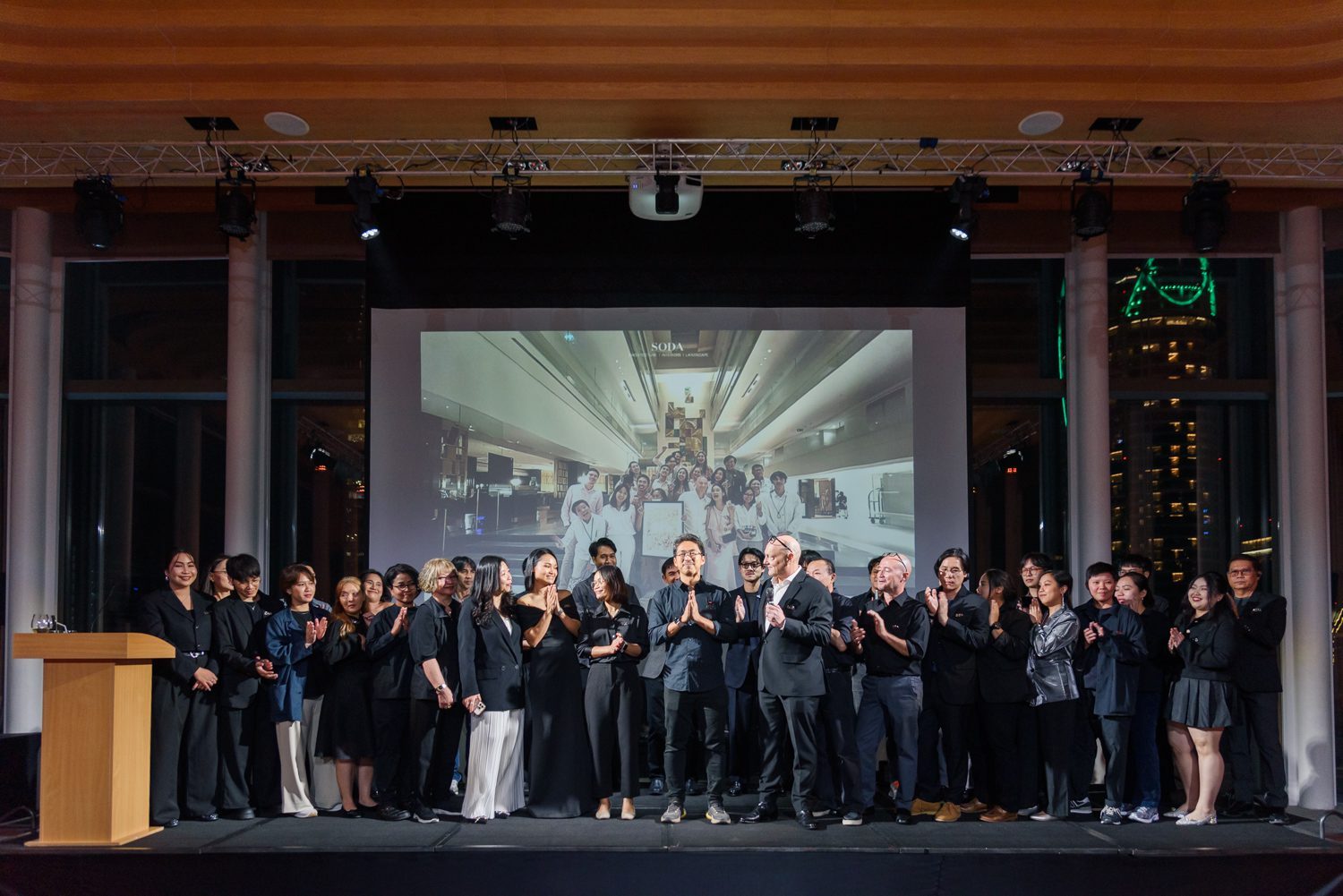
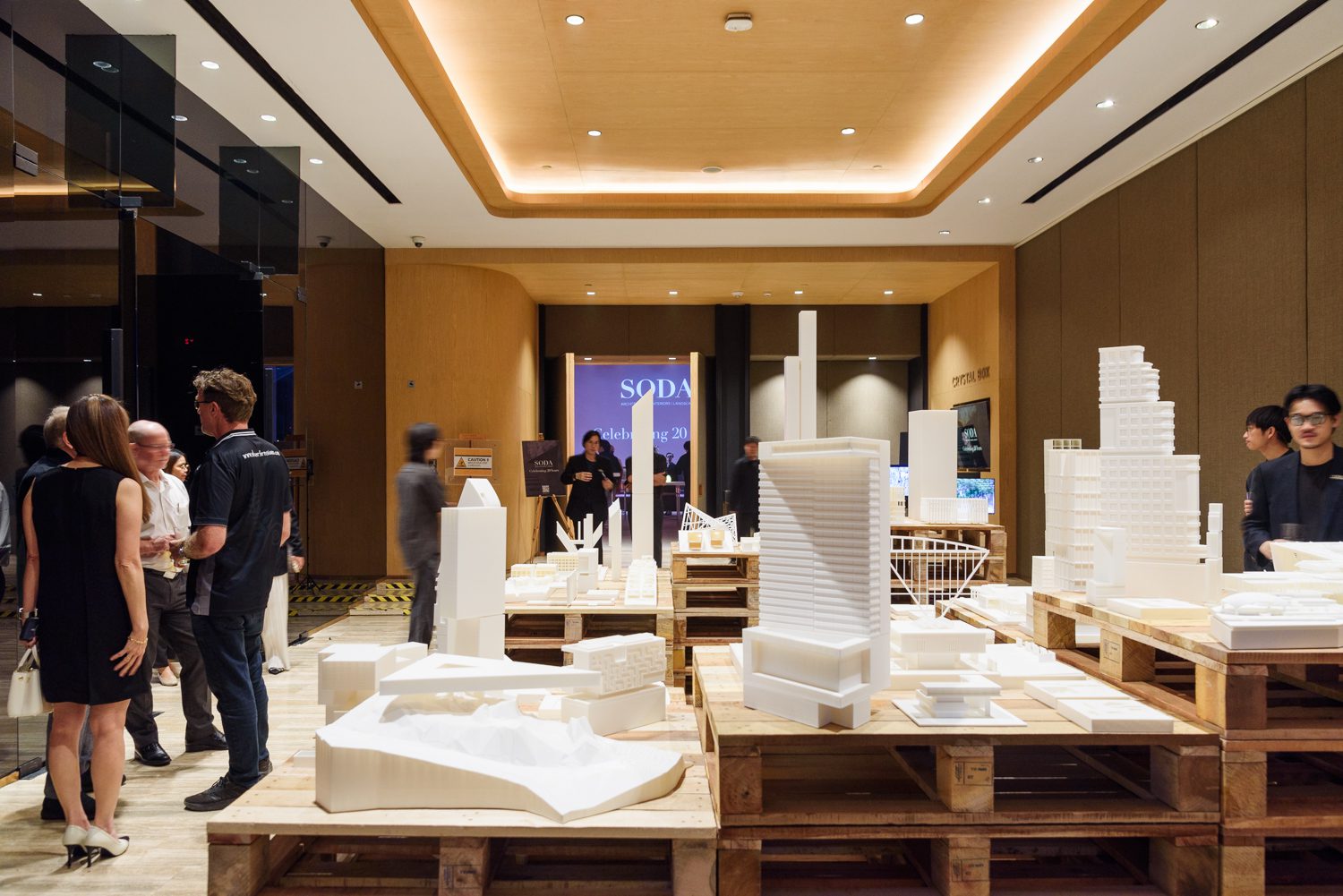
art4d: Today marks your 20th anniversary of SODA (Thailand). I imagine in the early days you were young and energetic. Today, the foundation has been laid and you are more experienced. Has anything changed in your philosophy compared to the first day?
SO: Architecture is timeless. The things that inspire me are timeless—it’s not magazines or trends. I fight a “digital design problem” these days with things like Pinterest making it too easy. To me, there are certain timeless qualities to architecture: pure geometry. Is it a square? Is it a circle? Is it a triangle? Architecture is not about numbers; it is about proportion, scale, and relationships between objects. Those are universals.
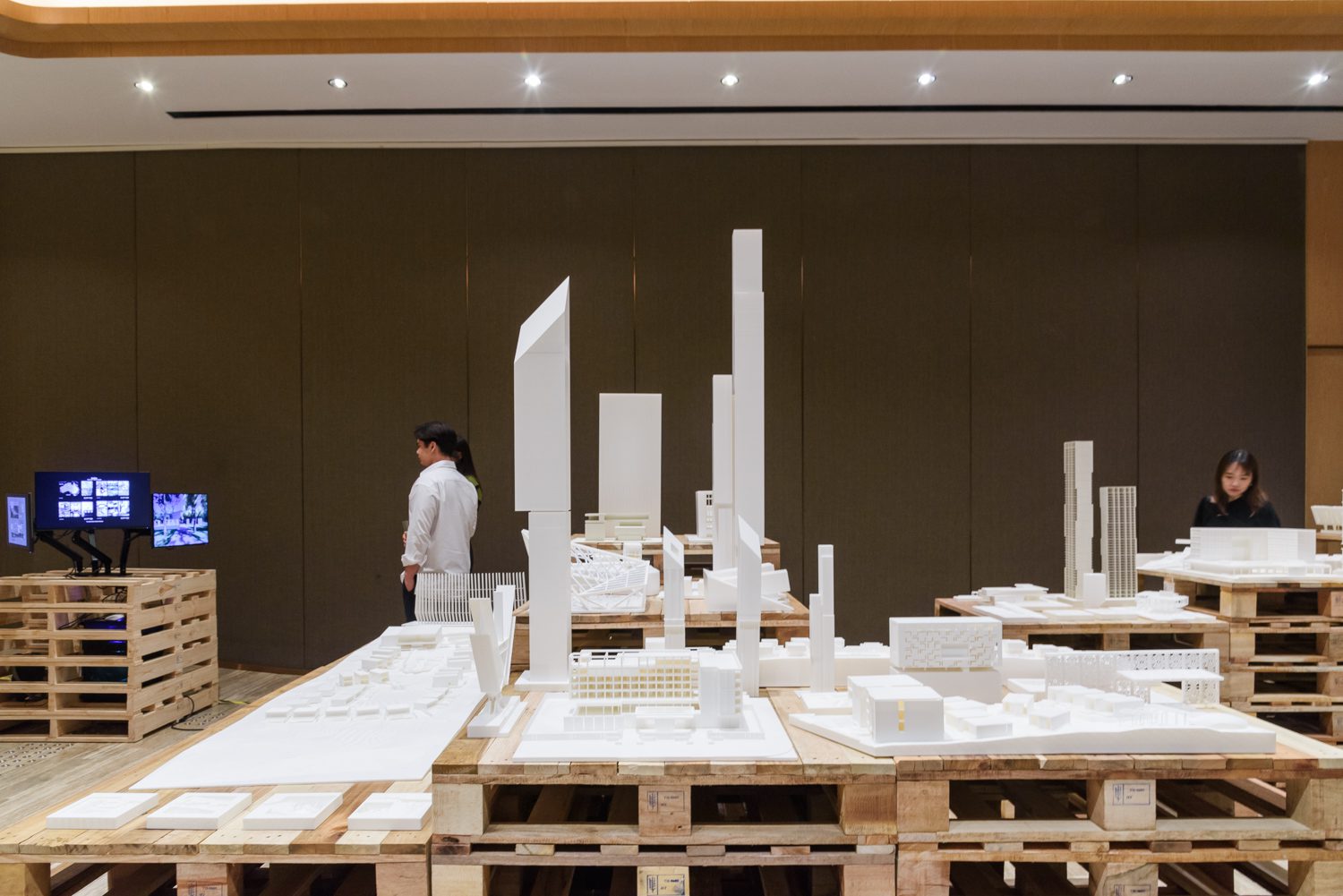
However, over time, I’ve learned to be more selective. When we were young, we just went for it, we were fearless. Now, with experience, problems become easier to solve. Design is like gas, it will drift forever if you let it. A professional learns how to put a container around it and clearly articulate a concept. I don’t have to struggle as much with design anymore. I see a problem, and I can solve it pragmatically but also in an artistic, interesting way.
art4d: A lot of your work is in hospitality, resorts, and hotels. How do you incorporate the concept of nature or context into that work?
SO: The architecture is rooted in the site. The landscape supports the architecture, and the architecture supports the landscape. It’s seamless. It is about how a building meets the ground and integrates with the boundary.
art4d: Your website states that you “seek designs that are situational, contextual and respond to a specific place.” Can you describe how this principle shows up in your projects?
SO: It’s a good question. Our work is clearly rooted in modernist fundamentals—from Le Corbusier to Louis Kahn—but it is also rooted in a place. In architecture, that means the form and the shape. Obviously, with a hotel, you look for the best view, but the architecture is really about the site.
I am very happy that we now have in-house landscape and interiors because it makes the design seamless. The landscape supports the architecture, and the architecture supports the landscape. It’s not just a spaceship that has landed somewhere. It is about how the building meets the ground, integrates with the boundary, and meets the neighbors. That is the landscape’s response to the context.
Interiors are a lot more flexible. That is where you can really capture the specific local culture, craft, and social aspects. For me, I prefer a very modern, simple structure—not heavily ornamented—where the interior has a reference to local culture. That is how I like to approach every project.
art4d: Narrative and storytelling seem very important in hospitality design. How do you approach that?
SO: “Narrative” is an operator’s term. “Concept” is an architect’s term. But yes, storytelling is key. Especially in our resort projects, for example, at our Meliá Phuket Mai Khao resort, which is “Mediterranean modern”—we developed a Sino-Portuguese turtle shell pattern, because that beach is famous for turtles. We designed that pattern ourselves, and it became a thread through the project. You see it from the screening on the facade to the bedhead inside; it becomes part of the narrative. That is why it’s interesting to do architecture, interior, and landscape together: we can create one cohesive narrative.
art4d: Regarding “Thainess” in design—what is the essence of Thai style in your view?
SO: When I first came here, the interplay of light and shadow in classical Thai architecture was very strong. But modern Thai culture is much more complex.
I think Thais have an ability to take a Western concept and make it Thai. Whether it’s a funny commercial, a café name, or architecture, they embrace it and make it unique. There is a bit of humor and “cheekiness” to it that is very enjoyable. But defining exactly what that is… I am still exploring it.
But for our project approach. We try to listen to the design and collaborate with local artists who have their own individual styles. But specifically, I think the “Thai element” we add is a sense of delicacy. It is about the details and the textures—how we use materials like brass or specific fabrics. The essence is in that texture and attention to detail.
art4d: What is your next move after 20 years of SODA (Thailand)?
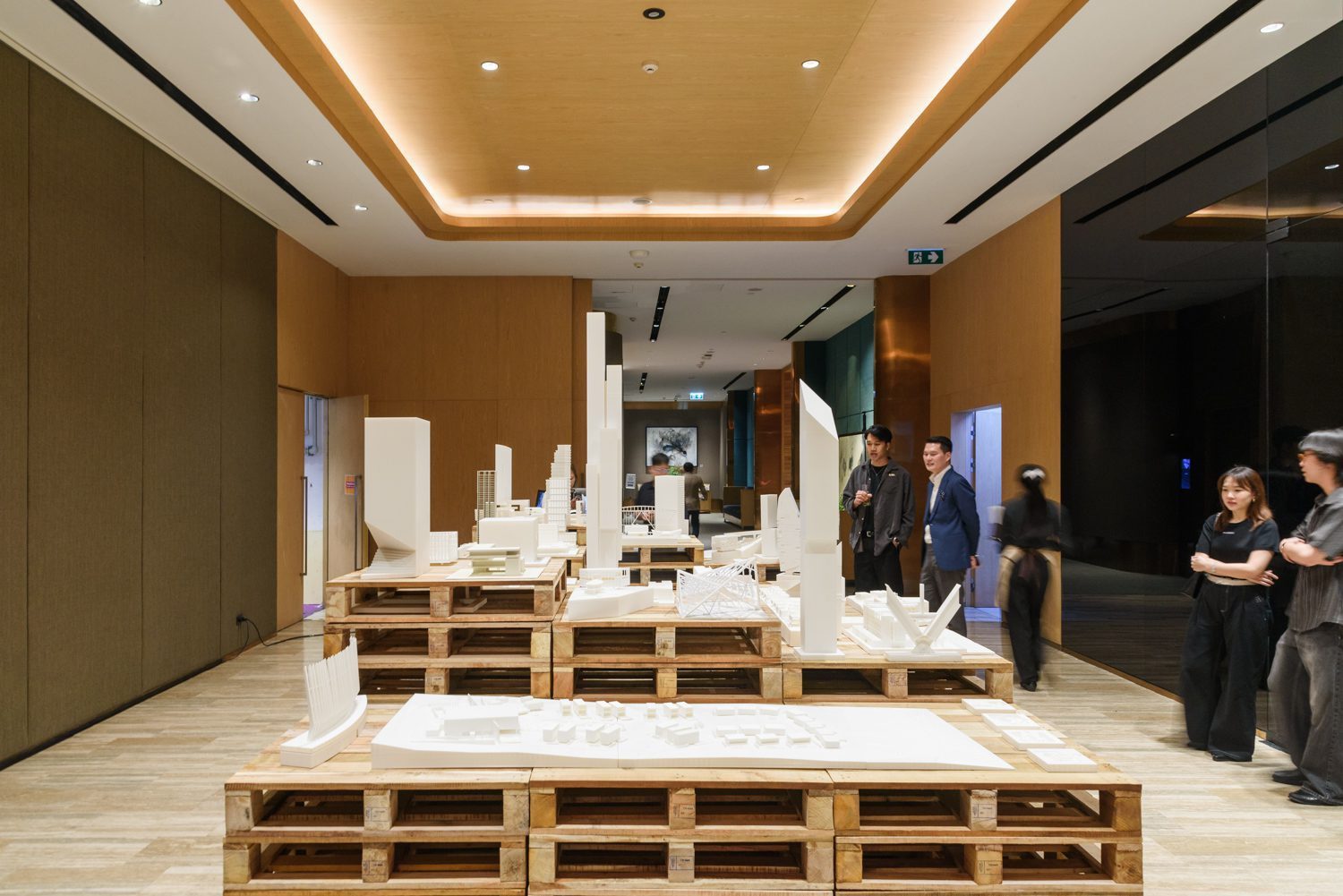
SO: The simple answer is that we have built a strong foundation. Now, I want to take a moment to reflect on the work we’ve done and determine how to build upon our best ideas.
We have already successfully embraced BIM, to the point where we provide BIM services for other firms. The next major challenge is AI. While there is a lot of hype surrounding Large Language Models (LLMs) right now, which are essentially supercomputers learning from text, I believe the real change will come with world models that learn from experience or Artificial General Intelligence (AGI), much like a child does. AI is inevitable for our industry, but instead of rushing in because of the hype, we intend to integrate it into our office carefully and properly.