
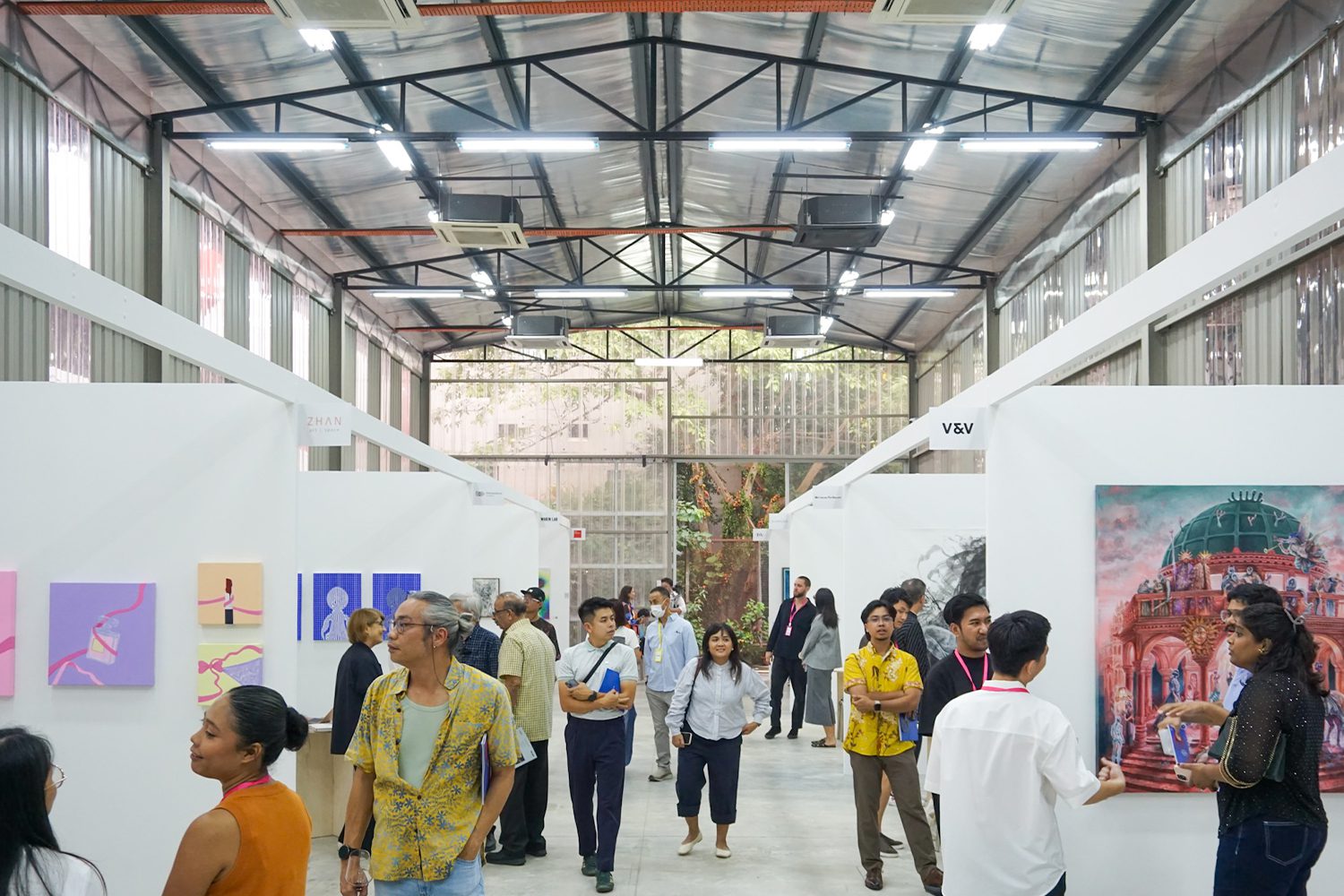
ART KL 2026, KUALA LUMPUR’S EMERGING ART FAIR, EXPLORES THE ROLE OF EMERGING ARTISTS WHILE CREATING SPACE FOR SOUTHEAST ASIA’S CONTEMPORARY ART ECOSYSTEM TO GROW AND THRIVE TOGETHER
TEXT & PHOTO: SARUNKORN ARTHAN
(For Thai, press here)
Who knew that artists had career ladders just like professionals in other fields? We had always assumed that once someone became an artist, that was that—their work would decide whether they rose to fame or faded away. As it turns out, the art world has its own hierarchy, ranging from Old Masters and Masters to Established Artists and Emerging Artists, with each rung reflecting an artist’s reputation and earning potential.
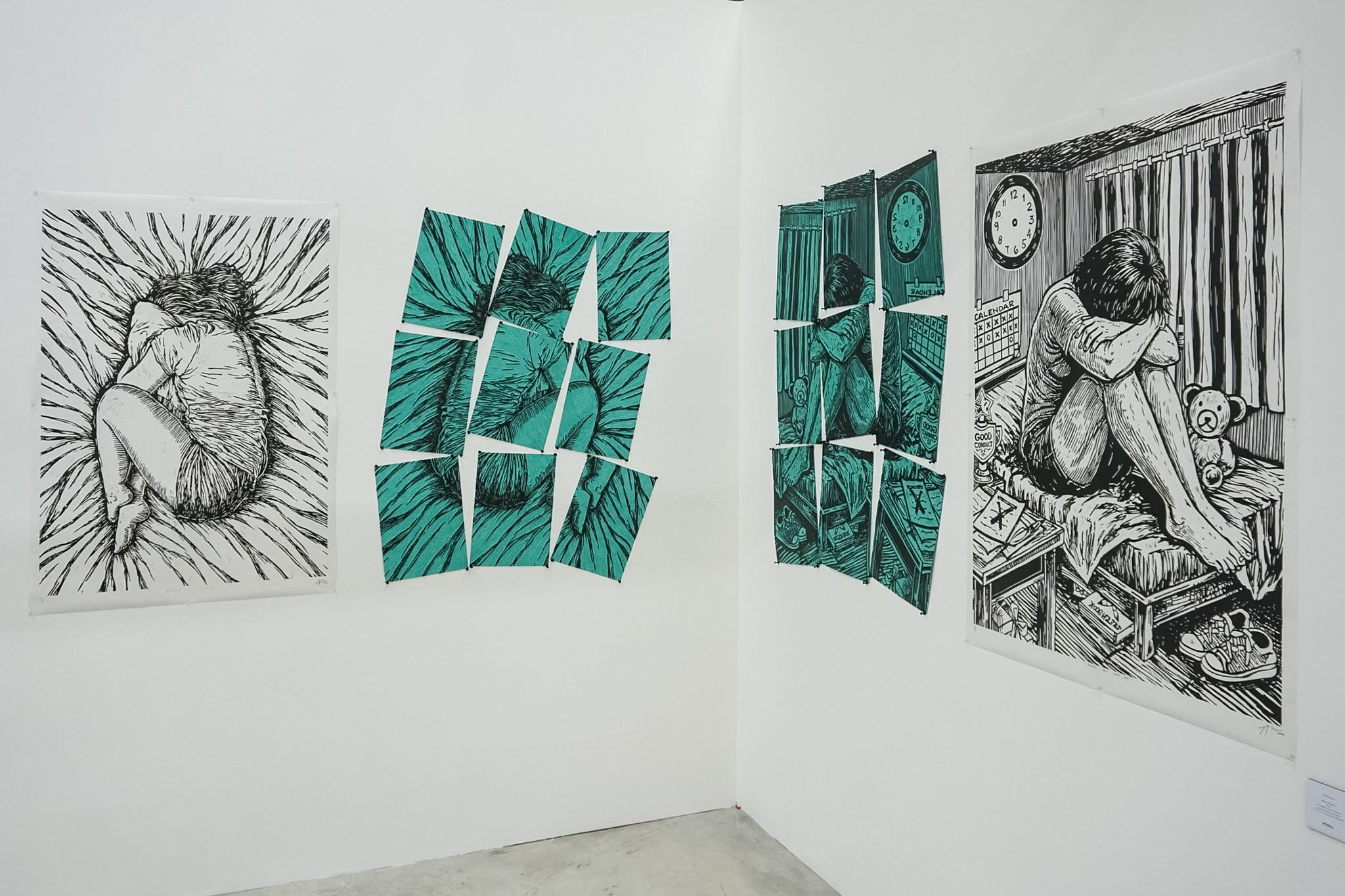
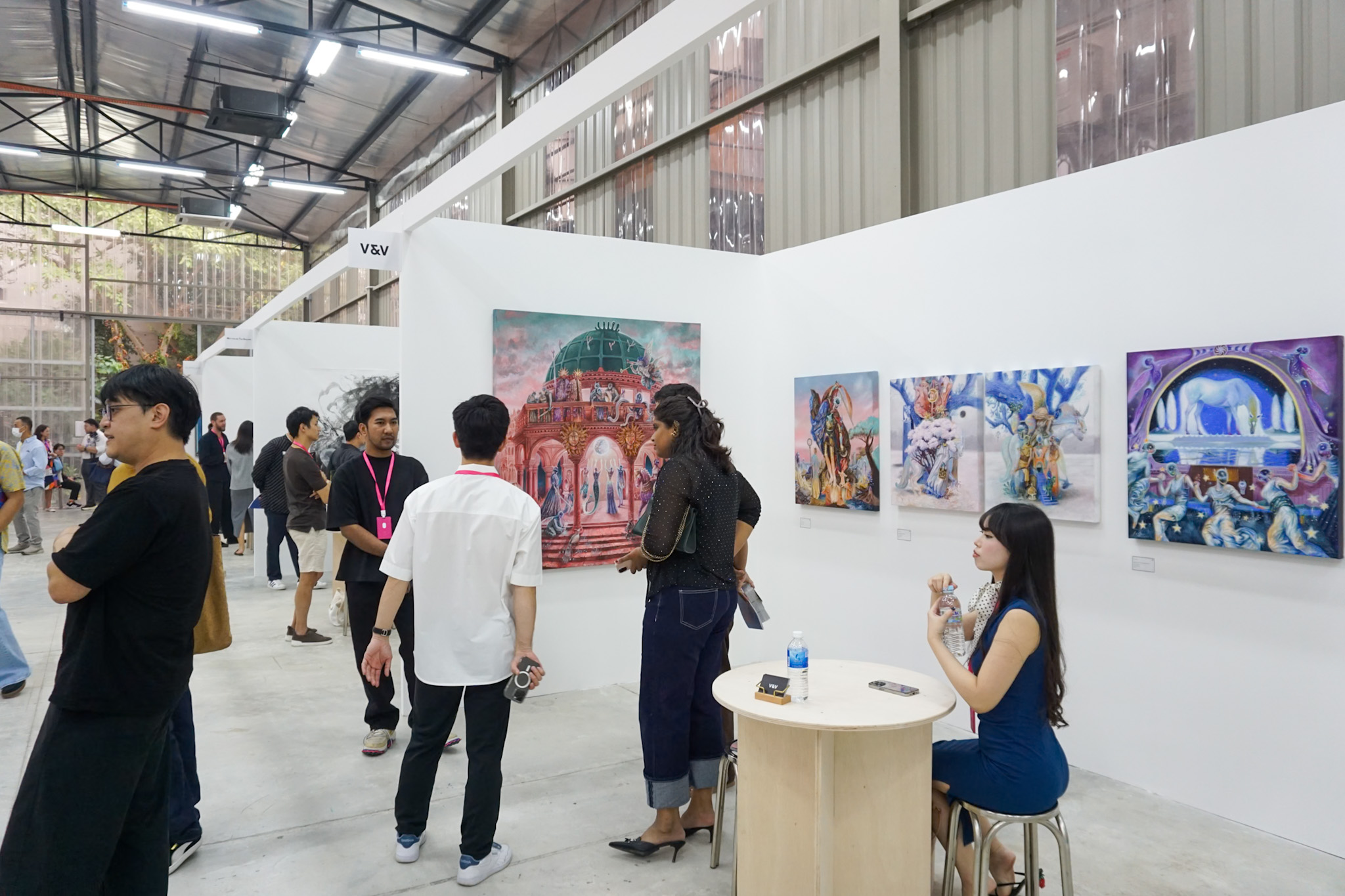
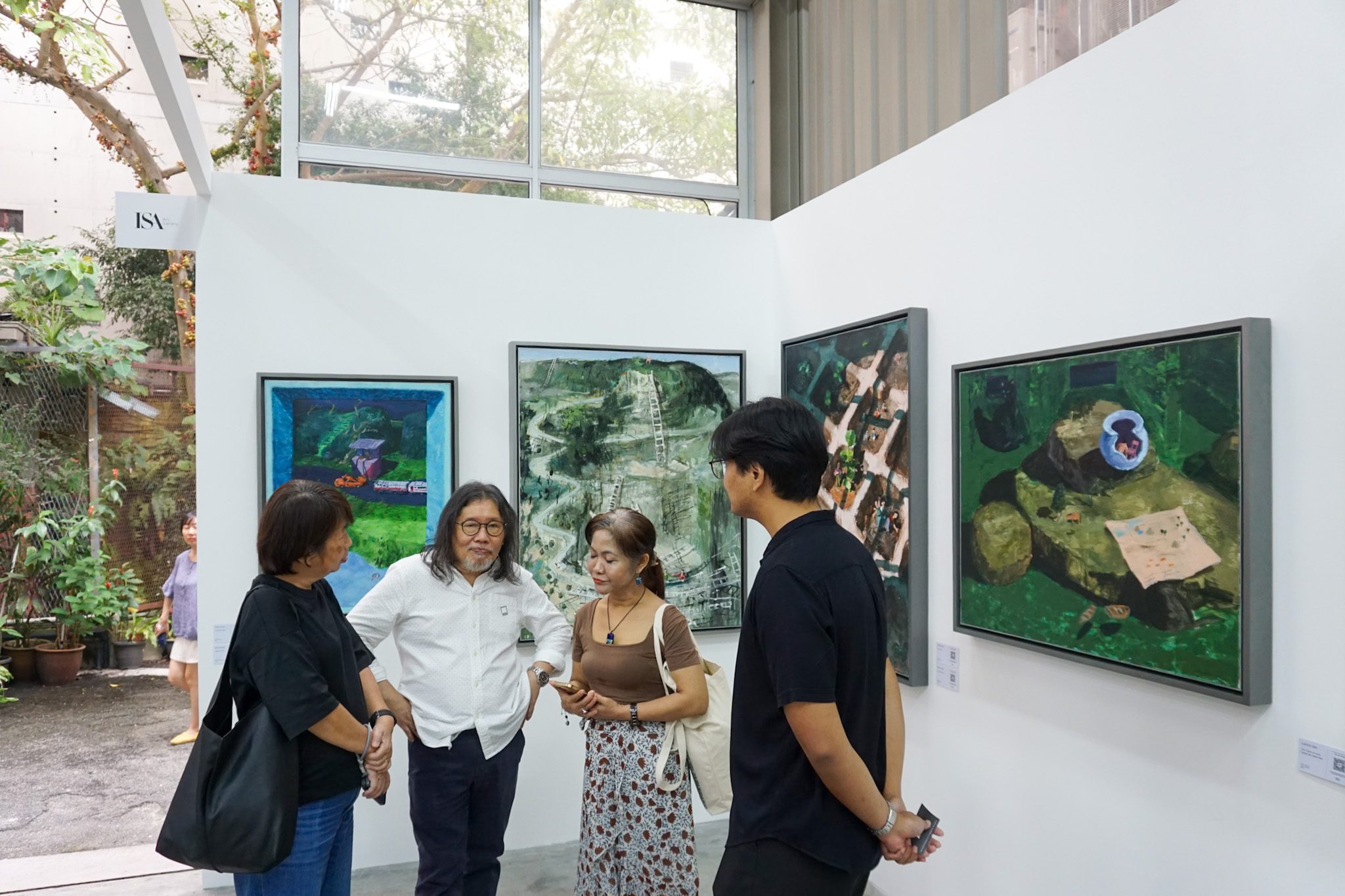
At a time when the whole world thinks of Picasso, crowds bid on works by Thawan Duchanee, and visitors hurry to see Araya Rasdjarmrearnsook, it is worth asking whether we have been paying too much attention to artists who are already ‘riding high.’ After all, every legendary artist was once an emerging artist. Valuing and creating opportunities for a new generation is therefore essential to nurturing a sustainable art ecosystem. The same logic follows: if we do not sow new seeds today, what flowers or fruit will we have to admire tomorrow?
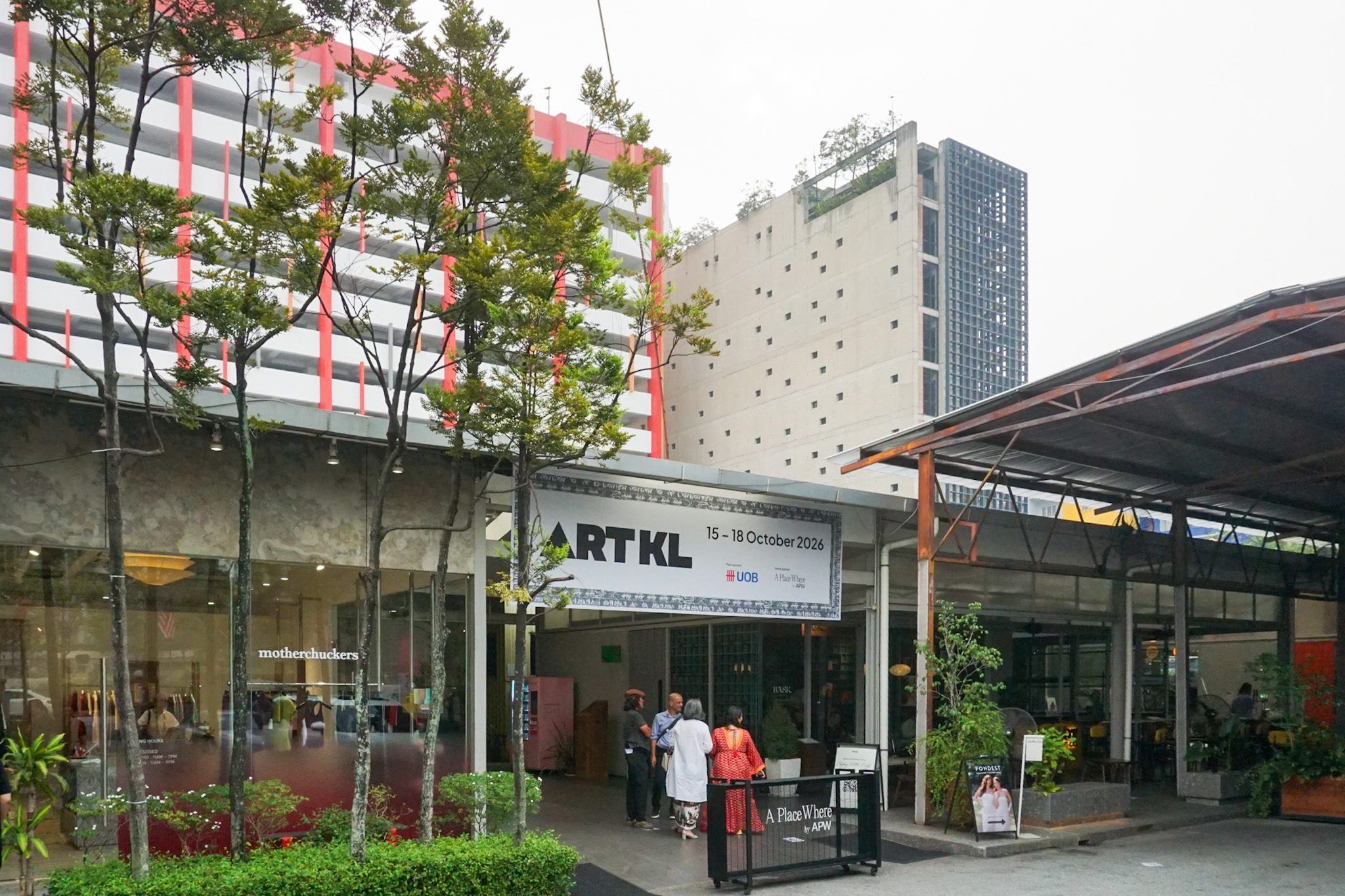
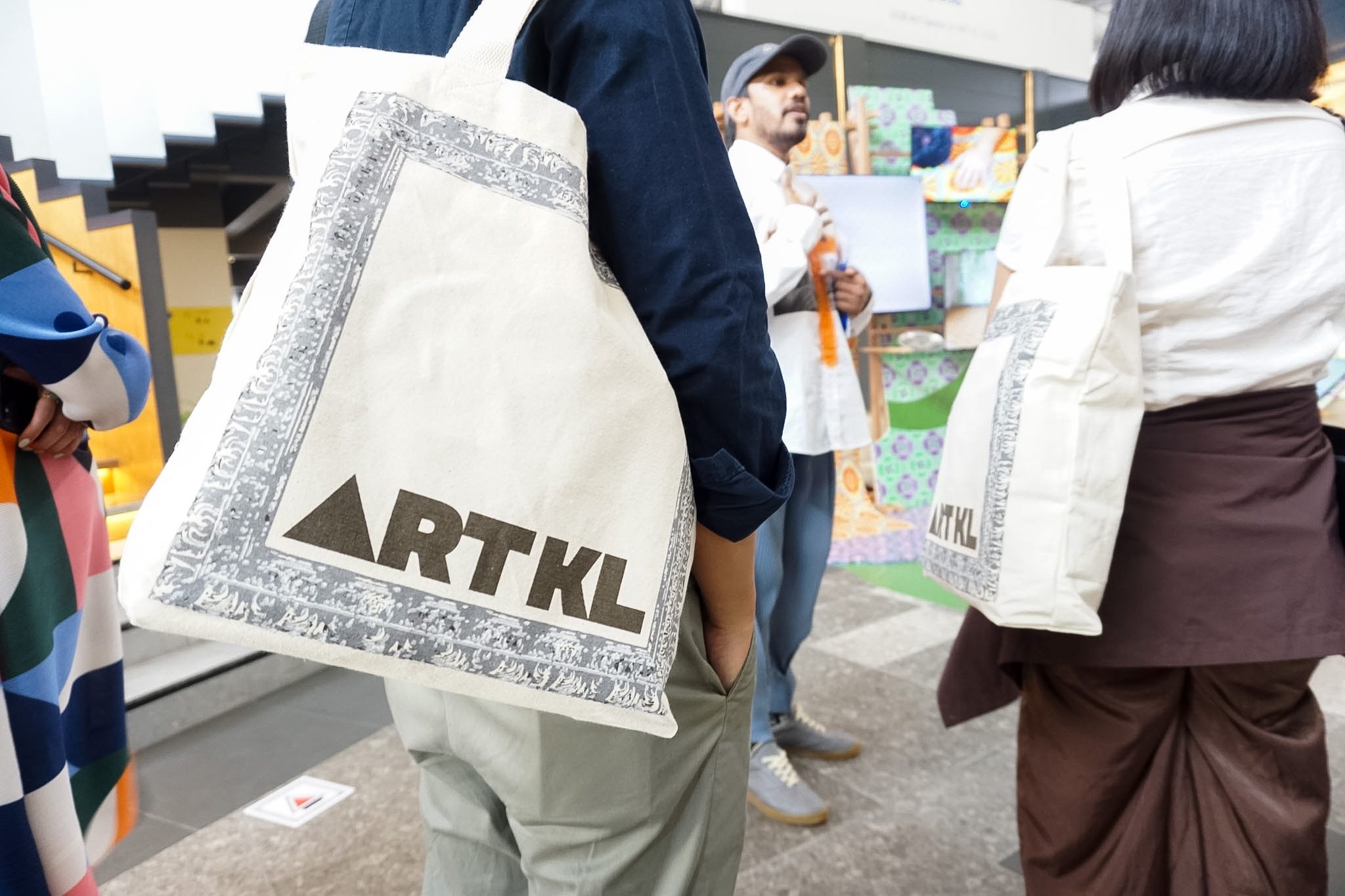
In mid-October, art4d was invited to explore a new art fair in Kuala Lumpur, amid the city’s lingering mist and thick haze. This was ART KL, a fair shaped in part by Richard Koh’s ambition to make the city a new meeting point for artists, galleries, collectors, and general audiences from ASEAN and beyond. At the same time, it sets out to support artists born after 1990, ensuring that younger practitioners have greater visibility and more opportunities to exhibit their work. The inaugural edition of ART KL was held at A Place Where (APW) in Bangsar.
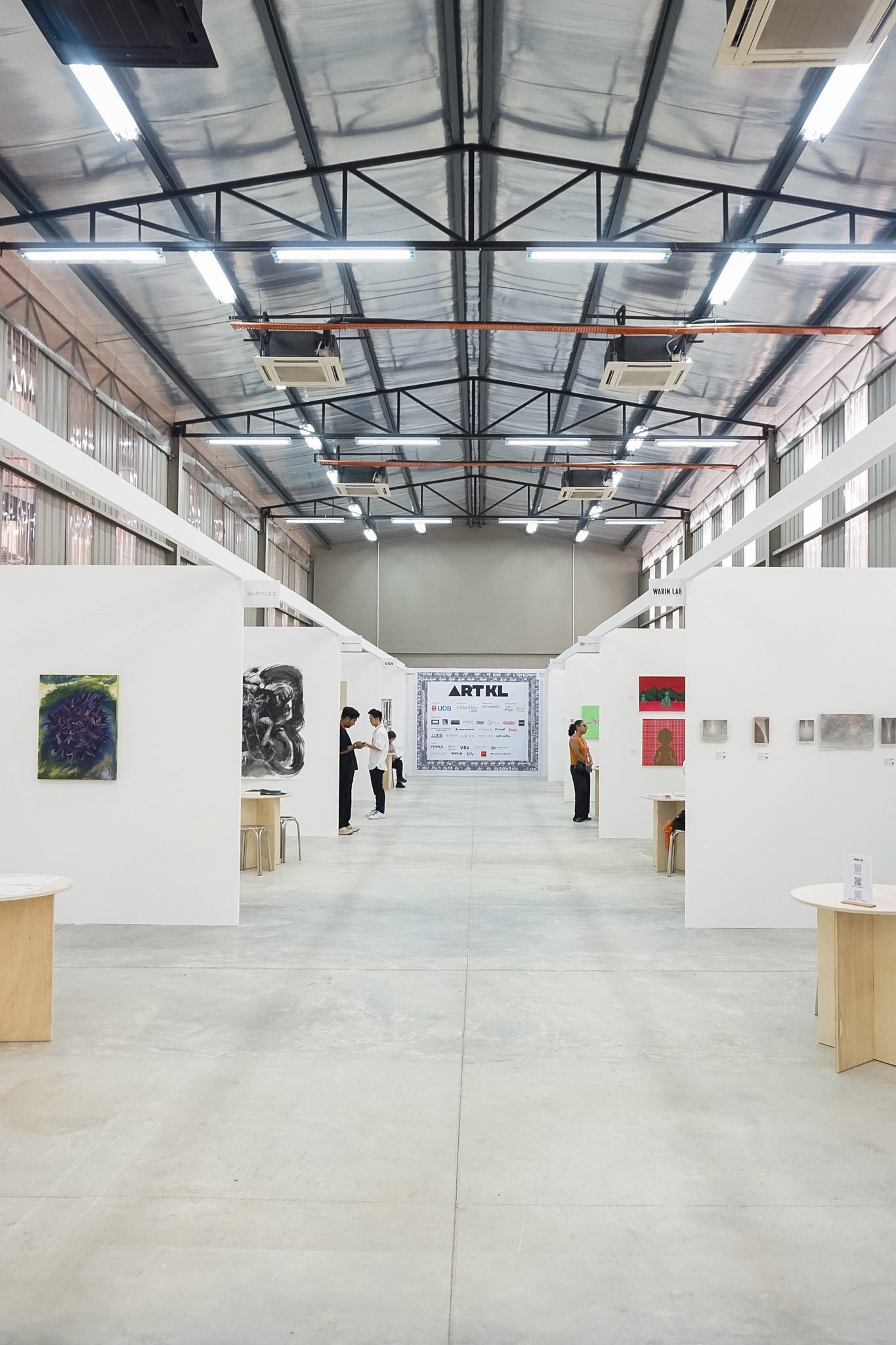
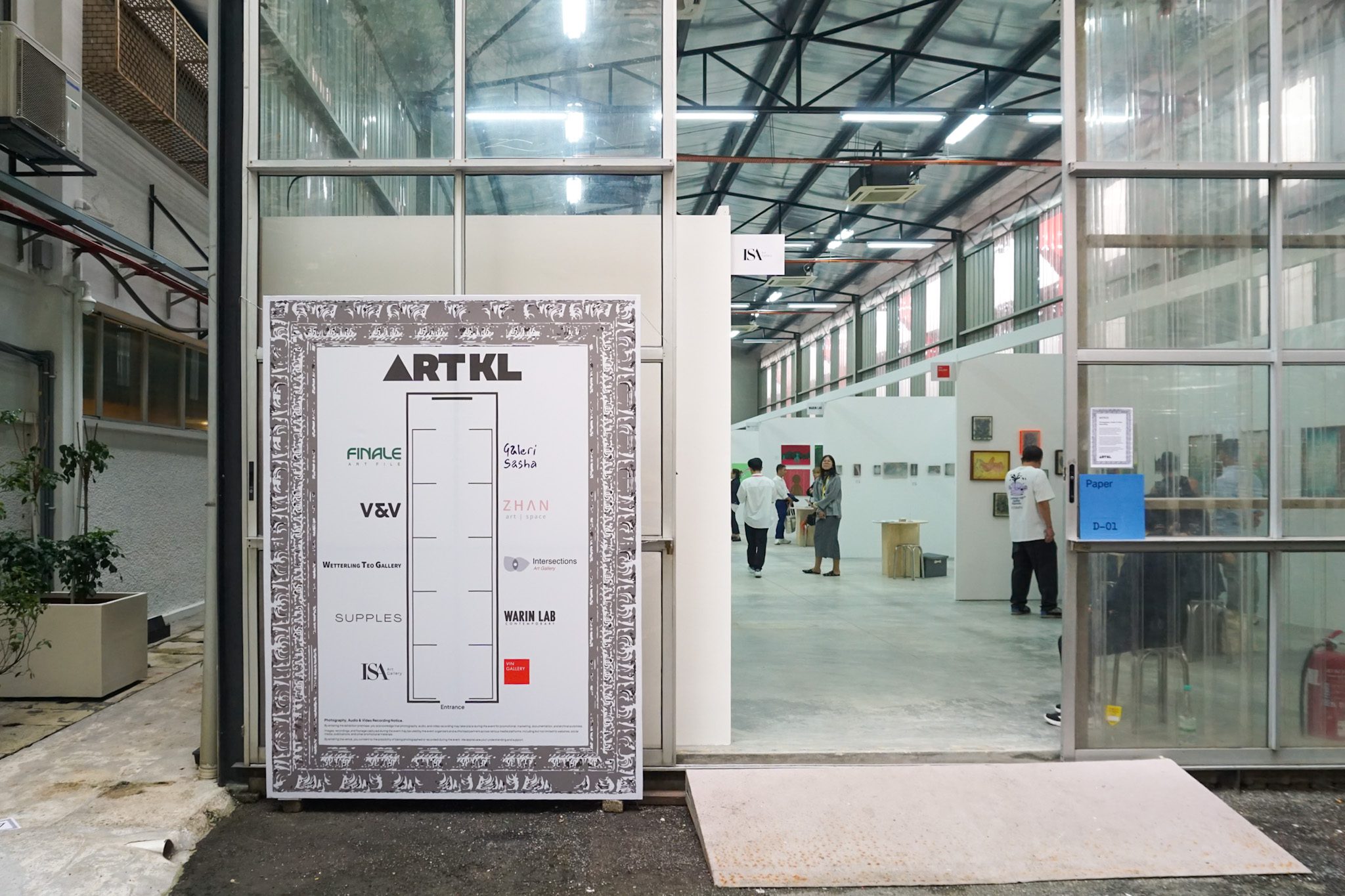
Part of A Place Where’s appeal lies in the adaptive reuse of the former Art Printing Works complex, once home to a printing company founded in 1952. Its industrial architecture and original objects have been carefully retained and combined with contemporary interventions, creating a multipurpose creative district and community hub in the heart of the city. Its various zones, including The Factory and The Warehouse, accommodate cafés, restaurants, coworking spaces, art exhibitions, and contemporary events. The project offers a compelling example of urban regeneration, transforming an industrial heritage into a space where a new generation can exchange cultural perspectives and creative ideas within a contemporary setting.
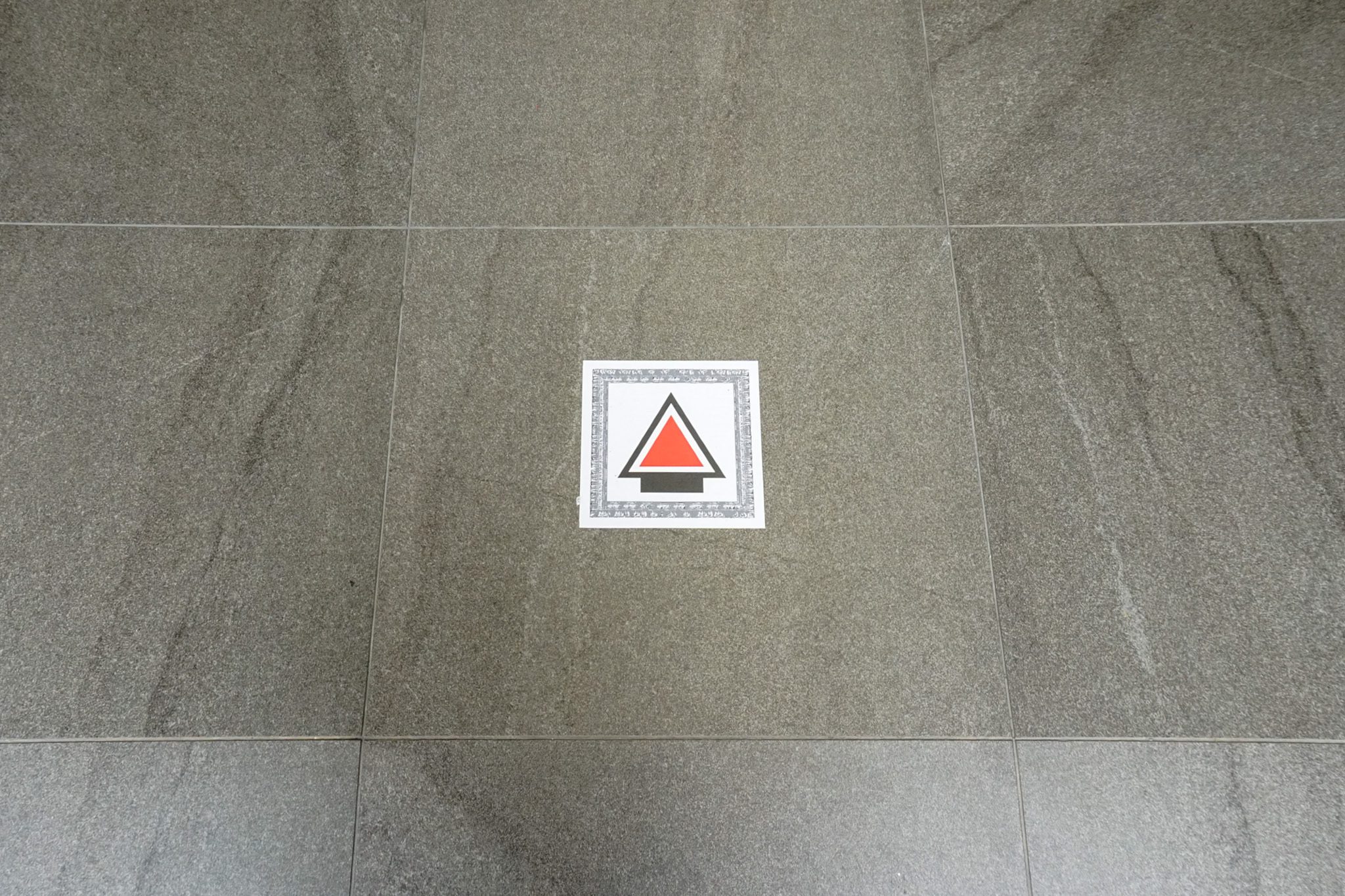
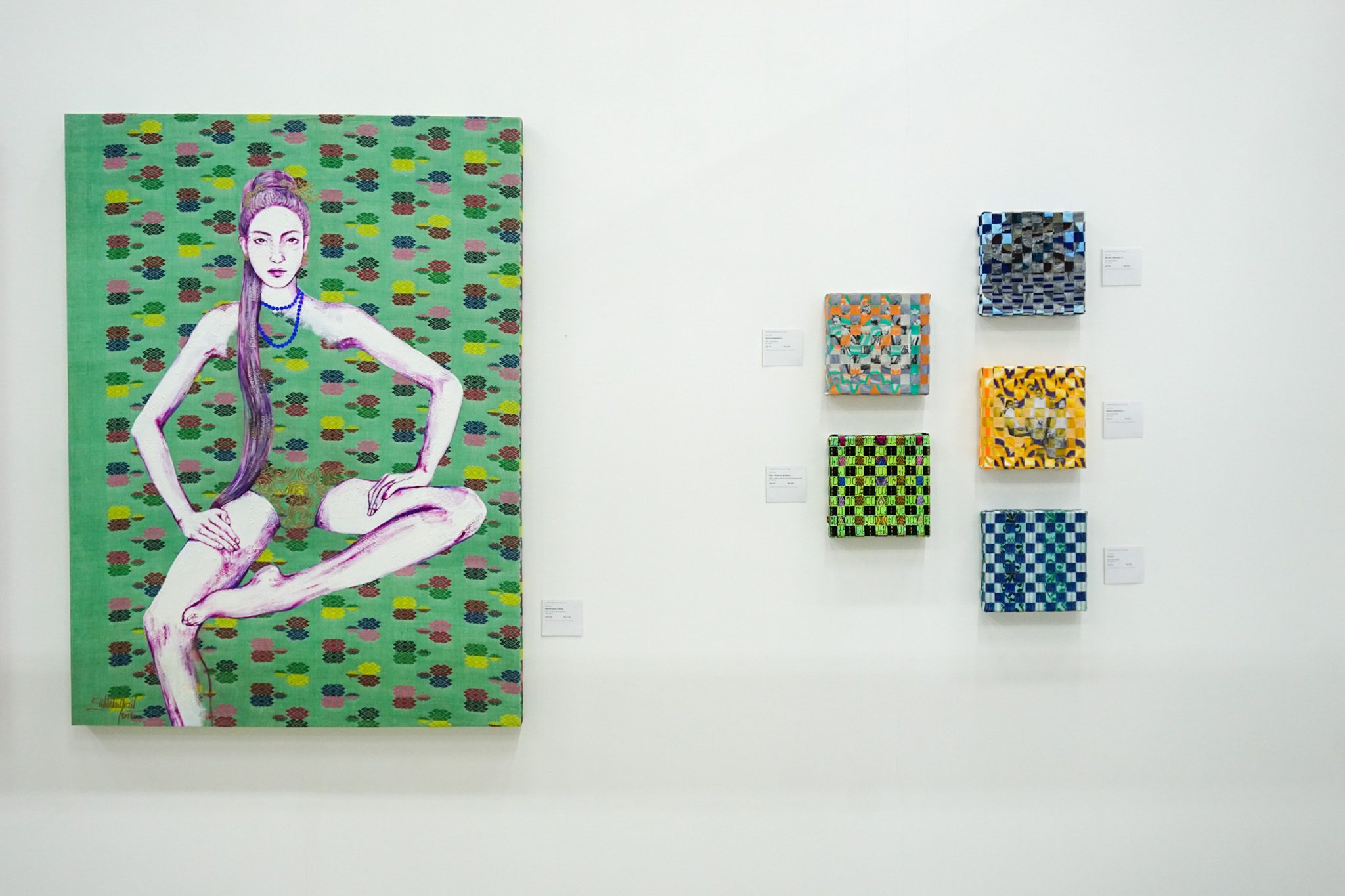
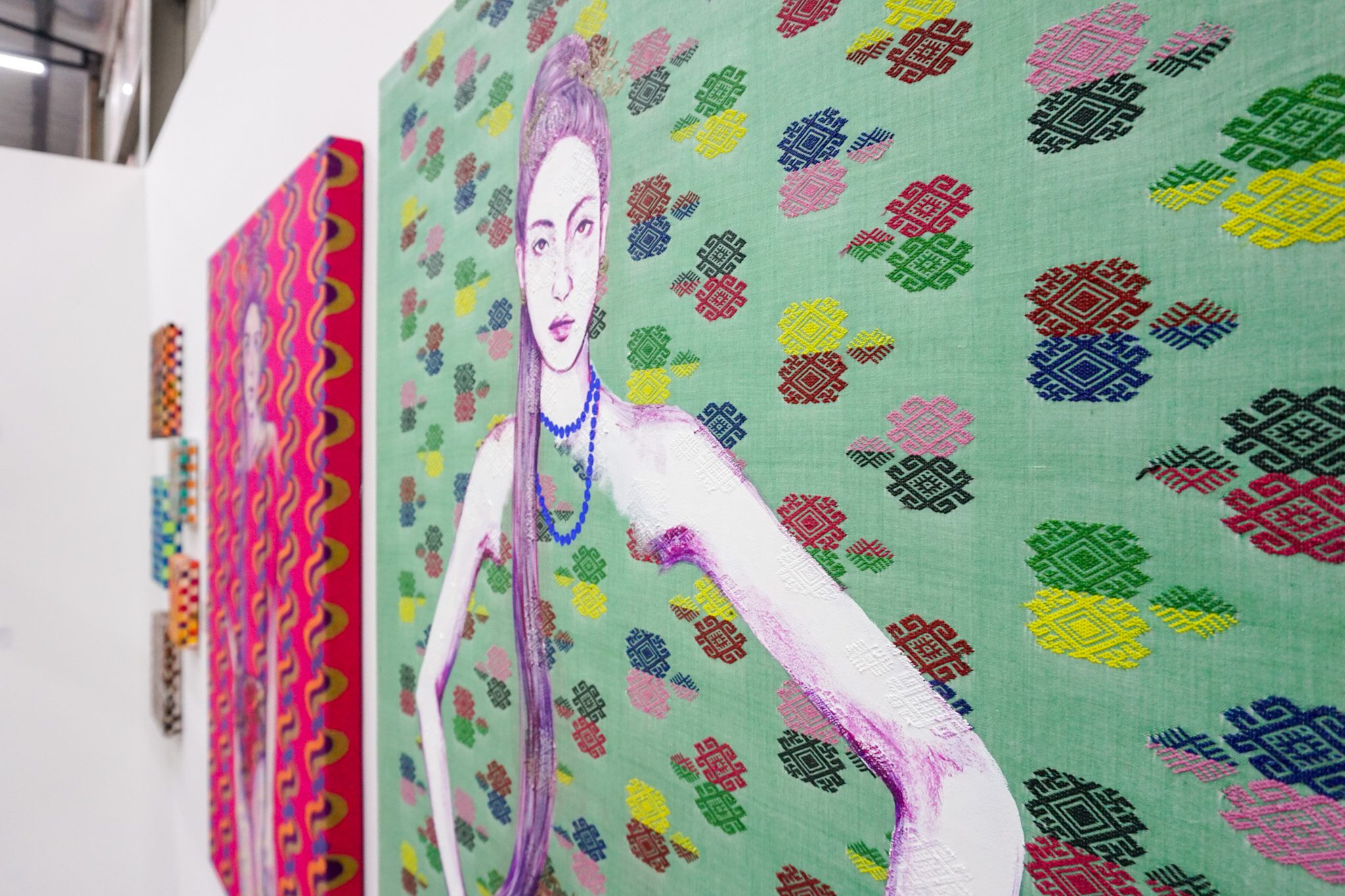
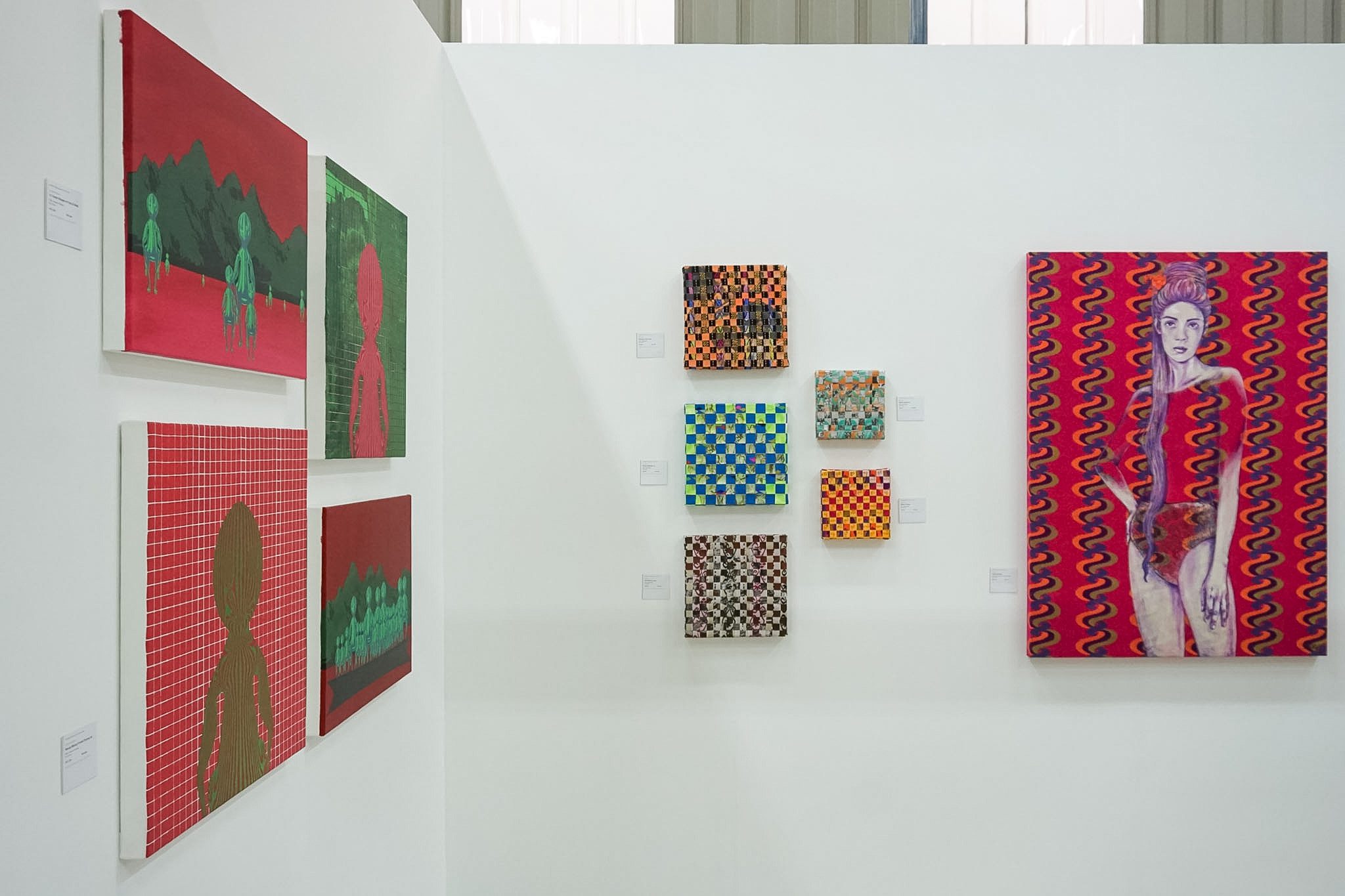
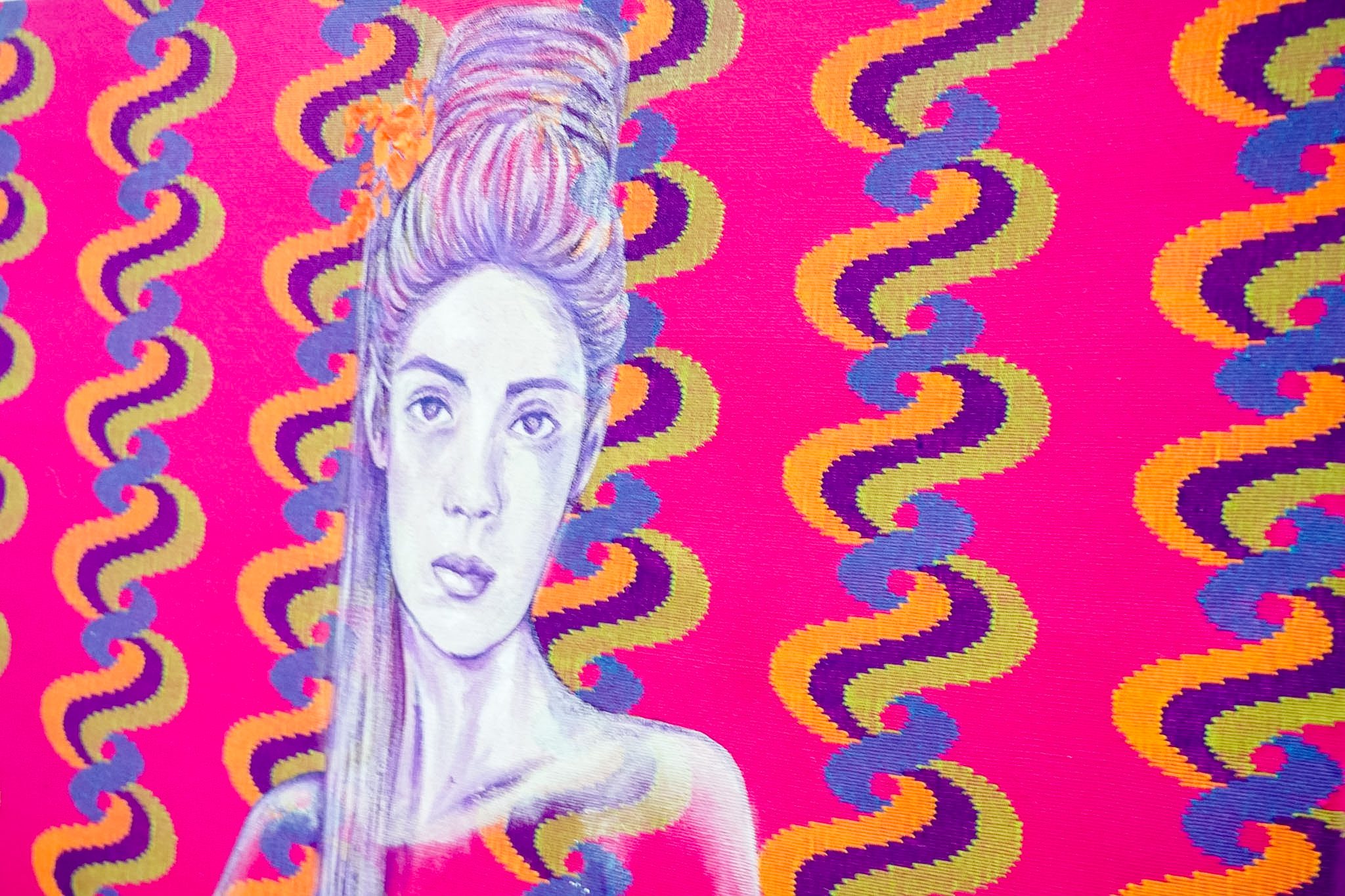
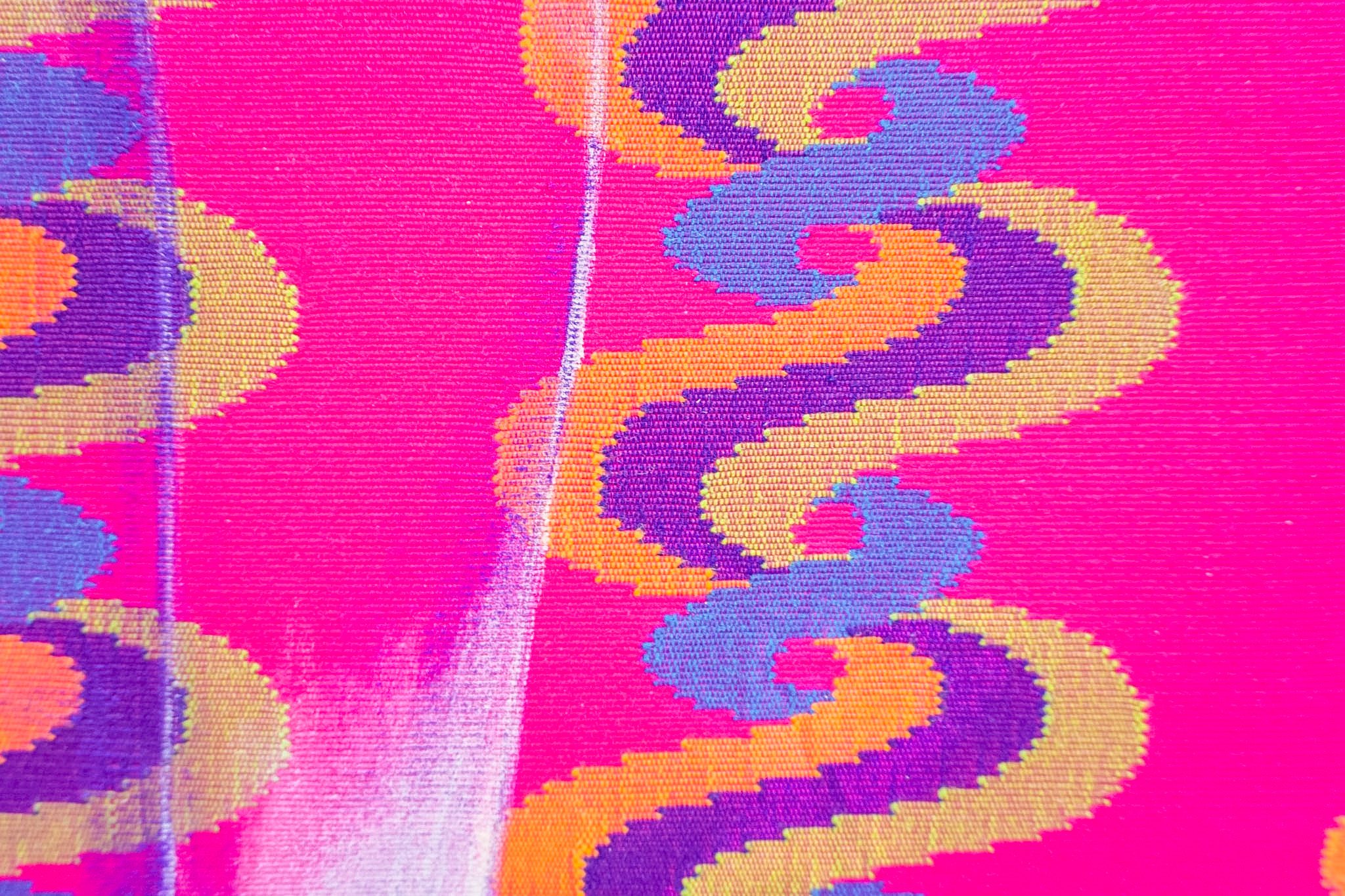
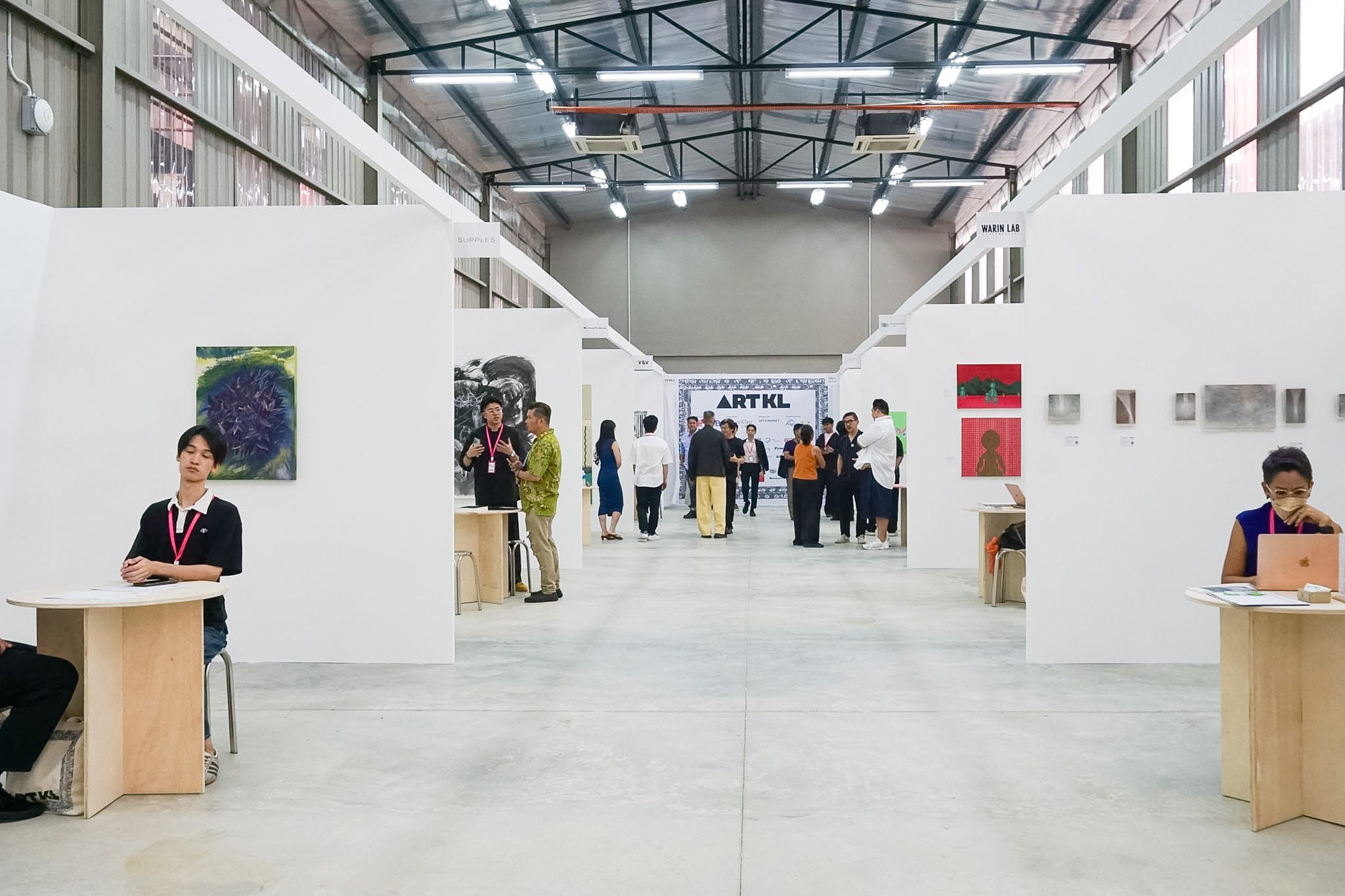
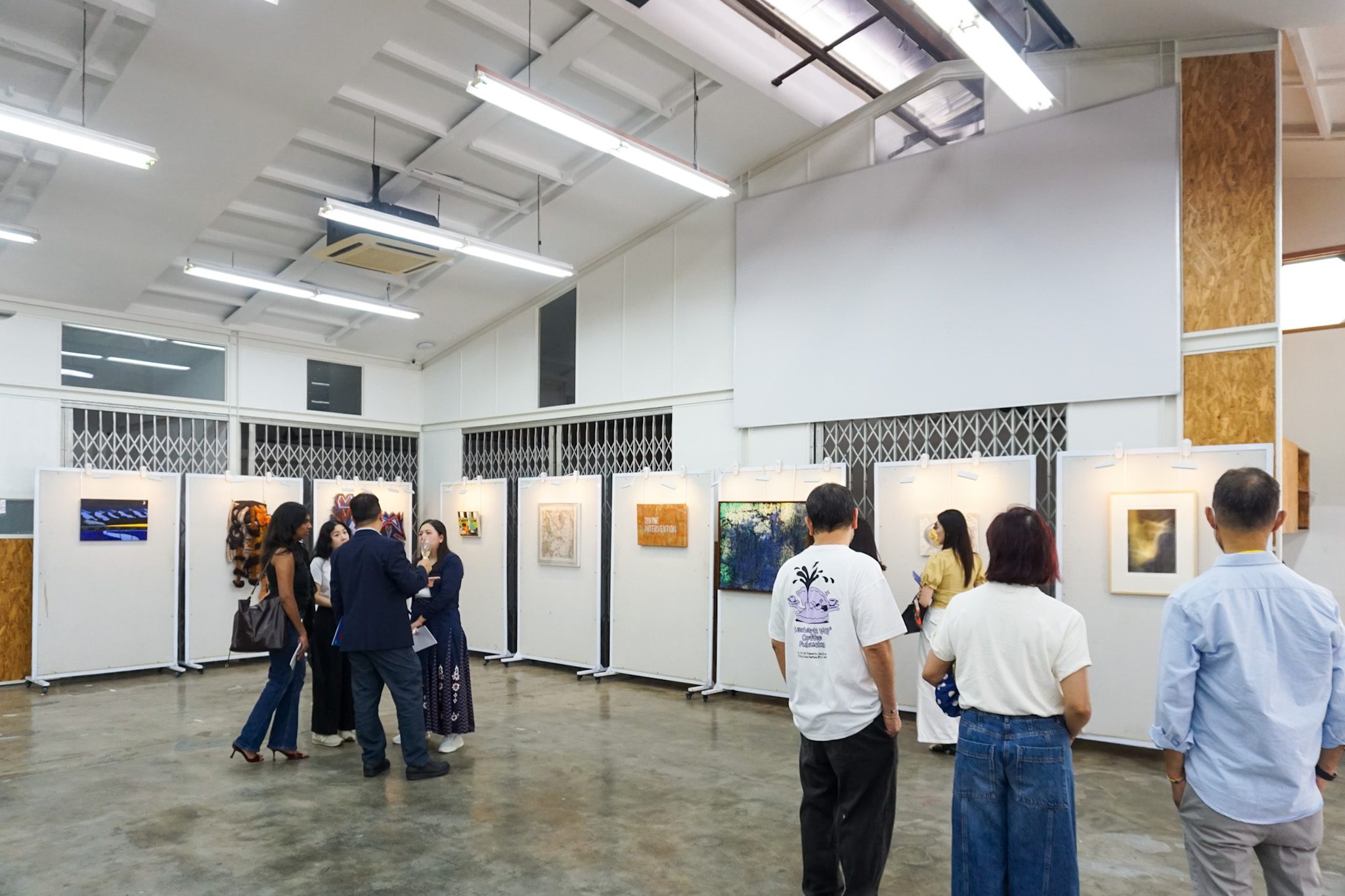
Back inside ART KL, once we had made it through the dust and reached the exhibition grounds, one detail immediately caught our eye: ornate Louis-style frames laid out on the floor, each containing an arrow directing visitors toward a different part of the fair. The most important direction, of course, led to the Galleries zone, where ten galleries from across Asia occupied a high-ceilinged—and blissfully air-conditioned—warehouse. Among them was Singapore’s Intersections Gallery, which presented a series of portraits of women painted on luntaya acheik fabric by Myanmar artist Chuu Wai. Vin Gallery from Vietnam, meanwhile, placed the delicate quality of Le Thi’s paintings on silk against the visual turbulence of Son Dang’s hazy, airbrush-like works.
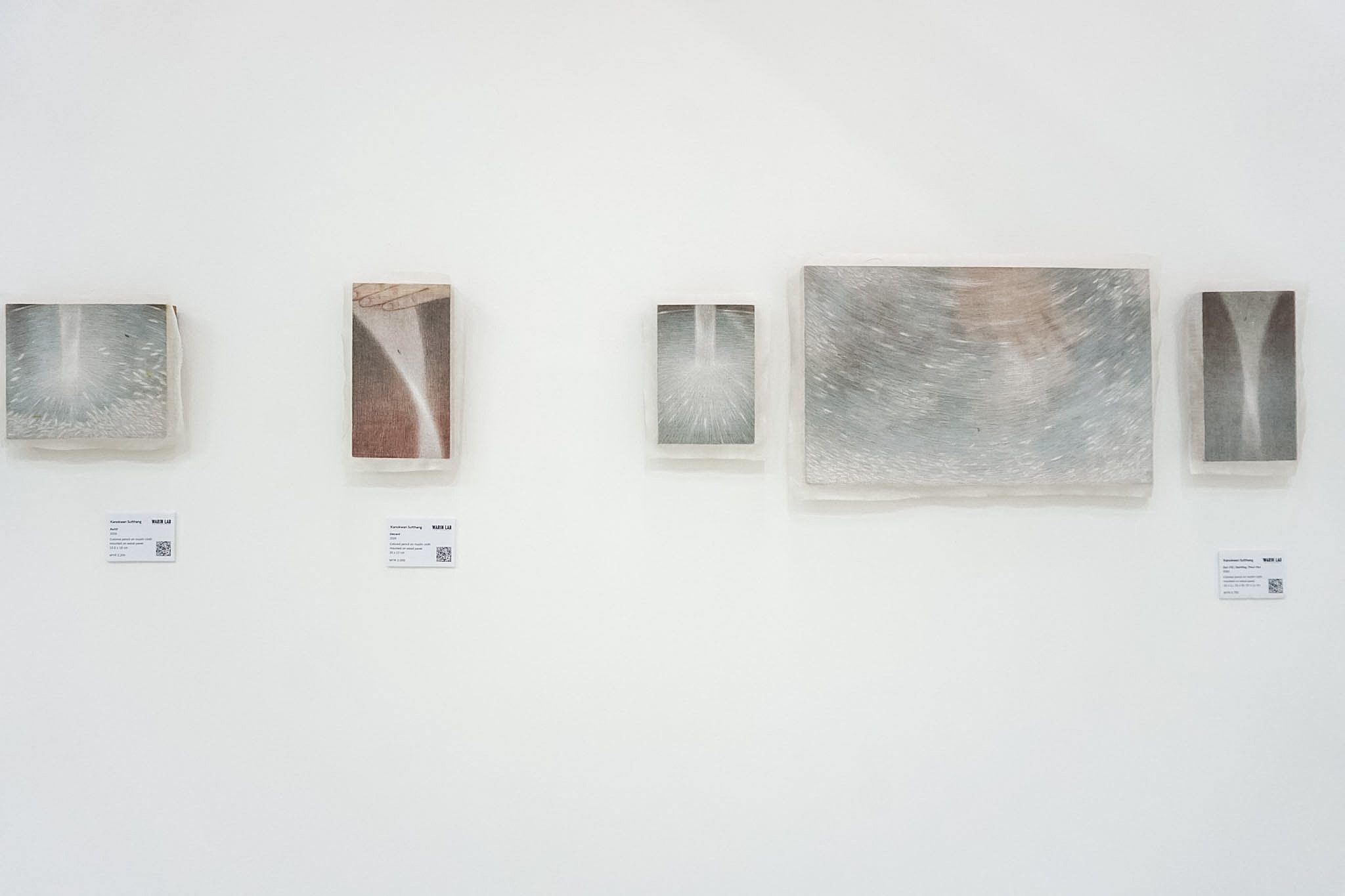
Kanokwan Sutthang, Rising Rice Series, 2026
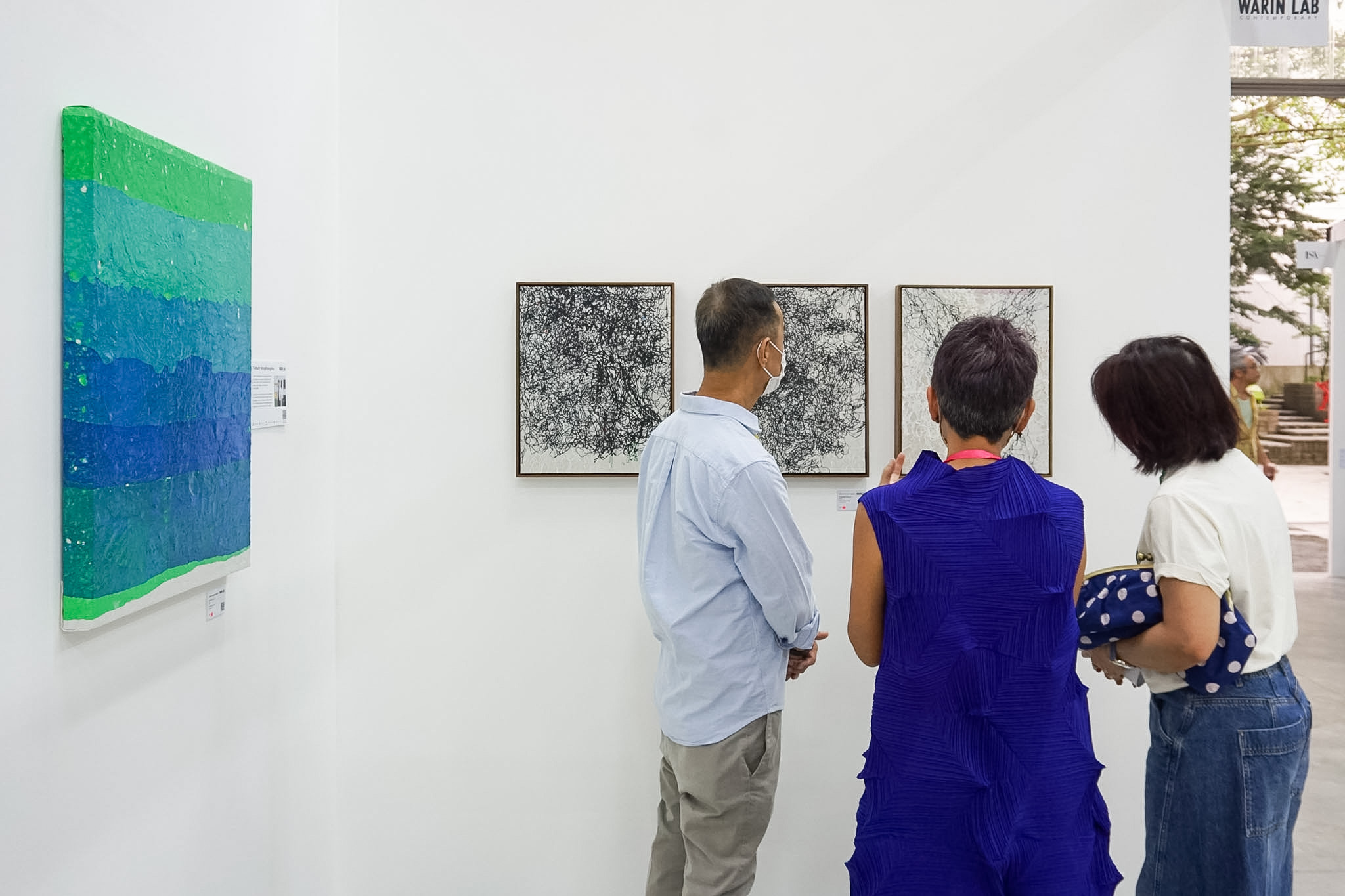 Some of Teetuch’s Works
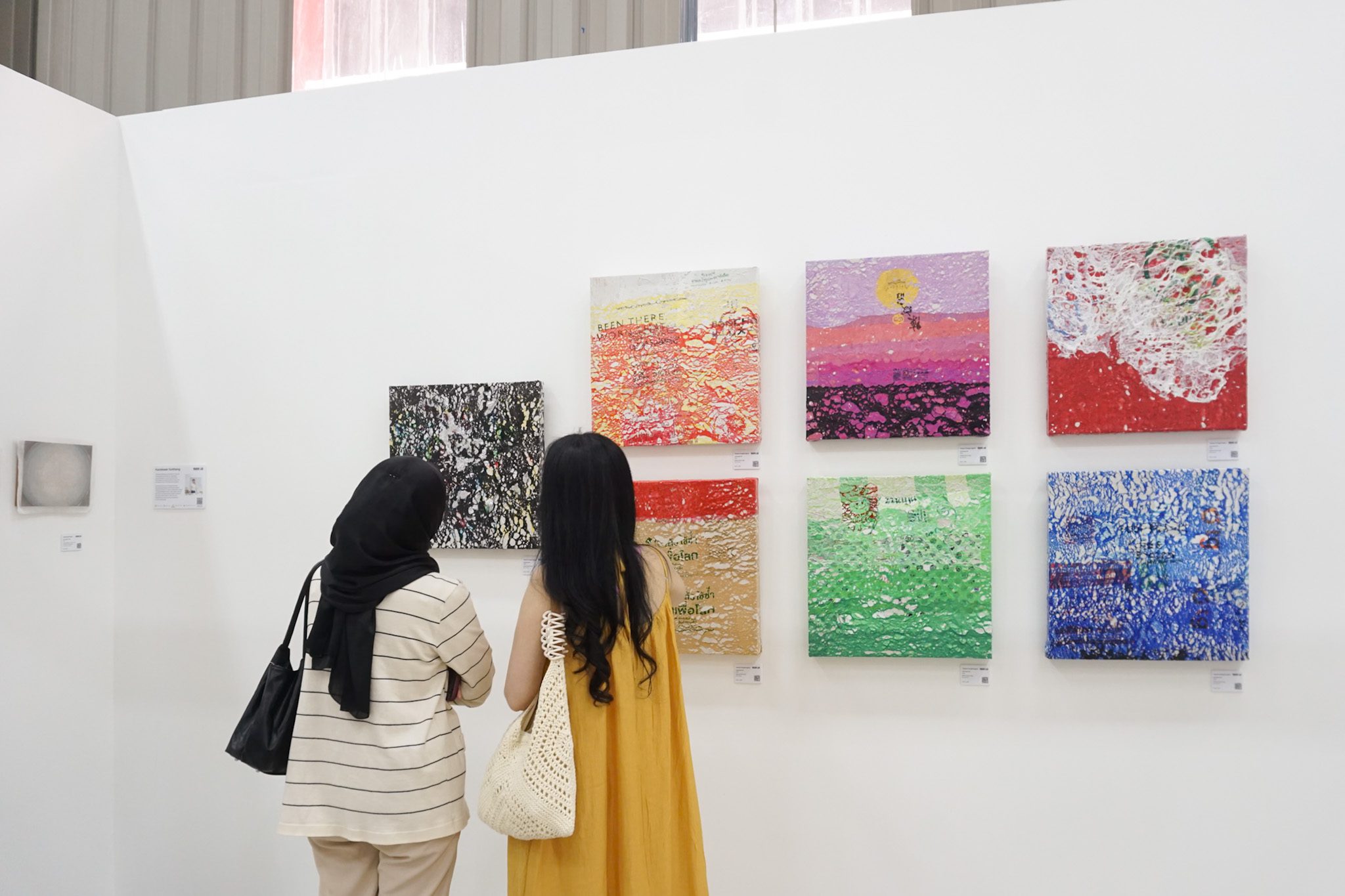
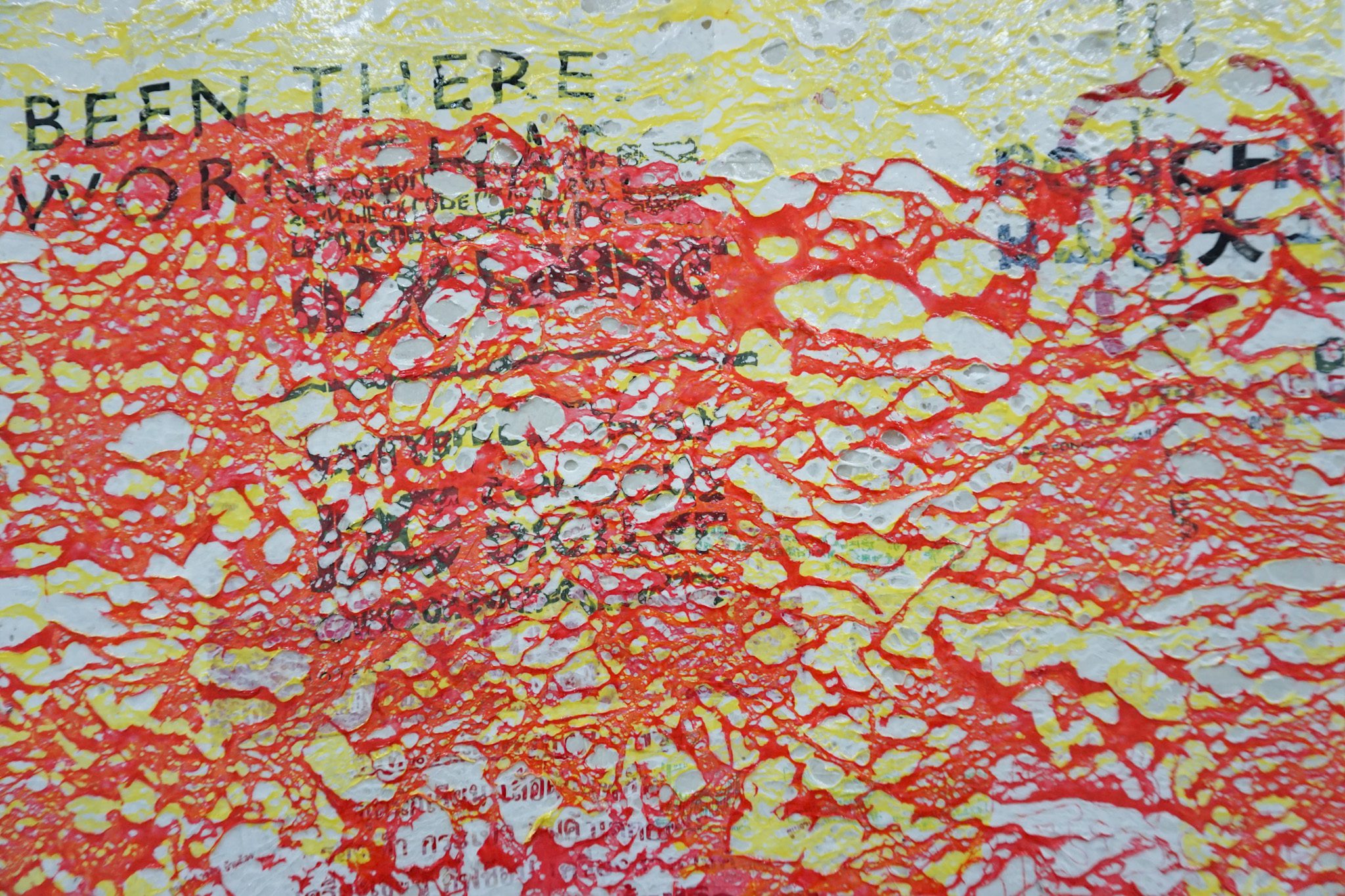
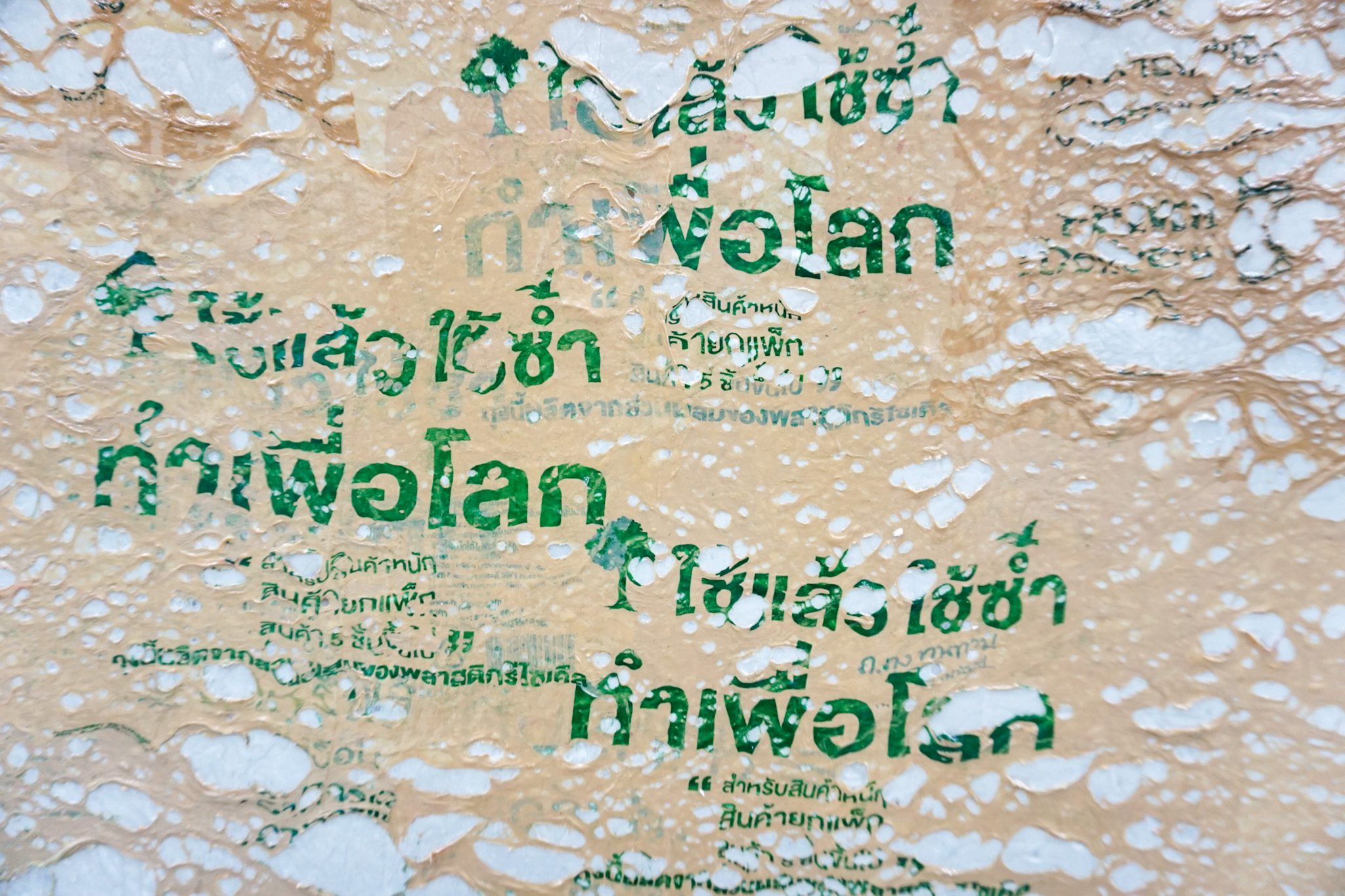
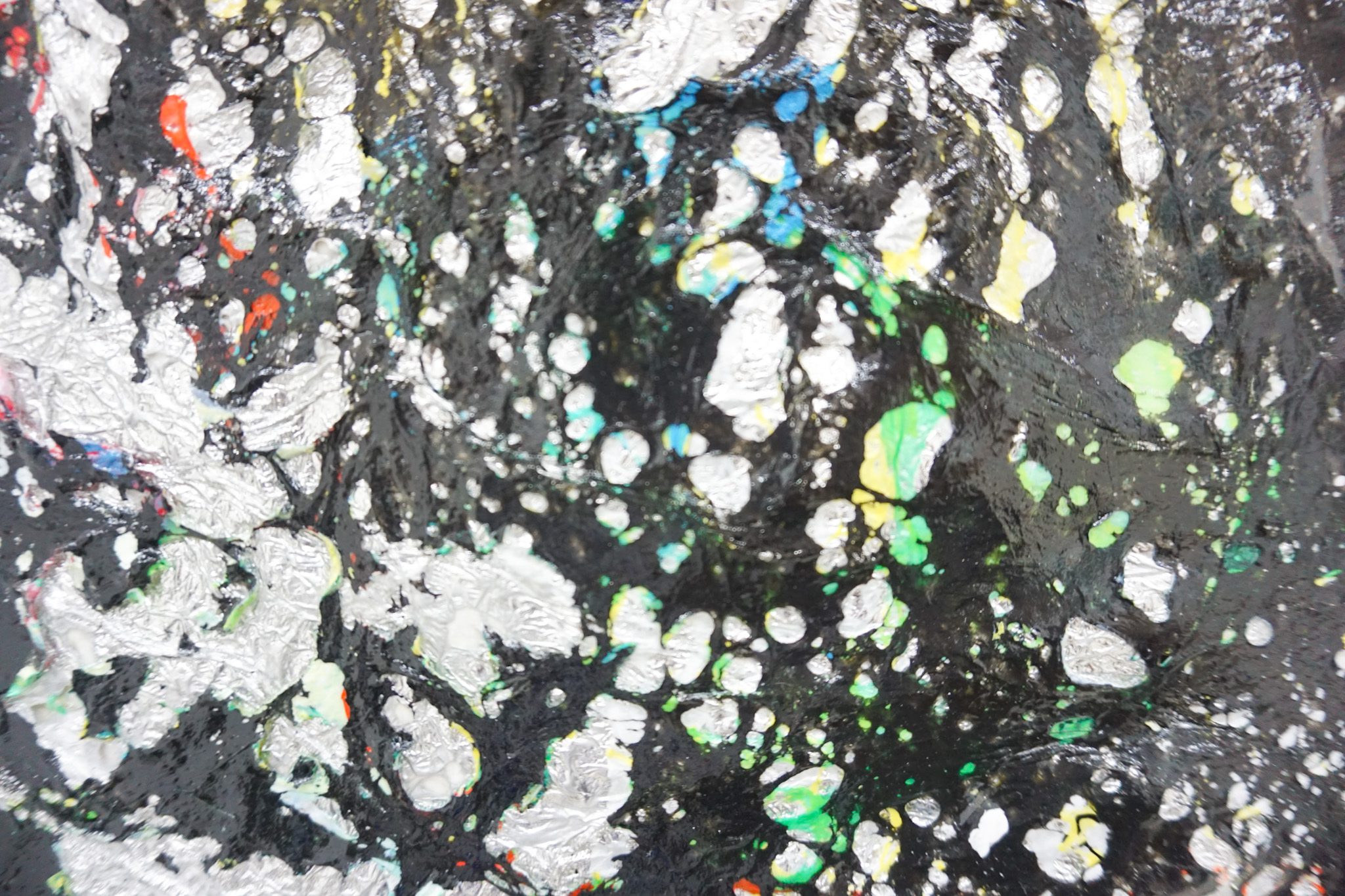
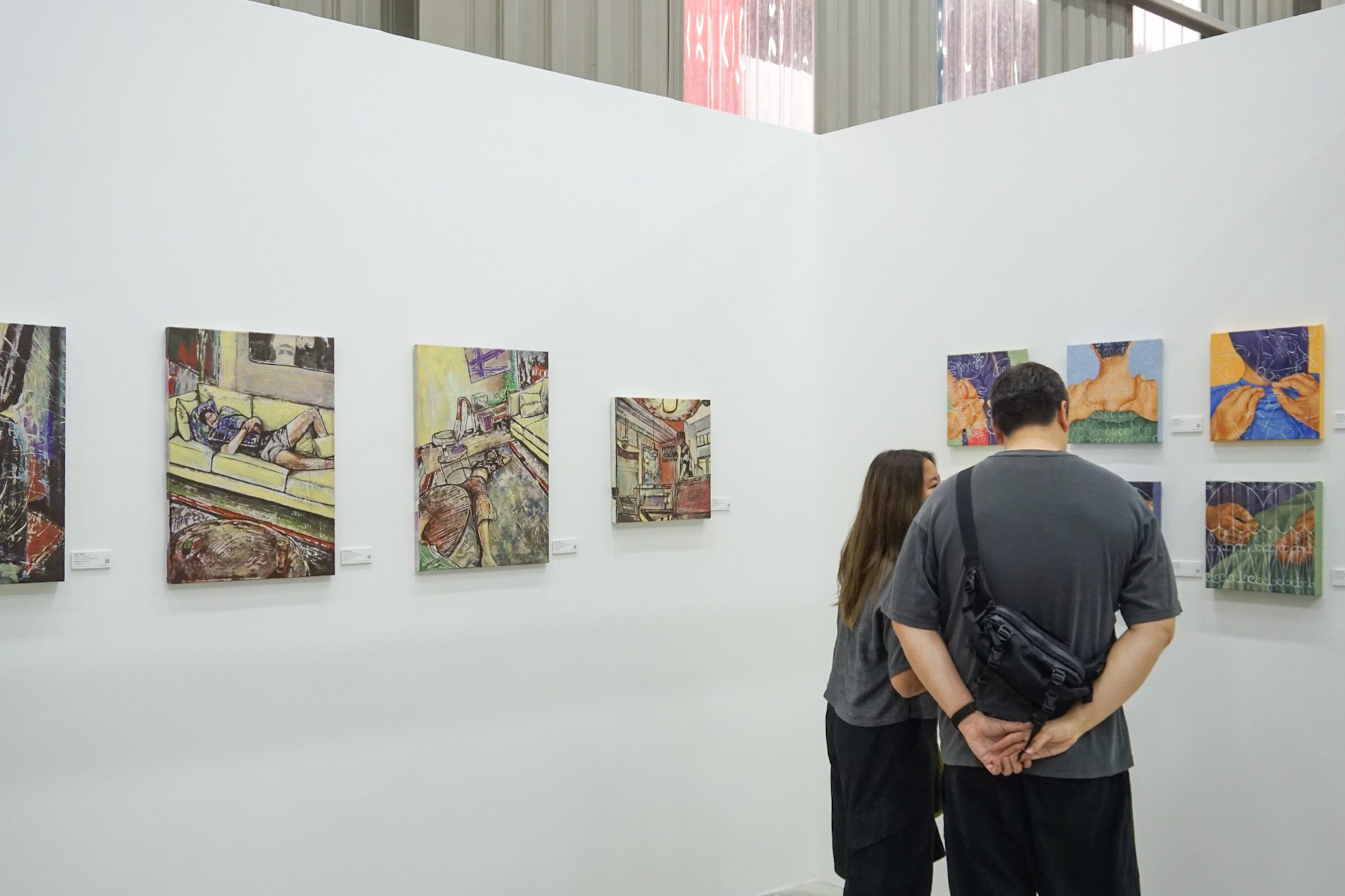
Naturally, Thai galleries were also present—two of them, no less, for this first edition. Warin Lab Contemporary, a familiar face on the regional art-fair circuit, crossed paths with art4d here once again after our previous encounter at Art Jakarta 2026. This time, Fon–Sukontip Nakasem presented works by two artists. The first was Kanokwan Sutthang, who knows her way around the quiet lives of plants. She brought a selection from her Weevils in Rice exhibition, whose subject matter resonates particularly well to us rice-eating Southeast Asians. The second was Teetuch Hongkhongkha, who explored the ‘life’ of a plastic bag—a life that may last only 15 minutes before the bag is discarded or stored away indefinitely. By applying heat to plastic bags, he produced works without the need for canvas as a support at all. The results reflect the number of bags already consumed, as well as the hundreds of millions more that are still circulating in the world, waiting to decompose.
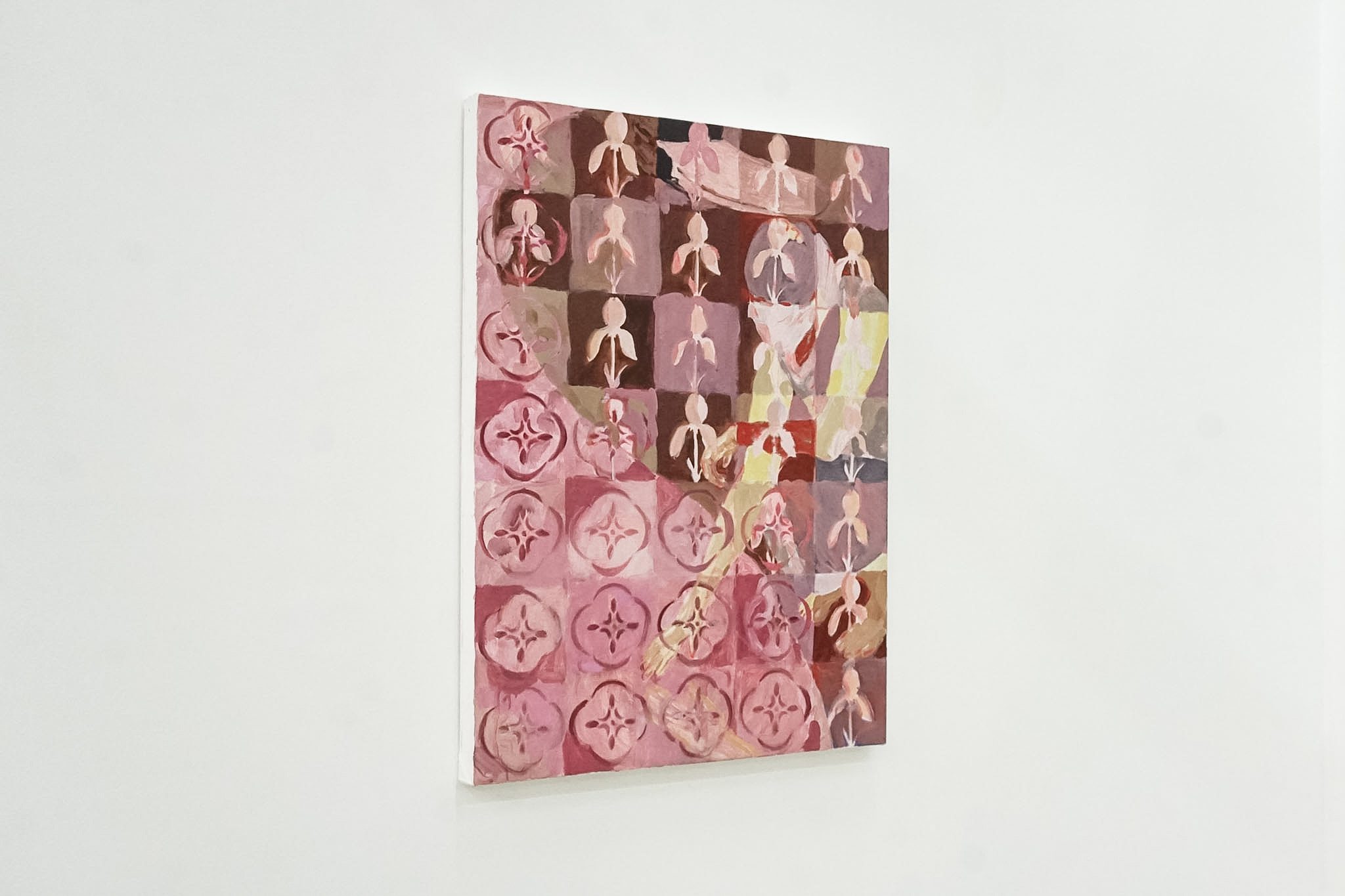
Some of Julia’s Works
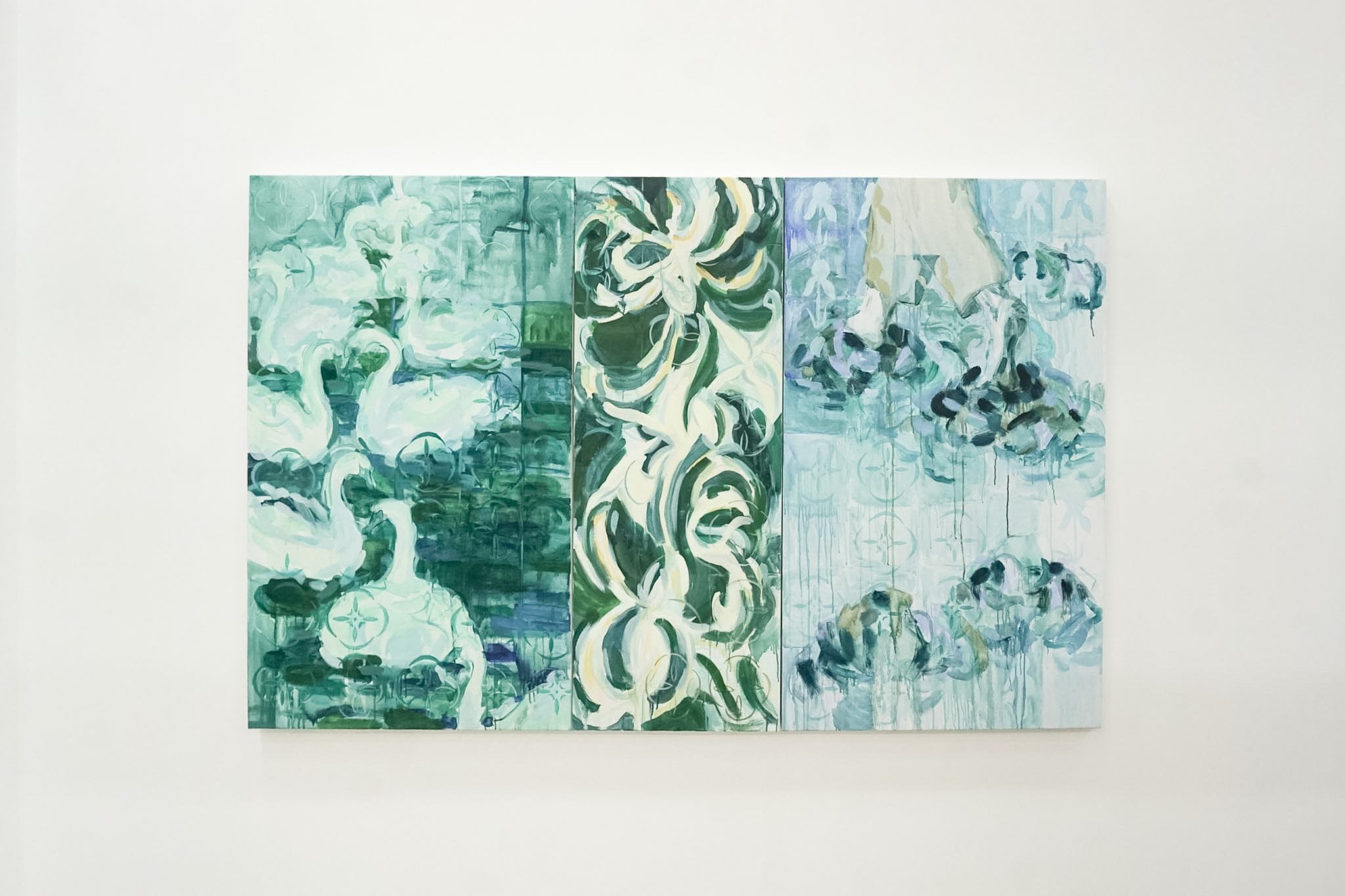
Some of Julia’s Works
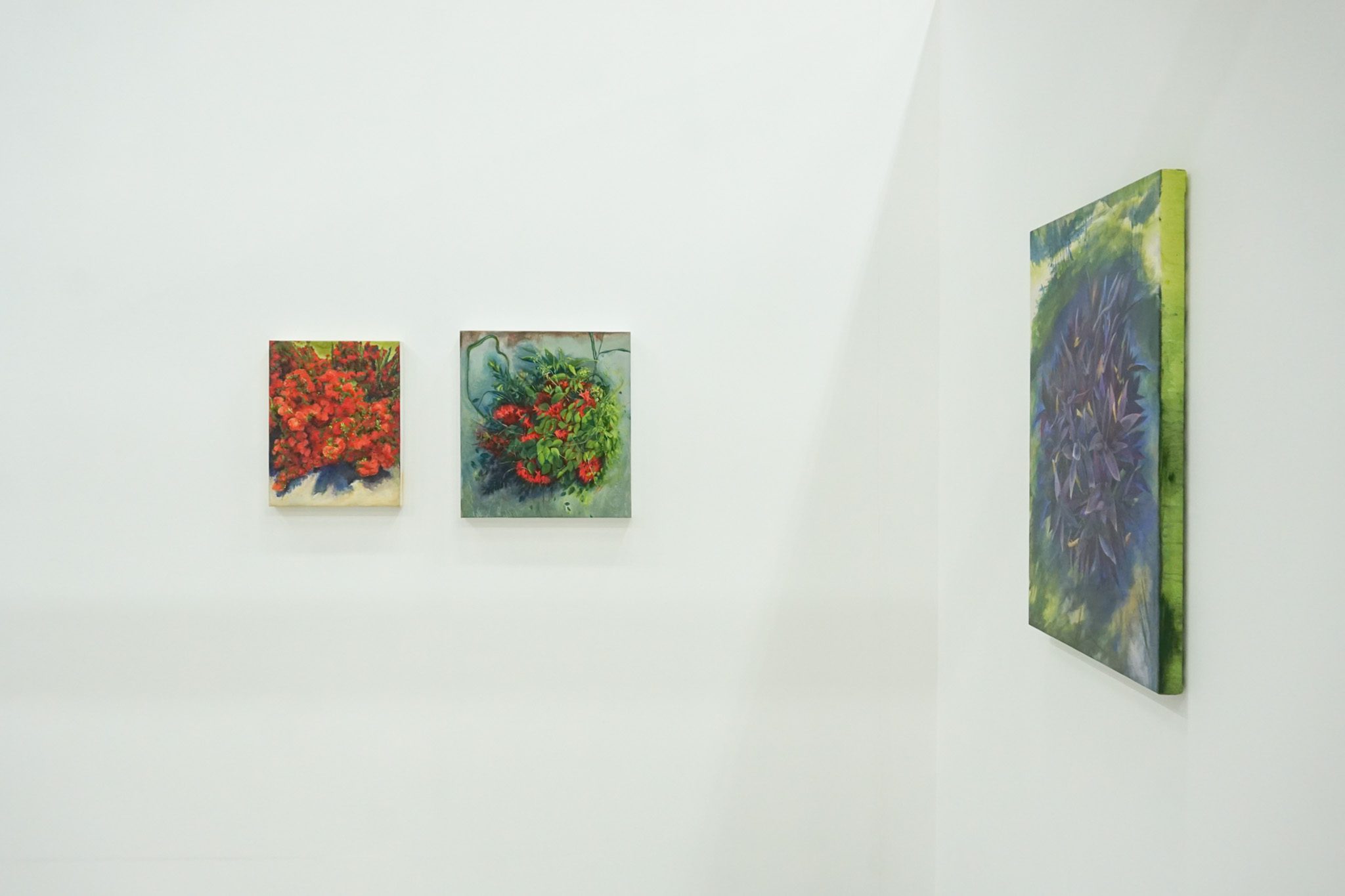
Some of Pansupa’s Works
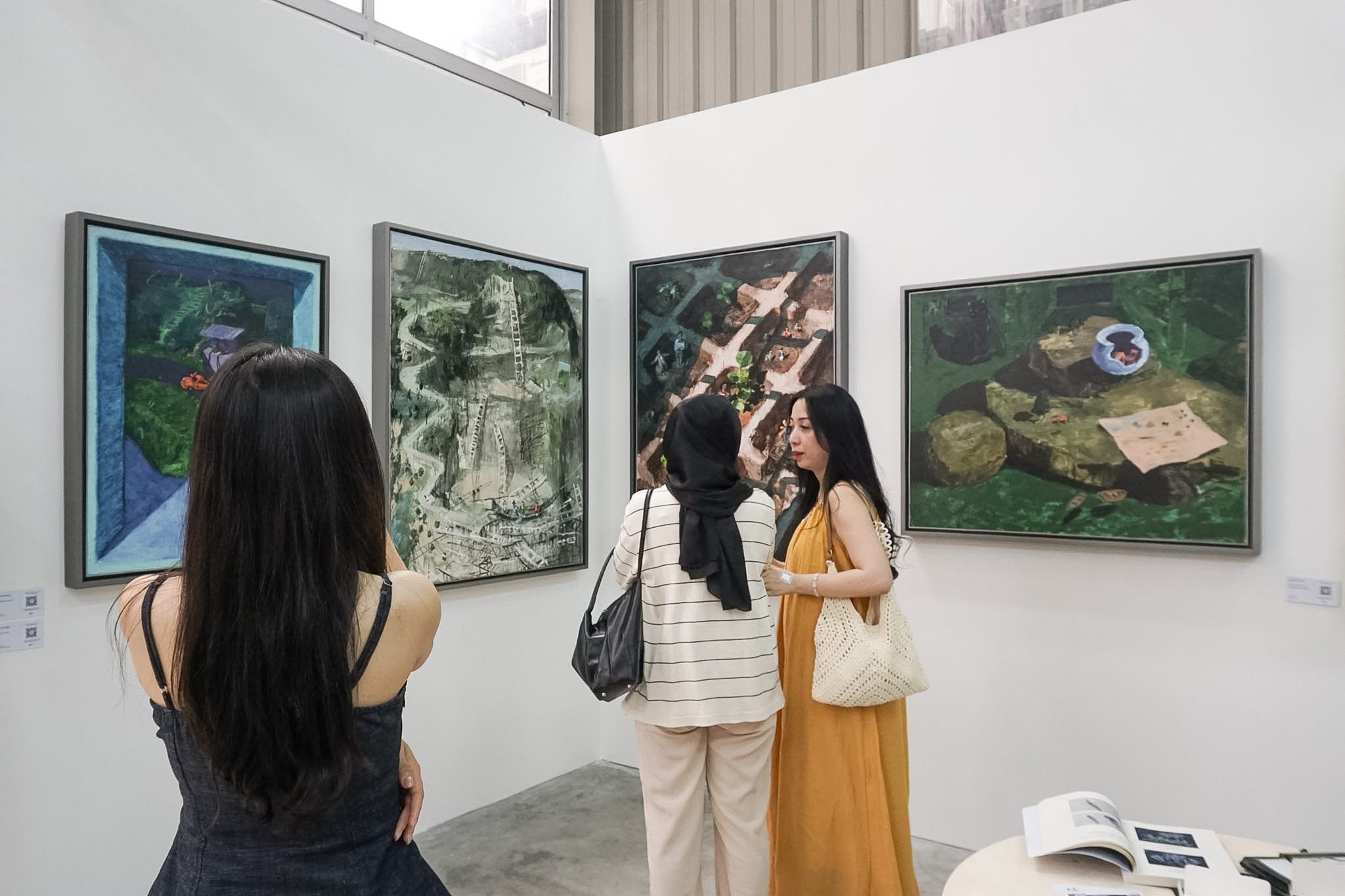
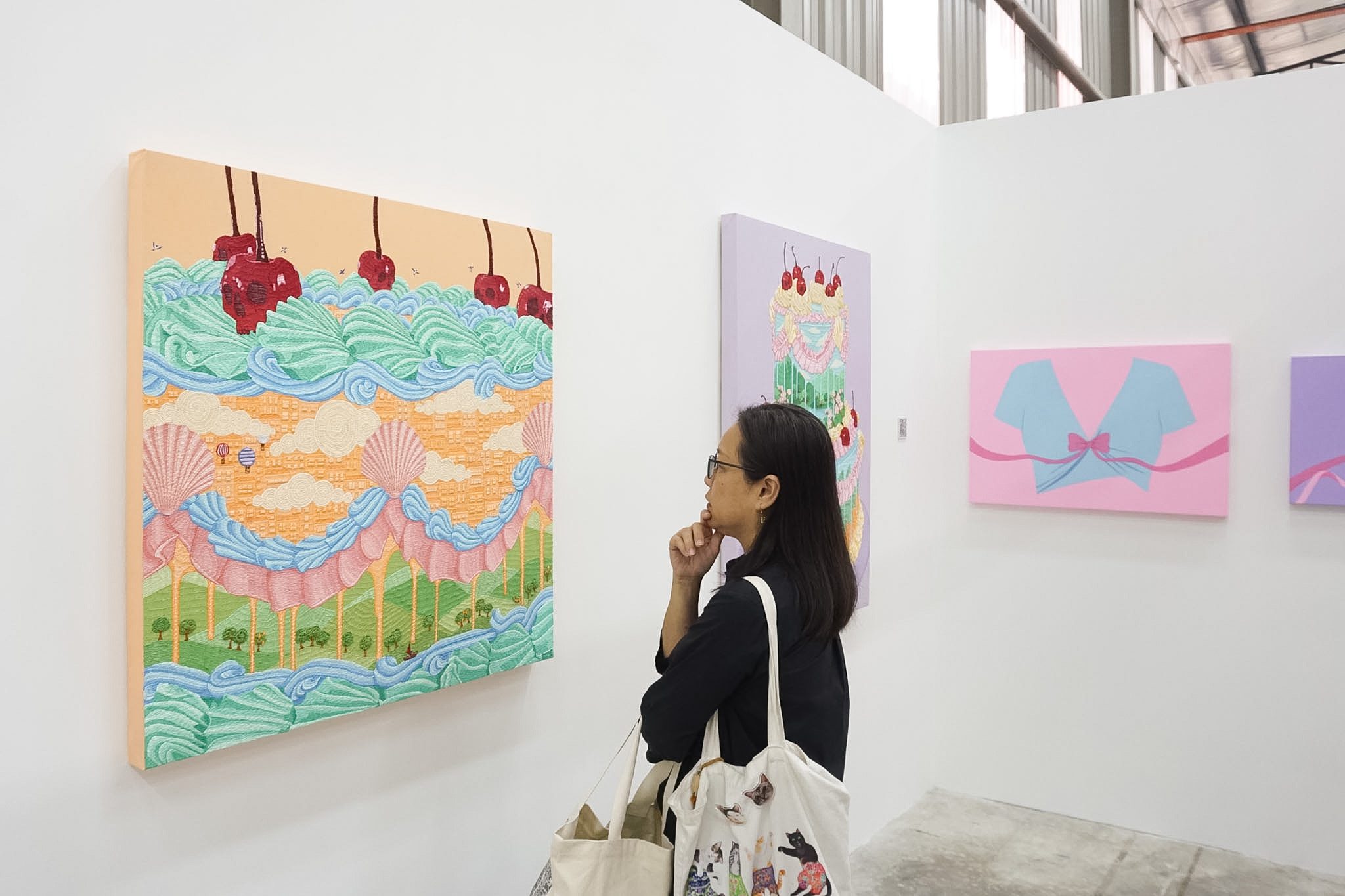
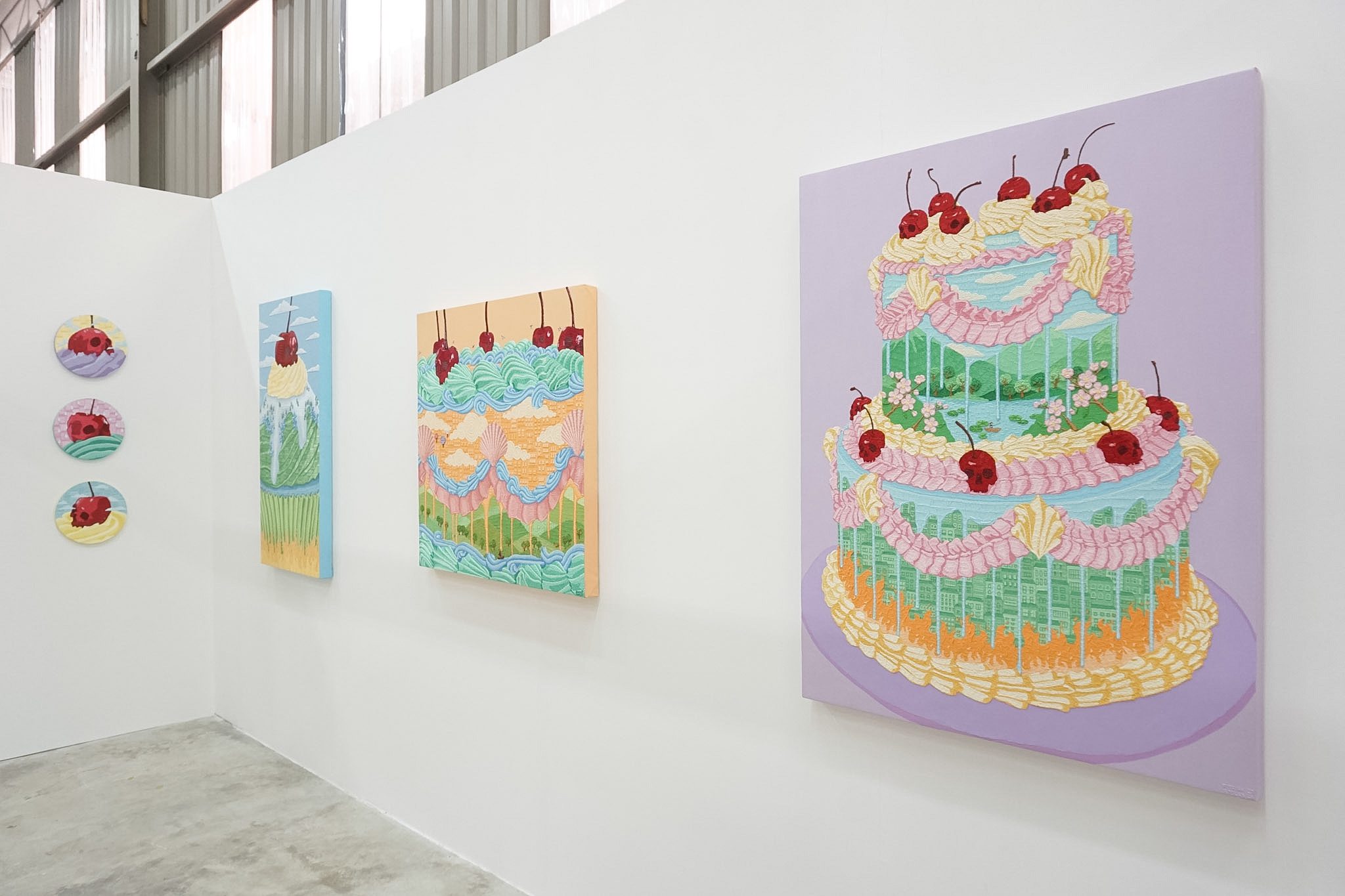
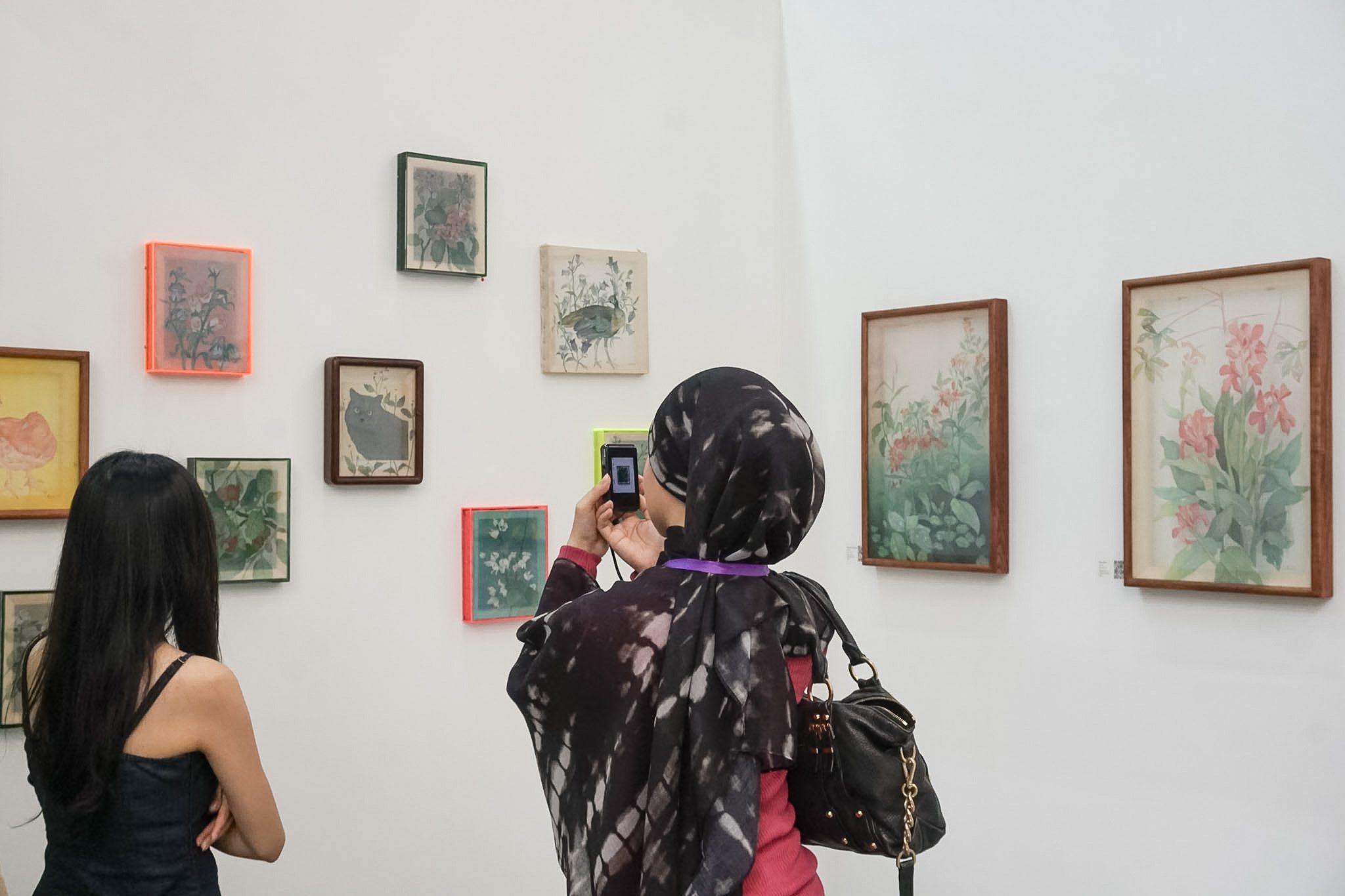
The other Thai participant was SUPPLES, a relatively new gallery with a consistent commitment to supporting emerging and early-career artists. For ART KL, it presented works by two women artists. Julia Phetra Oborne told stories rooted in Thai folklore—stories that ask viewers to spend a little time thinking them through—while Pansupa Sitthirak painted the natural world close at hand whose beauty we often neglect to notice.
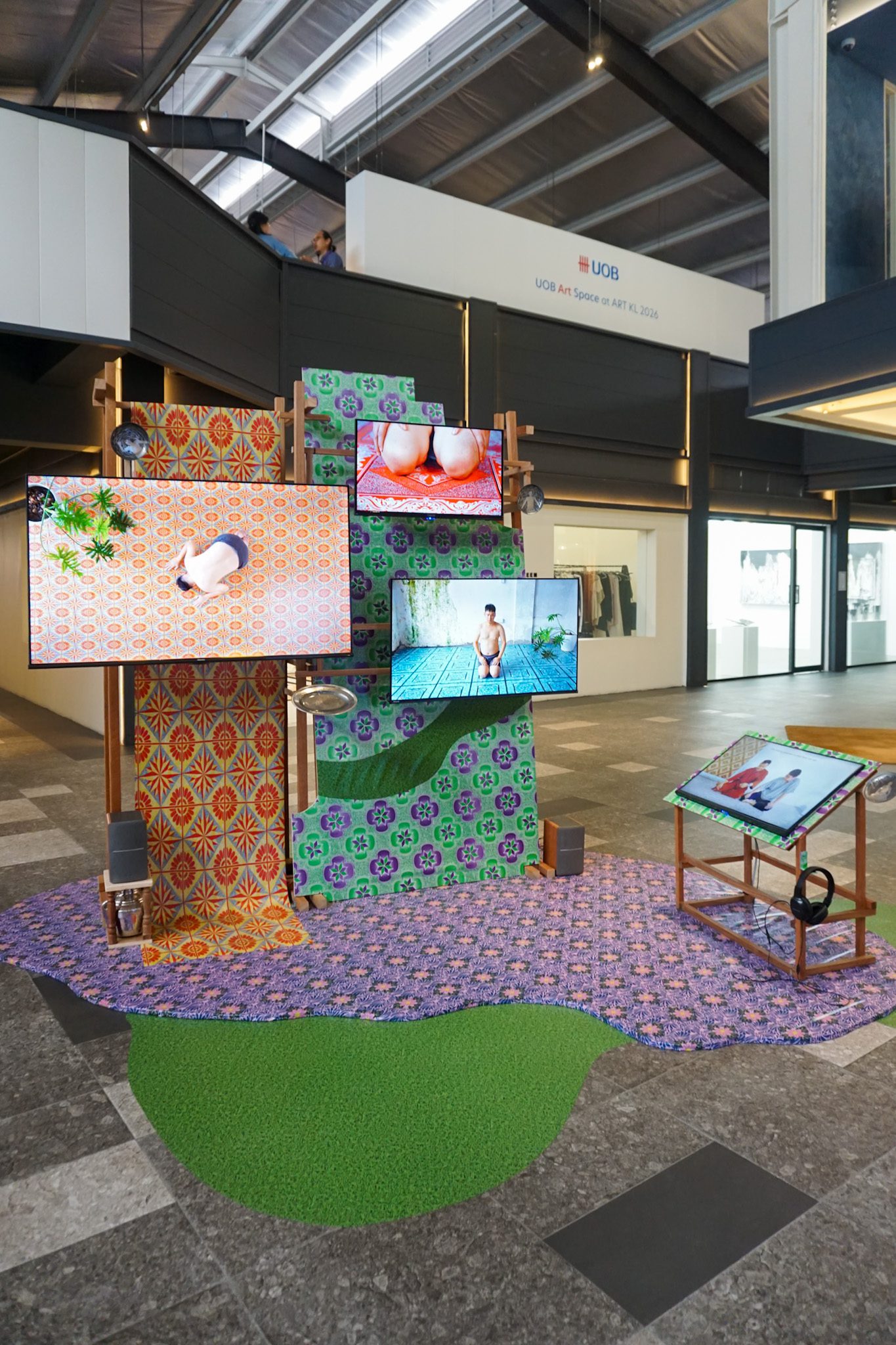
Discovery: When We Touch the Floor by Lee Mok Yee
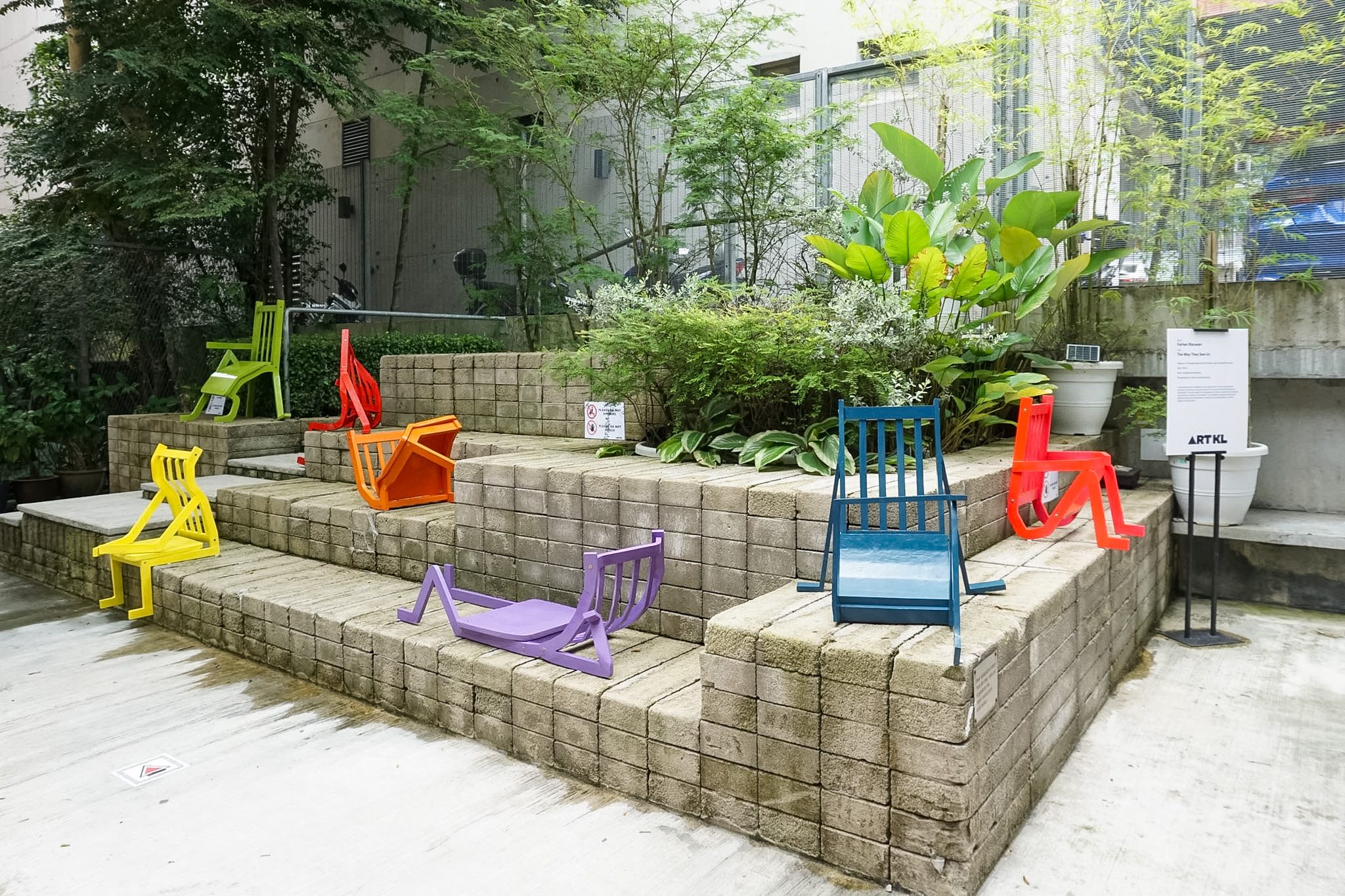
Discovery: The Way They See Us by Farhan Rizuwan
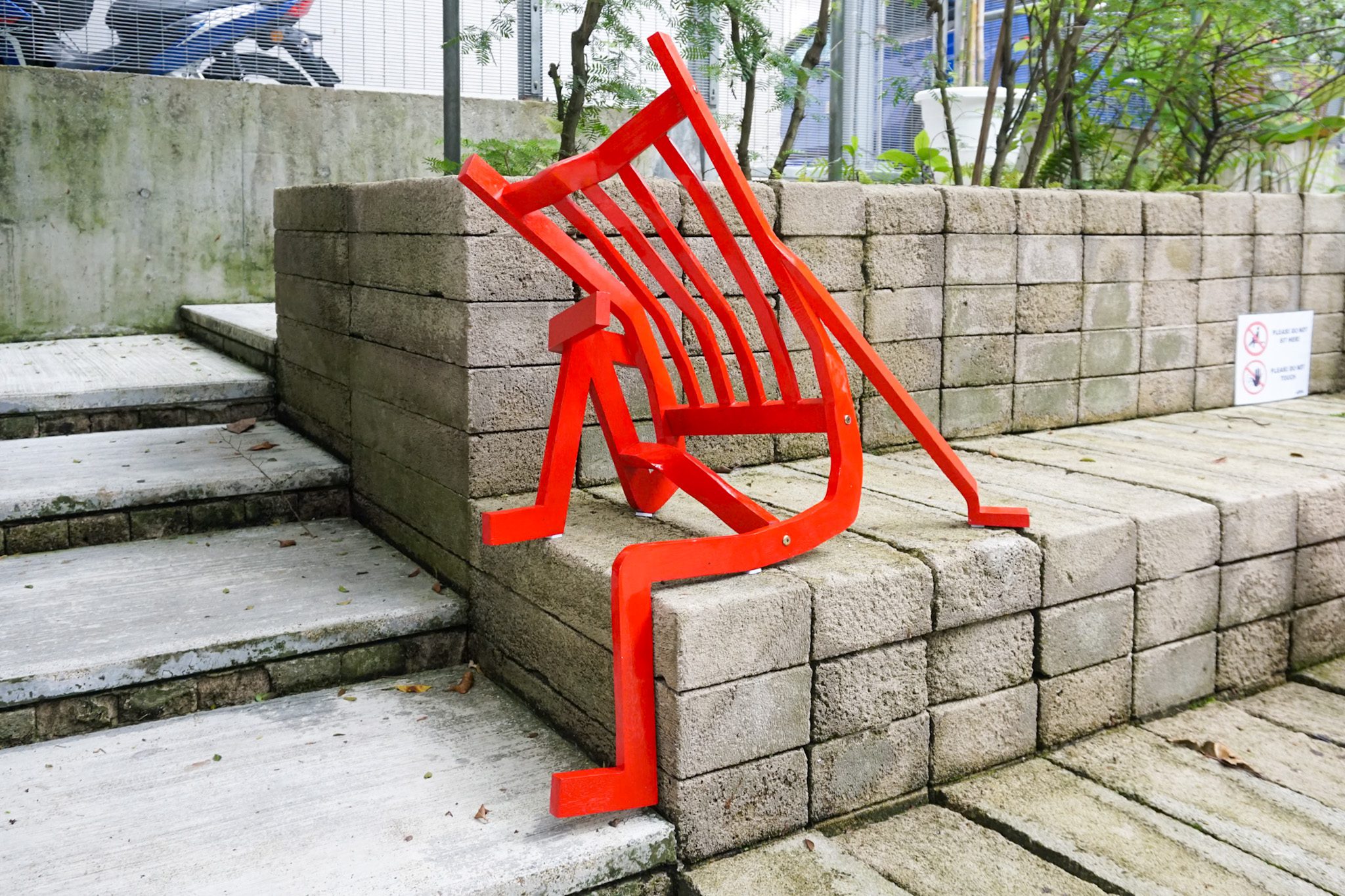 Discovery: The Way They See Us by Farhan Rizuwan
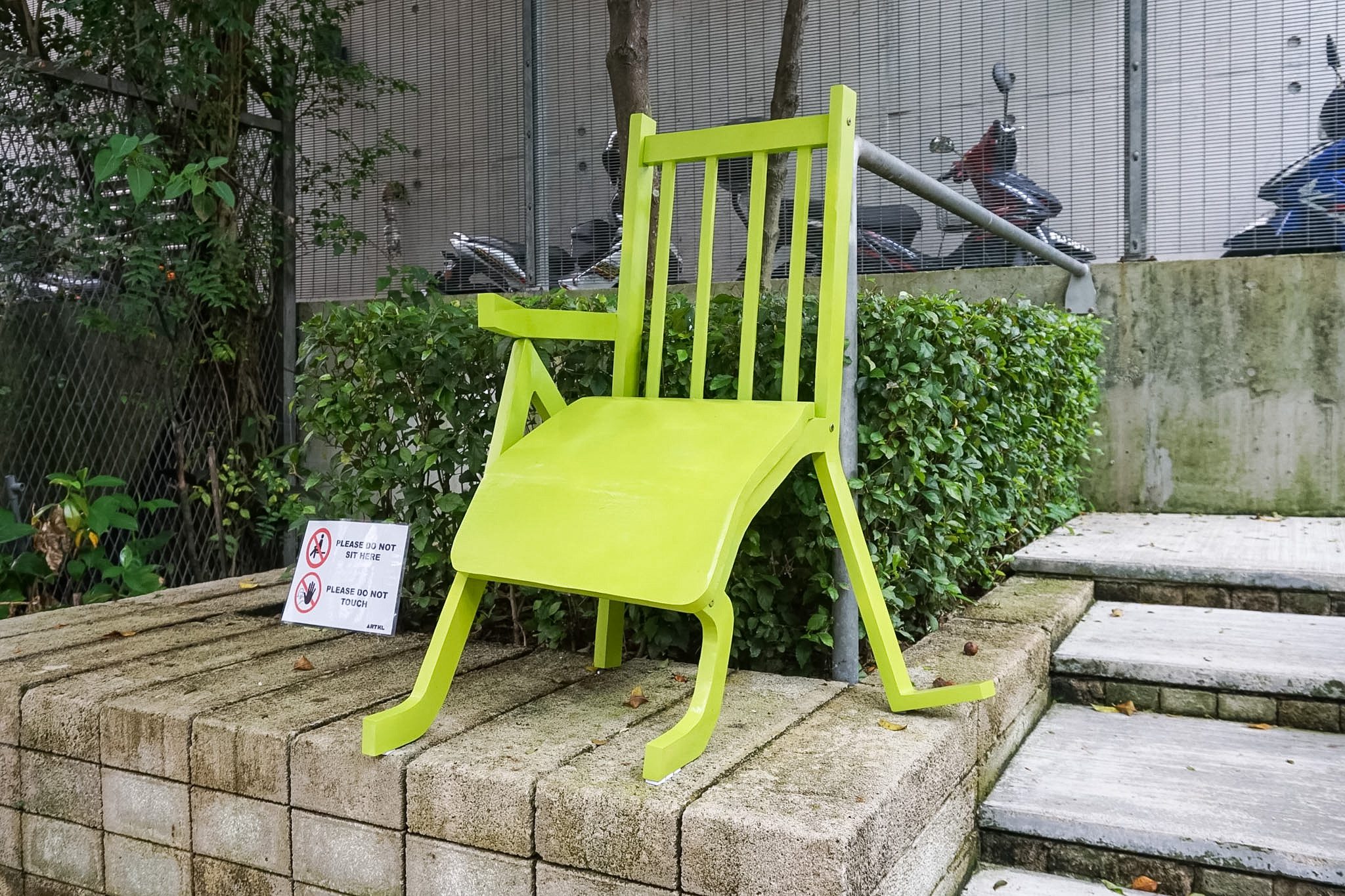
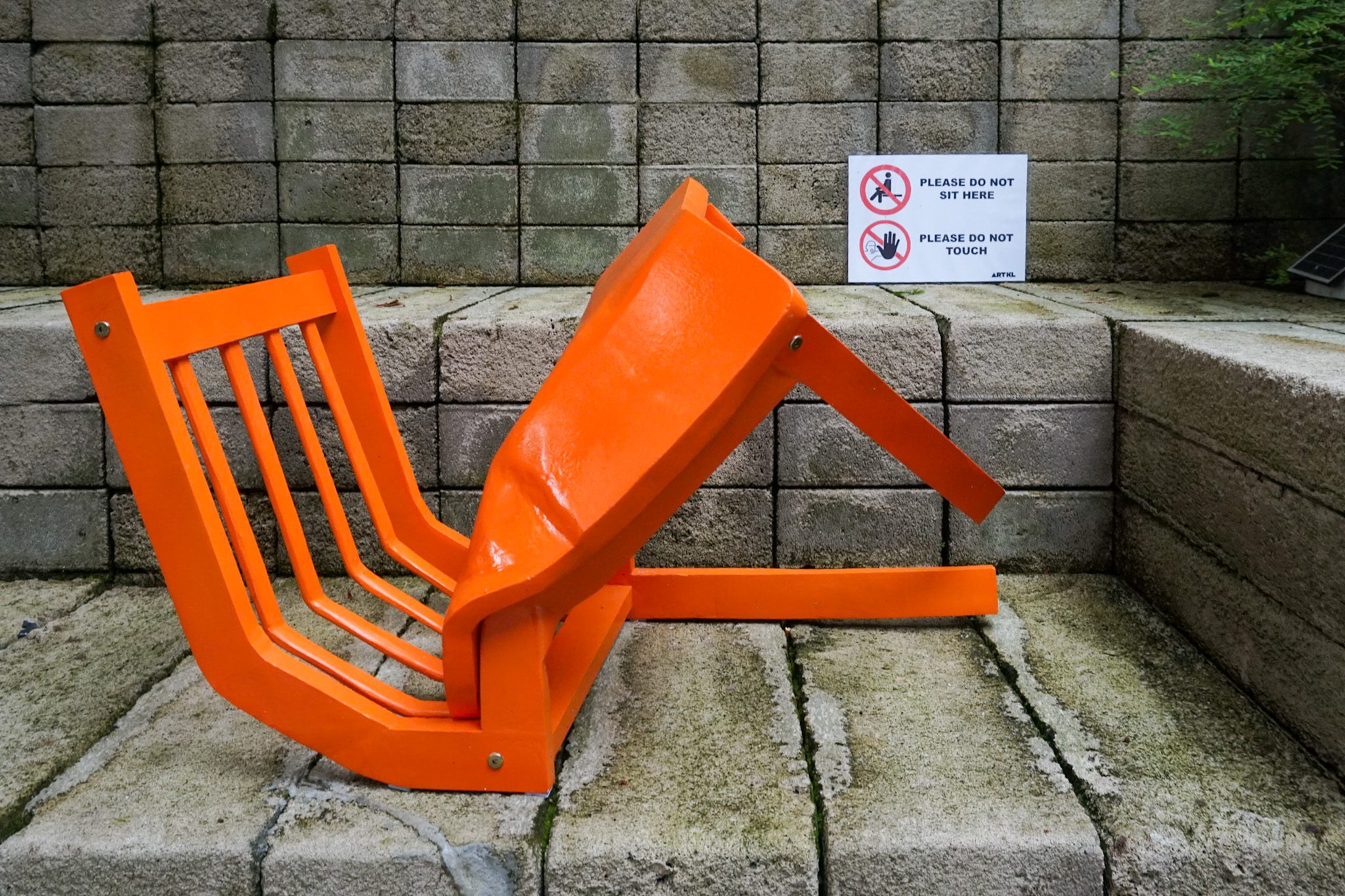
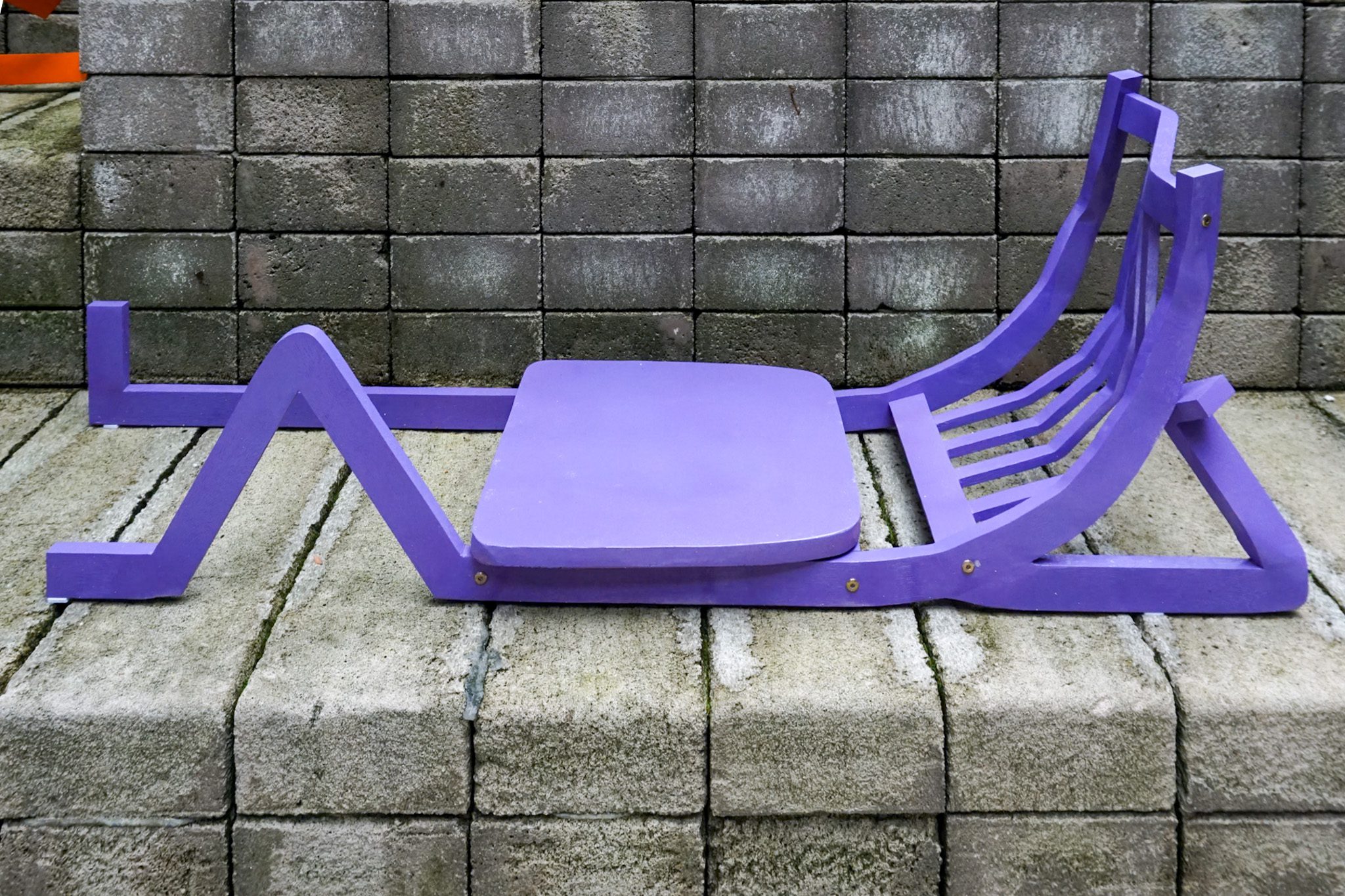
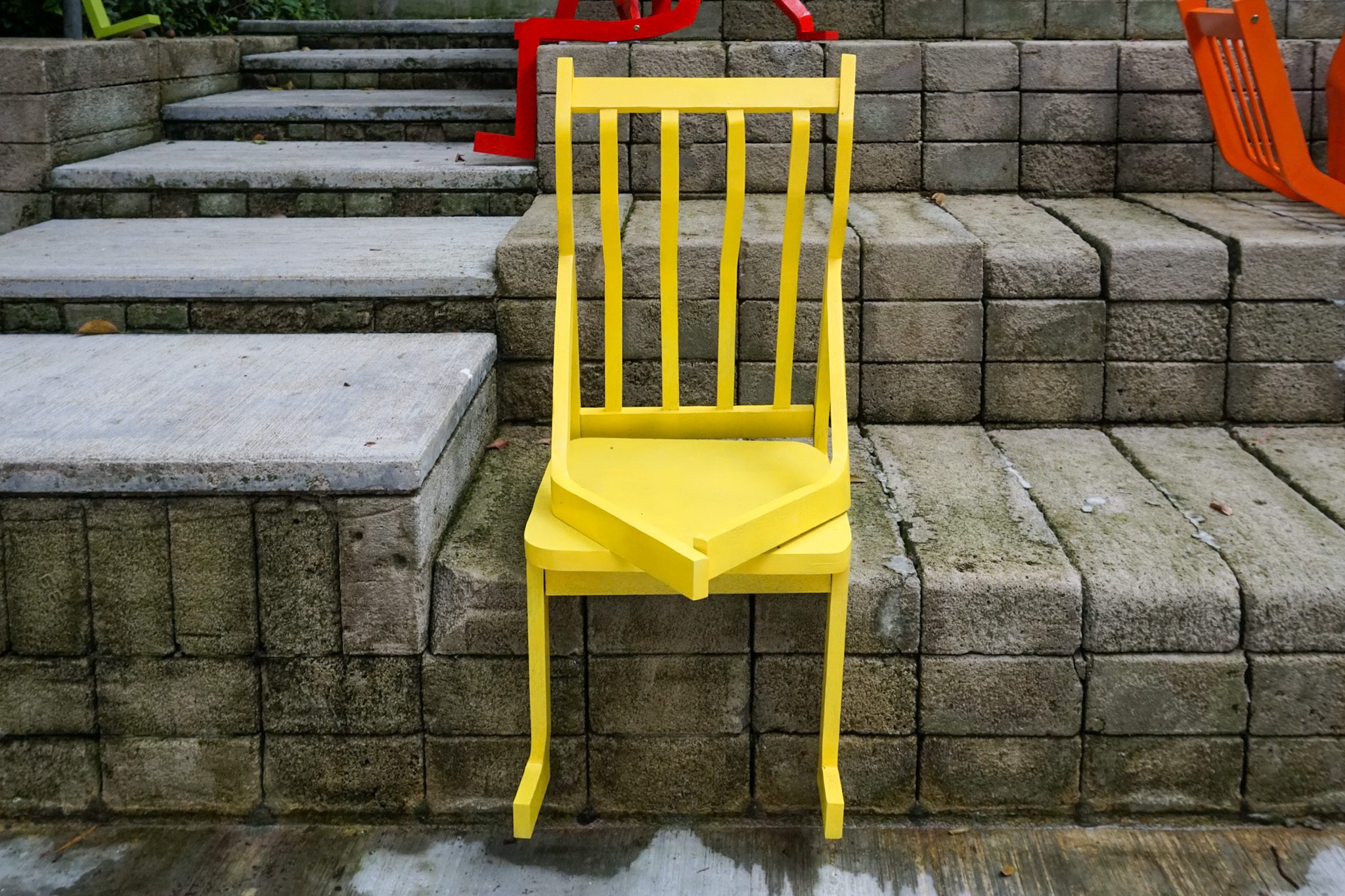
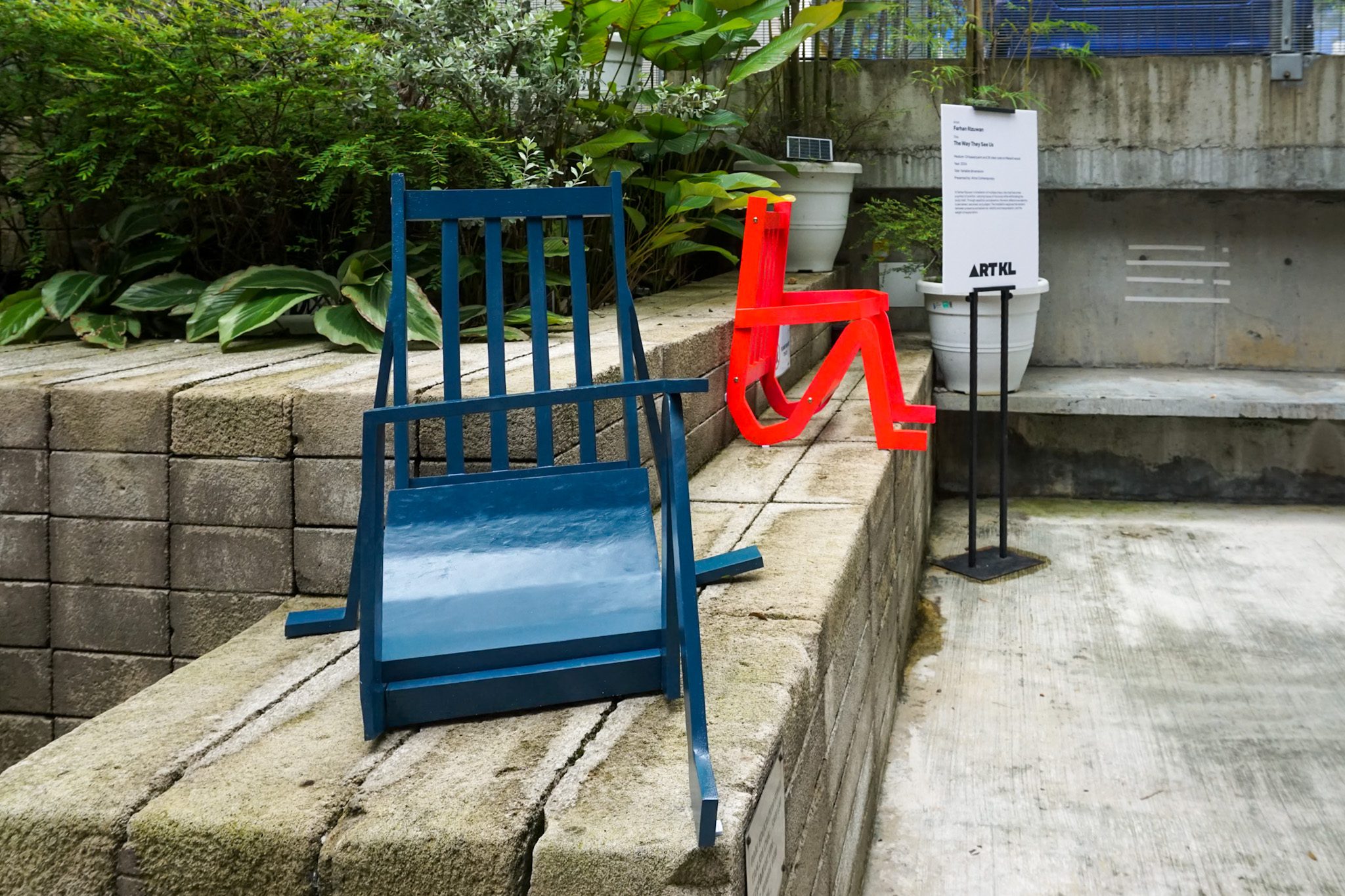
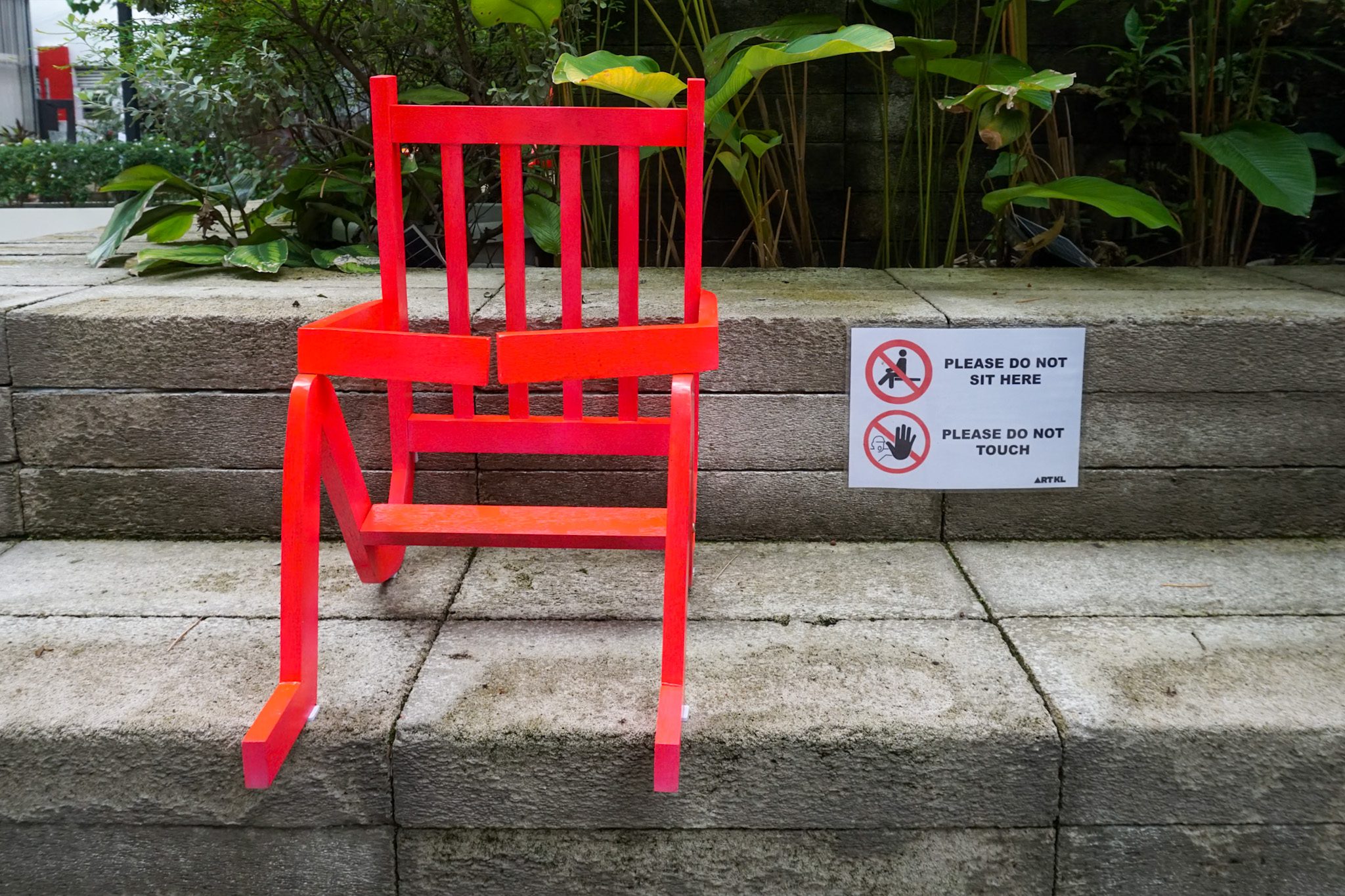
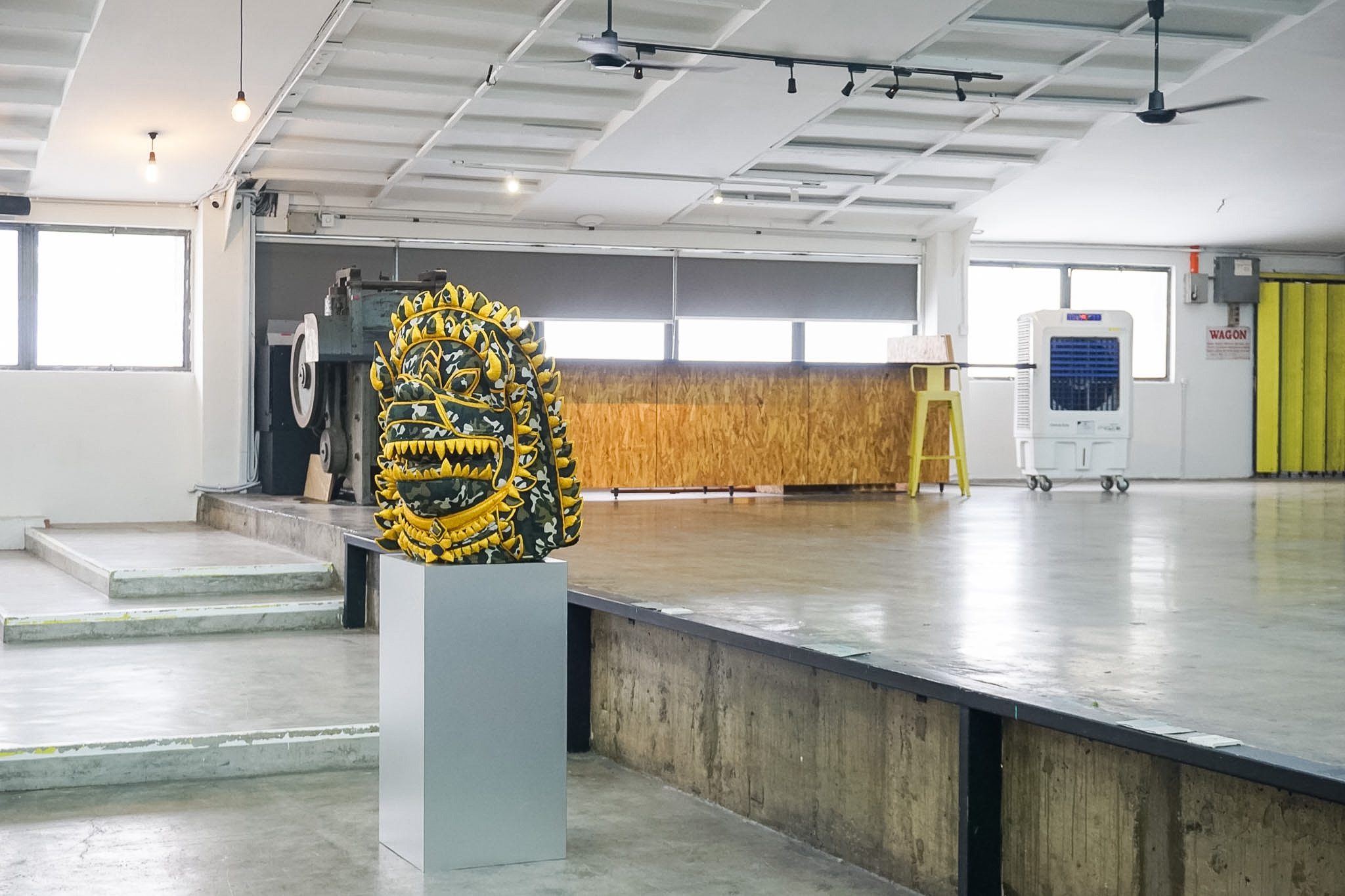
Beyond the Galleries zone, another major attraction of ART KL was Discovery, a program of site-specific installations positioned throughout A Place Where. This arrangement invited visitors to wander, explore, and encounter art almost organically. Two works in particular stood out and made us stop to think.
The first was When We Touch the Floor by Lee Mok Yee, which took the PVC floor mat—a familiar presence in Southeast Asian homes—as it’s starting point and brought it into conversation with video, sound, and scent. The work examined the relationship between the body and the floor through everyday postures and gestures, whether sitting on the ground, squatting, or lying down to rest.
The other was The Way They See Us by emerging wood artist Farhan Rizuwan. Farhan deconstructed wooden chairs and reassembled them as symbols of the human body and social position. Through the emptiness of chairs with no one sitting in them, the work reflected the gaze, expectations, and judgments that society places upon the individual. It invited us to consider an unusual reversal of perspective: ‘How might a chair look at us?’
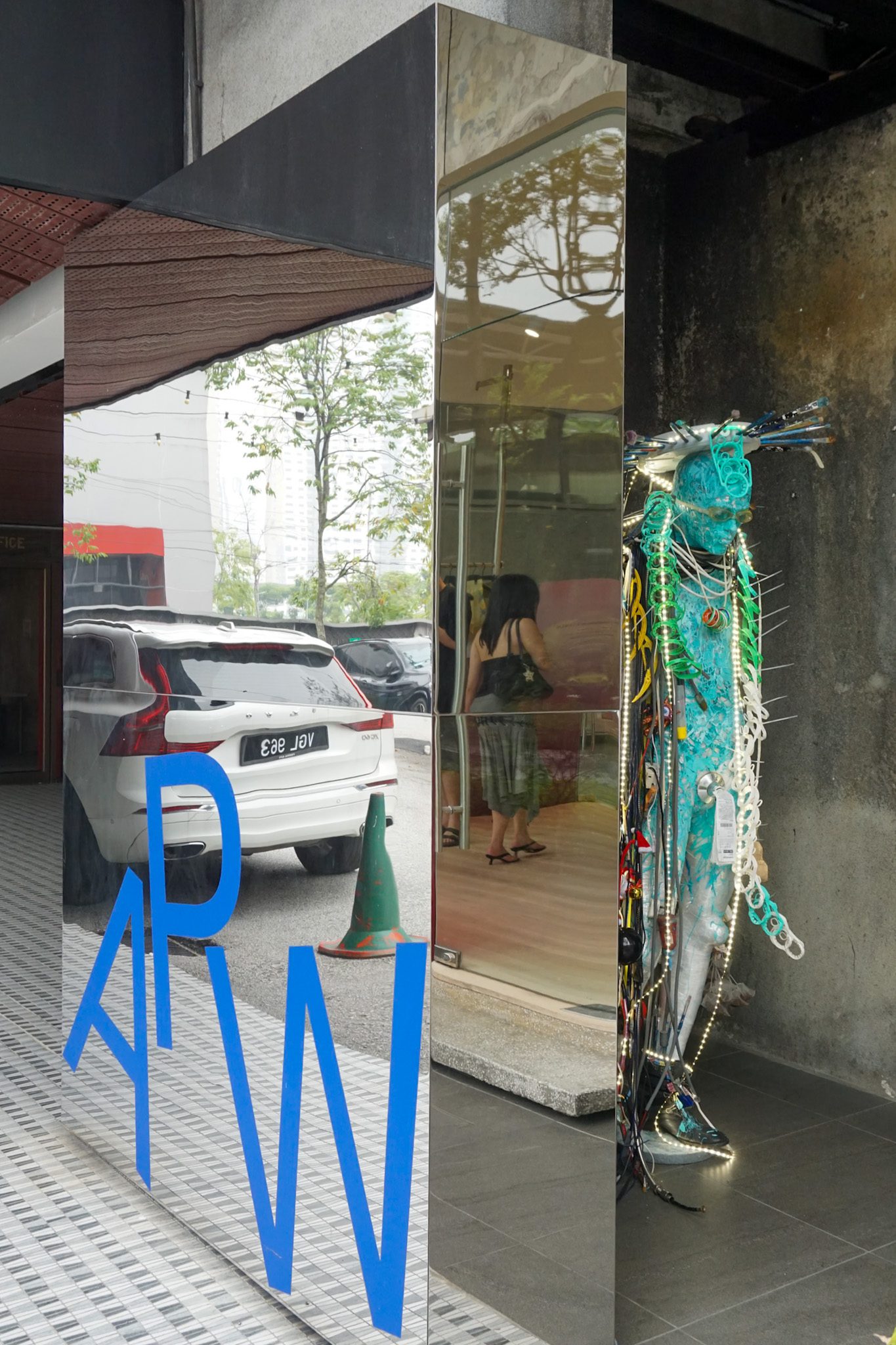
Discovery: I Throw Rubbish But I Am Not Rubbish by Phillip Wong
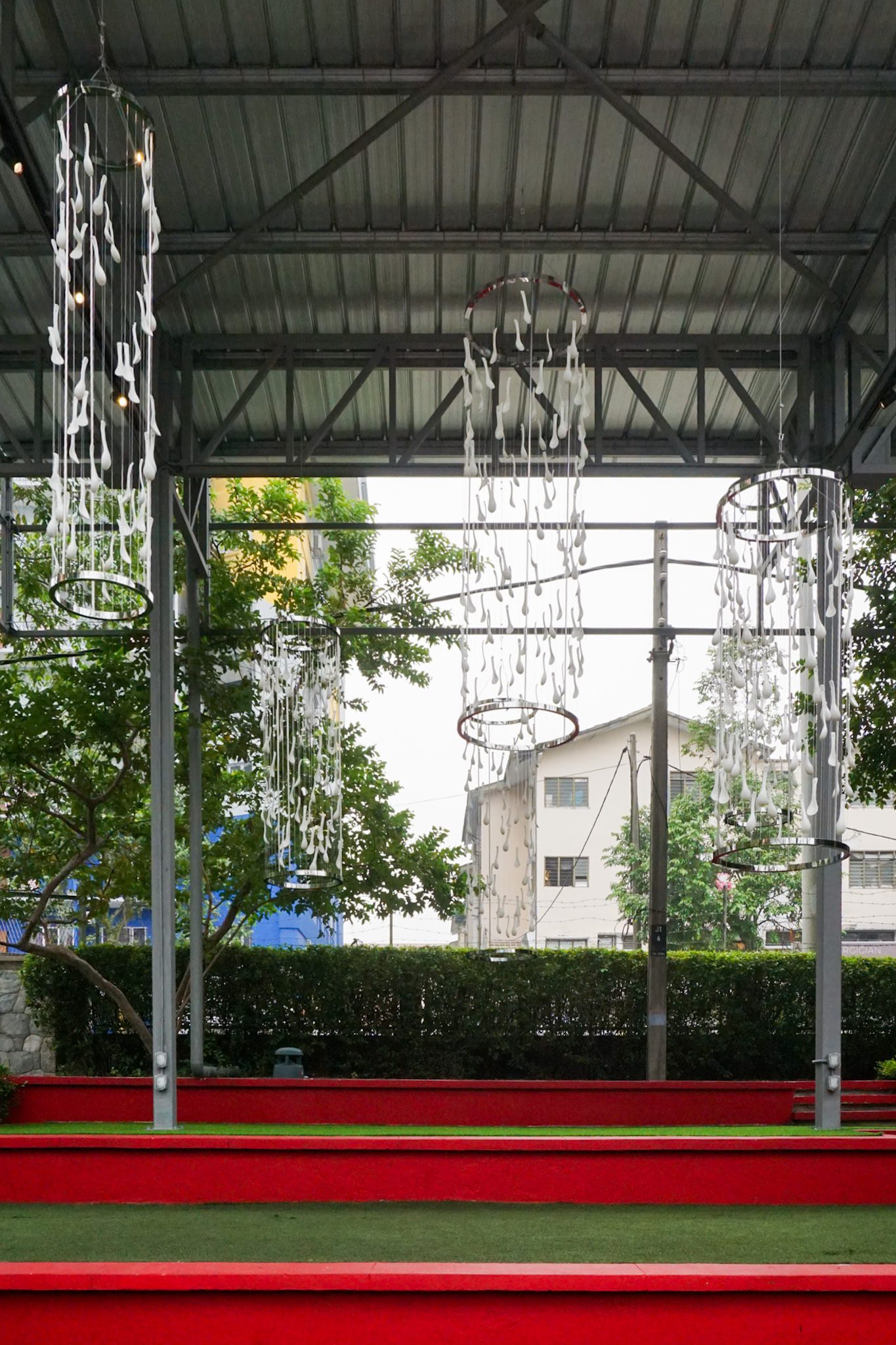
Discovery: What do we know? by Neoh Shin Yen
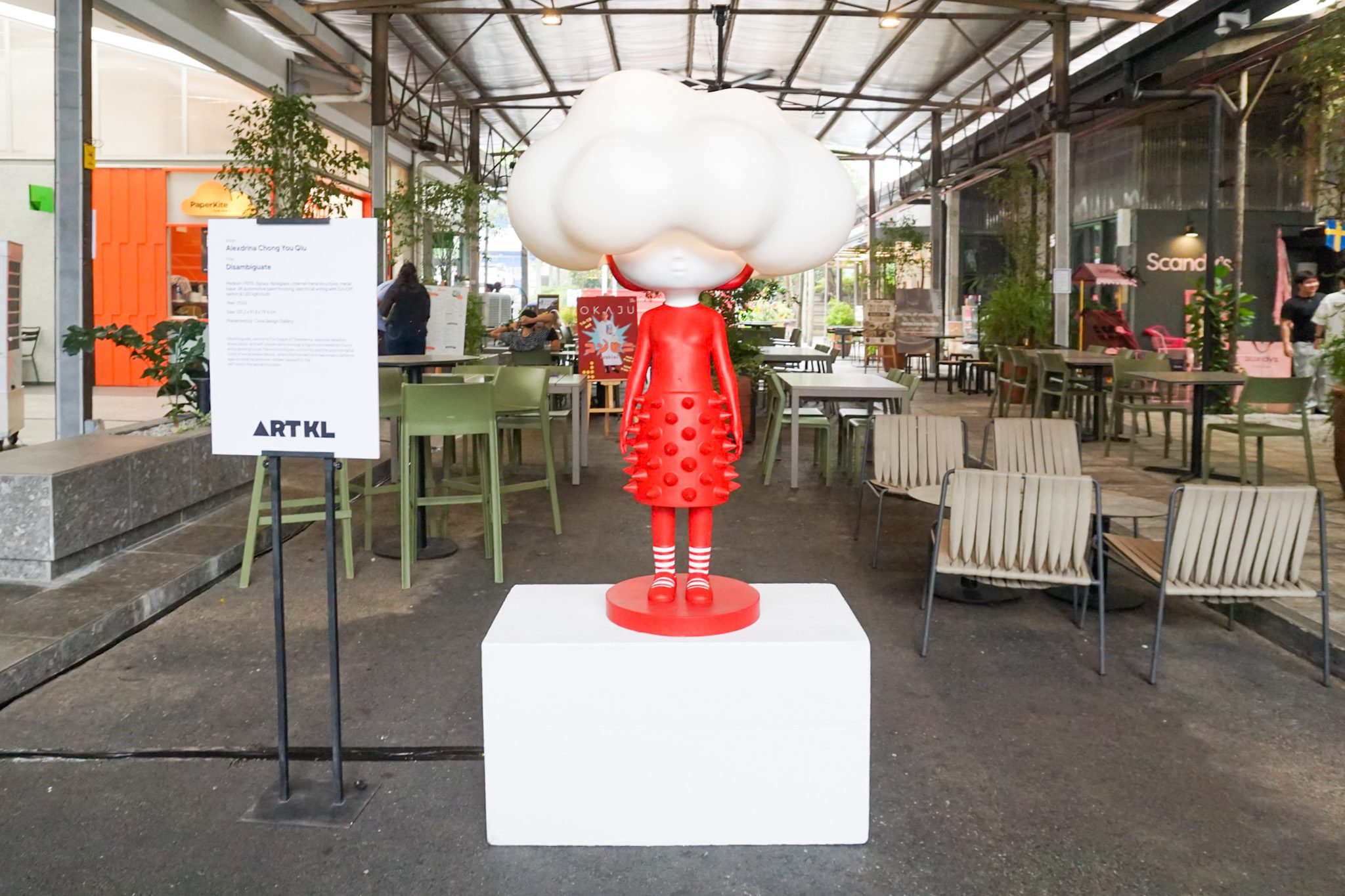 Discovery: Disambiguate by Alexdrina Chong You Qiu
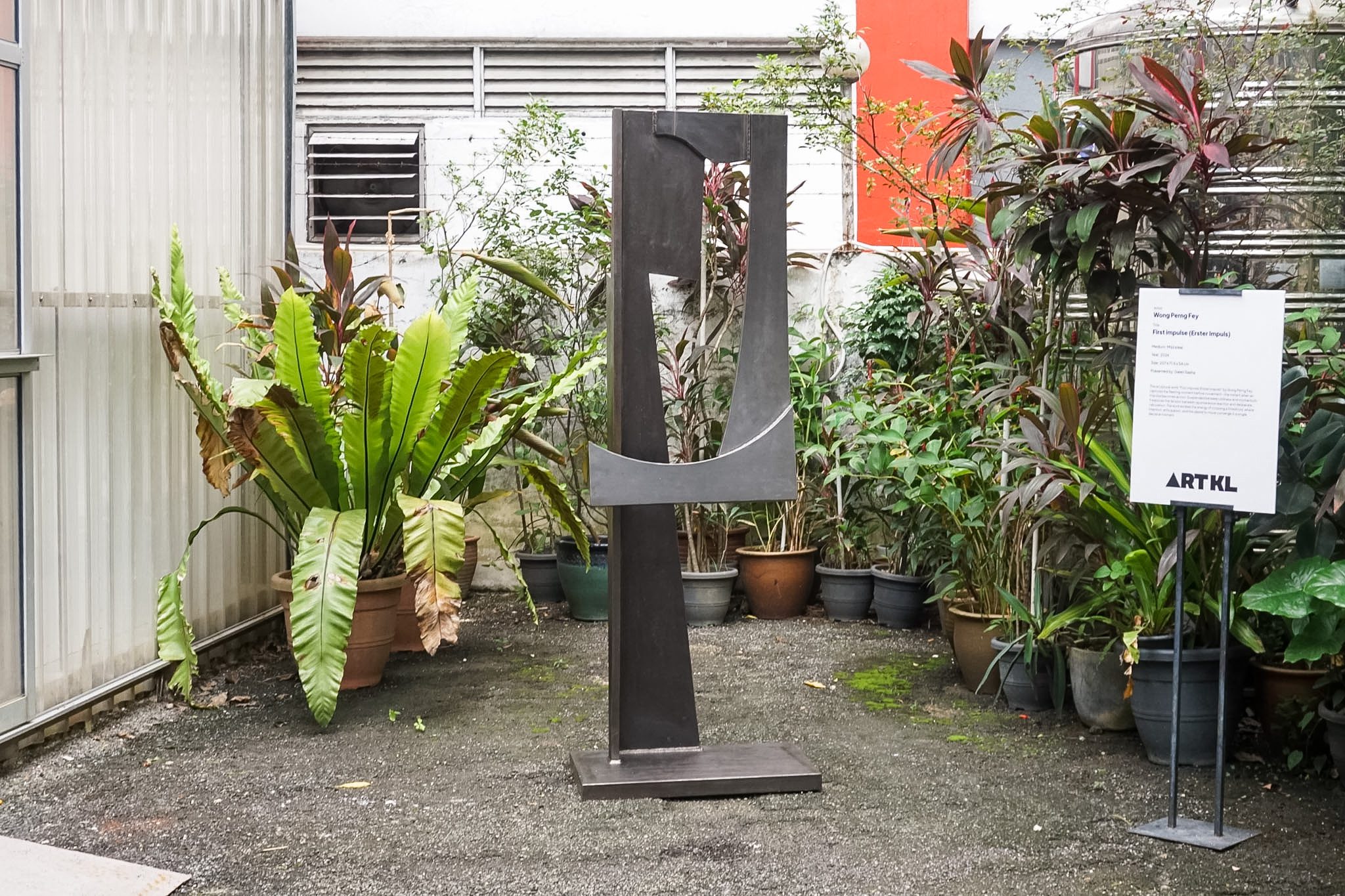
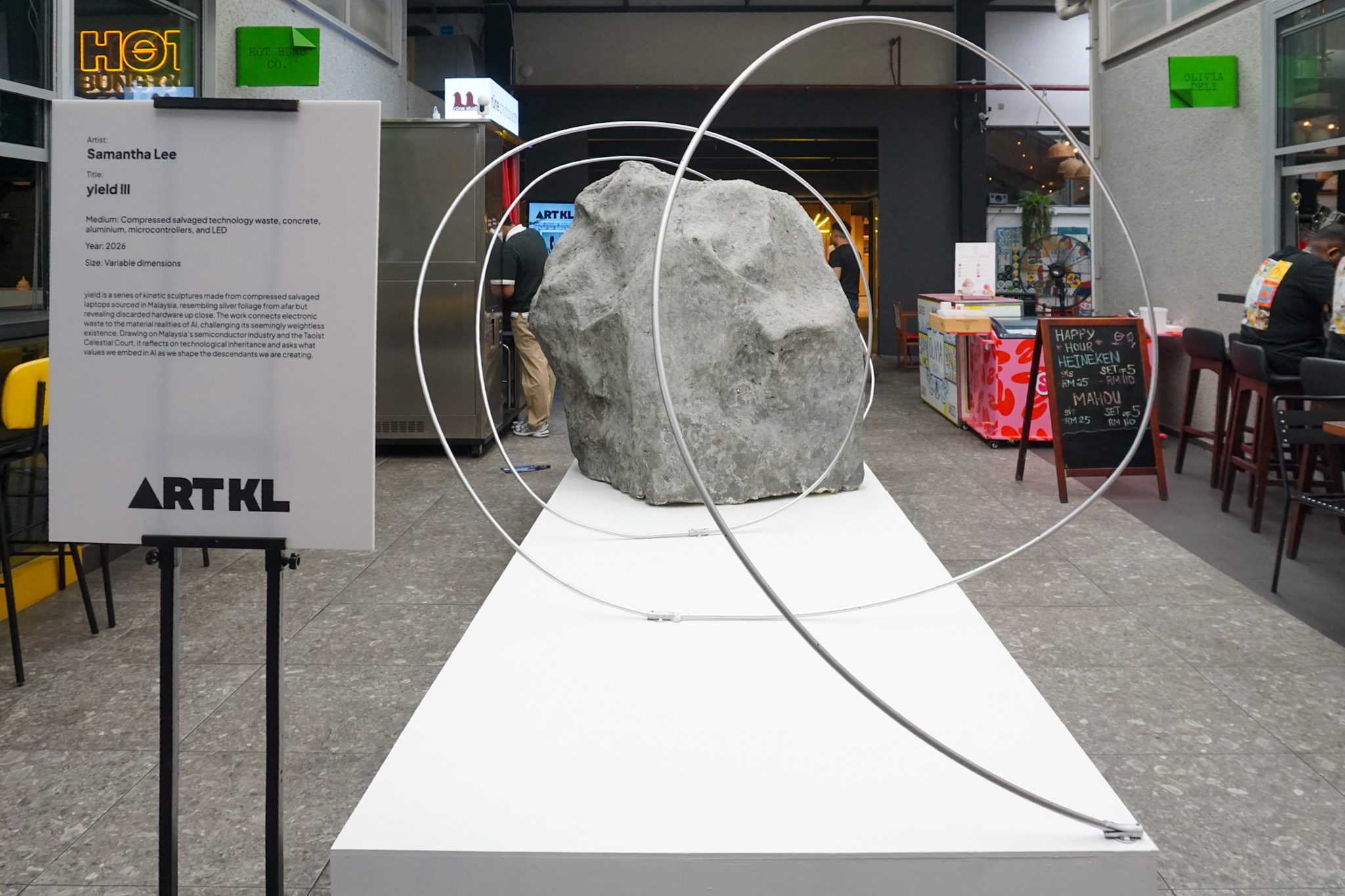
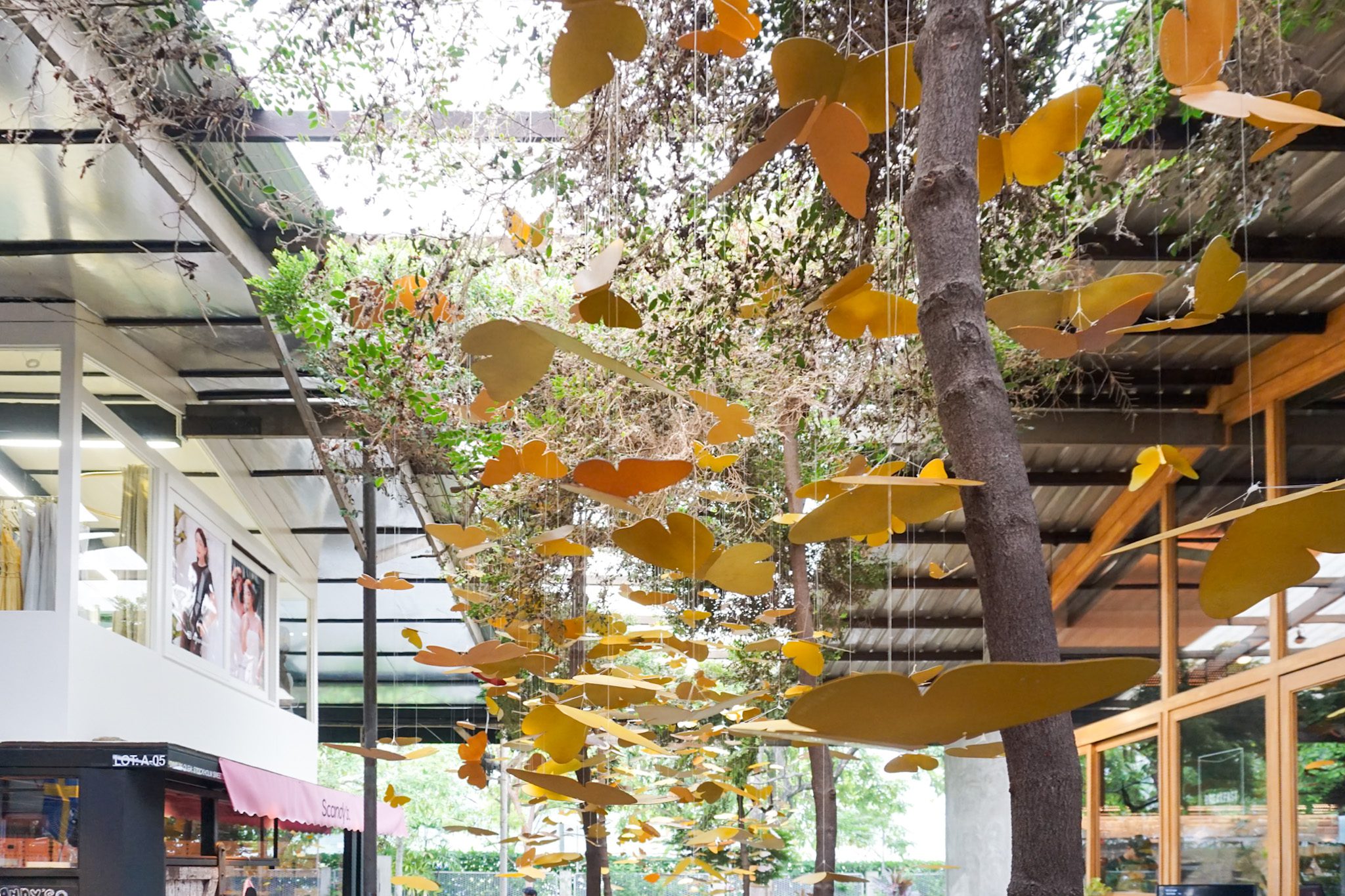
Discovery was, in fact, filled with many more critical sculptures and mixed-media works distributed throughout the venue. These ranged from sculptures made from recycled waste and electronic remains, questioning our technology-driven world and lifestyles, to symbolic installations addressing mental states and social frameworks, and sound works composed from everyday objects. Together, they intertwined with the surroundings and enriched the experience not only of ART KL visitors but also of those who had simply come to spend time at APW.
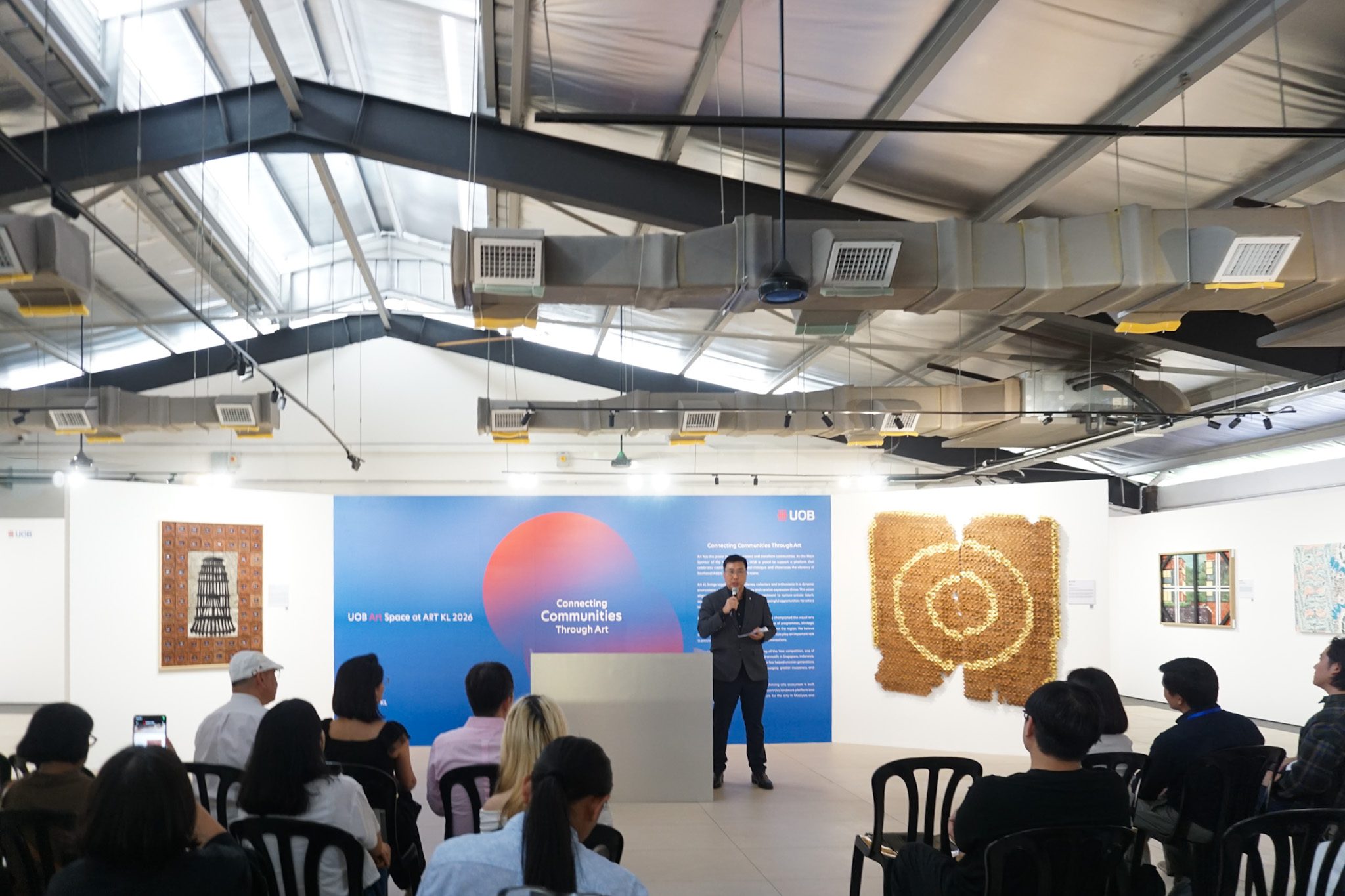
Completing the picture of ART KL was a parallel program of activities unfolding across the venue, reinforcing its identity as an open creative platform. UOB, the fair’s main sponsor, presented a special exhibition while reaffirming its long-standing commitment to support emerging artists. There were also art workshops for children and focused panel discussions that opened space for exchanges on the direction of contemporary art in Southeast Asia. The program concluded with a charity art auction, with all proceeds going directly to The Lighthouse Children’s Welfare Home, without any deductions.
The inaugural ART KL was therefore a modest yet memorable beginning. Seeing the work of young artists exhibited within APW’s former printing complex left us with the impression that Kuala Lumpur is emerging as another open platform for creative exchange—one ready to welcome new ideas and nurture the growth of the art ecosystem in the region we call home.
ART KL took place from October 15 to 18, 2026, at A Place Where (APW) in Bangsar, Kuala Lumpur, Malaysia.