
ART JAKARTA 2026 BRINGS TOGETHER DIVERSE ARTISTIC EXPRESSIONS, INVITING AUDIENCES TO EXPLORE THE FREEDOM OF THOUGHT AND THE COURAGE OF ARTISTS IN ADDRESSING CONTEMPORARY ISSUES
TEXT: SARUNKORN ARTHAN
PHOTO: SARUNKORN ARTHAN EXCEPT AS NOTED
(For Thai, press here)
If the red of the Indonesian flag represents human courage and freedom, perhaps the red that appears in the key visual of Art Jakarta 2026 carries a similar message:
‘Freedom and courage (that do not infringe upon the rights of others).’
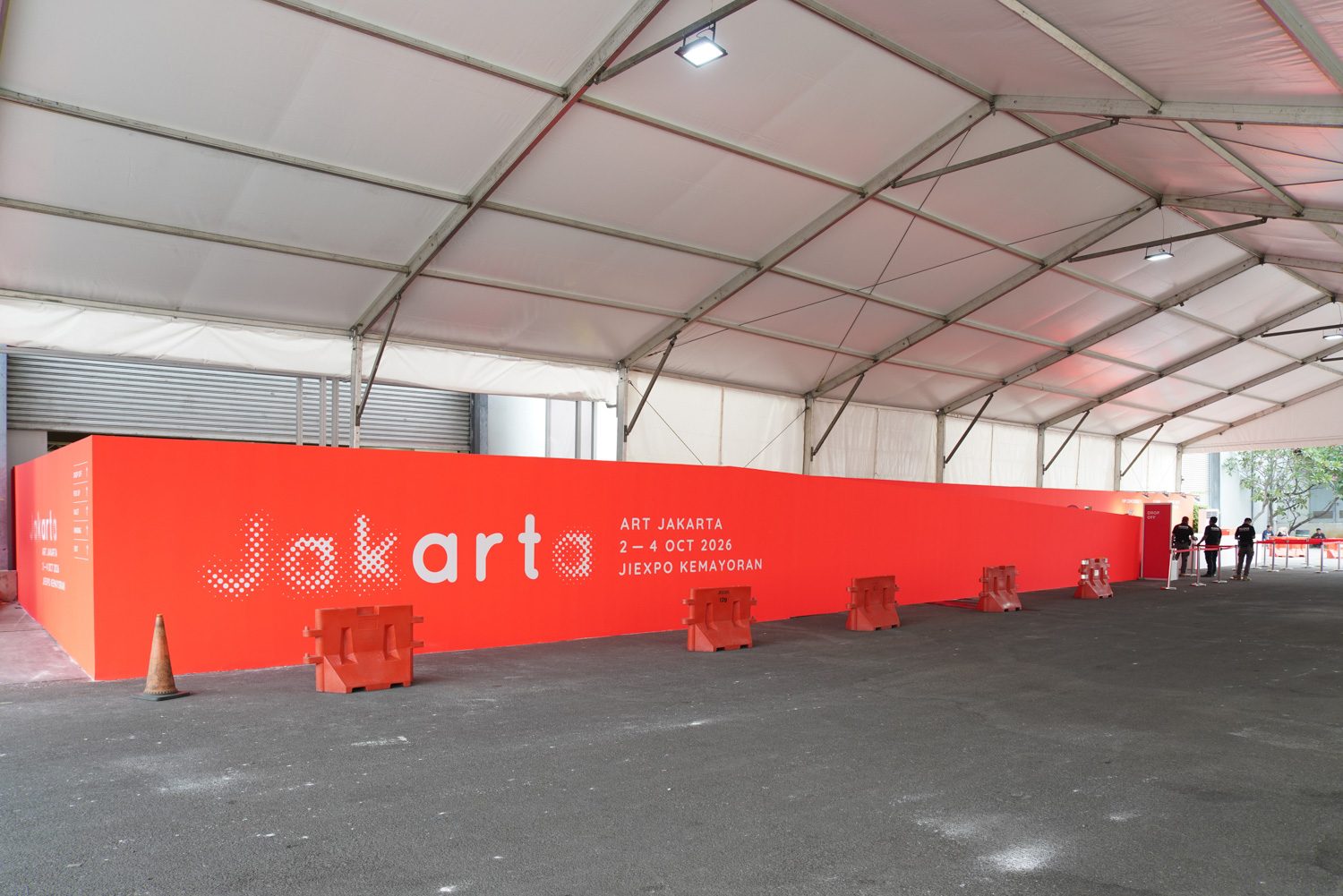 Photo courtesy of Art Jakarta
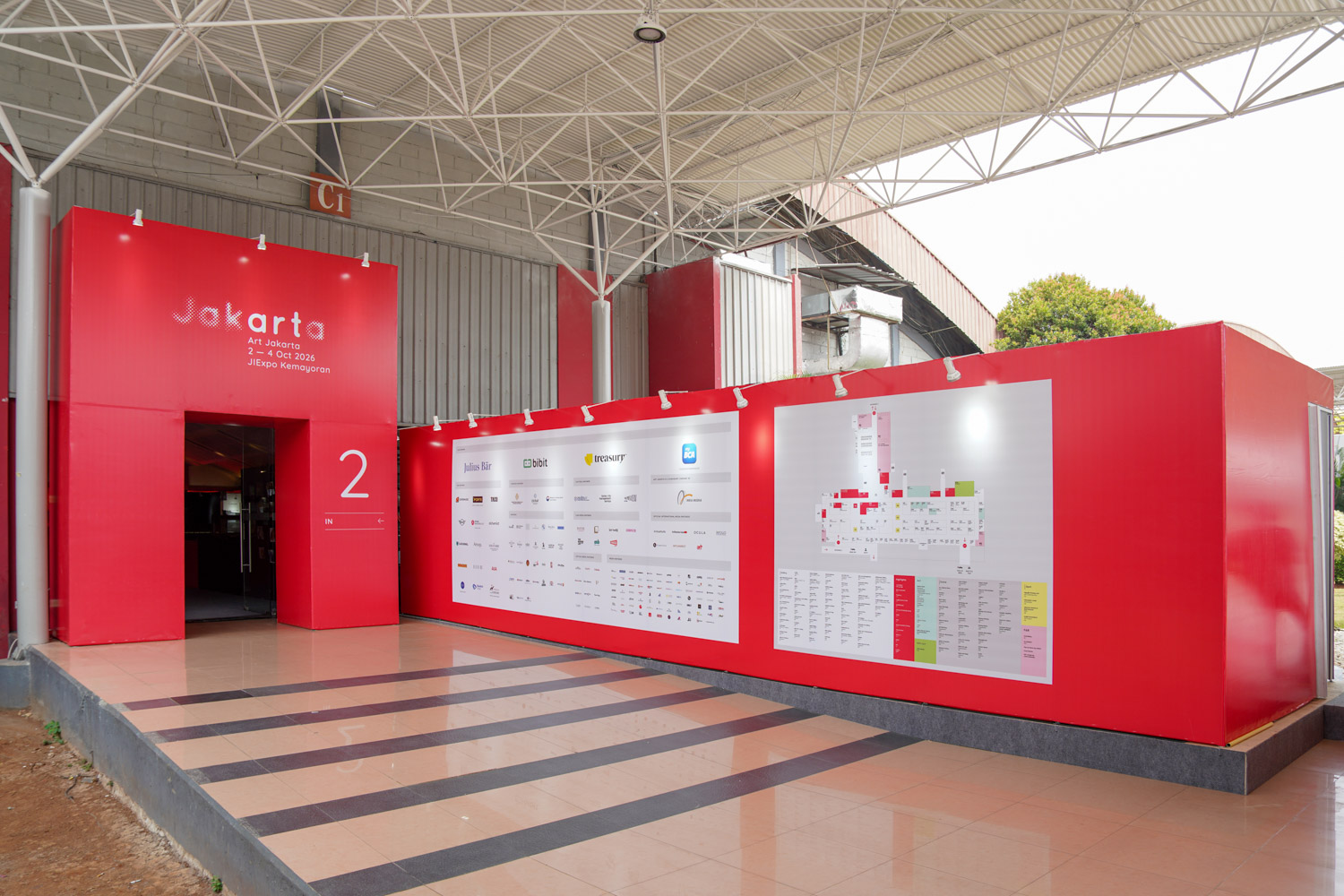
To put it bluntly, the belief that art must serve a purpose has remained deeply embedded in our collective consciousness over the past several years. So has our skepticism about the notion of ‘art for art’s sake.’ After all, even art celebrated for its exquisite beauty may end up adorning the walls of wealthy elites because money makes it possible. Does art not also serve the social and economic status of those who purchase it?
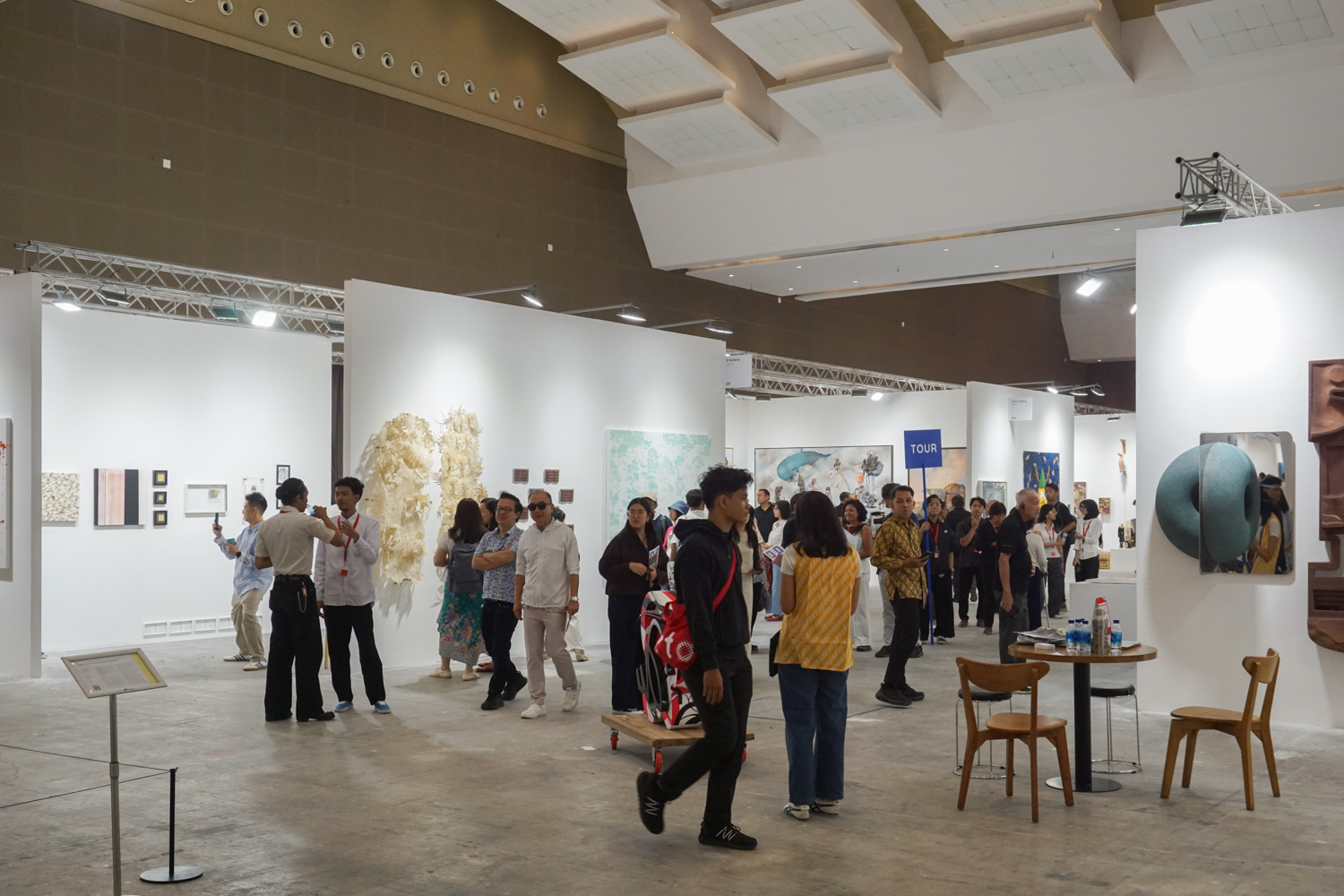
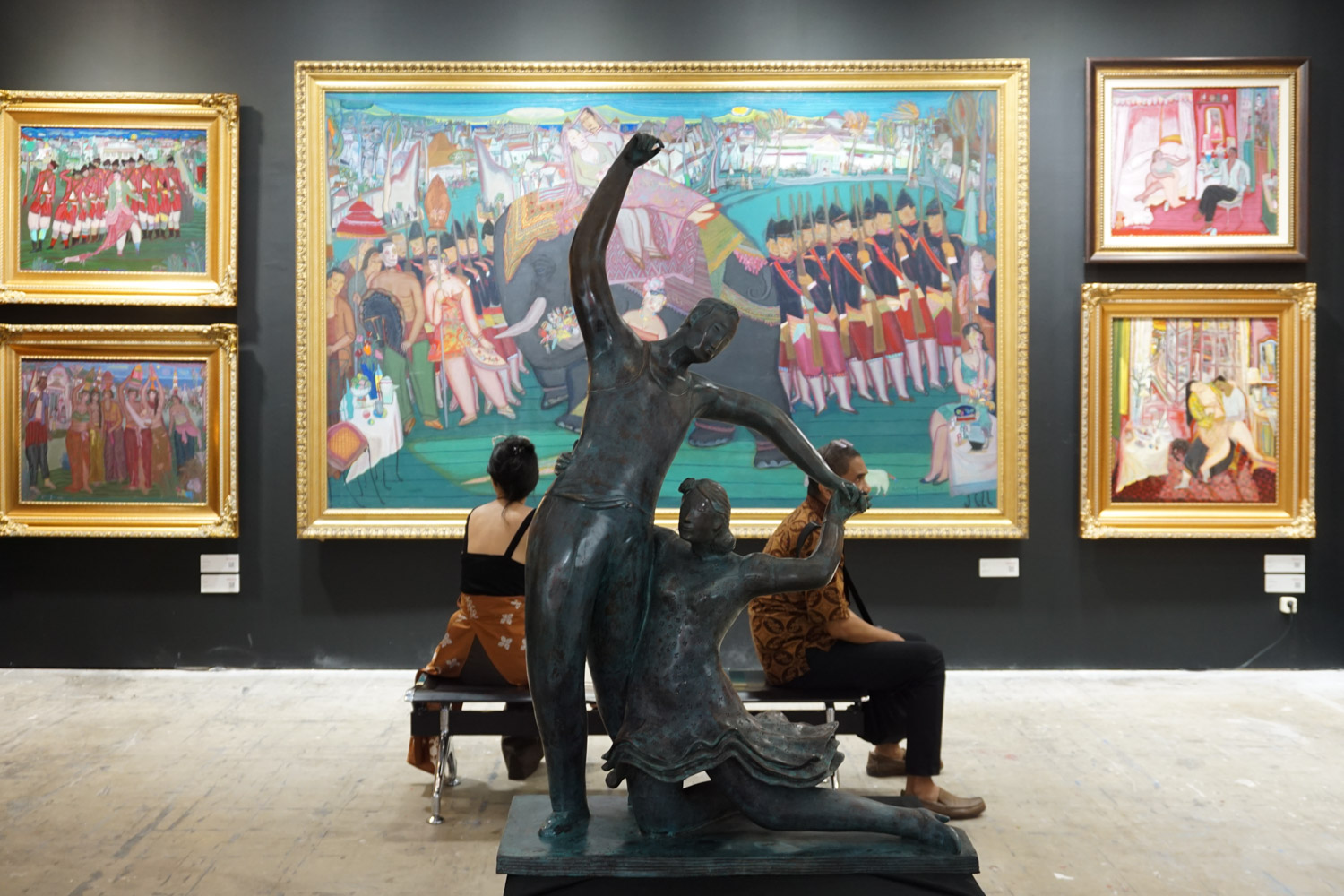
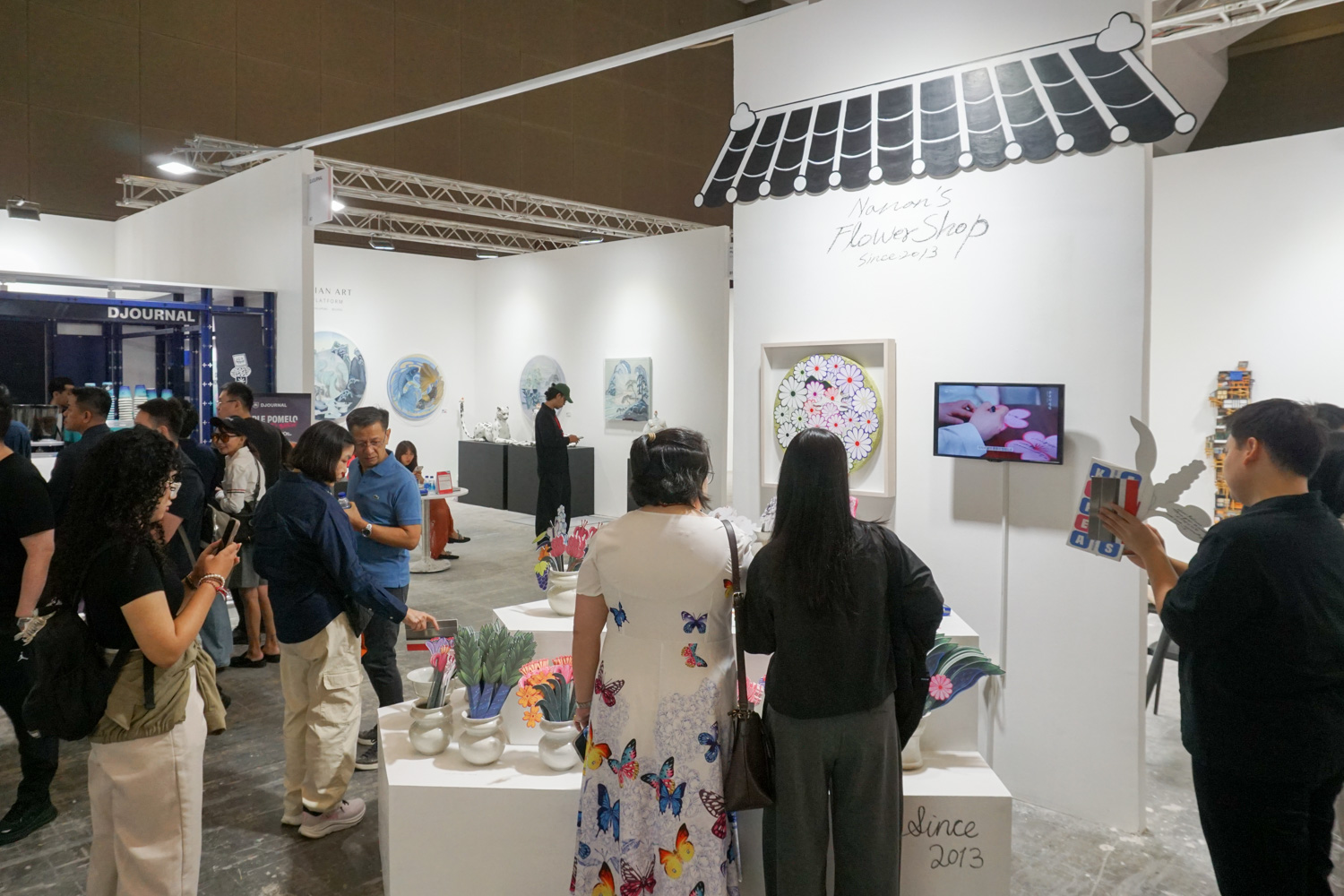
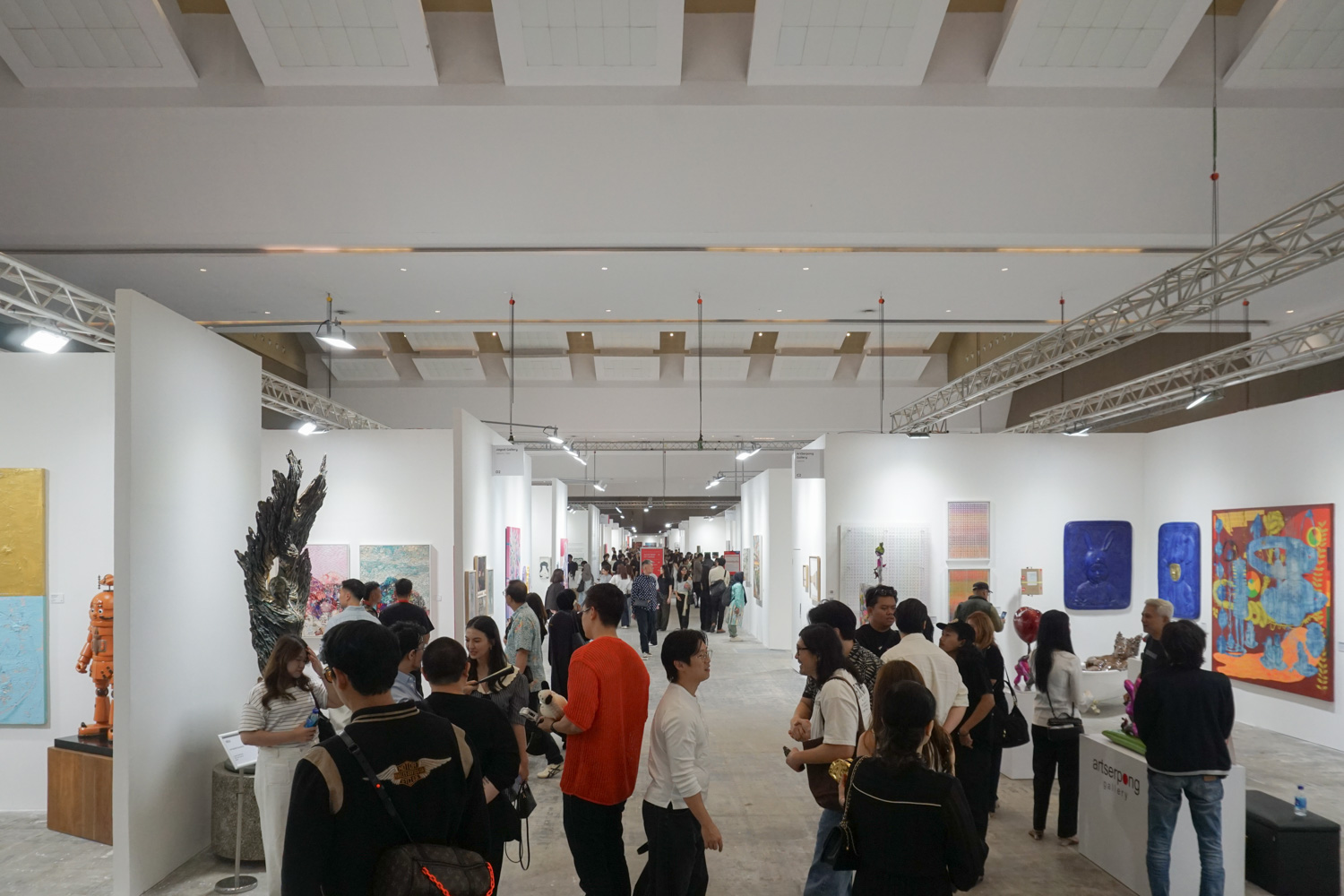
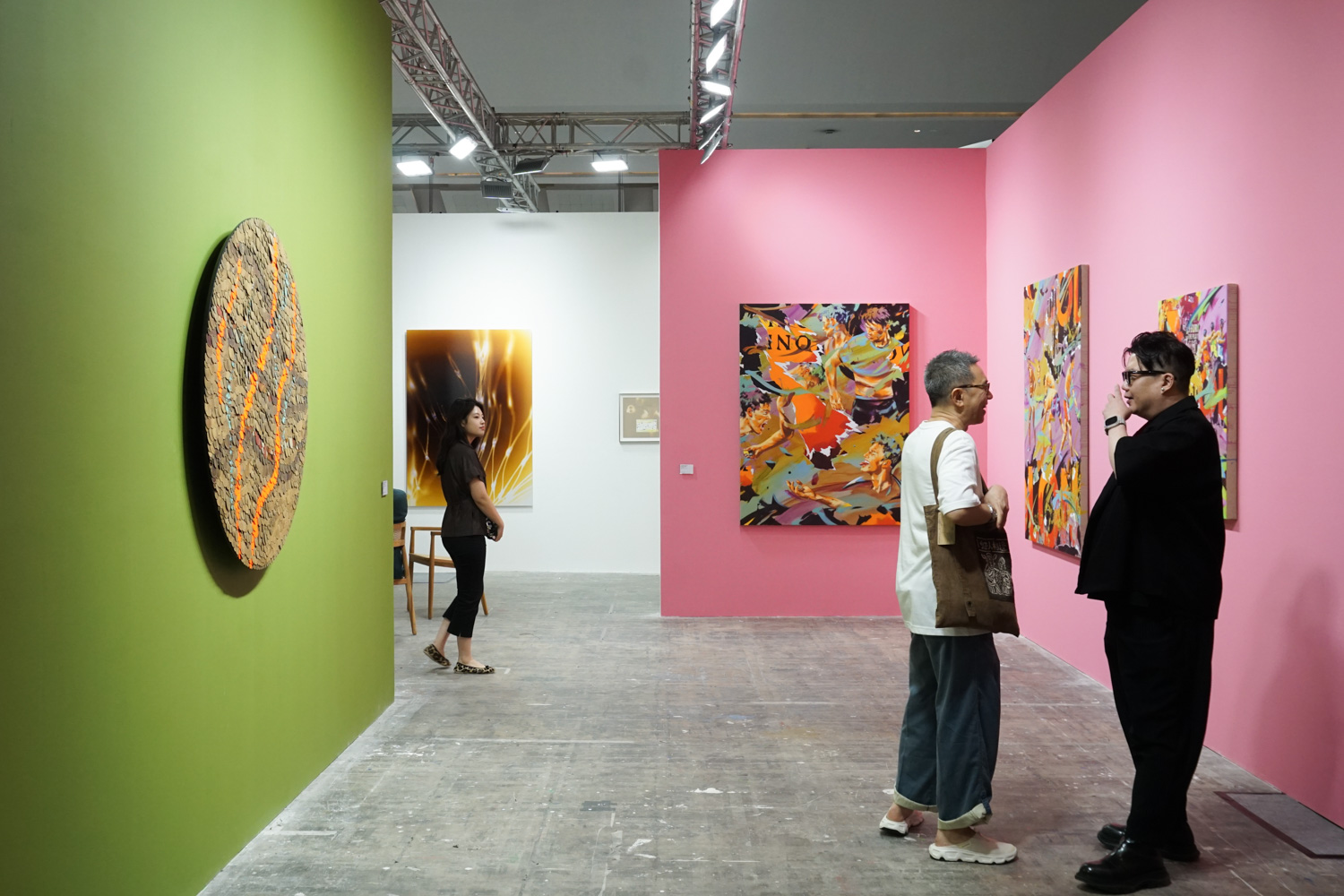
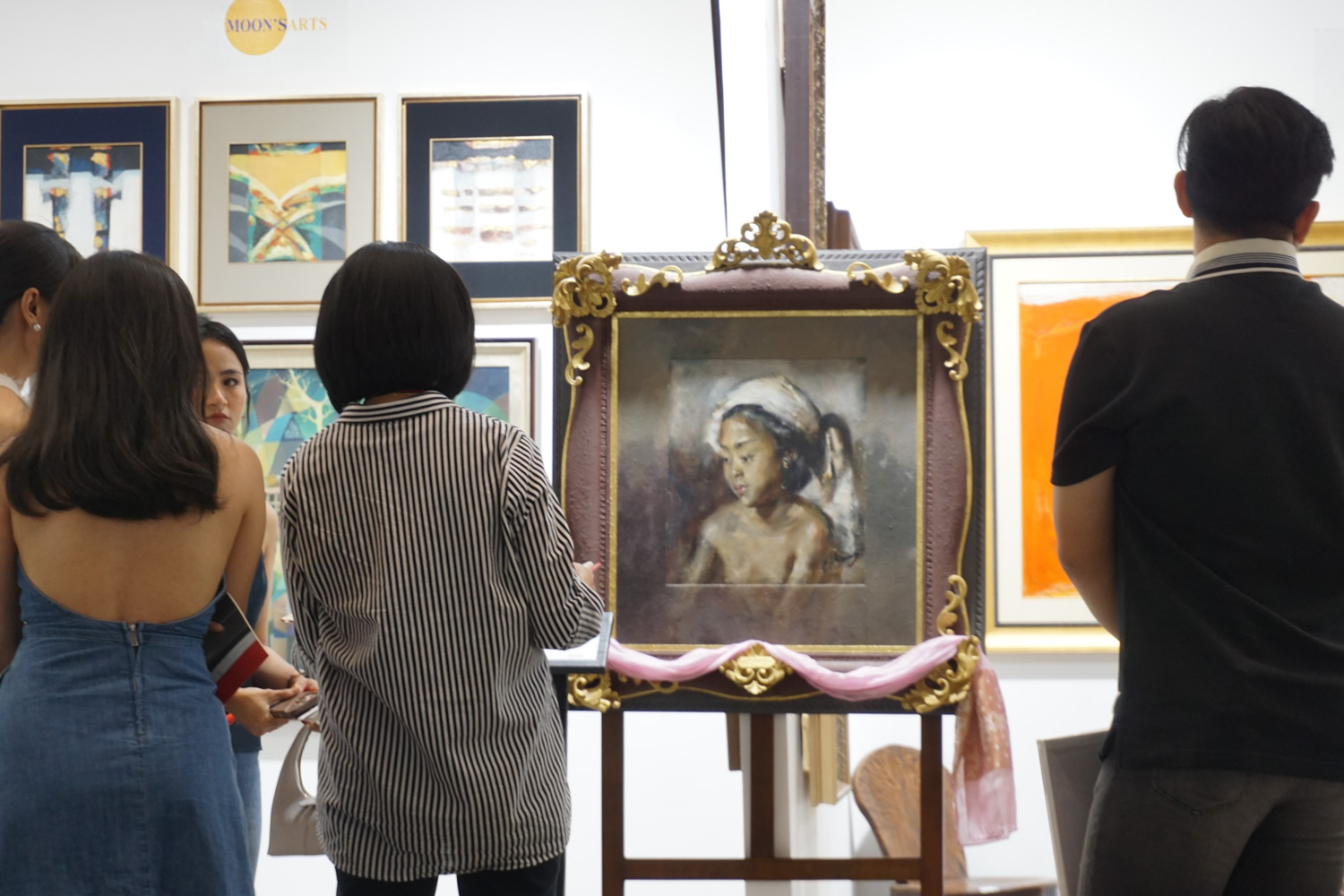
To put it less directly, an art fair like Art Jakarta is precisely one of the mechanisms that keeps art in service of the economy. Art generates money, and money, in turn, generates ‘art.’ Over the years, Art Jakarta has performed this role remarkably well, like a valiant battalion that never lets up on the front lines of art capitalism. And so it goes: in a capitalist world where money reigns supreme, artists may well create art for art’s sake. But without transactions, an artist cannot sustain a career as an artist—only an inspired yet starving creator.
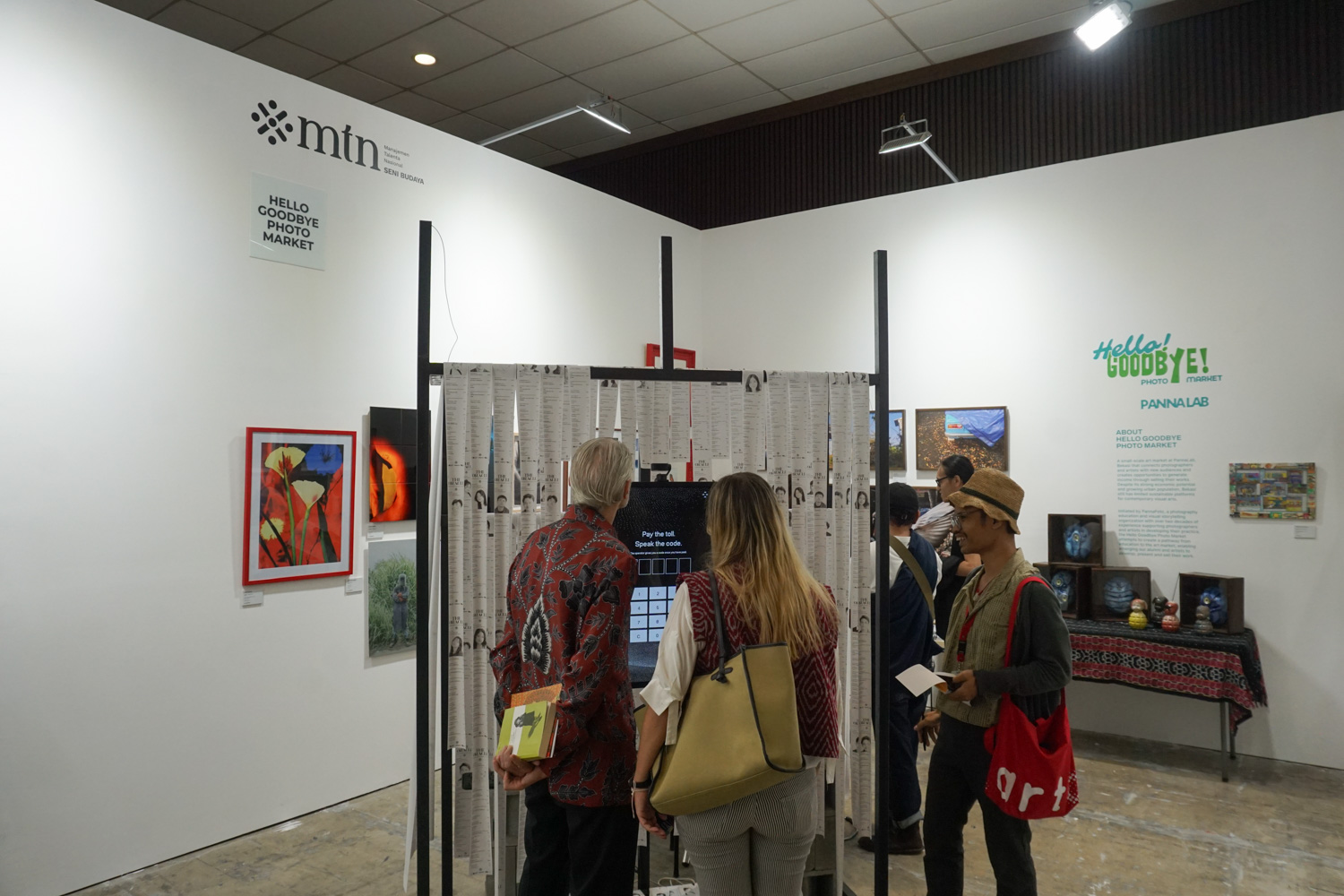
SCOPE
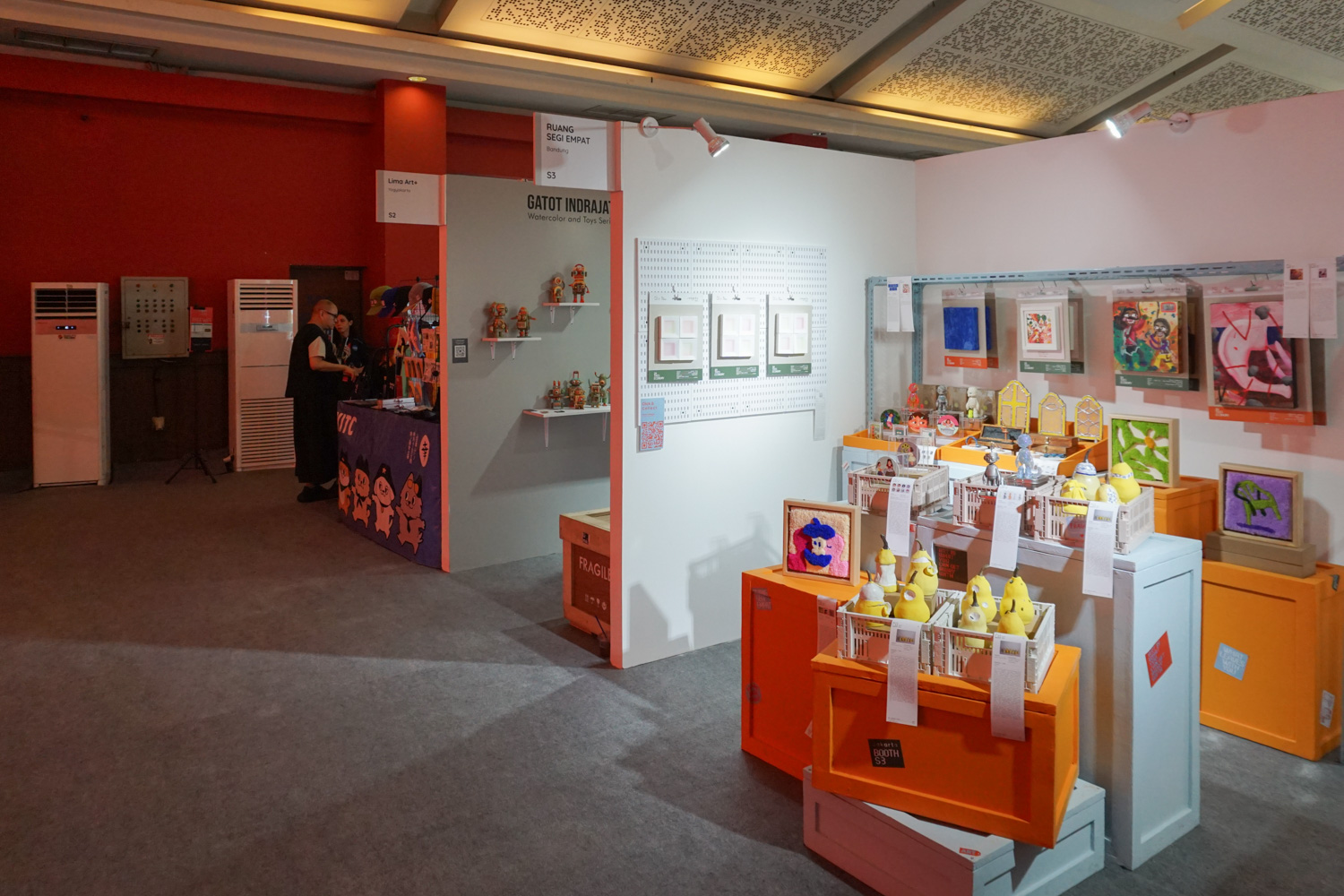
SCENE
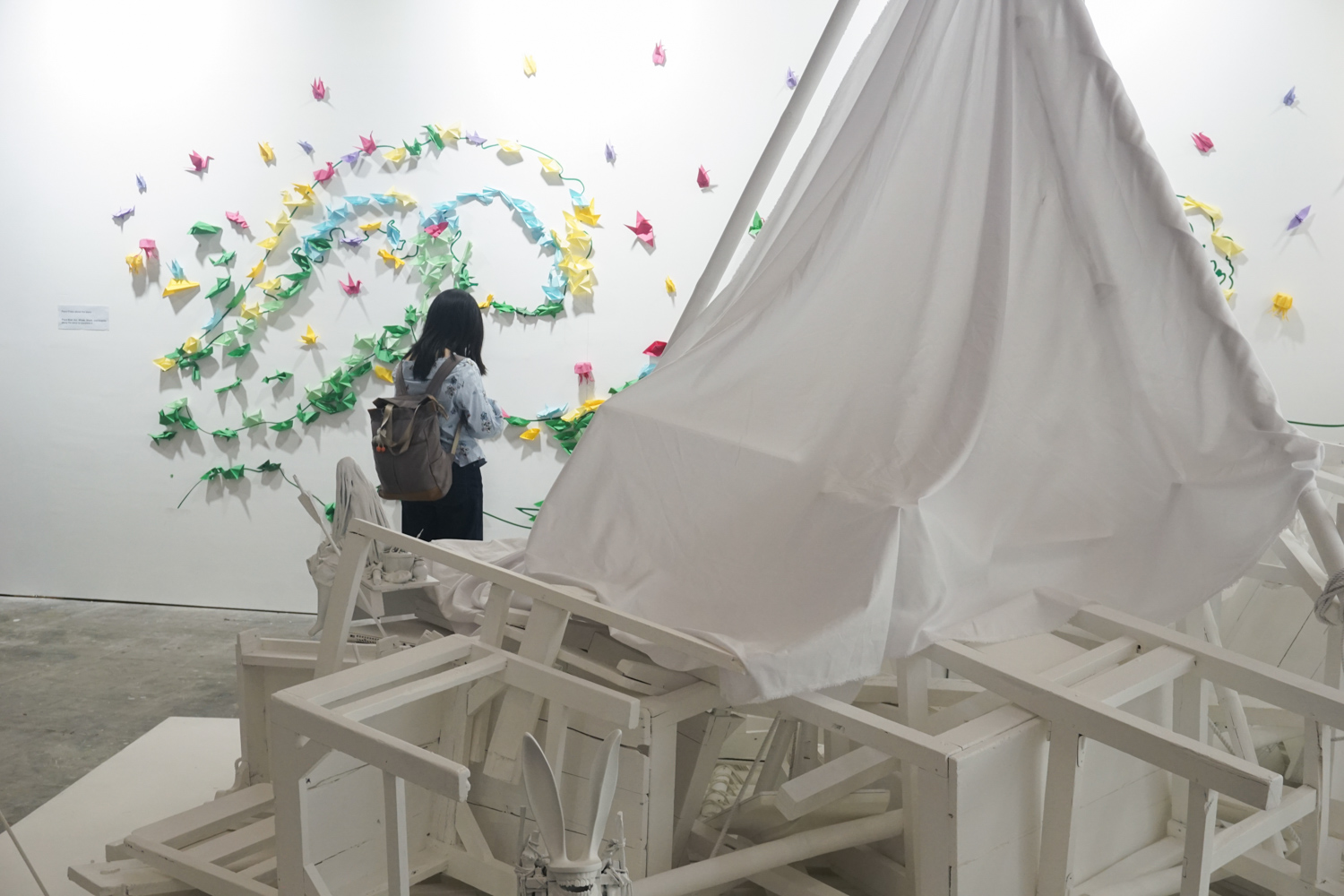
Lost at Sea, presented by Bibit & Stockbit, in collaboration with Endry Pragusta.
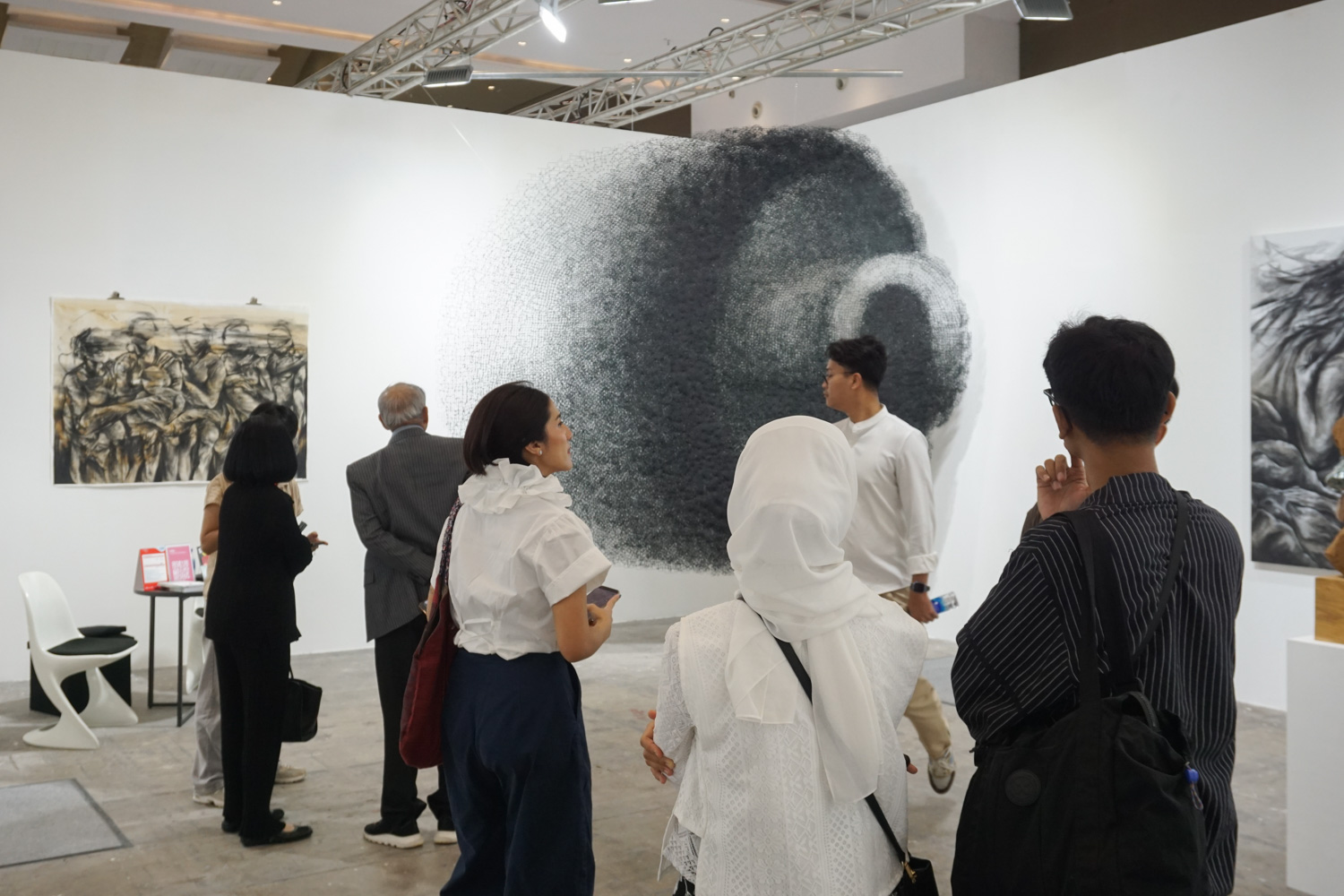
The 2026 edition of Art Jakarta once again brought together a diverse range of players in the art world, from galleries and art institutions to artist collectives, state-supported cultural collaborations, and art fairs representing different regions of Indonesia, each with a strong identity of its own. Together, they compellingly reaffirmed Art Jakarta’s position as a center and key pillar of the Southeast Asian art-fair landscape.
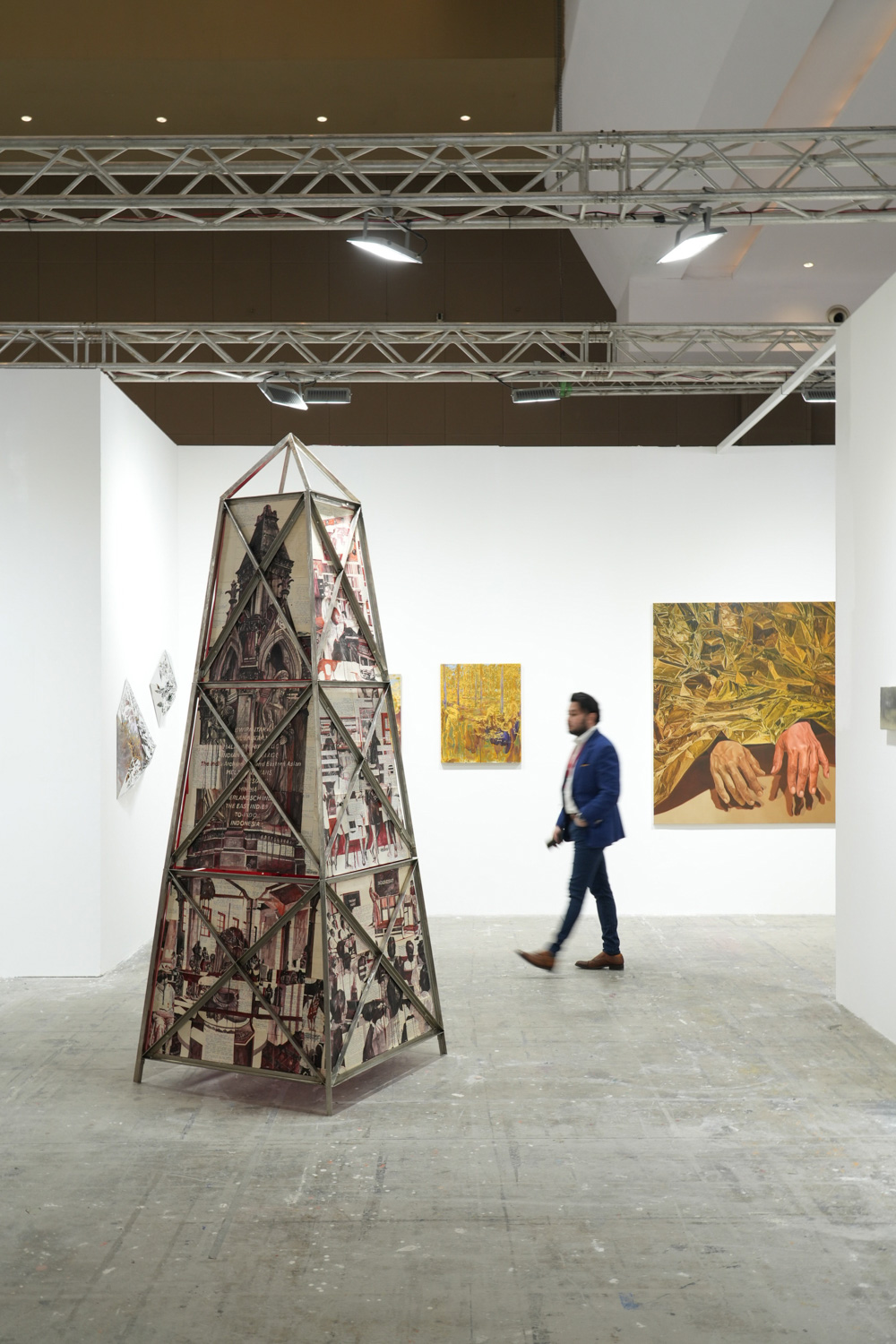
Photo courtesy of Art Jakarta
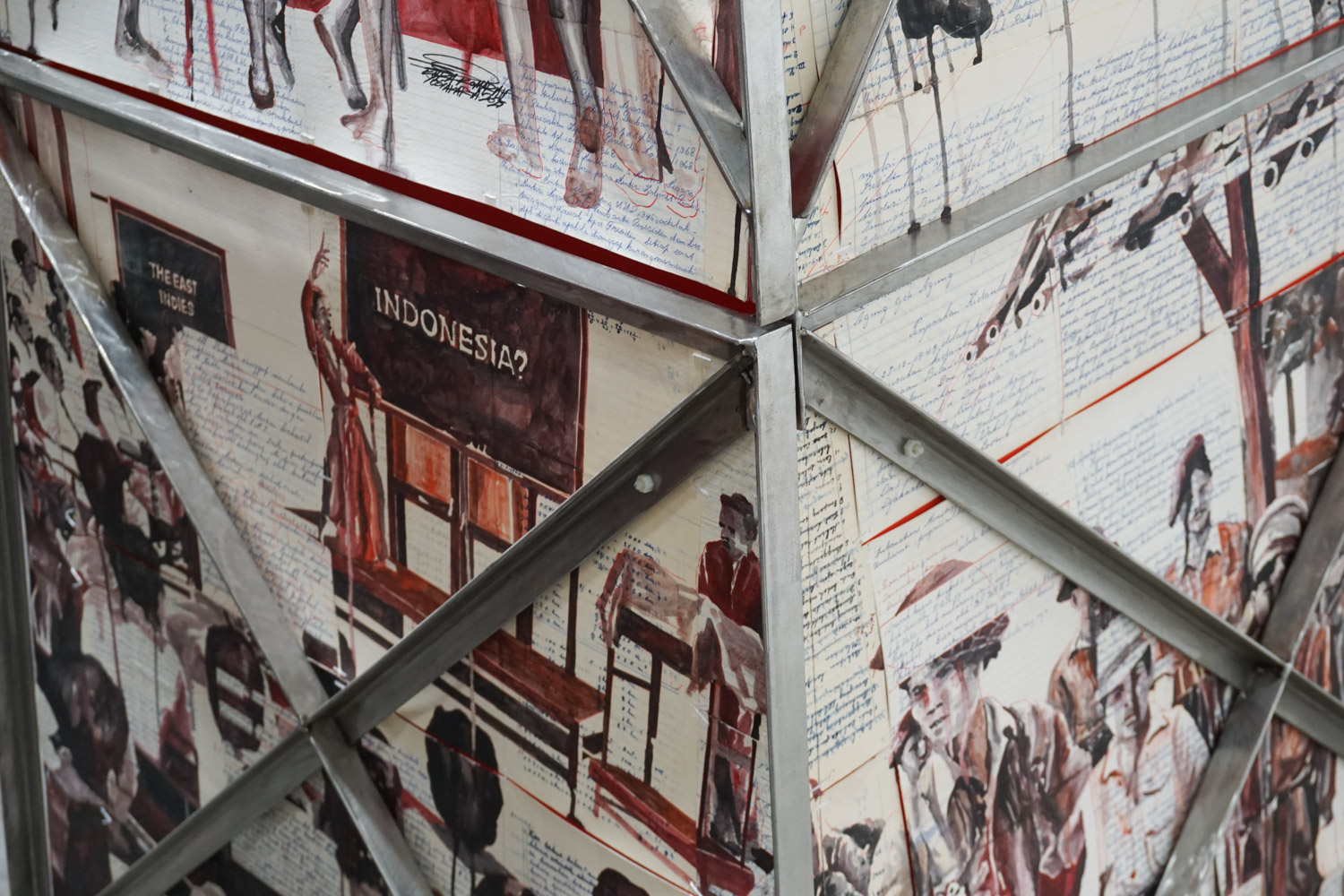
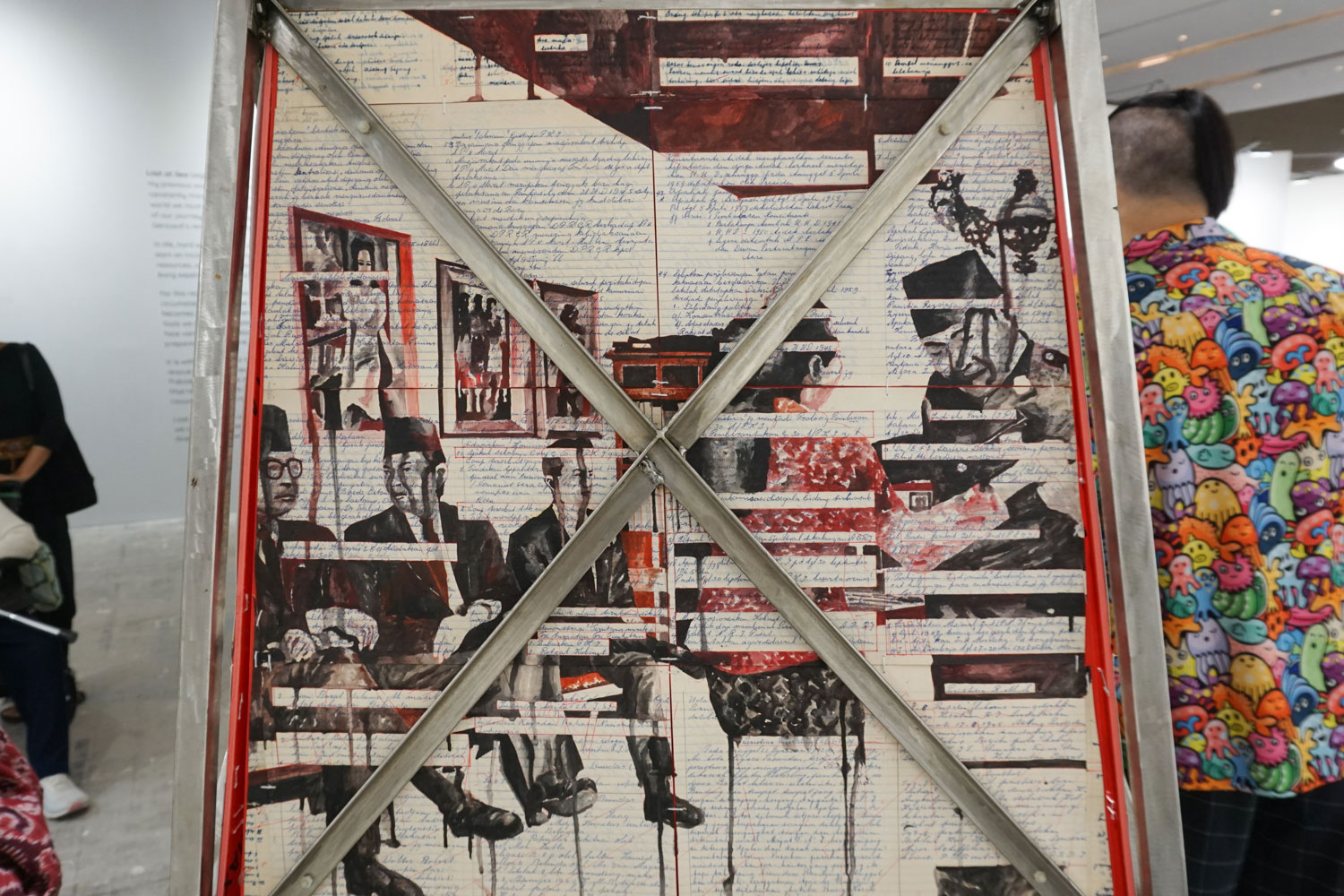
The fair welcomed galleries from numerous countries, with Indonesian galleries accounting for more than half of the participants alongside 33 international galleries. Together, they presented established and emerging artists working across a wide variety of media and ideas—demonstrating, in turn, the freedom with which these artists uphold their respective positions. One example was a mixed-media work by an artist presented by ara contemporary: an obelisk-shaped piece that directly depicts events leading up to and during Indonesia’s struggle for independence from Dutch colonial rule.
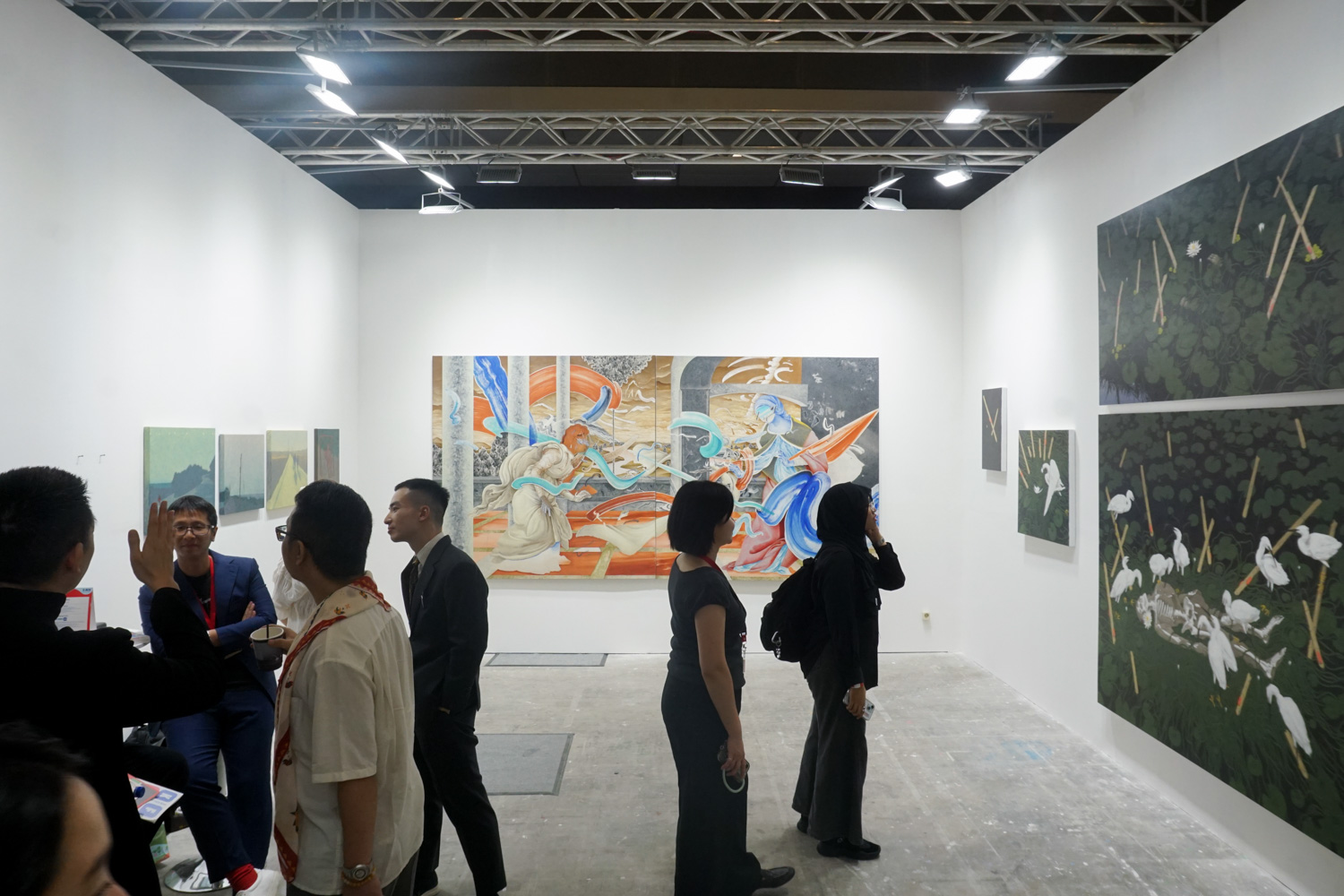
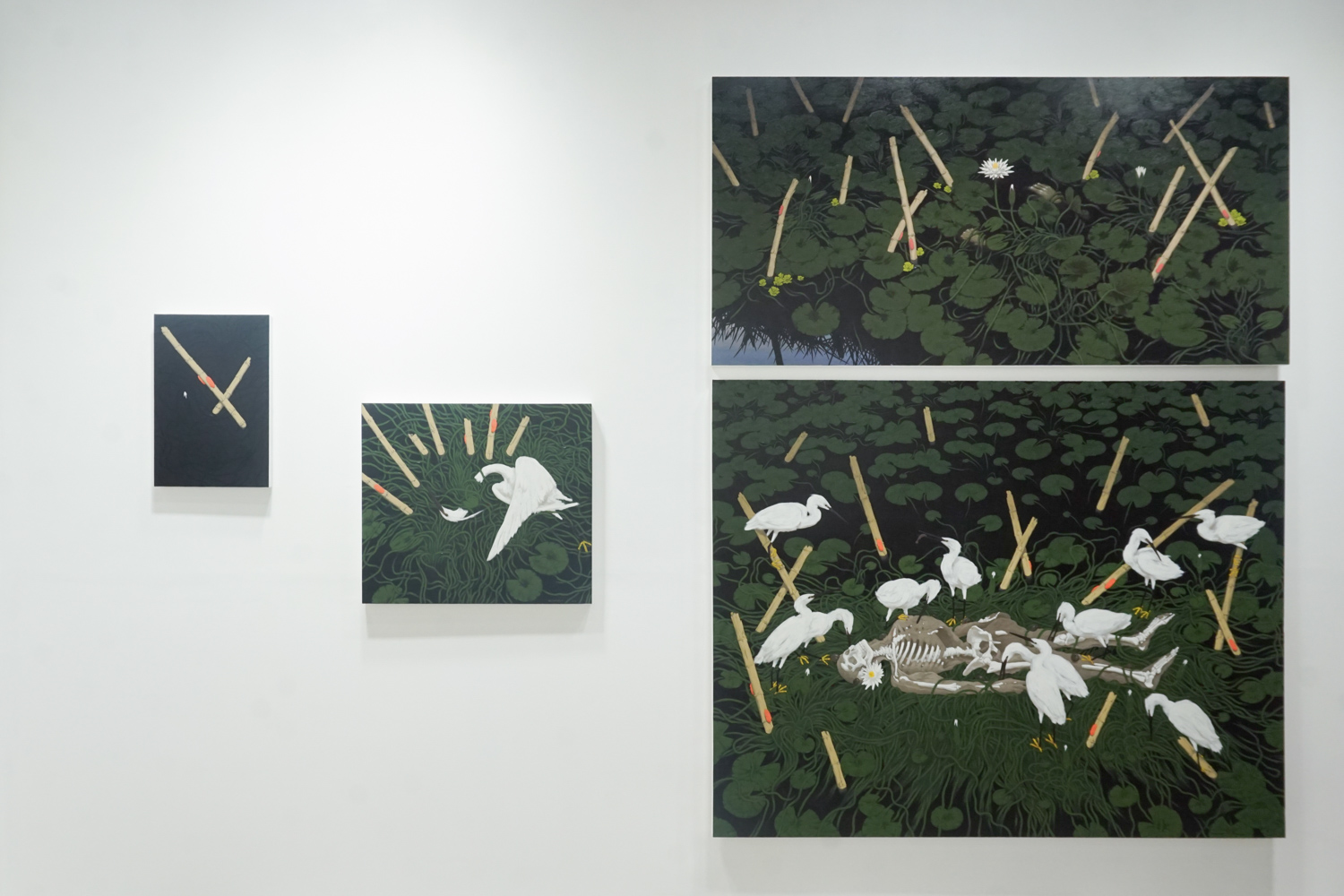
Thai artists also participated in this year’s Art Jakarta. Among them was Butsapasila Wanjing, whose works centered on a water lily pond were displayed at the booth of Taiwan’s Artemin Gallery. His After Monet series takes viewers back into childhood memories, revealing the tension between outward beauty and the darker fears that lurk beneath the water’s surface.
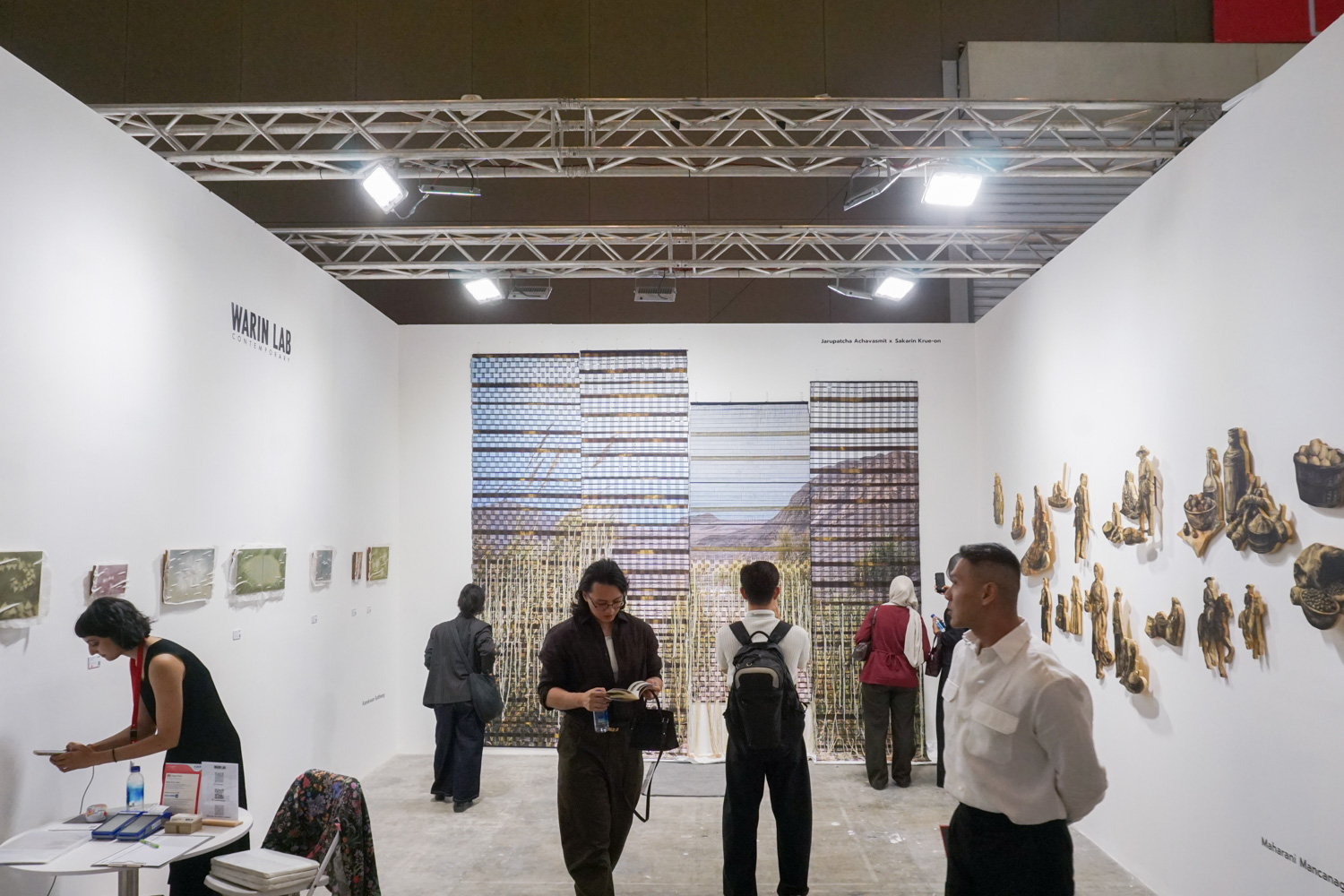
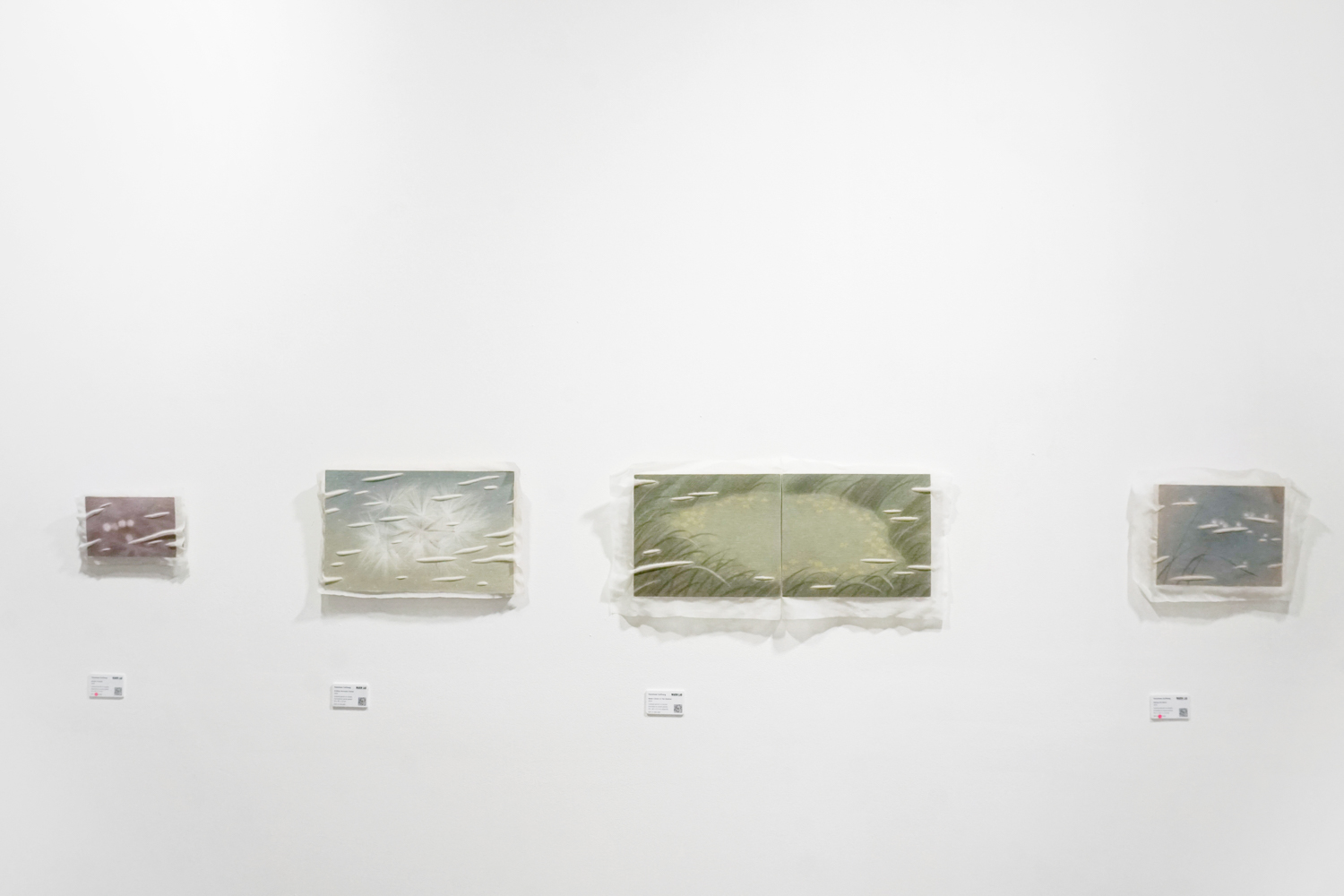
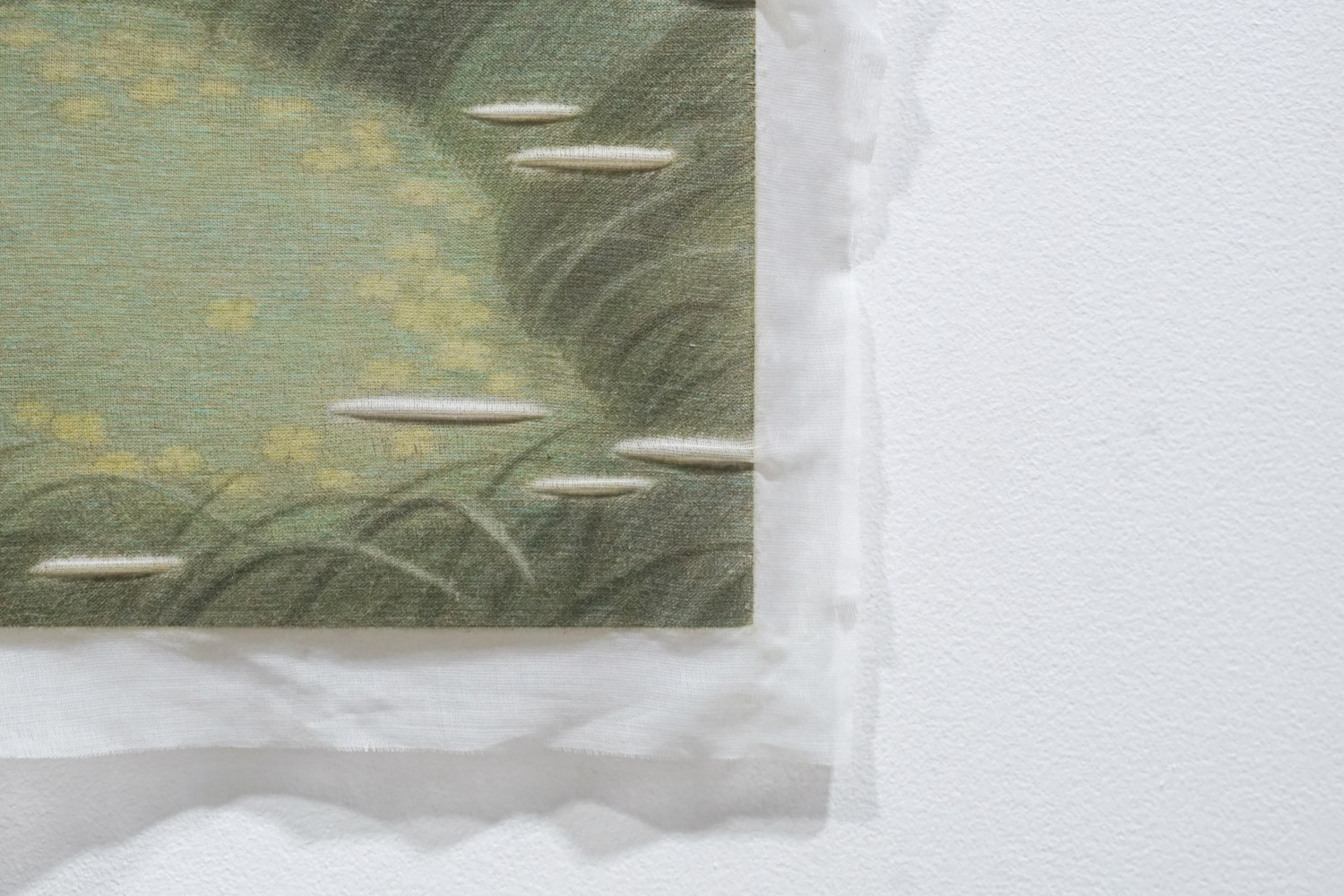
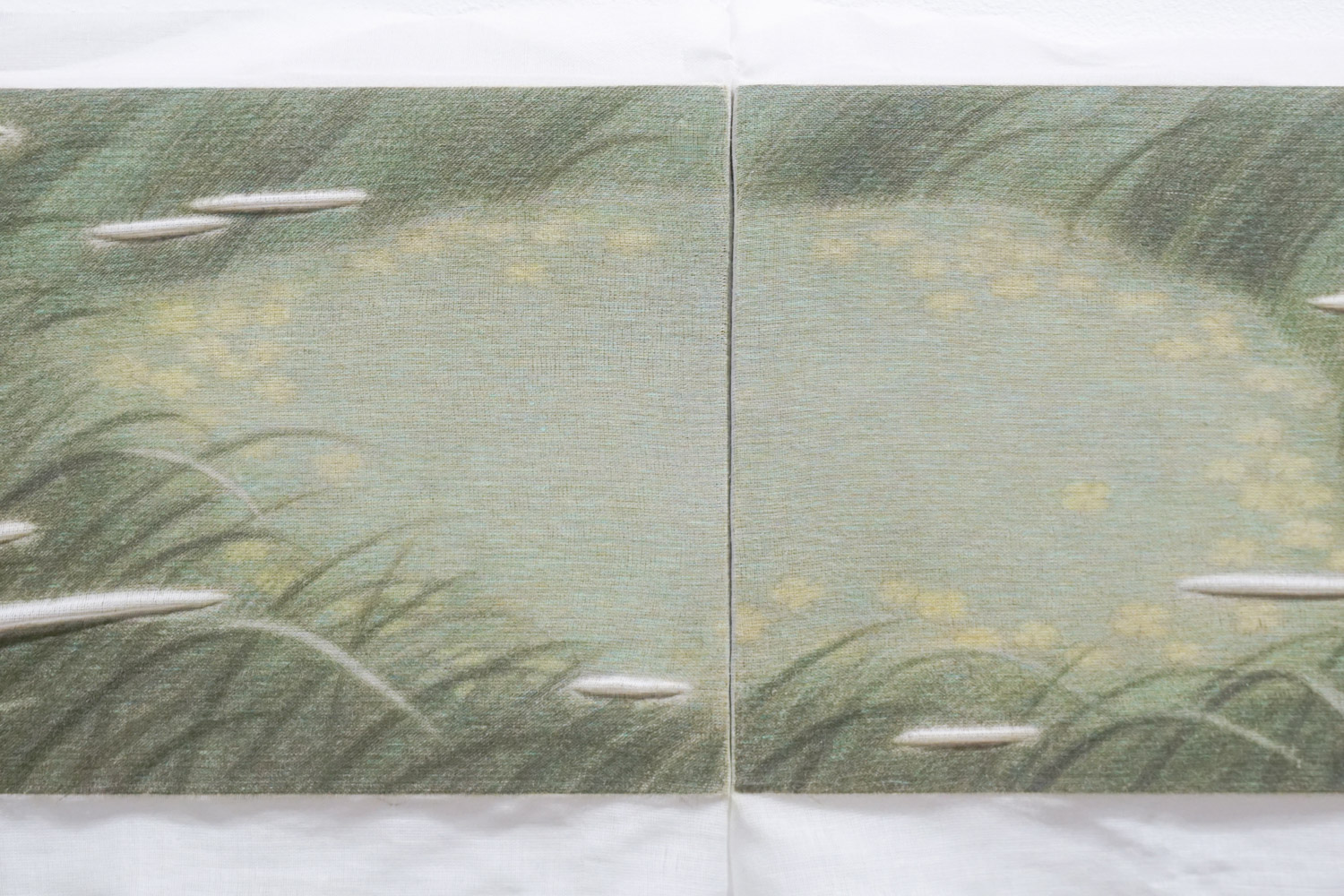
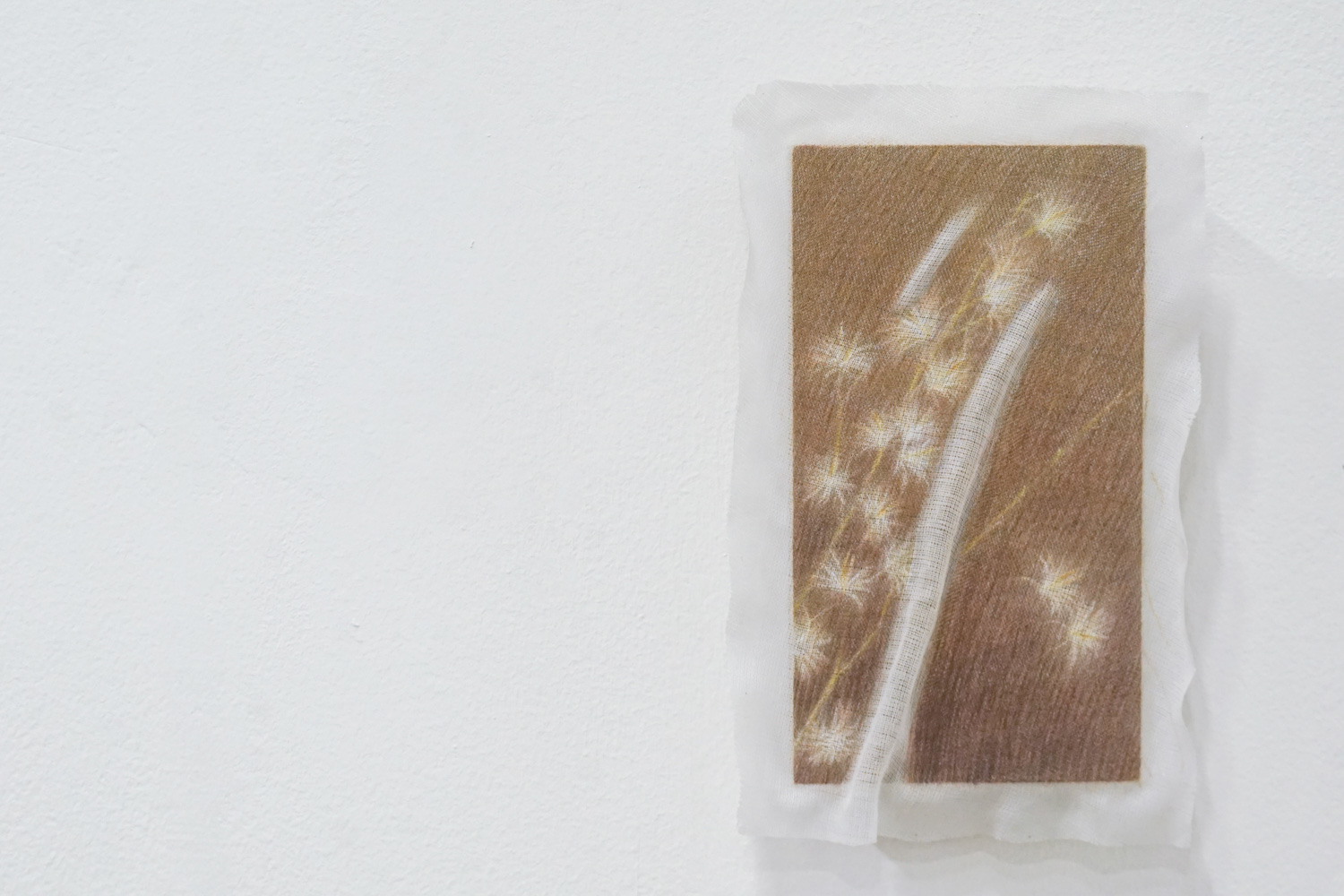
Another Thai gallery, Warin Lab Contemporary, prominently displayed Mutation, a collaborative work by Sakarin Krue-on and Jarupatcha Achavasmit, at the center of its booth, where it drew considerable attention. The gallery also presented works from Kanokwan Sutthang’s series of work. A selection of these bodies of work was previewed at the previous edition of Art Jakarta, but this time Kanokwan pushed her practice to focus more closely on the small plant life found in nature. Notably, on the fair’s first day—and during the VIP preview—collectors swiftly snapped up her works.
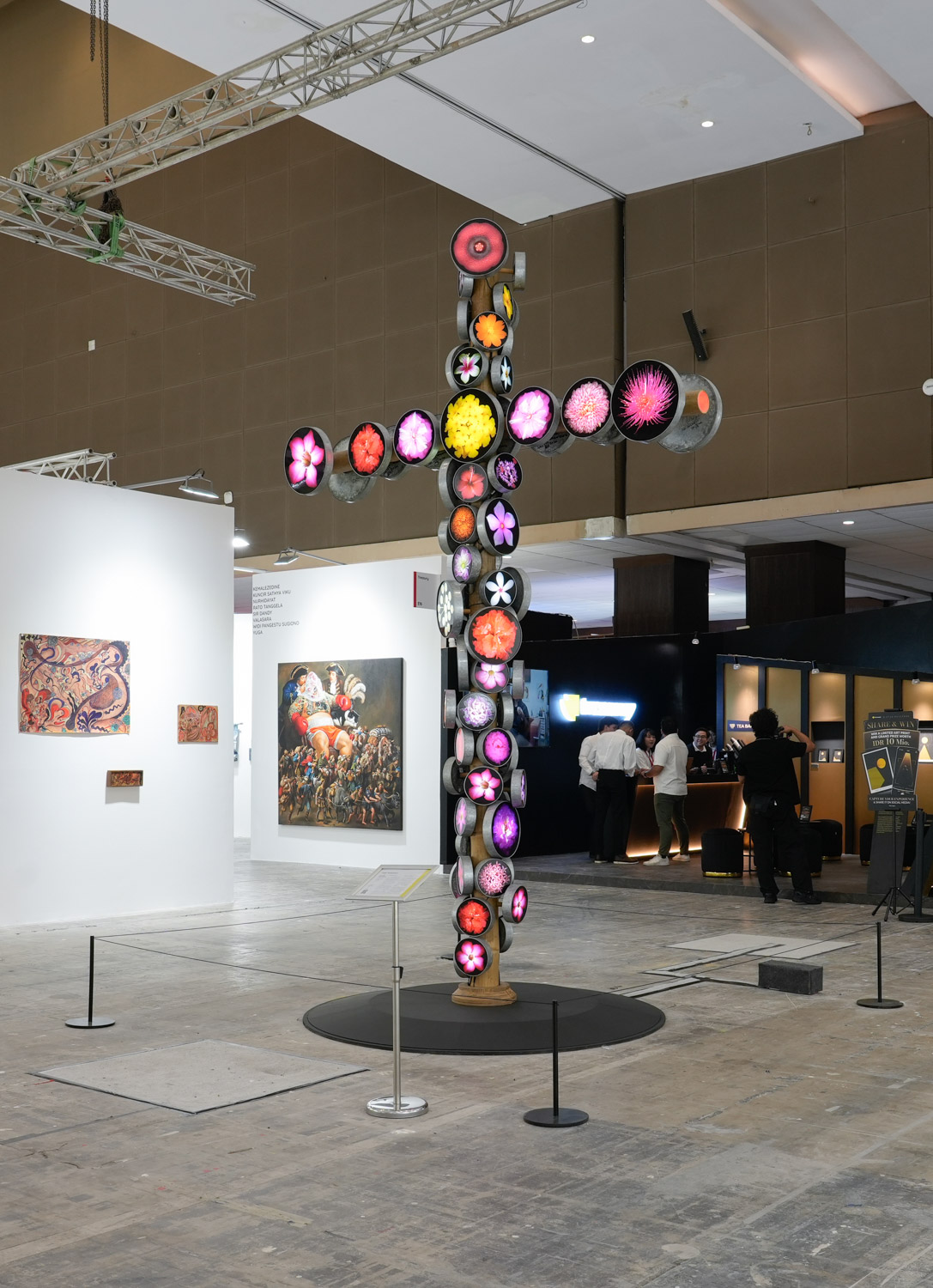
Photo courtesy of Art Jakarta
To be as honest and impartial as possible, every artist and every work at the fair demonstrated courage simply through the act of presenting itself. Yet one of the works we found most courageous—and most expressive of intellectual freedom—was displayed in the SPOT section by SAL Project: Berbunga-bunga: Tribute to Red Cross Movement in South Papua. The towering cross, said to reach five meters in height, was adorned with flowers meticulously crafted from photographs and dramatically illuminated, regularly drawing crowds who gathered around it.
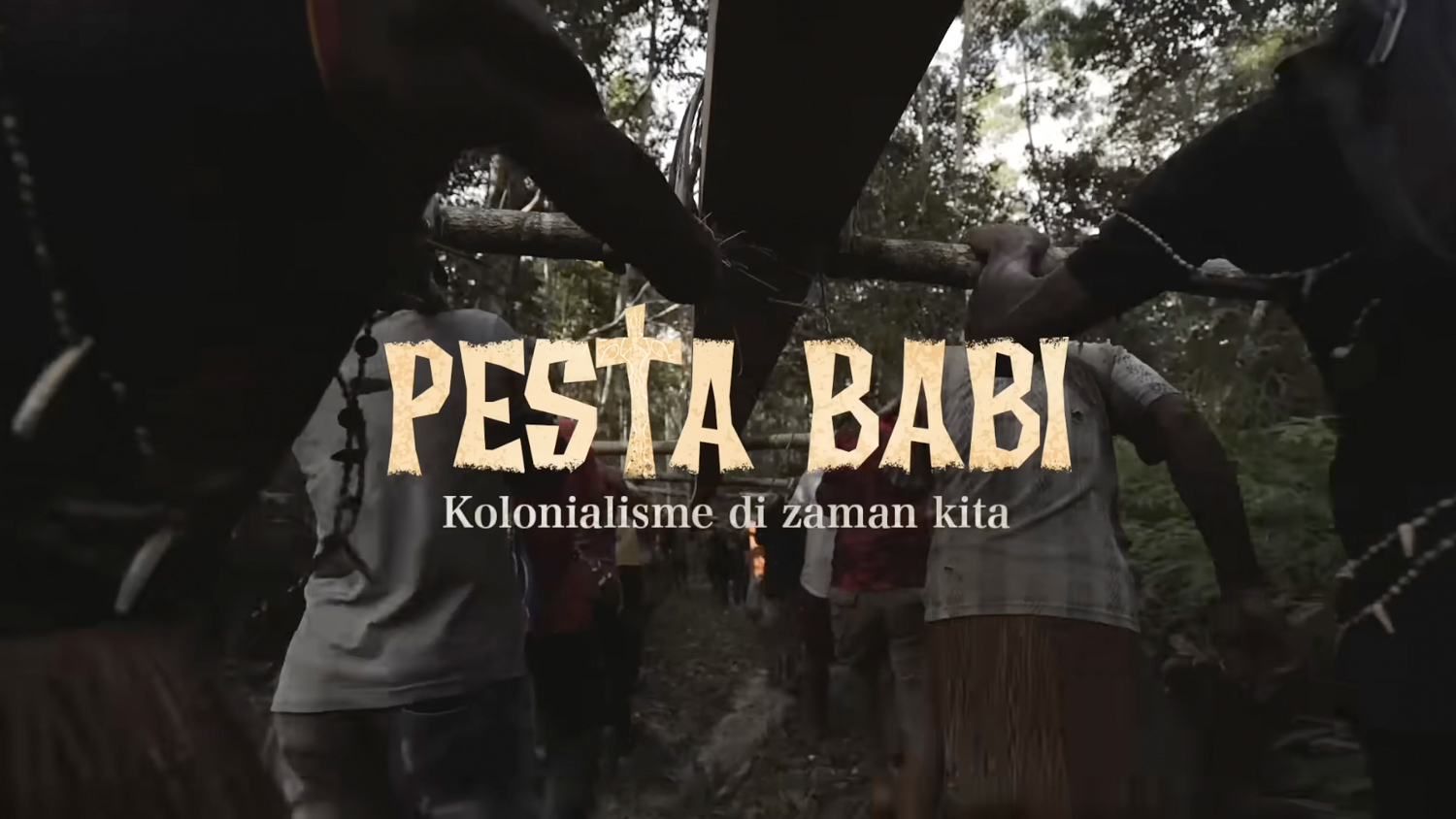
Photo courtesy of Redaksi Jubi TV
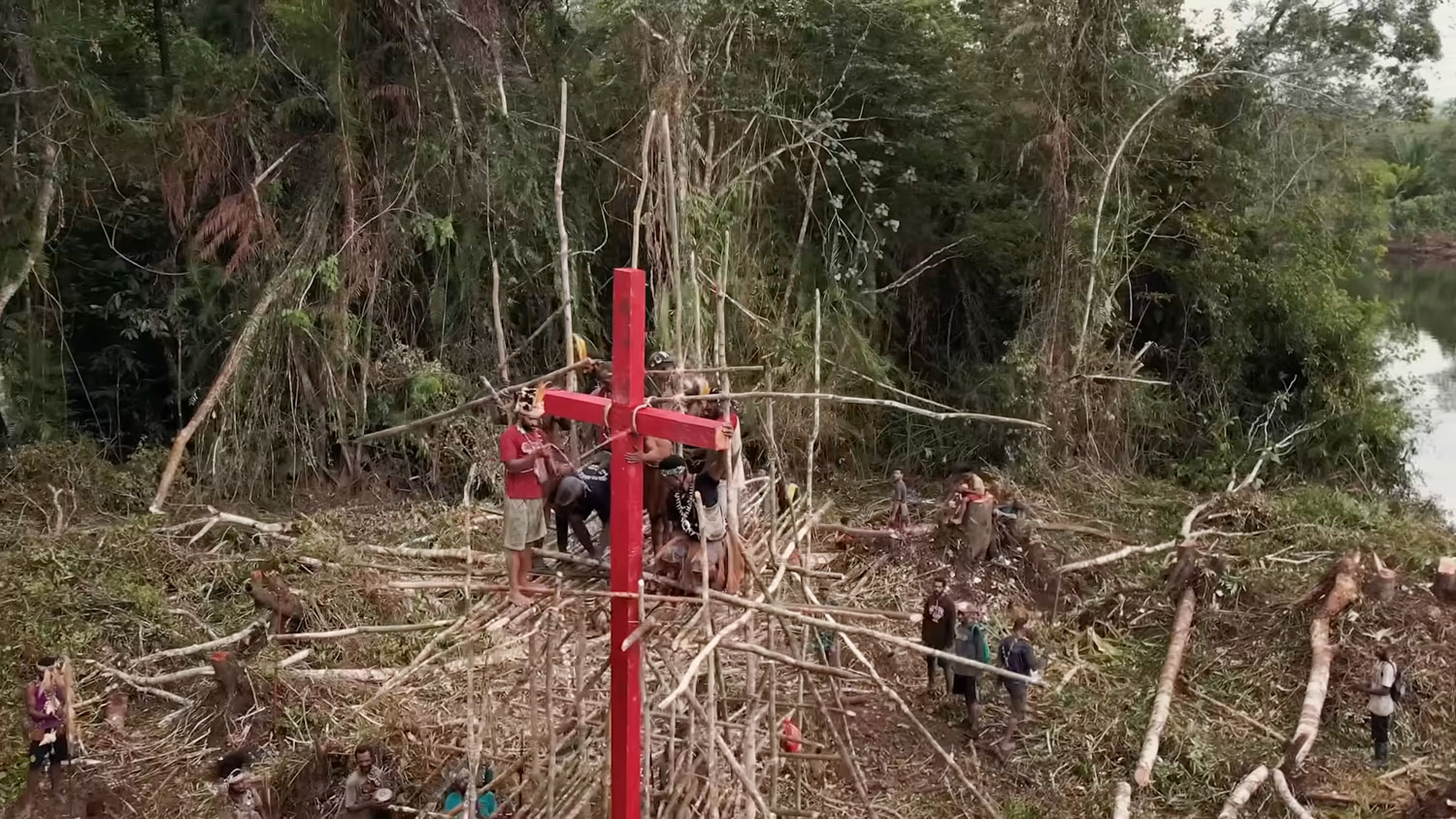 Photo courtesy of Redaksi Jubi TV
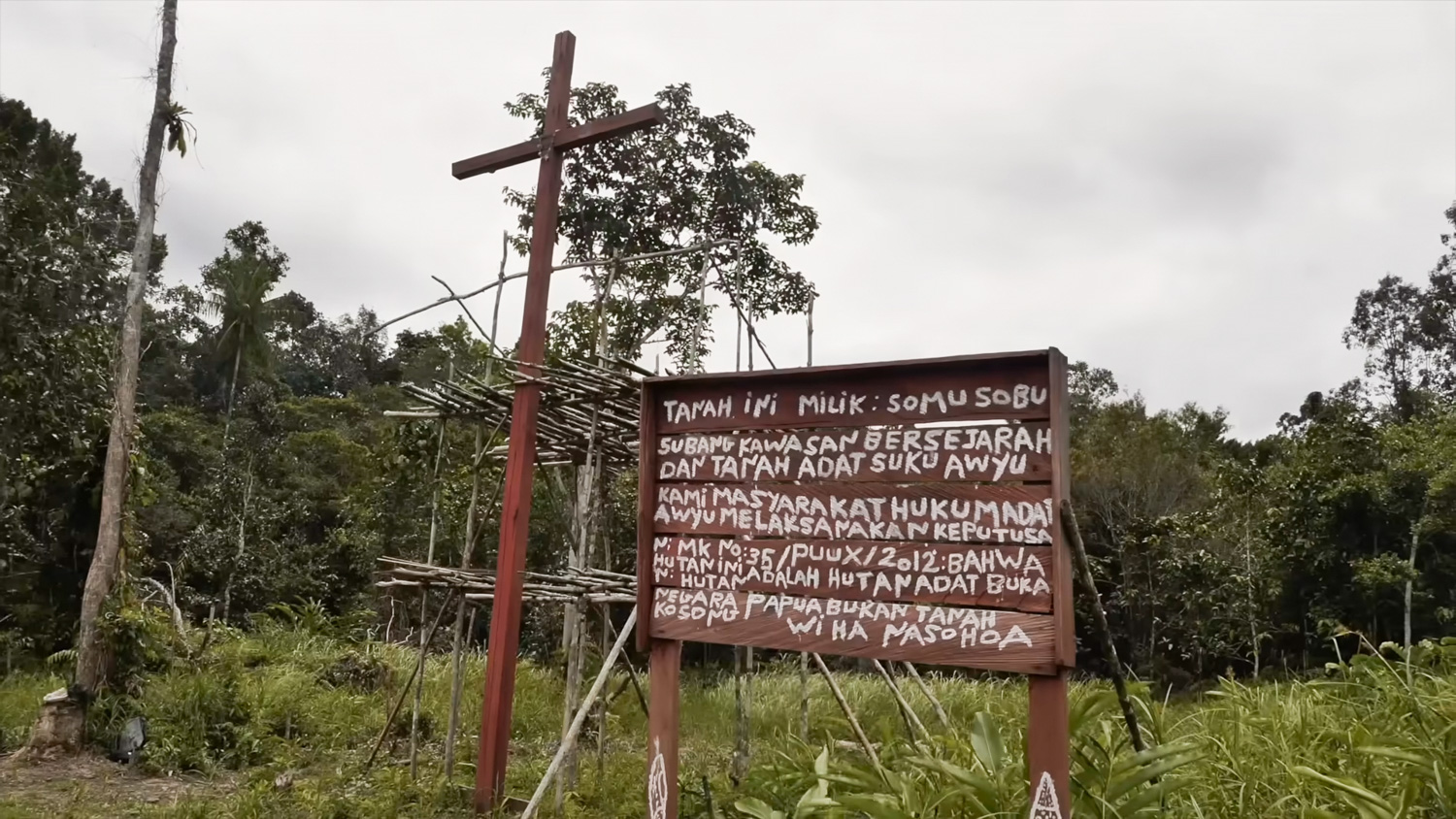
Angki Purbandono, the dreadlocked artist from Yogyakarta, told us that the work was inspired by the documentary Pig Feast: Colonialism in Our Time. The film exposes the seizure of Indigenous land and forests in South Papua through government megaprojects that have severely damaged local ecosystems and traditional ways of life. In response, members of the Marind, Yei, Awyu, and Muyu peoples collectively erected crosses in their customary forests, following local traditions as an expression of resistance against the state’s power over their ancestral lands.
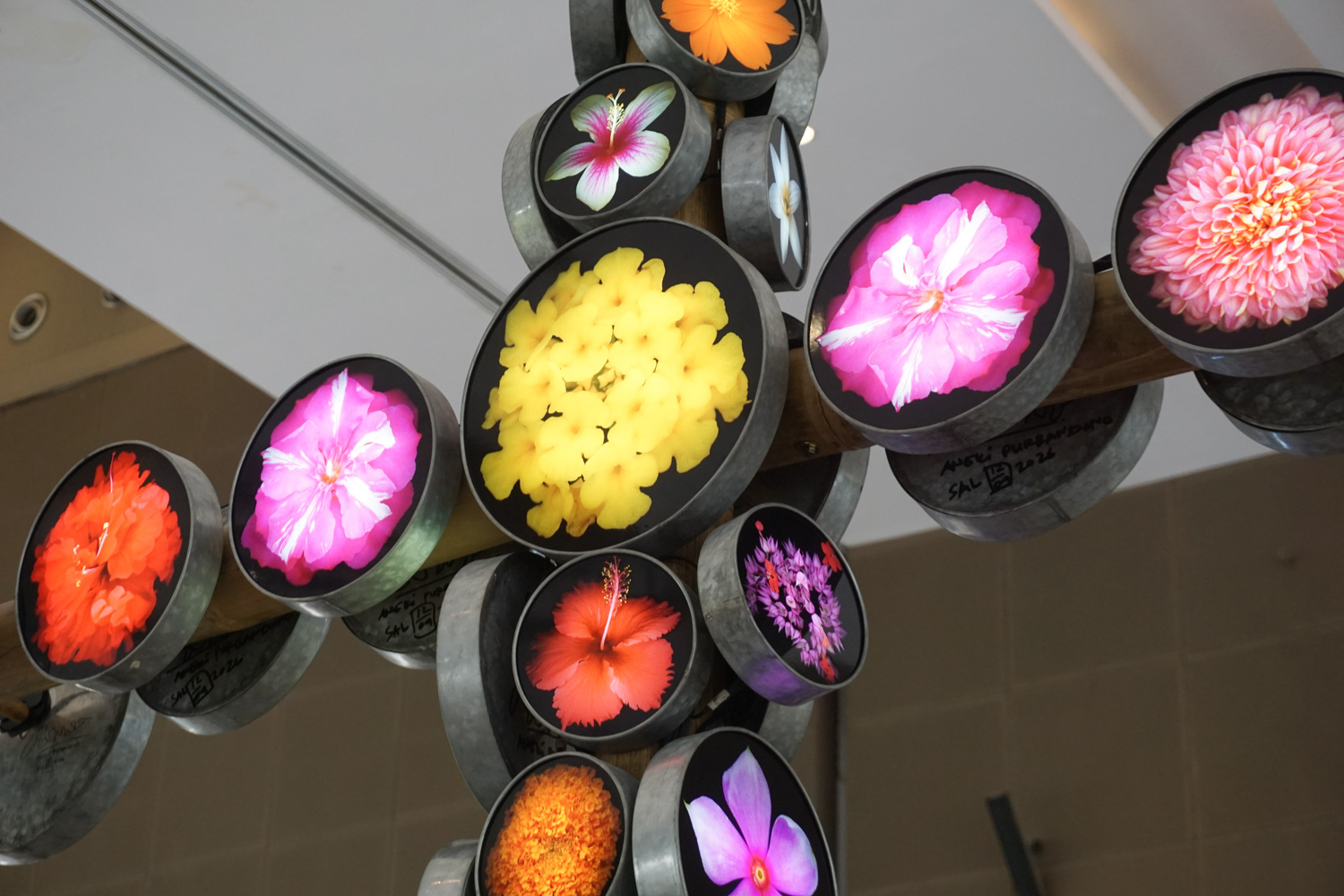
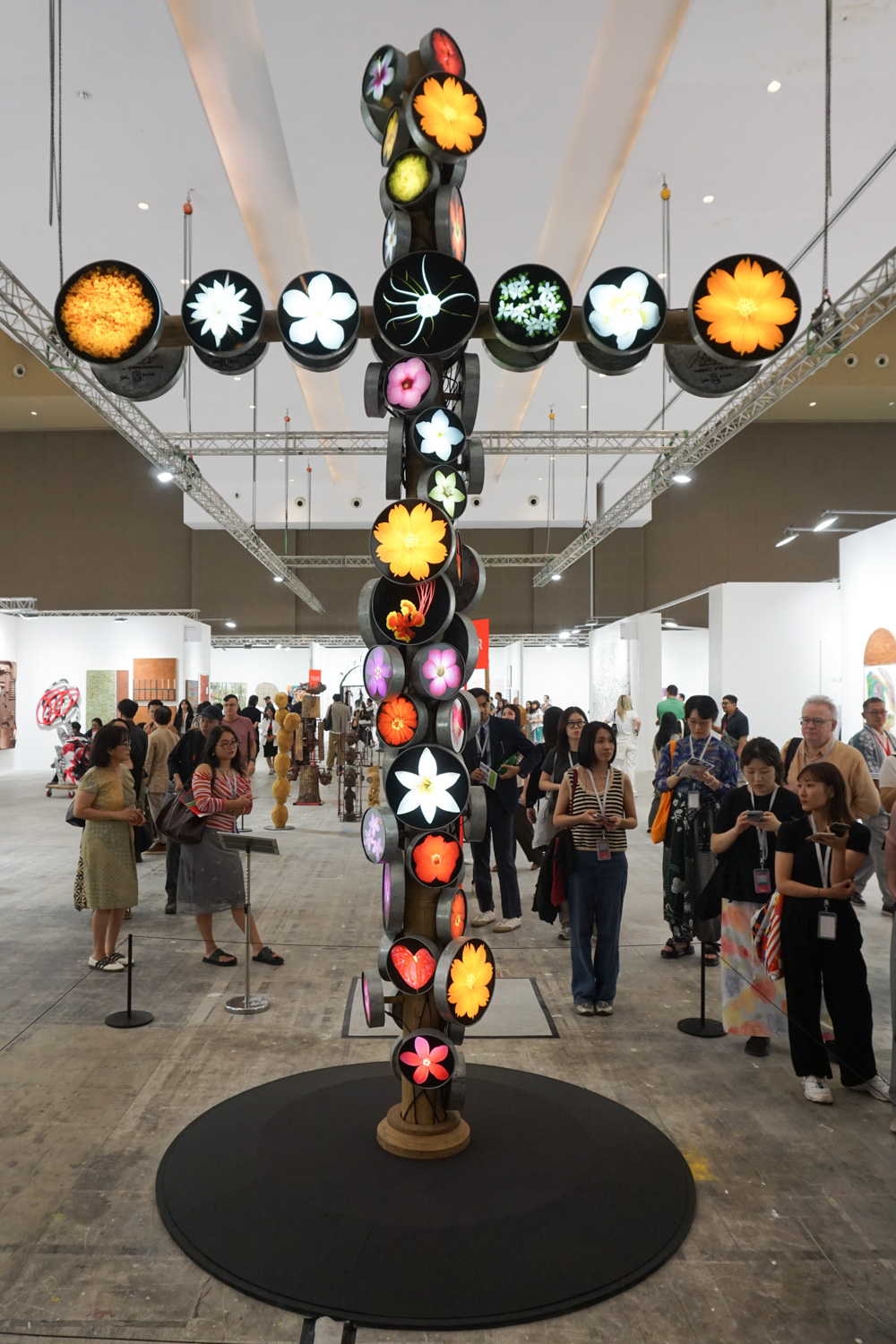
Although Angki has never directly experienced the bitter ordeal endured by these dispossessed communities, he distilled the emotions it evoked into a colossal, flower-covered cross. For him, the cross is a universal symbol of mourning and loss. The abundance of flowers native to Papua and Southeast Asia that surrounds it serves as a precious offering in recognition of the ongoing struggle and sacrifice of Indigenous peoples. His art thus serves both their struggle and the lives of people inhabiting territories far removed from the capital.
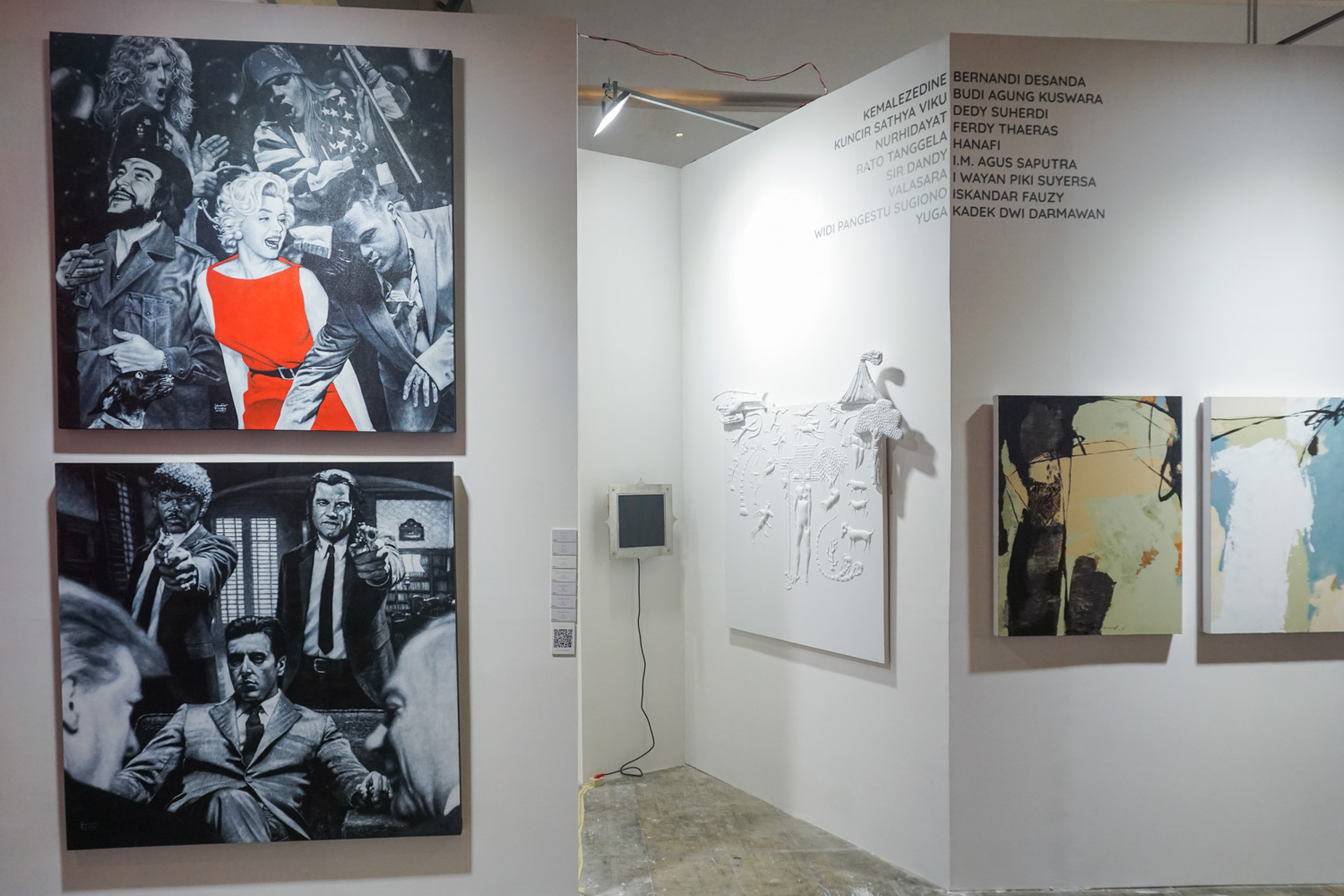
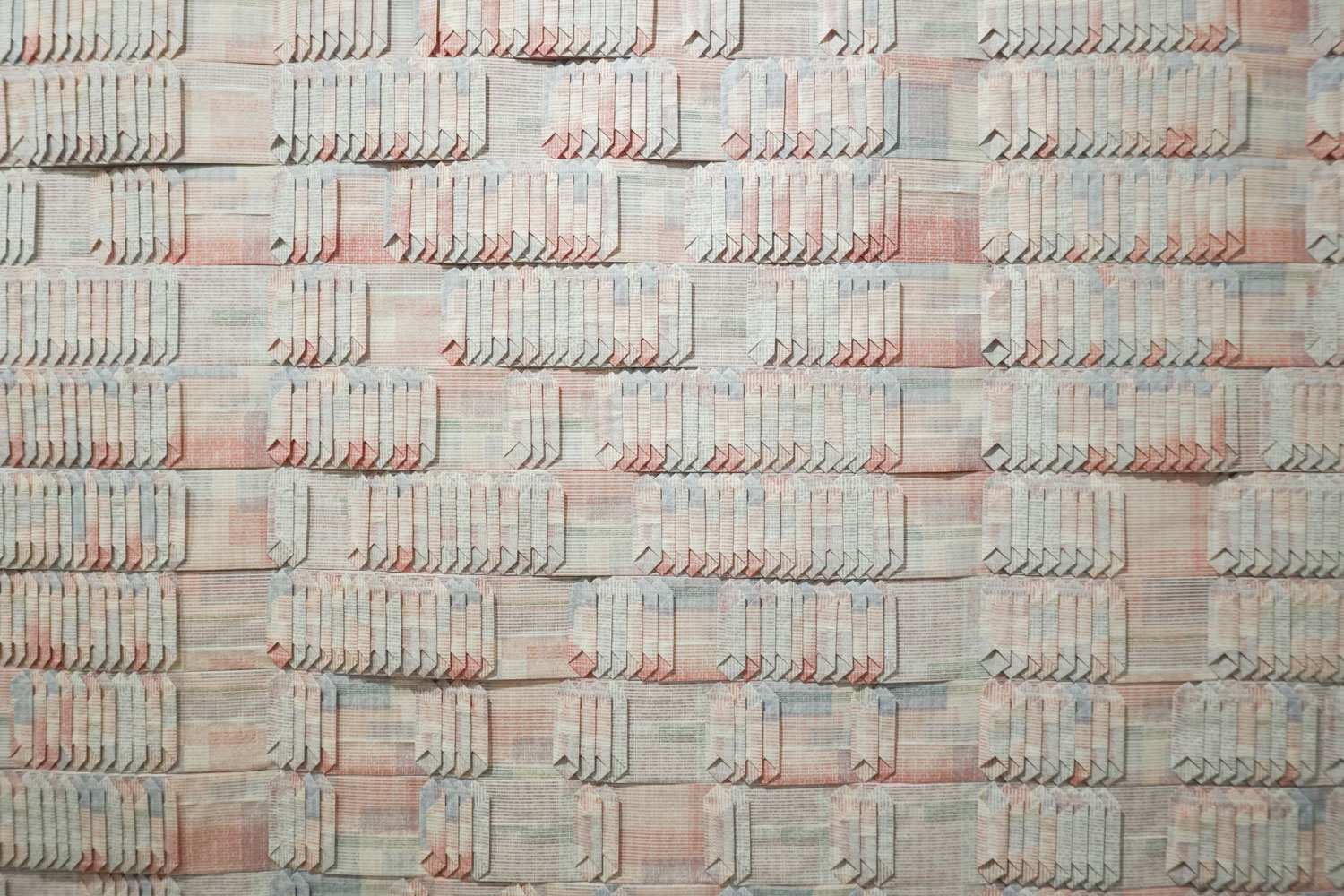
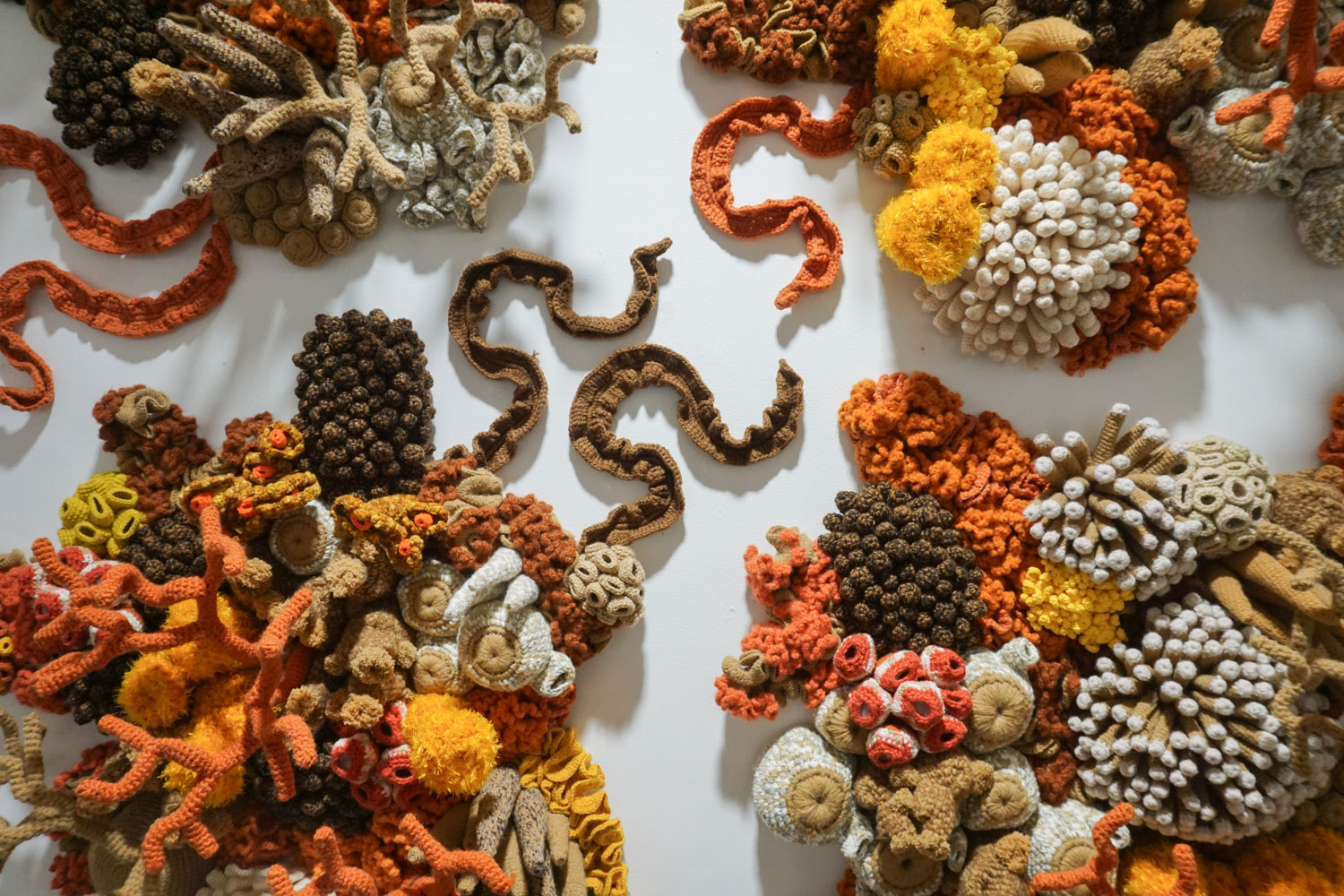
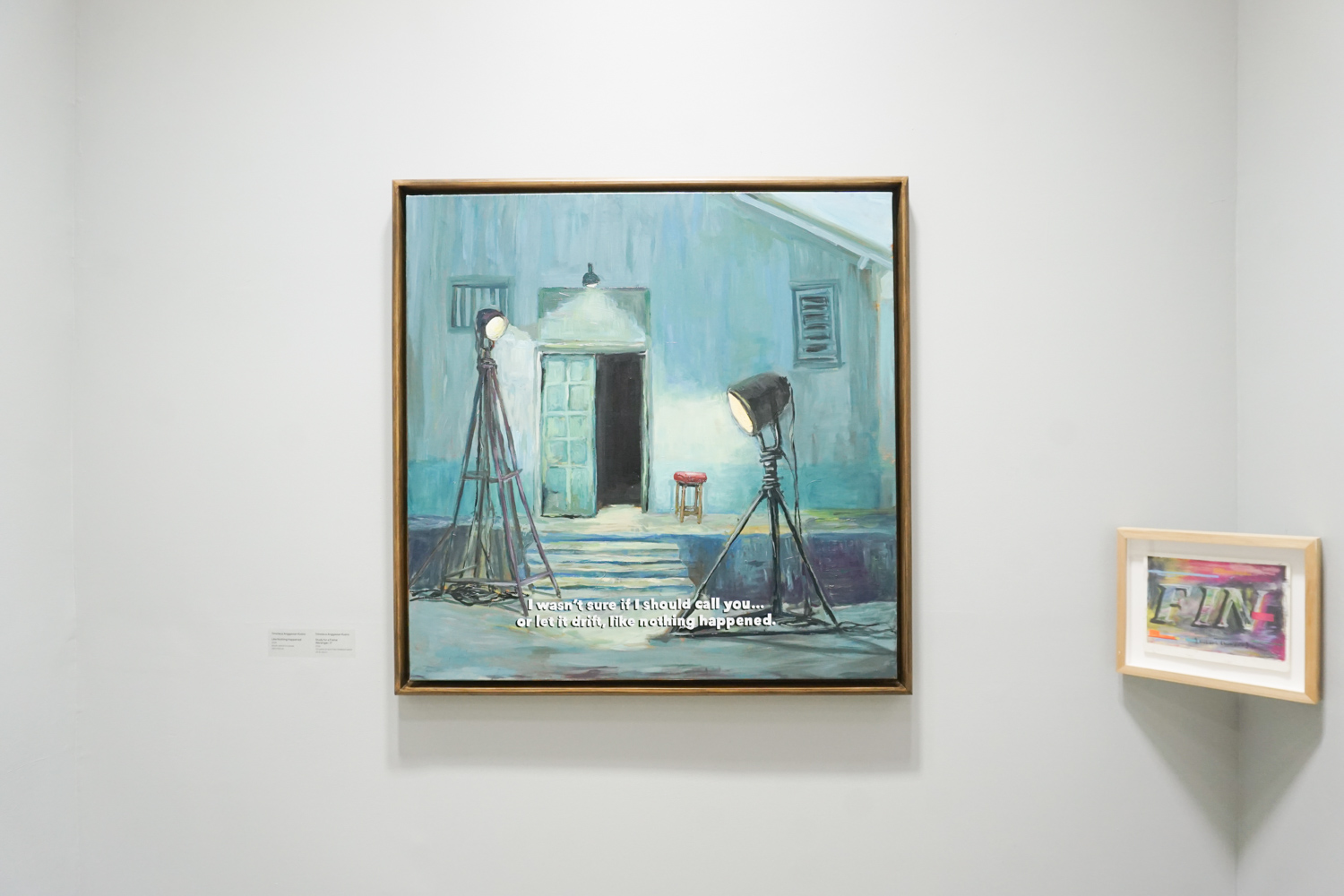
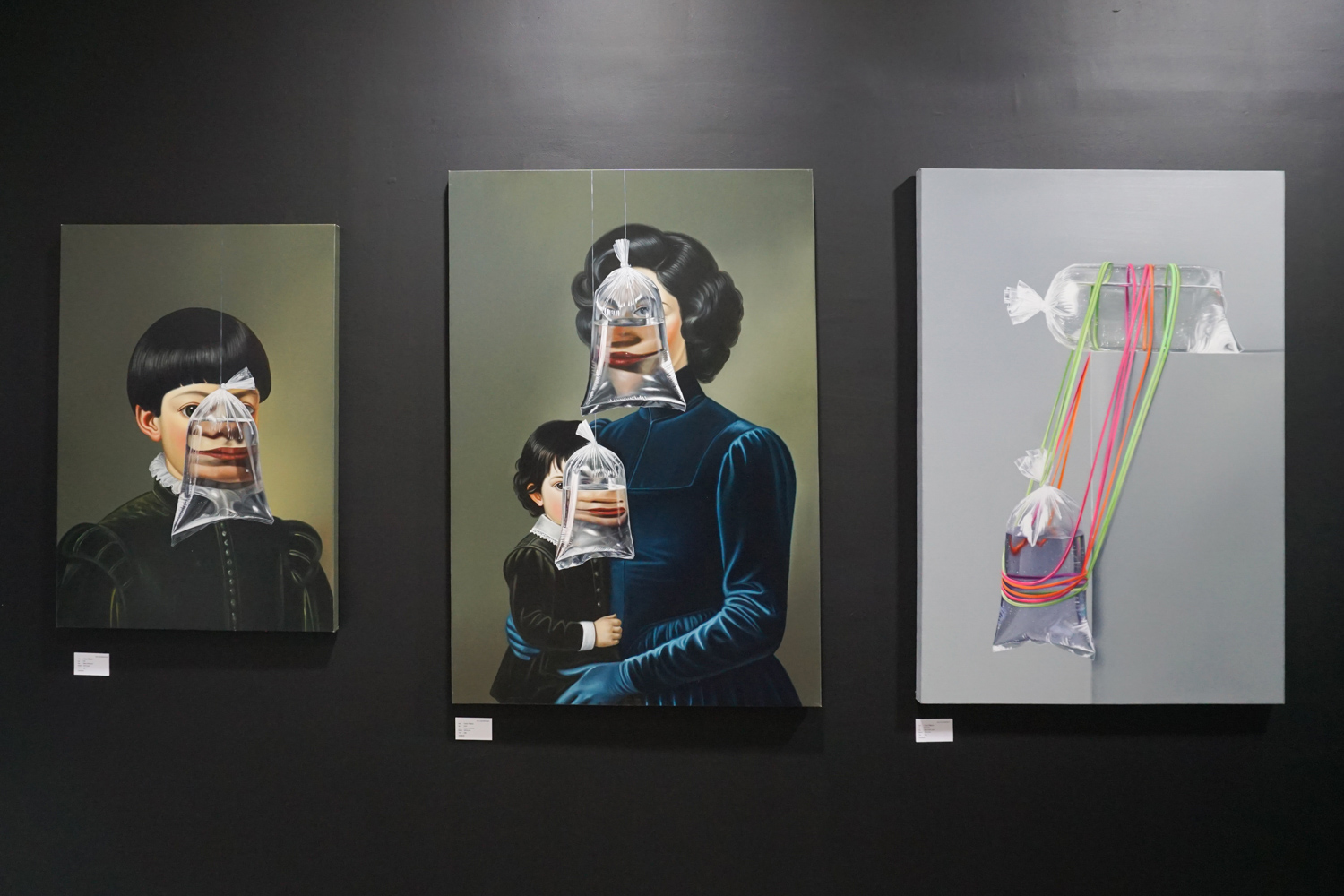
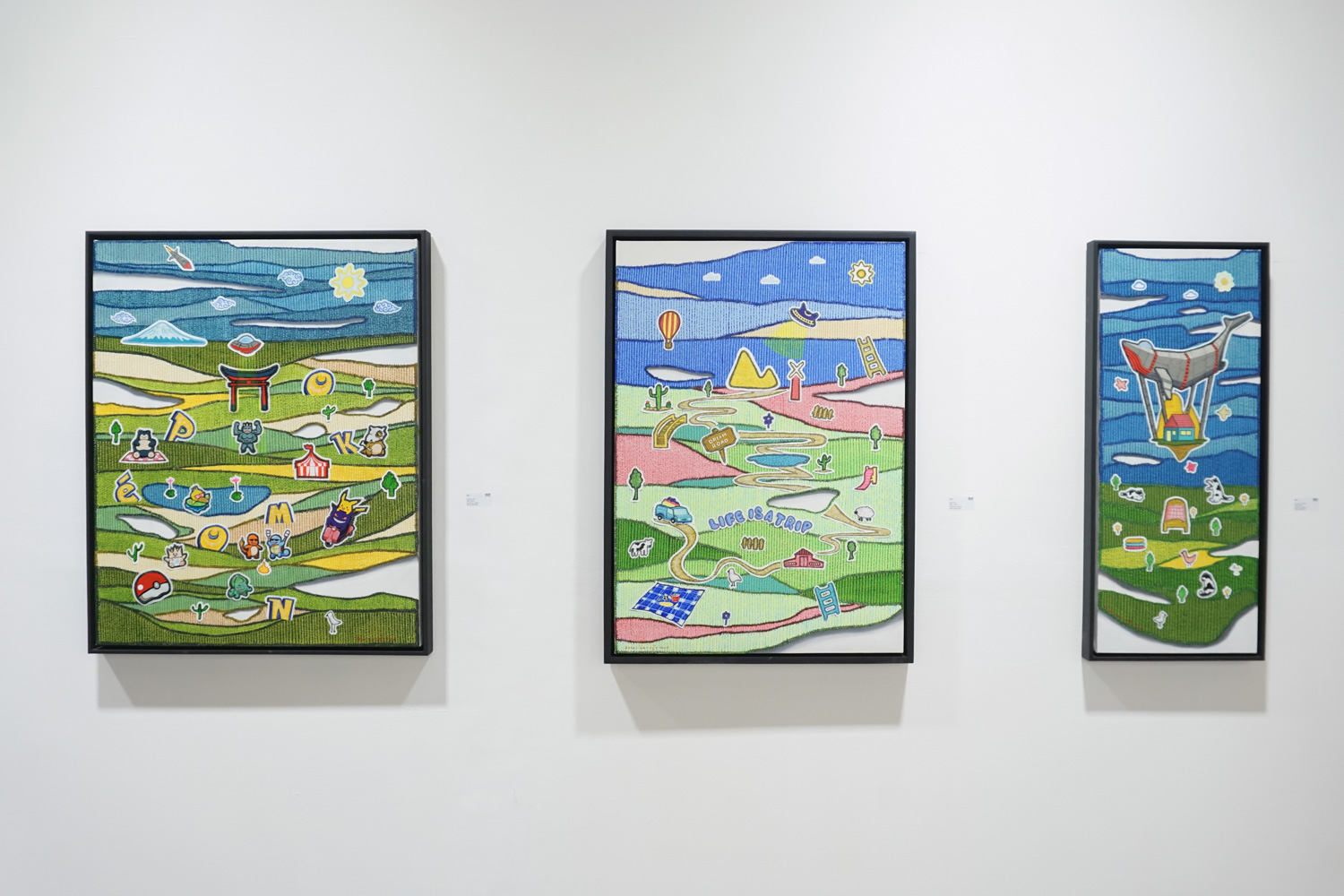
To put it less directly—once again—art fairs such as Art Jakarta, along with the many other fairs whose names combine ‘Art’ with the name of a city or country, are central spaces where aesthetic value and economic mechanisms are allowed to operate alongside one another. At the same time, they provide a stage for a wide range of narratives, from personal memories and material innovation to powerful political reverberations.
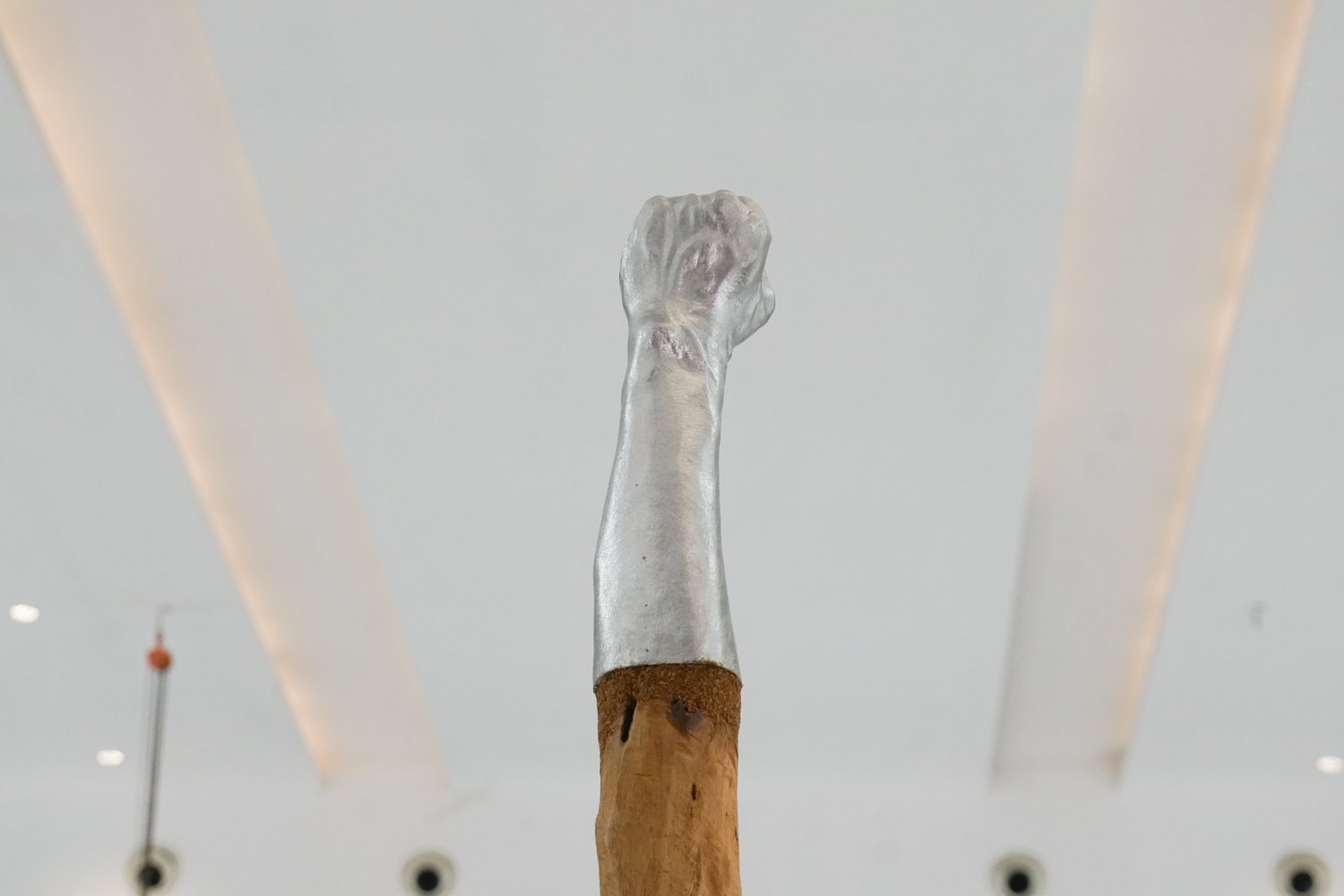
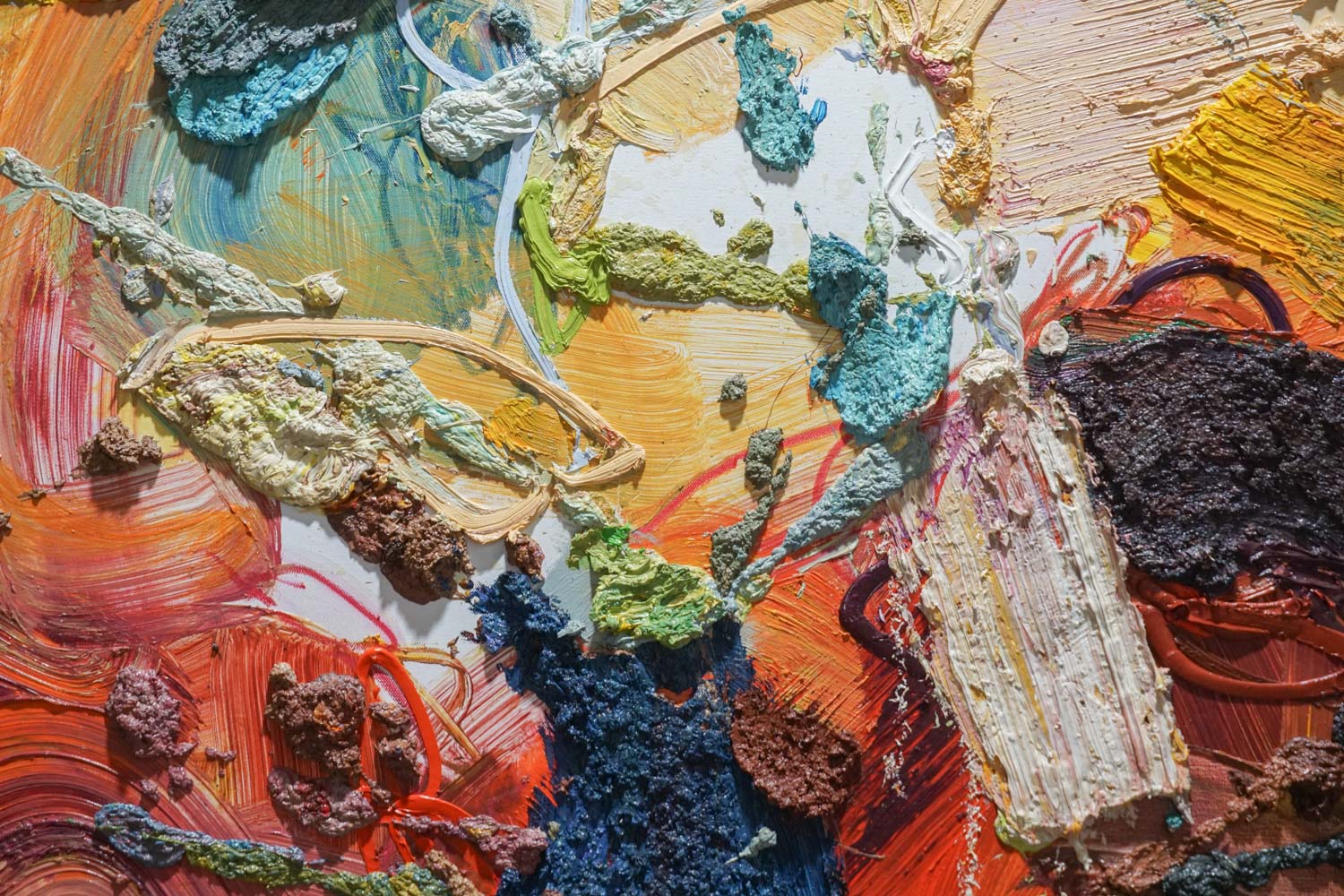
To put it bluntly—one last time—whatever art may ultimately serve, whether to sustain an artist’s livelihood, document history, or to bring pleasure to its owner, Art Jakarta 2026 clearly demonstrated that ‘freedom and courage’ in artistic creation remain alive and capable of reaching people—whether from a distant forest or beneath the lights of this art fair.
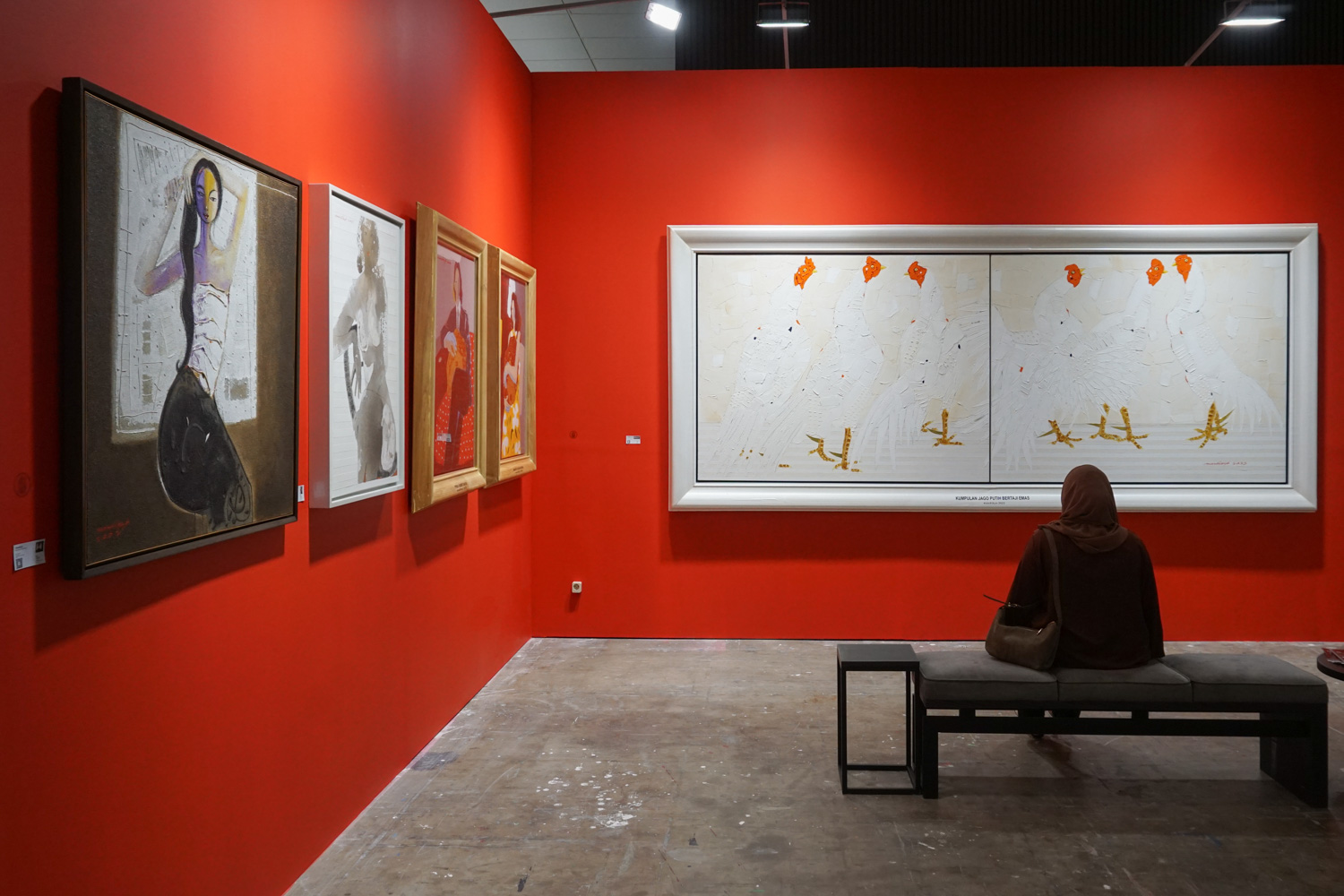
Art Jakarta 2026 took place from October 2–4, 2026, at JIExpo Kemayoran in Jakarta, Indonesia.
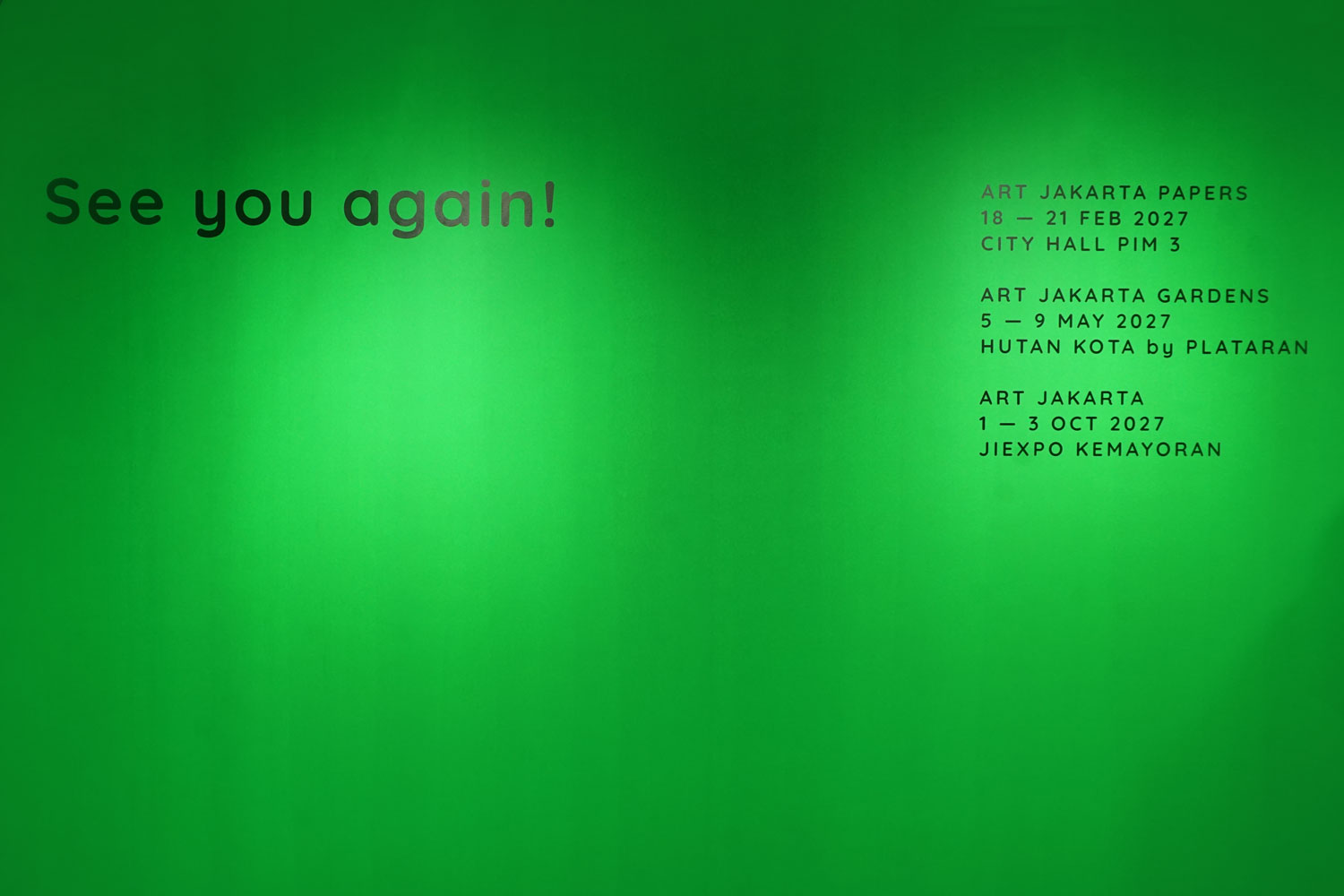
For those interested in learning more about Art Jakarta, an introduction to the fair is available here: