
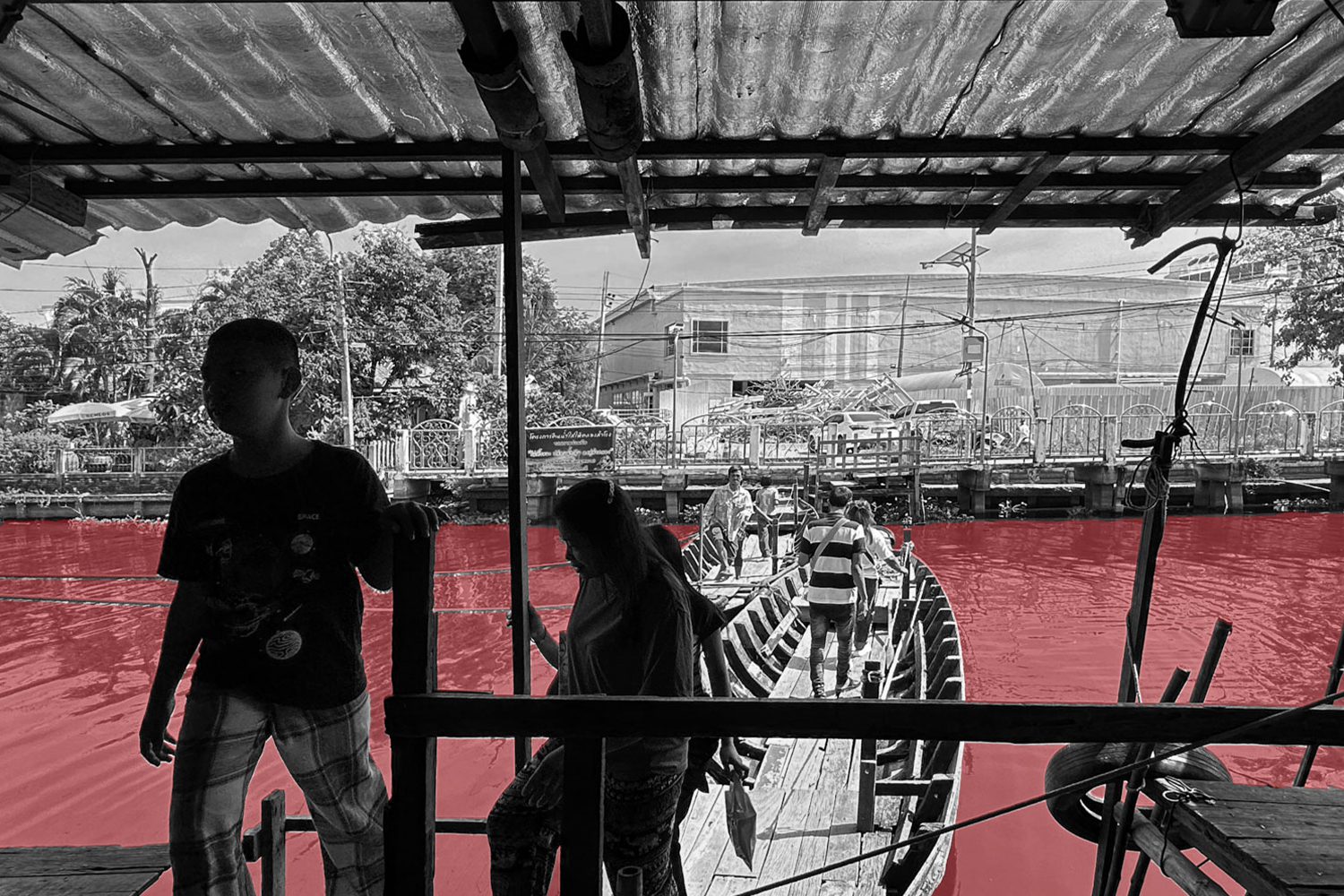
ARCHITECTS JENCHIEH HUNG AND KULTHIDA SONGKITTIPAKDEE OF HAS DESIGN AND RESEARCH HIGHLIGHT THE NOTIONS OF ‘SHIFTING’ AND ‘CONNECTING’ THROUGH THE EVERYDAY LIFE ALONG SUBURBAN CANALS, AS EXPLORED IN THEIR RESEARCH ON THE BIG C BOAT BRIDGE
TEXT: JENCHIEH HUNG & KULTHIDA SONGKITTIPAKDEE
PHOTO: HAS DESIGN AND RESEARCH
(For Thai, press here)
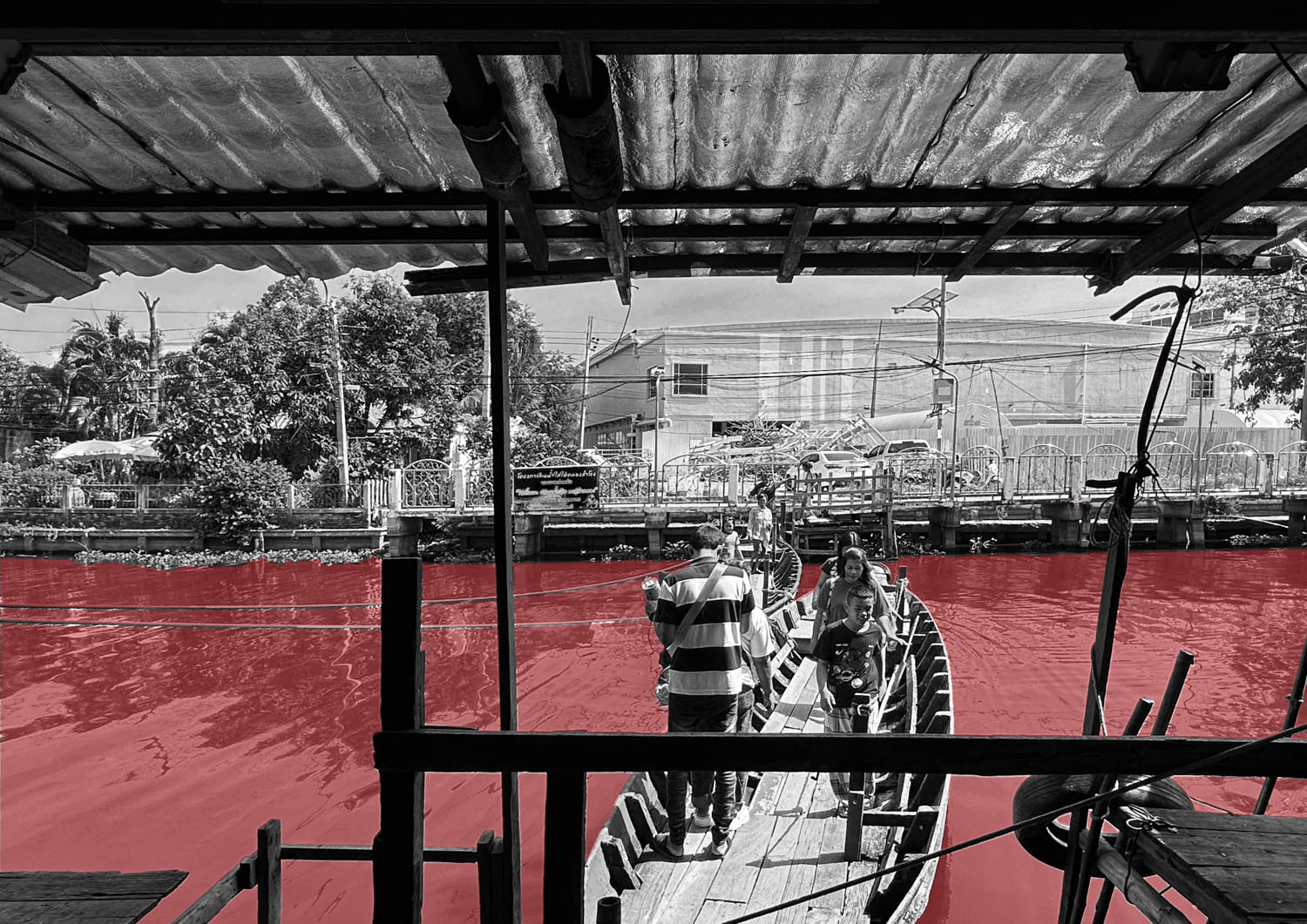
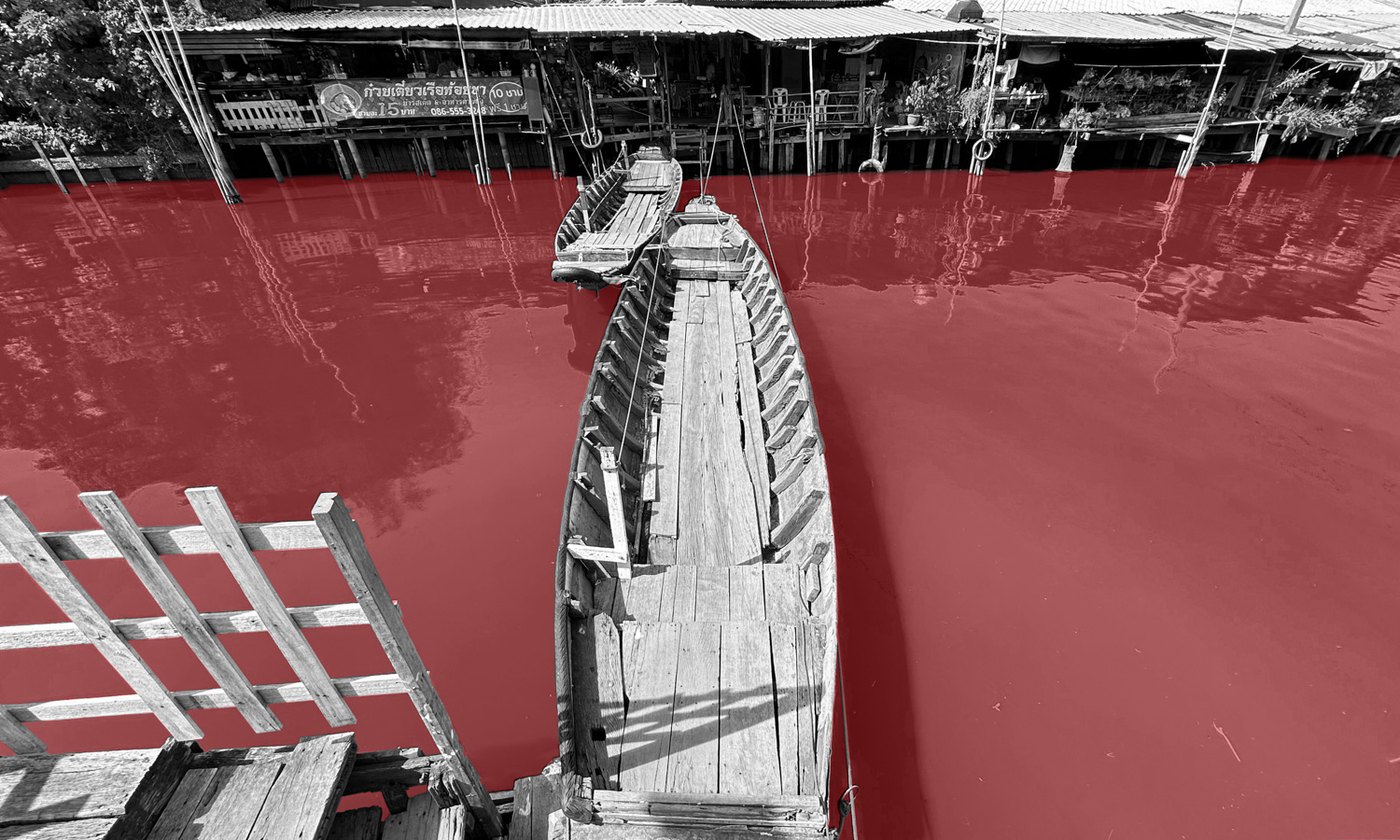
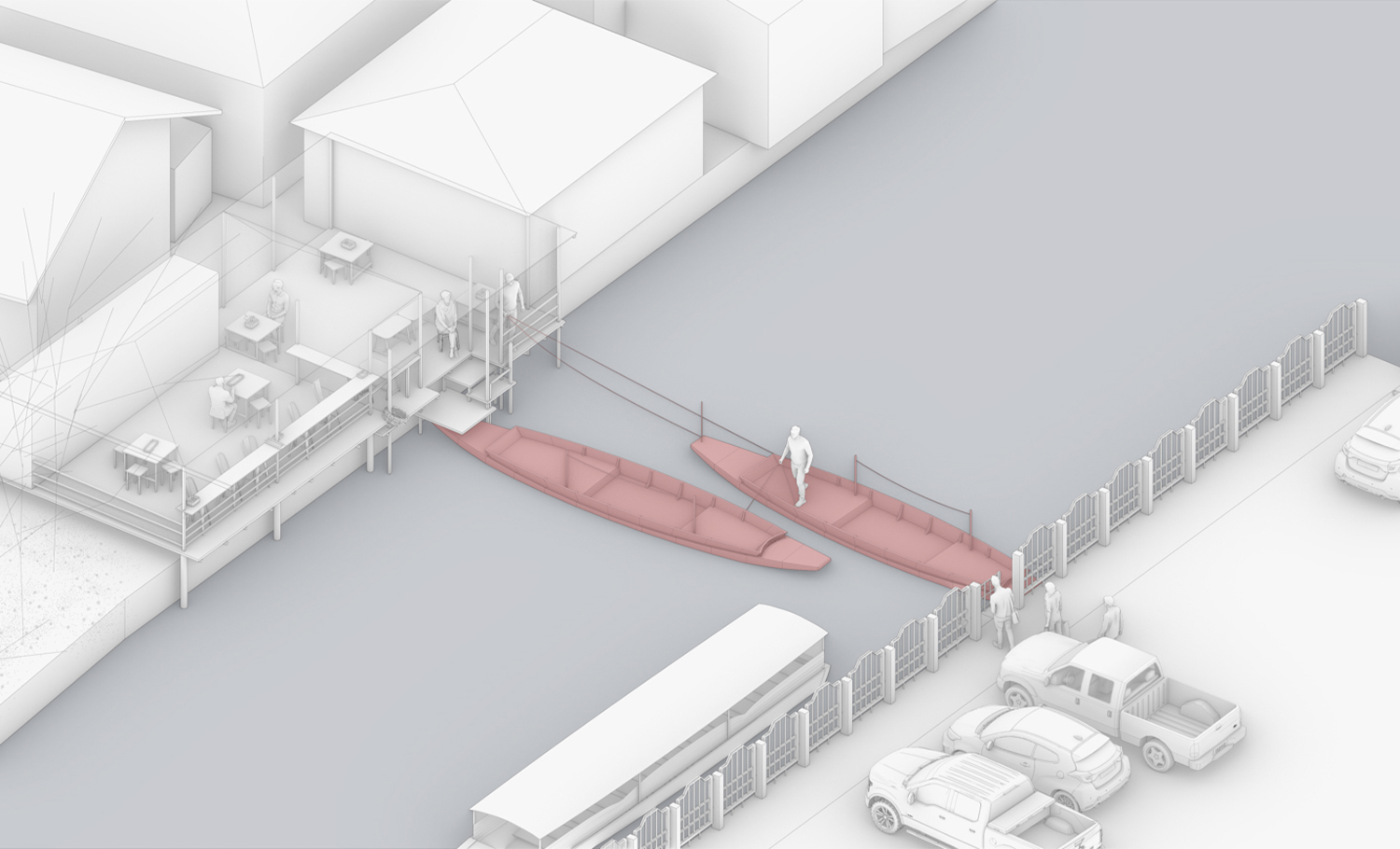
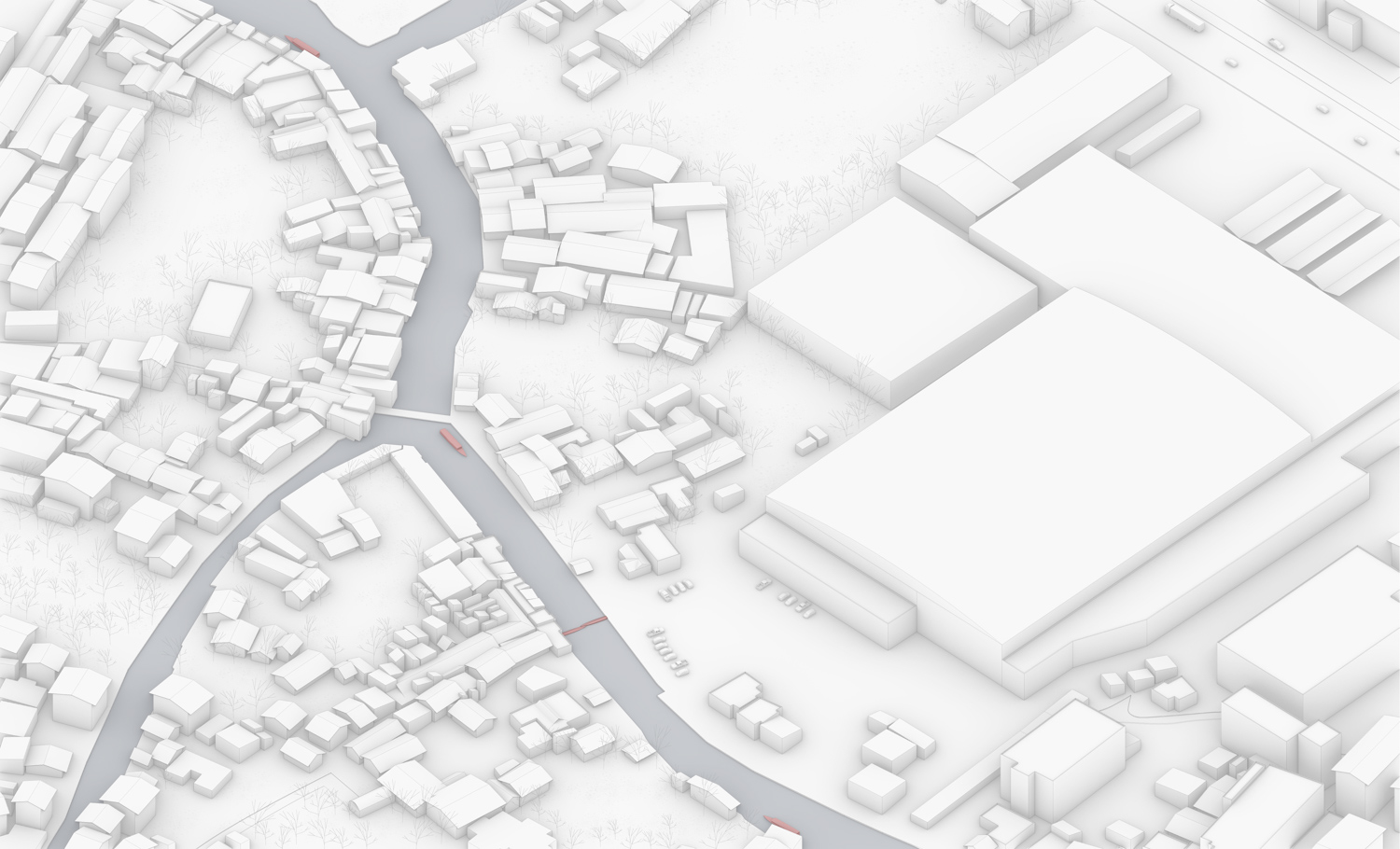
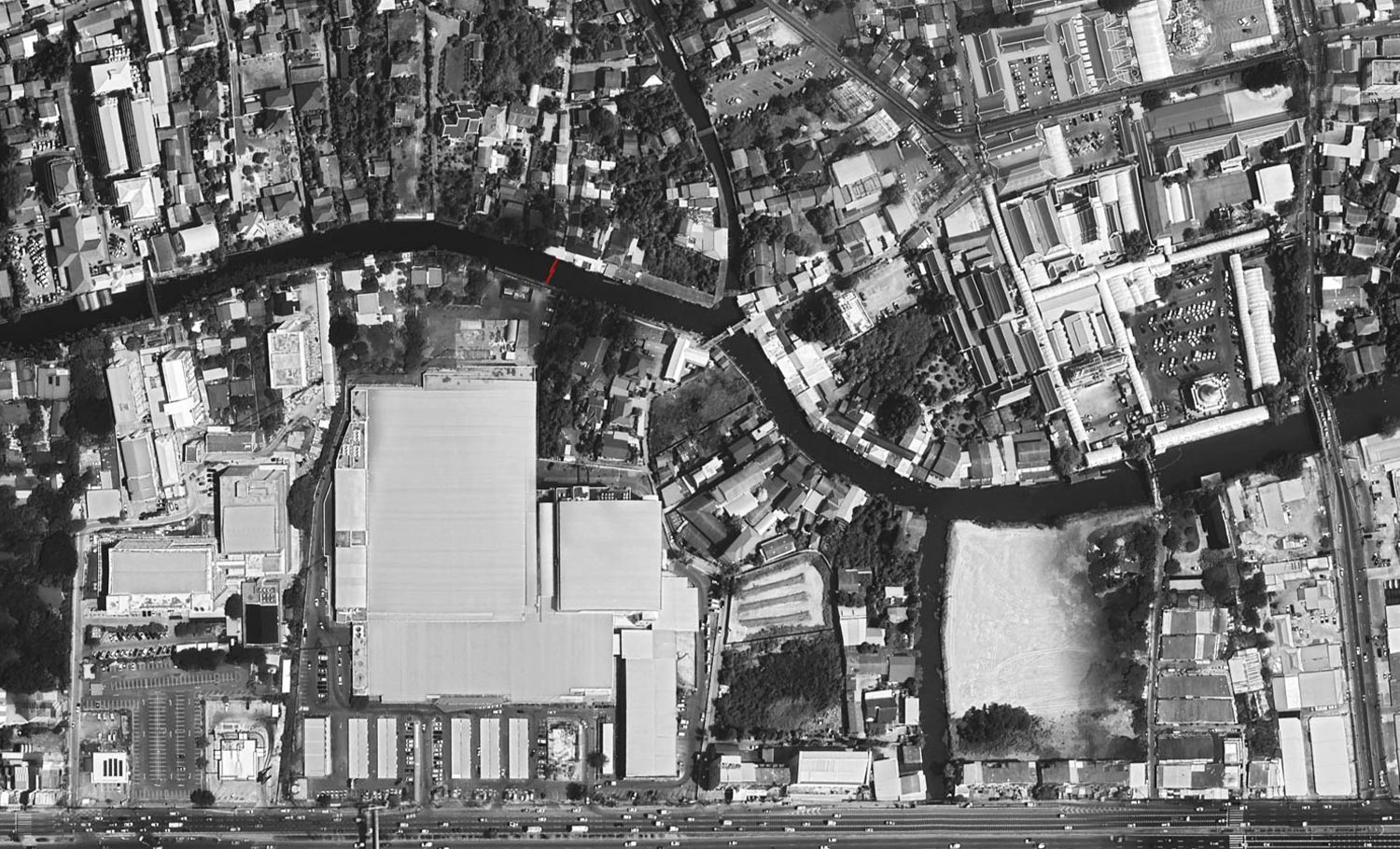
The Big C Boat Bridge is located in the greater Bangkok area. This gesture of shifting and connecting emerges from two modified wooden rowing boats that function both as a mode of transport and a movable bridge, connecting a local canal village with the nearby Big C supermarket. This shifting solution truly resembles a chameleon, fully fitting with the environmental conditions and standing out due to its innovative approach, the use of locally sourced materials for the canal village, and its ability to enhance community interaction, highlighting the local people’s improvisation and spontaneity. By avoiding the construction of a conventional concrete bridge, it offers a practical alternative to conventional bridge designs, presenting a fresh perspective on tropical architecture and sustainable transportation solutions, especially in Bangkok and throughout Thailand, where the rhythms of life continue to flow along the waterways, connecting people through the spirit of waterborne living.
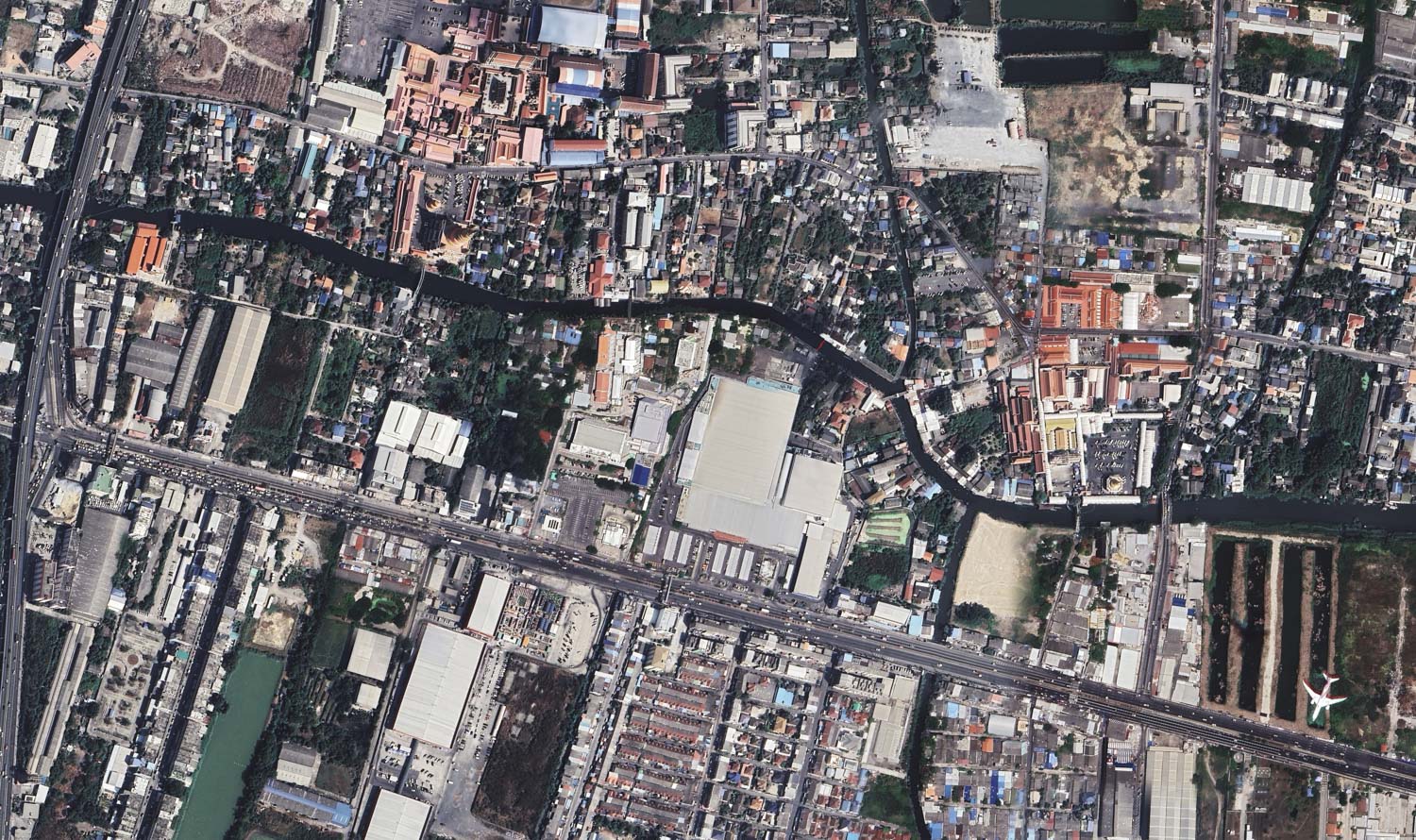
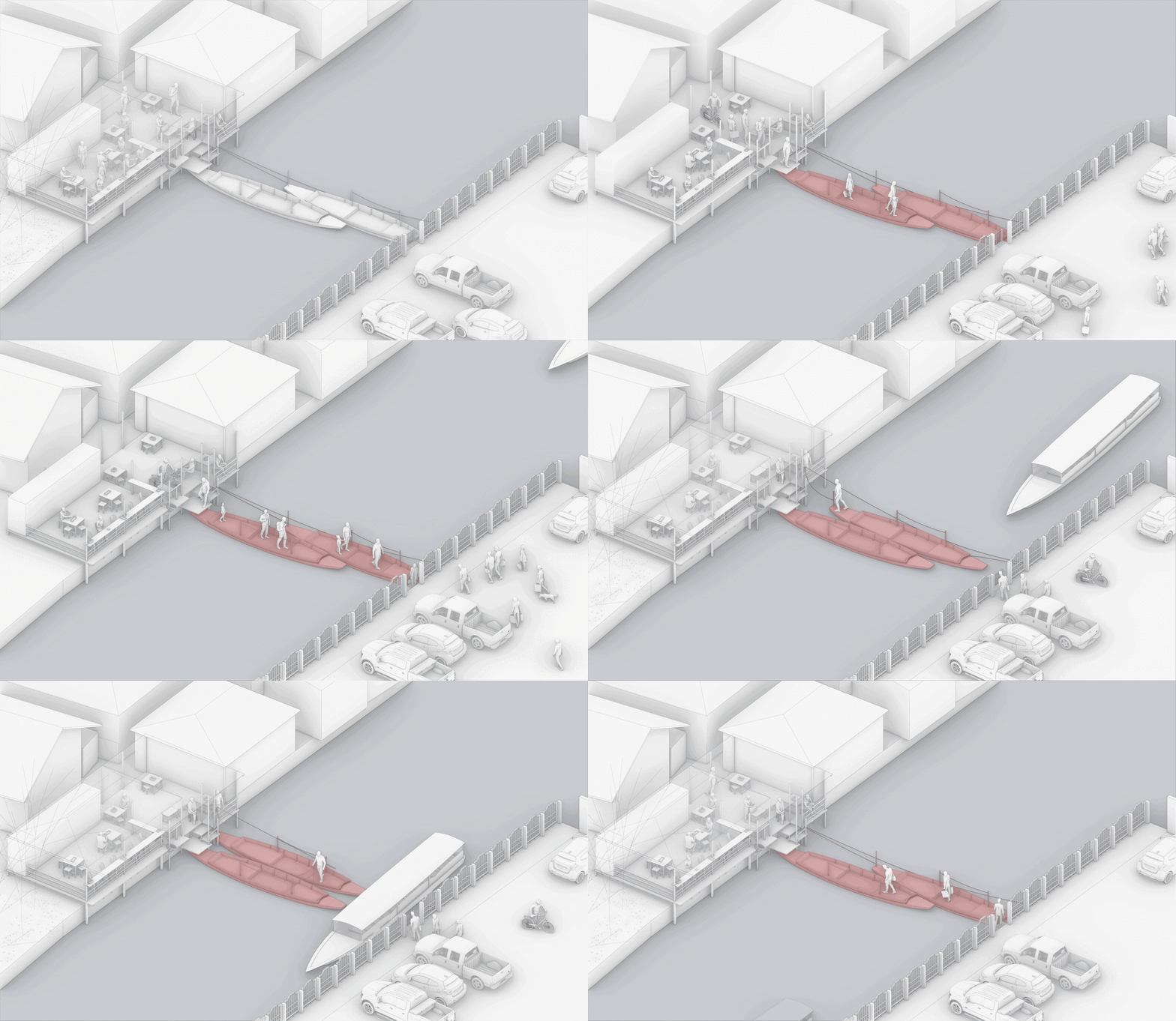
For architects Jenchieh Hung and Kulthida Songkittipakdee, the founders of HAS Design and Research, the Big C Boat Bridge combines the practical functionality of a traditional bridge with the dynamic adaptability of a boat. This unique solution focuses on creating a structure that can be moved and fixed according to the specific needs of the Thai community, particularly by using a low-tech system of local rope and pulley, without any electric mechanism, to serve both as a boat and a movable bridge. All of its materials primarily use Thai local wood, which is the most valuable material in the canal village, as this wood is traditionally used not only for constructing floating wooden houses but also for building boats. This place emphasizes vernacular sustainability through shiftable wooden resources, presenting a creative alternative in which the ‘Local Wooden Boat’ is transformed into the ‘Big C Boat Bridge.’ This approach not only provides a functional solution but also strengthens the connection between the community and its natural environment.
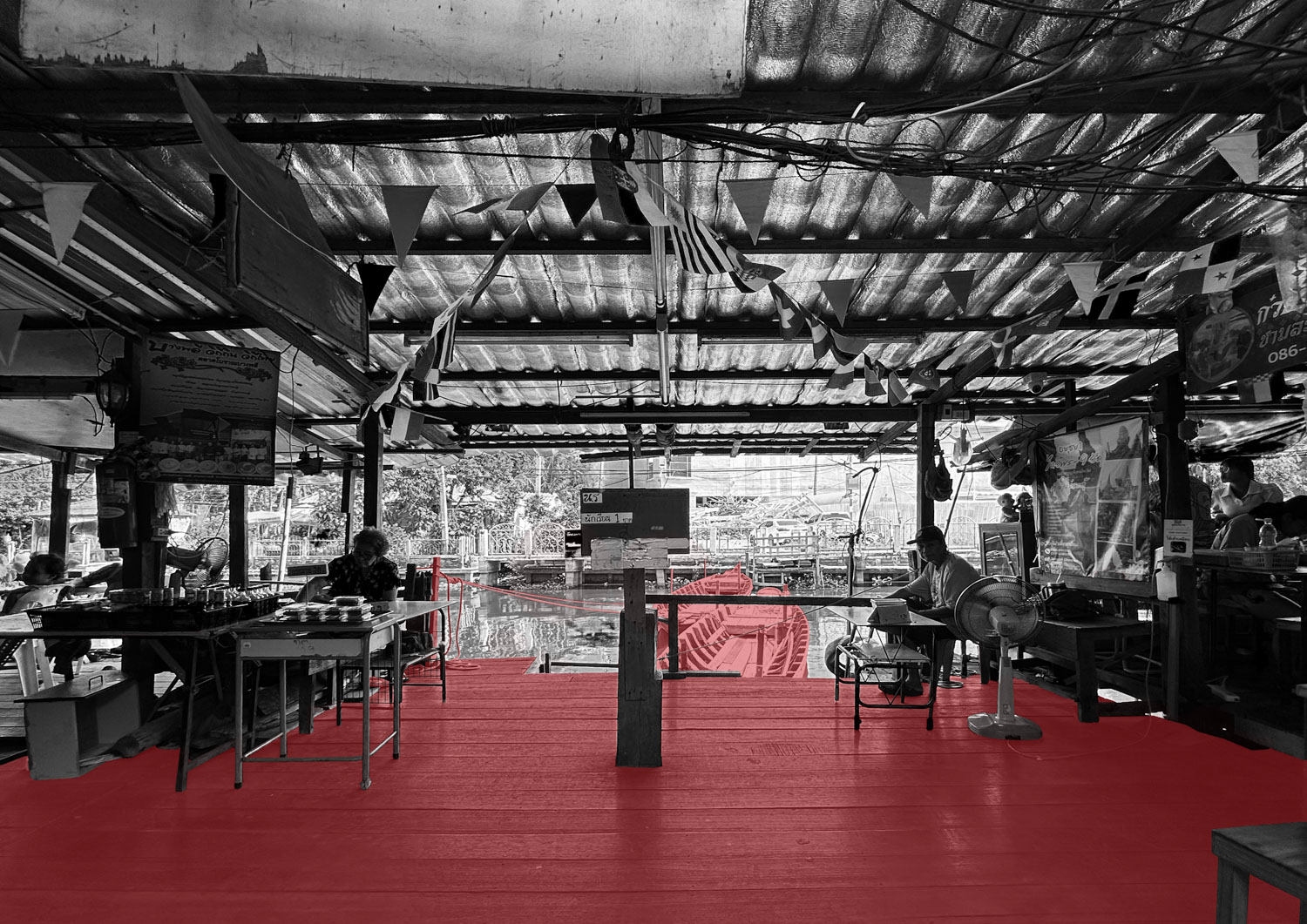
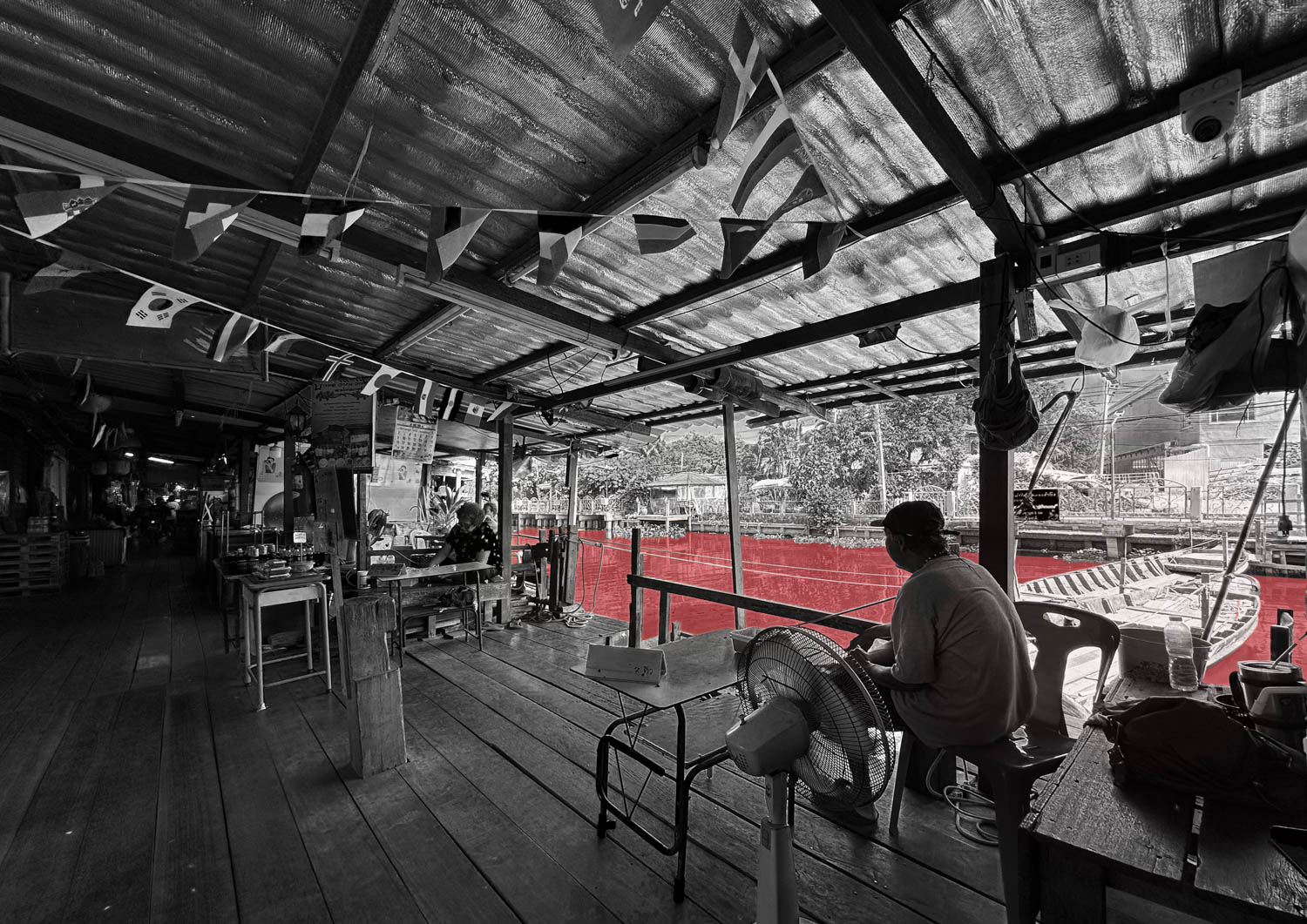
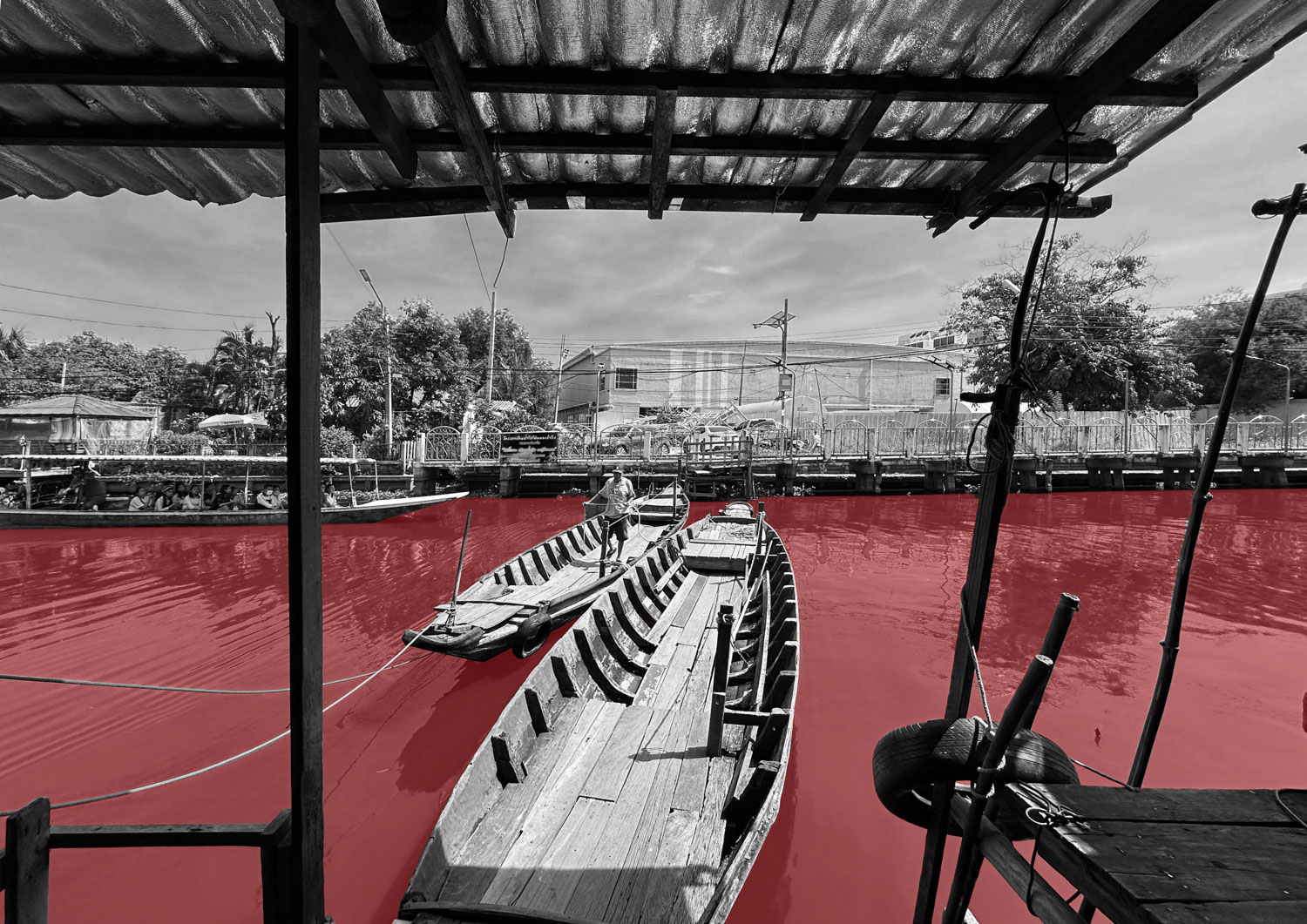
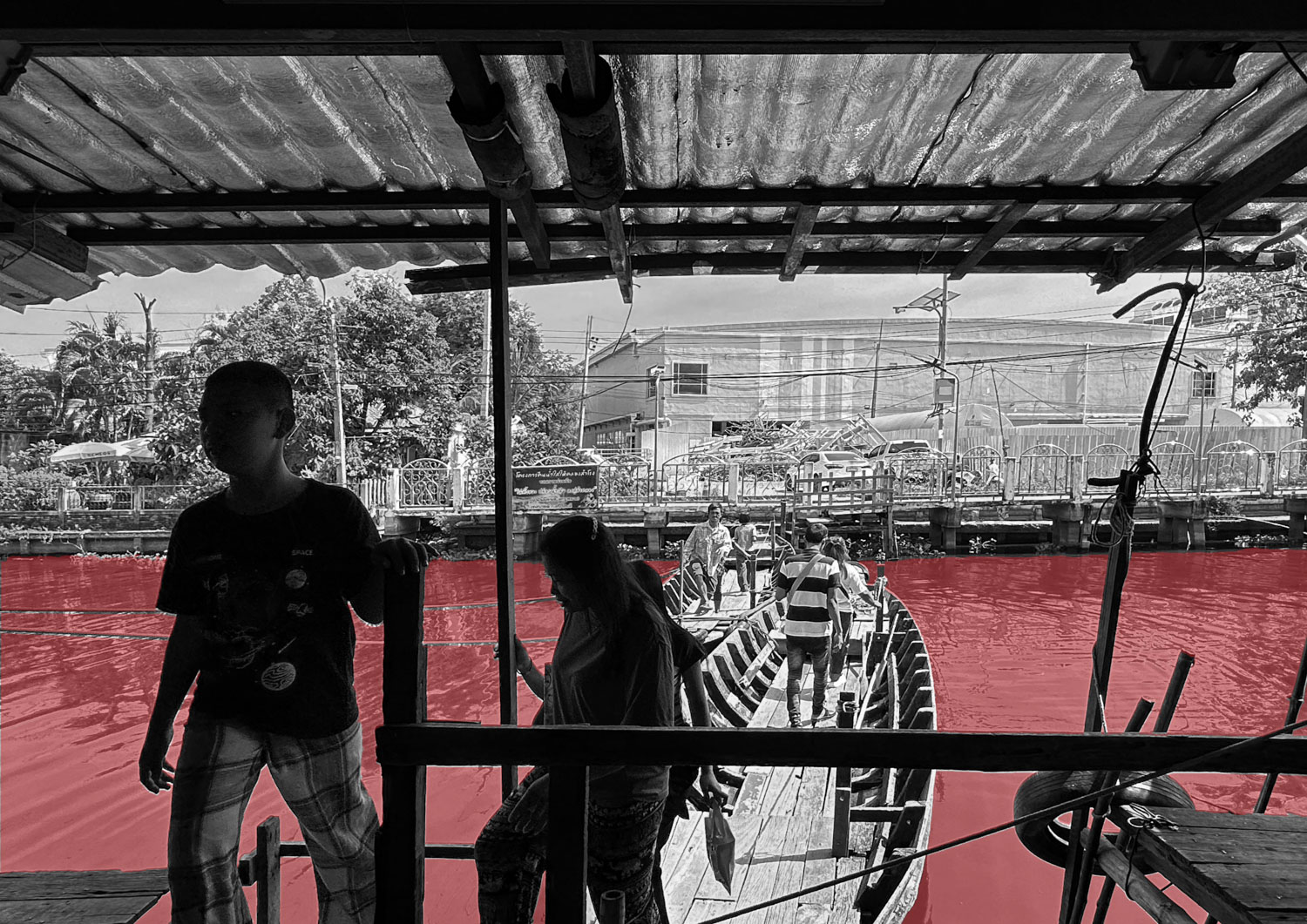
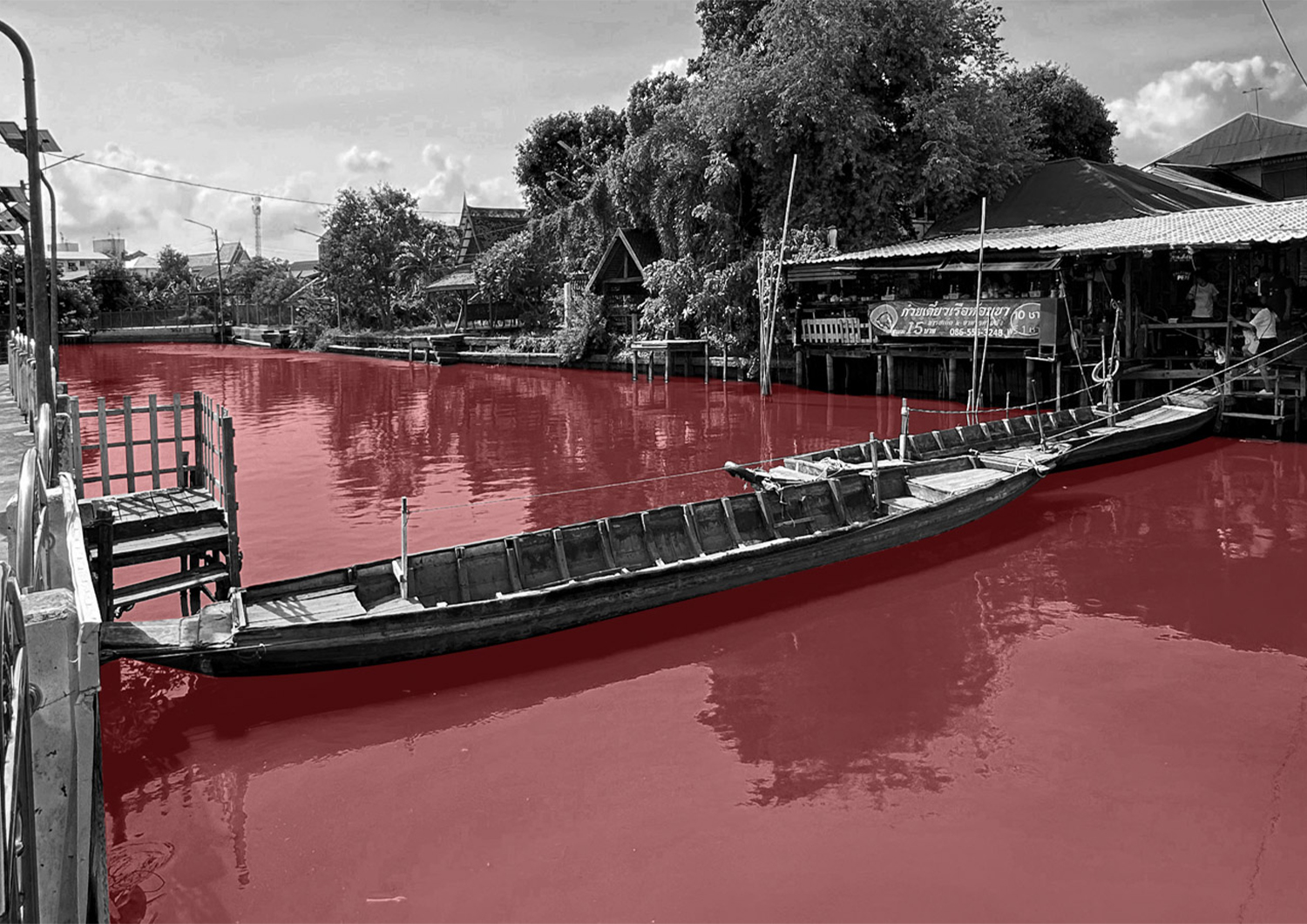
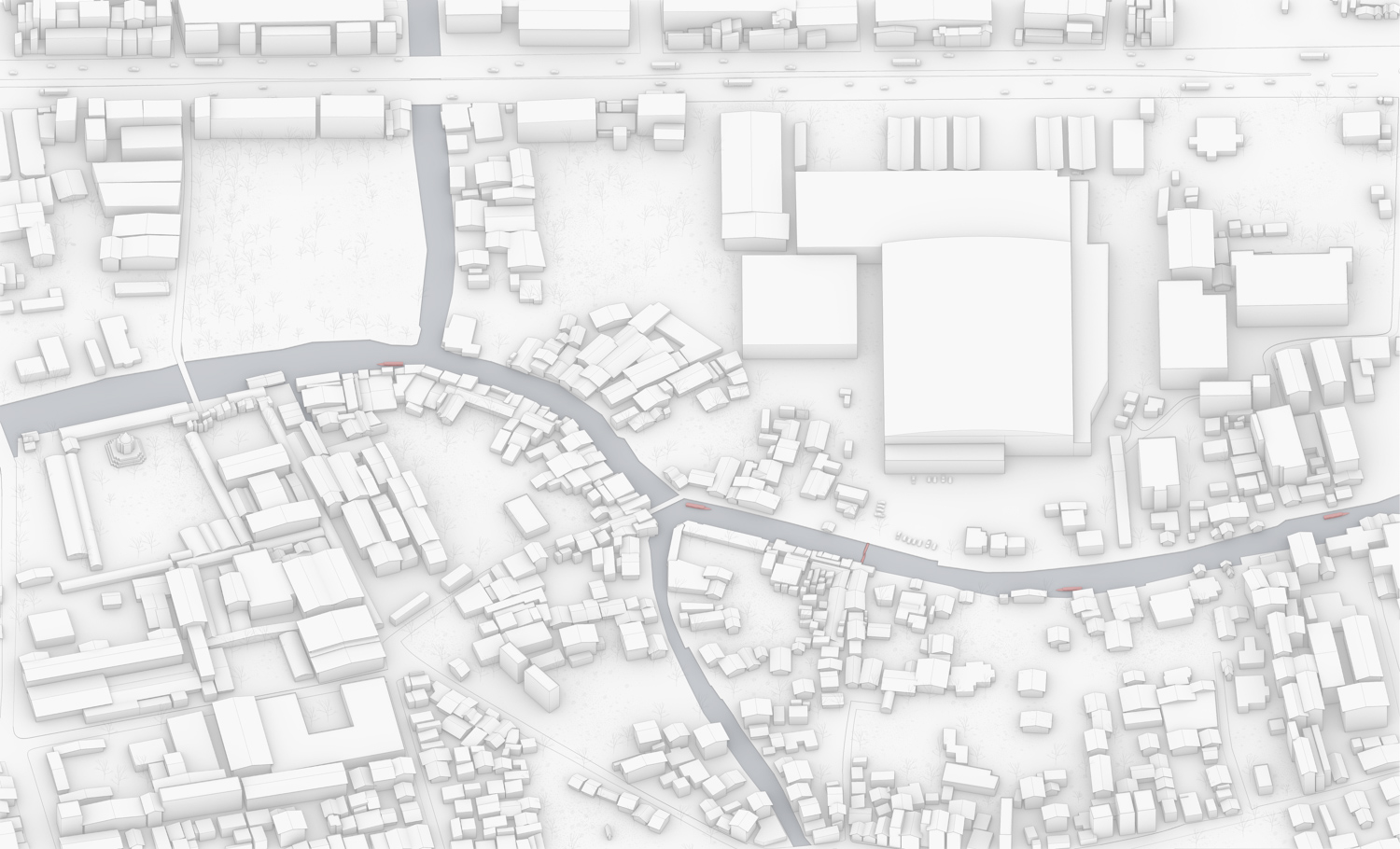
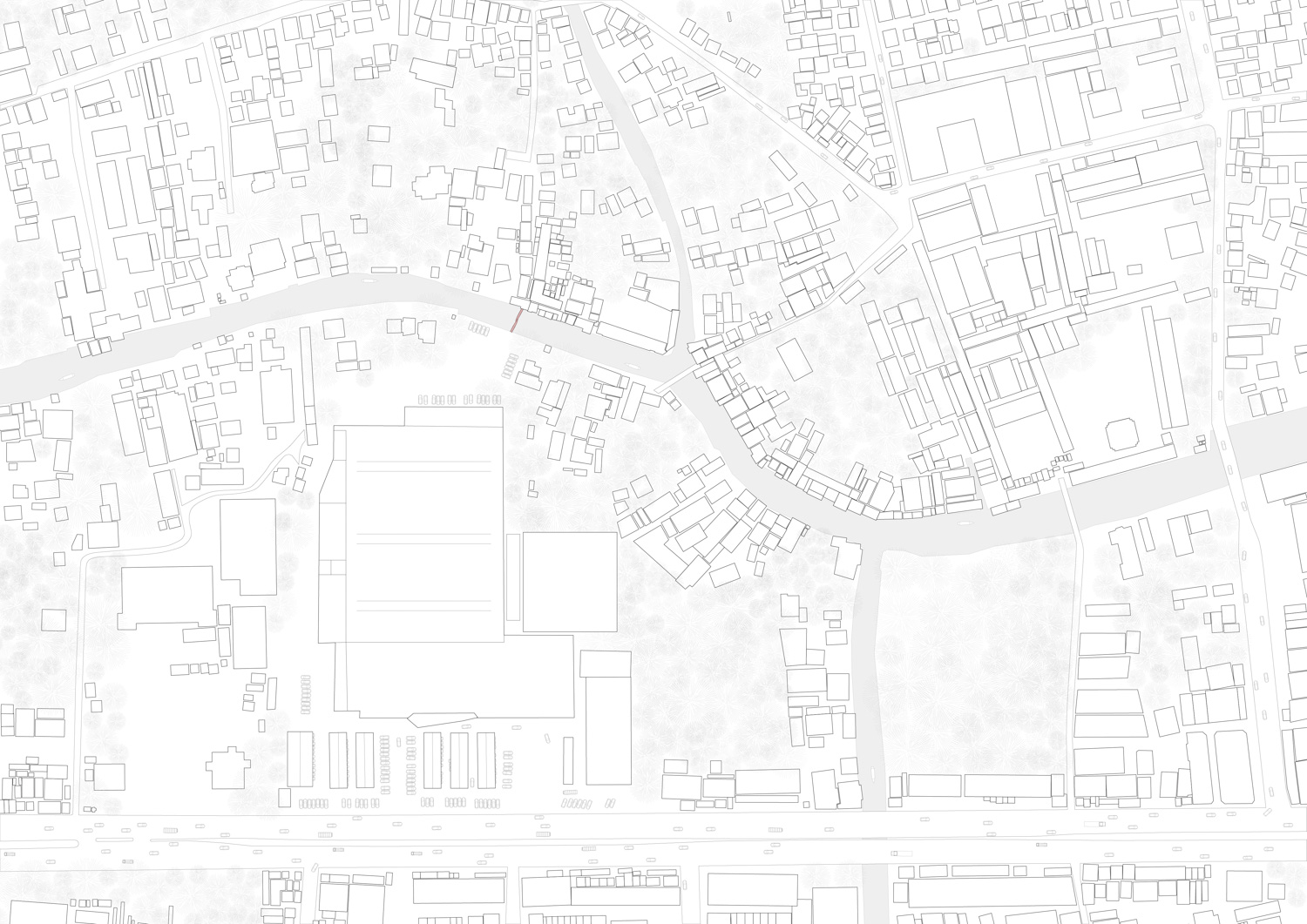
This movable and adjustable bridge provides a convenient and efficient way for villagers to access the supermarket, as well as the bus stop, bank, and nearby restaurants, making everyday activities such as shopping and commuting significantly easier. The bridge’s mobility ensures it can be adjusted as needed when boats pass through, providing flexibility and allowing it to continue serving the community effectively over time. It is not a free mode of transportation; users must pay 1 Thai Baht for a one-way trip. Even though this is inexpensive, it serves as an additional source of income for the Bridge’s captain. Despite the presence of a government-built concrete bridge nearby that is free to cross, many locals still prefer to use this boat bridge because it saves time when crossing to the opposite bank.
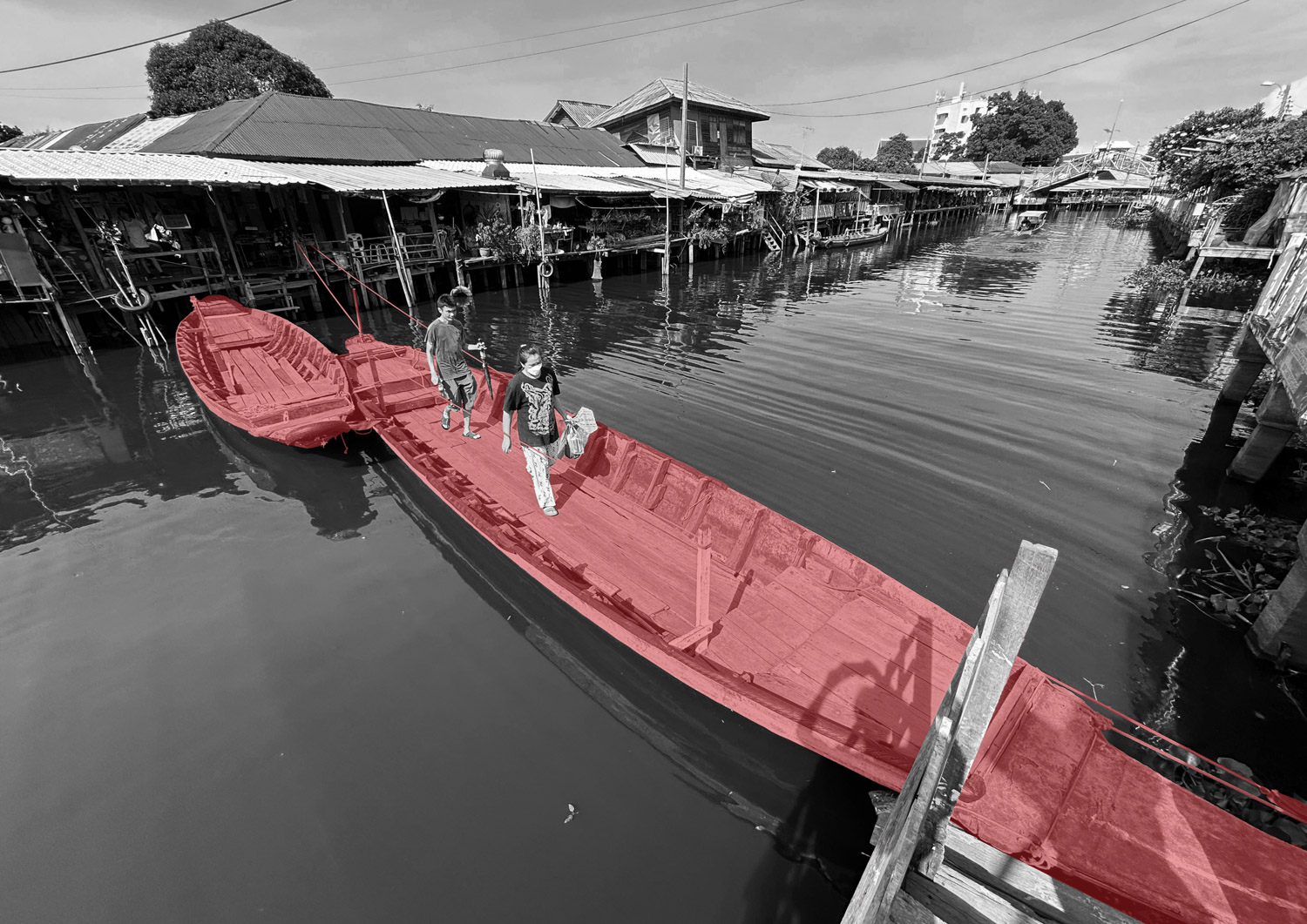
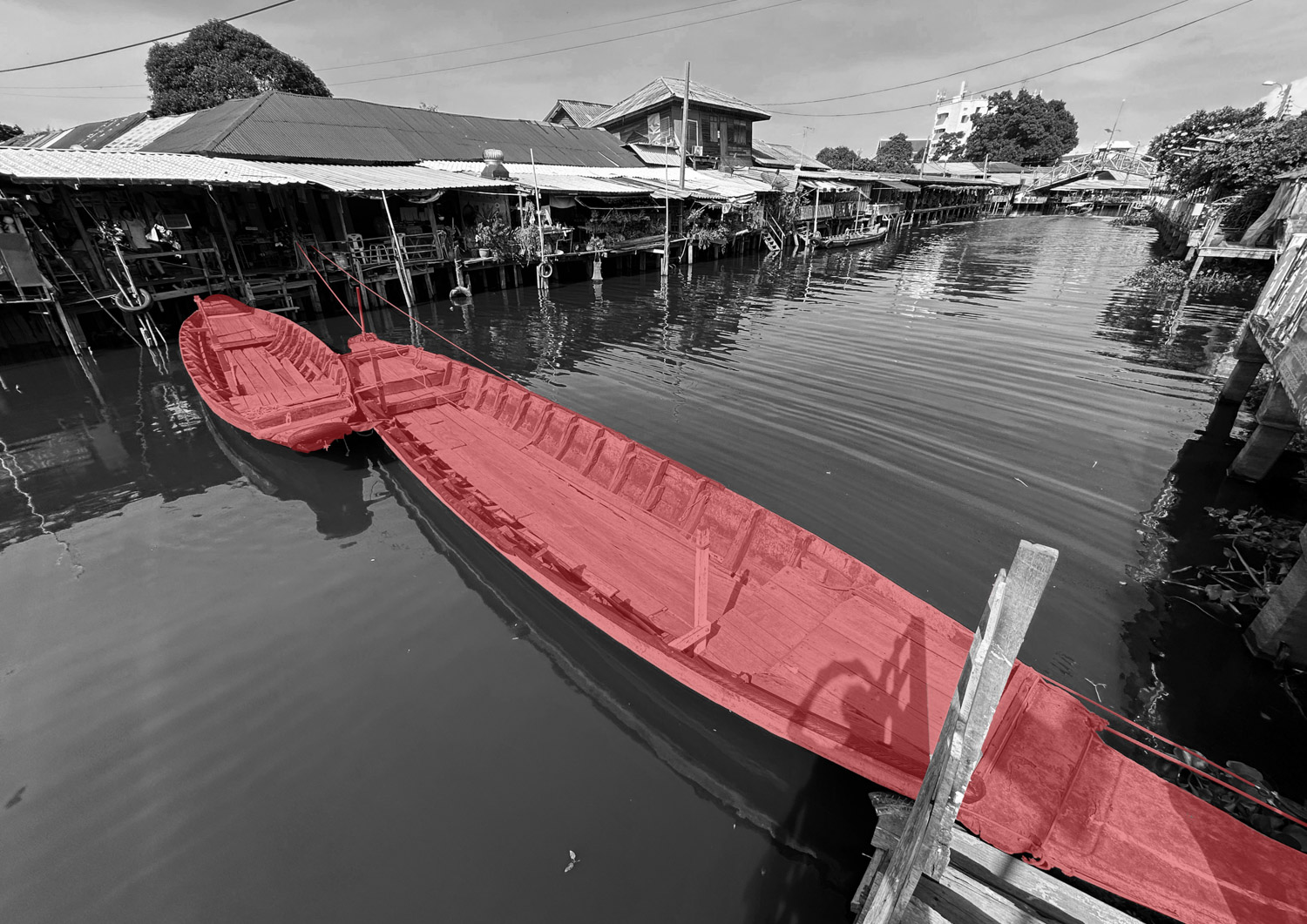

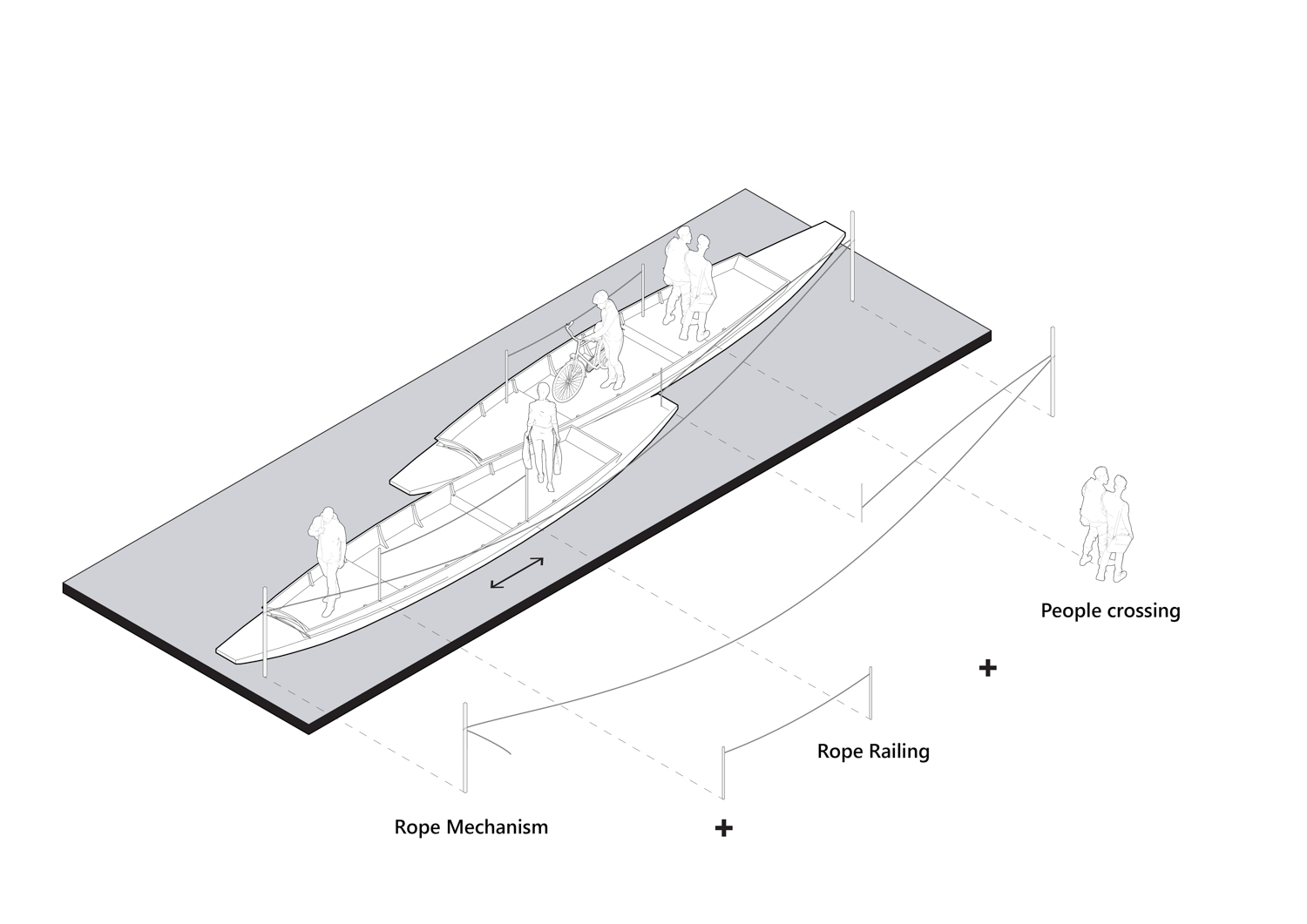
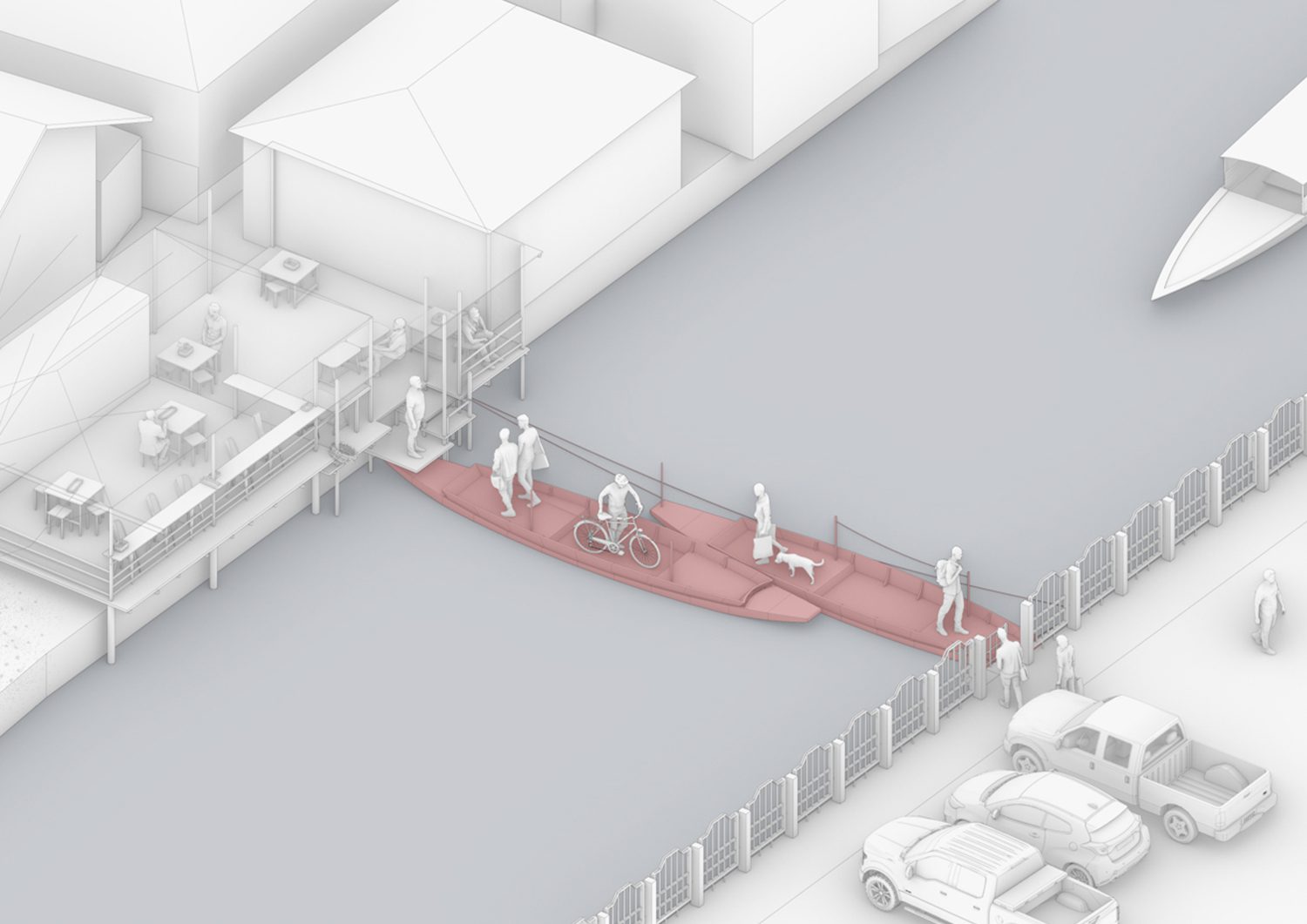
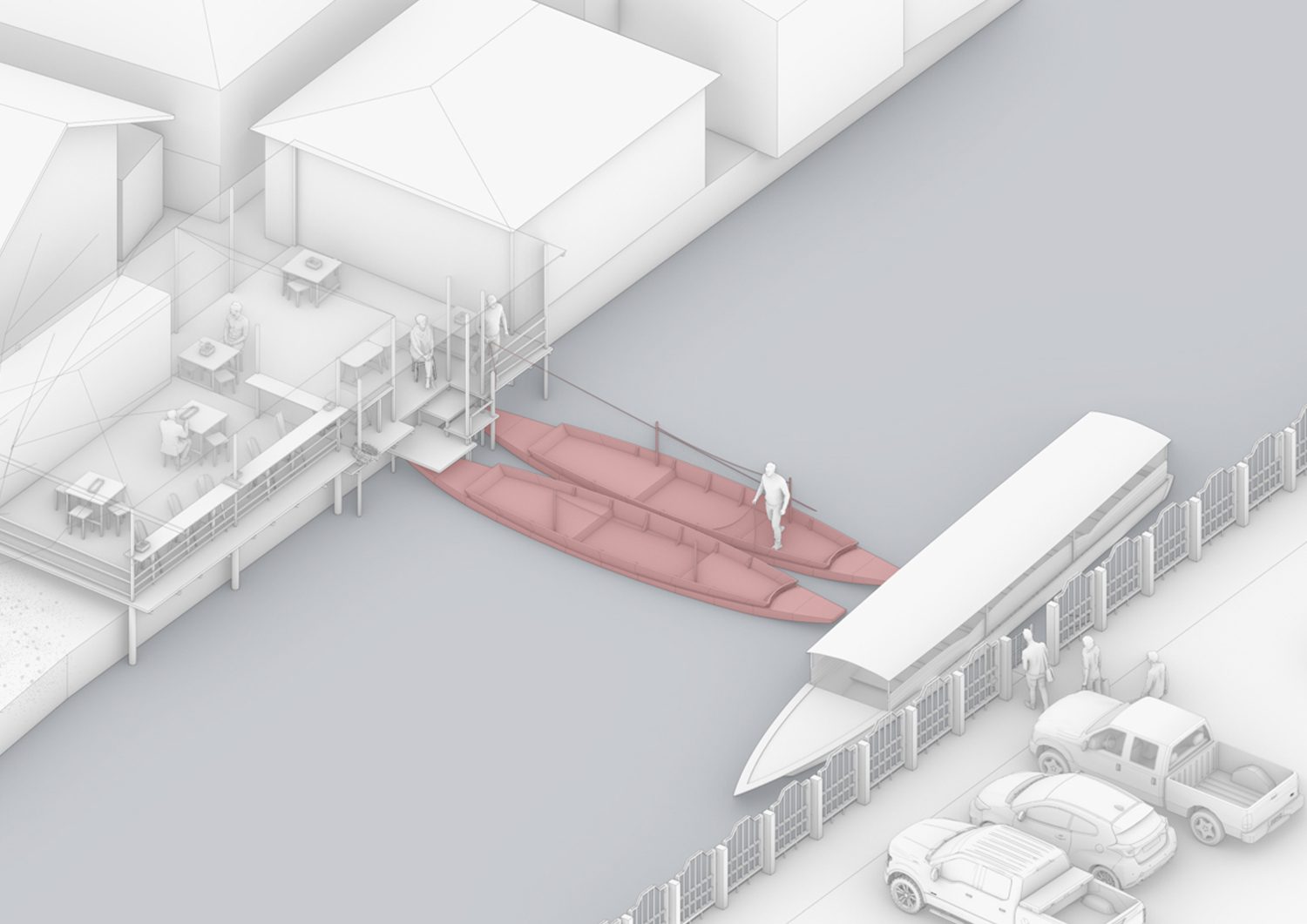
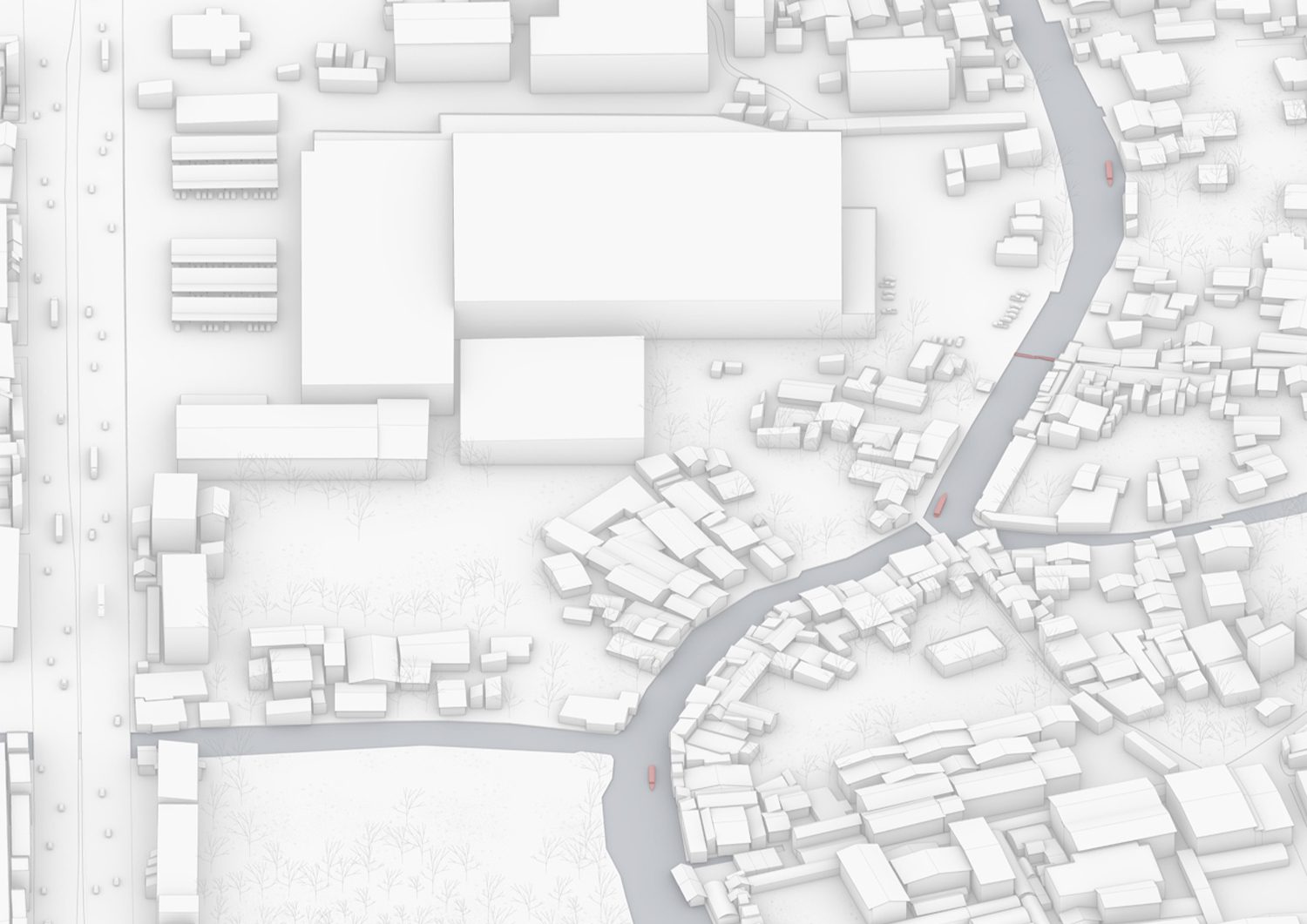
The Big C Boat Bridge has profound implications for the typical local water community in Thailand. By improving access to essential urban resources, it enhances the quality of life for villagers who might otherwise spend more time reaching these facilities. Additionally, the round-trip cost of just 2 Thai Baht offers an affordable and uniquely Thai experience of crossing a canal by boat bridge. It also evokes powerful cultural and historical memories related to Thailand’s boat traditions, such as boat markets, boat noodles, and boat houses. Moreover, the use of Thai wood and local construction methods ensures that the bridge resonates with the community’s cultural heritage, making it more than just a functional piece of infrastructure. It symbolizes the versatility of the local boat, the resourcefulness of the people, and an environmentally friendly, sustainable solution. It shows that infrastructure can be as adaptive as a chameleon, merging naturally with its surroundings and contributing to a perfectly balanced environment.
This article content is an excerpt from the book ‘Chameleon Architecture: Shifting / Adapting / Evolving,’ authored by Jenchieh Hung & Kulthida Songkittipakdee / HAS design and research, available for purchase at: https://art4d.com/product/chameleon-architecture
facebook.com/hasdesignandresearch
instagram.com/has.design.and.research