
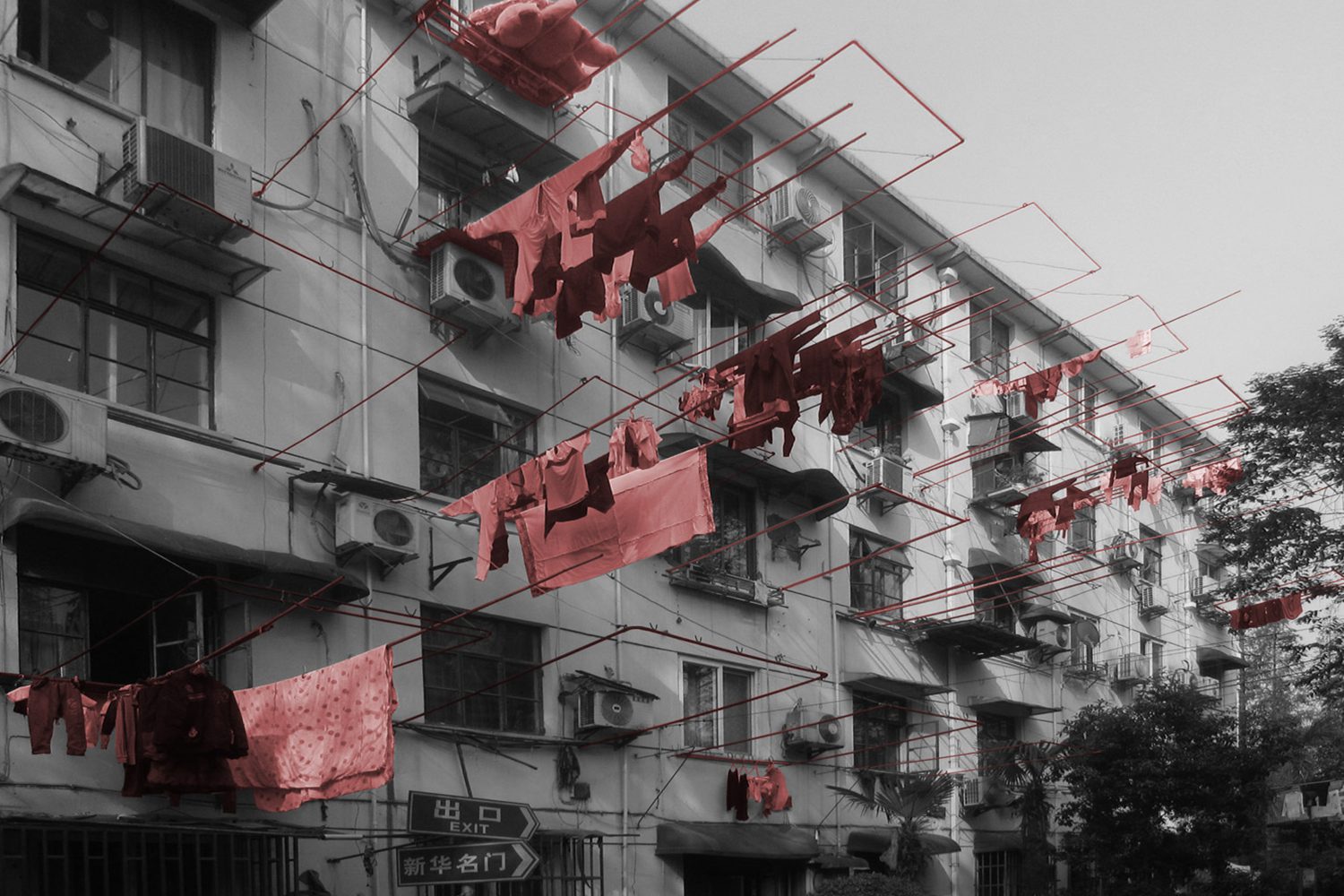
ARCHITECTS JENCHIEH HUNG AND KULTHIDA SONGKITTIPAKDEE OF HAS DESIGN AND RESEARCH HIGHLIGHT HOW MOVABLE STRUCTURES ENHANCE SOCIAL INTERACTION IN SHIKUMEN CANTILEVER VILLAGE, SHANGHAI
TEXT: JENCHIEH HUNG & KULTHIDA SONGKITTIPAKDEE
PHOTO: HAS DESIGN AND RESEARCH
(For Thai, press here)
Despite rapid urbanization, Shikumen continues to inspire with its dynamic balance between heritage and innovation, offering a meaningful model for community-centered, adaptable living in contemporary cities — as explored in their latest book, Chameleon Architecture: Shifting / Adapting / Evolving.
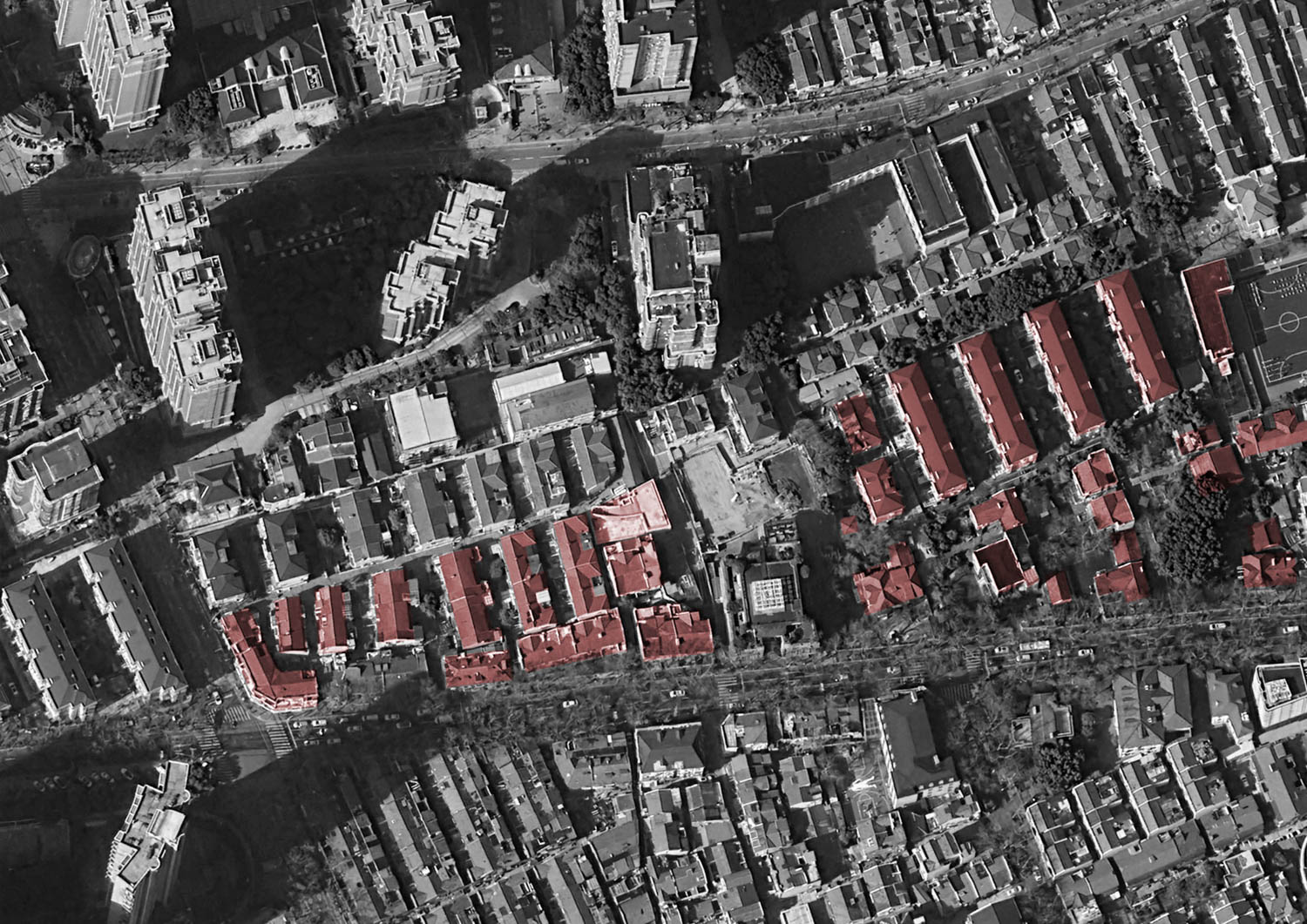
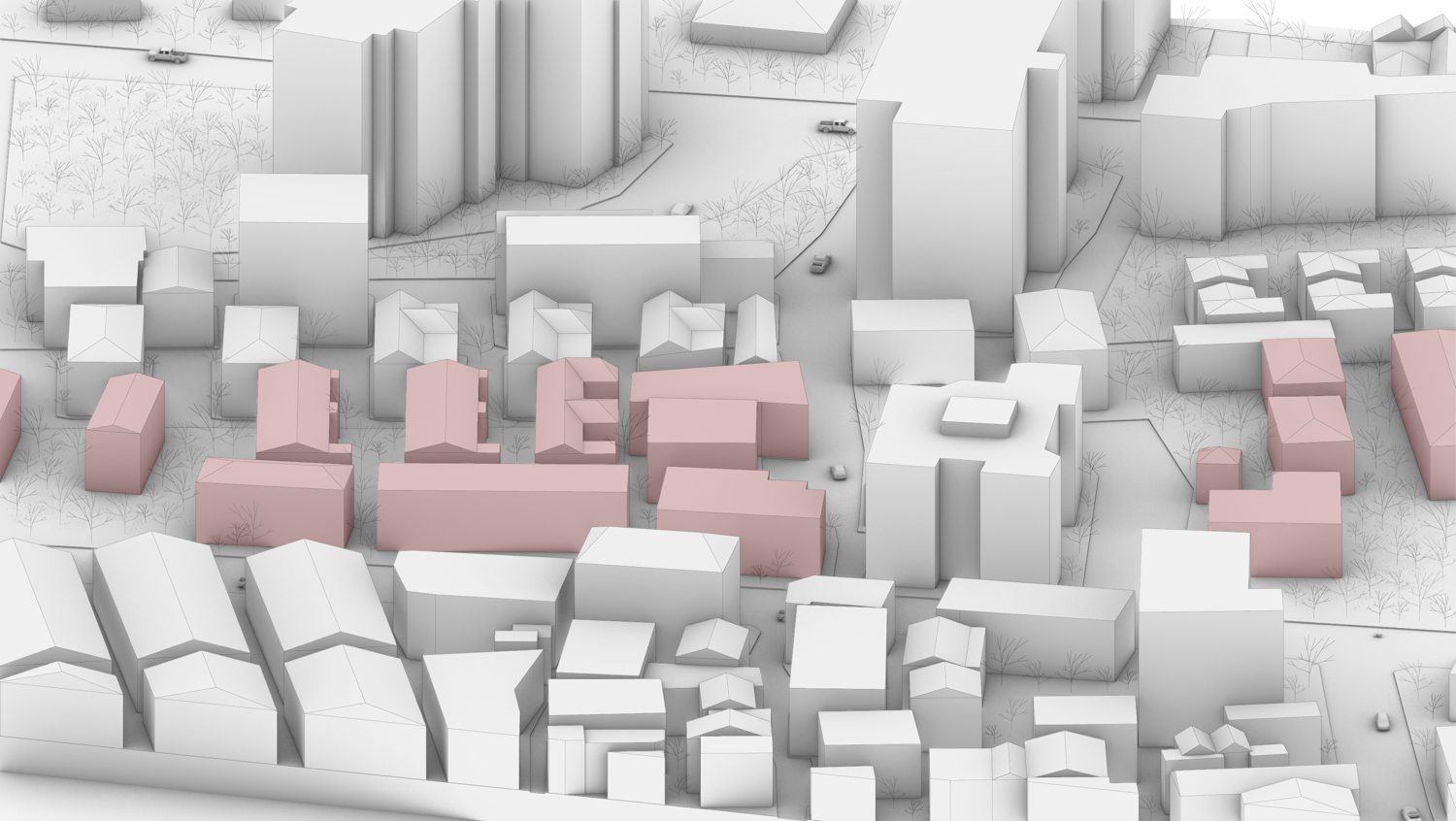
Shikumen Village in Shanghai stands as a testament to the adaptability and enduring legacy of traditional architecture. Originating in the 1860s, Shikumen is a unique blend of Western and Chinese architectural influences that evolved to meet the growing needs of Shanghai’s population. The term ‘Shikumen,’ meaning ‘stone-framed door,’ refers to the distinctive stone gateways of these tenement houses, which became emblematic of the city’s development during its period of urban growth. At its peak, Shikumen-style residences, also known as ‘lilong’ or ‘lane houses,’ accounted for 60% of Shanghai’s housing stock. Although many of these buildings have been replaced by modern high-rise apartments, Shikumen’s enduring charm persists—particularly in how the style has adapted to modern urban life.

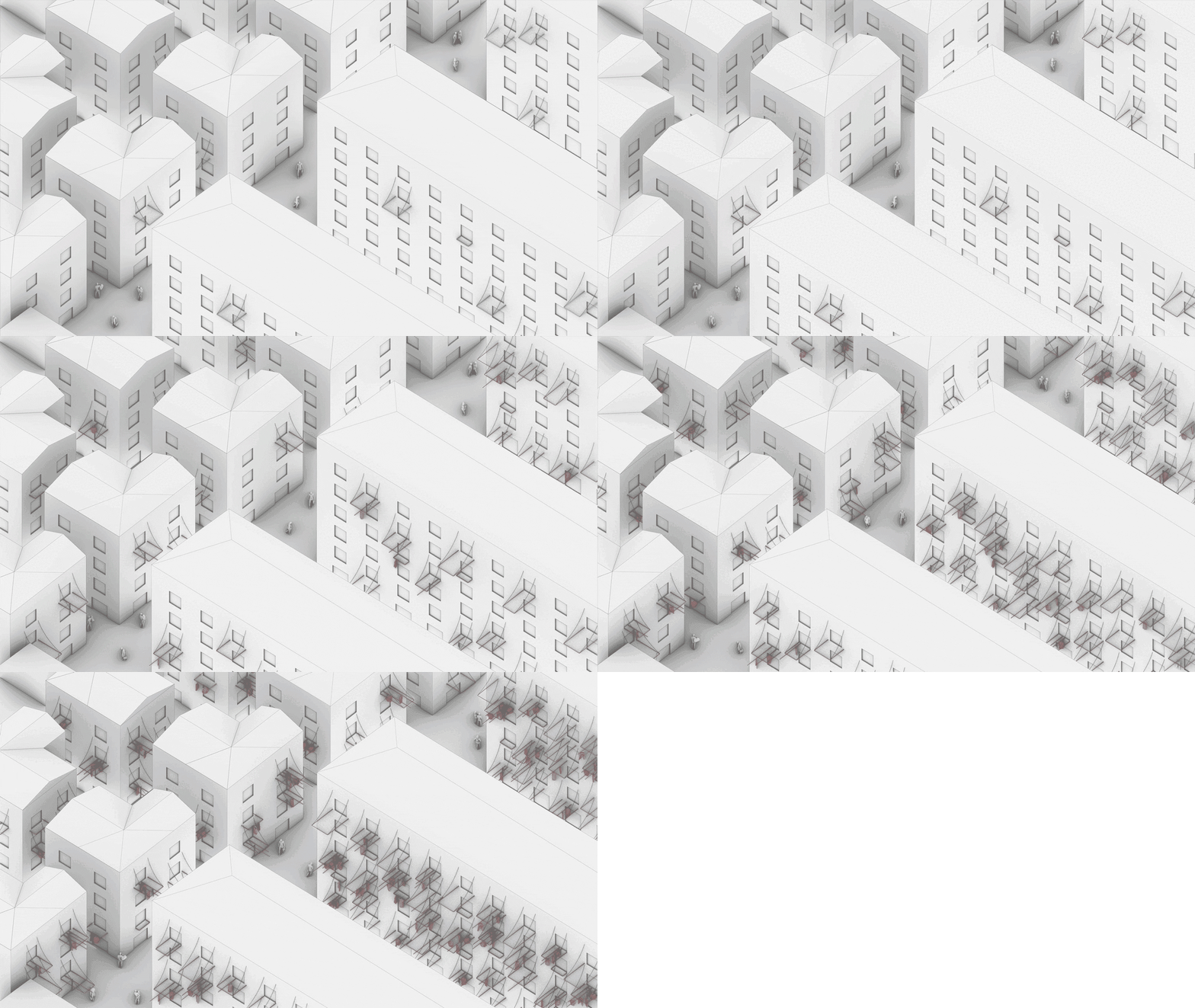
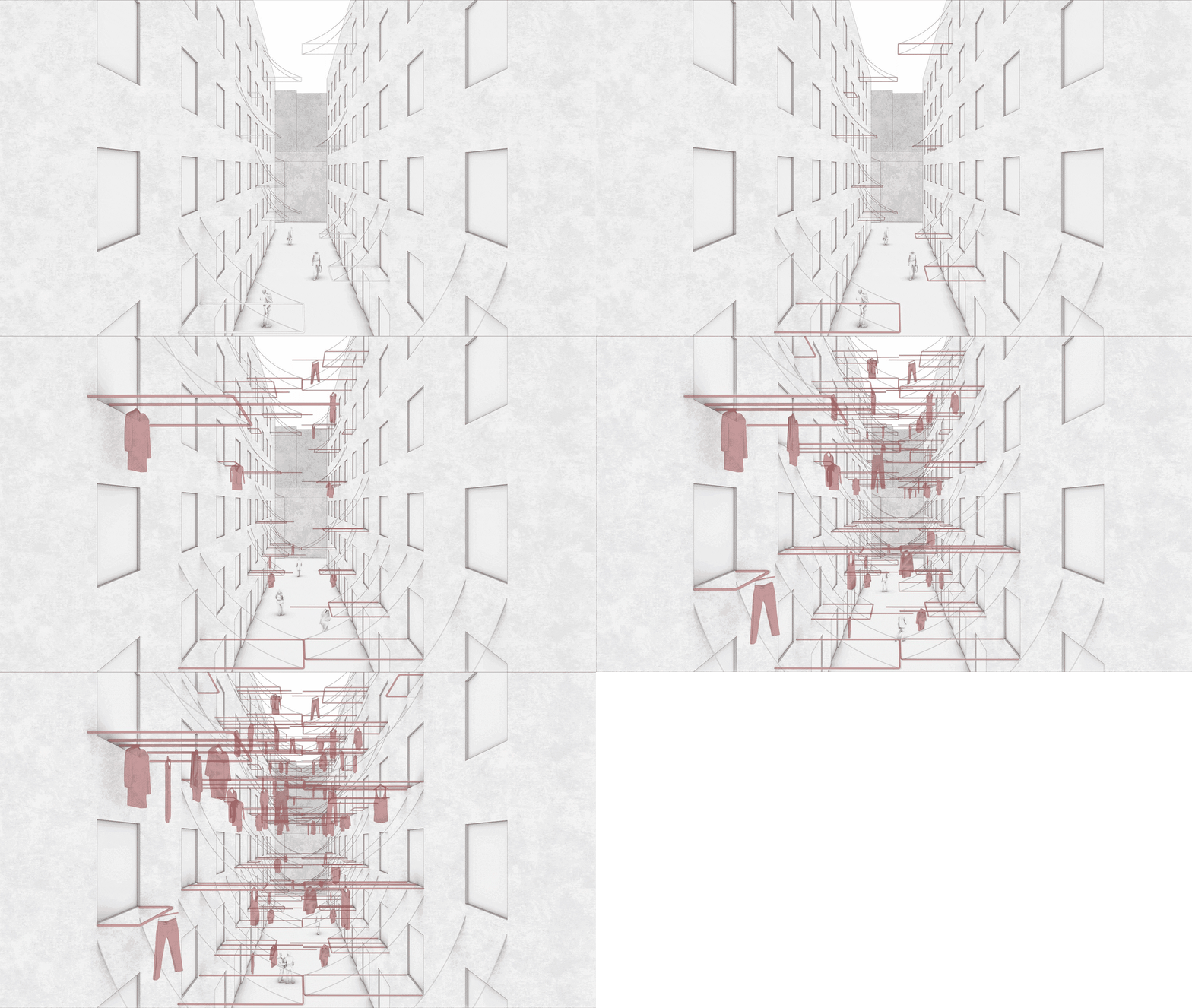
For architects Jenchieh Hung and Kulthida Songkittipakdee of HAS design and research, the lasting appeal of Shikumen lies not only in its fusion of Eastern and Western influences but also in its remarkable capacity for evolution. As Shanghai has rapidly urbanized, many Shikumen buildings have been replaced by taller, more space-efficient structures. Yet, the fundamental design principles of Shikumen remain highly relevant, particularly its emphasis on spatial efficiency and adaptability. The creative and resourceful use of space in Shikumen homes demonstrates how traditional architecture can continue to evolve and thrive, even under the pressures of modern urban life.

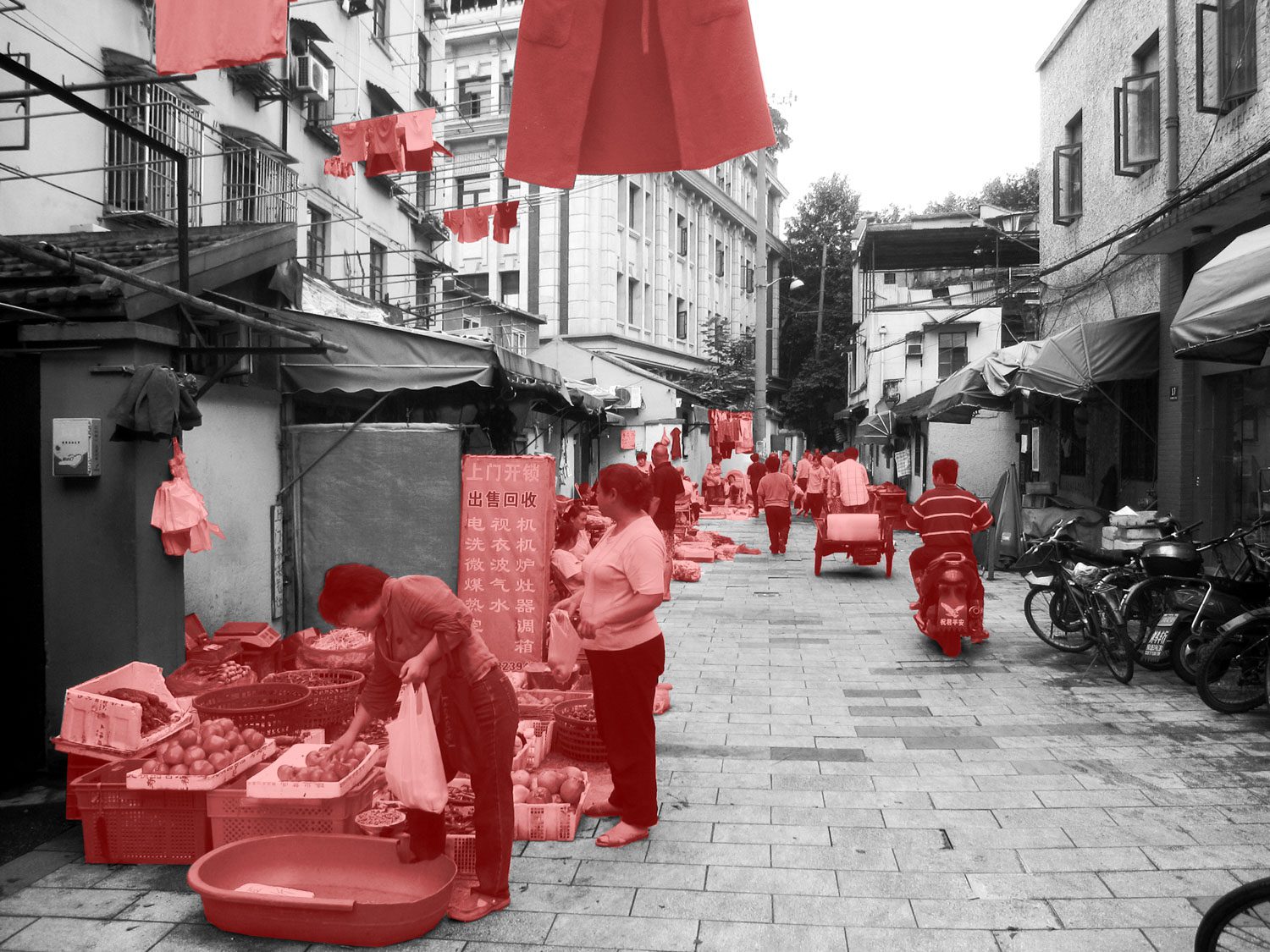
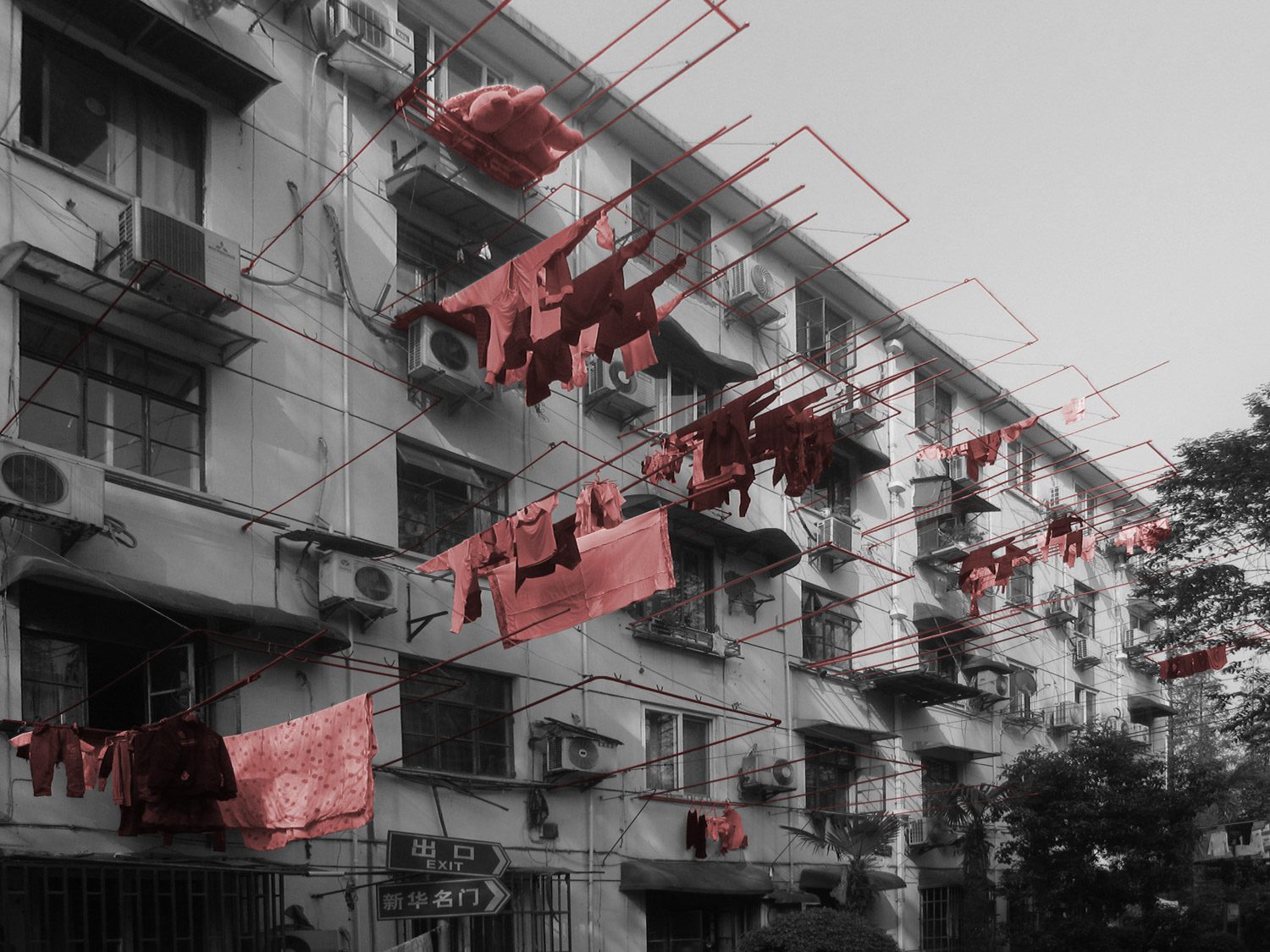
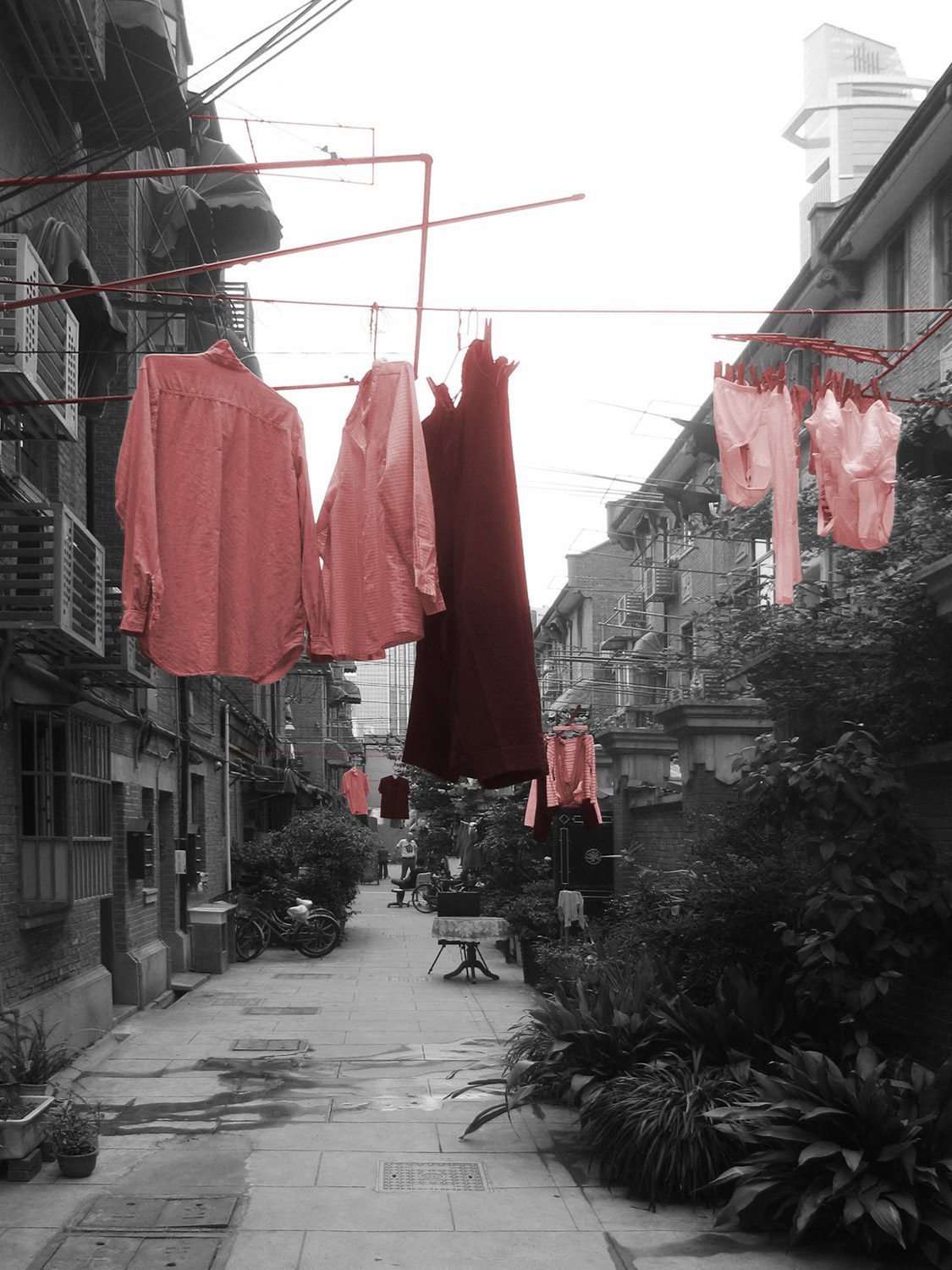
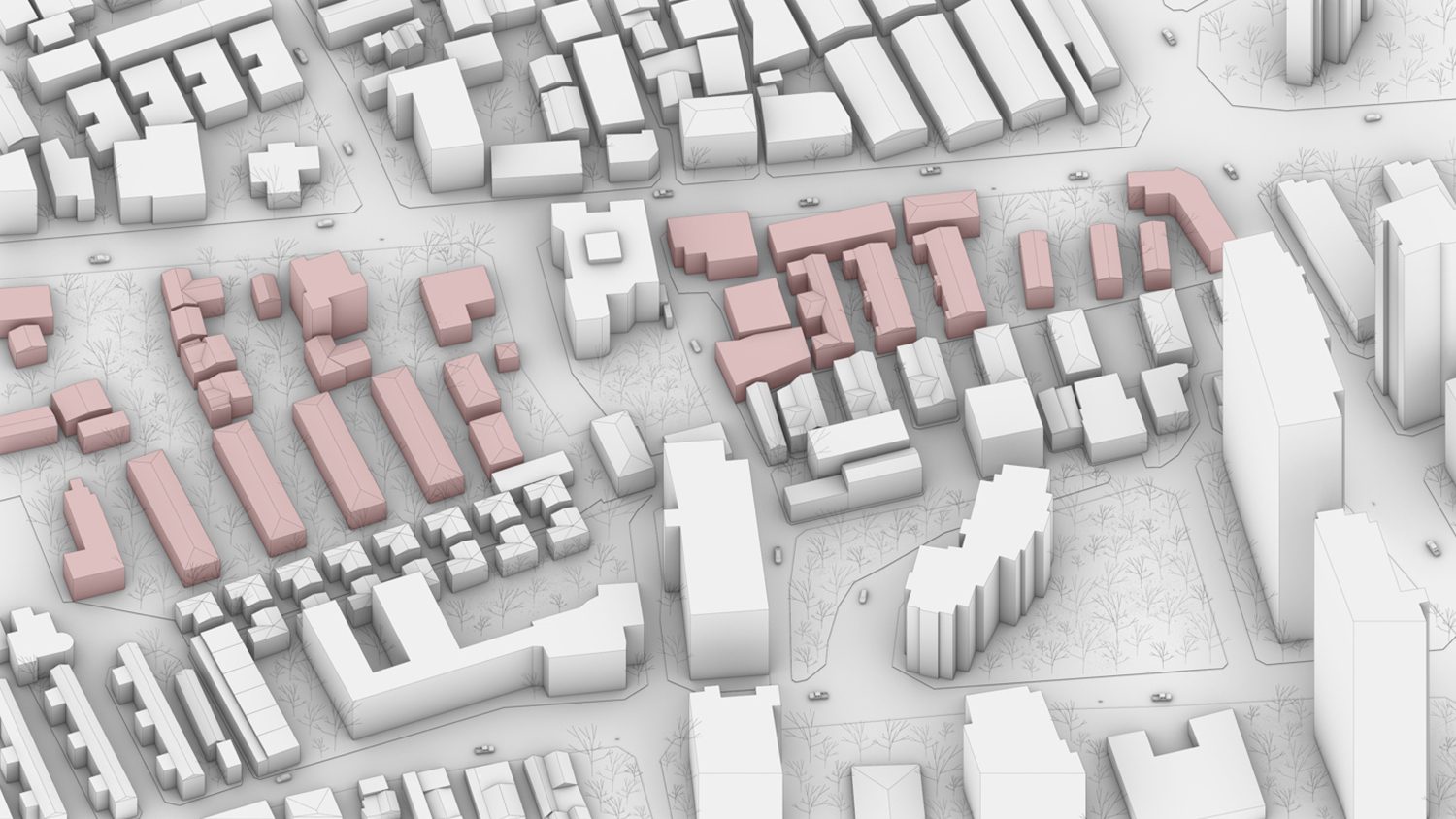
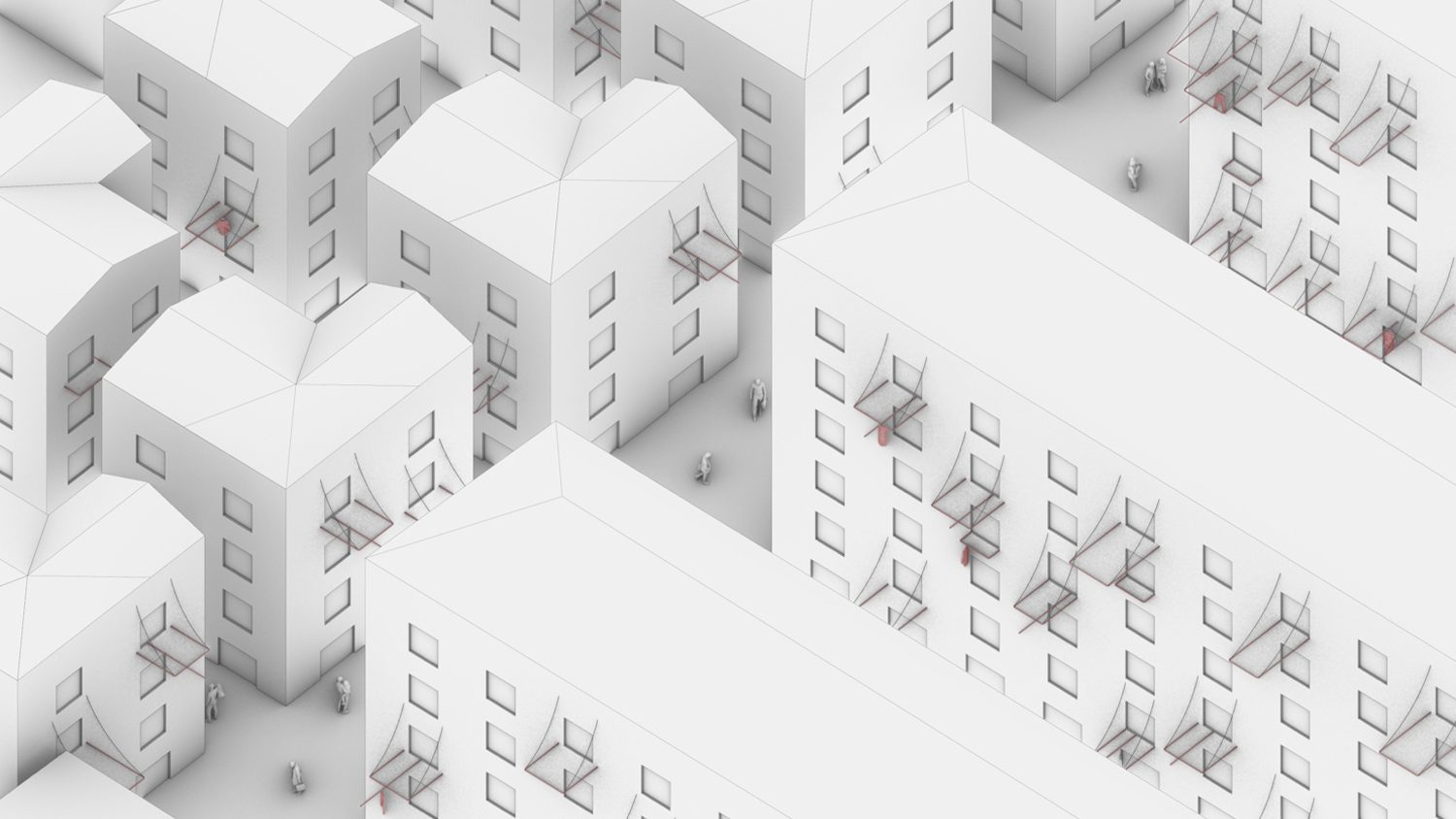
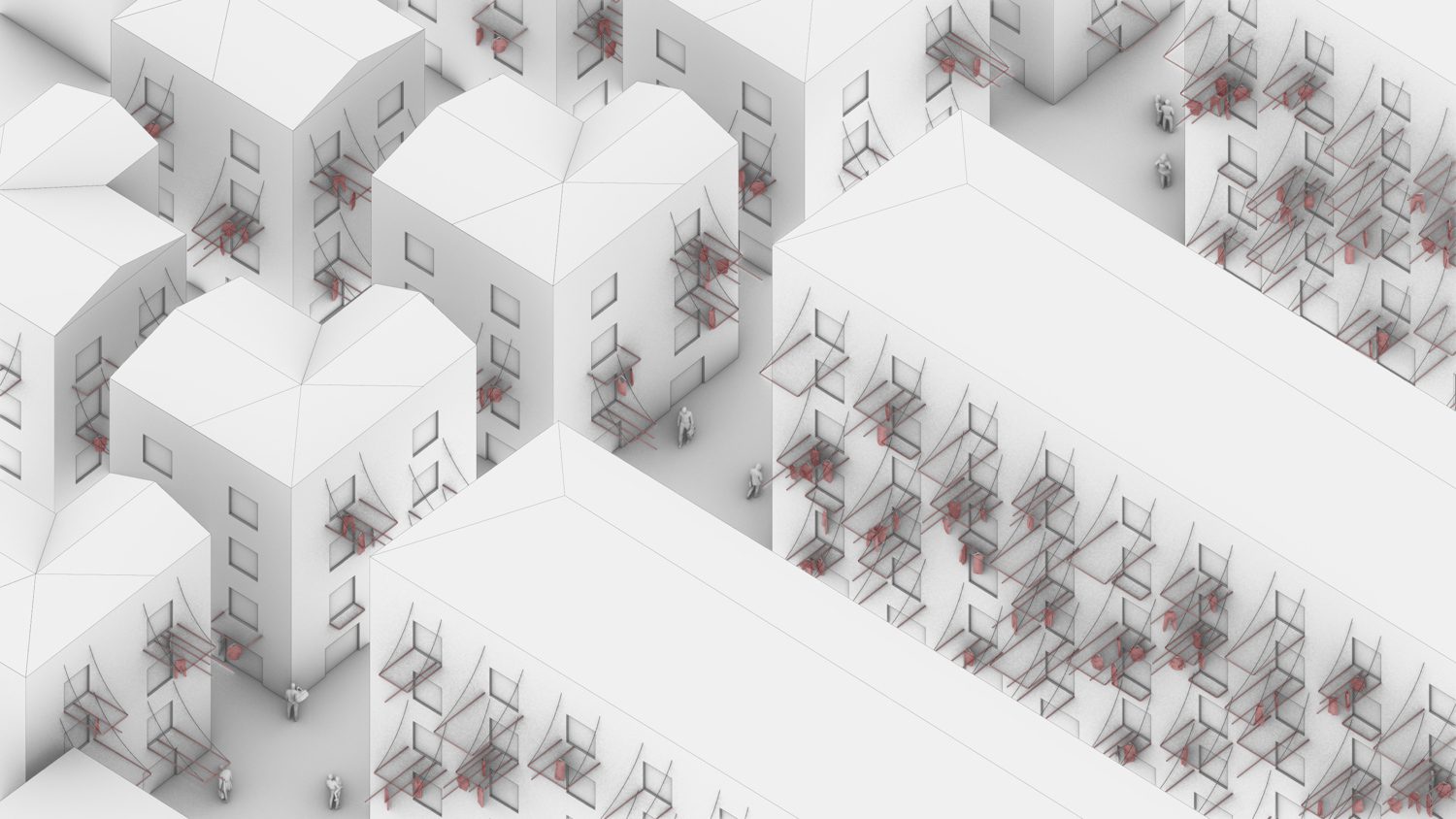
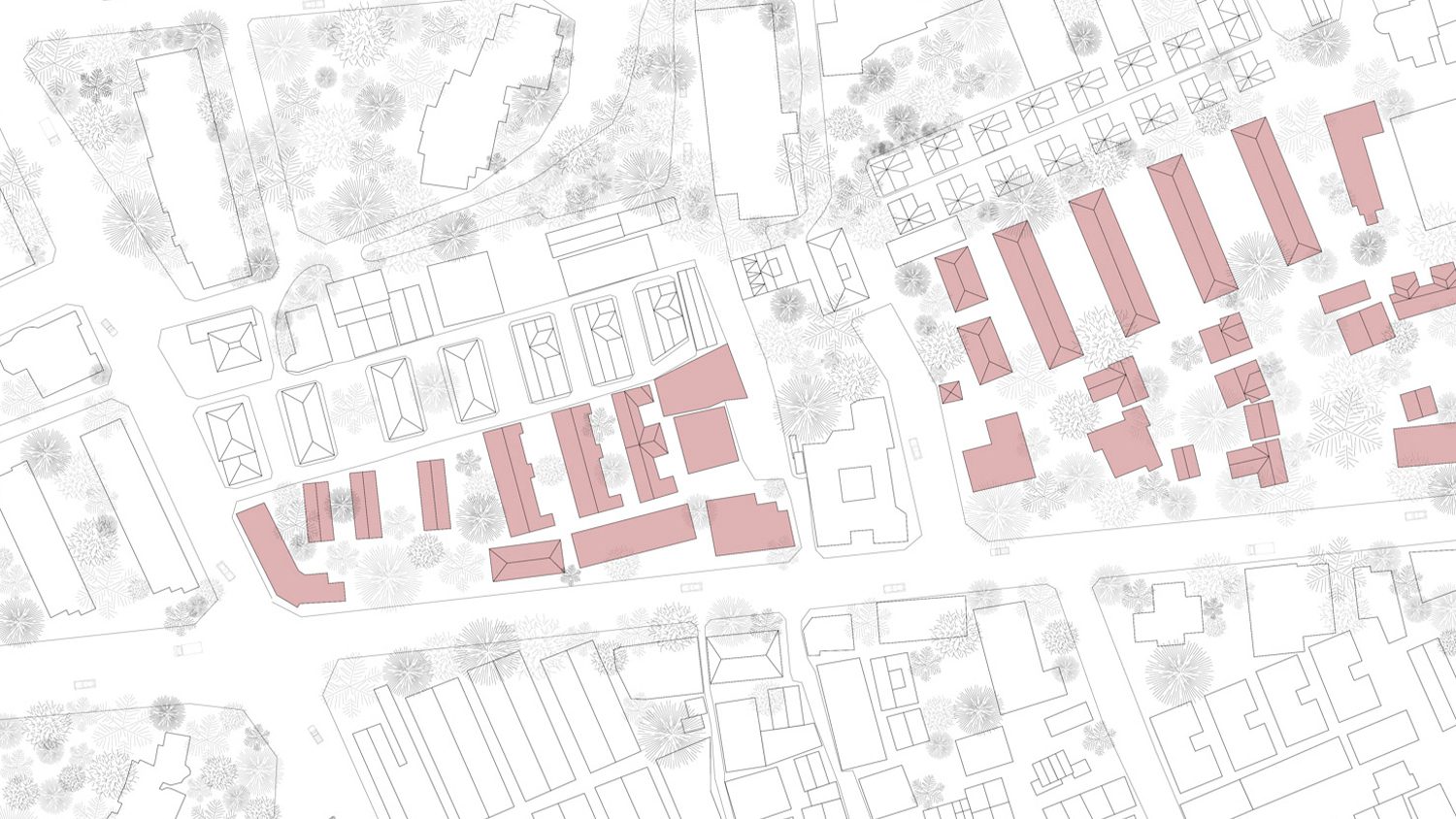
A defining characteristic of Shikumen Village is its innovative use of open spaces. These spaces extend beyond the alleyways at ground level and reach upward through the windows and external features. For example, residents have built metal iron frames that can be attached to windows to hang clothes, store items, or carry out other functions. Importantly, these frames are not permanent structures but are movable and can be stored away when not in use. This flexibility allows for a dynamic approach to spatial organization in the narrow alleyways. The ability to temporarily modify the space without permanent obstruction fosters a sense of cooperation and community among residents.

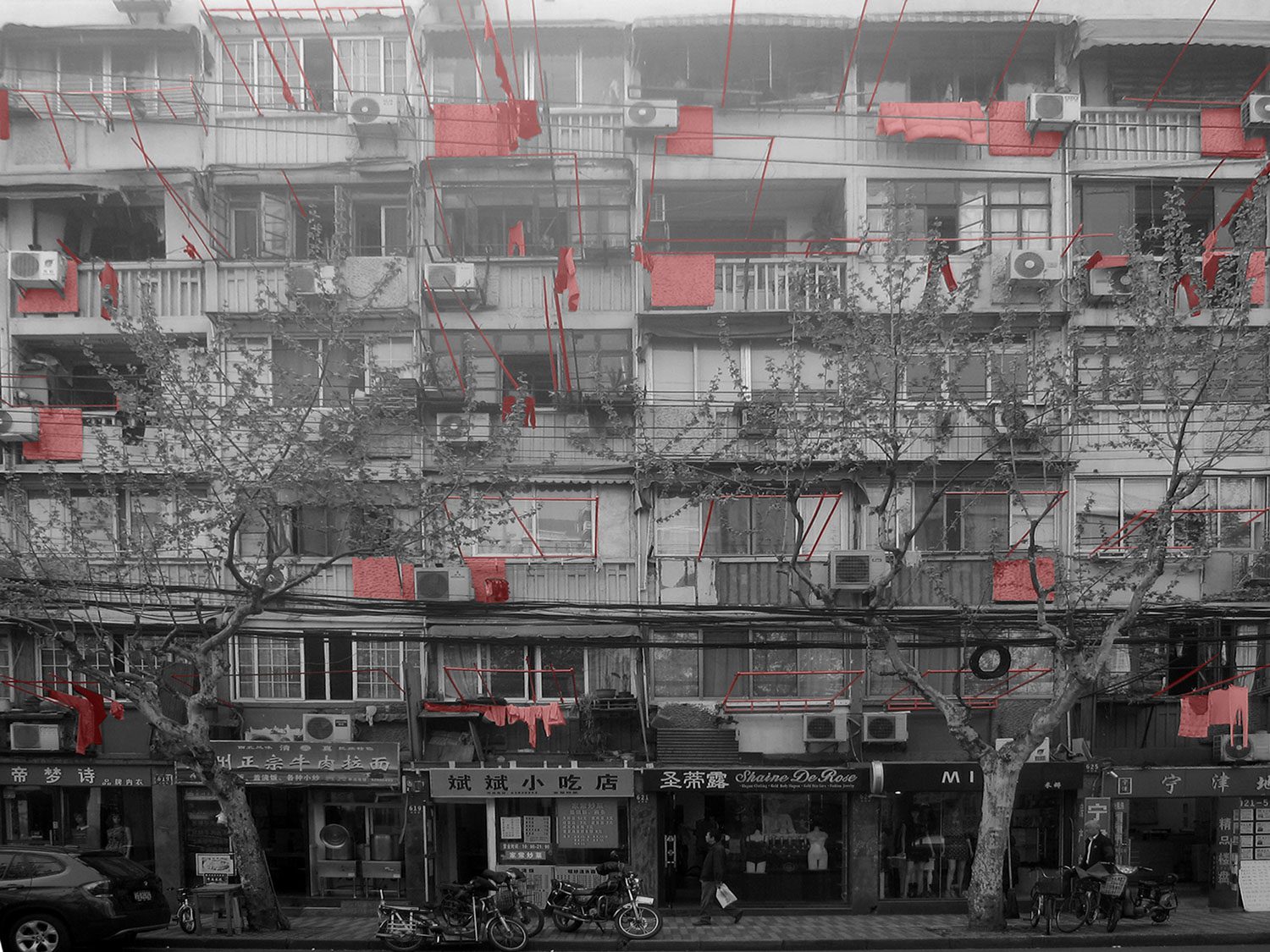
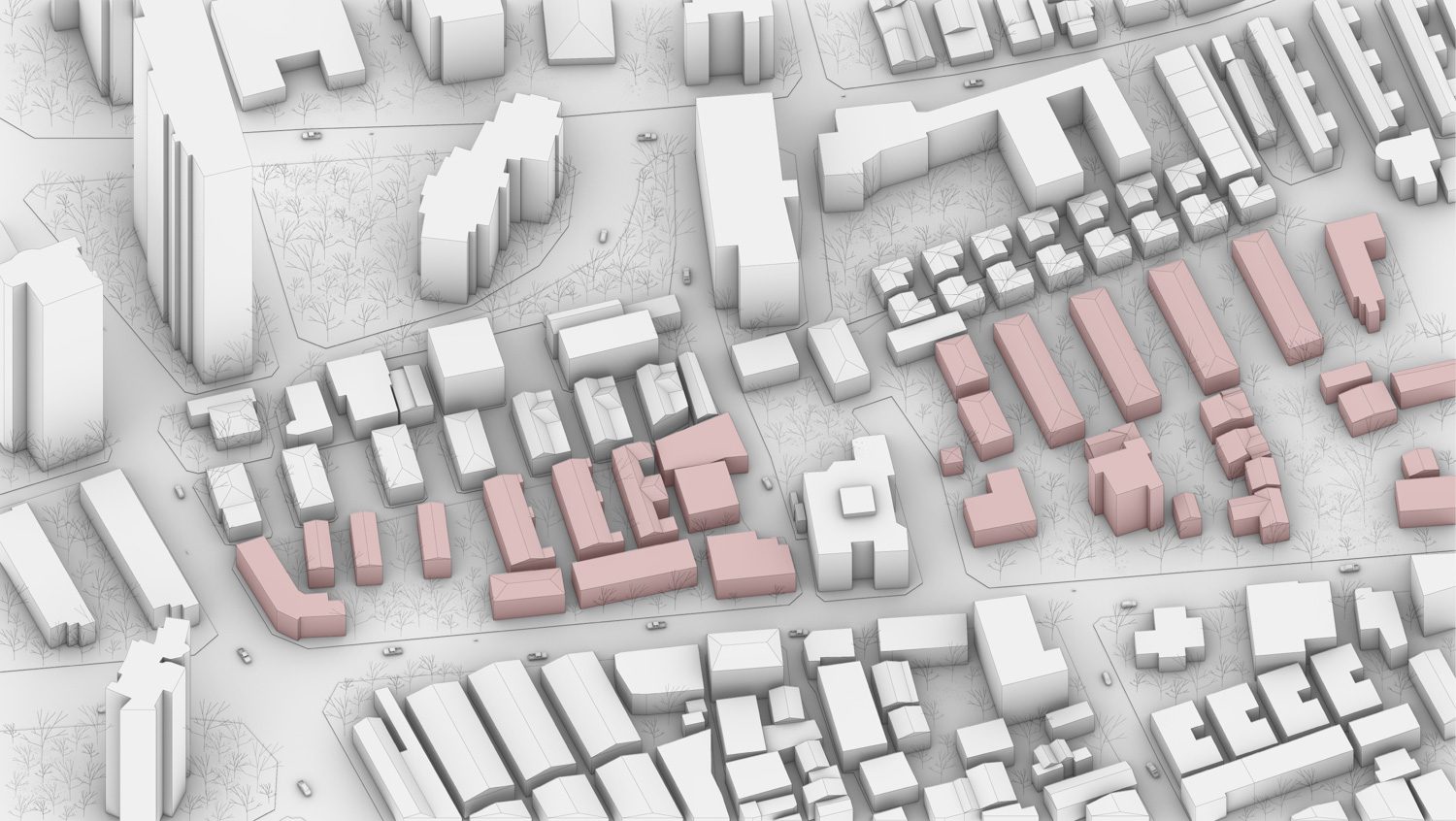
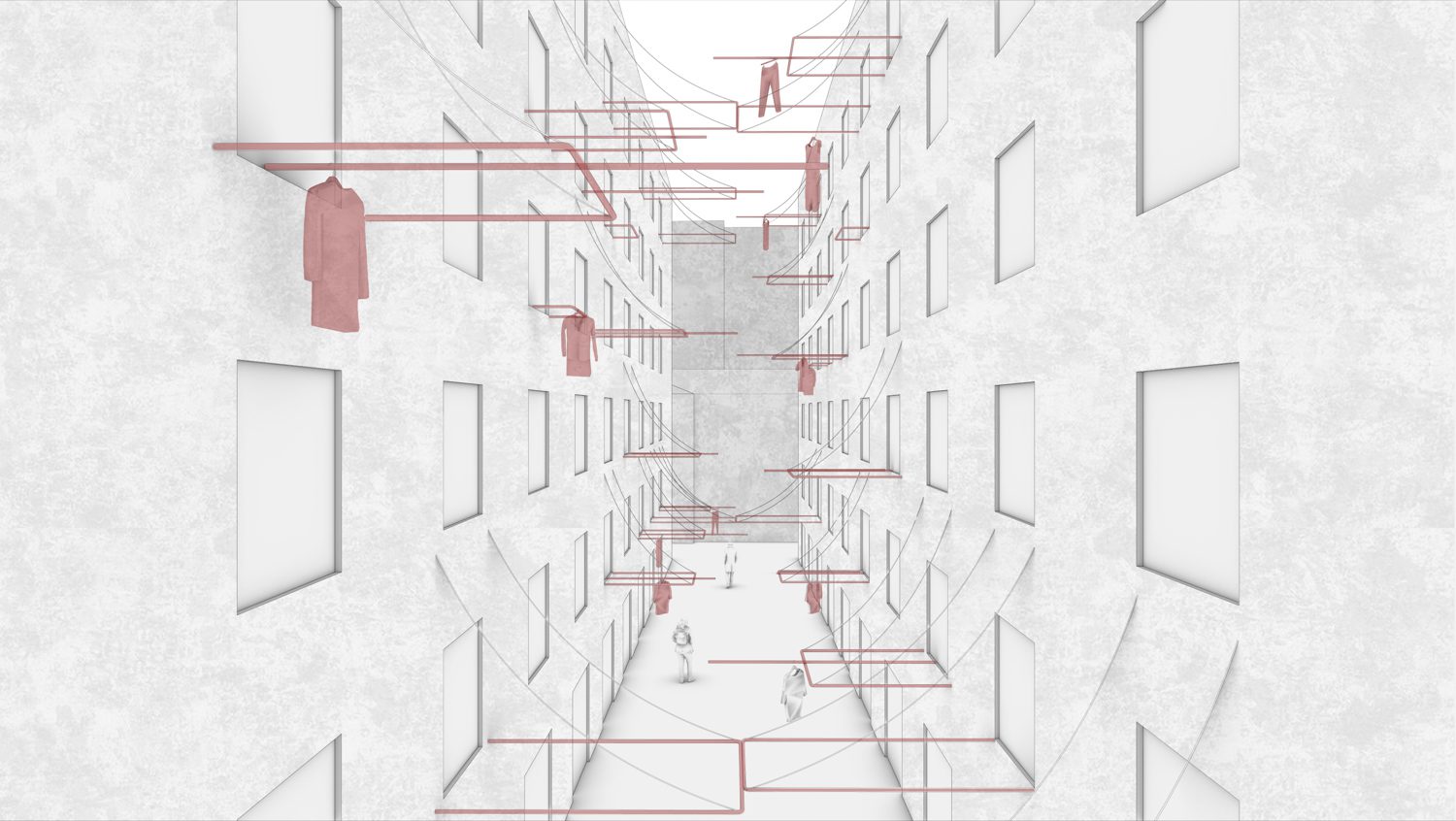
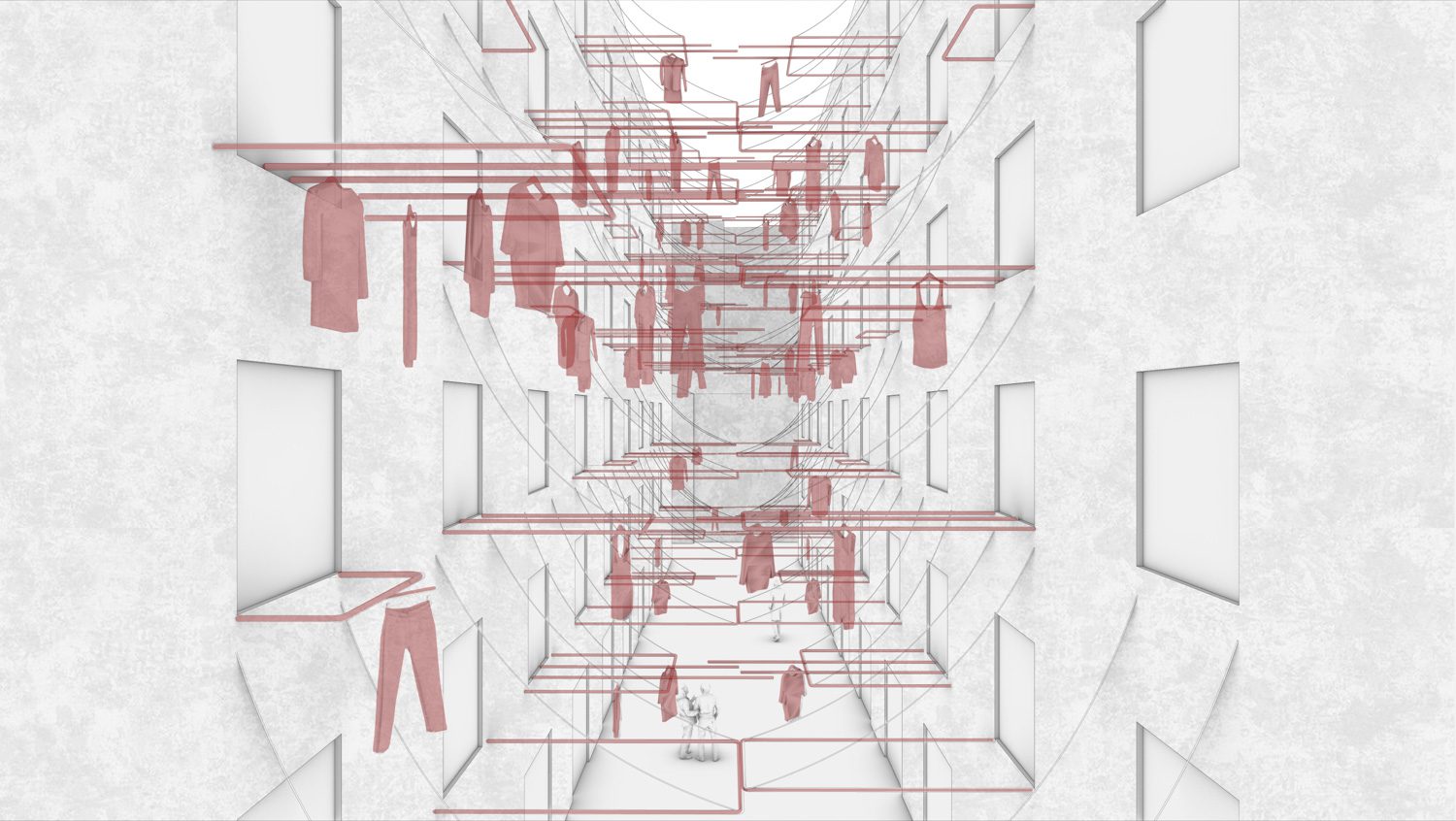
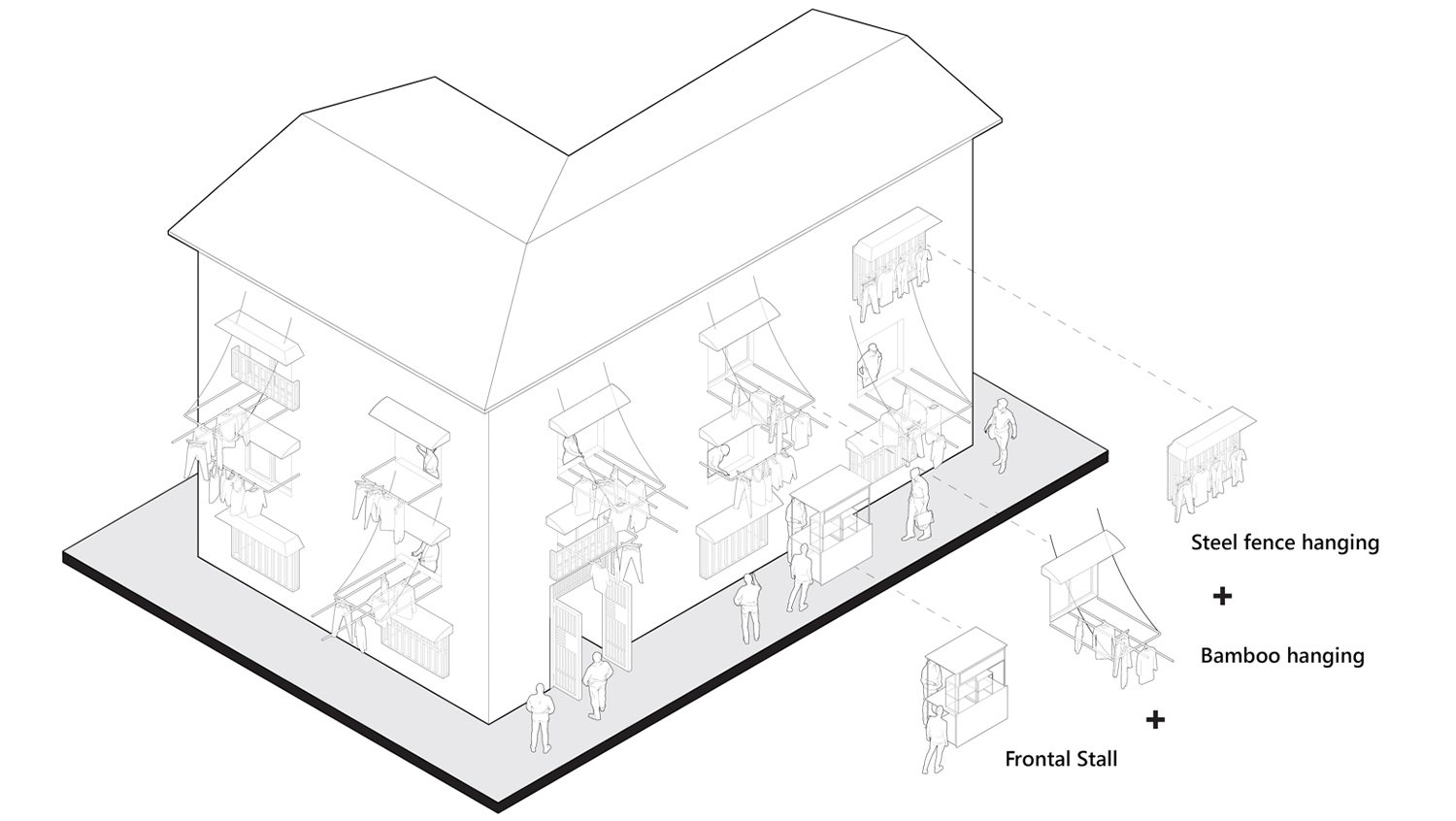
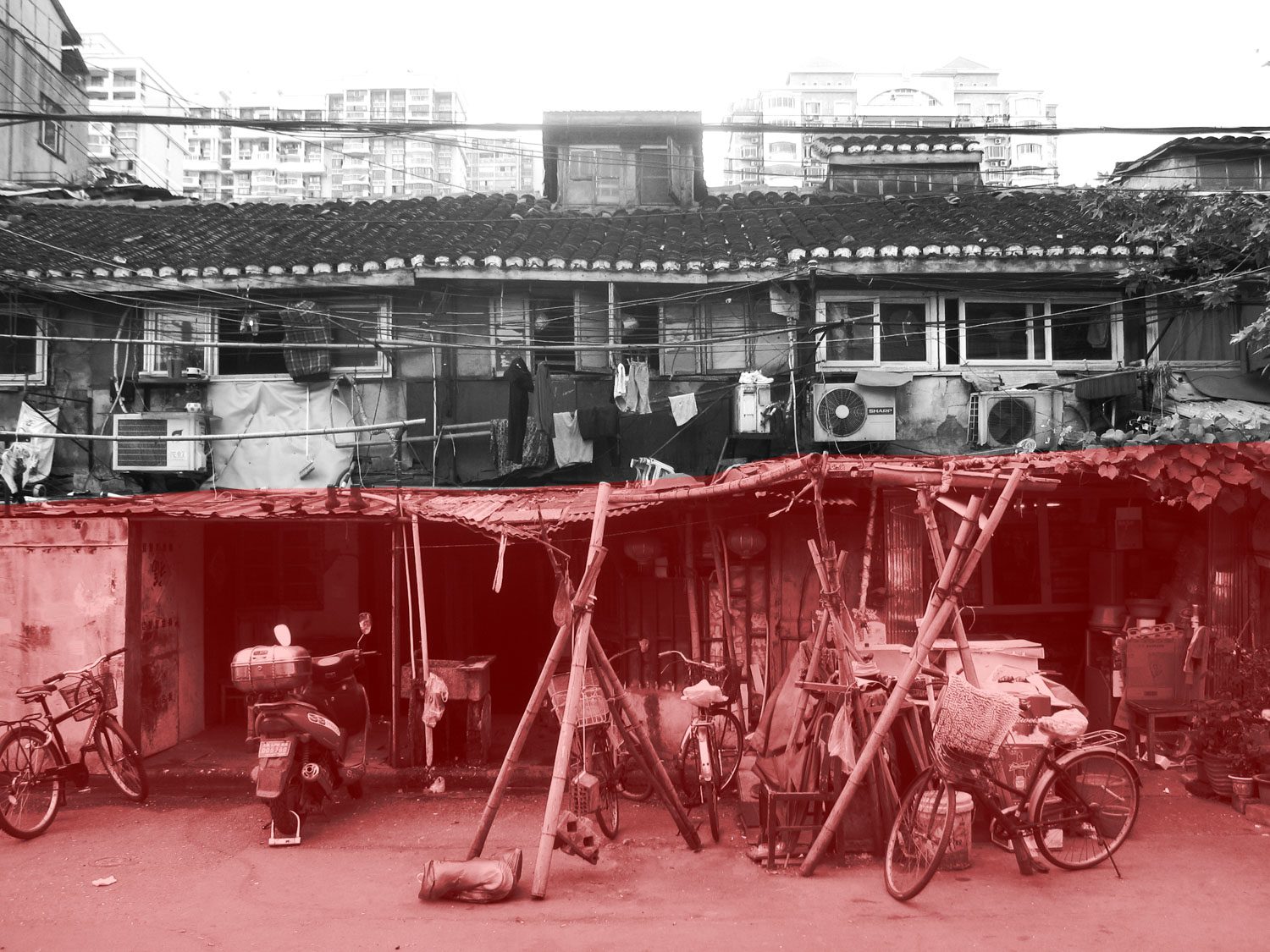
The evolving relationship between private and shared spaces in Shikumen Village further emphasizes the flexibility of this architectural style. One notable adaptation involves the use of bamboo poles, a traditional local material. These poles, combined with metal trusses and architectural openings, serve a variety of purposes. They function as tools for hanging clothes and items, but they also provide shading for the building. This multifunctionality reduces reliance on energy-consuming systems, such as air conditioning, creating a more sustainable living environment. The shading effect also extends to the ground level, where a cool, shaded corridor is created, providing residents with a comfortable outdoor space during Shanghai’s hot summer months. For Hung And Songkittipakdee (HAS), Shikumen serves as an inspiring example of how traditional spaces can be adapted to support community life, fostering sustainability while allowing the image of the past to endure amid the rapidly growing urban context of today.
This article content is an excerpt from the book ‘Chameleon Architecture: Shifting / Adapting / Evolving,’ authored by Jenchieh Hung & Kulthida Songkittipakdee / HAS design and research, available for purchase at: https://art4d.com/product/chameleon-architecture
facebook.com/hasdesignandresearch
instagram.com/has.design.and.research