
IN CHINA’S NEW URBAN DISTRICTS, ORIGINAL COMMUNITIES HAVE TRANSFORMED INTO CO-LIVING SPACES THAT REFLECT SOCIAL AND ECONOMIC CHANGES. THIS SHIFT HAS LED TO MORE FLEXIBLE USE OF HOMES, SHOPS, AND COMMERCIAL BUILDINGS. ARCHITECTS JENCHIEH HUNG AND KULTHIDA SONGKITTIPAKDEE EXPLORE THESE CHANGES IN THEIR LATEST BOOK, ‘CHAMELEON ARCHITECTURE: SHIFTING / ADAPTING / EVOLVING.’ THE CHAPTER REVEALS ARCHITECTURE THAT IS NOT STATIC. IT MOVES, ADAPTS, AND GROWS WITH ITS CONTEXT AND TIME.
TEXT: JENCHIEH HUNG & KULTHIDA SONGKITTIPAKDEE
PHOTO: HAS DESIGN AND RESEARCH
(For Thai, press here)
Sanyuanli, a city village located within the Central Business District (CBD) of Guangzhou, China, exemplifies the complex and evolving urban transformation taking place across China and Asia. These urban villages, formed at the intersection of rapid modernization and deep-rooted traditions, present a unique fusion of informal living environments within the framework of formal city planning.
The research conducted by Jenchieh Hung and Kulthida Songkittipakdee / HAS design and research provides valuable insight into the delicate balance between urban development and the preservation of cultural identity, local heritage, and community life. Amid the towering high-rises of Guangzhou’s CBD, Sanyuanli stands as a powerful symbol of resilience, illustrating how traditional urban fabric can adapt to and coexist with contemporary urban expansion.
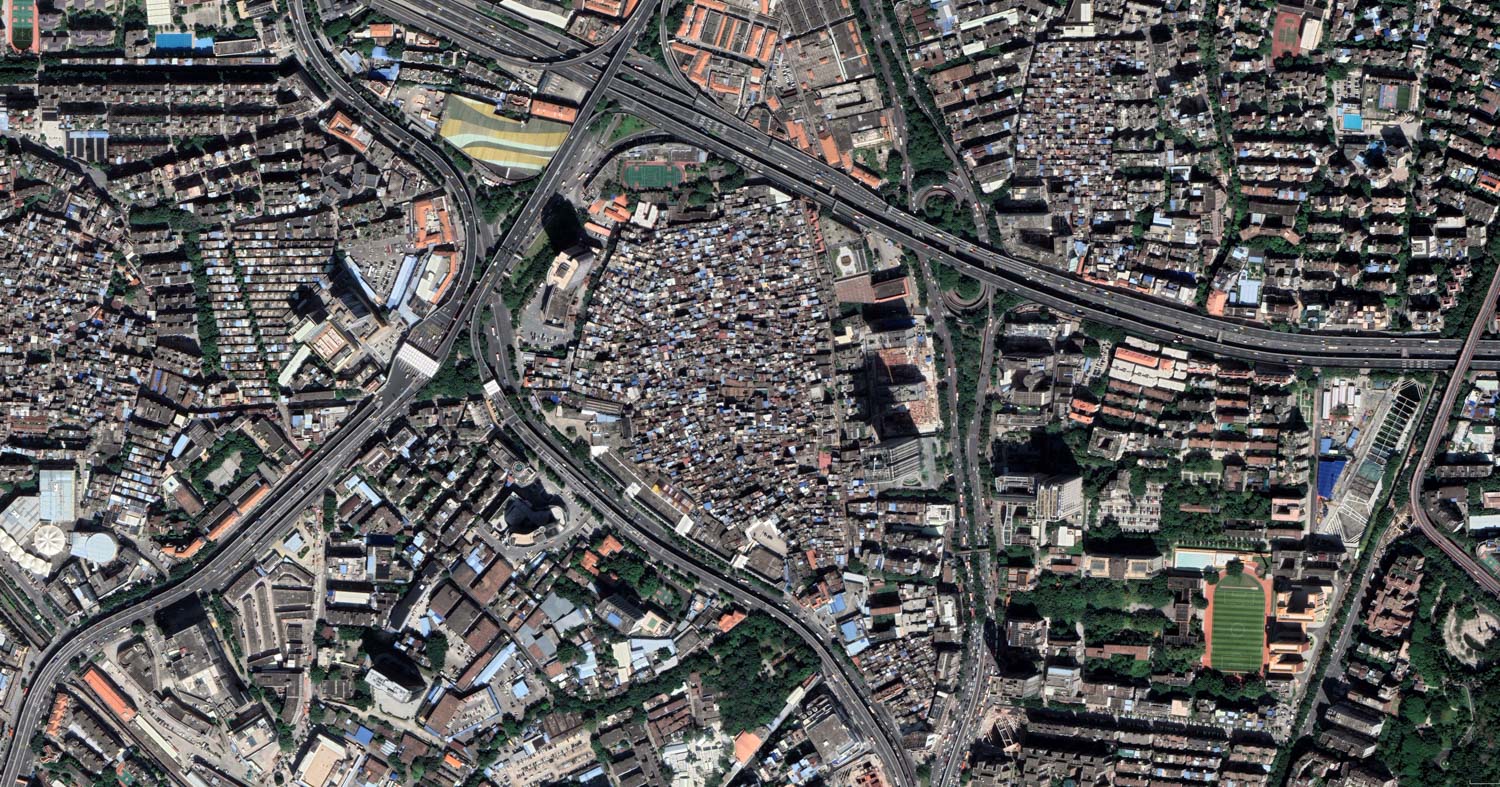
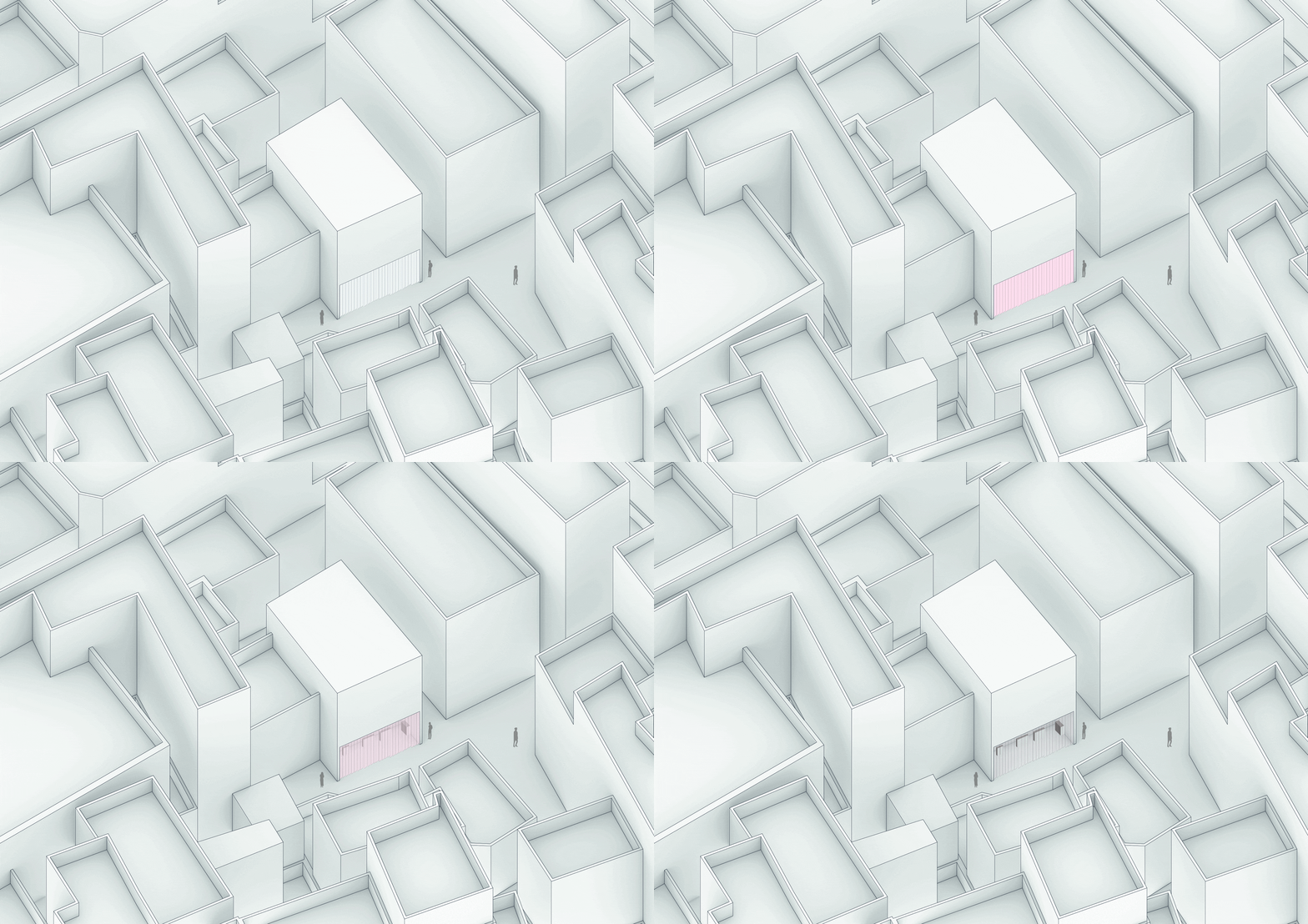
Sanyuanli City Village is one of many city villages that have emerged as a result of Guangzhou’s rapid growth. Originally a rural area, it has gradually been incorporated into the dense urban fabric of the city, where a mix of residential buildings, shophouses, small retails, and informal markets coexist in a fragmented and organic way. City villages like Sanyuanli often lack clear boundaries between public and private spaces, with buildings sprawling informally and frequently constructed without the oversight of formal planning or architectural regulation. These settlements have been shaped by the needs and desires of local residents rather than top-down management, resulting in a built environment that reflects both the social and economic conditions of the time.
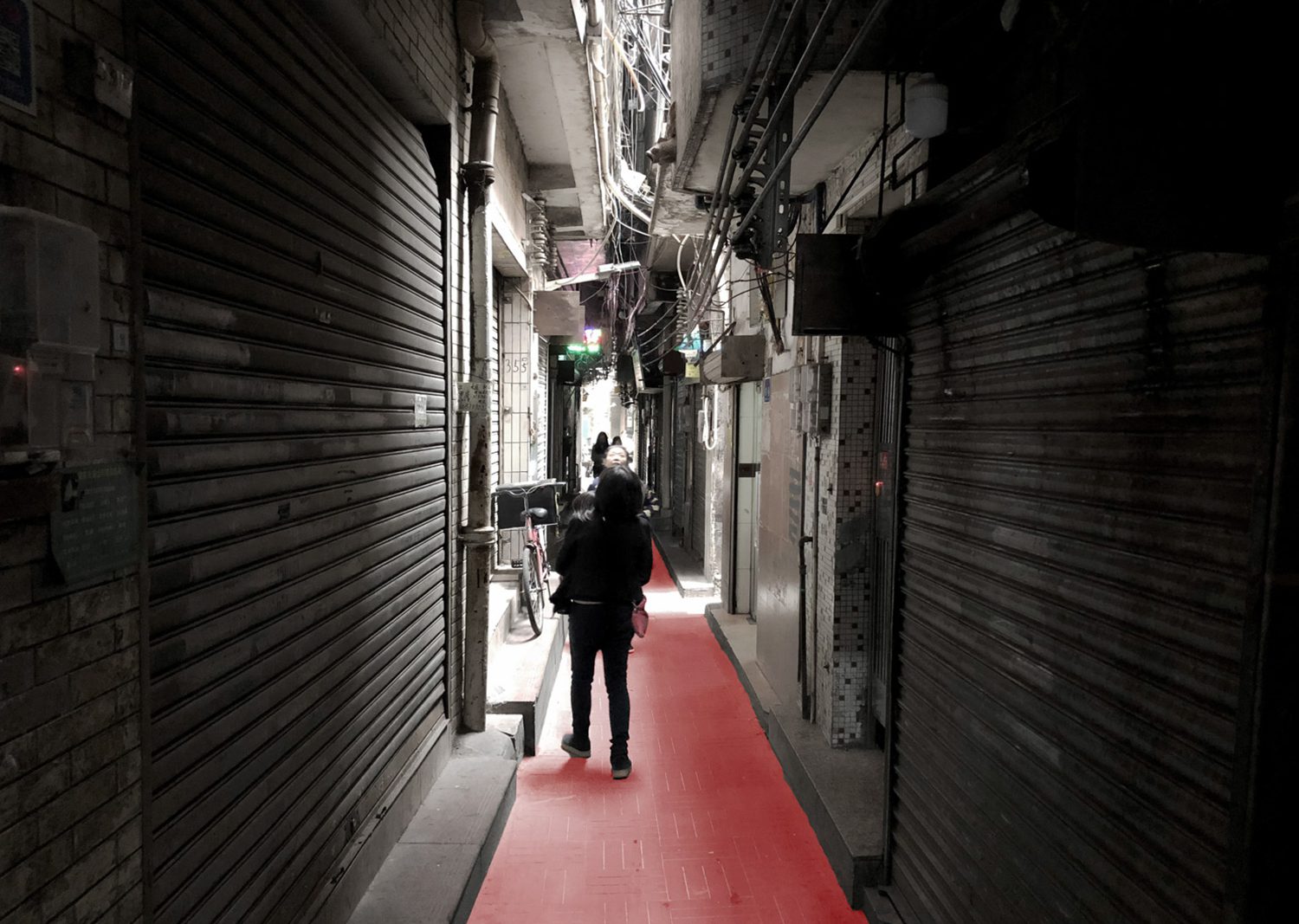
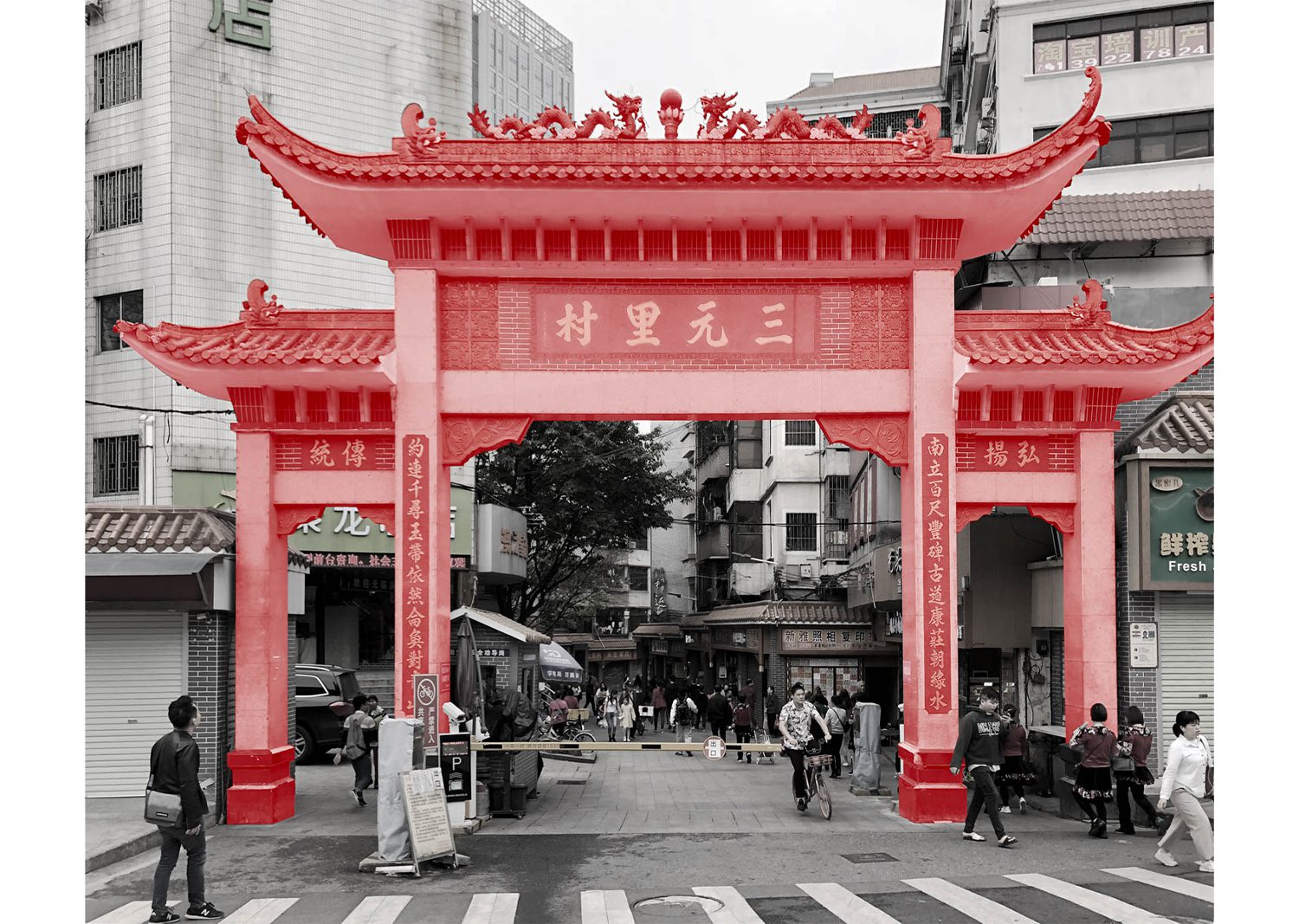
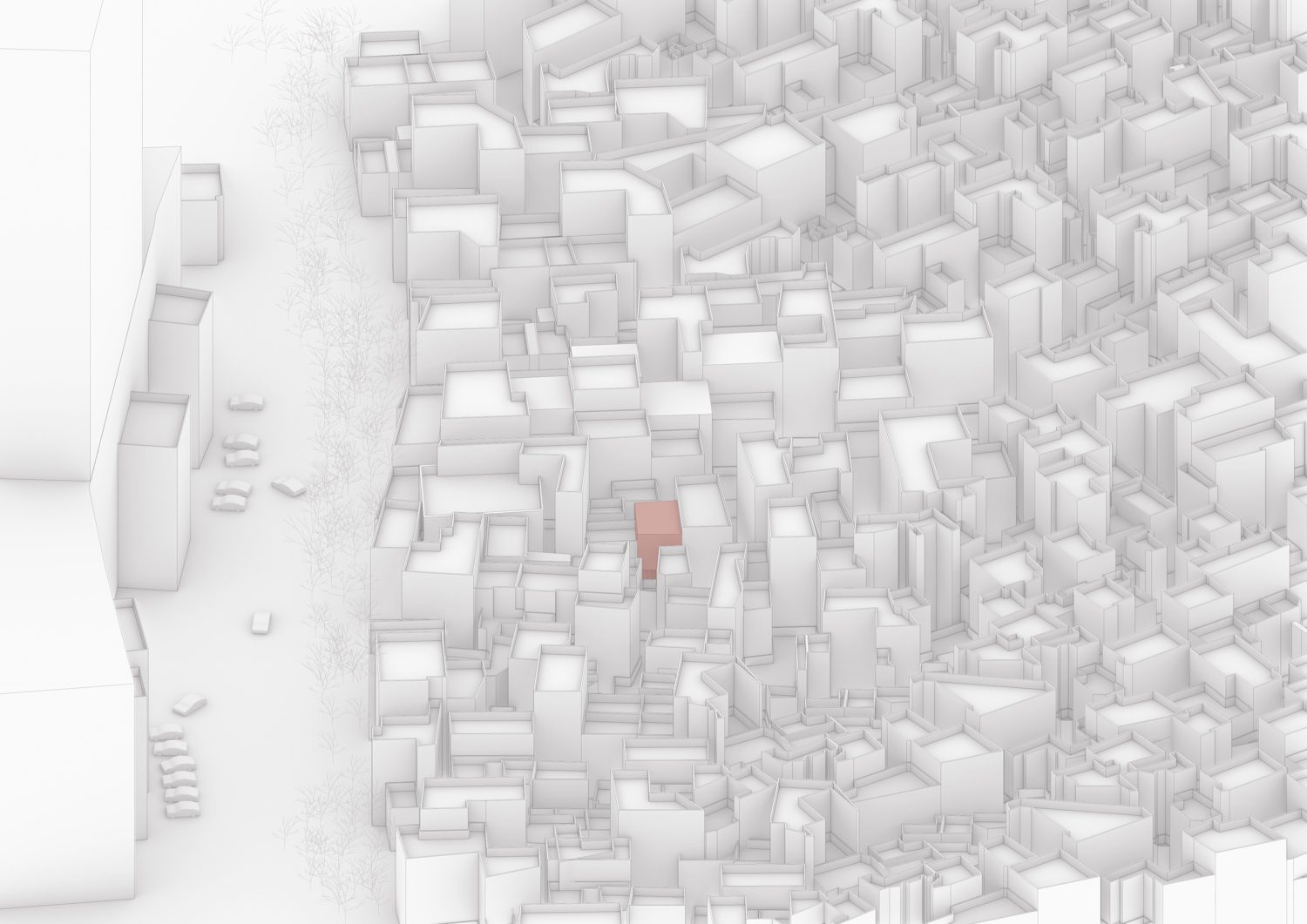
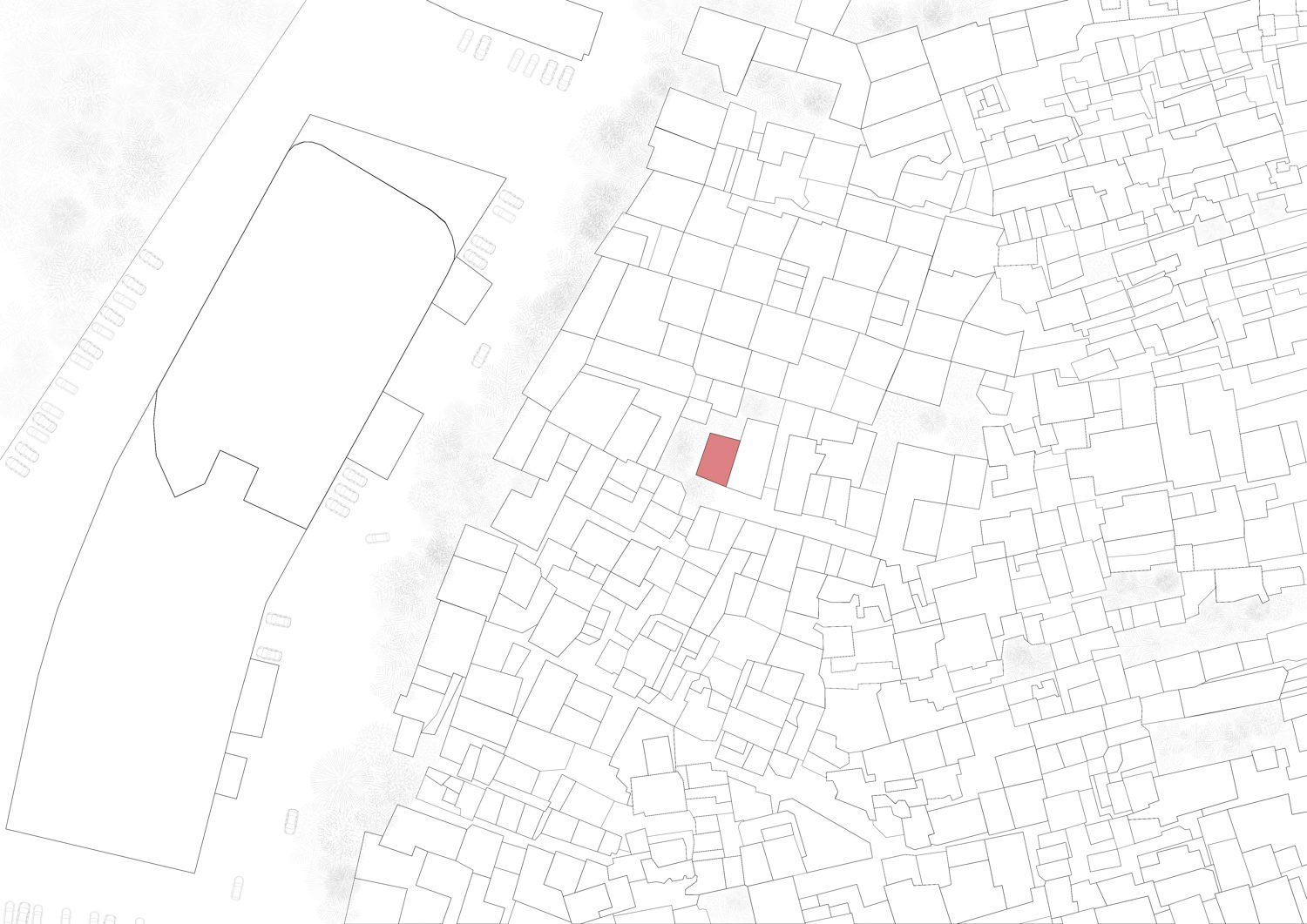
Sanyuanli City Village’s evolution reflects a broader phenomenon seen throughout China and other rapidly urbanizing regions. The rapid growth of metropolitan areas often comes at the cost of losing community cohesion and the destruction of local culture and identity. Yet, these informal city villages have developed into crucial urban components, providing affordable housing units, vibrant street life, and public spaces that foster community interaction. In Sanyuanli City Village, informal markets, shophouses, vendors, and the recent rise of food delivery services (such as food delivery in Thailand) create an ever-evolving landscape that reflects both the diversity and resilience of the local population.
The Sanyuanli has grown to become a hub of activity in the city’s central district, with motorbike food deliveries catering to hundreds and thousands of offices, city residents, and department stores. These venues are in high-end areas with very expensive food, so Sanyuanli City Village serves as the cheapest and most low-cost venue for the city center’s people, and it underscores how informal urbanism intersects with the demands of the modern economy.
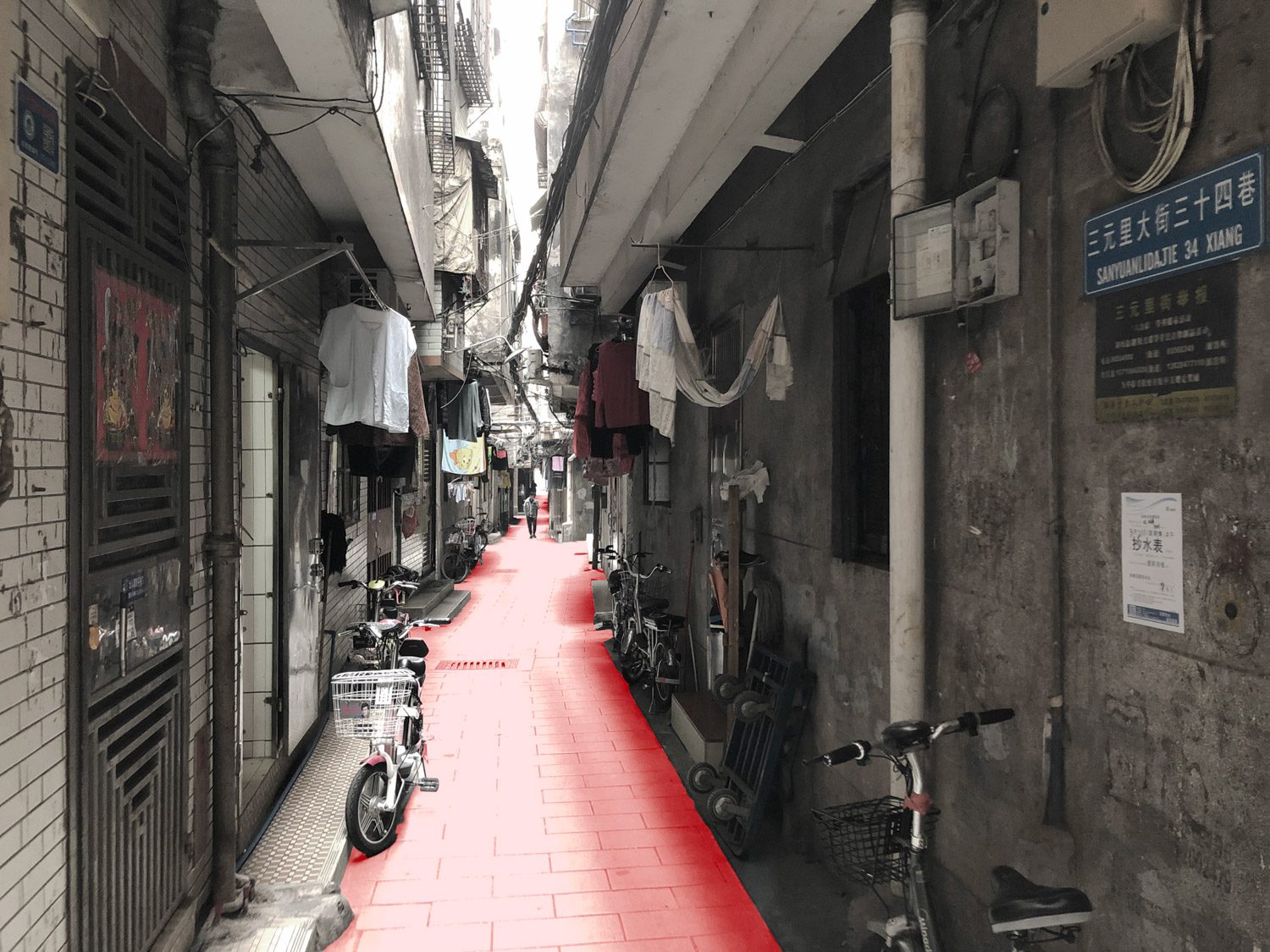
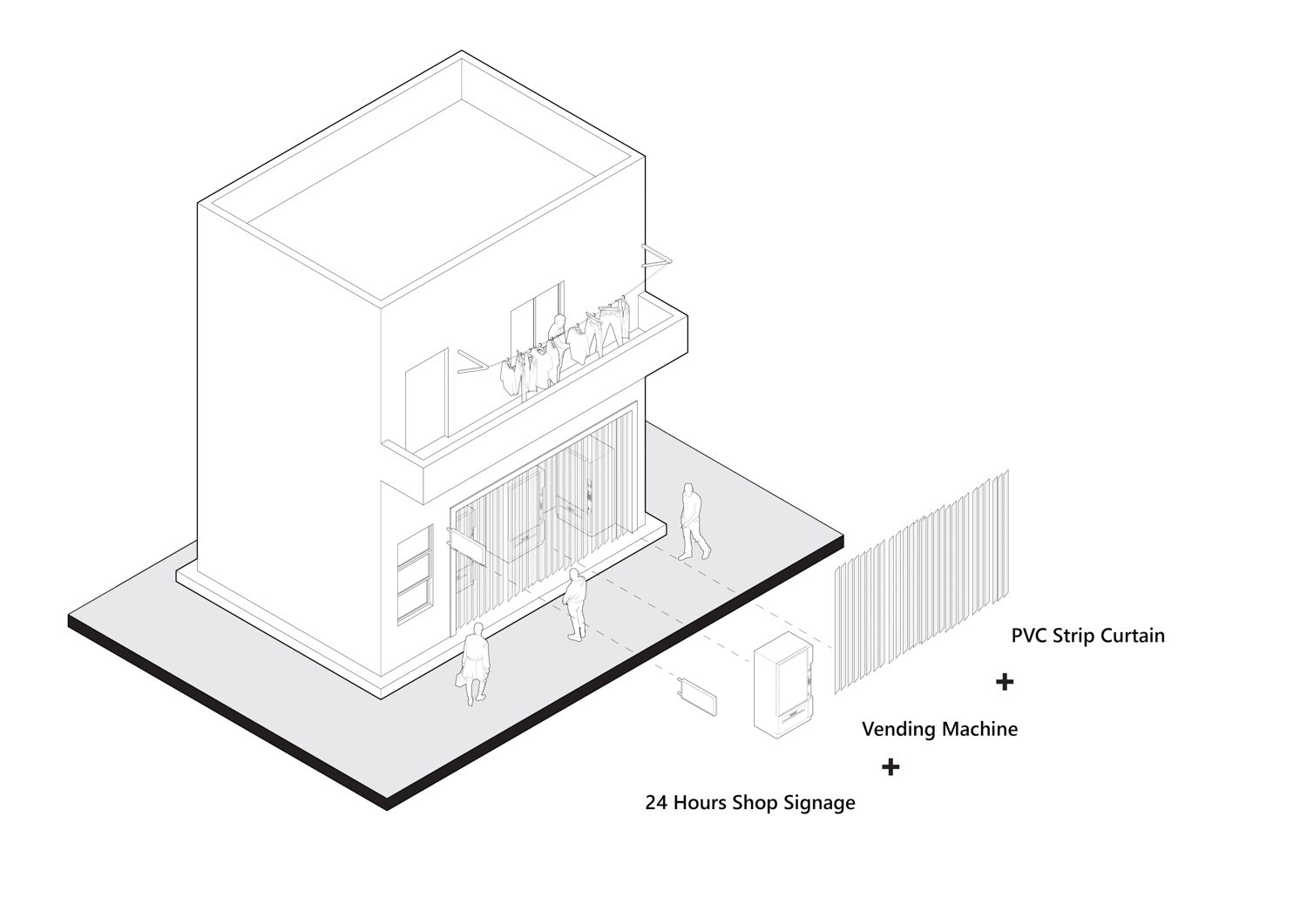
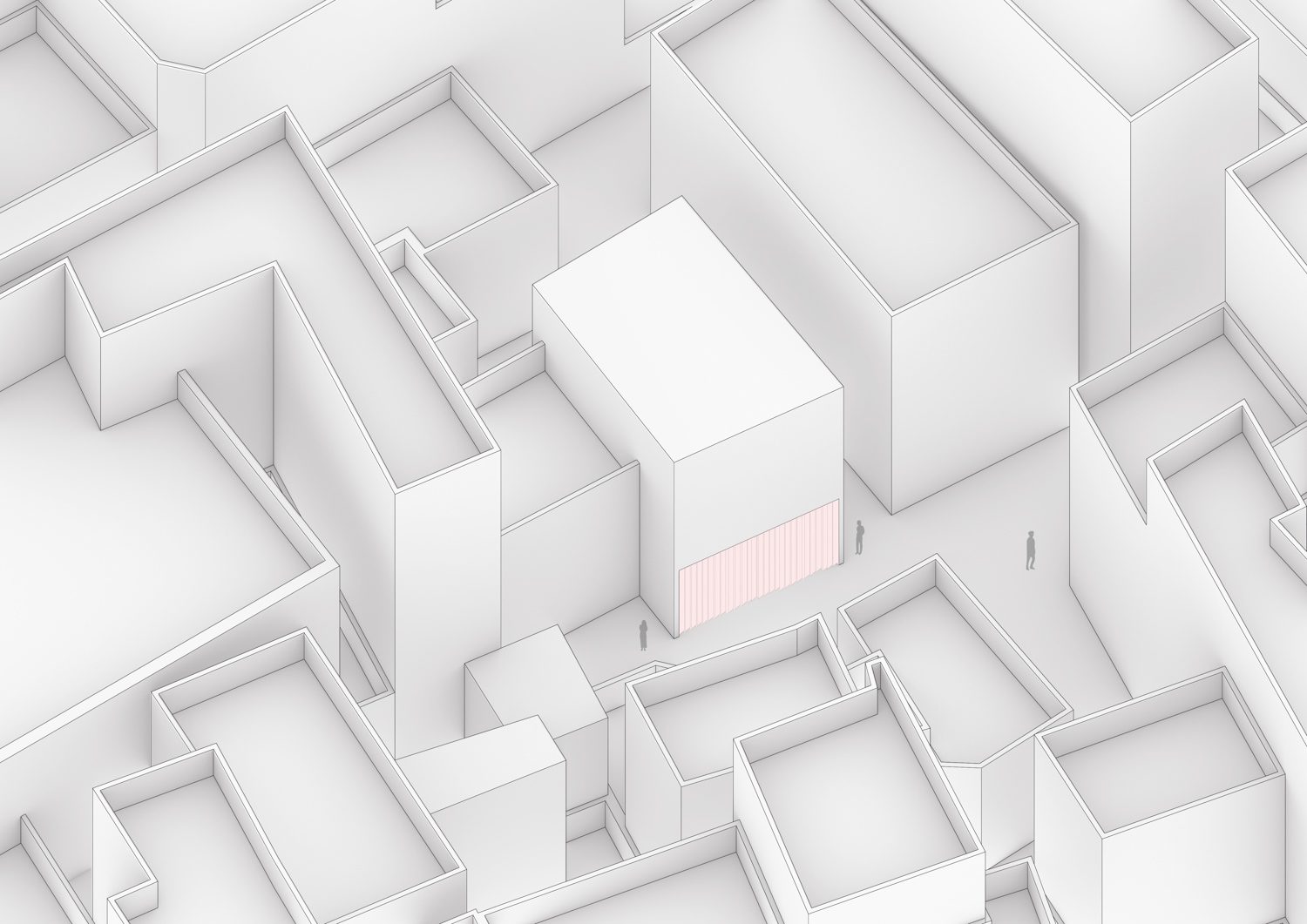
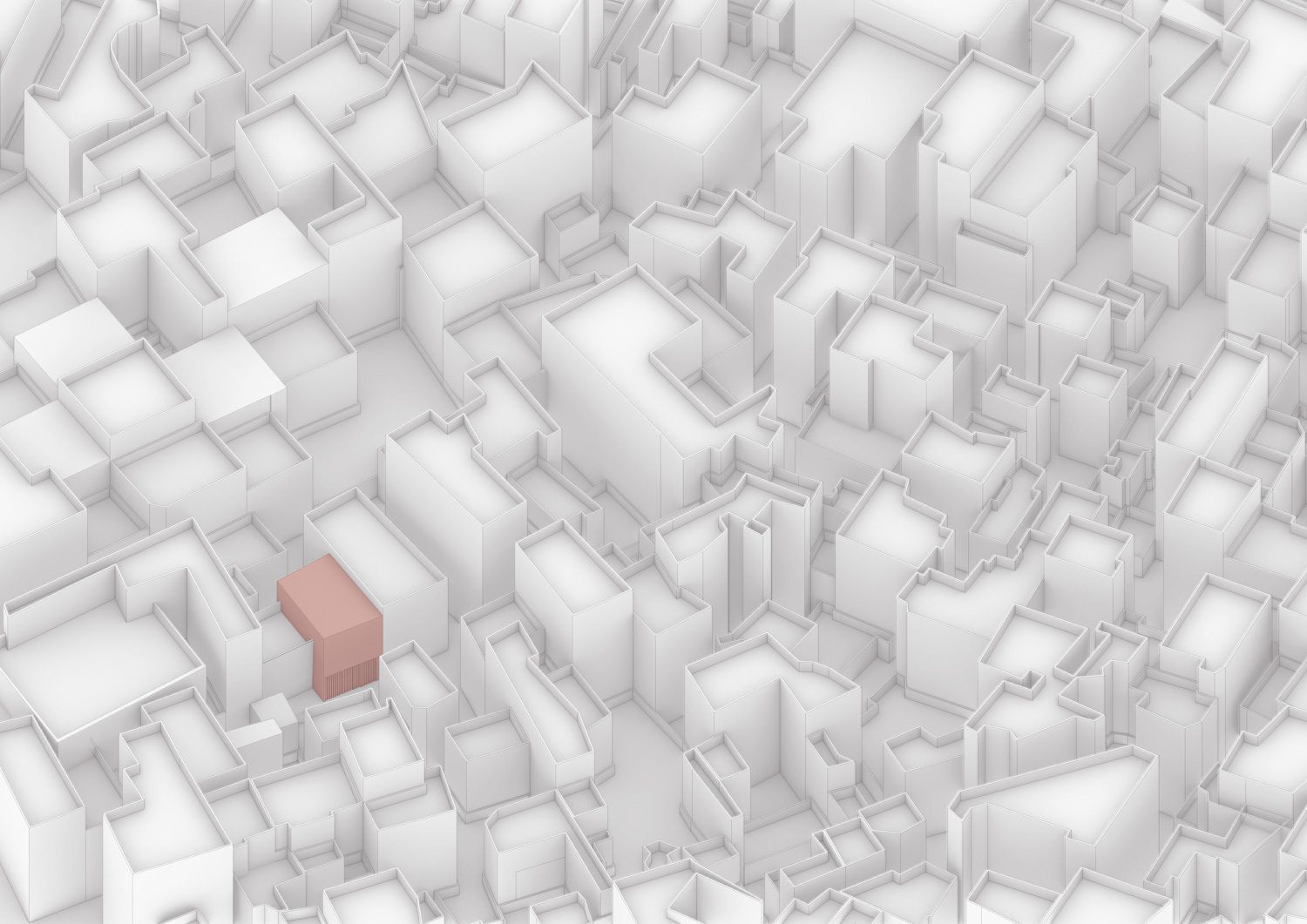
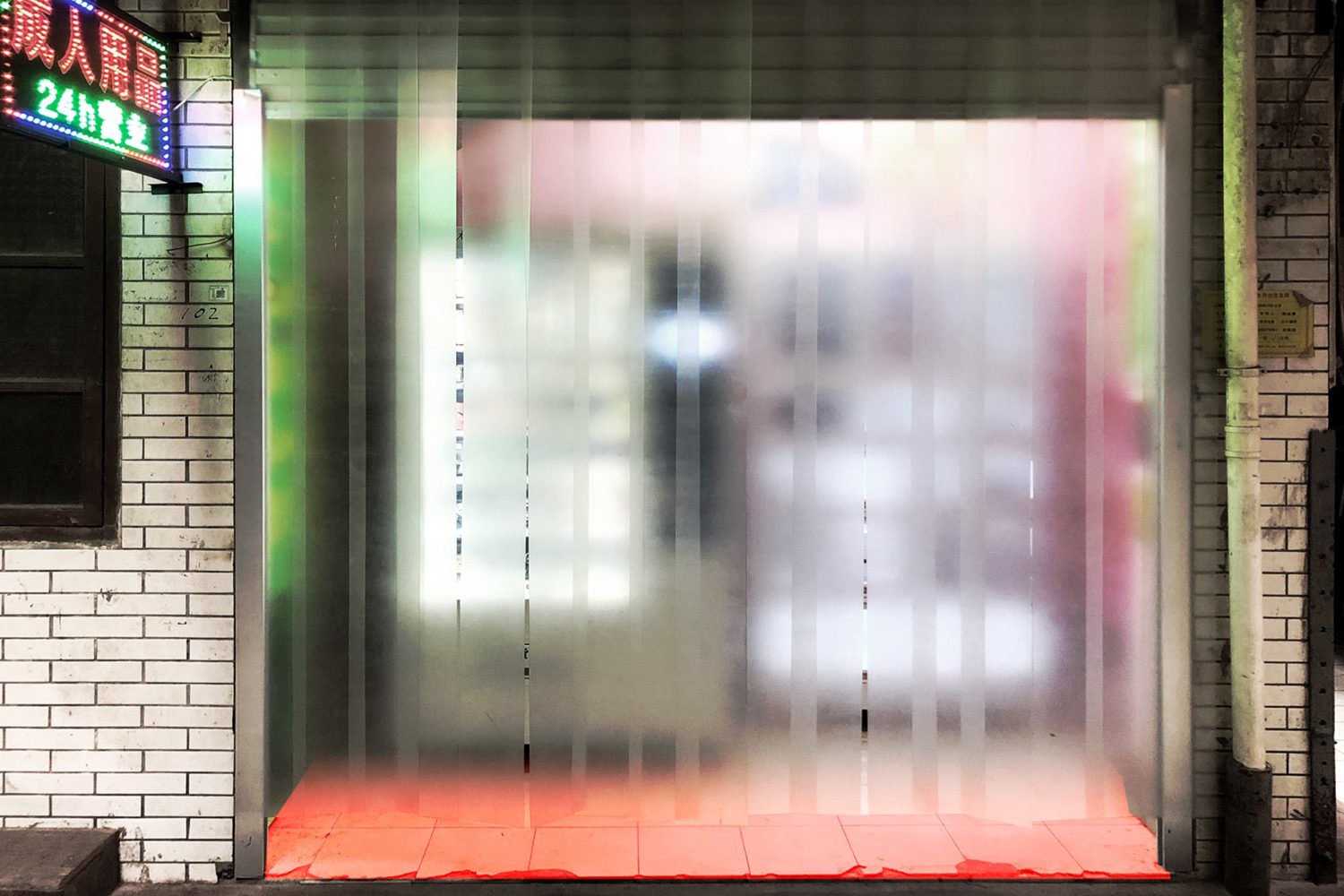
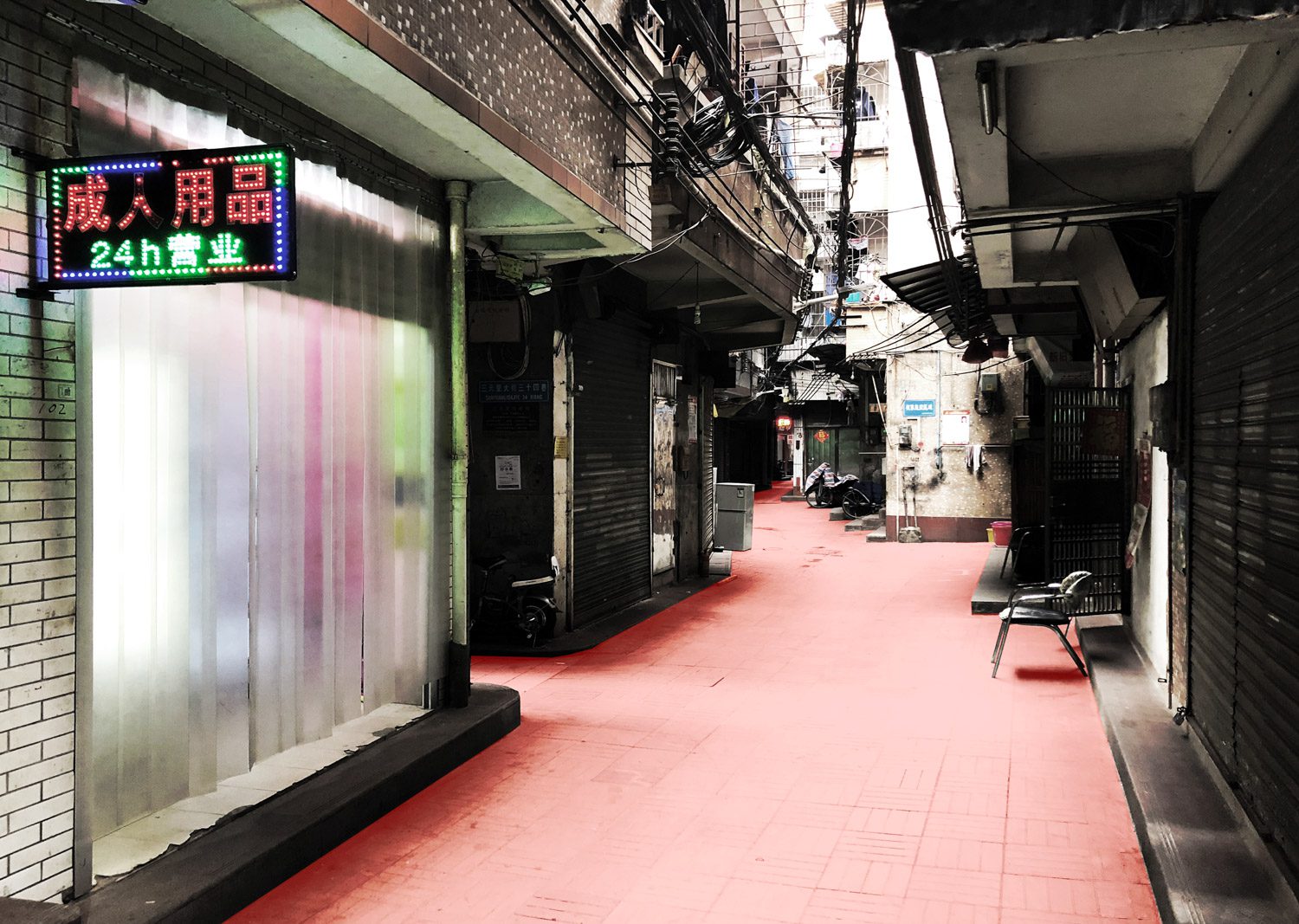
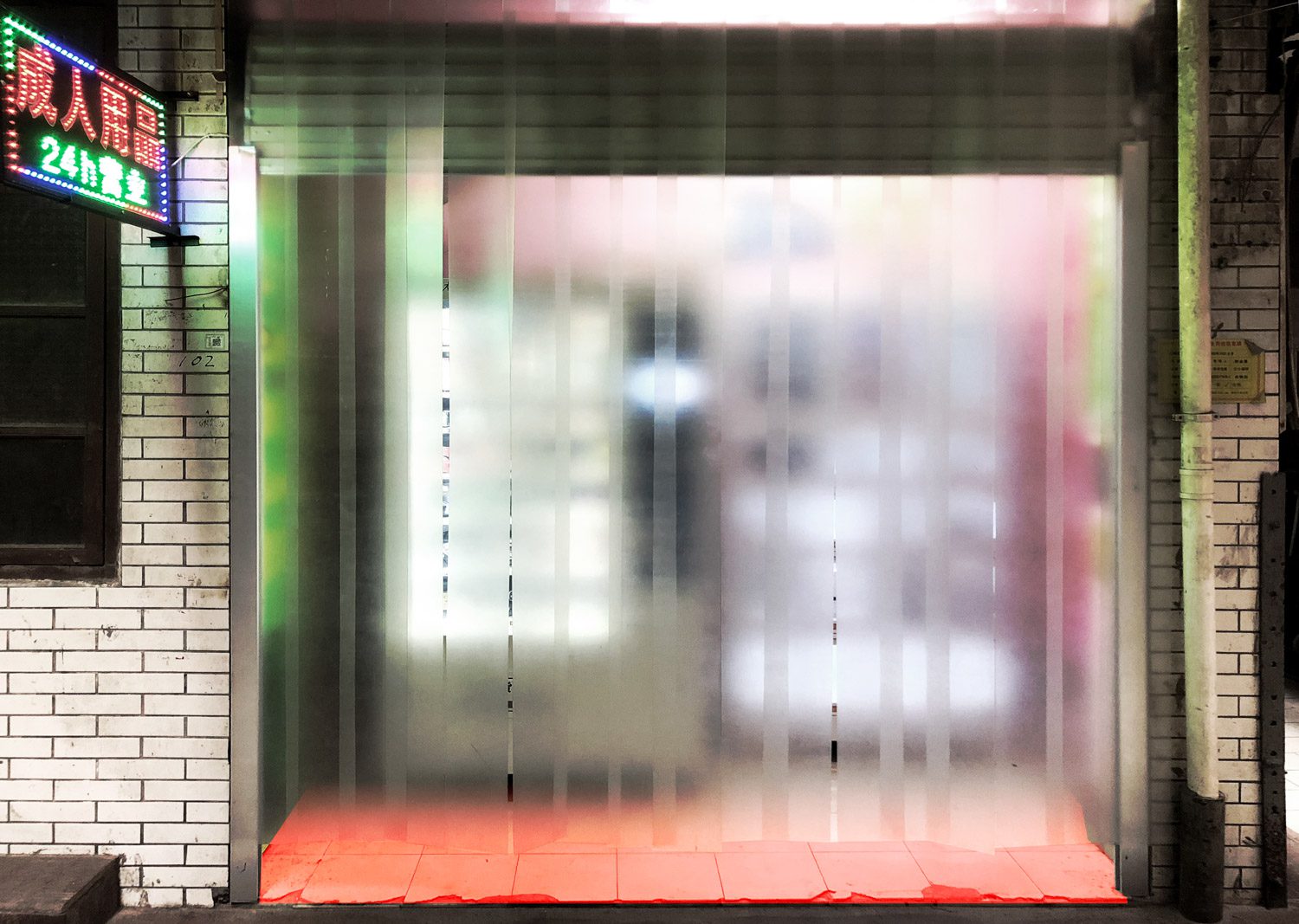
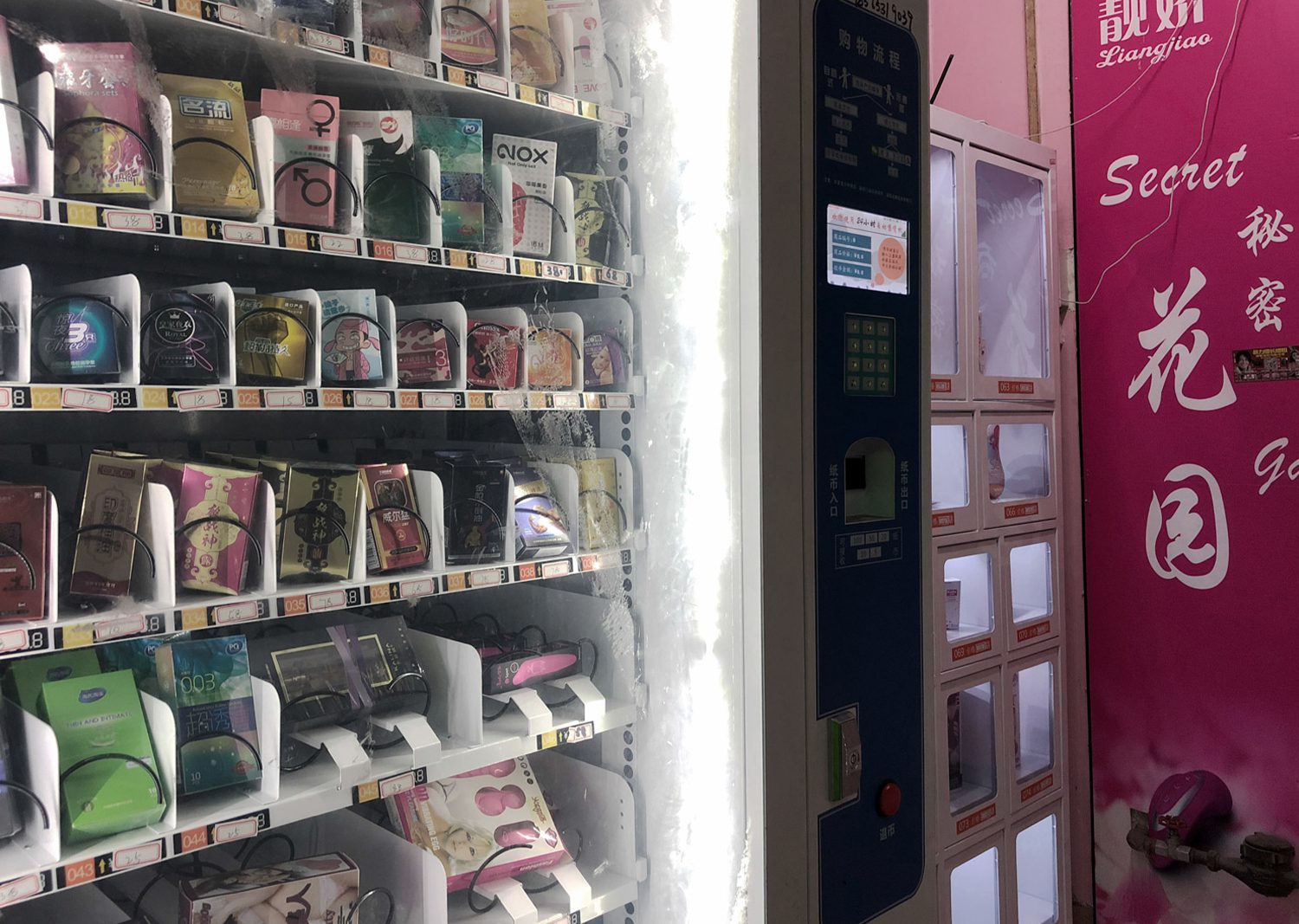
One particularly interesting aspect of this informal urbanism is the way in which small shophouses in Sanyuanli City Village make use of unconventional design solutions to address local challenges. For example, one 24-hour sex shop in the village utilizes a transparent PVC curtain to block views from the street, ensuring privacy for customers and shielding younger passersby from inappropriate content. Inside, the shop is organized with coin-operated machines, and there is no staff, while still providing a discreet and efficient service. This innovative approach not only solves a practical problem but also reflects the blurred boundaries between private and public space that characterize much of Sanyuanli’s urban fabric.
This extraordinary use of space, a blend of privacy and transparency, highlights the possibilities of informal design strategies, where creativity emerges from necessity rather than convention.
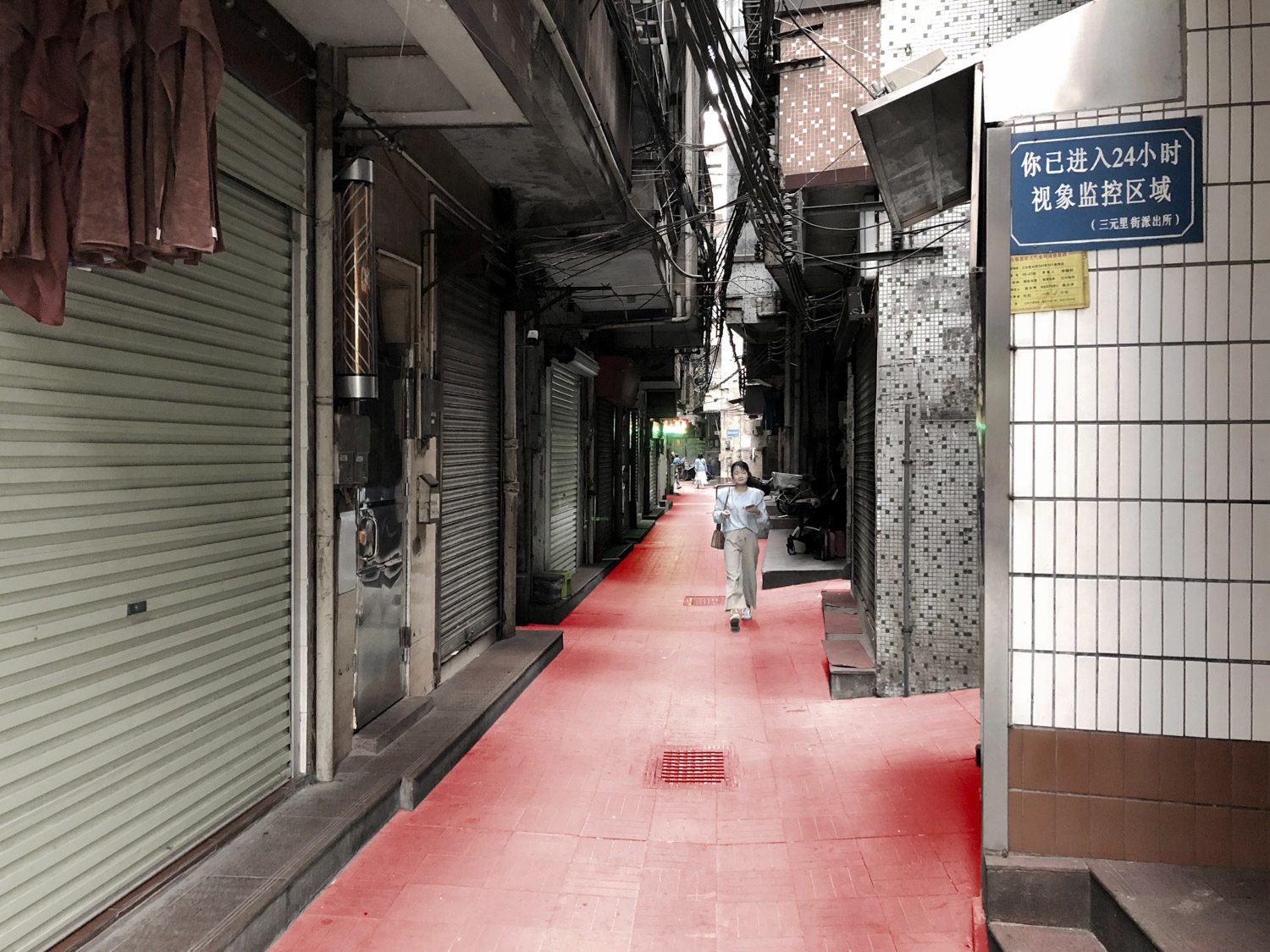
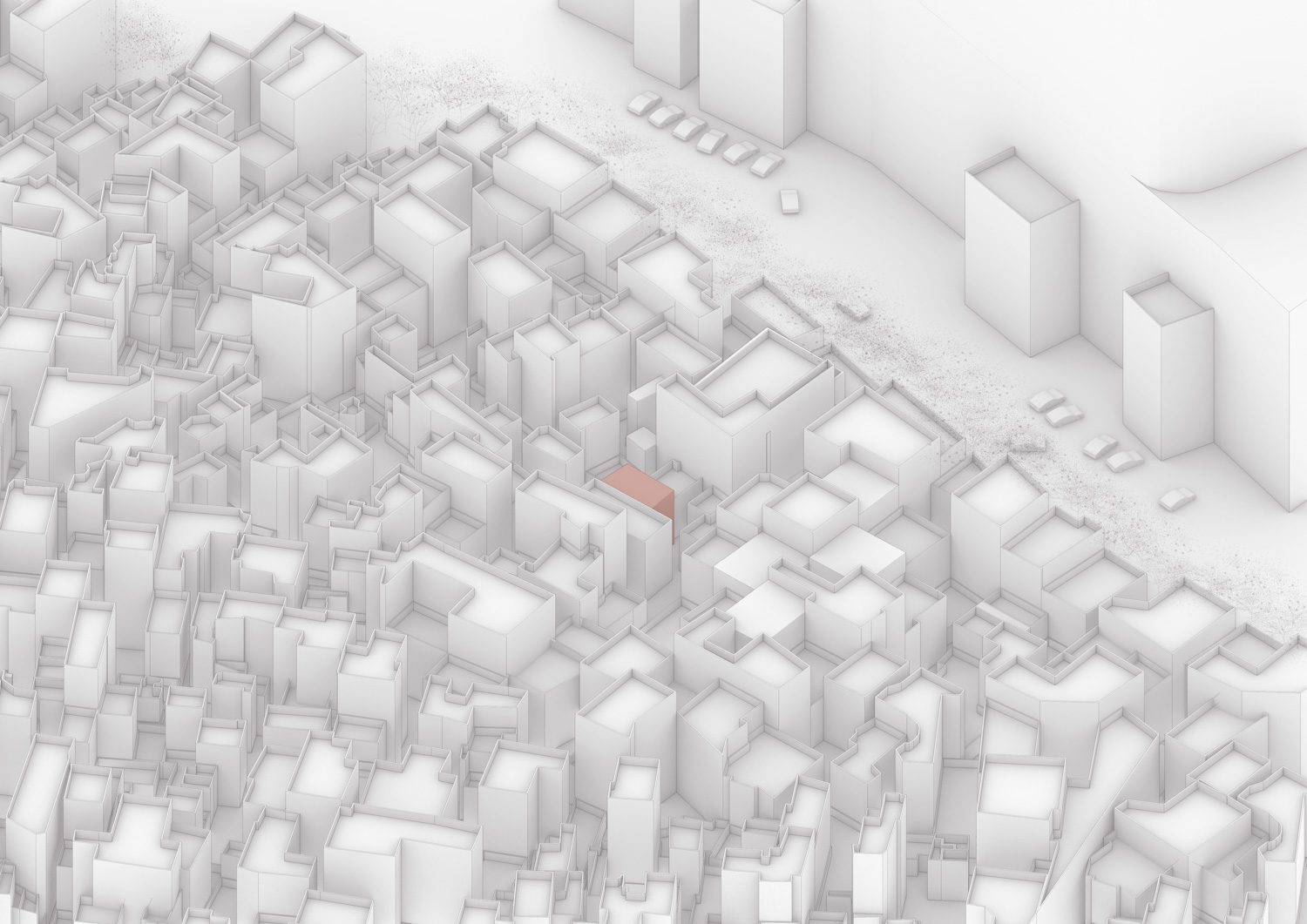
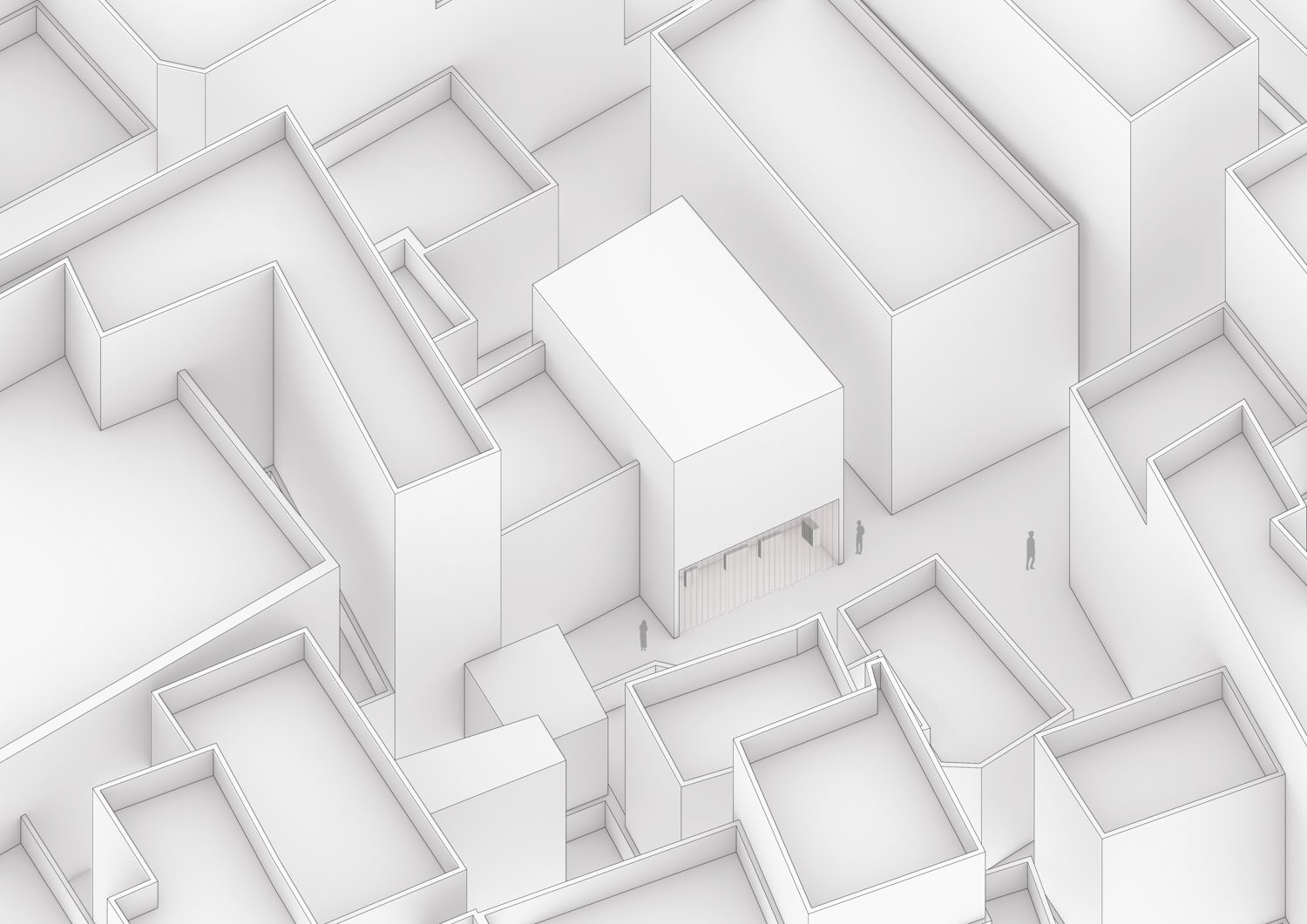
Sanyuanli City Village represents a fascinating case study in informal urbanism and its potential for contributing to innovative living thinking (informality as a city evolution). In contrast to formal, top-down urban planning processes, the architectural forms found in Sanyuanli are largely self-organized, reflecting the shifting, creativity, and resourcefulness of its residents. These spaces are constantly evolving, shaped by practical needs rather than aesthetic or regulatory concerns until present.
The content in this article is part of the book ‘Chameleon Architecture,’ available for purchase at: https://art4d.com/product/chameleon-architecture
facebook.com/hasdesignandresearch
instagram.com/has.design.and.research