
EXPLORE NEW ARCHITECTURAL POSSIBILITIES THROUGH 5 PAVILIONS UNDER THE THEME OF ‘INTELLIGENS’ AT THE VENICE ARCHITECTURE BIENNALE 2025
TEXT & PHOTO: ALEXANDRA POLYAKOVA
(For Thai, press here)
From ancient coral stone to AI-driven mapping systems, the 2025 Venice Architecture Biennale opens a compelling conversation about how intelligence—natural, artificial, and collective—can reshape the future of the built environment. Titled ‘Intelligens: Natural. Artificial. Collective,’ this year’s edition brings together architects, designers, scientists, and thinkers from across the globe to explore the shifting boundaries between nature, technology, and community.
Curated by Carlo Ratti, architect, engineer, and director of MIT’s Senseable City Lab, the Biennale seeks not only to exhibit architecture but to reframe it as a medium of intelligence in action. With over 60 national pavilions, three major curated sections, and an ambitious public program, the Biennale is more than a showcase—it’s a dynamic lab of speculation and experimentation.
Theme and Focus: Intelligens – Natural. Artificial. Collective.
The 2025 theme, ‘Intelligens,’ revives the Latin root of the word ‘intelligence’—to ‘read between the lines.’ Ratti’s curatorial framework asks architects to re-examine their relationship with the environment, digital tools, and one another, at a time when planetary, technological, and societal crises are colliding.

The exhibition is structured around three core intelligences:
1.Natural Intelligence:
How can architectural knowledge learn from biological ecosystems, vernacular traditions, and environmental feedback loops? Exhibitions under this strand explore biomimicry, material circularity, and indigenous systems of knowledge.
2.Artificial Intelligence:
Beyond algorithmic automation, this section looks at how AI can map, simulate, and even co-design spatial futures. Projects focus on generative design, data ethics, and the blending of virtual and physical environments.
3.Collective Intelligence:
Architecture has always been a collaborative act. This track examines participatory design, community-driven projects, and the role of social networks (digital and physical) in shaping space.
Each of these domains is woven into the Biennale’s central exhibitions at the Giardini and Arsenale, as well as the Biennale College Architecture—a new pedagogical model launched this year that includes 50 young professionals working directly with mentors to prototype real-world solutions.
Highlights and Innovations: Five Pavilions That Reshape the Discourse
Canal Café – Diller Scofidio + Renfro USA (Golden Lion for Best Participation)
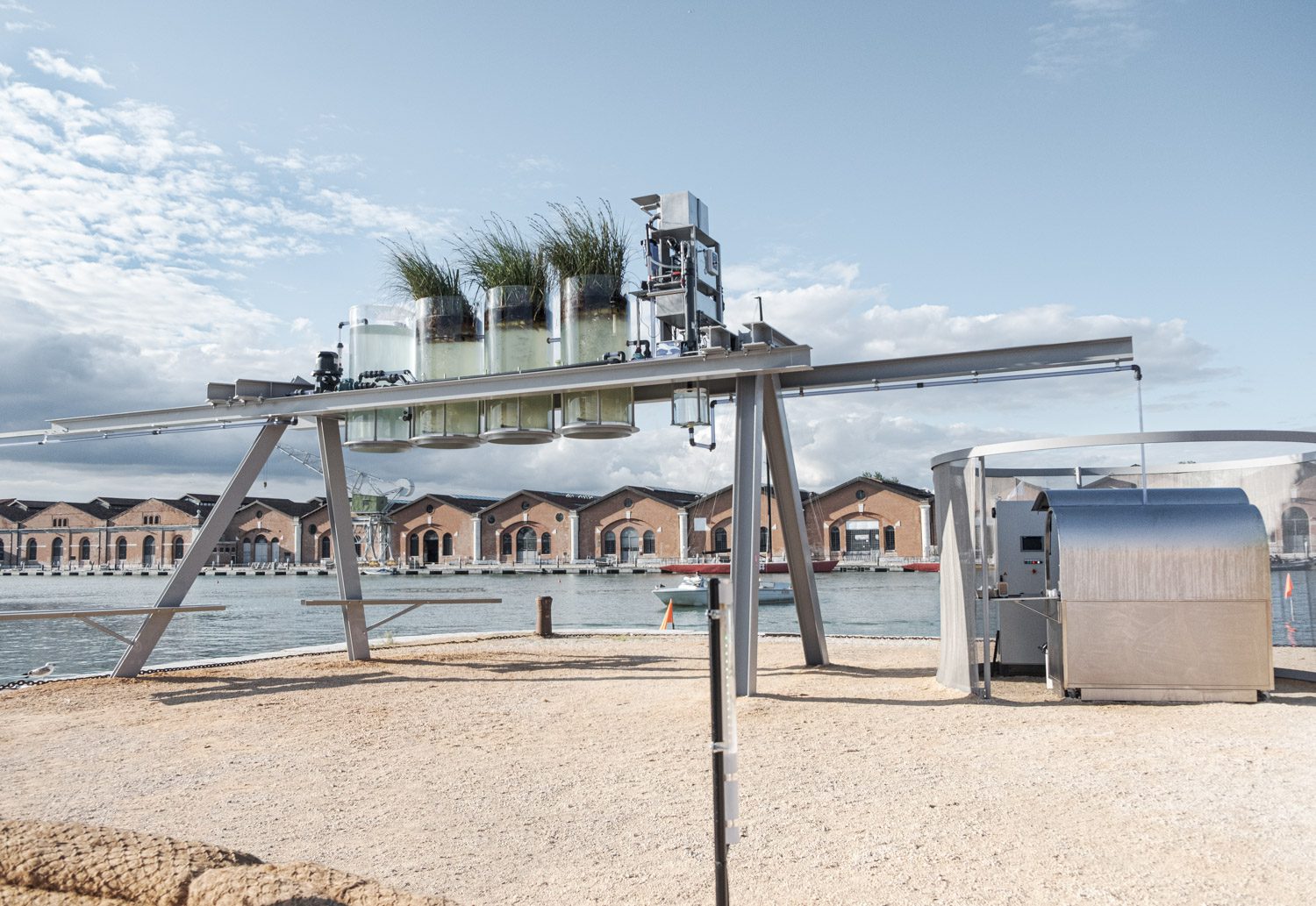
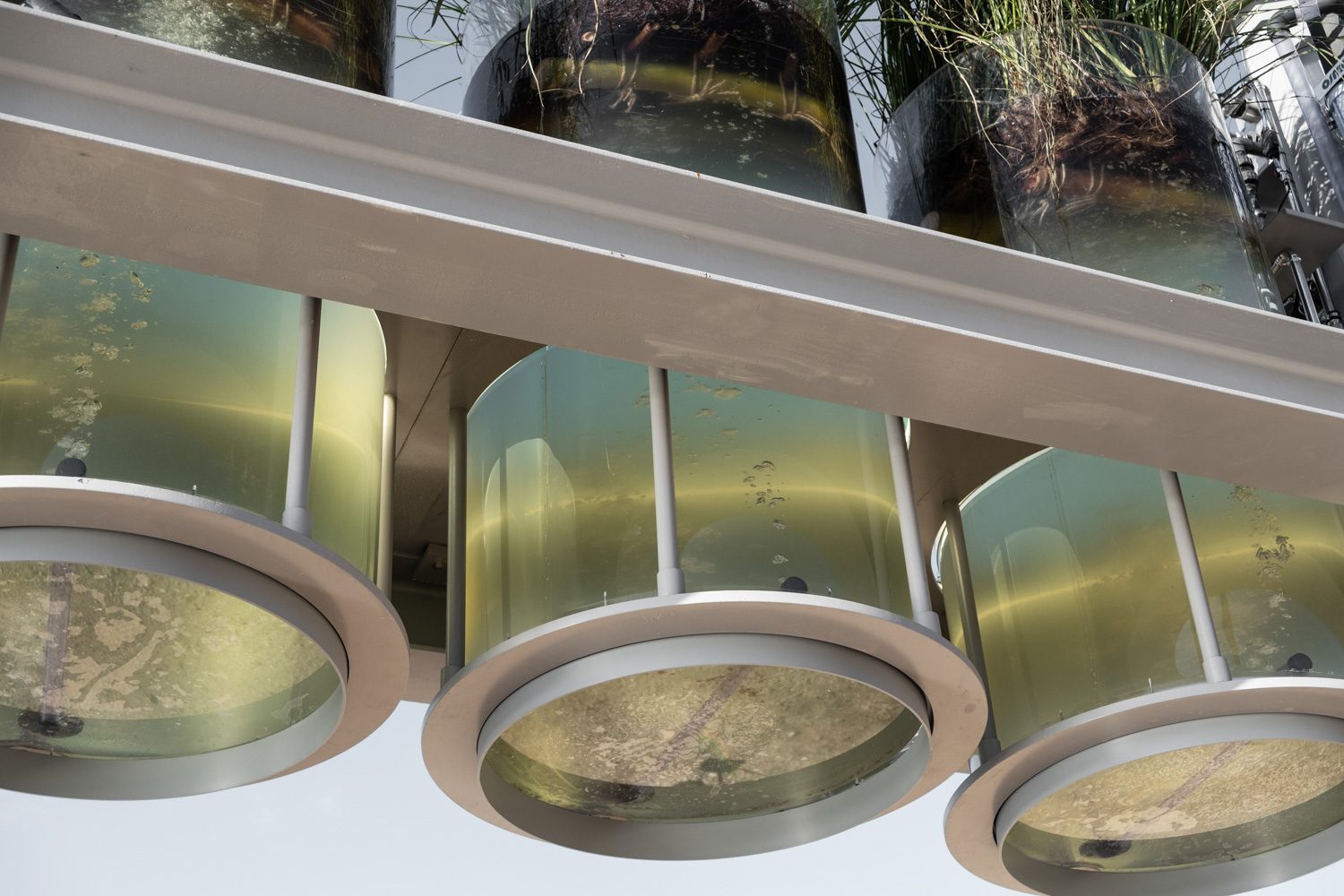
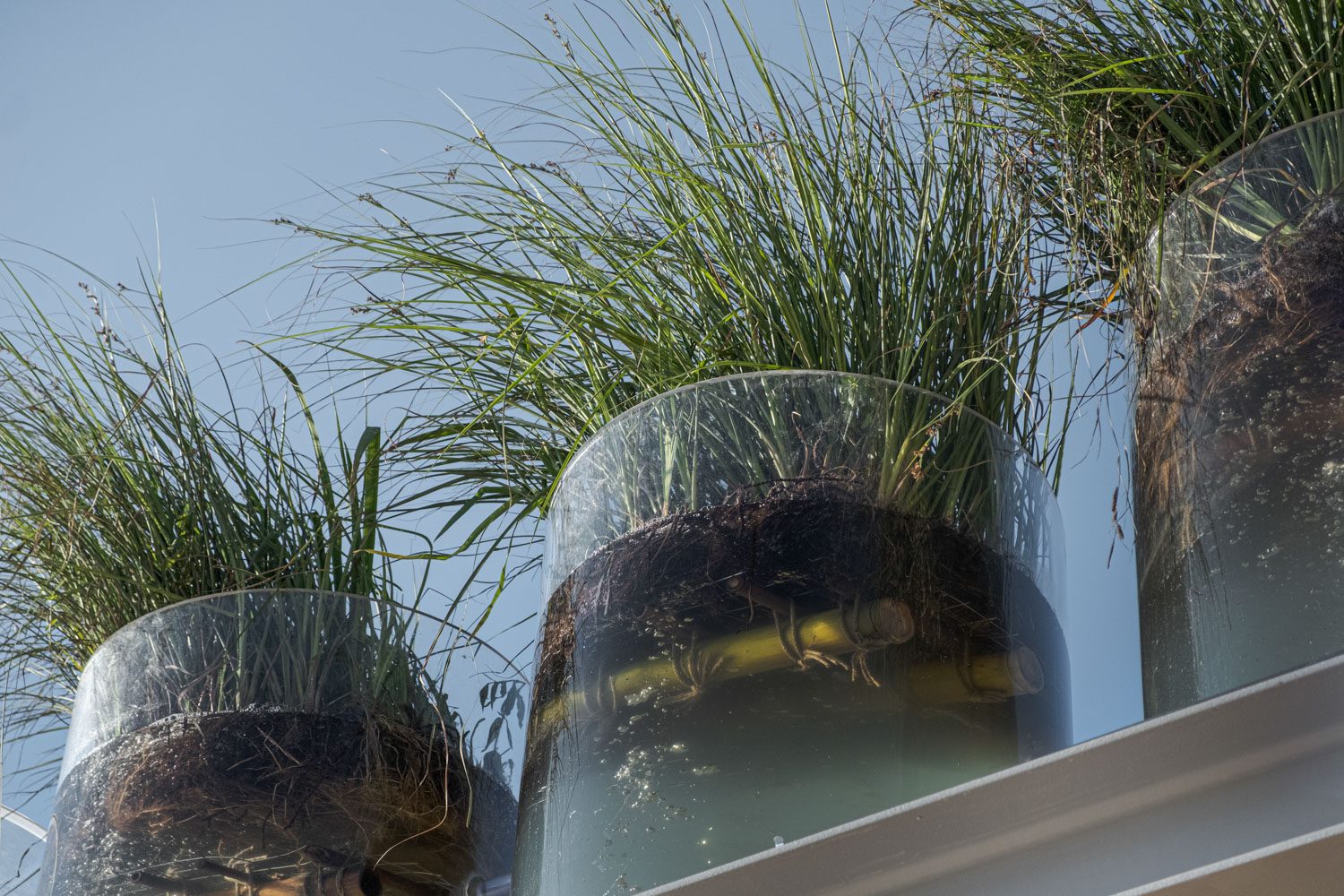
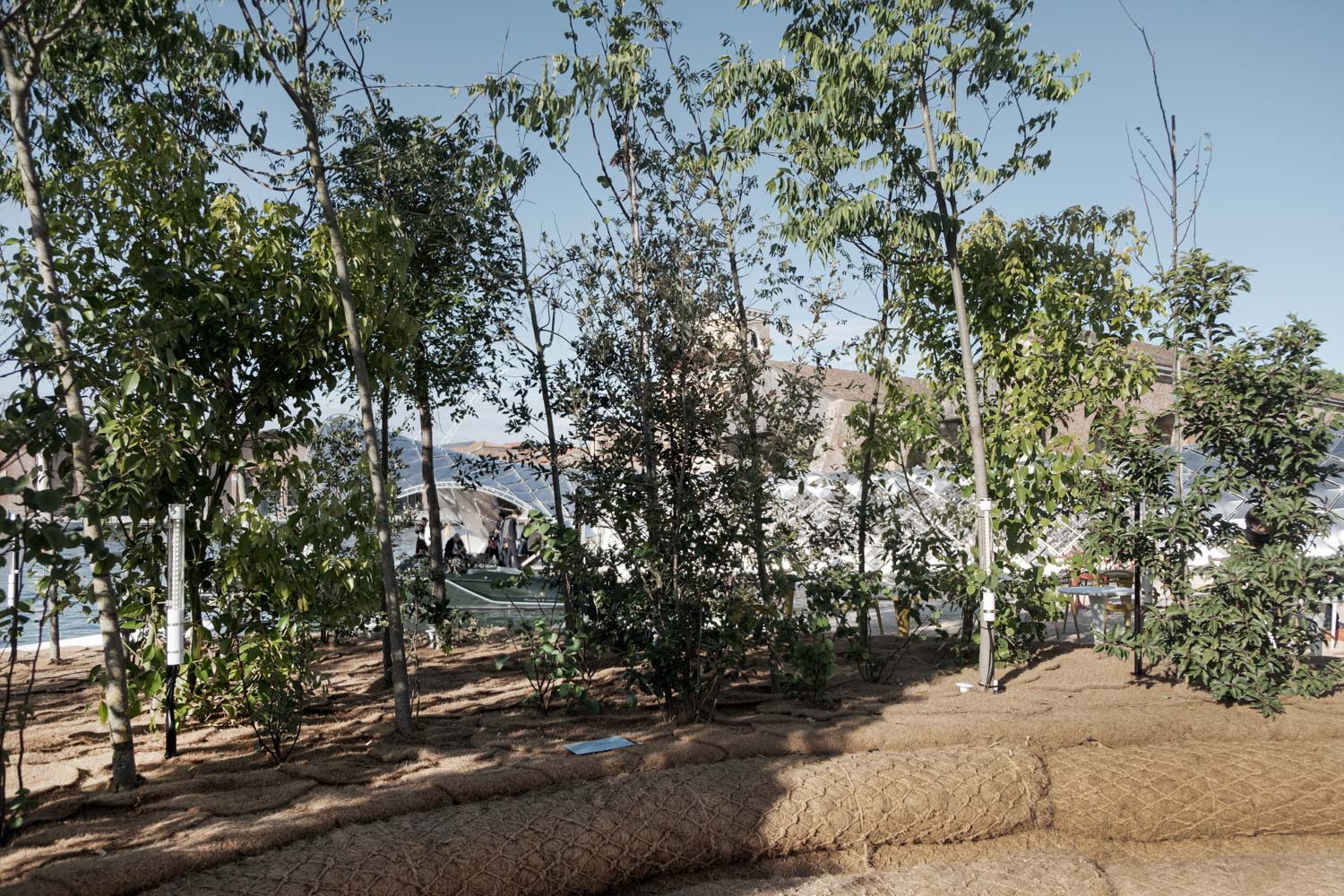
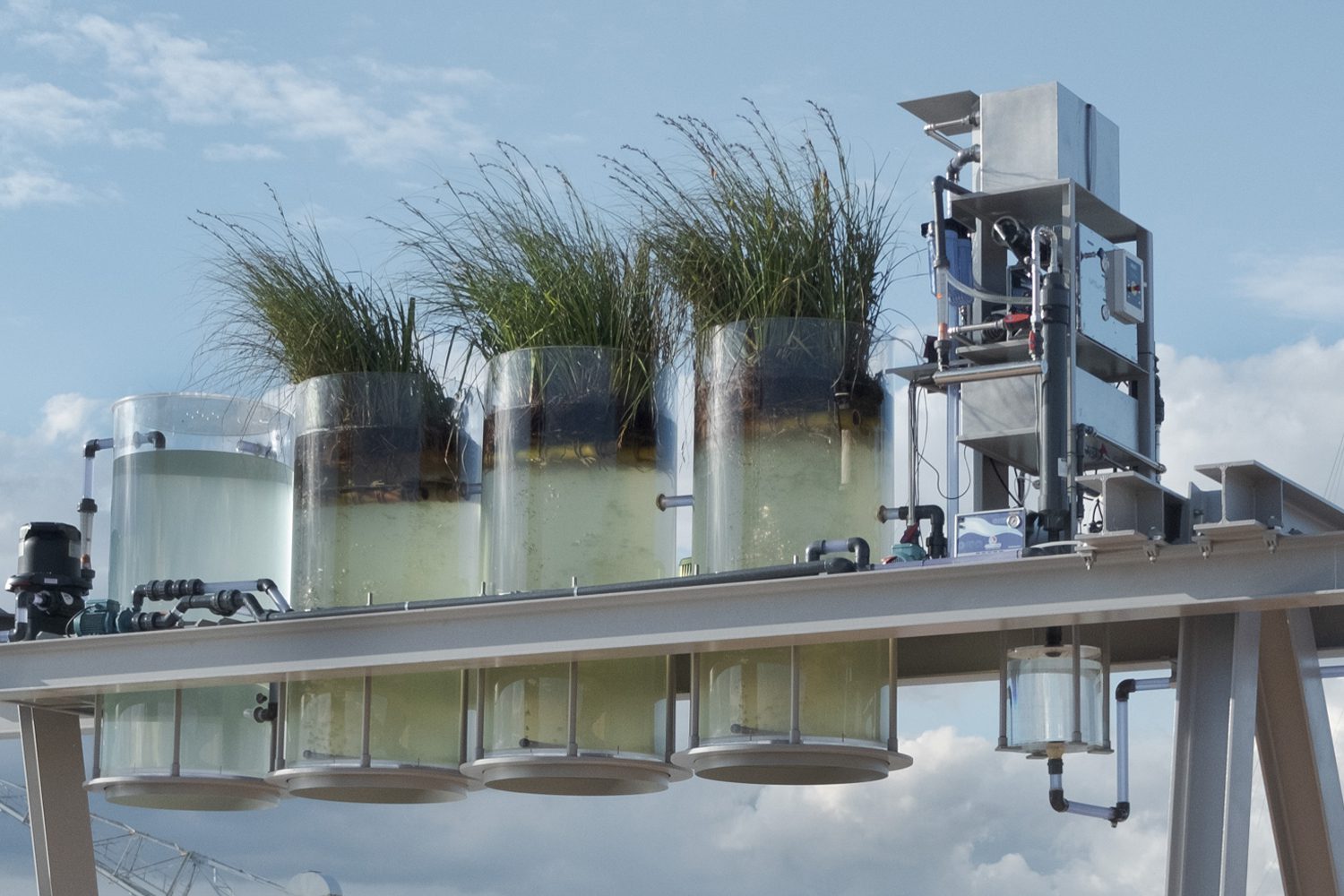
Located at the Arsenale, Canal Café functions both as a sculptural installation and working espresso bar. It filters water directly from Venice’s canals for brewing, creating a cyclical narrative between the city’s infrastructure, hospitality, and sustainability. This project by Diller Scofidio + Renfro turns everyday rituals into provocative reflections on ecology and design, making it one of the most talked-about installations of the Biennale.
Heatwave – Bahrain Pavilion (Golden Lion for Best National Participation)
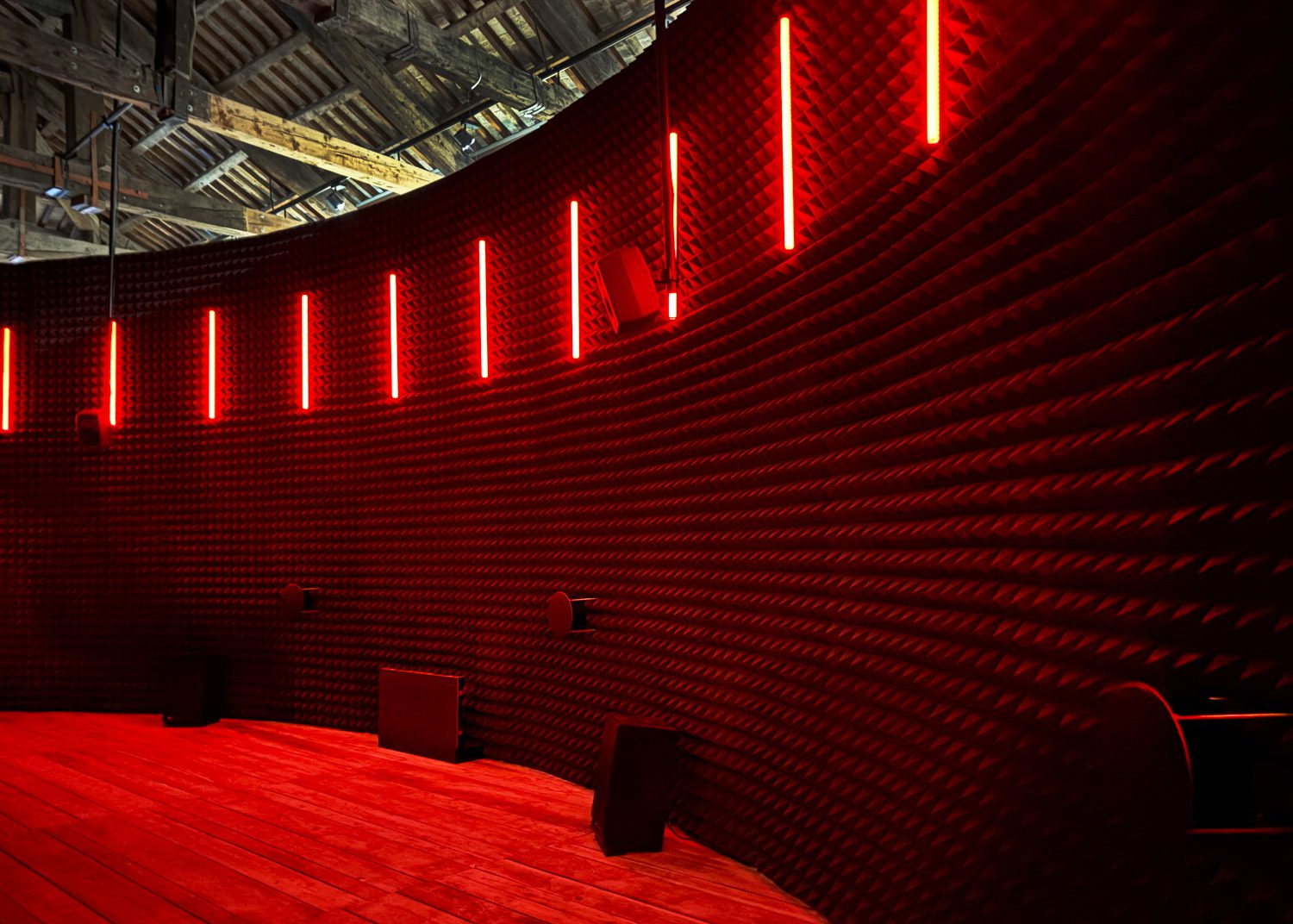
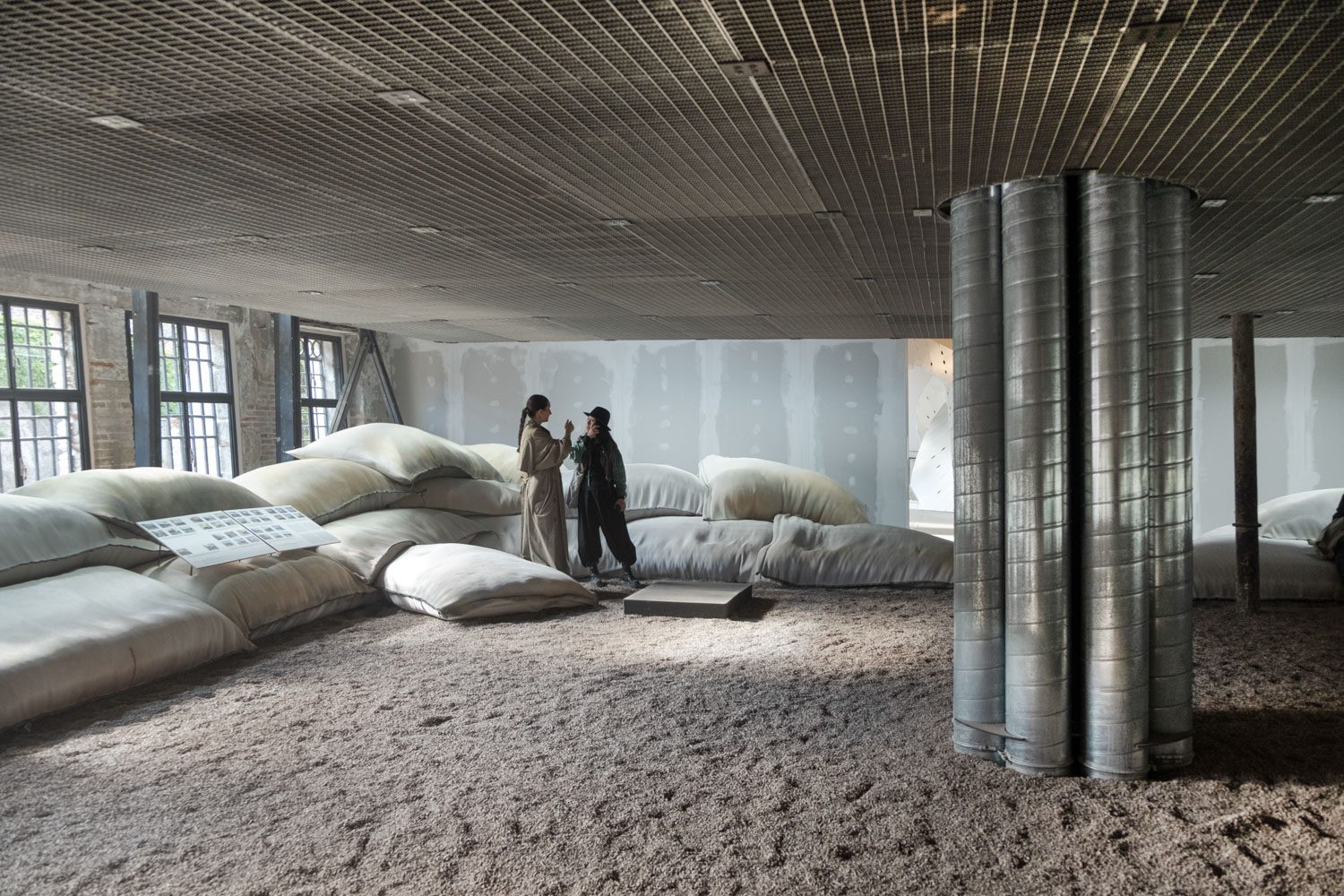
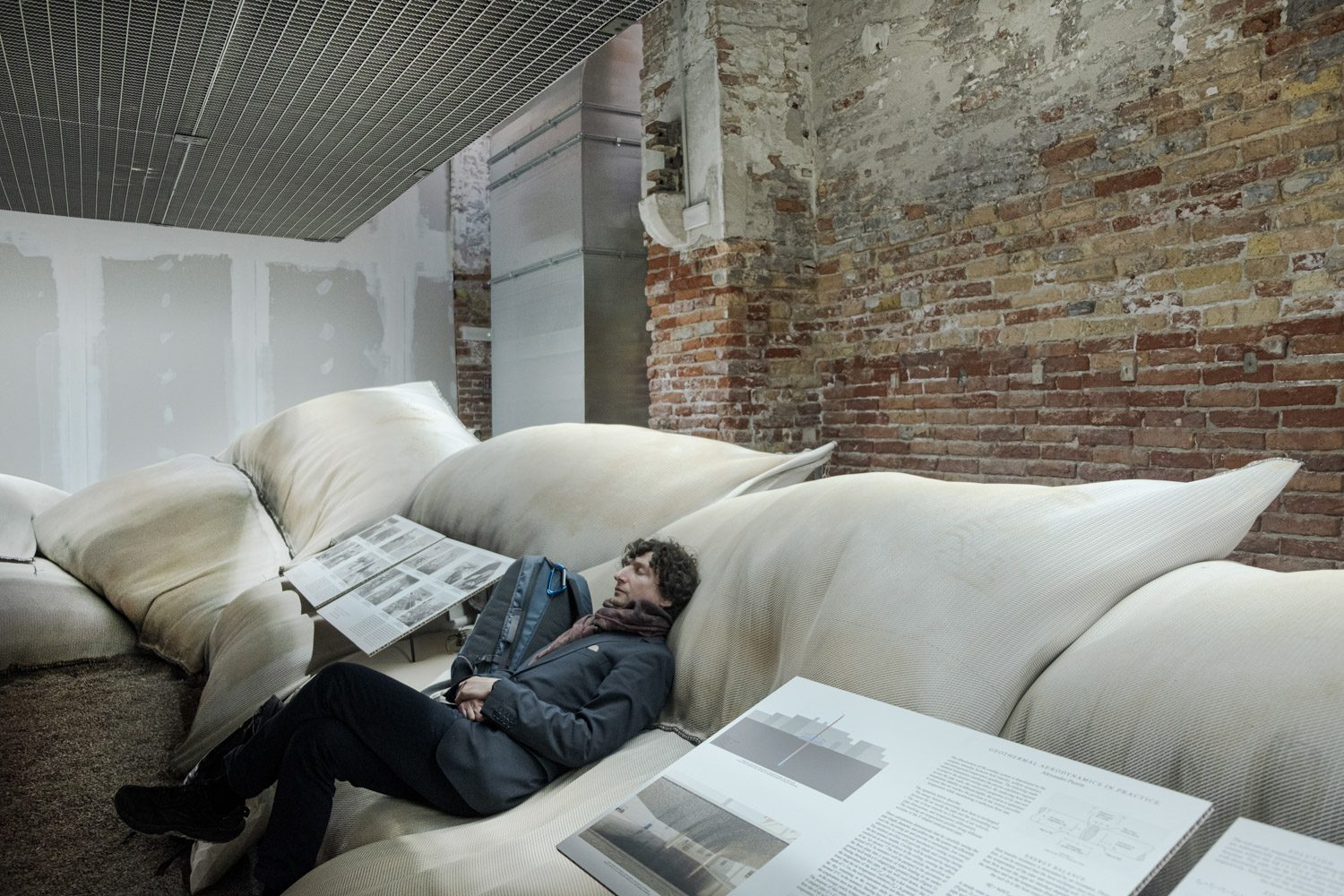
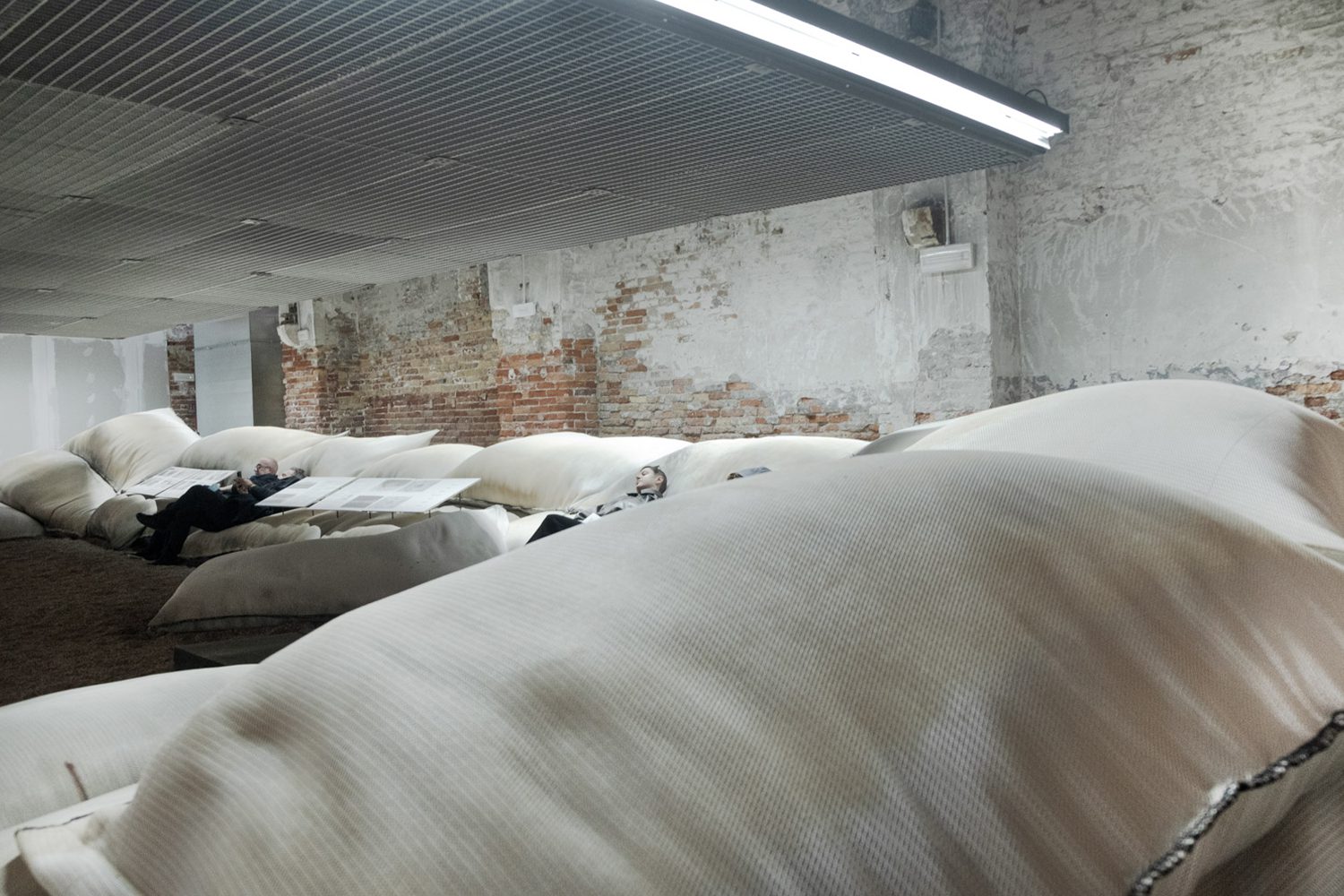
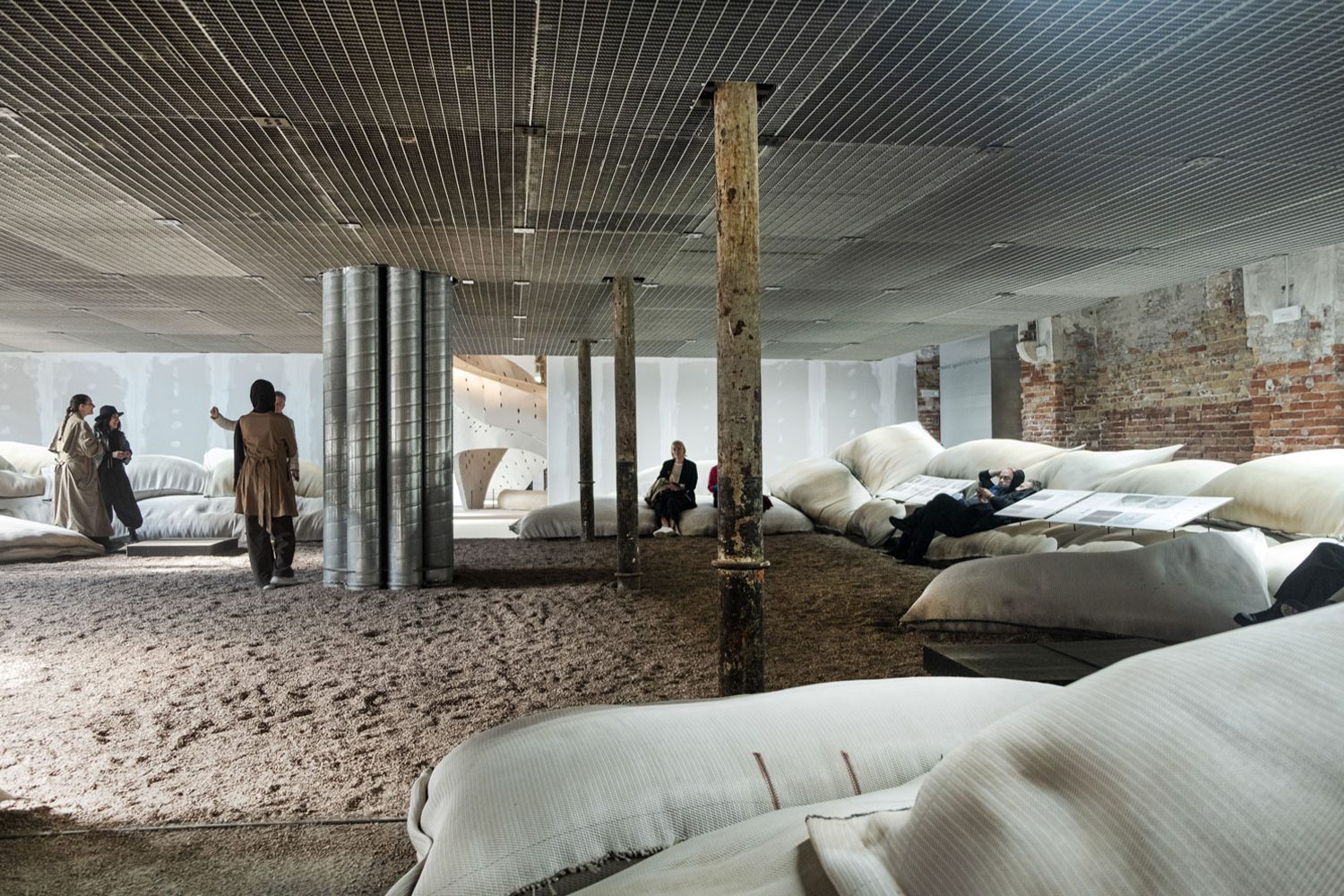
With Heatwave, Bahrain’s pavilion explores passive cooling techniques deeply rooted in traditional Gulf architecture. Using coral stones, wind towers, and evaporative strategies, the pavilion evokes ancient know-how adapted to future climates. It’s not just a revival of vernacular wisdom, but a critical call to rethink energy consumption through natural intelligence.
Circularity on the Edge – Kateryna Lopatiuk and Herman Mitish (Ukraine)
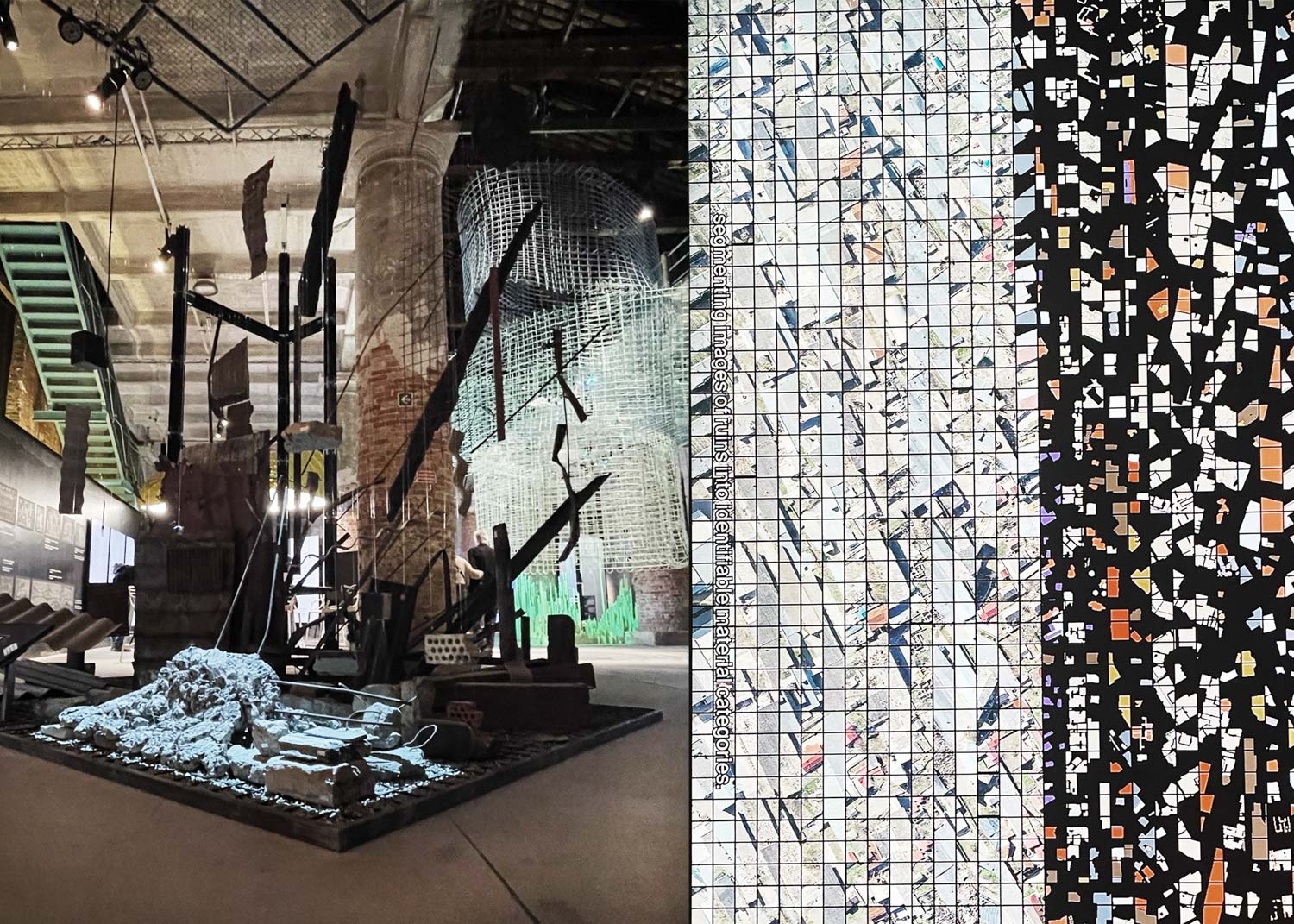
This research-driven installation addresses post-war reconstruction in Ukraine through AI-powered material reuse. Drones scan damaged structures, and algorithms map out salvageable resources for future rebuilding. Both poignant and forward-thinking, the project embodies resilience through circular thinking, merging artificial and human intelligences in the architectural process.
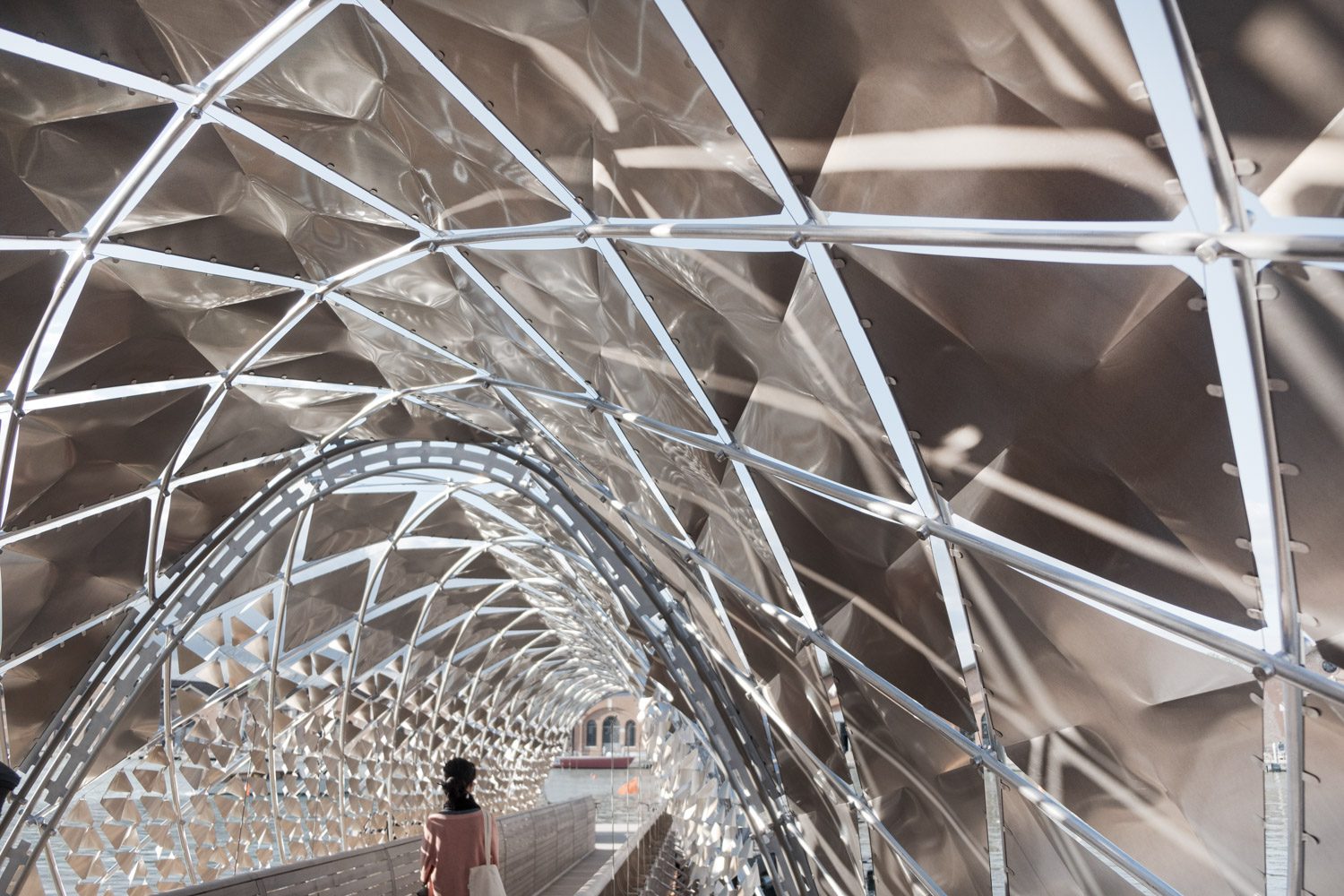
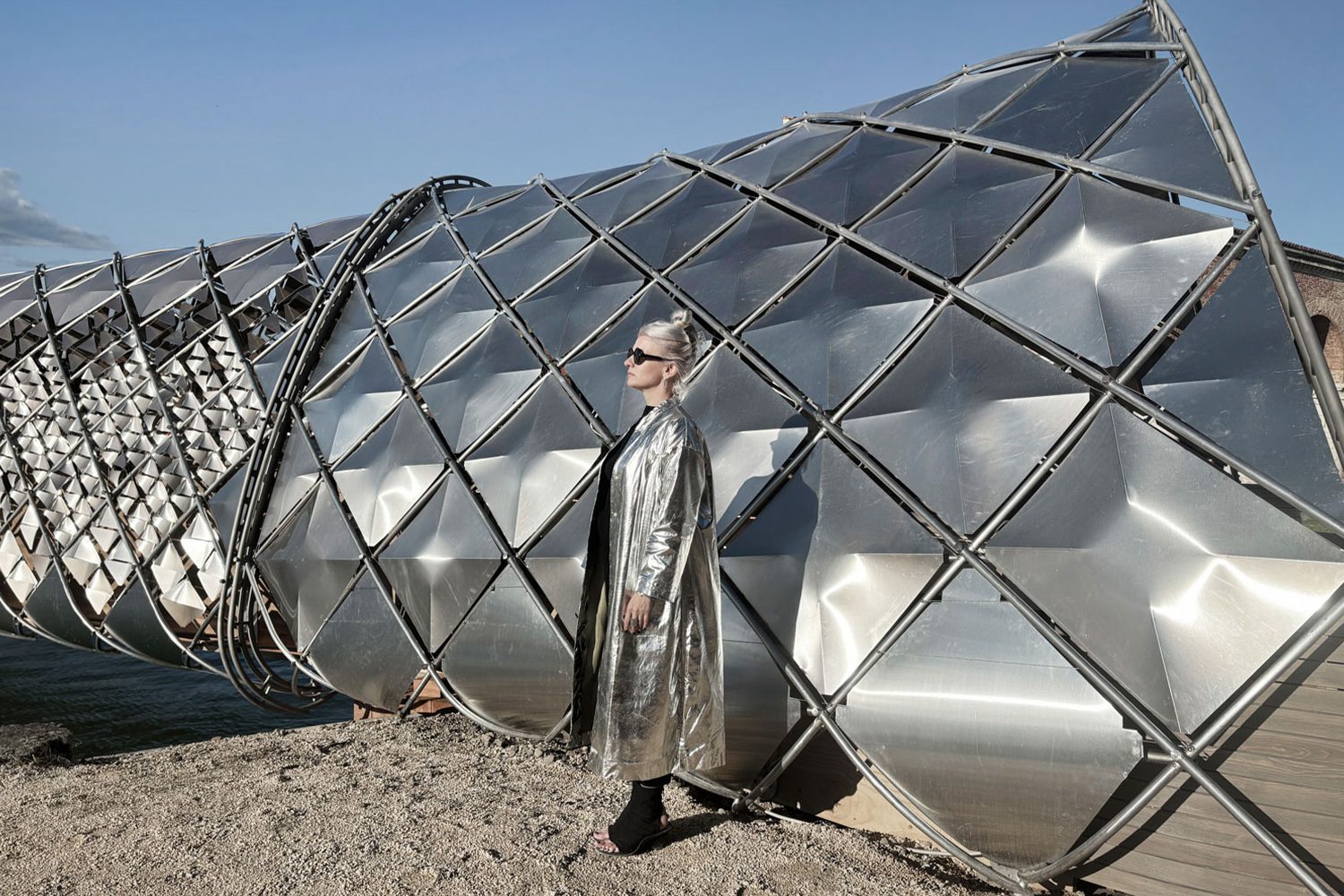
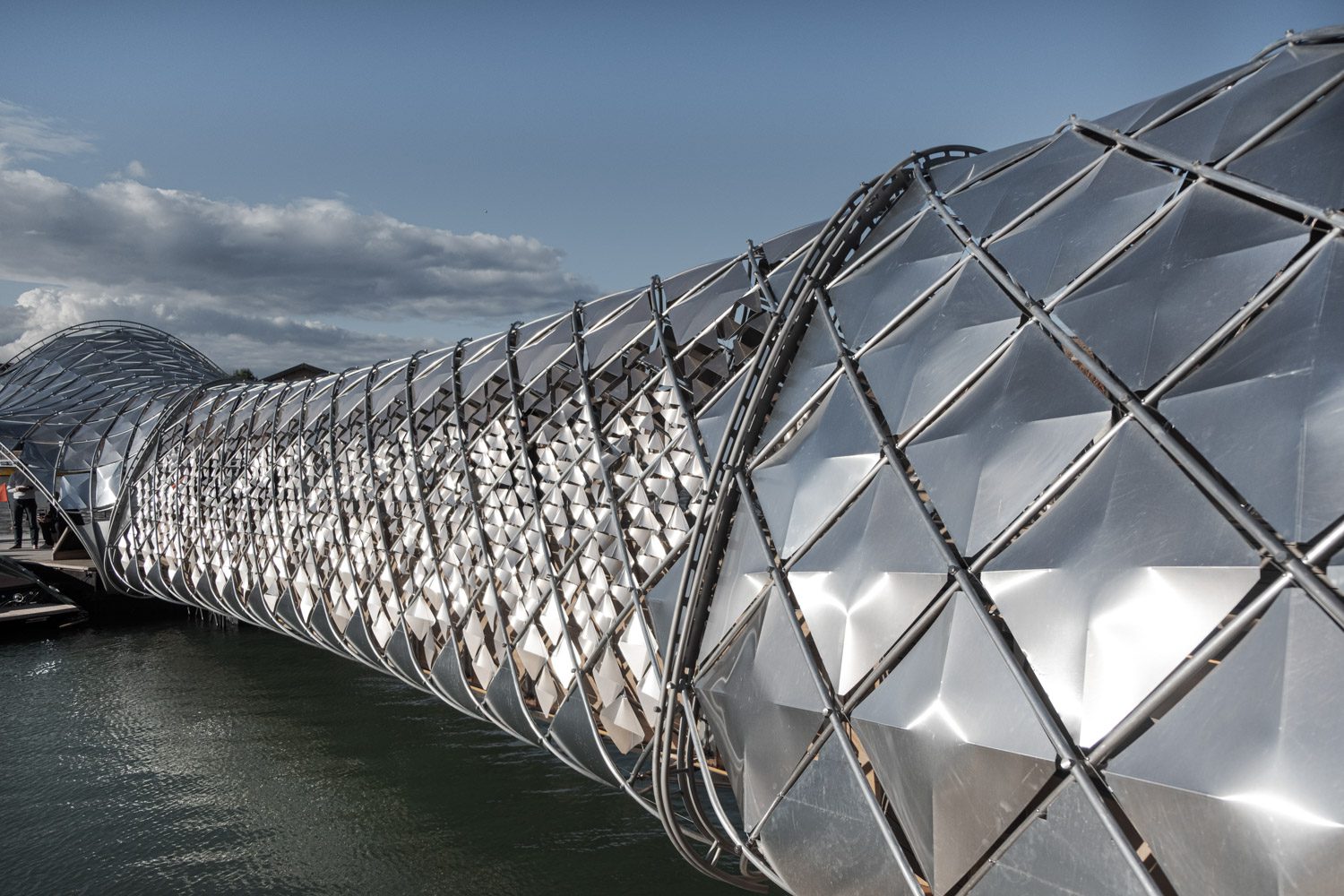
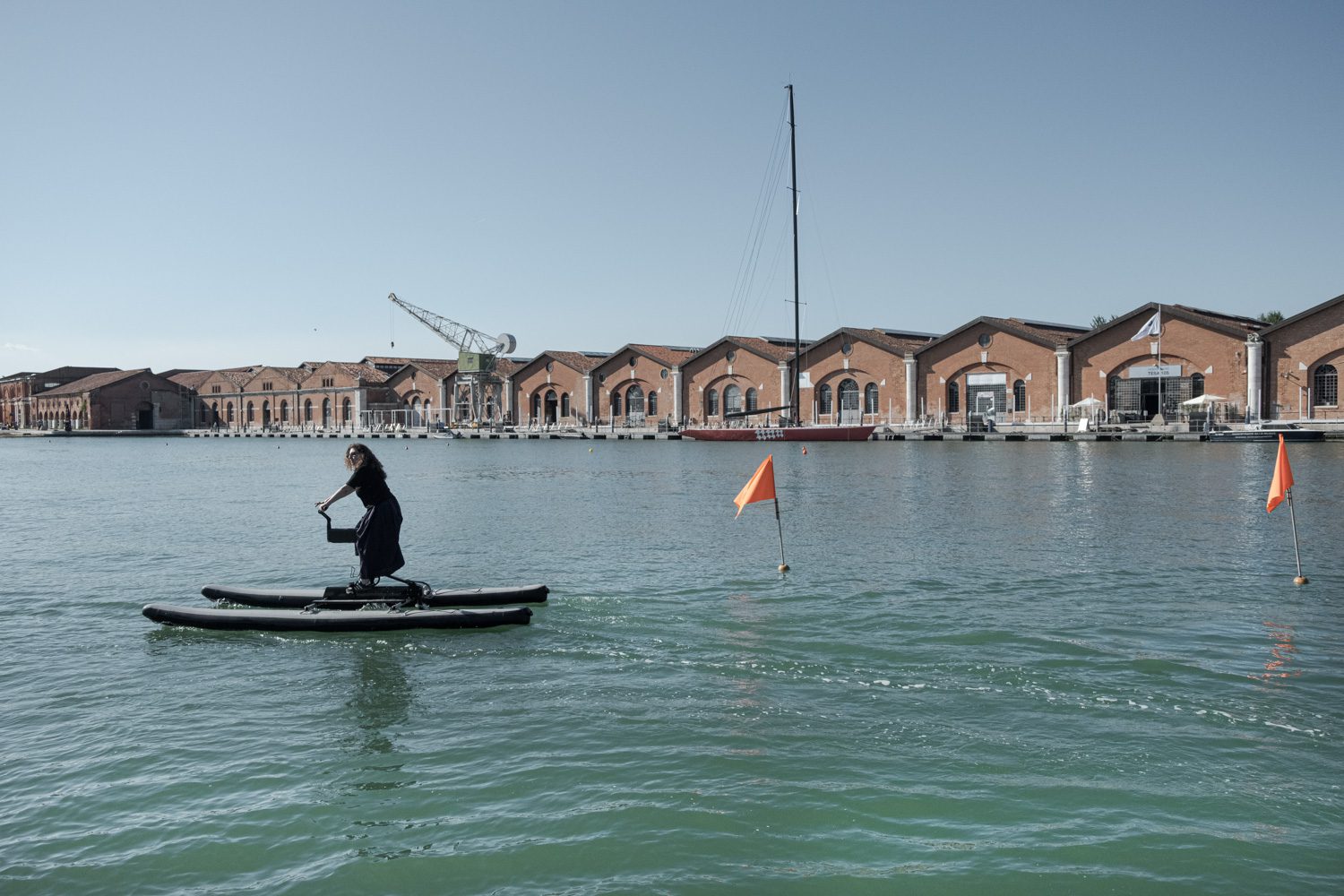
Gateway to Venice’s Waterway – Norman Foster & Porsche
This 37-meter kinetic pedestrian bridge, co-designed by the Norman Foster Foundation and Porsche, reimagines Venice’s historic connections with its waterways. Incorporating electric water mobility hubs and modular design, it envisions a future of circular infrastructure and zero-emission urban transport—all while referencing the sleek language of automotive and marine design.
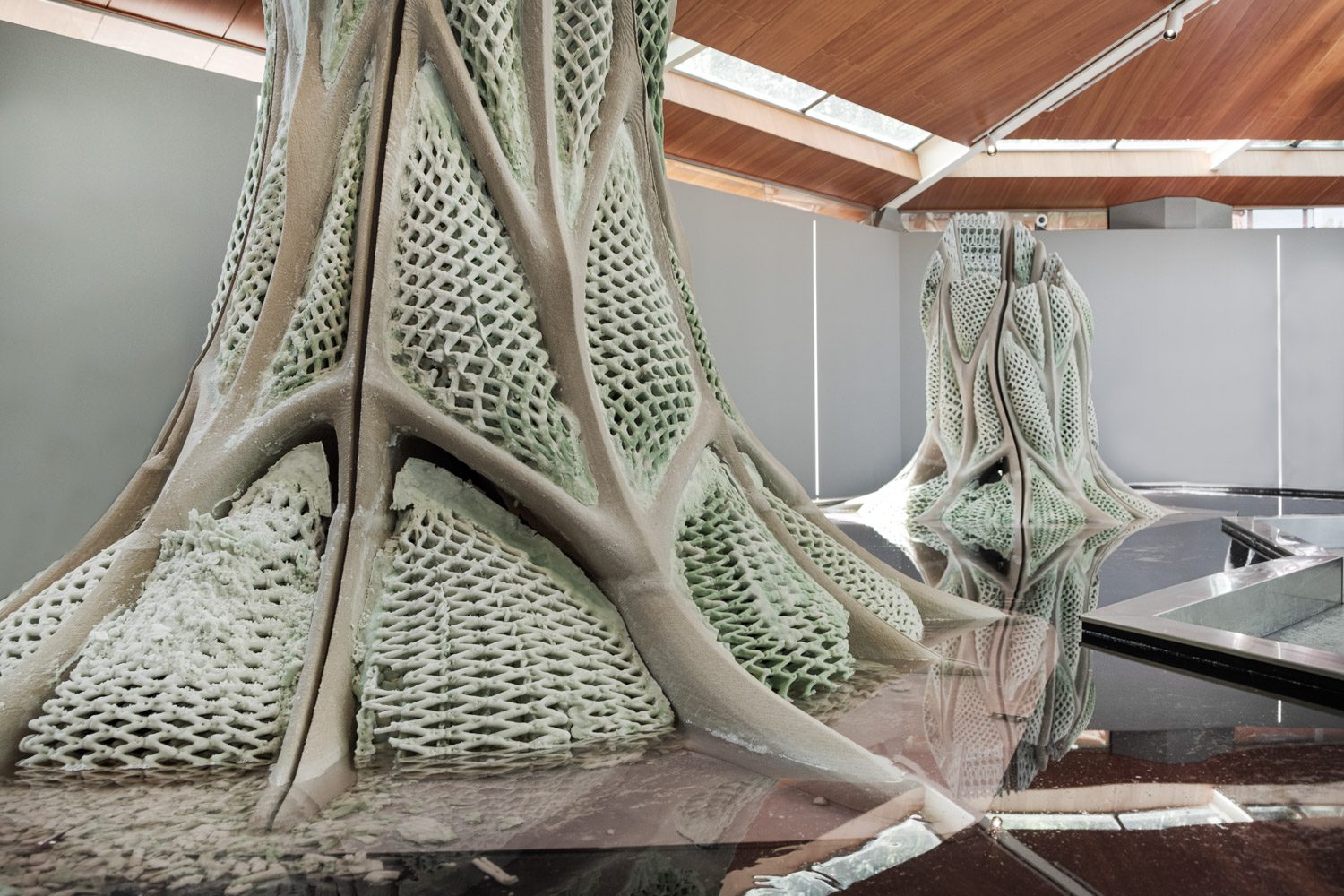
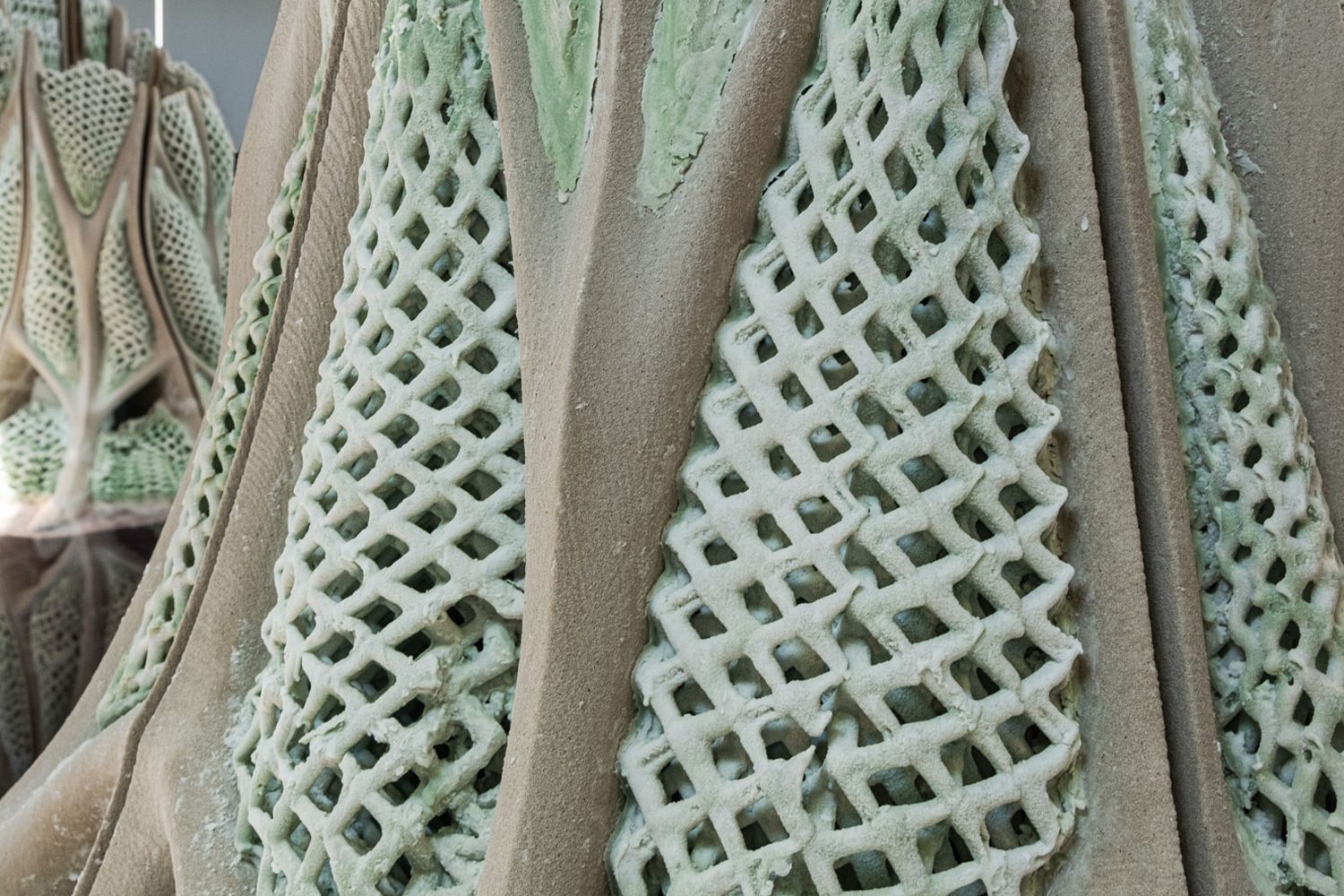
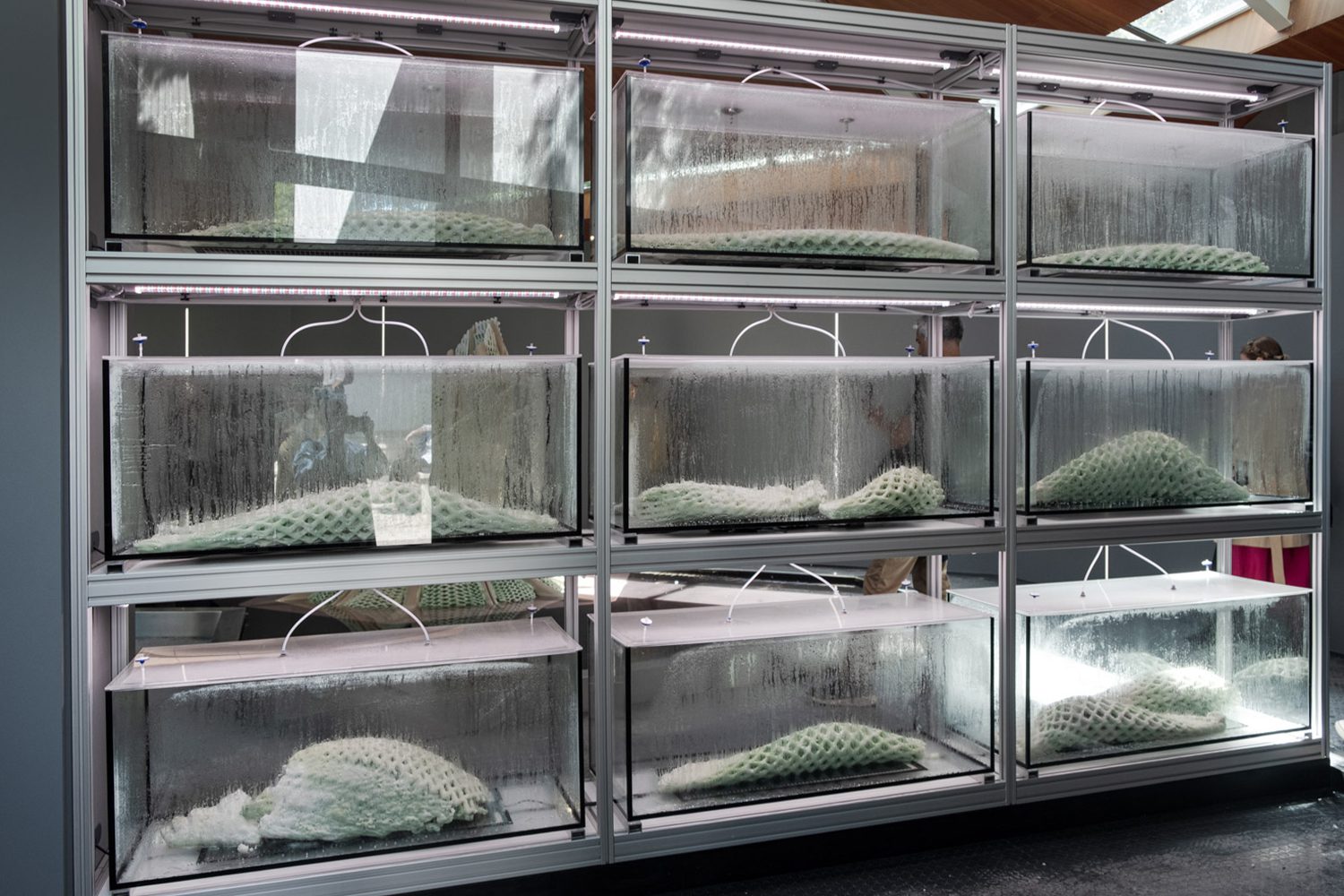
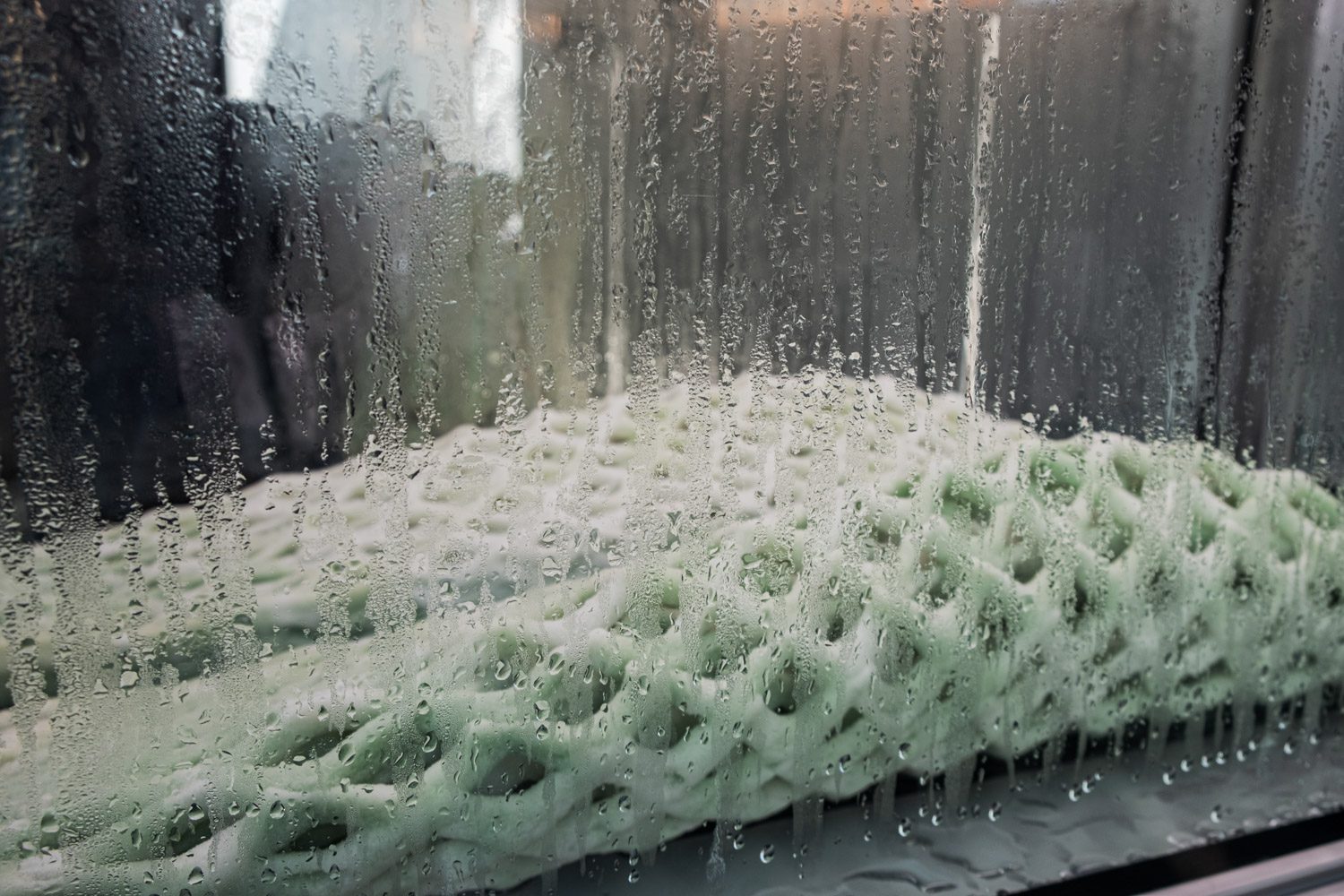
Picoplanktonics – Canada Pavilion
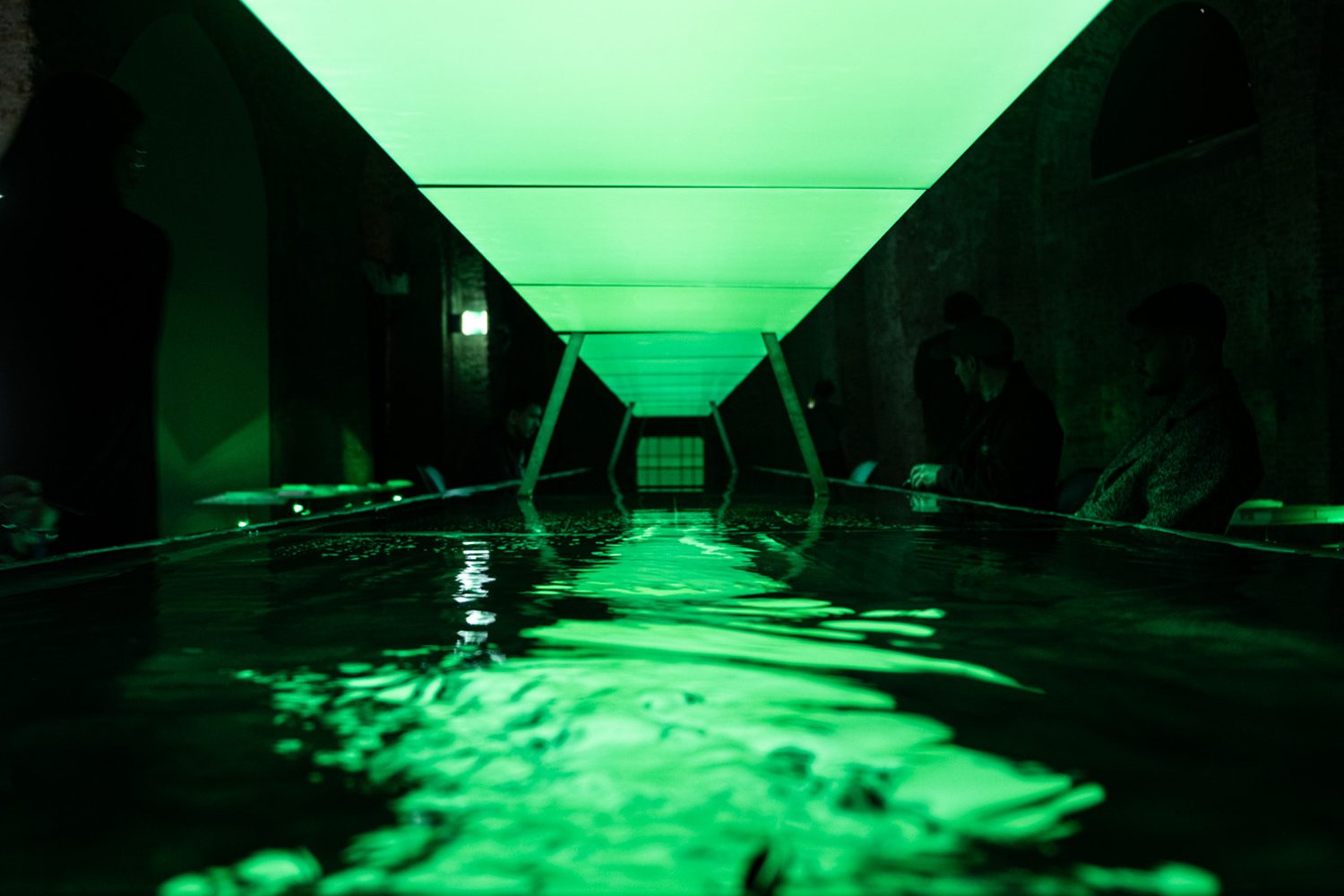
Canada’s Picoplanktonics takes viewers below the surface—literally and conceptually. The pavilion immerses visitors in the microscopic world of picoplankton, highlighting their essential role in regulating global oxygen and carbon cycles. By linking biological intelligence to climate change, the installation challenges visitors to reconsider life-support systems invisible to the human eye, yet foundational to our survival.
An Architecture of Interconnection
Venice Architecture Biennale 2025 is not simply about buildings—it’s about ‘intelligens’ as a way of thinking and making. It prompts visitors to reimagine architecture as a practice embedded within ecological systems, driven by data and networks, and fundamentally shaped by collective will.
As climate change, digital acceleration, and social fragmentation challenge the limits of our spatial imagination, the Biennale offers something rare: not answers, but frameworks to think differently. For those fortunate enough to walk the halls of the Arsenale or sit at the Canal Café, one thing becomes clear—architecture is no longer just about space. It’s about intelligence in space.
The Venice Biennale of Architecture 2025 is held from May 10 to November 23, 2025, in Venice, Italy.