
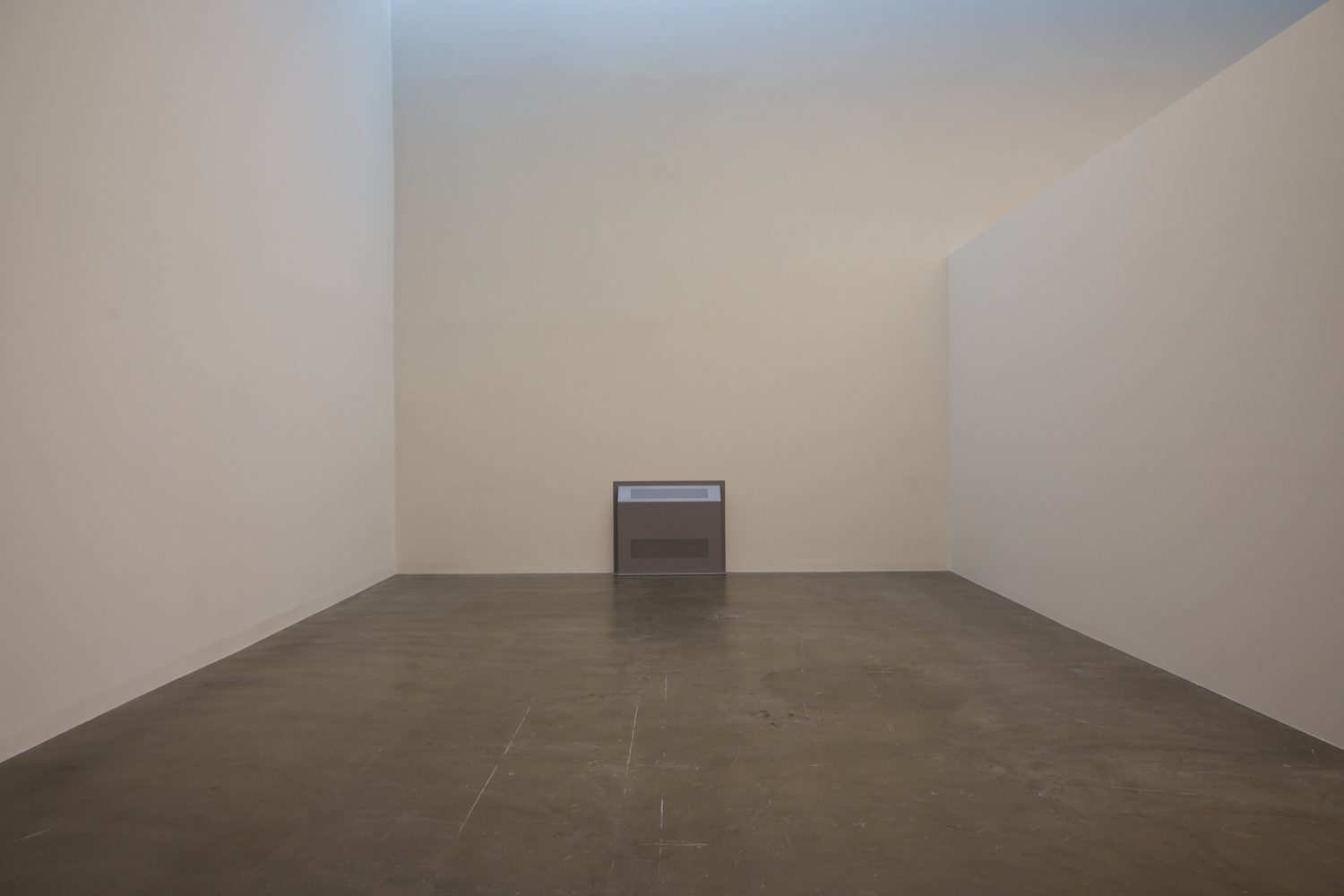
HO RUI AN AND SUNG TIEU INVITE VIEWERS TO EXPLORE THE LINGERING TRACES OF ‘RIGHT’ FROM COLD WAR MEDIA THAT REMAIN EMBEDDED IN CONTEMPORARY SOCIETY
TEXT: SARUNKORN ARTHAN
PHOTO: THAKUENG WITHUSUWAN, COURTESY OF JIM THOMPSON ART CENTE
(For Thai, press here)
Media, be it music, cinema, posters, print, or even the news, became a frontline weapon during the Cold War, wielded by both liberal and communist blocs. Some broadcasts slipped seamlessly into daily life, steering public sentiment with quiet precision, while others were withheld for fear of provoking the opposite effect. In these shifts, media inscribed itself not only onto the physical world but also into the collective imagination.
The exhibition On-Air, Off-Air by Southeast Asian contemporary artists Ho Rui An and Sung Tieu, presented at the Jim Thompson Art Center, invites viewers to explore the lingering traces of Cold War media that remain embedded in contemporary society.
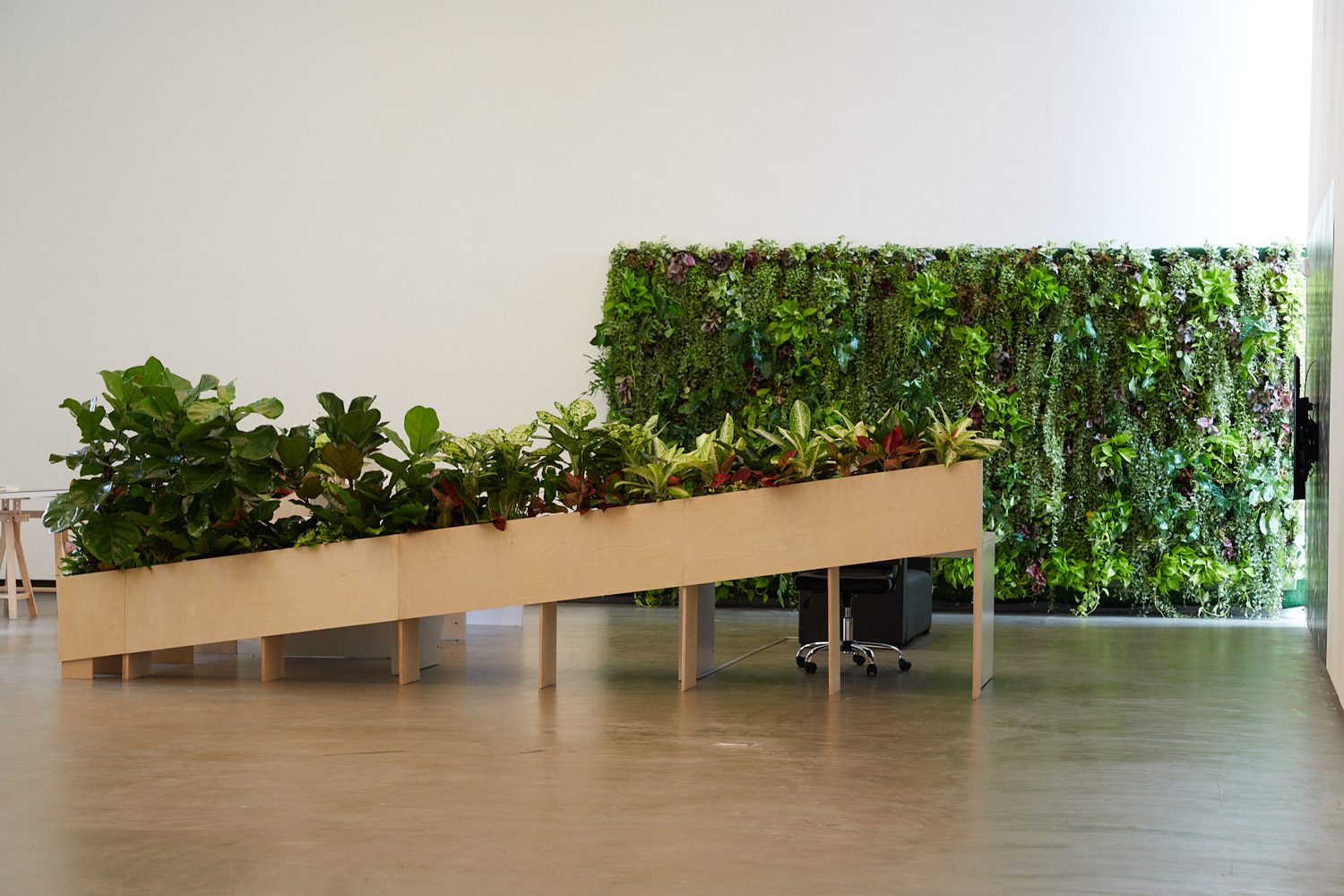
A Petropolis in a Garden with a Long View, 2024
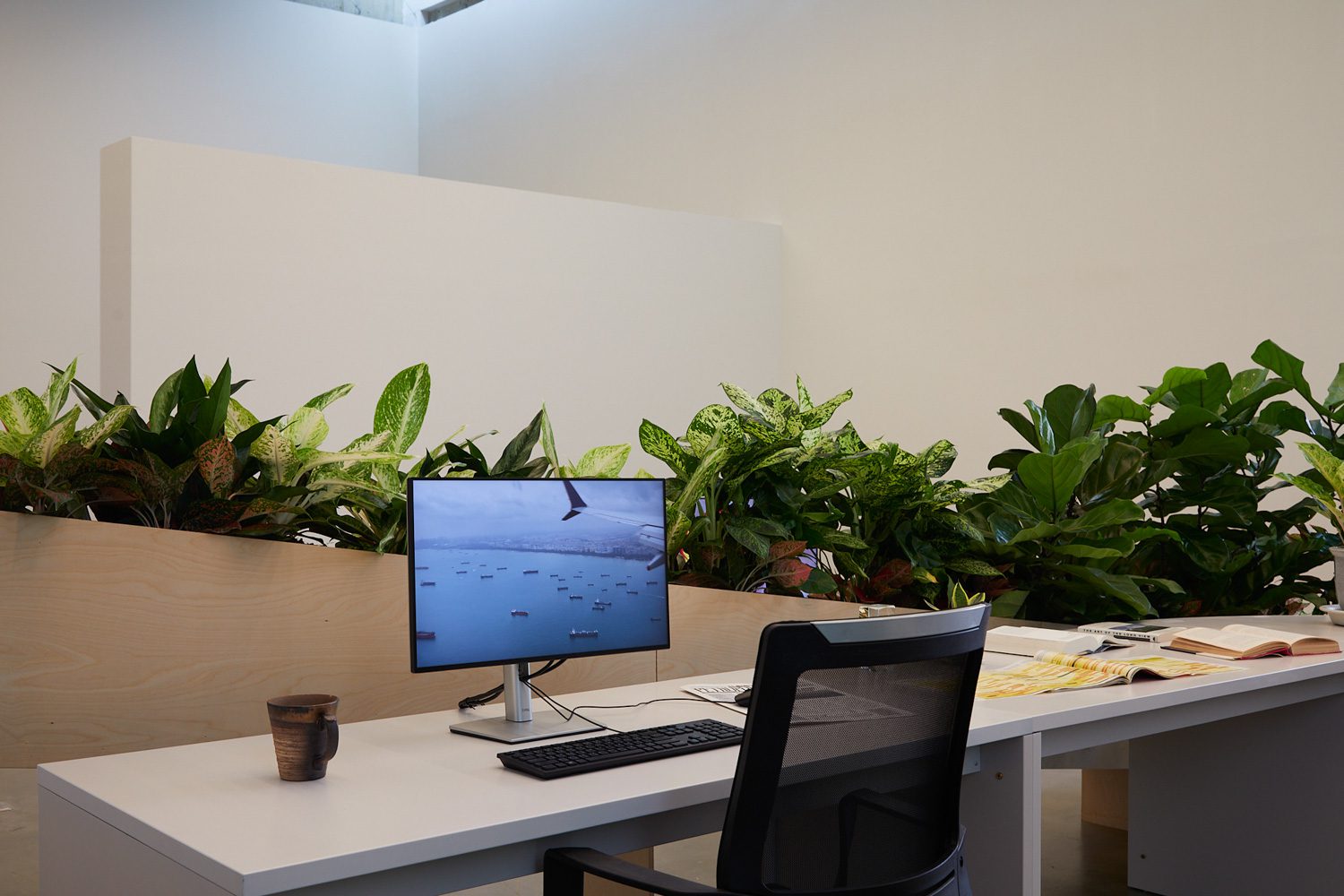
A Petropolis in a Garden with a Long View, 2024
Through his work, Ho Rui An reveals how certain broadcasts sought to shape perceptions of Singapore as a nation blanketed in lush greenery. Yet behind this façade lies a stark reversal: the greenness that covers the city is nothing more than a screen, concealing the flames of petroleum combustion that has driven the country’s economy since its founding.
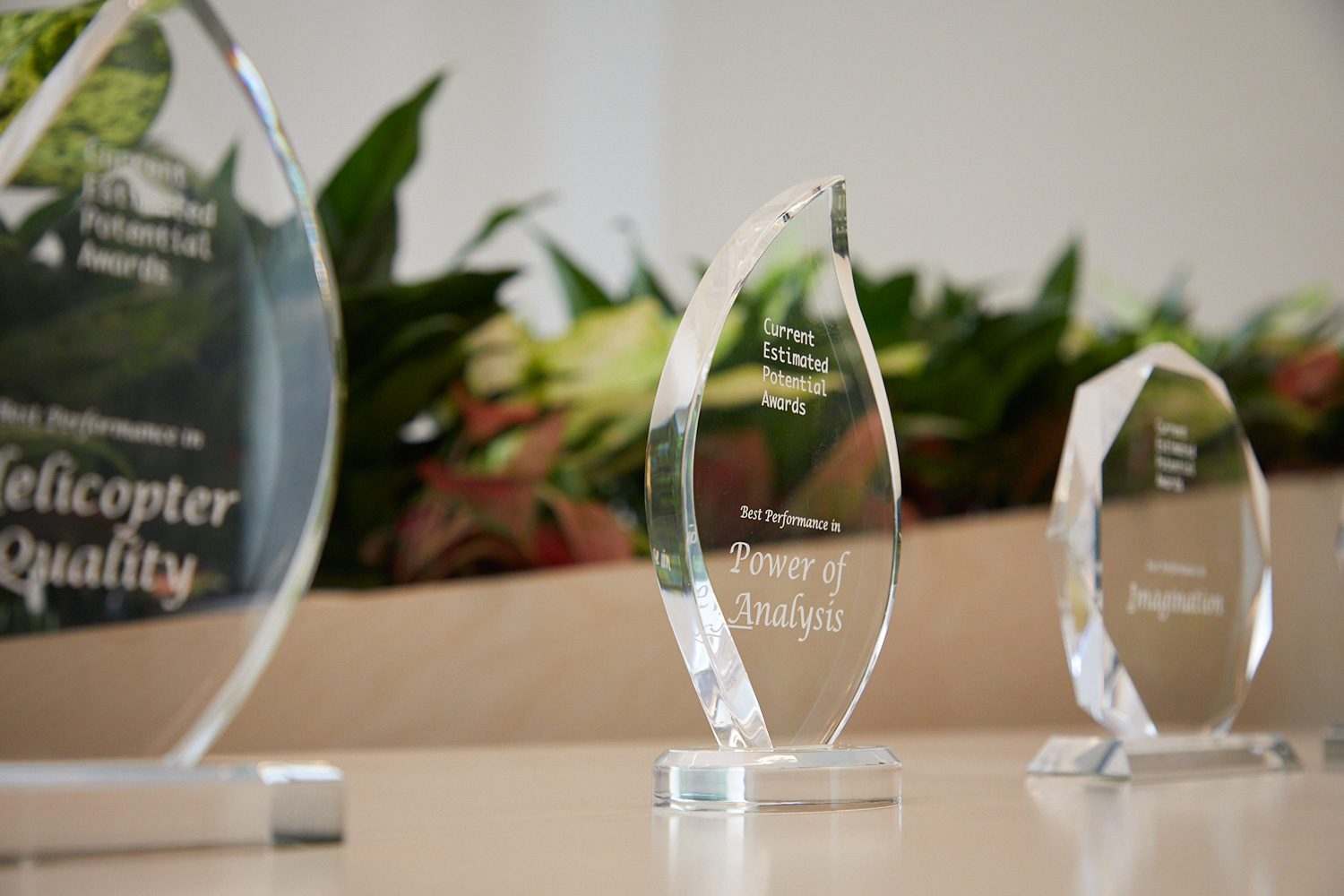
A Petropolis in a Garden with a Long View, 2024
This paradox is captured in A Petropolis in a Garden with a Long View (2024), where the executive desk of a Singaporean oil company appears resplendent with books and sustainability awards, softened by the presence of verdant plants. Yet beneath this polished image, the country remains firmly bound to the petroleum industry, unable to free itself from its grasp.
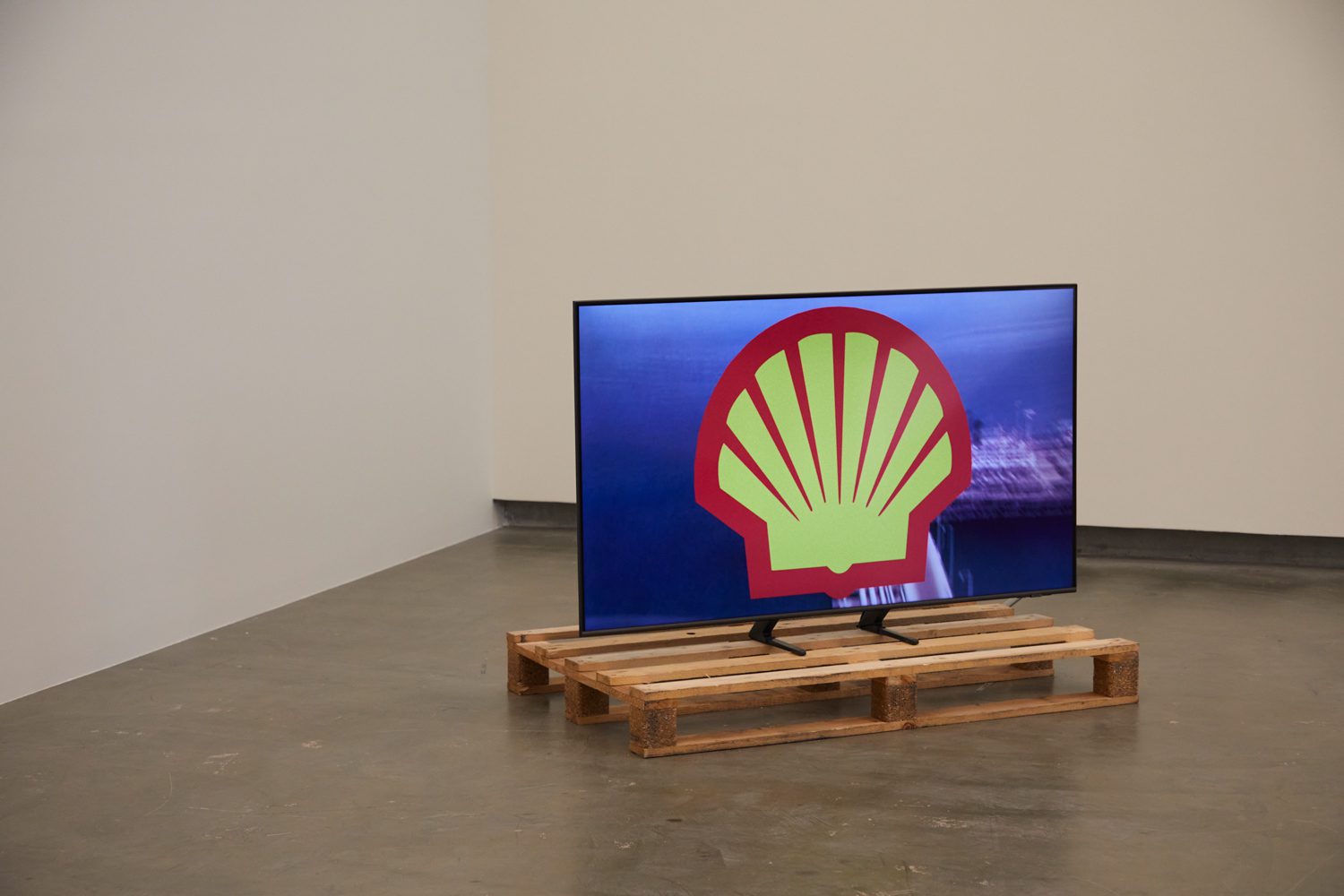
Shell Revolution, 2018
A similar critique unfolds in Shell Revolution (2018), a video charting the transformation of a seashell along the shoreline into part of a petrol station. As the shell sheds its ties to nature, the background shifts from beachside setting to refinery platforms and pipelines stretching across the nation.
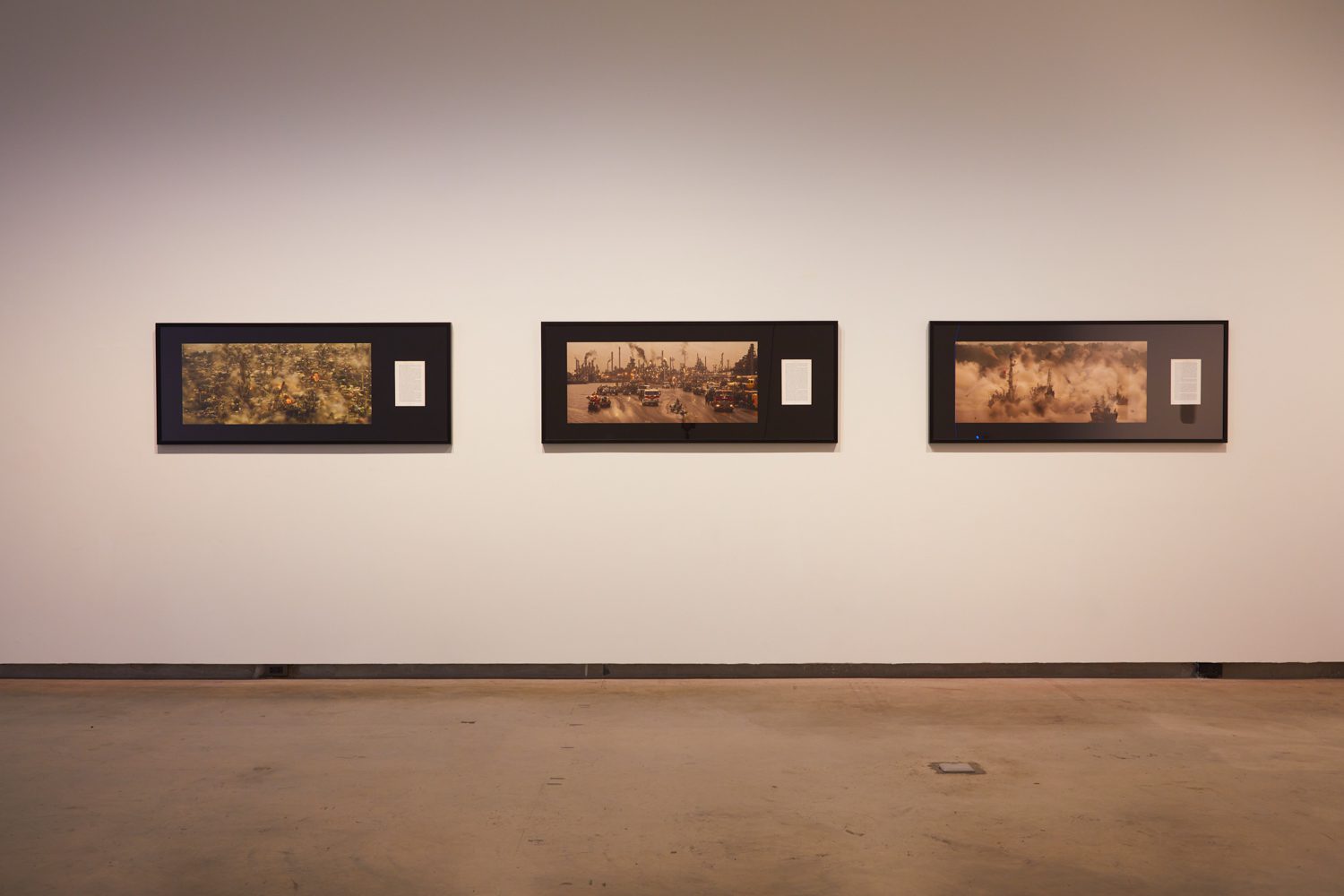
Fuelling Apocalypse, 2024
Also included is Fuelling Apocalypse (2024), where the artist re-emerges as an explorer, reflector, and image-maker through the use of artificial intelligence. The work takes shape as an extended composite panorama of a petroleum city, paired with texts recounting Singapore’s oil drilling operations that once supported the United States during the Vietnam War. Together, image and text suggest that Singapore has never been as ‘green’ as it has long appeared. One is left to wonder if the nation embodies a kind of Dr. Jekyll and Mr. Hyde within the intertwined worlds of petroleum and capitalism.
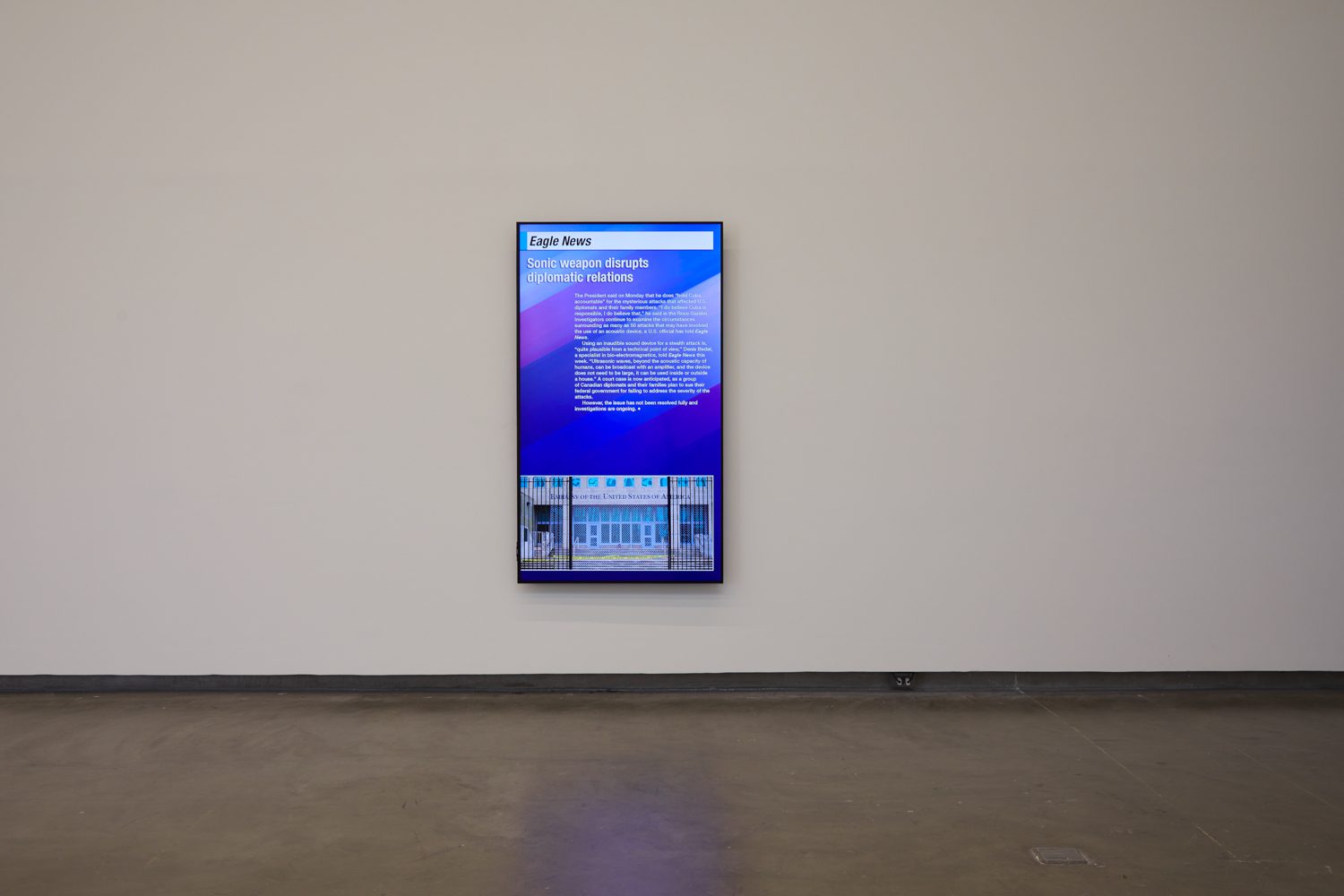
Sonic weapon disrupts diplomatic relations, 2024
The exhibition then turns to the work of Sung Tieu, who directs our attention to a digital billboard bearing the headline Sonic weapon disrupts diplomatic relations (2024). The piece recalls an incident in 2016 at the Hotel Nacional in Havana, Cuba, where diplomats and their families reported symptoms of hearing loss, dizziness, and headaches attributed to ultrasonic waves whose source could not be identified. Occurring within a socialist nation formerly under communist rule, the episode came to be known as ‘Havana Syndrome,’ after the city where it was first documented. The incident resulted in a temporary downgrading of diplomatic relations between the United States and Cuba.
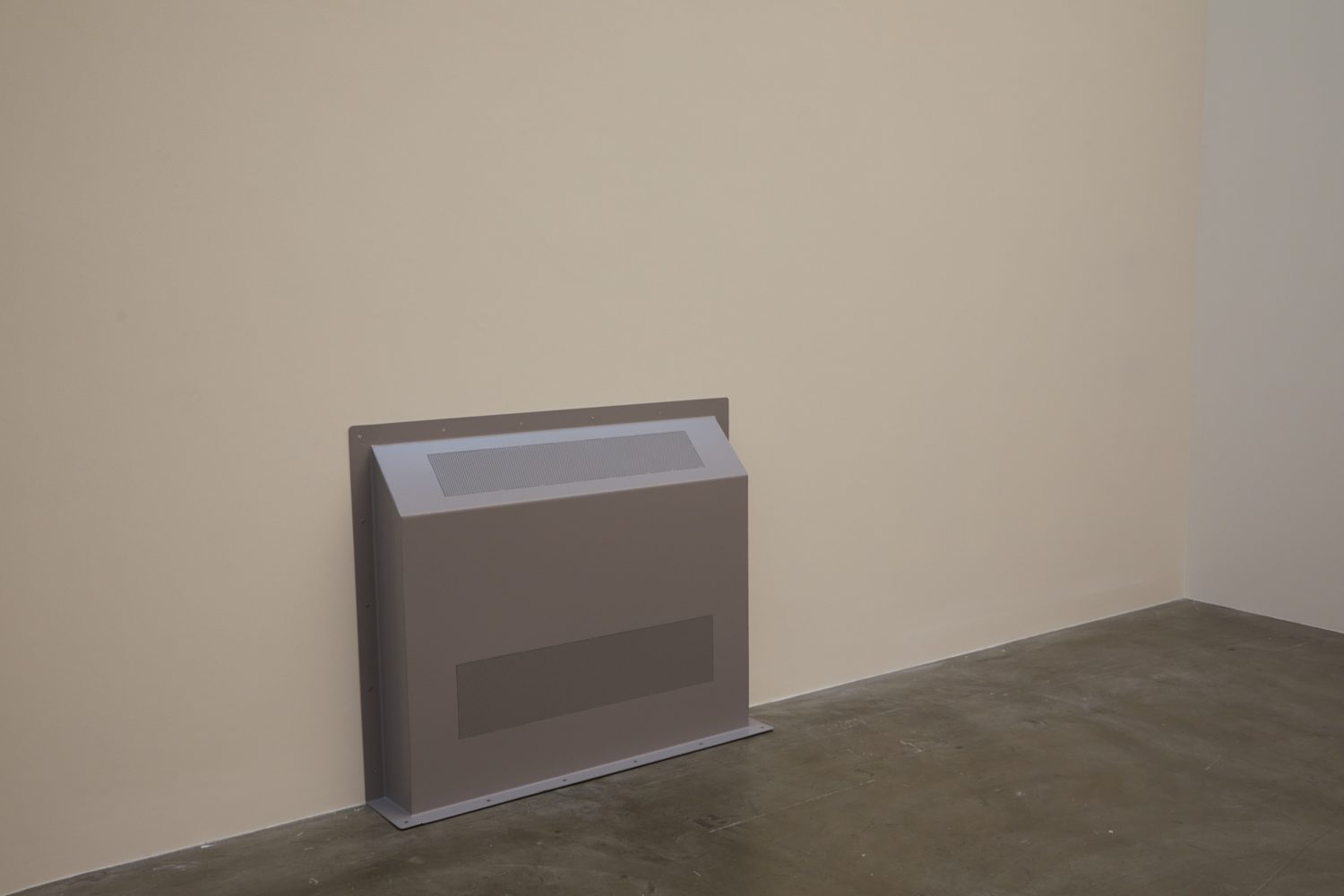
Protective Cover (Tinnitus), 2024
Not everyone can hear or perceive Havana Syndrome. One must be among the ‘chosen’ to experience it. At the far end of the room, this condition materializes in Protective Cover (Tinnitus) (2024), a tamper-proof wall cabinet fitted with speakers that release a piercing, high-pitched sound. In this moment, affliction becomes tangible, and we ourselves become the chosen, drawn into the unsettling experience once reported by the so-called Free World when confronted with Havana Syndrome.
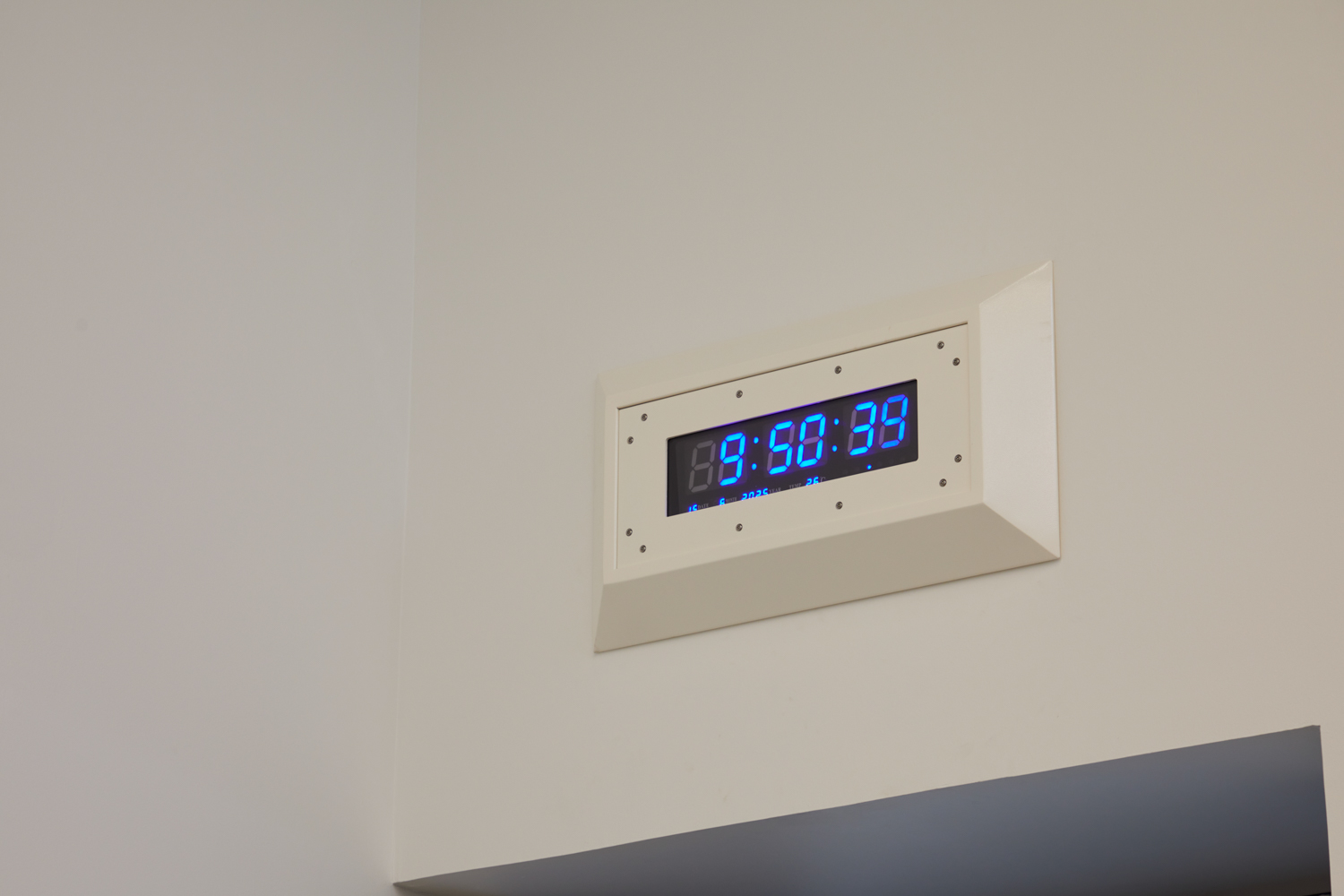
Anti-Vandal Clocks, 2022-2023
Within the same room, however, we are not only made the chosen but also encounter chosen sites. Suspended just above, two clocks keep not Bangkok time but the time of faraway cities: Anti-Vandal Clocks (New Delhi) (2023) and Anti-Vandal Clocks (Washington D.C.) (2022). These two locations were also named among the places where American diplomats and intelligence officers reported symptoms of Havana Syndrome. Like the wall cabinet, the clocks are tamper-proof, as if to prevent anyone from easily altering or erasing them.
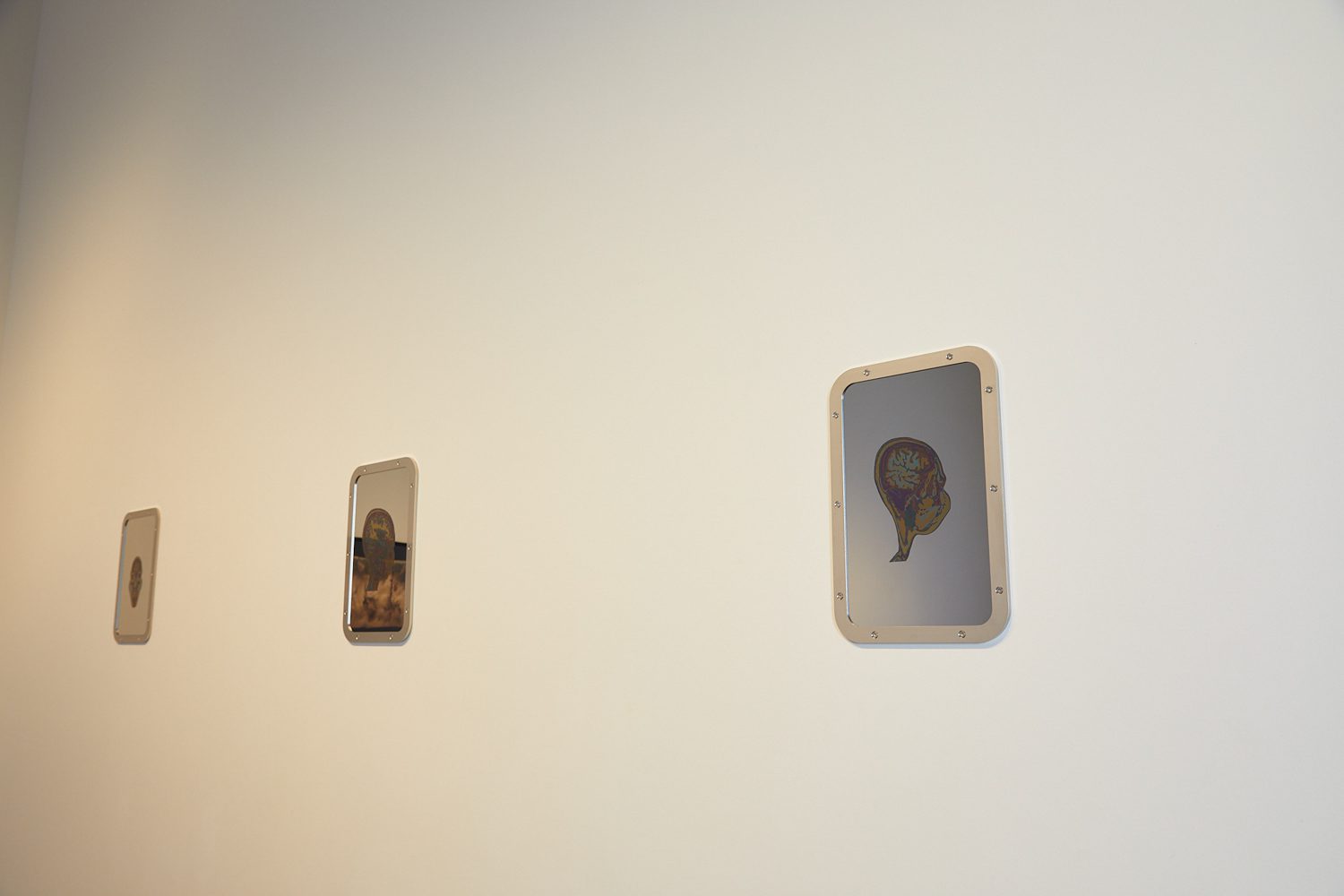
Exposure To Havana Syndrome, 2022-2024
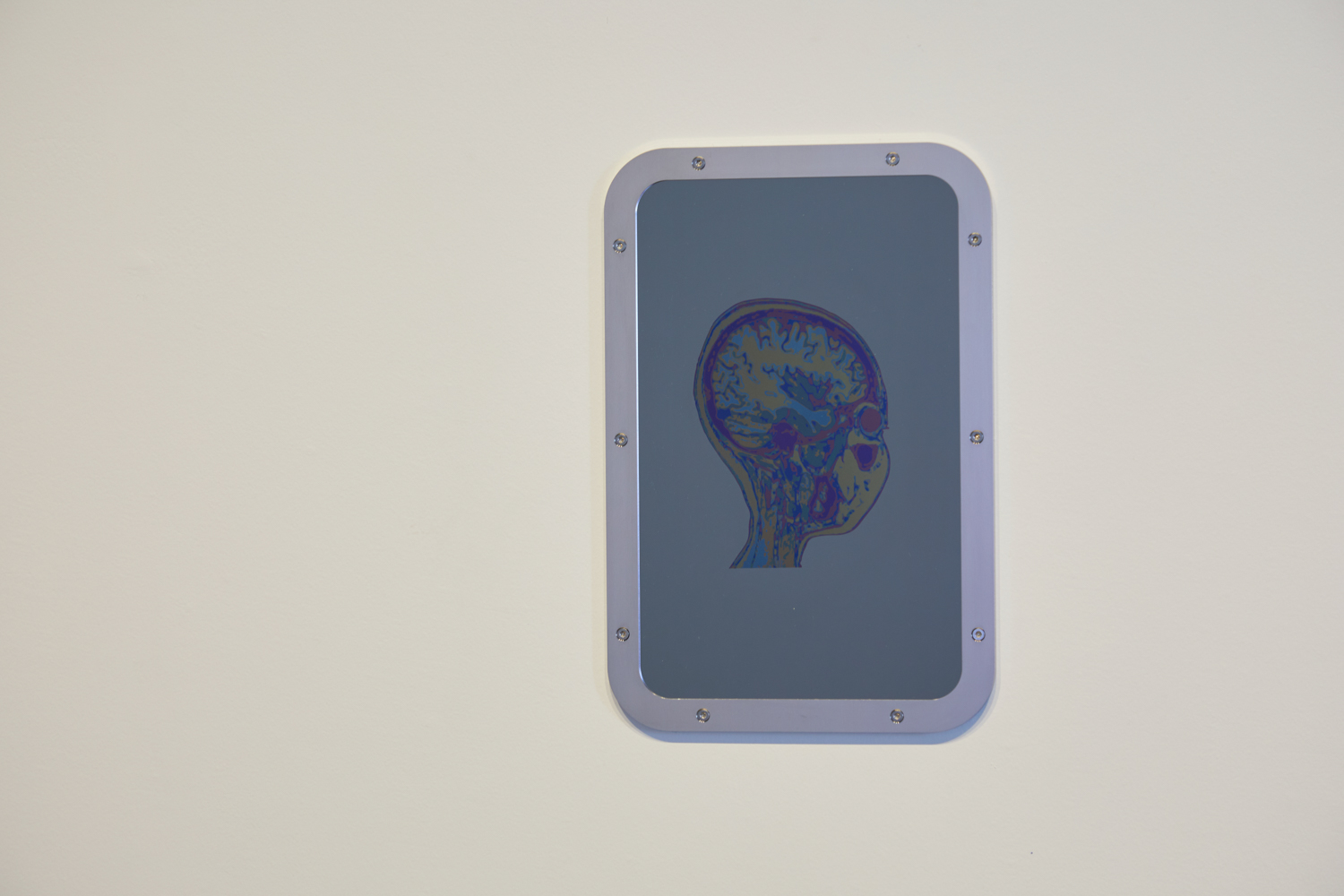
Exposure To Havana Syndrome, 2022-2024
Havana Syndrome does not merely select its sites and its recipients of some elusive transmission. It also lingers, crystallizing into an illness with lasting effects on quality of life. This persistence is evoked in Exposure To Havana Syndrome (2022–2024), where MRI-like scans of the artist’s brain and face are deliberately etched by laser onto stainless steel. The permanence of these markings mirrors the way Havana Syndrome has seeped into the bodies of many in the so-called Free World.
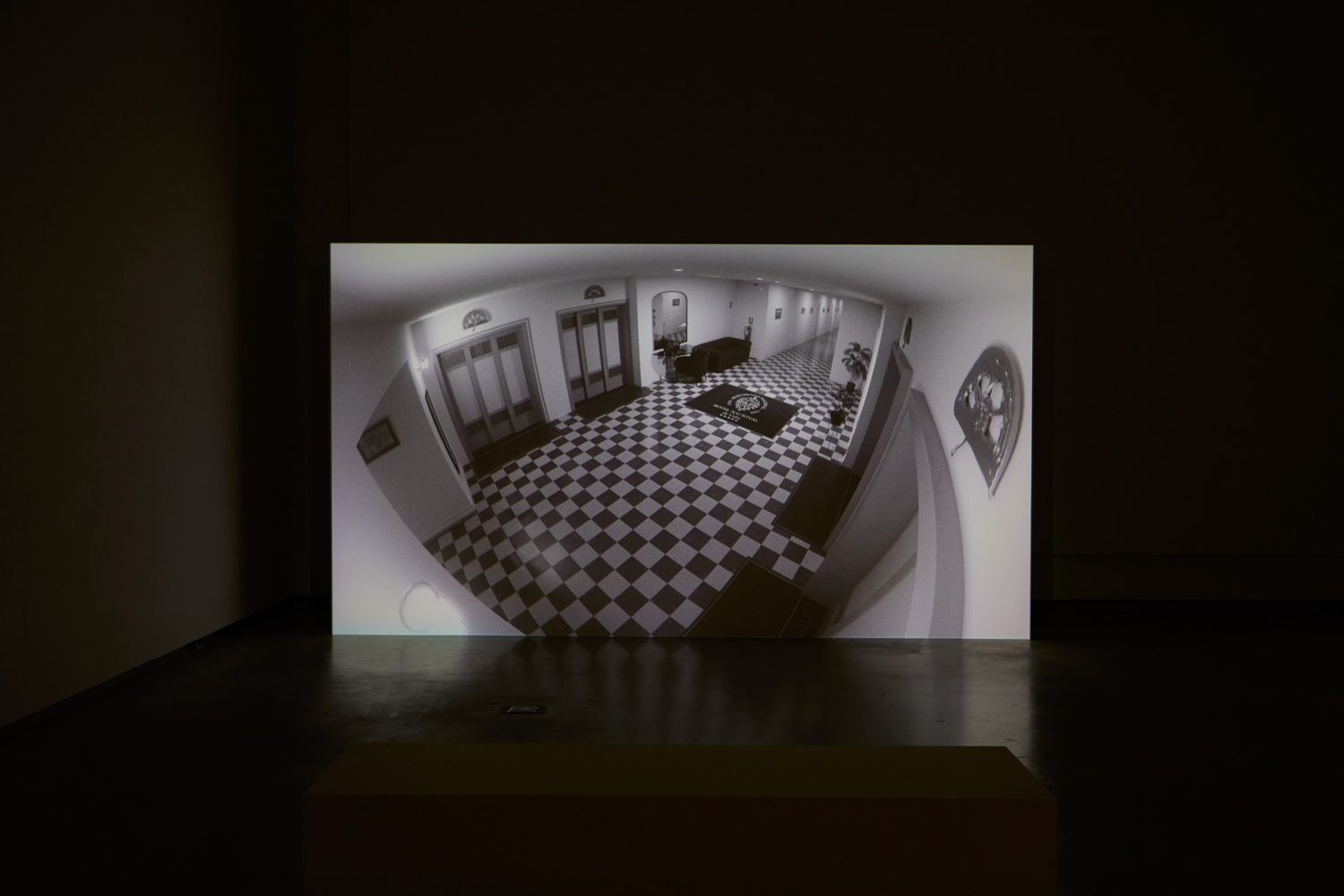
Moving Target Shadow Detection, 2022
When the body feels heavy with the sediment of an illness that cannot be known as real or false, the exhibition offers respite in Moving Target Shadow Detection (2022). The work reconstructs the atmosphere of Havana’s Hotel Nacional, the original site of the infamous syndrome, through the surveillance gaze of CCTV and nanodrones. Everything that moves, and everything that does not, is scrutinized with a panoptic vigilance.
Suddenly, we who began as viewers, and perhaps even as the chosen, are repositioned as the ‘watchers.’ What we observe is the grand, inviting interior of a luxury hotel suite, once an operations base for American intelligence, alongside other corners of the building. Saturated yet hyperreal color, live news reports on Havana Syndrome, declassified state documents, or even the violent blast of cold air from the air-conditioner recall the Cold War. It was not hot. It did not strike directly. Yet it still transformed us.
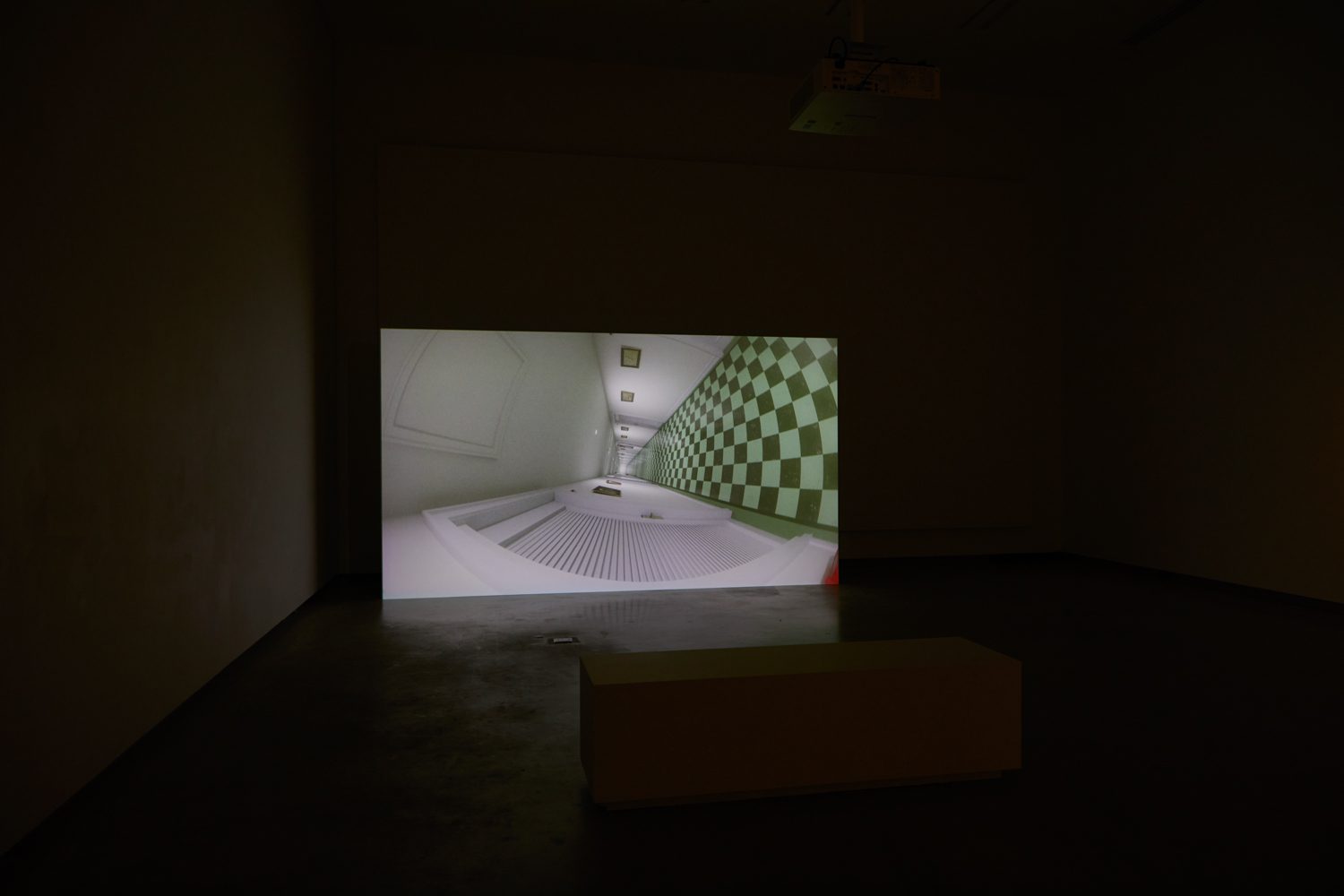
Moving Target Shadow Detection, 2022
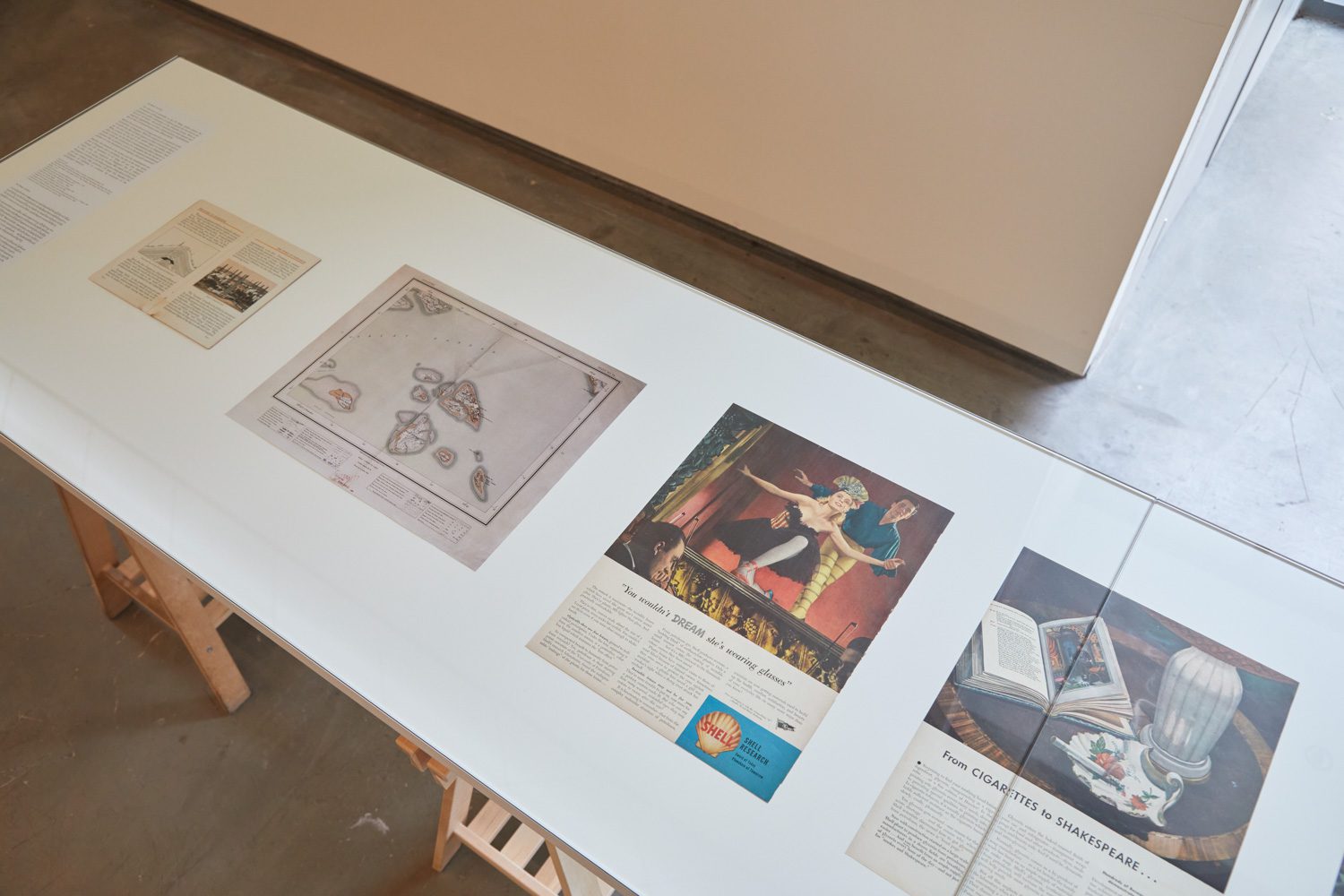
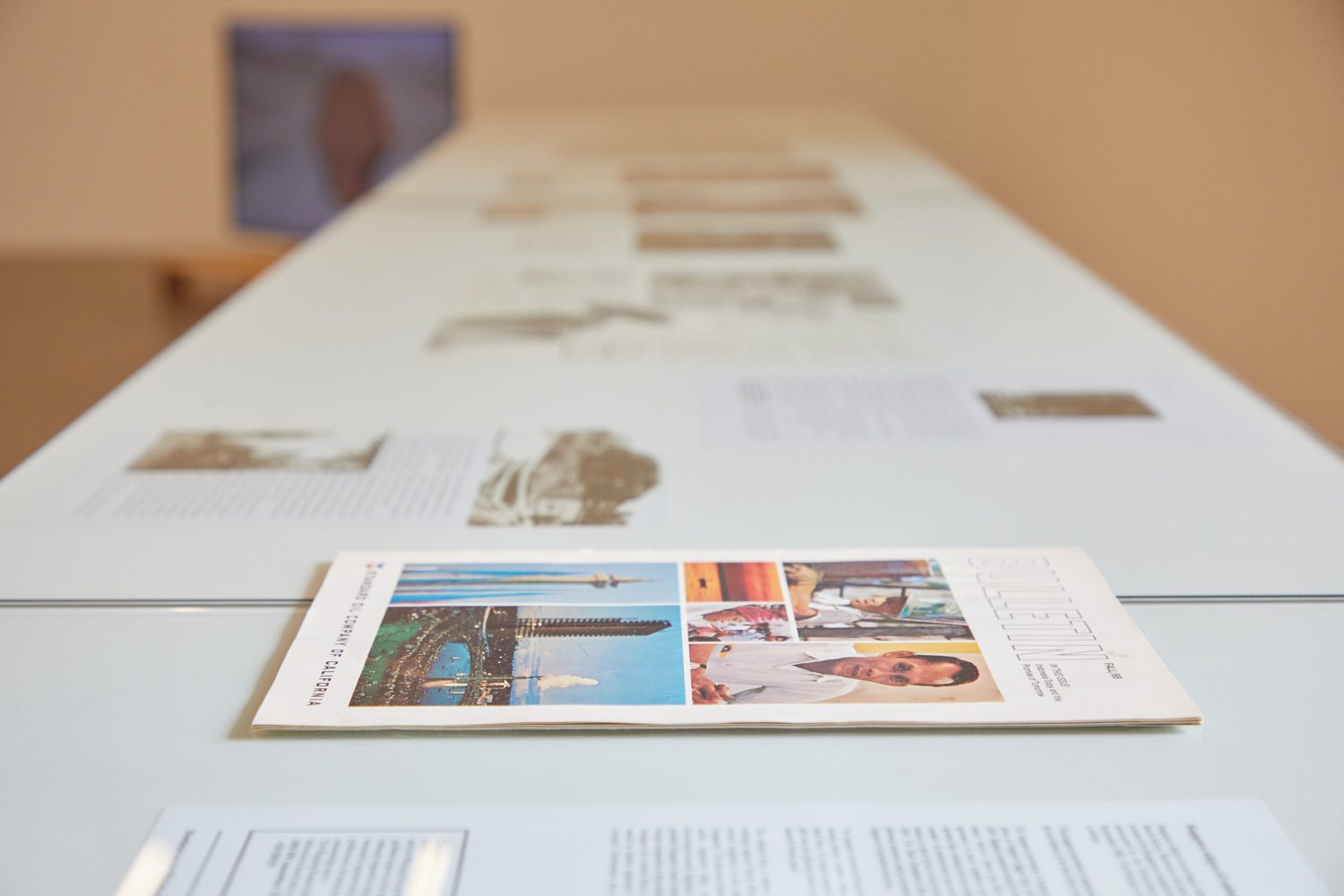
Alongside the wide-ranging works of both artists, the exhibition also presents archival materials that trace their diverse engagements with content. These include documents from the oil company with the ‘shell’ emblem, which once supported the cultural and social developments of Southeast Asia, as well as technical publications analyzing frequencies and sound. Together, they form what might be the most tangible and readable manifestation of the Cold War within the exhibition.
Taken as a whole, the two artists’ works reveal that the Cold War still endures. Whether inherited from decades past or newly resurfacing in the last ten years, media continues to occupy the central role of presenting ‘something,’ not always truth nor falsehood, but rather a constant struggle over the authority of ‘one’s own’ correctness. Even under the disruptions of more immediate and transparent forms of communication such as online platforms, this condition only intensifies. Media thus becomes the one that ‘must’ lead every trend and every movement in order to capture attention through likes, shares, and followers, at the fingertips of a global population.
We cannot know what kind of petroleum nation Singapore has been, is now, or will become, nor what purpose lies behind concealing it. We cannot know whether the troublesome ultrasonic waves that unsettled the Free World were real or merely conjured from animosity at a time when media whispered to us whom to love, whom to hate, whom to believe, and whom to obey. Are we still the ‘choosers’ of what to believe, or have we already become the ‘chosen,’ compelled to believe without knowing it? And in the end, did the Cold War truly dissolve, or was it simply no longer televised, leaving us instead with ever more complex technologies that are difficult to grasp and harder still to contain?
On-Air, Off-Air, an exhibition by Southeast Asian contemporary artists Ho Rui An and Sung Tieu, is on view at the Jim Thompson Art Center from 19 August to 5 October 2025.