
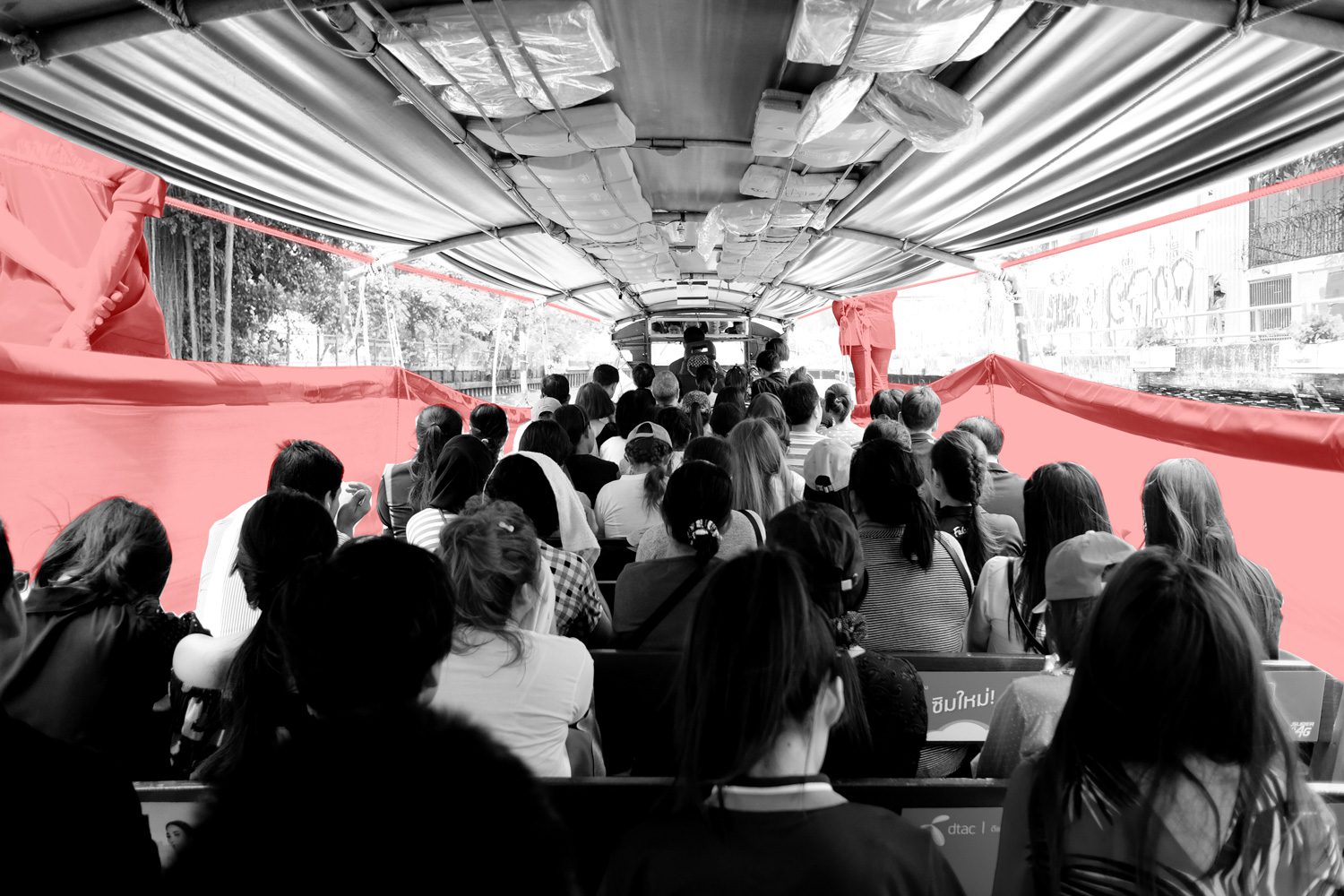
KHLONG SAEN SAEP PRESENTS A NEW LOCAL SOLUTION THAT EMBODIES A BLURRING AND LAYERING EXPERIENCE, RESEARCHED BY ARCHITECTS JENCHIEH HUNG AND KULTHIDA SONGKITTIPAKDEE OF HAS DESIGN AND RESEARCH
TEXT: JENCHIEH HUNG & KULTHIDA SONGKITTIPAKDEE
PHOTO: HAS DESIGN AND RESEARCH
(For Thai, press here)
This research shows how local ingenuity and adaptive solutions transform everyday environments into evolving spaces. The research echoes the concepts in their latest book, Chameleon Architecture: Shifting / Adapting / Evolving, which explores architecture’s ability to continuously evolve with its context.
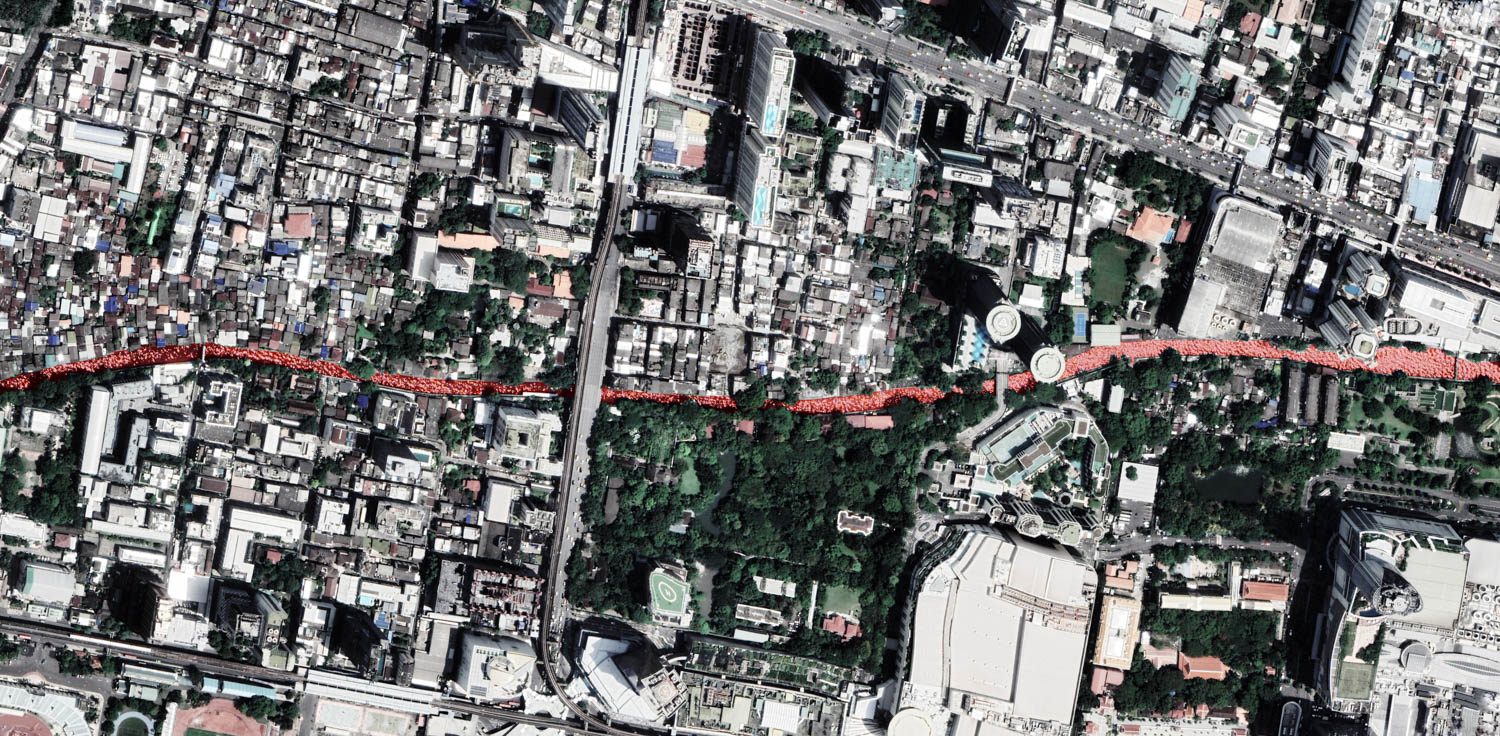
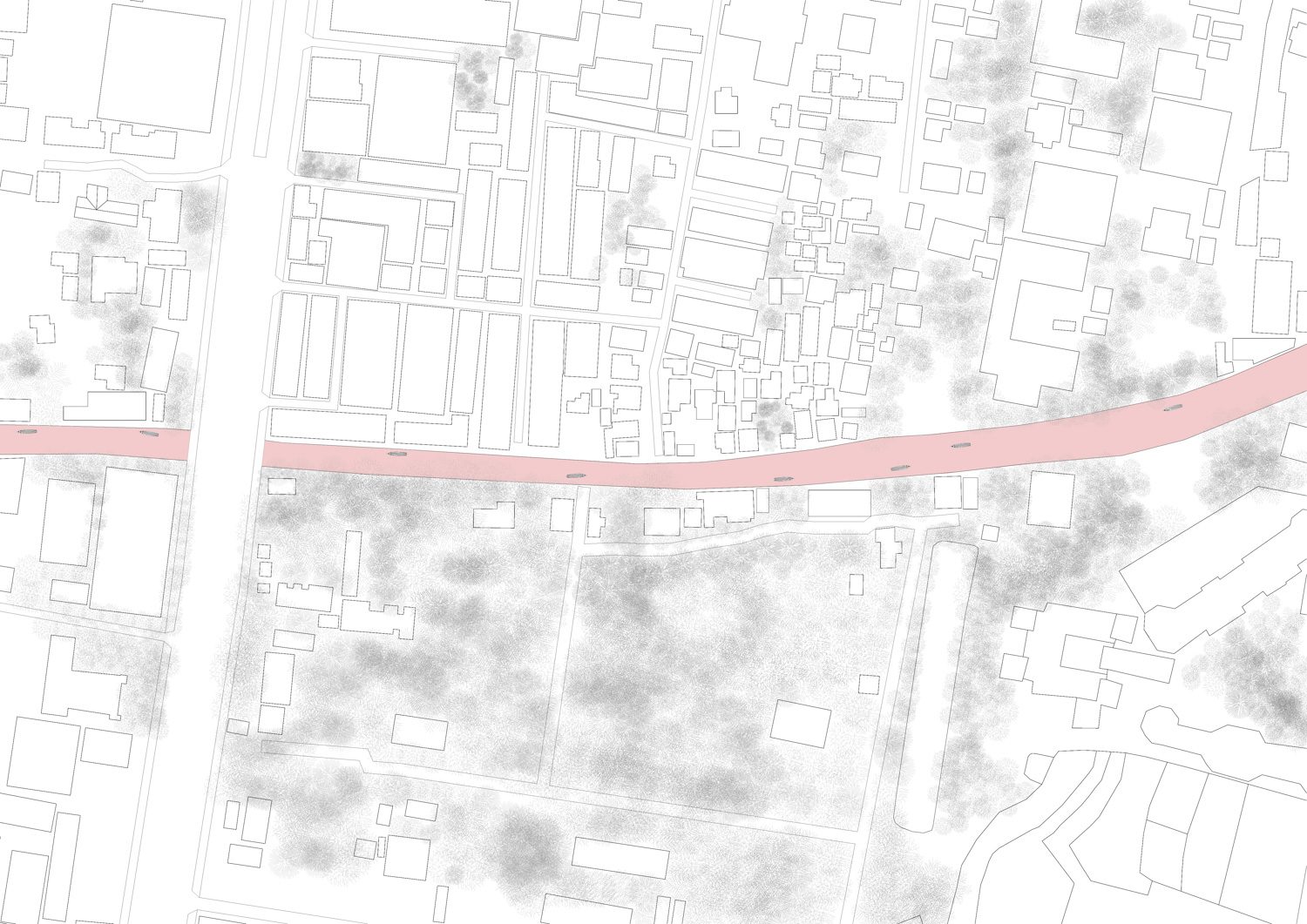
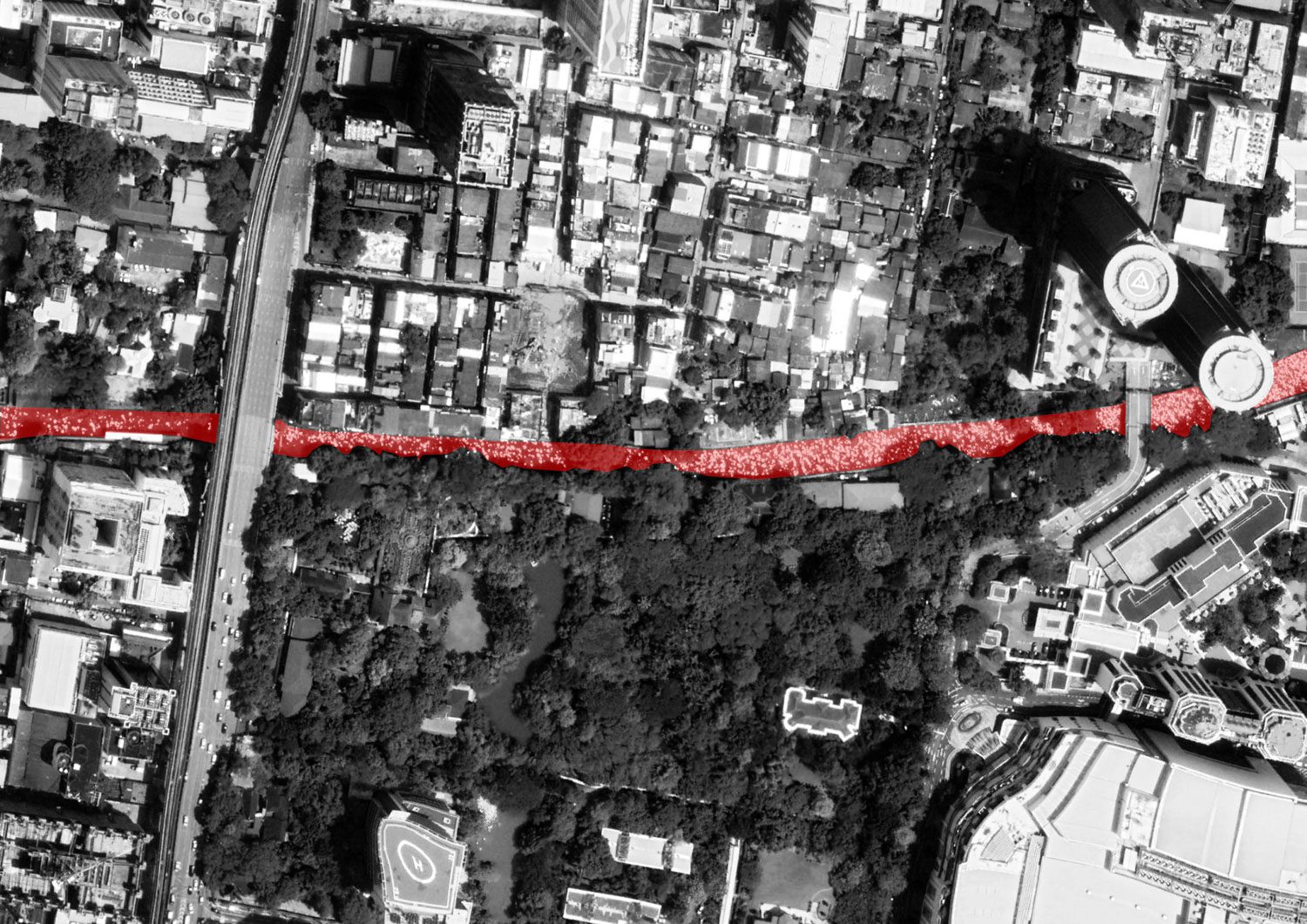
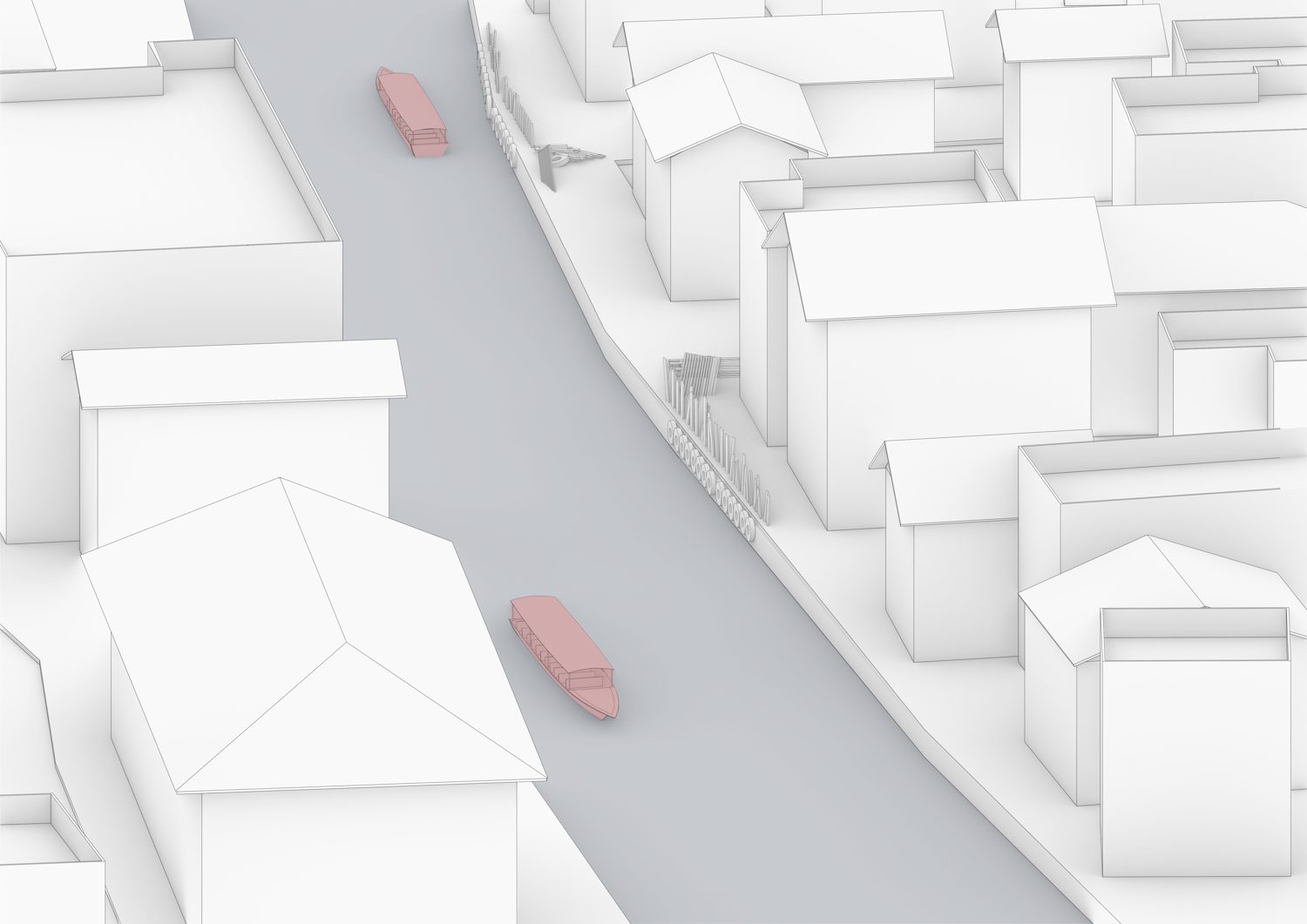
Bangkok’s urban landscape is in constant transformation, evolving to meet modern demands while preserving its historical and cultural roots. Khlong Saen Saep in Bangkok, Thailand, one of the city’s most significant canals, stands as a vivid example of this evolution. For architects Jenchieh Hung and Kulthida Songkittipakdee of HAS design and research, the canal embodies a compelling narrative of local innovation and adaptation. Situated near major landmarks such as Sukhumvit, Central Embassy, and Bangkok Hospital, Khlong Saen Saep has long served as a vital waterway connecting communities and supporting urban mobility. Yet the pressures of rapid urbanization and the growing demand for land have diminished the role of many of Bangkok’s canals, with several being filled in for development. Remarkably, Khlong Saen Saep remains one of the few surviving water routes in the heart of the city, continuing to shape Bangkok’s urban fabric.

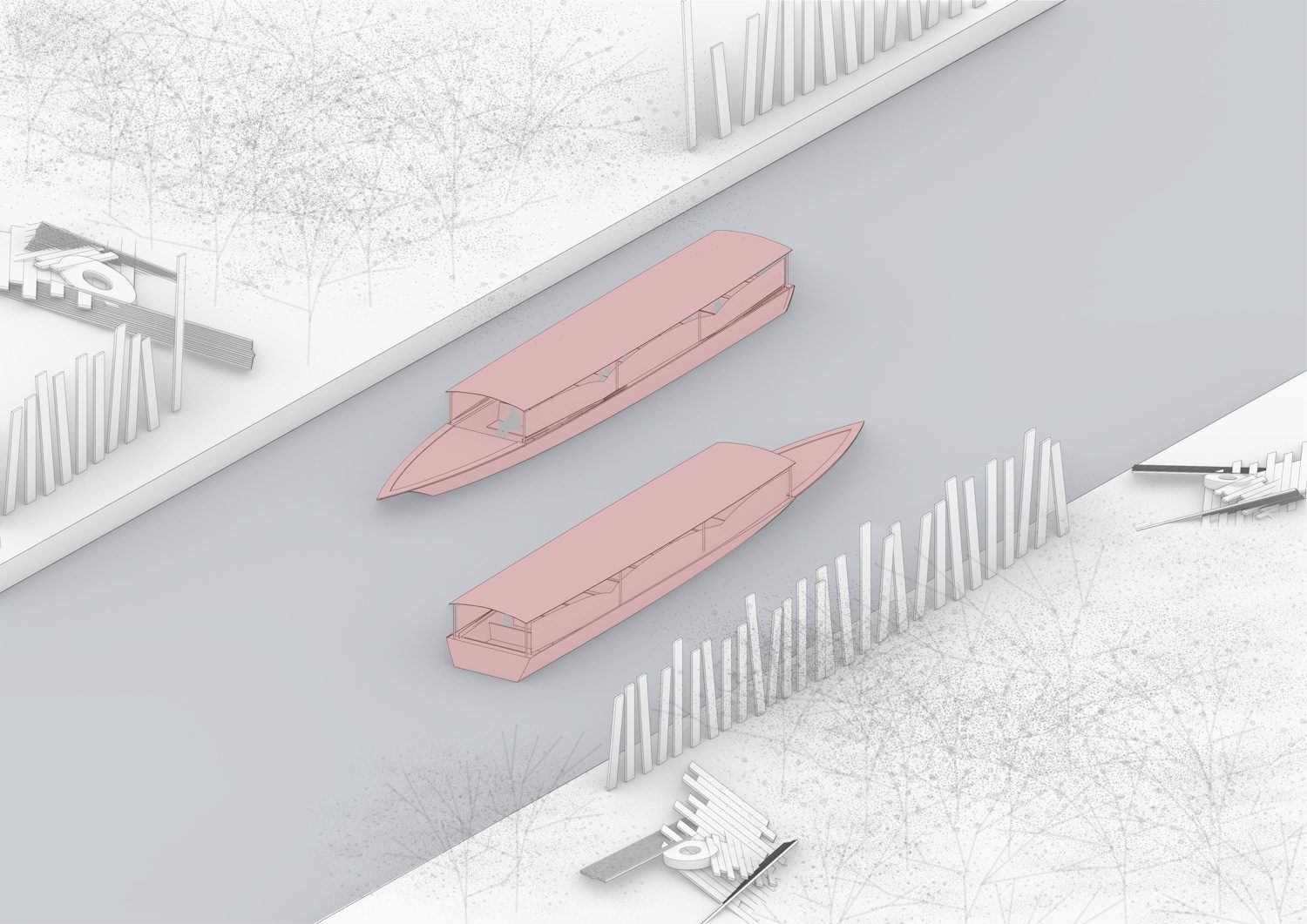
The endurance of Khlong Saen Saep amid the city’s relentless expansion underscores both its historical importance and its adaptability as a vital urban artery. Over time, the canal has evolved into a dynamic, multifunctional space—simultaneously a transportation route and a social corridor. Owing to its strategic position cutting through dense residential and commercial zones, it has earned the nickname ‘The Blue Shortcut.’ However, this increasing activity has also brought environmental challenges. Pollution and accumulated waste have affected the canal’s atmosphere, diminishing its appeal. To address these issues and improve passenger comfort, local boat operators introduced a simple yet inventive solution: semi-transparent, retractable PVC tarps that passengers can open and close themselves.
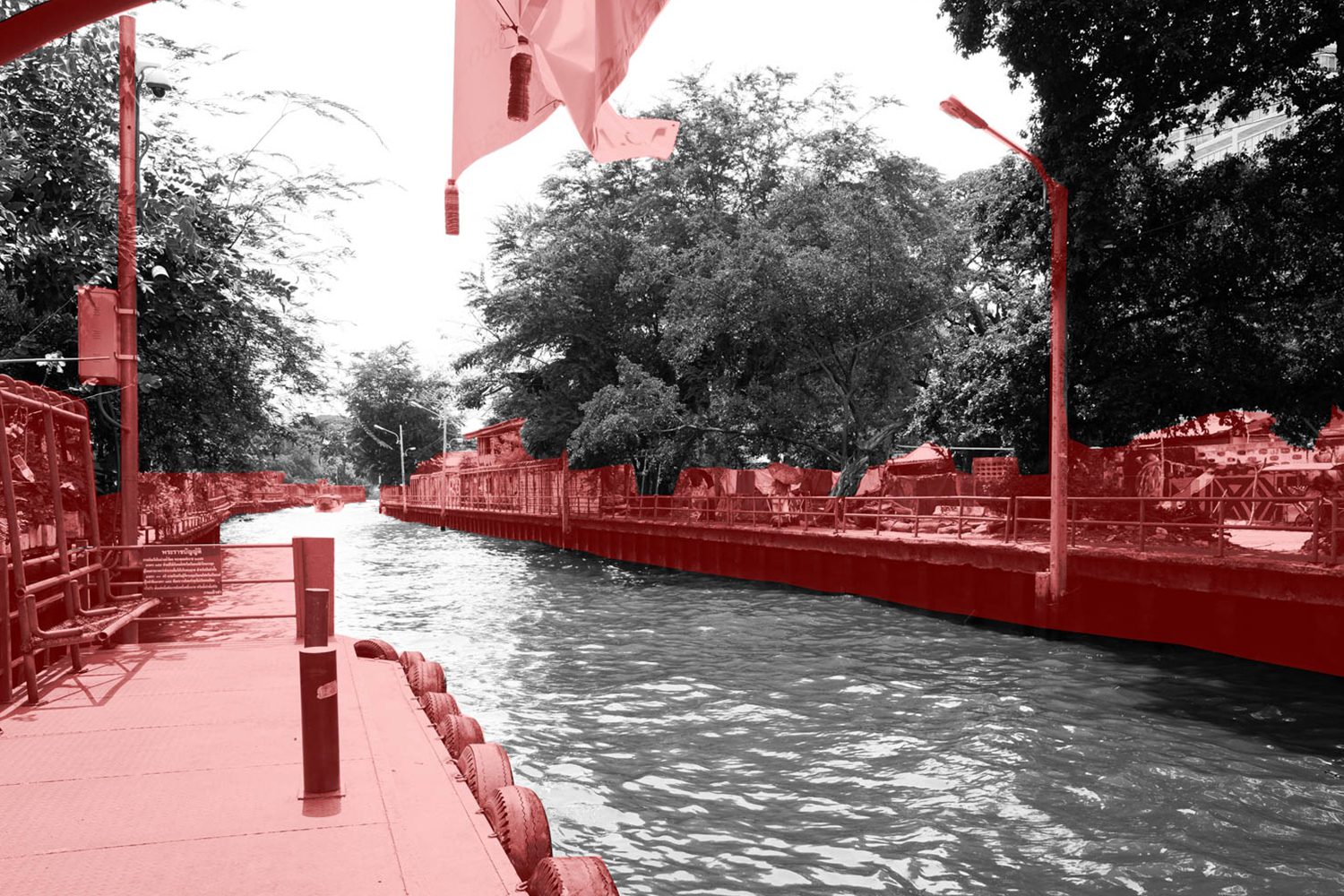
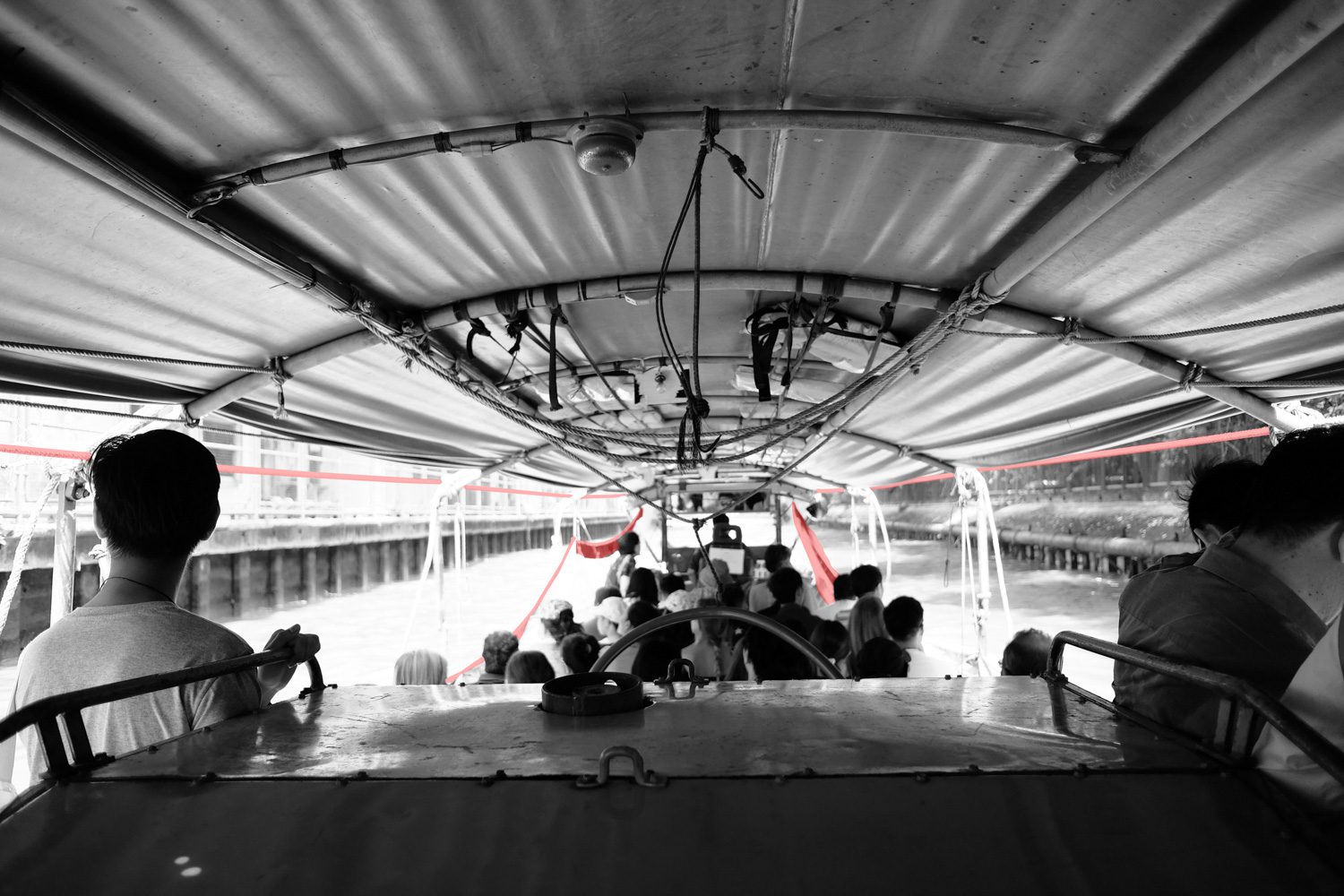
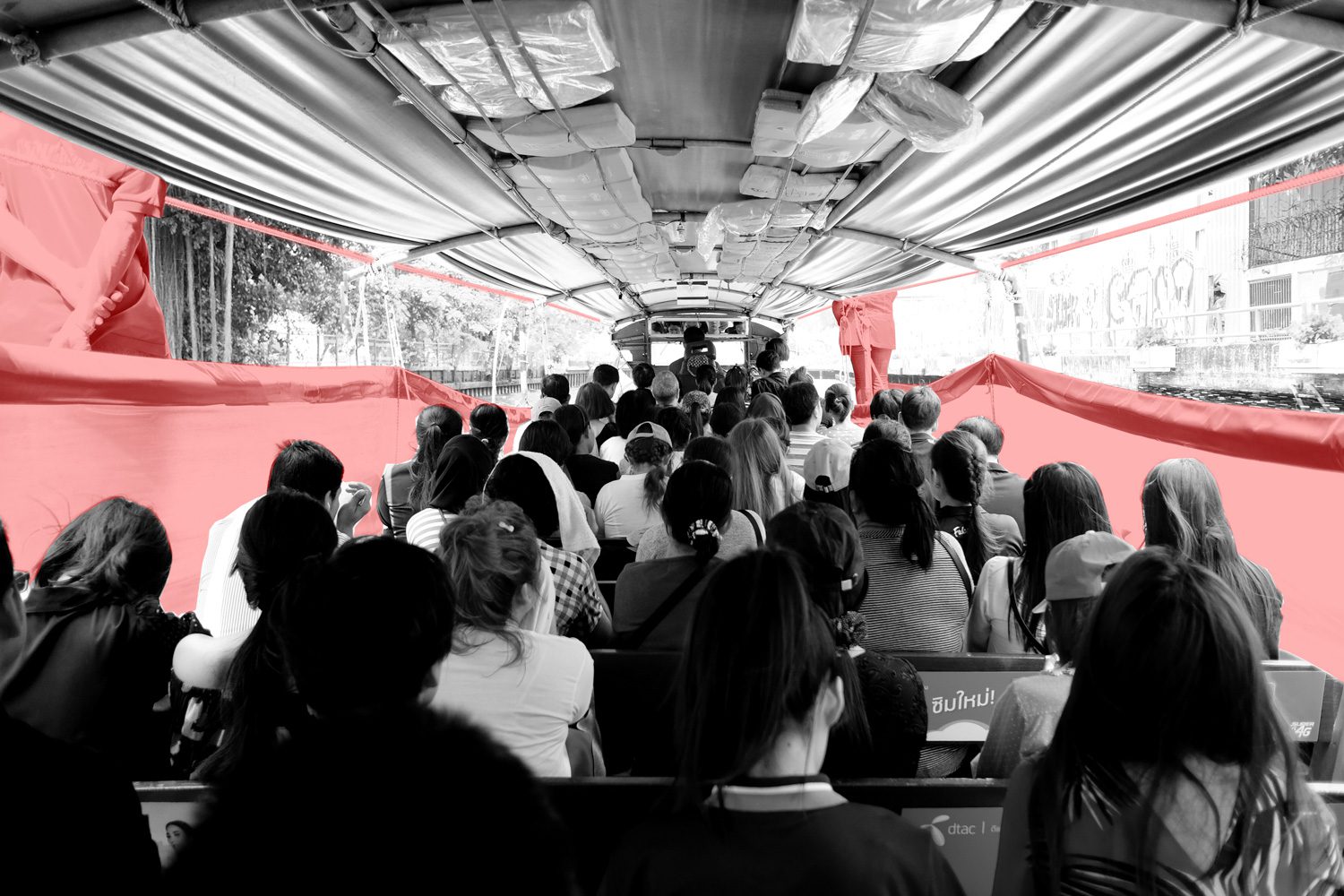
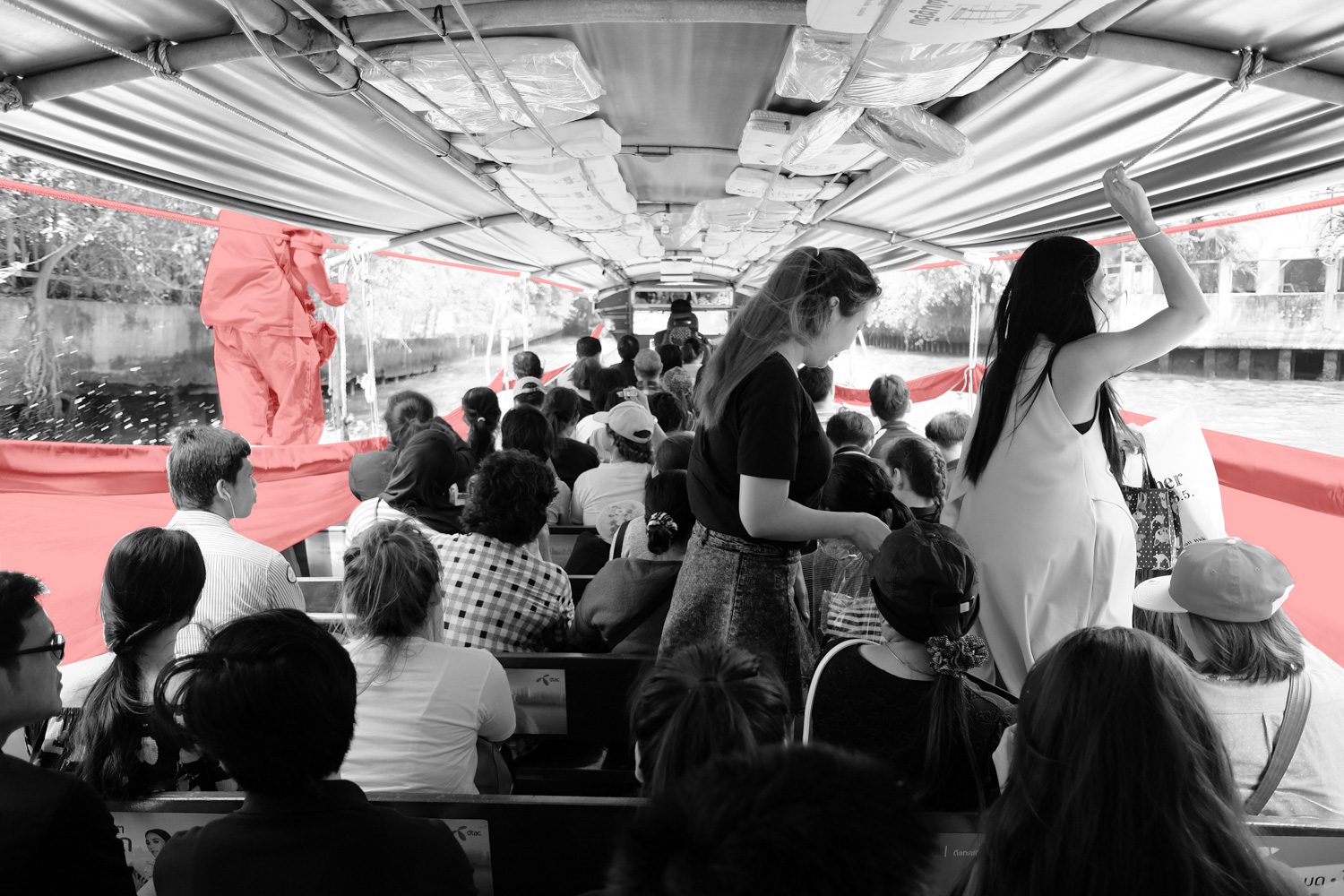


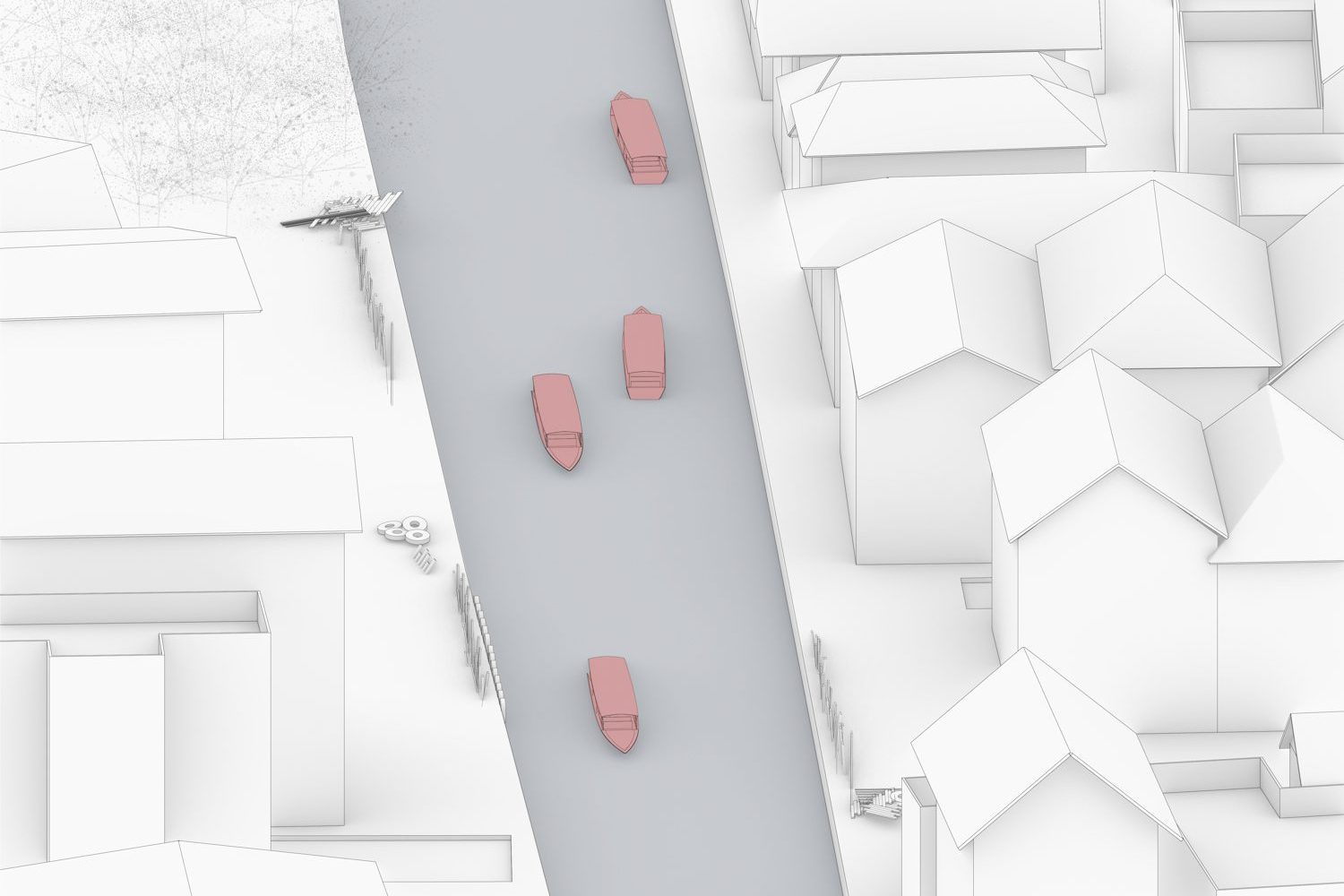



This low-cost innovation demonstrates the creativity and resourcefulness deeply rooted in local urban culture. The PVC tarps serve as both practical and aesthetic interventions that significantly enhance the boating experience With a canal width of only 10 meters, when boats pass each other, the turbulence often causes dirty water to splash onto passengers. The tarps act as effective shields, preventing discomfort while allowing natural light to filter through. Their semi-transparent quality preserves the sense of openness and maintains a visual connection between passengers and the surrounding cityscape. As a result, the journey becomes not only more comfortable but also more engaging—an experience that seamlessly bridges function and perception.
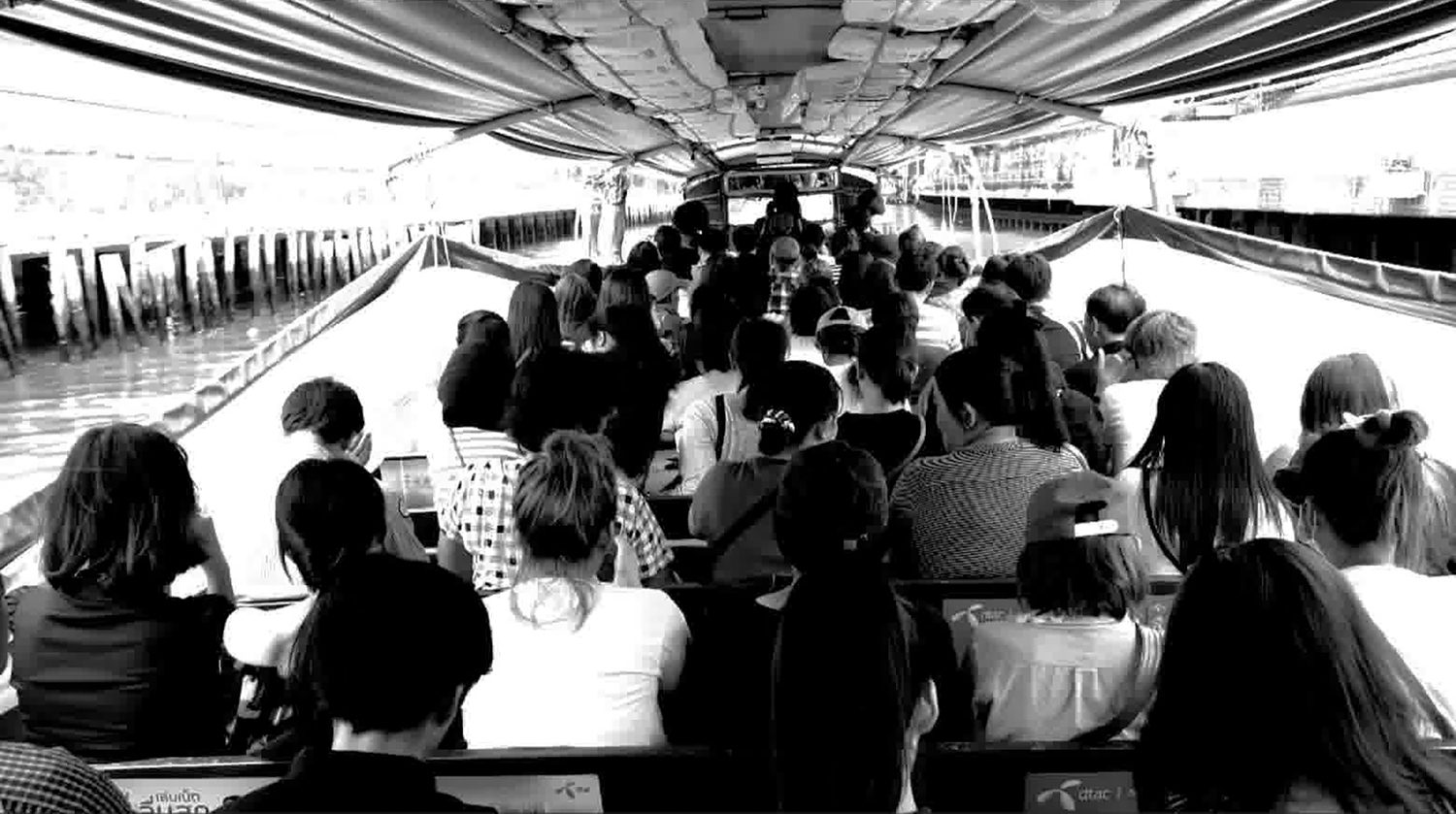
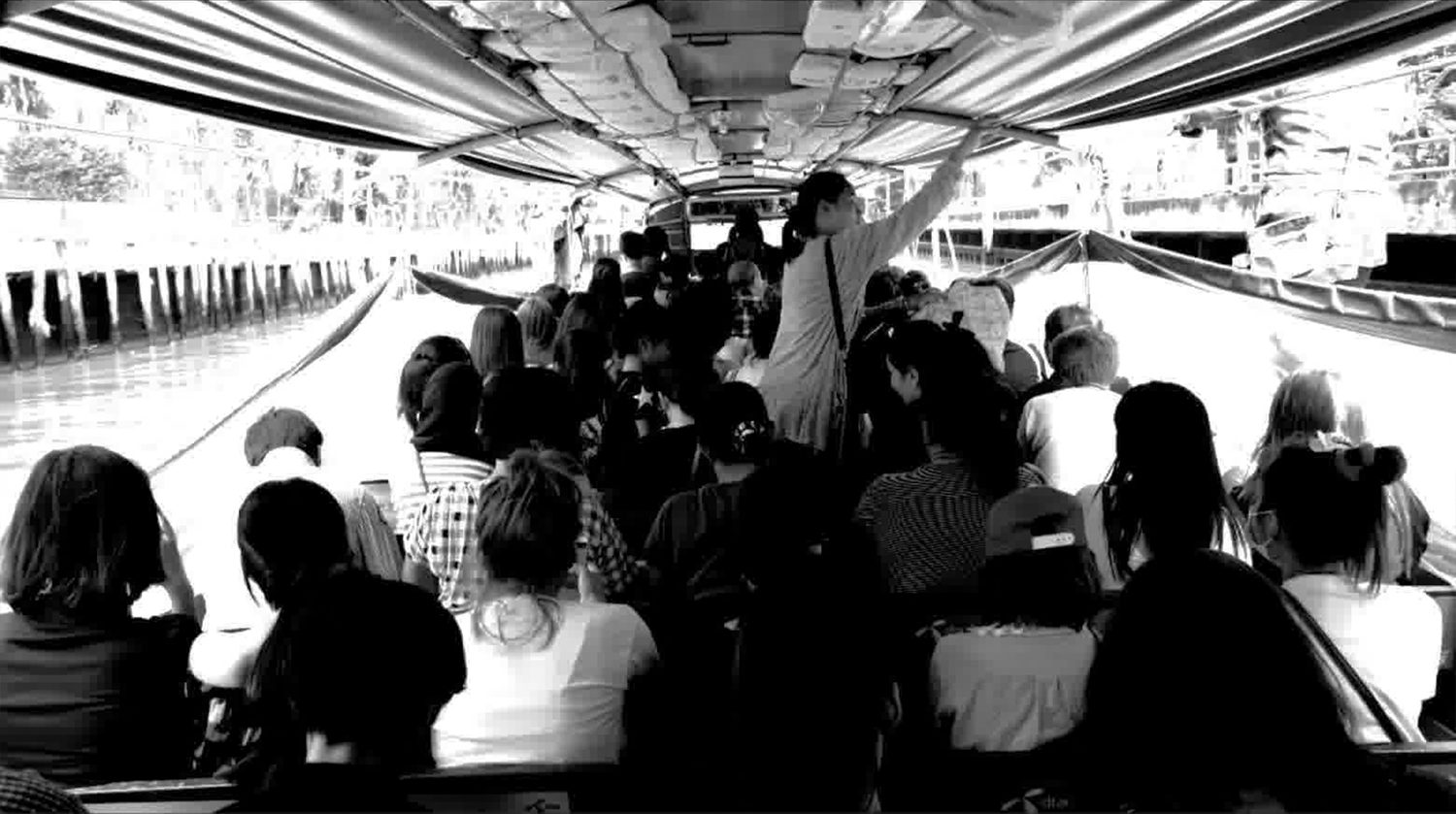
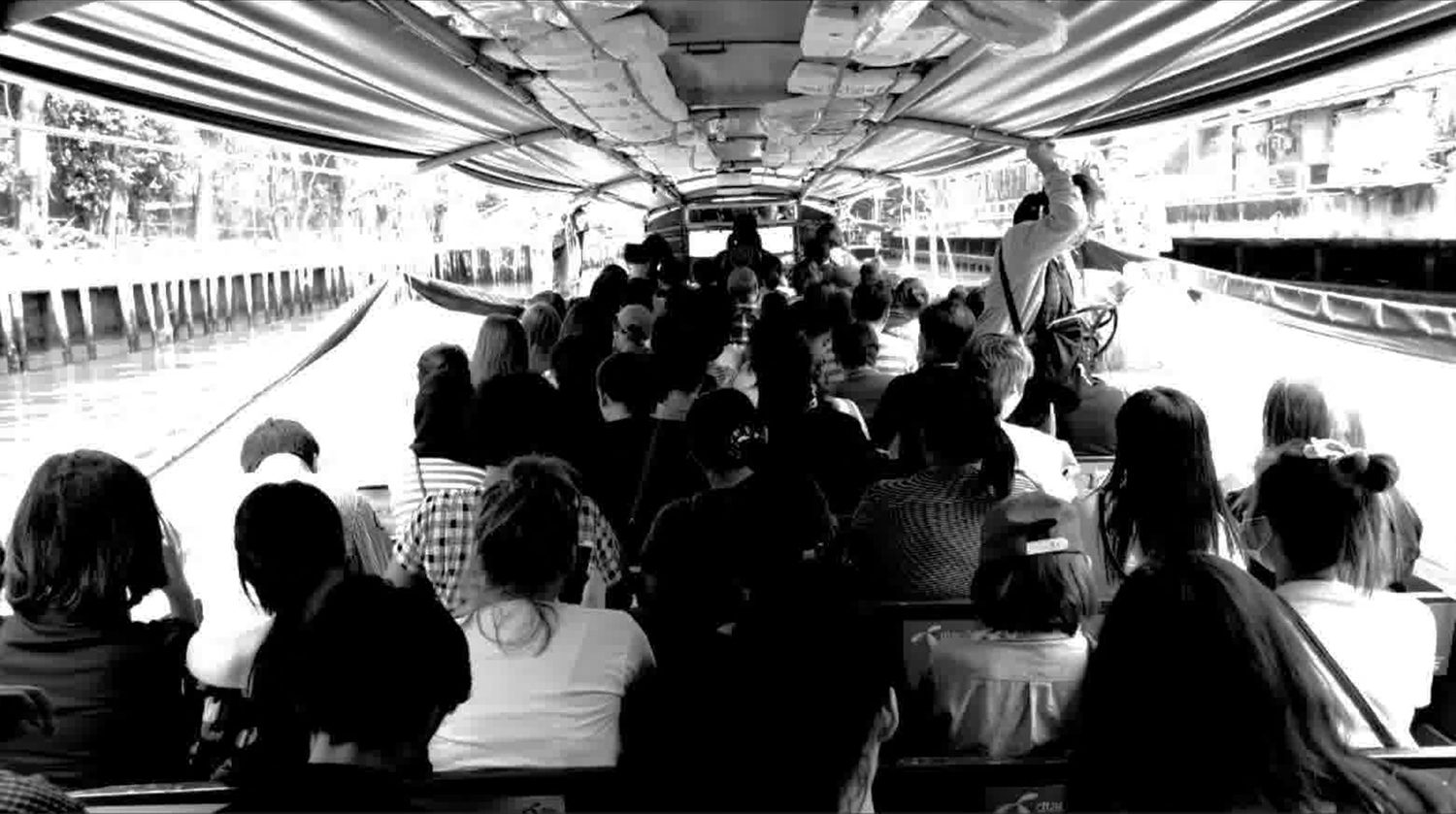

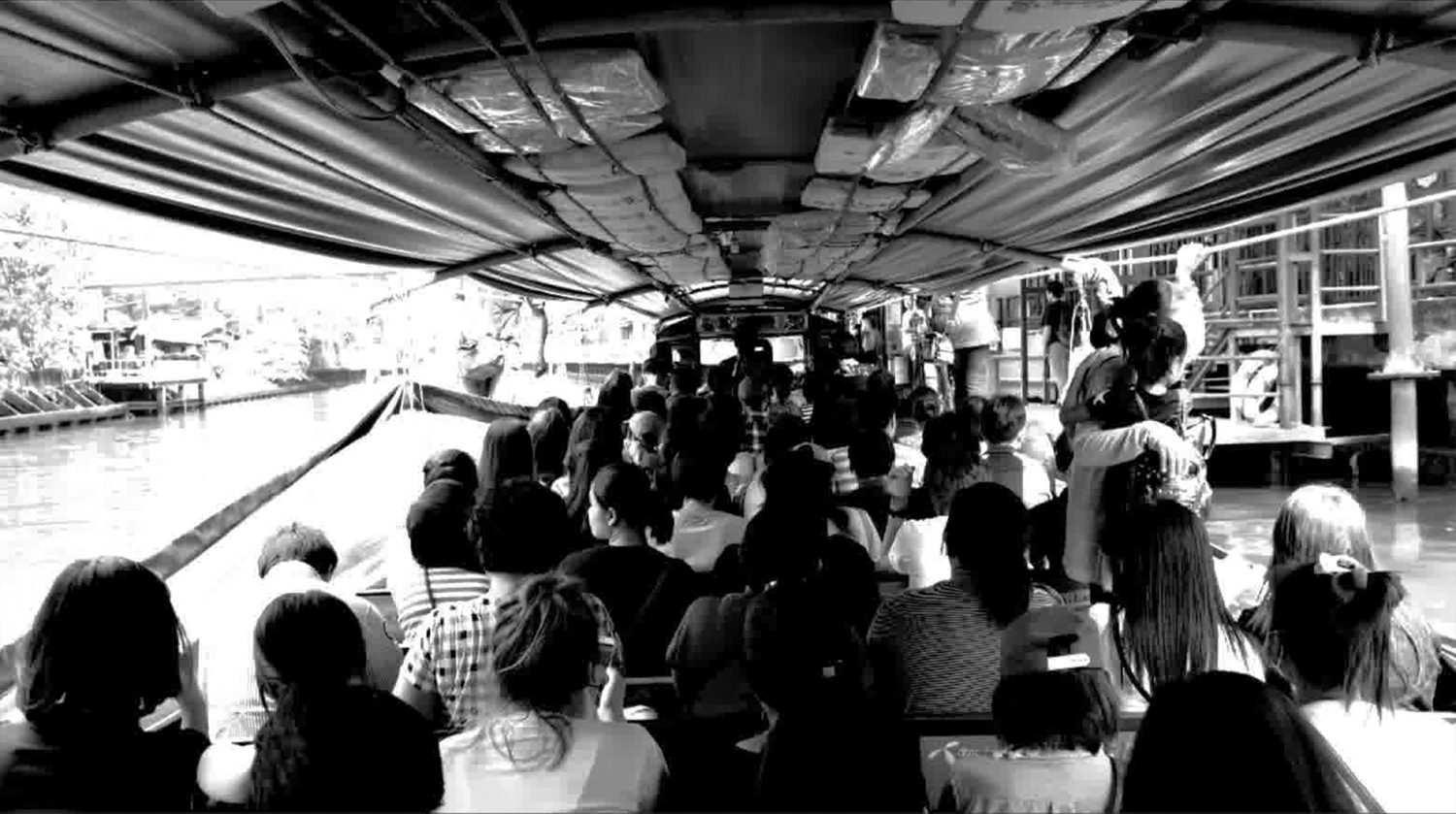
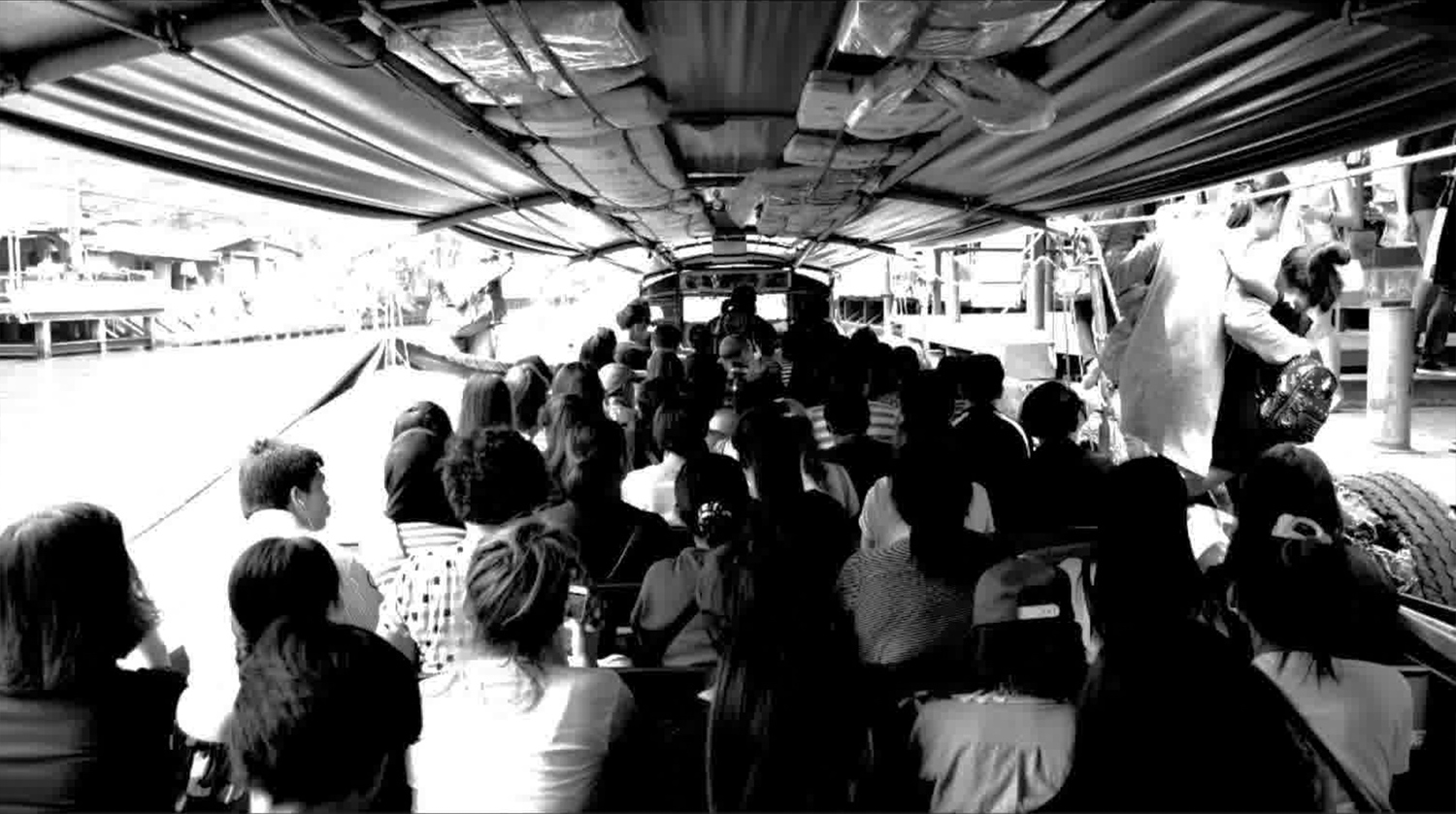
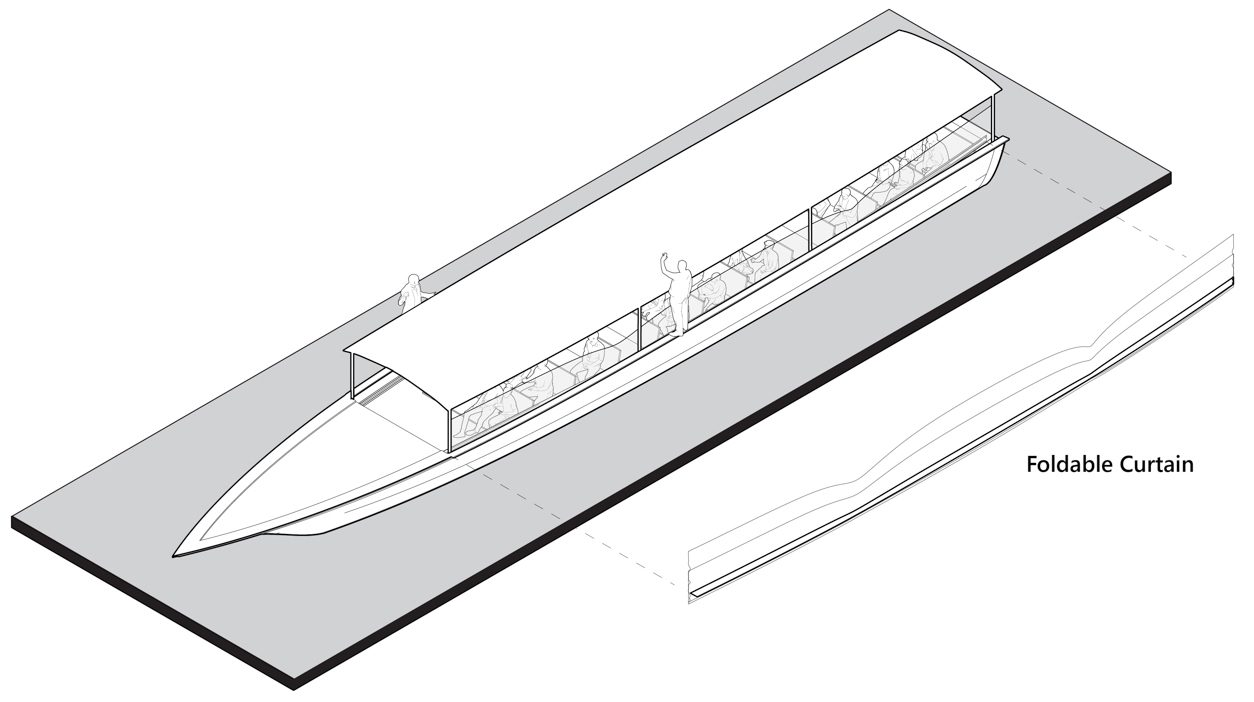

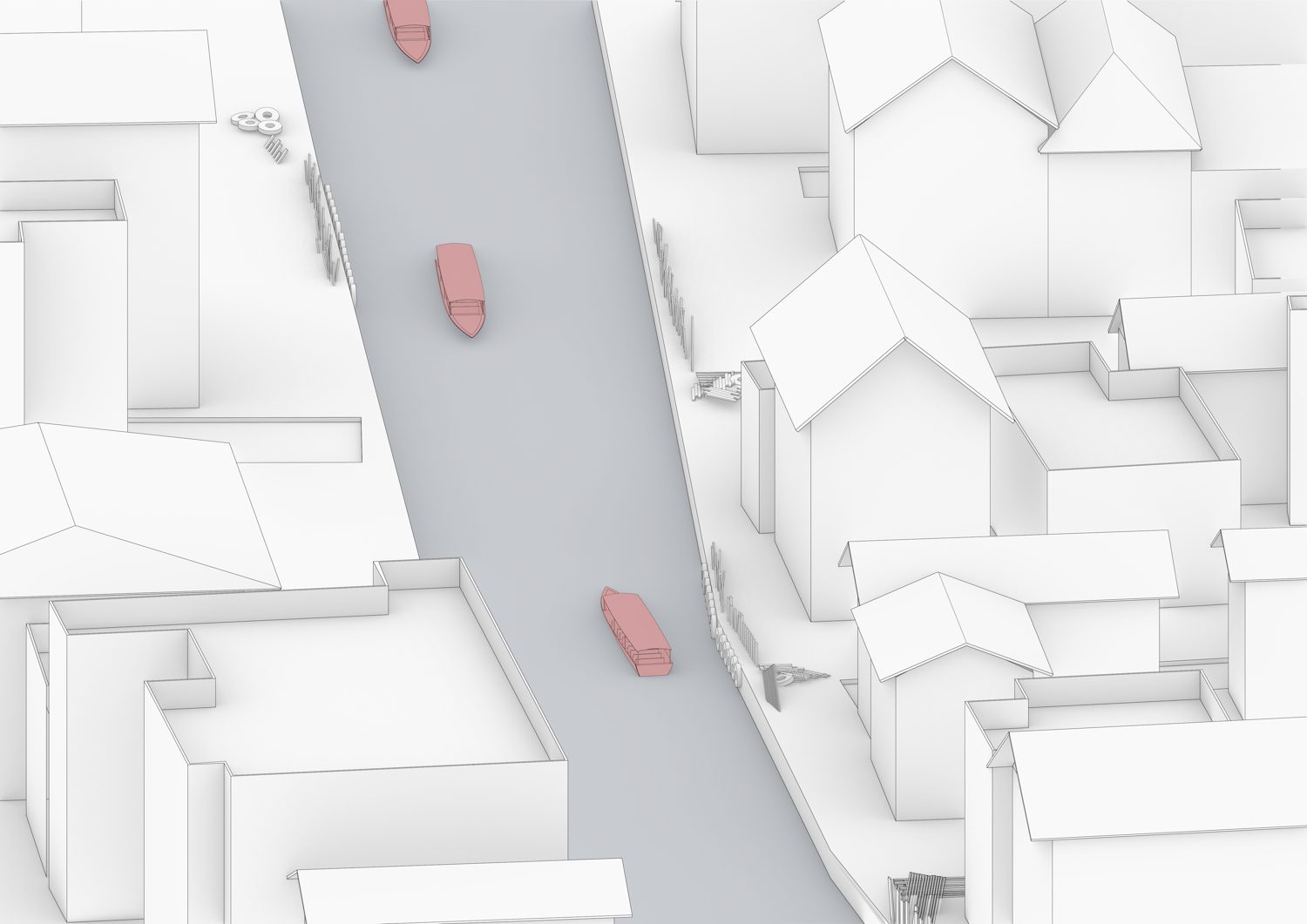
Beyond protection, the PVC tarps also serve as safety handrails for passengers and crew navigating the boats’ narrow 30-centimeter edges. This dual-purpose design merges practicality with visual coherence, transforming a modest intervention into an integrated architectural gesture. For Hung And Songkittipakdee (HAS), such adaptability reflects a philosophy of ‘evolving solution’—one that embraces context, function, and human experience without the need for monumental change. The story of Khlong Saen Saep exemplifies how thoughtful, small-scale innovations can uphold both tradition and modernity, transforming everyday urban life into a living expression of design intelligence and cultural continuity.
This article content is an excerpt from the book ‘Chameleon Architecture: Shifting / Adapting / Evolving,’ authored by Jenchieh Hung & Kulthida Songkittipakdee / HAS design and research, available for purchase at: https://art4d.com/product/chameleon-architecture
facebook.com/hasdesignandresearch
instagram.com/has.design.and.research