
EXPLORE THE COINCIDENCES AND LIFE PATHS THAT BROUGHT TWO ARTISTS TOGETHER THROUGH ART IN THE EXHIBITION ‘UNTIL WE MEET AGAIN’
TEXT: SARUNKORN ARTHAN
PHOTO COURTESY OF BANGKOK ART AND CULTURE CENTRE
(For Thai, press here)
Among more than eight billion people on this planet, the chance encounter of two individuals from different parts of the world is hardly guaranteed. Globalization may accelerate the flow of people and technology may bring us closer than ever, yet those who are inexplicably alike seem to cross paths only when the moment is right. Is it coincidence? And if coincidence exists at all, what shape does it take? Each of us likely carries our own personal answer.
For Phaptawan Suwannakudt and Helen Grace, the Thai and Australian artists, ‘coincidence’ may not exist. Both believe their meeting was scripted by a divine hand, one that draws parallel lines slowly converging toward a single point in time. Their kinship lies not in appearance, but in the conditions of their lives: they are mothers, partners, survivors of wars, makers, and witnesses of endings and beginnings.
Together, they construct a conversation shaped by memory, cultural politics, inequality, East and West, and shifting notions of gender. Their dialogue becomes a way to sift through layers of time and trace the origins of the self. Some threads draw inspiration from ‘Until We Meet Again,’ the social realist novel by Sri Burapha. From there, each fragment is separated, examined, and woven back into a narrative that merges personal histories with collective memory, culminating in the exhibition ‘Until We Meet Again.’
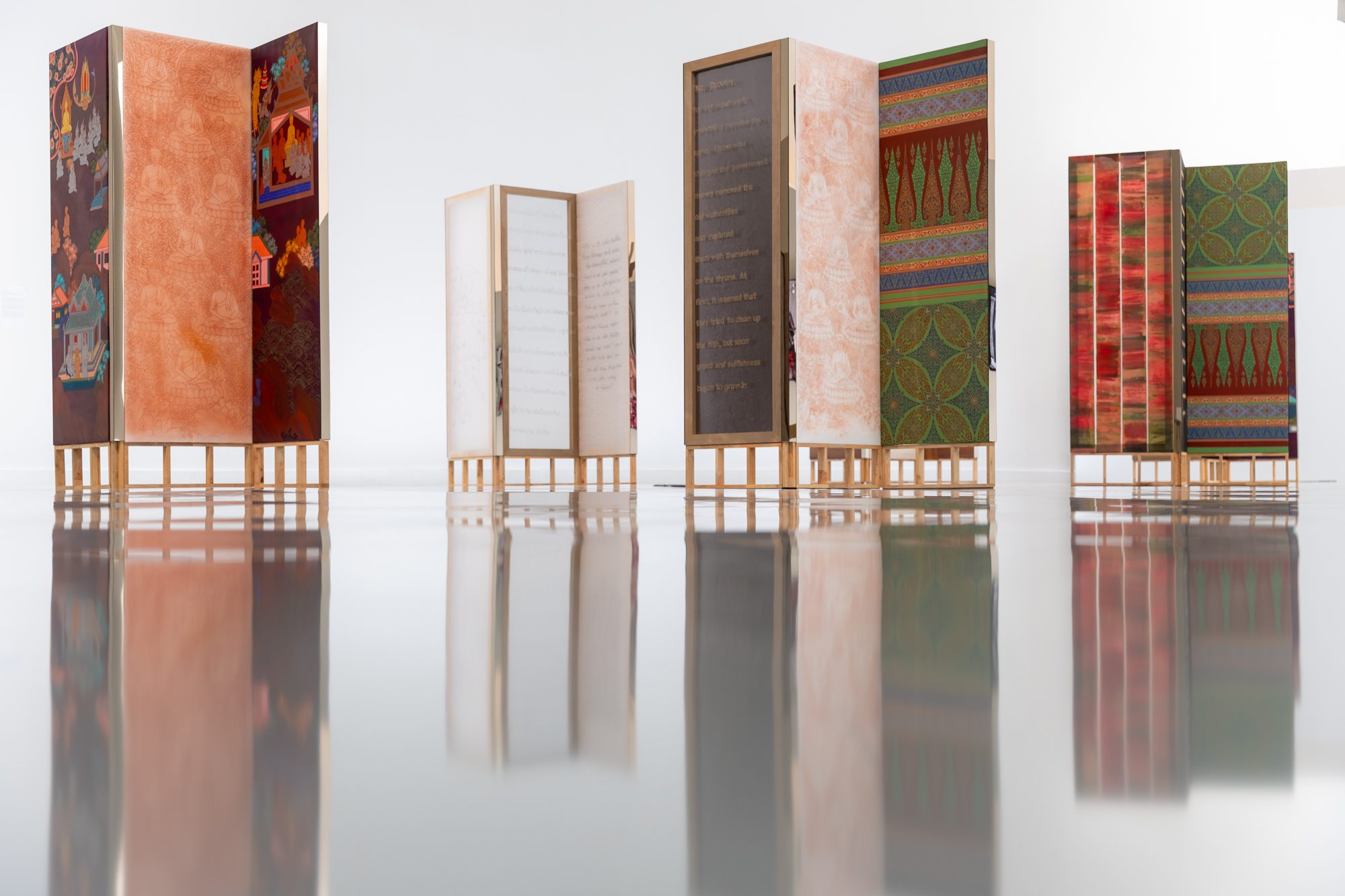
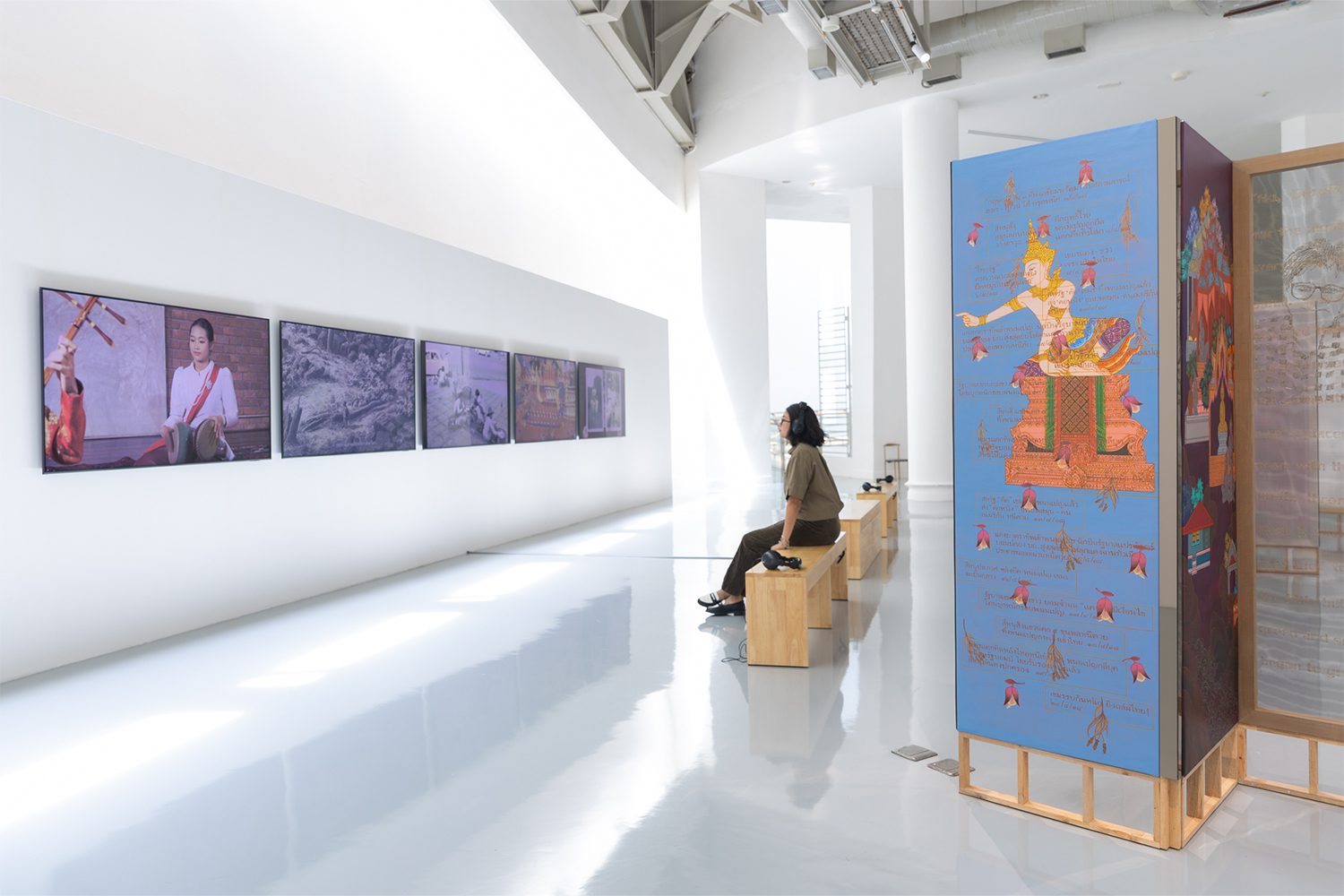
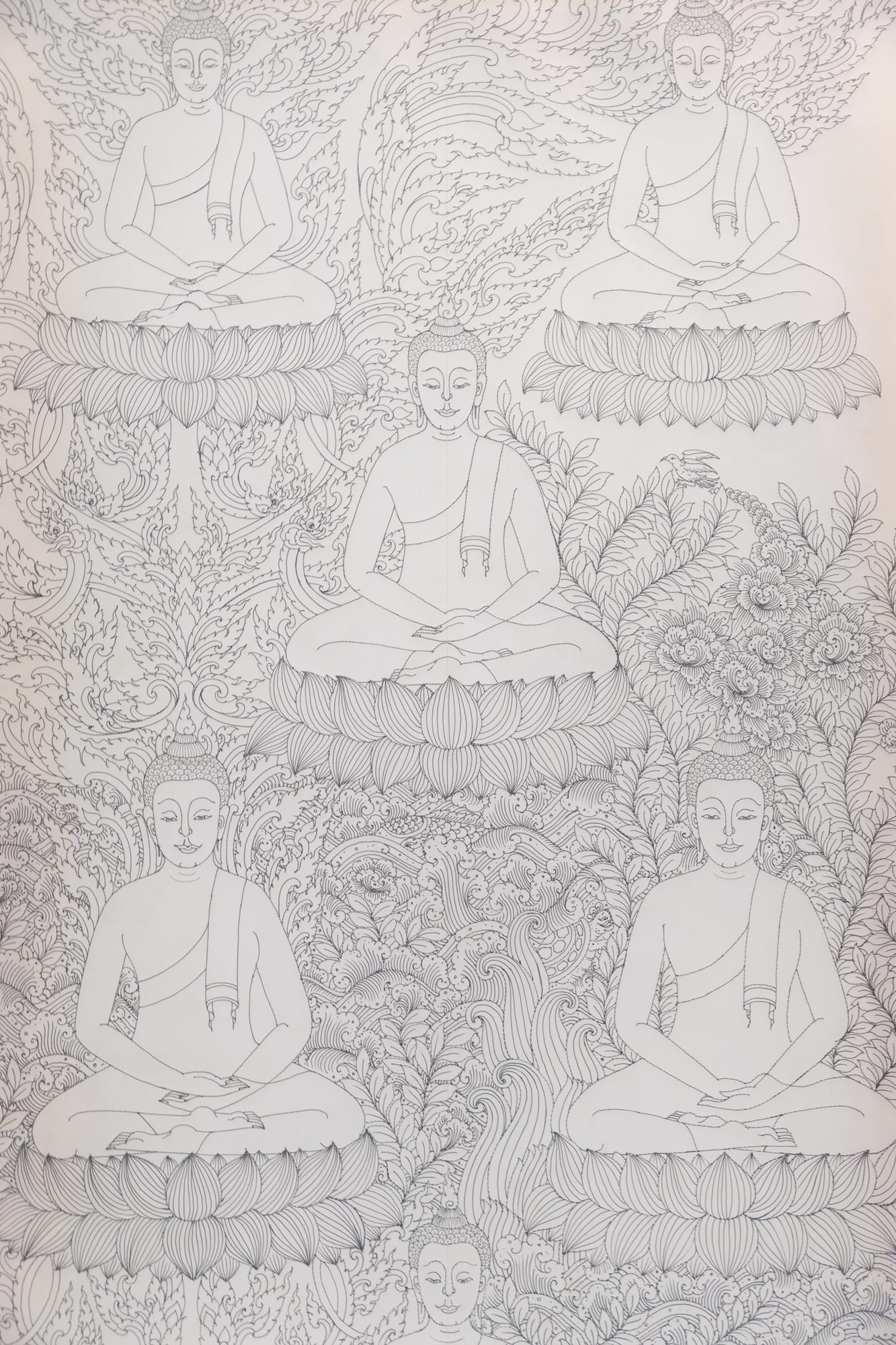
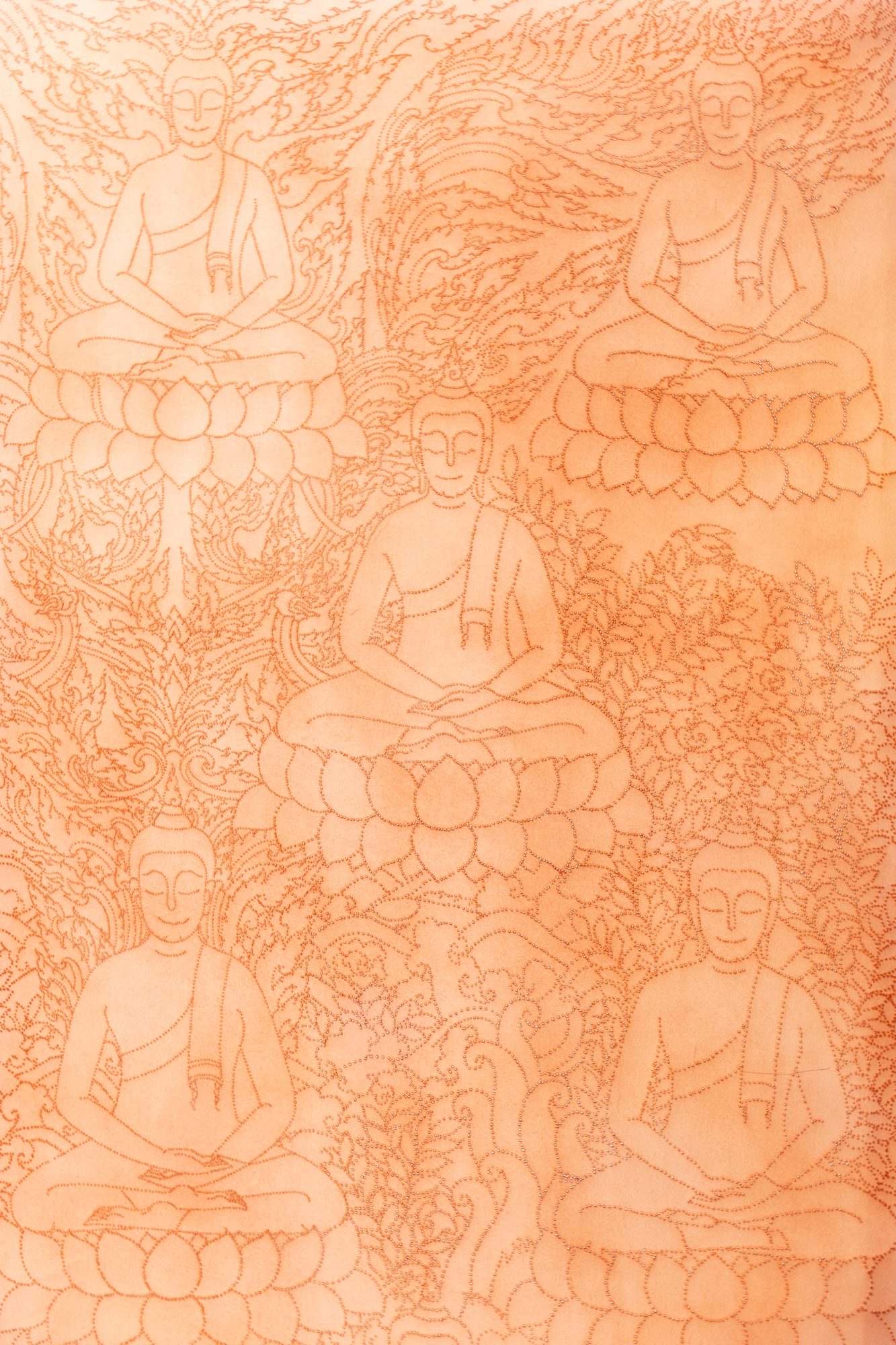
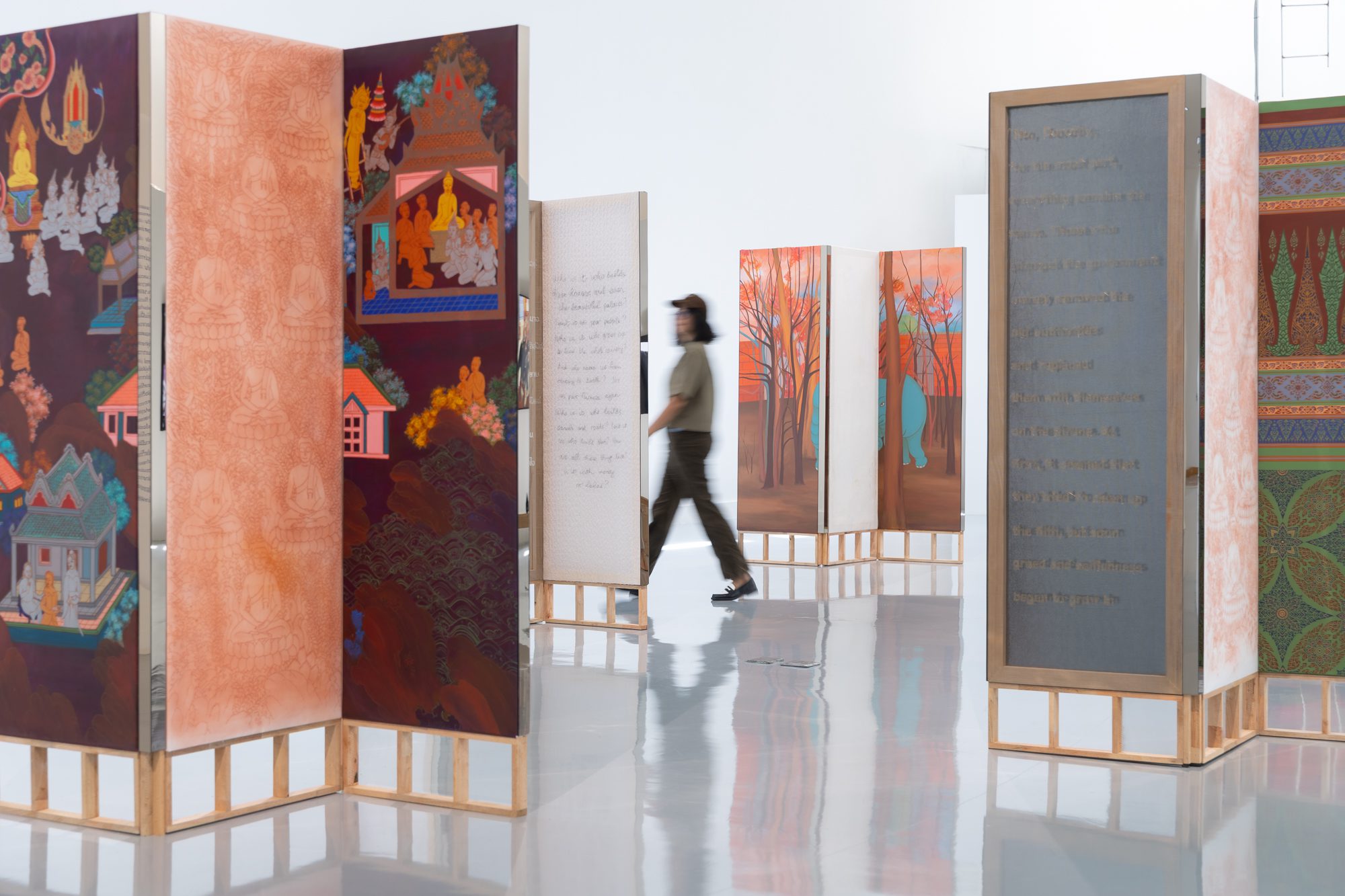
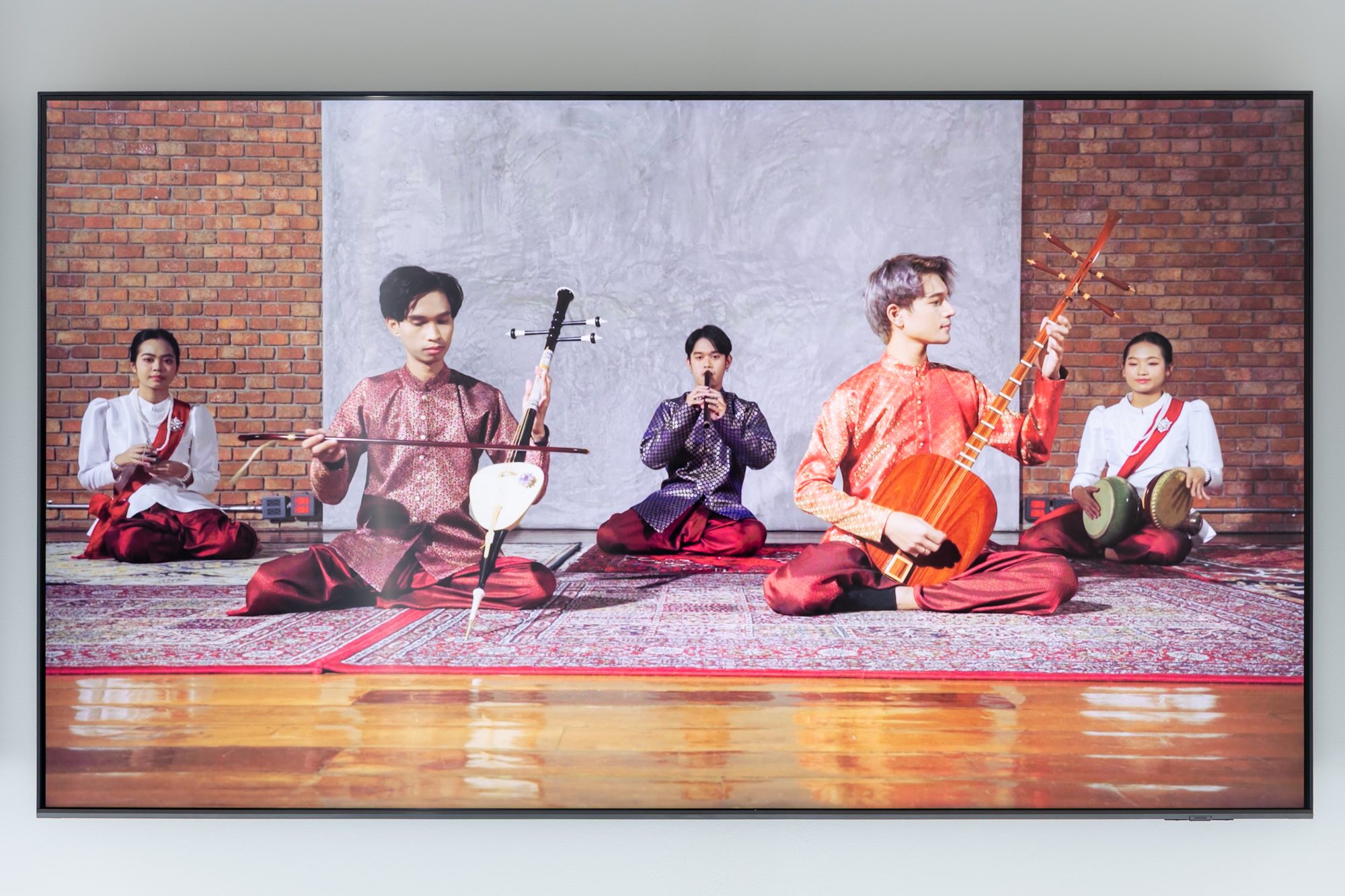
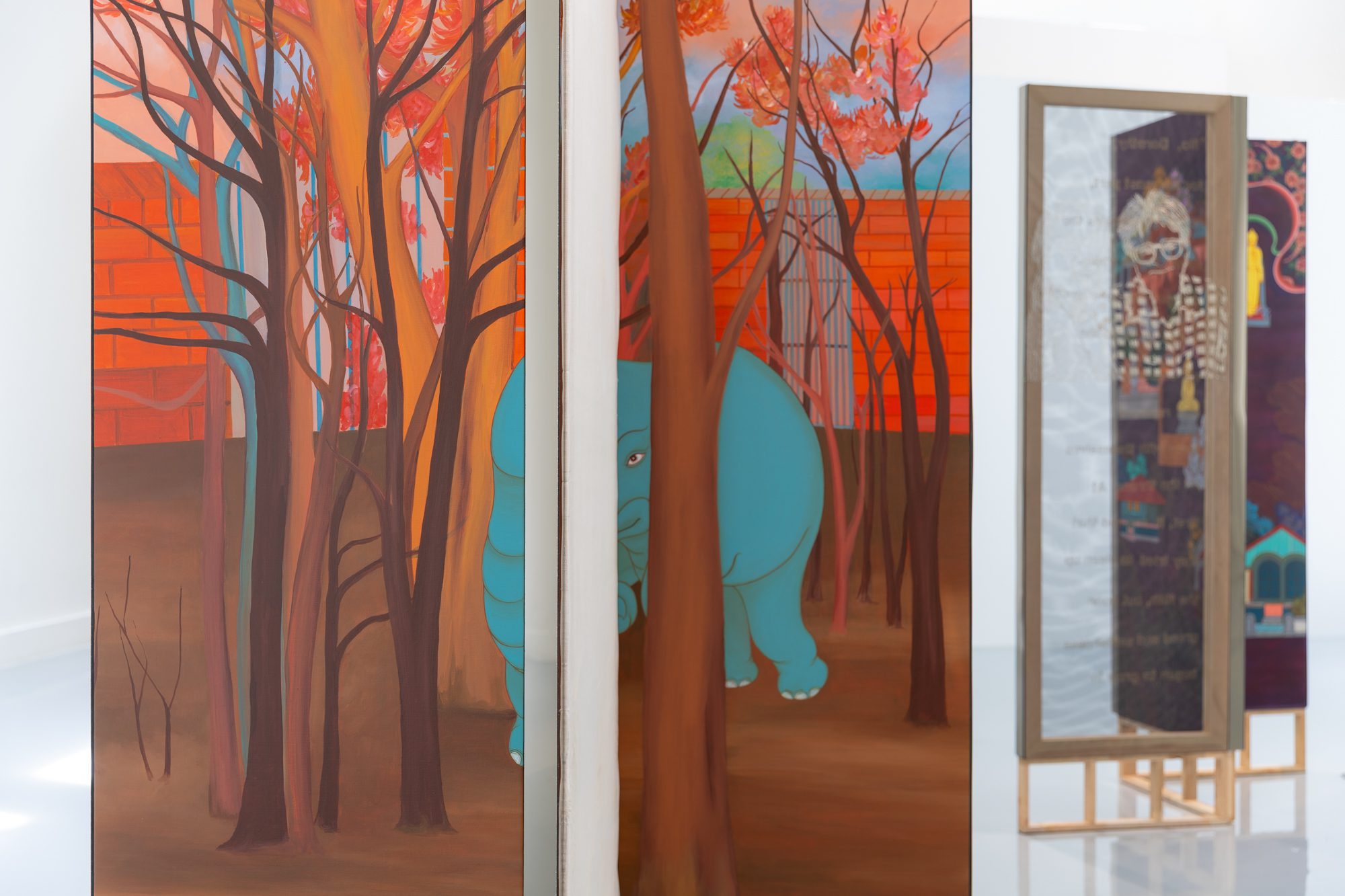
Phaptawan conveys her method of layering histories in Hidden Screens: Laplae, 2025. The work reveals the ‘secrets’ of Laplae, a place whose ornate painted façade conceals unseen stories behind it. As viewers move around the installation, pockets of ambiguity emerge: blurred, incomplete, and open to reconstruction through imagination. These gaps allude to the Buddhist-inflected state of Thai society during the Cold War, and to the ‘in-between space’ that bridges the artists’ intertwined trajectories and friendship.
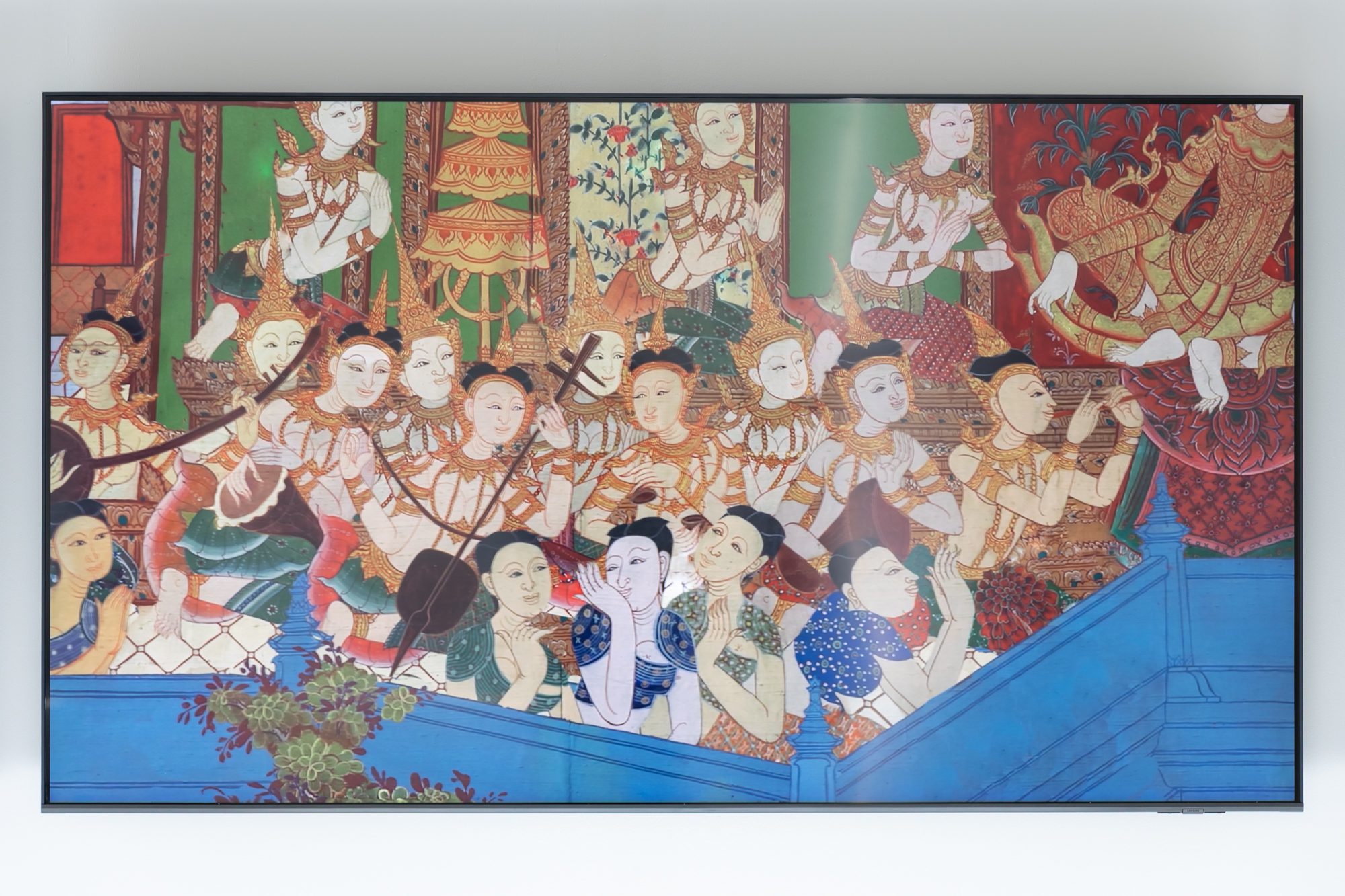
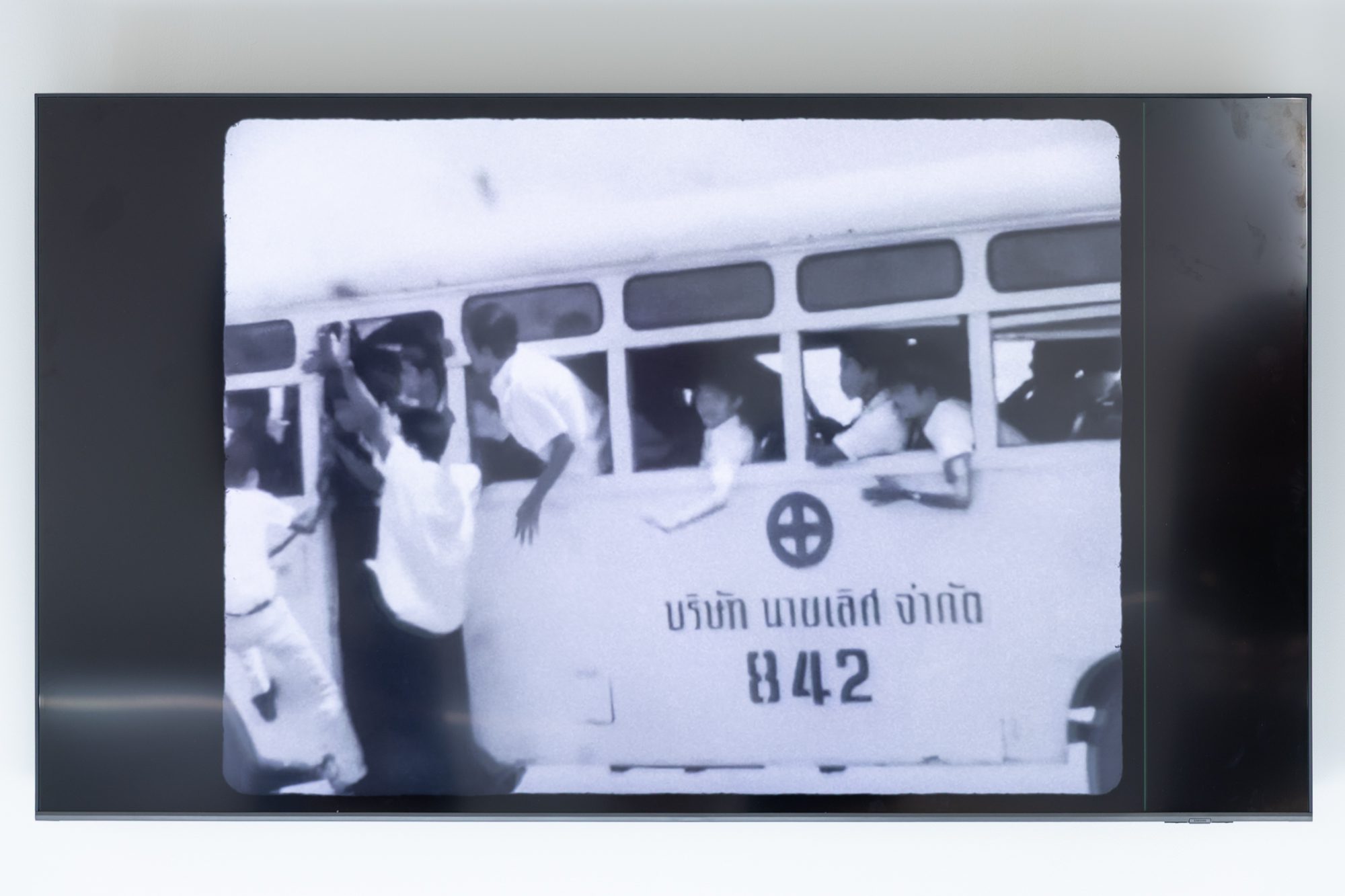
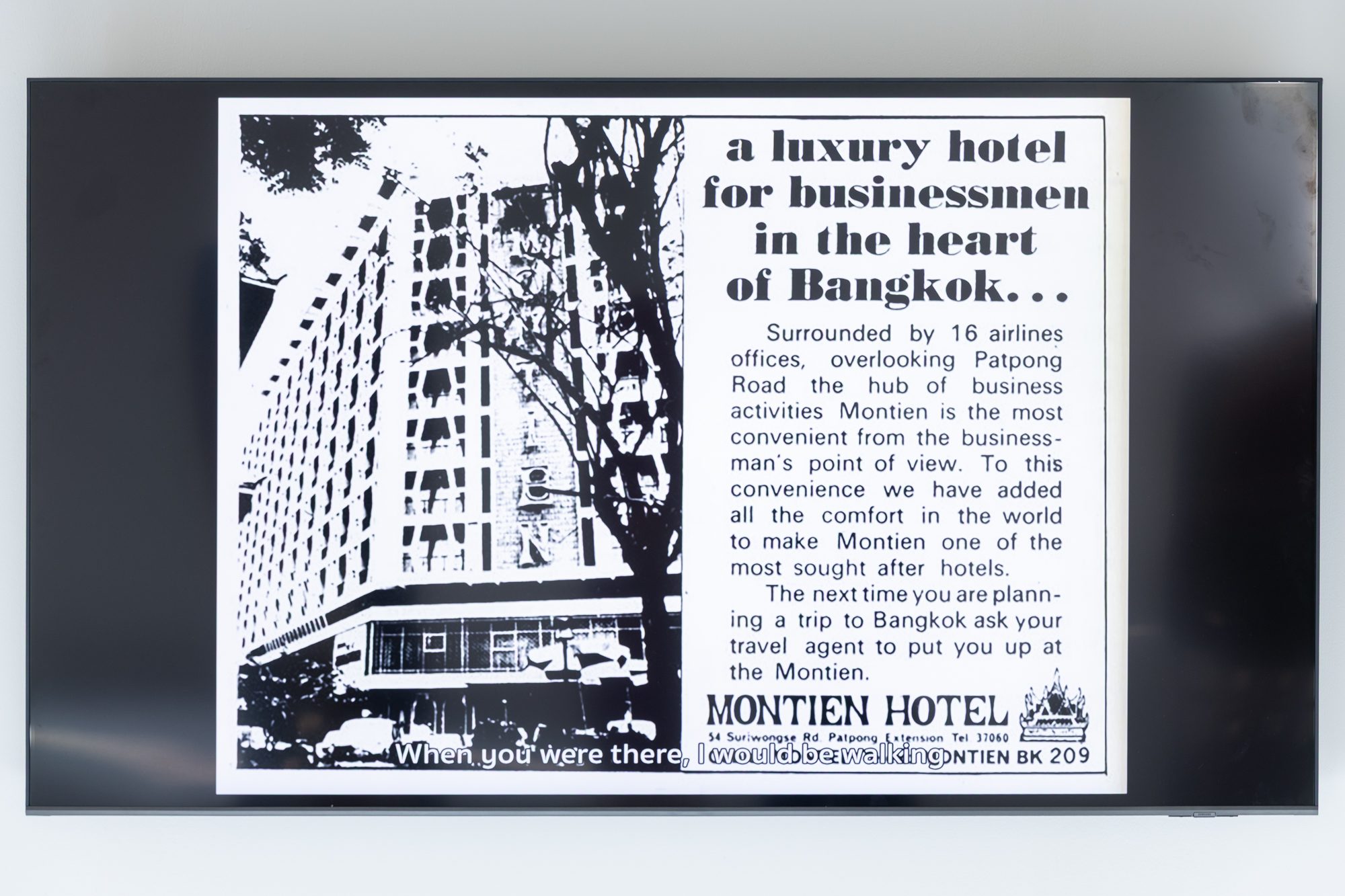
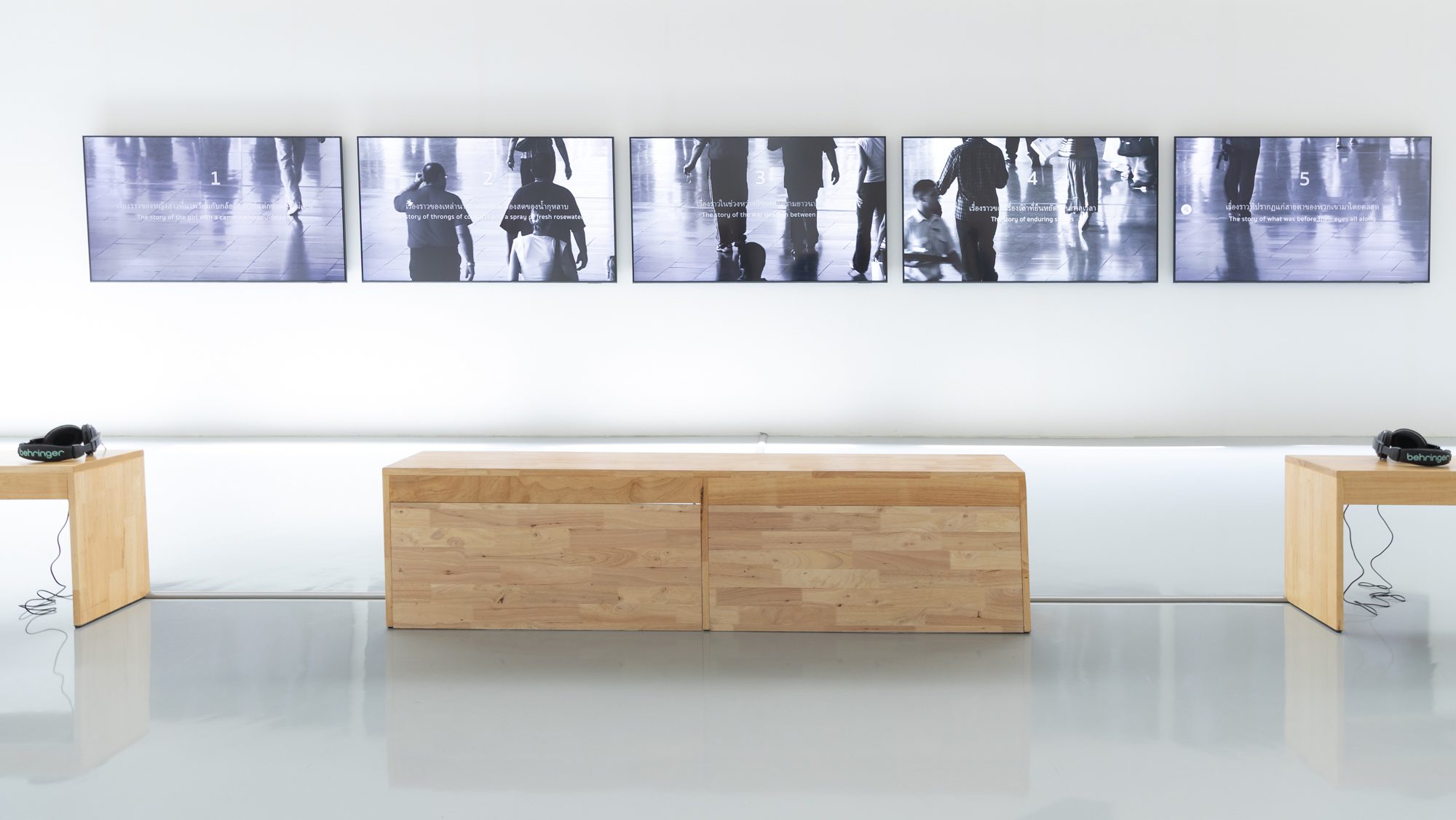
Helen Grace’s video series Five Tales of Future Dreams, 2025 draws on her long-standing practice of moving-image storytelling. She leads us through parallel moments in her life and Phaptawan’s, up to the day they finally met in person. The first chapter, ‘The story of the girl with a camera who couldn’t see,’ imagines that the two had already met in another realm, even if only in the mind. The third chapter, ‘The story of the war years in between,’ takes inspiration from Sri Burapha’s novel, using differences in social ‘class’ between the artists as a starting point to reflect on their political and artistic commitments today. Through these chapters, Helen constructs a narrative that conveys exchange, intimacy, and the gradual emergence of friendship between the two artists.
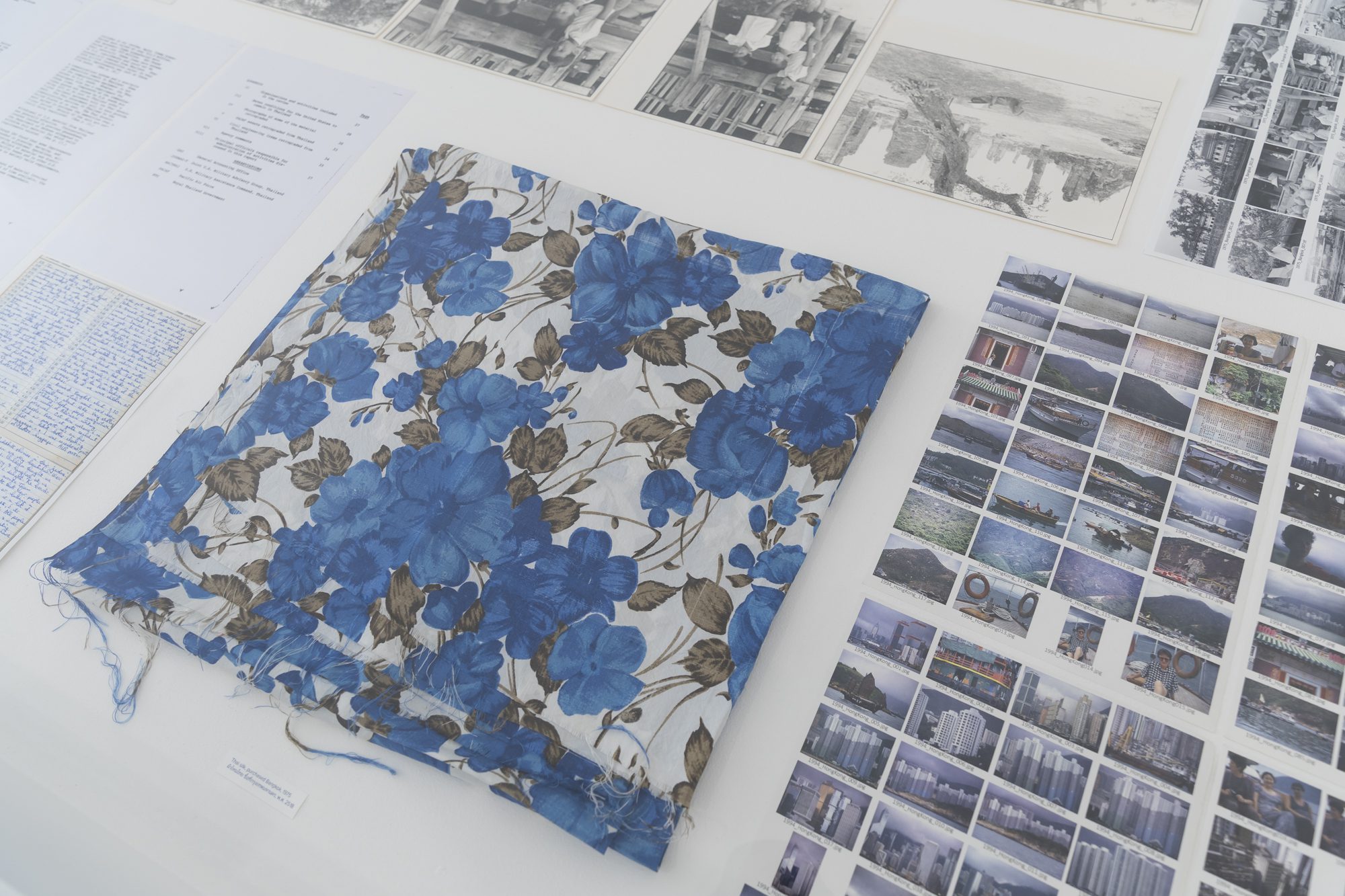
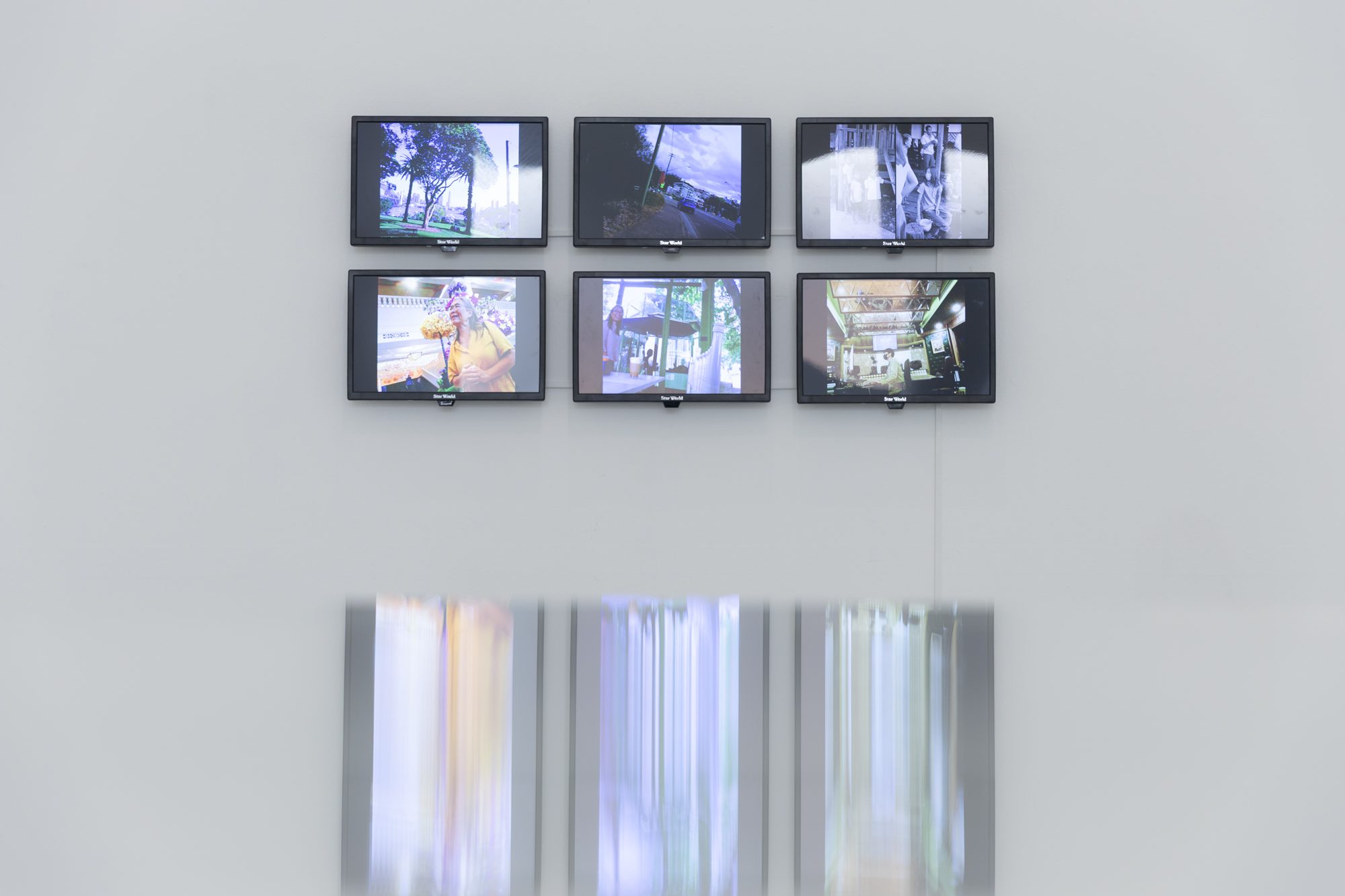
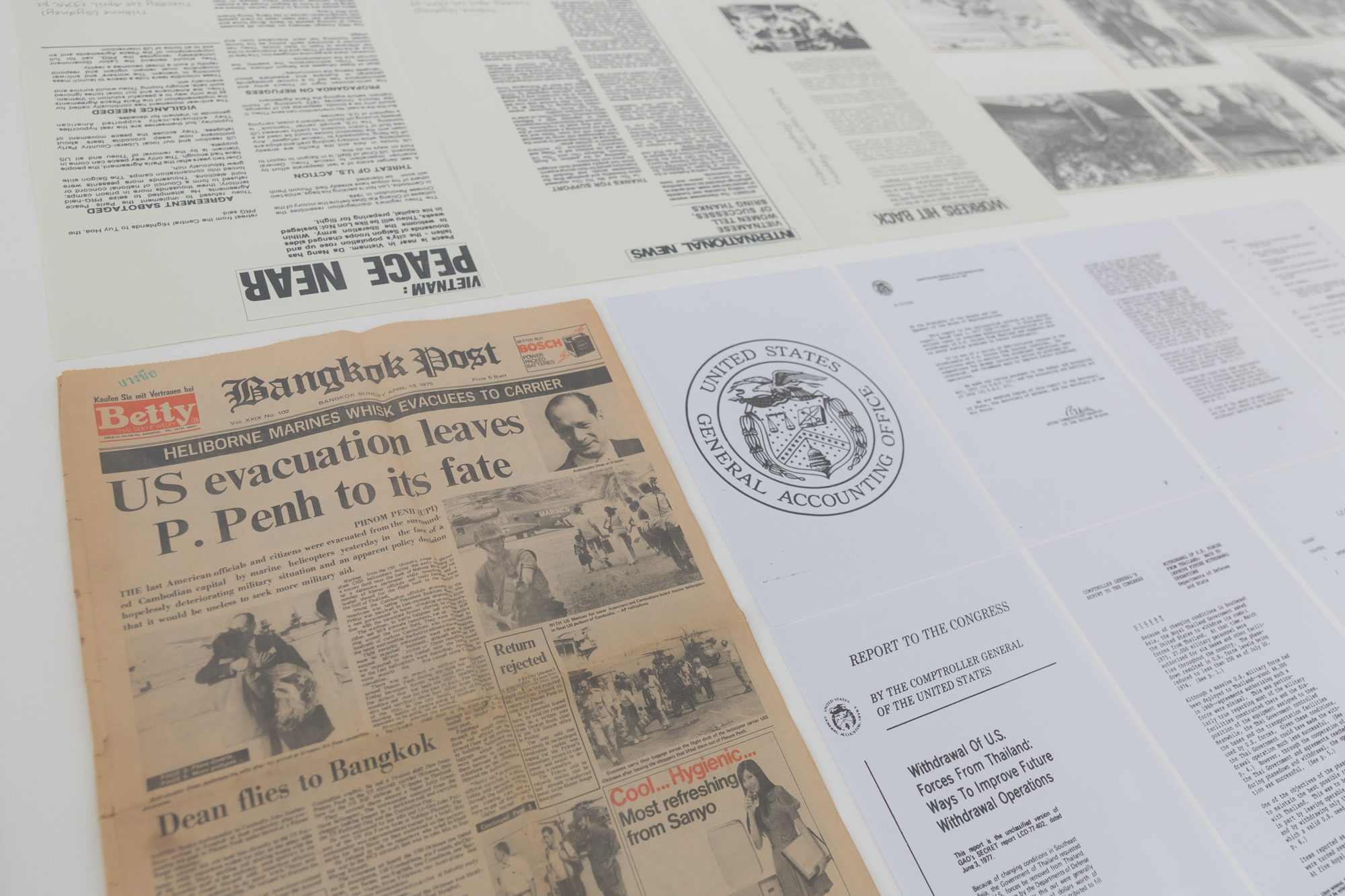
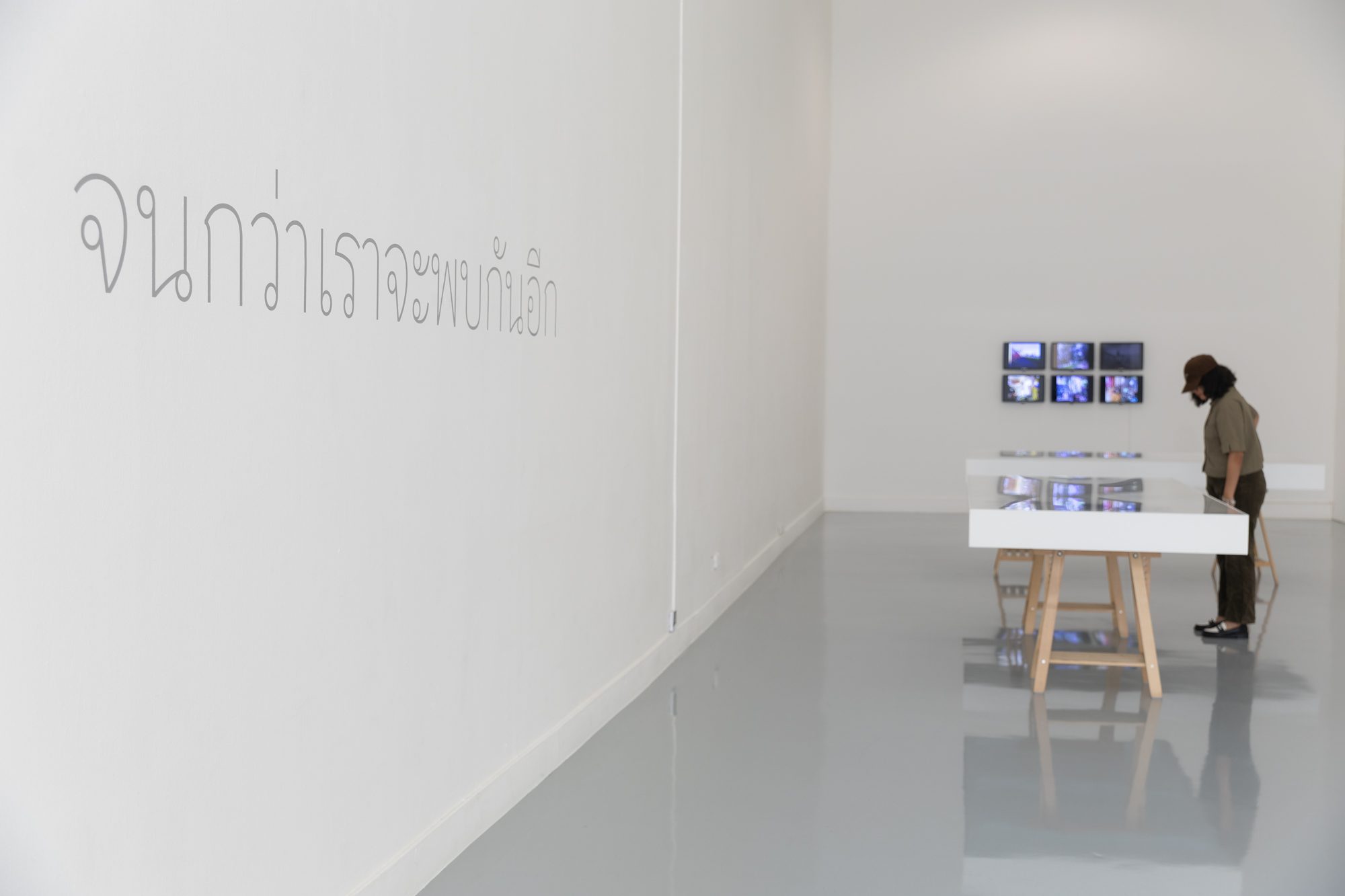
The exhibition also includes an archival section for those who wish to look more closely at the source material behind their collaboration. Documents and silk fabrics that Helen kept from her time in Thailand at the end of the Vietnam War help trace the imagined beginnings of their relationship. A cache of photographs reveals that they had, in fact, crossed paths many times before, unaware of each other’s presence.
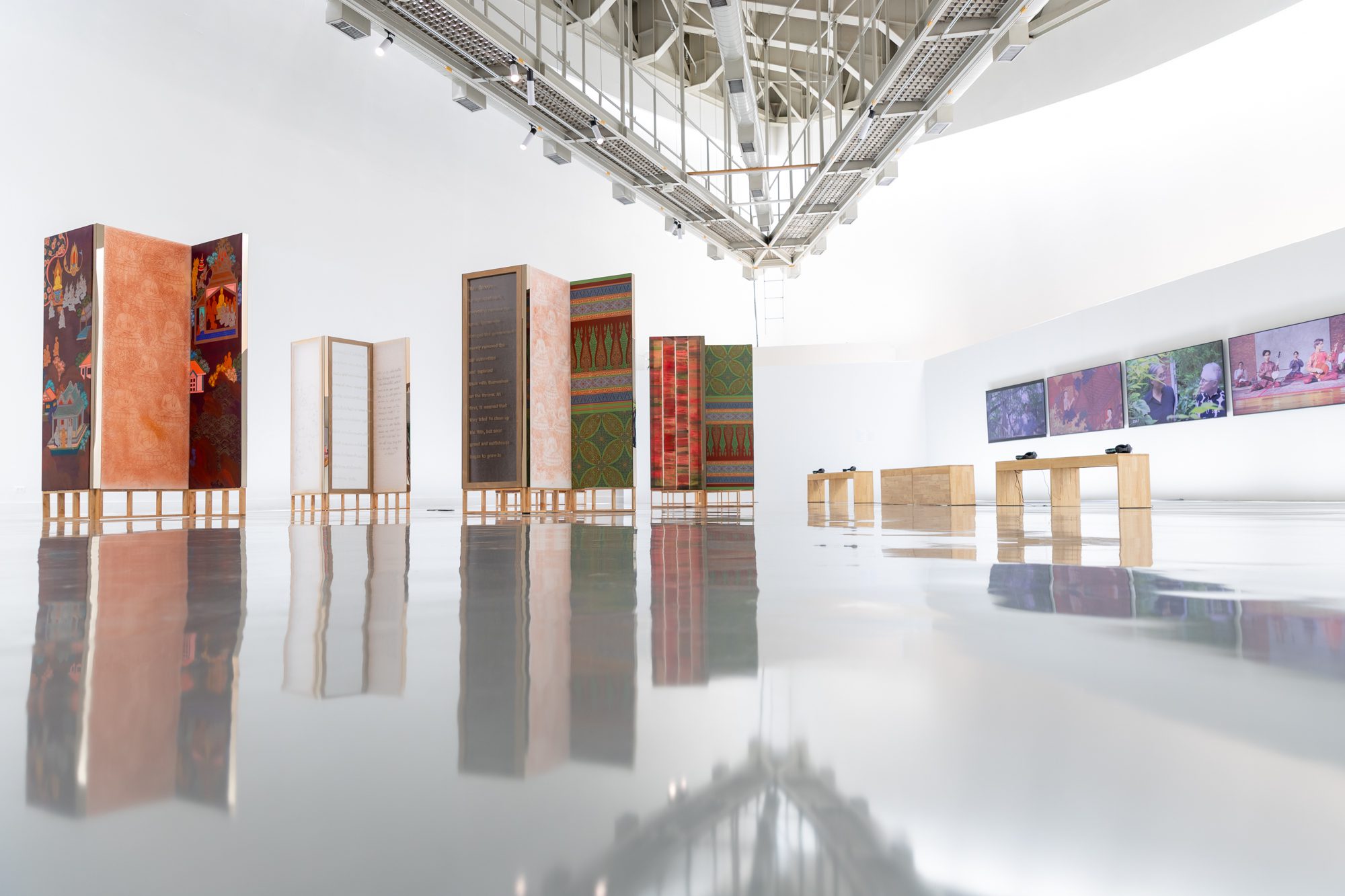
Walking through both artists’ works and the archival materials, one begins to sense that their meeting is not merely an event. It is an act of reassembling scattered memories and allowing them to breathe again. A passage from ‘Until We Meet Again’ captures this feeling of searching and encountering:
“I felt a sudden pang as I recalled that sunburnt, radiant face. St Kilda is vast… If I were to wish to see him again, how would I ever find him? And if he wished to meet me again, how would he search through all of Elwood to find me?” 1
This blurred boundary between finding and losing becomes the very pulse of ‘Until We Meet Again,’ making the exhibition both a question and an answer at once.
In the end, Phaptawan and Helen, whose names both refer to the sun, look toward a future moment when they may create together again. Perhaps that moment will arrive when the East and the West meet once more, in another time of ‘until we meet again.’
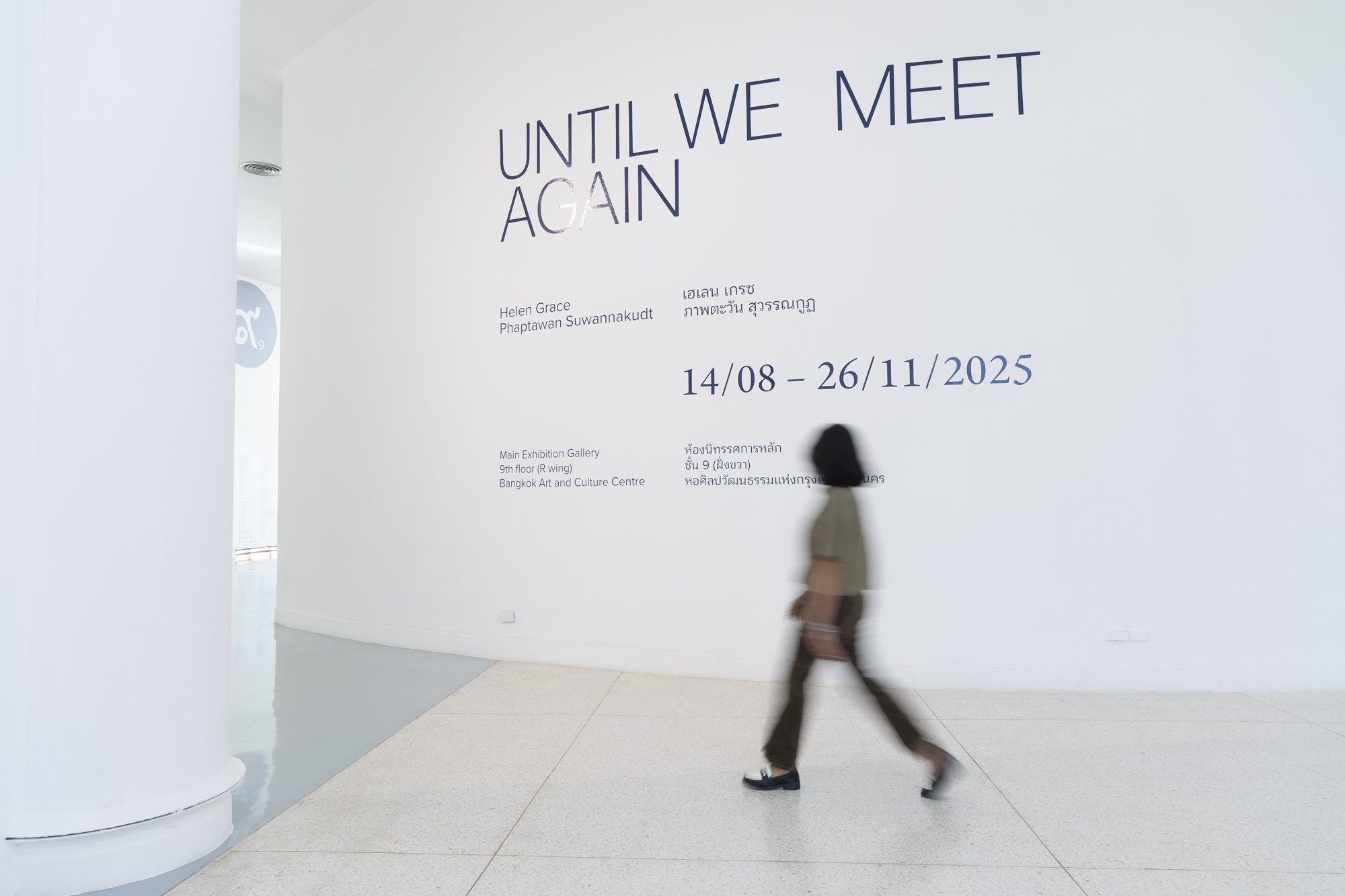
‘Until We Meet Again’ runs from 14 August to 26 November 2025 at the Main Exhibition Gallery, 9th floor, Bangkok Art and Culture Centre (BACC).
_
1 Sri Burapha, Until We Meet Again, 3rd edition, Charoen Tham Press, Bangkok, 1974.