
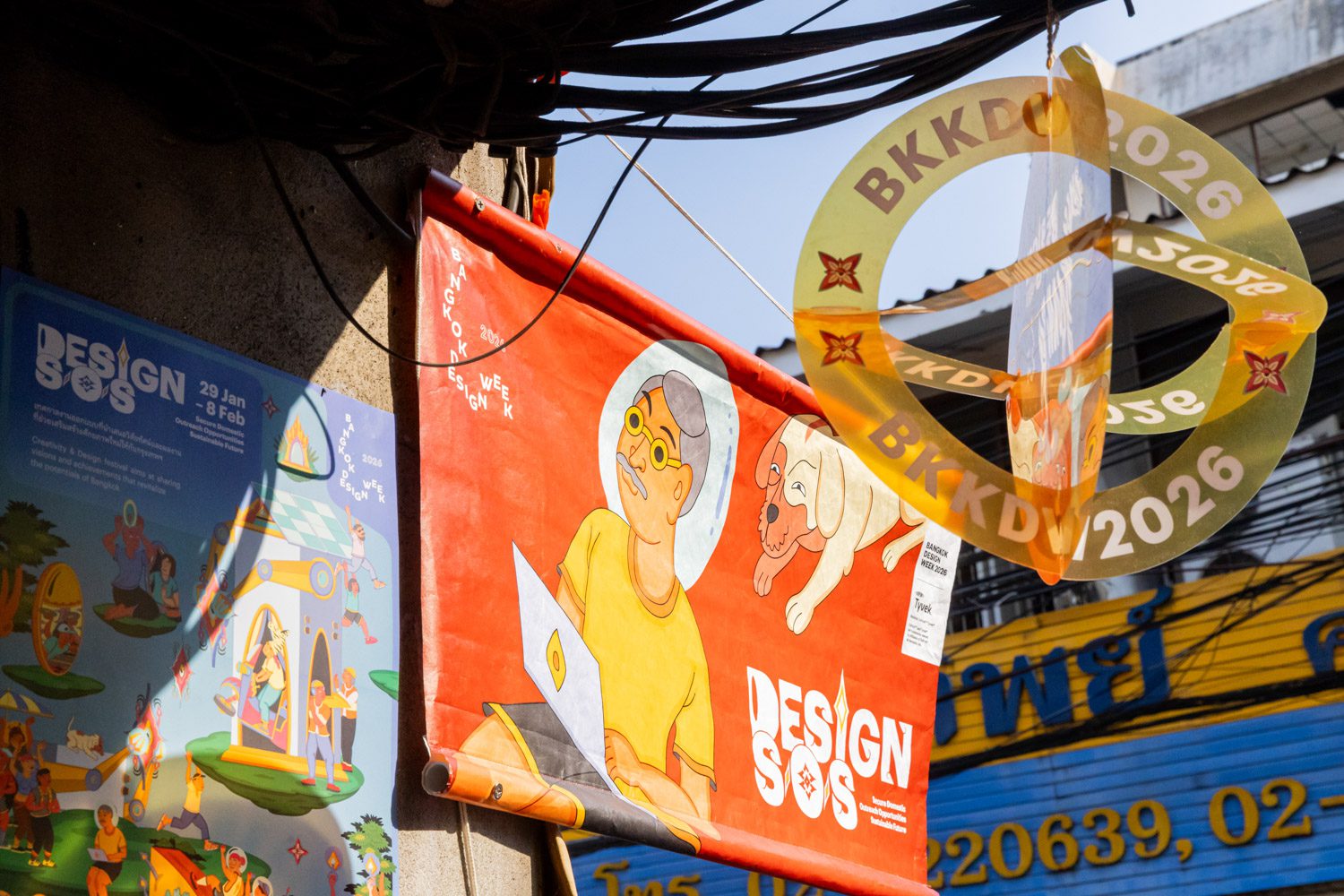
 Photo courtesy of Urban Ally
 A JOURNEY THROUGH 5 VENUES: BRIDGING THE GAP BETWEEN DESIGN AND THE HUMAN EXPERIENCE IN BANGKOK DESIGN WEEK 2026
TEXT: SARUNKORN ARTHAN
PHOTO CREDIT AS NOTED
(For Thai, press here)
It goes without saying that Bangkok is currently buzzing with the energy of Bangkok Design Week 2026. Since last weekend, crowds have been pouring into the festival’s main venues across Phra Nakhon and the Charoenkrung–Talat Noi district, as well as other creative neighborhoods such as Hua Lamphong, Bang Pho, and even Siam. Each area is animated by visitors eager to experience design projects that promise, in one way or another, to elevate everyday life in line with this year’s theme, Design S/O/S.
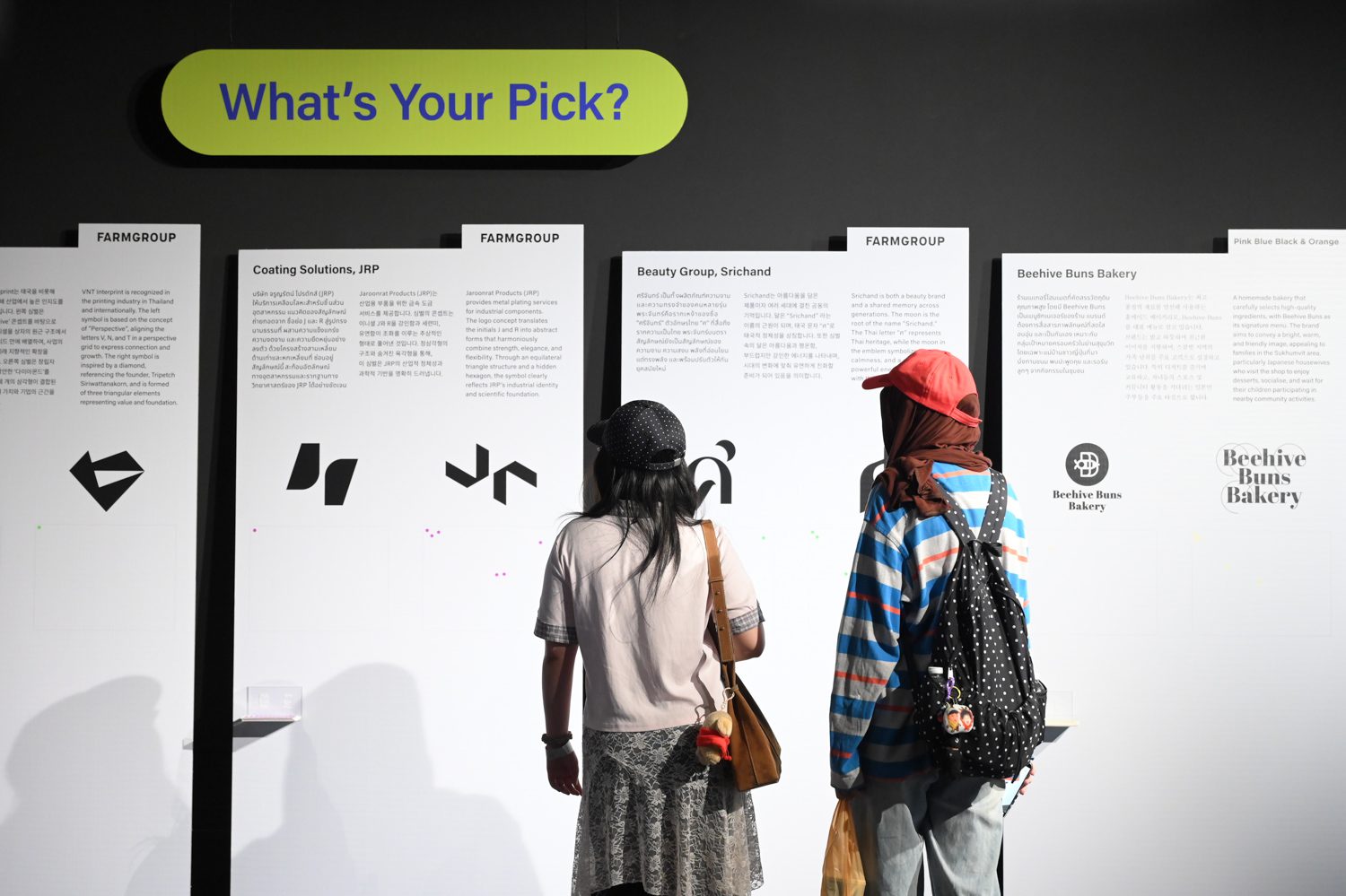
Outtakes | Photo courtesy of Bangkok Design Week
During the festival’s first week, art4d set out to explore a selection of exhibitions and installations across the city. What follows is a curated list of five places worth visiting, offering compelling perspectives on architecture, design, and art as they unfold throughout Bangkok, perhaps serving as an invitation for readers to head out and discover these stories for themselves.
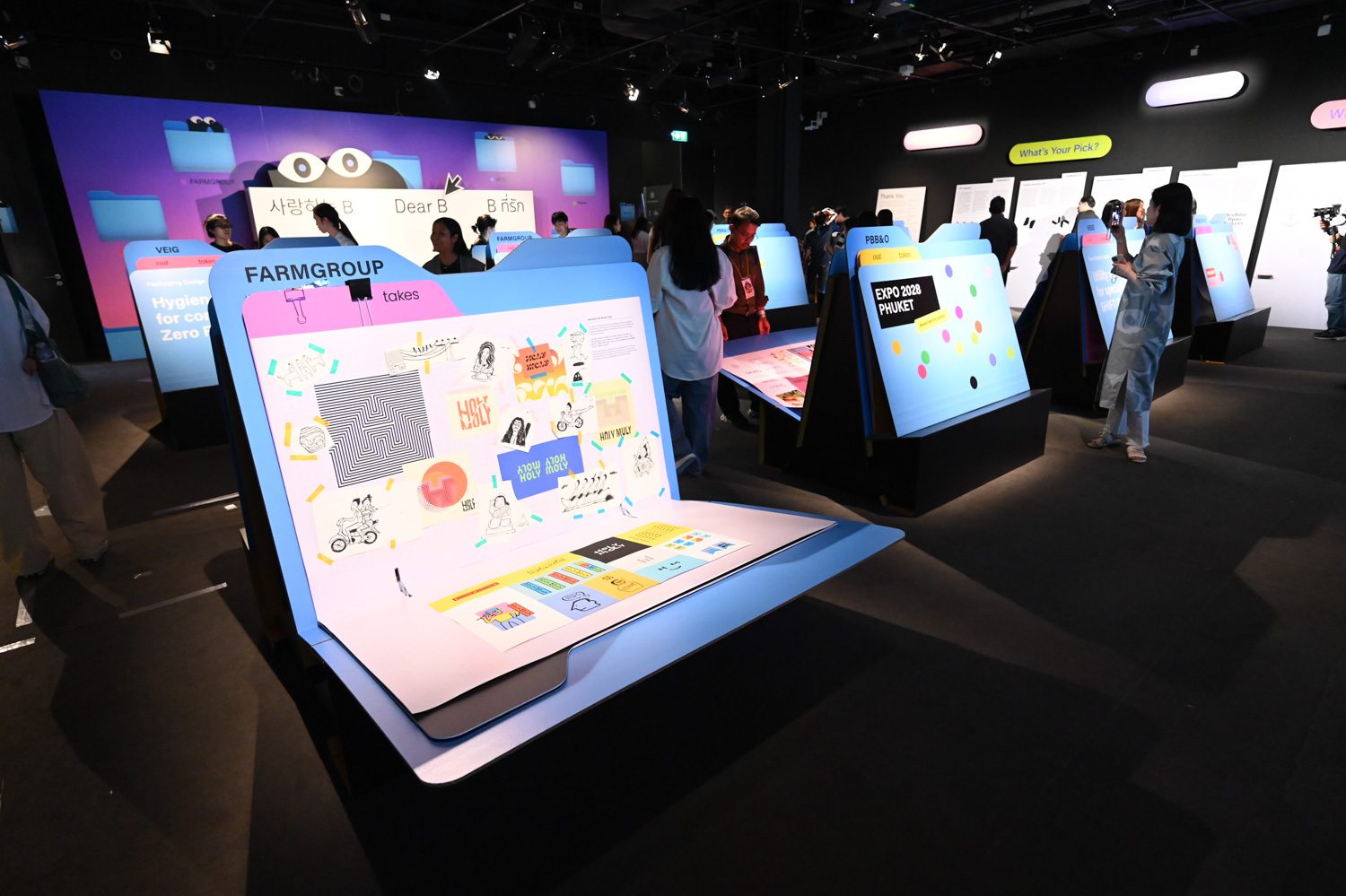
Outtakes | Photo courtesy of Bangkok Design Week
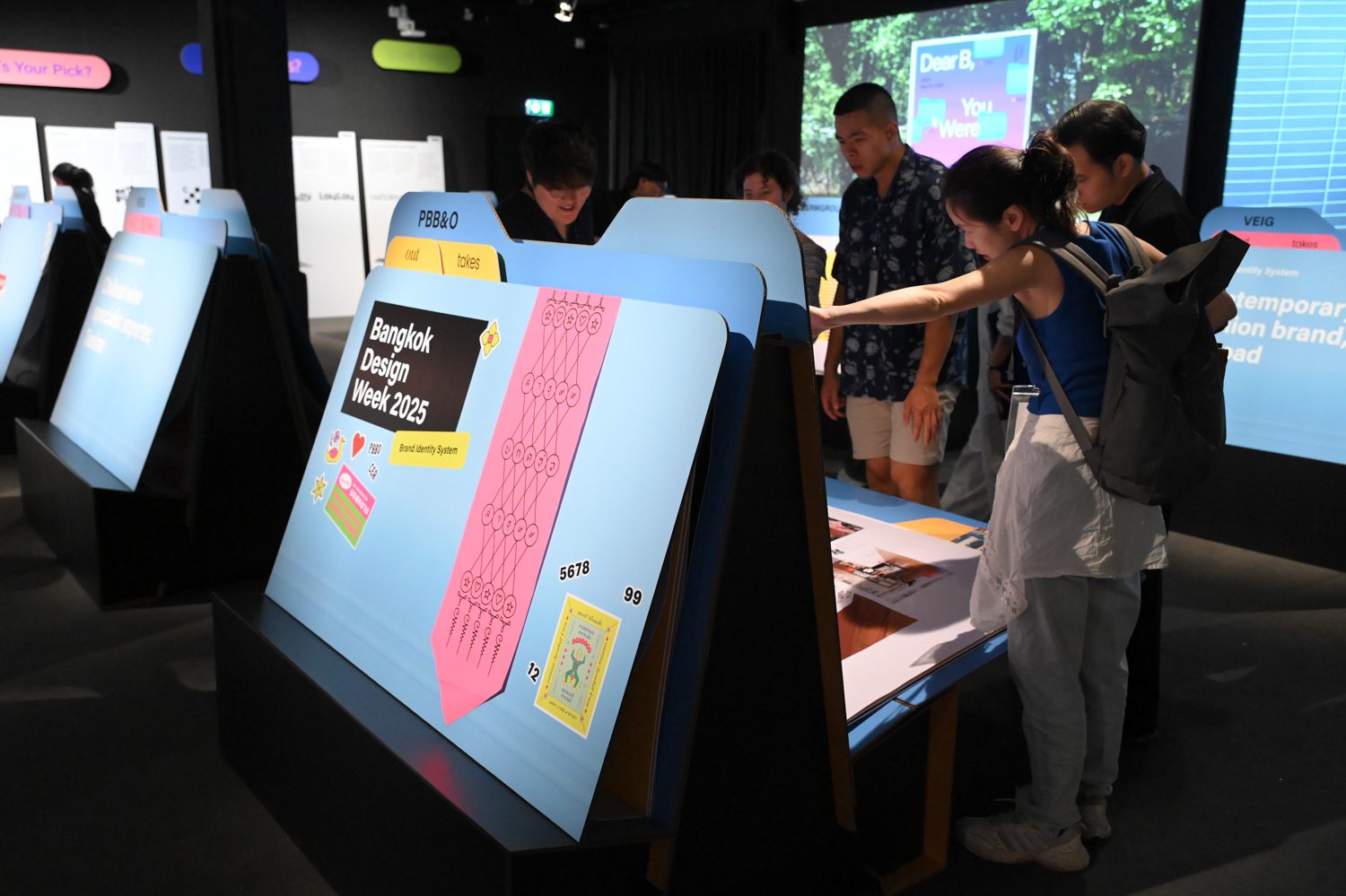
Outtakes | Photo courtesy of Bangkok Design Week
TCDC Bangkok
Beyond serving as one of the festival’s main venues, TCDC Bangkok is, in itself, a long-established hub for design. During Bangkok Design Week 2026, it hosts OUTTAKES, an exhibition that looks back at works that were never selected (OUT) alongside those that were chosen (TAKE). Through this pairing, visitors are invited to compare not only formal outcomes, but also underlying concepts and practical applications.
A more in-depth account can be found here
TCDC Bangkok is located in the historic Central Post Office building in Bang Rak and is open daily from 11:00 to 22:00.
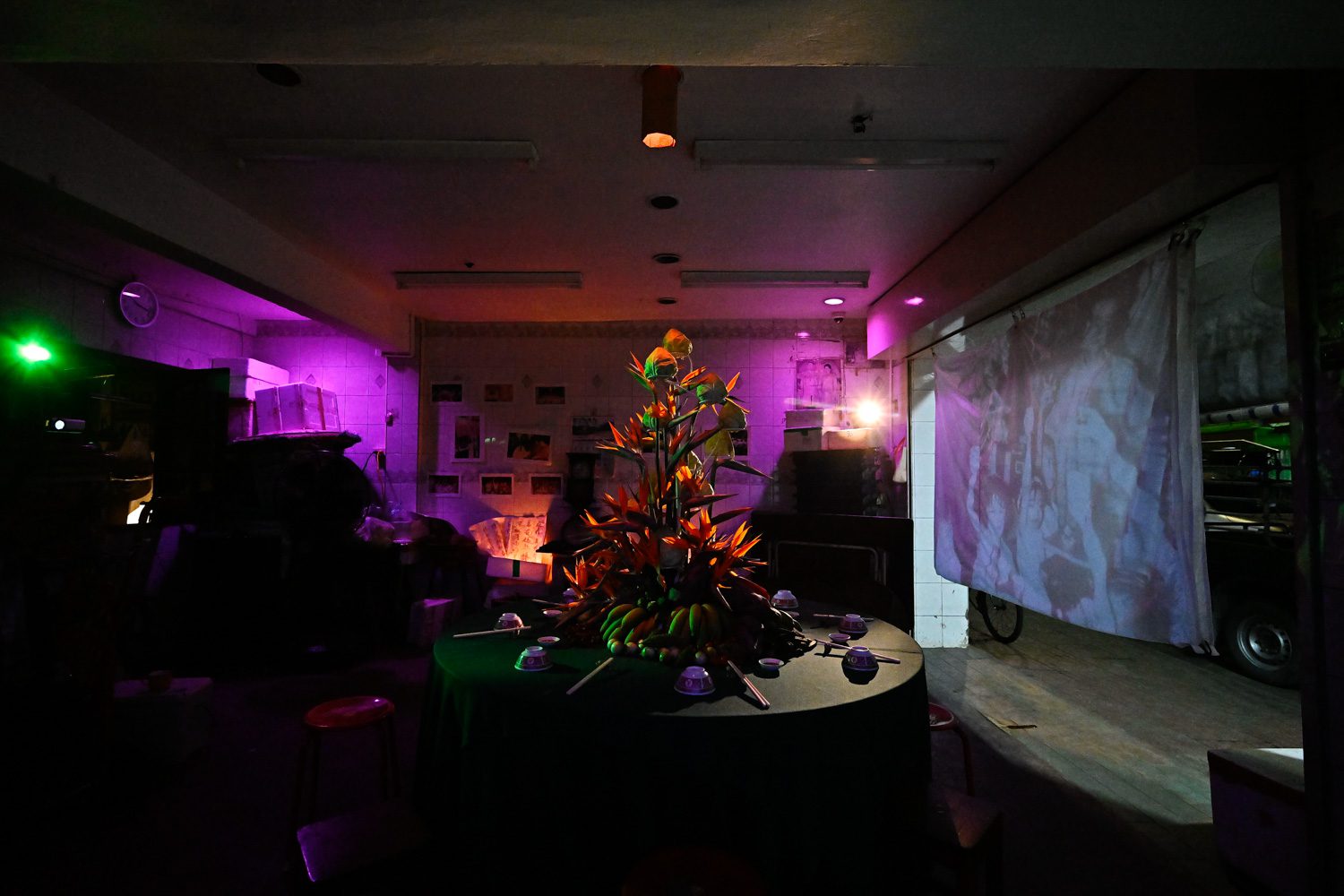
The Banquet Table | Photo courtesy of Bangkok Design Week
Pak Khlong Talat
One of Thailand’s largest flower districts, Pak Khlong Talat has become an unexpectedly chic backdrop for Gen Z Instagram stories. Yet behind the market’s photogenic abundance of blooms lies a lesser-known history. Before flowers came to dominate the scene, this area was rooted in the fresh produce trade, where the gentle scents of vegetables and herbs were eventually overpowered by the heady fragrance of flowers.
This layered past became the point of departure for Napat Pattrayanond, heir to House No. 103, also known as Song Heng, a long-established lime shop in the market. Together with Naraphat Sakarthornsap (Ball), an artist whose practice reflects on narrative through floral arrangements, they conceived a dinner table as both setting and statement. Here, flowers and vegetables are brought into dialogue, at times harmonizing, at times clashing—each asserting and unsettling the other’s significance. The experience is further layered with projections of archival images depicting Pak Khlong Talat before the arrival of the flower trade, images once witnessed and documented by Napat’s ancestors. Through these fragments of memory, House No. 103 is revealed as far more than a place of commerce; it is a vessel of lived histories and accumulated remembrance.
House No. 103 is located on Thaklang Alley, within Yodpiman Market, Pak Khlong Talat and is open to visitors from 19:00 to 22:00.
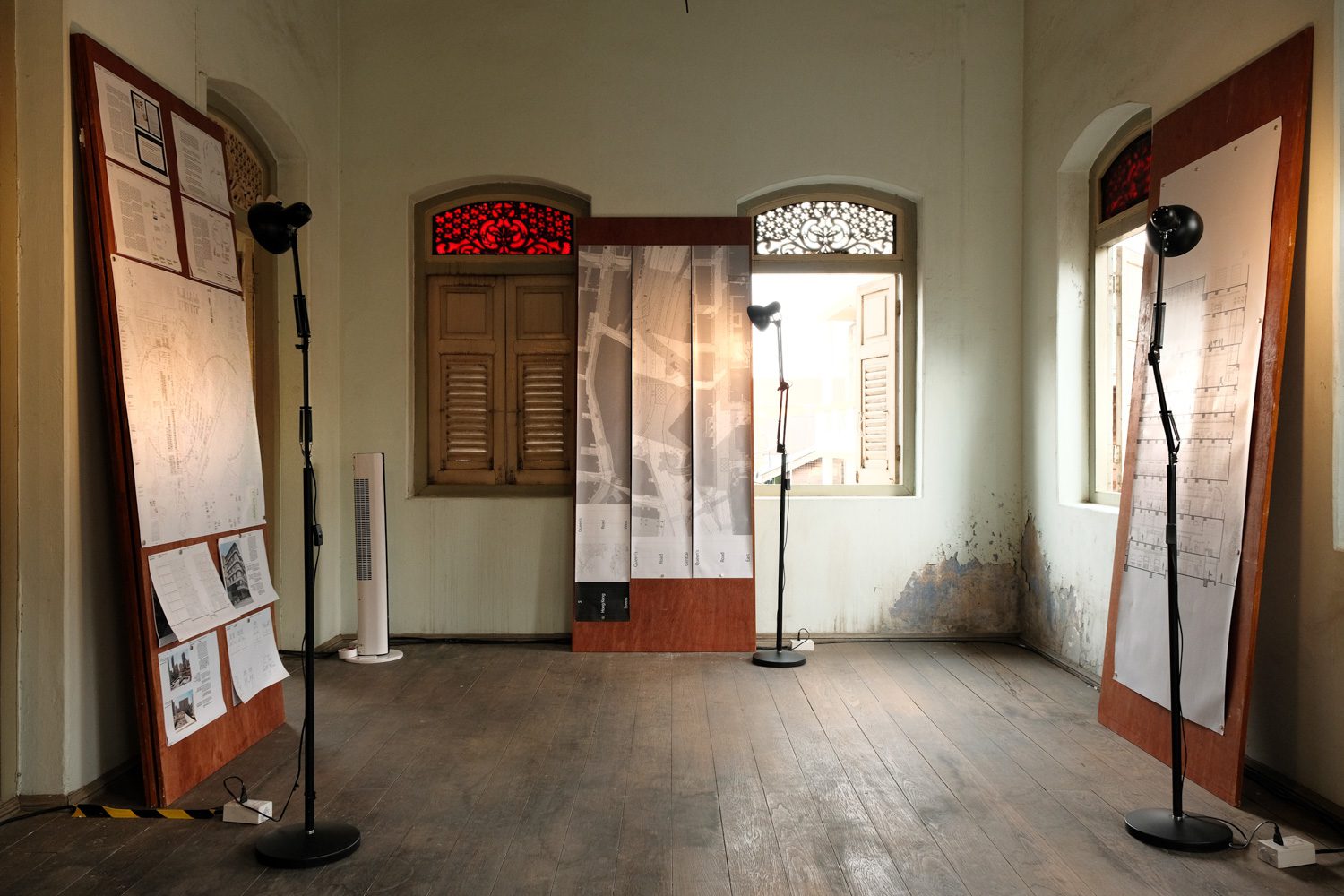
Projecting Future Heritage: A Hong Kong Archive | Photo courtesy of The Hong Kong Institute of Architects Biennale Foundation (HKIABF)
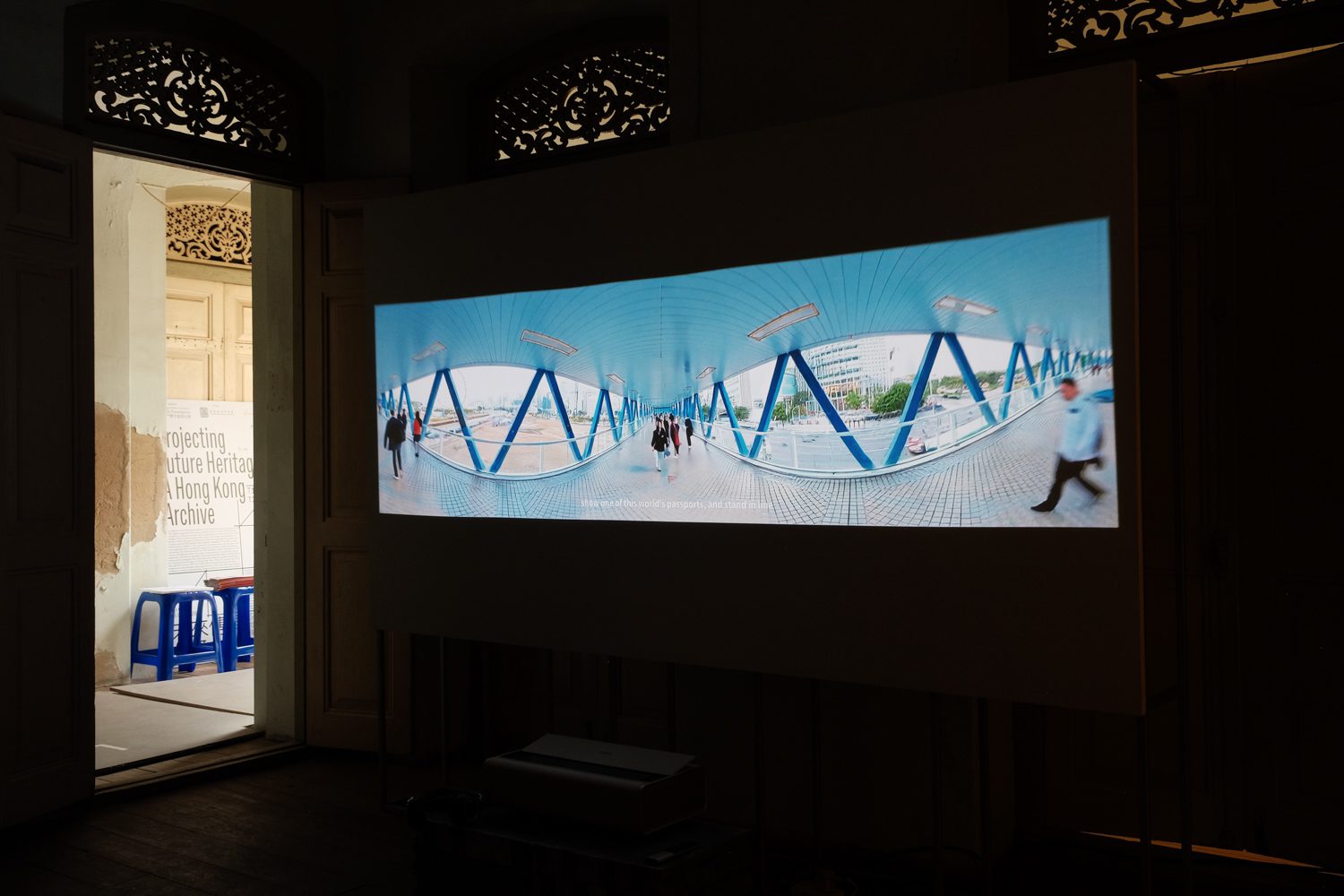
Projecting Future Heritage: A Hong Kong Archive | Photo courtesy of The Hong Kong Institute of Architects Biennale Foundation (HKIABF)
Wang Krom Phra Sommot Amornphan Community
Those passing through Bamrung Mueang Road may wish to step inside Wang Krom Phra Sommot Amornphan, a quietly concealed historic palace nestled within the community that shares its name. For Bangkok Design Week 2026, the palace itself becomes an exhibition venue, hosting the traveling architectural exhibition PROJECTING FUTURE HERITAGE: A HONG KONG ARCHIVE, presented by The Hong Kong Institute of Architects Biennale Foundation (HKIABF). The exhibition was first shown at the Venice Biennale Architettura 2025.
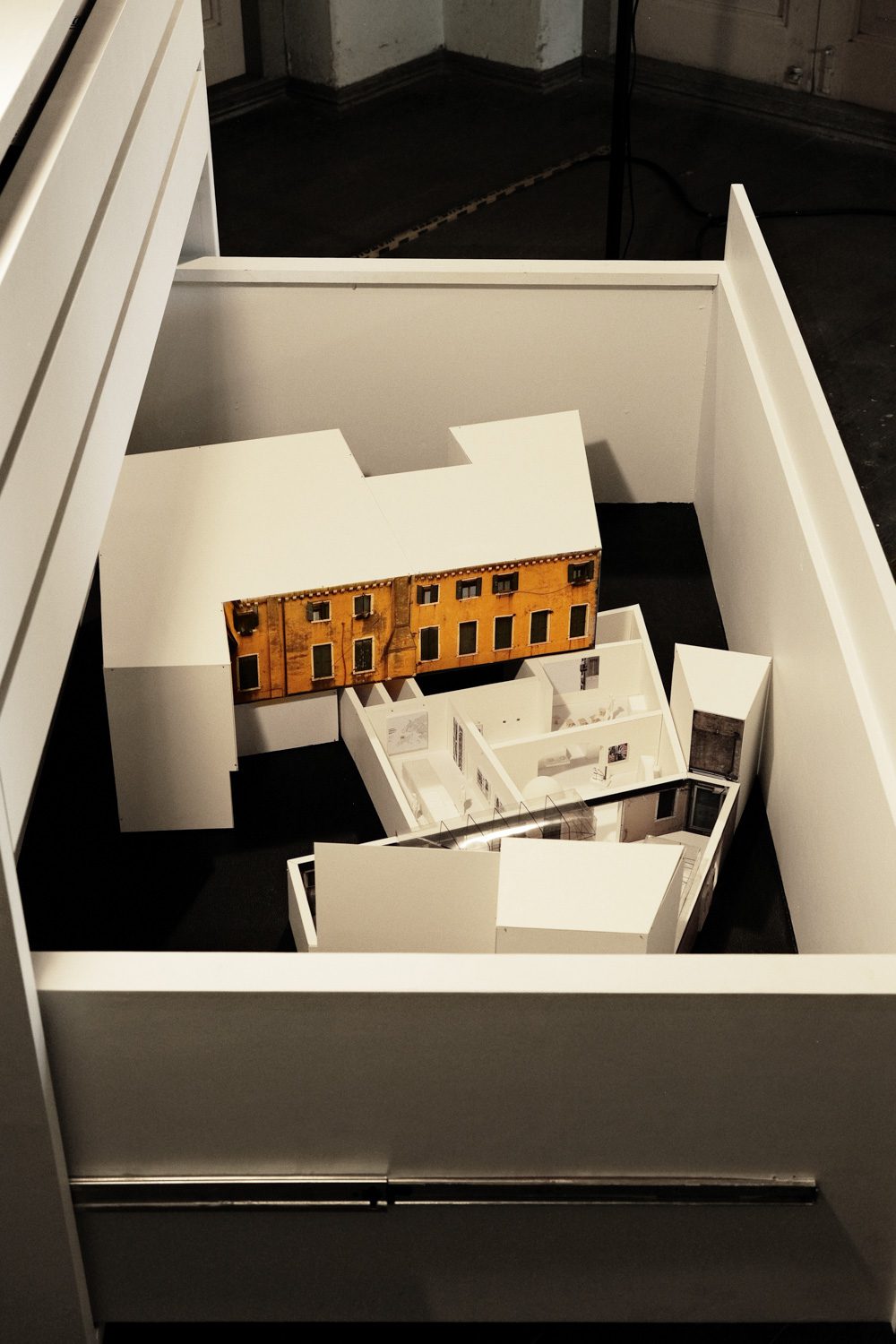 Projecting Future Heritage: A Hong Kong Archive | Photo courtesy of The Hong Kong Institute of Architects Biennale Foundation (HKIABF)
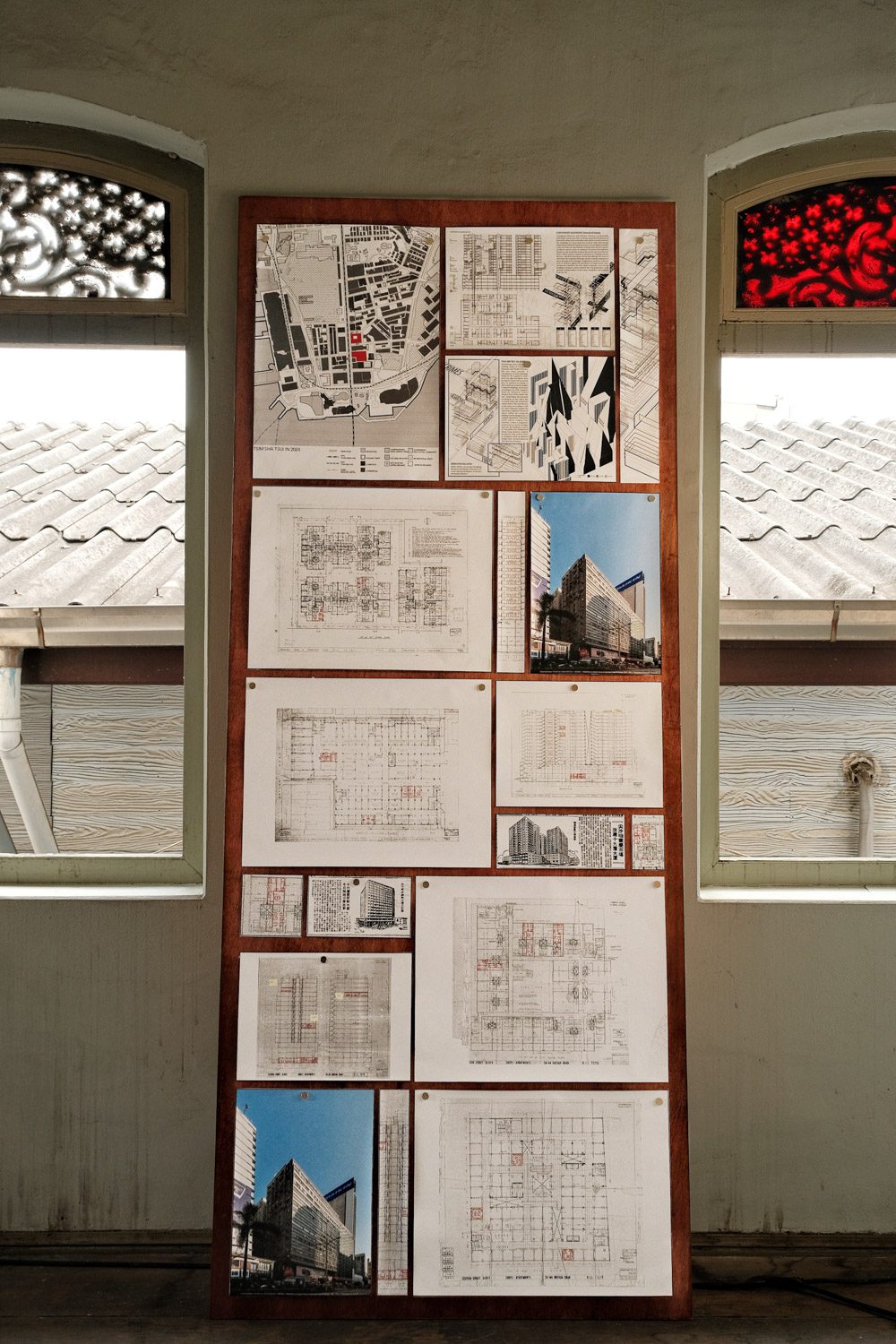
The exhibition brings together around 30 selected works from Hong Kong’s public architecture archive, curated by Fai Au, Ying Zhou, and Sunnie S.Y. Lau. Framed by the concept of collective intelligence, the selection explores how public architecture gives rise to shared thinking within society. The projects on view range from multi-purpose market buildings and cooperative housing to public housing developments, each addressing the complex challenges of contemporary cities, including climate change, urban density, and the preservation of cultural space. Together, these works offer a nuanced reflection on urban transformation while inviting a reconsideration of how architectural value might be assessed in relation to its urban context. This line of inquiry resonates strongly with the exhibition’s setting, where Wang Krom Phra Sommot Amornphan sits within a dense residential fabric and an active community. As curator Fai Au observes, looking beyond the exhibition space to its immediate surroundings evokes parallels with Hong Kong’s own urban conditions.
Wang Krom Phra Sommot Amornphan is open daily from 11:00 to 22:00.
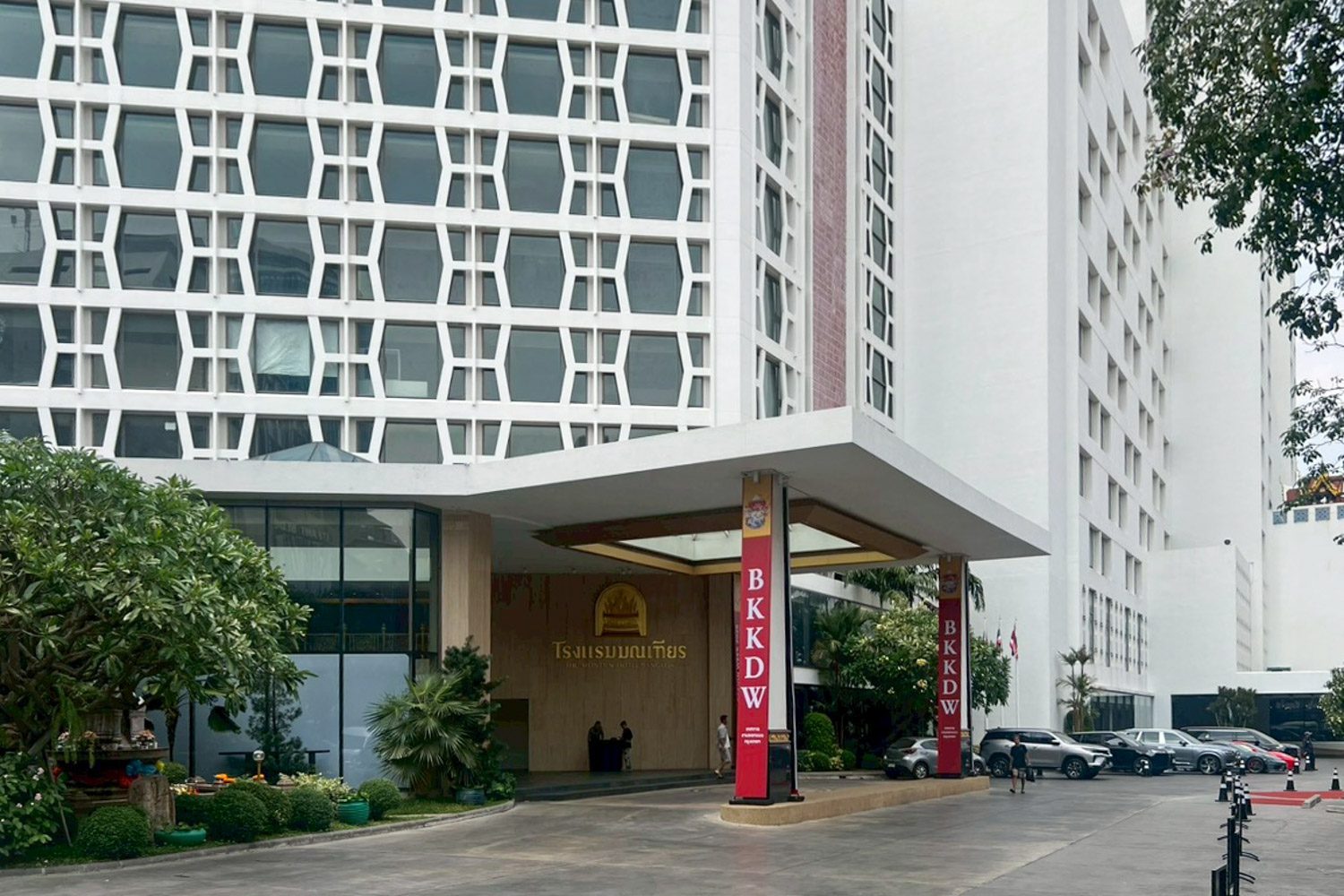
Montien Hotel Surawong | Photo: Sarunkorn Arthan
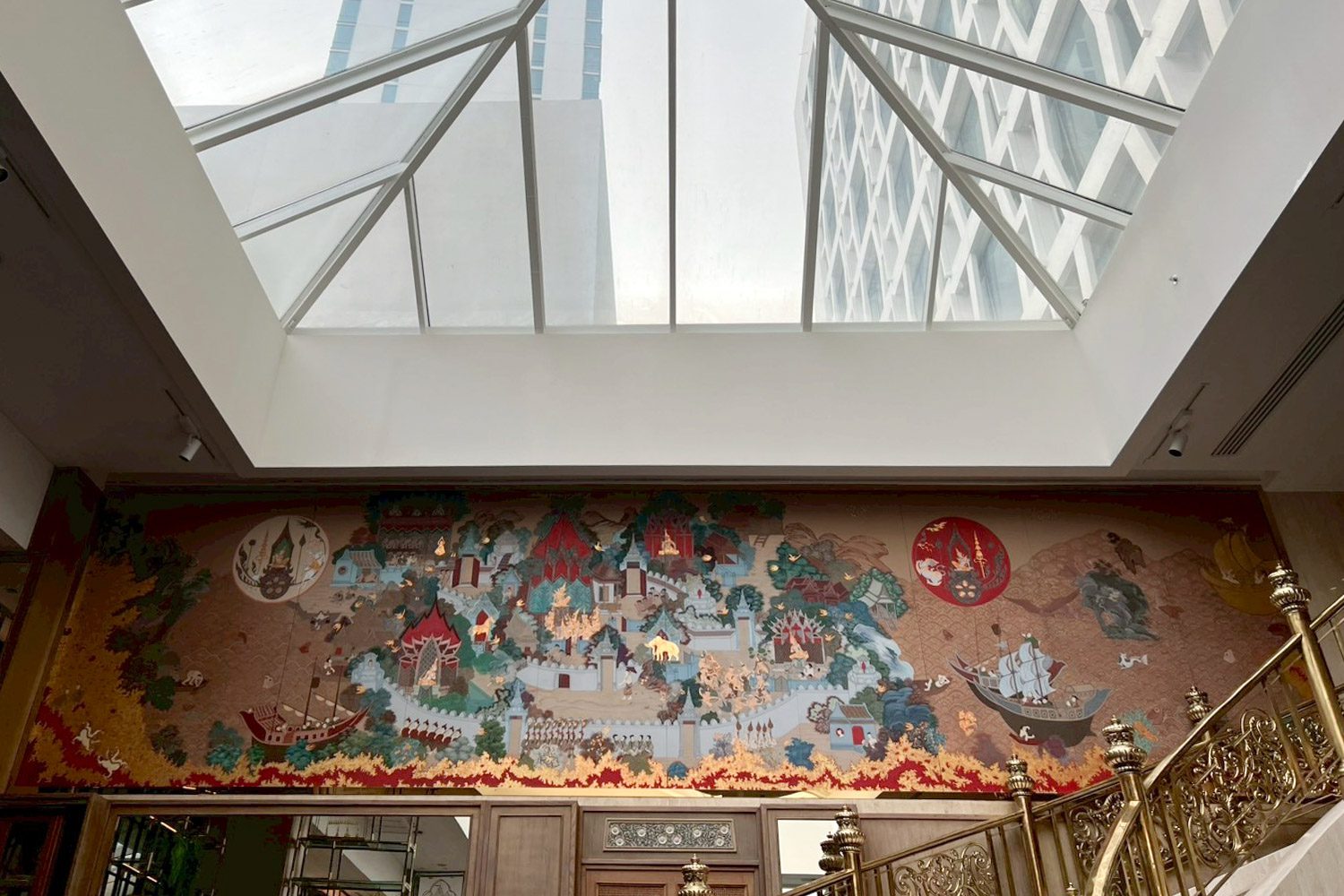 Thai mural paintings by Paiboon Suwannakudt | Photo: Sarunkorn Arthan
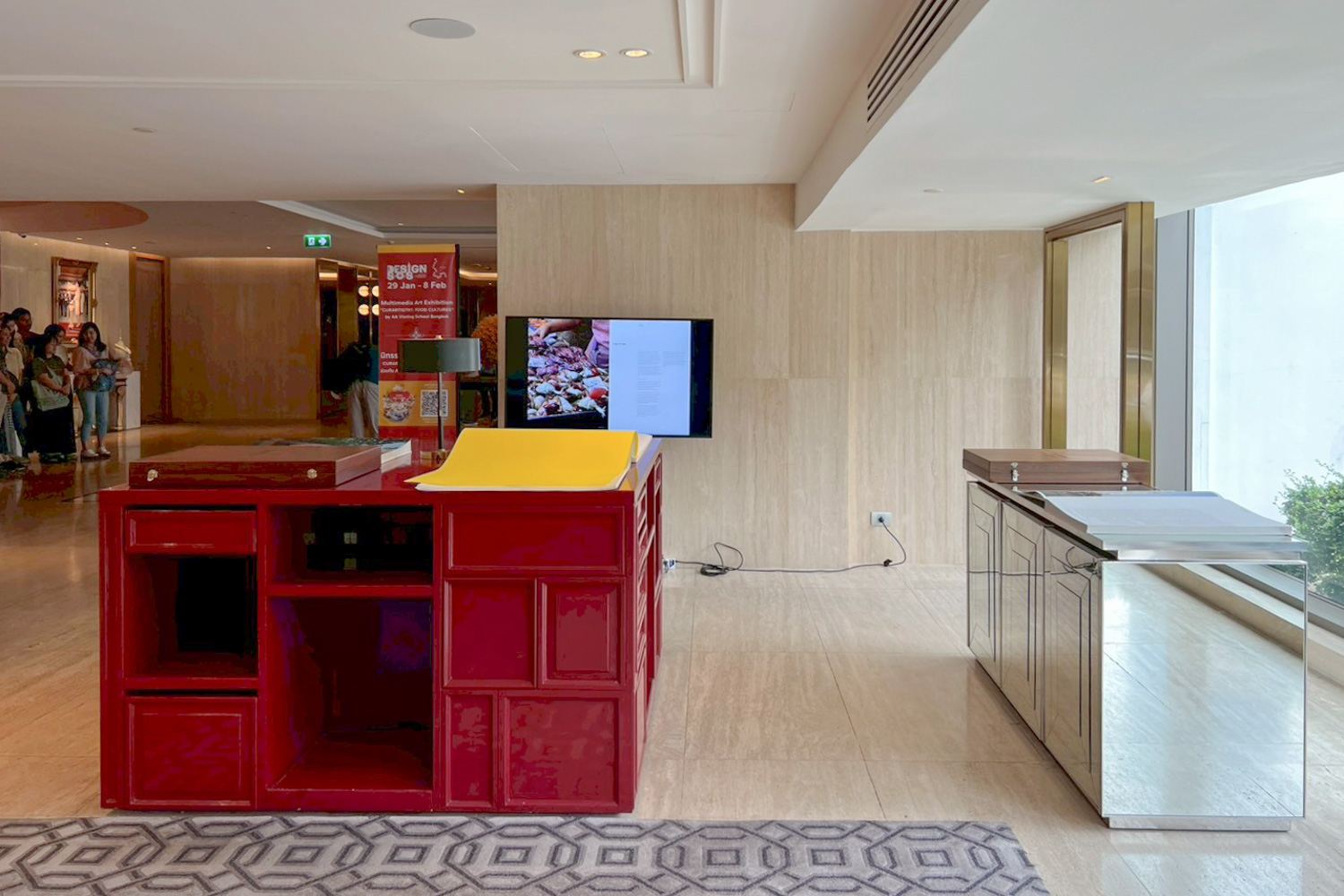
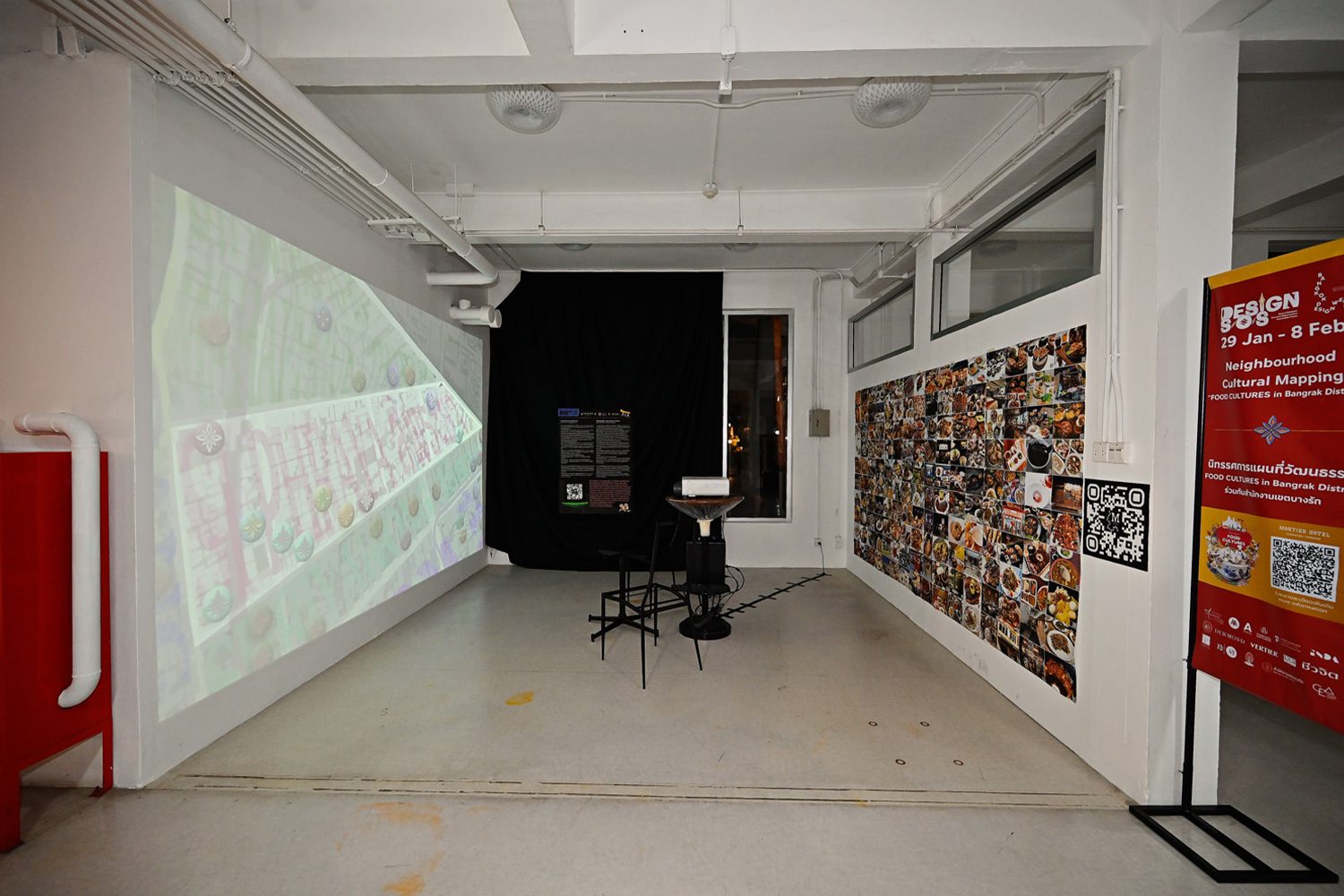
Montien Hotel Surawong
For many, ‘khao man gai’, Thailand’s classic dish of poached chicken and fragrant rice, is often the first association that comes to mind when thinking of the name Montien Hotel. Building on this legacy, Montien Hotel Surawong turns its culinary identity and long-standing relationship with food security into the concept ‘Food Cultures,’ a framework that begins with Montien’s iconic chicken rice and expands outward to embrace the broader food culture of the Surawong–Bang Rak area. The program unfolds through a series of talks and exhibitions hosted across the hotel and Montien Mall.
One of the highlights is the ‘AA Visiting School Bangkok Exhibition,’ a creative showcase developed in collaboration with the AA Visiting School Bangkok. Guided by the concept ‘Curartistry,’ the exhibition proposes everyday life as a form of art, unpacking the complexity of Bangkok through the lens of food culture as it appears in the ordinariness of daily routines.
Another key component, ‘Food Cultures Mapping,’ is a collaborative initiative between Montien Hotel Surawong and the Bang Rak District Office. The project reconsiders food as a connective tissue linking communities and people, presented through a cultural mapping of Bang Rak District, encompassing Bang Rak, Surawong, Silom, Si Phraya, and Maha Phruettharam. Each sub-district is shown to possess its own rhythms of eating and distinctive food typologies, together forming an engaging guide for exploring culinary life across Bang Rak.
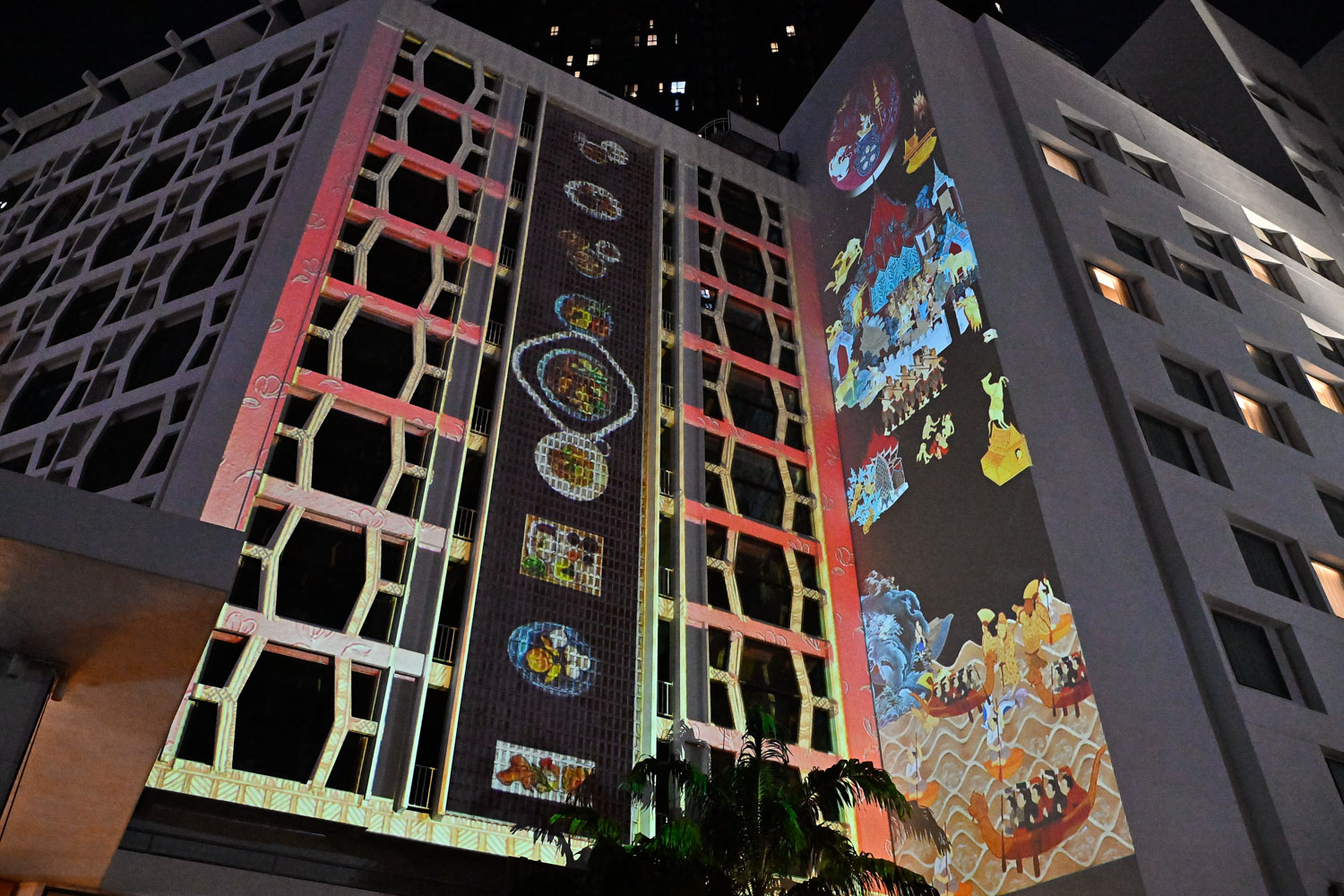
Palace of Food and Cultures | Photo courtesy of Bangkok Design Week
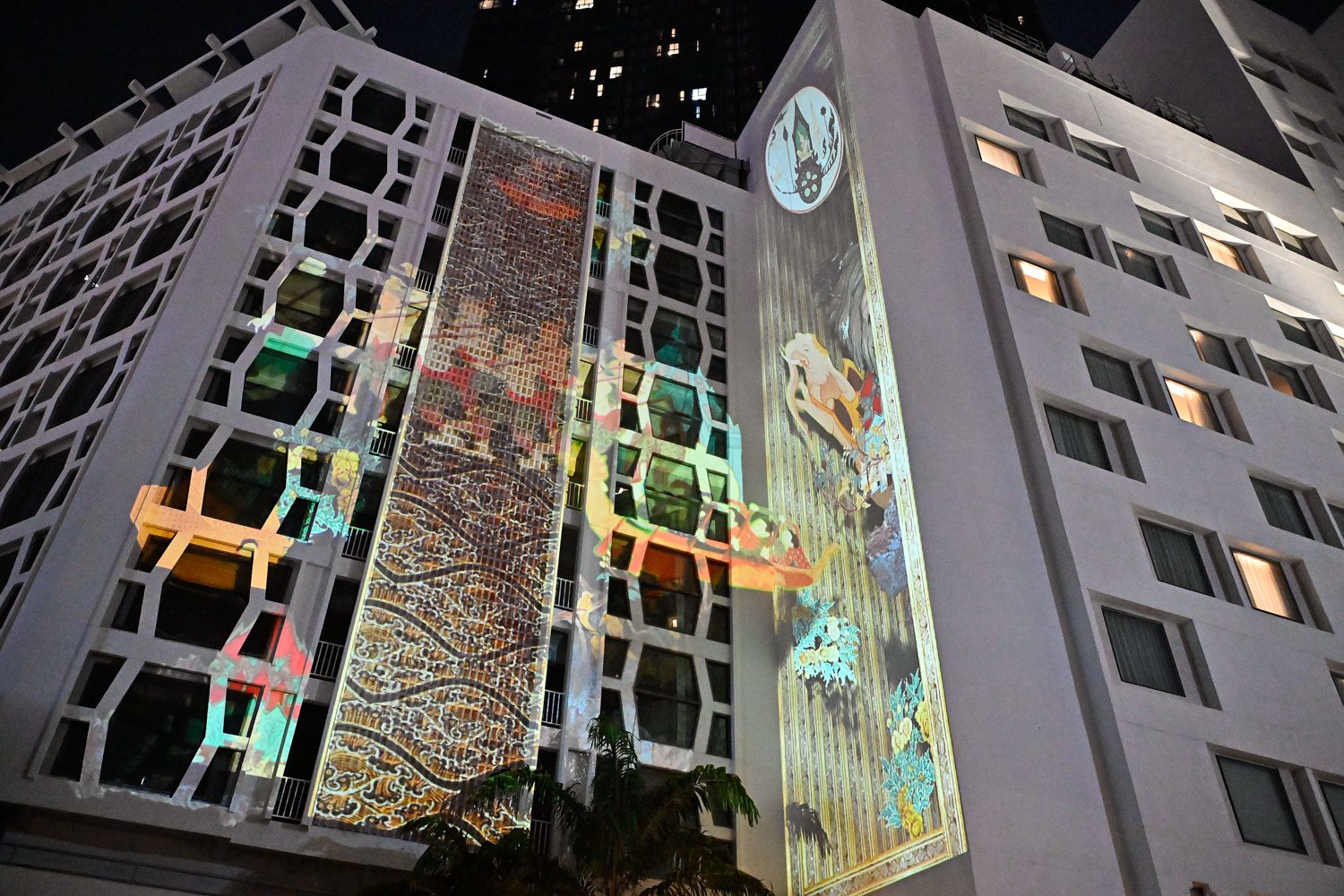
Palace of Food and Cultures | Photo courtesy of Bangkok Design Week
As dusk falls, visitors are encouraged to stay on for a projection mapping of paintings by Paiboon Suwannakudt (Than Kudt), cast across the façade of Montien Hotel Surawong, an atmospheric moment best experienced at twilight.
Montien Hotel Surawong Bangkok is located on Surawong Road, in the Surawong district, and is open to visitors from approximately 11:00 to 22:00.
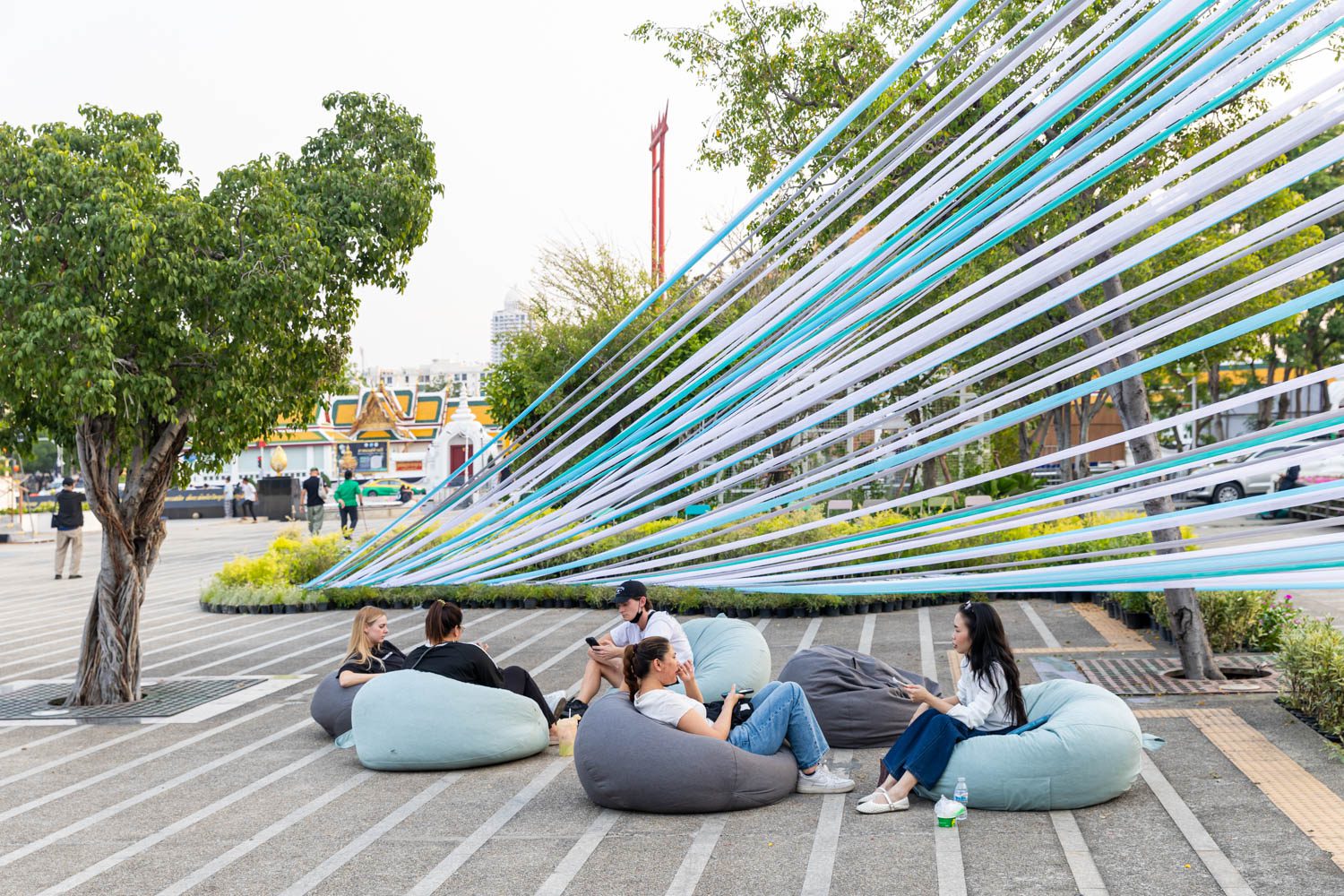
High Line Bangkok | Photo courtesy of Urban Ally
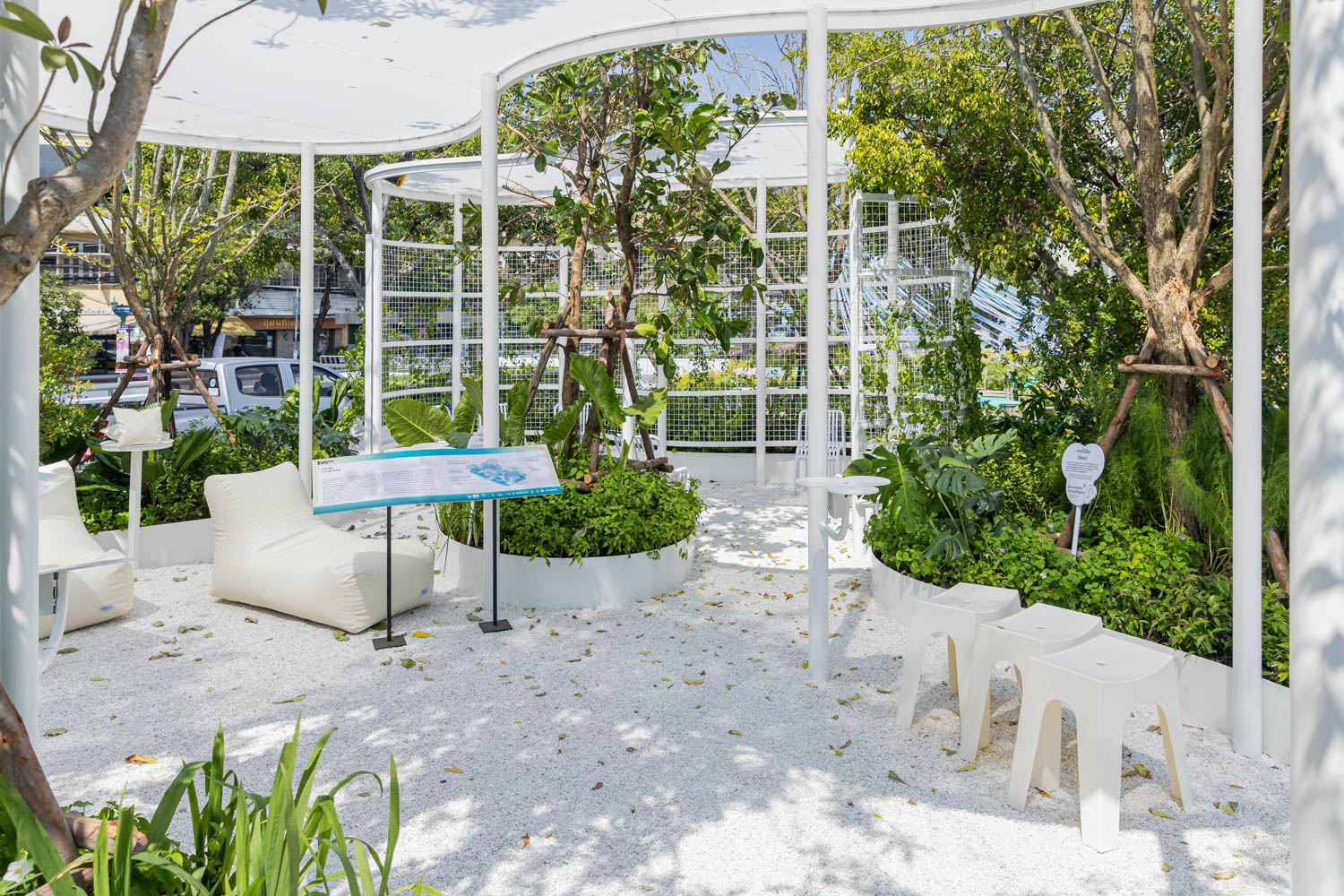
Long Heal | Photo courtesy of Urban Ally
Lan Khon Mueang & Unakan Road traffic island
As the principal venue of the Phra Nakhon district, Lan Khon Mueang or Bangkok’s City Hall Plaza is a public space where multiple atmospheres inevitably converge, from election campaigns to the looming presence of a public referendum. Yet none of this diminishes the site’s creative energy. On the contrary, the charged civic context seems to amplify public engagement, drawing more people into the space. After all, moments of tension call for moments of release, especially at one of the festival’s most intense venues.
Among the highlights is High Line Bangkok, also known as Lan Prakai Mueang, by HAS design and research. The project takes the form of a rainbow-hued pavilion, casting soft, filtered light across the bodies of visitors reclining beneath it. Adjacent to this is Long Heal, a botanical garden installation by Shma. Inviting visitors to ‘bathe in the forest,’ the project encourages interaction with nature through all five senses, offering both body and mind a chance to ‘long heal’; to pause, rest, and recover. Long Heal is one of four sites within the broader initiative LongiPark! Expanding Park, Expanding Life, which seeks to advance parks as a ‘Third Place’ for Bangkok residents.
Beyond offering a relaxed place to sit and unwind, LongiPark! Expanding Park, Expanding Life also serves as a platform for collecting both quantitative and qualitative data, ranging from visitor numbers and temperature readings to patterns of use and behavior. This information will be used to inform the future development of permanent green spaces in the city, in collaboration with both public and private sectors, after Bangkok Design Week 2026 comes to a close. At a broader scale, LongiPark! seeks to articulate the shared benefits that sustainable environments and public spaces can generate when citizens, private stakeholders, and government bodies work together.
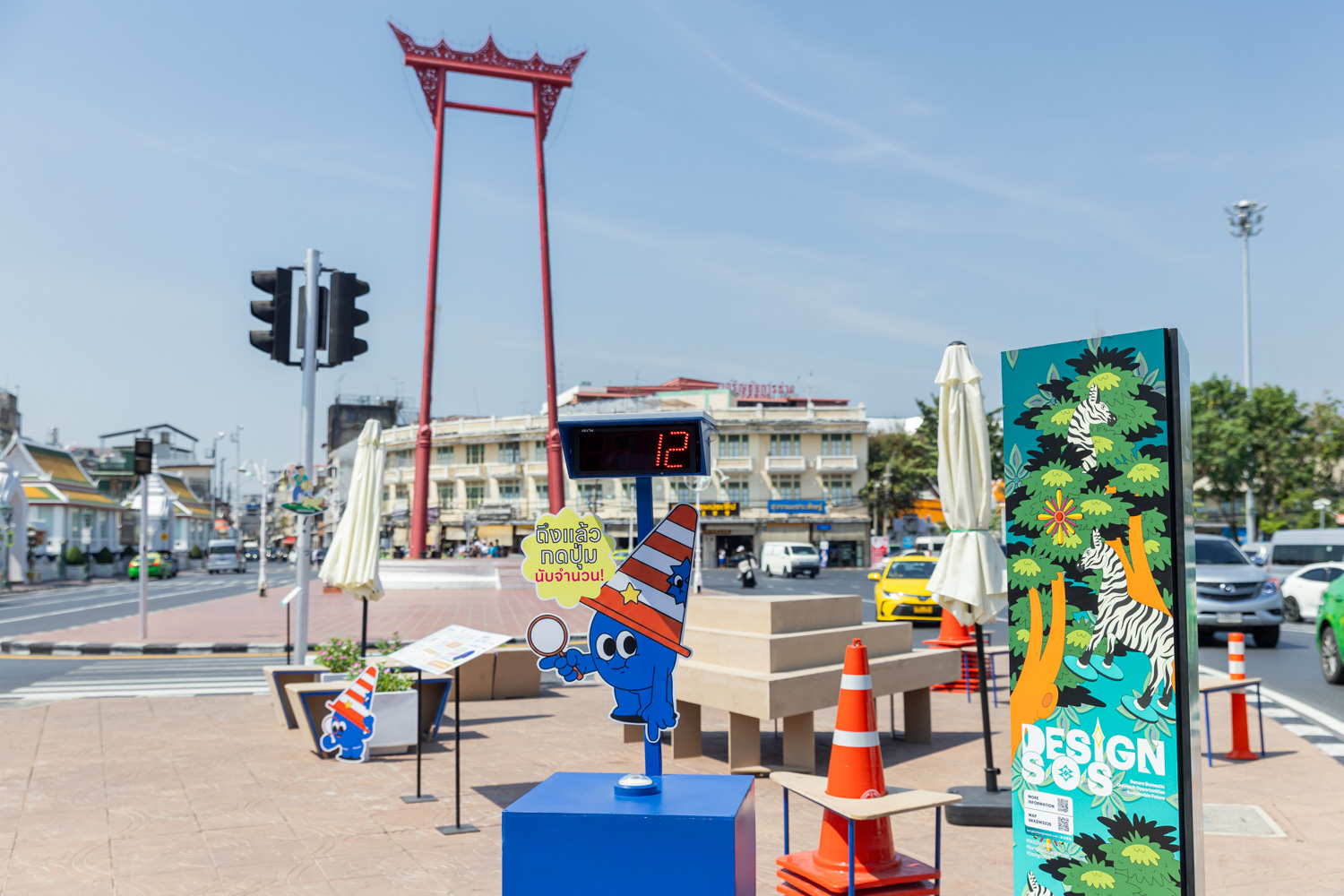
Sit (Swing) & Count | Photo courtesy of Urban Ally
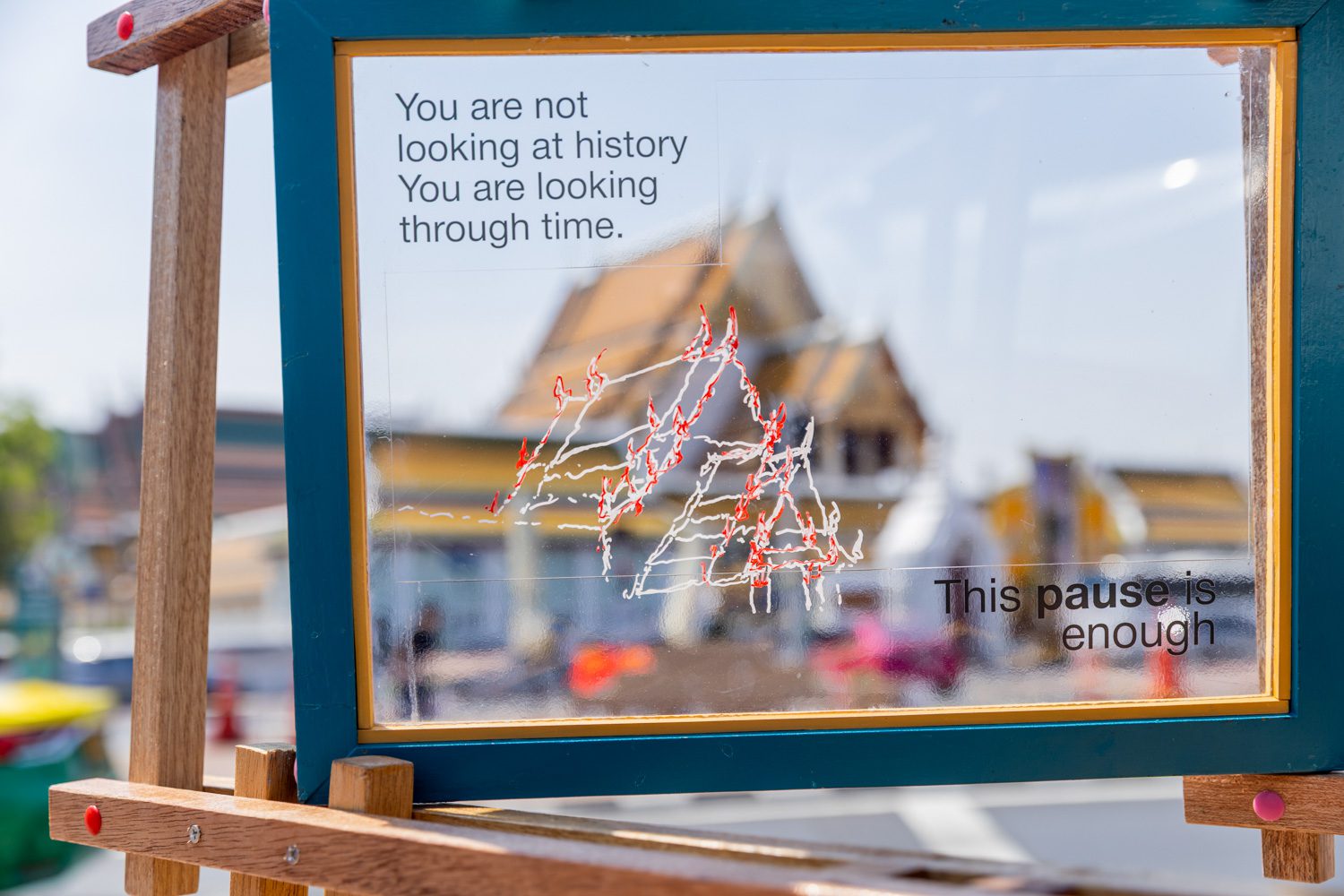
Reframing Views | Photo courtesy of Urban Ally
A short walk across the street brings visitors to ‘Unakan Island,’ the informal name given to the traffic island between Siriphong Road, on the Rommaninat Park side, and Unakan Road, facing Wat Suthat Temple. This site serves as the main venue for Urban Ally, an initiative led by the Faculty of Architecture, Silpakorn University.
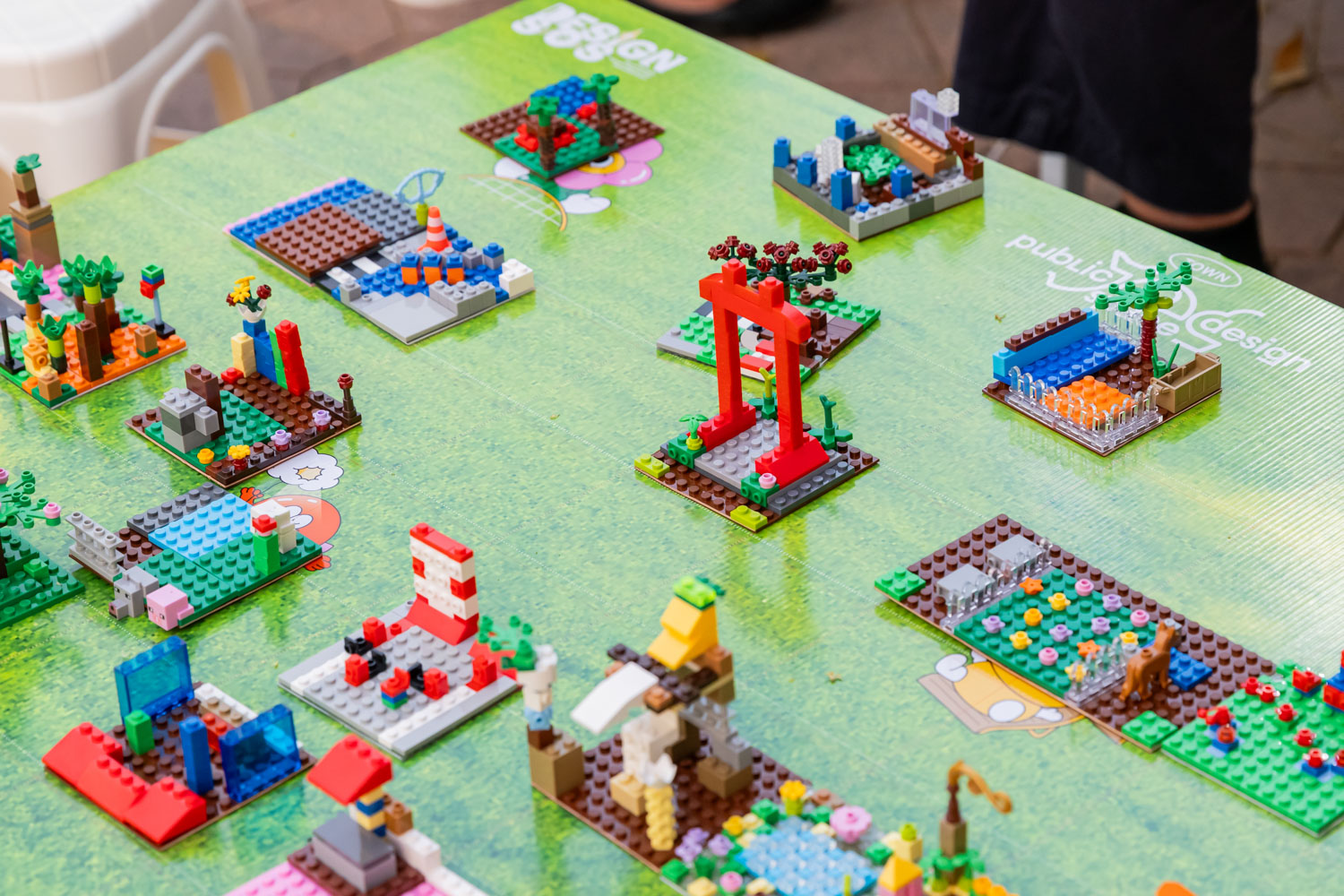
Public Space Design S/O/S Exhibition | Photo courtesy of Urban Ally
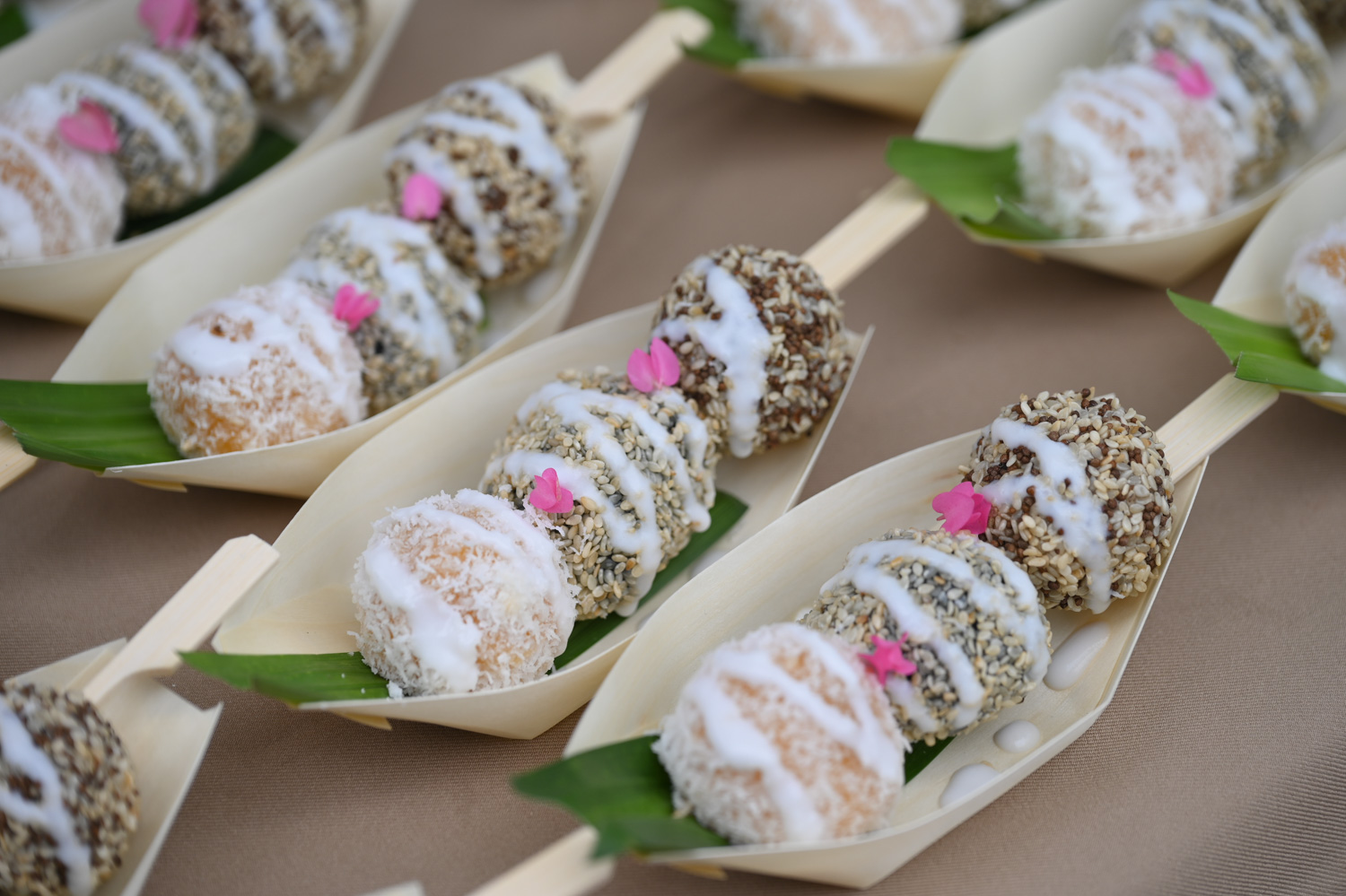
Thai desserts in the form of dango, as part of ‘Puppup Market’ | Photo courtesy of Bangkok Design Week
Activities on Unakan Island invite visitors to engage with the city through multiple perspectives. The program unfolds through a stamp-collecting trail across the site, encouraging participants to observe everyday urban life, before moving on to hands-on activities such as designing public space using modular building blocks. Complementing these explorations is Pub-Pab Market, a small marketplace offering souvenirs produced by Urban Ally, alongside ‘Mit Bamrung Pung,’ a food zone developed in collaboration with Suan Dusit University. Here, experimental dishes explore themes for people’s happy guts and Thailand’s food security.
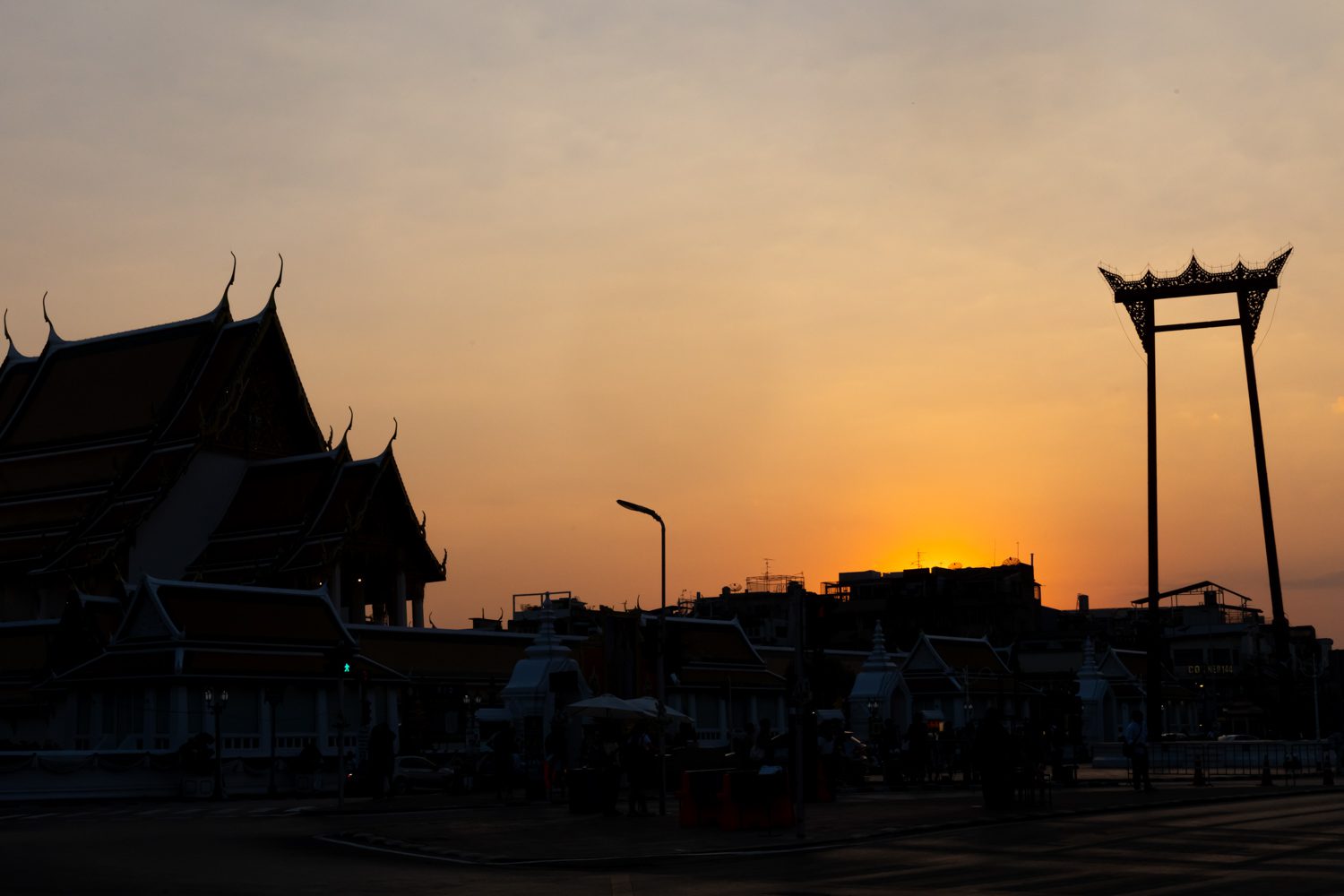
Photo courtesy of Urban Ally
Lan Khon Mueang is located in front of Bangkok City Hall, in the Sao Chingcha area.
Unakan Island sits between Siriphong Road and Unakan Road, also in the Sao Chingcha district.
Both venues are open daily from 11:00 to 22:00.