Category: PHOTO ESSAY

PHOTO ESSAY : LEAVE ME A MESSAGE

TEXT & PHOTO: DONLAPORN CHANACHAI

(For Thai, press here)

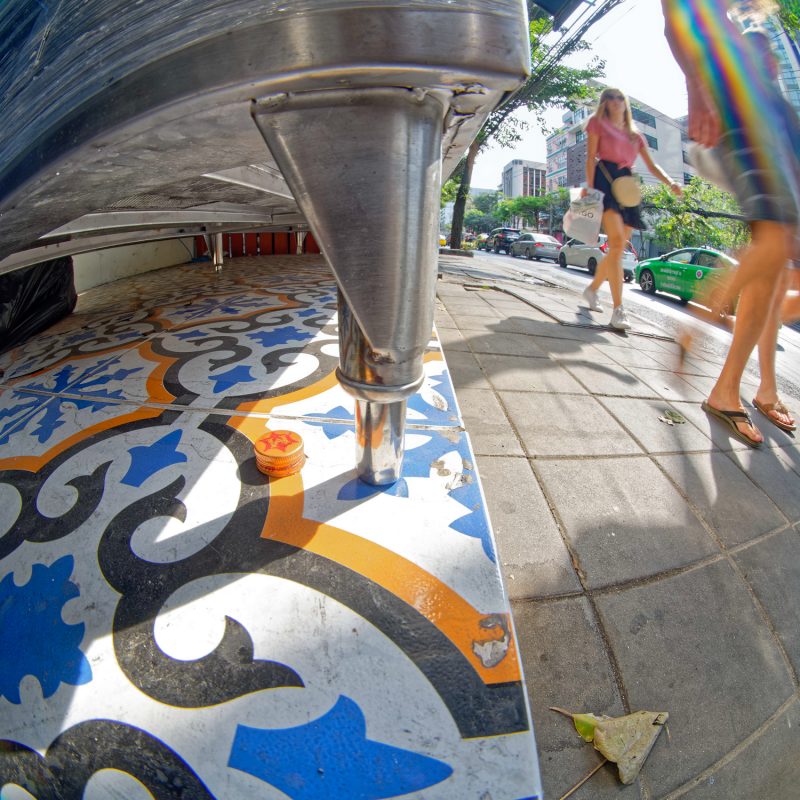
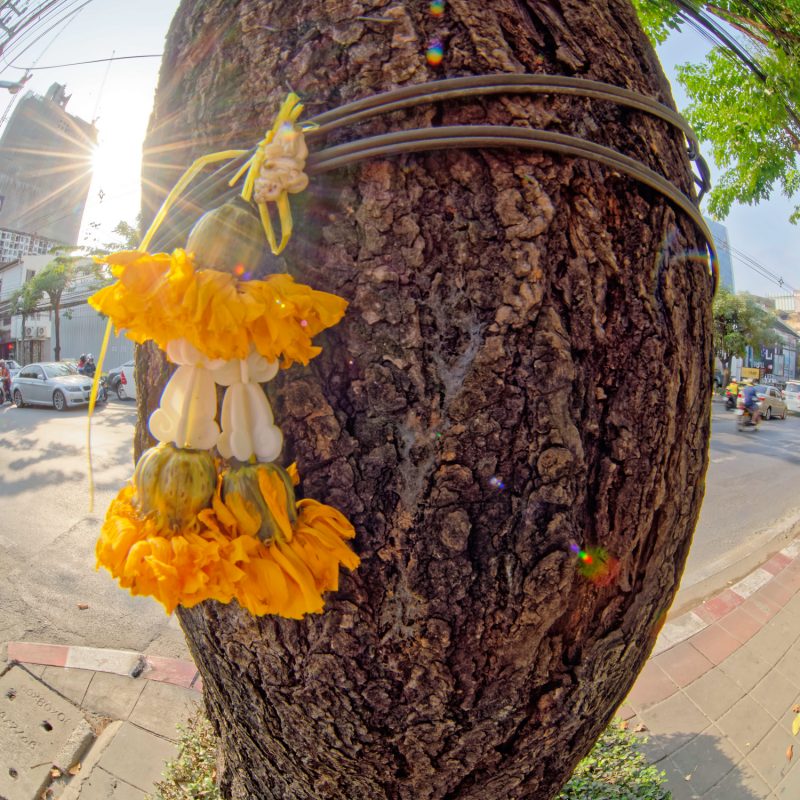
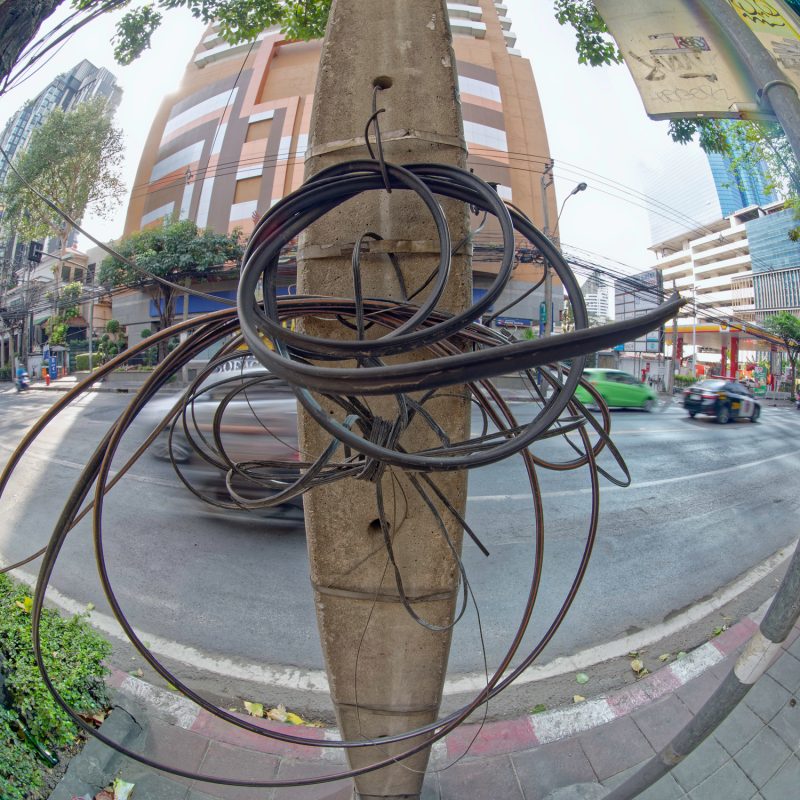
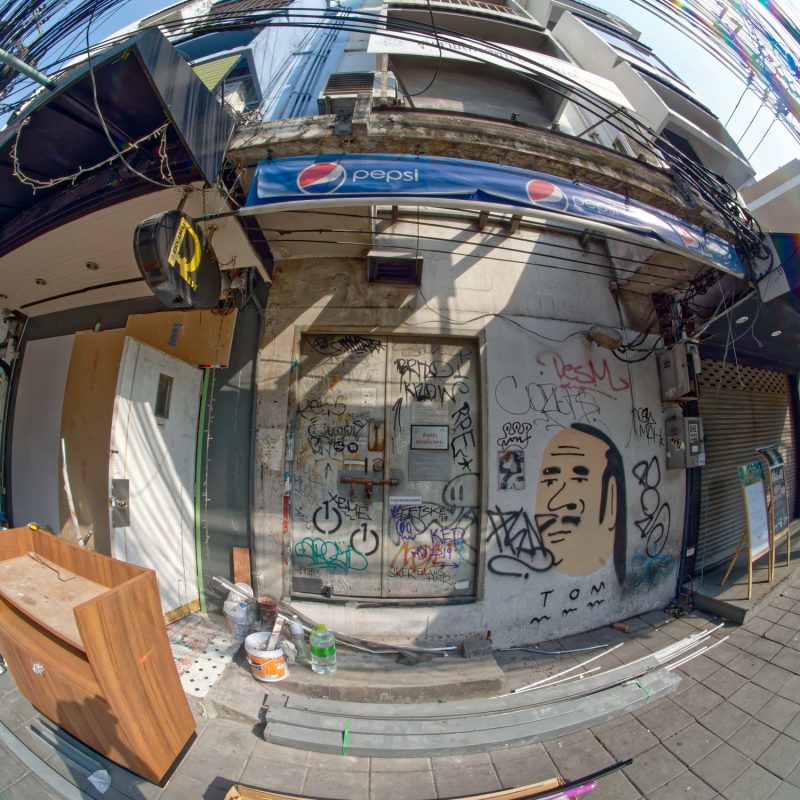
In early 2020, the world has experienced its greatest collective threat in the modern era. We are required to change and adapt to new requirements for our lifestyle, which ultimately is for our own survival. The ongoing crisis seems to get more and more serious every passing day. Our ability to go out into urban areas and public spaces has been curtailed, while physical and social interactions are becoming foreign to our daily routines. “Physical Distancing” and “Social Distancing” have become norms, which dictate our indoor and outdoor life. Our avoidance of close personal and conversational activities has morphed into a rule that our society has to live by.
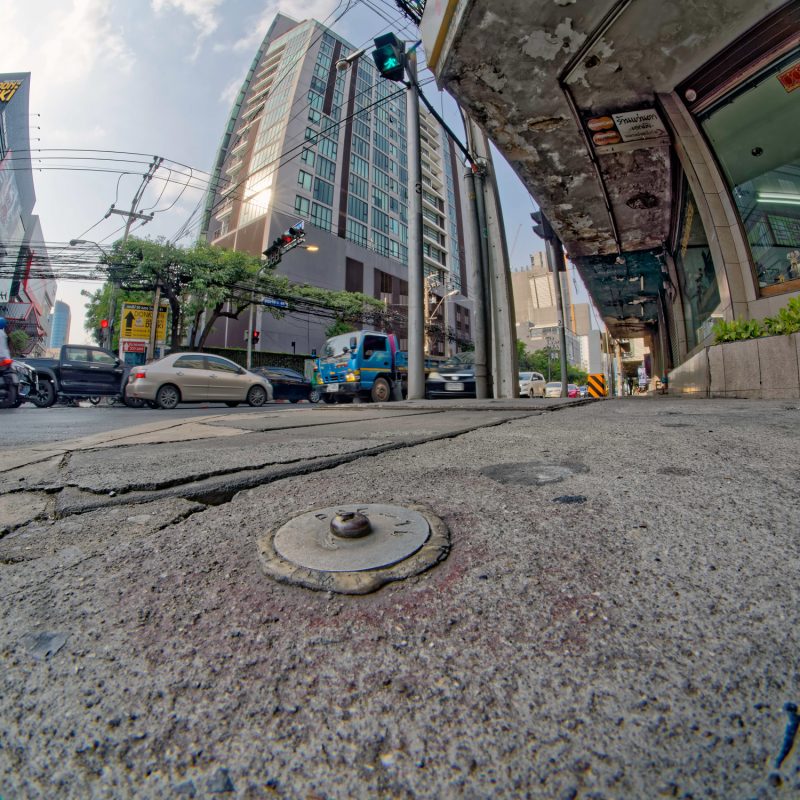
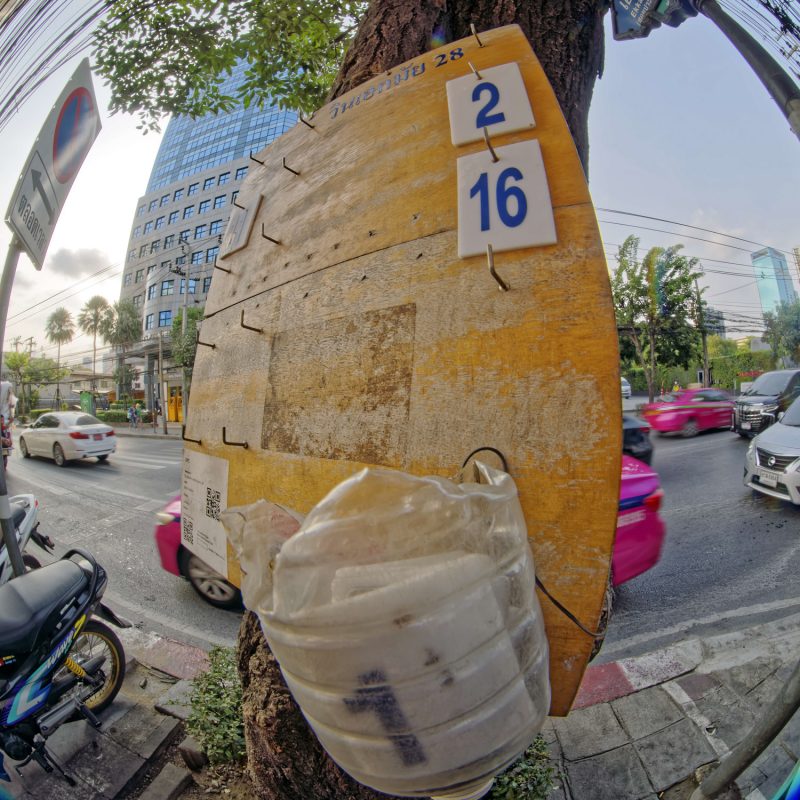
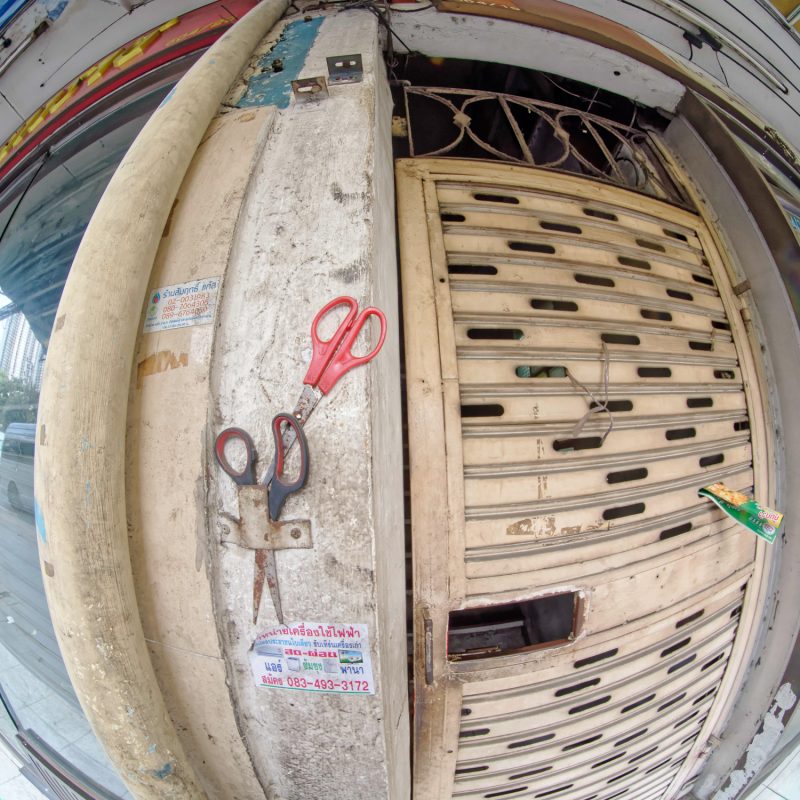
When there are less activities outside and we spend most of our day at home, the emptiness of the streets allow us to clearly see the makeshift signs and messages on them in urban and public spaces or in front of shops and stalls. These usually-handwritten notices and directives serve to warn passersby and patrons about the required changes in routine. They are also a good indicator of both calmness and chaos of our society as we battle through this period. They are spoken directly to us. And we cannot help but wonder about the feelings and the moods of their owners and how they have to struggle to live through this crisis.

_____________

Donlaporn Chanachai is a co-founder of Cloud-floor, an architectural practice focusing on research and design works that contribute to the development of urban and public spaces. Her interest also includes documenting daily routines and lives of city dwellers using various mediums, including photography, creative writing, mapping, as well as installation art.

fb.com/donlaporn.chanachai
fb.com/thisiscloudfloor

PHOTO ESSAY : NIGHT WANDER II

TEXT & PHOTO: MINTRA WONGBANCHAI

(For Thai, press here)

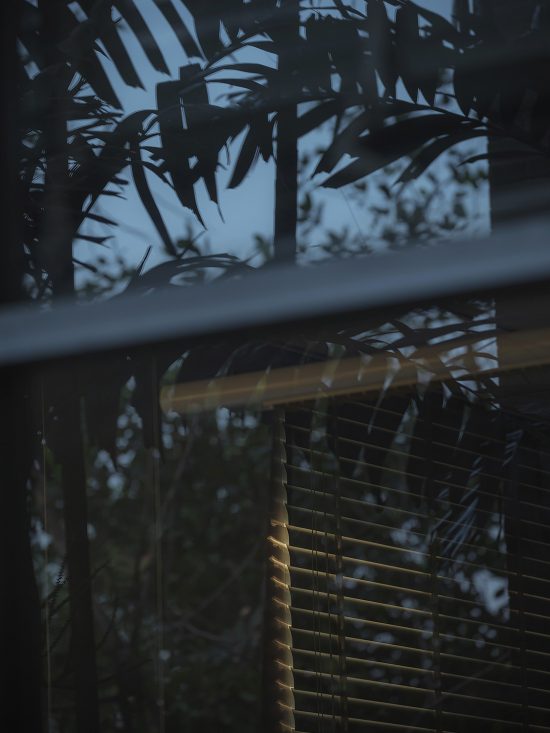
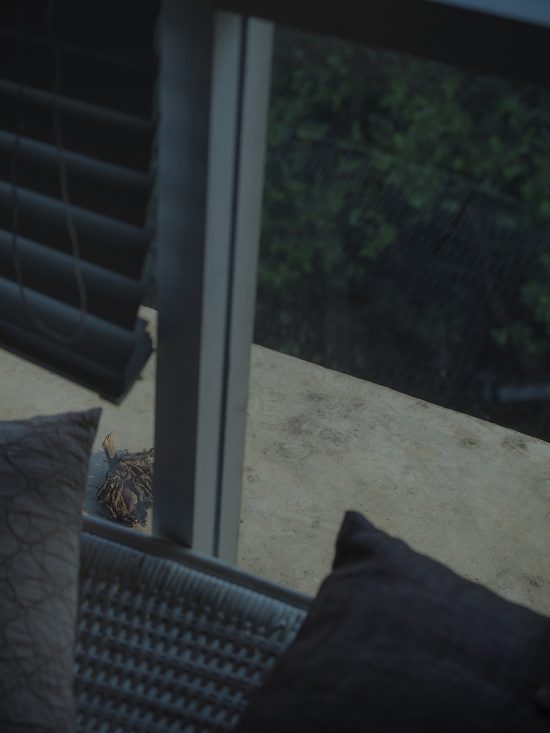
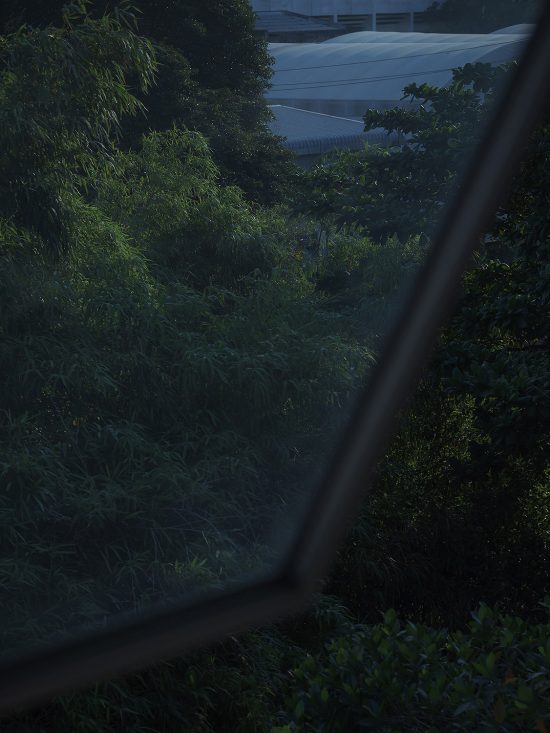
In “Night Wander II”, a sequel to Night Wander, the artist set up and captured images of ordinary daily activities in suburban houses of San Francisco. Taken through windows or gates, the photos show some people watching TV, others reading books or cleaning their houses. While the houses were brightly lit, the photographer was pressing the shutter button in the dark.

In the artist’s viewpoint, the night-time atmosphere and all the lights inside these houses in “Night Wander II” amplify her repression, longing for her family and places in her hometown as well as loneliness and lack of identity resulting from being apart from her loved ones, society and culture.

_____________

Mintra Wongbanchai
This photographer graduate from King Mongkut’s Institute of Technology Ladkrabang (KMITL) is also the runner-up of Harper’s BAZAAR Canon Fashion Photography Award in 2009. After working as a fashion stylist in Bangkok, she continued her study at the Academy of Art in the City by the Bay where her interest in art photography grew. Currently living and working in the northern Thai province Lampang, Wongbanchai also guest-lectures at Creative Photography Division, Faculty of Fine Arts, Chiang Mai University. Fond of night photography and long exposure technique, she believes the night-time darkness simultaneously conveys solitude and peacefulness.

mintrawongbanchai.com
fb.com/nightlighttherapy

PHOTO ESSAY : THE WELL

TEXT & PHOTO: KUKKONG THIRATHOMRONGKIAT

(For Thai, press here)

‘Well’ 

The word suddenly surfaced as if it had been waiting on the tip of my tongue, biding its time. Actually, I have never dreamt of it, such as usually often seen from a character in mystery-thriller films. However, it can’t be denied that it has been a part of me growing up. At a time when my responsibility towards the world, or humanity, was minimal, at a place away from being civilised, a square brick wall, in the back garden size of one Rai and a bit, under law of reciprocal proportion. A very simple law, just as the rising and falling of the sun, I spent my seemingly neverending time on creating and destroying every single matters therein existed in order to create something for time itself to feed on, and pound them to pieces at the first warning of the expansion beyond this boundary. 

Under law of reciprocal proportion….A very simple law, just as the rising and falling of the sun.

An underground water well with diametre of 90cm was situated right in the middle of this back garden. The opening of the well was sealed shut with a couple wooden planks and corrugated metal sheets. A metal pipe connected to the pipe dipped down, its end disappeared into the darkness. And when light failed to penetrate through, its depth appeared, clear as days. I crouched, reduce my volume, refining my breath, and when everything miniaturise to a suitable dimension, I would slip myself through the opening in the well’s cover, staying there 4-5 days at the least. Or if luck would have it, I could stay in there for months, before feeling of confinement assaulted unprovoked….one must not forget that no matter how small I could resize myself to, but my perceptions stays all the while the same as before. 

Under law of reciprocal proportion….A very simple law, just as the rising and falling of this sun.

Many learnt it, some accept it, and yet many more never learn to accept it. They try to modify, or twist it and take it in within the condition of time, or even ordain themselves as the rulemaker…

In a place where red exists but can not appear, the sun and the moon alternate their turn shining brightly but never quite reach. Under solitude, I couldn’t help but think that in that place, we may be exempted.

*These photos are part of “Eastern Song”. They are dedicated to lost souls or those that are restless, in the internal well, and yearning for freedom and equality in the idealistic world.  

_____________

Kukkong Thirathomrongkiat (b. 1983) holds a Bachelor of Architecture (Chulalongkorn University). An architect and freelance photographer, he has just launched a new publication “Window Magazine”.

fb.com/kukkong.th

PHOTO ESSAY : BLINDING DUST

(For Thai, press here)

TEXT & PHOTO: PRIM KOMOLKITI

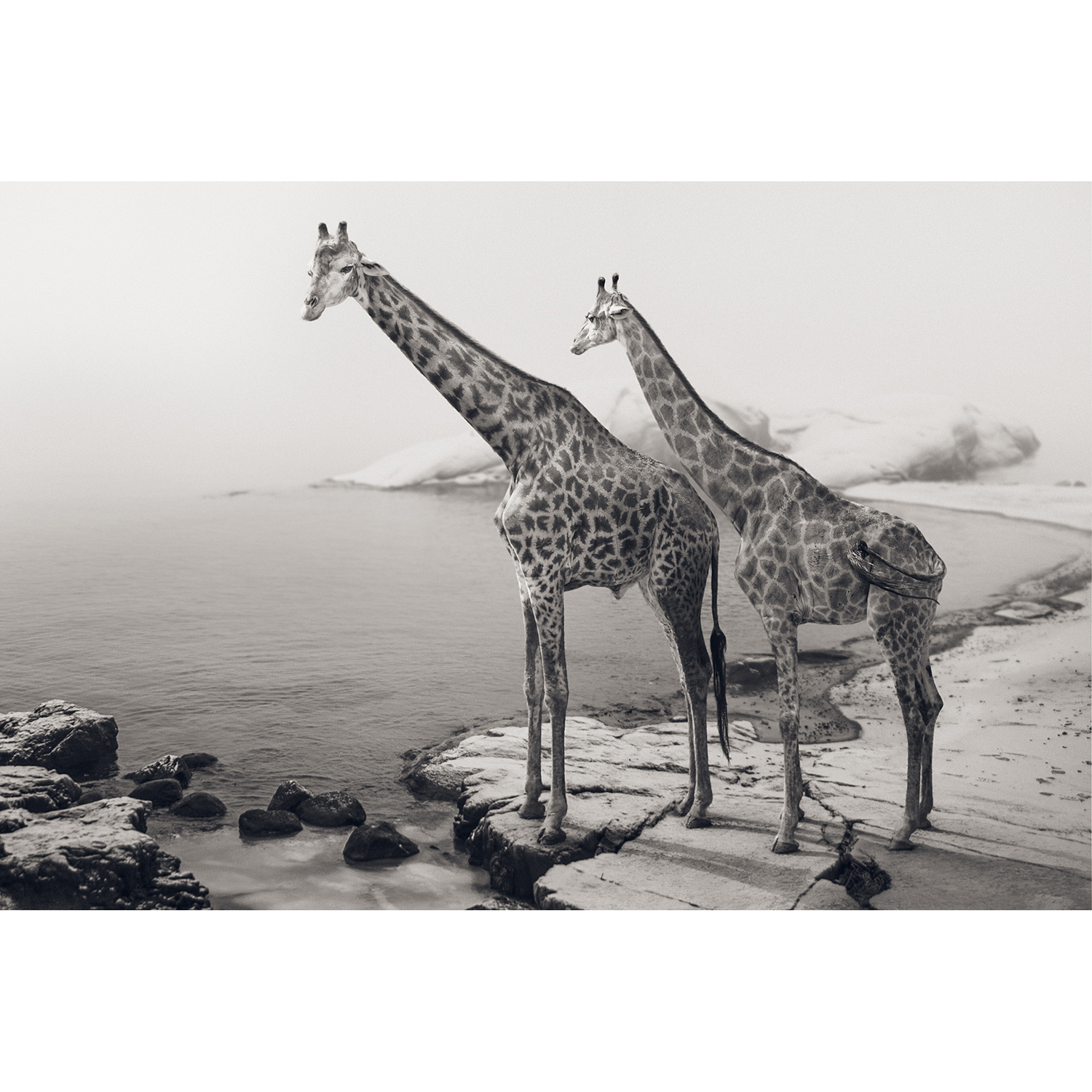
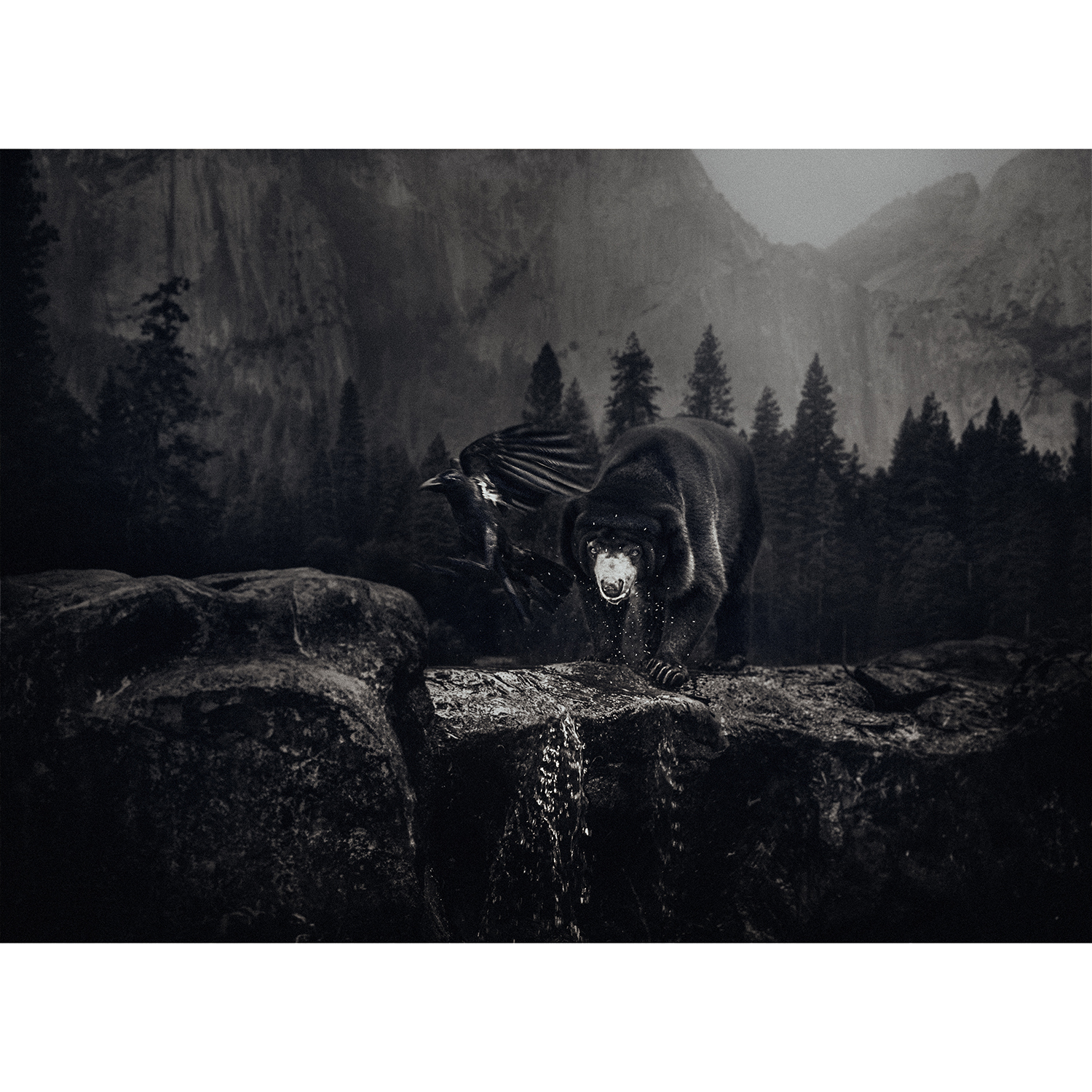
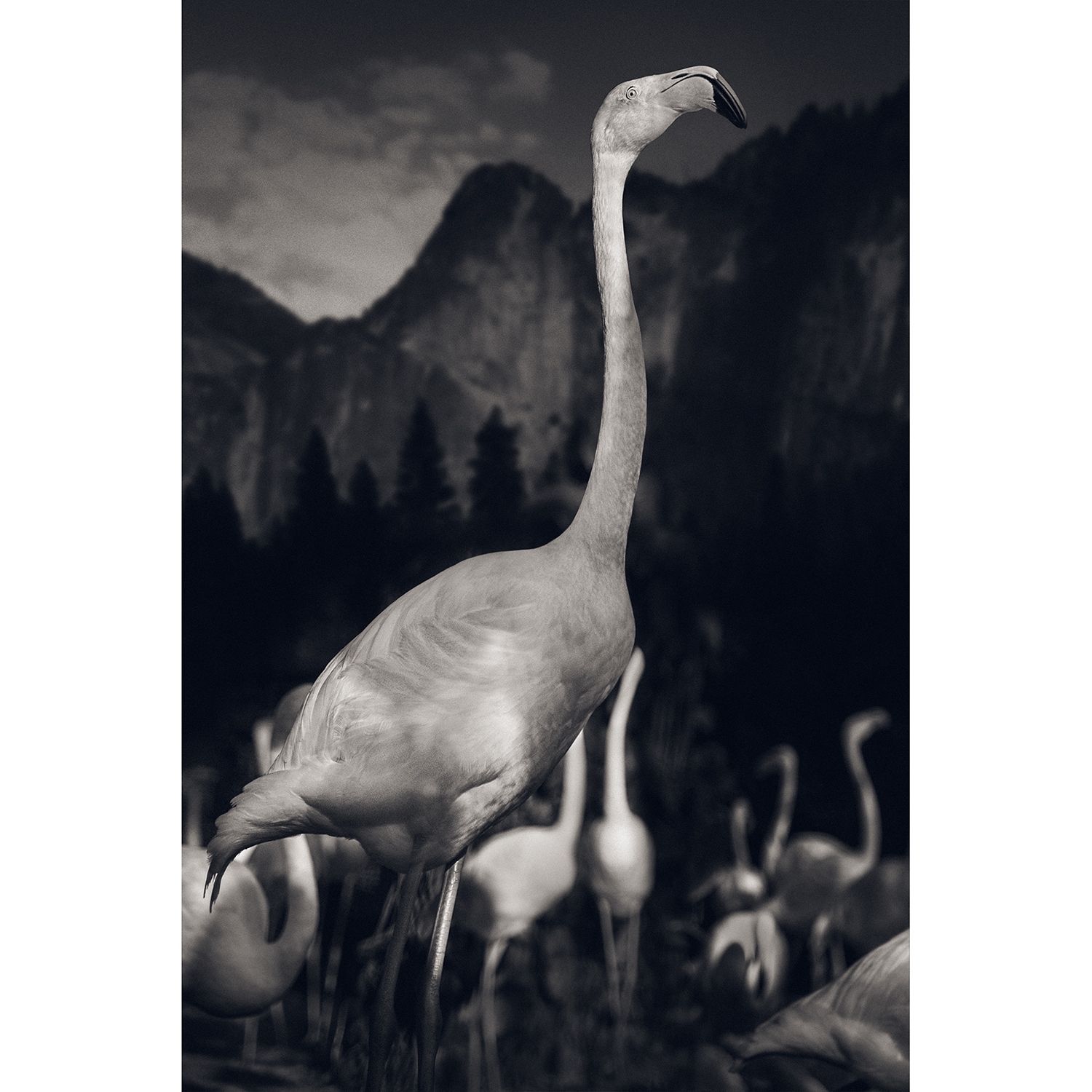
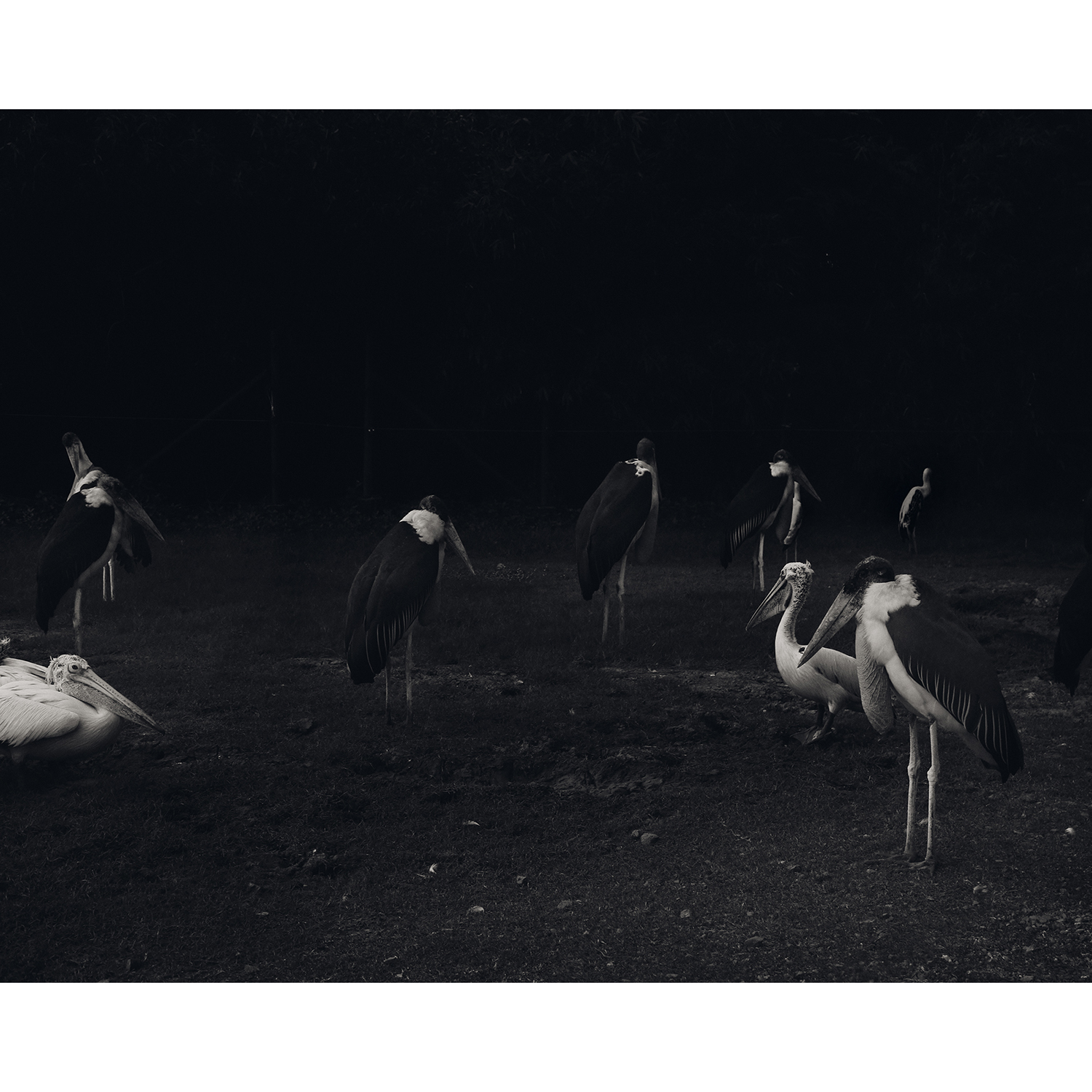
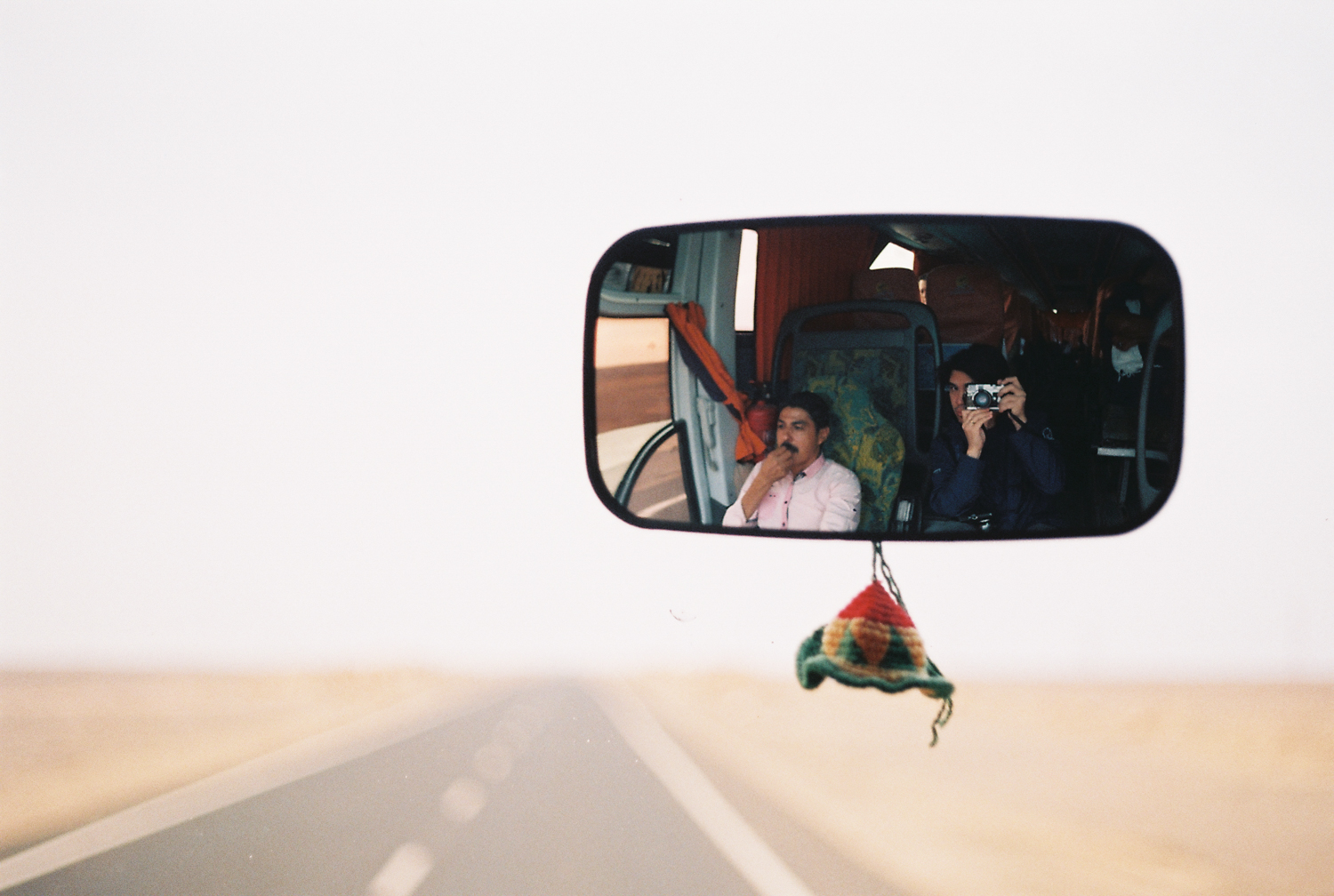
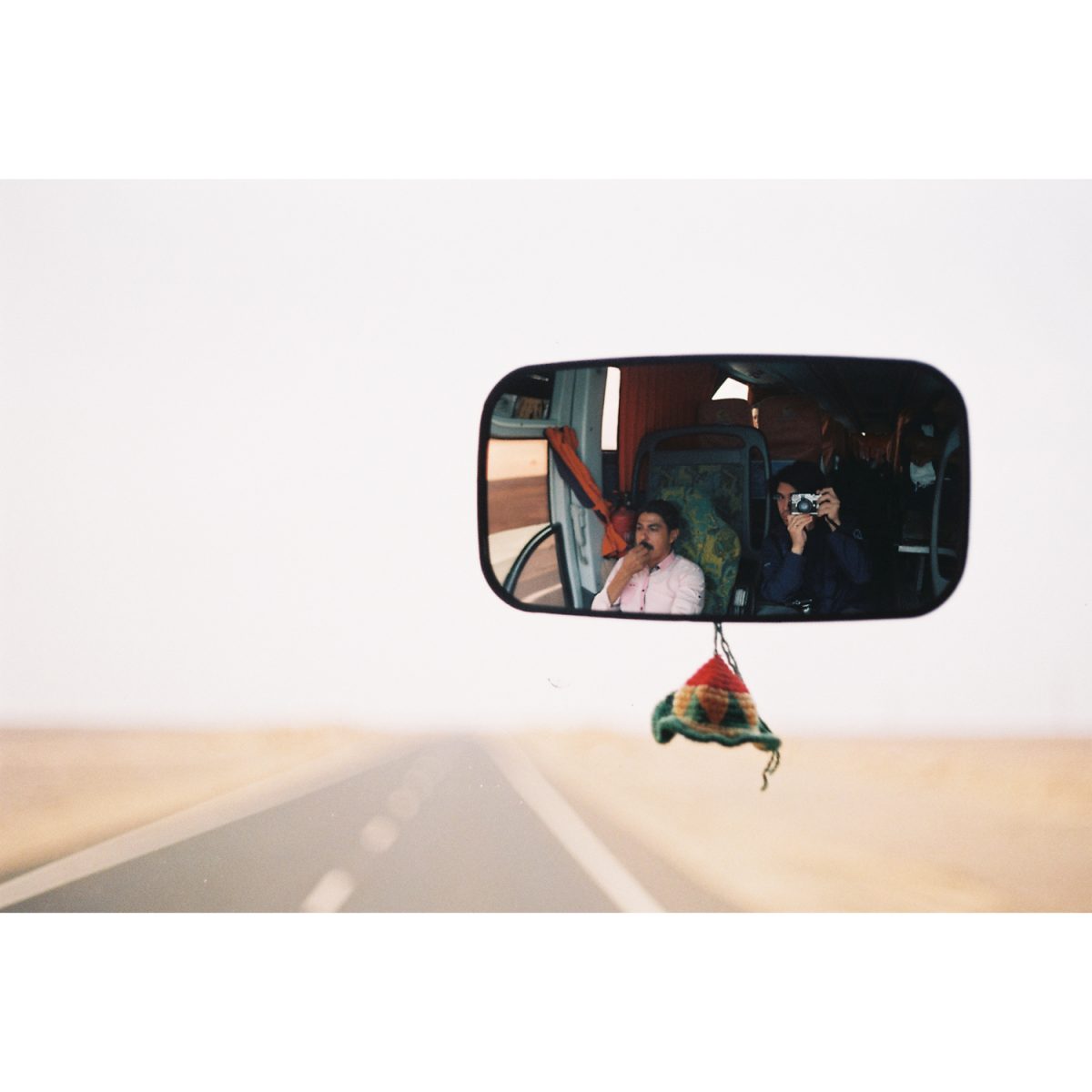
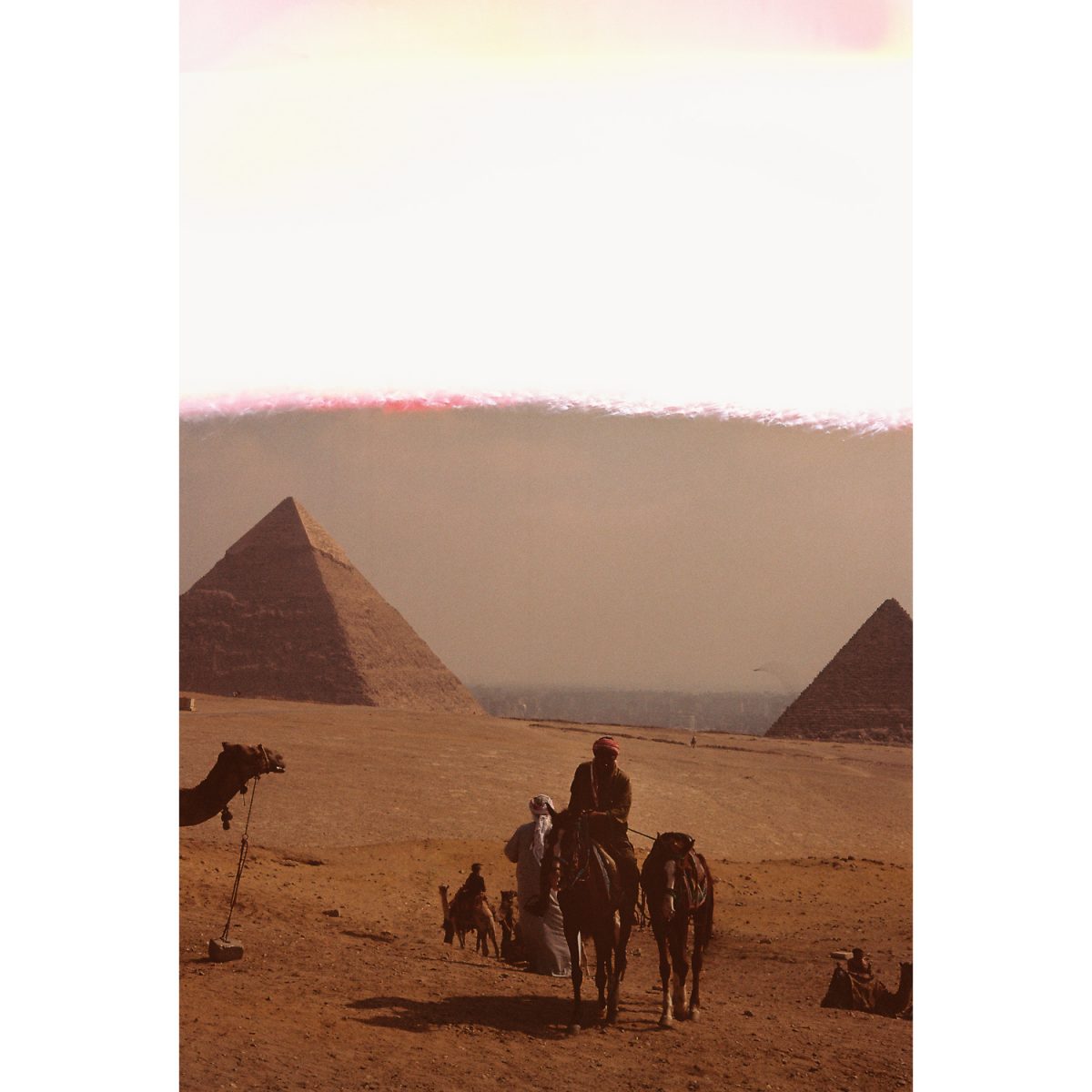
Throughout the one month of travelling alone in Africa, moving from one town to another, dust was everywhere. But there is one type of dust seems to be perishing.

Dust that once kept the continent under dejection and fear, painting the picture of Africa that imprinted on the minds of many. But to be there, to experience, to see through the blinding dust, without prejudice, everything became clearer, more intriguing aspects were waiting to be explored. These series of photographs are merely another side of Africa; the beauty, the grandeur, the power and the life it holds.

_____________

Prim Komolkiti is a freelance designer with an interest in photographing minimalistic landscapes. She shares parts of her works on Primintheair, and other parts in her traveling book, Africa is not Africa.

primintheair.com
fb.com/primintheair
instagram.com/primintheair

PHOTO ESSAY : GREENERY IN BANGKOK, DREAM OR ILLUSION?

TEXT & PHOTO: PUVADOL SAENGVICHIEN


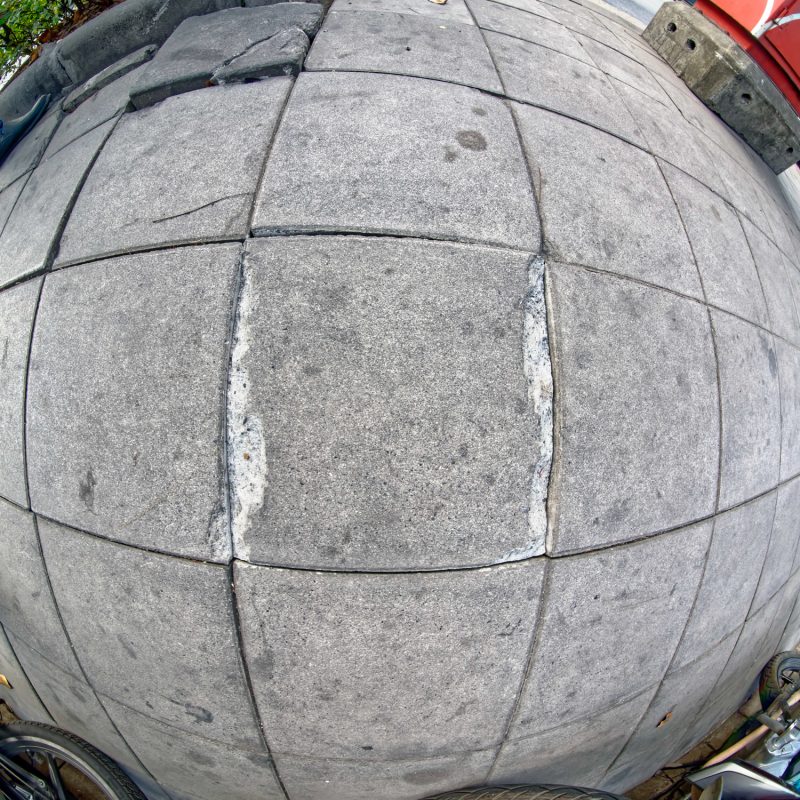
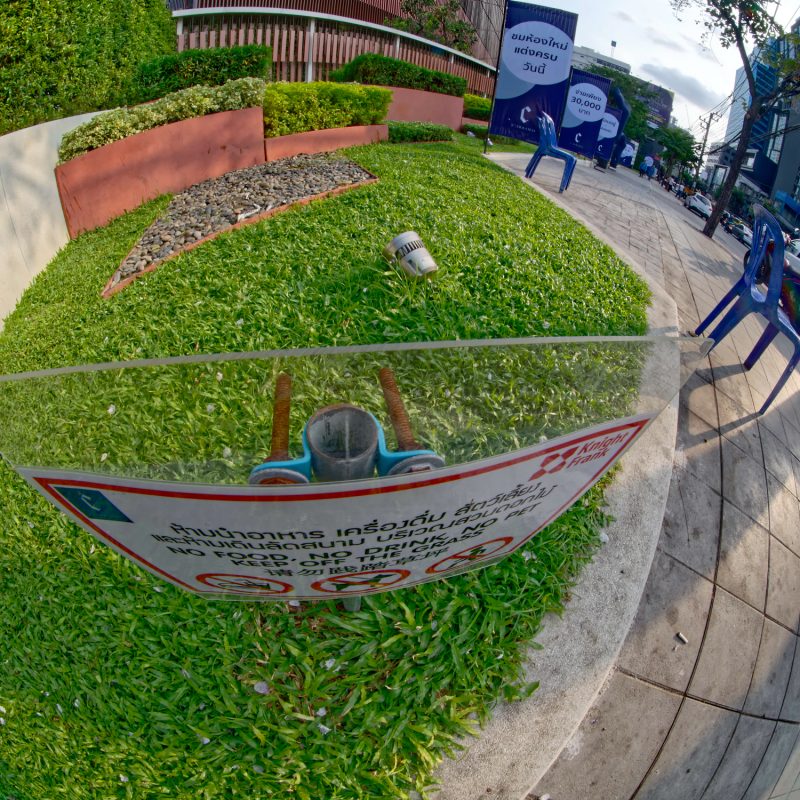
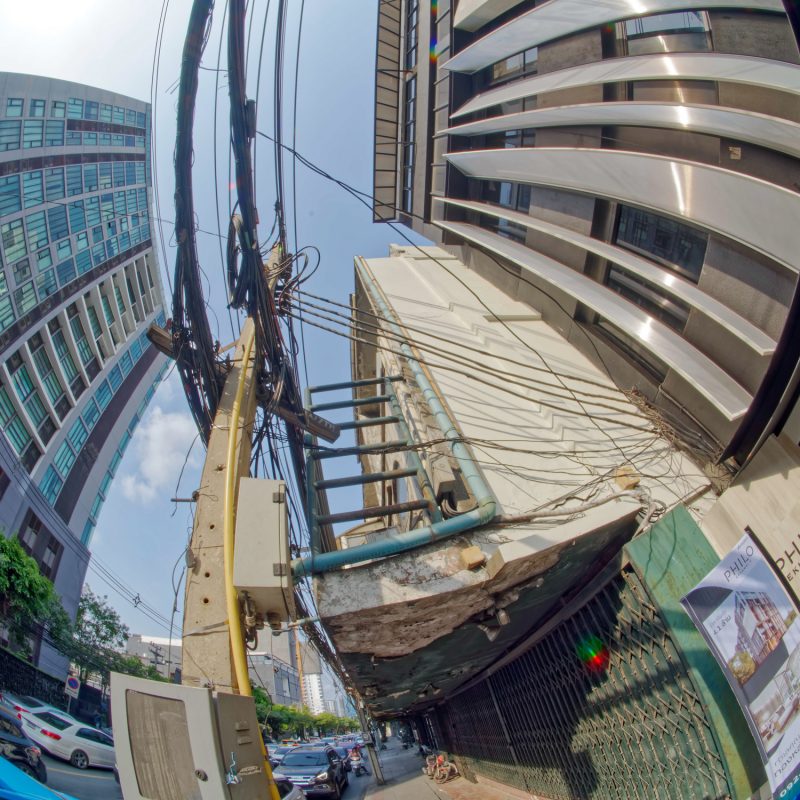
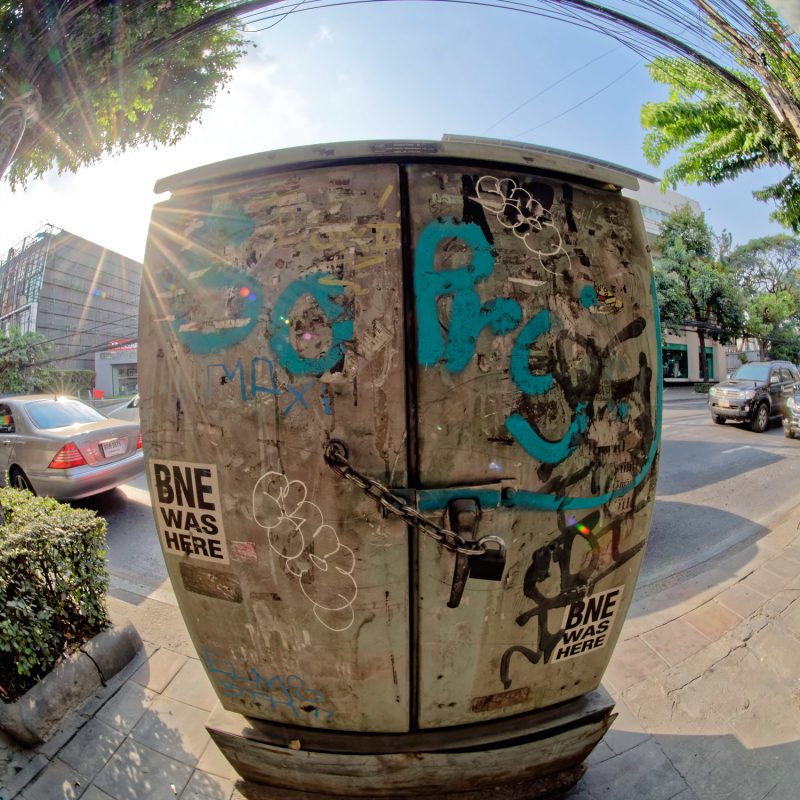
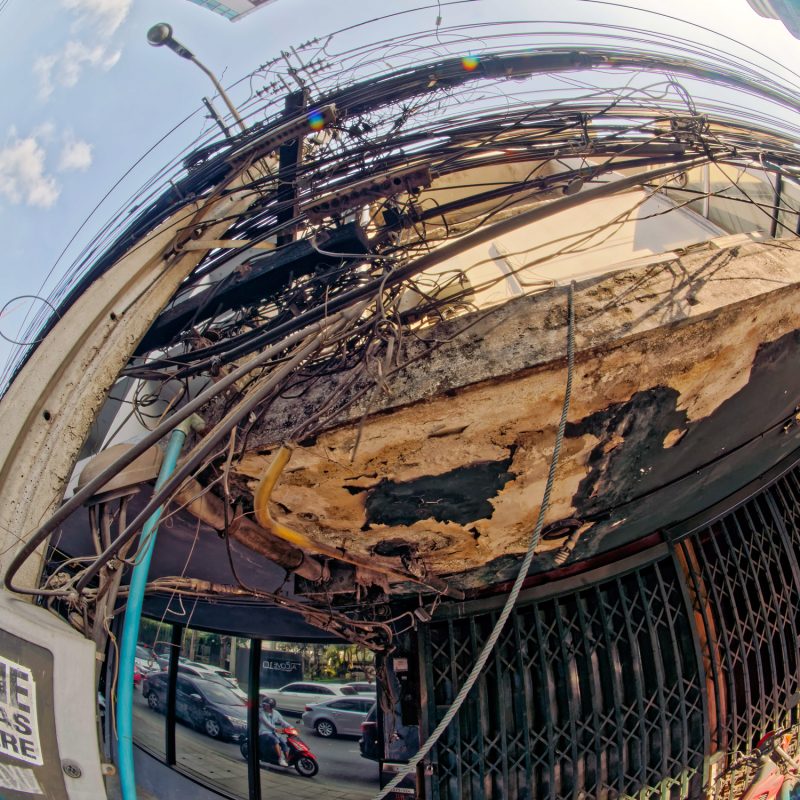
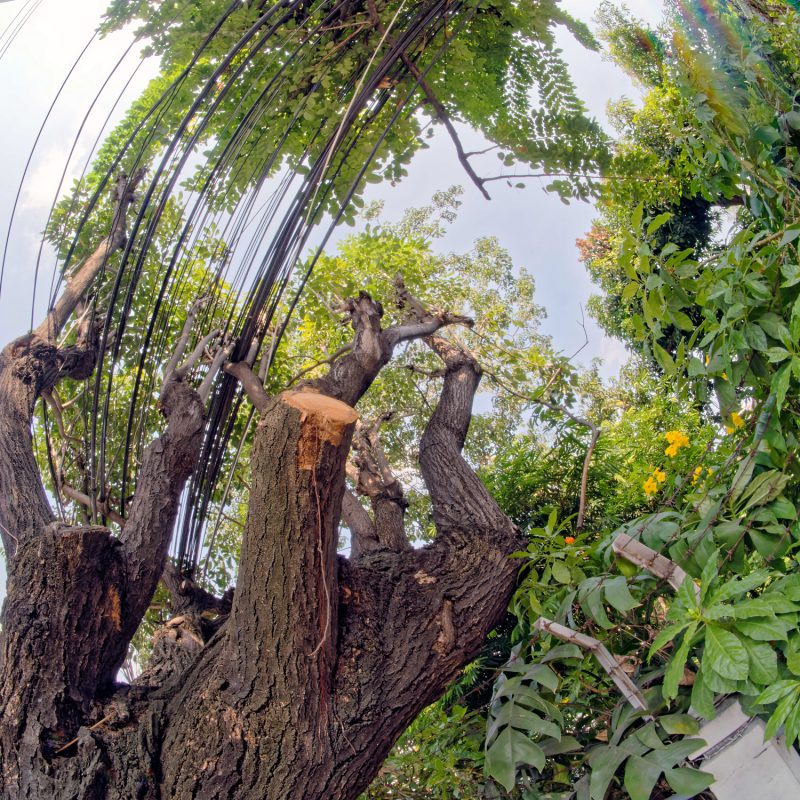
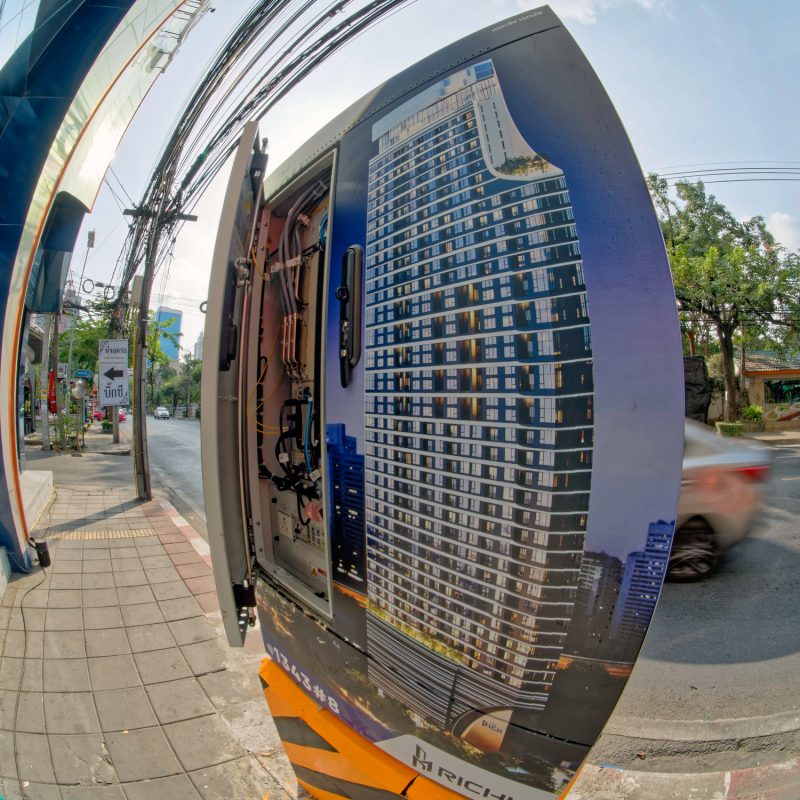
Packed in the concrete residences, Bangkokians have been sought for a dream of getting access to nature. However, there is a lack of parks in urban areas when compared with the ratio size of residences, roads, and commercial buildings that have been deliberately increasing nowadays.

What Bangkok has always been portrayed to us is the illustration of a green city fantasizing the chance of community getting closer to the environment. Those images were consistently used for promoting in several real estate advertisements. Moreover, many construction sites were decorated with vinyl posters simulating the green ambience in order to highlight their image towards the projects in a district and connect the individuals’ utopia dream of the city.

If we take a closer look, we will be able to steadily observe the transformation of the green decorations throughout the time. The messages included inside those images will appear to change differently from the beginning. The result seems to be a reflection of the city people’s intense desire for the true nature in order to recompense their shallow life. This reveals the illusion dream of city people that is still quite far away from reality.

_____________

Puvadol Saengvichien was born and raised in Samut Prakan Province. He holds a  Bachelor’s degree in Architecture and a Master’s degree in Business Administration (Marketing). For 18 years, he had been working in the field of architecture, retail and product management. He left the corporate world behind and devote most of the time to pursue his passion for Photography.

puvadolsaengvichien.com
instagram.com/pudols

OPENING TO THE NEW POSSIBILITIES


TEXT: PAPHOP KERDSUP
PHOTO: WASAWAT DECHAPIROM EXCEPT AS NOTED

What do “voids” in architecture from different periods inform us?

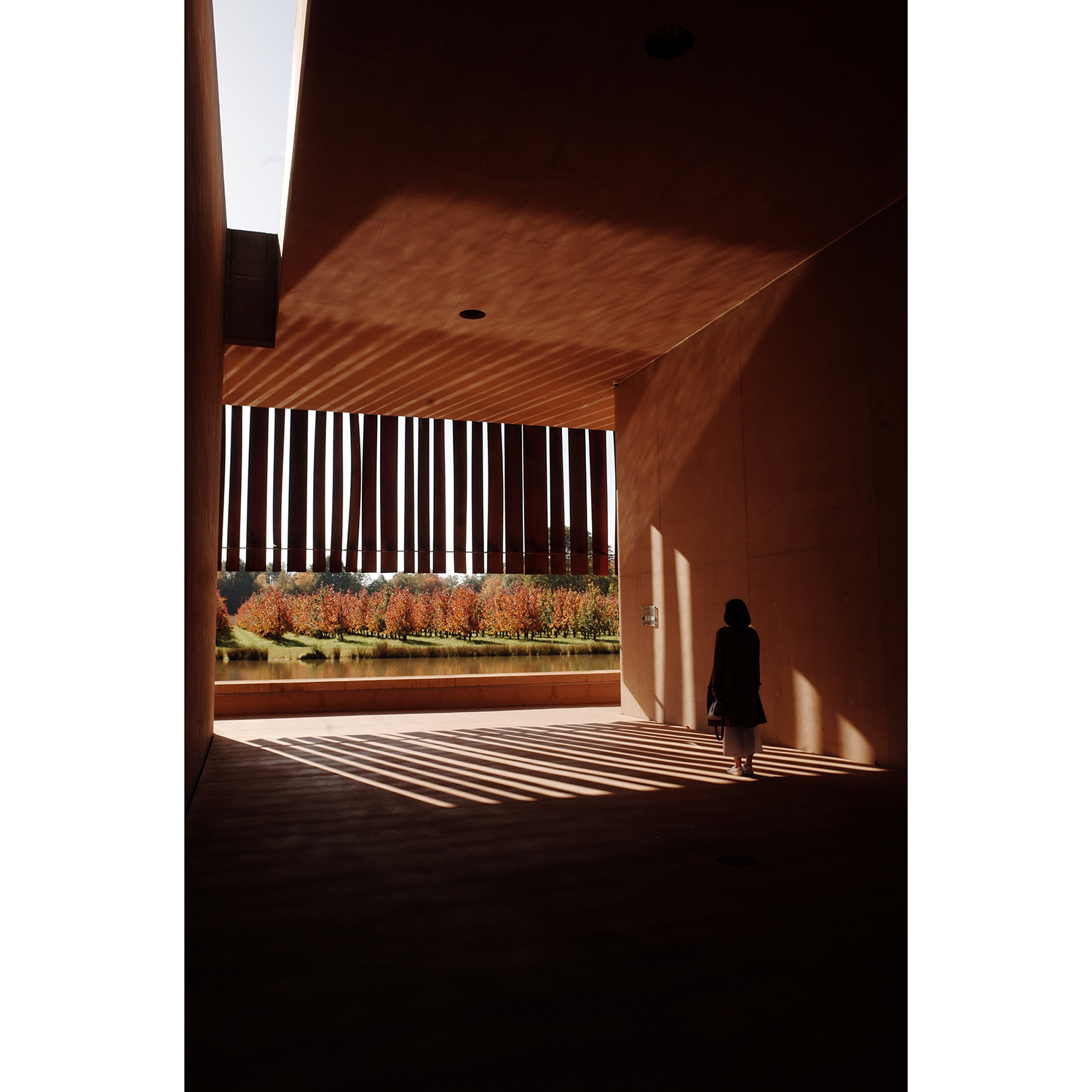
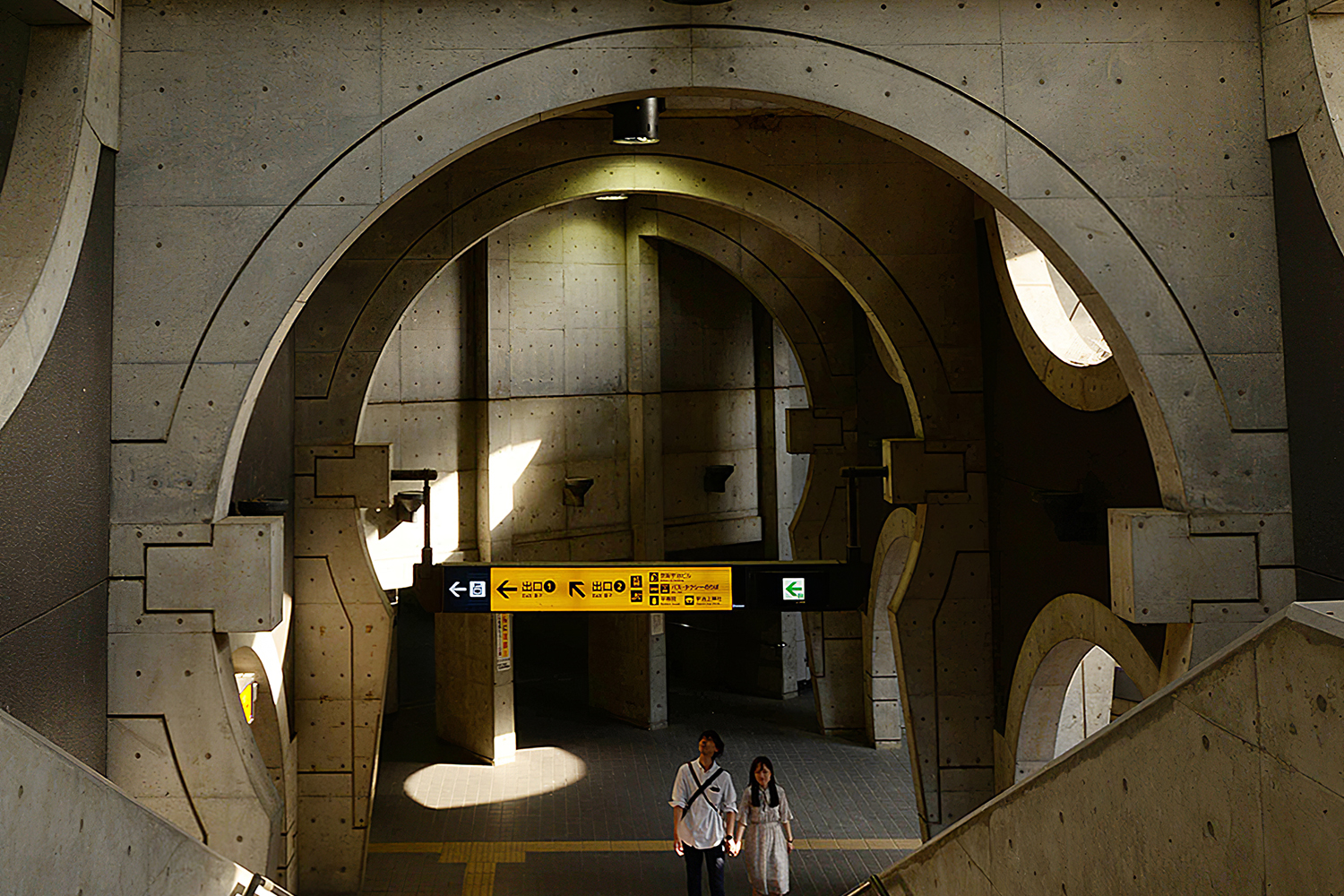
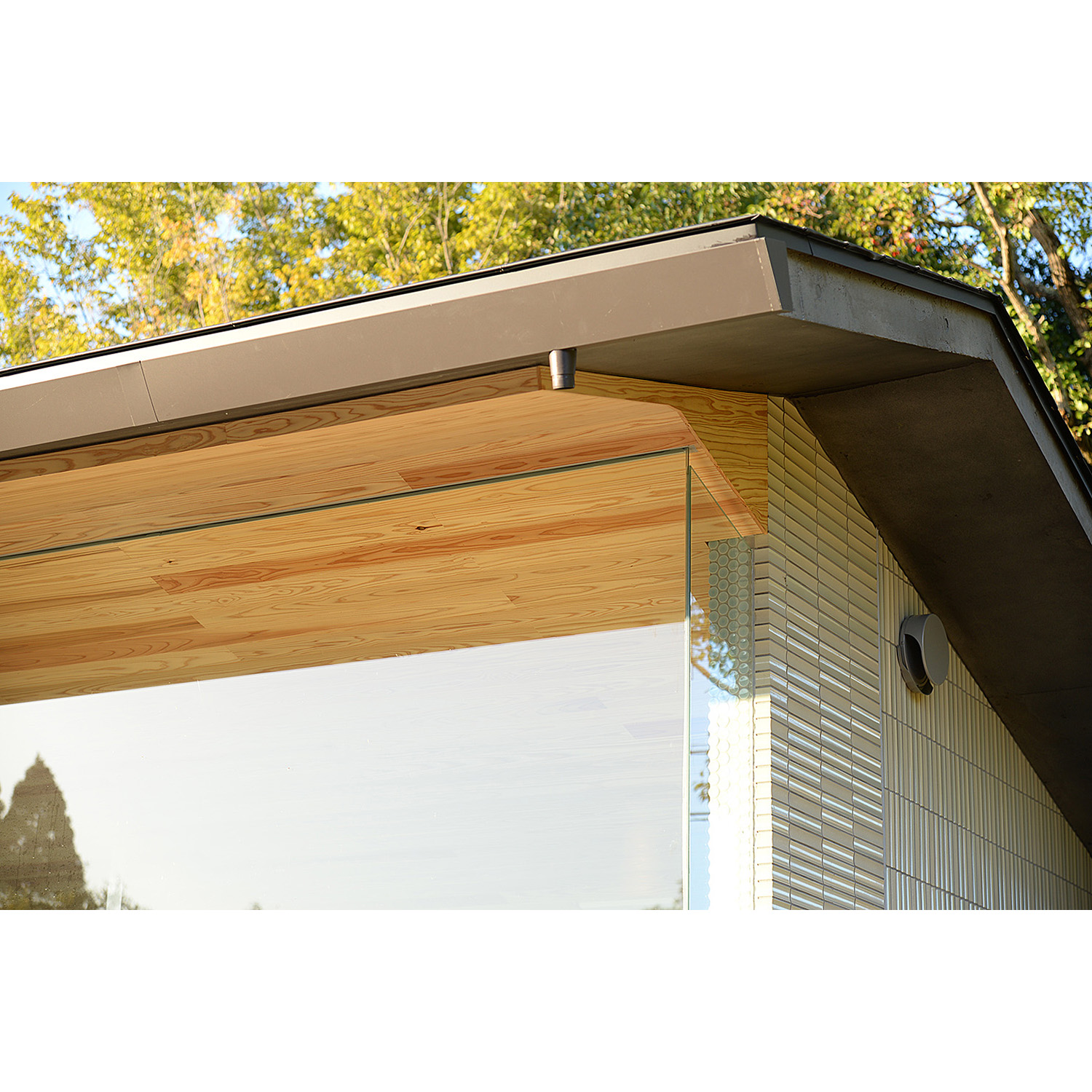
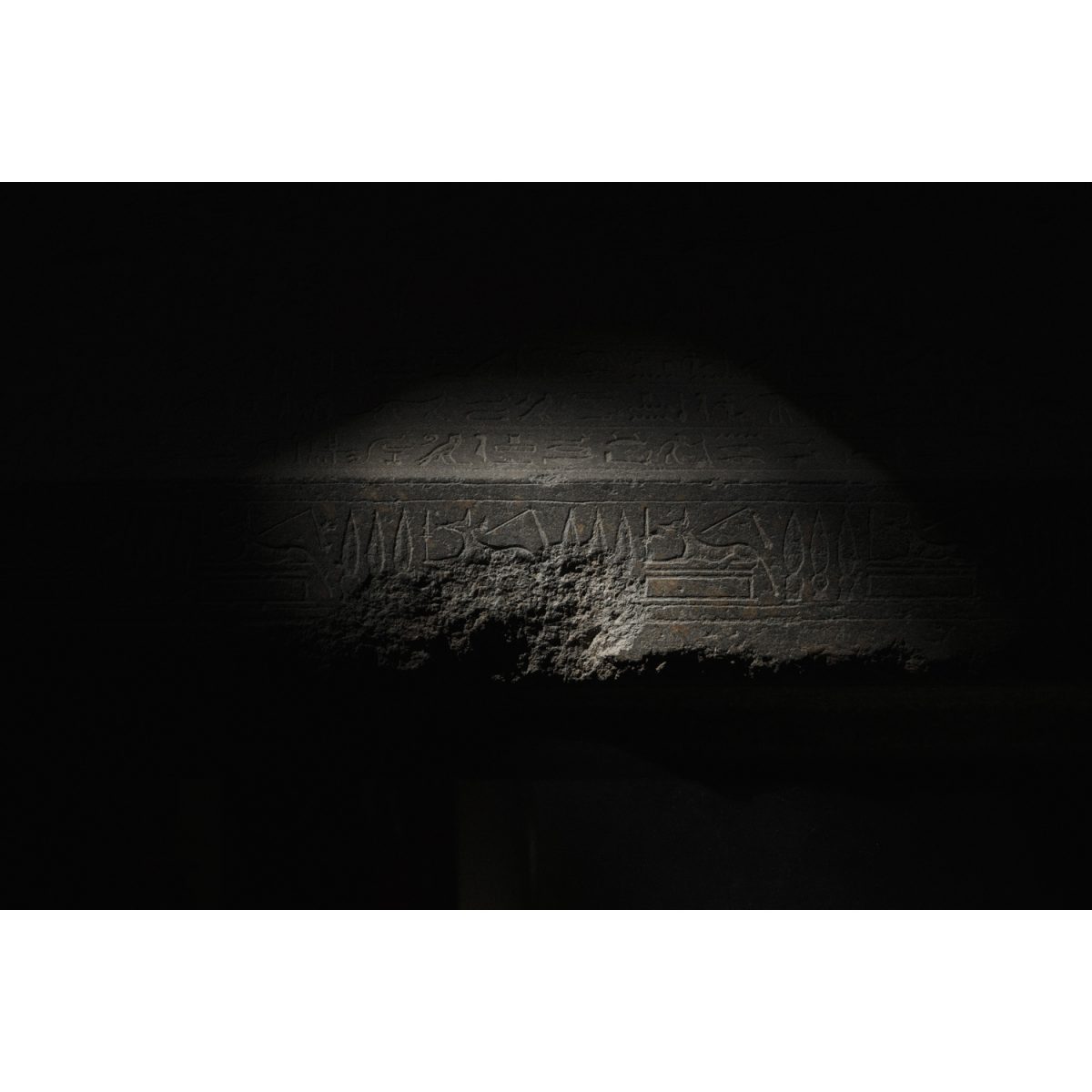
In addition to societal and cultural developments, “voids”—including doors, windows, vertical and horizontal openings in architecture as well as framing with such elements as walls—reflect the relationship between people and our environments, such as climate, use of space = and particularly natural light.

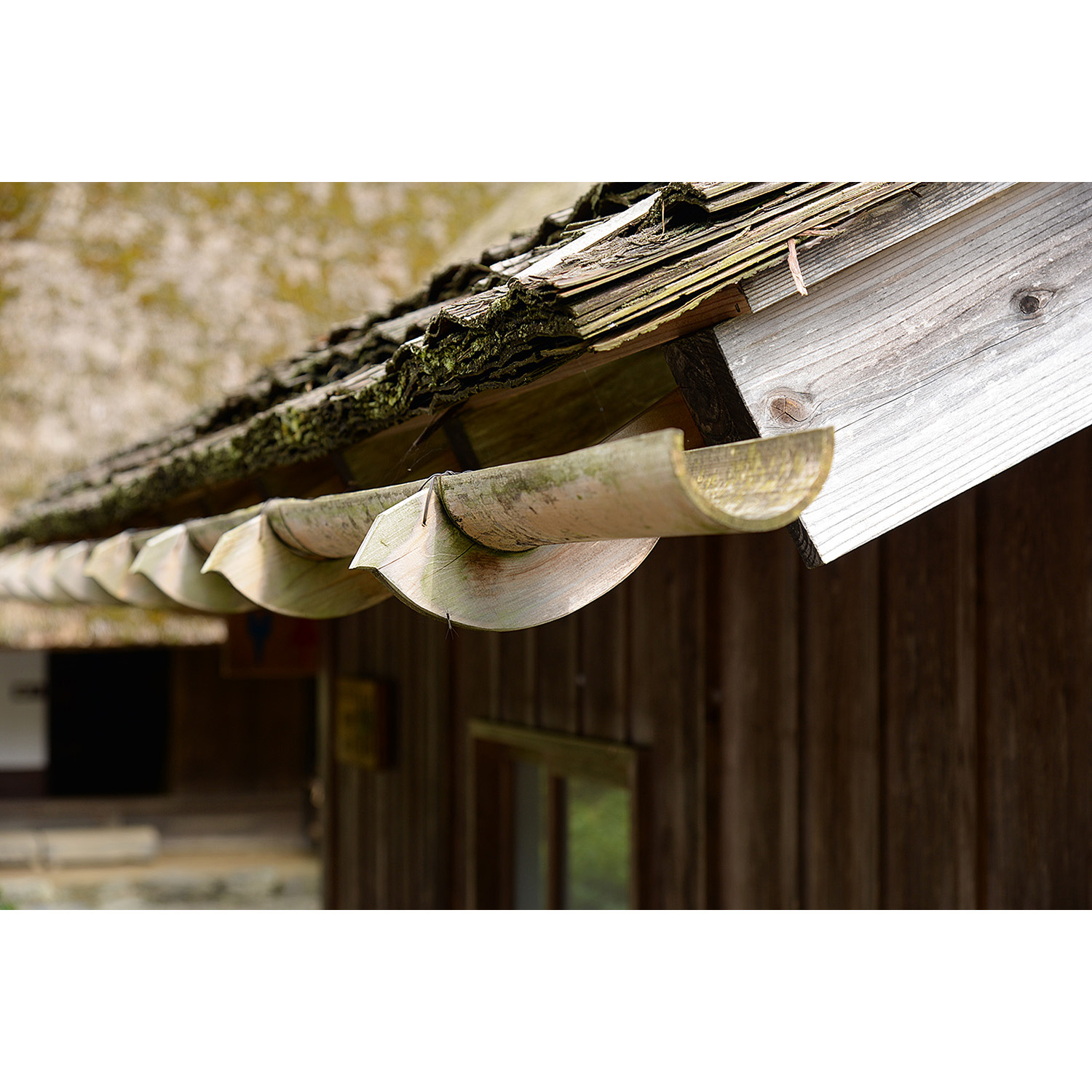
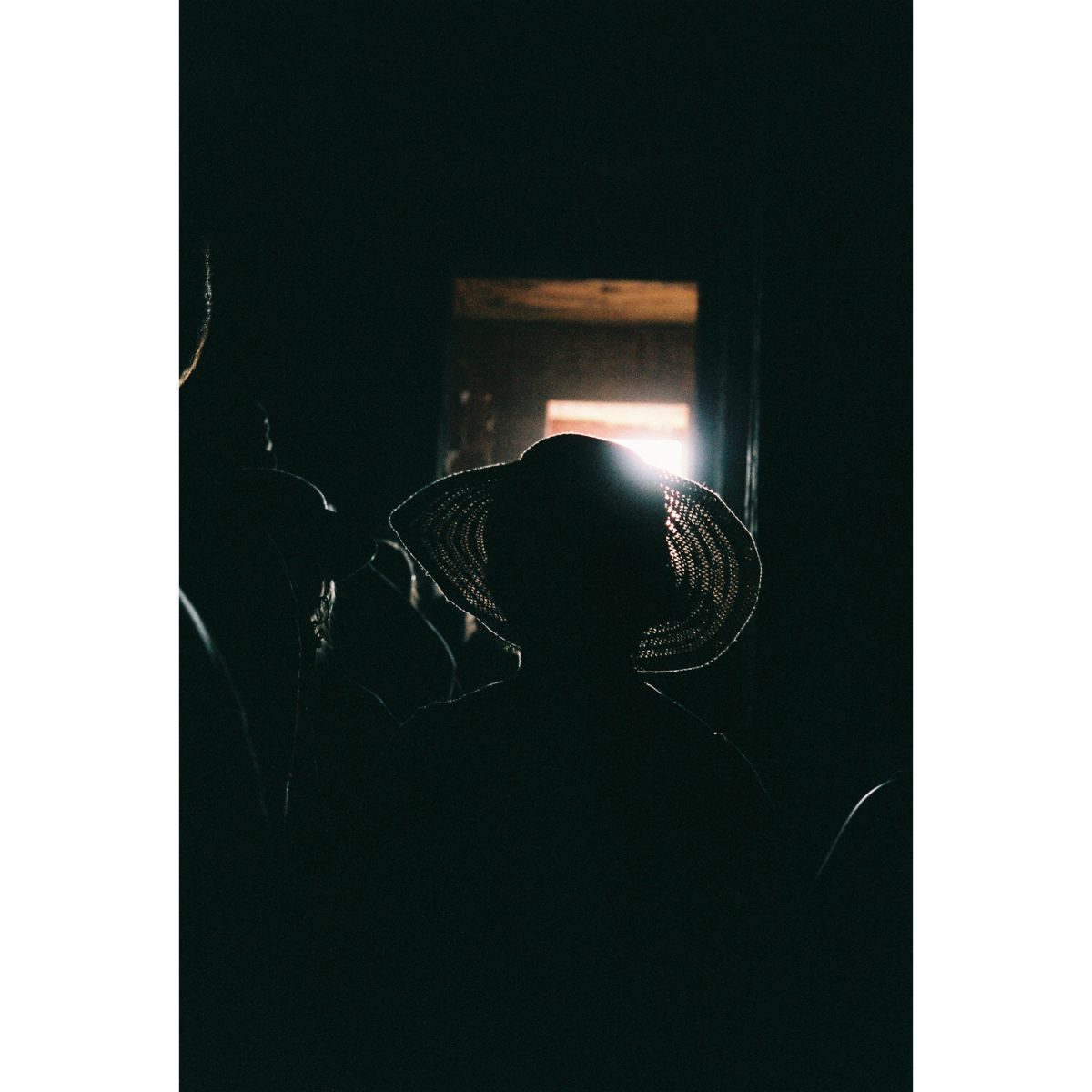
In the past, the wall-bearing structure in Thai architecture caused limitation in the size of voids, like walls of the Buddhist temple’s main hall and commercial buildings in their early days. This made our feelings towards light and darkness in the past differ from that today. Actually, we might have become more accustomed to the beauty in the shadows that felt more ambiguous than the complete clarity in front of our eyes.

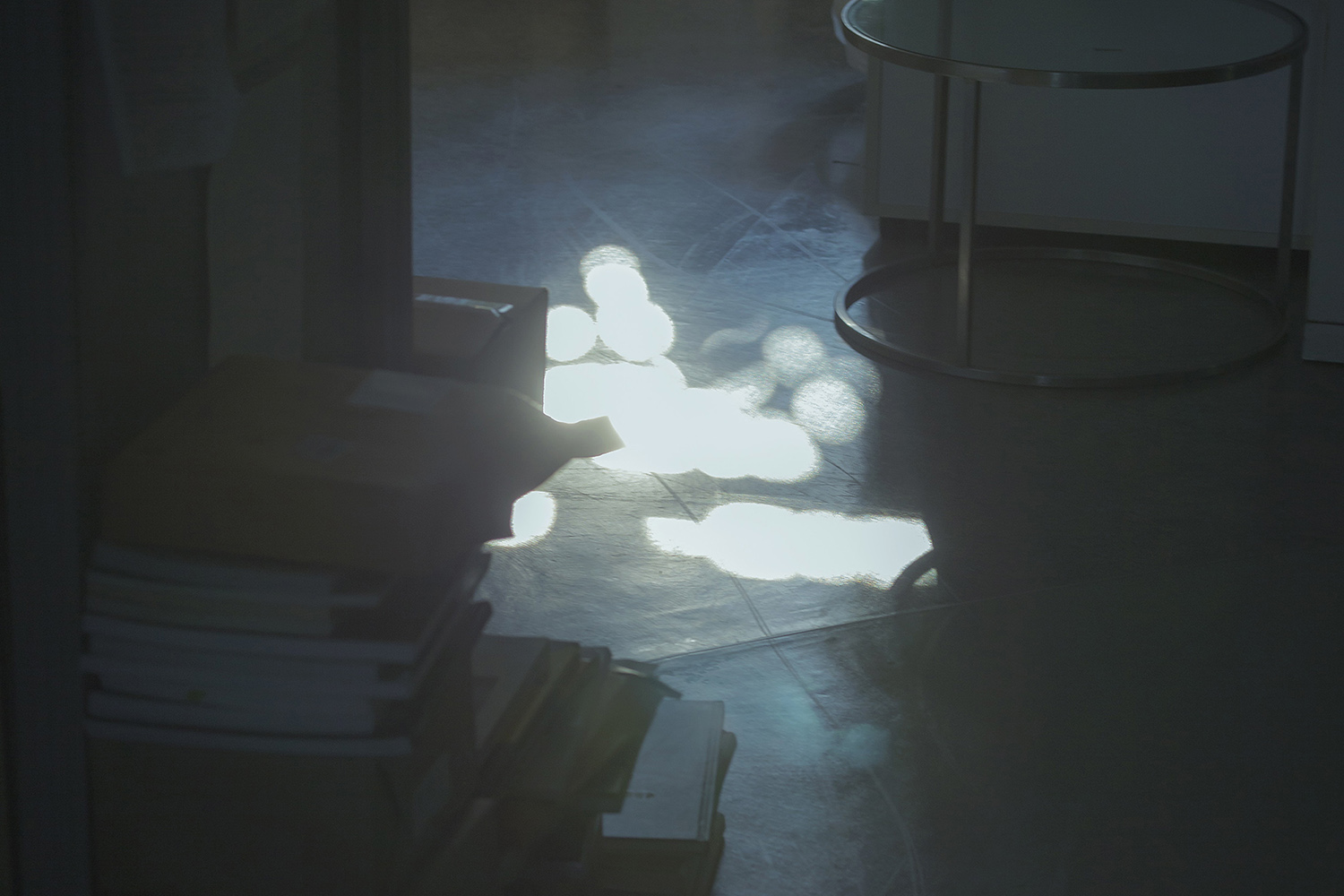
In the latter half of the 20th   century, modern construction technology started to enable people to bring the lights into our everyday living, thanks to the large glass windows and doors,  especially for TOSTEM’s quality aluminium-framed ones. Thai people’s experience of lights has changed accordingly. With natural sunlight during the daytime and artificial light at night, we are now appreciating the aesthetics of light more than ever.

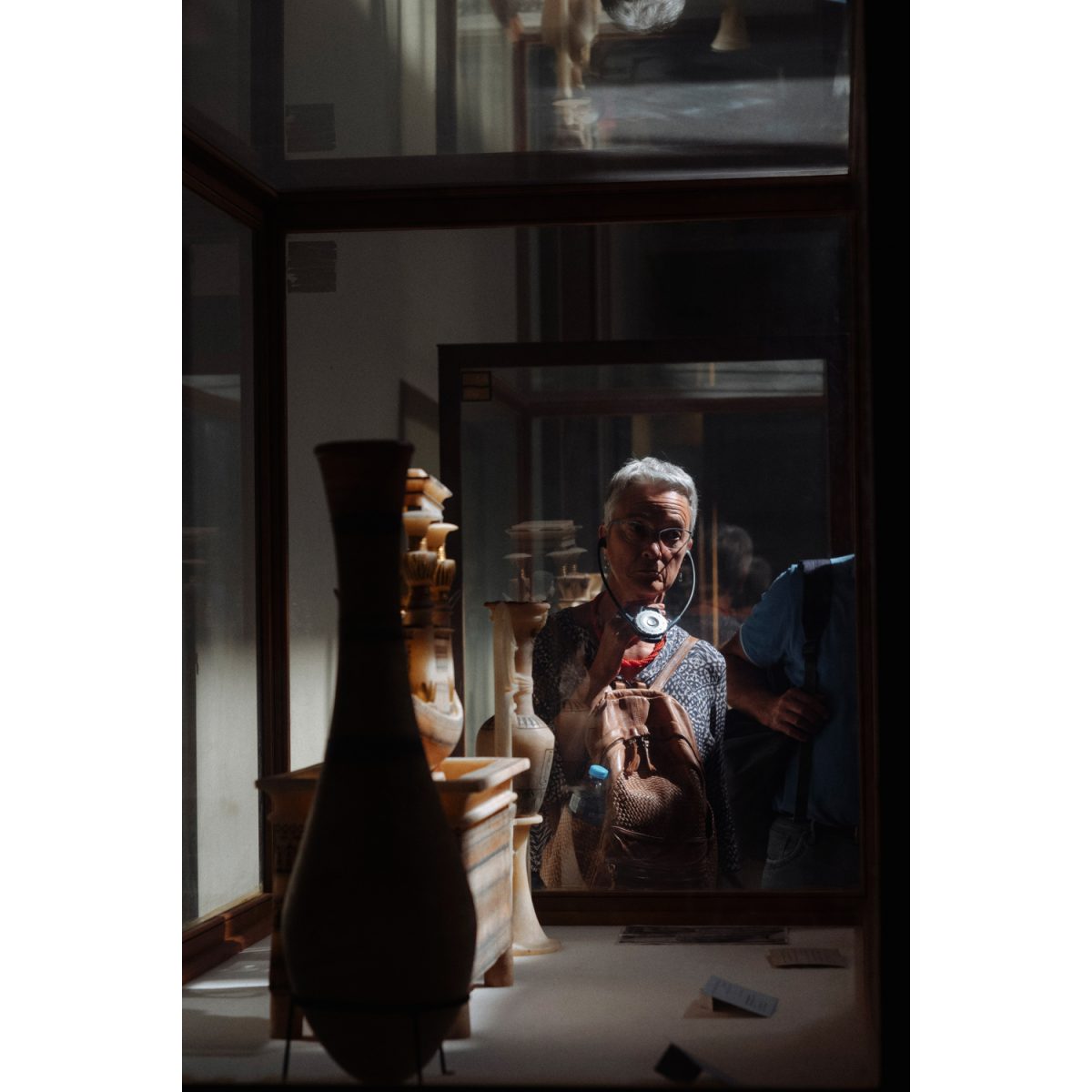
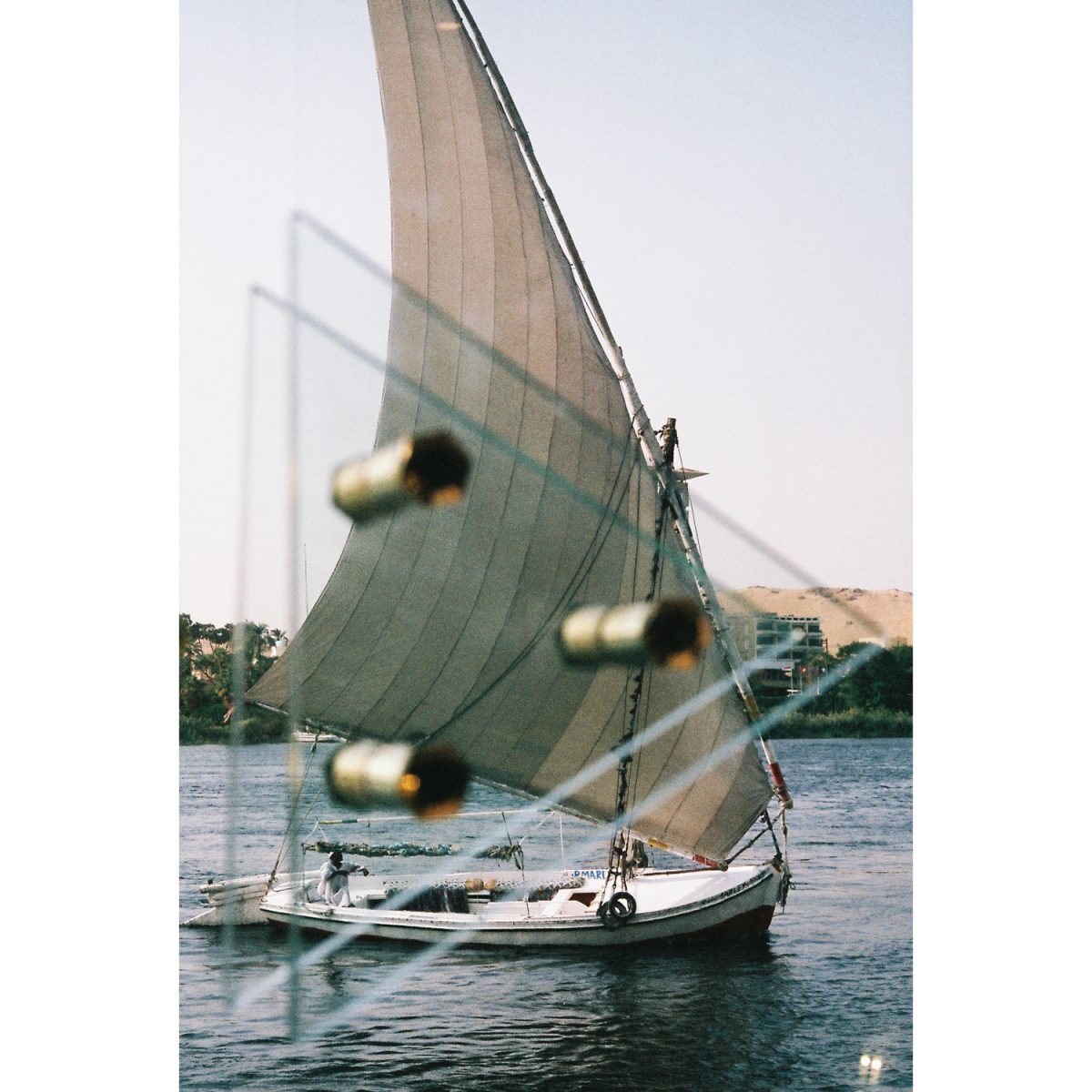
As architecture has been evolving until the present time, our experience of space starts to diversify. The familiarity caused by “voids”, which have changed from one period to another, makes us see the world around us with different perspectives. Framed images we see through windows, for example, are as appealing as that of an architecture accidentally framed by sidewalk walls while walking around Bangkok.

tostemthailand.com