Tag: material
PHOTO ESSAY : CLUSTERED OF PATTERNS
TEXT & PHOTO: JUTI KLIPBUA
(For Thai, press here)
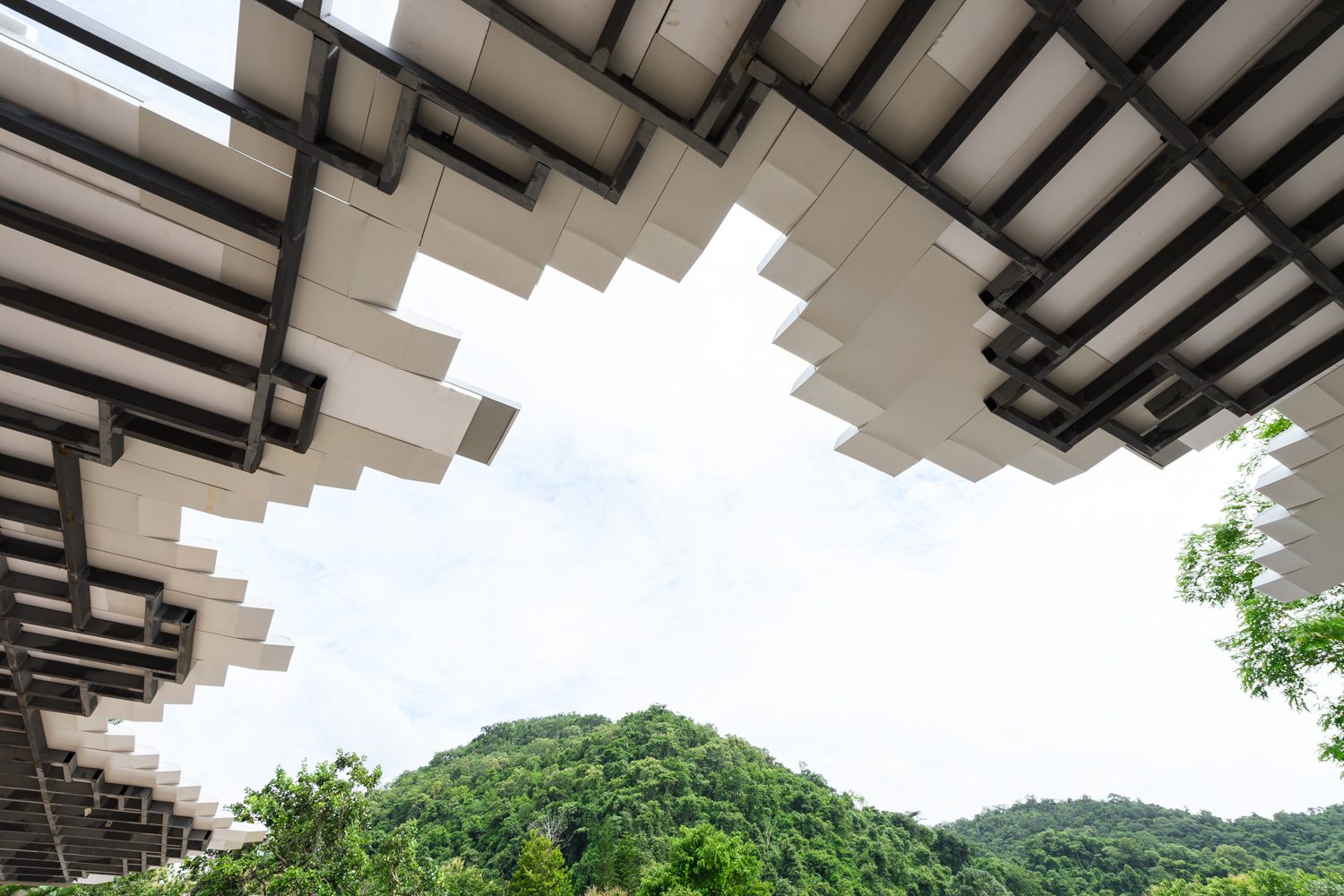
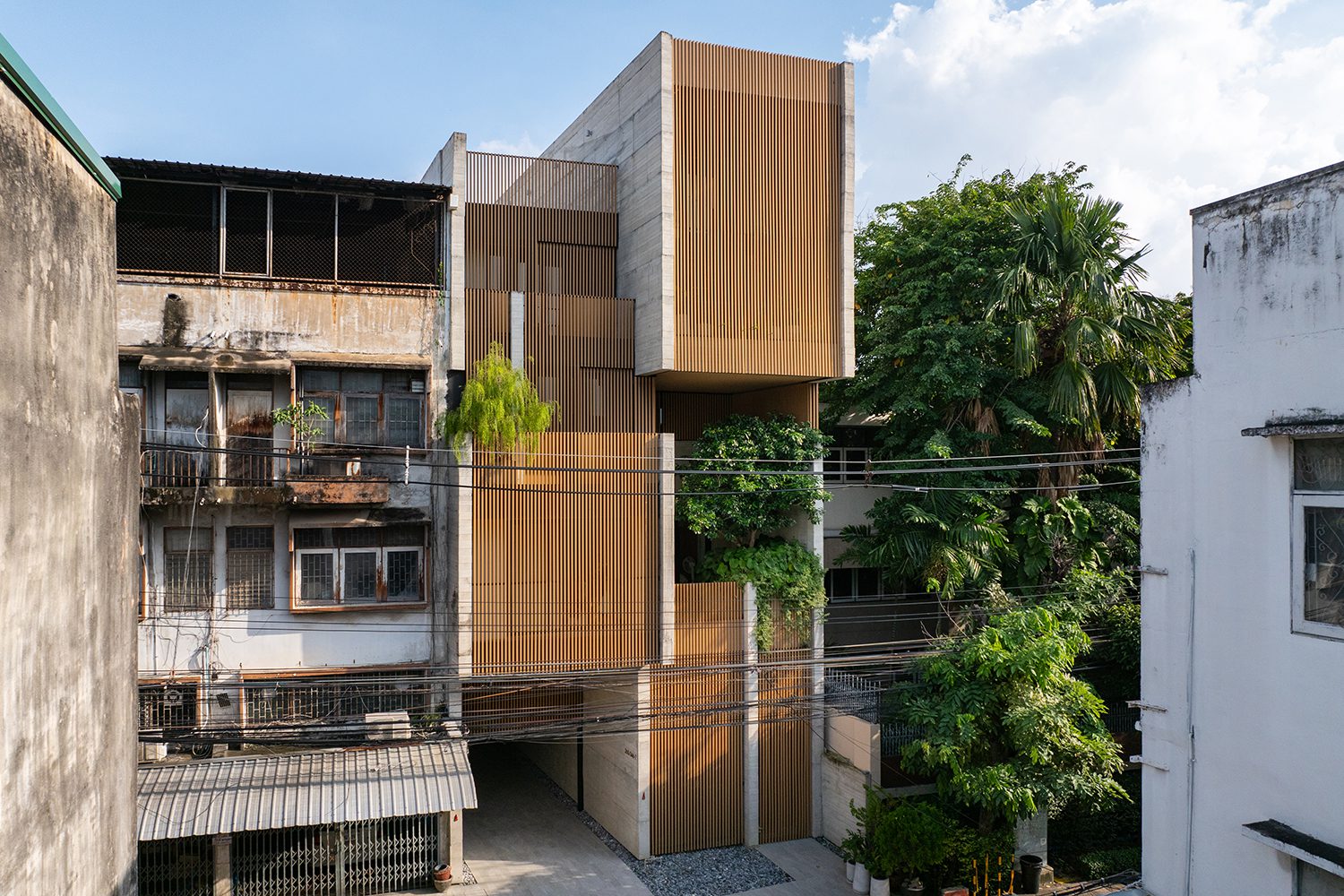
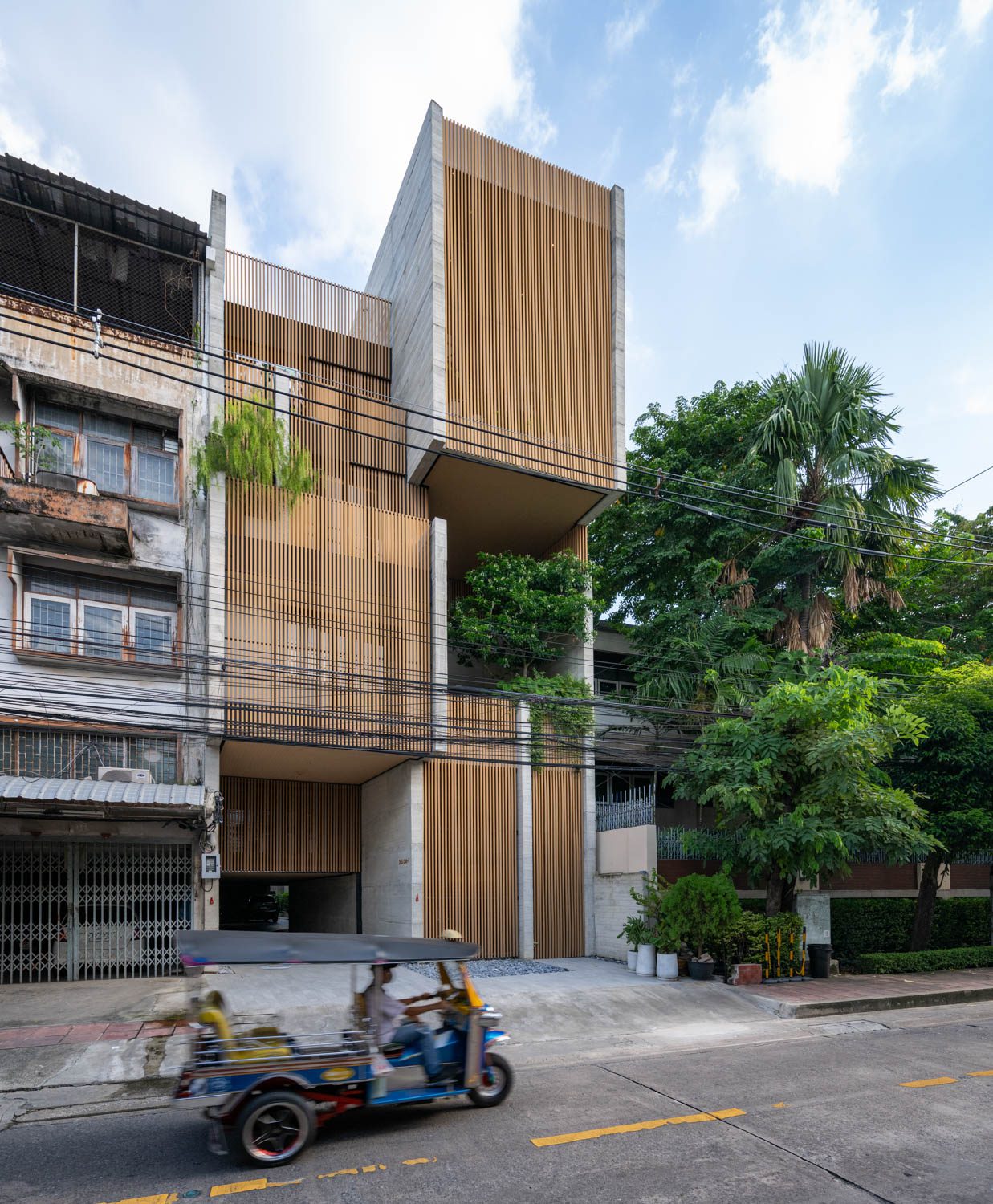
In Thai architecture and that of neighboring countries, the addition of intricate details might seem like mere decoration intended to display opulent beauty. However, personally, I find these details not only serve to beautify but also play a functional role in reducing the bulkiness of buildings and softening the stark interactions between various architectural elements. I began to capture these architectural nuances whenever opportunities arose. During my architectural studies, modern architecture of that era utterly captivated us students. But the traditional Thai architecture I grew up seeing in temples did not catch my interest as much. Over time, through work experience and travel, my appreciation for the craftsmanship and aesthetics involved has grown significantly. Undeniably, my camera is now filled with images of architectural details from Thailand and neighboring countries, from close-ups of window ledges to colored glass installations.
I enjoy capturing these details in a single frame, typically not showing the larger view of the building. Often, these details themselves become the architectural forms. For instance, the edges of temple rows merge together, offering a view that resembles fabric patterns or graphic designs typical of specific eras. These observations have influenced my own design work at JUTI architects, from directly using patterns and scales to subtly incorporating specific edges or lines in architecture, interior design, and furniture design. The details that were once considered merely decorative now hold value for their proportional rhythm and contemporary artistic merit.
___________________
Juti Klipbua, founder and design director of JUTI architects, extends his interests beyond his professional architecture career to include product design, automotive design, and photography. His primary hobby currently involves experimenting with abstract photography, capturing familiar everyday scenes such as construction sites, city traffic, and natural surroundings at construction sites in rural areas.
HEILIG OBJECTS
THE DESIGN STUDIO WAS FOUNDED BY DANIEL HEILIG WHO WAS INSPIRED BY HIS OWN INTUITION. THEIR UNIQUE WORKS CONNECT WITH USERS BY REVEALING STORIES WHILE MAINTAINING A MINIMALIST APPROACH
THE DEPARTMENT OF JEWELRY DESIGN, FACULTY OF DECORATIVE ARTS, SILPAKORN UNIVERSITY
AHEC AT CLERKENWELL DESIGN WEEK
APPRECIATE THE HARDWOOD DESIGNED WORKS OF AMERICAN HARDWOOD EXPORT COUNCIL’S TWO EVENTS IN CLERKENWELL DESIGN WEEK AT LONDON
ACUTE AND OBTUSE
TEXT: ADRIENNE LAU
PHOTO: RAQUEL DINIZ
(For Thai, press here)
Architect and designer Adrienne Lau led the creation of Acute And Obtuse, an outdoor furniture series made fully of reclaimed materials. It demonstrates a design process of letting existing materials, especially non-standard elements, drive decisions of use, fabrication, and expression.
It started with the need to refresh food growing in Abbey Gardens, an open-access park and harvest garden in Newham, London. Fifteen years ago, the community garden started as a living art project with planters of diagonal layout. The trapezoid planters, made of wood boards held by galvanized steel corner sleeves, needed replacement.
After dismantling the planters, most steel corners remained in good condition, prompting an idea to reuse them as furniture. The specific angles of the steel corners lend themselves well to forming the structure of different furniture types – 150° for a lounger, 110° for a chair, and the smaller angles as supports for benches.
The collaboration with grassroots community gardens has made storage and flexible working possible. With the help of the local community and volunteers, steel corners were unbolted and separated from old wood boards.
The toxicity and risk of welding thin galvanized steel meant another material was needed as joints. Working with fabricator Rosie Strickland, Douglas Fir beams, reclaimed from a demolished Victorian army barrack, were incorporated to complete the construction of the pieces. To balance and contrast the visual sharpness of the steel, the Douglas Fir pieces adopted clean rounded forms. Notches and nail holes on the reclaimed wood were intentionally left unpolished to display its history or were even made central to the design.
After being part of an Edgy Collective winning installation in the London Festival of Architecture 2023, Acute And Obtuse were rehomed in Abbey Gardens where the steel corners originated, now serving as flexible seating in a thriving community space.
‘Instead of hiding them, imperfections should be embraced creatively to make material reuse more widely desirable,’ says Adrienne Lau, ‘and making the collective material story evident inspires people to take good care of it. After all, objects are kept from waste when they are valued.’
_____________
Adrienne Lau is an ARB registered architect and designer based in London and Hong Kong, whose work spans architecture, furniture design, urban installations, and scenography sets. Her practice endeavors to address social and ecological imperatives with cutting-edge creativity. Adrienne co-founded Edgy Collective, an award-winning team revitalizing urban spaces by reconnecting them with natural and cultural histories and present-day realities. With over a decade of industry experience and a distinguished career in design firms such as Heatherwick Studio and OMA, Adrienne has served clients including PRADA and Google. She has taken on leadership roles in large-scale international architecture and urban design projects at the senior associate level.