
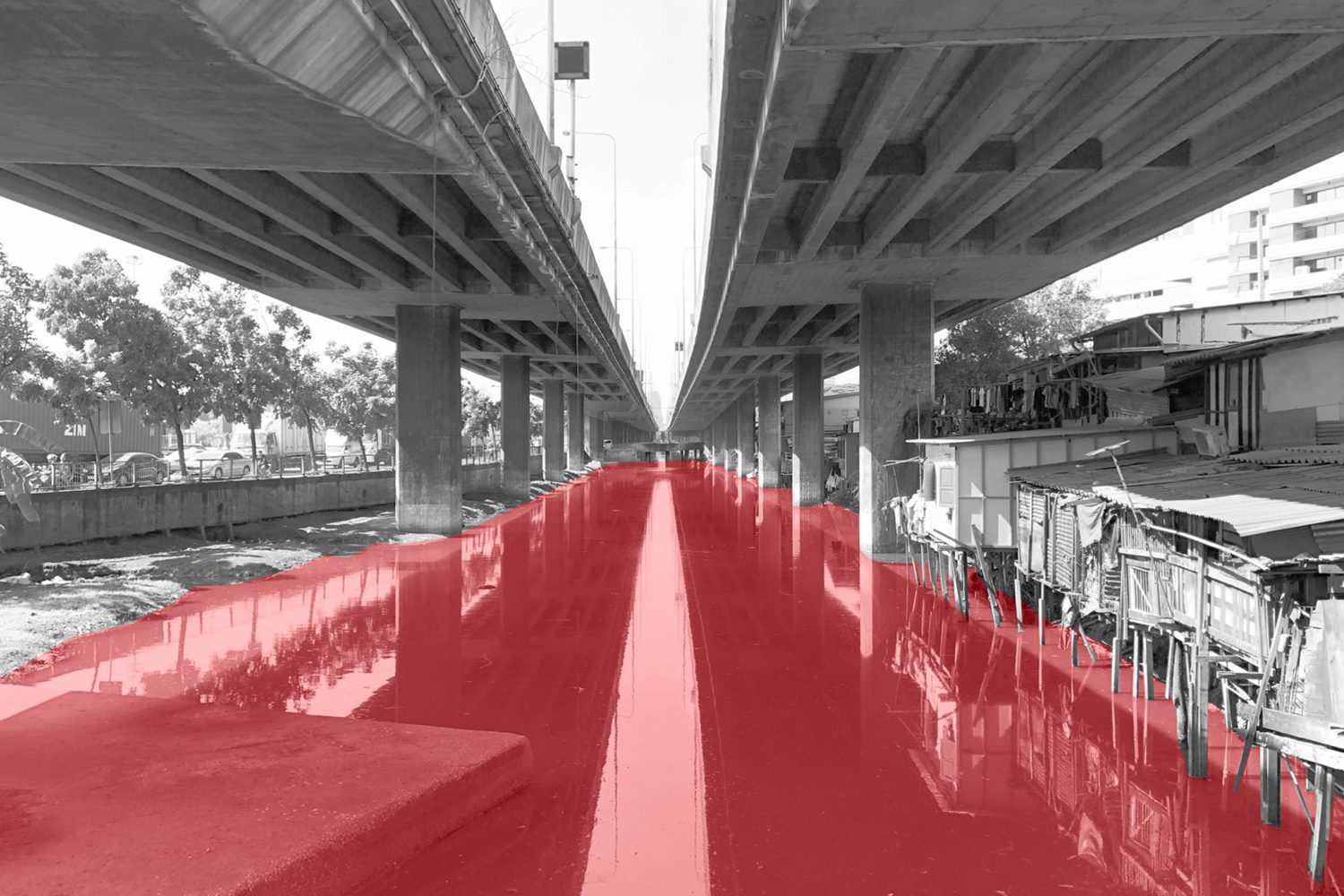
ARCHITECTS JENCHIEH HUNG AND KULTHIDA SONGKITTIPAKDEE OF HAS DESIGN AND RESEARCH SHOWCASE AN URBAN COMMUNITY THAT HARMONIOUSLY LIVES BENEATH INFRASTRUCTURE WHILE CONNECTING WITH NATURE
TEXT: JENCHIEH HUNG & KULTHIDA SONGKITTIPAKDEE
PHOTO: HAS DESIGN AND RESEARCH
(For Thai, press here)
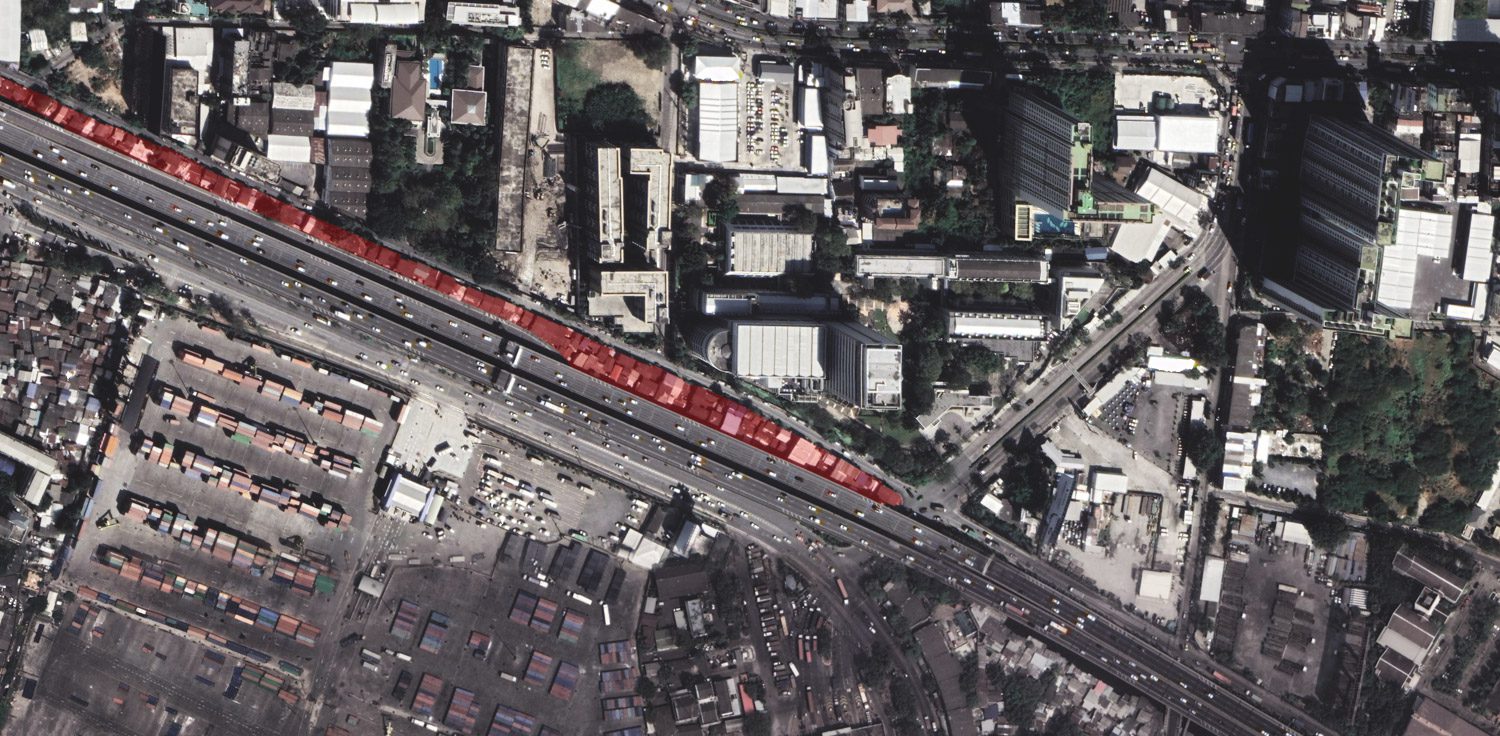
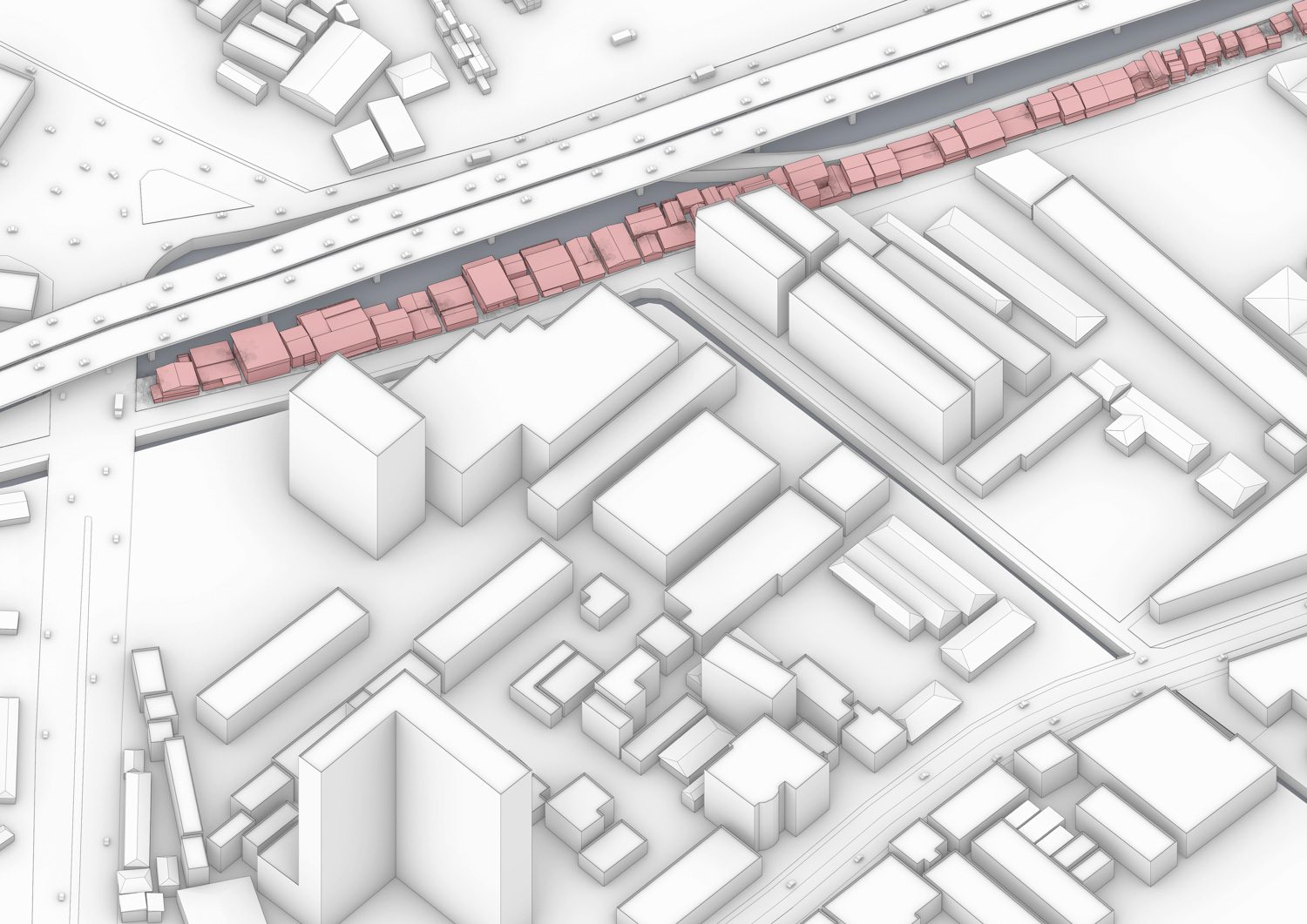
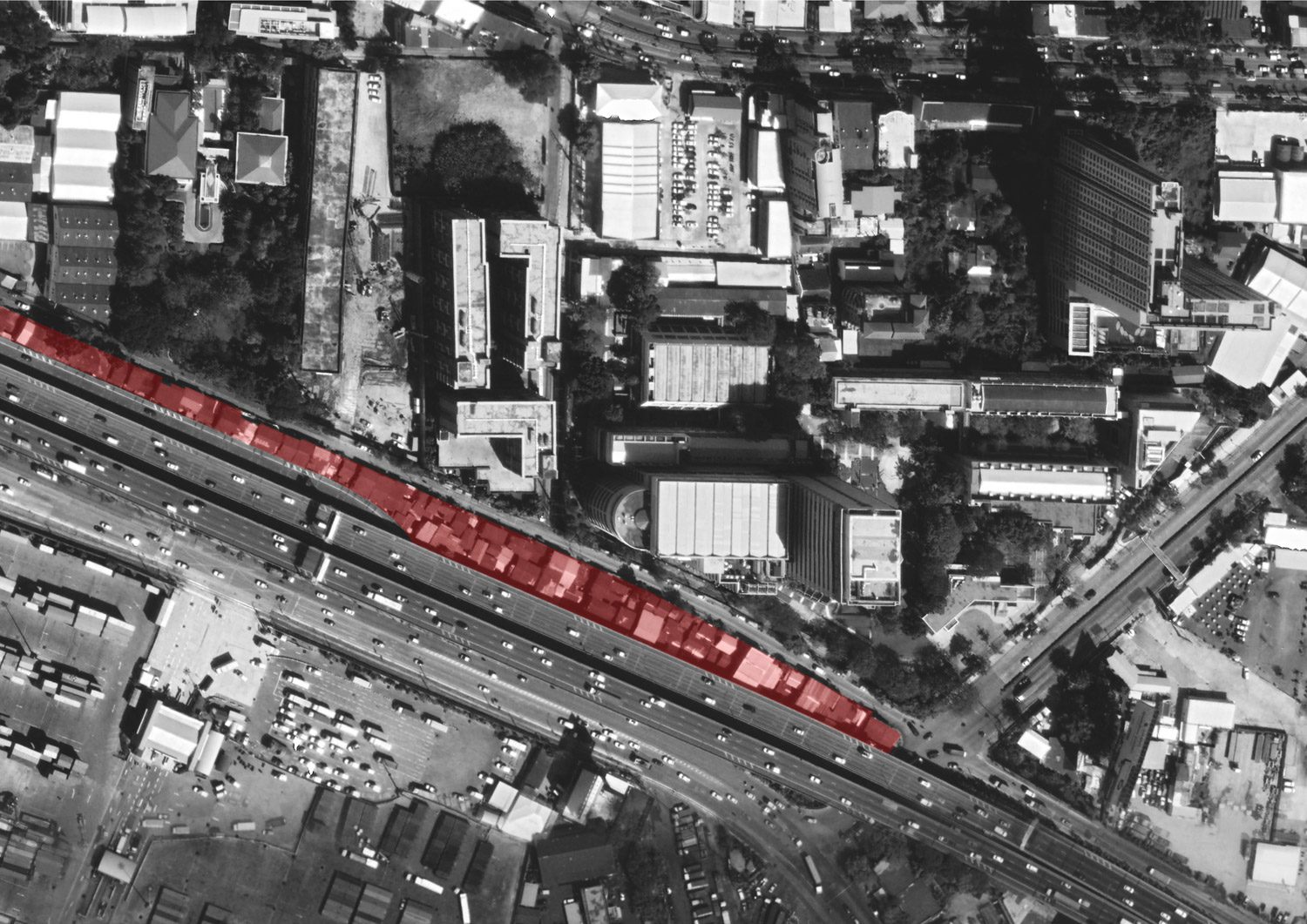
The Chalerm Maha Nakhon Expressway canal village features homes with dual sides—functional road-facing sides and serene canal-facing extensions. This informal village reveals a deep human desire for open space and offers a model for nature-sufficient living in fast-growing cities across Bangkok and Thailand, as featured in their latest book Chameleon Architecture: Shifting / Adapting / Evolving.
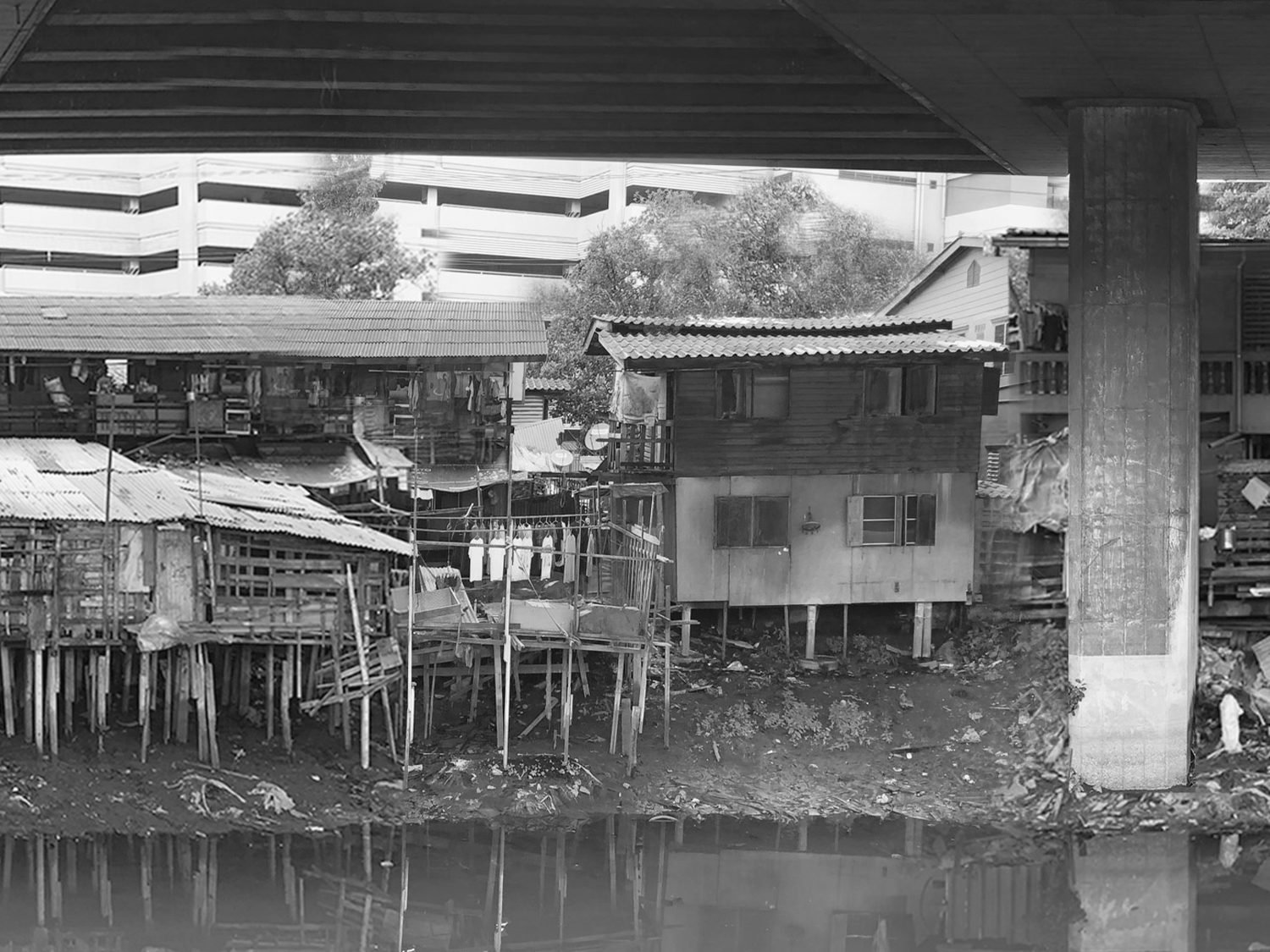
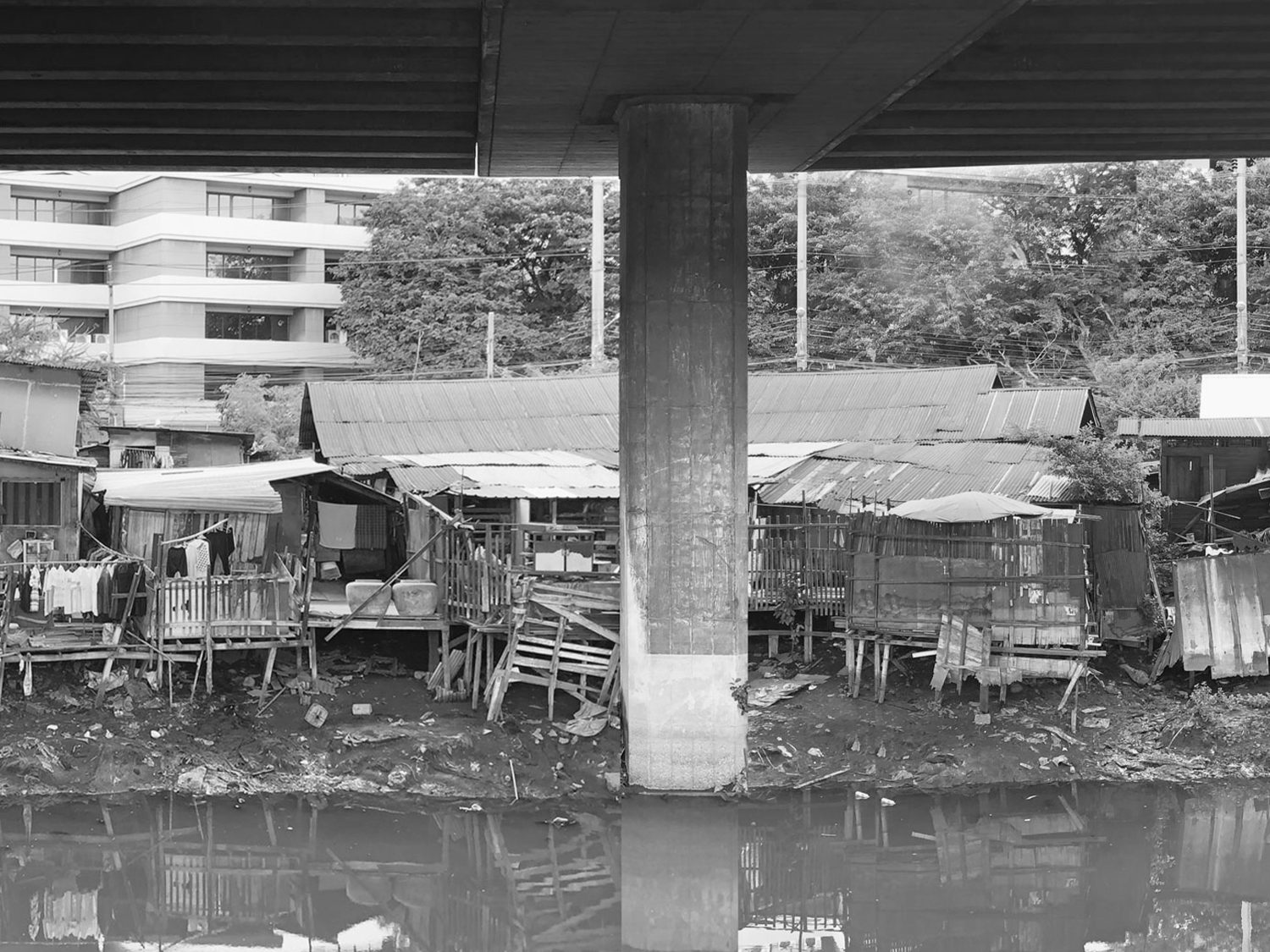
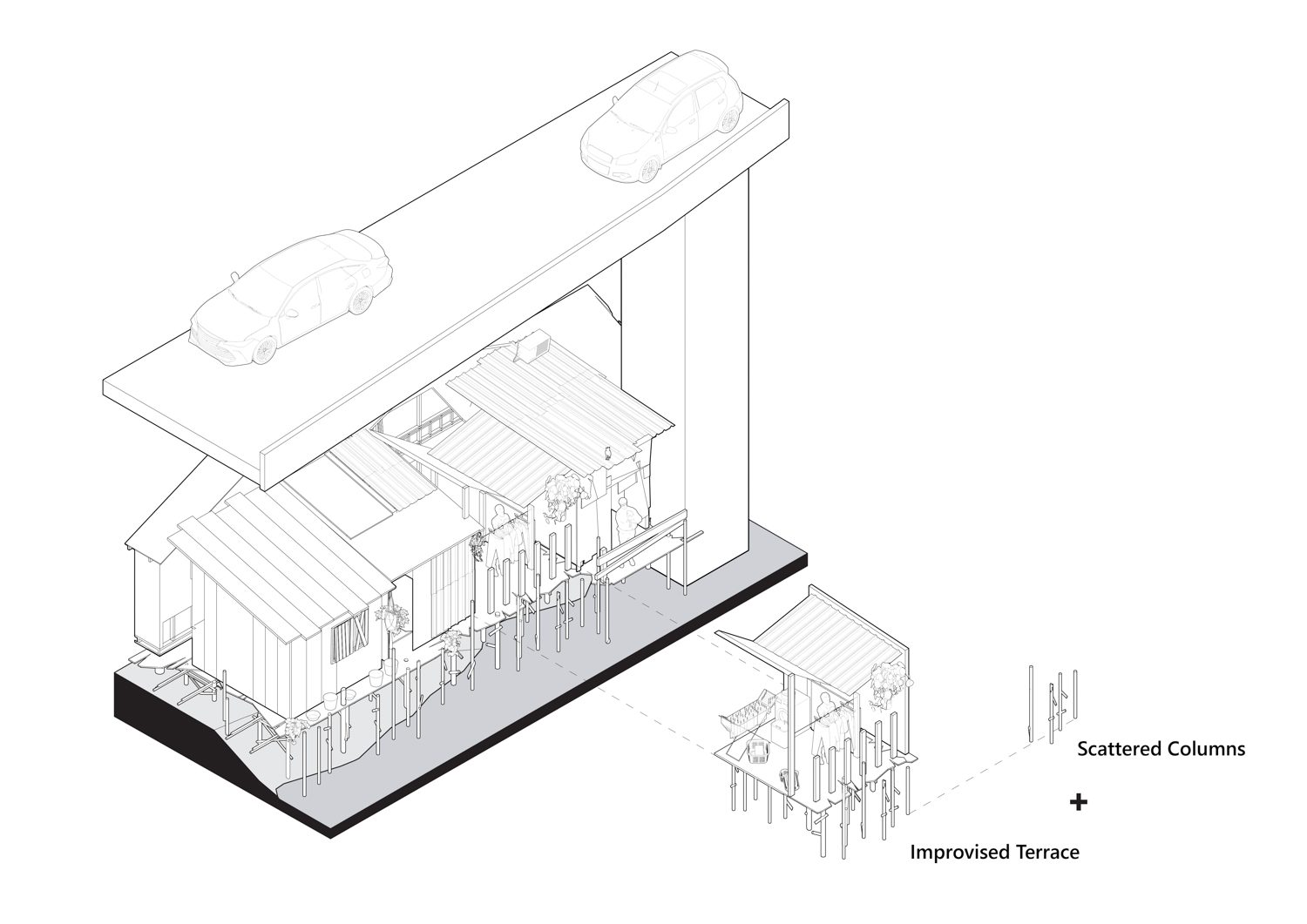
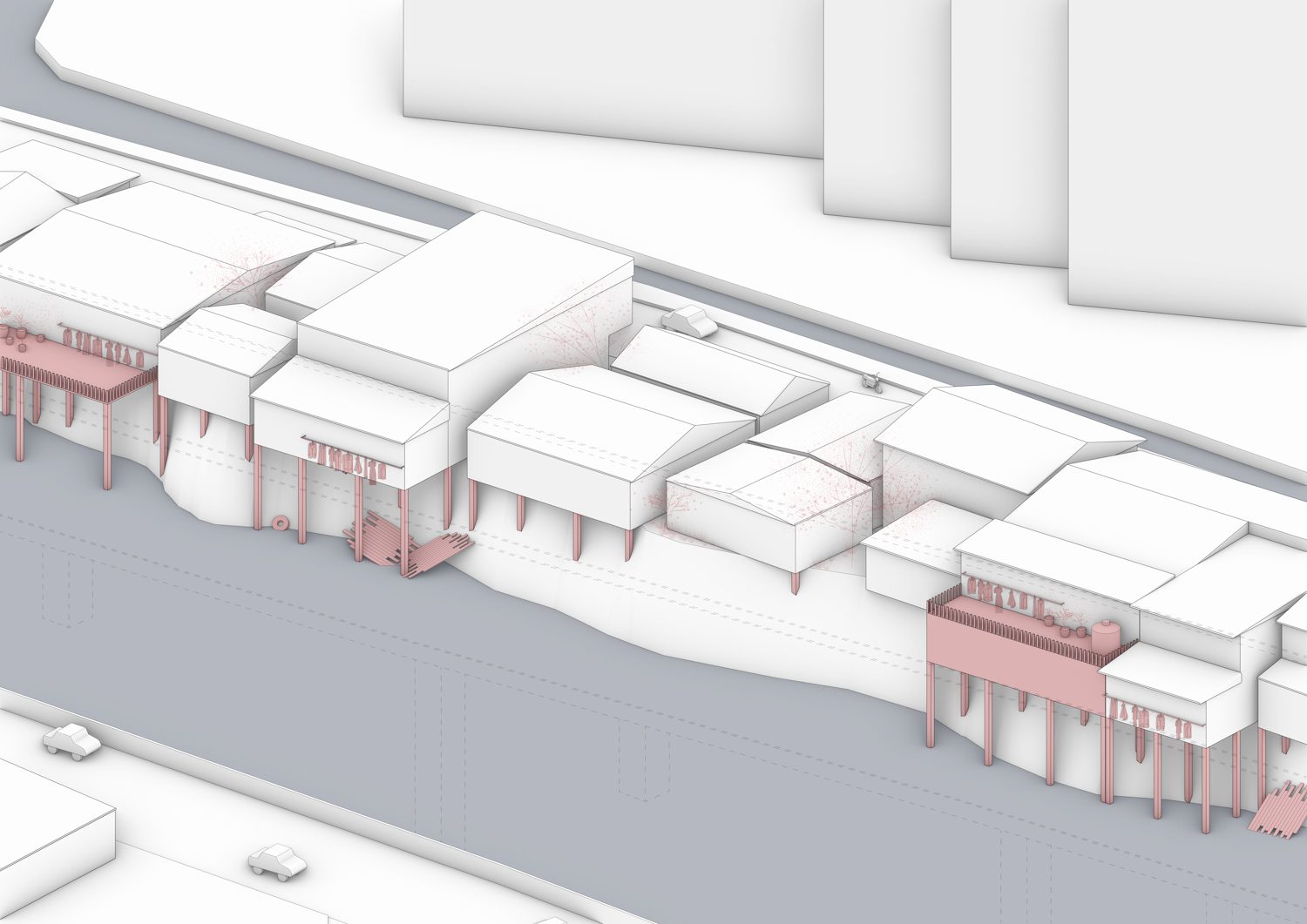
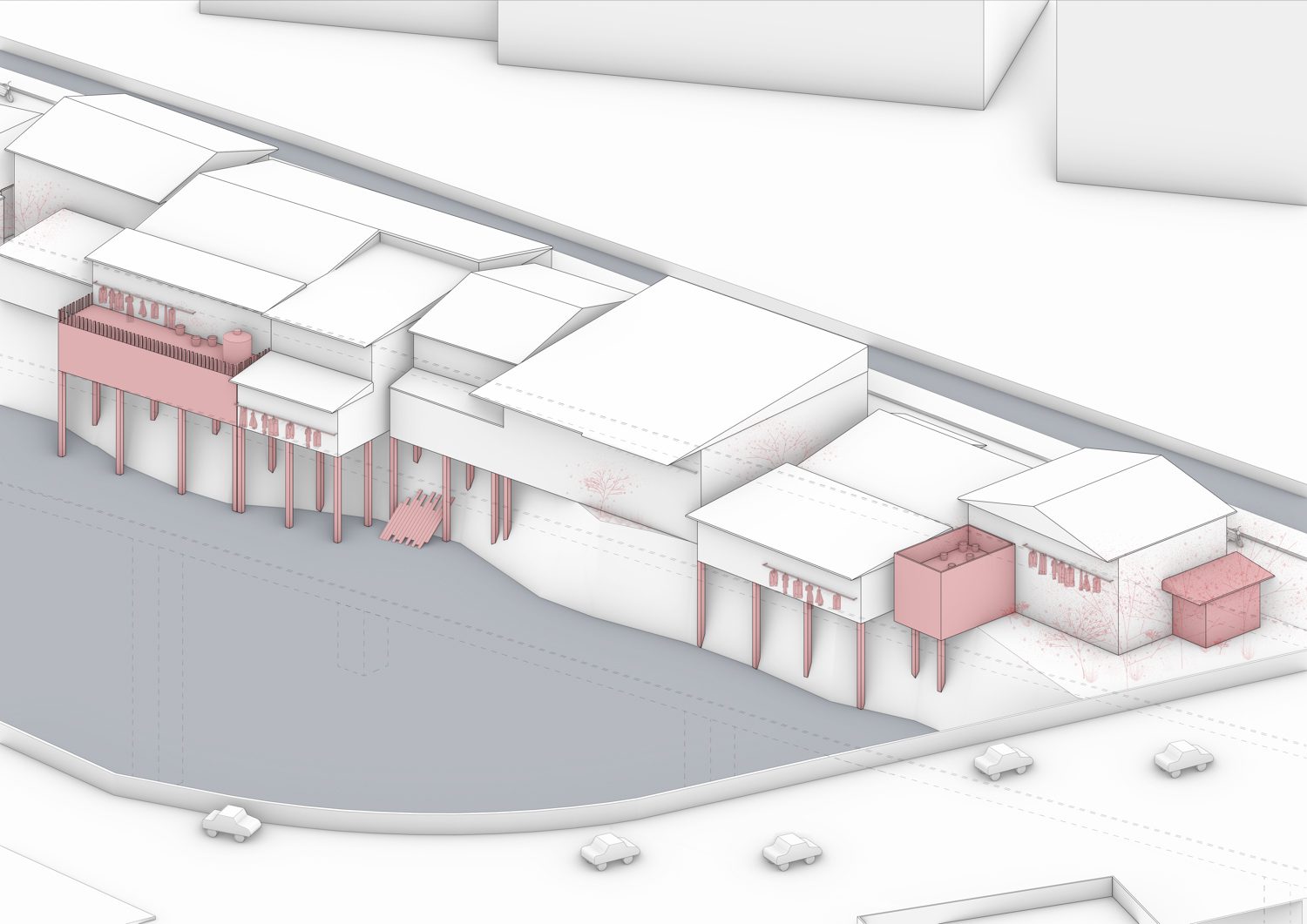
The Chalerm Maha Nakhon Expressway Canal Village offers a unique insight into how people can adapt to urban life while maintaining a deep connection to nature. This remarkable community is one of the site research projects conducted by architects Jenchieh Hung, Kulthida Songkittipakdee, and their visionary firm, HAS Design and Research. It exemplifies low-cost, spontaneously self-built urban living. Situated beneath a major expressway in Bangkok, the village features homes that face the road on one side and a tranquil canal on the other. These dual-faced houses resemble chameleons, adapting to their environment with distinct personalities. The road-facing side is practical and functional—housing kitchens, laundry areas, and parking spaces. In contrast, the canal-facing side is serene, with terraces, balconies, and gardens that open onto peaceful waterscapes. This juxtaposition of dense infrastructure and natural elements reveals the residents’ ingenuity in blending two contrasting contexts.
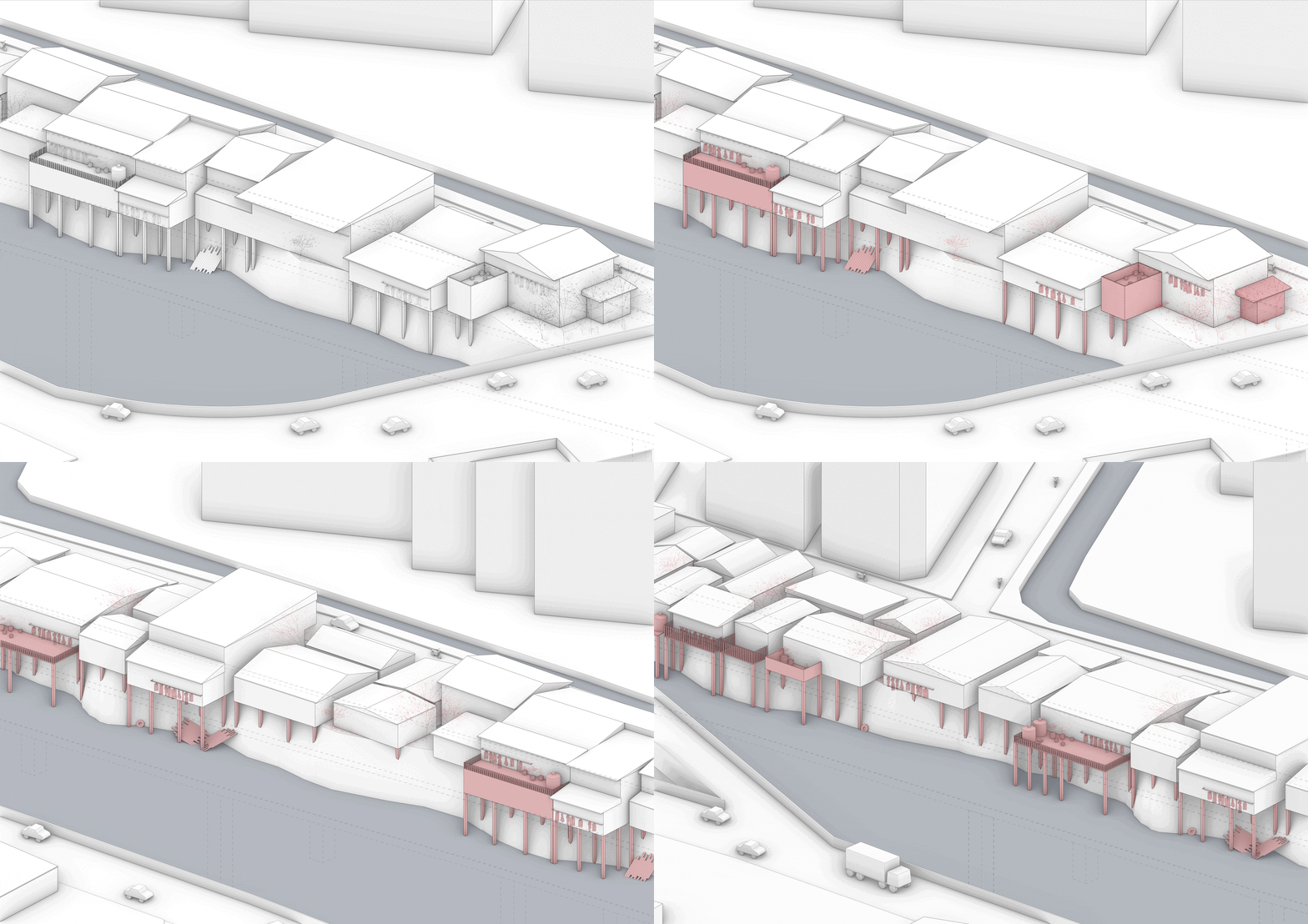
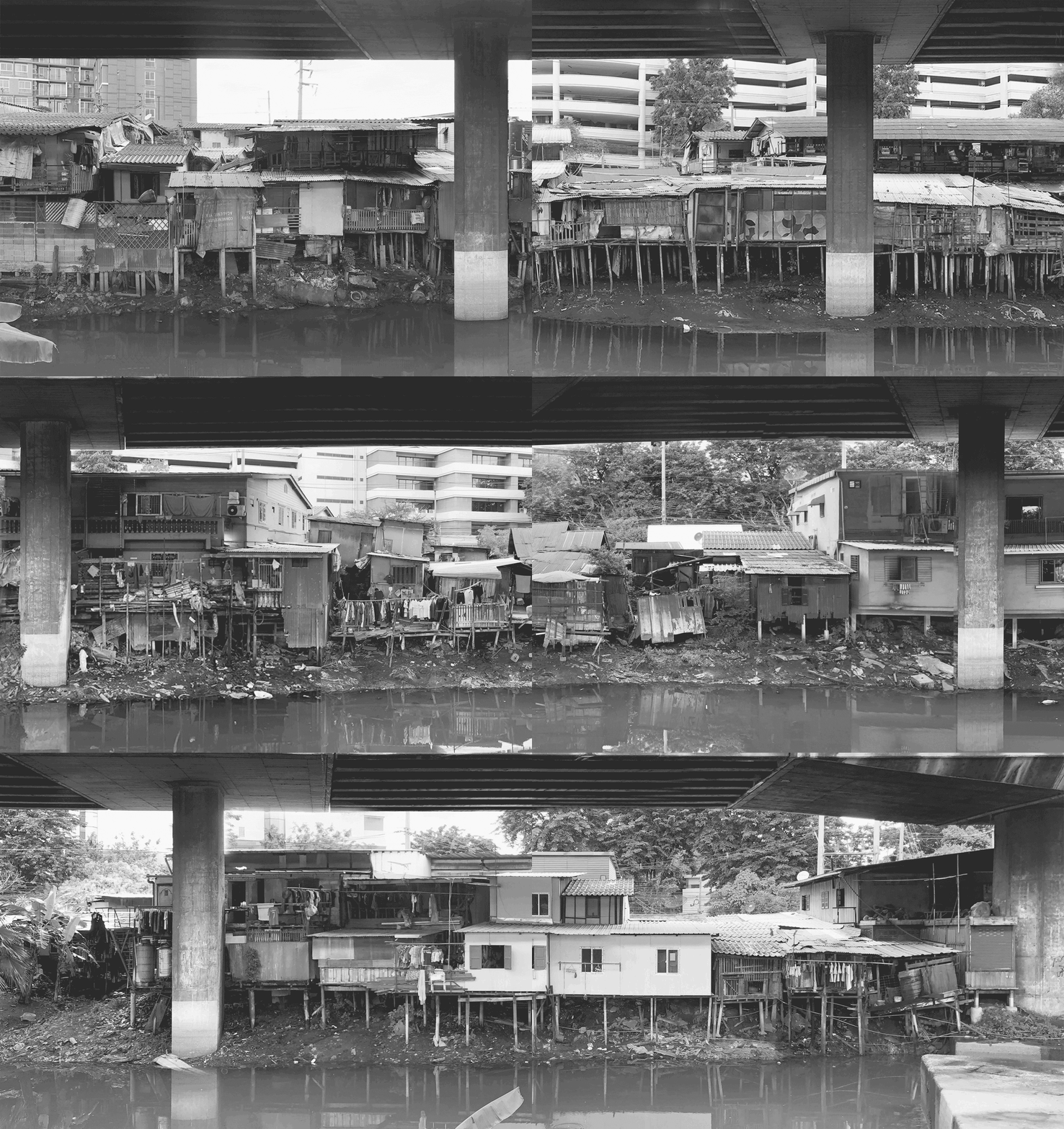
Many homes in the village extend toward the canal using timber structures made from materials sourced at local shops. Wood is cost-effective, flexible for construction, and readily available—making it an ideal choice for these adaptive additions. These extensions not only increase living space but also express the residents’ desire to create personal, flexible, and informal areas. The canal, shielded by the expressway above, offers a rare, open view and calm refuge in the middle of the dense cityscape—perfect for platforms to dry clothes or small spaces for rest and reflection. In a city defined by concrete towers and asphalt roads, these handmade wooden structures provide a refreshing and human-scale counterpoint to the urban fabric.
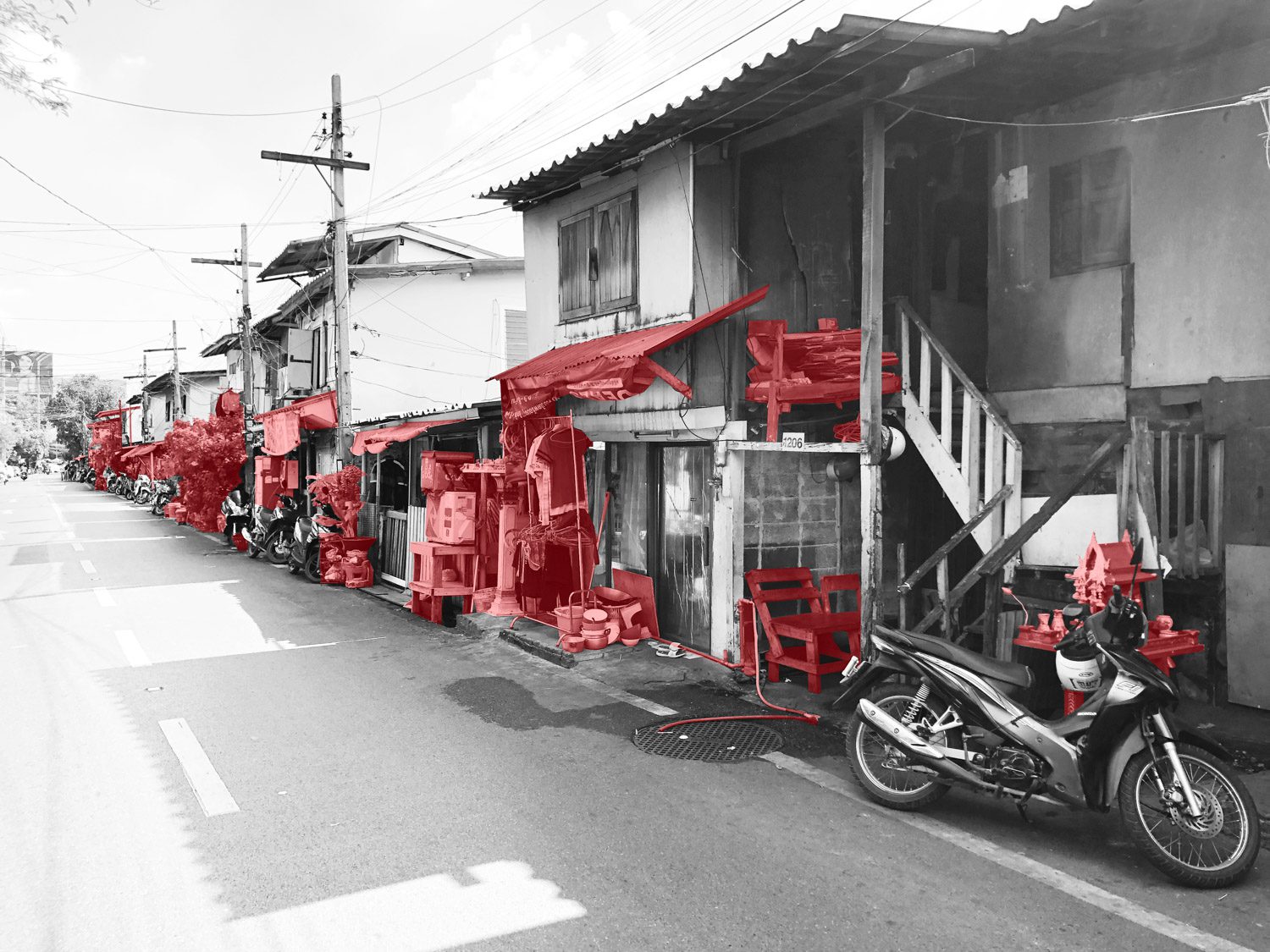
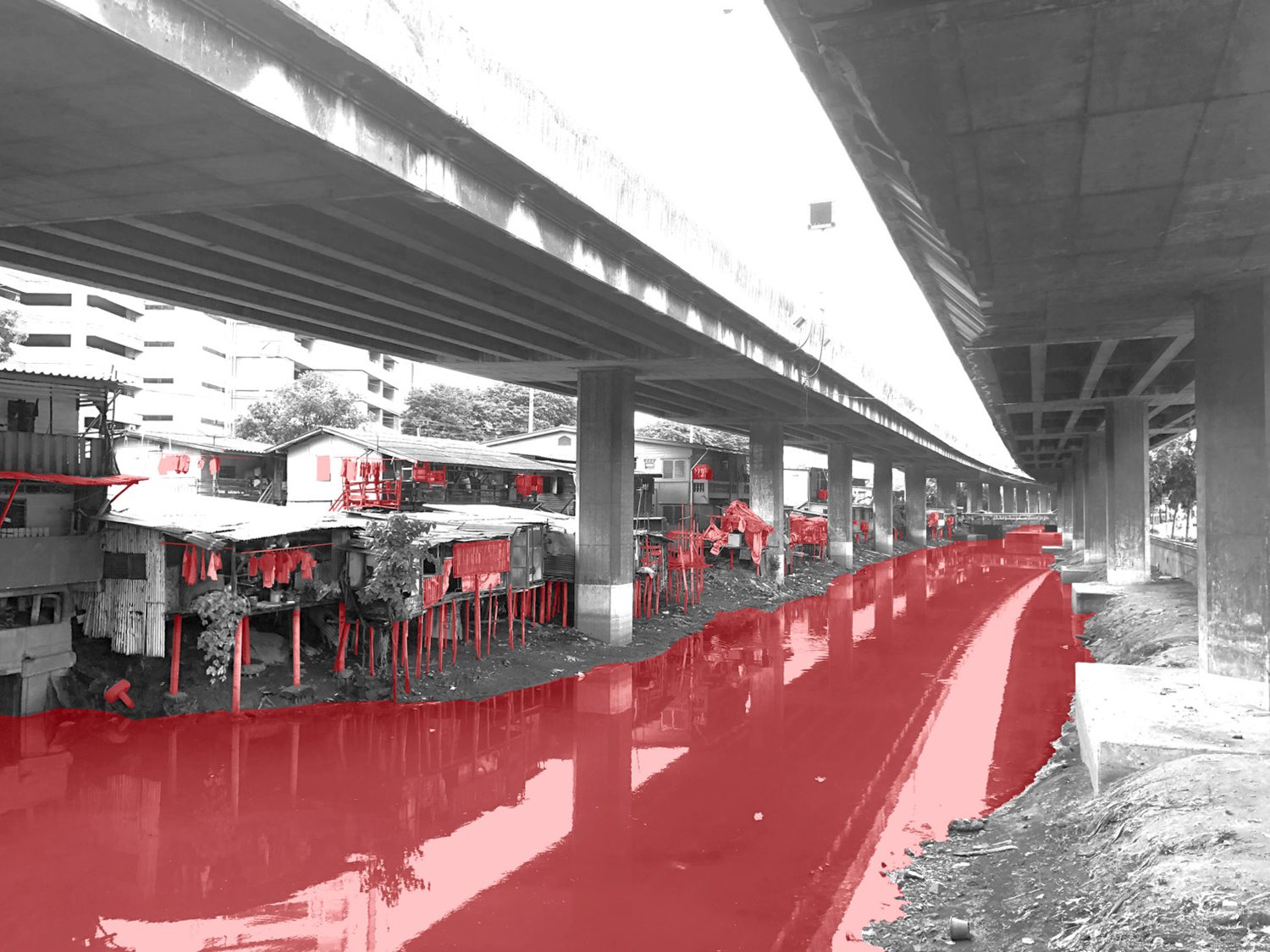
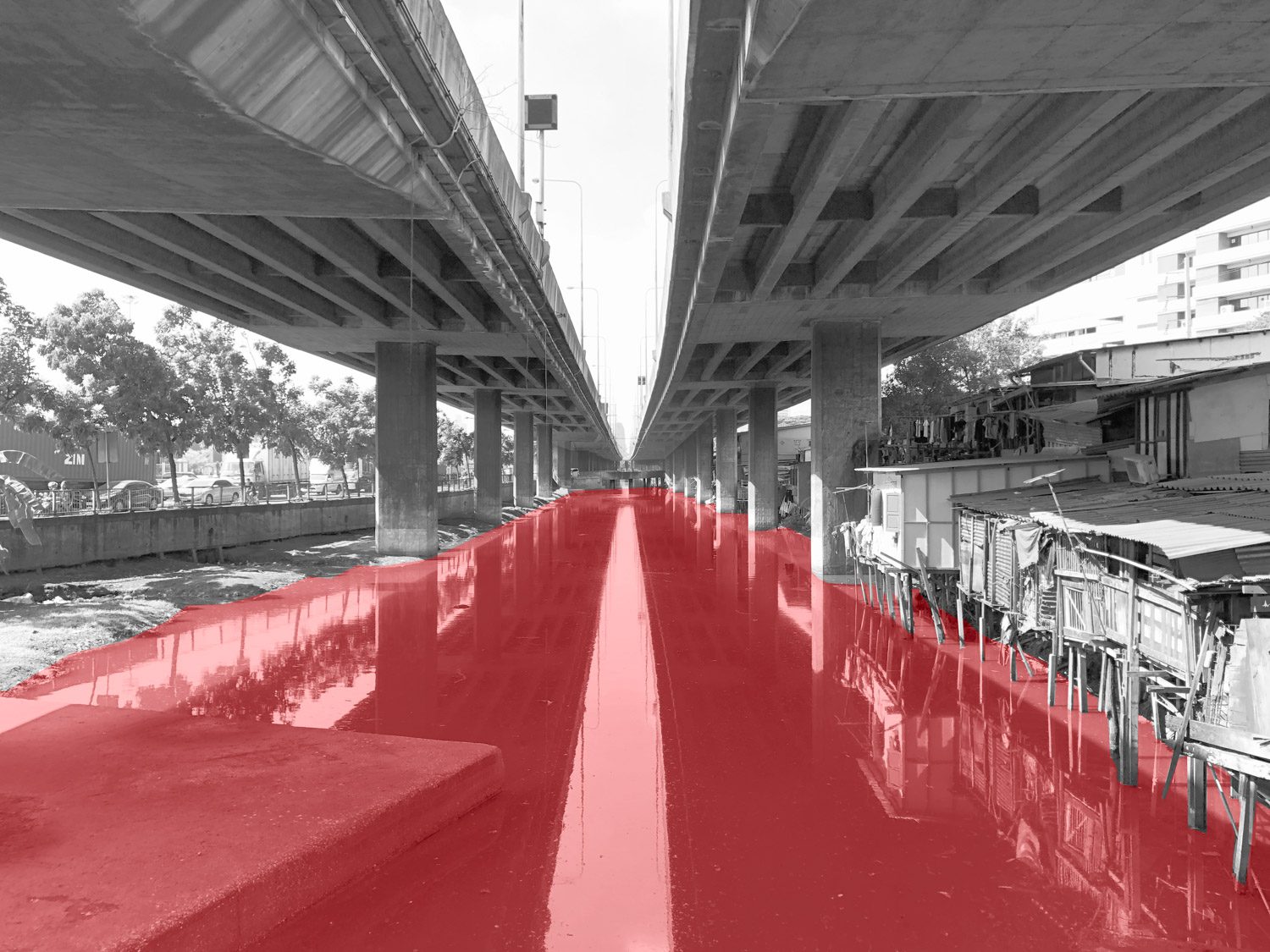
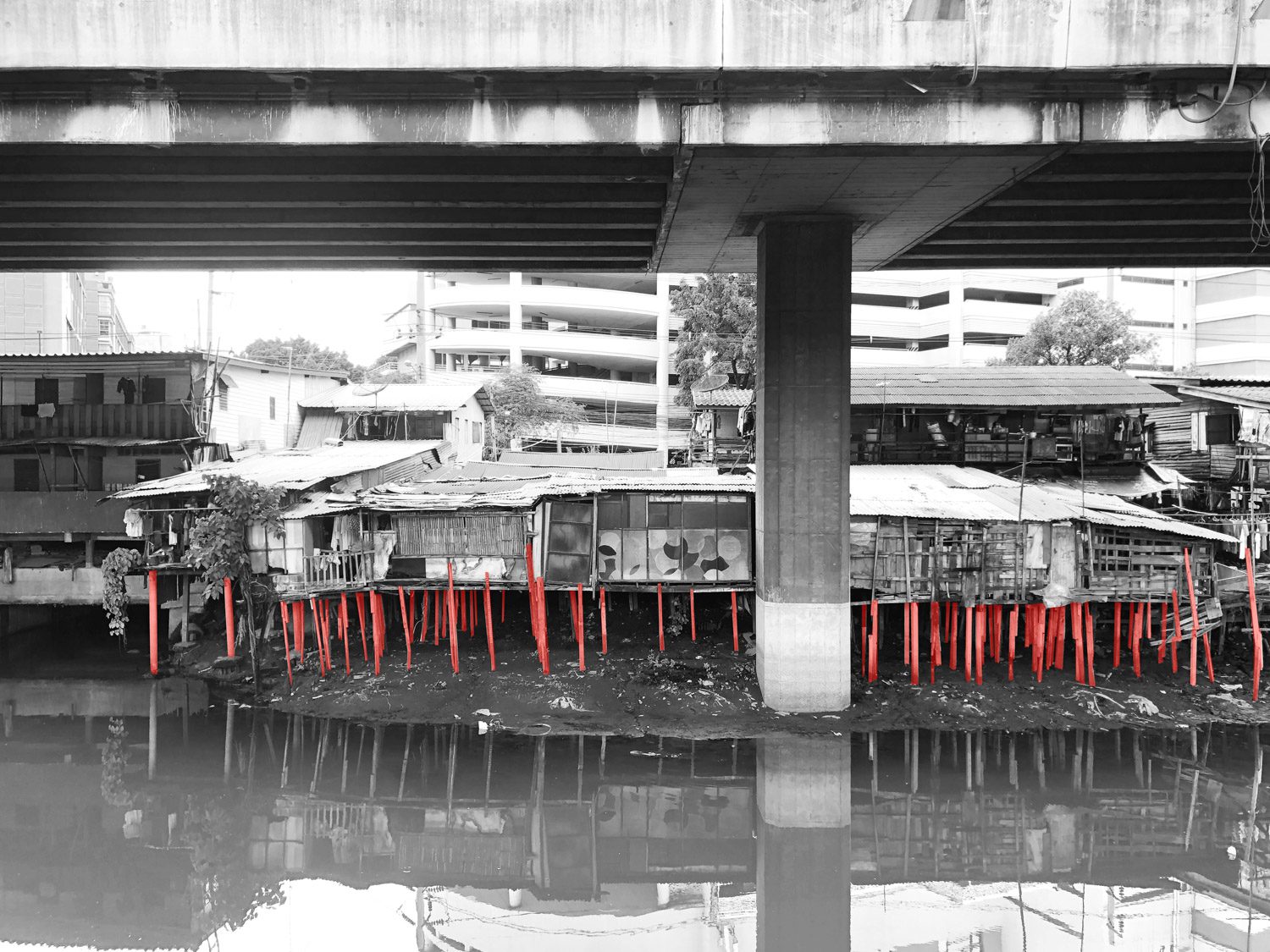
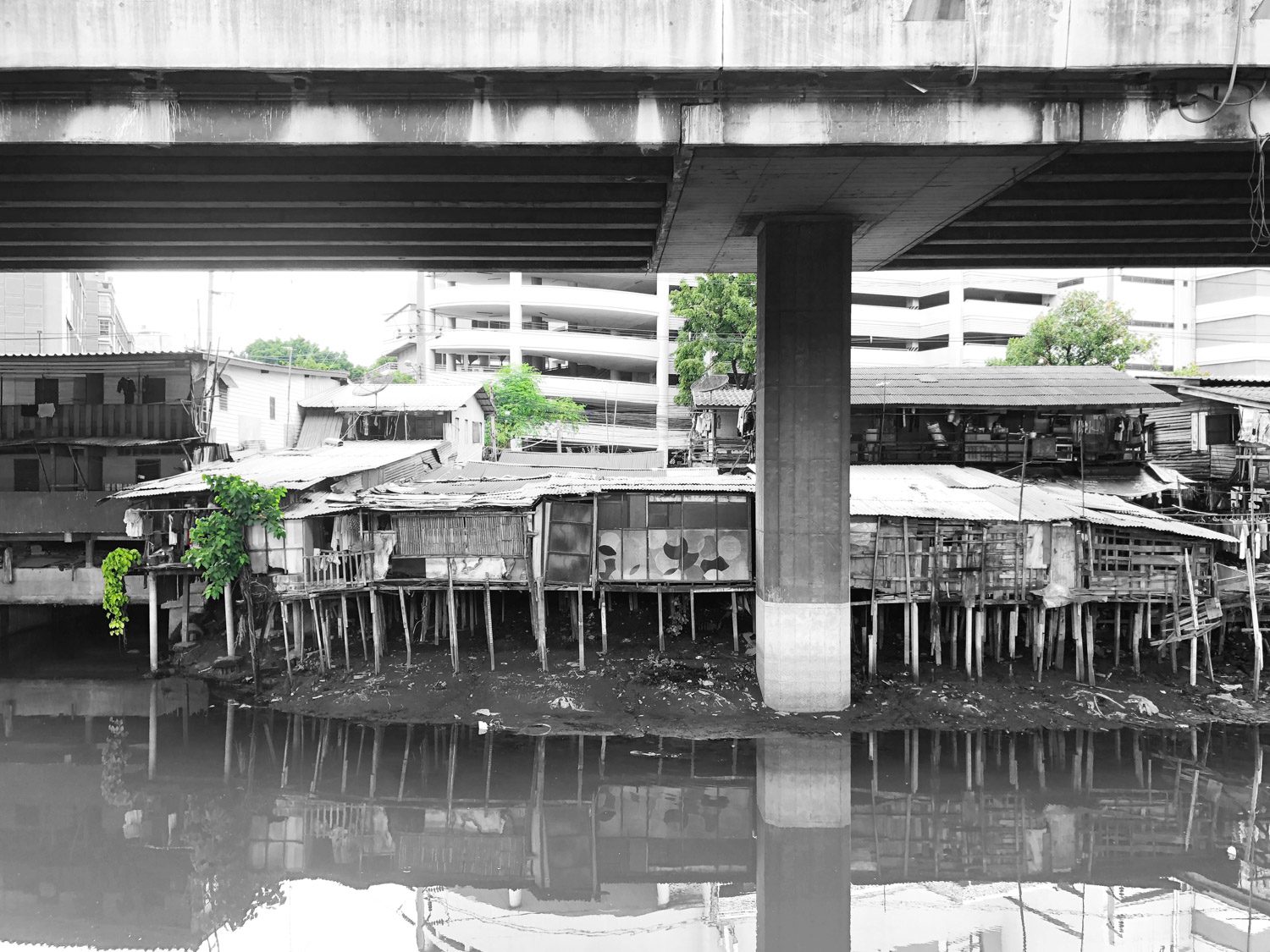
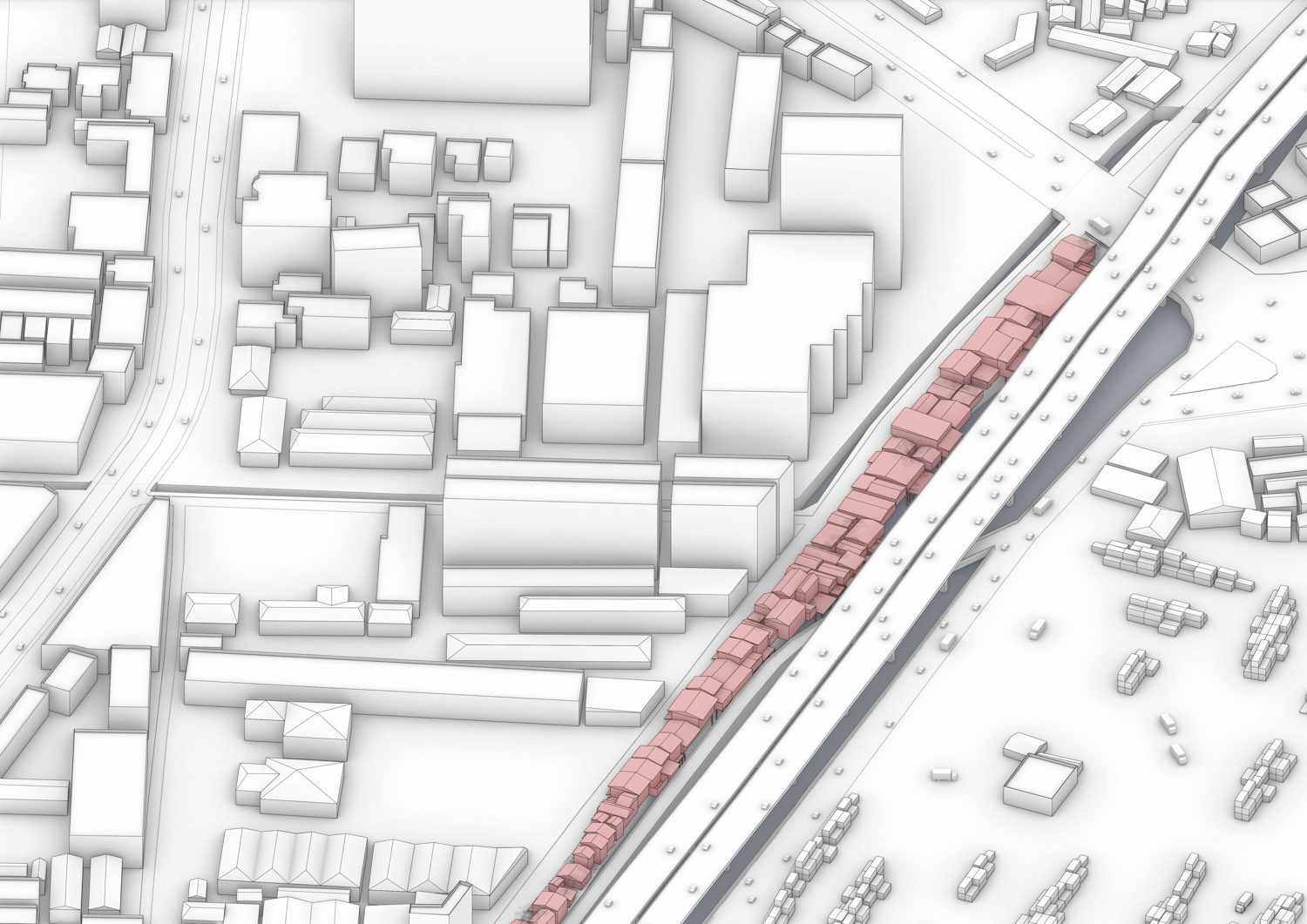
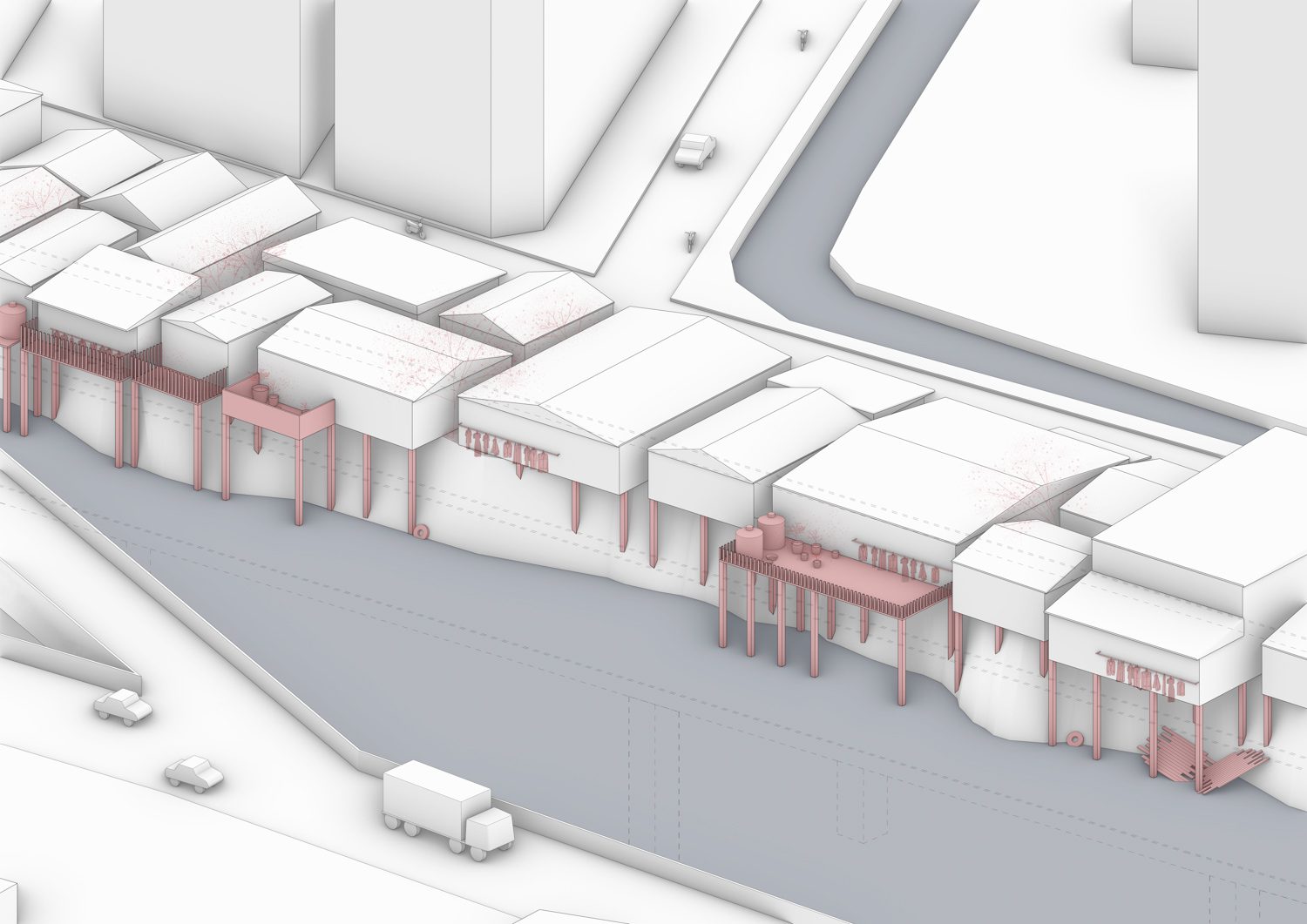
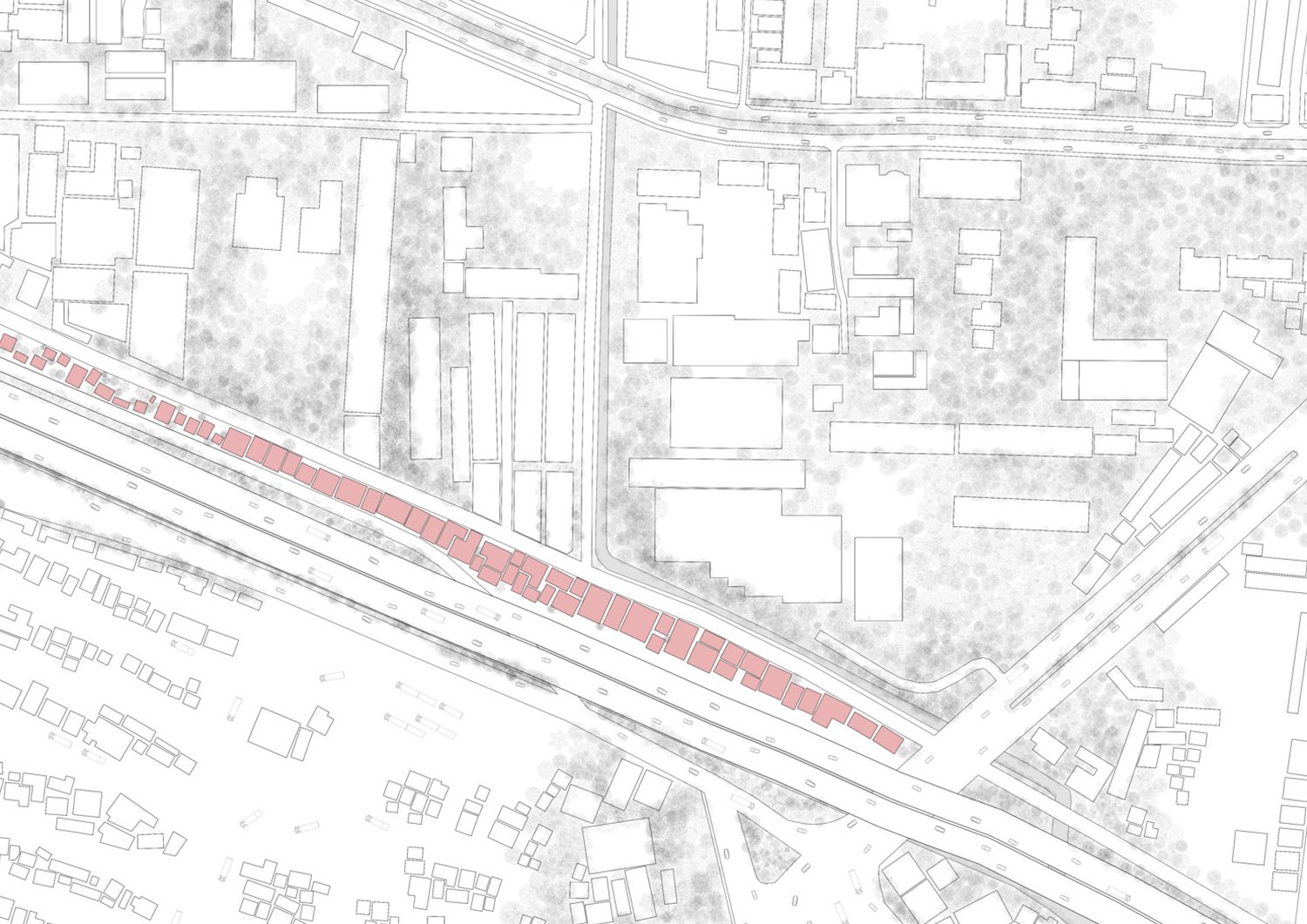
This responsiveness reveals a deeper yearning for nature in a fast-paced city environment. As urban areas continue to grow, the need for open, green space becomes ever more urgent. Despite being surrounded by concrete, the villagers have found creative ways to reintegrate nature into their homes, proving that it is possible to live in the city while remaining in tune with the natural world. Their resourcefulness reflects not only resilience but also a conscious pursuit of harmony with their surroundings. From balconies overlooking the canal to wooden decks used for everyday activities, these modest elements bring beauty and function to everyday life—offering a quiet escape from the urban hustle.
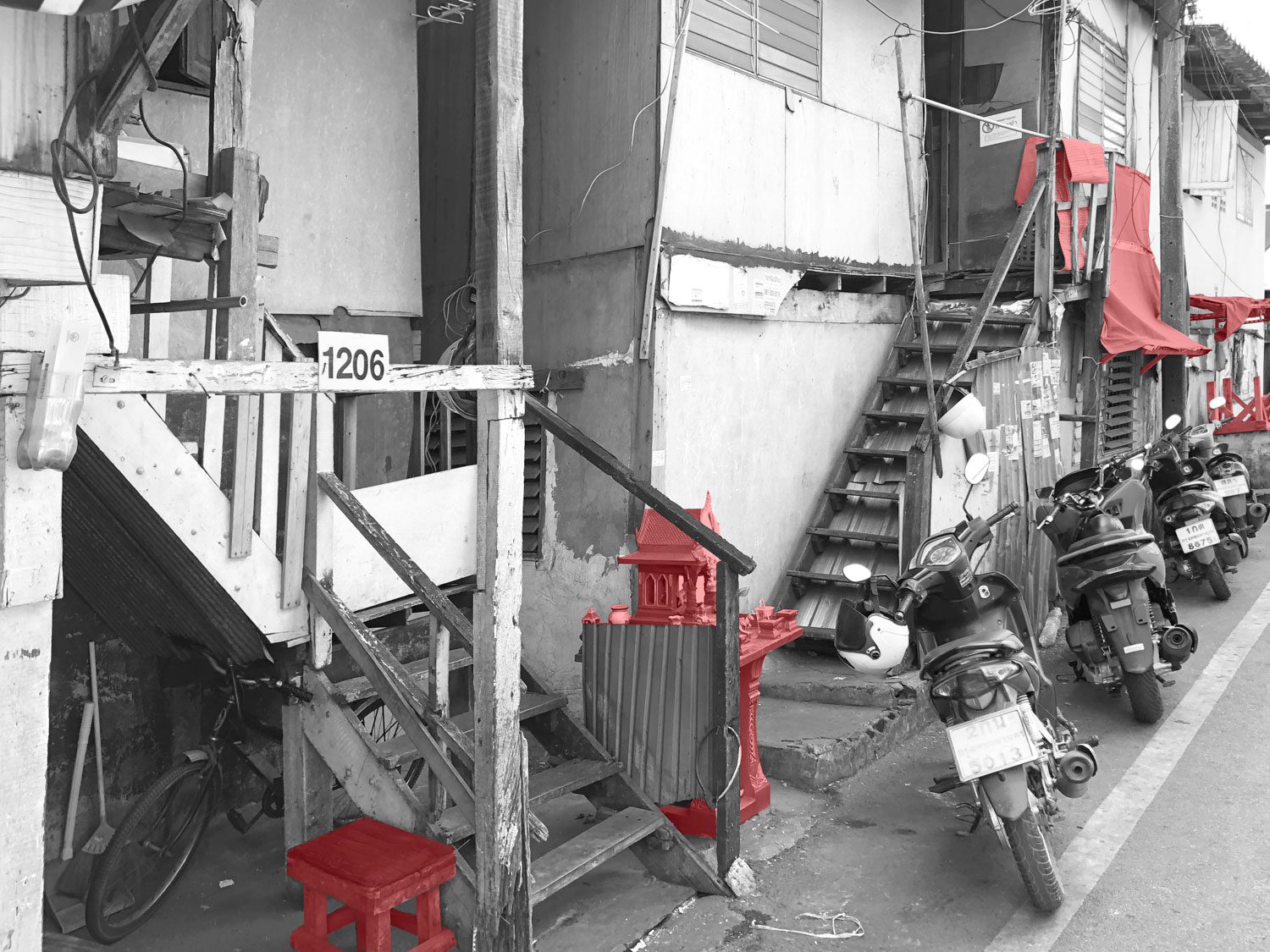
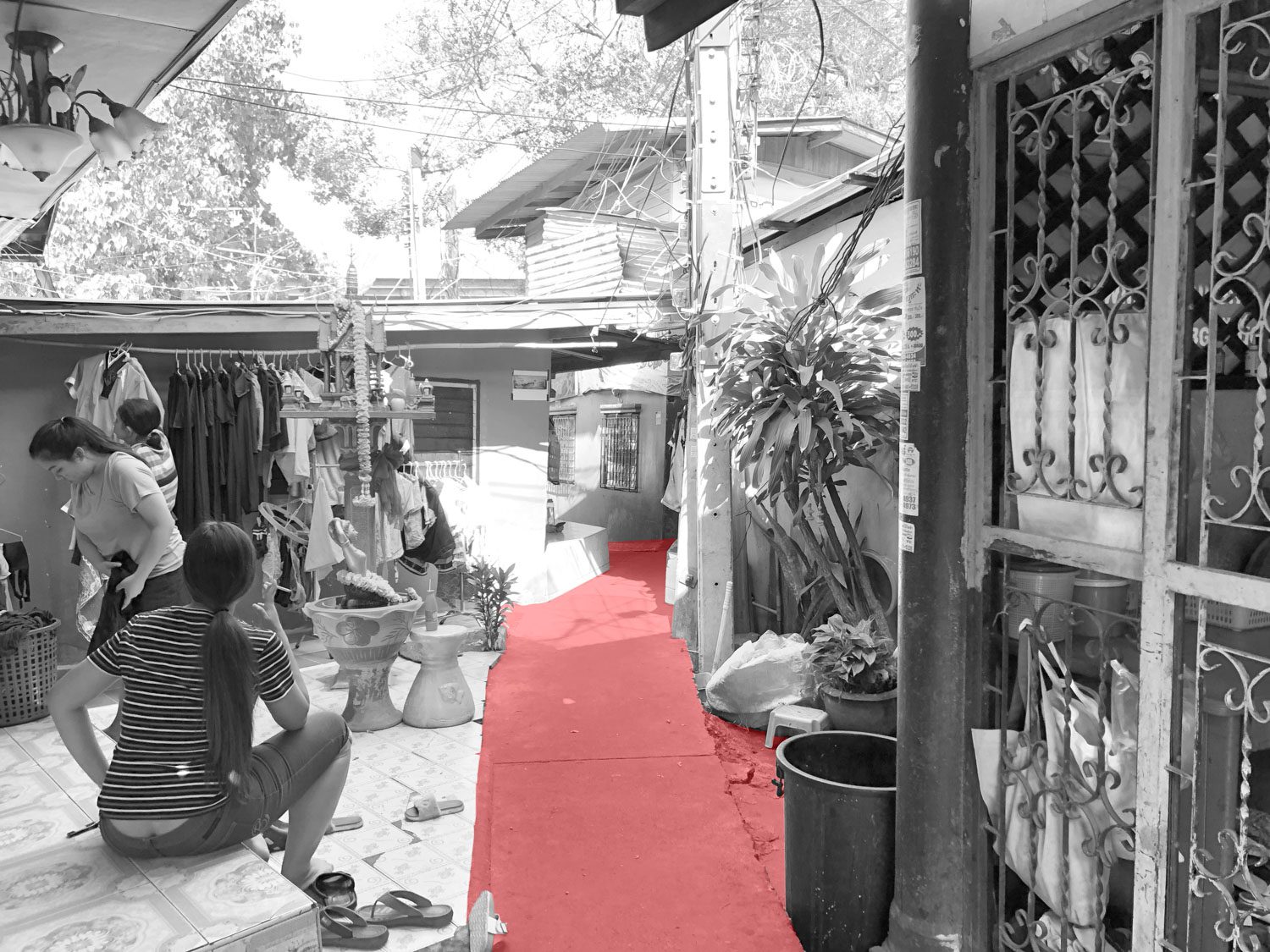
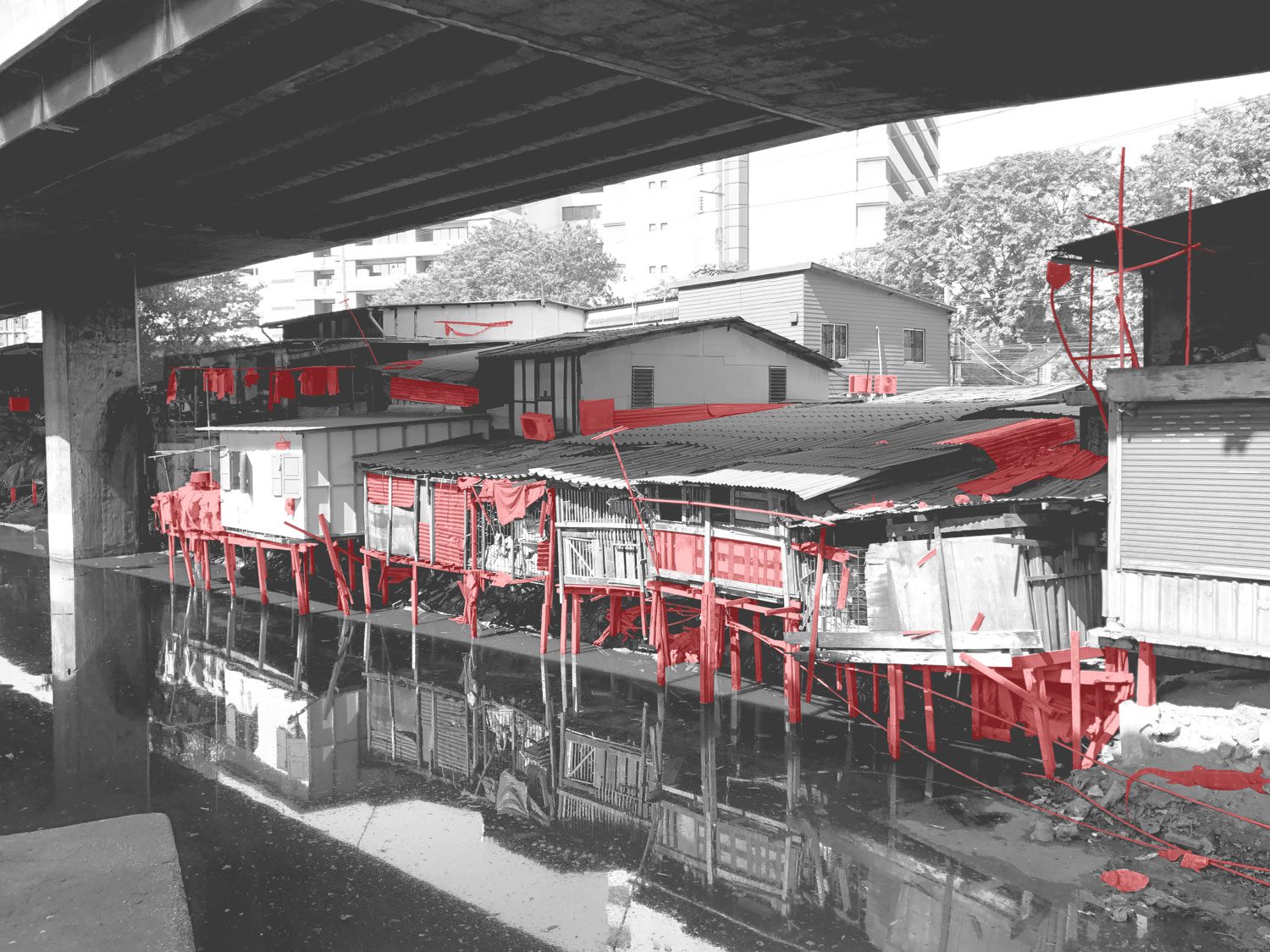
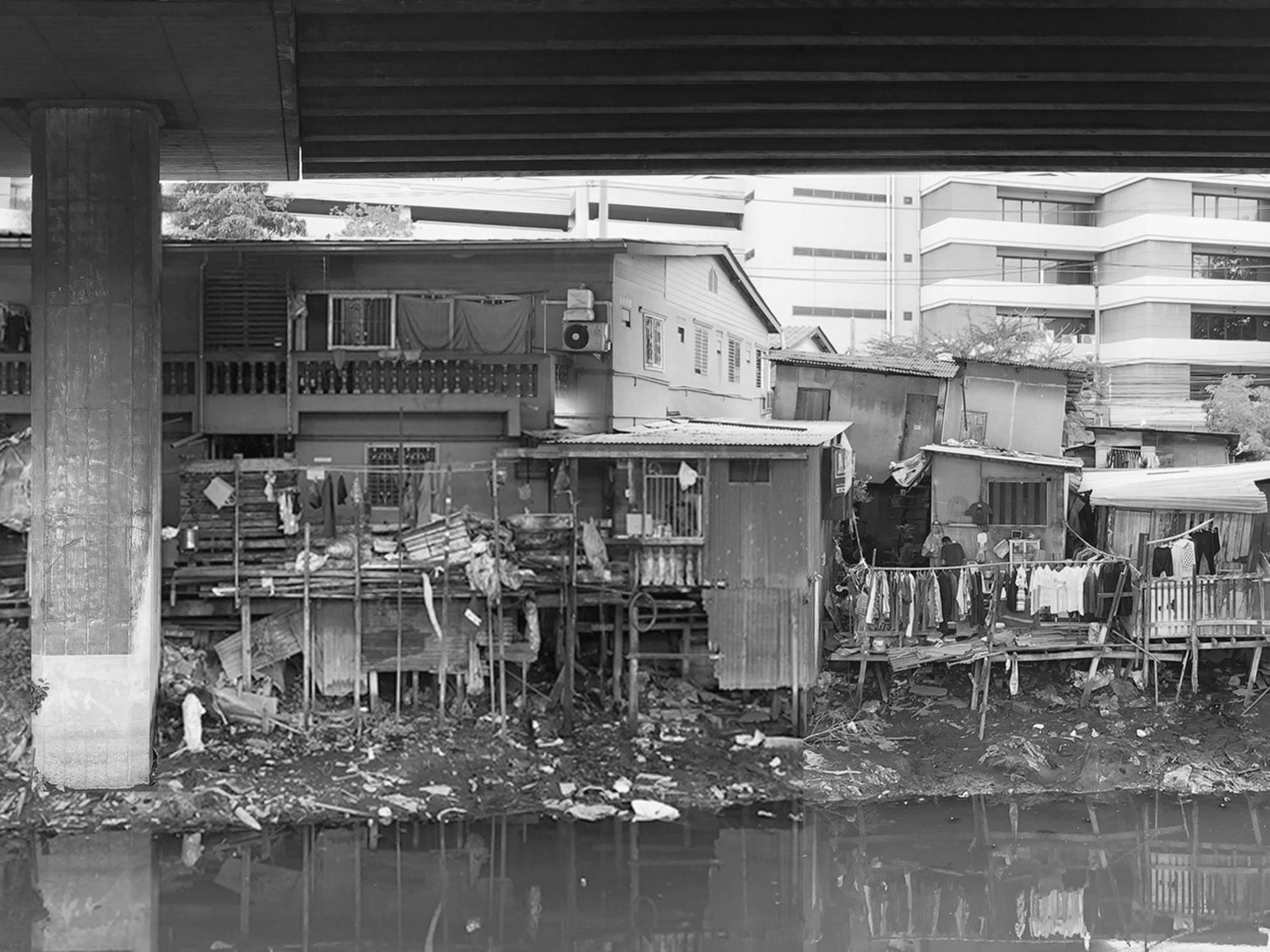
The Chalerm Maha Nakhon Expressway Canal Village stands as a testament to how communities can thrive within urban limitations while staying rooted in nature. By utilizing local materials such as wood, the residents have created spaces that nurture self-identity, relaxation, and well-being, while strengthening their connection to place. This informal adaptation highlights not only the creativity of the villagers but also the critical importance of balancing urban development with the preservation of natural and cultural environments. Ultimately, this village serves as a meaningful reminder that even in the heart of a concrete jungle, there is always room for a nature-oriented, self-sustaining lifestyle.
This article content is an excerpt from the book ‘Chameleon Architecture: Shifting / Adapting / Evolving,’ authored by Jenchieh Hung & Kulthida Songkittipakdee / HAS design and research, available for purchase at: https://art4d.com/product/chameleon-architecture

facebook.com/hasdesignandresearch
instagram.com/has.design.and.research