All posts by Ketsiree Wongwan

PHOTO ESSAY : EXPO DISMANTLING

TEXT & PHOTO: FILIPPO POLI

(For Thai, press here

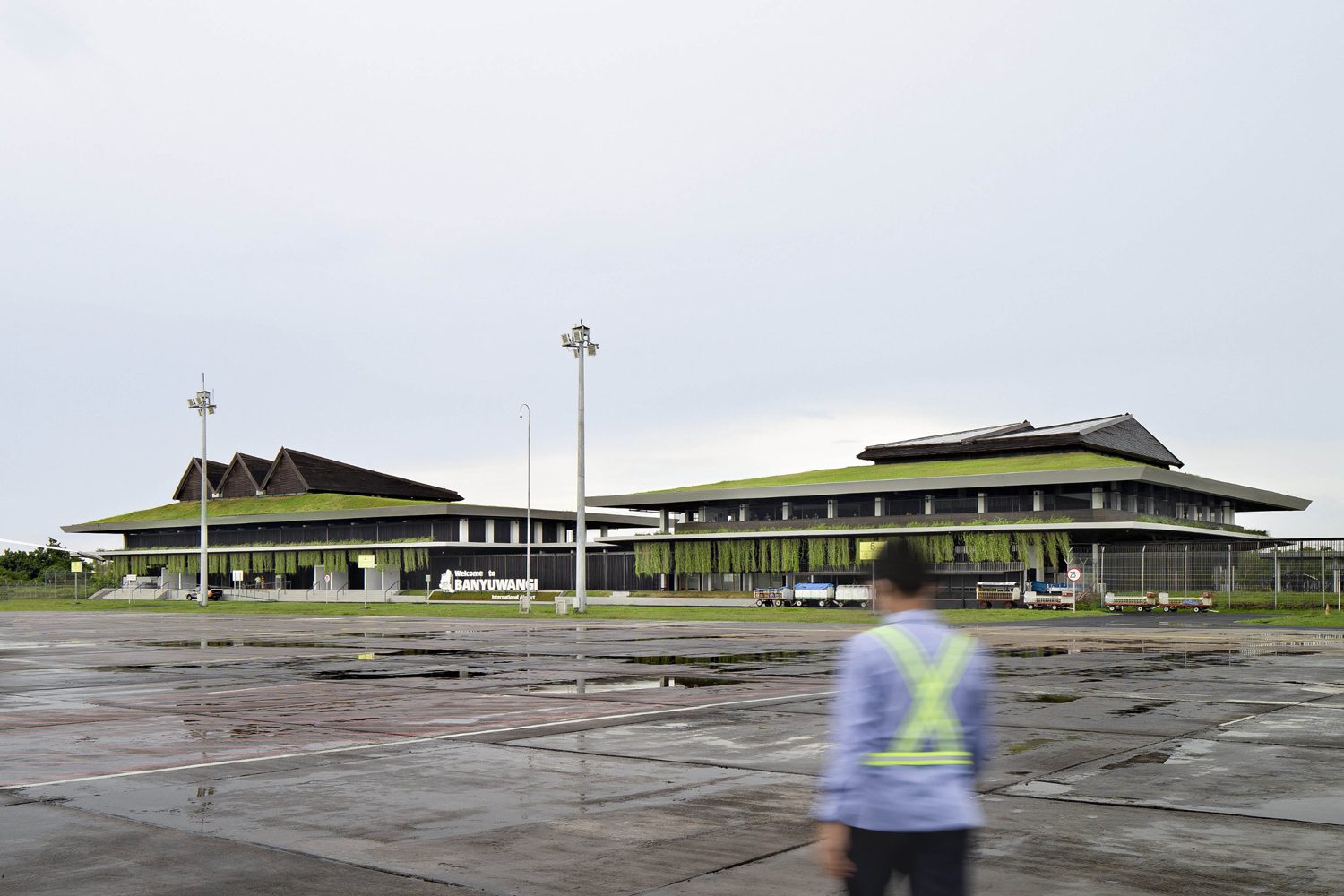
I started attending Expo Milano in February 2015, less than 3 months before the opening date.. The site looked like an anthill amidst traffic jams of trucks and thousands of workers; I had never seen such a large and complex construction site due to the number of projects being carried out simultaneously. 

The big canopies of the Decumano were already there, the pavilions were starting to grow, almost all of them built in dry construction to speed up the assembly process; some countries were erecting their structure very quickly and for others it seemed that only a miracle would help them to finish on time. 

The entire site was under police control because of threats of demonstrations and riots by the notorious black blocs, but walking towards the control turnstiles there were “zones of condescension”: a queue of immigrants who every morning waited outside the fences to be hired by the day. The organisational system had collapsed and the informal economy was the only option for getting the work done. In the last phase before the opening, make-up professionals – trade fair and TV set installation companies – joined the construction companies to disguise what was unfinished and make it ready for the official opening on 1 May 2015. 

Twenty-one million visitors followed, and the press celebrated this success with triumphant articles about the rebirth of Milan and Italy.  

The rules of the BIE stipulated that fourteen months after the end of the exhibition, the participating countries should return the apple as they received it and try to reuse the pavilion elsewhere. Not many virtuous ones managed to find a second location; unfortunately, the list of destructions is longer than the list of those pavilions dismantled and reused. However, Expo is slowly adapting to the times: the waste of an event of this scale is unacceptable and a strategy to avoid it is being considered. 

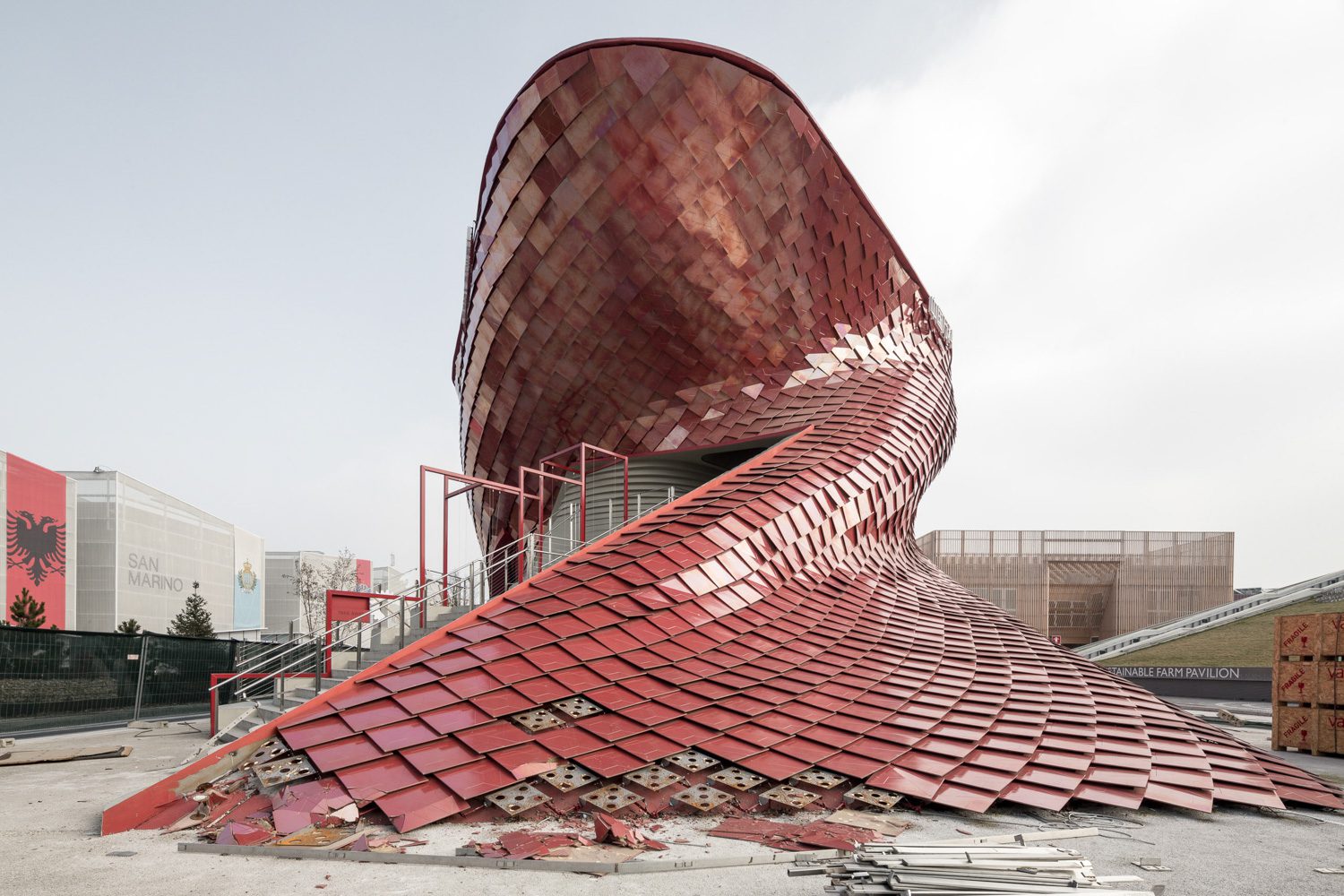
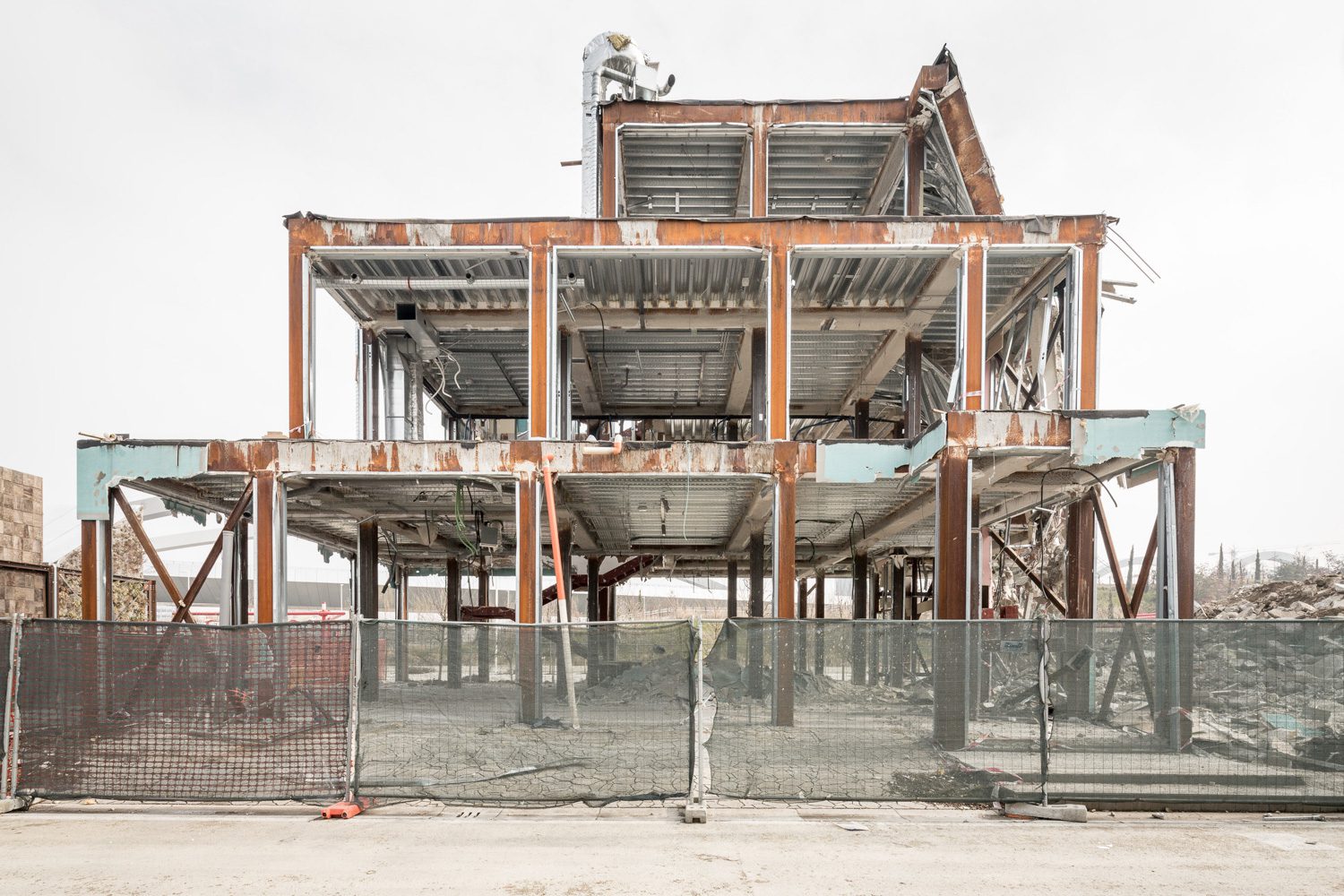
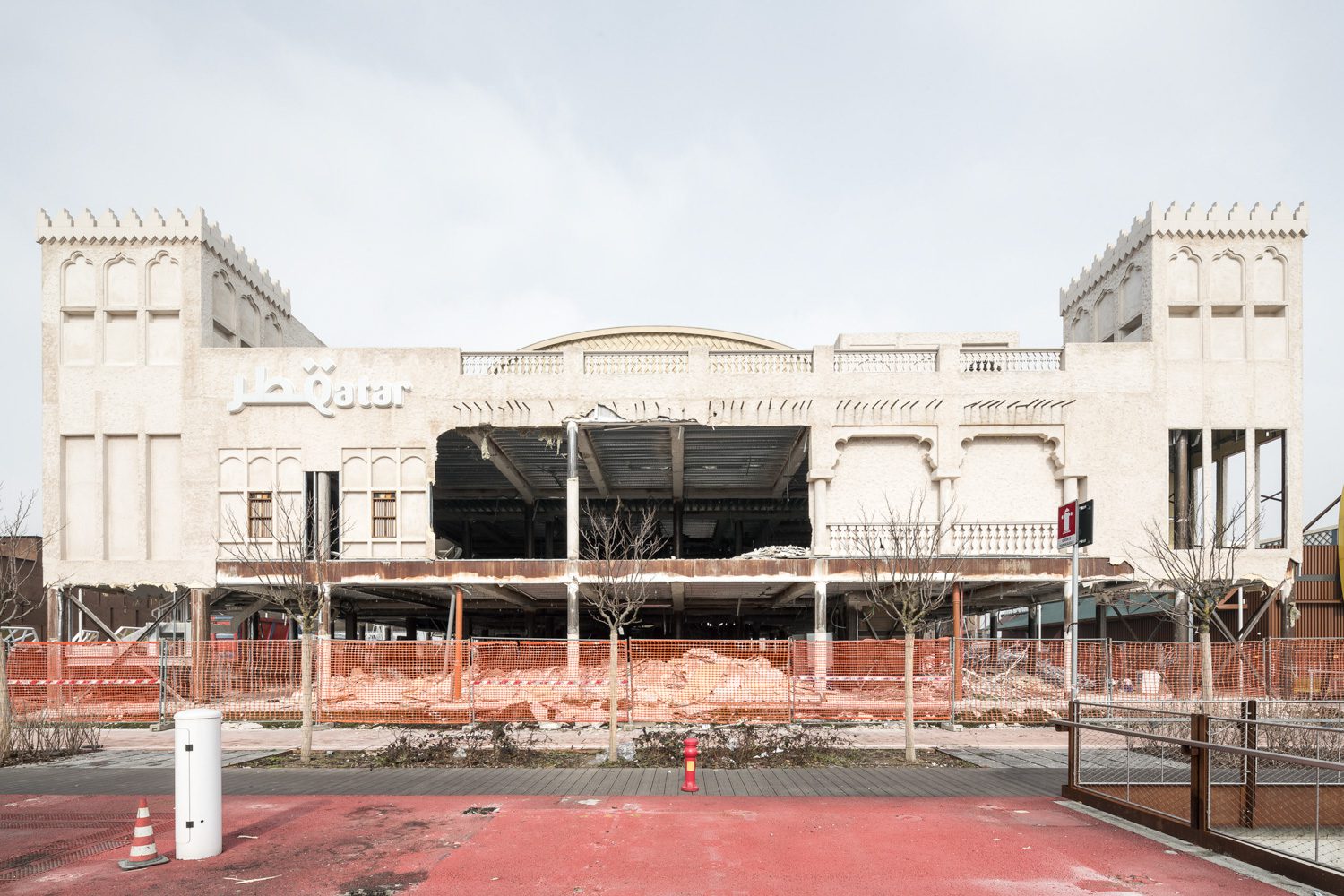
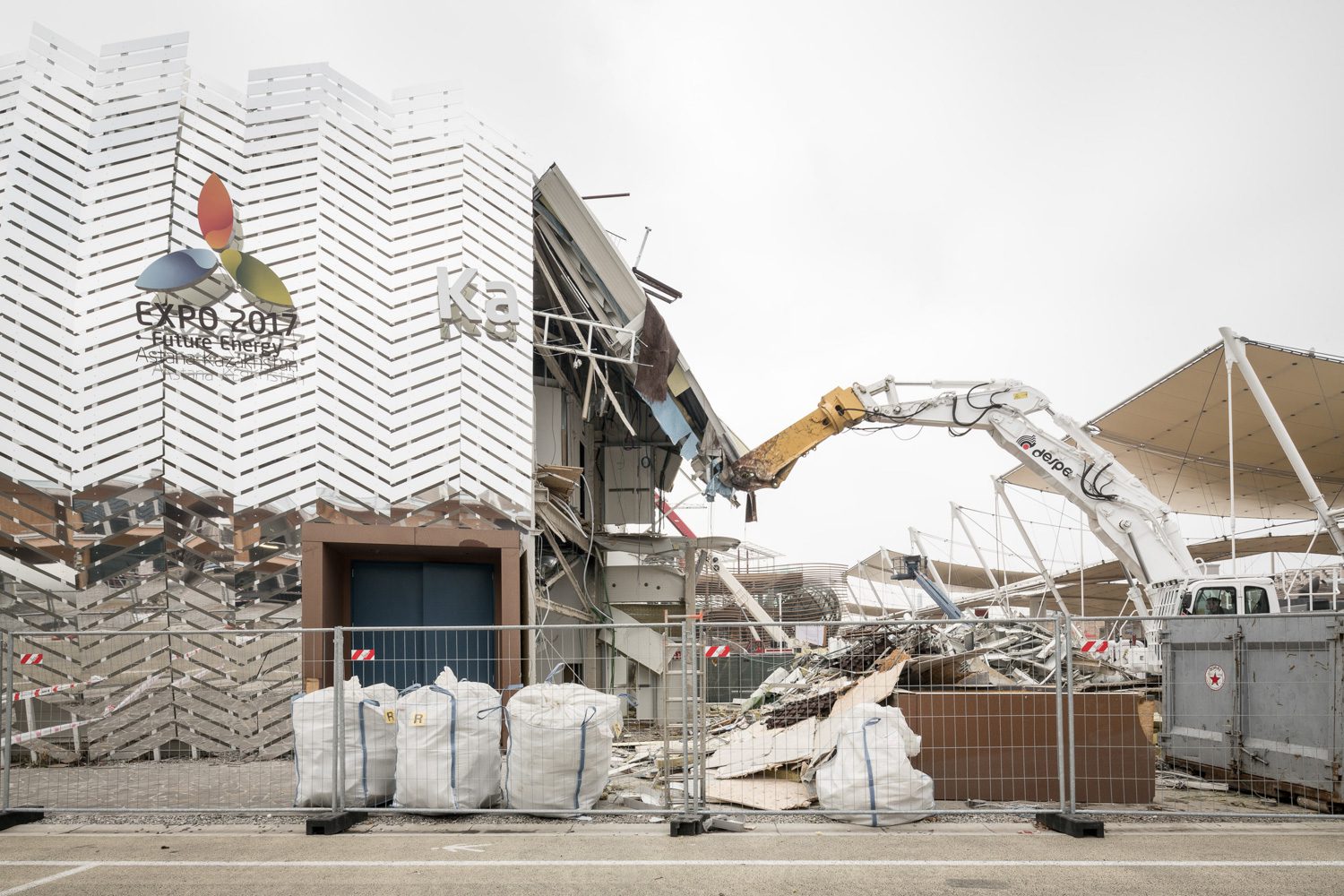
Expo Milano ended in October 2015 and later this year its gates reopened to trucks and workers to dismantle the pavilions like a big jigsaw puzzle. I was able to access the site on two further occasions since it was closed to the public. After having seen the entire construction process and accompanied the months of the event’s development, a cycle closes, documenting the traces of what was there, and with them the metal-devouring machines, the saws and the patient labour of the workers sorting the materials.  

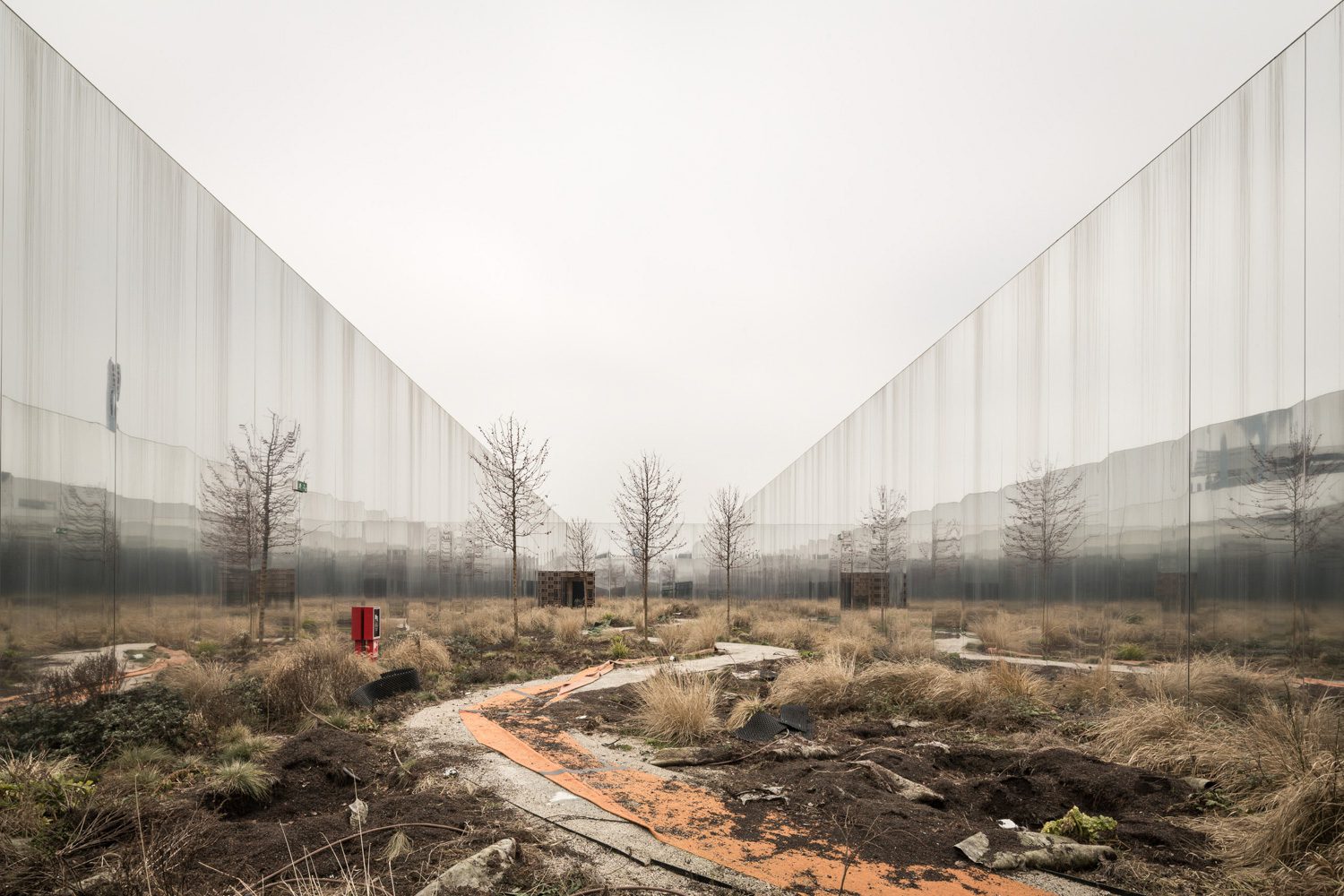
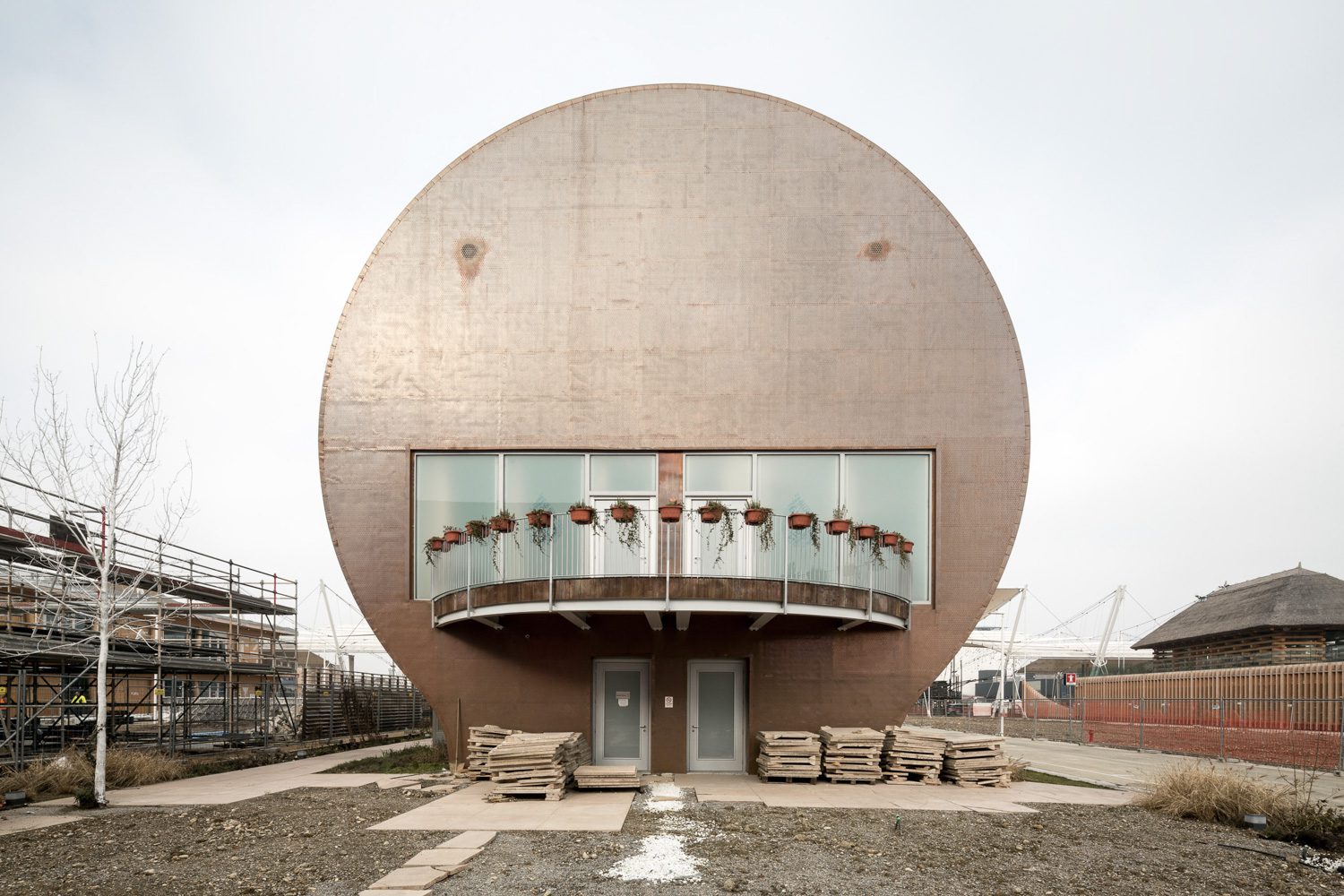
Some pavilions seemed to have evaporated. In the earth were some traces of foundations and mud; others were lacerated, others looked as if they had been bombed but stood stoically. 

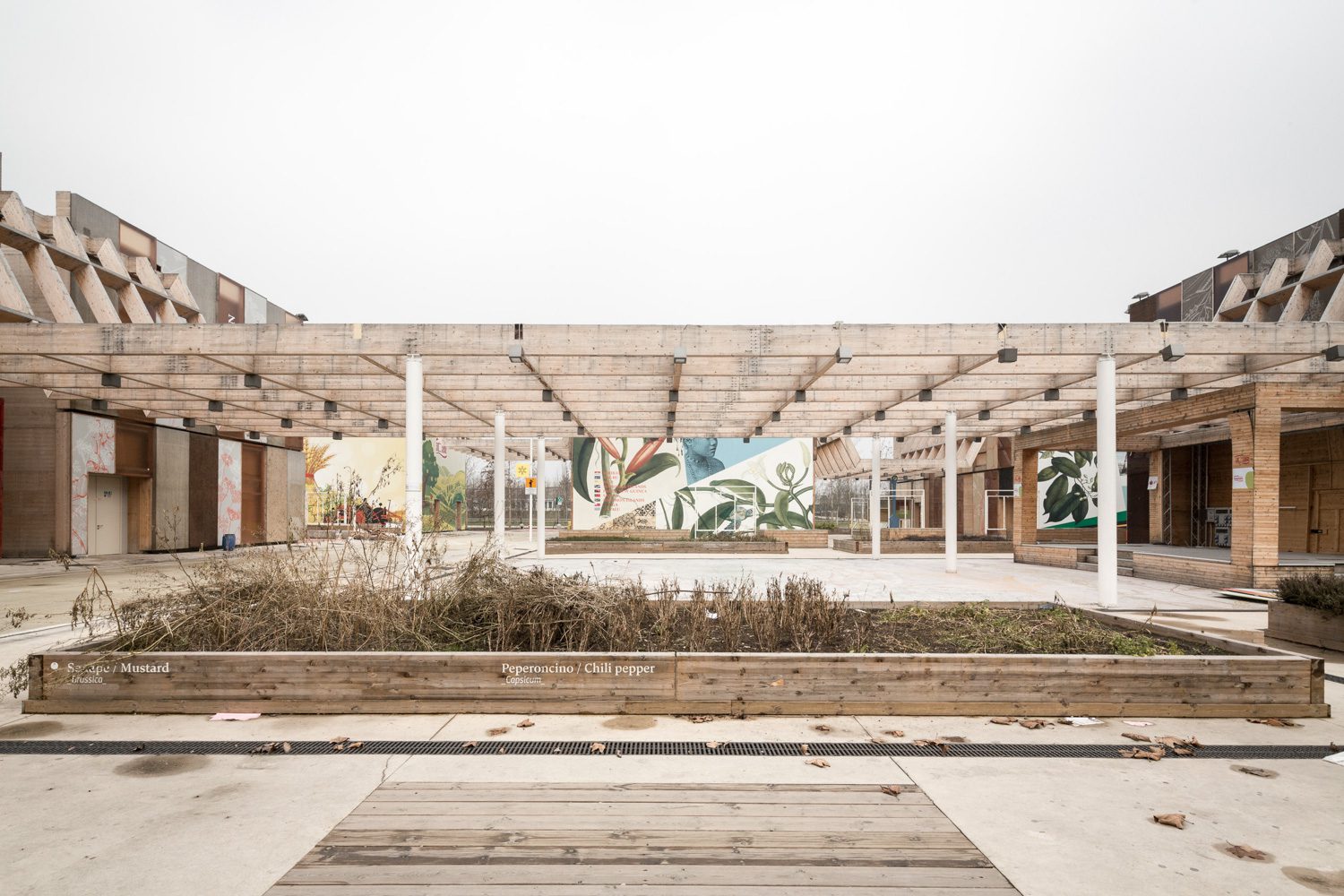
Where a few months ago I struggled to find a good shooting point, I now walk alone along the Decumanus, a post-atomic landscape all around me. Volunteers rescued many plants, but the greenery that cannot survive without artificial irrigation was already dead and, in the meantime, the Third Landscape (G. Clement, 2004) has gained some space among the skeletons of structures and abandoned gardens. In this way, too, the Expo has its own charm.

The photographic series presented on these pages wants to raise some questions not only about architecture but also about our society and the meaning of these events.

_____________

Filippo Poli is a photographer specialized in architectural photography; he is based in Europe and collaborates with architecture firms, institutions and publishers.

His personal work is focused on cultural landscape, on the relationship between Man and Nature and its results in the Space. 

His photographs are part of the permanent collection of the new Art Centre of Santander of public Enaire Foundation and his work has been presented in venues in Europe (Climate Summit (COP25) in Madrid, Venice Biennale, Arco Madrid, Photo España, Deutsches Architekturmuseum, …) and USA and are part of private and public collections. 

He regularly publishes in the most important architecture magazines and his work has been awarded by Fundación Enaire, PX3, European Architectural Photography, Architekturbild, IPA, Photography Master Cup, Philadelphia Basho, ArchTriumph among others.

Filippopoli.com
facebook.com/filippopoliphotography
instagram.com/filippo.poli

EVERYDAY MODERNISM: ARCHITECTURE AND SOCIETY IN SINGAPORE

THE BOOK INVESTIGATES THE BUILT STRUCTURES CONSTRUCTED IN SINGAPORE BETWEEN THE 1930S AND THE 1980S, FOCUSING ON THEIR CONTRIBUTION TO THE FORMATION OF THE NATION AND THE LIVES OF ITS PEOPLE Read More

PHOTO ESSAY : FUTURE BOARD

TEXT & PHOTO: PEERAPAT WIMOLRUNGKARAT

(For Thai, press here

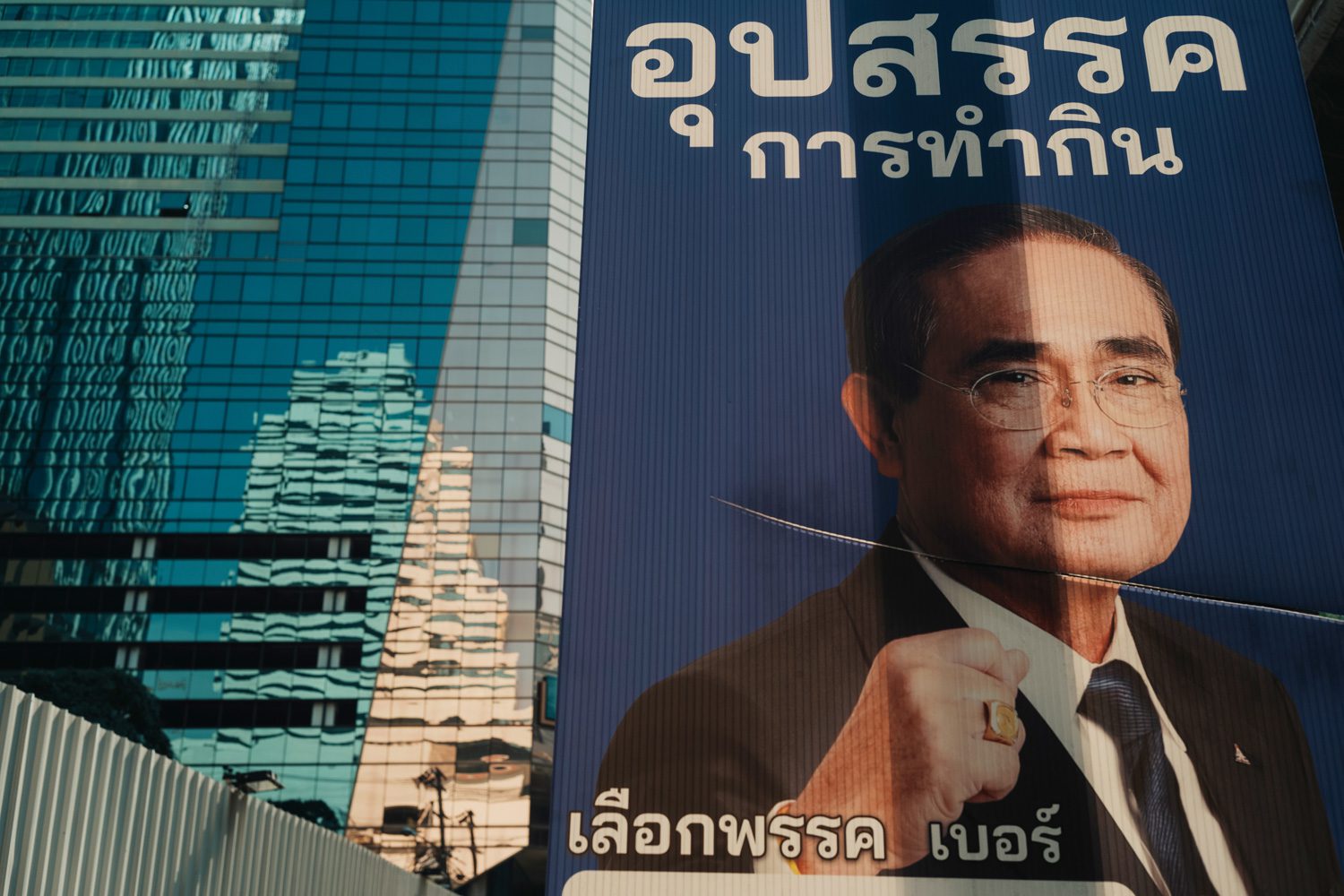
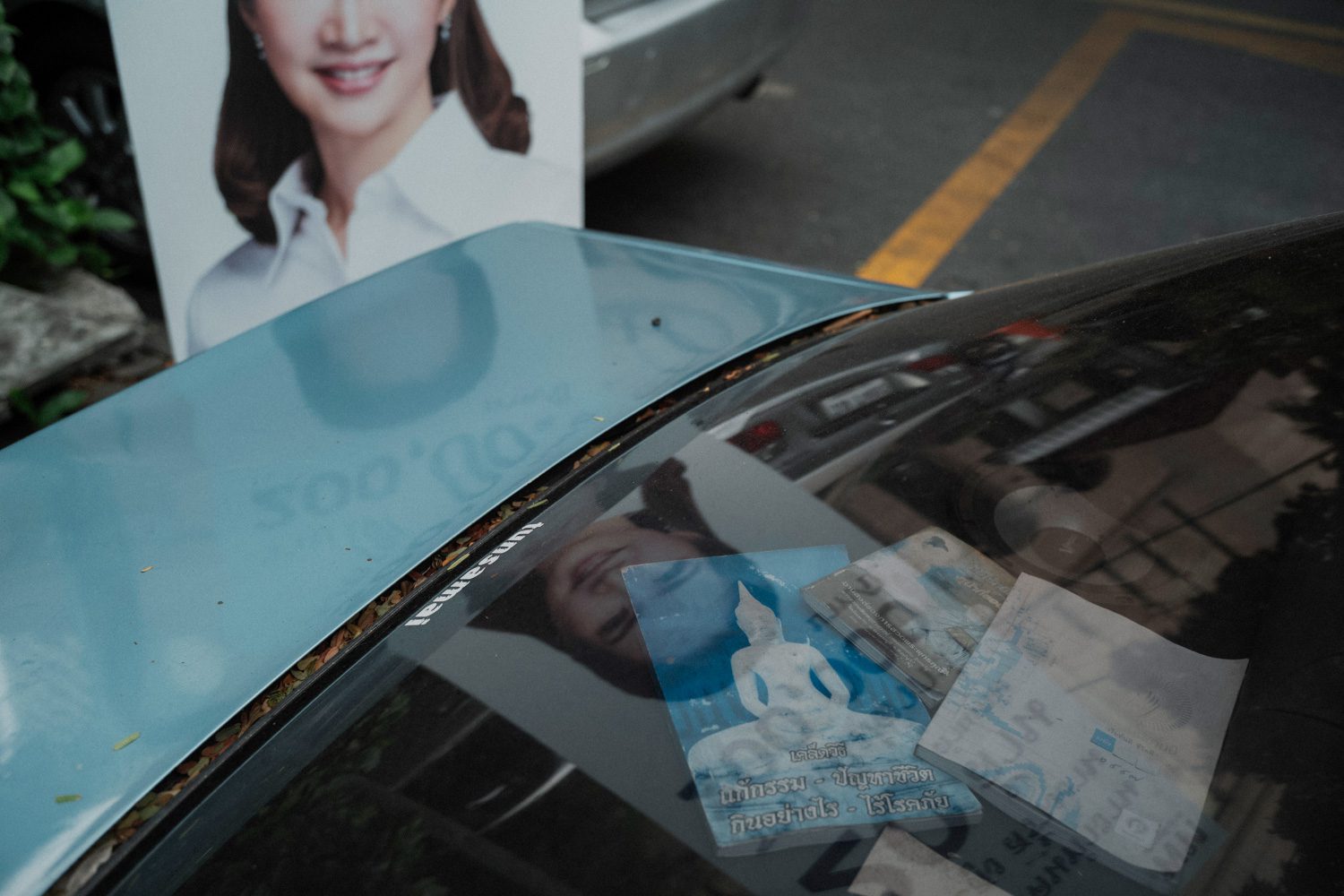
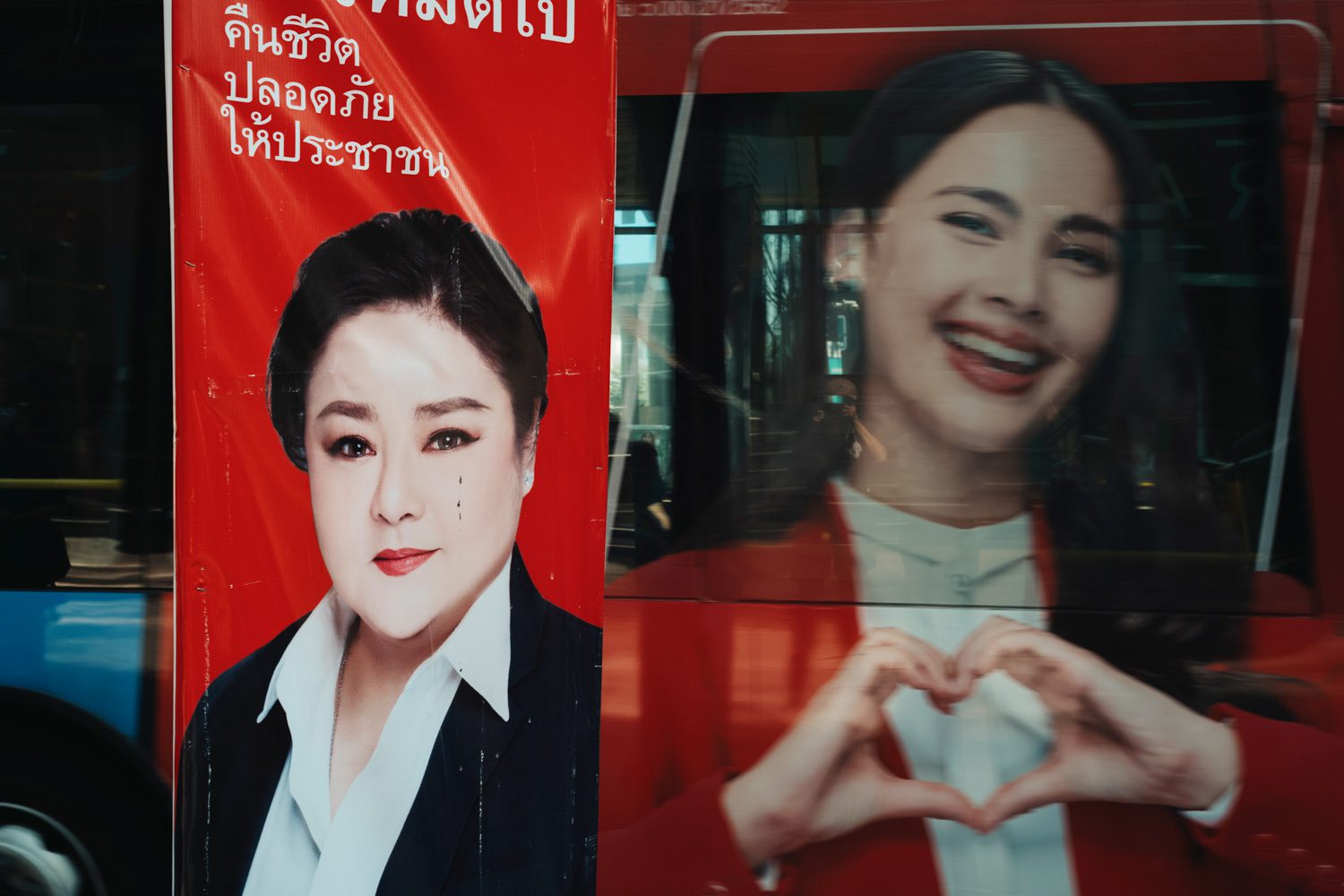
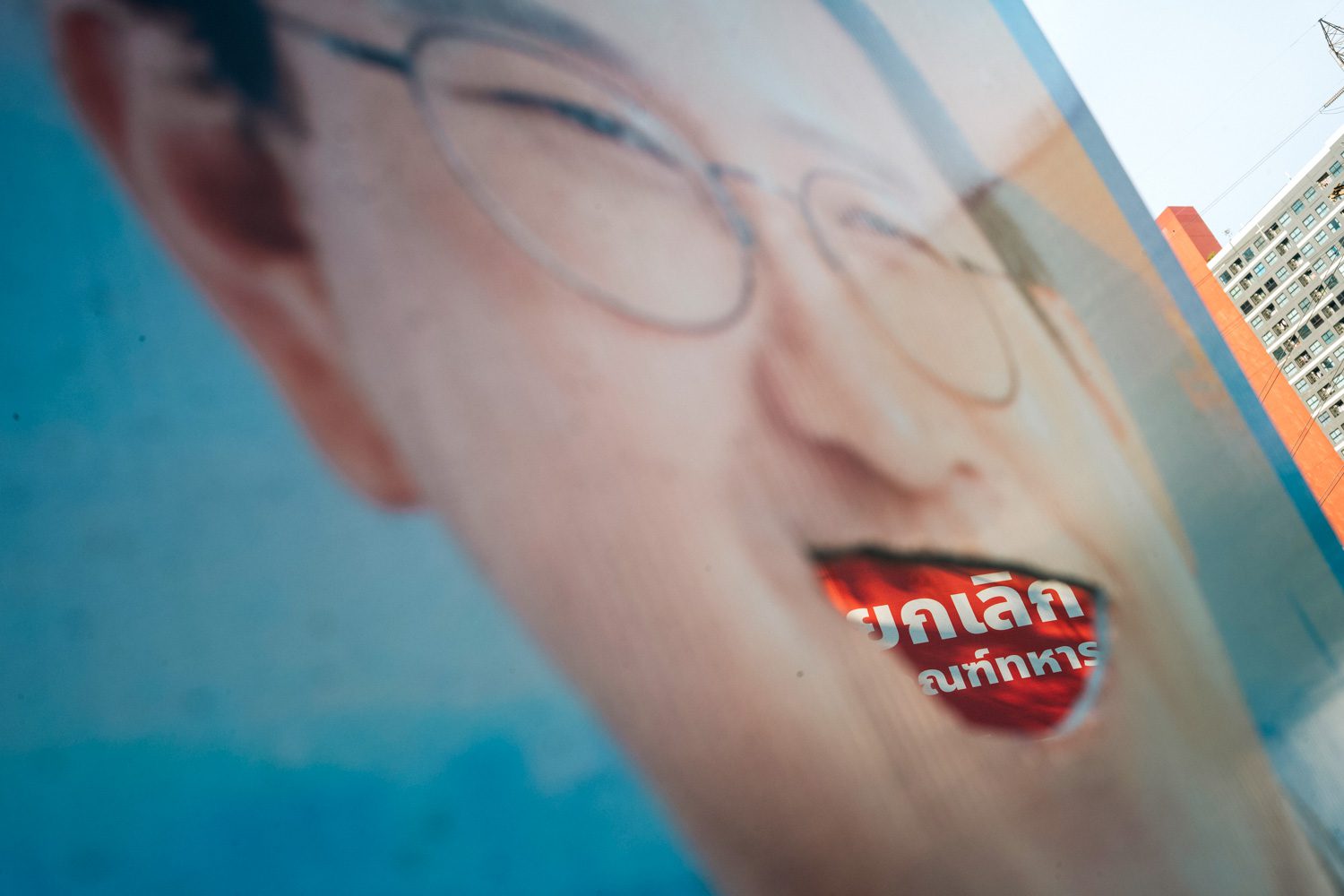
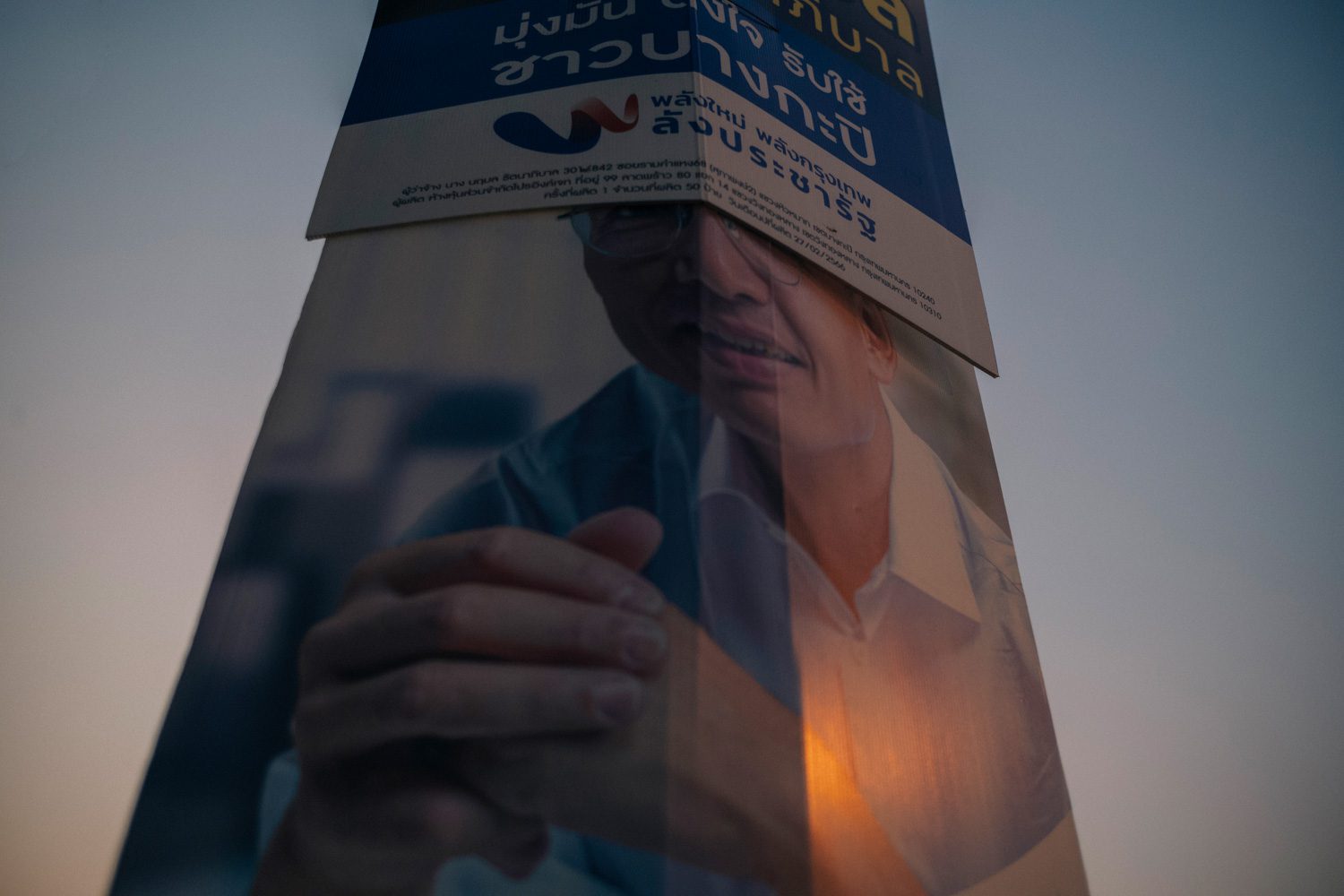
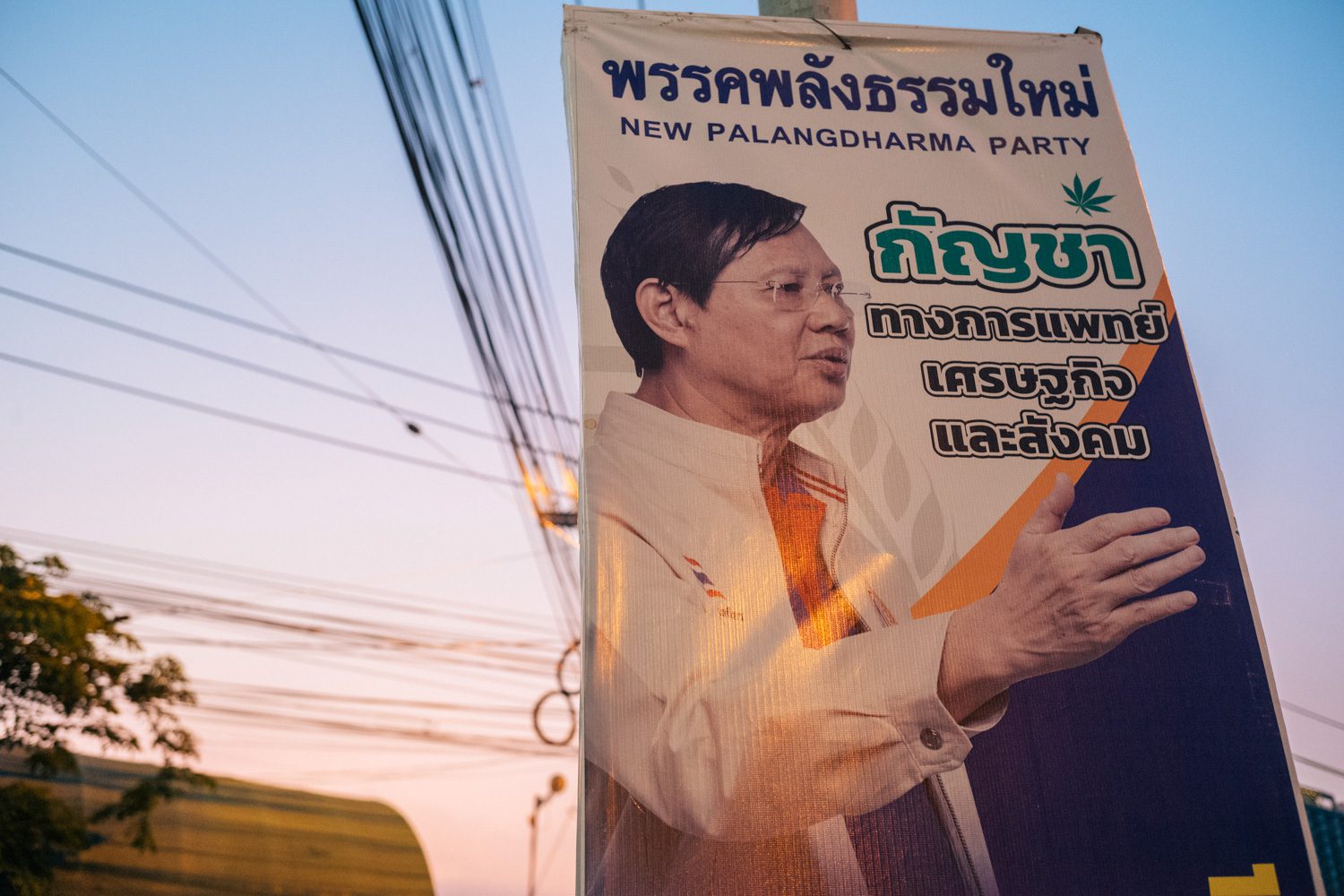
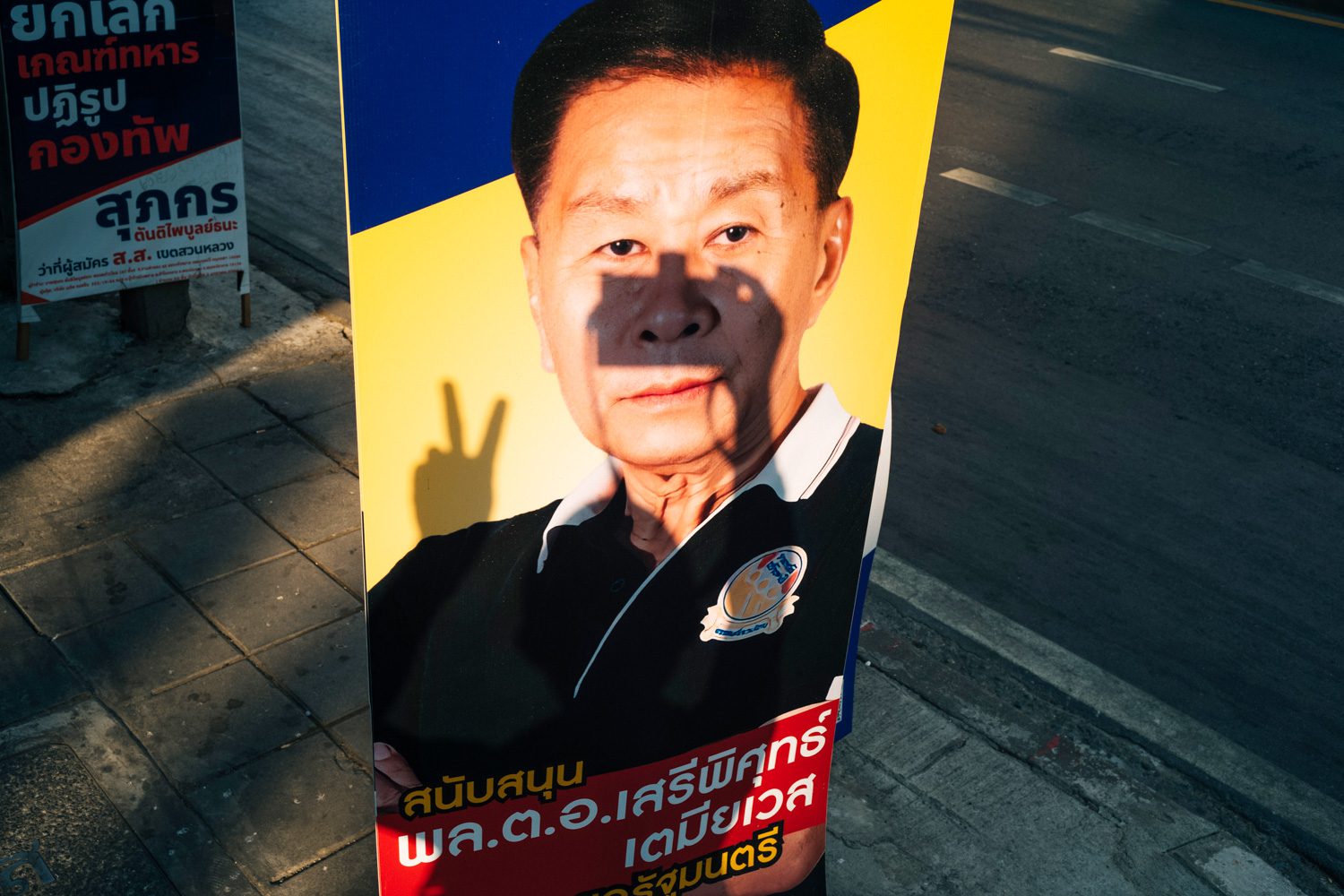
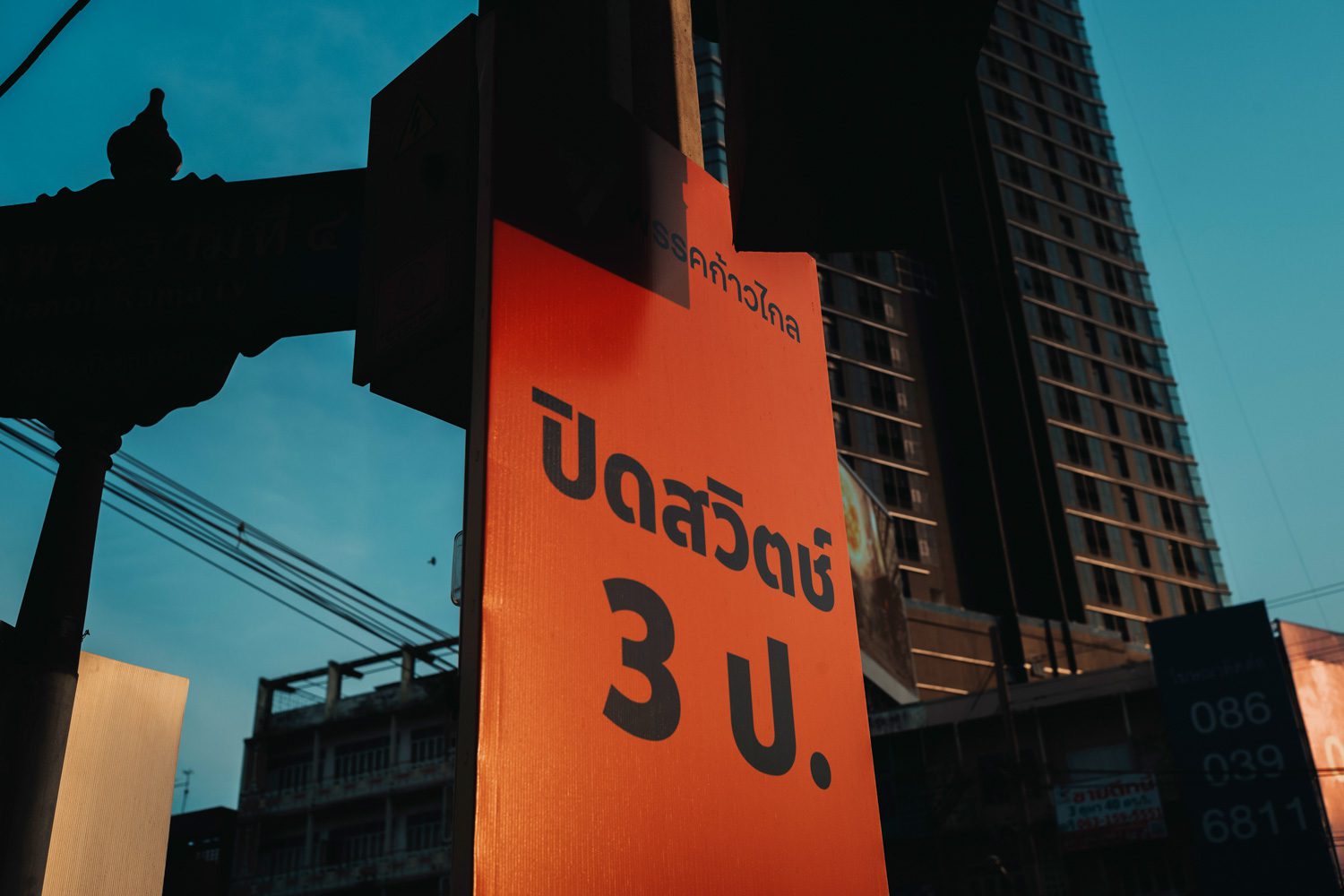
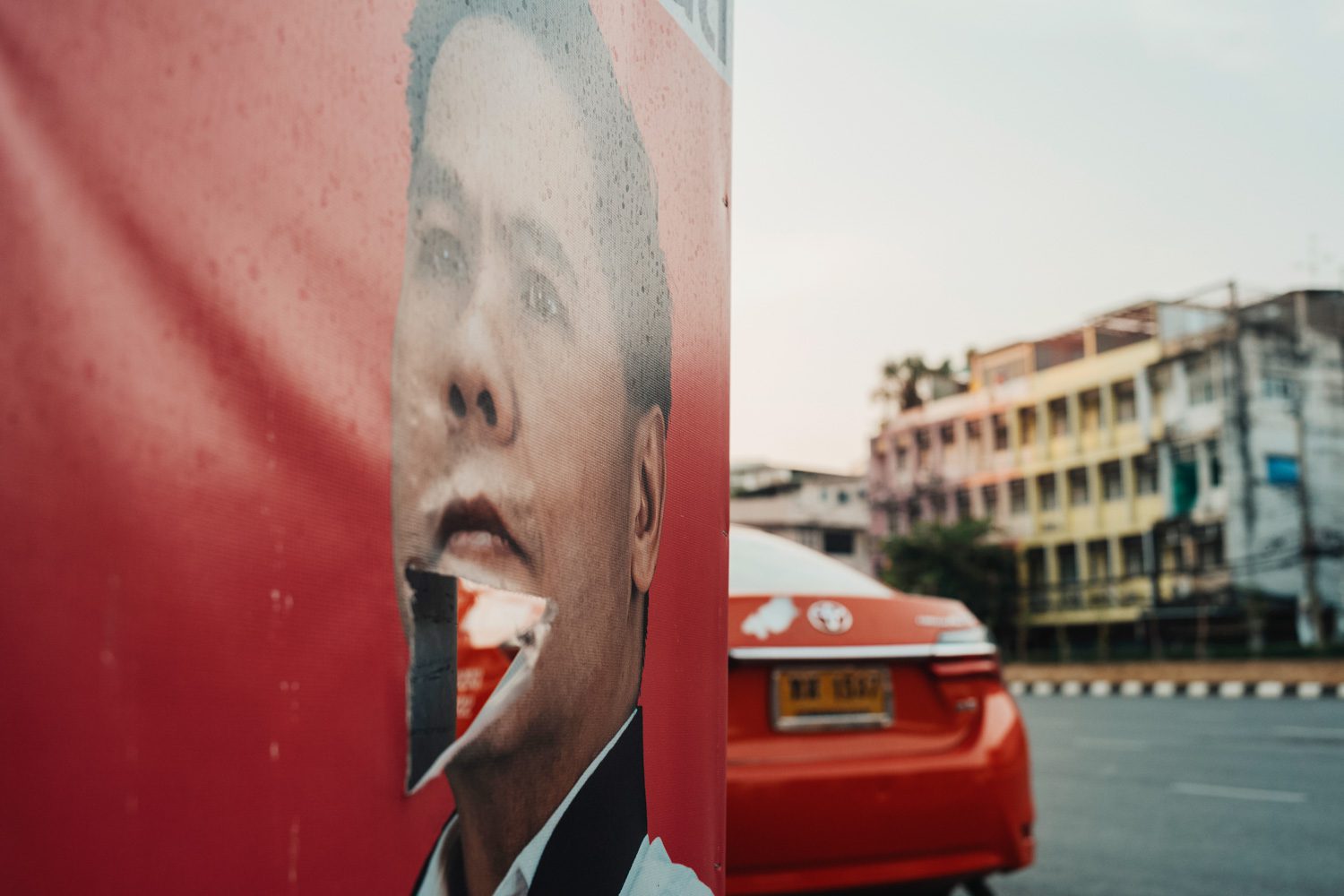
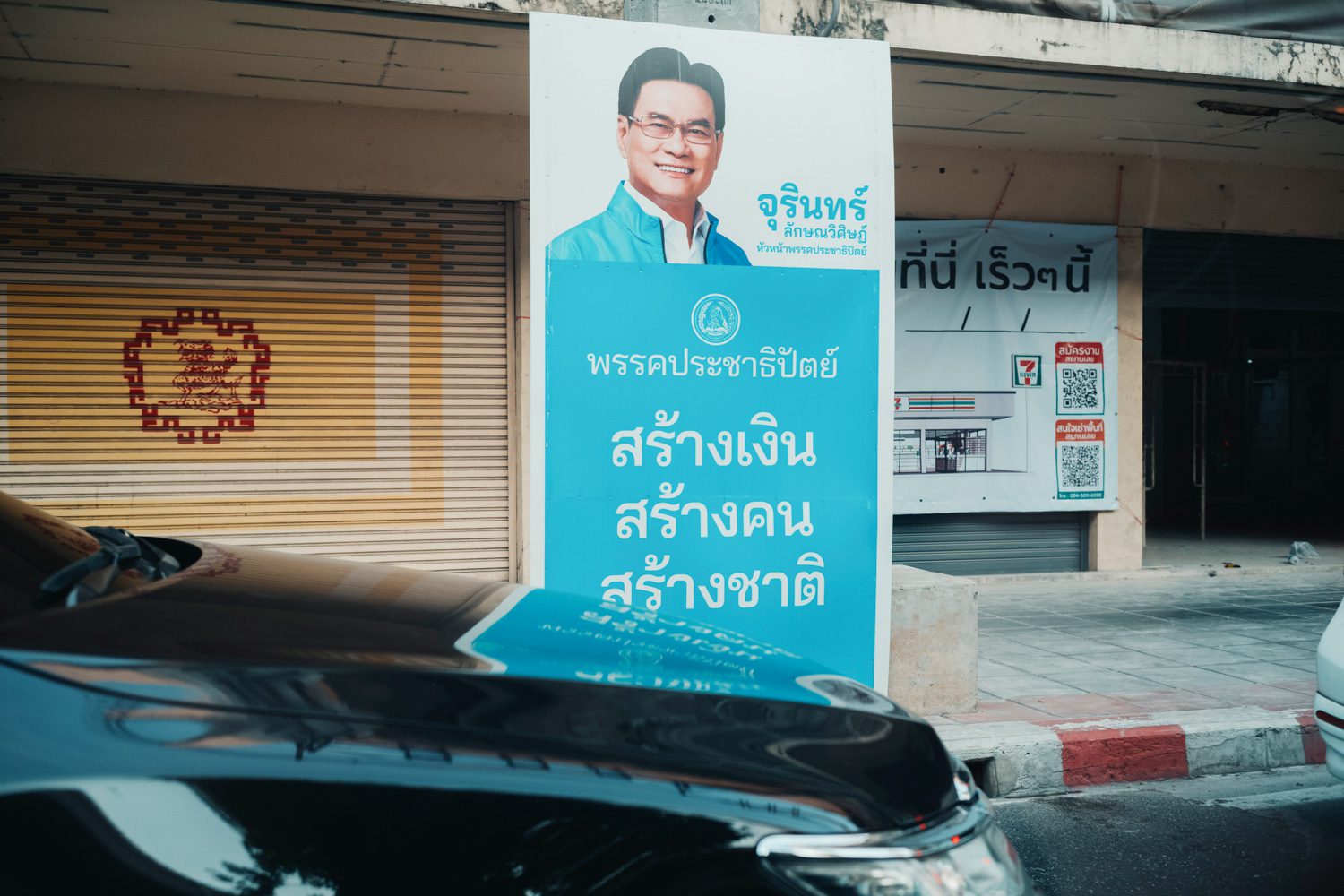
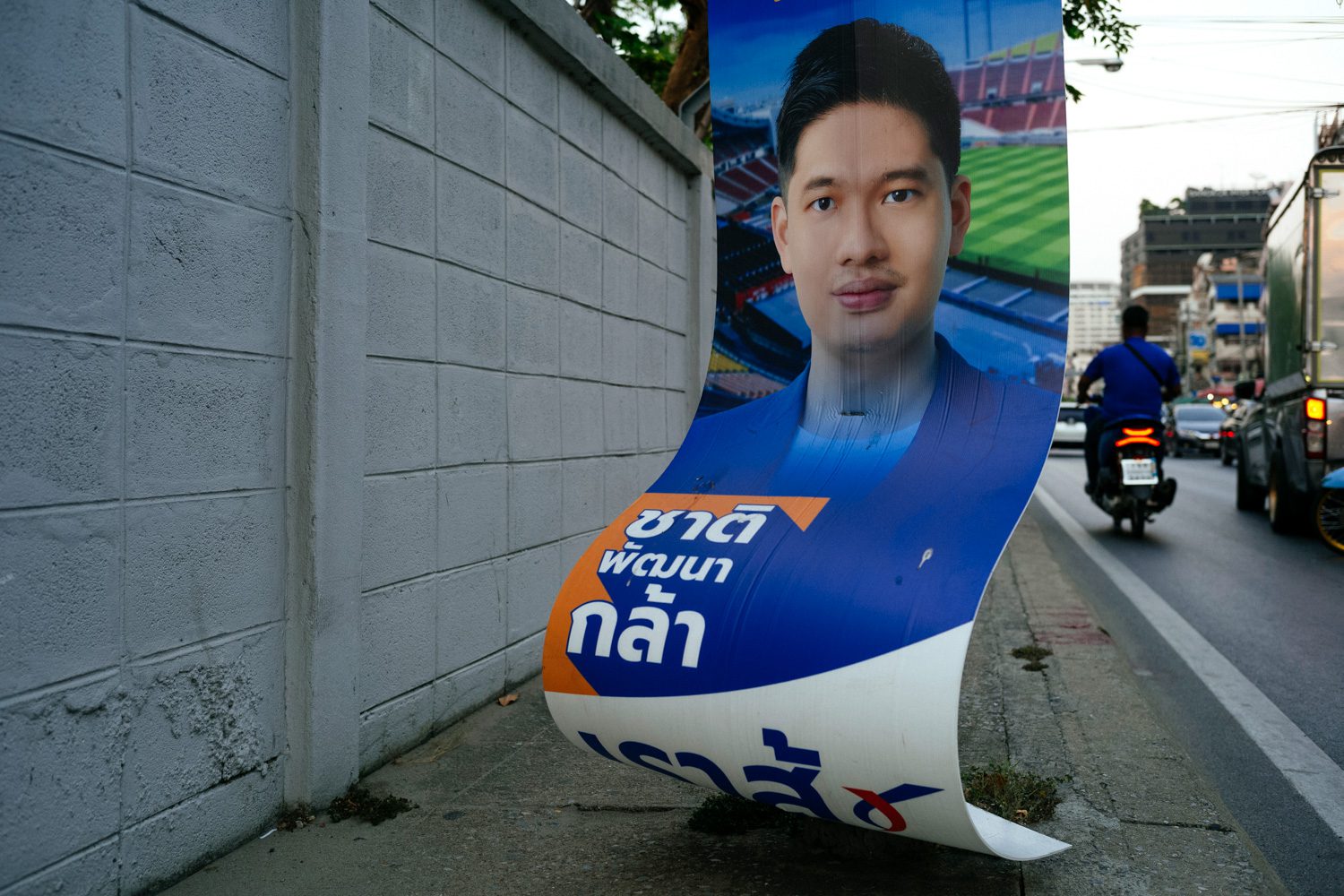
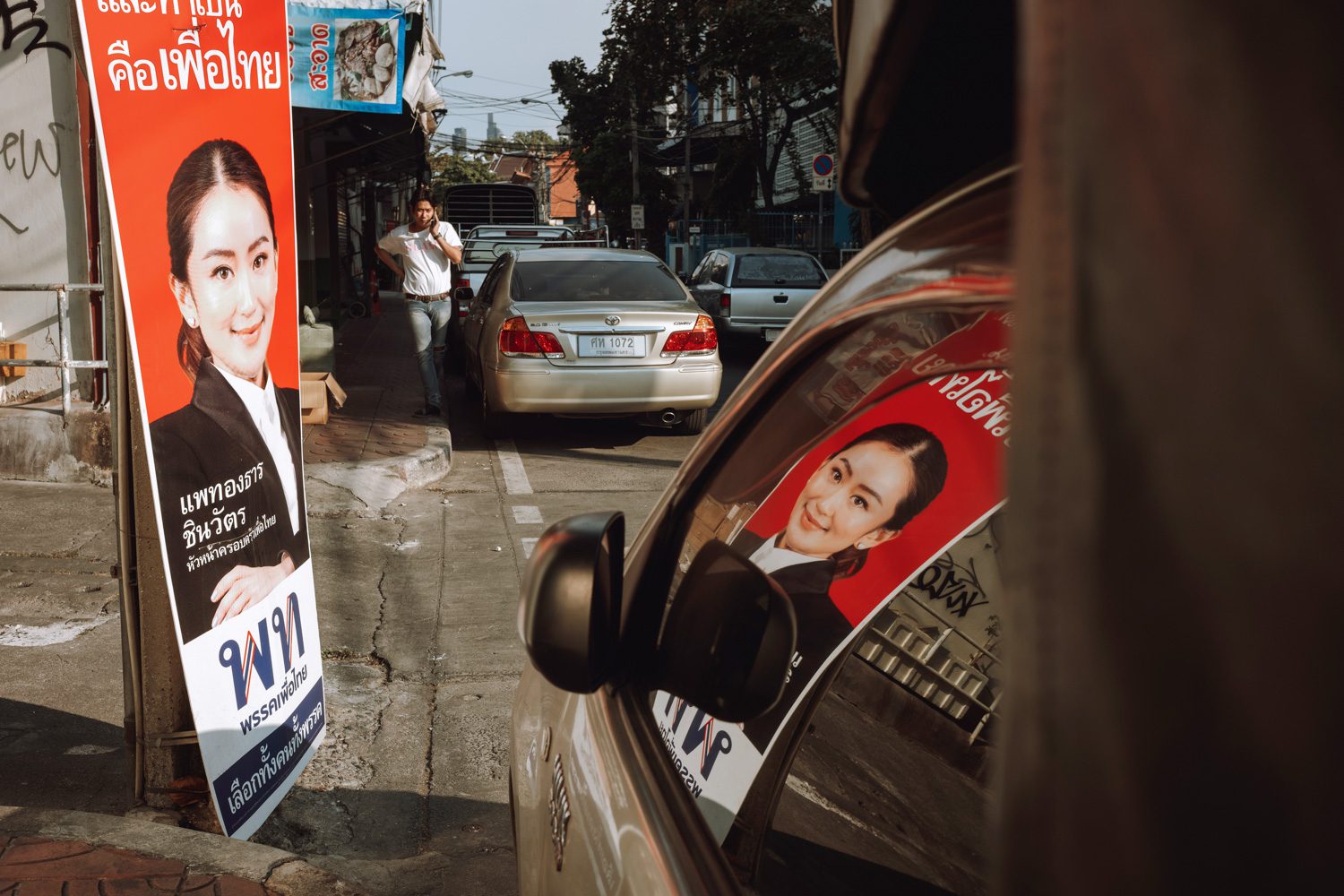
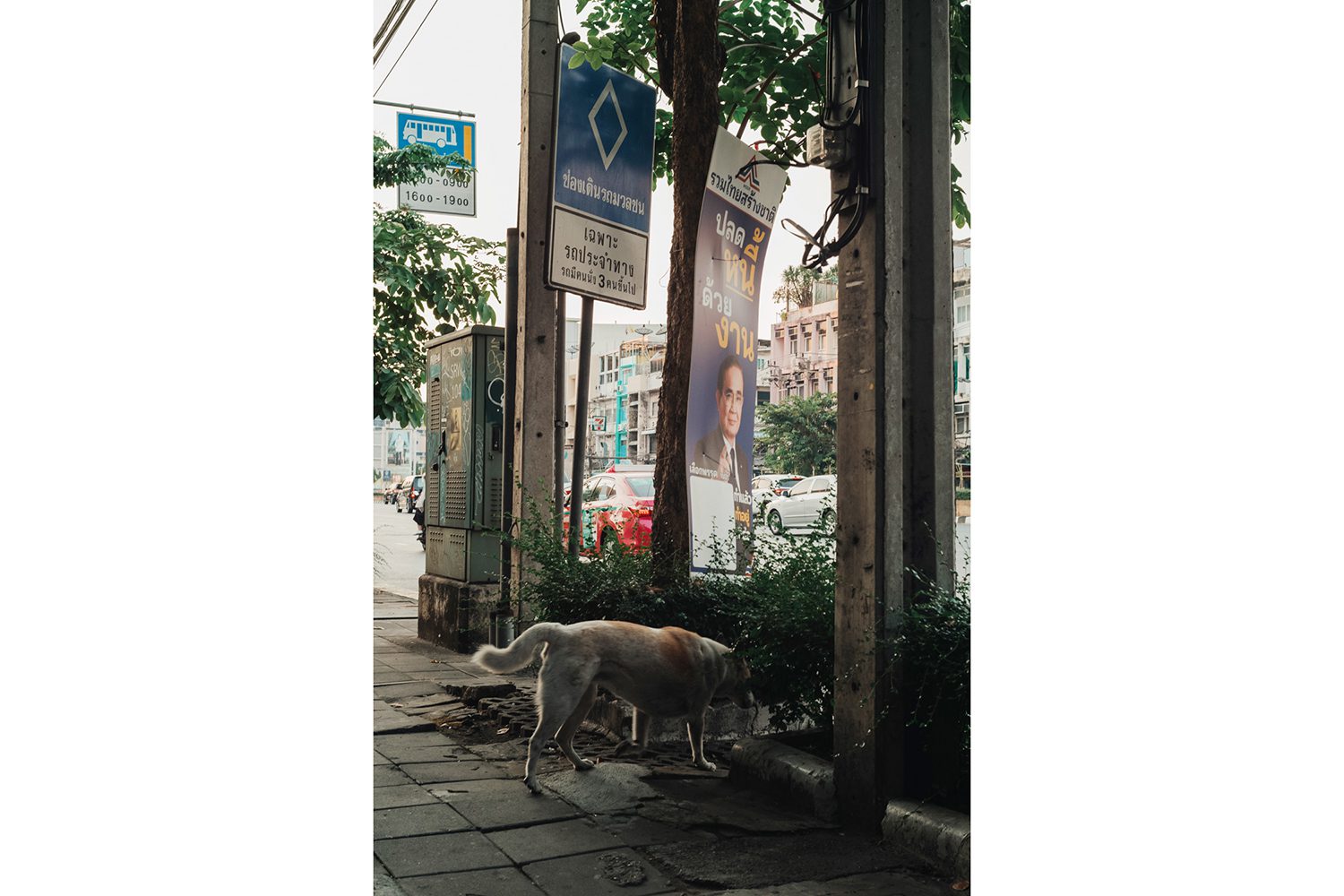
This project is called ‘Future Board’ and it is a photo series of campaign posters from people who are volunteering to run the country in the future.

The initial intention was to go out and take pictures around the neighborhood. While I was riding in a car, I saw campaign posters on both sides of the road that caught my interest to explore different aspects of the campaign posters.

The posters are filled with policies, speeches, letters, and little connotations. Taking pictures is a way to record the promises made by politicians on the posters.

Campaign posters posted everywhere during elections may make the city vibrant, but they can also be visually polluting. Some posters are hastily posted without regard to pedestrians. Taking these pictures of posters raises the question: are campaign posters still effective?

_____________

Peerapat Wimolrungkarat (addcandid) The photographer who loves to capture moments and memories that’s hidden in still images.

Leica Ambassador (Thailand)
Architecture photography @somethingarchitecture

facebook.com/somethingarchitecture
facebook.com/addcandid

PHOTO ESSAY : CONTEMPLATING IN RAMADAN1444

TEXT & PHOTO: TEECHALIT CHULARAT

(For Thai, press here

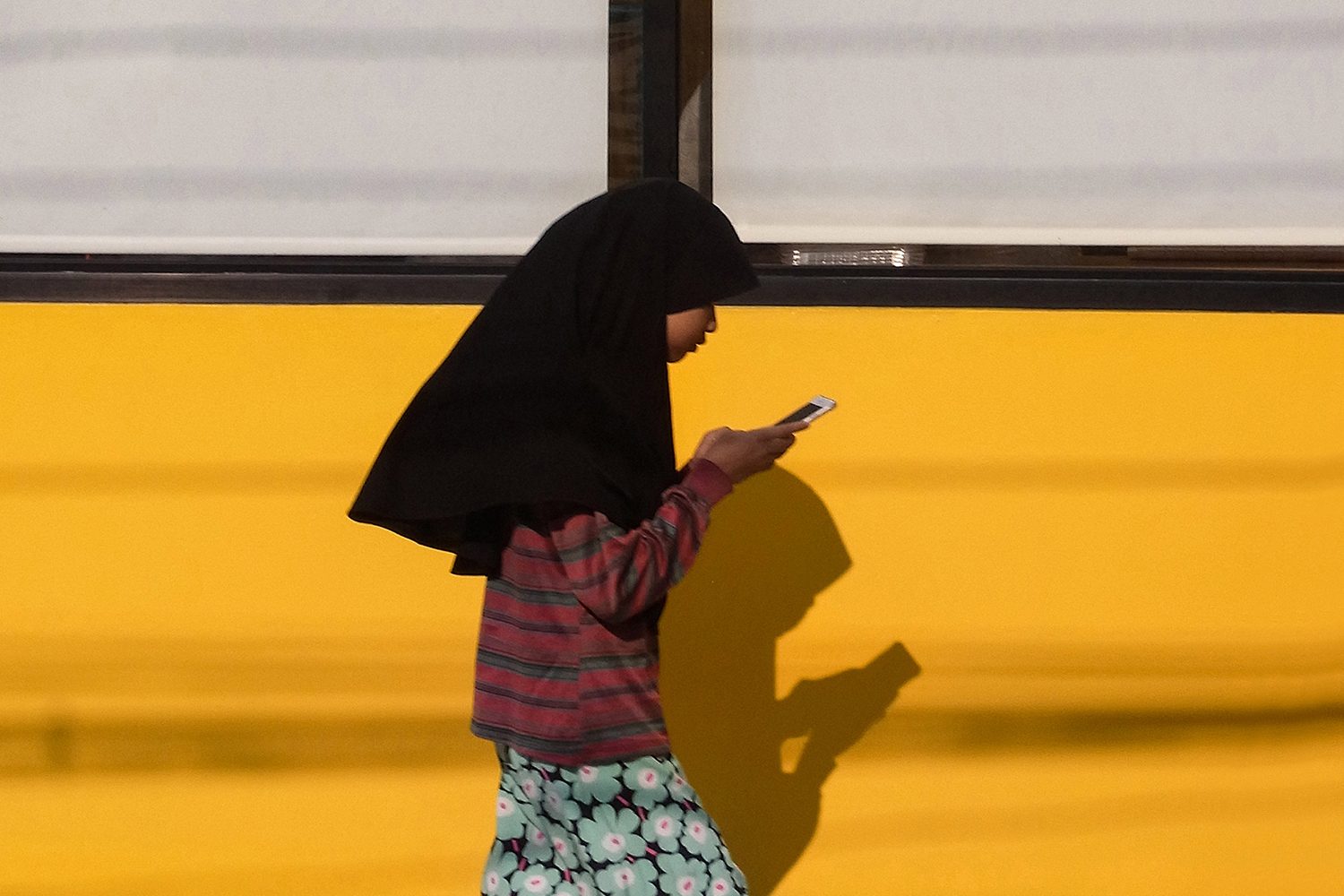
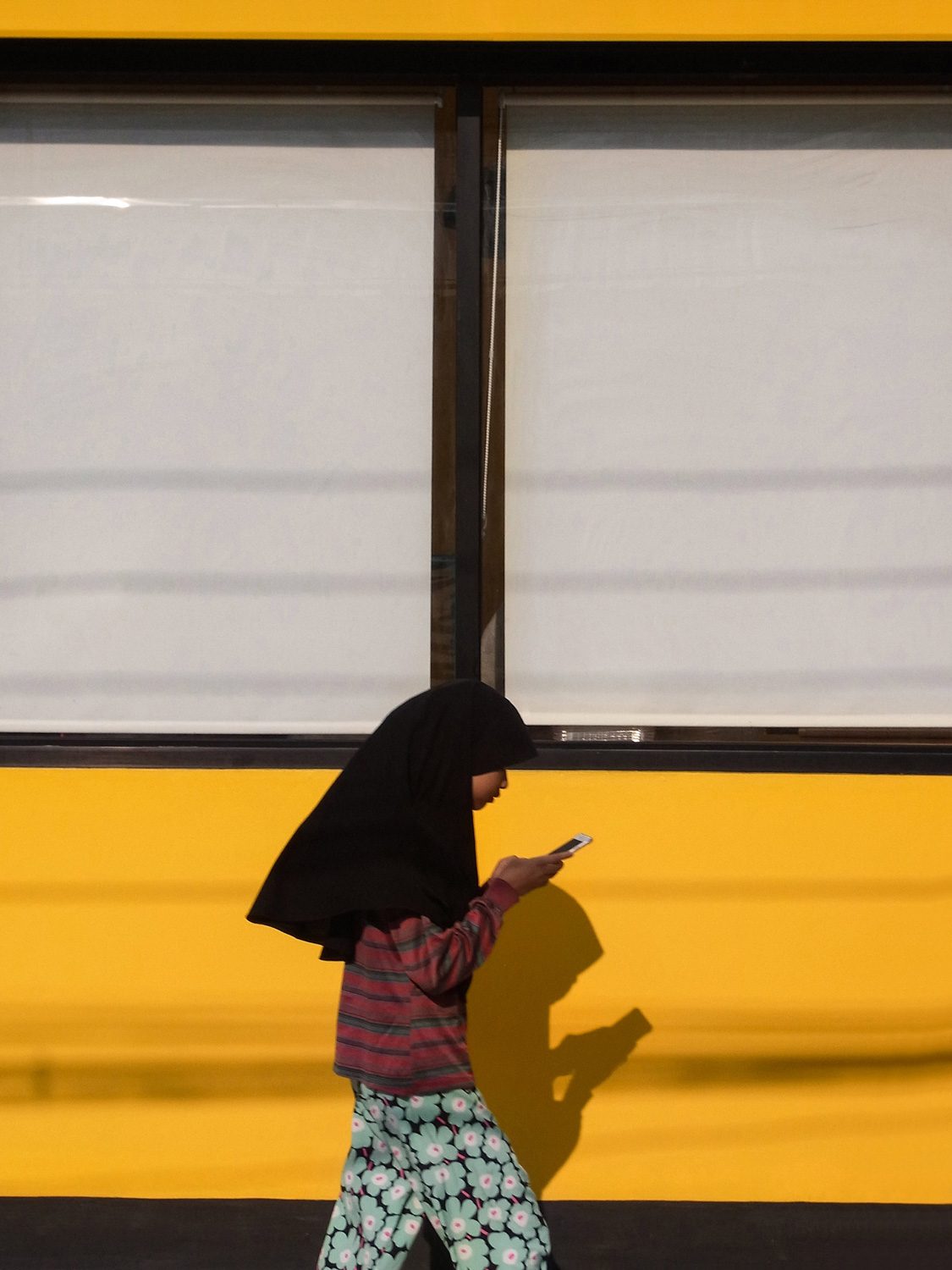
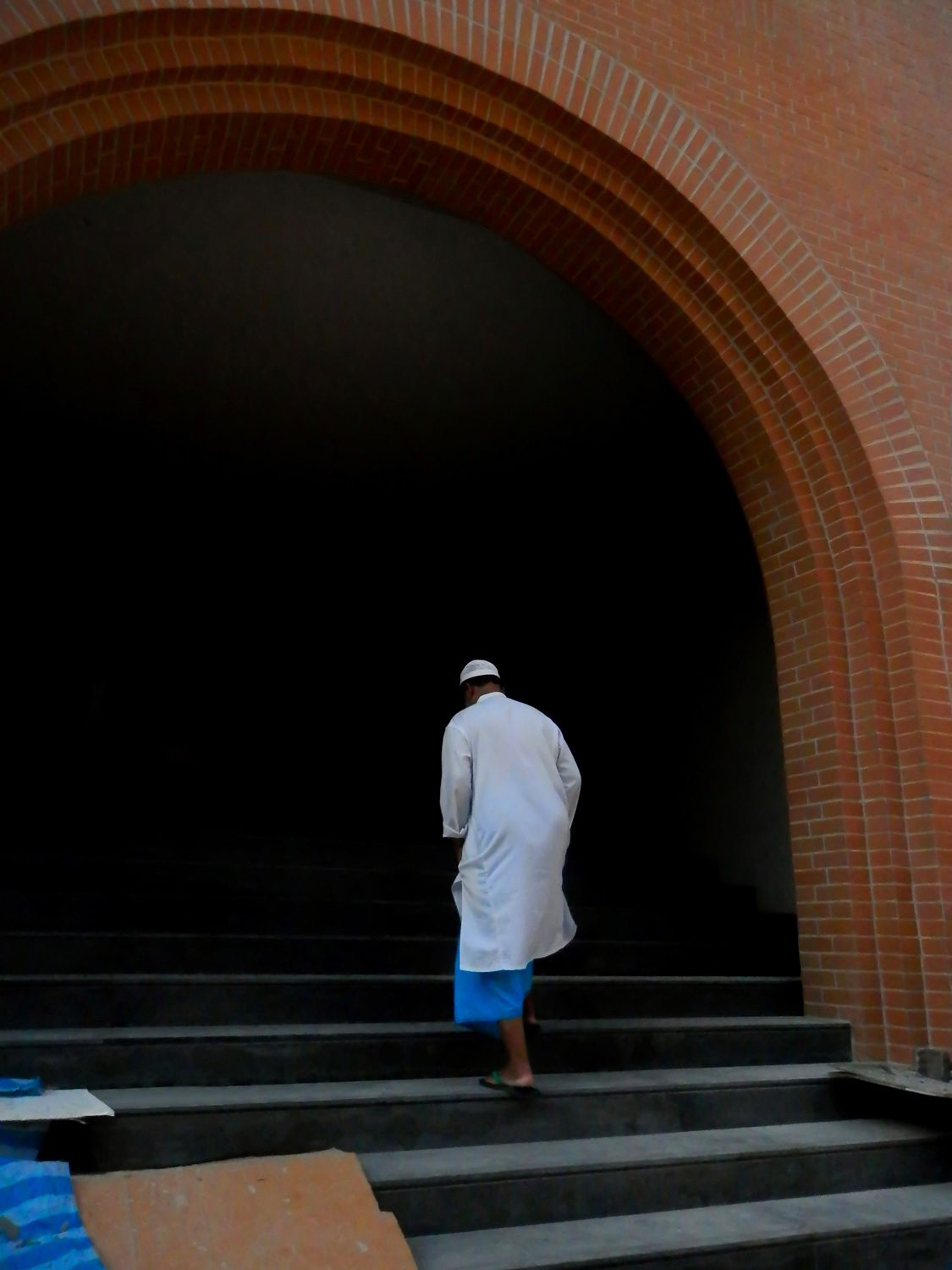
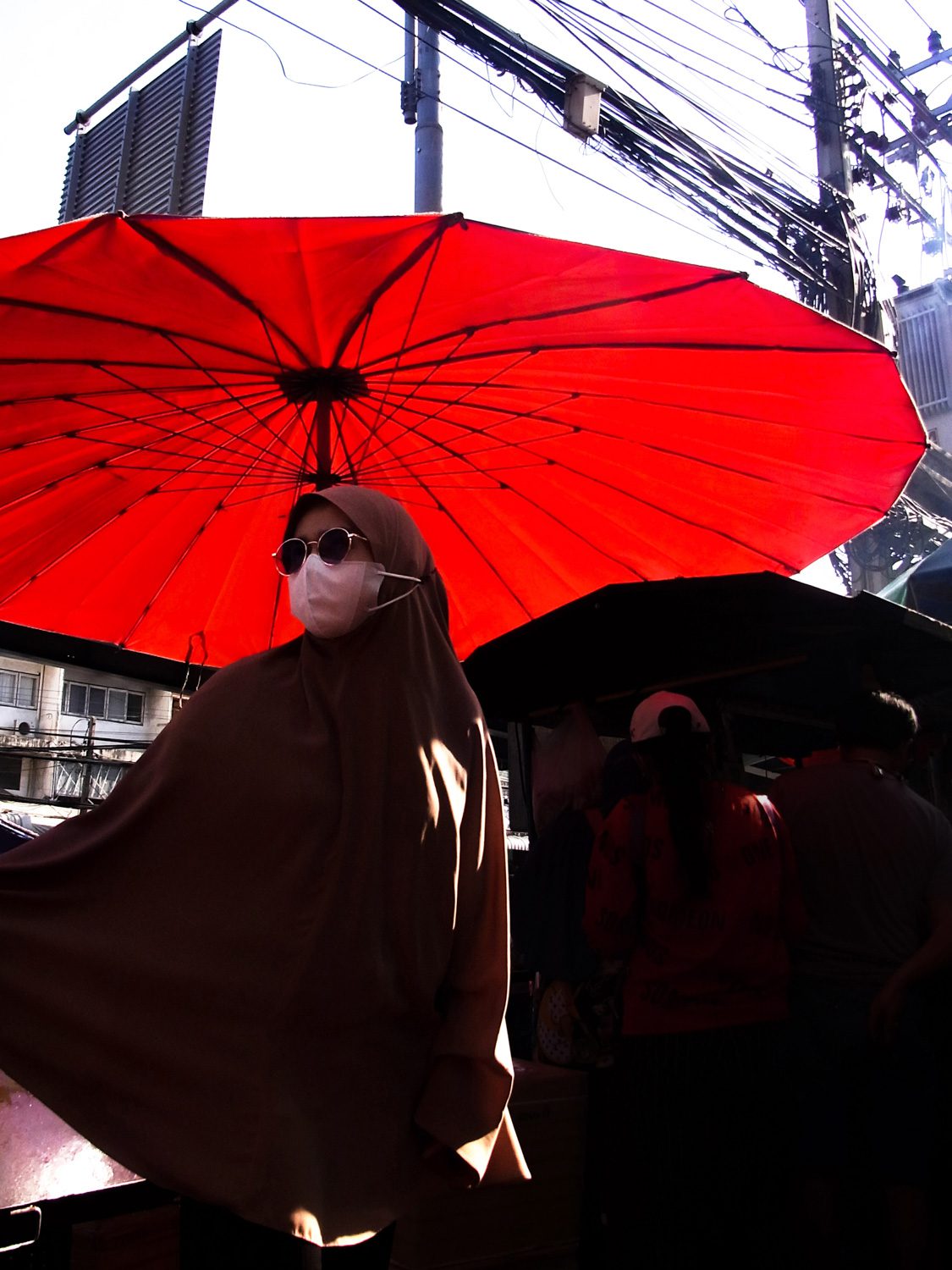
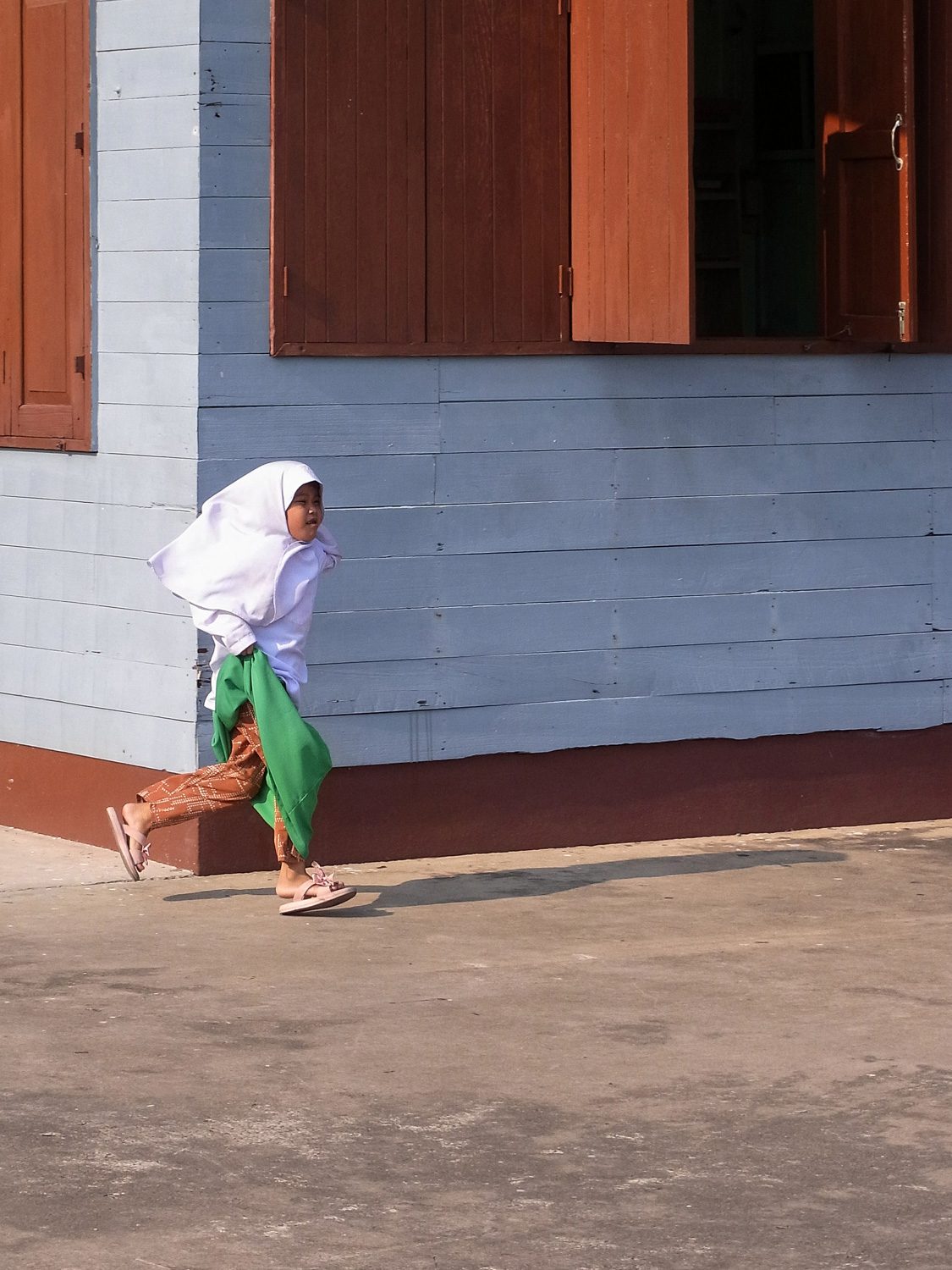
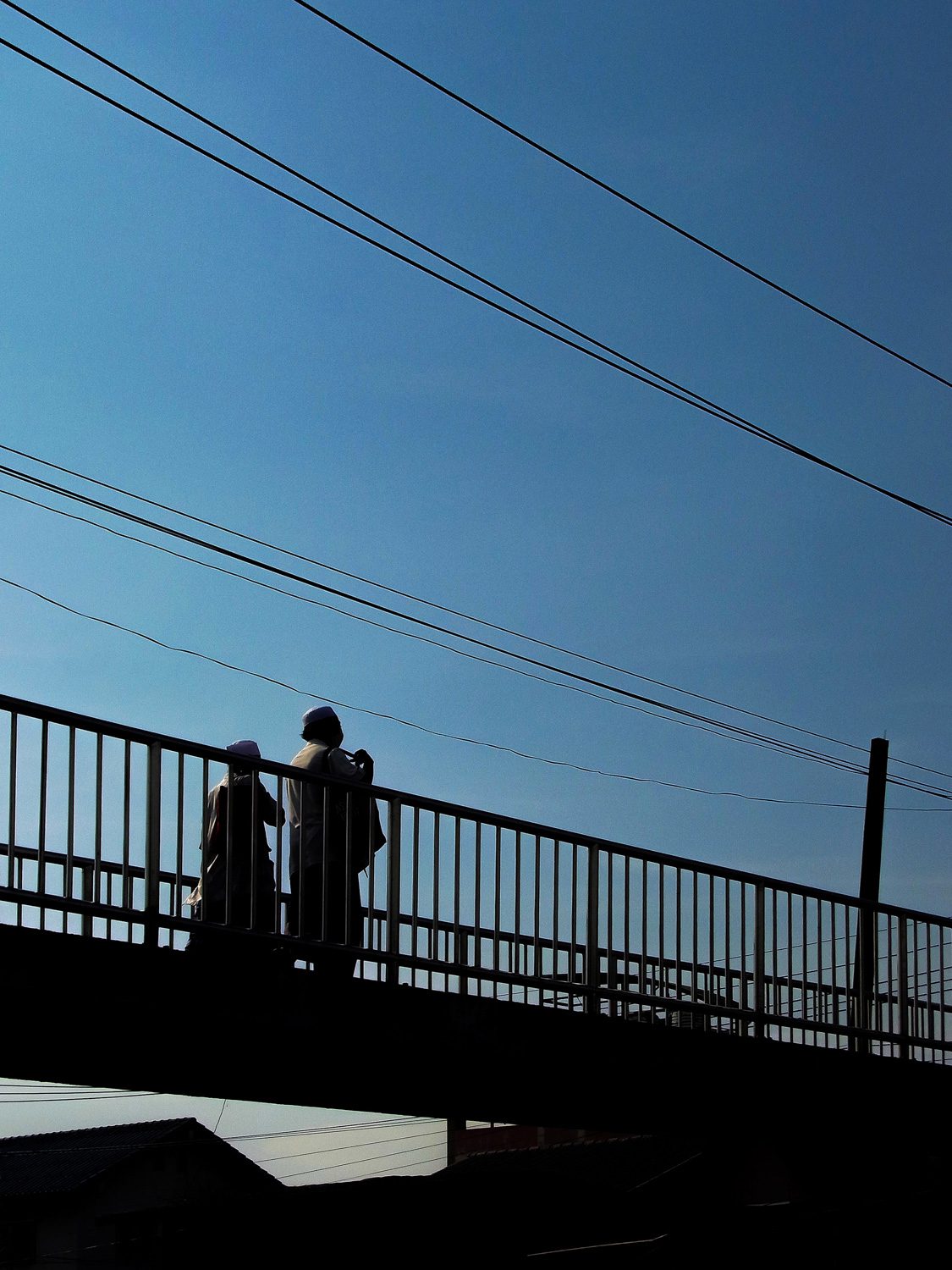
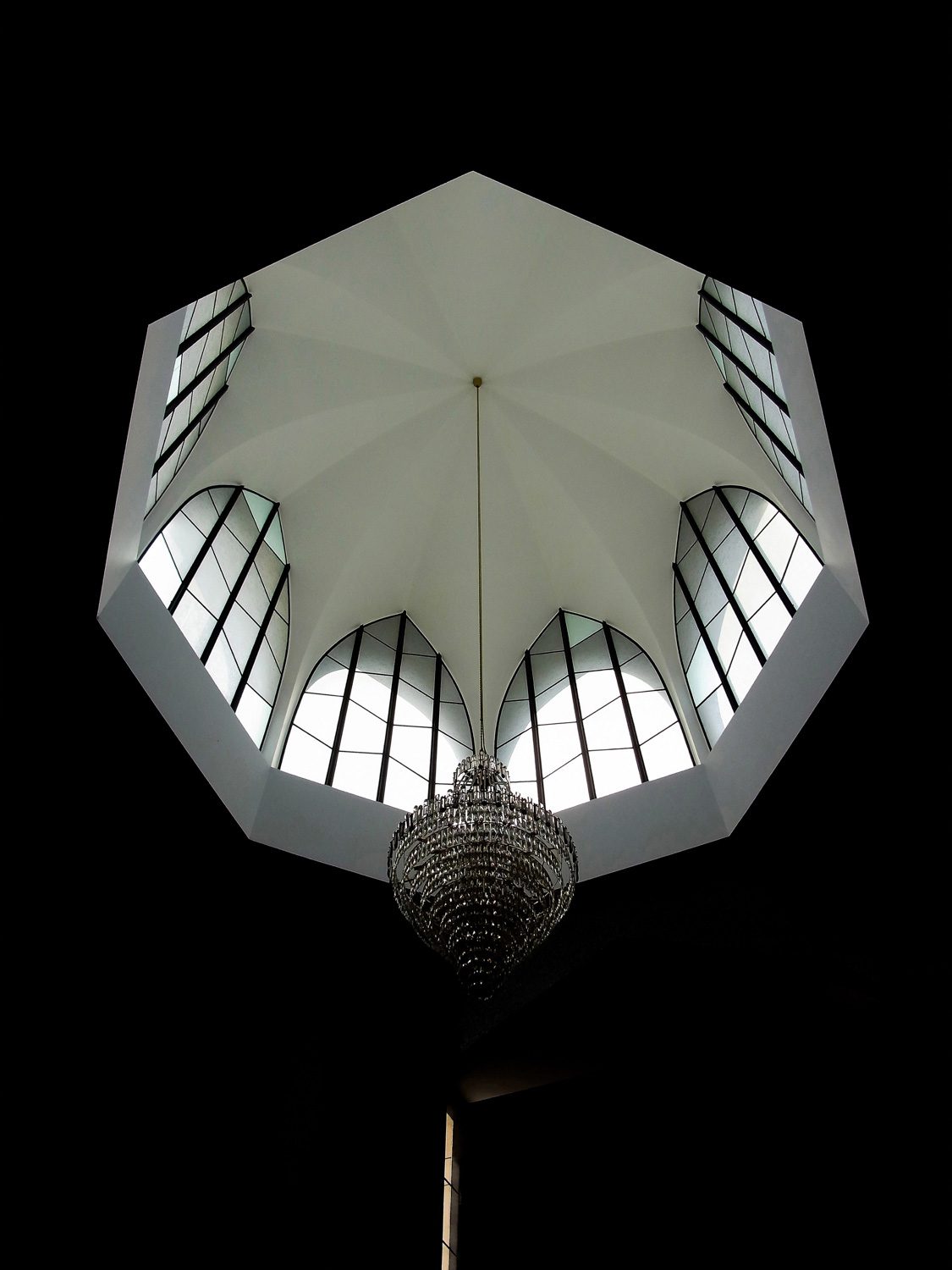
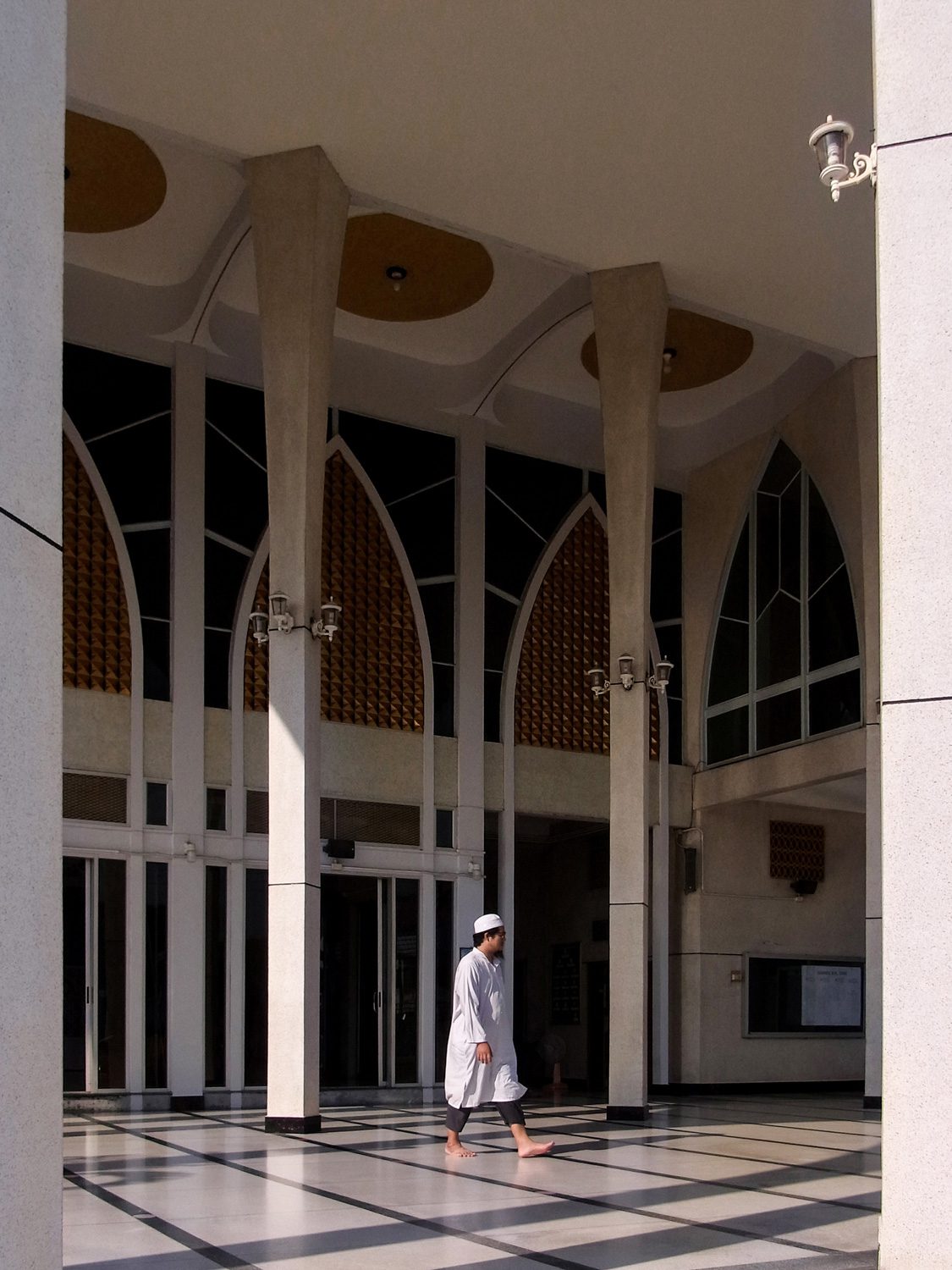
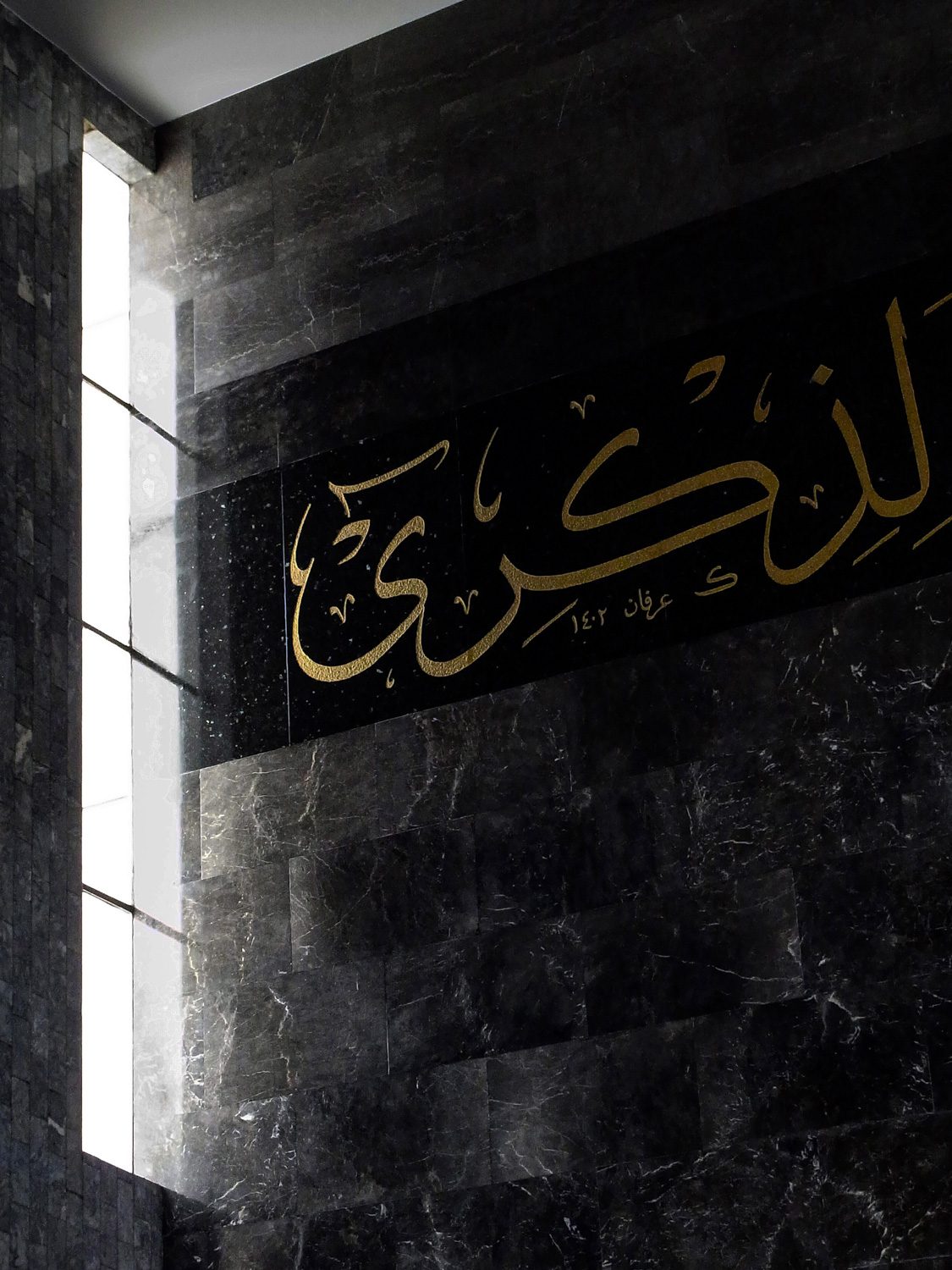
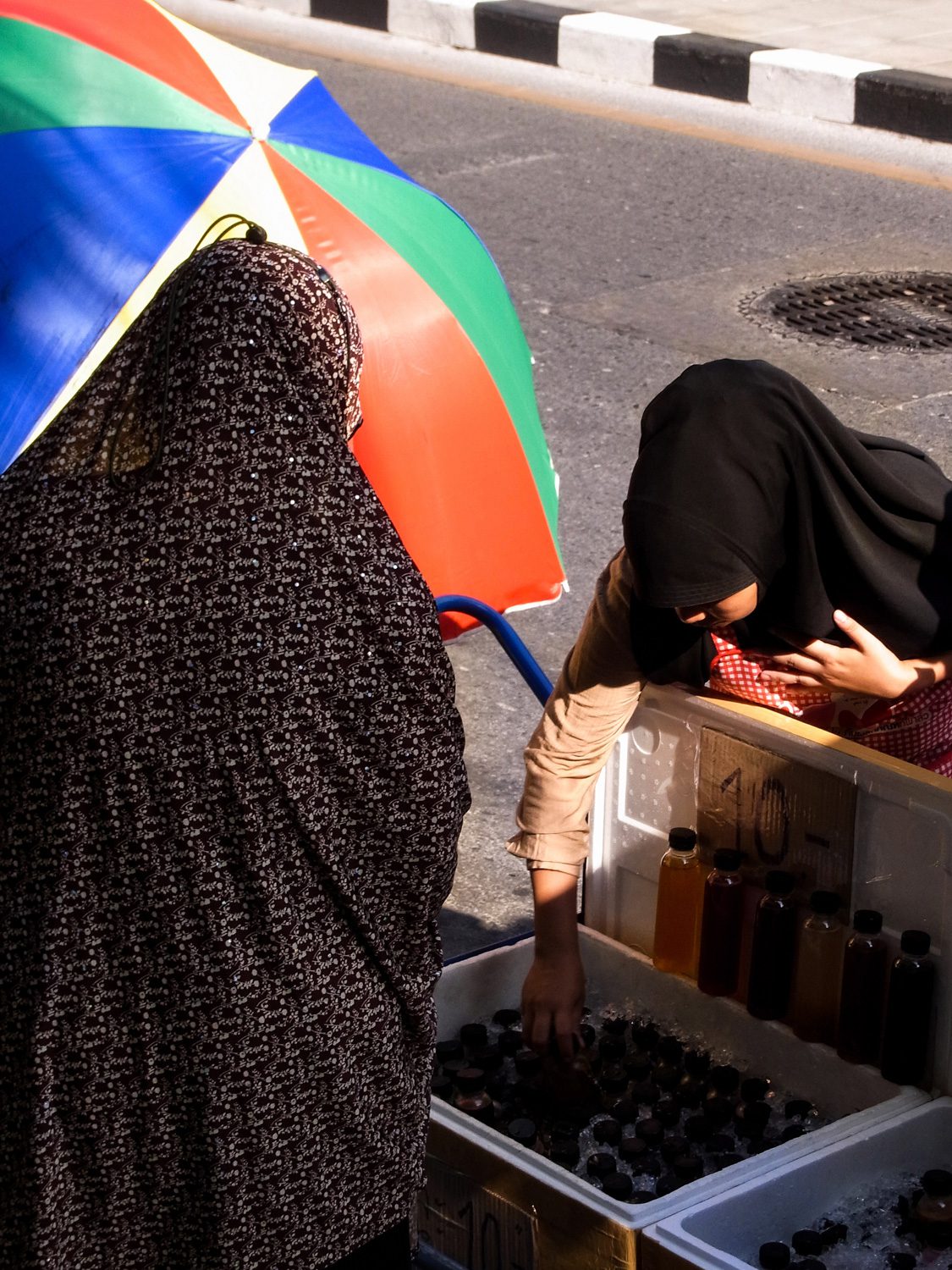
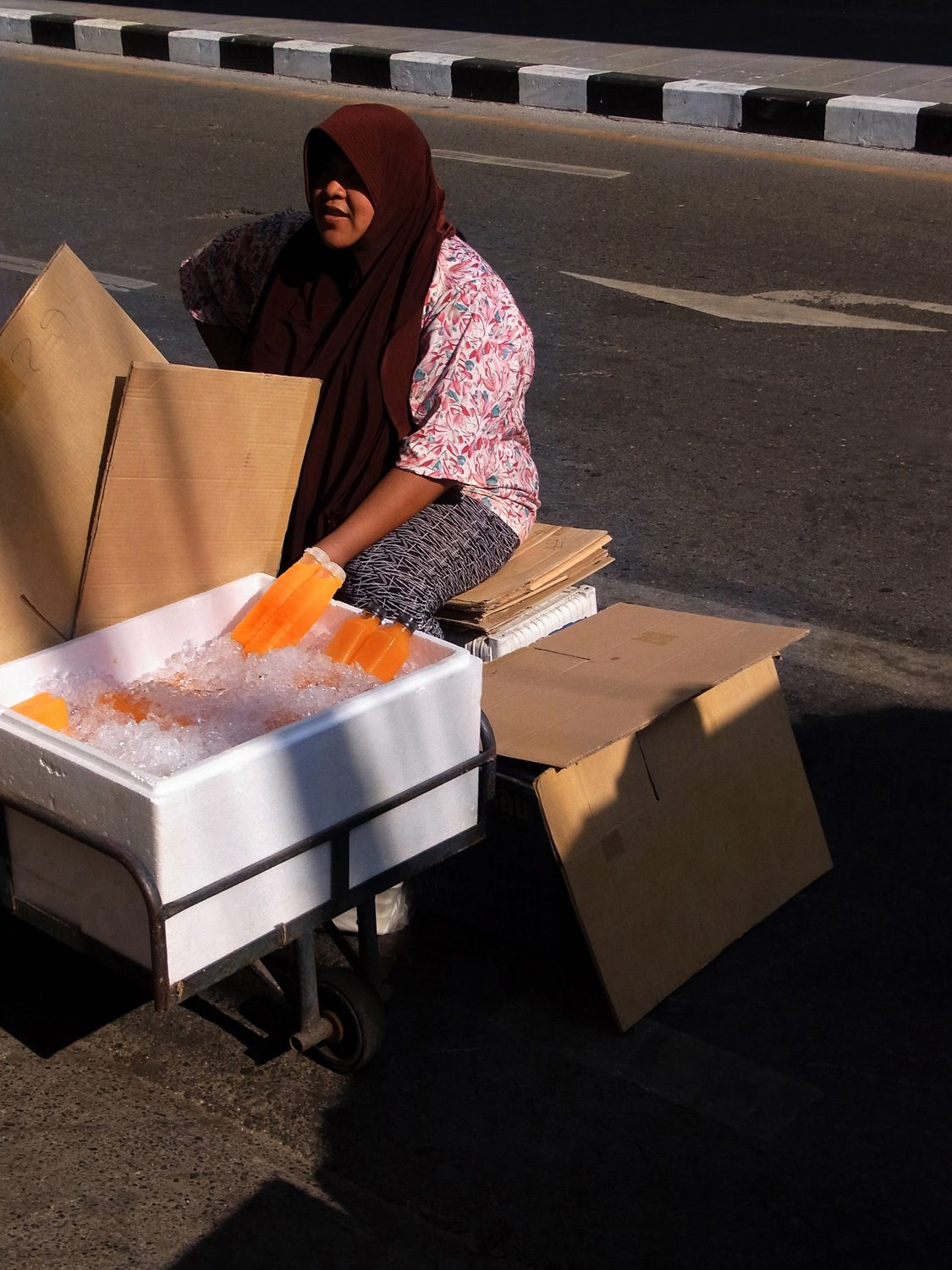
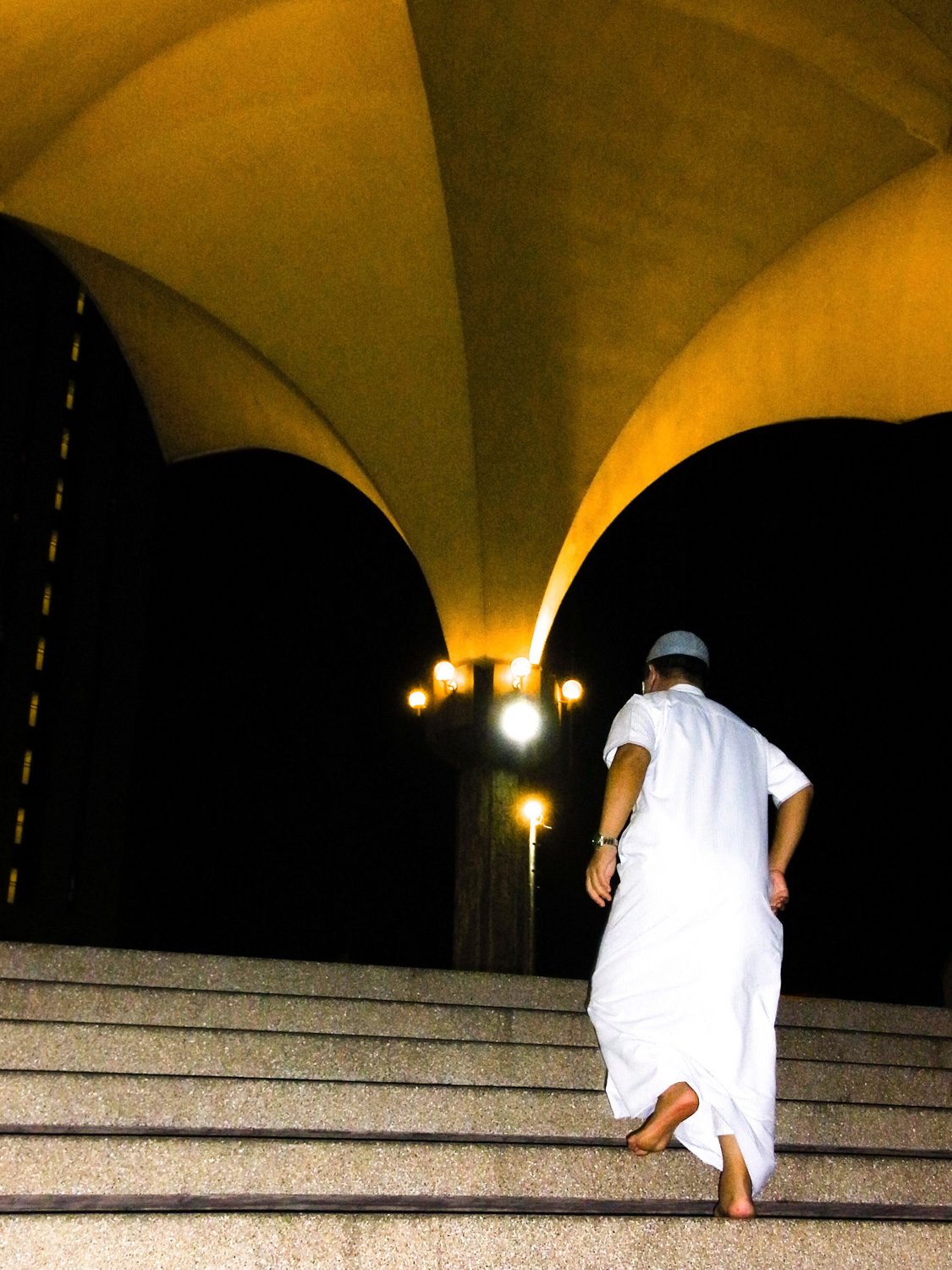
If you ask me when the most anticipated time of year is for Muslims, I will provide you with an answer right now: it is Ramadan. During the month of Ramadan, Muslims fast from dawn to sunset. Fasting is intended to be a time of spiritual discipline, a deep contemplation of one’s gratitude and relationship with God. When compared to other months of the year, Ramadan is the time when Muslims refrain from entertainment and engage in extra religious activities. However, faithful Muslims welcome Ramadan with joy and consider this faithful experience as a great blessing for the spiritual advancement they will receive during the holy month.

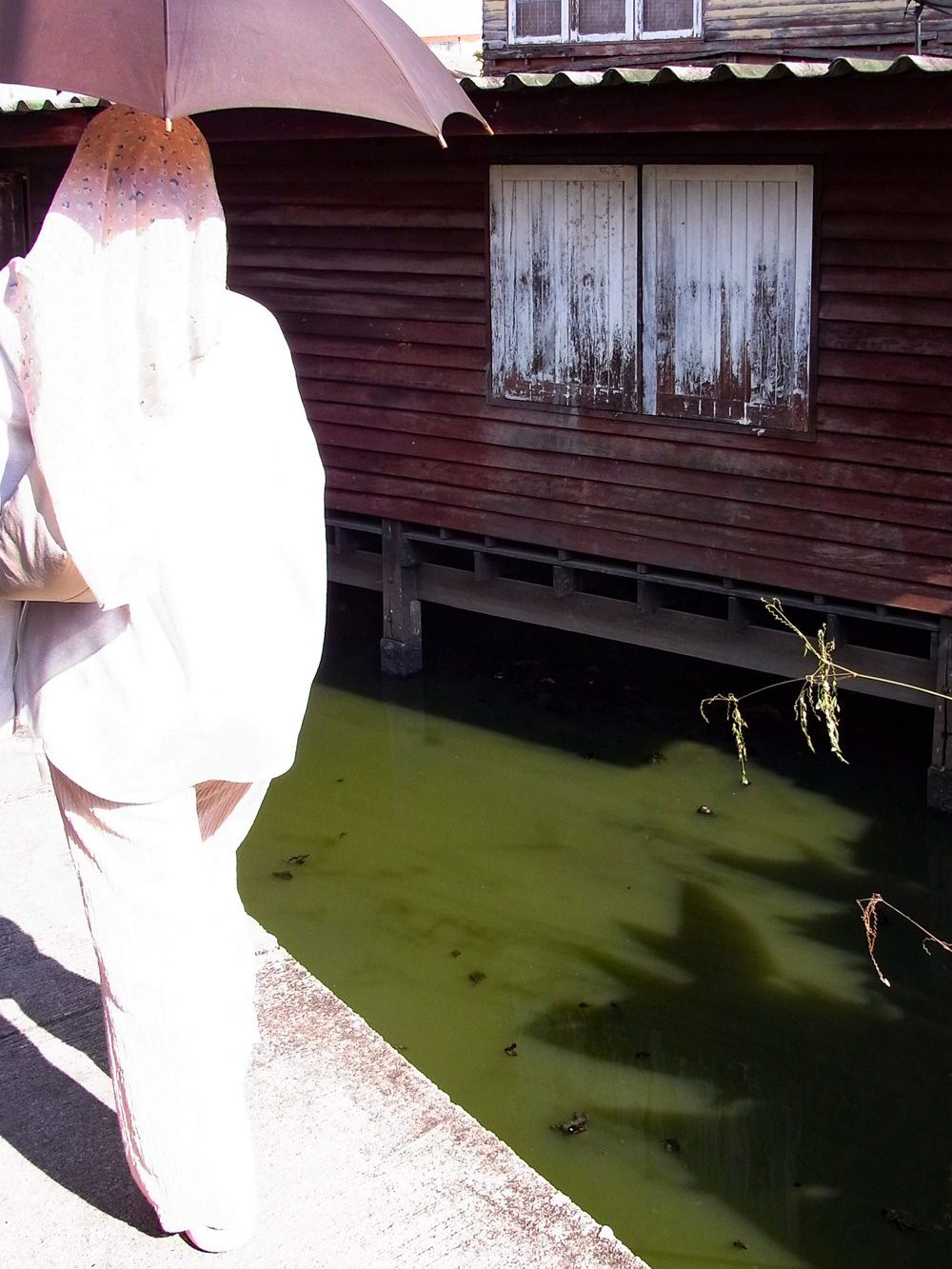
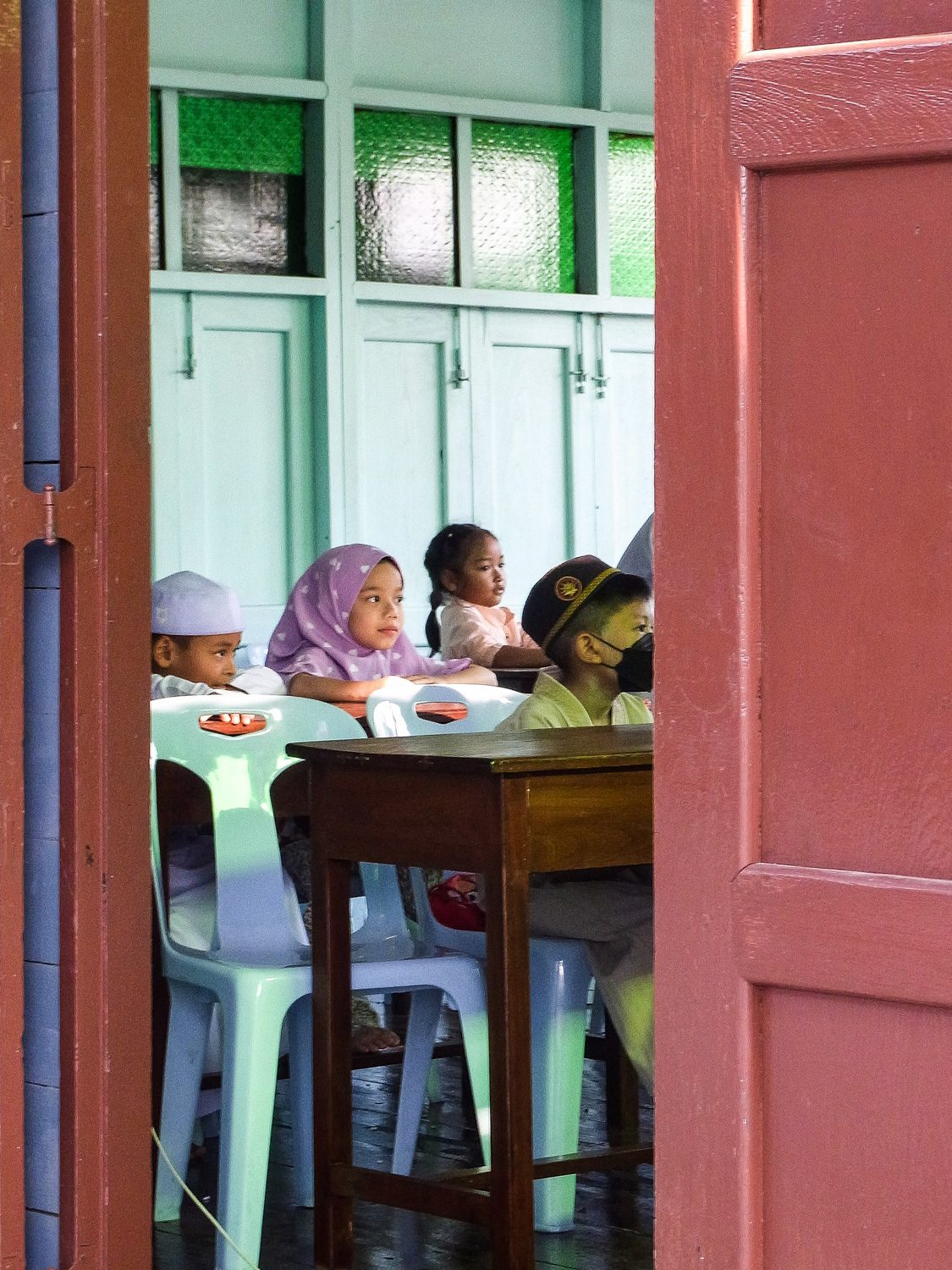
One of the things that makes Ramadan so special to me is being able to observe people’s lives and activities during this special time. This series of photographs depicts the way of life of Muslims in Thailand at the start of Ramadan this year (2023 is the year 1,444 in the Islamic calendar). I spent time photographing people at work or on their way to mosques to participate in religious ceremonies, as well as how they stopped to buy food in the afternoon to prepare for their first meal after sunset. Throughout different periods of the day, I noticed a different color, felt something different in the air, and witnessed people’s lifestyles differ from how they would normally live in other months of the year.

This is the first year I’ve had the opportunity to experiment with my own photography as I contemplated life during the month of Ramadan with a simpler perspective while my own personal emotional experiences were hidden inside each picture. I hope viewers will join me on this journey and discover new dimensions of life during this sacred time.

_____________

Teechalit Chularat graduated with a bachelor’s degree in architecture from King Mongkut’s Institute of Technology Ladkrabang. He is currently working as a freelance architect under the name TEECHALIT ARCHITECT, the studio that he founded, with a portfolio that includes the architectural design of four mosques. He is also a photographer and the administrator of the Facebook page, Thai Minimal Photography.
instagram.com/minimalmccalen
facebook.com/minimal.mccalen

PHOTO ESSAY : CHRISTMAS IN THAILAND

TEXT & PHOTO: BARRY MACDONALD

(For Thai, press here) 

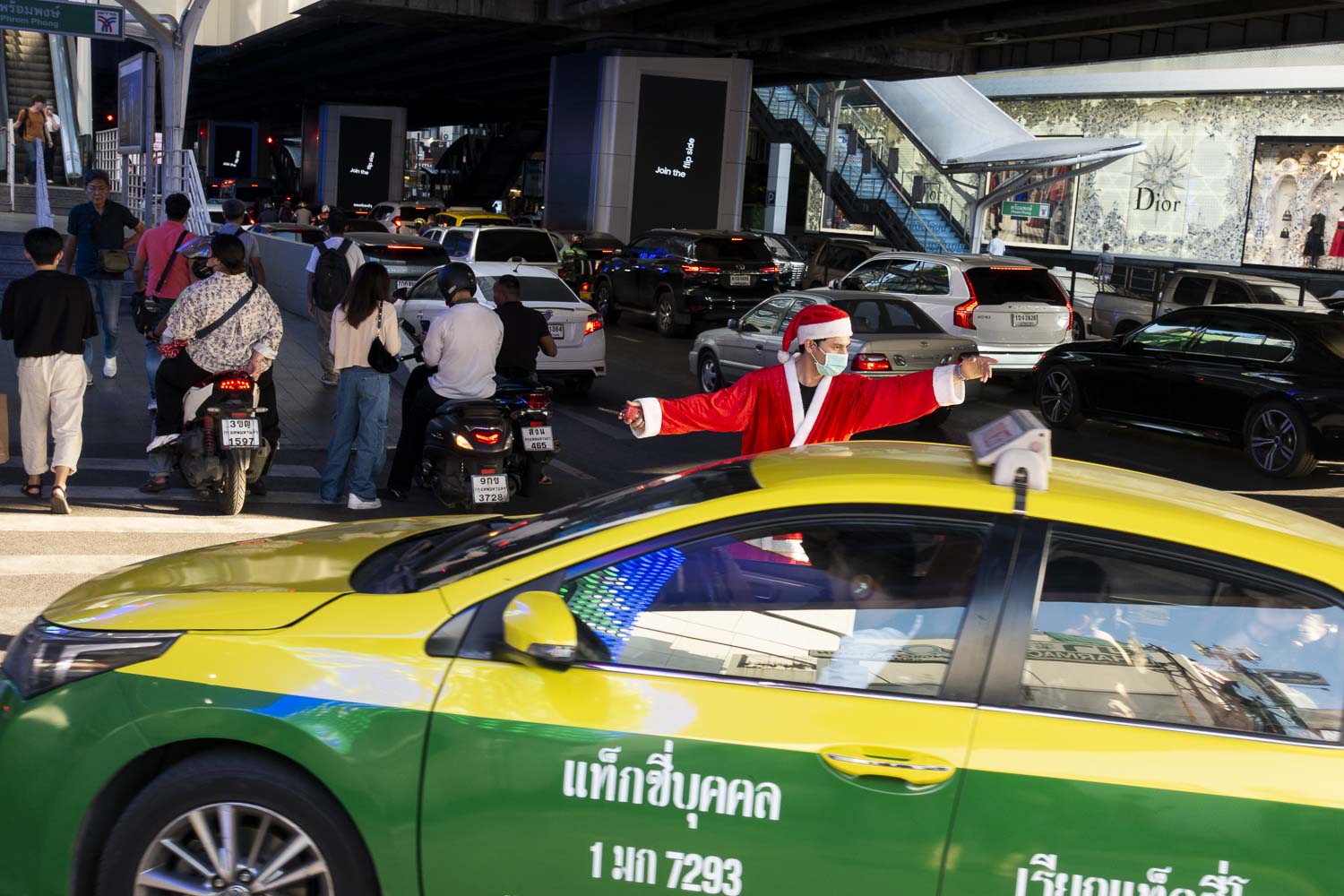
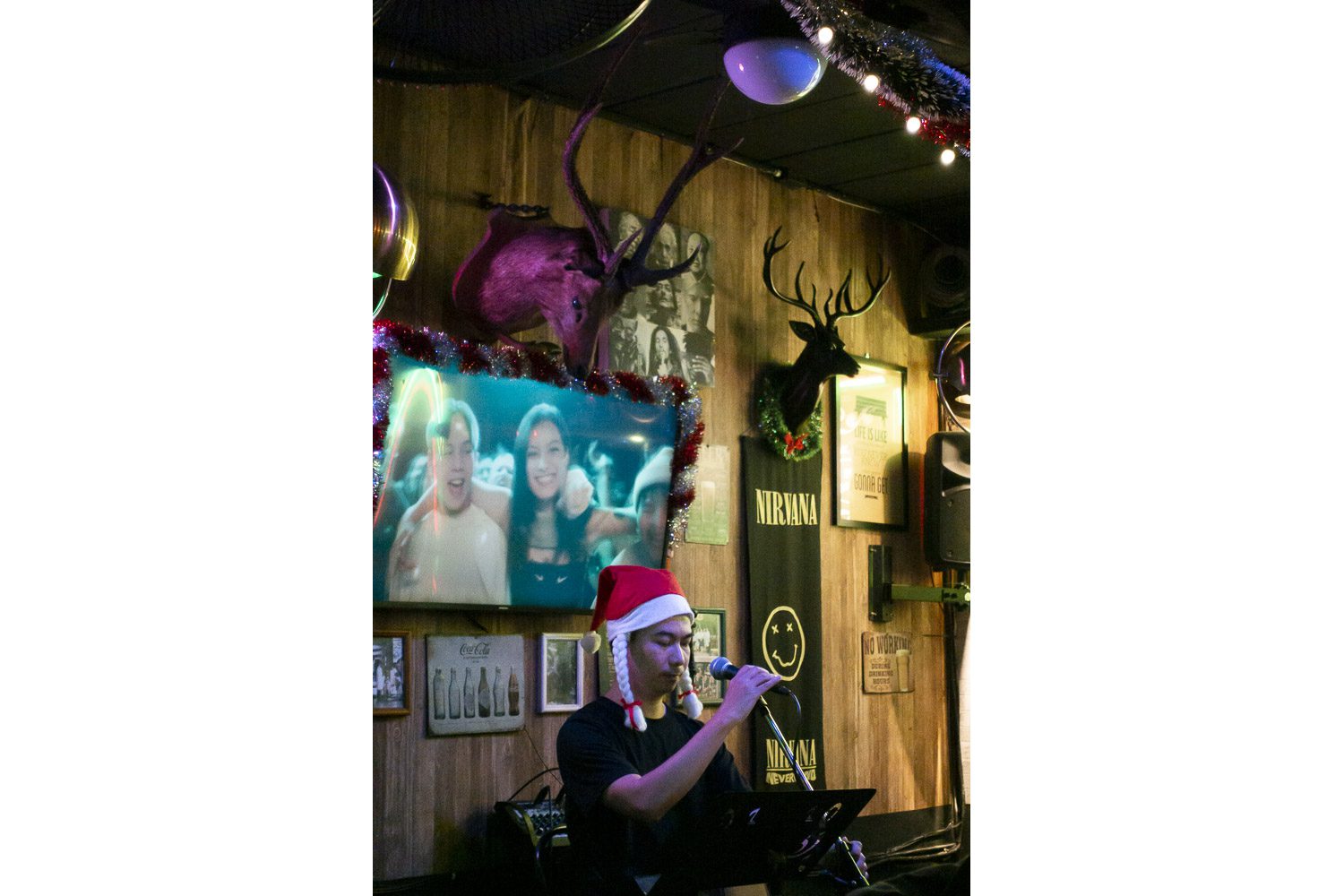
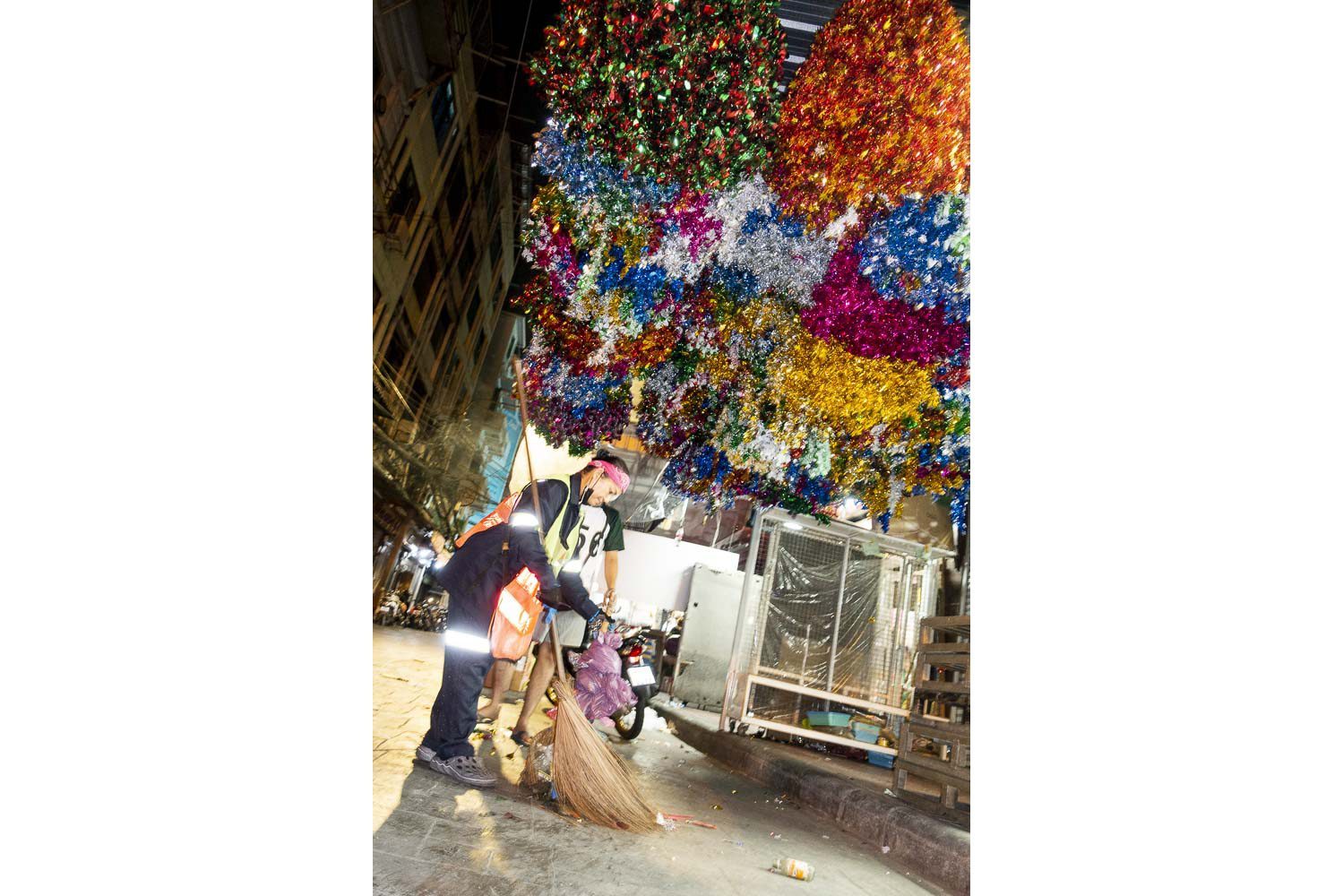
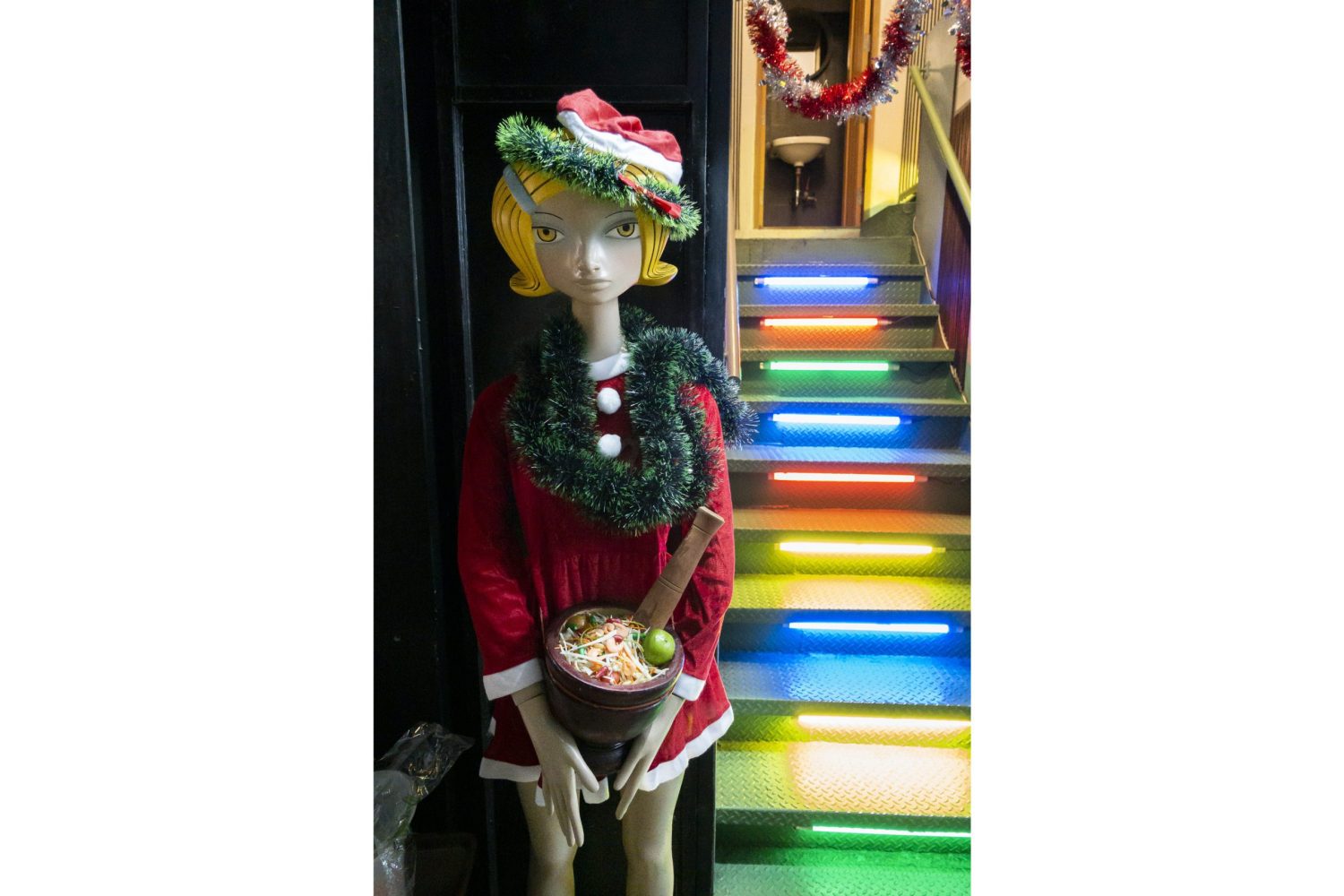
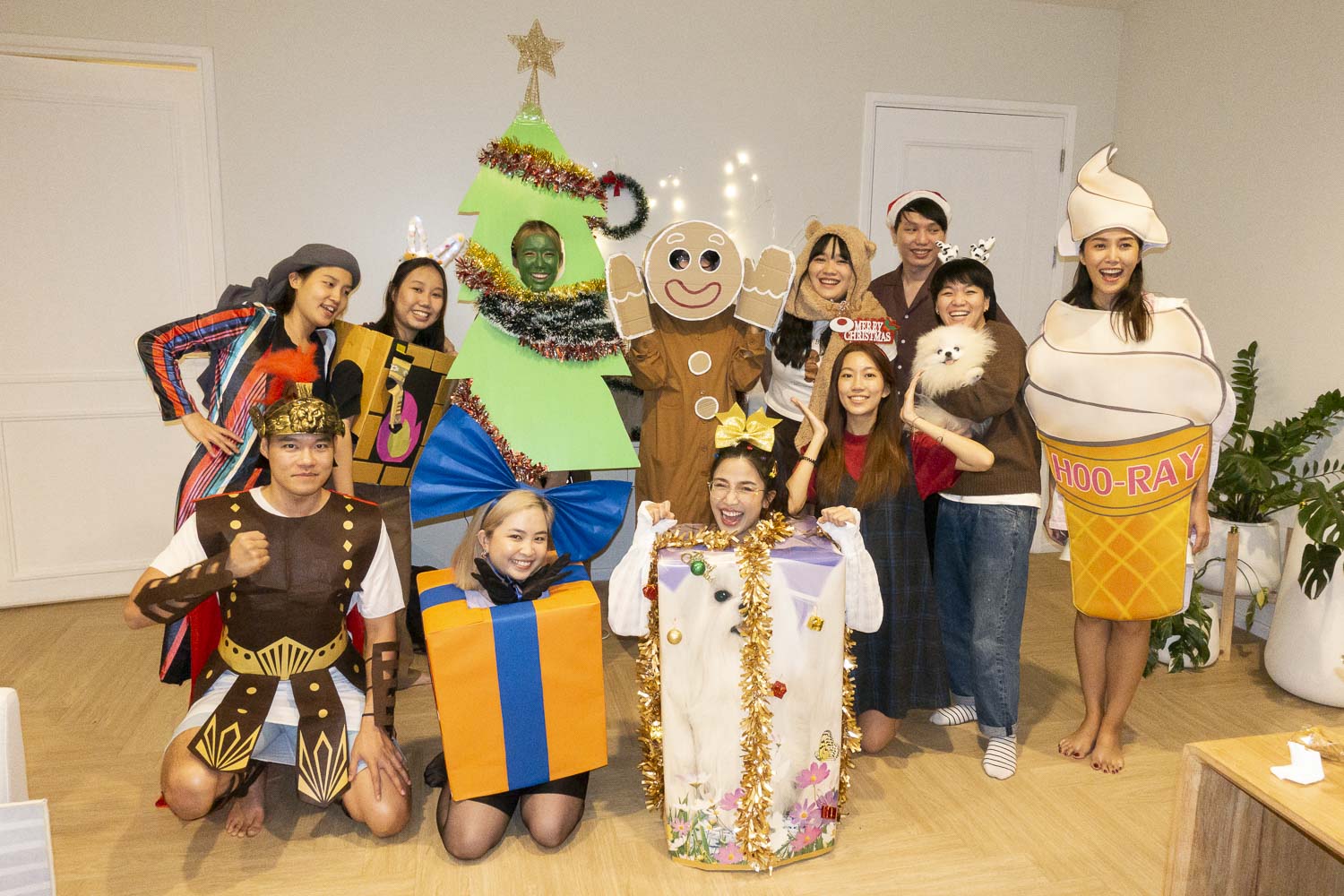
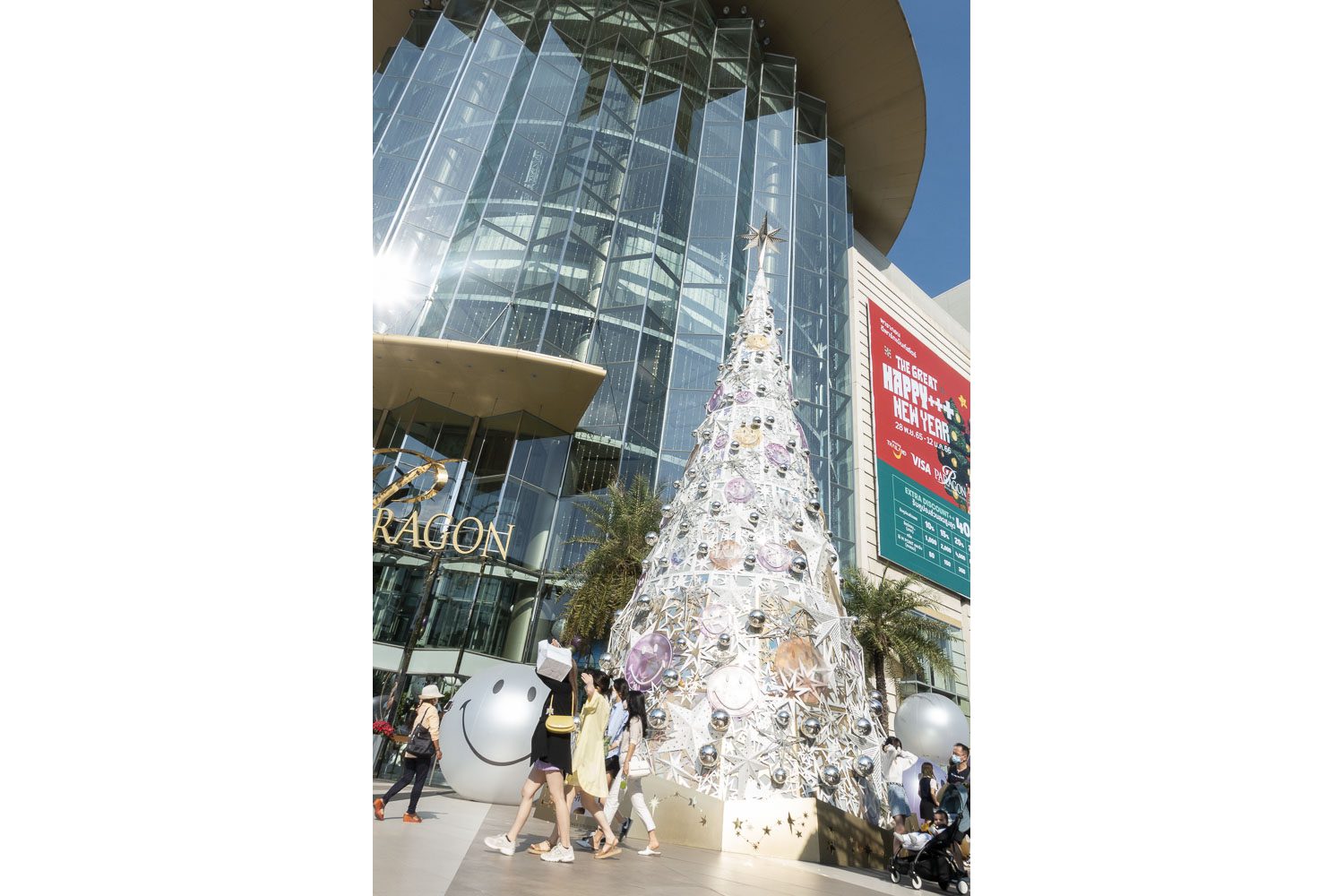
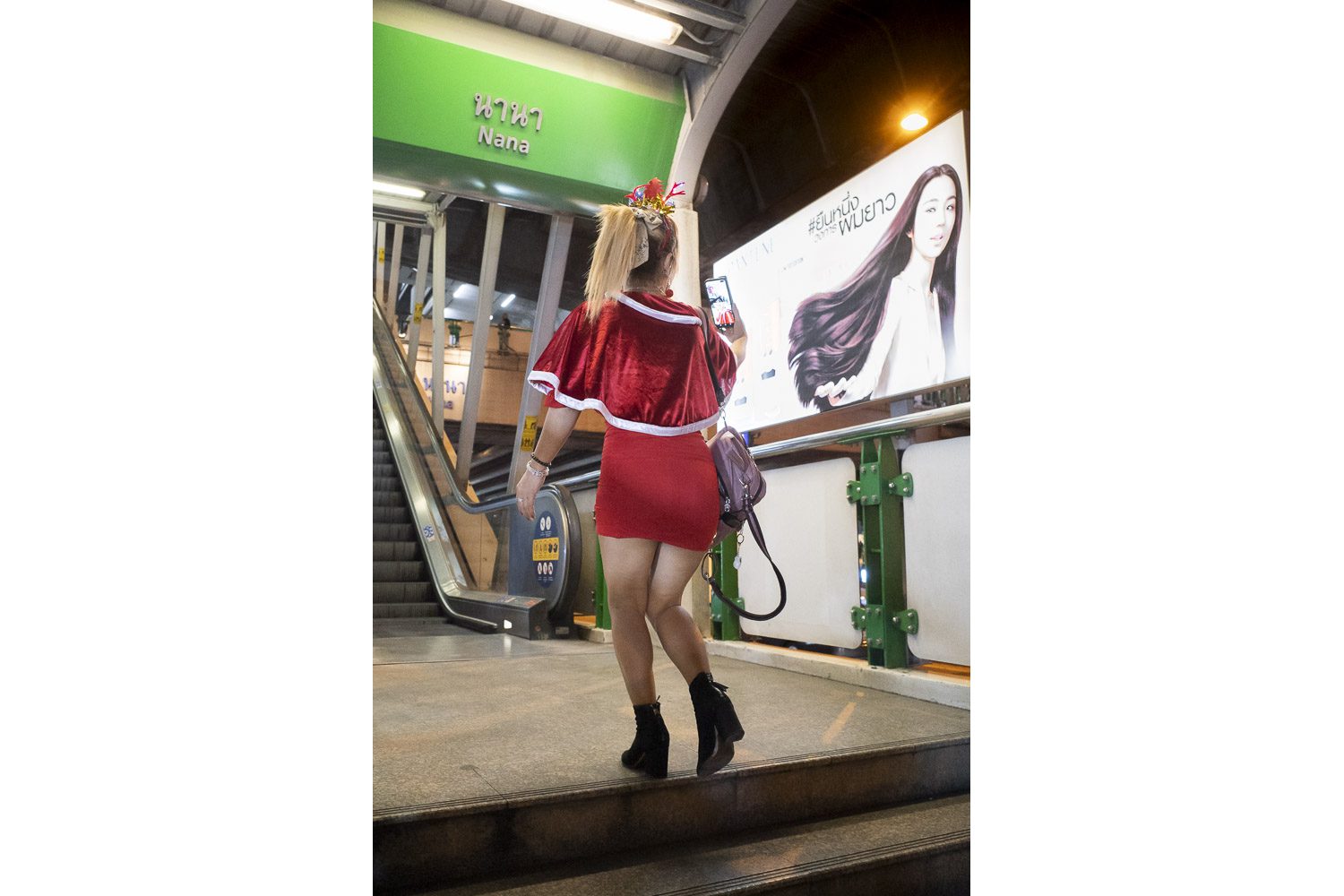
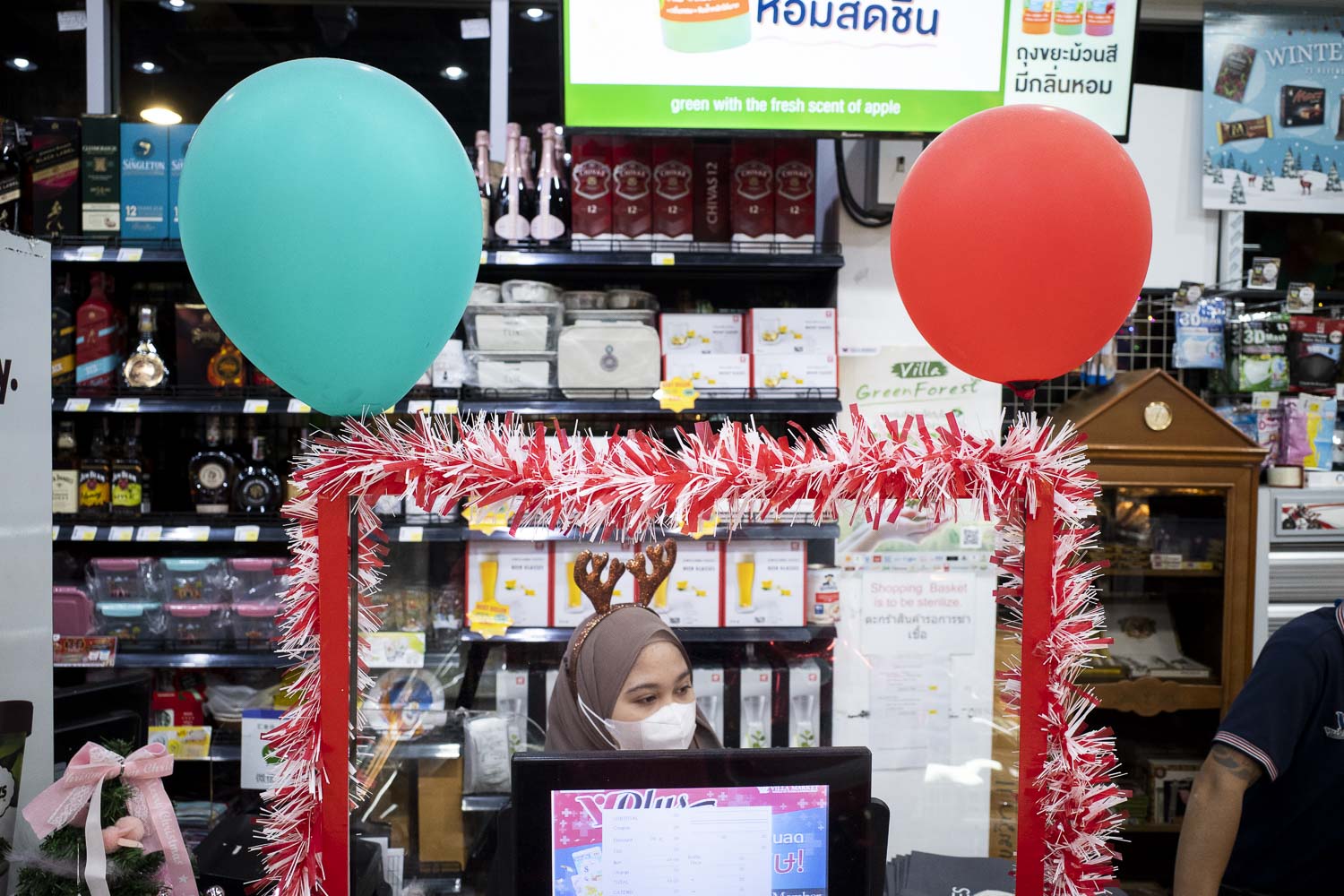
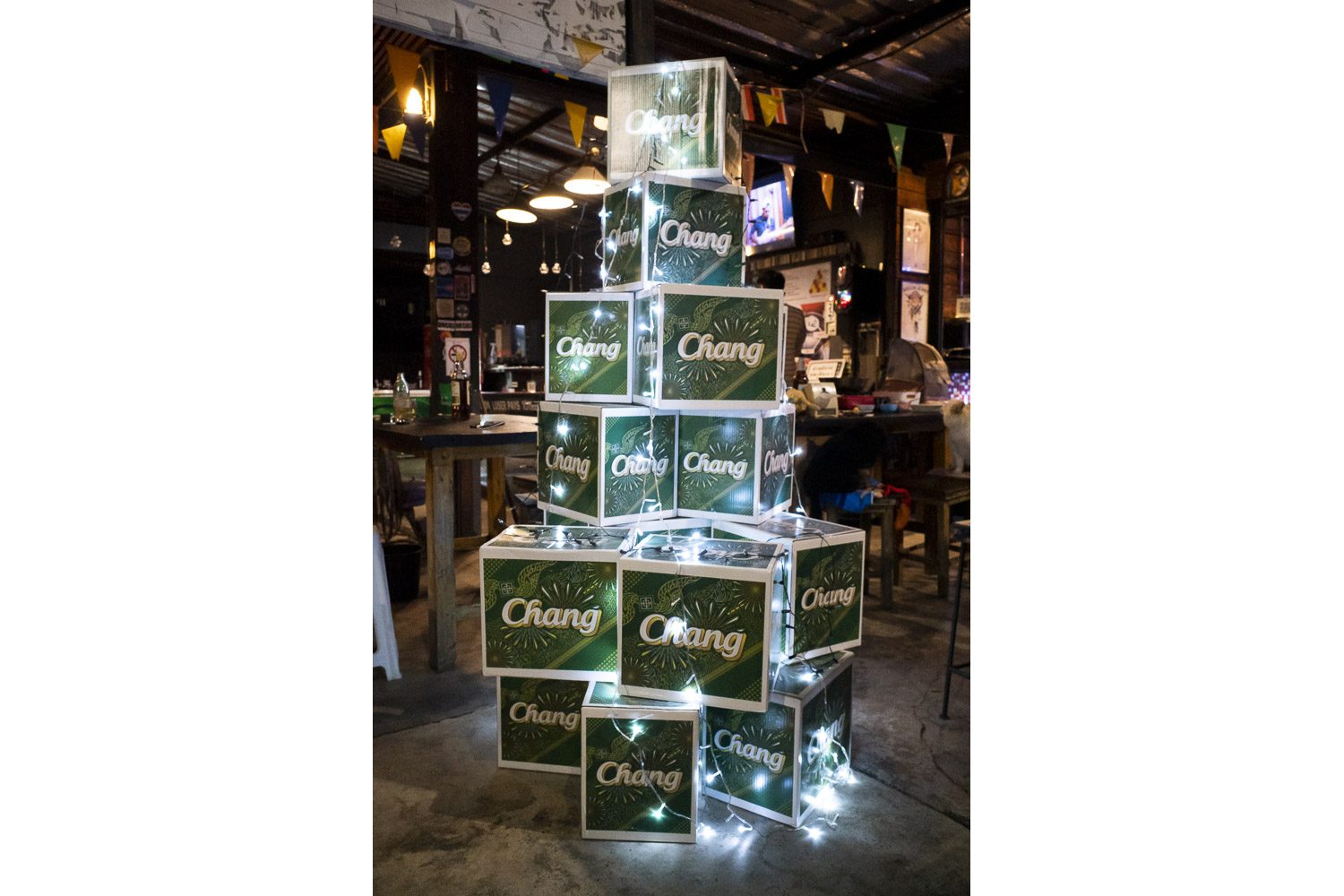
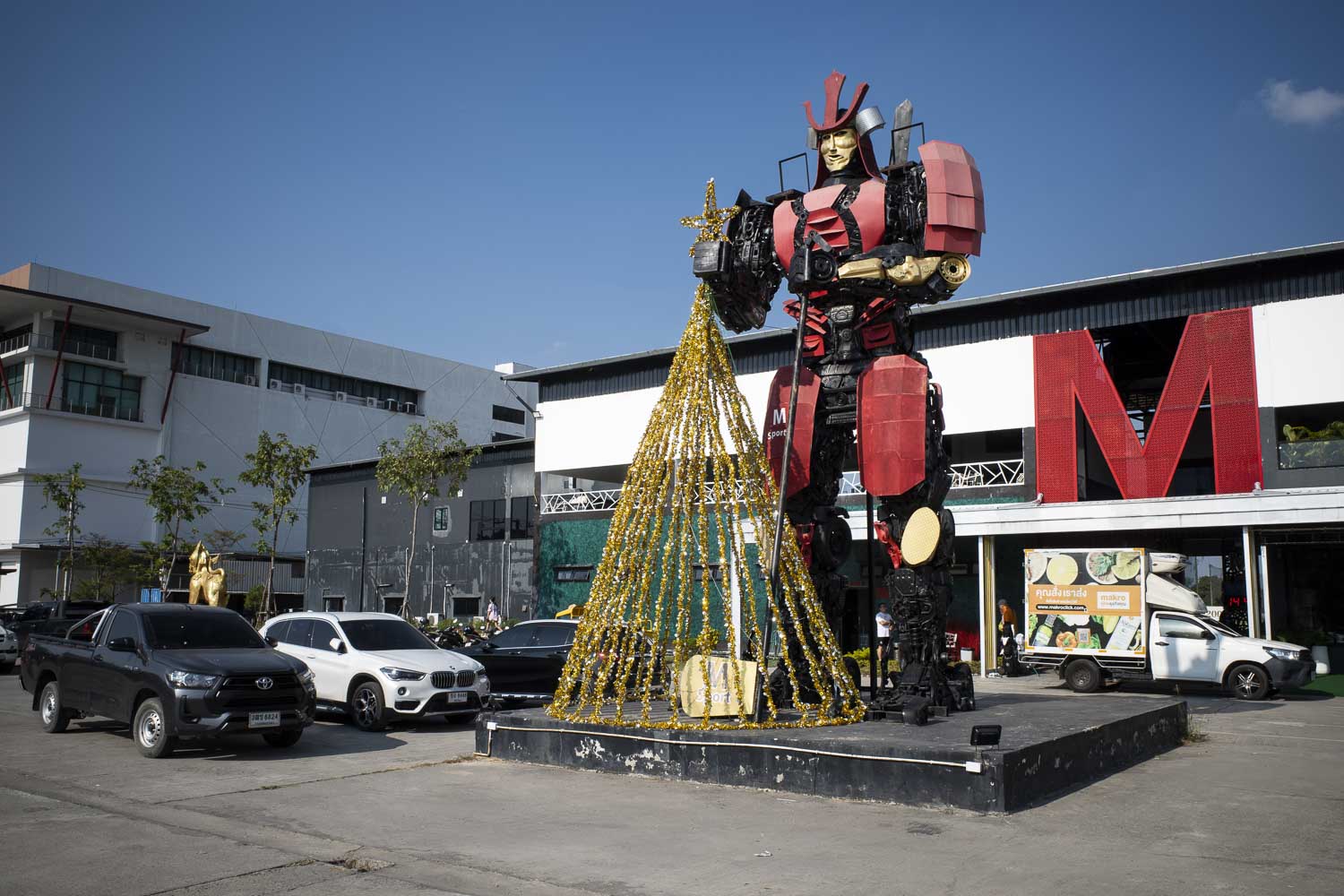
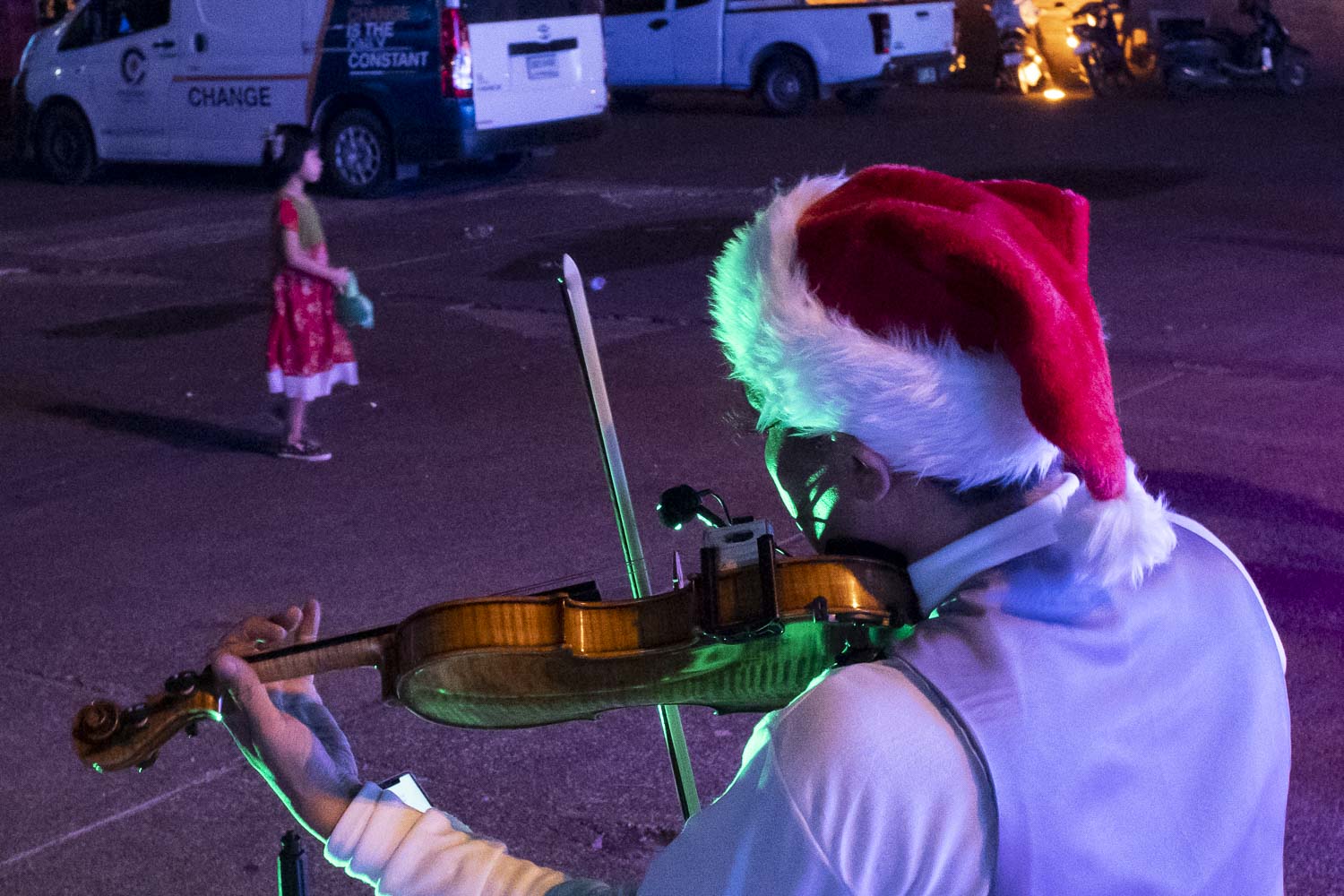
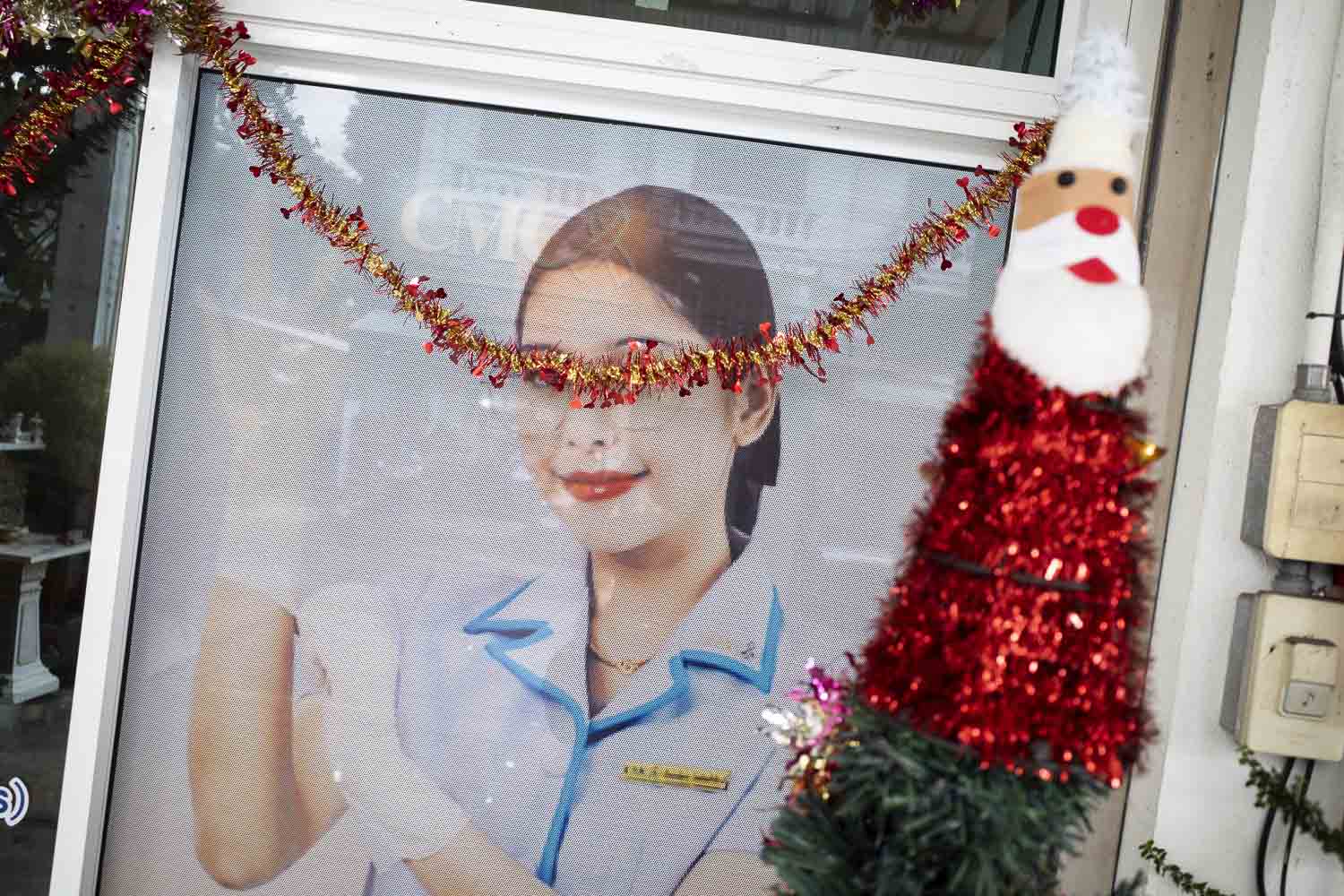
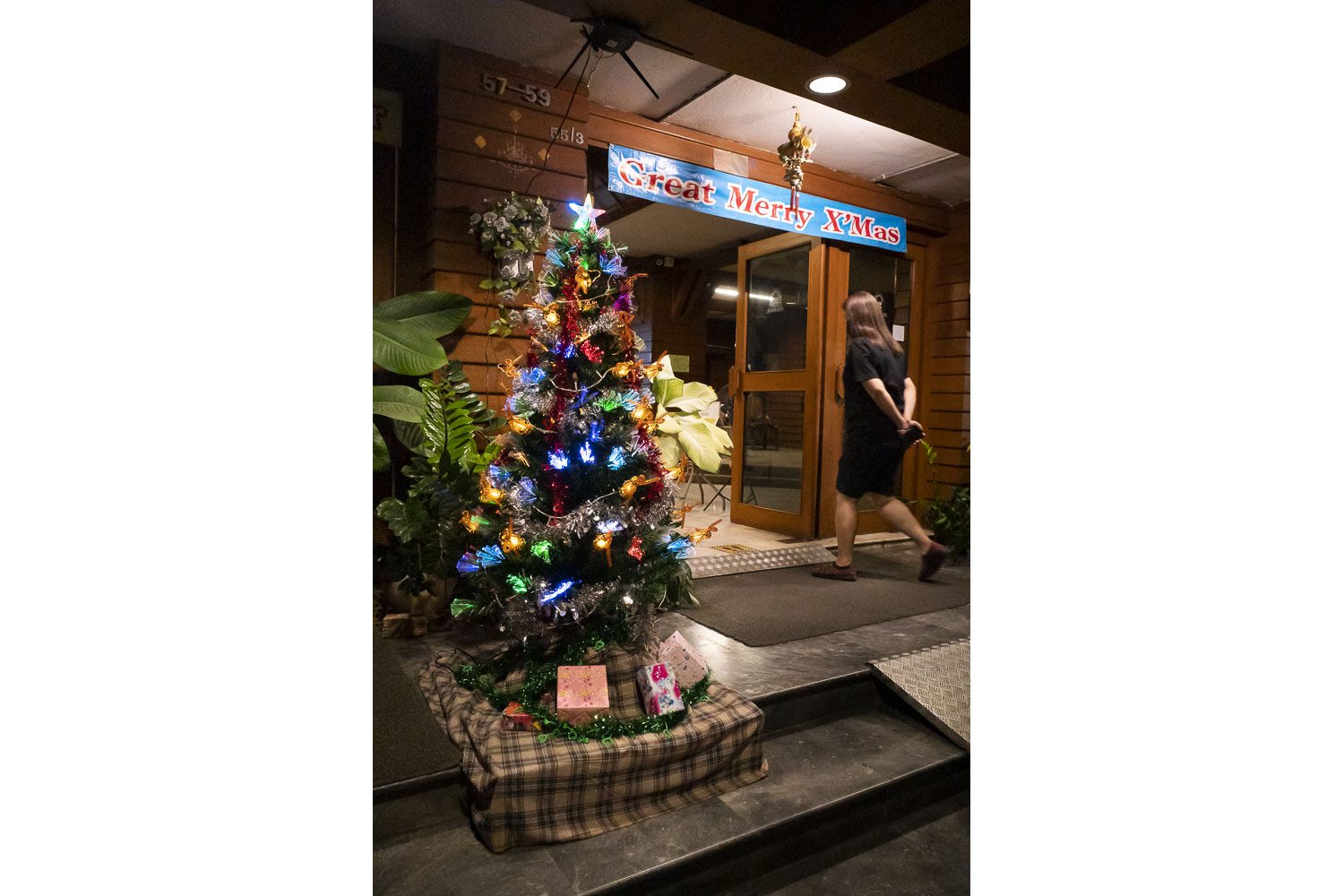
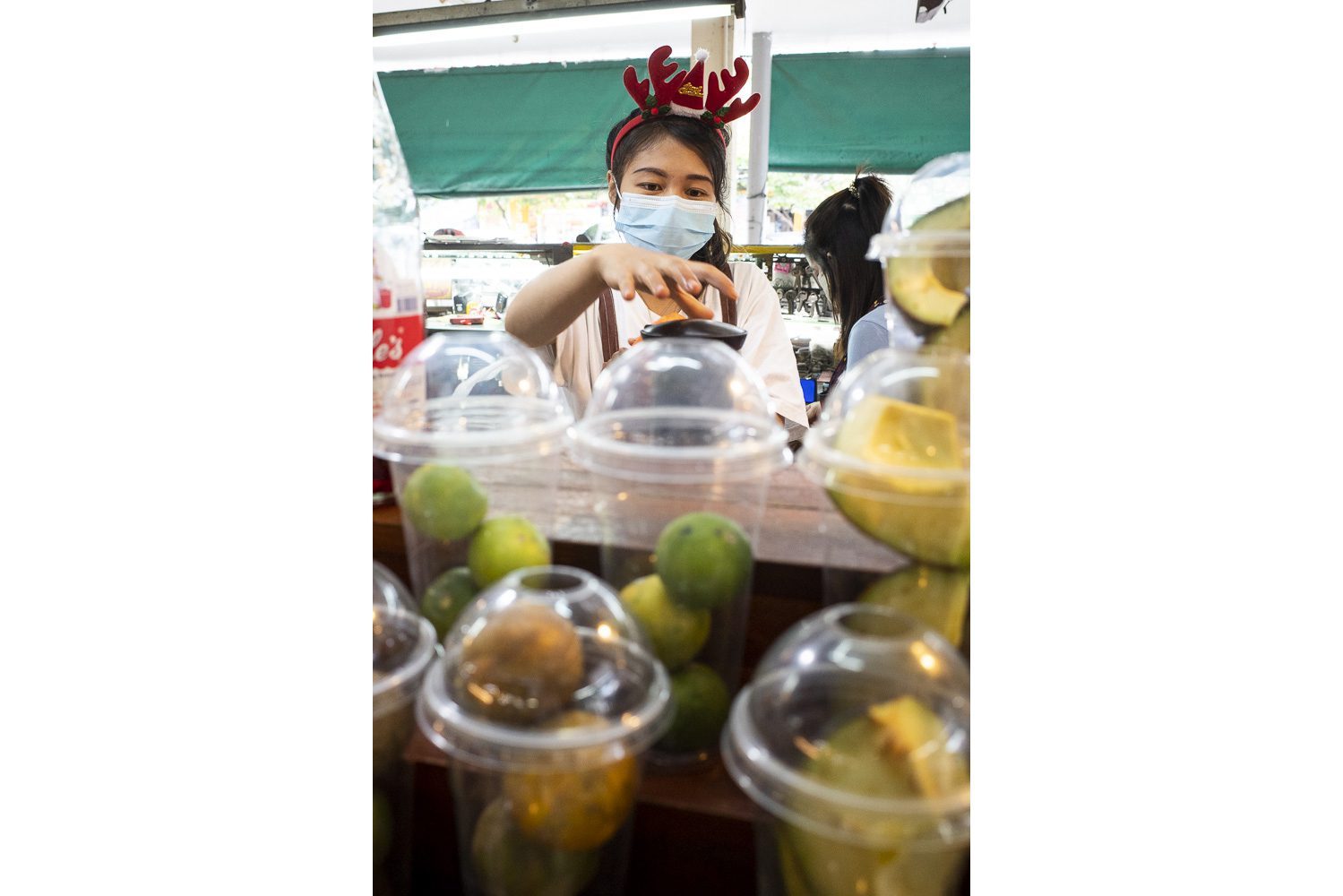
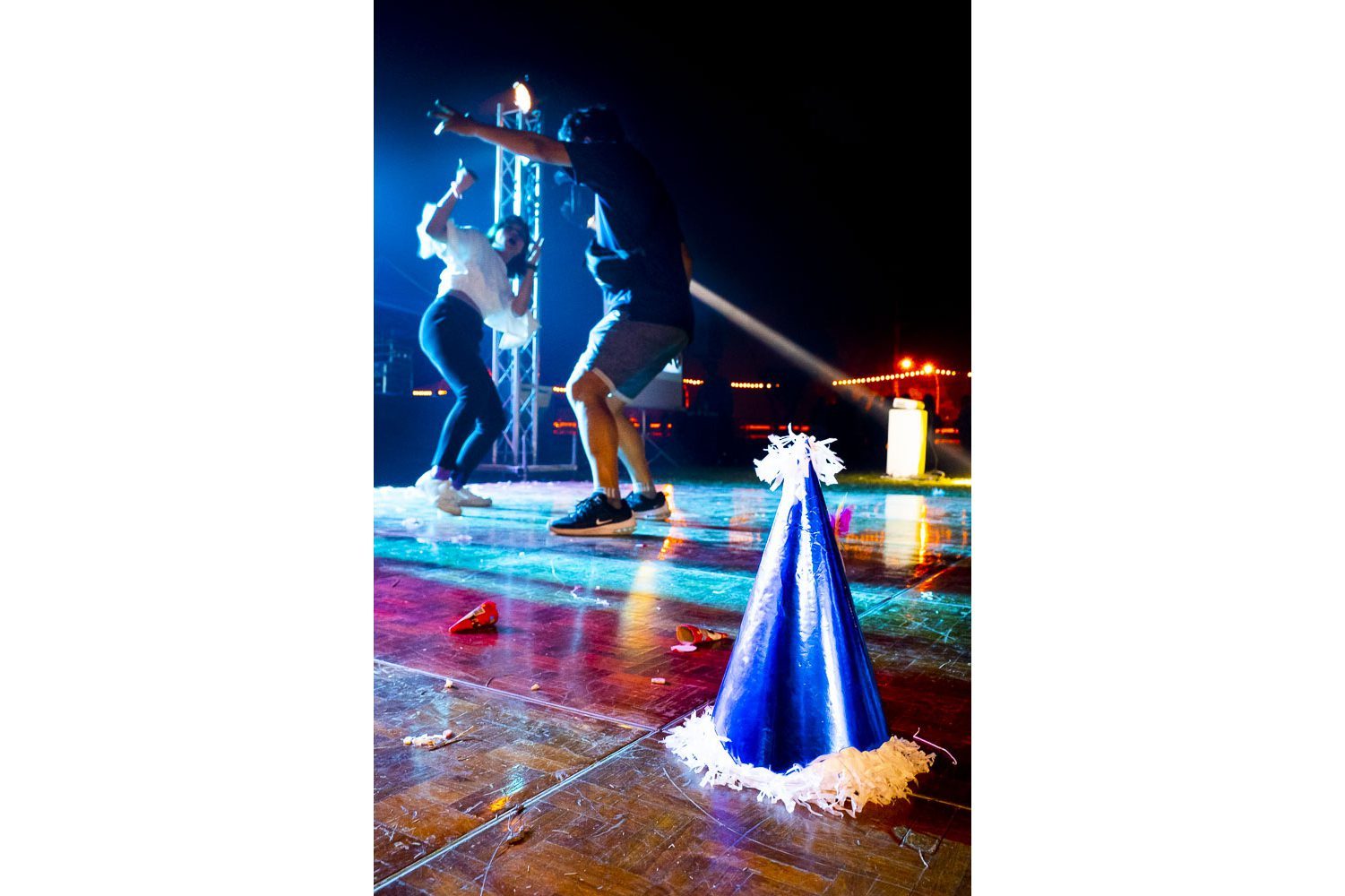
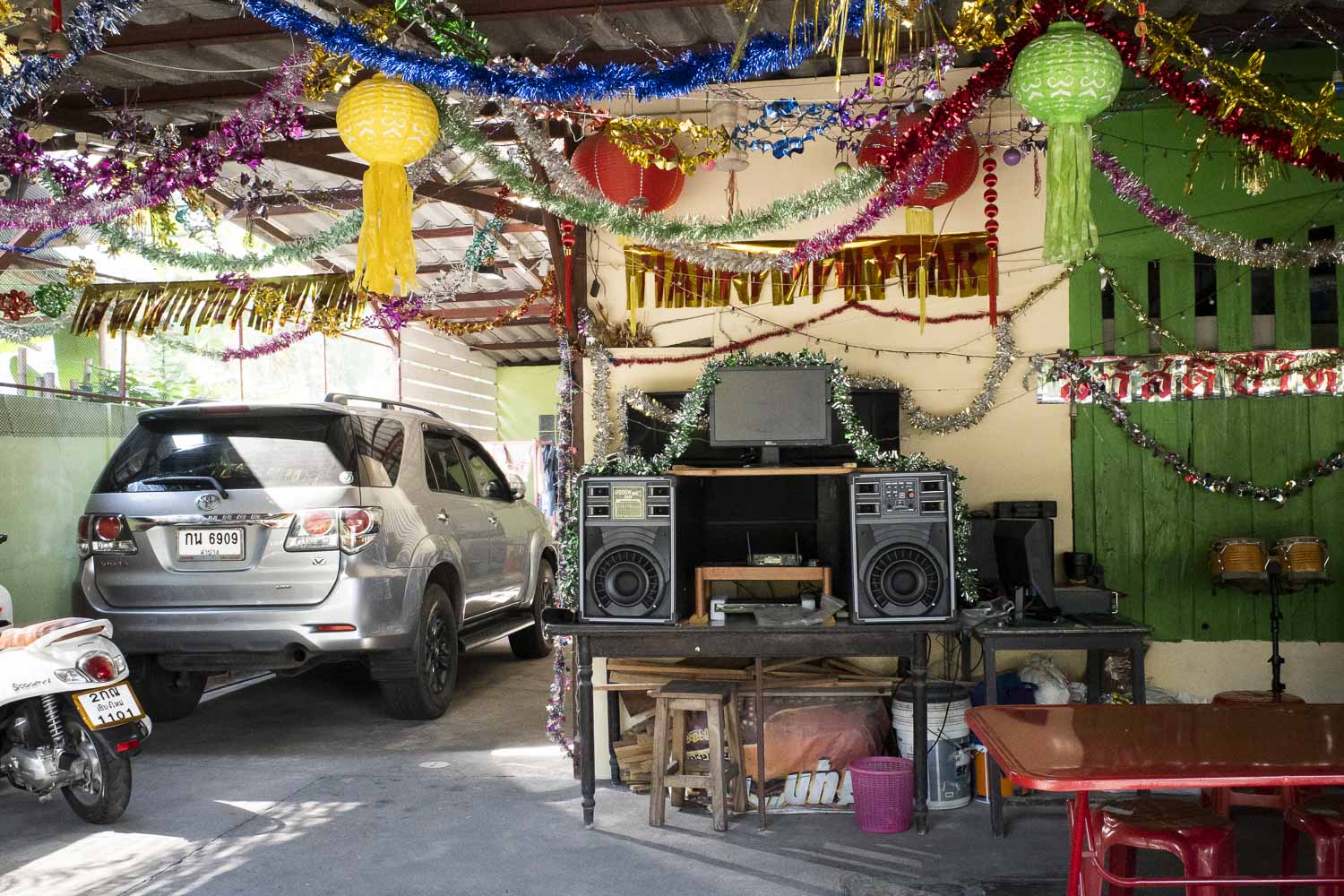
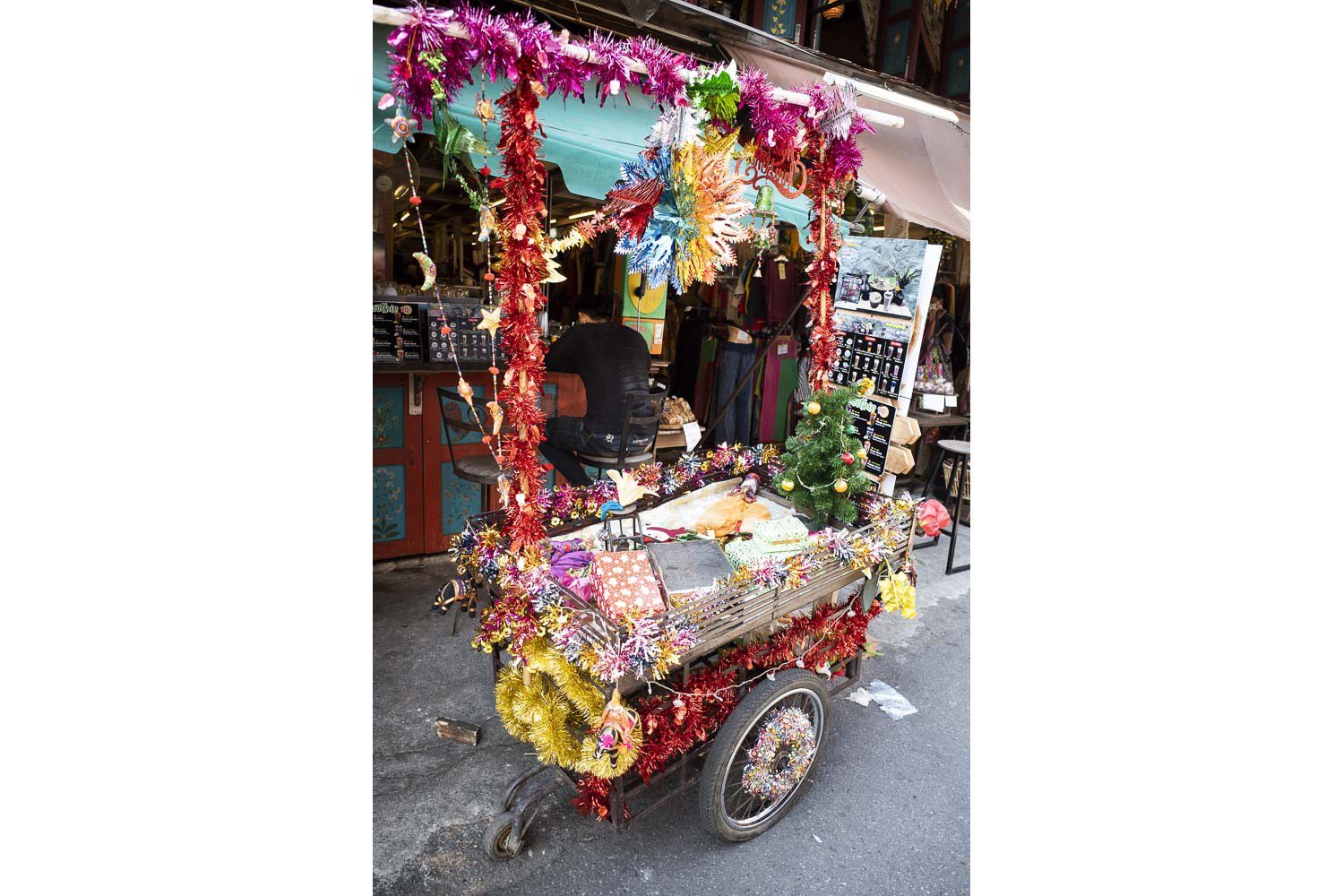
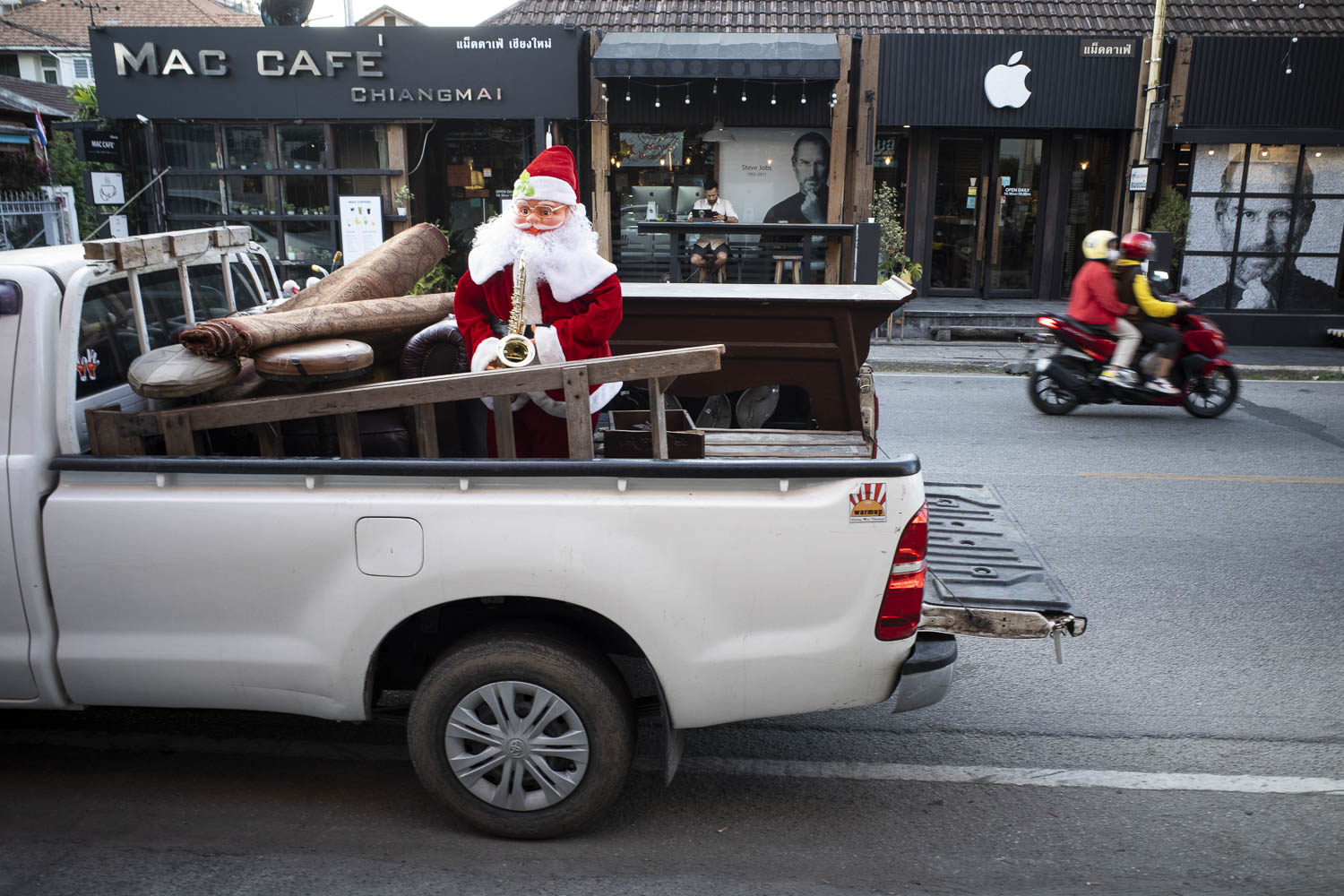
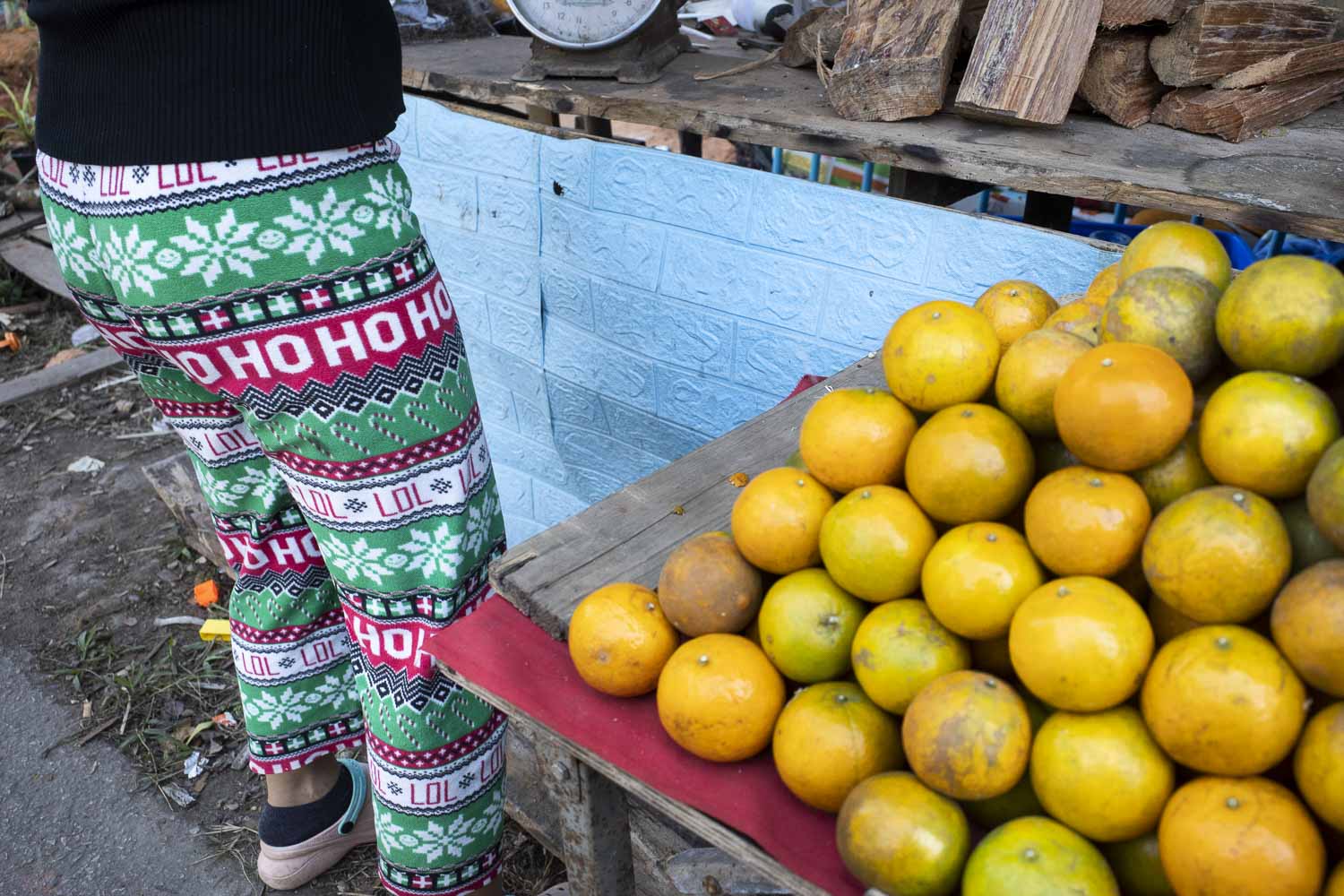
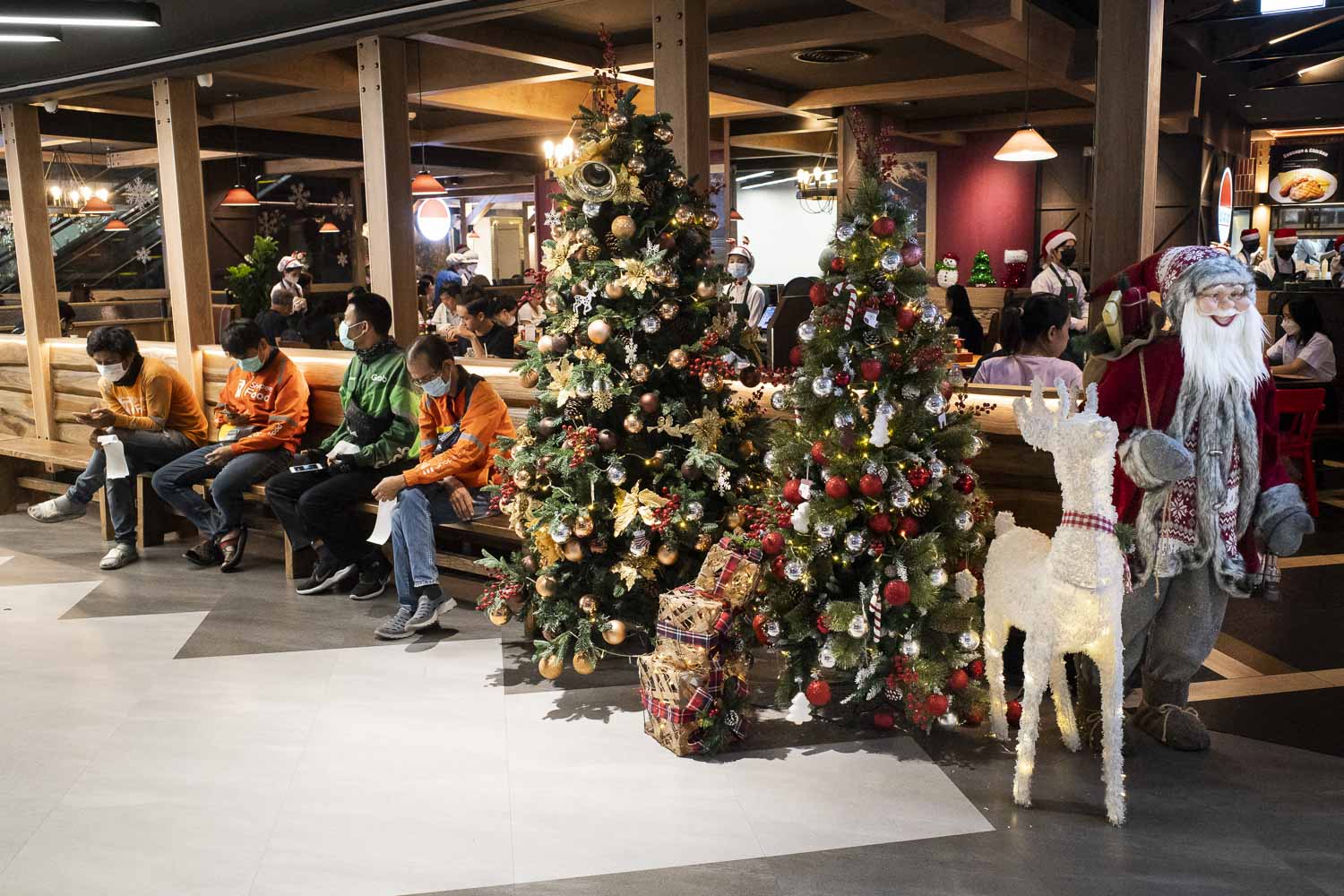
Christmas in England and most Christian countries is our main holiday and celebration of the year. In the dark and cold winter months it is something to look forward to, a chance to spend time with family and loved ones. The whole country shuts down for a few days, with New Years so close they become intertwined. It’s a chance to celebrate, rest and reflect on the year that’s gone, and the one that’s about to start. I got to spend Christmas 2022 in Thailand, and was fascinated by how enthusiastic Thai people were about it. From giant shopping mall displays, to office Christmas parties and secret Santa’s between friends, so many of the traditions were embraced fully or slightly altered to fit Thai culture. It was interesting to see Christmas interpreted through a different culture and I hope my project shows the spirit of Christmas in Thailand.

_____________

Barry Macdonald was born in London, UK. His dad used to take photos with a 35mm film camera as a hobby and taught him how to use it when he was quite young. He had his own film camera by the time I was 15. The camera opened up a way to interact with the world that made sense to him. Composing a frame and timing the moment brings a satisfaction when everything falls into place. His camera has allowed him to travel and meet a lot of people, and He is always grateful to it for changing his life and helping him make sense of the world.

instagram.com/barrymac84