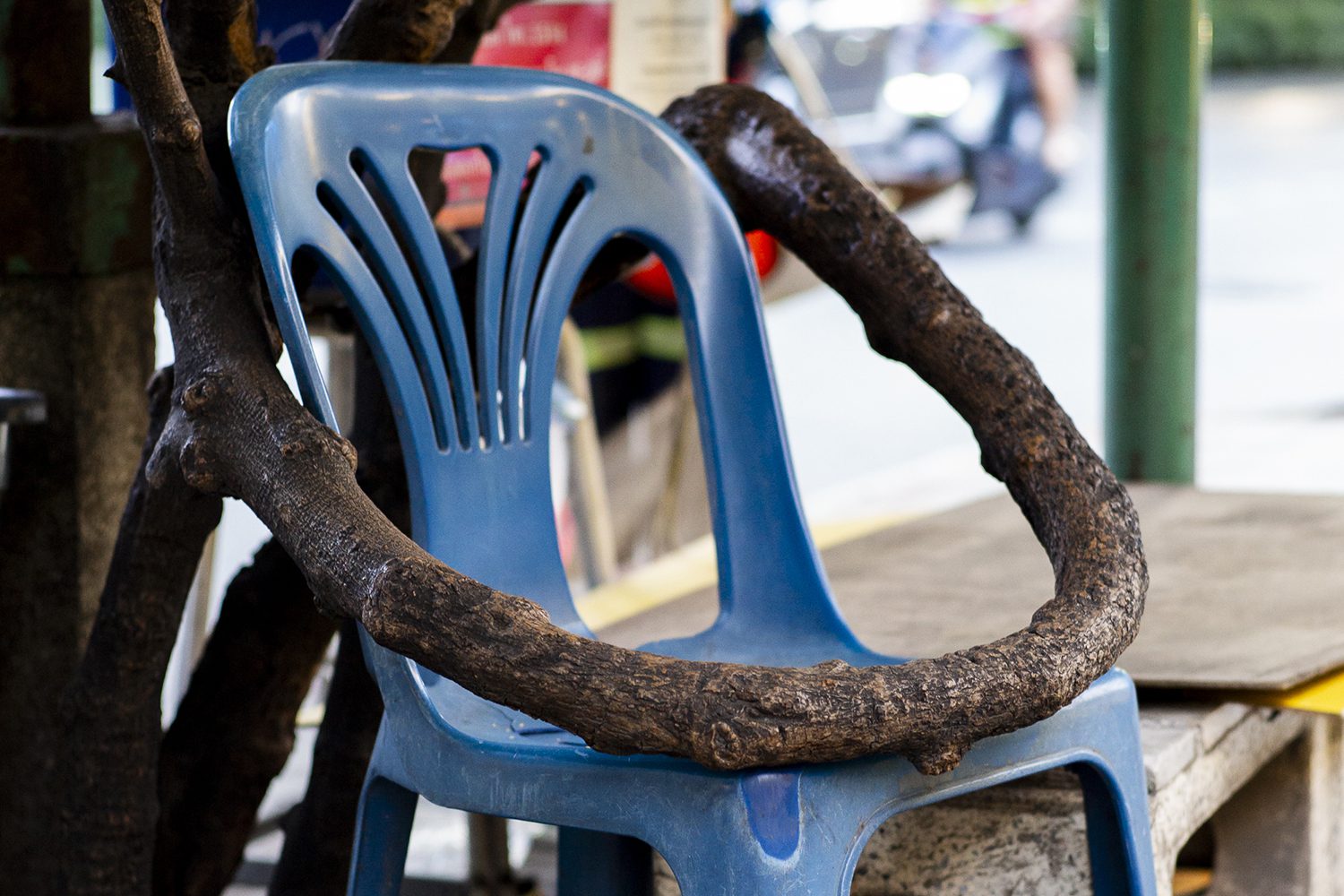
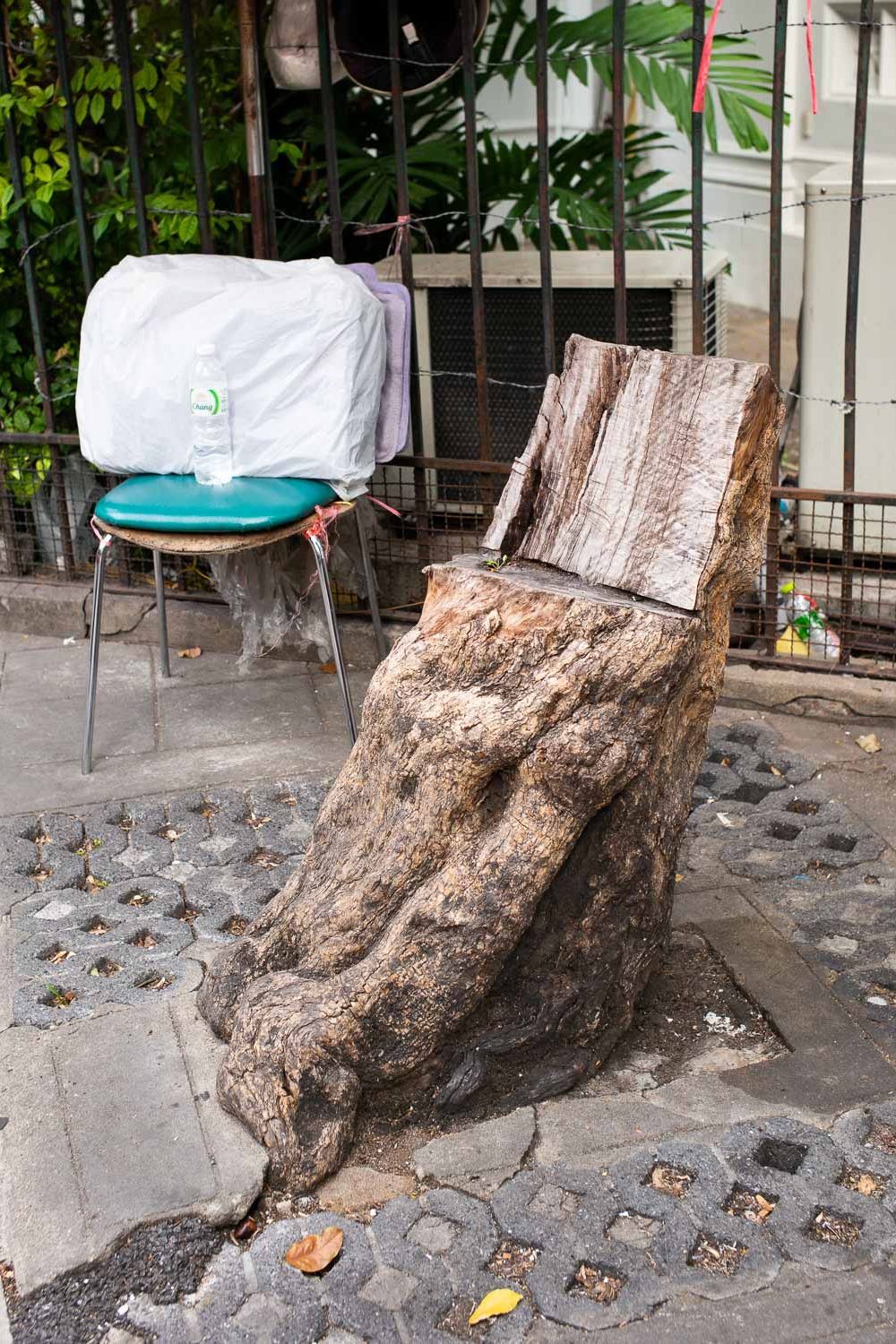
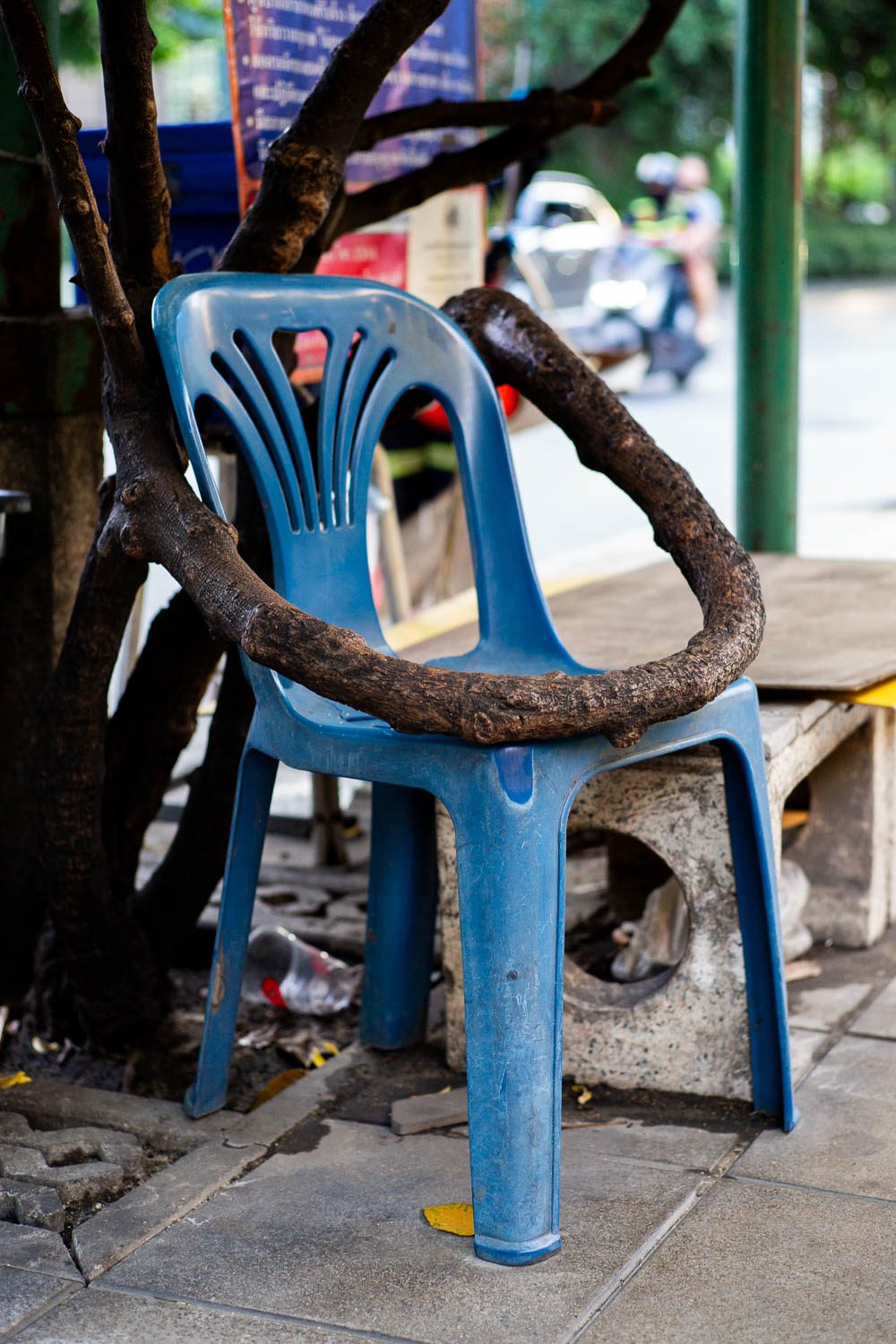
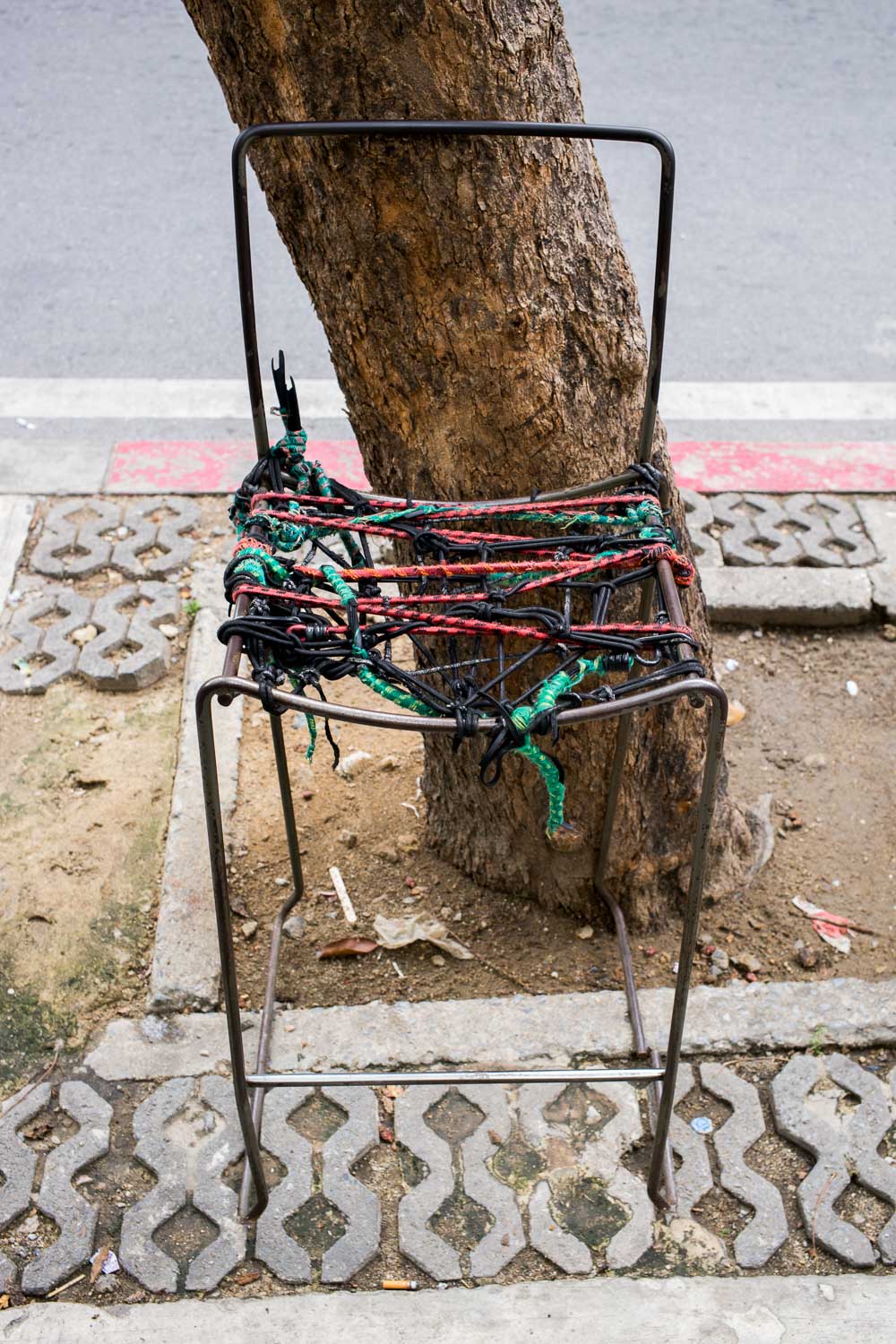
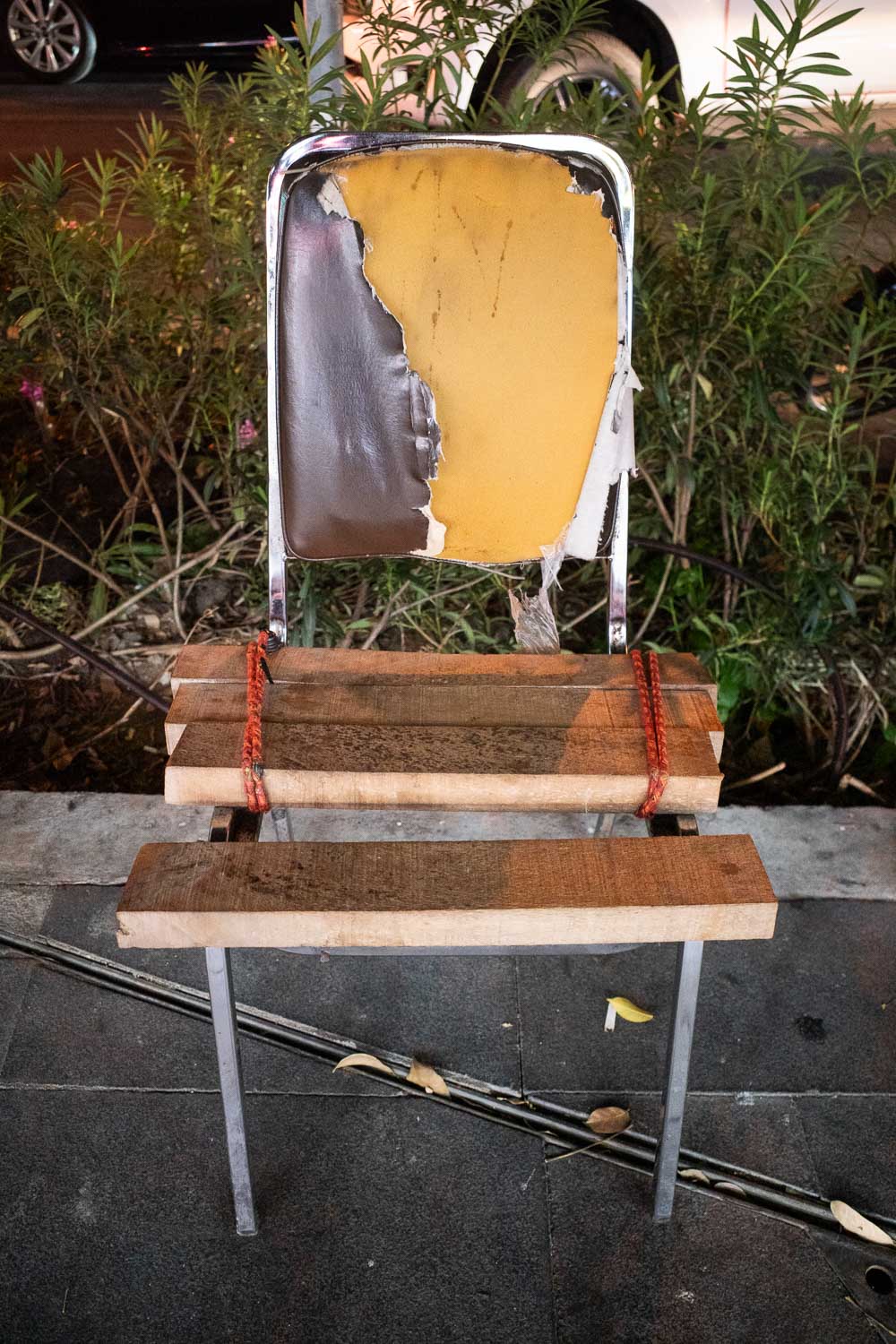
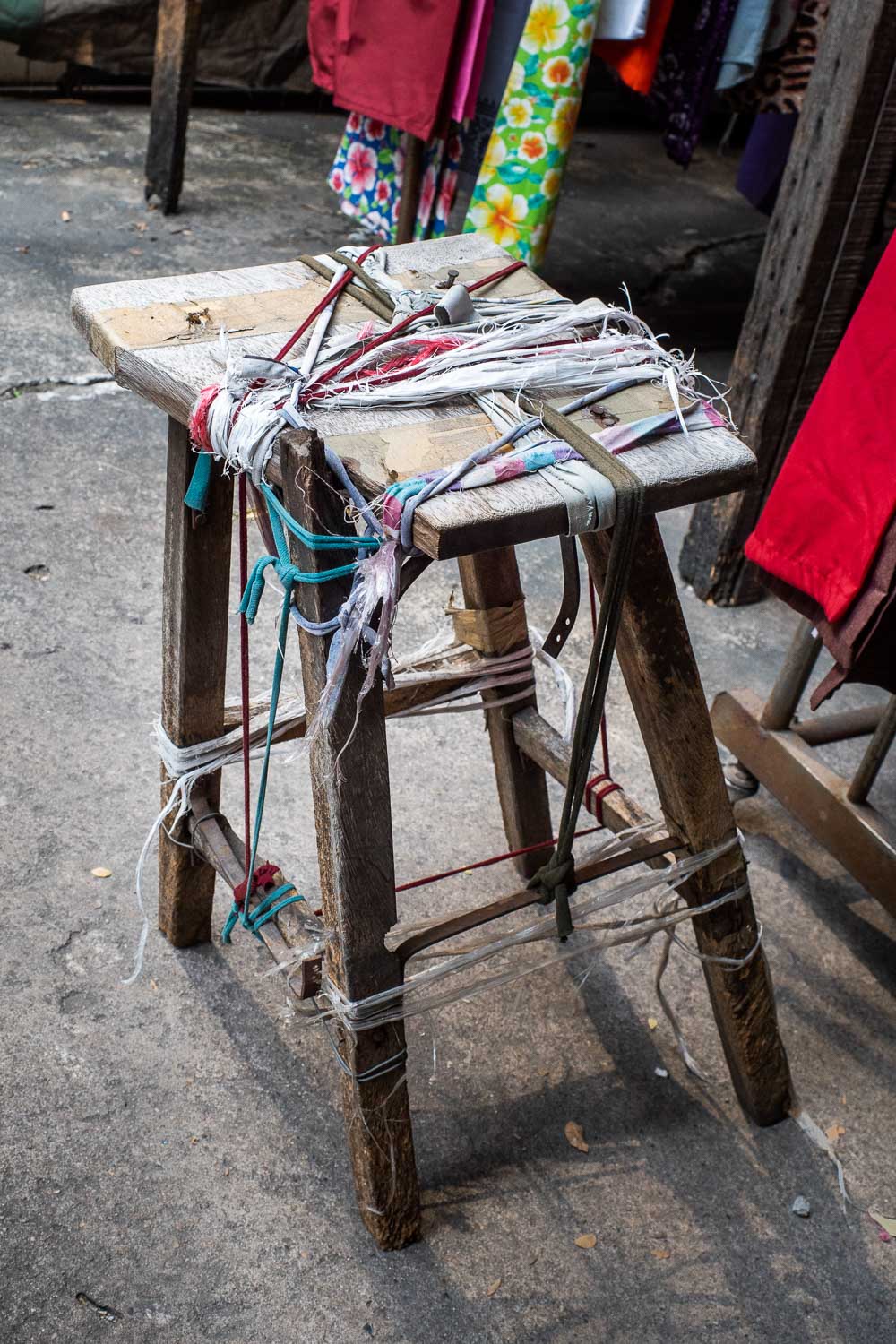
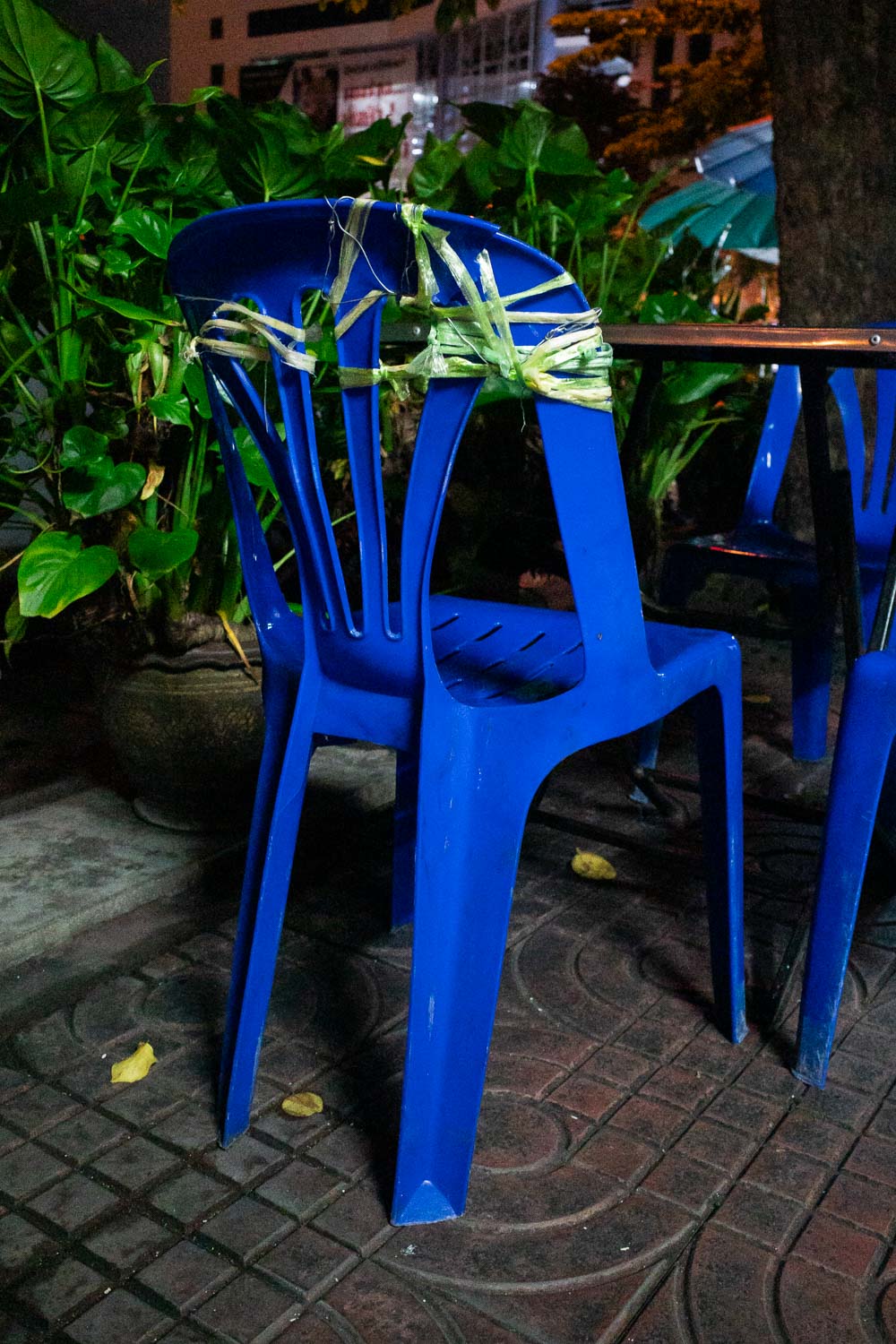
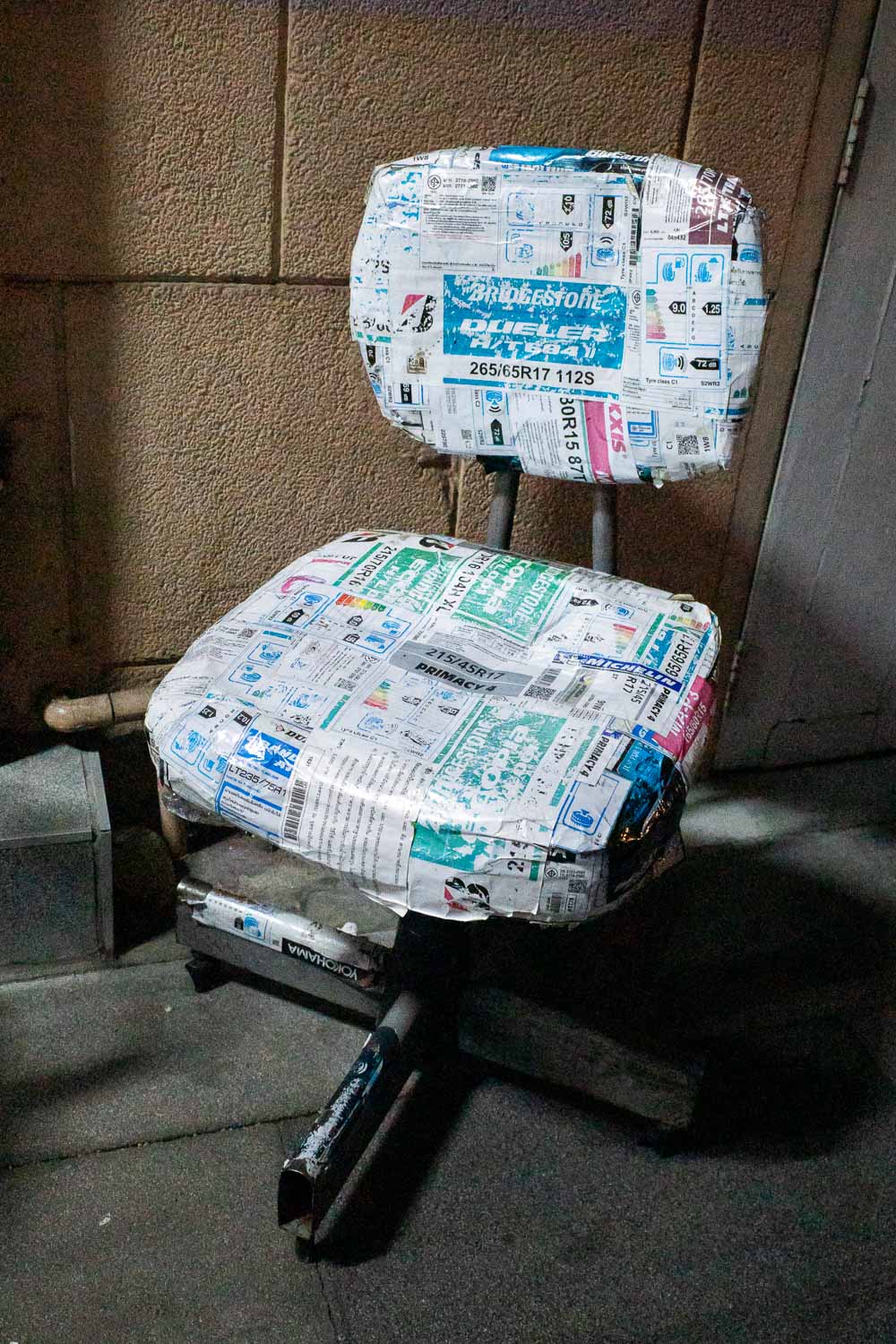
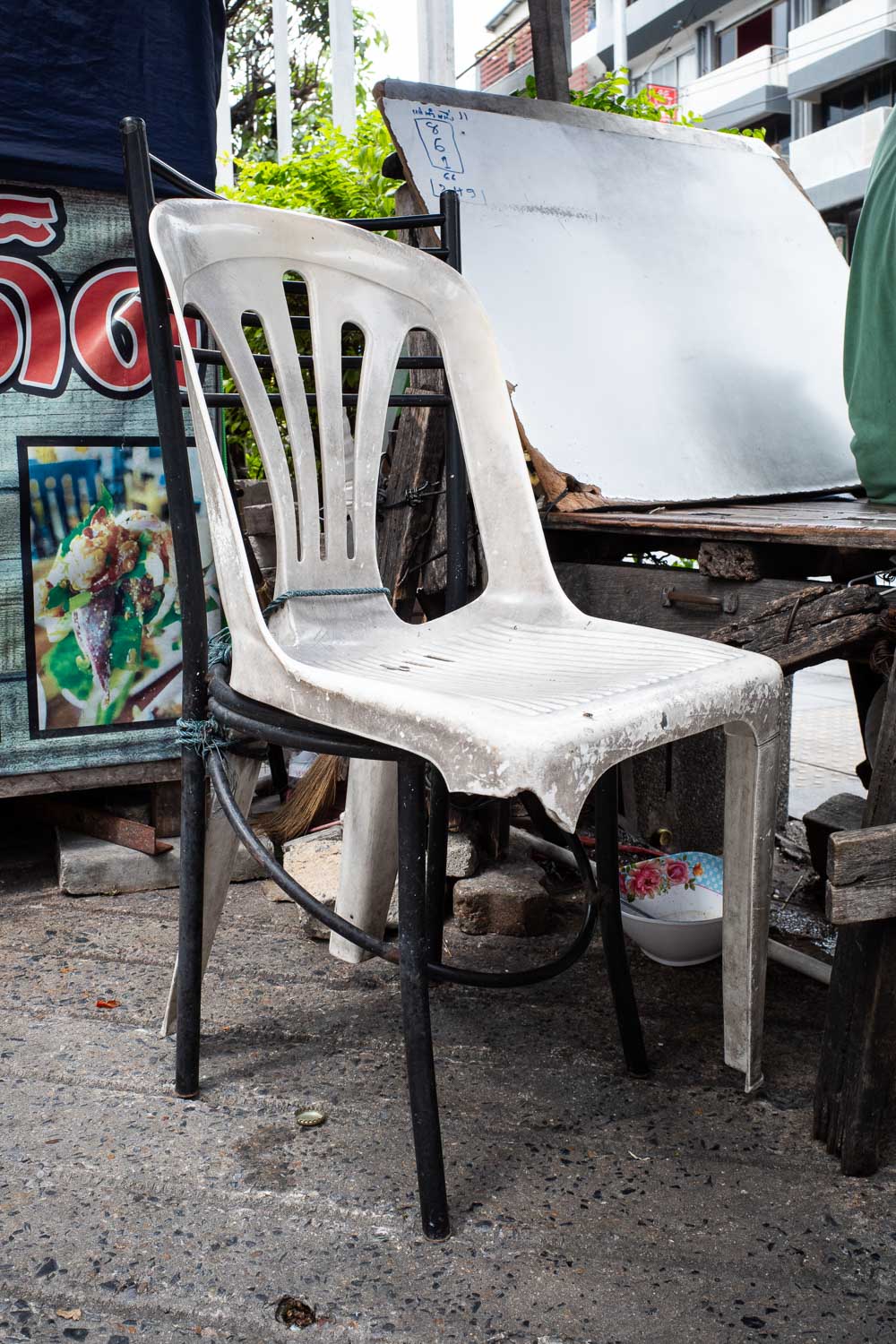
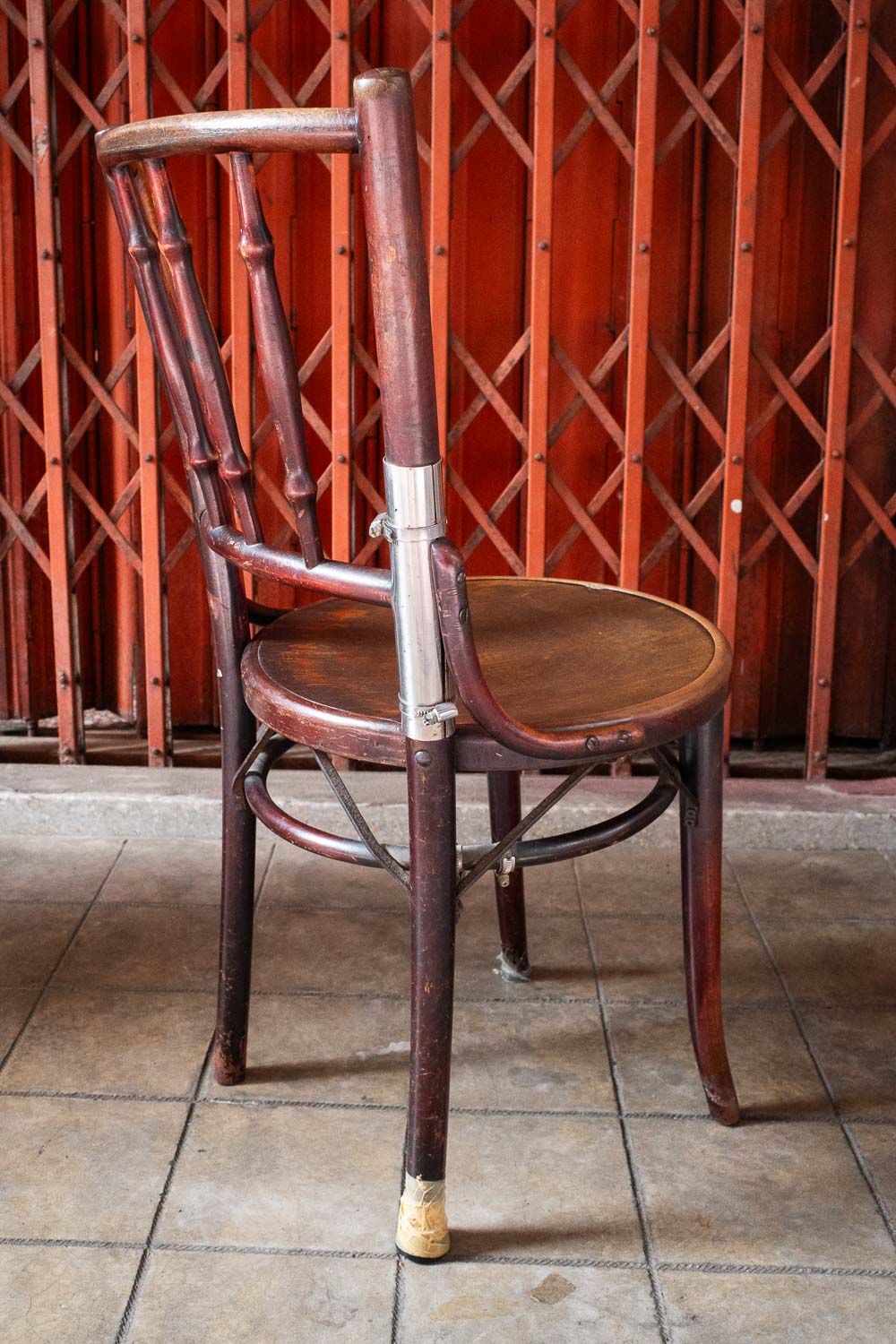
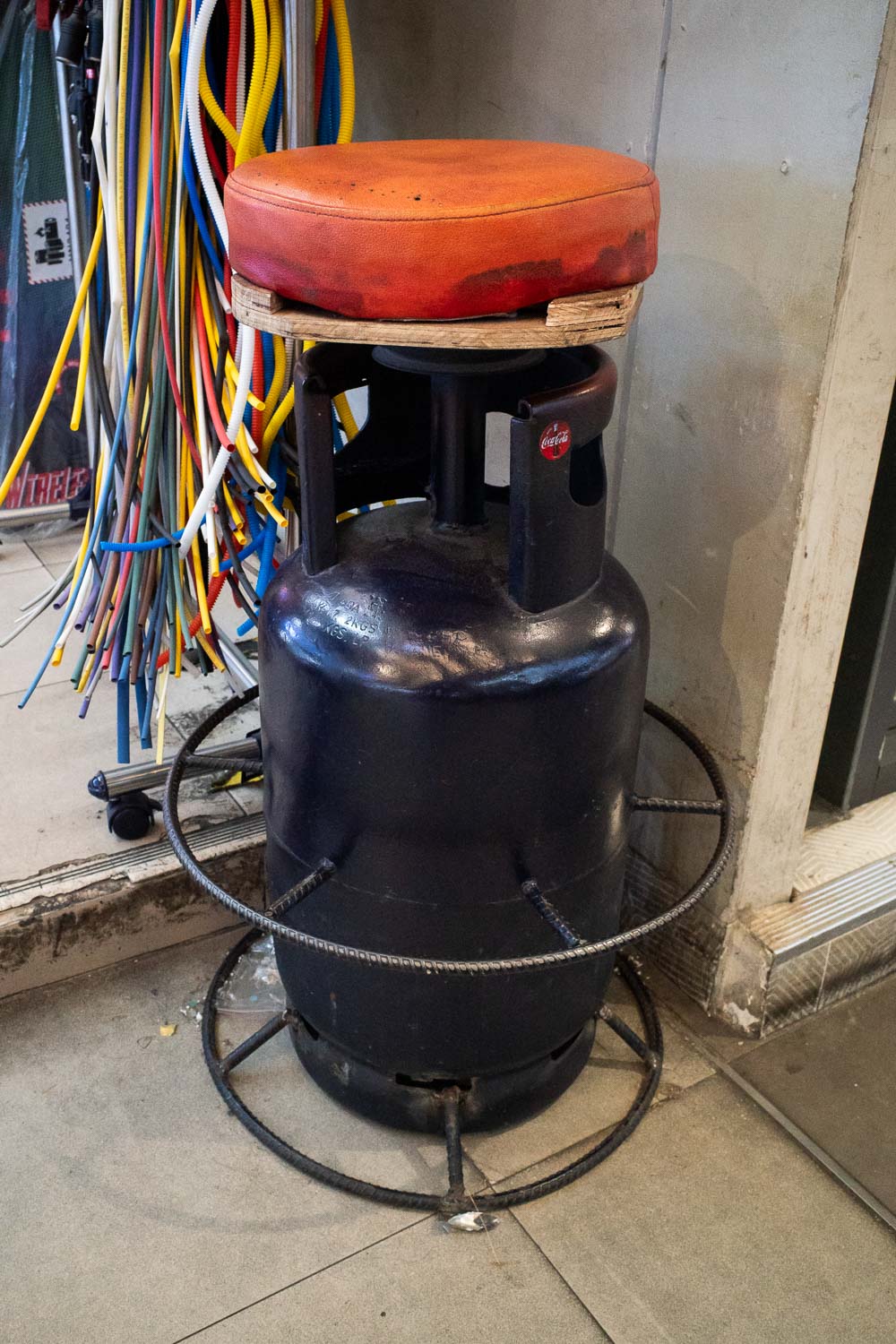
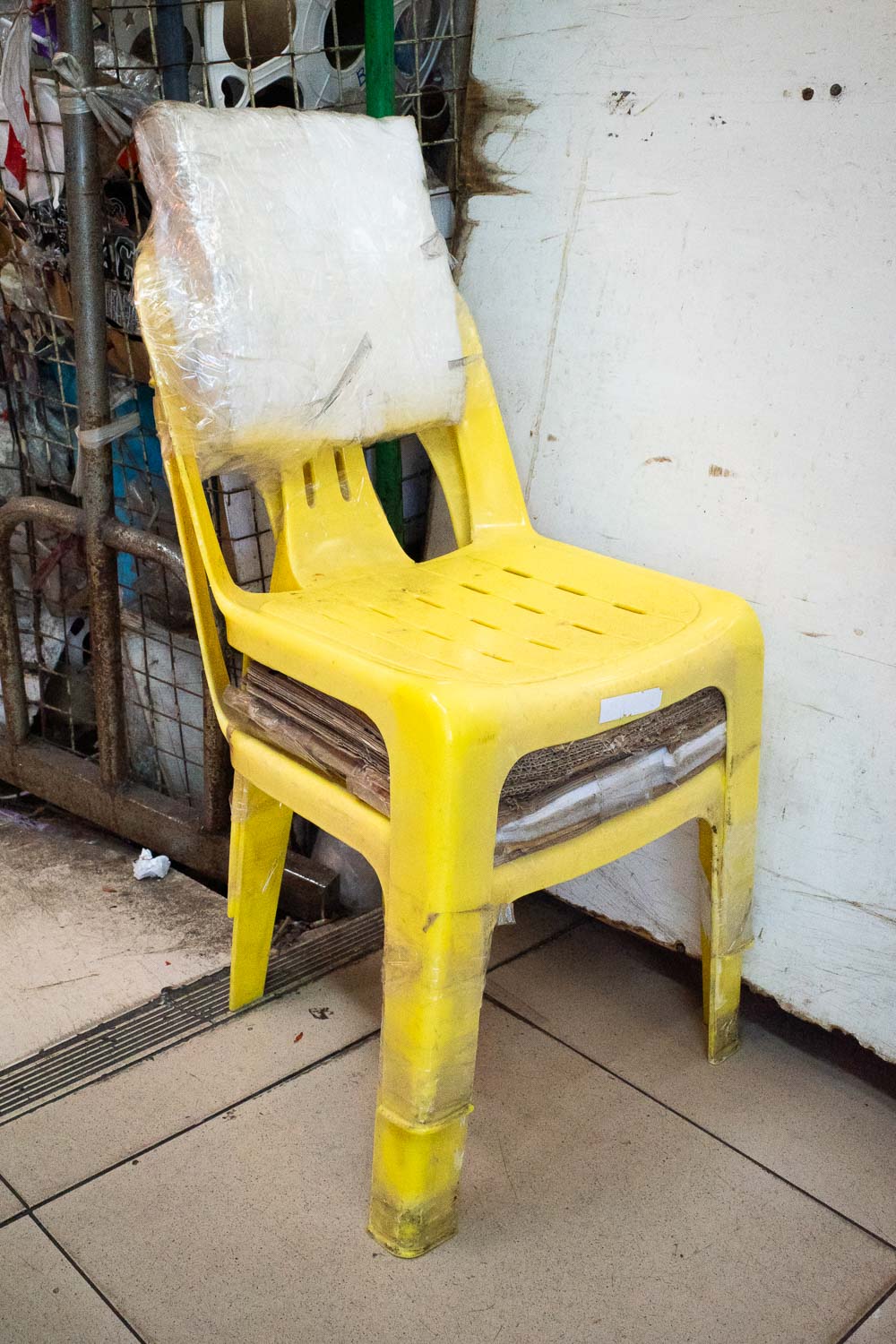
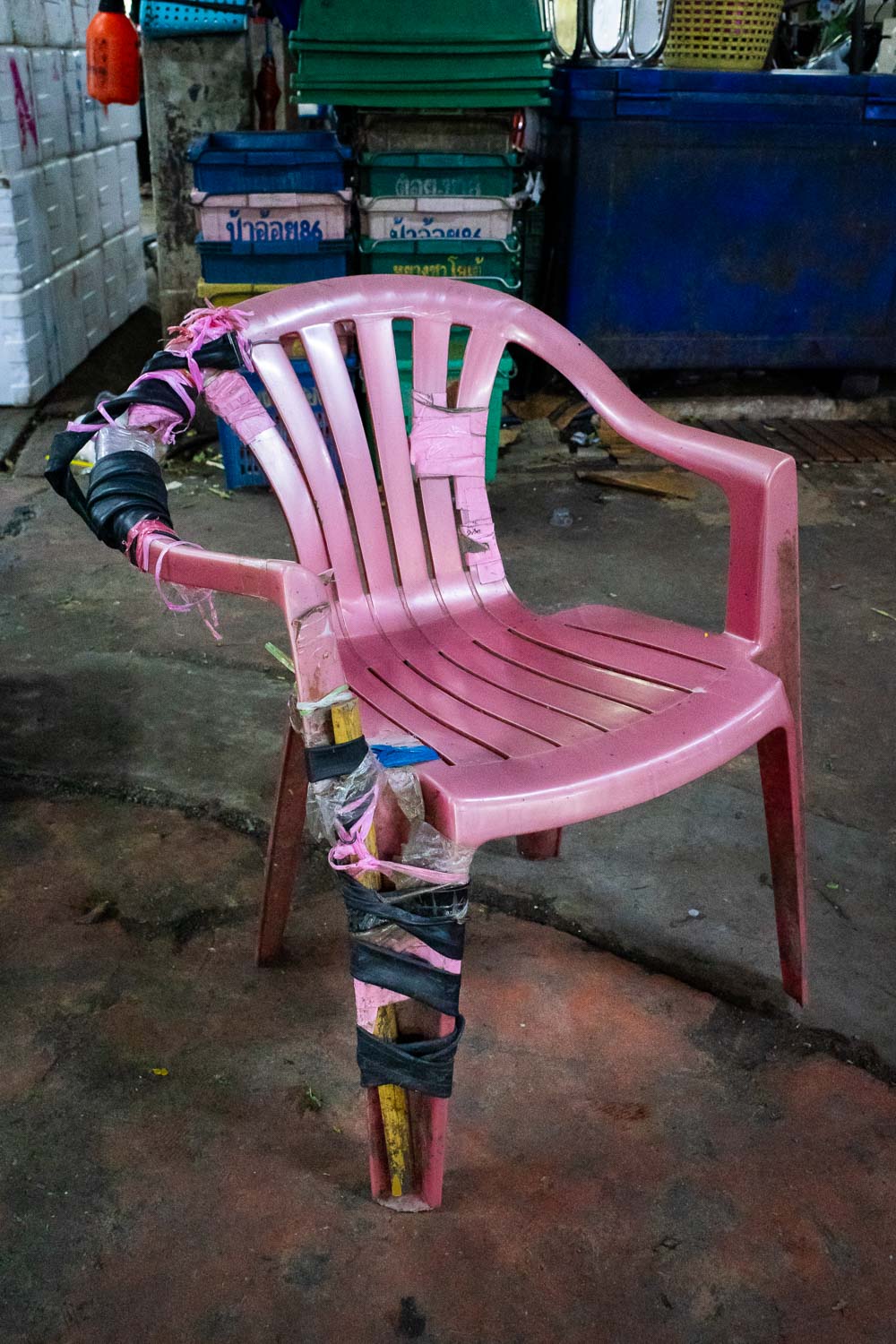
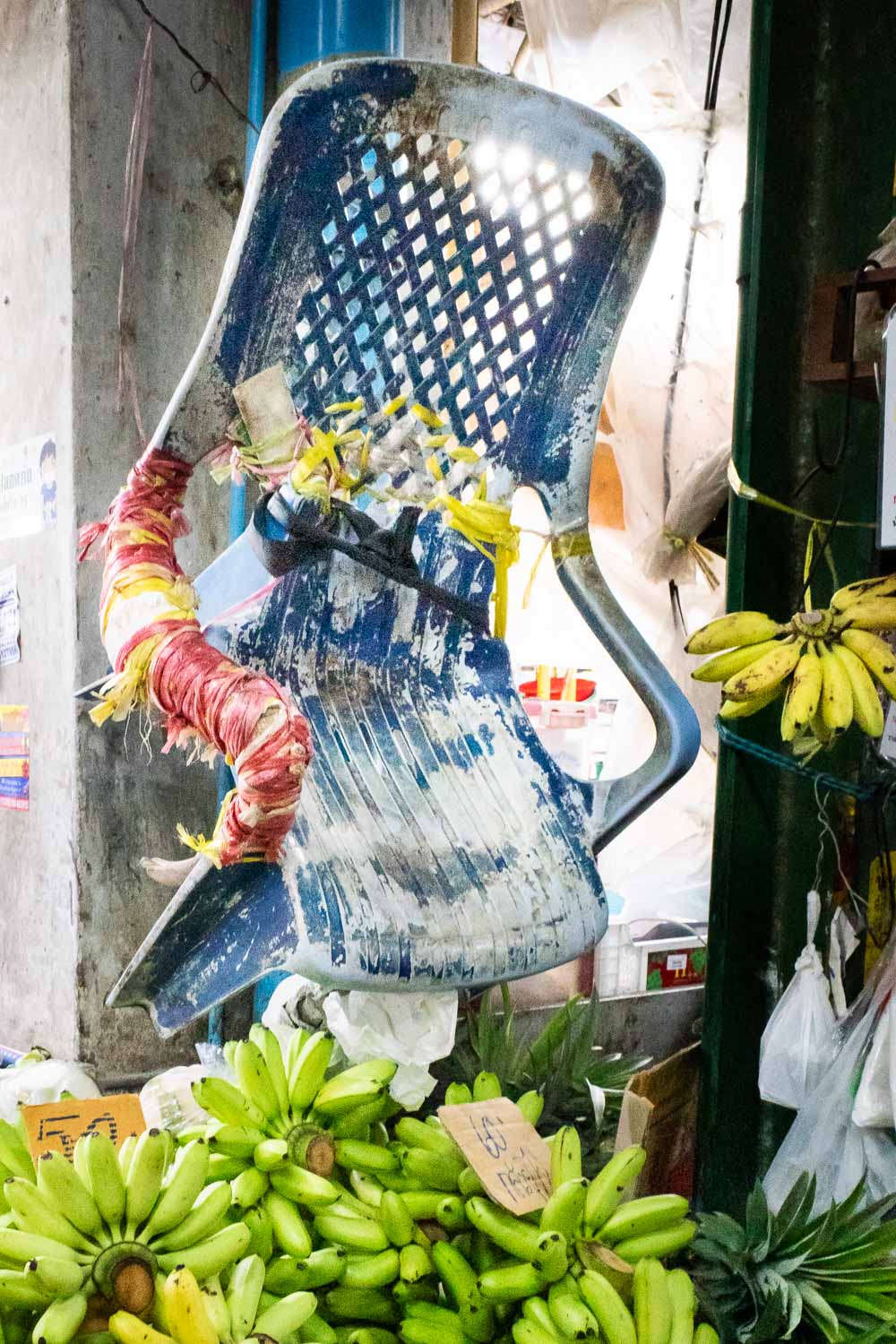
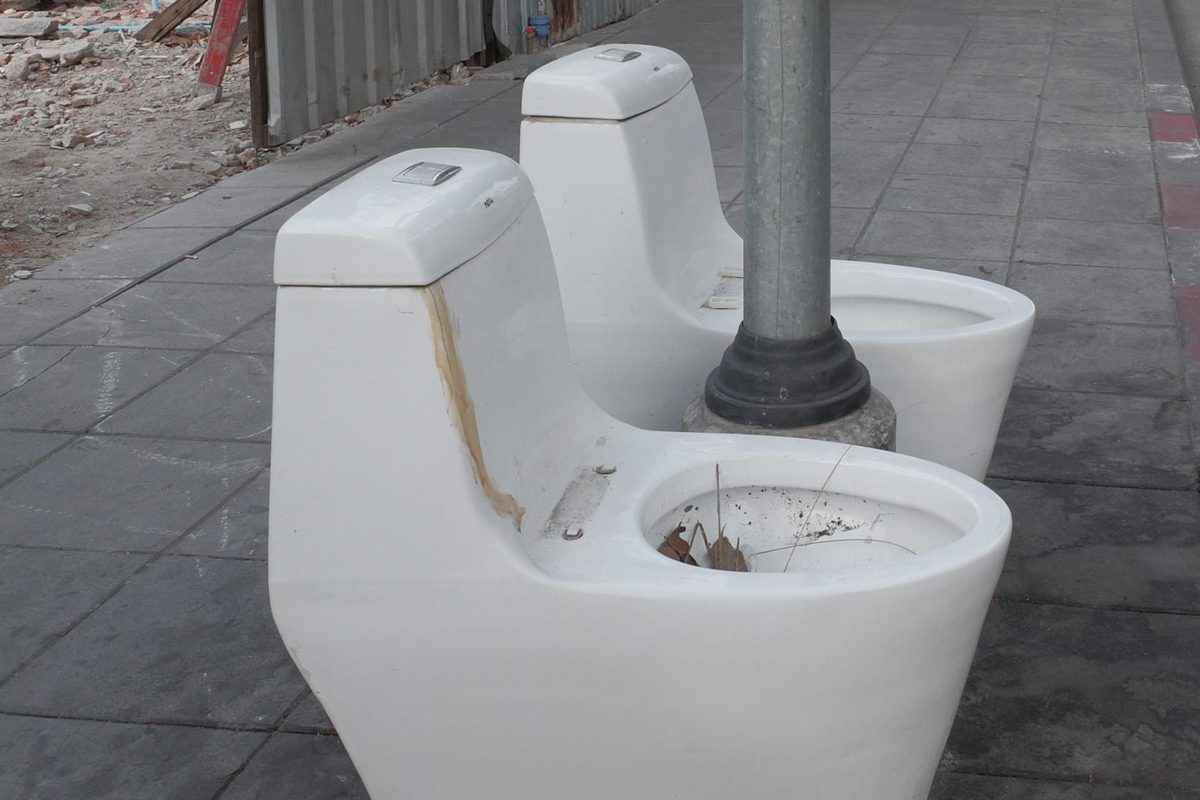
I am a photographer and I have been documenting the DIY-repaired chairs of Thailand’s streets. When something is broken it is not thrown away, but mended with found materials and given a new lease of life. Where some people would see a useless piece of furniture, the people who repair the chairs see possibilities and solutions. These chairs can be found everywhere from motorcycle taxi stands to markets, public seating is limited and making your own place to rest is important.
The designers and engineers are normal people who use their ingenuity and the best of up-cycling and recycling philosophies to make their creations. A lot of the time the design is purely practical, but sometimes it creates a different kind of beauty when assembled from lots of different materials. Techniques such as carpentry, weaving, tying, welding, glueing, cable tying, carving, taping, bungee cording etc are all employed. Sometimes the objects around can become part of the support, and the street and the chair merge, like the chair that sits inside the tree branch to make an armchair.
Cheap products that break quickly encourage waste and more consumerism, the art of repairing anything we own is becoming lost as companies employ planned obsolescence. These chairs symbolise urban design, working with the restrictions of damage and limited materials, to create seating that makes working on the street possible. These kinds of skillets are important as global resources become limited, the mindset to repair and not replace will be just as important.
I think the resourcefulness and flexibility of these designers is an important part of the fabric of Thailand, and should be considered and embraced when planning the future of public spaces.
_____________
Barry Macdonald was born in London, UK. His dad used to take photos with a 35mm film camera as a hobby and taught him how to use it when he was quite young. He had his own film camera by the time he was 15. The camera opened up a way to interact with the world that made sense to him. Composing a frame and timing the moment brings satisfaction when everything falls into place. His camera has allowed him to travel and meet a lot of people, and he is always grateful to it for changing his life and helping him make sense of the world.
THIS COLORFUL PHOTOGRAPHY SERIES CONTAINS A COMPILATION OF EXQUISITE PHOTOS OF THE PEOPLE, ANIMALS, AND ARTIFACTS THAT REVEAL THE STORY OF BOTH SIDES OF VARANASI, THE HALLOWED HEAVEN, AND THE LAND OF THE DEADRead More
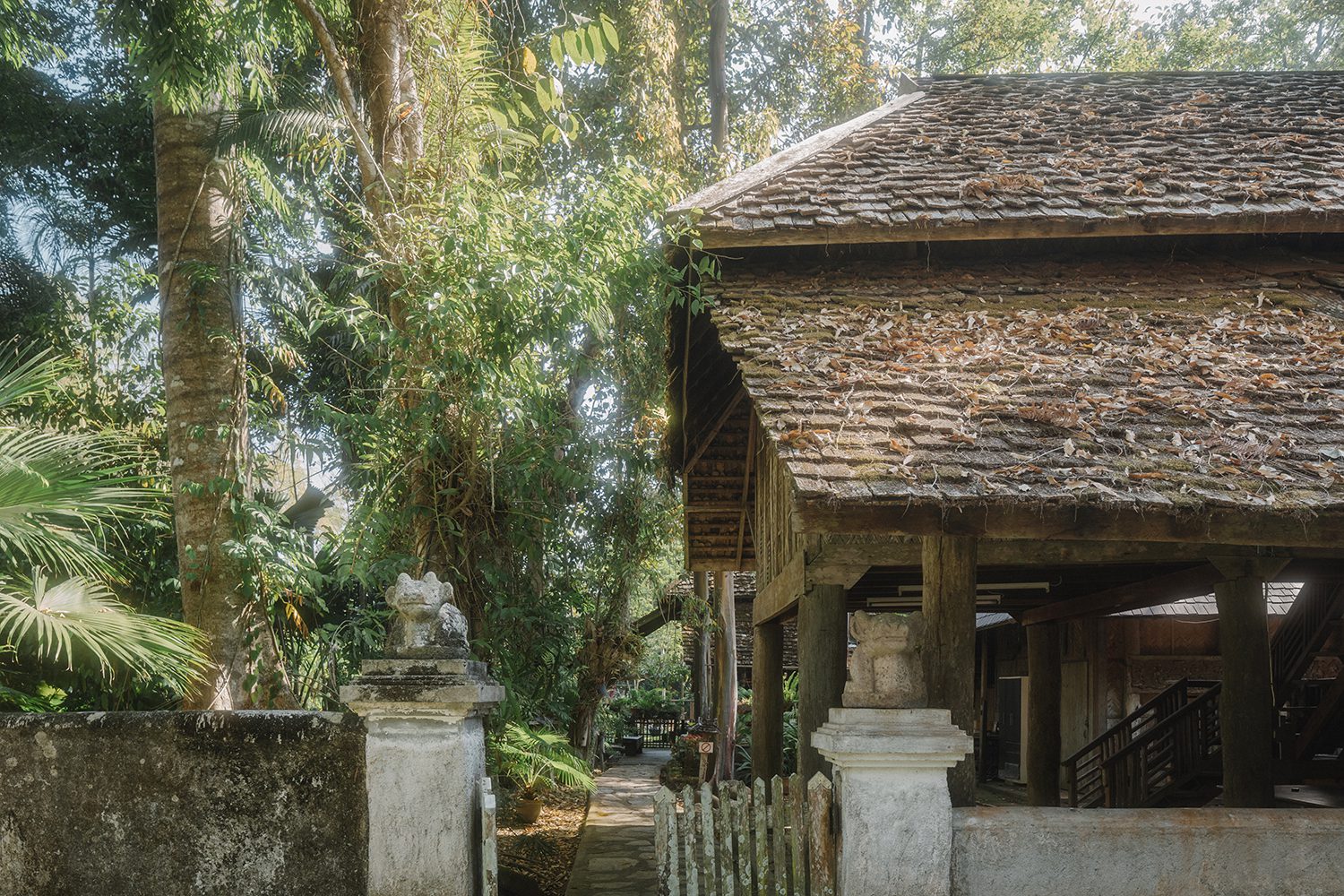
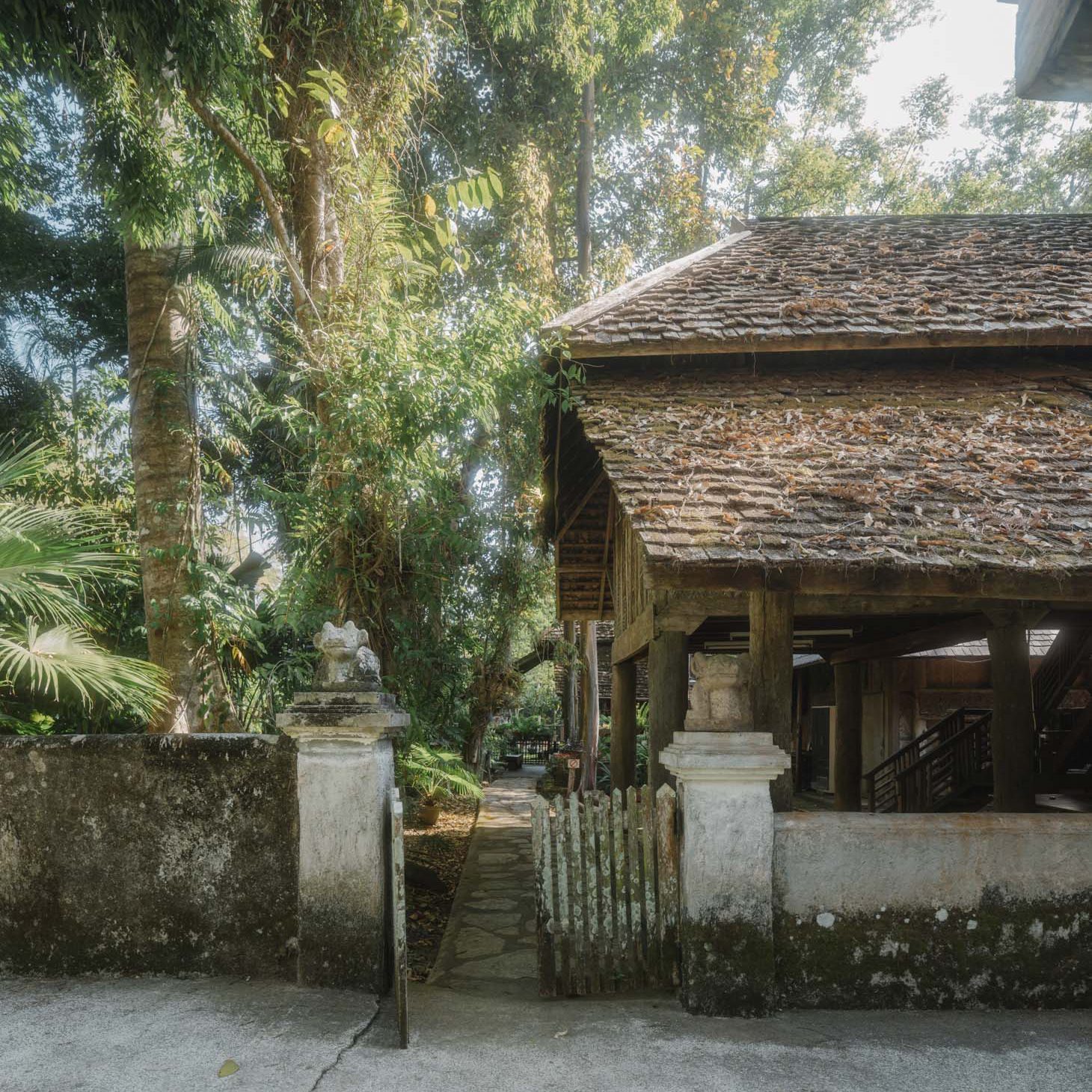
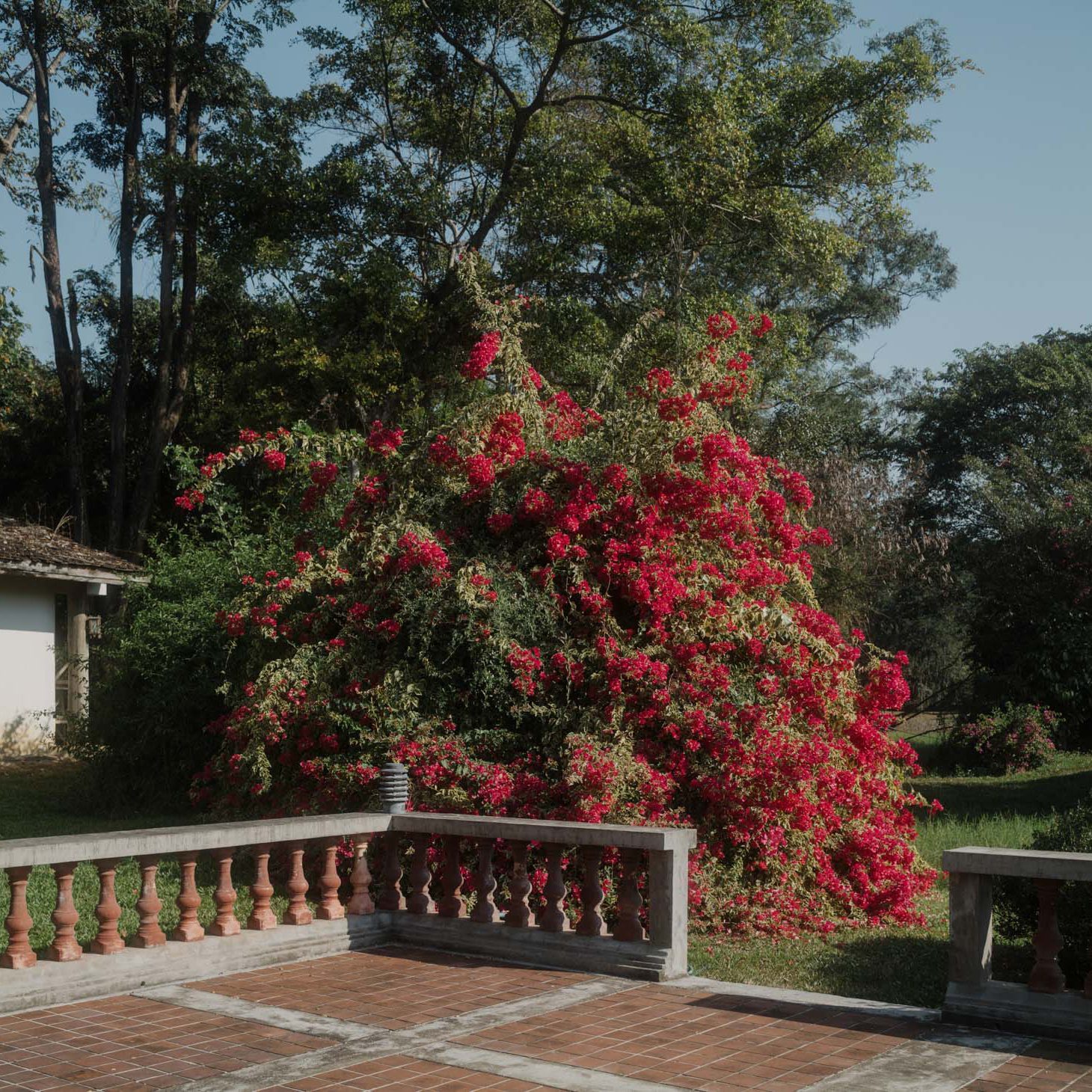
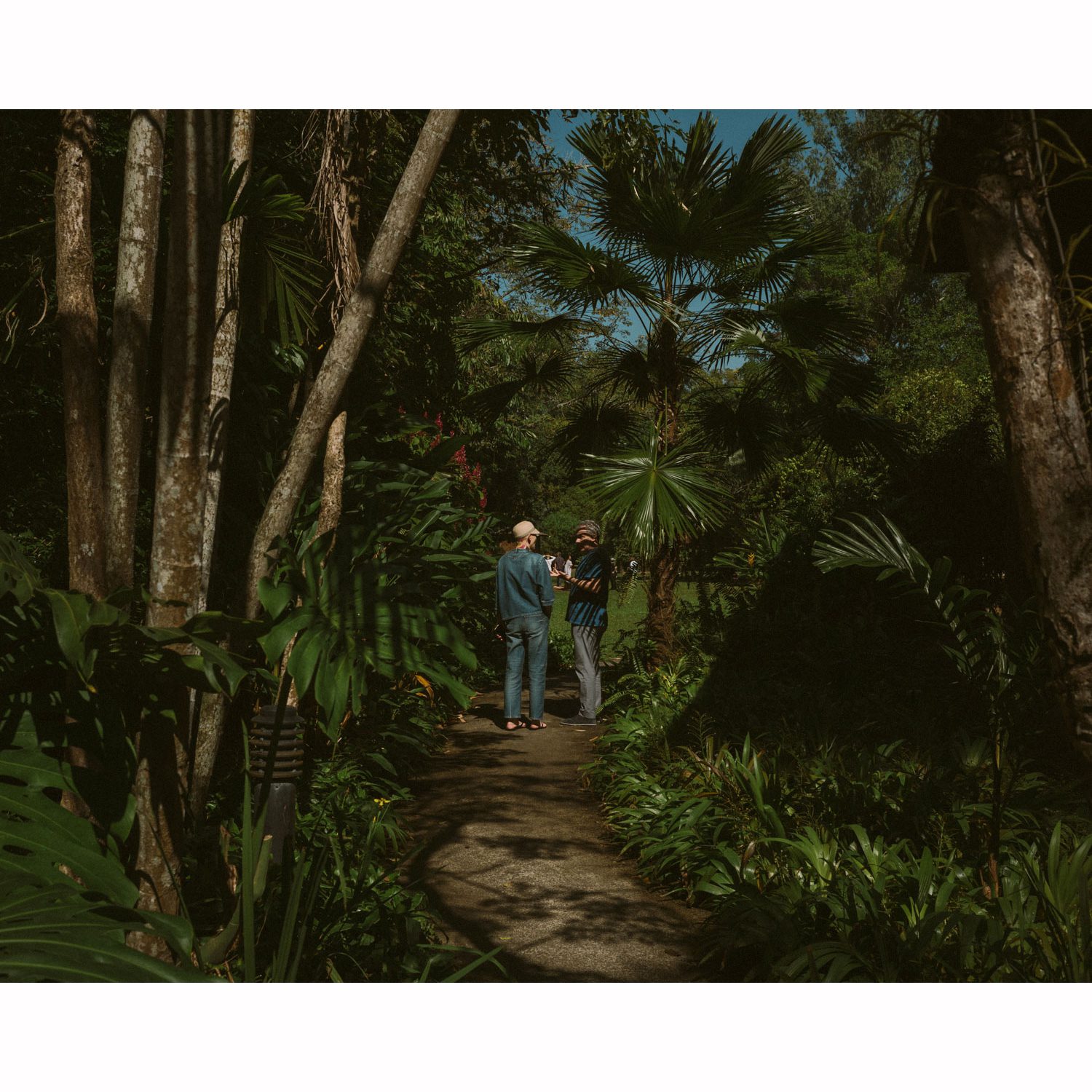
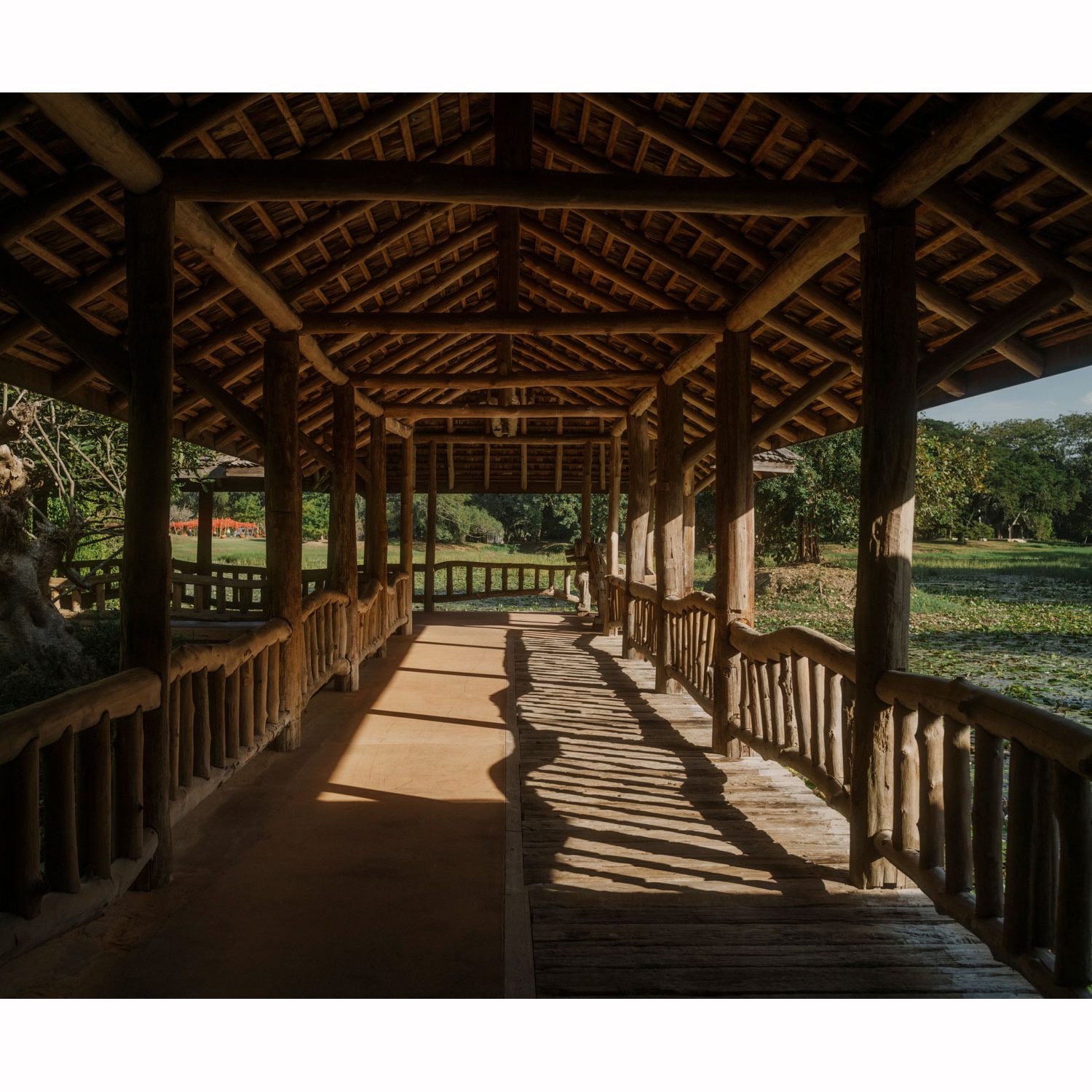
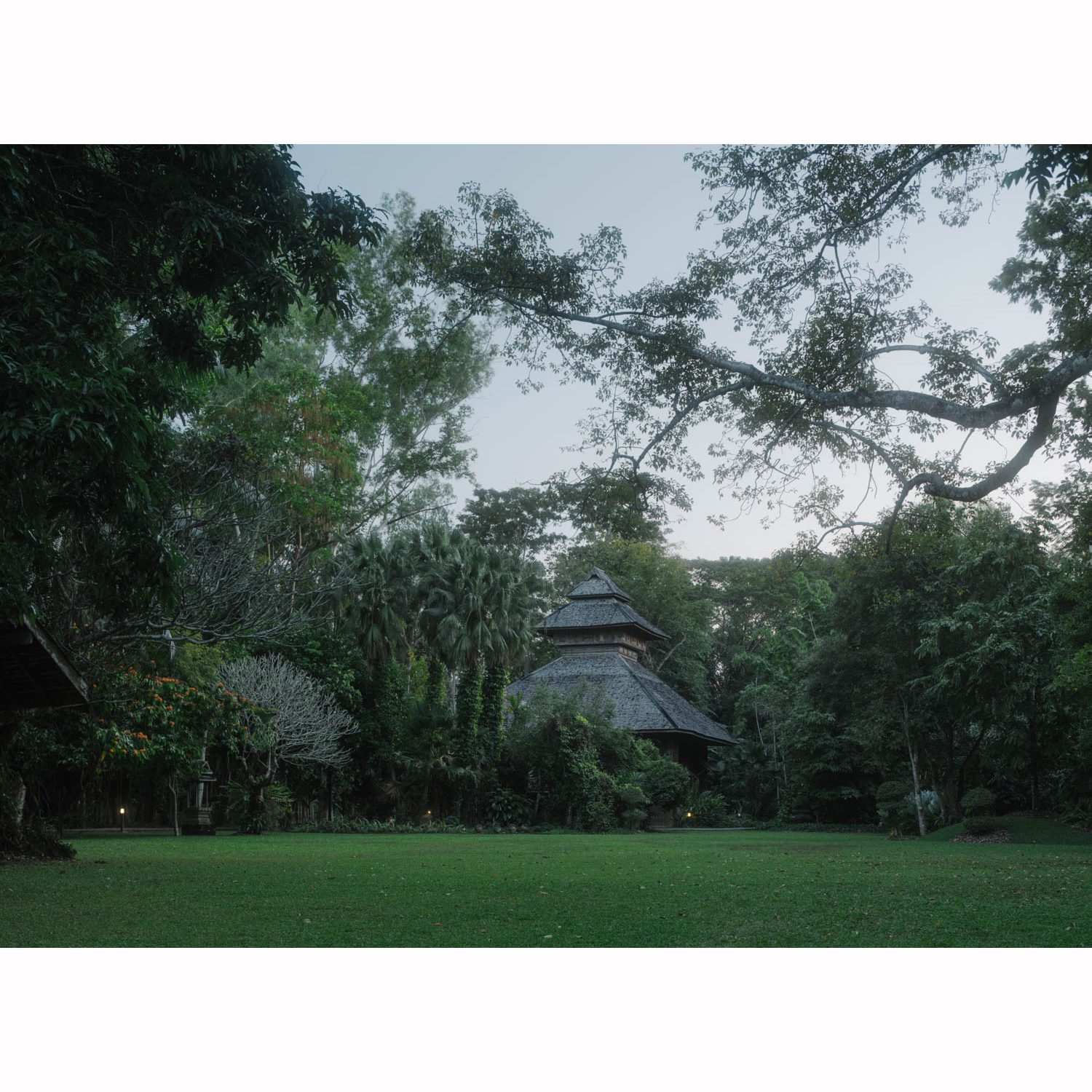
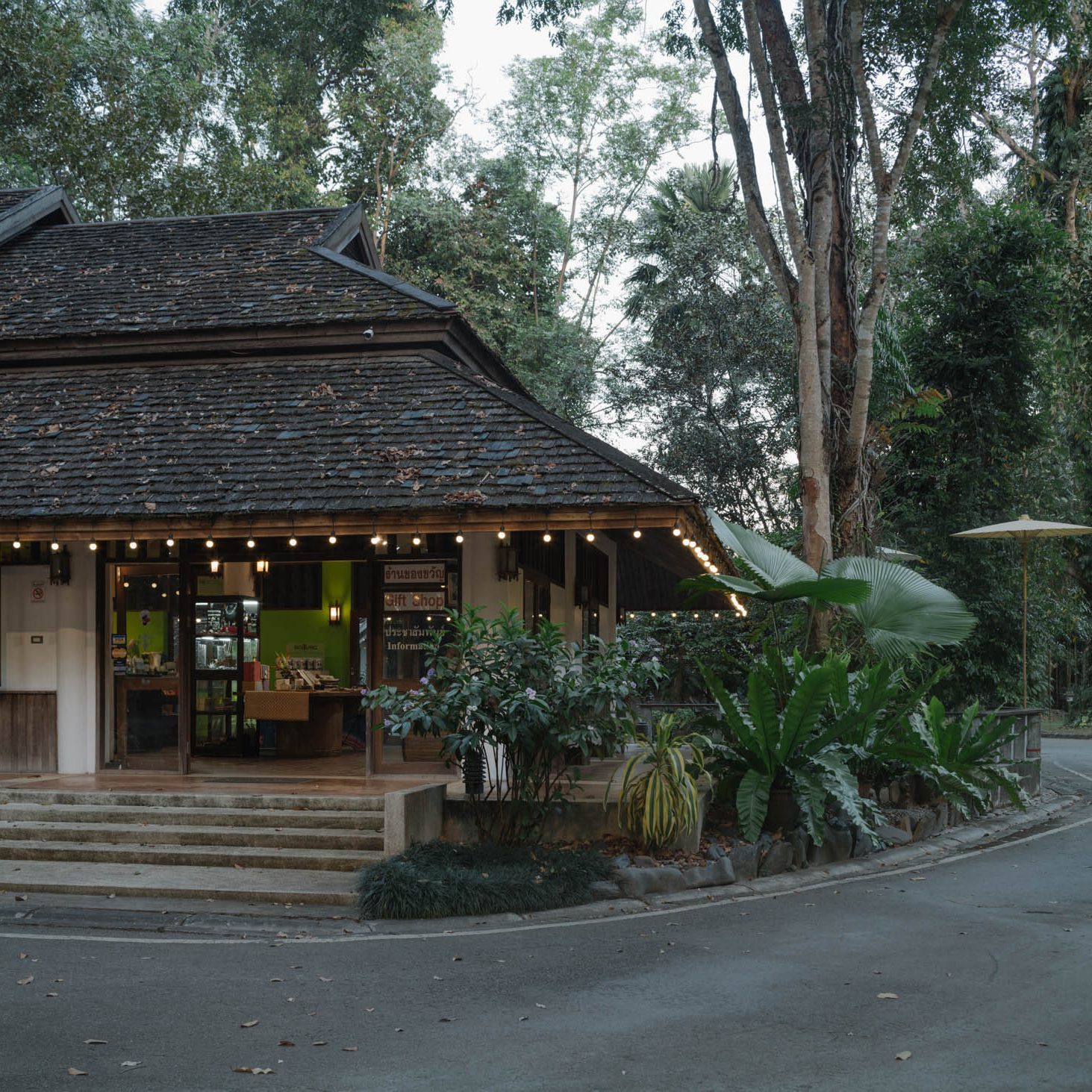
Mae Fah Luang Art and Cultural Park, also known as Rai Mae Fah Luang, is one of the destinations I find myself gravitating towards whenever the chance to explore Chiang Rai presents itself (the latest return marks my seventh visit).
It’s a place of happiness and memories, echoing the memories of the first time I was there.
Several years ago, I had the chance to attend the wedding of two of my older friends. It was within this very park that they celebrated their union. It was then that I also made a promise to myself to return to this place the next time I came back to Chiang Rai.
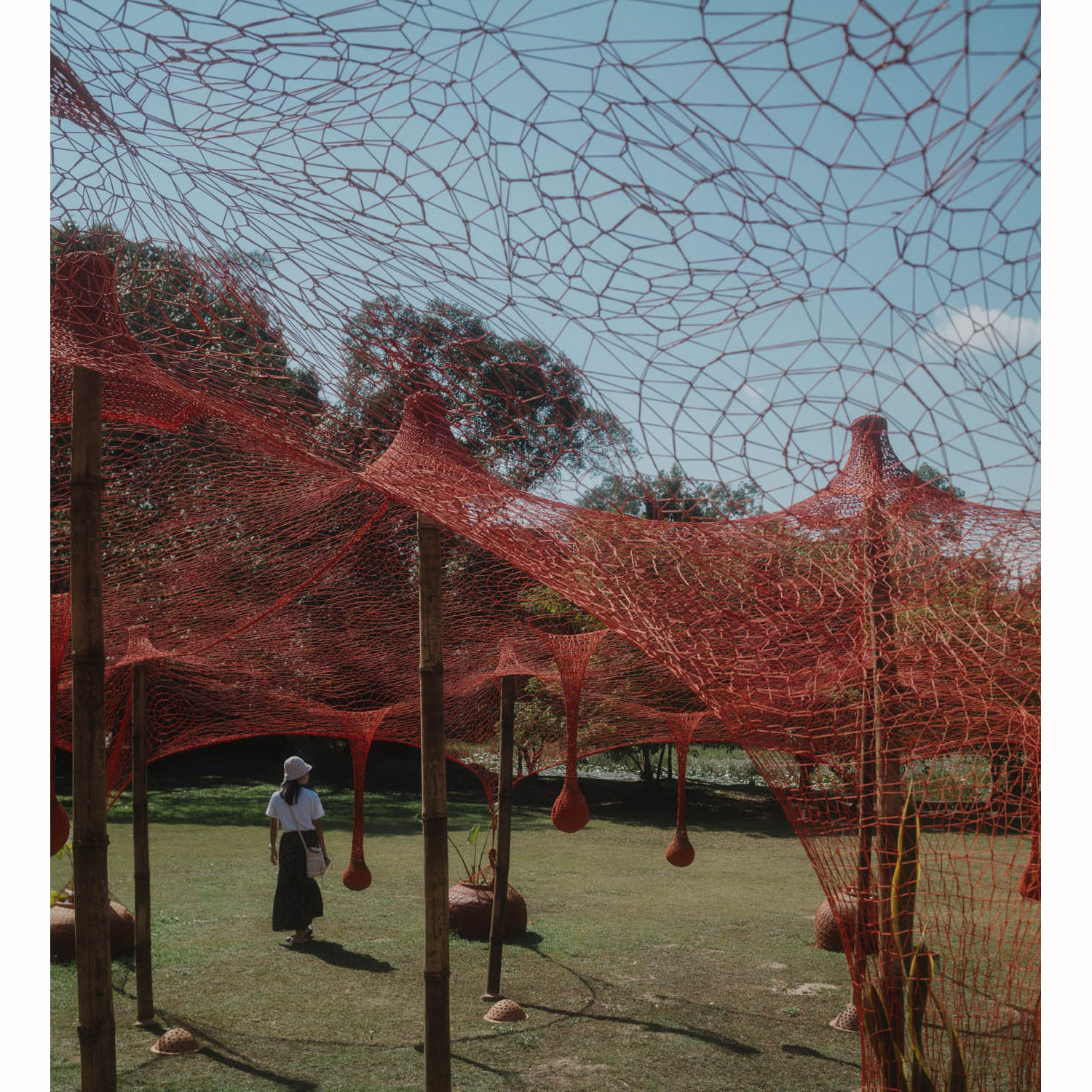
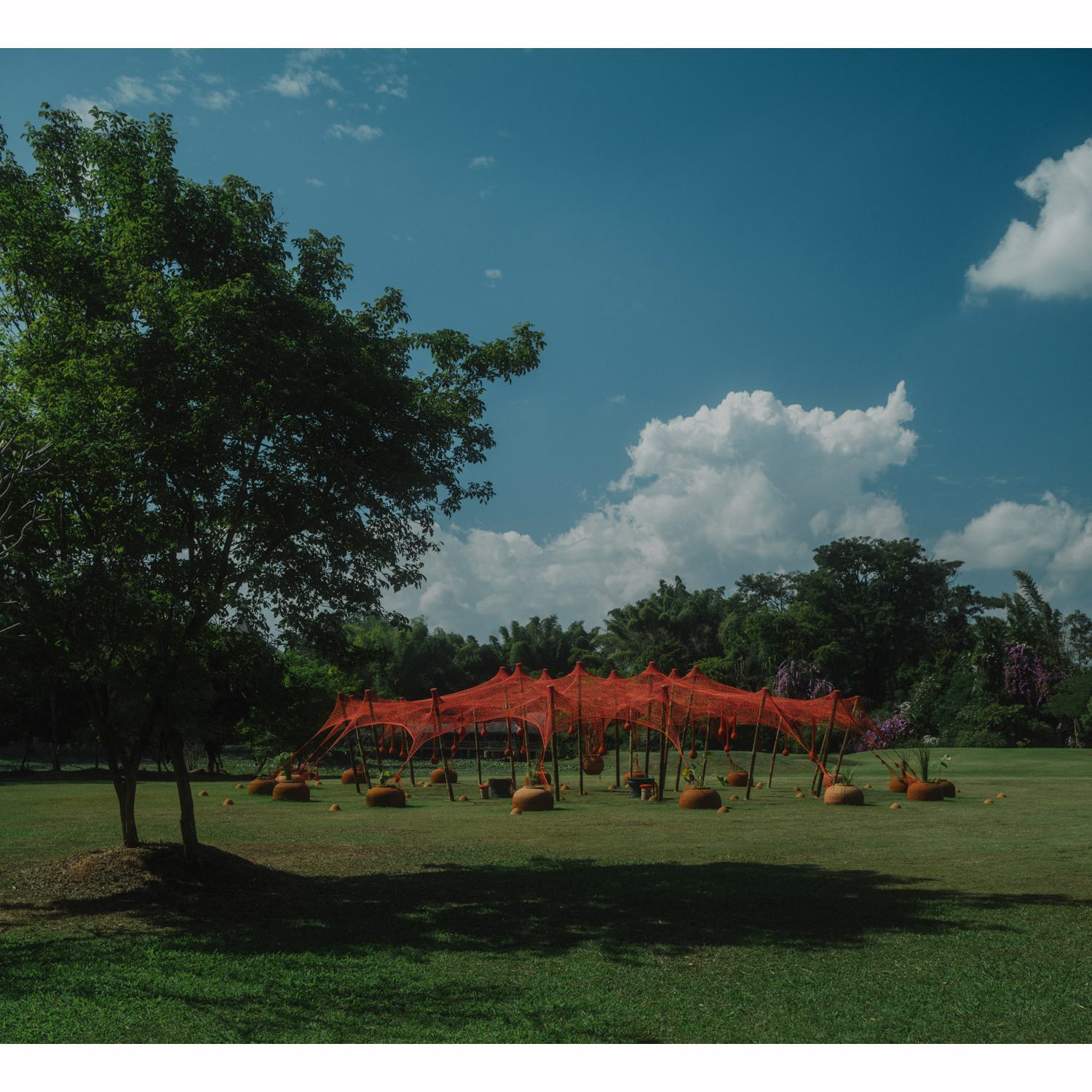
Little did I fathom that the promise made on that very day would materialize, drawing me back to Chiang Rai in the year 2023. Fresh from a photography gig, I arrived just as the radiant Light of Life exhibition adorned the park. The weather and ambiance conspired harmoniously, and I took the opportunity to see the exhibit both at night when the park was bathed in a beautiful glow of light and during the day with daylight’s gentle touch.
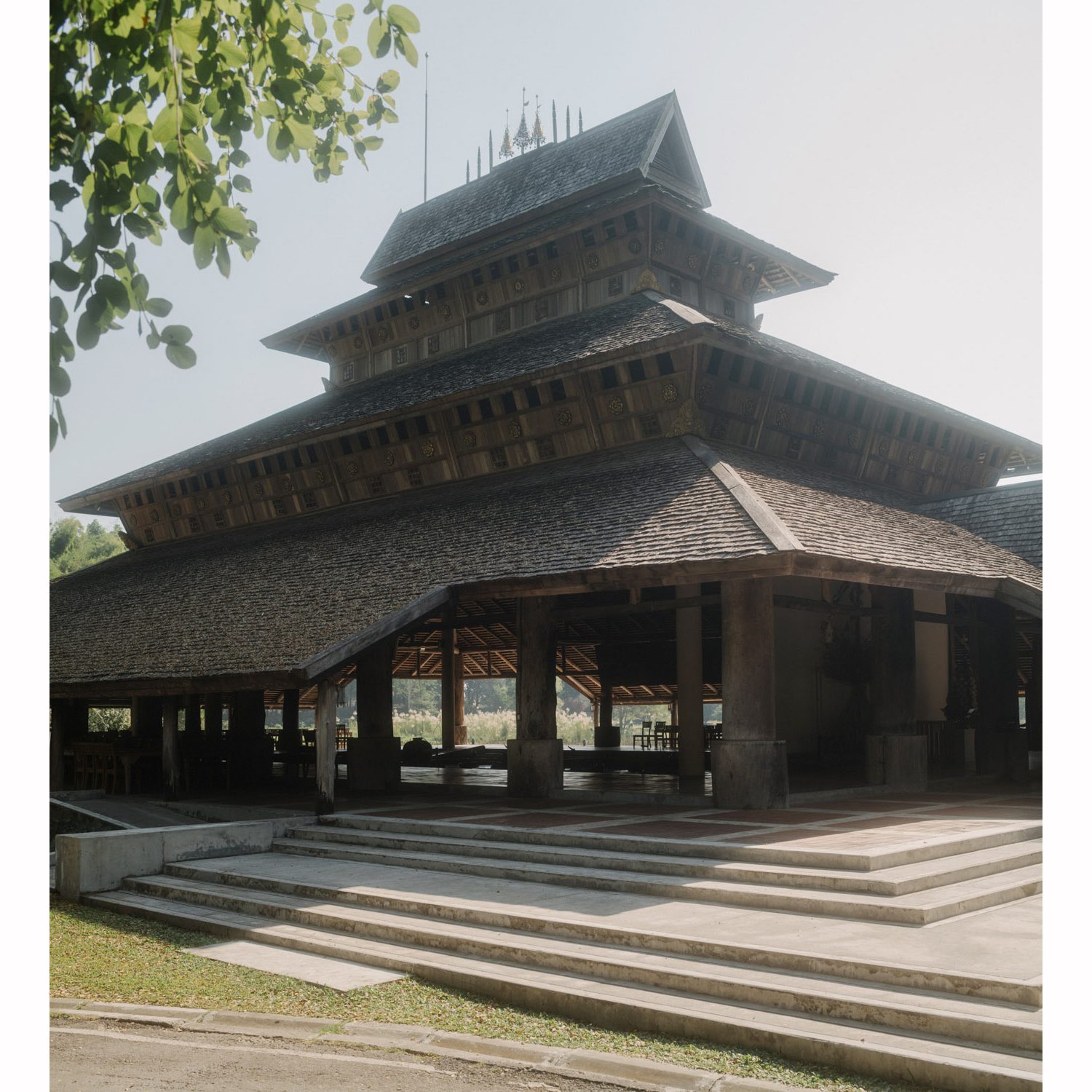
The beauty of Rai Mae Fah Luang captivated me—the curated sequence of artworks woven into the park’s landscape and architecture.
In 2024, I was back at Rai Mae Fah Luang, where I had the opportunity to immerse myself in documenting the park in its full glory while it hosted the Thailand Biennale, Chiang Rai 2023. Unfolding amidst the park’s enchanting surroundings, the event became a haven for artists to unveil their masterpieces. My photo shoot felt like a poetic mental retreat.
Spending time in the space, delving into each artwork, I could feel the energy permeating from the spaces and the artists’ artistic creations, akin to savoring a well-brewed drink that tantalizes the senses.
Exploring the park and taking in the presence of nature, my view of the world has been recalibrated. I took my time to observe the changing landscapes and admire the architecture, unhurriedly and unconstrained by any tight schedule. I asked myself questions—some about what I encountered, some more introspective. I could feel the grass smiling while I appreciated its lovely scent and the sounds of rustling leaves saying their hello. It was peaceful, and I fell in love. ‘I want to build a home here, in Chiang Rai,’ I heard myself thinking.”
_____________
Peerapat ‘Add’ Wimolrungkarat The photographer who loves to capture moments and memories that hidden in still images.
When the pandemic struck, the ability to roam freely vanished. Everything seemed to come to a standstill. The whole world was a halt in motion. However, normalcy sets in after the worst-case scenario passes, and people renew their journey plans. But this time, the scenes felt brand new and different; thus, the trip wasn’t the same.
After the crisis had passed, Supalai PCL’s CEO, Dr. Prateep Tangmatitham, embarked on a journey to see the world with fresh eyes. Prepared to document their thoughts in a book and an exhibition of photographs, Prateep’s Vision V highlights the long-time accumulation of Dr. Prateep’s views on life through the beauty of trees, mountains, sea, architecture, and people.
_____________
Dr. Prateep Tangmatitham is the Chairman of the Board and Chief Executive Officer of Supalai Public Company Limited.
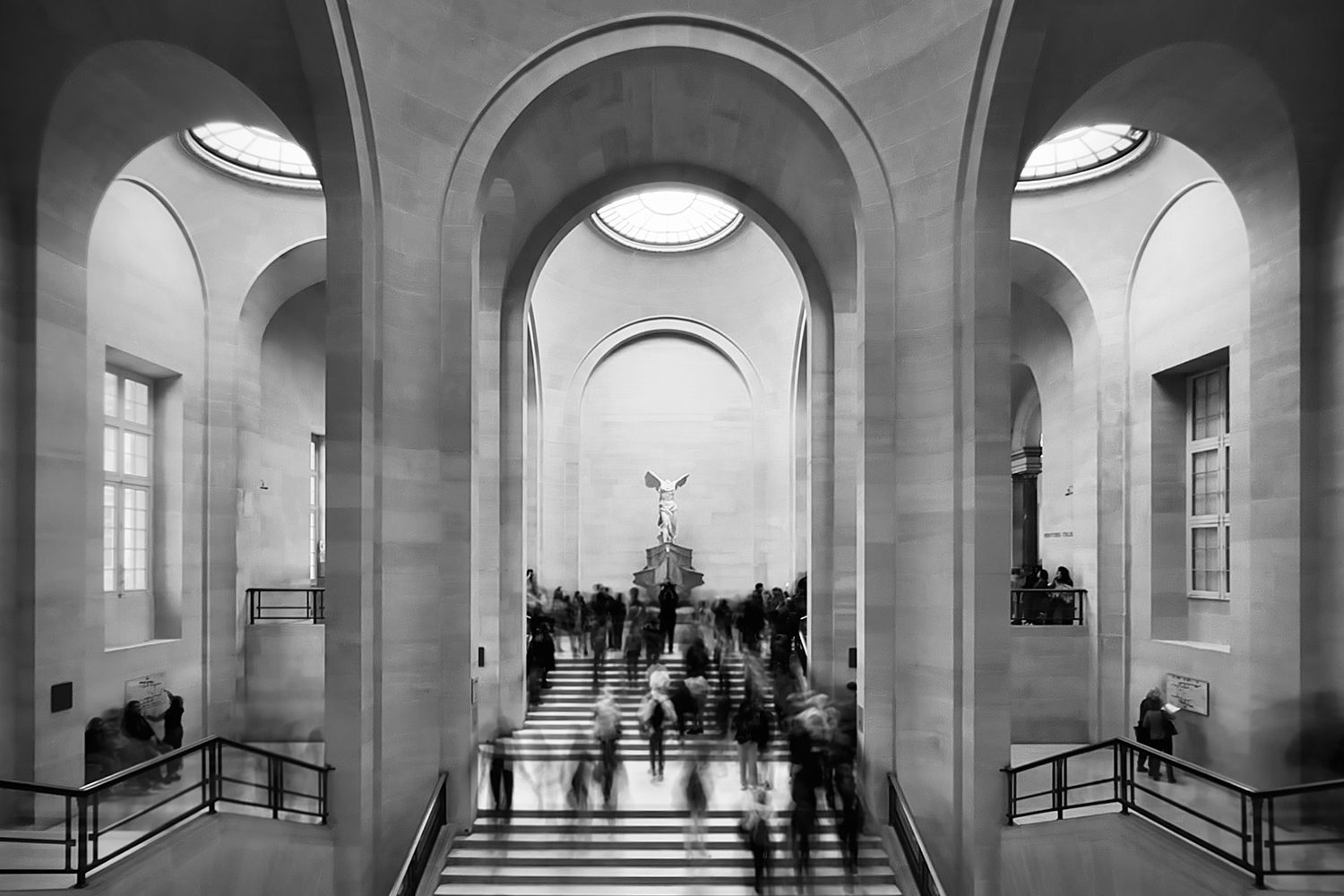
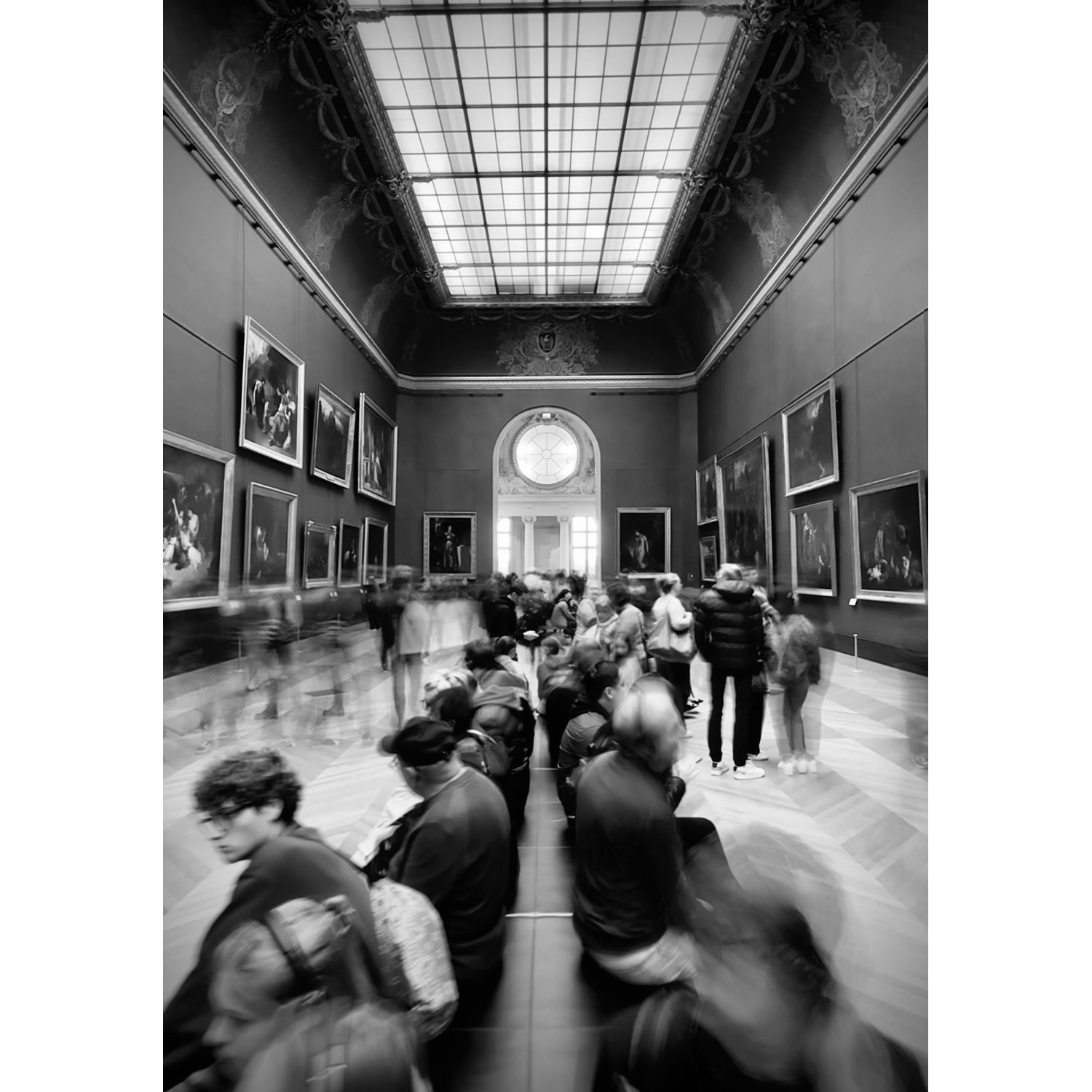
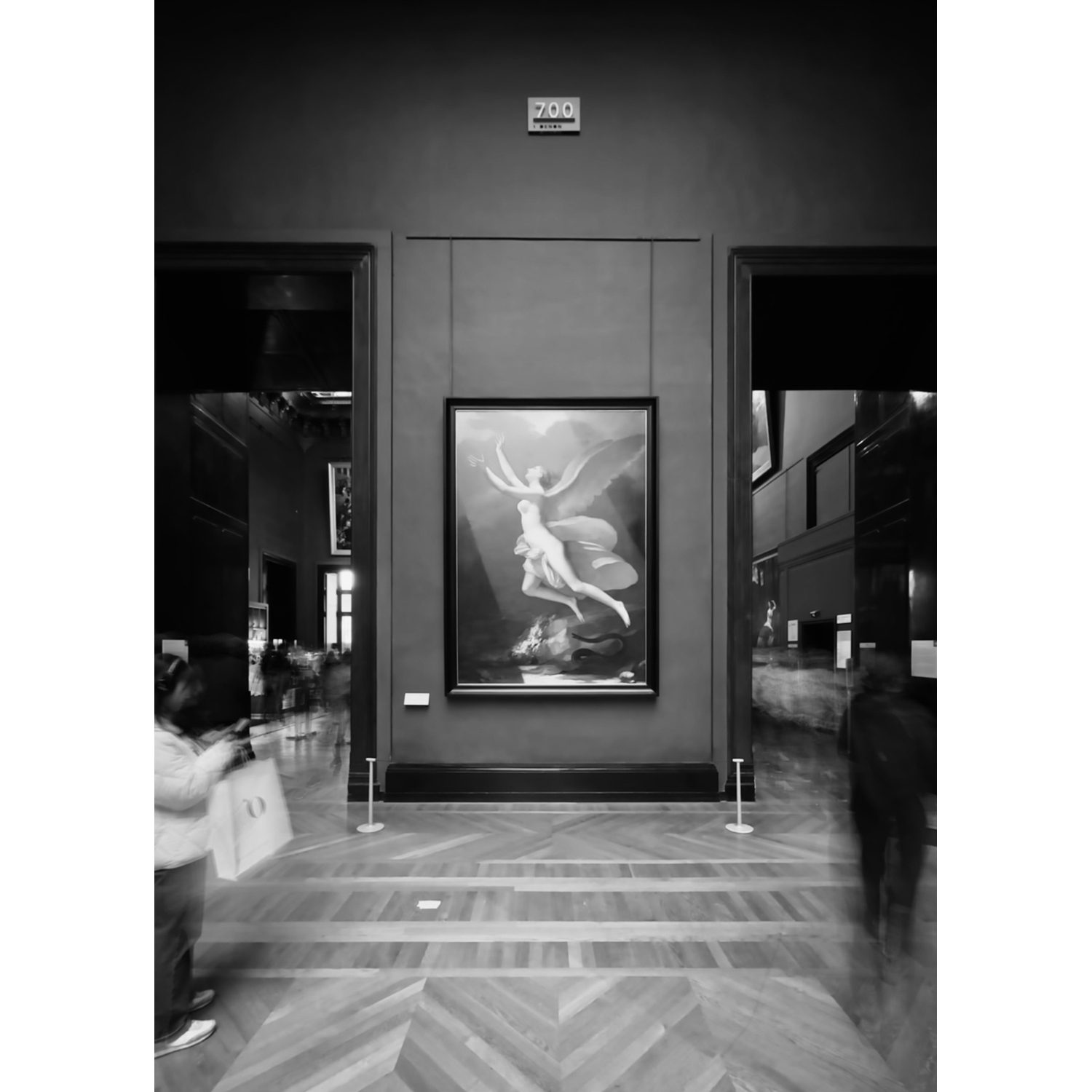
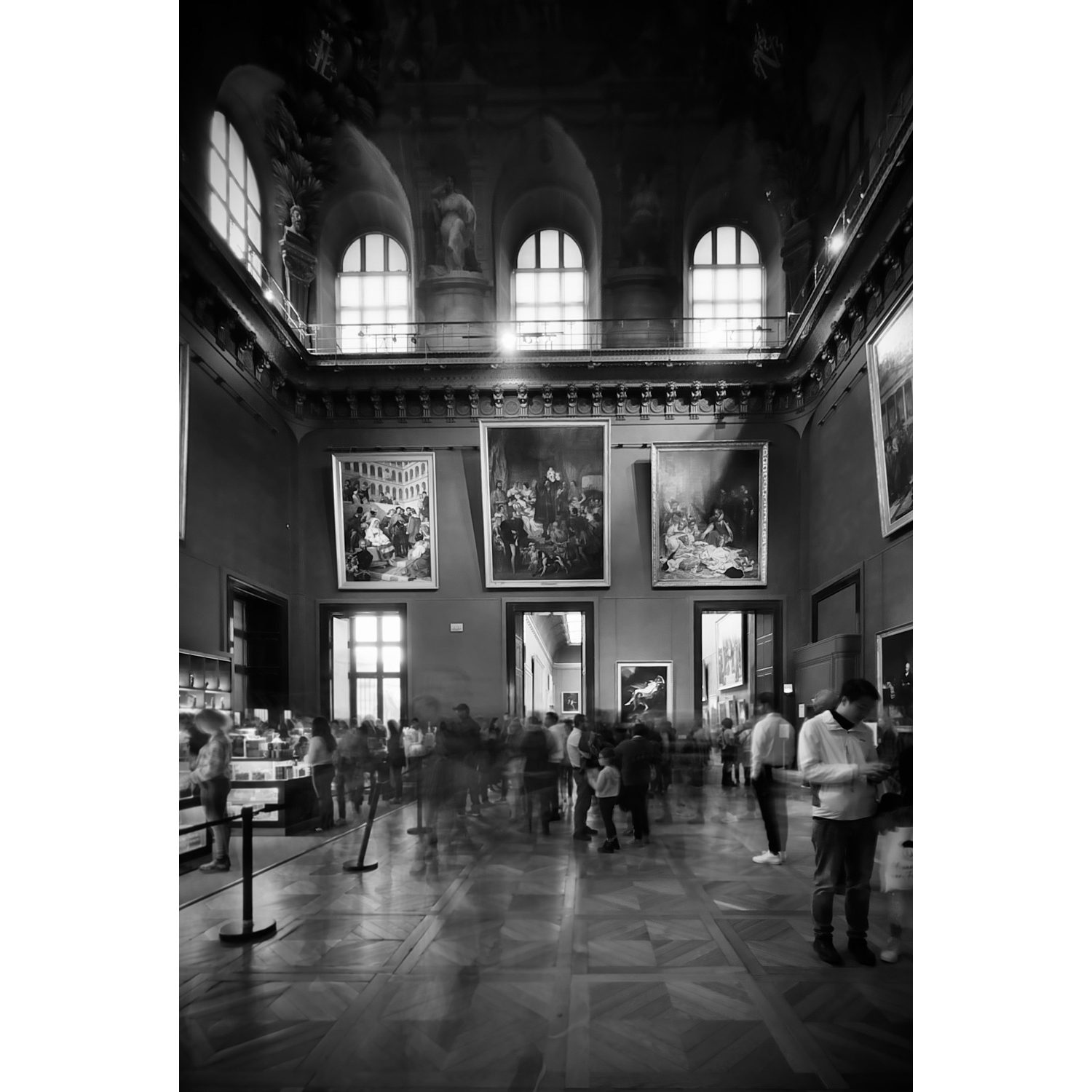
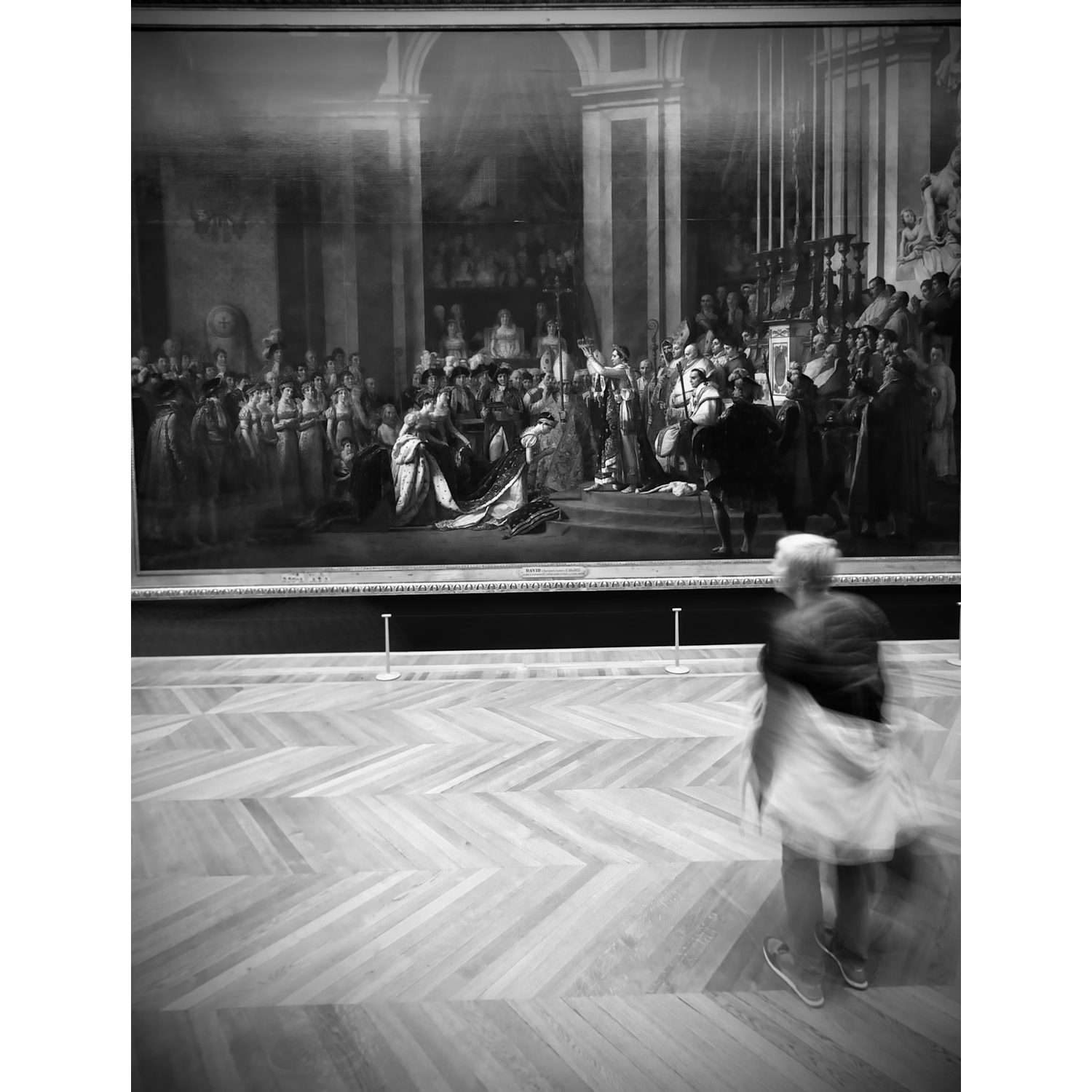
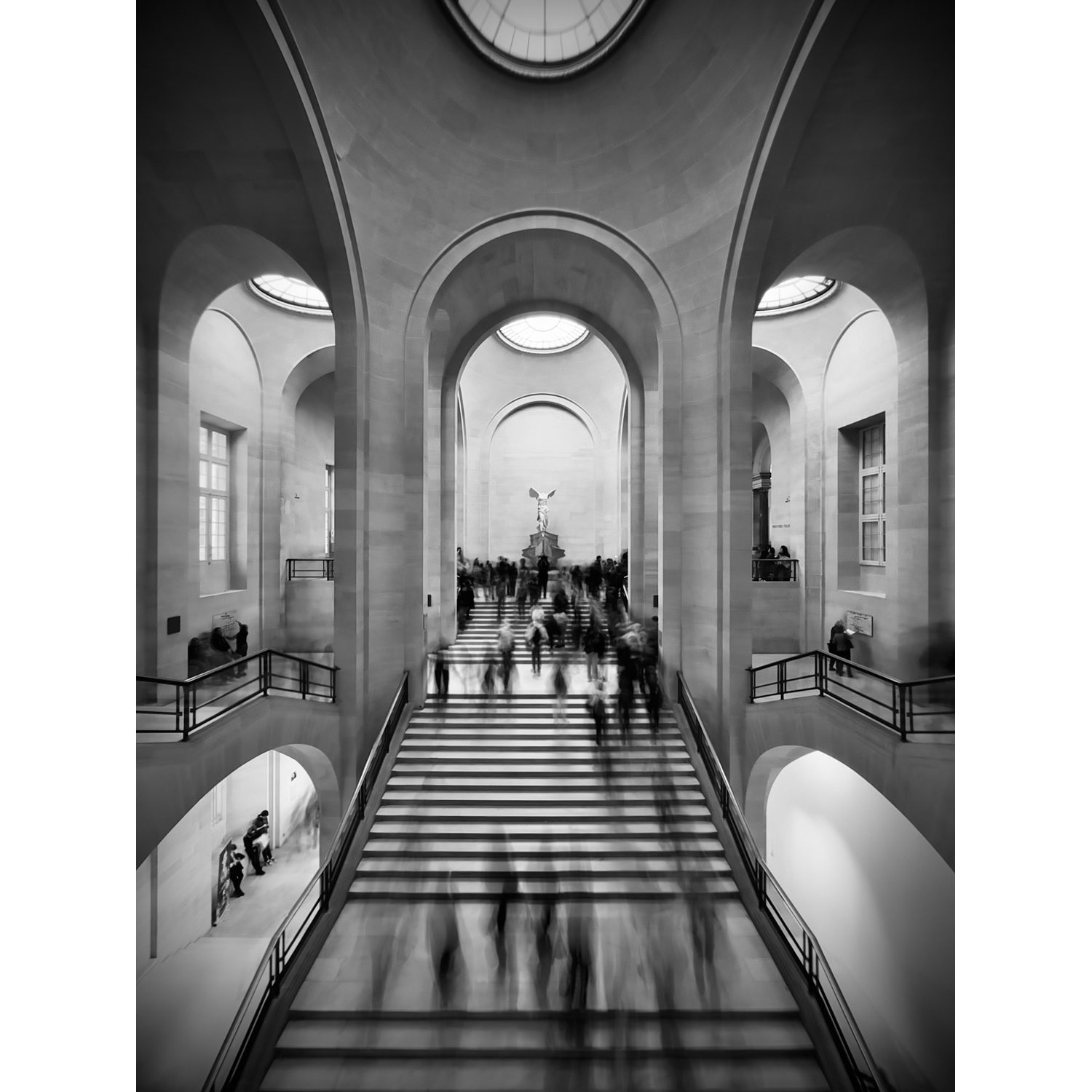
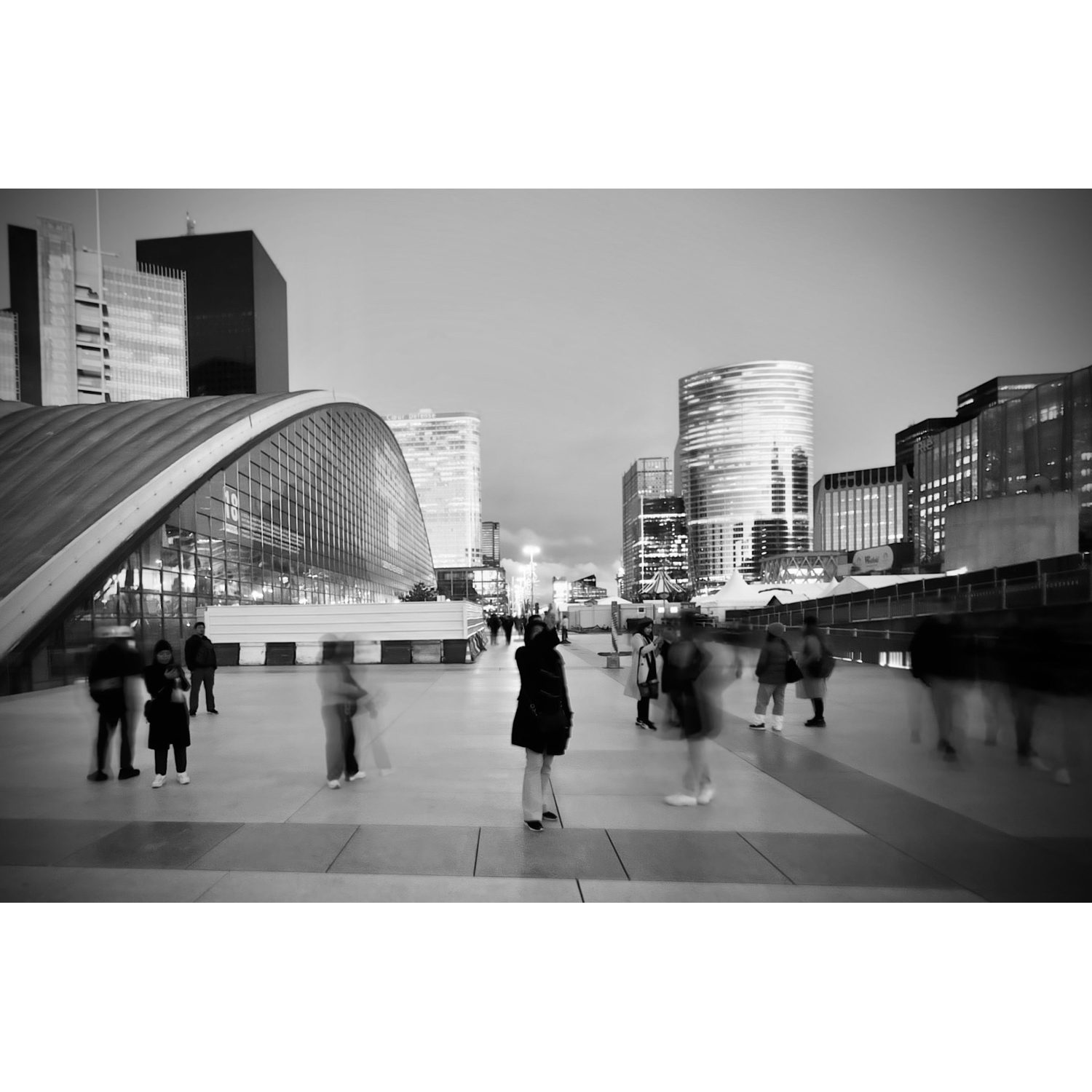
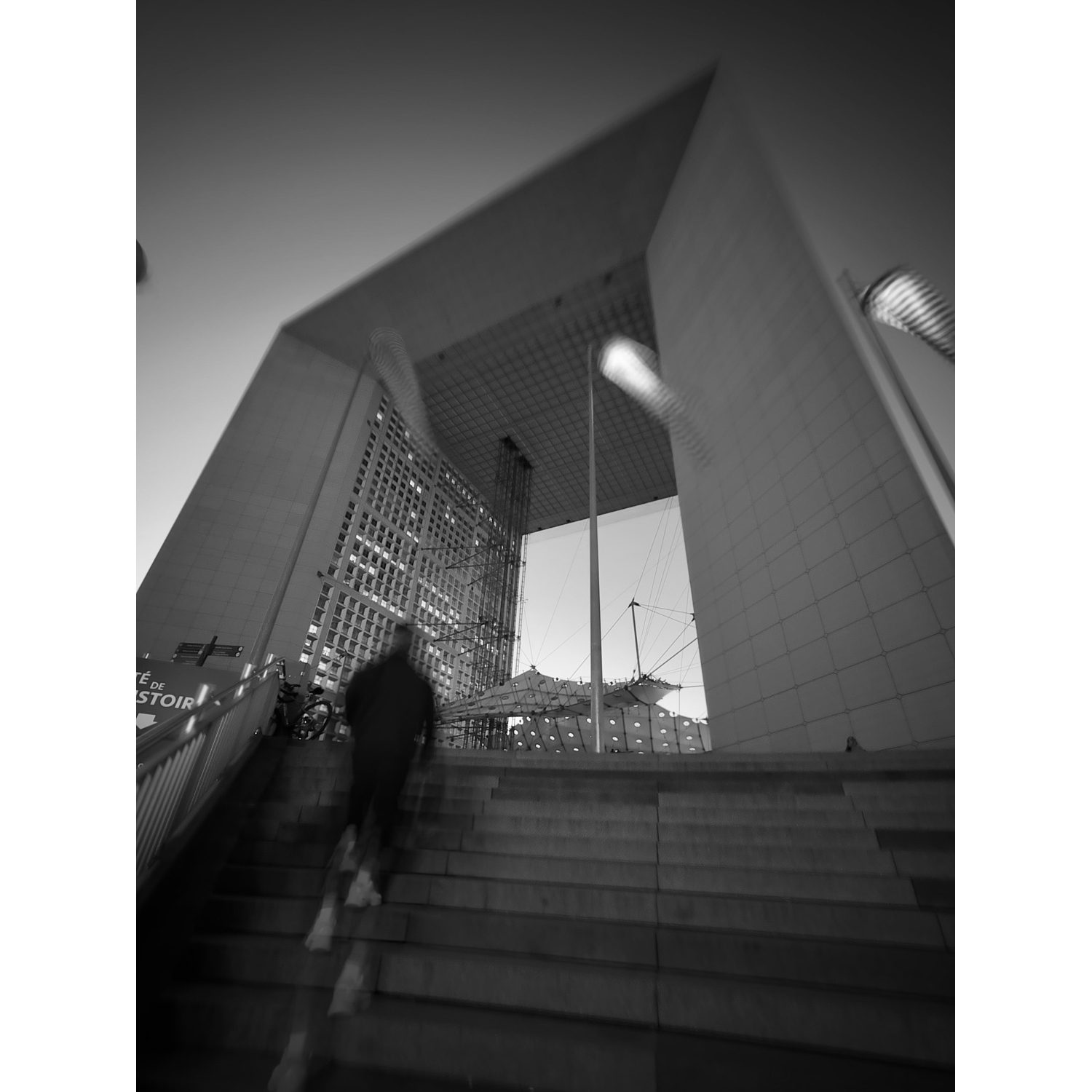
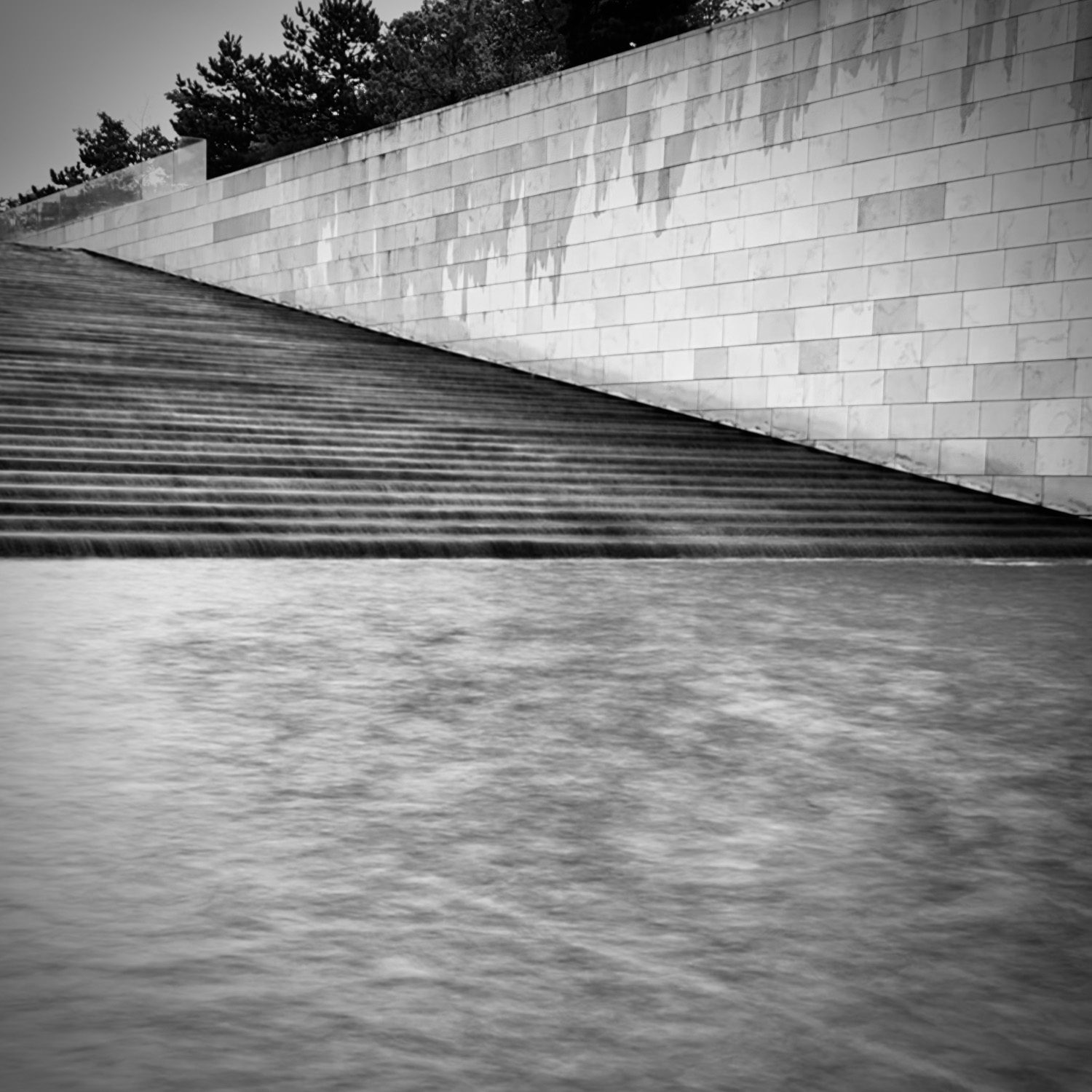
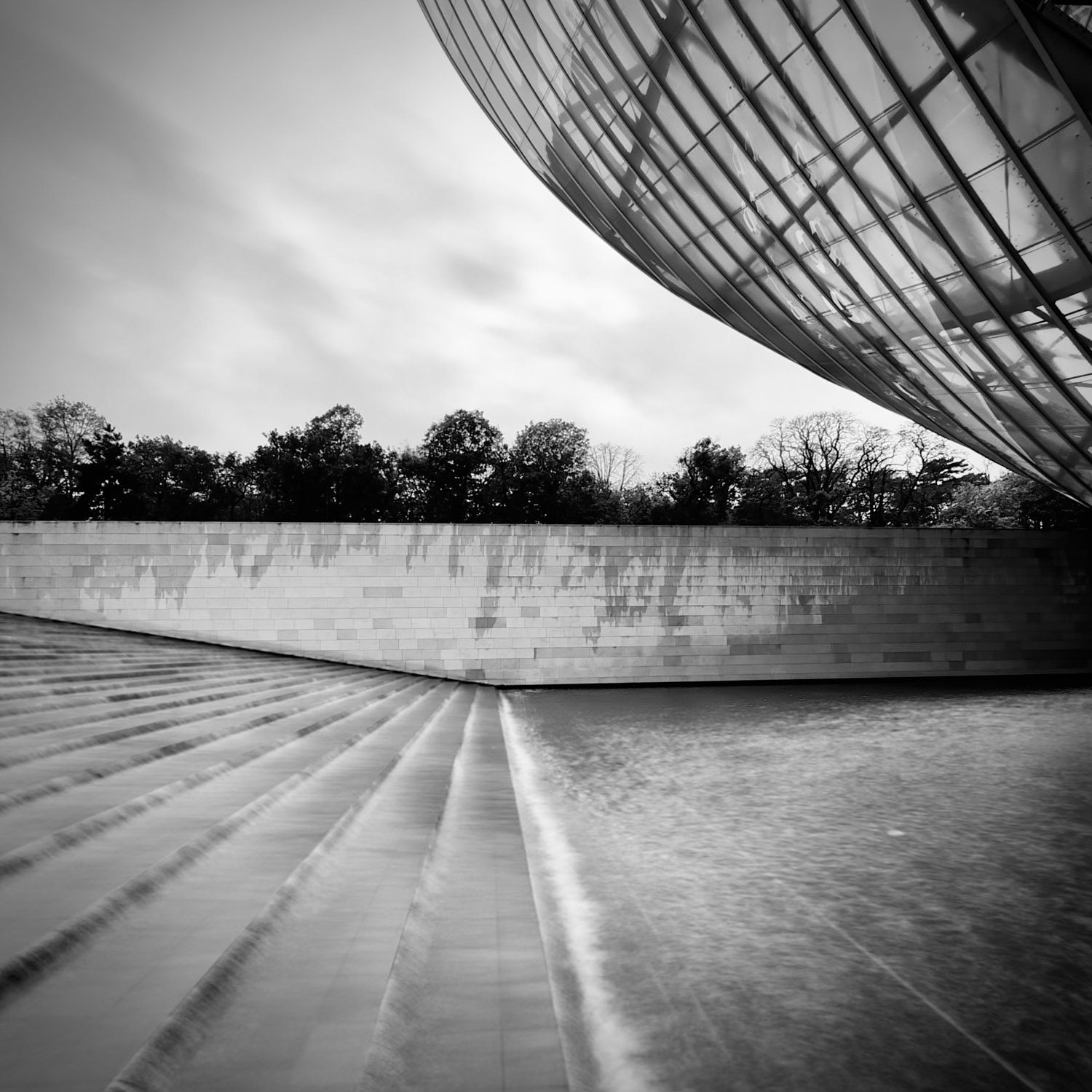
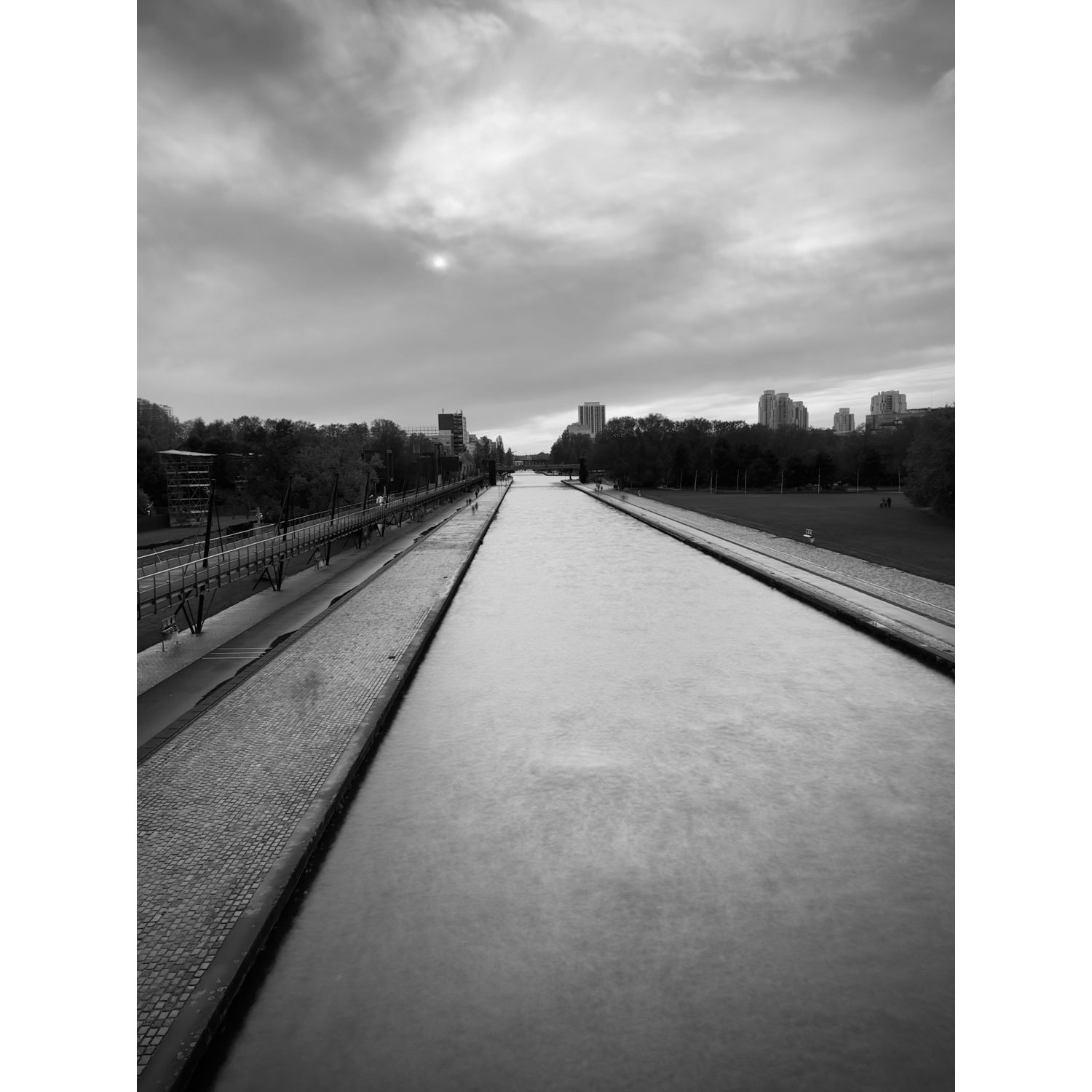
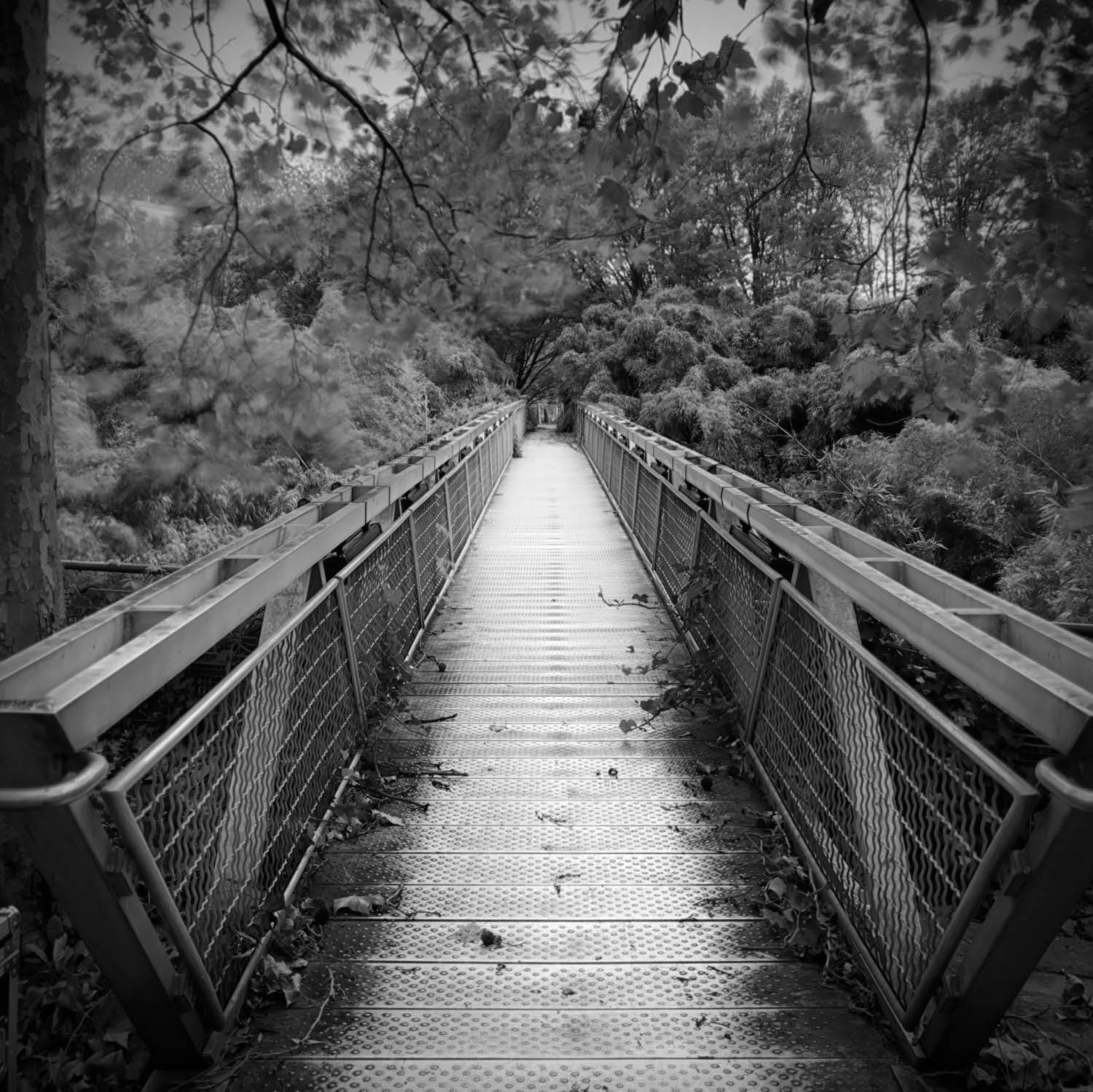
I’ve always been interested in how moments and things around us can be captured. Rather than capturing fleeting instances that occur in just 1/100 or 1/1000 seconds, my photographs depict moments that unfold over the course of one second. As a human’s perception moves forward, a nanosecond of time cannot be put on hold, for time and things keep progressing.
The series of photographs were taken using my own mobile phone, and the results exceeded my expectations. It can easily take a long exposure shot almost anywhere and at any time. Long-exposure photographs used to be nearly impossible to shoot at times when there was too much light or in situations where a tripod would be too impractical.
The photographs you take reflect who you are. I’ve always thought that lenses and cameras are merely tools and that the genuine beauty of photography rests in its ability to encapsulate the world around us, capturing the very core of humans’ views and feelings.
_____________
Praditchya Singharaj, Managing Director of Innovative Design & Architecture Co., Ltd., who likes to take photos, listen to music, and is obsessed with building amplifiers.
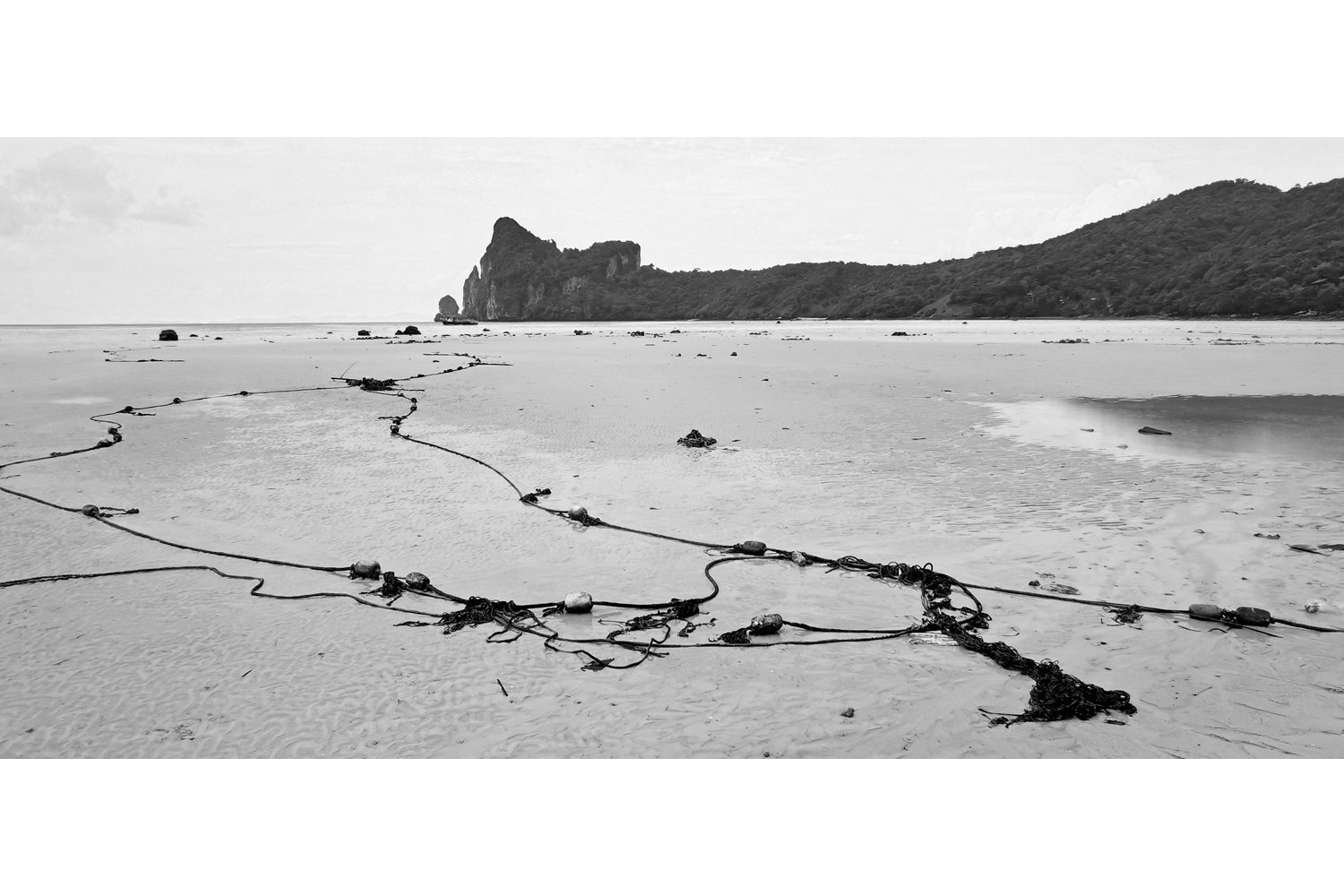
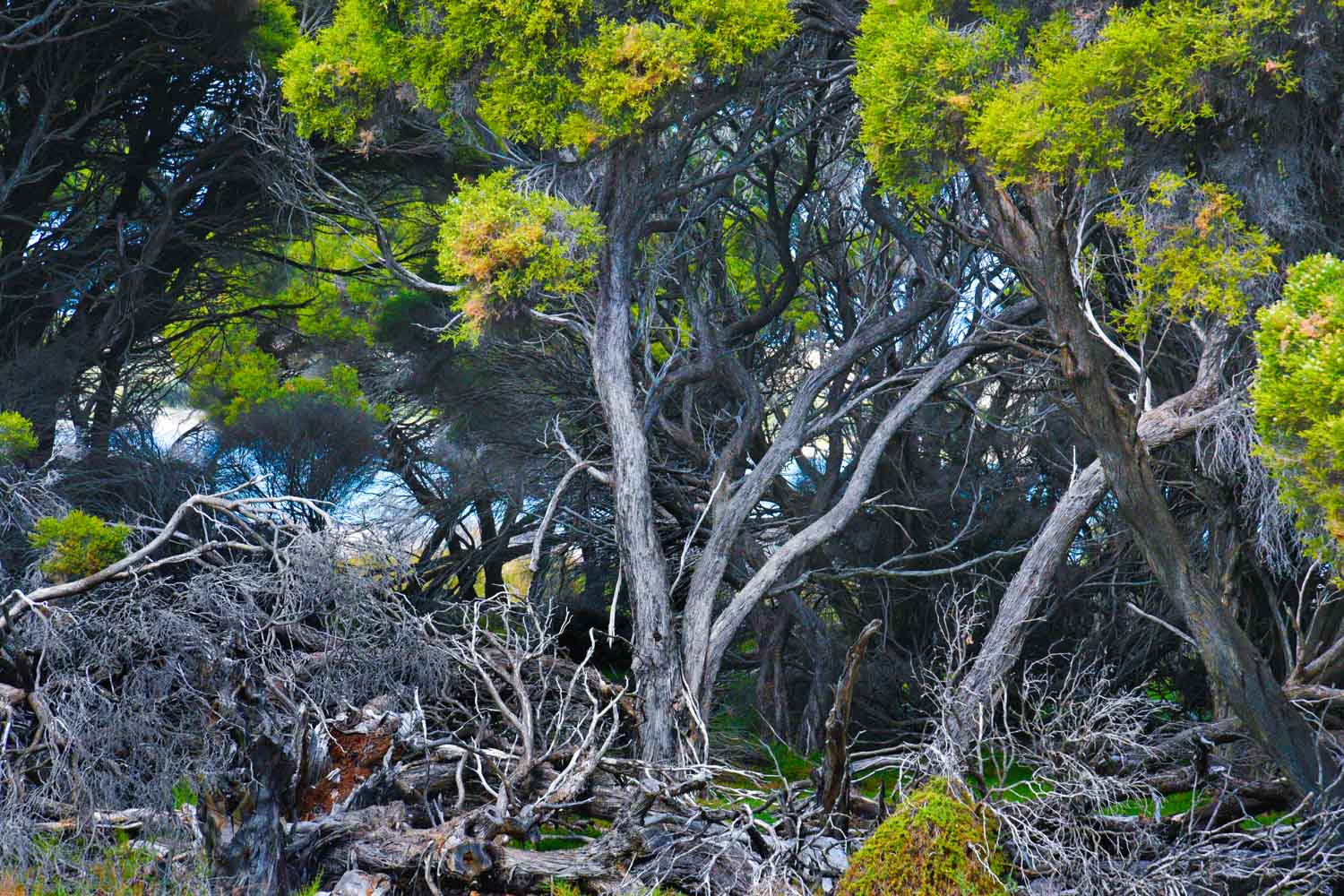
We all walk and build our homes on the ground of this earth. We cultivate the land, search for food, nourish ourselves, and lead our lives. Our existence thrives on this planet’s horizontal plane, bound by gravity’s embrace. This place is filled with human traces, unsurprisingly so.
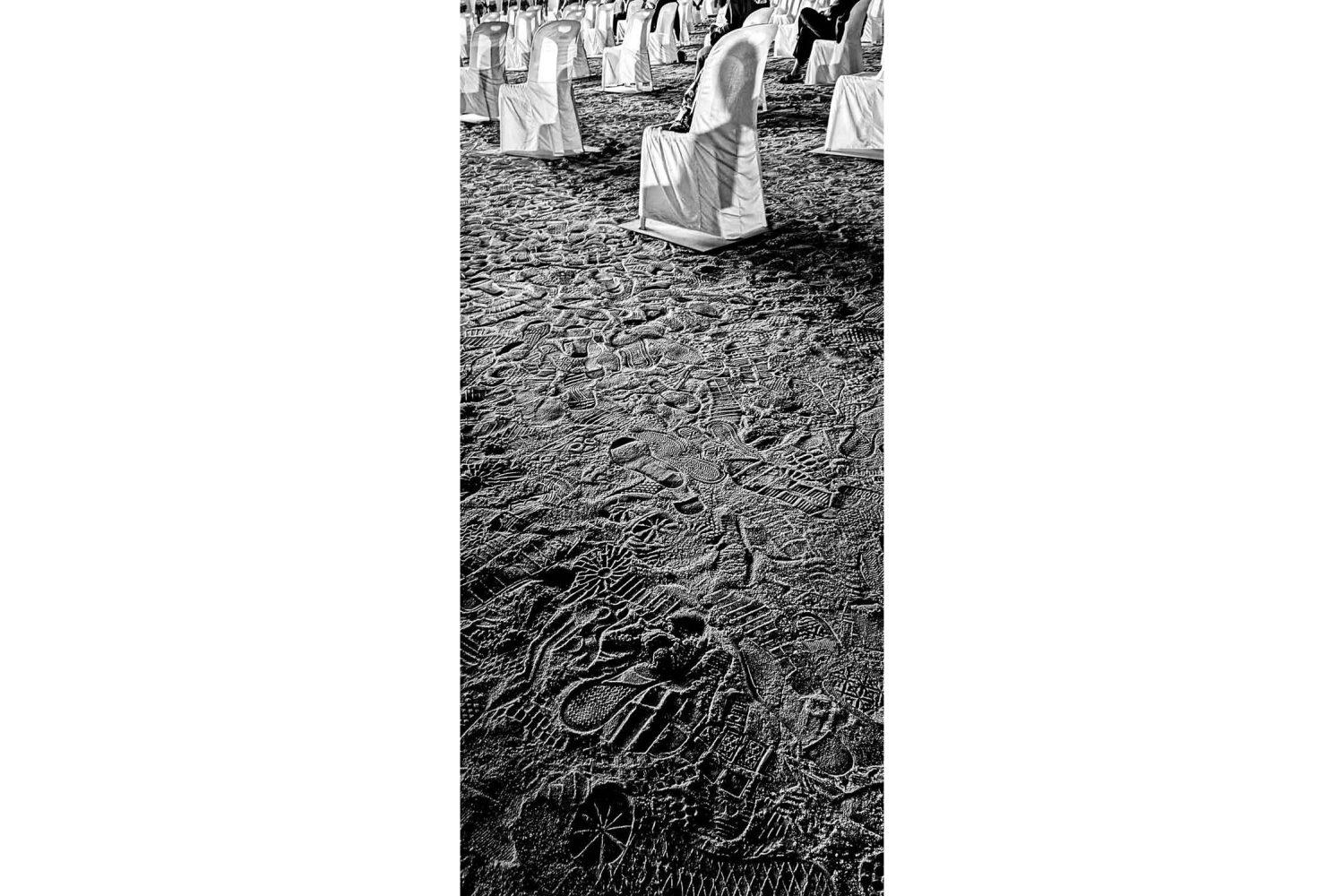
In every moment of our lives, journeys embarked, endeavors pursued, we have left traces or fragments of ourselves, both tangible and abstract.
I got curious. I set out on a journey to explore and unravel the depths of human nature. I hypothesized that through documenting and linking human traces, the nature of humanity may be reconstructed, like assembling Lego pieces. We gather fragments left behind by others, weaving them into our own, sharing pieces of ourselves, as others do with us. And there are times when we unknowingly leave parts of ourselves behind, along the way.
This series of photographs captures human traces that have been left on the earth. Through displacement, those traces are emphasized. These images beckon you to reconsider and redefine humans and humanity, with nothing but your own thoughts and judgments. So, have fun.
_____________
Ditta Sutheppratanwong was a student of structures, now a capturer of architectural beauty, an independent artist, and a photographer for W Workspace.
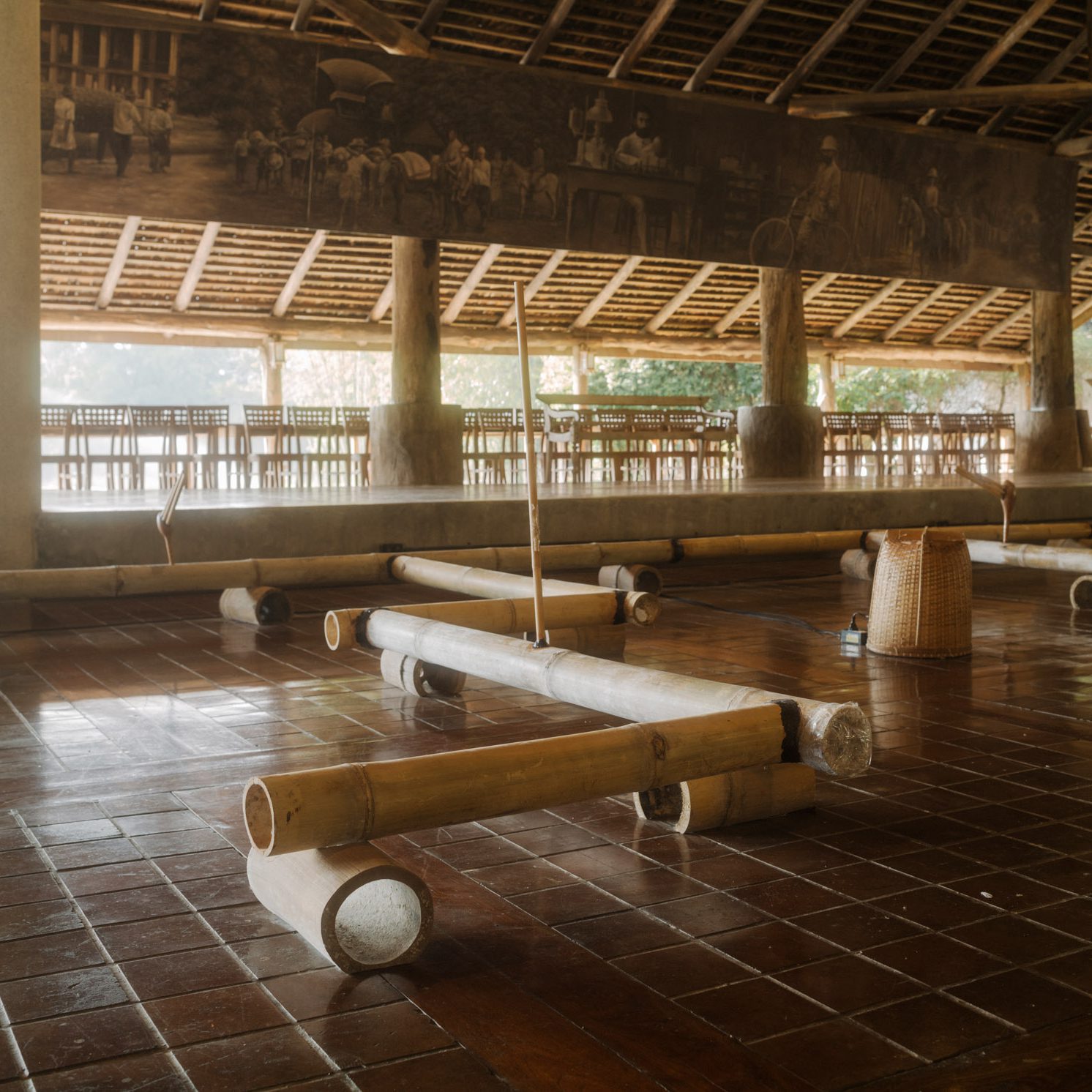
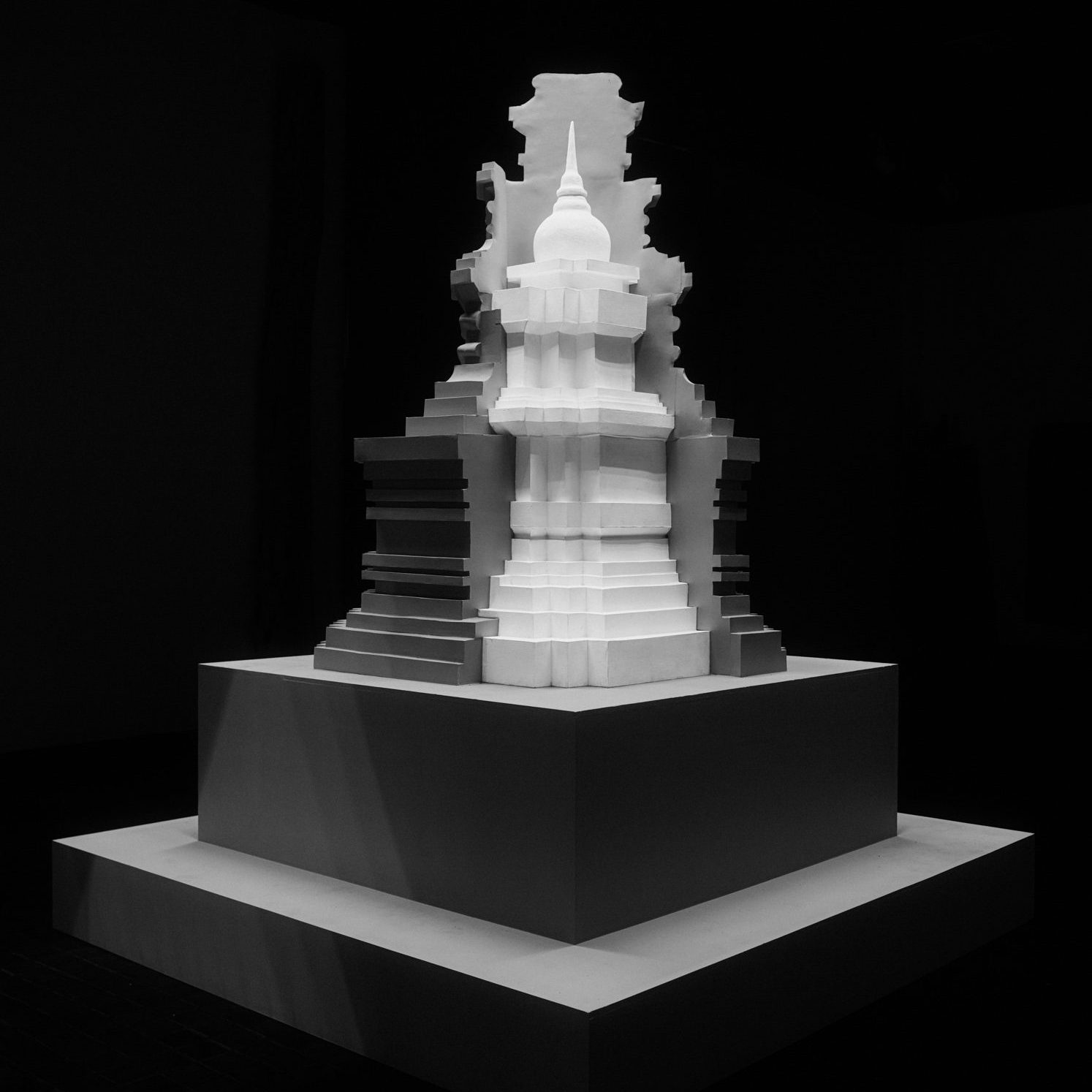
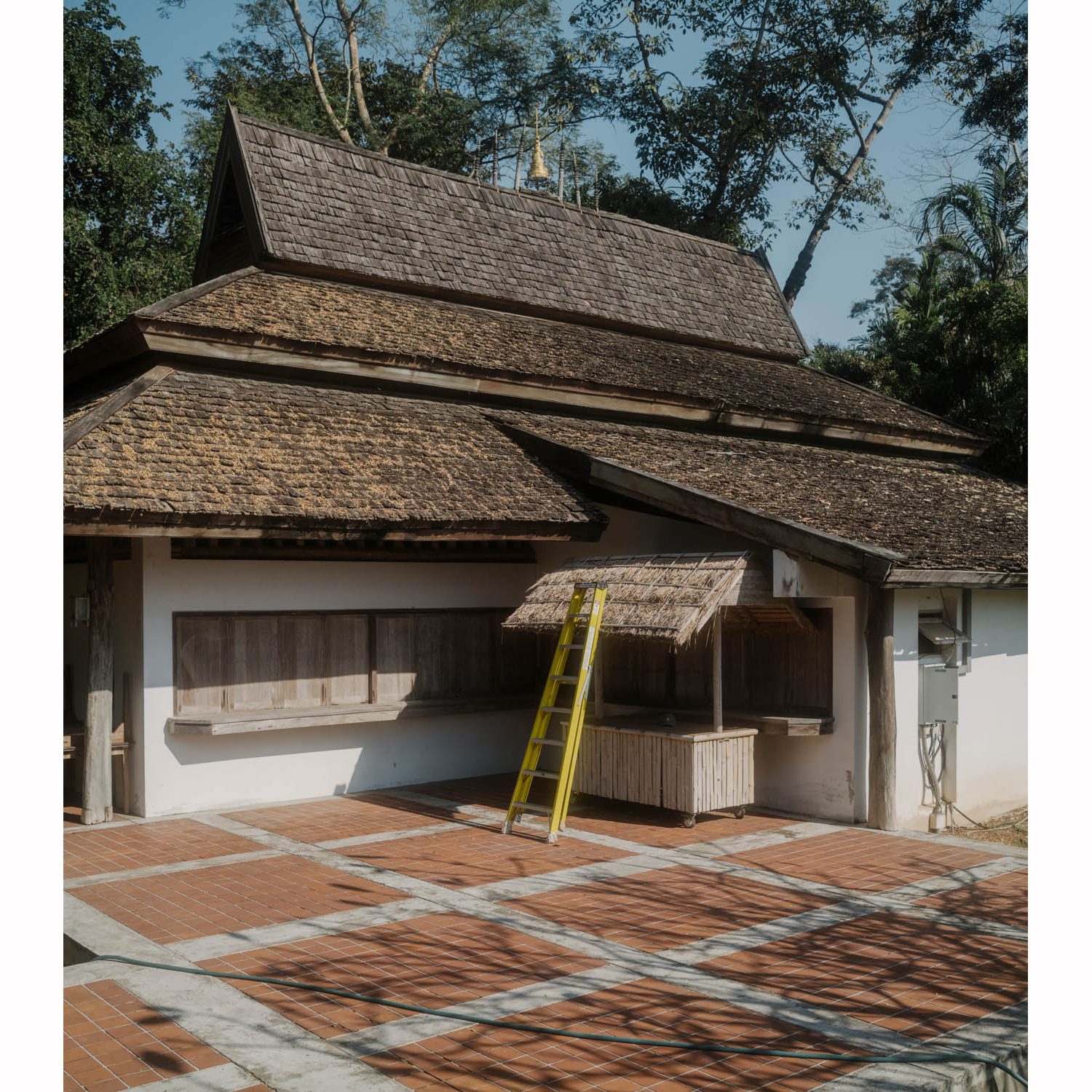
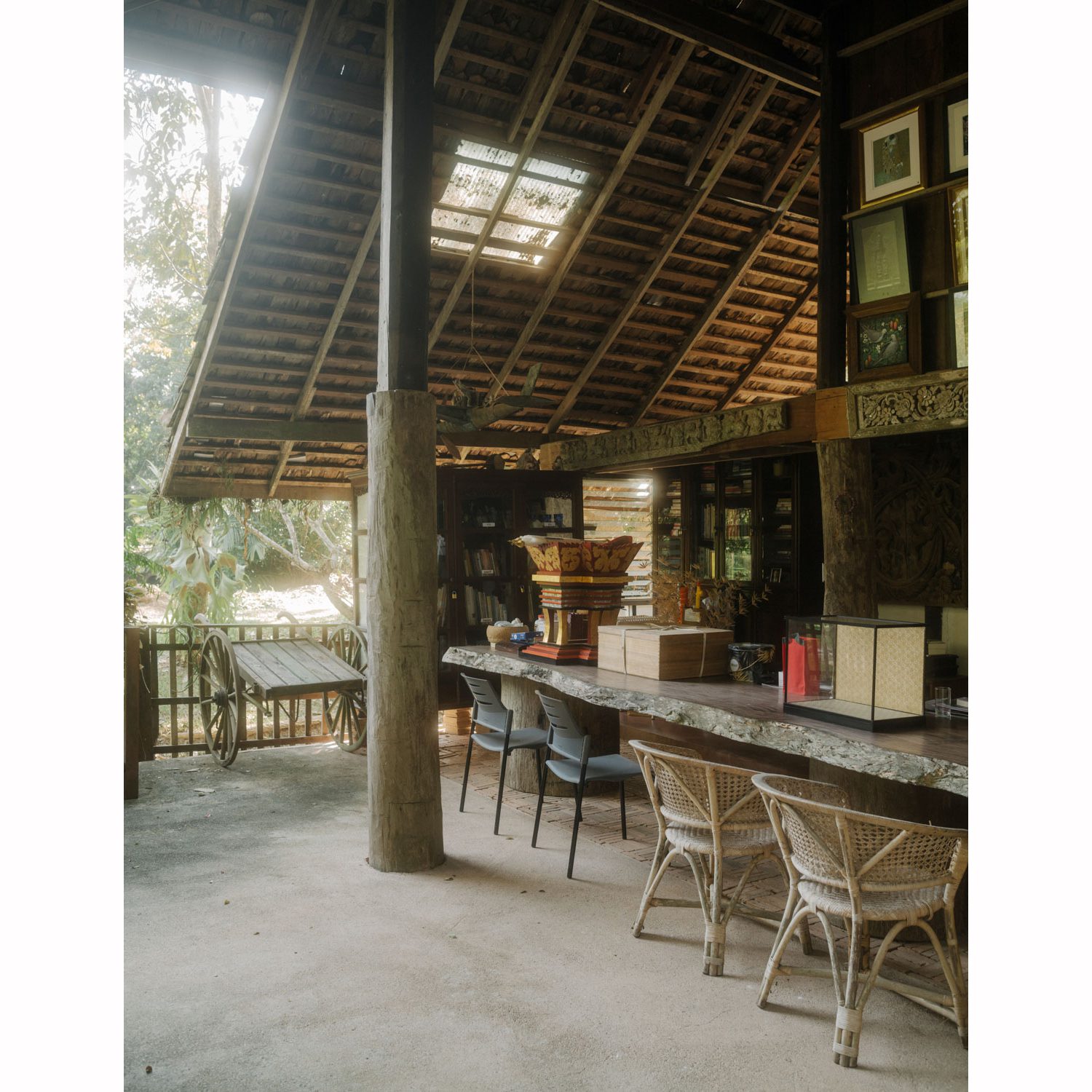
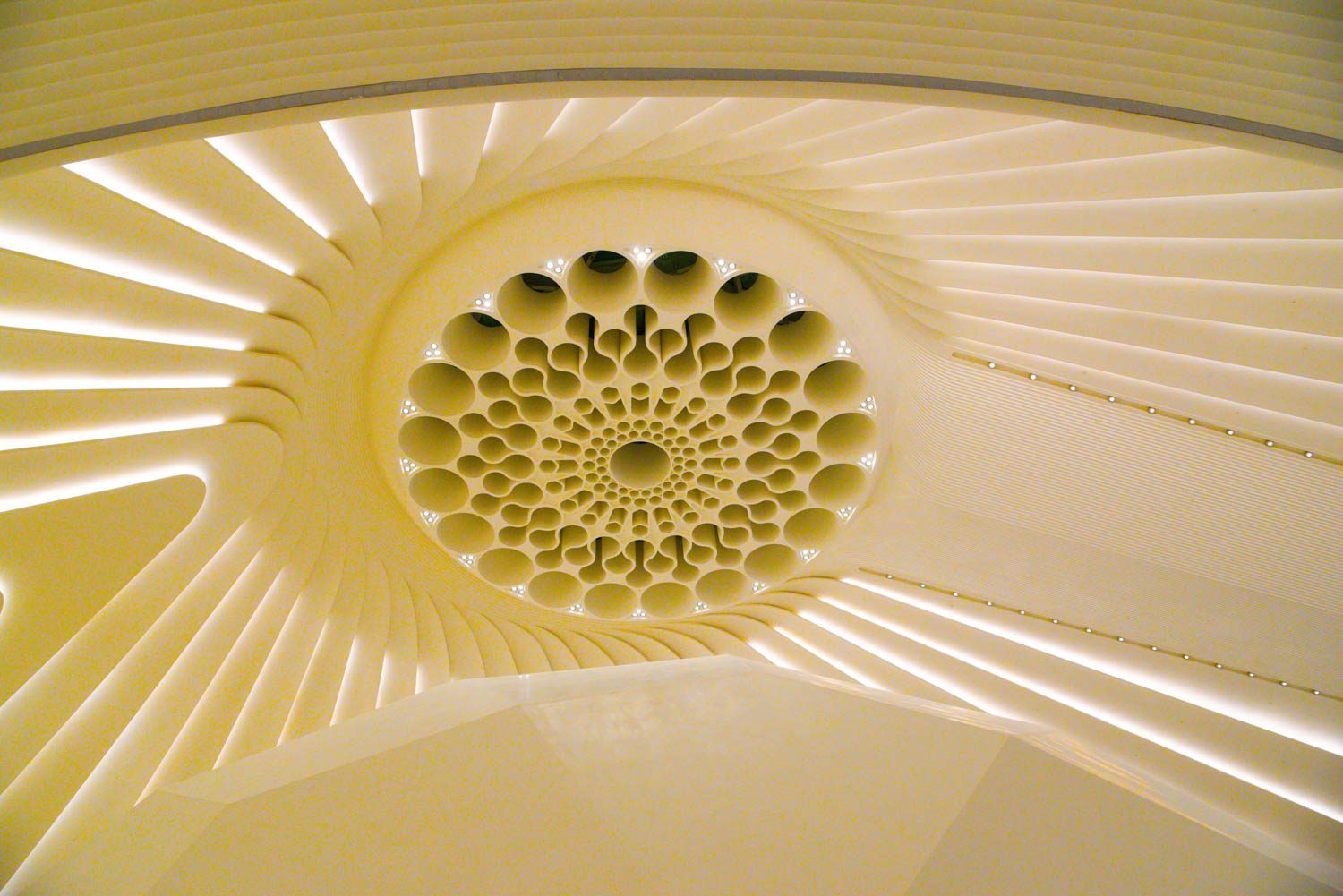
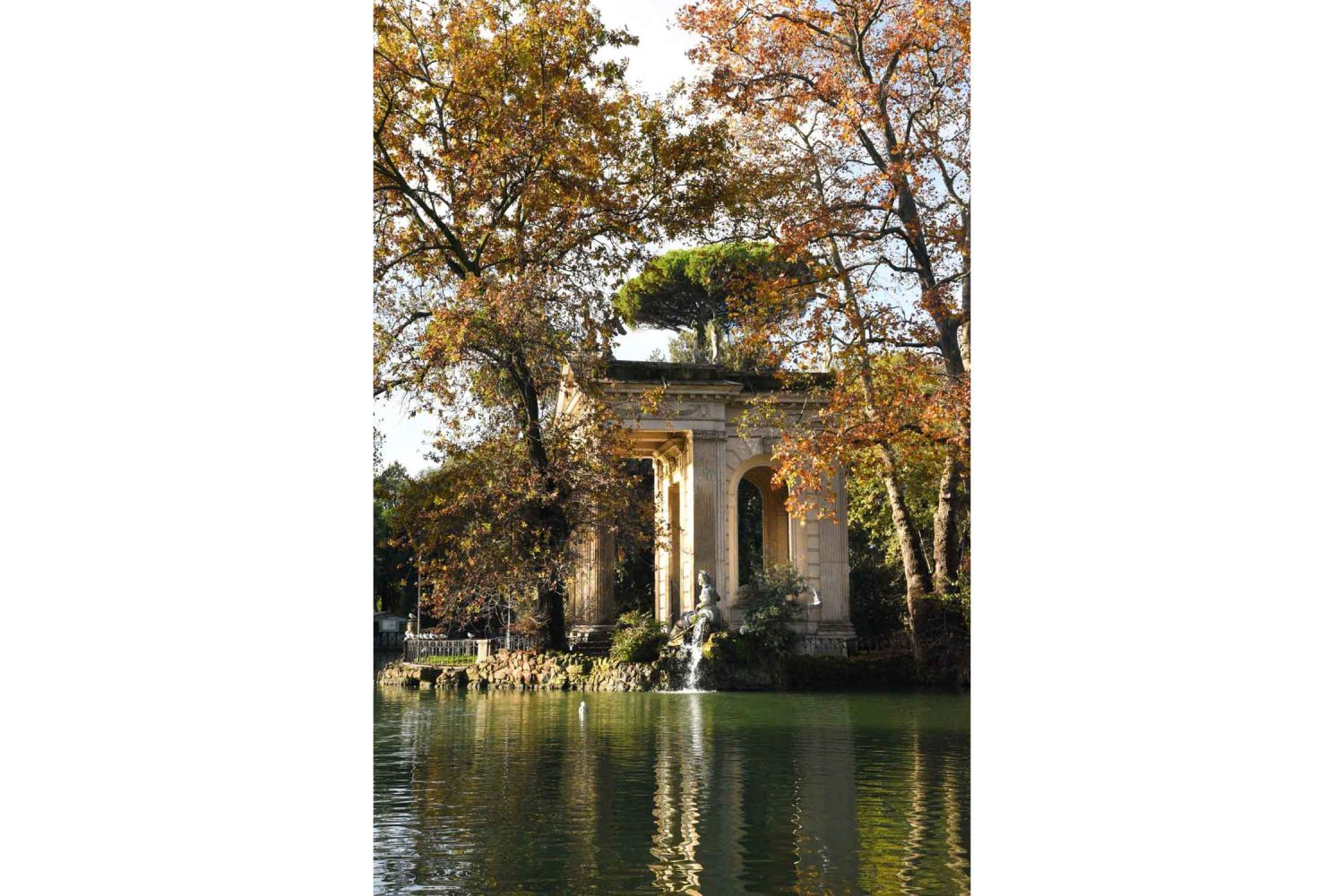
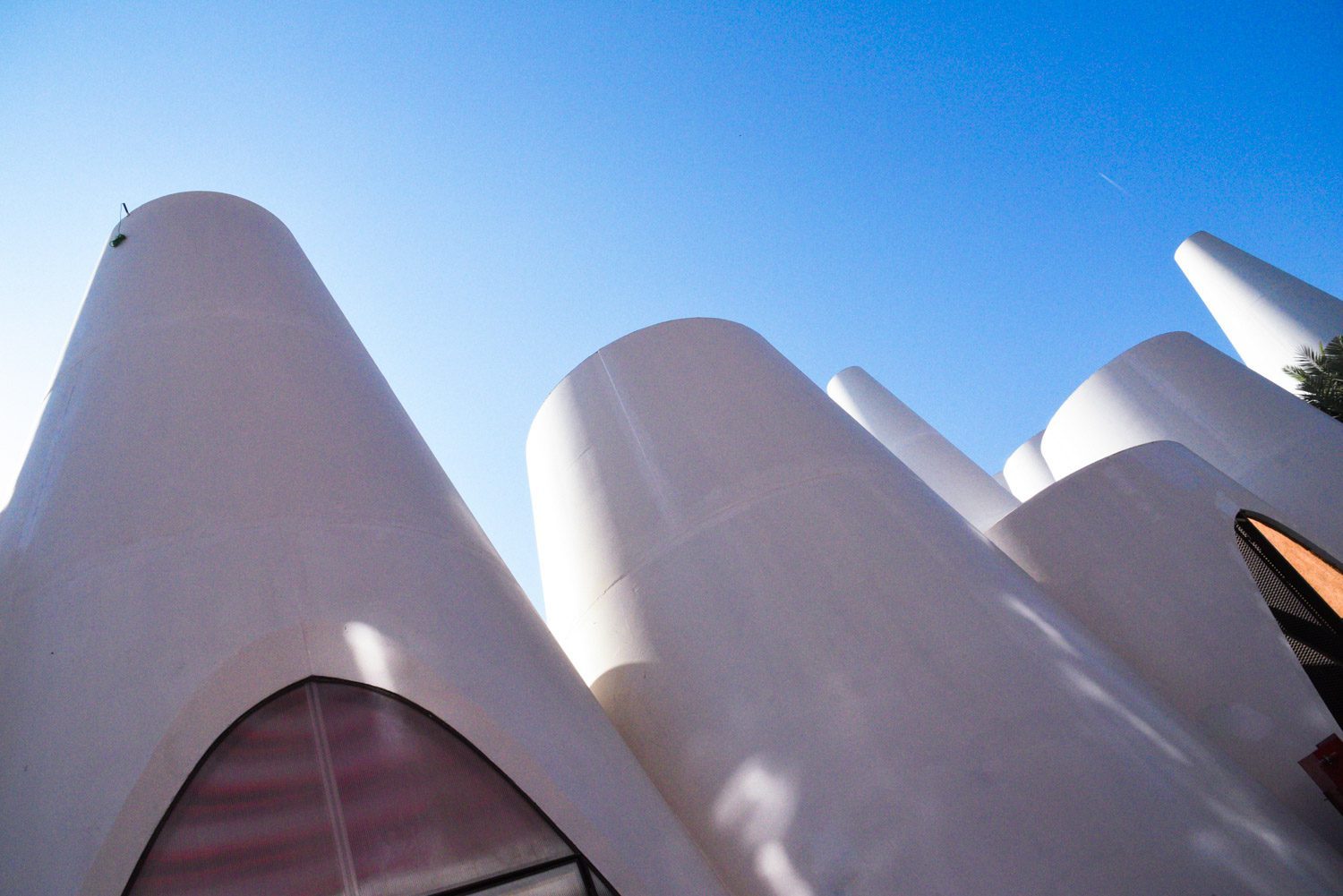
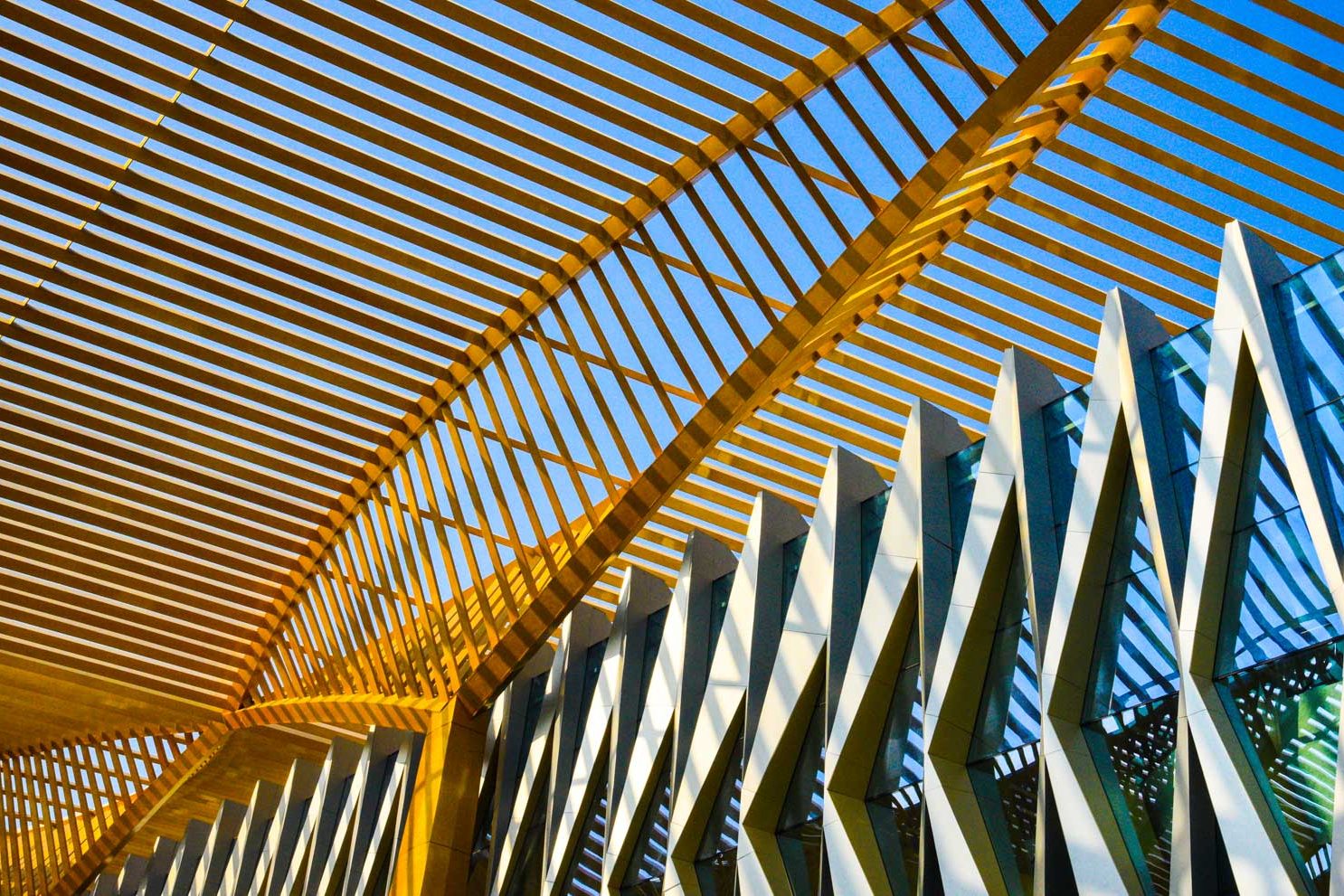
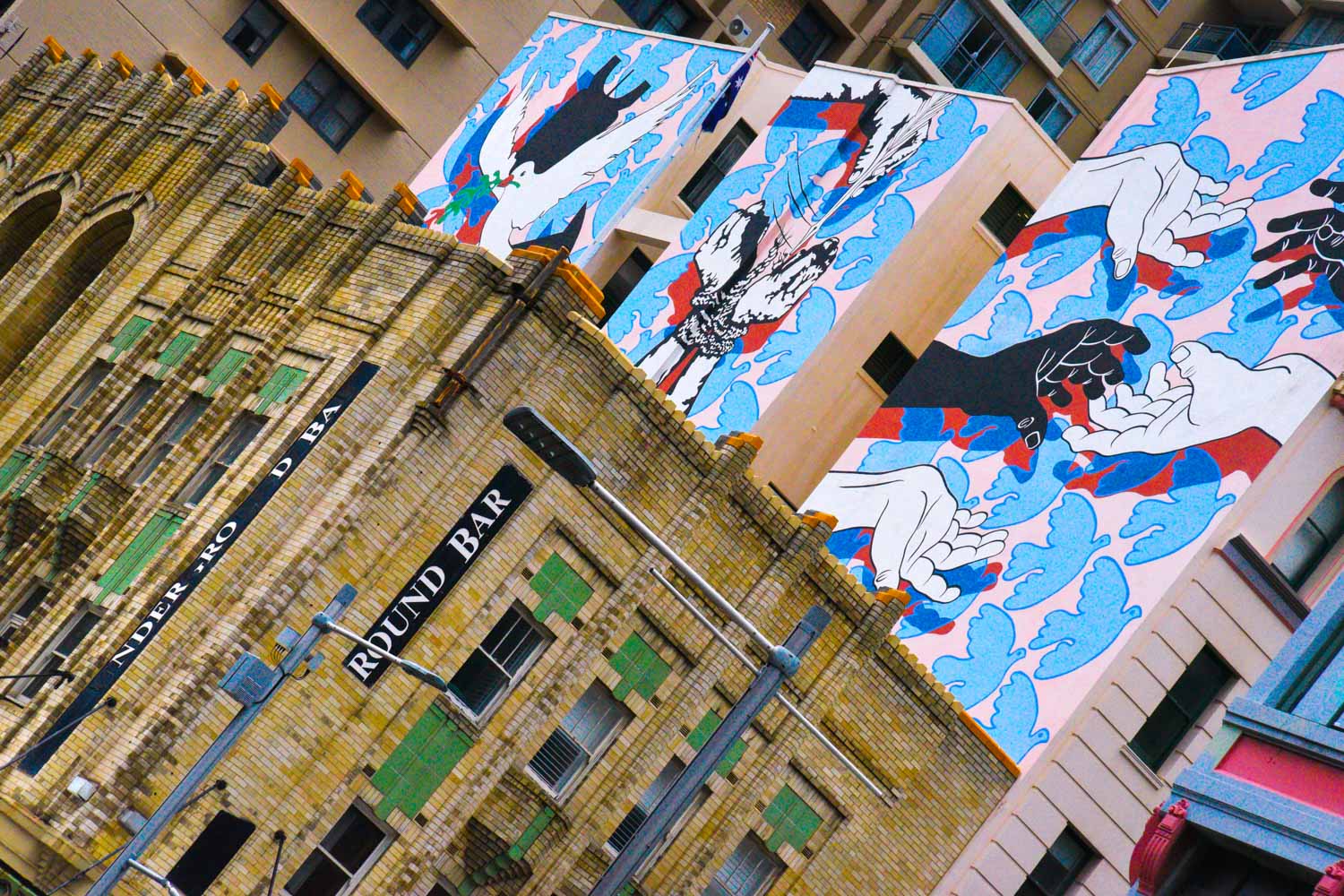
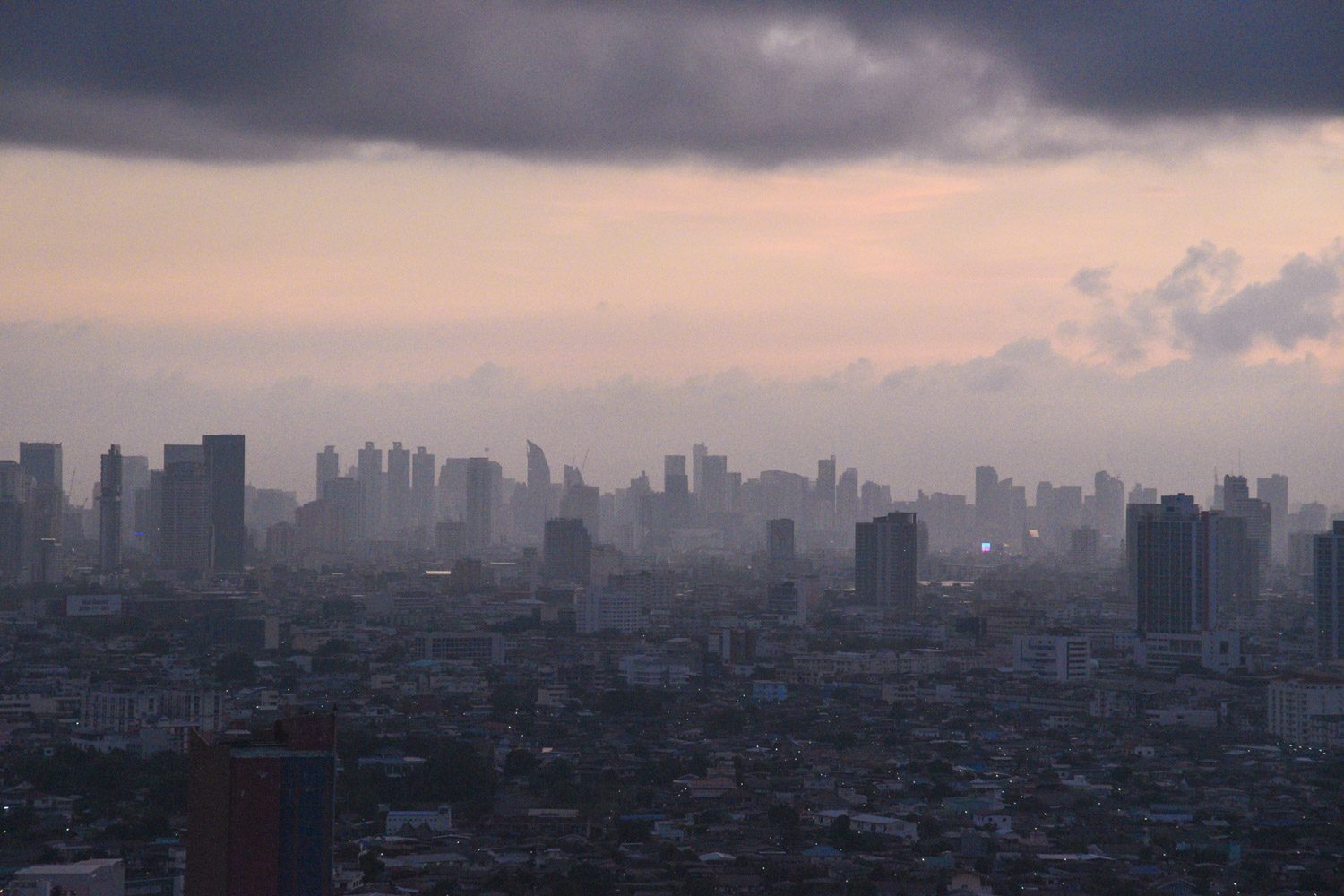
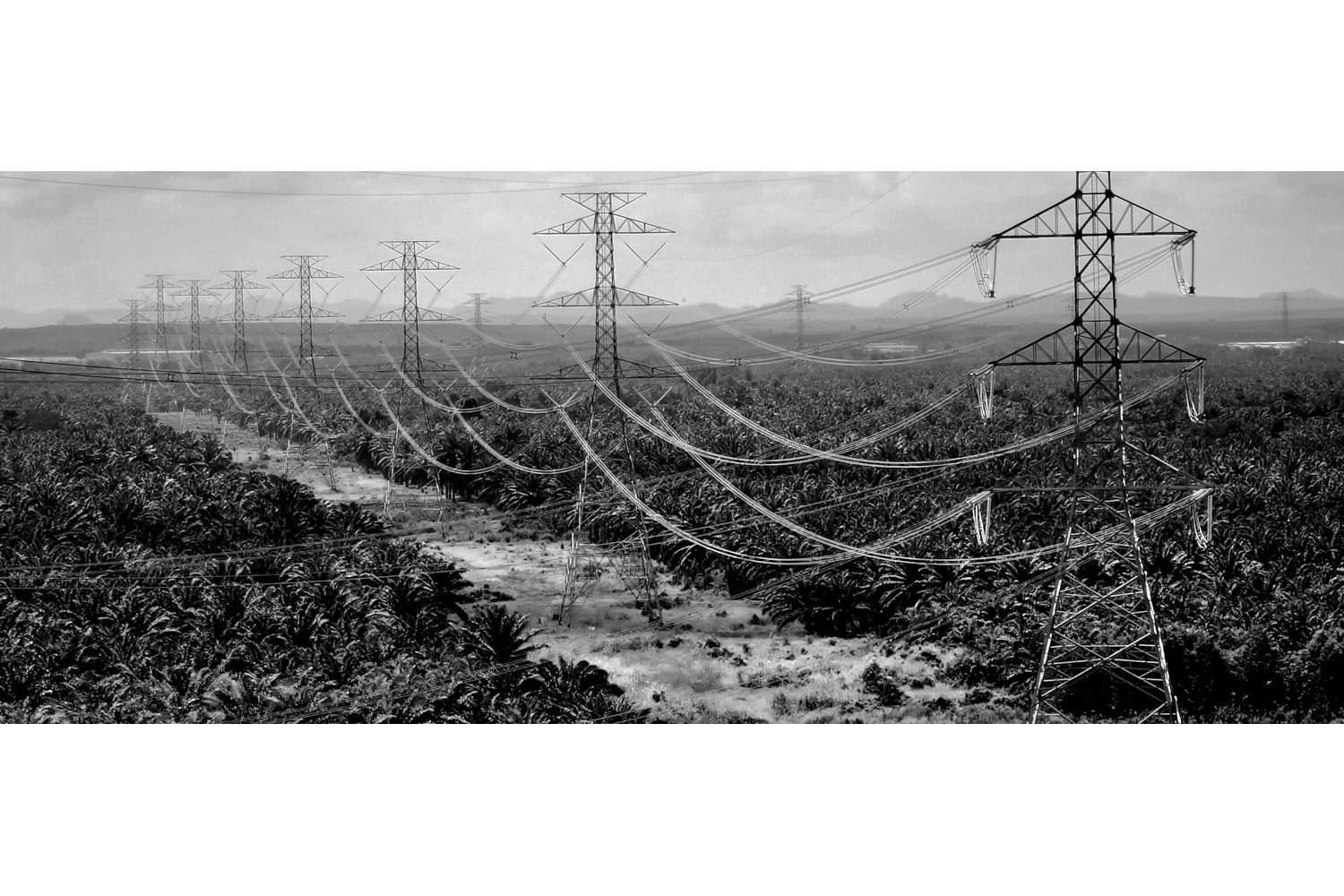
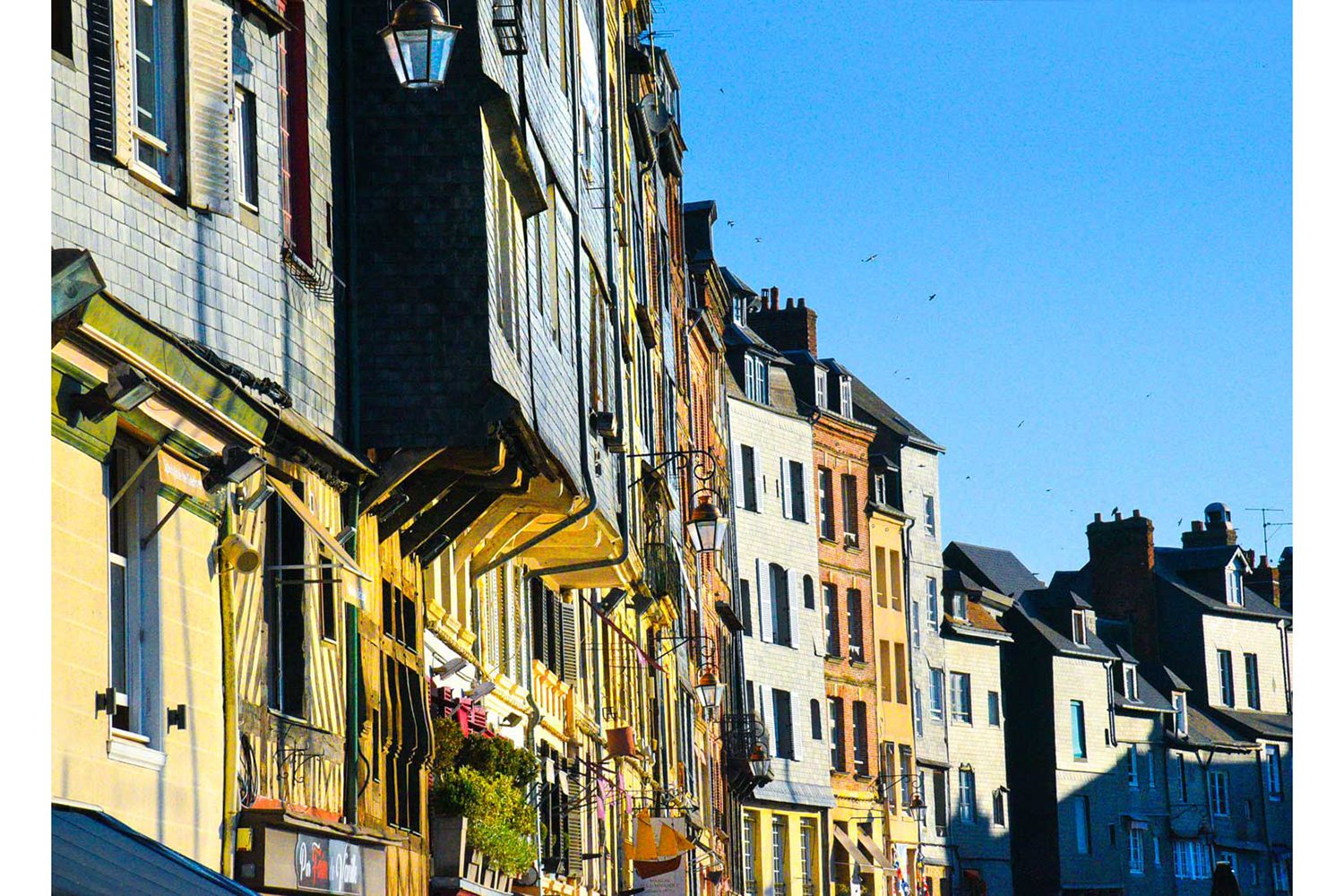
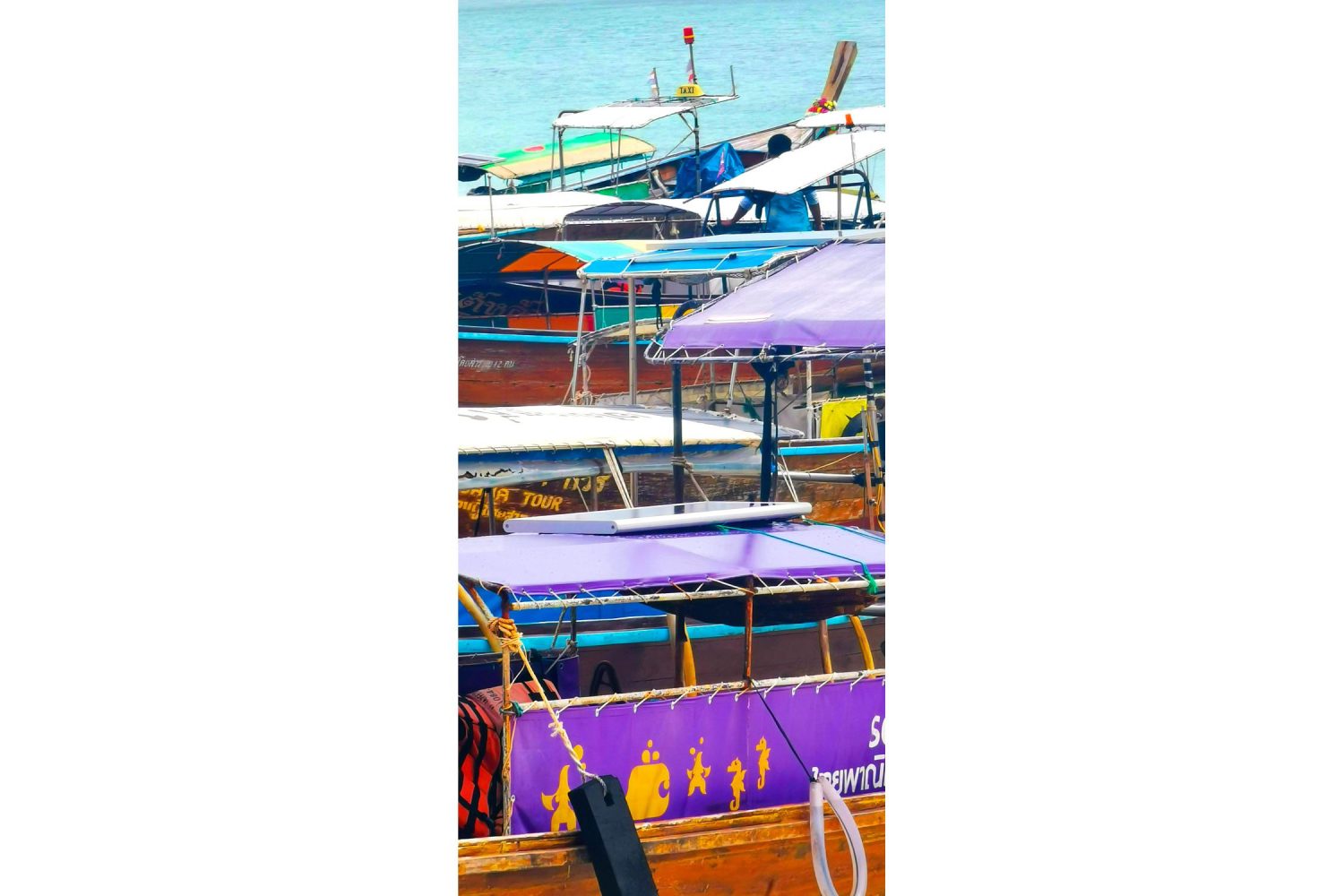
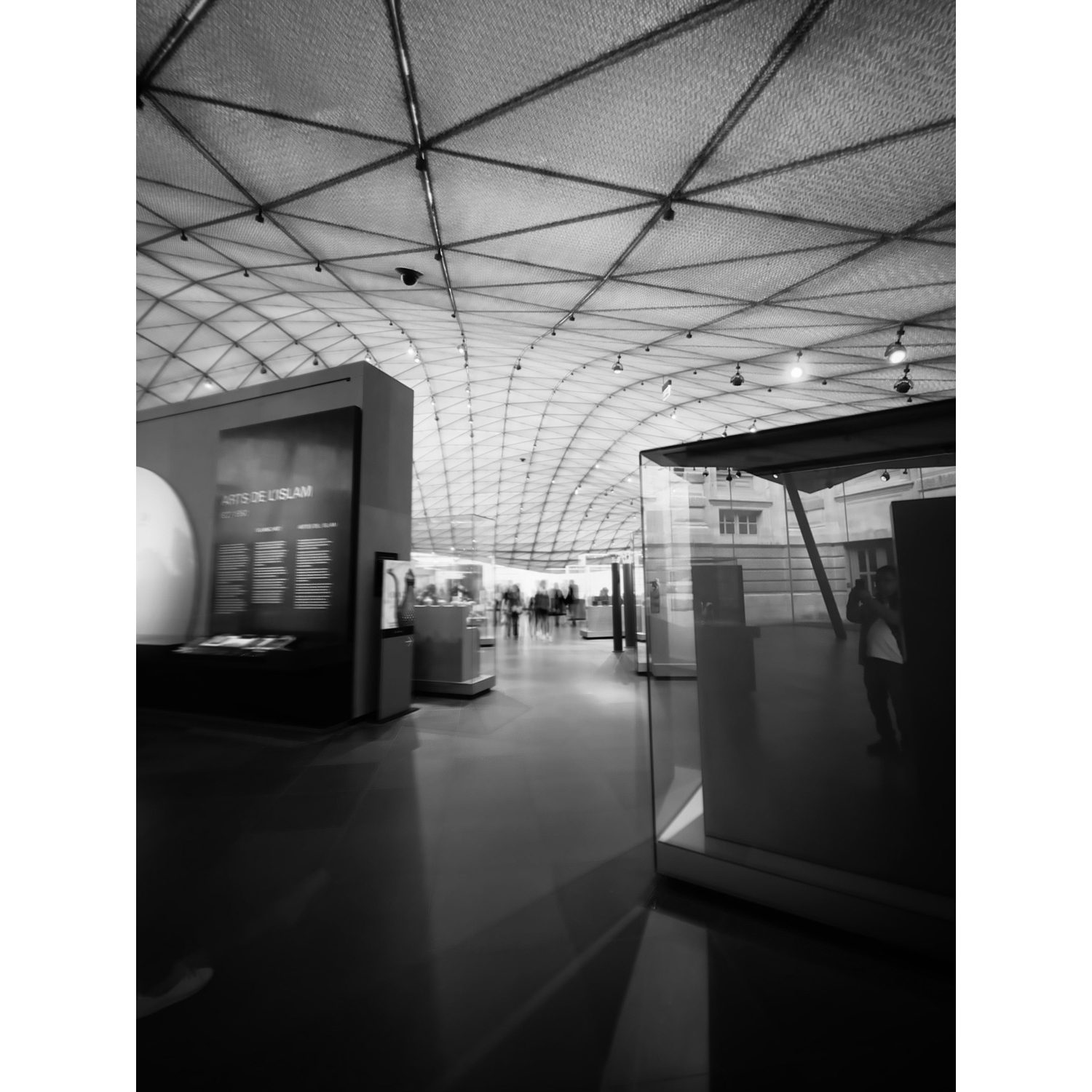
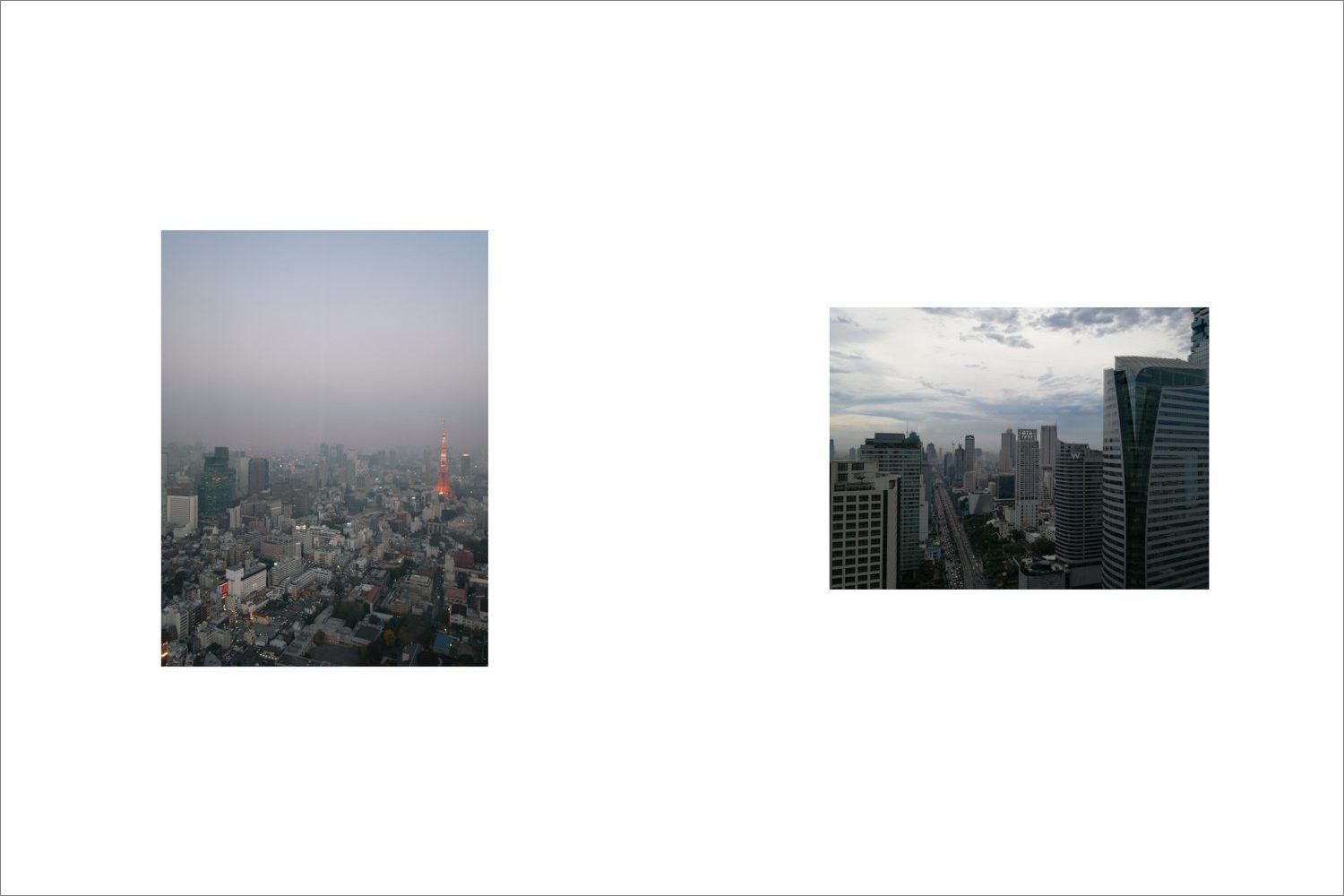
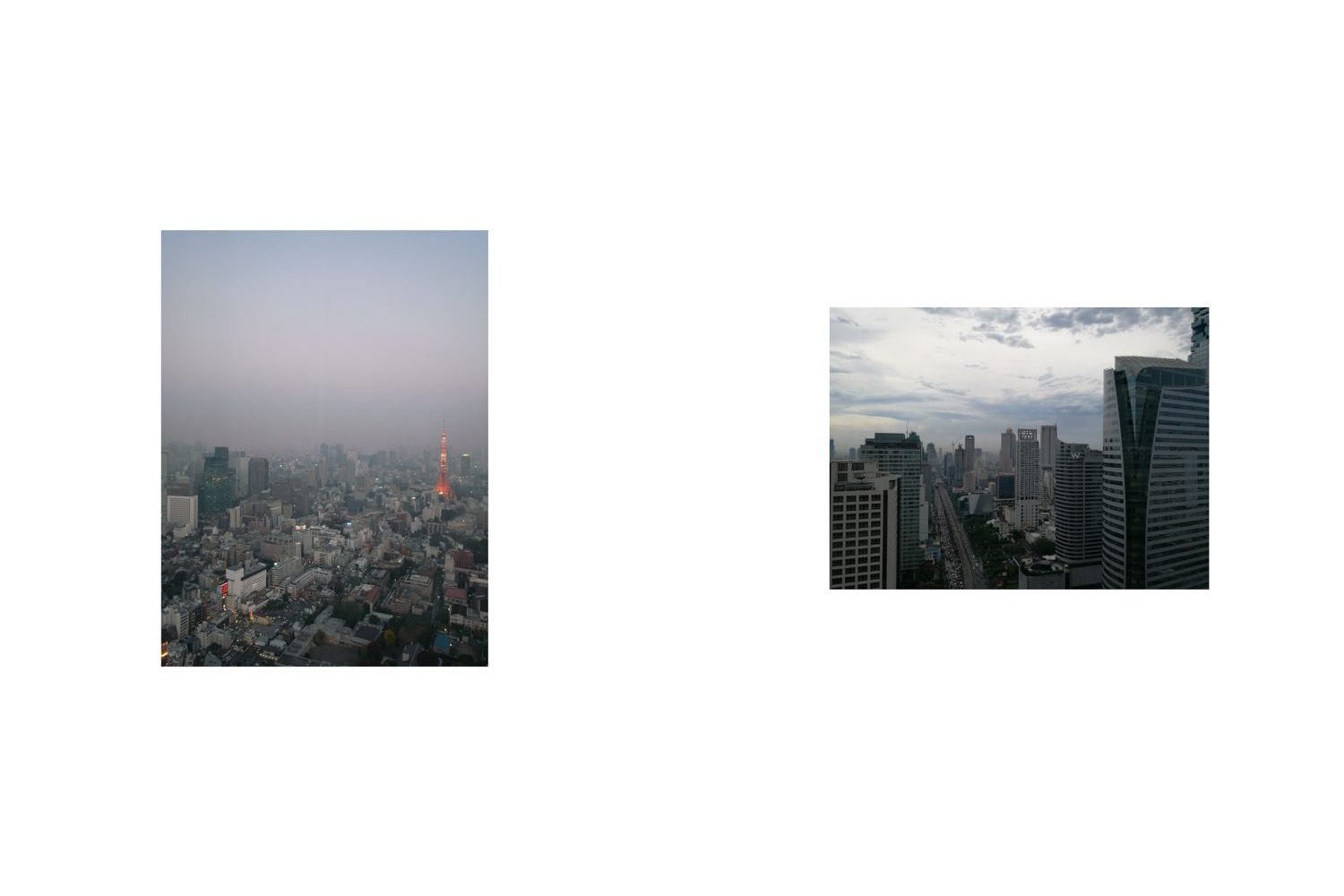
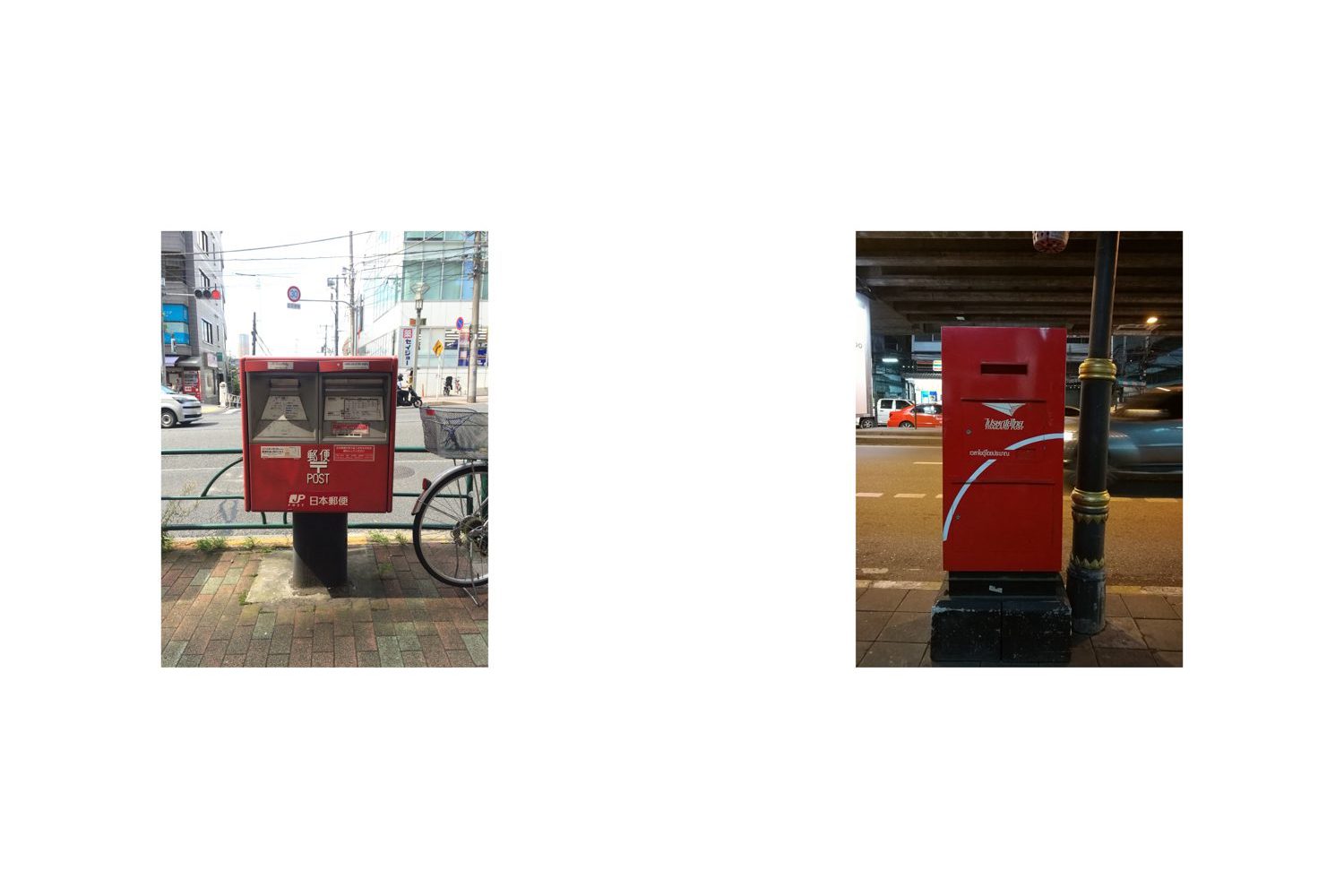
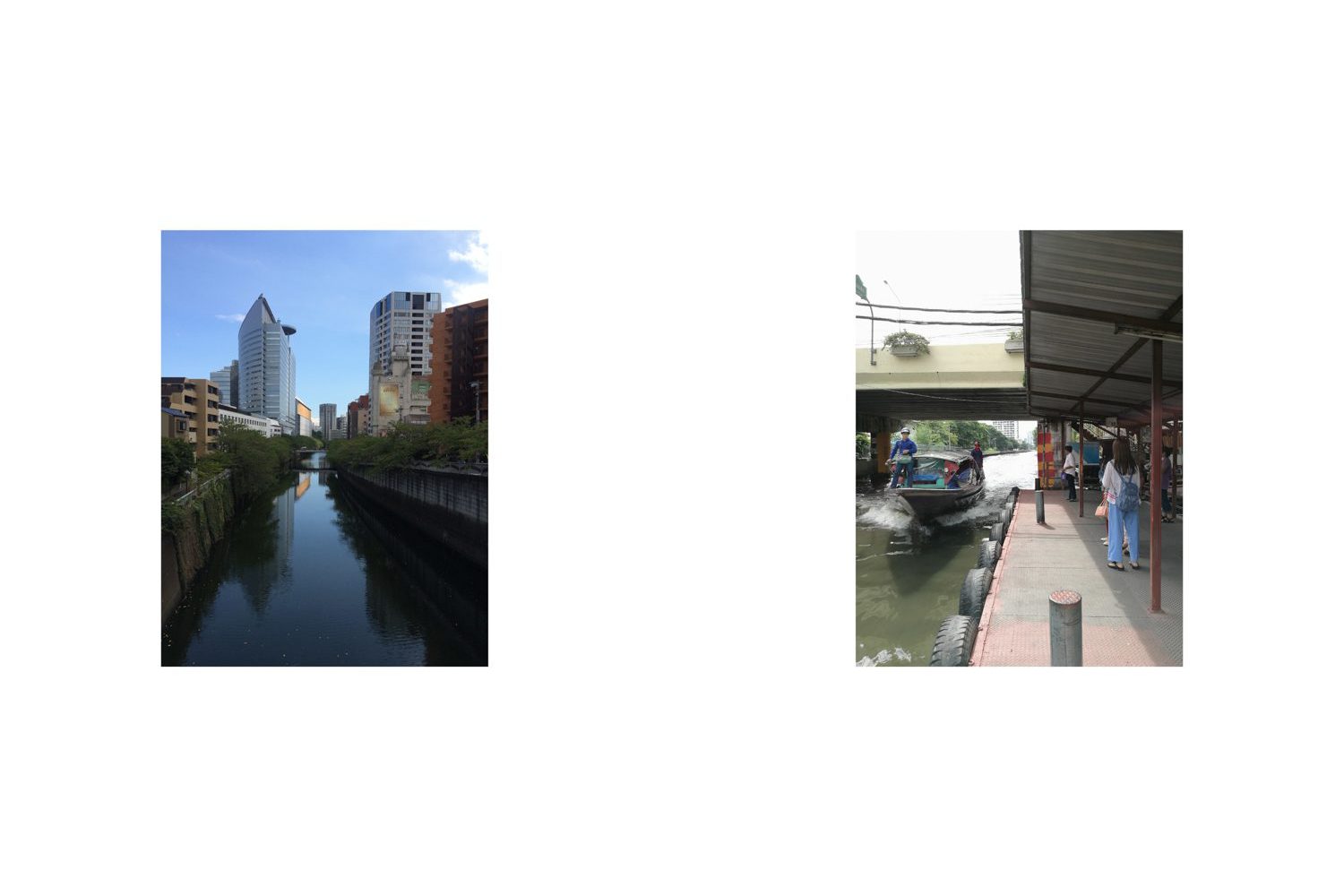
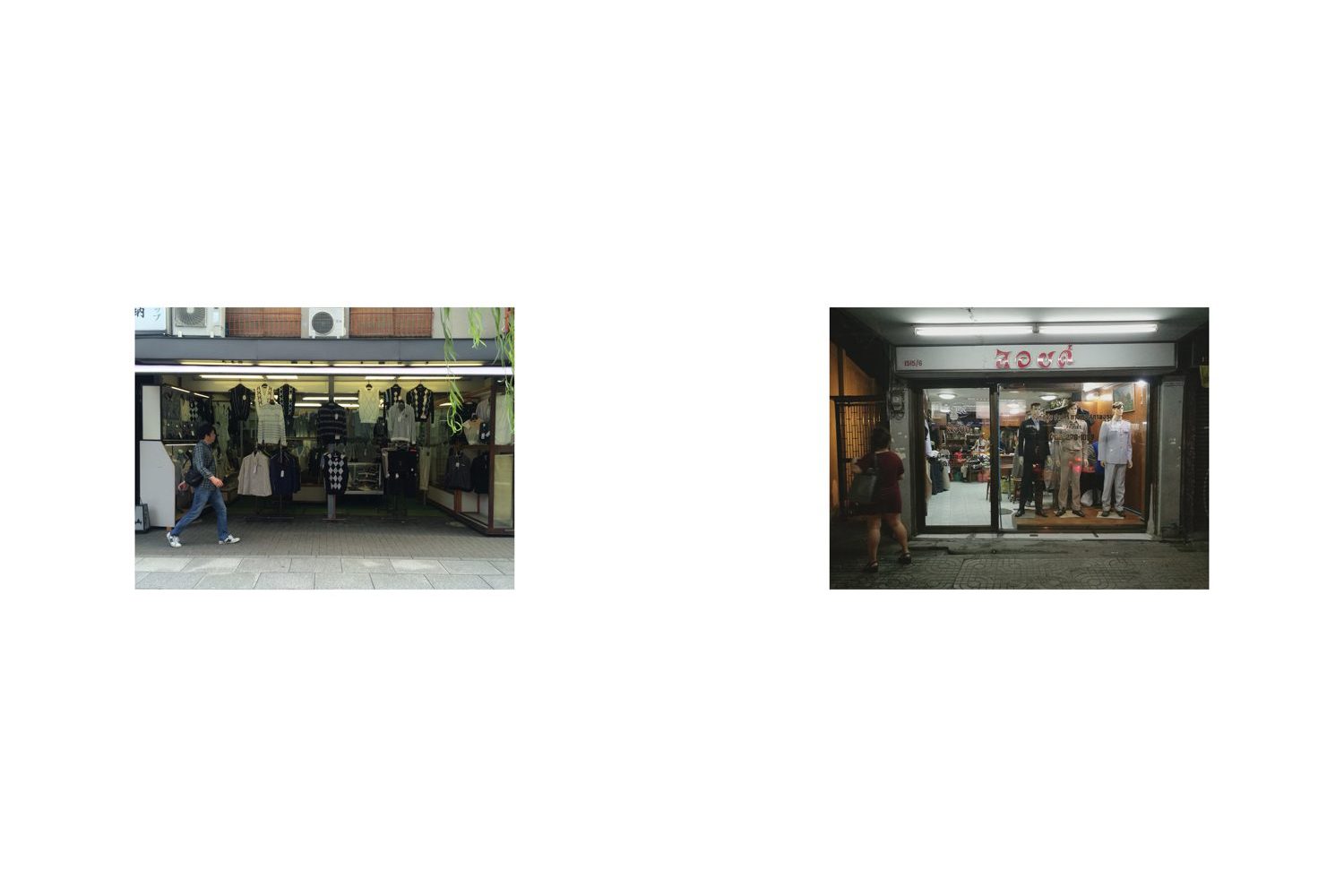
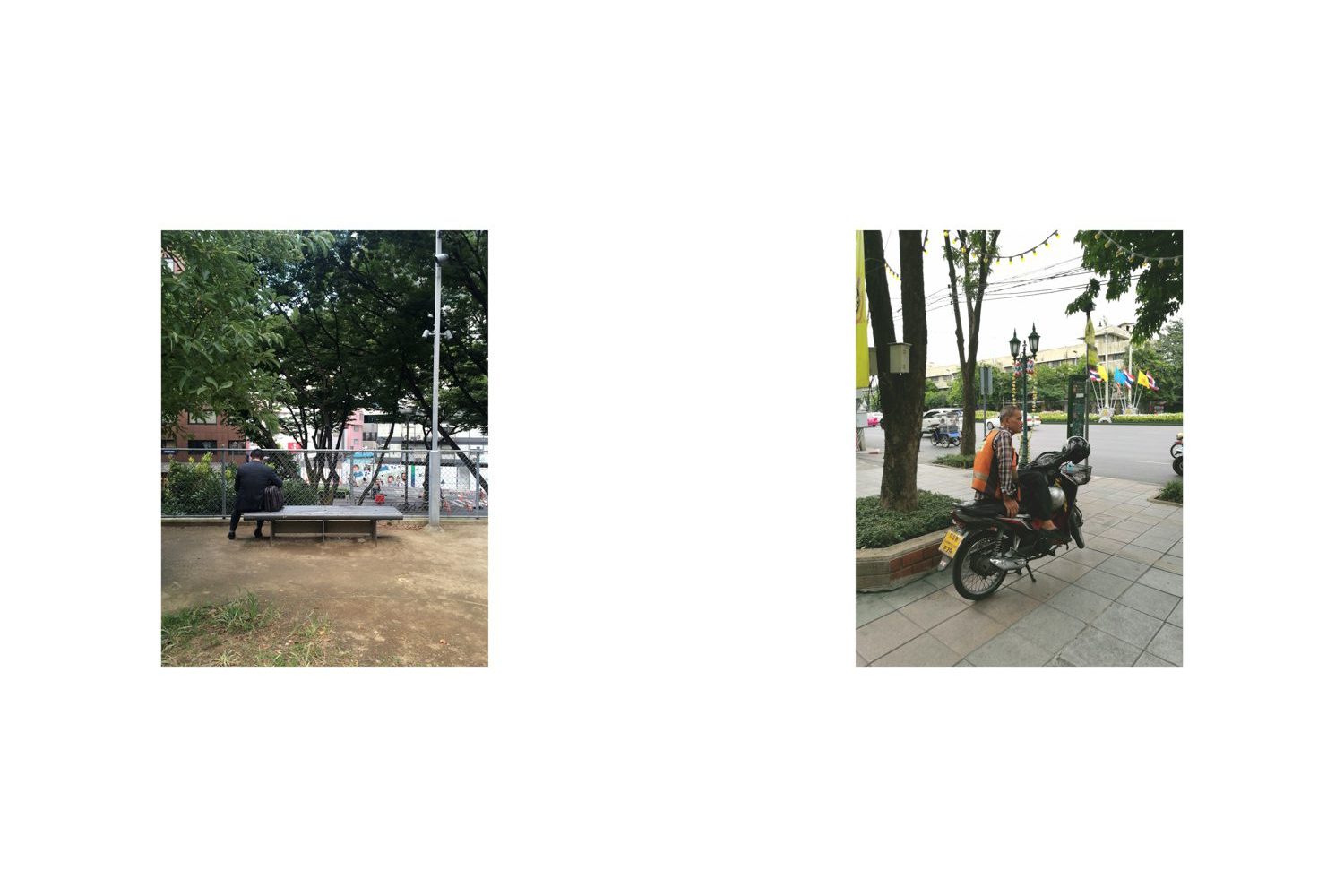
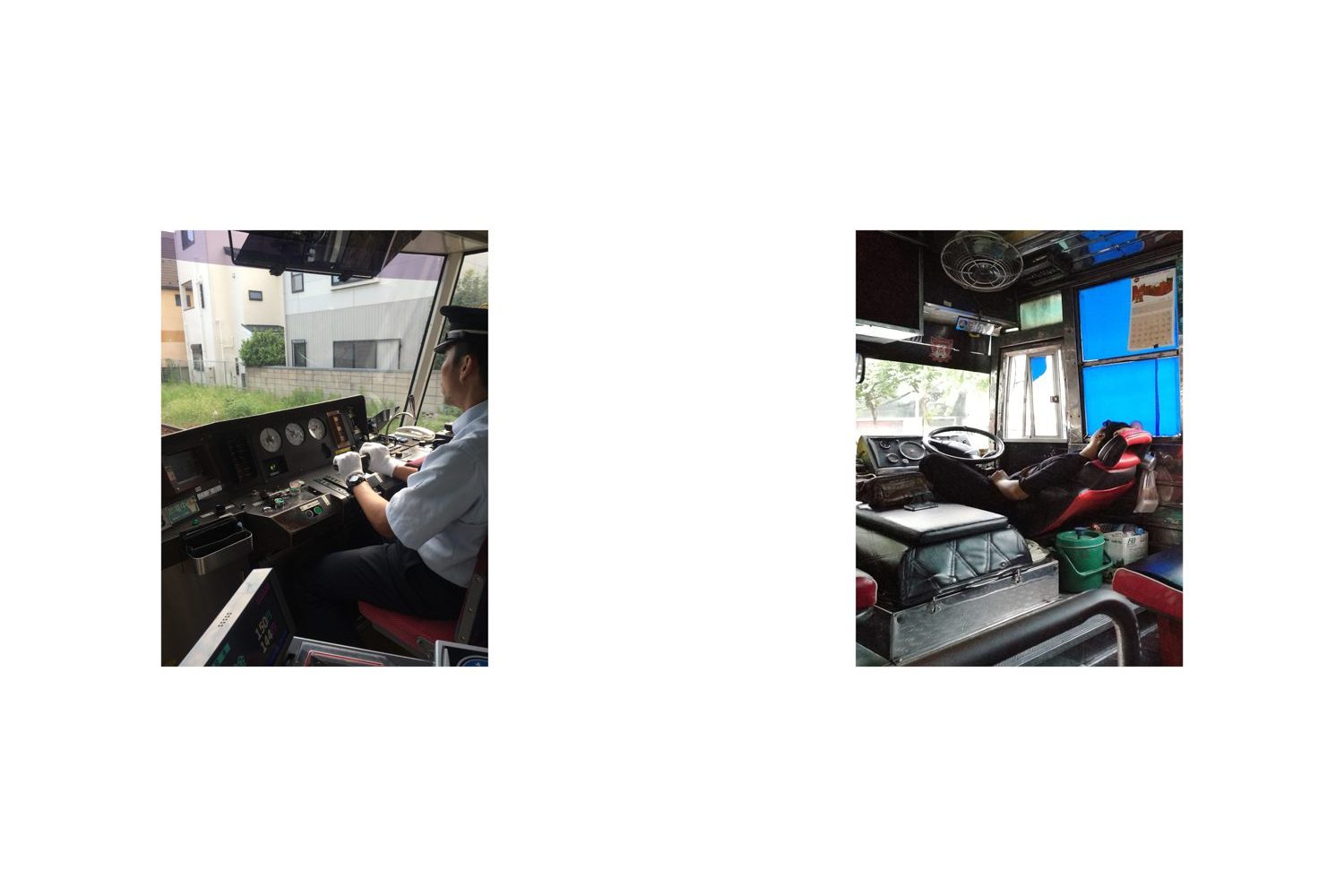
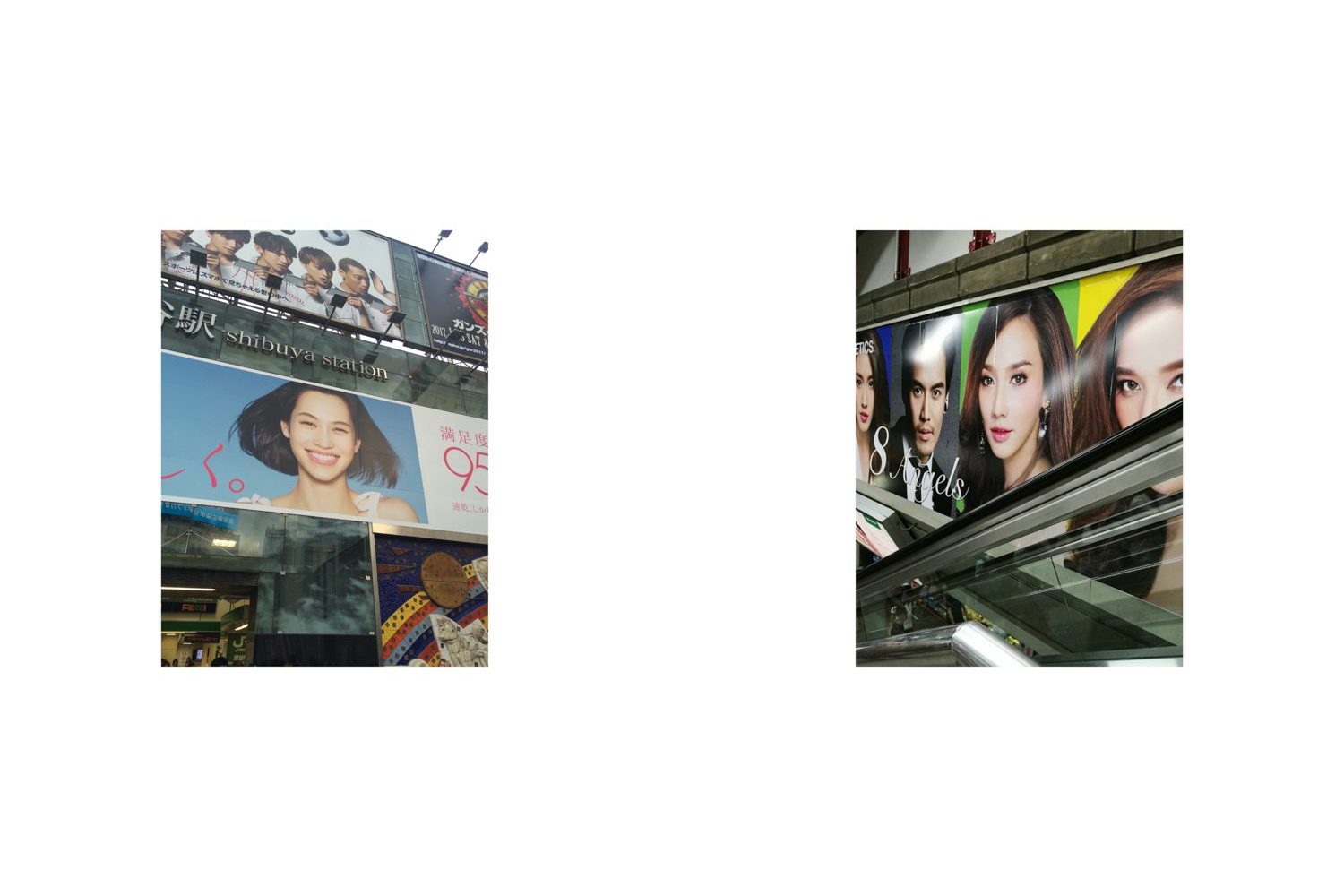
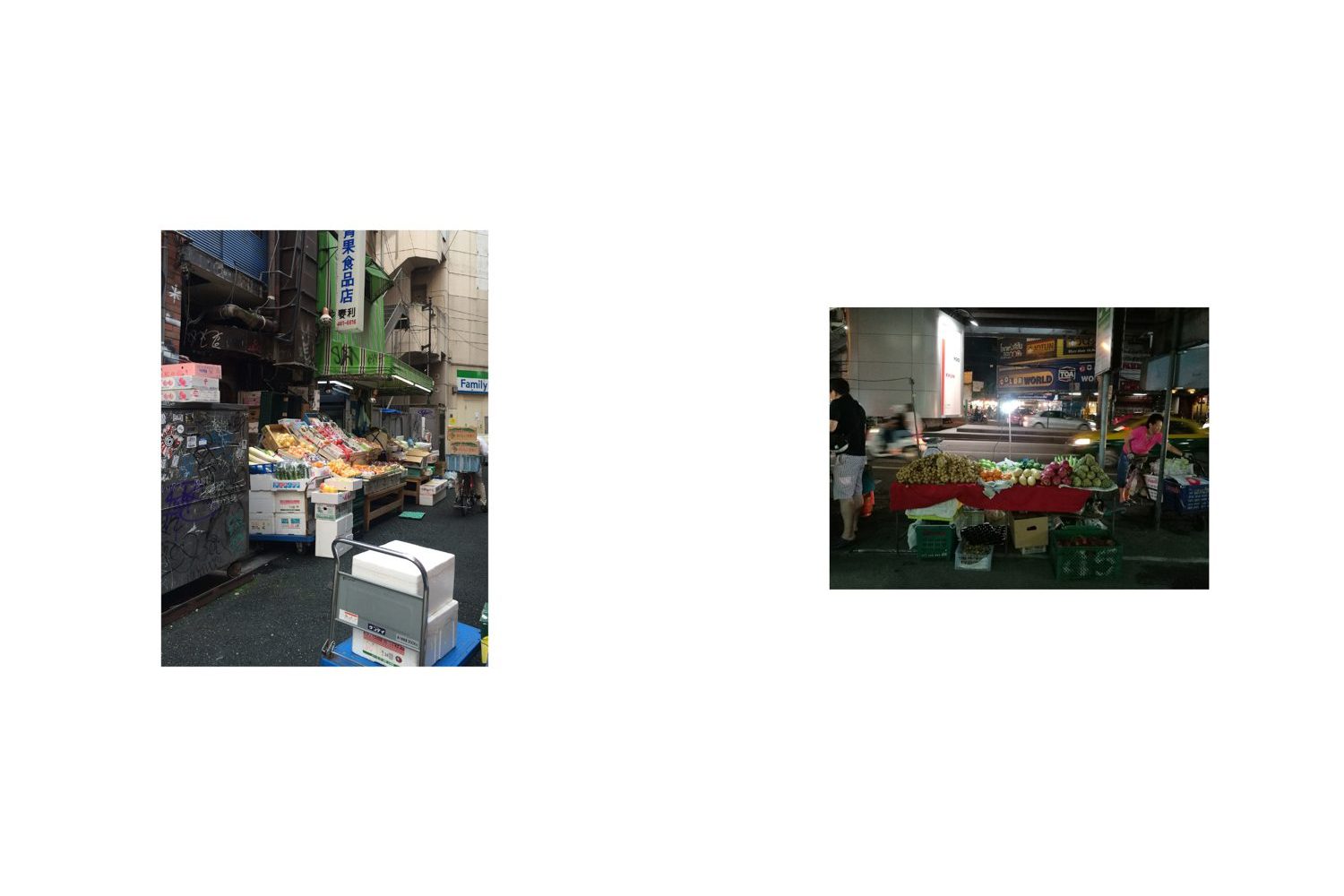
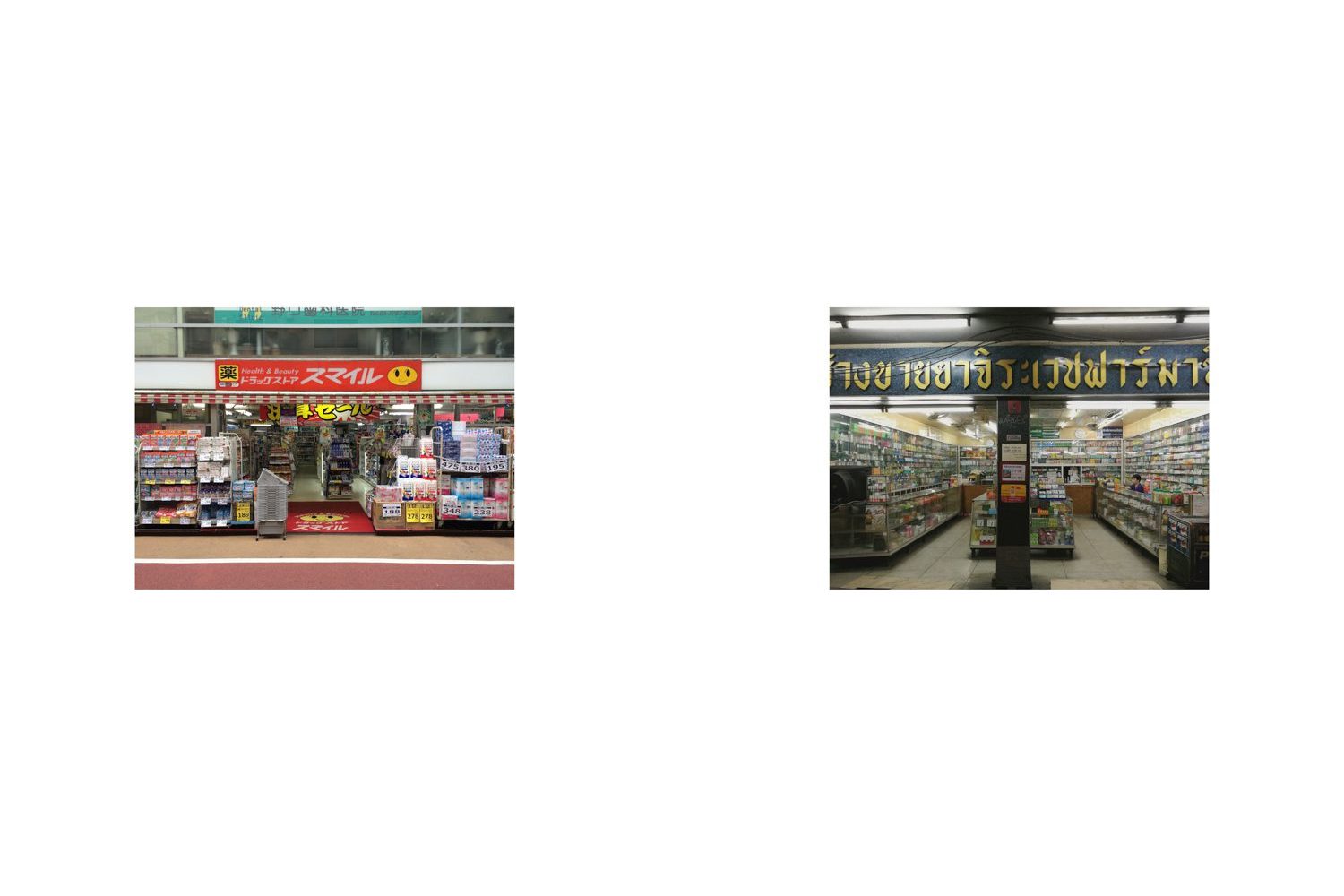
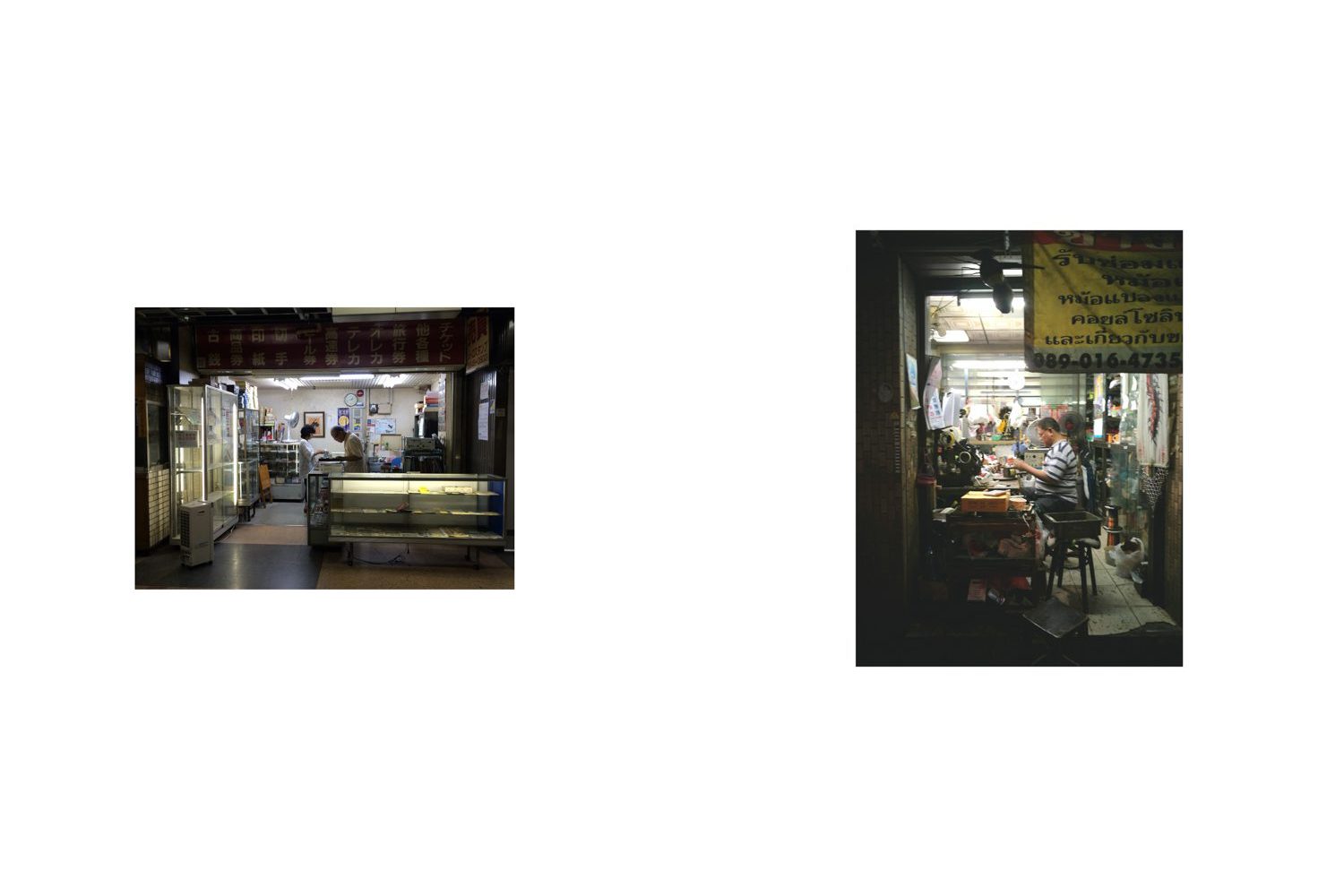
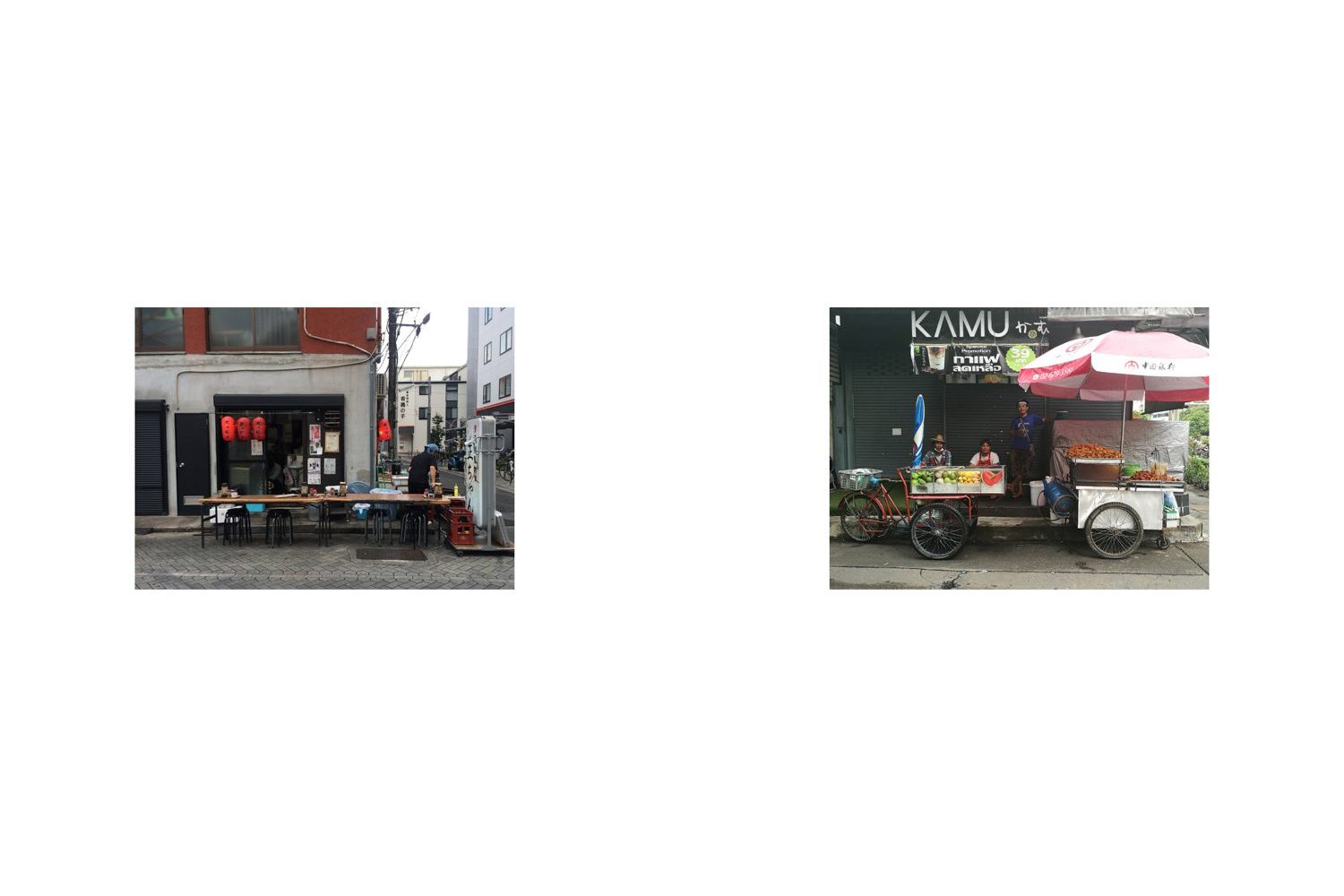
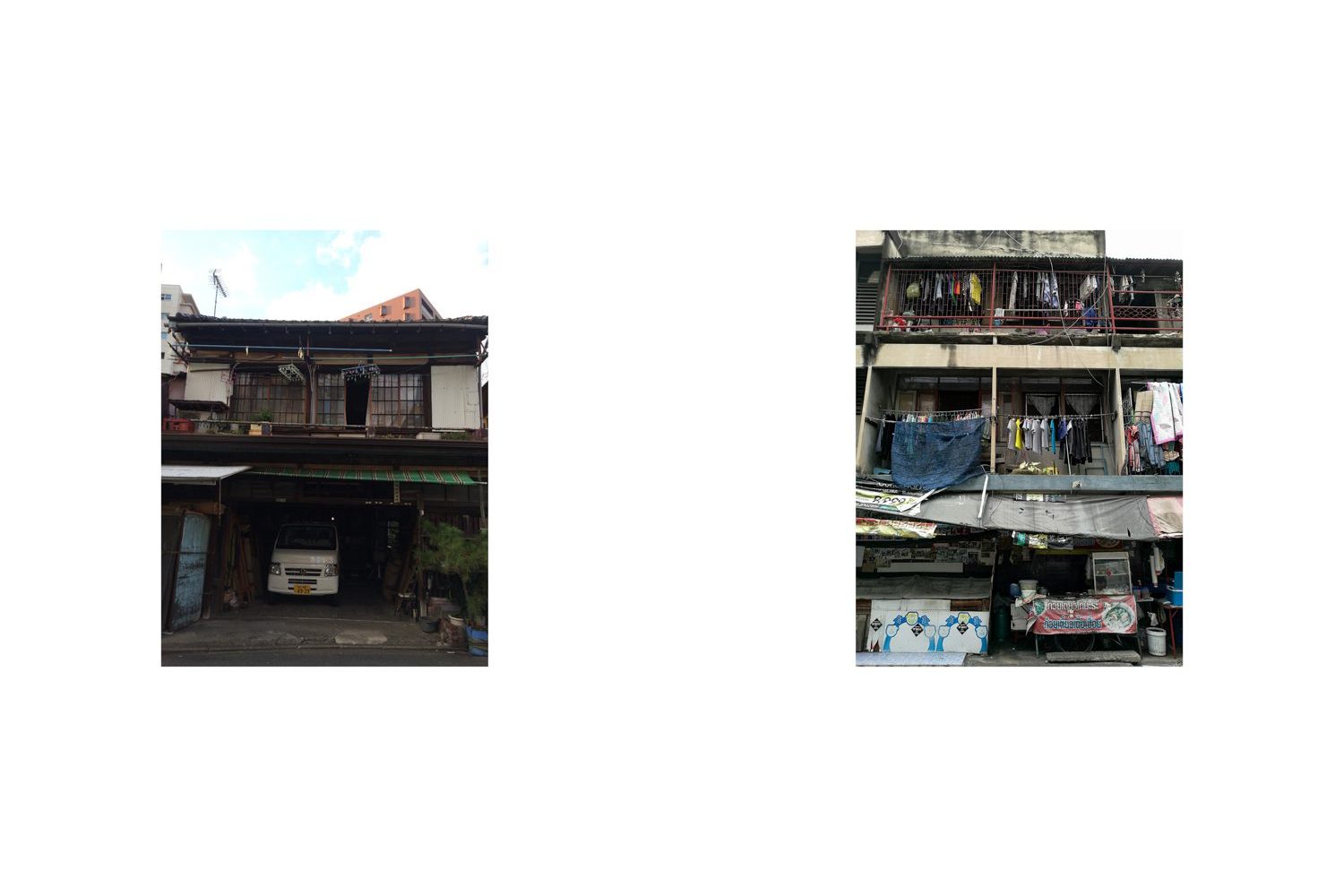
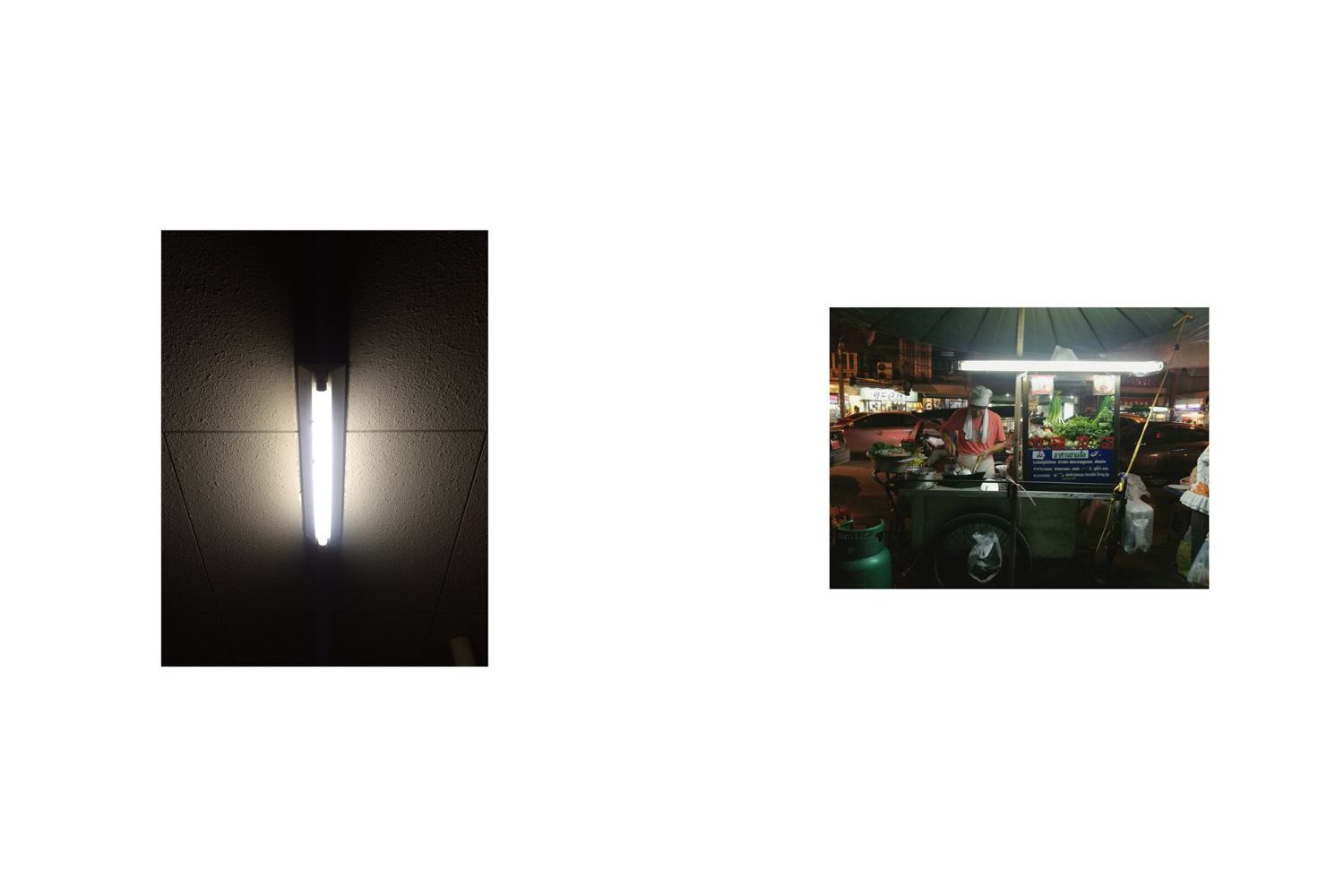
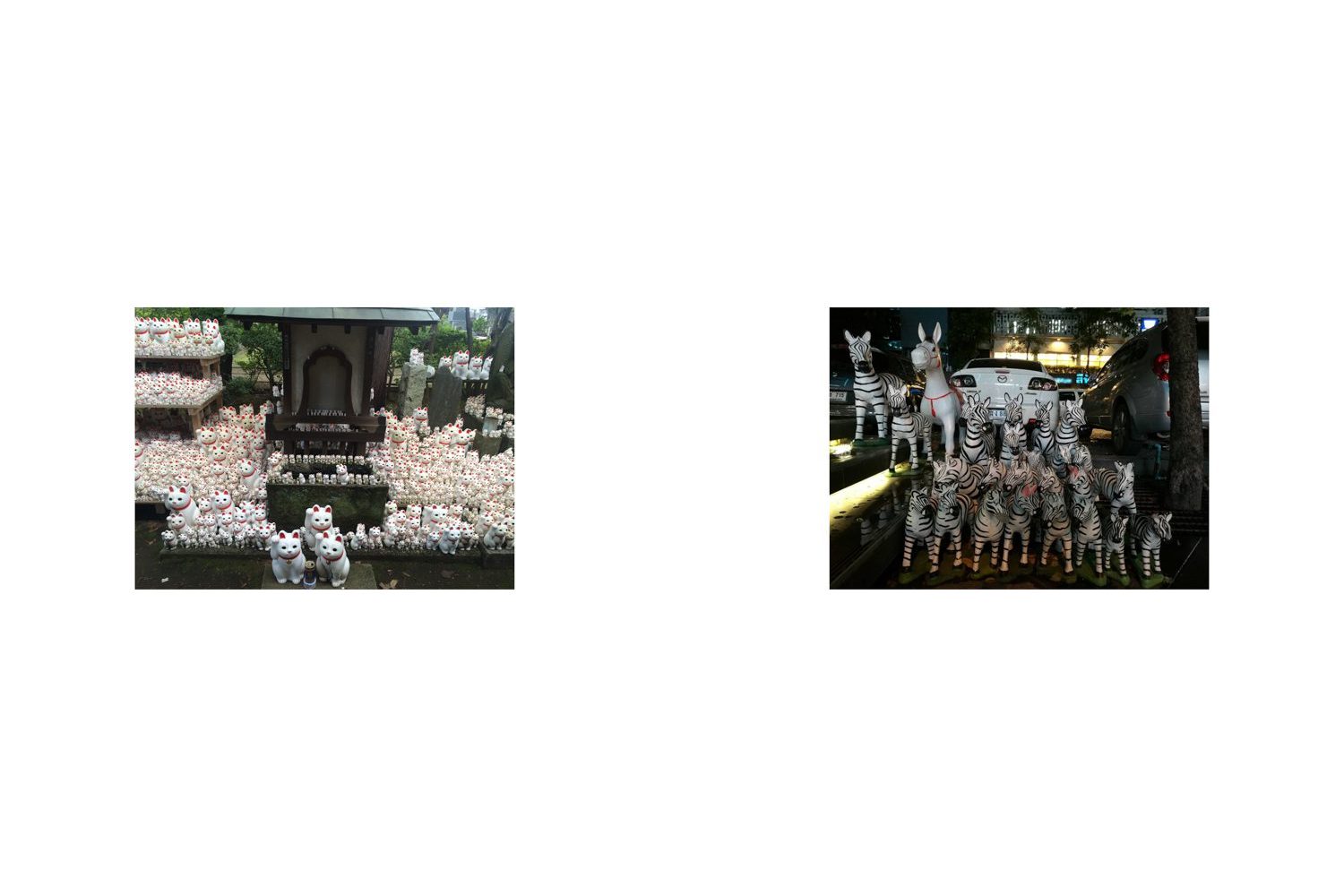
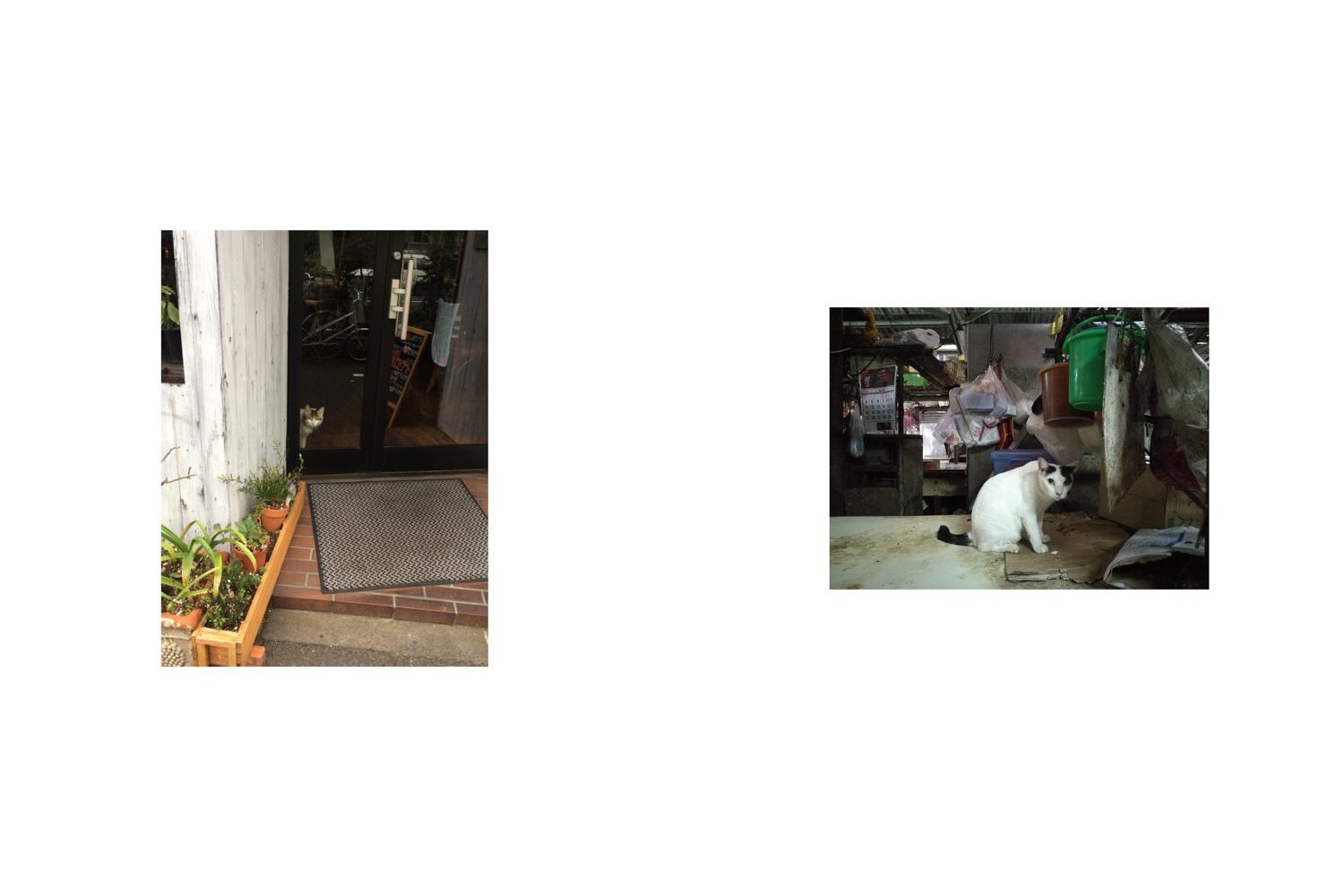
‘The Distant Everyday’ is a visual conversation between architecture, observation, and everyday sceneries. It can be argued that architecture is a product of the convergence of multiple ideas and notions. As keen observers of our surroundings, we constantly seek out the underlying connections that exist across diverse contexts. The collection of photographs presented here is a glimpse into our extensive archives, which have been accumulating since 2016. Unordered and free from any specific arrangement, these images capture random scenes and objects in Bangkok and Tokyo. Individually, they appear unremarkable, but when juxtaposed they transform into a source of inspiration and contemplation. Furthermore, they unveil the inherent ability of architecture to bridge connections between all things.
_____________
Bangkok Tokyo Architecture is an architectural studio founded by Wtanya Chanvitan and Takahiro Kume in 2017. We are fascinated by open-ended structures and the assembly of ordinary elements; blurring the lines between ordinary and exceptional.
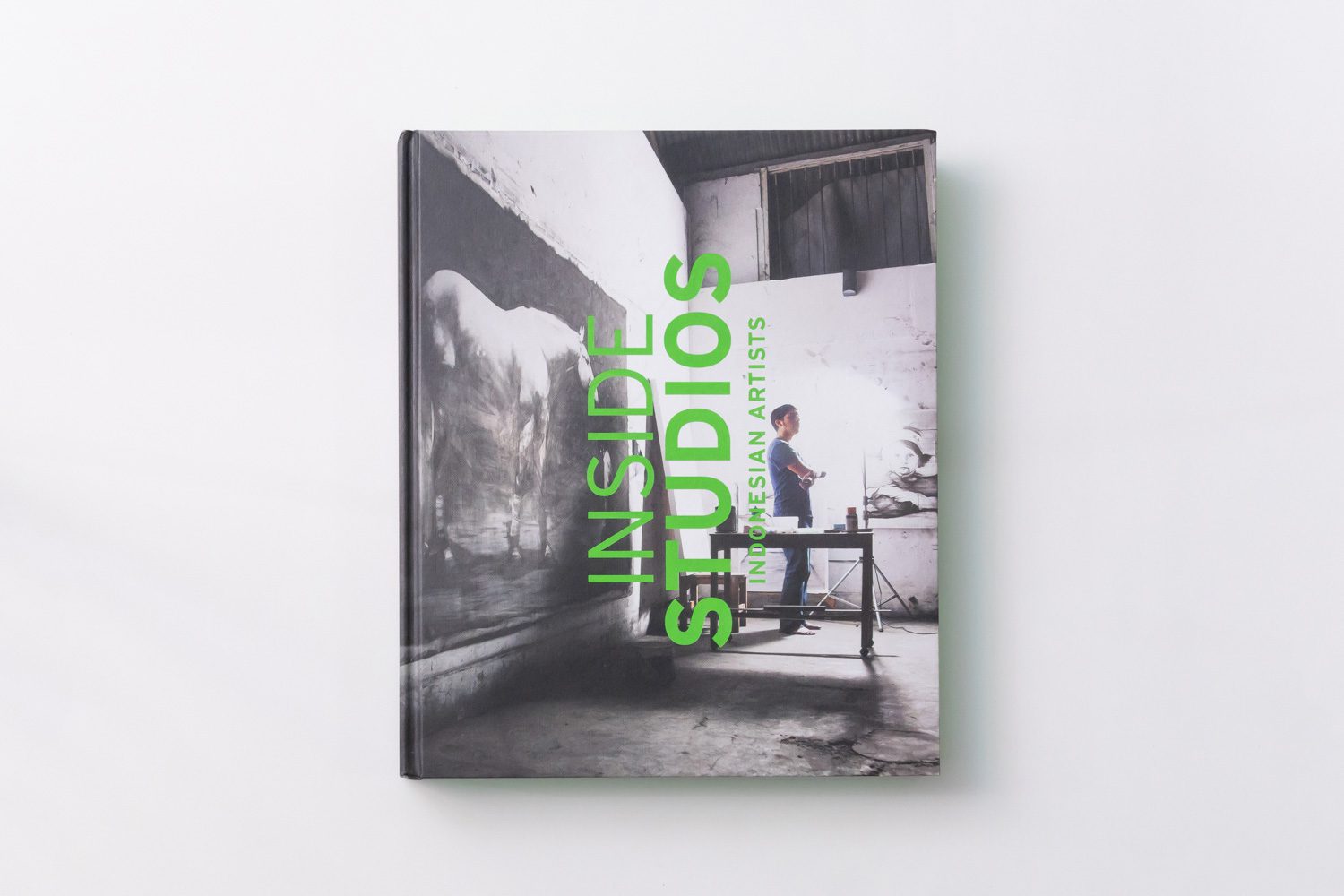
A BOOK THAT KINDLY UNVEILS THE PERSONALITY OF 25 ARTISTS AND STUDIOS IN INDONESIA THROUGH PHOTOGRAPHS OF THEIR STUDIOS, THEIR TRIVIAL STUFF, AND A FUN Q&A SECTION WITH AN ARBITRARY ANSWERRead More
THE EXHIBITION DELVES INTO THE LIFE OF THE ARTIST AND PHOTOGRAPHER MANIT SRIWANICHPOOM WITH ‘BLACK’ AND ‘BLUE’, TAKES US TO THE JOURNEY OF DEATH AND THE AFTERLIFE OF HIS ICONIC CHARACTER, THE ‘PINK MAN’, WHILE DISCUSSES THE PHENOMENON OF ASSOCIATING MEANINGS WITH COLORS THAT THAI SOCIETY HAS WITNESSED OVER THE LAST SEVERAL YEARS.
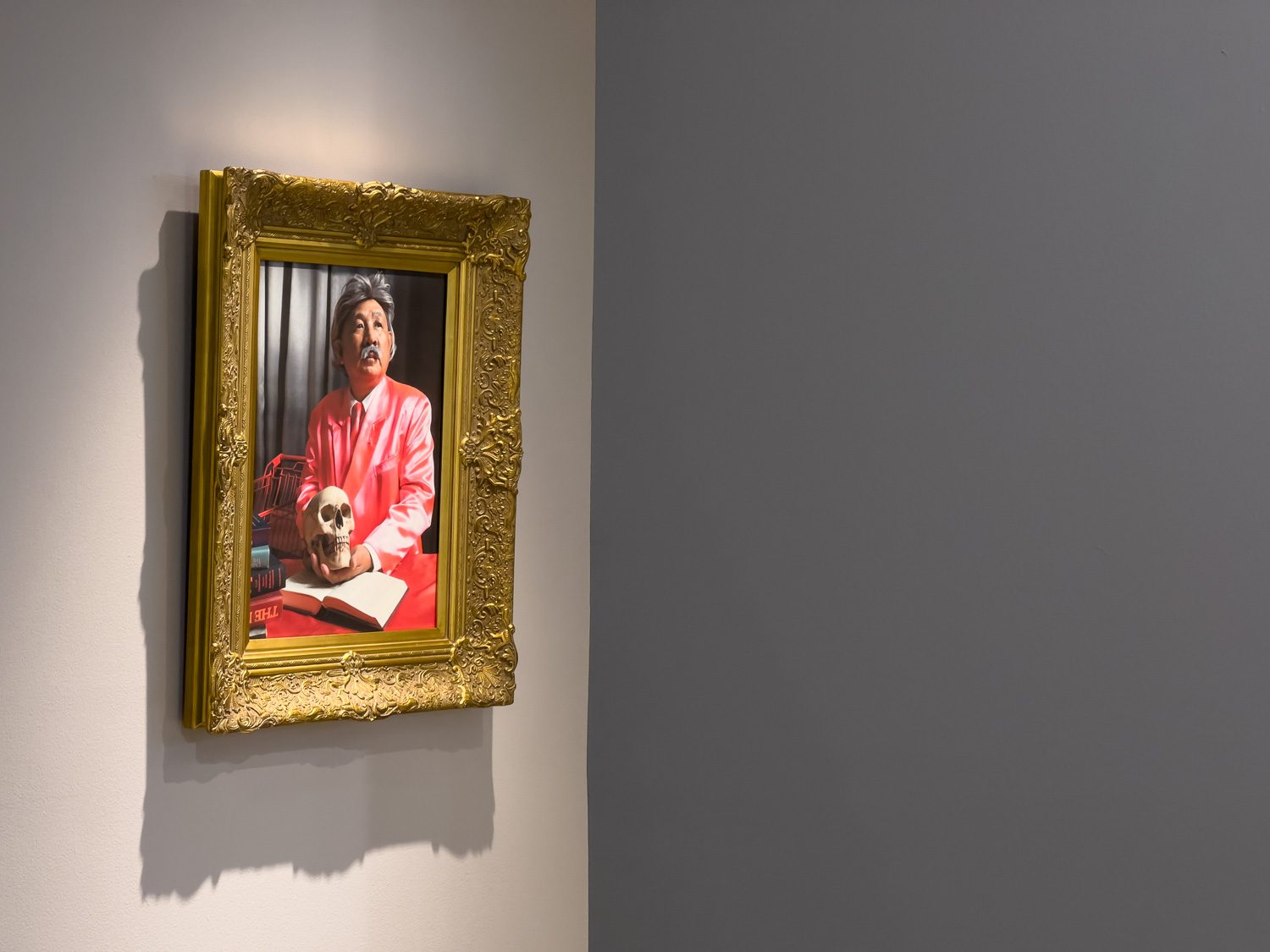
Manit Sriwanichpoom’s photography series, ‘Pink Man’ is undoubtedly his most renowned work. The series is so successful that whenever the name Manit is mentioned, we always automatically think of Pink Man. Some people even mistake that the Pink Man in the photographs was Manit himself (actually Sompong Tawee, a poet and performance artist, is the person who took the role of Pink Man in the series).
Manit created Pink Man in 1997 as the character of a chubby Asian man who wears a shocking pink satin suit and travels with an empty shopping trolley embellished in the same color as his outfit. Pink Man is represented the extreme consumerism that was taking over Thai society to the point where one had no care for other aspects of society that did not concern them. Manit then went on to create many more of his Pink Man series, such as ‘Pink Man on Tour’ (1998), where the character was captured in his journey to a variety of different places and incidents, both inside and outside of Thailand, with his expressionless face. Pink Man’s appearance in ‘Horror in Pink’ (2001) shows the character at the October 6th 1976 massacre and Black May, also known as “Bloody May,” two of Thailand’s most tragic and violent political incidents, with a face that looked like he was enjoying an entertaining spectacle.
In most of the series, Pink Man took the spotlight. Pink Man’s presence in ‘Hungry Ghost’ (2003) was not just as the main character, but appeared with the size of towering skyscrapers, the scale that would probably equate his giant ego. Nonetheless, in some series, such as Pink Man in Venice (2003), Manit chose to photograph the character from a distance, resulting in a miniature version of Pink Man. In some of the photos, he stood on the edge of the vast body of water, looking absentmindedly, with no shocking pink trolley by his side. Seeing that, I couldn’t help but wonder about his next journey. Will he undergo any changes? What was his fate going to be after consuming pretty much everything throughout his entire existence?
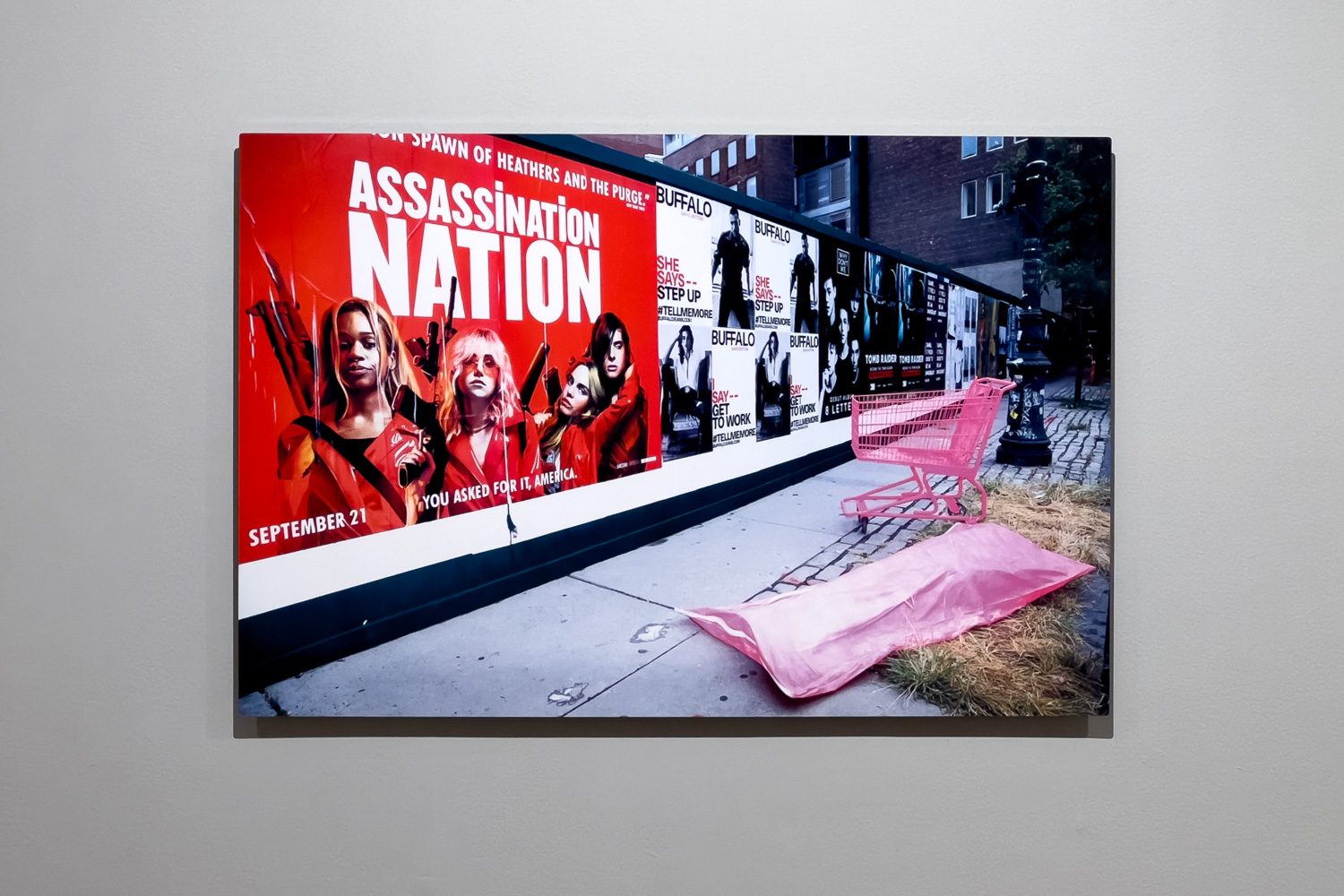
Pink Man had been on numerous adventures before arriving at the final answers to these questions. In 2018, Manit created ‘The Last Man and the End of His Story’, a series of photograph in which we saw a pink body bag lying on the side of the road in America, with a pink trolley by its side. The series was undoubtedly about Pink Man’s demise. However, when we look at ‘Dropping the Pink Self’ (2018), another work Manit created in that same year, it becomes unclear whether Pink Man’s death refers to the end of his actual life or a metaphor for him forfeiting something. Manit’s ‘Dropping the Pink Self’ (2018) was inspired by Ai Weiwei’s ‘Dropping a Han Dynasty Urn’ (1995). But while Ai dropped a Han Dynasty urn which shattered to convey the time of the demolition and reconstruction of Chinese culture, Pink Man, on the other hand, dropped a figurine of himself to the ground, causing its head to fall off.
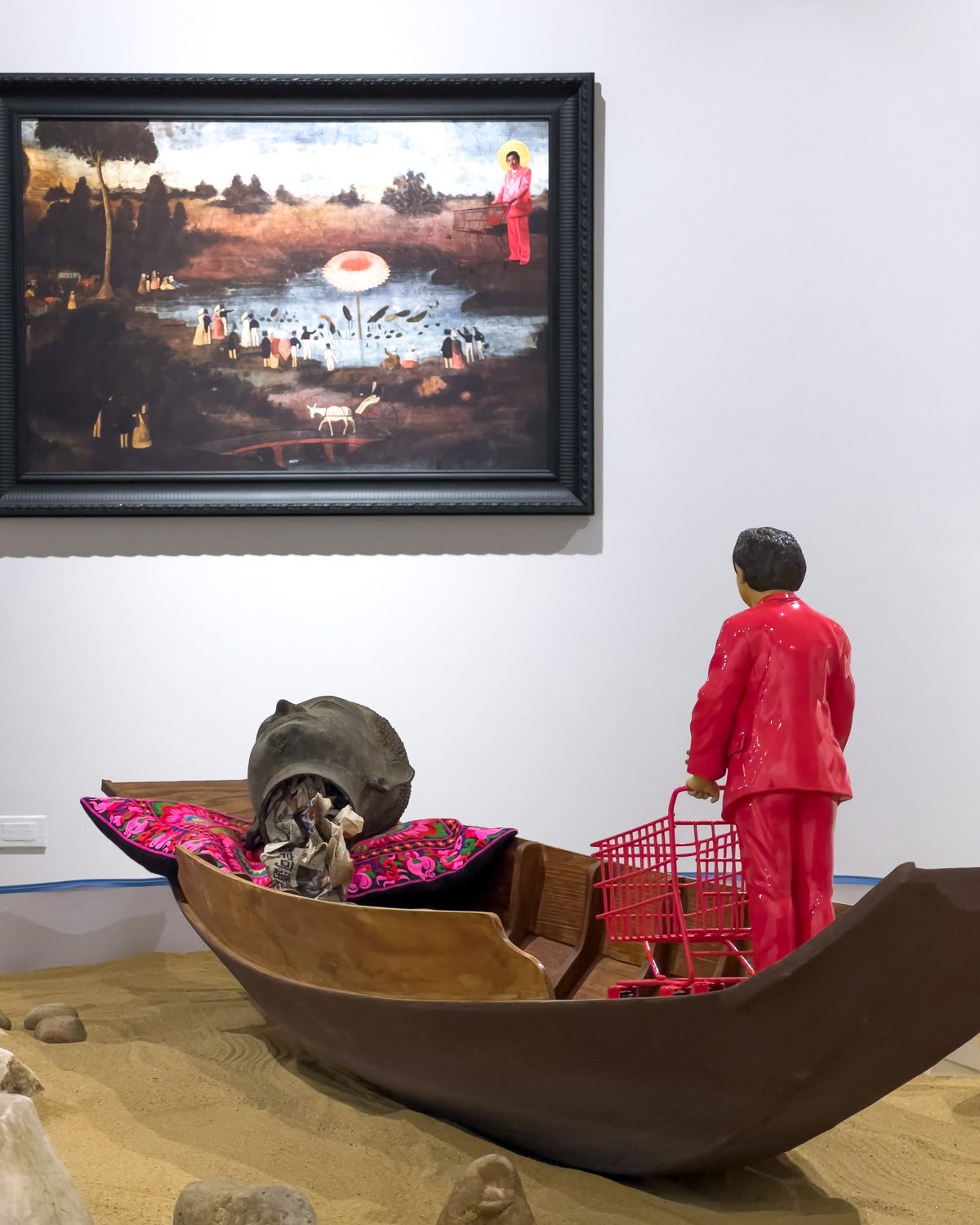
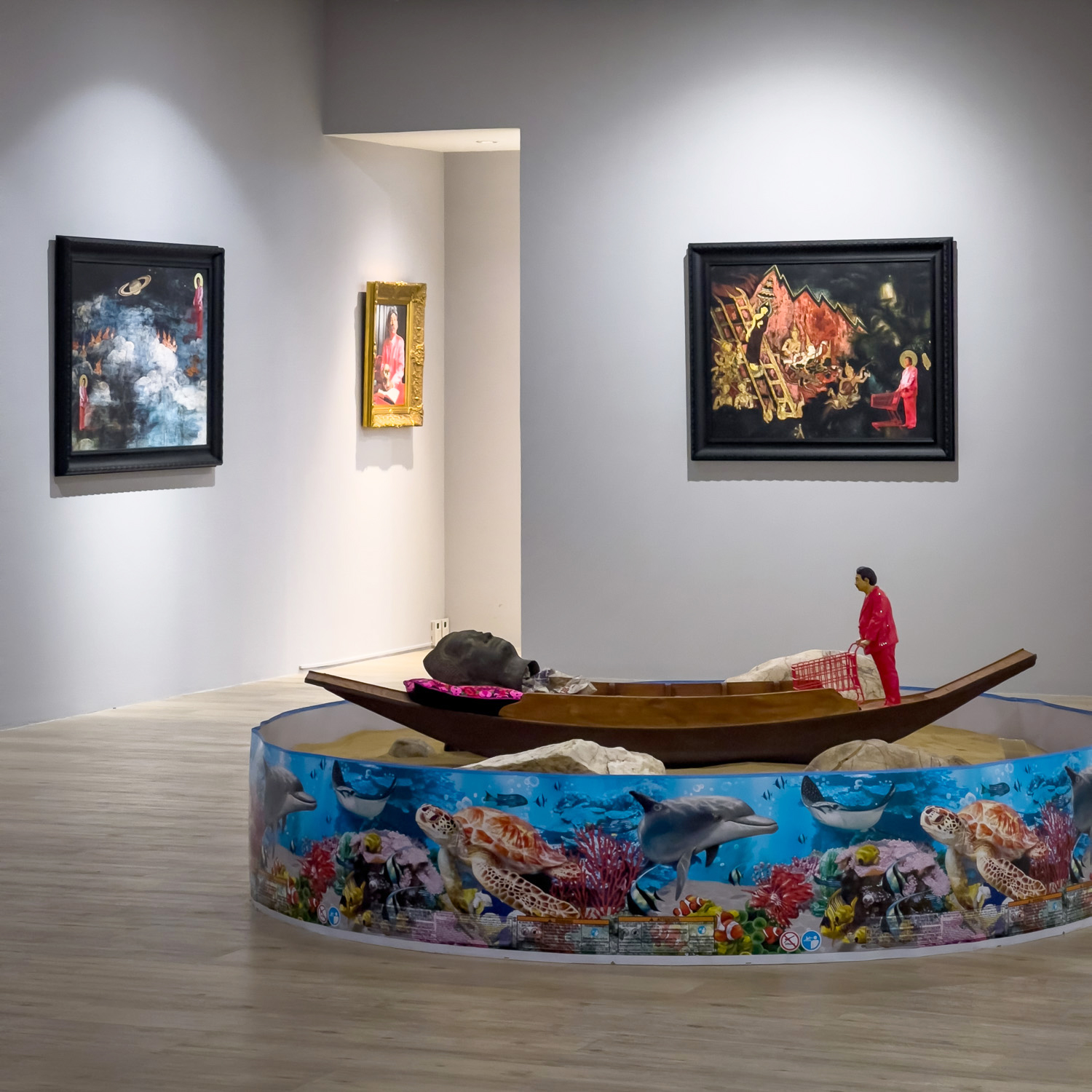
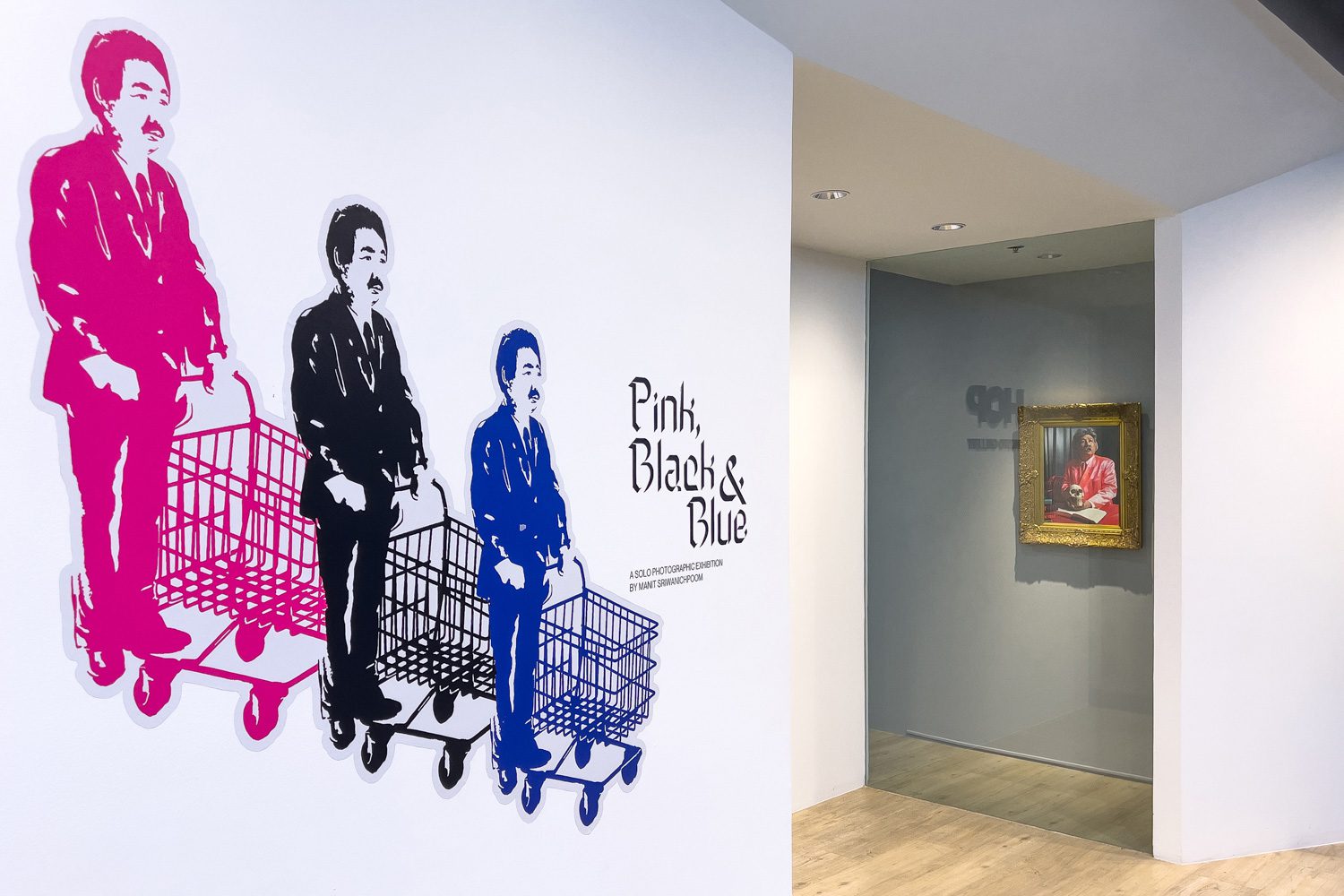
Pink, Black, and Blue, Manit’s latest solo exhibition, reintroduces the two iconic works. The exhibition also includes ‘Afterlife So Pink #2’ (2023), an installation of a Pink Man doll on a wooden boat, a universal symbol of the human journey into the afterlife. But, being the Pink Man that he is, sitting with him on the boat is the head of a Buddha sculpture, and it appears that the boat floats inside an inflatable kid’s pool with a bold, kitsch sea animal pattern. In Heavenly Pink (2023), Pink Man makes his way into ancient Thai mural paintings, from the one where he stands amongst angels in heaven—the scene which depicts an event from the Buddha’s life story when Lord Buddha met Angulimala—to the iconic painting by Khrua In Khong (an avant-garde Thai artist in the past whose work has been featured in artworks of some contemporary Thai artists recently). As wild as the imagery that Manit created, Pink Man’s journeys in this series are open to all sorts of viewer interpretations. One might draw the conclusion that Pink Man has set himself free from consumerism, or that these photographs simply portray his unquenchable desires even after his death.
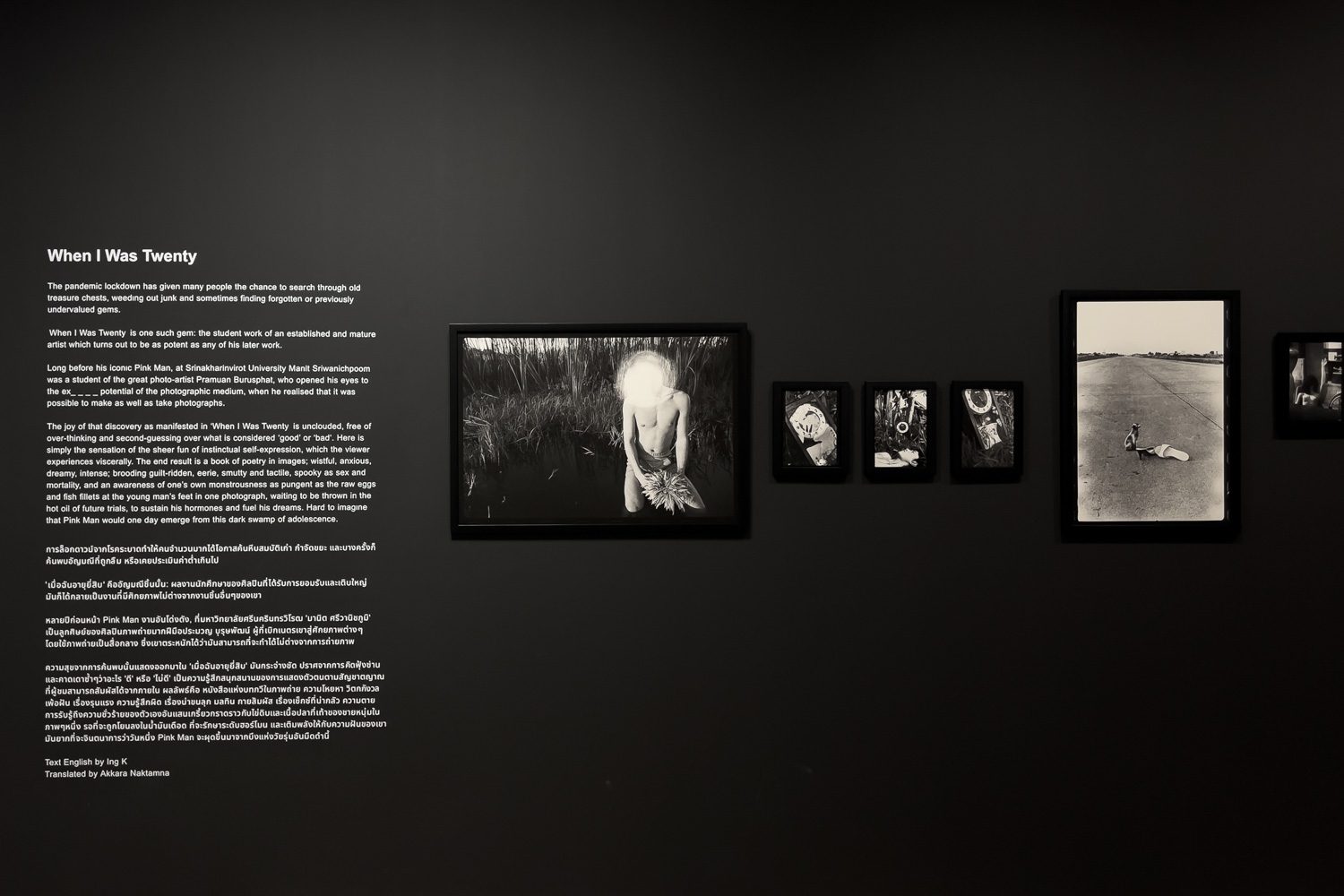
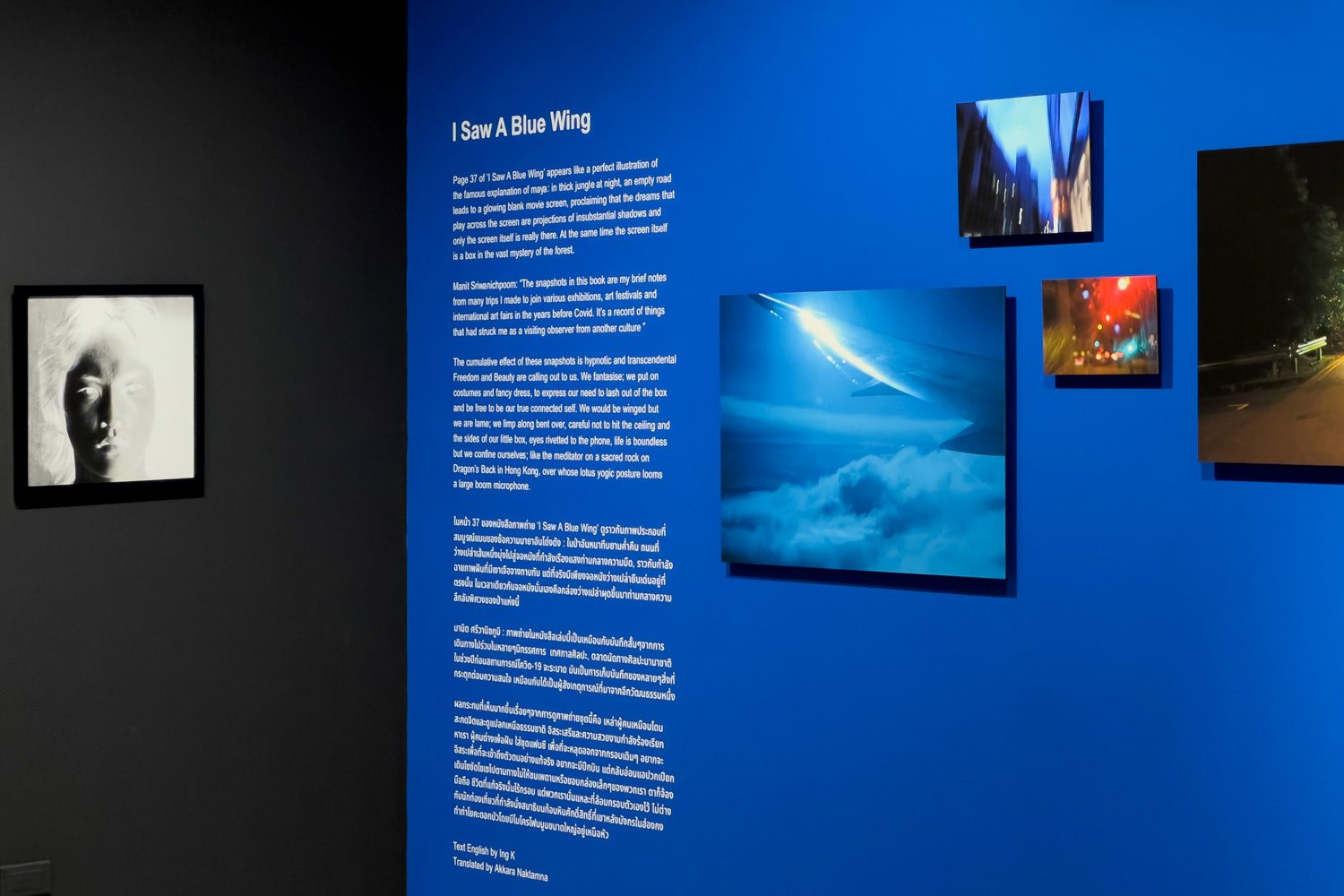
Pink Man’s story is curated as part of ‘Pink,’ one of the colors into which the exhibition is divided. The two remaining colors are ‘Black,’ which includes ‘When I Was Twenty,’ a series of black-and-white photographs Manit took when he was a student, and ‘Blue,’ which includes ‘I Saw A Blue Wing,’ a collection of Manit’s snapshots that tell the stories he experienced while participating in art exhibitions abroad. When it comes to the narrative, the two sections of the exhibition are less intense than ‘Pink,’ yet they allow viewers to learn more about Manit’s identity. His rebellious spirit (Black) was clearly visible in the works he created during his younger years, just like his slightly dark humor in the snapshots he took (Blue), and they can still be found in Manit’s artistic creation even today.
Nonetheless, the important roles that Black and Blue play alongside Pink do not end there. Manit’s decision to use more colors than just pink for this exhibition is most likely motivated by his desire to discuss the meanings associated with ‘colors,’ a phenomenon that Thai society has witnessed over the last several years, from how certain colors are used to express one’s loyalty to the monarchy or political standpoint, or to symbolize what constitutes the nation.
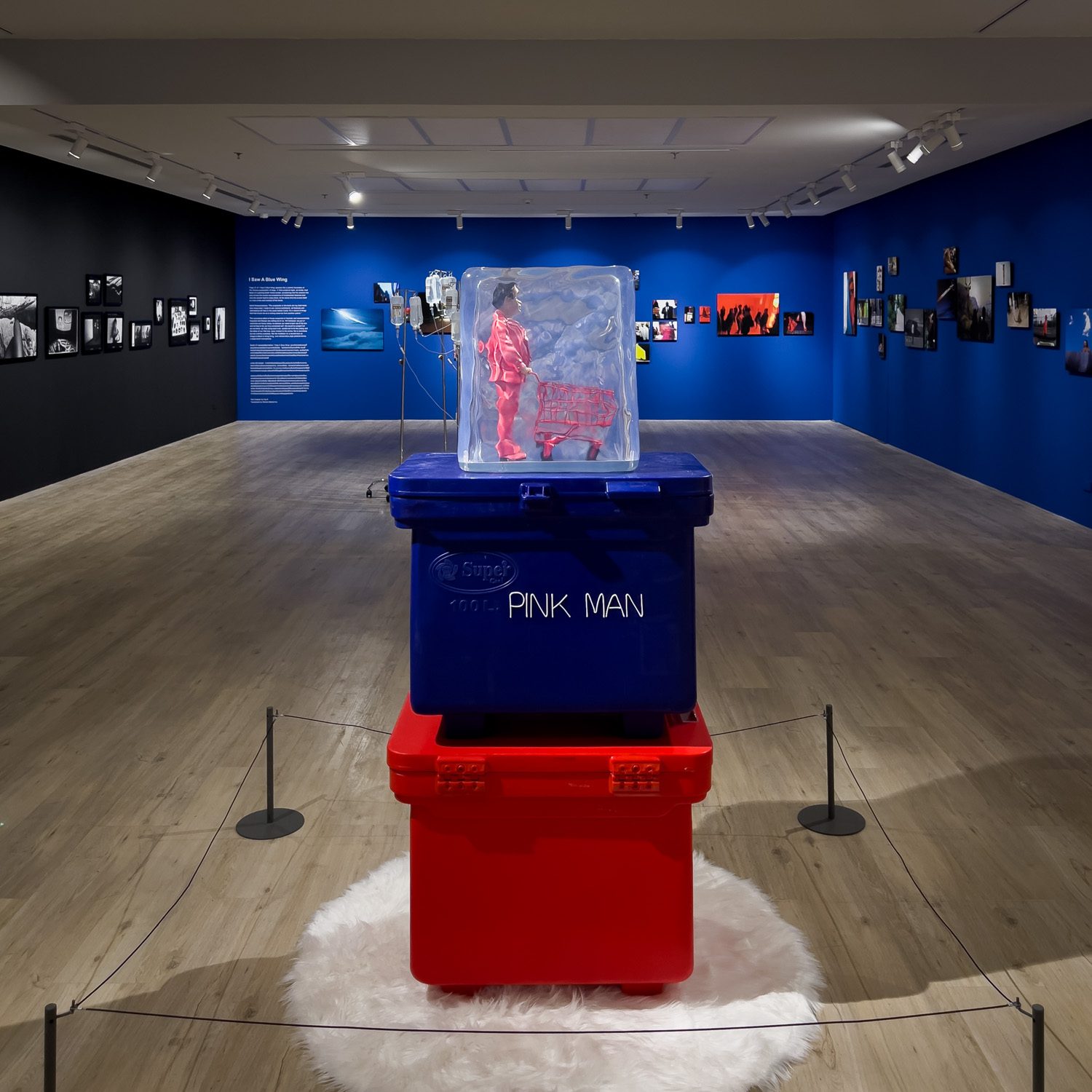
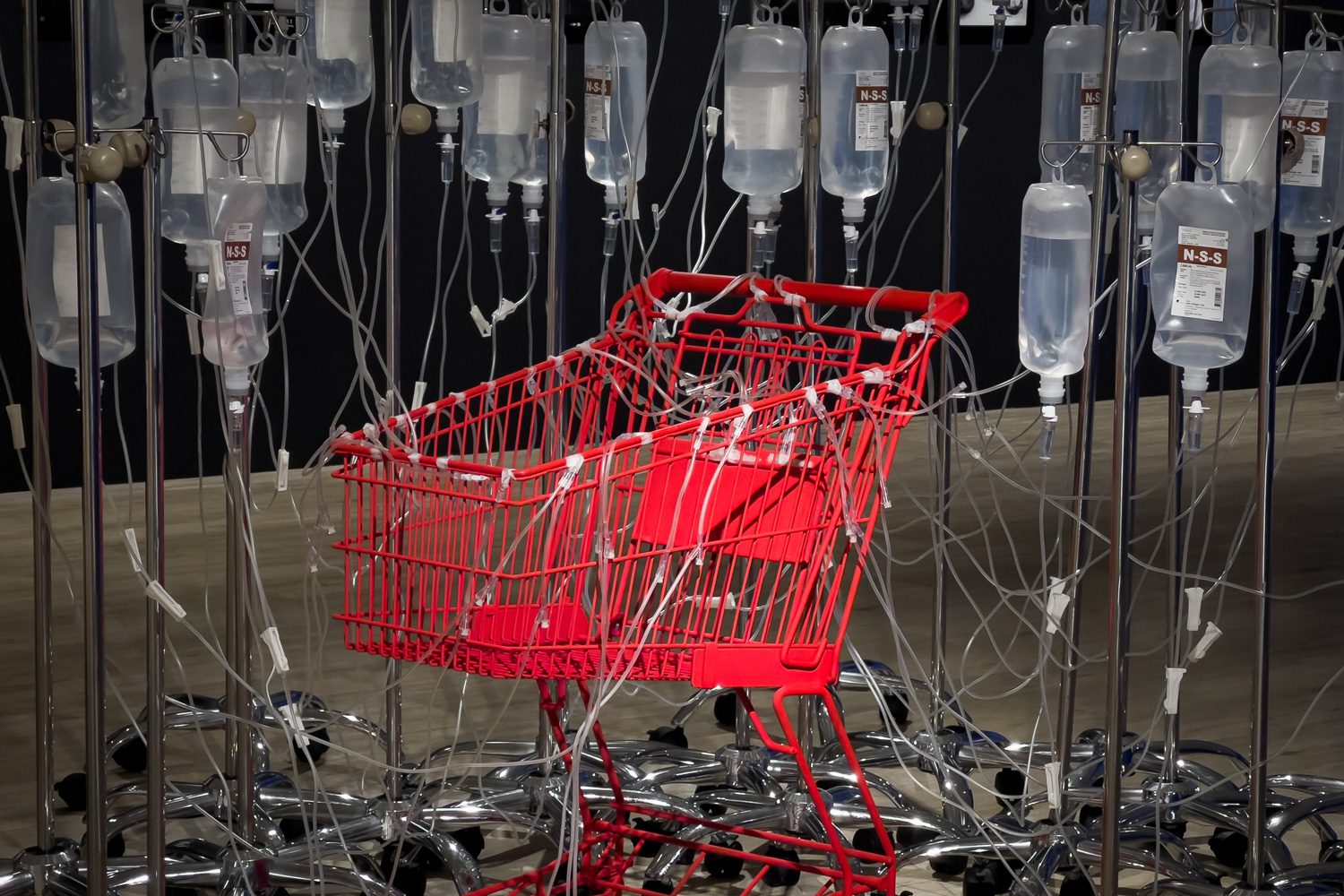
Regardless of the ideologies or intentions behind these meanings and how shallow they seem to be, the public has learned to accept these colors and what they represent. It is evident from the fact that many Red Shirt supporters refuse to wear a yellow shirt, and the same is true for Yellow Shirt supporters, who would never appear in public wearing a red shirt (Chinese New Year may be an exception). For Manit, putting meaning in colors has split Thai society into two polarizing ends, culminating in the country’s stagnated development, not to mention a consumerist economy. His perspective on the subject can be seen in ‘Afterlife So Pink #1,’ an installation in which he placed the Pink Man figure inside a resin block shaped like an ice cube. The piece is then placed atop two ice tanks that one is painted red and another is blue. Pink Man’s supermarket trolley is wired with IV tubes in another installation, ‘Stay Pink’ (2023), implying an attempt to keep consumerist behaviors alive. This is because while a polarized society is beneficial to the ruling class, once the effects reach the people’s consumption, capitalism becomes weaker, and that is when the upper-class and corporate entities begin to experience losses.
In Manit’s Pink Man series, Pink Man is a disgusting-looking man in a shiny, shocking pink suit. In the real world, Pink Man exists in all kinds of clothes. He could be someone wearing a suit of a different color. To figure out who the Pink Man is, we might have to look deeper, through all the color-coated surfaces.
Pink, Black & Blue: A Solo Photographic Exhibition by Manit Sriwanichpoom is now showing at Hub of Photography (HOP), 3rd floor, MUNx2, Season Square Srinakarin Shopping Mall until April 9th, 2023.
ATTRACTED BY A COLLECTION OF MESMERIZING ITEMS IN THAI TAXIS, DALE KONSTANZ DOCUMENTS THAI TAXI INTERIORS, RESEARCHES THE MYSTICAL OBJECTS HE CAME ACROSS, AND COMPILES THEM INTO THE BOOK WHICH MIRRORS THE QUINTESSENTIAL THAI CULTURE Read More
This website uses cookies to improve your experience. We'll assume you're ok with this, but you can opt-out if you wish. Cookie settingsACCEPT
Privacy & Cookies Policy
Privacy Overview
This website uses cookies to improve your experience while you navigate through the website. Out of these cookies, the cookies that are categorized as necessary are stored on your browser as they are essential for the working of basic functionalities of the website. We also use third-party cookies that help us analyze and understand how you use this website. These cookies will be stored in your browser only with your consent. You also have the option to opt-out of these cookies. But opting out of some of these cookies may have an effect on your browsing experience.
Necessary cookies are absolutely essential for the website to function properly. This category only includes cookies that ensures basic functionalities and security features of the website. These cookies do not store any personal information.
Any cookies that may not be particularly necessary for the website to function and is used specifically to collect user personal data via analytics, ads, other embedded contents are termed as non-necessary cookies. It is mandatory to procure user consent prior to running these cookies on your website.