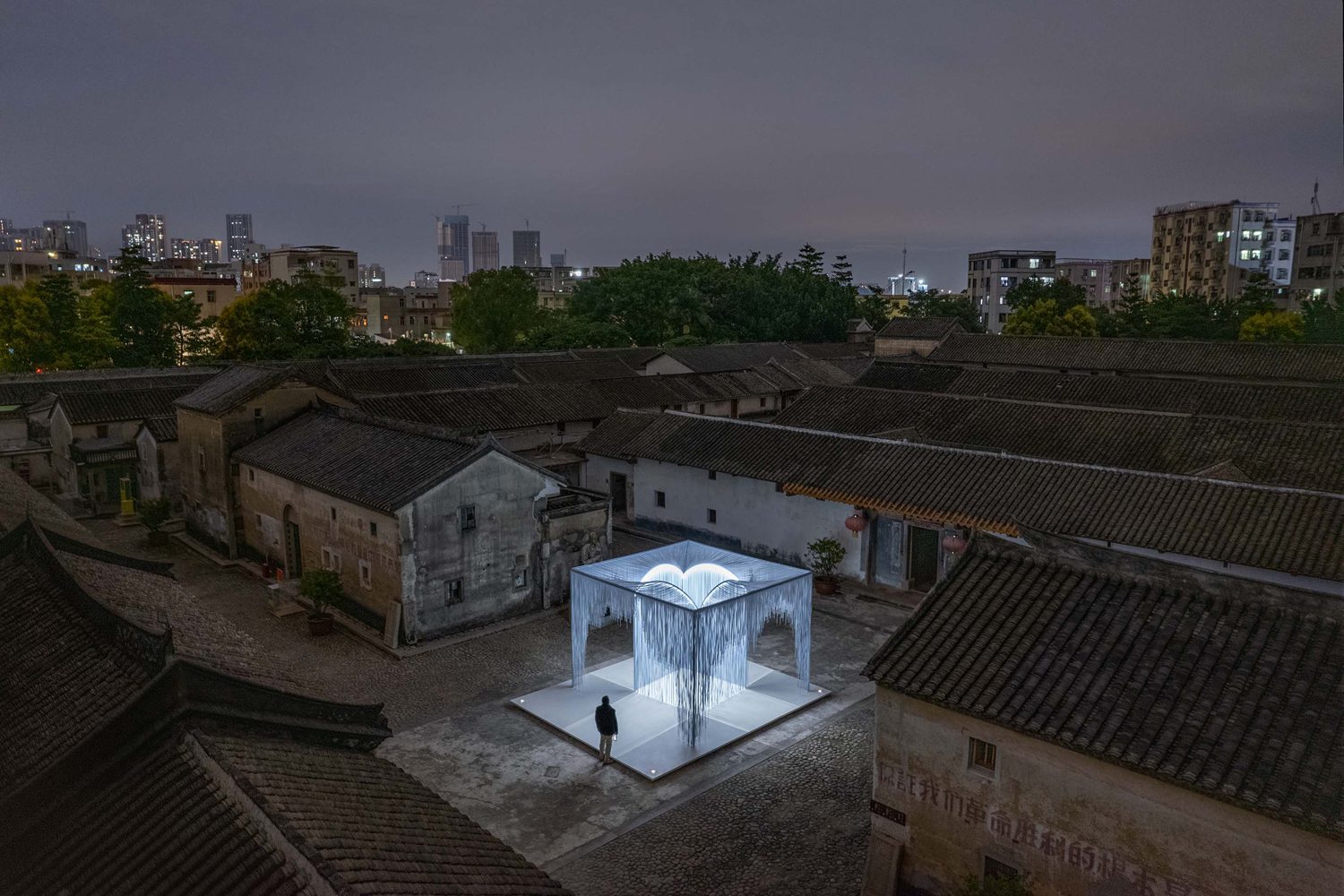
AMONG THE HISTORICAL SIGNIFICANCE VILLAGES FOR THE HAKKA IS A LIGHT-BLUE BOXY PAVILION BY HAS DESIGN AND RESEARCH THAT CONNECTS WITH THE HISTORY, COMMUNITY, AND CULTURES
Read More
Category: UPDATE
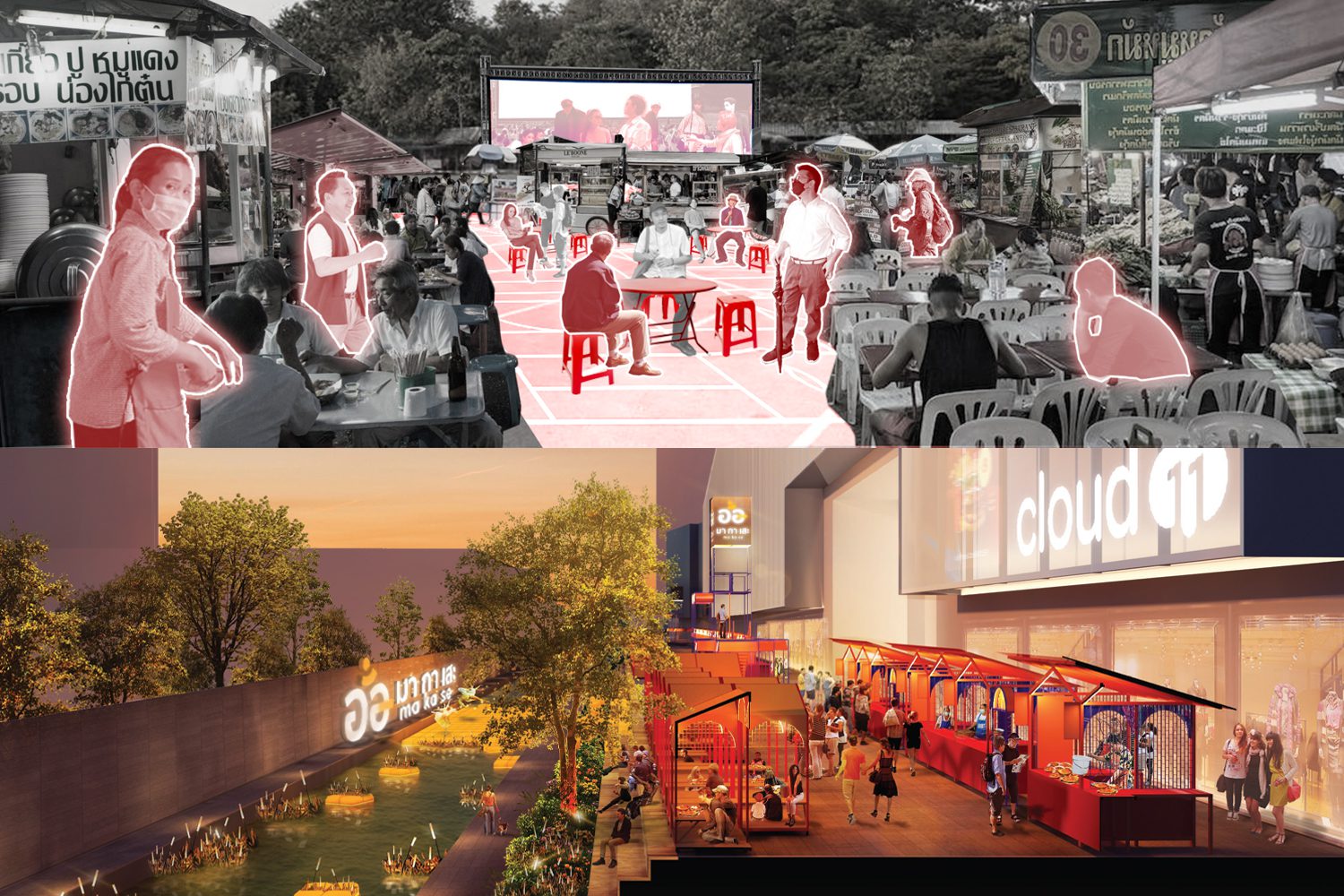
RE-IMAGINING THAI SOCIAL SPACE: CITY FESTIVAL AS DESIGN INTERVENTION BY MQDC
DELVE INTO THE IDEAS FROM TWO WINNERS OF RE-IMAGINING THAI SOCIAL SPACE: CITY FESTIVAL AS DESIGN INTERVENTION BY MQDC
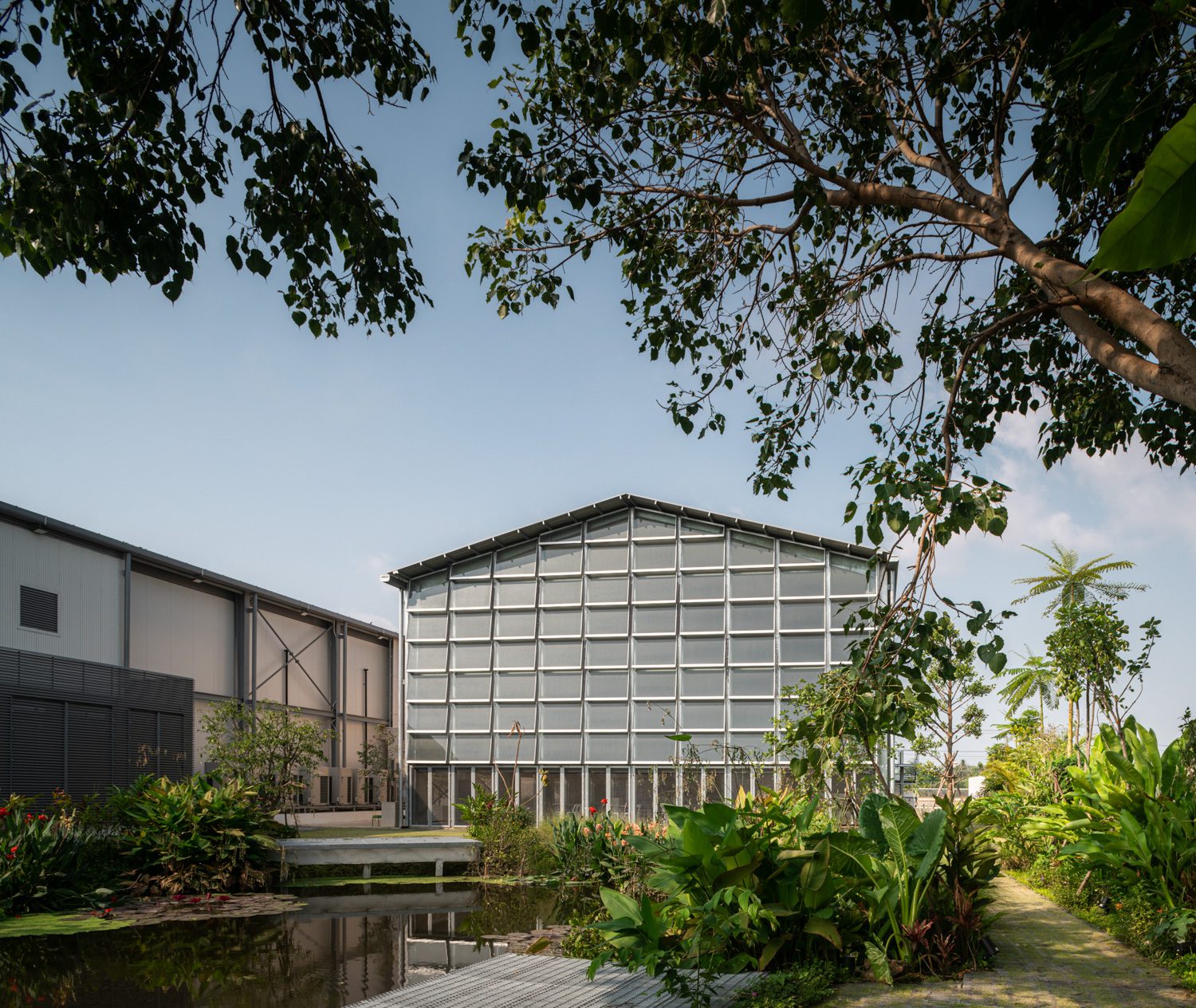
HEATHERWICK STUDIO: BUILDING SOULFULNESS
EXPLORE THE ‘SOULFULNESS AND HUMANNESS’ OF THE UK DESIGN STUDIO ‘HEATHERWICK STUDIO’ IN THEIR LATEST EXHIBITION AT MORI ART MUSEUM IN JAPAN
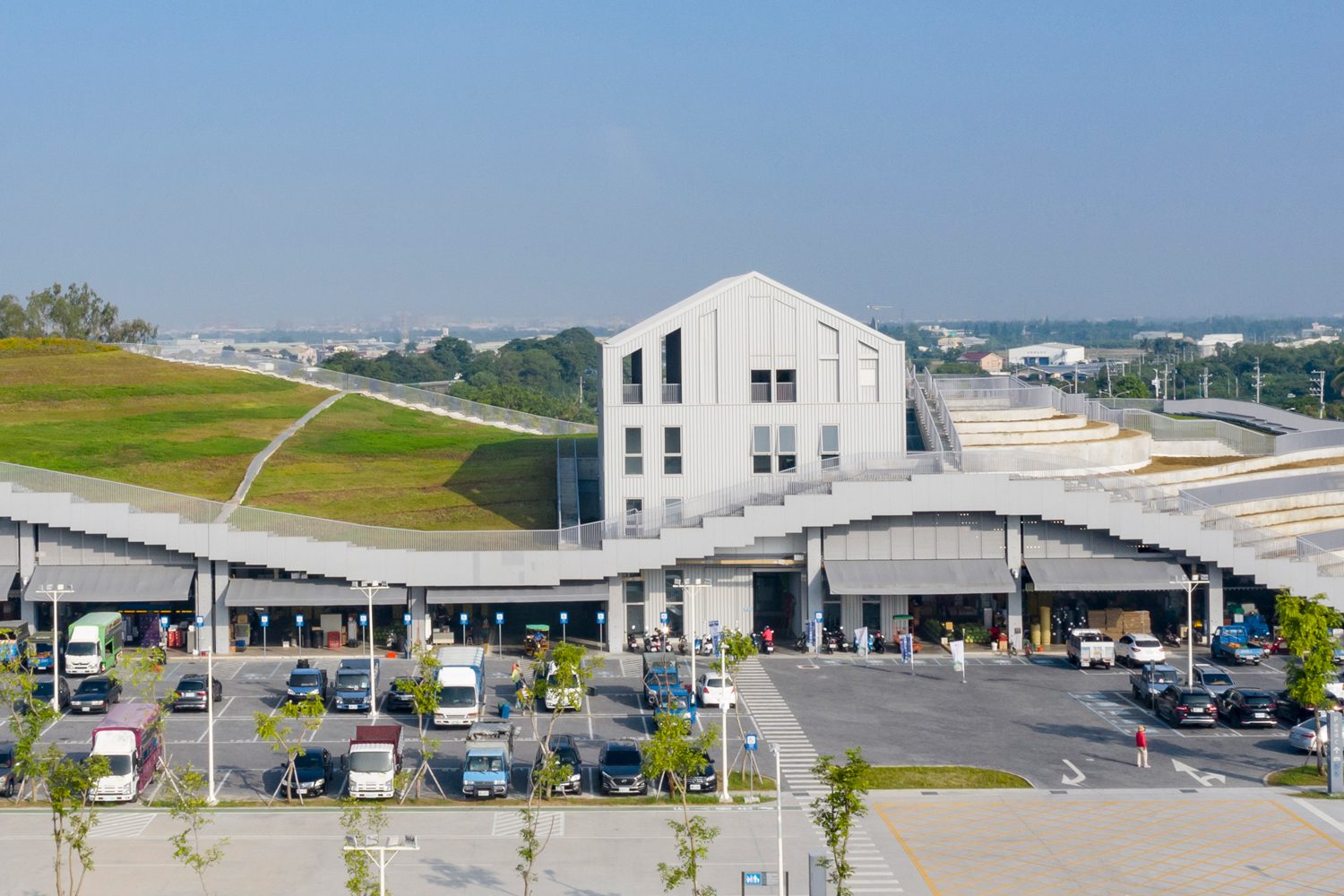
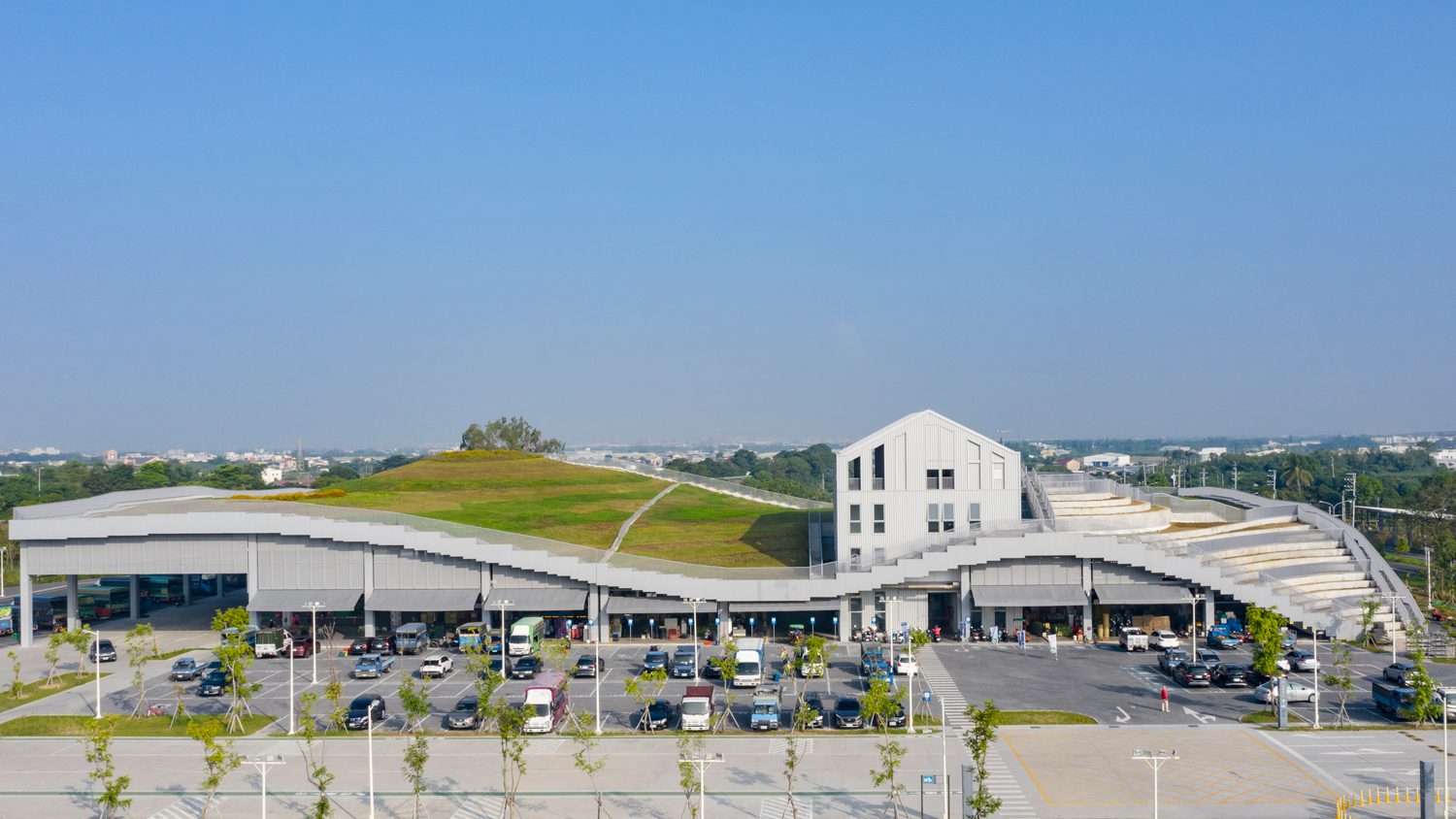
TAINAN MARKET

MVRDV, A DUTCH ARCHITECTURE STUDIO, AND LLJ ARCHITECTS, A TAIWAN-BASED ARCHITECTURE FIRM, TRANSFORM A WHOLESALE MARKET INTO A RECREATIONAL SPACE, A LEARNING CENTER, AND A CITY LANDMARK WITH AN UNDULATING ROOF STRUCTURE
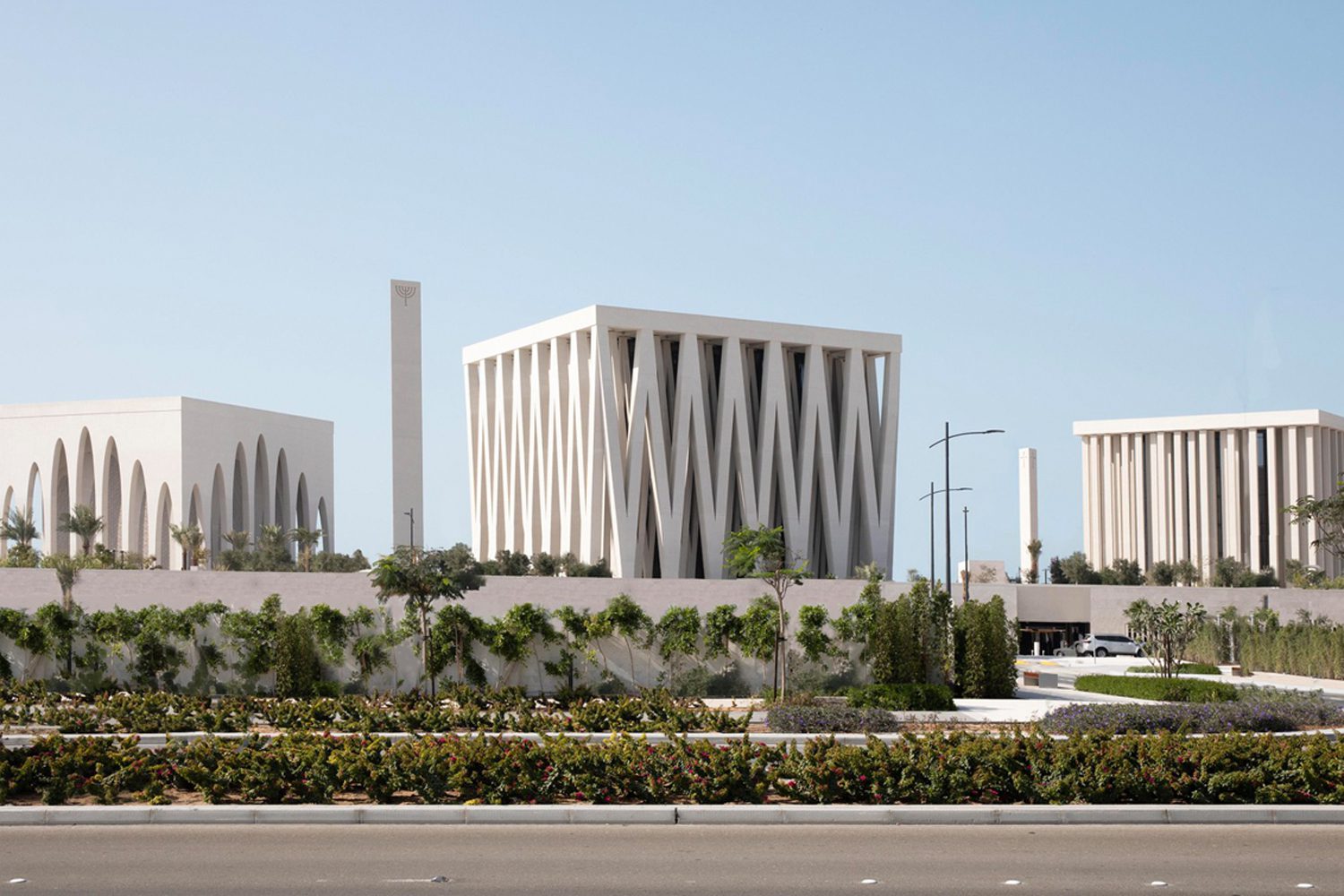
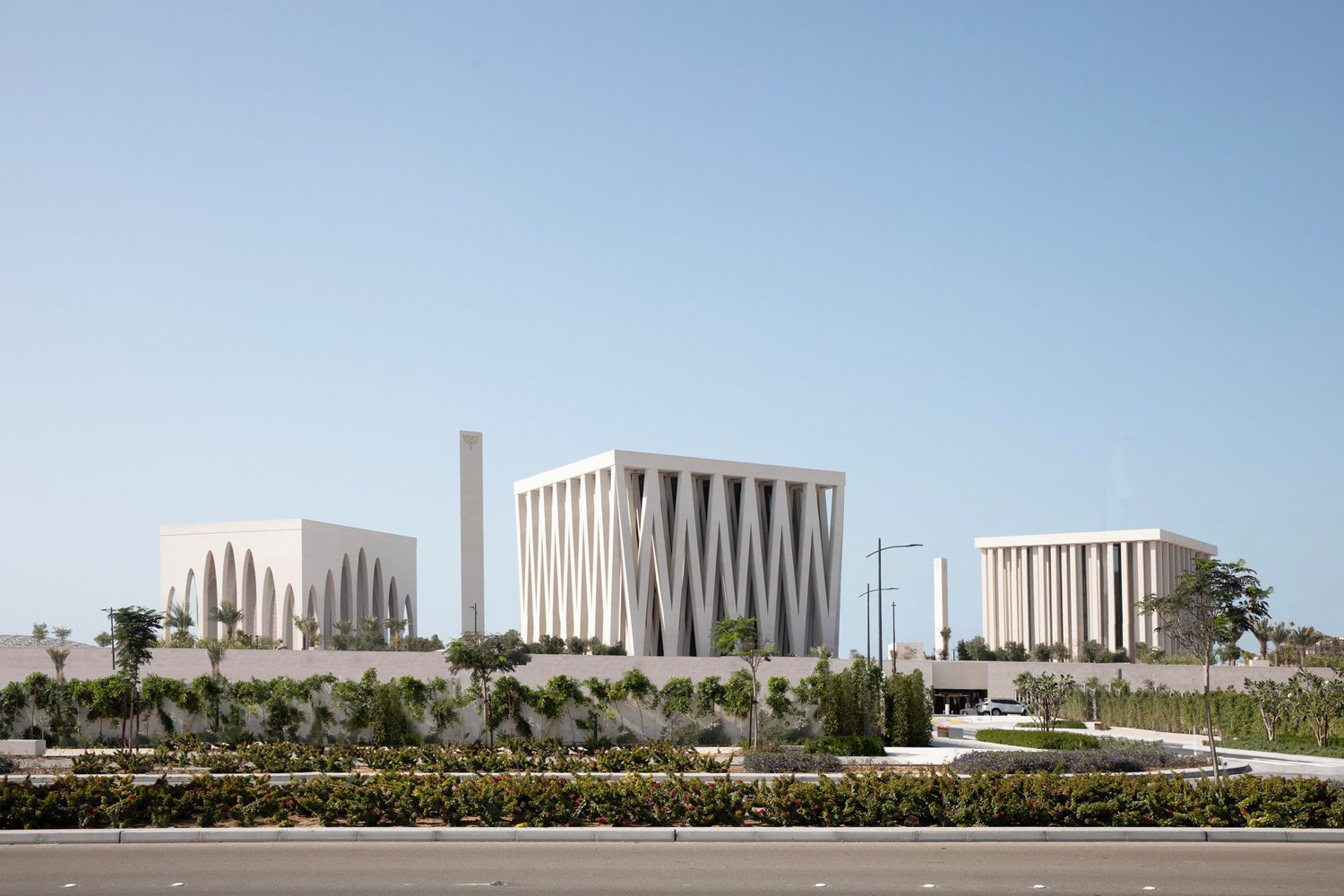
ABRAHAMIC FAMILY HOUSE

Photo courtesy of Adjaye Associates
AN INTERFAITH COMPLEX IN WHICH ADJAYE ASSOCIATES DESIGNED TO BIND A CHRISTIAN, MUSLIM, AND JEWISH WITHIN THE SAME PROXIMITY AND CELEBRATE THE DIVERSITY OF FAITHS
CPAC GREEN SOLUTION
EXPERIENCE THE NEW DIMENSION OF INTEGRATED CONSTRUCTION SERVICE, ALONG WITH THE CUTTING-EDGE AND ENVIRONMENTAL-FRIENDLY INNOVATIONS AT THE CPAC GREEN SOLUTION BOOTH
Read More
THE ROBOT’S CHALLENGE: THE OTHER’S (POST?)MODERN
CHOMCHON FUSINPAIBOON TAKES US TO EXPLORE ‘THE ROBOT BUILDING’ WHICH IS AN IMPORTANT MILESTONE FOR THE ’THIRD WORLD’ ARCHITECTURAL DESIGN TO CHALLENGE THE GLOBAL ARCHITECTURAL MOVEMENT BEFORE THE BUILDING IS TRANSFORMED
Read More
LONG GOY
THE NEW SEWING BUILDING OF LONG GOY, A CLOTHING BRAND FROM CHIANG MAI, DESIGNED BY SHER MAKER, CONVEYS A SENSE OF PLACE, WHICH IS THE SHARED ESSENCE OF BOTH BRAND AND THE ARCHITECT Read More
FIELD COLLAPSE
AFTER BECOMING FAMILIAR WITH WORKING IN ARCHITECTURE WELL, THE STUDIO ‘thingsmatter’ TAKES ON THE ROLE OF AN ARTIST, AND UTILIZES REBAR IN THEIR EXHIBITION TO COMMUNICATE ISSUES IN THE ARCHITECTURE AND CONSTRUCTION INDUSTRY
TEXT: NAPAT CHARITBUTRA
PHOTO: KETSIREE WONGWAN EXCEPT AS NOTED
(For Thai, press here)
Rebar, plywood, rubber, fasteners, and light are the elements which form a large installation currently occupying almost the entirety of 100 Tonson Foundation’s gallery. The piece exudes a different affect from what one might expect from a typical art exhibition. Savinee Buranasilapin and Tom Dannecker of thingsmatter spoke with art4d about their approach to materiality, and some of the other topics and ideas behind their work, Field Collapse.

“I’ve always felt that these fragments found on construction sites, like formwork, scaffolding, raw materials, and even the way that workers move through the project are incredibly beautiful and conceptual, in the sense that they can be considered both artifacts and happenings,” Savinee said about her view of the process of creating a work of architecture as a form of performance that occurs only temporarily before disappearing.
Tom responded, “In college, I was self-conscious that our design exercises weren’t going to be built. It felt like I was playing with dollhouses, compared to what my friends in other departments did. So I started putting most of my energy into the aesthetics of the process, rather than a make-believe finished product.”


The two biographical narratives share a common theme: a focus on the work-in-progress, the period when the designer’s engagement is at its highest intensity, compared to the completed work. This interest has evolved over time, culminating in the work at 100 Tonson Foundation.
thingsmatter’s commitment to process-as-product results in the improbable use of five tons of rebar to support only itself. “In conventional construction, materials like this would need to be economically optimized. Here, we have the luxury of using them in a very inefficient way, to evoke a feeling. We want visitors to slow down, and move mindfully through the slightly disorienting spaces we’ve created.”
The structure begins immediately at the gallery’s entrance. Narrow passages through the rebar give the feeling of walking through a forest. Visitors are led up into a skylight—the exhibition’s only light source—before descending toward the empty space at the back of the gallery. This space hosts a series of workshops and talks over the show’s six-month duration, but most of the time, it simply allows enough viewing distance to read the installation as an object, rather than an interior. From this vantage point, visitors can watch others moving through the forest of rebar. “We want to engage the movements of people moving through the structure as an element of the installation,” thingsmatter explained.


Why rebar? It’s a material that typically does its work from behind the curtain (because it’s meant to be covered by concrete). This time around, the rebar takes the lead in communicating about issues in the architecture and construction industry, including issues of economic and cultural hierarchy, both real and perceived.
“Within a design collaborative, who has the more important job, the one who chooses shapes, or the one who draws construction details? The one who calculates costs, or the one who talks to clients? Then there’s a big group of people doing different aspects of the actual building work. In order to happen, any project needs all of these roles”, Tom explained.
The stakeholders all rely on one another, and each component has its own set of roles and responsibilities that are critical to the conception, existence, and overall operation of architecture. thingsmatter hopes that by displaying the work in progress as a finished installation, viewers will contemplate issues of authorship.


art4d and thingsmatter also discussed the issue of creating a work in a new context.
Field Collapse is not thingsmatter’s first installation. The duo has consistently created ambiguous works that can be interpreted as a wide range of things (sculpture, for example) other than architecture. Ligature, a bamboo and steel construction from 2018, is one such project. Currently located at Jim Thompson Farm in Nakhon Ratchasima province, it was previously displayed in front of the Bangkok Art Culture Center, and initially built as a stage pavilion for ASA Expo 2018. One can see the skeleton of Field Collapse in Caged Flower, another work exhibited for ASA Expo, which experimented with the unusual structural and atmospheric qualities of rebar. But Field Collapse stands out among thingsmatter’s works, in that it was created for a bona fide art institution: 100 Tonson Foundation.

Caged Flower, 2017 | Photo courtesy of thingsmatter
“We’ve always created works with elements of ambiguity. Our image in the architectural community is quite artsy, but once we set foot inside the gallery space, we’re considered outsiders,” Savinee explains. thingsmatter developed the project for 100 Tonson Foundation in response to an open call for art projects last year.
“As much as we’ve enjoyed the ambiguity of our position, we’re happy to have our work validated as art,” Savinee said, referring to the authority that art institutions have in establishing cultural value. The installation is partly a response to the connotations of the art gallery context. The challenges of executing the project weren’t just the typical architectural and logistical issues of dealing with the space, but finding a way to address the cultural connotations of the “white cube.”
Another aspect of the exhibition that distinguishes it from previous works by thingsmatter is the way it directs viewers’ interactions with the working drawings.


“We were thinking about how to use the small room next to the main gallery, to display secondary artifacts related to the main work,” Savinee recalled. “If we spread 100 pages of construction drawings on the table, viewers would read them as banal instructions” Tom added. “We wanted to transform them into something that captures the feeling of the design and construction process, rather than details” Layering many pages of working drawings into palimpsests, enlarged and mounted on the wall, is a method of capturing architectural process as art. A structural analysis diagram is likewise elevated by being printed and framed as fine art, with other versions printed onto scarfs, sold as gift-shop merchandise.


Field Collapse can be interpreted as a work of either architecture or art. The viewer’s authority to perceive and classify the status of this particular creation may be superior to that of art institutions. Field Collapse is an unusual art exhibition, particularly in how it works with the volume of the gallery space and the way it closely interacts with viewers more than most art pieces would allow; in its unapologetic display of material truth, and the diversity of the activities that have occurred over the past several months. Field Collapse is a clear example of a rather novel scenario in which two architects are given full control of a gallery space.
Field Collapse by thingsmatter is now showing at the 100 Tonson Foundation until May 28, 2023. Thu-Fri 10am-6pm and Sat-Sun 11am-7pm

instagram.com/thingsmatterbkk
thingsmatter.com
facebook.com/100TonsonFoundation
ANUBAN SAMUTSAKHON SCHOOL
CONTEXT STUDIO OFFERS A NEW IMAGE OF PUBLIC SCHOOLS BY TRANSFORMING THE SPACE TO BE SUITABLE FOR LEARNING EXPERIENCES FOR BOTH STUDENTS AND TEACHERS THROUGH THE ‘OCEAN’ DESIGN CONCEPT
TEXT: PICHAPOHN SINGNIMITTRAKUL
PHOTO: DOF SKY|GROUND
(For Thai, press here)
It is not often that we see a public school invest in architectural design and decoration with the intention that these built environments will help improve the children’s learning ability and playing experiences, not to mention doing it at the level of a good private school. But the Samutsakorn Public School, also known as Anuban Samutsakhon School, shows how important it is to put money toward improving the school’s architecture and functional spaces. The improvement has stunned many parents and passersby, even having them wonder if this is actually a space inside a Thai public school.

Badintra Balankura of Context Studio, the project’s architect, talked about a conversation he had with the school’s director: “When the school’s director called us, I was surprised. Because, to me and many others, it is unusual to see a public school invest money towards its architecture. I personally have never seen anything like this. After having a serious conversation with the director, I discovered that the province’s governor was partially responsible for this renovation because he wanted to see the public schools in the province have top-notch learning environments that would enhance both the children’s experience and the province’s image and reputation. The director also agreed with the idea of designing functional spaces that would serve as a tool to help prepare the children for life outside of school. The design is also intended to instill a sense of pride in the students and alumni.”

The school’s location, which is only 200 meters from the mouth of the Tha Chin River.

The final few sentences about creating a space that would help prepare the children for the real world became the essence of the design concept, which compares the experience to a ship’s embarkation into the ocean. The concept also corresponds with the province’s prominent fishery industry and the school’s location, which is only 200 meters from the mouth of the Tha Chin River, situated almost directly on the gulf. The river and water thus plays an important role in the design. The renovation includes the multipurpose classroom, the hall beneath the elevated floor of the building, and the faculty office.


“The multifunctional classroom, or what the teachers refer to as the ‘presentation room,’ which has been carefully scheduled for the children from different classes to take turns using, depending on the subjects they’re learning, has to be the highlight of this project. We designed the surfaces of the walls and ceiling to have acoustic properties with functions that are more suitable for presentations with projectors and activities that require verbal communication and interactions. When we associated the design to the concept of water, the ceiling ended up looking like waves; quite intimidating-looking waves (laugh), though, because we wanted them to be able to absorb noise effectively,” explained Badintra about the design concept of the first section of the spatial program.


It wasn’t easy to design and build the ceiling to resemble intimidating-looking waves while still delivering the intended functions. The recurring spans between the waves required the design team to use Rhino software to work out the form of the ceiling. Sixteen variations were created, each with waves of varying lengths and enough repetitive spans to help reduce echoes. The CNC machine was used to create molds from the sixteen digital files. The molds were then used to cast the fiber glass tissue modules, which were then assembled into the undulating ceiling.


The multifunctional classroom’s floor and walls are made of a light-colored wood substitute to create a warm and welcoming atmosphere for the students. The wood finish reveals groove details, adding a fun dynamic to the room, which would otherwise be just a rectangular classroom with a plain surface. The grooves also contribute to the sound-absorbing property of the room, one of its primary functional requirements.
The faculty’s office, which also includes the director’s office and a meeting room, is designed to use the same material and color tone as the presentation room, with wood as the main material. The design of the building, which mimics the bottom of a large ship, incorporates elements of water and rivers. A highly skilled group of local ship builders constructed the ceiling, and the process itself was a cooperative effort that brought the province’s officials, the school, and the neighborhood together and strengthened community ties. The hall under the raised floor of the building is the area where the children play and engage in various activities. The ceiling is meant to look like the hollow cockpit of a ship. The curved and hollow features of the columns reduce the rigidity of other elements while lowering the risk of injury to the children as they run around the area. The renovated floor is constructed out of terrazzo that is partially made of glass scraps and gravels, allowing the children to see an example of an environmentally conscious effort through design.

“We’ve renovated a number of areas, and the school is planning to continue renovating other zones as well. The end result will undoubtedly distinguish the school from other public schools in Thailand. I admire everyone involved for recognizing the significance of spaces in children’s learning experiences, in addition to the curriculum. It would be amazing if other public schools could spare their budget to improve their spaces and facilities in the same way that Anuban Samutsakhon School has.”

The ideas, concepts, and points of view that Badintra shared with us about the project, as well as how they differentiate Anuban Samutsakhon School from other public schools in such a positive and impressive way, made us realize how building a good school or influencing children to become accomplished people involves so many factors that go beyond issues such as budget and curriculum. These things involve adults’ visions and their willingness and ability to look at what today’s children want to learn. It is the responsibility of grownups, particularly teachers, to closely observe the children’s needs and interests. While architecture is not the only solution that contributes to a child’s good upbringing, its ability to create an environment that is conducive to children’s learning experiences and allows them to exercise and express their imagination will undoubtedly help motivate and foster their creativity, positive awareness, and interest in ways that are unquestionably superior to being forced to sit in a boxy classroom all day.