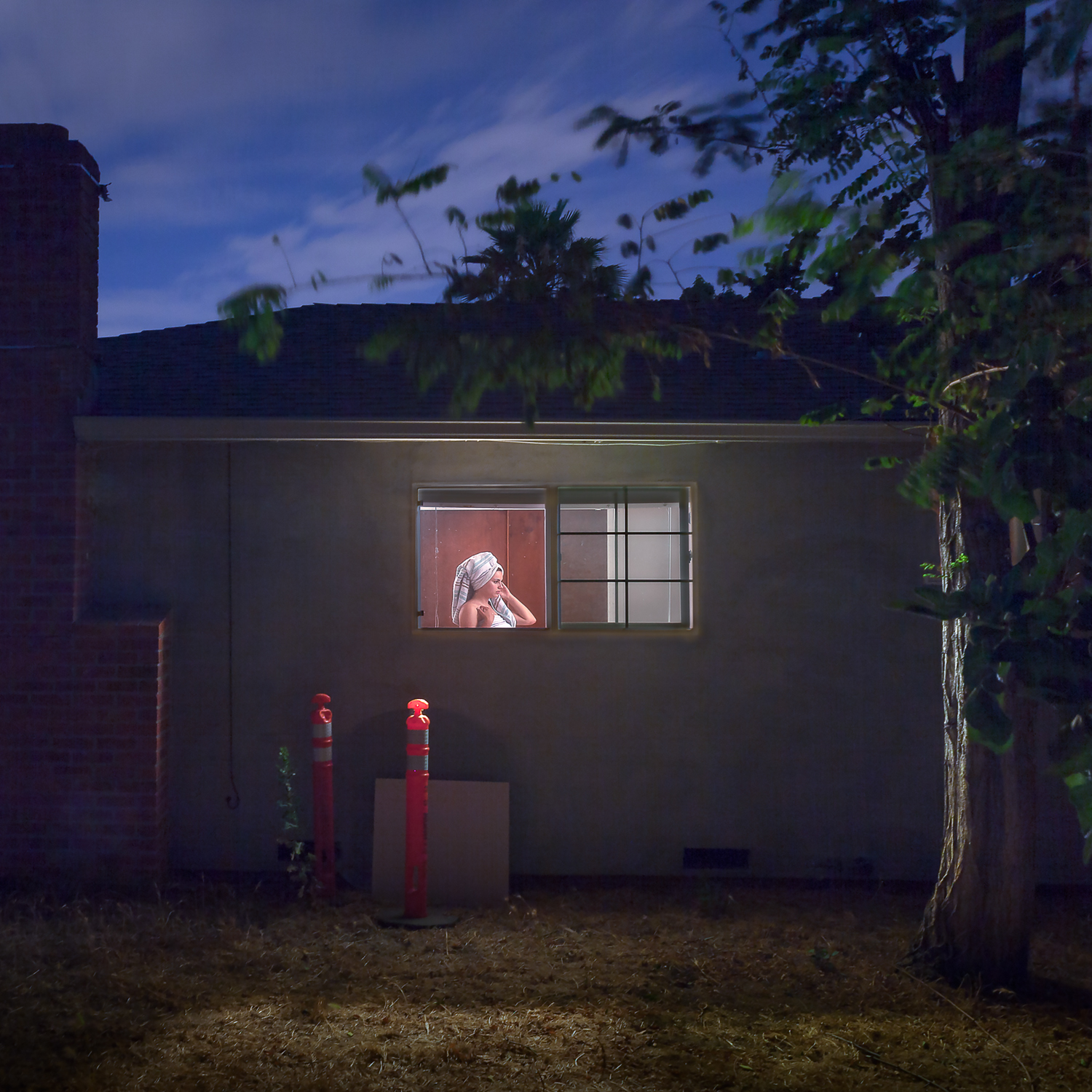
Category: PHOTO ESSAY

PHOTO ESSAY : THE NEW POTENTIAL


TEXT & PHOTO: REBECCA VICKERS

(For English, please scroll down)

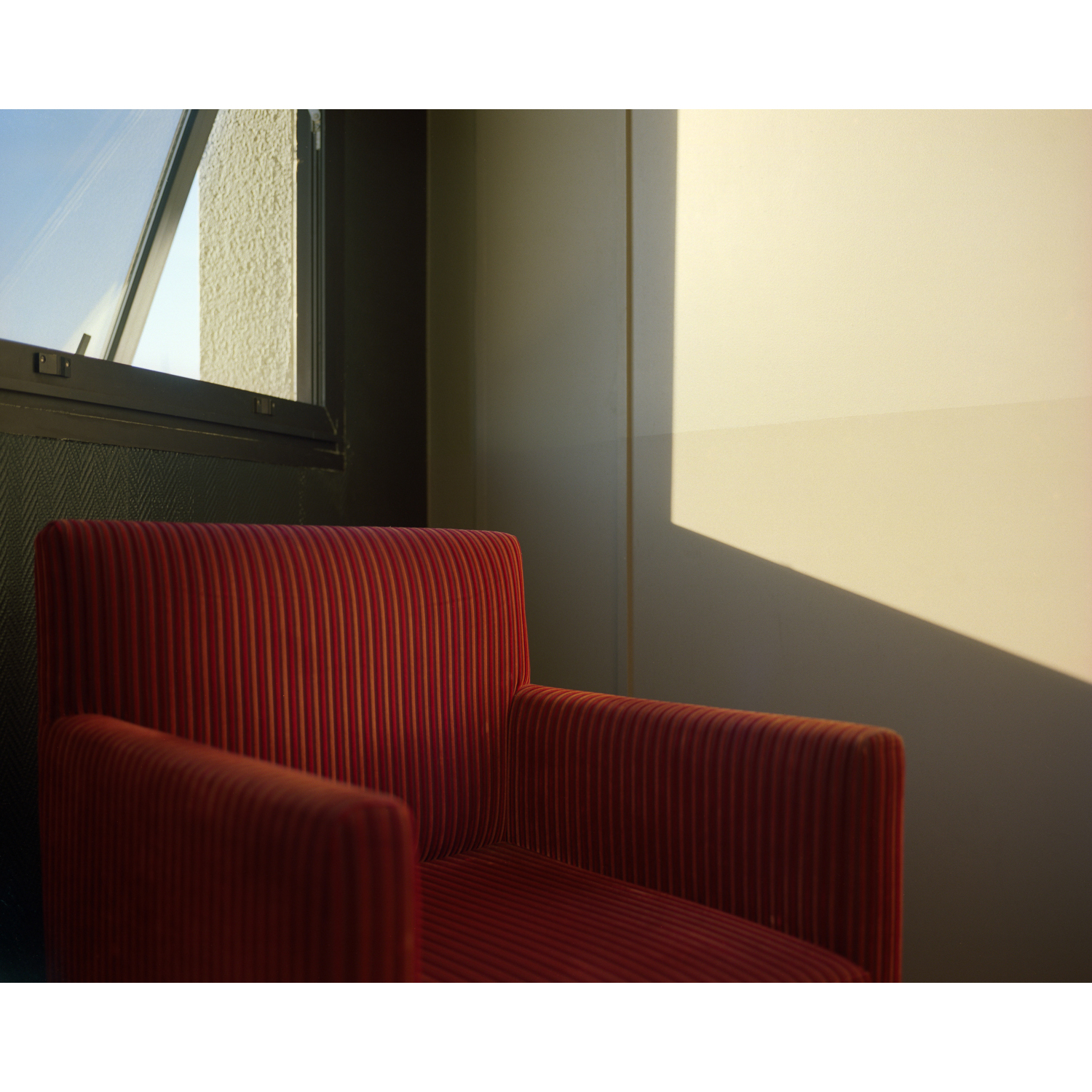
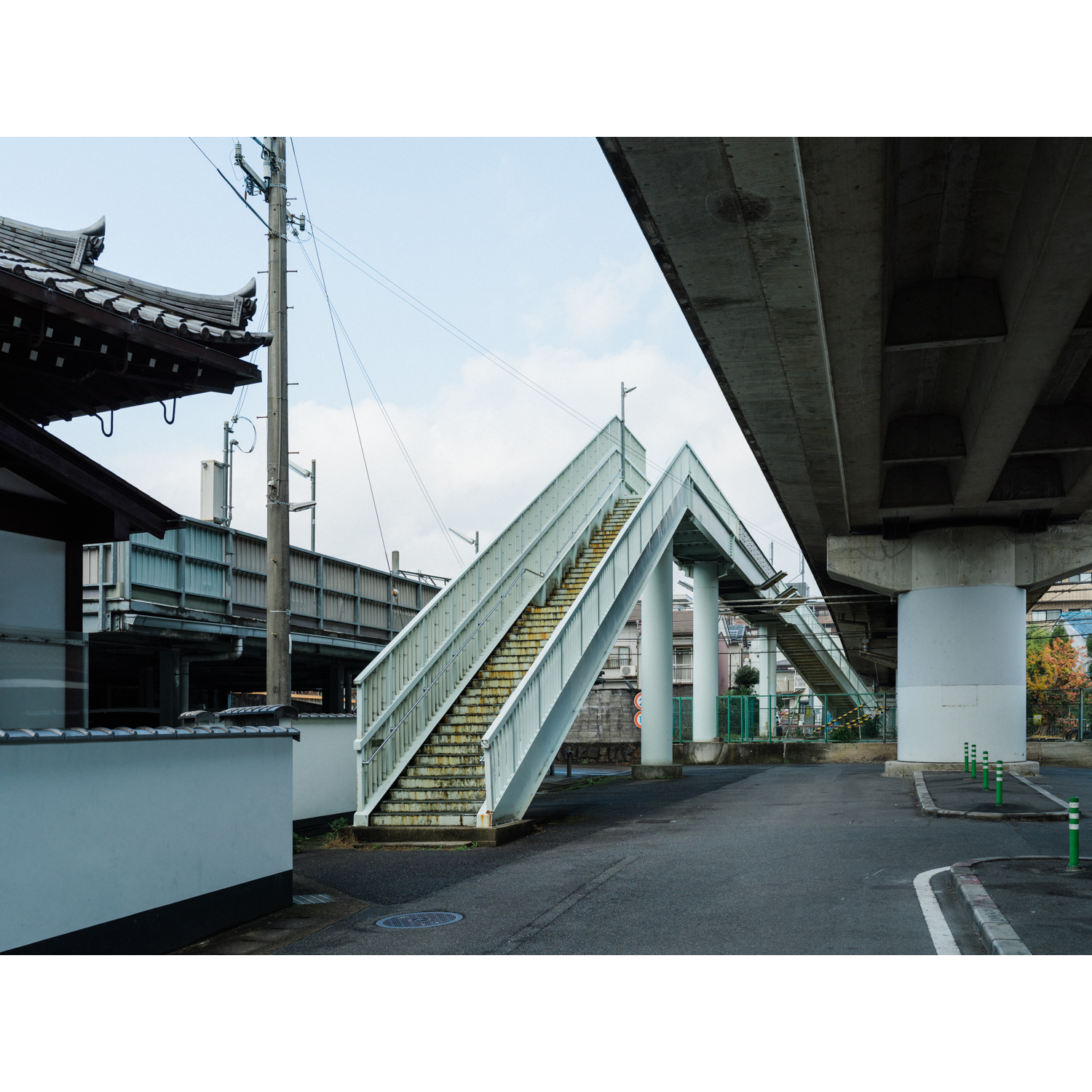
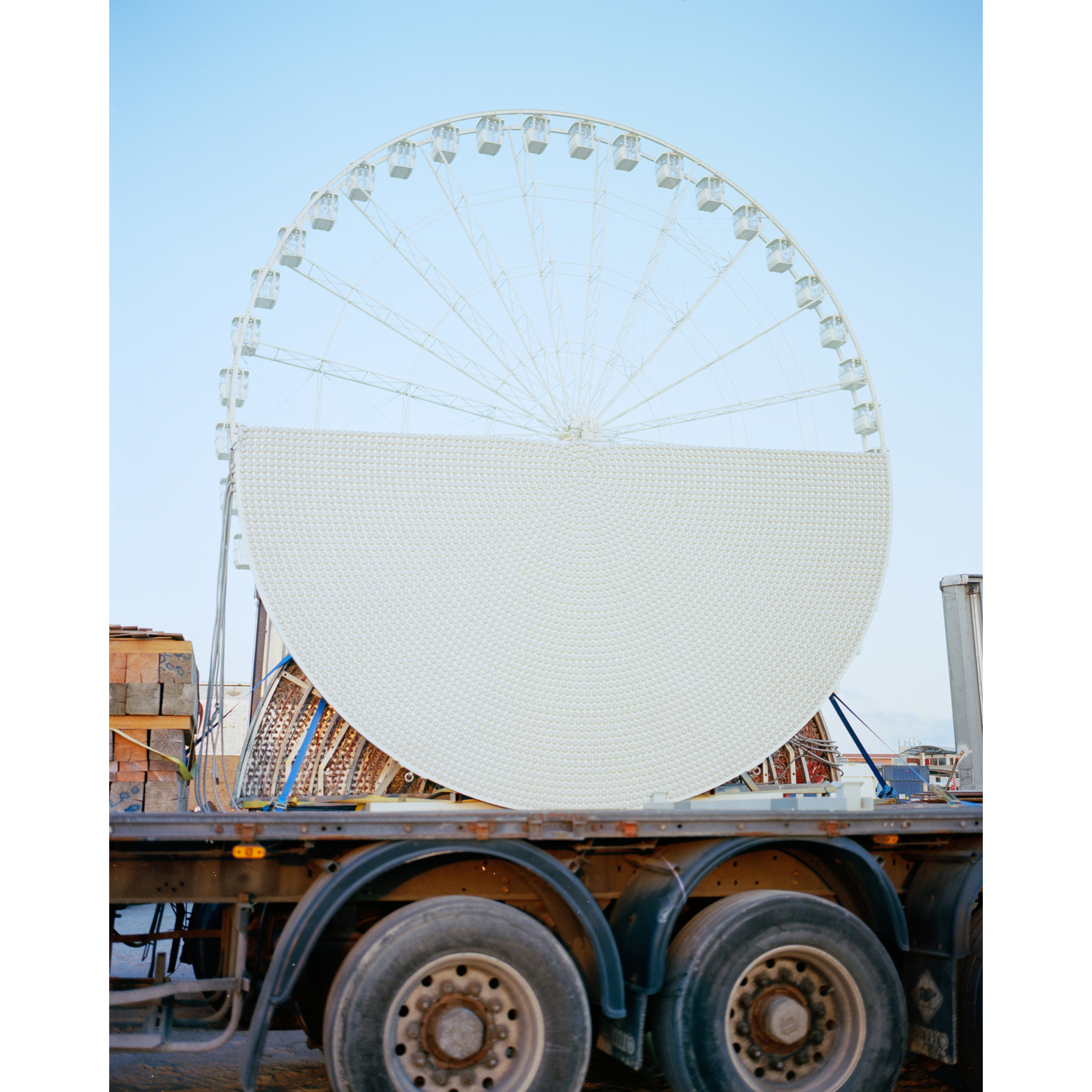
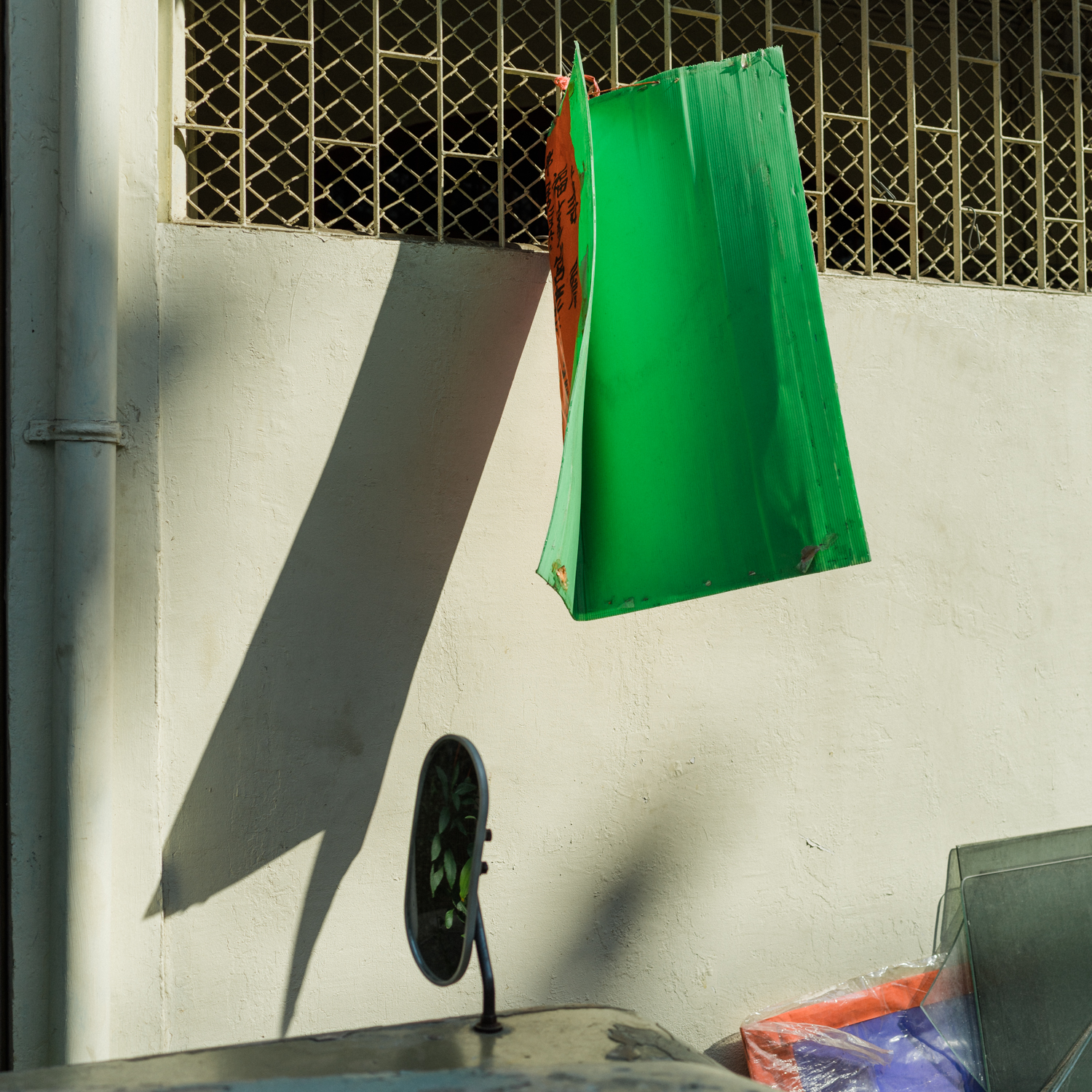
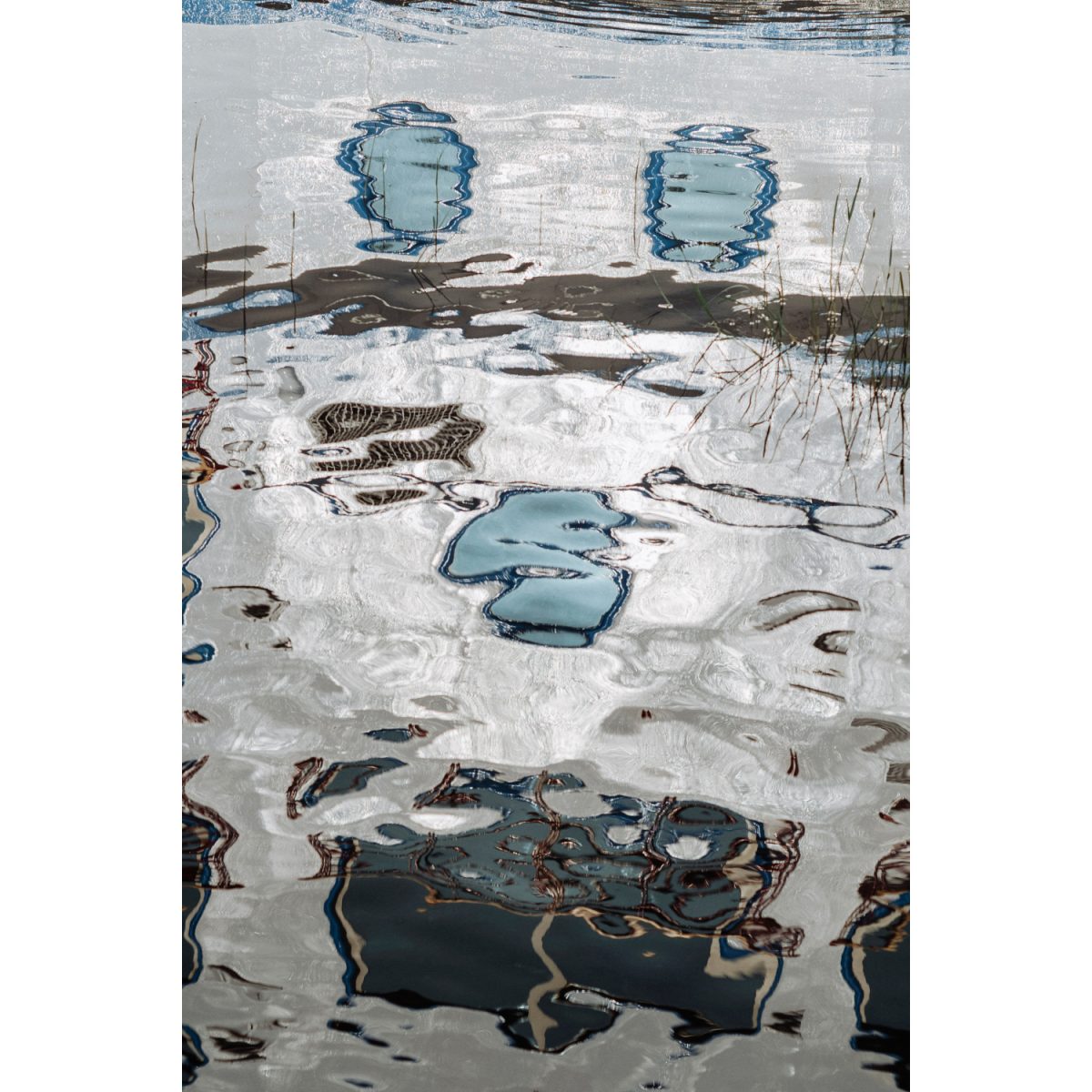
The New Potential ชุดภาพถ่ายบิลบอร์ดระหว่างการพักคอยโฆษณาแผ่นใหม่ ภาพเก่าที่เหลื่อมซ้อนทับกันบนผิวป้ายเชื้อเชิญให้เราพิจารณาร่องรอยของสิ่งที่เคยเกิดขึ้น เพราะในความไม่ปรากฏของภาพ มีบางอย่างที่ปรากฏขึ้นมาแทนที่นั่นคือโอกาสที่เราจะได้มองบิลบอร์ดในฐานะอื่นมากกว่าการเป็นแค่ป้ายโฆษณา

เราจะเห็นบิลบอร์ดเหล่านี้ได้ตามปลายขอบฟ้า บนระนาบนั้นมี เส้น สี และคราบเปื้อนที่แต่งเติมเข้ามาโดยบังเอิญซึ่งทำให้บิลบอร์ดกลุ่มนี้ต่างไปจากป้ายโฆษณาทั่วไป ทุกวันนี้เราใช้ชีวิตอยู่ในยุคที่แทบจะเป็นไปไม่ได้ที่จะหลบสายตาจากป้ายโฆษณาที่ปรากฏทุกหนทุกแห่ง The New Potential อาจมีนัยเชิงต่อต้าน เพราะมันกำลังเสนอภาพที่ไม่ใช่ภาพ ไม่เกี่ยวข้องกับบางสิ่ง ทว่าเป็นความเป็นไปได้บางอย่างที่มากเกินกว่าสิ่งที่รู้ นั่นคือประสบการณ์

การพบเจอสิ่งใหม่ๆ คือสัญญาณของการมีชีวิต

________

Rebecca Vickers (เกิดในปี 1981 ที่แมดิสัน รัฐวิสคอนซิน สหรัฐอเมริกา) ศิลปินวิช่วลอาร์ตที่ทำงานอยู่ในกรุงเทพฯ จบการศึกษาระดับปรัญญาตรีวิทยาศาสตร์ศิลปกรรมศาสตร์ เกียรตินิยม จากมหาวิทยาลัยวิสคอนซิน-แมดิสัน ในปี 2007 และปริญญาโทศิลปกรรมศาสตร์ สาขาวิช่วลอาร์ต จากคณะจิตรกรรม ประติมากรรม และภาพพิมพ์ มหาวิทยาลัยศิลปากร ในปี 2014 นอกจากนี้ เธอยังเป็นผู้ร่วมก่อตั้งโปรเจ็คต์ศิลปะ LIV_ID collective อาจารย์สอนวิชาวิช่วลอาร์ต ที่โรงเรียนสาธิตนานาชาติ มหาวิทยาลัยมหิดล และมือกีต้าร์ วงอินดี้-ป็อป VIPED

The New Potential presents images of billboards captured between advertisements, when remnants of previous adverts are exhibited upon their facades. Overlapping and layering in configurations that welcome what was to float back into focus, the compositions reveal rather than conceal the potential for new relevance and meaning to be communicated.

Prominently displayed across our horizons and built by color, line and happenstance, the only characteristic of their disposition that differs from that of typical billboard advertisements is the nature of their imagery. Our visual culture is one of excess, crowded with infinite content of material plenitude. The New Potential, in contrast and perhaps protest, proposes images that are not of or about something, but are something. What they offer is therefore the potential to have, rather than know of, an experience.  

A means of encounter – signs of life.

________

Rebecca Vickers (B. 1981, Madison, WI, USA) is a visual artist based in Bangkok, Thailand. She received her Bachelor of Science in Fine Art and graduated with academic honors from the University of Wisconsin-Madison in 2007, and an MFA in Visual Arts from the Faculty of Painting, Sculpture and Graphic Arts, Silpakorn University in 2014.She is a co-founder of LIV_ID collective, teaches visual art at Mahidol University International Demonstration School and plays guitar in the indie-pop band VIPED.

rebeccavickers.com

PHOTO ESSAY : THE BIG SCULPTURE, MINI ARCHITECTURE

TEXT & PHOTO: PARIWAT ANANTACHINA

(For English, please scroll down)

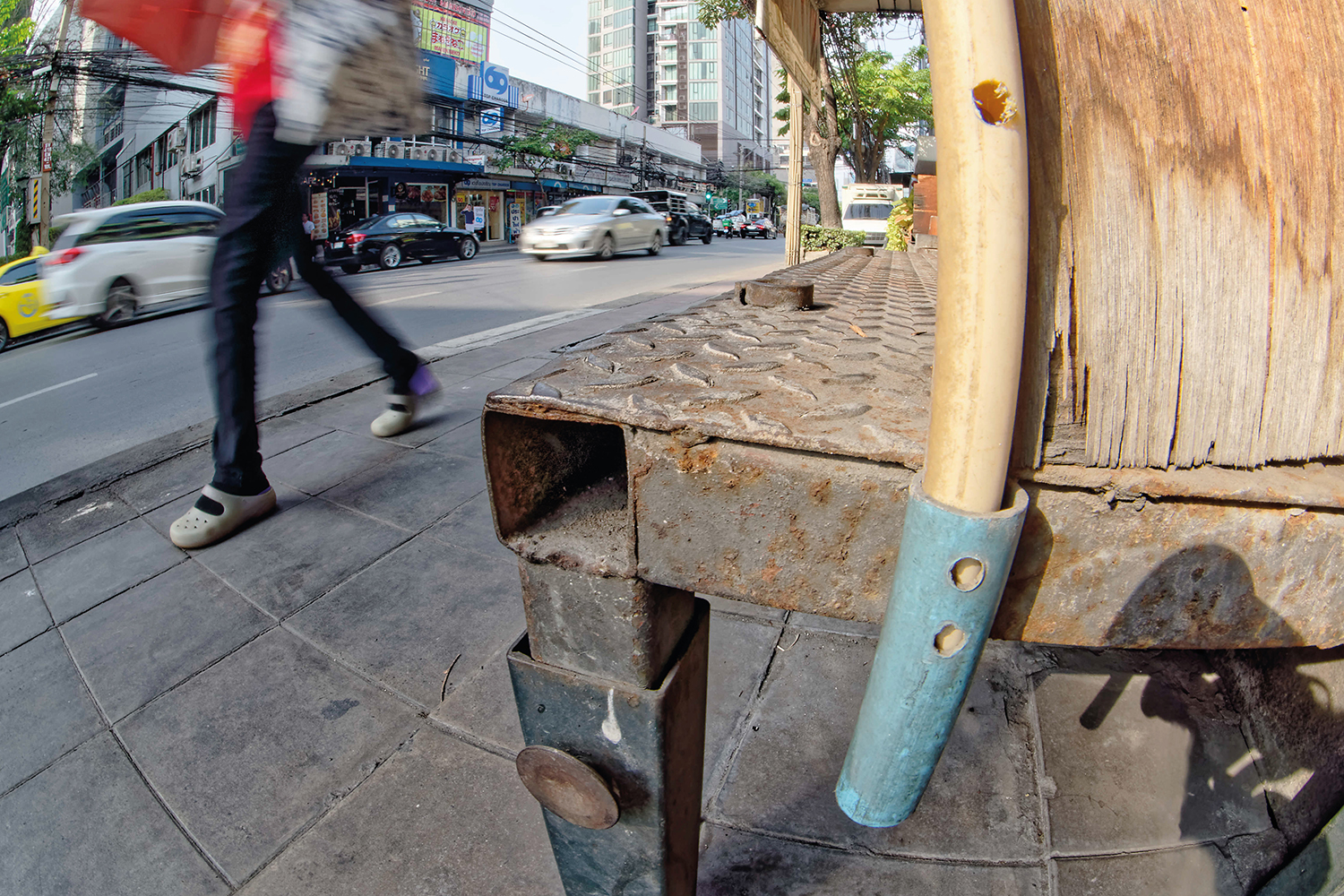
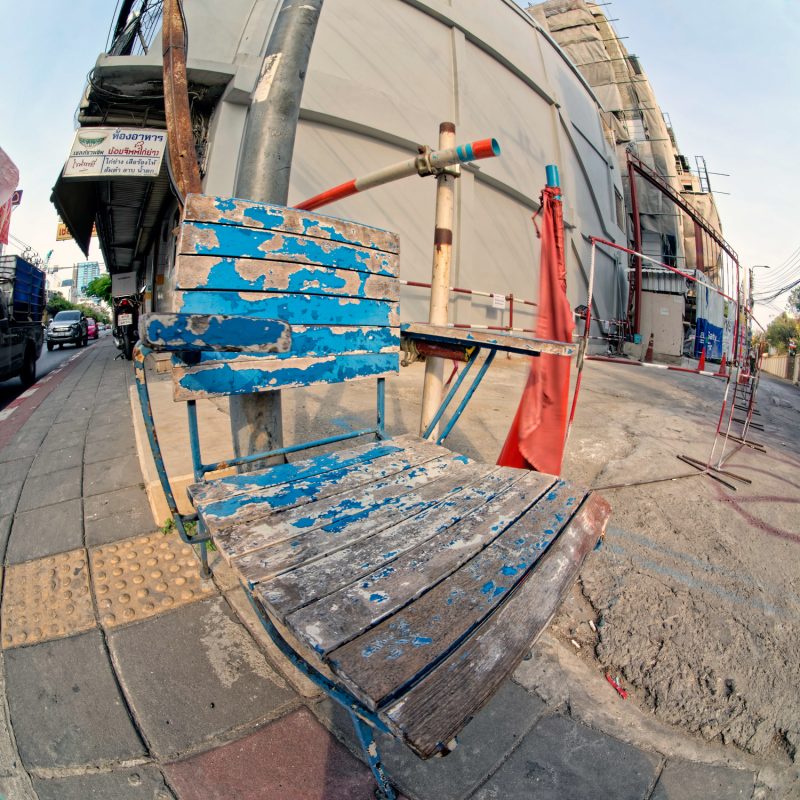
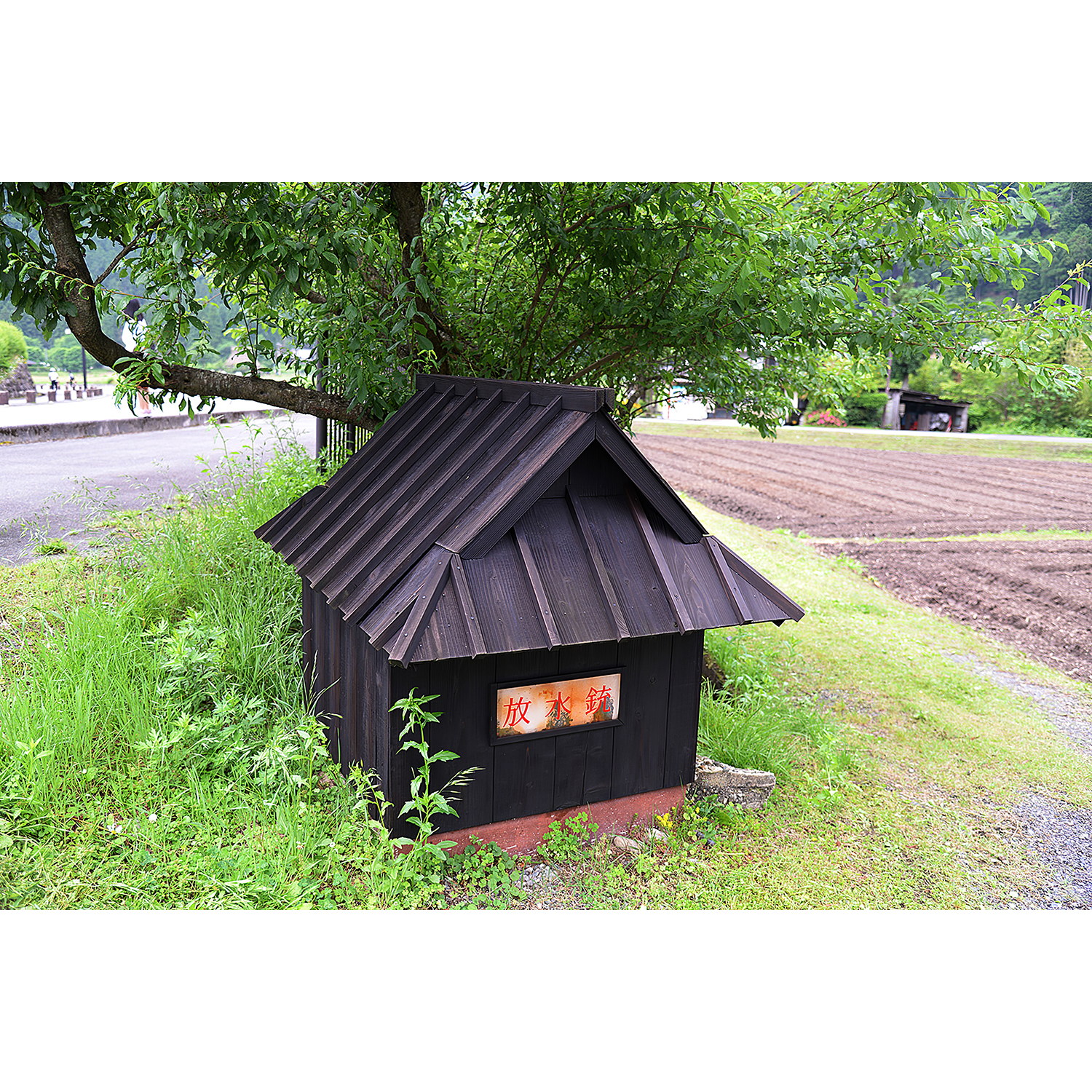
“ป้อมยาม” ที่เห็น มันเป็นได้ทั้งสถาปัตยกรรมขนาดย่อม หรือประติมากรรมขนาดใหญ่ บ้างก็มีสถาปนิกออกแบบมันขึ้นมาอย่างดีเพื่อให้สอดคล้องกับพื้นที่และตัวอาคาร บ้างก็เป็น “ป้อมยาม” แบบสำเร็จรูปผลิตจากโรงงาน บ้างก็ถูกคิดและสร้างขึ้นโดยผู้รับเหมาก่อสร้าง ช่างไม้ ช่างเหล็ก หรือผู้ชำนาญการทำชิ้นงานเพื่อรองรับการใช้งานแบบชั่วคราว และก็มีอยู่บ้างเหมือนกันที่ถูกสร้างขึ้นมาแบบตามมีตามเกิด อาศัยไม้หรือเหล็กเหลือใช้จากตึกอาคารมาประดิษฐ์เป็นโครงสร้างและใช้เศษวัสดุเหลือทิ้งมาประยุกต์ตกแต่งให้ชวนทึ่งปนรอยยิ้ม

จริงอยู่ แม้บาง “ป้อมยาม” ถูกคิดและสร้างมาอย่างดี แต่กระนั้นก็ใช่ว่ามันจะตอบสนองได้ดี ลงตัวในทุกที่ และถูกใจทุกคน เพราะอย่างนี้เอง เราจึงได้เห็นมัณฑนากรในเครื่องแบบรปภ.แสดงความสามารถในการออกแบบตกแต่ง “สเปซ” ของตัวเองทั้งภายนอกและภายใน ด้วยข้าวของเครื่องใช้ในชีวิตประจำวัน อย่างกระบองยาม พัดลม เก้าอี้ ปฏิทิน กระติกน้ำ กาต้มน้ำ หม้อหุงข้าว กระดานหมากรุก ฯลฯ จึงไม่แปลกอะไรเลยที่บางครั้งเราอาจเห็นบาง “ป้อมยาม” ดูราวกับประติมากรรมเรียกรอยยิ้มขนาดใหญ่ ที่ปั้นมาจากข้าวของสามัญโดยคนธรรมดา

สเปซเล็กๆ นี้จึงมิเพียงทำขึ้นมาเพื่อการใช้งานทั้งยามปฏิบัติงาน ยามพักผ่อน ยามกิน และยามนอน แต่มันยังสะท้อนถึงเอกลักษณ์แบบไทยๆ ของคนธรรมดาตามถนนหนทางไม่มากก็น้อยอีกด้วยเช่นกัน

_____________

ปริวัฒน์ อนันตชินะ กราฟิกดีไซเนอร์ และศิลปินอิสระ ที่ยังคงฝังใจกับอาชีพสถาปนิก อาชีพในฝันที่เขาไม่อาจทำมันได้สำเร็จสมัยเป็นนักศึกษา

ปัจจุบันเป็น Design Director ให้กับ THE UNI_FORM สตูดิโอออกแบบที่เขาร่วมก่อตั้งกับ วุฒิภัทร สมจิตต์ คู่ขนานไปกับการทำงานศิลปะในแบบฉบับของตัวเองด้วยความแช่มช้าอย่างต่อเนื่อง มีแสดงงานในต่างประเทศบ้างประปราย

A guardhouse can either be viewed as small-scale architecture or as a large-scale art installation. Sometimes guardhouses are meticulously designed to physically and visually correspond with the spaces and the main buildings they are part of. It’s also very common to see factory-made or prefabricated structures, as well as those built by contractors, carpenters, steelworkers, or anyone who possesses the skill and experience to construct a simple structure. There are plenty of guardhouses that have been thoughtlessly set up using scrap wood and steel, resulting in those funny looking structures that seem out of place and unexpectedly amazing all at the same time.

While some guardhouses show evidence of thoughtful design and attentive construction, not all of them are able to satisfy everyones needs. Perhaps that’s why, under those security uniforms, we see the instinct of an interior decorator expressed in the ways that the space has been brought to life. Everyday objects can be found, from batons to fans, chair, calendars, ice coolers, kettles, rice cookers, and chess boards, etc. It isn’t surprising for a guardhouse to appear like a large-scale art installation, bringing a smile to one’s face thanks to the miscellaneousness of the everyday objects that it’s made up of.

This small space isn’t just somewhere one works, rests, eats, and sleeps; it reflects Thai identity and ordinary peoples way of life, doing their jobs and living their lives.

_____________

Graphic designer and independent artist, Pariwat Anantachina had dreamt of becoming an architect since he was a student, but hadn’t been able to pursue his dream.

He’s currently the Design Director of THE UNI_FORM, the design studio he co-founded with Wutthipat Somjit, while at the same time he slowly and steadily works on his art and overseas exhibitions.

pariwatstudio.com

PHOTO ESSAY : EQUILIBRIUM


TEXT & PHOTO: WEERAPON SINGNOI

(Scroll down for English)

ภาพชุด “Equilibrium” เกิดจากการติดตามเฝ้าดูต้นไม้ต้นหนึ่งที่ยืนต้นจมน้ำที่เขื่อนศรีนครินทร์ เป็นเวลา 7 ปี 

กาลเวลาได้ทำรั้งเอากิ่งก้านที่เคยมีแตกหักเสียหาย แต่สิ่งที่เปลี่ยนแปลงในใจของช่างภาพกลับเป็นความสงบมากขึ้นเมื่อได้เผชิญหน้าต้นไม้ต้นเดิมอีกครั้ง ธรรมชาติกำลังบอกเราถึงความอจีรัง

ช่างภาพสถาปัตยกรรม เบียร์วีระพล สิงห์น้อย ผู้สำรวจตึกเก่ายุคโมเดิร์นในเพจ foto_momo พยายามหมั่นสังเกตต้นไม้ใหญ่ที่มีรูปทรงประหลาด หรือสภาพแวดล้อมที่ผิดธรรมดา และบันทึกภาพที่ว่างใต้ต้นไม้นั้นไว้

The birth of  “Equilibrium” photo essay came from the photographer’s 7-year-long observation of a tree standing in the flooded land of Srinakarin dam.

The passing of time gradually deteriorates the tree’s once leafy stems. But what changes in the mind of the photographer after another encounter with the tree is a greater sense of tranquility. 

Nature is telling us about the ephemeral existence of things.

Architectural photographer, Weerapon Singnoi of facebook page  foto_momo and  the explorer of old Modernist buildings tirelessly searches and observes large timbers with bizarre figures and unusual surroundings, and recorded are the empty spaces underneath those trees.

beersingnoi.com

PHOTO ESSAY : OBSCURE


TEXT & PHOTO: PITI AMRARANGA

(For English please scroll down.)

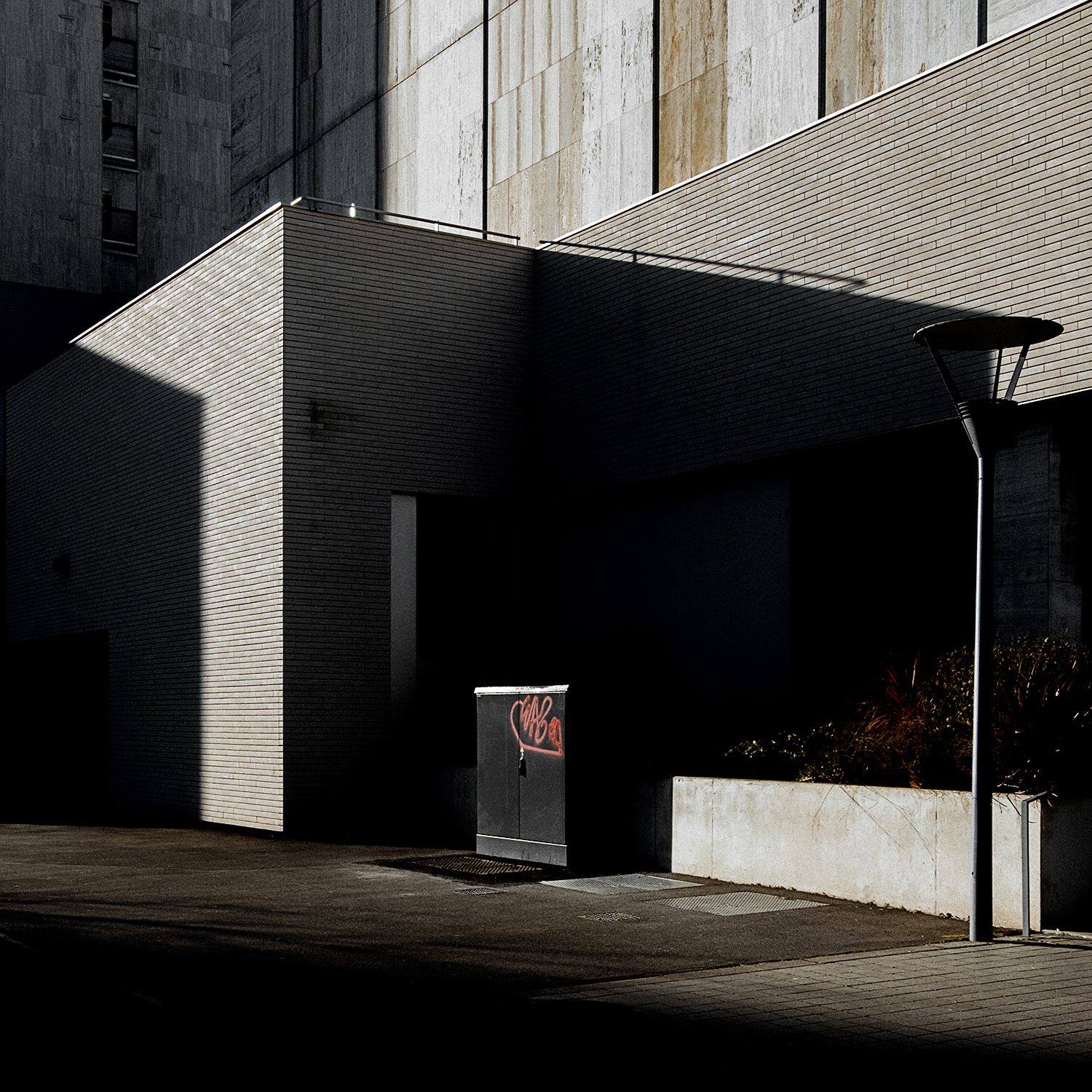
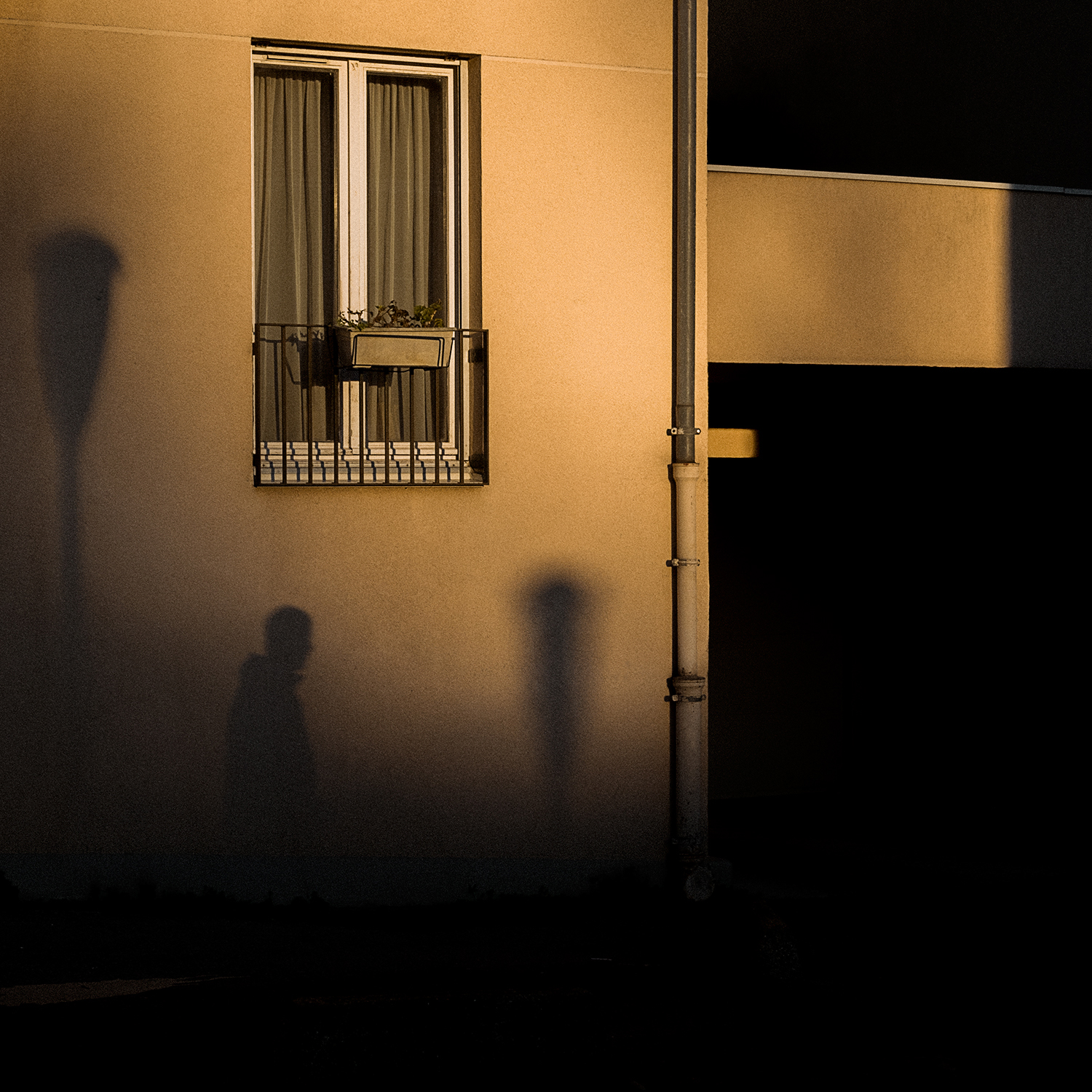
Obscure รวมรูปคนไร้ใบหน้า ตลอดช่วงเวลาสามปีที่ฝึกถ่ายภาพของ ปิติ อัมระรงค์ นักออกแบบอิสระจาก o-d-a

การปิดบังบางส่วนของซับเจคในภาพเอาไว้ยังเป็นมุกที่สร้างความน่าสนใจได้ดีอยู่เสมอหลายคนก็คงเห็นด้วย เชื่อว่าคนถ่ายรูปสตรีททุกคนต้องมีอัลบั้มทำนองนี้เป็นของตัวเองอยู่อย่างแน่นอน มากบ้างน้อยบ้างตามนิสัย รายละเอียดอาจแตกต่างกันไปตามลีลา เป็นท่าไม้ตายสากลที่ใช้กันได้ต่อไปไม่เกี่ยวกับเงื่อนไขของเวลา ด้วยสัจธรรมที่ว่า “ของบางอย่างปกปิดไว้จึงจะงดงาม

Obscure – people without faces, a photo set collected over 3 years of practicing photography by Piti Amraranga, an independent designer of o-d-a.

Removing the subject’s face is a technique that provokes the sense of surprise and is quite popular amongst street photographers. I am quite sure that photographers must have at least one collection of faceless people that were taken in their own style, perspective and point of view. It is a kind of a universal topic that I believe will last forever as per this quote “to enchant something is to partially hide it from seeing”

instagram.com/piti_dui_photo 

PHOTO ESSAY : YONDER


PHOTO: KETSIREE WONGWAN

SELECTION: KETSIREE WONGWAN AND KANOKWAN TRAKULYINGCHAROEN

TEXT: KANOKWAN TRAKULYINGCHAROEN 

(For English please scroll down.)

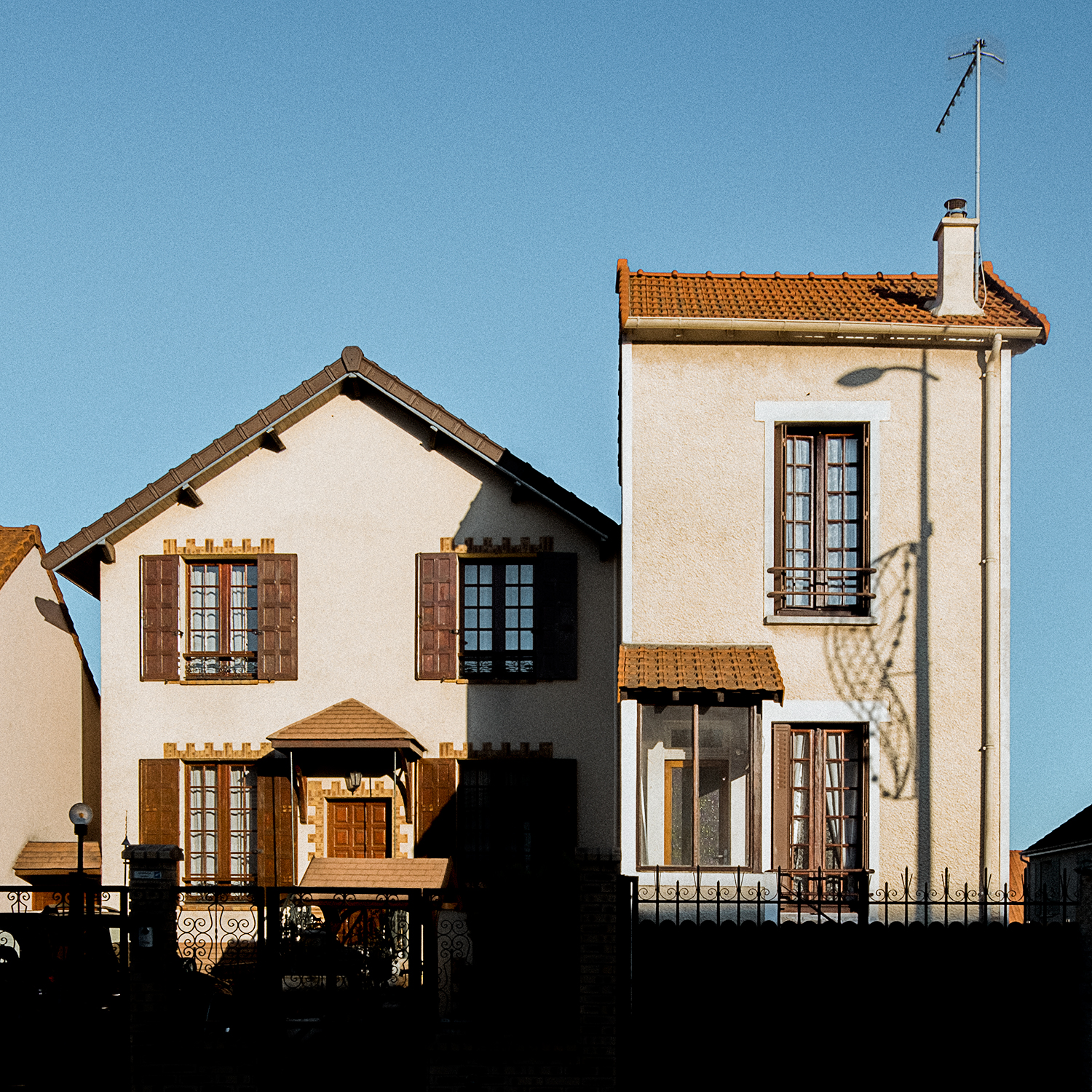
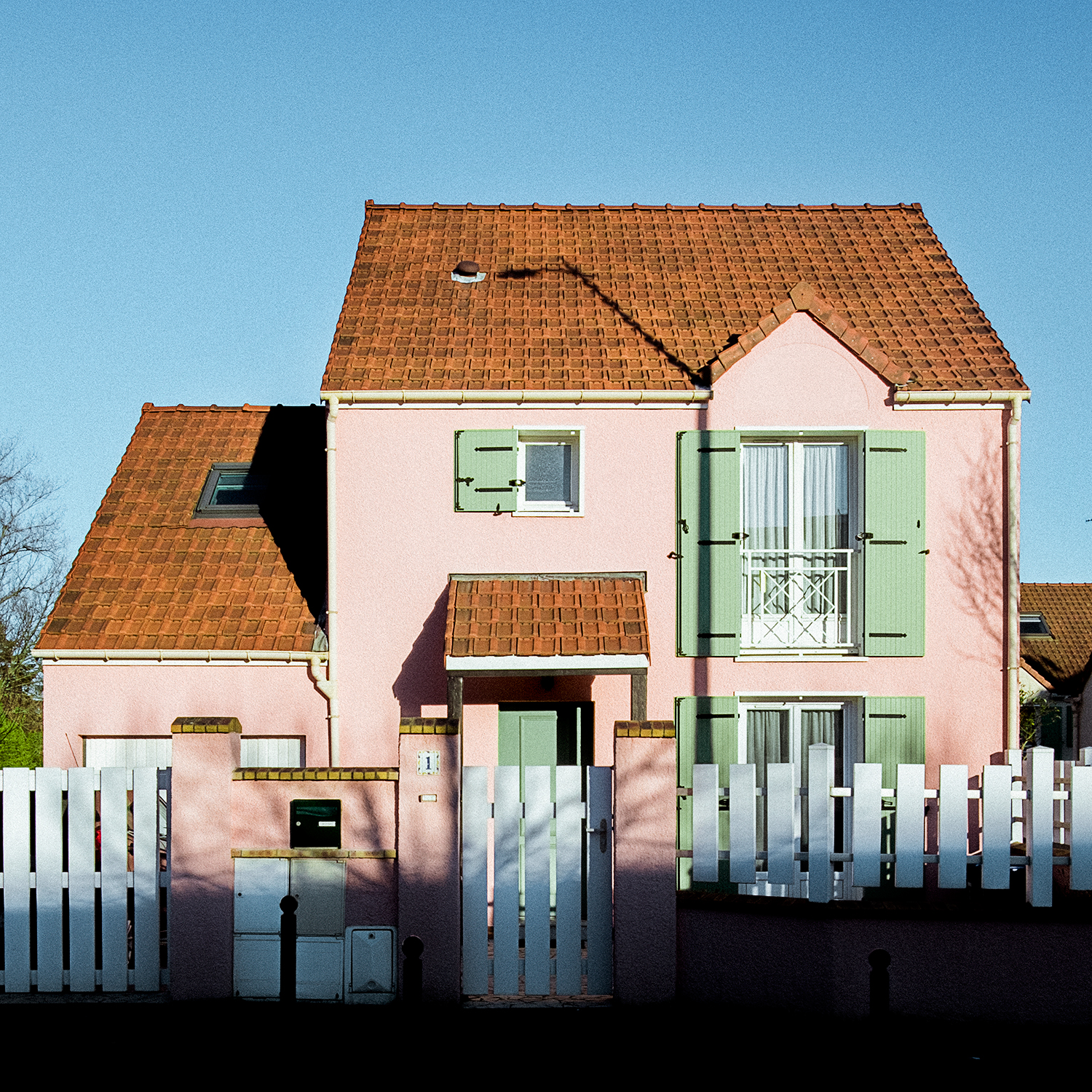
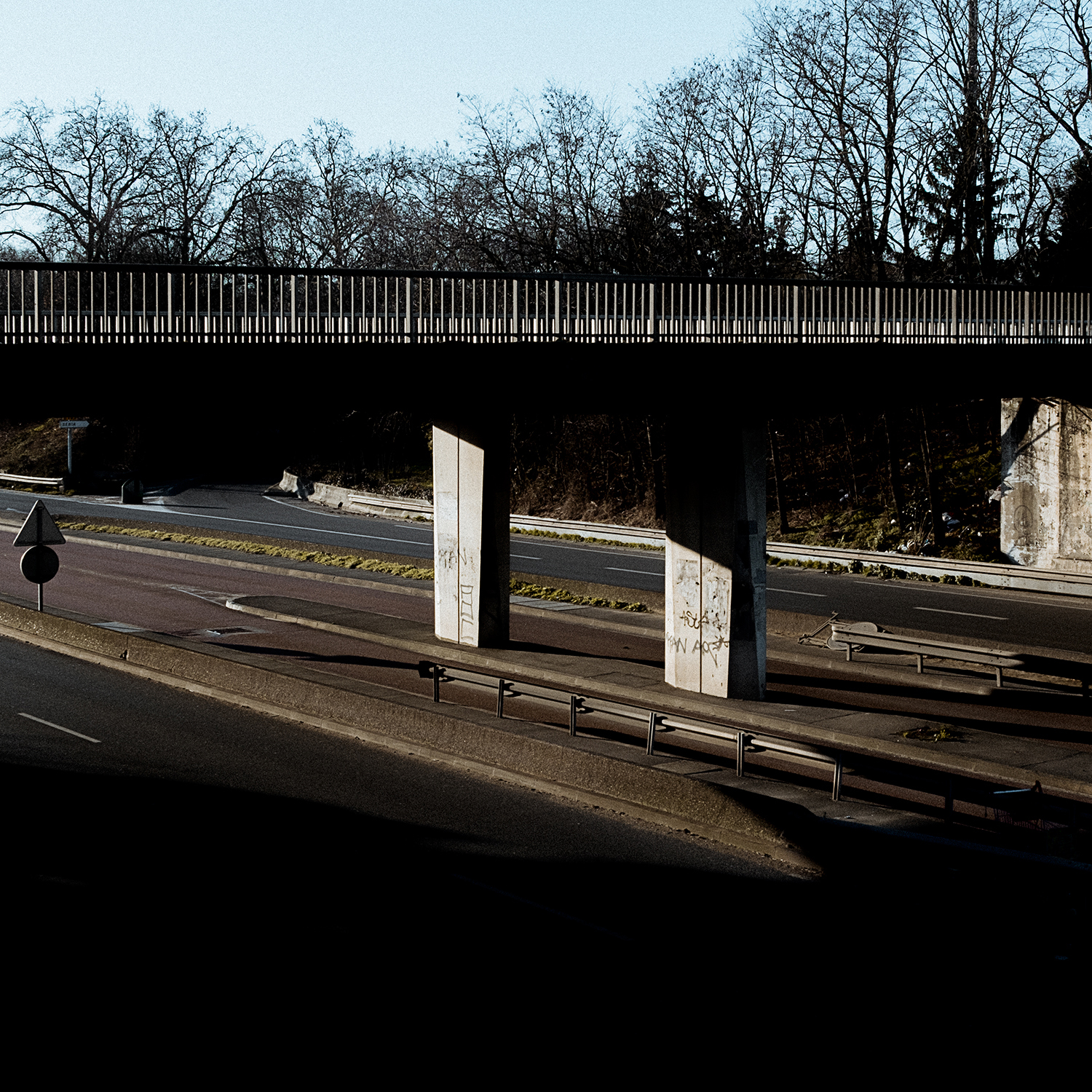
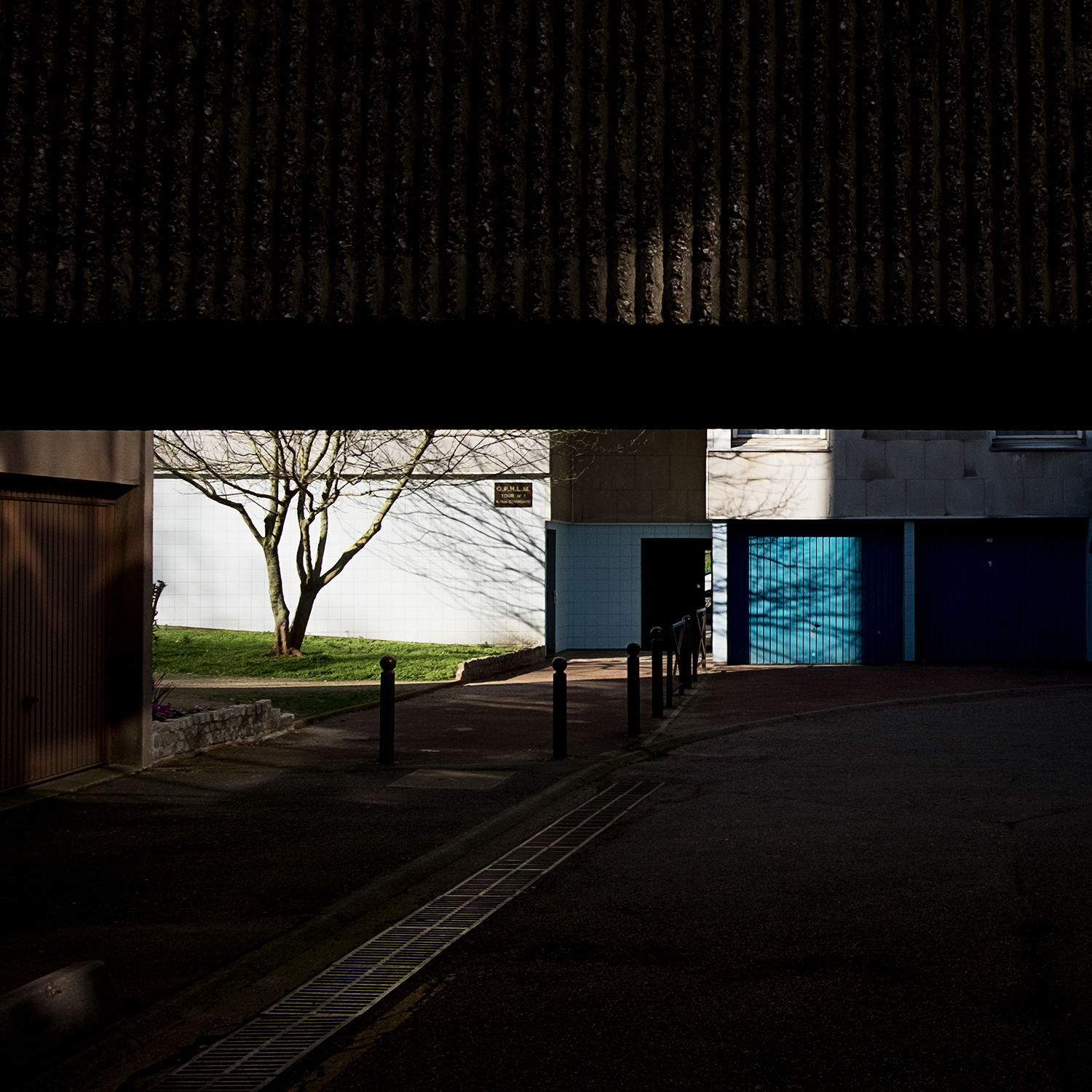
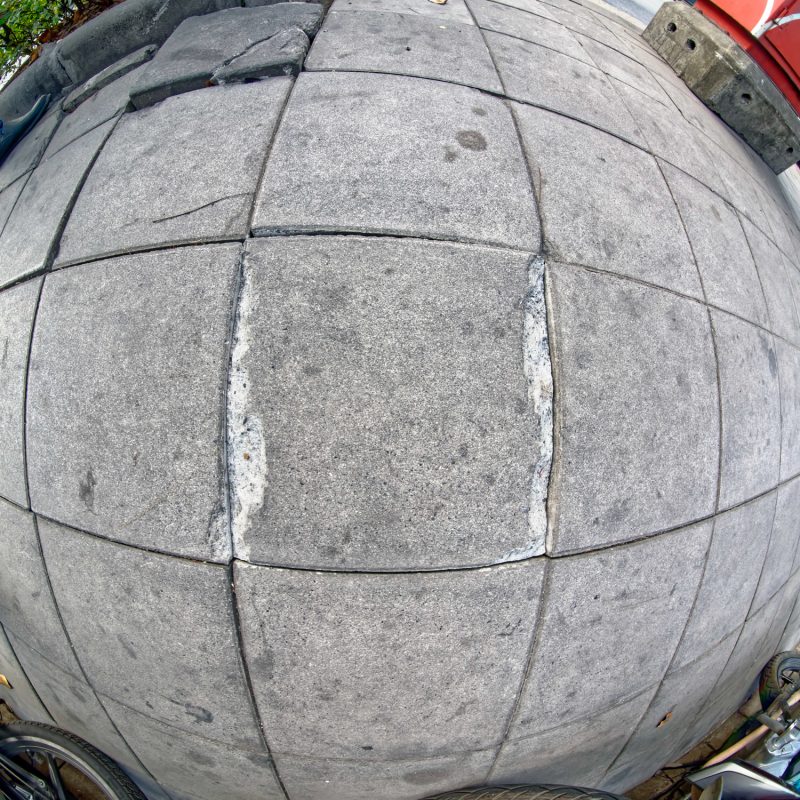
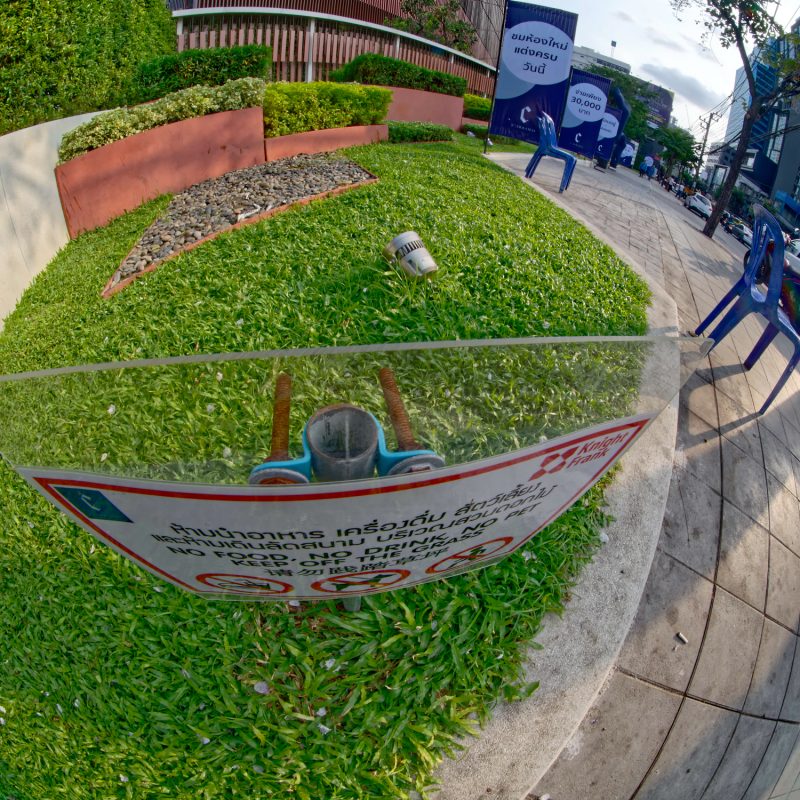
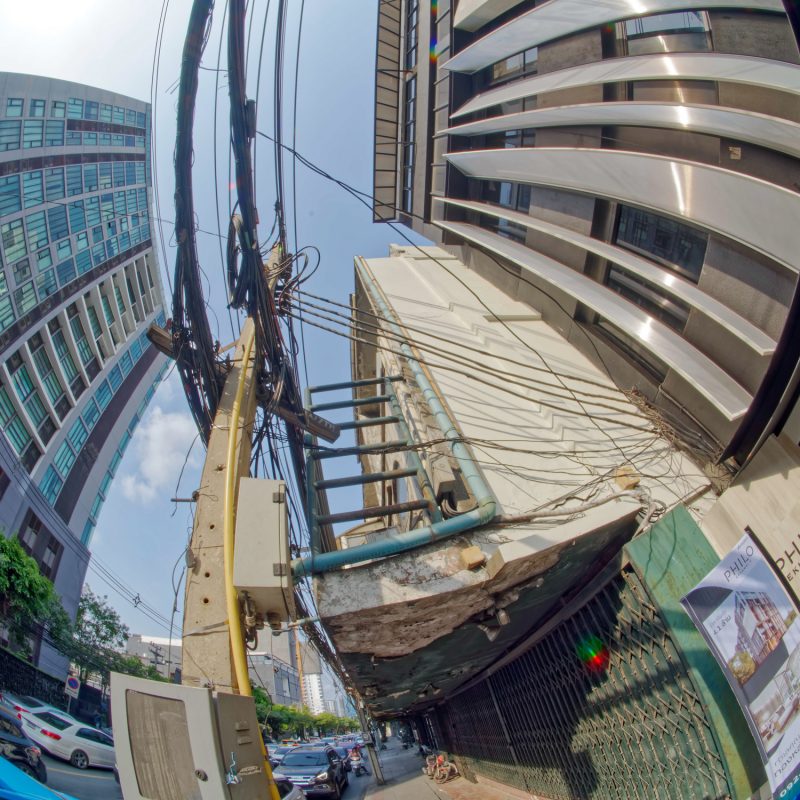
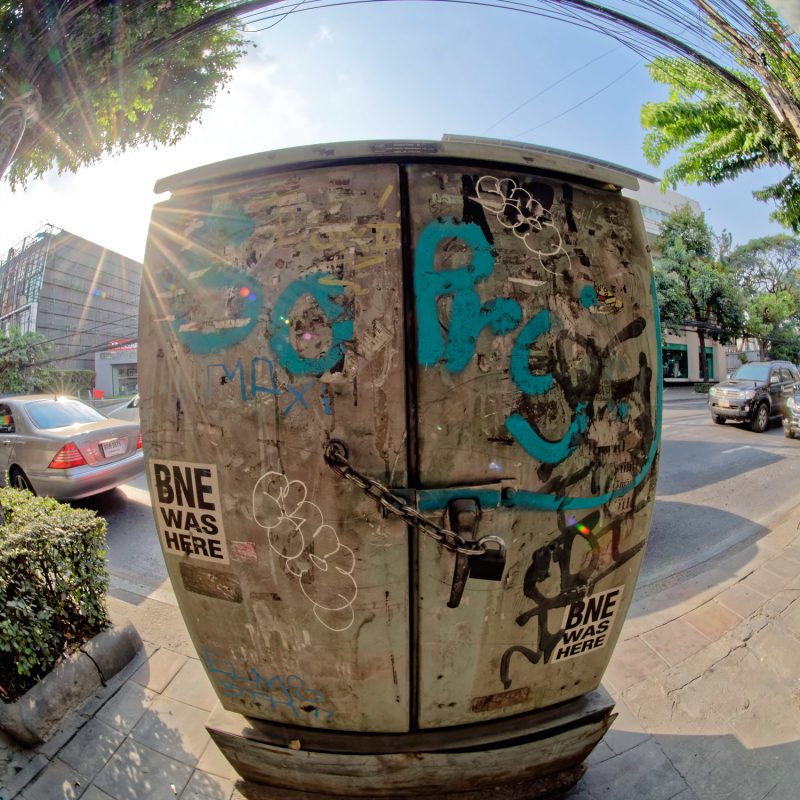
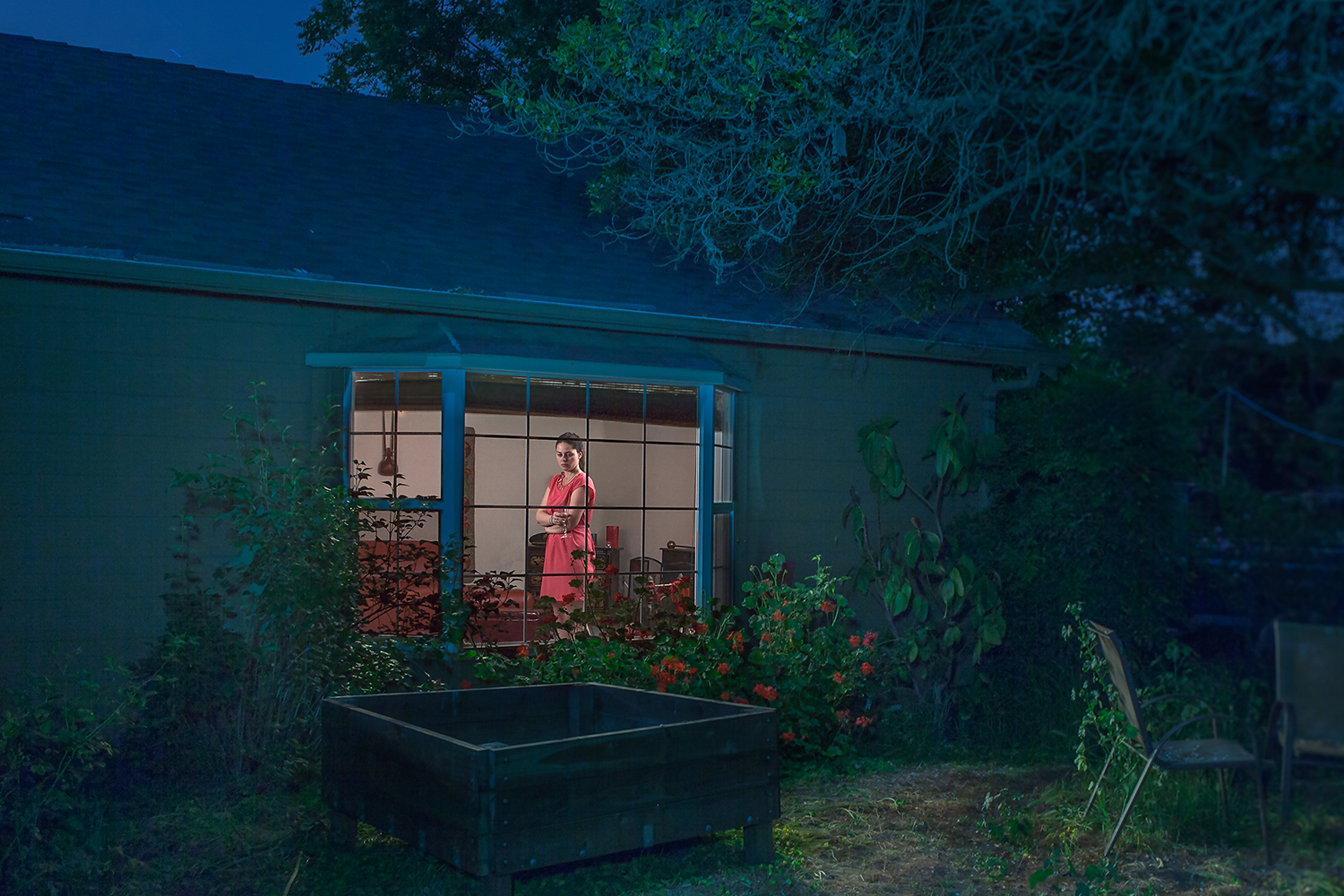
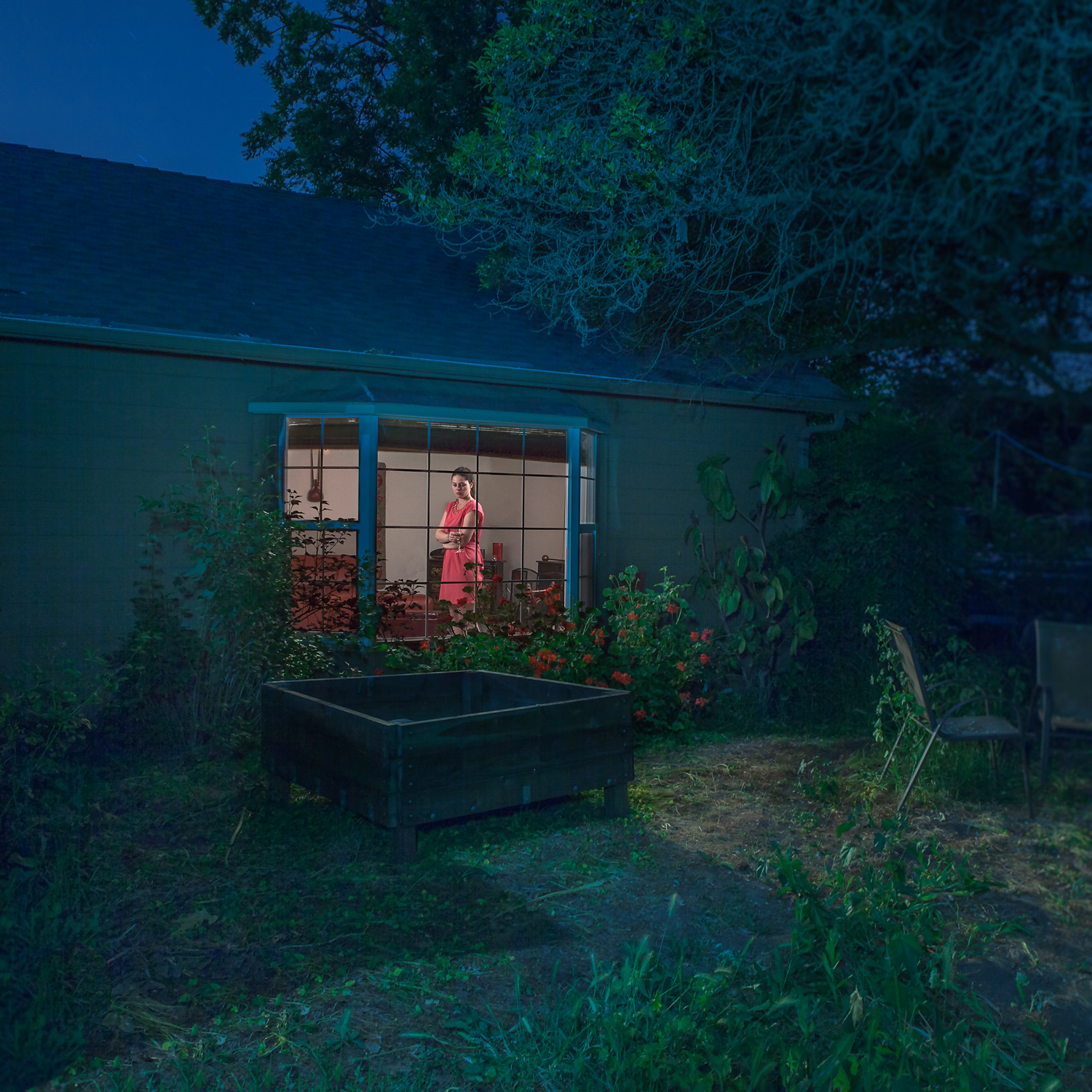
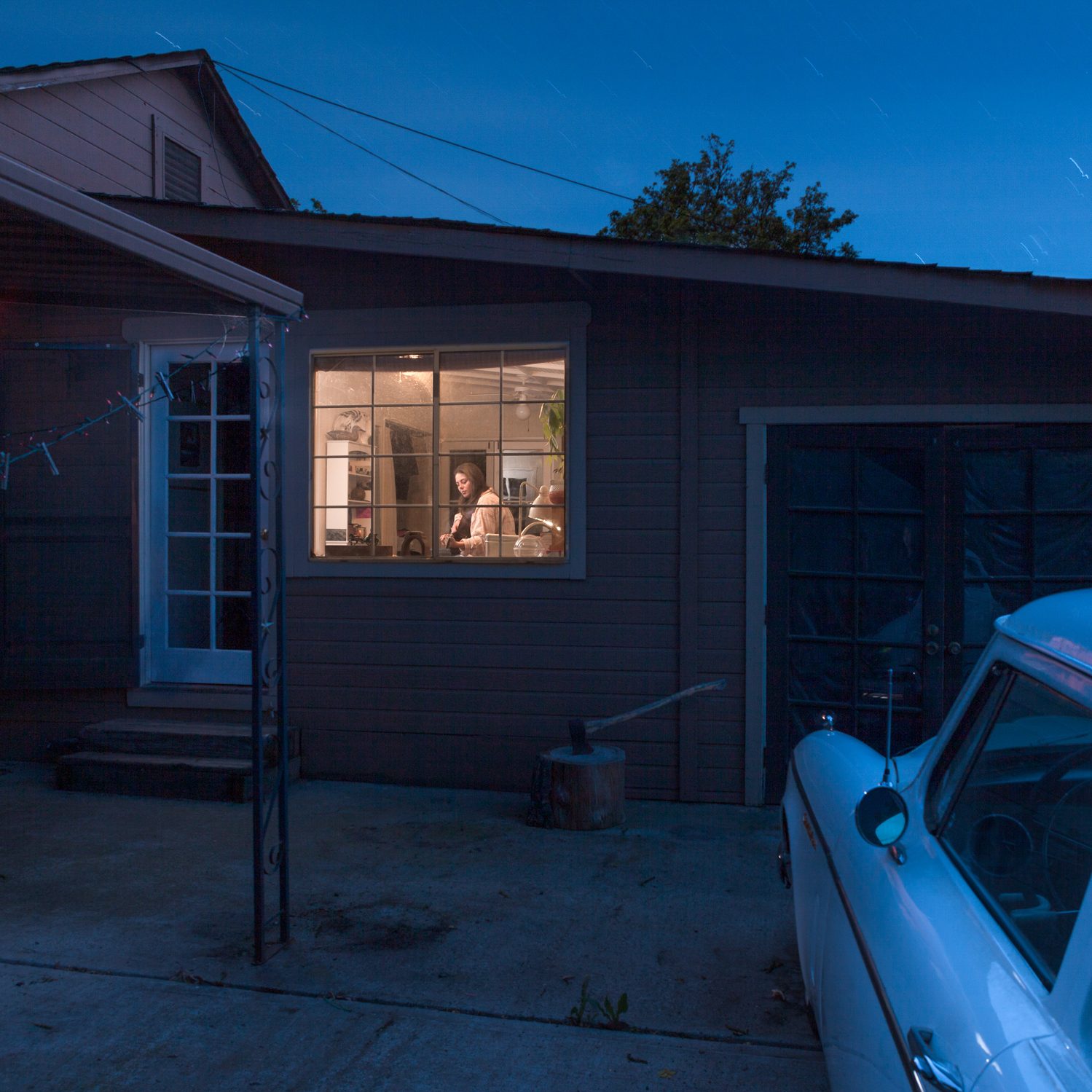
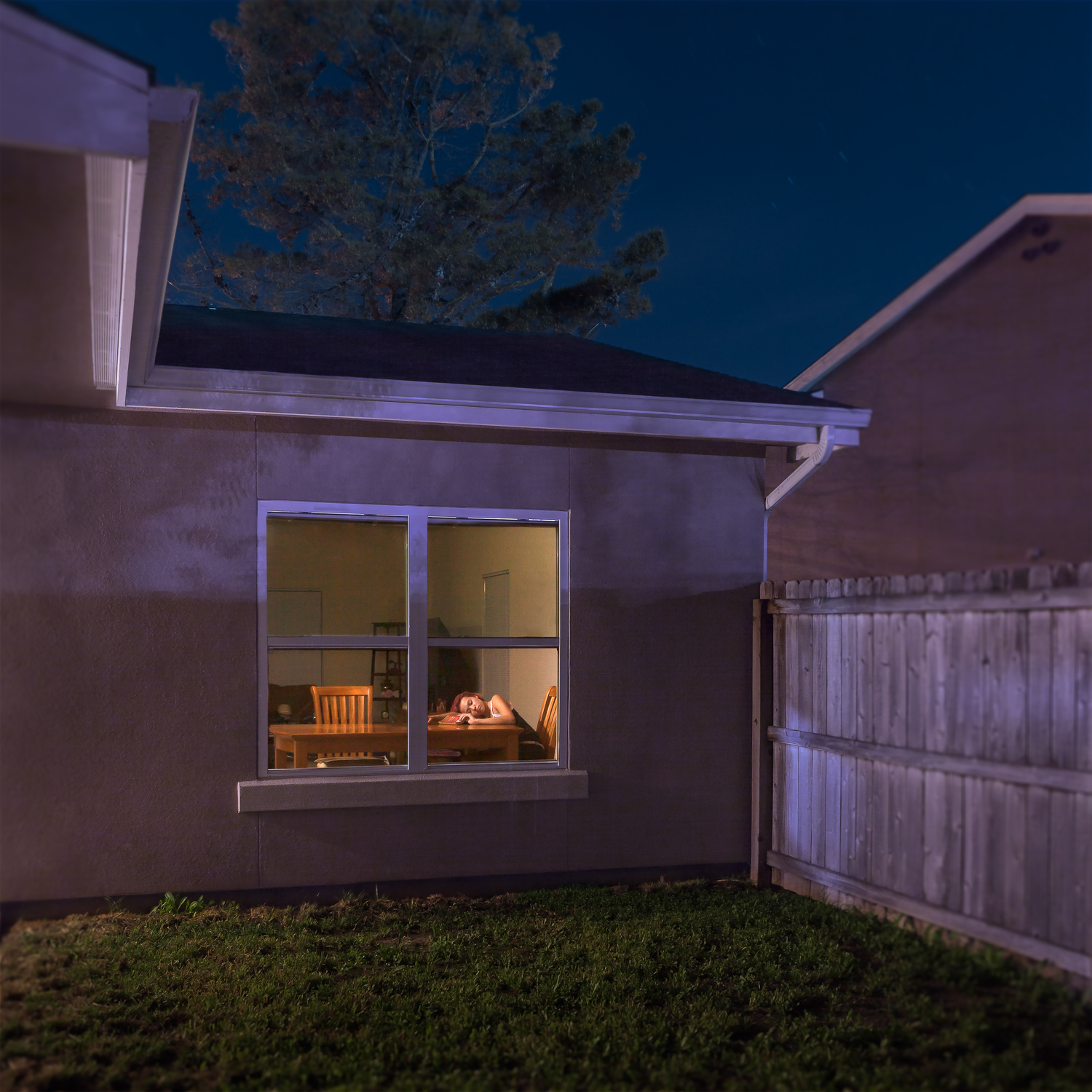
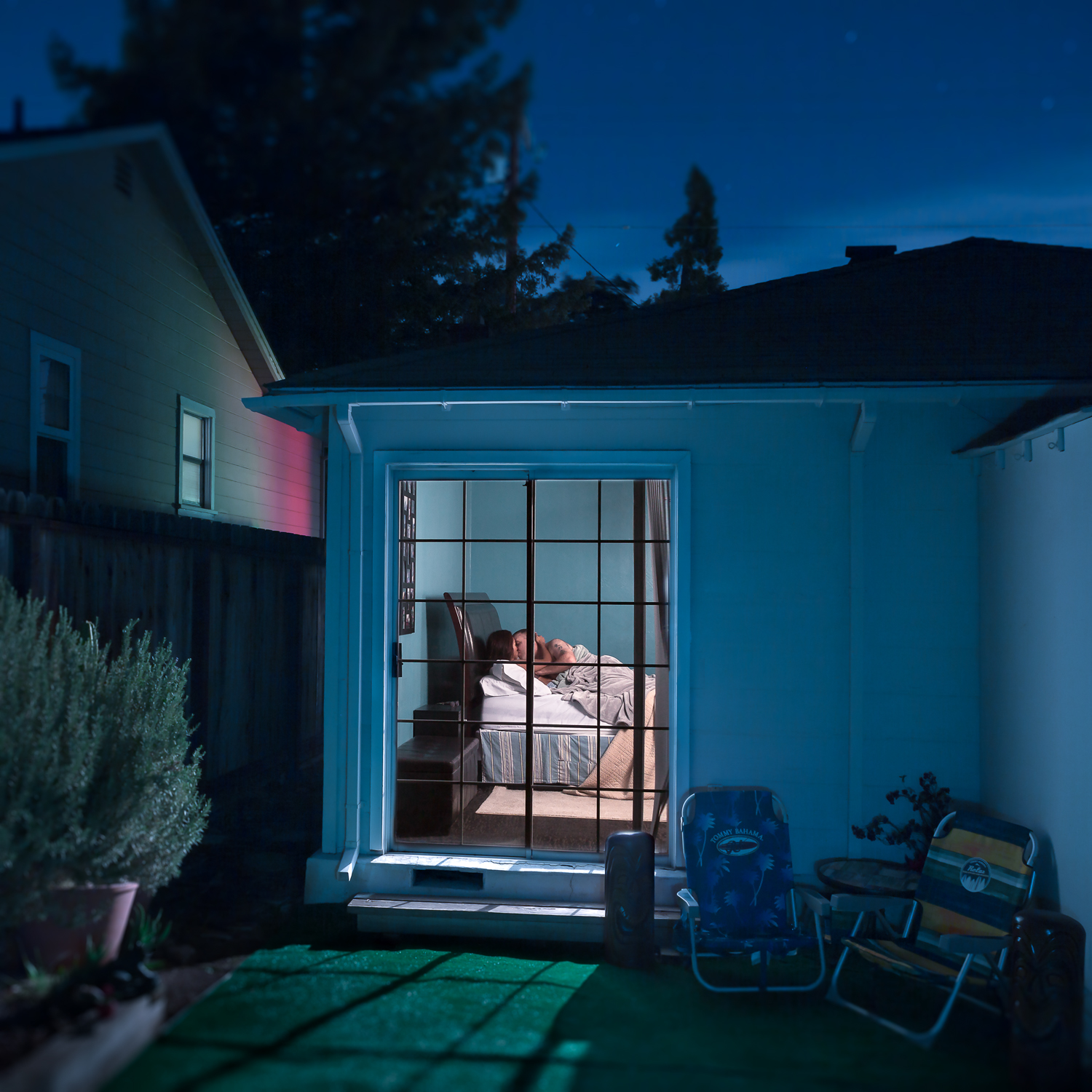
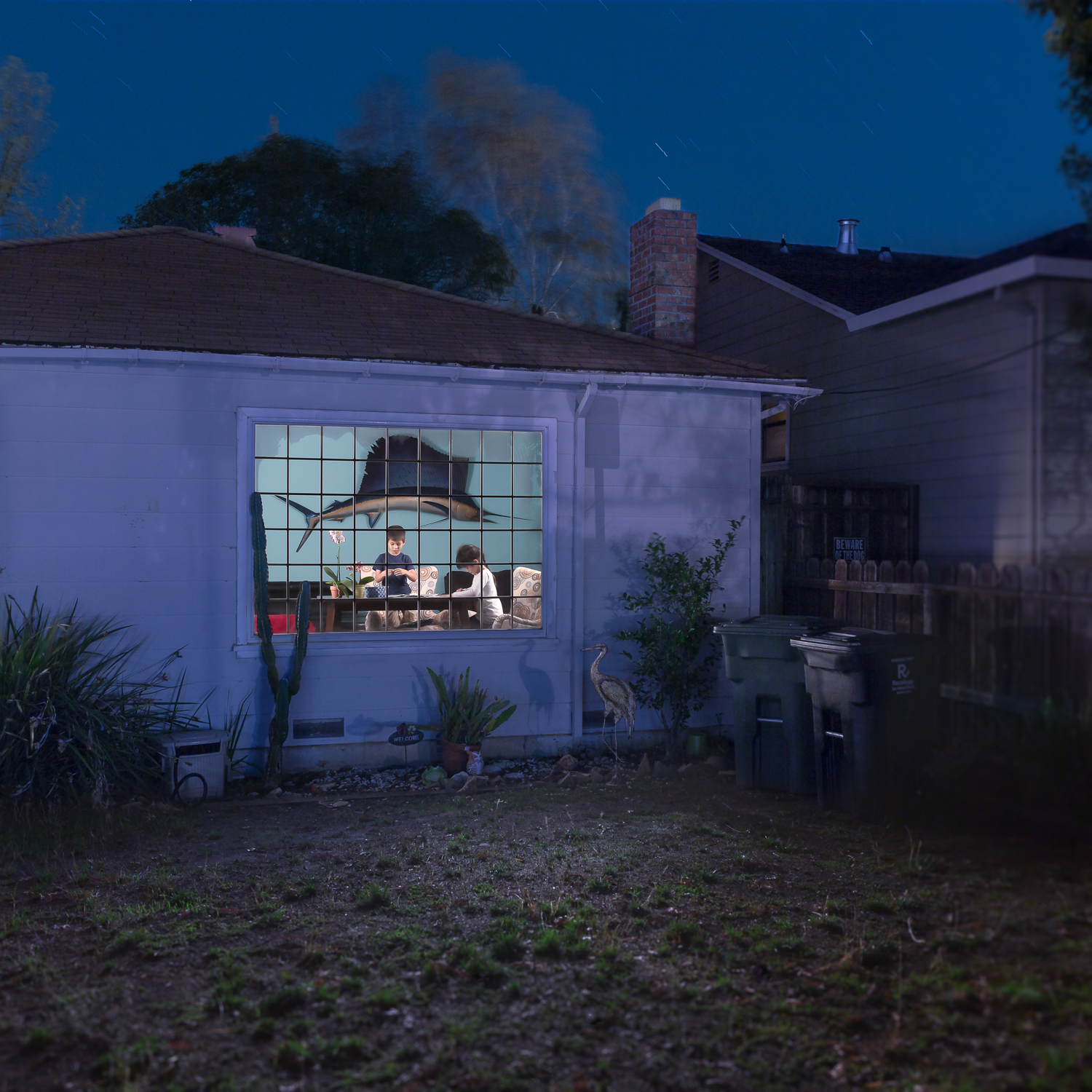
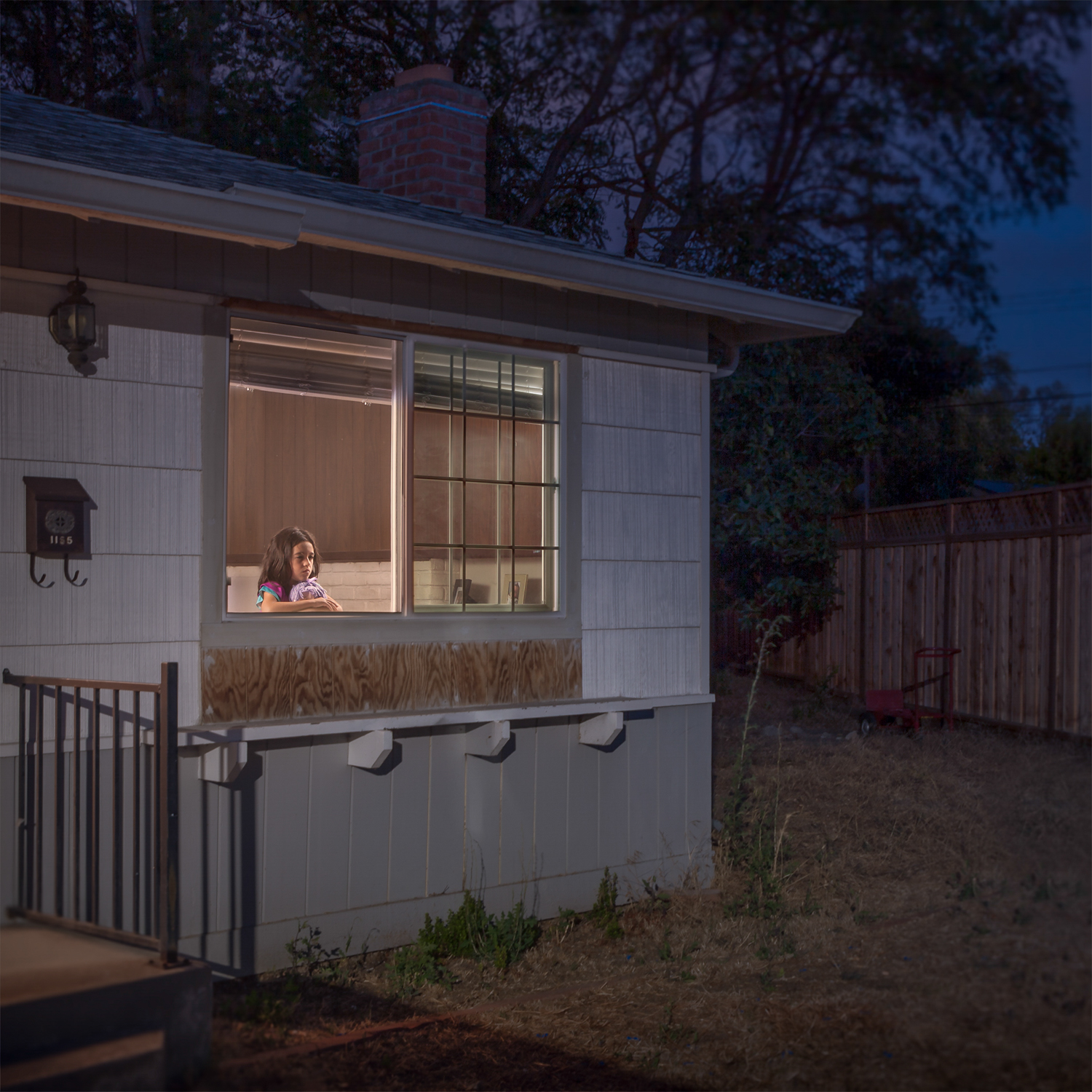
‘Yonder (ตรงนั้นน่ะ)’ มุมมองถึงบริบทรอบงานสถาปัตยกรรม เป็นความคิดที่เกิดขึ้นเบื้องหลังการถ่ายภาพ ของ เกตน์สิรี วงศ์วาร ช่างภาพสถาปัตยกรรมของ art4d 
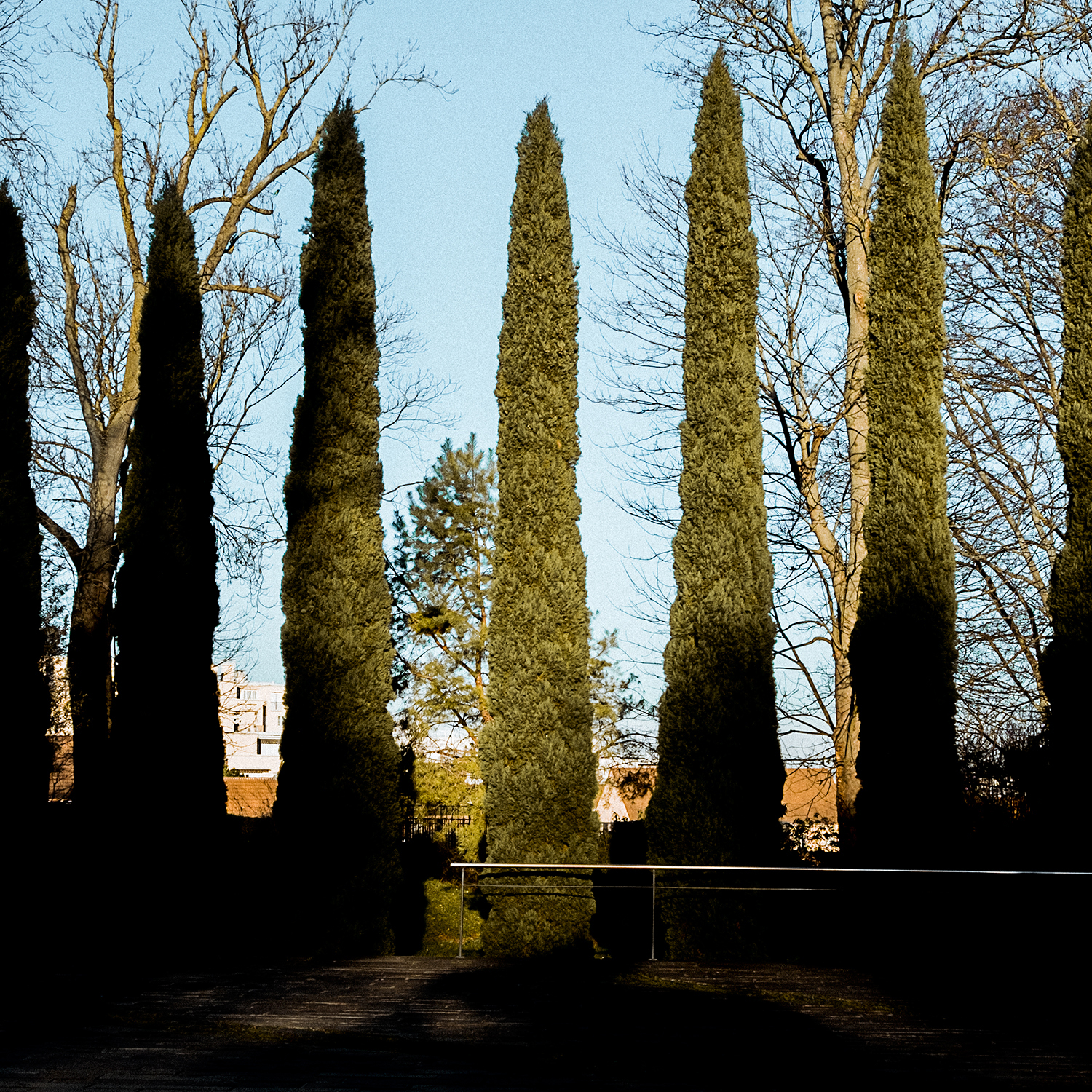
ภาพเซตนี้แยกออกเป็นสามสถานการณ์ในบริบทต่างกัน  เซตแรก ‘กรุงเทพฯ-ชานเมือง-ต่างจังหวัด’ เซตสอง  ‘พ่อ-แม่-ลูก’ บริบทชีวิตของคนสองรุ่น ในรั้วความเป็นครอบครัวเดียวกัน และเซตสุดท้าย ‘คนที่เข้ามาแทรกตัว’ คนใหม่ในบริบทเก่า กับจินตนาการถึงบริบทเก่าที่จะกลายเป็นบริบทใหม่ในอนาคตอันใกล้

“Yonder” conveys a viewpoint of meaningful context surrounding architecture. It is an idea generated behind the photo shoot of Ketsiree Wongwan, art4d architectural photographer. 

The photo essay represents three contrast situations in different contexts. The first set is titled   ‘Bangkok-Periphery-Khon Kaen,’ a simple sequence of the similar angles of view in different places. The second “Mom-Dad-Kid” reflects the living of two different generations in the same fence of an extended family. The last titled ‘Intervenor’ brings you to a life of newcomers in an old context and, at the same time, to imagine when the old context would turn into a new context in the near future.