Category: CO.SPACE

THE INTERIOR | SCOPE LANGSUAN

DESIGNED BY THOMAS JUUL-HANSEN, THE INTERIOR DESIGN OF SCOPE LANGSUAN IS A PLACE WHERE PEOPLE CAN ACHIEVE A NEW PARADIGM OF LUXURY THROUGH ITS EXQUISITE AND MISCELLANEOUS DETAILS

TEXT: JINTAWACH TASANAVITES
PHOTO COURTESY OF SCOPE LANGSUAN EXCEPT AS NOTED

(For Thai, press here)

To further reflect the ambition to achieve Bangkok’s elevated living standards in the modern era, SCOPE Langsuan initially gathered a selected group of world-renowned designers for this ambitious project. Ultimately, the team has specifically handpicked Thomas Juul-Hansen, a New York-based Danish architect, as the most fitting interior designer for this project. Although this is his first project in Asia, Thomas Juul-Hansen is no stranger to the world of luxury interior design projects in the west and has masterminded interiors for New York and London’s most buzzed-about developments. One example is the 75-story One57, home to New York City’s most expensive residence. His firm has also developed a diverse body of design works not just in residential projects but also in hospitality, retail and commercial interiors.

SCOPE LANGSUAN 2 Bed Unit

For each project, the firm designs a unique and innovative formal option to create a notion of timeless manifesto through thoughtful investigations of contextual sensitivity, materiality, and customization. “I believe that luxury is a universal language. And it is about the harmony between quality of light, space, functionality, and material.” Thomas told art4d with confidence when approached with a question regarding the definition of luxury. “In that way, the epitome of luxury in Bangkok is not that different from that of New York or London.”
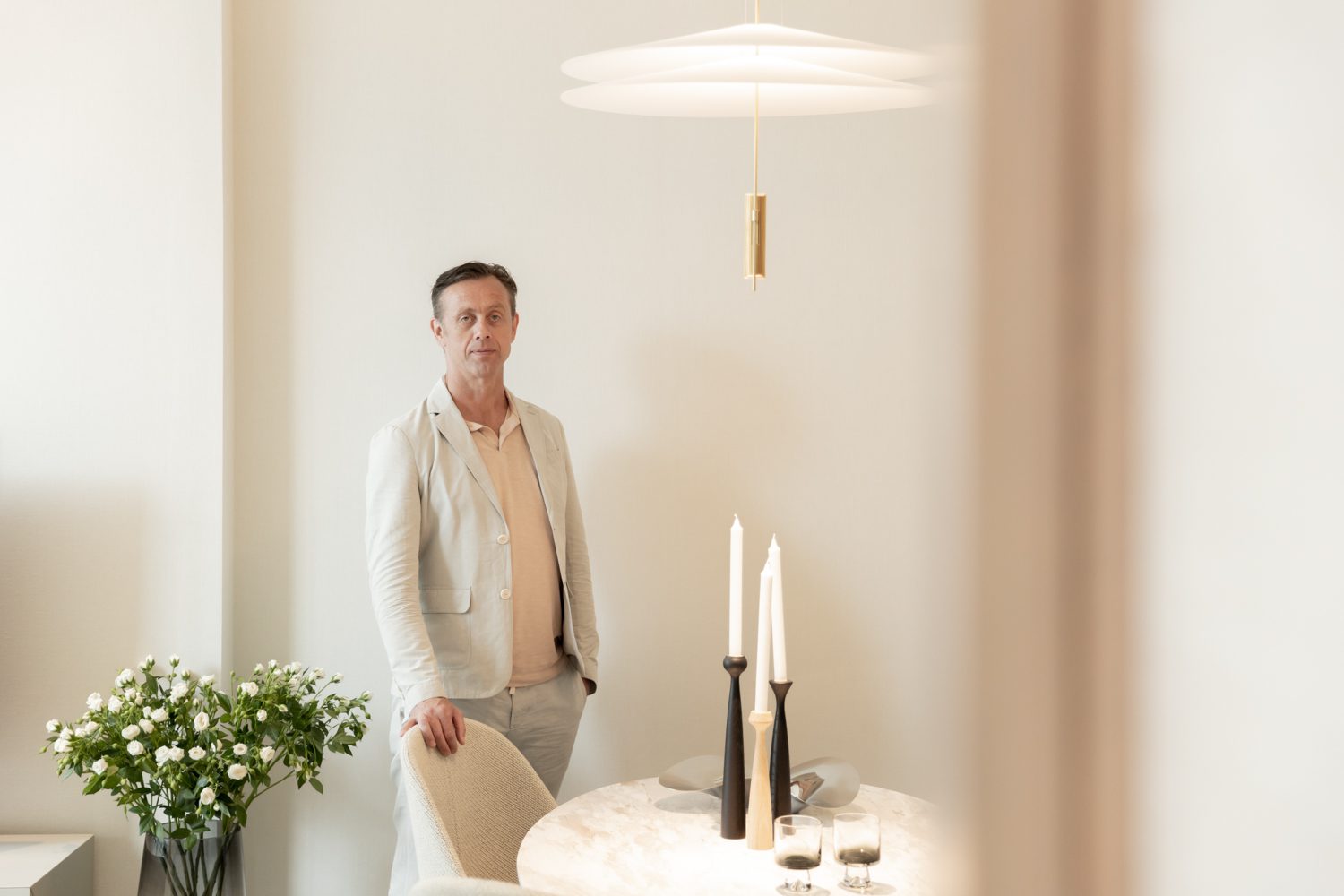
Thomas Juul-Hansen | Photo: Ketsiree Wongwan

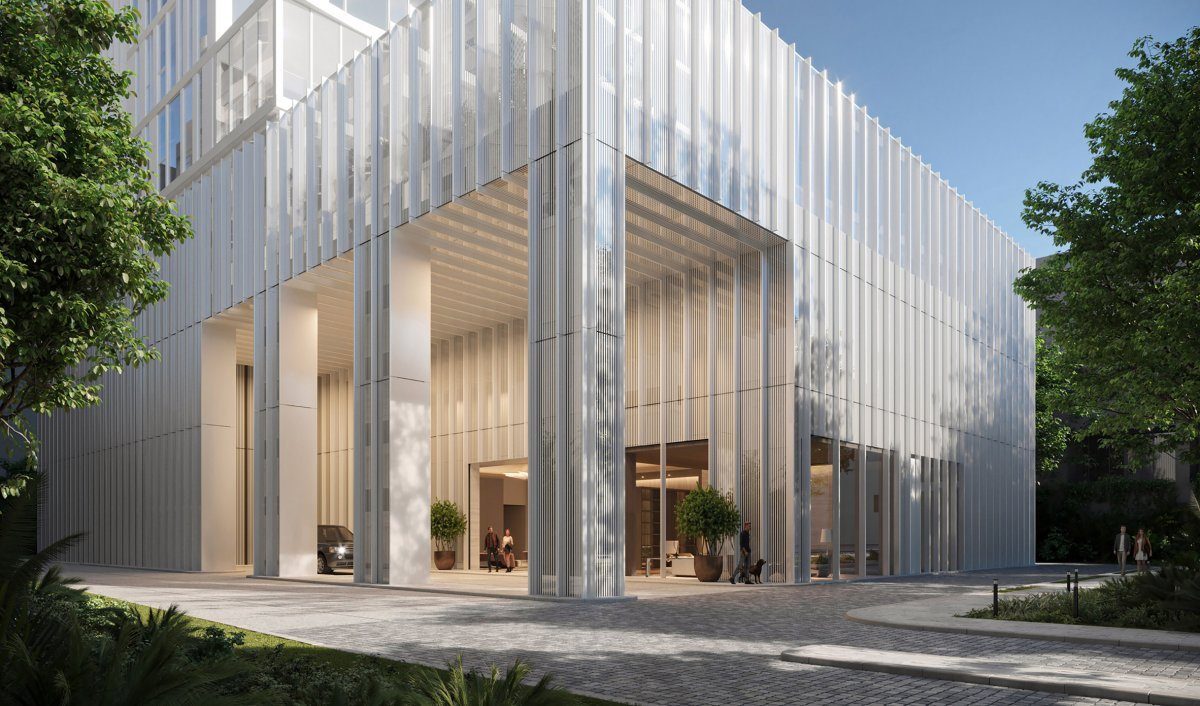
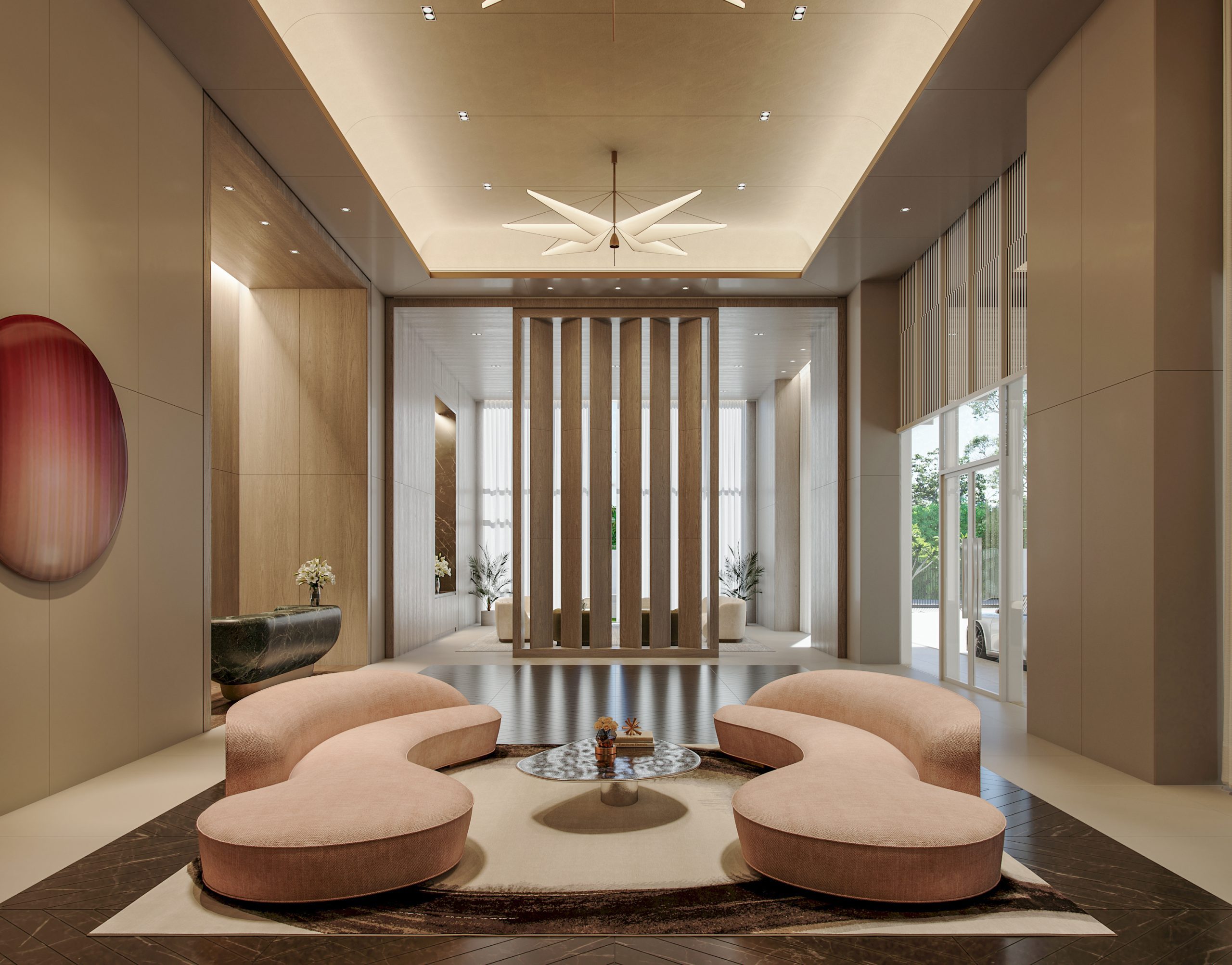
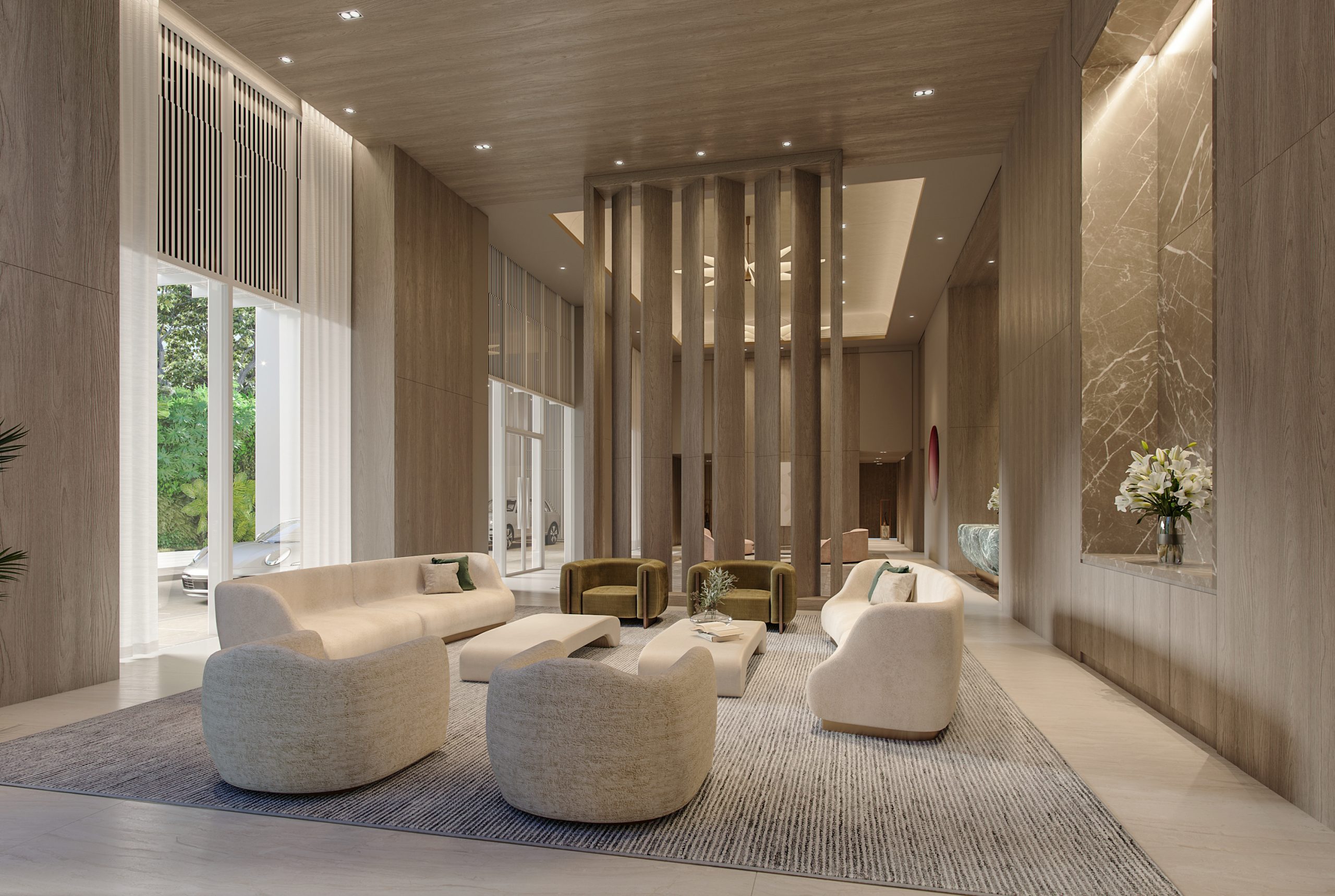
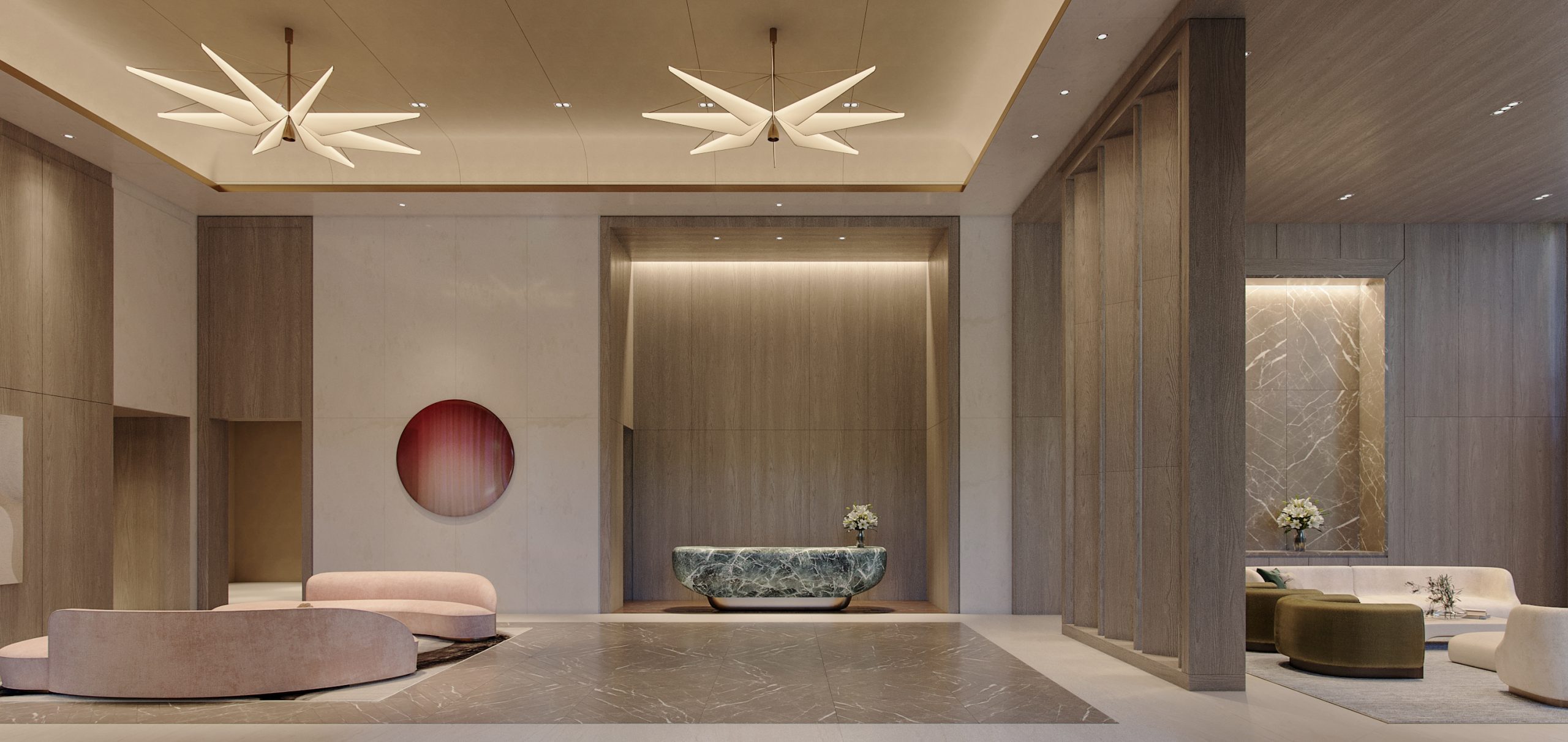
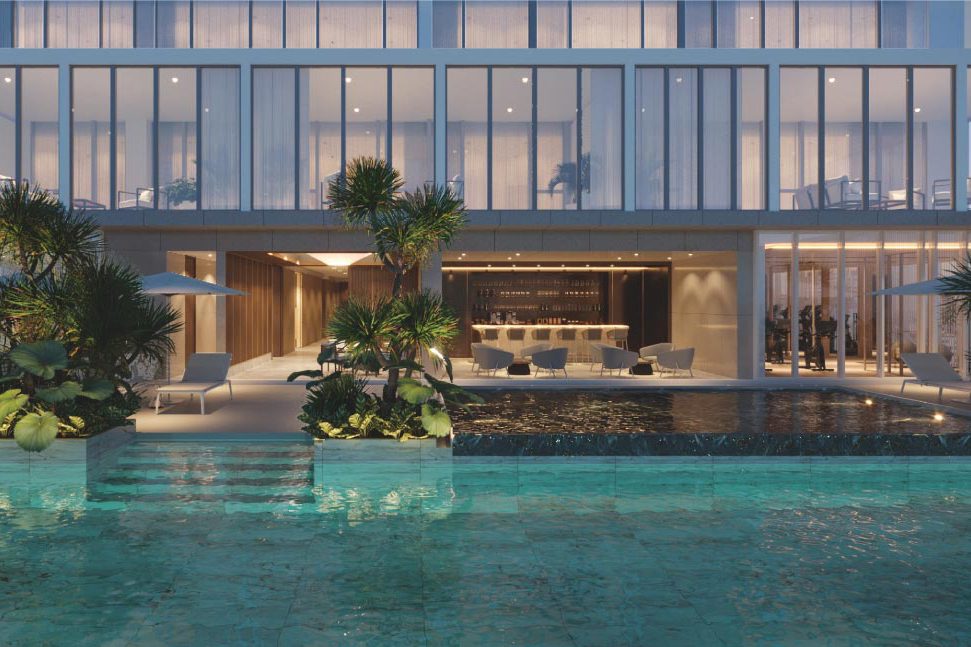
The interior planning design is sequenced and sectioned in consideration of residents routing from lobby entrance to their door home. On the ground floor, residents will first enter a pristine lobby greeted with a sculptural green marble concierge and light fixtures made with pink onyx hanging from the ceiling, designed to fit the space by Thomas himself. Exclusivity and privacy are also part of the planning. In the lobby area, each area of the services, circulating between the residents and the staffs are designed to avoid an unnecessarily overcrowding space. Moving forward from the lobby, private elevator will simply  take you directly home. Each room’s specifications are restricted beyond specific dimensions to ensure that all residents experience the best possible atmosphere. This space design has been decoded to be the ideal ratio of ‘good size’ between 83-436 sq.m. and ‘good floor to ceiling height’ at 3.5 and 4 meters. This uncompromising composition of size and height also provide the feeling of living inside a single-unit house.
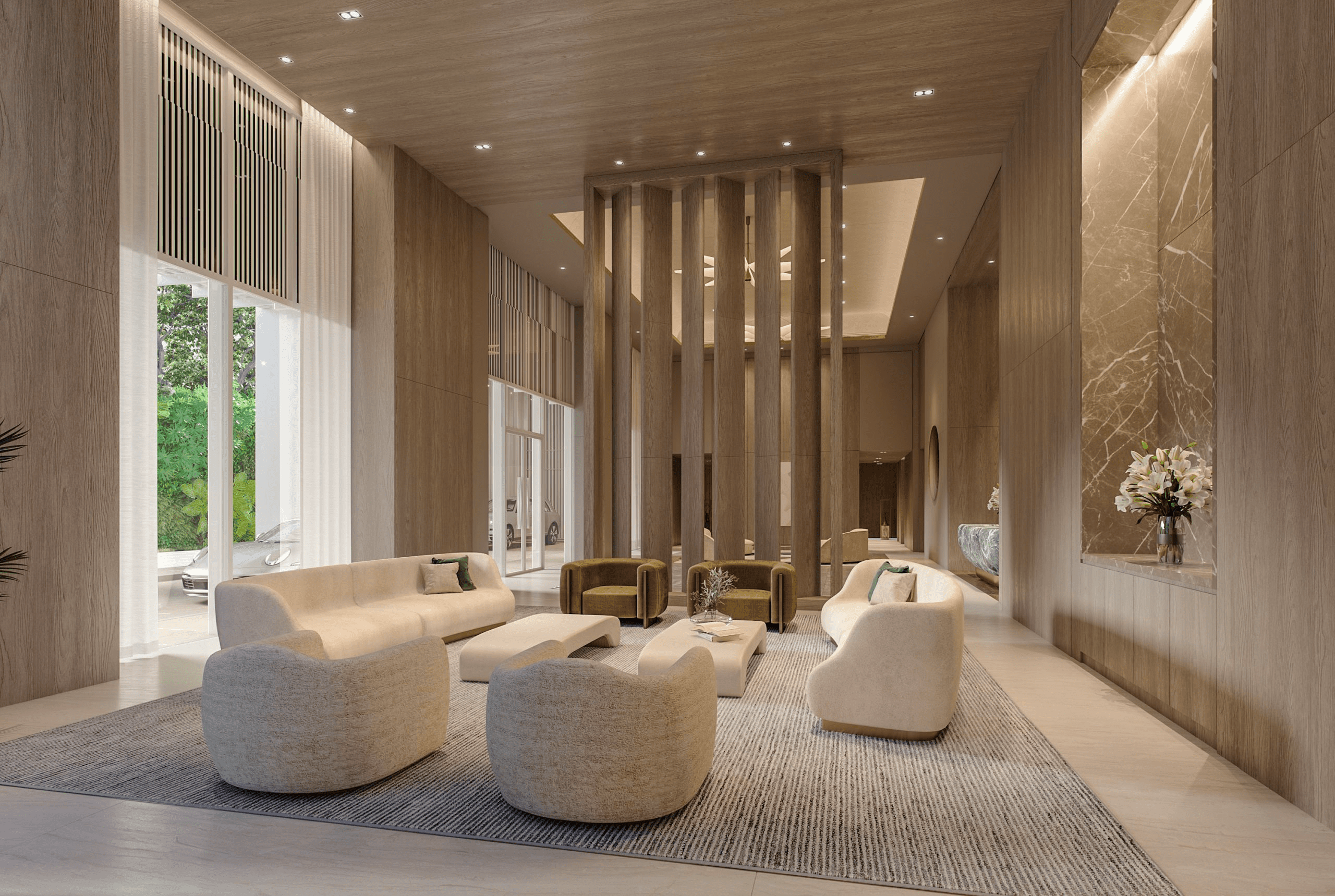
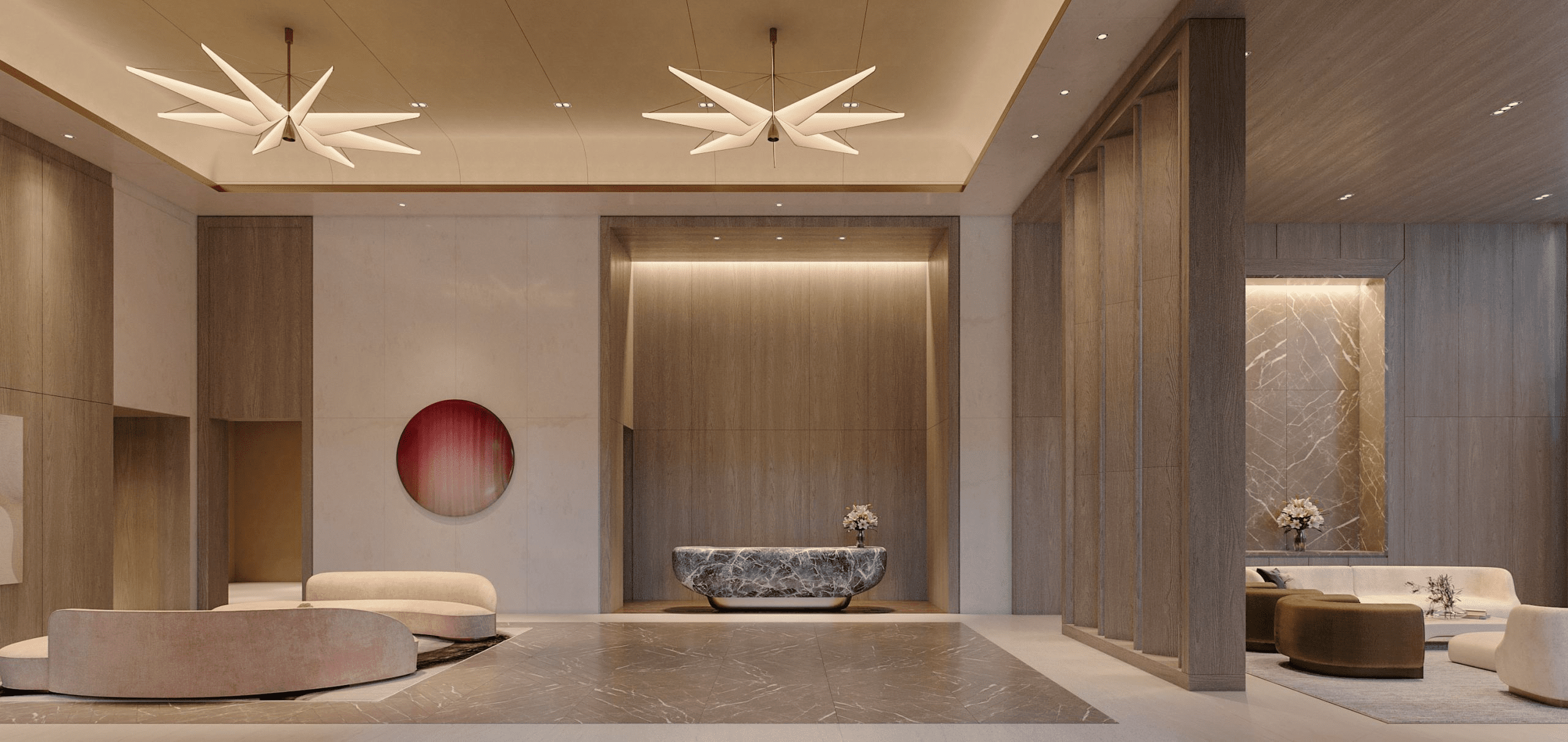
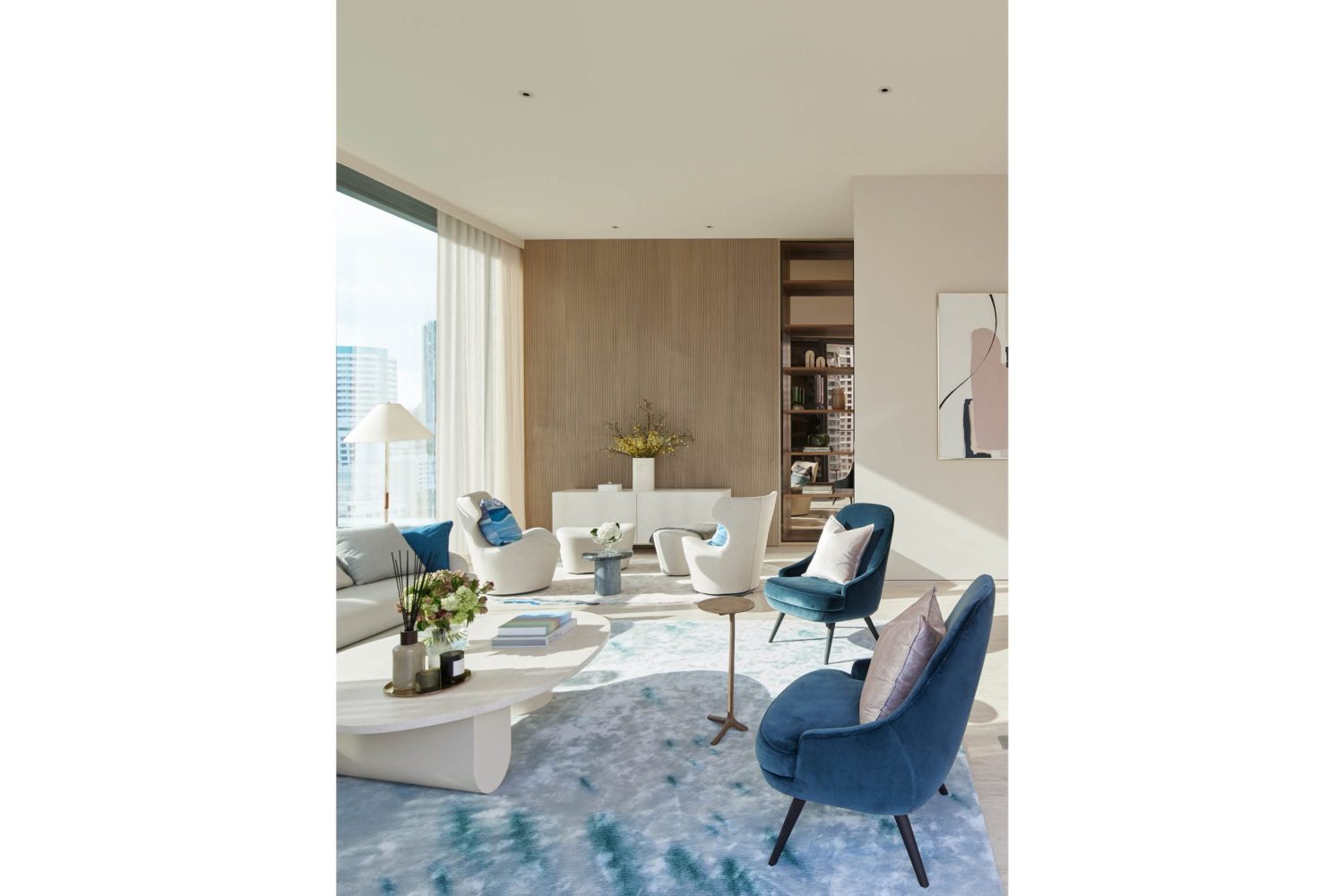
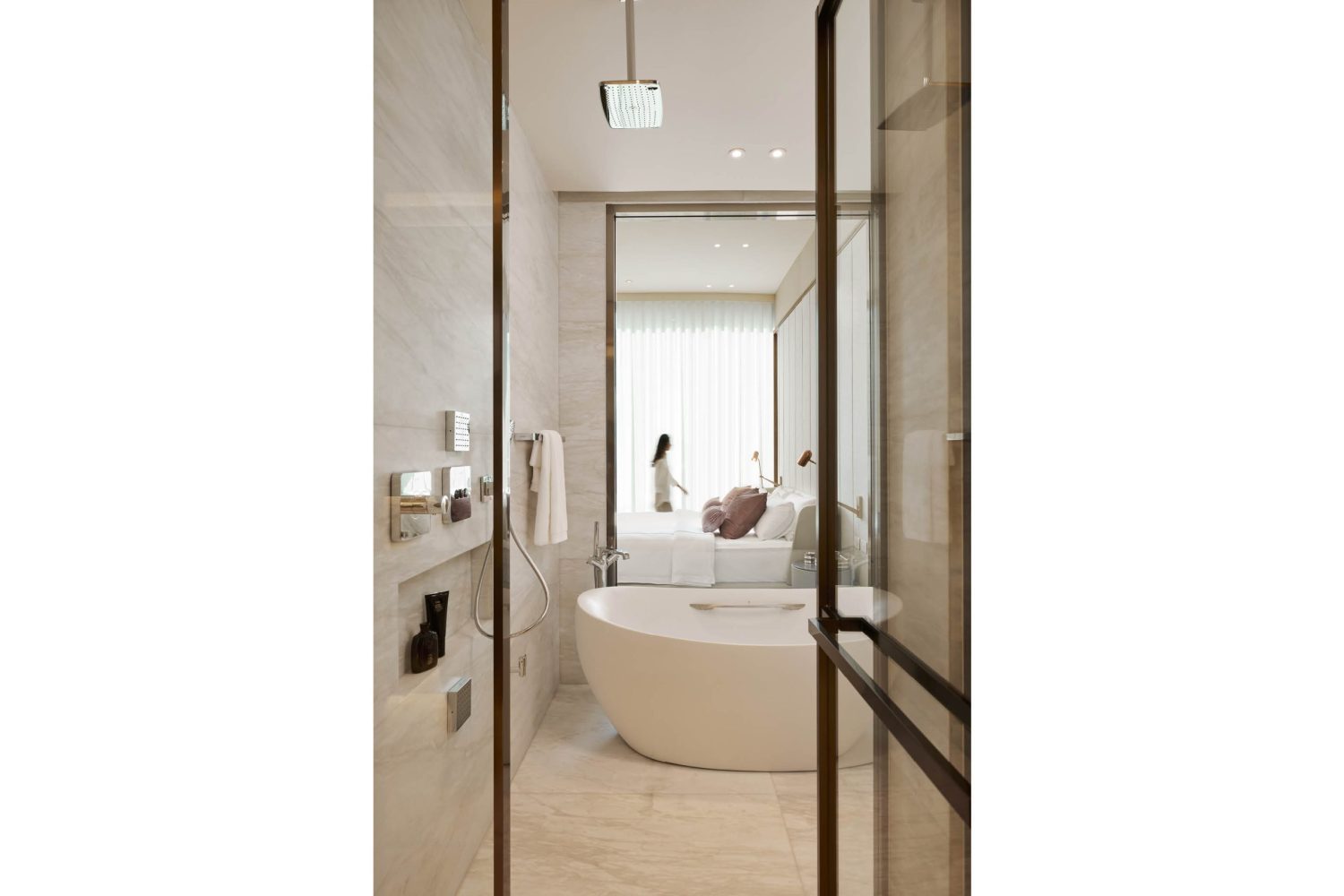
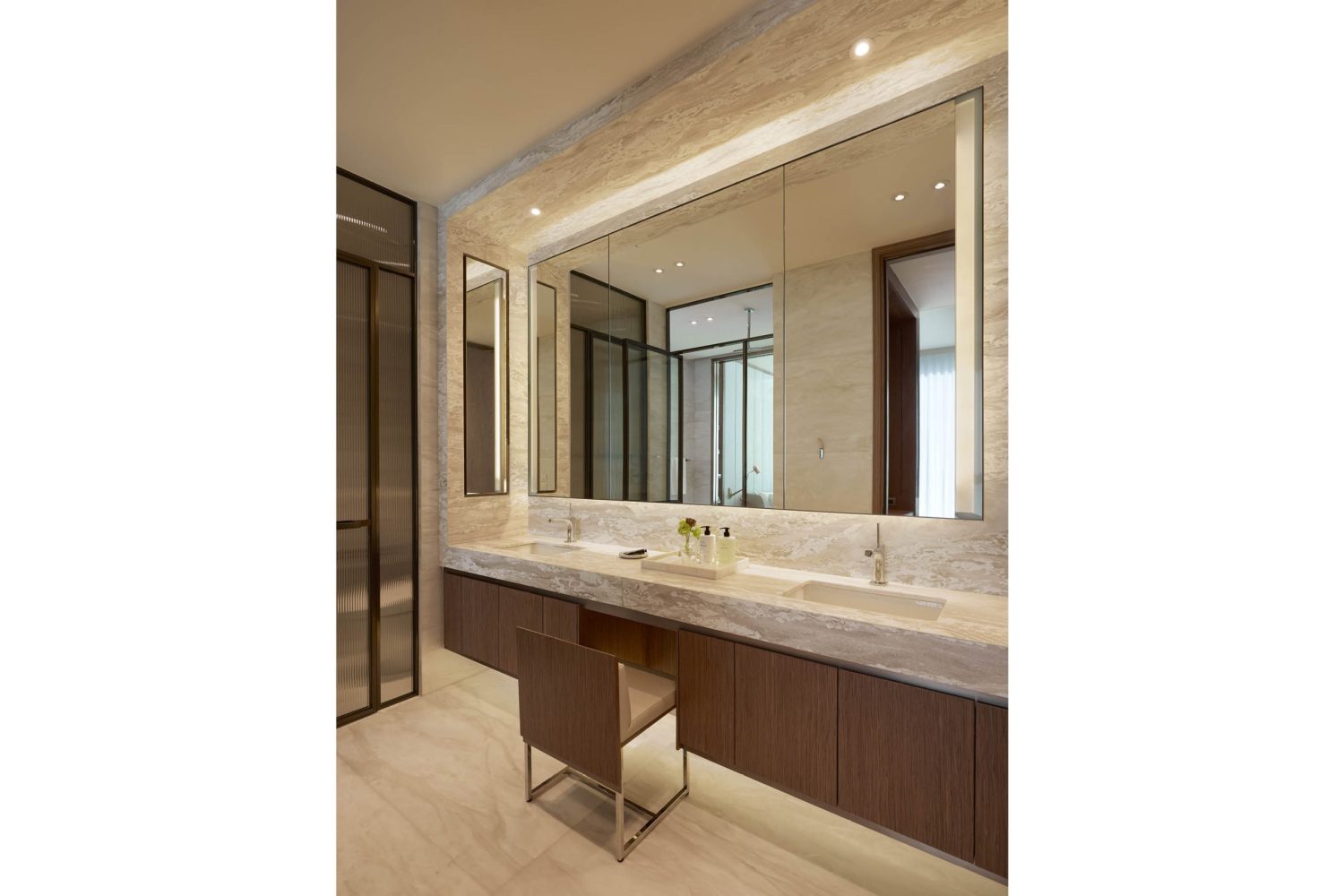
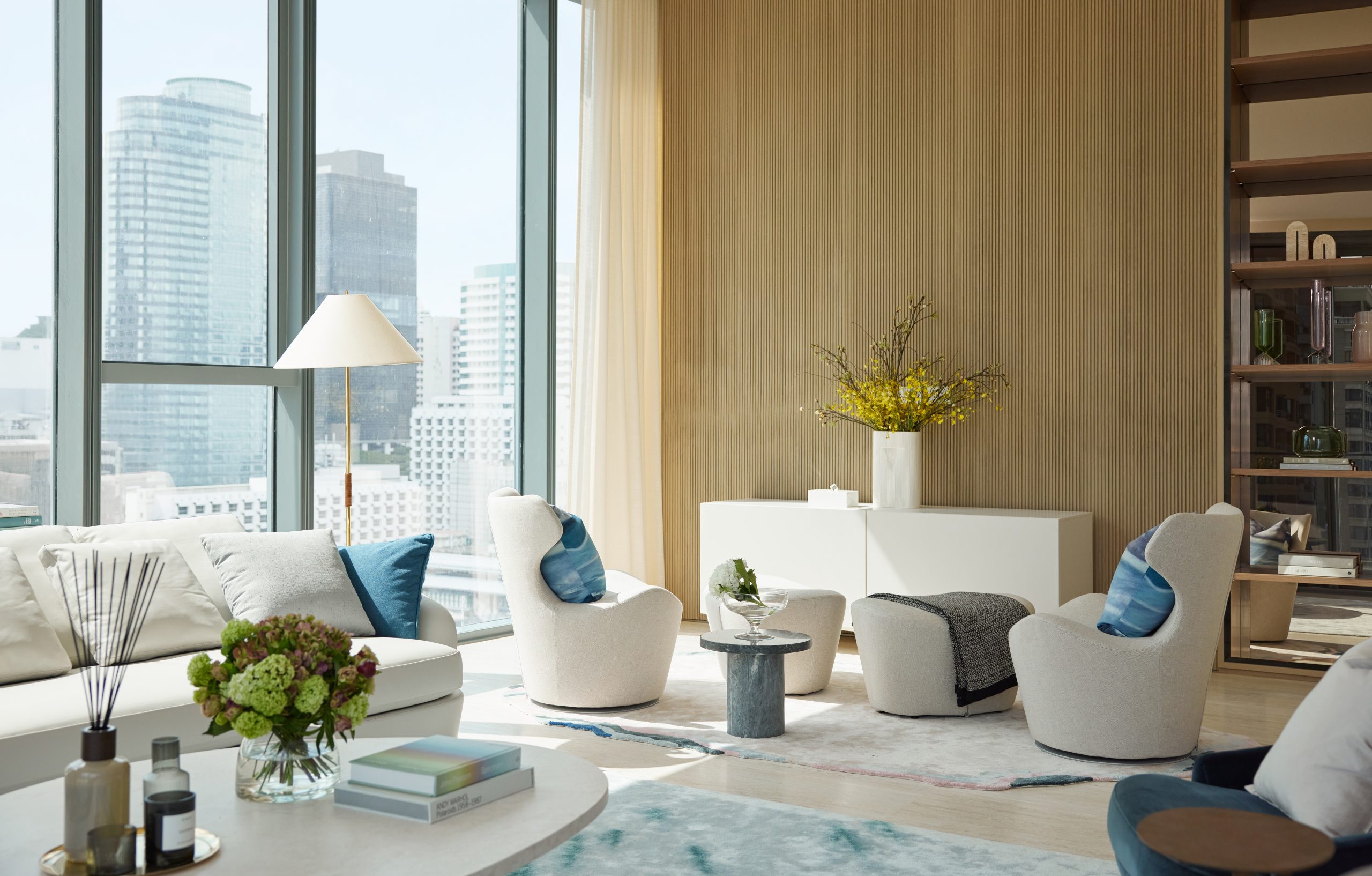
In terms of the look and feel, Thomas further described the inspiration he obtained from his visit to the city as, “Bangkok is the city of light and air. It has a very bright quality and an airy, warm tropical climate. So I wanted to showcase the light and airy palette to reflect that quality of Bangkok.” Upon entering the room, residents can undoubtedly feel a sense of those qualities, not only from the spacious dimensions but also attained by the full floor-to-ceiling window that illuminated the space with natural light. The bright material selection and color palette accentuates the interior and embraces its inhabitants with soothing warmth and refined serenity.
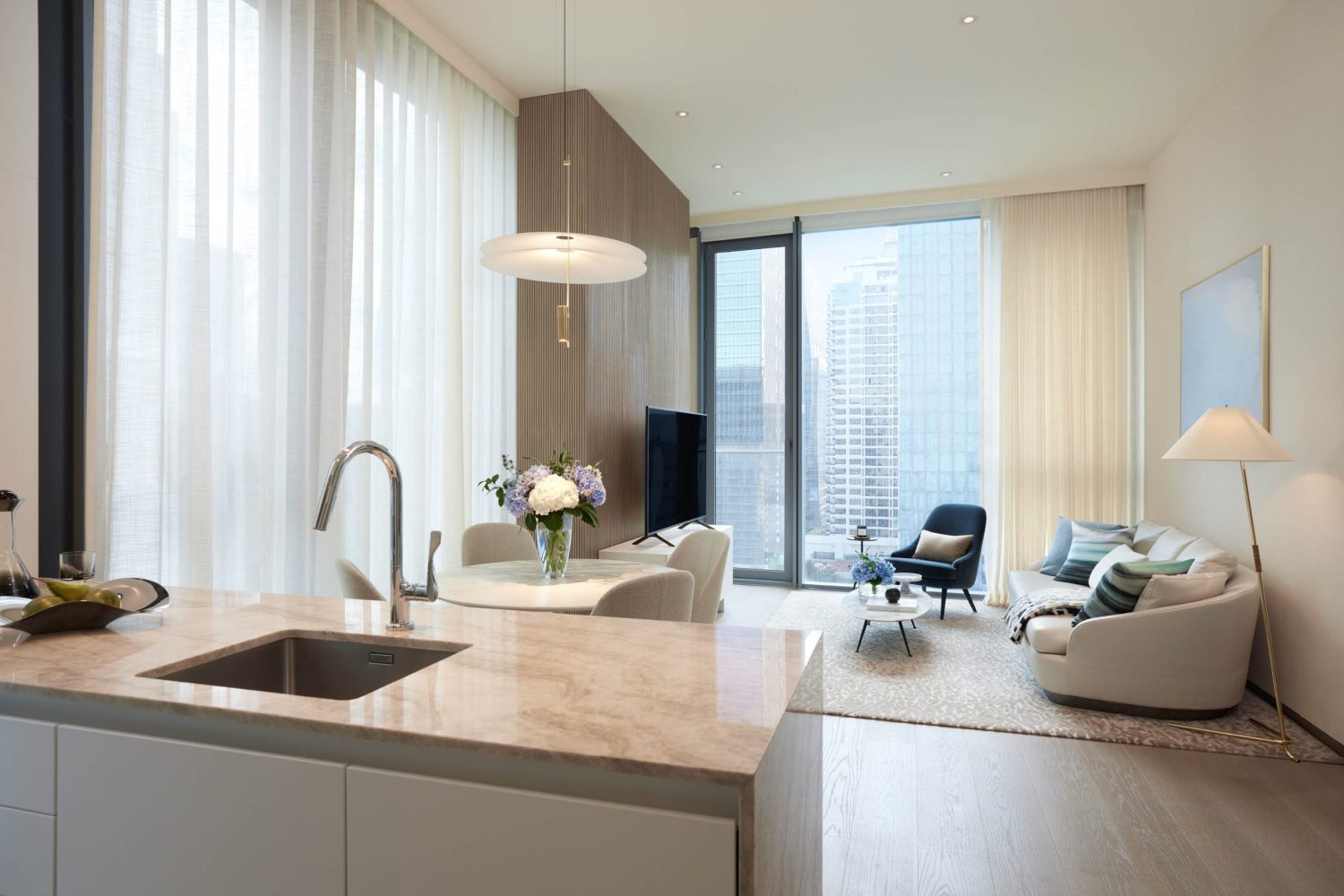
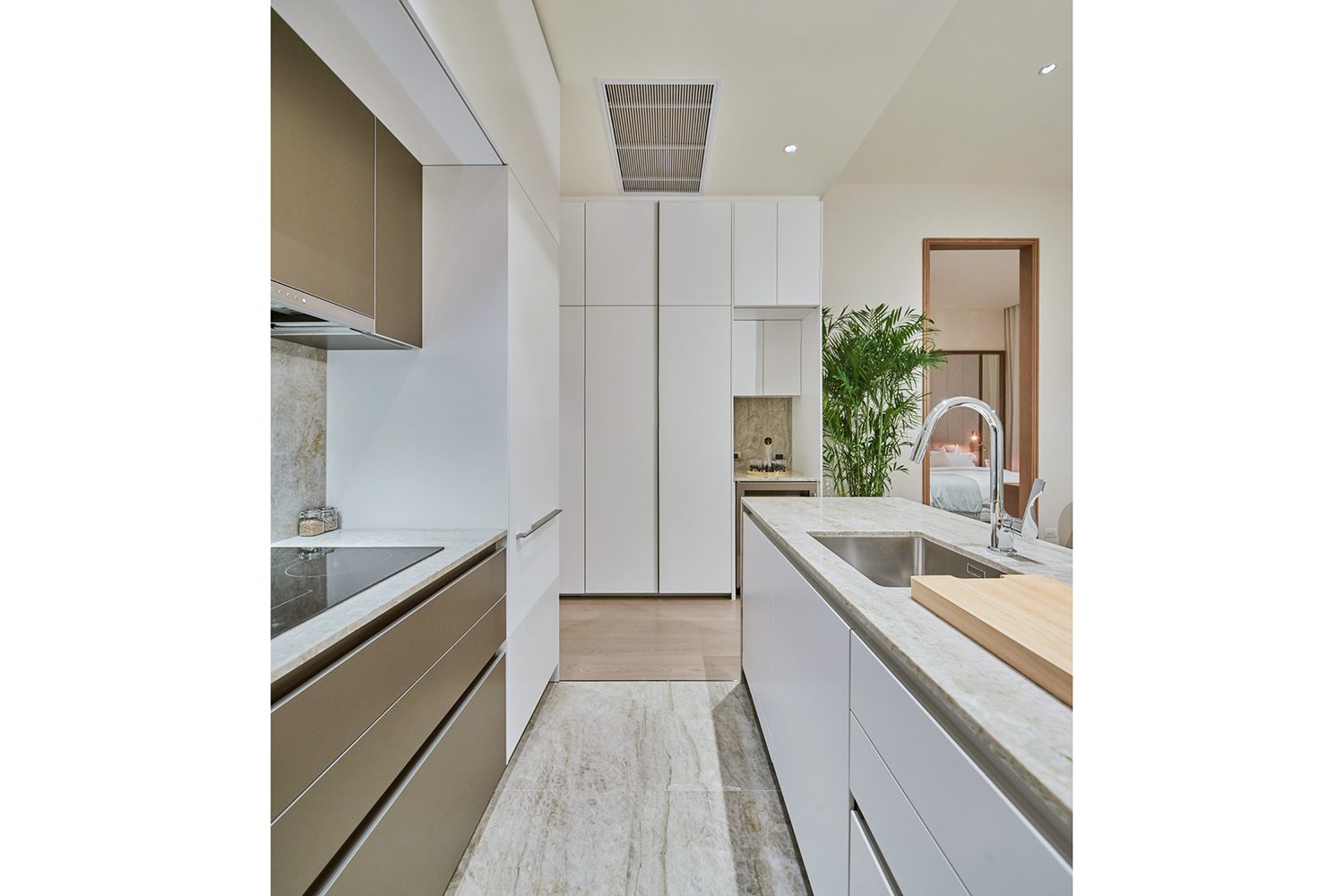
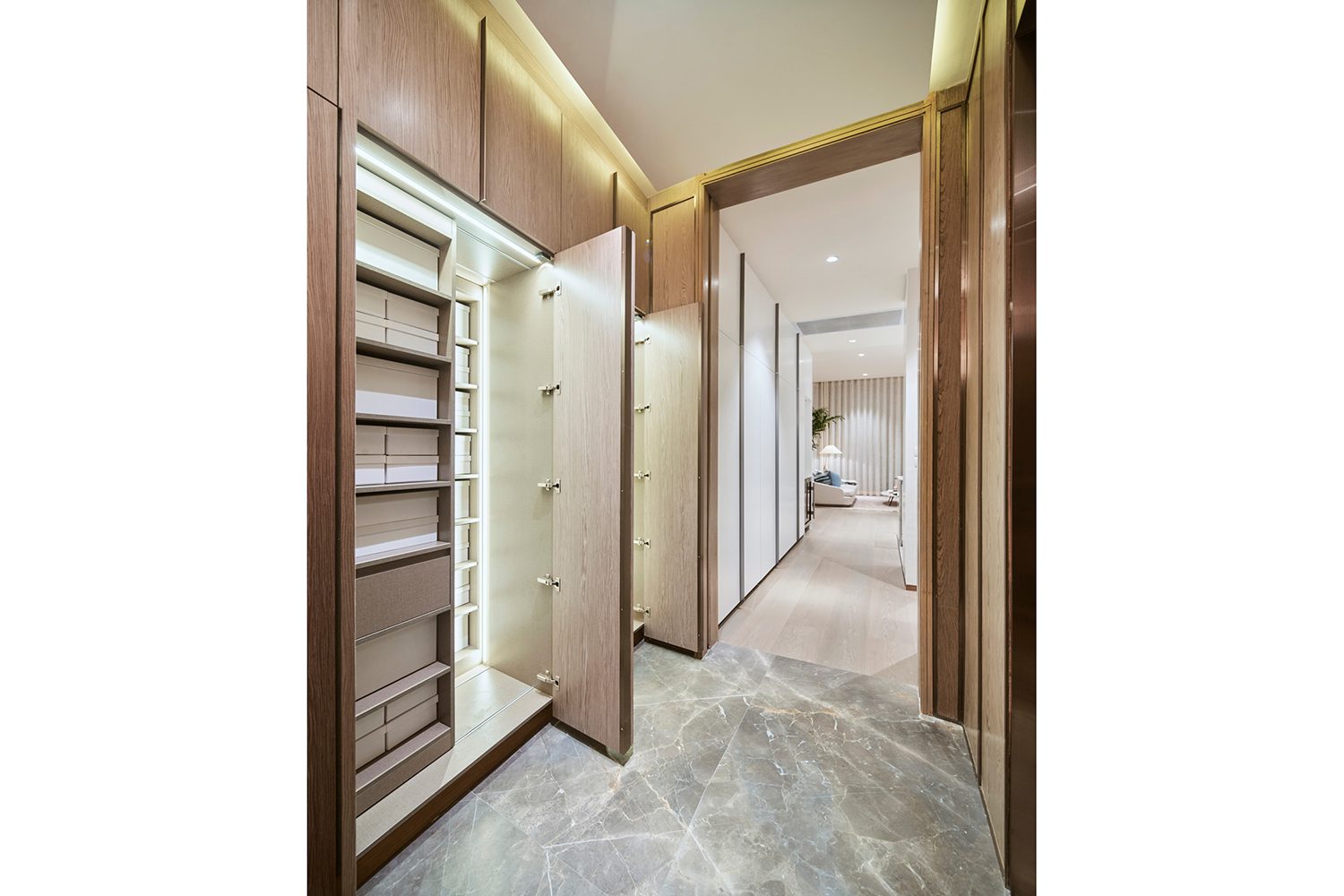
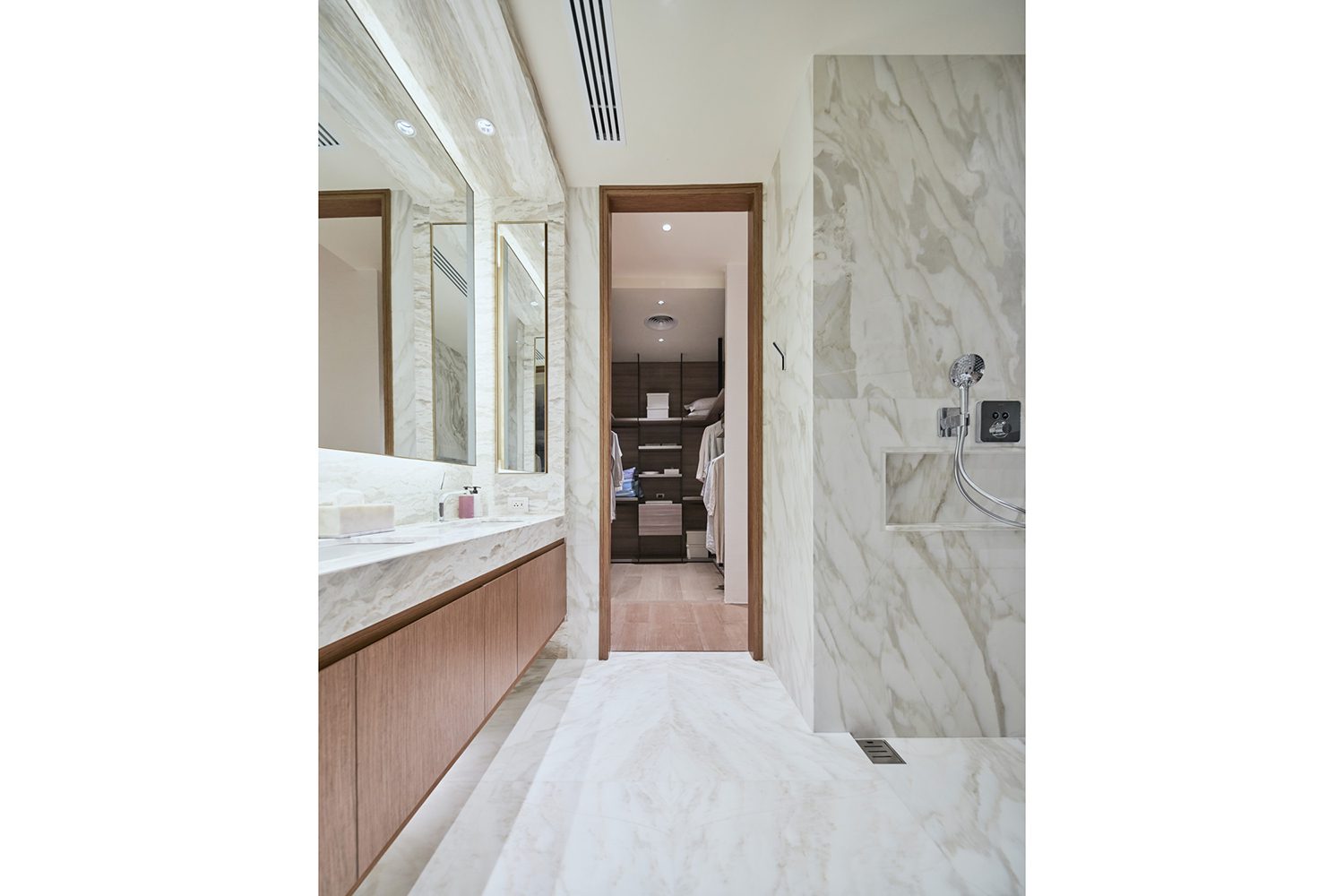
With a synergy of form and function, SCOPE’s decision to use German appliance brands like Gaggenau and Bulthaup was a no-brainer. From the highest quality and aesthetic of the appliances to how they blend perfectly, every aspect has been rigorously thought out. The level of attention applied to the details comes as little surprise when you consider the uncompromising functions of each element in the kitchen. Take one example of the material used for both countertops, the ivory and creamy off-white Taj Mahal quartzite. This single slab of stone serves both aesthetic functions and also protects from any absorption of water so residents can use it without any worries of color change over time caused by spillage and extreme usage. There is an abundant row of storage spaces in the entrance room through to the living area to assist residents in decluttering. These cabinets are designed to up to hundred pairs of shoes and other electronic appliances like washing and drying machines. Beside the entrance cabinets are the walk-in closet from an Italian brand, LEMA. This open structure U-shaped closet sits next to an all-white marble-covered voluminous bathroom. Adding to the high level of attention to detail and concern for its luxurious functionality, there are many custom pieces of furniture personally designed by Thomas himself. “It’s something I learned long, long time ago that handcrafting a bespoke furniture that fits with the setting of the space, the whole experience changes.” The furniture pieces in the room, such as working tables, TV consoles, and other built-ins, are made by Thomas down to the detailing level to work best with the space and the program in each room. This further adds to the level of careful craftsmanship, and attention to design that the project feels is essential for achieving a new paradigm of luxury

scopecollection.com 
facebook.com/scopecollection

THE ARCHITECTURE | SCOPE LANGSUAN


EXPERIENCE THE FEELING OF BANGKOK-ONLY KIND OF LUXURY IN THE SCOPE LANGSUAN EXTERIOR DESIGN BY KOHN PEDERSON FOX ASSOCIATES (KPF) WHICH RESONATED WITH THE THAI ATTITUDE OF HUMILITY AND HOSPITALITY TOWARDS ITS CONTEXT

TEXT: JINTAWACH TASANAVITES
PHOTO COURTESY OF SCOPE LANGSUAN EXCEPT AS NOTED

(For Thai, press here)

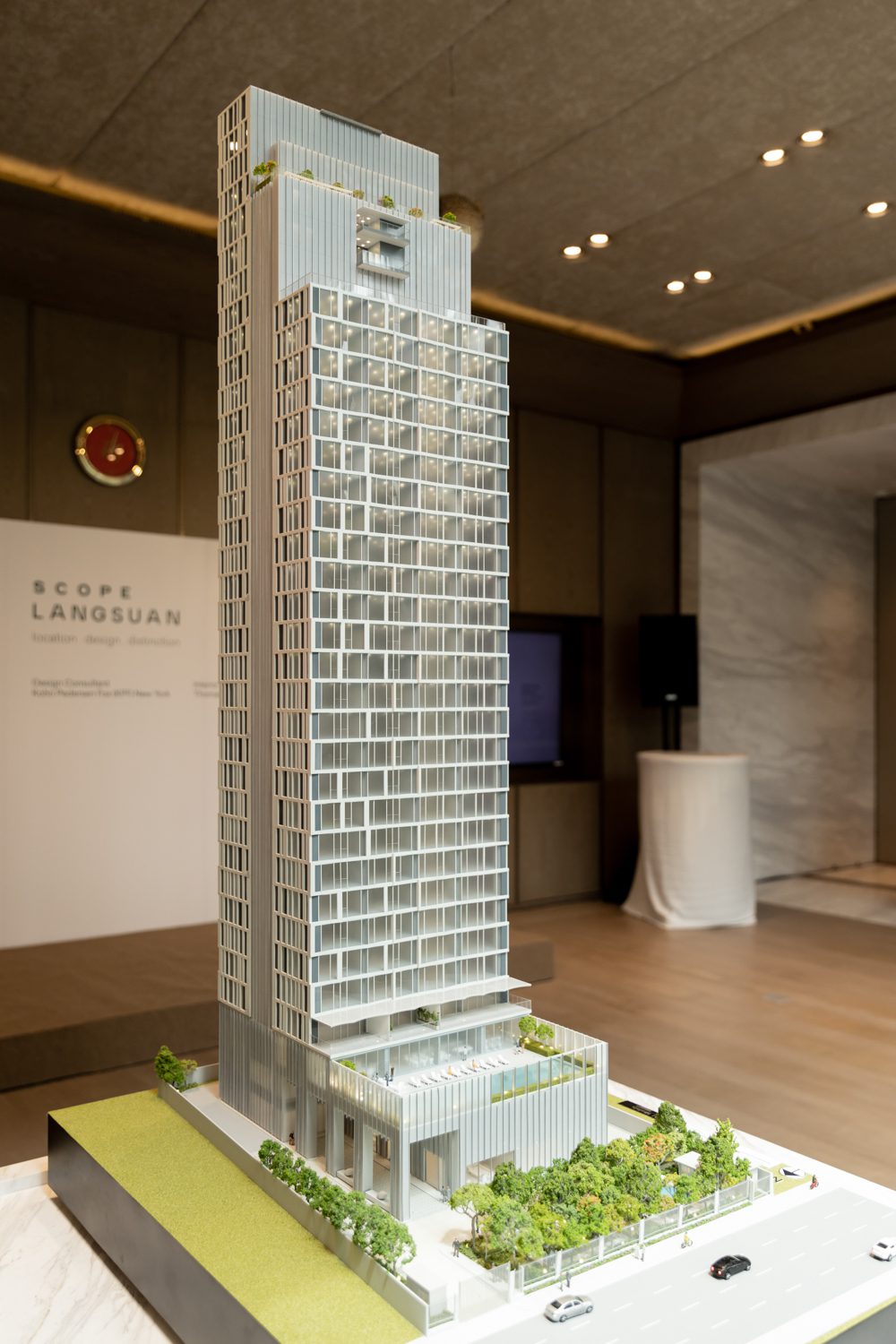
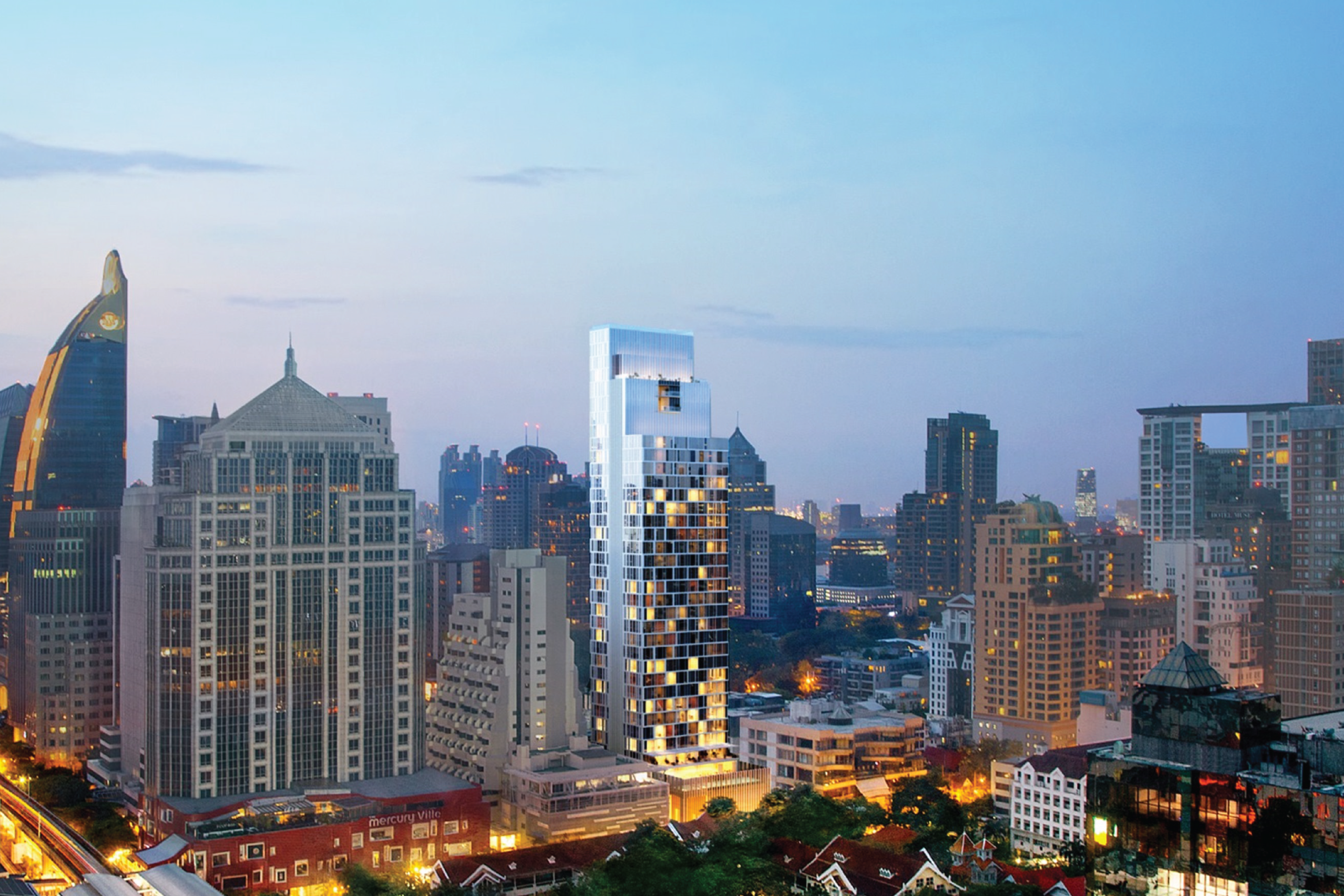
Kohn Pederson Fox Associates (KPF) is one of the world’s preeminent architecture firms and one of the first name that comes to mind when clients think of the most innovative, tallest buildings in all geographic regions. KPF is often known for its cutting-edge design with an inventive form that contributes to being a landmark for over 35 major cities worldwide. Although, with the firm’s diverse portfolio, one characteristic is shared among all projects designed by KPF, which is to ensure the programmatic functions are fully optimized and the most innovative solution is pursued in the master planning while offering a visually stunning exterior. This characteristic is also clearly apparent in the proposed design for SCOPE Langsuan that KPF has stepped in as an architectural design consultant for this ambitious luxury project.

Photo: Ketsiree Wongwan

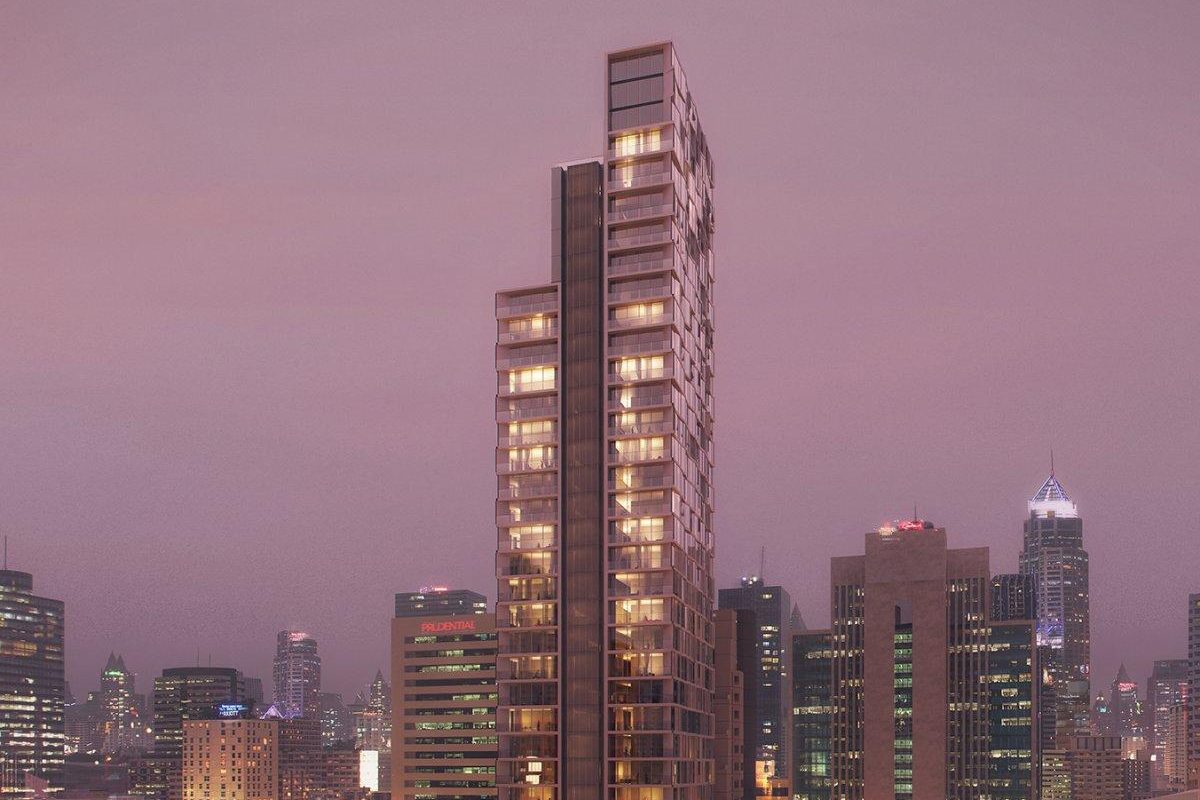
Externally, the condominium carries a unique, contemporary aesthetics that is the signature of KPF’s residential high-rise projects, yet SCOPE Langsuan stands out among those lavish buildings with its distinct simplicity and sleek composure. “We could have made a much more extravagant design to the building, but it would have defeated the purpose. This building is representative of the shift in luxury from a very loud, in-your-face luxury into a more minimal, no fuss, no guilt kind of luxury that we’re starting to see around the world and so we wanted to keep everything simple and calm”, Trent Tesch, a design principal also responsible for the project, told art4d. With this tranquility mindset, the SCOPE Langsuan aims to be a more understated type of luxury by adopting a humble approach with its design. The textured façade of the condominium features gently slanted windows and aluminum frames to create a ripple effect across the building’s surface, giving the structure an organic and natural motion. “Human scale and relationship that a person has to the scale of the building play an important role. The fold shape facade would allow people to feel more connected to the building rather than having a flat surface that may resemble more to an office building”, Trent added.
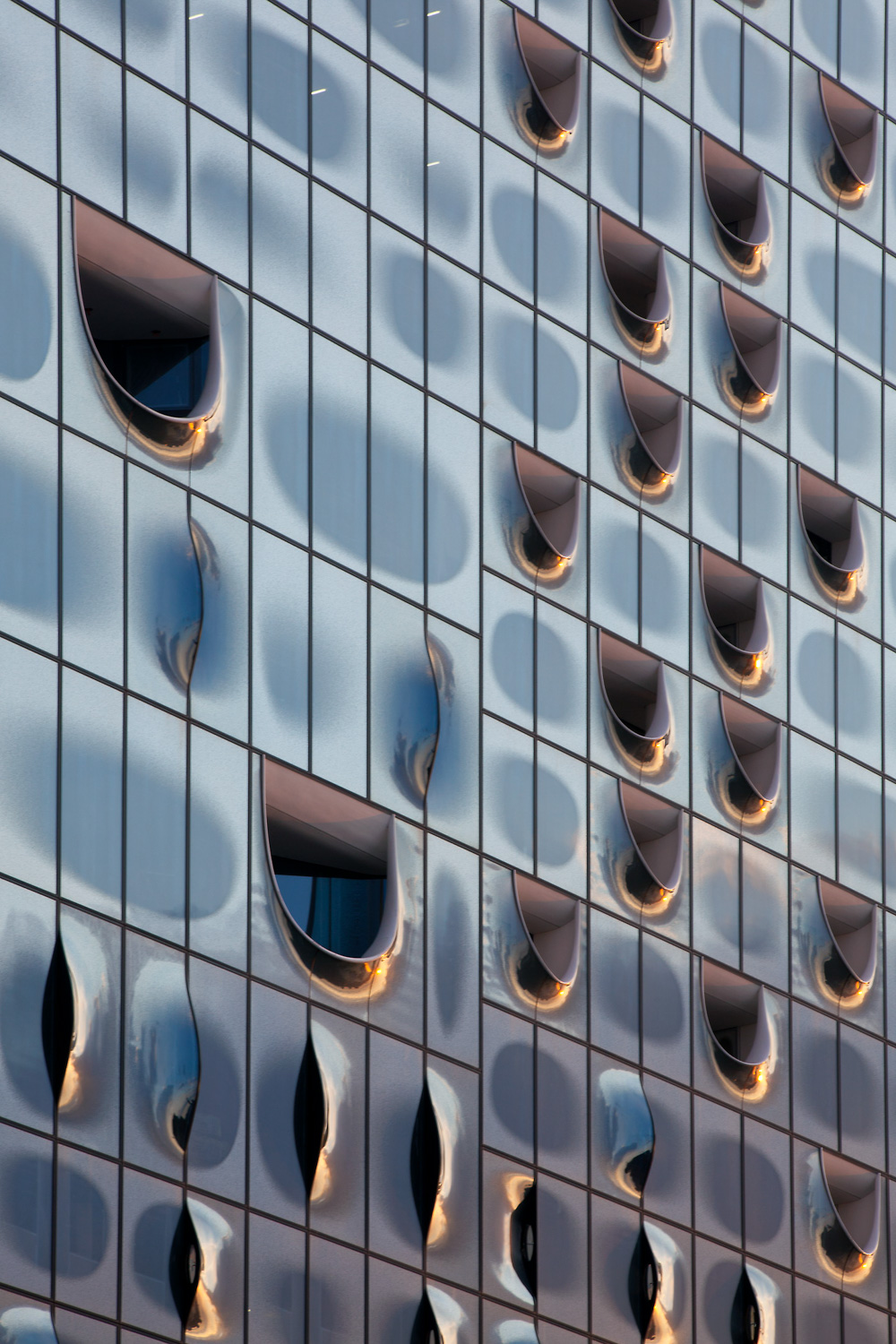
Architecturally, the construction of the building is visibly separated into three main volumes with stepped heights, emphasizing the structure’s graceful verticality. Variations in the glass surface distinguish the building’s components: the two outermost volumes, ornamented with creased windows, house the residential units, while a fritted glass wall distinguishes the central core. These glasses are made with an 8 mm high-quality, double-glazed insulated Low-E coating so that the residents can ensure their privacy from external viewers even at night and offer a clear internal observation through to the capital’s spectacular view. Furthermore, this special Low-E coating acts as a threshold to protect its inhabitant from Bangkok’s harsh weather and intense heat. It is undeniable that the rhythm between these extensive use of undulated glass and the private balconies of the exterior of this building allowed for a more sleek and dramatic visual experience that homeowners can take pride in.

Overall, the exterior perfectly captures the design ethos of the building with its inside-out thinking that KPF executed explicitly for this project. Its tripartite design is derived from the desire to reflect the internal program, segregating the service core with the living space to the outside. This simplistic, straightforward rationales results in a beautifully crafted verticality of its exterior and claim SCOPE Langsuan a sight to behold for the city with its modern and expressive elements. Finally, pursuing an understated approach also allows the building to resonate with the Thai attitude of humility and hospitality towards its context. “I couldn’t imagine this building anywhere else in the world. This is site-specific to Bangkok-only kind of luxury,” Trent ended.

scopecollection.com 
facebook.com/scopecollection

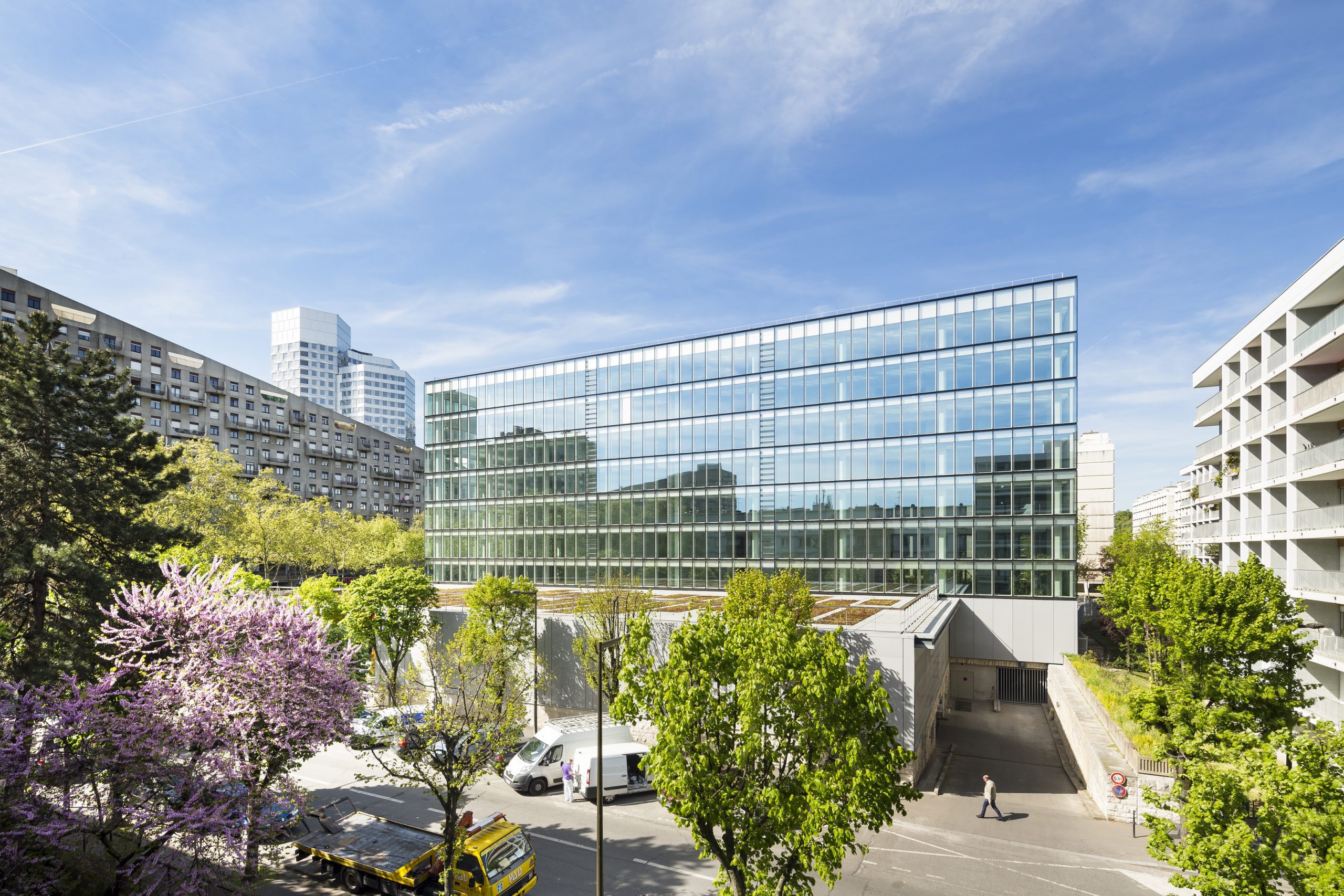
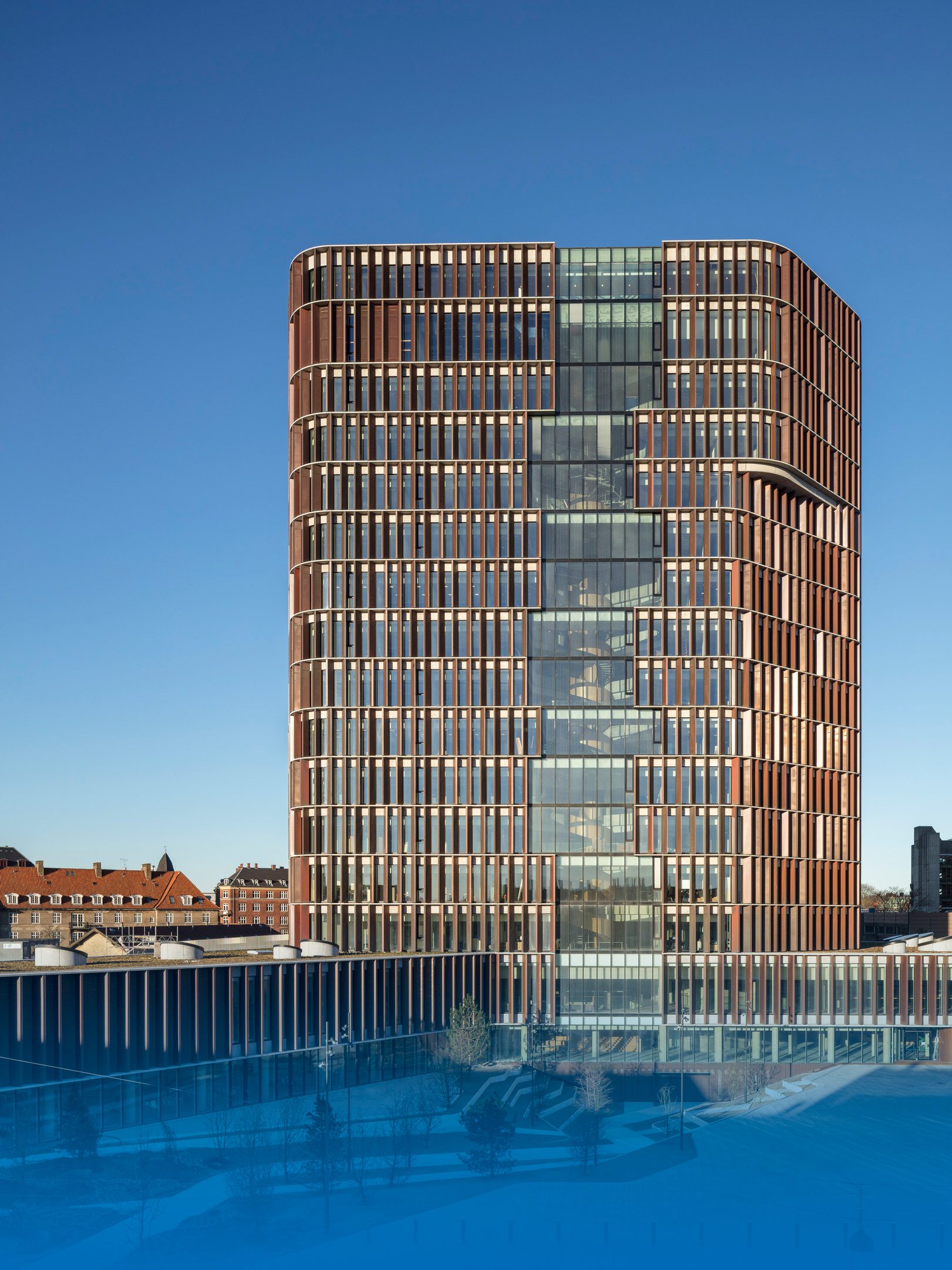
OFFICE BUILDING 02 l GUARDIAN GLASS

OFFICE BUILDING 02 | GUARDIAN GLASS

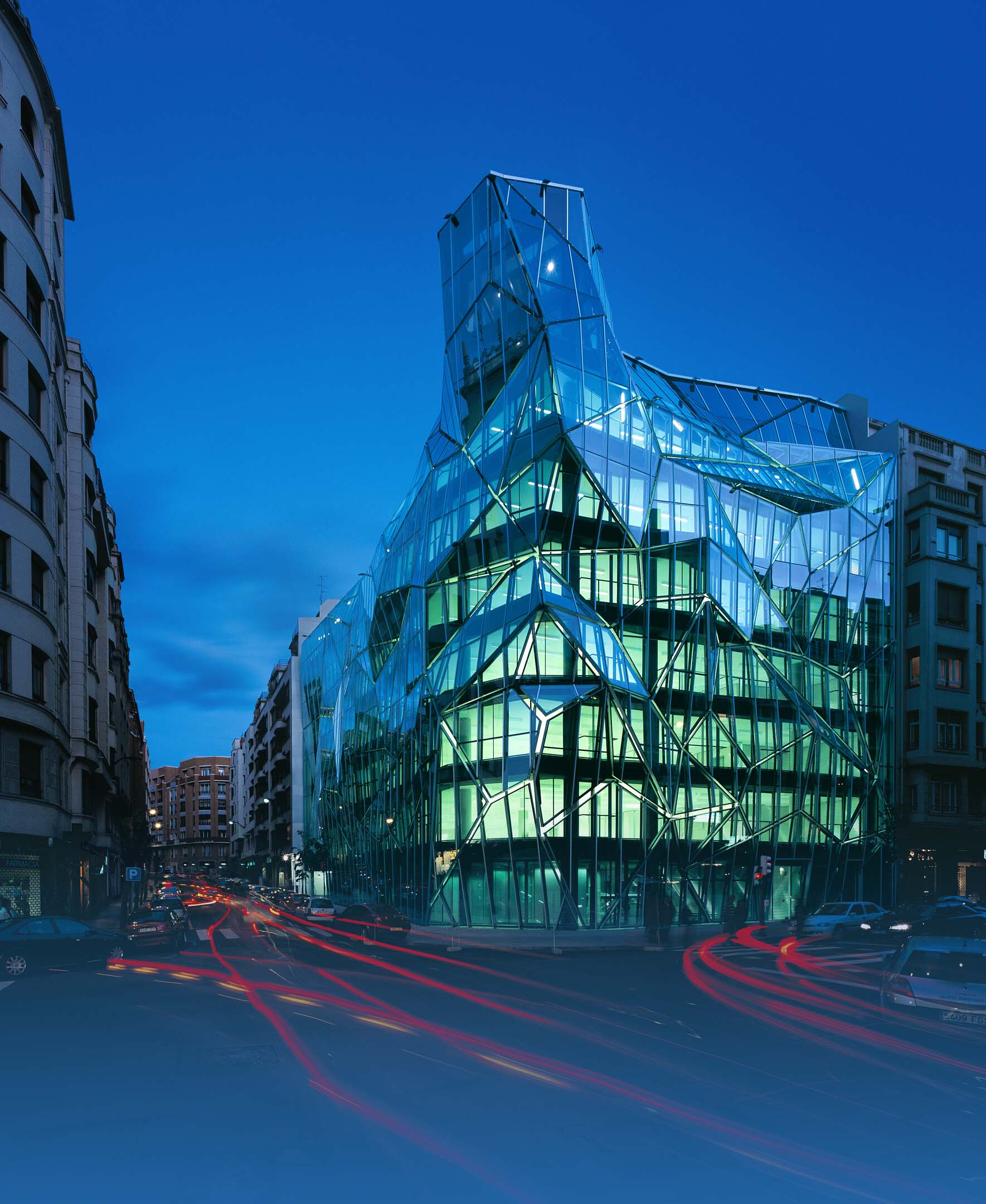
IN CONTINUATION TO OUR PREVIOUS ARTICLE, ANOTHER THREE BUILDINGS WILL BE CITED FOR THEIR OUTSTANDING APPLICATIONS OF GLASS TO THE DESIGNS OF THEIR FAÇADES. IN ADDITION TO THE AESTHETIC MERITS, THE MATERIAL ALSO OFFERS OUTSTANDING PHYSICAL QUALITIES THAT ENHANCE ENERGY SAVING EFFICIENCY OF INTERIOR FUNCTIONAL SPACES

Read More

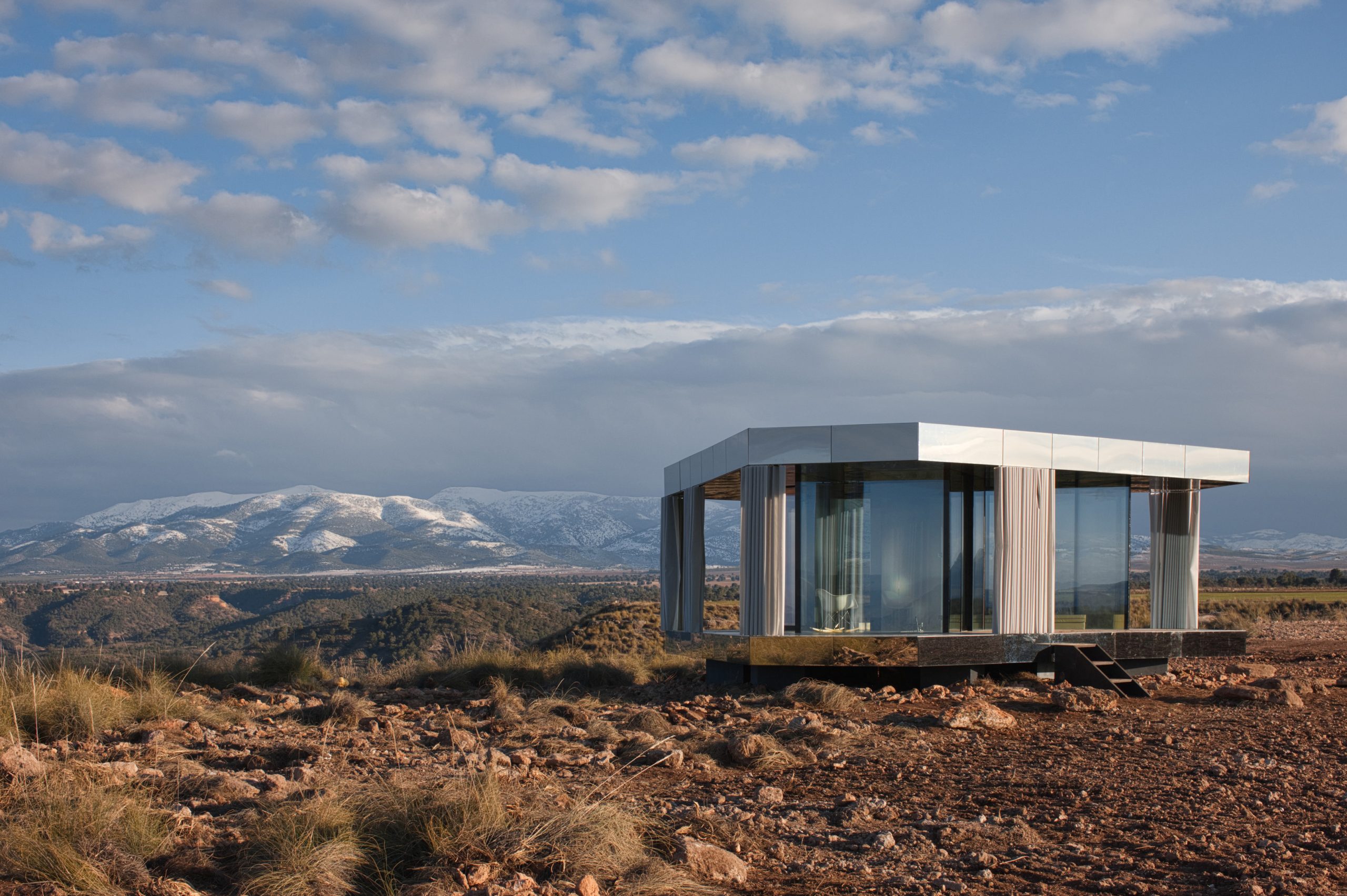
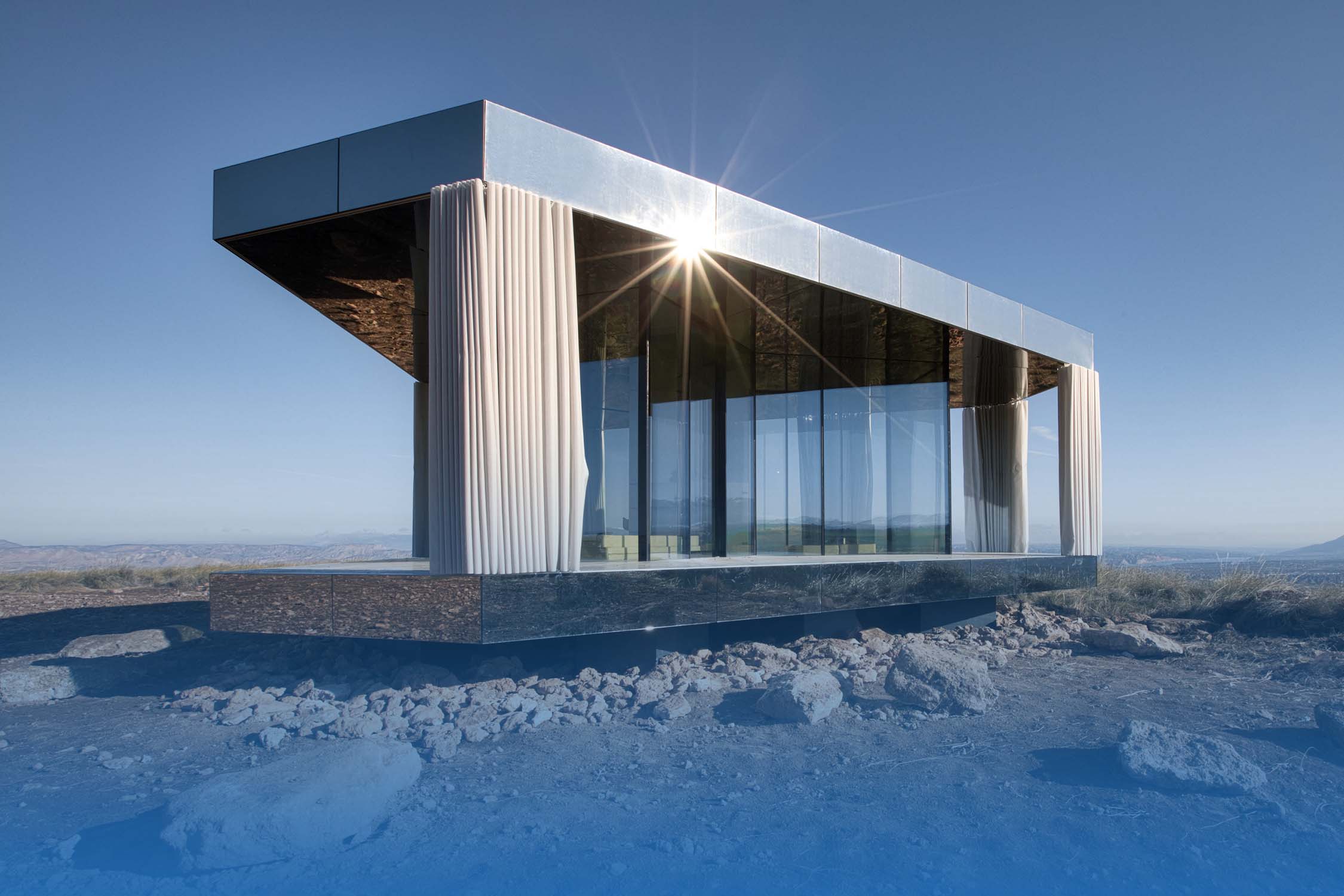
LA CASA DEL DESIERTO | GUARDIAN GLASS

LA CASA DEL DESIERTO | GUARDIAN GLASS

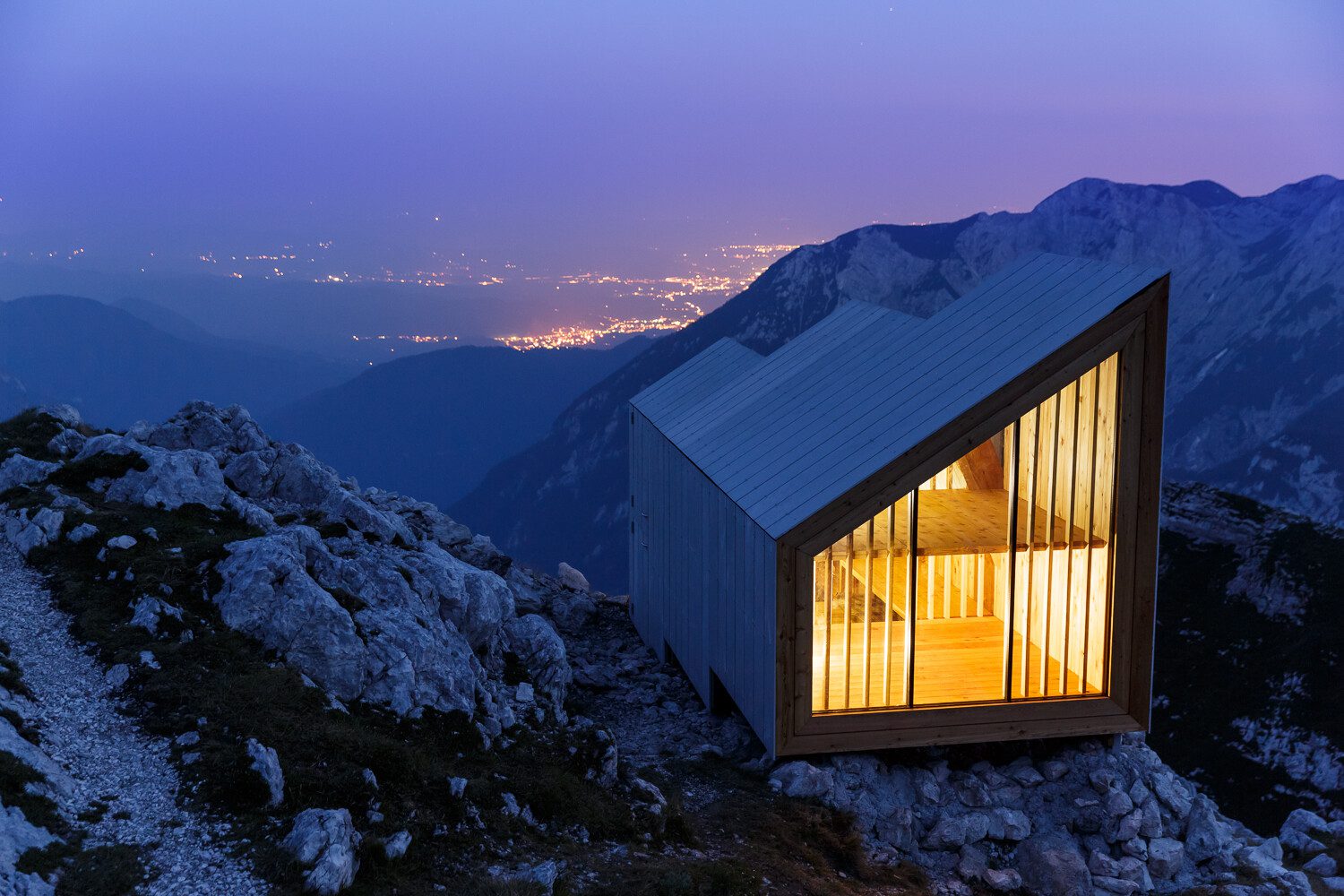
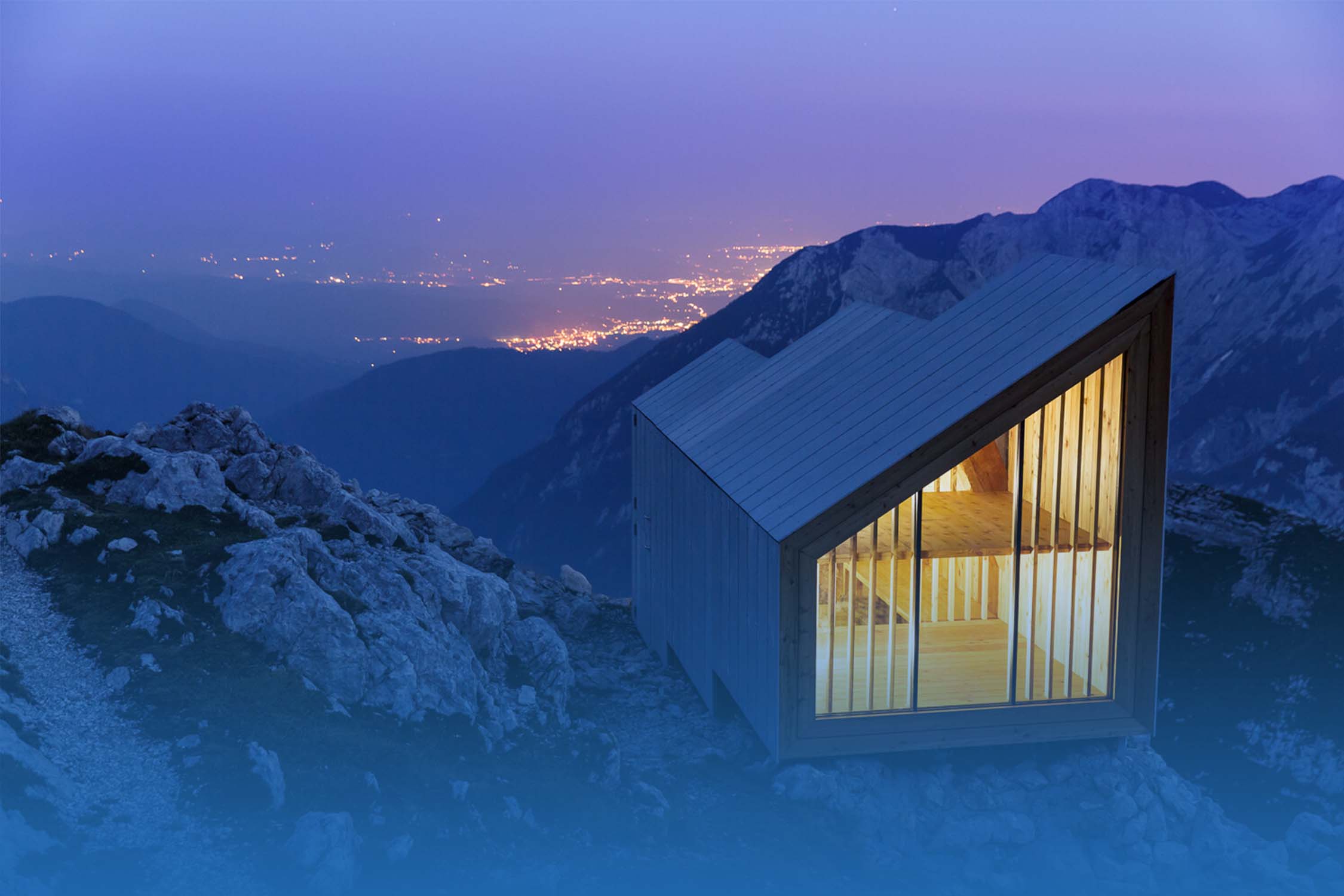
AMONG THE EXTREME HEAT OF GORAFE DESERT,  LA CASA DEL DESIERTO DESIGNED BY OFIS ARCHITECTS  IS CONCEIVED INTO PROMINENT ARCHITECTURE BY USING  SUNGUARD EXTRASELECTIVE SUPERNEUTRAL 60 (SNX 60) AND CLIMAGUARD® PREMIUM2  WHICH CONTRIBUTE TEMPERATURE CONTROL AND  ALLOW NATURAL LIGHT INTO INTERIOR SPACE

Read More

ROYAL PROJECT FOUNDATION | GUARDIAN GLASS

ROYAL PROJECT FOUNDATION | GUARDIAN GLASS

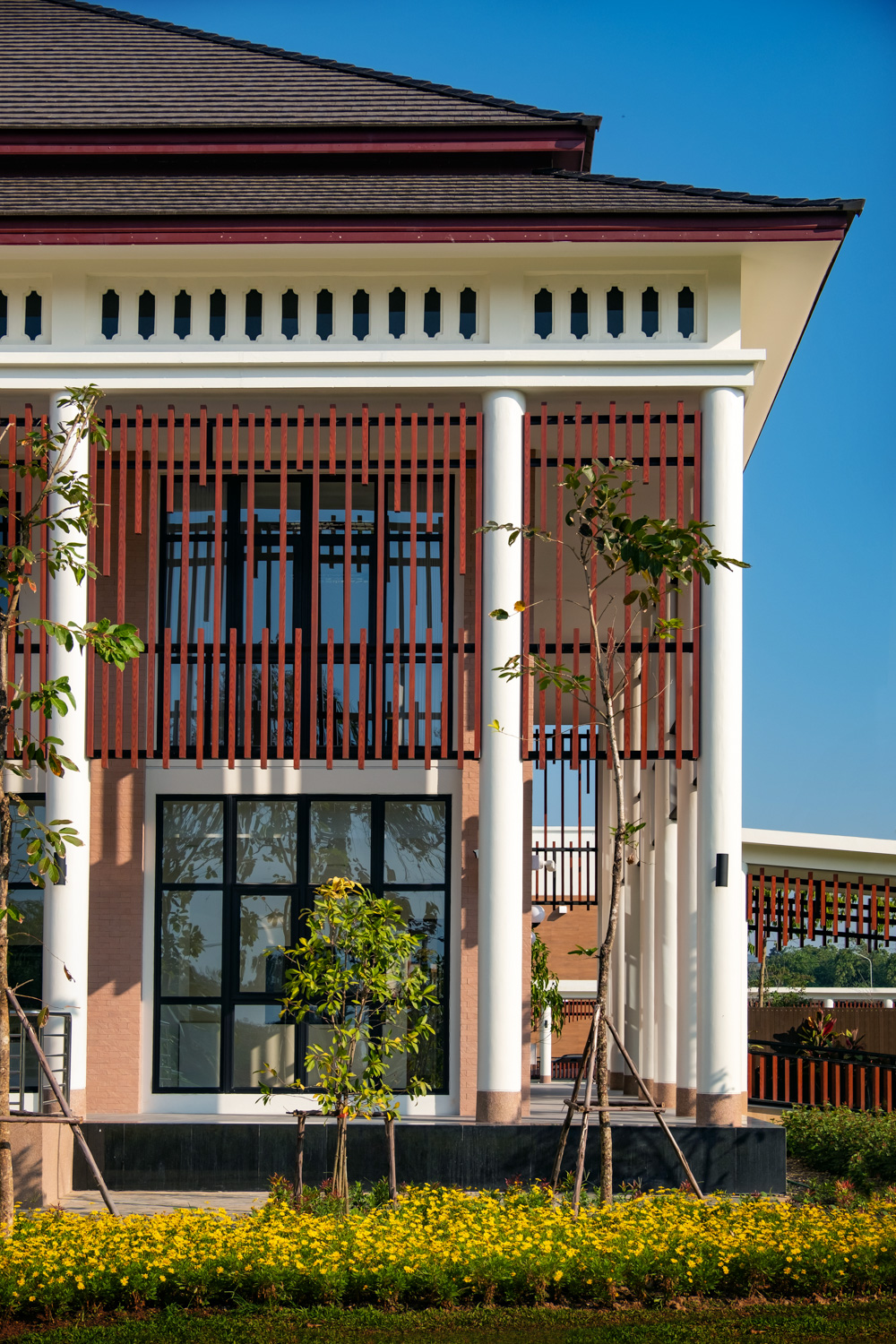
THE AGRICULTURAL RESEARCH AND DEVELOPMENT CENTER OF THE ROYAL PROJECT FOUNDATION IS DESIGNED TO INCORPORATE THE LANNA STYLE INTO THE NEW CONTEXT. USING GUARDIAN GLASS MATERIAL FOR BUILDING’S EFFICIENCY. IN ADDITION TO REPRESENTING THE BUILDING’S CHARACTERISTICS AND THE BUILDING’S IMAGE

Read More

ELBPHILHARMONIE HAMBURG: FAÇADE DETAILS | GUARDIAN GLASS

ELBPHILHARMONIE HAMBURG: FAÇADE DETAILS | GUARDIAN GLASS

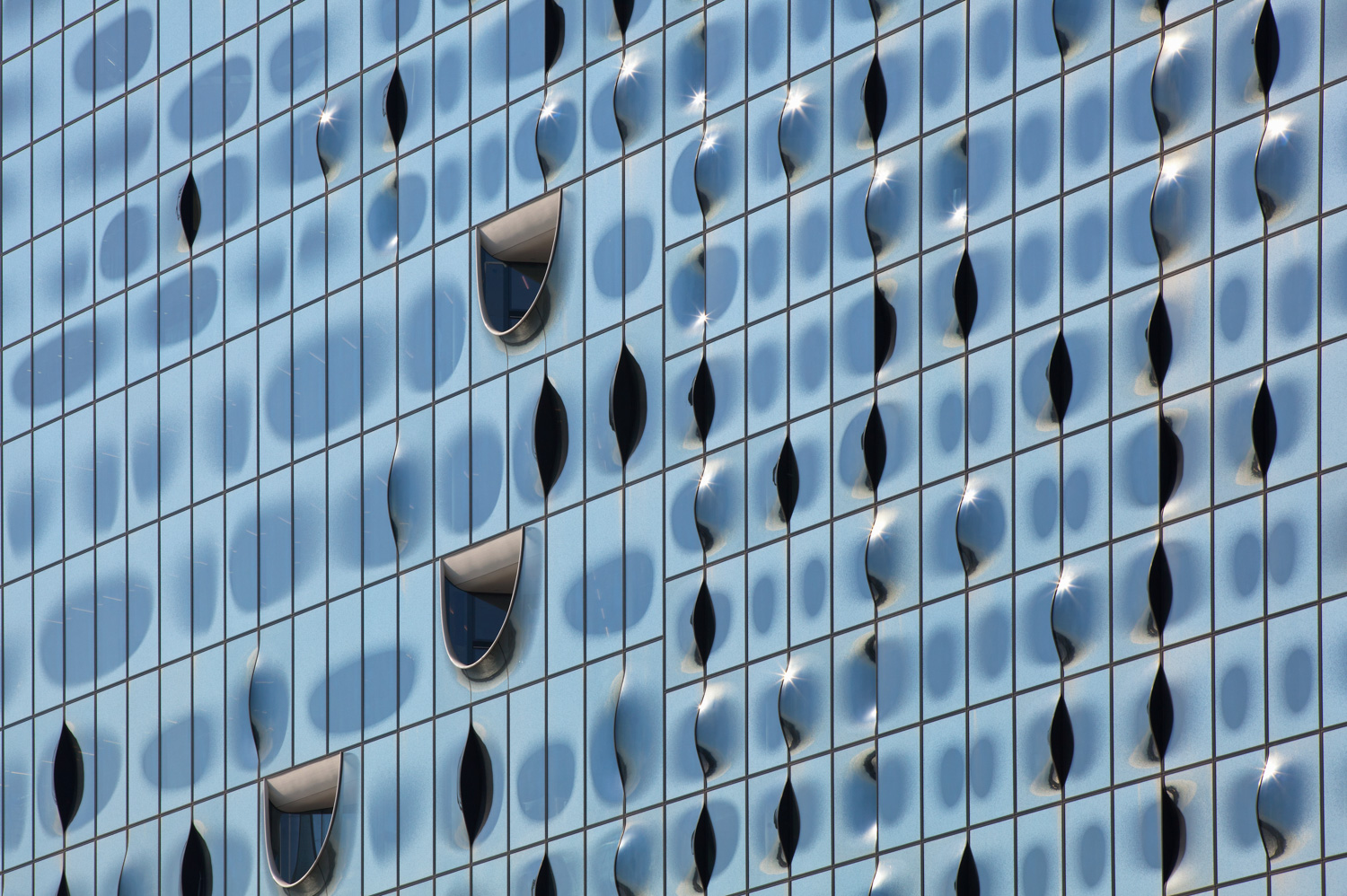
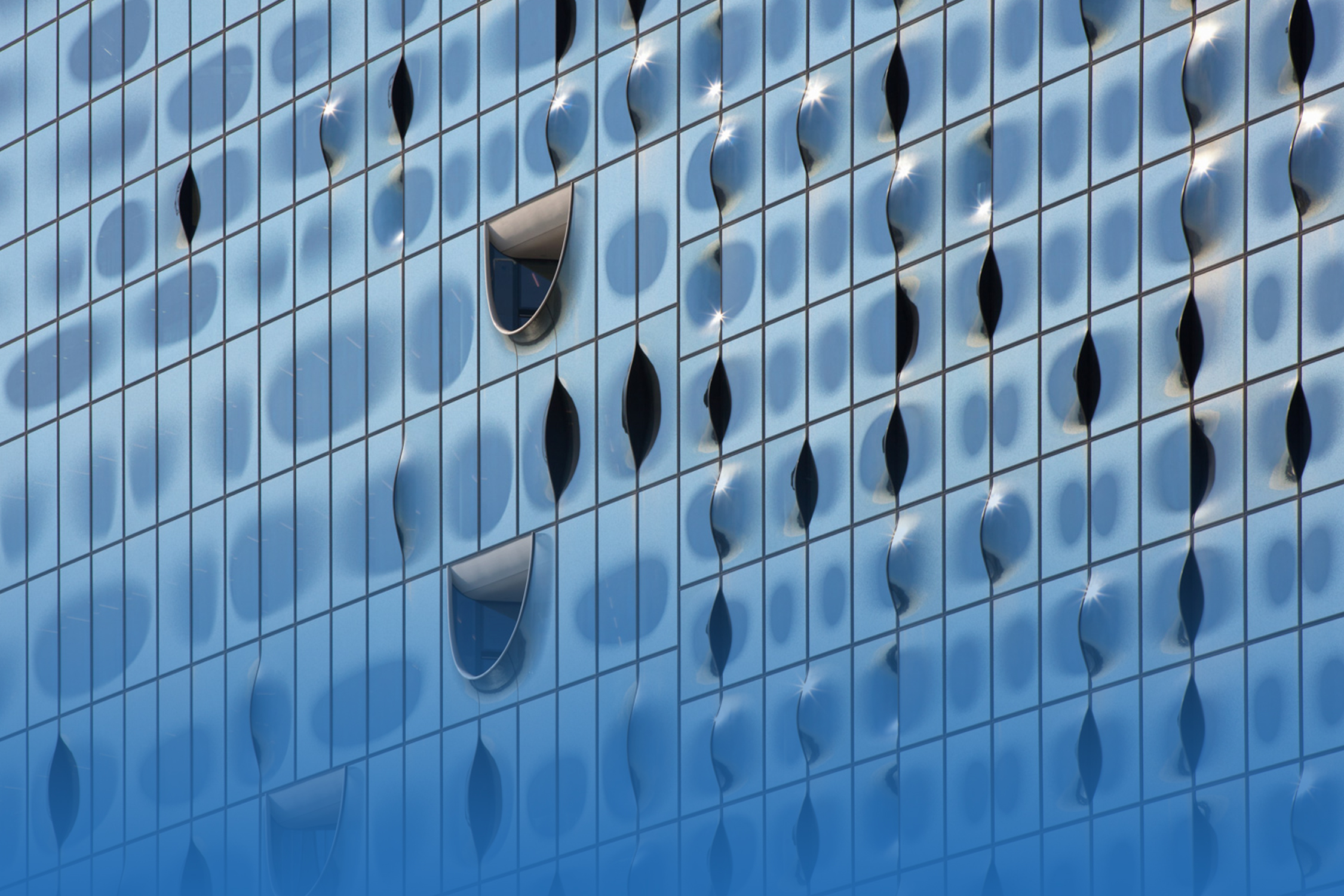
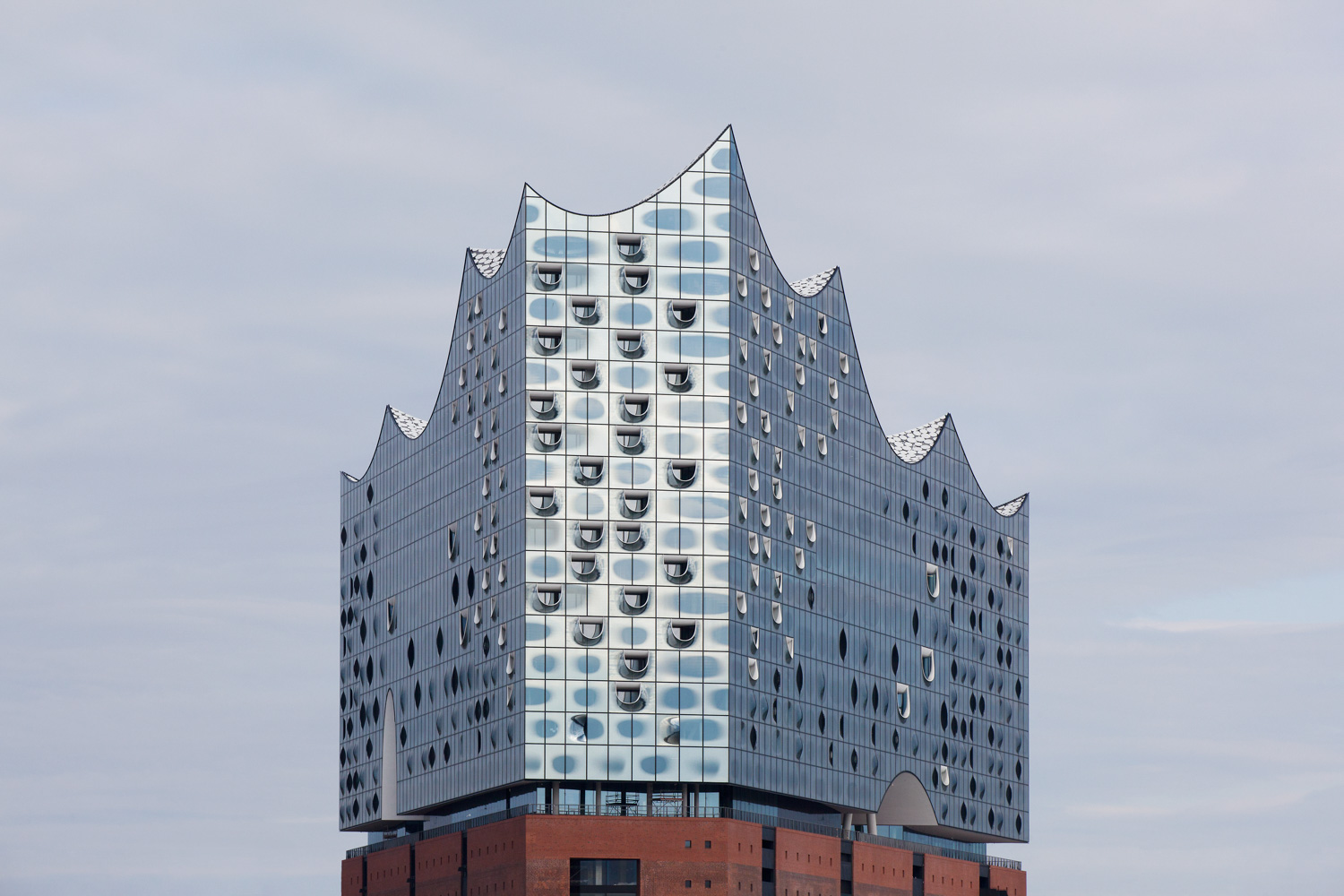
AFTER WALKING THROUGH THE DESIGN CONCEPT OF ELBPHILHARMONIE HAMBURG IN A PREVIOUS ARTICLE, THIS TIME WE DELVE INTO THE DETAILS OF THE BUILDING’S GLASS FAÇADE FROM GUARDIAN EXTRACLEAR®, GUARDIAN CLIMAGUARD®, AND GUARDIAN SUNGUARD® WHICH CREATES A DYNAMIC SHAPE SIMILAR TO NATURAL WAVES AND NEARBY HARBOR

TEXT: WARUT DUANGKAEWKART
PHOTO: CORDELIA EWERTH

(For Thai, press here)

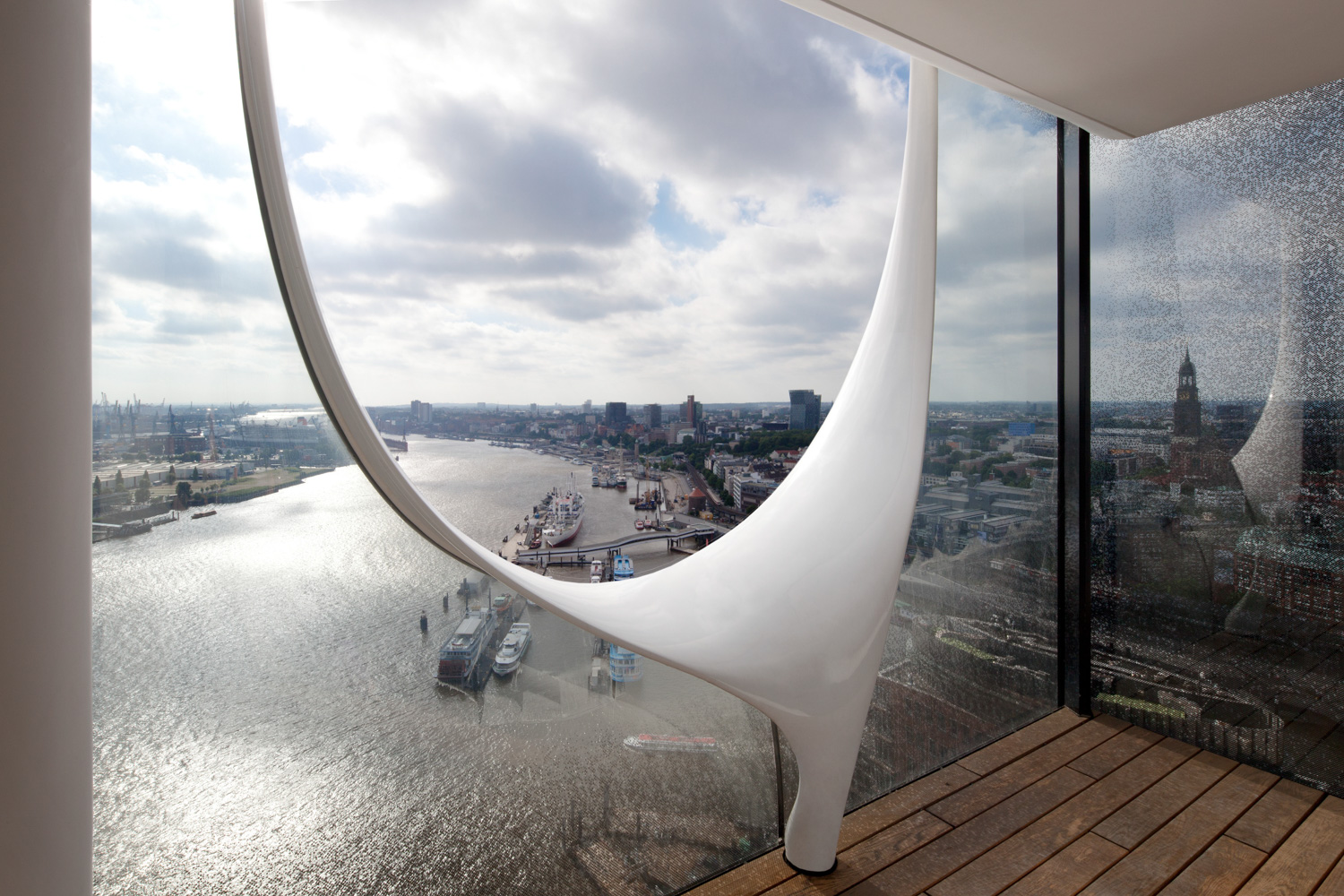
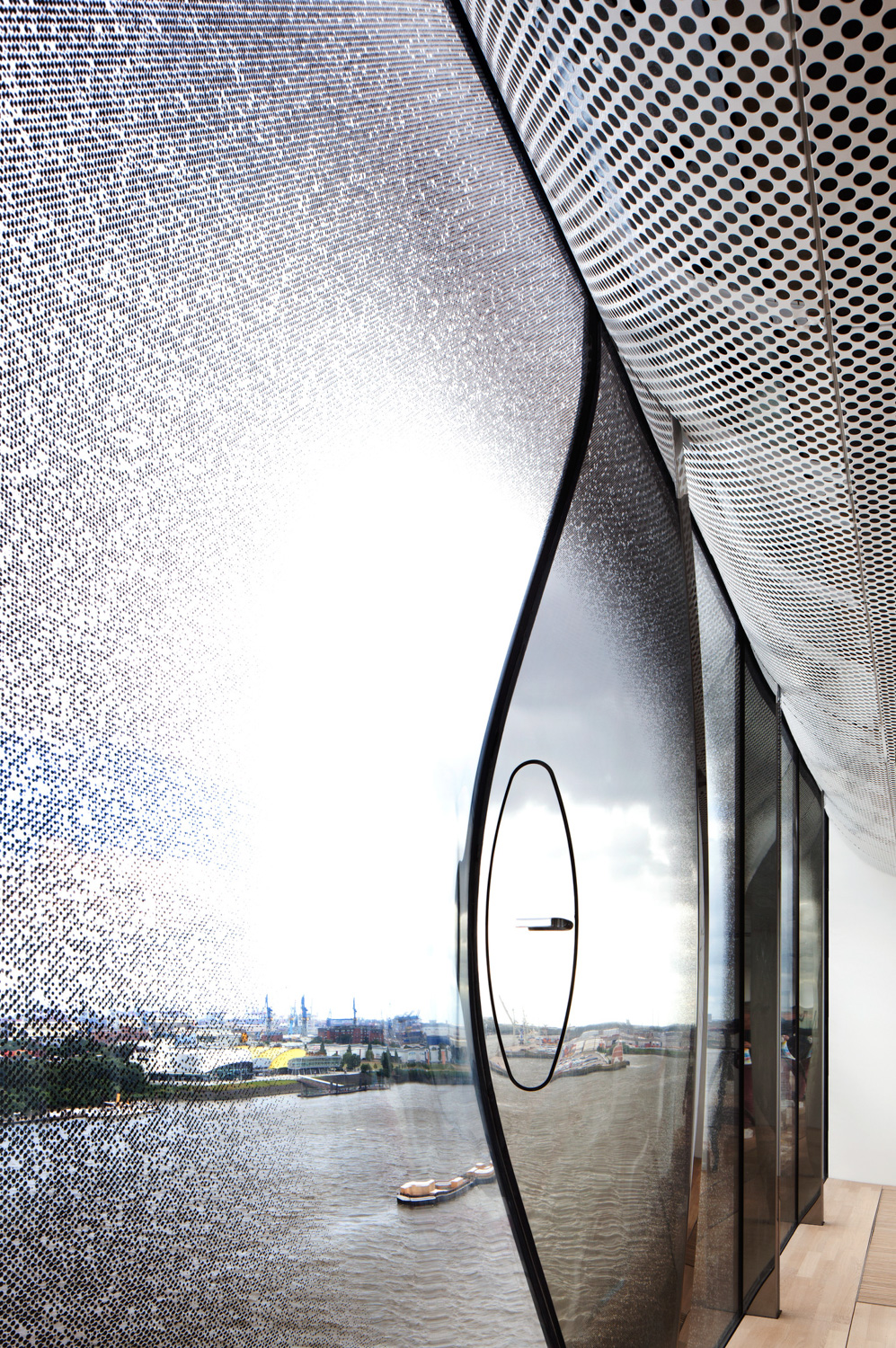
The unusual-looking curved glass facade seems to be what people remember the most about Elbphilharmonie Hamburg, the project where Herzog & de Meuron transforms an old warehouse into a new landmark of the city of Hamburg. The place houses a variety of activities and establishments, from music hall, restaurants, bars, to an apartment and a hotel.

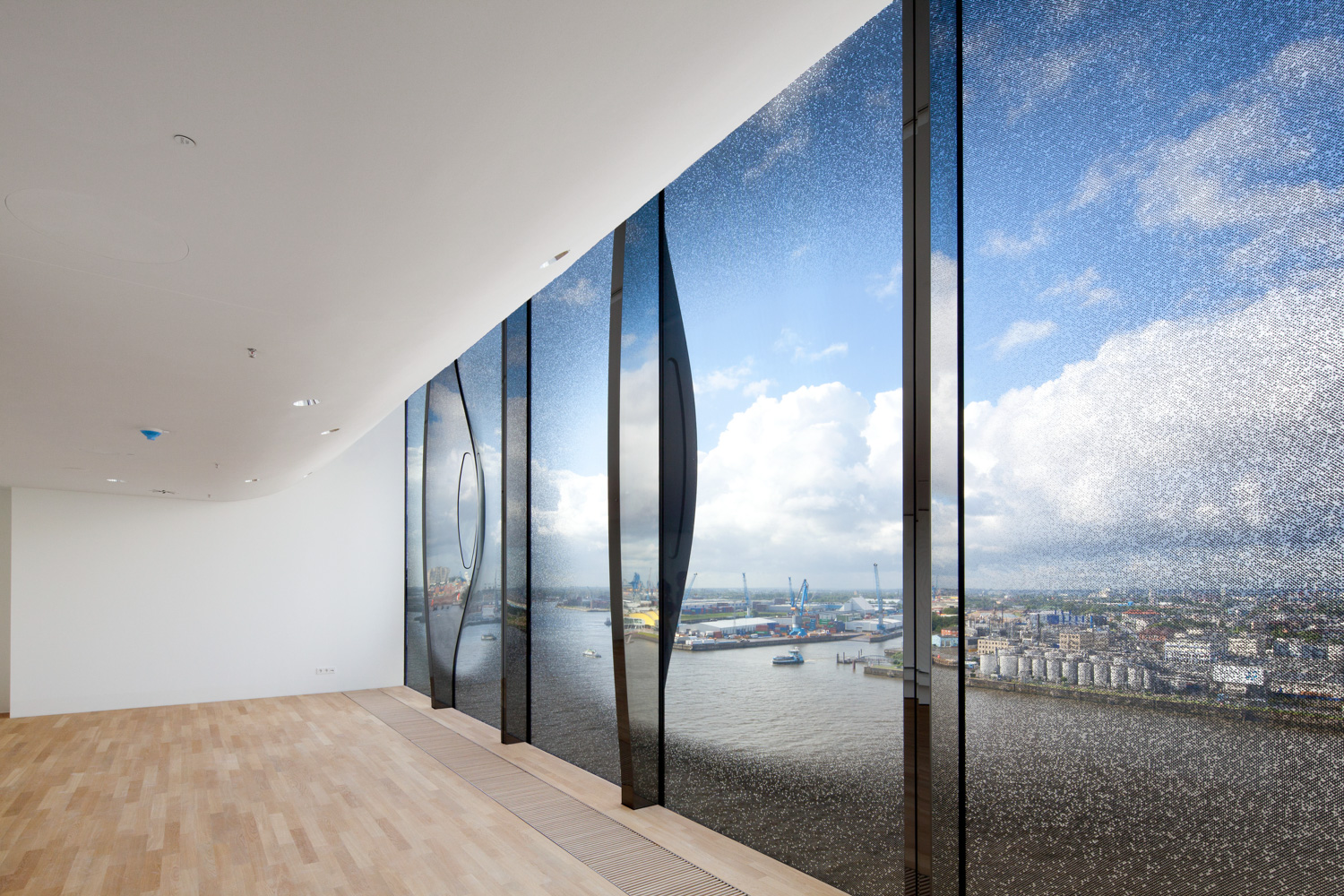
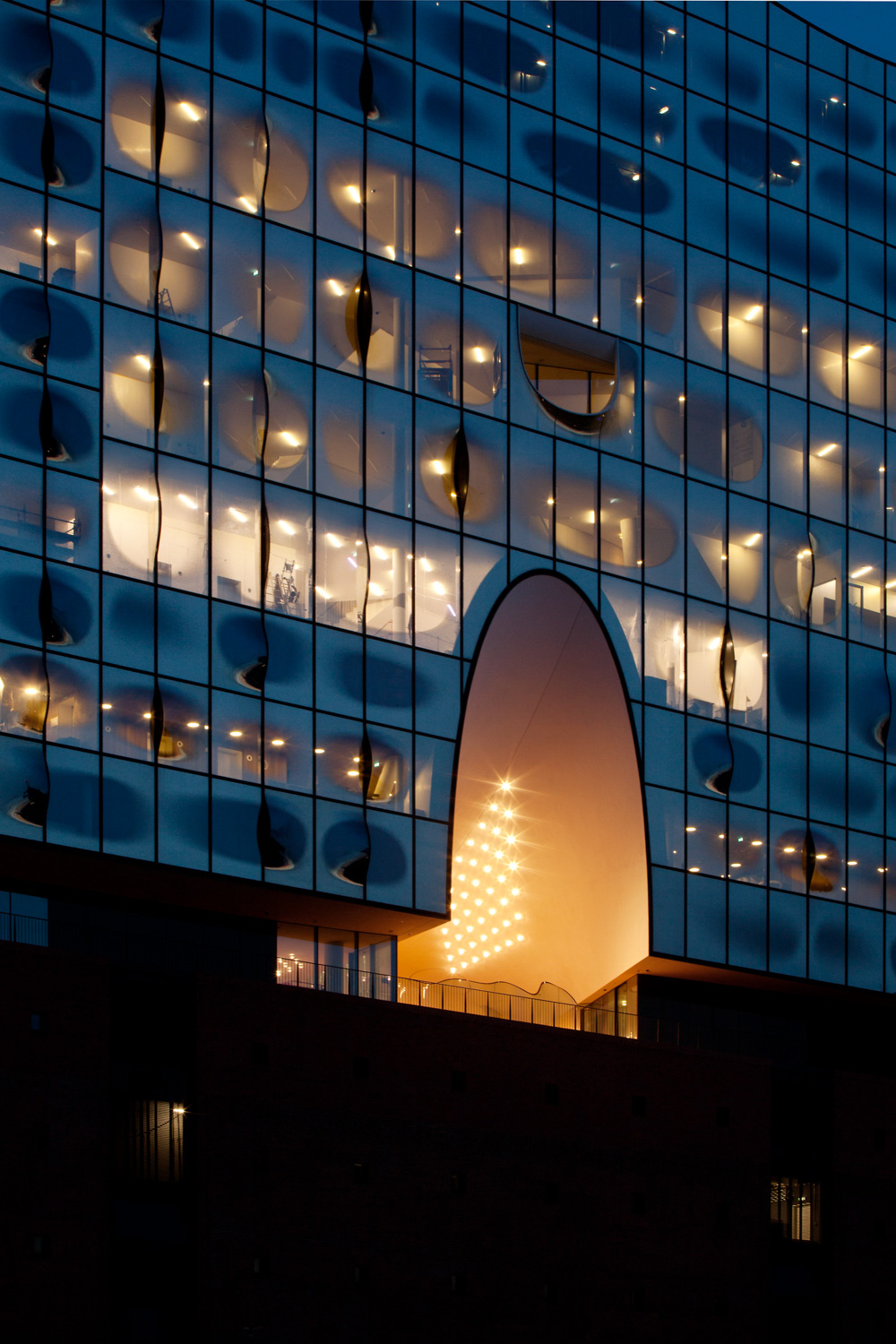
The natural attributes of rippled waves inspire the glass facade with three-dimensional form and details. With a surface area of over 21,800 square meters,  the undulating surface occupies more than 5,000 square meters. The finished work is the result of the collaborative effort between the design team and Guardian Glass. The significance of the facade’s unprecedented design at the time is more than just the striking physical appearance but its ability to maintain the highest level of efficiency and quality, from strength, safety and the reduction of interior temperature.

The three-layer safety glass are bent and assembled into the designed form, delivering both aesthetically appealing appearance and functional efficiency. Despite being bent into curved form, the glass from high quality manufacturing process still keeps the functional qualities of Low-E surface coating, which enhances heat control.

The glass used with the architecture of Elbphilharmonie Hamburg ranges from Guardian ExtraClear®, a transparent flat glass, which is used as the principal material for its transparency. Guardian ClimaGuard® DT, the heat insulation glass, offers high durability with efficient control of interior temperature. Guardian SunGuard® Solar Light Blue 52 is used for it is able to control the amount of sunlight from coming into the building while still maintaining a nice presence of natural light with 47% Visible Light Transmission (VLT) that filter heat transmission down to only 36%, enabling efficient temperature control and less indoor air conditioning usage.

The technologies developed and incorporated for the construction of Elbphilharmonie Hamburg building allow us to see new possibilities of how glass can be used in architectural design. With the right integration of design, and bodies of knowledge surrounding materials and manufacturing processes, one can see how the potential and landscape of architectural design and construction have been and will be broadened.

Revisited a Elbphilharmonie Hamburg previous article   at

ELBPHILHARMONIE HAMBURG | GUARDIAN GLASS

For further information you can contact our experts, by visiting us at: 
Official Website / https://www.guardianglass.com/ap/en

Official Facebook / https://www.facebook.com/guardianglassap
Email / guardiansupport@guardian.com

CUBE BERLIN | GUARDIAN GLASS

CUBE BERLIN | GUARDIAN GLASS

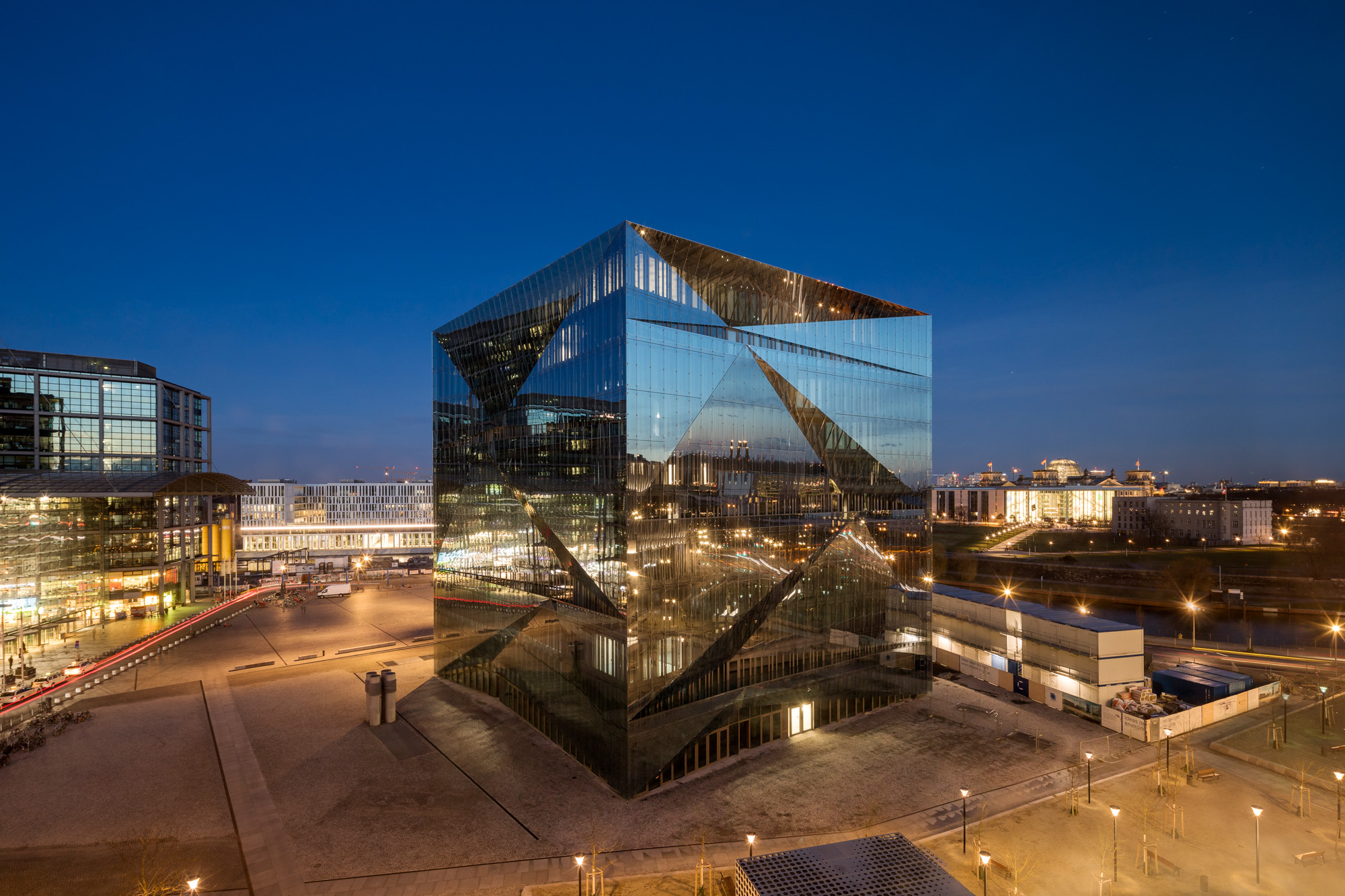
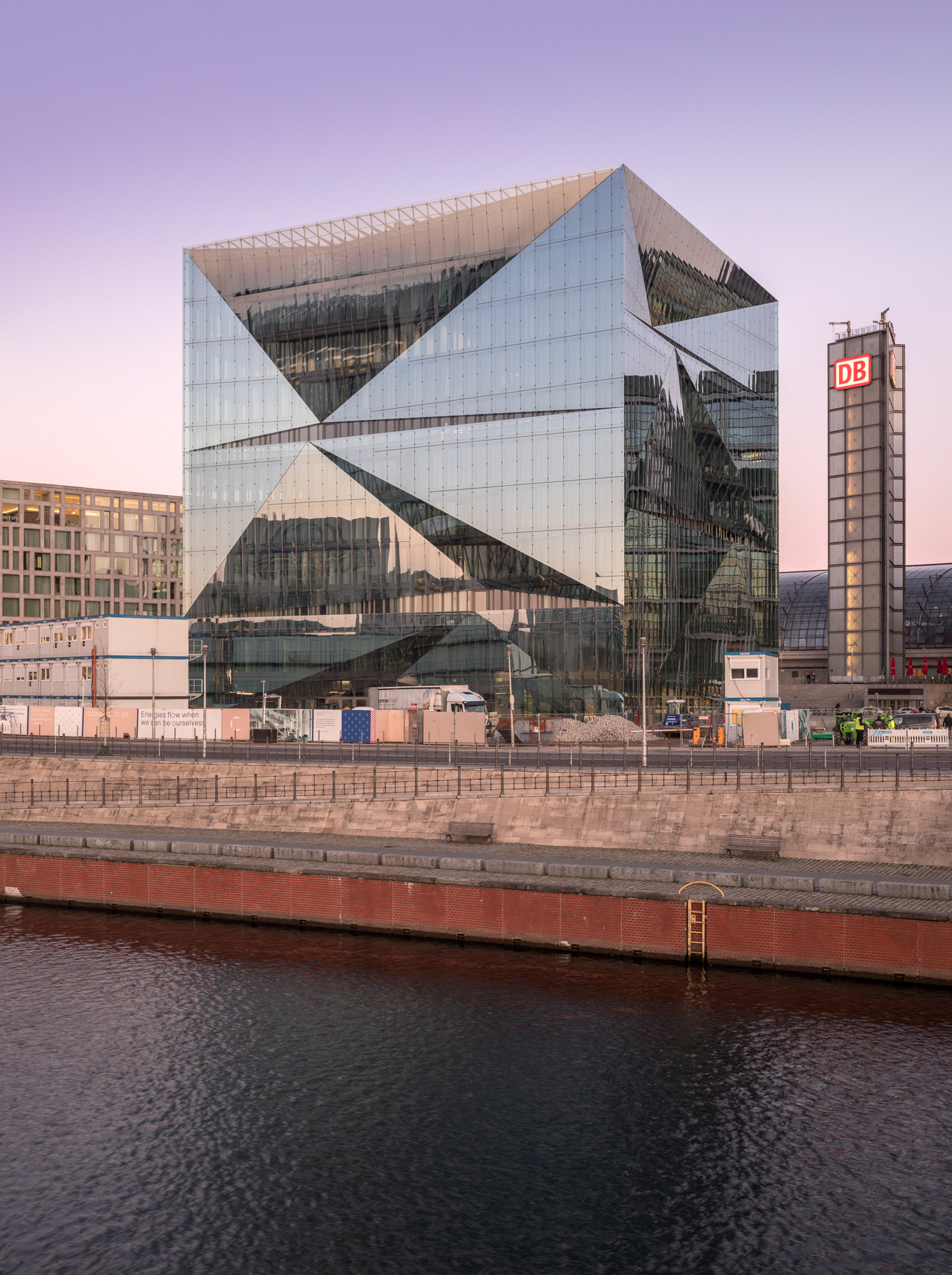
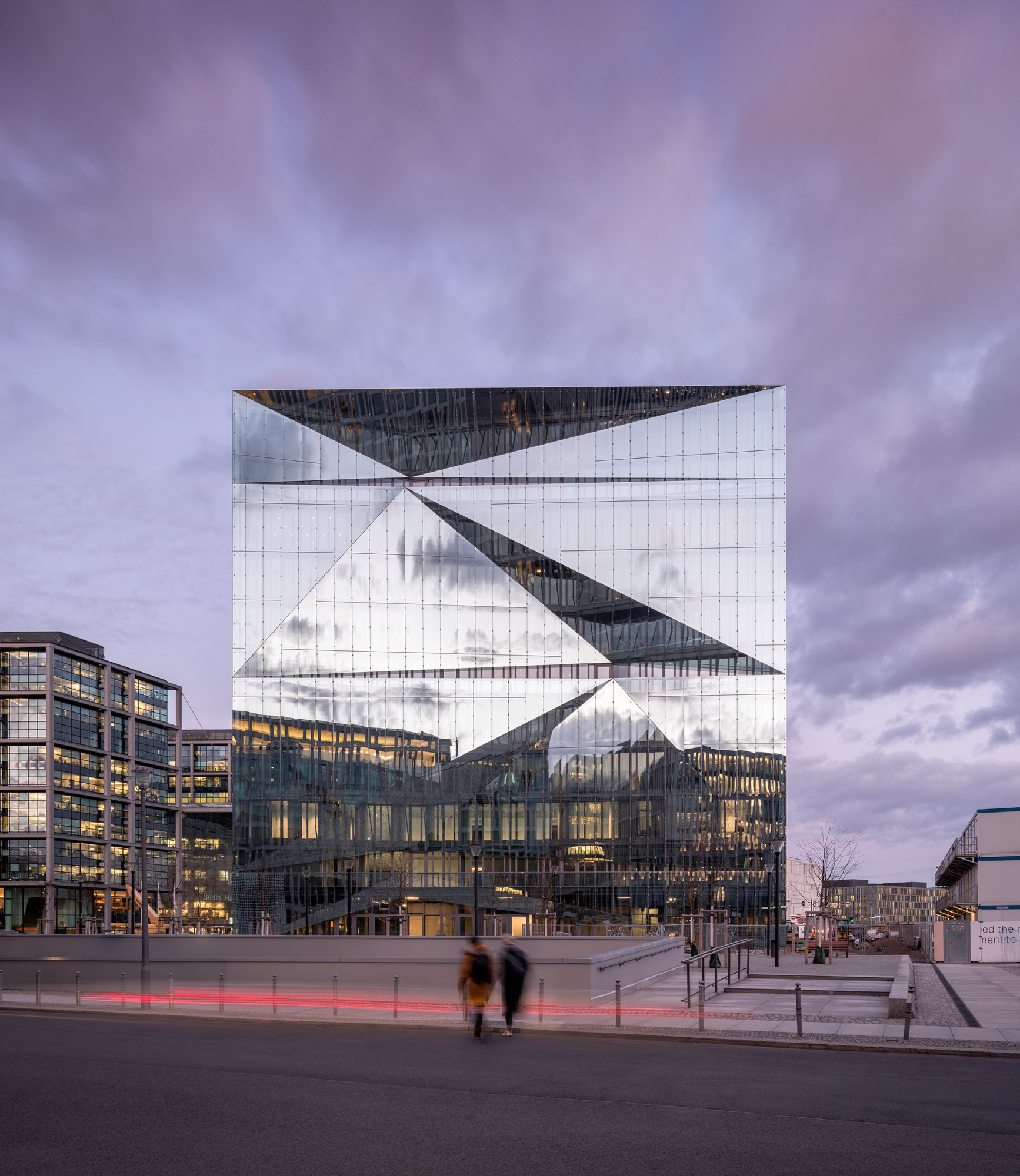
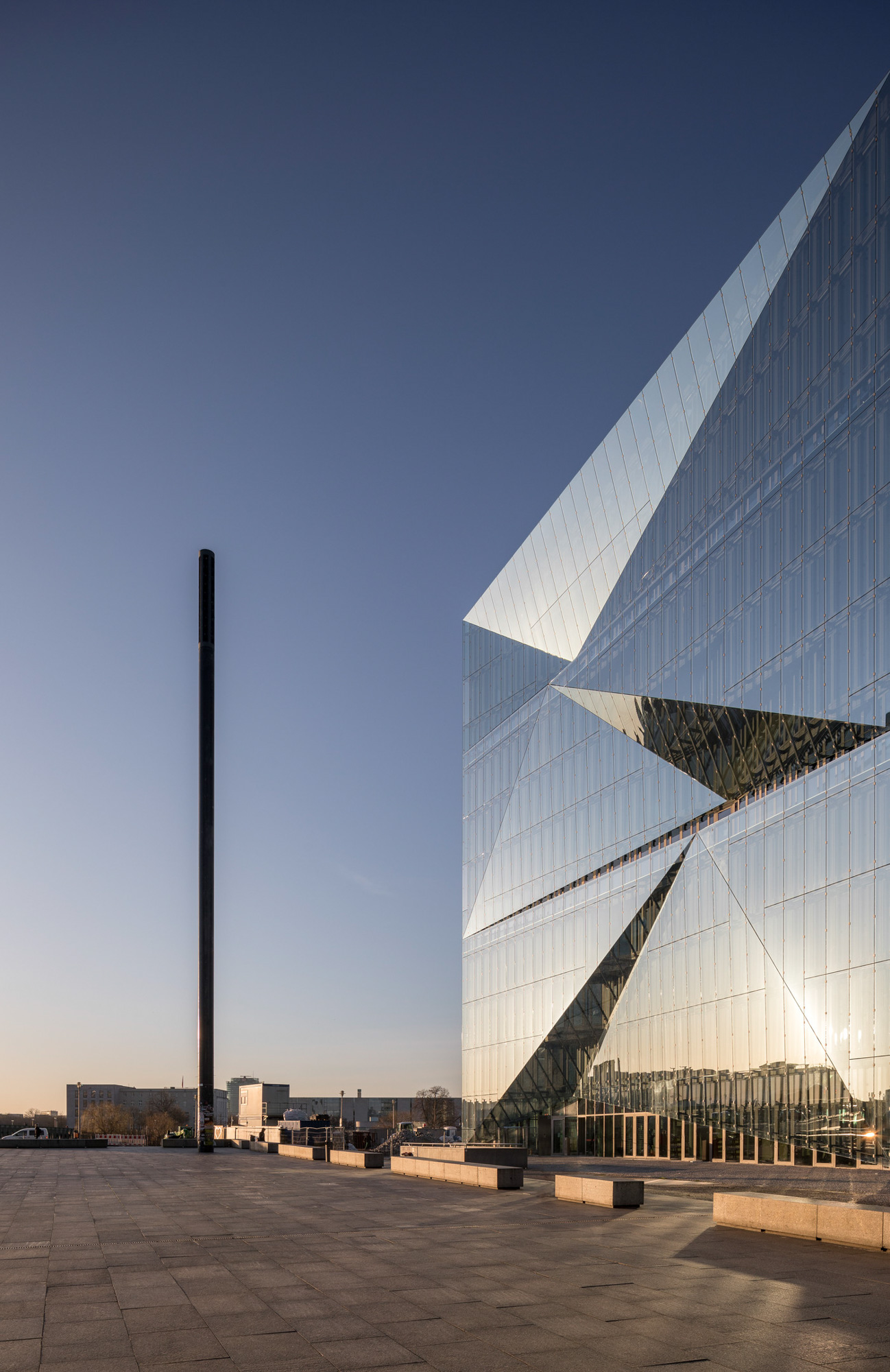
3XN ARCHITECTS CONCEIVED CUBE BERLIN AS A LANDMARK FOR THE URBAN NEIGHBORHOOD WITH THE INTEGRATION OF ARCHITECTURE, ART AND TECHNOLOGY TO SUSTAINABLE ENVIRONMENT, WHILE BUILDING’S FAÇADE USES CLIMAGUARD PREMIUM 2 AND SUNGUARD HIGH DURABLE DIAMOND 66 TO HOLDING A DISTINCTIVE CHARACTER AND REDUCING ENERGY CONSUMPTION SIMULTANEOUSLY

TEXT: WARUT DUANGKAEWKART
PHOTO: ADAM MØRK

(For Thai, press here)

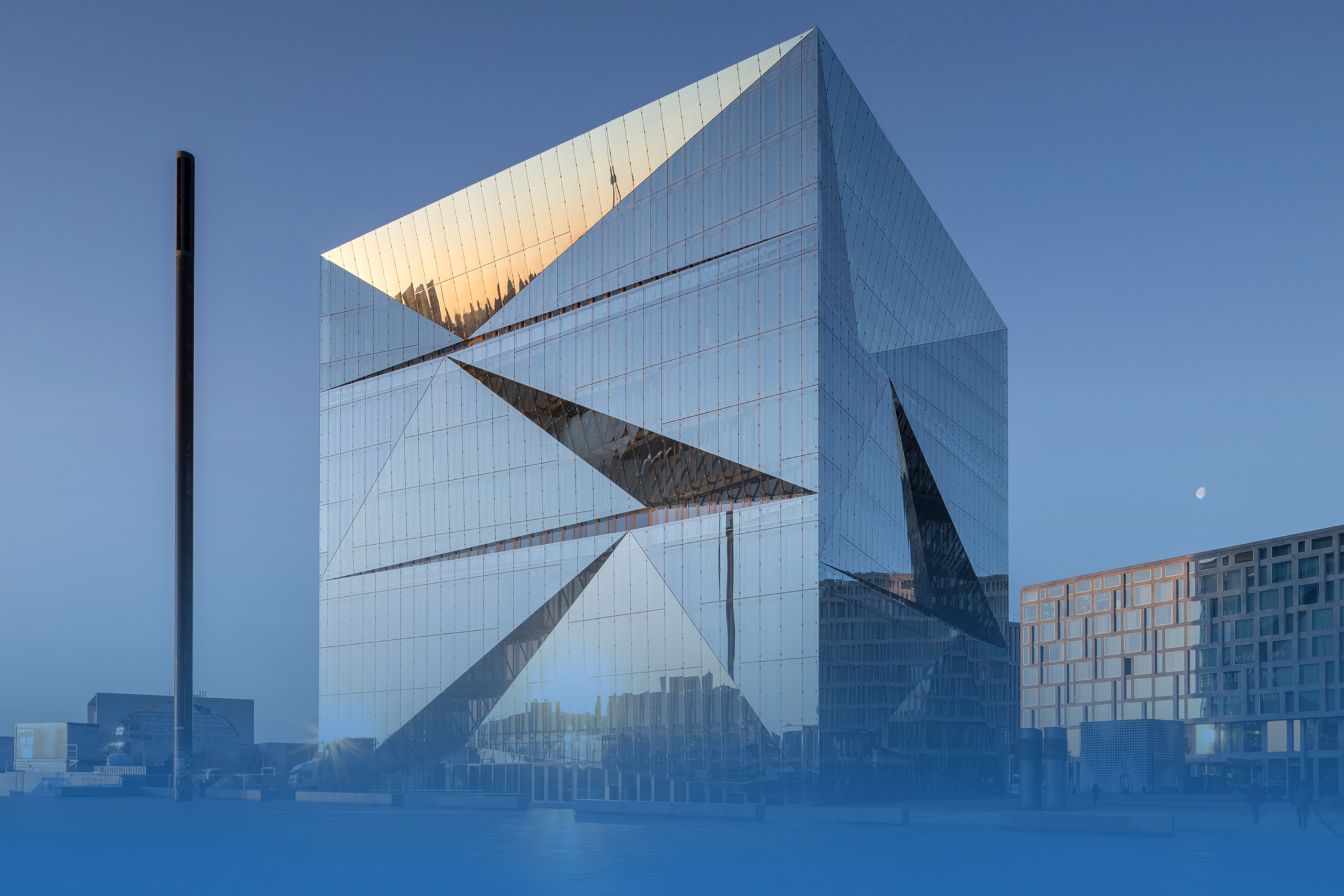
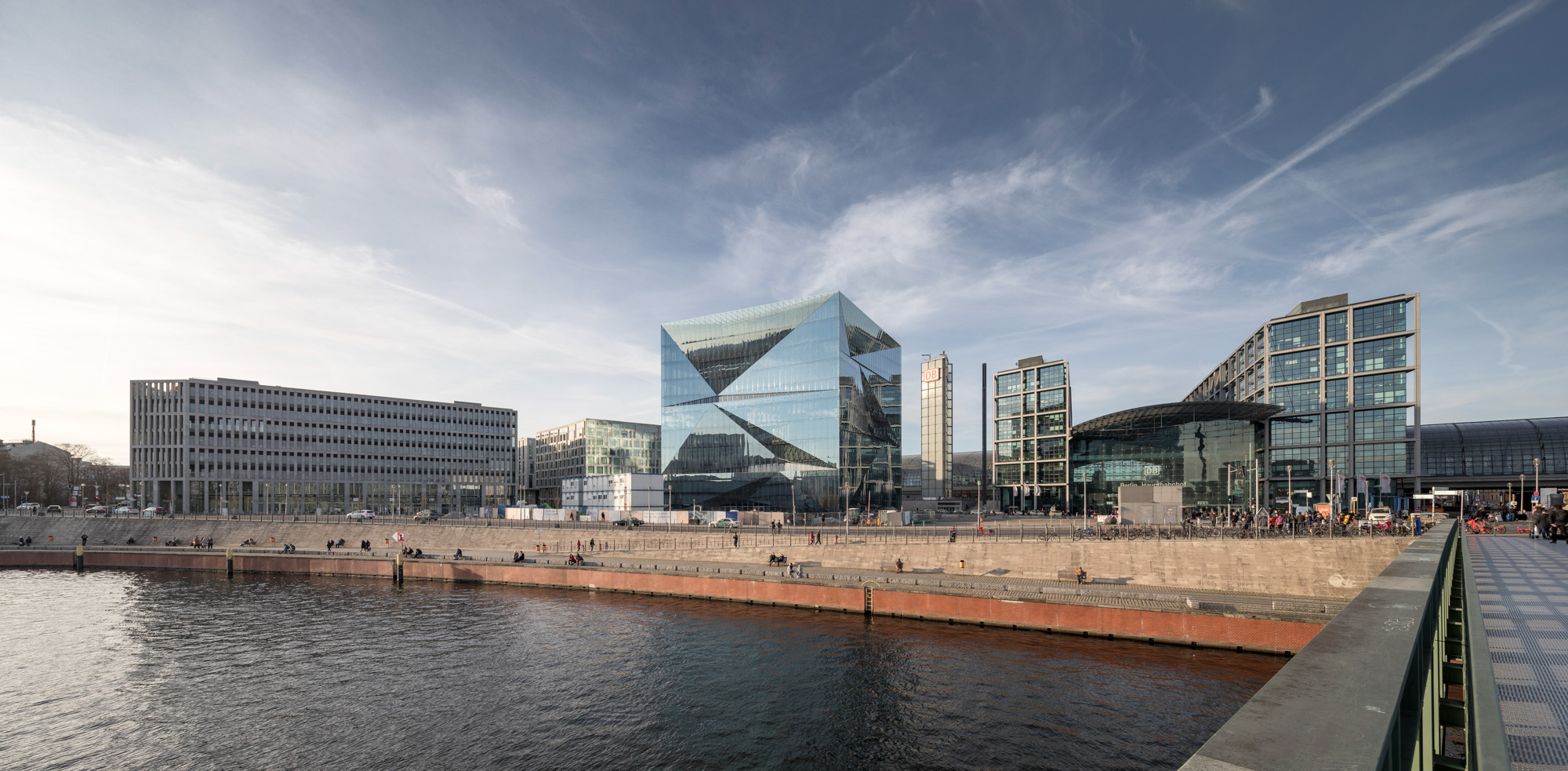
At a public square at Berlin’s city center sits modern looking building known as Cube Berlin. With the location fronting the city’s main train station, and right next to the Spree River, the building serves a landmark for the urban neighborhood with the design that brings together an impressive combination of different sciences and disciplines from architecture, art, technology to sustainable environment.

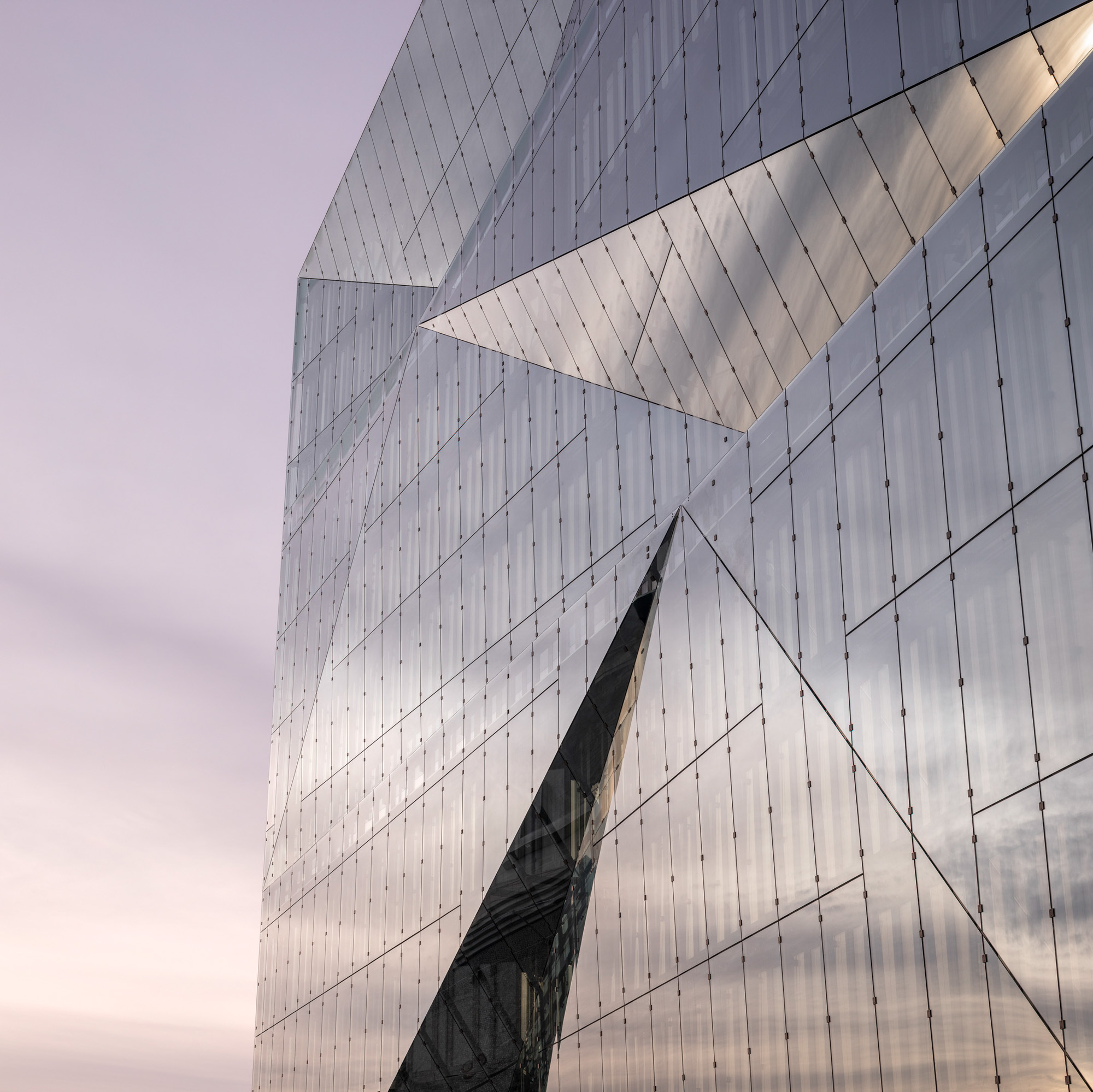
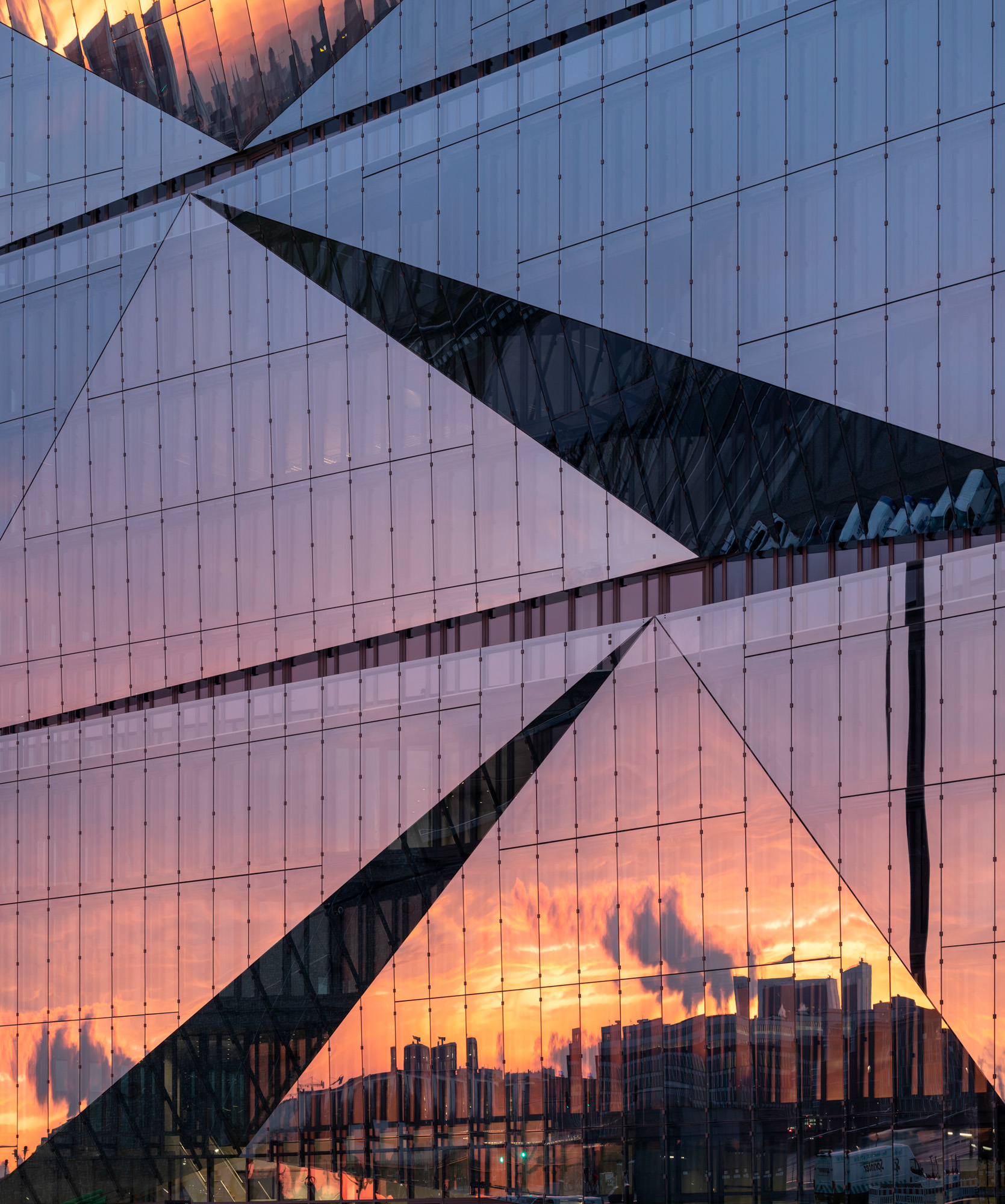
From the project’s architect’s, 3XN Architects, intention is to come up with the design concept that helps diversify the building’s architectural dimension. Despite its main purpose as an office building, the architecture is designed to express itself as an art form. The design facilitates interactions between the building and its surroundings with the glass skin that reflects the neighboring urban spaces into fascinating visuals and dimensions of its outer appearance. Meanwhile, the skin creates spatial experiences for users who are inside the building and looking out to Berlin’s cityscape.

This 10-story-high commercial building houses a variety of activities and functional spaces from offices, markets, parking spaces to rooftop floor, all facilitating a connection with the surrounding landscape. With the façade that is as high as 42.5 meters, the cubicle form is physically distinctive with the glass skin that clearly reveals the entire structure and interior. The curtain walls open the inside of the building to the scenic urban landscape, fully welcoming natural light into the interior function spaces.

The façade contain details of faceted surface with angles that deviate in different directions, similar to a prism, attracting the interest of the passerby with eye-catching gimmick . The building skin is constructed with double-layered glass, accentuating architectural mass to appear even more dimensional. Functionally, the skin envelopes all the functional spaces and creates alternating configuration of the terrace placement on each floor, consequently facilitating a connection between the inside and the outside.

The exterior layer of the glass façade uses  Climaguard Premium 2 and Sunguard High Durable Diamond 66, which hold a distinctive thermally reflective quality. The materials are coated with a substance that can effectively reflect sunlight, elevating the building’s image and abilities as a smart building, which is also project’s key concepts. 

The smart building concept directly results in the architectural design’s efficient energy management, partially achieved through the physical characteristics of the glass skin. The skin allows the building to handle the outside heat and better control interior temperature, contributing to significant energy consumption reduction. While the facade is entirely built of glass, it does not forfeit the building’s energy efficiency, especially when accompanied by wholly integrated systems, which together take Cube Berlin to a new plateau of smart buildings, functionally and visually. 

For further information you can contact our experts, by visiting us at: 
Official Website / https://www.guardianglass.com/ap/en

Official Facebook / https://www.facebook.com/guardianglassap
Email / guardiansupport@guardian.com

CITÉ DU VIN | GUARDIAN GLASS

CITÉ DU VIN | GUARDIAN GLASS

INSPIRED BY GAROME RIVER IN FRANCE AND WINE, THE NATION’S FAVORITE DRINK, XTU ARCHITECT DESIGNS CITÉ DU VIN IN A SINOUS FORM AND COVERS ITS UNDULATING FAÇADE WITH SUNGUARD® SOLAR GOLD 20 AND GUARDIAN ULTRACLEAR™.

TEXT: WARUT DUANGKAEWKART
PHOTO COURTESY OF GUARDIAN GLASS

(For Thai, press here)

It would be pretty intriguing if architecture is able to tell stories of a city and its unique cultures. Different tales can be told through a design creation and its carefully selected materials, forms and contemporaneous construction technologies. All the aforementioned are included in Cité du Vin.

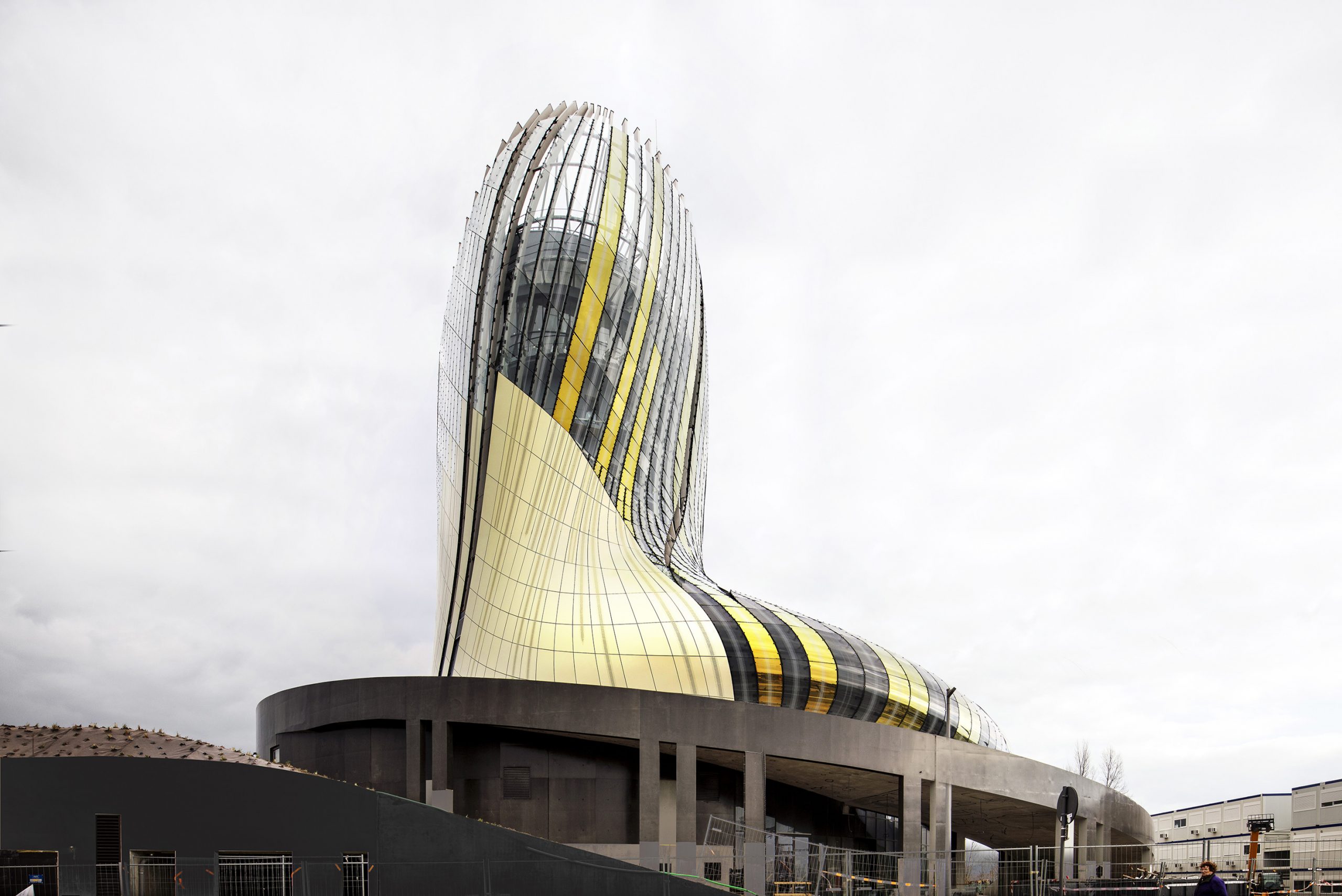
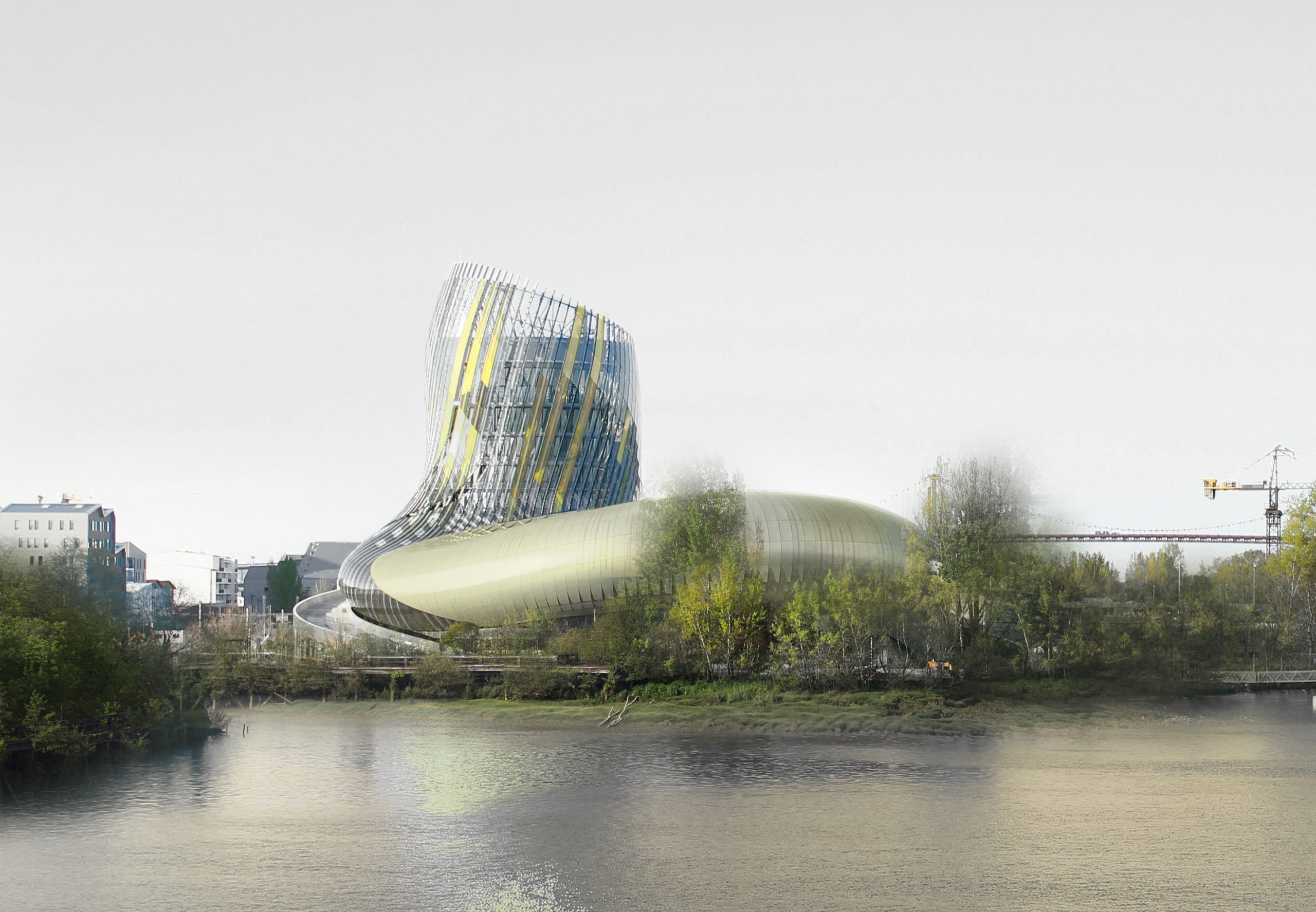
Situated by Garome River, the main river that runs through the city of Bordeaux, France, Cité du Vin’s architecture is designed to bespeak its identity as the city’s new landmark. The curved architectural mass sits on the 3,000 square meter land with the functionality of a wine museum that houses a restaurant, exhibition spaces, a learning space and a wine tasting room. The museum’s 22 exhibition areas tell varying anecdotes though human senses as one experiences the building and its thoughtfully curated spaces.

XTU Architect, the project’s architect, intends to incorporate the concept of wine as the country’s national drink and express it through a work of architecture. This explains the curved, twisted and corner-less building that renders a sense of connectivity between the architectural mass and its surrounding landscape and environment.

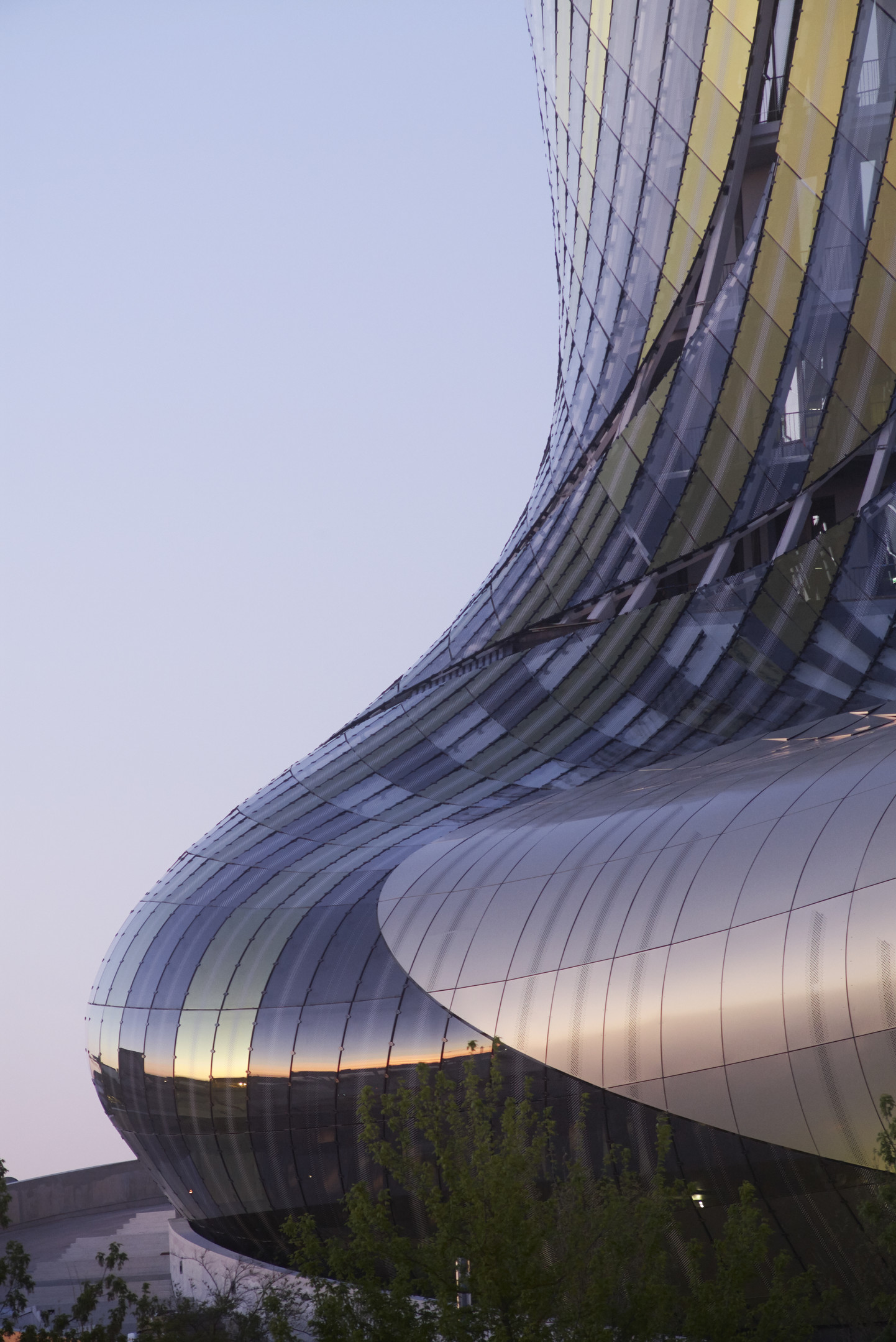
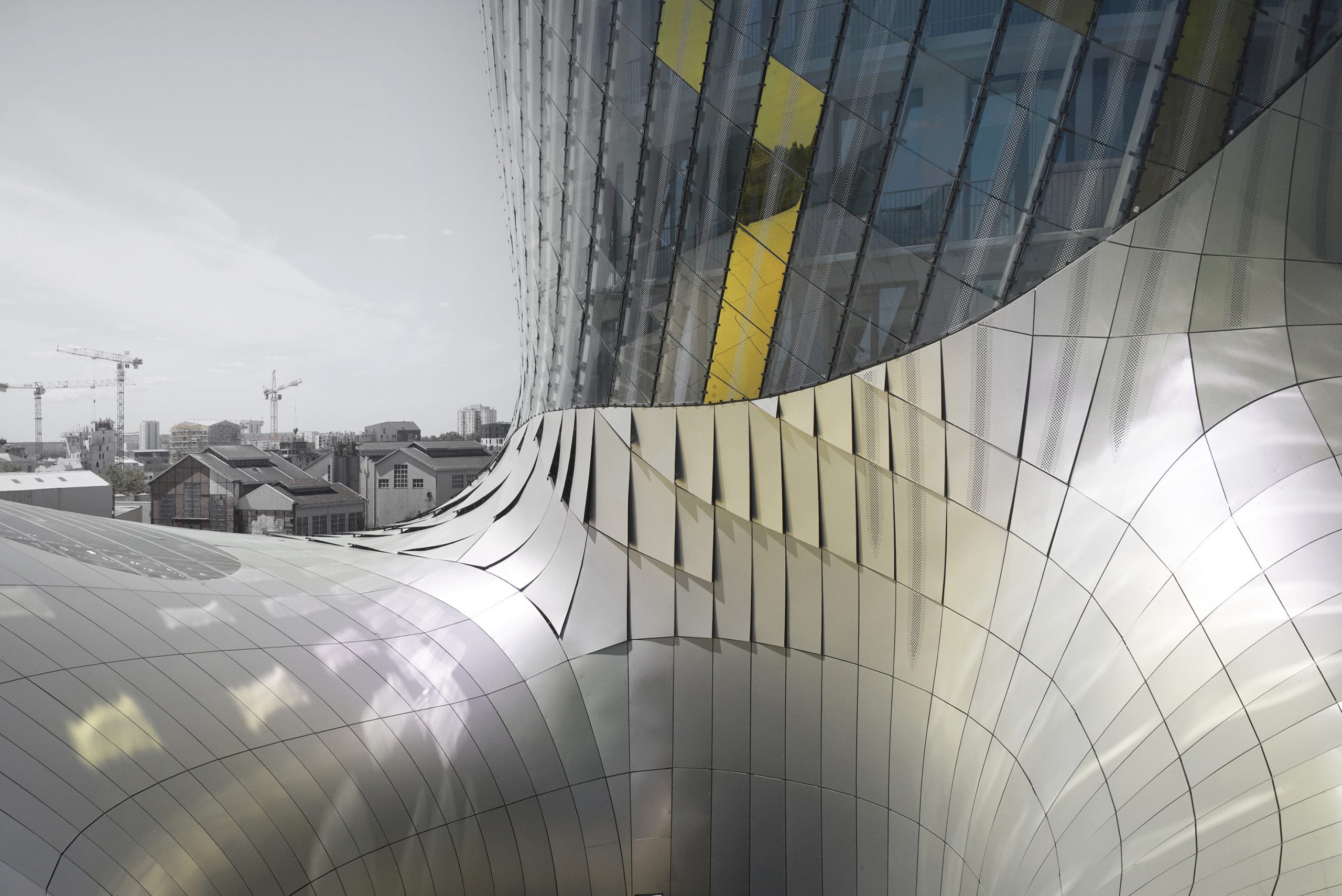
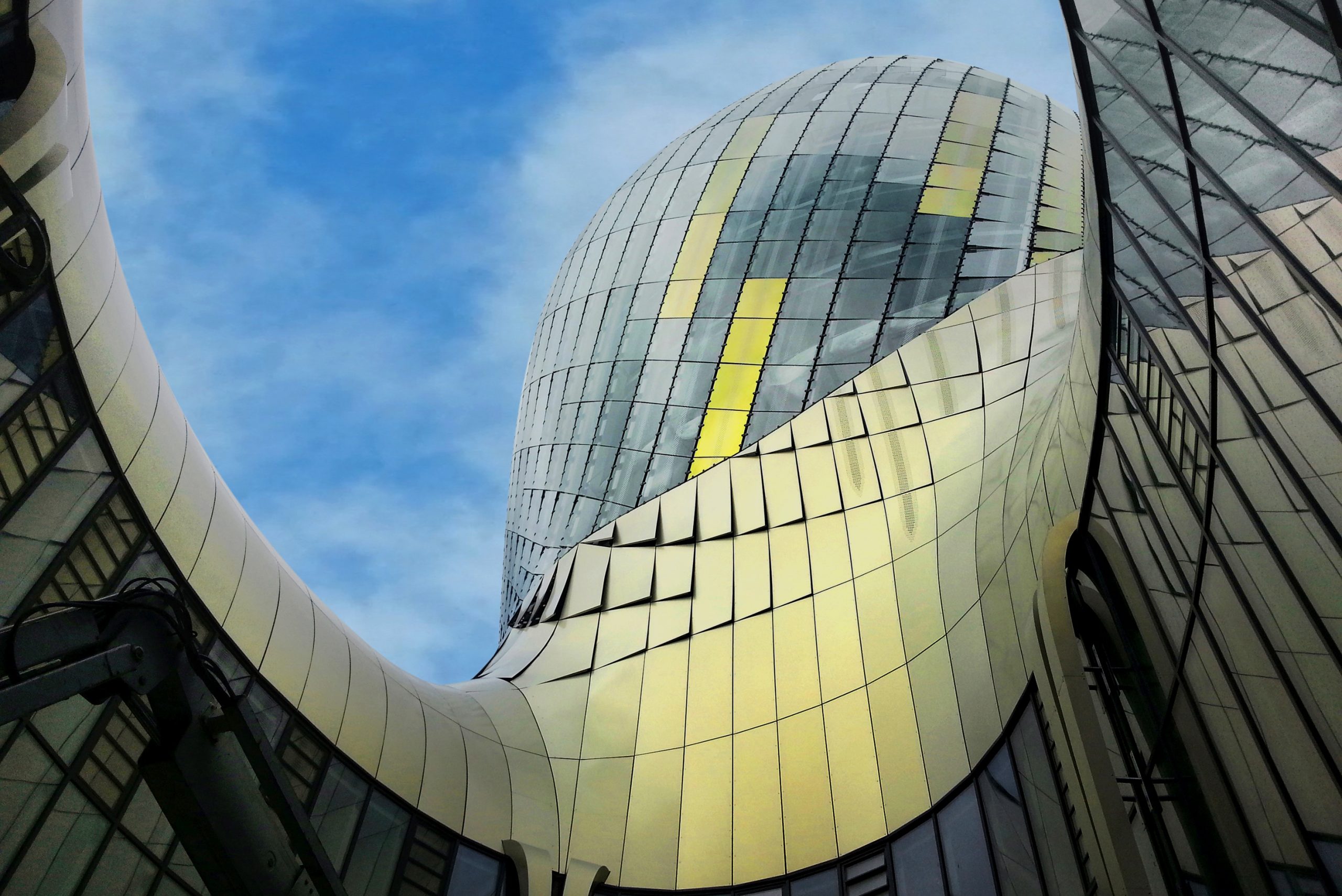
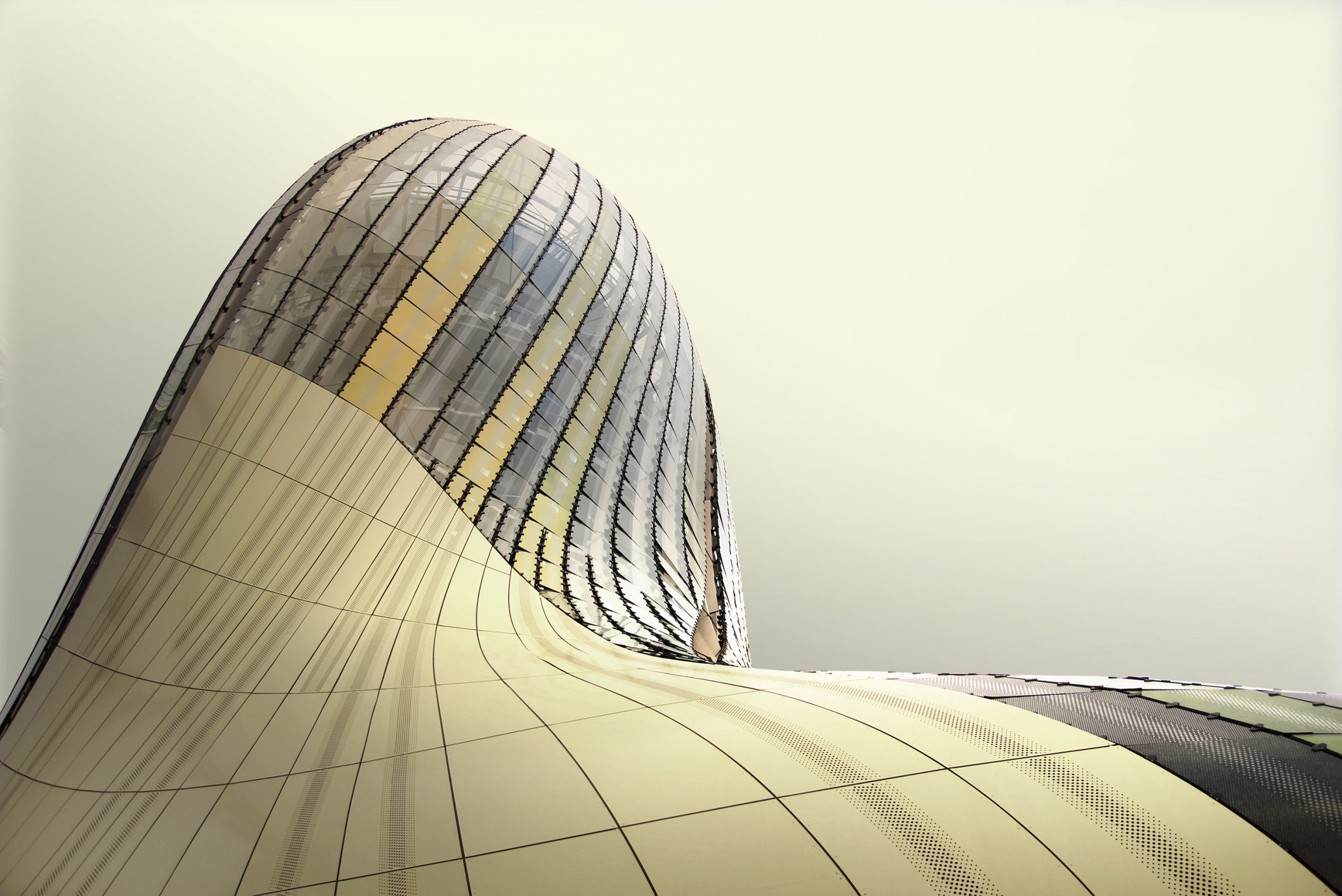
Looking in from the outside, one can see how the architecture intertwines its presence with the winding course of the adjacent river. The building’s appearance reveals the texture of the glass facade that reflects natural light in various angles and from all directions. The facade is designed to curve and correspond with the building’s mass with glass panels designed as the highlight. Using the SunGuard® Solar Gold 20 and Guardian UltraClear™ model, bent into the calculated curved form, the facade perfectly accentuates the architecture’s silhoutte and characteristics. SunGuard® Solar Gold 20  is designed to have a gold color and the ability to limit UV rays and filter sunlight. When used with the facade, the material renders an interesting pattern, especially when accompanied by Ultraclear’s light-transmitting quality. Together the materials showcase the architecture’s fascinating structural elements while adding more interesting details to the building. 

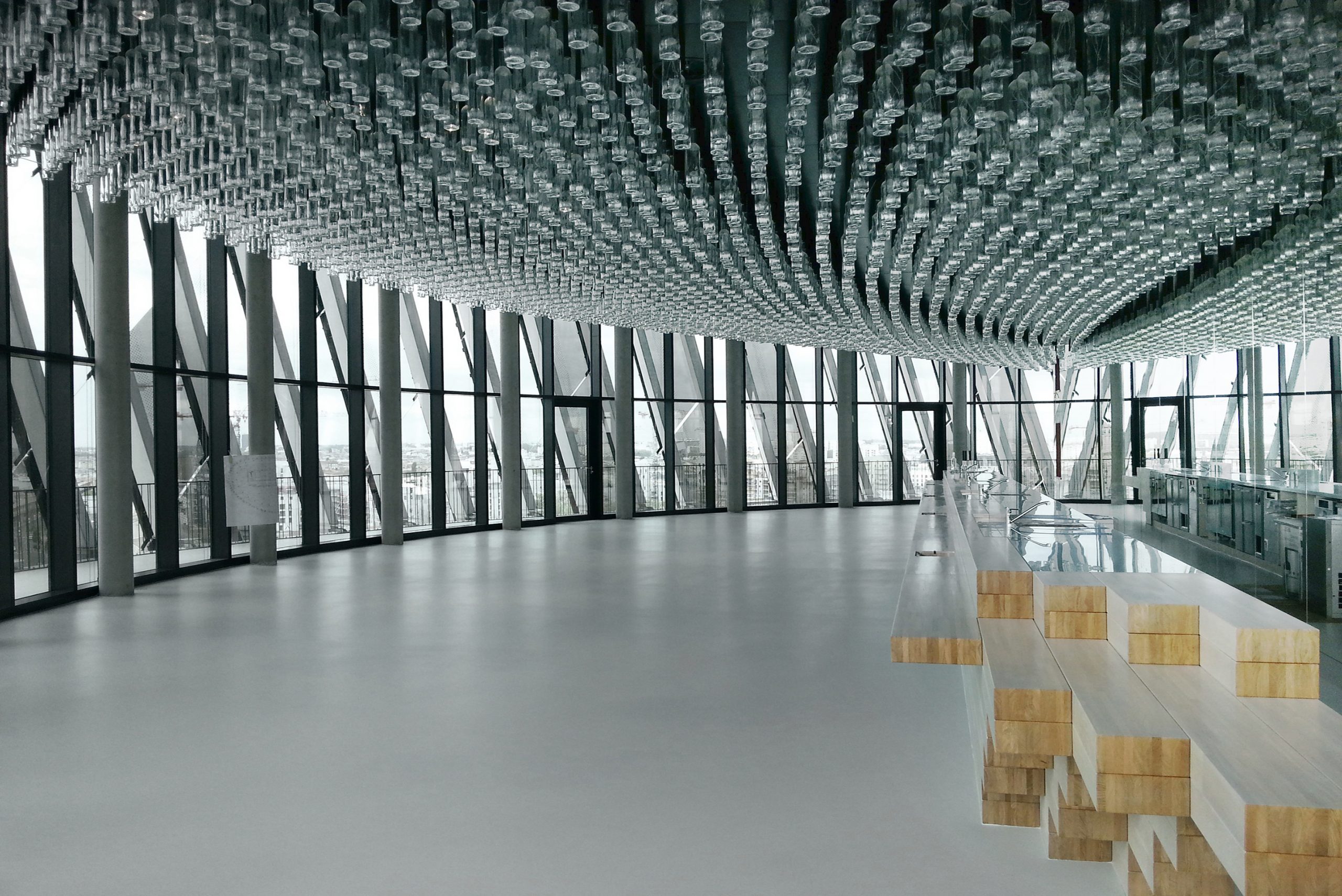
The dynamic connection between the exterior architecture and interior spaces with all the lines that perfectly and meaningfully encapsulate the concept and its close association with wine and the river. Inspired by the structure of a vessel, the main exhibition space sees the use of wood with the interior decoration, reminiscing the journey of wine while curating the most fulfilling viewing experience for the viewers.

A meticulous use of material fully enhances, not just the architecture but the message it wishes to convey. Complemented with the right curatorial program and meaningful backstory, Cité du Vin is another work of architecture that tells its story in such a profound and memorable manner.
For further information you can contact our experts, by visiting us at: 
Official Website / https://www.guardianglass.com/ap/en

Official Facebook / https://www.facebook.com/guardianglassap
Email / guardiansupport@guardian.com