
THE ARCHITECTURAL DESIGN STUDIO HYPOTHESIS MATERIALIZES THE OWNER’S ARTISTIC PASSION AND THE IDENTITY OF THIS STATIONERY AND ART SUPPLIES STORE IN EKAMAI, BY REALIZING THE STORE AS THE ‘BLANK CANVAS’ WAITING FOR ALL ART LOVERS TO FULFILL
MEDIUMS
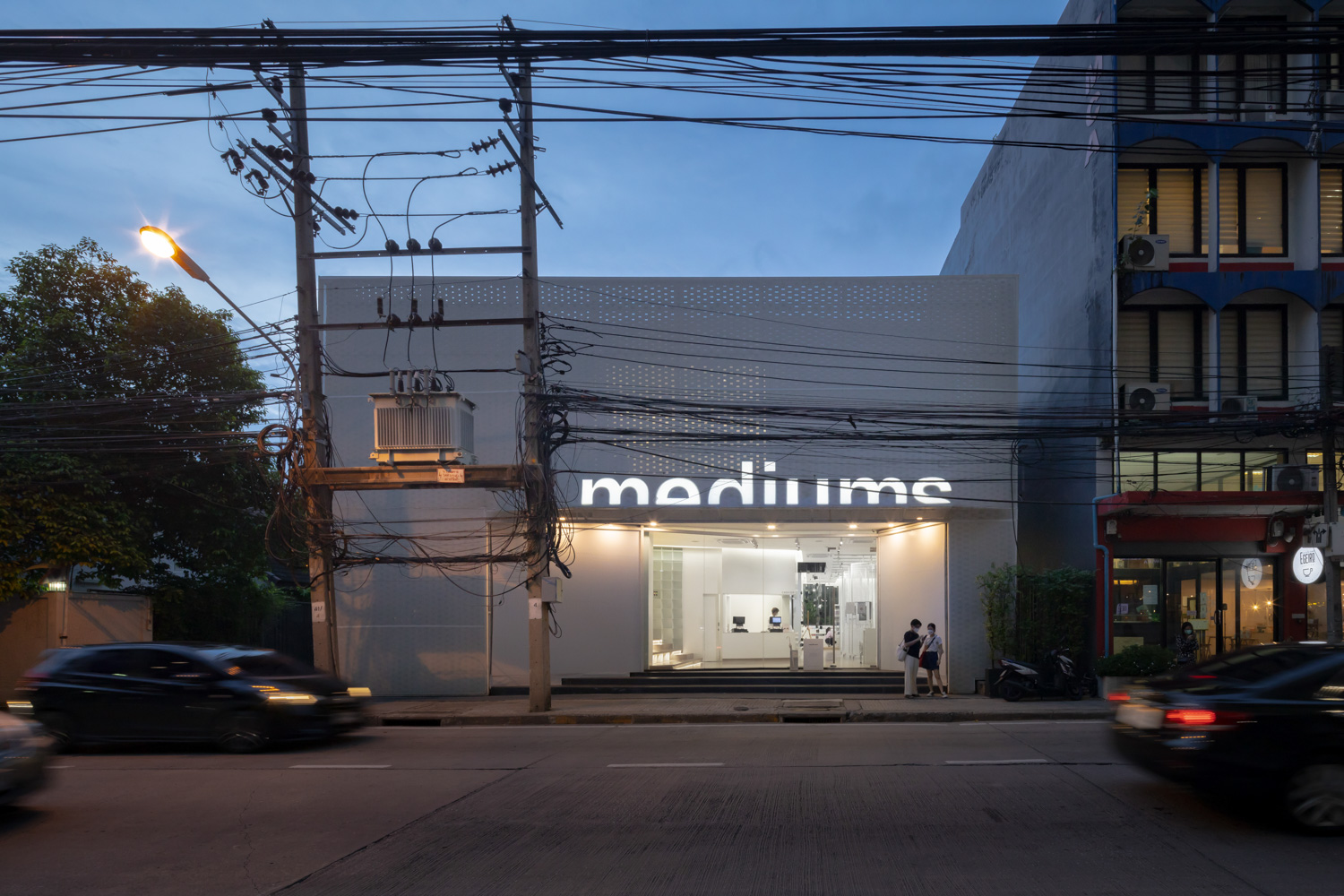
THE ARCHITECTURAL DESIGN STUDIO HYPOTHESIS MATERIALIZES THE OWNER’S ARTISTIC PASSION AND THE IDENTITY OF THIS STATIONERY AND ART SUPPLIES STORE IN EKAMAI, BY REALIZING THE STORE AS THE ‘BLANK CANVAS’ WAITING FOR ALL ART LOVERS TO FULFILL
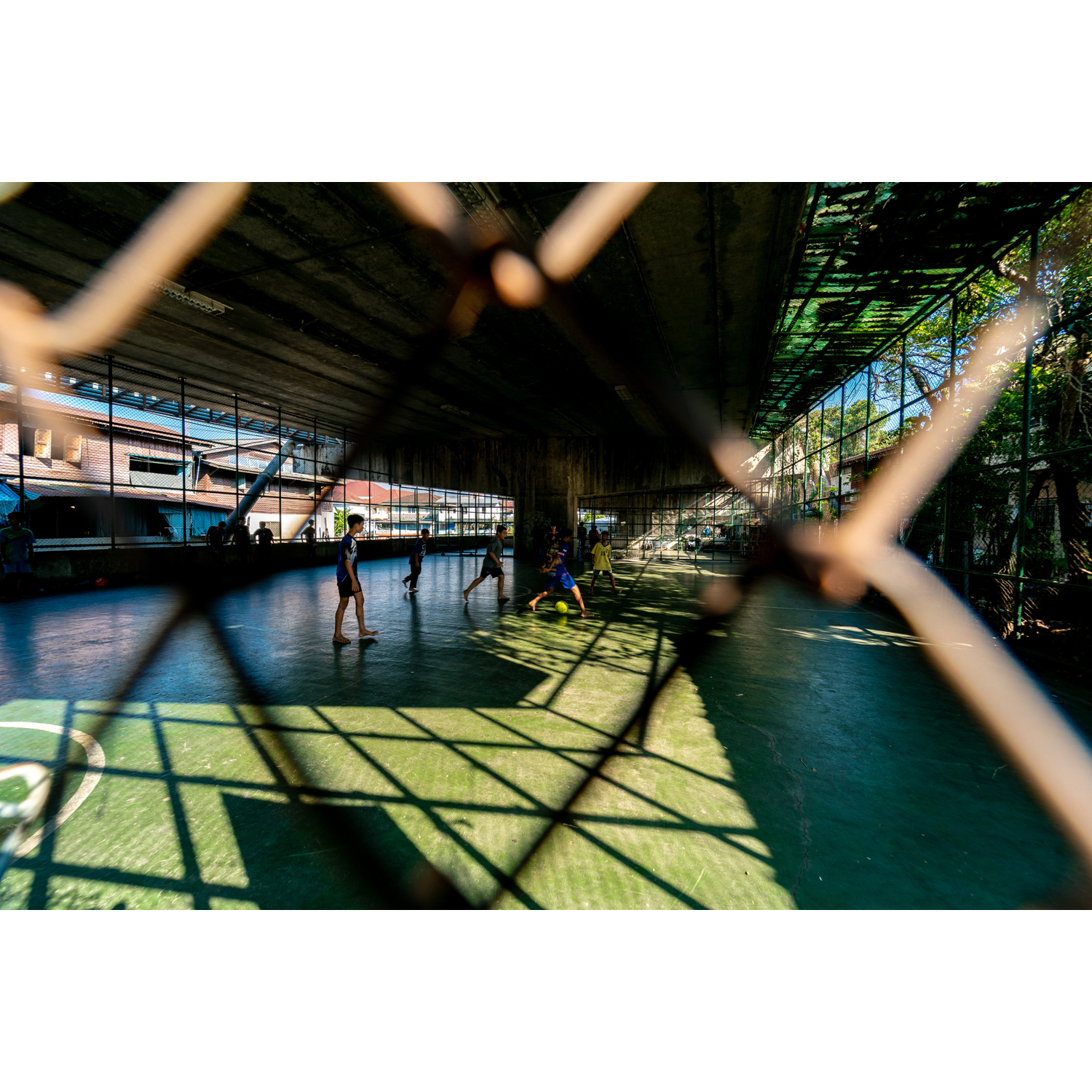
TEXT & PHOTO: HIROTARO SONO
(For Thai, press here)
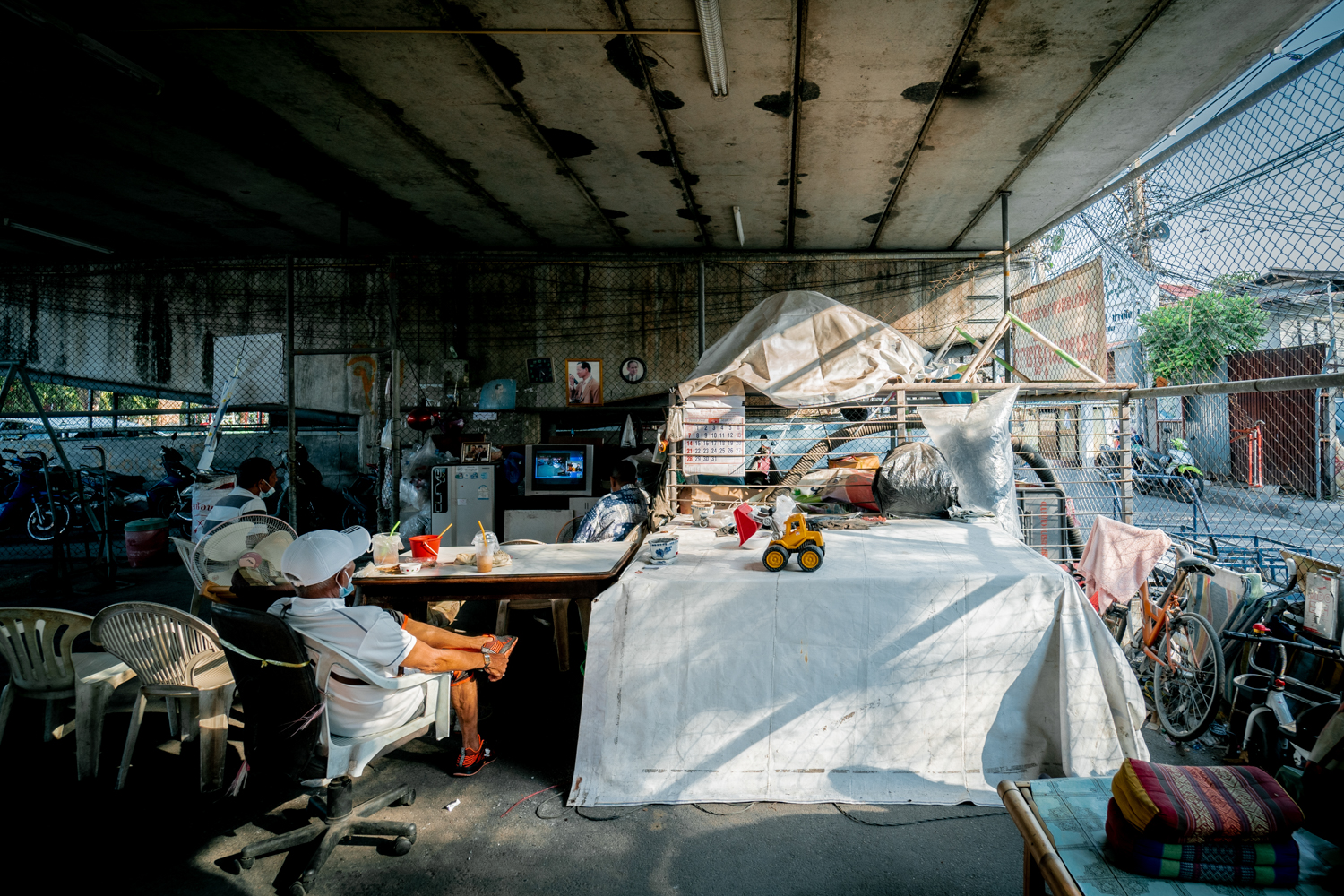
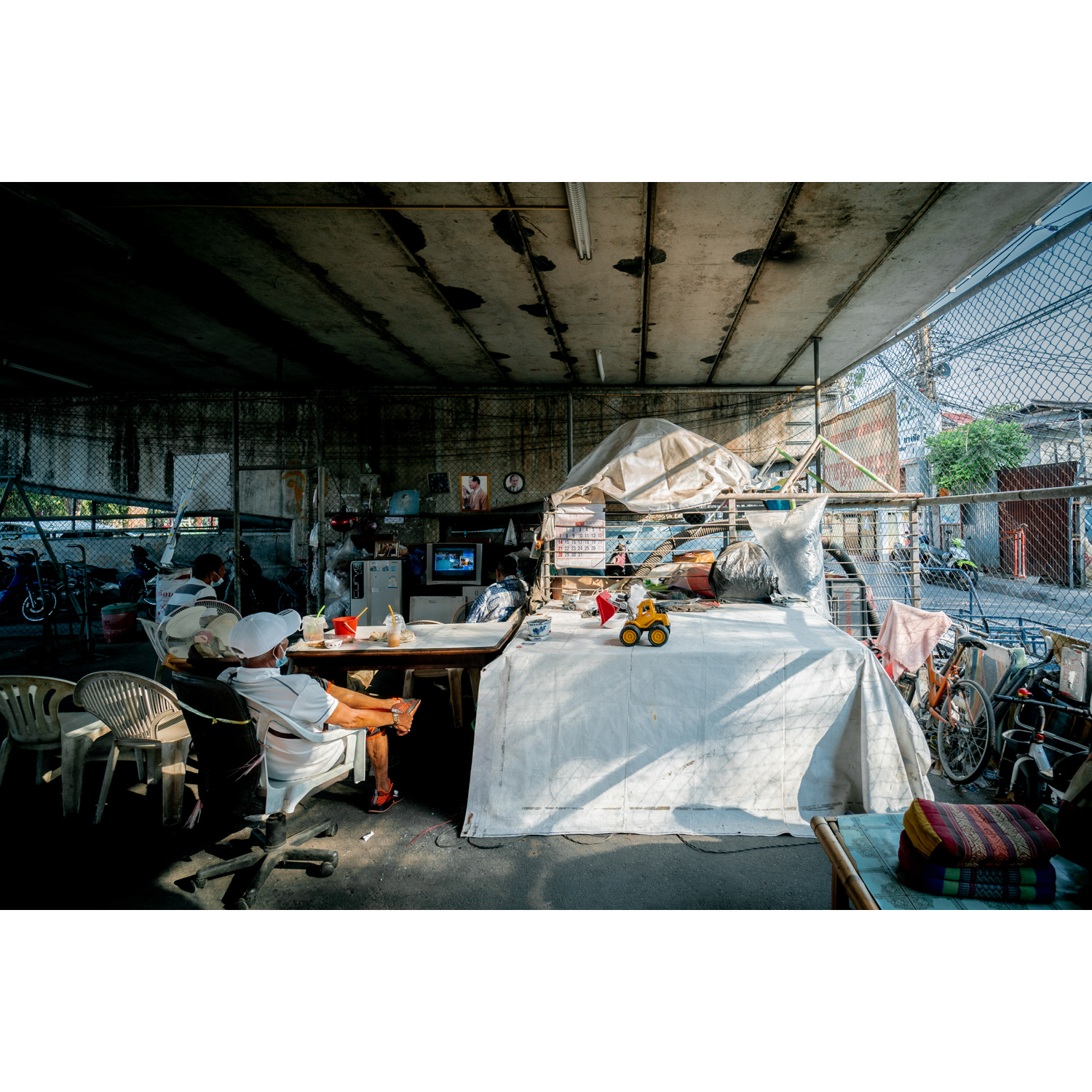
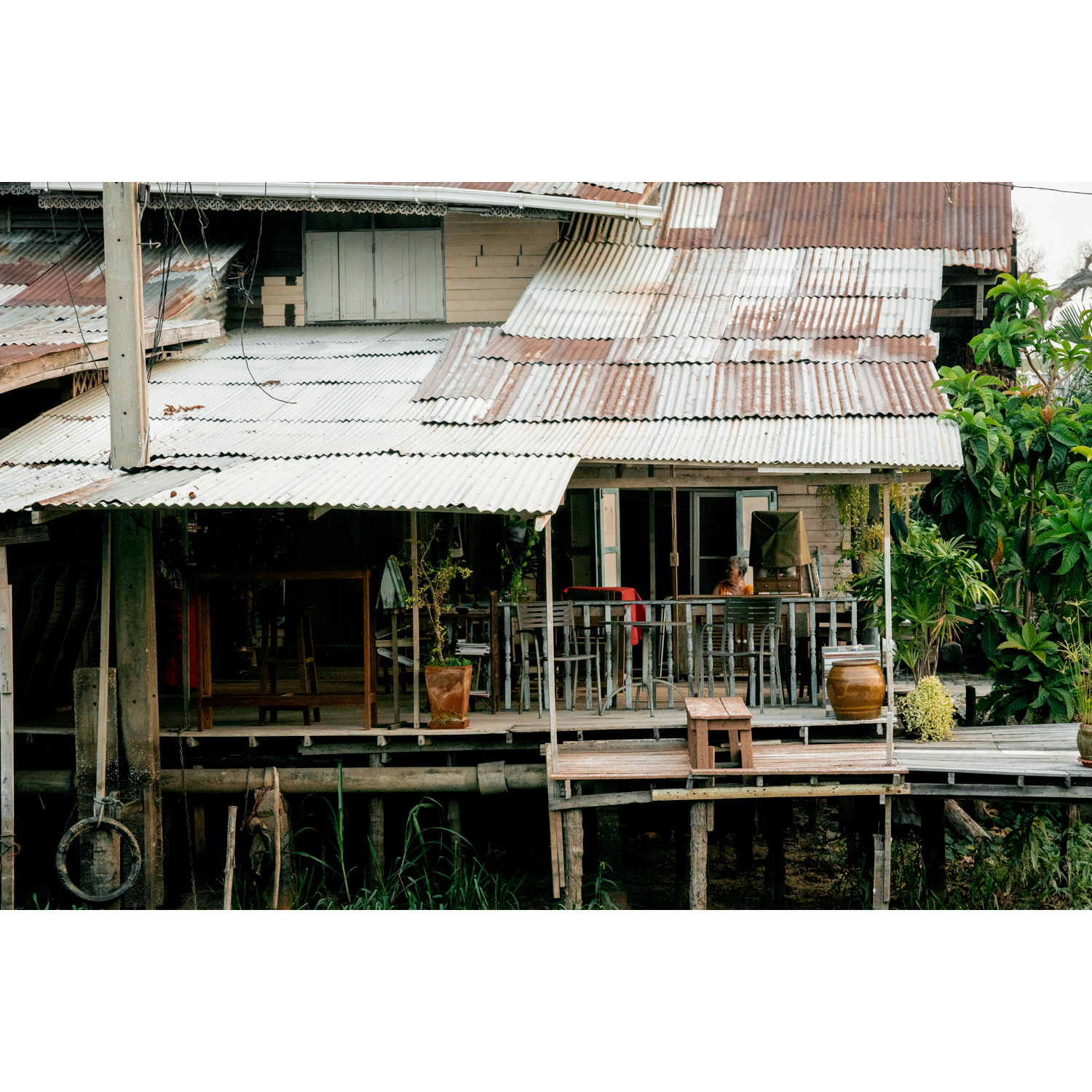
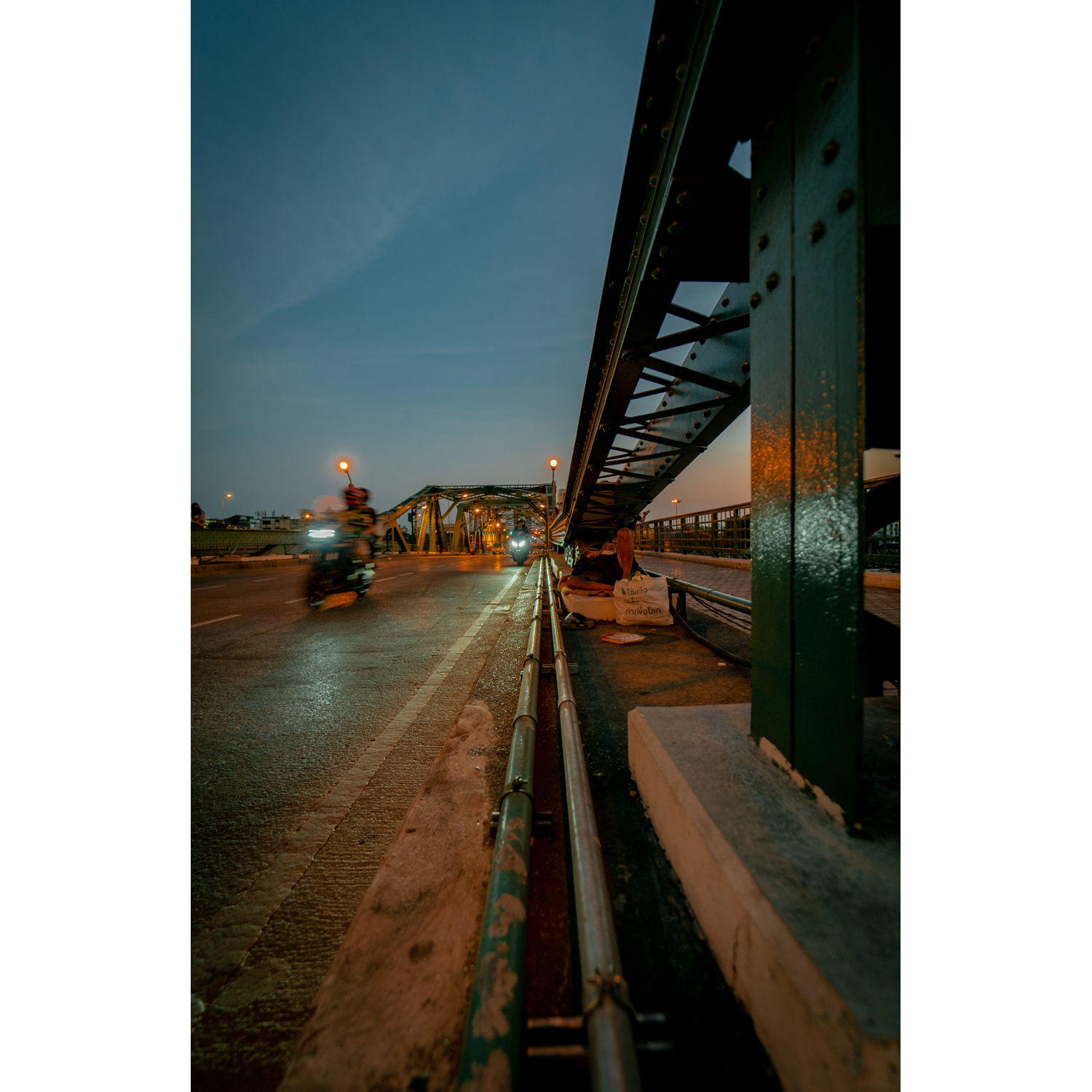
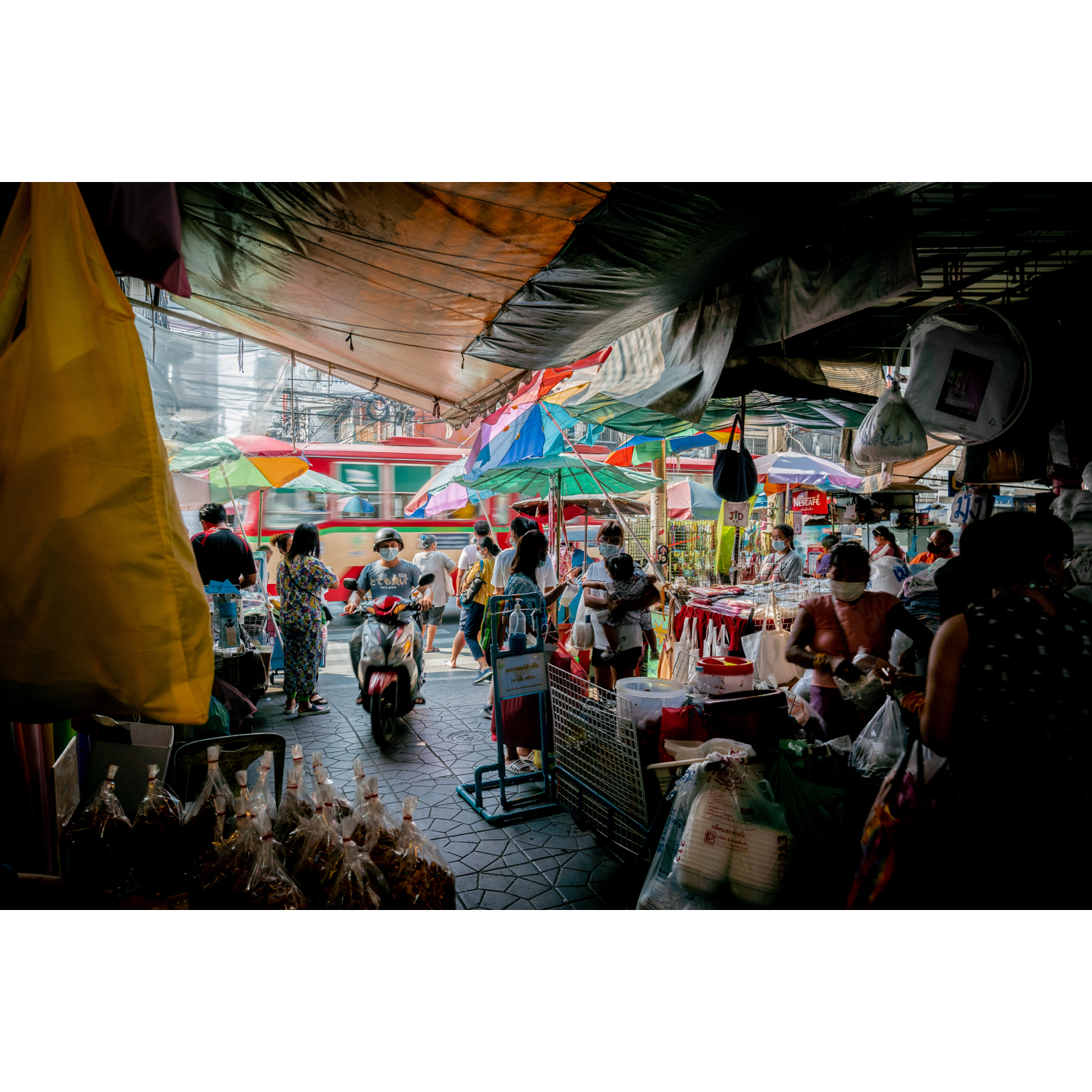
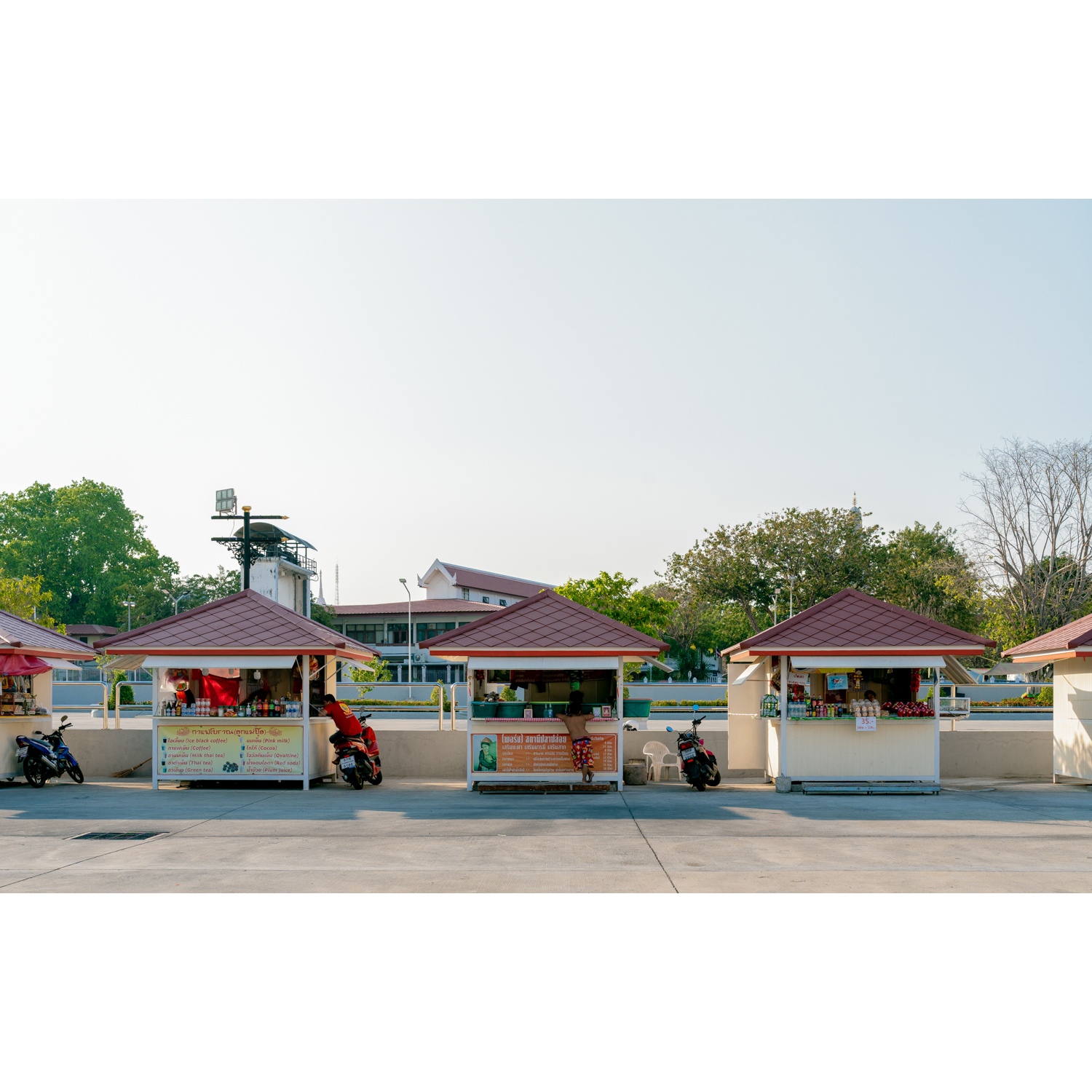
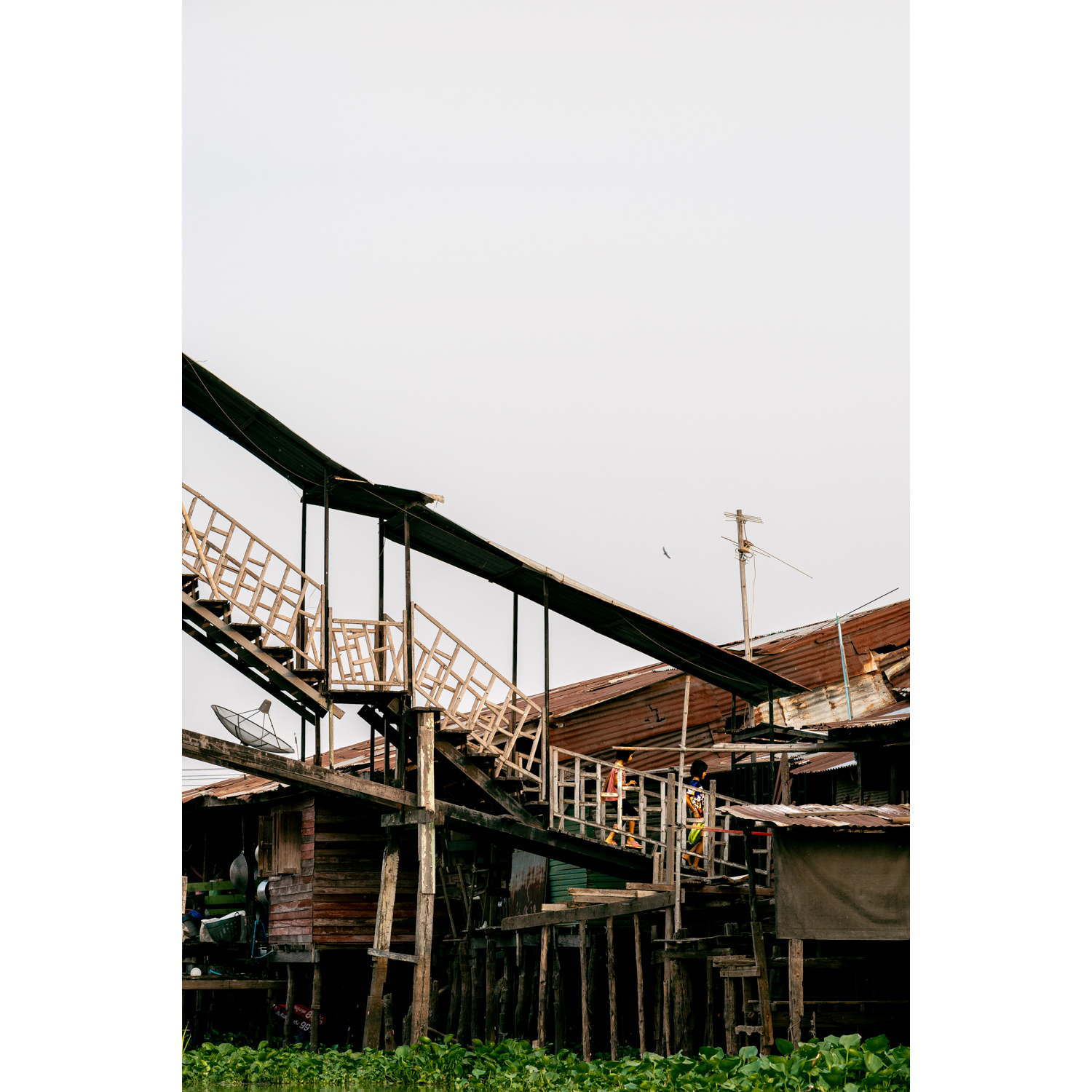
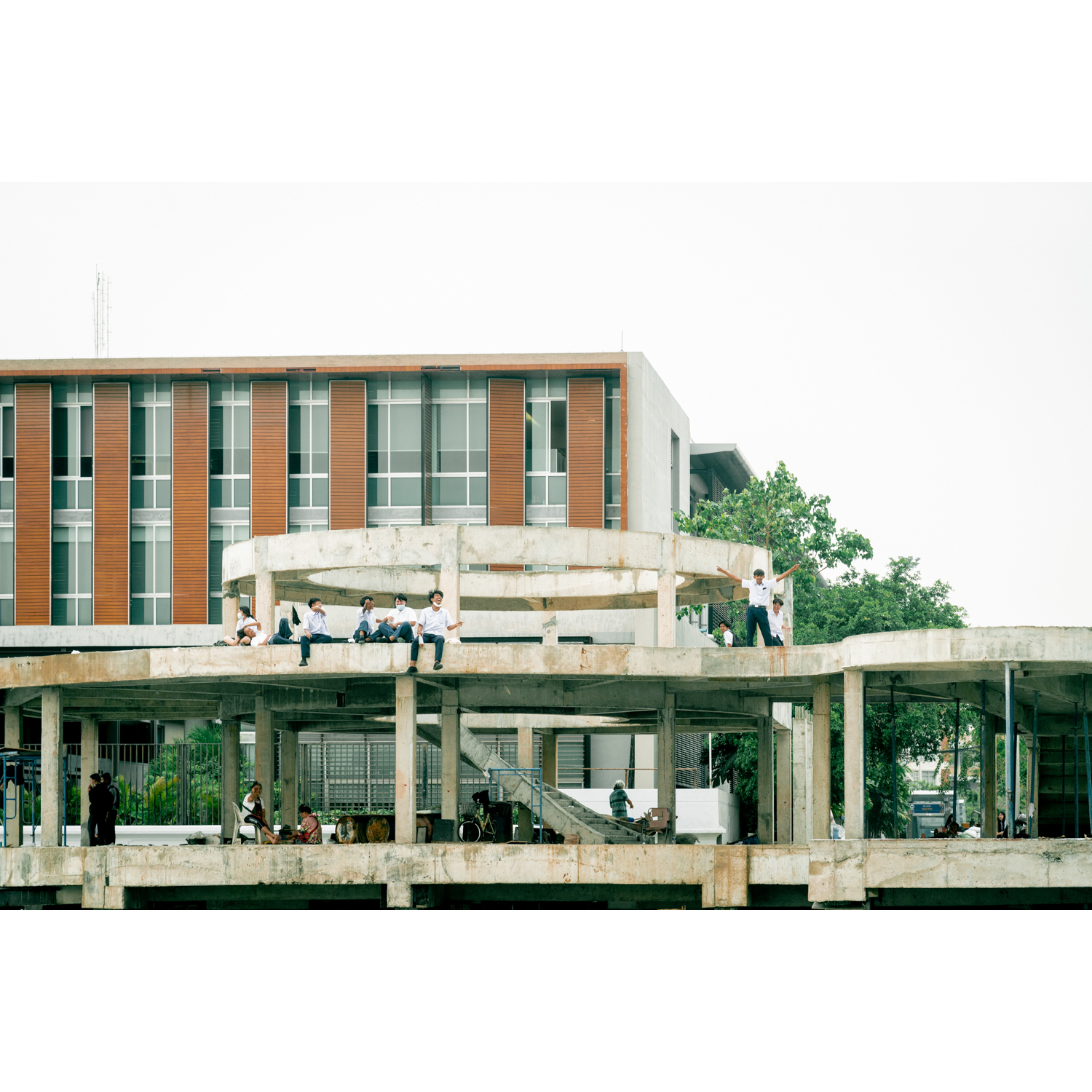
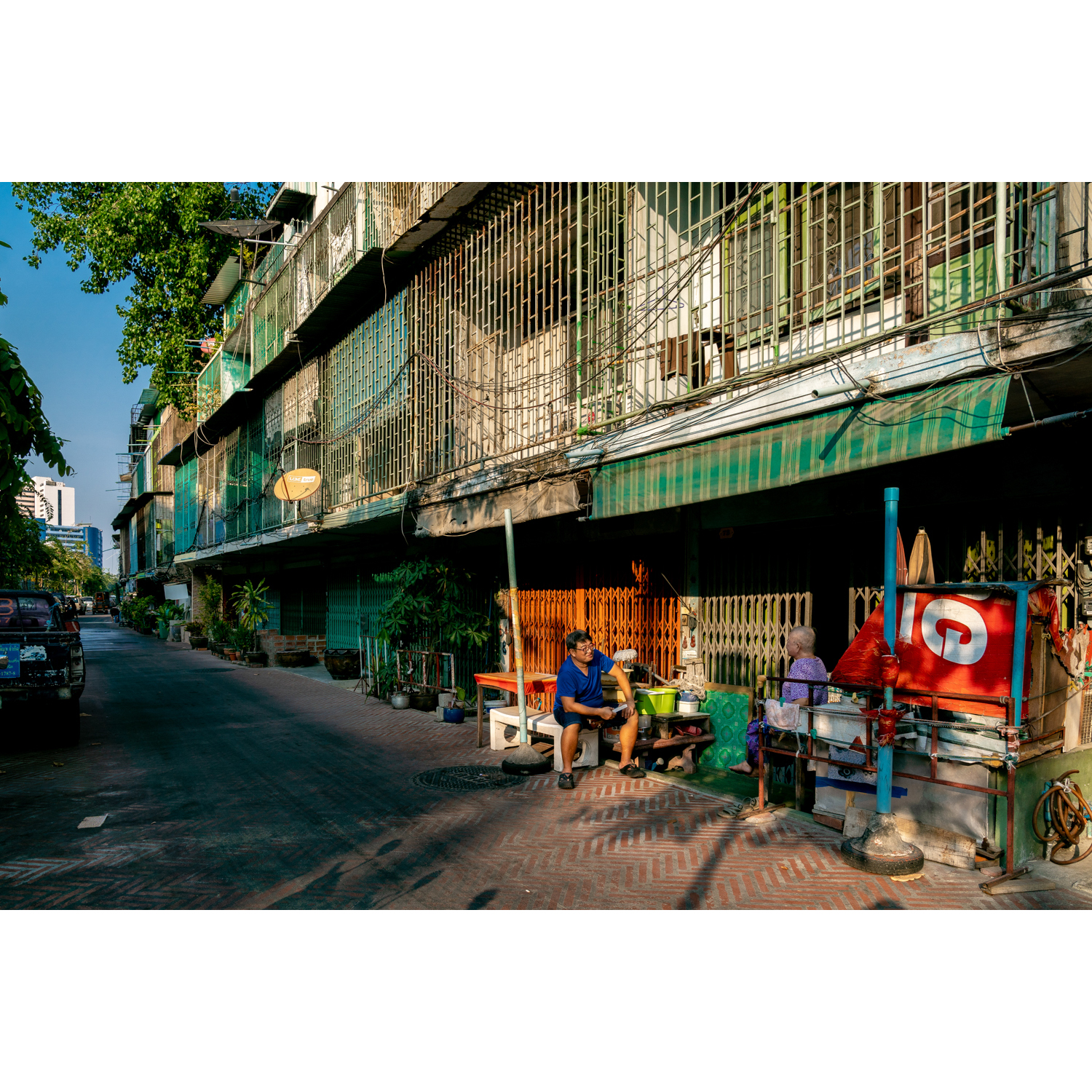
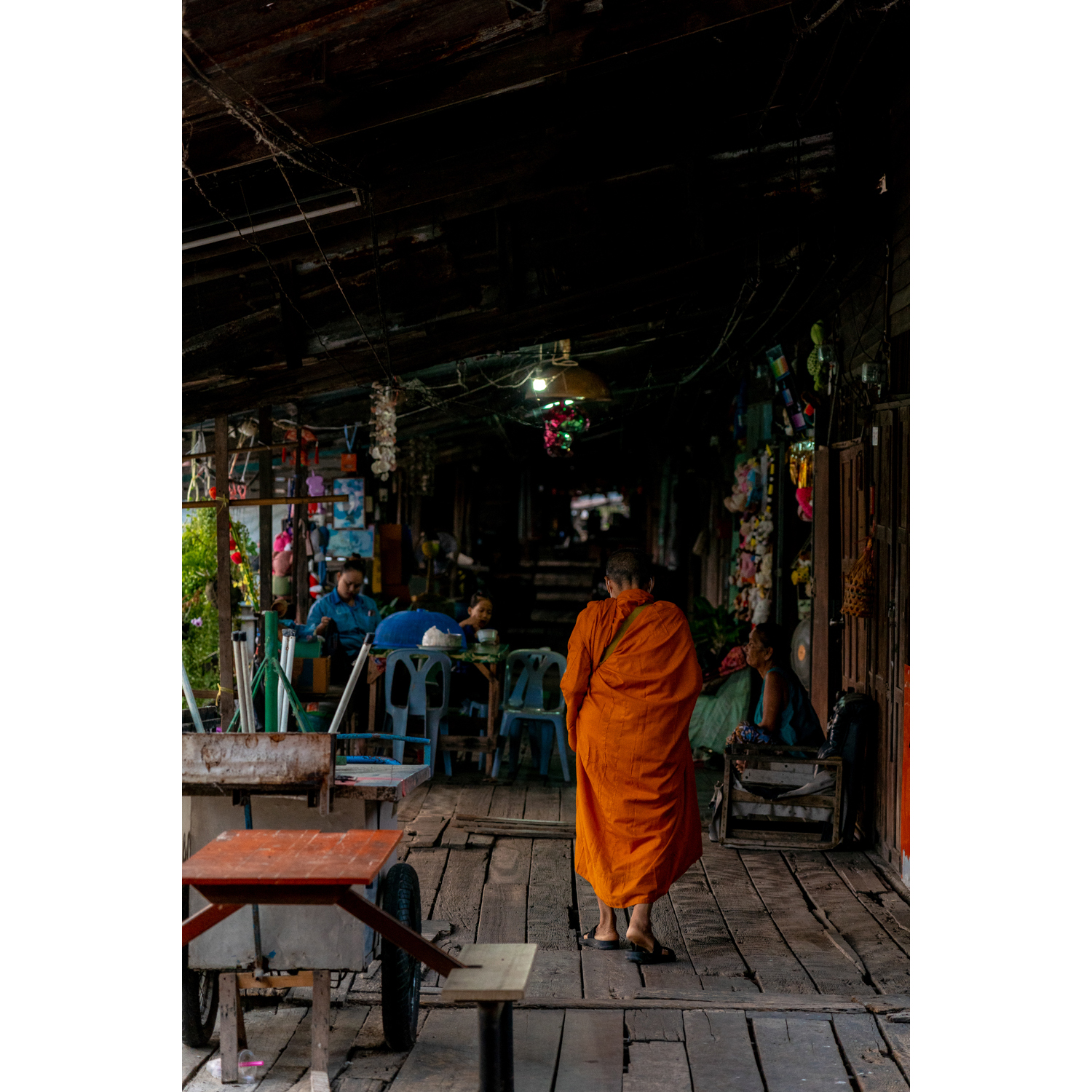
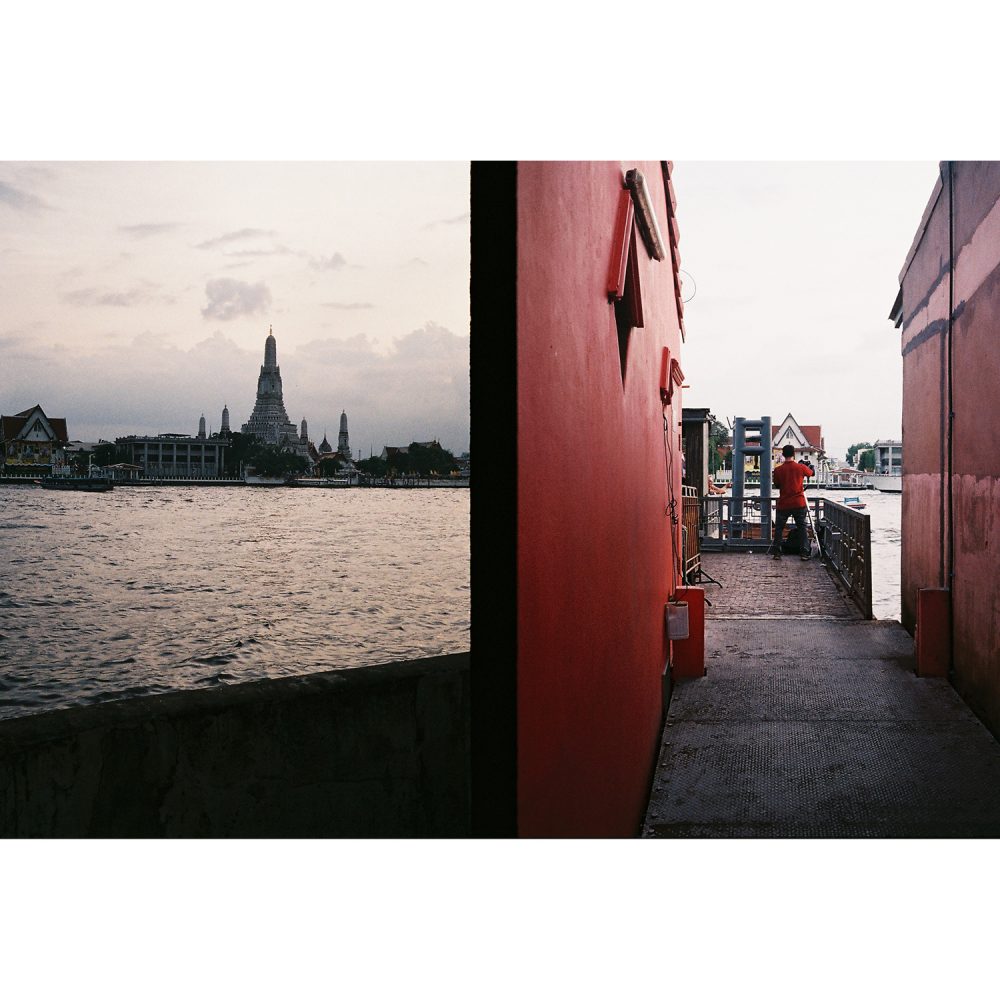
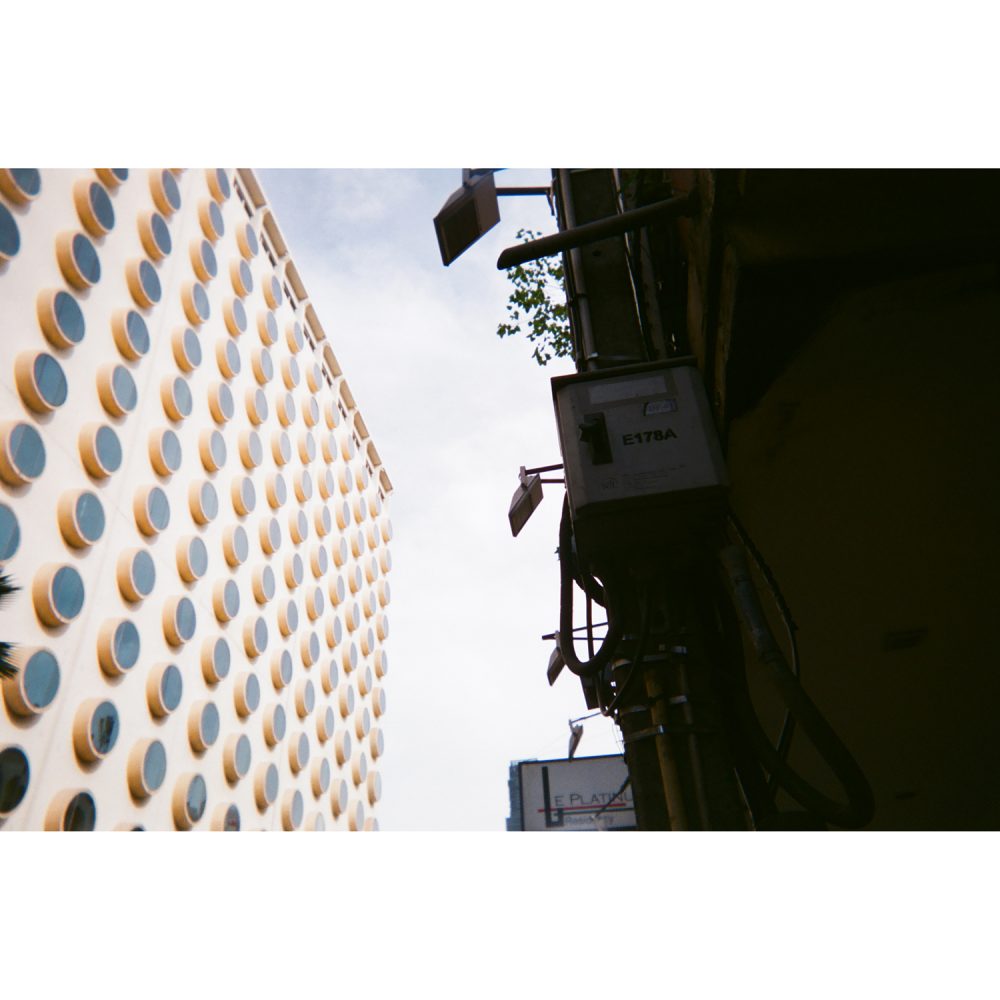
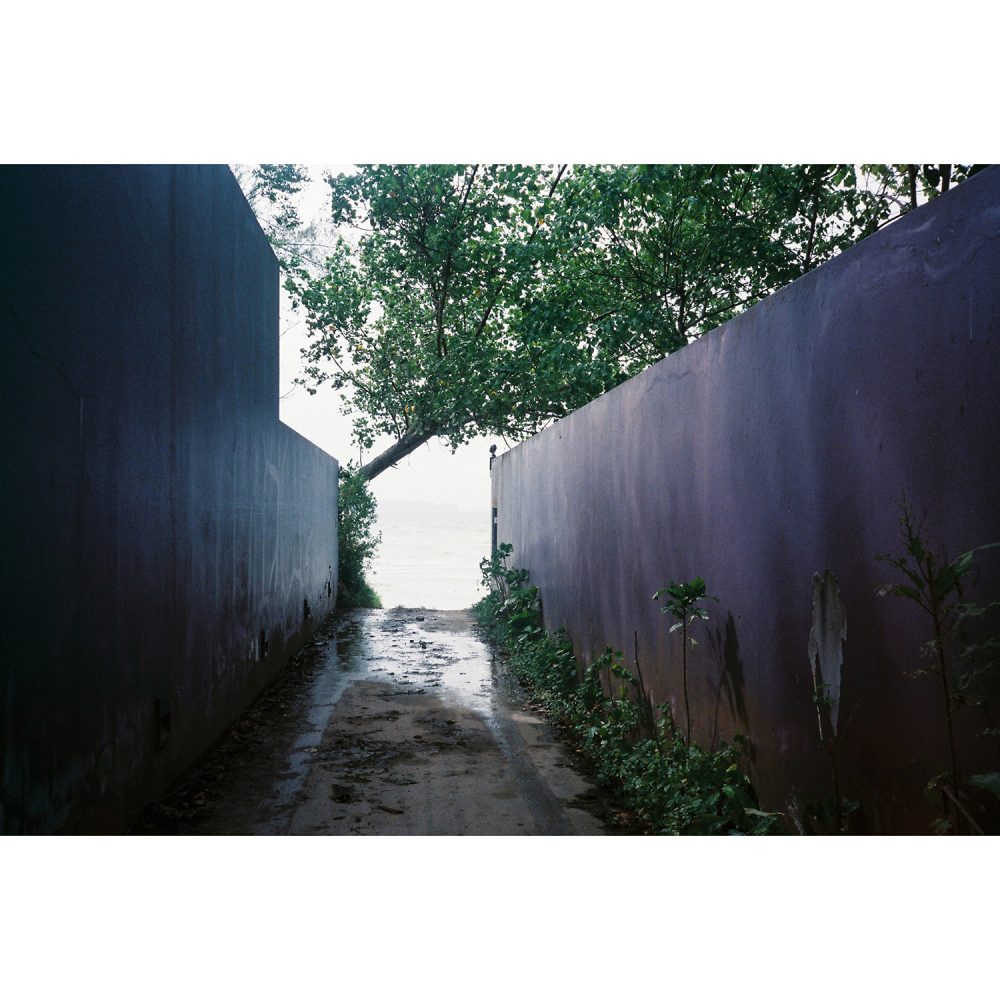
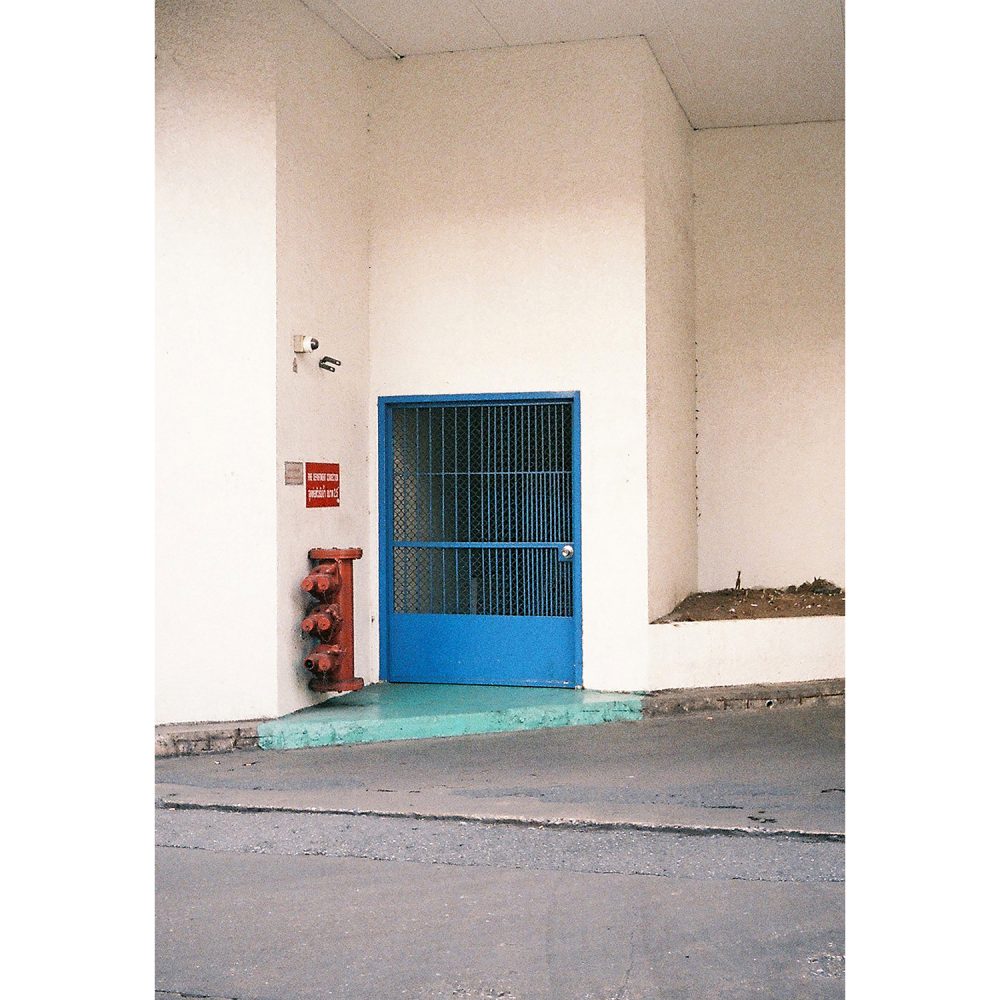
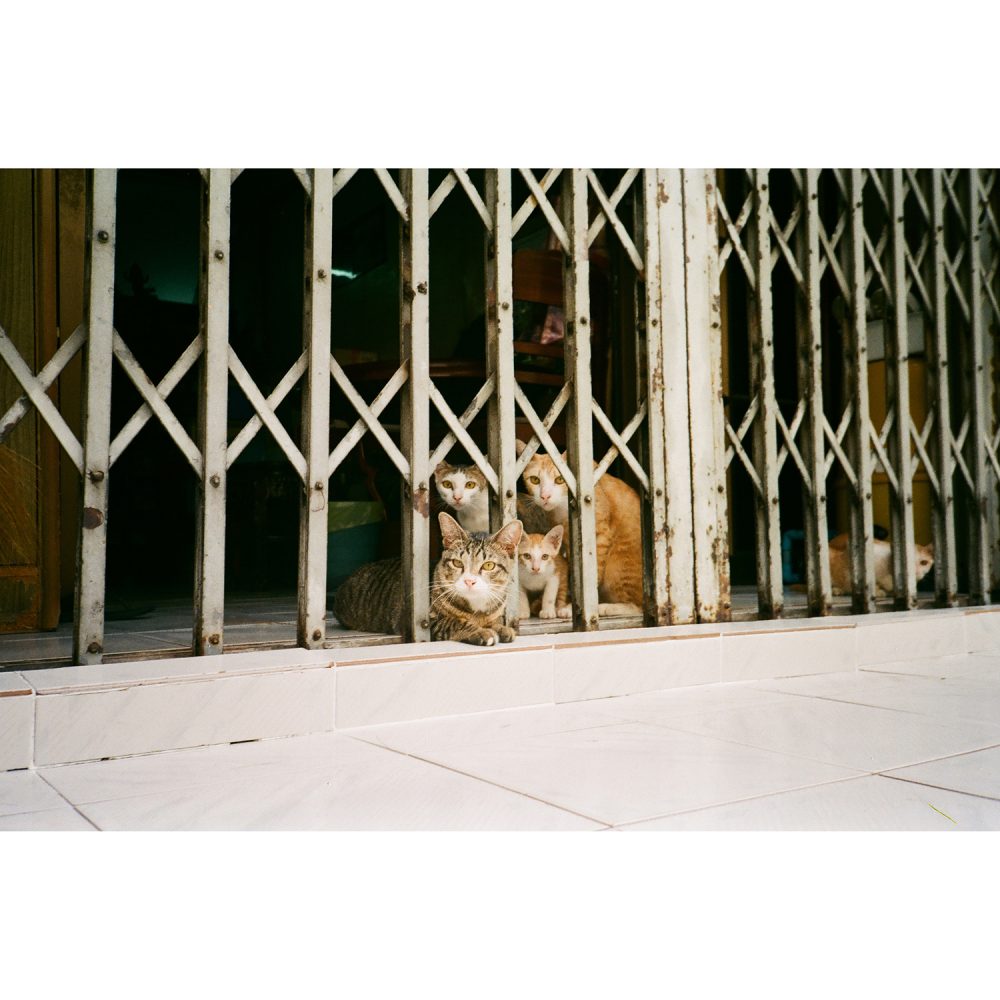
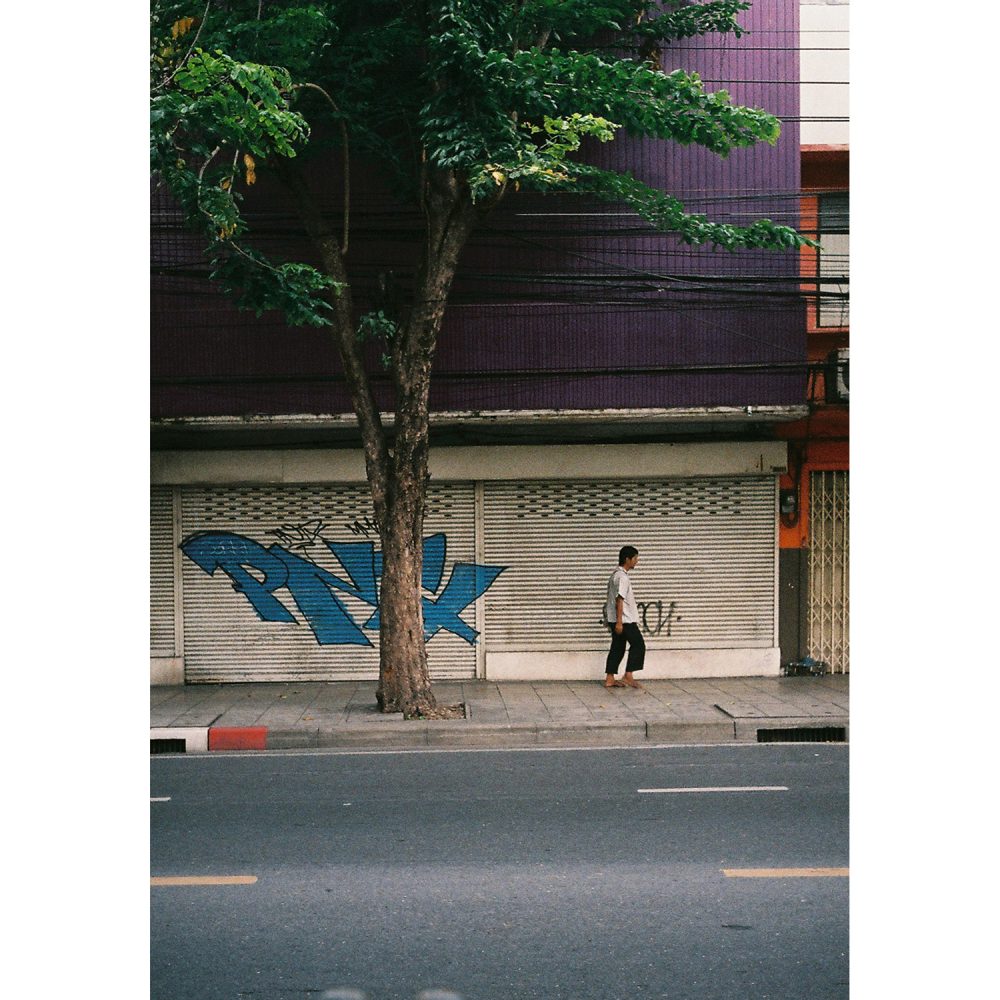
I always try to find the stories hidden in the details when I walk in urban spaces.
Especially about the relationship between spaces and people.
“Why does this space seem comfy?” “What element makes an atmosphere like this?”
Urban Spaces are created by humans. So it is full of someone’s ideas.
And the amount of ideas are too much to understand in a second.
So if we want to enjoy our urban walk, we have to fully concentrate to catch these ideas and stories hidden in an urban space.
I shoot when I feel like I am able to notice stories,
for my inspiration to design architecture,
and for my happiness to be shared with someone.
This is my point of view.
And this is my Bangkok.
_____________
Hirotaro Sono (Hiro) is a Japanese Photographer one who captures and shares the emotion of space and people. and an Architect one who designs the emotion of space and people.
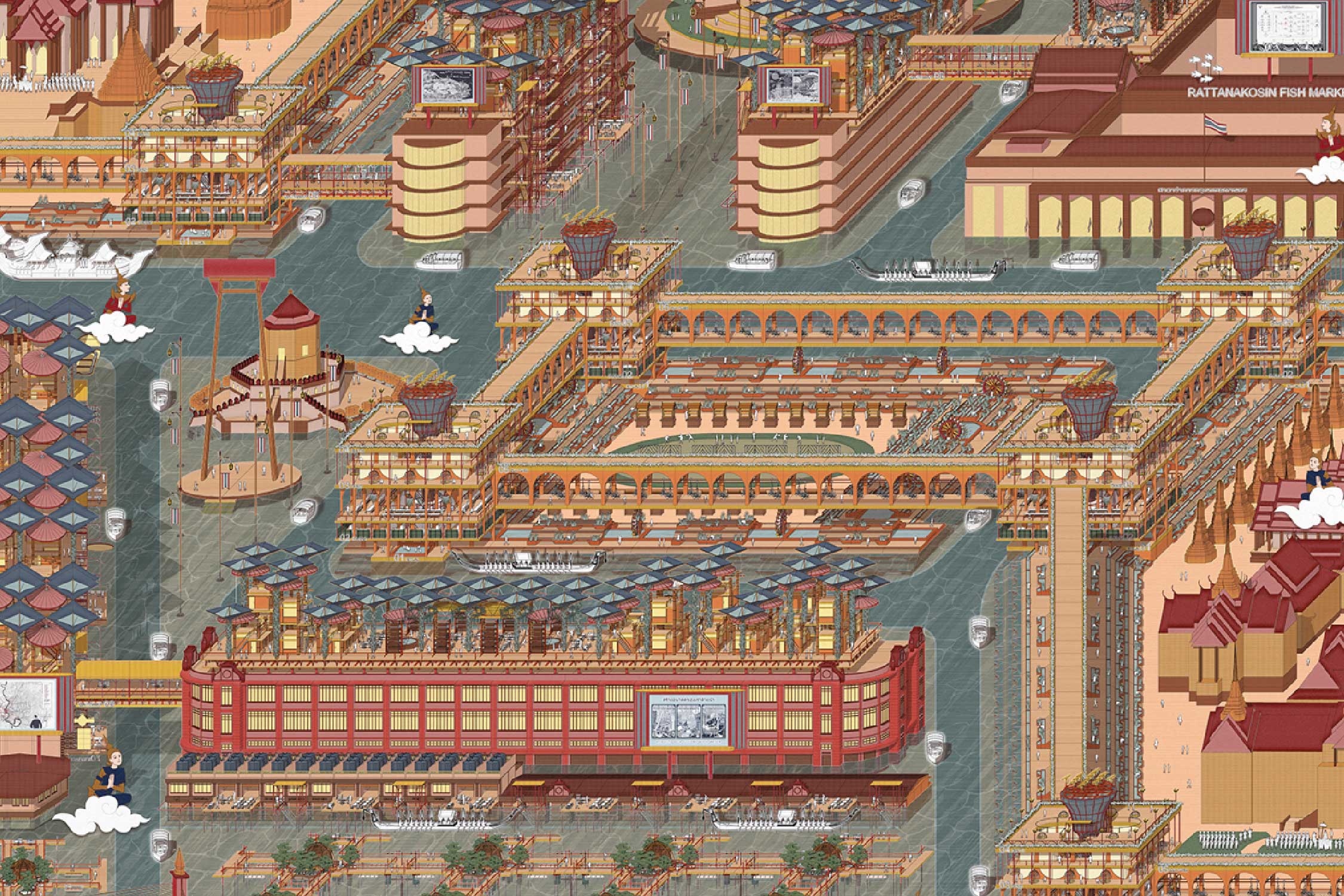
TYLER LIM, A SINGAPOREAN STUDENT AT THE NATIONAL UNIVERSITY OF SINGAPORE, IMAGINES HOW THE FUTURE BANGKOKIANS WILL LIVE TOGETHER WITH THE FLOOD IN HIS M.ARCH THESIS
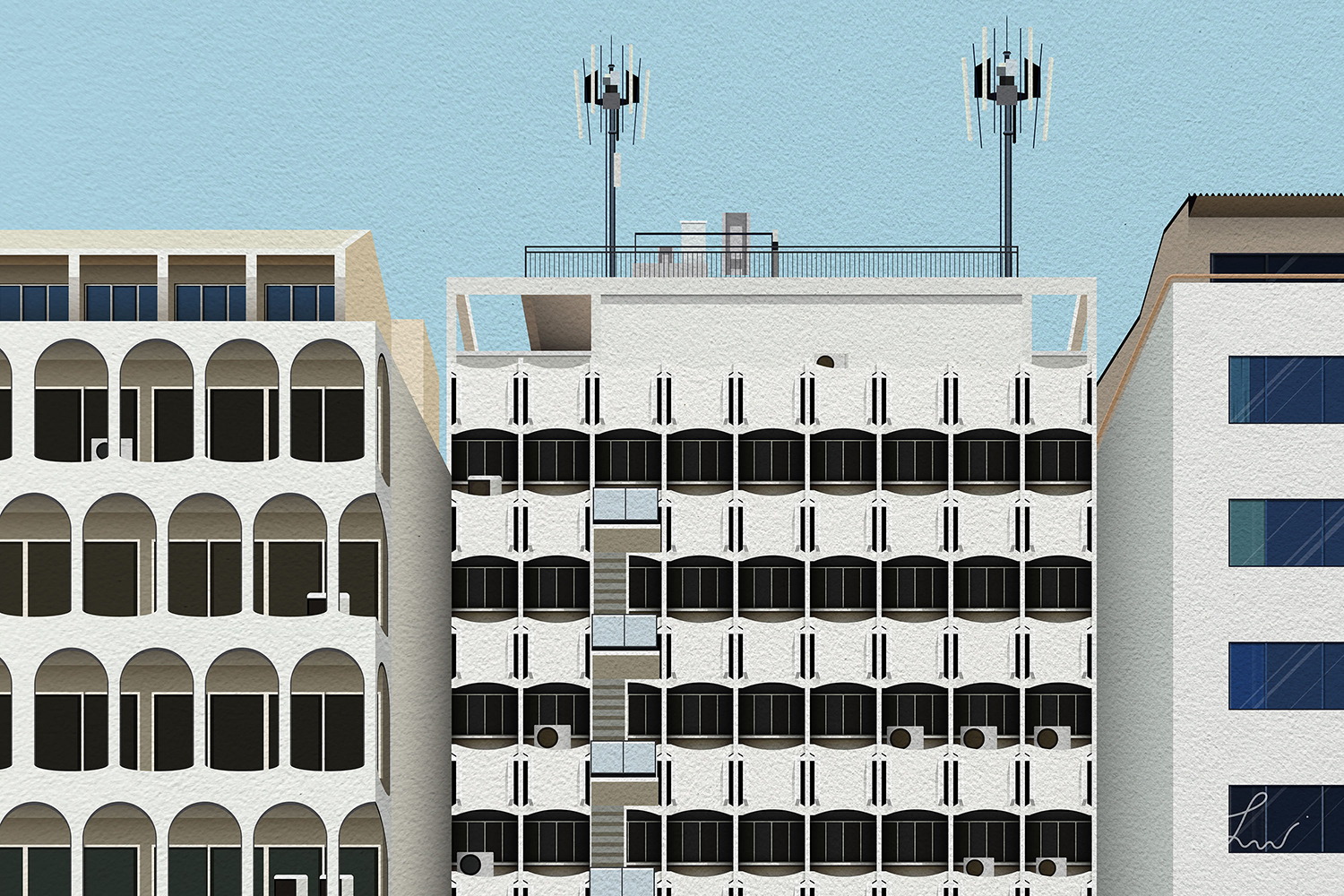
IMAGE: JANTHAIS.STUDIO
(For Thai, press here)
WHO
janthais.studio is part of my name. However, I am a person who graduated in fine arts who are interested in graphic design and architecture.
WHAT
Appreciating the details of simplicity, such as architecture or objects, to create new interesting spaces.

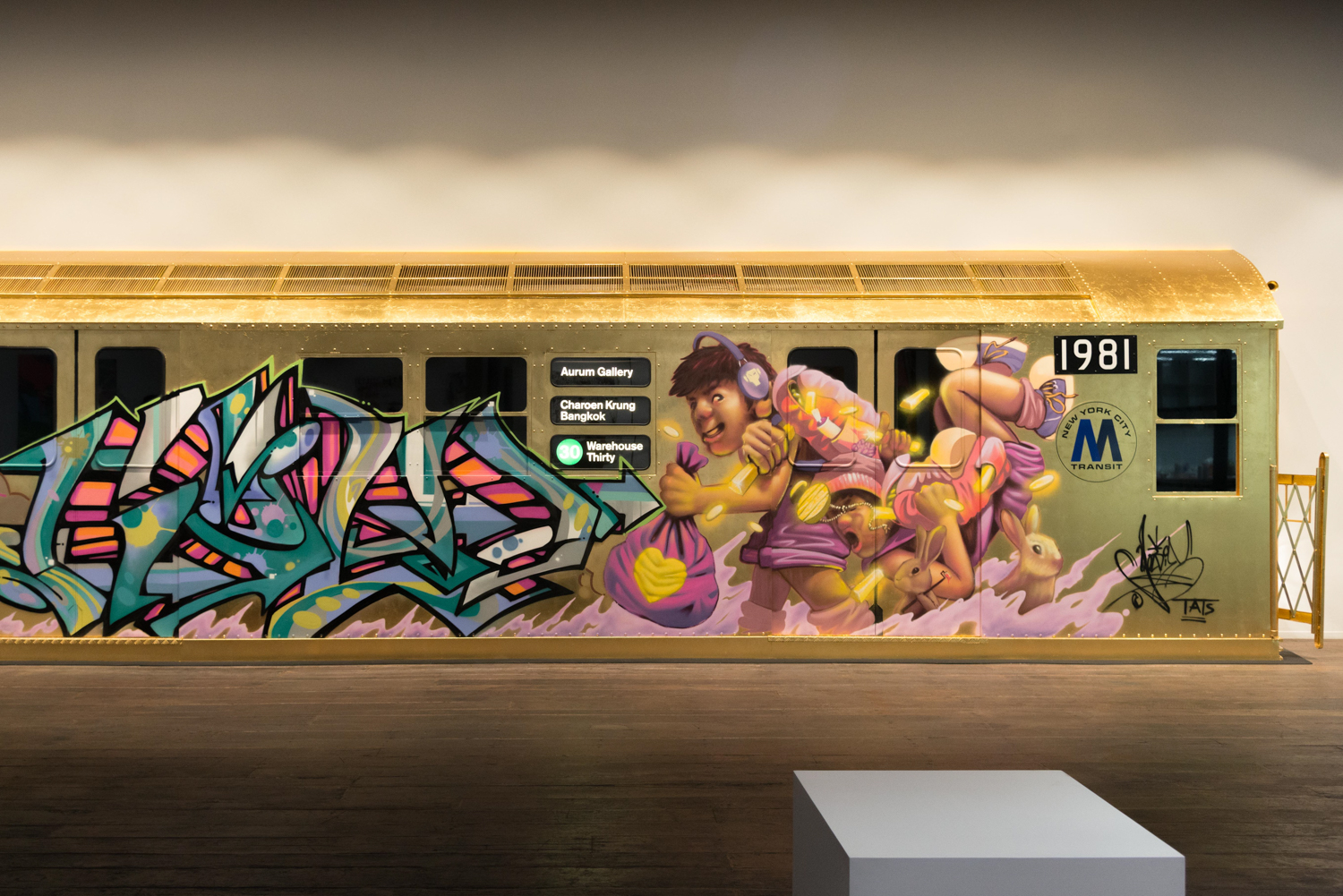
TEXT: PAPHOP KERDSUP
PHOTO: WASAWAT DECHAPIROM EXCEPT AS NOTED
What do “voids” in architecture from different periods inform us?
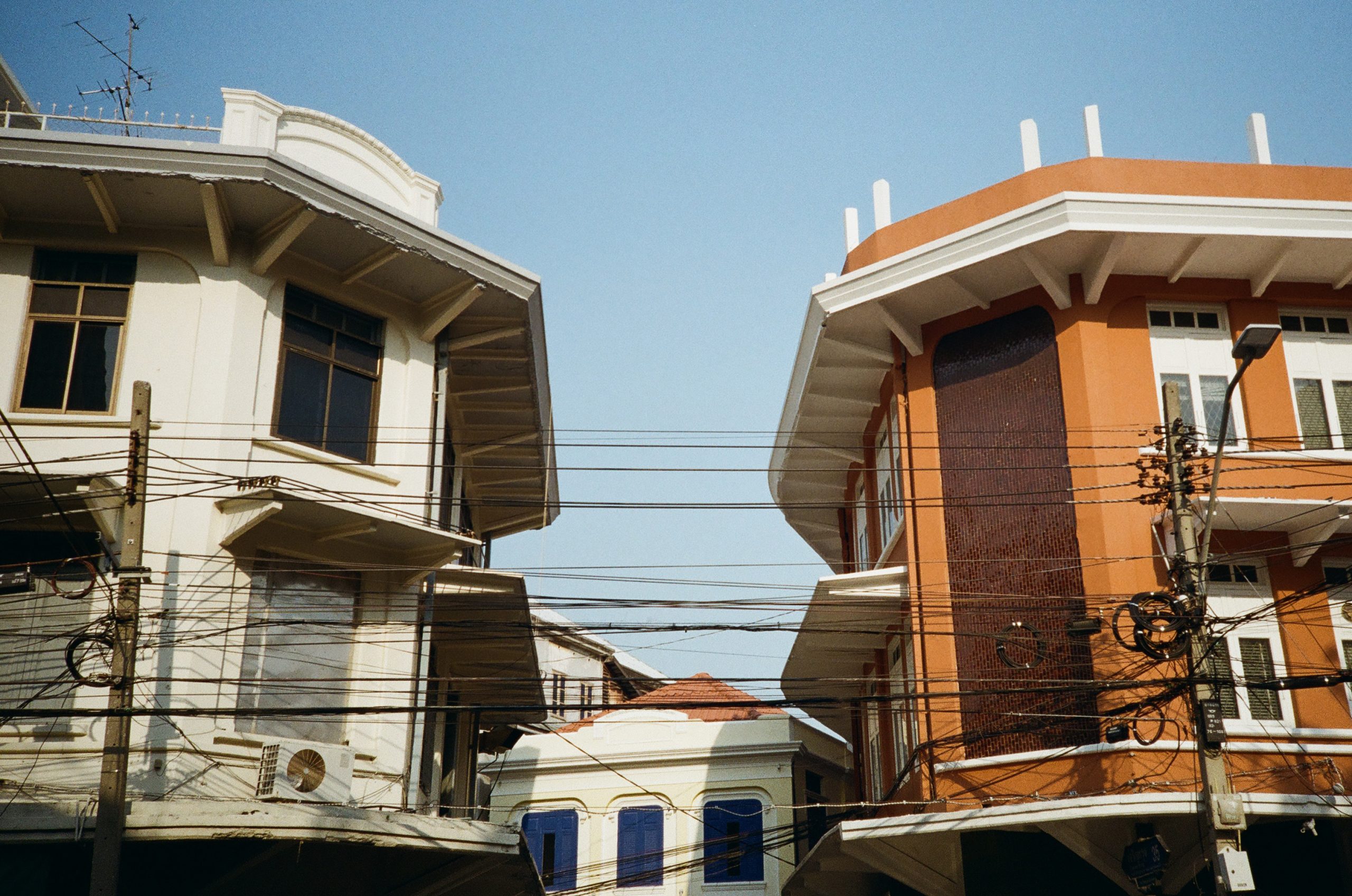
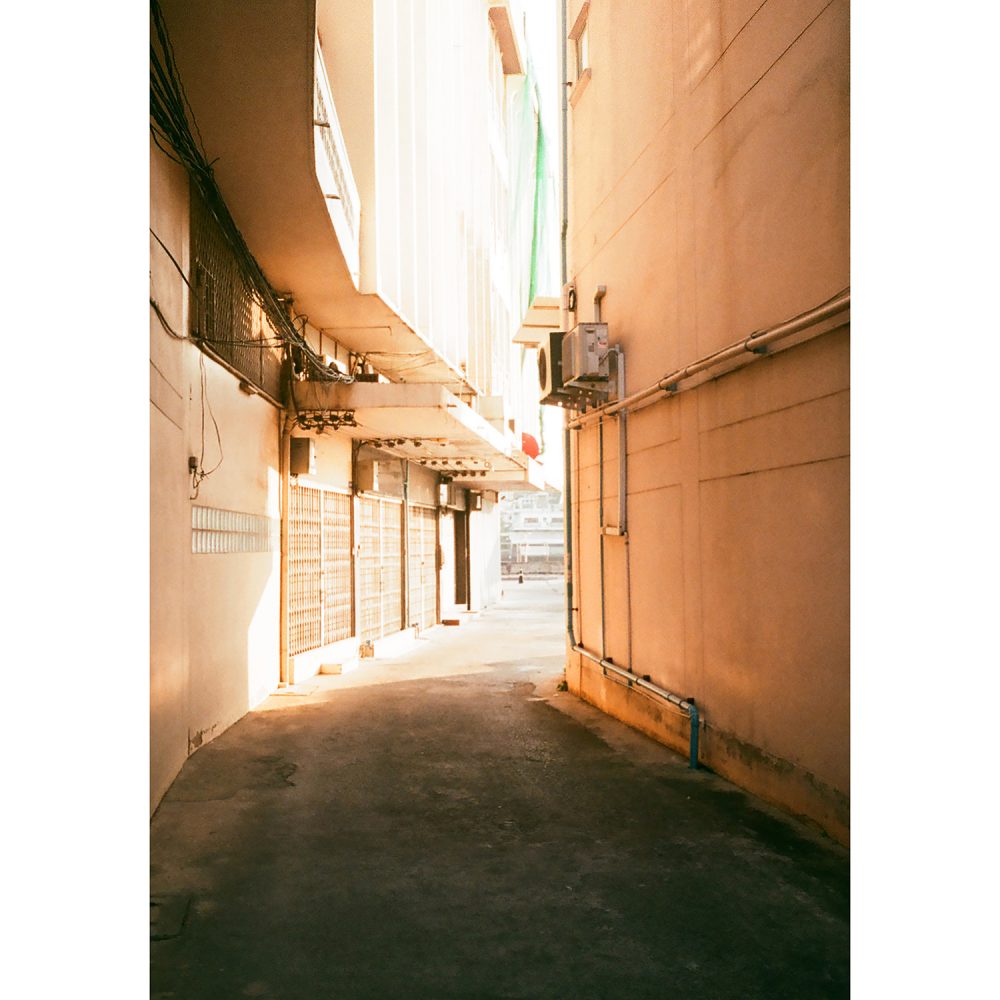
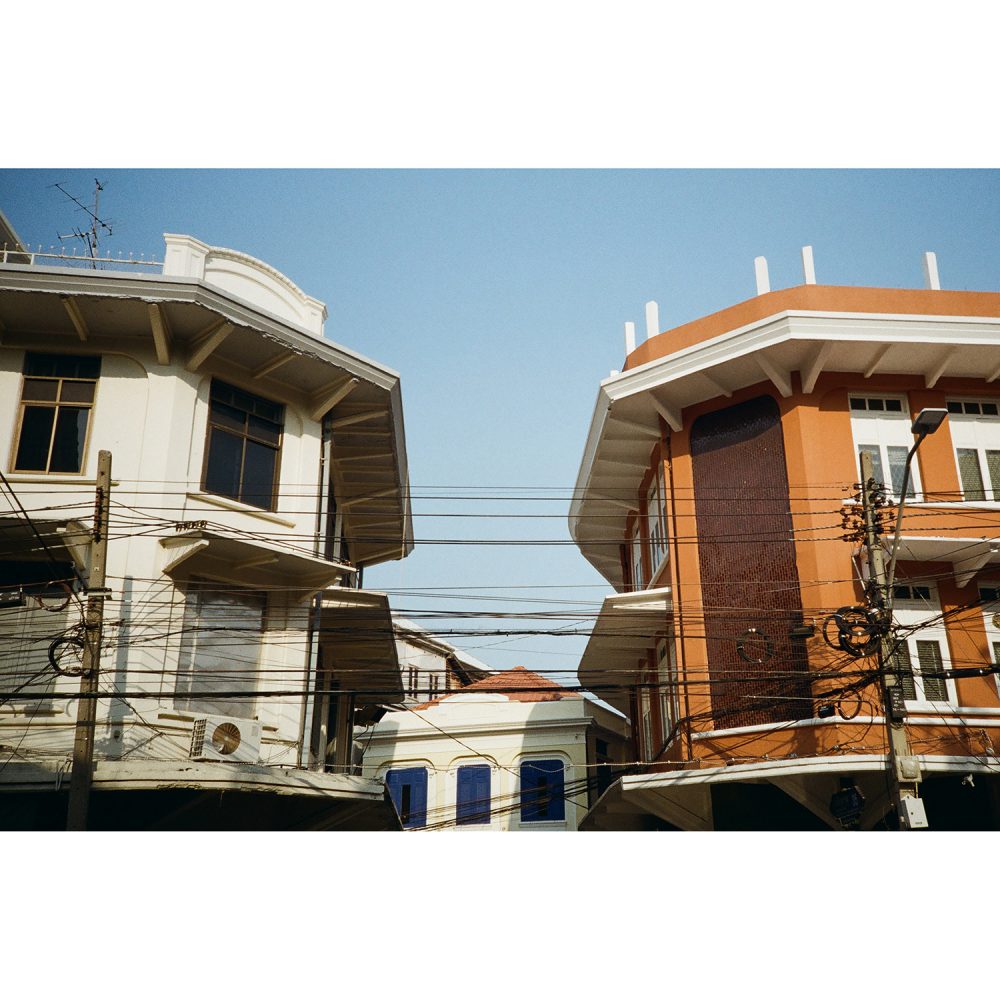
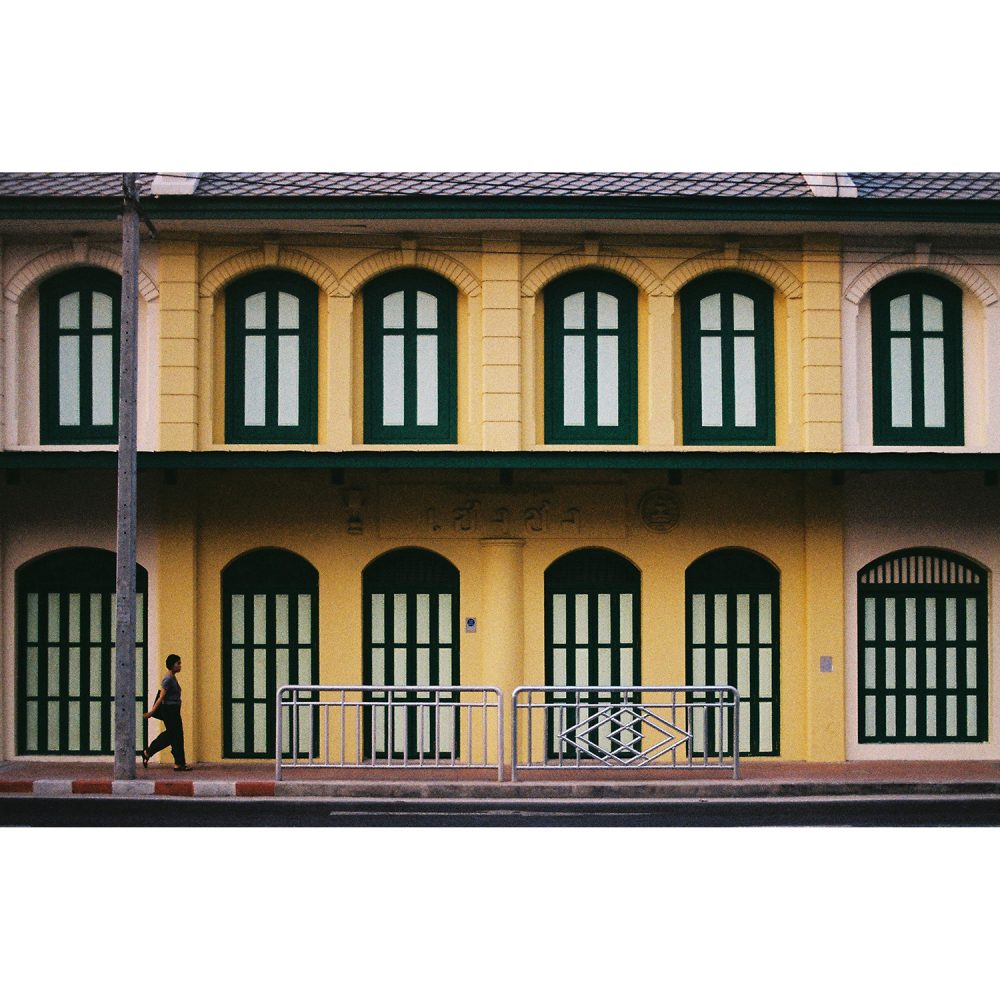
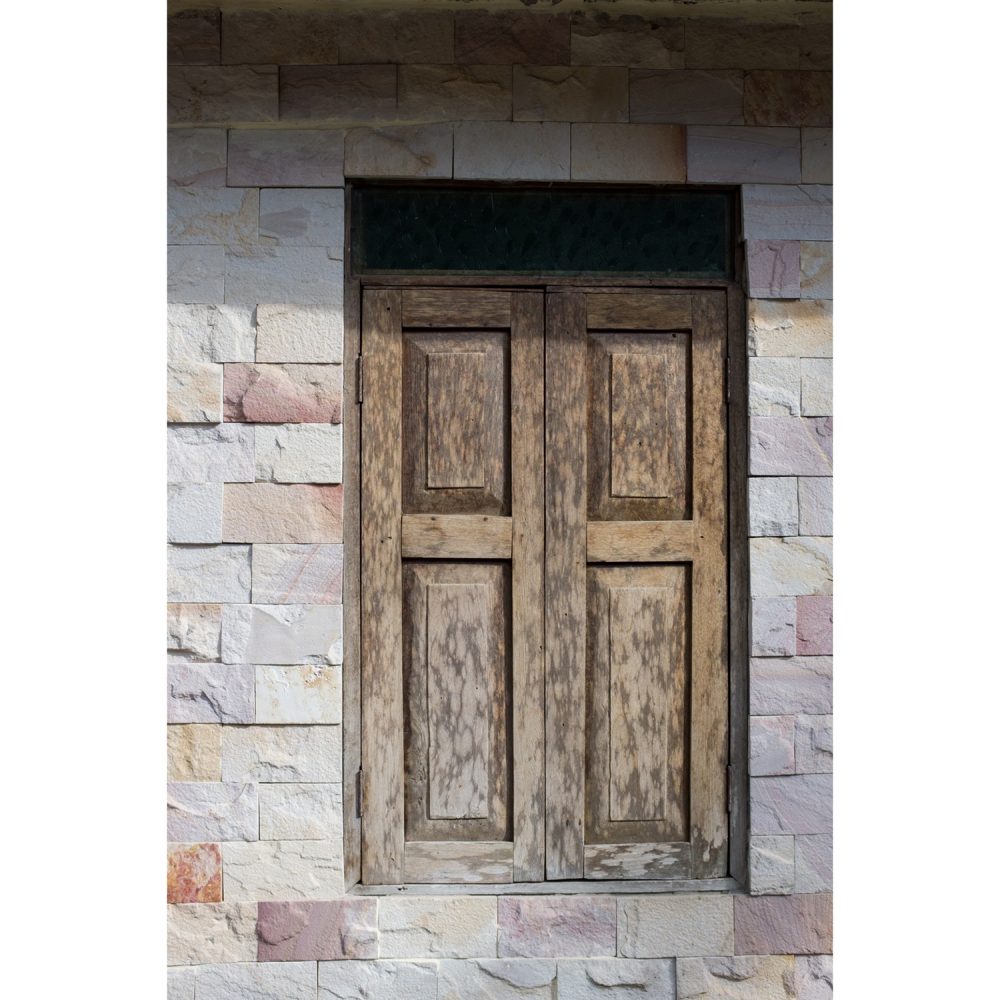
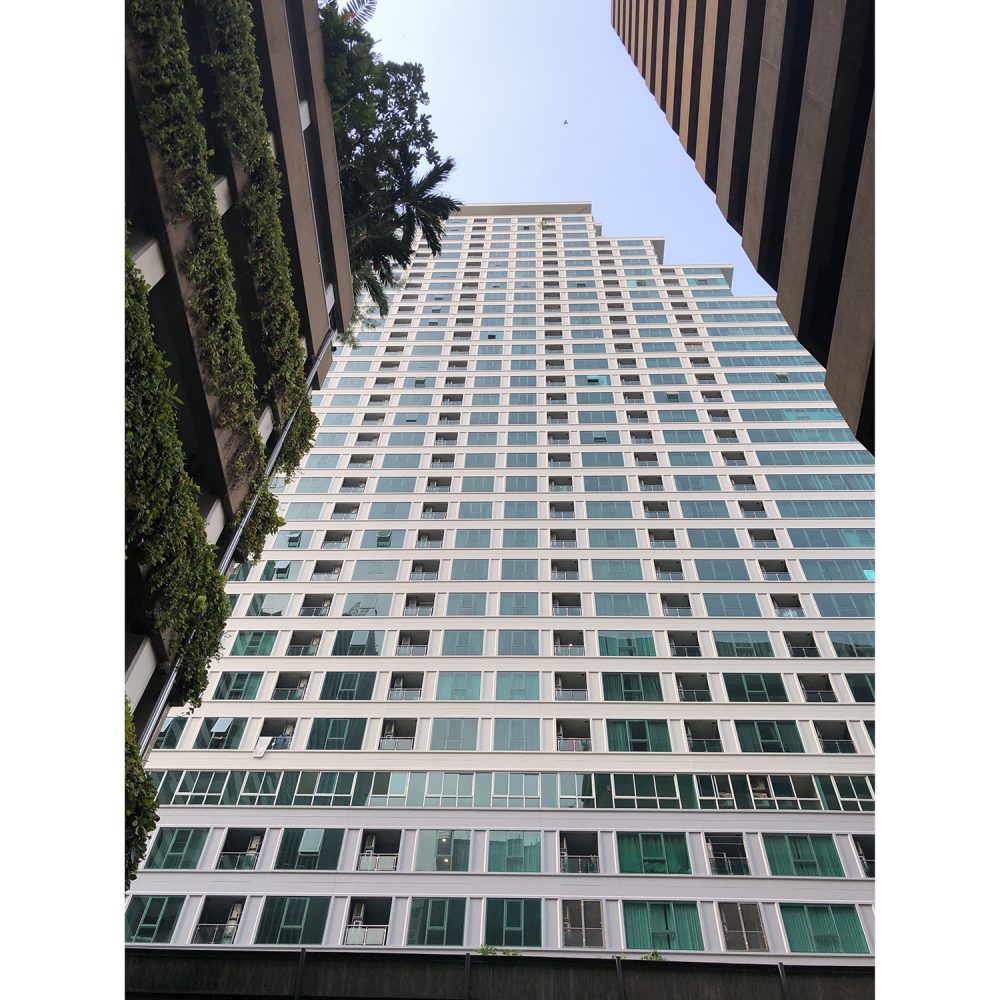
In addition to societal and cultural developments, “voids”—including doors, windows, vertical and horizontal openings in architecture as well as framing with such elements as walls—reflect the relationship between people and our environments, such as climate, use of space = and particularly natural light.
In the past, the wall-bearing structure in Thai architecture caused limitation in the size of voids, like walls of the Buddhist temple’s main hall and commercial buildings in their early days. This made our feelings towards light and darkness in the past differ from that today. Actually, we might have become more accustomed to the beauty in the shadows that felt more ambiguous than the complete clarity in front of our eyes.
In the latter half of the 20th century, modern construction technology started to enable people to bring the lights into our everyday living, thanks to the large glass windows and doors, especially for TOSTEM’s quality aluminium-framed ones. Thai people’s experience of lights has changed accordingly. With natural sunlight during the daytime and artificial light at night, we are now appreciating the aesthetics of light more than ever.
As architecture has been evolving until the present time, our experience of space starts to diversify. The familiarity caused by “voids”, which have changed from one period to another, makes us see the world around us with different perspectives. Framed images we see through windows, for example, are as appealing as that of an architecture accidentally framed by sidewalk walls while walking around Bangkok.